We engage people and places to create designs that enrich the world.
CLIENTELE
100% of our work is for mission-driven clients
80% higher education 20% edge of campus, mixeduse development
DESIGN AWARDS
200+
OFFICE LOCATIONS
Firm Profile
Ayers Saint Gross is a 180-person, internationally recognized design firm focused on higher education. Founded in 1912, we have an interdisciplinary staff of professionals organized around specialized areas of expertise including planning and building design for a wide range of research, academic, and student life facilities, campus planning and strategy, landscape architecture, interior design, and experiential graphic design. Our designs are driven by a critical and analytical discourse, a respect for past wisdom, a mind to future potential, and a belief that we have an obligation to leave places better than we found them.
Ayers Saint Gross has worked with more than 250 institutions around the world. We program, plan, and design teaching and learning facilities that enable discovery and encourage collaboration within and across disciplines. Our focused experience designing for higher education clients is marked by a commitment to align the physical form of our designs with the mission and values of each campus. We listen, observe, analyze, and collaborate. Our designs are informed by the spirit of our clients and the specific opportunities of each site.
Working Together Towards a Common Goal
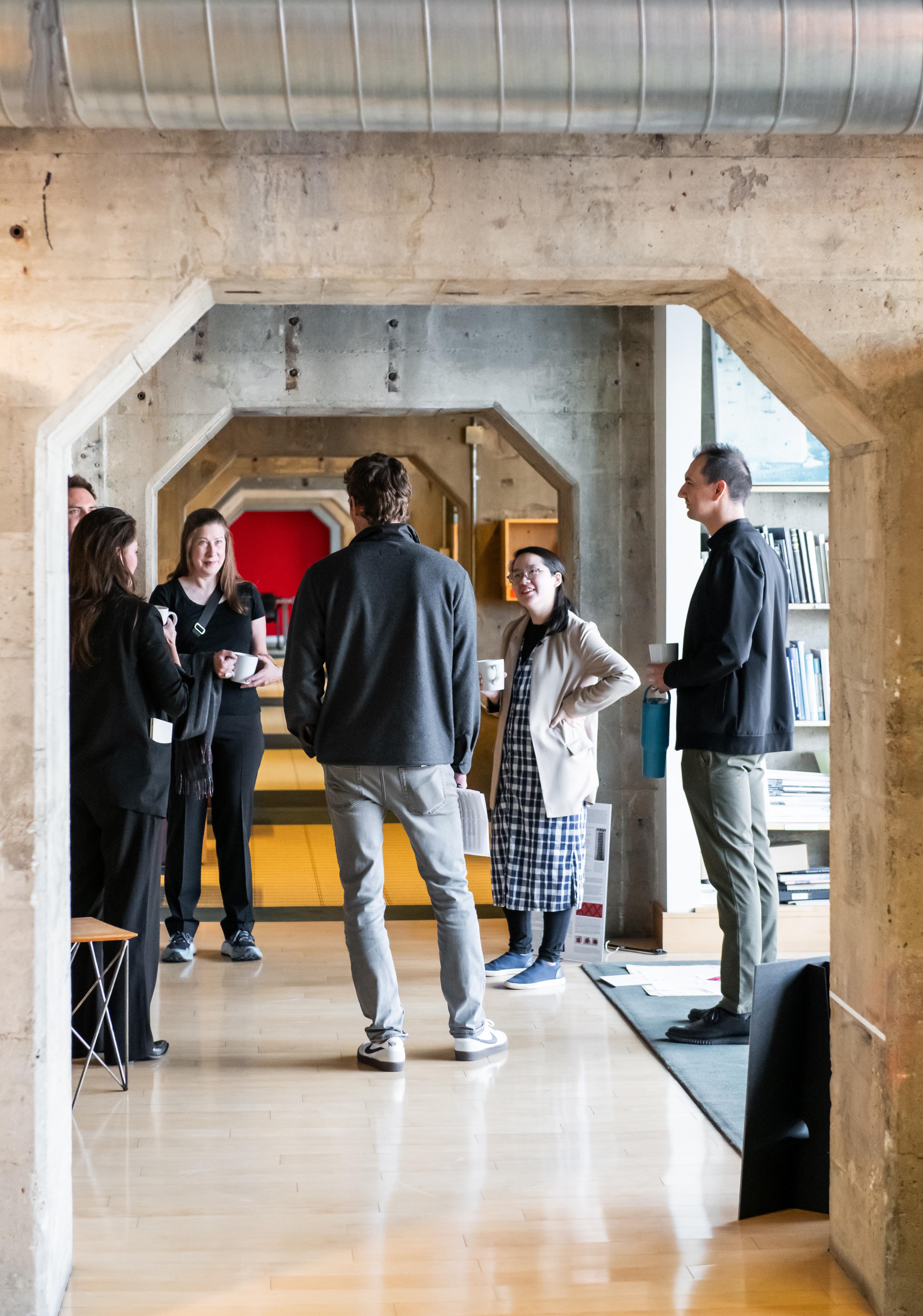
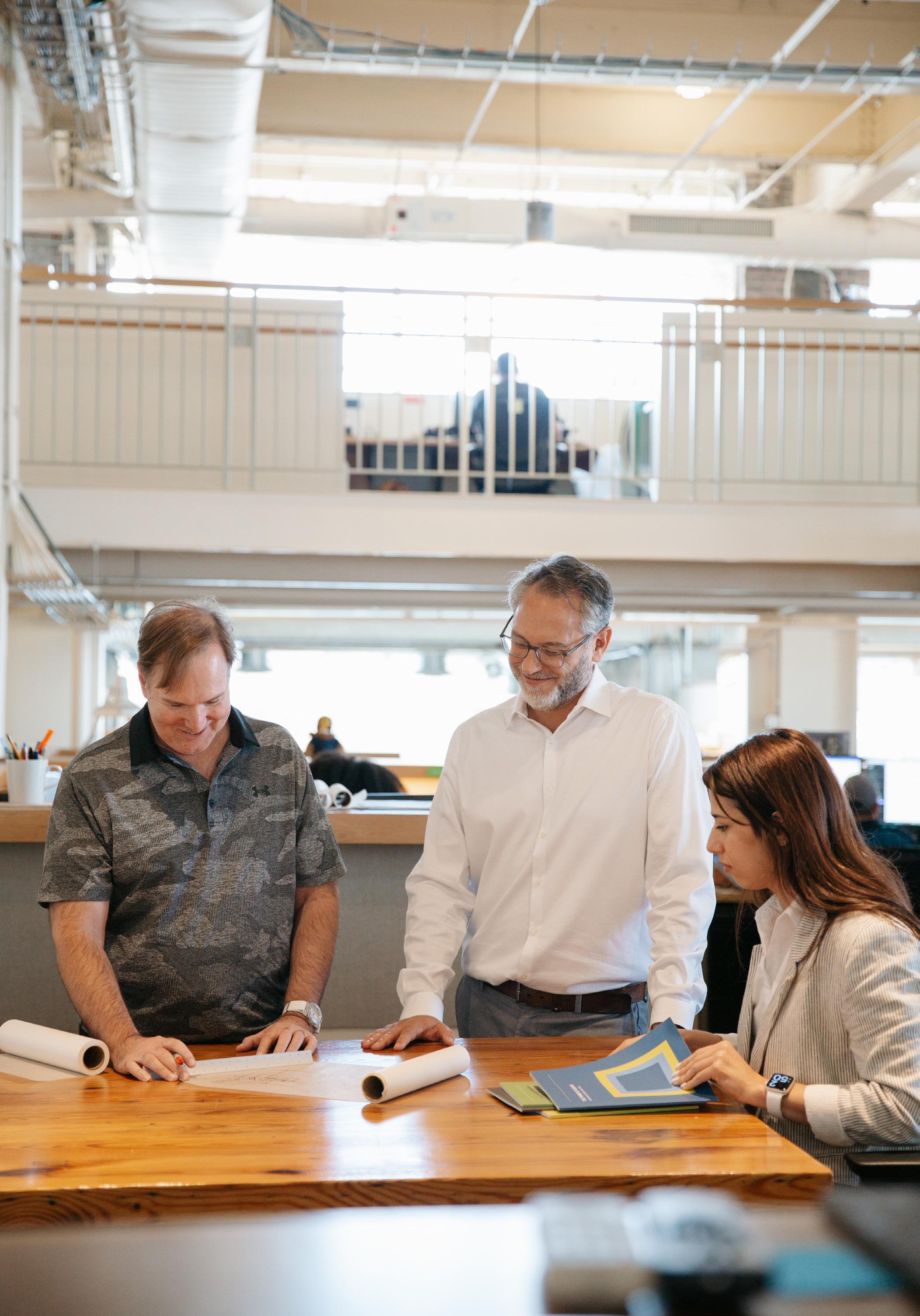
We approach our design process as a collaboration with our clients. We create dialogues that encourage consensus building, engage stakeholders, and incorporate collaborative efforts to find creative solutions to project challenges. We understand education, specialized programmatic demands, and design performance.
Working
Across Disciplines
Our practice is built on an interweaving of design disciplines. We work in an integrated fashion that produces holistic planning and architectural designs that engage multiple, cross-disciplinary factors such as ecological impacts and benefits, connectivity, energy use, broader community goals, university goals, cost, and implementation. Consensus building and collaboration guide all our efforts. BALTIMORE WASHINGTON
District
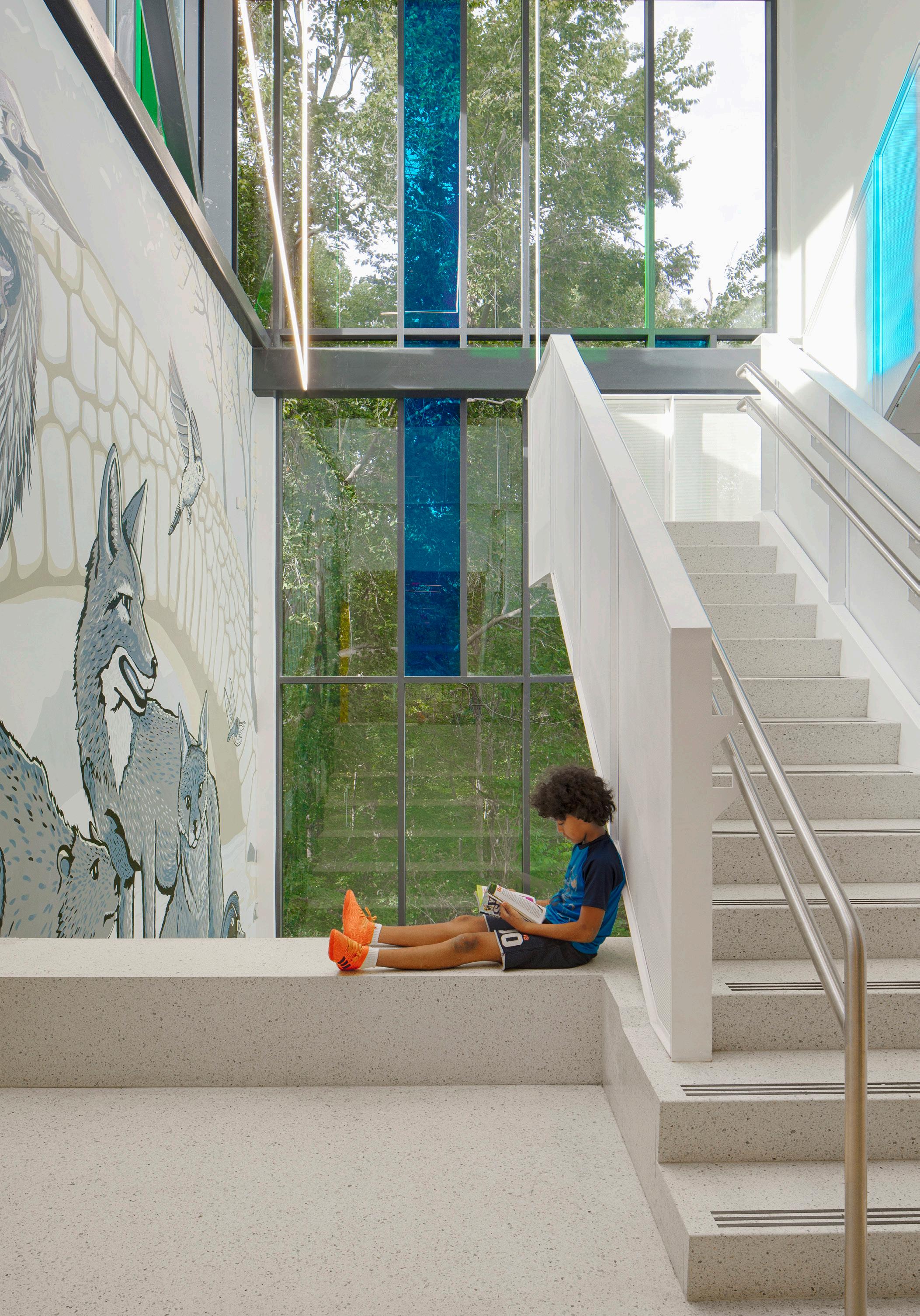
of Columbia Department of General Services, Bancroft Elementary School
Achieving sustainability requires carefully balancing the unique needs of people and ecological systems with the economic realities inherent in each project. Ayers Saint Gross balances these opportunities and challenges to develop creative and effective design solutions.
The projects we design represent the largest impact we make on creating a sustainable future. Ayers Saint Gross has been a reporting signatory of the AIA2030 Commitment since reporting year 2011, and we proudly contribute 100% of our eligible design portfolio every year. We are also signatories to the AIA Materials Pledge and have completed both firmwide reporting and submitted 100% of our eligible project portfolio in each reporting year. In this update to our firm’s sustainability action plan, we are excited to modernize our metrics in landscape architecture to better align with industry practices formalized through the American Society of Landscape Architects (ASLA), restructure how we think about sustainability in planning to reflect the diversity of our assignments, and renew our commitment to sustainability in experiential graphic design.
Sustainability’s integration into the design industry has evolved substantially over the last decade. Where we used to focus primarily on energy savings and annual cost reductions, we now focus more significantly on embodied and operational carbon savings to mitigate and adapt to climate change’s impacts. As our industries have amassed more robust datasets, it has become clearer how codes, standards, design decisions, client choices, and cleaner energy systems must work in concert to reach the full potential of the healthier, decarbonized built environment we envision.
Our focus on mission-driven clients has not changed, but the complexity and urgency of the design challenges we’re asked to address has increased, mirroring the complexity and integration of our world’s challenges. We continue to keep our eye on the horizon with hope and determination.
We have refined goals and action items within each of our practice areas to help accelerate Ayers Saint Gross in its journey to become a carbon neutral design practice of the future. Goals within architecture, interiors, landscape architecture, planning and strategy, and experiential graphic design follow along with specific action items we’re undertaking to ensure progress toward carbon neutrality and support our clients in achieving their high-performance goals.
Source: 2022 Inventory of U.S. Greenhouse Gas Emissions and Sinks, EPA
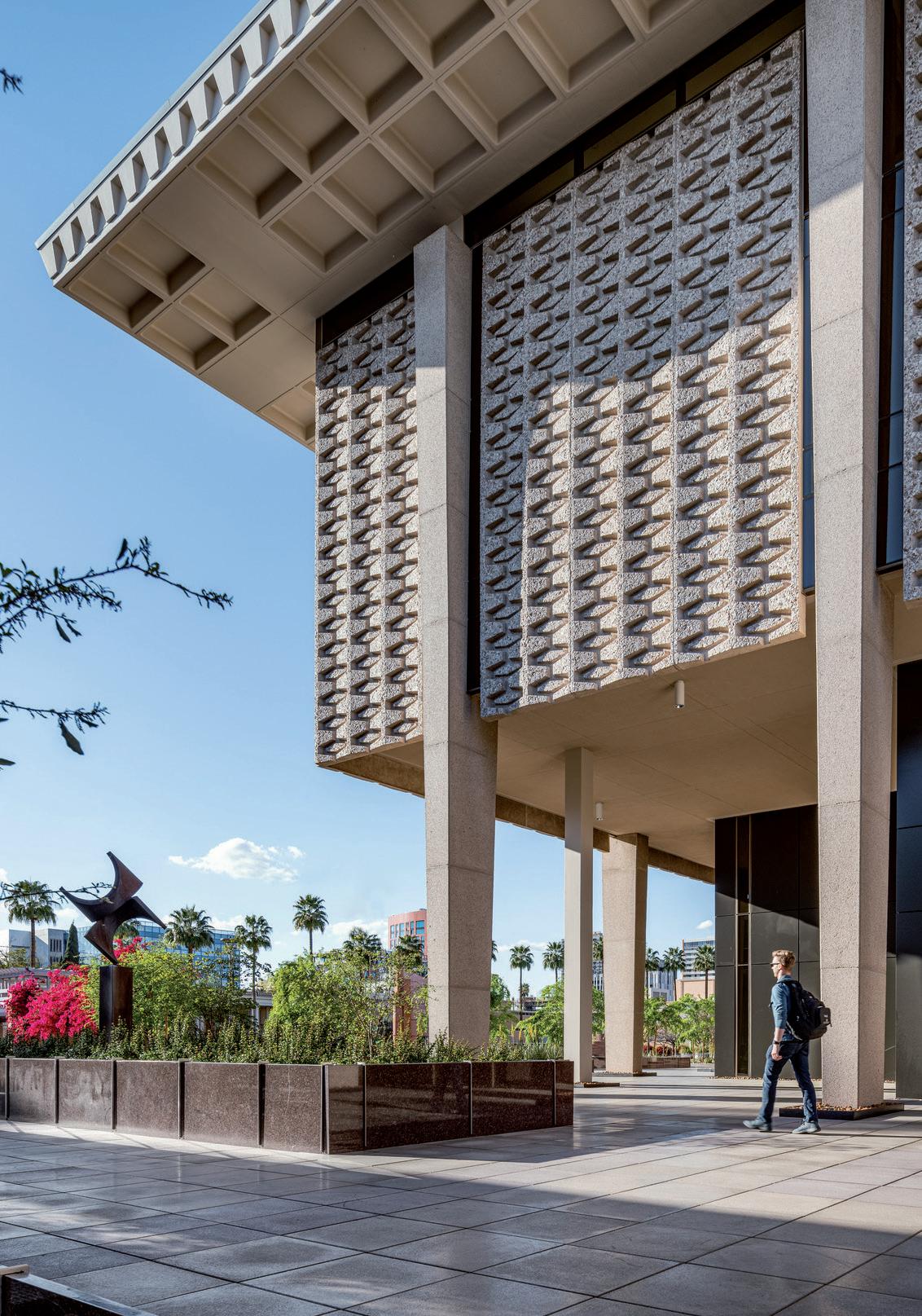
Arizona State University, Hayden Library Reinvention
Architecture
In alignment with our signature to the AIA2030 Commitment, we will continue progressing toward a high-efficiency, net-zero architectural design portfolio that produces no on-site combustion emissions.
To achieve this goal we will:
1. Establish an energy use intensity (EUI) target for every whole building architectural project during Schematic Design.
Setting an energy performance target early in design helps our teams keep track of what we’re working toward. We use our own database of over a decade’s worth of project data to establish EUI targets based on a project’s program and climate zone. We also reference larger industry-wide data sets such as the Commercial Buildings Energy Consumption Survey (CBECS), Zero Tool, and Energy Star’s Target Finder to validate our targets.
2. Complete a whole building life cycle analysis (WBLCA) for every project over 50,000 GSF.
Whole building life cycle analysis helps us track the embodied carbon of our projects. We database this information in the same manner as our EUI data and leverage it to develop low-carbon projects for our clients.
3. Contract energy modeling support from our engineering and energy modeling partners for every project over 50,000 GSF.
We can’t reach all of our operational carbon reduction goals alone and need support from great consultants to progress.
4. Codify post-occupancy evaluation tools for use on every project over 50,000 GSF.
More consistently understanding how our projects perform post-occupancy will help us to design better projects in future.
5. Partner with structural engineers who are signatories to the Structural Engineers 2050 (SE2050) Commitment Program.
The SE2050 is a voluntary program of the Carbon Leadership Forum (CLF) and the Sustainability Committee of the Structural Engineering Institute (SEI) of the American Society of Civil Engineers (ASCE). The program is similar to the AIA2030 Commitment Ayers Saint Gross has signed and commits structural engineers to “understand, reduce, and ultimately eliminate embodied carbon in their projects by 2050.”
6. Partner with mechanical engineers who are signatories to the MEP2040.
The MEP2040 is a voluntary program of the Carbon Leadership Forum (CLF) that is similarly structured to the AIA2030 Commitment and obligates engineers to “advocate for and achieve net zero carbon in their projects: operational by 2030 and embodied carbon by 2040.”
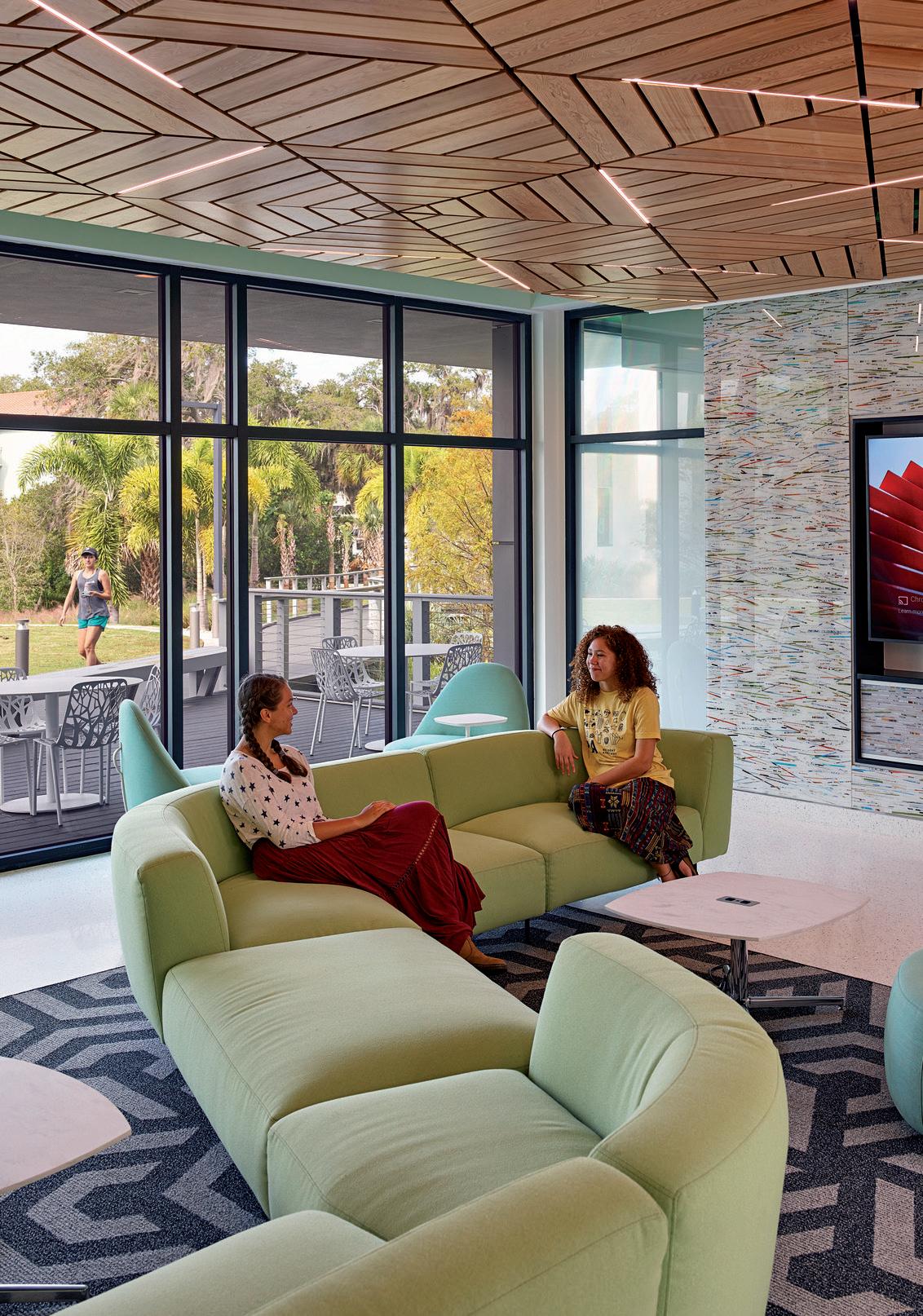
Ringling College of art + design, Bridge Hall Apartments
Interiors
In alignment
with
our signature to the AIA2030
Commitment,
we
will reduce the lighting power density and continue progressing toward high-efficiency interior projects across our design portfolio that produce no on-site combustion emissions.
To achieve this goal we will:
1. Meet or exceed AIA2030 Commitment targets for lighting power density.
Our interiors projects have reliably met or exceeded the AIA2030 Commitment target for lighting power density reductions over the last decade. As the achievement benchmark continues to become more stringent, we will continue to meet or exceed the AIA2030 interioronly project targets.
2. Complete an interior life cycle assessment for every project over 10,000 GSF.
While interiors projects tend to have fewer embodied carbon emissions when compared to whole building architectural projects, interiors projects tend to turnover their products and materials more quickly. This churn in materials can significantly impact the long-term sustainability of an interiors project.
3. Evaluate our specifications and establish a materials standard that is consistent with our commitment to the AIA Materials Pledge.
Ayers Saint Gross is a reporting signatory of the AIA Materials Pledge. We prioritize products with publicly available material transparency documentation such as Environmental Product Declarations and material ingredient inventories in our specifications.
4. Increase the depth and breadth of our team’s knowledge on the Materials Pledge’s five impact categories.
With the advent of annual reporting, it’s a rich time for us to revisit the breadth and depth of our team’s expertise on how the materials we specify impact human health, social health and equity, ecosystem health, climate health, and a circular economy. We will revisit our robust internal education program to ensure we are adequately providing offerings that keep our practitioners on the cutting edge of material sustainability knowledge.
5. Actively engage the reclaimed materials marketplace to ensure we elevate a circular economy through our specifications.
The supply chain for reclaimed materials has improved dramatically, providing a reliable, cost-effective alternative to specifying all new materials. In order to ensure reclaimed materials stay out of landfill, we must increase the specification of them in our work to close the loop on a circular economy.
We will discuss opportunities for reclaimed materials both with vendors and with clients to reduce the embodied carbon of our designs.
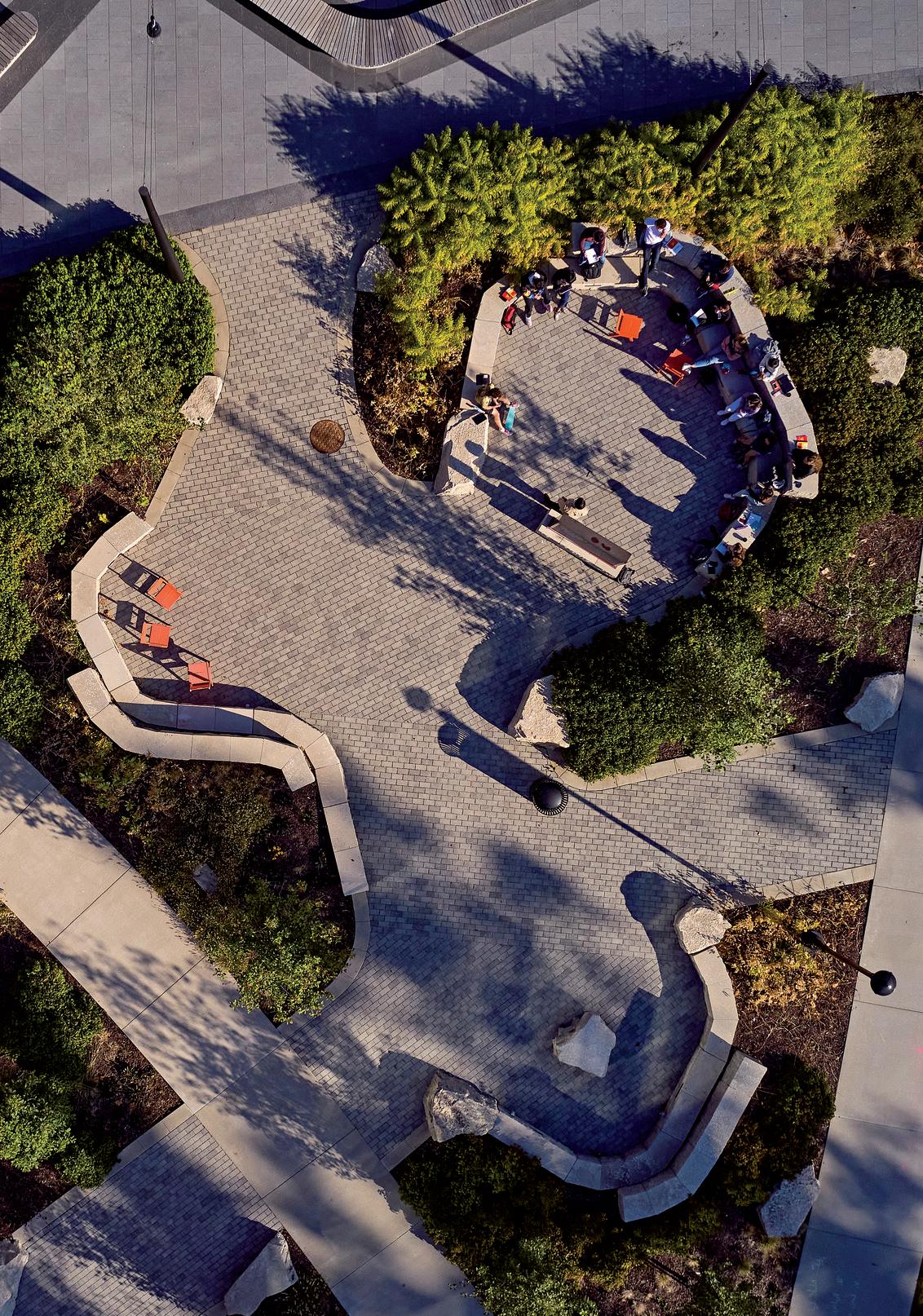
Grinnell College, Landscape Master Plan
Landscape Architecture
Landscapes provide ecosystem services that are vital to human health and well-being. We will continue to develop landscape designs that are rooted in place and true to context that connect people to nature and one another.
To achieve this goal we will:
1. Achieve 30% pervious area (excluding turf grass) within landscape designs.
Pervious areas allow rainwater to infiltrate the soil where it falls in lieu of becoming runoff. Increasing pervious areas can reduce flooding, prevent erosion, recharge groundwater, filter pollutants, and mitigate the urban heat island effect.
2. Achieve 5 pounds of carbon sequestration per square foot of vegetated landscape area designed. Plants sequester carbon, but the amount varies depending on the type of plantings. Turf grass typically sequesters the least carbon with shrubberies, groundcovers, and meadows all sequestering more. We aim to maximize carbon sequestration potential in the landscapes we design.
3. Minimize the urban heat island effect by designing at minimum 50% of site hardscape to include a combination of paving materials with an initial solar reflectance of at least 0.33, at least 50% unbound open-grid pavement systems, shading by vegetation, or shading by architectural structures or devices with an initial solar reflectance of at least 0.33.
The urban heat island effect can cause developed areas to be significantly warmer than more rural environments. Using highly reflective on-grade pavings and shading darker paving materials with tree canopies can help ensure landscapes are thermally comfortable for their occupants.
4. Specify high-efficiency irrigation systems, if permanent irrigation is desired, to reduce potable water use at minimum 50% from baseline after the plant establishment period.
We prioritize the use of native and adapted species in our landscape designs to minimize irrigation requirements. Where irrigation may be desirable, we advocate for high-efficiency systems.
5. Complete an embodied carbon analysis on the hardscape for every project over 5,000 square feet.
We study the embodied carbon of the hardscape materials we specify to inform better decision-making and prioritize low carbon construction materials.
Planning & Strategy
Data-informed planning empowers impactful decision-making. We will improve tracking and organization of project data to ensure our continued ability to leverage information for current and future clients.
To
achieve this goal we will:
1. Develop a project dashboard using the Framework for Design Excellence as an evaluation tool to capture which of our projects have had the best opportunity to advance sustainability in the areas of integration, equitable communities, ecosystems, water, economy, energy, well-being, resources, change, and discovery.
Better understanding which projects have had similar opportunities to accelerate progress in various design domains will help us provide better and more robust recommendations to future work.
2. Complete climate resiliency assessments for projects.
All new and existing buildings and infrastructure we plan for today will be required to demonstrate resilience in the face of a changing climate. We will empower our clients with the best available data to make informed decisions as part of their planning projects.
3. Integrate embodied and operational carbon estimates into design processes and planning deliverables.
With the higher quality data now available, we are empowered to help our clients understand the embodied and operational carbon implications of their decisions to renovate and renew, divest, and build new to meet their space needs. We will integrate such studies into our work to ensure we communicate holistically about future development.
4. Advocate for appropriate space utilization, renovation, and renewal.
As institutions work to steward their resources wisely, setting appropriate space metrics for different uses, reinventing and repositioning existing assets, and addressing deferred maintenance can all help set an organization up for decarbonization and more optimal operations. We will continue to support our clients with benchmarking data that helps them understand the highest and best uses of their existing assets and how evolving existing assets can support their future needs.
5. Advocate for equitable engagement of the oncampus community and integration with context.
People make the built environment come alive. To ensure the built environment meets the needs of future users, we will advocate for engaging both on- and offcampus communities in our processes as well as ensure the boundary between our client’s site and its adjacent context develops good spatial relationships.
6. Advocate for safe, accessible, multi-modal transportation networks.
Transportation influences greenhouse gas emissions and human health and well-being. Prioritizing safe, lowcarbon transportation systems for those who are able to use them can help ensure a more sustainable and healthier future while ensuring access is preserved for those who may require other transportation modalities.
Gustavus Adolphus College, Signage and Wayfinding
Experiential Graphic Design
High-impact signage and wayfinding systems are built with low-carbon materials that communicate clearly and are resilient to temporary messaging needs. We will continue to engage clients to extend their branding into their physical environments.
To achieve this goal we will:
1. Increase the percentage of whole building projects that include interpretive signage for sustainability.
Buildings don’t use energy; people do. When buildings include interpretive signage on how occupants are anticipated to engage those environments, we increase the likelihood that occupant behaviors will result in more efficient energy and water use.
2. Quantify the embodied carbon of typical signage materials per unit of material.
Interior and exterior signage and wayfinding packages use material that has embodied carbon. Quantifying this information will help us better communicate how signage designs can better align with overall campus sustainability goals.
3. Assess environmental impact of material choices and fabrication logistics, prioritizing options that support sustainability.
Sourcing native or regional materials ensure that the signs and spaces fit their environment from both a design and material perspective, while also potentially reducing logistics costs. Partnering with local fabricators when possible cuts down on travel and transport and supports the local economy.
4. Prevent resource waste through careful planning. Intentional research, engagement, and discovery at the start of every project informs key needs and priorities. In turn, this can guide strategic decisions with clients and partners leading to better informed designs that leverage sustainable methods. For wayfinding needs, it can result in avoiding unnecessary or incorrectly placed signage.
People
At Ayers Saint Gross, sustainability starts with our people. Through education and culture, we maintain a commitment to excellence in sustainability that allows us to create the highest quality built environment.
Education + Accreditation
Half of our technical staff carry sustainability-related credentials and we continue to encourage employees to pursue these achievements. We are distinguished by the diversity of our employee-owner’s sustainability credentials including multiple LEED Green Associates, legacy LEED APs, LEED AP BD+C practitioners, LEED AP ID+C practitioners, a Certified Passive House Consultant, several Living Future Accredited professionals, a SITES Accredited Professional, a Waterfront Edge Design Guidelines specialist, and multiple WELL Accredited Professionals. We make cutting-edge information readily available to our staff through many avenues, including our intranet website; virtual, hybrid, and in-person presentations; and public communications.
Ayers Saint Gross also keeps staff educated by participating in a variety of off-site continuing education opportunities. Attendance at conferences is encouraged and supported. Sustainability team leaders attend workshops introducing them to new techniques and volunteer opportunities are also encouraged and supported with local organizations.
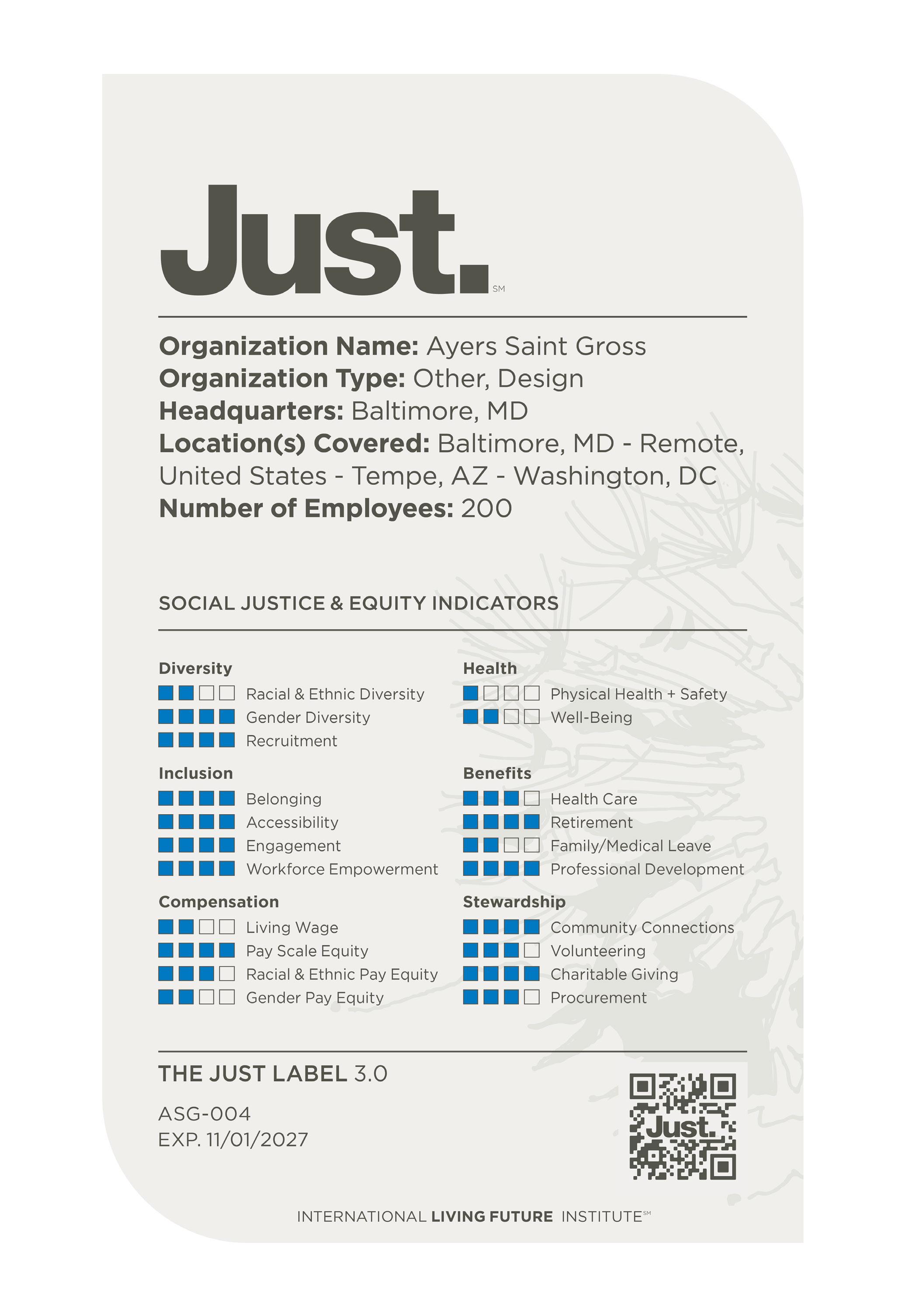
Just Disclosure
Just is a voluntary reporting tool developed by Living Future for organizations to describe operational, social, and financial actions that contribute to what equity looks like at that organization. Our firm’s definition of sustainability has always recognized the careful balance between the unique needs of people and ecological systems with the economic realities inherent in each project. In 2019 we advanced our commitment to sustainability by sharing more quantitative data about
the belonging and inclusion issues embedded in who we are and how we practice design.
Ayers Saint Gross has always valued social, educational, and cultural engagement that aligns with social sustainability. We actively engage with the United Way of Central Maryland and Valley of the Sun United Way; our staff serve as mentors and board members for the ACE Mentor Program of America across the country; we finance scholarship opportunities at a number of institutions to support students in attaining the education that will advance them in the design professions; we staff a Careers in Design exploration program to inspire fifth graders at Beechfield Elementary School in West Baltimore; and we host Jim Wheeler Days of Service in honor of our firm’s former president.
We believe in an inclusive community. Our firm invests in supporting inclusion and belonging in our professions and within the communities where we live and work, but we have often followed our instincts rather than evaluating against benchmarks. Our Just Disclosure helps us make and track measurable commitments and is the next step in our commitment to social sustainability. We renew our Just Disclosure bi-annually as we continue to evolve into a more inclusive organization.
Our Just Disclosure helps us walk the walk when it comes to inclusion and belonging. We are honored to have been recognized as Living Future’s inaugural Just Organization of the Year.
Practice
While the environmental impact of running our practice is substantially less than the impact of our design portfolio, we aim to offset the Scope 1, Scope 2, and select Scope 3 emissions associated with running our business as of January 1, 2025.
We believe in taking action to offset our practice. We’ve identified the following categories for our work:
Energy Use
We are tenants of leased spaces in our primary offices. When we fitout or upgrade our workspaces, we look for high-efficiency systems to light, heat, and cool our offices to save energy and reduce operational expenses. Utility bills and industry benchmarks help us track our energy consumption as well as estimate our Scope 1 and Scope 2 emissions.
Commuting
We choose our primary office locations with sustainability in mind, prioritizing locations with access to public transportation that reduce the environmental impact of commuting. We also operate a hybrid design practice, offering flexibility to our employee-owners and reducing the number of people who commute each day. An annual commuting survey helps us track our habits. We offset these Scope 3 emissions.
Business Travel
We believe strong relationships can be built from hybrid engagement strategies. We value our time on-campus with clients and strategically plan for both in-person and remote engagement opportunities that allow us to meet stakeholders where and when they are available. Hybrid approaches allow us to limit out-of-town travel while using public transportation on-site helps us further reduce the impact of business travel. An annual accounting of mileage reimbursements, plane tickets, train tickets, and rental car reservations allows us to
quantify the impact of our business travel. We offset these Scope 3 emissions
Office Materials
We track office, kitchen, and catering supplies, as well as equipment use, specifically looking to further reduce paper consumption. We track garbage, recycling, and compost practices in each office. Our goals include increasing recycling and product reuse by staff, limiting printing, and encouraging vendors to retrieve samples for reuse. Centralized purchasing allows us to quantify the impact of our office materials. We do not yet offset these Scope 3 emissions.
We track and offset our energy use, commuting, and business travel with a combination of Renewable Energy Certificates and carbon offsets on our path to carbon neutrality. Such practices are in alignment with our AIA2030 Commitment and our participation in the Large Firm Round Table.
Washington College, Semans-Griswold Environmental Hall
Research & Resources
Developing research and resources allows us to increase our internal knowledge, improve our design process, and track the post-occupancy performance of our buildings. Research and resources help us stay current on the latest technologies and strategies while allowing us to identify and improve the most effective design methods and solutions.
Educating our staff, greening our business, and improving the caliber of our projects requires significant support. Our research and resources team develops print, web, and presentation media to support on-going sustainable design initiatives in addition to investigating questions faced by our firm and the design professions at large.
At Ayers Saint Gross we are constantly trying to improve the value of our work, and that is supported through research initiatives such as:
• Our annual Comparing Campuses poster,
• Developing and maintaining databases and dashboards for the various building typologies in which we specialize,
• Broadening our abilities to analyze design decisions and project performance and the design process, and
• Learning from existing buildings by developing and utilizing automated building sensors and occupant surveys.
We also continue to develop and grow our research efforts by supporting our staff in becoming scholarpractitioners and share our work externally through:
• Engagement with professional organizations such as the American Institute of Architects (AIA), Society of College and University Planners (SCUP), and the American Society of Landscape Architects (ASLA),
• Collaborative conference presentations across the country, and
• Published white papers.
Collectively this work accelerates internal knowledge sharing as well as creates and fosters external partnerships. We hope to expand these efforts to include a more formalized research and development program.
Our website (www.ayerssaintgross.com) continues to host information about our firm, its projects, and the ideas behind our work. Ayers Saint Gross is committed to achieving our goals in people, practice, and projects by providing adequate resources and research time to our employees to do so.