
February 202 6


Product Podcast – Febraury
Catch the February newsletter in an easy, on-the-go podcast format.
Podcast Series
E-Onboarding goes continental
Following the successful launch and adoption of our innovative E-Onboarding feature in South Africa last year, which streamlines the process of adding new employees, we are thrilled to announce its long-awaited expansion. This major rollout will extend the E-Onboarding feature to over 30+ countries across the African continent, representing a significant step forward in helping our teams, customers, and partners streamline employee onboarding like never before.
E-Onboarding is now available in the following countries:
Angola Botswana Burkina Faso Burundi
Cameroon Chad Congo eSwatini
Ethiopia Gabon Ghana Guinea Conakry
Kenya Lesotho Liberia Mauritius
Madagascar Malawi Mali Mozambique
Namibia Nigeria Rwanda Senegal
Sierra Leone Tanzania Uganda Zambia
Zimbabwe
Refer to our Knowledge Base and Release Notes for a recap on the EOnboarding feature, Dynamic Form Builder enhancements and the New Hire Bulk Upload.


Here’s what to expect:
Lite Edition: You’ll have access to the default template configured for your country.
Premier & Master Edition: You’ll be able to activate and customise your own E-onboarding form that’s aligned with your onboarding process. Don’t see your country on the list? No worries, you can reach out to product@payspace.com and request to have a form added for a specific country.
Screen Conversion – Leave Averaging Income Setup
The Leave Averaging Income Setup screen has been converted to NextGen.
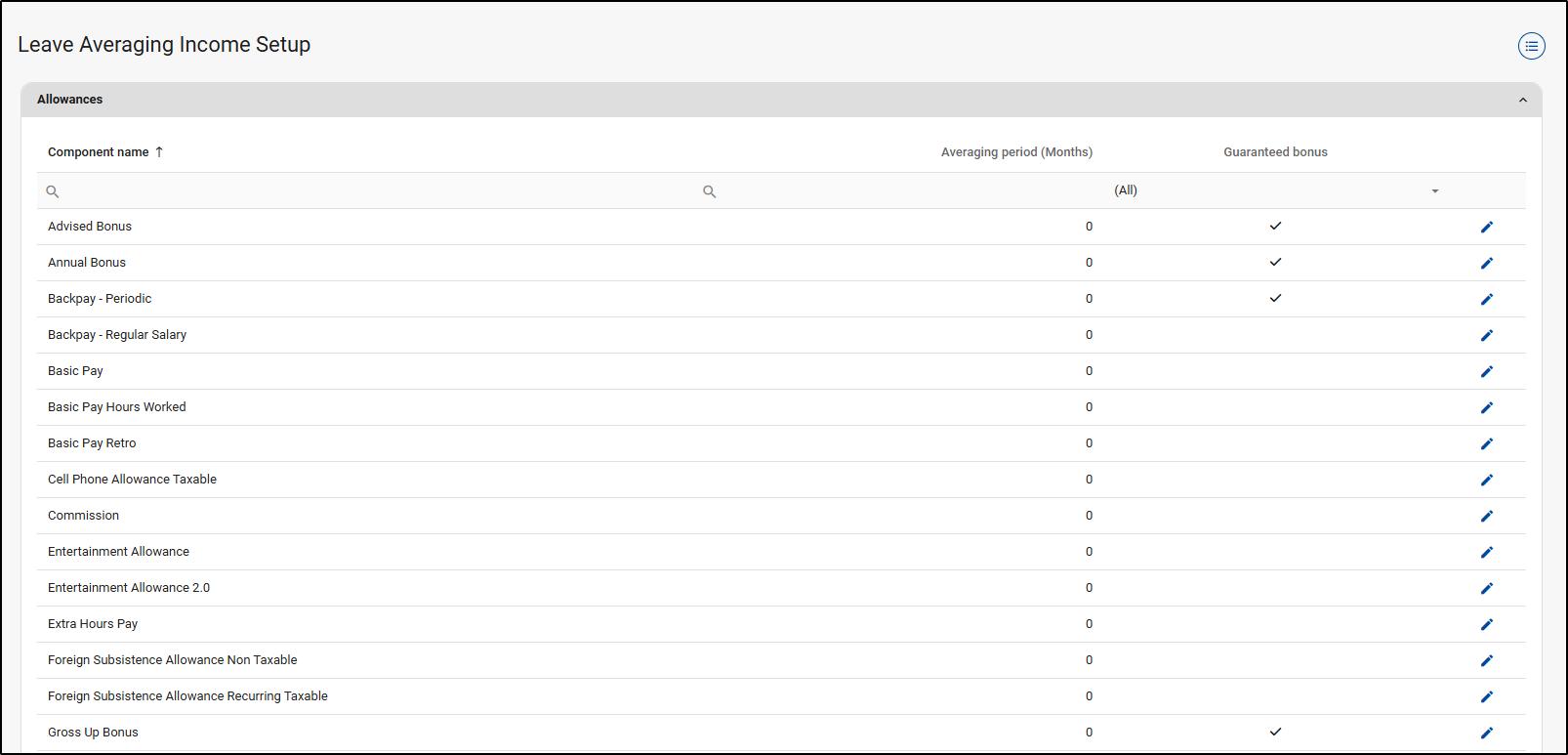
Some of the changes/enhancements introduced as part of this conversion include:
API Endpoints – Added to support integrations and streamline automation processes.
Collapsible Payroll Component sections – Leave Averaging Income Setup sections can be expanded or collapsed for better visual organisation with the Allowances section expanded by default.
Grid Layout – We’ve implemented a grid with standard search and filter functionality in each column, along with in-row editing.
Screen Conversion – Leave Scheme Parameters
The Leave Scheme Parameters screen, initially scheduled for release in October, is ready for release after extensive fine-tuning. For a quick refresher, please consult the details shared in the October Newsflash and the system’s release notes
Run Management – Column Chooser
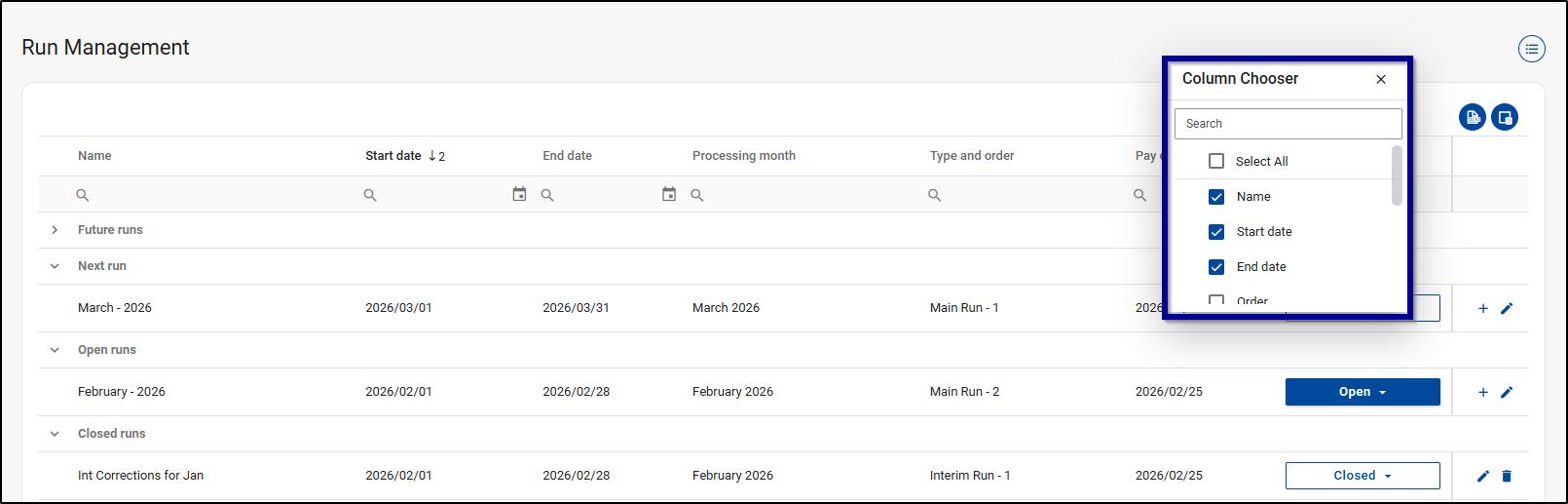
We’ve introduced the Column Chooser to both the Company and Bureau Run Management screens, giving you greater flexibility to tailor your grid view.
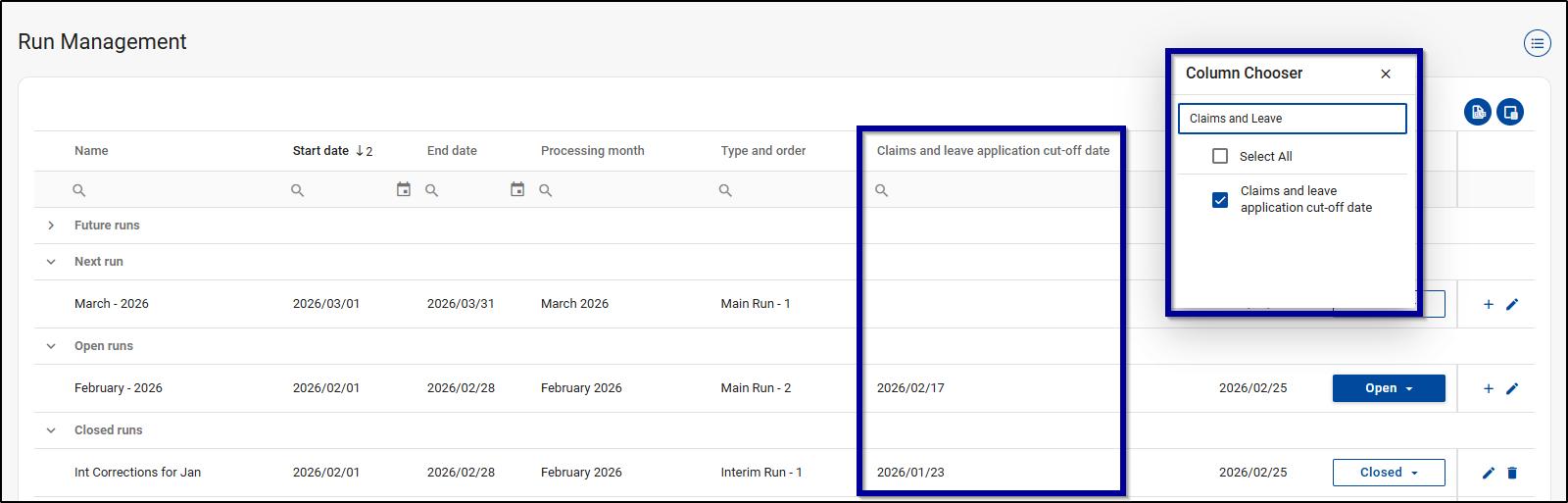
Previously, you needed to open each individual run to check whether a cut-off date was set and confirm what that date was. To improve efficiency, we’ve also added a new “Claims and leave application cut-off date” to the column chooser. Now, by selecting this column from the Column Chooser, you can view all run cut-off dates directly on the grid providing a clear snapshot at a glance.
Phase 1: Employee Template
Introducing Employee Templates, a new feature for setting up and managing structured payroll configurations for defined employee groups based on contract, pay structures and payroll variations
Phase 1 of the Employee Templates project focuses on Component Variables, allowing users to standardise variable amounts across employee groups for consistency and less manual intervention. These standardised variables can then be referenced in income bases for dynamic payroll calculations. Future phases will extend this template-driven approach to Leave, Recurring Payroll Components and other contract configurations.
For example, in South Africa organisations employ staff who fall under different Bargaining Councils. Using Employee Templates administrators can create Bargaining Council specific templates that encapsulate the required payroll variables for each council on company-level. Once created, employees can then be linked to their appropriate Bargaining Council template based on their role, location or employment contract. Once assigned:
• Payroll calculations automatically reference the correct variable amounts.
• Income bases and contribution calculations remain consistent across all employees linked to the same council template
• Changes to council rates can be applied centrally by updating the relevant template, rather than modifying individual employee records
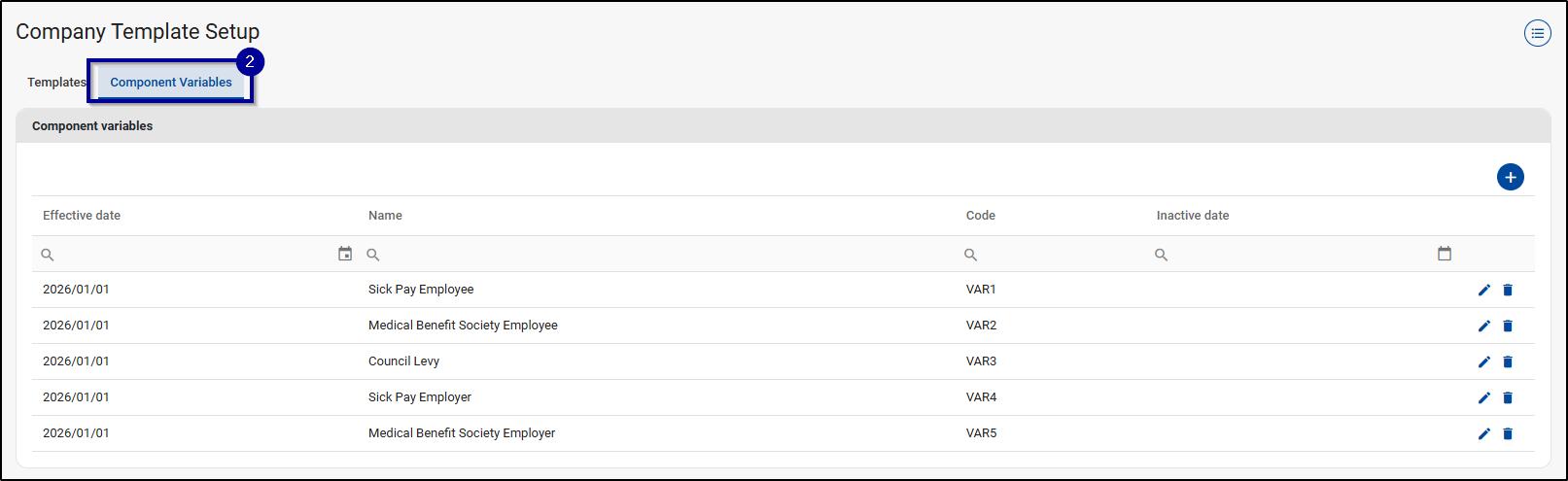
The Employee Templates feature introduces three-related screens:
• Company Template Setup Config > Basic Settings > General Company > Template Setup
Templates (tab 1): Create and manage templates and their sub-templates.
Templates (tab 1): Create and manage templates and their sub-templates.
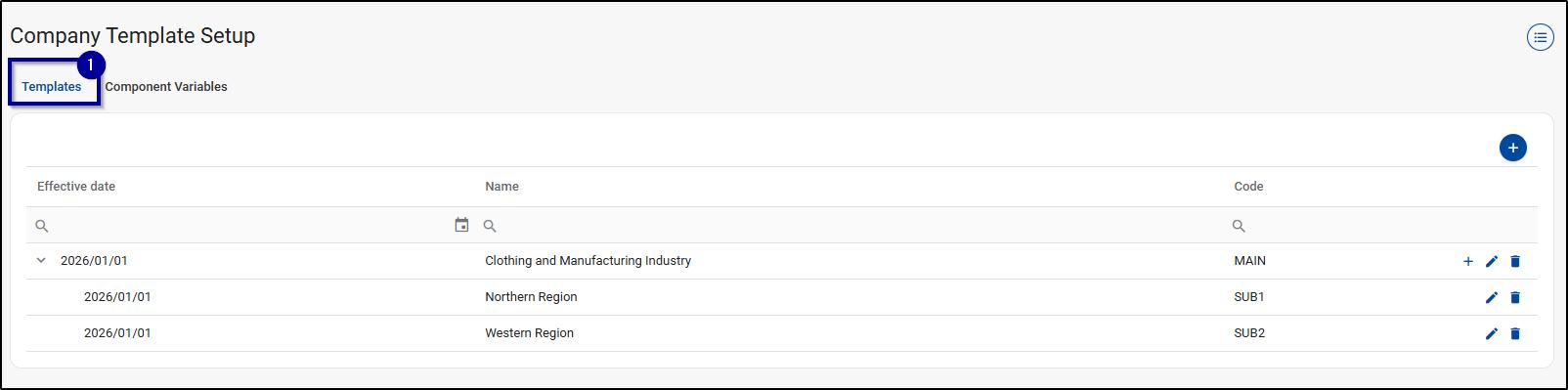
Component Variables (tab 2): Define the Component Variables that will be used in the templates.
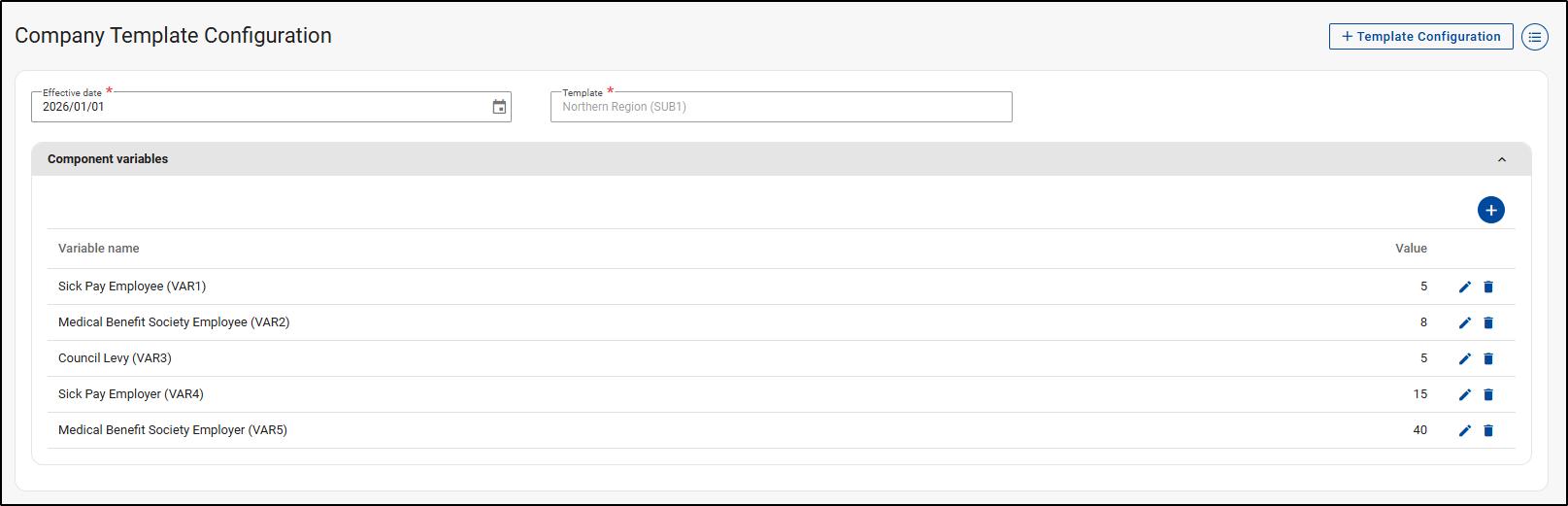
Company Template Configuration
Config > Basic Settings > General Company > Template Configuration The Template Configuration screen allows users to assign values to Component Variables that are associated with each template. These assigned values can then be utilised when calculating income bases for determining employee pay or contribution structures.
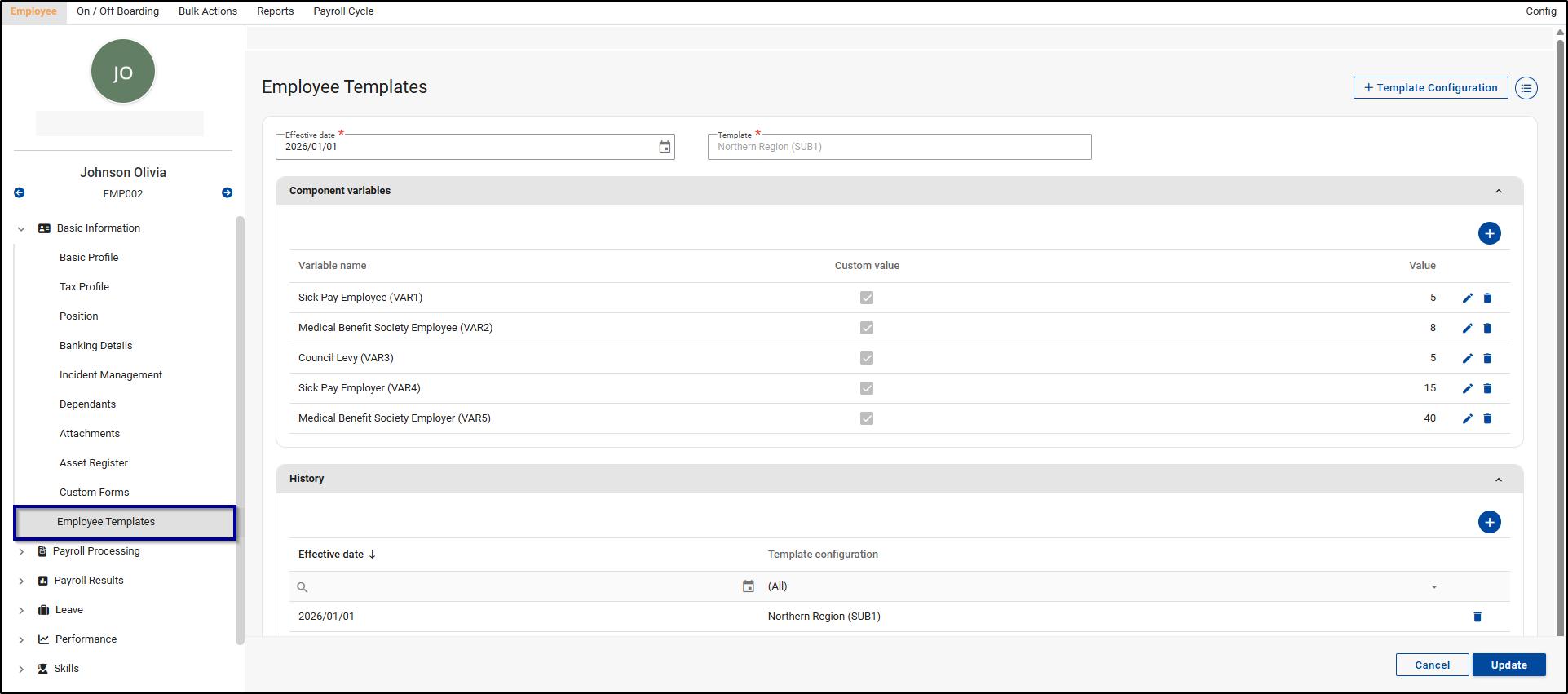
Employee Templates
Employee Templates: Basic Information > Employee Templates
The Employee Templates screen serves to associate and link employees with company-level templates. Additionally, users can further tailor individual contract terms by customising or overriding specific component values that were initially defined in the Template Configuration
Please note: This feature is available on all Product Editions. Click here for more information on this feature.
Bulk Actions – Employee Templates
With the introduction of Employee Templates, we’ve added a new bulk action that allows you to link all employees to Template Configurations at the company level. This is done using the Employee Templates action type on the Bulk Actions screen.
The Employee Templates bulk upload is available under Bulk Actions > Employee > Basic Information > Employee Templates.
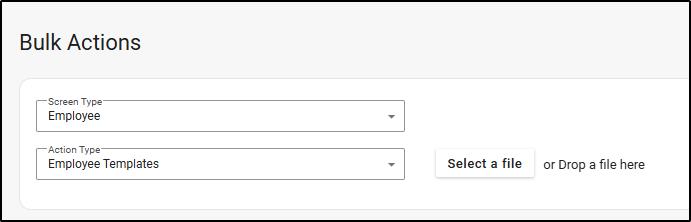
The bulk action template for Employee Templates includes the following fields:.

New Income Base – Component Variables
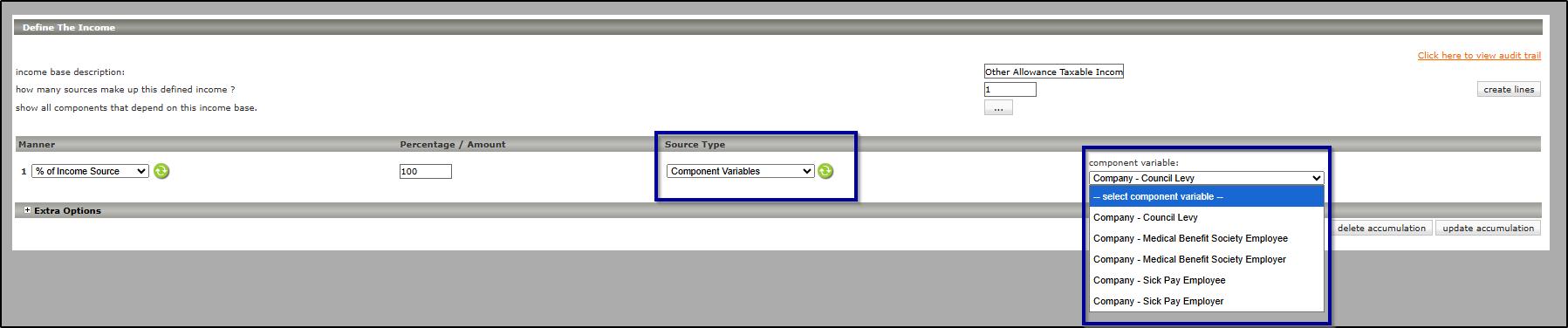
With the introduction of the new Employee Templates feature, a Component Variables source type has been added allowing component variables from Templates and Sub-templates to be referenced within an income base. This will automatically reference Template and Sub-template Component Variables in calculations eliminating the need for manual updates when these values change.
Coming Soon
Screen Conversion – Payroll Tracker Dashboard
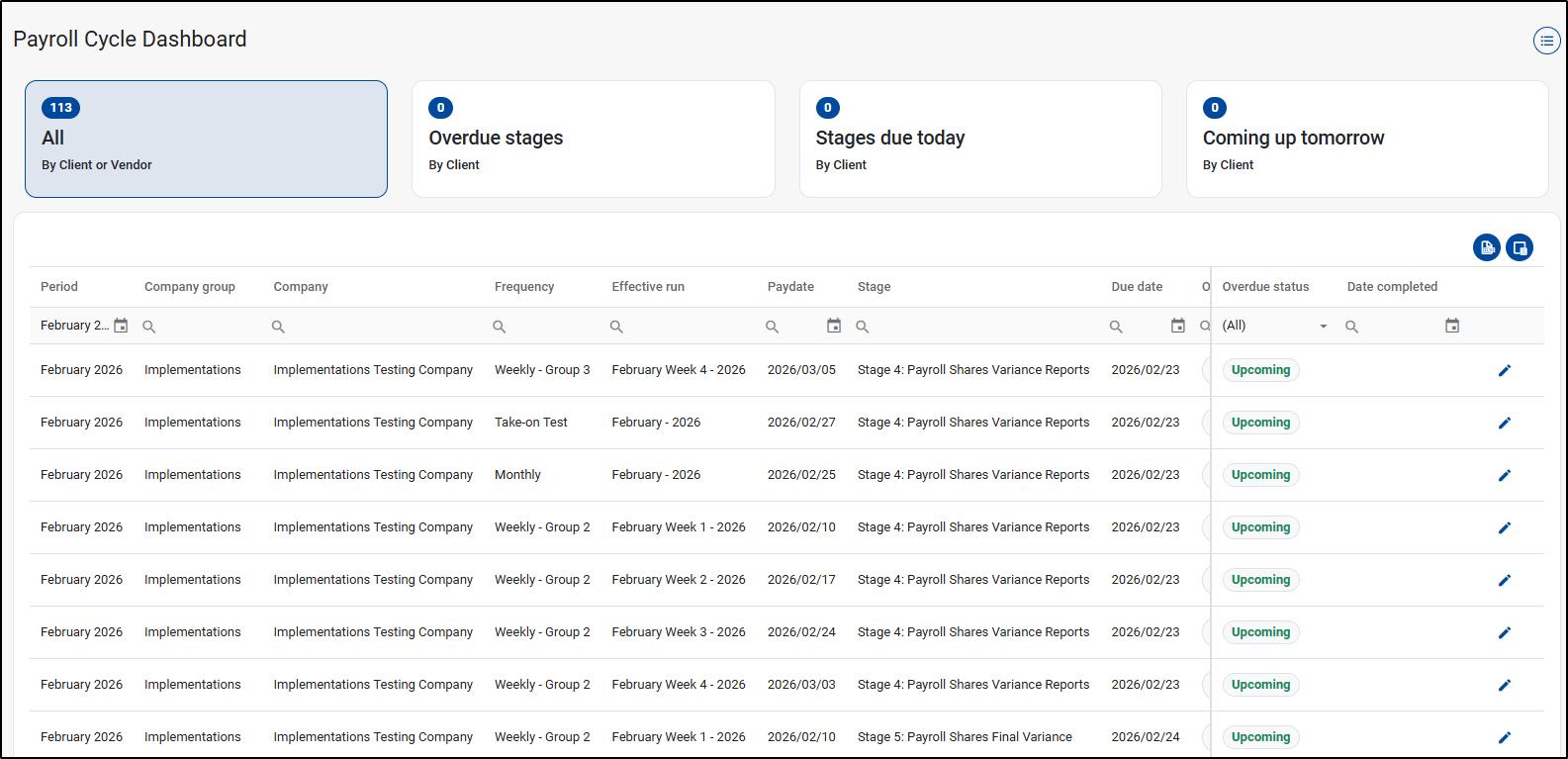
We’re working on a Payroll Tracker Dashboard that acts as a central command centre for payroll operations to improve visibility and enhance control by helping teams stay ahead of critical tasks
What is the Payroll Tracker user for?
The payroll tracker dashboard will be used to help payroll teams quickly identify which payroll tasks are overdue, due today, or coming up tomorrow, making it easier to prioritise work and manage deadlines across multiple companies. By displaying the current stage of every payroll process, the Payroll Tracker Dashboard allows administrators to monitor progress at a glance to better anticipate bottlenecks and take timely action to keep their payroll running smoothly.
Feature Spotlight
Automate run closure a set numbers of days before the scheduled pay date
Our system allows you to automatically close payroll runs a set number of days before the scheduled pay date – giving you peace of mind that runs are always finalised on time.
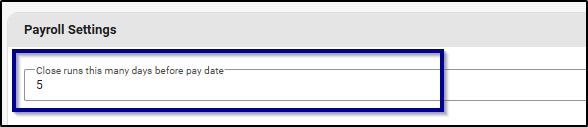
Simply enter the number of days prior to payday that a run should be closed in the “Close runs this many days before pay date” field within Config > Basic Settings > Company Settings > General Settings > Payroll Settings. Once configured, the system will automatically close each run based on this rule. This is ideal for organisations with defined payroll processes that require payroll to be completed and locked in a fixed number of days before payday. In this example, the company has set the number of days to 5 meaning that runs will automatically be closed 5 days prior to their pay date.

Legislation updates for February 2026
Madagascar
The Finance Law 2026 introduces an amendment to Madagascar's Impôt sur les Revenus Salariaux et Assimilés (IRSA). A new higher marginal tax rate has been added for high-income earners, effective 1 January 2026, impacting monthly payroll tax calculations.
PAYROLL IMPACT
Employees earning more than MGA 4 000 000 taxable income per month will be charged higher taxes which will result in a reduction of their net pay.

Angola
This legislation includes amendments to the Employment Income Tax Code (Imposto sobre o Rendimento do Trabalho – IRT), specifically through Article 21 (Artigo 21) of the law, which revises the rules applicable to employment income (Rendimentos do Trabalho – Grupo A).
Under Article 21, the monthly income tax exemption threshold for employees has been increased from Kz 100,000 to Kz 150,000.
PAYROLL IMPACT
The upward adjustment to the exemption threshold will have a positive impact for all employees, increasing net pay.
DRC
An interministerial order published in the Journal Officiel on 7 January 2026 amends the employer contribution rates payable to the Institut National de Préparation Professionnelle (INPP). The INPP is the DRC’s primary government institution for workforce development. The measure increases statutory payroll costs for both private and public employers. The revised rates apply from 1 January 2026.
PAYROLL IMPACT
The increase in the INPP contributions rate will increase the employment cost for employers. This is a cost borne by the employer exclusively and has no impact on net pay.
Nigeria
On June 26, 2025, President Bola Ahmed Tinubu signed into law four major tax reform bills aimed at overhauling Nigeria’s tax system. These are:
• Nigeria Tax Act
• Nigeria Tax Administration Act
• Nigeria Revenue Service Act
• Joint Revenue Board Act
The wide sweeping reforms aim to simplify tax administration, improve compliance, and enhance revenue generation. To keep our Clients informed and aware of the proposed changes, we have analysed the Acts and extracted what we consider to be pertinent changes from a payroll perspective.
Assumptions:
We did not include any rent relief in the calculations. If however, an employee does follow the correct procedure to apply for, and gets granted the deduction, this will lower their PAYE.
Gabon
Decree No. 487 of 18 December 2025, published in Official Journal No. 96 Bis on December 2025, introduces amendments to the contribution rates of the Caisse Nationale de Sécurité Sociale (CNSS). The revised rates apply from 1 January 2026 and affect statutory social security contributions.
PAYROLL IMPACT
The increase in the CNSS contributions will have a negative impact on employee’s net pay as well as overall cost to the company. The increase in the employee contribution to CNSS will also affect the Income tax as it is an allowable deduction, which will lower the income taxes. The overall effect will lower net pay for all employees.
Malawi
The Honourable Minister of Finance, Economic Planning and Decentralization presented the 2025/26 Mid-Year Budget Review to Parliament on 21st November 2025. New tax measures for Domestic Taxes and Customs & Excise were announced. The new measures affecting payroll are effective from 30th December, 2025
PAYROLL IMPACT
• Lower-income staff: Those at/under K170,000 benefit thanks to the higher zero-rate band.
• Middle incomes (roughly K170,000 → K1.57m) generally see slightly lower net pay because this band now taxes at 30% instead of 25%.
• Upper-middle incomes (K1.57m → K10m) pay more PAYE than before due to the wider 35% band.
• High earners (> K10m) pay significantly more tax because of the 40% top rate.
Cameroon
There are no direct amendments to employment tax rates. However, the Law has enacted new Personal Income Tax (PIT) incentives and measures that impact employer taxes effective 1 January 2026.
• Youth employment tax credit
• Support measures for people with disabilities
Zambia
The monthly NAPSA ceiling increased to ZMW 37 236 and the maximum monthly contribution increased to ZMW 1 861,80 for both the employee and the employer.
PAYROLL IMPACT
There will be an increase in the NAPSA statutory contribution for both the employee and employer where the employee’s gross earnings reach the ceiling.
Ghana
The Social Security and National Insurance Trust (SSNIT), in consultation with the National Pensions Regulatory Authority (NPRA), has increased the maximum insurable earnings for 2026 from GHS 61 000.00 to GHS 69 000.00. The minimum insurable earnings level for 2026 is set at GHS 587.79, up from 490.05.
PAYROLL IMPACT
Increase in SSNIT contributions
Egypt
Social security minimum and maximum salary limit increases
Republic of Congo
The Republic of the Congo recently published the Finance law for the 2026 Fiscal year (Law No. 42-2025 of 31 December 2025), in the Journal Officiel. This law amends Book I of the General Tax Code by introducing a new salary tax framework and revising the allocation of the TUS (Unique Tax on Salaries) contributions. These changes are effective 1 January 2026.
PAYROLL IMPACT
The introduction of the new tax table will have a big impact on the amount of tax individuals pay on their income. Introducing a fifth bracket, increasing the upper income limit and reducing the marginal rates will all have the effect of reducing the amount of tax individuals have to pay and increasing net pay.
• Tax savings should be across the board
Kenya
In accordance with Schedule 3 of the NSSF Act No. 45 of 2013, the contribution limits are subject to annual increases.
PAYROLL IMPACT
NSSF contributions for the employer and the employee will increase by virtue of the increase in NSSF limits which will decrease net pay. The Tier 1 & 2 NSSF contribution paid by the employee is allowed as a deduction. Employees who have not reached their limit for allowable deduction will have a decrease in the taxes, but an overall decrease in Net pay. We strongly suggest that some form of change management is done to inform employees of the new NSSF contribution rates prior to pay day.
Sierre Leone
The change to redundancy payments will decrease taxes on termination payments. The withholding tax to non-residents will increase the taxes and thus decrease the net pay for these payments.
Zimbabwe
The Zimbabwe Revenue Authority (“ZIMRA”) has recently introduced a new Non-FDS (“Non–Final Deduction System”) calculation method within the TaRMS portal. This option was not previously available for PAYE submissions and forms part of ZIMRA’s ongoing enhancements to the electronic filing system.
PAYROLL IMPACT
The update to the system will require a review of the employees and whether any of their classifications should be updated to non-FDS to comply with the different tax method to be used.
Any new employees employed after the beginning of the tax year should be classified as non-FDS, until the following new tax year where they then should start off as FDS.