As part of our commitment to record, monitor and hold ourselves accountable in our delivery of Social Value, this document outlines our Social Value Impact from April 2024 – March 2025.
The following pages report against the eight pledges we set ourselves. We reflect on these annually as we seek to challenge the way we positively contribute to society through our actions and operations.
Our goal is to deliver quality architecture and interior design. Achieving this through;
(E) Creating a net-gain environmental impact
(S) Enhancing people’s quality of life
(G) Fostering relationships and developing partnerships for delivery that support our core values and improve our ability as designers and advocators to effect positive change
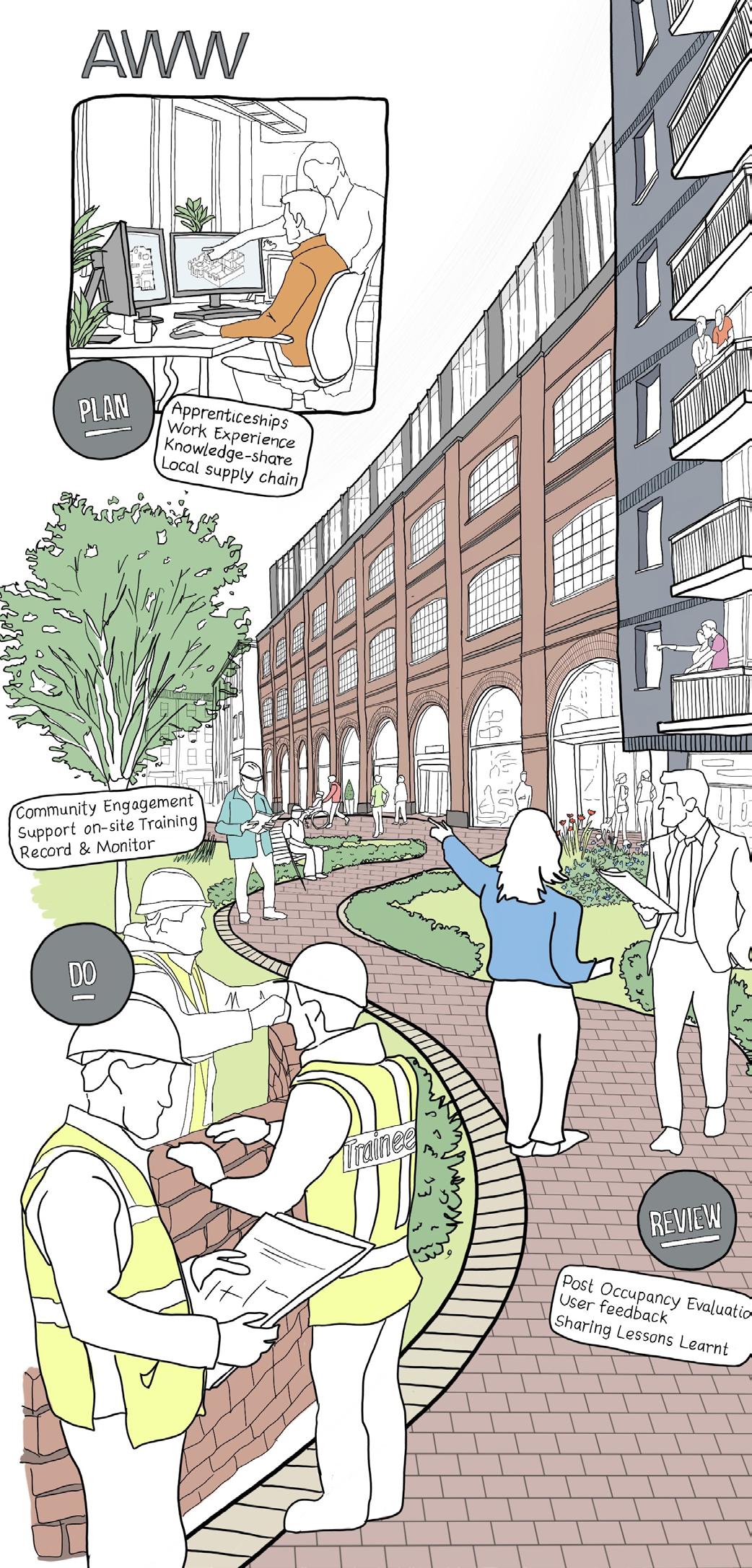
'We pledge to place people at the heart of our design process to that the buildings we design become a means of enhancing quality of life for all'
25 projects undergone a Social Value Design Review to maximise Social Impact in our projects
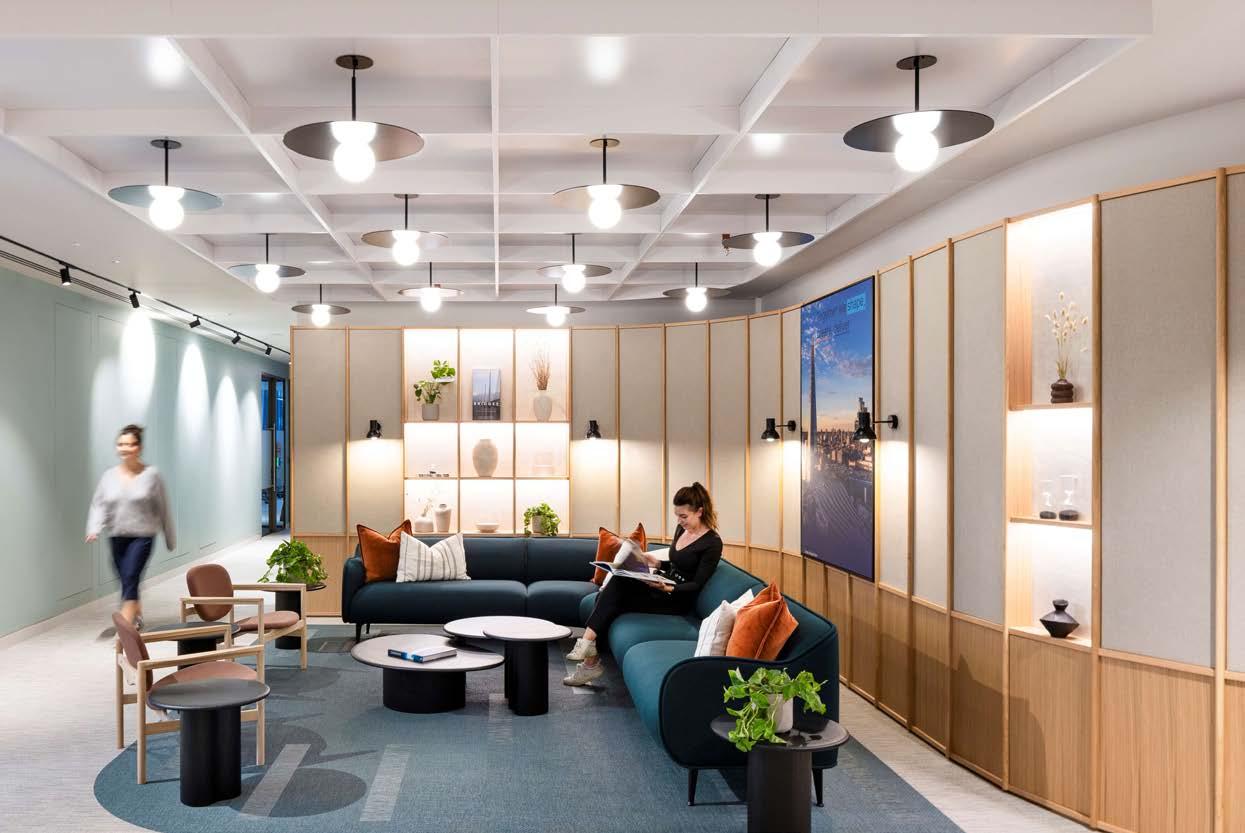
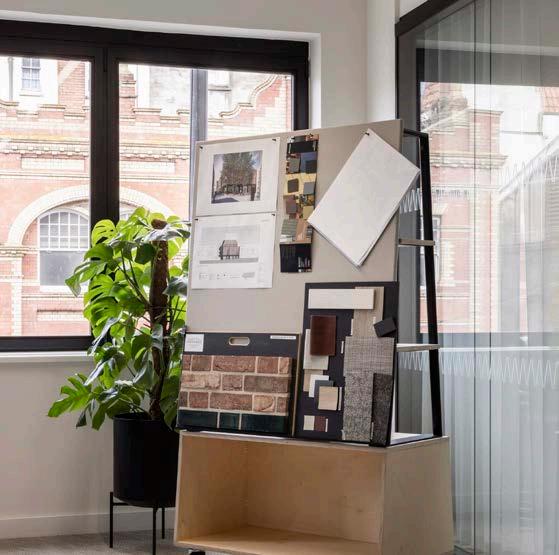
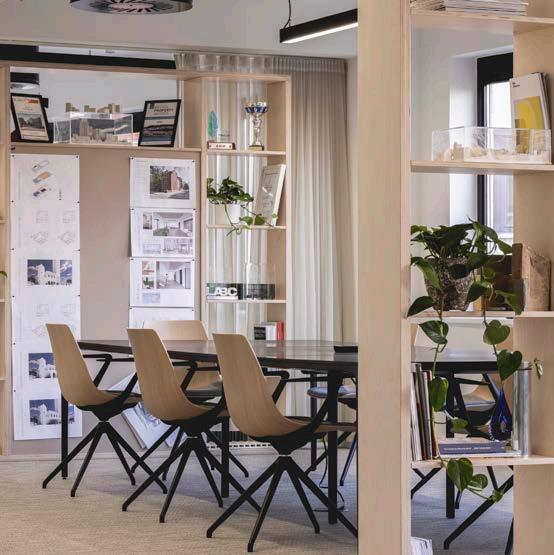
Case Study : AWW were commissioned to re-design commercial office space for a multi-disciplinary construction and consulting company. Key to the brief was consideration of neurodiversity in the design of the spaces.
Focusing and concentration can be challenging in the workplace. To allow focus we need to create spaces that allow people to find the right solution to meet their specific needs.
Constant communication; teams, emails, phones, IM etc can overwhelm.
Contemporary workplaces, with quieter tech can have too little background noise, meaning sudden/loud noises are unmuffled. Acoustic materials applied to surfaces can improve this.
Allows user control and choice, this can support a feeling of safety and reduce distraction and feeling overwhelmed.
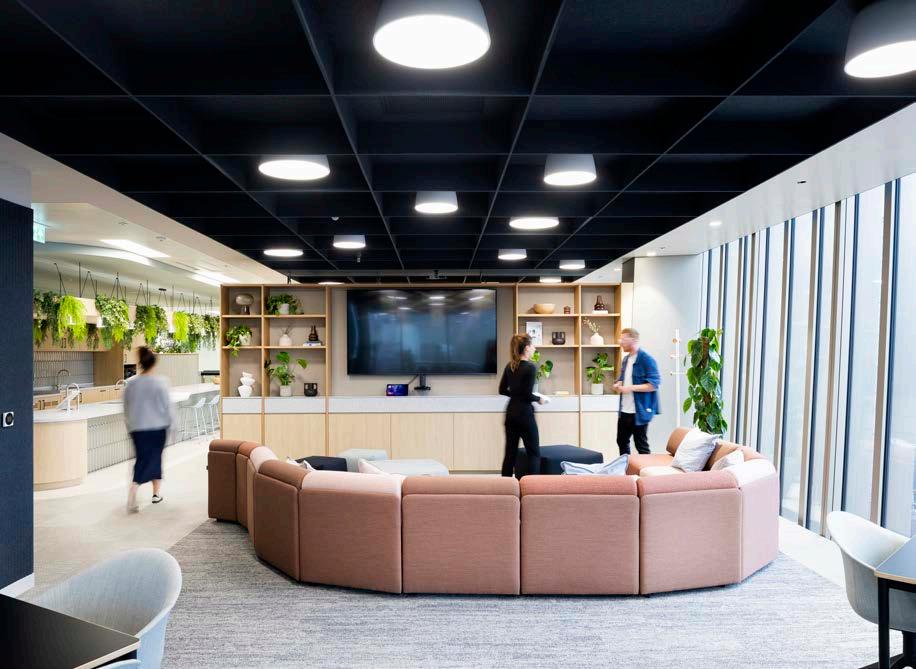
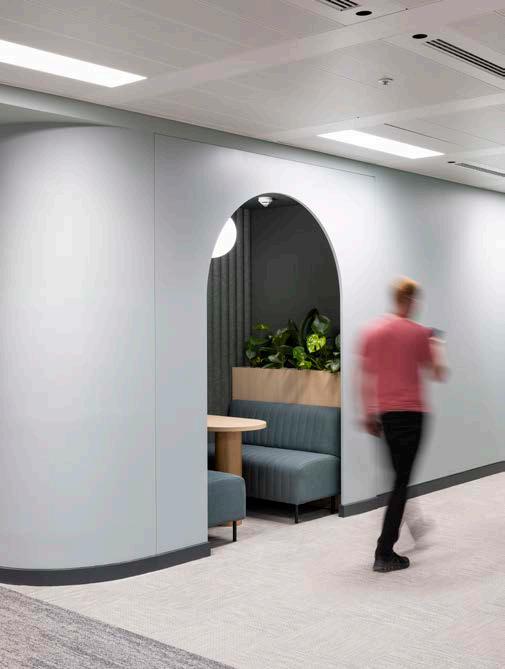
Sensory cues, in pattern, texture + lighting can be overwhelming.
Referencing nature in design, with consideration for applied materials, gentle organic curved forms and use of planting can be calming. Natural materials are symbolically sustainable, can reduce stress and improve general wellbeing.
Spaces need to have clear purpose and make sense to give a feeling of calm and control. Effective use of materials changes, colour and signage can support this.
Appropriate contrast in LRVs enable users to safety access spaces, contrasts between surfaces allows visual perspective.
Clear zoning of areas to create direction and purpose, supports safe navigation through the space and clearly articulation uses, reduces distraction and conflict. Stark contrasting patterns and harsh lighting can cause visual disorientation and exhaustion.
'We pledge to prioritise wellbeing and inspire connection, through providing empowering and inclusive environments that stimulate physical and mental health'





Access to a Life Coach
Westfield Healthcare Plan


Enhanced Family Leave
Incremental Annual Leave
Cycle Scheme
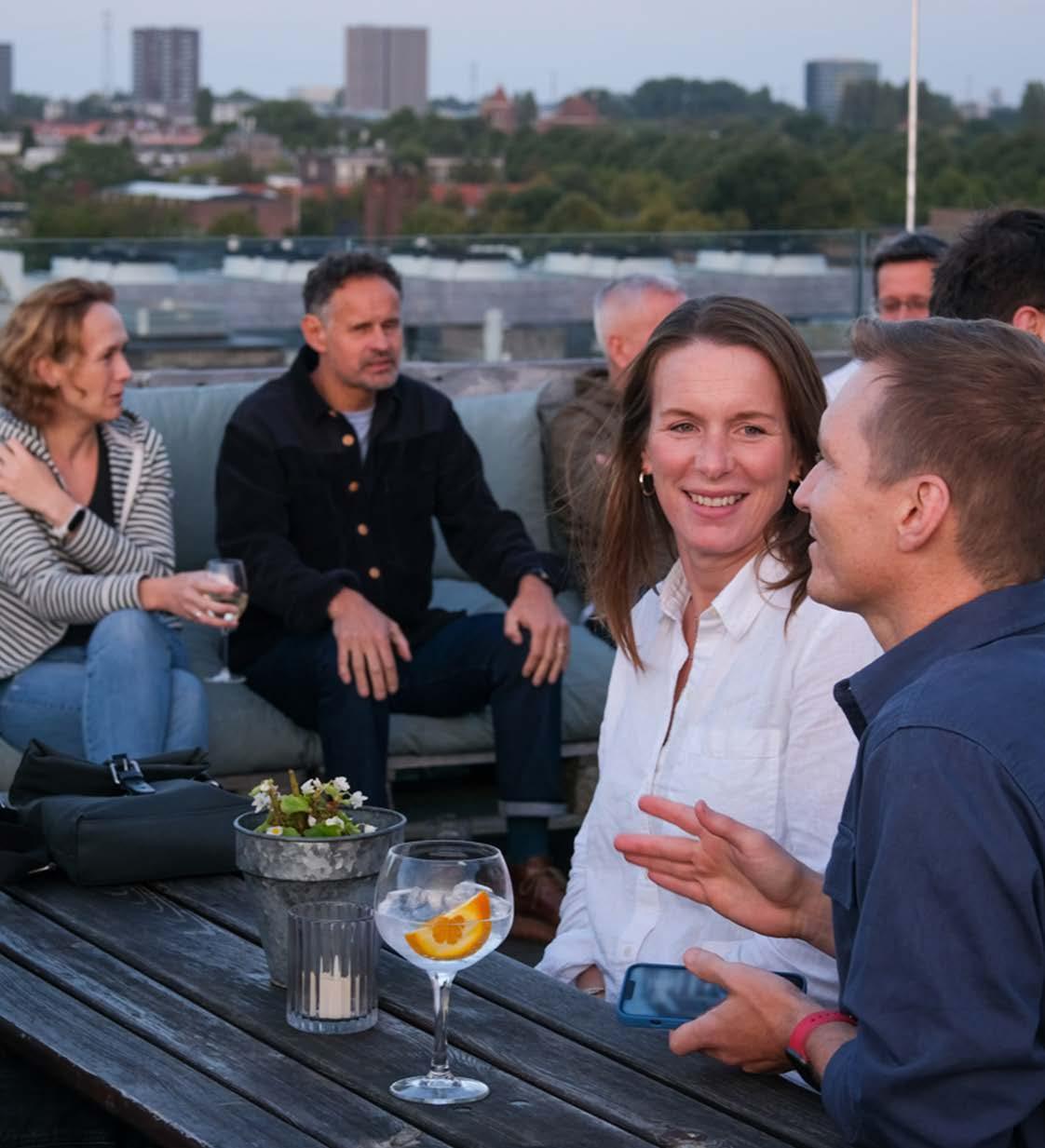

of building users surveyed through Post Occupancy Evaluation identified an improvement in wellbeing
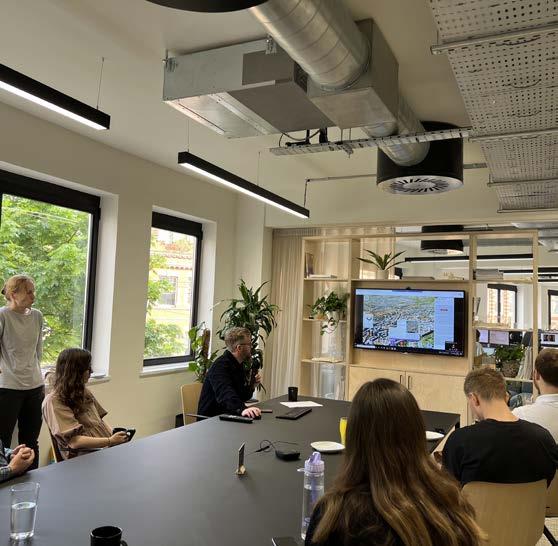
of staff live within 20 miles of AWW offices 90%
of staff surveyed said they were satisfied with their role! 94%
*scoring 5 or above in satisfaction (5= satisfied, 10 = very satisfied)
'We pledge to work collaboratively with community partners to understand and design for whole life cycle of a
Building
reported

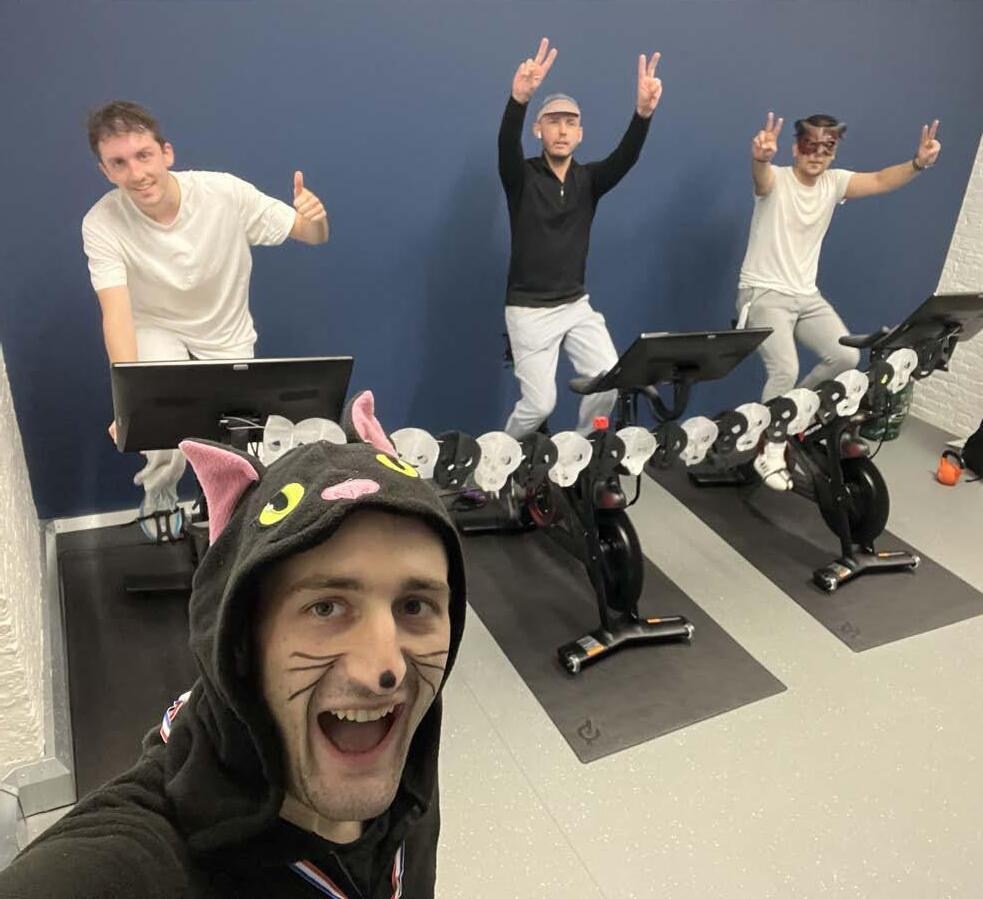
Halloween 2024, our team took on an epic 200km cycle – all in costume! It promised to be an unforgettable day of fun, dedication, and a chance to make a real difference. And it was, with the London team turning up in abundance!
We were raising funds for Safer London, an organisation that works with young people and families in London affected by violence and exploitation. They provide one-to-one, specialised support, building trusted relationships to help keep young Londoners safe from harm. We pledged
The impact of having a purposebuilt space for adult education and access to free legal services in East London can be felt and seen in many ways already.
Therese Reinheimer-Jones
Warden/CEO
of the Mary Ward Settlement
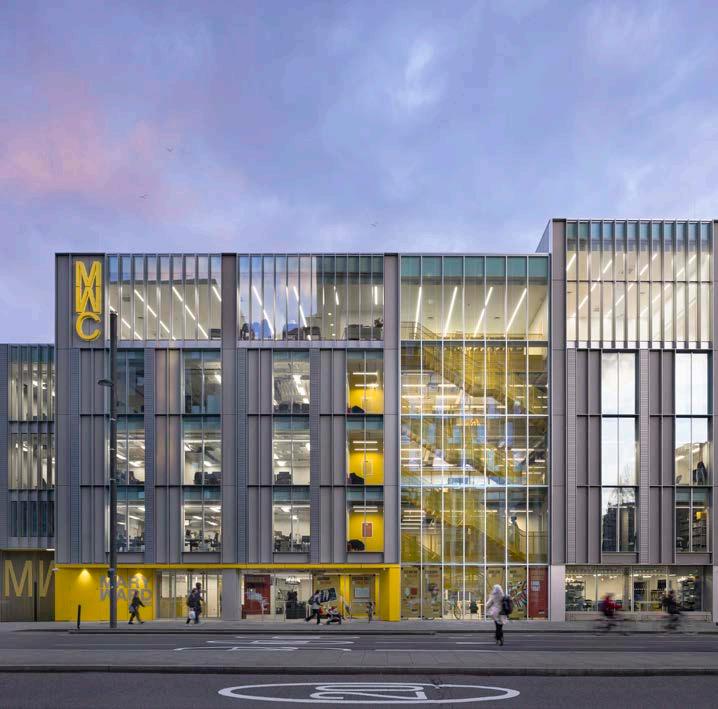
The project acted as a catalyst for Mary Ward to grow and develop local, sustainable partnerships, e.g. partnering with a local hotel to offer a food pantry for students - helping those in need and avoiding waste.
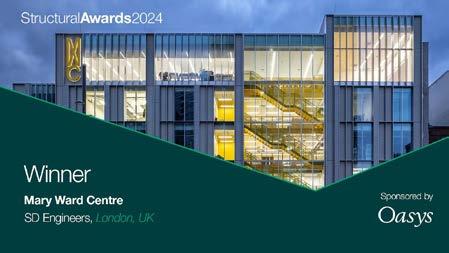
With its flexible hours and outreach programs, The Mary Ward Centre ensures accessibility and inclusivity for all learners. Serving thousands of students annually and extending education beyond its walls to reach under served communities reflects a dedication to meeting diverse educational needs shaping inclusive spaces and creating a sense of belonging for all.
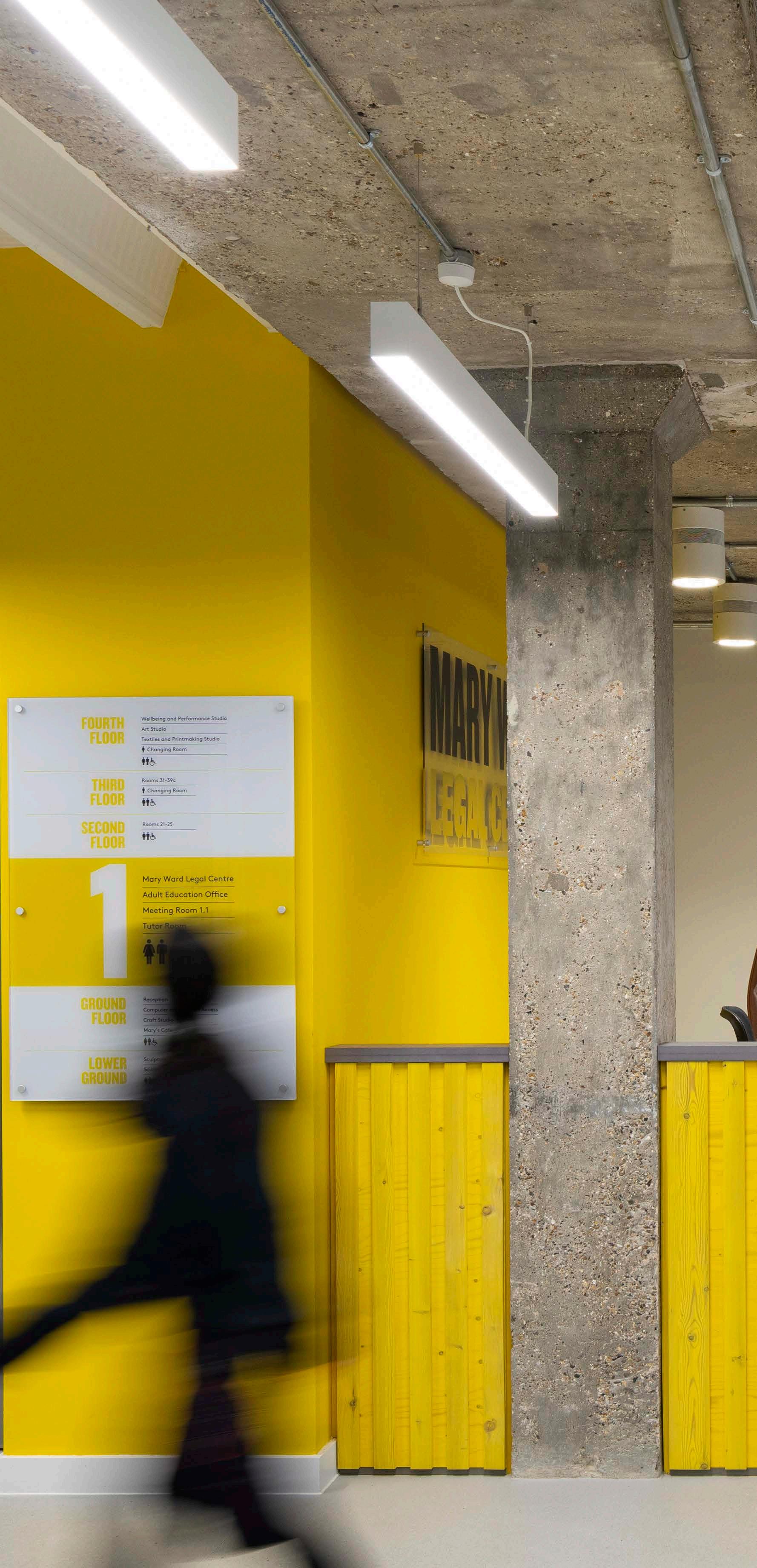
Using 65% of the previous structure, there has been a reduction in embodied carbon from 809,932.6 kgCO2e to 283,476.4 kgCO2e


'We pledge to build a sustainable future by embedding a circular economy into our design and build processes'




2 of our office suppliers are SMEs and independent nd
100% of responding staff are aware of the sustainable initiatives offered electric pool car purchased to replace existing petrol car
35
09 suppliers with an ethical ethos

09 suppliers with sustainable produce use
06 suppliers switched in last couple of years to more ethical / local / sustainable suppliers

ISO 14001 certification maintained through successful external audit: commitment to environmental best practice upheld

Net zero maintained for Scope 1 and 2; progressing on Scope 3 in line with our carbon action plan


We have continued to track all of our projects on the RIBA 2030 spreadsheet – we have been unable to achieve net zero carbon on all projects by the year 2025, due to continuing debate within the industry regarding what constitutes net zero, and the ongoing challenges of achieving it. We are planning to release a thought leadership piece later in the year to discuss the industry wide challenges relating to achieving net zero carbon and AWW’s position in the ongoing drive towards net zero.
Our donation towards expert design sustainable reforestation or afforestation schemes

'We pledge to continually develop our thinking, invest in our team and inspire the next generation of innovators to always raise the standards of the industry'
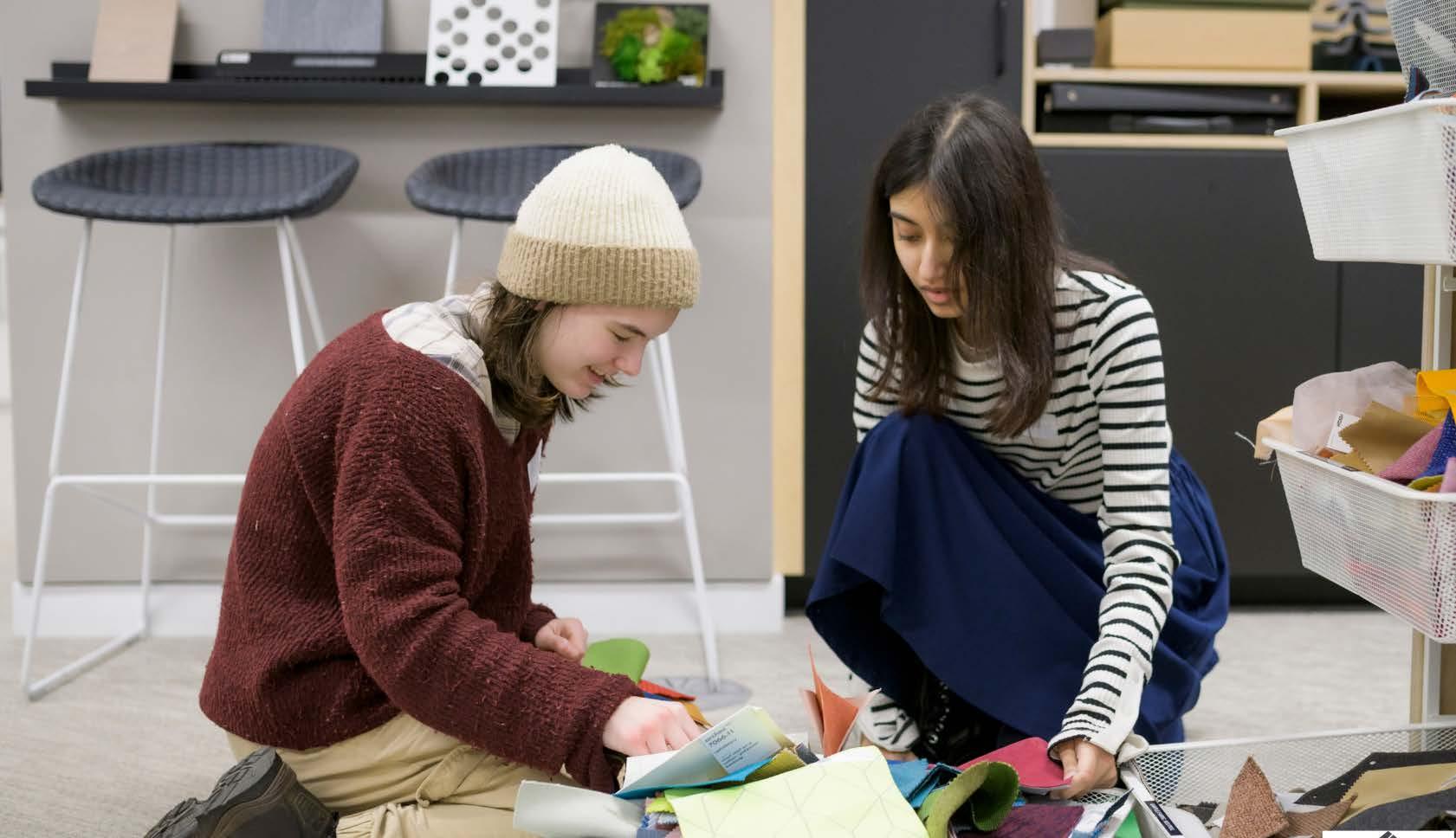
Work experience students hosted at the Bristol studio
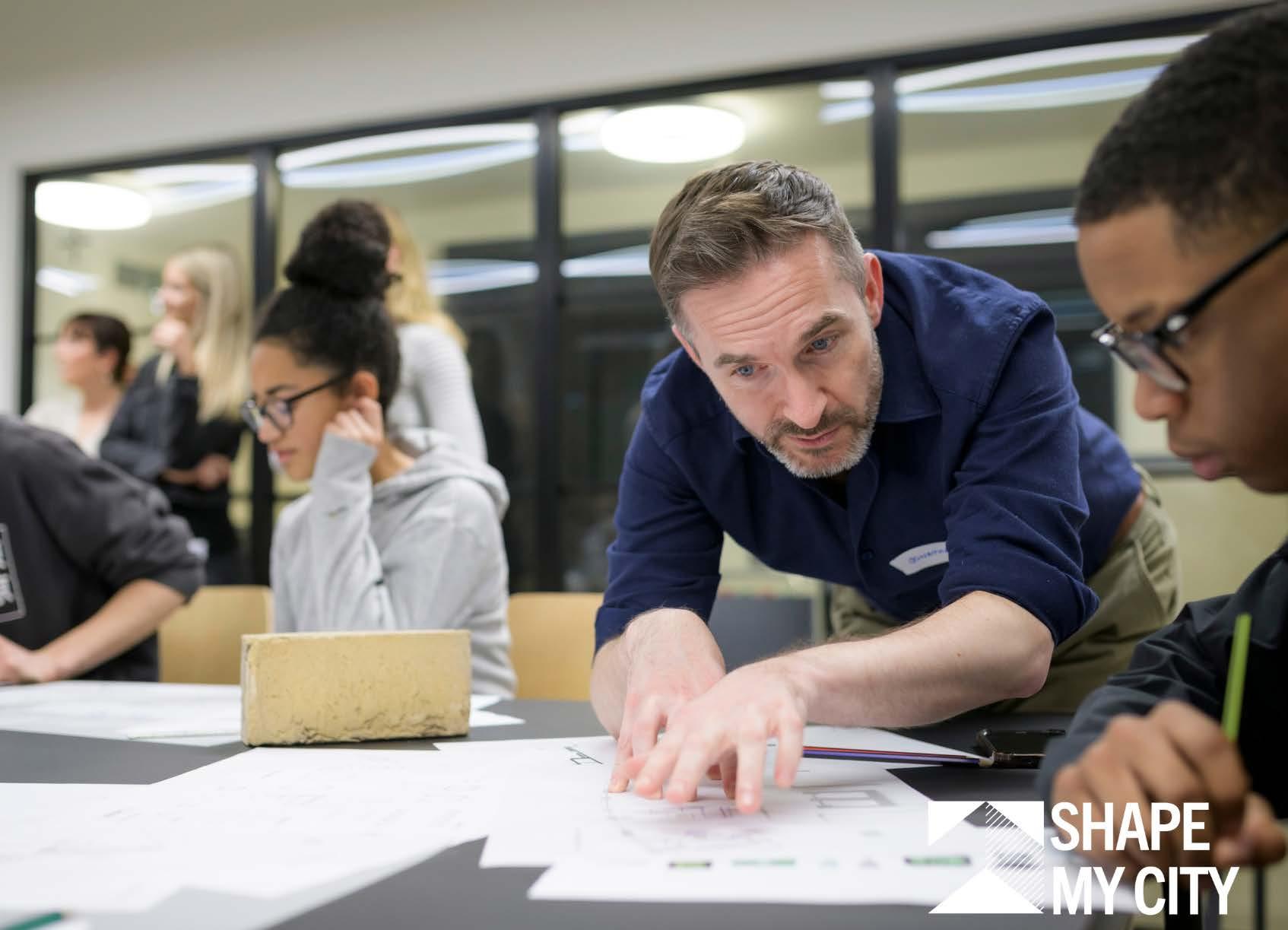
Students participated in Shape My City workshop in our Bristol studio
Students took part in Bristol WORKS workshops
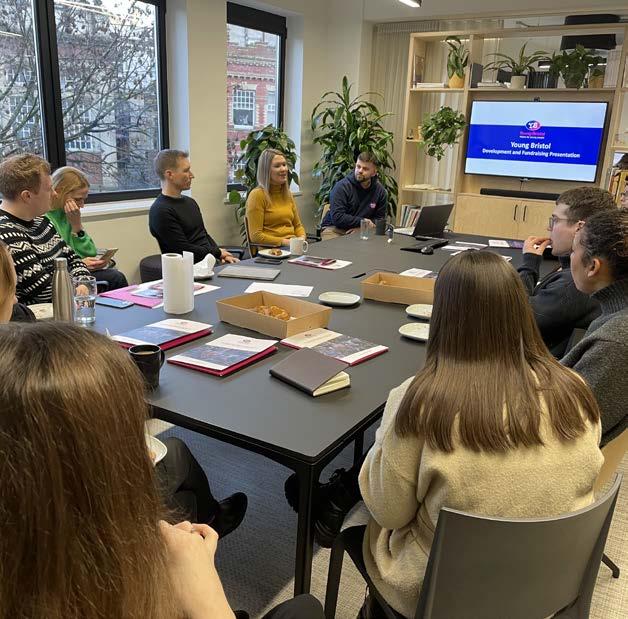
42 hours mandatory and nonmandatory training ofered to each employee
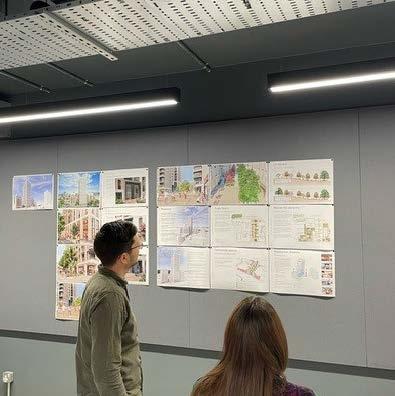
We hosted 14 Design Review pin-up sessions
6 speed interviews held at Weston College
We create opportunities by offering mentoring to young people to share our knowledge, enhance their learning experience, with a focus on diversifying the future generation of construction professionals
Shape My City is a year-long, award-winning programme aimed at encouraging under represented young people, to pursue careers in the built environment.
Workshops like this reinforce the importance of diversity in design. By nurturing young talent from all backgrounds, Shape My City opens doors and equips participants with the skills and confidence to shape their futures, and their cities.
In 2025 we hosted a student from our 2024 programme for work experience following their enjoyment of the SMC workshop
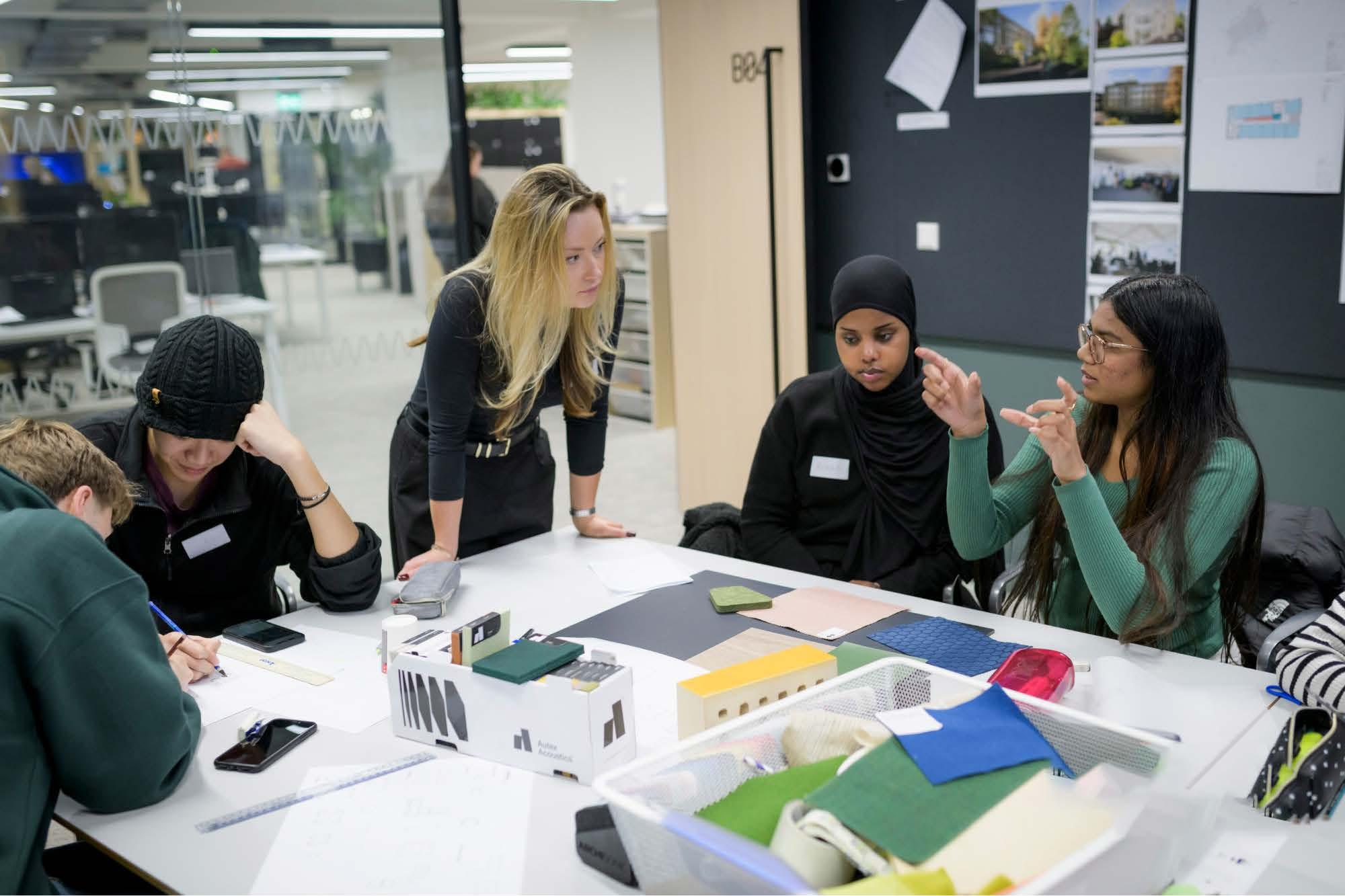
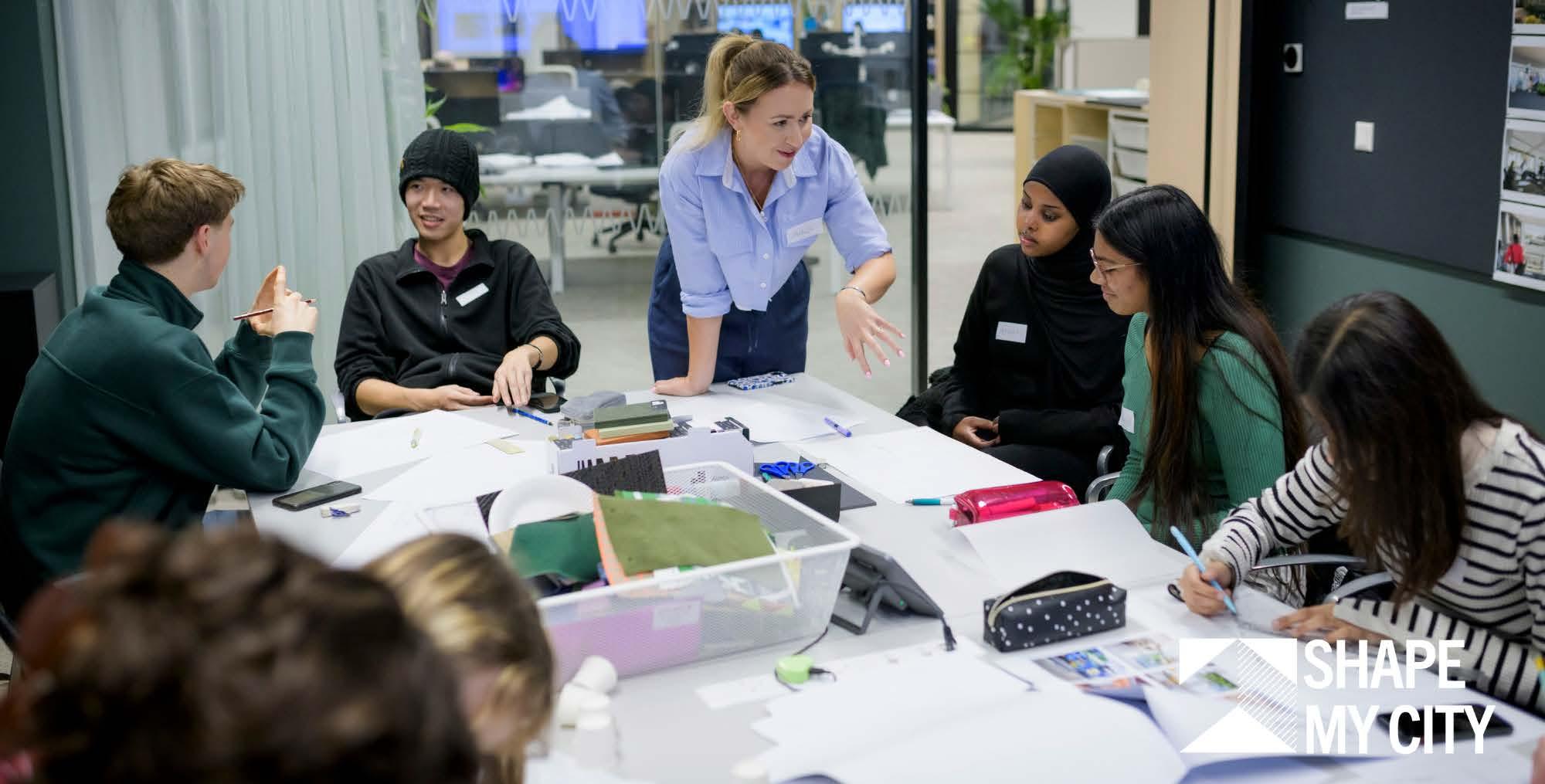
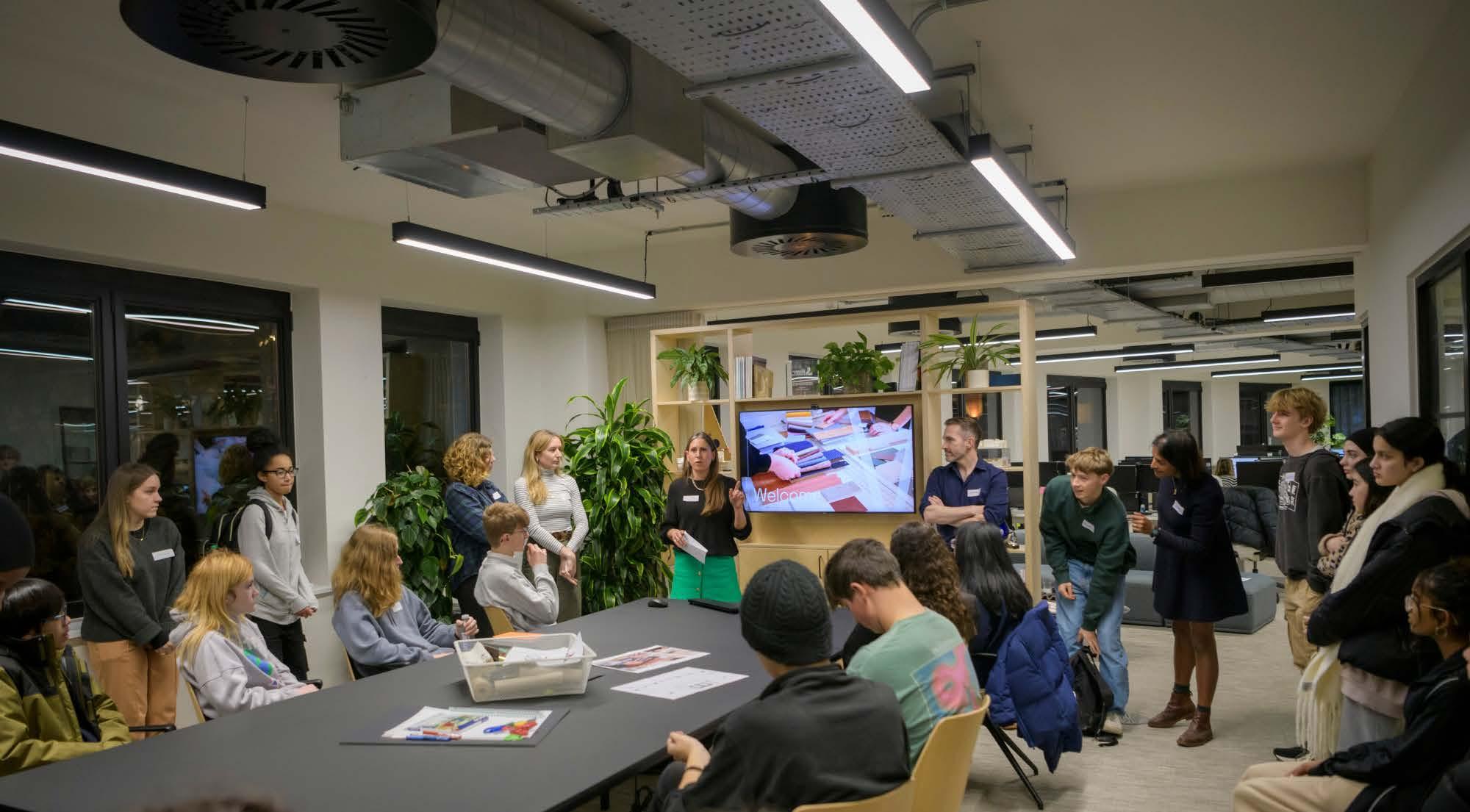
AWW and Design West reunited thanks to Shape My City, for another inspiring session; challenging students to design a creative space.
“ These sessions offer a fantastic insight into the world of design but also shine a
light on the alternative routes to accessing the built environment there are available. Part of the purpose of these workshops is to breakdown perceived barriers."
- Maddie Jackson | AWW Workshop Coordinator
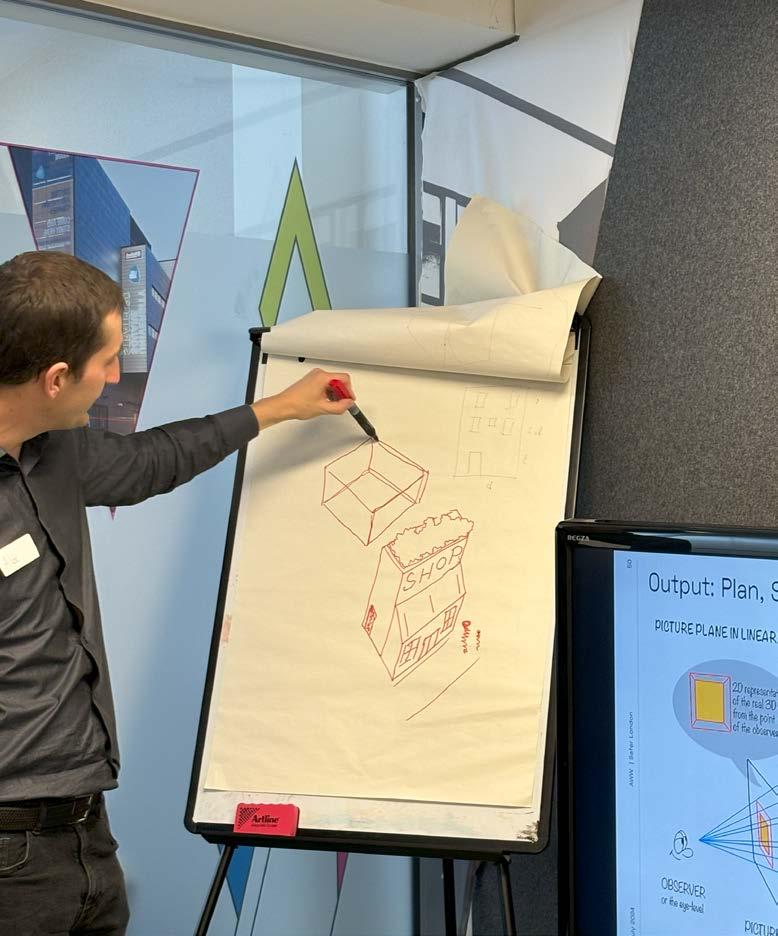
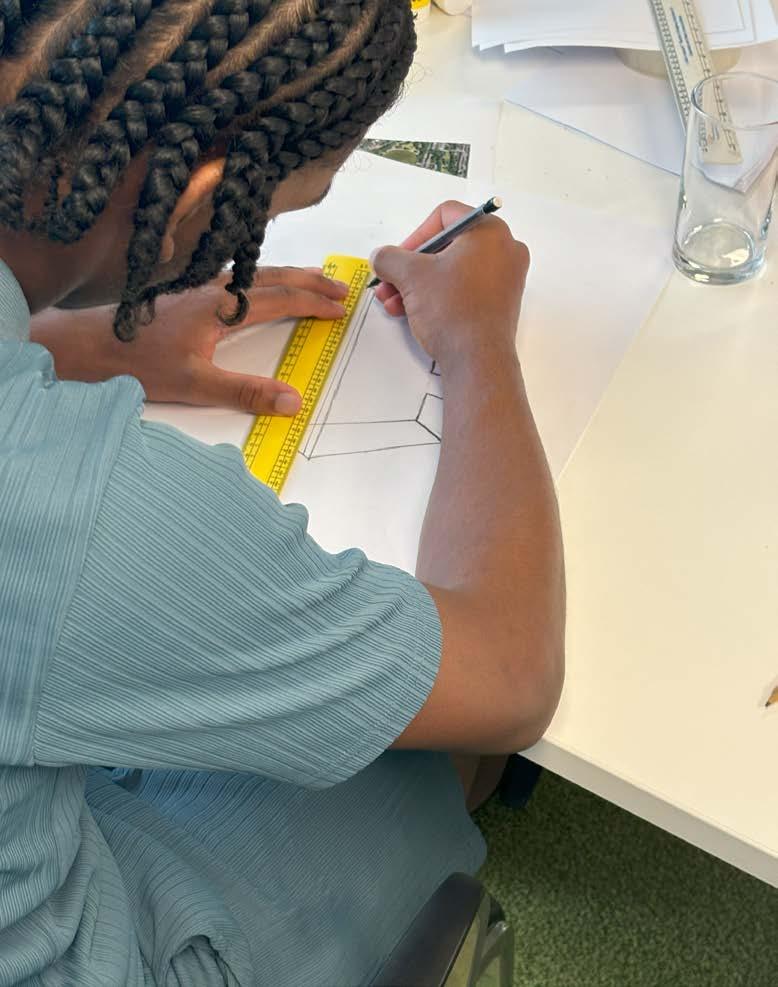
For the third consecutive year we hosted a cohort of 30, 15 - 18 year old Shape My City students. Led by our Interior Designers and supported by our Architects, our team took the students on a two hour design journey to re-imagine a workplace.
AWW pledge to continually develop our thinking, invest in our team and inspire the next generation of innovators to always raise standards of the industry.



Over 30 students participated in the workshop
This year, we’ve attended four Bristol WORKS events to help give students an insight into what it is like to work in the construction industry. We have had the opportunity to collaborate with industry representatives including Currie & Brown, Hoare Lea and most recently Red Construction, who joined as a new addition for 2025.
In 2024 we contributed to two sessions, one at St Bernadettes and one at Bridge Valley Learning Campus which were attended by Jason Fowler, Gemma Coe-Tucker and Rosa Simpson. So far in 2025, we’ve delivered sessions at Oasis Brislington on Tuesday 29th April and Oasis Brightstowe on Wednesday 2nd July with Irene de Miguel Lopez, Heather Lavis and Gemma Coe-Tucker attending from AWW to share their experiences and career journeys.
As a direct result of these events, one student has reached out and secured a work experience placement with us, and another event is being planned for later this year. The students have been engaged throughout the sessions, showing enthusiasm and curiosity about the industry. One of the standout activities has been the bridge-building challenge, which encouraged teamwork, problem solving and creative thinking. The main aim of these sessions was to give students a hands-on understanding of some of the real-life skills used in construction as well as spark interest and break down barriers for young people - hopefully, we have achieved this!
Students were encouraged to respond creatively to a ‘client brief’ which asked them to build an iconic structure that would provide a bridge over the Bristol floating harbour.
'We pledge to work collaboratively with the local community to create safer spaces for all'
Reporting a sense of safety in use of the building of those surveyed by Post Occupancy Evaluation. Those not reporting sense of safety due to environs
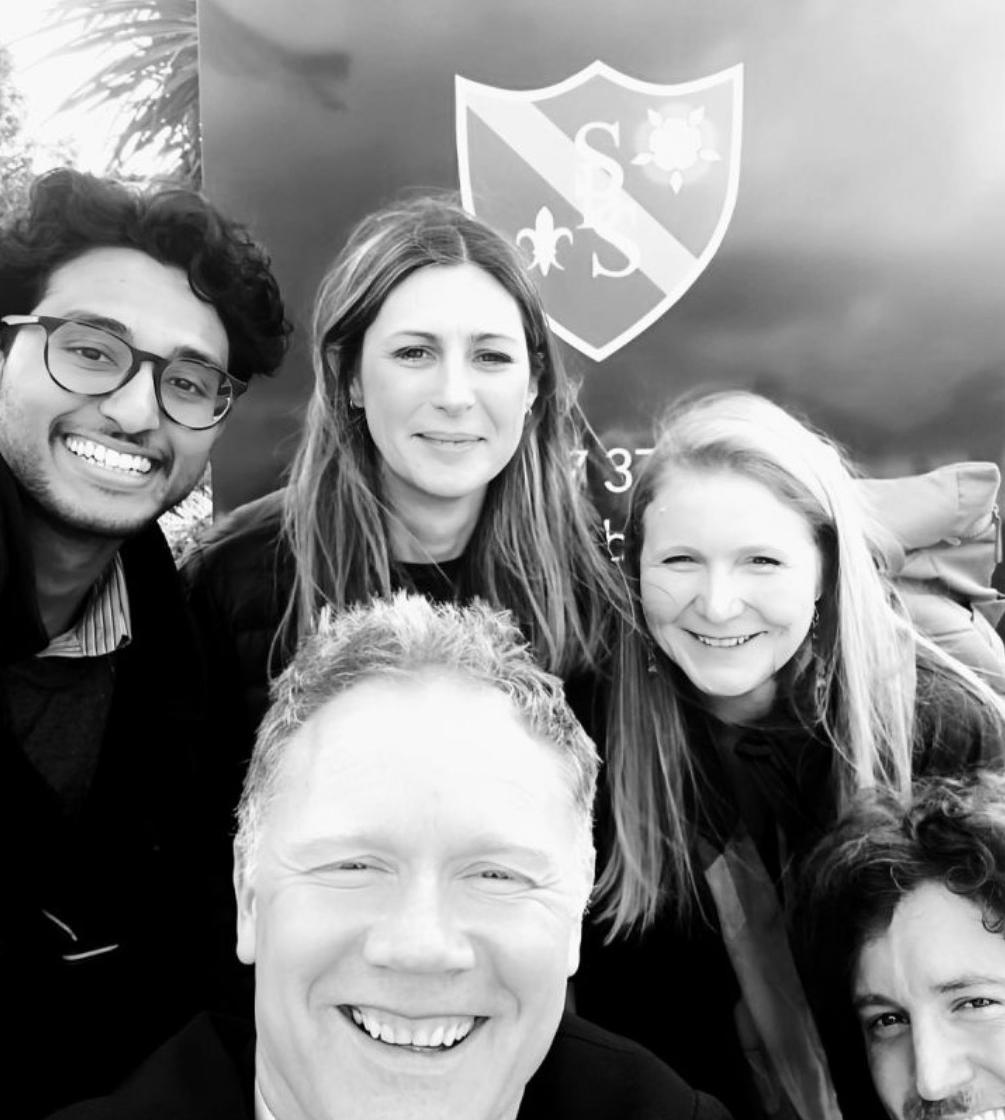
In 2024 we started our partnership with Safer London, a charity that supports young Londoners, their families, peers and communities affected by violence and exploitation. In the last year, alongside a cycle challenge fundraising event, we ran a skills sharing workshop and are in the process of developing a Safer Spaces workshop, collaborating with the charity to create safer spaces for all.
'I just wanted to drop you a note to say thank you to you and the team for hosting us this week. It was a really interesting and engaging afternoon and we appreciated how hugely generous you were with your time.
The young people are a little shy sometimes but outside they were full of questions and thoughts about their futures and career ideas so I think it reallygottheminspired'
quote from Safer London Team Member
Safer London workshop on 31 July 2024. Follow up planned for 2025 93%
'We pledge to conduct our business and projects in a equitable, accountable and inclusive way, and through our actions we aim to be recognised within our industry as Social Value leaders'
The induction highlights all policies including Equality, Diversity and Inclusion (EDI)
We are accredited by Constructionline which includes EDI policies and procedures documented and passed
Check-in sessions on offer to all staff with Wellbeing Consultant, Rebecca Lightfoot
Some of the current measures that we have in place to actively advocate EDI are:

Fairer access to industry:
• apprenticeship routes
• extensive work experience programme
• Mentoring
• Visa sponsorship
Business structure:
• Inclusive: EOT
• Supportive: wellbeing programme / free access to life coach / pensions advisor / healthcare programme
Acknowledged that in working with AWW Social Value has been created through the relationships, process and builds.
93%
*clients surveyed through Post Occupancy Evaluation
• External careers talks / skills sharing via charities Removing barriers to education:
• Student fee loans
• Staf networks: employee feedback sessions with peers / EOT council / regular consultation with staf – written and in person
Inclusive policies:
• Paid study leave Equality in progression:
• Accessible career pathway plans that are not reliant on financial capacity
Business analysis:
• Gender pay gap analysis / reporting
• Fair & transparent reporting / communication across the business
Physical surroundings:
• Prayer room
• Private space for feeding / sickness
• Gender neutral toilets
• Over the past year our policies have been developed to be more inclusive and reflective of our employee cohort Reward and Recognition:
• Bonuses via the EOT are shared across the employees twice a year in accordance with the EOT constitution and applied formula
• Payrises are attributed annually in line with practice profitability across employees
3,571 hours of research carried out by AWW team 2024-25 Quarterly meetings of ESG Team












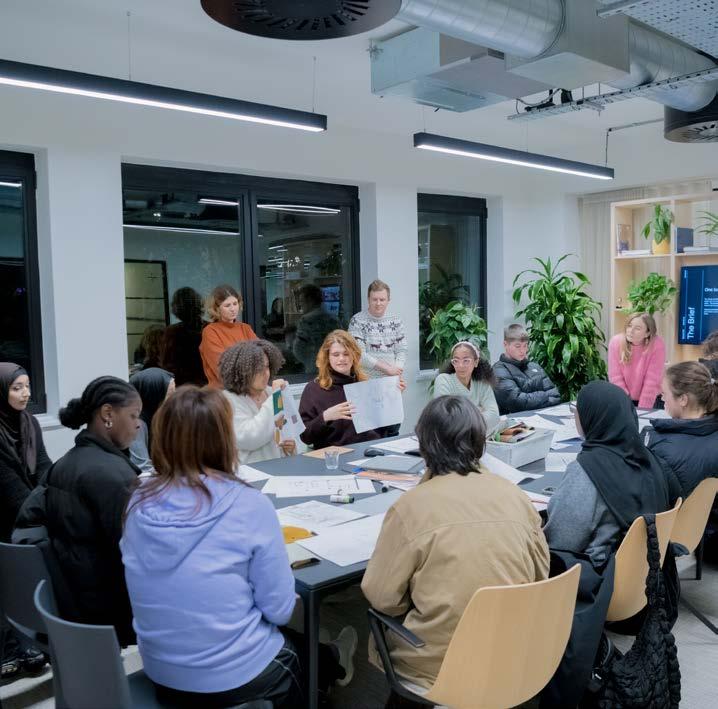
OVERVIEW | after feedback given in recent staf reviews and employee exit interviews the AWW Employee Council were tasked to run a series of Peer Reviews. Held in October 2024, a series of meetings were hosted to engage with employees at all levels, across the practice. The aim was to gain a greater understanding of employee aspirations for the business and what they feel is and isn’t working. The Council would then consolidate the feedback received and compile a series business goals.
The structure and themes for the discussions were as noted below.
The key points the sessions raised were then reviewed by the Council and actions proposed against each item.
This itemised report was taken to the Board and from here a next steps approach was agreed under;
• You asked
• We listened
• We propose
• Future development
This demonstrated a direct correlation between advocating employees and short - long term business goals.
The engagement rate of employees was in excess of 90% and we have shared the results of the report via email, newsletter and the intranet. Some of the outcomes of the report have come into action already (as of July 2025).
ADs / Associates
Architects
Senior
Technicians
Architectural
Support
'We pledge to increase positive impact by building relationships and promoting ethics, transparency and Social Value within our partnerships'
We communicate our ESG commitments with our partners / stakeholders
Use of our office premises to host events that advocate positive Social and Environmental Impact
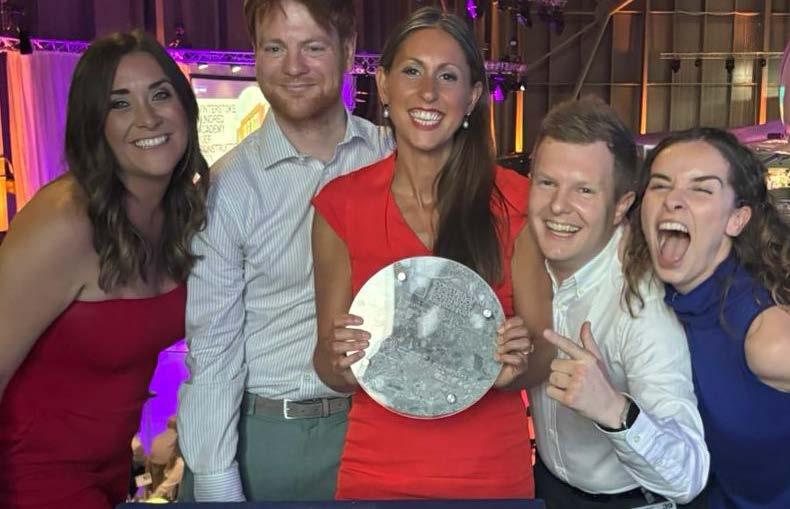
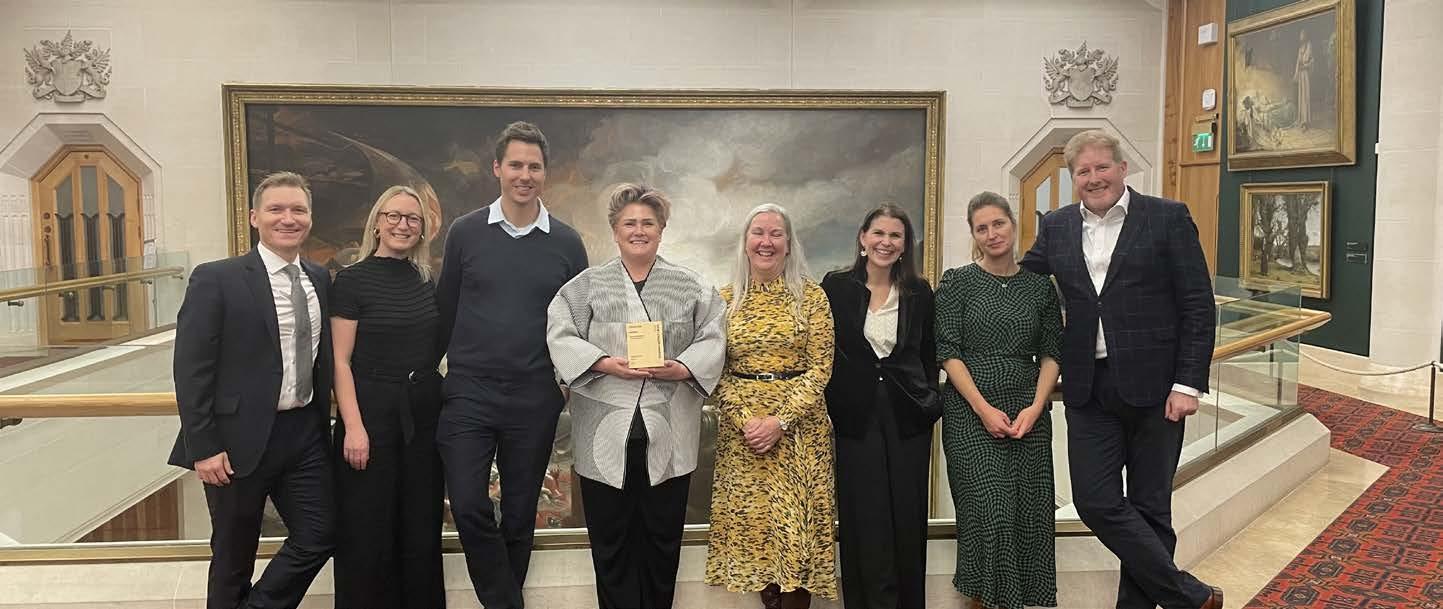
Submission of awards to advocate Social Value Impact:
Winner NLA Education Category 2024
Winner AJ Community Impact of the Year 2024
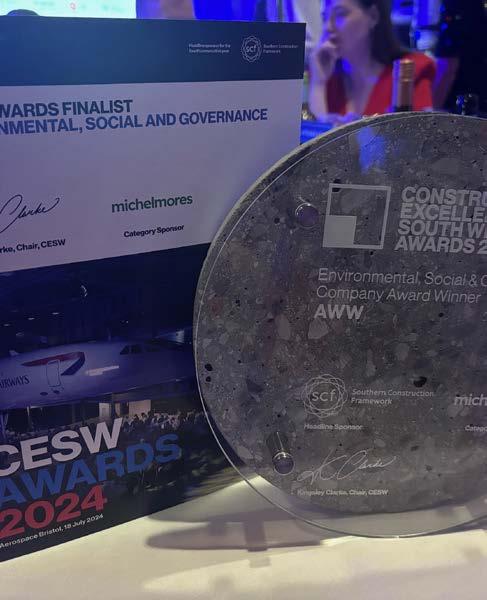
Winner Constructing Excellence SW ESG Award 2024
Winner Pineapples Creative Retrofit 2025
Winner Civic Trust Award 2025
The following outlines the goals we set ourself at the end of our last Social Impact Report and how we've responded over the last year;
Increase the number of building users identifying an improvement in wellbeing and social engagement.
Uplift of 19.4%
Develop partnerships with local VCSEs to increase our voluntary and expert business advice commitment
We have partnered with Young Bristol and Safer London organising mentoring, activities with the young people and fundraising. Our marketing team have provided pro bono expertise to an adult education centre we have partnered with
Partner with local organisations to create safer spaces for all
We have partnered with Young Bristol and Safer London organising skill sharing events
Maintain the net zero carbon action plan and achieve net zero carbon as a business annually (Scope 1 and 2) and improve upon this to include Scope 3
Our latest Carbon Footprint Report includes some Scope 3 emissions
Promote the use of sustainable travel methods
All our pool cars are now electric
Target net zero carbon in operation across all projects by 2025
There is currently no clear industry wide definition of what constitutes net zero in projects, and real world implementation remains complex. We continue to monitor all projects via the RIBA 2030 Climate Challenge spreadsheet
Continue to apply the Circular Economy Action Plan
Two projects have adopted the Circular Economy Action Plan and all major schemes automatically follow the action plan
Continue to engage in Circular Economy research
CE research: we are part of the Build Zero research led by Sheffield Uni. Collaboration on Carbon Artefacts research leading to publication.
Review current pledges and KVIs to ensure their relevance and maximum impact
Annual review of pledges and KVIs. New KVI added in 2024 to obtain one high profile Social Value award
Increase our Social Value training within the office
Hosted in-house Social Value sessions, alongside promoting Social Value as a standard part of design reviews to maximise Social Value Impact in design
Partner with organisations to increase inclusivity both within AWW and in the projects we deliver
All employees have access to a wellness coach, who also has run workshops on a range of topics including mental health. We have worked on projects with specific neurodiversity requirements which has required key stakeholder engagement
Collaborate with other organisations committed to Social Value
We have broadened our network and increasingly partner with other consultants and contractors to deliver Social Value
Proactive recording through projects, using bespoke systems to record and monitor our impact through projects
AWW Social Value questionnaire for design reviews, AWW Social Value Impact Design Tracker, AWW Post Occupancy Evaluation template
Develop Social Value design metrics toolkit in collaboration with our industry peers Social Value Impact Tracker developed and has been used on two projects
KVI 1.1 : 25% of AWW projects to undergo a Social Value Design Review to set criteria to ensure schemes enhance quality of life for the user
Outcome : 10% projects underwent a Social Value Design Reviews
Why: Lack of recording of all Design Reviews.
Action : Director and ESG team member assigned to schedule reviews.
KVI 1.2 We will conduct five sensory audits using the AWW Sensory Audit, to enhance cognitive inclusion in and around the built environments that we design.
Outcome : No sensory audits conducted using AWW Sensory Audit in 2024-25
Why: On reflection we found the template wasn't helpful in improving inclusivity in design.
Action : Collate feedback from existing projects to inform neurodiversity questions to inform the design of more inclusive projects. Template to be developed in 2025–26
KVI 3.3 Increase business conducted with VCSEs to 5% of annual turnover by 2023
Outcome : Business with VCSEs was 1.40% of turnover
Why: Number of projects AWW involved
with in 2024-25 increased and proportionally a larger % of these were with commercial / public sector clients. Our healthcare and education portfolio significantly increased during this period
Action : Expand our communication of Social Value commitments as we progress towards SVQM Gold Award, and develop our partnerships with existing VCSEs and consultants to increase our Social Value Impact
KVI 3.5 We will carry out a minimum of 12 post occupancy consultations per year to assess our wider impact on building occupants
Outcome : 16 POEs were issued but only 10 completed
Why: Limited client/contractor engagement and resource to support survey distribution; Leadership changes between design and in use phases disrupted continuity
Key learning: Surveys alone are ineffective without strong client side advocacy
Action: Offering interviews and an expanded POE template as a RIBA Stage 7 service to improve quality and response rate
KVI 4.4 Target net zero in all projects by 2025
Outcome : Not yet achieved
Why: There is currently no clear industry wide definition of what constitutes net zero in projects, and real world implementation remains complex.
Action : We continue to monitor all projects via the
RIBA 2030 Climate Challenge spreadsheet and will publish a thought leadership piece to contribute to the wider industry conversation and clarify our position and approach. Thought piece to be released prior to the impact report.
KVI 7.2 EDI training provided for both staff and the supply chain
Outcome : Equality, inclusivity and diversity central to the governance of AWW. Involved in developing fairer access to the industry, removing barriers to education, equality in progression, adapting physical surroundings, evolved business structure and inclusive policies. No formal training has been provided this year.
Why: Strategic review of EDI to inform any training provided
Action : Strategic review leading to short, mid and long term objectives
KVI 8.4 Support for local VCSEs through offering work and meeting space
Outcome : We offered use of our offices to the charities we partner with. In the past year there was no take up of this offer, but they are aware of the provision if required. Our office was used to host Shape my City workshop with Design West.
Action : Continue to promote availability of our studios to the VCSEs we partner with.
Social Value is about delivering long lasting positive impact. We are committed to continually seeking to improve for the benefit of our clients, stakeholders and employees to deliver projects that promote resilient and sustainable communities.
Some of our key targets for next year include:
Implement short to medium objectives from EOT peer group reviews
Settle the London office into new accommodation that better supports the team, offers a safer environment, improves wellbeing and attracts new talent
Collate feedback from existing projects to inform neurodiversity questions to inform the design of more inclusive projects
Maintain the net zero carbon action plan and achieve net zero carbon as a business annually (Scope 1 and 2) and improve upon this to include Scope 3
Conduct an internal office wide skills audit to identify areas where we can share knowledge and areas which we need to develop our expertise
Review current pledges and KVIs to ensure their relevance and maximum impact
Grow and improve our intranet as a shared resource tool to keep our staff updated, informed and to share training in areas such as neurodiversity.
Commit to more conversations on our external channels (website journal / LinkedIn) that raise awareness of industry topics / educate / share project or sector knowledge
Continue to monitor RIBA 2030 projects
One member of Environmental Team to attend all design reviews
Continue to expand our work experience programme providing opportunities for students disadvantaged backgrounds or limited access to architectural education to encourage greater diversity in the next generation of construction professionals