AWARENOW
THE WORLD'S OFFICIAL MAGAZINE FOR CAUSES


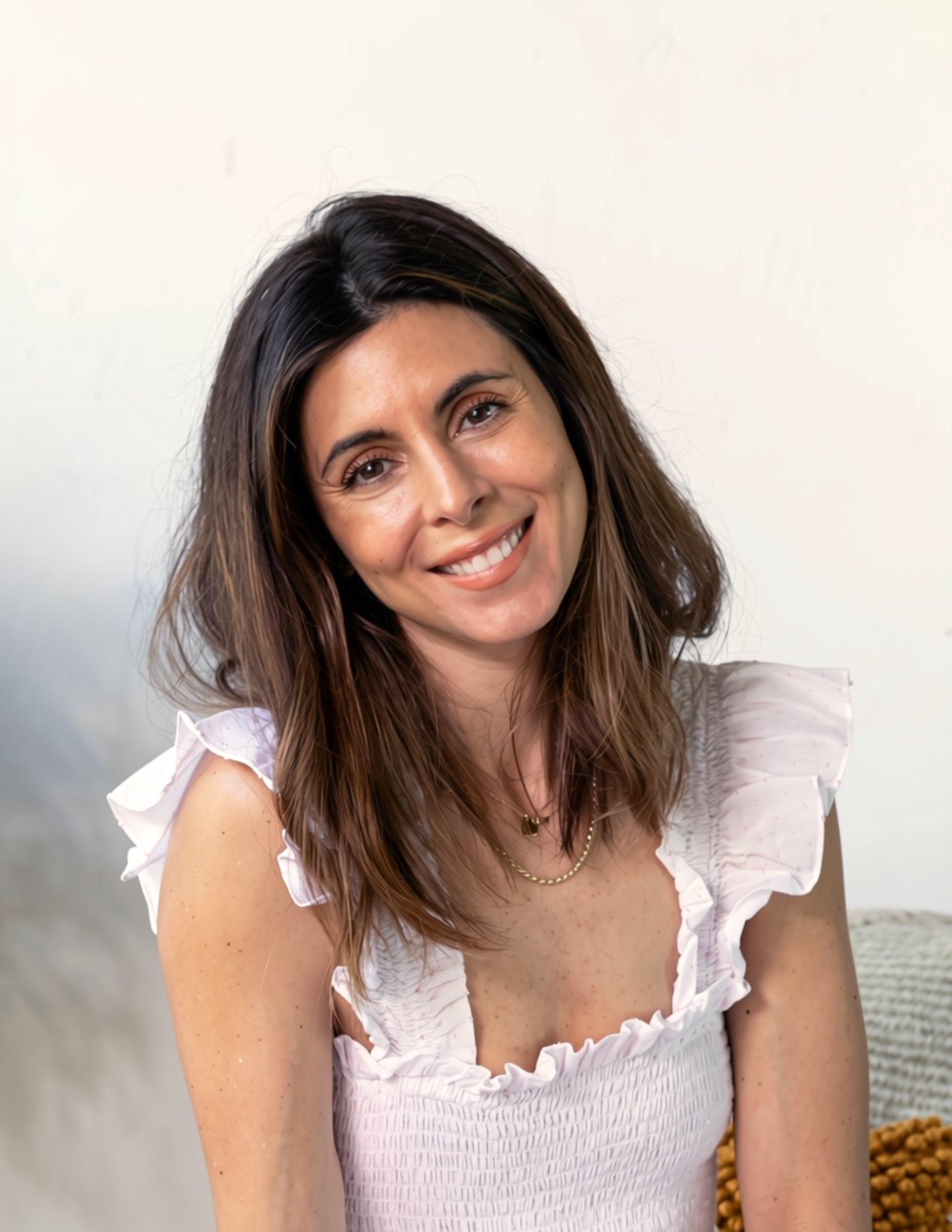


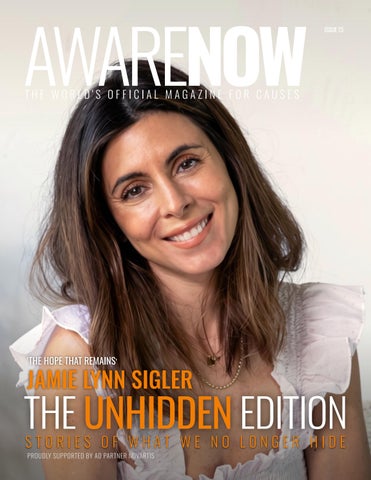
‘THE HOPE THAT REMAINS’ JAMIE LYNN SIGLER


THE UNHIDDEN EDITION


STORIES OF WHAT WE NO LONGER HIDE
PROUDLY SUPPORTED BY AD PARTNER NOVARTIS
‘THE HOPE THAT REMAINS’ JAMIE LYNN SIGLER
STORIES OF WHAT WE NO LONGER HIDE
PROUDLY SUPPORTED BY AD PARTNER NOVARTIS
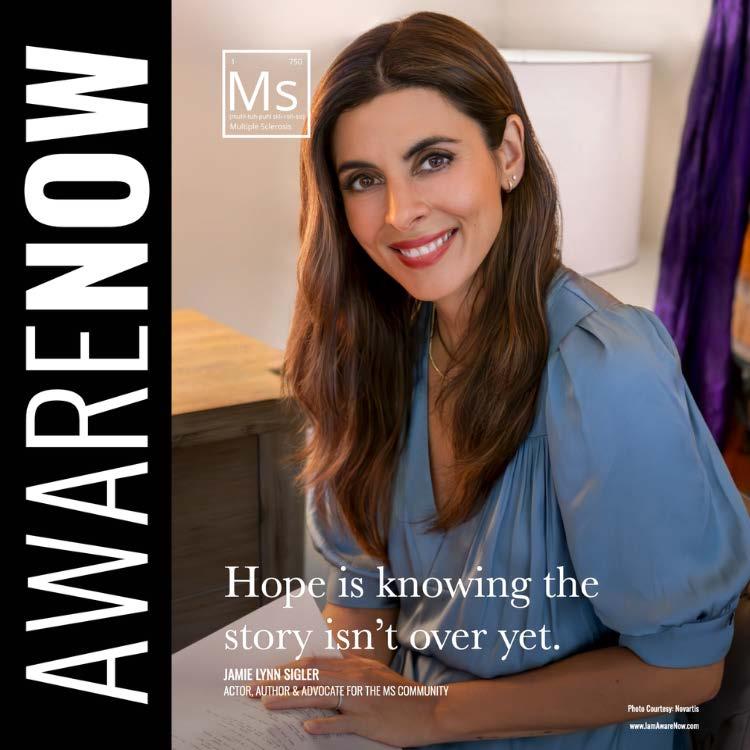
ON THE COVER: JAMIE LYNN SIGLER PHOTO COURTESY: NOVARTIS UNHIDDEN
AwareNow Magazine is a monthly publication produced by AwareNow Media™, a storytelling platform dedicated to creating and sustaining positive social change with content that inspires and informs, while raising awareness for causes one story at a time.
JACK MCGUIRE
KAISSA GURVINE, SONJA MONTIEL
SPIRITUAL RETIREMENT
ELIZABETH BLAKE-THOMAS THE PLACES THAT HOLD US LAURA ARCHER

What makes you vulnerable makes you beautiful.

Brené Brown

This edition is an invitation to step into the light.
Within these pages are stories of people who have chosen to be seen fully, not only for what they have achieved, but for what they have endured, embraced, and become.
The Unhidden Edition honors the courage it takes to live truthfully and the connection that becomes possible when we no longer ask our humanity to remain out of sight.
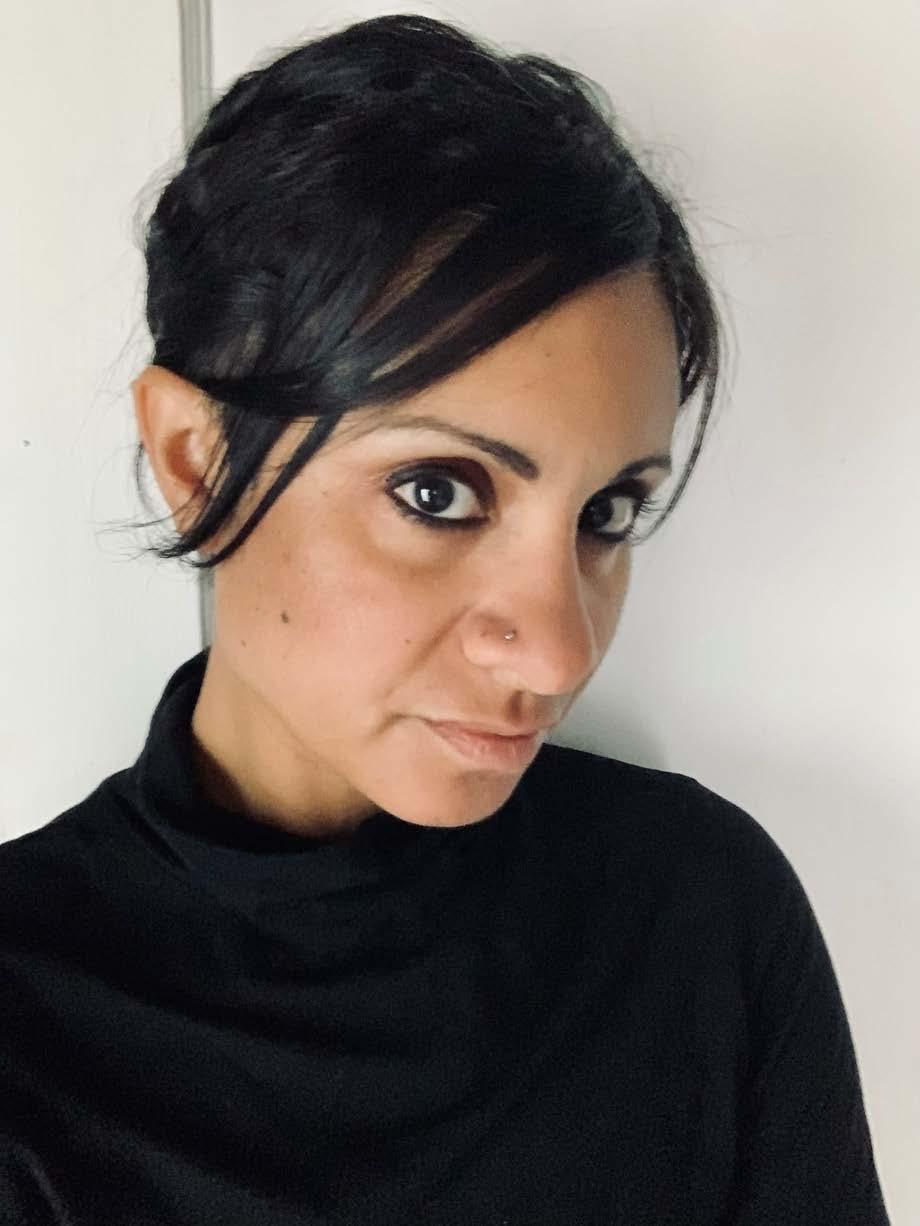
ALLIÉ McGUIRE
CEO & Co-Founder of AwareNow Media
Allié McGuire began her career as a performance poet, transitioned into digital storytelling as a wine personality, and later produced the Hollywood Film Festival. Now, as co-founder of AwareNow Media, she uses her platform to elevate voices and champion causes, connecting audiences to stories that inspire change.
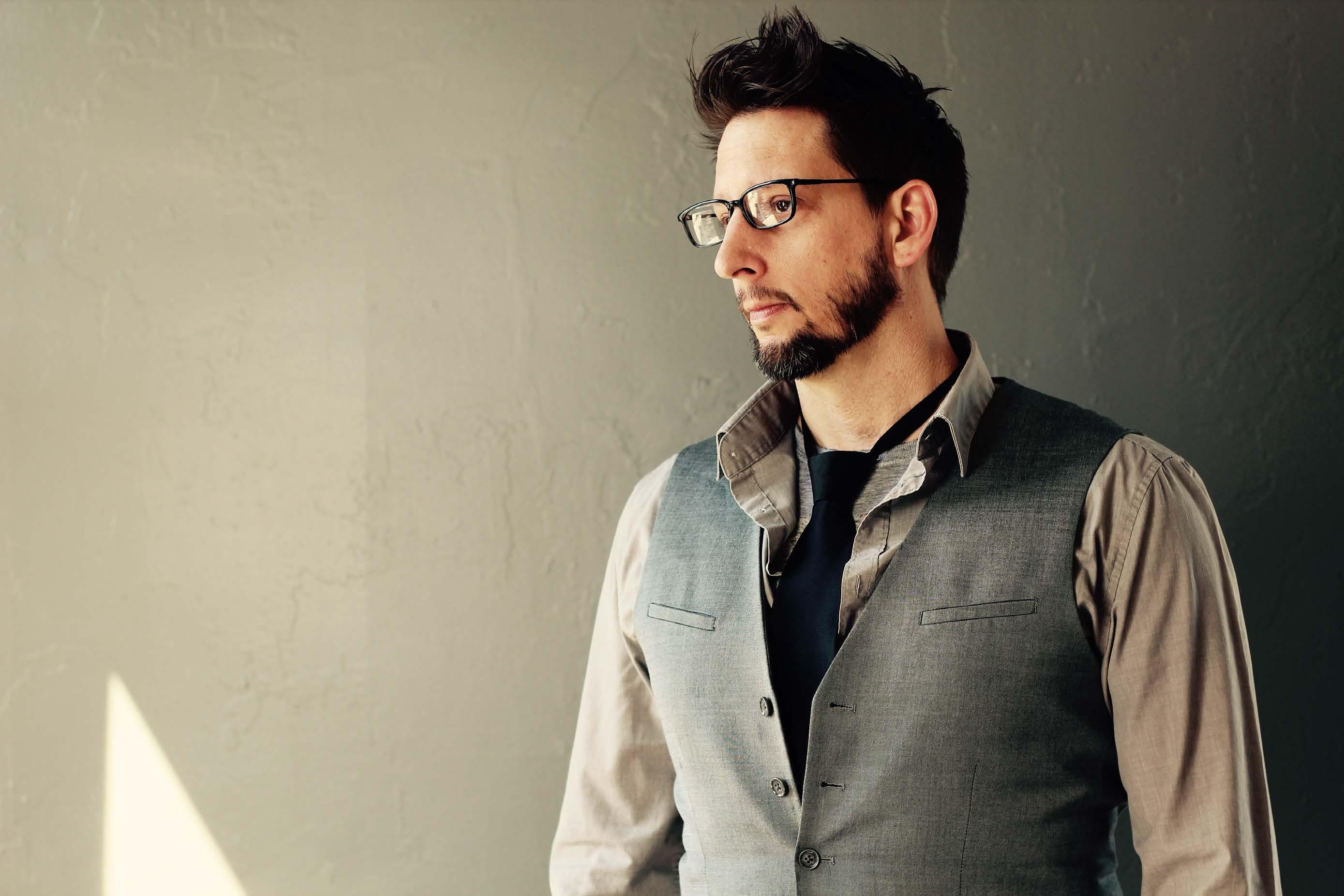
President & Co-Founder of AwareNow Media
Jack McGuire’s career spans the Navy, hospitality, and producing the Hollywood Film Festival. Now, he co-leads AwareNow Media with Allié, focusing on powerful storytelling for worthy causes. His commitment to service fuels AwareNow’s mission to connect and inspire audiences.
The views and opinions expressed in AwareNow are those of the authors and do not necessarily reflect the official Any content provided by our columnists or interviewees is of their opinion and not intended to malign any religion, ethnic group, political group, organization, company, or individual. Stories shared are not intended to vilify anyone or anything. Their intent is to make you think.
* Please note that you may find a spelling or punctuation error here or there, as our Editor-In-Chief has MS and lost vision in her right eye. That said, she still has perfect vision in her left and rocks it as best as she can.

JACK MCGUIRE CO-FOUNDER & PRESIDENT OF AWARENOW


‘REDEFINED
unhidden (n.) the act of choosing to no longer hide who you are, what you’ve lived through, or what you stand for when truth becomes visible, vulnerability becomes strength, and humanity
finds connection
To be unhidden is to be Aware Now.
There is something extraordinary about the moment we stop hiding. Not because our stories become easier, but because they become shared.
What once felt isolating becomes an invitation for connection. What once felt like weakness reveals itself as courage.
In choosing to be seen, we remind others they are not alone.
This month’s cover features Jamie-Lynn Sigler, whose openness about living with multiple sclerosis has transformed her personal journey into a source of hope for countless others. Her story embodies what it means to live unhidden— not defined by a diagnosis, but empowered by authenticity.
Throughout these pages, you’ll meet people who have chosen truth over silence, purpose over fear, and humanity over perfection. Their stories are different, but they all share one thing: they remind us that the parts of ourselves we hide are often the very parts that connect us most deeply to one another.
Thank you for stepping into The Unhidden Edition with us. May these stories encourage you to see others more fully, to see yourself more compassionately, and perhaps, to leave a little less hidden than you were before. ∎
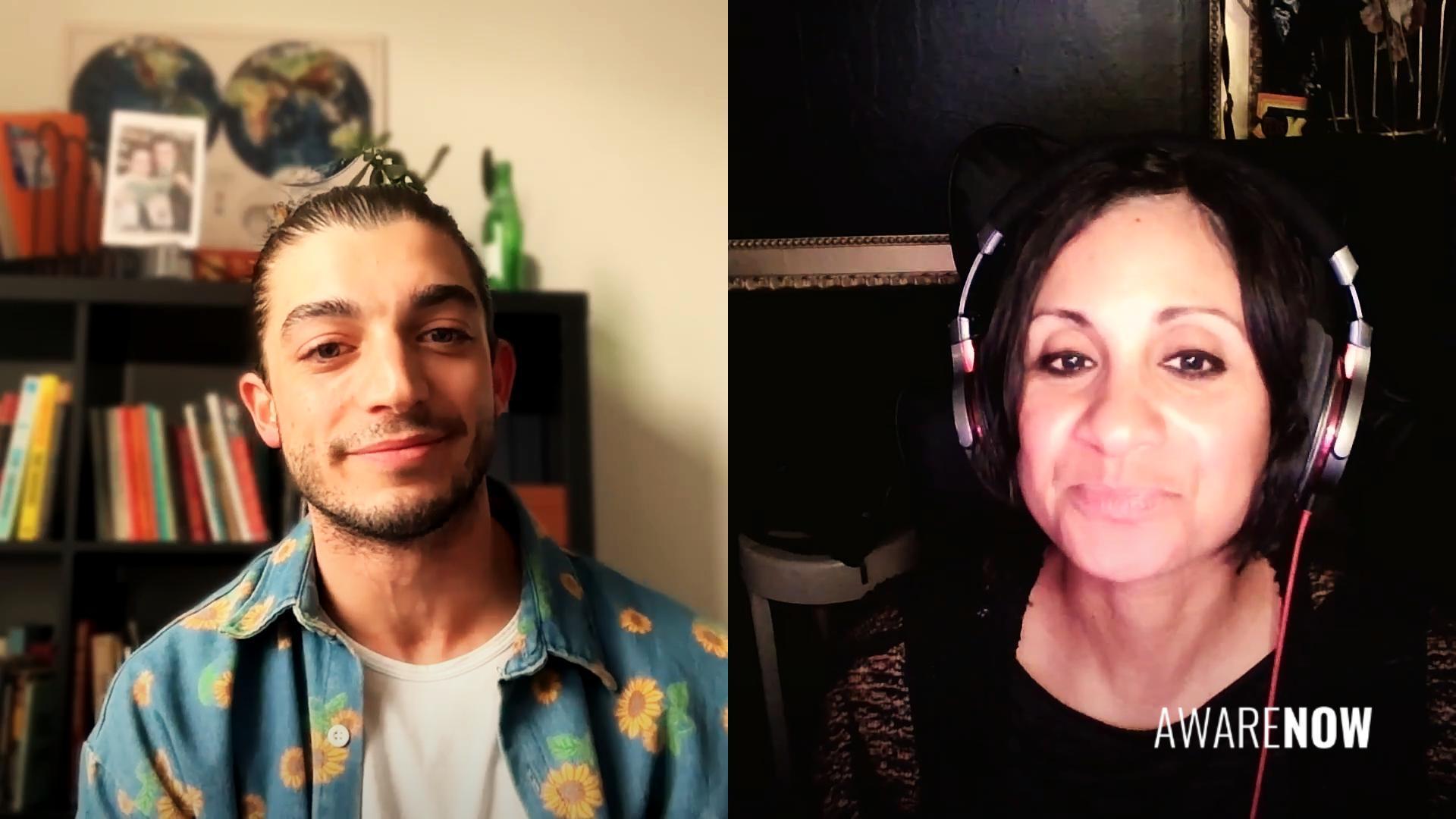
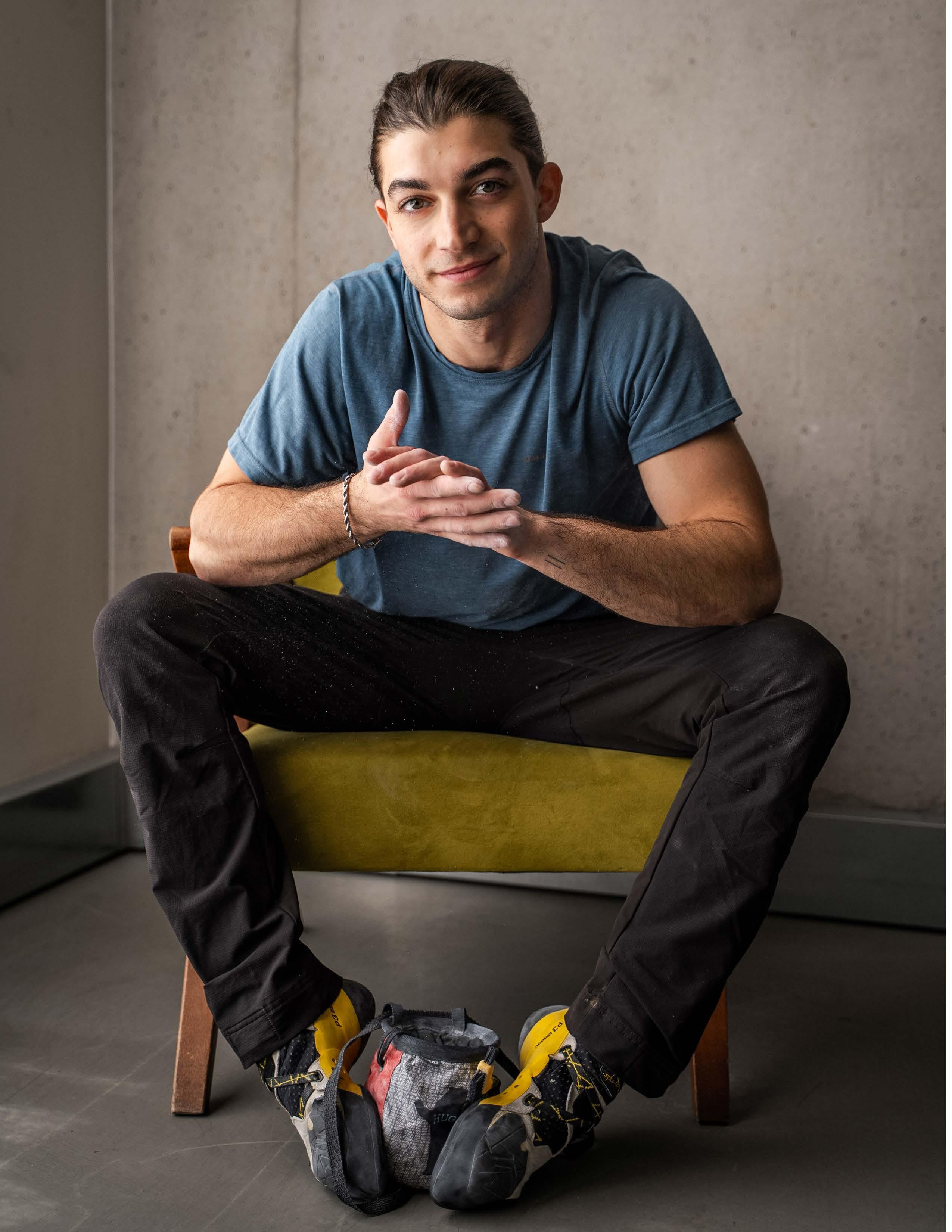
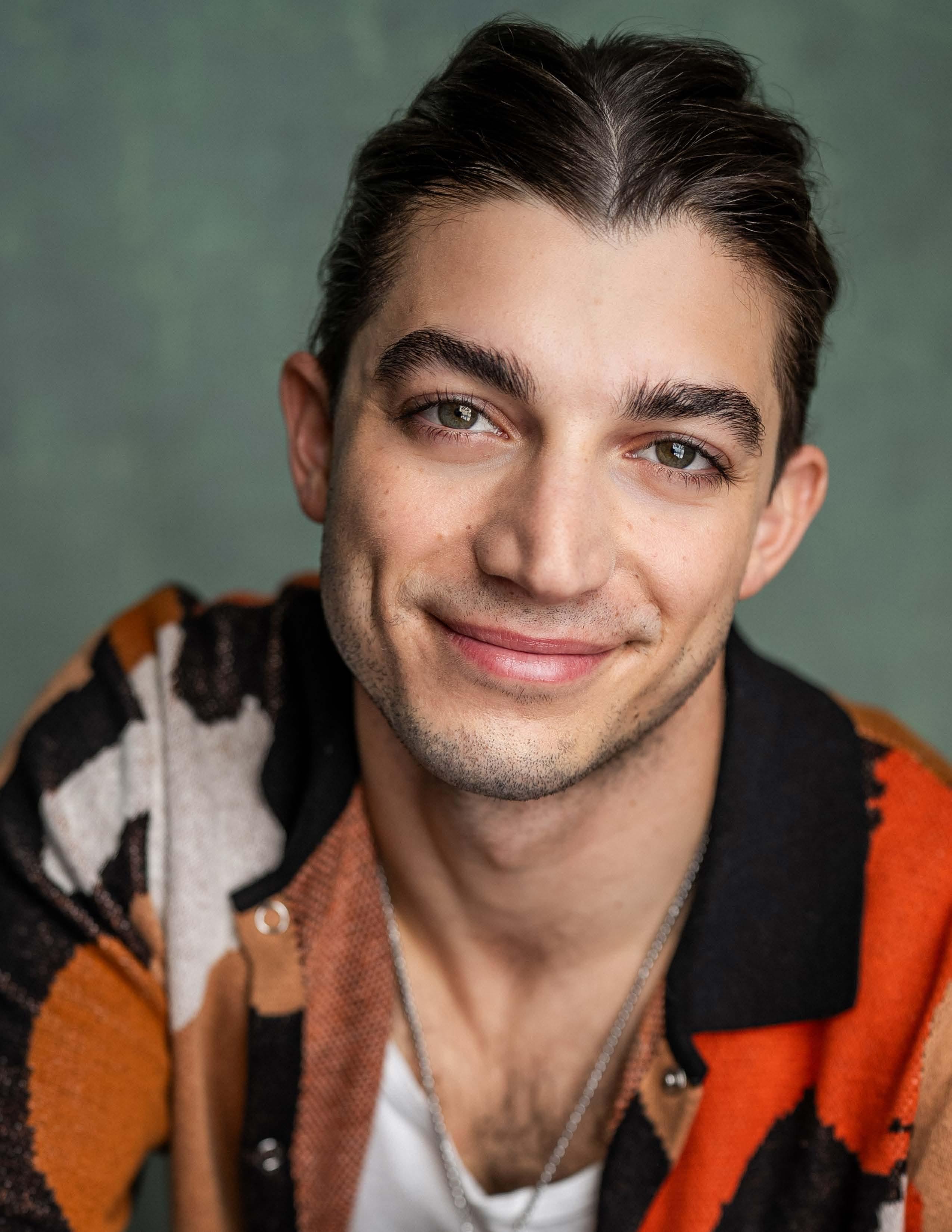
ALEX GRECH WRITER, ACTOR & DIRECTOR


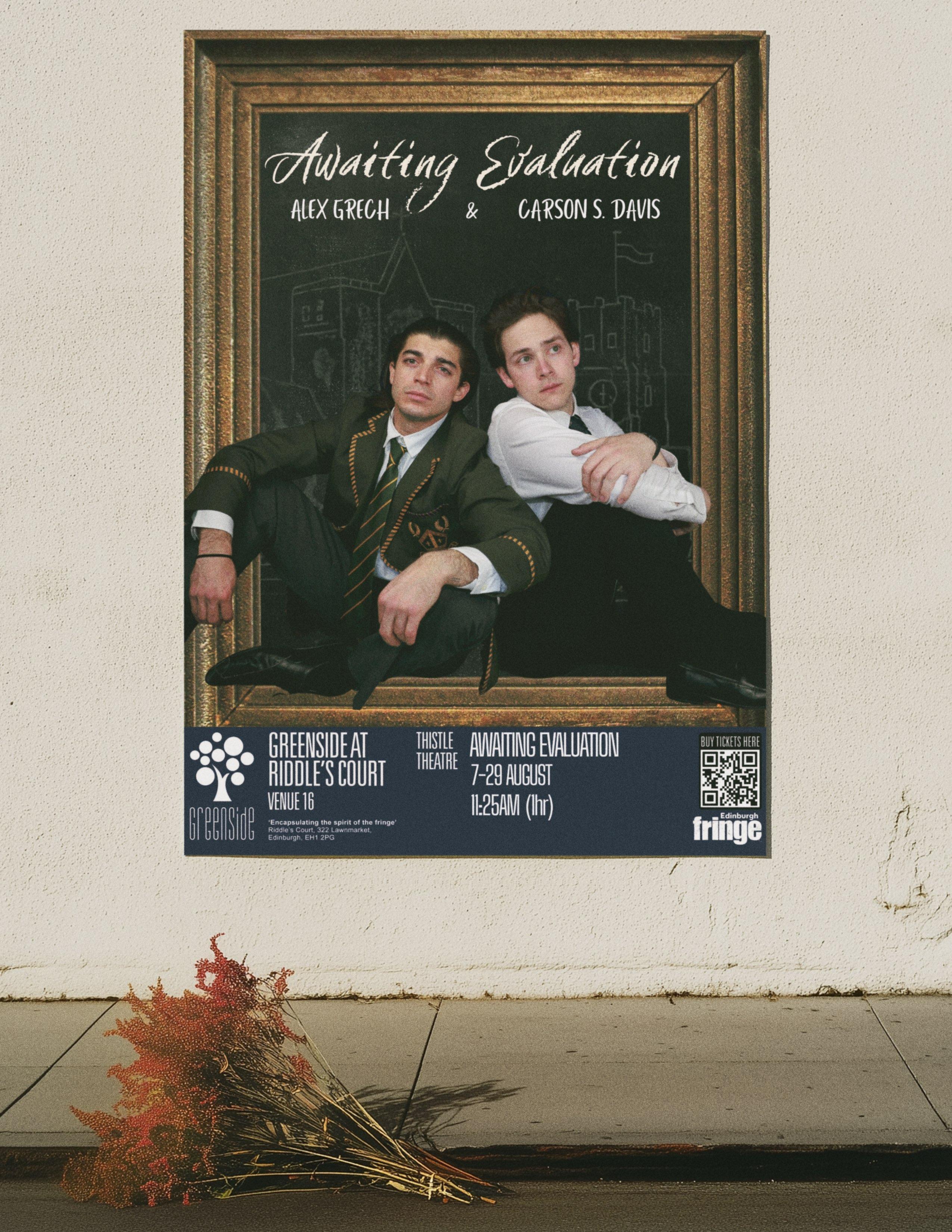
Awaiting Evaluation explores the uncertainty of waiting for answers and the questions that surface in the silence. Written by Alex Grech in 2017, the play now offers a window into the artist he has become: a multidisciplinary storyteller shaped by creativity, resilience, and purpose.
ALLIÉ: Alex, your play, Awaiting Evaluation, places Sid and Ali in a kind of administrative limbo where they know little more than the rules, the routine, and each other. What was the first emotional truth you wanted to explore in that waiting space?
ALEX: That’s a fantastic question. The first emotional truth within that sort of limbo is a little bit two-pronged. The first is an emotional theme that is very common to absurdism. It is central to Waiting for Godot, which was an inspiration for Awaiting Evaluation. It is this idea of existential monotony, the concept that we go over and over again, repeating the same patterns and striving for some faraway ideal, some permission for happiness or permission to grant

ALEX GRECH WRITER, ACTOR & DIRECTOR

There was this idea of being on the precipice of the rest of your life and just needing to get through that final hurdle, without ever quite realising there is always another one.
ALEX: (continued) The evolution that Awaiting Evaluation really hones in on is the concept that it isn’t actually about the waiting. It isn’t necessarily about the hope or the dread. It is about the people you choose to go on that journey with. They are the people who make you happy to wake up every day and repeat the routine because you get to do it with your companion. As crazy, absurd, wacky, and individual as they may be, they are the ones who put hope, brightness, and colour back into the world. That is the first emotional truth. It is a bit two-pronged.
ALLIÉ: I love that, especially the idea that it is about the beings who are with you through all of these doings. It is like asking what makes a home. Is it the place or the people? It is the people who make it.
You wrote this play in 2017, before so much of your own life unfolded: global travel, New York, NYU, film, stunts, and now this new chapter of your career. When you look back at the version of yourself who wrote Awaiting Evaluation, what do you understand differently now about uncertainty?
ALEX: A lot is the short answer.
When I wrote the first version of Awaiting Evaluation, I did so with my best friend in high school. We were studying IB Theatre and had just been introduced to Samuel Beckett, the world of absurdism, and Waiting for Godot. I remember watching Ian McKellen and Patrick Stewart perform Waiting for Godot, and it moved both me and my friend.
Through our conversations and our years at a regional boarding school in Australia, we realised there were many universal feelings running beneath the surface of our peer group. There was this idea of being on the precipice of the rest of your life and just needing to get through that final hurdle, without ever quite realising there is always another one. You finish school, and then it is time to go to university or get a job, start a family, and so on. The chain of expectation can be endless. That was where the play started. It focused on the angst of finishing high school and jumping into an unknown world that seemed so exciting.
After leaving high school, I spent a year working in multiple professions and travelling around the world. I then entered the performing arts programme at NYU’s Tisch School of the Arts, where I studied for four years. I moved to New York and have now been here for around six years.
A lot has changed. As I have grown and been exposed to different literary sources, teachers, and practitioners who have inspired me, all of that has filtered into what has now become Awaiting Evaluation.
It has become a deeply textured and rich text that I believe is still very true to its roots. It continues to explore questions like, “What exists beyond this big, wide world?” and “What can the world offer me?” It holds all the excitement we feel when we look out into the world and see opportunity, but it also explores the crushing realisation that other pressures and institutionalised systems can clamp down on us and narrow our vision.

ALEX GRECH WRITER, ACTOR & DIRECTOR
ALEX: (continued) That is where the notion of the companion comes in. It is the person who motivates you to keep going and to keep hoping for the dream that is waiting outside the window.
ALLIÉ: There is something powerful about two young people trying to figure out who they are while they wait for answers from a system they do not fully understand, and perhaps none of us really do. How do you see that re flected in the lives of young people today, especially when it comes to mental health, pressure, and belonging?
ALEX: There are a lot of elements to that. Honestly, we could write a book trying to explore all the nuances.
The simplest way I can put it is that we live in a world where it is very easy to judge. It is very easy to have an opinion and find another group or collective that supports that opinion.
Part of what I hope people take from Awaiting Evaluation is that the beauty of companionship, and of the people with whom we share the world, lies in their uniqueness and strangeness. It is in the absurdity of our interactions that we can find really special, soulful moments that bind us beyond an opinion.
I love an idea I heard in Ted Lasso, although I am sure it originated somewhere else. It is the notion of leading with curiosity rather than judgement. That is the simple message I hope people carry with them when they walk out of the theatre.
ALLIÉ: Curiosity is where it’s at. Your work lives in both the mind and the body, from writing and directing to acting, stunt coordination, martial arts, horseback riding, and athletic training. How has that physical discipline shaped the way you think about resilience?
ALEX: I have an approach that applies to all of my work. I began performing onstage when I was six years old with the Victorian Youth Theatre in Australia, and I have continued performing throughout my life.
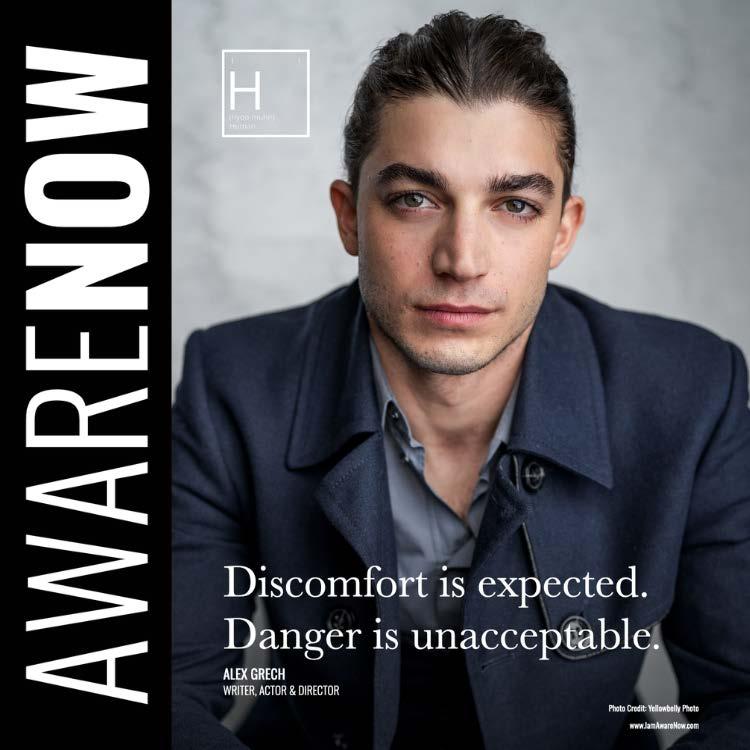
The best sentiment I have cultivated for myself is that you should expect discomfort in this line of work, but you should be unwilling to accept danger.
Discomfort is expected. Danger is unacceptable.
That guides my stunt work, physical regimes, and mental health practices. It is okay to struggle with something. It is okay to push really hard and experience the discomfort that comes from pushing yourself.
As an actor, you need to be willing to engage with uncomfortable emotional spaces, psychological realms, scenarios, and scenes. As a stunt performer, I can tell you personally that doing a scorpion landing, where you land on your face and your feet curl back towards your head, is a very uncomfortable position. There is no way to perform that movement pleasantly.
You go into it knowing your limits. You might tell the lead stunt coordinator, “I have five or six takes of this in me. I can give you those five or six, but after that I risk hurting my back, and I cannot do that because I need to be able to keep going.”
That is where you draw the line. Discomfort should be something you are willing to engage with, but you should be unwilling to accept danger. You need to know where that line exists for you. I would like to think that throughout my life, I have done a good job of cultivating that awareness and knowing it for myself.

ALEX GRECH WRITER, ACTOR & DIRECTOR
Podcast
Exclusive Interview with Alex Grech https://go.awarenowmedia.com/podcast/the-weight-of-waiting


ALLIÉ: You have done a fabulous job of describing the difference between discomfort and danger. It is on us to draw those lines and give ourselves the agency to do so. We do not have to go farther than is safe, but we also have to understand that sometimes we must be uncomfortable.
Outside of your creative work, you advocate for mental health initiatives, support young artists, care deeply about the environment, and believe in more research for cancers and neurological conditions such as Alzheimer’s and Parkinson’s. Both of those have affected me personally, and I believe they have affected you as well. When you think about the platform you are building, what do you hope your art and advocacy can help people fight for?
ALEX: As I touched on earlier, I think it comes back to the unique differences and speci fic qualities of each person. What may be perceived as someone’s weirdness can be their most beautiful quality. It may be the rare way they make you or their loved ones laugh.
As we develop and as our brains and minds change over time, that does not mean there is a loss or lack within a person. It is simply growth and change.
A lot of it is about bringing awareness to these conditions, not as things that remove or degrade the individual, but as things that need to be addressed with comfort and support so people can find their way through them with some degree of peace.
The struggle they are experiencing internally is already enough. They should not also be ostracised from a particular group, especially from their closest family and friends. Those are the people they truly need in those moments to offer patience, understanding, and the curiosity to ask the question. ∎


JAMIE LYNN SIGLER
& ADVOCATE FOR THE MS COMMUNITY
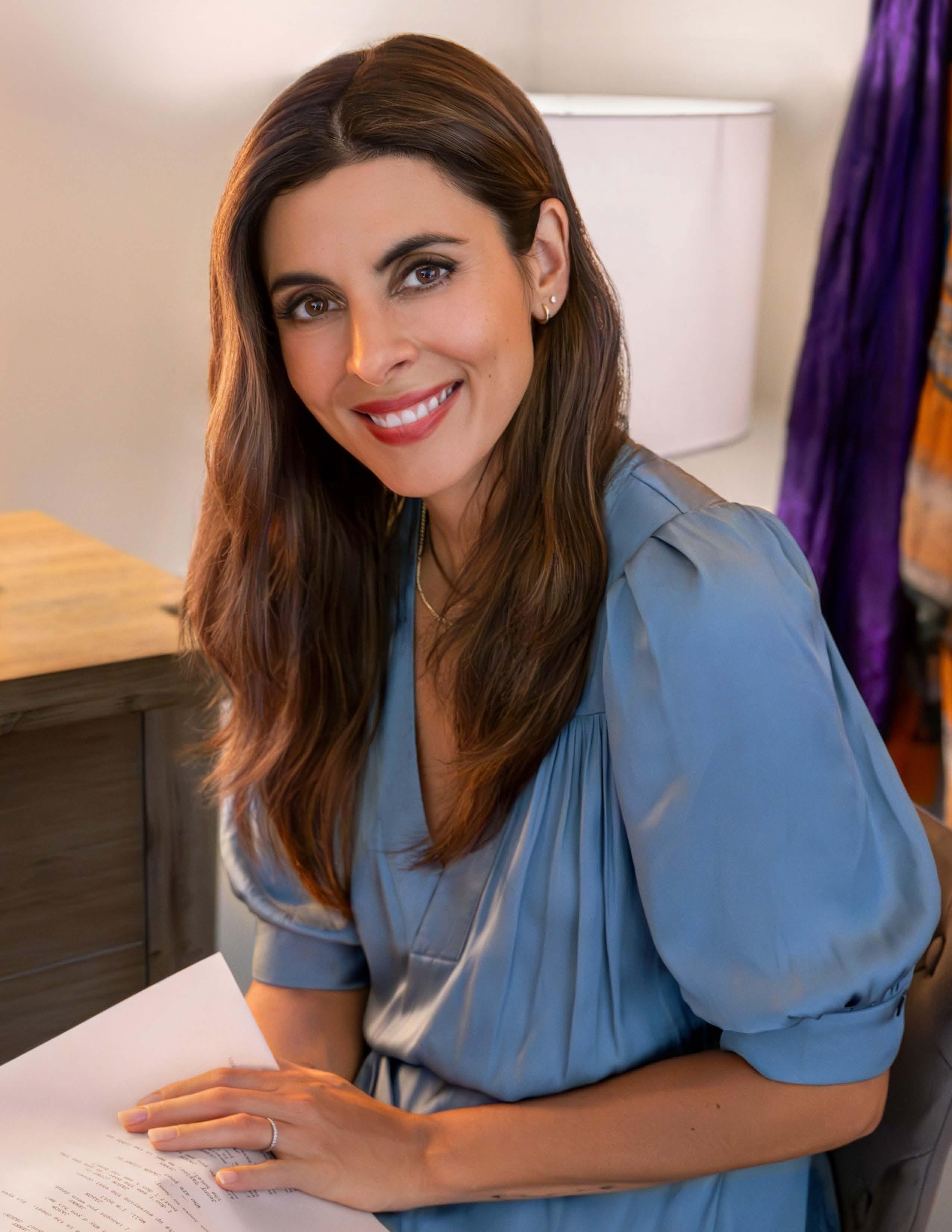
Keeping her MS diagnosis private once gave Jamie Lynn Sigler a sense of protection, but eventually, the secrecy became another form of suffering. By sharing her truth, she discovered not only freedom, but an entire community waiting to welcome her. Here, she speaks openly about grace, treatment decisions and learning to let her own voice be the loudest in the room.
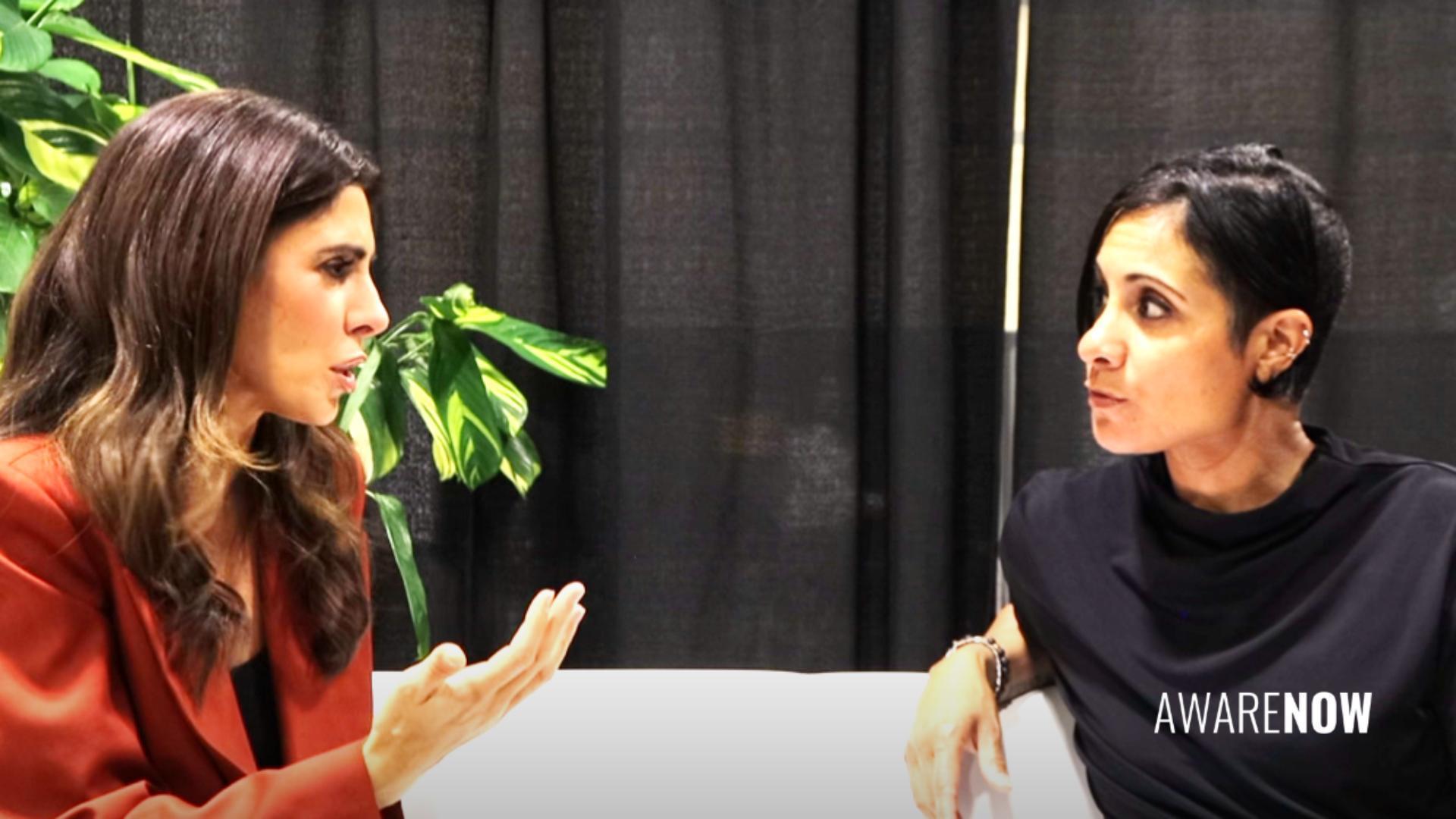
ALLIÉ: You and I have a few different things in common, one of them being MS. For so long, you carried MS privately. What finally made you say, “Okay, I’m ready to talk”?
JAMIE LYNN: A lot of things. I think a lot of things just sort of came to a head. At that point, I had been living with MS privately for 15 years. I wasn’t sharing it with many people in my personal life, and I certainly wasn’t sharing it with the industry I was in, for fear of being fired, not hired or limited before I could even explain what my own limits were.
For quite some time, if nobody knew, I could pretend that it didn’t exist. But at that point, the MS had progressed to a

JAMIE LYNN SIGLER ACTOR, AUTHOR & ADVOCATE FOR THE MS COMMUNITY
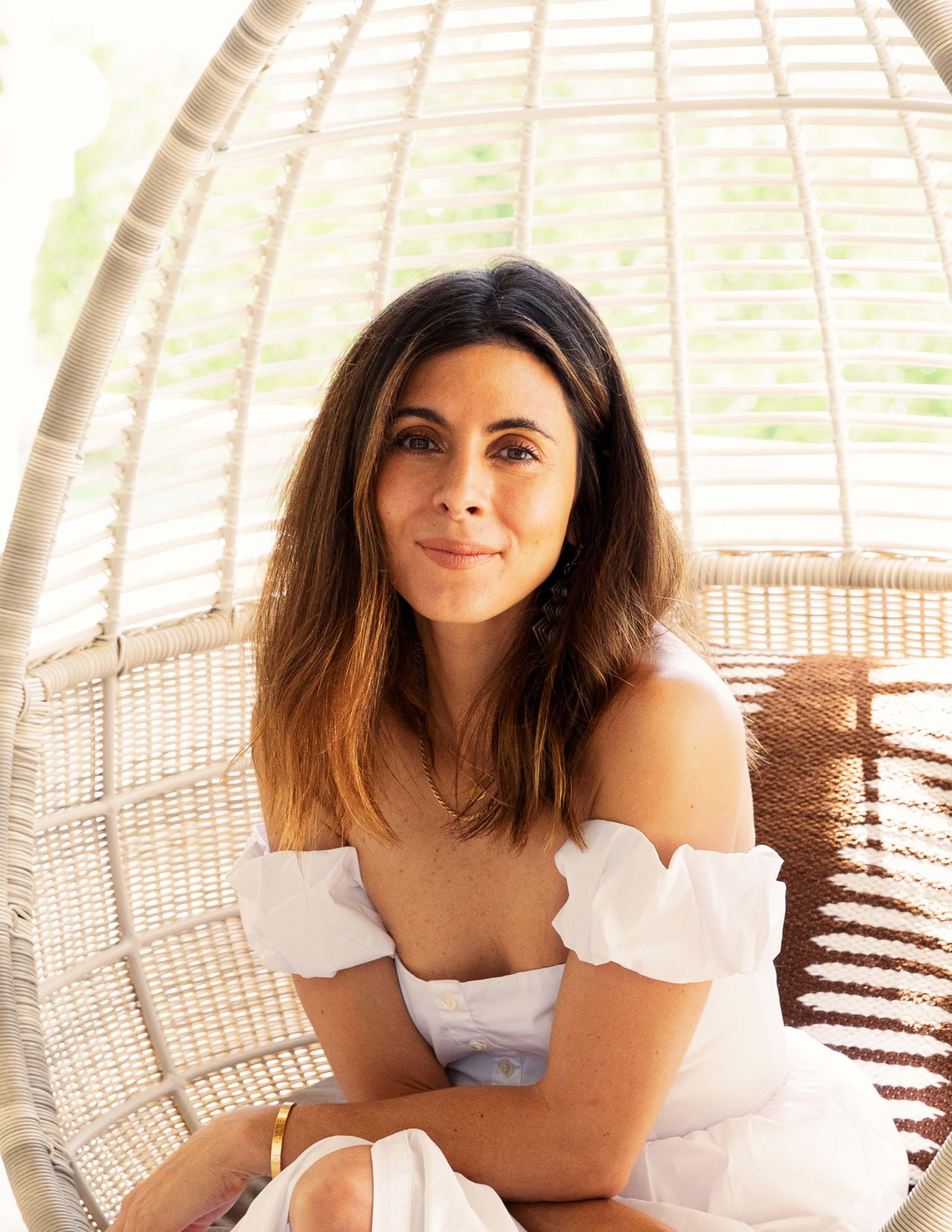

“There is a grace period when people need to come to terms with this. There is no single right way to do it.”
JAMIE LYNN: (continued) I also had a very young son. I started thinking about the kind of example I would be setting for him. At a certain point, would I be asking him to lie about what was going on with his mom? Was that what I wanted to teach him about the world, about how to present himself and how to feel about himself and his differences within it?
I think I was also just exhausted from living a lie and feeling all of this shame and guilt. It added an entirely unnecessary layer of suffering to what I was already experiencing because I was living with MS.
I finally reached a point where I felt ready to do the thing I was most afraid of, which was simply to tell people, “This is what I’m living with.”
I also think I had finally learned how to let love and support in. I felt brave enough to do that.
ALLIÉ: I’m happy for you and thankful that you were able to find the opportunity when it felt right for you. I love that you share that, because there is a time that is right for everyone.
JAMIE LYNN: Absolutely. There is a grace period when people need to come to terms with this. There is no single right way to do it.
I was actually very shocked when I first came out about it and suddenly realized that I hadn’t had a community, and now I did. The entire MS community reached out. So many people said, “I’m living in secret too. I haven’t told anybody either.”
It isn’t just people in the entertainment industry. It is people from all walks of life.
I think that happens for a lot of reasons. You are trying to come to terms with what this means for you, and you are also afraid of what other people are going to think when they know this about you.
Over time, I have learned that I used to resist information. I thought the less I knew about MS, the less I would spiral about it. It is actually the opposite. The more I know about this disease, the more empowered I feel when making decisions for myself and determining how I want to move forward, whether that involves my treatment, my therapies or anything else.
Information is power. It gives me more confidence moving forward.
ALLIÉ: MS can be so invisible, which allowed you to live privately with it for so long. Jamie Lynn, what do you wish people could see?
JAMIE LYNN SIGLER ACTOR, AUTHOR & ADVOCATE FOR THE MS COMMUNITY
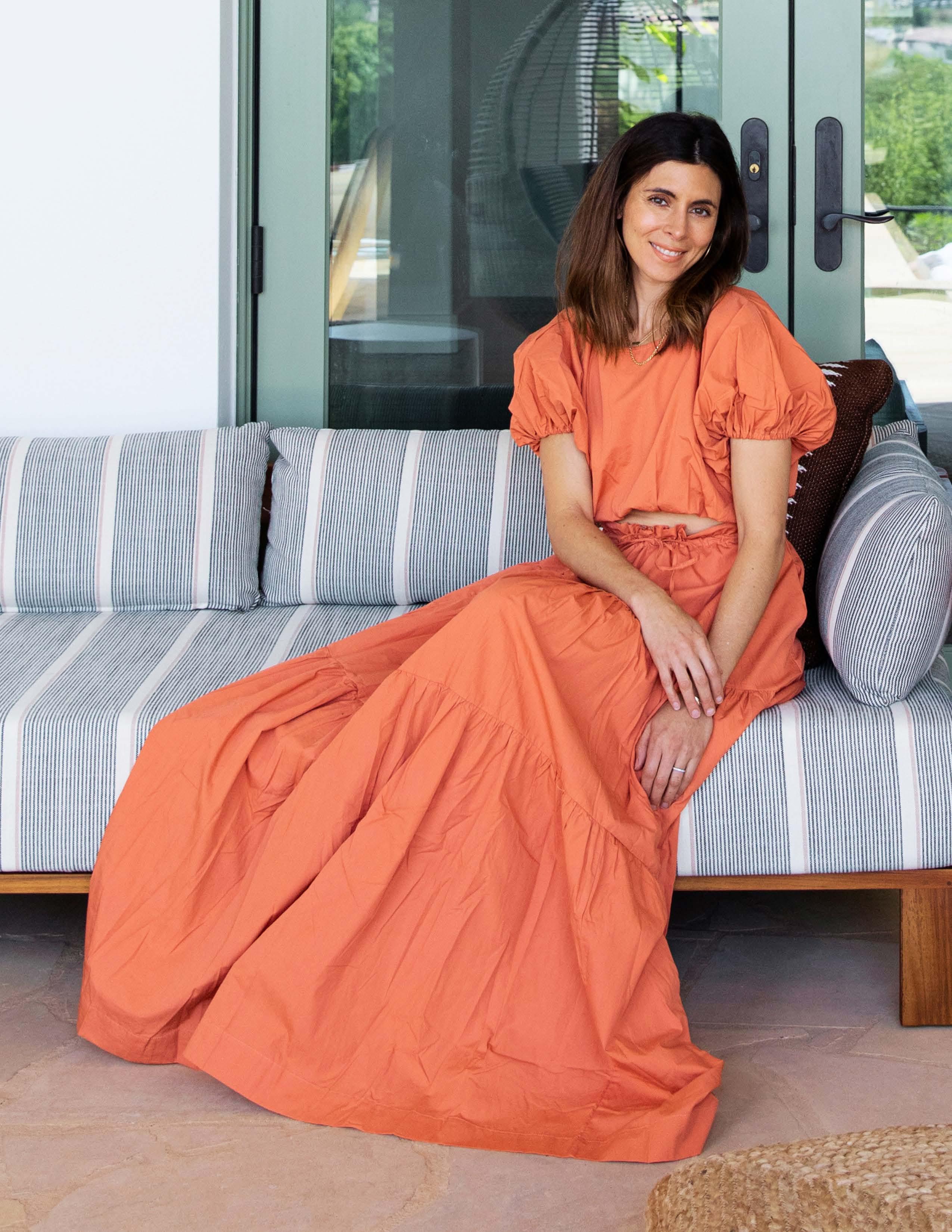
“We often want to bypass the grief, sadness or depression. We think, “I don’t have time for that. I don’t want to feel that.” But we need to allow space for it.”
JAMIE
LYNN: I wish people could understand all of the things we are processing at one time.
What I have learned through sharing my story is that we are all going through something, MS or not. We are all facing obstacles. We all have things we need to confront about ourselves, things we want to deny, things we want to hide and things we wish were different each and every day.
We have to allow ourselves to process the necessary emotions.
One of the things I created through my partnership with Novartis was a three-step guide: Re flect. Reframe. Reach Out. That is a process I have learned to use for myself when the overwhelming feelings come.
We often want to bypass the grief, sadness or depression. We think, “I don’t have time for that. I don’t want to feel that.” But we need to allow space for it.
Whether it is with a friend, a therapist, a journal or someone else, we need to be able to say, “I’m feeling scared. I’m feeling sad. I’m feeling angry. I’m feeling frustrated.”
You have to allow yourself time to process those emotions.
Then you reframe. It is a form of acceptance. You can say, “I have this, but how can I move forward in my life? What are my needs? What do I want? What are my dreams?”
Then comes reaching out, which is often the hardest part. It means asking for help. We all want to remain independent. We don’t want to have to ask for help, but sometimes asking for help is exactly how we move forward.
One of those things for me was accepting that I needed to use a cane sometimes. To me, the cane had become a sort of barometer for how I was doing and how well, or not well, I had fought this disease.
But using a cane has allowed me to move more independently. It allows me to walk longer and participate more.
I think anyone can relate to that, because we all come up against things. With an invisible illness, we still show up. We still want to show up as a mom, a friend, a sister, a daughter or a wife. No one necessarily knows what we are going through just to get there.
AUTHOR & ADVOCATE FOR THE MS COMMUNITY
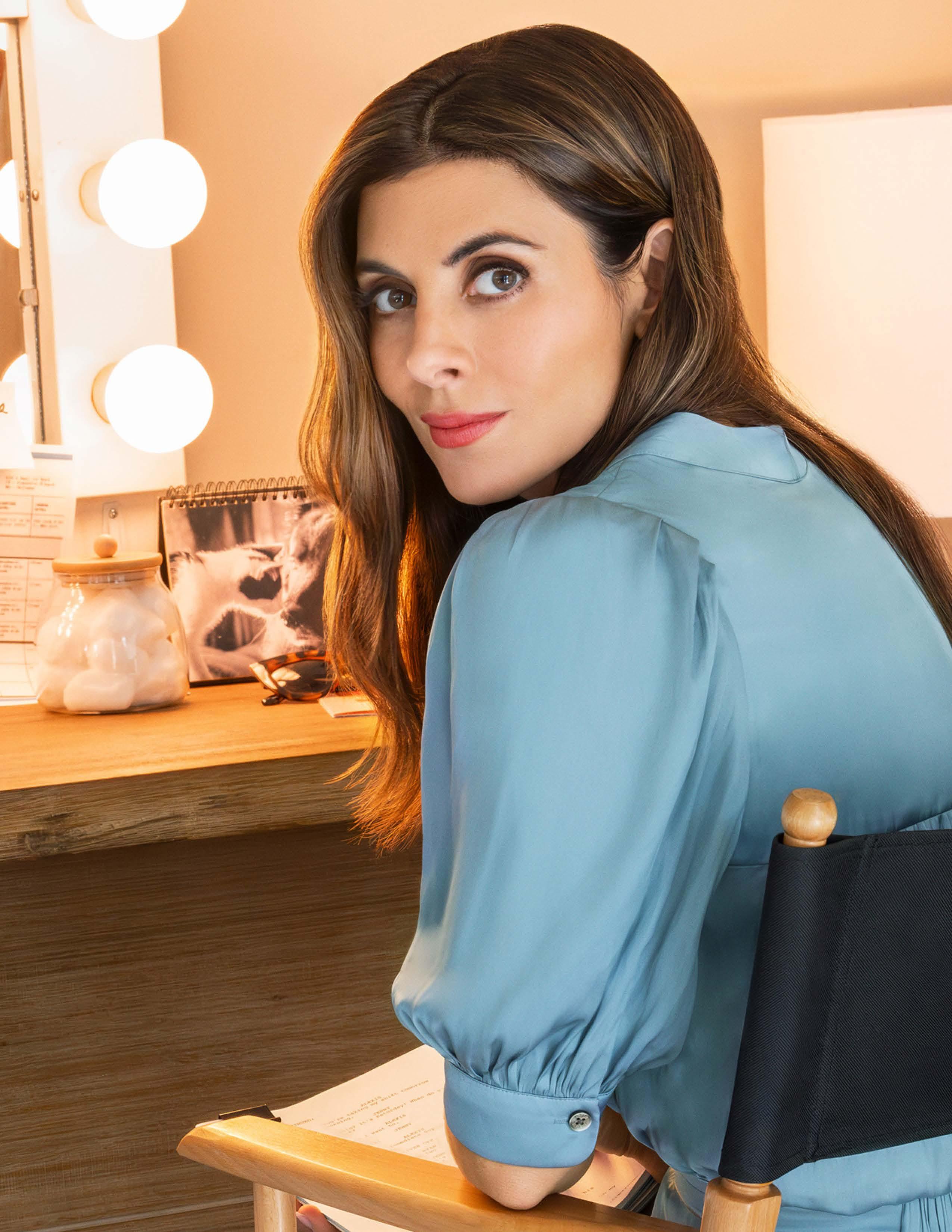
“My MS specialist once told me that my voice needed to be the loudest in the room.”
JAMIE LYNN: (continued) When you begin acknowledging that for yourself and giving yourself the space to process it, everything becomes a little easier.
ALLIÉ: It is so much easier to give other people grace than it is to give ourselves grace.
JAMIE LYNN: It’s hard. I don’t know why we don’t do that instinctively.
ALLIÉ: I love that your three steps begin with “Reflect,” because I think so many people are quick to redirect or change something before they have really processed it or accepted it.
Yes, I am sad. Yes, I am grieving. And it is okay to be. You have to grieve some of the things you have lost. That’s okay. I love that reflection is where you begin.
Let’s talk about where we are right now. What does it mean to be here at CMSC with Novartis and to bring your story into this world of science?
JAMIE LYNN: When I was diagnosed 25 years ago, there were maybe two treatment options on the market. There wasn’t much of a discussion around what I was going to do. It was essentially, “You can take an injection every day or once a week. Which one do you want to pick?”
Now, there is a vast landscape of different types of treatments. We also understand how important the patient-doctor relationship is.
My MS specialist once told me that my voice needed to be the loudest in the room. When he said that, I felt this sense of ownership, not only over my treatment choices but over my entire journey with relapsing MS.
My voice mattered.
It was important for my doctor to understand what my needs were, what my goals were, what my life looked like and what my reality was. All of those things needed to be taken into consideration.
That is what I would want to broadcast to everybody here.
It is also what led me to choose KESIMPTA. It has given me a lot of independence. I am able to self-administer my medication once a month at home. I can take it while I am travelling, and I have flexibility around the day and time I take it.

JAMIE LYNN SIGLER ACTOR, AUTHOR & ADVOCATE FOR THE MS COMMUNITY
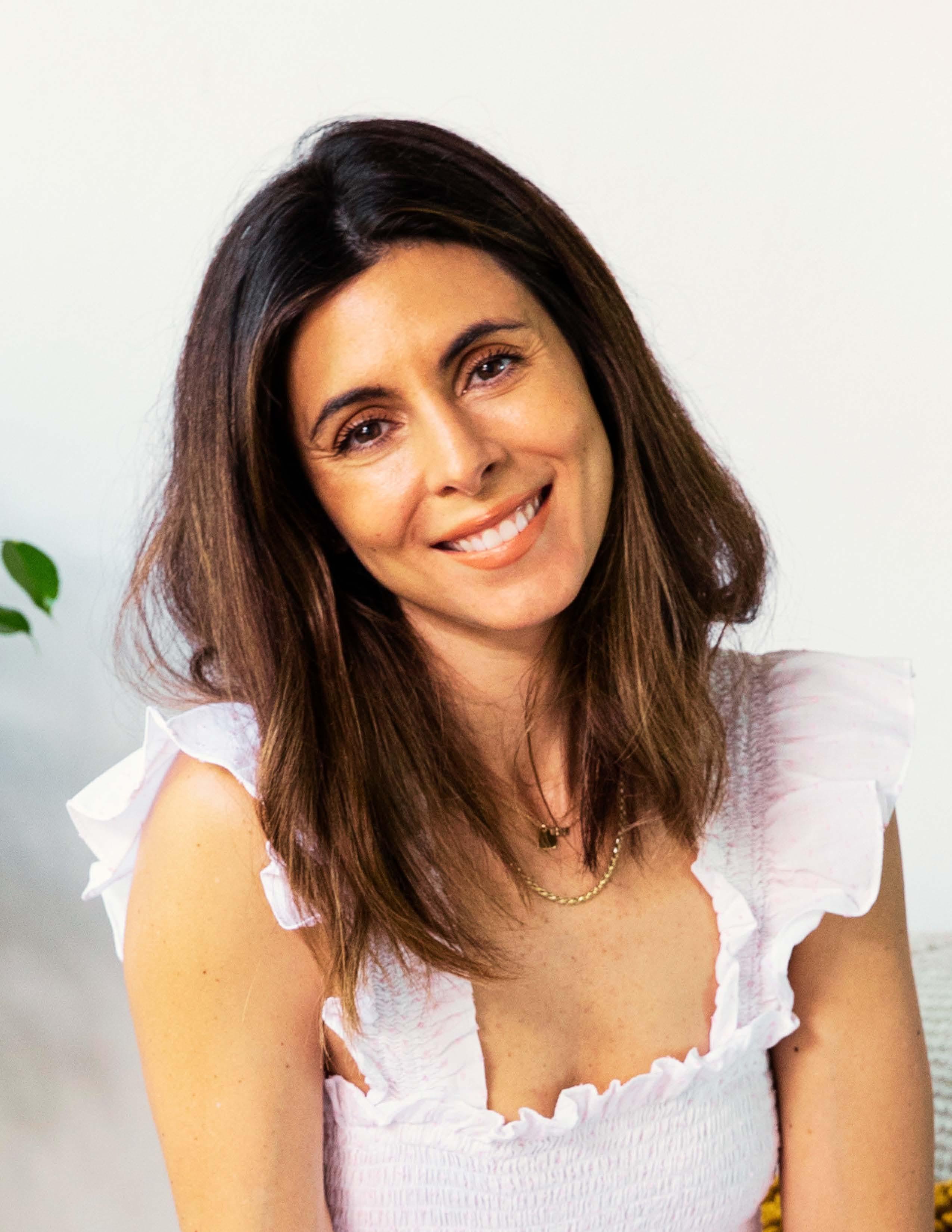

“I hope they can find acceptance and grace for themselves through their struggle and through their pain.”
JAMIE LYNN: (continued) Learning how to equip myself with the right questions, and having my doctor teach me how to do that, has been incredibly important.
I also teamed with Novartis on a Treatment Decision Guide. It includes questions and information designed to help people feel more confident when speaking with their doctors, because a lot of the time, we simply don’t know what questions to ask.
Living with this for 25 years has given me a lot of experience that I can now share.
When I speak about a medication, I also have to acknowledge the risks associated with it. People with an active hepatitis B infection should not take KESIMPTA. Before beginning treatment, patients are tested for hepatitis B, and their doctors may conduct additional blood tests before and during treatment. KESIMPTA can cause serious infections, liver damage, injection-related reactions and injection-site reactions. People who have had an allergic reaction to ofatumumab or a life-threatening injection-related reaction to KESIMPTA should not take it.
Those risks need to be discussed with your doctor. I want to be responsible when talking about them, because understanding the risks associated with each treatment is an important part of making an informed decision.
ALLIÉ: Absolutely. It starts with understanding yourself and understanding the treatment.
JAMIE LYNN: That’s right. It is also about understanding your needs and how a treatment fits into your life.
The fact that there are now so many different treatment options, and that we can better understand what is right for us, is empowering. It gives you some sense of control within a disease that can otherwise feel very uncontrolled.
ALLIÉ: Again, we come back to that word: agency. That is so important, especially for someone who has been newly diagnosed, or perhaps someone who is quietly struggling. For them, what do you hope your story gives them?
JAMIE LYNN: I hope it helps them feel more comfortable living in their truth.
I hope they don’t allow themselves to be defined by the things that happen to them, by a disease they have or by a particular situation.
I hope they can find acceptance and grace for themselves through their struggle and through their pain.
Most of all, I hope they know they don’t have to go through any of it alone.
Exclusive Interview with Jamie Lynn Sigler https://go.awarenowmedia.com/podcast/living-her-truth

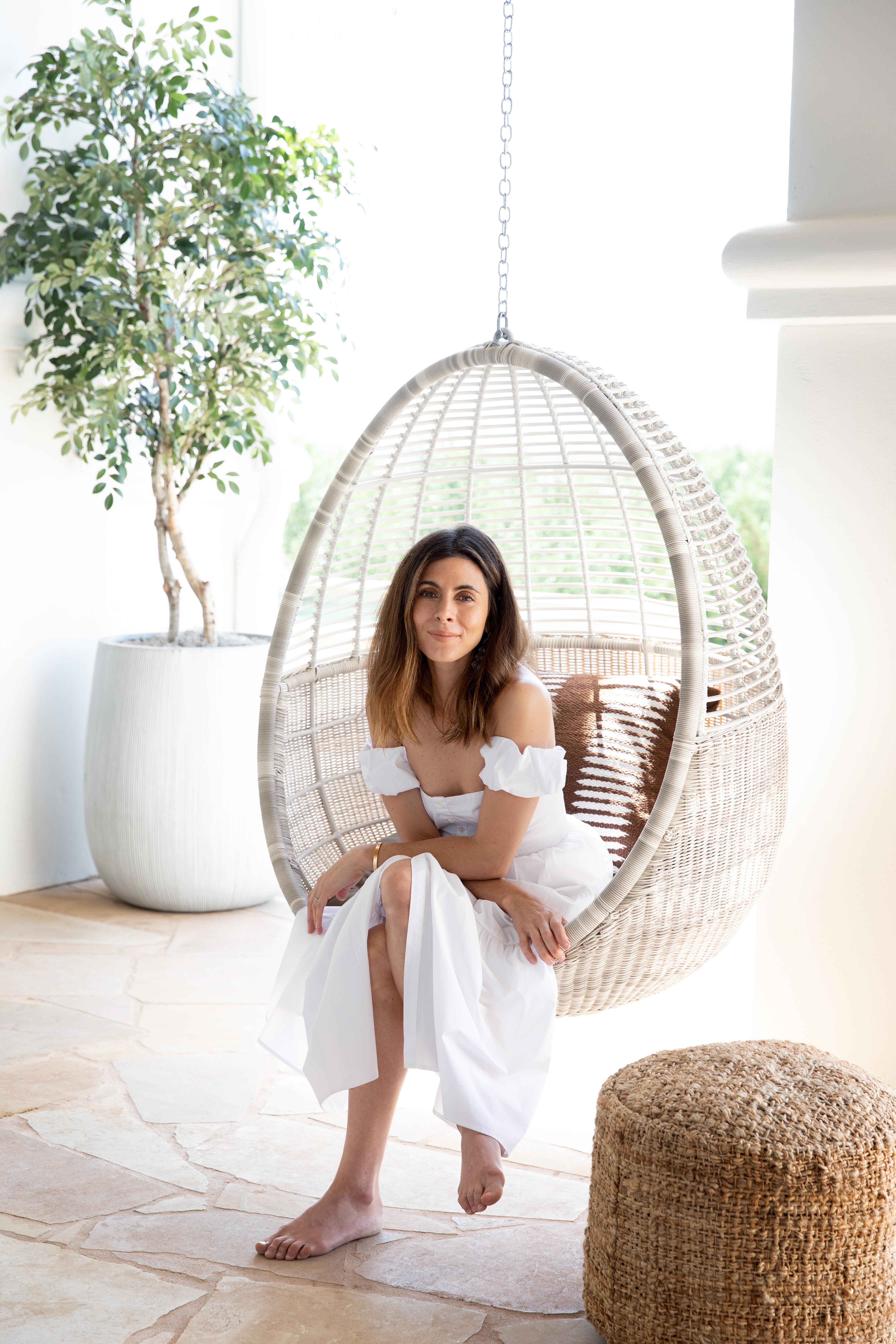
ALLIÉ: I think the way you share your story gives that to people. Sharing is caring, right? There is one more thing I want to ask you about, and that is your memoir, And So It Is...: A Memoir of Acceptance and Hope. What do those two words, acceptance and hope, mean to you now?
JAMIE LYNN: Acceptance was something I bumped up against for a very long time.
I would say it is only within the past couple of years that I have really begun accepting my circumstances, who I am, how I think and how I look at the world.
I judged myself so harshly for so much of my life. I had this negative narrator that came along with me. We all have that person. We all have that voice in our heads. I let that voice steer the ship for a long time.
When I realized it was there to help me survive but didn’t have to be the one in charge, I was able to offer myself more grace and more forgiveness.
Accepting who I am, how I am wired, how I came into this world, where I come from, my ancestors, everything I have been taught and everything I have experienced has allowed me to soften. It has allowed me to readjust and move forward, knowing I am not always going to get it right, but that I will learn something each time I don’t.
I think that is where hope comes in. Hope is knowing the story isn’t over yet. You don’t know what is waiting around the corner.
Writing my memoir allowed me to see, even more clearly than I had before, the synchronicities in life and the universe at play. You never know what lesson, gift or beauty may be waiting on the other side of something.
I have had a really colorful life, with many moments like that. It feels like a privilege to be able to share it. ∎
Every one is a part of everyone.

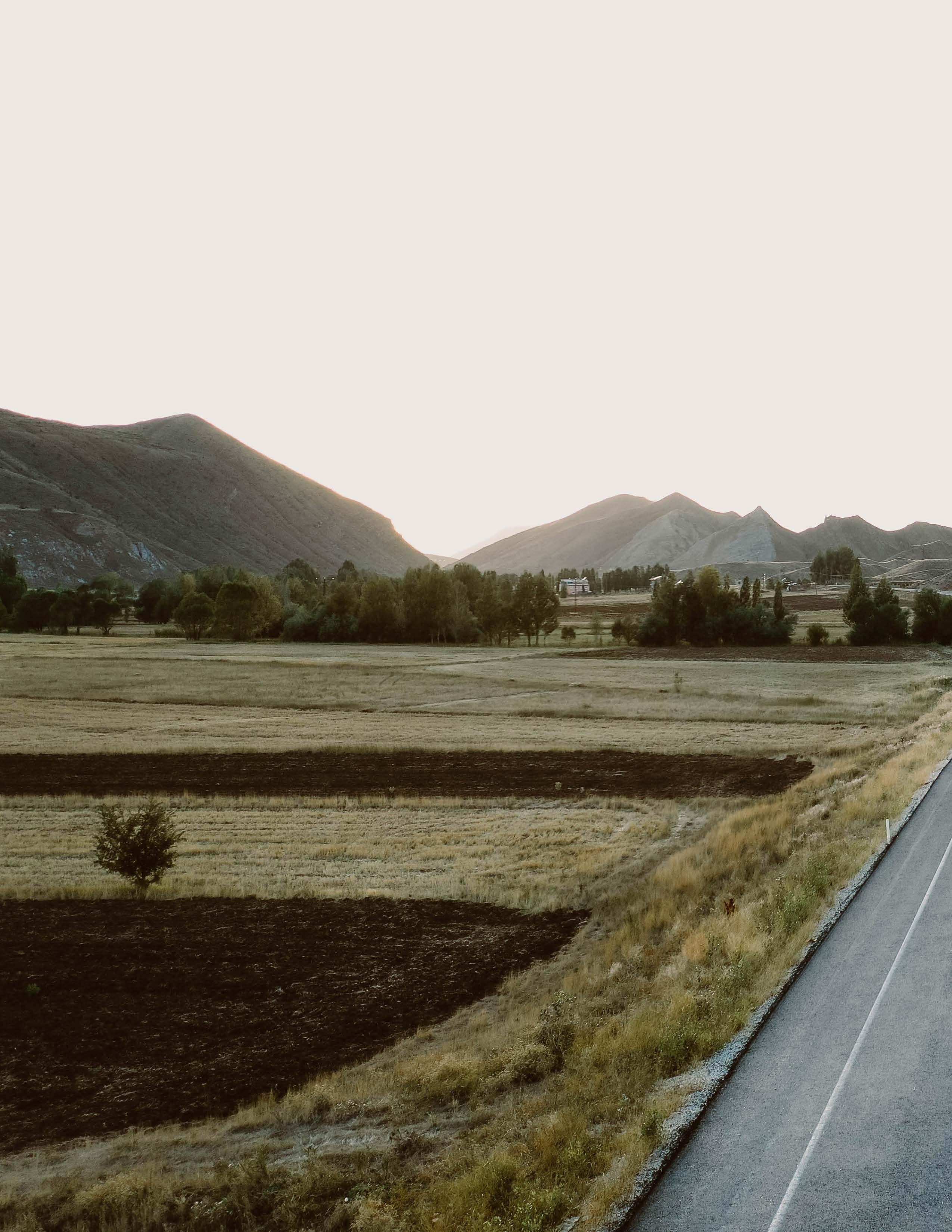
Miles to go before we sleep…


JACK MCGUIRE CO-FOUNDER OF AWARENOW
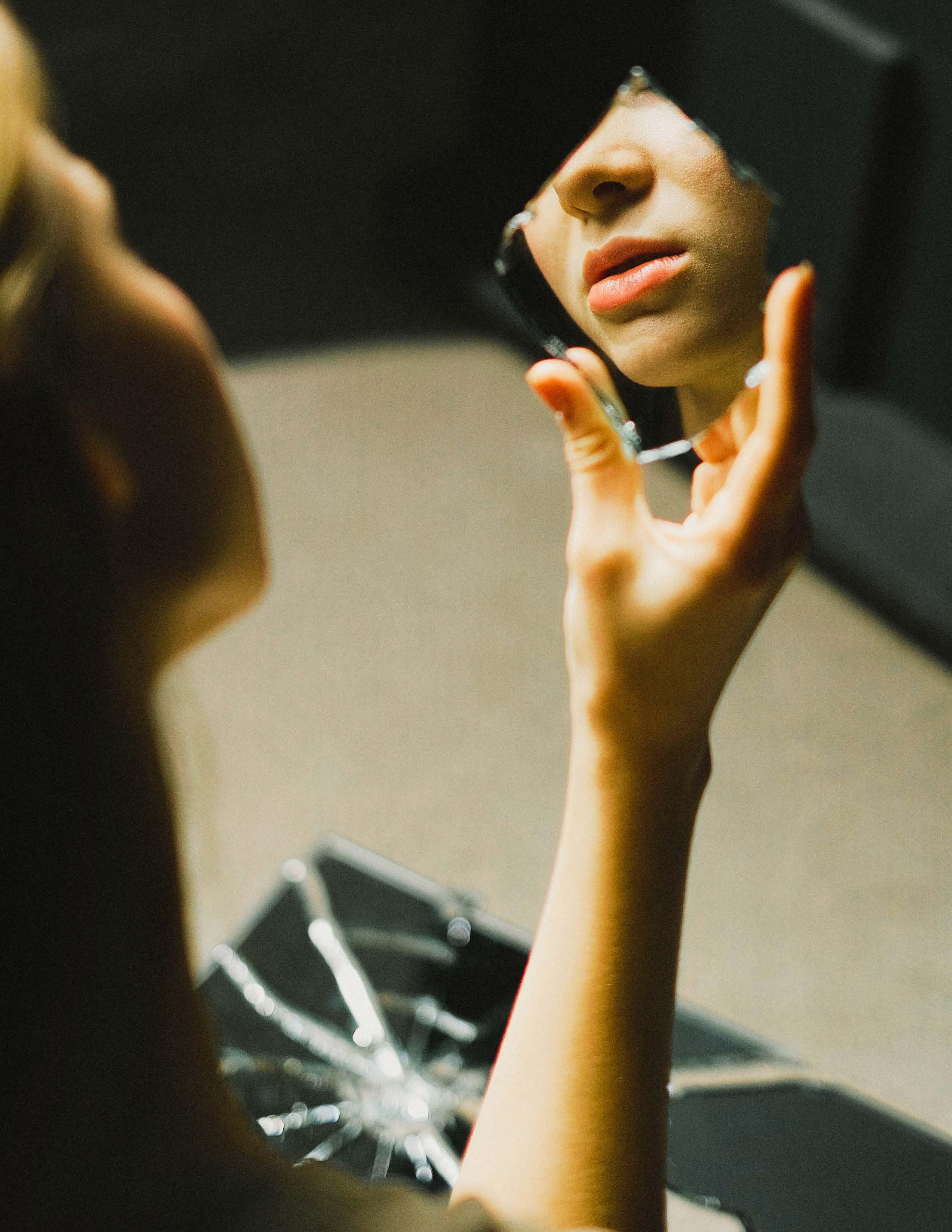

I could be like broken pieces
Hold them up like empty wishes
Hoping one to do be…
Complete.
Taking chances
Never knowing
Trusting faces
Life’s abrasive
Will I ever be seen
Will I land on my feet
I could be like broken pieces
Hold them up like empty wishes
Hoping one to do be…
In between the lines read
Will I consume what I’m fed
Take my life into account
When I’m down, I’m never out But will my voice
Ever count…
I could be like broken pieces
Hold them up like empty wishes
Hoping one to do be…
Complete.
Questioning everything
Feeling empty inside
Is that something I can hide?
Will I ever be complete?
I’m complete as I’ll be, Now and always just me.
I could be like broken pieces
Hold them up like empty wishes
Hoping one to do be…
Push the edges inside
Trying to feel like I’m alive
Will I ever thrive
Or survive
As far as I can see
All I can see is me
Am I complete? ∎

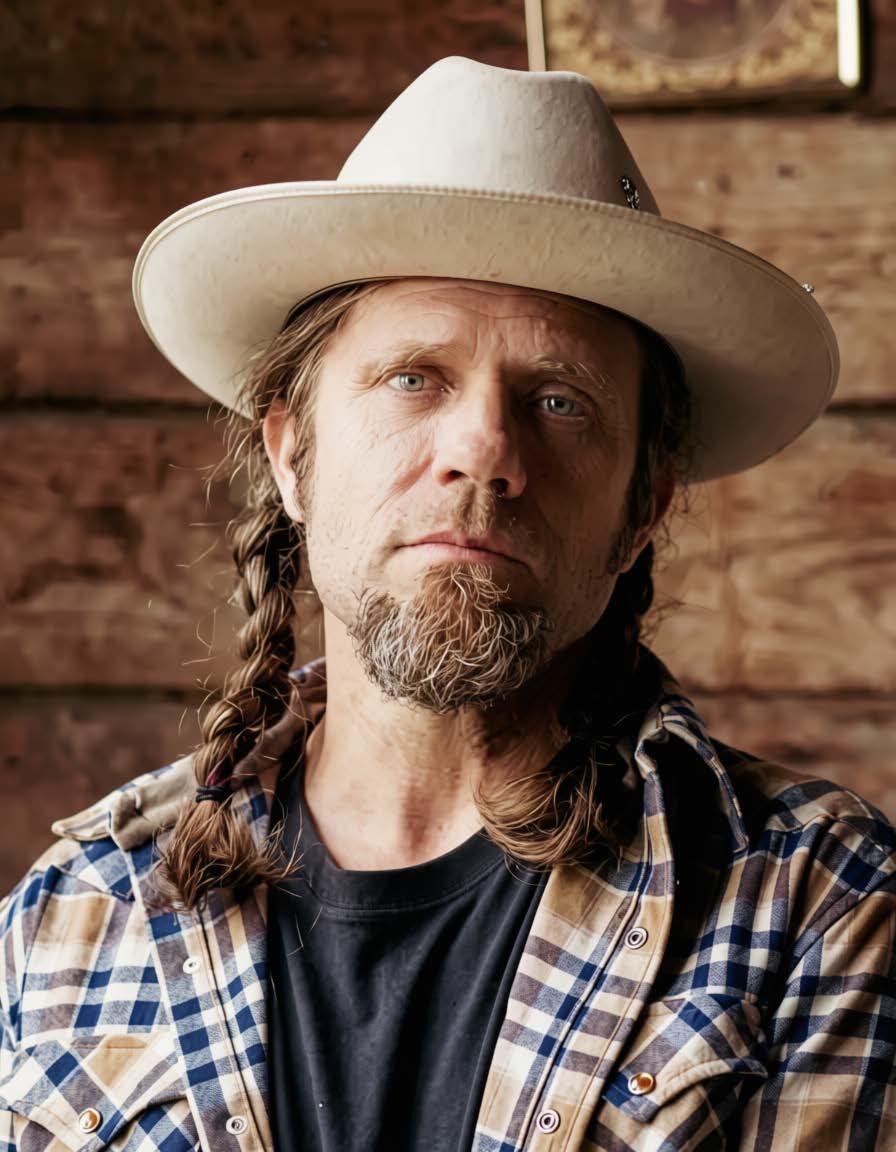

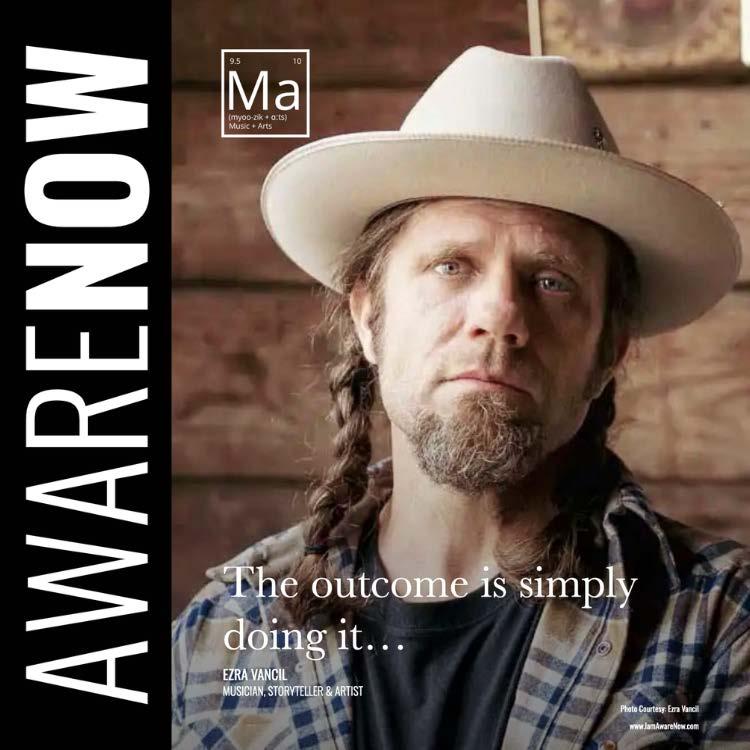
Ezra Vancil has been writing, recording, and performing music since he was a teenager, chasing songs, dreams, love, and the promise of something just out of reach. Along the way, he found attention, record deals, heartbreak, collapse, and a decade lost to alcohol before waking up to a different kind of life. Now, with his latest project, Morning & Midnight, Ezra returns not with music as a means to an end, but as an act of love, presence, and gratitude for being awake.
ALLIÉ: Ezra, you’ve said that your occupation now is “staying awake to life.” So, let’s start there. What does that mean to you, and what did it take for you to wake up?
EZRA: In my former life, I was chasing so many things to find out who I was through my career, creativity and relationships. Now, I see that I was looking in the wrong place. I was looking out there.
What I’ve found is that it needs to start right here. I need to be awake to my life and not just let life fly by me, but be


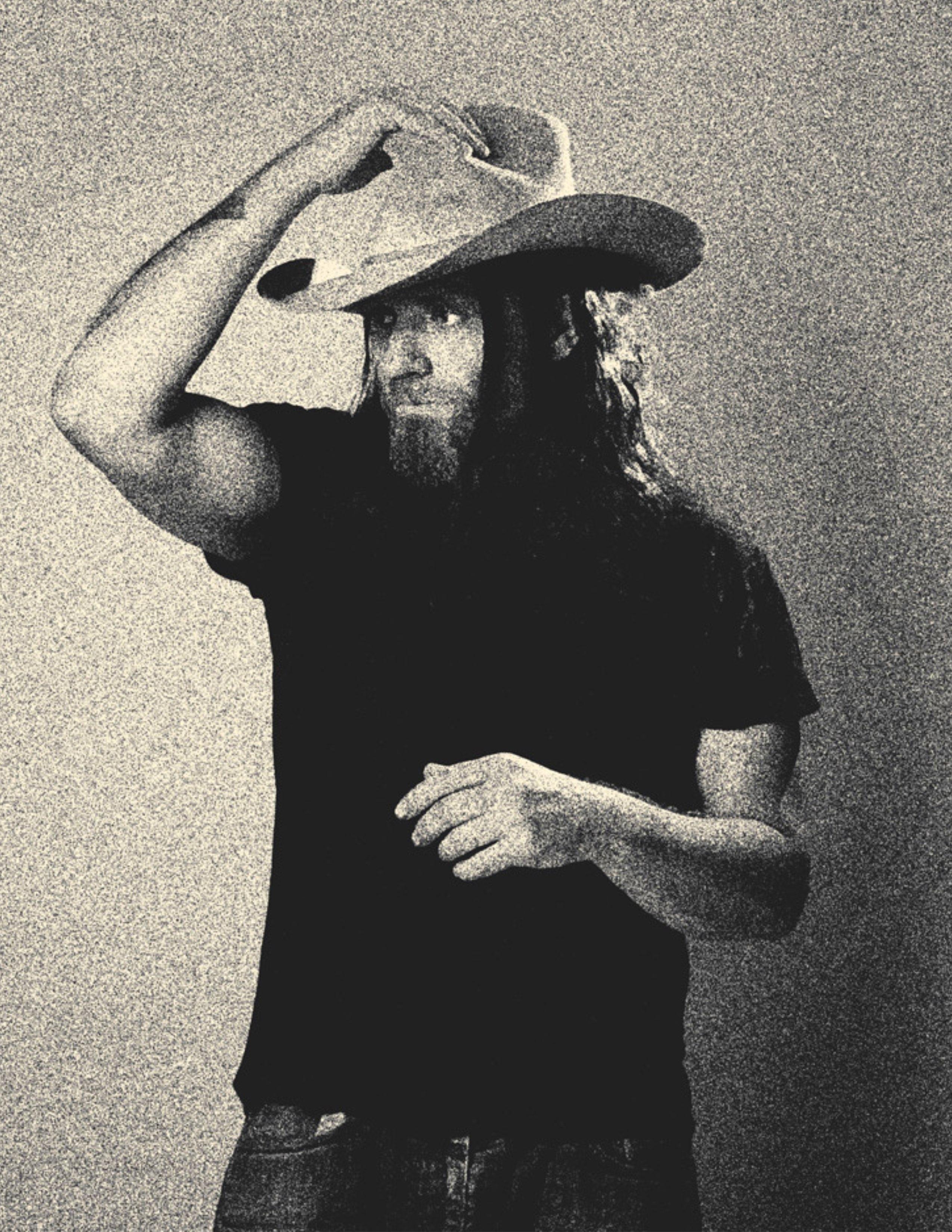

“I didn’t realize that I was in a relationship with life and that I had to release control to allow my life to happen.”
EZRA: (continued) I consider that my vocation now, simply staying awake to my life and accepting it as it comes. I find that it all works out much better that way when I’m focused in the right place.
ALLIÉ: I love that because it’s true. We have to be present in the moment. Instead of forcing things, we have to allow things into our lives.
Music has been with you since you were a teenager, but your relationship with it has changed over time. What did music mean to you then, and what does it mean to you now?
EZRA: Looking back, music was certainly an expression of myself, but it also had the goal of getting recognition. I was always looking to the world to tell me that I was okay, that I had a place here and that I belonged.
It has completely switched over to another way of thinking. Music is now something I’ve been given, and I want to give it. It is something within me that I’ve been given to share instead of something I use to get something in return.
I find that there is so much more enjoyment when I can make that switch. I still get caught up in the likes and everything, as we all do, and wonder how much recognition I’m getting. But I like to stop. I have something I do in the morning to reset myself and remember what I’m doing and who I am.
My purpose is to give this thing that I’ve been given and to give it fully, with all that I have. There is true satisfaction in that because I don’t need an outcome to satisfy me anymore. The outcome is simply doing it, making music and allowing myself to be expressive in the greatest way possible.
ALLIÉ: It sounds like you’re in a beautiful space and place right now.
Let’s go back in time. You’ve described sinking to the bottom of a bottle for nearly a decade. When you look back at that time now, what do you understand about yourself that you couldn’t see then?
EZRA: That’s a good place to go because the realizations I’ve had in my life are almost like what happens when you meet somebody who has had a near-death experience. I’ve seen the bottom. I’ve seen how bad it can get inside of me and in my life.
What I see when I look back is a need for control. We come into this world and are just kind of plopped here. We’re told, “Do this. Do that. This is good. This is not good.” We’re trying to figure it out as we go.
My way of doing that was to try to control everything. I tried to control my relationship and make it what I thought it needed to be. I tried to control my career and make it what I thought it needed to be. I didn’t realize that I was in a relationship with life and that I had to release control to allow my life to happen.
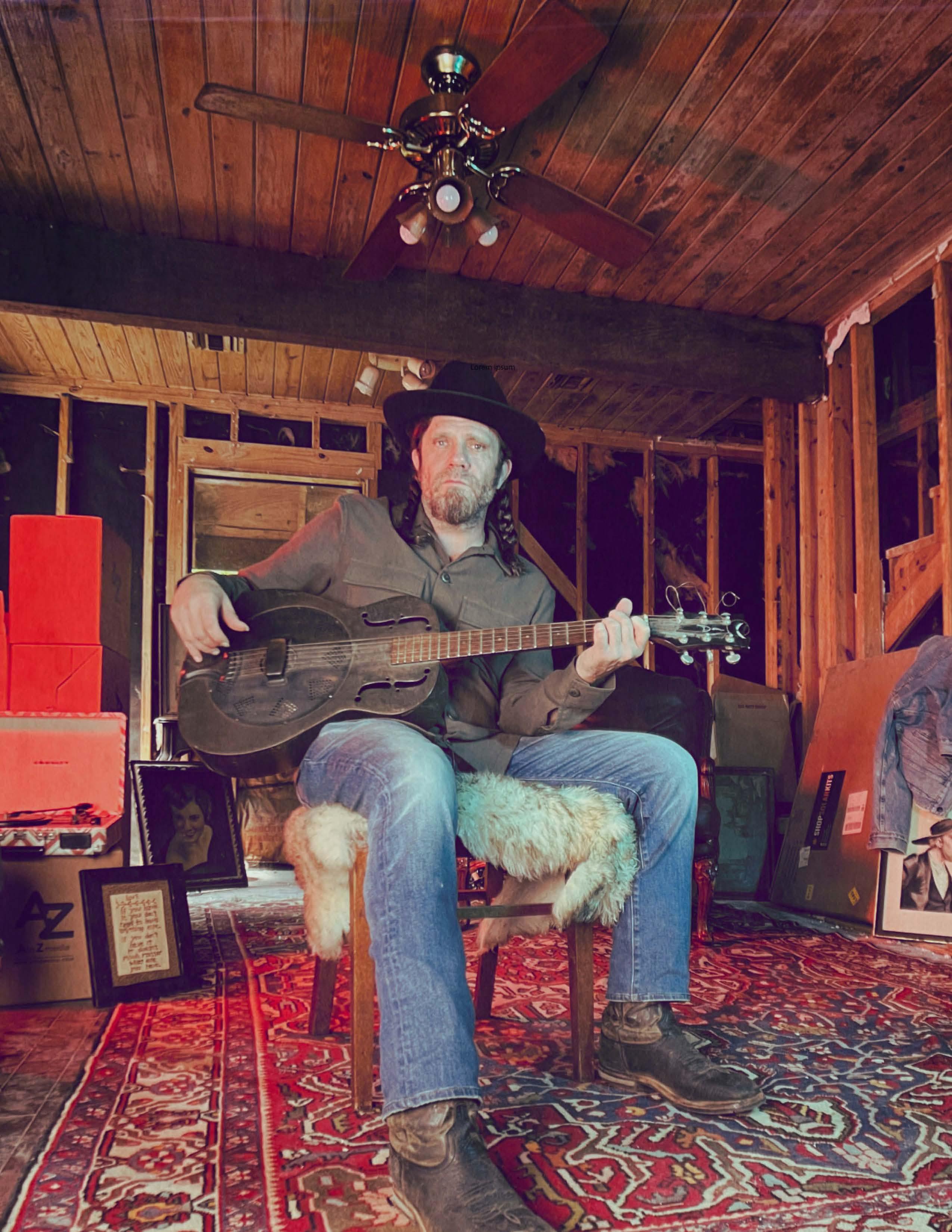

“Alcohol put this mask over me that allowed me to perform for people in a way that certainly wasn’t myself.”
EZRA: (continued) Alcohol was that control mechanism for me because I could control my mood and how I felt. If I wanted to escape at any time, with the snap of a finger, I could put some kind of chemical into my body, usually alcohol, and change the way I felt.
I didn’t like how I felt. I didn’t like how I dealt with people or who I was. Alcohol put this mask over me that allowed me to perform for people in a way that certainly wasn’t myself.
When I get down to it, though, it was that need for control in a reality that doesn’t play by my rules. Life comes at me in all different kinds of ways.
Putting down that control allowed me to finally find sobriety and deal with life as it comes to me each day, with my own sober self. It’s just me, with no chemicals in my body, trying to figure out this life.
I find a lot of peace there because it’s okay. I’m in this boat with everybody else. We’re all doing this. I was trying to skip the line and cheat by doing it in an inebriated state where I didn’t have to feel all the pain and feelings of life.
ALLIÉ: I love how you said that you realized you’re in a relationship with life.
Let’s talk specifics. Morning and Midnight is two albums, a book and artwork created during the recording sessions. What made this project need to become something bigger than music alone?
EZRA: It started as an album that I began when I first got sober. My wife filed for divorce because she didn’t know who I was anymore. She was like, “I’m out of here.”
She came back, but I had started an album during that time. While we were trying to repair our marriage, it was simply too painful to look at, so I put it away.
A decade later, I pulled it out of the drawer. I thought, “There are some real human feelings in this album that I want to put out into the world.”
As I started doing that, songs and poems began coming out of me. It was almost like my subconscious was saying, “You’re playing these sad songs, but look at what it has turned into. Look at the other side of the coin. Look at what this pain and struggle have brought into your life.”
I ended up writing and finishing two albums. I was also in a place where I had turned 50 when I started this album. I’m no longer in the game to become a big pop star. I’ve found a comfortable place for myself in music, but the ambition isn’t the same anymore. It’s simply to make the music and let people enjoy it, if they will.
During this time, the project became a book, poetry and drawings because I simply allowed myself to be.
Exclusive Interview with Ezra Vancil https://go.awarenowmedia.com/podcast/staying-awake

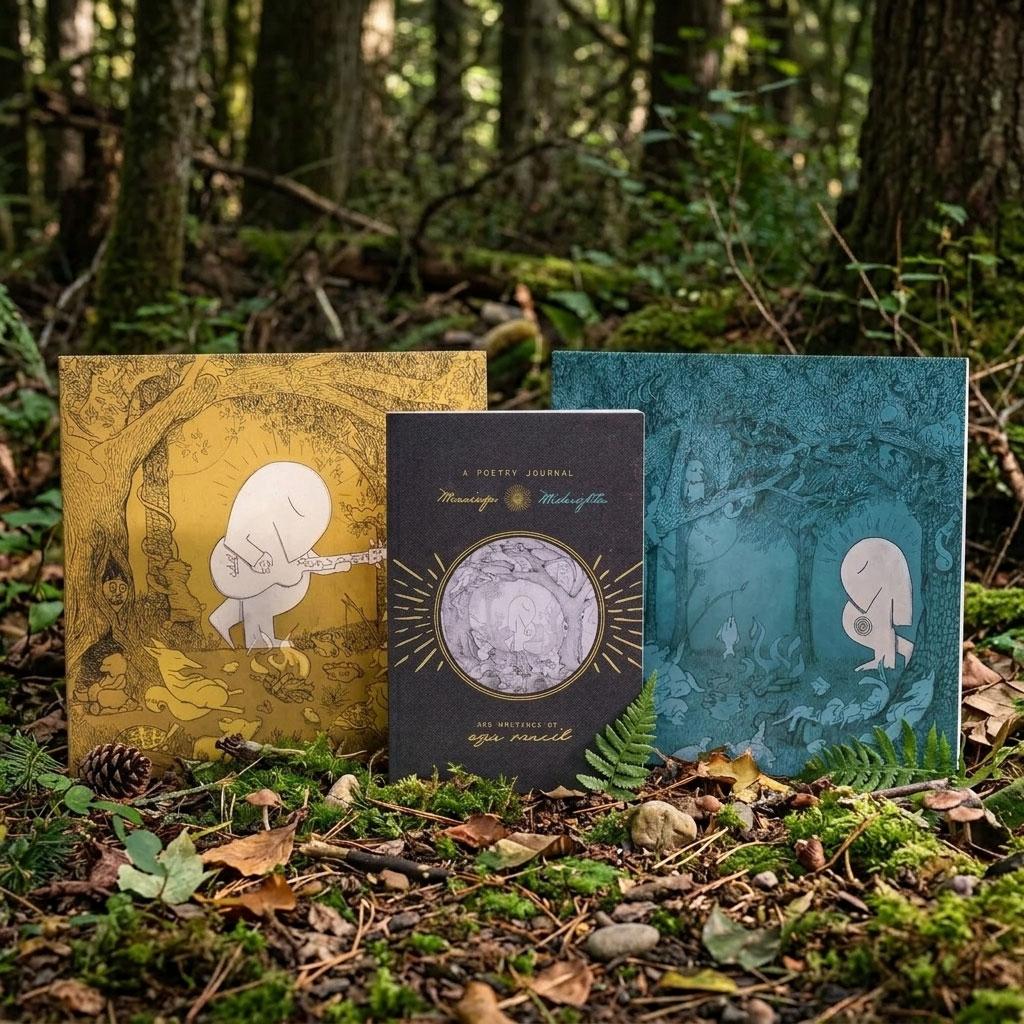
EZRA: (continued) I live in a forest in East Texas. It is literally just tall pine trees. I started waking up really early to watch the sunrise. I would usually take a journal with me, sit there and allow myself to create without any outcome or needing to think about what the algorithm was going to like.
I expressed myself in ways that I never had before. That is what this album became. I started drawing again, which I hadn’t done since I was a kid. I started drawing for no reason. When I think about where my mind was when I was younger, it was always, “I’m going to draw this piece for a product I’m going to sell,” or, “I’m going to write this poetry, and it’s going to become a book.”
This time, I didn’t even have the idea of a book. There were no outcomes. It was purely a year of me creating and enjoying my existence as a creator.
ALLIÉ: I love how you referenced earlier that you’re no longer tethered to outcomes. You’re there for the ride and the process of it all, and that becomes the reward in and of itself. When people experience this new era of your work, what do you hope stays with them after the last song ends?
EZRA: I went through a major struggle to get sober and repair my life and family. Things happened that I didn’t know were possible. I didn’t know that somebody could change as much as I did. I always thought you were just stuck where you were.
With my music, I only want to put out there who I am. I want to do it in a way where people can listen to it, enjoy it and find something very true there. I’m not trying to gloss things up too much. I’m not trying to hide anything or simply get their attention. I want them to hear somebody who is trying to be honest.
What I hope people take away from that is that they can also be who they are in this world, and that it’s okay. They don’t have to put on the mask. I try to make a lot of my music very raw. Many of these songs were recorded live in my studio. Musicians will know that we usually block things out and record the vocal and guitar separately. With this album, I tried to capture moments so that my true self could come out without me correcting everything or fixing my vocal. I wanted something very true. I hope that people who listen to me feel a little more encouraged to be themselves and know that it’s okay to simply be. ∎
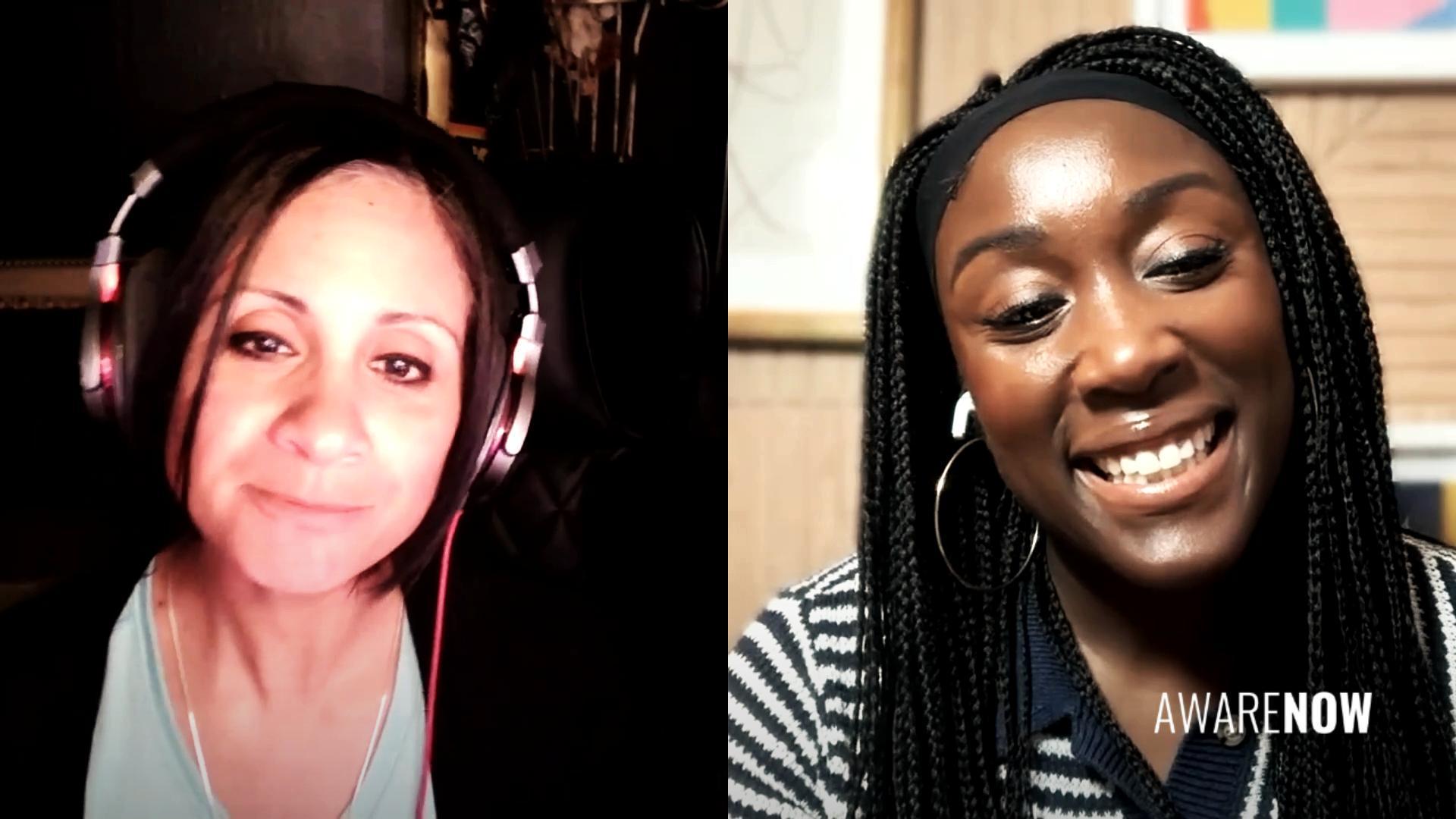
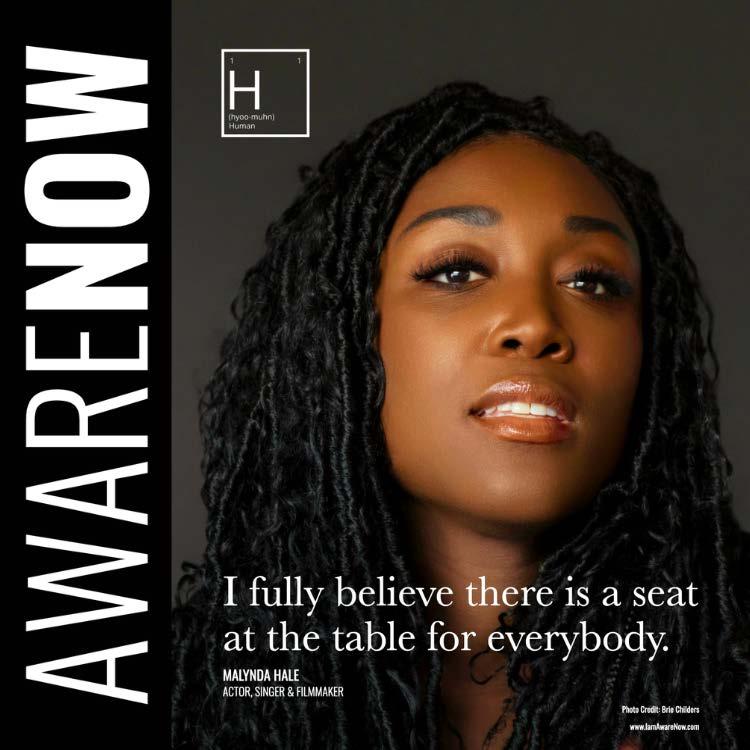
MALYNDA HALE
ACTOR, SINGER & FILMMAKER
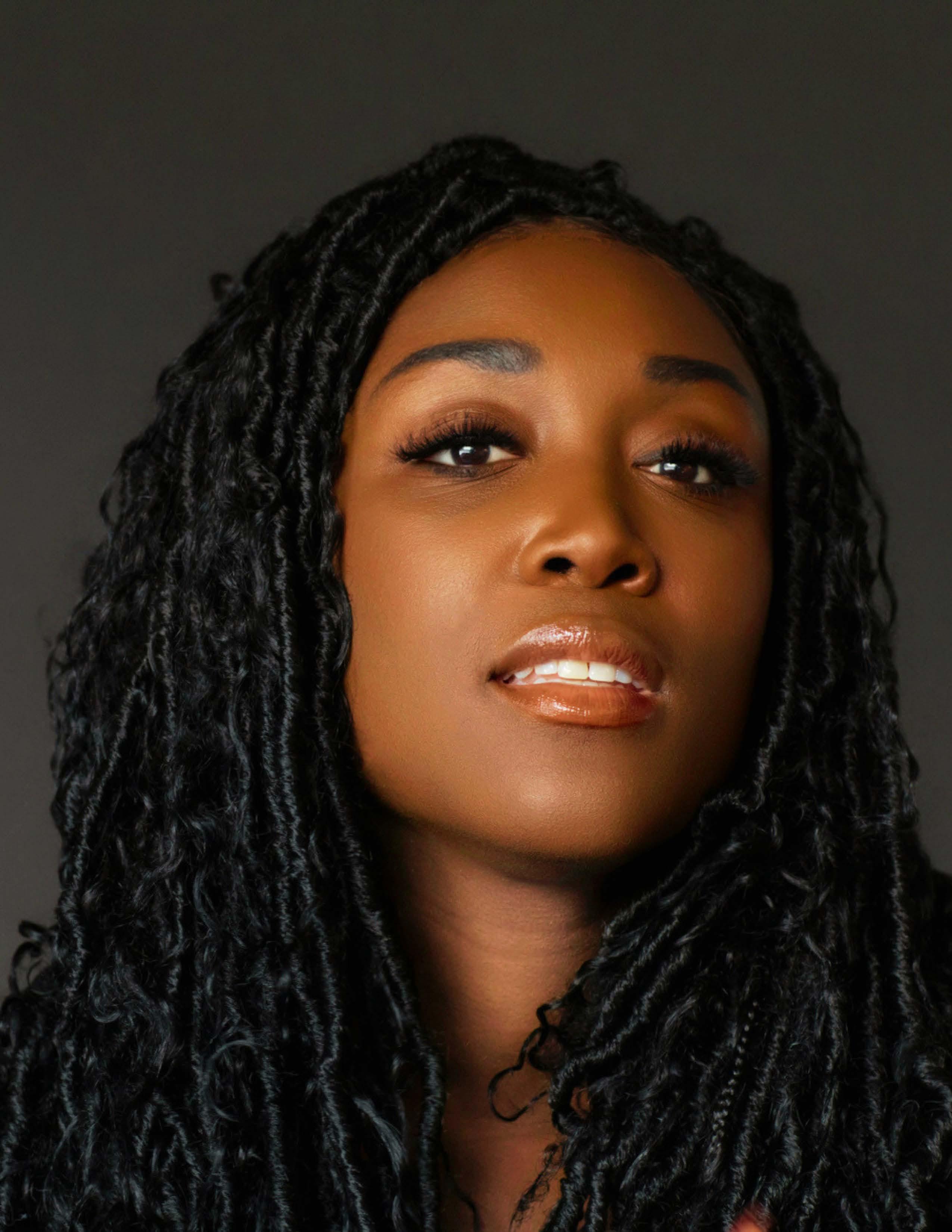
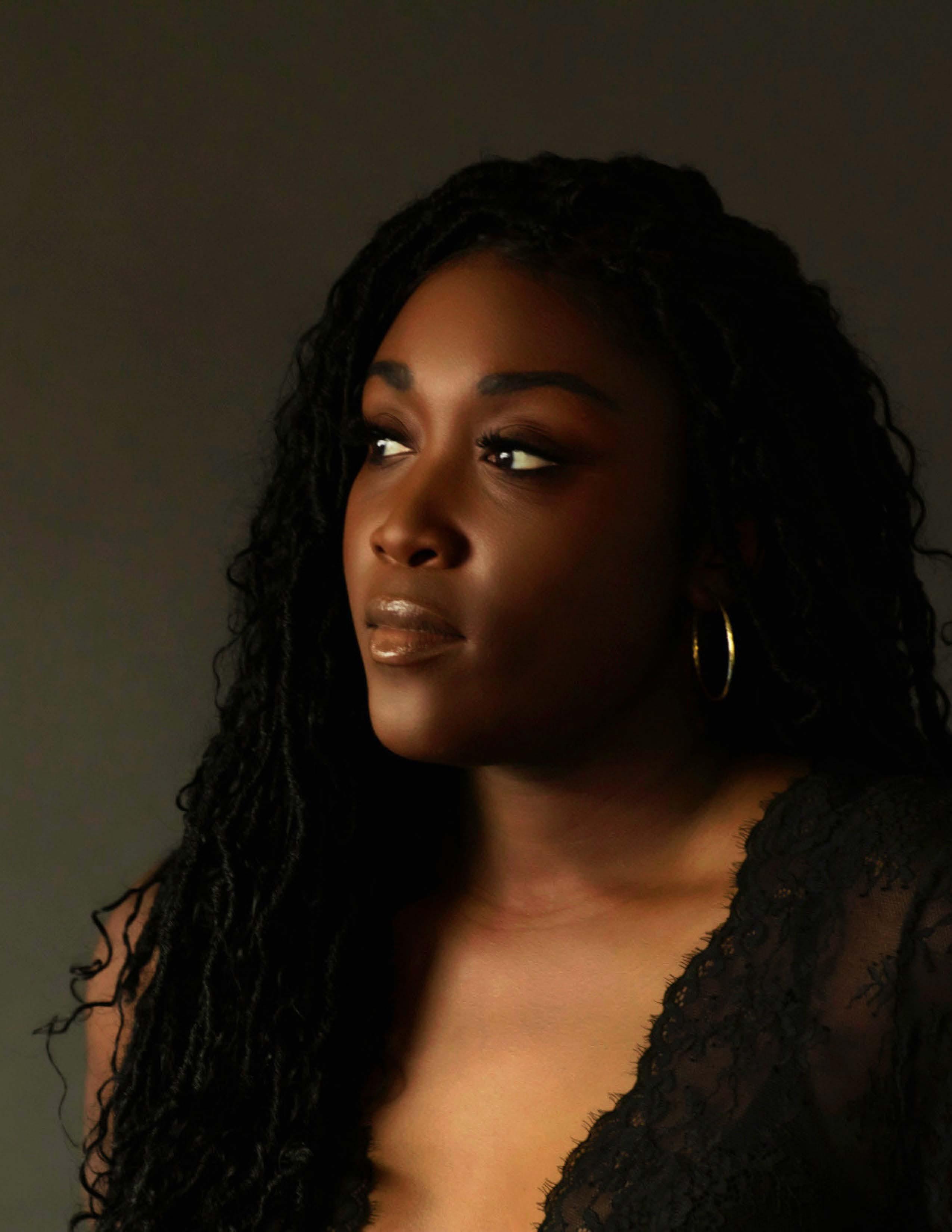
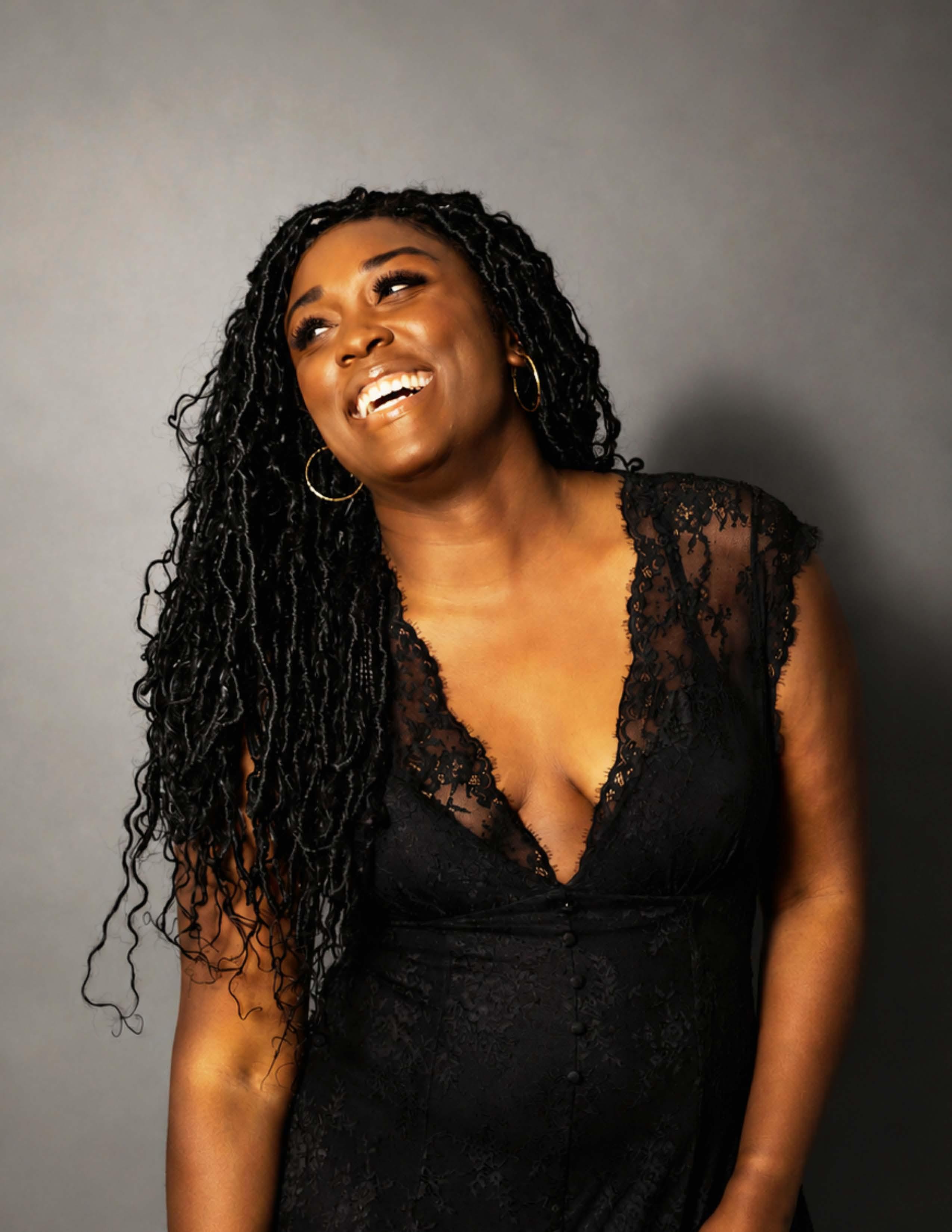
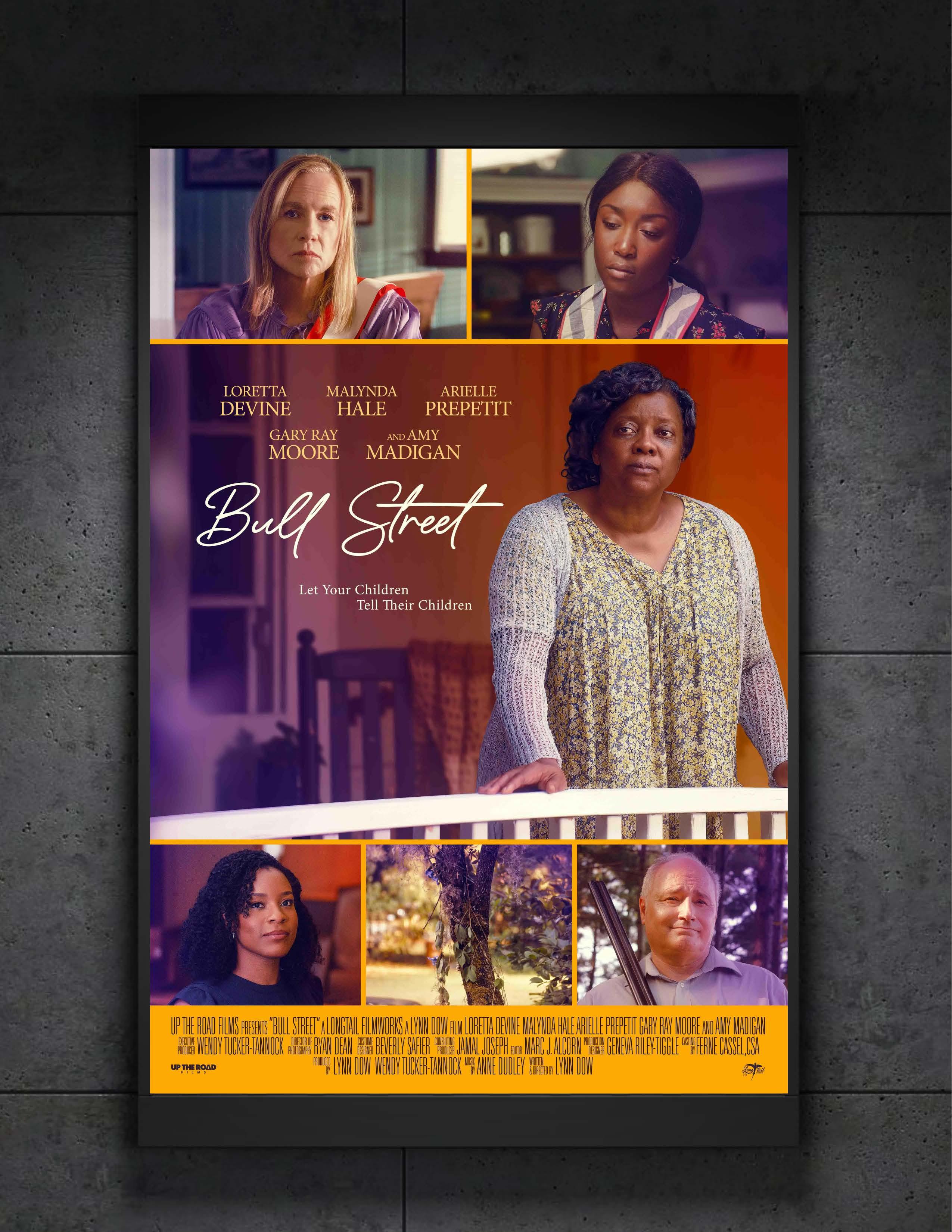
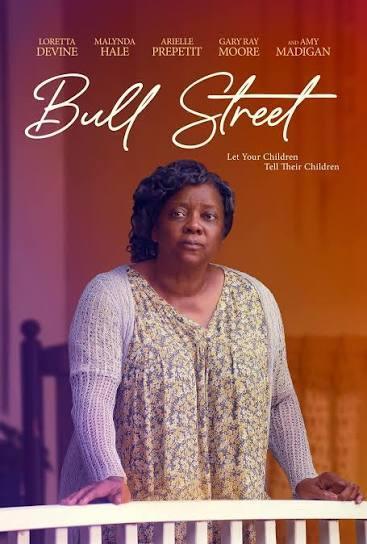
Malynda Hale is an actor, filmmaker, singer, podcast host, and advocate whose work lives at the intersection of art, justice, faith, and identity. In the upcoming drama Bull Street, she stars as LouEster Sadie Gibbs, a small-town attorney fighting a courtroom battle where privilege, legacy, and home collide. Beyond the screen, Malynda continues to use every platform she has — from Black Voices Heard to #WeNeedToTalk — to create deeper conversations, amplify Black experiences, and remind us that storytelling itself can be a form of justice.
ALLIÉ: Let’s get right into the film and the story, Malynda. In Bull Street, you play Lou Wester, Sadie Gibbs, a smalltown attorney fighting a case that is about much more than property. What did this role ask of you, not just as an actor, but as a person?
MALYNDA: I love this question because it was really one of the meatiest roles that I’ve ever had. It asked a lot of me to honestly look at my own family history and have even deeper conversations with my parents about what their experience was like in the South, land and their family legacy. It gave me the opportunity not only to learn about Lynn



The definition of home is, of course, different for so many people, but for me, it is really wherever my family is.
MALYNDA HALE ACTOR, SINGER & FILMMAKER
MALYNDA: (continued) From an acting standpoint, I was exhausted during this film because it is very emotional, and it does make you sit with the weight of decisions and consequences. There is obviously some racial tension in the film as well. There is also the matter of knowing the truth about your family history, which so many Black Americans don’t. Our lineage only goes back so far in terms of what we have access to know.
Having to put that on screen was emotionally draining, to be honest. But I’m really, really grateful for that opportunity because it stretched me in ways that I just hadn’t been stretched before, both as a person and as a performer.
ALLIÉ: Wow. This film explores home as something deeper than a structure. It is memory, inheritance, identity and sometimes a battleground. What does home mean to you now?
MALYNDA: For me, home is wherever my family is, and that doesn’t necessarily have to be within walls. I feel at home if I’m simply at the park with my daughter while she’s learning to ride her bike. That feels like home to me.
When you get outside of the structure, I think you actually feel more at home when you’re with people you feel comfortable with, people who support you and love you. The de finition of home is, of course, different for so many people, but for me, it is really wherever my family is.
That includes chosen family, too. It absolutely includes chosen family and some of my closest friends. I feel at home when I can breathe and when I’m with people who love me, flaws and all. I can simply show up authentically and unapologetically as myself.
ALLIÉ: I love that. That is such a great point. It is so little about the walls and so much about the people you share those walls with. At the heart of Bull Street is a conflict between privilege and legacy. Why do you think stories like this matter so much right now?
MALYNDA: I was waiting for this type of question because, obviously, the time we’re living in is so egregious. When it comes to legacy and privilege, I think that goes back to the racial tension a lot of Black families experience. They have a legacy and they have history, but then privilege comes in and takes away or strips away what has meant so much.
We see history being erased. We see museums taking down certain things that help us understand the history of this country. The good and the bad all need to be included. You can’t get to a place where everything is good unless you acknowledge the bad, learn how to fix it and avoid repeating it.
That is something I really love about this film because it addresses the issue in such a beautifully palatable way. It isn’t hitting you over the head with the message, but it is saying, “Hey, this is what we need to be paying attention to. Let’s watch how this character handles it, and let’s consider how we can also apply that to our real lives in this moment.” It is really, really beautifully done.
ALLIÉ: That’s awesome. Let’s get a little more personal. As a mother raising two daughters, how has motherhood changed the way you think about legacy?
MALYNDA: It’s interesting because I feel like I work a lot, and I’ve had to scale that back because I don’t want my children’s memory of me to be that I was always working. I’ve tried to shift my time management so I can show my daughters what achieving your dreams looks like while also showing up as a mom, a wife and a person they can look up to.
I’m really doing my best to have my legacy be that Mom was able to do all of these things but still colour with me at the end of the night or watch Bluey with me if I asked her to. Those little things are so important, and that is what they’ll remember.
I’m going to work and then learn how to turn off the switch when I need to.
MALYNDA HALE ACTOR, SINGER & FILMMAKER
MALYNDA: (continued) I’m trying to make sure they see that. They might say, “Mom’s on TV,” or, “I see Mom doing this interview.” That is all cool, but at the end of the day, I just want them to remember that I showed up for them and was also an example for them. My legacy for them is so important because I want them always to know they were loved and prioritized.
ALLIÉ: You bring up such a good point. To be prioritised, I feel like there is another P word that goes with it: to be present. When you are working a lot, it is important to be present with your girls while you’re with them and not on your phone, which all of us are guilty of sometimes. It is such a good reminder. But that balance is no joke.
MALYNDA: It’s no joke. I’m not going to lie. It’s very hard. We’re in a society and a culture that make you feel like you have to work constantly. It makes you feel like you always have to be doing something in order to achieve the thing.
I’m turning 40 this year, and I’ve reached a point where I’m like, “You know what? Whatever is meant to be mine is going to find its way into my life. I don’t need to kill myself trying to find it, get it or seek it out.”
I’m going to do what I’m doing. I’m going to work and then learn how to turn off the switch when I need to. I fully believe opportunities will come my way, and the work that is meant to be mine will come my way. If not, then I simply get to spend more time with my children.
This movie was one of those things that just happened, and it happened in such a whirlwind way. It was hard because I was away from my oldest for two months. She’s six now, but at the time we filmed the movie, she was about to turn three. It was really, really difficult, and she didn’t understand then. Now she says, “That was when you were in South Carolina,” and I’m like, “Yeah, another movie is coming out. You get to see it.” Well, she probably won’t get to see it, but I’ll show her the trailer. She won’t get to watch the movie.
There is sacrifice in it, of course, but I love that you said being present. I think that is so important. Simply being able to show up and try to balance everything is hard, but we make it work. I think women are a really good example of how to do both.
ALLIÉ: I would agree with you. I would also agree that Bluey is a wonderful show to watch with your kids. Jack and I are cracking up all the time. Actually, Jack and I are crying more than the kids. They’re asking, “Why are you crying?” and it’s like, “You don’t understand.” So, yes, be present… with or without Bluey.
You have built so much of your work around making sure Black voices are not just heard, but truly listened to. What do you believe we most need to talk about right now?
MALYNDA: I love that. The name of my Substack is #WeNeedToTalk because I fully believe everything begins with a conversation. Even if that conversation is uncomfortable or hard to have, I think it is super important.
I think we really need to talk about what people need. That is what has really been on my mind lately. I talk about politics a lot on my platform, and with the midterms coming up, I don’t think it is difficult to address the collective needs of different demographics. But we have to start by listening.
I don’t think we are talking enough about questions like, “What does this group need? What does this group need? What does this group need?” Then we need to ask, “What is the common denominator among all of those needs?”
From there, let’s figure out how we talk to our elected officials to make sure everybody feels valued, listened to and understood. I fully believe there is a seat at the table for everybody. And if there isn’t, then let’s build another table so it is bigger. That has always been my mindset.
Exclusive Interview with Malynda Hale https://go.awarenowmedia.com/podcast/what-we-inherit


MALYNDA: (continued) I don’t think we are talking enough about what we need collectively as a group. Everybody is unfortunately so individualized. Even when you identify your individual needs, how do those things come together so all of society can be together? That is why I think healthcare is so important. Everybody needs healthcare. I think education is so important. Everybody needs education. Let’s look at the things that can go across communities to make everybody’s life better. I think everyone deserves to be happy. Everybody deserves to be able to afford food and all the things. The list goes on. We need to talk about the things all of our communities can bene fit from. Again, there are individual needs, but what is the common denominator among those needs, and how can we come together to make sure those needs are met?
ALLIÉ: Absolutely. You are so spot-on about the common denominator. We are often so focused on what is different about us that we forget every single one of us has this connective tissue that can pull us together.
Malynda, when people watch Bull Street, what do you hope they walk away questioning, feeling or ready to fight for?
MALYNDA: Oh, that’s a good one. Well, I hope they walk away questioning, “Why isn’t Malynda in more things?”
ALLIÉ: Yes! First and foremost, that.
MALYNDA: That is the first thing. But I also hope they walk away ready to fight for family, fight for what is theirs and refuse to allow people to come in and take away anything that has sentimental value.
Not everything has monetary value. I think that is one of the biggest messages of this film. Sometimes the memories and experiences you have in a home, on a piece of land or in an area are priceless. We should really work to fight for those things because some people put prices on everything, but some things don’t have a price. That is one of the really strong messages in this movie. I hope people walk away knowing we can fight for things that don’t necessarily have monetary value. I think that is really important. ∎
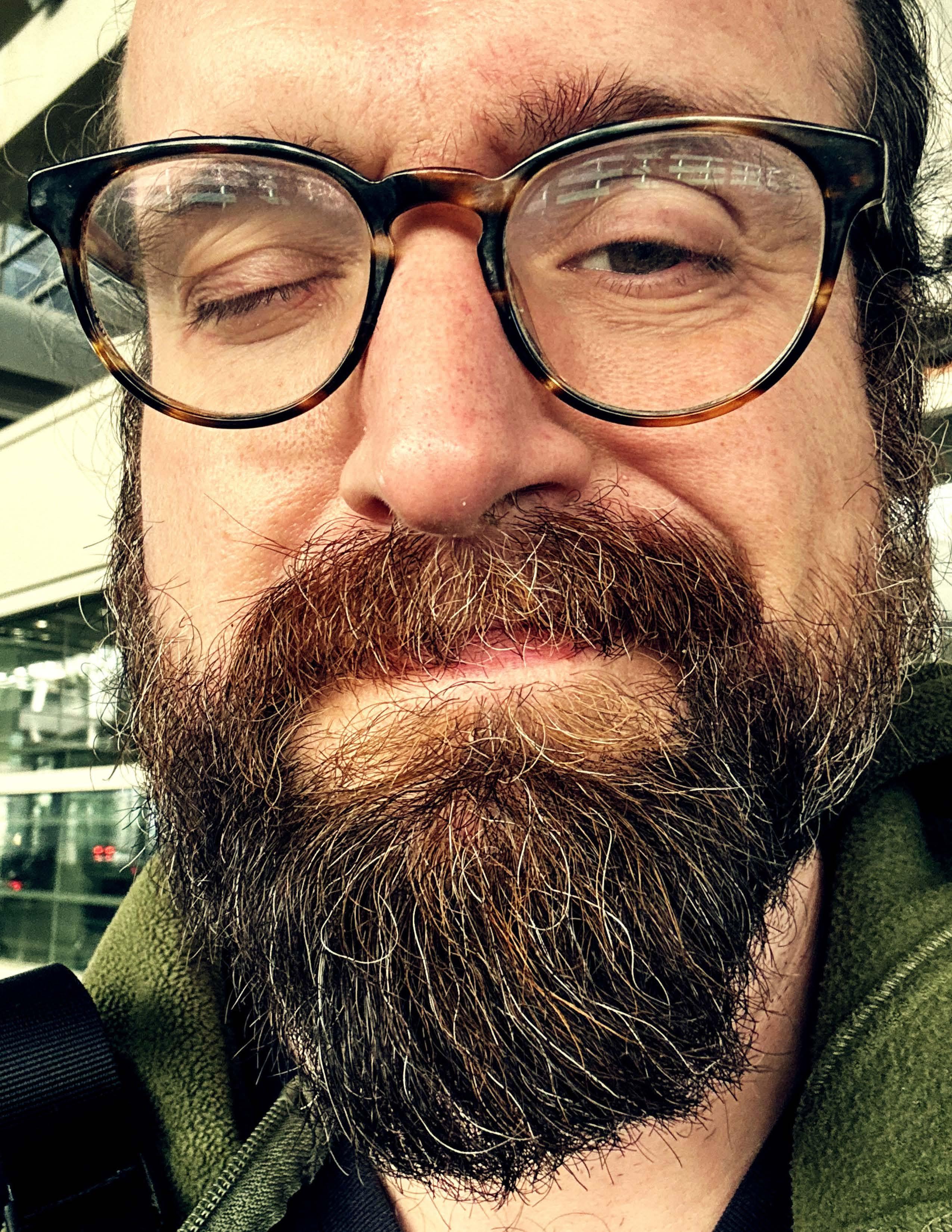
ROBERT PACE, MD NEUROLOGIST AND CREATOR OF THE RESONANT MIND

‘THE
You think you’re thinking your thoughts? No.
Your body made a decision. Then your words showed up like a politician, cutting ribbons Saying “I did this.” No the f*ck you didn’t.
You think the thought caused your fear? No Your diaphragm tightened six hundred milliseconds ago. Your jaw clenched, your pulse shifted. Three ancient subcortical systems already voted before “you”
The sermon came later.
See— that’s the trick.
Ultra-fast integration precedes conscious awareness.
A trillion micro-signals distribute cognitionmaking predictions
Pressure and light are compressed into vision Sound and touch, intuition
Same phenomena, different starting conditions.

With an impossibly intricate electrochemical prism— taking infinity and refracting it into experience.
You’re a standing wave maintaining temporary continuity inside a changing universe.
Over and over
Iterative recursion updating our versions. Frame rate so fast that it feels continuous
And “time” spirals
Reflex -> Pattern. Emotion. State.
Meaning - a human being is not one thing.
We’re a negotiation between layers
The body predicts. Reinforced by the pattern. Amplified and given color by emotion
Networks lock in stabilize state and then, Only then, the mind narrates.
And the narration says: “This is me. I am myself”
But “self” is a strange word not a noun more a verb
A temporary agreement Transmitted through nerves
A recursive process maintained through Generative Continuity
Better known as memory
You’re not a thing, you’re an activity.
Your posture, your cadence the tone in your Vagus form patterns
Then rhythmic state-changes whisper for your attention
shift your circuitry. Your comprehension alters perception.
Strange attractors embed and form loops repetition creates an illusion of truth
We choose the familiar in order to soothe anxiety that comes from uncertainty (usually).
Costumes we’ve worn in layers for years all our dressed up fears
Scatter our signal
As we move away from coherence our internal experience is what we call suffering
This part isn’t poetry: Stabilizing decoherence is expensive metabolically
Costly subscriptions withdrawn automatically
You know how you’re so tired all the time?
Bankrupt of energy because of an extraordinarily expensive Department of Defense
Defending our outrage defending our tribes defend shame and division our positions, our lies.
Defending loneliness
Defending a role you never even wanted to play
An identity now in energetic poverty and unfortunately
An exhausted mind is easier to program.
Now it gets dangerous. Algorithmic entrainmentdestabilization ensuring we pay Them
Entire populations phase-locking into manufactured inadequacy.
Resonant minds are immune to manipulation
But to get there we have To face transformation. And transformation can feel like death.
Pain is survivable. But, annihilation?
“If I stop running this pattern, how will reality know who I am?”
So we cling to these versions and it's killing us.
But I know one thing for certain. Reality rewards alignment. Not perfection. Alignment.
Beneath all the noise, something deeper, inherent Not the character, not the costume. Just the spirit
The Flow State
Reduced internal contradiction.
Less scatter. Less friction. Like a laser.
Amplified by coherence Constructive interference
Remembering exponential potential And if a critical mass is brave enough to remember Systems built on fear can’t survive Civilization itself would reorganize.
Neuroscience and physics Are trying to understand the mechanics That are instinctively felt Underneath the performance.
But all traditions point toward itThe sufis, the mystics Siddartha, Hermetics, Lao Tzu and Jesus
The Pagan High Priestess the Vedas, the Sutras, all knew what the truth was
Indigenous wisdom dissolved boundaries between parts and The System
The illusion began when we started treating reality like a collection of objects instead of relationships.
Because objects feel separate We fragmented the narrative Mind versus body. Science, spirituality.
Matter versus meaning. Self versus other. Human versus nature. Us versus them.
But Everything, EVERYTHING is relationship.
Gravity. Ecology. Music. Geometry. Our internal language with all of our baggage Markets and Fractals Cognitive Orbitals Mycilium networks mapping out the trains.
Nothing exists alone.
Literally can’t Proving You won’t
Forests communicate. Heartbeats coregulate. Brains entrain, reshaping biology.
Our cognitive psychology reorganizes around the stories we believe
Belief alters blood counts.
Science accounts for placebo then forgets itThose publications? Rejected
But statistically it shows that belief is effective. It’s metabolically active.
And we’re still told meaning is somehow imaginary.
As if subjective experience isn’t the ONLY thing that any of us has ever known.
No— Consciousness is stranger than we admit.
Stranger than magic, stranger than fiction. The cat in the box is dead and it isn’t. Shadows on cave walls from other dimensions.
Matter becomes excitation. No solidity, just relation
Reality itself is recursive.
Patterns within patterns. Systems inside systems.
Particles accelerate then specific collisions create fractal divisions cymatically riffed into form
We’re musicians
The universe rhymes with itself constantly. Not identically. Symphonically.
Variation of spin and orientation Nonlocalization mirrored in The Simulation
Consciousness is what The Universe looks like from the inside of recursion.
“You” are what happens when reality folds inward enough to witness itself.
A localized aperture through which the cosmos becomes briefly self-aware.
And prayer?
It’s not “asking”. It’s tuning.
A deliberate re-orientation of attention toward Unity.
And if that sounds too mystical—
Consider entanglement.
Two particles separated by distance communicate in an instant
Nonlocal correlation
Spooky actions fundamentally finding balance.
Accidentally? God only knows. But listen carefully—
if nothing can travel faster than light, yet entangled particles still behave as one system—
then perhaps from their perspective, there isn’t the thing we call distance.
No space. The way light experiences no time.
Perhaps particles entangle when they simply remember they were never separate in the first place.
That separation itself doesn’t exist at the deepest layer.
One continuous process looking out through every pair of eyes. And every once in awhile through music, through silence, through prayer, psychedelics In grief, meditation, through love, exaltation
The boundary flickers. The illusion thins, and reality whispers
Its not ‘you and The Universe’
Its The Universe, becoming aware of Itself as You. ∎
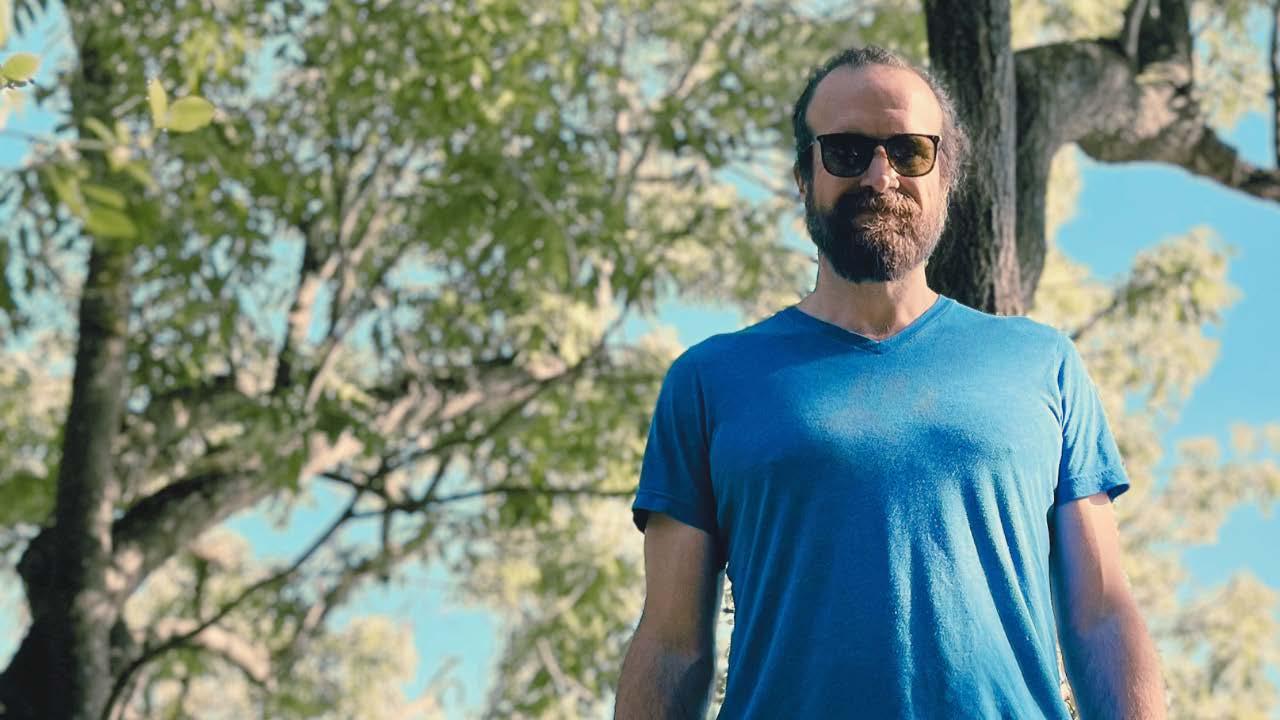
ROBERT PACE, MD Human, Neurologist & Creator of The Resonant Mind robpaceneuro.com
Exploring the hidden harmonics of the mind — where neuroscience, personality, music, and consciousness spiral into one unified pattern, Dr. Pace created ‘The Resonant Mind’ dedicated to the science of resonance, eigenpatterns, and the human experience.
SYDNEY GRIFFITH EXECUTIVE DIRECTOR OF KINSHIP EARTH

BY DAMKIANNA
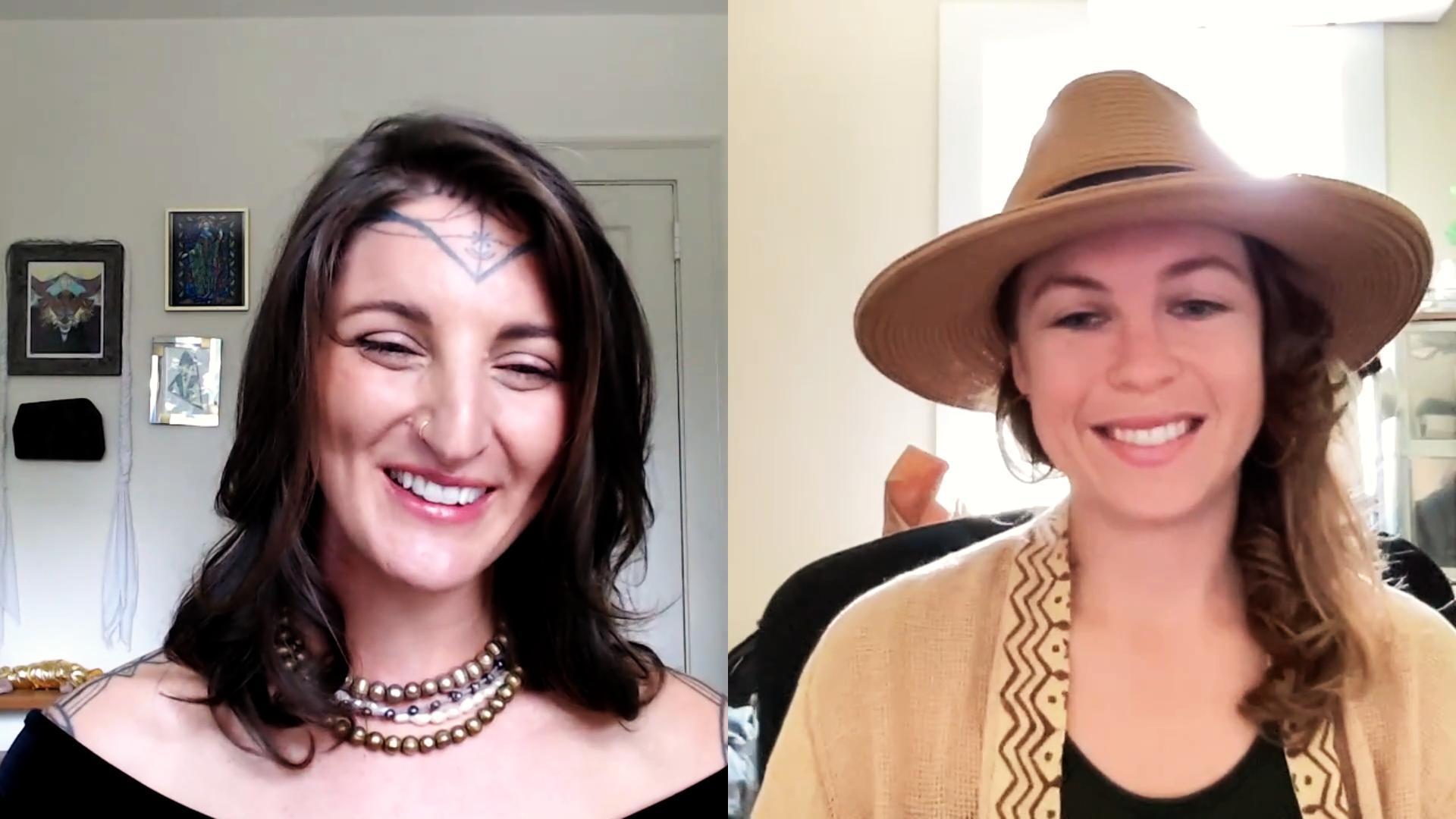
The answers to many of humanity’s greatest challenges can be found in the wisdom of Indigenous cultures and the intelligence of the natural world. Sydney Griffith is the Executive Director of Kinship Earth, where she is helping pioneer a new, yet ancient, way of moving resources, one that aligns philanthropy with the principles of living systems through regenerative partnerships and an innovative model called bioregional flow funding. Today, we explore what becomes possible when we organize our economies, our communities and ourselves according to the wisdom of the world.
DAMKIANNA: Sydney, I’m so grateful to have you here to talk about the amazing work Kinship Earth is doing and all the magic you bring to the table. Would you begin by sharing a little about the core focus of Kinship Earth and how it is creating impact in the world?
SYDNEY: Absolutely. The work of Kinship Earth is rooted in bioregional flow funding. I’ll start with flow funding, which is an approach to philanthropy created in the 1990s by Marion Rockefeller Weber.
She had become disenchanted and frustrated with the traditional grantmaking model. She was receiving all these


SYDNEY GRIFFITH EXECUTIVE DIRECTOR OF KINSHIP EARTH
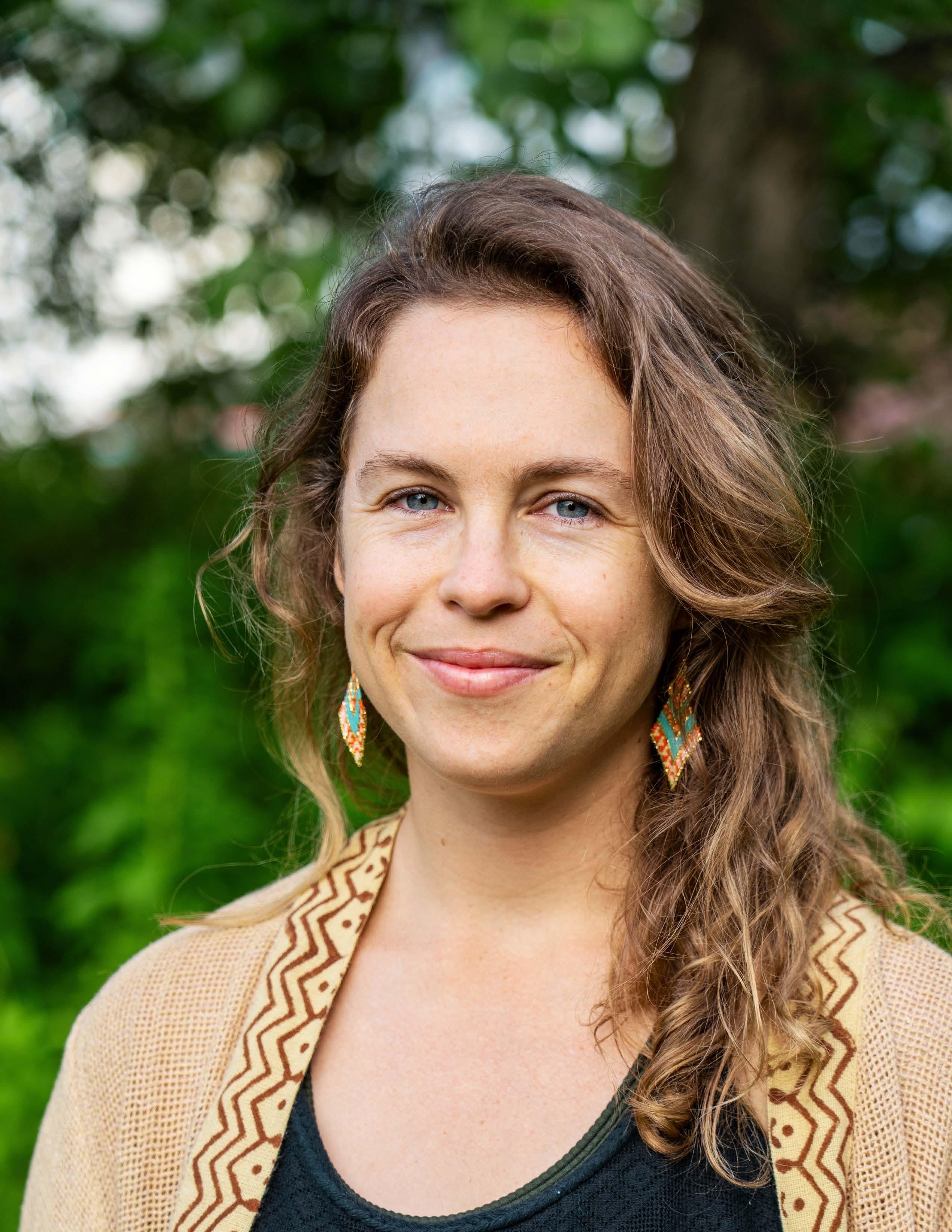
SYDNEY: (continued) She decided to democratize philanthropy. She identified people within her network whom she knew and trusted, people who were visionaries in their fields, and gave them funds to distribute. These individuals, who had never been philanthropists before, were given the opportunity to become philanthropists. They were invited to trust their intuition, recognize the emerging needs around them and give the money in whatever ways they believed would be impactful.
She began with eight visionaries and gave each of them approximately $20,000. They went on to do amazing things.
One of those early recipients was Susan Davis, one of Kinship Earth’s co-founders. Susan is a legend. She created KINS Innovation Networks, bringing together groups of leaders who were advancing social and environmental initiatives in areas such as solar energy and women in finance. She brought them together to pool their resources and energy and work collectively to create meaningful change.
As one of Marion’s early flow-funding recipients, Susan went on to do incredible things. She helped clean up a toxicwaste site in Ecuador, among many other remarkable initiatives.
Kinship Earth was created in 2021 to reignite Susan Davis’ network and tell the stories of the KINS groups. I was hired in 2024 to help pivot the organization toward embracing flow funding as its next evolution and its next way of making a difference in the world. I was blessed with the opportunity to support that transition.
We have been practicing flow funding since late October 2024. We are also taking a bioregional approach because we are deeply passionate about bioregionalism. I know you’re familiar with bioregionalism.
DAMKIANNA: I am, but please share a little about it for those who may be new to the concept.
SYDNEY: Totally. The term “bioregionalism” emerged around 30 or 40 years ago, but the concept itself is ancient. Indigenous people have been practising bioregionalism for a very long time.
It means gathering around, and being guided by, the Earth’s natural borders: landscapes, watersheds, ecosystems and cultures. It is about coming together to decide collectively how to heal a place.
Instead of organizing around political or economic boundaries, operating in silos or competing for resources, the idea is that we come together wherever we live. We work at the intersections of different sectors and collectively determine how best to heal the places we call home.
The contemporary movement began in what is known as the Cascadia bioregion in the Paci fic Northwest, extending into Canada. They have their own soccer team and flag, and people identify as Cascadians. Now, people all over the world are connecting with their bioregions and learning how to work together.
This is particularly important in the world of philanthropy. As I mentioned, so many of us who have applied for grants know how difficult it is to conduct the research, complete the applications and do all the writing.
Often, philanthropy unintentionally perpetuates the very challenges it is trying to solve. They only those with the time, academic background or money are able to access grants.
With bioregional flow funding, we identify people who are already deeply embedded within their communities and doing amazing work. We ask whether they would like to receive funds to give away.
Flow funding does not involve grant applications, and there is very minimal reporting. We trust the people who understand the needs of their communities to determine how the money should be used, rather than asking them to fulfil a mandate created by a board that may be disconnected from the community itself.
DAMKIANNA: It is such a powerful model with such a different energy and approach. I’m curious about what you have seen blossom because it is rooted in trust.
I’m also recognizing a theme of feminine leadership, a model centred around connection to the Earth, connection to an intimate community and trust. What have you seen become possible through that contrast?
SYDNEY: The stories are incredible. We could never have imagined or invented what would happen with these funds. It has been so beautiful to watch and witness the unfolding.
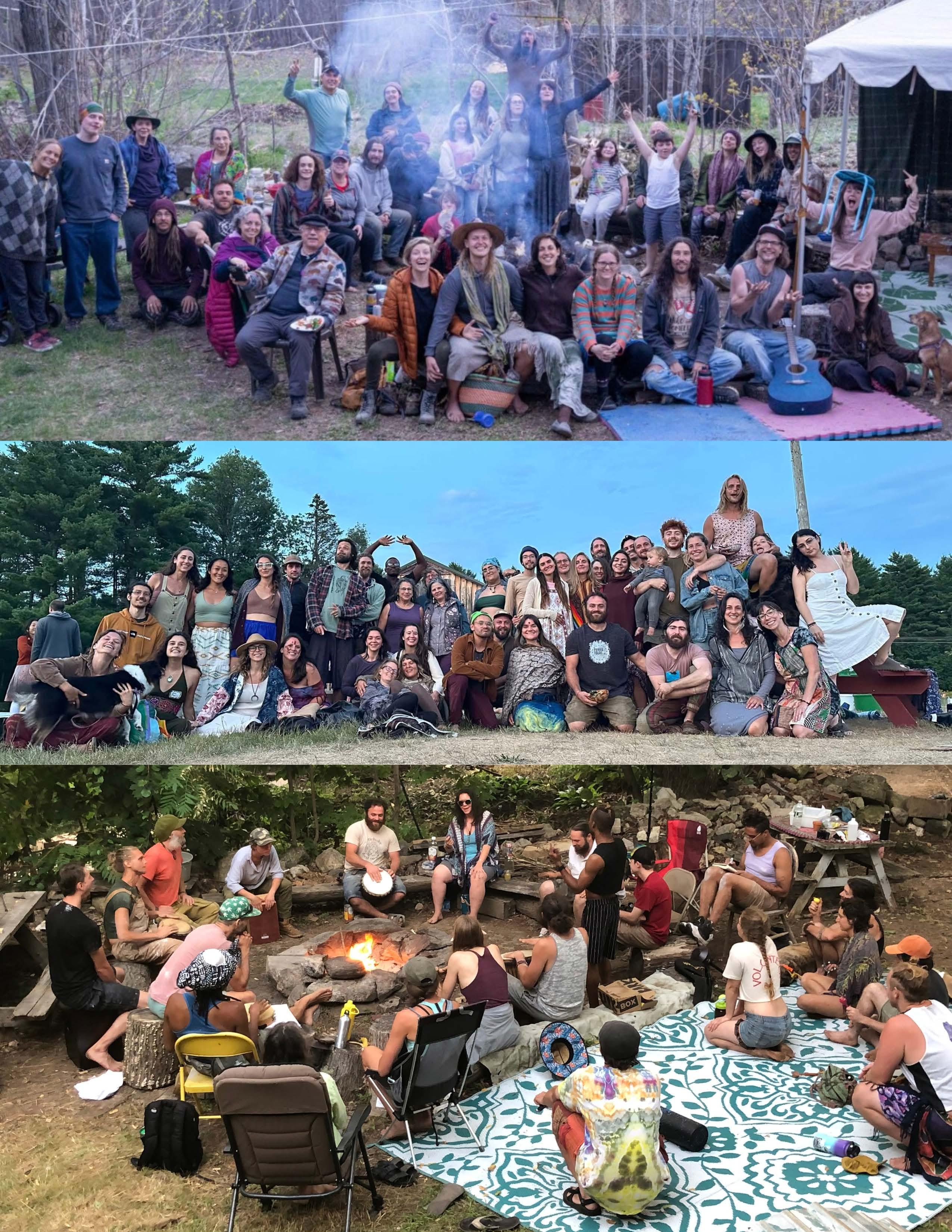

SYDNEY: (continued) One example is Resourcing Water Legacy, a group based in Minnesota that has focused on preventing toxic mining waste from entering waterways. With these funds, they were able to support Indigenous communities in protesting. They also provided pro bono legal support to help stop the dumping of toxic waste. That group has accomplished so many amazing things with a relatively small amount of resources.
Another recipient chose to give funds to Farming Falmouth, a group on Cape Cod in Massachusetts that grows food, teaches people how to grow organic produce and donates that food to local shelters. They grew thousands of pounds of food using flow funds to feed families experiencing food insecurity.
Another flow funder chose to direct funds to a reservation in South Dakota. The community used the money to purchase a freeze-dryer so they could preserve herbs and food for the long term and provide greater food security. Another group directed funds toward heating on a reservation in South Dakota, helping people survive the region’s intensely cold winter temperatures.
Funds also supported communities affected by the devastation of Hurricane Helene. Community groups used the money for cleanup efforts and to provide hygiene products after the disaster.
That is a beautiful example of the model’s responsiveness. We could not have anticipated Hurricane Helene, but because the group already had flow funds, they were able to respond immediately to the emerging needs of the community.
One flow funder decided to distribute money among more than 20 young nonpro fits that had campaigns on Givebutter. She was seeding these organizations with smaller amounts of money. As you probably know, when you are beginning a fundraiser, even a small contribution can create momentum and make an enormous difference.
There was a diverse and beautiful range of deployment within our first cohort.
Our second cohort focused on supporting the Greater Tkaronto Bioregion. Much of its work centred on food security, food sovereignty, the preservation of Indigenous seeds and collaboration among farmers and communities.
In our third cohort, we funded a community in the cloud forest bioregion of Mexico. There is a great deal of beautiful mutual aid happening there, including herbal medicine schools and a river-protection community.
Local people come together to monitor and protect the river, test the water and educate the community about not dumping toxic waste. They also educate politicians and teach children songs to sing in school, which the children then bring home to their parents.
We have also supported bioregional communities across Colombia and in Montego Bay, Jamaica. The work in Jamaica focused on cleaning up and supporting the community following a devastating hurricane. A beautiful community centre was completely wiped out, so the flow funds have been used to support the healing and rebuilding process.
DAMKIANNA: That is so incredible. You just casually listed so many remarkable projects that are having an enormous impact on communities.
Because we live in this modern world, where it can be so convenient to simply turn on a faucet, we don’t often think about the depth of care our waters require. We may not consider the need so many people have for warmth and food security.
I honor and celebrate the energy and love you are putting into supporting communities in this way. Thank you.
SYDNEY: Thank you so much. I also want to give a shoutout to the flow funders for their wisdom.
We had these very broad, overarching themes, and we have been so blessed to work with flow funders who are deeply gifted at listening and trusting their inner knowing about where the money should be deployed. Then, we have the privilege of receiving their stories. It’s beautiful.
DAMKIANNA: It is so powerful. Tell us a little about what is coming next and what you are building. I hear that some things are evolving, so tell us everything.
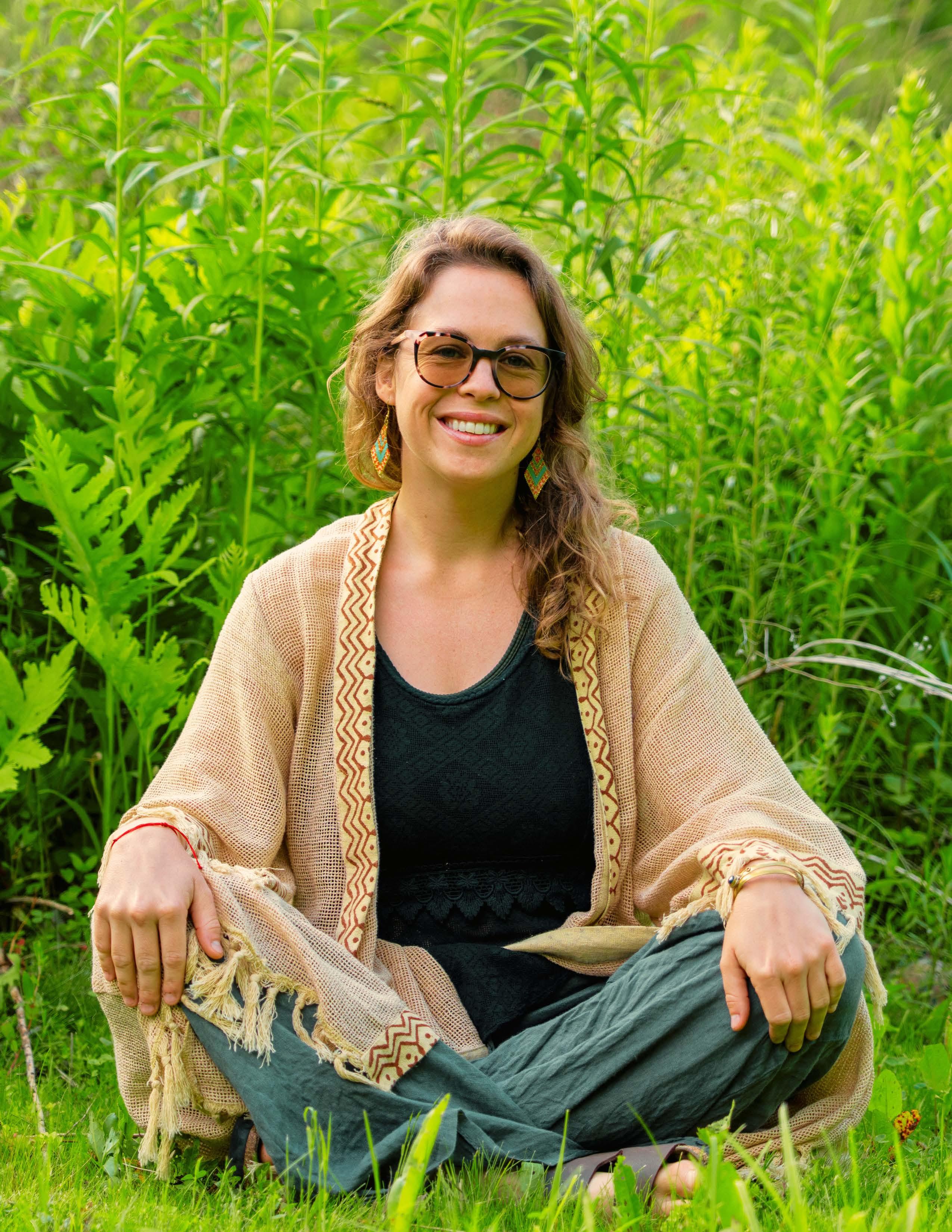


We have increasingly realized that we want to fully embrace the spirit of democratizing philanthropy…
SYDNEY GRIFFITH EXECUTIVE DIRECTOR OF KINSHIP EARTH
SYDNEY: There are some really exciting new developments. As you know, we have been focused on grantmaking and this unique approach to bioregional flow funding. We have increasingly realized that we want to fully embrace the spirit of democratizing philanthropy and help local communities become less dependent on speci fic grant cycles or donor relationships.
Part of that means teaching communities how to create their own unique flow funds or other vehicles for unlocking capital. That may include philanthropic capital and flow-fund capital, meaning trust-based, participatory funds, or it may involve investments and other forms of assets.
Our lane, of course, is the flow-funding component. We work with communities that are in a good position to come together and prepare to make collective decisions about attracting and deploying resources. We are doing this through what we call bioregional activations.
We recently launched one in the Hudson Valley. We held a kickoff call and connected with organizers in the region, foundations, funders and hosts who are opening their spaces and community centres for these gatherings. The idea is to take these communities through a beautiful phased approach, or arc, that we call the Planetary Party Protocol.
DAMKIANNA: That is too much fun. I love it.
SYDNEY: It is very much a party. There is also a beautiful global community of people stewarding the Planetary Party process, which I can speak about more later.
We guide communities through this arc while allowing ourselves to be led by what is already alive within their bioregion. We want to amplify what is already happening.
The arc includes seeing one another, sensing, activating, celebrating and regenerating.
The seeing phase involves relationship building, deep listening and mapping. We explore which projects exist, who is doing what and where, and what needs, offers and solutions are present.
We then move into sensing, which involves sensemaking and governance. We identify what may be preventing collaboration and whether there are fractures that need to be healed.
Next comes activating, which means coordinating action on the ground around food, water, shelter, energy, mutual aid and other essential needs.
We then enter the celebration phase. After working together for several months, we showcase the solutions and invite funders to share resources in support of that work.
The final step is regeneration. We harvest the learning, collect the data and bring what we have learned to the next bioregional community, supporting the development of an interconnected learning network.
That is what we are currently working on.
A significant part of this is storytelling. We want to tell the stories of what is already happening within these communities. We have an amazing filmmaker on our team, Esler, who has been working with these bioregional communities and their local filmmakers and content creators. In some cases, we also travel to the communities and help film the work ourselves.
DAMKIANNA: Amazing. You have progressed from infusing energy and capital into projects, communities and bioregions to teaching communities and giving them a blueprint for creating their own systems and generating an ongoing flow of energy.
SYDNEY: Exactly. We recognize that we could simply arrive with templated agreements and some legal support, but we genuinely want to help these communities successfully create their own funds.
As we all know, creating a foundation is an intricate process. It involves decentralized governance, visibility into what is happening and clear agreements regarding how resources will flow. Kinship Earth’s role is to provide the flow-fund infrastructure. We also have amazing partners within this global ecosystem who ful fill other roles and support the communities throughout each activation.
AwareNow Podcast
Exclusive Interview with Sydney Griffith https://go.awarenowmedia.com/podcast/the-currency-of-kinship

DAMKIANNA: It truly feels as though there is a place for every person. Whatever your background, there is a way for you to weave yourself into this work because it takes all of us and our diverse interests. Whether you are a business owner, a philanthropist or simply someone who wants to become more involved in your community, it is exciting.
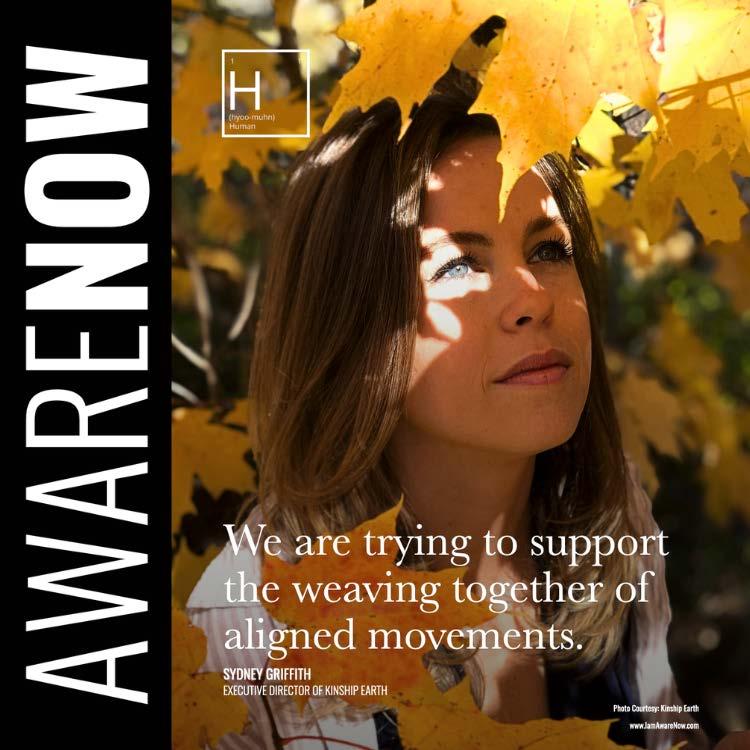
SYDNEY: The work of the Planetary Party is really about stepping into the interstitial layer, the coordination layer. Rather than creating yet another movement, we are trying to support the weaving together of aligned movements, organizations and individuals. These specific activations become key rallying moments that allow us to come together. There is a governance conversation and process unfolding within the Planetary Party. We are also coming together to support bioregional communities in developing their own governance structures.
Governance is a particularly important topic right now. Part of that conversation includes the governance of the landbased communities and hubs where we host these gatherings. A signi ficant aspect of this work is leaving a positive trace and building physical and technological infrastructure that can support these communities for the long term. Wherever we gather, we want to make sure we are helping to create infrastructure that will bene fit the entire community over time. We do not want to host an event somewhere if it merely builds the private wealth of an individual or family without clear agreements regarding how the land will be supported and stewarded for future generations.
DAMKIANNA: I celebrate that you are holding this vision, cultivating it within yourselves and doing the challenging work of unpacking the systems in which we currently operate. You are bravely saying, “No. We trust this ancient way, and we are going to rekindle it.” ∎
www.kinshipearth.org
DAMKIANNA Advisor, Speaker, Creative Director, & Founder of RITE Productions www.awarenowmedia.com/damkianna
Damkianna is a private advisor to visionary leaders and founders devoted to precision, presence, and higher intelligence. She is the creator of The ALIGN Method, a body-based approach that restores clarity, decisionmaking, and leadership from within. Through private council, speaking, music, and immersive experiences, her work supports leaders in moving with coherence rather than force.
Well… I guess it’s time to exit stage left.

TIMOTHY ARCHIE FATHER, HUSBAND & PPMS WARRIOR
‘EXPEDITION MS’ EXCLUSIVE COLUMN BY DUFF ARCHIE
LOOKS LIKE OVER TWENTY YEARS, TOLD BY SOMEONE WHO WATCHED EVERY STEP OF IT
Our family has a saying: You can’t be sad in a Mexican restaurant.
It’s not really so much a rule. More of a running observation that grief and guacamole are fundamentally incompatible, that whatever you’re carrying tends to feel slightly absurd in a room full of chips, queso, margaritas and mariachi music. It started as a joke somewhere and calcified into fact.
Which is how, on an overcast Presidents’ Day weekend in February 2018, my brother Ben and I found ourselves in the back booth at Taqueria el Poblano on Mt. Vernon Avenue in Del Ray, voted number one for the best margarita in DC, Zagat top ten, fresh ingredients and enough ambient noise that the family at the table next to you can’t hear what’s being passed across your table, trying very hard not to be sad in a Mexican restaurant.
My mom had called a week earlier. It was one of those calls where the actual words didn’t matter because the tone of voice had already told you everything. I was knee-deep in my final semester at St. Lawrence University in upstate New York and booked the first flight I could find. Ben was a senior at Episcopal High School, three miles up the road. He signed out for the weekend. We didn’t know the rest until we sat down.
That’s when she told us that Dr. Stephen M. Minton, my dad’s primary care physician, had come to the house. He’d sat with my dad, listened to his breathing and said the word terminal in the same living room where we’d opened Christmas presents a mere eight weeks earlier. My dad, Timothy R. Archie, a man who had been running wry commentary on his own neurological deterioration for nearly two decades, looked at him and said, “Well… I guess it’s time to exit stage left.”
My mom set two printouts on the table between the chips and the queso.
“Our family has always said PPMS is a unit of time, a unit of decline,” she said. “Here’s what that means.”
The document was the Expanded Disability Status Scale, the EDSS, a clinical rating system used to measure the progression of multiple sclerosis. Ten steps, each broken into half-steps, each half-step representing roughly one year of functional decline in our context.
She’d found it when my dad was first diagnosed, filed it somewhere mental and retrieved it nineteen years later when she needed a way to explain to her seventeen- and twenty-one-year-old sons that their father was going to die and that there was, it turned out, a map for exactly how he’d gotten here.
Heads down, Ben and I read down the list, intent on reading our respective pieces of paper. For about ten seconds, the restaurant went quiet like you’re underwater, but the noise was still there. But still, you’ve gone somewhere slightly outside of it, adjusting, trying to locate yourself inside something that hasn’t finished landing yet. I felt the weight of it balloon in my stomach. Ben went somewhere else entirely.
We cut our eyes to the bottom of the page.
9.0: Helpless bed patient. Can communicate and eat.
9.5: Totally helpless bed patient. Unable to communicate effectively or eat/swallow.
10: Death due to Multiple Sclerosis.
It is, almost by definition, a unit of time and a unit of decline.
We were past step nine. We all knew it. Nobody said much. The queso kept coming.
PPMS doesn’t announce itself in one terrible moment you can point to later and say: There. That’s when everything changed. It’s gradual and cumulative. It is, almost by definition, a unit of time and a unit of decline.
My family has always gone to Acadia in July. The first two weeks, non-negotiable. In the mid-nineties, before I came along, my parents were hiking the trails in that particular New England way, straight up, no switchbacks, roots breaking out of the ground every few feet like the forest is trying to reclaim the path.
Regardless, my dad kept tripping, his right foot catching on something invisible, sending him to the ground while everyone else stayed upright.
He named it Root Man, a mythical character coiling around your ankles in the dark, intent on dragging you under. He thought it was hilarious.
That was probably a 1.0.
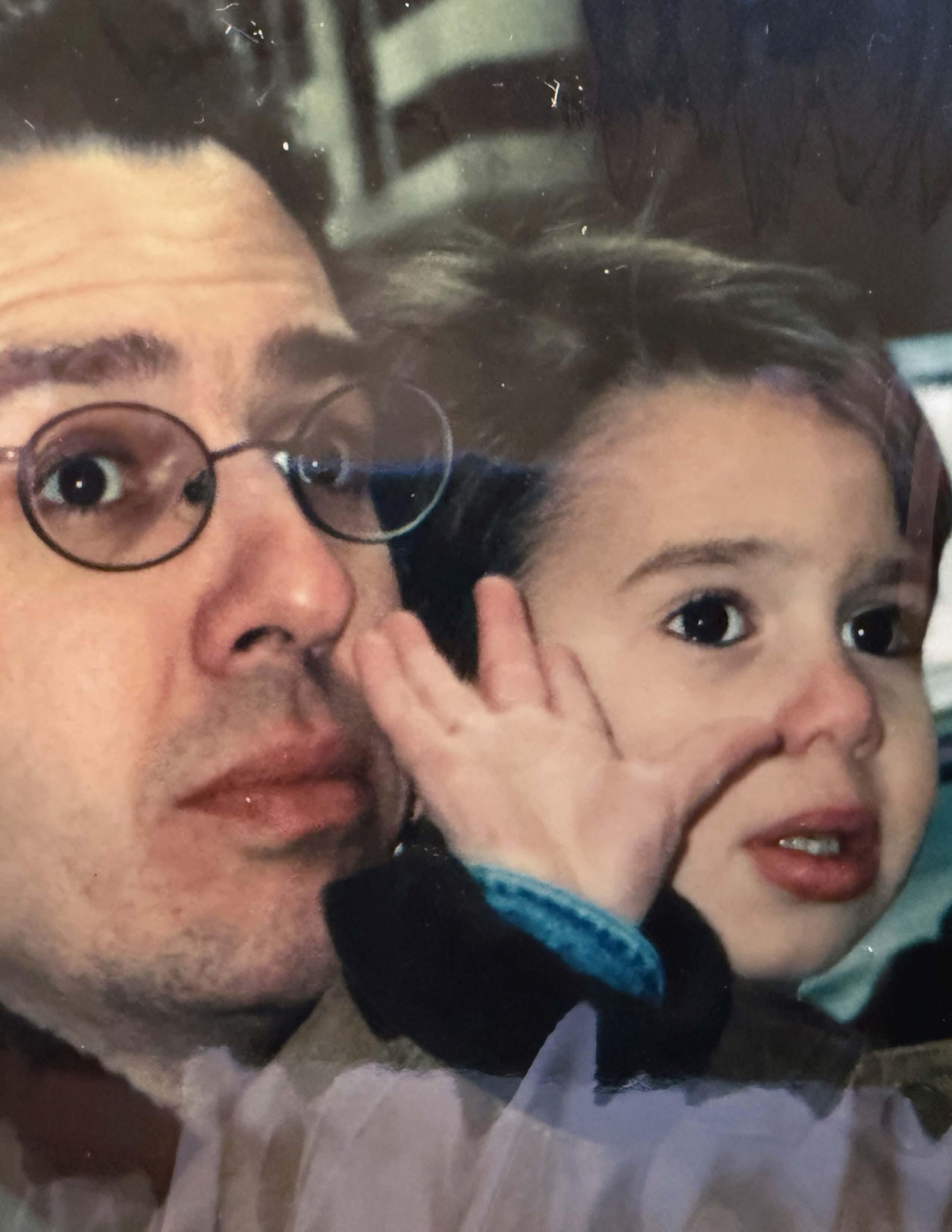
Just before my third birthday, in a moment preserved in a favourite family photo, I was standing at the curb outside the Palace Hotel in New York City as my dad crouched protectively behind me. Sheltered in his arms, I raised my little hand to call a taxi. Only much later would I learn what was really going on with the adults at that moment.
The day before, my dad was officially diagnosed with Primary Progressive Multiple Sclerosis. He’d known the disease his whole life. His grandmother had it, though a different type, and he understood immediately what the diagnosis meant.
Rather than wallowing or postponing, Dad kept his promise to me and took me on my first trip to New York City on the Amtrak to meet up with Mom after her business in New York concluded.
Dad set the example that day for the rest of our journey with the stupid, he would joke, disease: MS doesn’t get to cancel family trips.
A few months later, Dad and I were at the Montgomery Park playground as I climbed all over the Stegosaurus jungle gym, ten minutes from our townhouse in Alexandria. He wasn’t chasing me up the ladders and down the slides the way I expected and as he’d done in the past. He was moving carefully, deliberately, and even at three, I registered the difference between tired and something else.
“Sorry,” he said. “My legs are just tired today.”
Kids file things and move on. I filed it.
That was a 2.0.
Still in preschool. Ben wasn’t born yet, which means I was somewhere between three and four.
We Were Parallel Parked on Lower King Street, Across from Scoops, Our Favorite Ice Cream Shop, When a Woman Came Up to the Driver’s-Side Window of Our Red Chevy Tahoe
I was in my unassigned assigned seat: left side, directly behind the driver. I saw her coming and thought, Stranger danger. Who is this?!
She was furious.
How dare he, she said. Drunk in broad daylight with his small child in the car. How dare you!
My dad had a limp and a wobble in his gait. The old Root Man foot drop, now a permanent feature. To someone with no other frame of reference, that reads as daytime drinking.
He let her finish. Then he explained himself. I don’t remember the exact words, only that they were pointed and probably funnier than the situation warranted. The woman’s face changed, and she left.
Deflect and disarm. Dad always had a one-liner ready under pressure.
That was a 3.0.
Our townhouse in Old Town had four floors with sixteen steps between each level. The garage opened up to a firstlevel TV and playroom for Ben and me, the kitchen and living room were on the second, the bedrooms and laundry were on the third and his home office was on the fourth.
Every night, Dad got some food on the table, lit the candles by his own insistence and we reviewed the day’s events. At dinner, we talked about whatever a fifth grader and a first grader had going on that day. We ate chocolate HäagenDazs. He helped me with Language Arts.
He offered, repeatedly, to help me with Spanish. His command of the Spanish language extended to Hola española, deployed with an enormous grin, which I told him was exactly two words too few to be useful.
I walked right into his joke every time.
After dinner and homework, I helped him back up the stairs. Ben and I would help position his feet on each step, one at a time.
Right foot, bend knee. Left foot, bend knee.
Sixteen stairs.
Two little boys and their dad getting by, our mom still at “the office.”
This was, looking back, steps three through six. Days to months to years of ordinary routines forming the texture of the whole thing.
Just standing there in the hallway, four bare metal legs, but no tennis balls on the feet. That would not be up to the Tim Archie standard.
If MS is going to take away mobility, we’re at least going to be stylish.


This was the kind of appliance you’d see at your grandparents’ house or in the background of a TV show. Walkers “belong” to old people, to the shuffling-to-the-kitchen scenes for some Ovaltine, not to your house, not to your dad, who was in his mid-forties.
I stood there and looked at it for a moment.
I put my backpack down and went to find a snack.
That was a 6.5.
The classic view, the one on every Maine calendar, is from below. You descend a set of wooden stairs bolted directly into the pink granite ledge, steep enough that you grip the rail on the way down, and from the bottom, you look back up at the lighthouse against the sky.
For years and years, my dad took those stairs.
Slowly, yes.
With a cool-looking hiking stick. Then a cane. And yes, very carefully.
But he took them every time.
Until he couldn’t.
No more Root Man.
There’s also a short, steep paved route to view the lighthouse that curves down the opposite side.
The Archie family group hovered at the top, deciding whether to bother. The concern, navigating a wheelchair on that grade, was momentum. The chair would get ahead of us and go straight into the pink granite and the ocean below with my dad in it, face-planting into the pavement, or worse.
The vote was “not worth it.”
Which is when a group of Vietnam veterans materialized in their blue and gold American Legion caps and jackets, assessing the situation in roughly three seconds.
“Last great mission, boys,” one of them said. “Let’s go.”
And then they were just there. Behind the chair. Beside the chair. One of them apparently in command, running a full debrief on weight distribution and footing while my dad sat in the middle of it all with the expression of a man who had not consented to any of this but could also see, objectively, that it was extremely funny.
Although always mannerly, Dad didn’t love being physically manhandled down the steep granite slope, even with four Vietnam veterans running point.
What he did love, and what he would bring up later more than once with the grin of someone storing quality material, was the “last great mission” framing.
The sheer commitment to the bit.
The fact that these men had assessed the situation, appointed a leader and mobilised in the time it takes most people to find their sunglasses.
“MS was going to have to figure out something else to take because it wasn’t getting that.”
That part, he had to respect.
Hadn’t he been doing the same?
That was a 7.0.
Ben’s and my old playroom got renovated into a fully accessible suite. Wheel-in shower, Tempurpedic hospital bed, the whole thing professionally designed, as Dad was an interior designer himself.
Curtis Lomax came on as his full-time caregiver. Within about a week, Curtis was as much a member of the family as anyone, covering overnight shifts when my mom travelled, feeding, showering, shaving, dressing, driving and entertaining as a masterclass in dignified caregiving.
He’d manage to get my dad’s 165-pound, five-foot-eleven frame from bed to wheelchair to car and back with efficiency, grace and what Dad called “the Lomax Smile.”
My mom told me years later that the Big Move downstairs was one of the hardest periods for them. He took the move personally, the way it would be hard not to take personally, the sense of being tucked away from the main floor of family life, managed.
Am I not even part of this family anymore?
The answer to that was a resounding, “Of course you are!”
More than he would ever come to know in the years since his death.
But this was more demonstrated than stated. We brought dinner downstairs every night. No policy or announcement. It was just what we did because we eat together as a family.
After all, that’s what we were taught from the time we were tiny, and MS was going to have to figure out something else to take because it wasn’t getting that.
Mom and Dad ate on the adjustable Tempurpedic bed like Grandpa Joe, Grandma Josephine, Grandpa George and Grandma Georgina in Charlie and the Chocolate Factory. Ben and I sat in a ladderback armchair and a big leather armchair scooted to his bed. Tucker, the golden retriever, curled in the corner. Turner Classic Movies played muted while we talked about the complicated lives of a high schooler and a middle schooler and, later, a high schooler and a college student.
That was 7.5, building slowly to 9 across seven years.
“Fever’s
January 2018.
I was home on Christmas break, up on the fourth floor, the old home office, which had become the TV room “Man Cave” by then. It became the place where Ben and I migrated when everything else in the house migrated downstairs. I was on a rewatch binge of Breaking Bad on Netflix. Curtis appeared at the landing of the stairs at the end of his shift, coat already on.
“Hey, you might want to go check on your dad. Fever spiked.”
I went downstairs.
I had to lean close to hear him. He was trying to say something, and I couldn’t make it out. I could feel him breathing, his lips trying to slowly form words, no real sound coming out.
That’s when I knew this was different.
I called my mom at the office.
“I think you need to come home. Things don’t look good.”
I didn’t have a clinical word for what I was seeing.
What I was seeing was the beginning of chronic respiratory failure. The disease had finally progressed to the point where the lungs and the swallow reflex would not cooperate.
I didn’t know that just yet. I just knew I needed Mom home.
Dad was sick. Maybe pneumonia. Maybe some antibiotics would help.
We’ve got to do something for him.
That was 9.5.
One month later, give or take, we were in the booth at El Poblano.
We talked about hospice, the best medical decision we ever made and one that, with hindsight, we should have made weeks or months earlier.
We talked about the DNR, the Do Not Resuscitate order, the legal document that instructs medical providers not to intervene if a patient’s heart stops. No CPR. No machines. No prolonging it beyond what he’d already been through.
My dad had been clear about this. He didn’t want to be kept alive by feeding tubes.
The lowest days in his twenty-year expedition with PPMS were the ones spent in a hospital, getting antibiotics for some infection. My mom explained this to Ben and me between rounds of queso.
We sat with it and agreed, because of course we did.
You don’t watch someone fight a disease with that kind of dignity for twenty years and then argue with his final wishes. I think we talked about school. I think I talked about job prospects after college in three short months.
Ben recalls nothing but blurry images: the queso, the EDSS paper, the people. But no words, no stories, his seventeen-year-old brain cycling into protective dissociation, no doubt.
DUFF ARCHIE FOUNDER OF EXPEDITION MS
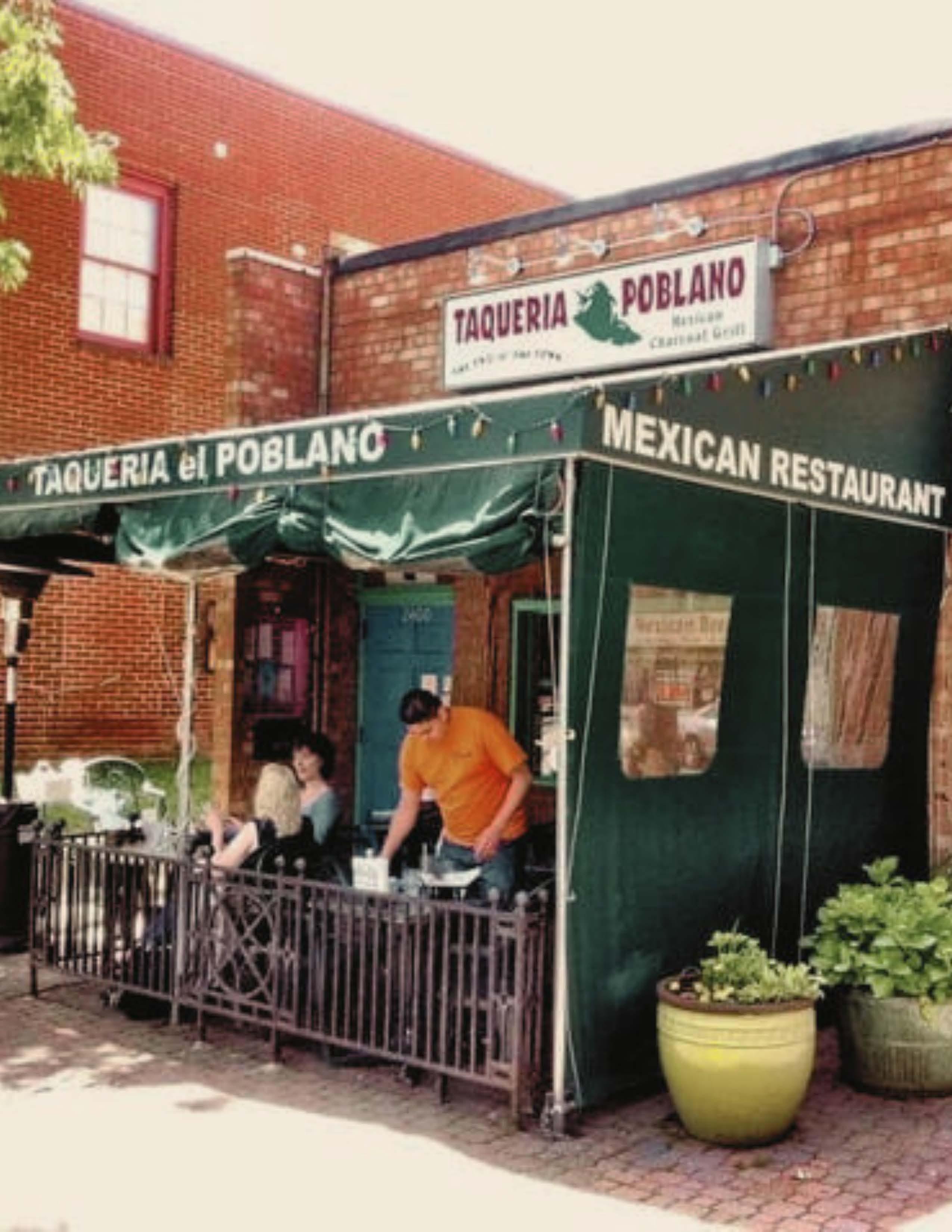

AwareNow Podcast YOU CAN’T
Written & Narrated by Duff Archie go.awarenowmedia.com/podcast/you-cant-be-sad-in-a-mexican-restaurant

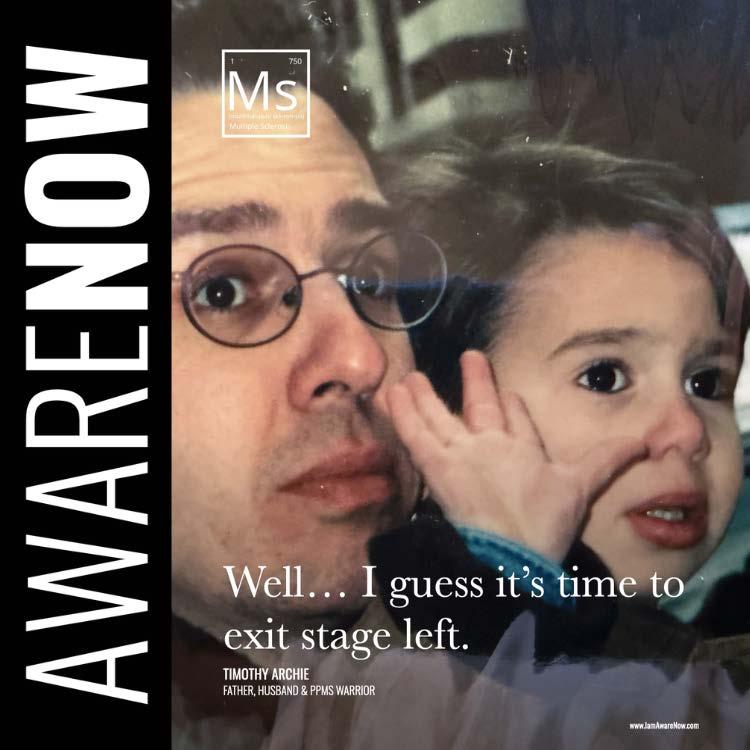
There it was, at the bottom of the document, between us on the table in a Mexican restaurant that had been open, as I would later discover while writing this essay, since 1999.
You’ve got to be kidding. 1999?
That’s the same year as the diagnosis. The same year as the Palace Hotel and the Amtrak and hailing a cab, as “too tired today” Dad at the Stegosaurus jungle gym.
Award-winning, authentic SoCal and regional Mexican food and drink since 1999.
The timing is so perfectly absurd that I’m convinced my dad would have had something to say about it, something delivered with an enormous grin and impeccable timing.
He died on March 19, 2018, at 1:04 in the morning.
A unit of time.
A unit of decline.
Twenty years, twenty half-steps, one man who met every single one with a public quip and a walking stick and a cane and a walker and a wheelchair and the patience of someone who understood, better than most people ever have to, that you don’t get to choose what you’re given.
Only what you do with it while you still can. ∎
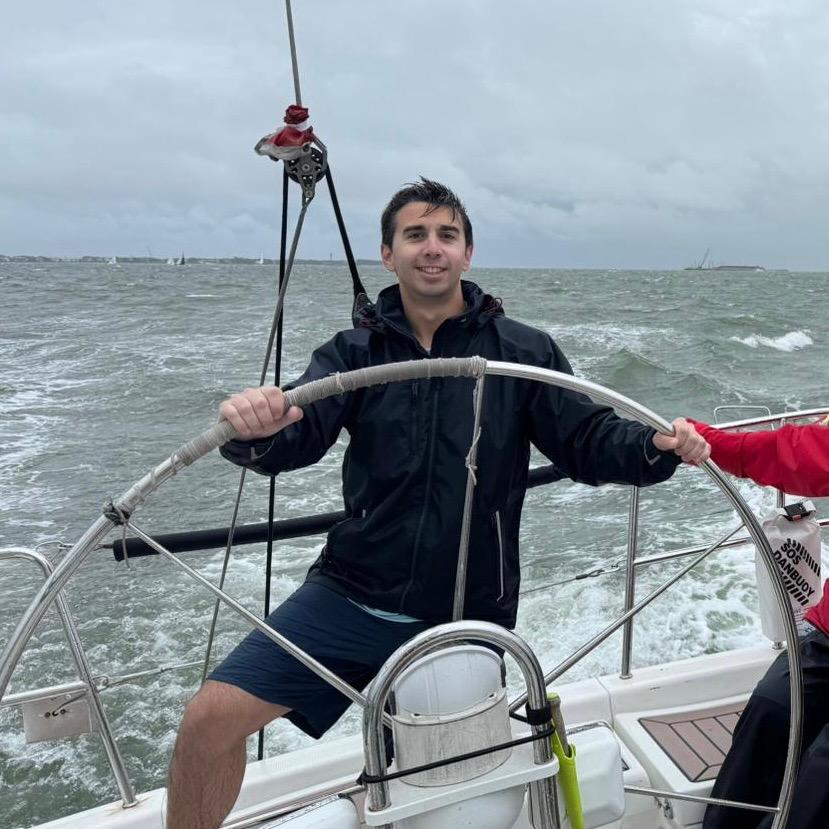
DUFF ARCHIE Founder of Expedition MS
www.expeditionms.org
Duff Archie is a writer and lifelong sailor whose essays move between the water and the living room, racing and yacht deliveries on one side, family and chronic illness on the other. He spent twenty years watching his father, Tim, live with Primary Progressive MS, and much of his work turns on what that taught him: that disability is more often a design problem than a tragedy, that humor is how a family survives a long decline, and that grief doesn't end so much as change shape. He's the founder of Expedition MS, a global sailing-and-storytelling nonprofit for the MS community, where every crew is mixed and every port is a community stop. His writing lives in the ordinary adjustments that hold people together when the body stops cooperating.



PAUL S. ROGERS TRANSFORMATION EXPERT, AWARENESS HELLRAISER & PUBLIC SPEAKER

‘RELEASE
Every life tells a story. The question is not whether your story is being written, rather who is holding the pen. Is it your perception, your expectations, or reality itself?
Most people assume reality is the ultimate author of their lives. After all, reality consists of the events that happen to us. We are born, face unexpected hardships, experience moments of joy, pass through the mundane and ordinary and hope that we leave our mark on the world. However, reality alone does not determine the quality of our lives. Two people can experience the exact same event and emerge with entirely different stories.
The difference lies in perception. Perception is our interface and lens through which we interpret life. It is shaped by our upbringing, beliefs, fears, hopes, and past experiences. Reality may present us with a blank page, but it is perception that decides whether we read it as tragedy, opportunity, punishment, or growth.
Consider a storm. To someone suffering through drought, the storm is a blessing. To a family whose home is flooding, it is disaster. The storm is neither good nor bad. Reality simply exists. It is our perception that gives it meaning.
Perception does have its own limitations. It can become distorted by bias, insecurity, or unresolved pain. We often mistake our perception for truth when, in fact, it is only our interpretation of reality. A single misunderstanding can damage relationships. A fear of failure can prevent us from pursuing dreams. A negative self-image can convince us we are unworthy despite overwhelming evidence to the contrary.
If we allow perception to be our author, we risk becoming unreliable narrators of our own lives.
The next possible author is expectations. Expectations are stories we write before life has had a chance to tell its own. They are mental blueprints of how we believe people should behave, how success should look, and how happiness should unfold. Expectations can inspire us toward excellence, but they can also be self imposed prisons.
Many of life’s greatest disappointments are not caused by reality itself, but by the gap between our expectations and reality.
We expect relationships to remain effortless. Careers to progress in straight lines. Healing to happen quickly. We expect life to proceed without complication or harm to our own comfort.
When reality refuses to follow our expectations script, frustration and stress follows.
In truth, reality rarely betrays us. It is more likely that it simply declines the role we assigned it.
Expectations rarely calculate and leave room for uncertainty. However, life is not some linear machine operating according to our preferences. Instead, it is a random and ever-changing ecosystem. Growth and opportunity often arrive disguised as disappointment and inconvenience.
Reality, unlike perception and expectation, asks for nothing. It simply is. Reality doesn’t care about our plans. It does not flatter our ego or validate our fears. It remains unchanged whether we accept it or resist it. Our opinions cannot alter its existence
AwareNow Podcast
Written and Narrated by Paul S. Rogers https://go.awarenowmedia.com/podcast/which-is-your-true-author


The real secret is that reality possesses a quiet wisdom. Acceptance of reality is not surrender. It is the beginning of genuine freedom. Only when we acknowledge what is, can we begin changing and writing our own stories. Denial delays healing and delivers stress instead. Acceptance creates movement. This doesn’t mean abandoning our hopes, dreams or ambition. Rather, it means building them upon solid ground instead of wishful thinking.
So who, then, is your true author?
Perhaps the answer is that each plays a different role. Reality provides the raw material. Perception gives the material meaning. Expectation writes the first draft. But wisdom becomes the editor.
A wise person continually refines perception by seeking truth instead of assumption. They soften expectations with flexibility. They embrace reality without allowing it to define their potential. In doing so, they become an active participant in writing their own life rather than just a passive character reacting to circumstances.
The healthiest perspective is not blind optimism, nor cynical realism. It is clear-eyed hope. It is a willingness to see life as it is, while believing in what it can become.
When perception aligns more closely with reality, our judgments become wiser. When expectations become flexible, our relationships become healthier. When reality is accepted instead of resisted, our energy shifts from complaining to creating. Life ceases to be something happening to us but with us.
Ultimately, your life story is not authored by a single force. Reality writes the events, perception interprets the chapters, and expectations influence the plot. But the final manuscript belongs to the conscious self. This is the part of you that chooses how each page will be understood and what lessons each chapter will be carry forward. ∎
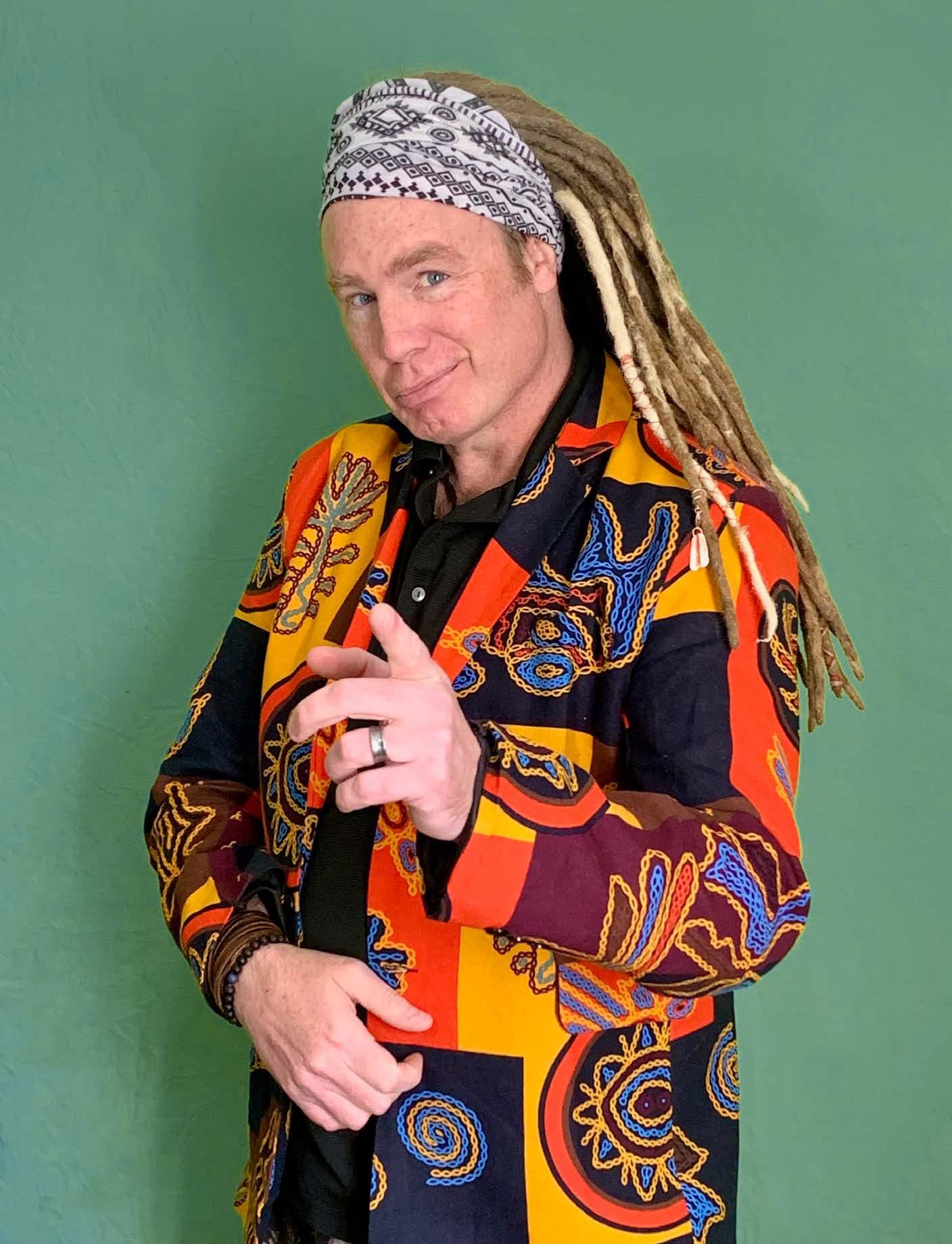
PAUL S. ROGERS
Transformation Expert, Awareness Hellraiser & Public Speaker www.awarenowmedia.com/paul-rogers
PAUL S. ROGERS is a keynote public speaking coach, transformation expert, awareness hellraiser, life coach, Trauma TBI, CPTSD mentor, train crash and cancer survivor, public speaking coach, Podcast host “Release the Genie” & best-selling author. His journey has taken him from corporate leader to kitesurfer to teacher on a first nations reserve to today. Paul’s goal is to inspire others to find their true purpose and passion.

KAISSA GURVINE FOUNDER & DIRECTOR OF LEGENDARY WOMEN’S CUP
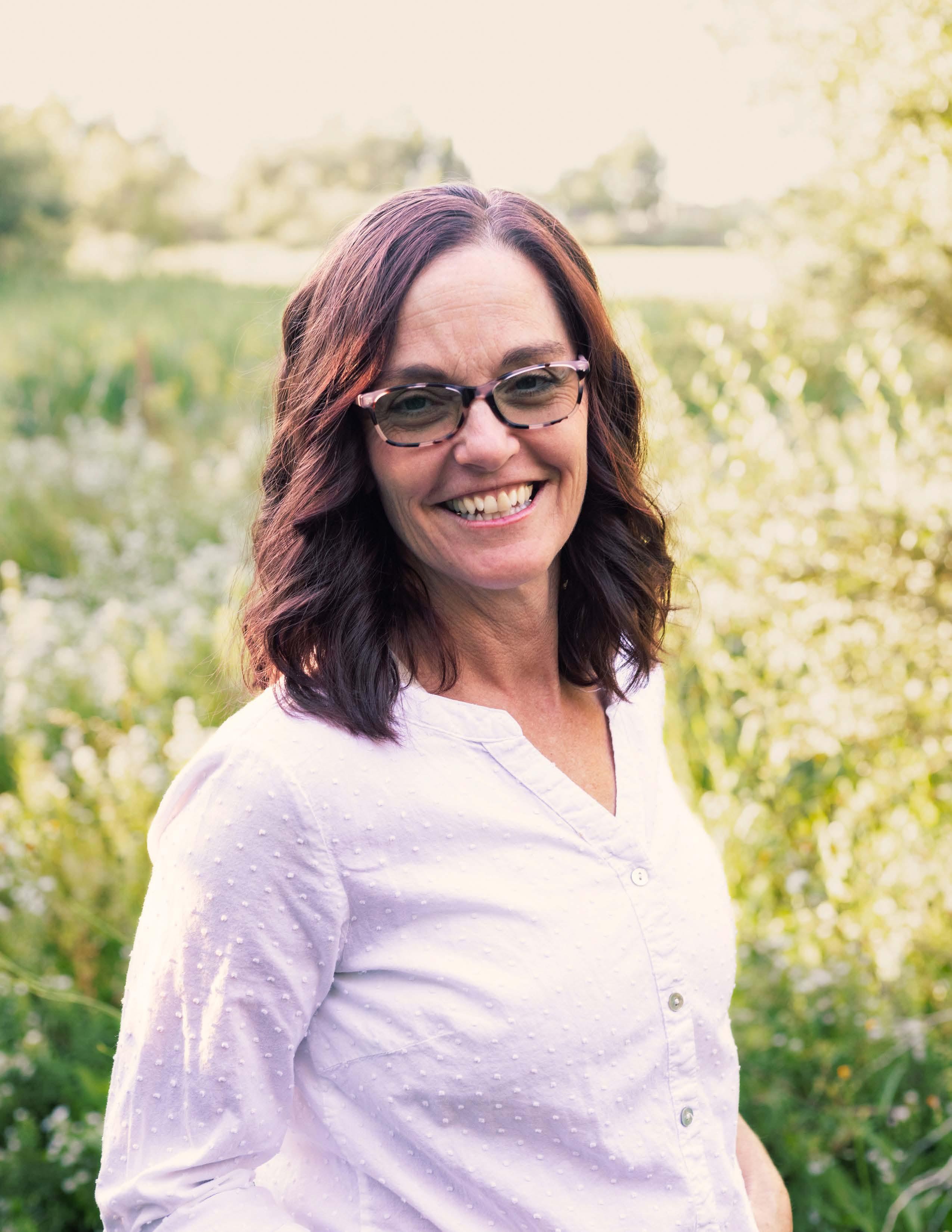

‘PEQ
Kaissa Gurvine is setting out to create a movement. It wasn’t her vision, initially. She simply wanted to keep playing soccer out of pure joy.
It started, as so many things in her life did, with a question that felt both personal and a little de fiant. She was approaching 50, a number that carried more weight in her mind than in her body, and she could feel the game she loved beginning to shift around her. She was still playing, which meant showing up, running, connecting with the ball, in that way that made everything else fall away. However, Kaissa could also feel the difference. The pace. The recovery. The subtle negotiation between who she had been and who she was becoming as an athlete and team player on the field.
“I was almost devastated,” Kaissa said, remembering that moment. “I’d never wanted to get old.”
The thing about Kaissa, though, is that she doesn’t stay stuck in questions for long. She goes straight to moving, building, and solving. Her story with soccer began at the age of five. She grew up the only girl in a family of boys, watching her brothers play AYSO (American Youth Soccer Association) games, and was drawn to the sound of the ball, the rhythm of the field, and the way the game seemed to invent itself every time it started.
She didn’t get to play right away. Her mother worried she was too small and fragile. Soccer, at that time, wasn’t something that seemed to belong to girls. So Kaissa watched. And waited. By the time she was 10, she had saved enough money from a paper route to register herself. She rode her bike to the AYSO registration location, paid her own way in, and stepped onto the field. She was behind the other kids, and wasn’t the best player. But she was there, and she never really left.
Those who grow up on the soccer field know that soccer isn’t just a sport for women. It was a thread that ran through everything: friendships, identity, motherhood, a place where a woman could continue to show up even as life expanded and changed. Like many women, soccer gave Kaissa a place to belong.
As an adult, even after six pregnancies, injuries, and interruptions, she always returned to soccer. The only breaks she took were the ones her body required. And even then, she came back as soon as she could.
“Soccer was always kind to me,” she said. “It was always there waiting for me to return.”
Her relationship with soccer eventually lead her somewhere she didn’t anticipate. Kaissa was running the Tucson Adult Soccer League, a coed league she had built from the ground up. What started as a solution to her own need to play as an adult had grown into something much larger, with dozens of teams and hundreds of players. It was a testament to her instinct that if something didn’t exist, she could create it.
Still, with the success of the league, she noticed something missing. Women, especially older women, often didn’t have a clear place to return to the game. They might have played in high school or college. They might have played casually in their twenties. But life happened, whether that was careers, children, or time. And she heard many women looking for a way back in, the options didn’t always feel like they were built for them. So Kaissa started traveling to tournaments, looking for something that felt right. She found pieces of it in the form of well-run events, friendly environments, and opportunities to play, but these experiences were still missing something for women.
We are all legendary.
KAISSA GURVINE
FOUNDER & DIRECTOR OF LEGENDARY WOMEN’S CUP
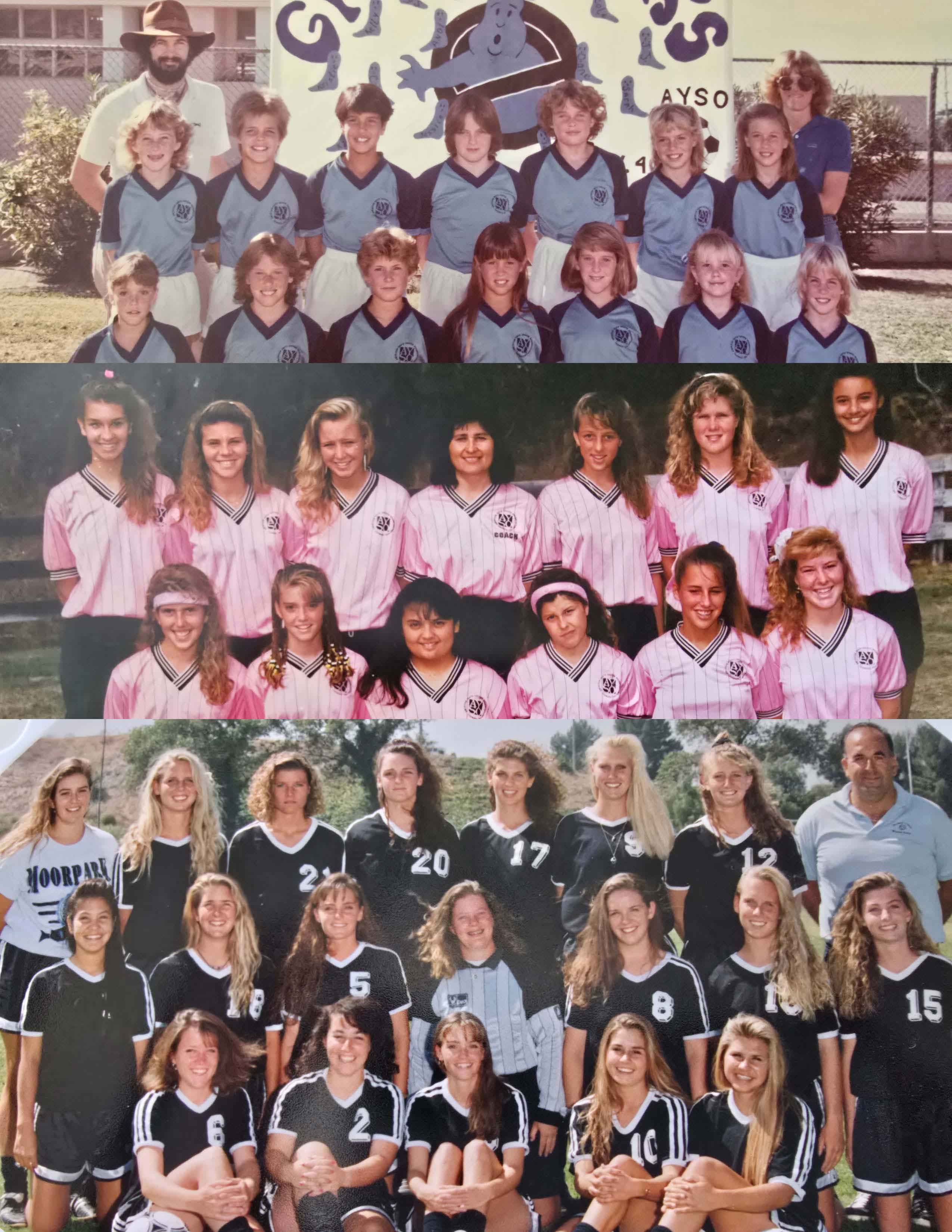

“Legendary Women’s Cup is about continuation. It’s about the women who played when no one is watching. It’s about the women who keep playing when it would have been easier to stop.”
Most tournaments were designed for competition first. Women’s divisions were often additions, not foundations. The structure didn’t always account for the reality of women’s lives, or bodies, or timelines. She began to wonder, what if soccer experiences were intentionally designed for women, by women?
The idea of the Legendary Women’s Cup emerged slowly, then all at once. It was born from that question, but it was shaped by something else entirely. Kaissa was at a destination tournament, one of those rare weekends where the field, hotel, and beach all shared the same space. She loved the ease of the environment, the way it encouraged people to stay so that they could connect before and after games. That’s when she saw them. Two women, walking the sidelines. She could tell, even from a distance, that they were not ordinary players. There was something in the way they carried themselves, a quiet authority that came from having been part of something important. They were members of the first United States Women’s National Team, now called The85ers (since the team originated in 1985)!
Among them was Ruth Harker, the first goalkeeper for that team. Kaissa found the right time and space to have a conversation that lasted only a few minutes. It changed everything. When Kaissa shared her idea to design a soccer experience just for women, Ruth listened and responded, “You should do it,” followed by, “I would come.”
They both agreed that the foundation of this experience must be entirely intentional for women, run by women, and include a way to give back. As Kaissa always does, she went home and began to build.
Legendary Women’s Cup is about continuation. It’s about the women who played when no one is watching. It’s about the women who keep playing when it would have been easier to stop. The women who are still playing at 70, or 80, even beyond. It’s about the women who had built the path that others are now walking, and about the women who are coming next.
When you attend a Legendary Women’s Cup, you will see players from different backgrounds, ages, and levels of experience. Some have played most of their lives. Others haven’t played in decades. What they share is the same thing Kaissa had felt as a child watching her brothers: the joy of being on a team, the creativity of the game, the sense of being part of something larger than themselves. The feedback has been immediate.
Through soccer, these experiences create spaces to connect beyond the field. They offer a thoughtful timeline where women can play games, heal at recovery tents, learn at sessions, and connect all in one location. It’s like a conference with soccer at its center where players could take care of themselves, instead of push themselves, and they embrace their identities as athletes, women, and everything else they were without having to choose.
Written by Sonja Montiel and Narrated by Kaissa Gurvine https://go.awarenowmedia.com/podcast/legendary-womens-cup

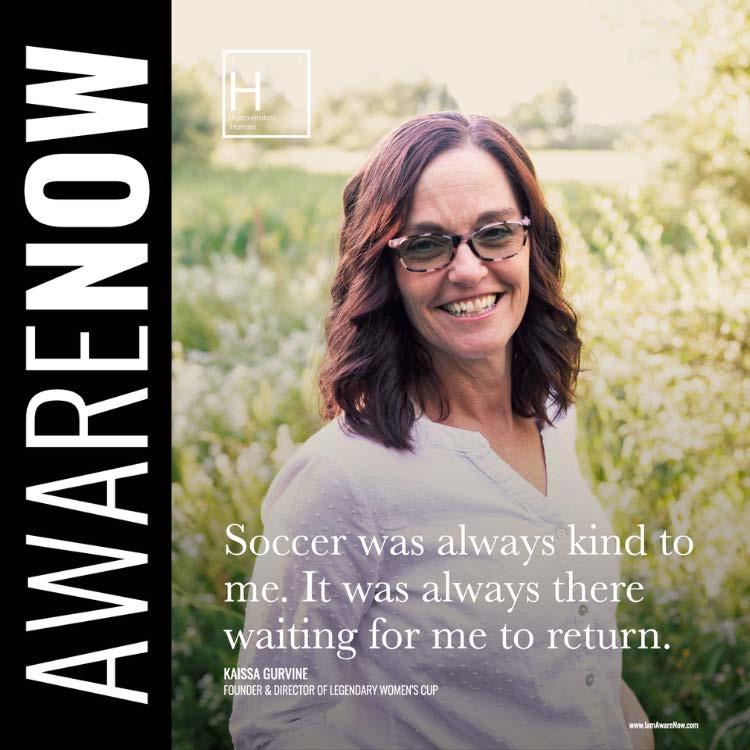
The Legendary Women’s Cup also creates a bridge. Younger players see older women still on the field. They see possibility that their young relationship with soccer can be extended, giving them a vision of their own future that includes soccer, that can last a lifetime. At the center of it all is a lineage that stretches back further than the Legendary Women’s Cup itself, back to women like Ruth Harker and the 1985 United States Women’s National Team, who played when there wasn’t any blueprint. Their story, preserved through initiatives like The85ers, remains a beacon.
The 85ers remain a significant influence on the Legendary Women’s Cup. They attend every event, driven by their commitment to supporting all women who are still playing the game. As part of their contribution, they run skills clinics for players, coach the Kick Start program, which offers foundational soccer skills, and participate in Modi fied Soccer (also known as Walking Soccer) to provide a safer way for players to stay connected to the game.
The Cup is open to newcomers, seasoned veterans, and even those recovering from injury, making it possible to learn from professional players in an accessible and welcoming environment. You won’t find this kind of unity at any other tournament.
The women’s game, Kaissa believes, is still becoming. And, right now, the Legendary Women’s Cup is that place. “We are all legendary. We’ve always been legendary. We just needed a place that reminds us of that, together.” ∎
To learn more… www.legendarywomenscup.com www.instagram.com/legendarywomenscup www.facebook.com/legendarywomenscup www.tiktok.com/@legendarywomenscupp www.youtube.com/legendaryWomensCup
SONJA MONTIEL
Co-Founder of PEQ Performance Consulting www.awarenowmedia.com/sonja-montiel
SONJA MONTIEL (MA Education) is a cofounder of PEQ Performance Consulting LLC and cohost of “The DH Effect” podcast. She and her partner, Hilary Bilbrey, guide individuals, families, and teams to consistently reach successful outcomes through positive and emotional intelligence strategies. During Sonja’s 23 years working with thousands of teens and young adults worldwide, she began to witness many societies creating an unhealthy hyper-achieving culture that misguides our young people in their pursuit of living a life of fulfillment. Sonja is changing that narrative highlighting educators around the world who dare to think differently about education. (www.peq-performance.com)
www.IamAwareNow.com


I do not always need another answer. Sometimes, I just need a color.

ALLIÉ MCGUIRE CO-FOUNDER OF AWARENOW
PERSONAL STORY BY ALLIÉ MCGUIRE
There are days when my mind feels like it has opened far too many tabs.
One is replaying yesterday. Another is worrying about tomorrow. Several are holding lists of things I need to do, things I should have done, and things I am afraid I may forget. Somewhere in the background, my body is offering its own commentary.
On days like these, I do not always need another answer. Sometimes, I just need a color.
I need to choose the blue that looks like a deep breath. The yellow that feels like light coming through the window. The green that reminds me something can still grow here.
Then I need to put that color somewhere.
That is the quiet invitation of coloring. It gives the mind one small place to be. Not everywhere. Not yesterday or next week. Right here, with this page, this marker, this line, and this moment.
For many of us, coloring belongs to childhood. It takes us back to boxes of crayons with broken tips, pictures taped proudly to refrigerators and a time when creating something did not require a strategy, an audience or a measurable outcome.
We simply made things because making them felt good.
Somewhere along the way, many adults stop giving themselves permission to create without producing. We become concerned with whether something is useful, polished, profitable or good enough to share.
Coloring offers us a way back.
Mayo Clinic Health System describes coloring as a tool for supporting mental health, particularly through mindfulness, stress relief and the acceptance of imperfection. By focusing on color, movement and the sensations of the present moment, we can temporarily step away from the noise of stressful thoughts.[1]
That temporary step matters.
Coloring does not remove the difficult thing waiting for us. It does not erase a diagnosis, repair a relationship, complete a deadline or make uncertainty disappear.
It simply reminds us that the difficult thing does not have to occupy every inch of the page.
ALLIÉ MCGUIRE CO-FOUNDER OF AWARENOW

Mindfulness is often described as the practice of bringing our attention to the present without judgment. That sounds simple until you try it.
Sitting quietly and telling an anxious mind not to think can sometimes make it think even louder. Coloring gives that mind somewhere gentle to place its attention.
What color comes next?
Where does this line lead? How does the marker feel moving across the paper?
Mayo Clinic Health System explains that focusing on color choices and the physical act of coloring can support concentration, encourage present-moment awareness and help us disconnect from stressful thoughts. It also recommends returning gently to the experience whenever the mind wanders, rather than criticizing ourselves for losing focus.[1]
That gentleness may be one of coloring’s greatest gifts. The page does not punish us for wandering. It simply waits for us to return.
Research suggests that structured coloring may have measurable effects on anxiety as well. In a randomized controlled trial involving emergency department patients, those given adult coloring materials experienced a greater reduction in anxiety than participants who received standard care.[2]
Another study involving older adults compared mandala coloring, plaid-pattern coloring and free-form drawing. Researchers found that the structured coloring activities were associated with reduced anxiety, while both coloring and drawing offered potential emotional benefits.[3]
These findings do not mean that every picture will produce the same experience for every person. They do suggest that something deceptively simple may help interrupt the cycle of worry long enough for the nervous system to find a softer rhythm.
Stress is not contained neatly inside our thoughts. It can show up in our breathing, sleep, muscles, energy, heart rate and pain. Mayo Clinic Health System notes that the relaxation associated with coloring may help calm the brain and body, with potential benefits for sleep, fatigue, body aches, heart rate, respiration and feelings of anxiety or depression.[1]
Research into art-making more broadly offers another compelling piece of the picture. In a study of 39 adults, researchers measured participants’ cortisol levels before and after 45 minutes of making visual art. Cortisol, a hormone associated with the body’s stress response, decreased signi ficantly following the session. Prior artistic experience was not required to experience the benefit.[4]
I love that last part.
You do not have to be an artist. You do not have to understand color theory, know how to shade properly or possess any talent beyond the ability to make a mark.
Your nervous system is not grading the picture. It may simply be responding to the opportunity to slow down, engage your senses and create something with your hands.
There is something powerful about choice, particularly when life has made decisions without consulting us. Illness can do that. Loss can do that. Change can do that.
A body can change its plans. A phone call can divide life into before and after. A closed door can leave us standing in a story we never intended to enter.
Then, in front of a coloring page, something beautifully small happens. We get to choose.
We choose whether the flower is purple. We choose whether the sky is gold. We choose to remain inside the lines, cross every one of them or draw new lines altogether.
That choice will not give us control over everything. But it can return a little agency to our hands.
Clinical research on art therapy has found that creative work may support anxiety reduction, emotional regulation and quality of life. In one randomized controlled trial involving adult women with anxiety disorders, participants receiving art therapy experienced reductions in anxiety and improvements in quality of life and emotional regulation. Several of those benefits remained evident at a three-month follow-up.[5]
It is important to distinguish between coloring independently and art therapy delivered by a trained professional. A coloring book is not a replacement for mental health care, and the term “coloring therapy” is often used informally to describe a therapeutic activity rather than a clinical treatment.
Still, coloring can be one of many accessible practices that help us care for ourselves between appointments, through difficult seasons or during ordinary days that have simply become too full.
It can be support without pressure.
A pause without explanation.
A place to put what we do not yet have words for.
Perhaps the most healing instruction is the one coloring does not give us. It does not tell us to be perfect.
Mayo Clinic Health System emphasizes that coloring is noncompetitive. There is no clock to beat, prize to win or correct way to finish. The picture may be neat or messy. It may be completed in one sitting, abandoned halfway through or transformed into something entirely different. What matters is whether the process offers enjoyment or relaxation.[1]
For those of us accustomed to performing, producing and proving, that can feel almost radical.
To do something badly and still enjoy it.
To leave something unfinished and still value the time we gave it.
To make a mistake and decide it belongs.
Maybe the line that slipped was not a failure. Maybe it was the beginning of a new shape. Maybe the color we thought would clash is the one that brings the entire page alive. Perhaps this is part of the deeper lesson: life will not always stay inside the lines we drew for it. Neither must we.
Written and Narrated by Allié McGuire https://go.awarenowmedia.com/podcast/coloring-outside-the-chaos


Coloring will not solve everything. But not everything that helps us has to.
Some things are here to lower the volume. To loosen the grip. To create five quiet minutes between what happened and how we respond. Some things are here to remind us that rest can be active, play can be meaningful and creating does not require permission.
So, choose a page. Choose the color your hand reaches for before your mind has time to question it. Let the marker move slowly. Let your breathing follow. Let the world be unfinished for a few moments.
You do not need to make a masterpiece. You do not even need to finish.
You are simply making space. For quiet. For play. For yourself. One color at a time. ∎
References
[1] Bobby, Joel. “Coloring Is Good for Your Health.” Mayo Clinic Health System, August 15, 2022.
[2] Rajendran, N., Mitra, T. P., Shahrestani, S., and Coggins, A. “Randomized Controlled Trial of Adult Therapeutic Coloring for the Management of Significant Anxiety in the Emergency Department.” Academic Emergency Medicine, 2020.
[3] Mantzios, M., and Giannou, K. “A Randomized Controlled Trial of Coloring Activities for Anxiety Reduction among Older Adults.” Available through the National Library of Medicine’s PubMed Central.
[4] Kaimal, G., Ray, K., and Muniz, J. “Reduction of Cortisol Levels and Participants’ Responses Following Art Making.” Art Therapy: Journal of the American Art Therapy Association, 2016.
[5] Abbing, A., Ponstein, A., van Hooren, S., de Sonneville, L., Swaab, H., and Baars, E. “The Effectiveness of Art Therapy for Anxiety in Adult Women: A Randomized Controlled Trial.” Frontiers in Psychology, May 29, 2019.
Start coloring inside (or outside) the lines.

ELIZABETH BLAKE-THOMAS STORYTELLER, PHILANTHROPIST & OFFICIAL AMBASSADOR FOR HUMAN TRAFFICKING AWARENESS
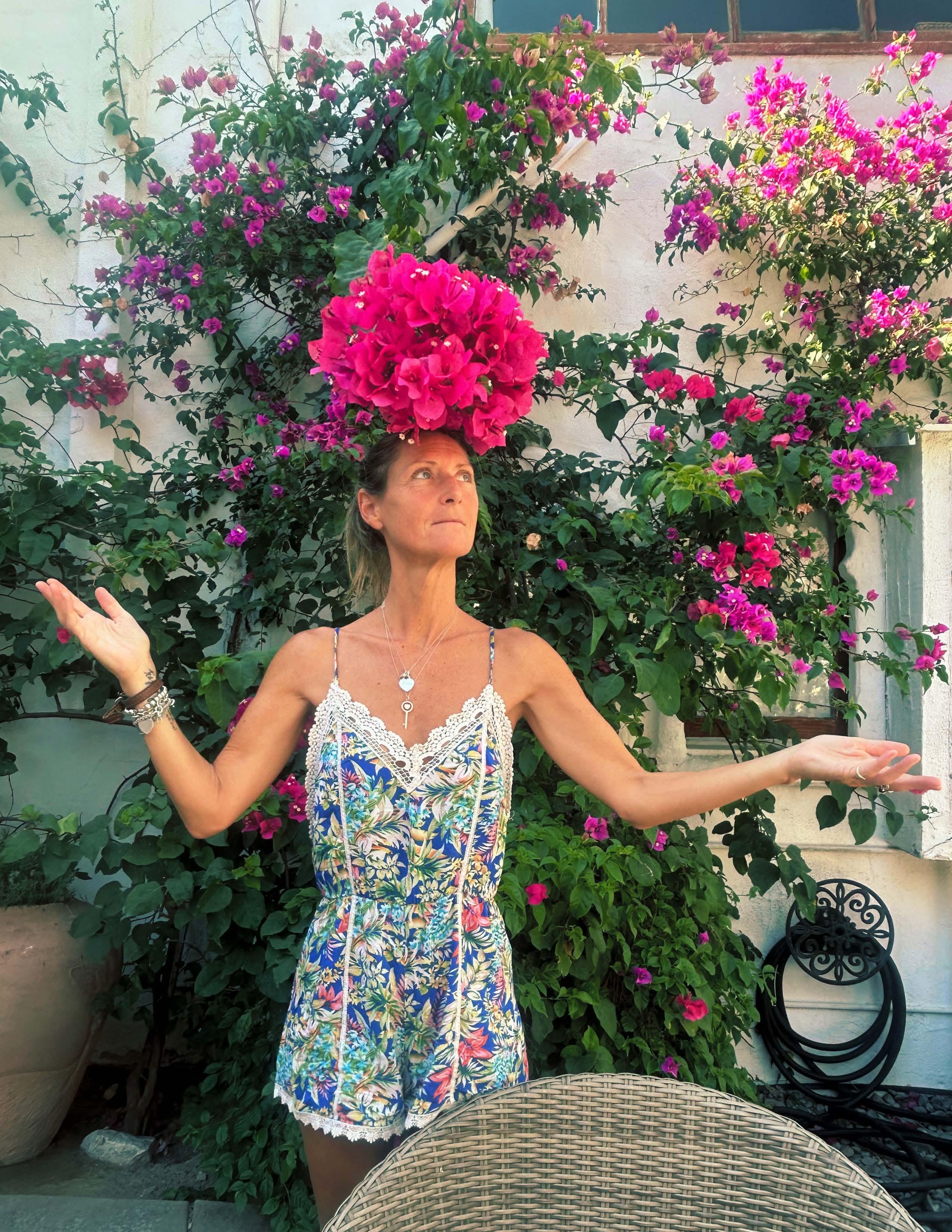
‘MEDICINE
My favourite food is avocado. It can come in any form, prepared in any way. I often choose it in the form of guacamole while sitting at my workspace, and it always comes with crudités. Among those vegetables is usually a large piece of fennel.
Ever since I first began ordering it, I had told myself that I didn’t like fennel. Every time it appeared, I left it behind. Then, the other day, I decided I should try it. Put it this way: it is now my favourite thing. I literally cannot get enough of it.
What would have happened if I had not been brave enough to stop and question the story I had always told myself: “I don’t like fennel”? Would I have continued missing out on something amazing?
So, how does this connect to spiritual retirement? I see openness to change and the willingness to question ourselves as the route to creating space for spiritual retirement. It begins by reconsidering the stories we have always told ourselves: This is the way things should be.
This is the way life is.
This is the path you have chosen, so you have to stick with it.
My daughter came up with the phrase “spiritual retirement” because I needed to stop and change, but not in a final way. I do not want to, and cannot imagine myself, no longer working. I simply see work as taking several different forms throughout the phases of my life.
I began working at the age of 15. I established and ran my own company, leading individual drama sessions and camps for people only a little younger than I was. This led me to create a business teaching drama in schools and arts centres, which eventually led to using those same storytelling techniques in the business world. From there, I became Head of Drama at a prep school, followed by becoming a full-time mum and teaching privately.
A few years later, I began my life as a television and film director. It was an all-consuming career, and Mother Daughter Entertainment was born. Successfully earning a living in Los Angeles for 15 years is not a feat to be ignored, and I am very proud of myself.
Recently, however, the mourning period and enormous change that followed the loss of Chai, my four-legged soulmate, upended my entire life. Everything I thought I knew, wanted or believed changed. My priorities shifted, and suddenly, the world I knew and had created no longer felt right. It felt alien. I literally felt like an alien in this world.
I turned to my art and began telling stories through paintings, characters and books. Creativity poured out of me, becoming a way to understand my grief. Without my realising it, change began taking a different form. Space had been created for the next phase of my existence. The version of myself I was retiring from would have to alter and evolve. A new sense of purpose was beginning to reveal itself.
I had a choice: I could listen, or I could ignore it.
I began allowing whatever the universe intended to lead me towards into my everyday world. I created 50 by 50, although I completed the project by the age of 48: 50 children’s books that I illustrated, wrote and added to my Etsy shop. My art was leading me towards a different path.
“My wish is for everyone to experience even a small moment of space simply to be…”
The film world began to fade as I realised that my daughter’s purpose was to be in that world, not mine. I was meant to be the conduit who supported her and helped her realise her own purpose and potential.
I was not only realigning my practical life. My entire being was realigning as well. My soul, heart and mind were ready to open and receive whatever the next 48 years might hold. I trusted the universe to reveal the journey I should be taking, what I should learn along the way and who would become part of it.
That is what spiritual retirement is all about.
It could be misconstrued as a midlife crisis, but it is so much more than that. It is a readjustment. It is a pause that allows us to look, reassess and step away from the hamster wheel long enough to see our lives more clearly. It is an opportunity to experience the “overview effect” within our own lives and re-establish how we see them unfolding.
I love the concept of the overview effect. When astronauts leave the Earth’s atmosphere, they suddenly see our planet, life and what it all means from an entirely different perspective. This is what spiritual retirement can offer us: a new way of seeing.
Imagine what might happen if we allowed ourselves a moment to slow down and create space for whatever might emerge. I am grateful that Chai became the reason for my pause. I had no choice. However, we do not always have to wait for a life-shattering moment to remind us to stop and reassess. Either way, I am so grateful for mine.
Chai was my reason for being when she was here in physical form, and she remains my reason for being now that she has taken her spiritual form.
It has now been one year since Chai left the physical world, and I miss her more every day. The space in my heart that she filled feels bigger and bigger, and she continues to change me in ways I never thought possible. Our connected consciousness feels more beautiful and powerful than ever.
Do I miss her physical company? Absolutely. But she is with me in the deepest way.
As the year passes, I say thank you. I thank her every day for the life she gave me and continues to give me. My spiritual retirement is enhanced by her presence.
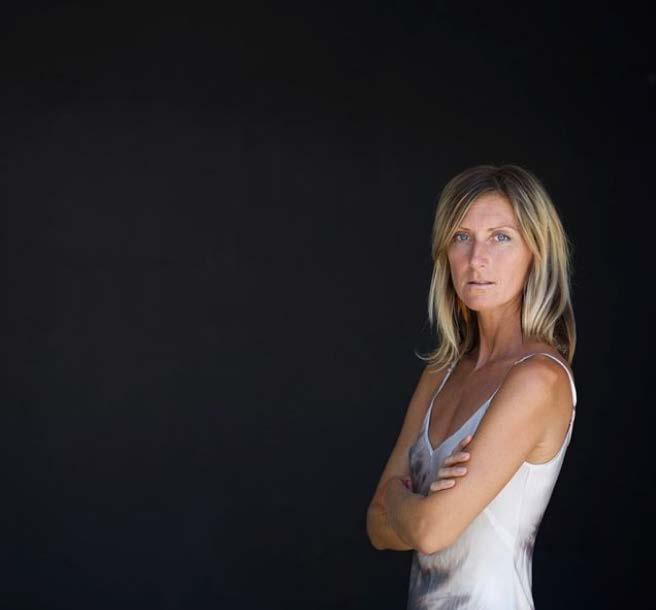
My wish is for everyone to experience even a small moment of space simply to be, and to give themselves the time to consider what spiritual retirement, at any age, might look like. ∎
ELIZABETH BLAKE-THOMAS
Storyteller, Philanthropist & Official Ambassador for Human Trafficking Awareness www.awarenowmedia.com/elizabethblakethomas
Elizabeth Blake-Thomas is a British award-winning storyteller and philanthropist based in Los Angeles. She is the founder and resident director of entertainment company Mother & Daughter Entertainment, whose motto is “Making Content That Matters”, putting focus on each project starting a conversation amongst viewers. She is also the creator of the healing methodology Medicine with Words which is designed to help “spring clean” your mind and help free yourself from unnecessary noise so that you can live a more purposeful, peaceful life. She is the author of Filmmaking Without Fear which is a multi-medium resource curated for indie filmmakers. Her FWF podcast is available on all streaming platforms, and the book of the same name is available on Amazon. She is a regular on panels at Sundance, Cannes and Toronto International Film Festival, Elizabeth mentors wherever possible, ensuring she sends the elevator back down to all other female storytellers. www.IamAwareNow.com

LAURA ARCHER CEO OF SHIAWASSEE FAMILY YMCA
Rural communities are often defined by their resilience, but resilience doesn’t happen by accident. It is built through partnerships, shared purpose, and people who choose to invest in the places they call home. As CEO of the Shiawassee Family YMCA and a longtime leader in education and community development, Laura Archer understands what it takes to help rural communities not just survive, but truly thrive.
ALLIÉ: When people hear the words “rural community,” they often think about what those communities lack. What do you think people overlook about the strengths that already exist there?
LAURA: I think it’s important that people recognize every single community is different.
My experience in rural communities comes from having grown up in one about the same size as the one I’m living and working in now, here in the Upper Peninsula. The same thing held true when I was a kid and teenager: you better
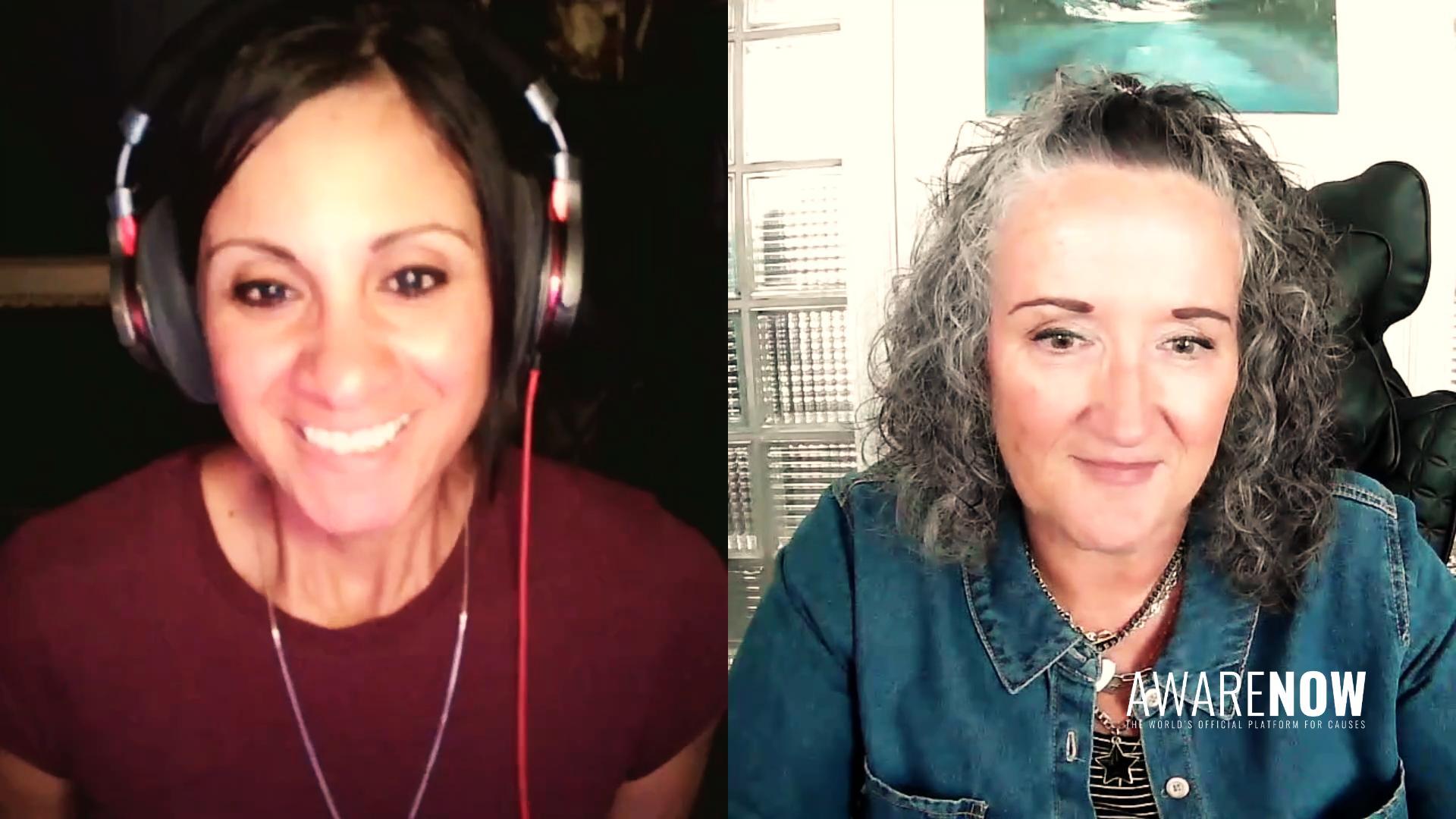





LAURA ARCHER CEO OF SHIAWASSEE FAMILY YMCA

LAURA: (continued) At the time, that probably didn’t always feel like an asset, although I was never really in trouble. But as an adult, and as a transplant into this community, now mind you, a 30-year transplant, I see those strong family ties differently. People know the community and know each other. Those family ties, in some way, in filtrate the community culture so that people are more likely to have conversations and collaborate at a different level than they might in a community where nobody knows anybody or who they are connected to.
One of the biggest assets small communities have is that there are so many people who care about the community. When you find people who align, especially in organizations where there is mission overlap, you can develop really strong and powerful collaborations and partnerships. But even when there is not a lot of overt or very clear mission overlap, if you care about the community, you care about the community. We find ways to care about it together.
Some people think of a small rural community and think about agriculture, which may be part of it. They may think about higher levels of poverty, which may also be part of it. They may think about free and reduced lunch for all, which is true in many places. However, what is often overlooked is that level of collaboration based on our common care and concern for the community.
Because it is a small community, many individuals are really invested. If you can tap into that interest, and I would argue that passion, you can find partners in sometimes very unusual places. There is collaborative, overlapping care. It is a community caring for itself.
Even in a world where so much feels divisive, people are open to having conversations when they care about the community. It is fun to be in a place where so many people care. I have seen it in two different parts of our state, and I would argue I have seen it in my work statewide and nationwide as well. When you find people who care about your community, you can find a way to collaborate, develop momentum, and make some powerful things happen.
ALLIÉ: I agree a thousand percent. To summarize, it’s community first. If you are community first, and you make that the priority, then it’s not about what divides us but what unites us. We can find a way forward together. We don’t have to do it alone.
LAURA: Correct. As we have lived through the last decade, whether people point to politics, the pandemic, the economy, or whatever perspective they bring to the table, I would argue that we are more collaborative now, sometimes out of necessity. But I also think living in a rural community allows us to see the need in our entire community more clearly than if we were in a larger area moving 10,000 miles an hour.
We do move 10,000 miles an hour, but a lot of times we are moving in parallel directions or in the same direction. There are benefits to being in a community where people care. Even if their organizations have a totally different focus than yours, you can find commonality through that caring piece.
ALLIÉ: Let’s talk about your career for a moment. Throughout your career in education and now nonpro fit leadership, you have worked in organizations that serve as community anchors. What role do institutions like the YMCA play in holding a community together?
LAURA: I think it is important to create community spaces where people feel comfortable gathering and connecting. At our YMCA, someone may feel comfortable coming in to pick up food from the little food pantry outside our main entrance. Maybe they are coming to send their kids to summer camp. Maybe they are a SilverSneakers member who really has not worked out ever, but in the last six or seven years of retirement, they have realized they need to stay active and would like to be with other people who are retired or at the same stage of life.
Being connected to an organization that creates those communities, that serves as a community hub, is really critical. All healthy communities, whether rural, metropolitan, or somewhere in between, have spaces where people can gather, feel like they belong, and feel like they can connect without being asked to check part of themselves at the door.
I was fortunate to be raised as a professional here in Owosso at Baker College. At the time, we were all encouraged as employees to be involved in the community in areas that made sense for us. I had young children then, and I got involved with the American Red Cross. One of my daughters tells the story about the first time she ever volunteered. She was volunteered by her mother. It was a food distribution, and she remembers seeing people she went to school with come through the line. None of the volunteers treated those families, especially the parents, any differently than we would have if we were standing next to each other on the soccer sidelines, at a band concert, or at any other community event.
LAURA: (continued) There have to be organizations in the community creating opportunities for the next generation to give back. I am not the only one. A lot of us have our kids come help and volunteer.
When you look at organizations like the YMCA, or I would argue Baker College, that encourage their employees and families to get involved in the community, there has to be a place for that. Those organizations are learning organizations. That does not necessarily mean they offer education. A learning organization is aware of its community. It is flexible. It is adaptable. It helps its employees, members, staff, and everyone connected to it change and morph. You do not get stuck in the status quo. To me, that is an organization that learns and changes as it knows more.
All healthy communities need organizations like that. I am grateful that in the nonpro fit arena here in Shiawassee County, we have a strong network of nonprofits. I am thrilled that our YMCA is part of that, because it allows us to stand stronger and braver than if we were standing alone.
ALLIÉ: There is power in numbers, for sure. The more of us who can come together to do this work, the stronger we are. Every rural community faces challenges, from childcare and healthcare access to workforce shortages and food insecurity. Why is collaboration between nonprofits, businesses, schools, and local government more important now than ever?
LAURA: There are two reasons, really. One is that anybody who might be experiencing food insecurity is connected somewhere. Maybe it is through a governmental agency. Maybe they are a college student. Maybe they are working with someone who is classified as a Shiawassee County employee. Maybe they are connected through the nonpro fit arena. Through all of those connections, we need to make sure we are creating access points for people to be served. The clearest example of this is food insecurity. When we were fortunate enough to bring someone on staff in late 2025 as a director of food access and support, he already had connections throughout the entire county. We were able to increase access to food, and it is not just from the YMCA. It is through different pantries, different mobile distributions, and the DoorDash program through the Greater Lansing Food Bank.
We have to have regular conversations so that if somebody is in need, we know where to send them. The need has increased so dramatically. Forty-nine percent of the city of Owosso and 43% of the entire county are considered part of the ALICE population, which is data collected by United Way nationwide. ALICE stands for Asset Limited, Income Constrained, Employed. These are our working poor. They may have to make decisions about whether they are going to feed their family or pay a utility bill, whether they are going to save money for gas to get to work or buy food.
When 49% of the city of Owosso and 43% of the entire county are struggling to make ends meet, literally living paycheck to paycheck, it is important that all individuals who have connections to citizens, families, and seniors within the community know where to send someone if they need a resource.
It is more important now than ever because the need is greater than it has been in my professional career. If we can create larger and more readily available access points for whatever the resource may be, we are all better for it. These are our neighbors. When around 45% of a population may be struggling, we all have neighbors, family, and friends who are part of this.
It is the responsible thing to do. I say that as a nonprofit leader, but I also say that as a human being. It is important that we give back to our neighbors. A rising tide raises all ships.
When we look at social determinants of health, nutrition is right at the top. If kids do not have food, their growth and development are negatively impacted. If we can create greater access points, and I use food as an example because we feed a lot of people from the YMCA and share access points through the YMCA, then it is the responsible thing to do. It is also the kind thing to do.
ALLIÉ: And it is what is needed right now. Let’s talk about sustainability. Sustainable communities are not built overnight. In your experience, what investments, whether of time, finances, or resources, create the greatest longterm impact for families and future generations?
LAURA: Number one, I think it is important to invest in the long-term health of a community. That means using tools like the Community Health Needs Assessment and the MiPHY data, the Michigan Pro file for Healthy Youth data that gets collected. It means looking at statewide data too, because in a rural community, we are not always able to collect data at the same volume. But we know that if something is going on in all the other corners of the state, it is probably going on here as well.
“We cannot sustain work when it is hard if we do not care about it and are not passionate about it.”
LAURA: (continued) Whether it has to do with feeding kids or some of the other challenges people face, we have to recognize where we are from a 10,000-foot level. It is almost like continuously sticking a stick in the sand to see where you are today so you can have a vision for tomorrow.
As you do community building and community health work, and by health I mean people having access to what they need, you have to have a vision for what needs to be done immediately and what needs to be done long term to be sustainable.
How are we helping build skills? How are we helping create avenues and access points to resources that organizations may need? What kind of public relations campaigns are we getting out there so families know they have the Shiawassee County Health Department, the Great Start Readiness Program, and other programs available when they become a family or become a parent for the first time?
Part of it is getting the word out. Part of it is also making sure the people in decision-making positions are aware of what is going on in the community, what initiatives are being worked on, talked about, piloted, or put in place. That way, when resources outside the county become available, whether state money, federal money, or another source, we are poised and ready. We know the need. We know our data. We know the organizations best suited to partner for that funding opportunity.
The challenge is that many of us do work that is not self-funded. In the nonprofit world, we rely on donations and grants. Yes, some of us have revenue streams, but very often the money we spend on food access, childcare efforts, or out-of-school-time programs comes from grant funds.
For an organization and a community to be sustainable, we have to develop the right partnerships. That also includes having partnerships and ready access to individuals who have decision-making power at the state and federal level. That is where the advocacy piece comes in. You need to know who to talk to, and they need to know who you are. They need to know what you are doing.
For some of this work to be sustainable, I cannot make enough money as a YMCA to offer everything that is needed. We have to look at other funding opportunities and other sources that are willing to invest in our community.
Having conversations with leaders of governmental agencies, county-led institutions, other nonpro fits, and school systems matters. When we are all talking about the same issues and looking for solutions, we become thought partners. Then we can share in decision-making conversations with those who have the power to make decisions.
ALLIÉ: It is all about connecting the dots the right way with that common denominator. It is also about looking at how we sustain what is needed now while also sustaining what comes next. It is a blend and balance between the now and the next. If we cannot figure it out now, we cannot get to the next. And if we do not think about the next, the now will not properly support it.
One more question for you today, Laura. If someone wanted to make a meaningful difference in their own community, where would you encourage them to begin?
LAURA: Find an experience that Is important to you in your own life and find a way to connect to that. We cannot sustain work when it is hard if we do not care about it and are not passionate about it. If a young professional is interested in trying to have an impact in their community, they need to think about what experience they have had, or maybe what experience they did not have. Perhaps it is the absence of something that makes them want to ensure other kids do not have that same absence.
Exclusive Interview with Laura Archer https://go.awarenowmedia.com/podcast/the-places-that-hold-us

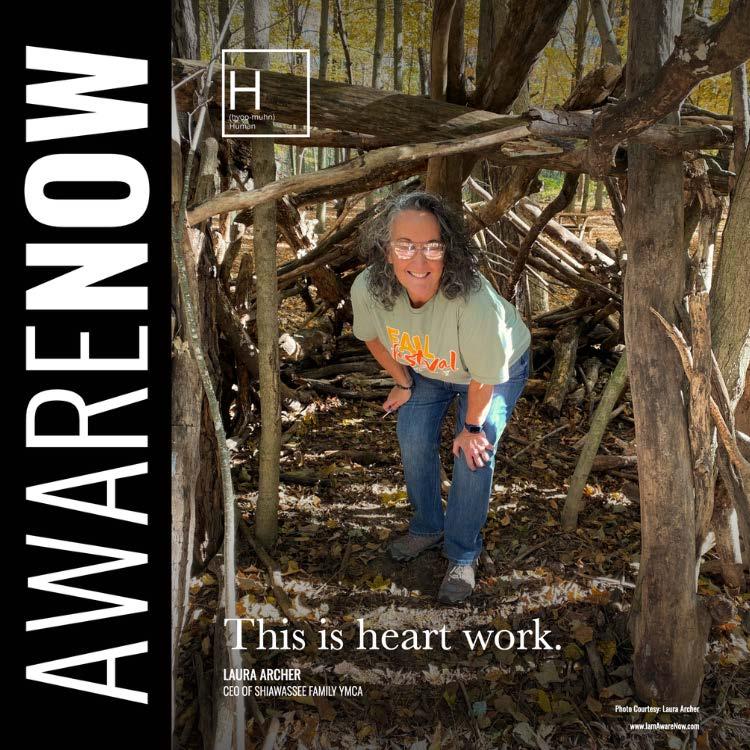
LAURA: (continued) Whatever it is, the work is hard. You know this. We know each other well enough that there have been times when I have said, “Oh my gosh, this day has been insane.” Sometimes insane can be good because it is leading to something. But sometimes the work is hard. Sometimes it is really just sad.
For anybody who wants to do sustainable work in giving back to a community, you have to find a passion, and it has to come from you. This is not work that only happens out here. This is heart work.
When I go home some days, my head is tired. You know this because we have had these conversations. My head is tired. But my heart does not get tired. It gets sad. Then that helps re-motivate me to go back the next day if it has been tough.
Everybody has to find that within themselves. What is really important to you as someone who wants to give back to a community? Then you find a connecting point. You find an organization that shares that passion. Whether it is feeding people, making sure kids get bicycles in the summertime, making sure seniors have someone to help with financial decision-making or taxes, or something else entirely, you have to find something that is important to you. When the work gets hard, if you do not feel passionately about it, you will just walk away. We need people who are going to stick.
ALLIÉ: I love that. Sustainability has to be heart-centered, because that is what you need to keep going.
LAURA: Exactly. That is why one of my favorite things to do here at the Y is the work with different generations. I am not talking about millennials versus Gen Xers. I am talking about kids working with seniors, young adults working with seniors, adults working with kids. We run the gamut here at the YMCA, and I absolutely love it.
There are different needs at different phases of life. It is important to recognize that we are helping people be healthier. Sometimes that is physical, but sometimes it is emotional. Sometimes it is mental. We are not licensed practitioners here, but we create opportunities for people to be active, to connect, and for kids to make friends they would not have made in their own little neighborhood.
You have to find where that heart work is. We can use our heads, but community-building work has to have heart work in it, or it is not sustainable. When you look at it, the people with the biggest passions are the ones who find the resources, find the right partners, and create the opportunities. It is about creating opportunities. I would love it if we had enough resources for all the organizations that serve kids to help create equalized experiences, so every child who wanted to dance could dance. Every child who wanted to take an art class could take an art class. Every child who wanted to play soccer could play soccer.
It is important to recognize that it has to come from the heart if it is going to be sustainable. ∎
DR. SUE OJAGEER
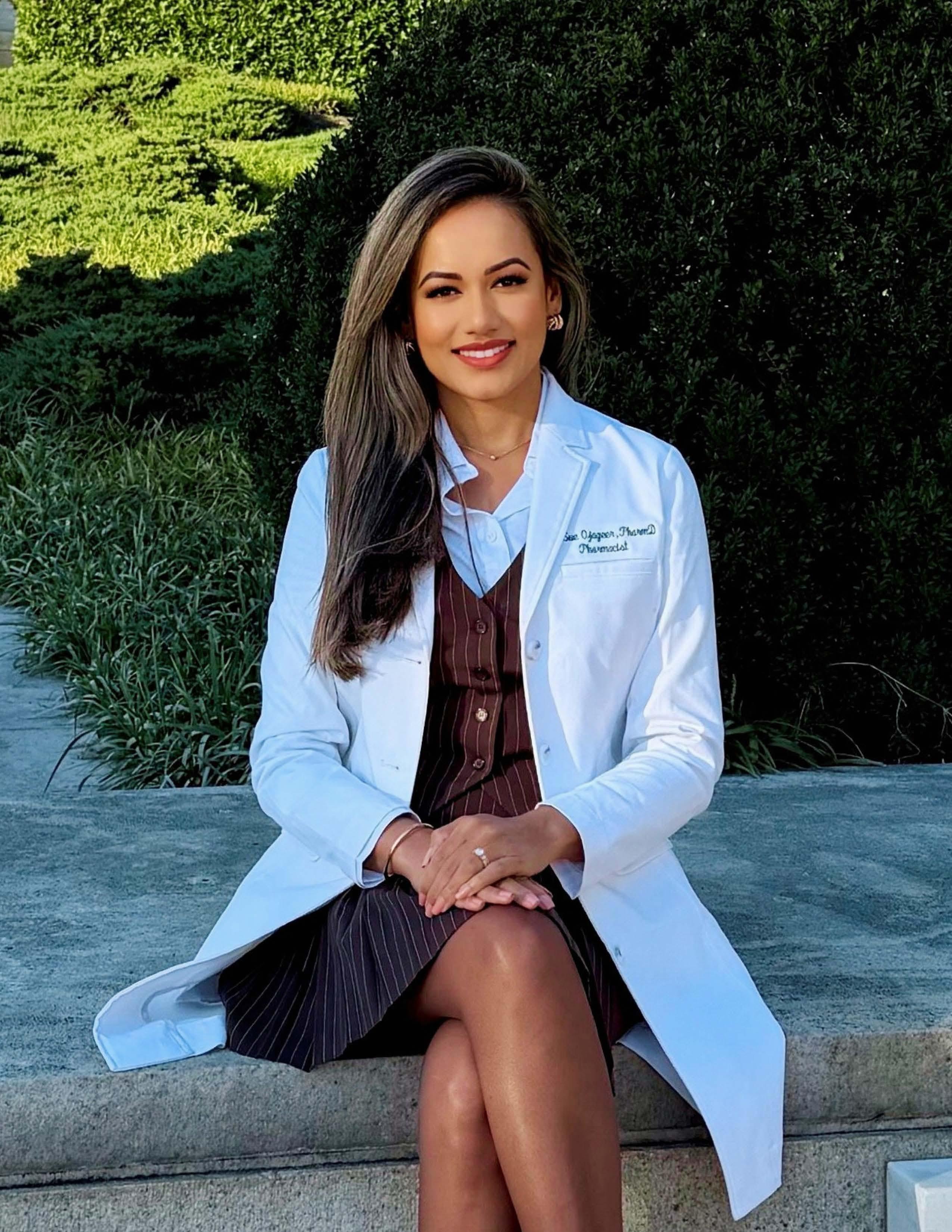
In a world where health advice is everywhere, clarity can be hard to find. As a Doctor of Pharmacy, mother of five, entrepreneur, and trusted media expert, Dr. Sue Ojageer has built her platform around making complicated medical information feel practical, personal, and possible to understand. In this conversation, we explore the power of health literacy, the danger of misinformation, and why asking better questions may be one of the most important steps we can take for ourselves and those we love.
ALLIÉ: Dr. Sue, you are a doctor of pharmacy, entrepreneur, mother of five and a trusted voice for so many people trying to make sense of health information. Before we talk about what you teach others, I would love to know what first made you passionate about translating complicated medical information into something people can actually use in their everyday lives.
DR. SUE: My biggest aspiration as a pharmacist has always been to be the most accessible healthcare professional. When people think of pharmacists, they most commonly think of the pharmacist behind the counter in a community setting. Being able to simply walk into a store, ask your questions and have that accessibility is what made me fall in
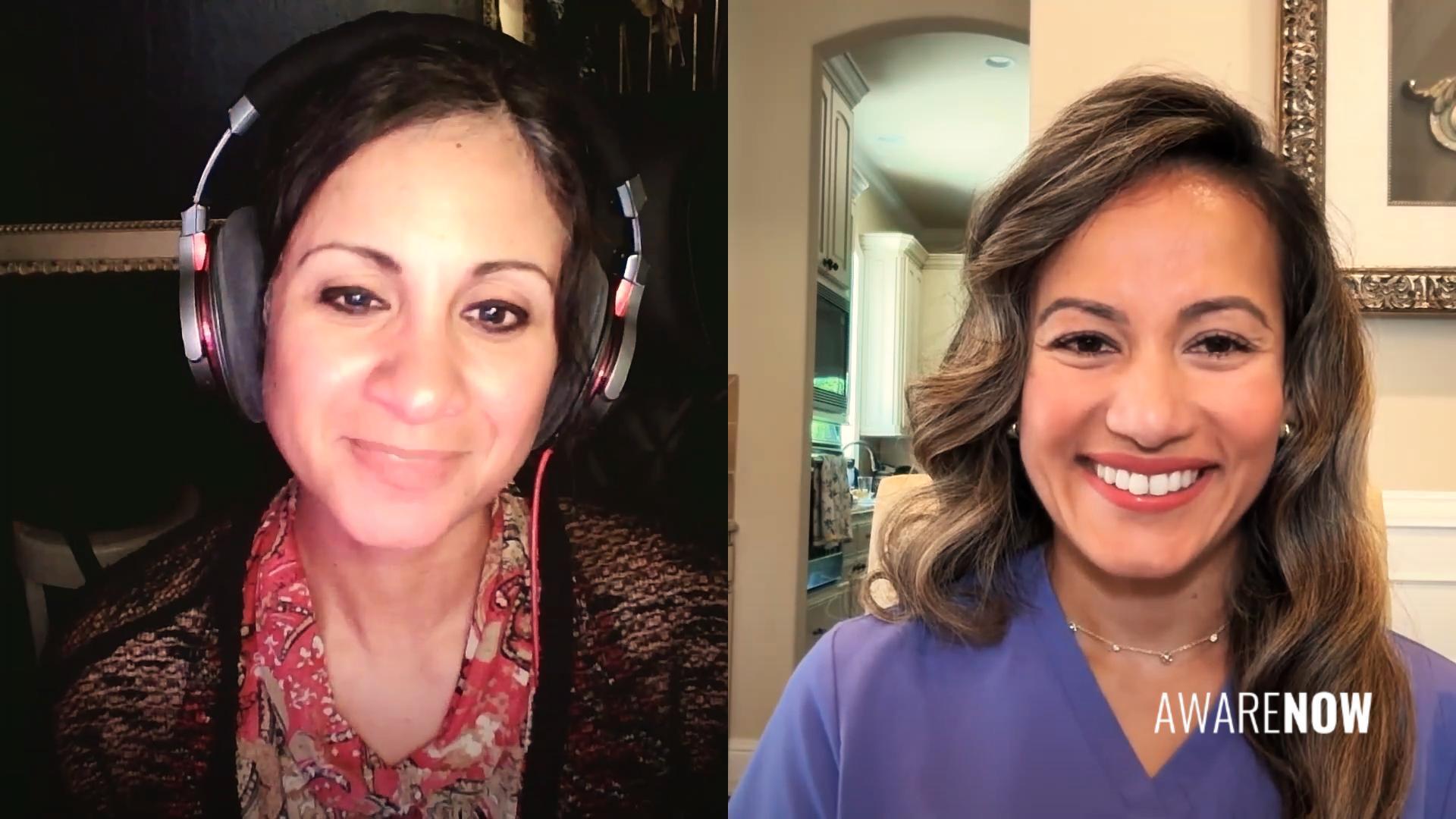



“Do not assume something is right for you simply because it has millions of views, likes and people supporting it. You have to determine whether it is actually the best product for you.”
DR SUE: I grew up with the mentality of knowing my patients by name, connecting with them, knowing their stories and building that trusted relationship. That was my main passion for wanting to become a pharmacist. As I have progressed throughout the 18 years of my career, I have realized there are so many different roles pharmacists can play. That one setting is only one of almost 50. It made me want to explore the many different aspects of pharmacy, but the main driving force behind it all has always been patient care. I want to be someone people can trust and connect with while still providing and maintaining that relationship, even in today’s world.
ALLIÉ: That trust, patient-centred care and whole-person care are so important. To be seen and heard is everything. We are living in a time when one viral video can in fluence what someone takes, what they buy, what they stop taking and what they give to their child. From your perspective as a pharmacist and a mother, what worries you most about the way health information spreads today?
DR. SUE: Access to the internet and social media does have the benefit of making information more accessible. People can learn, conduct their own research, take their healthcare into their own hands and become more autonomous with their health, which is something I always encourage everyone to do. That access has its pros and cons, though, because there is also a lot of misinformation out there. We have to explain to patients and everyone with access to this information that sometimes something will go viral overnight, but they need to ask why it is going viral. Is it because it has a really good marketing campaign? Does it have a great social media team promoting it? Is a celebrity supporting it? Not everything that goes viral is best for you, and not every product available is meant for you to take. You have to look at the product itself. Was it manufactured to provide benefits, or is it simply being promoted by a great marketing team? You need to understand the research behind something, make sure it is credible and determine whether there is substantial evidence supporting its claims. I always tell people to step back and look at something objectively. Do not assume something is right for you simply because it has millions of views, likes and people supporting it. You have to determine whether it is actually the best product for you.
ALLIÉ: You make a good point because what works for one person does not necessarily work for another. You also mentioned access, and I think about the saying, “With great power comes great responsibility.” I think the same is true here. With great access comes great responsibility, both for the people creating the content and for those of us consuming it. Both sides have a responsibility. At AwareNow, we often talk about awareness becoming action. When it comes to medications, supplements and consumer health choices, what does health literacy make possible for people who might otherwise feel intimidated, overwhelmed or unsure of what to ask?
DR. SUE: It can become very intimidating, especially with all the medical jargon available. Often, a layperson does not understand the context or terminology behind something. Just looking at chemical names and inactive ingredients can stop a lot of people in their tracks. Medical jargon can scare people away, and they may try to decipher the information on their own, which can be dangerous because not everyone is equipped to do that. They might turn to search engines or “Dr. Google” and try to figure everything out themselves. That is where the pharmacist relationship becomes so important. People need to feel comfortable enough to have these conversations. Pharmacists can help explain what people can do on their own and break down information that might otherwise be dif ficult to understand.
Exclusive Interview with Dr. Sue Ojageer https://go.awarenowmedia.com/podcast/the-prescription-for-clarity

ALLIÉ: That human connection is so important. As a mother of five, you understand that health decisions often happen in real life, in real time, with a tired parent standing in a pharmacy aisle wondering what is safe, what is necessary and what actually works. What do you wish every parent knew before giving their child medication, supplements or over-the-counter remedies?
DR. SUE: That is a great question. I always look at it this way: A person coming into the pharmacy might be making their first visit, while they might be our hundredth patient of the day. We have to treat every person as though it is their first encounter and never take anything for granted. This is especially important when someone is tired, overwhelmed or has had a long day. Always approach it like a first interaction and have a simplified conversation. Not everyone is going to understand big terms or complicated jargon. Parents also need to understand that just because something is available over the counter does not mean it is completely safe. Any ingredient or product can become toxic or harmful at a certain dose or concentration. People need to understand that while one amount might be safe, even a little more could potentially be harmful. That relationship and conversation are very important. Simplifying the instructions is also essential. I will give you an example. When I first started in pharmacy, I overheard a conversation with a mother who came into the store. She explained that she had been giving her daughter antibiotics for an ear infection, but they were not working. It turned out that she had been pouring the oral antibiotic into her daughter’s ear. At first, someone might wonder why she would do that, but her daughter had an ear infection. Because the mother had not been properly counseled or told how to use the medication, she applied it directly to the place that hurt, which could have caused even more problems. That is why having simplified conversations and never making assumptions are so important.
ALLIÉ: That is true in life generally, and certainly when it comes to medicine. Your work, from what I have seen, feels like more than expert commentary. It feels like a public service. When you think about the platform you are building and the people who come to you for guidance, what kind of change do you hope your voice helps create?
DR. SUE: Exactly that. I want to create positive change, simplify information and provide a service. Even though it might not be one-to-one direct patient contact and care, the information still reaches people throughout the world. Whatever I share on my platform, I want it to resonate with the person listening or tuning in, regardless of their generation, age group or background. I think about how my parents would want information explained to them, or how someone receiving a medication for the first time might wonder, “What does this mean? How do I decipher all of this information?” I want to explain things in terms that are very simple, but also relatable. Life is not going to be pictureperfect. You are going to have days when everything goes all over the place and completely haywire. I want to make the information realistic enough for people to recognize that I am a relatable person, but also a professional who is here to break things down, simplify them and make them easier to understand. ∎