AWARENOW
THE WORLD'S OFFICIAL MAGAZINE FOR CAUSES

‘NOT LIKE THAT’
TAL ANDERSON


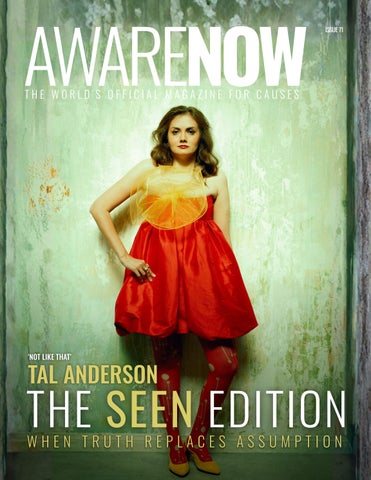
‘NOT LIKE THAT’


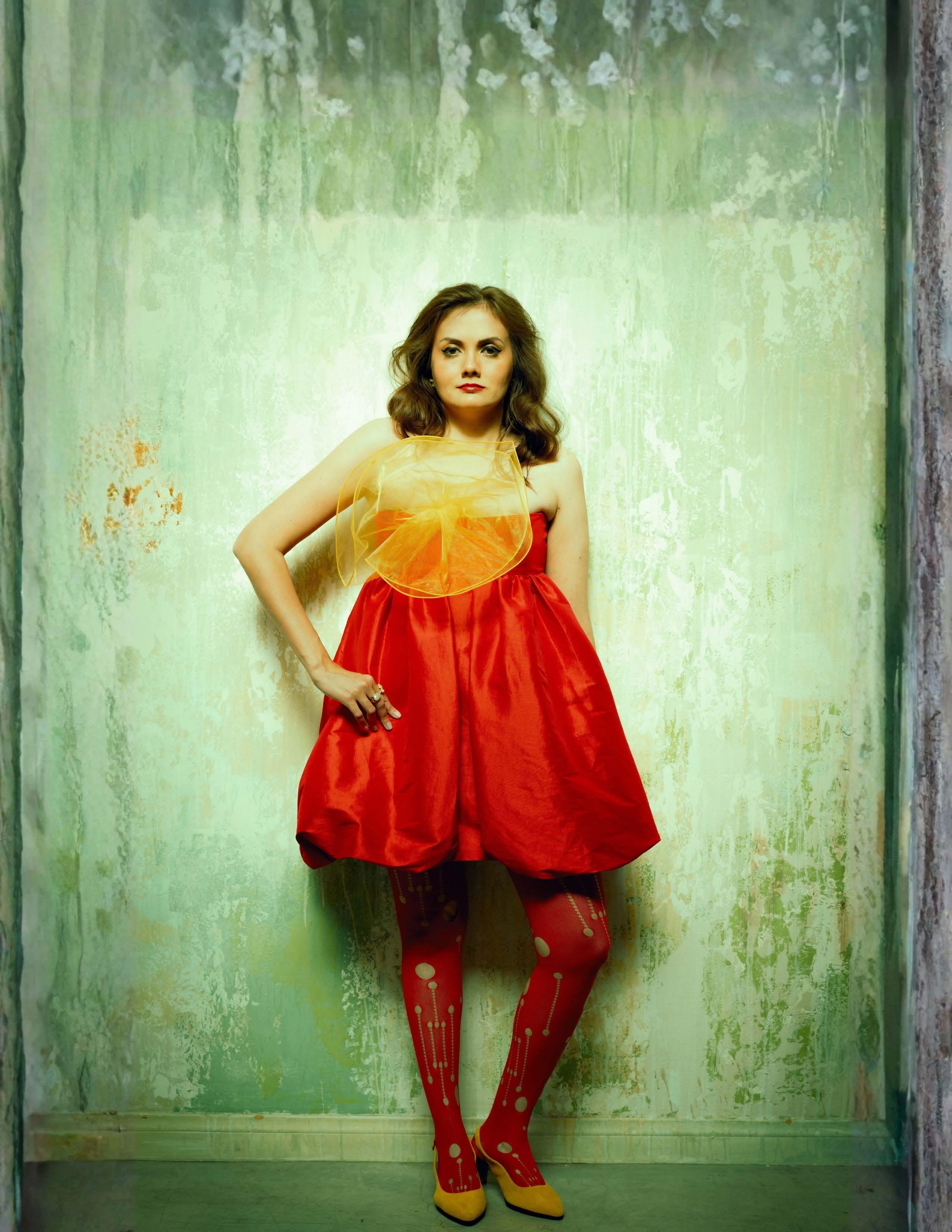

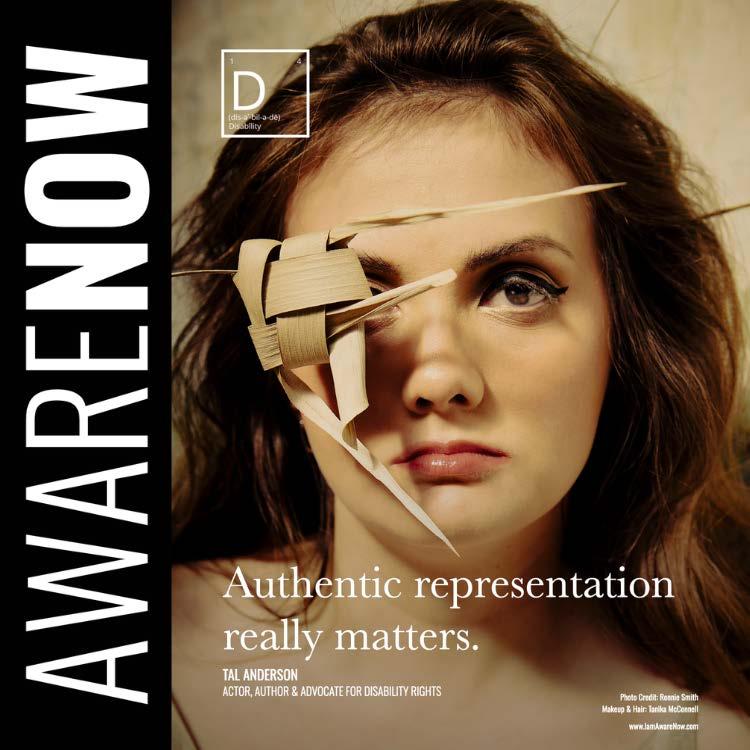
ON THE COVER: TAL ANDERSON PHOTO BY: RONNIE SMITH
AwareNow Magazine is a monthly publication produced by AwareNow Media™, a storytelling platform dedicated to creating and sustaining positive social change with content that inspires and informs, while raising awareness for causes one story at a time.
UNCHARTED LANDS
PAUL S. ROGERS

Others have seen what is and asked why. I have seen what could be and asked why not.



Pablo Picasso
In a world quick to label, correct, and assume, being truly seen becomes an act of grace and resistance.
In this issue, we turn toward the stories that ask us to look closer, listen deeper, and honor the truth of who people are beyond what we first understand.
Welcome to The Seen Edition, where truth replaces assumption.
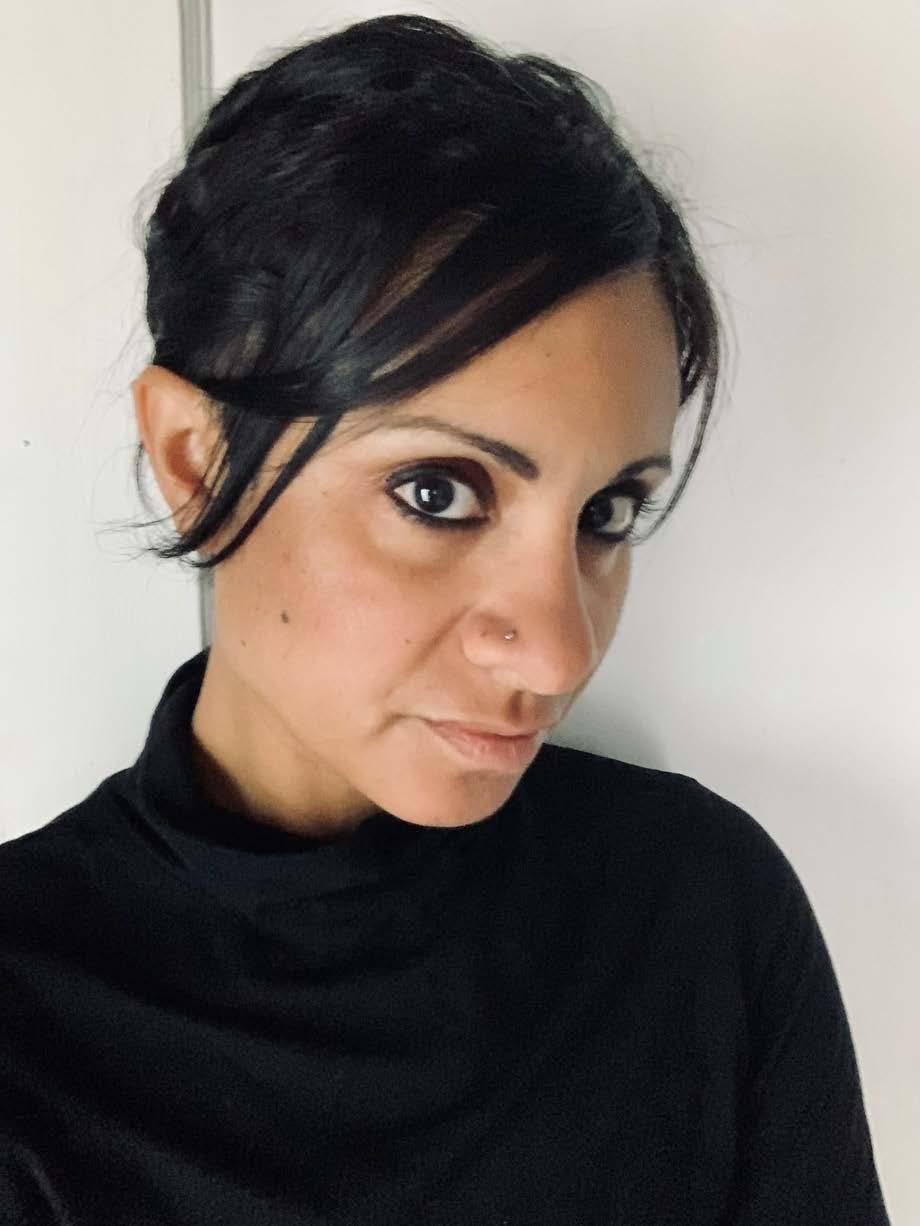
ALLIÉ McGUIRE
CEO & Co-Founder of AwareNow Media
Allié McGuire began her career as a performance poet, transitioned into digital storytelling as a wine personality, and later produced the Hollywood Film Festival. Now, as co-founder of AwareNow Media, she uses her platform to elevate voices and champion causes, connecting audiences to stories that inspire change.
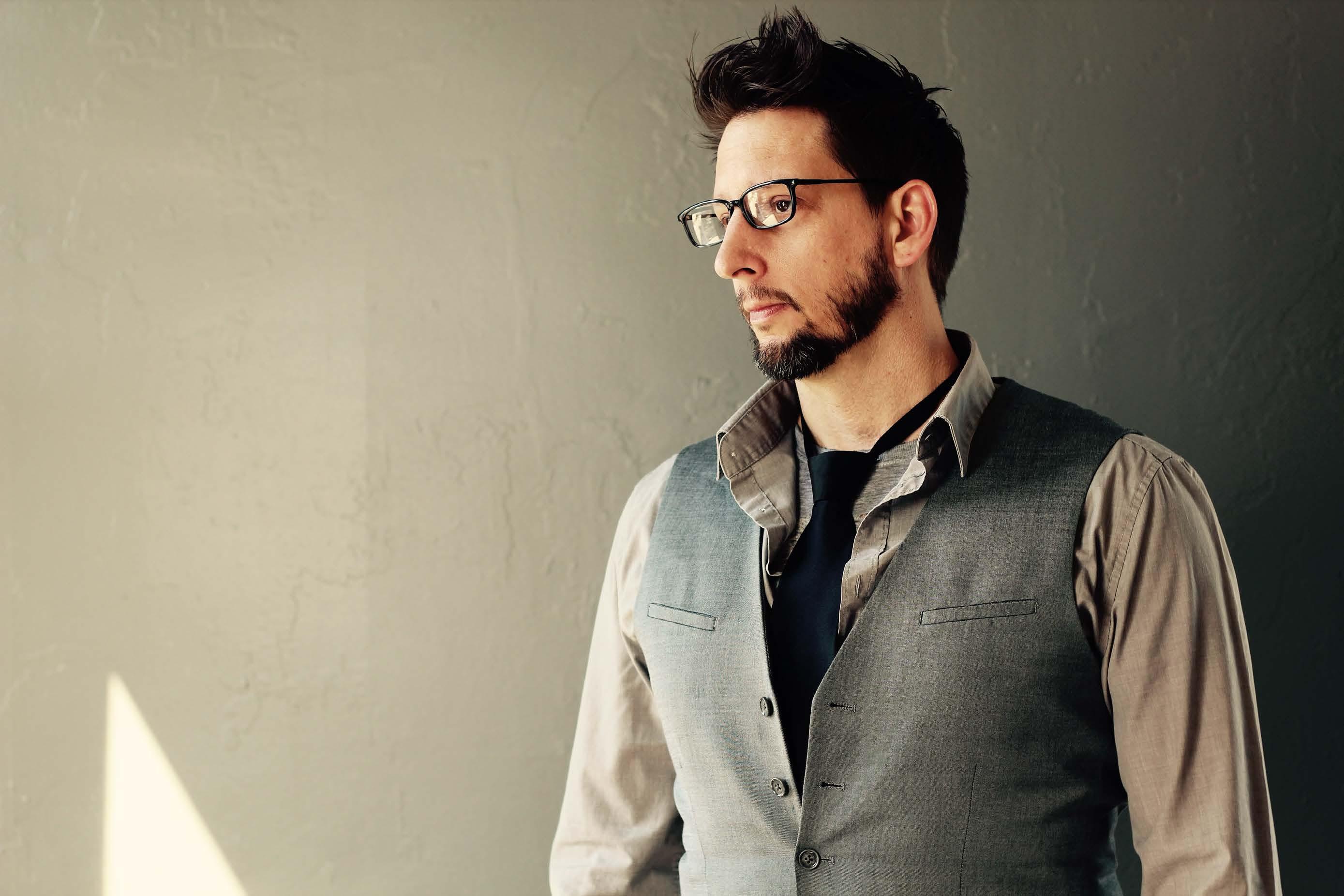
JACK McGUIRE
President & Co-Founder of AwareNow Media
Jack McGuire’s career spans the Navy, hospitality, and producing the Hollywood Film Festival. Now, he co-leads AwareNow Media with Allié, focusing on powerful storytelling for worthy causes. His commitment to service fuels AwareNow’s mission to connect and inspire audiences.
The views and opinions expressed in AwareNow are those of the authors and do not necessarily reflect the official Any content provided by our columnists or interviewees is of their opinion and not intended to malign any religion, ethnic group, political group, organization, company, or individual. Stories shared are not intended to vilify anyone or anything. Their intent is to make you think.
* Please note that you may find a spelling or punctuation error here or there, as our Editor-In-Chief has MS and lost vision in her right eye. That said, she still has perfect vision in her left and rocks it as best as she can.




There is a difference between being looked at and being seen.
JACK MCGUIRE CO-FOUNDER & PRESIDENT OF AWARENOW
‘REDEFINED
seen (v.) to have your humanity acknowledged beyond the surface, to be recognized not for what you do, but for who you are and what you carry
There is a difference between being looked at… and being seen.
One passes over you. The other reaches you.
To be seen is one of the deepest human needs we carry, even if most of us never say it out loud. Beneath the noise, beneath the performance, beneath the carefully constructed versions of ourselves we offer to the world, there is still that quiet human hope whispering: “Please see me.”
See my struggle.
See my heart.
See the weight I carry that I never talk about.
See the parts of me that are trying so hard to keep going.
Because the truth is, most people are fighting battles invisible to everyone around them.
Some are carrying grief.
Some are carrying fear.
Some are carrying trauma, illness, anxiety, loneliness, pressure, expectation. Some are simply trying to make it through one more day without falling apart in front of the world.
And yet we pass each other constantly without ever truly arriving at one another. We have built a world where people can be followed by millions and still feel completely invisible.
That’s because attention is not the same thing as connection.
Being seen has nothing to do with popularity. It has everything to do with presence.
It’s the moment someone says: “I may not fully understand your story… but I recognize your humanity inside of it.”
That changes people.
Maybe that’s why storytelling matters so much.
Why art matters.
Why music matters.
Why conversations matter. Why causes matter.
Because every story shared is, in some way, a human being standing in the light saying:
“This happened to me.”
“This is what it felt like.”
“Please don’t let this experience disappear unseen.”
At AwareNow, we’ve always said that beneath every cause is the Human Cause. And maybe that cause begins here… in the simple act of truly seeing one another.
Not for our labels. Not for our politics.
Not for our titles, followers, conditions, or differences. But for our humanity.
The simple truth is that every person you meet is living a life as complex, fragile, beautiful, and difficult as your own.
To be seen is healing.
To feel unseen is its own kind of heartbreak.
A child who feels seen grows differently. A person in pain who feels seen heals differently. A world where people truly see one another would move differently.
Softer. Kinder. More connected.
Maybe that’s what we are all searching for in the end.
Not perfection. Not fame. Not even success.
Just proof that our existence reached another human being before we disappeared from this world.
So this edition is for the people who have felt overlooked.
For the people quietly carrying more than others realize.
For the people who kept showing up when no one noticed how hard it was to do so.
For the people learning to let themselves be known.
For the people trying to see others better too.
This is for the humans behind the eyes.
The ones still hoping someone notices they’re there.
We see you.
People who believe they matter are capable of changing the world.
This is where healing becomes revolution.
This is AwareNow.
Be aware. Be present. Be the change. ∎
PAUL S. ROGERS TRANSFORMATION EXPERT, AWARENESS HELLRAISER & PUBLIC SPEAKER
‘RELEASE
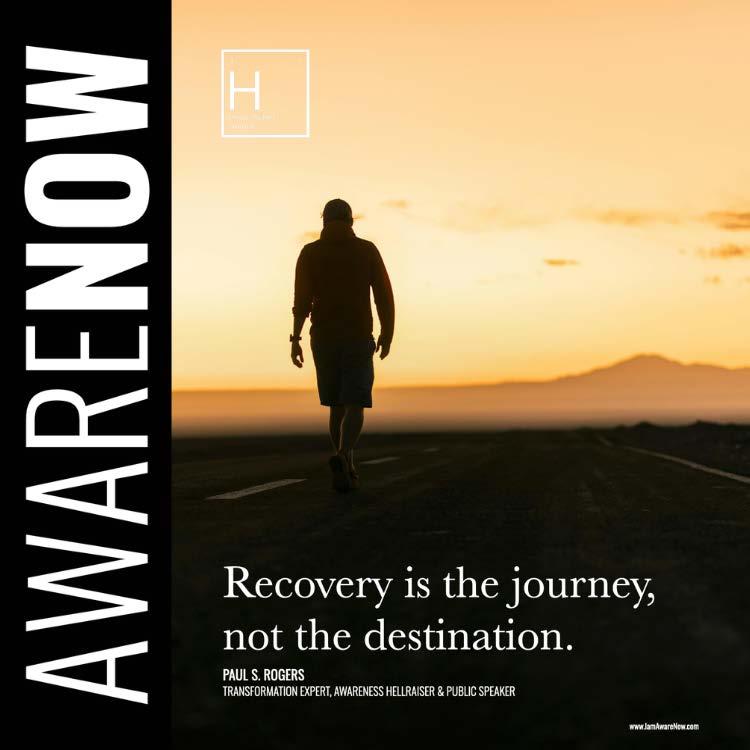
Recovery is often spoken about as reaching a conclusion. It is a place where pain no longer reaches and where clarity replaces confusion. But in truth, recovery is the journey, not the destination. It is a complicated process where it is very easy to get lost. What no one tells you is that if you have a chronic physical injury or illness, the mental battle is usually harder than the initial ailment.
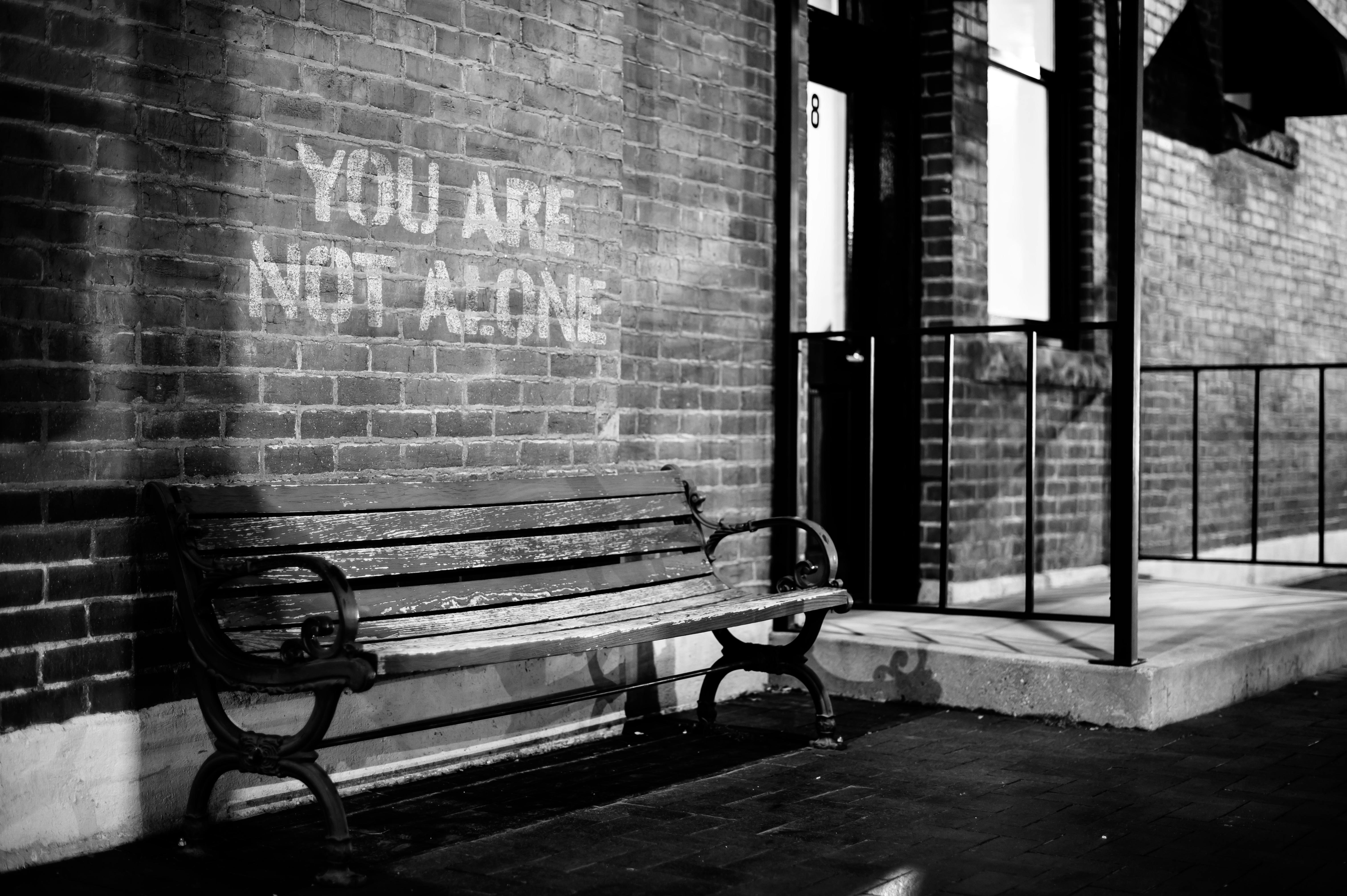
I would like to tell you about the discovery and guide that I continue to use to this day through these uncharted lands. The doorway I found into understanding emotional pain was through the five stages of grief model. Their true value lies not in their accuracy, but in how they are used. If they help someone feel less alone, then they are valuable. If they create pressure or self-doubt, they can be set aside.
The model was developed by Elisabeth Kübler-Ross to describe responses to loss. However, these stages offer a powerful lens for recovery from many life disruptions, whether it’s the end of a relationship, a health challenge, a personal failure, or a life transition.
Understanding these stages is not about labelling emotions or forcing yourself into a sequence. It is instead about realising that you are not alone and that what you feel has a place, a purpose, and a path forward. What I cannot stress enough is that this is not a linear process. You can, and most probably will, experience many of the five stages multiple times.
Denial often arrives first. This acts as a kind of emotional shock absorber. It softens the initial blow, allowing you to function when reality feels too overwhelming to be fully absorbed. In recovery, denial might look like minimizing the impact of a situation or convincing yourself that things aren’t as serious as they are. While it can delay deeper healing if prolonged, denial is not your enemy. It buys you time. It gives your mind space to prepare for what comes next. Understanding that denial is not a bad thing is a huge step forward, allowing some release of unneeded pressure from yourself or others. It is the mind’s first response to a situation that is overwhelming.
As the fog begins to lift, the second stage, anger, often follows. This stage can feel uncomfortable and distressing, especially if you’re not used to expressing strong emotions. Anger might be directed at others, at circumstances, or inwardly at yourself. But anger is a result of something deeper at work. It is often a sense of injustice, hurt, or fear. Anger can be a primary signal that something mattered deeply to you. It is energy, raw and powerful, that, when acknowledged, can be redirected toward change, boundaries, and self-respect. I have found that suppressing it doesn’t work, but giving it an outflow into something that is constructive can be profoundly empowering. The idea of control in a helpless situation can be the very life raft you need at that time.
The third stage, bargaining, brings a quieter, more introspective energy. It’s the “what if” stage, where the mind tries to regain control by imagining different outcomes. “If only I had done this differently?” or “Maybe I can fix it if I try harder?” These thoughts can feel like hope in the beginning, but they are often tainted with a weight of self-blame or unrealistic responsibility. In recovery, bargaining can be reframed as a sign of your desire to heal and make meaning out of what happened. The key to moving beyond bargaining is to gently shift from trying to rewrite the past towards understanding that the past is part of what is needed to help you evolve and grow.
Written and Narrated by Paul S. Rogers https://go.awarenowmedia.com/podcast/uncharted-lands


The fourth stage is the sticky swamp of depression. It is not simply sadness, but a deeper acknowledgment of loss. This is where the reality of what has changed settles in, and it can feel heavy. Energy dips, motivation wanes, and the world may seem muted. Yet this stage holds a quiet strength. It is where you begin to truly process and integrate your experience. In recovery, allowing yourself to feel this depth without rushing to escape it can lead to profound emotional growth. It is in this space that compassion and nurturing of the pain are essential. Small acts of care, connection, and patience can gradually bring light back in.
The final stage is acceptance. This does not mean forgetting, nor approving of what happened. It means recognising reality as it is and finding a way to live alongside it. In recovery, acceptance often arrives not as a dramatic breakthrough, but as a subtle shift. You may notice that you can reflect without being overwhelmed, or that you are beginning to imagine a future again. Acceptance is not the end of the journey. It is the beginning of a new relationship with your experience. I have found that, in my case, acceptance really hurts. It is the realisation that there are everyday, normal things that I once could do, but no longer can. However, beyond this hurt lies real change.
I have made some interesting findings. Denial protects. Anger energizes. Bargaining reflects care. Depression deepens understanding. Acceptance restores balance. These are not obstacles to recovery. They are the very rites of passage on the journey.
You do not have to rush. It takes the time it takes. You do not have to have it all figured out. Each step you take, no matter how small, is part of the unfolding story. In time, what once felt unbearable may well become a source of strength, insight, and even quiet gratitude for how far you’ve come. Keep going. You are not alone. ∎
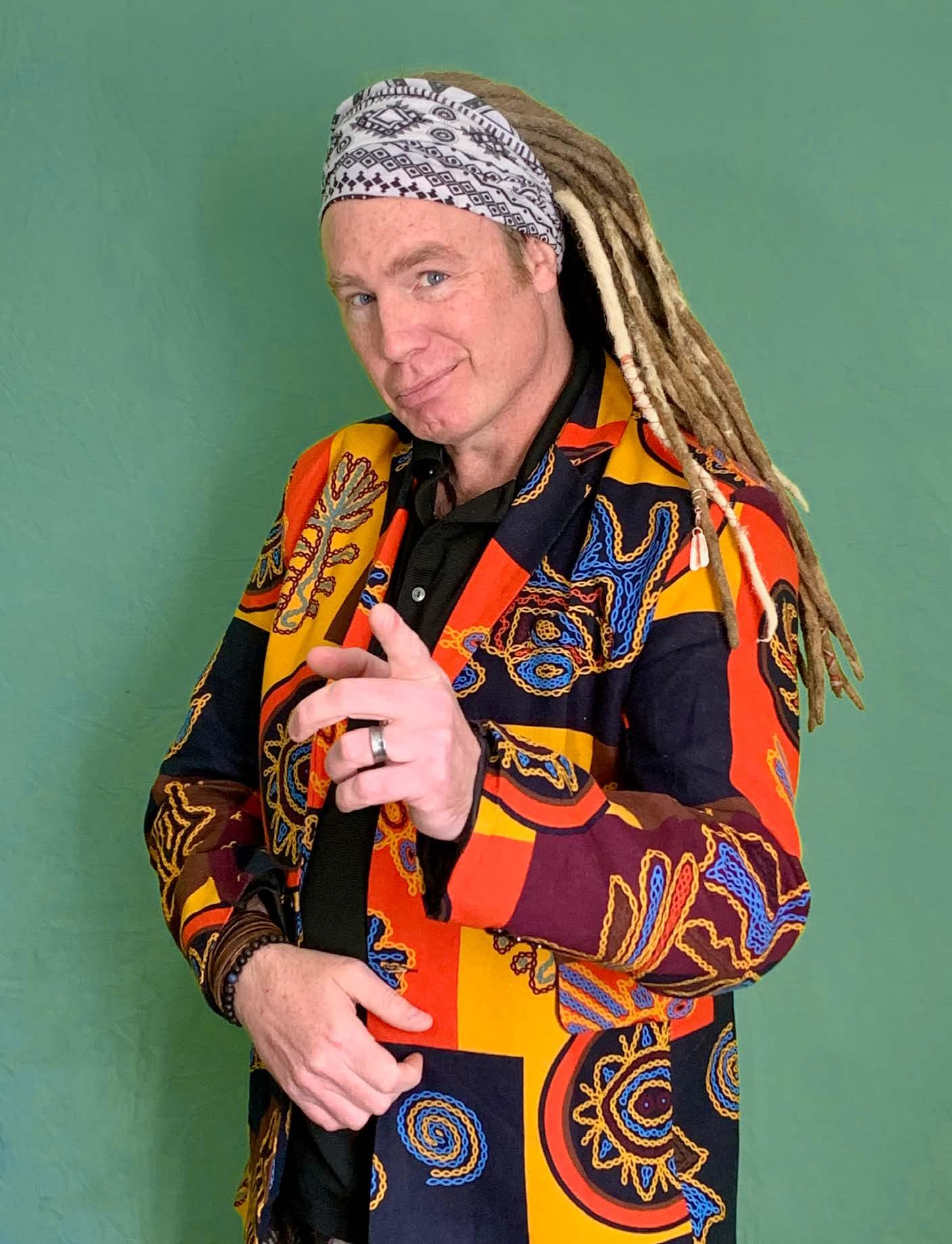
PAUL S. ROGERS
Transformation Expert, Awareness Hellraiser & Public Speaker www.awarenowmedia.com/paul-rogers
PAUL S. ROGERS is a keynote public speaking coach, transformation expert, awareness hellraiser, life coach, Trauma TBI, CPTSD mentor, train crash and cancer survivor, public speaking coach, Podcast host “Release the Genie” & best-selling author. His journey has taken him from corporate leader to kitesurfer to teacher on a first nations reserve to today. Paul’s goal is to inspire others to find their true purpose and passion.

TAL ANDERSON
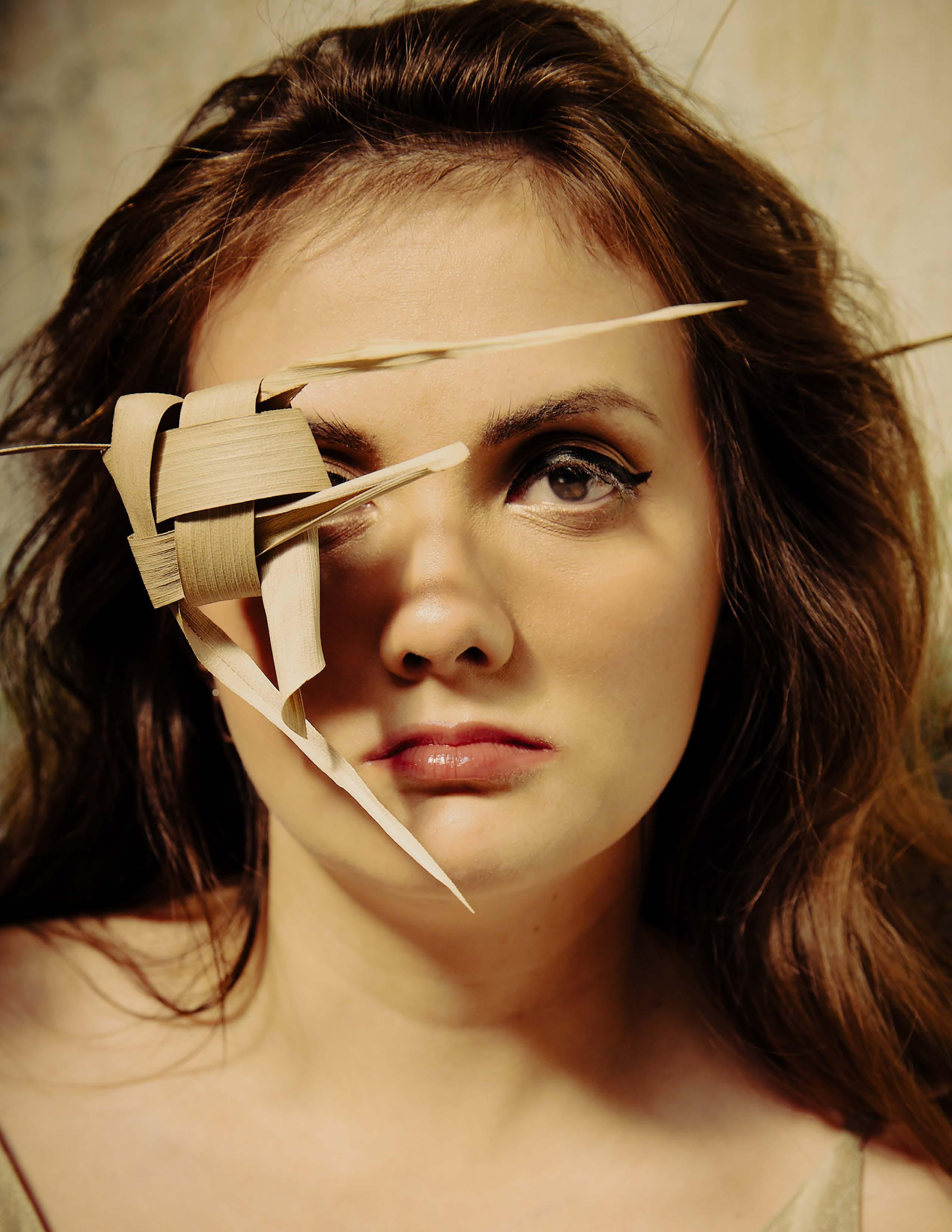
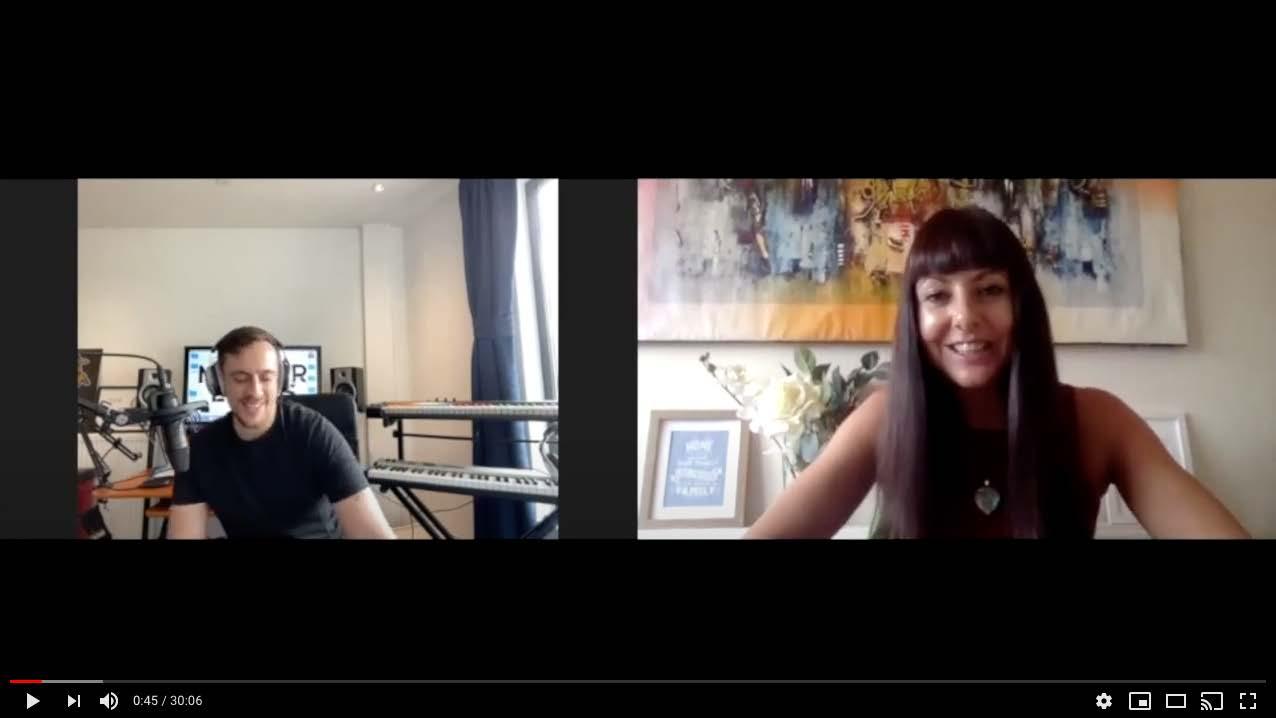
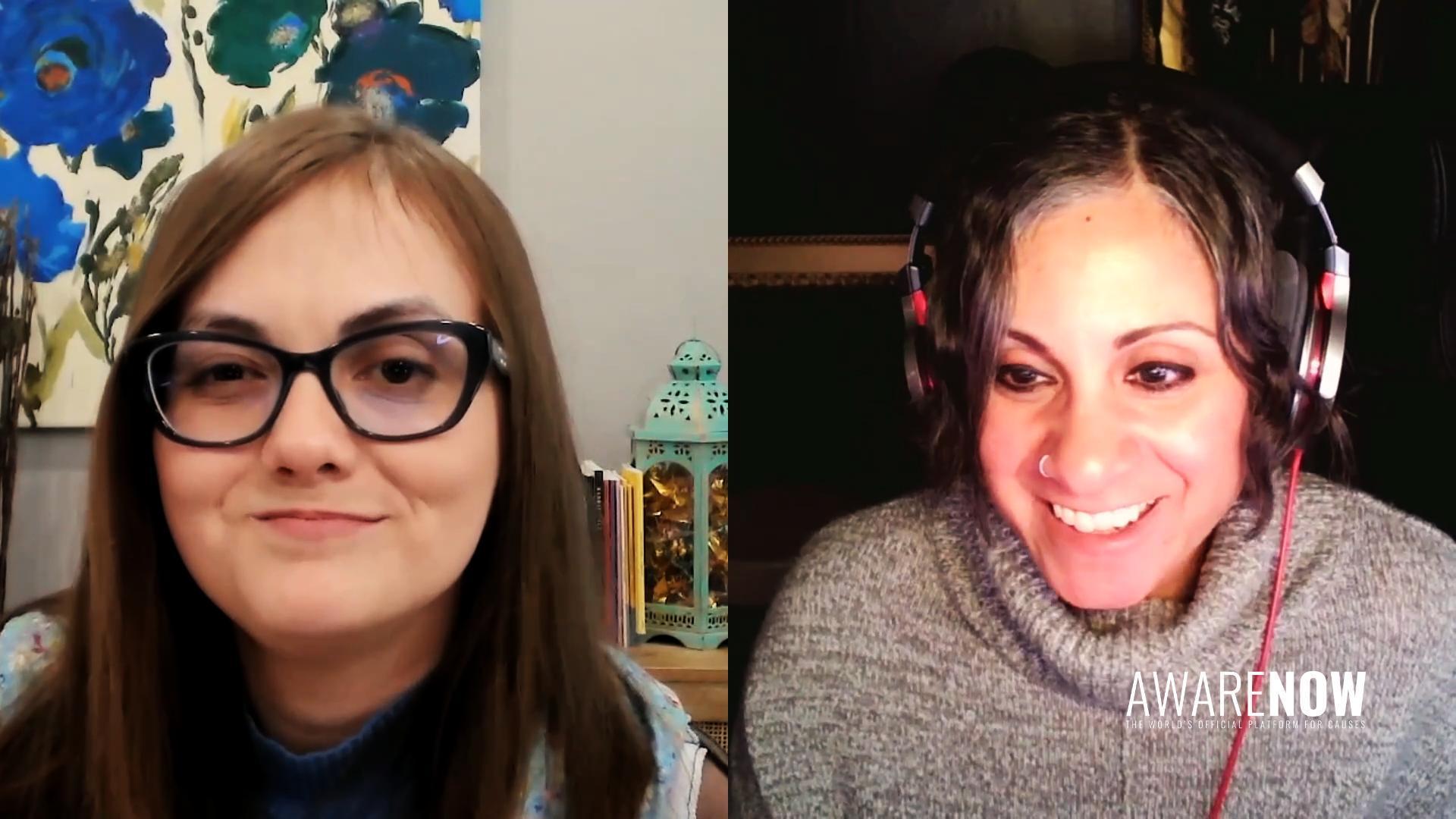
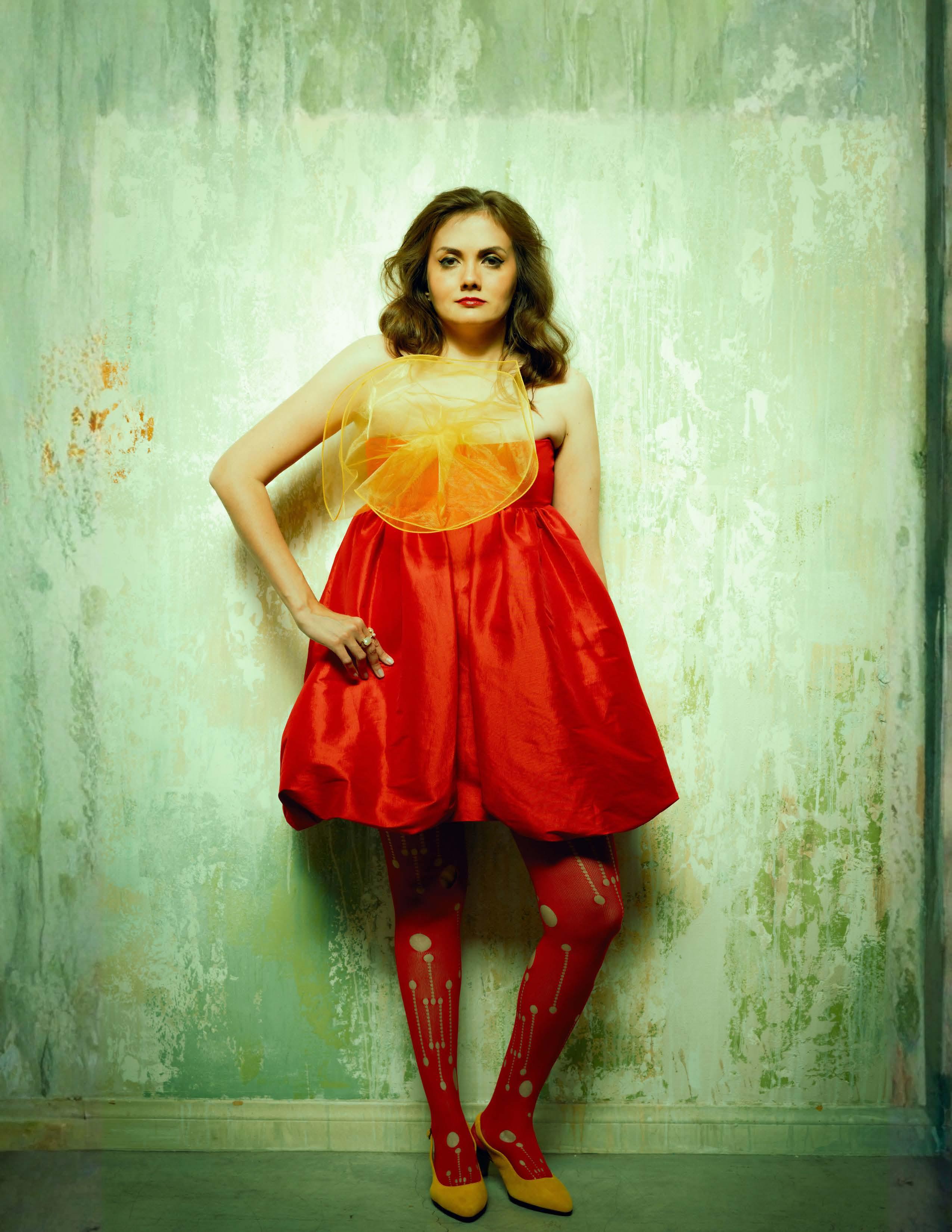
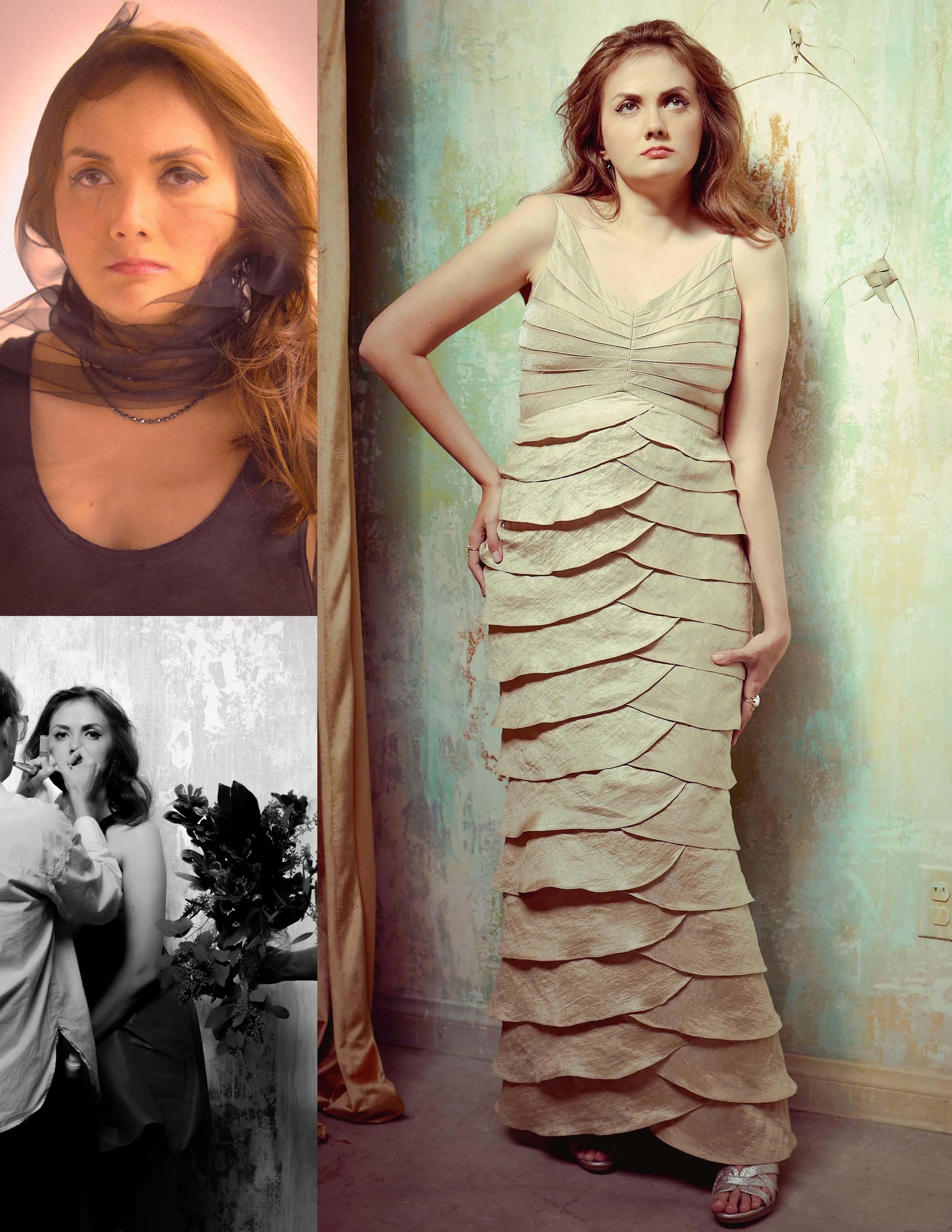
Tal Anderson has never needed a script to be memorable, but lately, the world is catching up to what so many of us have known all along. Through her role as Becca in The Pitt and her children’s book Oh Tal! Not Like That, Tal is helping reshape how autism is seen, not as a stereotype to be explained, but as a lived experience to be honored. In this conversation, Tal opens up about representation, misunderstanding, advocacy, and the joy of becoming even more herself.
ALLIÉ: So, Tal Anderson, the woman, the wonder, the legend. I think that’s appropriate for you. Between The Pitt and Oh, Tal! Not Like That, you are helping people see autism through story instead of stereotype. What feels different when representation comes from lived experience? Let’s start there.
TAL: You know, it’s different because it feels real. It feels real to me, even if the lived experience is not exactly the same. You know, like in The Pitt, Becca is very different from me, but because we’re both autistic, I can find a place

TAL ANDERSON ACTOR, AUTHOR & ADVOCATE FOR DISABILITY RIGHTS
“People would assume that if I didn’t do something exactly the way they wanted, it was because I was being difficult or argumentative. But really, it was because I was interpreting what I was being told differently because of the way they said it.”
TAL: (continued) Michael and I created the book for the same reason. These stories are real stories. We know that these experiences are shared by other kids out there because both Michael and I went through the same situations and feelings. You know, we’re 25 years apart. Authentic representation really matters.
ALLIÉ: Yeah, absolutely it does. Well, let’s talk more about Becca. With Becca in The Pitt , what did you want people to understand about autistic women that they don’t often get to see on screen?
TAL: The whole concept of bodily autonomy that was written into Becca and Mel’s story this season was a big deal. It’s something disabled people have been battling forever because it’s way too common and accepted for people to infantilize disabled people.
But in Becca’s story this season, she took a stand. Becca has a right to be part of making decisions about her life, especially when it comes to her sex life. She’s a grown woman, and she needs to be able to make choices about her own body, you know, like we all do.
We never get to see this on screen. You know, it’s controversial, and there are people on both sides of the story, but the reason it’s so important is because it’s on screen. We can’t ignore it. We have to discuss it, and I think that’s the first step to changing it.
ALLIÉ: Switching gears then to your book, Oh, Tal! Not Like That , which, as I mentioned, our son absolutely loves. It has such a beautiful, honest title. And also, let’s be real, a sentence many of us have heard and felt in some version. So, the question here is, what made you want to turn that feeling into a story for kids?
TAL: So this book is part of a series, as you know, and I guess it comes from so many years of just being told what to do, especially when I wasn’t speaking. You know, things like, “Not like that,” “Don’t do that,” “Be like this,” all of those commands that basically say that everything you do and are is wrong.
I guess that’s where the series came from, to call attention to that and those words, and to try to speak to kids directly to say it’s okay to just be you and to do things your own way. I wanted to write the book so kids wouldn’t feel alone, and Michael and I are qualified to do it because we are those kids.
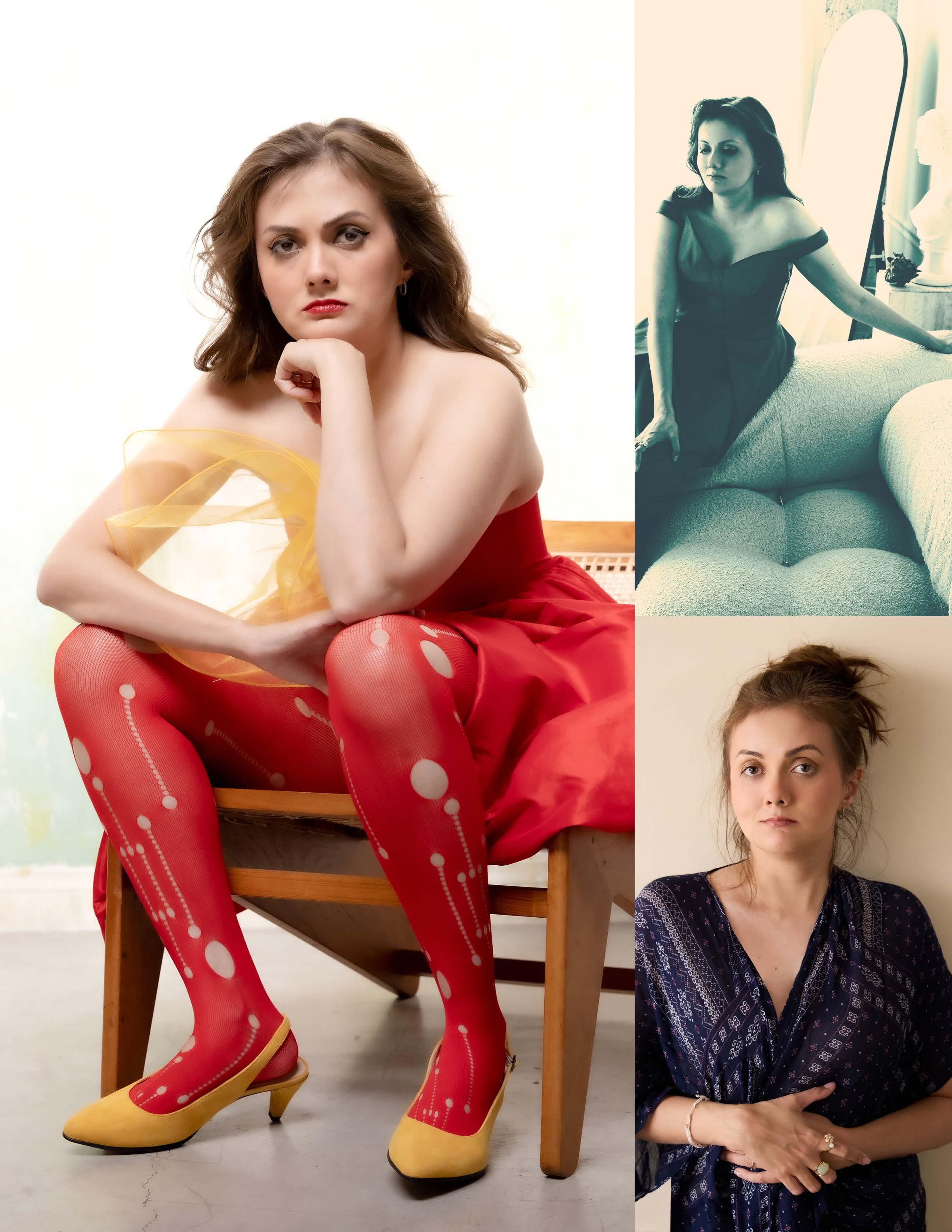
I don’t think I set out to be an advocate. I just talk about what I think is wrong and try to share things that are right and good for the
TAL ANDERSON ACTOR, AUTHOR & ADVOCATE FOR DISABILITY RIGHTS

“I don’t think I set out to be an advocate.
I just think I talk about what I think is wrong and try to share things that are right and good for the world and people.”
ALLIÉ: And I love exactly how you call it out verbatim: “Not like that.” Your book carries such a familiar ache, that feeling of being corrected before being understood. Can you take us back to a moment in your life, Tal, when someone misunderstood you and what you wish they would have seen instead?
TAL: Yeah. I mean, as a kid, just like in the books, people would assume that if I didn’t do something exactly the way they wanted, it was because I was being difficult or argumentative. But really, it was because I was interpreting what I was being told differently because of the way they said it.
It’s a simple example, but I remember the teacher getting mad at me because she told me not to sit on the floor. So I got up and moved and sat down on the carpet. She yelled at me because she didn’t think I was listening. But when I told her I wasn’t sitting on the floor, I was sitting on the carpet, I got into trouble for talking back.
I wasn’t. I thought I was following directions. Sitting on the floor, to me, was not the same as sitting on the carpet, but I couldn’t explain that to her. For the rest of the year, she just didn’t like me because she thought I was a troublemaker.
There are a thousand examples like that, but I think my brain just hears things and processes them differently.
I think if the teacher had understood me, maybe she would have been able to learn to give me directions that were more specific. You know, if she had said, “I need everyone to stay seated in their chairs. Please get off the floor and sit down in your chair,” I would have understood.
ALLIÉ: Yeah… It’s just things that are kind of lost in translation, right? You were trying to get it, and she was trying to say it.
Well, so let’s get back to amazing, wonderful you, just being Tal, just being you. How do you carry the responsibility, perhaps, of advocacy without letting it steal the joy of just simply creating?
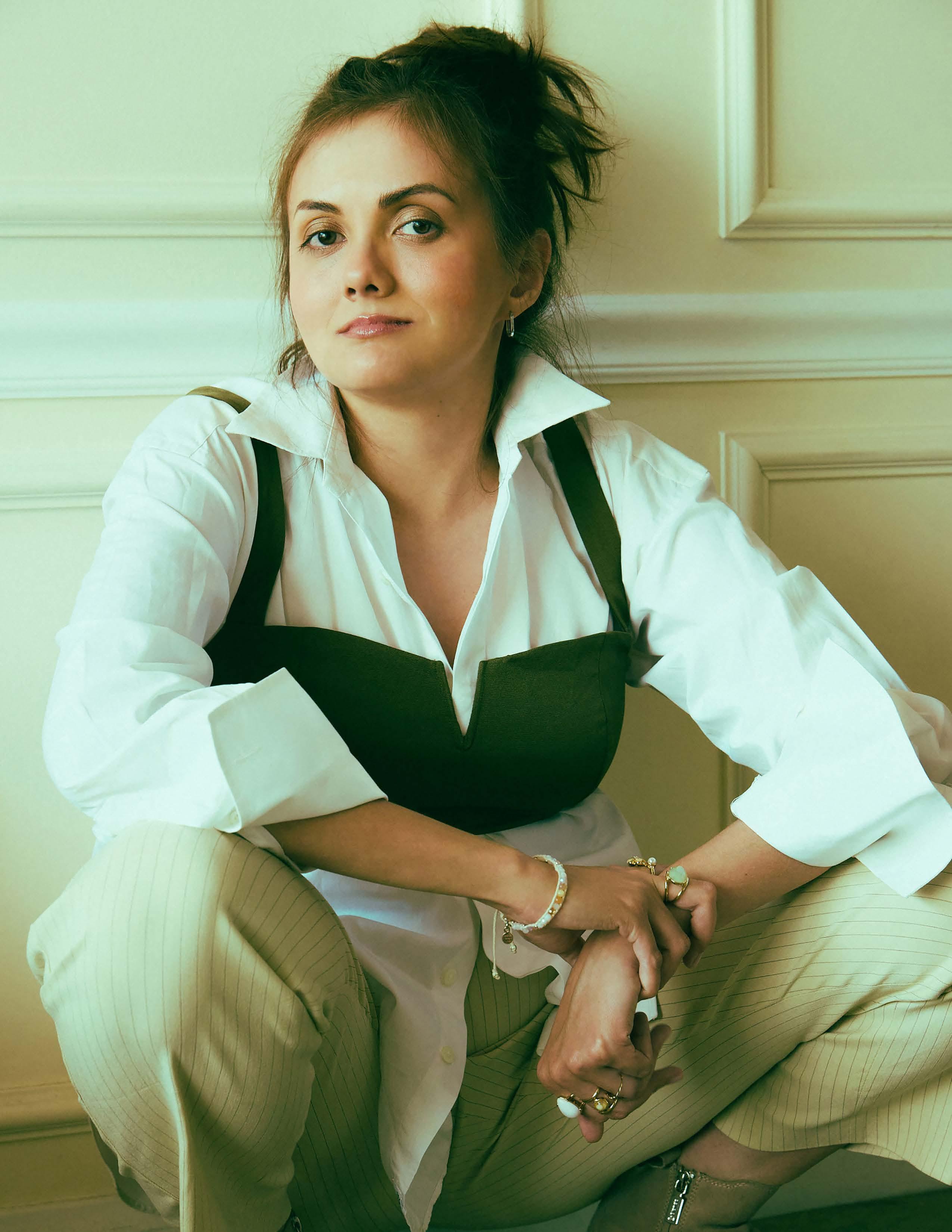
TAL: I don’t think I set out to be an advocate. I just talk about what I think is wrong and try to share things that are right and good for the world and people.
ANDERSON
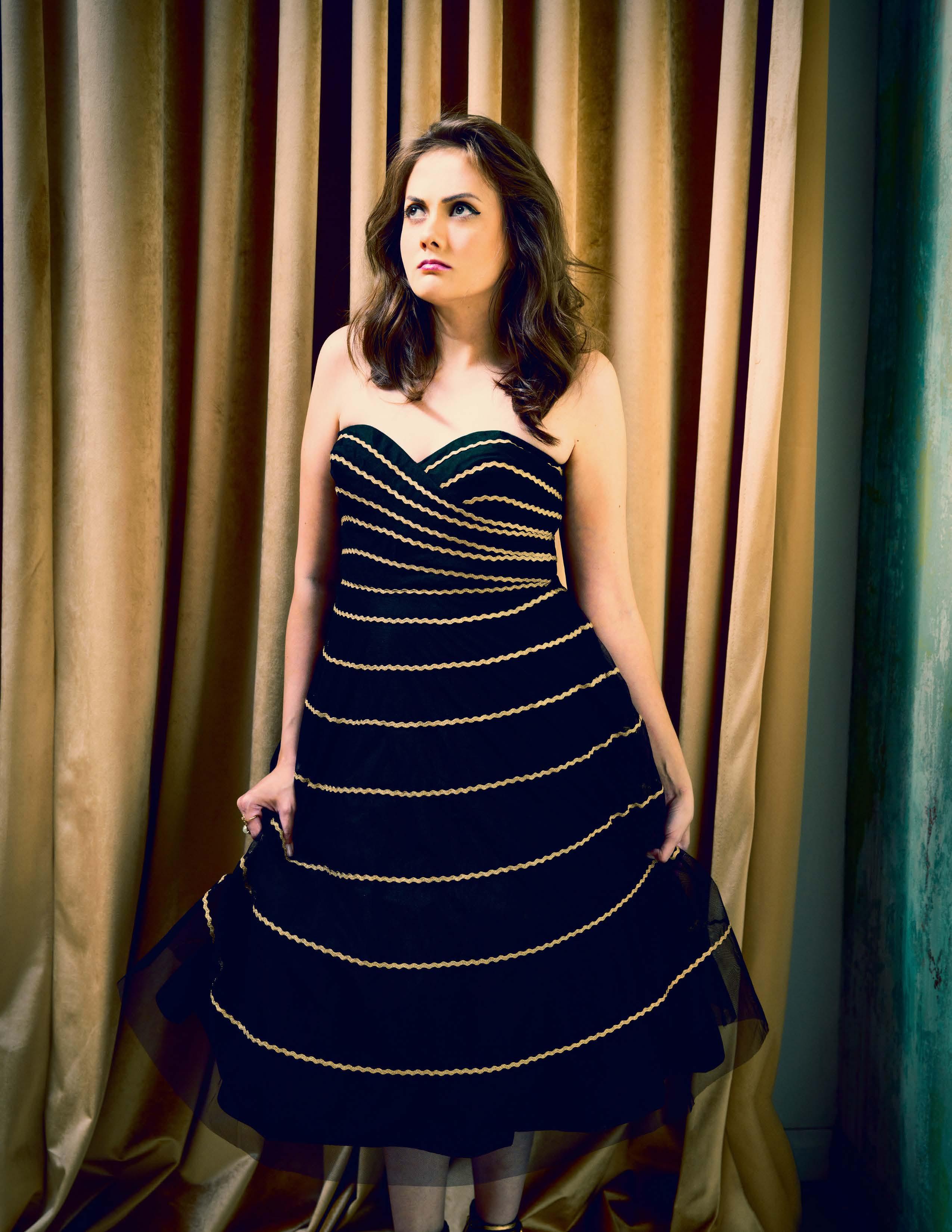
Exclusive Interview with Tal Anderson https://go.awarenowmedia.com/podcast/not-like-that

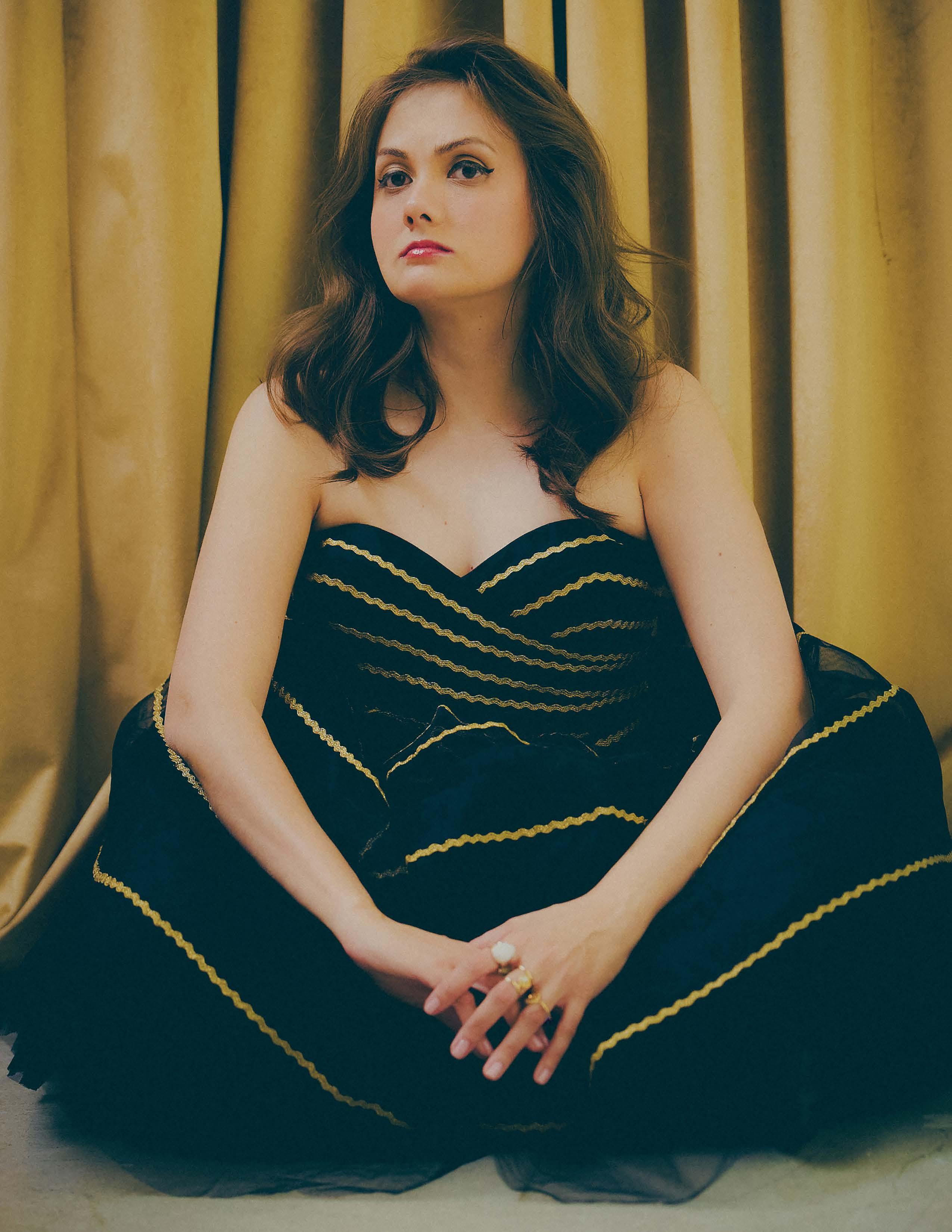
TAL: (continued) I think I’ve been really lucky to be able to have a small platform to say those things and have a few people listen and feel connected to the things I have to say. I can only speak for myself, my own experiences and opinions, but, you know, I hope that there are others who share my feelings and connect with them.
And when they do, that brings me joy, especially when someone is helped by it. You know, I think all of the advocacy is very personal for me, as is my work. And my work is so important to me that I never let anything steal that joy from me.
ALLIÉ: I love that. That is your work, and doing this brings you joy. It’s not a chore. It’s a joy that you get to do this.
So, one more question for you today. What do you want disabled or divergent kids, or any kid who is feeling other, who is feeling different, to know about the parts of themselves that the world may not understand yet? What do you want them to know?
TAL: I guess I want them to know that doing things differently isn’t wrong. It’s not wrong. It’s just different. And there’s more than one right way to do things.
Also, eventually what other people think won’t really matter to you. If you stand your ground and defend your right to think and be different, that confidence will make you strong. You know, being like everyone else is boring, so be yourself. ∎
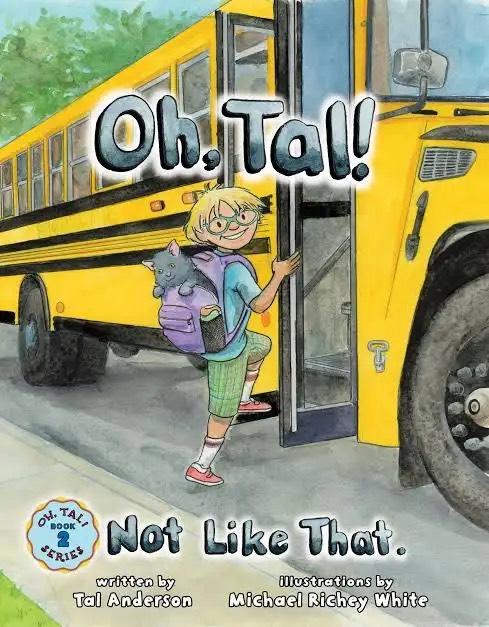
Find & follow Tal on Instagram: @thetalanderson
Get her book here: https://go.awarenowmedia.com/book/oh-tal-not-like-that


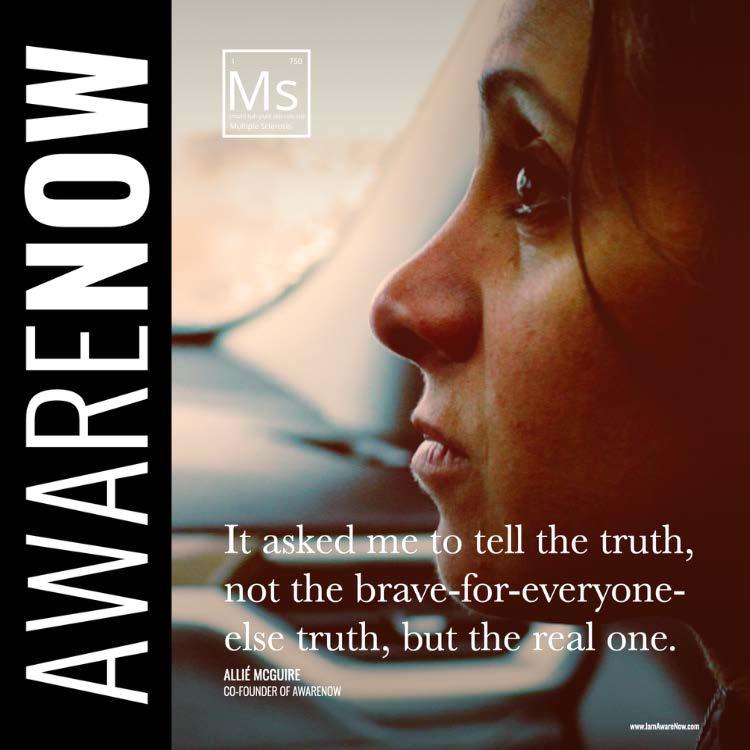
It asked me to tell the truth, not the brave-for-everyoneelse truth, but the real one.
ALLIÉ MCGUIRE CO-FOUNDER OF AWARENOW
There are stories we choose to tell. And then there are stories that choose us.
is one of those stories for me.
It began with three words I needed to believe before I could ever say them out loud. They were Angie’s words first. When my lifelong friend reached out and told me she wanted to run for me, she said it simply and beautifully: “Because I can.”
At the time, I don’t think either of us knew those three words would become a film, a movement, and a promise to the MS community. But they did.
They carried me through the fear, the uncertainty, the grief, the anger, the appointments, the symptoms, the questions, the quiet moments no one sees, and the diagnosis that changed the way I understood my own body.
Because I can.
Not because it was easy. Not because I felt strong every day. Not because multiple sclerosis suddenly became something I could wrap in a bow and call inspirational. But because I needed a reason to keep moving. I needed a way to meet this disease without letting it take the pen from my hand. I needed to remind myself that while MS may be part of my story, it does not get to write the ending.
Somewhere along the way, what began as my personal declaration became something much bigger than me. It became a film. It became a platform. It became a promise to the MS community.
On May 26, Because I Can will have its world premiere at CMSC, the largest MS conference in North America. To stand in that room, surrounded by neurologists, clinicians, researchers, advocates, partners, and people who have dedicated their lives to serving those of us living with MS, will be more than a milestone. It will be a full-circle moment.
This film was never made simply to be watched. It was made to be felt. It was made to open conversations that too often stay closed. It was made to help people see the human being behind the diagnosis, the life behind the medical chart, the fear behind the smile, the courage behind the movement, and the community behind every person trying to find their way forward.
For me, Because I Can is not a story about running. It is a story about choosing. Choosing to move when movement is not guaranteed. Choosing to speak when silence feels safer. Choosing to share what is deeply personal in the hope that someone else might feel less alone in what they are carrying.
It is about the moments when your body changes faster than your mind can accept. It is about learning to trust yourself again. It is about friendship, fear, resilience, advocacy, and the strange and sacred work of becoming someone new without losing who you are.
It’s for each person who has ever whispered, “I can’t,” and then somehow took one more step anyway.
ALLIÉ MCGUIRE
CO-FOUNDER OF
AWARENOW
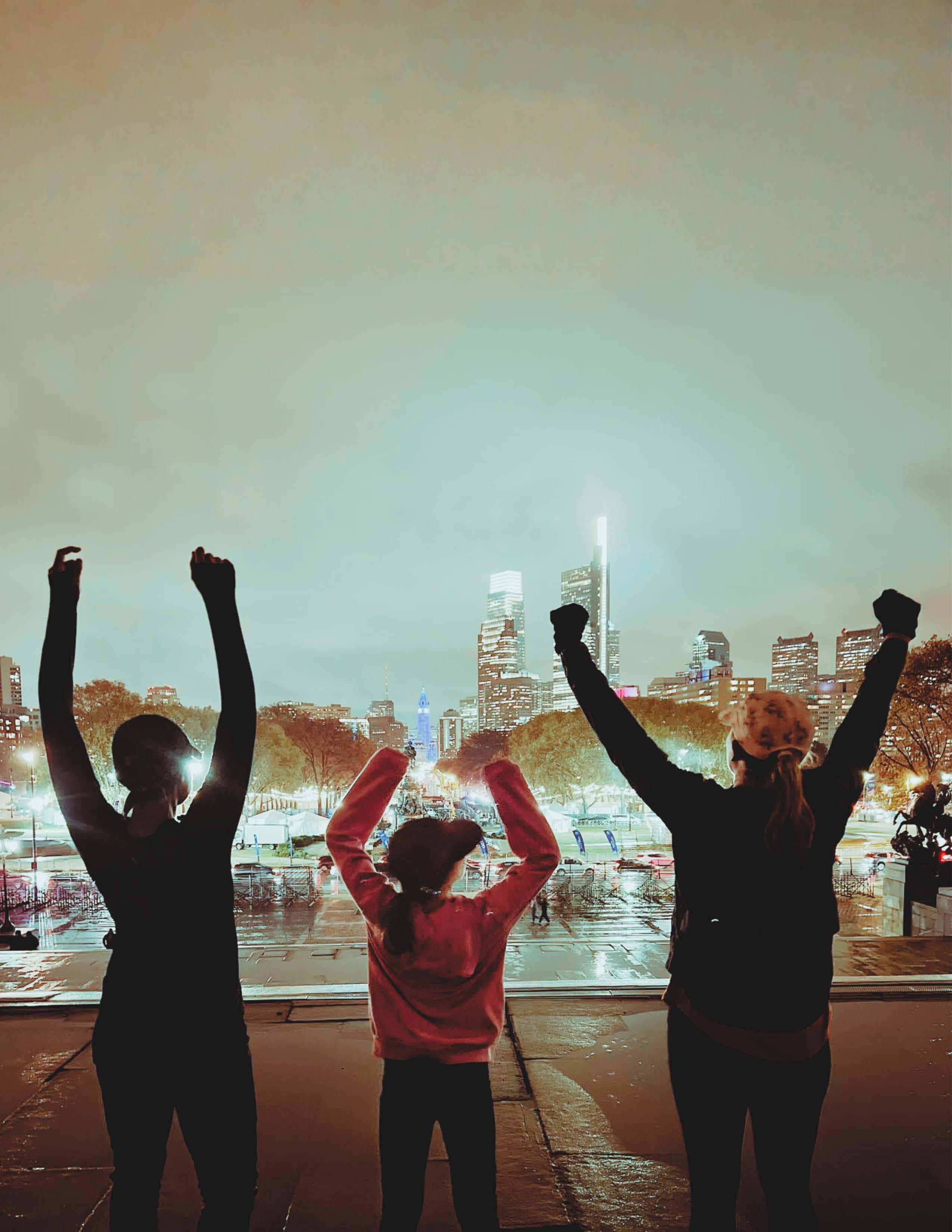

“It’s about every person who has ever had to rebuild a relationship with their own body.”
It is about MS, yes. But it’s more than that. It’s about every person who has ever had to rebuild a relationship with their own body. It’s for every person who has ever had to grieve the life they thought they would have, while still finding the courage to step into the life that remains. It’s for each person who has ever whispered, “I can’t,” and then somehow took one more step anyway.
On May 30, in honor of World MS Day, we will bring Because I Can to a broader audience through a LIVE Watch Party, created as a fundraiser to support the National MS Society. This moment matters deeply to me, because the National MS Society has been more than a partner in this work. They have been part of the reason this story can move beyond the screen and into the hands of the people who need it.
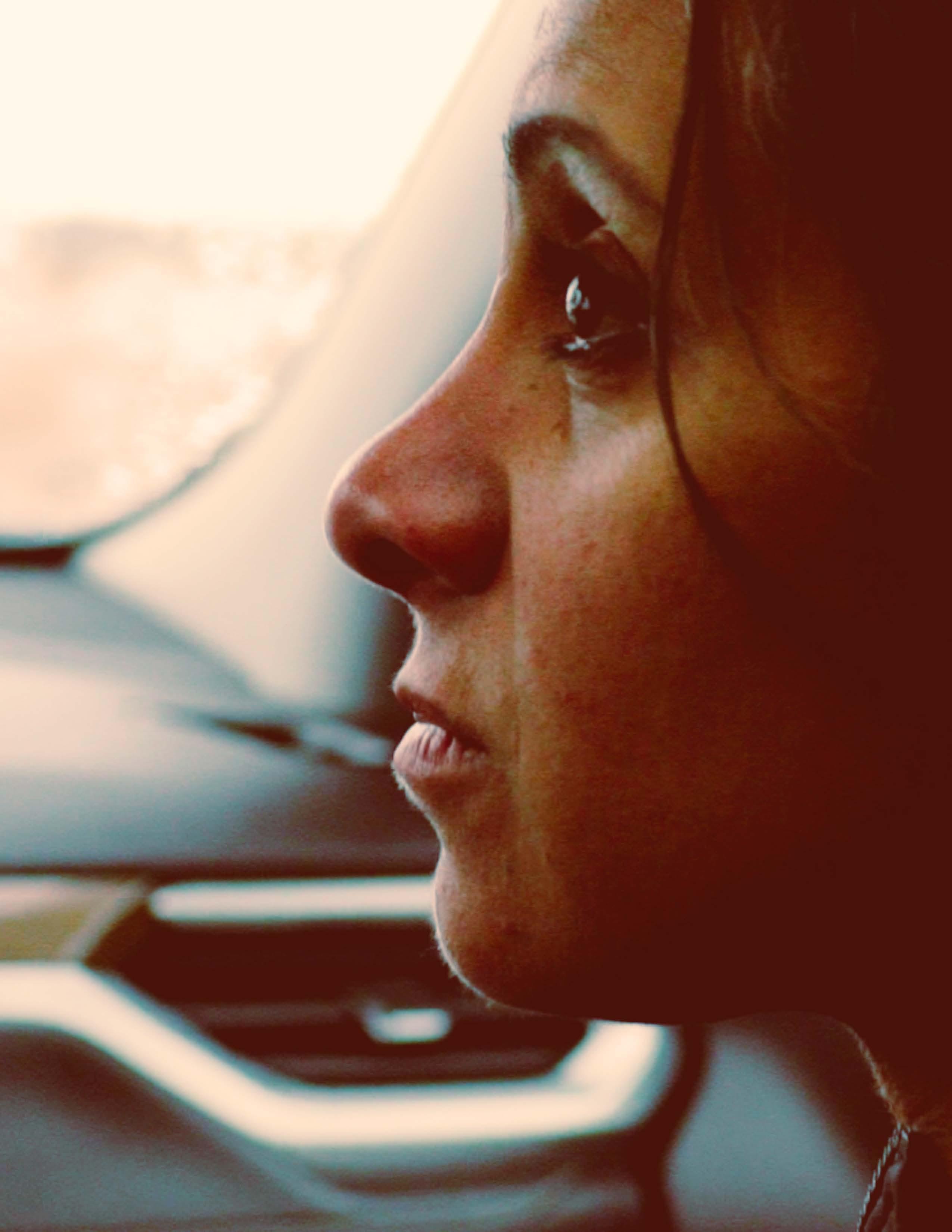
World MS Day is a day of awareness, but awareness alone is not enough. Awareness must become action. It must become research. It must become resources. It must become support for the newly diagnosed person sitting in their car after an appointment, trying to understand what just happened to their life. It must become hope for the person living with pain no one can see. It must become funding for the work that brings us closer to better treatments, better care, and ultimately, a world free of MS.
That is why this LIVE Watch Party is not just an online screening. It is an invitation. It is a gathering place. It is a chance for people across the country, and beyond, to watch together, give together, and stand together for a community that deserves more than sympathy.
We deserve solutions. We deserve investment. We deserve to be seen.
Then, beginning in June, Because I Can will move into its next chapter with the launch of a year-long National Tour.
This tour is where the film becomes something even more powerful. It becomes a tool. A tool for health systems to deepen understanding. A tool for universities to spark meaningful dialogue. A tool for advocacy organizations to bring people together. A tool for communities to raise awareness, support fundraising, and create space for honest conversations about what it means to live with MS.
Screen by screen, city by city, community by community, the tour will bring Because I Can to the people and places where this story can do what stories do best. Reach hearts. Shift perspectives. Make people feel less alone.
That has always been the purpose of AwareNow: to raise awareness for causes one story at a time. And with Because I Can, that mission has never felt more personal to me. Because this time, I am not only helping someone else tell their story. I am telling mine.
And if I am honest (which I am), that has not always been easy. It is far more comfortable for me to sit across from someone else, to ask the questions, to hold their story with care, and to help shape it into something that can touch others. That is the work I know how to do. That is the work I love.
But this film asked something different of me. It asked me to step out from behind the questions. It asked me to let people see the parts I usually protect. It asked me to tell the truth, not the polished truth, not the brave-for-everyoneelse truth, but the real one.
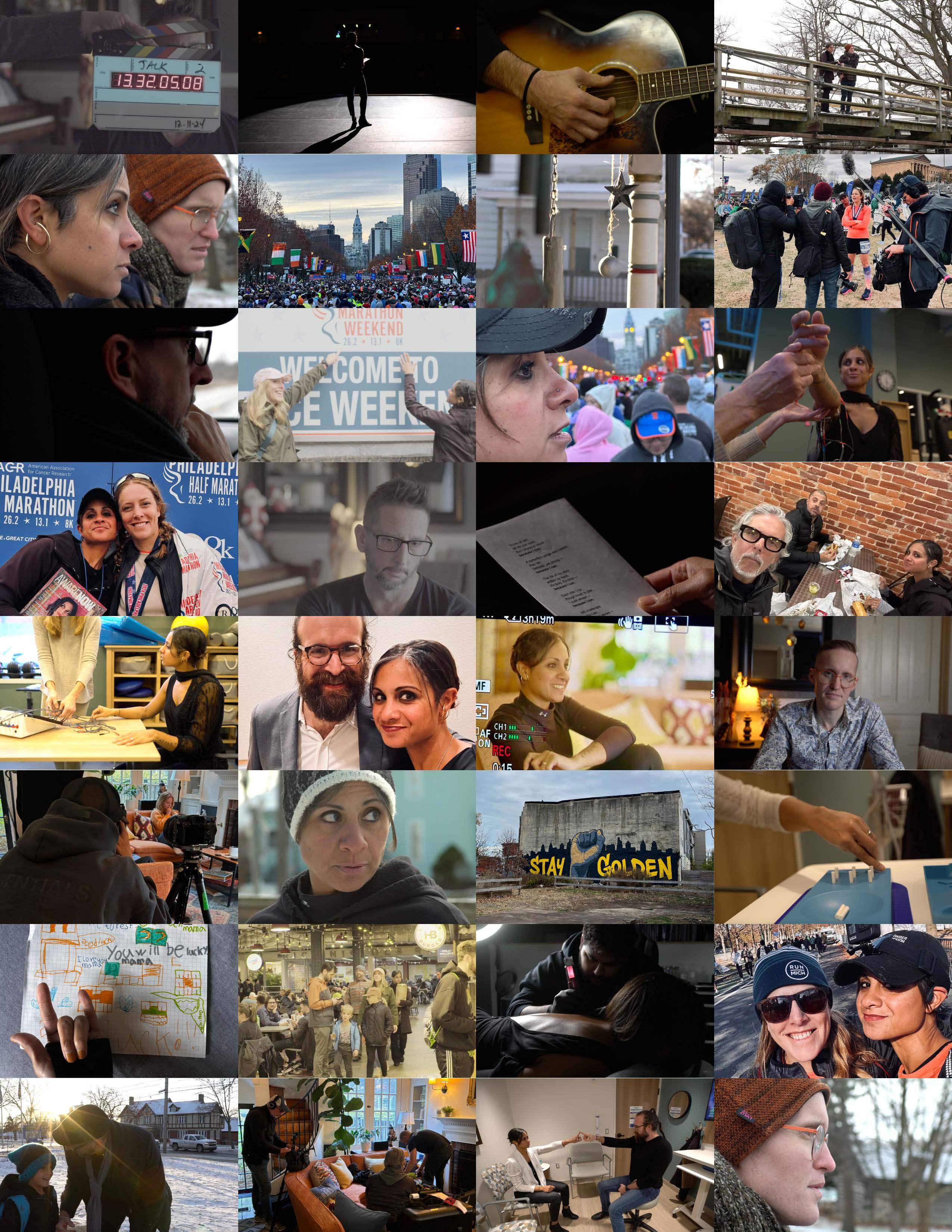
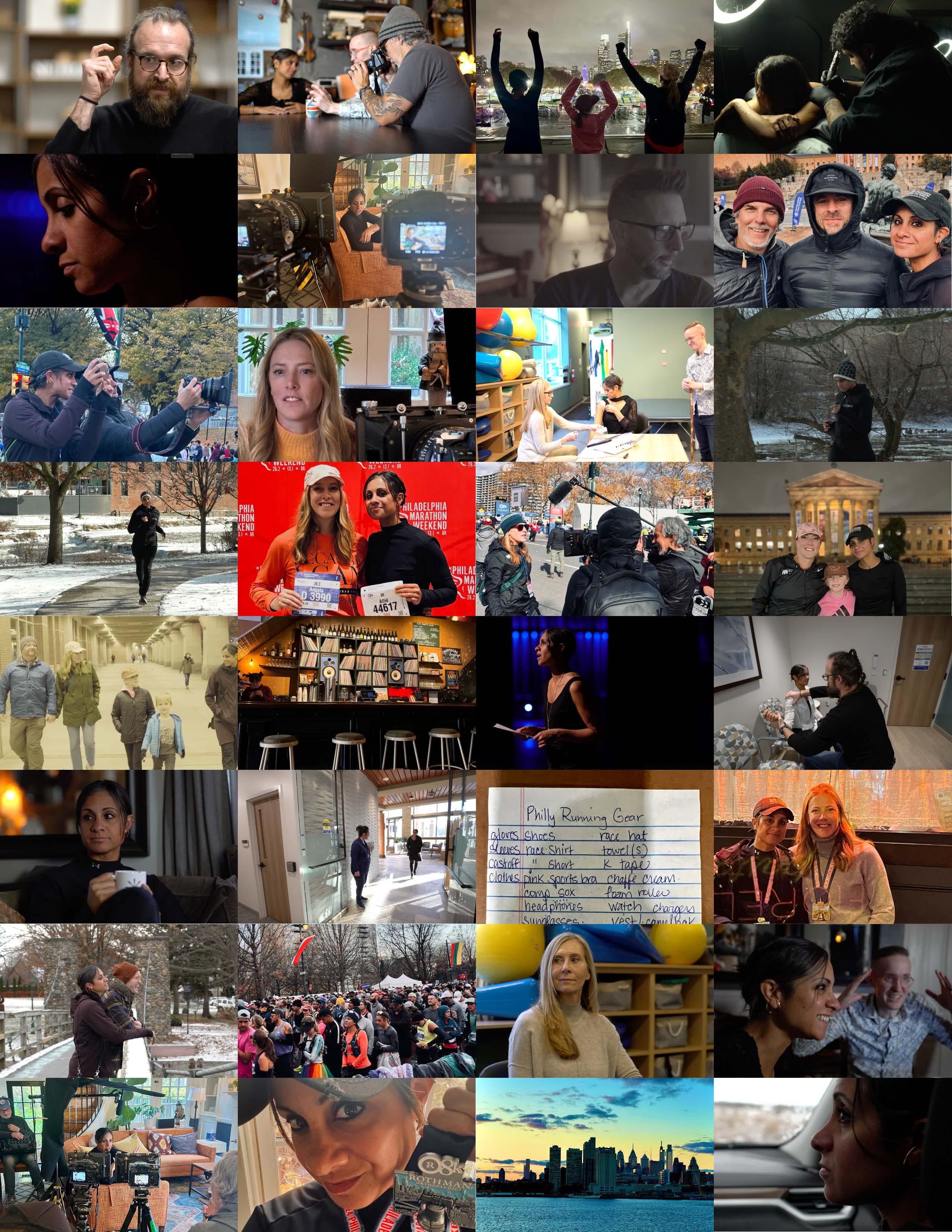
ALLIÉ MCGUIRE CO-FOUNDER OF AWARENOW
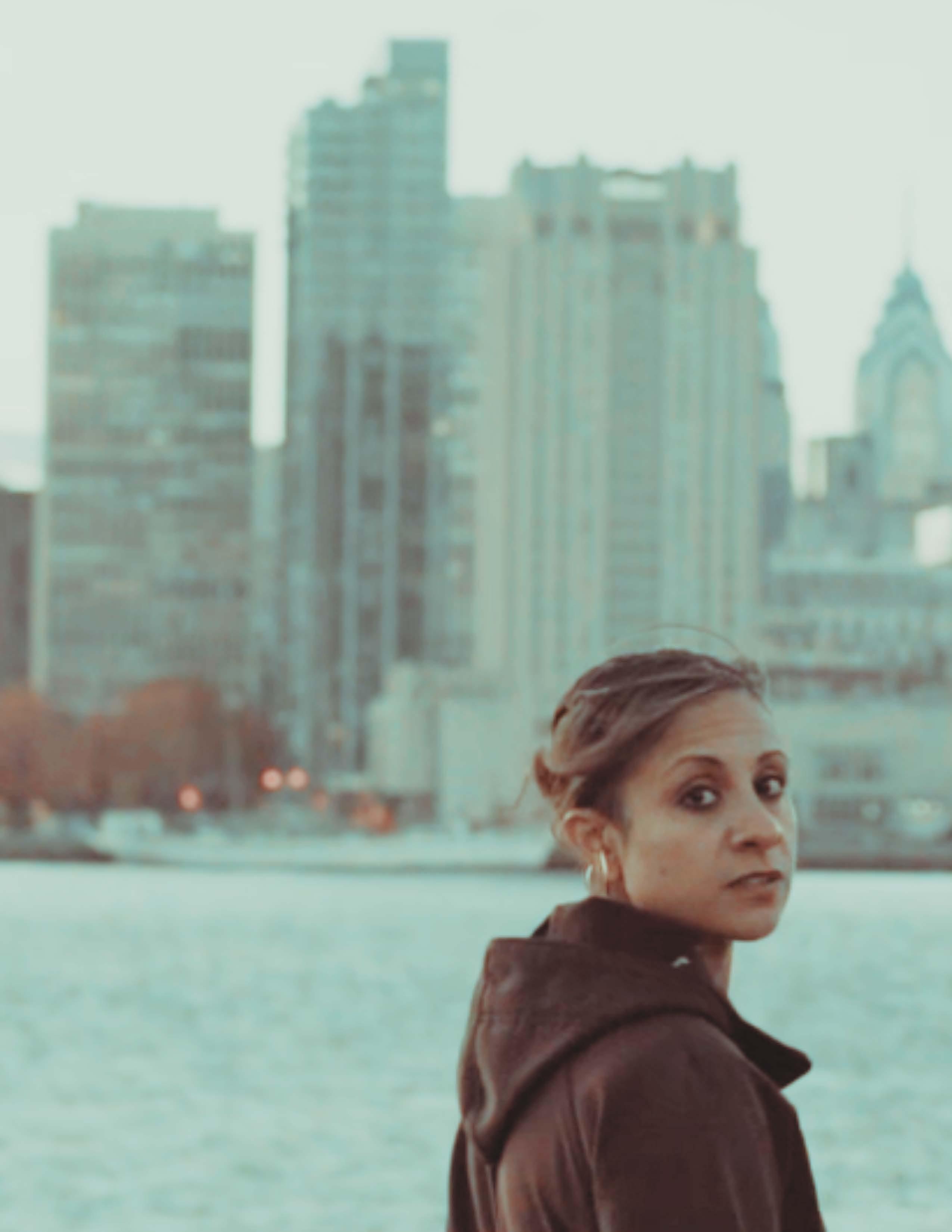
Podcast
Written and Narrated by Allié
McGuire
https://go.awarenowmedia.com/podcast/the-story-that-chose-me

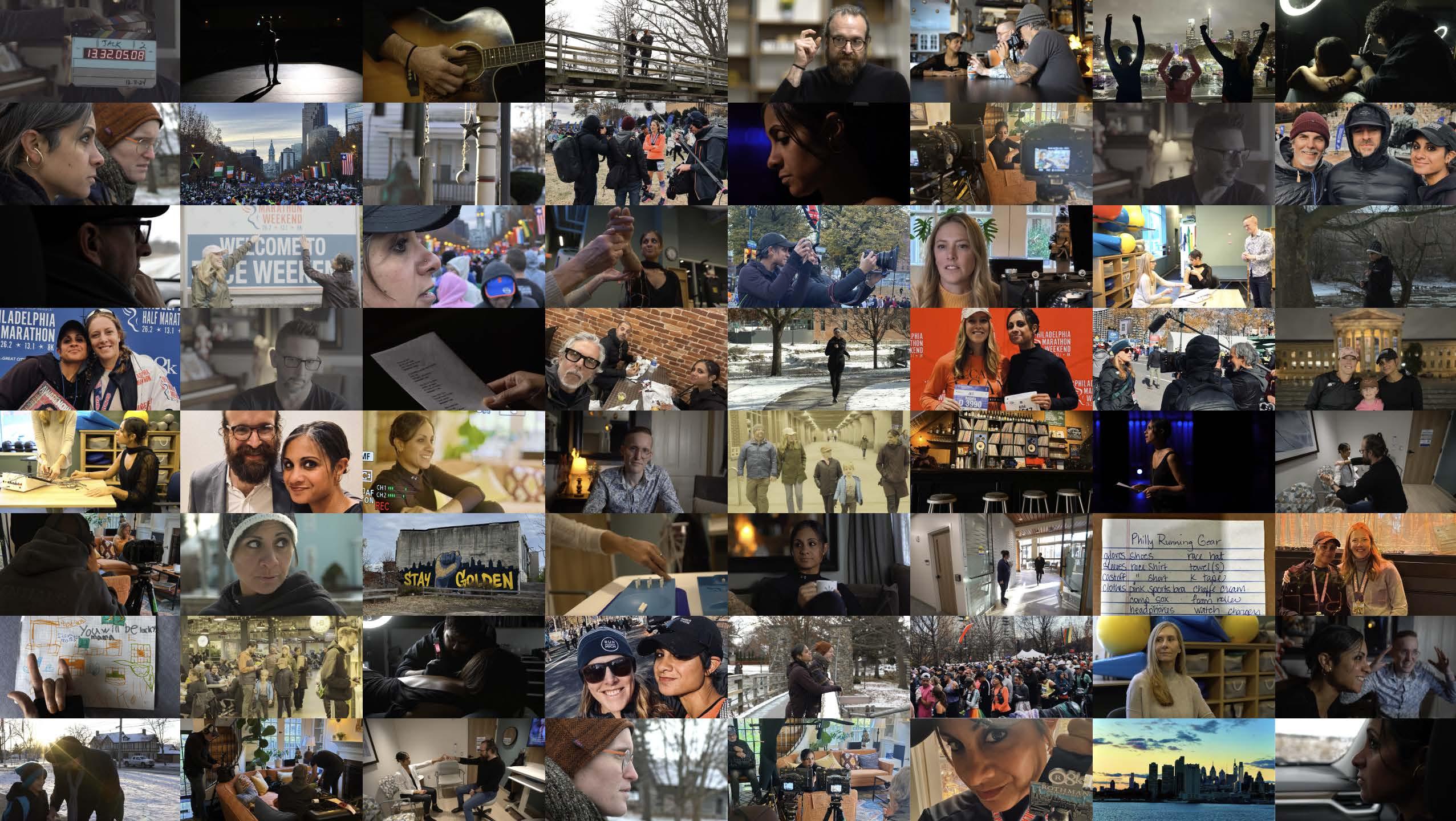
The truth is that MS is scary. The truth is that I still have hard days. The truth is that purpose does not erase pain. The truth is that hope is not always loud.
Sometimes it is quiet. Sometimes it is stubborn. Sometimes it looks like getting out of bed, lacing your shoes, showing up, asking for help, letting yourself cry, or saying, “I am still here.”
That is the heart of Because I Can. It is not about pretending MS is easy. It is about proving that our lives are still ours. It is about claiming what we can, even while fighting what we cannot control. It is about honoring the reality of this disease while refusing to let it become the whole story.
My hope is that when someone watches this film, they do not just see me. I hope they see themselves. I hope they see their own fear reflected with tenderness. I hope they see their own strength without needing it to look perfect. I hope they feel permission to write their own next chapter, whatever that chapter looks like.
Maybe it is running a race. Maybe it is walking around the block. Maybe it is going to the doctor after months of avoiding the appointment. Maybe it is telling someone the truth about how they really feel. Maybe it is simply waking up tomorrow and deciding to try again.
Whatever it is, I hope this film reminds them that “because I can” does not have to mean doing something big. Sometimes it means doing what is possible today. And sometimes, that is everything.
As Because I Can steps into the world, I do so with a full heart and a very clear purpose. This film is my story, but it is not only mine. It belongs to every person living with MS who has had to become fluent in uncertainty. It belongs to every caregiver who has carried fear quietly. It belongs to every clinician, researcher, advocate, friend, and family member working toward a better future.
It belongs to this community. And now, my deepest hope is that it serves this community.
Because stories can open doors. Because awareness can become action. Because one person’s truth can become someone else’s courage. Because we cannot cure multiple sclerosis alone, but together, we can end MS. And until that day comes, we keep moving…
Because we can. ∎
Every one is a part of everyone.
Miles to go before we sleep…
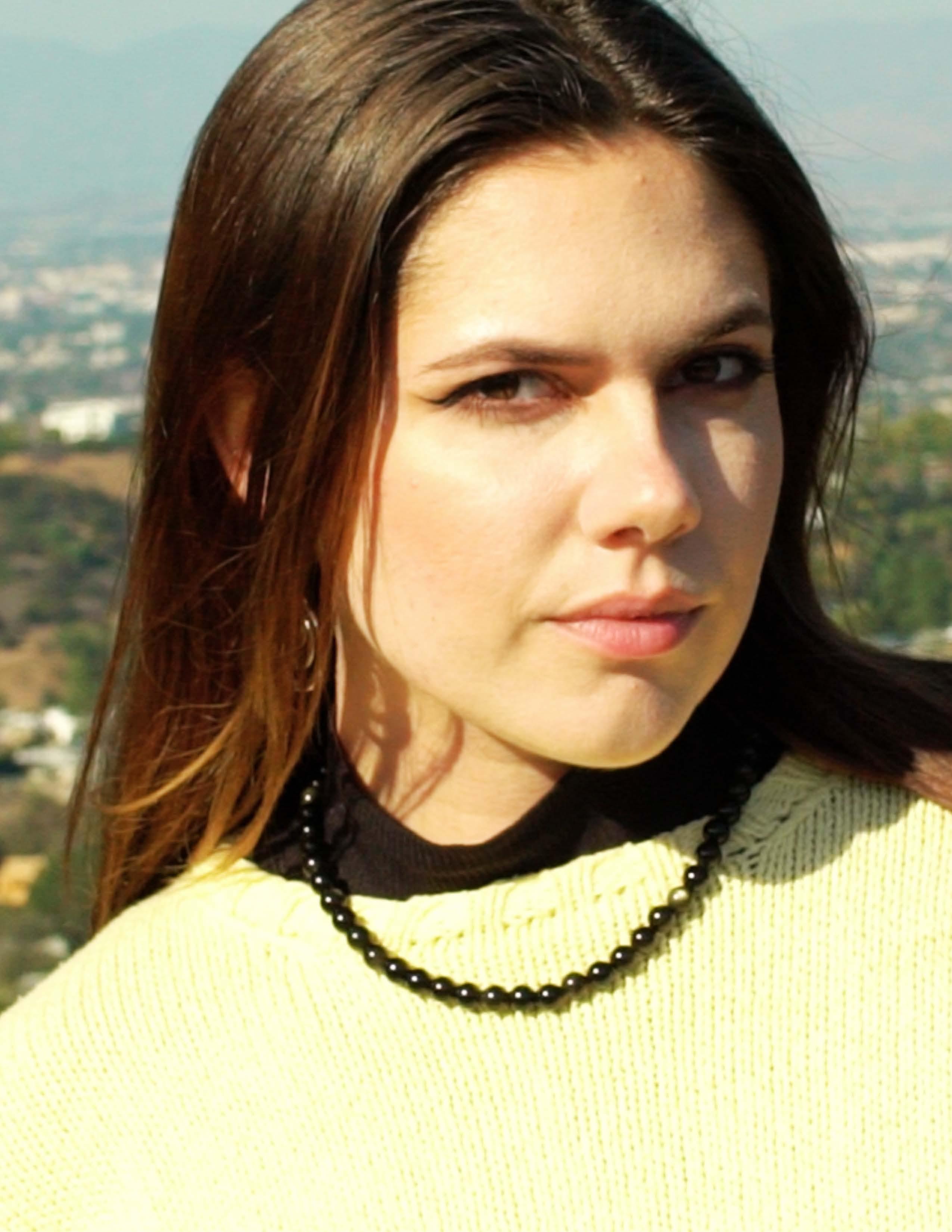

Caly Bevier’s story has been told in bright lights, standing ovations, and one unforgettable Golden Buzzer moment. But here, the story softens into something more intimate, the kind of truth found after the cameras turn off and the healing gets quiet. In this deeply personal conversation, Caly speaks about the childhood that formed her, the diagnosis that changed her, the music that carried her, and the self she is still courageously discovering.
CALY: I’m from a really small town in Ohio called Grand Rapids. I was 16-years-old when I first went on America’s Got Talent with my dream to win it as a singer.
I’ve always been fighting for my place in the industry, and over the past eight years, it’s had its ups and downs. Some years, I’ve put a lot of work in. Other years, I’ve needed to take a step back and focus on finding myself, because
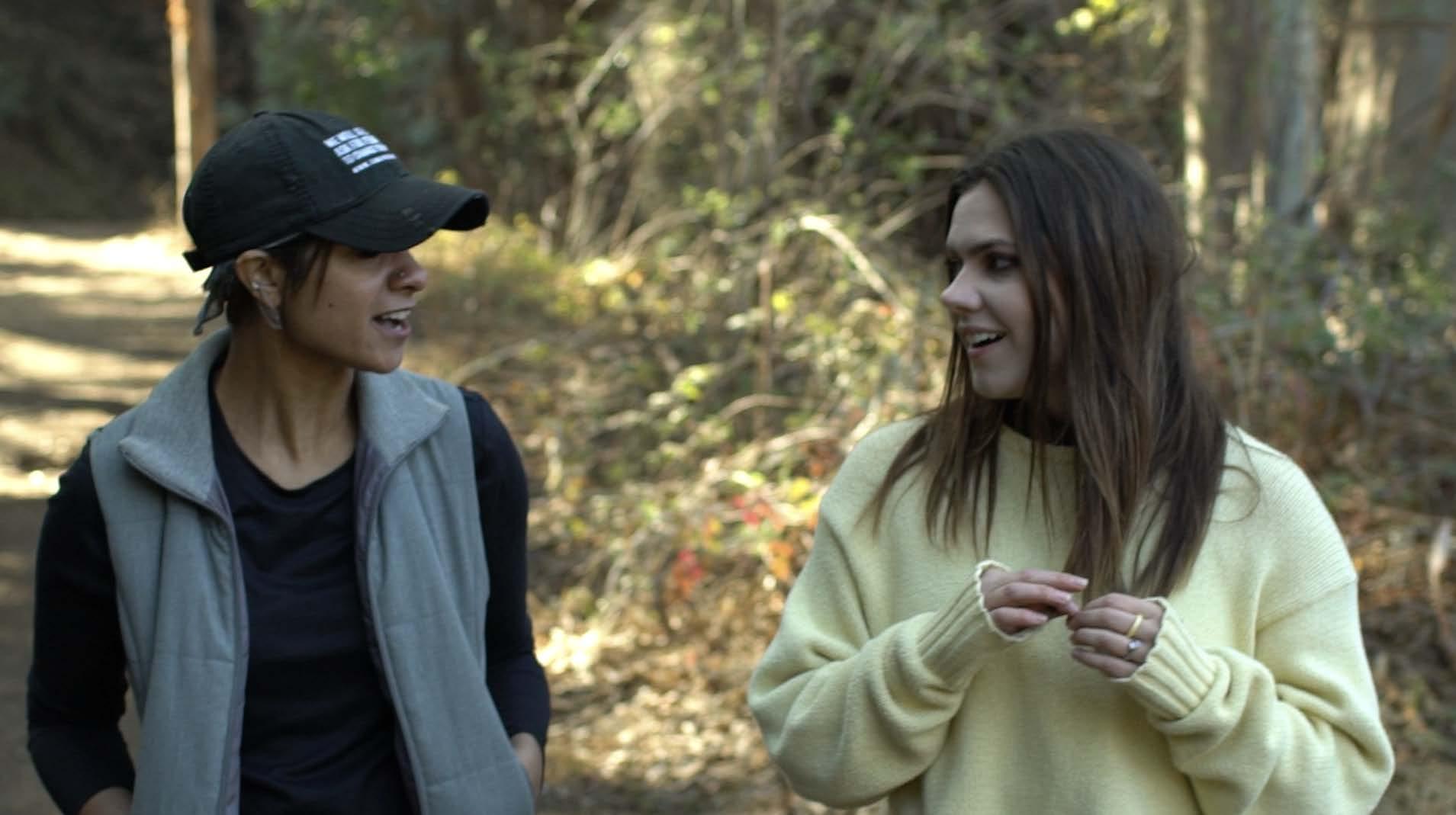

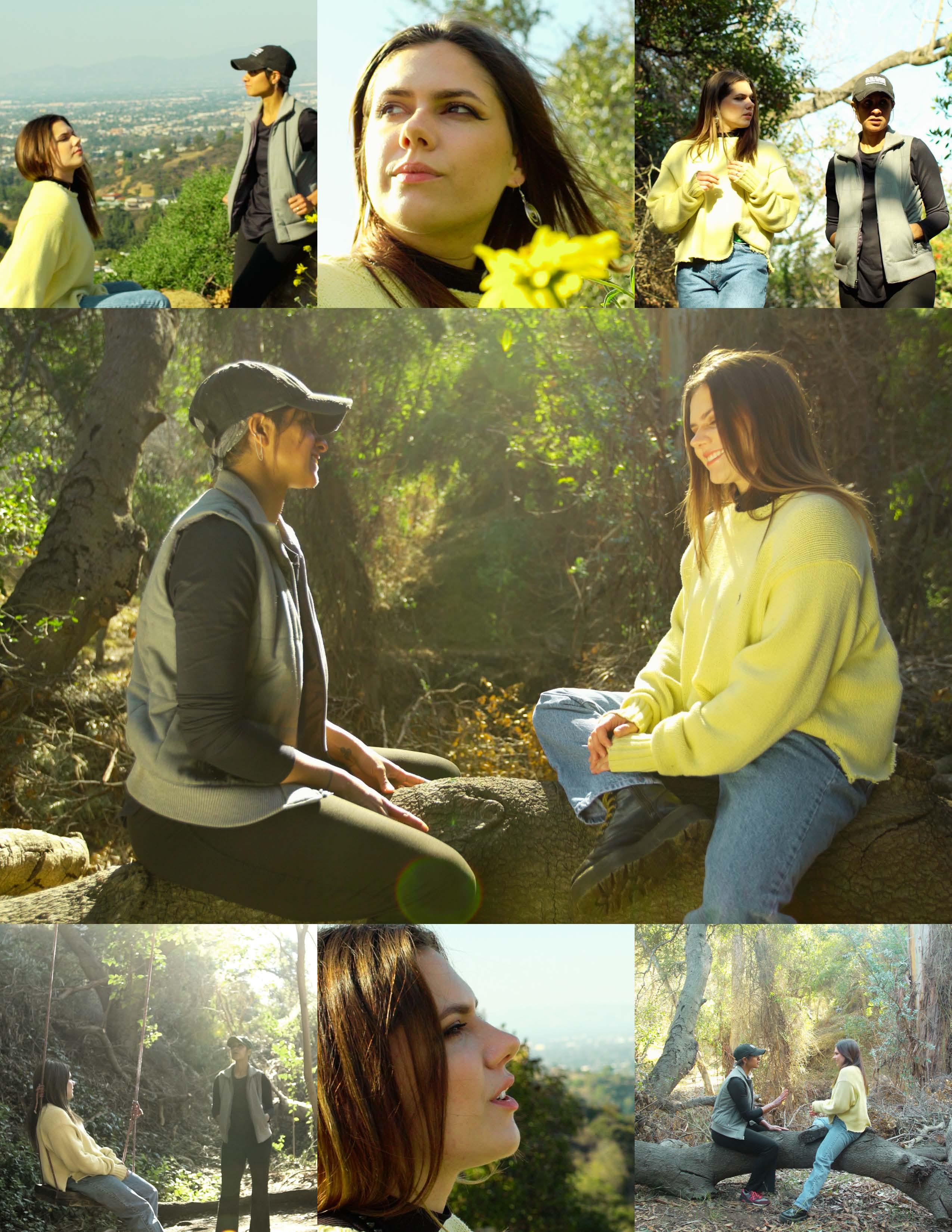
CALY: (continued) I feel like I went from sports and high school and regular life stuff, to cancer, to being on TV, to everyone saying, “You’re going to be a singer now.” Then I came to L.A. and tried to figure that out. And now I’m at a place where I’m asking, “Okay, who am I? For real?”
ALLIÉ: I just have to say, I feel really fortunate for knowing you the way that I do. I feel like so many people know one part of you, but they don’t know so much of you. If you were taking someone back through the wayback machine of Caly, what would that story sound like?
CALY: How much time do we have?
ALLIÉ: Well, we both grew up in small towns, right?
CALY: Definitely. I came from a small town, but we were always moving. My parents were young when they had me, so they were figuring out life with me and my sister as kids. We were all kind of figuring it out together.
I loved to dance and sing with my mom. We were very theatrical and fun, and I had a fun childhood. I loved it.
ALLIÉ: Before we get to the cancer, I want to pause there, because sometimes we get known for our diagnosis. But our diagnosis doesn’t define us, right?
So before the diagnosis, before cancer, what was the Caly story? Small town, dancing, loving life. I love how you said your parents were figuring it out.
CALY: Yeah. They were young when they had me, about 20 and 21, so I definitely feel like I kind of grew up with them. They did the best they could. Part of that meant constantly moving around. It was like, “We can’t afford rent here,” or, “I got a job on the other side of town,” so I was just along for the ride. But it made me appreciate moving and new places. Even having to change schools and leave friends wasn’t something that felt depressing or sad to me. I didn’t get too upset about it. It was more like, “I’m excited for the next step in our adventure.”
I think that was because of how my parents raised me to look at life. They raised me to be excited about things. But there was also the flip side. I grew up very religious and very fearful of the world at the same time. So there was this juxtaposition of really loving life, while also being afraid of what could happen if I did things the wrong way.
By the time I was 11, my mom decided she didn’t want to be part of that religion anymore. She pulled us out, and I was finally able to experience life on a completely different level.
Growing up in that religion, we couldn’t celebrate holidays. Everything was centered around the idea that God was constantly listening to every little thing you did. You couldn’t really explore yourself very much.
Once we left, I was able to celebrate Christmas. We were able to start new traditions, which was really cool. I had this whole new love and zest for life. It was hard, though, because when we left the religion, some of my family members, including my grandparents, were still in it. Their belief was that if you leave the religion, they’re not supposed to have a close relationship with you anymore because you’ve severed your relationship with their God.
As a preteen going into my teen years, I was trying to understand that. I kept wondering, “Why can’t we all just come together and get along and love each other for our differences and for all the things we still have in common? Why does this one thing have to discount everything else?” I think that was the first major turning point in my life. My first canon event was leaving that religion and starting a new life.
Going into my teen years, I was finally able to be part of extracurricular activities. Before that, we weren’t allowed to be involved in after-school activities or hang out with kids who weren’t in our religion. They were called “worldly kids.”
I’ve never said, “I have survivor’s guilt,” but I think I do.
CALYSTA BEVIER SINGER, SONGWRITER & CANCER SURVIVOR
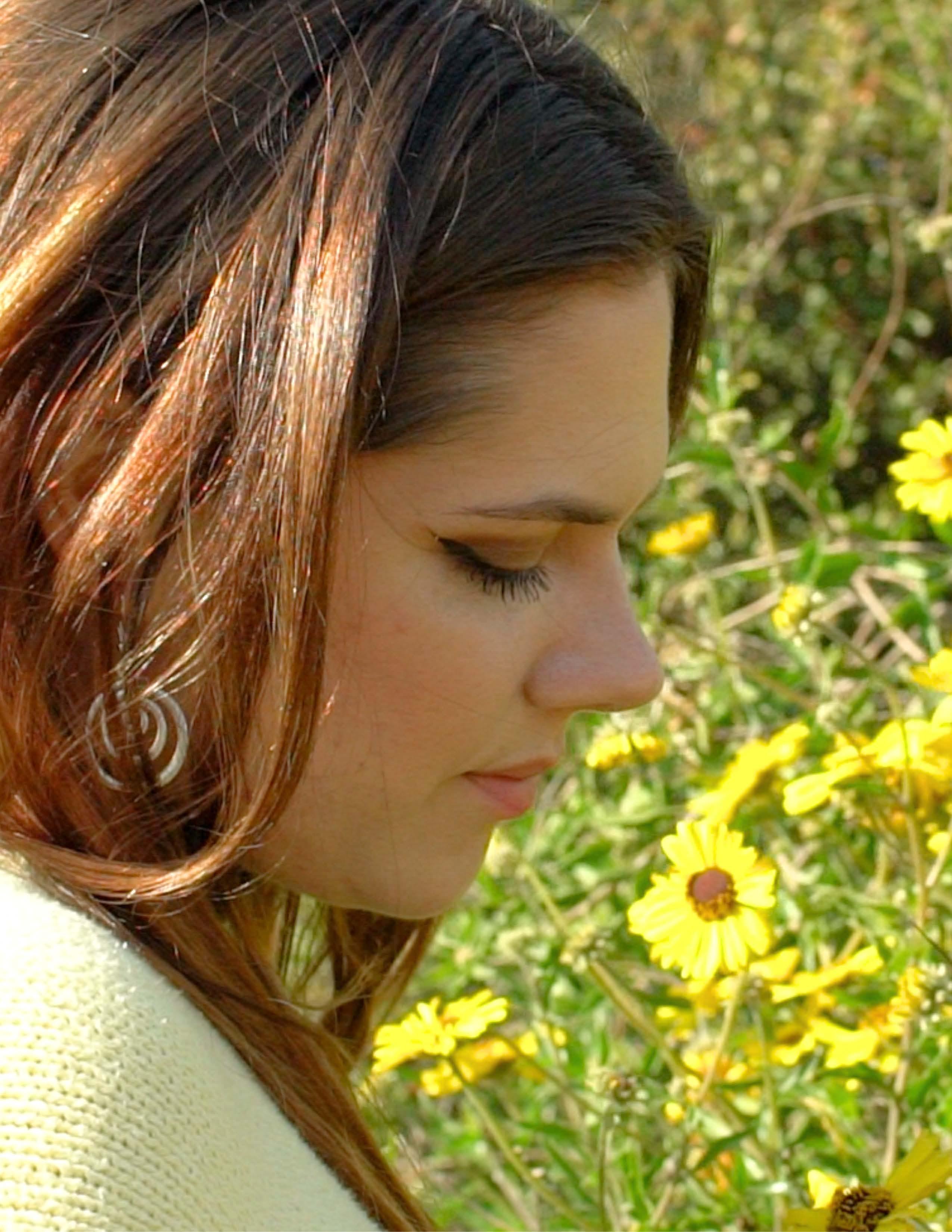

“I went and sang for Thane. He has since passed away… but he was such a sweet, sweet boy. I’m just glad I got to sing for him.”
CALY: (continued) So finally, I joined after-school sports. I did softball and volleyball, and then I grew to love cheerleading. Cheerleading became my whole life. I always wanted to be tumbling on the mats. We were in the gym all the time. I started getting fit. I started getting abs.
At one point, I could feel what I thought was a really hard ab in my stomach. It started to protrude, but in my mind, I thought it was just an ab. I wasn’t in pain. Nothing felt that weird. It was just this protruding lump in my stomach, and I didn’t really think much of it. But then I started getting kind of sick. I had to pee all the time, which was random.
Eventually, my family and I went to Orlando, Florida, for vacation. It was really fun, but I got heat sickness at Disney World. I couldn’t keep fluids down. I was just so sick. Then we drove all the way back to Ohio, and because I constantly had to pee, my dad was like, “No water for you. Don’t think about water.” So when we got home, I was dehydrated to the point that I had to go to the hospital.
They admitted me because I was dehydrated. I got fluids, and everything seemed okay. But then I went to my pediatrician, and she gave me a checkup. She had me pee in a cup, which I thought was normal because I had done it before. But I guess she was giving me a pregnancy test because of the symptoms I was describing and because I had this protruding lump in my stomach.
She came back into the room. It was me and my dad, and she said, “So, you’re pregnant.”
I was like, “What? I’m not pregnant. I don’t even like holding boys’ hands. I don’t like saying the word sex.” It made me uncomfortable to even think about that. I was like, “Girl, I’m not.”
Then she said, “Well, the only other thing it could be is a cyst or a tumor on your ovaries.”
So I had surgery. They removed the tumor. It was about the size of a little toy football. They also removed my left fallopian tube and ovary. Then I had chemo.
During that time, “Fight Song” by Rachel Platten became my anthem. I listened to it a lot, and I knew it was a cancer anthem for so many people. I wanted to do a cover of it. I thought it would be a great song, not only for me, but maybe for the other kids in my unit too. I thought maybe they could watch it on YouTube and get some inspiration from it.
That was the first time I ever went to a recording studio. I recorded a cover of “Fight Song,” and it was good. One of the parents at the hospital saw the video. Her son, Thane, was in remission at the time, and he was having a benefit. She asked me to come and sing “Fight Song” there. So I went and sang for Thane. He has since passed away… but he was such a sweet, sweet boy. I’m just glad I got to sing for him.
The video my dad took that day ended up going viral. It’s so weird to say this, but sometimes it feels like survivor’s guilt. I sang this song, and then I experienced so many things with so many kids who have passed away. They’re not here anymore. I still see their parents on Facebook, and I’m always with them in that way, but their children aren’t here anymore. I never really think about this. I never talk about it. I’ve never said, “I have survivor’s guilt,” but I think I do.

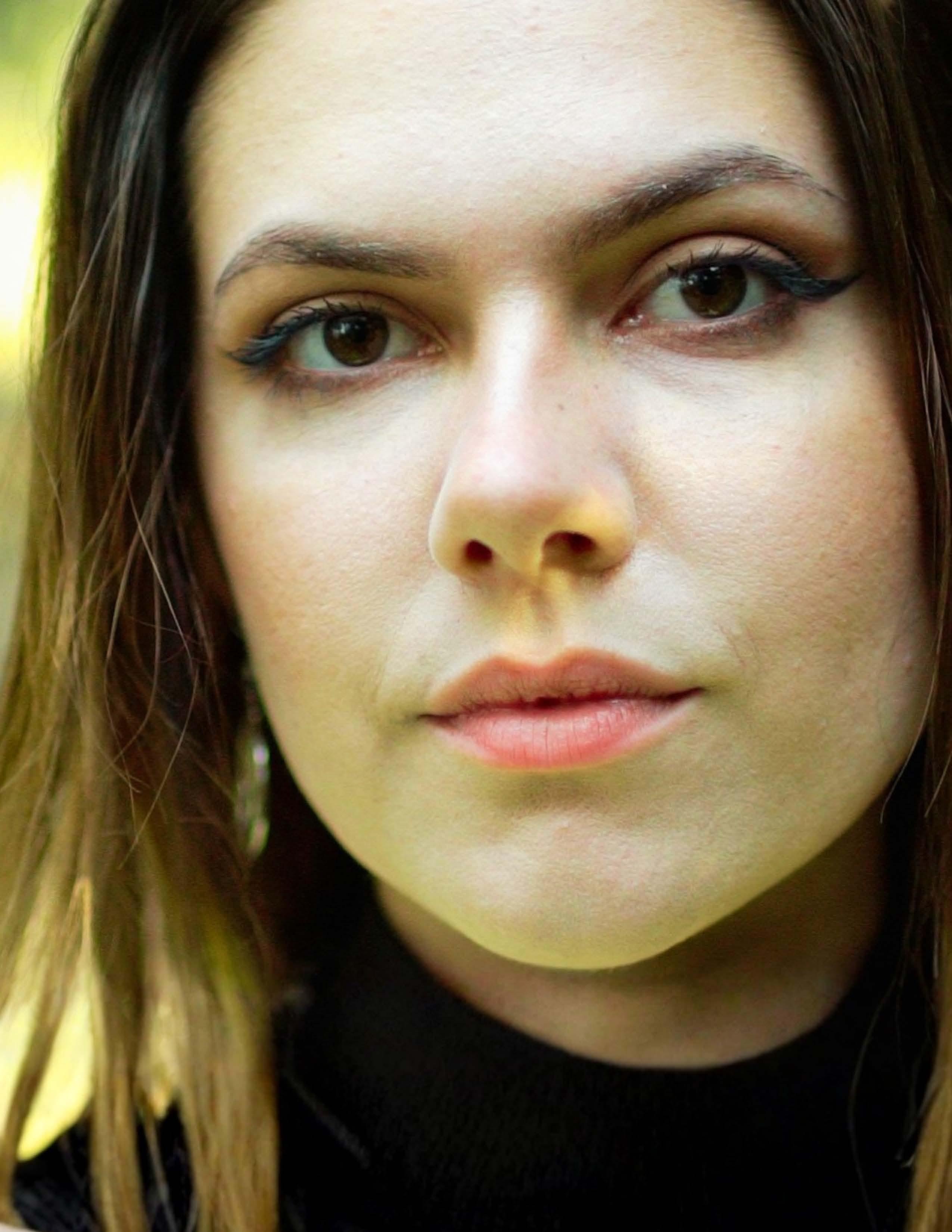
CALY: (continued) Anyway, the video went viral. I sang at Thane’s benefit. Then I was on The Ellen DeGeneres Show, and I got to sing “Fight Song” with Rachel Platten. After that, I was on America’s Got Talent, and I sang “Fight Song” there. That was the anthem of that year. For those two years, everything was “Fight Song.”
I grew up watching Simon Cowell on American Idol and being so scared of him. I had no clue what he was going to think of this little Ohio girl.
ALLIÉ: But he liked you.
CALY: I guess he did.
ALLIÉ: Enough to give you a Golden Buzzer.
CALY: Yes. Then I moved immediately to Los Angeles and started my career writing music. When Rachel Platten wrote “Fight Song,” it was about her journey in the music industry. That’s still a song I hold close to my heart, and I always will. Now it’s not only my cancer journey song. It’s my music journey song too.
ALLIÉ: That’s really interesting that you say that because we do that, right? We use where we are in life at a particular moment and think, “This is who I am.” We define ourselves by that one thing instead of seeing ourselves as a full expression. It’s like with a diagnosis. Sometimes people feel like they are their diagnosis and little else. How do we become who we are when we’ve faced adversity? Some people go through something hard and feel done. But you’re like, “No, I’m going to keep going.”
CALY: I think going into the music industry after fighting cancer felt like, “Of course I’m going to do this. No question.” But like I said, I think a lot of it came from the adults in my life saying, “You should do this.” Over the past couple of years, I’ve been asking myself, “Okay, I do make music, but what level do I want it to be in my life?”
I want to make music that is vulnerable. I want to make music people connect with. But at the end of the day, I want to make music that I connect with. For a long time, I went with other people’s opinions. People would say, “You should make music that sounds like this,” or, “You should have backup dancers when you go on stage,” or, “You should sell out Madison Square Garden.” There were so many “shoulds.” It took me a long time to ask myself, “What do I want to do? What do I want?”
ALLIÉ: So you’re at that moment in your life where you’re meeting yourself where you are.
CALY: Yeah. That’s where I feel like I am. Even now, I hadn’t picked up a fiction book since probably seventh grade, and now I’m just flying through books. I love fantasy. I love seeing these new worlds. Sometimes I want to escape reality, and that helps. Sometimes I’ll think, “Oh my God, I just spent six hours reading this book. I’m wasting all my time.” But no, it actually helps me romanticize the rest of life. It helps me write songs. It helps me creatively.
There are so many things I’m finding out about myself that I don’t think I would have discovered if I hadn’t taken that step back. Right now, I have a lot of anxiety. I’m depressed. I have things I need to figure out. But I would rather feel those feelings fully than ignore them and keep chugging through, hustling, and pretending everything is fine.
ALLIÉ: Yeah. I think that’s how we find our way. If we just pretend everything is fine and keep going the same route, we never really meet ourselves. To your point, sometimes we do need to stop. We need to pause. Whether it’s part of a mental health journey, a diagnosis, or something else entirely, we have to give ourselves grace and space. We have to be able to meet ourselves where we are. We don’t have to be at any other place or point in time. We can just be right here.
CALY: You have to be there for yourself. Other people may count on you, but in order to be there for them, you have to be there for yourself. You have to love yourself too. ∎
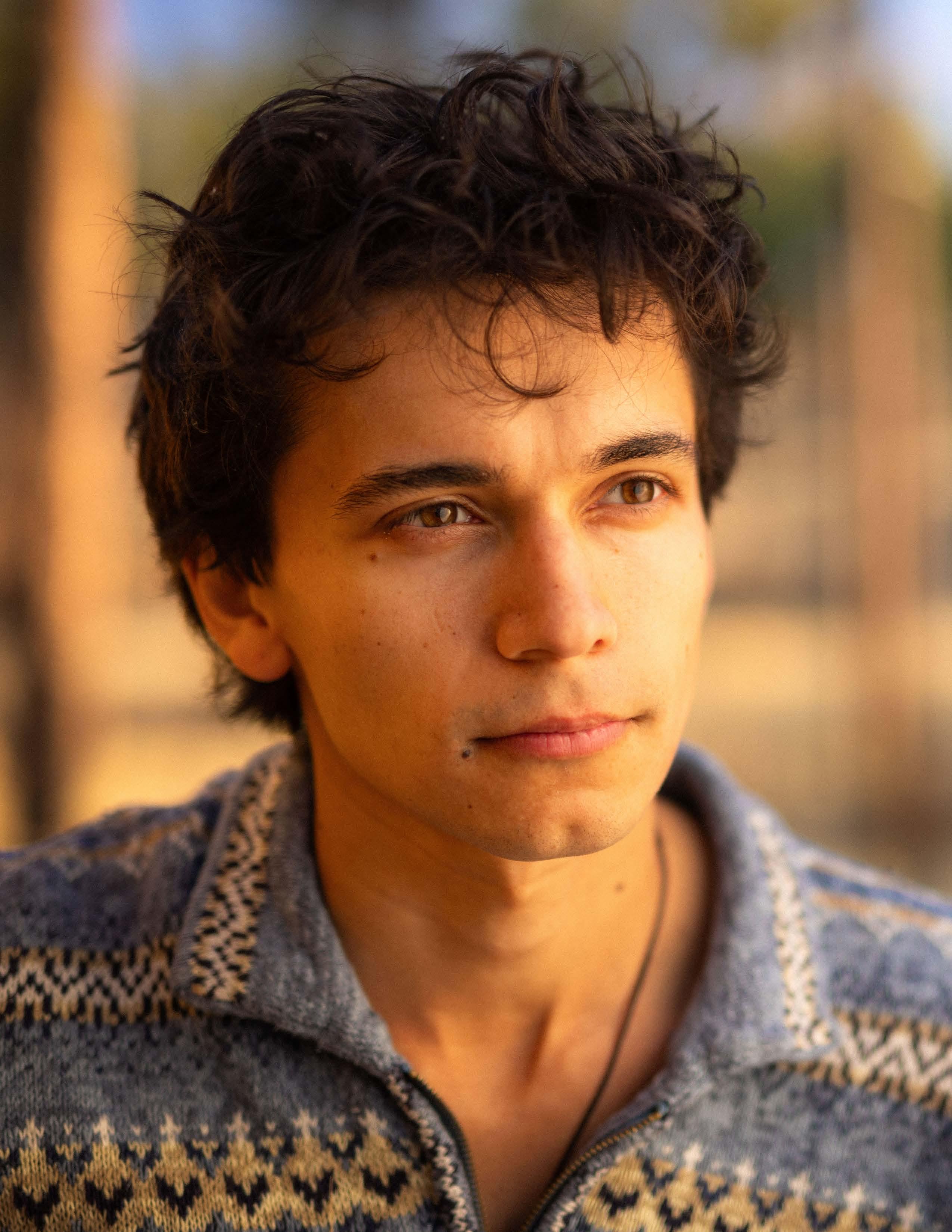
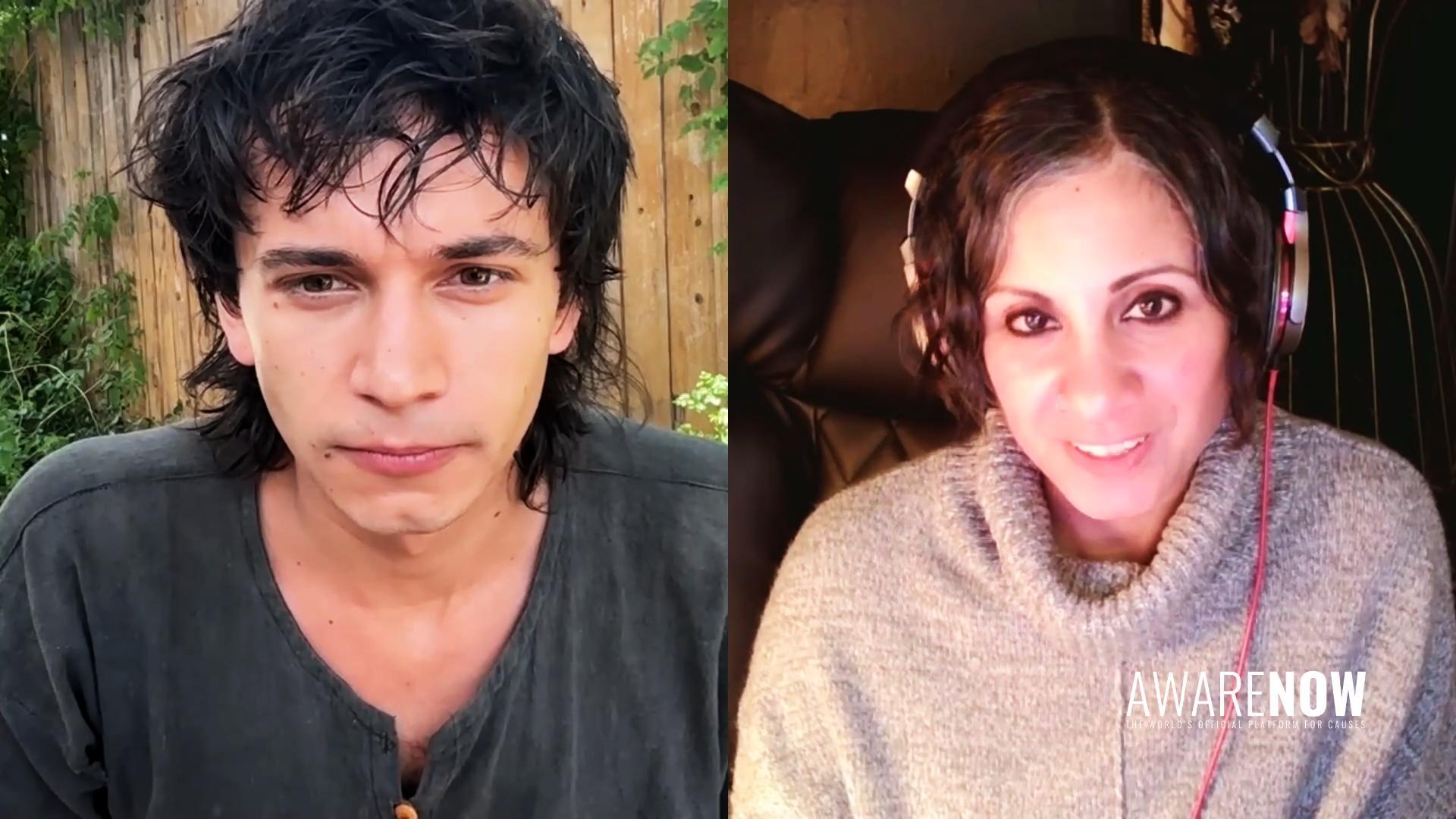
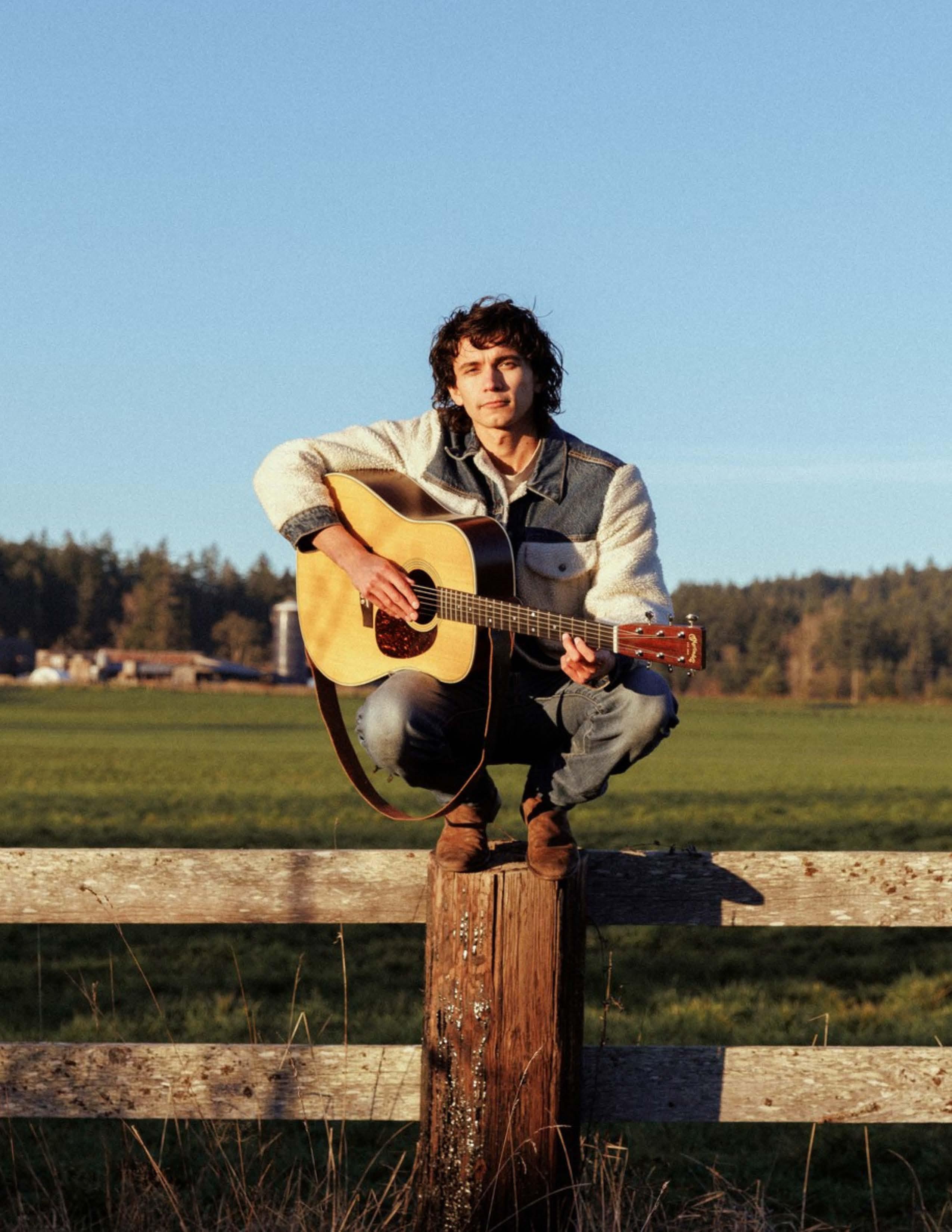
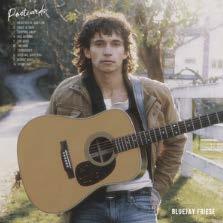
Ajay Friese (aka Bluejay Friese) is not choosing between the screen and the stage. He is building a life where both can exist, inform each other, and reveal different truths. With his role in American Classic and the release of his debut album Postcards, Ajay steps into a defining chapter where character, craft, and his own voice begin to beautifully overlap.
ALLIÉ: Ajay, you’re stepping into this really interesting moment where acting and music aren’t competing for space in your life, it seems. Rather, they’re starting to speak to each other. So, first question for you, when you look at American Classic and your debut album, Postcards, arriving so close together, does it feel like a career milestone, or does it feel more personal than that?
AJAY: Such a good question. Obviously, it’s intentional to take full advantage of the musical exposure that’s provided through American Classic, as well as the exposure to me as an artist to bring more attention to American Classic, and vice versa. But I think it is more personal because both of these projects represent my best work, at least in my own


“It’s a lot easier just to let the music flow because all the prep has been done over the course of my life.”
AJAY: (continued) I think they’re both artistic projects that have allowed me to present myself as the most adult version of myself that people have seen in terms of things I’ve been in or released musically. So, it does feel like a personal milestone in that sense because I think I’m putting a more mature, more developed, more grounded, more found sense of myself out there.
ALLIÉ: I love that, “more found.” Let’s start with American Classic. You play Randall Potts, a singer-songwriter whose voice and guitar are a big part of the character. What changed for you when the performance wasn’t just about becoming something else or stepping into this other character, but also bringing such an intimate part of yourself into the role?
AJAY: Yeah, I think it just got incredibly natural. It’s funny because I always say music is the easiest thing I do, and acting is probably the hardest thing I do. I never really articulated why until I realized that, kind of like what you just said, with music, I’m being myself. With acting, I’m being someone else.
It’s a lot easier just to let the music flow because all the prep has been done over the course of my life. It’s just me bringing who I am in this moment and my experiences. With acting, the first time I get an audition and I read it through, my performance is not good. I can’t just sight-read an acting scene and have it sound good because I don’t have any of the context. I don’t have anything to draw upon. So acting is a lot of preparation in that sense.
But when I’m able to bring the heart of a singer-songwriter and the heart of a folk storyteller, which I already have so developed within me, into a role, it’s really fun because I can just let it flow and forget about everything else. So it felt incredibly natural.
ALLIÉ: Awesome. Let’s talk more about your debut album, Postcards, which feels beautifully nostalgic, almost like small pieces of a life sent from different emotional places. By the way, “Speed Limit” is my favorite track from the album.
AJAY: Thank you. It’s the last track. Thank you so much.
ALLIÉ: What were you trying to preserve, release, or say out loud with this album?
AJAY: Something that really draws me to folk and acoustic music is the authenticity and emotional realness of it. Especially as we’re getting to a point where music became more and more produced. Then the pandemic happened, and suddenly these videos on TikTok of someone filming from a terrible angle, just sitting on their bed talking to the camera, started holding so much value for people because you feel like you’re hanging out with someone. You feel like you’re getting a real version of someone.

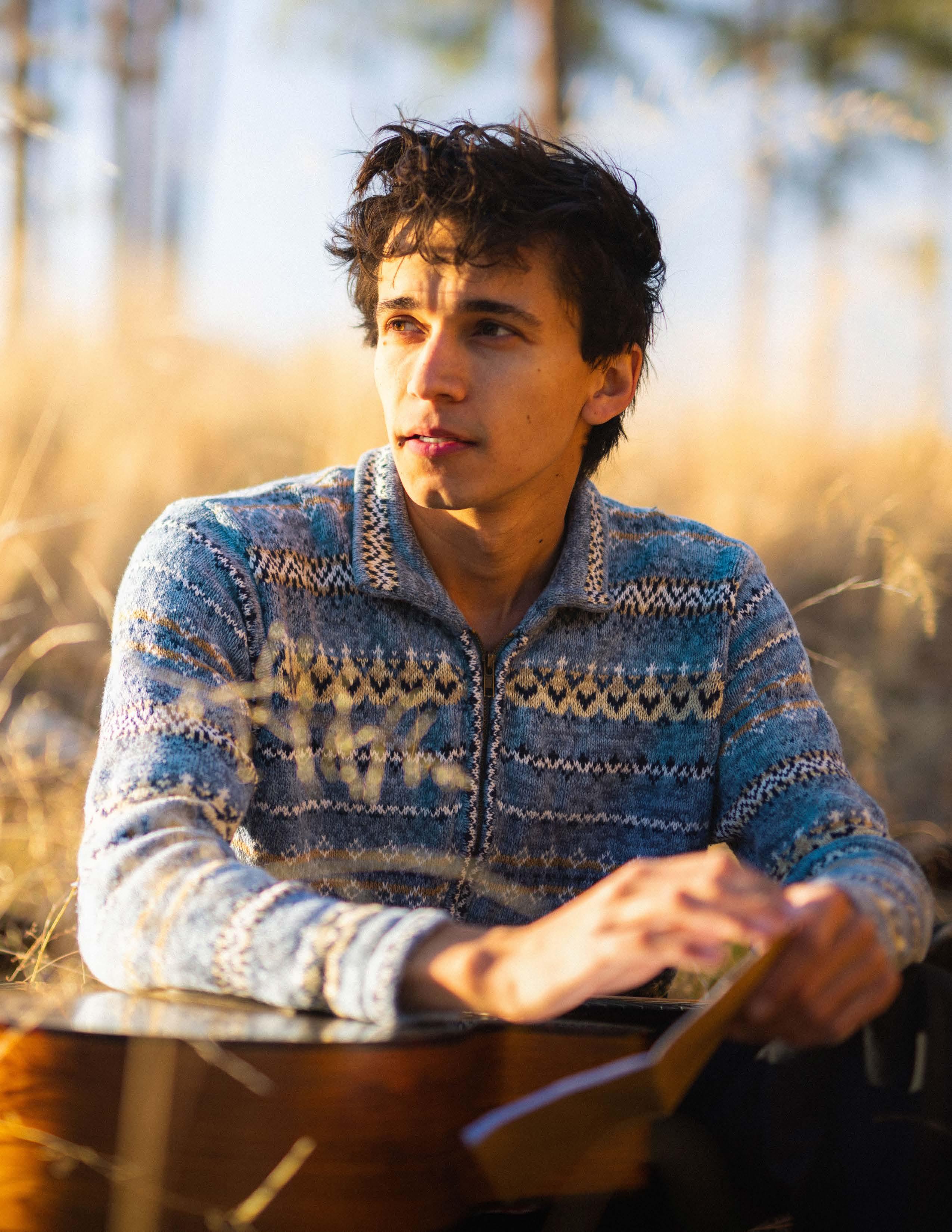

“I just wanted to tell a story authentically and not in a super polished or rehearsed way, but from a place of emotional groundedness. Because that is the most valuable thing, for me at least.”
AJAY: (continued) It’s gotten to the point where even major corporations are doing their advertisements in a way where they don’t want it to look high-production. I see that trend in music as well. I think people are realizing how important human connection is and how much can be lost in polishing.
You hear artists like Zach Bryan, who are releasing what basically sounds like rough demos as their songs, with hundreds of millions of streams. You feel it. You feel the emotional connection. You listen to that song over and over again because it gives you something, and it sounds like someone in their living room singing to you.
So, I wanted to lean into that approach a lot. Four songs on the album are one-takes where I’m playing guitar and singing at the same time. Honestly, those are some of my favorite songs on the album. I think for my next album, I’m going to do that with even more songs, or possibly the whole album.
I just wanted to tell a story authentically and not in a super polished or rehearsed way, but from a place of emotional groundedness. Because that is the most valuable thing, for me at least.
ALLIÉ: Well, you did a wonderful job with that.
You’ve been part of big on-screen worlds, but music, as I think you were just speaking to, asks for a different kind of honesty. When you’re standing behind a character, there’s a script. When you’re standing behind a song, there’s nowhere to hide. With that said, which version of performing makes you feel most comfortable?
AJAY: Music, because it’s so natural to me, but also because I get to choose which songs I sing and which songs I don’t. Once I’ve performed a song live a few times, it’s a lot more comfortable if it’s something I’m nervous about off the bat. All my songs are incredibly personal, but sometimes there can be a lot of anxiety or nerves around showing that song to anyone, or to certain people.
But I get to choose what I perform. If I decide I’m going to sing a song, usually it’s pretty comfortable. Sometimes I still get kind of nervous before I’m about to say certain lines that I’ve written or things like that. But it’s such a rush, and there’s such a huge payoff for just putting yourself out there.
ALLIÉ: Yeah, and just showing up. I think there’s something powerful about building two careers at once, especially in industries that both ask so much of your identity, your time, and your heart. As you step into this next chapter, as both Ajay Friese and Blue Jay Friese, what part of yourself are you most excited for people to finally meet?
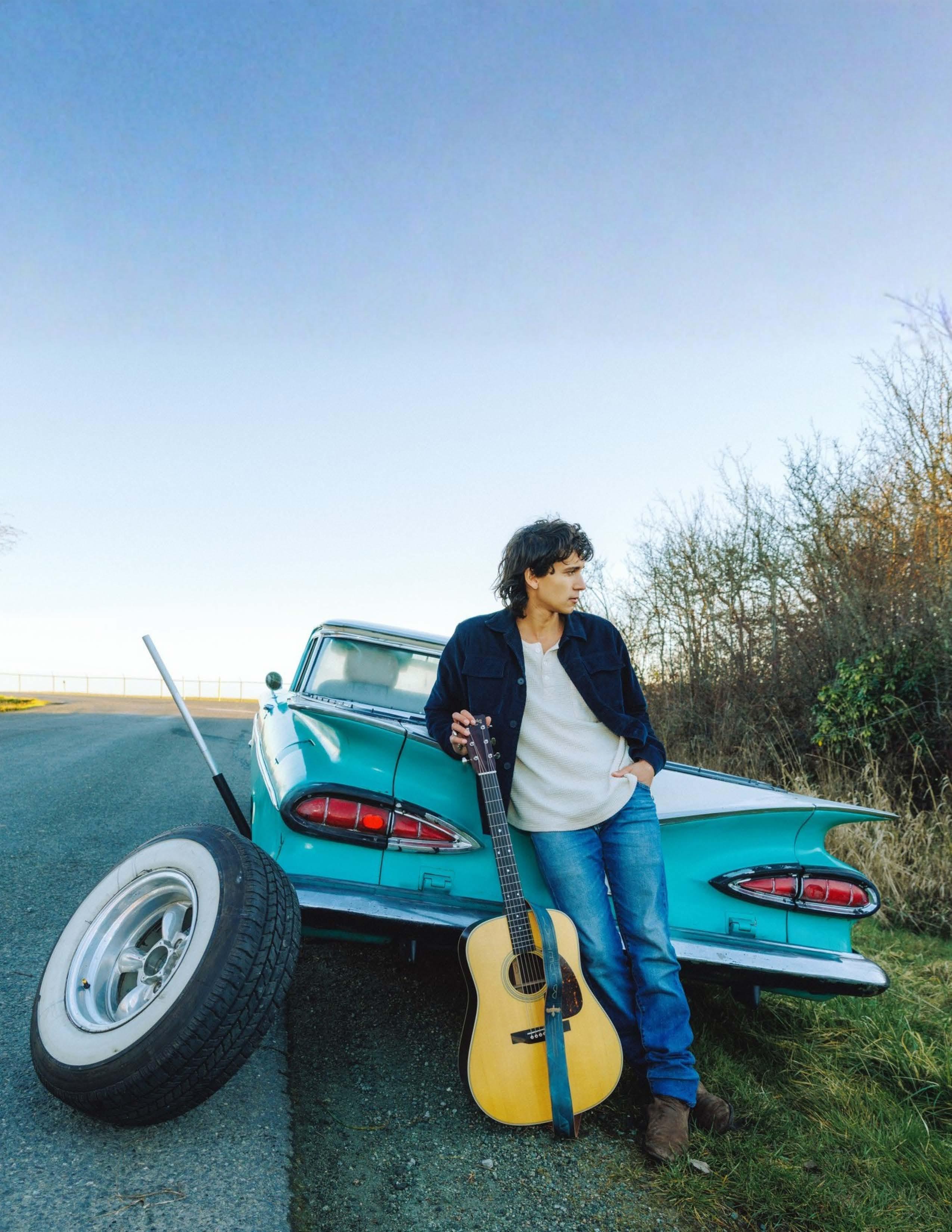
Exclusive Interview with Ajay Friese https://go.awarenowmedia.com/podcast/between-lines-and-lyrics

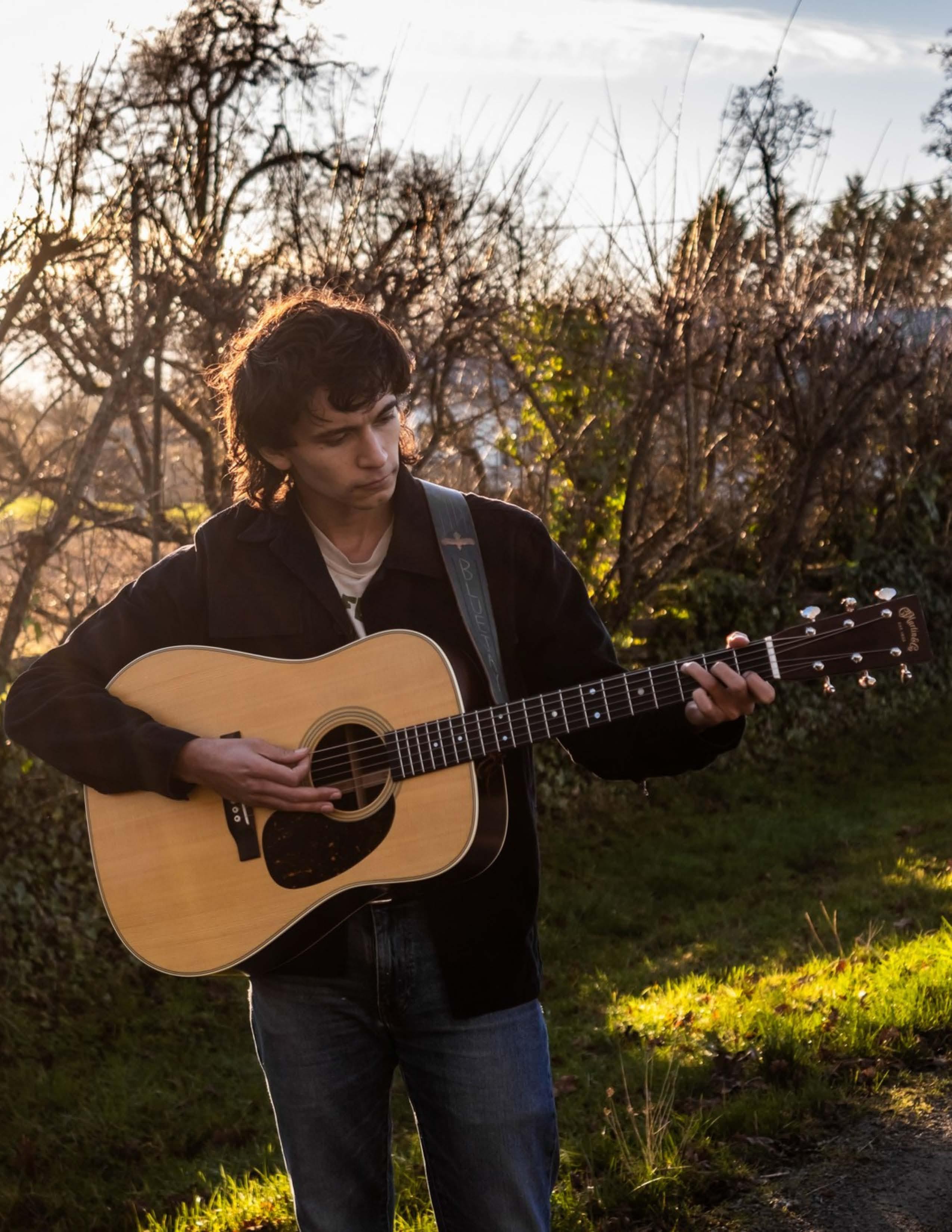
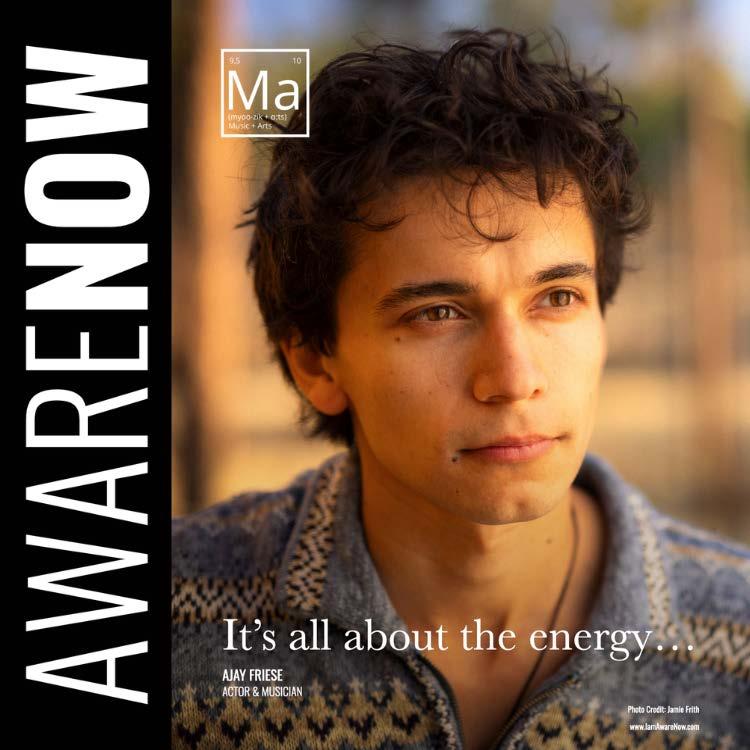
AJAY: I think I just want to continue to get freer and more raw with it all.
I perform live a lot, and pretty much every time I’m performing live, it’s just me and the guitar. I find that’s probably when I emotionally connect to an audience most. People cry on a fairly consistent basis at performances where I’m performing my originals.
It’s like live theater. It’s so immediate. The coolest thing about it all is you’re going through the emotional experience in real time with the audience, and no one in the room knows what the next second is going to hold.
So, I think I really want to focus on capturing that in recordings in really honest ways. I think that comes with the intentionality to do that and the confidence that that’s the approach, leaning into the beauty and the imperfections. Like I said before, the most important thing is being emotionally grounded and present.
ALLIÉ: I love how you just mentioned that, live, it’s a direct exchange of energy. You to your crowd, your crowd to you. There’s not a disconnect. It’s analog and not digital. To your point, it’s real time. We need, I think, more real-time connection and more authentic connection.
AJAY: Yeah. Sometimes, if I might add, for example, for my song “The Road” on the album, I brought a friend into the space I was recording in, actually a couple of friends, and that’s also a one-take. I performed that for them, and they had never heard the song before. So, having that actual live audience completely changes the way you play a song.
There are all these different strategies you can employ in the recording process. It’s not just playing the song beautifully or perfectly or cleanly. It’s a whole different approach. It’s trying to capture emotion. What we’re doing is capturing energy. That’s the whole reason anybody listens to any music they listen to ever, to get the completely unique energy signature from that music.
We’re capturing energy. So it’s about the energy, really. ∎
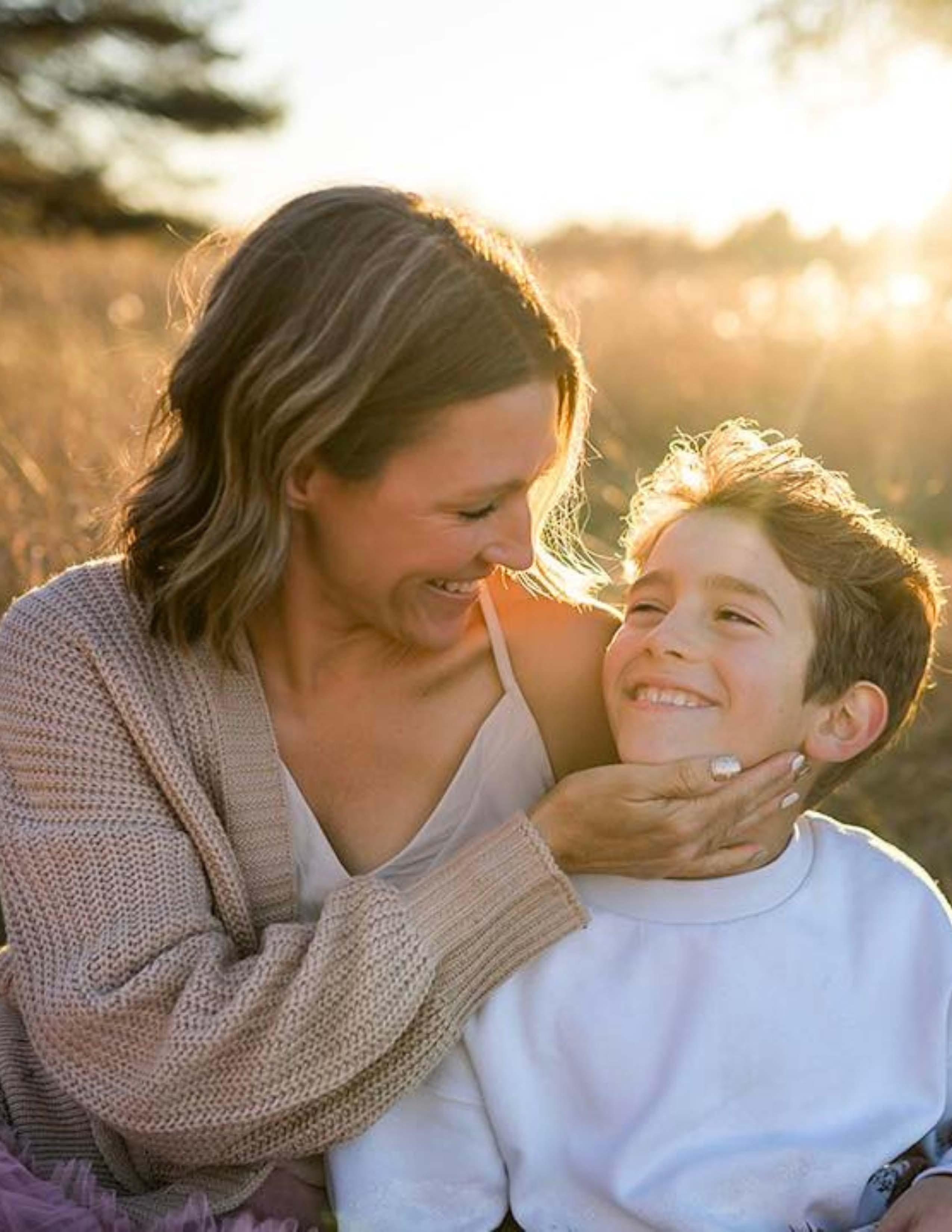
No one really tells you this part.
Parenting doesn’t get easier. It just changes.
The little years are exhausting. The bigger years pull at your heart in a whole different way.
Today, I found myself looking at my oldest, the one who made me a mom. I realized how much has already changed.
They don’t reach for you the same. They don’t need you the same.
But somehow, the love just gets deeper. And you start to understand why people say it goes so fast.
That’s why moments like this matter. Why slowing down matters.

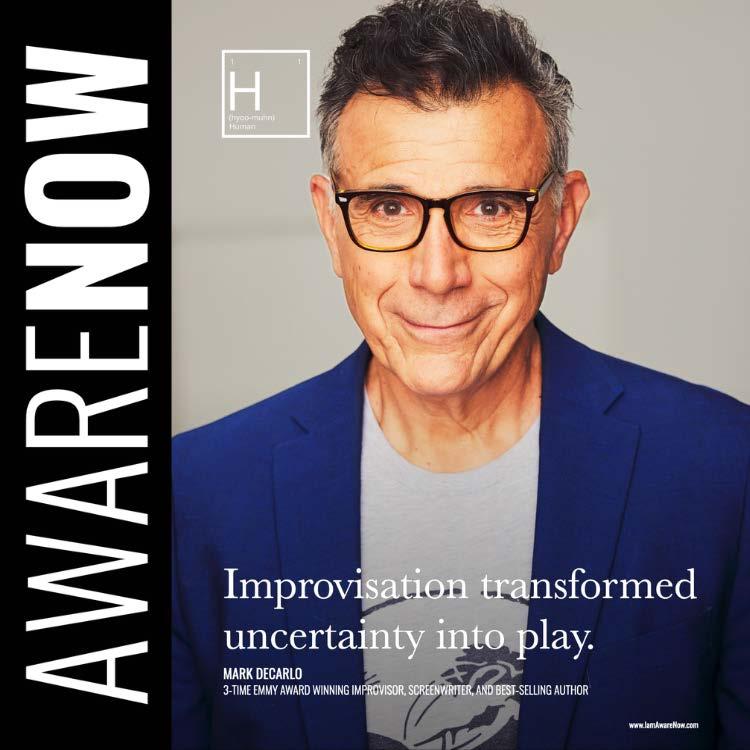
MARK DECARLO
3-TIME EMMY AWARD WINNING IMPROVISOR, SCREENWRITER, AND BEST-SELLING AUTHOR
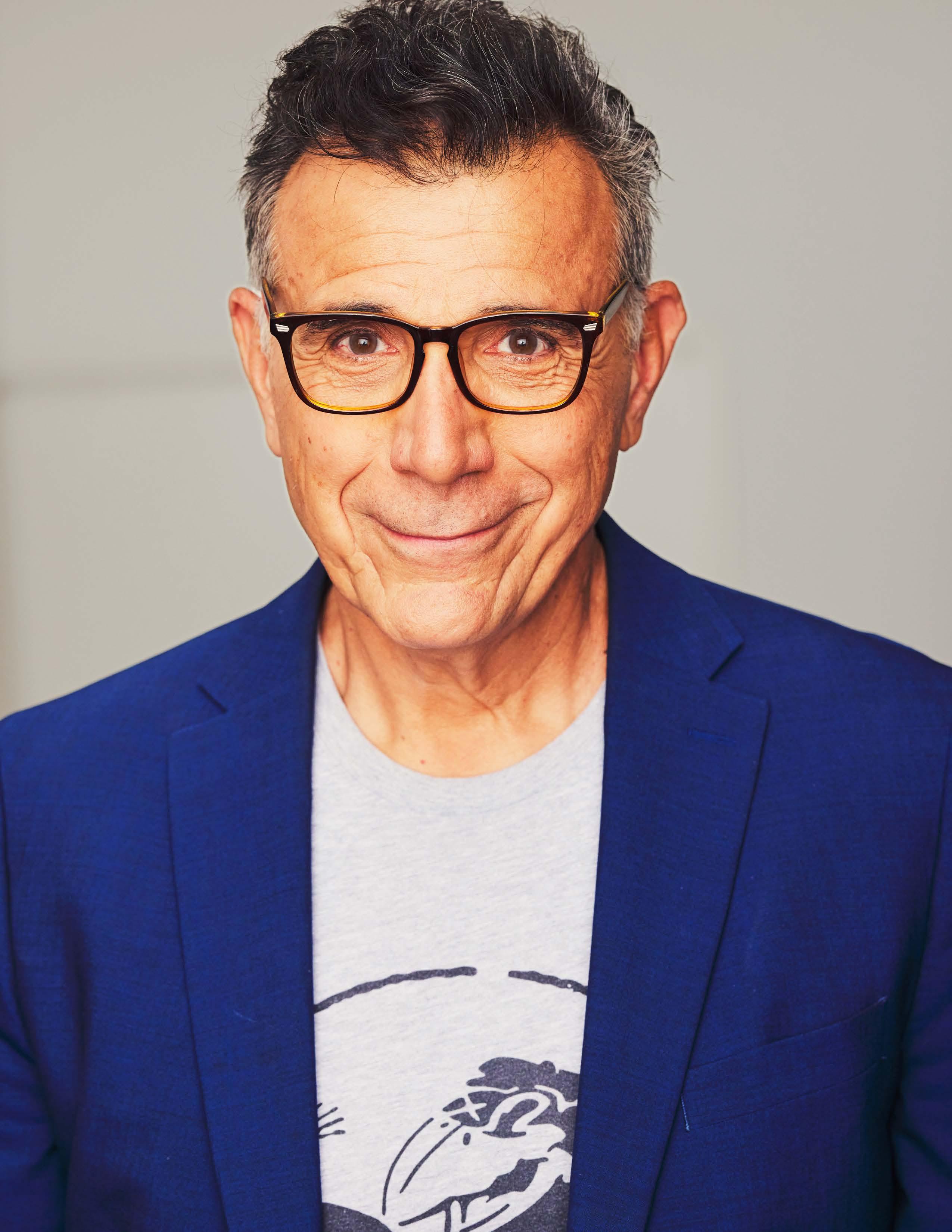

Mark’s relationship with happiness began before he had language for it.
Every Saturday morning, he woke early, snuck downstairs, and turned on the television just loud enough to watch old Warner Brothers cartoons. Bug Bunny. Yosemite Sam. Wile E. Coyote slamming into the same wall over and over, convinced this time would be different. The repetition felt perfect, precise even.
What stayed with Mark went deeper than laughter. It was joy. Those cartoons carried intelligence and self-awareness. Chuck Jones created worlds that bent reality while inviting curiosity. A child could laugh. An adult could marvel. Through storytelling, there was a power that could activate a contagious positive energy.
At fourteen, Mark nearly lost his life during a track practice accident when a errantly thrown shot put struck his back while he was running around the track, rupturing his spleen and causing immense internal bleeding.
Days later, when consciousness returned, his doctor revealed he’d been 10 minutes from death. Lying in his ICU bed, Mark made a decision he would carry forward for the rest of his life. “That brush with death at such an early age, changed me permanently. Time mattered. Every choice I would make had to be me closer to happiness. It was that simple.”
From that point forward, happiness became an intentional practice. Mark spoke his intentions aloud. He shared his goals publicly, and built a support community to help keep him committed to his goal of going from 252 pounds to 170 pounds. Over five months, through common sense nutrition and increased activity, he transformed his body with a fierce determination and greatly developed his con fidence. When he woke on his fifteenth birthday, he’d exceeded his goal, and shared the triumph with all the people who’d believed in him.
Through his experience, Mark knew that people could imagine a happier life and build it deliberately. Later, growing up in Chicago, Mark discovered that people could build entire careers from that power. His best friend’s older siblings performed at Second City, and as a teenager, Mark slipped into those shows whenever he could. When he realized performers earned a living by creating joy, something inside him settled.
Comedy, performance, and communication followed him into adulthood as he pursued theater, television, and animation. Standing in front of people felt natural and meaningful. “It was amazing to connect with audiences through a shared experience that was usually funny.” Happiness continued to be Mark’s compass and reward, and he wanted that for everyone.
Mark pursued work that energized him and discovered how to earn a living within it. Entertainment ful filled part of that calling that earned him three Emmy Awards for On Camera Host. Over time, another door opened.
MARK DECARLO
3-TIME EMMY AWARD WINNING IMPROVISOR, SCREENWRITER, AND BEST-SELLING AUTHOR
“Improvisation transformed uncertainty into play. In business settings, I saw people tense when hearing that word. I also saw how quickly resistance faded once they realized they already practiced improvisation every day.”
While working on his Travel Channel series, Taste of America, Mark began receiving invitations to host corporate events and deliver keynote talks. At first, curiosity led him forward. Very quickly, recognition followed. The same skills that fueled his comedy improvisation also fueled healthy organizations. “Improvisation transformed uncertainty into play. In business settings, I saw people tense when hearing that word. I also saw how quickly resistance faded once they realized they already practiced improvisation every day. Conversation itself functioned as improvisation.”
When Mark taught these skills through entertainment-based exercises, something shifted for people. Through listening, presence, trust, adaptability, and collaboration, employees were developing con fidence. Communication skills were advancing and creativity was happening more often in the workplace. “People realized they handled uncertainty far better than they believed.”
Through this work, Mark discovered where his contribution mattered most. While entertainment reached multiple audiences, helping to build healthy corporate culture in fluenced daily lives that created ripple effects beyond the normal work day.
Mark watched teams rediscover trust through transparency. He witnessed workplaces transform when leaders respected human experience alongside outcomes. “Happiness strengthens productivity, creativity, loyalty, and connection. Organizations benefit. Individuals benefit. Community benefit. It’s that simple.”
Featuring Mark DeCarlo https://go.awarenowmedia.com/podcast/happiness-works

When it comes to the greatest obstacle for individuals and companies to thrive, Mark attributes it to one thing: FEAR. In workplaces, he saw fear controlling behavior and limiting imagination. In individuals, fear discouraged change and preserved dissatisfaction. However, when leaders communicate honestly, respect stays intact. When organizations supported transitions with dignity, trust grows. When managers reward collaboration over ego, culture shifts.
From his personal triumphs, Mark understands why this work mattered so deeply. Storytelling has shaped humanity’s longest-living legacy. From cave paintings to theater stages to cartoons and conversations, stories connect people across time. They carry meaning, and remind people who they were as humans and who they are now. When people share tools for happiness, everyone rises.
Mark often joked that his entire philosophy could fit into one sentence: Happiness works.
And when defended intentionally, it transforms everything it touches - strengthening creativity, expanding trust, supporting growth, and improving lives. ∎
Learn more about Mark DeCarlo: www.markdecarlo.com www.instagram.com/markdecarlotv www.linkedin.com/in/mark-decarlo-0458952
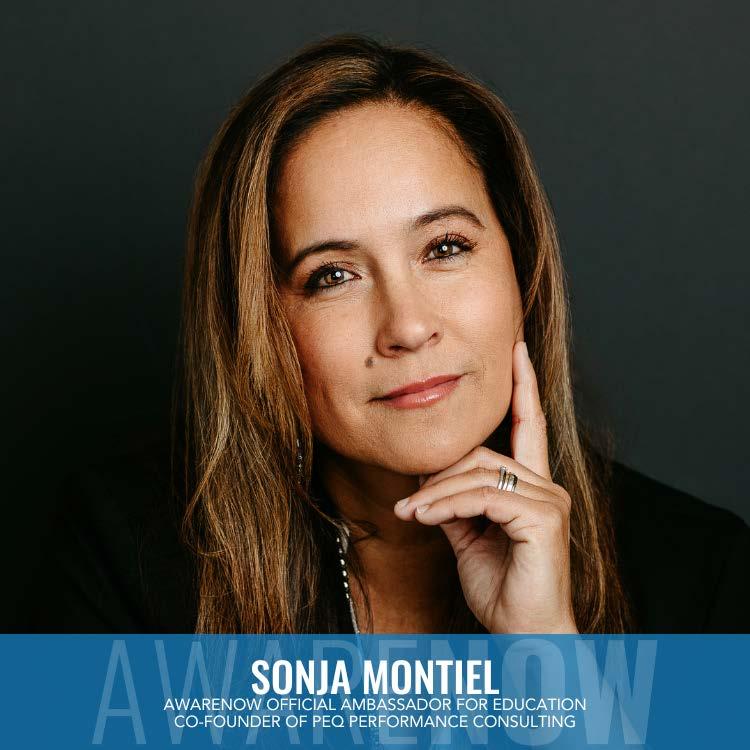
SONJA MONTIEL
Co-Founder of PEQ Performance Consulting www.awarenowmedia.com/sonja-montiel
SONJA MONTIEL (MA Education) is a cofounder of PEQ Performance Consulting LLC and cohost of “The DH Effect” podcast. She and her partner, Hilary Bilbrey, guide individuals, families, and teams to consistently reach successful outcomes through positive and emotional intelligence strategies. During Sonja’s 23 years working with thousands of teens and young adults worldwide, she began to witness many societies creating an unhealthy hyper-achieving culture that misguides our young people in their pursuit of living a life of fulfillment. Sonja is changing that narrative highlighting educators around the world who dare to think differently about education. (www.peq-performance.com) www.IamAwareNow.com
BY TAYLOR RAU
Is it easier to grieve someone when you lose them gradually, or if one day they’re just gone? I’ve experienced it both ways, and I still don’t have an answer. I don’t think there is one. Grief is such an overwhelming feeling that I think sometimes people want it to be over as soon as possible, like ripping off a Band-Aid. Or by simply avoiding it altogether. Which I can understand, but in my experience, it’s better to not shy away from it. Because if you do, you’ll miss out on the potential of having more wonderful memories with the person you love. They say no good thing comes easy, and in this context, I believe that to be true.
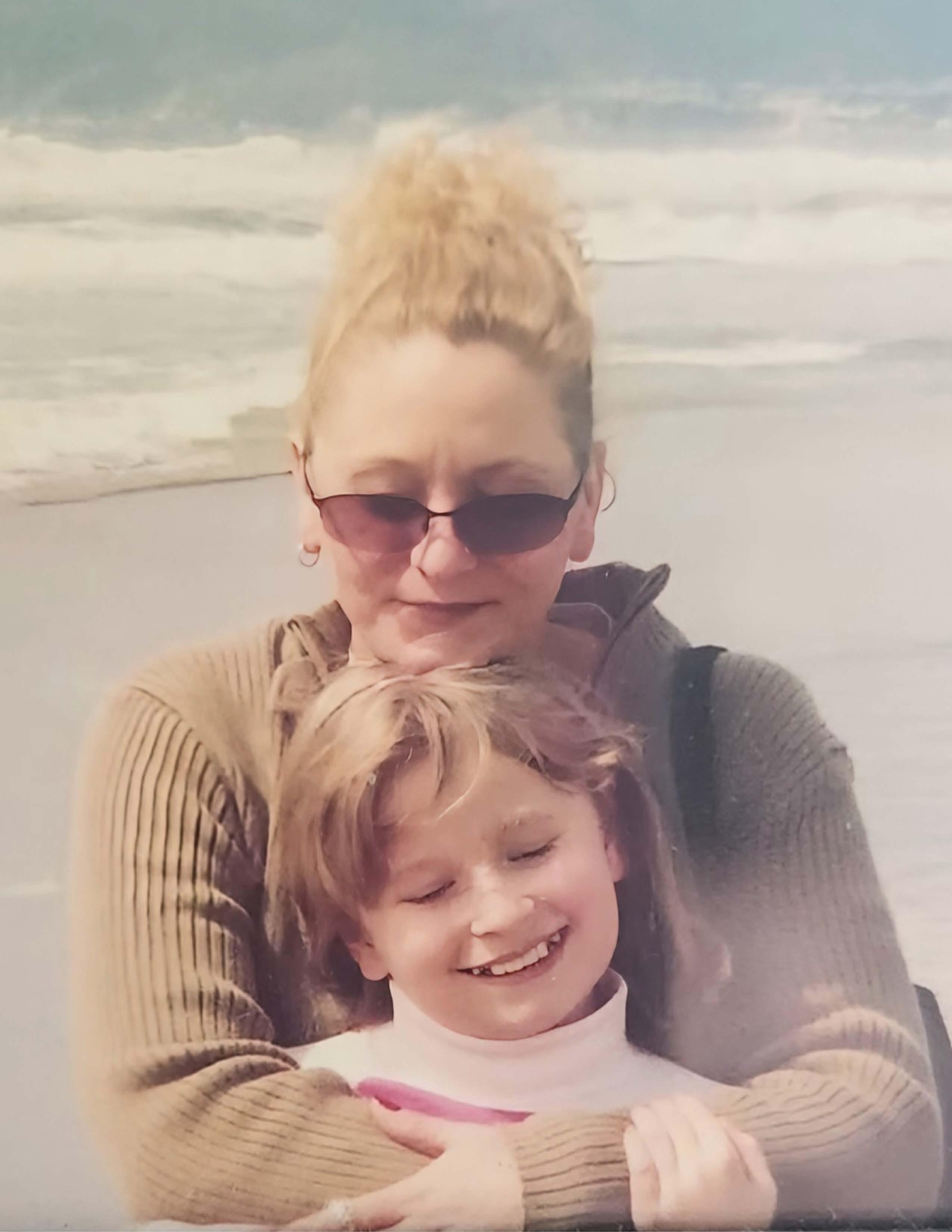
I didn’t have a normal upbringing. That was until my aunt and uncle adopted my little brother and me when I was ten years old. The woman who was my aunt chose to be my mother, and when she was told her cancer was back and had metastasized a few years ago, I felt devastated. She was told she had stage four metastatic breast cancer. Treatment came in the form of chemo pills daily in hopes it would slow, or even temporarily stop, the progression. That, along with her infusions, was really hard on her, though she tried not to show it. She didn’t want us kids to worry. But I witnessed her struggle for years. I saw the days where standing or walking took everything she had. She was stubborn about trying not to show it, and I was stubborn with insisting I be there for her. I got my stubbornness from her, I suppose.
I did my best to not let it show how much it hurt to see her in pain, because I didn’t want her to worry about me. I wanted to just help her and spend time with her. Because I knew, from my years of working in healthcare before my vision loss, that our time was limited.
She always said cancer was a lonely thing, because it seemed to push people away. Like it was too dif ficult for people to see it happen, so they stayed away. So I made sure I wasn’t going to go anywhere. I would be there with her till the end. And I was. I was there when she was admitted to the hospital over and over. I was there when she could no longer work or drive. I was there when it was time for hospice. I was there when she needed help walking and getting dressed. It was hard, but I don’t regret it, and I am so grateful I got to be there for her. She took care of me, and it was my turn to take care of her.
On the week that she passed, the last day she was conscious, she tried to smooth down my hair that was sticking up like it tends to do. I told her that I knew it was a mess, and she just smiled, put her hand on my face, and said, “It’s always been a mess.” She said it with so much love that I had to stop myself from breaking right then and there. But she still needed me to be strong for her, so I held it together. She could tell something was up and asked me why she felt weird and why there were so many people there. She knew she was in hospice, but the doctors gave us a timeline of months, and she wasn’t even in hospice for a month at that time. I told her the truth: that she was now entering the actively dying stage. Throughout all her years of treatments, I never lied to her. She always wanted it straight. She said okay and then asked if I’d be okay. Asked if we’d all be okay.
“She wasn’t just my mother. She was my friend.”
She passed away two days later, early on a Wednesday morning, with so many of us nearby. I could feel that it was her last night that Tuesday. I held her hand for hours and told her it was okay to let go. Told her that we’d be okay. Told her it was only goodbye for a little while until we saw each other again in heaven. She worried about that, too. She said, how could it be heaven without us there with her? I told her that I think time works differently in heaven. That by the end of her first day there, it would have been a lifetime on earth, and that we’d then be there with her. That seemed to bring her some peace. She asked a lot about death and what I saw from when I was working in healthcare. I assured her that it’s like falling asleep and promised it wouldn’t hurt. I don’t know how I knew it was soon, but I did. We’ve always been so in tune with one another. She wasn’t just my mother. She was my friend.
We had her comfortable at home, and I didn’t want to leave her side. It was a little before five in the morning when we all decided that we should try to get some sleep, at least for an hour before her next round of medication.
My little brother, Dylan, and I went to the backyard to stay in my parents’ camper, and within five minutes, we received a knock on the door. My uncle told us she was gone. Even in the end, she was stubborn. She waited for us kids to be out of the room to let go. My brother held my hand while we walked back inside. I knew it was coming, but it didn’t feel real till I went to her bedside and her hand was cold. My aunt Jan, who had been staying with my parents for months to help take care of her, wept with us. I felt like a piece of me had gone with her.
My biological mother died of the same type of cancer, so I didn’t just see her in that bed. I saw them both. In my early thirties, I have had to say goodbye to two mothers. I had to tell my dad she was gone. I never heard him sob the way he did, kneeling at her bedside, holding the hand of the woman he loved.
She said that there would be blessings from her death. That we just had to keep our hearts open to them. It has only been a little over a week since she passed, but I already see it. I saw it that day when we all came together at their house to have a cookout and bonfire. She would have loved that. My mom always said she didn’t want a funeral. She wanted a party. As I stood in that backyard full of her nine kids, their spouses, and her fifteen grandbabies, I understood what she meant. The blessing was all of us. We were all together because of her. So even though she is no longer with us here on earth, she will never truly be gone. She lives in all of us. She lives in my brothers and sisters. She lives in her grandchildren. Now I just need to learn how to live without her here with us.
I love you, Mama, and I miss you terribly, but this is only goodbye for a little while. Until then, I will feel you near when I see Skip-Bo cards, and when I hear Fleetwood Mac and George Strait. Most of all, I’ll think of you when I hear the laughter of my brothers and sisters and of your grandchildren. ∎
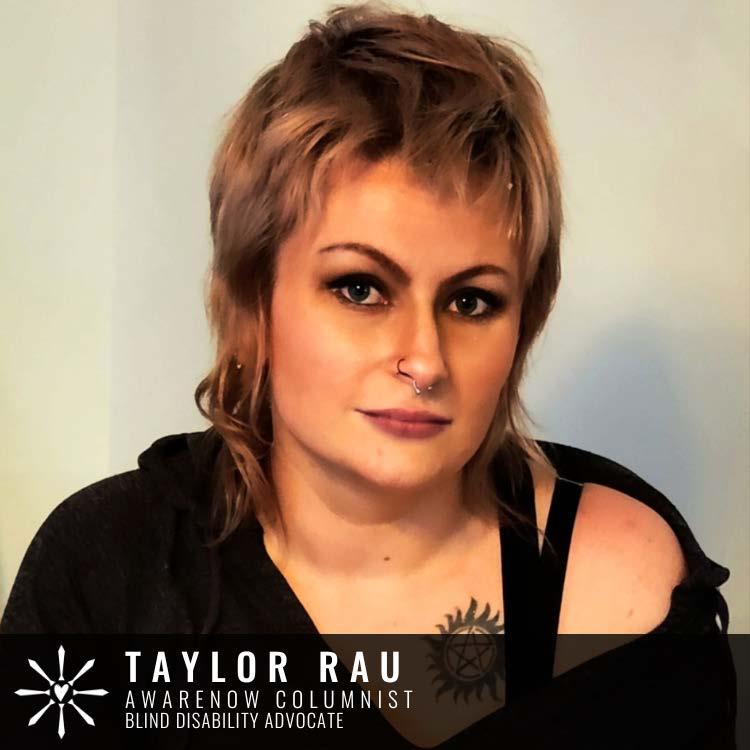
TAYLOR DERUSHA (RAU)
Blind Disability Advocate www.awarenessties.us/taylor-rau
I am a 29-year-old legally blind woman, and my greatest passion in life is being a disability advocate for the community. It can be hard to speak up for yourself, but I'm very good at speaking up for others. Becoming disabled has opened my eyes a lot to just how inaccessible the world is, and I am determined to do everything I can to raise awareness of this issue to hopefully make a difference.
We’re



KITTY BOGLE-SHERMAN CO-FOUNDER OF ENDORA
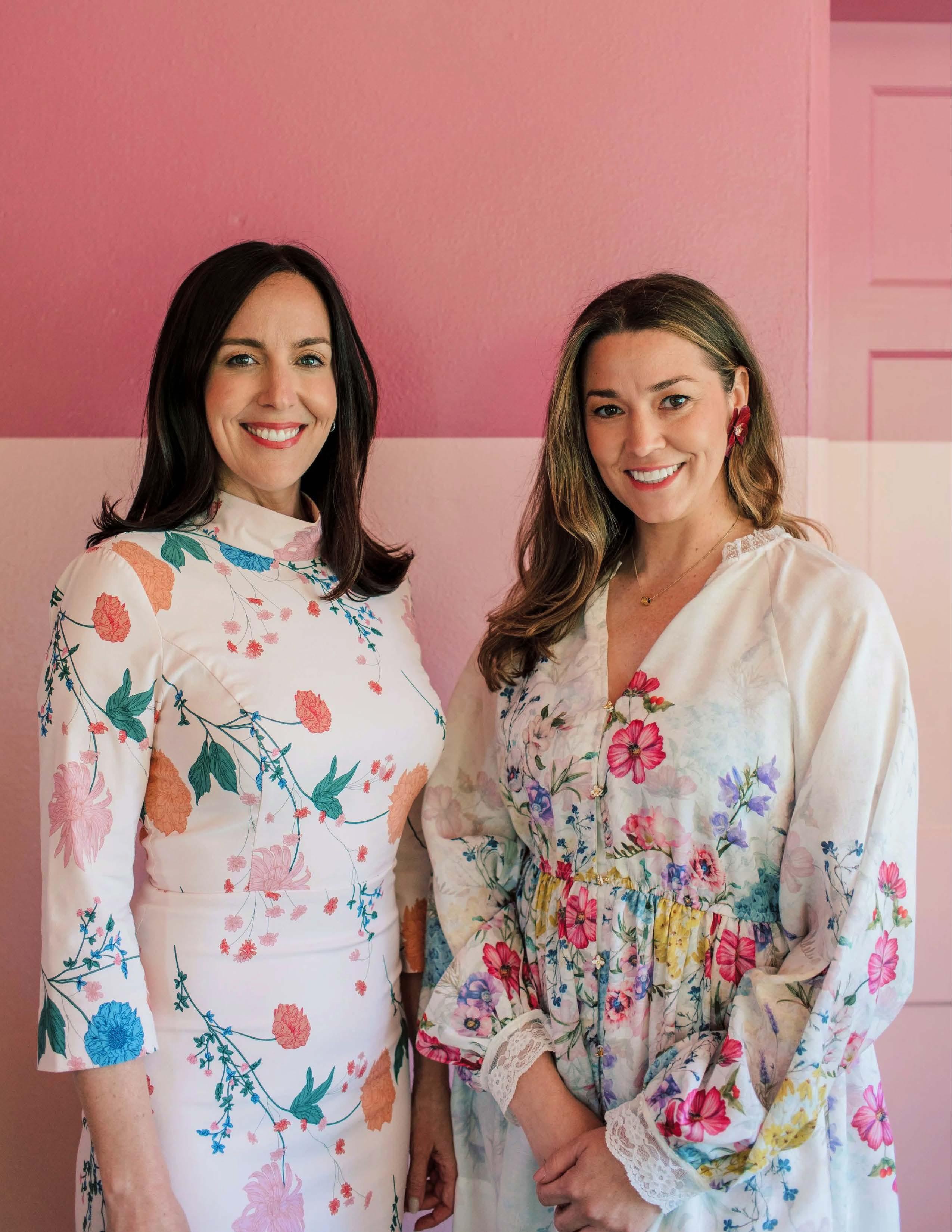

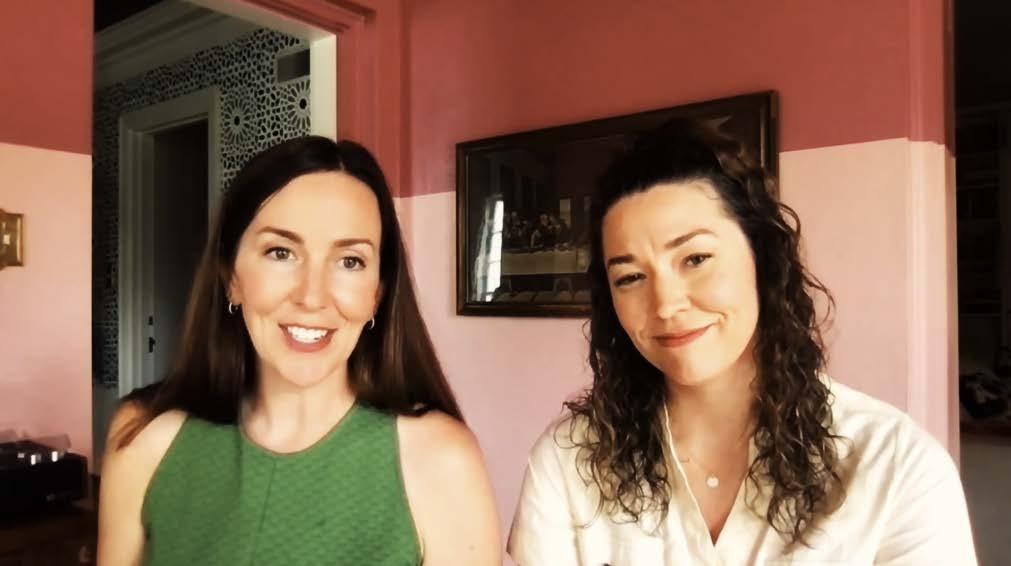
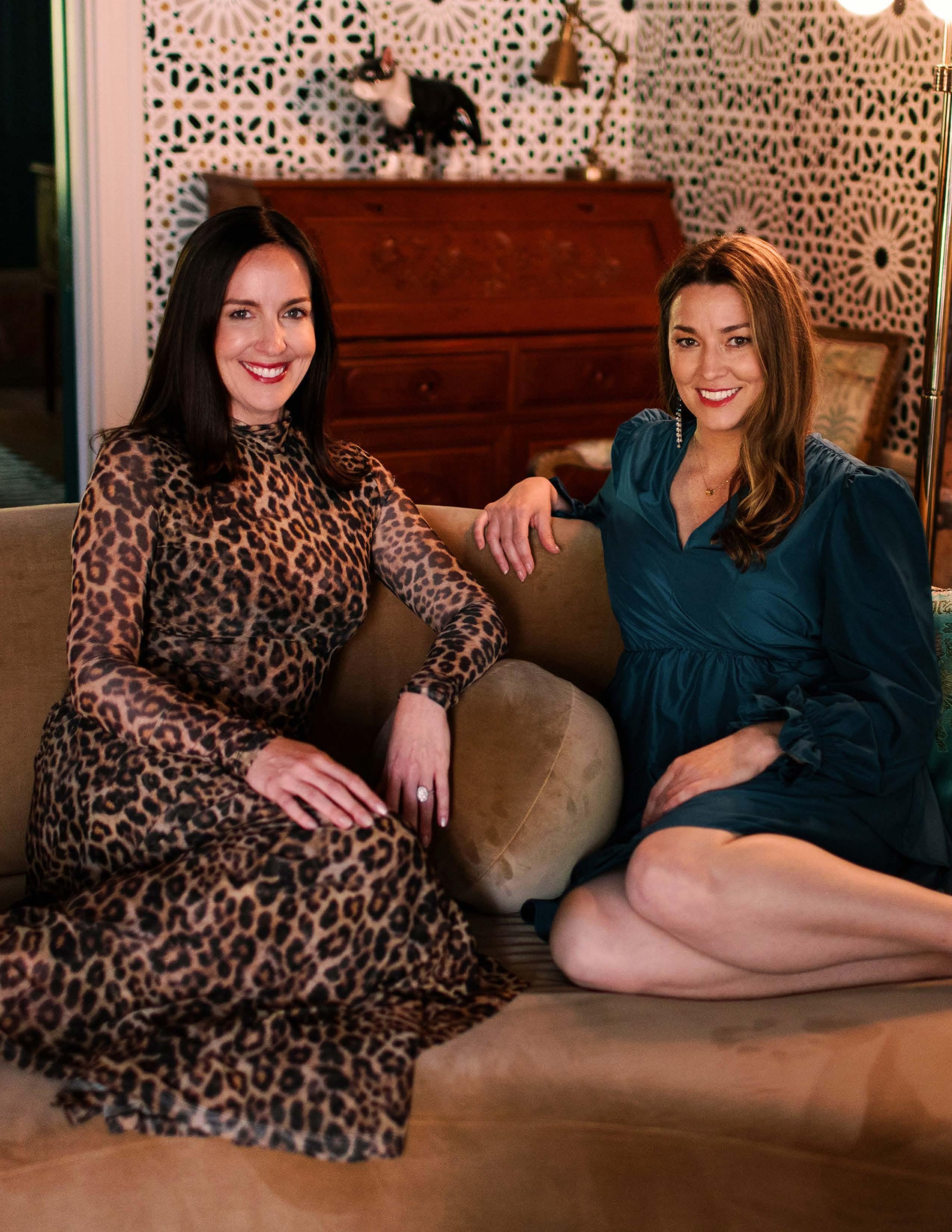
Kitty Bogle-Sherman and Coco Harmon are more than sisters. They are co-founders, mothers, and purpose-driven leaders reshaping how we connect through technology. As the visionary founders behind Endora, they are building a platform designed to deepen human connection in a digitally saturated world, blending innovation with intention.
In a time defined by constant input, where we are endlessly consuming, scrolling, and absorbing, they recognized a quiet but critical gap: the need for reflection. What began as an app designed to gamify self-reflection has evolved into something far greater: an ecosystem of



COCO HARMON CO-FOUNDER OF ENDORA
DAMKIANNA: Kitty and Coco, I’d love to hear how you got aligned with the vision and the mission that is Endora? Tell us kind of the birth and the beginning of this vision and purpose, and then we’ll get into where it is now.
KITTY: Okay. Who wants to take that one? That kind of feels like you. It really did start with you, technically.
COCO: To go way back, the little seeds of the idea were planted way back in the day and really started rooted around this idea of looking at how our legacies are captured and passed down. When we started out really working on something together, it was more of a legacy-focused mobile app, and it kind of evolved from there as we got to learn more about the industry, learn more about how powerful our memories are, and learn more about intentional design and what users actually want.
We spent a few years really exploring those things. What we’re working on now is sort of the culmination of all of those learnings and leaning into where we think the real potential and shifting mindsets really lies. Do you want to get into that part of things?
KITTY: Yes. Somewhere along the way, we stumbled across the science of nostalgic re flection. One of Endora’s advisors is the leading researcher in this field. What we learned is that our theories and suspicions were con firmed. We had been working with memories, so to speak, for a year or two by the time we came into contact with the science, and we had started to notice things that were then confirmed by the research.
Now we know that simply reflecting on your memories actually fights loneliness, anxiety, and depression, and it sparks creativity, optimism, and gratitude. We believe that if we can make it really easy and fun, and in our case personalized, for people to do this, if we can scale that even a little bit, we can get to a tipping point where people start to reflect and wake up. Really, we’re trying to scale reflection to spark evolution at a societal level.
COCO: I think it’s beautifully rooted in the thesis that we’ve accidentally stopped re flecting. In the little moments throughout your day when you would just have a little moment of boredom or you’re waiting for something, that’s when you kind of naturally reflect. With social media, we are so distracted that in those little moments, instead of re flecting, our attention is completely captured by someone else.
If we’ve stopped reflecting, and reflection is a key ingredient in innovation and evolution, then that seems signi ficant. We have a major problem.
If we’ve stopped reflecting, we’re too distracted, and we’re all just moving forward with our lives, but we’re also doing more than ever and creating more than ever. We’ve captured thousands of photos on our phones that then just sit there and are waiting. That’s where we see the opportunity. There is a lot of power in those memories. They’re restorative. They’re expansive. They actually make you feel more connected to other people. They help with loneliness, like you said.
There is so much opportunity sitting right there if technology is designed in a way to really design for that outcome, which is what we’re doing.
DAMKIANNA: Beautiful. You started by really gamifying reflection. The app ties into people’s phone albums, and then they get to play games. So, in those in-between moments, they get to reflect and also get to play a game.
COCO: Yeah. To explain that a little bit too, how did we come up with gaming? I think we also recognize that what we are competing with is social media. Right now, it does have everyone’s attention captured because we are in this weird dopamine loop that is really hard to escape. We wanted to meet people where they were.
We also discovered along this journey that casual mobile gaming is an industry that 80% of our target demographic participates in on a daily basis. Candy Crush, Solitaire, some of these old-school casual games are things that our target demographic likes to do.
I would just prefer to be awake.
KITTY BOGLE-SHERMAN CO-FOUNDER OF ENDORA

COCO: (continued) So we said, okay, what if we can combine the memories in your phone with these games people already like to play and just make the experience nicer? There are no ads on our app. It’s $20 to subscribe for unlimited access for the whole year. But if you want to play for free a little bit every day, you get 10 minutes a day. You can also earn more time. We’ve tried to really design with these light UX principles in mind.
DAMKIANNA: Amazing. As the journey has developed, because you guys are holding a lot, you’re moms, you’re tech founders, you have partners, families, and a lot going on, everything is a constant evolution. I’d love to share what else is evolving from the original core concept of Endora. I know you guys have been working on some really cool expansions. Would you share a bit more about that?
KITTY: Well, to go back to something that Coco said, reflection is a key ingredient in evolution. Ray Dalio, who is a guy we really appreciate and respect, has a quote that we reference a lot: pain plus re flection equals progress. Basically, that’s a math equation that you can’t really get around.
What we’re doing is saying, okay, everyone is in a lot of pain right now, and our target demographic is totally overwhelmed. Going back to why we met them with casual mobile gaming, it is because we knew that it’s kind of a luxury to be able to take time out for yourself and meditate or get serious about your spiritual journey when we know that these women are just struggling to survive.
Millennial women are the first generation of American women since the Great Depression to experience a decline in their overall mental health. That report came out a few years ago and tied that directly to social media use. That was the top factor driving that.
To be able to get people out of that, and it’s not their fault. It is not their fault. That’s where we want to live. That’s where we’re slotting in. To that point, we’ve got our mobile game option if that’s how you want to re flect, but then we’ve really expanded. We have a lot going on with Endora Productions. We’re creating content, and there will be short films coming. We’ve produced a film, but everything falls under the umbrella of scaling reflection to spark evolution.
We’re basically trying to reach people by extracting that theory of meeting people with mobile gaming. If you expand that, then entertainment is the best way to help people envision a better future. Lecturing isn’t going to work. People don’t really need any more fearmongering. We just need to be shown a better way.
We believe that technology so far has helped us envision this dystopian future, and we want to be part of envisioning something else. Because, as they say, if you can dream it, you can achieve it. We really believe that, but we want to use technology to help people dream more specifically and intentionally. That’s where the entertainment is coming in.
We’ve also expanded to space operations, which is fun. Do you want to talk about that?
COCO: Yeah. As a fun way of promoting our mission, we have worked with a partner, LifeShip, to put together a time capsule of memories that will then be mounted on a lunar lander and housed inside of a pyramid-shaped monument, land on the moon, and be there for billions of years.
We think that’s really cool because it’s an opportunity to send a little snapshot of the world right now, what’s important to people, and what message they want to send out into the universe. For people who are excited about space exploration, it’s also a way to channel our energy into positive things, working together, and unifying projects. That seems like a much better place to be.
Our little time capsule going to the moon is just one little thing that we’re doing to be in that space. You have until June to reserve your spot and submit your memory if you want to join us in this time capsule.
We’re really excited about that for a bunch of different reasons, but it should head to the moon in 2027. Right now, we have time to get the memories in, get the time capsule manufactured, get it mounted on the lunar lander, figure out what rocket it’s going to ride on to the moon, and all of those fun details.
COCO: (continued) All of that has been really fun to work on. We have a fun merch collection that goes with it that’s moon-related, again, just meant to inspire and bring people together. We always joke that they always say, “Shoot for the moon and you’ll land among the stars.”
KITTY: Right. We’re like, “But isn’t the moon closer?”
COCO: We like to say, “Shoot for the stars and you’ll land on the moon.”
DAMKIANNA: I love that. It’s got to be a tagline on there. I can see that on one of your merch drops.
KITTY: Noted. One other thing I want to mention is on the app side of things. Our gaming app has been built for Millennial women, but with them serving as anchor points. So, Millennial women and their mothers and grandmothers and their children.
What we found out in early testing is that people were handing it off to their kids, and kids loved it. It’s so safe and so contained to the device, and there aren’t any weird ads, which, as mothers, we know what weird ads are out there on seemingly safe kids’ games. We don’t play that game, no pun intended, at Endora. We’re really leaning into that family-friendly element, and we’re also about to start producing some really fun content around Endora herself as a little animated character.
The other thing I want to mention is that Endora Social is in development. People are starting to talk about this. There will be a social media that emerges and wins that makes people feel good and doesn’t have any of the junk, and doesn’t control your mind essentially via the algorithm. We’re about to take a stab at that, and that will expand our capabilities into multiplayer. It will be a little more adult-oriented, but memories only.
DAMKIANNA: Incredible. Beautiful. Is that the full scope of the ecosystem that is happening right now? Are there any other layers of how people can plug in or get connected with you guys?
KITTY: We should probably mention the other thing, which would be our AI family short films. We have a new approach. We debuted at RootsTech, which is the world’s largest genealogy and family history conference, and it went over really well and apparently was very unique. We were excited about that.
We have an incredible creative director, and basically he took a very small amount of information from a family history, like four or six pages of written history and maybe six to eight photos. Then he was able to research using publicly available archives and create this cinematic retelling of our client’s grandfather’s life.
That is something that we’re starting to do. We have a really unique approach. We view AI as just one tool, but storytelling is still coming from humans. We just happen to have a very skilled department right now.
COCO: That really ties back to where we got started, which was seeing some little short films that had been created about our grandmother’s sister and her two sisters, and learning things about them that we just didn’t know and wouldn’t have known otherwise if it hadn’t been for these little films that had been made.
We really felt like everyone has a story to tell. When it’s your own family, it’s very powerful and very moving to understand your lineage. We want to put that in more people’s hands, not just certain people who can afford to create these documentaries about themselves.
We really want to get people in touch with their ancestors and finding stories. What is a story of family lore that you want to bring back to life? Using AI to bring back these human stories is a really exciting opportunity and could put it in a context for people in a way that they can really connect with.
KITTY: The other comment on that would be that our client’s aim was to engage her kids and grandkids with their family history because she had read research saying that when people know their family history, they have higher levels of resiliency.
For a lot of people, maybe previous generations struggled more just to live than we do today, and there are a lot of lessons that could be learned there. But until now, really the way to connect with that would be reading a family history that someone has put together or looking at an old photo album. What people are that today’s generation and up-and-coming generations, that isn’t how they engage with content.
The point is we want them to learn and derive the value from their history. So again, we’re using entertainment as the
Absolutely. I’m so excited to see that evolve. My dad is a huge history buff and has done a ton of family research. I just keep thinking, wow, how special to be able to bring to life and put into a cinematic format the history of your family, using these tools that are technologically forward, that a lot of people feel trepidatious about, but using them to connect more to our humanity and to our ancestry.
nal thought or sharing. As you’ve been on this journey of reflecting more and connecting more with your ancestry, what has that brought about for you personally as you have built this opportunity for others to connect more deeply with themselves, their memories, and their ancestors?
The two words that popped into my head were gratitude and perspective. I think that really does sum up the power of what our memories can do and how they can impact your life.
KITTY: What comes to your mind? Well, I think, number one, feeling very empowered by especially our female ancestors that we learned about.
Our great-grandmother, who we never had the pleasure of meeting but feel very close to through our grandmother, was out in rural Arkansas seeing that roads got paved. They grew up in a national forest, the Washington National Forest. She brought Governor Rockefeller out to see that roads got paved. Then she testified in front of Congress about the importance of rural libraries.
We have her political writings, which are incredibly current, actually.
COCO: When you put that in context, this was a time when I don’t think women could get loans. Certainly there weren’t credit cards. Realizing what context was going on in the world when she was doing all of that makes it incredible.
KITTY: It really is. Connecting with that history has been really powerful because there are times on the journey, we always joke that we’re like Belle’s dad in Beauty and the Beast. We’re like, “A race. We’re off to a race.” Our kids are just like, “Oh my God.”
COCO: Off to another inventor convention fair.
KITTY: To keep going and to know that we’re on the right path, this is in our blood. We’re advocating essentially for our fellow humans. That’s definitely a big part of the journey.
We started this in 2020, so the world started to fall apart then. Obviously, it’s really been on quite the tear since then. Everything we’ve done has been against that backdrop. The evolutionary process personally, I’m like, who was that lady in 2020?
Exclusive Interview with Kitty Bogle-Sherman & Coco Harmon https://go.awarenowmedia.com/podcast/play-with-your-past


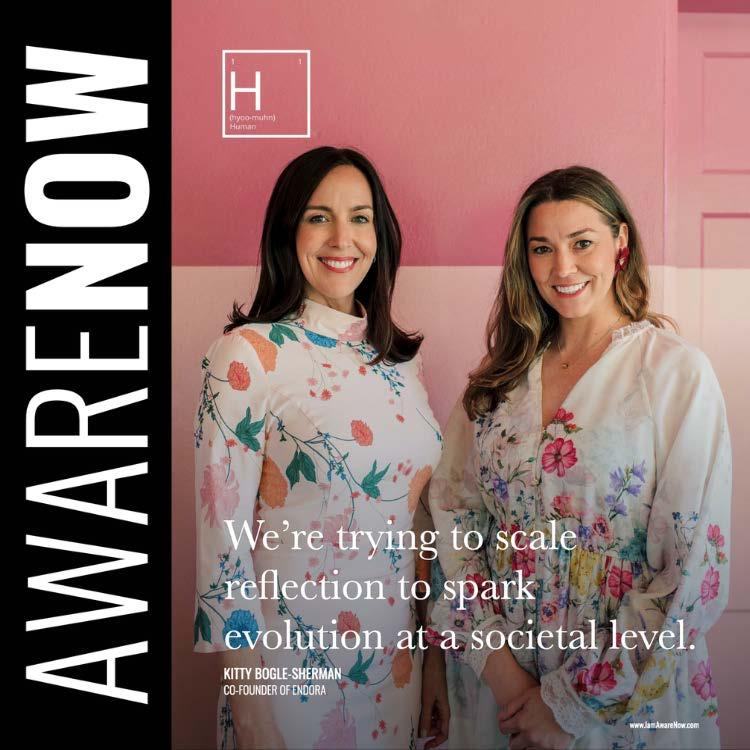
COCO: I don’t even know her. It’s been a whirlwind. Like you said, balancing motherhood at the same time, which is obviously really important to us and its own learning journey, gives you gratitude and perspective too.
KITTY: I would say it’s like the biggest pressure cooker. Having children, startup world, especially when you’re somewhere where everyone thinks you’re crazy, because it’s just not the environment we live in, those factors will really push you to get to the heart of the matter, if you will.
There’s really no hiding in a lot of ways. So while I’m reflecting and thinking, it’s been a lot, I really can’t imagine it being any other way. I would just prefer to be awake. ∎

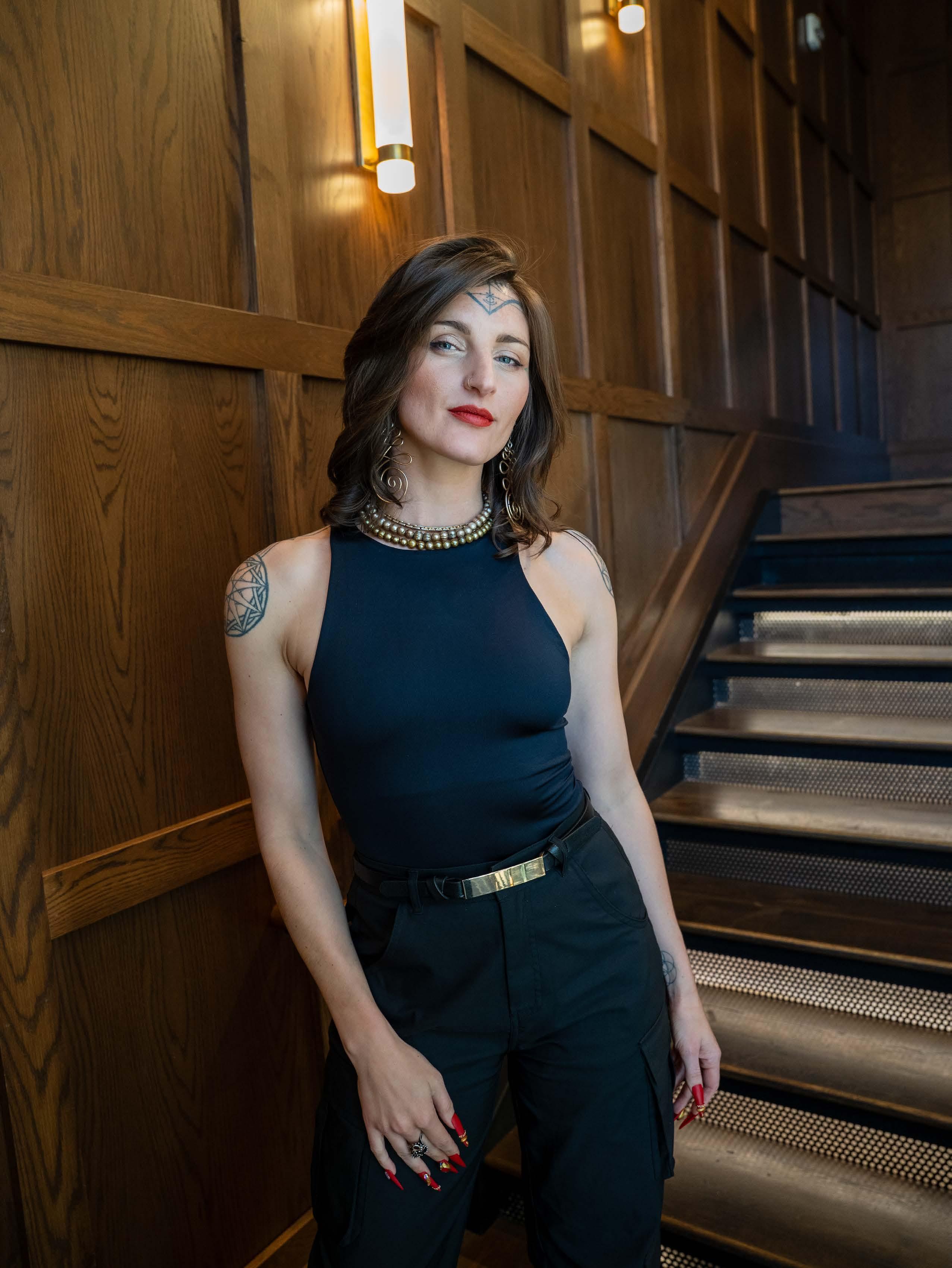
Learn more about Endora: www.endoratechnologies.com Find & follow on Instagram: @endoratechnologies
DAMKIANNA
Advisor, Speaker, Creative Director, & Founder of RITE Productions www.awarenowmedia.com/damkianna
Damkianna is a private advisor to visionary leaders and founders devoted to precision, presence, and higher intelligence. She is the creator of The ALIGN Method, a body-based approach that restores clarity, decisionmaking, and leadership from within. Through private council, speaking, music, and immersive experiences, her work supports leaders in moving with coherence rather than force. www.IamAwareNow.com

GREG OWEN ORGANIST
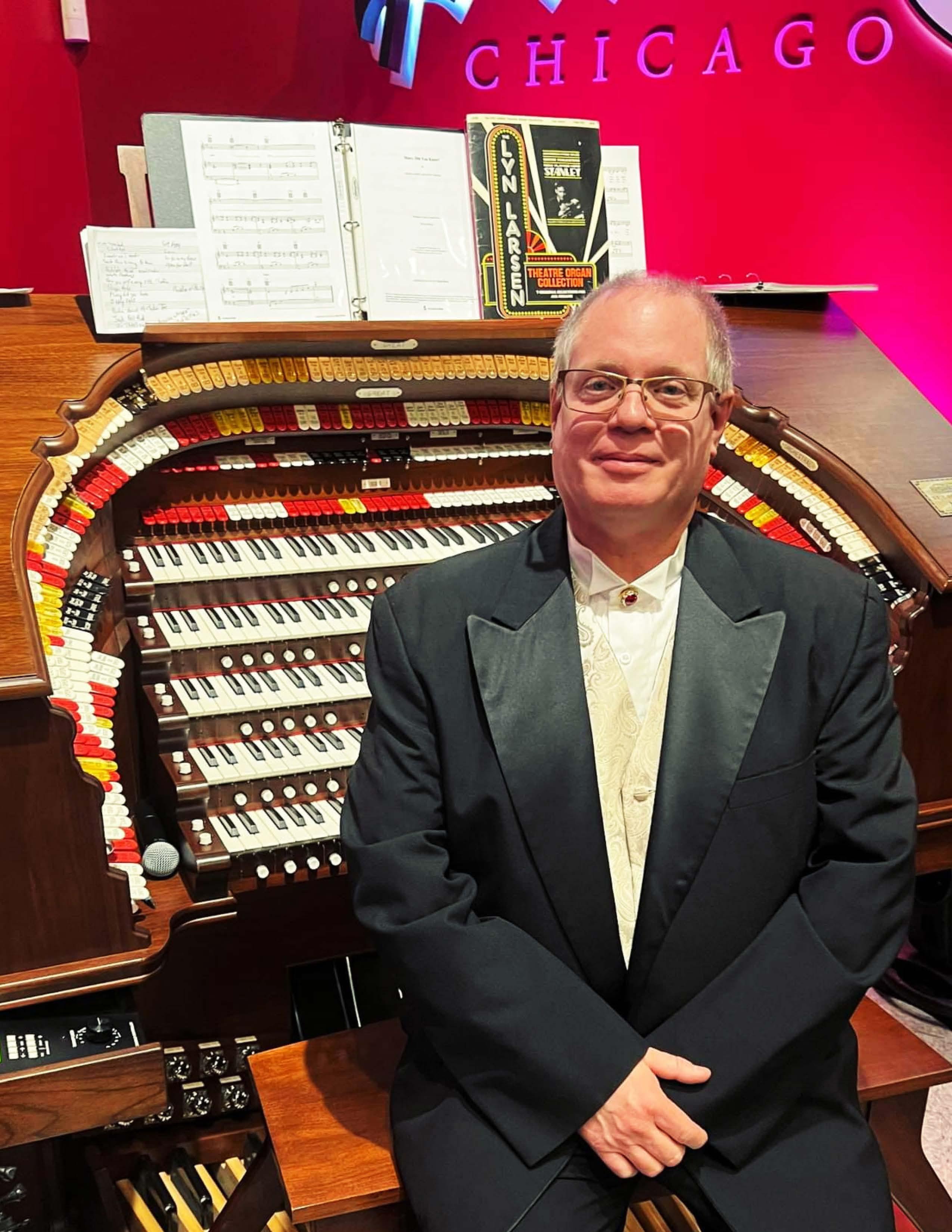

In the middle of O’Hare Airport, surrounded by rolling suitcases, gate changes, coffee cups, and hurry, Greg Owen sat down at a piano and changed the room. People slowed, smiled, listened, and for a moment, remembered how beautiful it feels to be interrupted by something real. In this conversation, Greg reflects on the lifelong love of music that began at age nine, the quiet power of being heard, and the butterfly effect of one song finding its way into another person’s heart.
ALLIÉ: Nice to see you again, because Greg, I met you in Terminal 3 at O’Hare, not on a stage, not even under theater lights, but at an airport piano where people were simply trying to get somewhere else. Right? Then you began to play and suddenly everyone had somewhere to be right there, and it was there to listen to you play. First question today. What do you feel when you realize your music has interrupted the hurry of a room in the best way possible?
GREG: Like yesterday. Excuse me. I take my daughters shopping. We do a lot of shopping together. After we get done with our Panda Express, we go to this Goodwill thrift store. They like thrifting, so we do that, flea markets, that sort of

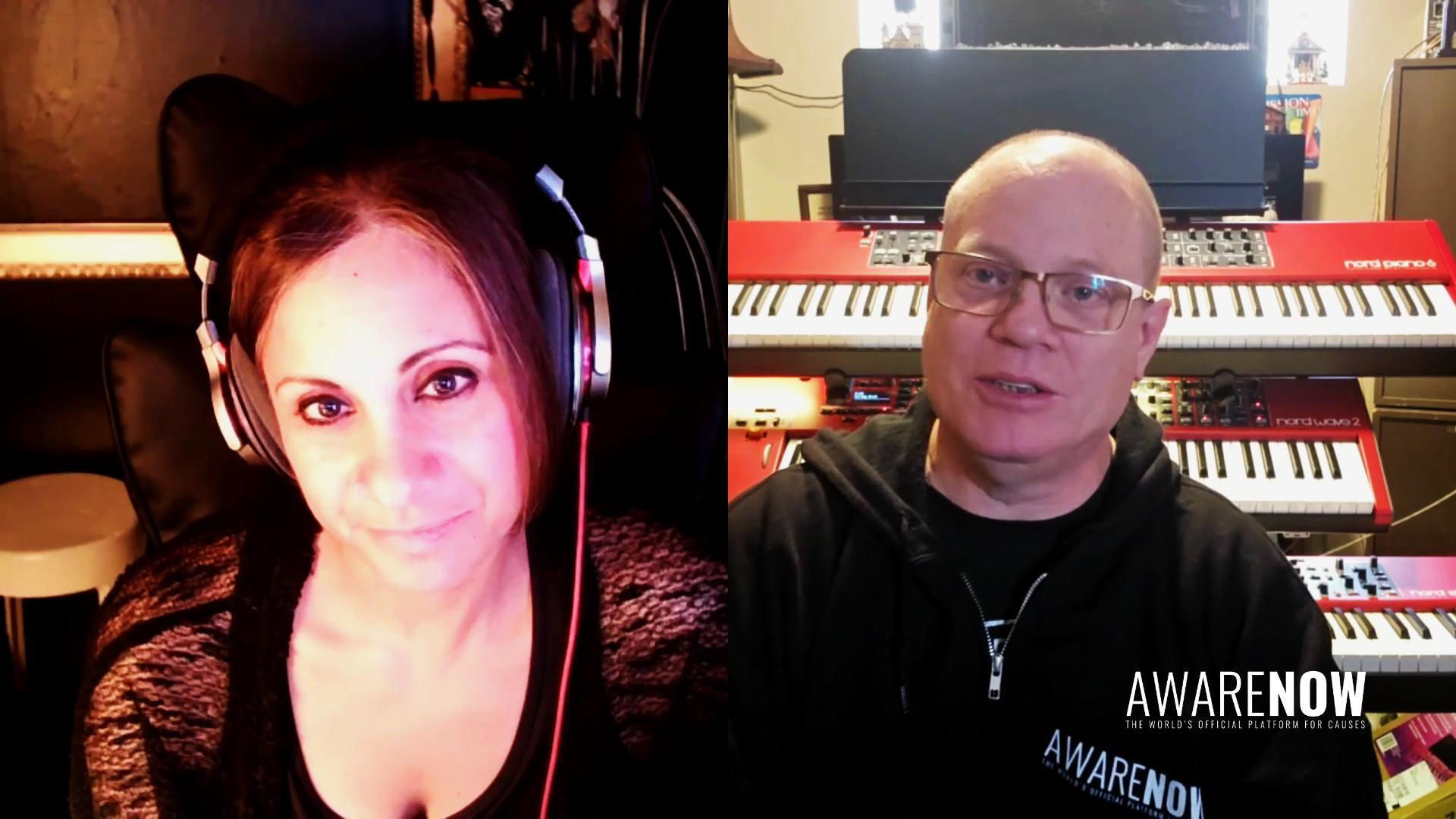

GREG OWEN ORGANIST
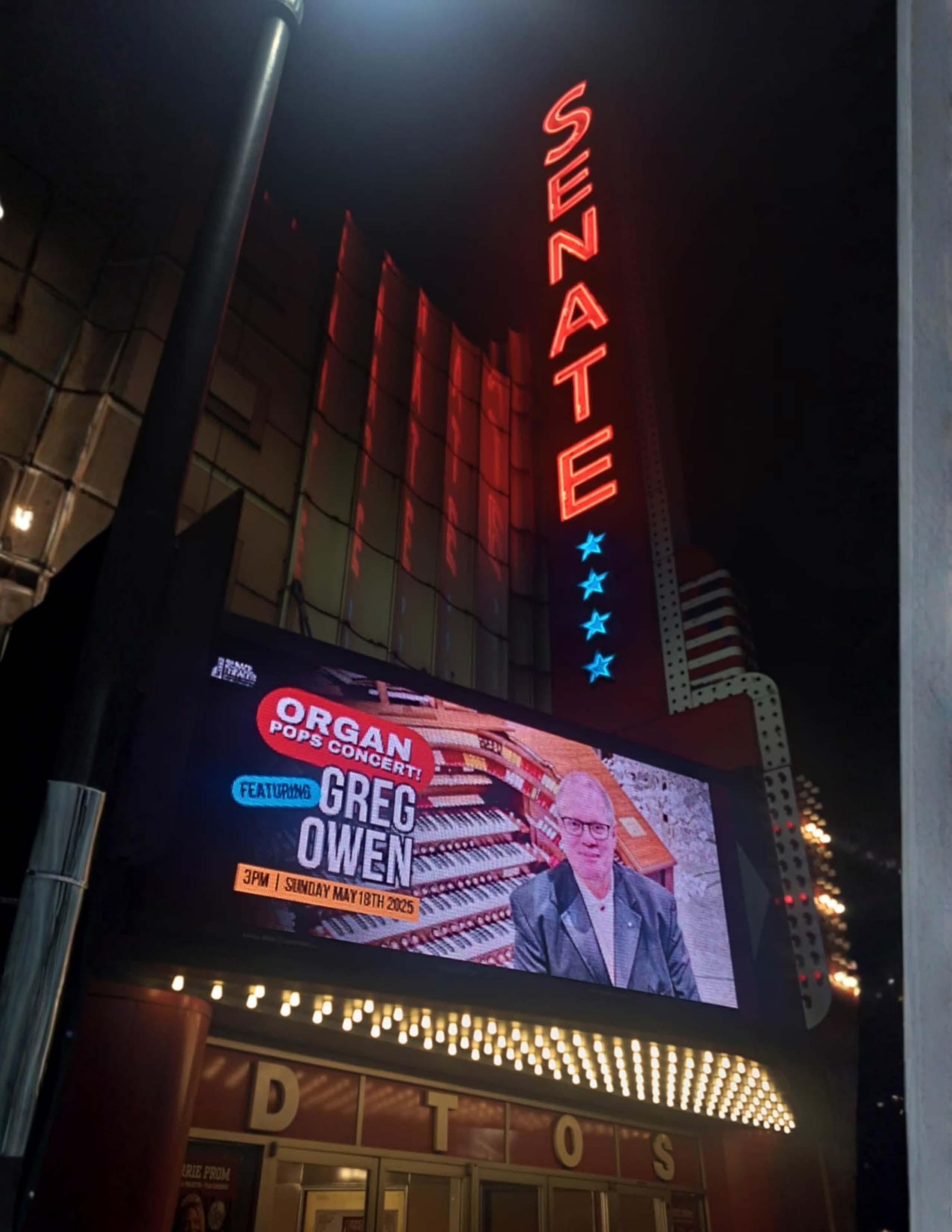
GREG: (continued) Of course, all these people start coming around because they hear it and they think, “I thought that was the radio.” I get that a lot. Or maybe they think it was something going over the intercom. But it’s actually a passion for me that goes way back.
My grandmother played piano and organ. She had a Hammond organ in her home. We would go there every Christmas, Easter, or Thanksgiving, and I would be drawn right to the organ. This was when I was nine years old. So that was 59 years ago.
It’s just something with the energy in the room. People feel something when I play. That’s what I love to say. I try to project love. I try to project something that you don’t get every day from listening to the radio.
ALLIÉ: Yeah. Well, I will tell you that in that airport, in that terminal, near that piano, when you started playing, I was working feverishly, typing away while you were playing the ivories. I was doing this on my computer, and the moment you started playing, I stopped, and I never went back to it. That’s where our conversation and our connection began.
So, let me go back to that moment because there was something beautiful when a young man stopped to listen to you, as did so many, and when you stepped away, he sat down at the piano and began to play. It felt like this butter fly effect in real time, one note becoming permission for someone else to share their own. Have you seen that happen before, where your music quietly unlocks something in someone else?
GREG: Absolutely. If you’re on Facebook and you look up Nord Keyboard Users, you will find a video that I recorded on what we call the Nord 3. The Nord is the manufacturer, and three, of course, refers to three keyboards. It’s a Nord 3 Orchestra. So it’s my own sound, my own thing.
There’s so much going on in the world right now. I felt we needed some healing. So this is my feeling behind it. I just started thinking about it and felt that I needed to record this one piece of music because the world needs it right now. Ave Maria was that piece of music.
So I recorded it, and now I have over 215,000 views of that piece of music. But beforehand, I felt like something was happening there. I felt like this was right. You get that little nudge from wherever that makes you feel like, “Okay, this is right. I’m supposed to do this now.” That’s the kind of feeling I had with that.
The comments I have on that, you read some of them too, Allié. You see them and think, “Okay, that’s what I’m supposed to do.” I want to help people. I’m not about getting what I can take from me. No sel fishness. I don’t want any of that. I want to give the world something.
People need to heal for many different reasons, emotionally, physically, maybe from something that happened in their life, maybe something health-wise. Like for you, I felt that this is something that even you can use, and anybody watching this can use. It’s healing.
ALLIÉ: Yeah. So, let’s go back to what you said earlier in our conversation, that you fell in love with the organ at the age of nine, which is such a specific and powerful instrument for a child to be drawn to. Do you remember the first moment when the sound reached you differently, not just as music you heard, but as something you somehow belonged to?
GREG: Absolutely. Ocean Grove, New Jersey. The Great Auditorium. It was built in 1894, made out of wood. You go inside and it has this musty smell to it. It’s just beautiful. All the doors slide open all the way around the auditorium. There are colors coming in from different stained-glass windows on the outside of the auditorium.
GREG OWEN ORGANIST

GREG: (continued) I heard this sound coming from there, and I walked in. Gordon Turk was playing the organ. I heard that sound and I was like, “I want to do that.”
I don’t know what it was. I just kind of sense when something leads me somewhere, and I try to go with it and see where it takes me. So I knew at that age that I absolutely wanted to do something with music. That was it. That was the kicker.
During the summertime, kids were out there on the beach. I wanted to be in the auditorium and listen to the organ and listen to him practice. He’d let me sit down and play it once in a while. That was it for me.
I saw the greatest organist in the world, Virgil Fox, play in 1979 and in 1980. He was the world’s greatest organist, and I met him. I told him he was one of the seven wonders of the world. He said, “Can you believe that?” He loved young people. I was 14 or 15 at that time.
I gave tours of the auditorium and the organ to people who came. We collected a little offering, and I gave the money toward working on the organ. Any repairs or things like that would be done.
ALLIÉ: That’s an amazing, beautiful beginning to a passion, to a career, to a life. Let’s switch gears a little bit here, Greg. Let’s get a little personal. In our conversation, you shared with me a bit about your past. So I want to ask this. As someone who was adopted, I wonder if music ever became a kind of language for you before the world had all the words for you to use. Has playing ever helped you understand who you are, where you come from, or where you’re meant to go?
GREG: Yes, I would say it’s more of a tool for another objective, maybe a universal objective. I think that when I play, I need to be able to make music in order for me to be happy, to stay alive. But it’s always with the intent of wanting to do something nice for somebody.

CLICK, TAP OR SCAN TO WATCH NOW
“With music, I can communicate just as well as I’m communicating with you right now. Here’s what I mean by that. If I play, I am playing with intent. The intent, I may not know what it is, but I know that it’s there.”
GREG: (continued) I was always told I would never be able to play. I was told, “Oh, you’ll never get anywhere if you don’t do it this way. If you don’t do it this way, you’re not going to get anywhere with music.” And I did not believe any of that because I’m too driven, like yourself, to achieve a goal or a point that we have to reach. So I taught myself. I learned how to play. I learned how to read music.
I would go to New York City by myself and see the greatest organs in the world, instruments and concerts, and I would need to play them. So that was pretty crazy.
I’m going to make a confession. Are you ready?
ALLIÉ: I’m ready. Bring it.
GREG: I would call into the school as my father. “Greg’s not going to be in today. He’s not feeling well. Thank you. All right. Thank you. Bye.” Then I would head into New York City to pursue my passion of playing music because I knew that they wouldn’t take me. Nobody would take me to do this. I was going to do it myself. This was my thing.
ALLIÉ: Well, I mean, if you’re cutting class to pursue your passion and play music, I think that’s acceptable. And admirable. That’s really beautiful.
As a result, you have performed in theaters, auditoriums, restaurants, private residences, historic spaces, and, as I now know, airport terminals. After all of these years, Greg, and all of these rooms, what do you hope stays behind after the final note? Even if the listener never knows your name, what is it that you hope they carry forward?
GREG: That they get a message through music. With music, I can communicate just as well as I’m communicating with you right now. Here’s what I mean by that. If I play, I am playing with intent. The intent, I may not know what it is, but I know that it’s there.
Exclusive Interview with Greg Owen https://go.awarenowmedia.com/podcast/because-you-can

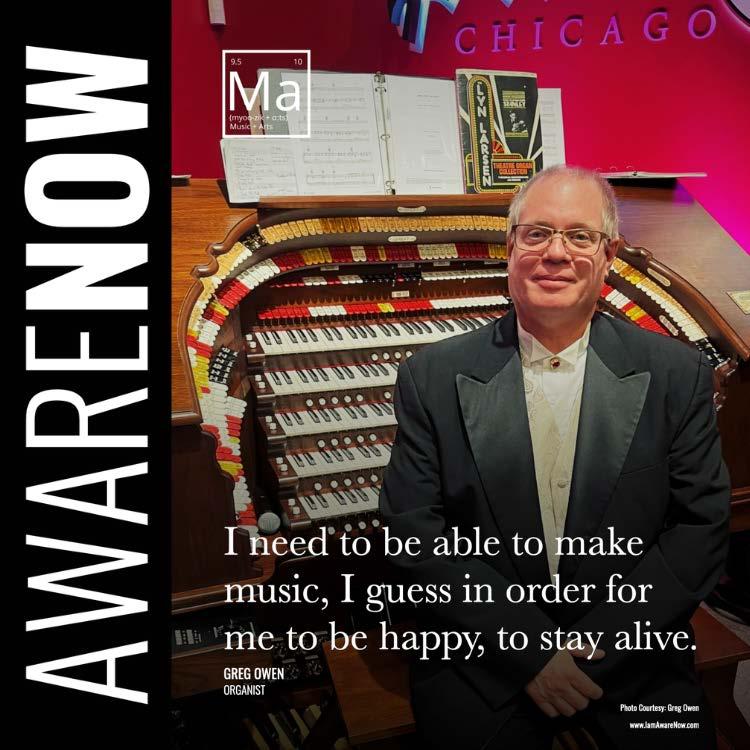
GREG: (continued) If it’s a spiritual intent, then that is meant to go to somebody out there or through a number of people. In the terminal that day, it was for you and I. I looked over while I was playing, before I even said a word to you, and I smiled. I could tell you were getting into the music and everything. So there was a message. And boy, was it ever.
Look what happened out of that. So I’m hoping in the end that the person who listens gets something out of it. They don’t have to know who I am. It’s not about me. This is about what they need at that time.
ALLIÉ: Yeah. And just to your point, that day, that terminal, that piano, you playing, and to watch every single person who went by affected in the most beautiful way. Whether they were hurrying by, with their necks almost breaking because they wanted to keep watching and keep listening, or the mom who was sitting there rocking her baby, and then the baby, when waking up, got down and started dancing.
I mean, you’re right. It is almost as if music is this sort of connective tissue that pulls us all together and binds us in these very fragile, delicate, yet very powerful moments. For sharing that moment with me, I am thankful. And for sharing your story here with all of us, thank you.
GREG: I want to be able to perform music to help people who need it. It’s not about me. I’m just a tool. This is about what they need right now. And I feel like in life, that’s what I want to do going forward.
ALLIÉ: Going forward and right now, I know there was a part of me that was healed in that moment, not only from what I heard, but from what I saw and the impact that one person can have, that one sound can have on so many people. So thank you for that reminder, and thank you for helping all of us become a bit more aware now. Thank you so much, Greg.
GREG: To anyone reading this or watching this right now, I hope this put a smile on all your faces. May you all have a very lovely day and a lovely time, and make the best of whatever ails you.
You have the power to achieve a goal. Don’t let anything take you down. Don’t let anything take you down. Drive. Go up. Look at that goal that you have and go for it, because you can. Because you can. ∎

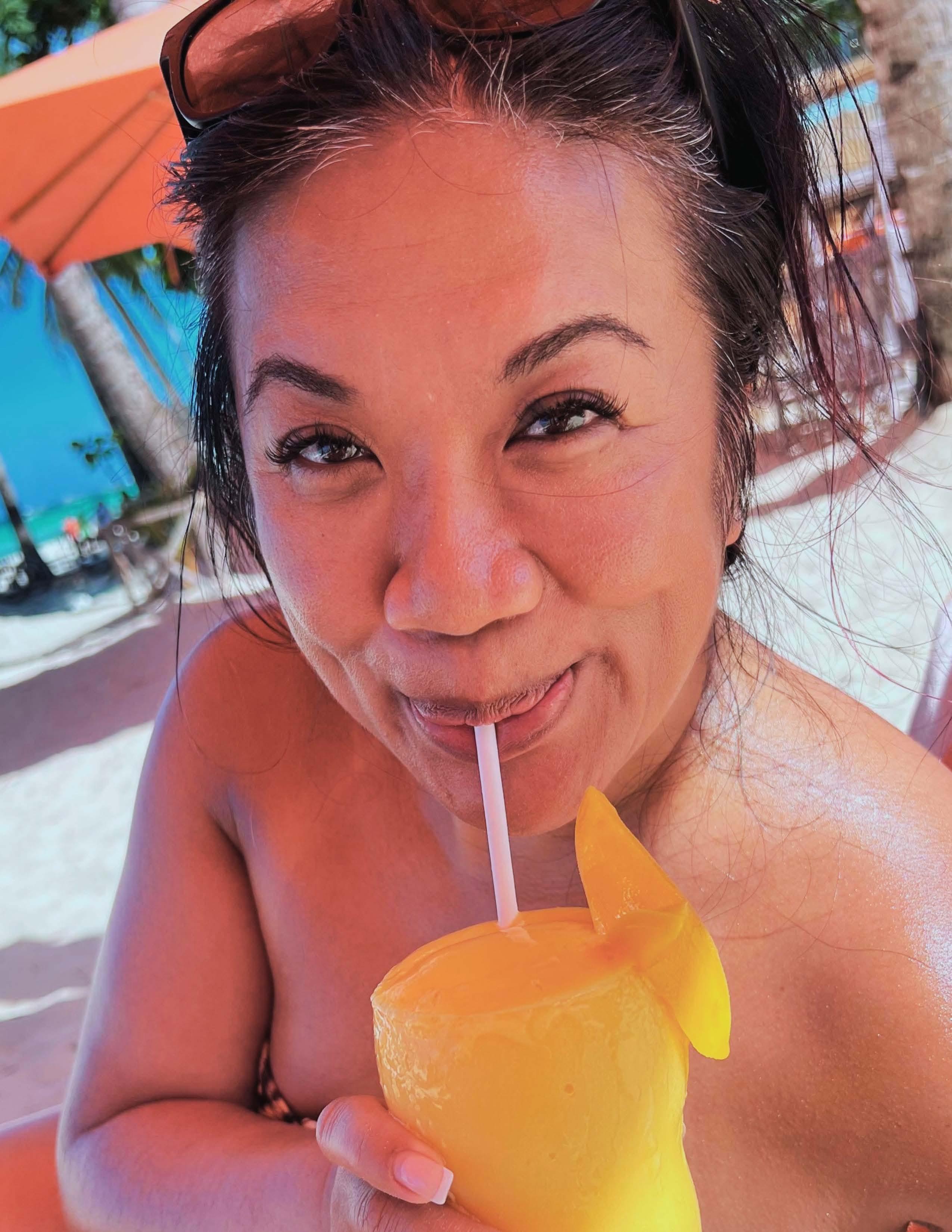
PERSONAL STORY BY JENNIFER PASCUA
My 20s were about proving I could survive being a teen mom and not become a statistic. They were about working three jobs, graduating in four years, and doing my very best to figure out how to keep three young boys alive.
My 30s were about proving I could make it in the world of Broadcast Journalism. Burning the candle at both ends and failing many many times as a mom (and occasionally winning) as I juggled life with teenage boys.
My 40s were about reinvention, proving I could earn my Masters degree while working a full time job and searching for what was next. Trying things, failing at some of them, learning from all of them, and proudly watching from the sidelines as my adult sons began to thrive.
My 50s? It WILL be less about the grind and less about proving myself to everyone else. It WILL be about balance, peace, joy and less yes when I want to say no. It WILL be about being the outrageously crazy me, only more unapologetically. It WILL be about deepening relationships with my family and friends (through intimate dinners and travel with the occasional huge party sprinkled in) and truly being present for the moments that matter.
No more cropping, filtering, or curating perfection online or in real life.
This is 50. This is me.

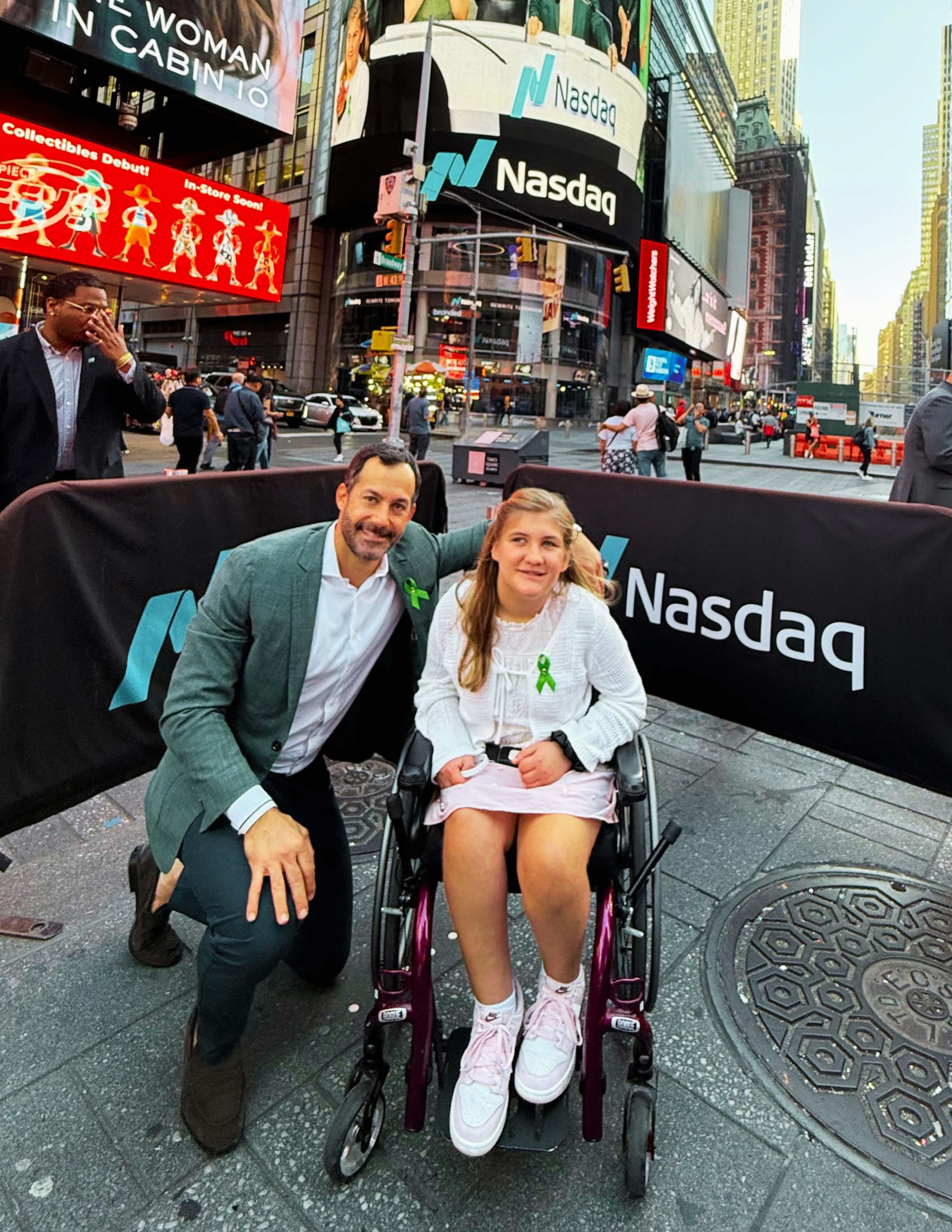

What began as one father’s ride for his daughter has become a movement powered by purpose, community and love. Inspired by Ava, his daughter who lives with cerebral palsy and epilepsy, Brad Serot founded Yes We Can Cycling to raise awareness and funds for children and families navigating disabilities and complex health needs. Now, with a team of more than 20 riders taking on SBT GRVL and a bold goal of reaching $3 million raised over six years, Brad is proving that endurance is not just measured in miles, but in meaning.
ALLIÉ: Let’s get started like this, shall we? Yes We Can Cycling began with Ava, your daughter, and with a father wanting to do something meaningful for children and families navigating realities like cerebral palsy and epilepsy. Before it became a team, a fundraising movement, or a grueling ride through Colorado, what was the very first moment when you realized, “I have to do something”?
BRAD: It’s a trick question, only because I didn’t have that feeling right away. I think first, as a parent with a child who
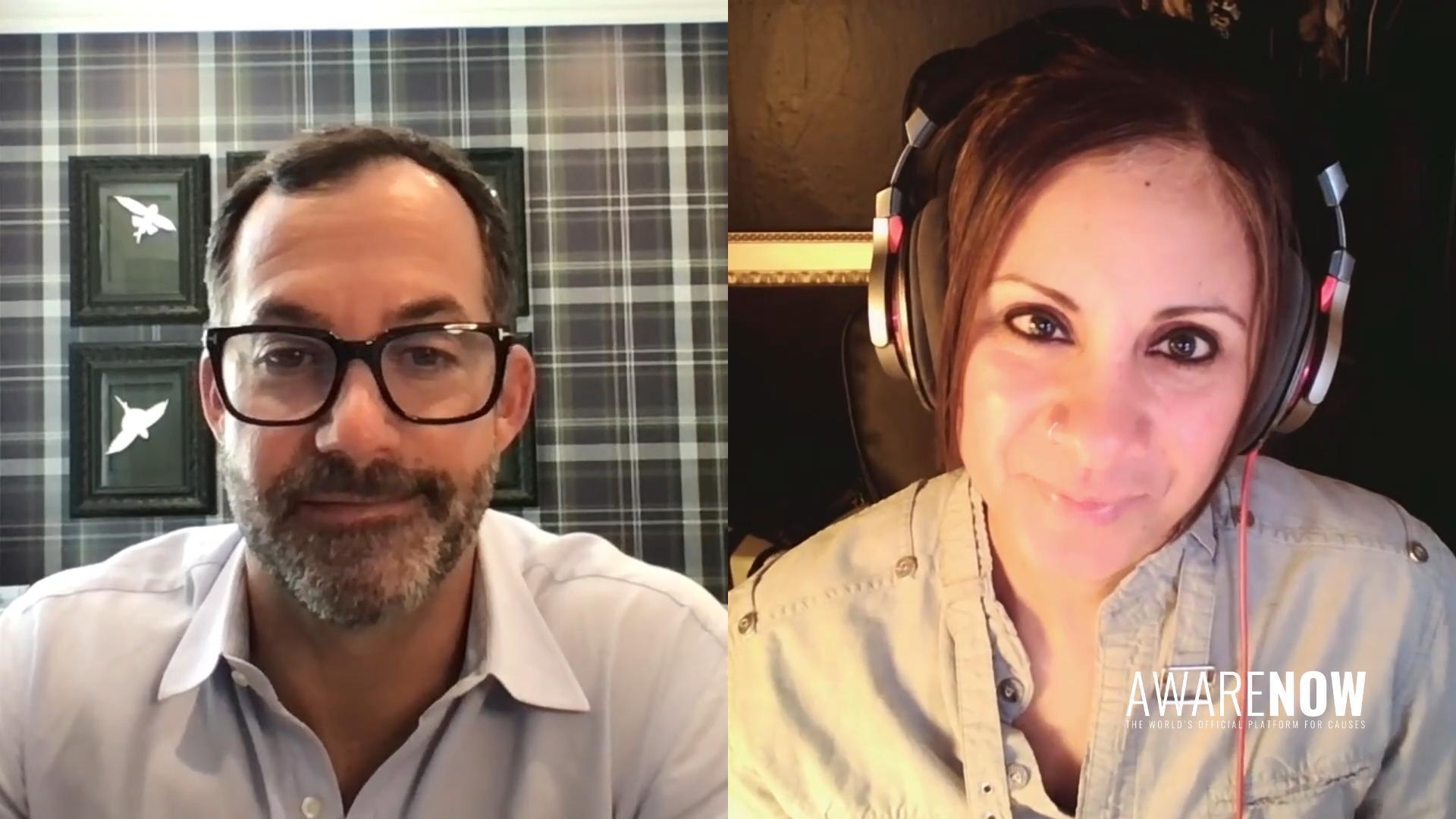

SEROT
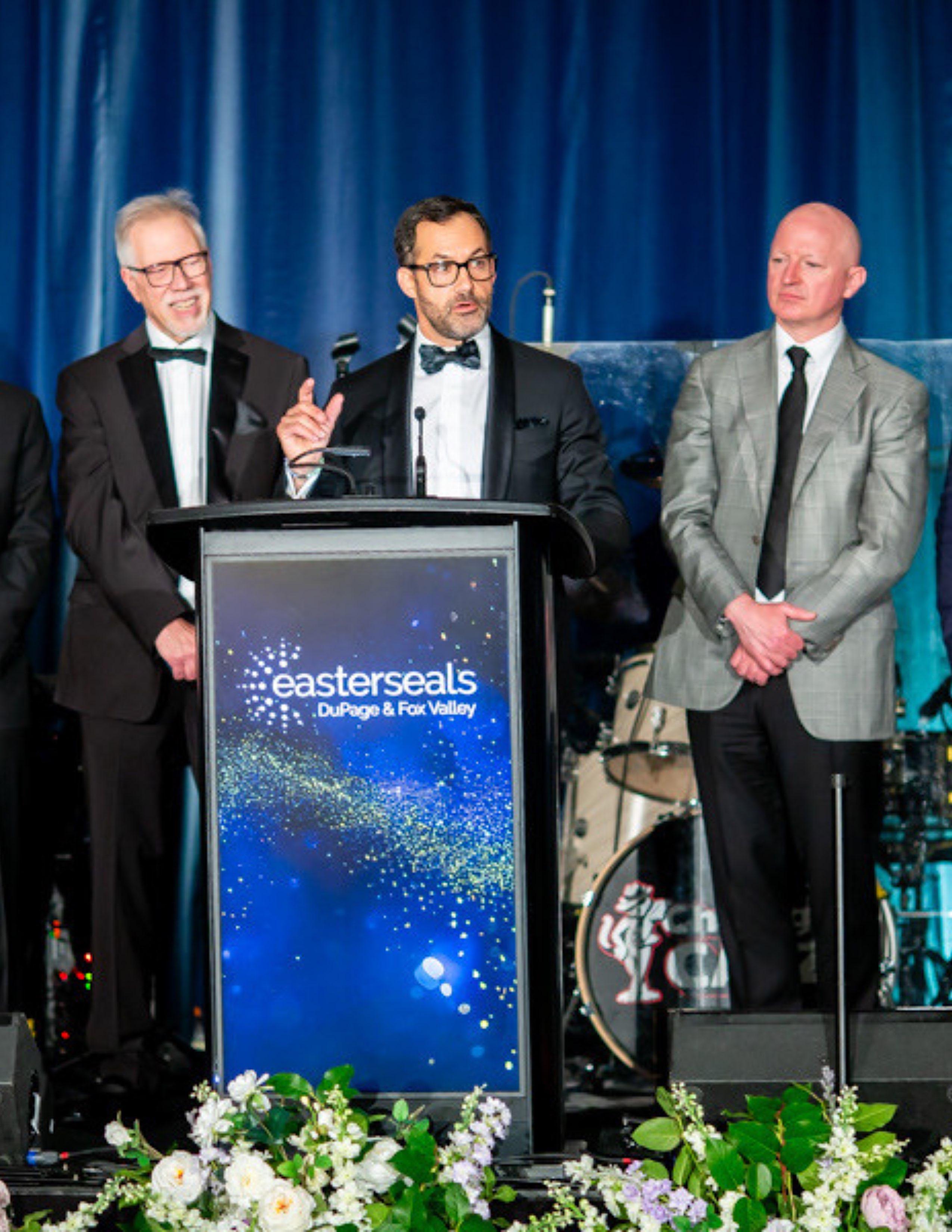

BRAD: (continued) going on. I was going through a divorce. Up until that point, we hadn’t really talked about cerebral palsy or epilepsy. We hadn’t really gone to different organizations or tried to connect Ava with other families. We were sort of in our own little bubble.
When we started riding and cycling, one of my friends got me on a bike during COVID, and it really became very therapeutic for me. It was literally like this aha, light bulb moment when someone in our group signed us up for this big ride in Colorado called the Triple Bypass. I had no idea what it was, but it sounded really hard and really fun. I thought, “Let’s do it.” This light bulb went off where I thought maybe I could use this really hard ride as a way to raise money for charity.
That’s how, literally. I can’t really explain it other than that. It was what I needed in that exact moment. We’ve all had those experiences where something happens or an opportunity presents itself and we kind of grasp onto it. At that exact moment, it felt like this was something I needed to do.
ALLIÉ: Absolutely. So much of this mission is built on movement, but the heart of it feels deeply still. A father seeing his daughter clearly and wanting the world to see her clearly too. What has Ava taught you about strength that no finish line could ever teach you?
BRAD: She’s such a brave little girl. She’s silly and smart and hardworking and kind. I think you go through all these different emotions. I’m very close with all my kids, and Ava specifically has really taught me the motto in our house, which is, “We can.” There’s nothing you can’t do if you put your mind to it.
That came from all the therapies that we do, the occupational therapy, the physical therapy, the speech therapy, behavioral therapy, and aqua therapy. She doesn’t want to do some of it. She just wants to be a kid. Some of it frustrates her. All of my kids have adopted it, so much so that they roll their eyes every time I say it. They’re like, “Gosh, Dad, we know. Yes, we can.” And I’m like, “That’s exactly right.”
I want this to be something they’ll never forget. It’s going to be so ingrained in them. She’s taught me a lot, and I’m just so proud of her.
ALLIÉ: You said, “If I can help one child, one family in this world, that’s a win.” That is such a simple sentence, but there is so much weight inside it. When you meet or hear from families who are touched by the organizations that Yes We Can supports, what part of their stories stays with you long after the ride is over?
BRAD: I’ve met so many different families along the way. Families that have received equipment or received therapy or received counseling or have gone to camp. Each one is just so impactful. It just is.
When you hear it directly from an individual, from a mother, from a sibling, that’s the stuff where you’re like, “That’s what it’s all about.” Up until this point, I’ve been heads down as a business professional in real estate, and that’s all good and fine. But what’s really made a difference in my life and our family’s life has been this chapter of giving back.
ALLIÉ: That’s where it’s at. There’s something powerful about choosing a hard road on purpose when so many families don’t get to choose the hard road they’re on. As you and the Yes We Can team take on SBT GRVL, what does it mean to turn voluntary struggle into visible support for those carrying challenges they never asked for?
BRAD: This is our voluntary suffering, for those who don’t have a choice in the same way. There’s something very powerful about overcoming a challenge as difficult as these rides are.
It’s really easy to be excited and come out of the gates hot. You’re super excited. There’s adrenaline going. Then, at the very end, people are cheering you on toward the finish line. But I call it the lonely time in between, when it’s just you and your bike. It usually starts around mile 40. Between there and mile 90, or whatever it is, it’s just you and your thoughts.
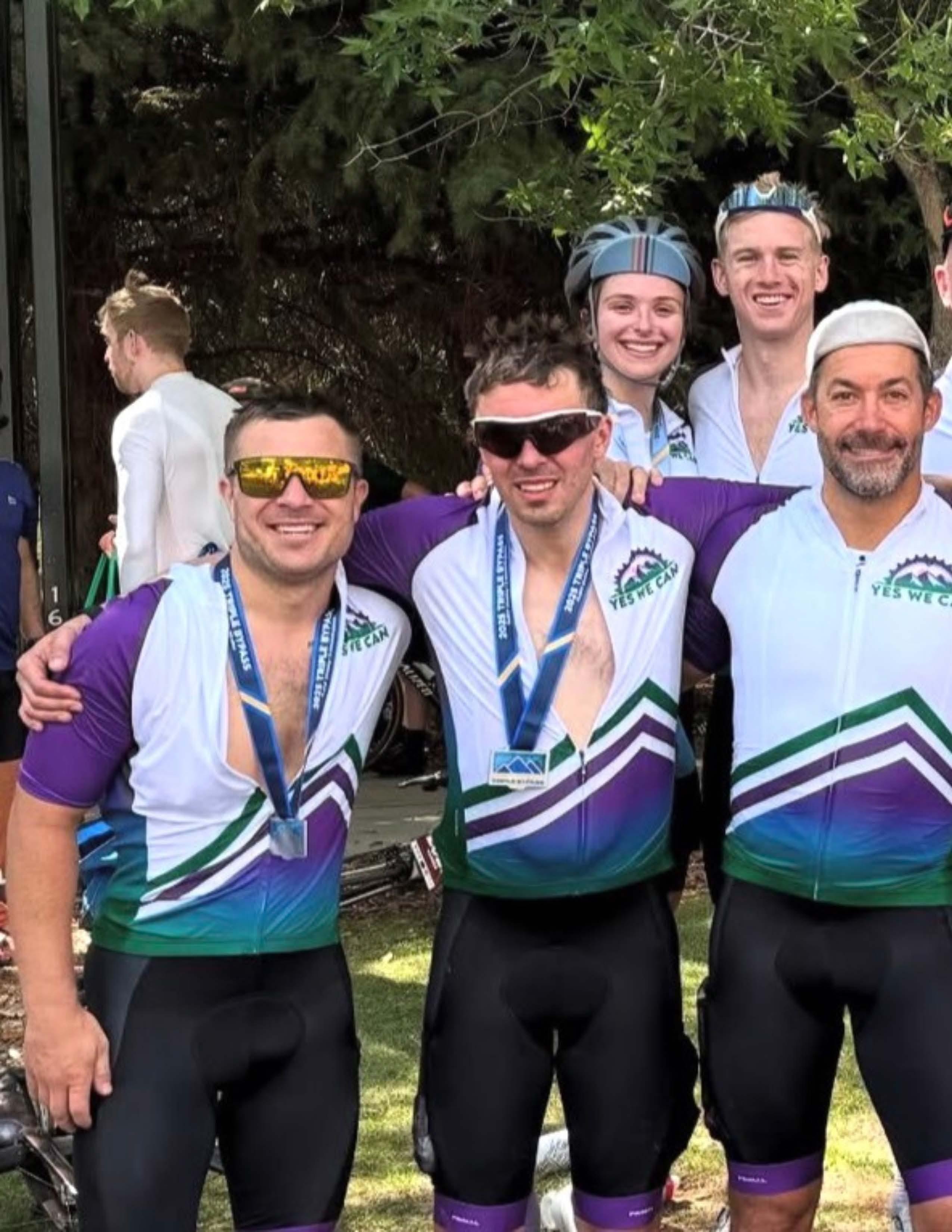
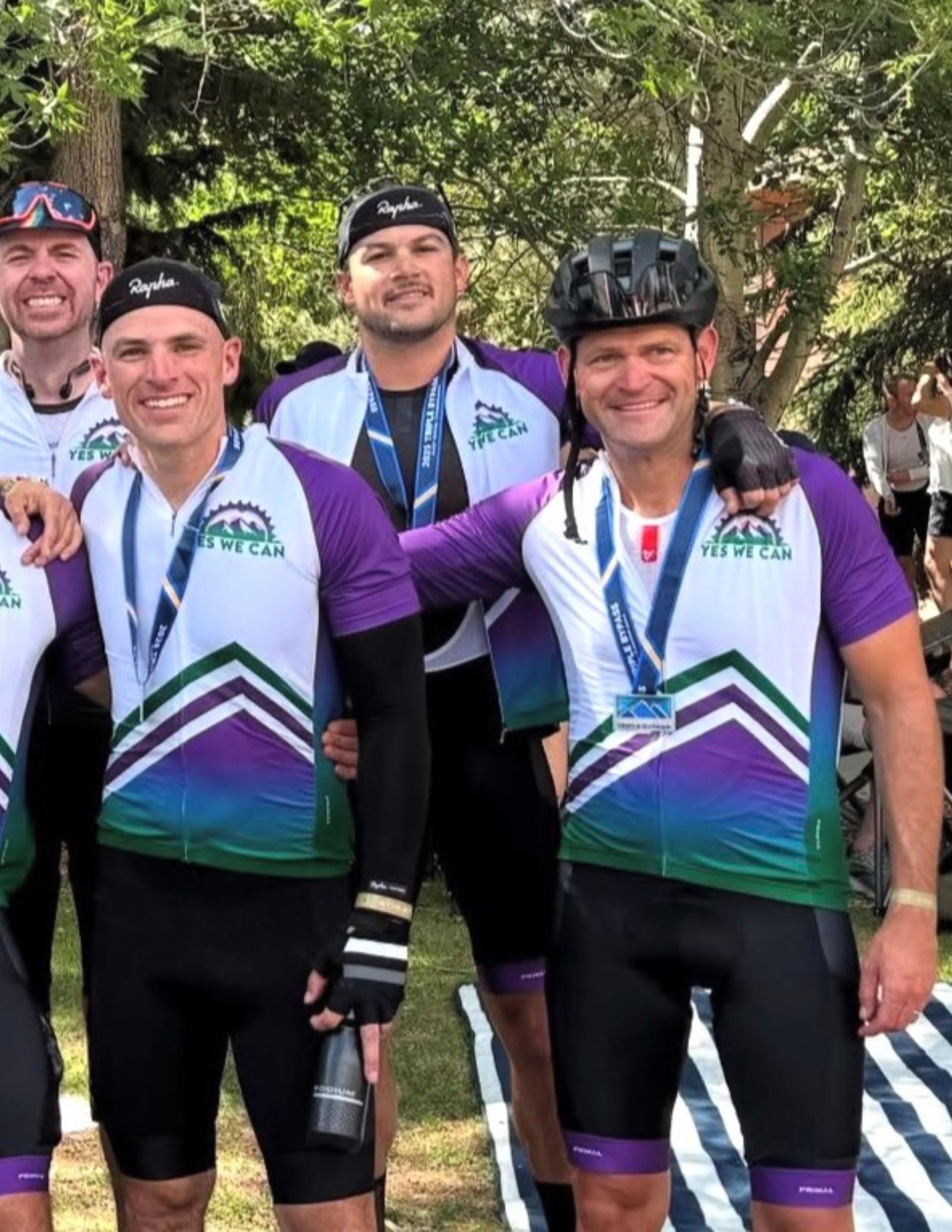
Exclusive Interview with Brad Serot https://go.awarenowmedia.com/podcast/yes-we-can

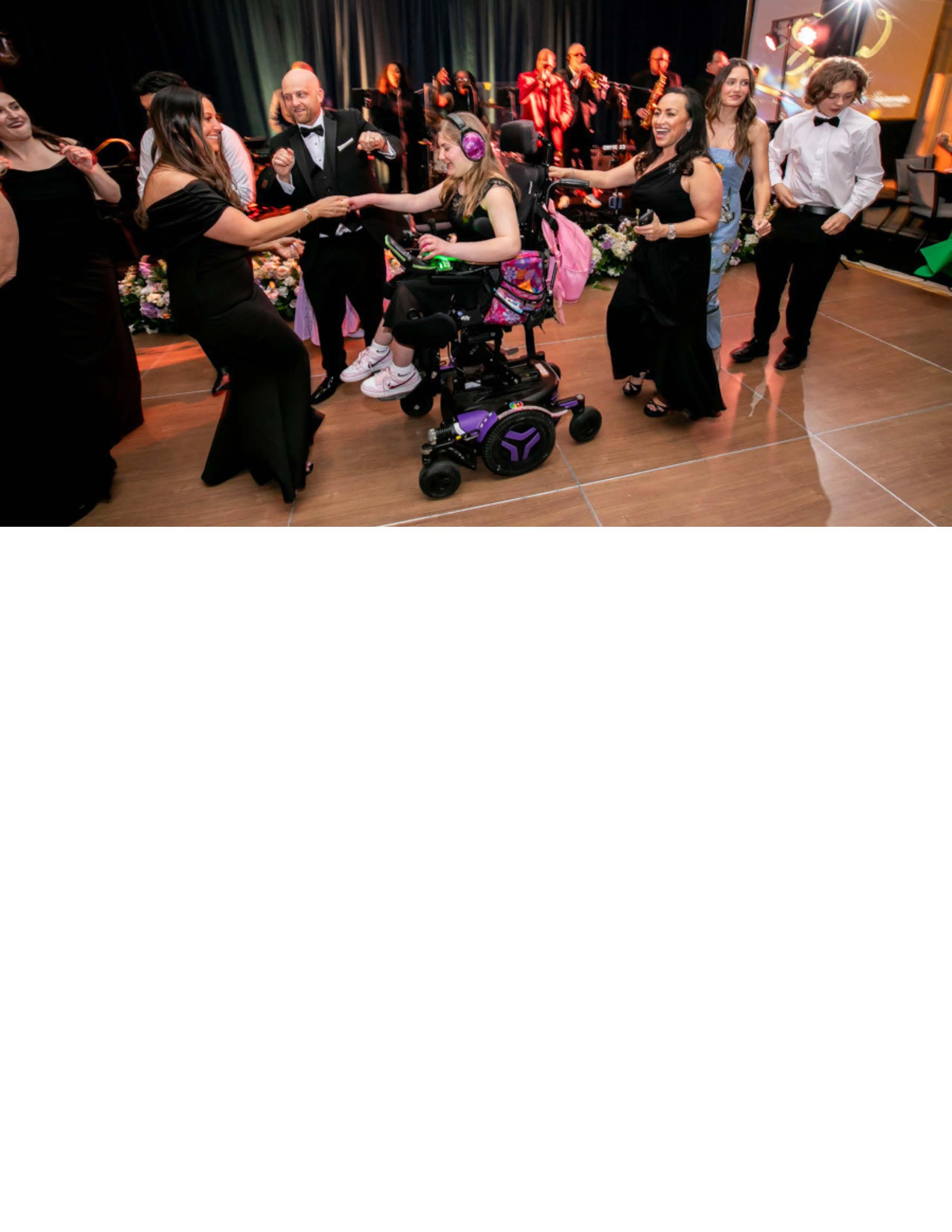
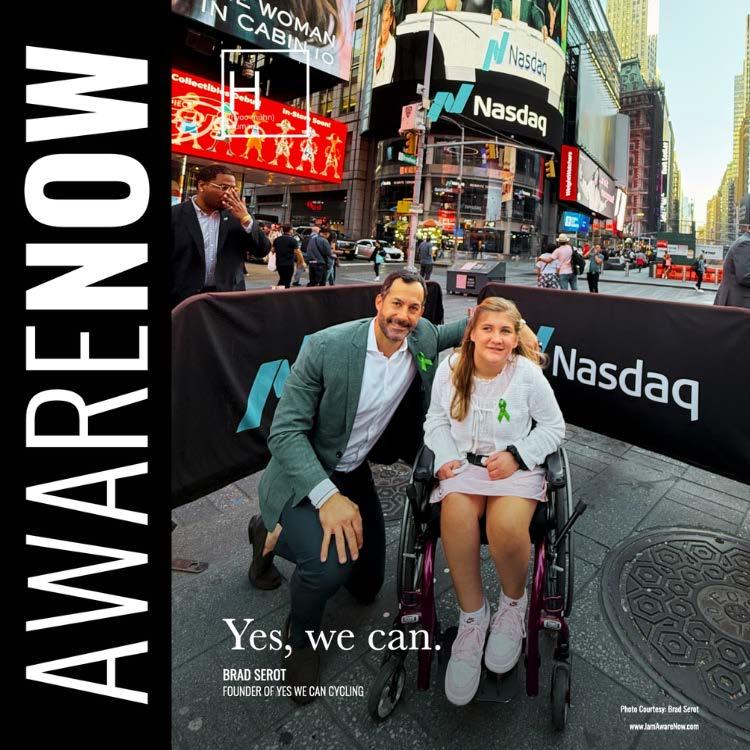
BRAD: (continued) Whether you replay all the people who said you couldn’t, or whether you think of the people you’re riding for, every rider has to have something that carries them through. For me, it’s not only my children, but all the other families and children that we’re riding to support. It’s this magical moment where I just think, “Yes, we can. One pedal. One more pedal. Yes, we can.” And I’ll say that probably a million times.
ALLIÉ: Let’s talk more about those words, “Yes, we can.” They are powerful because they don’t erase the hard parts. They stand right beside them. For every parent, caregiver, child, rider, donor, and stranger who needs to believe something difficult is possible, what do you hope this ride says to them?
BRAD: I hope it sends a message. As parents, we’re always trying to do the best we can to be a good role model for our children, for our friends, and maybe lift somebody up who is down. Again, it started off as just six scrappy dads riding a bike, and it turned into a lot more. You hope that maybe you can inspire. You hope that maybe you can show that anything is possible, that you can overcome challenges, that you can do really hard things, and that we’re all capable of really wonderful things, especially if we band together. That’s really where the magic is.
ALLIÉ: Yes, it’s that “we” statement. Yes, we can. I have to say, I’m working on a documentary right now called Because I Can, so when I saw Yes We Can, I thought, “This is very simpatico.” It is that hope that becomes infectious. And when it is with the intention of being of service, how fulfilling that is.
BRAD: Similar to what I have to assume you’re experiencing, it becomes a mindset. If you can change your mindset. Prior to this ride, and there’s this for all of us, we all get into dark places, whether it’s doubt for yourself or for others. Sometimes it’s all-consuming. It can be very negative and very all-consuming, thinking about all the things you won’t be able to do or that life isn’t fair. And it’s not. But if you just shift your mindset a little bit, and you start focusing on the things that you can do, and that Ava can do, and that others can do, and what is possible, then let’s go do that.
ALLIÉ: I love that, Brad. Thank you so much for sharing this chapter of your story. I’m excited for you and for the adventure that continues to go on and on, and for the wins you continue to get for so many, to support so many.
BRAD: Thank you. It’s funny how it just evolved. Like I said, it was just six scrappy guys, and now we have 21 riders. We have our first female rider, Isabelle, so I’m super excited about that. Everyone comes from a different place. One thing that has been interesting is that when you’re in this world, and I’ve never done a marathon or triathlon or anything in organized athletics other than sports in high school, everyone is a do-gooder. Everybody actually wants to help, and everybody wants to be involved. Sometimes they just need some redirection or a purpose set in front of them. People are ready to rally behind you. ∎



I was unaware that once the initial loss had happened, other losses would continue.
Nine months ago, my four-legged soulmate, Chai, a 13-year-old Maltese, unexpectedly passed away. I had no idea how I would handle her loss. I had never been a member of the grief club before. I had a part-time membership that meant I joined when I had a loss in my life, but that membership was quickly rescinded when I felt better.
This, however, was now a lifetime membership, with all the bene fits. These included losing friends, losing family, losing a routine, losing yourself, losing time, and losing the meaning of life.
Please remember this is only my experience. I’m only writing these words out loud so that if they help someone feel seen, then it allows me to discuss the other elements of the club: the empathic part. The element that means you can recognize in someone something so deep that has affected them. All you need to do is show your membership card and suddenly there is a deep level of understanding that is almost unexplainable.
There is also the mutual understanding of behavior during these different times, and the ability to give someone permission to feel without worrying about when those feelings should be over and life should carry on as normal. See my previous article for “the new normal.”
From a practical perspective, I didn’t recognize myself in my clothes or my style. I was always known as the hat and the dog lady. So now, who was I?
It wasn’t that my clothes defined me. I hadn’t been shopping for years. But it was deeper than that. I didn’t fit my body. It didn’t feel like me. But it’s not that easy to suddenly remember who you were and go back to it, because you will never be that person again. A new self has to be built.
This possibly hits differently depending on your age. For me, 47 is a de fining age anyway. It’s a transformative moment of asking yourself what you want for the next half of your life.
My life was pretty darn perfect in my eyes. I got to earn in a career I enjoyed. I lived with my human and animal best friend. Each morning, I would hug my daughter and we would begin our workday together. We lived in LA, where the weather is stunning.
My soulmate stayed by my side and did everything with me. I almost didn’t need to worry about who I was because it was just occurring around me. My life was “me.” People would even comment on the light and energy around me. My sense of self felt pretty solid, which is why it might have hit me even harder. This was not in my plan. I didn’t know I would have to relearn everything about myself, questioning every decision of who I was, how I behaved, and how I felt.
The biggest self-realization happened when I received my autistic diagnosis. Suddenly, my self made sense from a deep-rooted place, as opposed to a surface level. Then I began to remember what felt good around me and what didn’t. In fact, recognizing what I didn’t like was almost more important. The way I decided to live my days practically, physically, and mentally all changed. I’m still working it out because it’s a process. It’s life. It’s like I’m relearning everything and seeing it all for the first time. A rebirth, if you will.
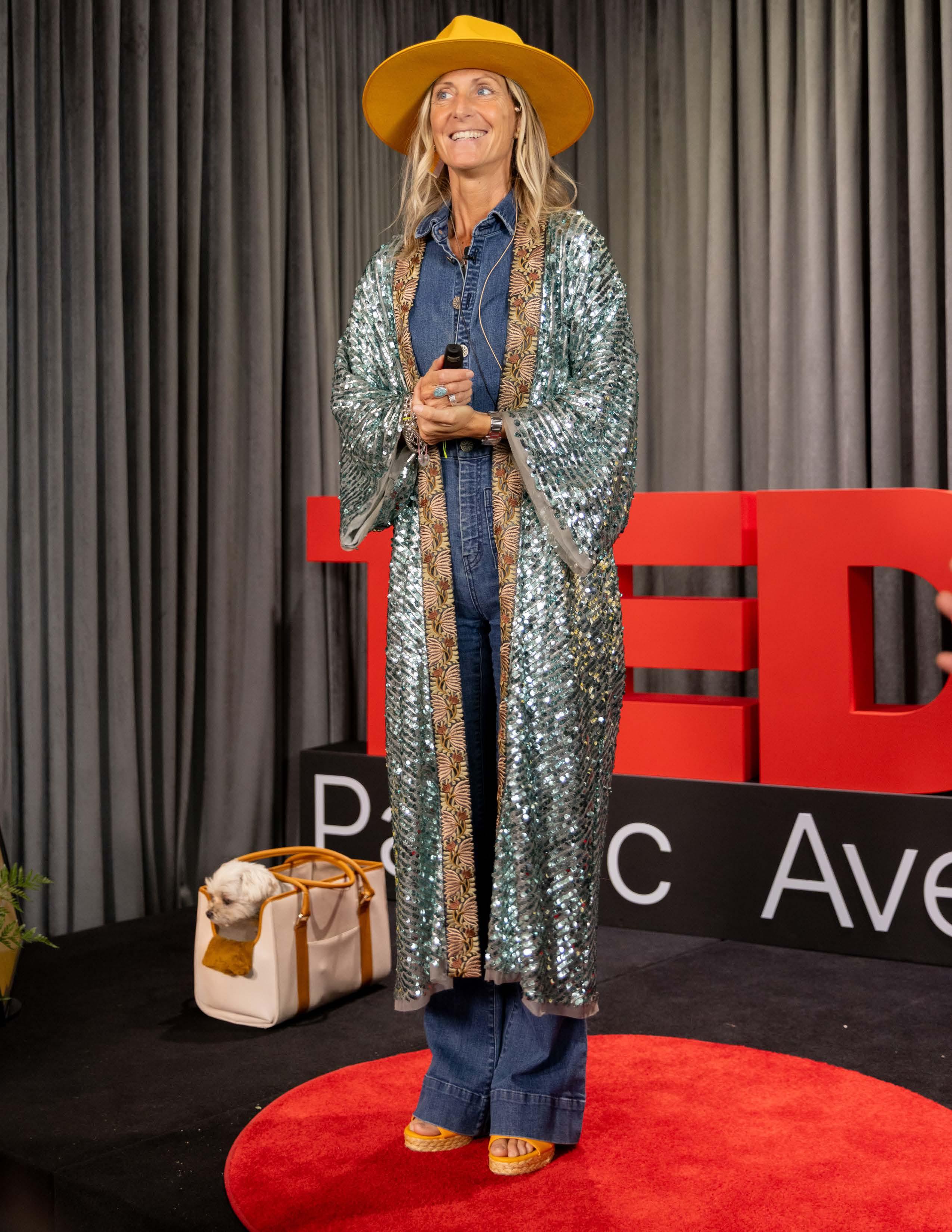
Loss of routine hit me harder because of my autism. It was something I hadn’t realized I needed so deeply. I thought it was normal to have a plan or schedule every day, to have a list and know what was happening, when, how, and where. Because I lived with my daughter and we shared a car, I assumed it was just because I liked being organized. But I hadn’t realized how dependent I was on the routine of being a dog mama. It de fined me. It created my day-today existence.
Suddenly, I didn’t have to go out first thing in the morning. I didn’t have a “get up and walk” every few hours to take her to the bathroom or remind myself I needed it. We had the same routine for eating and walking and even going to the loo. I would food shop for her and grab things for myself. We ate the same foods: zucchini, lentils, sweet potato, cucumber, mango, carrots. All of that ended. The time I had allocated to prepare for the day and make sure she had everything she needed was gone.
I was physically and mentally lost. We even had the same schedule for getting our hair washed and cut. I would time my trips with her visits to the “spa for pups.” My entire routine was upended. Suddenly, there was no one else to consider or think about. I only had myself, and I don’t really need anything. She made me aware of my needs, and now that had gone.
I don’t remember ages 0 to 7. My memories are pretty sketchy until college, and after that, who knows what’s real and what isn’t. The last nine months have felt similar.
The first three months, I remember absolutely nothing. Then I remember things in pieces, but often need to be reminded. Even now, I sometimes have to check in with what was real and what wasn’t. Did I feel something because of grief and mourning, or was it actual truth?
Time feels different now as well. I always believed in the make-the-most-of-it, do-everything-you-can philosophy, and I still think that was the right way to live. Chai came everywhere with me: red carpets, the South of France, movie sets, holidays, every podcast and interview I was on. But now time feels different. How do I want to spend it? Where? And with whom? I question being at home. In fact, I question every decision. Am I staying because I’m sad? Because I can’t be bothered? Because I just don’t want to go out? Or because I’m lazy?
I’m beginning to recognize what I actually want to put my time into. I’m a day person. By 6pm, I’m quite happy to go home and spend a quiet evening in. I crave spending that time with Chai. I miss her terribly. But I’ve decided not to fill my time just to forget because that will come back and haunt me later in life. So instead, I have cups of tea. I read books. I watch TV. I paint. I write. I had to learn not to feel guilty. Before, I filled my time because it was running out. That hasn’t changed, but now I’m far more present. Living in the here and now. Which leads me to the next loss.
I had no idea that my loss would be so decisive and sever so many ties. I didn’t expect that some people I thought would understand would become my greatest adversaries, and others I barely knew would rally for me.
Because I initially chose to stay home and not go out, I didn’t want to constantly explain myself every time I ran into someone. During that time, I realized who reached out and who didn’t. Now don’t get me wrong. This doesn’t include the people who I could sense simply didn’t know what to say, but still left messages saying they understood. And I want to say very clearly that I don’t judge people for how they behaved.
Grief is indescribable for the person going through it, so how on earth can the people around you know how to respond if you don’t even know yourself? So this isn’t about blaming others. It actually came down to me. Seeing my life in a new way meant I wasn’t going to the events I used to attend. My habits changed, and those casual friendships naturally faded. The way I saw friends and family changed too. Travel changed. Priorities changed. So on the first layer, change happened organically. Then that left space to see who remained. Who I still felt connected to. Who understood the new me, the me I hadn’t even figured out yet. By listening to myself more deeply, I began to recognize who still fit into my life and who didn’t. The truth is, it’s a lot less.
Finally, the one we are all trying to work out anyway, whether we have suffered loss or not. But normally it feels more manageable. Now it felt like life was over. What was the point? Everything I thought I knew dissipated.
As the song says, “all you need is love.” And it’s true. The love I had from my soulmate was gone. The unconditional love that surrounded my life every day had disappeared. Without even realizing it, my purpose, from everyday moments to future plans, had vanished. Please know I recognize I have my daughter, who I love more than anything. But this was different.
Chai was with me when I arrived in LA and began my new life here. I had never filmed a movie without her on my director’s chair. No one here knew me without Chai. I went through my divorce with her. She was next to my heart, our two hearts beating as one 24/7. So when she left, my meaning felt like it had been taken too. I later learned this can feel similar to what carers experience. If the person you care for dies, what then? It can also mirror the loss of a child or partner.
When unconditional love is present every moment of your life, it makes sense that its absence feels like half of life has disappeared. So how do we find meaning again? Did we ever really know it? Or is the meaning of life supposed to grow and change with us?
So what if this is life? A natural progression of growth and movement within ourselves and the world around us. As things change, it’s only natural that our perception of life and self changes too. Is it scary? Absolutely. But if we allow the natural ebb and flow of love and loss, life and death, and allow ourselves to feel those losses and talk about them, maybe it wouldn’t feel so lonely.
For me now, my self is learning to live again. To allow myself to make mistakes. To question everything. To live a more peaceful, calm, and kind life. To recognize that my time is precious and begin deciding how I want to spend it. To recognize who I want around me in these new discoveries. And finally, to understand that all I truly have is here and now.
So the question becomes: What am I going to do and feel today?
If this resonates in even the smallest way with you, on any level, please share it. You never know how it might help someone else as well. ∎
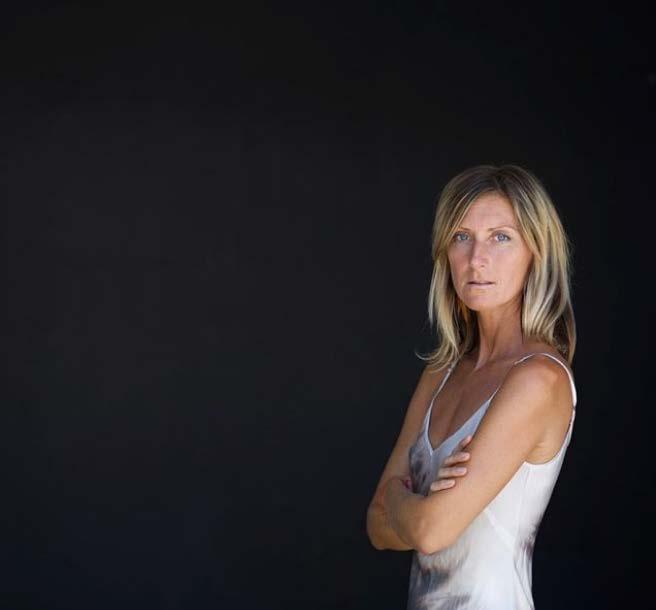
ELIZABETH BLAKE-THOMAS
Storyteller, Philanthropist & Official Ambassador for Human Trafficking Awareness www.awarenowmedia.com/elizabethblakethomas
Elizabeth Blake-Thomas is a British award-winning storyteller and philanthropist based in Los Angeles. She is the founder and resident director of entertainment company Mother & Daughter Entertainment, whose motto is “Making Content That Matters”, putting focus on each project starting a conversation amongst viewers. She is also the creator of the healing methodology Medicine with Words which is designed to help “spring clean” your mind and help free yourself from unnecessary noise so that you can live a more purposeful, peaceful life. She is the author of Filmmaking Without Fear which is a multi-medium resource curated for indie filmmakers. Her FWF podcast is available on all streaming platforms, and the book of the same name is available on Amazon. She is a regular on panels at Sundance, Cannes and Toronto International Film Festival, Elizabeth mentors wherever possible, ensuring she sends the elevator back down to all other female storytellers.
www.IamAwareNow.com



ASHLEY CONNELLY FOUNDER & CEO
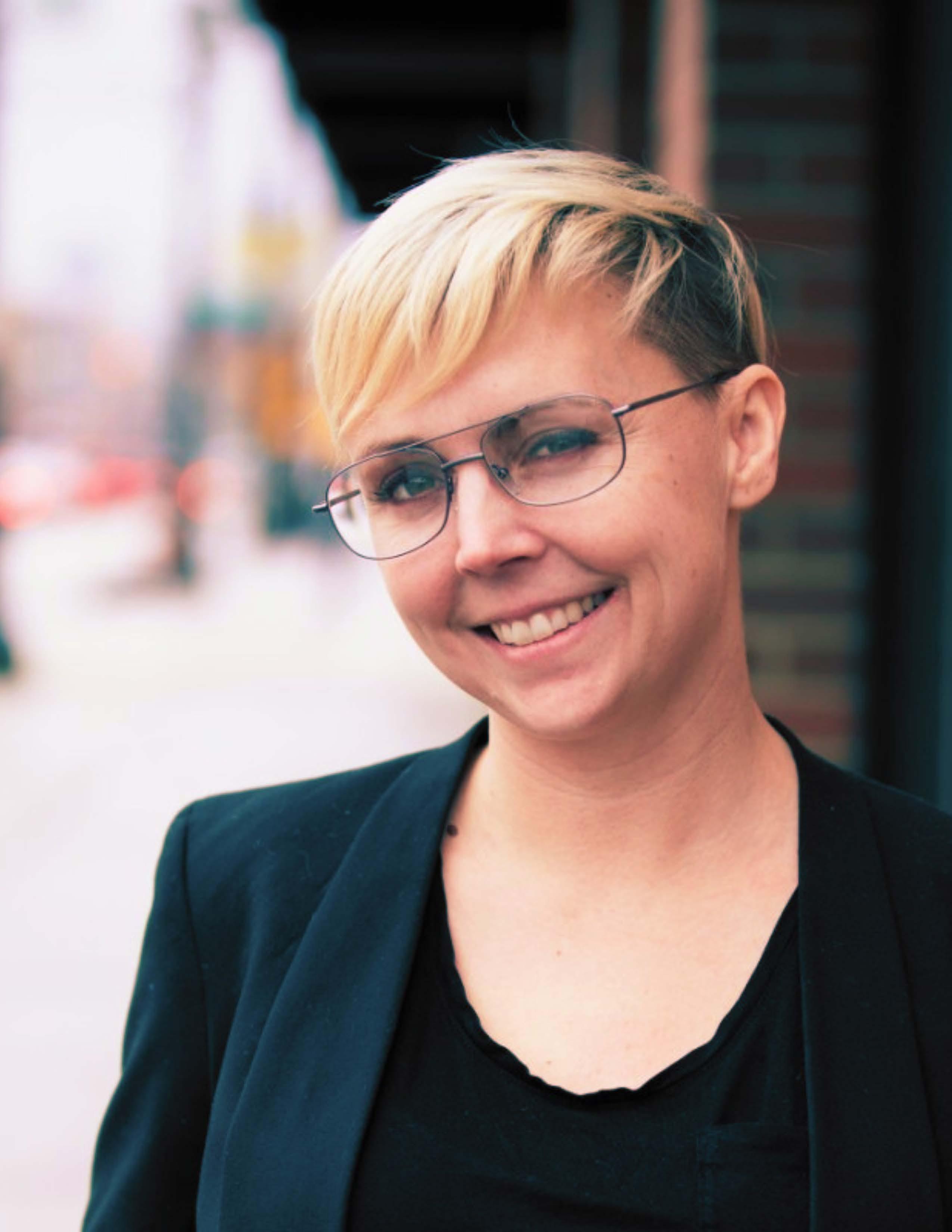
Every brand begins with a name, but the best ones begin with a reason. Ashley Connelly built Lionbear Ventures to help small businesses and communities move from possibility to progress. Here, she shares the story behind the name, the purpose behind the work, and the vision that pushes it forward.
ALLIÉ: Ashley, let’s start at the beginning. For someone meeting Lionbear Ventures for the very first time, what do you hope they feel when they hear your name?
ASHLEY: I think when people hear Lionbear Ventures, they’re usually like, “What’s that?” It could be anything, right? That’s fun. It makes you want to ask more questions. “Tell me more about what you do.” It’s fun.
ALLIÉ: Yeah, it definitely is like that doorway to intrigue. I know that’s the first question I asked. “Tell me more about

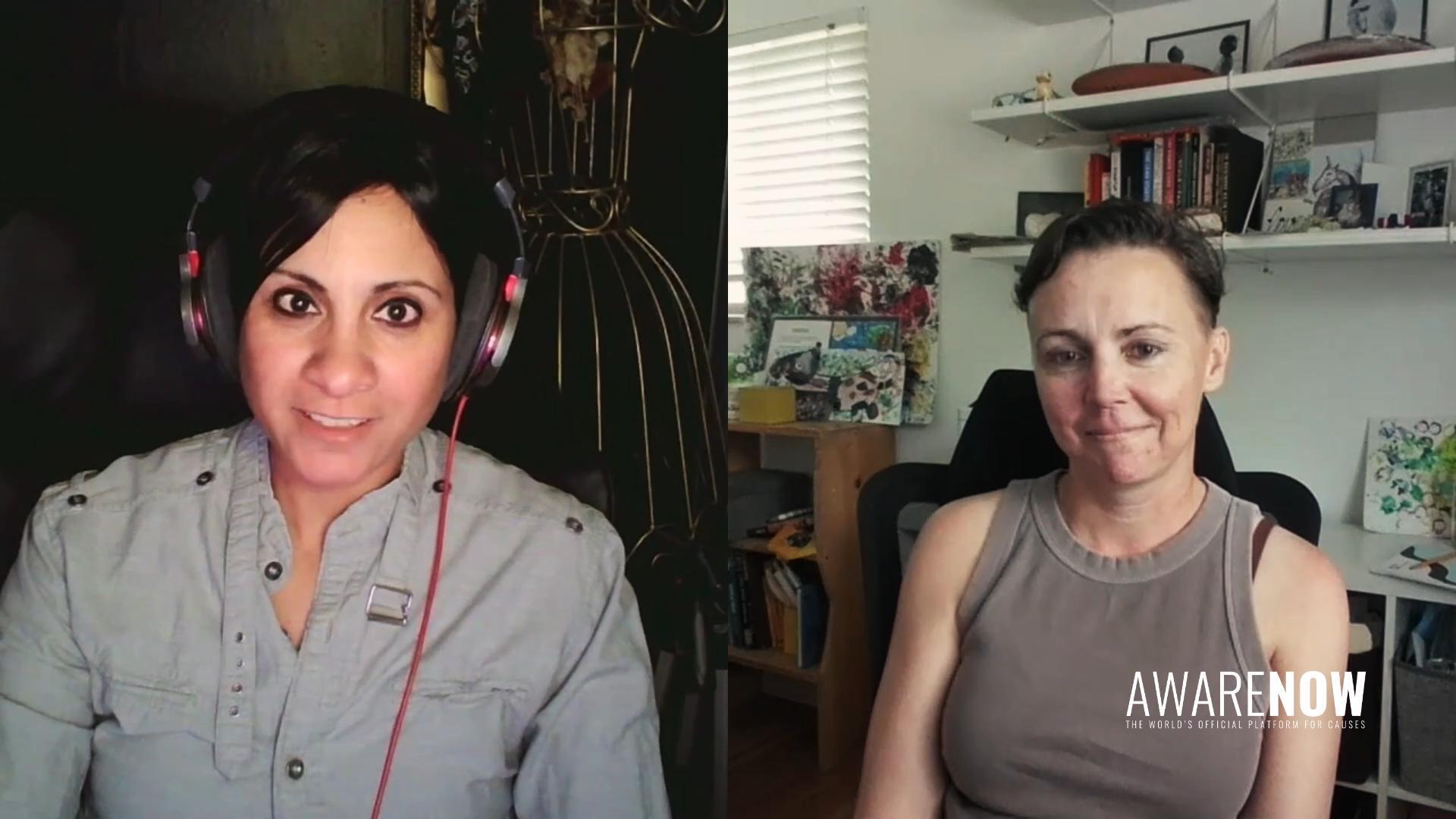
Be out there. Be bold.
CONNELLY FOUNDER & CEO
ALLIÉ: So, let’s go a little bit deeper, because I’m always fascinated by the names that people choose for the things that they build. There’s usually always a story inside of them. Let’s get right to it. What is the meaning behind Lionbear, and what parts of you, your work, or your purpose live in that name? Tell us the origin story of Lionbear.
ASHLEY: Yeah, so I came out of an industry where I worked in corporate America. I worked in some smaller nonprofits and institutes. I was a person who found myself in a new job every two years because I would get bored, or I would want to chase a new thing. I’m curious. I’ve done this. This is not challenging. Or there’s a shiny thing over there.
I said to myself, “That’s probably not a great way to live as a professional, to be changing jobs every two years.” So, I said, “Well, you may need to own your own business someday, because that might be the only way this will become a permanent thing for you to really invest yourself into something that you can build and hold on to.”
So, I said, “What would I name it?” And I knew it had to be some kind of personal brand or something that also had breadth. I was changing jobs every two years. I couldn’t say, “I’m Grant Writing Company ABC,” because what if I didn’t want to do that? I wanted a space to be versatile, to pivot to, because that’s just who I am by nature. I thought, “Well, it’s got to be something personal.” And I chose Lionbear. I liked the way it felt bold. I’ve always kind of toyed around with animal names for some reason. I also thought about, “If I owned a bar, what would I name it?” It was always something like The Stubborn Bear or something funny and kitschy. I just think animals are fun, and we all have our own spirit animals.
I ended up with Lionbear. I have two children. My son’s name is Theodore, and from a young age, my husband kind of always called him “little bear.” Then I had a daughter after that, and I was living in Italy at the time. Her name is Leona, and I learned that Leona in Italian is the word for lioness. So, I said, “How do I play on bear and lion?” Then I was like, “Let’s push them together. We’re going to be Lionbear.” That’s where it came from.
Then, as you’re looking at bears and lions, the characteristics felt quite representative of myself. There’s the ferocity that comes with a lion. And then the bear is courageous. It’s consistent. It can be feisty when it needs to be. I just felt like it was a bold embodiment of what I want to be, what we want to be for our clients, and what we’re asking our clients to be. Be out there. Be bold.
I had a friend once tell me, when I told him I was kind of nervous about the name, “I don’t go out into the consulting world and see names like that on papers very often. It’s usually Great Lakes X or Michigan Blue.” And I said, “Well, what do you think about Lionbear Ventures?” And he said, “People won’t forget you.”
ALLIÉ: That is important. Very, very important, actually. So, success there. The box is checked.
Before Lionbear became a company, there had to be a moment, or maybe a season, when you realized something needed to be built. So the question now is, what was happening, Ashley, in your life or in the communities around you that made you say, “This is the work I’m meant to do”? I know you said a moment ago that you wanted to create something where you had flexibility to pivot and to change, but what was it that went on in your life that said, “This is what it is, and this is why”?
ASHLEY: It was an interesting time. It was COVID. I was working for a nonpro fit, which was an amazing experience. It was a startup nonprofit, and it was quite relevant to the things they were working on during COVID. But I also had a child taking kindergarten virtually from home on a laptop, which was very stressful. Startups are stressful. And I was feeling that impulse once again to be like, “I want a new job.” And I thought, “Oh God, don’t. Maybe this is the time, sister. Just go out on your own.”
At the time, I had gone through an accelerator for recycling. It was called NextCycle Accelerator. I think that kind of gave me this feeling of, “Well, maybe I really love working on recycling.” Again, there was that shiny object over there. Politically, the Biden administration was putting out all of this infrastructure money, all of these federal programs. I was seeing idea after idea of what the possibility of this money could do for communities.

ASHLEY CONNELLY FOUNDER & CEO
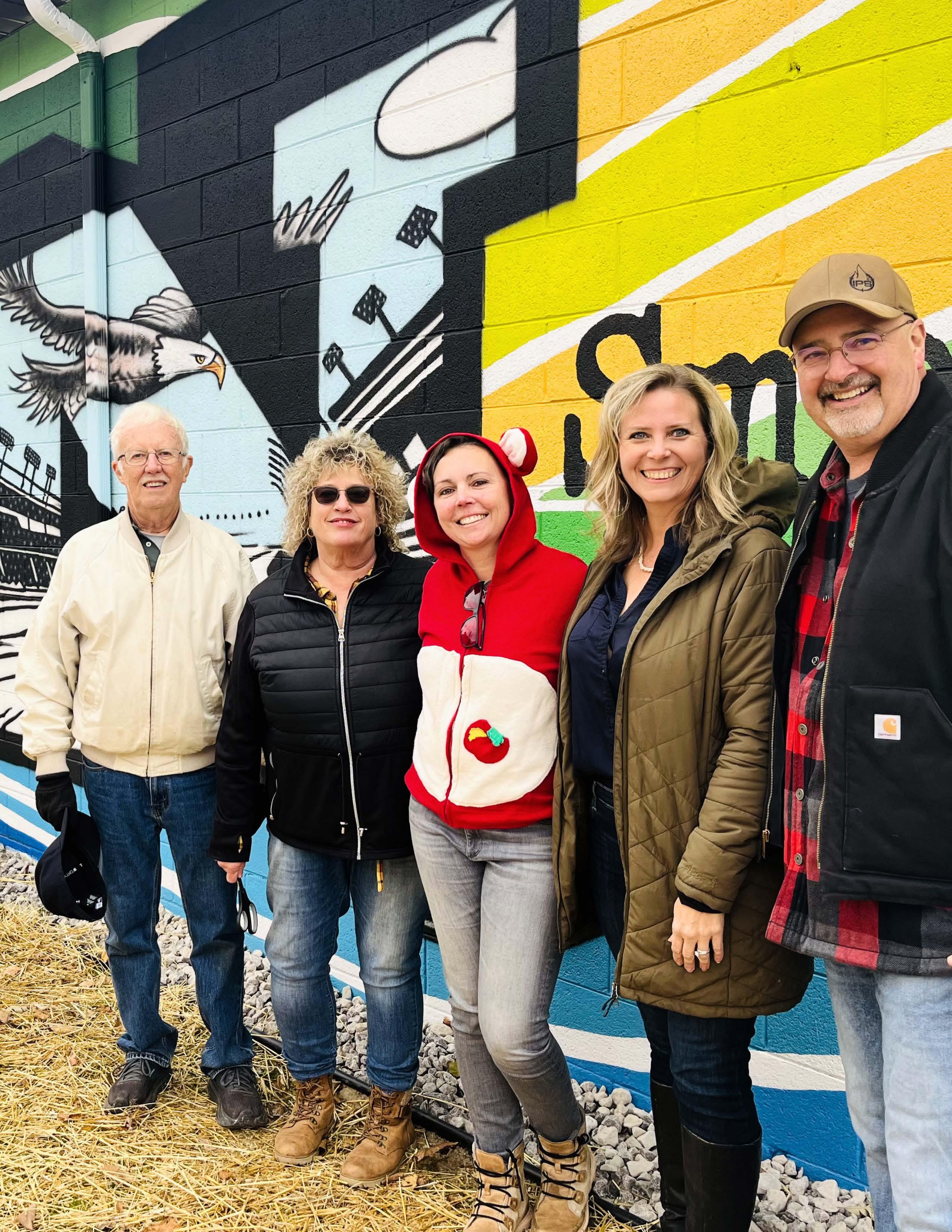

ASHLEY: (continued) Meanwhile, my dad is the water commissioner for the Village of New Lothrop, and I’m talking to him about grants. I’m talking to him about politics and what’s going on. I just kept asking the questions. “How does it work in village government? Do you realize that there’s infrastructure money coming to help you with these exact problems you’re describing?”
He was saying, “My water systems need $50,000 to upgrade.” For one, I didn’t even know that a village managed the water system. I was just like, “Holy cow. My dad is responsible for the safe drinking water of an entire village. Wow. And he needs money. And he has no idea how to go or where to go to get it.” It was that coupled with this deep commitment to equitable access for individuals.
Being a female who came up in my career through the defense industry and doing a lot of work with engineers, I just perpetually experienced this lack of accessibility or a seat at the table. So, seeing some individuals or some organizations get access to so much money, and not feeling like they were always good stewards of that money, then going out and seeing communities like New Lothrop, I thought, “Oh my God. Why is this happening?”
That inequity was happening, and I think that is systemically what could be wrong in many ways with our country. I said, “You know what? I need a new job.” I felt compelled to go and try to do something about this If there’s something that I think I can do about a problem, I feel compelled. A lot of times, it’s basically out of curiosity. Maybe I can fix it, right? Maybe I can do it.
So, I took the leap, and I started Lionbear Ventures on my own. I got a contract to be on a recycling accelerator and help with that, which was fun. I loved it. It was rewarding. Then I got a contract to start trying to write grants for small communities like New Lothrop. Then we won a grant for $150,000 to pay Lionbear to do that.
We were off to the races, and I kind of validated what I knew. There was a problem. And for the last four years, we’ve been trying to solve that. It’s about access to people who want nice things in their communities too. They just don’t know where to go. Nobody’s talking to them. Nobody’s telling them what to do.
ALLIÉ: Well, this start that you’re off to, and the work you’ve been doing, has been very successful, with millions and millions of dollars raised for smaller communities. So much of your work seems to be about helping people and communities access resources that they may not have known how to reach on their own, like the example you gave with your father. What do you wish more people understood about the dreams, the ideas, and the potential sitting inside these smaller communities?
ASHLEY: I think there are a lot of people who want to do something to improve their community. I think there are a lot of people who want to do good things. They want to show up.
You don’t need to be a grant writer. You don’t need to know all the resources. You first need to have the commitment to follow through. You have to have the commitment to want to learn, to absorb the resources that are available for you. And things can be very hard. You have to be prepared to fail.
I think if you’re willing to be that individual, then the rest of it can be taught or shared with you. But at the end of the day, I can’t help clients be successful if they’re not willing to commit for the long haul and know that we may have the perfect Plan A, but we never see through a perfect plan. It never goes perfectly. So, we may go to Plan B or C. And then are you prepared to go to Plan D through Z? How much are you willing to see this through?
Because I can’t want that for you.
I’m not in your community. I’m not leading your community. I’m not having the conversations that you need to be having in your own community about what’s right for you. I trust that you are the one who knows what’s best, when to say enough is enough, and when to pivot out of this whole deck of options.
I just think it comes down to wanting to be a leader and having the humility to know that I might fail, but I’m going to try anyway. Because if I never try, I’ll never know.

ASHLEY CONNELLY FOUNDER & CEO
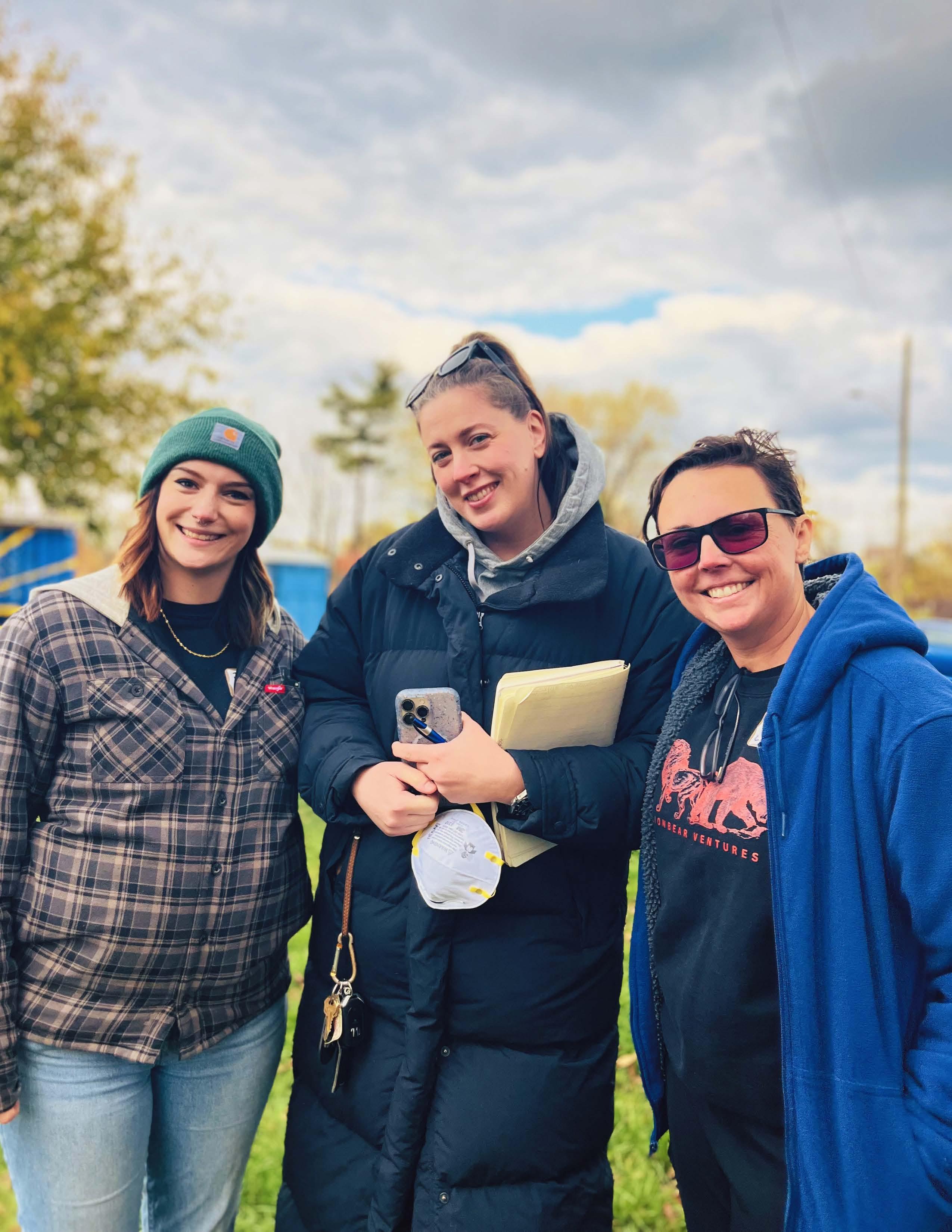
Podcast
Exclusive Interview with Ashley Connelly https://go.awarenowmedia.com/podcast/the-heart-of-lionbear

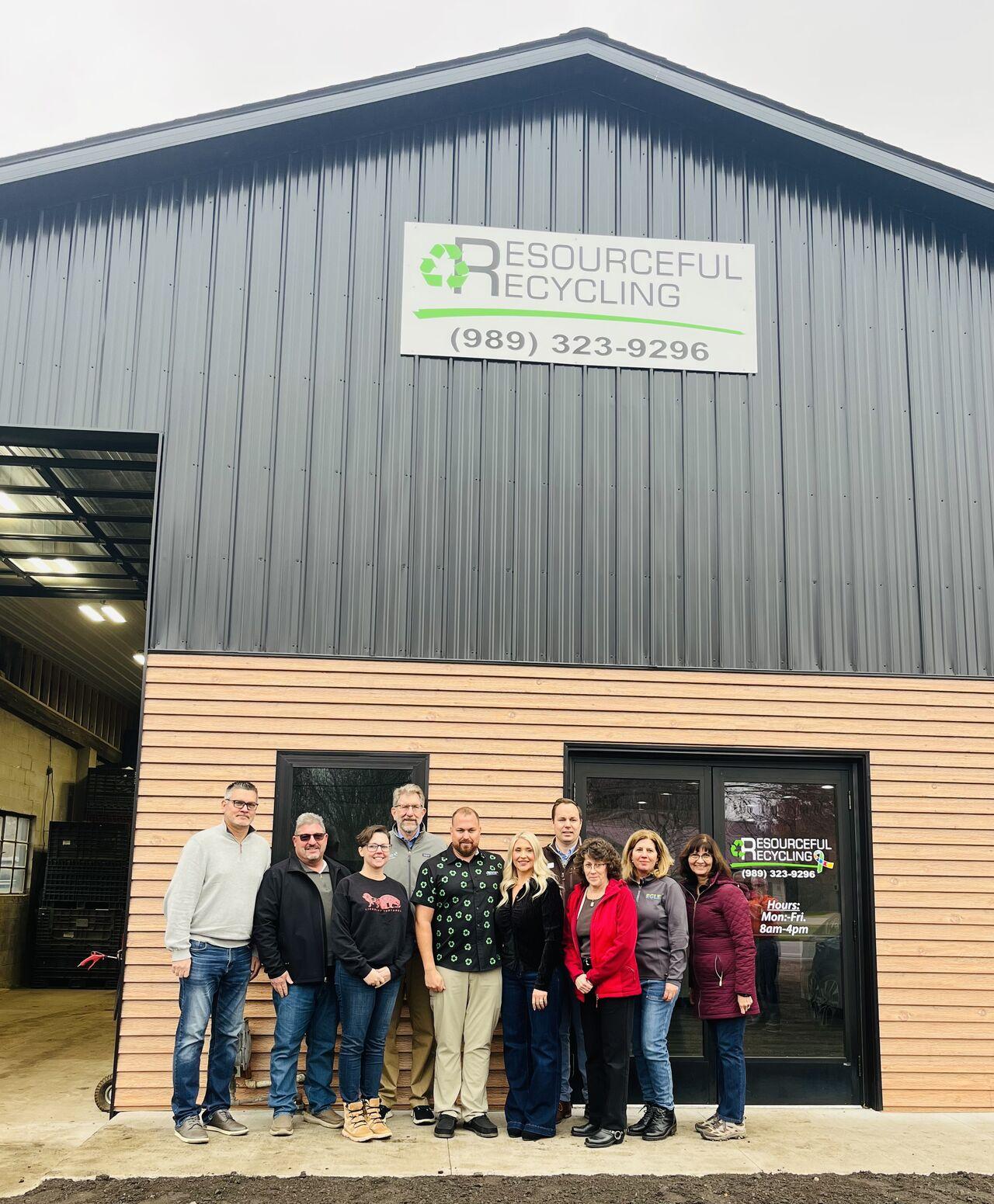
ALLIÉ: Yeah. I love that. And that is such a deep-rooted fear that so many have. But when you can get through that, when you get beyond that, then all the potential is there.
One more question for you today, Ashley. When you look at Lionbear today and the work that is still ahead, what do you hope this brand becomes known for? Not just in terms of funding or strategy, but in terms of how people felt after working with you.
ASHLEY: Well, I don’t know about how they feel, but I always say that we want to be a group that does cool things. I want to do good things with good people.
It’s all about the team environment. I want to work with good people every day and see good things happen. I want you to have nice things where you live too.
So, I think it’s about walking away with a sense of pride and accomplishment, knowing that they gave it their all. Sometimes it works out. Sometimes it doesn’t. Sometimes there are so many things, especially right now, that are completely out of everybody’s control with the way budgets are being allocated and priorities are shifting, both state and federally.
Nothing is within our control, but just being apathetic and saying, “Well, I can’t do anything about it,” isn’t the answer. Everybody can always do something. Go plant flowers in your downtown district.
I think working with Lionbear is walking away feeling like you are proud of the work you put in, and you tried. Maybe you learned something. Maybe you are smarter and better and more equipped for what might come next. ∎

MCGUIRE CO-FOUNDER OF AWARENOW MEDIA
STORY BY ALLIÉ MCGUIRE
Last month, I drove two hours to say goodbye to my Aunt Deb.
She had stage 4 ovarian cancer that had spread to her stomach and into her lungs. It wasn’t long ago that she lost my Uncle Terry. Not long after that she had to move out of her home that I had helped her pack up and leave behind. She moved into another house, that tried to be but never could really feel like home.
It was in that house that wasn’t quite home where she would spend her final days, in an ending that was never meant to be written this way. There were so many chapters she had planned to write.
She was supposed to see the country with my uncle. She was supposed to finally enjoy retirement after years and years of working at her consignment shop, The Corner Closet, which she lovingly called “ first class in second hand.” She was supposed to do so much more with the life she had worked so hard to finally slow down and enjoy.
But life does not always wait for us to open the good wine.
During my visit, her energy was nearly gone. Breathing was difficult. Talking was even harder. She drifted in and out of consciousness, but in the moments when she was there with me, really there, I managed to make her laugh. And of course, it was about wine.
“What was that?” I asked her. “Do I want some wine?”
She laughed.
“Yeah,” she said. “Red or white?”
“Why not both?” I said.
Her laugh grew bigger. “Yes,” she said.
Then I looked at her and said, “You started this, you know. You gave me my first sip of wine.”
She looked at me with tears in her eyes and nodded yes.
That was Aunt Deb.
She gave me my first sip of wine, which somehow became the first pour into a chapter of my life and career I never could have seen coming. She gave me my first job at her resale shop. She gave me long talks in her kitchen, at her bar, and on her back porch. She treated me like a daughter. She treated my boys like her own. She made room for people, for stories, for laughter, for flowers in the yard and conversation that never needed to hurry.
Podcast
Written and Narrated by Allié McGuire
https://go.awarenowmedia.com/podcast/the-glasses-she-saved

Aunt Deb’s life was not measured in the cancer that took her, or the house she had to leave, or the retirement she never got to fully live. Her life was in the laughter that still found its way through labored breathing. It was in the first sip of wine she handed me years ago without knowing what it would become. It was in the jewelry she chose, the glasses she saved, the shop she built, the flowers she tended, the family she loved, and the way she made people feel like they belonged.
I wish she had opened the glasses.
I wish she had poured the good bottles of red.
I wish she had poured more of the bottles of white.
Now, the unused glasses are mine to use not just in memory of her, but in honor of what she taught me in the leaving.
Do not wait.
Do not save everything beautiful for later.
Use the good glasses.
Drink the good wine.
Say the thing.
Take the trip.
Sit on the porch.
Laugh while you can.
Because someday, the day we were waiting for becomes the day we wish we had not waited at all. ∎