







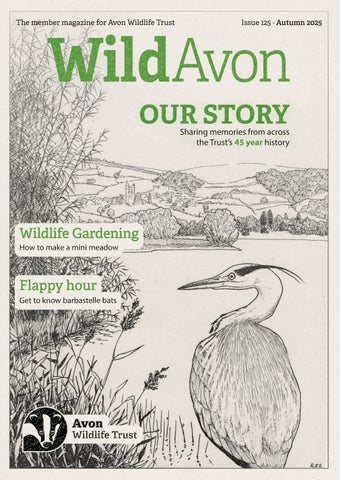

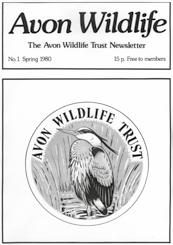
to your autumn Wild Avon magazine, helping you to make the most of what this season has to offer. I hope this issue’s illustrated cover caught your eye –it’s a nod to Avon Wildlife Trust's first logo, and first magazine cover, which featured an illustration of a grey heron. This original piece of art on our cover was created by the late Dick Ellingham, whose wife Pat has kindly allowed us to use his illustrations for our cover and in our special 45th anniversary feature.
While the natural world may get quieter at this time of year, we’re still using our voice to share its stories and inspire people to take action for nature. You’ll find plenty of ideas for ways to help wildlife across these pages, including our brand new wildlife gardening column on page 9
As part of our 45th anniversary celebrations, we’re sharing first-hand accounts of what it’s like to be on the front line of nature’s recovery. From page 16, you can read the memories of volunteers, staff, trustees and chief execs from across our history, bringing the decades to life. They talk about how it feels to be part of a Wildlife Trust that dares to be different, as well as how people’s attitudes to nature have changed over that time. Though one thing has always remained the same –passionate people are at the heart of everything we do.
It’s the power of people to make a difference for nature that has been the driving force behind the Really Wild Lockleaze project. We’ve learnt a lot along the way, thanks to our partner organisations and the local residents who’ve taken the lead. You can read more about what we achieved for wildlife together on page 20.
I was lucky enough to meet some of our long-standing members at a special event earlier in the summer, and I’m hoping to meet many more of you at our upcoming AGM on Saturday 15 November. We’ll be holding it at the Watershed in Bristol, and you’ll have the opportunity to meet and mingle with our staff, hear from speakers and welcome two new members to our board of trustees. Your invitation should have arrived with this magazine, and you’ll also find the key details on page 23. I look forward to seeing you there.
Leah McNally Chief Executive of Avon Wildlife Trust
Wild Avon is the membership magazine for Avon Wildlife Trust, your local wildlife charity, working to secure a strong future for the natural environment and to inspire people to care for it. With the support of over 18,000 members and 400 volunteers, the Trust manages almost 800 hectares of prime habitat and strategically selected sites, runs educational and community programmes, advises landowners and campaigns on issues that threaten wildlife habitats.
Headquarters Office
17 Great George Street, Bristol BS1 5QT
Telephone 0117 917 7270
Email mail@avonwildlifetrust.org.uk
Website avonwildlifetrust.org.uk
Folly Farm Centre
Stowey, Pensford, Bristol BS39 4DW
Telephone 01275 331590
Email info@follyfarm.org
Website follyfarm.org
Grow Wilder
181 Frenchay Park Road, Bristol BS16 1HB
Telephone 0117 965 7086
Email growwilder@avonwildlifetrust.org.uk
Website avonwildlifetrust.org.uk/growwilder
Follow us on social media for the latest news and events. Please share your wildlife pictures and experiences! You can also subscribe to our monthly newsletter online through our website to hear about our latest news and events.


Facebook, Instagram, LinkedIn, YouTube, TikTok, X @avonwt /Avon Wildlife Trust
Registered company address: Folly Farm Centre, Stowey, Pensford, Bristol BS39 4DW
Registered charity number 280422. Registered company number 1495108.
Editor: Abbie Hall
Abbie.Hall@avonwildlifetrust.org.uk
Designer: Kevin Lester
Cover illustration: of grey heron by Dick Ellingham, 1989
Dick was Trust Education Officer and Magazine Editor from 1985 until 1990, when he moved to BBC Wildlife Magazine. He remained involved with the Trust as a volunteer and later as a Trustee until his death in 1998, aged 45.
4 Your wild autumn
The best of the season’s wildlife and where to enjoy it
9 Wildlife gardening column
How to create a mini meadow 10
Wild reserves
Discover the Mendip National Nature Reserve and other local nature sites to visit
13 Actions for nature
14
16
Six places to see starling murmurations
Giving a voice to nature
Sharing memories from across our 45year history, from the people who made it happen
20 Residents go Really Wild!
How the people of Lockleaze improved their green spaces for nature
22 Focus on
Pave the way for nature
23 AGM
You’re invited!
24 Wild news
26 My wild life
Get to know Leah McNally, our Chief Executive
27 Volunteering and Local Groups
6 ways to get involved with your local Wildlife Trust
Increase your donation
Help us to bring wildlife back across Avon by increasing your membership donation today, so that we can all benefit from nature on our doorstep: avonwildlifetrust. org.uk/increasedonation
Be part of Team Wilder
Become a part of our growing community of local people who take action for nature as part of their everyday lives: avonwildlifetrust.org.uk/team-wilder
Campaign We need your voice to raise awareness for urgent local issues such as fighting the ecological emergency, reversing insect decline and creating a connected network of habitats for wildlife: avonwildlifetrust.org.uk/campaign
Fundraise Set yourself a challenge or organise an event to fundraise with family and friends to help wildlife in our region: avonwildlifetrust.org.uk/ fundraise
Give the gift of land
Help to secure 30% of land for wildlife by 2030 by contributing land or the money to make a purchase: avonwildlifetrust.org. uk/gift-land
Include a gift in your will
Celebrate your love for local wildlife by giving a gift that could last for generations. A gift in your will, no matter how big or small, can make a real difference: avonwildlifetrust.org.uk/giftinwill
The best of the season’s wildlife and where to enjoy it across Avon
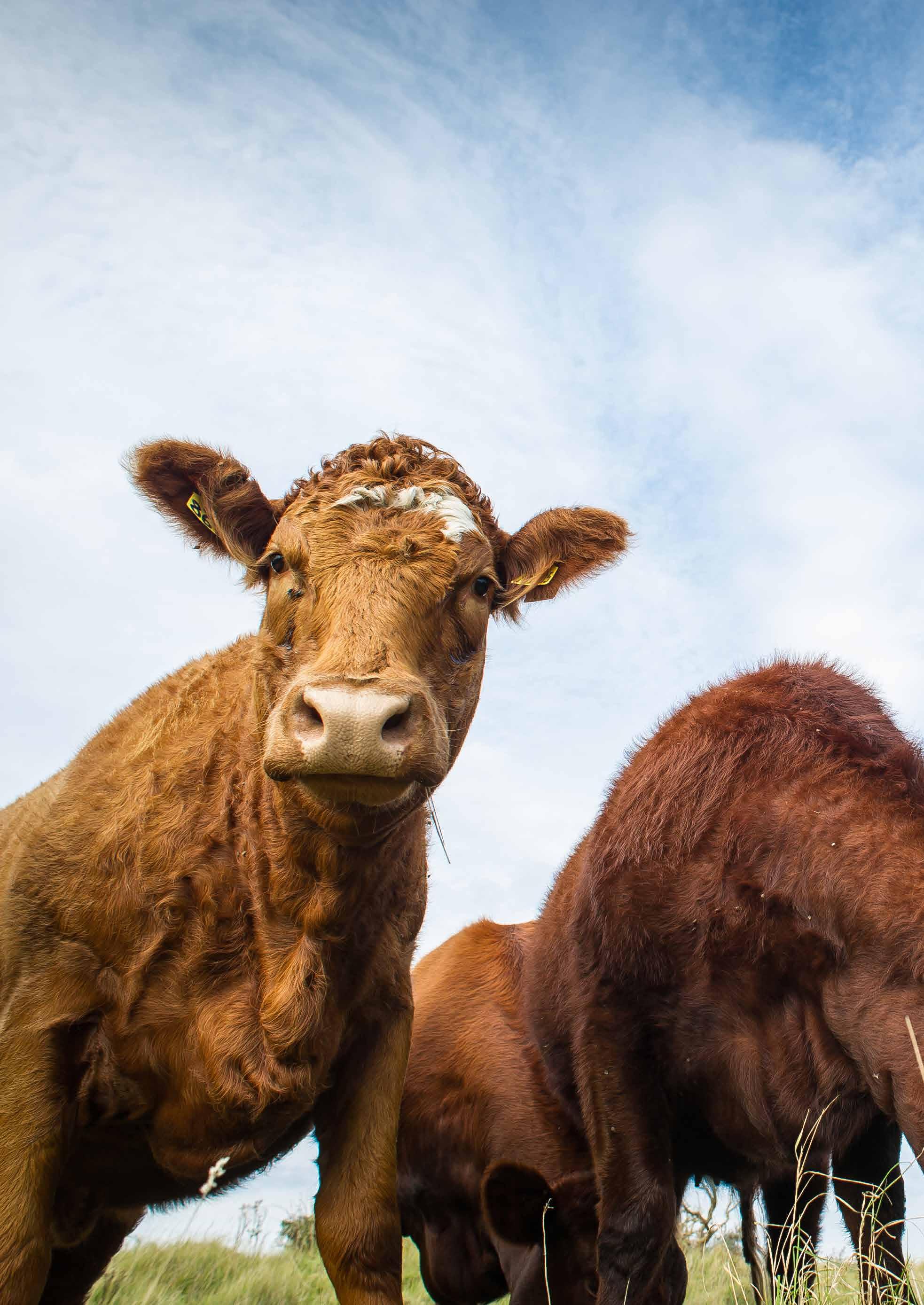
Conservation grazing helps to improve soil health and increase floral diversity; crucial for boosting biodiversity.
Thanks to your support and the support of local graziers, we’re improving the landscape for a future with nature in abundance.
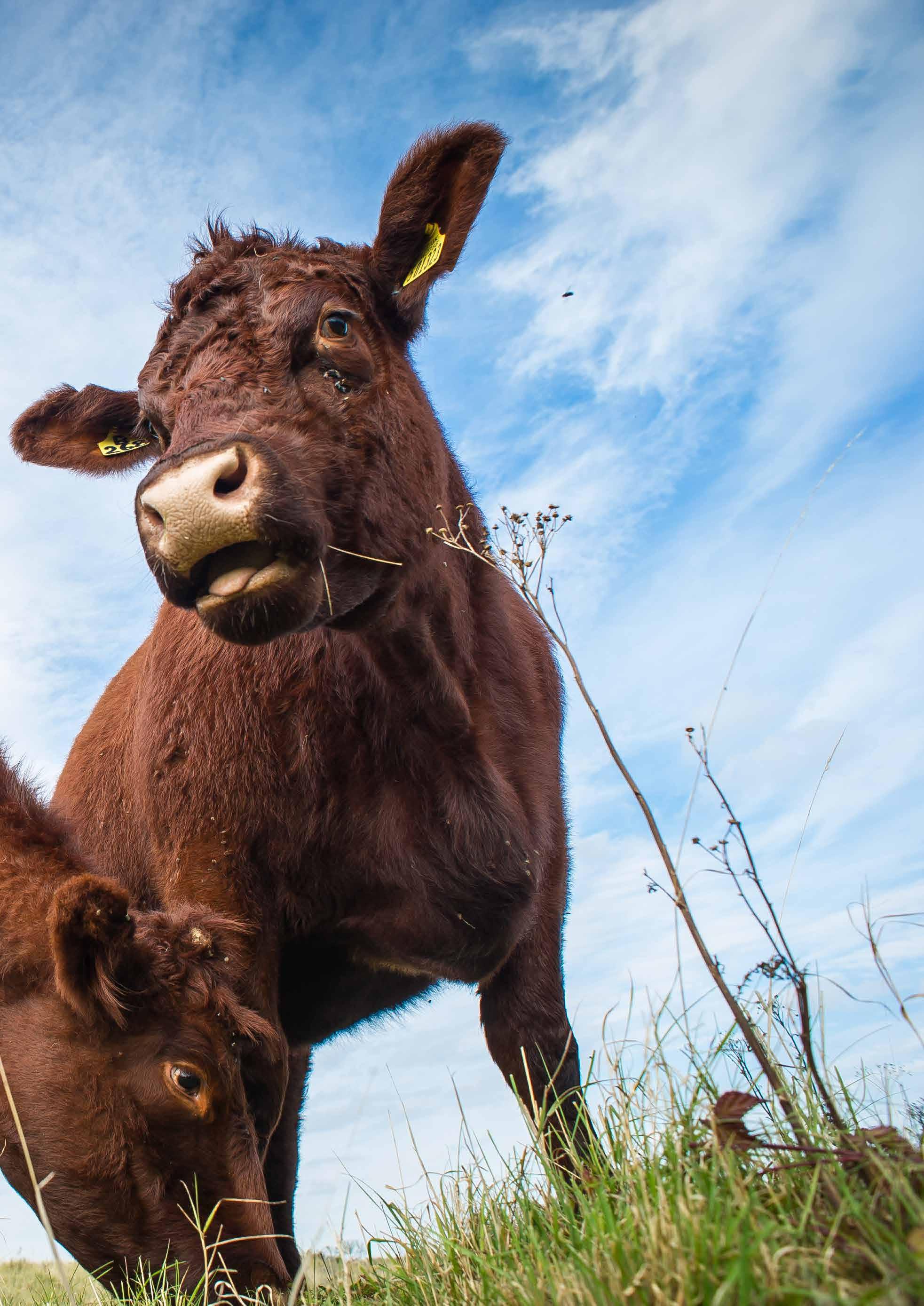
Livestock play an important role in helping to manage land at scale for nature.
Cattle leave a longer sward and areas of tussocky grass, creating good habitat for insects, and can help to manage areas of coarser vegetation. Goats can tackle a range of grass lengths and scrubby areas and are able to cope with more challenging terrain.
For varied grass lengths and bare patches of ground that support insect populations, horses and ponies provide an efficient grazing solution.
With sheep, stocking density is key to prevent overgrazing, and it is important to look at specific breeds that are more likely to be good at browsing and able to tackle nettles and small scrub.
SEE THEM THIS AUTUMN
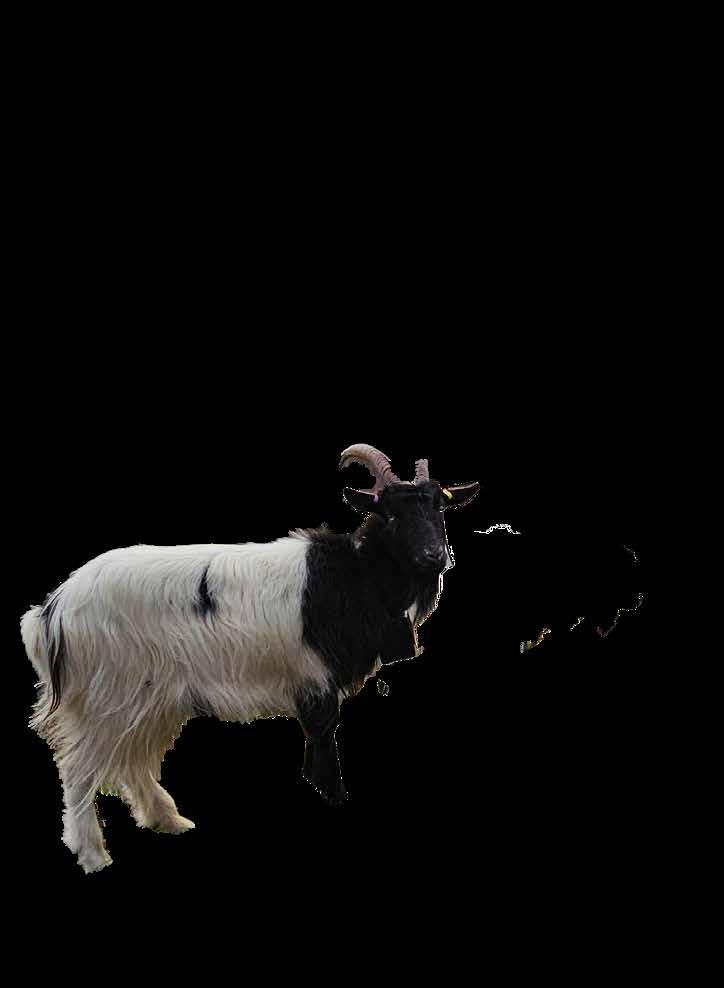
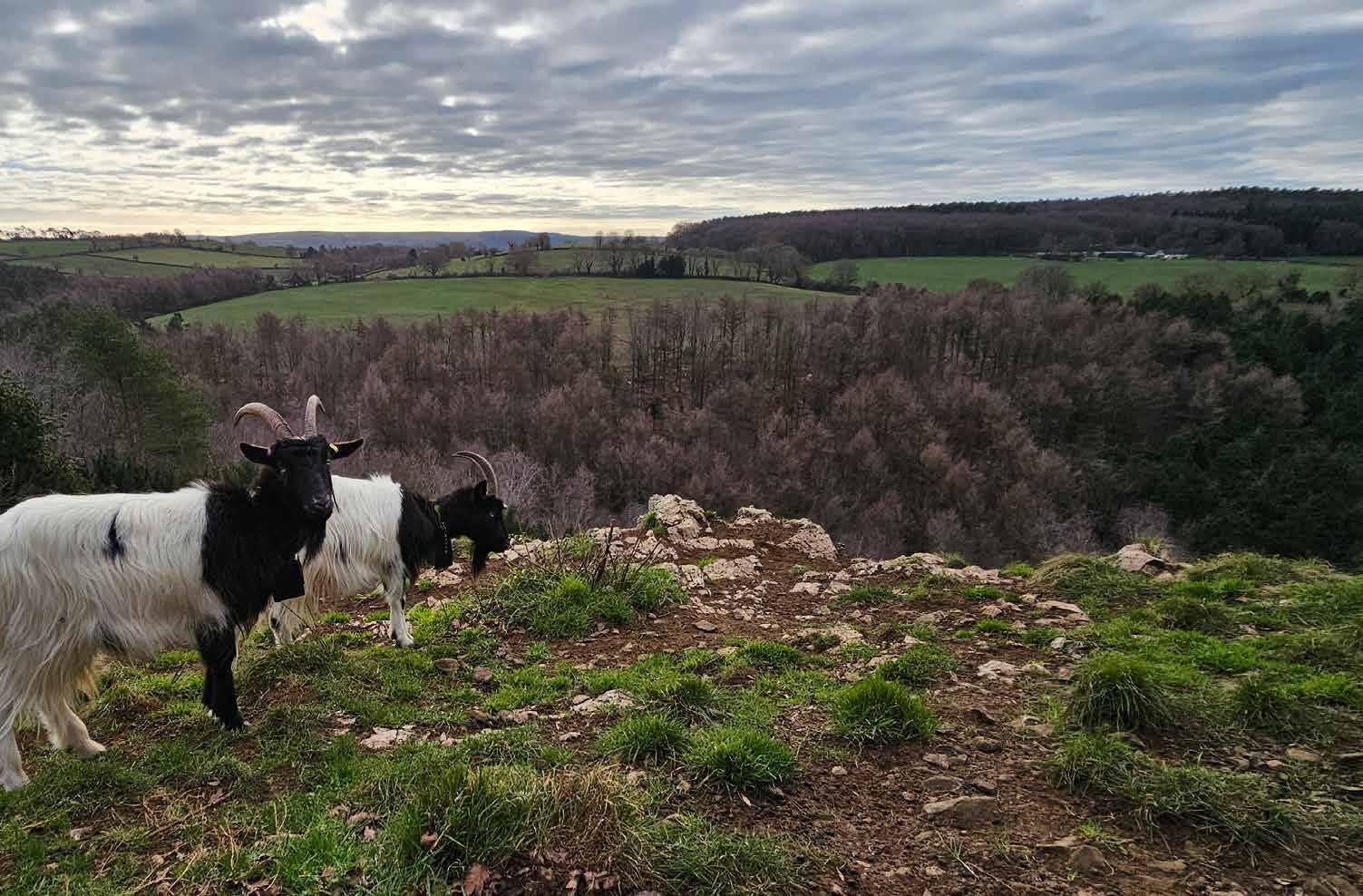
Goblin Combe: Friendly goats roam the reserve, making light work of the uneven terrain.
Folly Farm: Look out for cattle and the Exmoor ponies.
Safety on reserves: Where dogs are permitted, please keep them on a short lead.
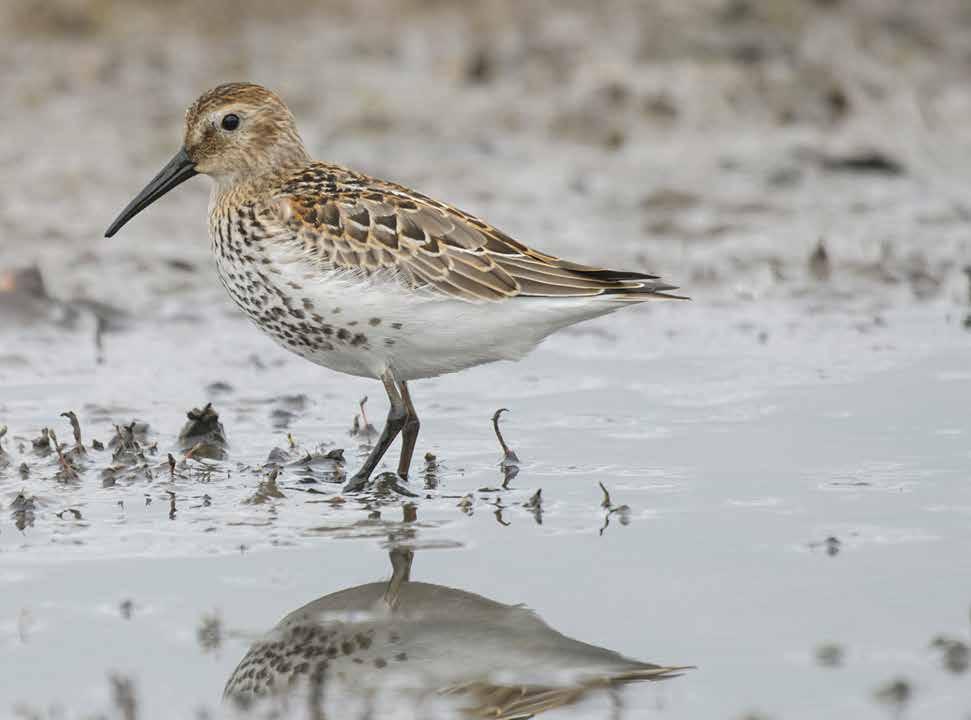
Estuaries are teeming with life, on the shores, overhead and below the water. We have one of the most extraordinary examples along our coastline – the Severn Estuary. Internationally designated as an important area for its special habitats and species, the Severn Estuary has the highest tidal range in Europe of up to 15 metres. The inter-tidal areas, which are exposed and then submerged with the tides, provide a rich habitat for overwintering birds.
Follow the southern part of the Severn Way Walk along the coast. You can also visit our Walborough reserve, part of the Severn Estuary Site of Special Scientific Interest, for good views of wading birds such as dunlin, redshank and little egrets: avonwildlifetrust. org.uk/nature-reserves/walborough
The estuary is designated for its overwintering birds, including the enigmatic curlew, oystercatcher, shelduck and redshank.
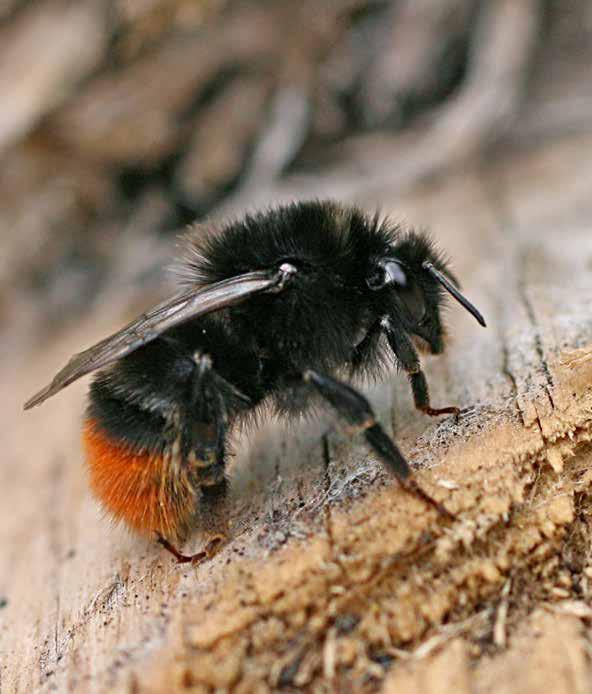
You might not typically expect to see bees or butterflies in the city over winter. However, several species of pollinators, including bumblebees and certain flies, have been recorded foraging throughout the winter season – especially on mild winter days.
Urban areas are typically associated with a warmer microclimate and support a small number of blossoms and flowers during winter, including winter cherry, some heathers, early snowdrops and ‘weeds’ like dandelion and groundsel. This means pollinators can exploit warm winter days more successfully in towns and cities than in the wider countryside.
Old plant stems, logs and dried grass all make safe spaces for insects to take cover in poor weather or hibernate over winter. Don’t tidy them all away! Stems and seed heads provide useful shelters for overwintering insects, so don’t cut back or prune unnecessarily.
Cracks in walls, rockery piles and corners of sheds will all provide safe spaces for insects to shelter and hibernate. You could build a ‘bug hotel’ with a bundle of hollow sticks and bricks, or simply create a log pile.
Consider creating a ‘bee bank’ in your garden – a shallow sloping bank of bare, sandy soil which can provide a winter hibernation spot for bumblebees.
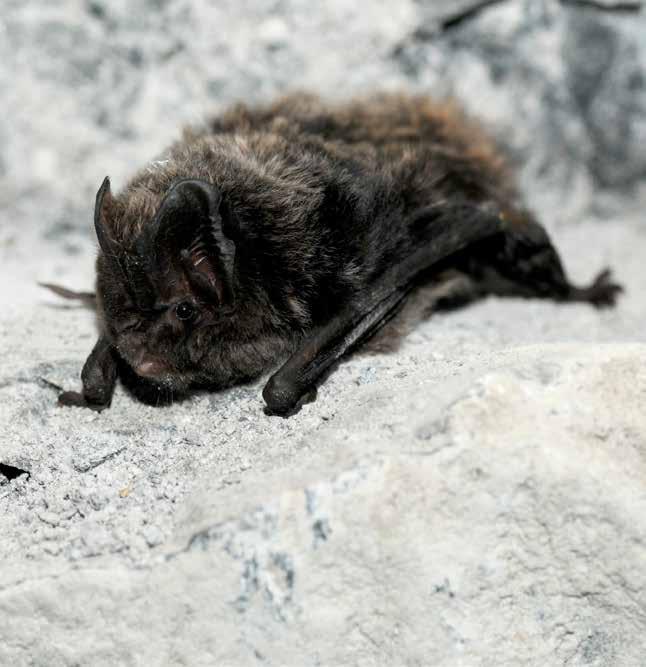
The barbastelle bat is easily distinguished from other bat species by its pug-like nose and black fur but, with its status as the UK’s rarest bat, they’re not easy to spot.
They are active in our region and work is underway to help them.
In the UK, the barbastelle is found in central and southern England, and parts of Wales. Whilst also present across Europe, it is one of the rarest bats and is on the International Union for Conservation of Nature (IUCN) red list of threatened species.
Population estimates vary widely, with data from 1995 suggesting there may be fewer than 5,000 barbastelle bats in the UK. In subsequent years, improvements in detection and monitoring put the figure at between 21,000 and 42,000. The species may still be under-recorded, but population decreases are reported across Europe, according to the IUCN.
Causes for the decline include pesticide use and habitat degradation or loss. The bats are protected under UK and European laws.
With its pug-like nose, ears that meet in the middle, and black silky fur, the barbastelle bat stands out from its counterparts.
The bats breed in early autumn, with their young, usually one or two pups, arriving in July. Maternity roosts are fairly small, numbering between 10 and 20 females.
Juvenile bats take flight from around three weeks and are able to source their own food after a further three weeks. Like most other bat species, barbastelles feed on moths as their primary food source but will also take flies and beetles, including dung beetles.
The bats forage over a large area and benefit from access to open patches within the woodland for feeding.
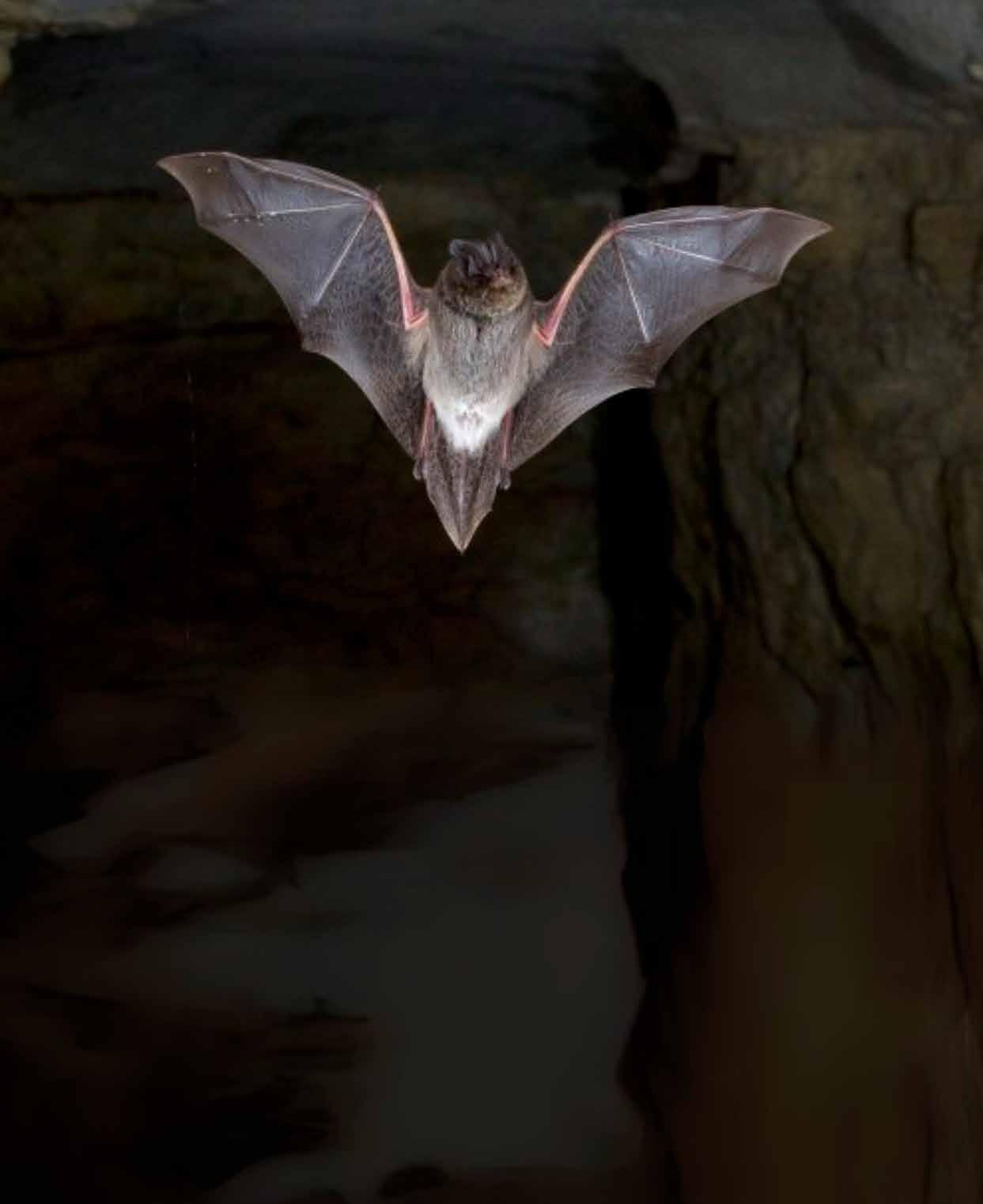
Hibernation takes place from November to March with the bats favouring old mines and caves where the temperature is ambient and the air is dry.
Deciduous woodland is the preferred habitat for barbastelles in the UK, particularly near water. A variety of trees with cracks, crevices and dead wood provides the ideal microhabitat for the bats to feed and roost.
Our Wilder Woodlands project has improved the habitat for barbastelles and other bat species at our Goblin Combe reserve and surrounding areas. By thinning out and veteranising trees and creating new open spaces to increase light into the woodland floor, the bats have access to improved habitats for feeding and roosting.
You can read more about this successful project on page 25
As these bats are so rare, you’ll be very lucky to spot them, particularly as they are most active at night.
However, you can visit our Goblin Combe reserve to see all of the great work that has been undertaken to improve habitats for bats (and for dormice!).
Much of the monitoring and recording of bats in the UK is carried out by volunteers. Your local bat group may have opportunities to get involved in bat detection and monitoring.
DID YOU KNOW? Its scientific name, Barbastella barbastelle, derives from the Latin for star beard, referencing the white tips on the fur around the nostrils and mouth.
Why should kids have all the fun? Reignite your love of nature with these random acts of wildness
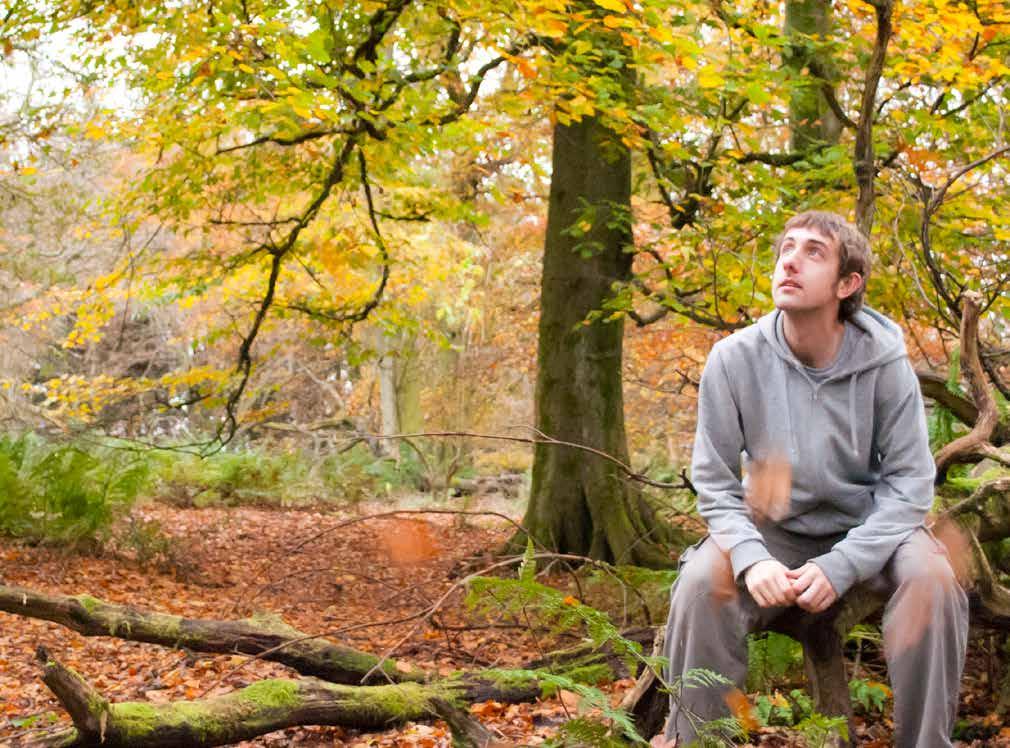
Taking time to sit and enjoy a green space near you is a great way to practice mindfulness and reconnect with nature. A Sit Spot is where you find a comfortable place, which could be in your garden or a nearby park, and take time to observe and connect with your surroundings, thinking about all five senses. If you do this once a week for about 20 minutes, you’ll notice the changes of the seasons and the comings and goings of your local wildlife. Autumn is great time to start this practice, perhaps natural journalling from your Sit Spot so you can reflect on how things progress through the year!
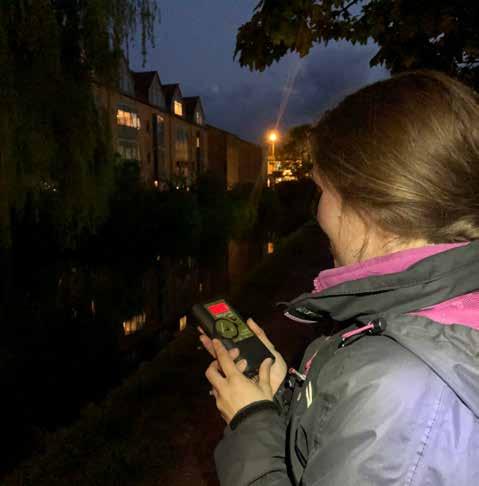
Autumn is the perfect time to find our favourite nocturnal friends, bats! With warm evenings and the sun setting earlier, bats can be found fluttering through the twilight sky. Rivers, canals and streams are wonderful places to spot them hunting for insects. Dress up warm, keep the lights low and keep your eyes on clear patches of sky to spot these amazing creatures before they hibernate for the winter.
2 Prepare a cosy home for hibernators
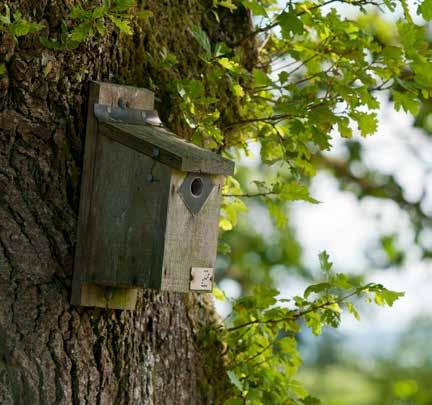
Following the flourishing of our feathered friends in spring and summer, we can help them get ready for the colder months. It’s time to take down your nest boxes, remove materials and wash them with boiling water. Once dry, you can add some clean hay or wood shavings and hang them back up, ready for birds and small mammals to have a cosy home for winter.
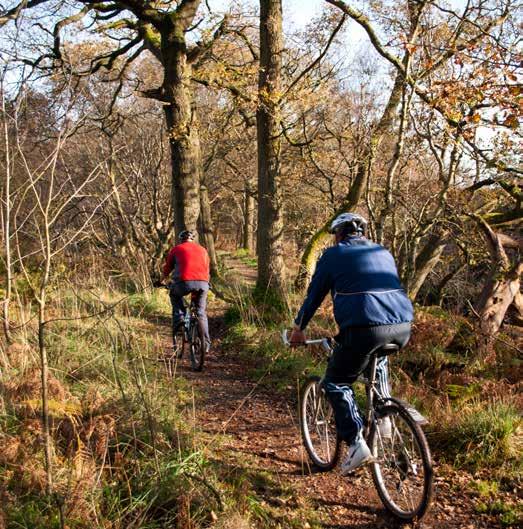
The best bit about this time of year is the glorious display of golden leaves that decorate trees. A brilliant way to enjoy this is to go on a bike ride on some of the wonderful paths we have dotted around Avon, like the Pier to Pier Way or Bristol and Bath Railway Path. You might get lucky and see some jays caching food to eat later in the season!
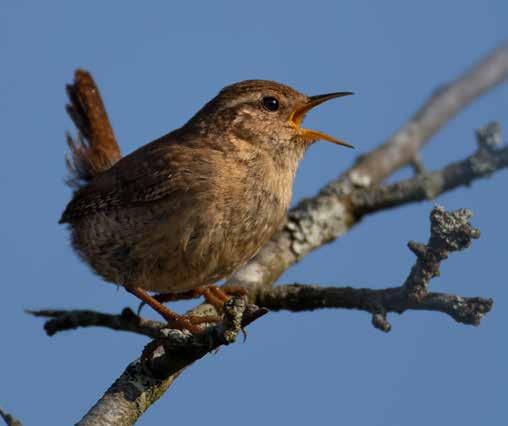
4 Who is calling?
We all know that autumn can often bring back showers and colder days, making it harder to get out and about. When those days come, take the time to learn birdsongs and common calls so the next time you head to a woodland or out for a walk you can take your ornithology to the next level!
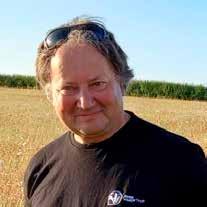
with Shaun Waycott
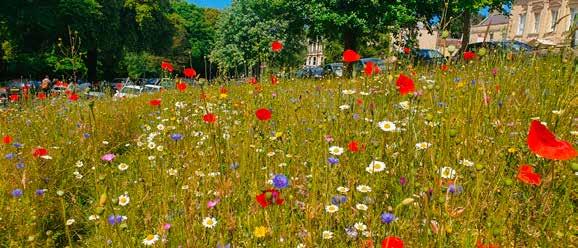
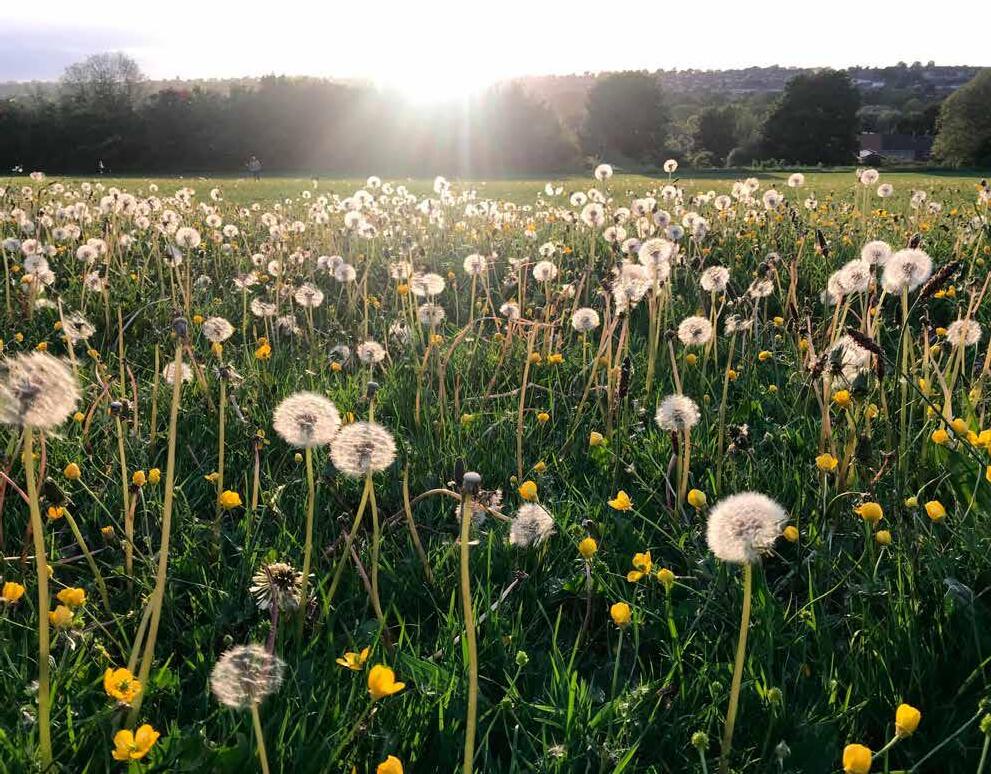
We are often asked about establishing a flourishing mini meadow for wildlife, whether that be in your garden, on your allotment or in your community space. You can even plant a tiny meadow in a pot or container.
Autumn, from September until mid-November, is a great time to start, using a wildflower seed mix or a mix of seeds and plug plants. We’d encourage you to opt for native species, many of which you’ll find at our Grow Wilder plant nursery.
Preparation is key. For bare soil you will need to ensure that strong perennial weeds such as nettles, docks and bindweed are removed.
For existing grass, cut the grass as short as you can then scarify using a rake to break up surface to leave about 50/50 grass to loose soil.
Bulk out your wildflower seed mix with some dry sand to help you sow the seed evenly across your chosen area.
Plug plants are planted after the sowing as the trampling helps to push the seeds into good contact with the soil. Ensure the plants are well-watered and any tight roots gently loosened. Dig a hole, loosening an area a bit bigger and a bit deeper than the plug plant so the top of the plug is very slightly lower than the soil surface. Plant anywhere between three and twelve plants per m2, dotting them about, varying the distance between them. Then water them in.
Some seeds will start to germinate very soon after sowing, others will germinate in the spring. If weeds such as docks, thistles and bindweed come through then aim to hoe them off with minimal disturbance to the surrounding soil.
Let the meadow grow through the summer then it will need a minimum of one cut a year in September, removing the cut material.
Keep a look out for the wildflowers as they appear and all the various pollinators that might visit including butterflies, bees, beetles and hoverflies.
If you’ve been inspired to get sowing this autumn, come and visit Shaun and the team at the Grow Wilder nursery or place your order at growwilder.co.uk
We’re lucky that so many supporters are also talented photographers! It’s been such a joy to see the wonderful things which caught your eye. Sharing photos like this is a great way to take action for nature and be part of Team Wilder, as it’s a sure-fire way to inspire others:
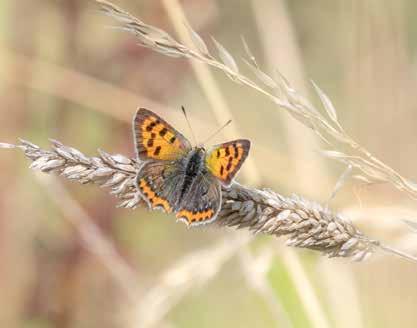
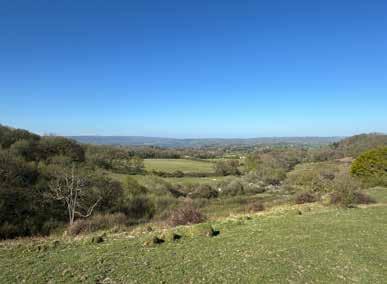
Speaking of Folly Farm, Jack shared this stunning landscape view he captured while visiting the reserve.
© Jack Winter-Mills
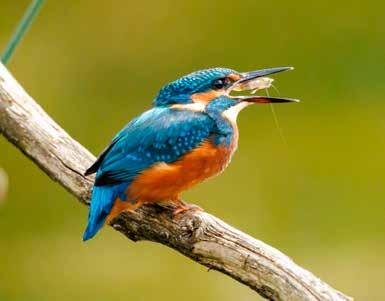
A kingfisher showing us how they got their name, with a tasty morsel caught in their beak.
© Dave Cox
Mike captured this stunning small copper butterfly while it rested at Folly Farm
© Mike Williams
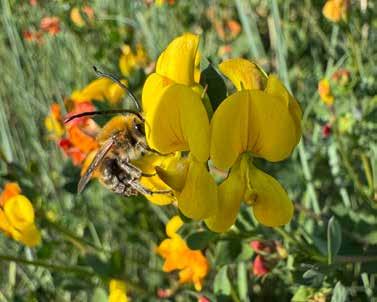
This long-horned bee was spotted by Alex in Oldburyon-Severn back in the spring and is possibly only the second sighting of this species recorded in the county!
© Alex Dommett
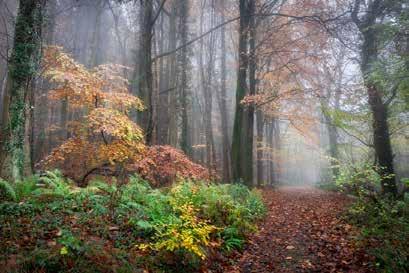
When people think of Prior’s Wood they tend to imagine it carpeted with bluebells, but we think it looks just as striking in its autumn coat, atmospherically captured here by James.
© James Pritchett
Send us your ecology questions and photos to @AvonWT on social media or to communications@ avonwildlifetrust.org.uk
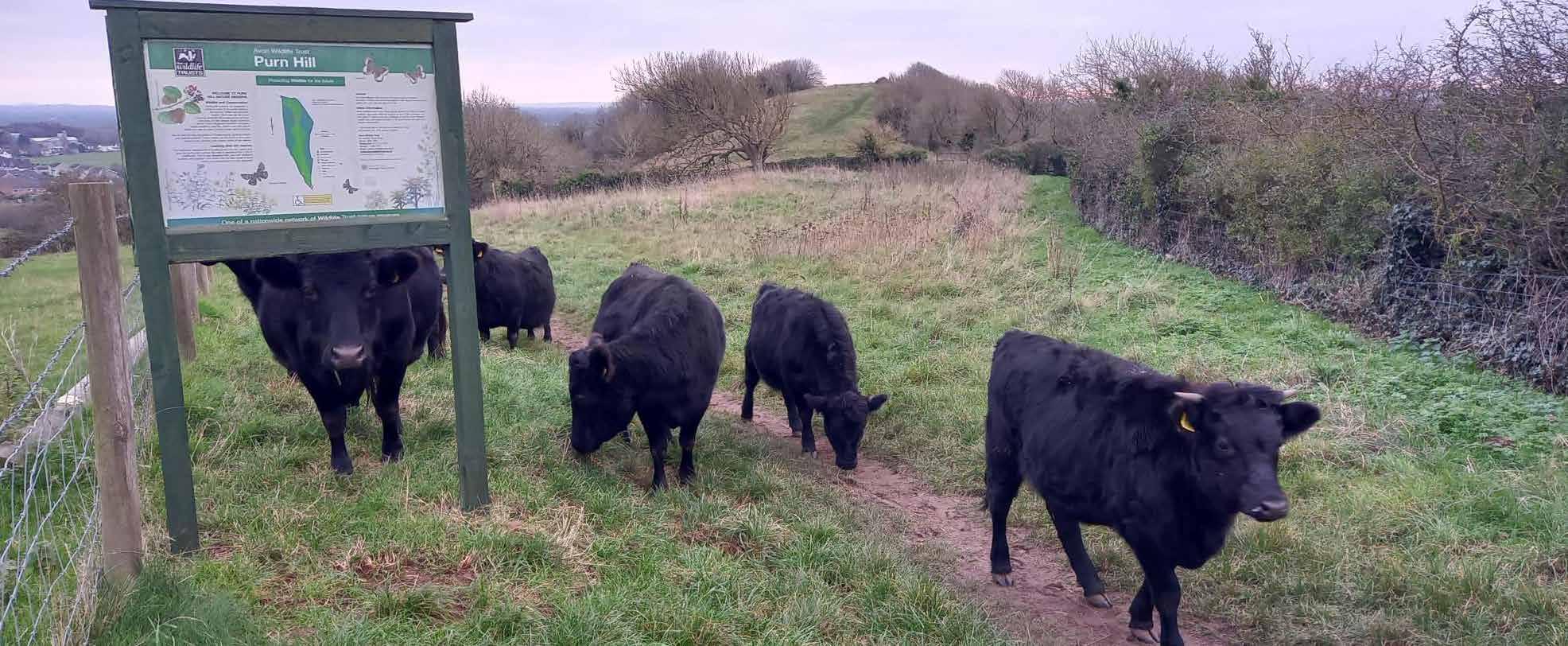
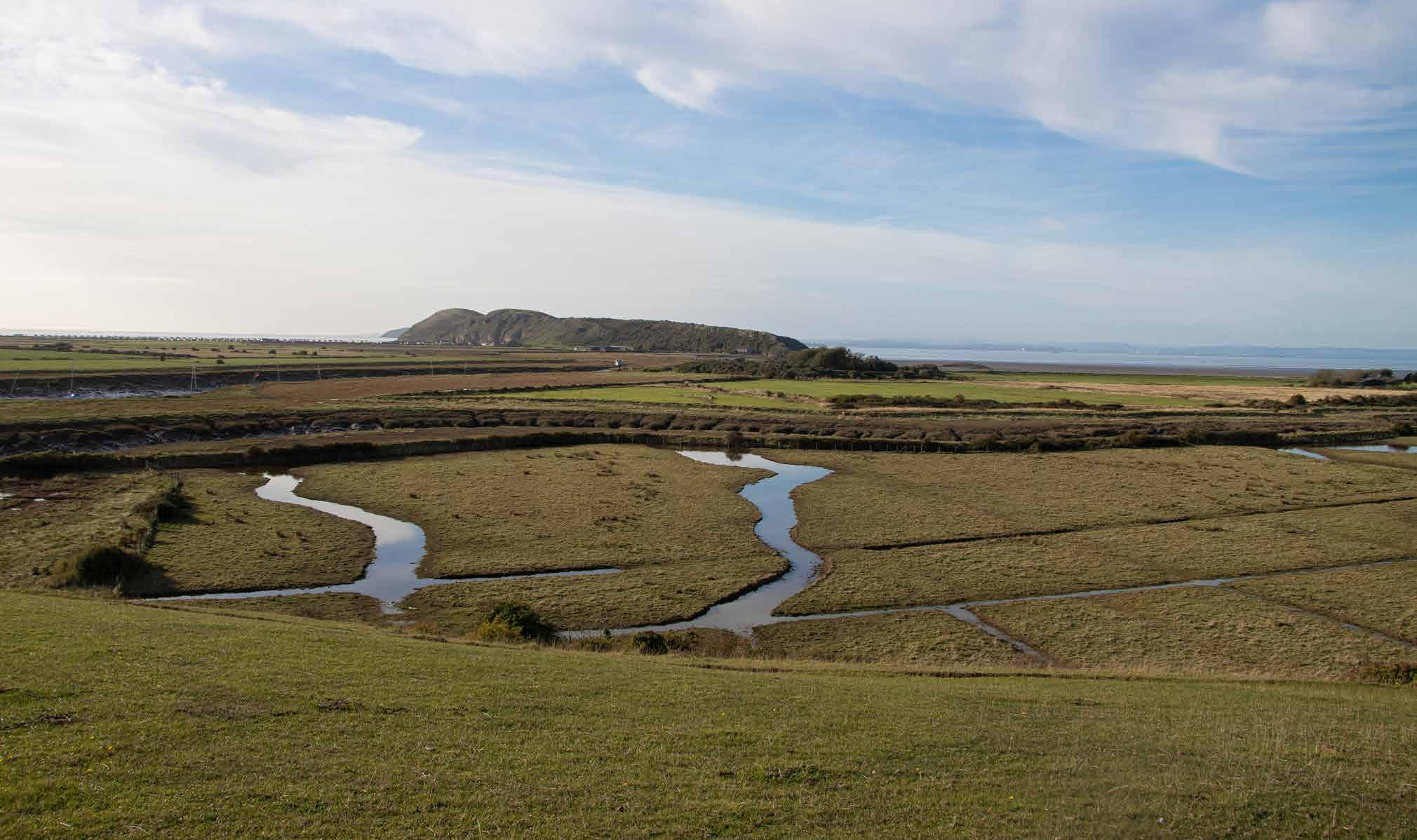
An archipelago of ecologically important sites, the Mendip National Nature Reserve (NNR) stretches across the Mendip Hills and includes over 1,400 hectares (3,500 acres) of land managed primarily for nature
The land of the Mendip National Nature Reserve (NNR) is managed by nine organisations working in partnership, with a shared objective for nature recovery: Avon Wildlife Trust, along with Butterfly Conservation, Natural England, Mendip Hills National Landscape, National Trust, Longleat/Cheddar Gorge Caves, Somerset Wildlife Trust, the Woodland Trust and the South West Heritage Trust. The Avon Wildlife Trust reserves that form part of the NNR are Hellenge Hill, Purn Hill, Walborough and Hutton Hill.
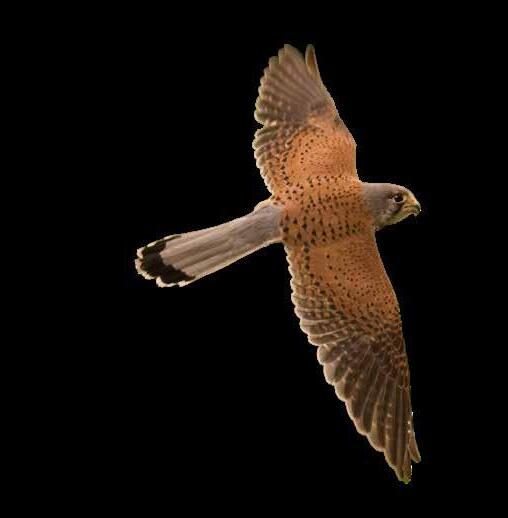
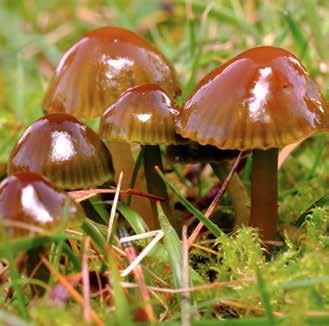
Autumn is a great time of year to visit the NNR. The miles and miles of hedgerows are full of berries after this year’s dry and sunny spring, so there’s a feast to be had for autumn arrivals of redwing and fieldfare. Dipping temperatures and seasonal rains bring the often overlooked displays of fungal fruiting bodies on grasslands such as Hellenge, including the beautiful parrot waxcap. And no matter the weather, Hellenge Hill is frequented by flocks of finches feeding on seedheads, while

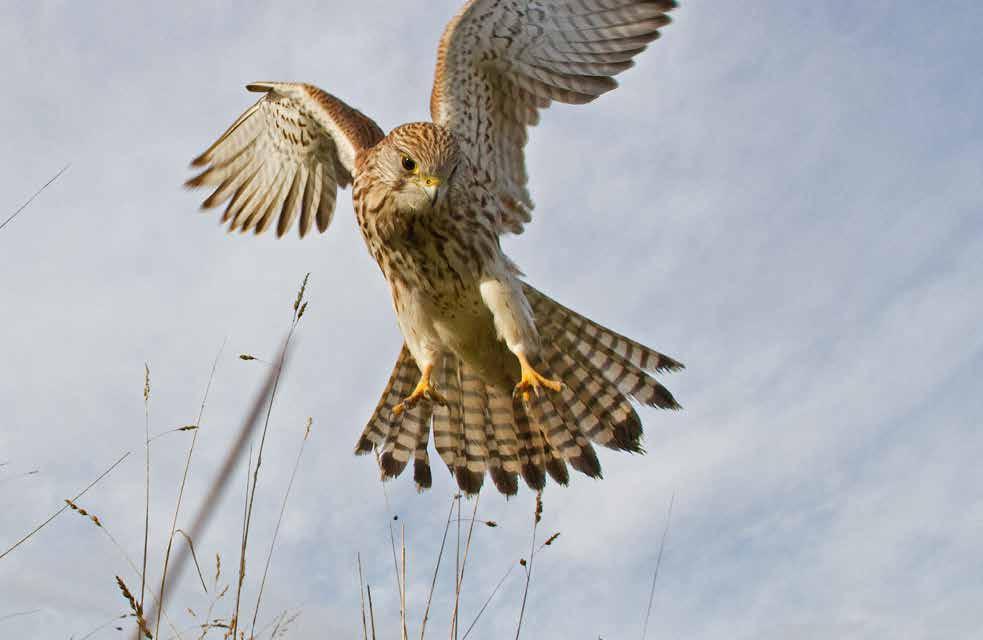
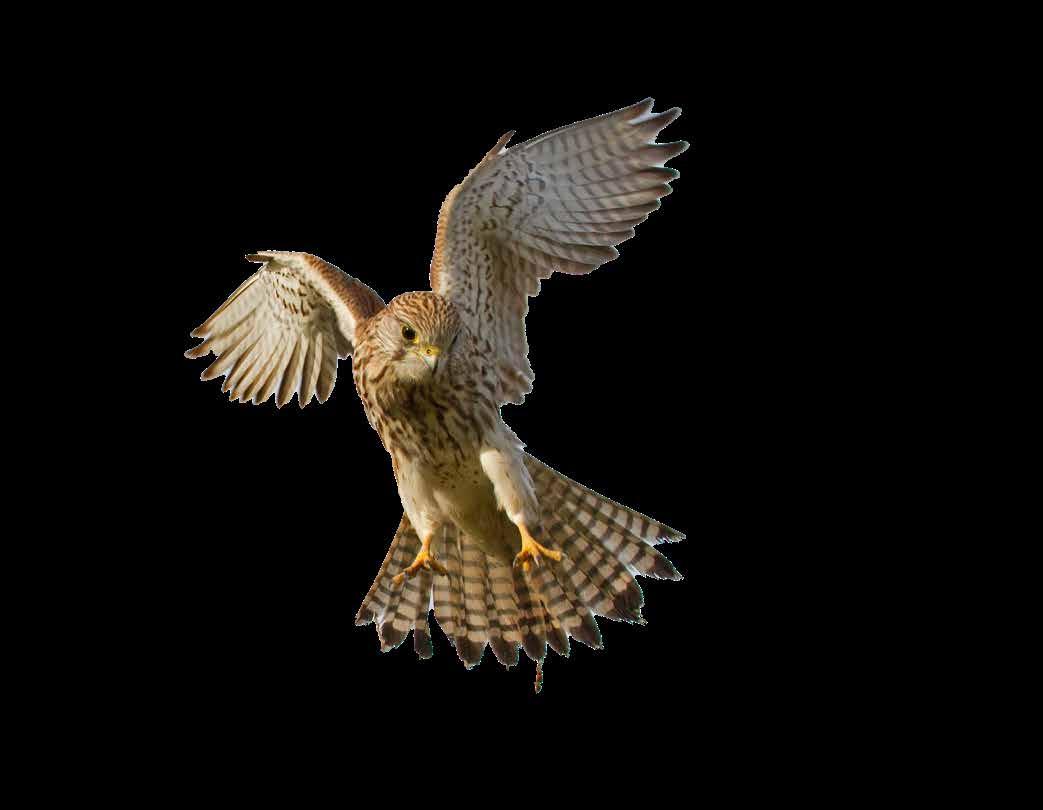
kestrels hover overhead and stonechat call from the tops of gorse and bramble thickets.
Alongside our partners, we’re working together to not only improve our land for wildlife, but also to create more connectivity across the landscape and between our respective sites. In this rapidly changing world of building developments and climate change, wildlife needs a safe home. It also needs to be able to form larger populations that are more resilient to catastrophic events, and it needs to be able to safely traverse the landscape in order to find places
where conditions are more suitable for their success.
The Mendip NNR landscape and its most nature-friendly sites are connected by woodland, hedgerows and dry stone walls, but there are plenty of gaps inbetween. The NNR partners are making efforts to identify those gaps and then “join the dots” by planting new hedgerows, traditional orchards and woodland, re-building dry stone walls and creating new ponds, while restoring ancient ponds lost to time.
The land of the Mendip Hills has been strongly influenced by human activities in the past, which has given rise to the habitats and species that exist there today, including chalkhill blue butterflies, adders, common lizards, and birds of prey such as the peregrine falcon, kestrel, and barn owl. A vastly diverse landscape, the NNR includes steep limestone slopes, traditional wildflower grasslands, ancient wooded combes, spectacular gorges and rocky outcrops - traditional land management continues to preserve these rich habitats that may have taken
Thanksto your membership, we're able to work with partner organisations and landowners to join up our landscape, creating more connected habitats where local wildlife can thrive.
centuries to develop.
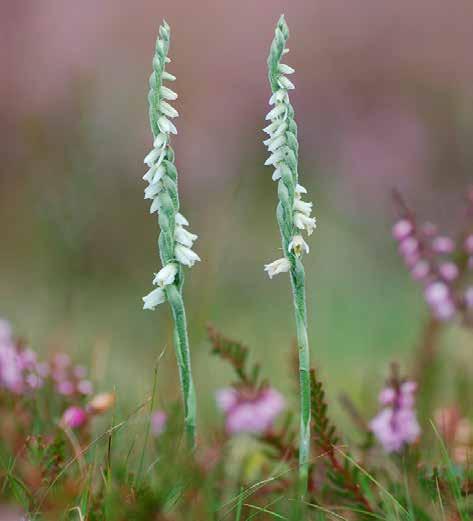
Limestone habitats are extensive in the Mendip Hills, and diverse woodlands, cliffs, crags and caves are found in the gorges and ravines of the scarp slopes. Many of the soils on the slopes and scarps are shallow and rocky, which made them unsuitable for ploughing. Centuries of grazing have contributed to an extensive network of flower-rich grassland, with early autumn being a time to spot the diminutive autumn lady’s-tresses orchid and the leftover seedheads of thistles such as carline thistle and woolly thistle, attracting flocks of goldfinch.
The creation of the NNR strengthens the partnership approach to improve the natural and urban environment’s resilience to climate change, providing natural solutions to reduce carbon emissions and manage flood risk. n
DID YOU KNOW The extensive history of mining on the Mendips has sculpted the land, creating caves, quarries, and uneven ground known to the locals as ‘gruffy ground’, providing a specialised home to a variety of wildlife.
This National Nature Reserve stretches from Brean Down in the west to Tor Woods in the east, in England’s smallest city of Wells. The popular Mendip Way walk starts in Uphill, by Walborough nature reserve, and tracks all the way to the cathedral in Wells.
The Mendip NNR includes Public Rights of Way such as the Strawberry Line, Limestone Link, The Mendip Way, Monarchs Way, and West Country Way. There are also several areas of open access land including Cheddar Gorge, Dolebury Warren, and Crook Peak.
For more information, visit: mendiphills-nl.org.uk/caring/ mendipnnr
Autumn lady’s-tresses:
You’ll need a keen eye to spot this beautiful if diminutive native orchid, found at Hellenge Hill.
Kestrel: can be spotted hovering above the grasslands of the Mendip Hills while hunting small mammals and reptiles.
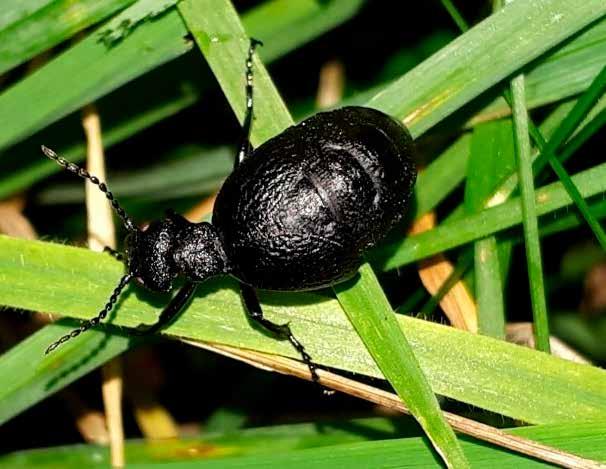
Rugged oil beetle: You might need a torch to find these very distinctive but largely nocturnal rare beetles around the chalk grasslands of the Mendip Hills.
Parrot waxcap: these beautiful small fungi are low-nutrient grassland specialists, and can be anything from yellow to orange or even purple!
THINGS TO DO:
Explore the wide diversity in habitats and features, from the saltmarsh lowlands of Walborough and limestone grasslands of Hellenge Hill, to the deeply wooded Rowberrow Warren and the rocky cliffs of Cheddar Gorge.
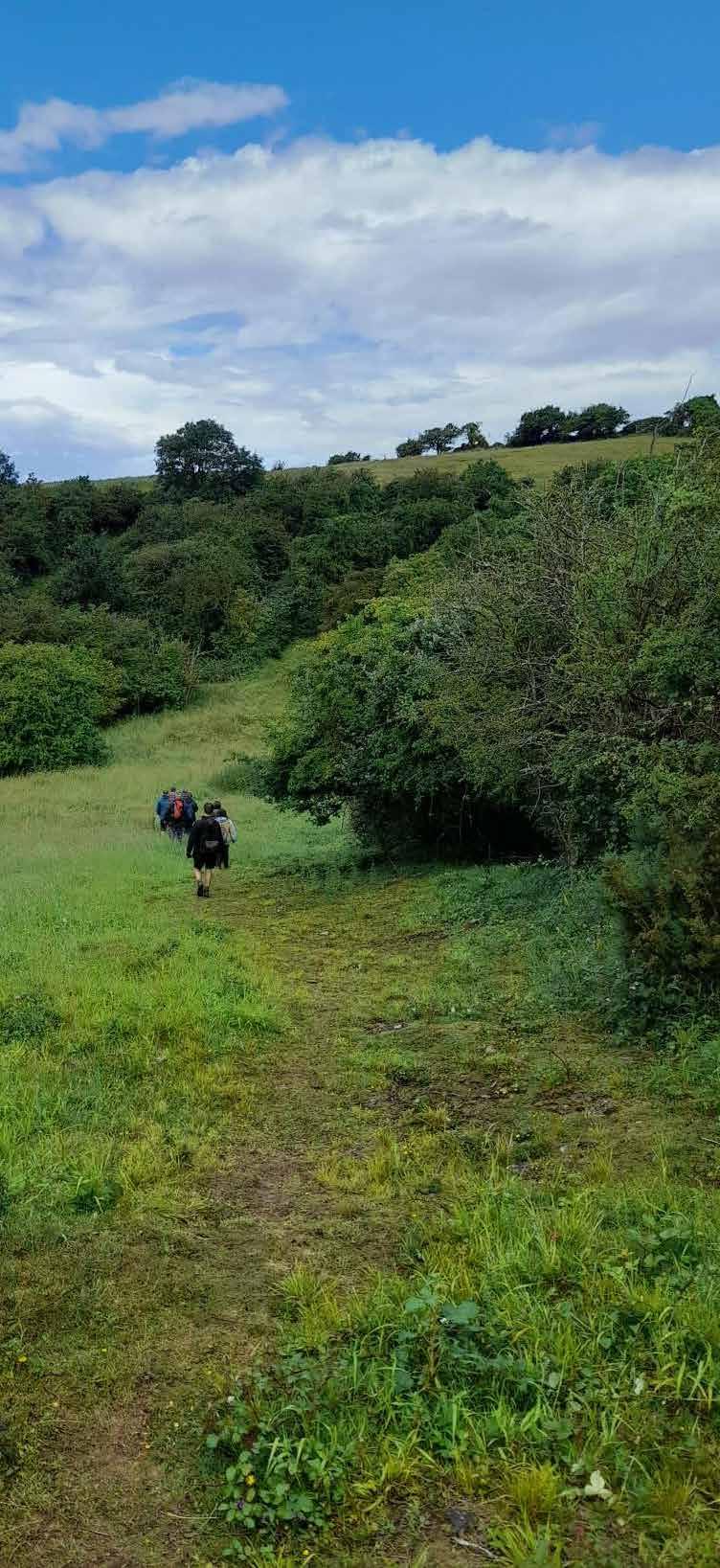
Walk the Mendip Way, a 50 mile public walk that goes through or by many of the NNR sites, including the four Avon Wildlife Trust sites within it. Visit mendiphills-nl.org.uk/walks/themendip-way for a route map.
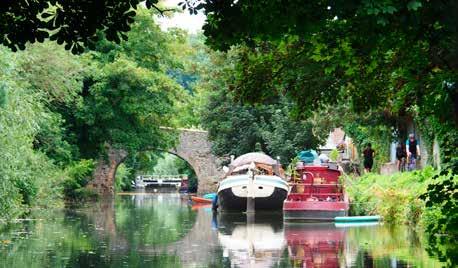
Crisp walks and golden foliage make it the perfect time to explore this urban nature corridor – whether following the river path or discovering green spaces like Green Park, Kelson’s Field and Bathampton Meadows, all within easy reach of Bath’s busy city centre.
Location: The Bath River Line is a 10km riverside trail that runs through the centre of Bath, connecting Newbridge and Batheaston. Join anywhere along the route to explore green spaces, riverside habitats and industrial heritage.
Open: Free entry all year, it’s a public path. Wildlife to spot: Kingfishers, otters, beavers, horseshoe bats.
Why now?
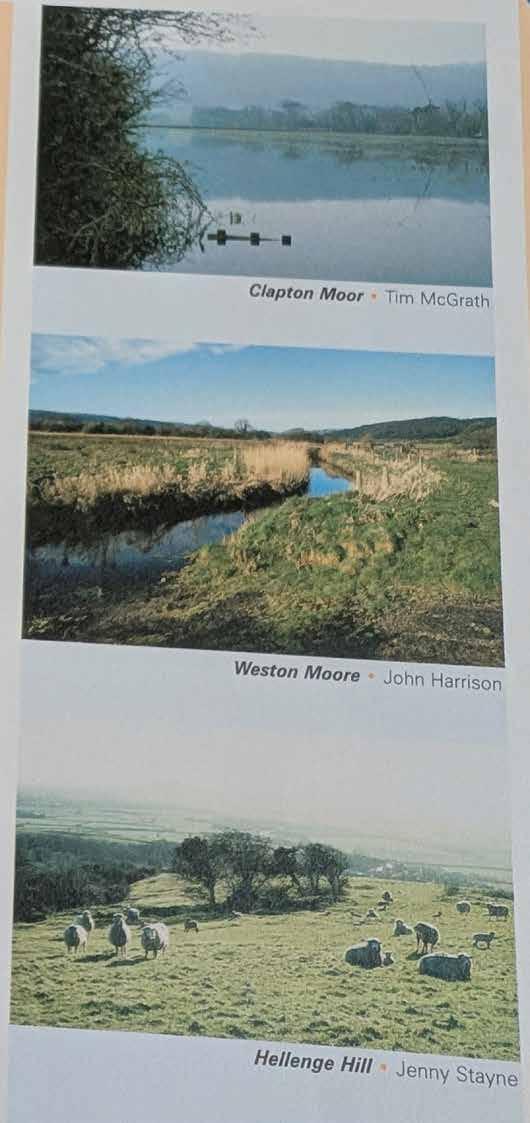
Set in the Gordano Valley on the North Somerset Levels and Moors, Clapton Moor is an important wetland site supporting rare plants, breeding waders and wintering wildfowl, making autumn a great time to visit.
Know before you go
Location: Clevedon Lane, Clapton-in-Gordano, Bristol, BS20 7RJ. There is no parking on site.
Open: There is access along the public right of way to a bird hide, following a permissive route at all times and forming a part of the Clapton Circuit walk.
Wildlife to spot: Wildfowl, waders, owls
Find out more: avonwildlifetrust.org.uk/ nature-reserves/clapton-moor
The lowdown
As the Severn Estuary attracts its annual influx of migrating birds, autumn is a great time to spot them on the moor. It is also a good time to spot barn owls hunting over the rough grassland on the higher parts of the site.
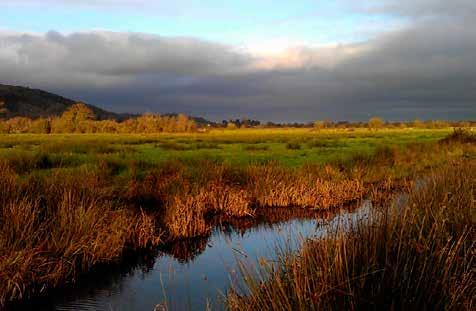
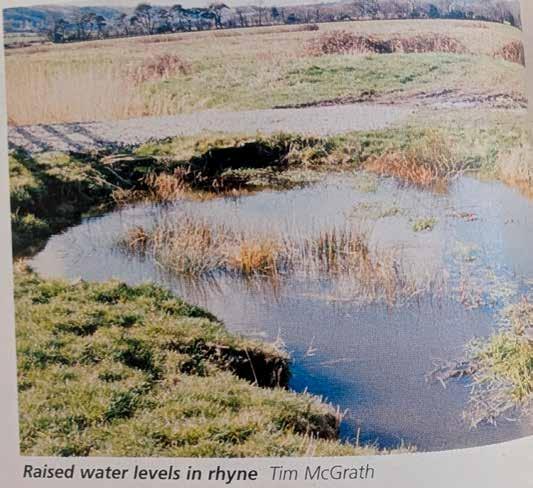
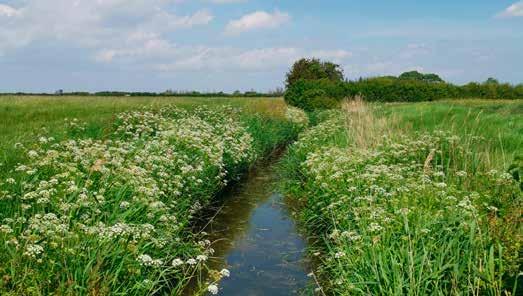
Part of the Clapton Circuit walk runs along the boundary of the reserve, following a public right of way through the upper hay meadows, and a short detour on a permissive route takes you to a bird hide. This offers views across the reserve, which is criss-crossed with ditches, also known as rhynes, and the wider valley.
Raised water levels over the autumn and winter months attract wintering wildfowl and wading birds and ensure that other specialist wetland species thrive throughout the year. Lowland peatland is a rare habitat that stores carbon, helps to control flooding, reduces the risk of drought and wildfire, and acts as a natural water filter.
Find out more: Keep an eye out for ongoing improvements along the route, including new seating areas, signage and wildlife-friendly planting bathnes.gov.uk/ bath-river-line
As the leaves turn and the air grows crisp, the Bath River Line becomes a beautiful place to explore. The riverside is alive with seasonal colour, and you might spot kingfishers flashing over the water, herons stalking the shallows or even otters slipping along the banks. Autumn is a wonderful time to witness wildlife preparing for winter.
The Bath River Line is more than just a scenic route. It’s part of a wider vision to connect people with nature and improve access to green spaces across the city. Bath & North East Somerset Council is working to restore habitats, boost biodiversity and create a welcoming, accessible corridor for both people and wildlife. Whether you’re after a short stroll, a family outing or a longer adventure, the Bath River Line offers a refreshing way to experience Bath’s wilder side as the season shifts.
Find out more at avonwildlifetrust.org.uk/ nature-reserves
All over the region, members and supporters just like you are doing brilliant things for nature as part of #TeamWilder. Together, these actions add up and make a real difference for wildlife. Thank you for everything you do for nature! Here are some of your fantastic actions for nature.
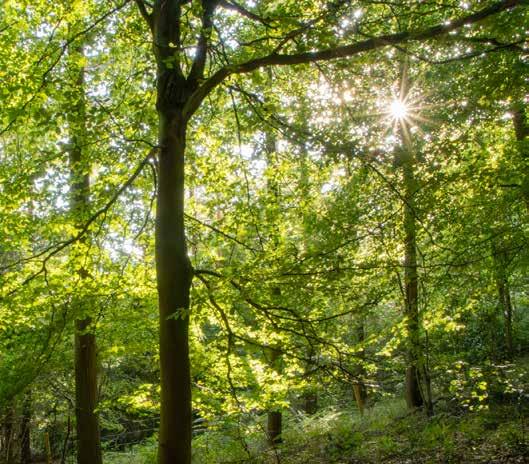
1. Teresa Kirby made a kind donation in memory of a loved one, Christopher. The money will be put towards caring for our Goblin Combe reserve, as it was a special place for him. Teresa had these words to share:
“In loving memory of Christopher, who had a lifelong deep appreciation and love for the countryside, landscape and nature in his local area. He had an encyclopaedic knowledge of all its many facets such as the caves, mines, archaeology, geology, quarries, wild flowers, nature and history to be found there. A kind, gentle, modest and very decent man, he was greatly respected and highly thought of by those who knew him. He will be very much missed and always remembered.”
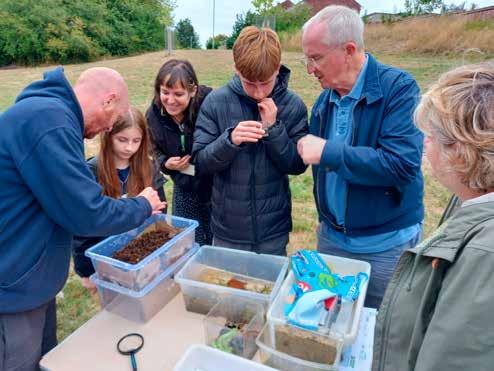
2. The Warmley Flock community group ran a ‘Nature Explorers’ family fun day, with a range of activities to get people of all ages excited about the wildlife on their doorstep. They used sweep nets to find and identify invertebrates in the grass, admired and released moths which had been trapped overnight, and inspected newts, worms, spiders and leeches which had been found that morning. People were also able to take away free plants from Grow Wilder, as well as free bird boxes, bat boxes and bug hotels made by the local Men In Sheds.
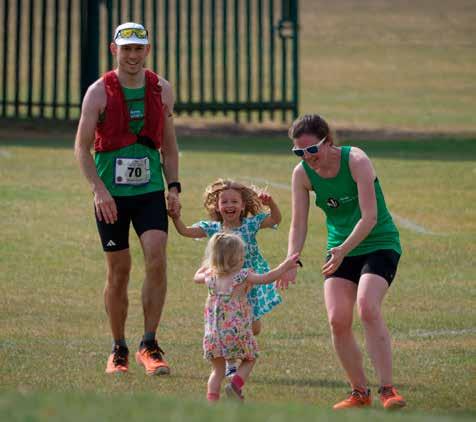
3. Daniel and Heather Leach (featured on this page in our last magazine) have now completed their ultra marathon challenges and raised over £2,000 for local wildlife! They undertook four ultra marathons in total, all with great success - Heather came 13th female in her Race to the Stones, and Daniel got the 7th fastest time for the Double Green Man since the challenge began in 2019. Incredible achievements!
If you’re a keen runner and want to take yourself to the next level while taking in the glorious sights of our local green spaces, why not sign up for the Green Man Ultra? We have free spaces available for anyone who wants to fundraise for wild places. Find out more at avonwildlifetrust.org.uk/fundraise/run-wildlife
Are you doing something wonderful for wildlife? Fundraising for frogs? Planting for pollinators? Whatever you are up to, we would love to hear about it. Send in your #ActionsForNature to communications@avonwildlifetrust.org.uk or tag us on social media @avonwt
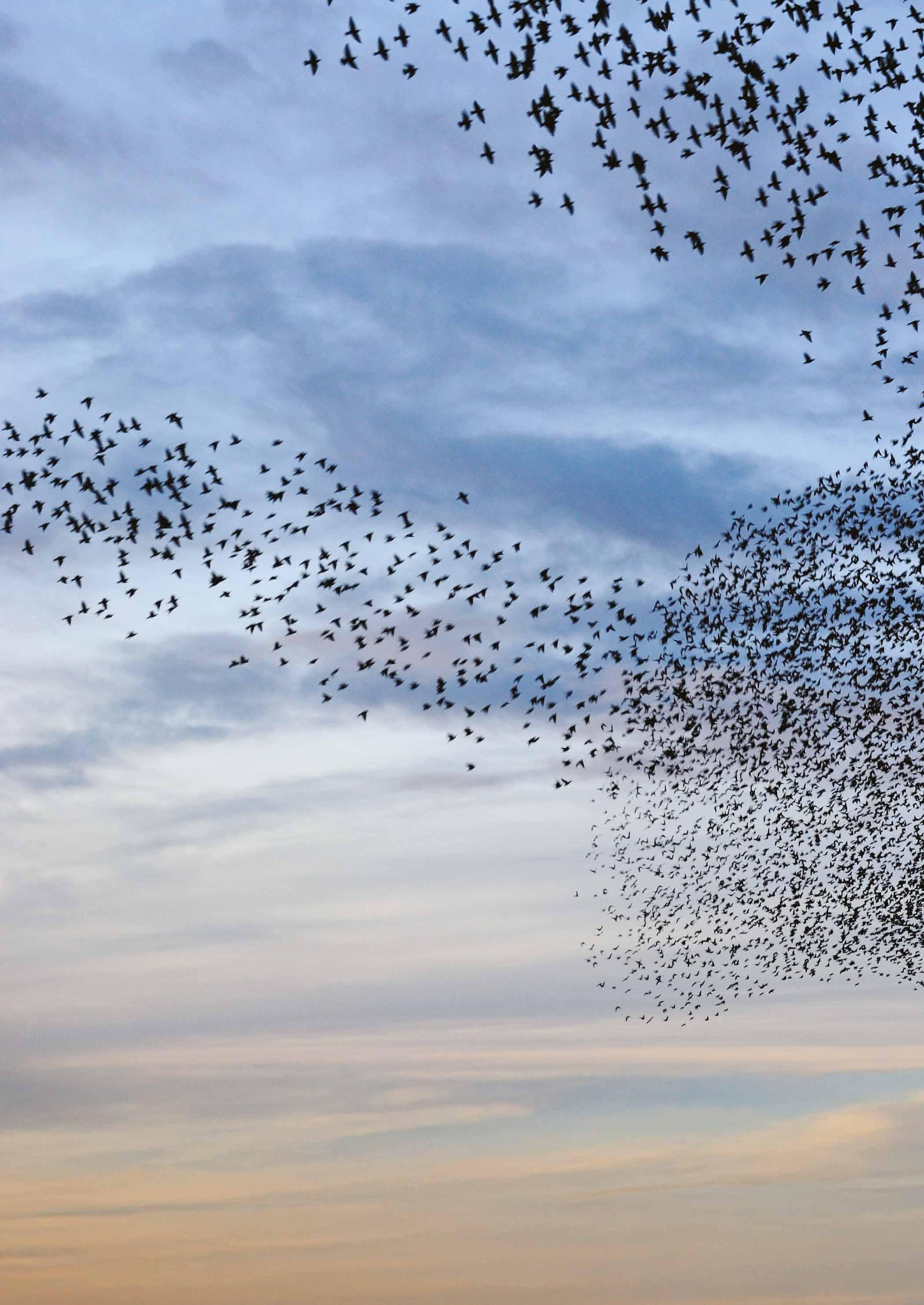
During the winter months, many people travel to special Wildlife Trust nature reserves up and down the country an hour before dusk to witness one of nature’s greatest shows – the starling murmuration.
To begin with fast-moving flocks of starlings arrive from all directions, like a blur in the skies above. Onlookers await in silent anticipation, as breathtaking numbers of starlings increase from groups of hundreds to thousands.
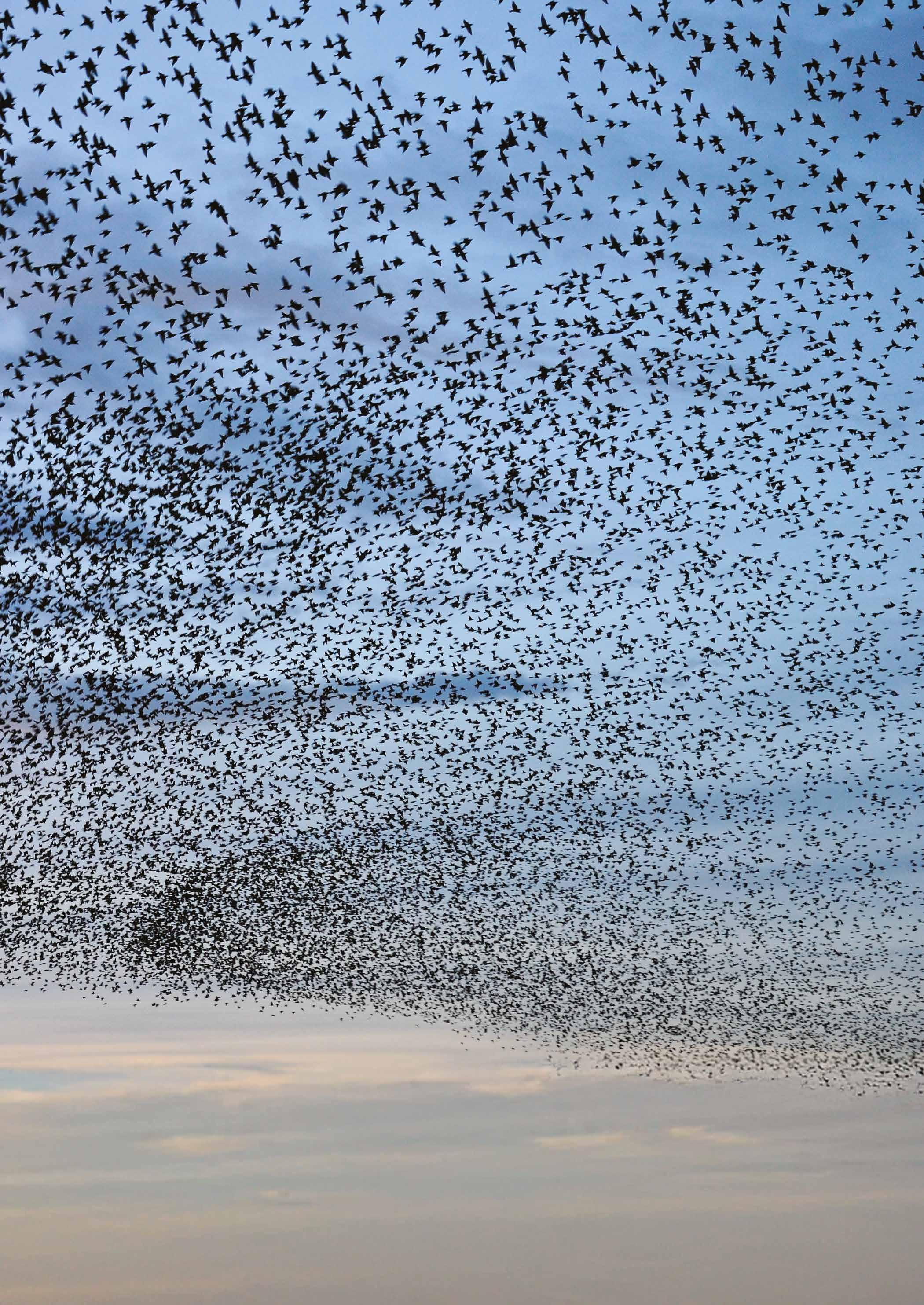
When tens of thousands and upwards have arrived, the murmuration performance begins. The throng of starlings become an awesome spectacle of black swirling shapes as they tumble and swoop in the sky in a synchronised aerial display. The mass of birds twist, turn and soar in mesmerising geometric patterns.
Then on the minute of dusk, the starlings descend in their thousands like a waterfall of birds. They pour out of the sky onto roost sites in trees, reedbeds and nature reserves and it's all over. The lucky spectators will never forget this fleeting moment of incredible beauty and will go home very happy indeed. Here are six places to see starling murmurations.
1 East Chevington, Northumberland Wildlife Trust
Flocks of starling swirl in wave-like patterns in their fabulous murmuration attracting hundreds of visitors each year. Terns, water rails and snipe, skylark and stonechat can also be seen, while large flocks of pink-footed geese fly overhead.
Where: Druridge Bay, NE61 5BG
2 Brockholes nature reserve, The Wildlife Trust for Lancashire, Manchester & North Merseyside
Head to the floating Visitor Village in November and December to witness the swirling and swooping murmuration that turns the sky above the lakes into a starling spectacle. Up to 100,000 birds gather; so many that you can hear their wings beating.
Where: Preston, PR5 0AG
3 Ripon City Wetlands, Yorkshire Wildlife Trust
Ripon City Wetlands nature reserve is famous for its incredible twisting waves of starling murmuration. Best viewed from the path by the central reedbed, watch the cloud of starlings grow as more join – and then descend in a rush of wingbeats and chattering into the reedbed below.
Where: Ripon Racecourse, HG4 1UG
4 Teifi Marshes, The Wildlife Trust for South and West Wales
The stunning Teifi Marshes is one of the best wetland sites in Wales and a great place to experience the sights and sounds of a starling spectacle. Head to a hide or watch from the board walk as thousands of starlings perform a glorious murmuration over the marshes before descending into the reedbeds to roost for the night.
Where: Cilgerran, SA43 2TB
5 Thameside Nature Discovery Park, Essex Wildlife Trust
Watch the spectacle of a murmuration unfold from the accessible 360º viewing platform of the Nature Discovery Centre. Watch the resident starling acrobatics above with the Thames Estuary as your backdrop.
Where: Thurrock, SS17 0RN
6 Fishlake Meadows, Hampshire and Isle of Wight Wildlife Trust
Fishlake Meadows comes alive in winter as up to 80,000 starlings sweep across the dusk sky in murmuration. This fluid ritual draws watchers to the wetland reserve with great views from the canal path and viewing platforms.
Where: Romsey, SO51 7AB
Did you spot any murmurations?
We’d love to know how your search went. Please share your best photos with us!
As part of our 45th anniversary celebrations, we’ve been speaking to people from throughout Avon Wildlife Trust’s history to get their first-hand accounts of what it’s been like at the forefront of nature recovery. From ramshackle grass-root beginnings to landscape-scale wins for wildlife, these people have given nature a voice. Now, it’s time to share their stories.
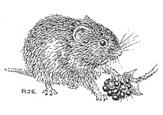
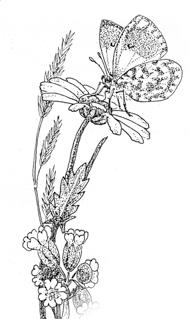
Paul shared his time and skills with us before Avon Wildlife Trust formally existed, volunteering from 1979 – 1982.
“I had always been interested in nature. I grew up only a couple of miles away from Ashton Court, Leigh Woods and other green spaces in the city. That, along with Sir Peter Scott’s TV programmes, were the initial spark which opened my eyes to a wider dimension of nature issues.
“I started out in the Young Ornithologists’ Club, which was part of the RSPB, and in 1975 I volunteered doing practical work on Somerset Wildlife Trust reserves. This is where I first heard discussions around the potential creation of an ‘Avon’ Wildlife Trust.

“The official launch of the Trust on 3 May 1980 was a fantastic occasion. It was in the Great Hall at the University of Bristol, and the BBC were there recording a radio show about it.

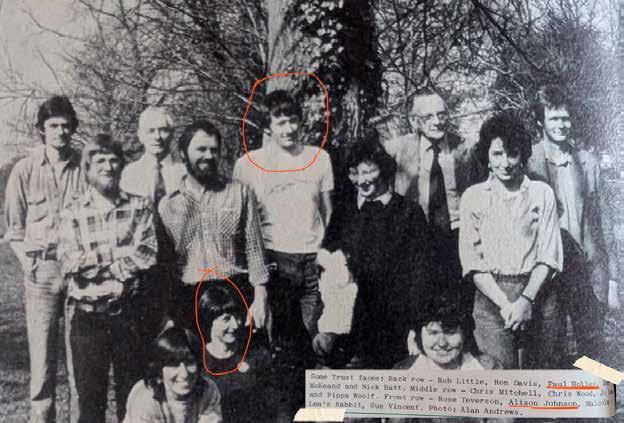

“The Gloucestershire and Somerset Wildlife Trusts were struggling to cover the inner-city areas of Bristol and Bath, so a new Trust with an urban focus was needed.
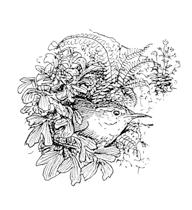
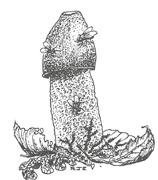
“Andrew Lea oversaw the formation of the Trust, a lot of it was down to him. There was a team of seven people recruited under the Manpower Services Commission employment scheme. Amongst other things, they conducted grassland surveys across the region which are still referred to today!
“I was still very active with Somerset Wildlife Trust and the Bristol Conservation Corps, and in December 1979 I heard that Avon Wildlife Trust now had an office on Whiteladies Road, next to the BBC.
“So one day after work, I went to visit them. I saw piles of wellies, leaflets, boxes, paper – and the place was also crammed full of people. I got a very warm welcome!
“I was about to go part-time at work, so offered my spare time to volunteer for Avon Wildlife Trust. At the beginning, this involved helping out in the office with filing and sales. In time I went on to do site surveys, practical conversation work, and I even represented the Trust at conferences. I wrote a wildlife gardening column for the Trust magazine, which was edited by Rosemary Teverson at the time.
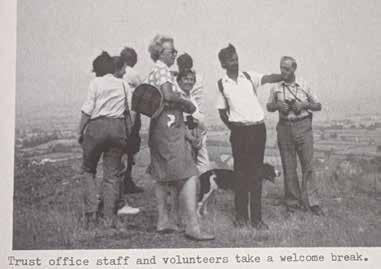


“That was something about Avon Wildlife Trust which has always stood out – we’re inclusive (and I still think of us as ‘we’ after all this time!). It didn’t matter that I was ‘just’ a volunteer, I felt valued and empowered to speak on our behalf at events.
“I loved my time volunteering with the Trust, and in 1981 was also able to take up a paid role in the urban wildlife team, which was led by Rosemary. However, the summer of 1982 will always be a little bittersweet. Chris Johnson, who was the Conservation Officer at the time, took me aside and recommended I give higher education another go, if I wanted to truly further my career in this industry. That’s how it was back then, you needed a degree!
“Chris gave up a free afternoon to go through prospectuses with me and helped me successfully apply to an Environmental Sciences course at Leicester University.”
Paul went on to run community conservation work at Warwickshire Wildlife Trust, become an Area of Outstanding Natural Beauty Officer at the Lincolnshire Wolds Countryside Service, headed up the Jersey National Trust lands team, and worked with a local authority in Norfolk, where the local Wildlife Trust were always supportive. He’s still involved in Lincolnshire Wildlife Trust and is a member of Avon Wildlife Trust to this day.
“The way my career turned out, I always felt like I owed a debt to Avon Wildlife Trust, for giving me that start and setting me on my path with practical experience and encouragement.
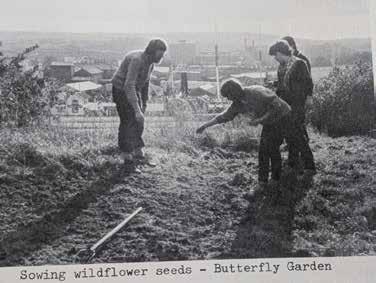

“We were pioneers with urban wildlife yet still had our hand in traditional conservation in rural areas as well. Whenever I attended conferences with other Wildlife Trusts, they were always interested in how we did things differently.
“I think we caused a revolution in the Wildlife Trusts!”

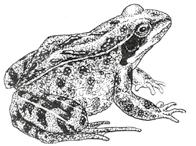
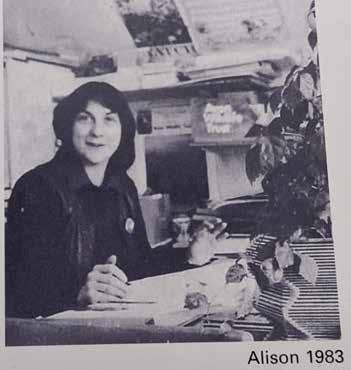
Alison and Chris were part of the cohort of seven graduates tasked with setting up Avon Wildlife Trust. Once the Trust was established, Alison became our Education Officer and Chris was our Conservation Officer and later went on to become Director. They worked at the Trust between 1979 – 1989. We join their story as the Trust is finding its feet.
Chris [C]: “The first year had been more about creating structures for the Trust than surveys, so now I was spending time getting to know our reserves, filling up the office’s filing cabinets with surveys.”
Alison [A]: “I was involved with the Wildlife Watch groups, arranging wildlife trips for children, setting up exhibitions, giving talks to local groups, running wildlife courses with the Museum, even running a Nature Fayre where schools could show what they’d been doing for local wildlife!
“The other major, extraordinary thing that happened while we were at the Trust was Folly Farm.
“I first came across Folly Farm while I was doing a meadow survey.
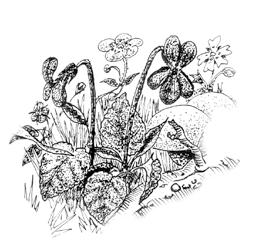

Immediately, I knew it was a high quality, untouched, very special place.

“I spoke to the landowner who told me he was selling the land. We met with the estate agent and persuaded them to take the farm out of the sale.
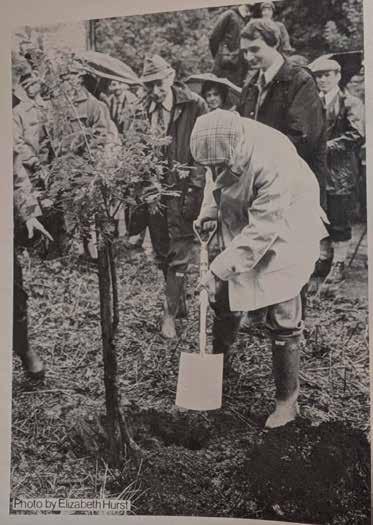

“We were a much smaller team after the Manpower employment scheme ended, but we had a brilliant Chairman and Board of Trustees and lots of amazing volunteers.”
C: “We set up more nature reserves, like Dolebury Warren, and had our first major project with renovating Willsbridge Mill.”
A: “We set up wildlife exhibitions in the Mill with a new team of educators and got the local community involved in site management.”
“Then, in an incredible turn of events, we received a letter from the solicitor of an anonymous person who wanted to donate £200,000 for us to buy the land! We would have needed to raise £230,000, so this left us with ‘just’ the £30,000. It was unbelievable. Still, to this day, I don’t know who that anonymous donor was.”
A: “We then lived on the farm for three years! I came back after starting a family and ran community projects at Folly Farm, part-time, giving people practical experience and skills. It felt a lot like those early days again, having to do it all ourselves with wonderful volunteers.

“We did everything from school-based projects, running open days on a shoe-string budget, even baking scones and hedging!”
C: “We both look back at our time at the Trust so fondly. Despite the baptism of fire, it gave us smiles, fond memories and good friends.”
C: “Avon was right at the beginning of the urban Wildlife Trust movement, and Brandon Hill was the UK’s first urban nature park. We had a good relationship with the Bristol Parks team, though we had to persuade them not to mow it! We even took cowslip turf threatened by the Cribbs Causeway development and laid it at Brandon Hill. So if you see a cowslip there now, that’s likely where it came from! We were seen as upstarts by other, more traditional Wildlife Trusts, but this encouraged us to be different!”
A:“It was exciting being pioneers. In our first year alone we managed to gain 1,500 members who paid us £2 a year! It was a fantastic, exciting time.”
C: “We were always looking for ways to innovate, which was why I set up an ecological consultancy – we were the only Trust with one at the time. I brought in a landscape architect to weave in rewilding elements. It gave us a whole new sphere of influence.
by Dick Ellingham
By the time he and Alison left the Trust, Chris was the Director. Chris was headhunted to manage and restructure a national conservation NGO in Jordan, which he did for 20 years. The World Bank contacted him for the position due to his 10-year experience of establishing and nurturing Avon Wildlife Trust. He later received an MBE for service to nature conservation by Queen Elizabeth, as well as a Jubilee Award from the King of Jordan.
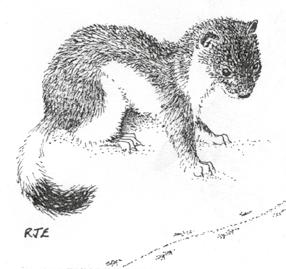
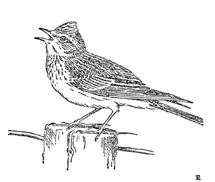
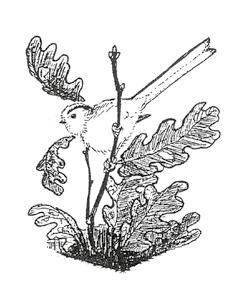
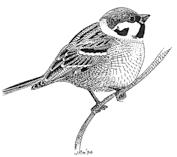
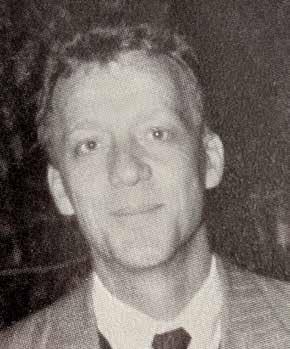
Jon has been a member since 1980, became the Chair of Trustees in 1984 and took over from Chris as Director in 1990.
“Once we’d acquired Folly Farm, our attention turned to the farm buildings, which were derelict, and there was no money to do anything with them.
“This is where a large bid to the National Lottery Heritage Fund began, in 1996. I remember waving off a colleague, Jenny, as she went to London to handdeliver the application!

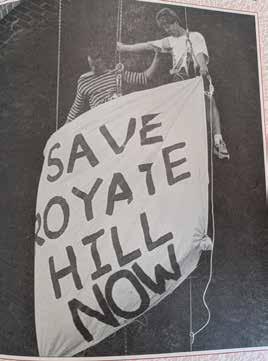


“I still believe that the Gordano Valley is one of the best places in the country for wildlife. There are a lot of little reserves dotted across the valley and I think it would be good if the whole valley could be rewilded.

“There was a lot of backwards and forwards with that bid – it took around eight years to finally come through, after I’d retired! It was a £4m project, unlike anything we’d done before.

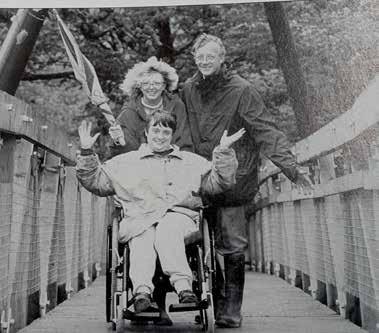
“Things can get better, and they should. Nature is an amazing thing; it does wonders for people. Even wandering around a garden alive with bees, it makes you realise what it could be like if everyone took action for nature at home.”
Jon retired in 2002 and went on to become a town and district councillor for Portishead. He now lives in North Devon, helping people in fuel poverty and developing community energy projects.
“Aside from Folly Farm, this was a period of time where we took on all the land we could manage, as back then it felt like the only way to guarantee land would be used for conservation was to own it.
“We did a lot of lottery bids and got three big reserves. We also installed dams across draining ditches at Clapton Moor, to stop it from drying out!
“These were exciting times, though we struggled. We’d gone from having 100-odd staff to only 10–15 after the Manpower scheme ended. Though we were lucky to have around 15 local Avon Wildlife Trust groups at one point, which attracted a lot of dedicated volunteers.



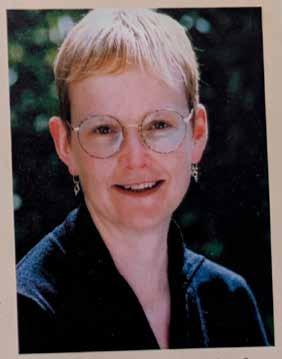
Roz has been a member since 1984, went on to become a trustee in 2004 and was Chair from 2008 right through to the end of 2016. She was also the editor of BBC Wildlife magazine for over 20 years.
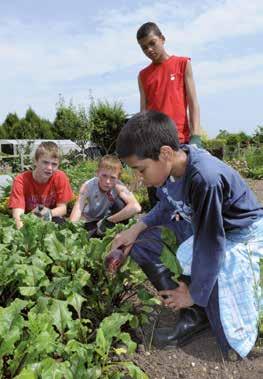
My first real contact with the Trust was fundraising for Folly Farm Centre. The Trust had raised millions to purchase the farm, but there remained a vision for this wonderful reserve: to transform the buildings into a residential centre. And in 2010, we finally did it, with a royal opening.

“The conservation vision that most impressed me was Living Landscapes. It involved landscape-scale thinking – surveying and plotting the most valuable habitats and links to connect them so that nature could move more freely. And that involved connecting with landowners and communities.
“The exciting landscape vision for the Gordano Valley involved plotting all wildflower-rich grasslands and possible connections but also working with landowners to create a network of habitats –including the Trust’s seven reserves – within the whole valley. One result was a sense of community pride. And the creation of Portbury Wharf reserve in 2010 became a sort of gateway to Gordano.
“Also vital was expanding the influence of the Trust in the business community through connections and partnerships. And what
enabled that was the appointment in 2012 of the inspirational Dr Bevis Watts. He championed our dependence on the health of the natural economy, and among other things, he played a key role in moulding the West of England Nature Partnership.
“My Wild City initiatives (in Bath as well as Bristol), the setting up of a network of community programmes in socially neglected areas, and the birth of Feed Bristol (now Grow Wilder) all added to the case for Bristol receiving the title of European Green Capital of the Year 2015. The title was in effect a challenge for the future, to connect the economy with the natural environment –to show altogether that nature is not an impediment to growth.
“The creation that year of the urban reserve Bennett’s Patch and White’s Paddock in the Avon Gorge – derelict land transformed into a network of habitats – was the last Trust initiative before I stood down. It’s effectively my doorstep reserve, and it’s given me yet another reason to call Bristol ‘My Beautiful Wild City’.”

This feature wouldn’t have been possible without Pat Ellingham, who began working at the Trust in 1983 and stayed with us for a further 30 years. She started as a parttime secretary and by the time she retired was our Director of Communications and Interim CEO.
She saw so many of these developments first hand and, among many other things, helped to document them in our magazine. ‘Wild Avon’, as it’s now known, has progressed and changed as the Trust has – moving with the times while keeping rooted in what was most important to our members. In Pat’s words: “Ultimately, it’s all about communicating the wonder of nature that’s on your doorstep.”
It was thanks to her connections that we were able to speak with most of the people who’ve shared their stories for this feature, and thanks to her dedication to storytelling and the arts that we’ve been able to share a number of photographs and stunning illustrations from past magazines here.
Thank you, Pat, for your generosity and dedication. The Trust wouldn’t be quite the same without you.

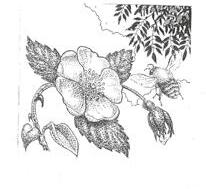
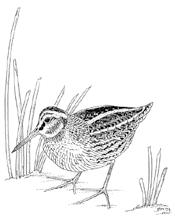
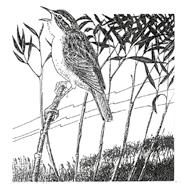
Have your own Avon Wildlife Trust memories to share? We’d love to hear them. Either email us at communications@avonwildlifetrust.org.uk or come and share them at our AGM this November. More details on page 23
Illustrations by Dick Ellingham
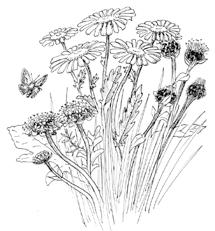
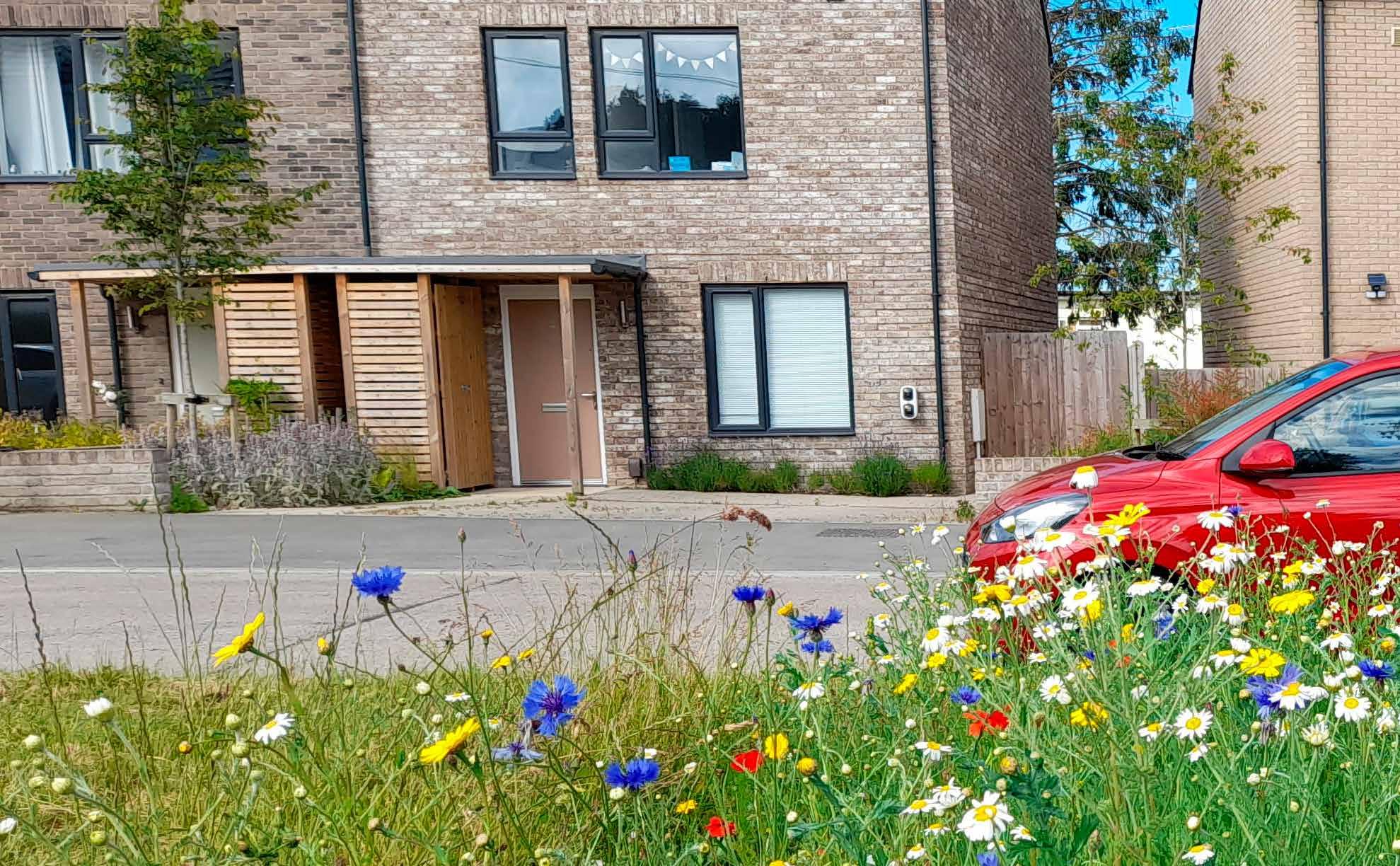
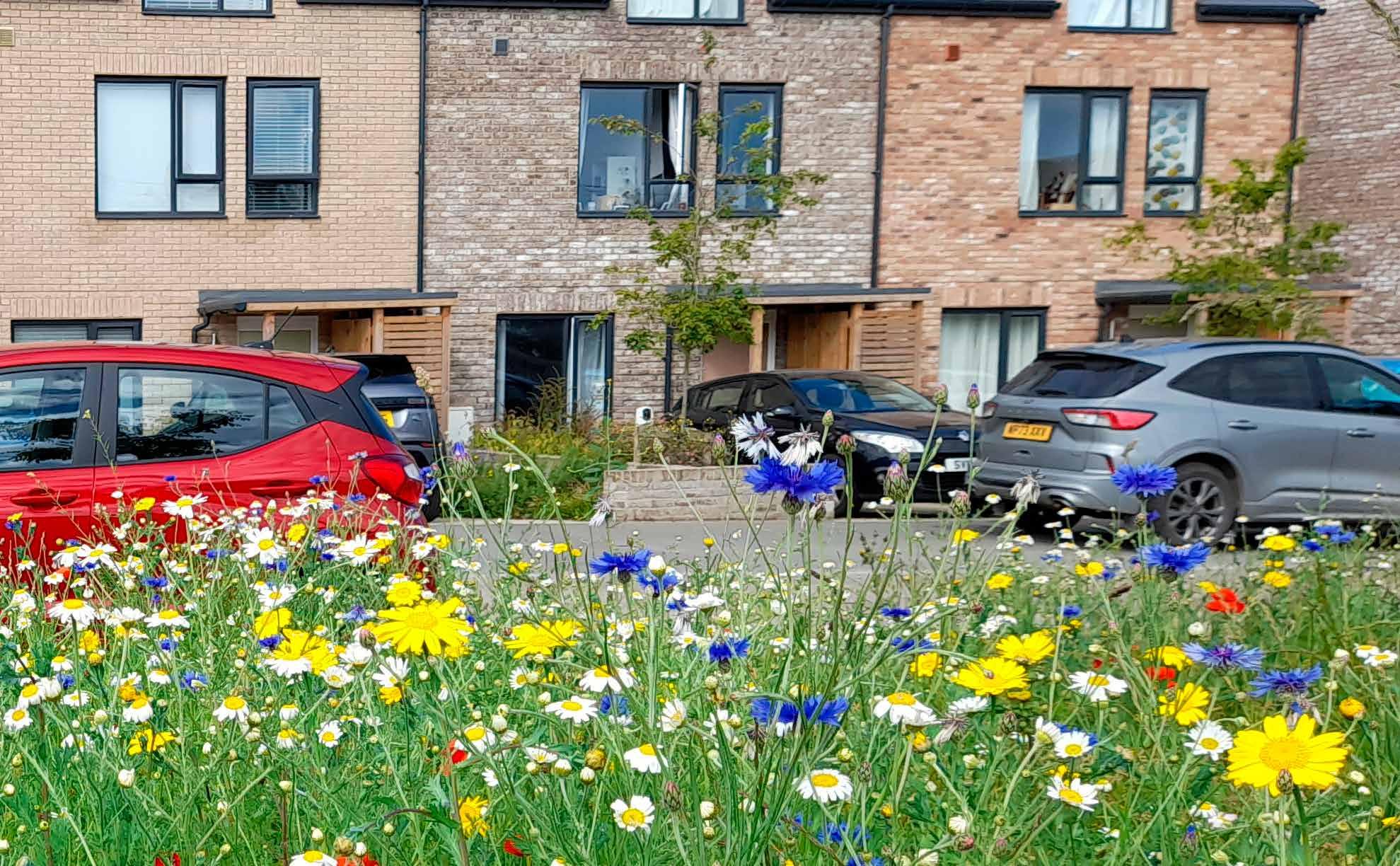
The sun beats down on a summer’s afternoon, the air thick with pollen. Oxeye daisies, kidney vetch and knapweed bathe in a golden hue and thick-legged flower beetles glisten, like little gems twinkling on clouds of yellow. Meadow brown butterflies flick and frolic amongst long grasses, ladybird larvae show off their punky spikes, and hoverflies zip in search of a tasty nectar treat. In the background, vans and cars line concrete streets, and poppies smile through the cracks of the roads. This meadow is somewhere different – where dog walkers chat, children play football and locals pass by on their way to the shops. This meadow is in Lockleaze.
Lockleaze has the most green space of any ward across Bristol. Here, many houses are built around neighbourhood greens or have pavements edged with grassy strips – a common feature of post-war housing estates. These councilowned spaces are often overlooked across the city, but not here. These shapes of amenity grassland are part of the patchwork of life in Lockleaze – where residents are taking charge of creating more space for nature on their doorstep. As part of the ground-breaking Community Climate Action Project, run by Bristol Climate & Nature Partnership and supported by the National Lottery Climate Action Fund, Lockleaze Neighbourhood Trust produced the Lockleaze Community Climate Action
Lockleaze Neighbourhood Trust said: “Residents told us they loved their green spaces and were worried about the effect of extensive housebuilding on wildlife. This led to Really Wild Lockleaze, a project which tests new approaches to nature recovery in urban housing estates.”
And so, Really Wild Lockleaze was born! A partnership between Lockleaze Neighbourhood Trust and Avon Wildlife Trust and, most importantly, led by the vision of local people. For the first time, Avon Wildlife Trust created a ‘Community Ecologist in Residence’ role – a person dedicated to supporting residents’ vision for nature where they live, who is embedded in a trusted community organisation. A model which really works.
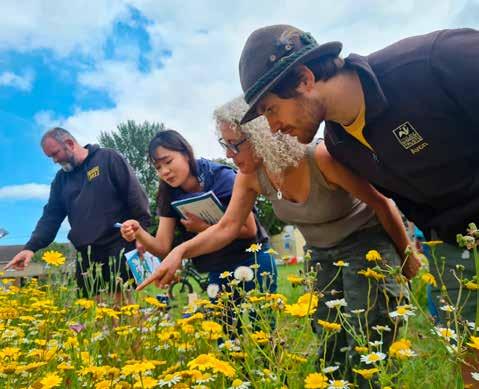
Ecologist in residence, Eric Swithinbank, helps residents monitor insects
Since the plan was created, the team has worked hard with residents, collecting vital information about how people use their local green space. Favoured habitats were voted for, playing areas were mapped out, wildlife stories were shared,
neighbours became connected, and plans began to form to create spaces where both people and wildlife could thrive.
Once permissions were sought from Bristol City Council, people came together to make more space for nature across the neighbourhood. In total, 1,600m2 of woodland has been planted, 2,947m2 of wildflower meadow sown, 173m of hedgerow planted and five ponds created, all in public spaces. In residents’ own gardens, 275 trees have been planted, 124 households took part in No Mow May, 236 residents have sown wildflowers across an area of 7,300m2, and four more ponds have been made.
Effectively, the total amount of land across Lockleaze that’s been improved for nature is equivalent to almost two Premier League-sized football pitches, or a row of 700 fully grown hedgehogs or 24,000 thick legged flower beetles!
Residents were surveyed and 83% of them now feel more confident in taking action in their community. Almost all who were surveyed said the project has made Lockleaze feel like a better place to live, and 81% of residents said it made them feel more connected to nature.
One resident said: “The Really Wild project means love, nature and community connection. I have made new friends, found a passion for gardening and
feel a part of this community.”
Another added: “There’s less fly tipping. It’s stopped on my street because of the project. Locals were dumping before and now they’ve stopped.”
And amazingly: “I’ve seen a hedgehog on my green since we’ve made changes!”
Like any community project, it’s not without its challenges. With local authorities strapped for resources it can be a daunting prospect for council teams
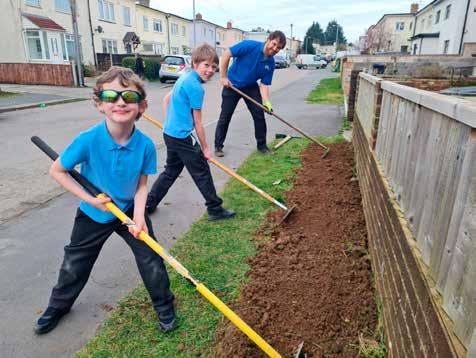
to pass over some of the autonomy of the spaces they’ve historically cared for.
Really Wild Lockleaze has been instrumental in learning how residents and organisations can collaborate with council departments to enhance and maintain their local green space. Plans take into account the length of council mower blades, the drip line of trees, the impact of rotting raised beds. The team adapted
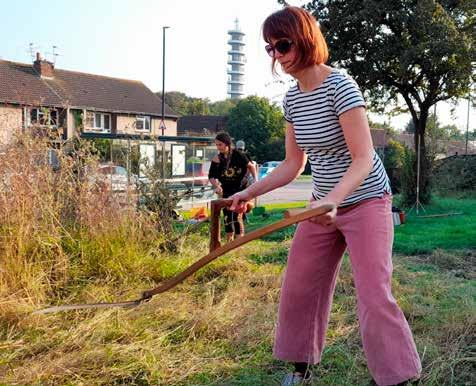
plans to create meadows and mini orchards which could easily be cut around by sit-on mowers and designed no-dig herb beds instead of wooden raised beds.
We’ve learned what the council’s needs and motivations are, and they too have learned about the effect more nature can bring to our communities, when the power is passed to the people who live in them.
Lockleaze Neighbourhood Trust summed it up best when they said: “We are proud to have worked with a Community Ecologist from Avon Wildlife Trust in this project and are hopeful to find funding to continue Really Wild Lockleaze into the future – bigger and better!”
To find out more, visit avonwildlifetrust.org.uk/teamwilder-story-really-wild-lockleaze
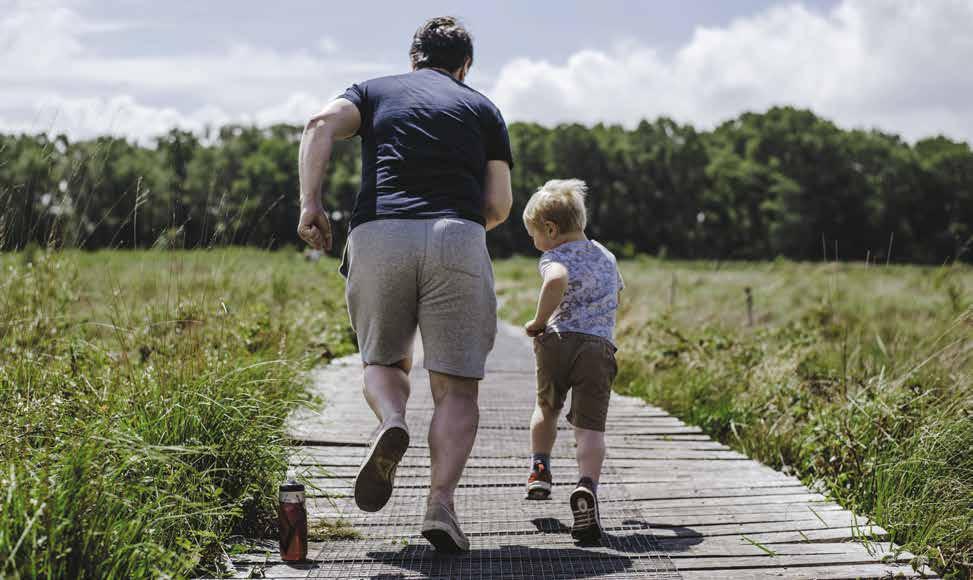
“We know that nature needs us to take decisive action if we are to halt declines in biodiversity and help nature recover. Ebdon Farm is a great opportunity to do this on a large scale and make a positive impact.”
Shelly Easton, Head of Nature’s Recovery
This autumn, will you give nature an extra hand to show us what it can do? We can build a brighter future for wildlife by bringing together our team’s knowledge, your determination and support from our communities.
Asa member of Avon Wildlife Trust, you are helping us manage 875 hectares of land for nature and last year created learning opportunities for 2,360 children and young people. Thanks to you, everyone is able to connect with the wildlife you love for generations to come.
Here at Avon, we aren’t stopping at this. Our ambition is to manage 1,000 hectares of land for nature. This autumn, we are looking for additional support to help us do even more to support nature on its path to recovery – including our latest land acquisition of Ebdon Farm.
Our vision is to secure new land for nature’s recovery. In our previous edition of Wild Avon, we introduced you to our new former dairy farm on the North Somerset Levels and Moors, called Ebdon Farm. This is our most ambitious project to date, transforming 44 hectares of land close to the Severn Estuary into a new climate resilient nature reserve that everyone can enjoy.
We believe that nature holds the key to building a more climate resilient future that benefits both people and wildlife. By restoring precious habitats across our region, we can create a landscape that
can withstand the impact of our changing climate – from safe havens and connected corridors where wildlife can thrive, to reducing the risk of flooding to local communities.
Your membership is helping us to maintain our vital work with both people and wildlife.
If you are able to support us with an additional donation today, you could help us increase the scale of our work and allow us to make targeted interventions where nature needs us most.
Donate £25 This could help inspire local wildlife pioneers to take action to nurture nature in their neighbourhood.
Donate £50 This could help create buzzing, biodiverse wildflower meadows where our precious pollinators can thrive.
Donate £100 This could help create connected, resilient habitat havens for some of our most threatened species.
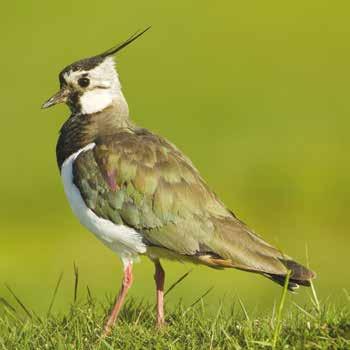
Just 2km from the coast, Ebdon Farm is an ideal location for the Severn Estuary’s wading birds and wildfowl to roost when the tide is high. Help us create a wildliferich mosaic of habitats that will ease the pressure on vulnerable species as shorelines feel the squeeze.
If given the chance, nature can bounce back at a faster rate than we ever imagined – and our work Ebdon Farm will demonstrate just that. To show us what it can do, nature needs our support to begin its journey to recovery – but it’s your help that makes vital work like this possible.
Together, we can turn the tide on nature’s decline. Please consider making a donation today and you could help bring back wildlife in abundance and open up access to nature – for everyone Donate online at avonwildlifetrust. org.uk/nature-recovery-fund
We invite you, our brilliant members, to a day of celebration and reflection of what you have helped us achieve so far.
OUR NEXT ANNUAL GENERAL MEETING IS COMING THIS AUTUMN!
Saturday 15 November
CLOCK-FIVE Arrive from 14:30 for a 15:00 start. Ending around 17:30.
Watershed, 1 Canon’s Rd, Bristol BS1 5TX
Join us for a celebration of Avon Wildlife Trust's successes and future hopes. This event will keep you, our members, informed about the Trust’s work, as well as giving you the chance to meet the team and our trustees.
It’s your opportunity to have your say as we present two new members of our Board of Trustees, our annual audited accounts and our year in review. You will also get the chance to vote in our AGM.
For your entertainment, we will have a keynote speaker, the wonderful Dr Mya-Rose Craig, aka Birdgirl (ambassador for The Wildlife Trusts) to inspire you and maybe even teach you something new. Enjoy some hot drinks and engage in meaningful conversations with fellow members and our team.
We look forward to welcoming you. You can reserve your place for FREE here:

Please respond no later than Thursday 30 October to secure your space. For those wishing to vote but unable to make our event, please email fundraising@avonwildlifetrust.org.uk for further information.
Thank you to everyone who helped people take action for nature by donating to our Give a tip to Team Wilder campaign this spring. Together, we have raised an incredible £20,000 to support our amazing community of people working together to create a healthier and more wildlife-rich environment across our region.
This summer, our donors’ generosity has enabled us to share skills and knowledge with local wildlife enthusiasts who are making space for nature in their communities. Through the Festival of Nature, our Team Wilder Community Ecologist supported community groups in Avon by sharing her ecological expertise on transforming freshwater habitats for the benefit of wildlife. She covered everything from advice on how to create and maintain ponds, to how community actions like citizen science and litter picks can create positive change for our rivers and streams.
We will continue to use the donations raised through this campaign to inspire and support local people to nurture nature on their patch – both at home and in the community. From everyone at Avon Wildlife Trust, thank you for helping communities across our region to build a more nature-friendly future for both people and wildlife.
Want to know more about what local people are doing to take action for nature? Visit avonwildlifetrust.org.uk/team-wilder
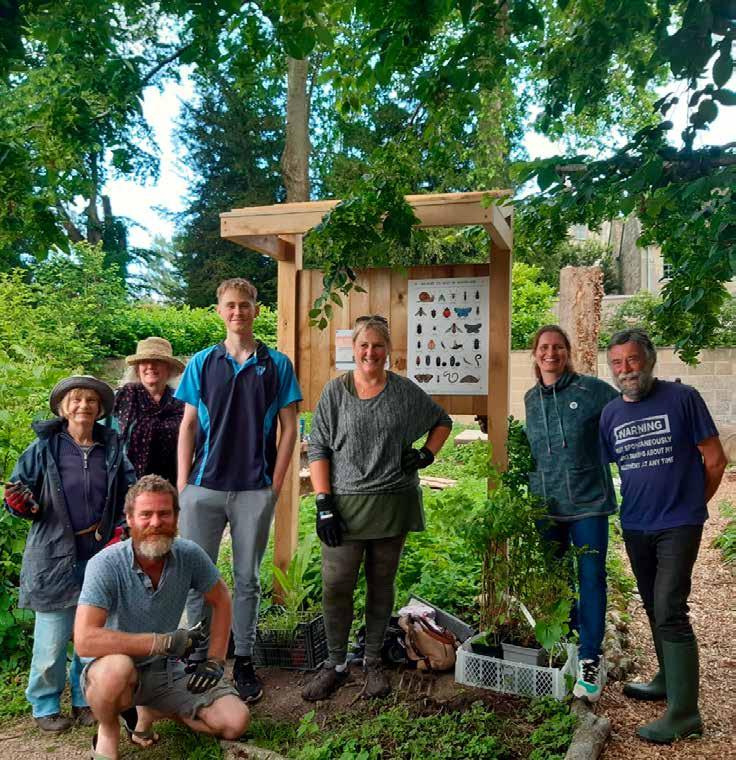
Your donations will help support more community groups like Grow Batheaston
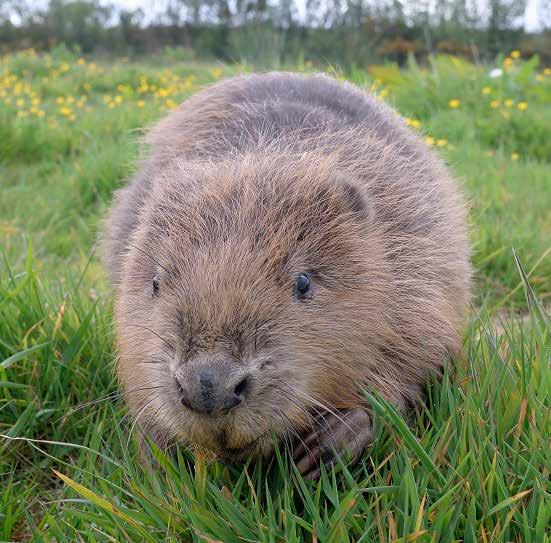
In April this year we launched a new Beaver Advice and Support Team (Bristol Avon and Somerset Frome), an 18-month project to provide vital, active support in the early stages of beaver recolonisation in the region.
With a small team of trained, licensed practitioners, we will be providing advice and support to farmers, landowners and communities who are living alongside wild beavers.
An updated page on the Avon Wildlife Trust website includes details about accessing support from the team, a guide to spotting beavers, and an area to log any beaver sightings. The page also lists some frequently asked questions and busts a few myths about beavers.
Jen Robertson, Nature and Climate Manager, said: “I’m delighted to be working on this exciting new project,
made possible thanks to those who kindly donated to our beaver appeals and with funding from the Royal Society of Wildlife Trusts.
“We’ve also relaunched the regional Beaver Advisory Group, comprised of expert representatives from environmental charities, statutory bodies and the public sector.
“We’re keen to find out what the wild population of beavers is getting up to, so we can help them to live alongside us without risk of conflict or harm.”
To learn more about beavers in Avon, including support for landowners and how to log your sightings, visit avonwildlifetrust.org.uk/beavers
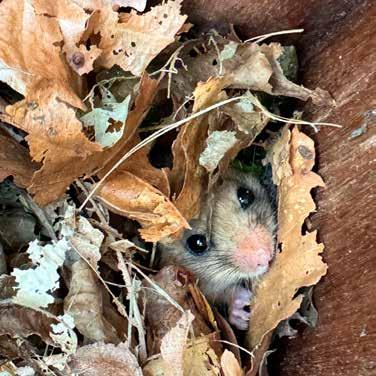
Our Wilder Woodlands regeneration project in North Somerset has recently concluded with some truly amazing results.
Funded by Natural England’s Species Recovery Programme and the Halpin Trust, the project focused on improving the habitat, increasing climate resilience and boosting biodiversity across the landscape, especially for species such as lesser and greater horseshoe bats, barbastelle bats and dormice.
In the former plantation woodlands, thinning of trees has been
transformational, promoting a more structurally diverse woodland with significantly increased levels of light.
Fifty trees were veteranised – a process that involves deliberate, managed damage of younger trees to create microhabitats for invertebrates and birds and for bats to roost.
More than 1,700 metres of woodland rides were created to bring light into the woodland floor and improve biodiversity.
A further 750 metres of rides were improved through tree felling, coppicing and planting more than 850 new trees
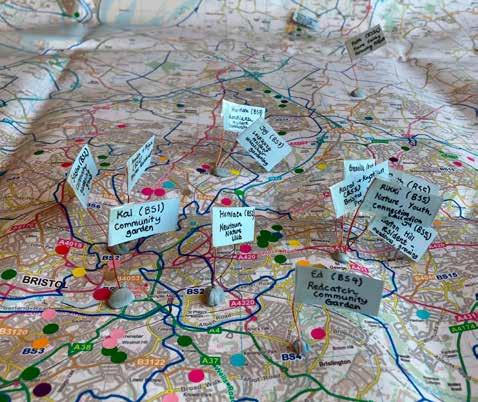
Avon Wildlife Trust is delighted to have received funding from The National Lottery Community Fund to launch a new Wildlife Champions Programme, with special thanks to National Lottery players! Building on the success of a two-year pilot, this expanded programme aims to grow a vibrant network of people passionate about protecting nature in their communities. Our goal is to have a Wildlife Champion in every Avon postcode by 2030, and this initiative is a key step towards achieving it.
The previous cohort brought a wide range of inspiring projects to life, including
community gardens, wildlife corridors, beaver festivals and nature connection events. Many of these Champions will now return as mentors to support the new participants.
The first year of the expanded programme is already underway, with a new cohort being supported through mentoring, training and workshops to develop exciting, locally-driven community nature projects. For those interested in joining the 2026–2027 programme, we’re hosting taster days on Saturday 11 October 2025, and Saturday 17 January 2026.
and shrubs.
The work is already having a positive effect on key species. Surveying of dormice has confirmed their presence across the whole project area. In addition, bat detectors recorded 3,360 lesser horseshoe passes, 2,177 greater horseshoe passes, and 371 barbastelle passes.
Support from volunteers was significant, with more than 1,200 volunteer hours recorded.
Find out more on our website avonwildlifetrust.org.uk/ wilder-woodlands
If you’re passionate about wildlife and want to make a difference in your area, we’d love to hear from you. Contact us at wildlifechampions@ avonwildlifetrust.org.uk to learn more.

Leah joined Avon Wildlife Trust as our new Chief Executive in March 2025, having previously held a wide range of Director-level roles in the charity sector, most recently as Director of Learning, Youth and Communities at London Wildlife Trust.
I was born and raised in south London. As a child, my dad got us an allotment so that we could get our hands dirty and get close to nature, being city kids! We tried and tested growing mainly vegetables, I think Jerusalem artichoke were my favorite crop. The taste of them is very nostalgic, as is the taste of raspberries that we often picked at the end of my grandparents’ garden. After returning from university, I was lucky to find my first job as an environmental playworker at an idyllic children’s nature garden just behind Stockwell tube station. The garden was a hive of activity including an after-school nature club, a summer playscheme and environmental education sessions for schools. The community in Stockwell is very diverse, children living nearby often lived in flats without access to a garden of their own and rarely or never visited any of the amazing green spaces in London. At the nature garden, children were free to experience and benefit from nature in the city on their own terms. This children’s nature garden was the foundation of my
career journey into the environmental sector, and a place that has shaped me as a person.
After working at a couple of smaller charities I joined London Wildlife Trust, where I spent over 17 years in different Director positions, mostly focussed on strategy, fundraising and engaging people with nature. Some of my top accomplishments from that time include leading on the redevelopment of a visitor and learning centre at Camley Street Natural Park in Kings Cross, and developing an award-winning youth programme, ‘Keep it Wild’. I led on the operational and commercial set-up at Woodberry Wetlands, as well as business planning for Walthamstow Wetlands, securing a 10 year contract to look after this Thames Water reservoir site for the benefit of people and wildlife. I also had the opportunity to work in partnership with a variety of landowners and stakeholders during the Great North Wood living landscapes project.
I was also the Trust’s lead for Equality, Diversity & Inclusion (EDI), something
I’m particularly passionate about. The environmental sector is the second least diverse after agriculture, and so during my first few months at Avon Wildlife Trust, I’ve reinvigorated our EDI working group. We’re looking at where we can make changes across our organisation to improve access to nature and the sector, so we can work towards nature’s recovery with our diverse communities across Avon.
As part of the wider Wildlife Trusts movement, I co-chair a strategic implementation group focussed on community organising and mobilising, especially among young people. I also hold a number of Board positions as Trustee at Manchester Jewish Museum, Nonexecutive Director at Black Girls Hike and most recently became a Trustee of the Natural History Consortium.
I feel passionately about ensuring everyone can access and enjoy all the many benefits that nature brings, and I’m looking forward to being able to put my experience into action for Avon.
It’s thanks to the support and dedication of volunteers across the Trust that we are able
do the work we do to restore nature across Avon.
Chew Valley Group
Chew Valley local group’s events are all held at the Old School Room in Chew Magna, starting at 7.45pm. Here are their confirmed talks for the autumn/winter season:
Thursday 27 November 'Avon Needs Trees’ with Vicki Cracknell
Thursday 22 January ‘Wildlife of Costa Rica’ with Kathy Farrell from Keynsham Local Group
Thursday 26 February ‘Owls’ with Chris Sperring
Thursday 26 March ‘Life under your feet’ with Leila Froud
A tribute to Angela Davies
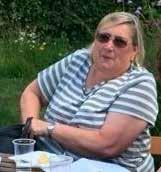
Angela Davies joined Avon Wildlife Trust in 1999 as Membership Administrator. She spent 21 years dedicated to supporting our members, helping at events, such as our AGMs and Festival of Nature, and nurturing the fellow members of our team - staff and volunteers. Angela also brought with her ‘Team Davies’, husband Chris and son Steven, who regularly turned out at events, often out of hours. Chris sadly passed way in 2023 and is also remembered for contributing to our bank of nature reserve photographs.
Gordano Conservation Group
This active volunteering group continues to meet once a month on Sundays at various nature reserves from around 10am until 1pm. All are welcome, with no need to book just bring suitable, waterproof clothing, sturdy footwear and a drink. Here are their planned sessions for the rest of 2025, for 2026 details head to avonwildlifetrust.org.uk/ volunteering-opportunities
Sunday 26 October Weston Moor (Taggart’s Wood), for scrub control and hay cut
Sunday 30 November Tickenham Hill, for scrub bashing
Keynsham
Friday 10 October ‘Avon Gorge & Downs Wildlife Project’ with Anna Stevens, Biodiversity Engagement Manager
Friday 12 December ‘Fur, Feathers and Festivities’, our annual members’ evening with short talks and festive refreshments
Angela continued to support as volunteer until spring this year, monitoring our inboxes, helping with enquiries and proofreading documents.
Keynsham local group has a number of talks over the autumn and winter period, all takingplace between 7.30pm and 9:00pm at the Baptist Church Hall in Keynsham. Entrance is £3.50 for members and £5.00 for non-members which includes refreshments served at 7.15pm. Here’s a selection of what’s coming up, with full listings available at avonwildifetrust.org.uk/ events:
Sadly, Angela passed away in April. Very common among the messages from staff, volunteers and trustees, past and present, were – ‘generosity, kindness, hardworking, warm and welcoming, a friendly human touch, fantastic sense of humour’. She was also very creative and enjoyed knitting small animals to sell and raise funds, alongside her homemade jars of chutney and jam. She made clever caterpillars that could be turned inside out and masks of woodland creatures for children taking part in our learning activities.
Steven, Angela and Chris’s son said, “Mum loved her time at the Trust, it became part of the family. She could never let it go and would always be looking for something new to do. It will always have a special place in my heart as it gave her so much happiness.”
Thank you Angela for all you’ve done for wildlife and for helping to foster a strong community of support for Avon Wildlife Trust.
We have a range of volunteering opportunities available, from practical conservation to administrative roles. It’s a brilliant way to make a real difference to wildlife, improve wellbeing and meet other like-minded people who also want to help nature. To find out more about our opportunities, why not sign up for our volunteer newsletter? Visit avonwildlifetrust.org.uk/volunteering-opportunities sign up and find out more about current opportunities to get involved.
Friday 13 February ‘A Buzz in the Garden: Growing spaces bees will love’ with Richard Rickitt
Friday 10 April ‘Will Mull: Scotland’s Untamed Isle’ with Emma Fennell Hodson
Entrance for Portishead Local Group’s talks is £2 for adults and £1 for children and students, with non-members welcome to attend. All talks take place at 7:30pm at the Folk Hall, BS20 6PR, unless otherwise stated. Upcoming events include:
Saturday 1 November Autumn Fair from 10am – 1pm, free entry
Friday 28 November ‘Wilder Woodlands’ with Andy Jones Nature Reserves Manager at Avon Wildlife Trust
Friday 23 January ‘My World and Me’ with Bryan Stokes
Friday 27 March ‘Walton Common – A Warden’s View’ with David Horlick
If you’d like to find out more about our local groups, get in touch:
Andy Davis: 01275 332 601
Gordano Valley
Sarah Kennedy : 01275 817 565/ 07853 248 476