Slipped Disc & Sciatica Treatment Without Surgery
Advanced Non-Surgical Pain Management Solutions
Advanced Non-Surgical Pain Management Solutions
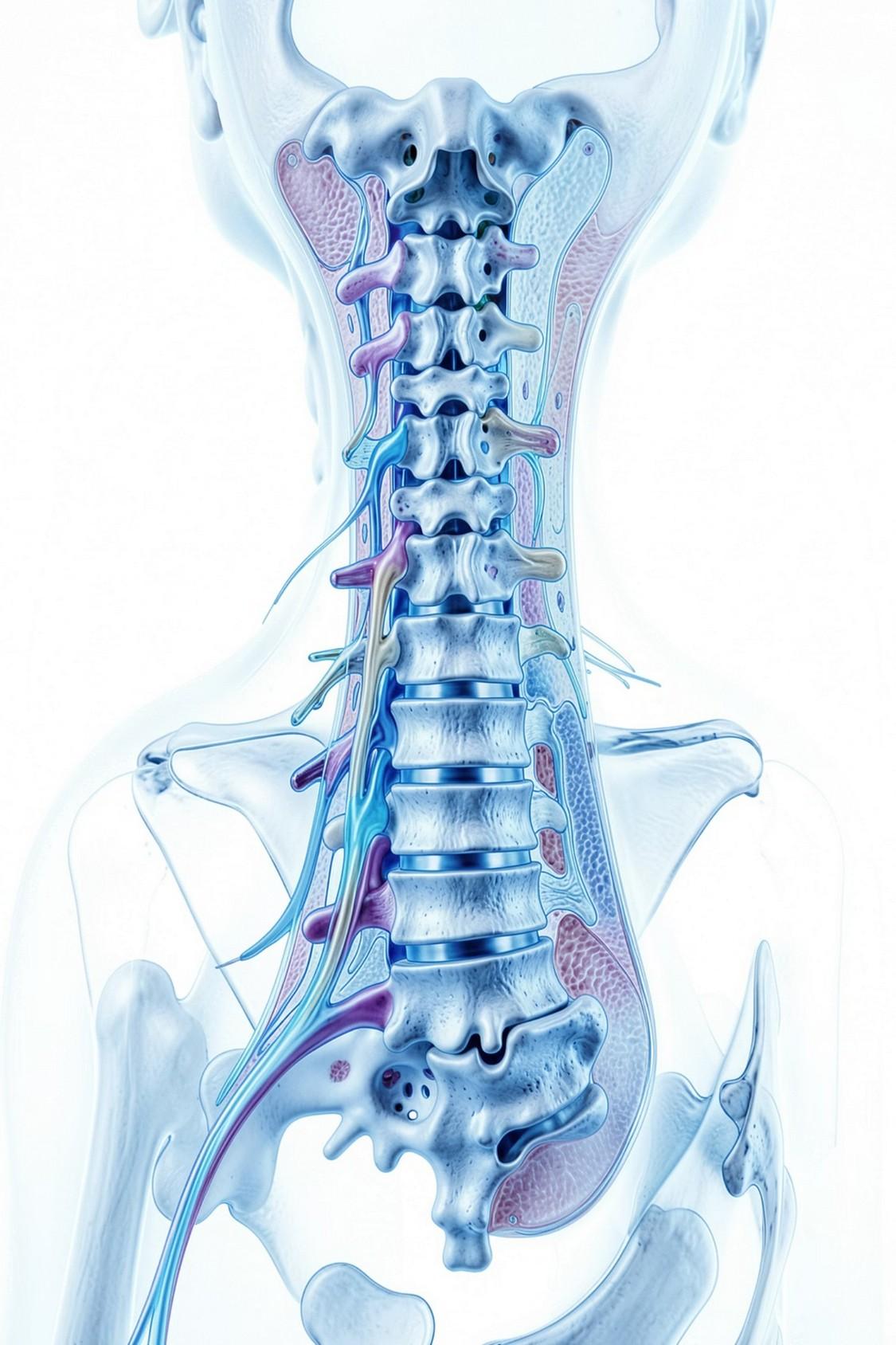
Sciatica refers to pain radiating along the sciatic nerve — the longest nerve in the body — from the lower back through the hips and down each leg.
Pressure on the sciatic nerve causes radiating pain, numbness, or weakness.
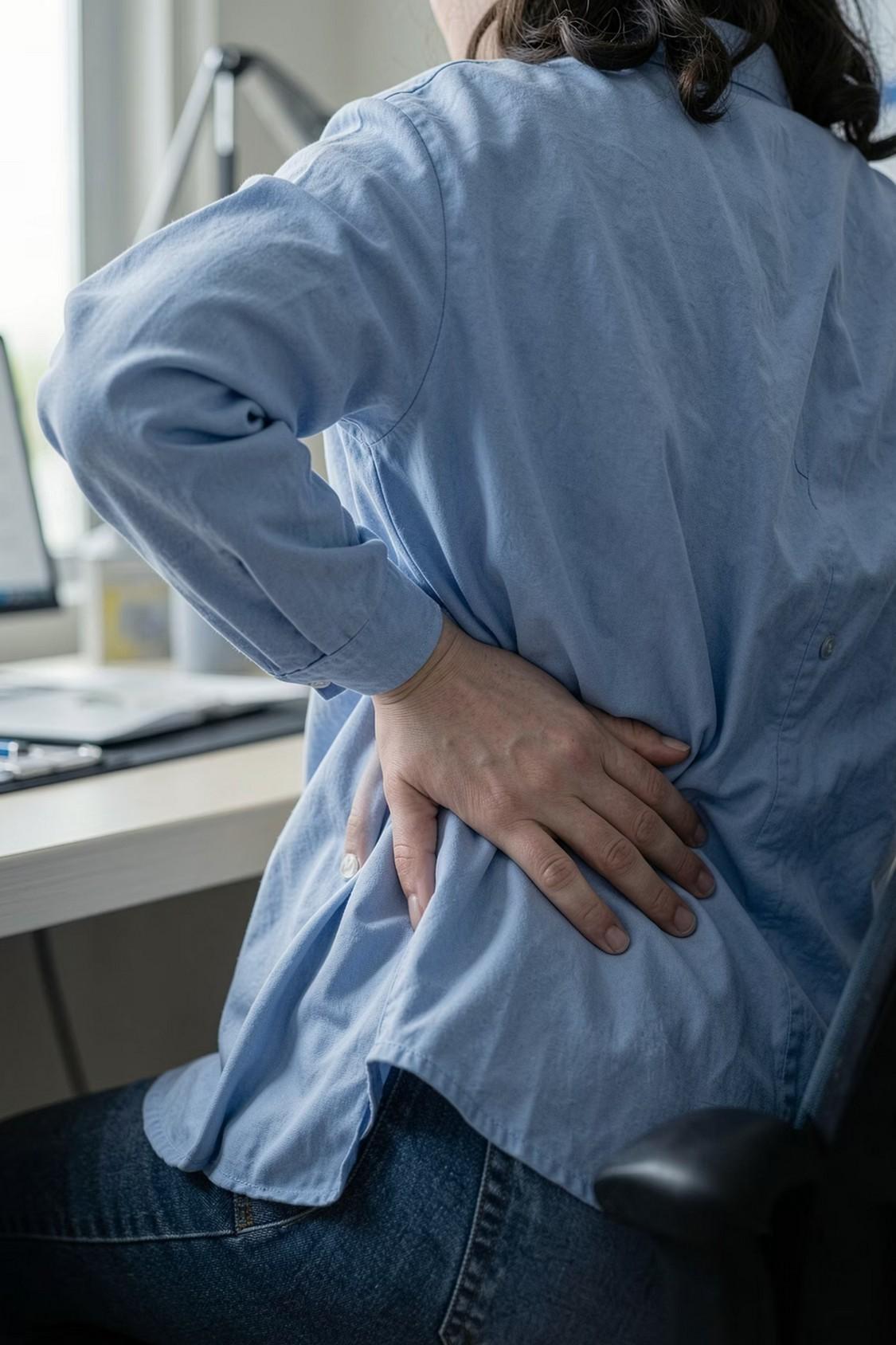
Walking, sitting, and standing become painful, affecting work and quality of life.
One of the most frequent causes of lower back and leg pain worldwide.
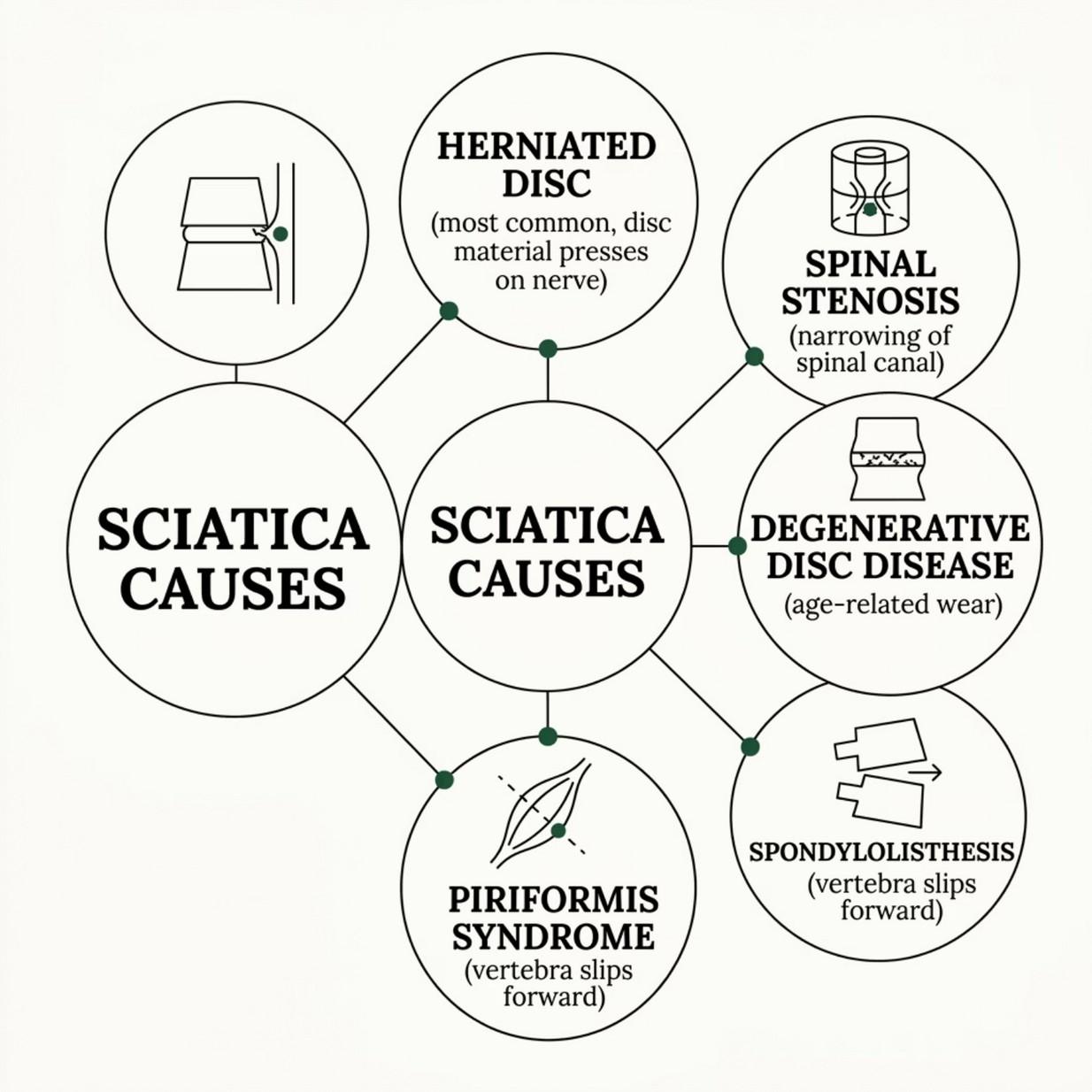
Sciatica is a symptom, not a diagnosis. Multiple spinal conditions can compress or irritate the sciatic nerve, triggering pain, numbness, and weakness.
• Herniated / Slipped Disc — most common cause
• Spinal Stenosis — narrowing of the spinal canal
• Degenerative Disc Disease — age-related disc wear
• Piriformis Syndrome — muscle pressing on the nerve
• Spondylolisthesis — vertebra slipping forward


Lower Back Pain
Persistent ache or sharp pain in the lumbar region.
Muscle Weakness
Difficulty lifting the foot or leg, reduced strength.
Leg Pain & Numbness
Radiating pain, burning, or numbness down the leg.
Difficulty Sitting or Standing
Prolonged positions worsen symptoms significantly.
Tingling Sensation
Pins-and-needles feeling in the foot or lower leg.
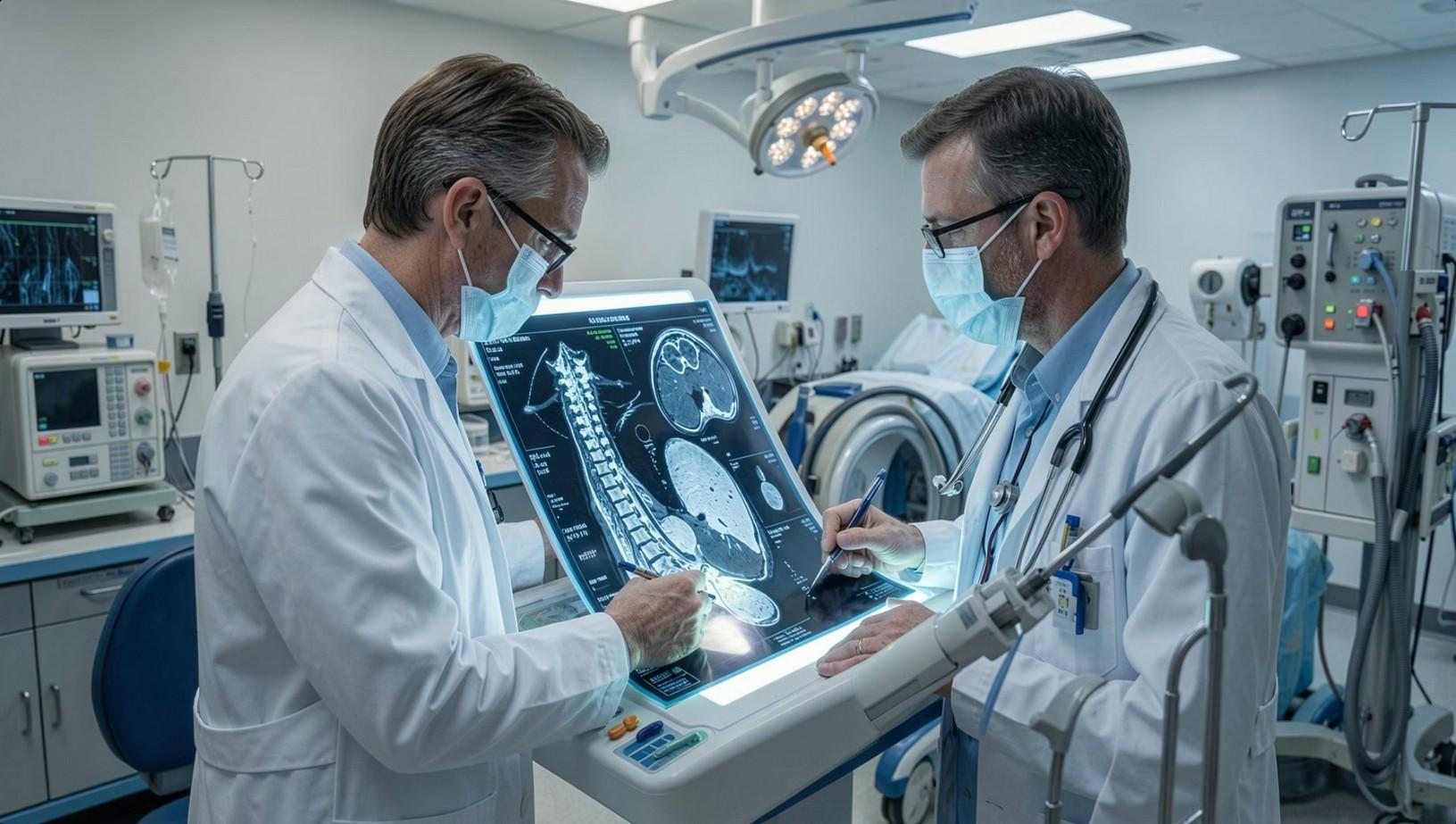
Physical Examination
Reflex, strength, and sensation tests.
MRI & CT Scan
Detailed imaging of discs, nerves, and soft tissue.
Accurate diagnosis is essential to identify the root cause and guide the right treatment plan. Specialists use a combination of clinical and imaging methods.
X-Rays
Detects bone abnormalities and alignment issues.
EMG Testing
Measures nerve and muscle electrical activity.
Conservative management is often the first line of defense against sciatica. A structured program can significantly reduce pain and prevent recurrence.

Stretching Exercises
Targeted stretches relieve nerve pressure.
Strengthening Programs
Core and back muscles support the spine.
Posture Correction
Proper alignment reduces nerve irritation.
Weight Management
Less spinal load means less pain. Active Lifestyle
Regular movement promotes healing and flexibility.
Most sciatica cases respond well to conservative care. A stepwise approach helps patients recover without surgery.
Combining these approaches under specialist guidance delivers the best outcomes for most patients.
1
Epidural Neuroplasty
Breaks down scar tissue and delivers medication directly to compressed nerves.
2 Radiofrequency Biacuplasty Uses heat to disrupt pain signals from damaged discs with minimal downtime.
3 Ozone Therapy
Reduces disc inflammation and herniation size through targeted injection.

The future of sciatica treatment lies in regenerative medicine — therapies that heal rather than just mask pain.
Platelet-rich plasma injections accelerate tissue healing at the injury site.
Cell Therapy Regenerates damaged disc and nerve tissue using the body's own cells.
Implanted device sends mild electrical pulses to block pain signals.
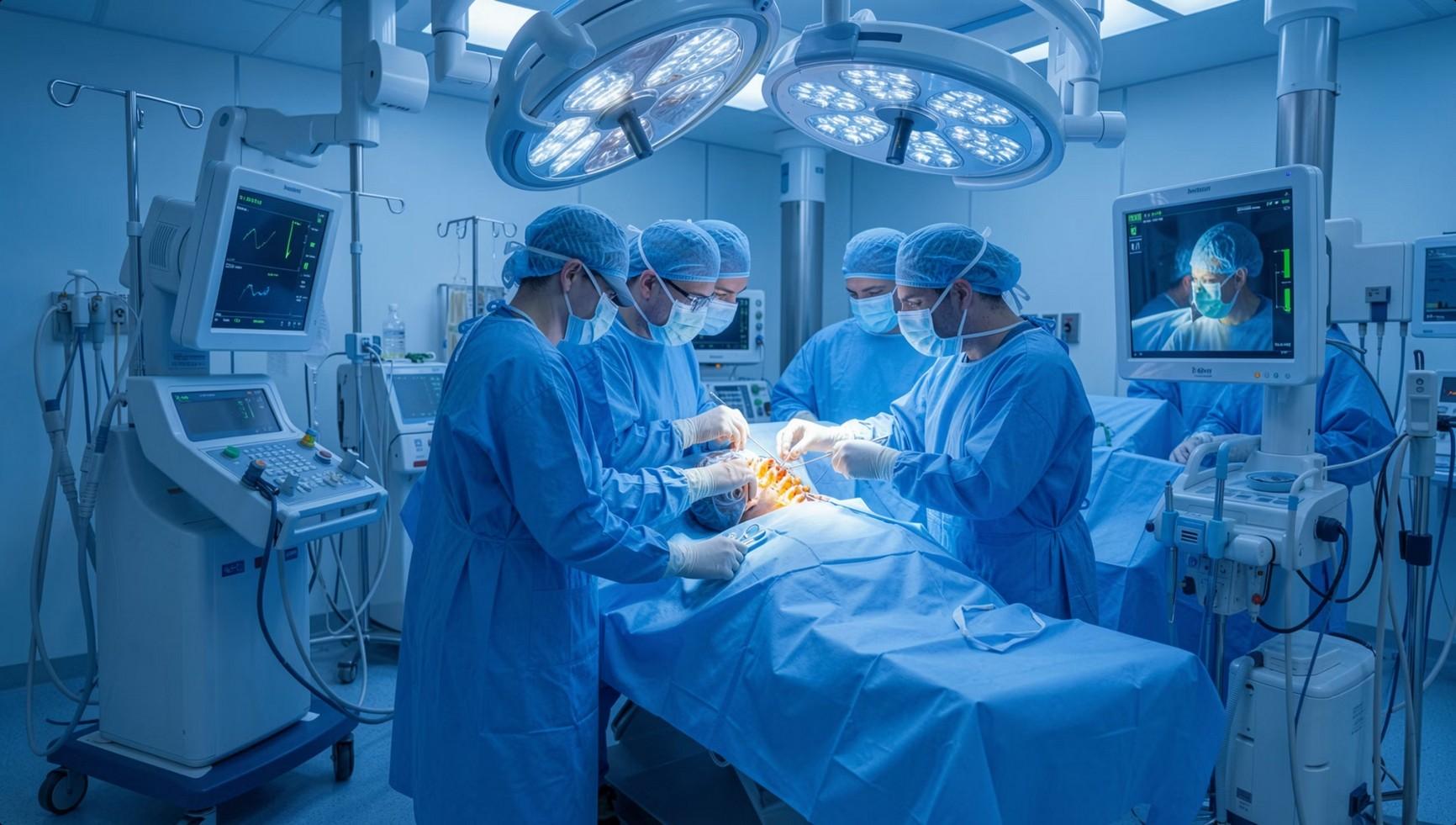
In cases of severe nerve compression or failed conservative treatment, endoscopic discectomy offers a minimally invasive surgical option with faster recovery.

Early treatment leads to faster recovery, reduced pain, improved mobility, and better quality of life.
Most sciatica cases can be managed without surgery. Consult a pain specialist for a personalized treatment plan.
• Comprehensive evaluation
• Personalized non-surgical care
• Advanced pain management options