

SUSTAINABILITY REPORT

As one of the leading packaging companies in Scandinavia, we push the boundaries of what is expected of a production partner. We have a long history of successful partnerships with well-known brands in various industries. By working with manufacturers who share our philosophy of innovation, quality and environmental responsibility, we lead the way in sustainable production and create added value for you as a customer.
2025: A YEAR OF PROGRESS AT AVISERA
The year 2025 marked a significant advancement in sustainability requirements within the printing and packaging industry. With the implementation of new, more stringent European Union regulations, demands have increased for traceability, transparency, and accountability throughout the value chain. For organizations engaged in or utilizing packaging, containers and printed materials, these developments entailed a greater need for accurate sustainability data, enhanced transparency in supply chain operations, and adherence to evolving standards.
At Avisera, we have dedicated ongoing efforts throughout the year to advancing our sustainability initiatives in response to these changes. Our primary focus centered on strengthening organizational structures, improving access to sustainability data, and enhancing traceability across our supply chain. A key component of this work involved updating our Code of Conduct to clarify requirements and expectations for our subcontractors, ensuring responsible production practices and reliable sustainability data.
In 2025, we further expanded our climate data initiatives. Although climate analyses and the calculation of product-level carbon emissions have been a component of Avisera’s sustainability strategy since 2017, this year we broadened the scope to cover a larger portion of our product range. This enhancement provides our customers with better insights into the specific climate impact of various materials and products, enabling more informed decision-making.
Furthermore, we refined our reporting of greenhouse gas emissions by including product-related emissions under Scope 3, thereby offering a more comprehensive assessment of climate impacts throughout the value chain.
In conjunction with the rollout of our new climate-analysis methods, each order now contributes to the CommuniTree climate project — a Plan Vivo-certified initiative focused on reforestation and sustainable agriculture. This initiative underscores our long-term commitment to mitigating the climate effects associated with our production processes.
This report highlights the key initiatives and milestones of Avisera’s sustainability journey in 2025 — ranging from supplier responsibility and traceability to climate data, transparency and our strategic response to emerging industry sustainability standards.


HISTORY
Since its founding in 1992, Avisera has progressively integrated sustainability into its core operations. From early initiatives to develop more eco-friendly products, our journey has included the attainment of certifications and improvements to supply-chain traceability and now emphasizes reliable sustainability data and EU regulatory compliance. The timeline below highlights some of the most significant milestones in our sustainability evolution over the years.


OUR SUSTAINABILITY EFFORTS – IN PRACTICE
01
02 03
04 05
Measure
We use detailed climate analyses to measure emissions from our products and operations, creating transparency and data-driven insights.
Reduce
We actively optimize products, production and supplier requirements to reduce climate impact and resource use.
Ensure
Through certifications, our Code of Conduct and supplier evaluations, we ensure responsible and structured sustainability practices.
Contribute
We support third-party verified initiatives that create long-term climate benefits and social impact.
Report
We share transparent insights into our operations — what we do, how we do it and where we can improve.
ACCOUNTABILITY
Avisera works methodically to ensure responsible production practices among our suppliers and partners. We utilize clear requirements through our Code of Conduct, engage in ongoing monitoring and implement multi-tiered quality controls to ensure accountability throughout the entire value chain. In 2025, we updated our Code of Conduct to further reinforce and clarify our expectations for suppliers and business partners.
The Code of Conduct applies to all our suppliers, subcontractors and business partners. It serves as a fundamental element of our sustainability efforts and reflects our commitment to society, our fellow human beings and the environment. At Avisera, corporate responsibility means ensuring good working conditions, respect for human rights, and minimizing our ecological footprint.
Corporate responsibility demonstrated through actions
At Avisera, we don’t operate our own manufacturing facilities but select partners who meet our stringent criteria. Many of these partnerships date back 15 to 20 years, with some even originating at the time of Avisera’s founding. These relationships have been cultivated over time, grounded in trust and shared values.
Strong partnerships are vital for stability, reliable delivery and project security. As such, not everyone can become an Avisera supplier; our partners must demonstrate large-scale production capacity, consistent quality and a safe work environment, as well as documented environmental efforts.
Safe production for people and businesses
Our Code of Conduct provides the framework for ethical manufacturing, encompassing labor requirements, human rights, health and safety, and environmental considerations. It applies not only to our suppliers, but their subcontractors as well.
For our customers, the Code offers essential peace of mind to know that our products are manufactured under optimal working conditions, in strict compliance with applicable legislation and international guidelines. This approach mitigates the risks and facilitates accountability throughout the value chain.
Monitoring and compliance
Promises must be followed up on. Therefore, Avisera conducts regular internal assessments of suppliers, supplemented by third-party on-site audits when necessary. The foundation of our approach lies in maintaining close and continuous communication with our active suppliers. We engage in day-to-day dialogue to establish conditions conducive to effective accountability monitoring; we identify deviations at an early stage and collaboratively pursue meaningful improvements.
Read our code of conduct at avisera.se/en/code-of-conduct/
Our Code of Conduct ensures that our production processes are undertaken with respect for human rights, under safe working conditions and with consideration for the environment.

As a customer, you benefit from increased transparency, reduced risk and a partner dedicated to corporate responsibility at every step.

TRANSPARENCY
We aim to maintain utmost transparency and offer comprehensive insight into our operational processes, from production to delivery. In this overview, we detail the origins of our manufacturing, the logistics involved in transportation and Avisera’s emissions.
Product manufacturing
At Avisera, transparency means actively managing the locations and methods of our production, and assessing the associated environmental and climate impacts. Establishing long-term partnerships with factories worldwide — specialized in both volume and niche production — allows us to select manufacturers tailored to each project’s specific requirements regarding quality, capacity, sustainability and delivery.
In 2025, our production in Asia increased from 19.5 to 35 percent. The growth was driven by higher sales of merch and promotional products, which are primarily manufactured in Asia.
About 64 percent of our production occurs in Europe (see Figure 1), which allows for shorter transportation distances and faster, more local deliveries to meet customer demands.
Figure 1

The decision to manufacture in Asia rather than Europe was grounded in the extensive expertise provided by our partners in that region, particularly in specialized and high-quality manufacturing. This specialist expertise enables us to effectively meet the specific and often complex requirements of our customers.
Furthermore, larger production volumes can be handled more cost-efficiently, resulting in better value for our customers without compromising on quality or sustainability.
Our transports
Avisera aims to deliver our products in an efficient, sustainable, and cost-effective manner. We achieve this through a transportation strategy that combines air, sea, and truck logistics.
In large-scale manufacturing projects across Asia, our objective is to engage in comprehensive long-term planning for each project. By maintaining close communication with our customers and establishing a well-defined production and delivery schedule, we empower them to choose sea freight, which requires a longer lead time, but offers a markedly lower environmental footprint compared to air freight.
In 2025, our transportation was distributed as follows: 65 percent by truck, 31 percent by sea, and 4 percent by air (see Figure 2). Compared with the preceding year, truck transports decreased, while sea freight increased and air freight remained at the same level. The change is partly attributable to the higher share of production taking place in Asia, where sea freight is the most efficient transport option.
Figure 2
Avisera’s greenhouse gas emissions
Measuring and monitoring greenhouse gas emissions is a key component of Avisera’s sustainability efforts. By charting the climate impact of our operations and value chain, we can identify where emissions occur and prioritize actions that have the greatest mitigating effect. In 2025, we enhanced our climate reporting to provide a more comprehensive understanding of our total climate footprint.
Expanded analyses
In 2025, Avisera incorporated emissions associated with its products into climate impact calculations for the first time. These are reported under Scope 3 Category 3.1: Purchased goods and services.
Previously, our reporting mainly covered other Scope 3 categories, such as transportation, business travel and waste management. By adding emissions from purchased products and materials, our analysis now encompasses a larger part of the value chain. A full report and detailed breakdowns are presented in Figures 1 and 2 on the right.
Our emissions are reported in accordance with the Greenhouse Gas Protocol, which divides climate impact into three categories:
Scope 1 – Direct emissions from own proprietary operations.
Scope 2 – Indirect emissions from purchased energy.
Scope 3 – Other indirect emissions across the value chain.
This expanded approach to reporting provides a more complete picture of Avisera’s climate impact.
Emissions in 2025
The total greenhouse gas emissions from Avisera’s operations amounted to 4,643.5 tonnes of carbon-dioxide equivalents (t CO₂e) during the year.
Most of these emissions are found in Scope 3, which is typical for companies whose climate impact is largely linked to purchased products and materials. The largest category comprises purchased goods and services — it reflects emissions from the manufacture of the products we procure and deliver to customers.
In comparison, emissions from proprietary operations are relatively minor, with Scope 1 at 0 t CO₂e and Scope 2 primarily linked to purchased electricity. A smaller share of emissions also occurs in other parts of the value chain, such as from transportation, business travel and waste.
Looking ahead
By including product-related emissions, Avisera now has a fuller understanding of its climate impact throughout the value chain. This insight helps us identify practical measures and continue our efforts to reduce the climate impact from materials, production and transportation.
Figure 1
Figure 2
Climate data – from raw materials to delivery
The analysis encompasses six stages in the product’s life cycle:
01 02 03
Raw materials
Materials and extraction processes
Manufacture
Energy use and production processes
Printing Technology and equipment involved
Transportation
From warehouse to end customer 04 05 06
From factory to our warehouse in Sweden
Inventory management
Energy consumption and volume handling
Distribution
CLIMATE DATA & ANALYSIS
Avisera delivers climate analyses at the product level, offering customers enhanced insight into the carbon emissions associated with its products. In 2025, we updated and expanded our climate calculations to cover a larger portion of our product range. Analyzing the climate impact of a broader range of products allows us and our customers to make informed decisions and presents an opportunity to reduce emissions at their source.
As early as 2017, we recognized that the same product can have varying climate impacts depending on factors such as materials, country of production and transportation. Consequently, we commenced analyzing climate impacts at the product level for items such as bags, packaging and containers.
Our objectives have consistently been clear: to enable customers to compare different options and collaborate actively in reducing emissions associated with their projects.
Updated analyses in 2025
In response to our growing product range and increasing reporting requirements, we revised our analysis model in 2025 to include most of our products, including merchandise. The revision was conducted in collaboration with the sustainability agency ZeroMission to ensure a transparent and well-defined methodology, featuring clear delimitations and structured documentation.
The updated framework is now life-cycle-based, allowing us to compare the climate impact of various product choices and to identify where changes can make a difference.
How we generate climate data – from raw materials to delivery
Our climate calculations follow a cradle-to-gate perspective, i.e., we assess the impact from raw material extraction up to the moment the finished product reaches the customer.
The analysis encompasses six stages in a product’s life cycle — from the raw material stage to delivery to the customer. This includes raw material extraction, manufacturing and printing, and transport from factory to our warehouse in Sweden, energy use during inventory management, and distribution from our warehouse to the end customer.
The calculations are primarily derived from emissions data provided by Ecoinvent and supplemented by sources such as IPCC, UN, BEIS, the Swedish National Board of Housing, Building and Planning and EPA. To ensure accuracy, the model is adjusted for factors such as:
Country of production and the energy mix used there.
Choice of materials and manufacturing methods.
Mode of transportation and distance.
Product weight and volume.
A 26 PERCENT REDUCTION IN CARBON EMISSIONS PER BAG

Decreasing the weight of a typical paper bag from 175 grams to 130 grams reduces CO₂ emissions by approximately 26 percent.
In a theoretical comparison of two paper bags measuring 38x10x30 cm, we illustrate how optimizing materials and construction can significantly influence the climate footprint. By decreasing the weight from 175 grams to 130 grams per bag, emissions can be reduced from 367.5 kg to 273 kg of CO₂ per 1,000 bags. This represents an approximate reduction of 26 percent.
With access to climate data and analyses, it becomes possible to make more precise decisions at the design phase, and to identify genuine opportunities for reducing climate impact without compromising on functionality or quality.
Results: Carbon emissions per product
To offer a clearer understanding of how the climate impact can differ among various product types, we present the estimated carbon emissions for a selection of items within our range.
The examples on the right encompass both packaging solutions and merchandise, such as bags, boxes, branded items and beverage containers.
Product-specific climate analyses
The results presented are product-specific climate analyses generated for the items depicted in the images, based on actual customer orders and product specifications.
The objective is to demonstrate how the climate impact of individual products can vary depending on factors such as materials, production processes and weight. These results are derived from our life-cycle-based climate calculations and are presented in kilograms of carbon-dioxide equivalents (kg CO₂e) per product.
Emissions encompass, among other aspects, raw material extraction, manufacturing, transportation and warehousing, up to the point when the product reaches the customer.
We provide climate analyses to facilitate more sustainable product choices
Avisera also offers climate assessments for customers seeking a better understanding of their products’ environmental impact. By generating product-based climate calculations, we enable companies to compare different materials, designs and production methods.
These analyses can serve as valuable decision-making tools when developing new products, selecting materials, or aiming to reduce climate impact within the supply chain.
Greater transparency regarding the carbon footprints of products fosters better-informed decisions and promotes sustainable product development.








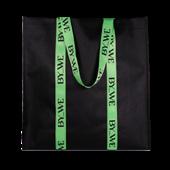

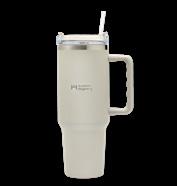
These results are derived from life-cycle-based climate calculations and are presented in kilograms of carbon-dioxide equivalents (kg
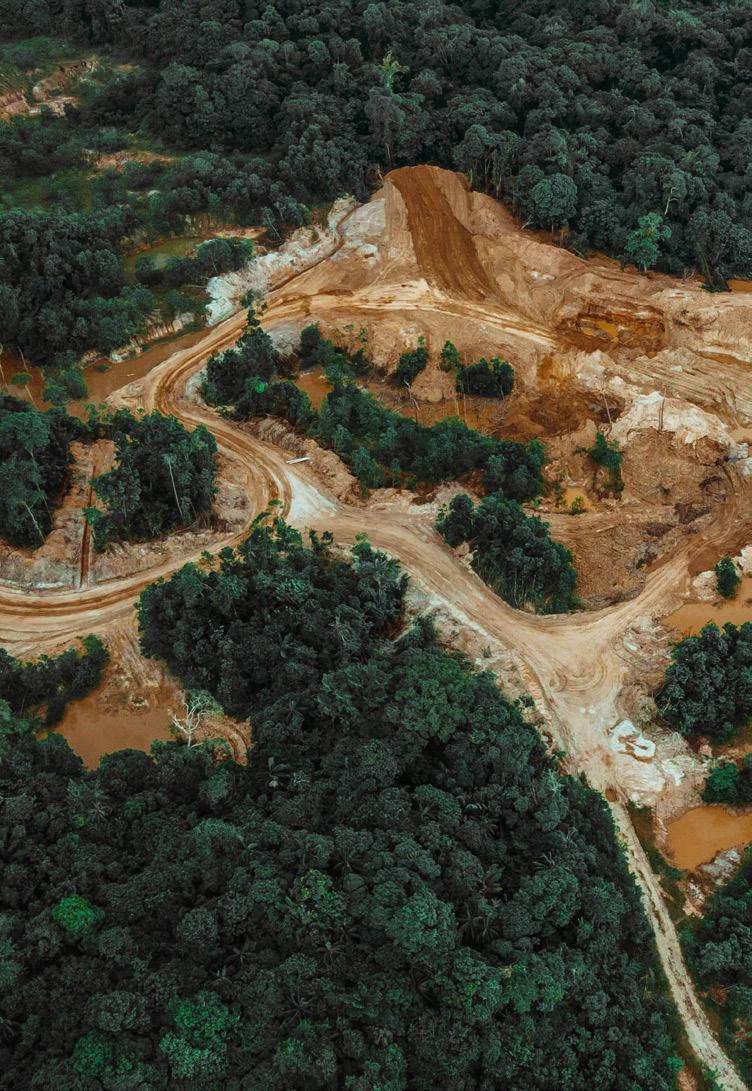
The EU accounts for approximately 10 percent of global deforestation linked to international trade, according to the European Commission’s impact assessment. 10%
REGULATORY REQUIREMENTS
EU sustainability legislation is evolving rapidly and imposing increasingly explicit requirements for transparency, traceability and accountability throughout the value chain. For many companies, this entails new obligations with regard to reporting, packaging labeling and supply-chain management. During the year, Avisera proactively developed and refined its internal processes and frameworks to better support its customers by providing relevant data, comprehensive analyses and reports related to packaging compliance.
CSRD
The Corporate Sustainability Reporting Directive (CSRD)¹ is being gradually implemented throughout the EU and will necessitate numerous companies to disclose their sustainability practices. The directive enhances requirements for transparency and access to reliable sustainability data.
Avisera has responded to these developments by establishing internal frameworks and structures during the year to facilitate the efficient and consistent generation of pertinent climate and sustainability data for customers who request it.
EUDR
The EU Deforestation Regulation (EUDR) is a recent legislative measure designed to combat global deforestation by imposing rigorous requirements on companies that import or sell certain raw materials within the European Union. This regulation encompasses, among other commodities, timber, paper, coffee, soya and palm oil, and requires companies to ensure that their products have not contributed to deforestation or forest degradation.
To comply, businesses must undertake a thorough due diligence process, including mapping and documenting their supply chains. This involves geographical traceability and verification of product origins to confirm that goods are produced legally and are not associated with deforestation. The regulation is aimed at bolstering environmental preservation efforts, thereby mitigating climate change and biodiversity loss.
Avisera supports companies in meeting EUDR compliance by ensuring the traceability of wood and paper-based products. Our FSC® certification enables us to verify that materials adhere to the EU’s standards for legal and sustainable production. We provide documentation of origin and offer guidance on material selections and certification processes.
The implementation of the EUDR has been postponed until 30 December 2026 for large and medium-sized enterprises, and until 30 June 2027 for micro and small enterprises, providing additional time to establish effective traceability and due diligence systems.
1 https://finance.ec.europa.eu/capital-markets-union-and-financial-markets/company-reporting-and-auditing/company-reporting/corporate-sustainability-reporting_en
2 https://environment.ec.europa.eu/topics/forests/deforestation/regulation-deforestation-free-products_en
PPWR – Packaging and Packaging Waste Regulation
The EU’s PPWR is aimed at reducing waste volumes, enhancing recyclability and establishing requirements for the reuse of packaging materials³.
The new regulation will take effect on August 12, 2026, and will apply to all types of packaging introduced to the EU market, regardless of material. The PPWR is not solely a sustainability initiative; it also represents a strategic matter impacting procurement, design, logistics and cost structures.
The regulation encompasses all packaging types introduced into the EU market:
Primary packaging — direct packaging that encloses a product, such as food or cosmetics packaging.
S econdary packaging — used to group multiple products, including corrugated cardboard boxes and plastic trays.
Tertiary packaging — transport packaging, including pallets and stretch film.
Which stakeholders will be affected?
The PPWR imposes requirements on all stakeholders involved in introducing packaging into the EU market, including:
Packaging manufacturers — companies that produce packaging materials and solutions
Brand owners and producers of goods — companies that utilize packaging for their products, such as in the food, e-commerce, cosmetics, and industrial sectors
Distributors and retailers — businesses that sell packaged products to consumers and other companies.
Importers — companies that bring packaged goods into the EU from third countries.
The PPWR also includes a ban on certain types of single-use packaging, which is expected to significantly impact both producers and retailers within the packaging industry.
Preparations for the PPWR
To prepare for PPWR implementation in 2026, affected stakeholders must now assess their packaging practices, with particular focus on recyclability and material selection. Documentation confirming recycled content should be secured, and packaging at risk of being deemed oversized or difficult to recycle must be identified. Engaging in timely dialogue with suppliers is crucial to facilitate the necessary adjustments.
The entity that releases packaging into the market bears full responsibility for compliance with relevant legislation. Avisera offers expert guidance on material selection, design and documentation to ensure conformity with both new and existing requirements.
3 https://environment.ec.europa.eu/topics/waste-and-recycling/packaging-waste_en
PPWR will take effect on August 12, 2026, and appliesto all types of packaging placed on the EU market.
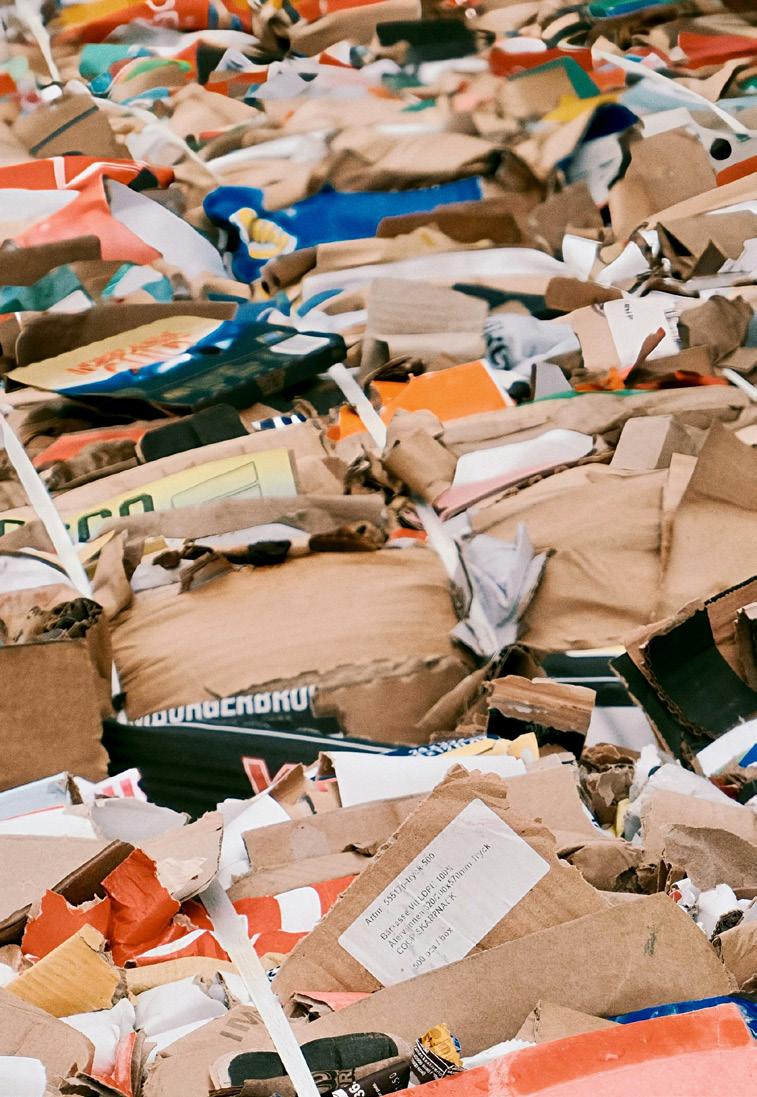
All companies placing packaging on the EU market are covered by the regulation.
79,9 million tonnes of packaging waste were generated in the EU in 2023 — equal to 177.8 kg per person.

70%
of packaging waste must be recycled by 2030, compared to an EU average of 67.5 % in 2023.
Labeling requirements for packaging in EU
Beyond EU-wide regulations, packaging is subject to national labeling requirements in the respective countries where it is released into the market. These obligations form part of the producer’s responsibilities and are aimed at ensuring correct sorting, collection and recycling.
Such requirements may differ across European nations and may include material declarations, sorting instructions, national symbols and language adaptations. The company that first introduces a packaged product into a market is responsible for adhering to the applicable legislation.
For entities operating across multiple countries, registration with national producer-responsibility schemes, reporting packaging volumes, and proper use of symbols and labels in accordance with local regulations will be mandatory.
To assist in navigating these diverse requirements, Avisera has developed a comprehensive guideline document detailing the relevant regulations and national labeling schemes.
Symbol Name
EU material codes
Nordic labeling system
Mobius loop
Description
The EU’s material codes specify the materials used in packaging and are employed across the European Union to streamline sorting and recycling processes. Labeling with these symbols is voluntary.
The system represents a unified approach to waste sorting within the Nordic region.
An internationally recognized recycling symbol, indicating that a product can be recycled or that it contains recycled content. Its use is voluntary and must not be misleading.
The Green Dot
Triman Spanish recycling symbols
A licensing symbol that signifies the producer’s participation in the country’s recycling system through a paid license. However, it does not imply that the product itself is recyclable.
Used in France, it indicates that the product must be sorted for recycling. Its use is mandatory but limited to products subject to French producer responsibility regulations.
Symbols that denote the appropriate methods for recycling packaging in Spain. Their use is mandatory and must comply with national regulations.
4 https://eur-lex.europa.eu/legal-content/EN/TXT/?uri=CELEX:31997D0129 https://www.norden.org/en/publication/p https://www.pro-e.org/the-green-dot/ https://www.ecologie.gouv.fr/logo-triman https://www.ecoembes.com/en ictograms-waste-sorting https://www.iso.org/standard/66652.html
CLIMATE PROJECT: COMMUNITREE
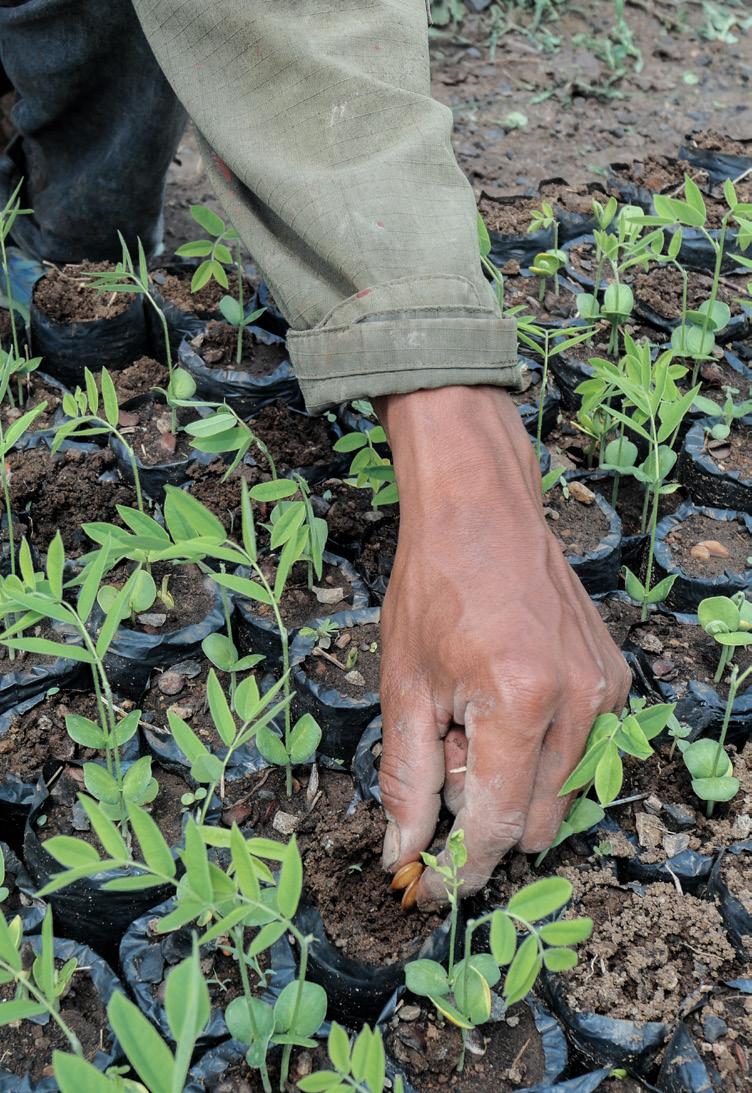
As part of our broader sustainability efforts, we facilitate our customers in contributing to climate initiatives that have a proven impact. For this reason, we support CommuniTree, a third-party-verified climate project based in Nicaragua — a long-term initiative that delivers tangible climate benefits while improving the living conditions of local smallholder families.
Why support a climate project?
As a provider of printed products, we bear a responsibility to actively reduce the climate impact in our value chain. Our chosen climate project reflects our commitment to addressing emissions that we are yet able to eliminate, while fostering solutions that generate meaningful and enduring improvements.
The CommuniTree project seamlessly integrates climate benefits with socio-economic development and biodiversity — three fundamental pillars of long-term sustainability. By purchasing from Avisera, customers contribute to the success of CommuniTree
The CommuniTree project
CommuniTree is Nicaragua’s largest reforestation initiative, launched in 2010. The project emphasizes restoring land previously affected by deforestation through tree planting and the integration of trees into agricultural land. This is carried out in collaboration with small-scale farmers who receive support to reforest their land and transition to more sustainable farming methods⁵
Plan Vivo certification
Plan Vivo is an internationally recognized certification system for climate projects focused on planting and conserving forests. The certification guarantees that carbon sequestration is accurately measured and verified by an independent entity, and verifies that the achieved climate benefits would not have materialized without the project. It also mandates that these results are sustainable over the long term and that the project is subject to ongoing monitoring.
A fundamental aspect of CommuniTree is its focus on local communities, with a significant portion of the revenue directly benefiting smallholders participating in the initiative. Plan Vivo serves as a testament to the credibility, transparency and tangible impact of climate projects — both for the environment and for local populations.
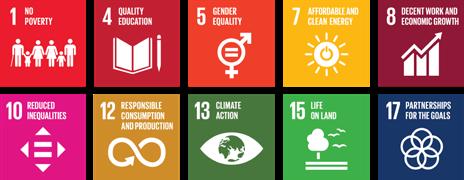
CommuniTree contributes to several of the UN’s Sustainable Development Goals by integrating climate mitigation, biodiversity preservation and socio-economic development within a long-term, community-centered framework.
⁵ https://www.planvivo.org/projects/communitree-nicaragua
COMMUNITREE CONTRIBUTES TO THE FOLLOWING SUSTAINABLE DEVELOPMENT GOALS:

ISO CERTIFICATIONS
Our ISO certifications are integral to our entire operations — spanning from supplier selection to the delivery of our products. For our customers, this signifies a partner who works methodically, monitors progress and drives development — while focusing on delivering the right quality, reducing environmental impact and ensuring that every project endures over time .
Our ISO certifications
Avisera is certified in accordance with ISO 9001 (quality), ISO 14001 (environment) and ISO 45001 (work environment). These certifications are fundamental to how we manage and develop our business.
Structured processes and a clear division of responsibilities
Our management system ensures that documentation procedures are in place for all areas of our business — from quotation and production to delivery and follow-up
This includes working with:
Established procedures and workflows.
Risk identification and preventive measures.
A well-defined division of responsibilities between departments.
Structured handling of non-conformities and complaints
By working with meticulously structured processes, we reduce risks, increase efficiency and ensure consistent, predictable quality in our deliveries.
Compliance, monitoring and continuous improvement
ISO standards stipulate that our operations must undergo consistent monitoring and improvement. For Avisera, this entails that we:
Ensure compliance with applicable legislation.
Set targets and track results in the areas of quality, environment, and health and safety
Conduct internal controls and annual third-party audits.
Identify areas for improvement and implement appropriate measures.
Regular audits by an independent certification body ensure our management system’s compliance with ISO standards and confirm the system’s ongoing evolution and improvement.
FSC CERTIFICATION
We aim to encourage more people to choose sustainable paper with clear origin traceability, in order to protect our forests. FSC-labelled paper products support responsible forestry practices that adhere to FSC’s stringent guidelines. FSC certification helps preserve forests, protect wildlife habitats, conserve older trees, counteract deforestation, safeguard the rights of indigenous peoples, and ensure safe working conditions with fair wages for workers .
Continued robust demand for paper derived from sustainable forestry practices
The Forest Stewardship Council® (FSC) is an independent international membership organization⁷ that oversees one of the world’s most recognized eco-labels for wood and paper-based products. Only certified companies, such as Avisera, are authorized to use the FSC label, and must meet the FSC’s requirements for traceability and responsible forest management
About our FSC certification
Avisera was among the first packaging companies in Sweden to achieve FSC certification in 2012. Since 2014, we have been using FSC-certified paper as our standard material in paper-based products where possible, to promote the use of paper sourced from responsibly managed forests. Our license number is FSC®-C110916.
High percentage of FSC-certified paper products in 2025
In 2025, 92 percent of our paper-based products were manufactured using FSC-certified paper. This substantial proportion has been maintained consistently for the past few years and is continuously monitored as part of our commitment to responsible forestry. It reflects our consistent prioritization of certified materials and a long-term focus on sustainability. See figure.
7 https://www.se.fsc.org/se-sv/var-organisation
"We

Tobias Olofsson, CEO, AVISERA
SUSTAINABILITY WITHOUT COMPROMISE
Working with packaging and printed products involves many decisions — many of which increasingly impact sustainability, regulatory compliance and brand reputation. This elevates the importance of getting it right from the outset.
As a customer, you need to feel confident that someone has the full overview: that all requirements are met, that the choices are well-considered, and that the process functions smoothly — without your needing to manage every detail yourself.
That is where we make a difference. At Avisera, it’s all about taking a holistic approach, from material selection to production, to setting requirements and monitoring the supply chain. We provide structure, clarity and control at every stage — supported by proper documentation, established workflows and ongoing quality checks.
This gives you the insight you need — while allowing us to keep track of the bigger picture. The result is fewer uncertainties, reduced risk and a final product that endures over time — both in theory and in practice.
01 02 03 Confident decisions at every stage
With access to structured data on materials, production, climate impact and sustainability insights.
Compliance and monitoring
Through clear processes, monitoring and the setting of requirements throughout the supply chain
Transparency in the value chain
Through better insight into where and how products are manufactured — and which choices make a difference.
Processes you can rely on
Through established work methods that reduce uncertainty and minimize the need for rework
Where function, quality and sustainability come together to build a stronger and more consistent brand. 04 05
A holistic approach that strengthens your brand
Showroom: Stockholm, Gothenburg and Visby
Follow: @byavisera for inspiration and product news Get in touch: +46 8-506 250 00, hello@avisera.se