
Driving innovation, research and per formance
Driving innovation, research and per formance
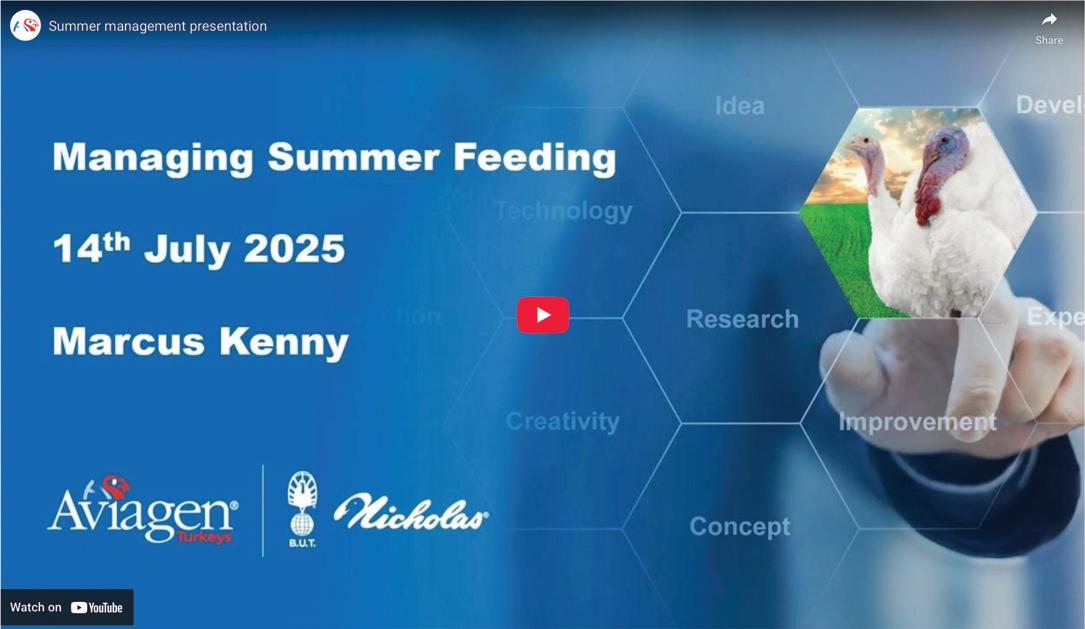
On Monday 14th July, Aviagen® Turkeys held an exclusive live webinar on Hot Weather Management & Nutrition for Commercial Turkeys!
Marcus Kenny, Company Nutritionist & Luke Ramsay, Management Specialist spoke about how to reduce the effects of heat on flocks by modifying management and nutritional practices to improve bird comfort and reduce the impact on flock performance. Attendees learnt actionable strategies from our experts and had the opportunity to engage within a concluding Q&A session. The webinar was a great success achieving an excellent attendance rate of 54% with 59 attendees joining from across the globe, including Germany, Israel, Italy, UK, Spain, USA & Poland.

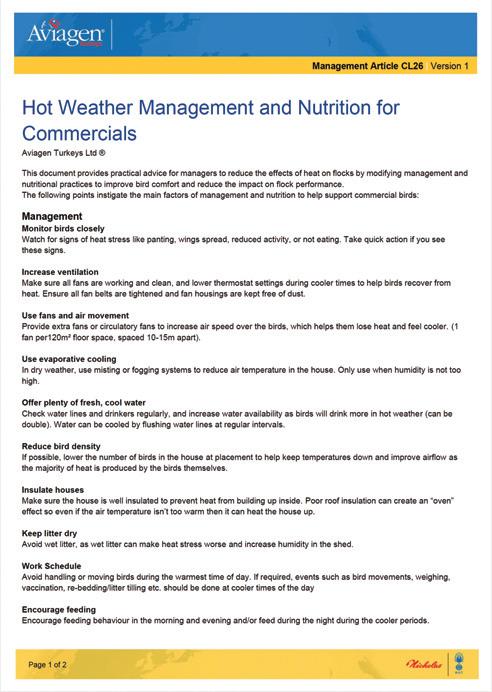
Download this document which provides practical advice for managers to reduce the effects of heat on flocks by modifying management and nutritional practices to improve bird comfort and reduce the impact on flock performance.




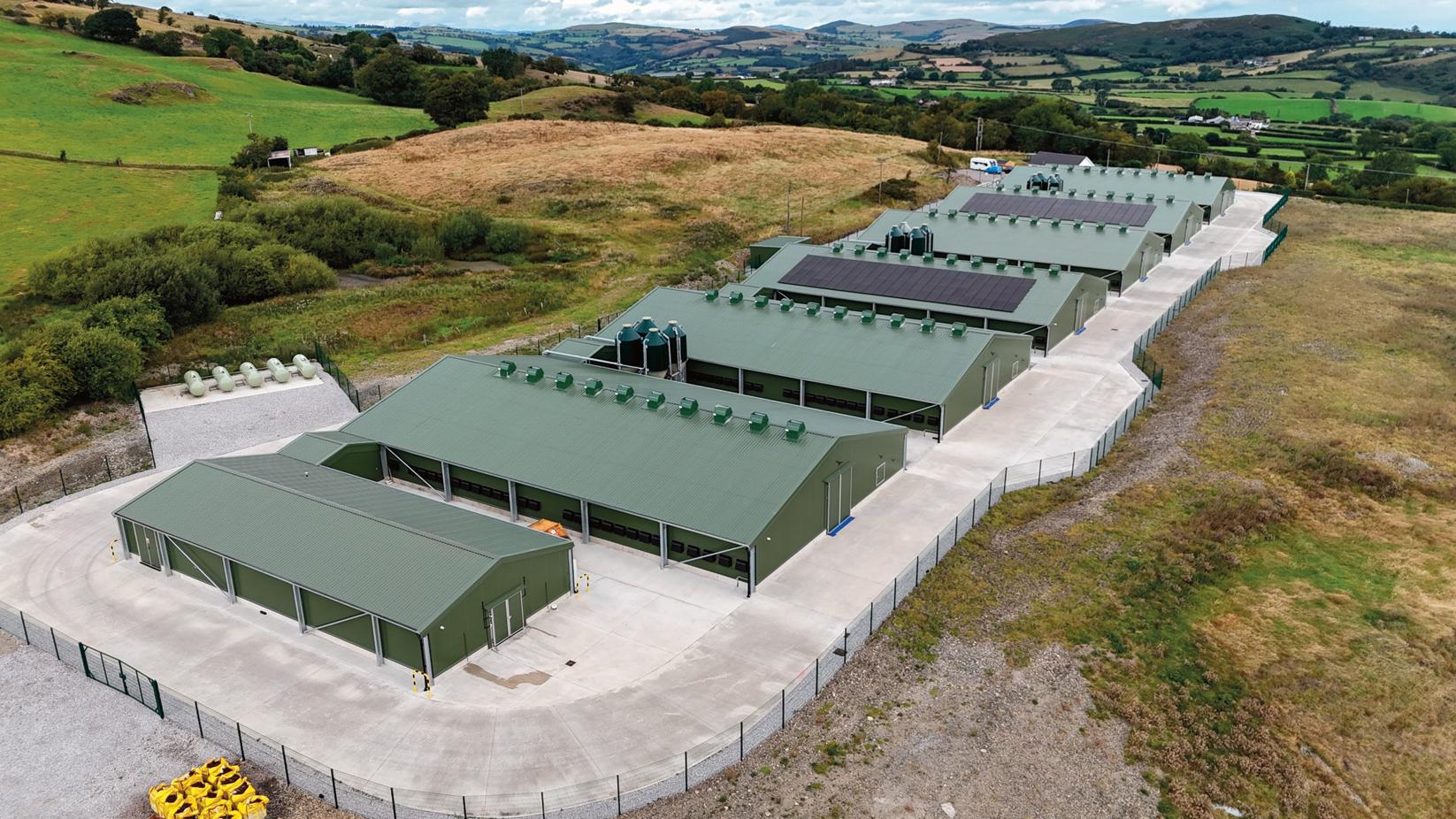
Over the last 12 months, Aviagen Turkeys Ltd (ATL) have been in the process of building and refurbishing pedigree rear and lay farms.
In 2024, land was purchased in North Wales and work began to develop two brand-new facilities. One a pedigree rearing farm & one a pedigree laying farm, both of which will be utilised together.
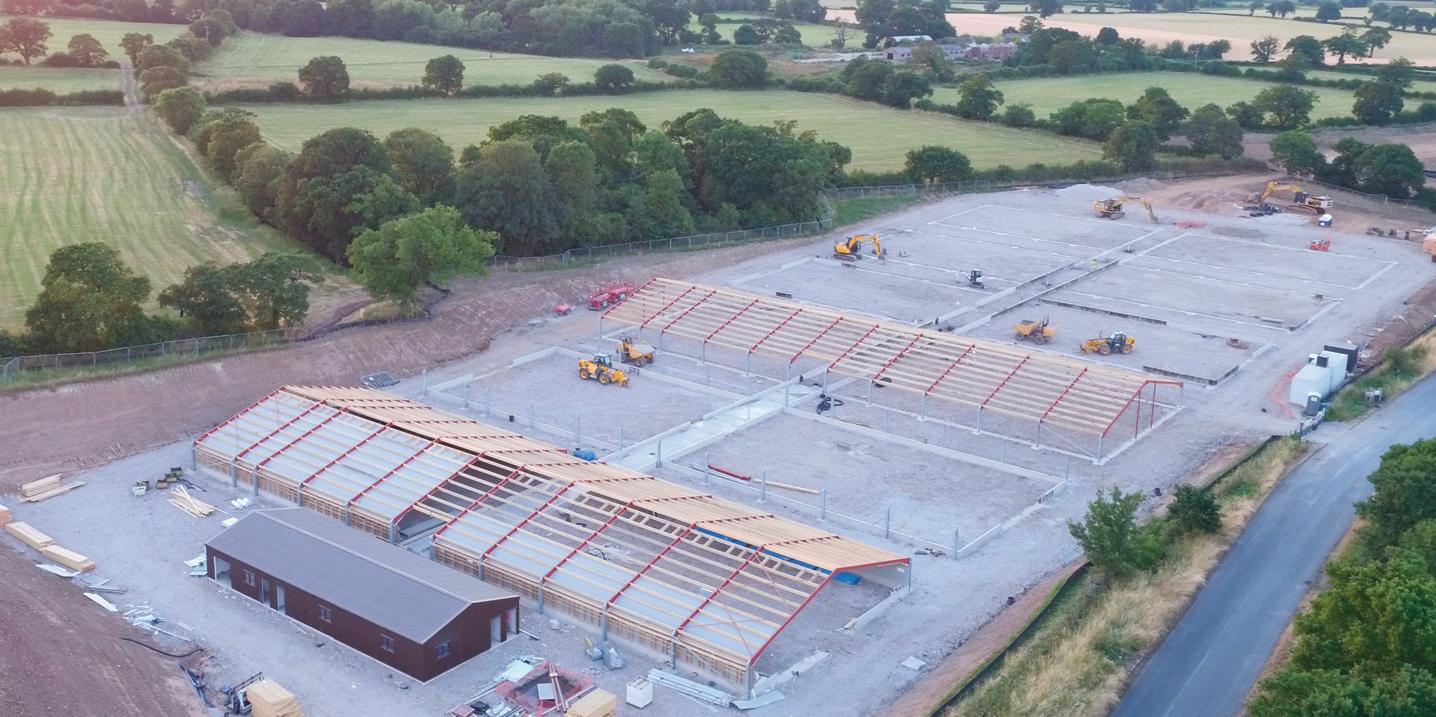
Alongside this, ATL also began to refurbish one of their pedigree laying farms in North Cheshire, in order to bring it in line with the latest and best biosecurity and technology features.
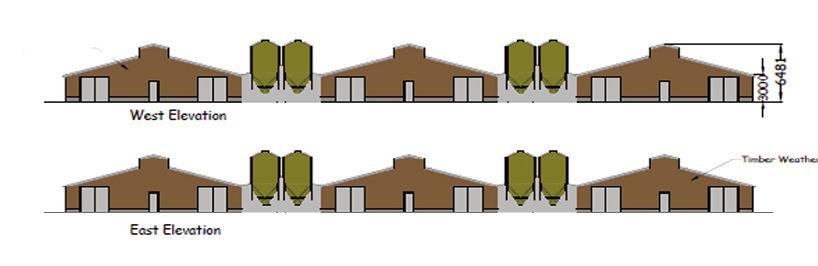
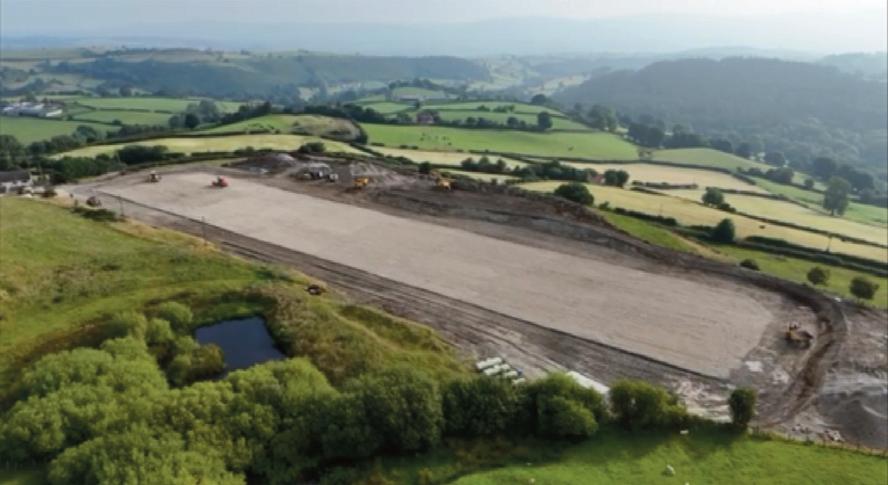
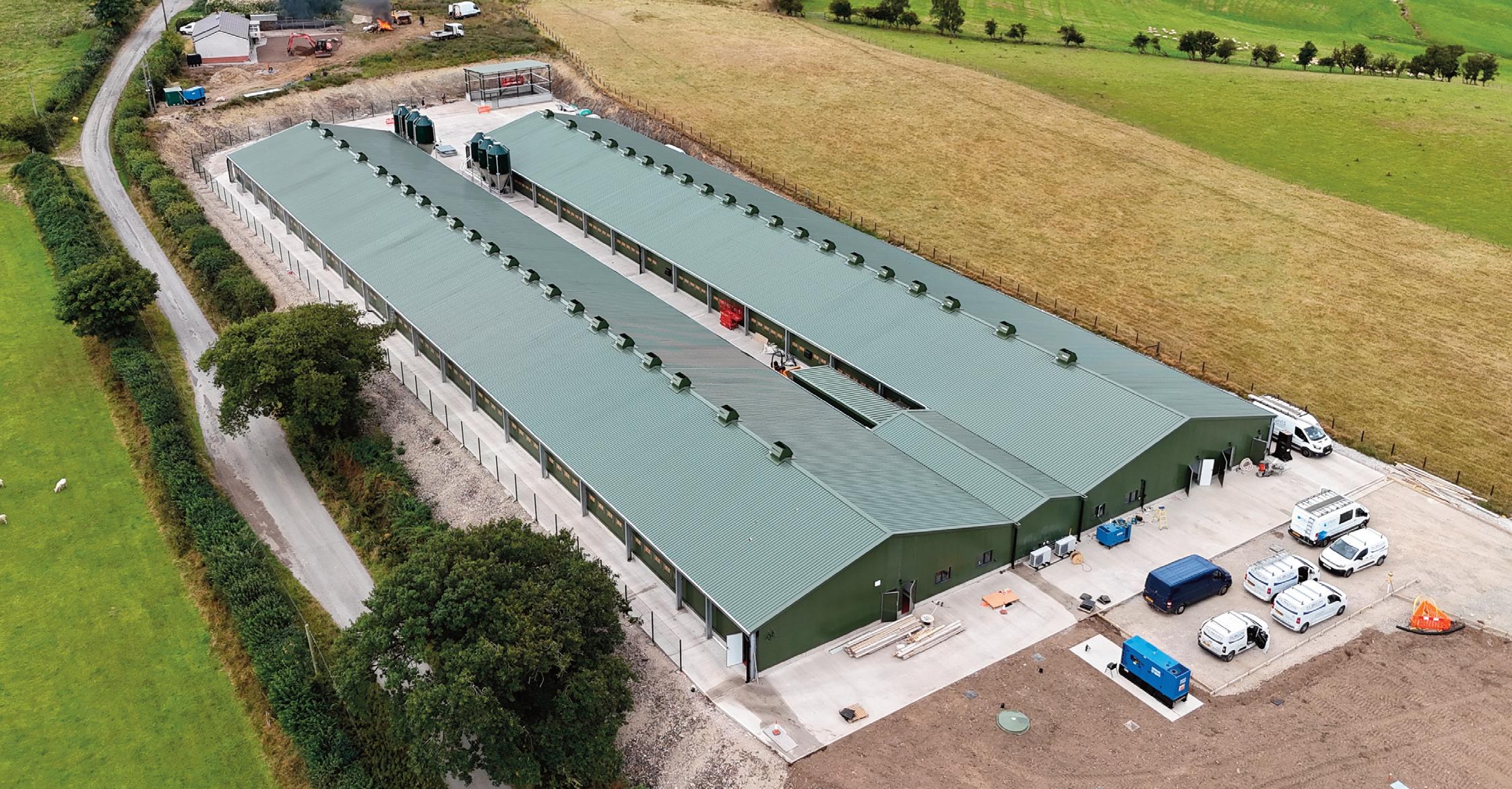
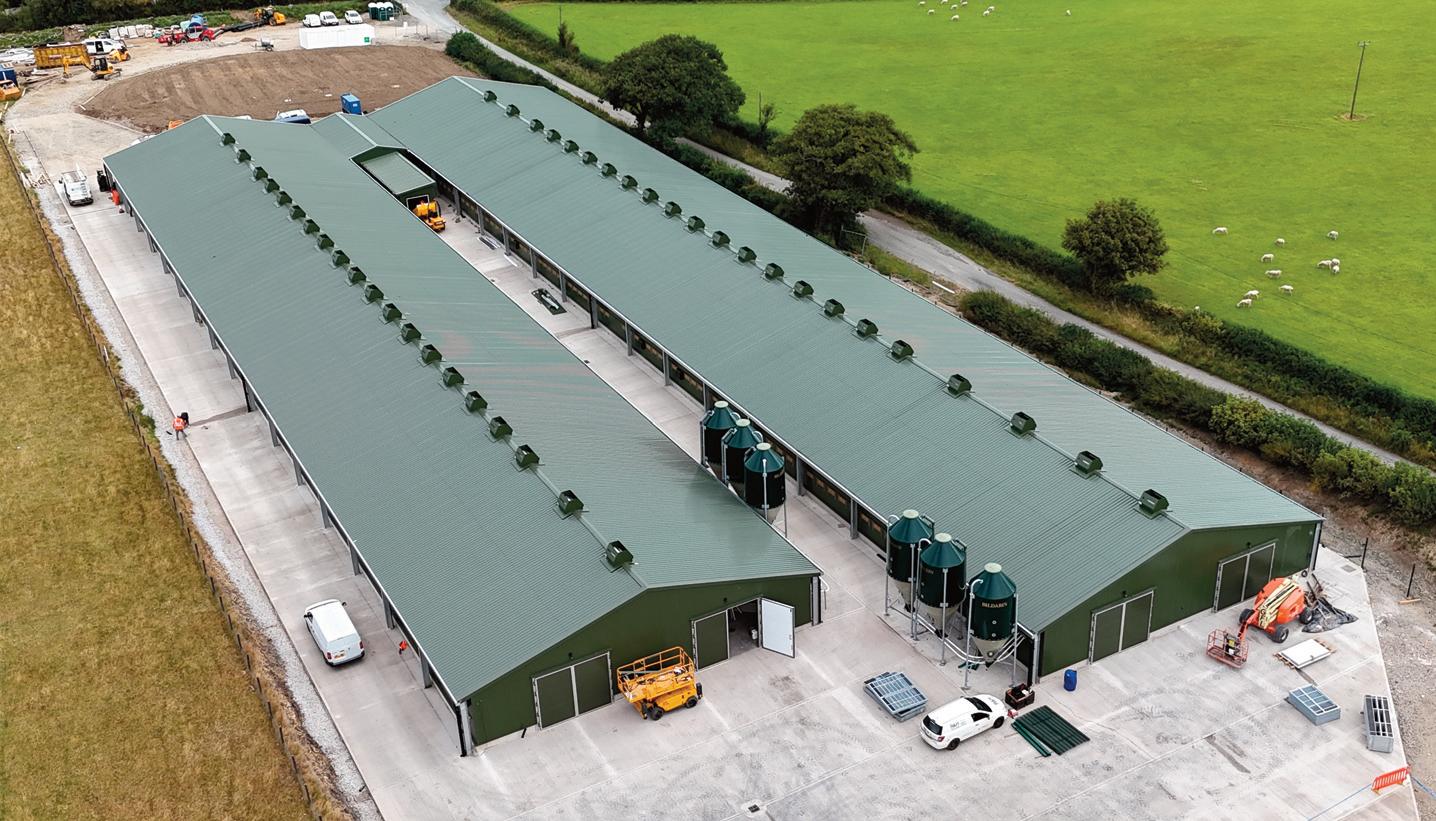
Both ATL’s new-build pedigree rear and lay farms are nearing completion, representing a significant investment in high-performance, bio-secure facilities. The pedigree rearing farm is set to complete its first flock in September and has so far performed to all expectations. The next flock will be a winter flock, when the farm will fully demonstrate the benefits of the highly insulated structural composite panel construction, which is designed for maximum thermal efficiency. The lay sister farm is also nearing completion and features the same composite panel construction, ideal for its more exposed location. The rear farm follows the same internal design as ATL’s North Cheshire site, with spacious work areas and a clearly defined operational flow throughout. Biosecurity remains a top priority, with features such as automated wheel washing systems and digital entry controls ensuring strict traffic management and minimising the risk of contamination.

ATL’s North Cheshire farm has undergone a full rebuild, which is now complete and currently in the commissioning phase. Drawing on many years of experience in pedigree laying farm design, the new facility has been carefully developed to perfectly suit its purpose. It is a six-airspace, naturally ventilated pedigree lay site, incorporating the latest technology and best biosecurity practices. Biosecurity is at the heart of the design, with tightly meshed veranda areas that prevent the entry of fomites and act as cleanable buffer zones before access to bird areas. Extensive external concrete service areas, including easily accessible roofs, allow the entire site to be thoroughly cleaned. Additional features such as a central linked control corridor and improved egg processing areas further enhance operational efficiency. The farm is due to receive birds at the beginning of 2026.




Choosing the most effective feeding programme has never been more important given the unpredictability of the raw material market and lack of consistent supply of materials. The current raw material market appears to be more settled however, given recent events, the future is far from predictable. This also needs to be considered within the context of an ever-changing growing environment where the turkey’s response to a given feeding regime is influenced by enteric challenges, increased removal of antibiotics and in some cases removal of coccidiostats.
In such situations, it is critical that nutritionists can make informed decisions in order to choose the most efficient feeding programme for different circumstances.
Identifying the most efficient feeding programme starts with an understanding of the birds response to nutrient density. Energy and protein are the two main contributors to diet cost and therefore are the principle nutrients to consider from an economic point of view.
Aviagen® Turkeys Ltd, in collaboration with Moorgut Kartzfehn GmbH, conducted a series of trials examining the impact of various energy and amino acid densities on B.U.T. 6 male turkey performance. Each of these trials assessed different nutrient levels, Table 1 shows the amino acid and energy levels assessed, nutrient levels are expressed as a percentage of a commercial standard.
Both liveweight and FCR are responsive to both amino acid and energy density (expressed as percentage relative to the 100% control), the response for both traits was optimised at the highest energy and amino acid density. The surface plot graphs also shows that energy density appears to impact positively on the response to increasing amino acid concentration suggesting that diet energy density should be considered when feeding higher amino acid densities.
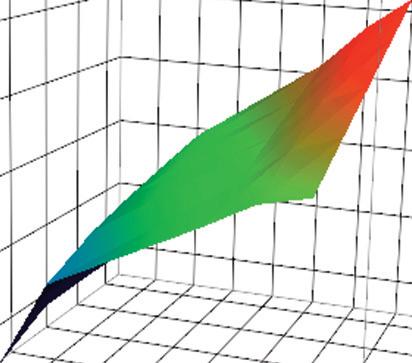
Table 1: A summary of energy and amino acid response trials.
A summary of the ‘commercial standard’ feeding programme and nutrient levels are shown in Table 2.
Table 2: A summary of the commercial standard (100%) nutrient levels.
Performance data from these trials were collated to assess the response of turkeys to a range of nutrient densities. The surface plot graph (Fig.1a, b) shows liveweight and feed conversion ratio (FCR) responses to altering nutrient density.
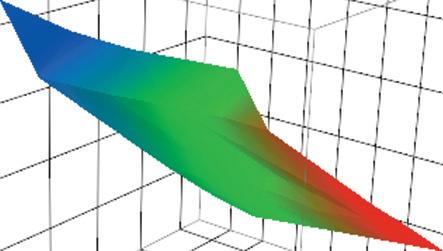
Figure 1a, b: 20.5 week liveweight and FCR responses to a range of amino acid and energy densities.
Processing traits were also assessed, as with liveweight and FCR responses, increasing nutrient density had a positive impact on breast meat yield (fig. 3). At lower energy densities, breast meat yield (BMY) showed a curvilinear response to increasing amino acid density. However, BMY continued to respond to increasing amino acid concentration at intermediate and higher energy densities, again, this reinforces the importance of considering both nutrients particularly when optimising processing yield.
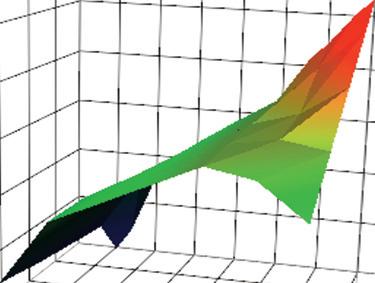
Figure 2: B.U.T. 6 20.5 week breast meat yield (%) response to a range of amino acid and energy densities (% relative to standard)
In summary, the data demonstrates the ability of the modern bird to respond to a wide range of nutrient levels. Liveweight, FCR and portion traits are responsive to nutrient density and show optimal responses on or above the commercial standard.
Having established performance responses to different nutrient densities, economic responses can also be derived. Feed cost per bird was calculated for each nutrient density fed, as expected feed cost increased consistently with increased nutrient density (fig. 3).
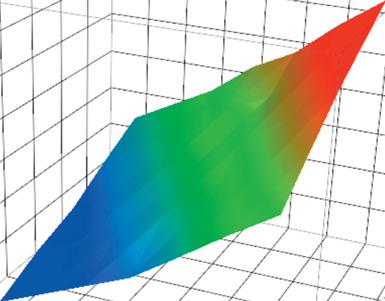
3: Feed cost (€/bird) at altering nutrient density (% of standard).
Revenue per bird was also estimated across all nutrient densities (fig. 4), revenue increased with increasing nutrient density.
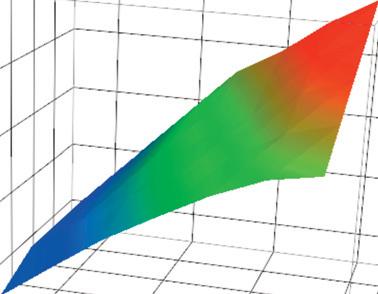
Figure 4: Revenue (€/bird) at altering nutrient density (% of standard).
Margin (after feed cost) was calculated by estimating the difference between revenue and feed cost per bird at each nutrient density. By examining the profile of the surface plot graph the effect of nutrient density on farm margin can be established (fig. 5).
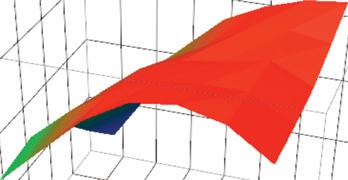
Figure 5: Farm margin (€/bird after feed cost) at altering amino acid and energy densities (% of standard).
Based on existing raw material costs, higher margin (after feed cost) is achieved at higher amino acid density and a lower energy density than the existing standard. Optimal farm margin is achieved at an amino acid density above the standard (105% of standard) and at the lowest energy density (95% of standard). The lowest farm margin was at the highest energy (105%) and lowest amino acid concentration (90%). Higher energy densities may achieve higher biological performance however this is outweighed by an increased feed cost (€/bird) relative to lower energy density levels.
The same approach can be taken to derive an estimate of margin for processed products, margin was estimated at each nutrient density based on revenue (the value of breast meat yield) minus feed cost per bird. Processing revenue is highly responsive to nutrient density, as nutrient
density increases so too does revenue (fig. 6). Contrary to farm margin optimal processing margin was achieved at both the highest amino acid and energy density (fig. 7). This reflects the response of breast meat yield to both nutrients and the higher revenue associated with processed products relative to liveweight. Increasing amino acid density without a concomitant increase in energy results in lower margin, lowest margin was at the lower amino acid densities.
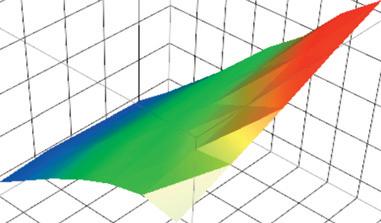
Figure 6: Processing revenue (€/bird) at altering amino acid and energy densities (% of standard).
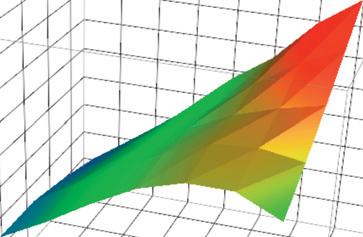
7: Processing margin (€/bird) at altering amino acid and energy densities (% of standard).
In summary, the data demonstrates the ability of the modern bird to respond to a wide range of nutrient levels. Liveweight, FCR and breast meat yield are responsive to nutrient density and show optimal responses on or above the commercial standard. Optimal economic performance is realised at different nutrient densities and are dependent on the objectives of the business, for example farm or processing margin. Feed prices have a significant impact on the optimal diet nutrient density and highlights the importance of nutritionists reviewing feeding programmes especially during periods of volatile raw material prices.
On 28th June 2025, we marked the retirement of a highly respected member of our team. After an incredible career spanning almost five decades, we bid a fond farewell to Trevor Finney.
His career began back in 1976 with Ross Poultry, where he laid the foundations of what would become an exceptional legacy in the poultry industry. Over the years, his dedication, knowledge, and commitment earned him the respect of colleagues and peers alike.
In 1998, he joined Hockenhull Turkeys, where he continued to share his expertise and drive the business forward. He played a key role in shaping the company’s success, and his presence will be truly missed by all who had the privilege of working with him.
As he steps into retirement, we extend our heartfelt thanks for his hard work, loyalty, and the many contributions he has made over the years.
We wish him all the very best for a happy, healthy, and well-deserved retirement.
At the end of July 2025, we said also farewell to another member of the Aviagen team as Anne-Marie Neeteson-van Nieuwenhoven officially retired after 14 remarkable years.
Anne-Marie joined the Aviagen Group as Global Vice President of Welfare and Compliance in 2011 and was responsible for creating the Aviagen Global Animal Welfare Audit for both chickens and turkeys along with the development of the Aviagen Group Global Welfare Team. These involve representation across all the business units of the three breeding companies
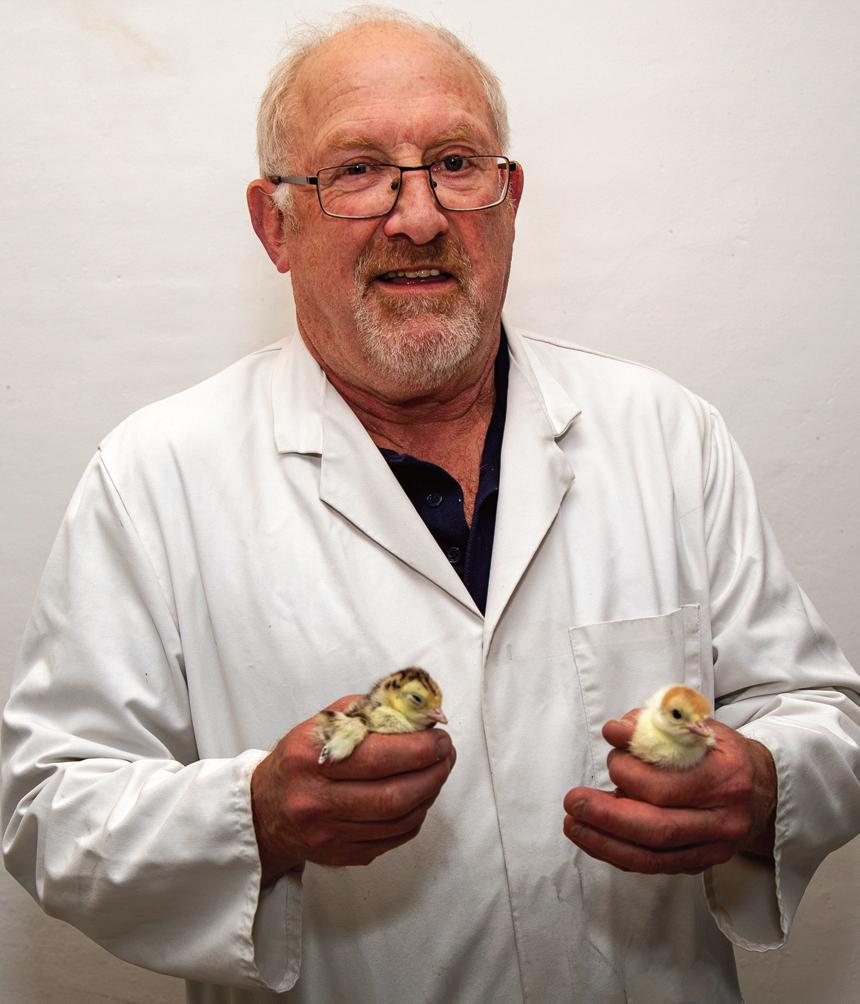


In July 2022, Anne-Marie stepped back from her role as Global Vice President to become the Global Senior Advisor Welfare, Sustainability & Compliance. This allowed her to spend more time at home and focus on various projects while also continuing to passionately lobby for Aviagen where required.
Over the past 14 years, Anne-Marie has been not only a valued colleague but also a friend and mentor to many.
We thank Anne-Marie for her dedication and commitment, and we wish her all the very best as she embarks on this new chapter. Her presence will be greatly missed.


This summer, ATL attended two of their local county shows – The Royal Cheshire Show and the Nantwich Show – both longstanding events that celebrate British agriculture and provide valuable opportunities to connect with the next generation of farming talent.
At both shows, ATL focused on engaging with young people studying agriculture, sharing insights into the diverse career opportunities within the poultry industry. These events proved to be excellent platforms for encouraging fresh talent, gathering feedback, and discovering if any of ATL’s available roles resonated with the interests of local students.
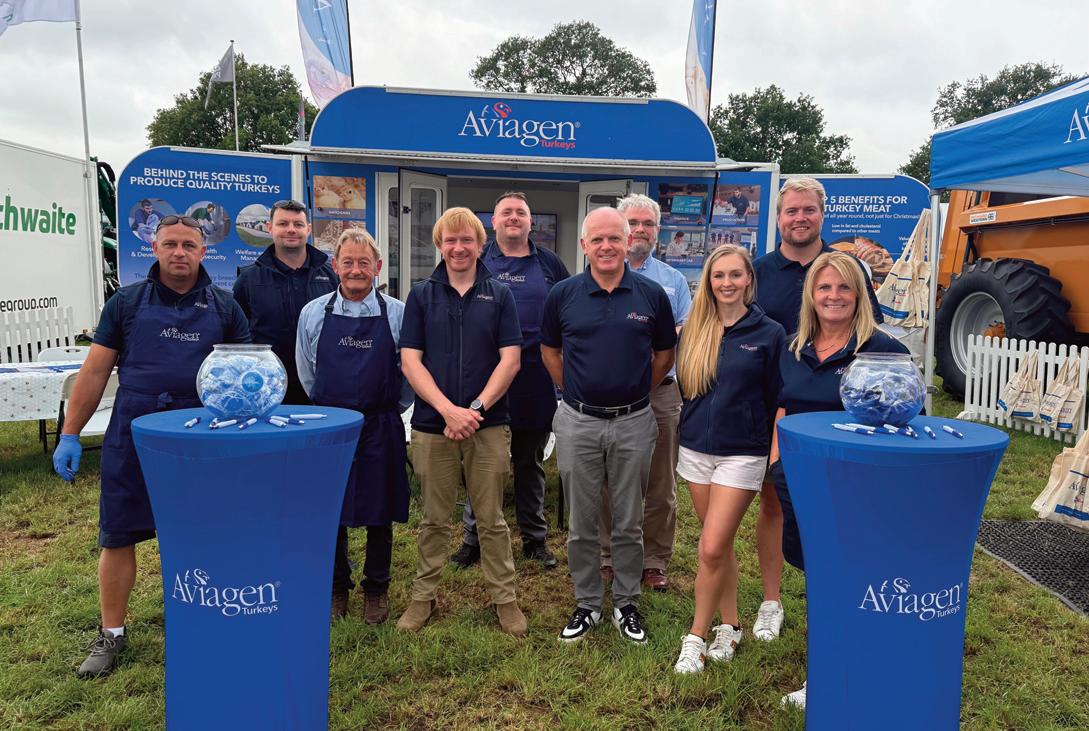
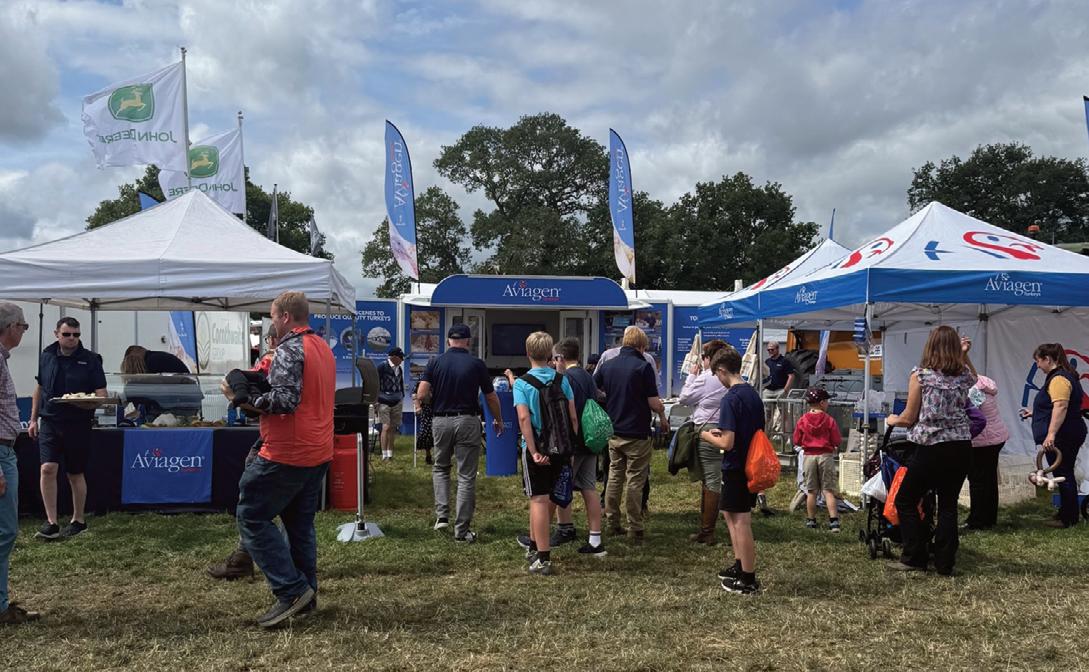
The Royal Cheshire Show, held annually for over 187 years, remains the premier summer agricultural event in the North West of England. Rooted in farming tradition, it features competitive classes for a variety of livestock, including poultry.
Meanwhile, the Nantwich Show – a key event in Cheshire since 1897 – continues to grow in reputation as one of the UK's most respected one-day agricultural events. This year marked a special celebration: 100 years of Nantwich Young Farmers, a milestone highlighting the importance of youth in agriculture.
By taking part, ATL strengthened its presence within the local agricultural community while offering inspiration to future farming professionals.
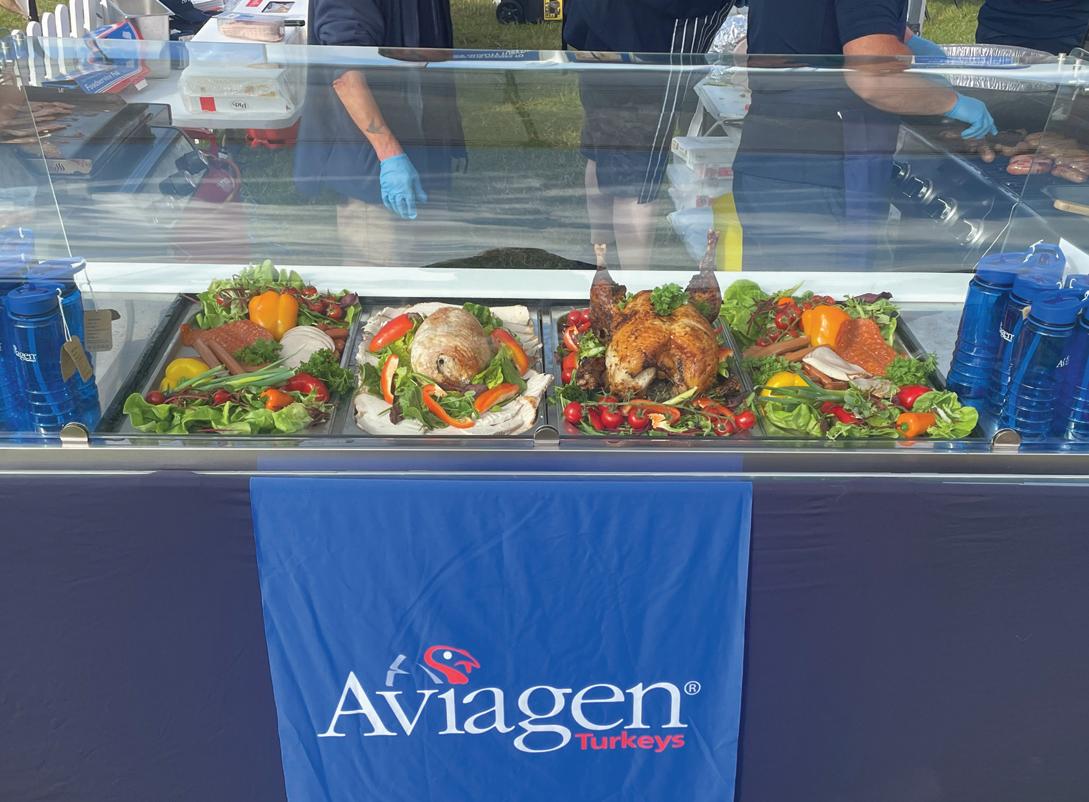
At both events, visitors were offered a selection of turkey-based products designed to challenge the misconception that turkey is only a Christmas food.
Samples included: Turkey sausages and burgers by Usk Vale Poultry, A turkey, ham & leek pie by The Pie Life & a variety of turkey vol-au-vents.
The response was overwhelmingly positive, with many attendees surprised at the versatility of turkey meat and expressing genuine interest in incorporating it into their regular meals.
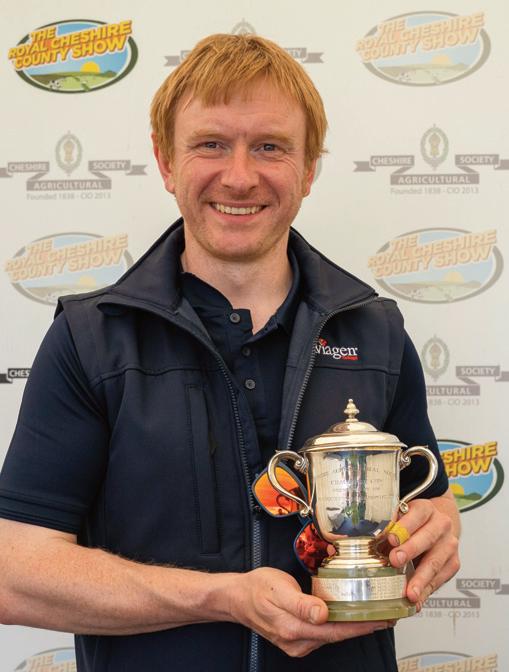
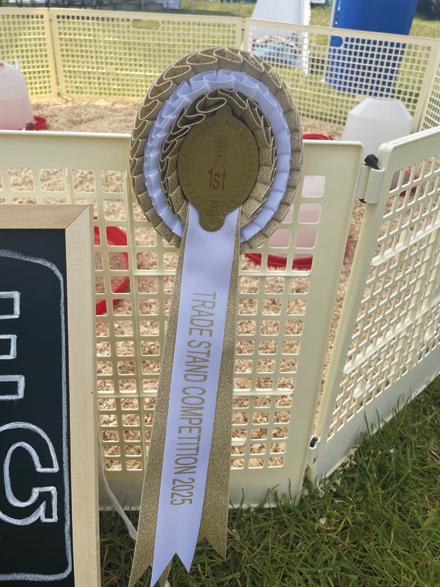
ATL was also honoured to receive the “Best Trade Stand 2025” award at the Royal Cheshire Show – a testament to the teams dedication!
By taking part in these shows, ATL not only show-cased the nutritional and culinary value of turkey but also made meaningful connections with aspiring young farmers.
These events are key in shaping the future of British agriculture, and ATL remains committed to supporting and fuelling ambition in the next wave of agricultural talent.

Continually improved FCR
Exceptional welfare

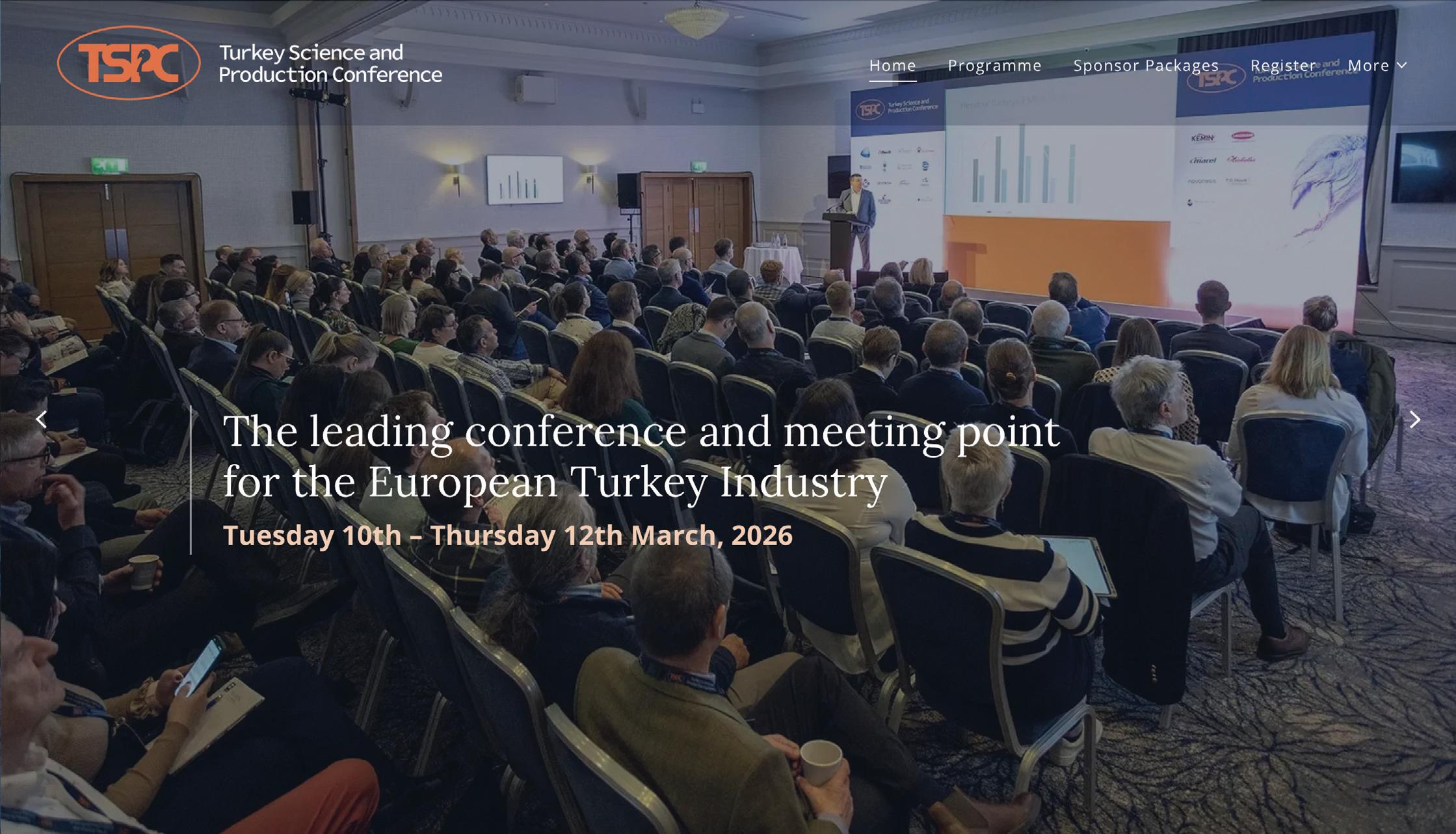
All information for the conference, including all the sponsorship packages and the delegate package can be found on the NEW website: Click me