

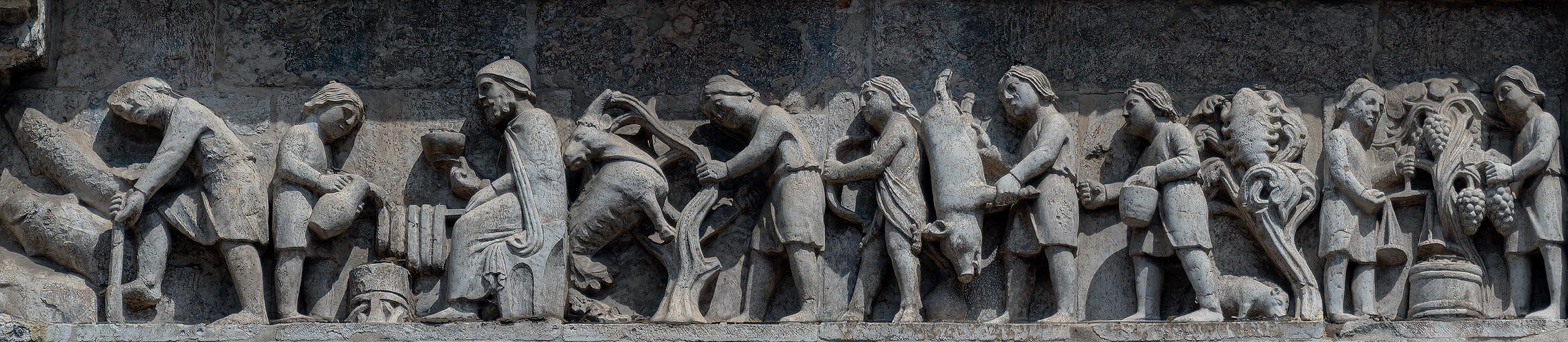



Frieze o f the Month s , workshop of Benedetto Antelami, e a rly XII centur y P r onaos o f C r emona Cathedra l


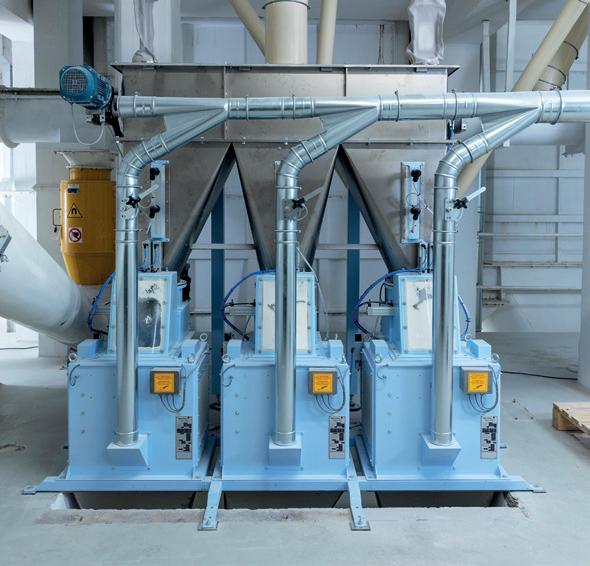
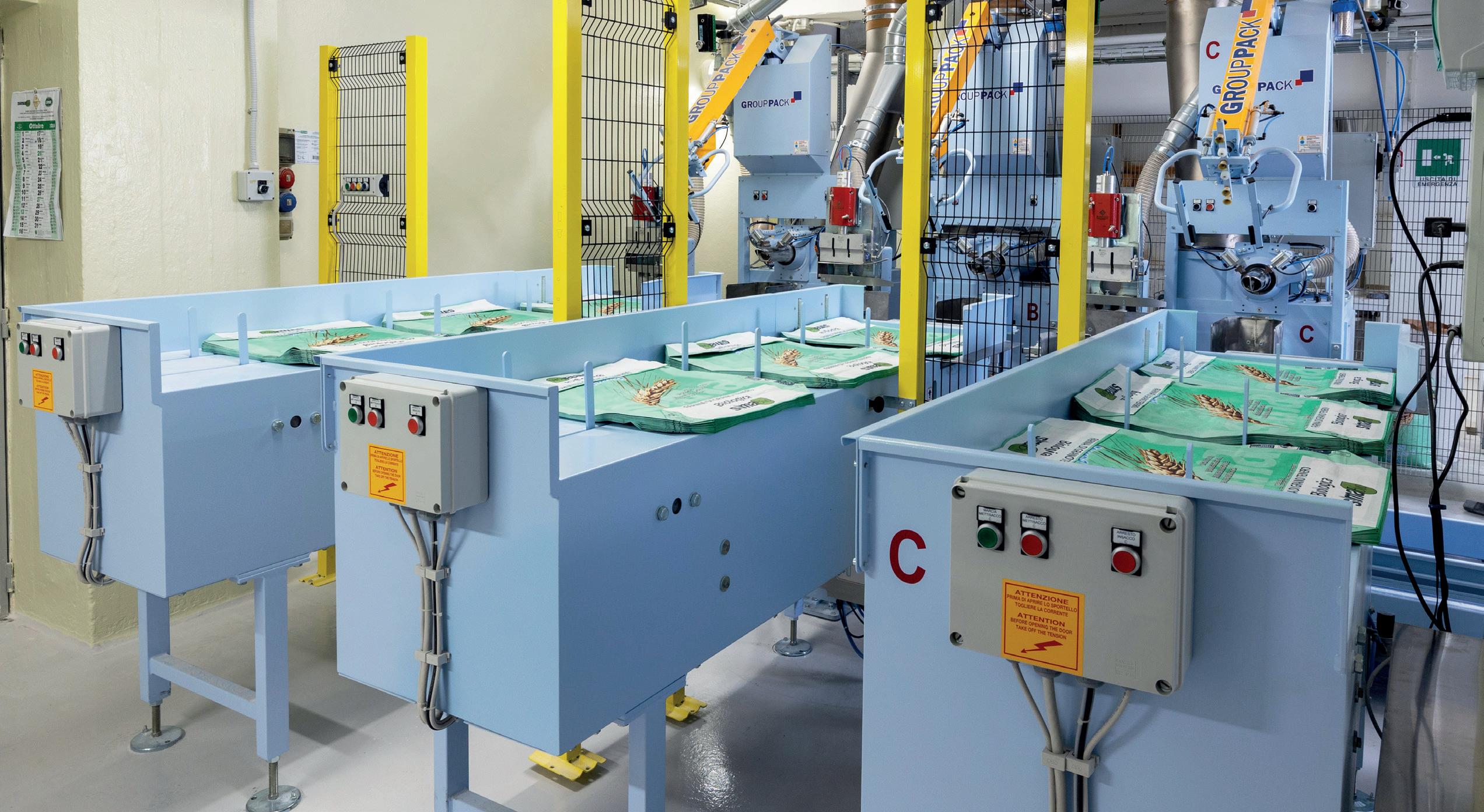
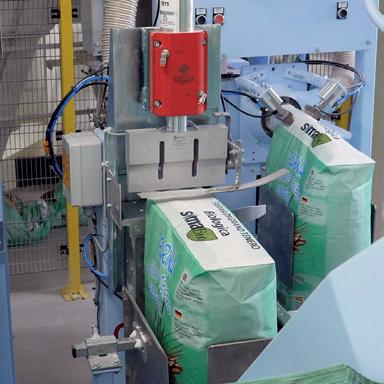
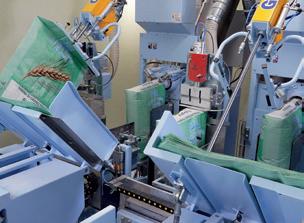
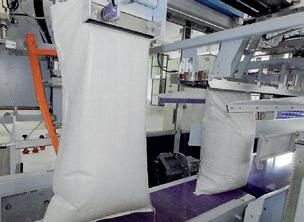
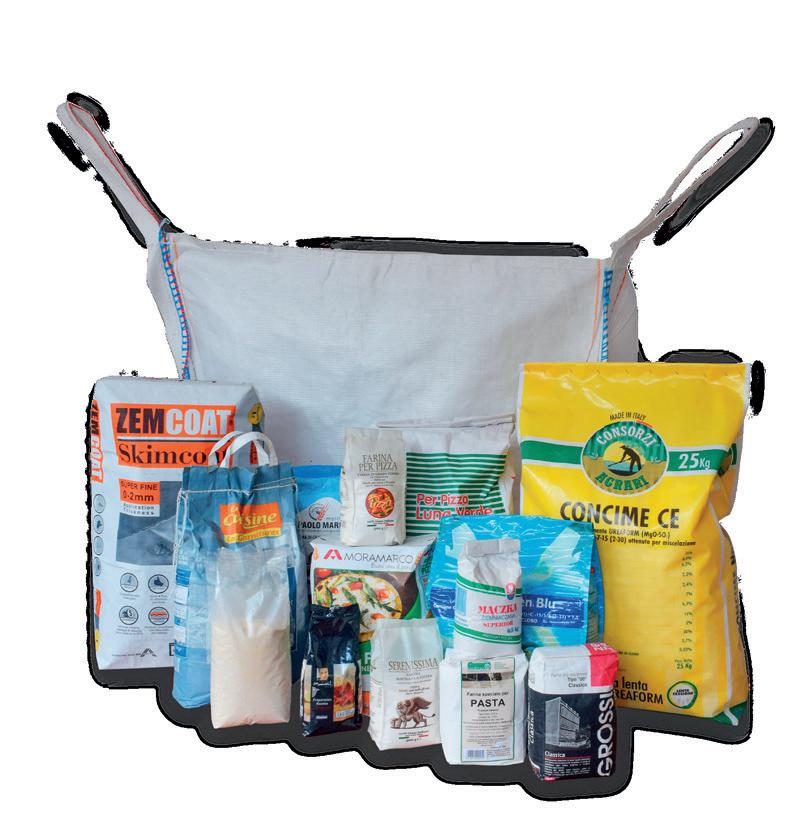
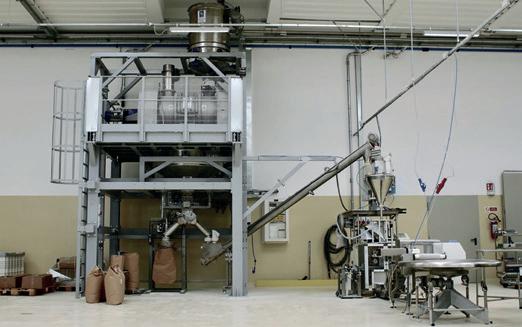
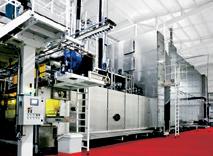
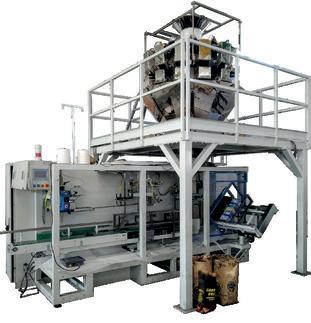
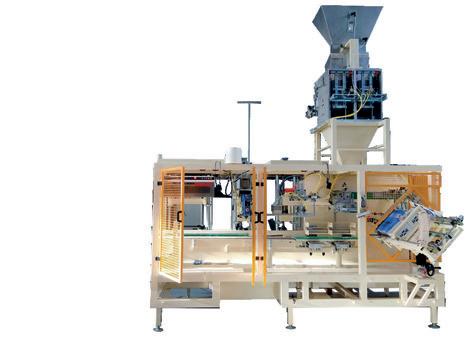
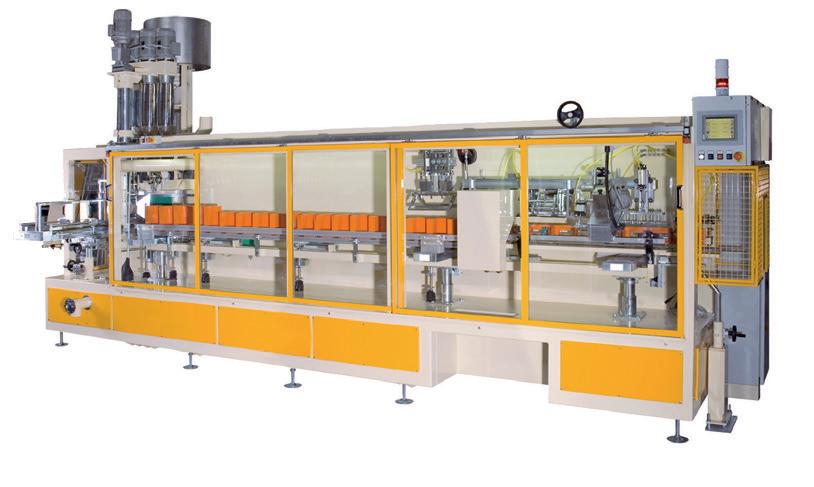
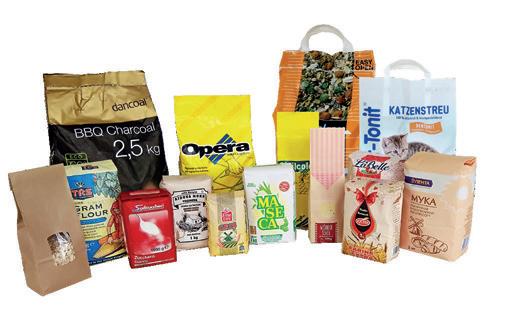
GROUP PACK, produces complete automatic or semi-automatic “custom” machines and systems for weighing, bagging, packaging, handling, palletising and wrapping any type of product (milling, food, agricultural, zootechnical, chemical-pharmaceutical, construction and mining), and any type of format, in open-mouth bags with different closures, and internal valve or external valve bags with linear ultrasonic sealing. Trust our experience, let’s study together the right solution for you.




info@bebsilos.com www.bebsilos.com
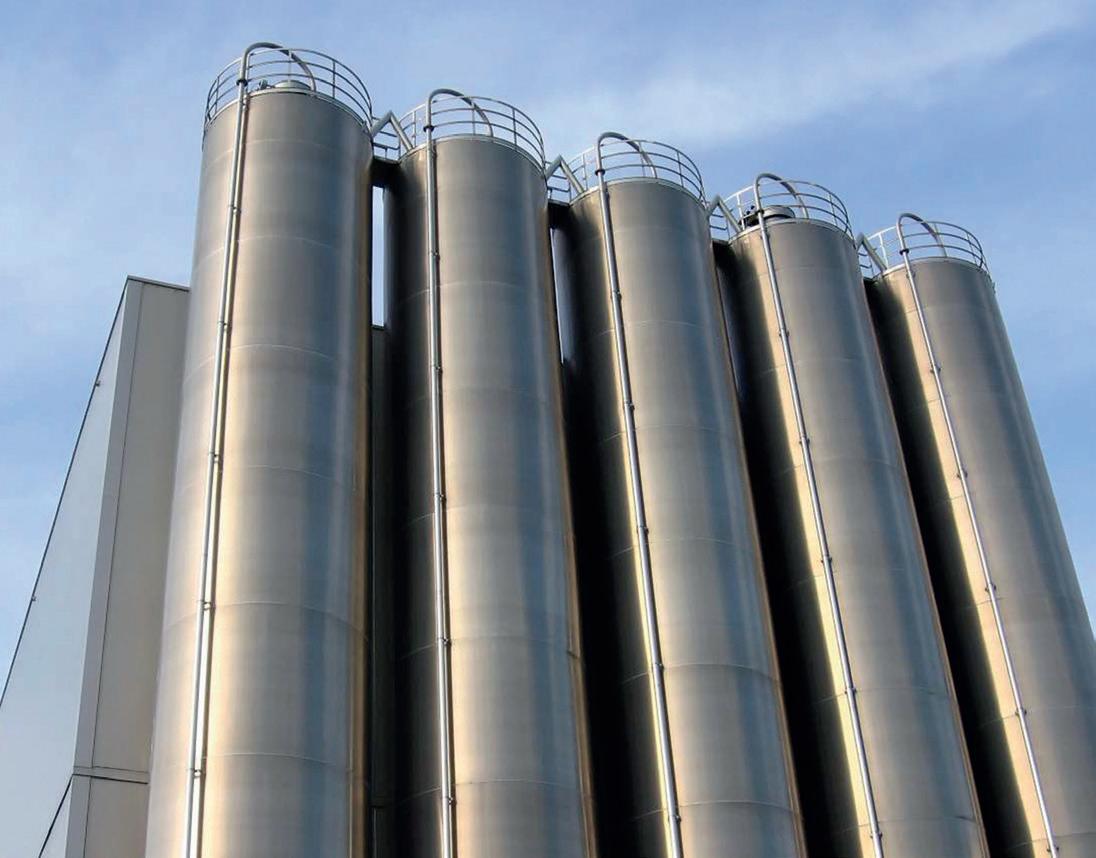
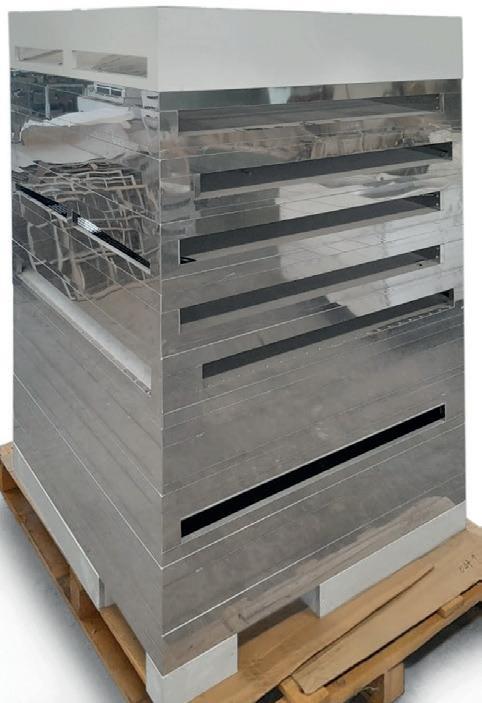
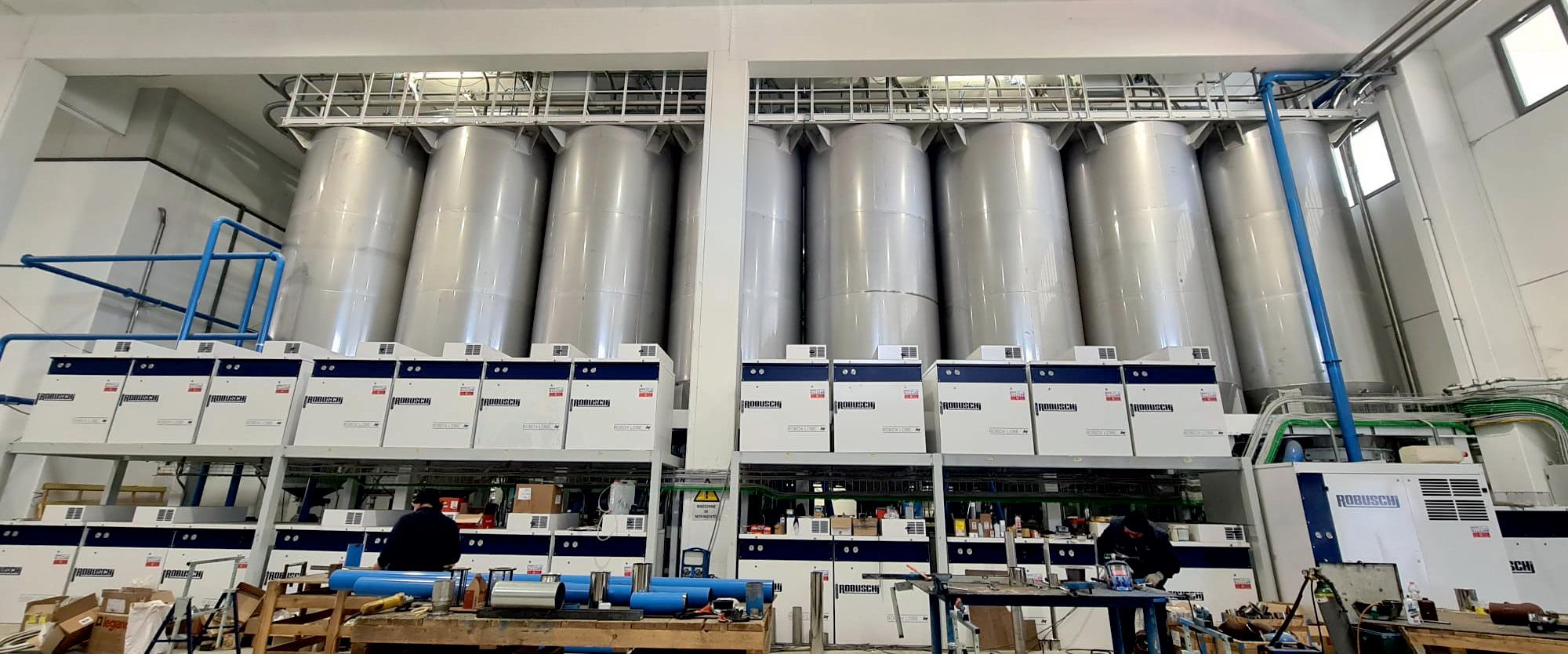
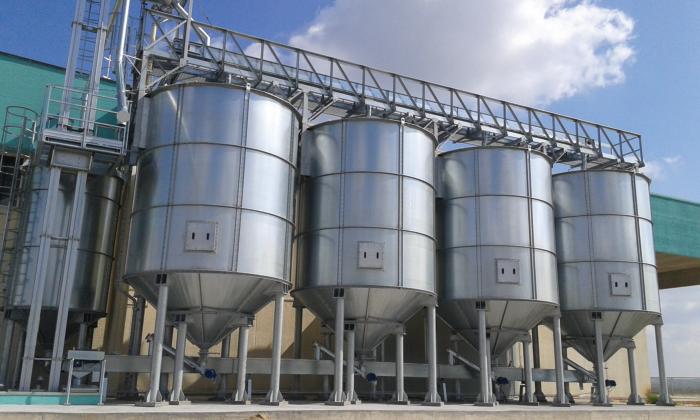
Monolithic or bolted silos for outdoor use, made of aluminum, stainless steel, or painted carbon steel, with a smooth, mirror-finish internal surface and a skirt-supported structure. They are equipped with a safety valve for pressure/vacuum control, discharge by vibrating cone or fluidized bed, anchoring ring to the support platform, access door, loading pipe, vent pipe complete with filter, and inspection hatch. They are also fitted with maximum and minimum level probes, safety valves for loading, an explosion relief hatch, weighing system, and a roof access ladder with catwalk and guardrail. Optional systems for anti-condensation, dehumidification, and insulation can also be added.
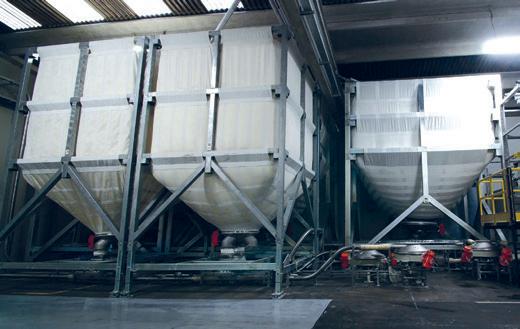
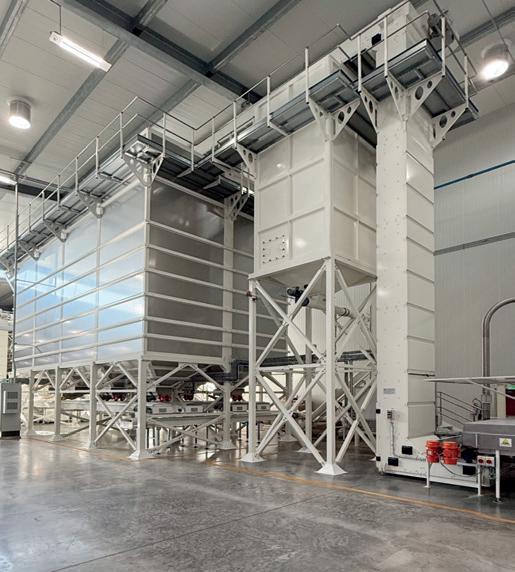
Flexible silos made of high-strength Trevira fabric for indoor use. Equipped with a vibrating cone or fluidized bed discharge system, they allow natural aeration of the product. They feature a supporting steel structure, loading pipe, roofintegrated filter, maximum and minimum level probes, pressure switch, safety valve for loading, overpressure/vacuum relief valve, and a weighing system.

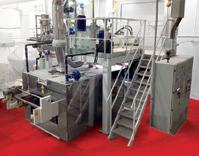
Mixers are used to blend powders, granules, or short fibers together, to moisten, agglomerate, or granulate these materials, and/or to mix liquids or low-viscosity pastes.
The shape of the mixing chamber prevents the formation of dead zones where products could stagnate.
www.bebsilos.com
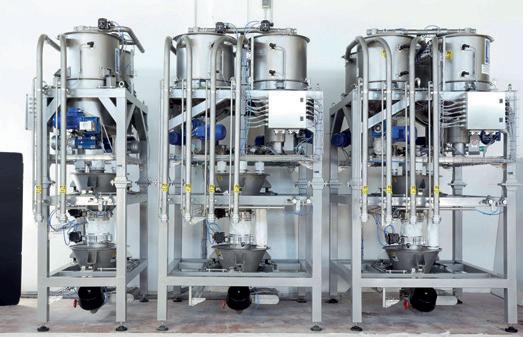
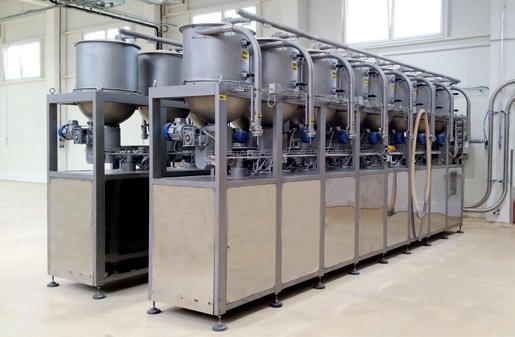
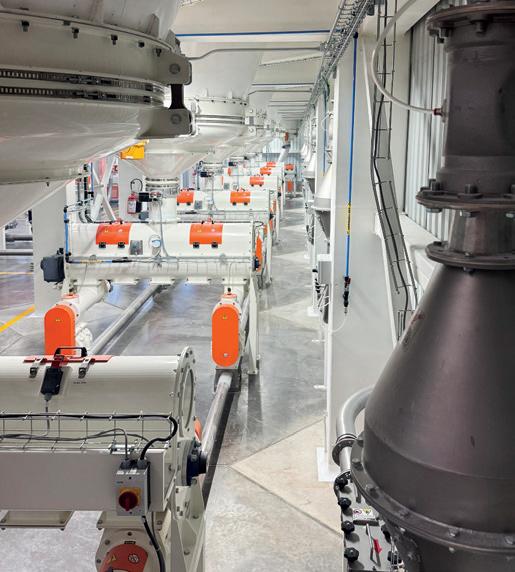
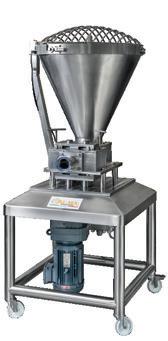
Units arranged in series or in a star configuration for volumetric micro-dosing of powders. They feature a modular structure, adaptable to any space, with the possibility of future expansions. They are also equipped with modular hoppers with variable capacities and a fluidizing homogenizer for more complex ingredients. The loading process can be manual or automated.
Discover how to transform your production with cutting-edge solutions
We are constantly seeking innovative solutions for the food industry.
Our team of experts: engineers, food technologists, and specialists, develops tailor-made systems that meet the needs of an everevolving market.
With an innovative approach and meticulous attention to detail, we ensure customized solutions and outstanding performance.
PROPRIETOR
EDITORIAL DIRECTOR
Vincenzo Martinelli President Italmopa
EDITOR-IN-CHIEF
Claudio Vercellone
TECHNICAL DIRECTOR
Lorenzo Cavalli President ANTIM
SCIENTIFIC BOARD
Carlo Brera Food safety
Marina Carcea Research Centre for Food and Nutrition (CREA - Rome)
Giuseppe Maria Durazzo Food law
Luigi Pelliccia Head of Federalimentare Market and Research Department
Giovanni Battista Quaglia Food technology
EDITORIAL BOARD
Piero Luigi Pianu
Laura Pierandrei
INTERNATIONAL RELATIONS
Alfredo Tesio
EDITORIAL STAFF
Lorenzo Bellei Mussini ufficiostampa@avenue-media.eu
ADVERTISING MANAGER
Massimo Carpanelli carpa@avenue-media.eu
PUBLISHER

Edizioni Avenue media®
Viale Aldini Antonio, 222/4 - 40136 Bologna
PRINTED BY: MIG - Moderna Industrie Grafiche
Registration n. 6129 of 31 July 1992, Court of Bologna. Personal data processing in accordance with Regulation (EU) 2016/679. Privacy policy is available on Avenue media website www.avenuemedia.eu on “Privacy Policy - Publishing” page: www.avenuemedia.eu/en/privacypolicy-specialist-publisghing/
EDITORIAL
JOINING FORCES TO CREATE A NETWORK OF COMPANIES 9 by Vincenzo Martinelli
FEATURES
Market economy
THE ITALIAN FOOD INDUSTRY INCREASINGLY TIED TO EXPORT 13 by Luigi Pelliccia
Interview GRAIN, FLOURS AND SEMOLINA BETWEEN TARIFFS AND CLIMATE CHANGE 21 by Lorenzo Bellei Mussini
Italmopa Youth Group STARTING LINE FOR ITALMOPA YOUTH GROUP’S NEW LEADERSHIP 29 by Lorenzo Bellei Mussini
Partnership
information and machine setup control input product for analysis sending reports
reports
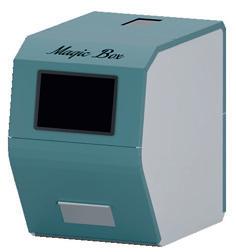
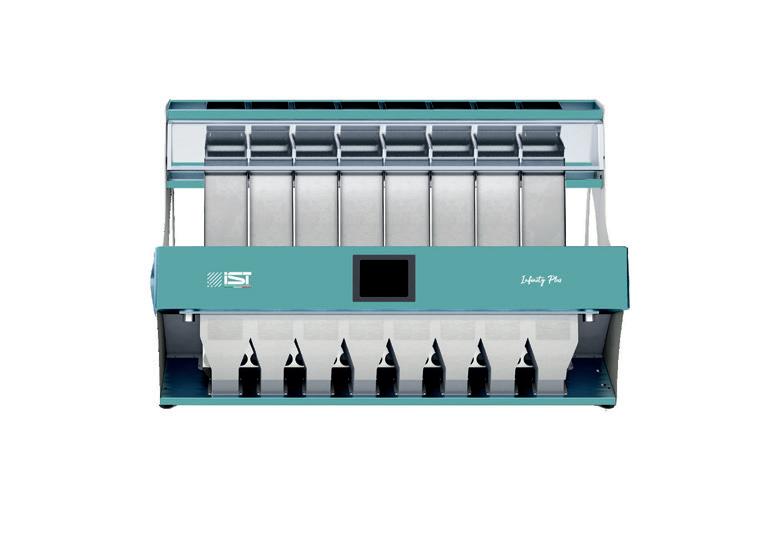
The MAGIC BOX AI optical analyzer, installed before the INFINITY PLUS optical sorter, can obtain a precise analysis of the input product with a corresponding report. Based on the results obtained, we will be able to set the sorter’s parameters to ensure the quality of the output product.
The MAGIC BOX installed after the sorter will analyze the processed product for quality control purposes, producing a report. If the quality of the processed product does not meet the limits set by the operator, the device will send the necessary parameter changes to the optical sorter.

by Vincenzo Martinelli President of Italmopa
Italmopa, member of Confindustria
- the General Confederation of Italian Industry - and FederPrima - the Italian Federation of Cereal, Animal Nutrition and Meat Companies - is the association that exclusively represents the Italian durum and soft wheat milling industry; its aims are the defence and protection of the interests and concerns of the sector in general and of its member companies in particular. Always with the goal of ensuring
adequate representation for the Italian milling sector, Italmopa is also a member of the European trade associations European Flour Millers and Semouliers, of which it currently holds both presidencies, reflecting the Association’s importance within the European milling landscape. This significance is confirmed by the figures: the Italian milling industry, processing approximately 13 million tonnes of wheat every year, is the largest in the
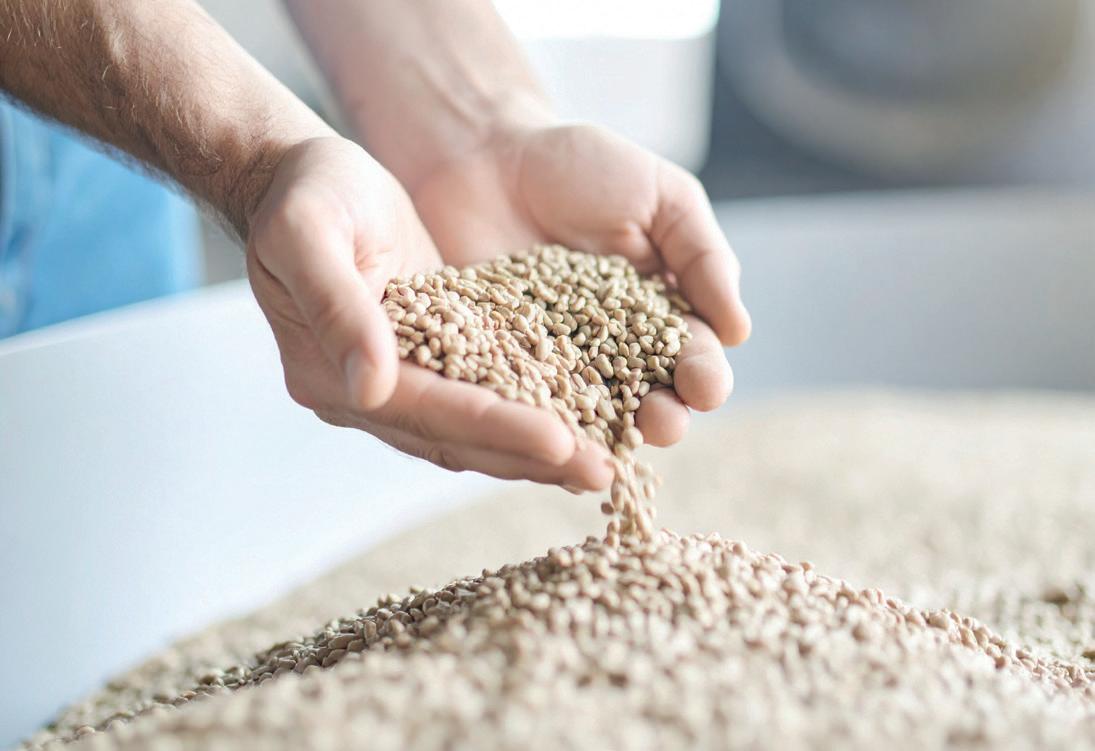
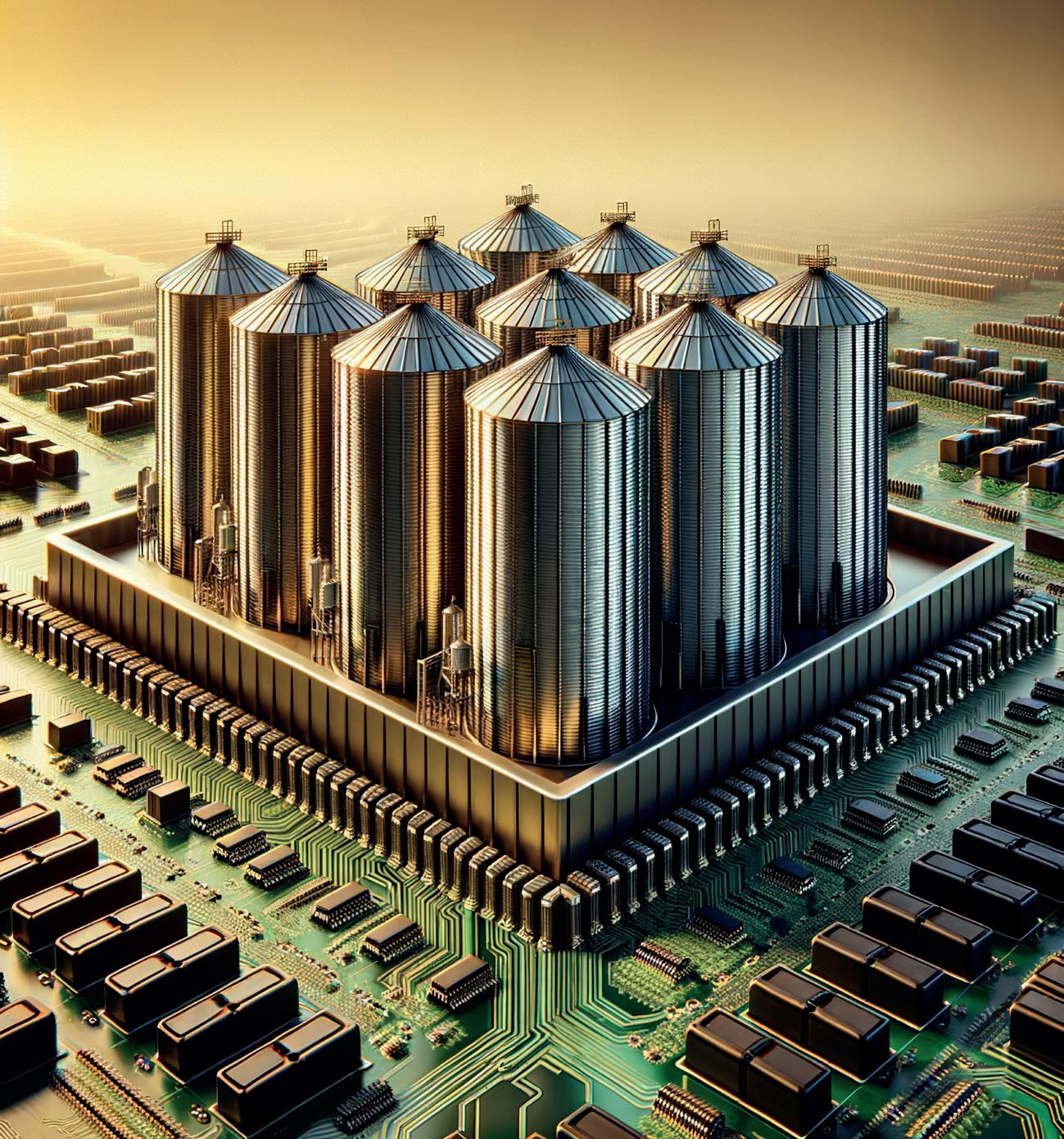
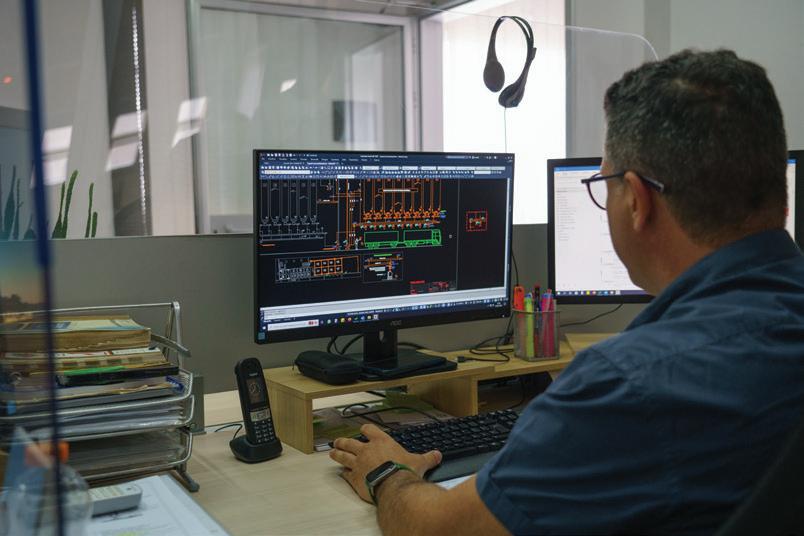
We develop solutions that allow you to optimize production processes by integrating every component of the plant into an efficient and high-performing automation system We apply Industry 5.0 principles at all levels of the company to make your plant more sustainable and innovative over time.

European Union, thus giving Italmopa - which through the member companies accounts for around 90% of the flour and semolina produced in Italy - a central role in the wheat supply chain and an absolute reference point for institutional stakeholders, whether representing political, economic or trade union interests, and for operators working upstream and downstream of the milling sector.
With the purpose of building a network and developing every possible form of synergies with all stakeholders involved in the milling sector, Italmopa has
launched an information campaign designed to highlight the numerous opportunities offered by joining the Association as an associate member. This initiative is aimed at nonmilling businesses, both Italian and international, which nevertheless share strong elements of complementarity, instrumental value and/or economic links with the Italian milling sector and are interested in supporting its growth. We consider this a win-win initiative, the result of a comprehensive package designed to benefit both our member milling companies and non-milling

businesses interested in establishing, consolidating or expanding collaborative relationships with the milling sector. Moreover, this initiative has already been successfully tested and developed by several other European milling associations.
The proposal, which can be tailored to the specific needs of individual member companies, offers the opportunity to benefit from the numerous services provided by the different areas of expertise that make up Italmopa’s comprehensive structure. Therefore, this is a particularly interesting opportunity to create or implement a fruitful network of contacts and relationships between companies working, in various capacities, within the Italian milling industry, a sector that can offers valid and unexpected elements of interest and appeal.
Vincenzo Martinelli

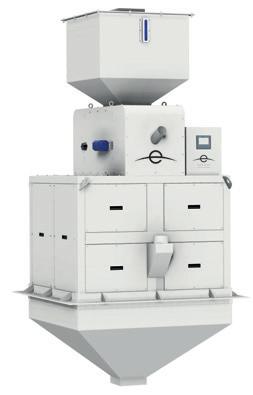
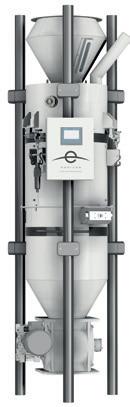


Horizon was born from the meeting of thirty years of experience in the industrial and milling sector with the desire to design and develop innovative and efficient machines, created to meet in a personalized way all the management needs of product flow, thus facilitating the management of the production chain. In order to achieve this objective, it has equipped itself with numerous development, certification and diagnosis tools, with constant investments in human resources, software and hardware, essential for efficient management.
The core business is the development of machines for weighing, controlling and regulating cereal humidity, controlling and regulating product flow, but thanks to the company’s profound know-how it is possible to supply batch and continuous mixing systems as well as transport and the study of complete systems.

by Luigi Pelliccia Head of Federalimentare Market and Research Department
2025 global economic data are still incomplete at this time, but more than sufficient to trace reliable future trends. For now, we can say that the global economic scenario of the last year was sluggish and, in any case, much more complex than the one in 2024. The changes brought about mainly by the new Trump administration’s dynamic and muscular economic policy have disrupted international relations, bringing additional challenges together with the need to find new balances, especially as far as trade relations are concerned. The outlook remains fragile,
especially after the US decision - in February - to temporarily reinstate the August tariffs at 15%, following the rejection of the same by the American High Court of Justice. A further increase in trade barriers could cause additional problems, inflicting significant damage to supply chains and global production. Overestimations based on optimistic expectations of corporate earnings, driven by artificial intelligence, are particularly at risk, with the possibility of potentially sharp downward corrections. It should be added that the fiscal vulnerability of many countries may end





up affecting long-term sovereign debt yields, tightening financial conditions and thus hampering growth. However, it is increasingly clear how essential it is to maintain a constructive dialogue between countries to ensure a lasting resolution of trade tensions and improve the economic outlook. In the final months of 2025, the climate had improved slightly. The easing of trade tensions and interest rate cuts had somewhat reduced uncertainty and boosted liquidity, partially limiting the downward pressure on global economic growth. However, the beginning of 2026 saw the emergence of new pockets of instability, especially in the Middle East, which could lead to a slowdown in international economic activity for the current year.
In this context, Italian food production in 2025 still managed to reach a +1.6% increase on the previous year, compared to a parallel -0.2% decline in the overall industrial production in Italy, perpetuating an edge that has been evident for many years now. Within the food sector, milling production recorded a reflective delta of
-0.4%, after the brilliant +5.2% in 2024. The Italian food market closed another disappointing year, with trends of +2.0% in value and -0.8% in volume. The “minus” sign in volume is the fourth in a row and brings the cumulative decline in volume over the last four years to 9.9%. Meanwhile, non-food sales in volume recorded a much lower cumulative decline over the four-year period, equal to 2.2 points. It seems

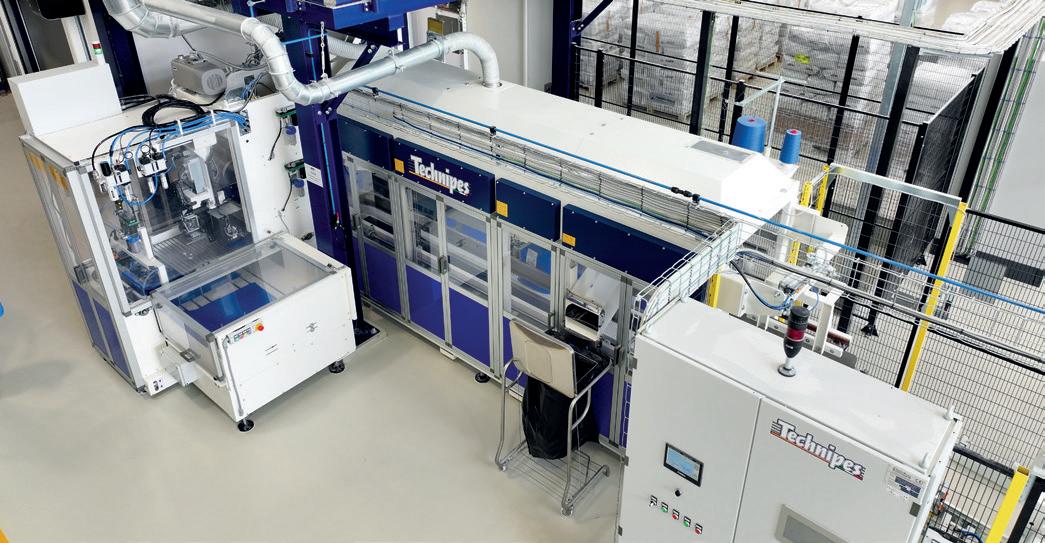

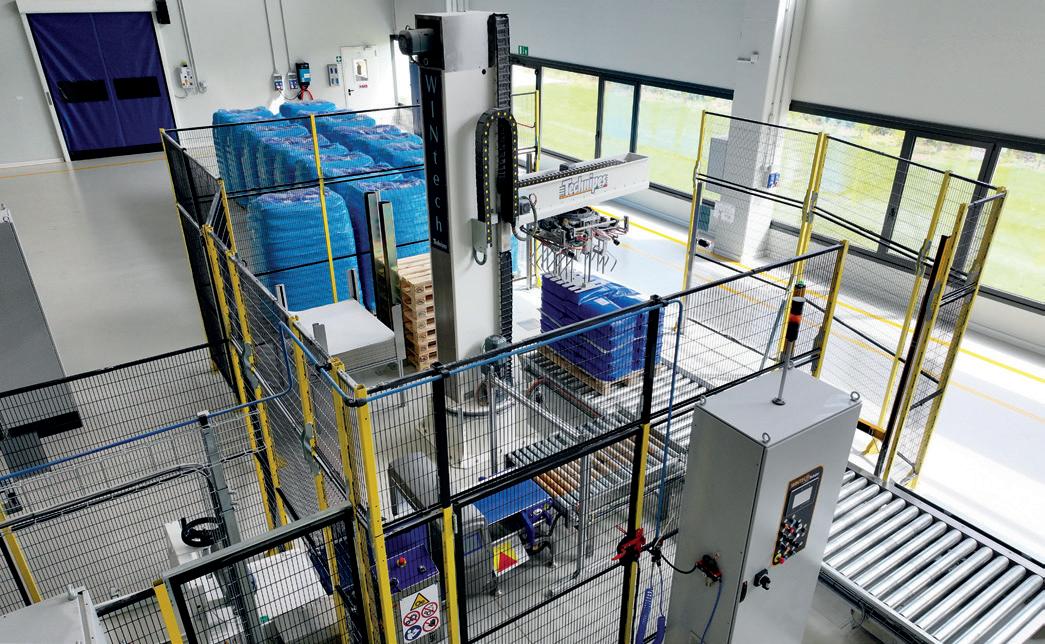
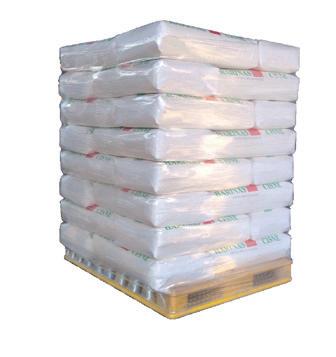
Fully-automatic open mouth bagging line & robot paletizer for a efficent, reliable, compact and even simple solution. It’s all You need for your bagging.
that the food sector has ended up representing, in some way, the priority area for Italians’ savings. This is mainly due to the additional price pressures that have affected it, compared to Italian average inflation.
Exports are driving the sector
Therefore, it is clear that the aforementioned expansion in food
production in 2025 was entirely linked to the boost in exports. As a matter of fact, the data show that the Italian food and beverage exports in the first eleven months of the last year recorded a trend growth of +4.3% in currency, after +8.6% in 2024. The trend has halved, but it has nevertheless managed to confirm a rewarding pace compared to Italian overall exports. In fact, during this period, exports

rebounded by +2.9% after falling by -0.4% in 2024. The milling industry, in particular, recorded a +4.4% increase in exports over the eleven months of 2025, in line with the food industry as a whole, which was down from +7.9% in 2024. The turmoil in the international scenario has highlighted the huge and essential importance of the US market. As a matter of fact, our total trade surplus with the United States reached €38.5 billion in 2024 and will reach approximately €34 billion in 2025, approaching two decimal points of the Italian GDP. On the other hand, we export more to Germany, but with a negative balance by €11.7 billion over the eleven months of 2025. In short, the United States is a

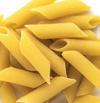


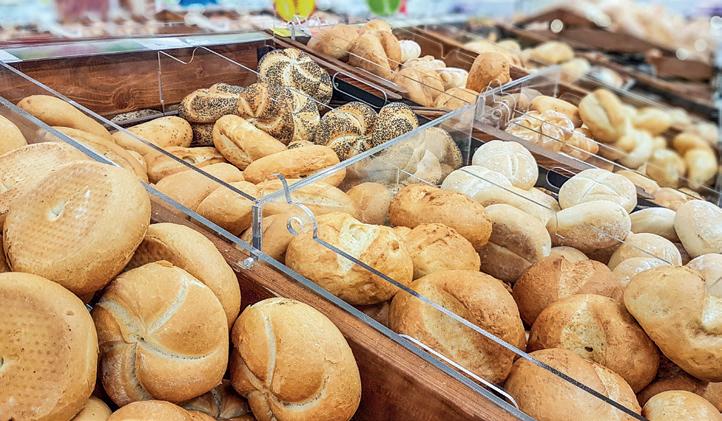
fundamental and irreplaceable crutch supporting our weak growth, which stood at +0.7% in the two-year period 2024/25 and is expected to continue at the same pace in 2026/27. In any case, the fact that the expansionary drive of Italian food production is tied hand and foot to exports reaffirms the importance of promoting new markets and highlights, specifically, the value of the recent trade agreements signed by the European Union with Mercosur and India. In general and in strategic terms, with the necessary precautions to avoid imbalances and unfair competition, it should be remembered that the free market has always helped to increase productivity and create wealth.
We live in times when we need to be brave and take controlled risks if necessary. We need a vision for the future, as we did in 1957, when the treaty establishing the EEC was signed. And as we did 25 years ago when the euro was launched. If we
A +4.4% INCREASE IN EXPORTS OVER THE ELEVEN MONTHS OF 2025
pull back, we will end up like the United Kingdom, which already regrets Brexit. This is even more true today, with the American tariff turmoil making it urgent to expand the foreign market perimeter. More than ever, immobility is proving to be the most costly and losing form of economic policy.
Luigi Pelliccia















by Lorenzo Bellei Mussini Publishing coordinator
In a complex political and economic context like the current one, we felt it appropriate to hear the opinion of two protagonists of the Italian and, above all, European milling industry, to take stock of the situation on the worldwide milling sector: Emilio Ferrari and Francesco Vacondio. Emilio Ferrari, Head of Durum Wheat and Semolina Procurement at the Barilla Group, served as President of Italmopa in 2021, and currently leads the Union des Associations des Semouliers des Pays de l’Ue for the 2025/26 term, while Francesco Vacondio, General Director of Molini Industriali and Vice President of Italmopa, is serving for the second consecutive term as President of European Flour Millers for the 2025/26 biennium.
GBSF 800/1400
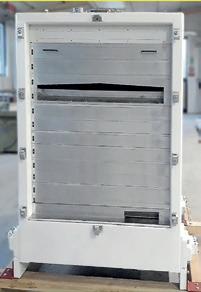
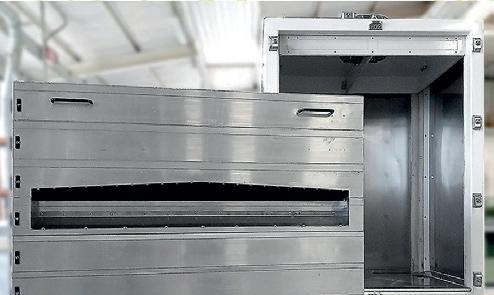
Designed for milled products, sugar, coffee and similar materials
• Up to 50 t/h of flour (800 µm nylon screen)
• Up to 70 t/h of semolina (1.0 mm spring steel screen)
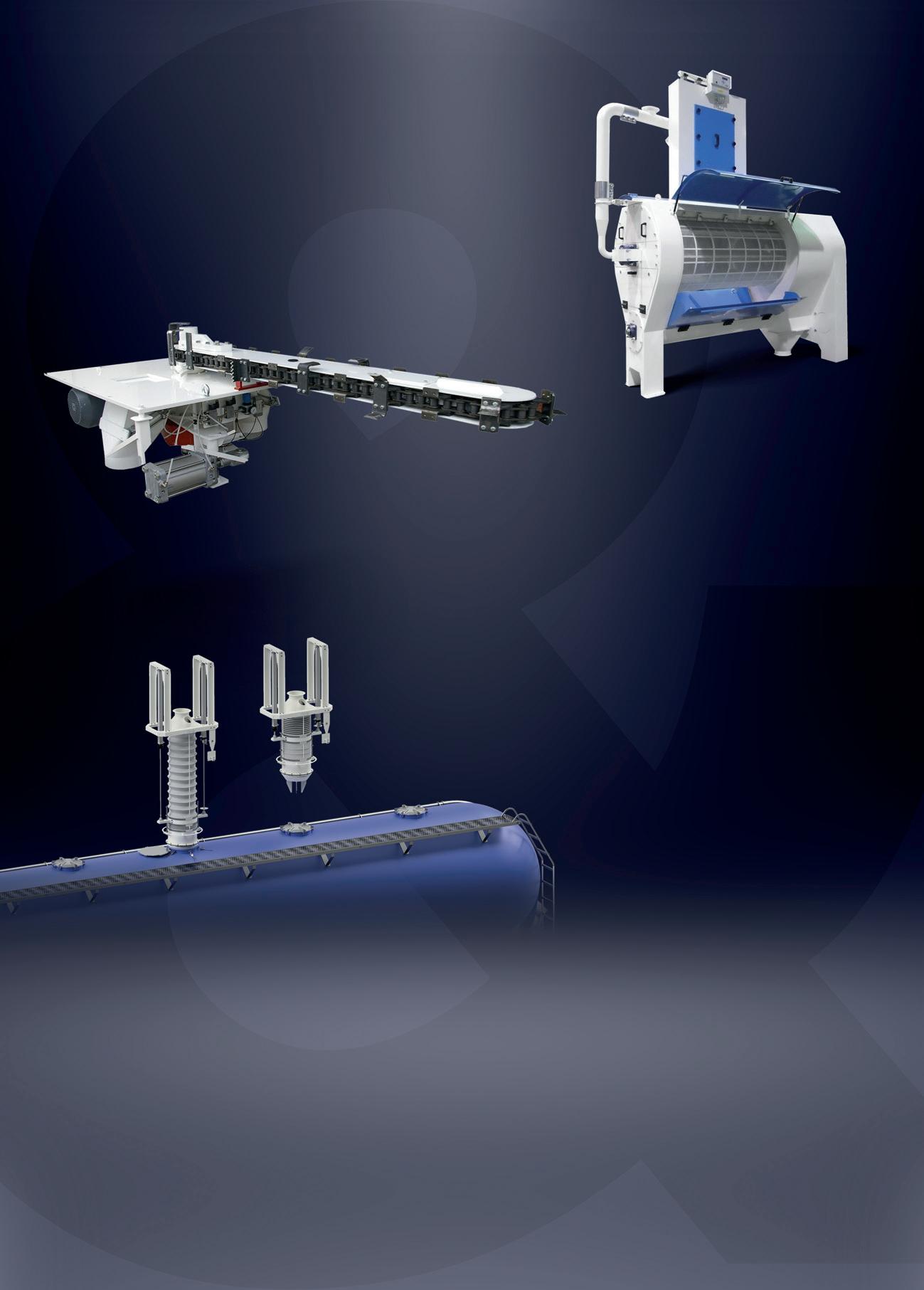
• Internal rotating air jet for continuous screen cleaning
Designed for flat-bottom storage silos handling granular or powdery materials with poor flowability or bridging tendencies
• Suitable for silos with diameters from 2,400 to 5,200 mm
• Ensures controlled and continuous material discharge
• Ideal for bran and difficult milled by-products
250
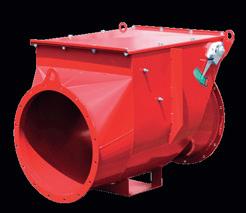
Designed for flour loading into tank trucks (top loading)
• Handling capacity up to 250 t/h of flour
• Pneumatic operation with 1,200 mm stroke
• Designed for installation downstream of fluidizing extractors
Standard features across our product range:
• AVAILABLE IN PAINTED CARBON STEEL OR STAINLESS STEEL
• SUITABLE FOR ATEX ENVIRONMENTS
• DECLARATION OF CONFORMITY FOR FOOD CONTACT APPLICATIONS
Discover our complete product range at geassrl.it
Italian industrial machinery manufacturer for the milling, pasta, tobacco, coffee, food and pet food industries. Since 1997, all design and production are carried out entirely in-house, ensuring full process control, reliability and consistent performance.
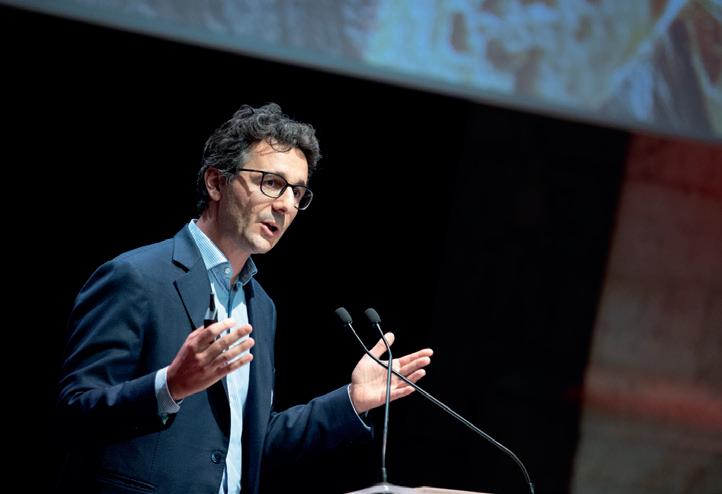
President Ferrari, the issue of durum wheat sourcing has always been considered central for the European semolina industry, since it is a raw material whose production is confined to areas characterized by specific climatic and agronomic conditions. Do you believe there is room - and through which tools - for a potential future increase in European production, or the imports from outside EU become increasingly necessary? By its nature, durum wheat remains a minor cereal, confined to areas subject to significant climate variability, with major fluctuations in yields from year to year. It is also influenced by soft wheat, which affects sowing areas and, indirectly, prices. Rapidly evolving political scenarios and climate change further have complicated the picture: traditional growing areas have experienced higher-than-normal variability, and France, the second largest producer of durum wheat in Europe, has recorded a significant decrease in production last year. At the same time, cultivation areas have expanded northwards, and Central European countries have become key players in the durum wheat market, supplying quality grain at competitive prices.

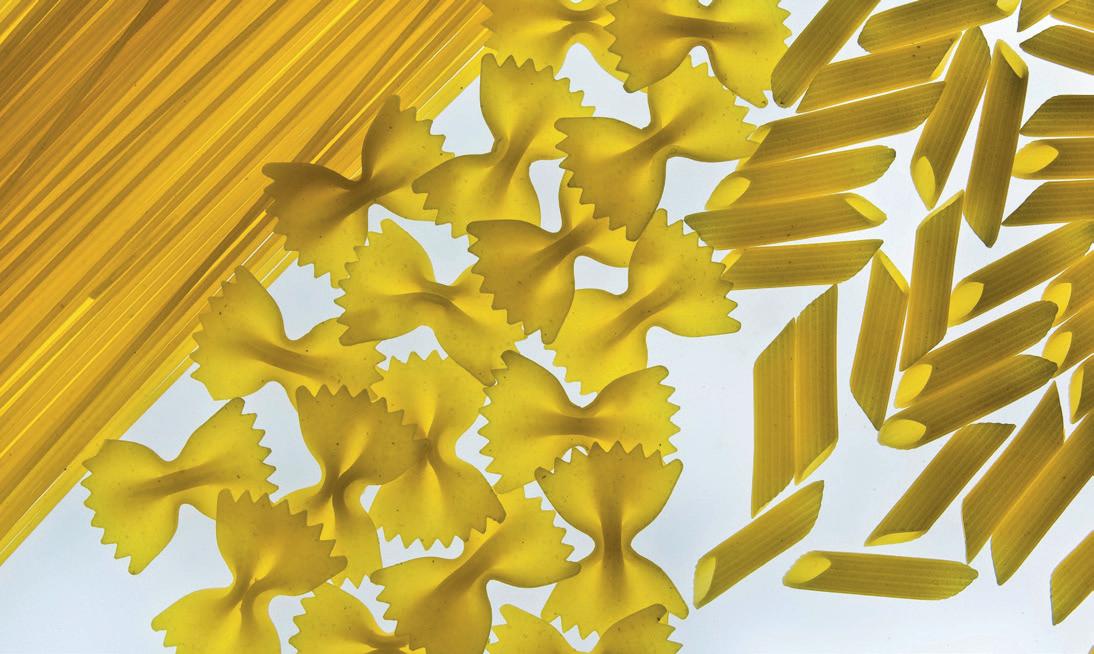
Semolina production is mainly intended for pasta manufacturing. What are the consumption trends within the EU, and outside the EU which areas do you believe may see the greatest increase in pasta consumption in the future? Pasta markets are relatively stable. In Europe, there is a continued trend of slight growth, with the “premium” segment beginning to develop here as well. The Italian market shows a slight decline, with strong attention to product pricing, even for “premium” pasta, which is often discounted on shelves. In other continents, the North
American market remains important, despite tariff-related issues. In the Asian market, pasta penetration remains challenging due to dietary

patterns that differ greatly from ours. The interest in high-quality products is beginning to emerge in the Middle East especially among top-spending consumers. The African continent is less attractive for European products for economic reasons and limited focus on quality, while the Maghreb remains oriented toward local and traditional production such as couscous.
President Vacondio, could you provide us with some data on the European milling industry that would help highlight its significance?
The European milling industry is the backbone of the food supply chain. To understand its scale, we must look at the sheer volume of production: we process approximately 45 million tonnes of soft wheat and rye annually.
With over 3,500 companies operating across the EU, the sector generates a turnover exceeding €15 billion. However, its relevance isn’t just about the numbers, it’s about its strategic position. We are the primary link between the agricultural world and the food processing industry. Every day our mills ensure that millions of Europeans have access to safe, high-quality, and affordable flour - the fundamental ingredient for bread, pasta, and pastry that define our culinary heritage.
In your opinion, what are the main challenges that the European milling sector is currently facing or may be called upon to face in the medium to long-term?
We are navigating a complex landscape - where we need to strike
our balance - defined by three main pillars:
• Geopolitical instability and market volatility: the uncertainty in global grain supplies and the fluctuation of energy costs remain a significant burden on operational margins.
• Sustainability and the Green Deal: we are fully committed to the ecological transition. However, the challenge lies in balancing ambitious environmental goals, such as the reduction of pesticides and fertilizers, with the need to maintain high yields and technological quality of the grains.
• Regulatory pressure: ensuring that EU safety standards remain the highest in the world, while remaining competitive against outside EU production that do not need to follow the same rigorous rules, is a constant priority for the European Flour Milling.

Let’s talk about consumer trends. What are the current ones, and do you think there is still room for product innovation? Consumption is evolving toward a more conscious and fragmented demand. We see a strong rise in “functional” flours: products rich in fiber, whole grains, and flour mixes that meet the health-conscious needs of modern consumers. There is also a growing demand for transparency and improved communication on traceability. Regarding innovation, the answer is a resounding
yes. There is immense room for growth. Innovation in milling today means:
• Tailor-made solutions, creating specific flour blends for different industrial and artisanal applications.
• Nutritional optimization, using advanced milling techniques to preserve micronutrients.
• Digitalization, improving traceability through blockchain and AI, to offer the consumer a fully “labeled” journey from field to fork.
Lorenzo Bellei Mussini









































by Lorenzo Bellei Mussini Publishing coordinator
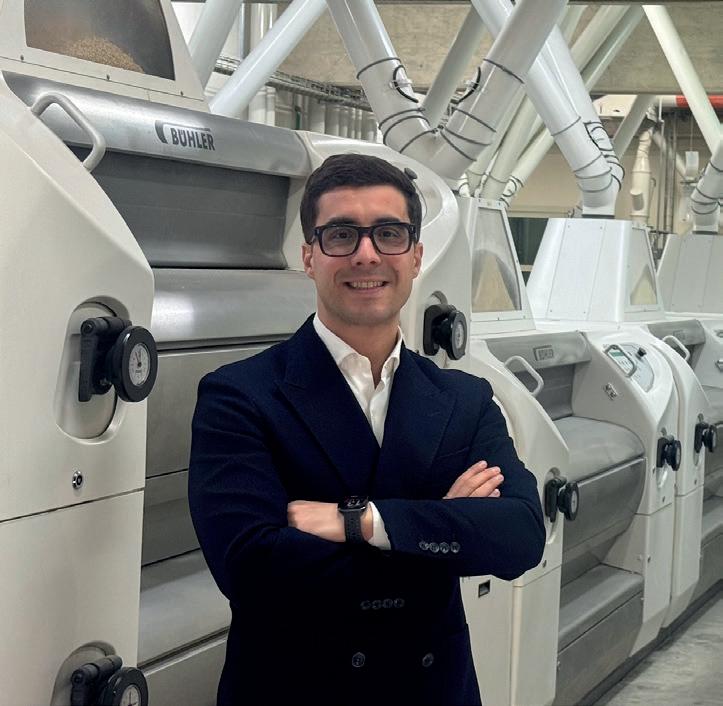
The annual meeting of the Italmopa Youth Group was held in Rome the last December 16 in the beautiful setting of the NH Hotel Collection Palazzo dei Cinquecento.
On this occasion, the new President Paolo Gallo (Molino San Paolo), and the new steering committee composed of Caterina Borgioli (Vice-PresidentMolino Borgioli), Stefania Dallagiovanna (Molino Dallagiovanna G.R.V.), Elena Felis (Molino Pasini), Federica Grassi (Molino Grassi), Maria Loiudice (Semolificio Loiudice), Claudia Sacco (Moderne Semolerie Italiane), have outlined the Group’s agenda for the next two years.
In this interview, Paolo Gallo gives us a preview of the main objectives of his term as President of the Italmopa Youth Group.
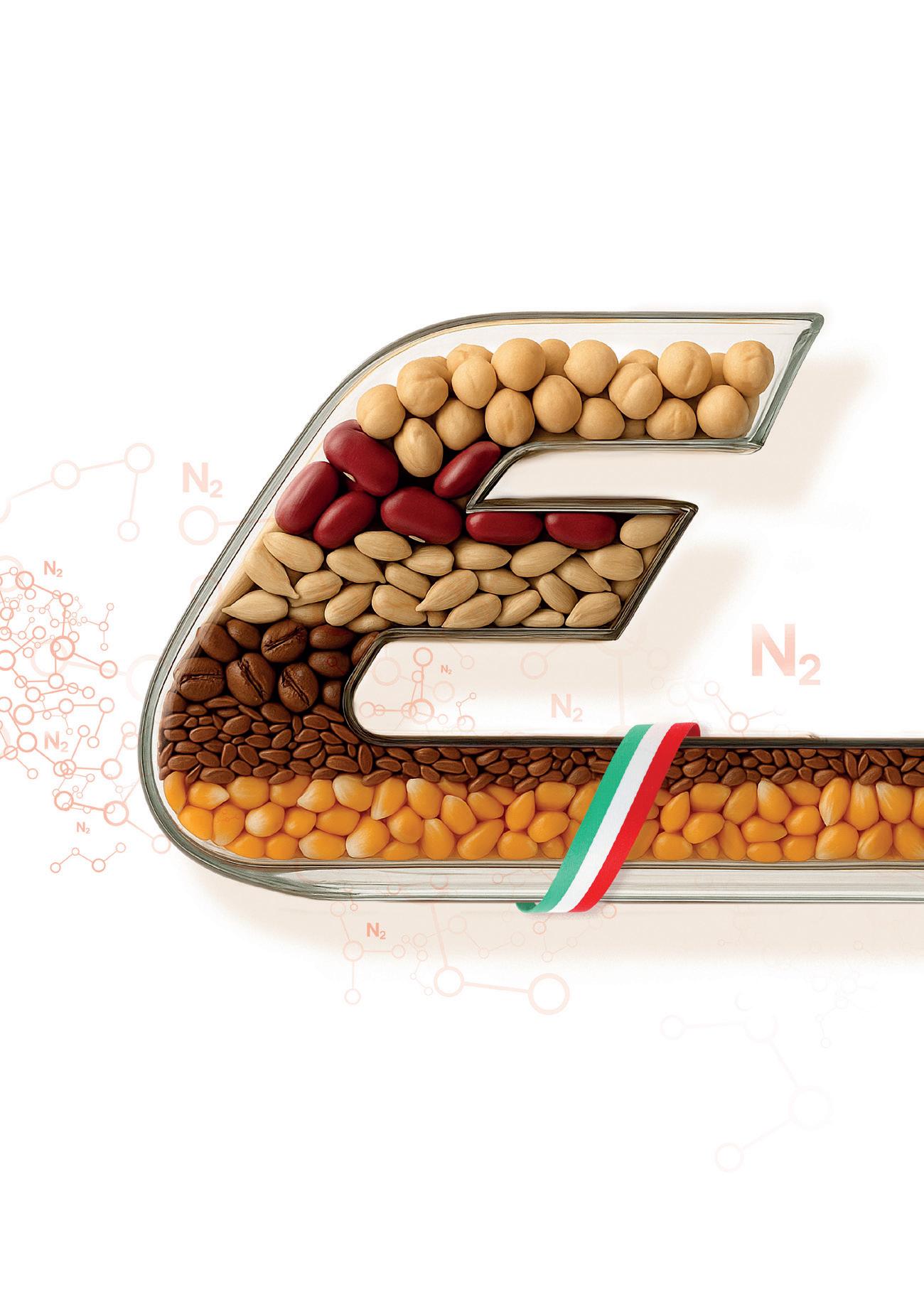
NitroSep® by Eurosider is fully integrated technological solution, developed through over 12 years of scientific research, rigorous testing, and consolidated industrial experience, supported by 25 international patents.
NitroSep® di Eurosider è una soluzione tecnologica completamente integrata, sviluppata attraverso oltre 12 anni di ricerca scientifica, test rigorosi ed esperienza industriale consolidata, supportata da 25 brevetti internazionali.
President Gallo, what are the key points on which you intend to base the activities of the Italmopa Youth Group during your presidency?
The key points on which I intend to focus the Group’s activities, with the support of the steering committee, are essentially three: the first will focus on updating activities and will be essential to grasp all the new topics that will directly or indirectly affect our sector in order to explore and discuss them through ad hoc events or webinars; the second point concerns the possibility of visiting companies and institutions that can enrich our cultural background and provide useful insights for our work; the third point will focus on conviviality, which I consider fundamental, through participation in Group activities, the creation and consolidation of friendships among our members, thus giving rise to a real network capable of facilitating the future dynamics, both work-related and otherwise, of the members. This year, the Italmopa Youth Group will celebrate its thirtieth anniversary, and I hope that all the Group’s activities will be characterised by moments of encounter to keep up the prestige of our now historic organisation.
Among the many challenges the industry is facing, is there one in particular that you intend to focus on? And how?
One challenge that is particularly
important to me will focus on the possibility of enhancing the image of our sector. As we all know, the milling sector is not well known and is very often portrayed in a negative light by misleading or even totally false statements that damage the reputation of our companies. In this regard, one of the first activities we will implement as
THIS YEAR, THE ITALMOPA YOUTH GROUP WILL CELEBRATE ITS THIRTIETH ANNIVERSARY

the Youth Group will be to organise an event within the “Bakery Arena” at the next edition of TuttoFood in Milan. The “Bakery Arena” will be a special space dedicated to initiatives organised by Italmopa and the member companies. Together with the steering committee, we are already working on selecting of the topics to address at this important event. Our main interest will be to help spread awareness of the importance
and essential nature of the milling industry.
What were your first impressions as President of the Youth Group?
I fondly remember when, as a child, I used to accompany my father to Italmopa’s steering committees. So I have always had the opportunity to get to know and experience the Association first-hand and to think of it as a big
family, made up of people who listen and discuss all the members requests. So I am particularly proud to have the opportunity to serve as President of the Italmopa Young Group, a group I have been involved with for more than ten years and which has given me the opportunity to meet young colleagues and participate in so many interesting initiatives, which have turned out to be fundamental to my training. In this respect, I have always considered the Youth Group as an essential “training ground” for us young millers, to lay the foundations for a future and fruitful association life in the world of Seniors. Allow me, therefore, to thank the Past President Clelia Loiudice and Giorgio Belotti, also Past President of the



Group, who were the promoters of my entry into the steering committee back in 2017. A big thank you also goes to all the past and current members of the steering committee, not least Caterina Borgioli, who will serve as Vice-President during my term. I also want to express my sincere gratitude to our President Vincenzo Martinelli, who has always been highly attentive to the initiatives of Italmopa Youth Group. I would like to emphasise how fundamental the last two years have been for our Group. The previous
Presidency carried out important work to promote activities and events that significantly increased the presence of young people within the Group. In fact, after the stop in activities caused by the pandemic, the Group has regained vitality and renewed interest with the arrival of many new members. Looking ahead, I can already say that we will define the guidelines for the coming months as soon as possible and we will further explore current issues that directly and indirectly affect the milling sector through face-to-face meetings or
OUR ACTIVITIES WILL INCREASE OUR SKILLS AND OUR HUMAN AND PROFESSIONAL KNOWLEDGE
informative webinars. In addition, we will consider the possibility of visiting leading companies and institutions in order to schedule appointments that will certainly increase our skills and our human and professional knowledge, without ever forgetting that each occasion will be an opportunity to consolidate the friendships already established within the Group and create new ones. Thanks to the help of all the members of the Group, I hope to continue along the path we have taken with the same enthusiasm and to be able to contribute to increasing the interest of each member in the life of the Association and - why not - to cultivating an ever-greater love for our profession, strengthening in us the pride of being Young Millers!
Lorenzo Bellei Mussini

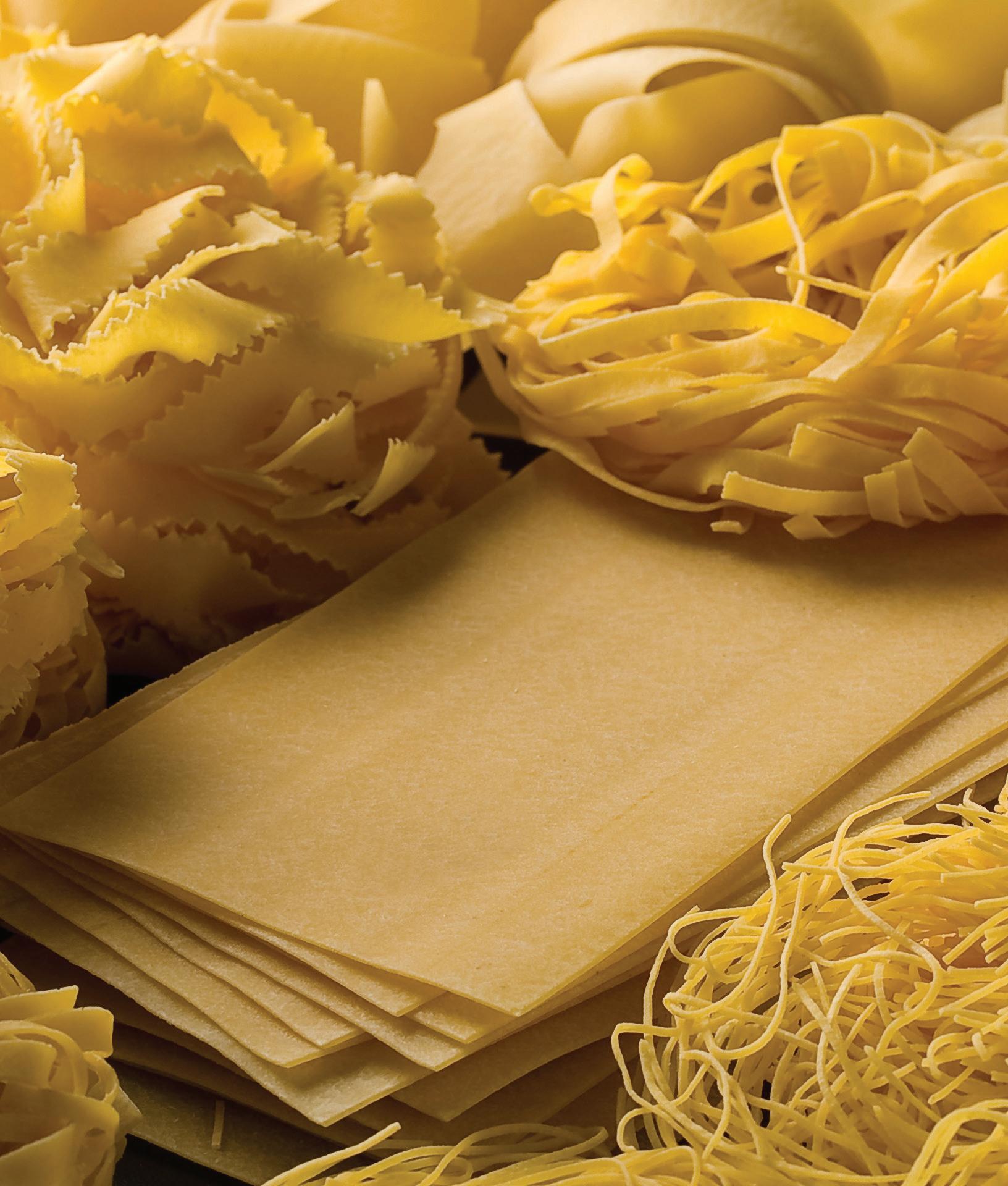
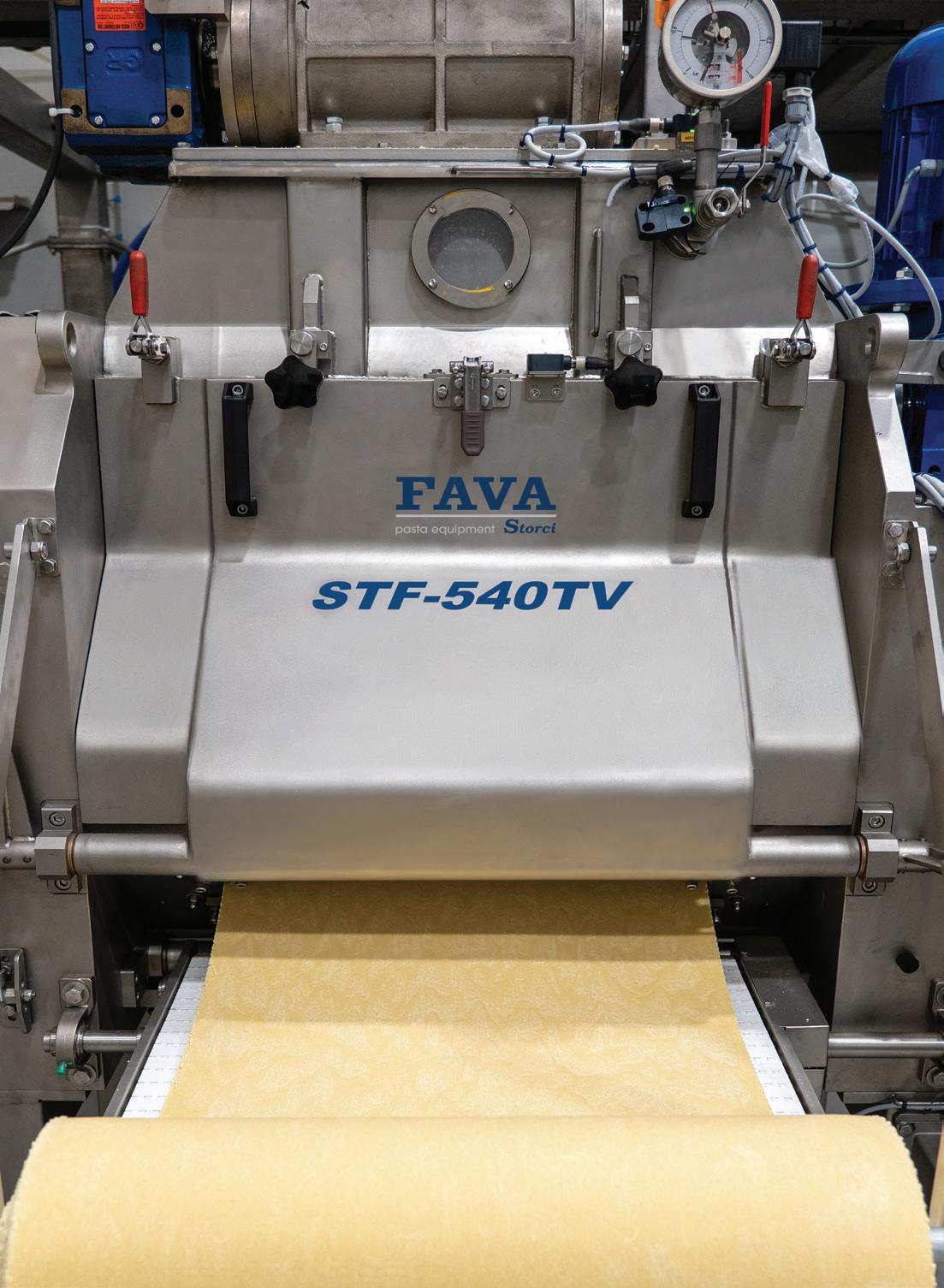
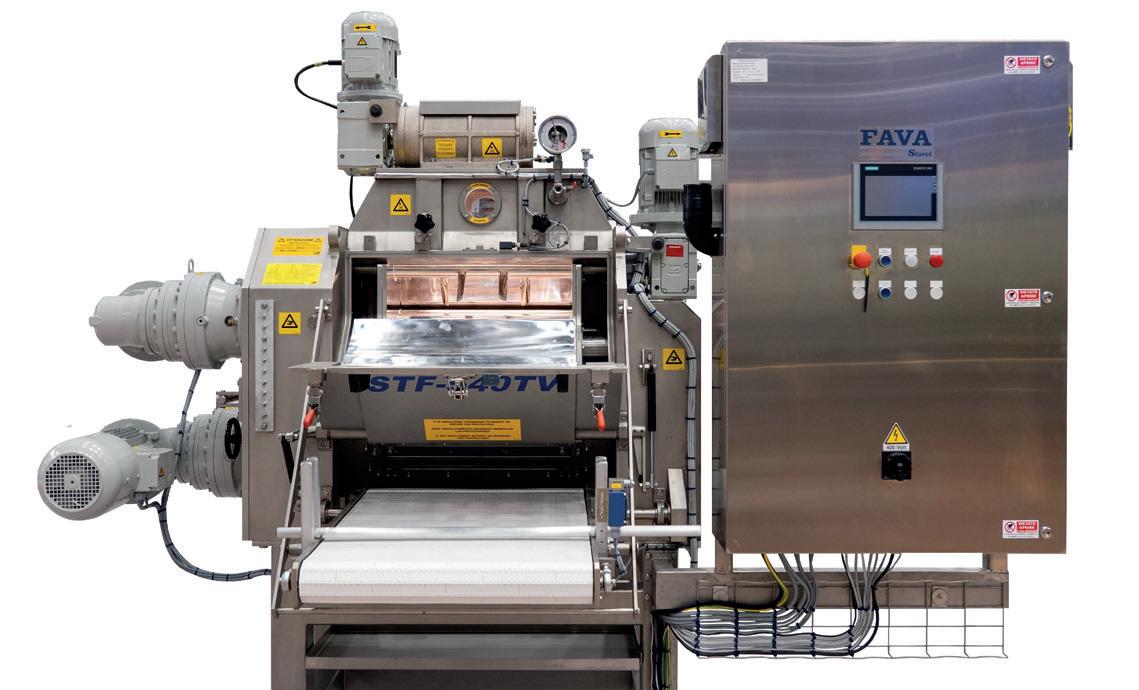
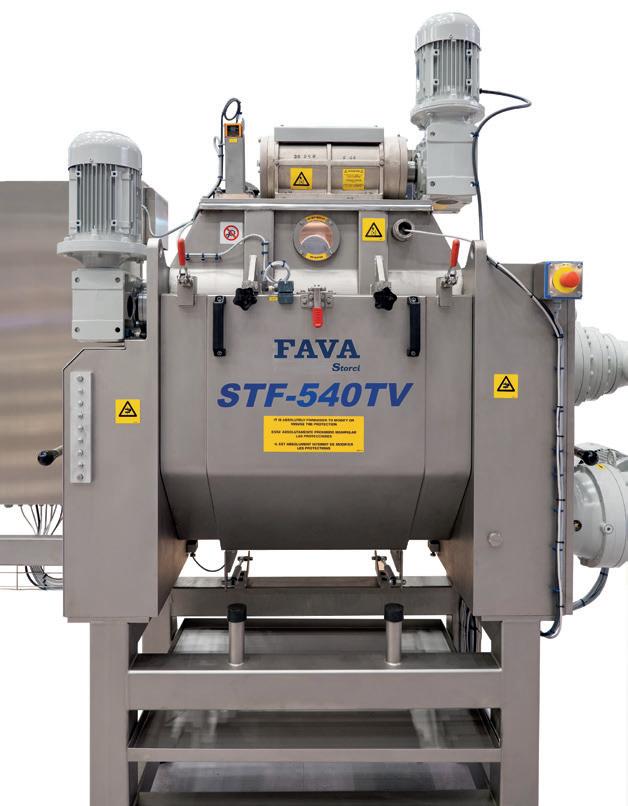
Our STF-540TV pasta sheeter ensures dough with an intense colour and outstanding organoleptic and mechanical properties. Engineered for continuous, heavy-duty operation, it leverages Total Vacuum Technology to deliver superior performance. Ideal for processing hard and compact doughs, is highly efficient and easy to clean
by Italmopa
With the publication of the book “Le filiere del frumento al centro del Made in Italy agroalimentare: il ruolo dell’industria molitoria” (“Wheat supply chains at the heart of the Italian agri-food sector: The role of the milling industry”), edited by Ismea and Italmopa, the insiders can have an accurate and up-to-date snapshot of the Italian milling sector, a leader in the European Union with approximately 13 million tonnes of wheat processed every year into flours and semolina for iconic Italian food products such as pasta, bread, pizza and confectionery.
The report aims to highlight the importance of the wheat supply chain within the Italian agri-food landscape and the very central role of the Italian milling industry as an essential link between agricultural production and secondary industrial or artisanal processing. To this end, the report analyses, through extensive data, the current structures of the soft and durum wheat supply chains, domestic consumption of wheat derivatives, and foreign trade in both the raw materials and wheat derivatives. Therefore, it is a concise yet comprehensive resource for those seeking to acquire, based on irrefutable data, information on the wheat supply chain with a focus on the

milling sector, a flagship of the Italian food industry. It is very difficult to sum up the content of the report, but certain figures clearly and unequivocally highlight the significance of the sectors analysed.
On average, the two supply chains (soft wheat-bakery products and durum wheat-pasta) generate €8.9 billion in value, accounting for 10% of total agri-food production. The economic assessment of the supply chains based on individual stages (primary agricultural value and industrial turnover) shows that, on average: the agricultural stage generates €2.7 billion in turnover, while the milling industry turnover amounts to approximately €5.4 billion, divided almost equally between soft wheat and durum wheat mills. The turnover of the secondary industrial processing sector is more complex
because it covers a wide variety of products, and shows an estimated value of €8.7 billion for bakery products, €7.6 billion for baked goods and about €8.4 billion for pasta products. It should also be underlined that data on artisanal production, which is more difficult to obtain or verify, has not been estimated or included in this volume.
As to the structure of the milling industry, there are 291 operating mills in Italy, accounting for 7.7% of those in the European Union. However, the weight in terms of volumes of processed raw material and flour production is significantly higher, which shows the greater technological efficiency in processing that characterises our enterprises. As a matter of fact, Italian mills process 23% of the grain processed at European Union level and produce 13% of soft wheat flour and 65% of durum wheat semolina. Volumes of domestic flour production and consumption, for their part, have remained broadly stable in overall terms over the last ten years, although there has been a downward trend in bread consumption volumes (only partially offset by an increase in the consumption
of bread substitutes) and an increase in the production of flours intended for the biscuit sector and pizza production (the consumption of which is rising in both artisanal and industrial production, such as fresh and frozen ready-made pizzas). However, it should be noted that over the last three years there has been a recovery in both volume and value of bread consumption, partly due to an increase in the variety of products offered across various distribution channels. Purchases of bread substitutes - such as, for instance, frise, breadsticks and taralli - also appear substantial, and seem to be increasingly catching the consumer’s attention. Domestic consumption of breakfast products is also significant, having risen over the last three years, while festive leavened products (pandoro, panettone, colomba, etc.) have shown a contrasting trend, despite the recovery recorded over the last year, which is expected to continue in the future.
In the case of durum wheat derivatives, the dominant category is semolina pasta, which, in the long-term trend, continues to show a domestic consumption growth, although modest, in value but a decline in volumes, while overall pasta production is consolidating, driven mainly by strong international demand, which now
performance.
120-150-200-250-300 mm e nei vari componenti quali tubi, settori,
Utilizzati nel settore Molitorio e Generico Industriale, vengono realizzati in Acciaio Zincato Gr.ra Z200 o a richiesta in Acciaio Inox aisi 304 2b nei spessori
6-8-10-12/10 nei vari Diametri e dimensioni sia per i prodotti standard Seven che per le richieste personalizzate da parte del Cliente.
ternally; available in
mm diameters and a range of
including tubes, fixed segments and
segments, valves, splices.
COMPONENTS FOR THE TRANSPORT OF SEMOLINA AND FLOUR
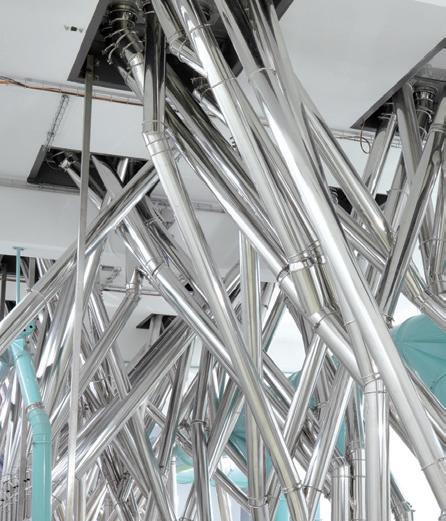
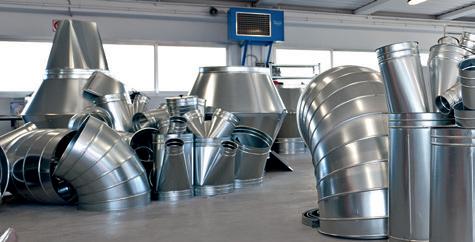
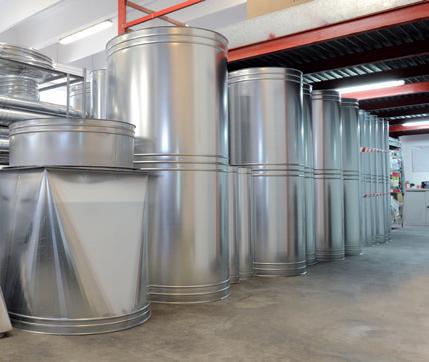
Used in the Milling and General Industrial fields. Made from Z200 basis weight galvanised steel or, on request, AISI 304 2b stainless steel with thicknesses of 6-8-10-12/10 and various diameters and sizes for both standard Seven products and for customised productions.
Used in the milling sector to convey the product (durum wheat flour, ), these items are made of 10-12/10 gauge 304 BA grade stainless steel, electrically and TIG welded and polished externally; available in 105-120-150-200-250-300 mm diameters and a range of components including tubes, fixed segments and rotatable segments, valves, splices.
Utilizzati nel settore Molitorio e Gene rico Industriale, vengono realizzati in Acciaio Zincato Gr.ra Z200 o a richiesta in Acciaio Inox aisi 304 2b nei spessori
Used in the milling sector to convey the product (durum wheat flour, ), these items are made of 10-12/10 gauge 304 BA grade stainless steel, electrically and TIG welded and polished externally; available in 105-120-150-200-250-300 mm diameters and a range of components including tubes, fixed segments and rotatable segments, valves, splices.
6-8-10-12/10 nei vari Diametri e dimensioni sia per i prodotti standard Seven che per le richieste personalizzate da parte del Cliente.
nesses of 6-8-10-12/10 and various diameters and sizes for both standard Seven products and for customised productions.
Utilizzati nel settore Molitorio e Gene rico Industriale, vengono realizzati in Acciaio Zincato Gr.ra Z200 o a richiesta in Acciaio Inox aisi 304 2b nei spessori 6-8-10-12/10 nei vari Diametri e di mensioni sia per i prodotti standard Seven che per le richieste personalizzate da parte del Cliente.
FOR OF
AND Used in (durum 10-12/10 electrically ternally; mm diameters including segments,
Seven s.r.l. Unipersonale
PADOVA - ITALY
produce: pneumatic small cyclones, manifolds, hoppers, joints, and plenums, thickness of 15-20-30/10 certified powder paint.
Via Dell’Industria, 2/c 35012 Camposampiero
Tel +39 049 8874518
Fax +39 049 8874517
seven@sevensrl.it
www.sevensrl.it
Seven products and for customised productions.
Seven s.r.l. Unipersonale Via Dell’Industria, 2/c 35012 Camposampiero
PADOVA - ITALY
Tel +39 049 8874518
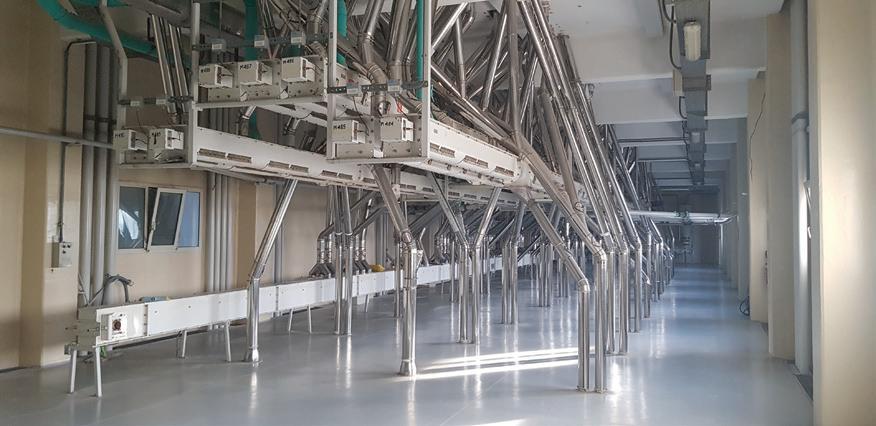
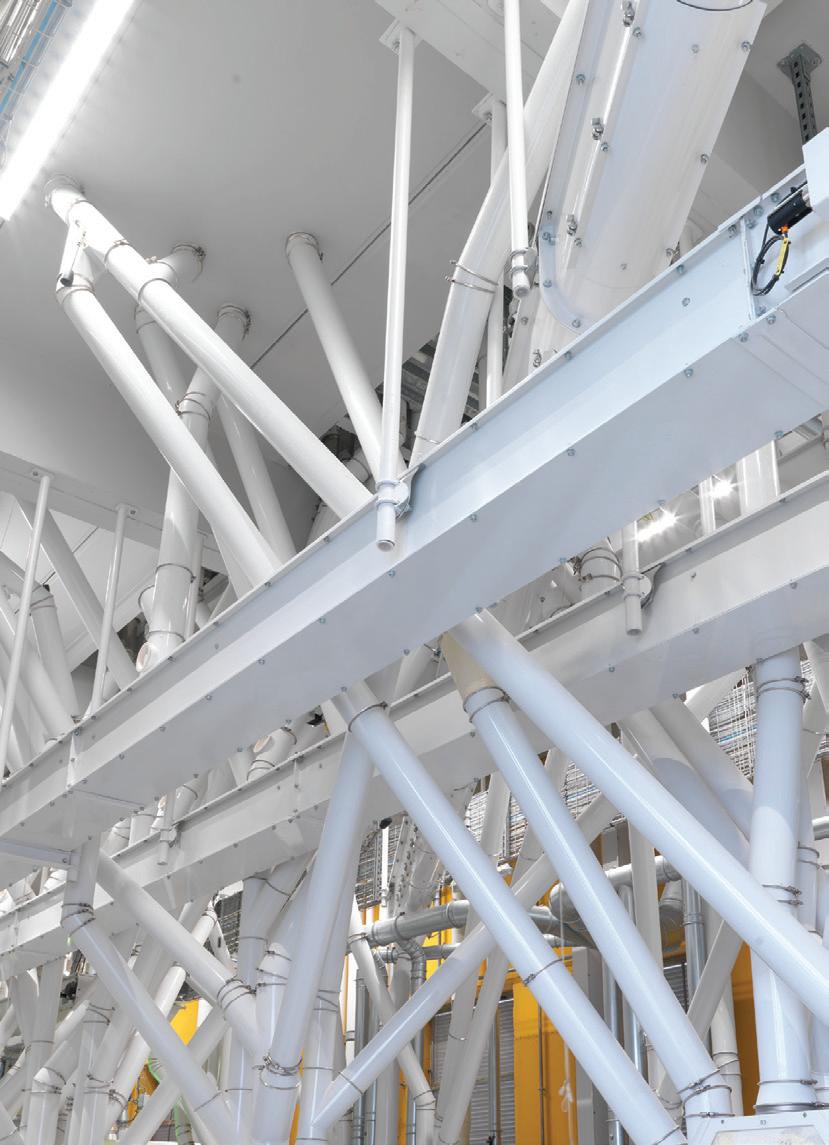
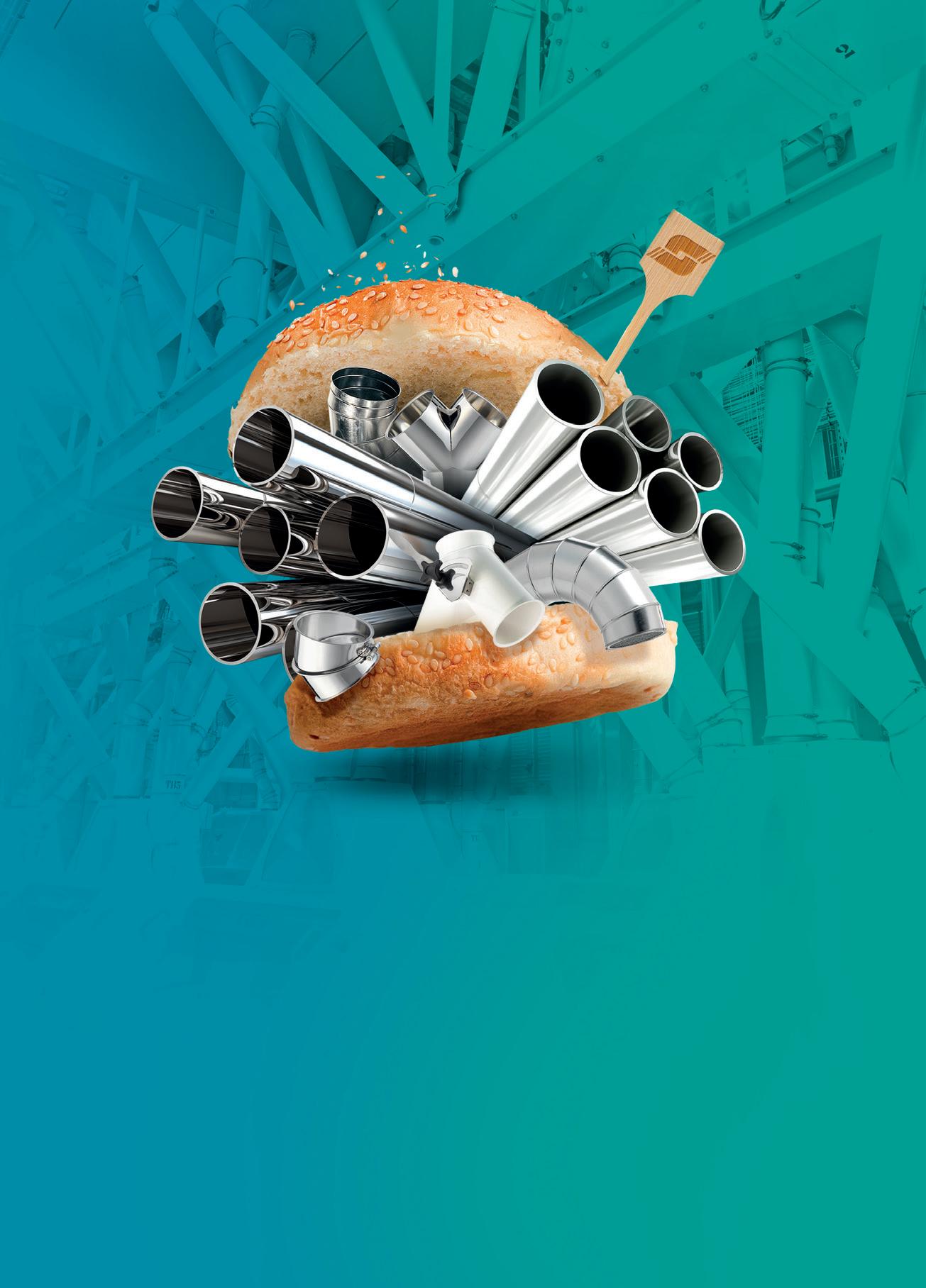
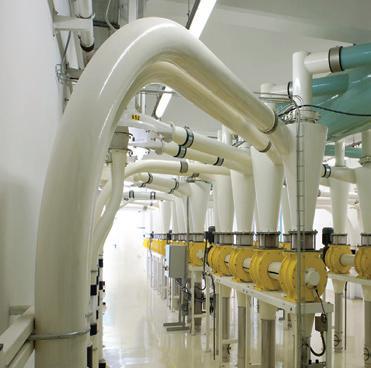
Key components for all milling suction systems and conveying of semolina and flour, designed to provide exceptional performance.
Fax +39 049 8874517
seven@sevensrl.it
www.sevensrl.it

www.sevensrl.it
accounts for around 60% of domestic production.
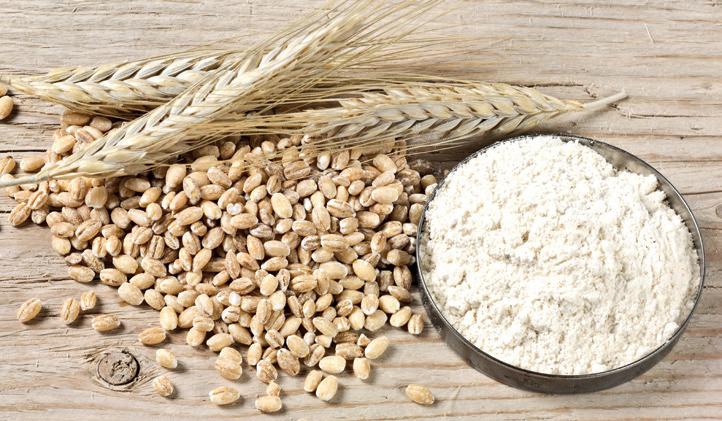
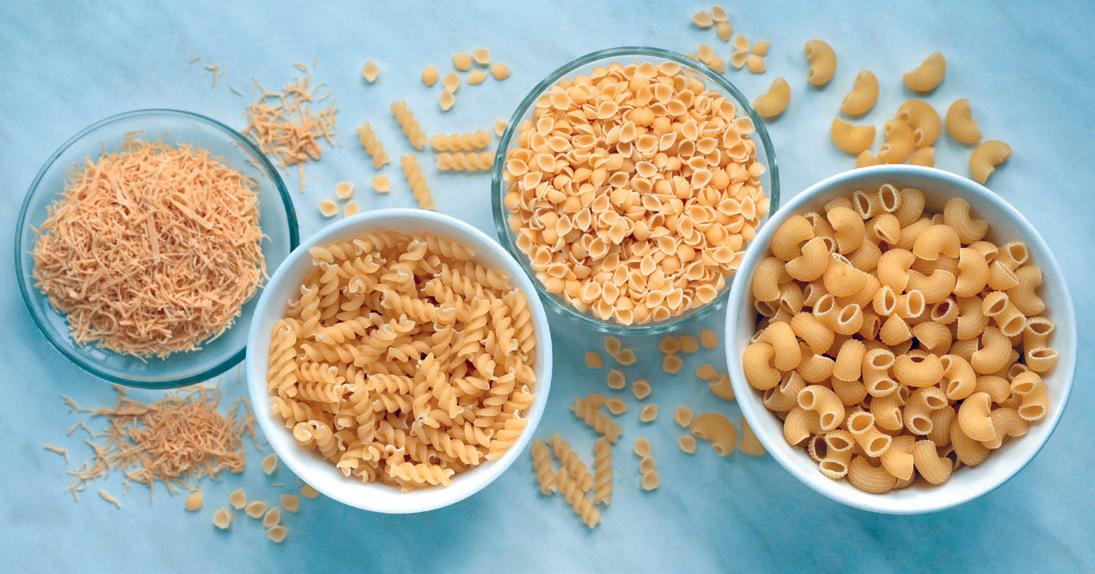
Overall, around 57% of soft wheat flour is used for bread production, around 19% for the confectionery industry and 10% for pizzas; the remaining part is intended for exports, retail consumption and pasta production. As for durum wheat semolina, the majority is used within the pasta industry (91%); a residual share (around 5%) is used for the production of artisan bread, mostly at a local level.
Focusing on flour exports, in 2024 the volume of Italian exports of soft wheat flour and durum wheat semolina reached approximately 312,000 tonnes and 118,000 tonnes respectively. In 2025, a further increase was recorded compared to 2024, amounting to 10.1 % for soft wheat flour and 7.7 % for durum wheat semolina. The steady increase in the total volume of Italian flour product exports confirms, once again, both the extraordinary quality and great versatility of the flours and semolina produced by the Italian milling industry, as well as the determination and tenacity of Italian companies in expanding their presence in foreign markets. For products derived from
durum and soft wheat processing, export trends have also been definitely positive over the last 15 years. Since 2010, Italian exports of semolina pasta have shown a significant upward trend, both in volume and value, with an average annual growth rate of 2.2% and 5.7% respectively. The main
destination countries for this product are Germany, the United States, France, the United Kingdom and the Netherlands. As to pastry and bakery products, international sales have also performed very well over the long term, recording an average annual growth of 5.6% in volume and 8.7% in value between 2010 and 2024. The main export destinations are France, Germany, the United States, the United Kingdom and Spain. Over the last five years, exports of Italian pastry and bakery products have also continued to show excellent growth trends in many international markets.


THE SECTOR SHOWS IMPORTANT ACHIEVEMENTS DESPITE THE ITALIAN STRUCTURAL PROBLEMS
Wby Italmopa
ith the 2025 General Assembly of Italmopa - held in the amazing setting of the Langhe hills, in Piedmont, last June - Andrea Valente, owner of Molini Valente, concluded his term presidency of the Italian Millers’ Industrial Association. During the same General Assembly, Vincenzo Martinelli, owner of Candeal Commercio, was elected as the new President for the 2025-26 term. He will be supported by a presidential team composed of Francesco Vacondio (Molini Industriali) and Fabio Viani (Molino Pasini) as representatives of soft wheat
mills, and Clelia Loiudice (Semolificio Loiudice) and Federica Grassi (Molino Grassi) as representatives of durum wheat mills.
“First of all, I would like to thank the members of Italmopa for the trust they have placed in me, as well as President Valente for the outstanding work carried out during his term, which I certainly intend to continue,” said Vincenzo Martinelli in his opening remarks. “Among my priorities, I include in particular the development of relationships and collaboration with the other components of the wheat


supply chains, with a view to their balanced growth and that of all the links that compose them. Continuous dialogue among the parties, provided it respects their respective needs, is now essential for supply chains operating in an open, global, and highly competitive environment. These chains must make a significant cultural leap compared to the past, avoiding sterile disputes and striving to overcome sector challenges. In this regard, I intend to focus in particular on the issue of raw material quality, an essential factor to ensure fair margins for producers and the entire supply chain.”
In addition to the change in presidency, official data on the economic performance of the national milling sector in 2024 were presented during the 2025 Italmopa General Assembly.
The performances of the Italian milling sector
A positive trend was recorded in 2024 production volumes in both soft wheat and durum wheat milling. However, the significant decline in the prices of milled products (flours and semolina) and milling by-products compared to 2023 - due to a further reduction in major production costs after the peaks reached in 2022 - had a negative impact on the sector’s turnover. Based on production
and price indicators for the various types of milled products and by-products, total turnover amounted to €4.708 billion, marking an overall decrease of 11.4% compared to €5.314 billion in 2023. The volume of milled products by the Italian milling industry reached 8,323,000 tonnes in 2024, an increase of approximately 2.1% compared to 8,151,000 tonnes in 2023, while the total volume of products - including by-products - reached 11.837 million tonnes (11.608 million tonnes in 2023). As for the soft wheat milling sector, total flour production increased by an
estimated 3.8% compared to 2023, from 4.146 to 4.303 million tonnes. This positive trend mainly affected the primary sales channel - bread-making and substitute products - which over the past two years has shown an unexpected positive dynamic, reversing the downward trend observed in the



past. Production of flours destined for this channel recorded another encouraging overall increase of 5.5%, driven in particular by demand from large-scale retail, also thanks to a more diversified supply better aligned with new consumer needs. Flour production for the confectionery sector decreased slightly by 0.9%, despite the overall stability in the production of seasonal sweets. Particularly strong and now wellestablished trends continued in demand from the pizza sector (over +3.0%), both fresh and especially frozen, as well as in exports (+11.9%), driven by the growing international appreciation for the high quality and versatility of Italian flours. There was also a modest but steady increase (+2.0%) in volumes of
flour used for fresh pasta production. Finally, the volume of flour sold on retail shelves declined by -7.1%, confirming a normalization after the stockpiling behavior observed among consumers during the early phase of the Covid-19 emergency.
The 2024 turnover of the soft wheat milling sector - taking into account the average reduction compared to 2023
in flour prices (-6.1%) and milling byproducts (-27.3%), mainly due to the decrease in soft wheat prices (-10.5%)is estimated at approximately €2.360 billion, representing a decline by about -7.6% compared to €2.555 billion in 2023.
Regarding the durum wheat milling sector, total semolina production in 2024 increased slightly by about 0.4% compared to 2023. This reflects largely stable demand (+0.3%) from the pasta industry, historically the main outlet for durum wheat milling. The positive performance of pasta exports (+1.0%) was partially offset by a further decline (around one percentage point) in domestic consumption.
Turnover in the durum sector decreased to €2.348 billion from €2.759 billion in 2023 (-14.9%), due to lower average prices for both semolina (-13.2%) and milling by-products (-28.6%), mainly as a result of a significant drop in durum wheat raw material costs (approximately -17.0%) compared to 2023 averages.
Overall, 2024 presented a mixed picture for the milling industry. The sector certainly shows important achievements that highlight its competitiveness, despite the structural challenges that characterize the Italian system and have always tended to heavily penalize the manufacturing industry.
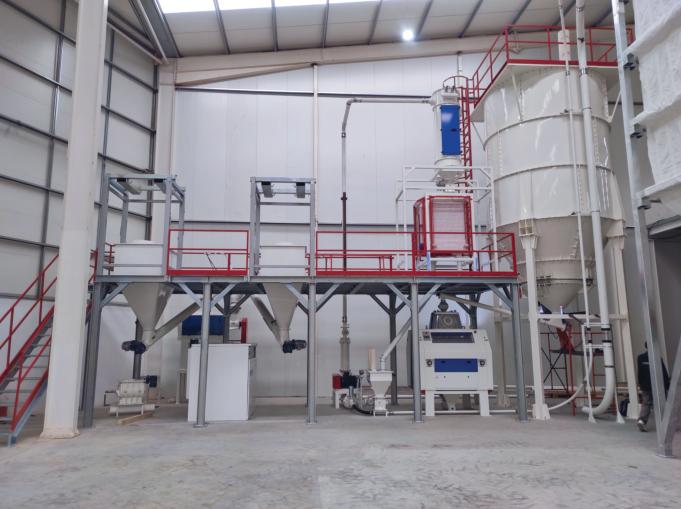
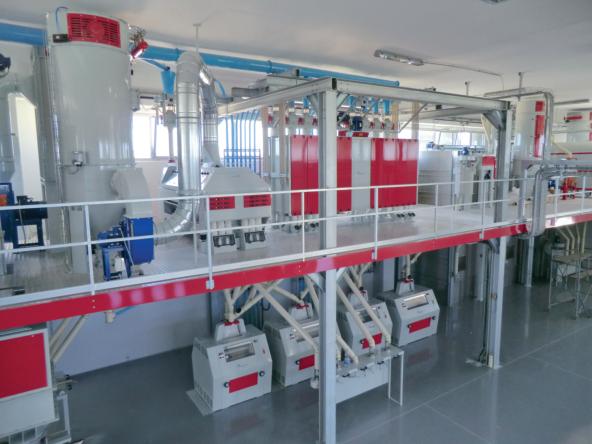
Italmopa and Fiere di Parma announced a cooperation agreement on the occasion of TuttoFood 2026 (Milan, 11-14 May) and Cibus 2027 (Parma, 4-6 May).
year into flours and semolina that form the basis of iconic Made in Italy food products such as pizza, pasta, bread, confectionery products and pastries. As agreed, Italmopa, in addition to granting its exclusive patronage to both events, will organise a packed programme of events within them, with the aim of promoting the excellence of the flours and semolina produced by the Italian milling industry as well by Italmopa
Through this alliance, Italmopa and Fiere di Parma aim to provide visitors with the opportunity to discover and learn more about the Italian milling sector, the European leader with over 12 million tonnes of wheat processed each
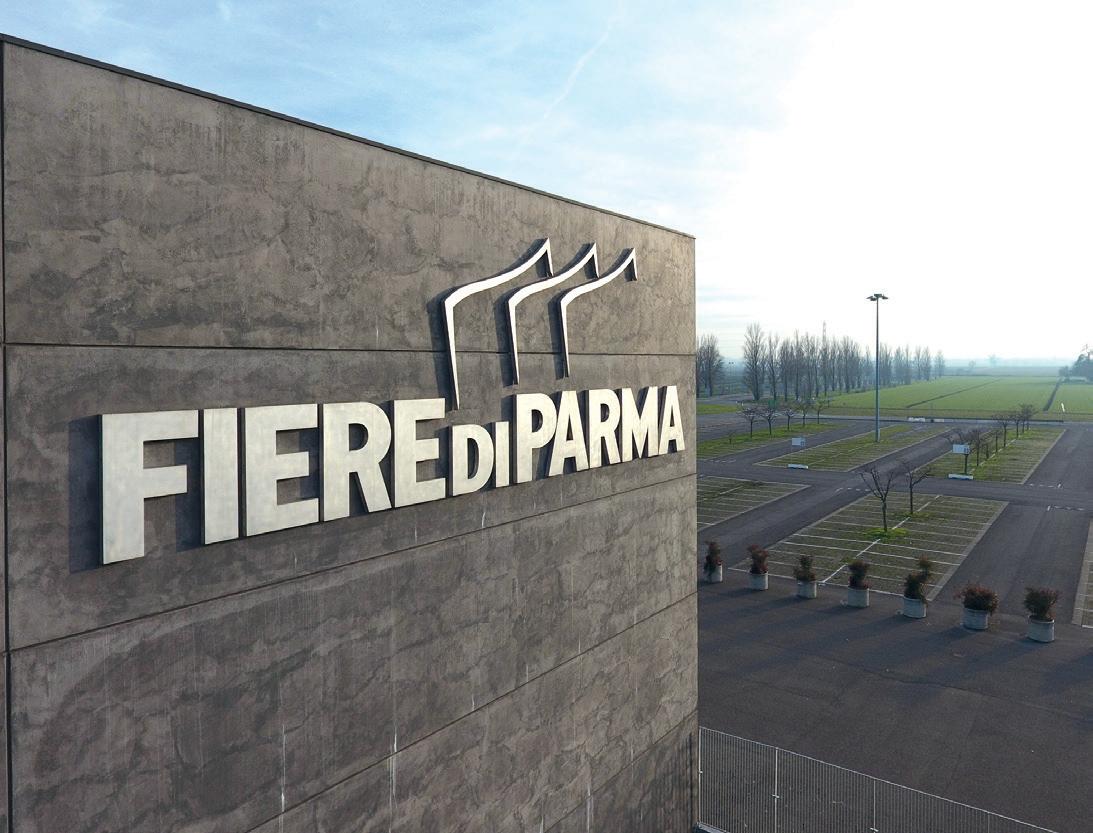

as the products derived from them. An unmissable opportunity for promotion and visibility - that can count on the know-how of two major food trade shows - both for the Italian milling sector and for the whole cereal supply chain. Among the initiatives, the “Bakery Arena” at TuttoFood stands out, where events will be held by Italmopa and the exhibiting member companies that have joined the initiative. A unique opportunity to discuss finished products (flour, as well as bread, pasta and other derivatives), to inform industry experts, consumers and the specialist press, as well as to defend a sector that is sometimes unfairly criticised. It should not be forgotten that flour is one of the many hallmarks of Made in Italy, even more so now that Italian cuisine has been declared a UNESCO’s Intangible Cultural Heritage.
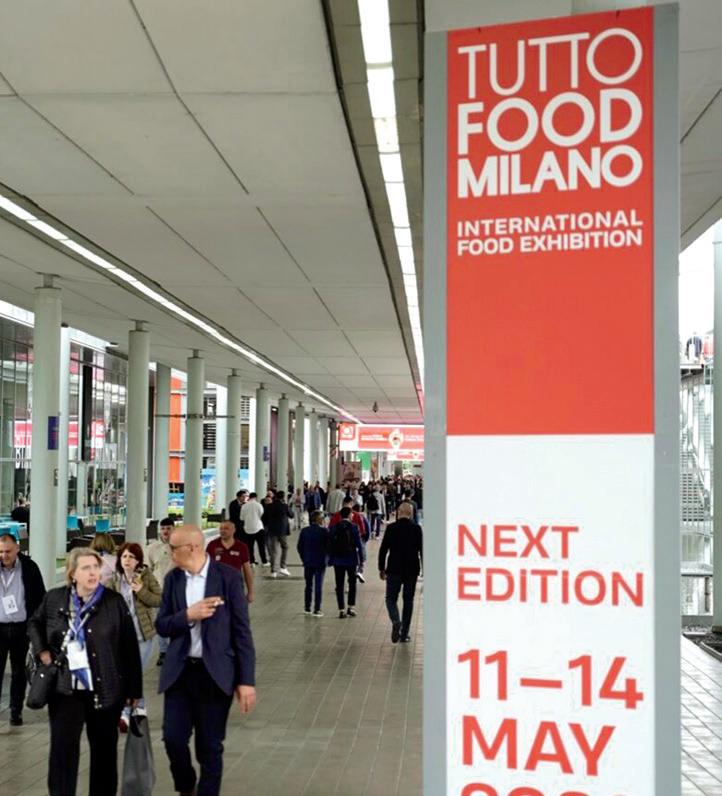
The collaboration with Sigep comes to an end
Therefore, this is a new and stimulating experience for Italmopa, after 10 years of fruitful collaboration with Italian Exhibition Group in promoting the Sigep trade show, a collaboration that came to an end with the edition held last January, during which the traditional Italmopa conference was held on a topic of interest to the milling sector or the soft wheat supply chain. This year, the conference was meant to celebrate “all the goodness of Italian flours” through expert presentations that have highlighted a safe, healthy and versatile product of excellence.
The comment of Fiere di Parma
Riccardo Caravita, Food & Beverage Global Brand Manager of Fiere di Parma, commented on the cooperation

THE ITALIAN MILLING INDUSTRY WILL BE FULLY REPRESENTED AT TUTTOFOOD 2026
agreement with Italmopa: “Being able to count on Italmopa’s support for the 2026 edition of TuttoFood means not only bringing the voice of mills from all over Italy to the fair, but also, and above all, offering our trade visitors from over 100 countries a highly precise and concrete insight into the new trends that are driving the industry. The content that are co-created with the Association will aim to deliver and bring together expertise related to a sector in great turmoil, currently undergoing a substantial transformation in both supply and demand, which will be fully represented at TuttoFood 2026”.







by FAO MuNe Team
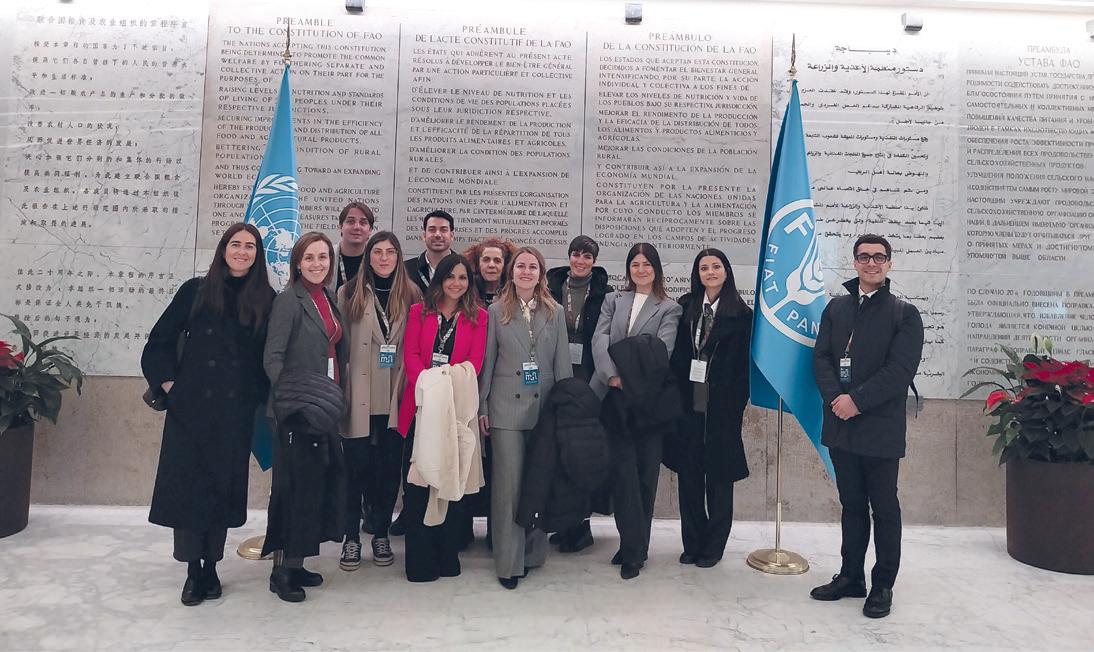
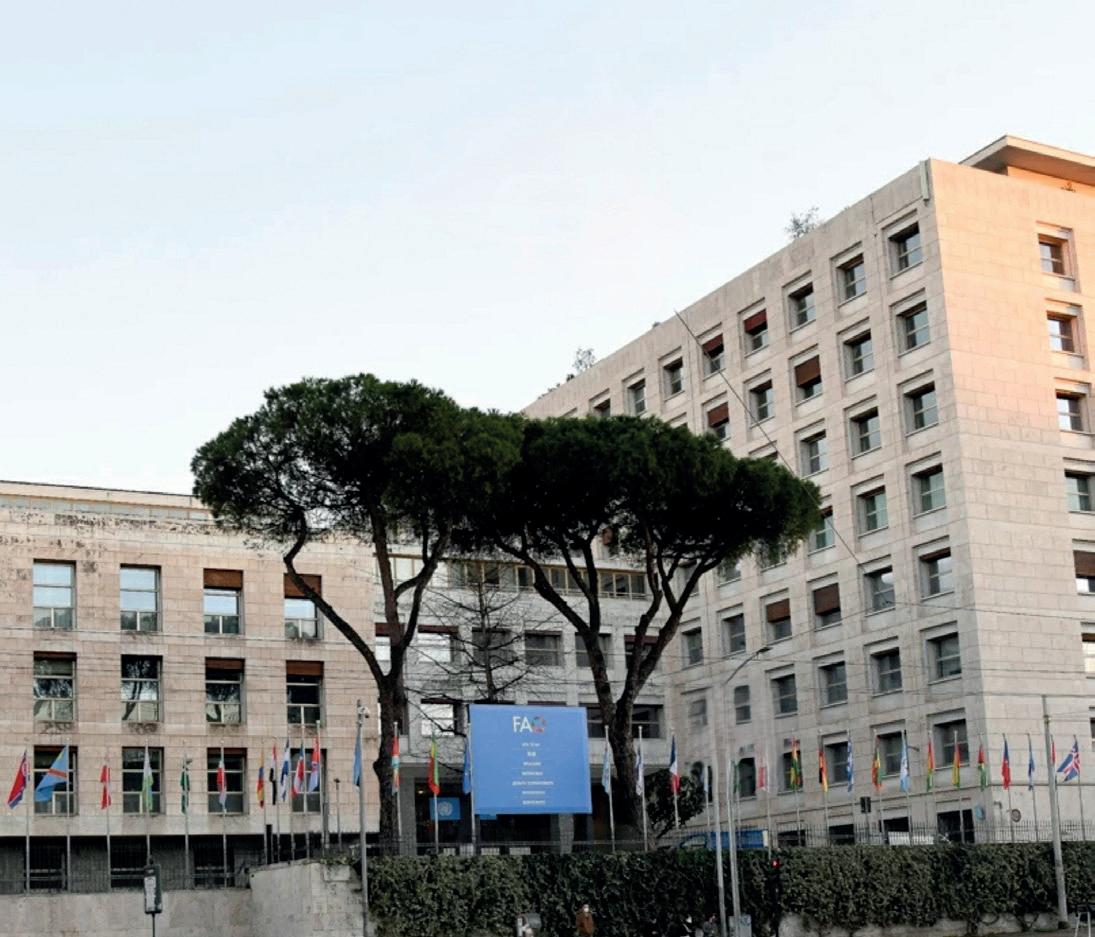
The last December 16, the members of the Italmopa Young Group visited the headquarters of the Food and Agriculture Organization (FAO) in Rome. It was the first time that an Italmopa delegation had visited this prestigious institution, confirming the value of the initiatives promoted by the Young Group, which has always represented an added value for the Association.
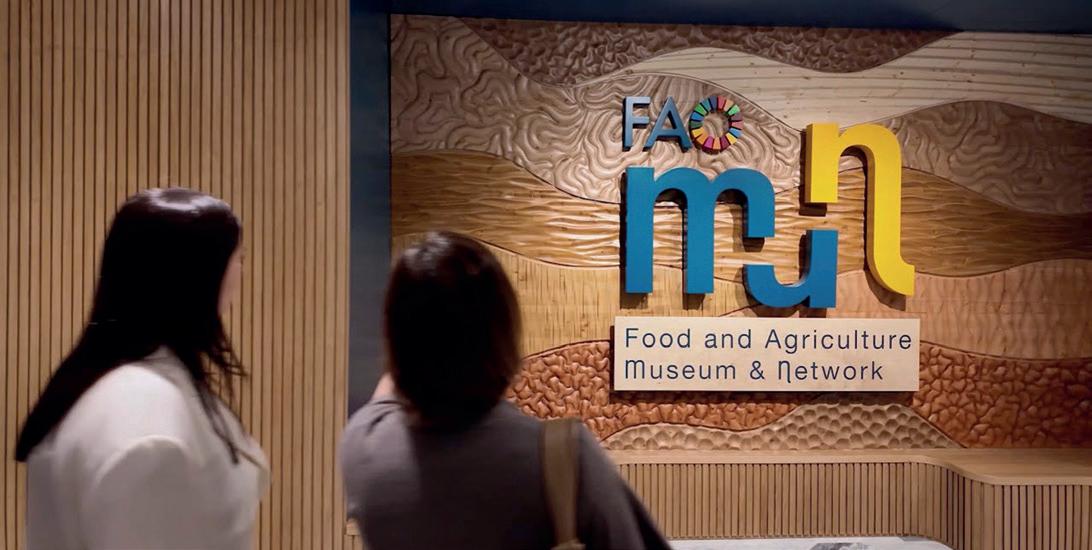
The new Food and Agriculture Museum and Network (FAO MuNe) is a unique place where creativity inspires change, inviting visitors on a journey through art, nature and culture to explore global agrifood systems. The museum’s mission is neatly encapsulated in a clear statement: “Explore. Learn. Act”. It sets the tone for the journey that follows,
guiding visitors through an interactive itinerary that spans the past, present and future of global agrifood systems, revealing how food and agriculture have moulded our lives, our landscapes and our future.
The museum unfolds across 12 thematic rooms. At the start of their journey, visitors explore FAO’s history and how it is interwoven with the global story of food and agriculture. The Organization’s work has continually evolved in response to emerging challenges, and this trajectory is brought to life through a rich visual narrative. Key
historical milestones, digitized archival footage curated in collaboration with Istituto Luce and images captured by photographers, who have documented FAO’s fieldwork since its founding, accompany visitors throughout the journey.
Running through the museum is the international collection, which shifts the focus from the institutional narrative to the world it connects. Here, food and agriculture find their memory and voice through artworks, sculptures, illustrations, artefacts, ancestral tools, traditional textiles, handcrafted items

and more. Each element tells a story about food, agriculture and the people who sustain them.
One of the thematic rooms along the route that turns the spotlight to knowledge, the engine behind many of these transformations, is the FAO Library. This room safeguards the Organization’s documentary heritage for the researchers of today and tomorrow. It houses a curated collection of rare books and incunabula dating back to the 15th century, offering a window onto the knowledge that continues to underpin global food security and define sustainable agriculture.
Traditional methods with innovative solutions
As the journey unfolds, visitors also discover how tradition creates fertile terrain for innovation to flourish. Designed as a dynamic, digital space filled with immersive and interactive installations and experiences, MuNe showcases FAO’s commitment to the sustainable development of agrifood
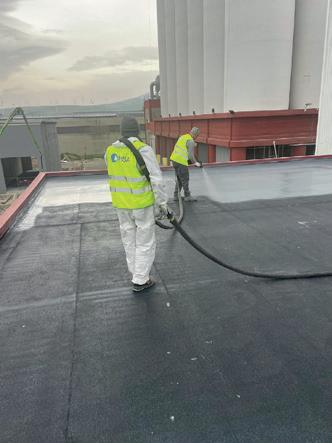
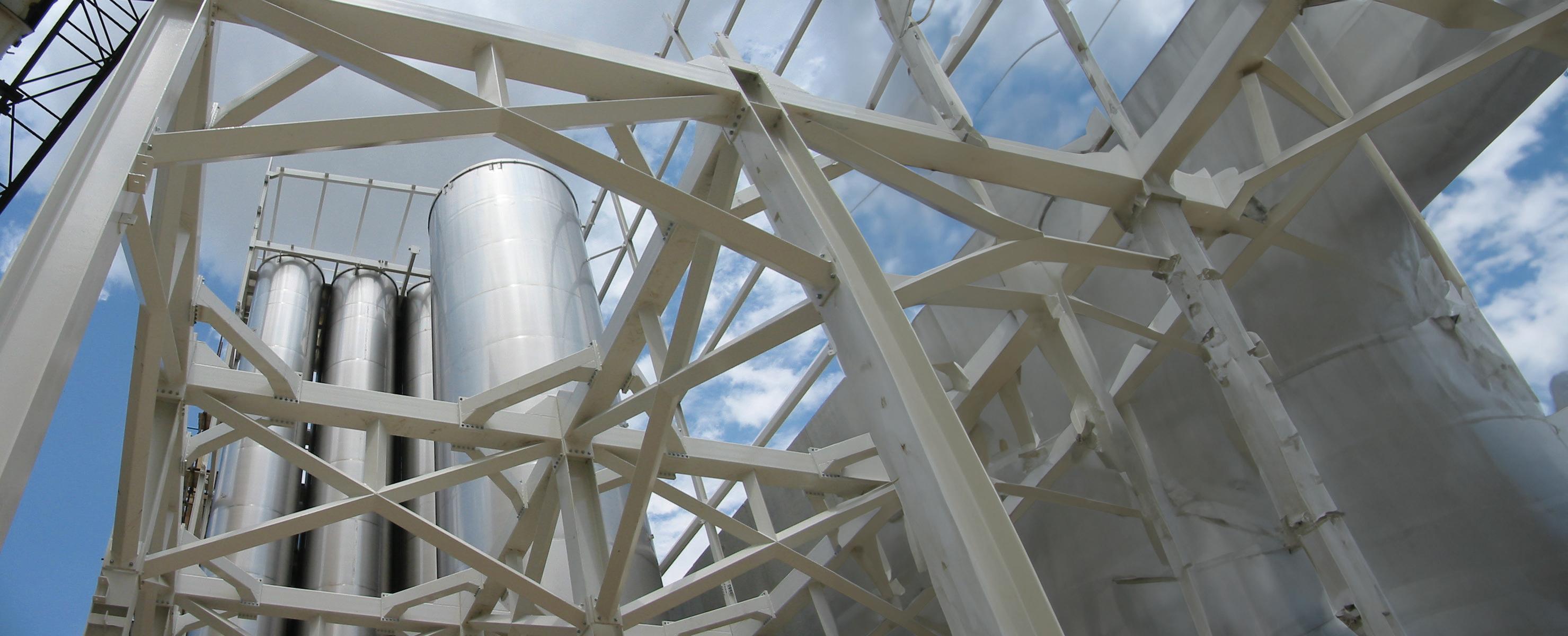
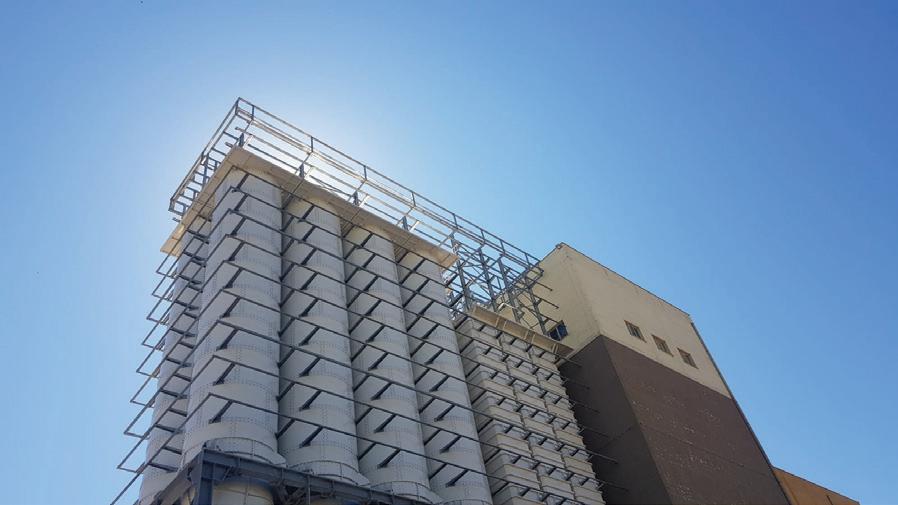
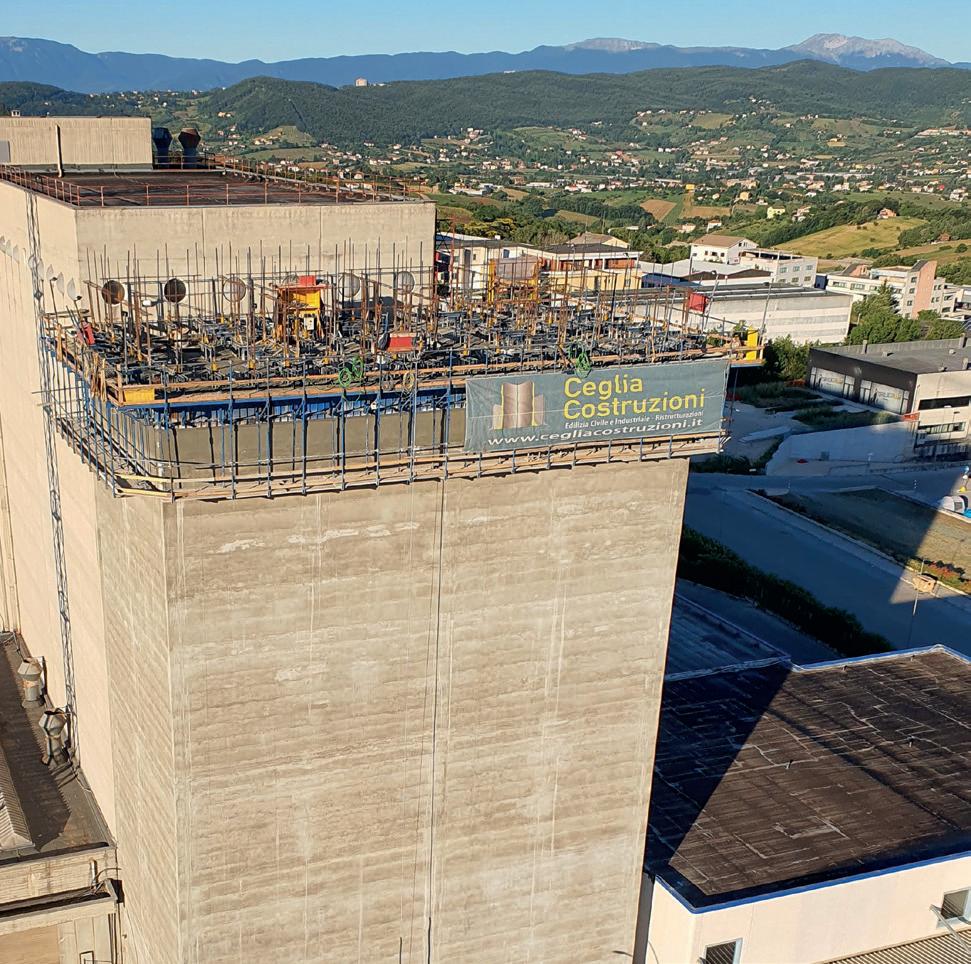
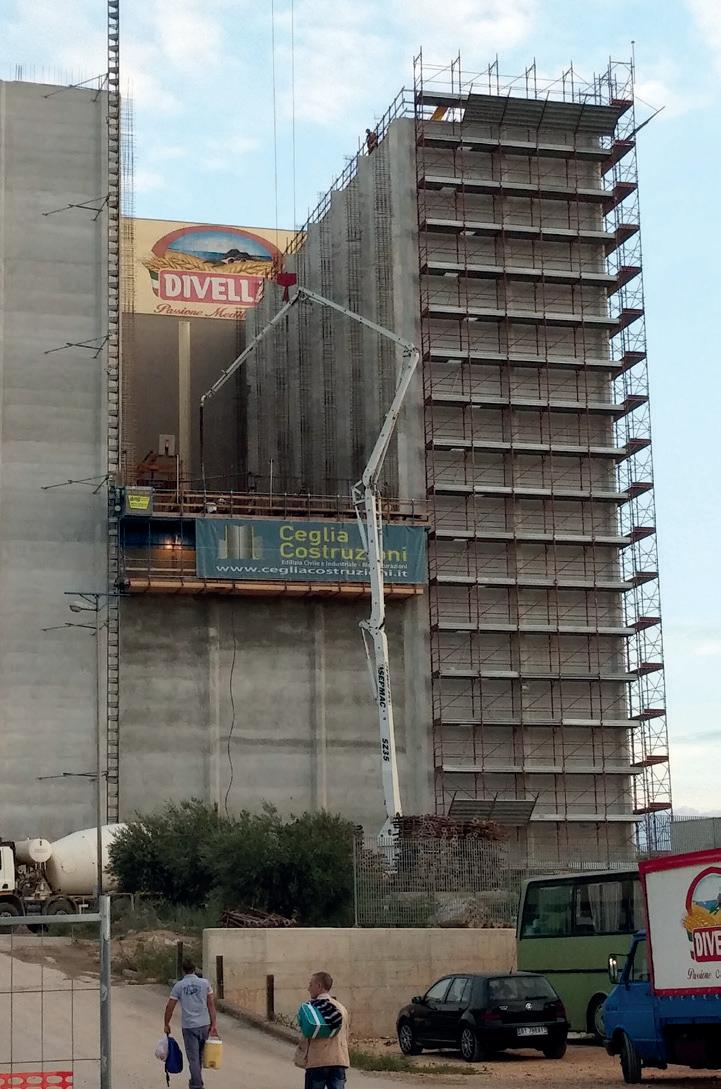
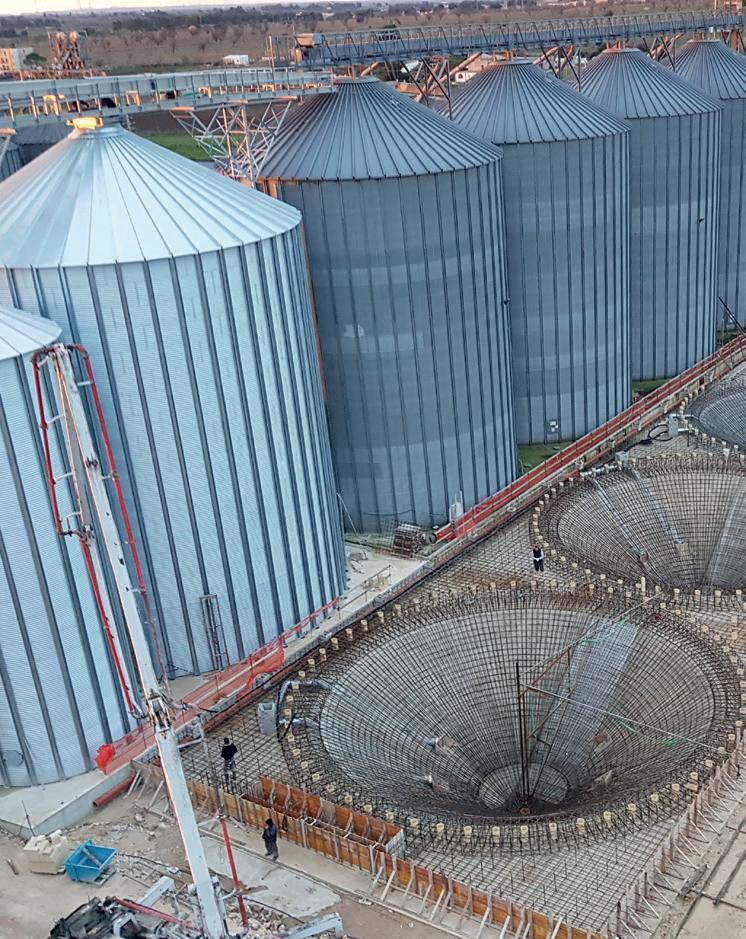
• INDUSTRIAL CONSTRUCTION
• CIVIL CONSTRUCTION
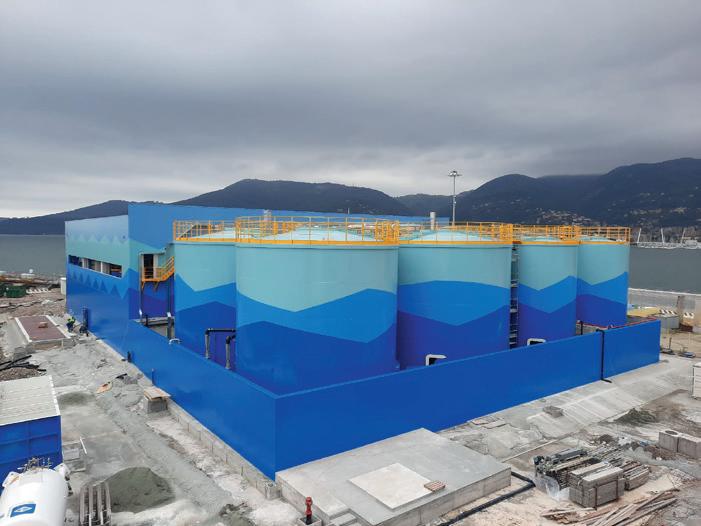
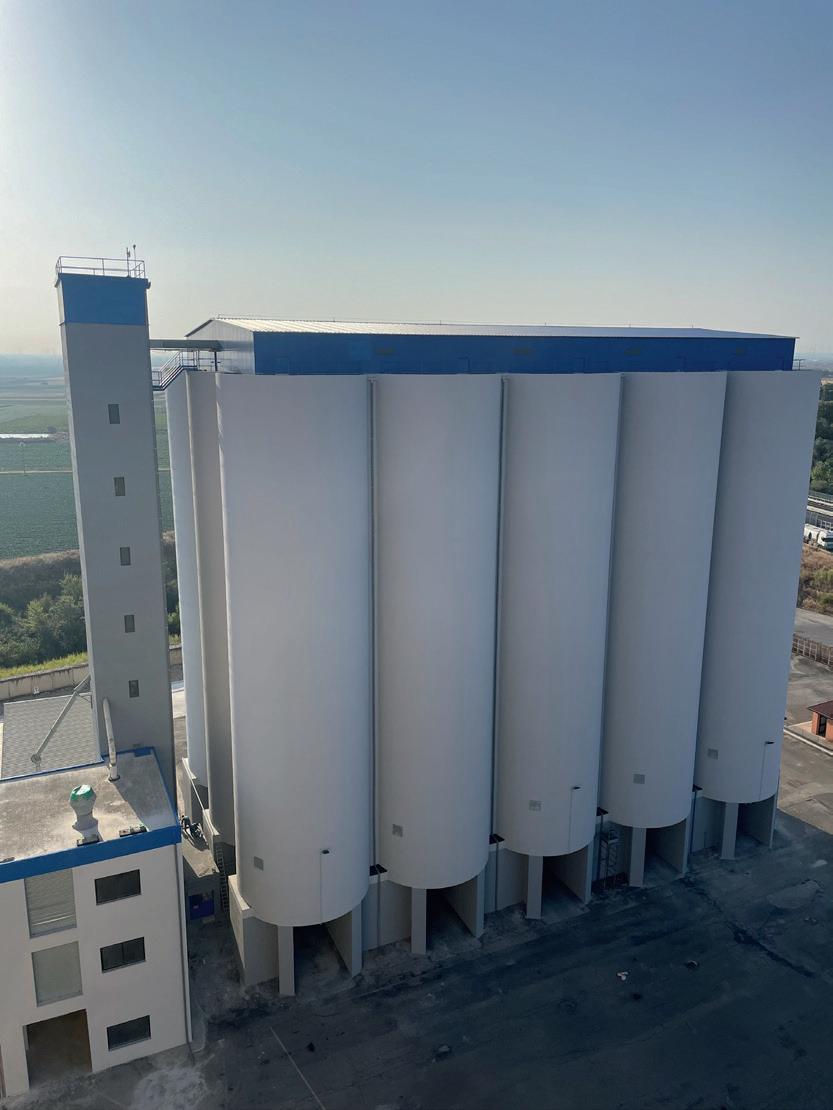
• CONCRETE SILOS
• ORDINARY AND EXTRAORDINARY MAINTENANCE OF CIVIL AND INDUSTRIAL BUILDING
• AIRLESS PAINTINGS
• CERTIFIED ECOLOGICAL SANDBLASTING
systems worldwide. The museum is dotted with projects that highlight the Organization’s continuous work around the globe, connecting traditional methods with innovative solutions that strengthen and update them, and the Traditions and Innovations room clearly reveals this intersection. From how dogs, human companions since their domestication more than 11,000 years ago, are now being trained to protect plant health, to how FAO is employing drones and portable laboratory equipment to collect airborne environmental DNA in wildlife habitats, these innovative, non-invasive approaches are all part of an earlywarning system designed to identify emerging diseases before they can spread. Other projects include platforms that simplify the use of satellite data for

autonomous land monitoring, making large datasets accessible and useful for environmental management and the Desert Locust Information Service (DLIS), which supports an early-warning system against desert locust outbreaks. FAO also worked towards the eradication of rinderpest; the first historic triumph of humanity over an animal disease that delivered a decisive impact on livelihoods and the food security of
millions of people. Balancing memory and experimentation, FAO MuNe shows that agrifood systems are shaped by stories, cultures and everyday choices. By connecting ancient knowledge with technological solutions, the museum reminds us that change also depends on us: understanding today is the first step toward acting for a better tomorrow.
FAO MuNe Team


Italmopa, confirming its ongoing commitment to implementing initiatives for the benefit of the entire Italian milling sector, has initiated discussions with its member companies and industry experts aimed at defining the elements on which the planning of the fourth training course “Milling Industry Technicians” within the “School for Milling Industry Technicians” will
be based. This initiative is promoted by Italmopa in collaboration with Antim - the National Association of Milling Industry Technicians - and the Parma Industrialists’ Union, in order to adequately respond to the needs expressed for some years now by Italian milling companies regarding staff training, especially in view of the inevitable generational turnover among their workforce. Therefore, this by Italmopa

is an initiative of undoubted value, which sets itself even more ambitious goals for the future by identifying and training new staff who will join the workforce of milling companies, thereby mitigating any skills mismatch and the increasingly difficult task of finding specific professional profiles within the milling sector.
To achieve this aim, Italmopa established, as early as during the planning stage of the third training course held in 2025, a Technical Committee composed of corporate experts from Italmopa and Antim,
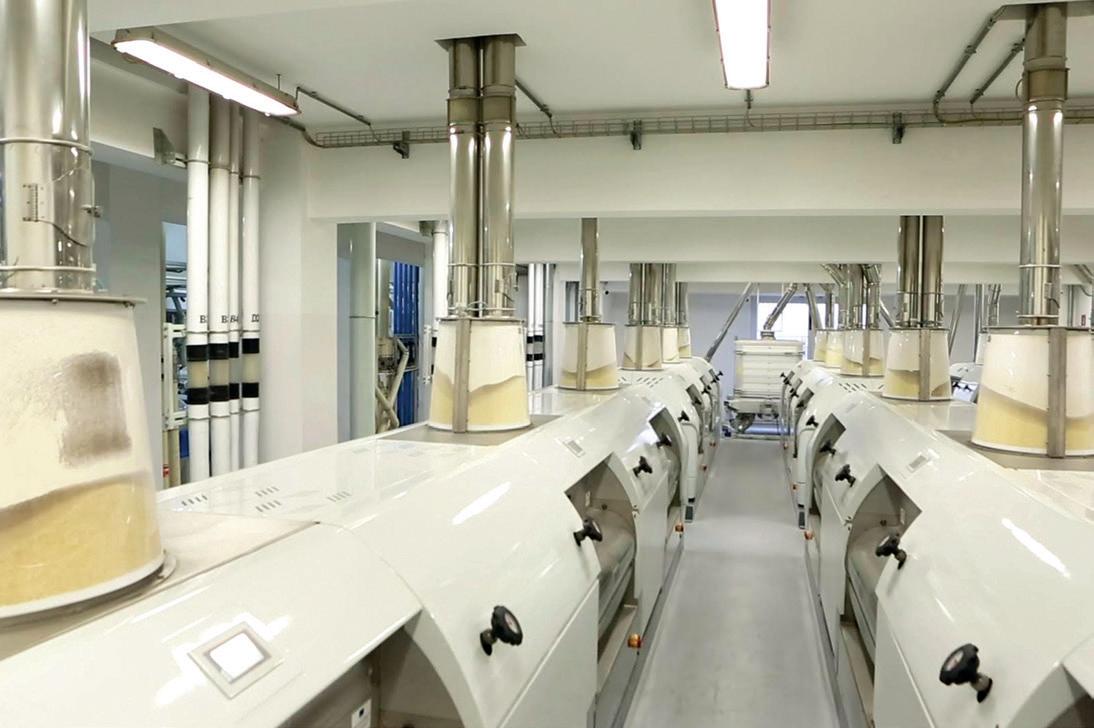
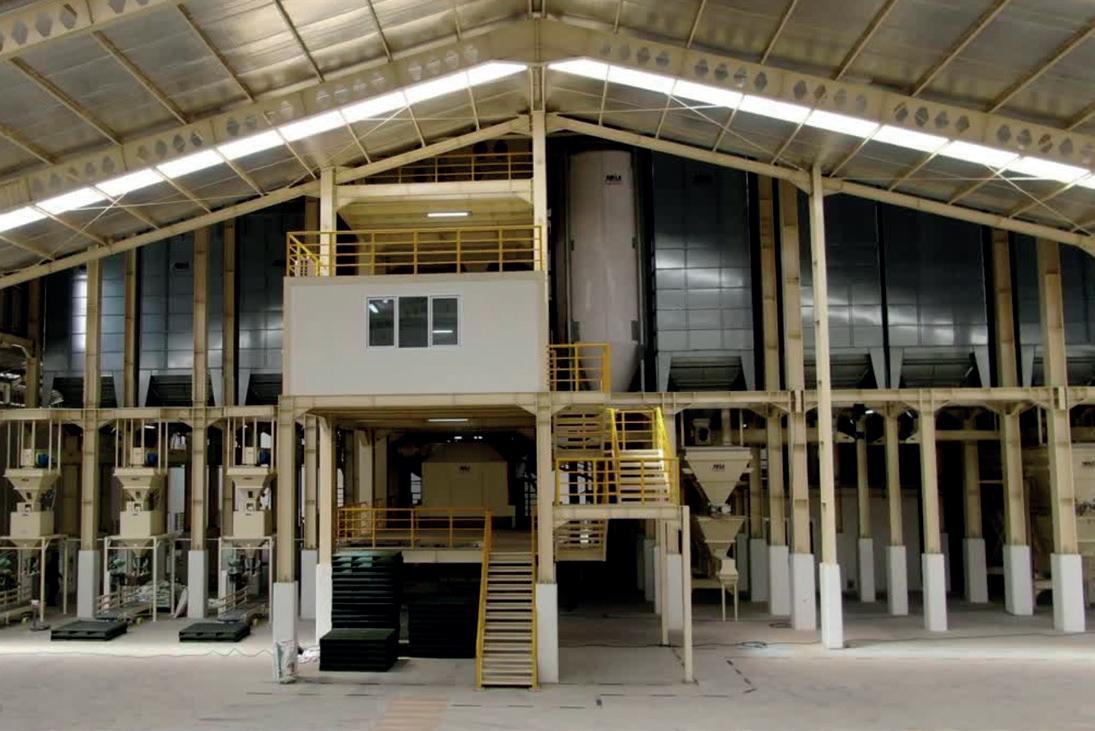
led by a highly experienced and expert supervisor. The complex work carried out within the Committee made it possible to offer a particularly comprehensive training programme, comprising lectures, interactive sessions, as well as educational visits to milling plants that made themselves available for this purpose. The commitment shown by the Technical Committee made it also possible to select lecturers with the highest expertise, thus ensuring the initiative the necessary authority. The three courses organised as part of the “School for Milling Industry Technicians” were designed to train staff already working in milling plants
and therefore having at least a basic knowledge of the sector. In the current discussions, appropriate assessments are underway to explore the possibility of the next training module being aimed instead at young people with no experience in the milling sector but who are keen to join this particularly
fascinating world, as it effectively combines tradition and innovation. Should this option be chosen, it will be necessary to carry out a careful and widespread communication and promotion campaign regarding this initiative, presumably at technical schools, so as to ensure that potentially
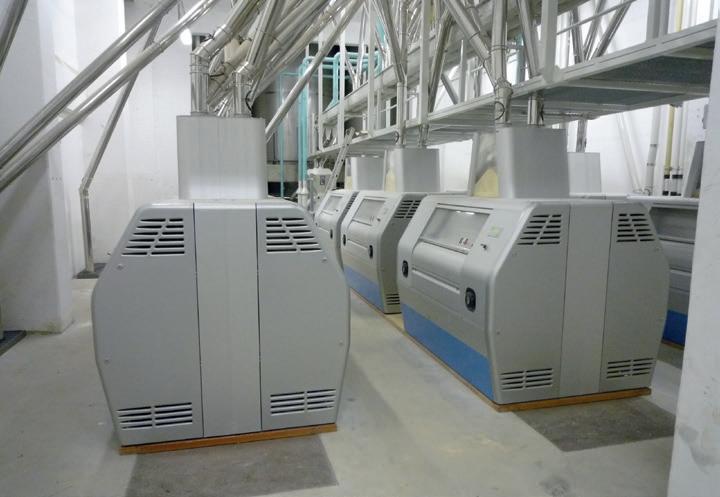
THE COURSES ARE A CONCRETE RESPONSE TO THE SECTOR’S NEEDS REGARDING STAFF TRAINING
interested young people are properly informed. At the same time, the possibility cannot be ruled out that the next training programme may still include the participation of people already working in mills, including through the planning of a specialist training course. The forthcoming course and, more generally, the establishment of a fully-fledged school dedicated to training technicians for the milling industry, aim to provide a concrete response to the sector’s real challenges regarding training; these challenges, if ignored, could become toughest over the coming years.
CESCO announces the creation of CESCO EPC Srl, a new company resulting from the integration of CESCO EPC Italia and Technobins, two established engineering companies active in the design and construction of grain handling, storage and processing infrastructure.
The new company strengthens the group’s engineering and manufacturing capabilities by combining CESCO’s international EPC project management expertise with Technobins’ specialized
know-how in the design and manufacturing of process silos, storage systems and steel structures for the grain and milling industries.
“The integration represents the natural evolution of a collaboration that has developed over recent years,” says Luca Celeghini, founder of CESCO. “By bringing together engineering, manufacturing and project management capabilities within a single structure, we can further strengthen our ability to
deliver complex industrial projects to customers worldwide.”
Founded in 1995, Technobins has built a strong reputation as a specialized engineering and manufacturing partner for process silos and storage systems serving the milling industry. The integration with CESCO EPC allows the new company to expand its capabilities and offer more comprehensive solutions, ranging from concept engineering to the delivery of fully integrated turnkey plants.
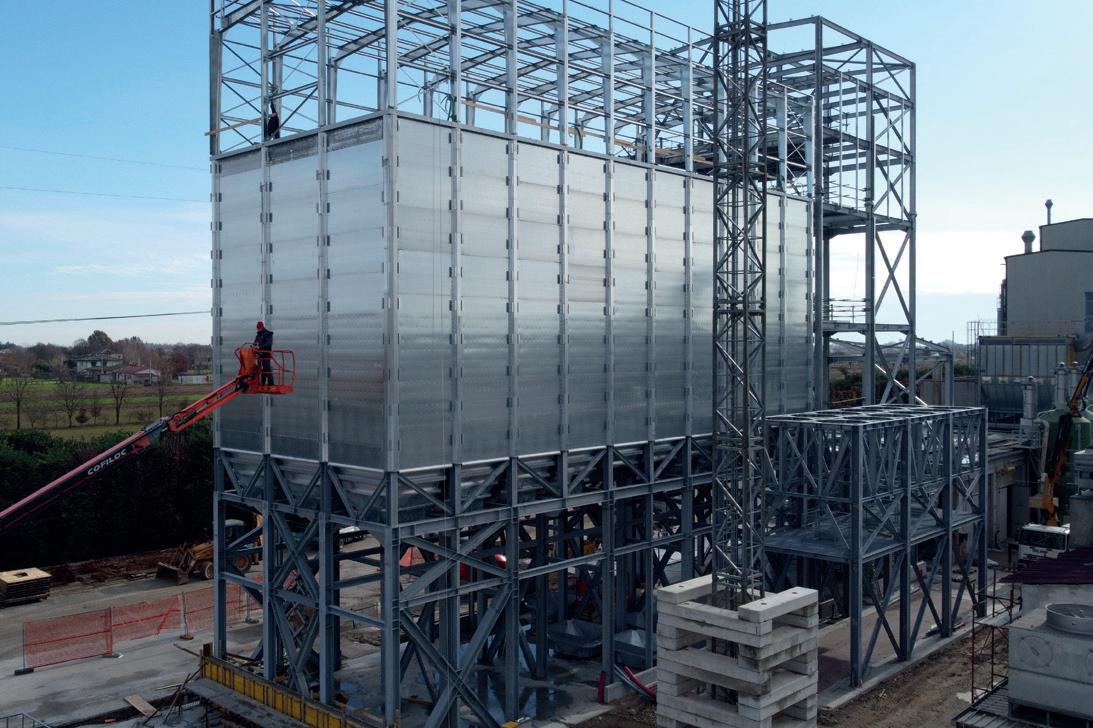

CESCO EPC Srl will act as the group’s industrial hub in Italy, operating in close cooperation with CESCO EPC GmbH in Germany, which continues to lead international EPC projects across global markets.
As part of this development, the group
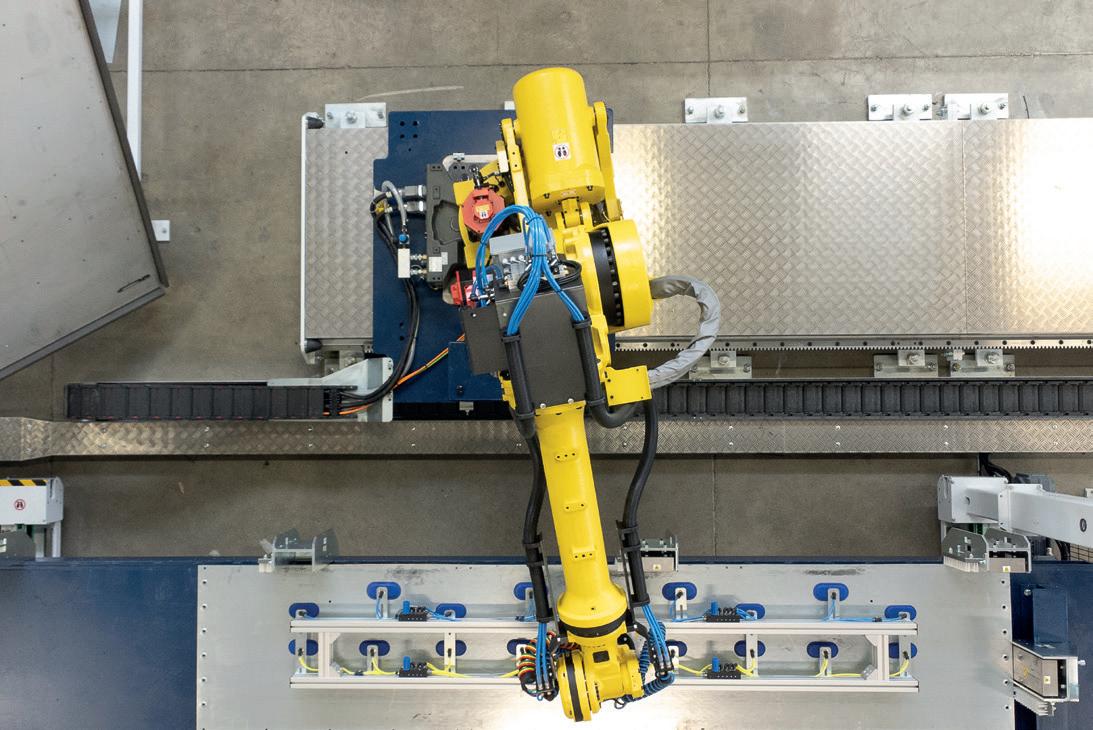
has recently invested in a new 5,000 m² engineering, manufacturing and procurement facility in Reggio Emilia, including a workshop equipped with automated sheet metal processing systems and advanced fabrication technologies. The new site strengthens
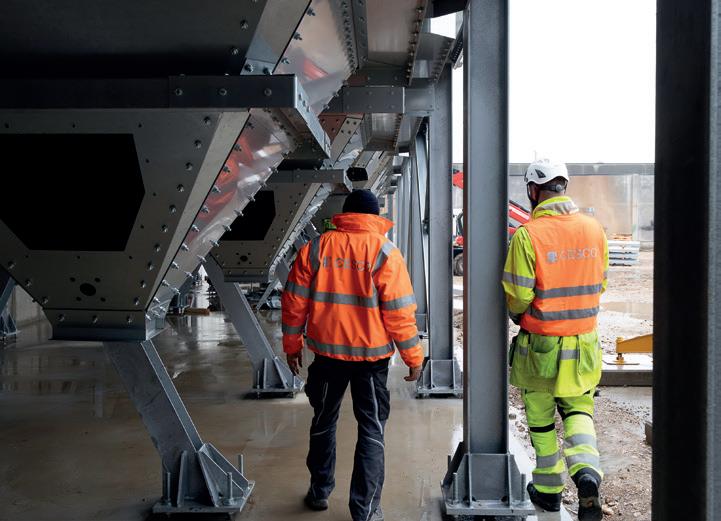
the company’s production capacity and supports the growing demand for grain handling, storage and processing infrastructure in regions such as Africa, the Middle East, South America and Eastern Europe.
With this integration, CESCO EPC further consolidates its position as an engineering partner for complex grain handling, storage and processing infrastructure projects, combining European engineering expertise with strong industrial capabilities.
CESCO EPC is an international engineering company specialized in the design and construction of industrial plants for grain handling, storage and processing. Operating globally, the company provides EPC solutions for complex projects in the grain, milling and agro-industrial sectors.
For more information: Email: info@cesco-group.com Website: www.cesco-group.com
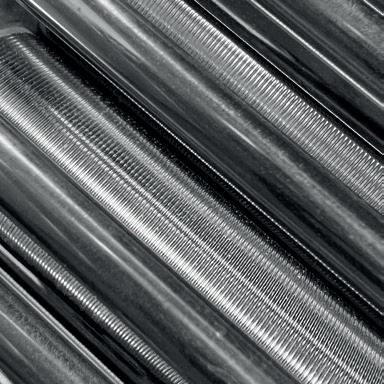
Fava Storci offers two solutions for pasta sheets, always with one goal: the highest quality of the final product.
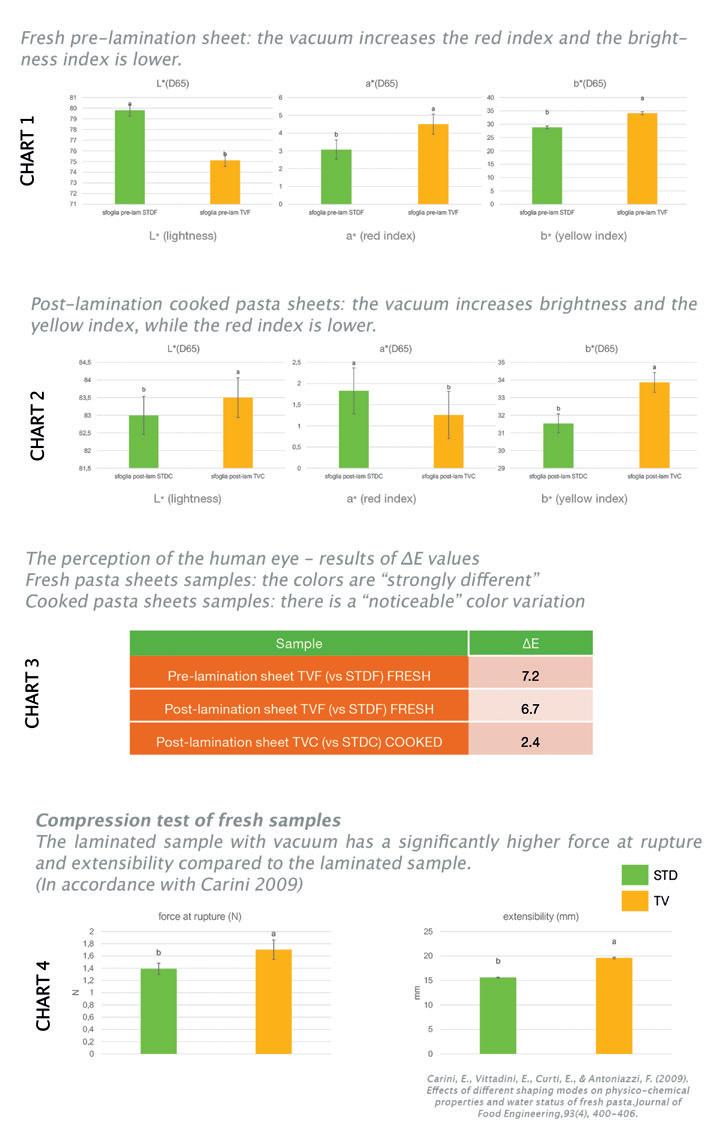
Studies conducted in the Fava R&D Laboratory, in collaboration with the University of Parma, highlighted the benefits of the vacuum, advantages shared by both proposed solutions and that set Fava Storci’s pasta sheeters apart from traditional ones.
Fresh pastry produced with vacuum technology shows a higher red and yellow index compared to that obtained with traditional technology (CHART 1) The same samples, after cooking, show higher brightness and yellow index and a reduction in red index (CHART 2). We know that the human eye is different from measuring instruments: for this reason, we calculated the value of ΔE (used to indicate the color difference perceptible to the human eye) between two samples, STD and TV: the differences between samples are quite distinct (fresh pasta sheets) and distinguishable (cooked pasta sheets) - (CHART 3)
Fresh sample compression test: the samples with vacuum exhibit significantly greater toughness and extensibility compared to traditionally laminated samples (CHART 4)
The vacuum level during kneading and laminating can be adjusted, altering the dough characteristics according to production needs. The results obtained are highly significant and demonstrate the important features of the Total Vacuum TV series rollers, characteristics that have led many pasta factories in Italy and abroad to prefer them over traditional ones.
Total reliability, excellent results, and extreme ease of cleaning are common
elements between the two types in the range.
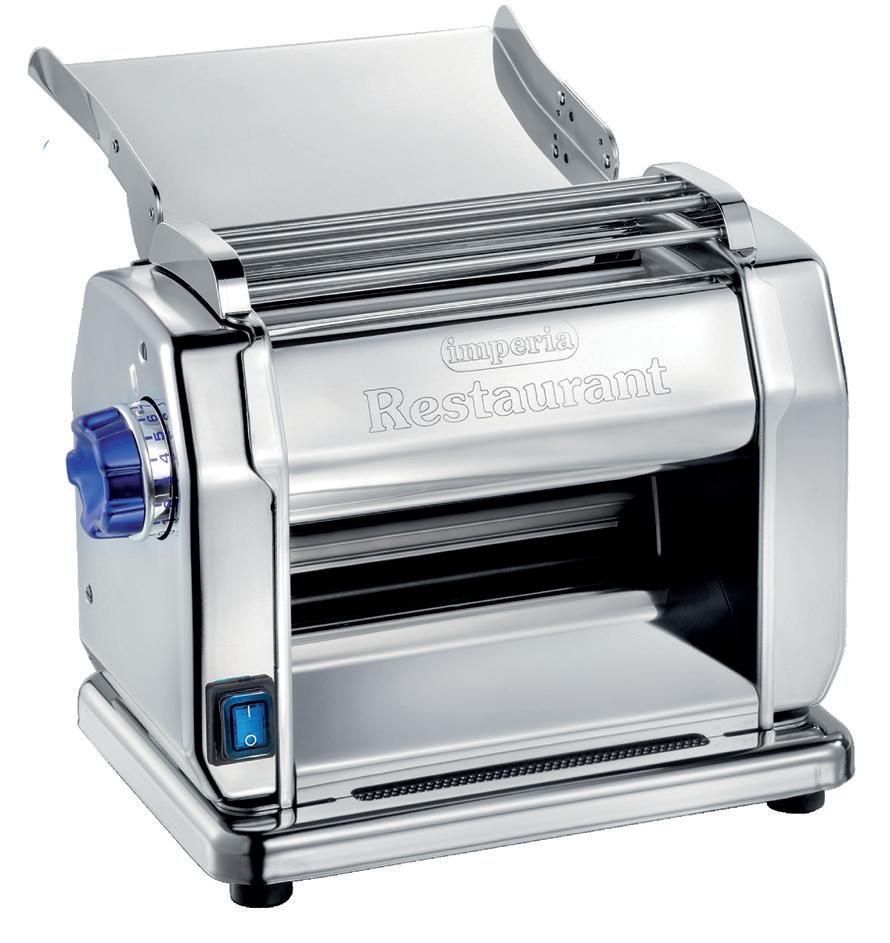
The STF TV HD (Heavy Duty) vacuum laminator is now a well-established reality, already installed for some time in several important pasta factories in Italy and abroad, top of the range in terms of construction and product quality. It is a robust, well-constructed machine with a high output capacity. It was designed for intensive use and heavy duty and is ideal for producing long sheeted pasta (tagliatelle), filled pasta, and for working with hard and compact doughs. Designed for large-scale industrial use, it allows for automatic production without the constant presence of an operator. Dough sheet width from 540 to 1,200 mm.
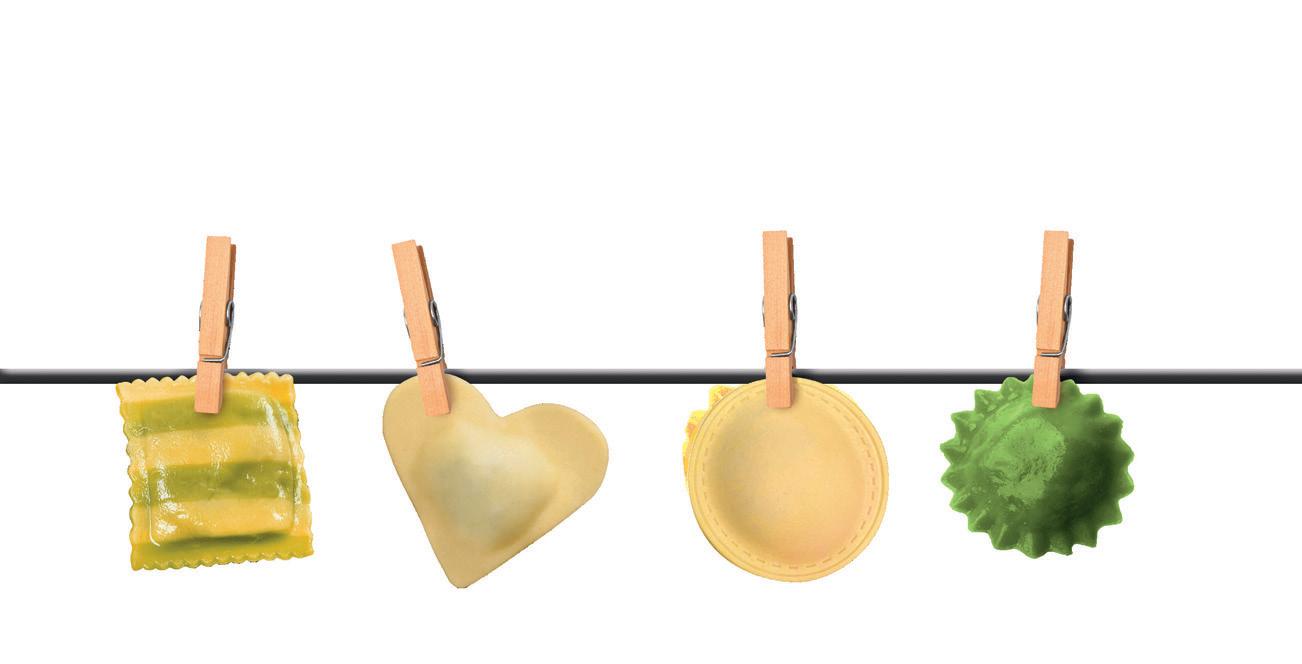
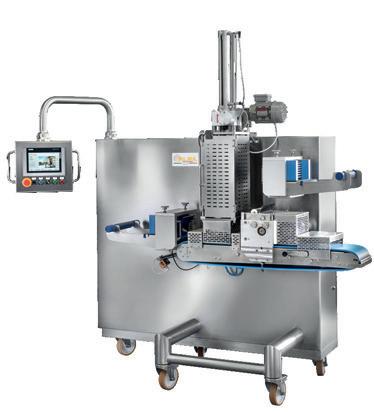
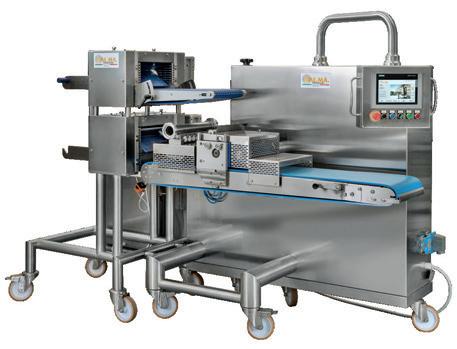
Fresh production capacity: from about 200 to about 1,400 kg/h. For softer sheets used for filled pasta production, the dough sheeter VSF applies vacuum to a kneading system and is particularly suitable for the production of tortellini or ravioli.
Like the STF TV HD, the VSF dough sheeter also allows automatic production without the constant presence of an operator. Excellent cost-performance ratio. Dough width from 250 to 540 mm. Fresh production capacity: 250-500 kg/h.