Commodity Market Report
Your guide to market trends, supply insights, key price movements, and strategies to mitigate inflation.
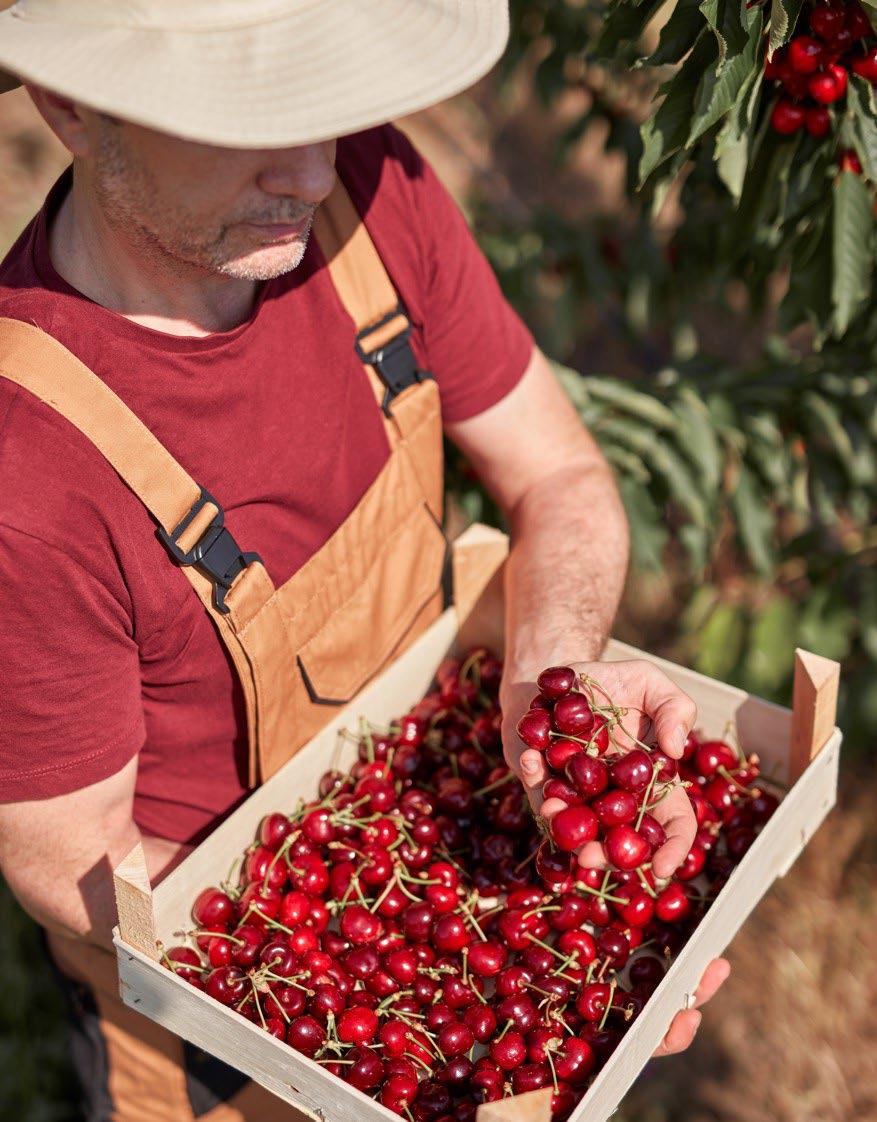
Your guide to market trends, supply insights, key price movements, and strategies to mitigate inflation.

This report offers the latest commodity market updates, backed by impartial research, reliable news sources, and the local knowledge of our supply chain and culinary experts.
Please note: Market data and commentary are based on Mintec data collected on 13 May 2026 and are subject to change after this date.

Katrina Gibbs Supply Chain Reporting Manager
With extensive experience in European supply chain and commercial finance, Katrina delivers timely insights to help clients understand market trends and navigate procurement challenges.
She brings together the latest market updates with data and expert intelligence, helping you anticipate price movements and make confident purchasing decisions for the months ahead. is

Paul Bloxham Head of Culinary
With over 25 years of experience, our Head of Culinary is here to help elevate your menus and support your business.
In this edition, he shares simple ways to make the most of seasonal ingredients, along with practical tips to cut costs and improve your menu offerings.

Ireland's cost environment is tightening again, with energy re-emerging as a key inflation driver and packaging costs rising sharply.
As a highly import-dependent market, Ireland feels logistics disruption more directly than most, and with a wet spring delaying domestic planting, supply risk for Irish seasonal produce is building through the back half of the year. Dairy remains the opportunity, with milk and butter at historic lows, and Irish aquaculture delivering improved salmon availability. Acting now on both protein strategy and energy contracts will matter most this quarter.

Rotate away from costly proteins
Use the dairy opportunity
Make the most of
into
Inflation in Ireland increased modestly between Q1 and early Q2 2026, mainly driven by a rebound in energy prices and continued strength in services inflation.
During Q1, inflation had been stabilising following declines in late 2025, however by March, higher wholesale gas and oil prices, alongside rising transport costs, pushed inflation higher again. The Consumer Price Index (CPI) rose by 3.6% between May 2025 and May 2026.
Excluding Energy and Unprocessed Food, the CPI grew by 2.9% in the 12 months to May 2026.
One of the CPI divisions with the largest increases in the 12 months to May 2026 was Housing, Water, Electricity, Gas & Other Fuels (+7.1%).
Wage growth in sectors such as hospitality and construction also contributed to sustained inflation.
In global food markets, the FAO Food Price Index averaged 130.7 points in April 2026, rising 1.6% from March, marking the 3rd consecutive monthly increases. Prices increased for vegetable oils, meat and cereals, while sugar and dairy prices declined.
Global food prices are 2.0% higher than last year but remain 18.4% below the peak seen in March 2022.
• Cost pressures are becoming more persistent, as inflation is increasingly driven by energy and wage growth rather than goods prices.
• This reduces the likelihood of near-term easing and means cost relief for businesses is expected to remain limited.

Tensions in the Middle East escalated in late February, disrupting activity in the Strait of Hormuz, a key global shipping route responsible for around a quarter of global oil shipments, which led to reduced shipping volumes and pushed oil prices above $90 per barrel.
Global container shipping costs eased slightly at the end of April, with the 40-foot container index falling around 2% to $2,232 per container, following earlier increases through March.
However, broader costs remain elevated due to higher insurance premiums, vessel rerouting and increased journey times, while Irish trade data shows rising import values in March, largely driven by higher energy costs.
As Ireland is highly import-dependent, these increased logistics costs tend to feed through more directly into food and commodity pricing.
• The shift from relatively stable to rising logistics costs between Q1 and Q2 is feeding directly into food and commodity inflation.
• This is reinforcing wider cost pressures for operators, particularly across imported goods and energy-linked categories.

Conditions shifted from a relatively mild winter into an unusually wet early spring.
Compared with Q1, when conditions supported more stable livestock activity, Q2 has seen significantly wetter soils, which has delayed planting and fertiliser application and created knock-on impacts for crop timing and yield expectations.
Spring 2026 in Ireland saw very changeable weather, which had a clear impact on farming activity and output.
April was generally mild but mixed, with wet conditions early in the month making fieldwork difficult, especially in some regions. Conditions improved later, allowing farmers to catch up.
May turned much warmer, boosting grass growth and helping livestock farming. However, the sudden heat and some dry spells created uneven growing conditions and added pressure in places.
• Rather than immediate shortages, the shift between Q1 and Q2 is introducing timing risk into the supply chain.
• This increases the likelihood of tighter availability and greater price volatility later in 2026.

Chicken (EU)
-0.1% Beef
Lamb (Ire)
-12.4%
+13.8%
Lamb (New Zealand) -3.3% -4.7%
Pork (Ire) +3.3% -18.7%
Cod
+24.8% Haddock
-3.5%
+6.3% Road Freight Index Europe
Source: Mintec Analytics, 13/05/2026
0.2 % ↑ vs last quarter
Prices are stable in Q1 but shifting towards gradual increases in Q2 due to rising input costs.
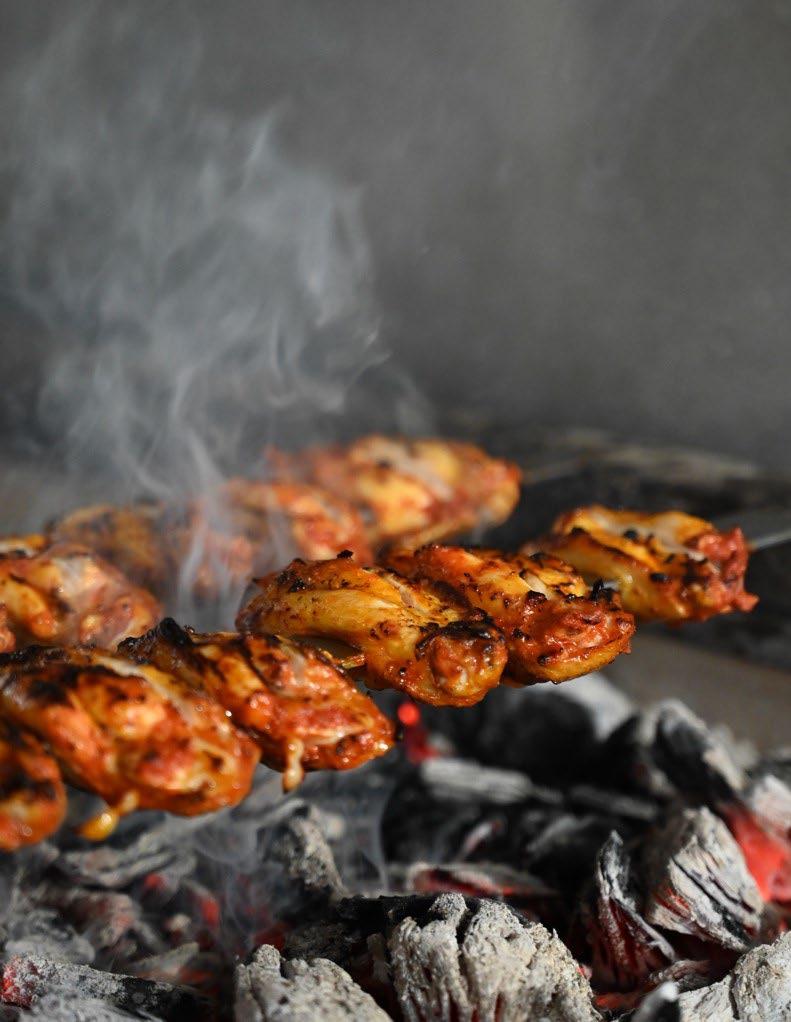
Ireland’s poultry market remained stable in Q1, supported by strong demand for lower-cost proteins and balanced supply. However, reliance on imports leaves the category exposed to external shocks.
In Q2, rising energy and transport costs linked to global supply disruptions are feeding through logistics and feed inputs, gradually increasing price pressure. EU chicken prices fell slightly in April (-1.07% month-on-month), partly due to higher imports from Ukraine, but remain above last year’s levels. Demand for popular chicken cuts, such as wings, thighs, and drumsticks, is expected to rise in the coming weeks as warmer weather marks the start of the barbecue season.
The market remains structurally strong, with continued upward pressure and limited downside risk.
Beef prices stayed elevated in Q1 due to declining production, reduced cattle availability and strong export demand across EU markets.
While record-high prices are starting to impact consumption, supply constraints continue to dominate. Into Q2, prices remain firm as tight supply conditions persist and input costs rise, with export demand providing structural support.
Prices are stabilising after a seasonal dip, with firmer conditions emerging in Q2.
Lamb prices eased in Q1 following seasonal patterns but remained strong year-on-year. In April, prices softened slightly before strengthening again, supported by tight supply and stronger export demand.
Across the EU, low slaughter levels and ongoing animal health pressures continue to limit availability and support pricing.
vs last quarter
The market is stabilising following Q1 weakness, with only limited margin recovery expected.
Pork prices were weaker in Q1 due to high supply and softer demand. In Q2, the market is beginning to stabilise as supply adjusts and costs rise, although profitability remains under pressure due to ongoing input cost challenges.
Early signs of improved balance are emerging, with cautious optimism for more stable pricing ahead.

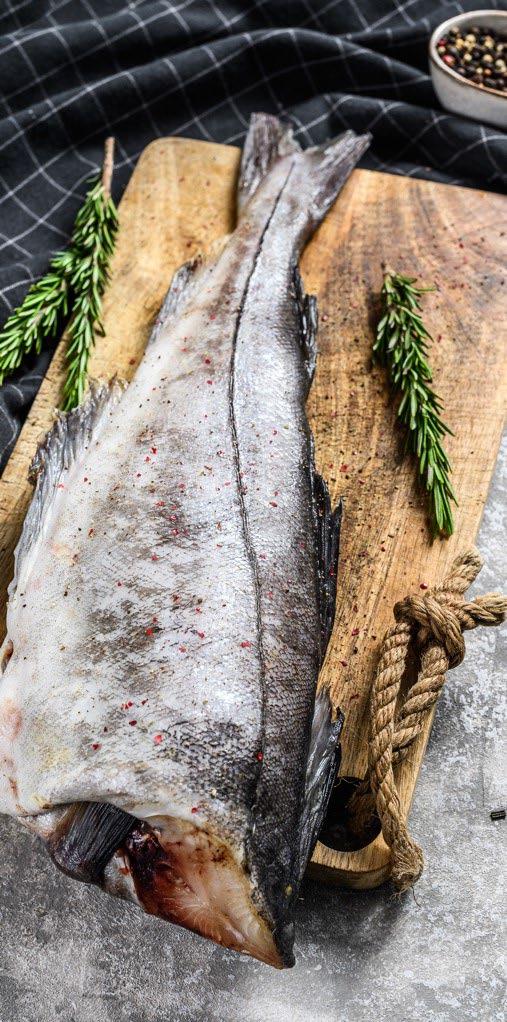
Prices remain elevated due to structural supply shortages and higher import costs.
Cod prices remained high in Q1 due to quota cuts and reduced supply. Although Norwegian prices fell quarteron-quarter due to higher catch volumes, underlying constraints persist.
Into Q2, import dependency, freight costs and energy pressures continue to support elevated pricing.
Supply recovery is beginning to ease upward price pressure.
Salmon prices were supported in Q1 by tight supply and steady demand across European markets. [indexmundi.com]
However, into Q2, prices have begun to soften and stabilise as supply recovers, including stronger aquaculture output in Ireland, with aquaculture output rising by over 50% year-on-year, which has improved market availability and is easing upward price pressure.
Tight supply conditions continue to support firm pricing.
Haddock followed a similar pattern to cod, with tight supply supporting strong pricing.
While quota reductions were less severe, availability remains constrained. In Q2, import dependency and logistics costs are expected to keep prices firm with gradual upward pressure.
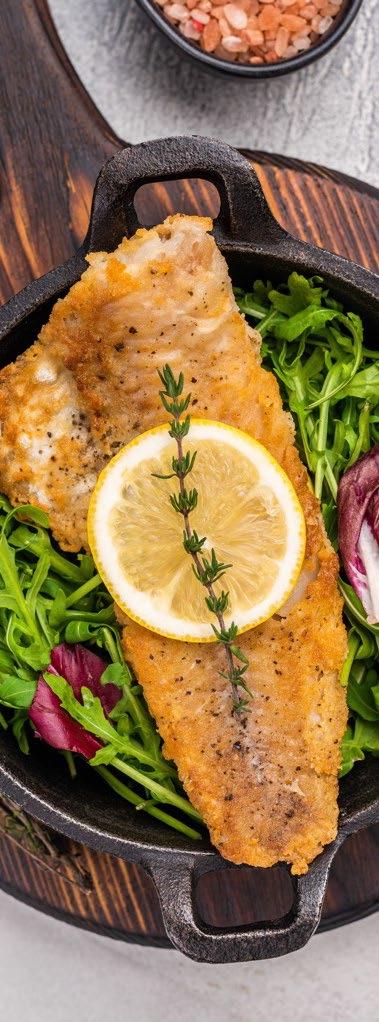
Prices remain subdued, with oversupply continuing to weigh on the market.
Domestic milk intake from January to March 2026 increased by 20 million litres compared with the same period in 2025 (CSO)
Milk prices fell sharply in Q1 due to global oversupply and weakening commodity markets. Irish milk prices are significantly below 2025 levels. In Q2, prices are stabilising but remain subdued due to continued strong production levels across Europe.
The market is moving from volatility into stabilisation in Q2.
The market is moving from volatility into stabilisation in Q2.
Butter prices fell in Q1 due to oversupply driven by strong milk production across EU markets. April saw volatility, with a brief post-Easter increase followed by renewed declines as inventories remained high. In Q2, the market is beginning to stabilise as supply and demand rebalance.
Recovery continues, supported by improved demand and export strength.
Cheddar prices began recovering in Q1 following earlier declines, supported by improved balance between supply and demand. Into Q2, stronger export demand is supporting further gradual price increases.

17.2
% ↑ vs last quarter
Prices remain weak, with weather introducing increasing supply risk.
Prices remain weak, with weather introducing increasing supply risk.
Potato prices remained under pressure in Q1 due to strong European supply and import competition. Ireland also experienced exceptionally wet conditions, which disrupted planting. In Q2, prices remain weak, although weather conditions introduce increasing risk to future supply stability.
Prices are beginning to ease as Irish seasonal supply builds, though weather remains a key risk.
As we begin to see the first arrivals of locally grown Irish fruit and vegetables (including asparagus, lettuce, early brassicas, and the initial batches of strawberries and raspberries), domestic supply is starting to build.
Irish-grown produce benefits from lower production costs at this time of year, as reliance on energyintensive growing methods reduces with more natural, seasonal cultivation. However, output remains weather-dependent, and alongside potential disruption to imported supply, a consistent price decline through Q2 is not guaranteed.

Prices are easing overall, with vegetables falling more consistently while fruit remains more stable due to seasonal timing and supply differences.
As expected, the market is moving through the seasonal transition from winter (Q1) to spring (Q2), which is typically associated with downward price pressure as supply increases. However, 2026 is showing a slower and more volatile shift due to cooler spring conditions, which have delayed earlier harvests and slowed the ramp-up in supply.
Tomatoes and brassicas have shown the strongest and most consistent price declines as availability has improved, while citrus and late-season fruit have remained stable due to strong winter supply carrying through into early spring. Overall, vegetables are leading the downward trend, while fruit is holding firmer.
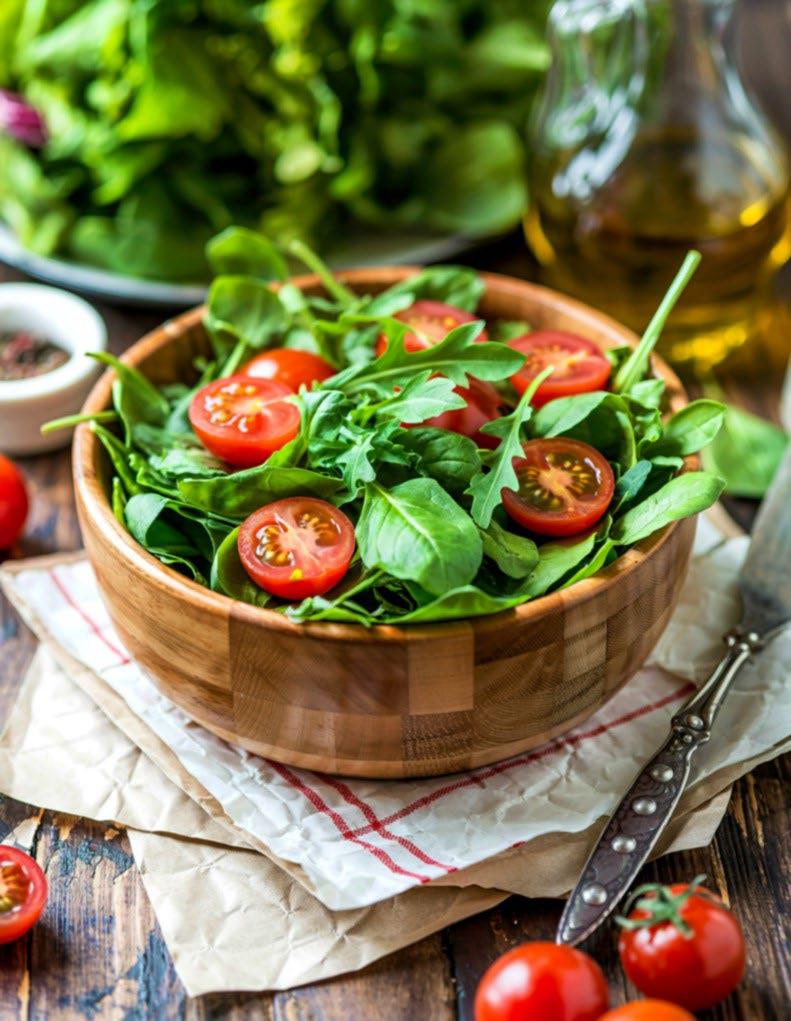
Weather concerns, especially around El Niño, are causing short-term price increases.
At the same time, demand remains weak and there are signs of too much supply. The market is also dealing with higher costs and complexity linked to EUDR supply chain rules.
Recent reporting indicates that Ivory Coast’s crops are currently in good condition, supporting a more favourable supply outlook for the main harvest expected in the second half of the year.
However, demand is still under pressure after the earlier spike in prices. It also takes time for lower cocoa prices to filter through to chocolate products, so consumers are still feeling the impact for now.
Downward pressure continues, but cost inflation is slowing the pace of decline.
Sugar prices declined in Q1 due to strong global production and surplus supply. As Q2 begins, this downward trend continues, although falling prices are being partially offset by rising energy and freight costs which increase overall supply chain expenses.
Prices are gradually easing but remain exposed to import and energy costs.
Coffee prices corrected in Q1 following earlier increases, supported by improved global supply and softer demand. However, high freight and energy costs continue to limit price reductions in the Irish market.
Favourable weather conditions in Brazil are expected to accelerate cherry ripening, increasing the likelihood that the harvest will begin flowing earlier than usual.
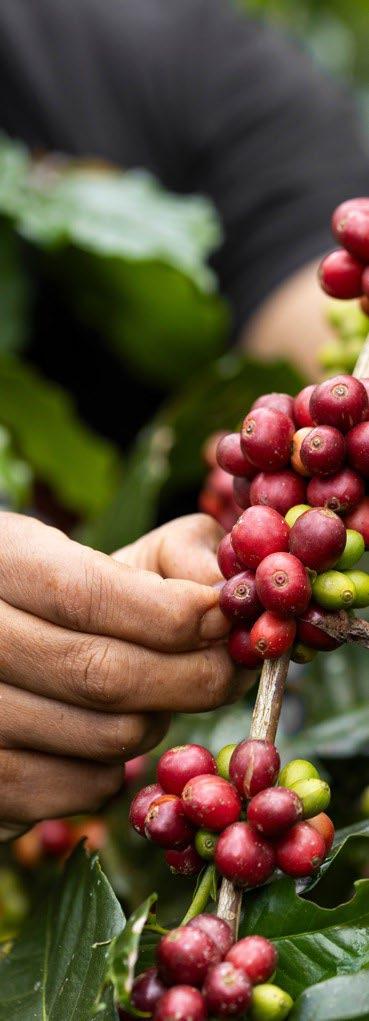
Energy is re-emerging as a key inflation driver in Q2 after a relatively stable Q1.
The transition from Q1 to Q2 shows a clear turning point in Ireland’s energy market. Q1 was relatively stable following earlier easing, while Q2 has seen renewed upward pressure, particularly in household energy categories.
CSO data confirms that by April 2026, prices in “Housing, water, electricity, gas & other fuels” rose by 1.1% monthon-month, with annual inflation at 8.1%, making it one of the largest contributors to overall price increases. This reflects a broader shift in which energy is again contributing to inflationary pressure after a period of stability.

The market is stable, with cost pressures limiting further declines.
Olive oil prices fell in Q1 as improved harvest conditions increased supply across producing regions.
However, rising energy and transport costs are limiting further price reductions.
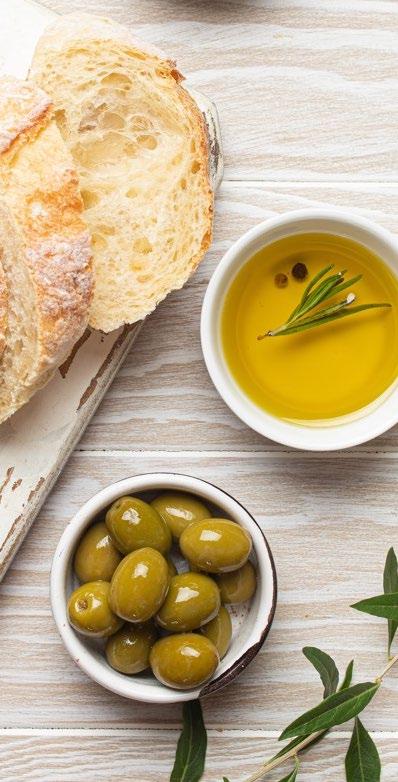
Our Head of Culinary, Paul Bloxham, shares smart swaps and cost-saving tips for key commodities rising or falling in price this summer.

Chicken.
Replace, rotate, reduce
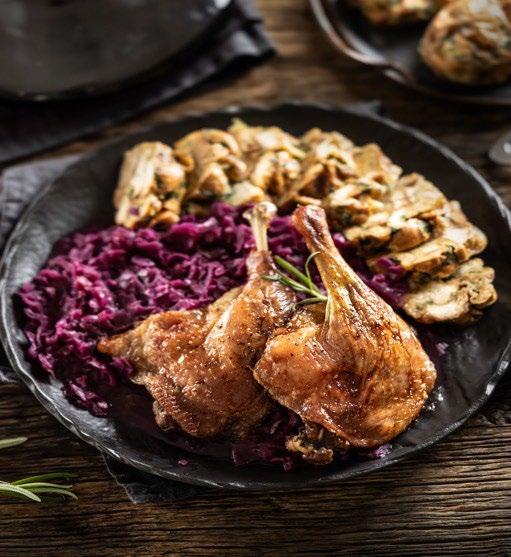
Avian flu across Europe has tightened supply, making chicken a cost risk this summer. Guinea fowl is the simplest swap, as it cooks identically, carries lower supply pressure, and tells a stronger menu story.
Duck breast and confit duck leg also work well as flexible alternatives, while turkey breast steaks offer a lower-cost option that performs in the same formats. Where chicken is used, whole-bird buying and inhouse butchery can help maximise yield across multiple dishes.
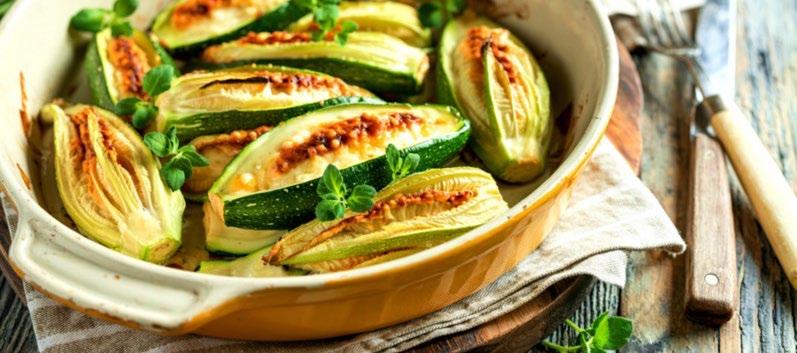
Summer also creates an opportunity to lean into plantforward mains. Courgette, heritage tomatoes, broad beans, and sweetcorn can all deliver strong margin as standalone dishes.
Coffee prices are easing, creating a good moment to review menus and improve offer quality.
Cold brew, flash brew, and iced speciality drinks offer strong margins and growing demand, especially in afternoon and evening service. Simple, controlled systems such as bean-to-cup or pod formats help maintain consistency without adding operational pressure.
Positioning coffee as an experience rather than a utility can help drive incremental spend. Where coffee is strong, it lifts satisfaction and where it isn’t, it shows quickly.
For more detail on improving your offer, read our article: Elevating Coffee Moments.
Egg prices remain high, so the key action is simple: use them where essential, and review everywhere else. Many savoury dishes include eggs in low-impact roles such as garnishes, binders, or glazes - these are often easy to reduce or remove without affecting the customer experience.
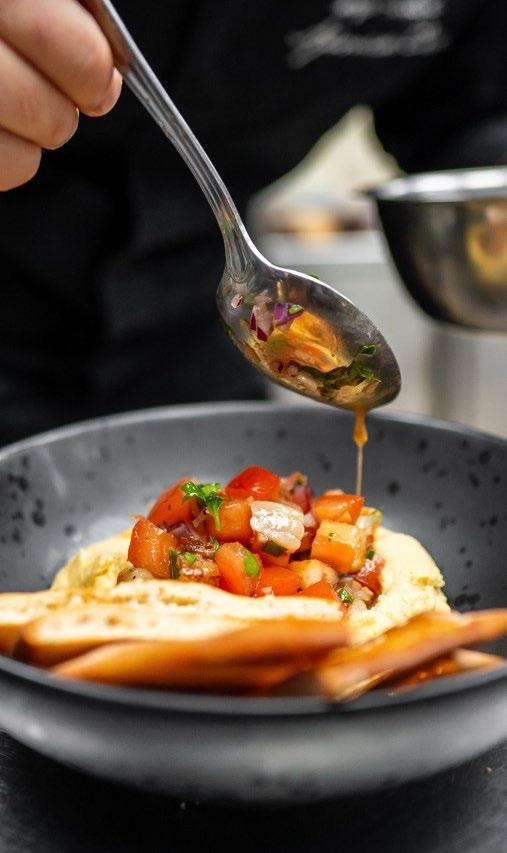
A guide to making the most of summer’s abundant selection, from our Head of Culinary, Paul Bloxham.
Summer is the season of abundance, but its finest produce arrives in windows so brief that a fortnight’s inattention can mean your menu misses the moment entirely.
From the cool, Atlantic-influenced intensity of Irish strawberries and raspberries to the sun-drenched stone fruits and heritage tomatoes of Provence and Andalusia, summer offers chefs and operators across Europe access to two distinct worlds at once.
Understanding how to navigate both is the key to unlocking the season’s full potential.
To help you make the most of the season, we’ve outlined practical strategies and a month-by-month guide to key produce and proteins across the UK, Ireland, and Europe.
1. Act on Short Windows: Many summer ingredients, like asparagus, cherries, strawberries, peak for only a few weeks. Build menus around known seasonal windows and stay in close contact with your suppliers.
2. Embrace Two Seasons: Irish cool-climate produce offers intensity and provenance. Continental European ingredients bring abundance and variety. Use both to broaden your summer palette.
3. Celebrate Heritage & Provenance: Consumers are increasingly drawn to ingredients with a story.
Highlighting origin - Jersey Royals, Wye Valley asparagus, Cornish sardines - adds value and builds customer trust.
4. Keep It Simple: Summer produce at peak quality needs little intervention. Let the ingredients lead: a well-sourced heritage tomato, a perfectly ripe peach, or a freshly caught mackerel will always outperform an over-worked dish.
5. Plan for Value & Flexibility: With beef prices high and poultry costs unstable, explore lesser-used cuts, offal, and sustainable seafood. Versatile, affordable proteins allow creativity without sacrificing margin.
.
The Season Opens.
KEY PRODUCE
• Early summer vegetables: Asparagus (final weeks of the season), broad beans, peas, courgettes, artichokes, new potatoes, radishes, and spinach
• Salads & herbs: Rocket, watercress, Little Gem, sorrel, and a full range of fresh herbs including basil, chives, and mint
• First fruits: Strawberries, cherries, and gooseberries - all arriving at or near peak quality
Peak Summer.
KEY PRODUCE
• Staples: Courgettes, runner beans, French beans, beetroot, fennel, sweetcorn (early), and a full range of lettuces and leafy greens
• Berries & soft fruit: Raspberries, blueberries, redcurrants, blackcurrants, and continued strawberries
• Continental arrivals: Courgette flowers, Basque piquillo peppers, Provençal aubergines, early heritage tomatoes from southern Europe
The Abundant Month.
KEY PRODUCE
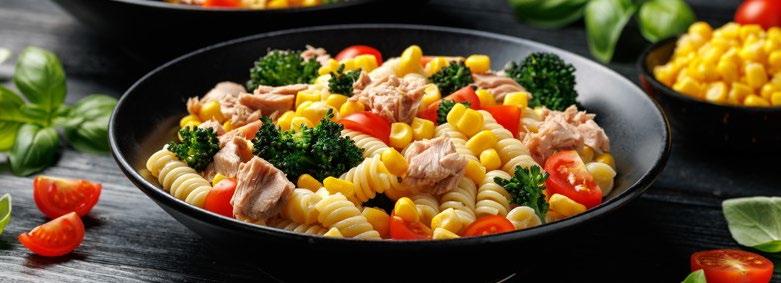
• Peak summer vegetables: Sweetcorn, tomatoes (including heritage varieties), peppers, aubergines, courgettes, and lateseason beans
• Stone fruits: Peaches, nectarines, plums, apricots, and cherries from southern Europe, arriving in their finest form through July and into August
• Melons & citrus: Flavour-packed melons and juice-rich citrus fruits from Provence and the Mediterranean offer versatile options for both savoury and sweet applications
Complementary Proteins.
Summer produce pairs beautifully with sustainable seafood: crab (coming into season), mackerel, pollock, mullet, gurnard.
Farmed salmon remains a summer staple, while farmed and wild mussels and oysters add excellent seasonal value.
For meat, focus on less popular cuts of beef, pork, and venison for flexibility, or explore offal and minced meat dishes - koftas, sausage rolls, scotch eggs, meatballs, burgers, and ragùswhich offer outstanding creativity and margin without compromising on quality.
Avendra International is the leading strategic procurement and supply chain partner to a wide range of organisations worldwide.
Leveraging $20.5B in purchasing power, our local experts offer tailored solutions to drive efficiency, savings, innovation and sustainability. We get it, and we can help.
Reach out to your regional account manager for more information or contact Hello_Ireland@avendra.com.
Strait of Hormuz
https://tinyurl.com/6p4vdsc2
Red Sea Shipping Crisis
https://tinyurl.com/4scp4a2x
Oversupply slumps potato prices
https://tinyurl.com/aw5m64kw
Divided Outlook For Dairy Market
https://tinyurl.com/mtktsfyw
Agridirect forecast for Irish farming
https://tinyurl.com/5ewn869j
IFA Food price Analysis
https://tinyurl.com/3wwbmvz5
F&B trends 2026-27
Read the article
Tools to save your team valuable time
Read the article
The next chapter of plant-based food
Read the article
Explore our complete Edge Magazine for the latest tips and trends to optimise your operations!

Read it here