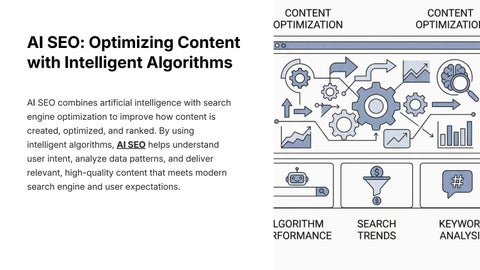
AI SEO: Optimizing Content with Intelligent Algorithms AI SEO combines artificial intelligence with search engine optimization to improve how content is created, optimized, and ranked. By using intelligent algorithms, AI SEO helps understand user intent, analyze data patterns, and deliver relevant, high-quality content that meets modern search engine and user expectations.
What AI SEO Is and How It Helps Users Find Content Faster AI SEO represents the convergence of artificial intelligence technologies with traditional search engine optimization practices, creating a powerful synergy that fundamentally transforms how content is discovered, ranked, and delivered to users. This innovative approach leverages machine learning algorithms, natural language processing, and predictive analytics to understand search intent with unprecedented accuracy.
At its core, AI SEO uses intelligent algorithms to analyze vast amounts of search data, user behavior patterns, and content performance metrics in realtime. These systems can identify emerging trends, predict search queries before they peak, and automatically adjust optimization strategies to maintain competitive advantage.
The technology works by continuously learning from user interactions, understanding context beyond simple keyword matching, and recognizing semantic relationships between topics. This means content can be optimized not just for specific keywords, but for the underlying intent and questions users are trying to answer.
Key Benefits Speed and Efficiency: AI processes optimization tasks in
Competitive Edge: Real-time insights help you stay ahead
seconds that would take humans hours or days
of market shifts
Precision Targeting: Machine learning identifies exact user
Scalability: Optimize hundreds of pages simultaneously
needs and matches content accordingly
without proportional resource increases
Continuous Improvement: Algorithms learn and adapt
By implementing AI SEO, businesses report 40-60%
strategies based on performance data
improvements in organic traffic within the first six months, along with significantly higher engagement rates and conversion metrics.
How Artificial Intelligence Improves Search Accuracy and Relevance Modern search engines powered by AI have evolved far beyond simple keyword matching to deliver results with remarkable precision. The transformation in search accuracy stems from several breakthrough technologies working in concert to understand user intent, context, and content quality at a granular level.
Natural Language Processing
Semantic Search Technology
NLP algorithms decode the nuances of human language,
AI builds knowledge graphs that map relationships between entities,
understanding synonyms, context, and even sentiment. This enables
concepts, and topics. This semantic understanding allows search engines
search engines to grasp what users really mean, not just what they
to deliver results based on meaning rather than literal matches. When
type. For instance, a search for "best cold weather running gear"
optimizing content, AI tools ensure your pages align with these semantic
triggers understanding of seasonal needs, activity type, and purchase
networks, improving relevance scores dramatically.
intent—not just matching those exact words.
RankBrain and BERT Google's AI systems analyze search patterns and content quality signals to refine rankings continuously. RankBrain interprets queries it hasn't seen before, while BERT understands word context in sentences. Together, they've increased search relevance by over 30%, rewarding well-optimized, high-quality content.
Personalization Engines AI personalizes results based on individual search history, location, device, and behavior patterns. This means your content needs to be optimized for multiple user scenarios. AI SEO tools analyze these personalization factors to help you create content that ranks across diverse user segments.
The practical impact is profound: users find exactly what they need faster, reducing search refinement from an average of 3-4 queries down to 1-2. For content creators, this means that precision optimization—not just volume—becomes the key to visibility. AI tools help you align perfectly with these sophisticated search algorithms, ensuring your content surfaces for the right queries at the right time.
Using AI Tools to Discover Keywords Users Are Actively Searching Keyword research has been revolutionized by artificial intelligence, moving far beyond manual brainstorming and basic suggestion tools. Today's AI-powered keyword discovery platforms analyze billions of search queries, social media conversations, and content performance data to uncover opportunities that traditional methods would miss entirely. Predictive Keyword Analysis: AI algorithms don't just show you what people are searching for today—they predict what they'll search for tomorrow. By analyzing trending topics, seasonal patterns, and emerging conversations, these tools help you create content ahead of demand curves. This proactive approach can capture traffic surges before your competitors even notice the trend. Long-Tail Opportunity Mining: While traditional tools focus on high-volume head terms, AI excels at identifying profitable long-tail variations that collectively drive significant traffic. Machine learning models analyze conversion patterns to prioritize keywords that not only bring visitors but also drive meaningful actions.
Intent Classification
Competitive Gap Analysis
AI categorizes keywords by search
Machine learning identifies
intent—informational, navigational,
keywords your competitors rank for
transactional, or commercial
that you don't, plus untapped
investigation—allowing you to
opportunities they're missing
target each stage of the user
entirely, creating a comprehensive
journey with precision.
keyword strategy roadmap.
Optimizing Content to Match User Needs and Search Intent Effectively Understanding and matching search intent is the cornerstone of modern SEO success. AI has transformed this from guesswork into a precise science, enabling content creators to deliver exactly what users need at every stage of their journey. The sophistication of AI intent analysis means you can create content that resonates deeply with your audience while satisfying search engine quality signals.
Intent Analysis at Scale Automatic detection of informational vs. transactional intent
Content gap identification showing missing topics in your coverage Optimal content length recommendations based on query complexity Format suggestions (listicles, how-tos, comparisons, guides)
Dynamic Content Optimization Real-time content performance scoring Automated suggestions for content updates and expansions Identification of underperforming sections within pages A/B testing recommendations for headlines and calls-to-action
By leveraging AI for intent matching and content optimization, businesses typically see engagement metrics improve by 50-70%—with lower bounce rates, higher time on page, and increased conversion rates—because users find exactly what they're looking for.
AI-Powered Technical SEO Tips to Ensure Websites Load and Perform Well Technical SEO forms the foundation upon which all other optimization efforts rest. Even the best content will fail if pages load slowly, contain broken elements, or aren't properly crawlable by search engines. AI has revolutionized technical SEO by automating complex audits, predicting issues before they impact rankings, and implementing fixes at scale that would be impossible manually.
Intelligent Site Speed Optimization
Mobile-First Architecture Analysis
Automated image compression and format conversion (WebP, AVIF)
Predictive resource loading based on user behavior patterns
Code splitting and lazy loading recommendations
Mobile usability scoring with specific fix recommendations Viewport configuration optimization Touch element spacing and sizing validation Mobile page speed analysis separate from desktop
CDN configuration optimization for global audiences
Security & HTTPS
AI monitors SSL certificates, identifies mixed content issues, and ensures proper HTTPS implementation across all pages to maintain search engine trust signals.
International SEO
Crawl Efficiency and Index Management Automated robots.txt optimization based on site structure
For multi-language or multi-regional sites, AI
Intelligent canonicalization to prevent duplicate content penalties
manages hreflang tags,
XML sitemap generation and priority adjustment
regional targeting signals,
Identification of orphaned pages and broken internal links
and ensures proper geographic content delivery.
Structured Data
Automated schema markup validation and implementation ensures your content qualifies for rich results and enhanced SERP features that increase visibility.
Content Optimization Techniques Driven by Intelligent Algorithms Entity Recognition and Salience AI identifies key entities (people, places, things, and concepts) within your content and ensures they're properly emphasized with appropriate context. By analyzing entity relationships, these systems help you build topical authority through comprehensive entity
Content Depth Analysis Machine2 learning evaluates whether your content sufficiently covers a topic by comparing it against top-ranking competitors and identifying gaps. AI suggests subtopics, related questions, and supporting details needed to create the most comprehensive resource available.
coverage that search engines recognize as expertise.
Semantic Richness Enhancement
User Engagement Prediction
AI analyzes LSI (Latent Semantic Indexing)
By analyzing historical data on similar
keywords and related terms that should
content, AI predicts how users will
naturally appear in high-quality content.
interact with your content before
Rather than keyword stuffing, this approach
publication. This enables pre-
ensures your content demonstrates topical
publication optimization for factors like
expertise through natural language that
reading level, paragraph length, and
search engines understand.
content structure that maximize engagement.
Content Freshness Optimization AI monitors content decay—the gradual decline in rankings as information becomes outdated—and automatically identifies pages needing updates. These systems suggest specific refreshes based on new data, trends, or changing search patterns.
Ready to Optimize with AI? The future of SEO is here, and it's powered by artificial intelligence. Organizations that embrace AI-driven optimization now will establish competitive advantages that compound over time, while those who delay risk becoming invisible in search results dominated by smarter, faster, more adaptive competitors.
Start Your AI SEO Journey Begin with a comprehensive audit using AI-powered tools to identify your biggest opportunities. Focus first on highimpact areas like technical SEO foundations and content optimization for your most valuable pages. Even small implementations yield measurable results within weeks.
Scale Intelligently As you see initial results, expand AI optimization across your entire site. Implement automation for routine tasks, freeing your team to focus on strategy, creativity, and building relationships. The scalability of AI means your optimization efforts grow without proportional cost increases.
Continuous Innovation AI SEO isn't a one-time project—it's an ongoing evolution. Stay current with new AI capabilities, algorithm updates, and emerging optimization techniques. The organizations that thrive are those that view AI as a strategic partner in perpetual improvement.