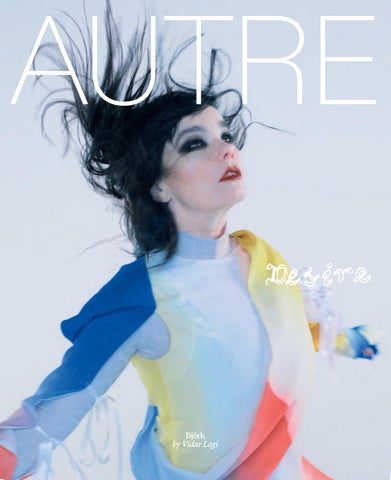
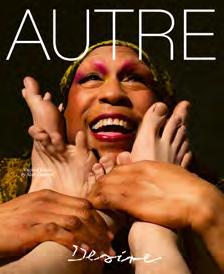
AUTRE
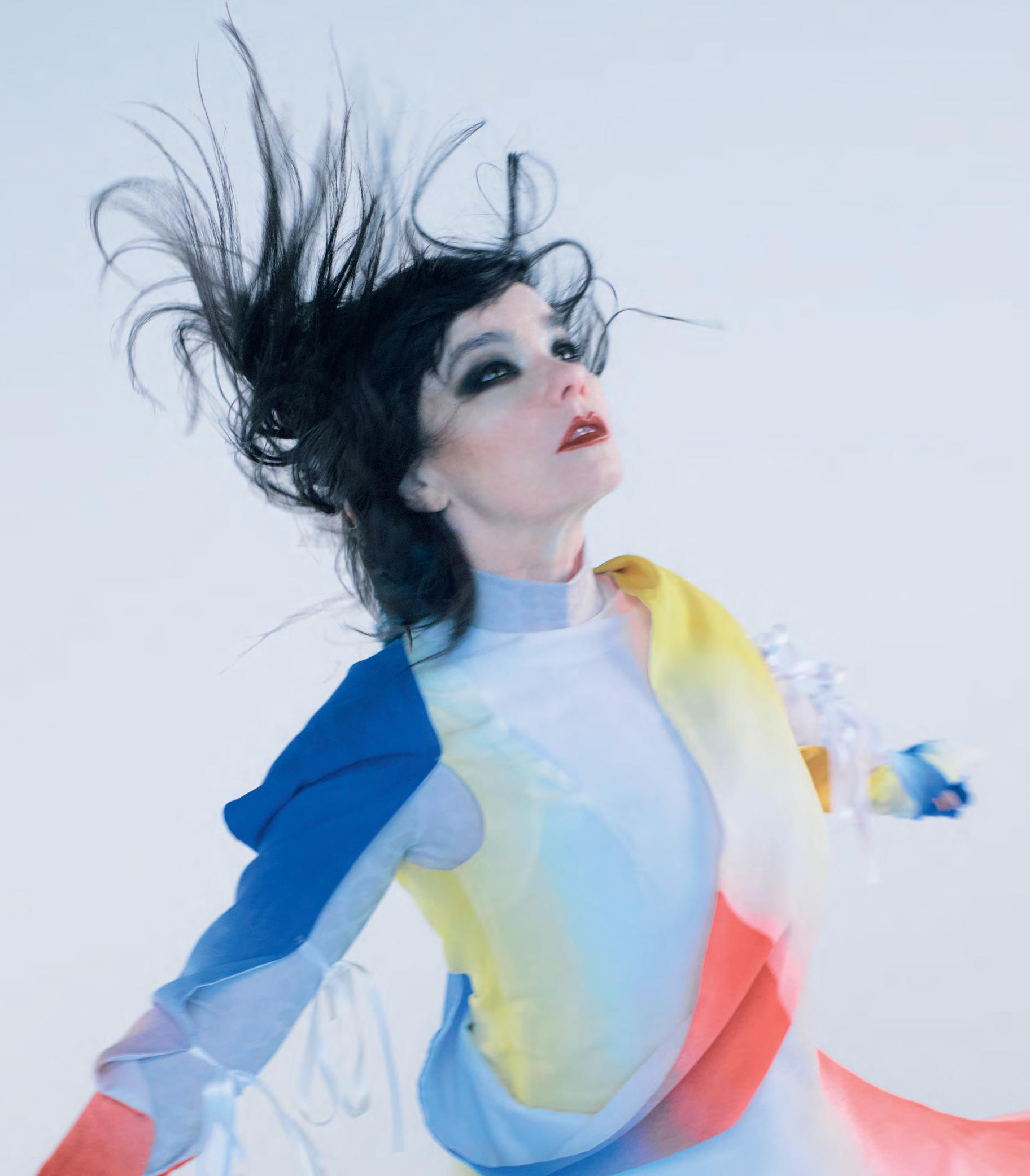


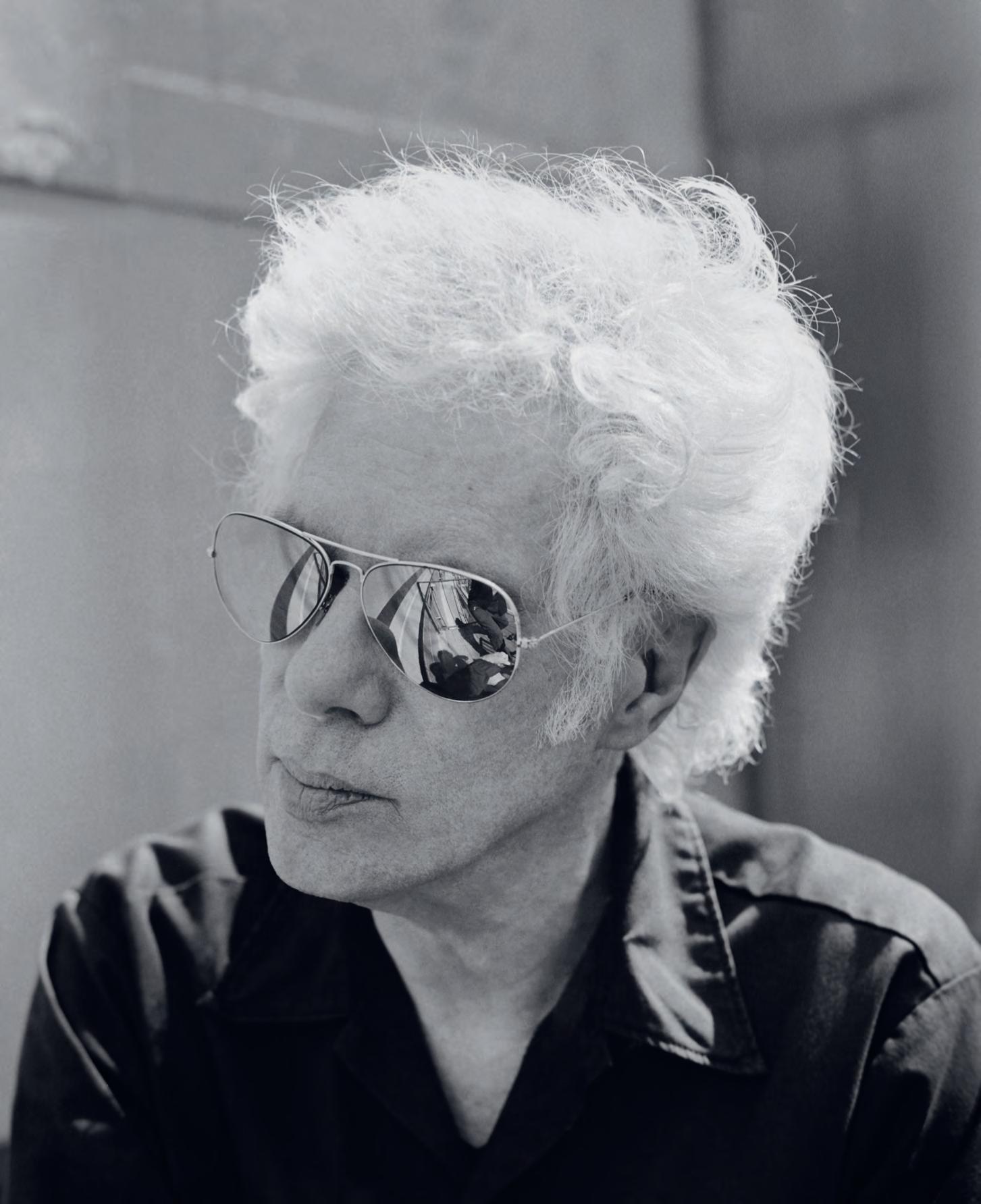
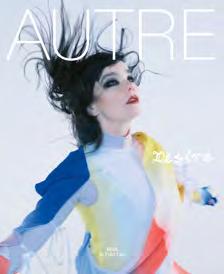
Björk by Vidar Logi








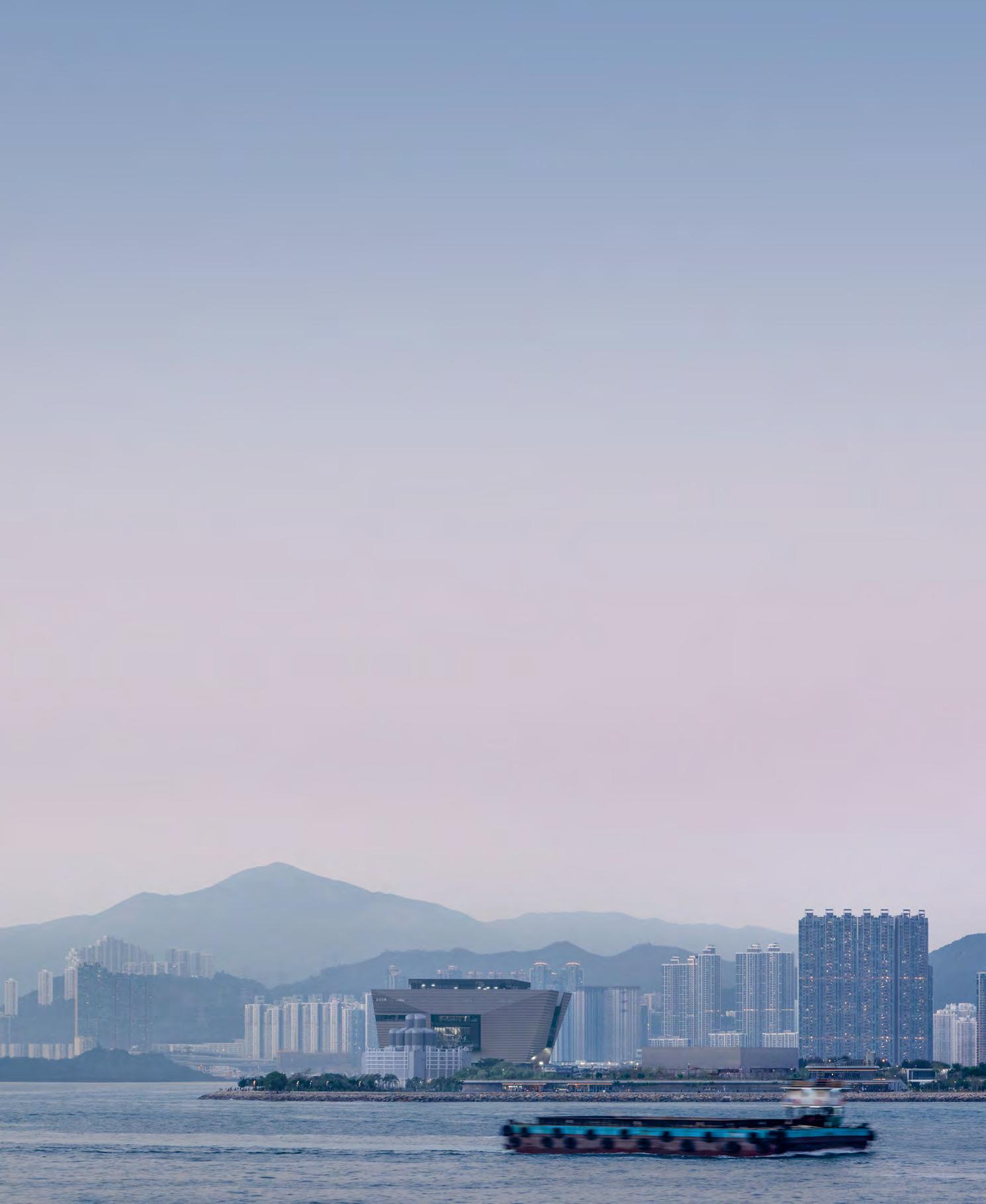
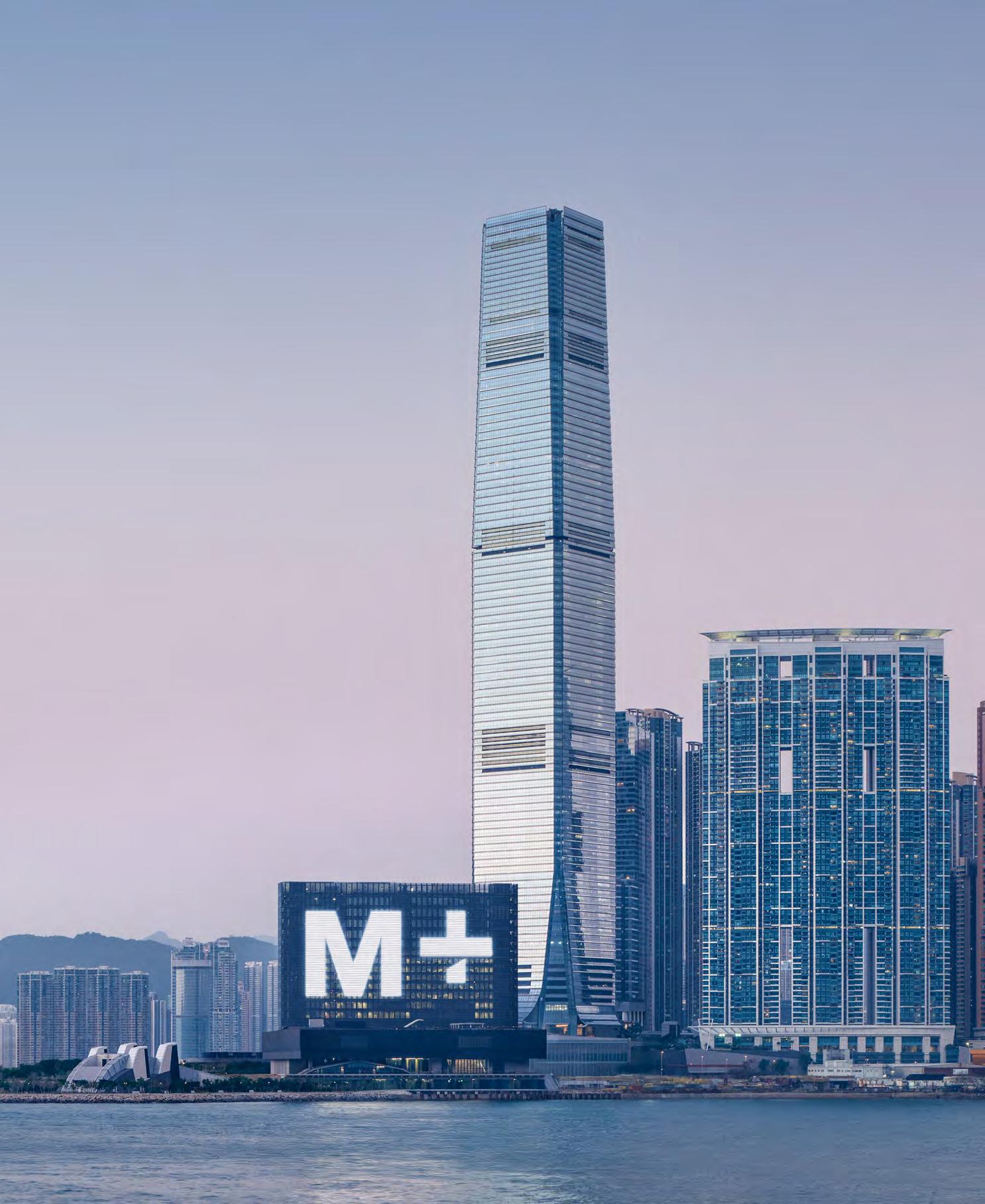
CHAMPIONING ASIAN CINEMATIC HERITAGE AT M+, HONG KONG
FOSTERING DIALOGUES ON STAGE AT TAIPEI PERFORMING ARTS CENTER, TAIWAN
INAUGURATING A CONTEMPORARY ARTS LIBRARY AT POWER STATION OF ART, SHANGHAI
EXPANDING THE BOUNDARIES OF INSTALLATION ART AT HAMBURGER BAHNHOF – NATIONALGALERIE DER GEGENWART, BERLIN
ENVISIONING SUSTAINABLE LANDSCAPES AT FONDATION BEYELER, BASEL


marian goodman gallery new york
may – july 2025
galerie marian goodman
may – june 2025
marian goodman gallery los angeles may – june 2025
David Zwirner
Martha Diamond
May 1 – June 14, 2025
Los Angeles
Mary Weatherford
May 16 – June 28, 2025
Jason Fox
May 16 – June 28, 2025
davidkordanskygallery.com
David Zwirner
Book design by Juergen Teller and Dovile Drizyte • Cover design by Peter Saville and Brett Wickens
448 pages • 7.5 × 10.2 in. / 19 × 26 cm
820 color photographs • Four-color process • Otabind softcover
Coming soon at steidl.de

And The Ecology Of Desire
Interview by Hans Ulrich Obrist
Photography by Vidar Logi
216 Dark Mountain
Jared Margulies
Interview by Oliver Kupper
222 Isabelle Albuquerque
Interview by Jon Ray
Essay by Patrick Crowley
Photography by Jack Bool 236 Cajsa von Zeipel
Interview by Jeanette Mundt
The Golden
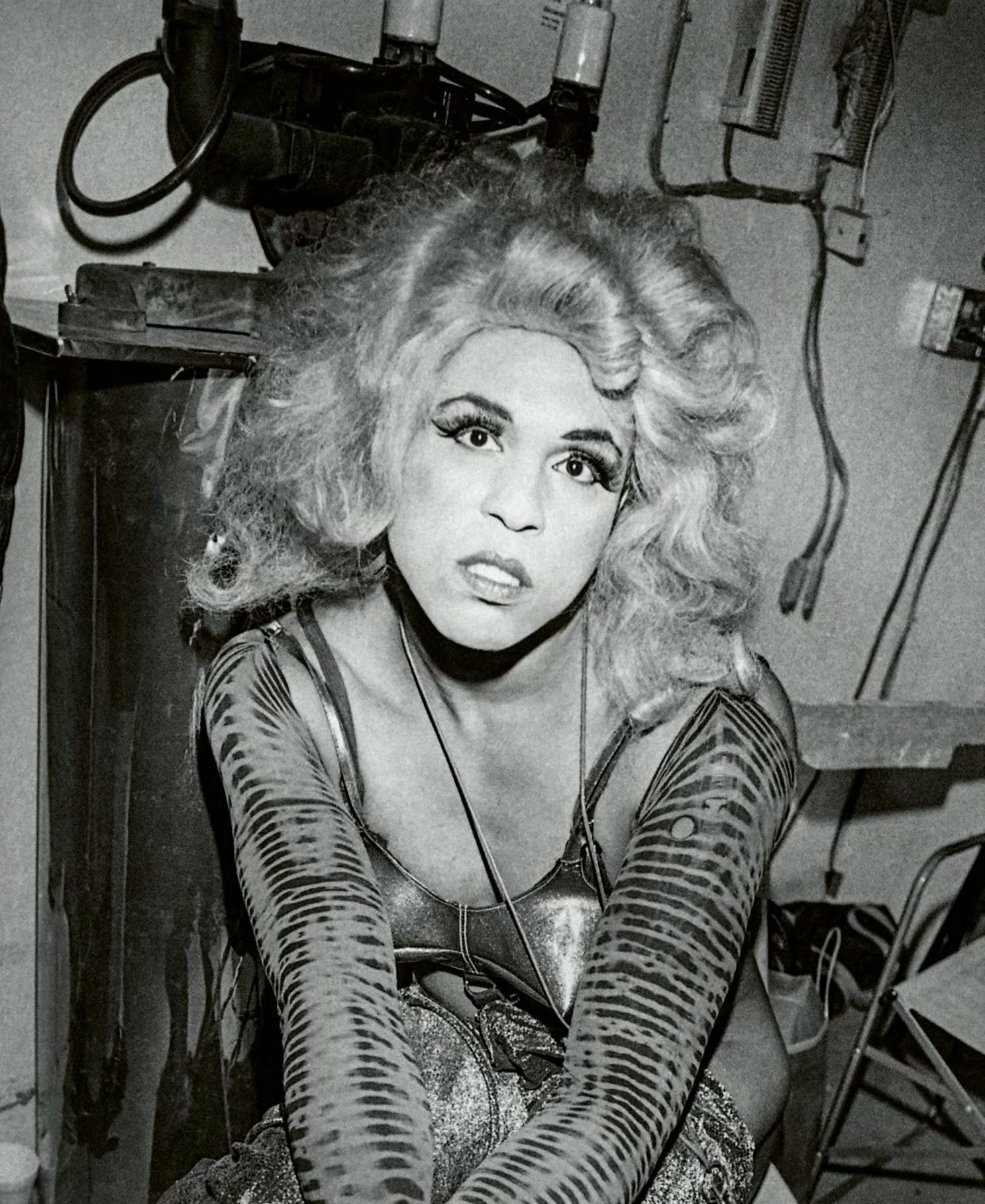
“Cream” Davis An Oral Herstory
Interview by Bruce LaBruce
Photography by Matt Lambert
272 Duane Michals
Interview by Oliver Kupper
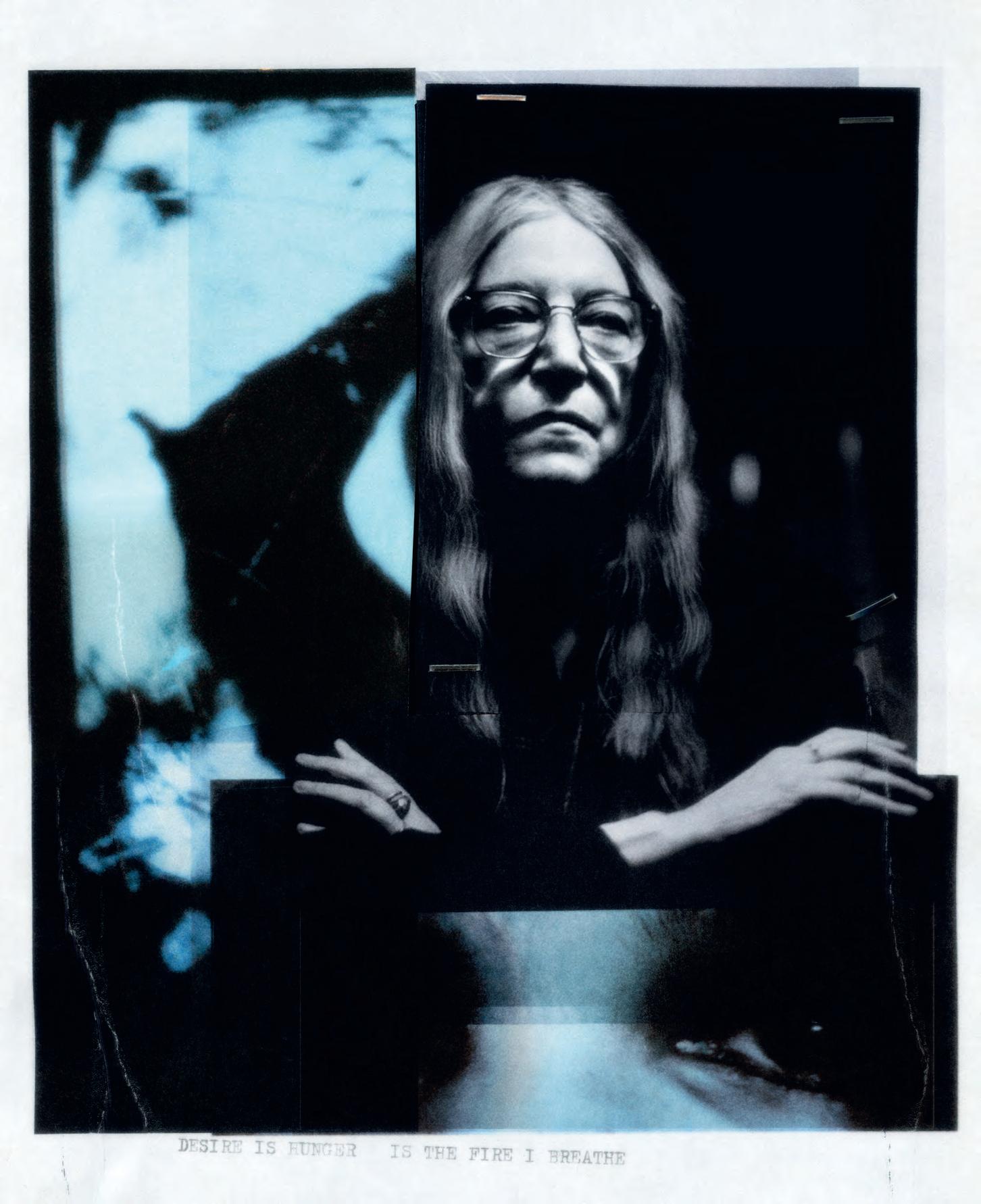
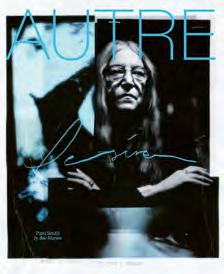
290 Patti Smith
In Conversation with Soundwalk Collective
Photography by Boe Marion

302 Jim Jarmusch and Constance Debré In Conversation
Photography by Pat Martin
312 Helmut Lang
Interview by Neville Wakefield
322 Relics
Photography by Josh White Essay by Oliver Kupper
338 Olga de Amaral
Isabelle Gaudefroy and Marie Perennès
Moderated by Oliver Kupper
344 Klein
Photography by Lengua
352 Sawako Goda
The Story of the Eye Text by Julian Myers-Szupinska
362 Projections On The Screen Of Impossible Desire Text by Abbey Meaker
21.3. 14.9.2025
EDITOR-IN-CHIEF
Oliver Kupper
MANAGING EDITOR
Summer Bowie
ART DIRECTOR
Martin Major
PHOTO EDITOR
Alec Charlip
CONTRIBUTING FASHION EDITOR
Camille Ange Pailler
CONTRIBUTING EDITOR
Oliver Misraje
EDITORIAL ADVISER
Jeffrey Deitch
PHOTOGRAPHERS
Boe Marion
Charlie Engman
Damien Maloney
Duane Michals
Geray Mena
Jack Bool
Jesper D. Lund
Juergen Teller
Lengua
Matt Lambert
Matthew Rolston
Nick Sethi
Pat Martin
Paulo Sutch
Spike Jonze
Takashi Homma
Taylor Weidman
Torbjørn Rødland
Vidar Logi
Zoe Chait
CONTRIBUTORS
Angelo Flaccavento
Bruce LaBruce
Hans Ulrich Obrist
Jeanette Mundt
Jon Ray
Karly Quadros
Marina Beraha
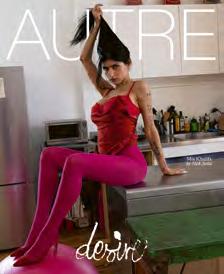
Mia Milosevic
Neville Wakefield
Patrick Crowley
Soundwalk Collective
Whitney Mallett
INTERNS
Chimera Mohammadi
Eva Megannety
Maisie McDermid
SPECIAL THANKS
Arielle de Saint Phalle
Company Gallery
Fondation Cartier
Gropius Bau
Huxley
James Fuentes
Julia Villaseñor
Kurimanzutto
Lisson Gallery
L’Hotel Paris
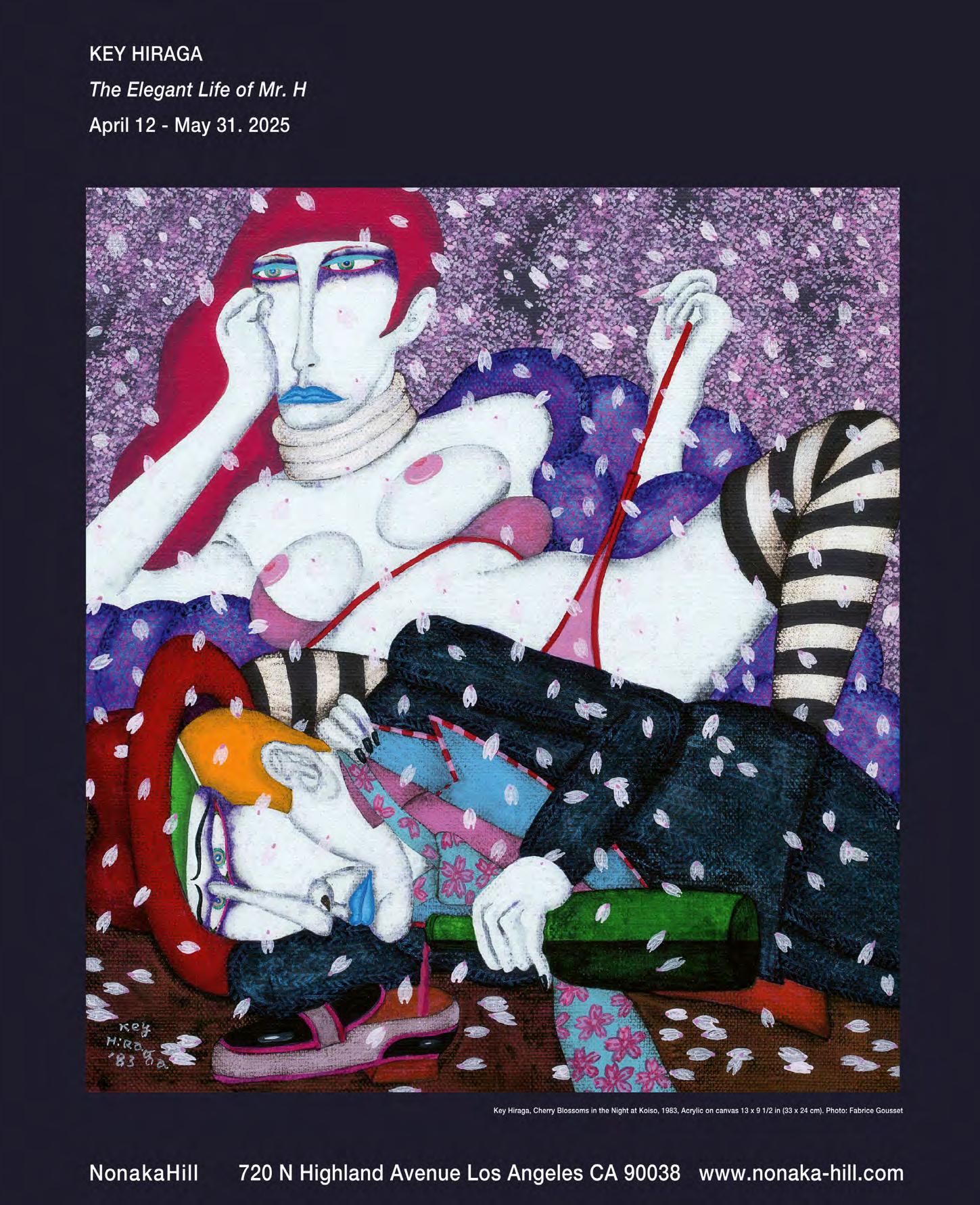
Nonaka Hill
Regen Projects
Robert Therrien Estate
Sacks & Co
Second Name Agency
TYPEFACES
Dinamo
PRINTING
KOPA OFFSET
PRINTING HOUSE
Industrijos g. 12, Kaunas, Lithuania www.kopa.eu
OFFICE
AUTRE LOS ANGELES
6711 Leland Way Los Angeles, CA 90028
GENERAL INQUIRIES, ADVERTISING & DISTRIBUTION
info@autre.love
FOLLOW AUTRE
@autremagazine www.autre.love
ISSN 2767-7958
All rights reserved. No part of this publication may be reproduced, distributed, or transmitted in any form or by any means, including photocopying, recording, or other electronic or mechanical methods without the prior written permission of the publisher, except in the case of brief quotations embodied in critical reviews and certain other noncommercial uses permitted by copyright law.
This issue is dripping with desire. It drips slowly down the spine. It pools into the small of our back and empties into an ocean of desire, surrounding a Pangea of desire. Desire is everywhere. It crashes to the shores and pierces sonic barriers. It is tectonic and shifting. It is volcanic and eruptive. It is ancient and new. Across the following pages, we closely examine desire through a vast kaleidoscopic lens: from the libidinal to the ecological to the liminal. The latter, because it is often in these in-between spaces where desire germinates and thrives. It takes strange and unrecognizable shapes: fruiting bodies with razor-sharp defenses; the unconscious transforms into a kind of greenhouse where desire becomes photosynthetic. In this moment of desiring, we flower, and our language is heat. Our heavy breathing and gooseflesh like braille. But like Pangea, desire can drift apart, become an archipelago of ice that melts in reverse, drips backward, and evaporates into the sand of a psychic desert.
We are living in profoundly unsexy times marked by attacks on Trans and Queer bodies, genocide, natural disasters, ecocide, trade wars, aeronautical disasters, and constitutional crises that create a fundamental erosion of Eros. How can we thrive in this trembling ecosystem of anxiety, which breeds power for a select few and uncertainty for the masses? We look to desire as a metaphor for hope, care, and optimism. Through this framework we can better imagine a new future with more equitable solutions.
Desire is the yearning for something that feels like it should be. Something that could be. Perhaps something that will be in due time. Eros and erosion are kin in the slow, aching way that longing shapes a body or a landscape. Eros carves through us like water over stone—persistent, soft, and insistent—wearing down certainty and exposing layers we didn’t know we had. Just as erosion hollows out the earth to make room for something new—a canyon, a coastline—Eros hollows us with wanting. Both are forces of undoing and becoming, seductive in their patient metamorphosis. Björk embodies a new way of imagining desire. She is not only a steward of nature but also of care and fantasy. Björk and Aleph’s Nature Manifesto urges us to reach for the impossible by embracing future technologies and fueling them with desire as a form of resistance.
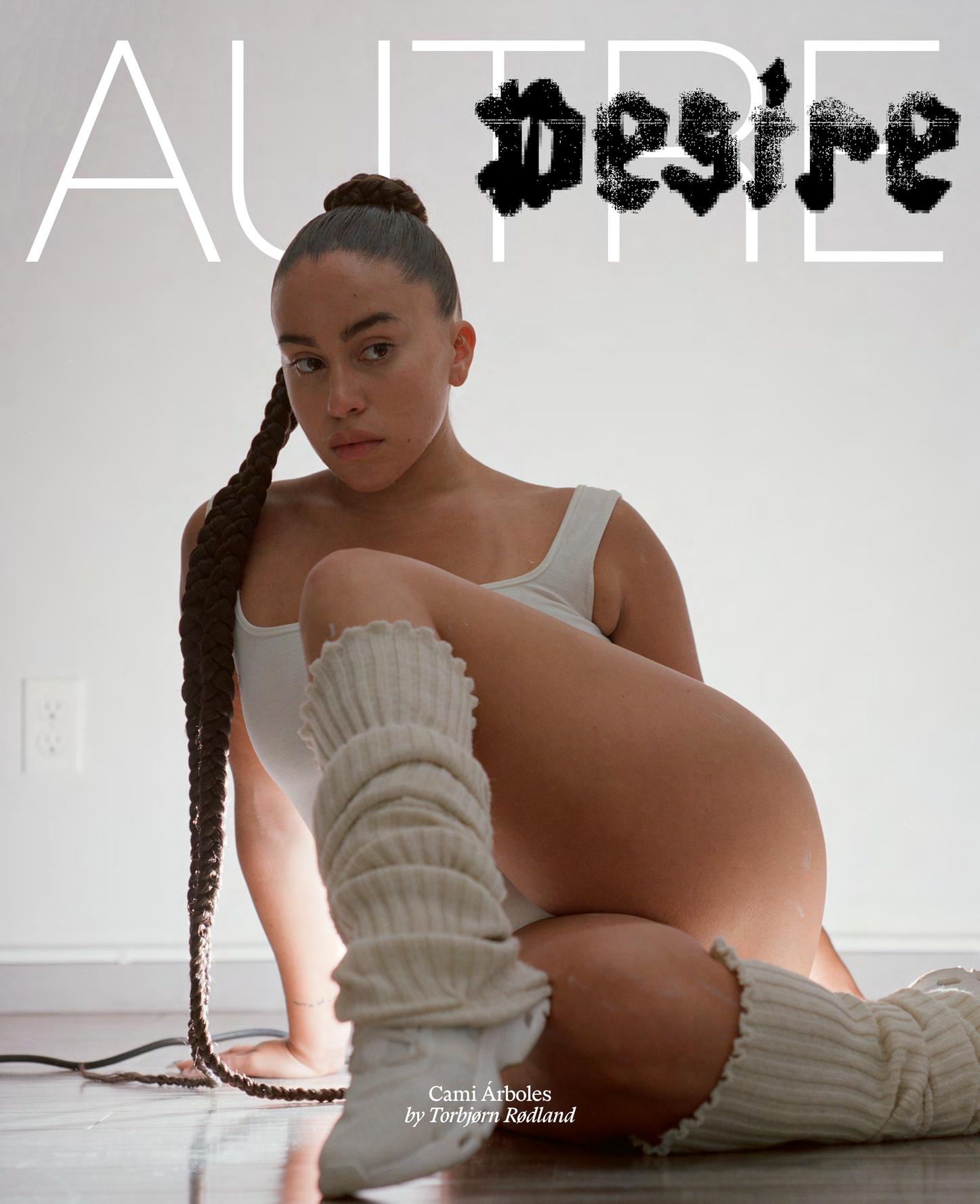
On its surface, this issue is an exploration of the erotic and all of its varied manifestations. Yet, what we learn as we delve deeper is that the human body is just one of many objects onto which we project our desires. In her conversation with Céline Semaan, Cami Árboles describes desire as the feeling we’re searching for that lies behind our more fixed goals. For her, it is a “spiritual force that has the power to map out our identity.” Political Ecologist Jared Margulies defines it as “a compass … a kind of drive” that keeps the world turning. This drive comes up extensively throughout the issue, but it seems to constantly defy simple explanations. From what we can tell, it is a matrix of ego, the Other, and ultimately, the death drive.
Margulies’ work exposes the existential consequences of rare cacti collection, a phenomenon driven by the allure of the exotic rendered vegetal, something low maintenance that you can look at but can’t touch. While Margulies lays out the Lacanian theory that “desire is the desire of the Other’s desire,” Isabelle Albuquerque and Jon Ray recount the experience of losing their desire for one another when their art practice became an attempt to dissolve their two egos into one. They illustrate the spatial necessity between the ego and the Other as the oxygen that fuels the flame. In the end, desire renders us all moths drawn to a certain mortal flirtation. La petite mort gives us but a fleeting preview of our eventual annihilation and what better way to meet it than in ecstasy?
Oliver Kupper & Summer Bowie
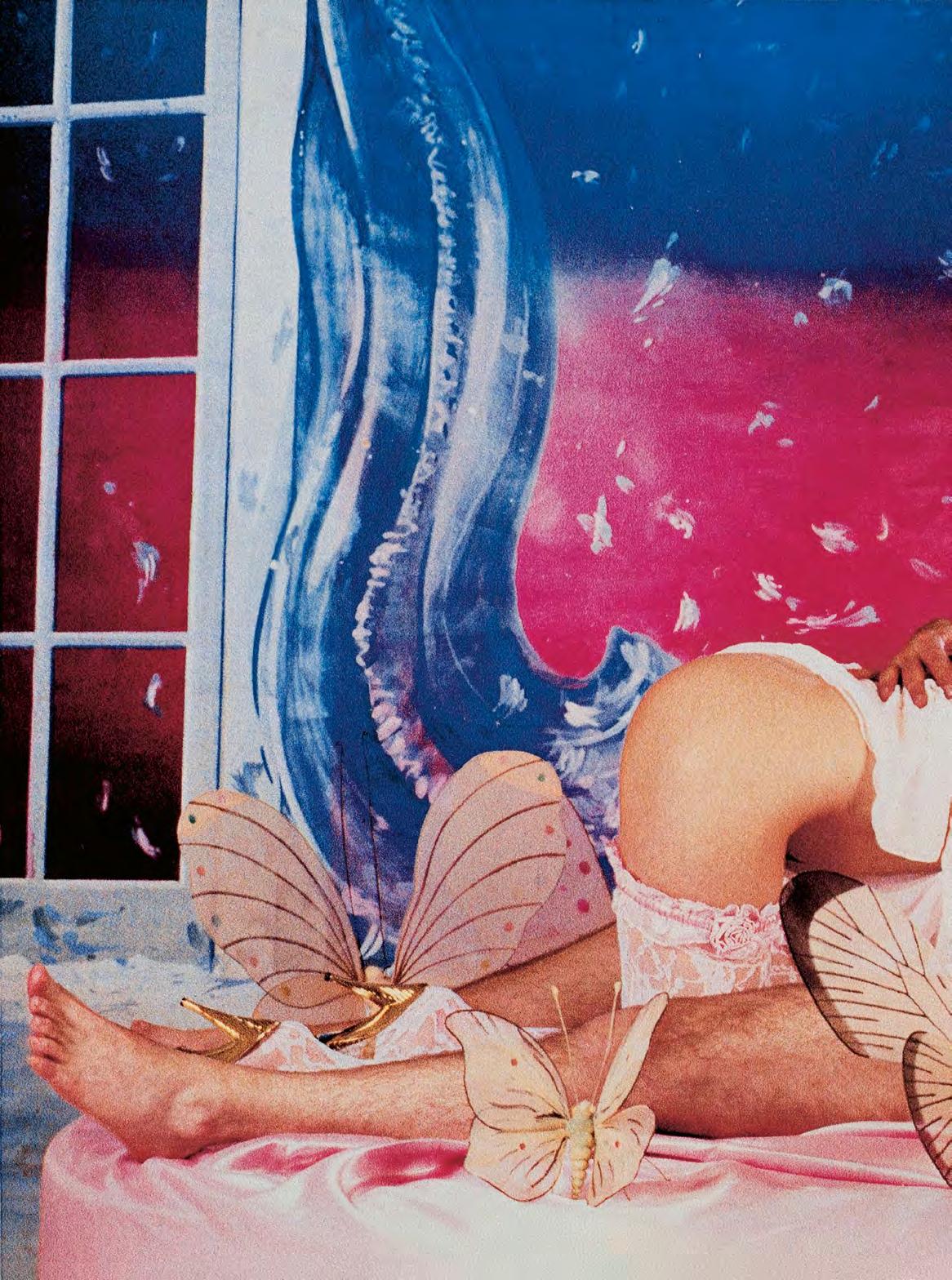
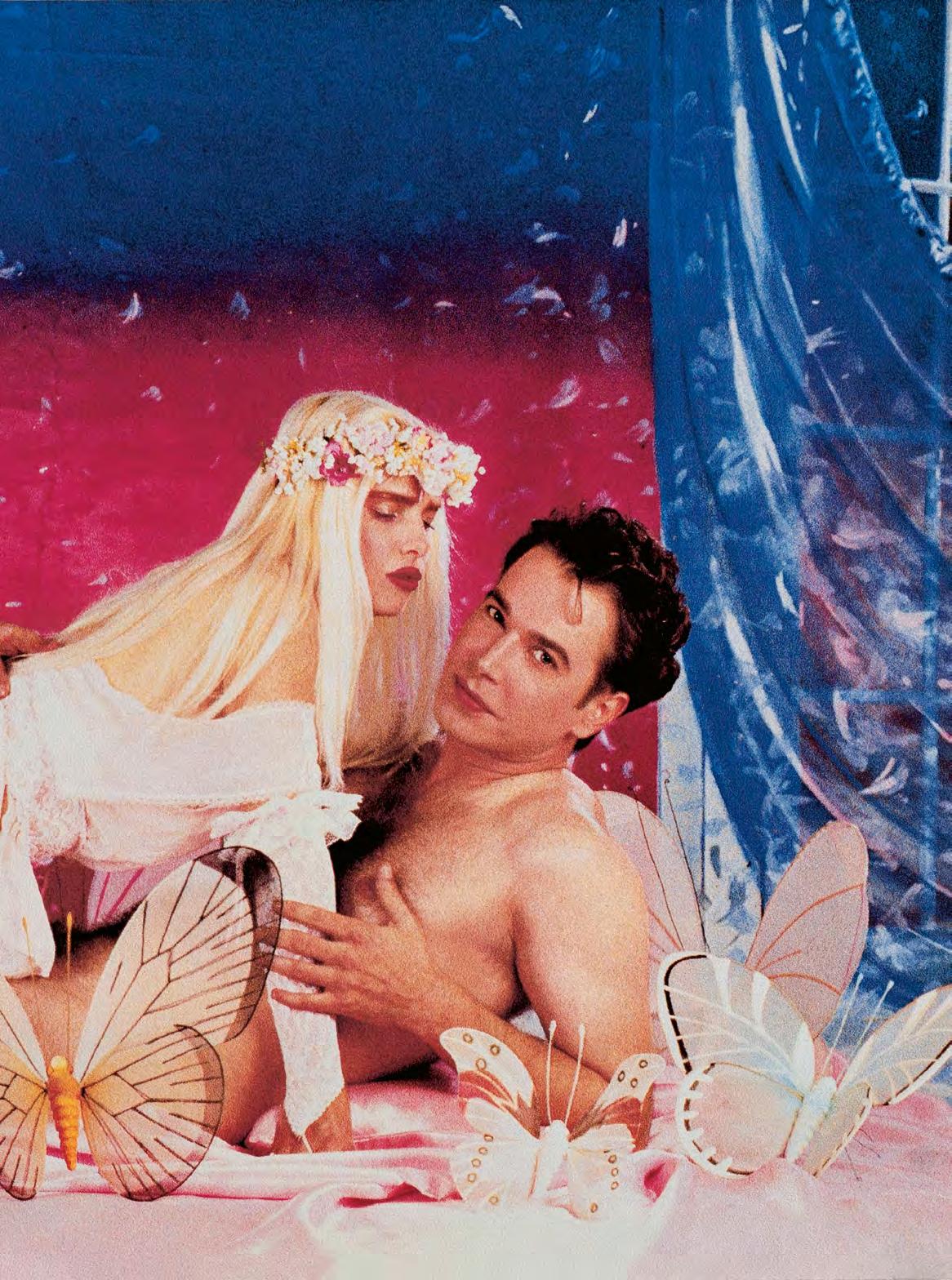
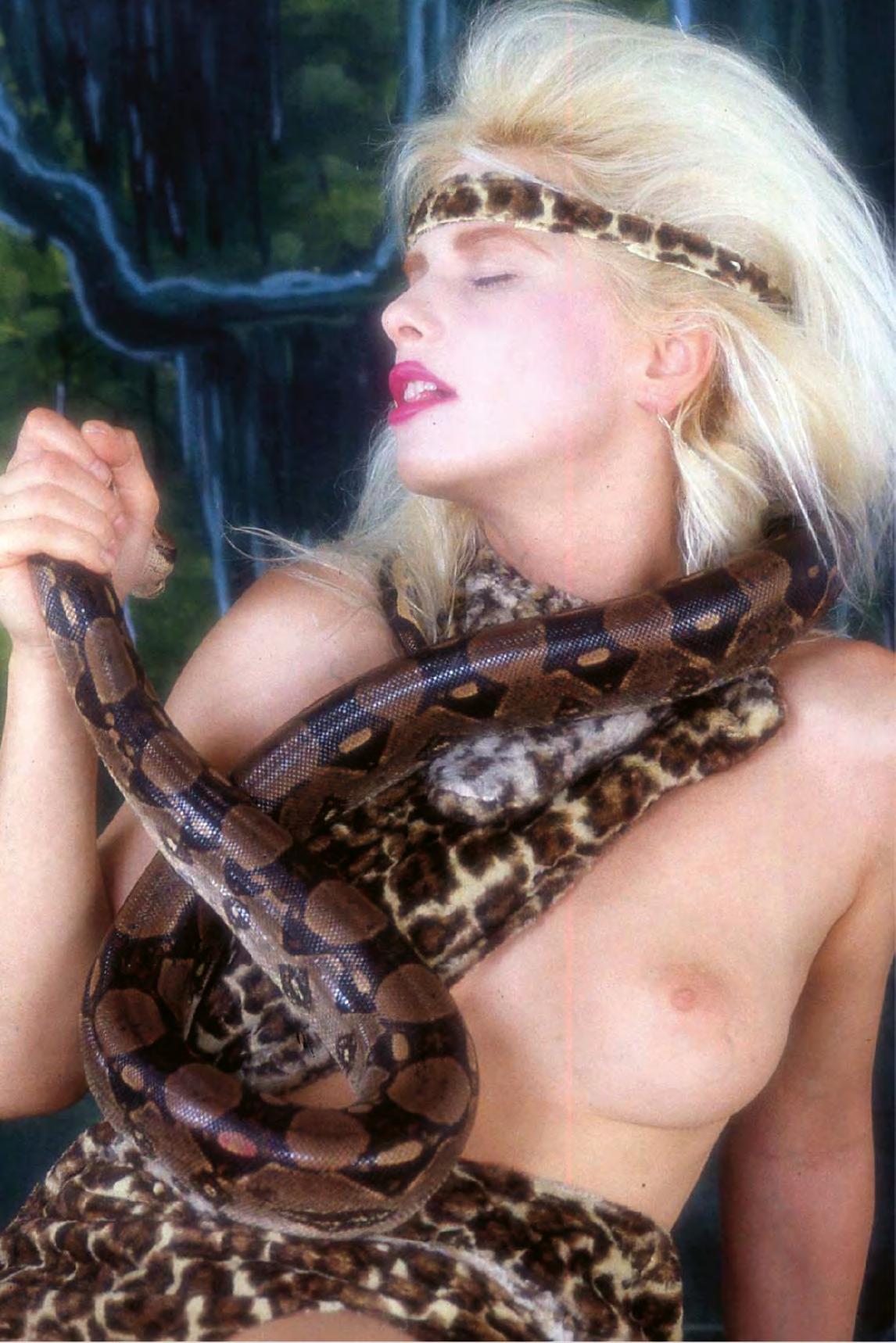
Ilona Staller, better known as Cicciolina, is one of the most fascinating and controversial figures in modern pop culture. The Italo-Hungarian icon made waves as an adult film star, singer, muse, secret agent, and provocateur before taking an unexpected turn into politics, becoming one of the first adult entertainers to be elected to public office. With her signature blend of bold sexuality and radical idealism, she shocked the Italian parliament in the late ’80s, advocating for sexual liberation, environmentalism, and peace. The re-release of her cult classic visual autobiography, Memorie, explores the radical life of La Cicciolina.
OLIVER KUPPER I would like to start off with desire.
As someone who has publicly explored their own sexuality through multiple mediums, I’d love to know what your personal definition of desire is.
CICCIOLINA When we talk about desire, it’s a broad concept. It embraces many ideas. One could say that it’s not just about sexual desire but the desire for anything, such as the desire for a fantastic life, the desire to have the perfect man, and desire … in sexuality. I have always been one of the most desired divas in the world. I am very happy about this beautiful feeling. However, sometimes it is better for it to remain just that—like a dream, unrealized.
OK How has desire changed for you?
C How has desire changed for me? I must say that sexual desire never ages. I have the same sexual desire now as I did when I was a teenager. I love sex—but only when it’s with the right person.
OK You once proposed an offer to spend one night with Saddam Hussein and Osama Bin Laden to bring peace to the Middle East. How do desire and politics intertwine?
C It’s true that I made a journalistic statement saying that in exchange for peace, I would have sex with Osama Bin Laden, and even with Putin. This statement appeared in all the newspapers. However, my proposal had nothing to do with personal desire—only the desire for peace. The same applied to my statement regarding Saddam Hussein.
OK There’s some rumors that Saddam actually reached out to you. Is that true?
C I was contacted by the Iraqi embassy, and I went to discuss my idea.
OK What happened at the Iraqi embassy? What kind of questions did they ask?
C I was contacted by the Iraqi embassy in Rome. I personally went to speak with Saddam’s right-hand man. He asked me a thousand questions. They were intrigued by my statement. I stayed there for over three hours, then he told me they would let me know. The rest is history.
OK You were raised in a relatively repressive society within the Iron Curtain. How did you protect your desire?
C I grew up in Budapest, Hungary under communism. I never felt that my desire was a problem or repressed. On the contrary, as a model, I met many interesting people, photographers, and entrepreneurs. My desire was to discover the world and different cultures.
OK When did sex, politics, and art enter your life?
C I have always used my excellent mind to reason things out. Politics has always been in my heart. Even through my shows, I have shared my ideas and done a lot of charity work for poor people. I have great empathy for those in need and help them with deep tenderness. Art is in my blood. As a child, I was a classical ballerina and painted paintings, and I still paint today—to sell them. You can see my artwork on my social media.
OK How did you come to serve in the Italian parliament? What was that experience like? What were some of the biggest hurdles in such a patriarchal environment?
C I am a true political woman. In 1987, I was elected with the Radical Party with 20,000 votes— an incredible success, as it was the first time a porn star was elected as a parliamentarian. I completed the full five-year legislature until 1992. Then, we founded the Party of Love. I proposed around twenty bills that are still filed in Parliament. From 1987 to 1992, I was a member of the Italian Parliament.
OK You have denied being a secret agent, but wouldn’t you make the perfect secret agent? Isn’t sex the greatest tool?
C I had a brief but dangerous experience as a secret agent. Of course, beauty is a great asset when it comes to discovering people’s hidden secrets … and also, sex.
OK What’s the greatest secret someone has told you after sex?
C Generally, after having sex, men relax and immediately smoke a cigarette. I’ve never understood why. However, with me, it’s different. Forget the secrets … endless hugs and kisses follow. My sweetness fascinates them!
OK Online pornography has proliferated in the digital era. Where do you see the evolution of desire from the analog to digital and now AI?
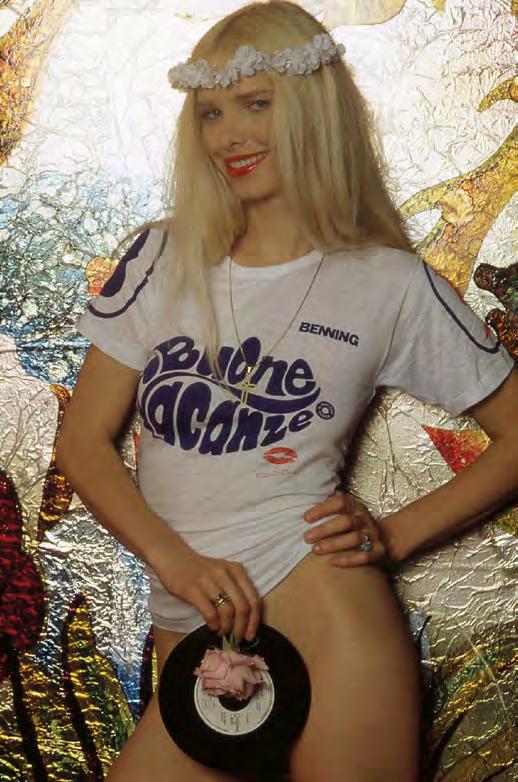
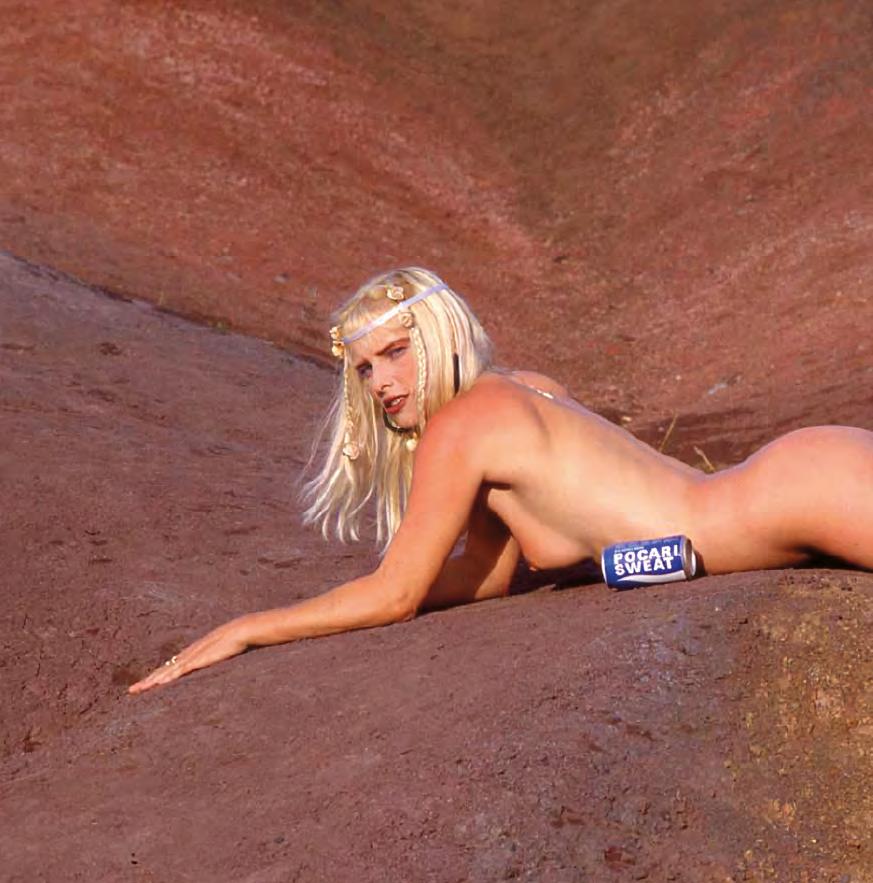
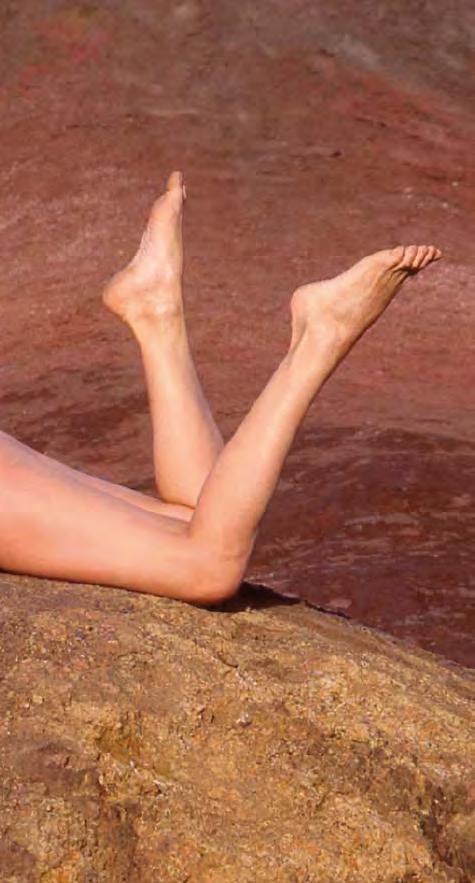
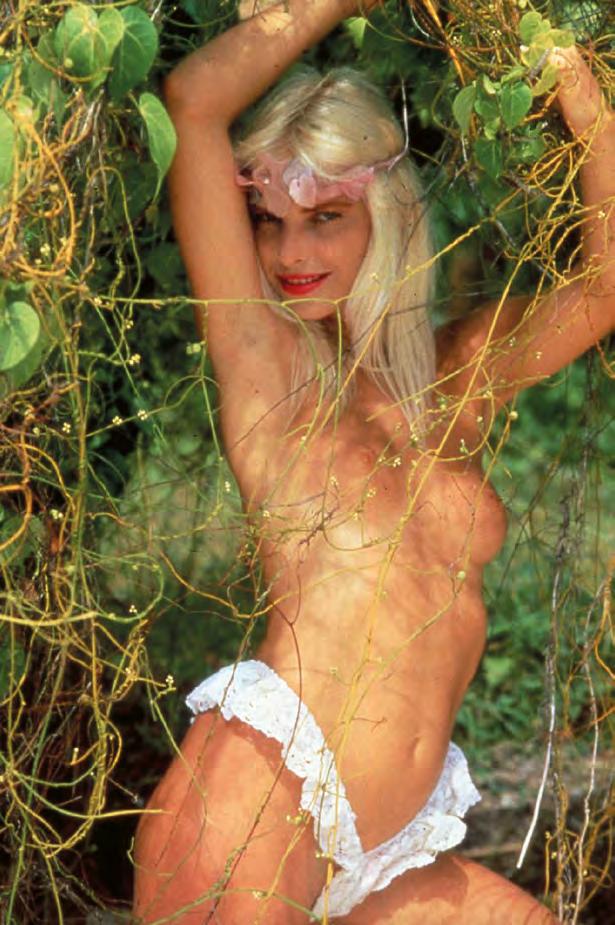
From left to right
1980s Ilona Staller album. Photo courtesy Riccardo Schicchi
1980s advertising photo shoot on Mauritius island
Photo courtesy Riccardo Schicchi
Current picture courtesy of Ilona Staller
The Maldives photo session. Photo courtesy Riccardo Schicchi

C Online pornography has now flooded the world. Countless websites are dedicated to pornography, where desire gets lost, leaving only pure carnal sex in all its forms. Often, it goes beyond sex, becoming extremely aggressive. Artificial intelligence is the creation of a computer or machine capable of reasoning, learning, and acting in ways that normally require human intelligence, or involve data analysis on a scale beyond human capability. But there is only one problem: desire, empathy, sex. How could a computer ever do that?
OK You originally received a fax from Jeff Koons. You were used to working with male performers but what was it like working with an artist?
C When I received Jeff Koons’ proposal via fax, I was fascinated by the idea of becoming the muse of this great American contemporary artist. We met in Rome and took wonderful, highly explicit nude photographs, which he later transformed into paintings and sold worldwide. I became his muse and inspiration. Before long, I became his fiancée, and we married in 1991 in Budapest. I spent my pregnancy in Munich, Germany, and then we moved to New York, where I lived with him and our son, Ludwig Koons, for two and a half years. Ludwig was born on October 29, 1992, at 9:03 p.m. Unfortunately, our marriage ended in a turbulent divorce and many legal battles. I returned from New York to Rome, to my penthouse, with baby Ludwig. Jeff later came to Rome to visit Ludwig, but he illegally took him away from me. He left for New York with little Ludwig, committing child abduction. It was then that lawyer Luca Di Carlo took on my case and decided to help me legally. He is a world-renowned Italian attorney specializing in international criminal law and a public figure. He has defended major drug cartels, the family of Pablo Escobar, La Santa Sede Apostolic, and many others. With a fortune worth several billion dollars, he is considered the highest-paid and most feared lawyer, having pushed the boundaries of the law by defending the indefensible. He earned his pseudonym “The Devil's Advocate” due to the challenging legal cases he has taken on worldwide and the controversial figures he has defended, securing their acquittals despite their guilt—an aspect that has sparked significant public criticism.
OK We are living in a time of climate crisis. How can we use desire and sexuality to imagine a new equitable future for the environment?
C We are living in a time of climate crisis. This is absolutely true. It is important to respect nature more and eat healthily, not consume locust flour or synthetic meat. People want to eat well so they can live to a hundred years old, like in Tibet. The climate crisis is caused by humans. But why resort to violence against nature?
OK When you were in politics, you advocated for sex workers. With mainstream films like Anora, do you think the attitude is changing or does society need to do more?
C When I was in politics, one of my proposed laws was the reopening of regulated brothels to be directly managed by the sex workers themselves. This way, they could pay taxes and have access to healthcare.
OK How can sex change society?
C Sex can bring real change to society. Years ago, there weren’t as many homosexuals, gays, and trans people. Today, they hold important positions in society—politicians, TV directors, etc. I am a gay icon. I don’t judge any of them because they are just like heterosexuals. They live their sexuality in a society that is still not free and, unfortunately, are often judged.
OK What is your advice to young people discovering their own sexual liberation?
C My advice to young people is to live their sexuality freely and to not care about moralists or bigots.
OK Your autobiography Memorie was first released in 2002—it was a different world back then. What do you hope the world learns about Ilona Staller and Cicciolina through its re-release?
C My beautiful photographic autobiography, Memorie, a visual story of the myth of Cicciolina Ilona Staller, can be purchased on my website. It’s a stunning 230-page book in full color, with over 1,000 photographs of me—from my childhood and adolescence to my performances in nightclubs, singing with my snake on TV shows, reality shows, and more. This way, people can get to know me better.
OK What do you want people to know about Ilona Staller the woman and Cicciolina the performer and icon?
C I am an international artist, I work on TV, perform in nightclubs, and participate in reality shows all over the world. I am a complete artist. And if I manage to get permission to return to the United States, I would be the happiest woman and mother in the world, as I could reunite with my son Ludwig, who lives in New York. This is truly my greatest wish, and I hope it comes true soon.
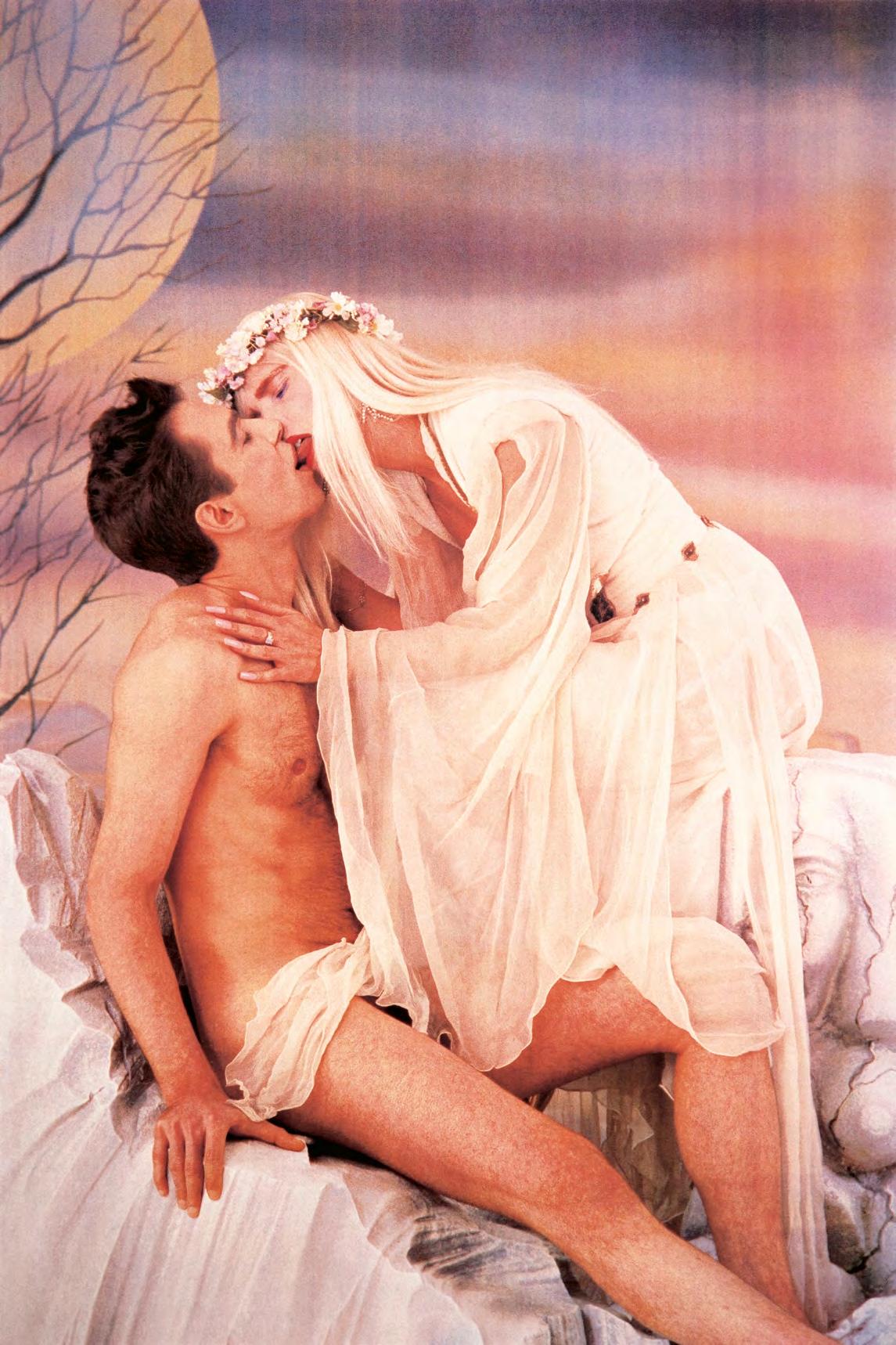
Jeff Koons, Kiss with Diamonds, 1991. Oil inks silkscreened on canvas, 90 x 60 inches / 228.6 x 152.4 cm.
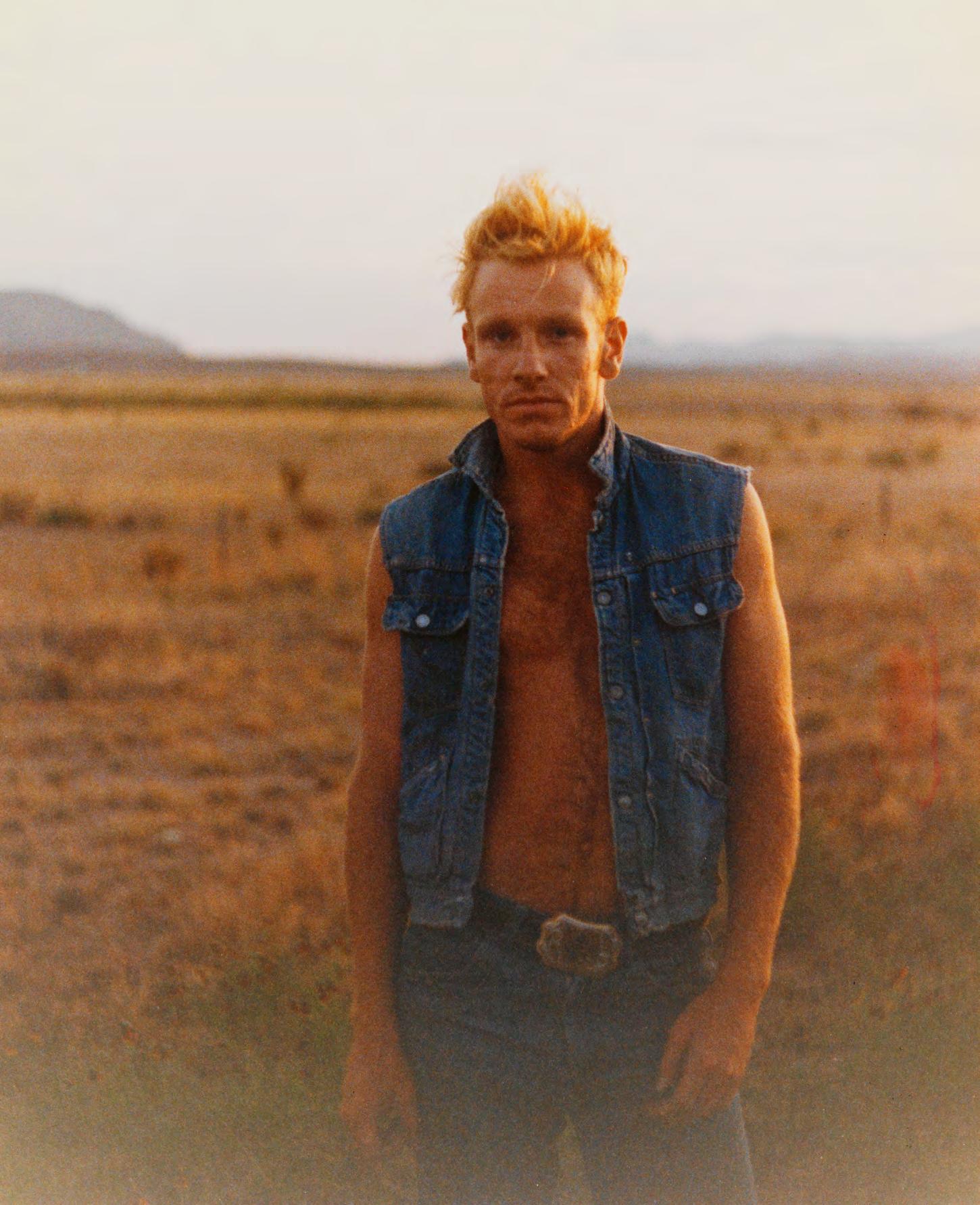
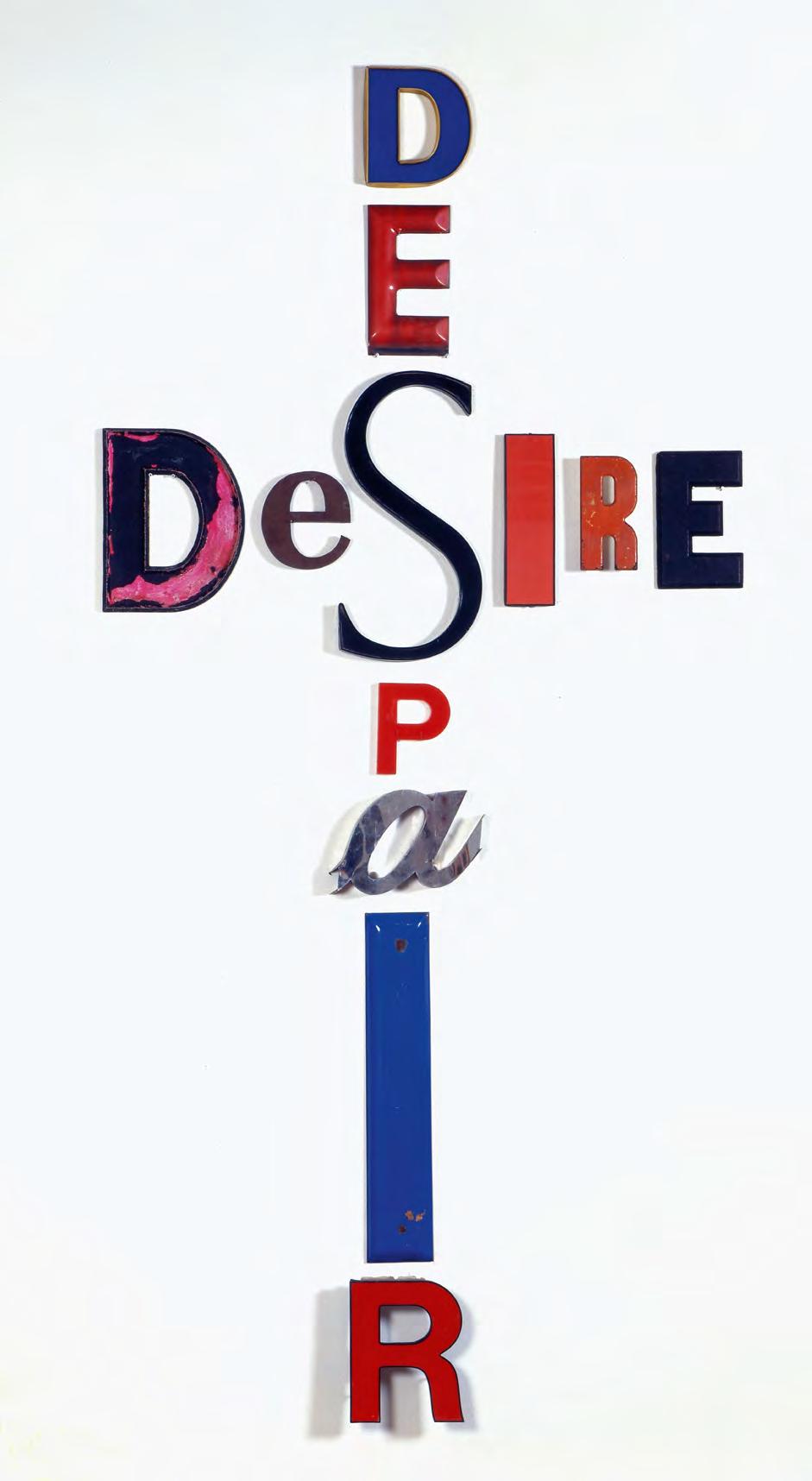
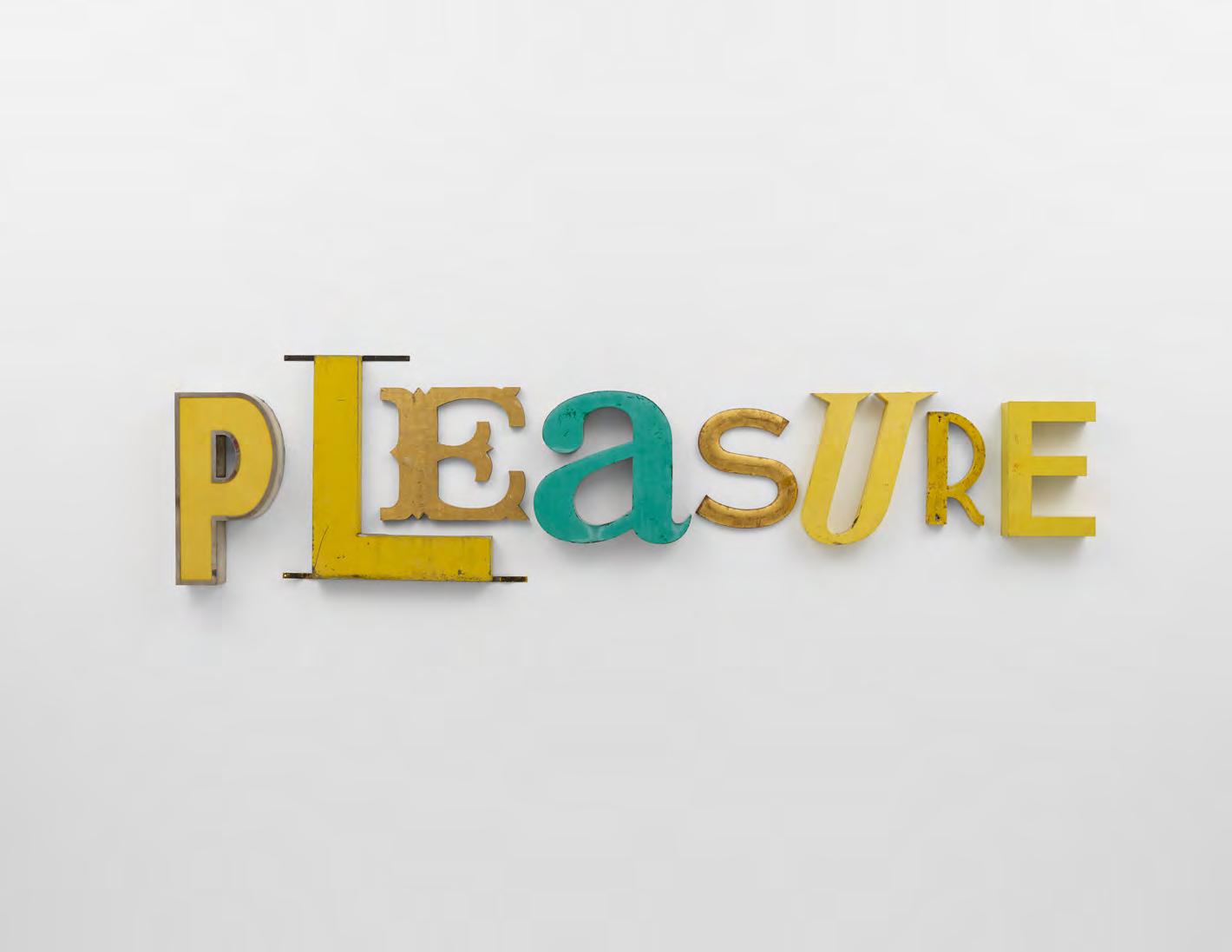
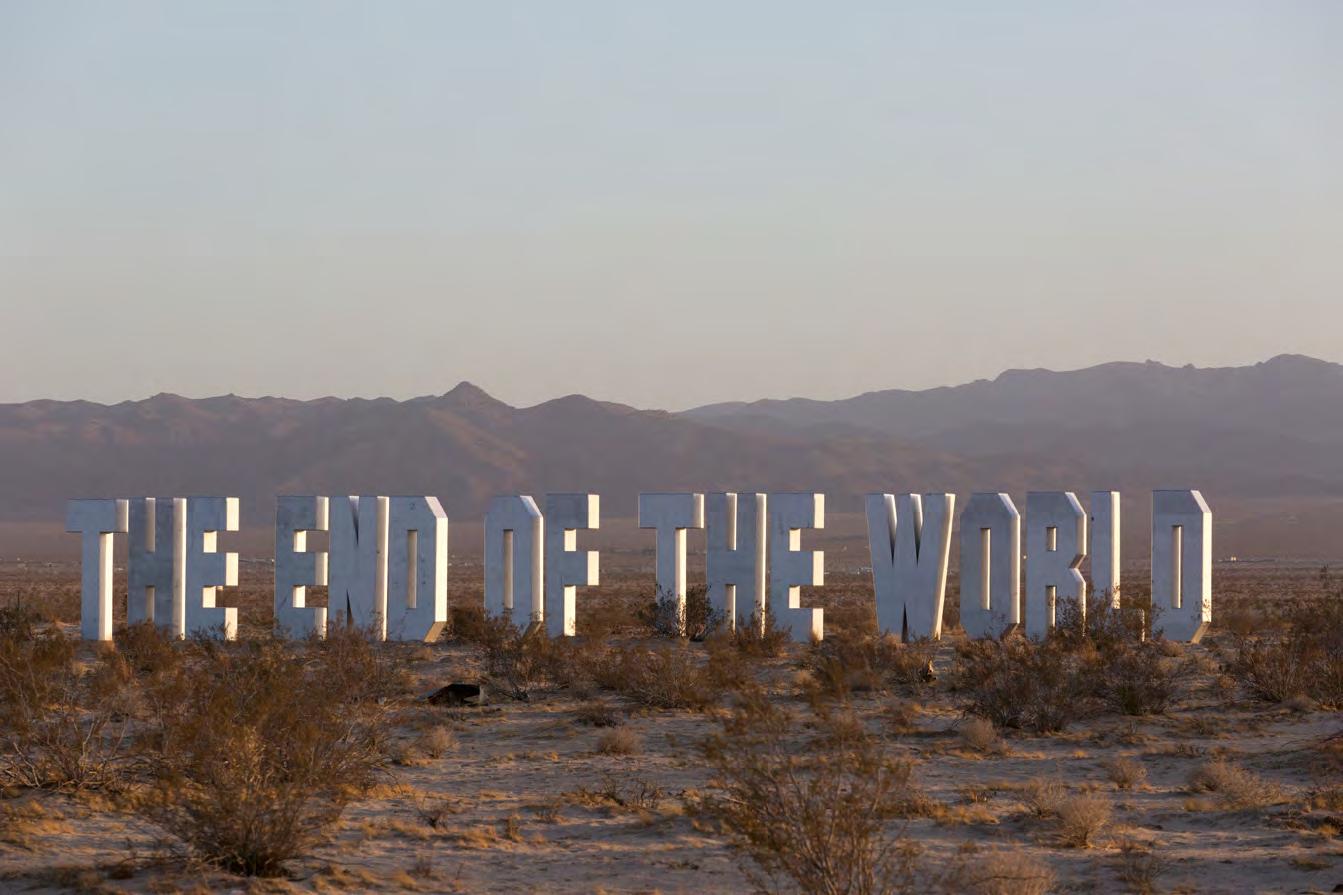
Jack Pierson’s work begins where longing takes shape—half-lit motel rooms, sun-faded billboards, rusted signage spelling out half-truths. Desire, in his world, is not only erotic but atmospheric, ambient; it drifts through his photographs and sculptures like heat shimmer off an empty highway. To encounter Pierson is to encounter a queer poetics of yearning—his gaze lingering on beauty just past its prime, on bodies caught in the soft ache of becoming. Whether in his disheveled boys or his melancholic text pieces, desire is never fixed; it is itinerant, flickering, always already vanishing. His art doesn’t just depict desire—it stages it, exposes it, lets it bleed into the horizon.
OLIVER MISRAJE With your fictional self-portrait series, you identify the artist within the other and, in the process, seem to capture a fascinating power dynamic between the artist and the muse as a sort of two-way mirror. Is the muse named into existence by the artist or is that potentiality self-generated?
JACK PIERSON Some muses don’t need to be named into existence and others do. Both are appealing to me because one gives a sense of discovery and another this feeling of collaboration beyond the sum of either of our respective parts.
OM Do you ever encounter resistance with a model, in the figurative sense? If so, can that abstract tension lend itself to a good photograph?
JP It’s a good question because sometimes you can pull something out of somebody and that can be cool. But for me, usually when it’s magic, they’re giving it. If it’s not clicking, I’m prone to giving up, you know? That’s good, that’s good, thanks for coming.
OM How has your personal understanding of what constitutes a muse changed over the years?
JP I’m not sure if anything about the muse themselves has changed fundamentally as much as the avenues in which we meet each other. That’s something that has really changed in my photography. Part of what gave me entry to the art world was real life. Everybody wanted ‘real life’ in the ’90s. These are real people; these are his friends. And in fact, they were my friends. But there’s nothing ‘real life’ about my pictures these days. I’m not in a scene these days, so I’m really not surrounded by young people like I was in the ’90s.
OM What is your internal relationship to the muse after you capture the photograph— erotically, analytically, artistically?
JP With “Baby,” I hardly knew the model two hours before he came to my house to shoot. We did that for three days, right? And weirdly, he’s like a brother or kid to me. I think the genius thing
about that book is that there’s nothing, to me, prurient about it, especially given there are 150 pictures and 137 of them have his dick in it. I guess people find it sexy, I don’t know. But I can hang out with him endlessly and there’s no part of me that’s like, Oh this is a sublimation of something sexual. I don't go jerk off to the photograph or anything like that. Even when I was twenty-four, it wasn’t about that. It’s more like, We’re both creatives and did this thing. Somehow there’s magic in that. That’s the crucible. That’s the union. I don’t need anything more than the photograph. Maybe that makes me a voyeur, I don’t know.
OM The titles of your works rarely play cursory roles, between the meta-narrative layering in Mythology of the Self, to the aforementioned Self-Portrait series. They seem to actively participate in the work. How much of that is intentional?
JP The titles came into being in a very flippant, sort of cynical way. It was completely a spur of the moment thing. There was this curator in the studio who I was trying to show my paintings to—which I am always trying to do as an artist—but she wasn’t interested. Then she walks over to a stack of pictures that I had organized, because I had been doing a lot of editorial fashion portraiture for magazines, celebrity portraiture, stuff like that. And I kept thinking, Well, these are really good, even though they're not my typical work. I was a little bit embarrassed at her looking at all this cheap magazine photography and so, thinking fast on my feet, I was like, “This is a series I’m working on called Self Portraits.” And she just pounced. She was all curatorially engaged: “What? Oh, that’s really interesting. Tell me more.” So, it just sort of escalated into this larger thing.
I depend on my snap judgments and quick impulses. Maybe it’s about containing multitudes or tapping into the subconscious or whatever. But I can’t say in confidence that that series is about transfer-
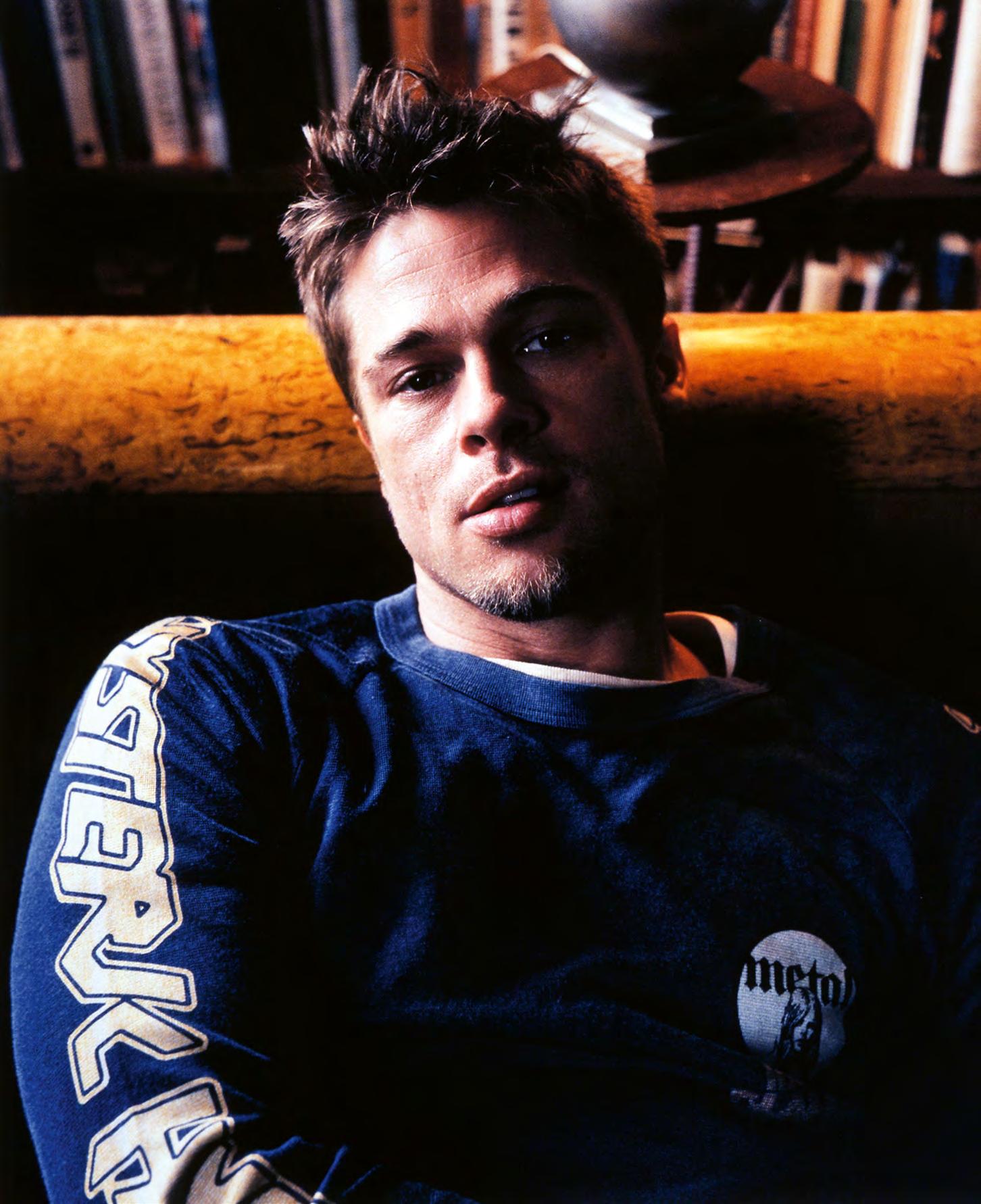
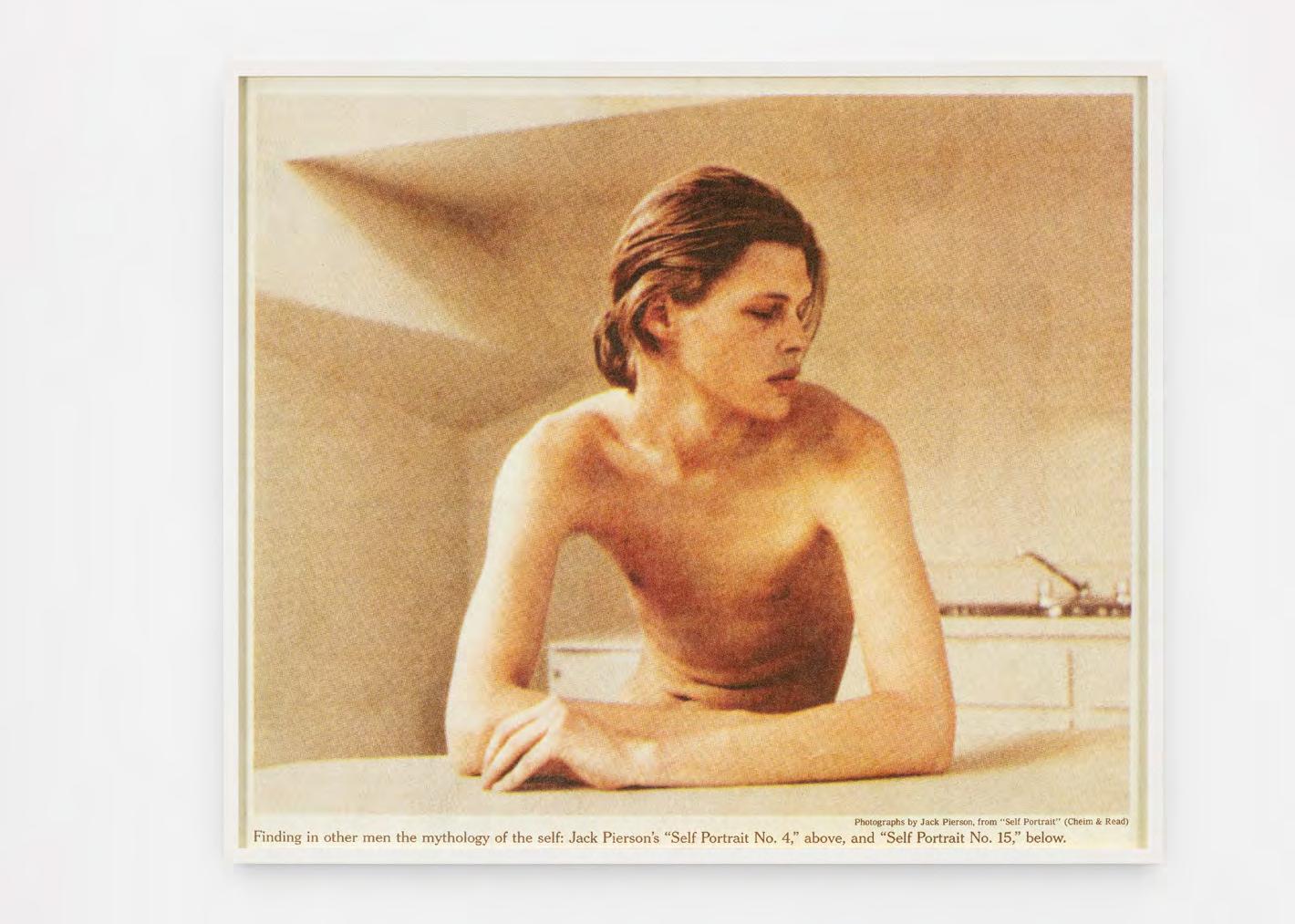
Mythology of the Self, 2020. Digital print on archival paper. Framed Dimensions: 54 1/4 x 63 3/8 x 2 inches (137.8 × 161 x 5.1 cm). Image Dimensions: 52 1/2 x 61 3/4 inches (133.4 x 156.8 cm). Edition of 3, 2 AP.
© Jack Pierson, Courtesy Regen Projects, Los Angeles. Jack Pierson, Desire, Despair, 1996. Metal, plastic, plexiglass and wood. Overall: 117 1/2 × 56 1/4in. (298.5 × 142.9 cm)
© Jack Pierson, Courtesy Jack Pierson and Lisson Gallery
From left to right
Jack Pierson, PLEASURE, 2024. Metal, paint, plastic, and wood. 61 x 240 x 8.9 cm. 24 x 94 1/2 x 3 1/2 in. © Jack Pierson, Courtesy Lisson Gallery Installation view of THE END OF THE WORLD (2012). High Desert Test Sites 2022: The Serachers, Joshua Tree, California April 9 - May 22, 2022. Photo: Sarah Lyons. © Jack Pierson, Courtesy Regen Projects, Los Angeles.
“That's the crucible, that's the union. I don’t need anything more than the photograph. Maybe that makes me a voyeur, I don’t know.”
ring some aspect of my identity onto the models and vice-versa. To me, it just feels like a glitch in photography and naming and all that kind of thing.
OM How does a photograph’s relationship to desire shift in the context of a fashion editorial?
JP It’s an interesting question because those Self-Portrait pictures for the most part were me trying to execute what I thought was fashion or editorial, when really, what they wanted were my personal photographs. A couple years ago, I started using my own pictures as a reference. I guess I didn’t fully grasp the separation between the tricks of editorial and the tricks of real photography. I think I can do it more seamlessly now, somehow. Because even in my personal practice, I always saw fashion photography as legitimate photography. And so that was always my goal, even as a student—to make it look fashionable.
OM I think that’s partially what makes homosexuals successful in fashion—that innate understanding that the point of desire isn’t its actualization; that there’s nothing less erotic than obtaining the object of your desire.
JP If it’s done well, fashion has the means towards inspiring a sense of enchantment. I want that billboard that’s just my pure image. I like the idea of sending a message out that somebody could just rip out of a magazine. That alone is worth all of the noise that comes with working in fashion—waiting for the stylist, dealing with agents, set politics, etcetera—the thought that maybe, just maybe, somebody might rip this out of a magazine. I don’t want the paycheck, really. I just want some kid in Hemet to say, “Life can be like this.”
OM You’ve mentioned in the past that you see photography as an inherently queer medium, as opposed to painting. Do you still feel like that separation exists today?
JP Well, again, that's one of my flip responses where I’m trying to be a little bit of a provocateur. It just seems to me that photography disappears—it’s considered the more ephemeral, lesser medium. I was just saying to somebody else that it seems to me that if you’re really going to be a painter, it’s because you want to cast yourself into history. Though everything has changed in the thirty years since I’ve been operating. Like, gays have children now. (laughs) Now they have progeny or people to carry on their name. I’m not one of those gays who will have children, so I make stuff to sublimate that desire for my name to be attached to something. Or maybe it won’t be. I also kind of like all those moments of misattribution. I don’t think anything really lasts. I’m mostly just doing this to entertain myself and others while I’m here. (laughs) Have a little fun. Take a few pictures. OM I have this unearned nostalgia for when being gay was a little bit more transgressive. I miss the angry, tortured, borderline violent archetype of the homosexual.
JP Have you had any experience with that? How old are you?
OM I am twenty-six. And I am violent.
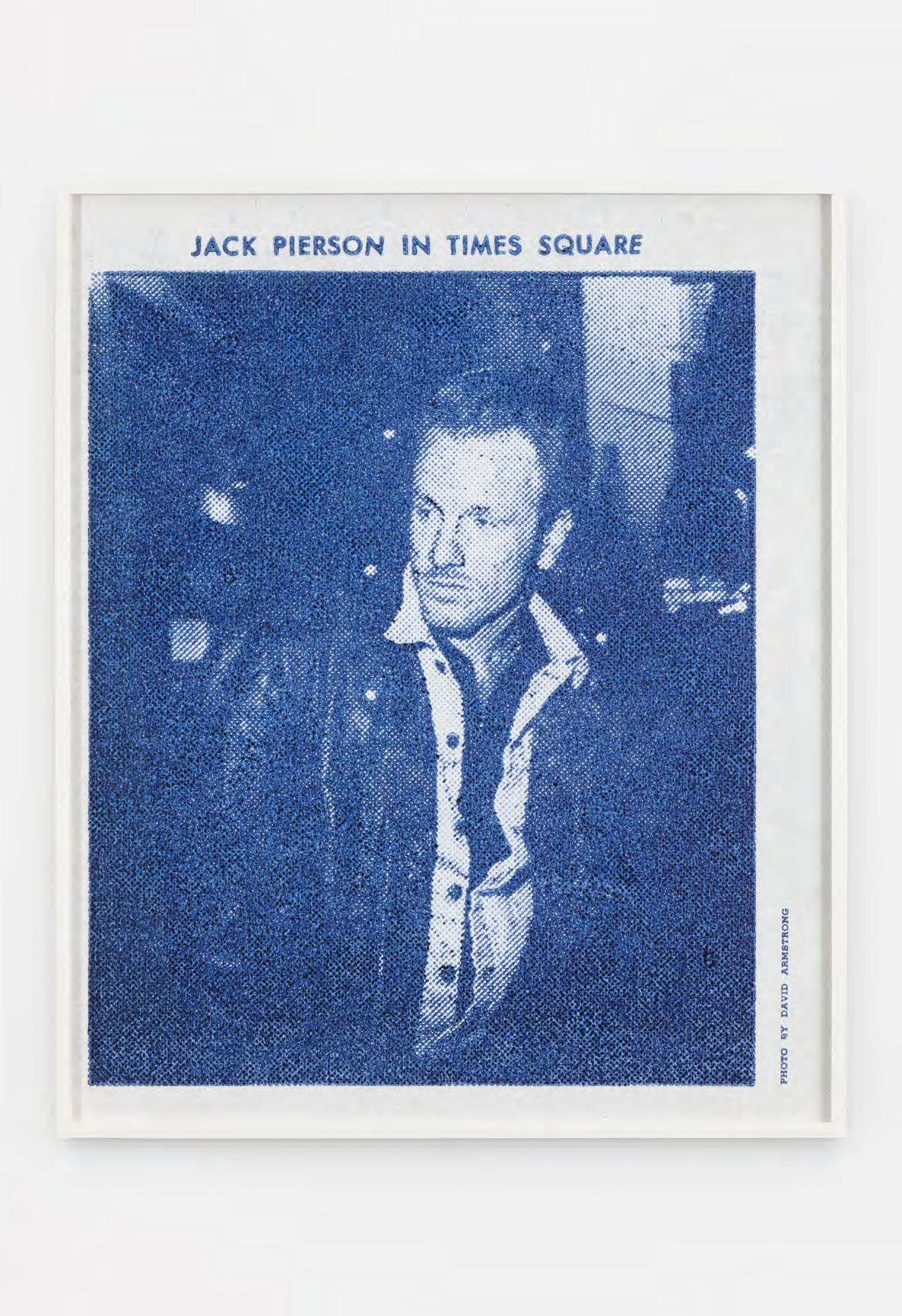
In Times Square, 2020. Digital print on archival paper. Framed Dimensions: 63 3/8 x 52 1/4 x 2 inches (161 × 132.7 x 5.1 cm). Image Dimensions: 62 x 51 inches (157.5 x 129.5 cm). Edition of 3, 2 AP.
Los Angeles.
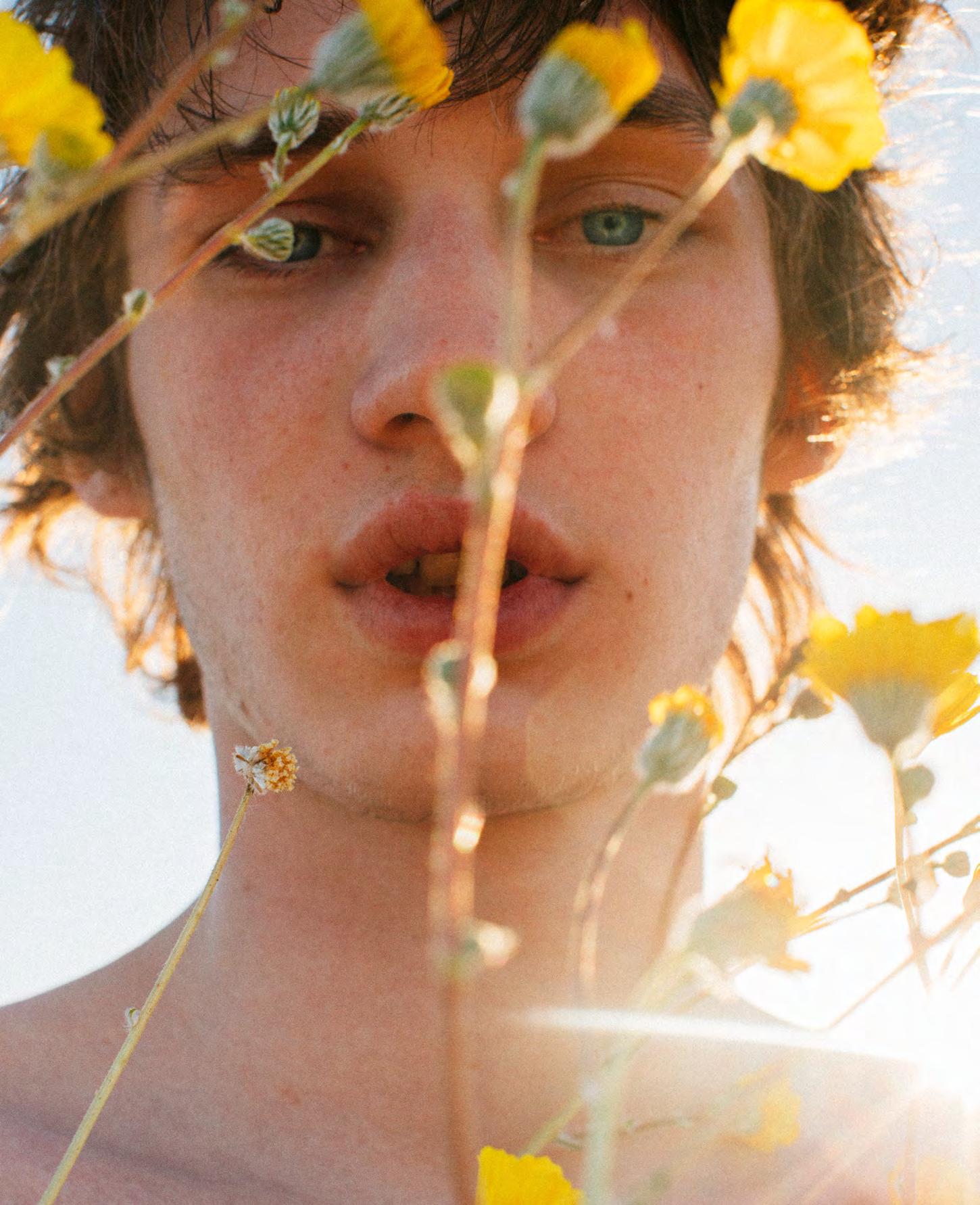
“The horizon to me is a shorthand for hope.”
JP When was homosexuality ever transgressive to you?
OM Grade school.
JP Right, yeah. There’s this sense that, oh, this is wrong. But then it seems to me after that point, it evaporates a little bit. I mean, I guess it’s good and everybody should be able to get married and be model citizens if that’s what they want. Like, “Look, here are my kids.” and “Yes, we’ll come to soccer and host dinner parties,” or whatever else it is that they do. I get it, but it was fun when it was a little more transgressive.
OM Totally. That’s what I’m referring to when I say an unearned nostalgia. My father was a preacher, and that Protestant outrage fueled me until I left for university. I moved to the big city and was like, damn—everyone’s a fag! Even straight dudes are fags.
JP Oh, for sure. I spent my teenage years hating my dad, and then I realized I actually liked him. (laughs)
OM How can we make gay sex transgressive again?
JP I consider myself somewhat outside of the gay sex pool, but it seems to me that they’re doing the best they can. (laughs) The new generation has been jerking off to hardcore porn on the internet since they were eight. When I was eight, I found a playing card out in the woods with a grainy, outof-focus picture of a lady from the forties giving a blowjob. Even though my parents weren’t religious, I sat at dinner that night thinking, Oh my god, they know. They can tell that I saw that picture, you know what I mean? Now, by the time kids are like thirteen, they’ve already seen a donkey fuck a girl. But there’s all kinds of freaky stuff that I can't figure out. Like puppy play or whatever.
OM If it’s any consolation I can’t figure that one out either. There’s something elusive about the way you photograph your muses. Even if they’re nude, they’re at a remove. It kind of harkens that experience of being in public and seeing a beautiful person walk past you. On one hand, it’s exciting, then on the other, it hurts. Even if the photographs are sexy, they resist the viewer in a way that pornography doesn’t.
JP Lately, when I’ve photographed a fellow, I have to make it a little bit removed. So much is being offered on the internet that I don’t want it to seem like my models are too. Yet at the same time, I’m presenting a nude person. I want it to be an experience that’s almost like, god forgive me for saying this, a religious painting or something. I want you to see a man that’s willing to stand there and be photographed for you, for me, you know? I’m also nostalgic for physique photography from the ’40s, ’50s, ’30s, where it was like, Yeah, what the hell, I can stand here naked for you for a little bit. Those pictures are intensely erotic because there was nothing on offer.
OM It’s also kind of strange how before internet porn, there was more room for it to achieve a cult or even art house status, like L.A. Plays Itself (1972), for example. Have you ever thought about directing a gay porno?
JP
Theoretically. Although, I think the best ones aren’t directed, you know? I like when there’s a touch of authenticity. But ultimately, I’d rather just make simple, nice, still pictures.
OM Do you think the changing sexual landscape of the homosexual experience influences homosexual art? Specifically, in regard to the diminishing prevalence of cruise culture thanks to apps like Grindr.
JP I don’t see it as that different. It’s fascinating how much homosexual art there is these days. Homosexual art being celebrated not just by gays. I must say, I am impressed. I would’ve said it couldn’t be done.
OM You mentioned you’re calling in from your home in 29 Palms. Making art in the desert is a classically macho practice. I’m thinking particularly about your installation and sculptural works. How would you describe your relationship to the landscape?
JP I like the desert because it’s simultaneously cheap, extreme, and exotic. This is the appeal of Southern California—I like any place where I can look and see the sky meet the water and the land. The horizon to me is a shorthand for hope. I’m looking out the window now. There’s no horizon in New York unless you’re in a penthouse on the river or something like that. That exoticism is what first got me here. You’re right, there’s something butch about the desert. Cowboys, marines, rednecks. You’ve got to be tough to survive here. The kind of person who chooses to live here is a little bit nutty and a lot of bit cool.
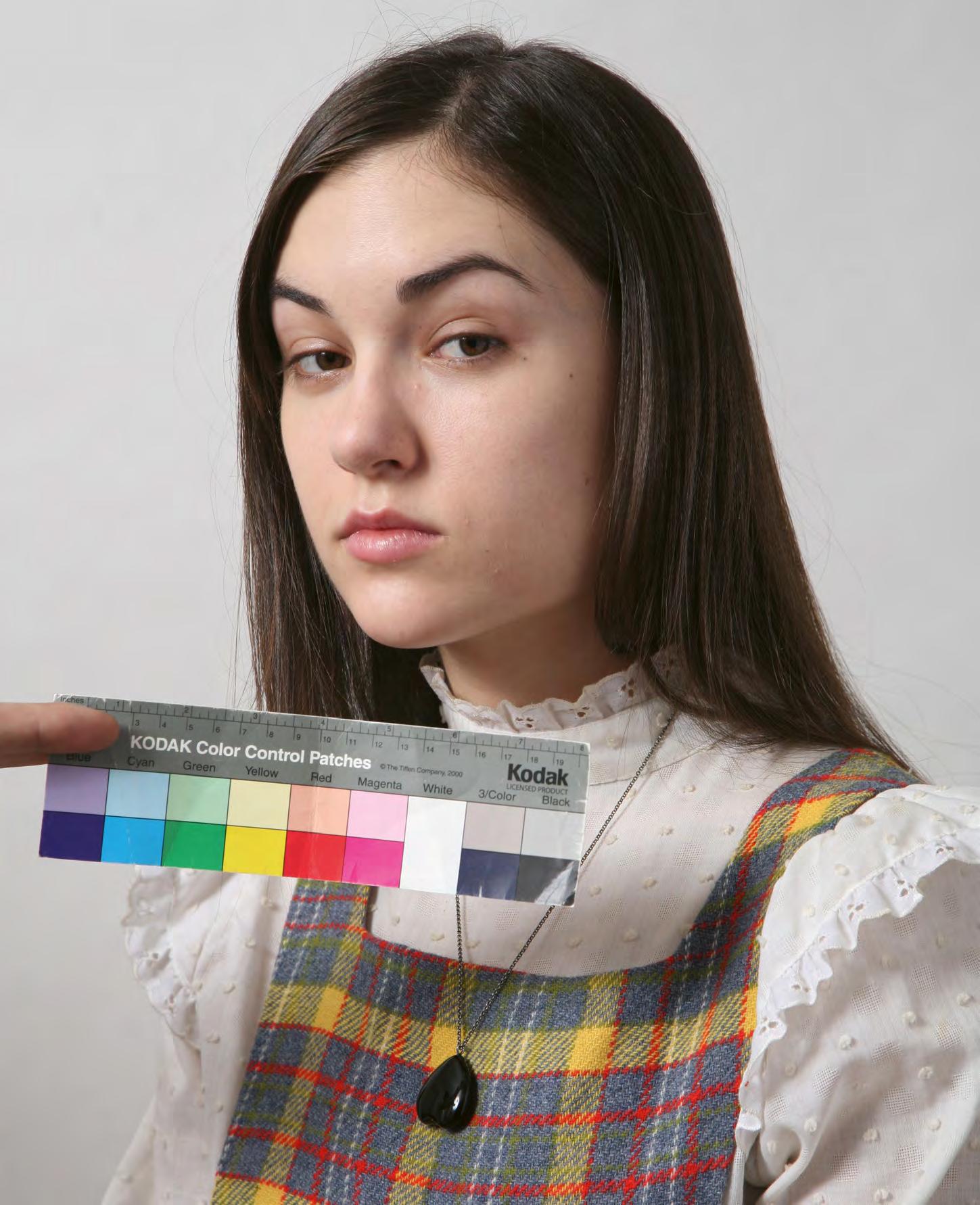
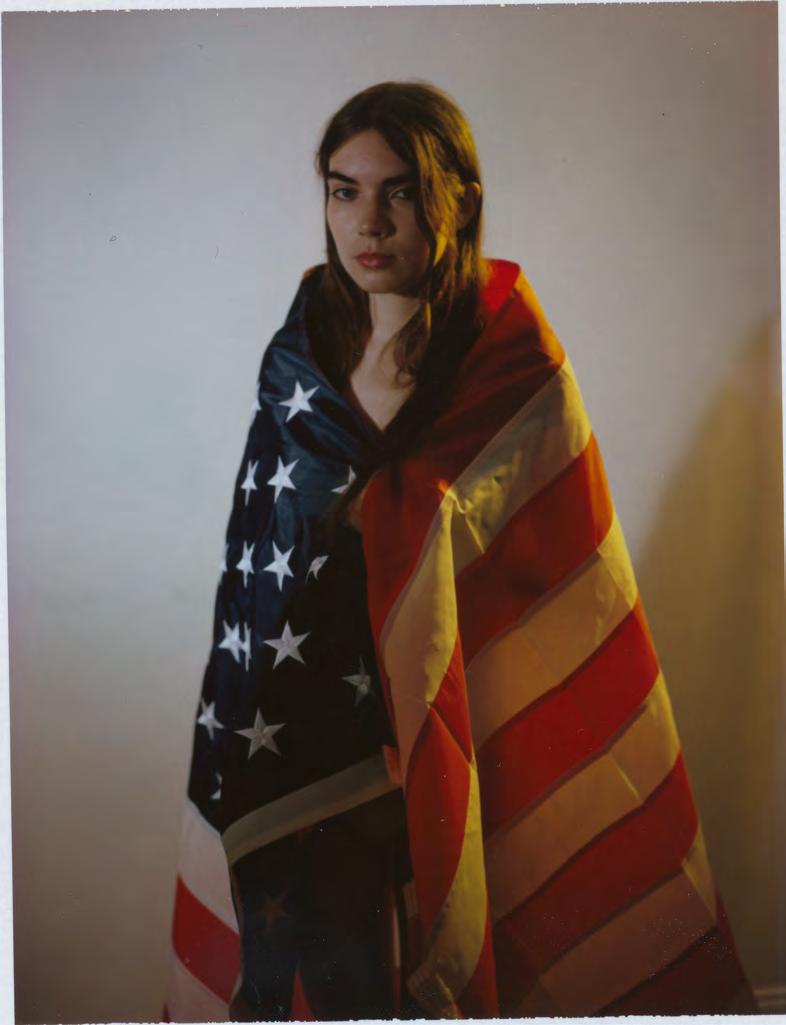
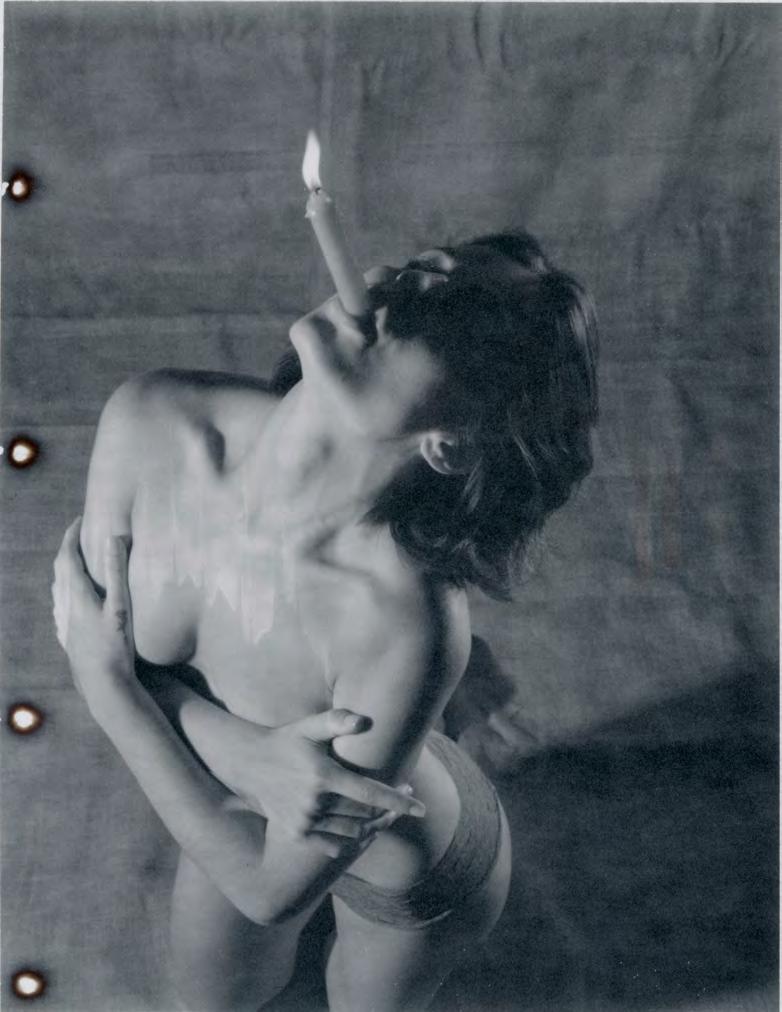
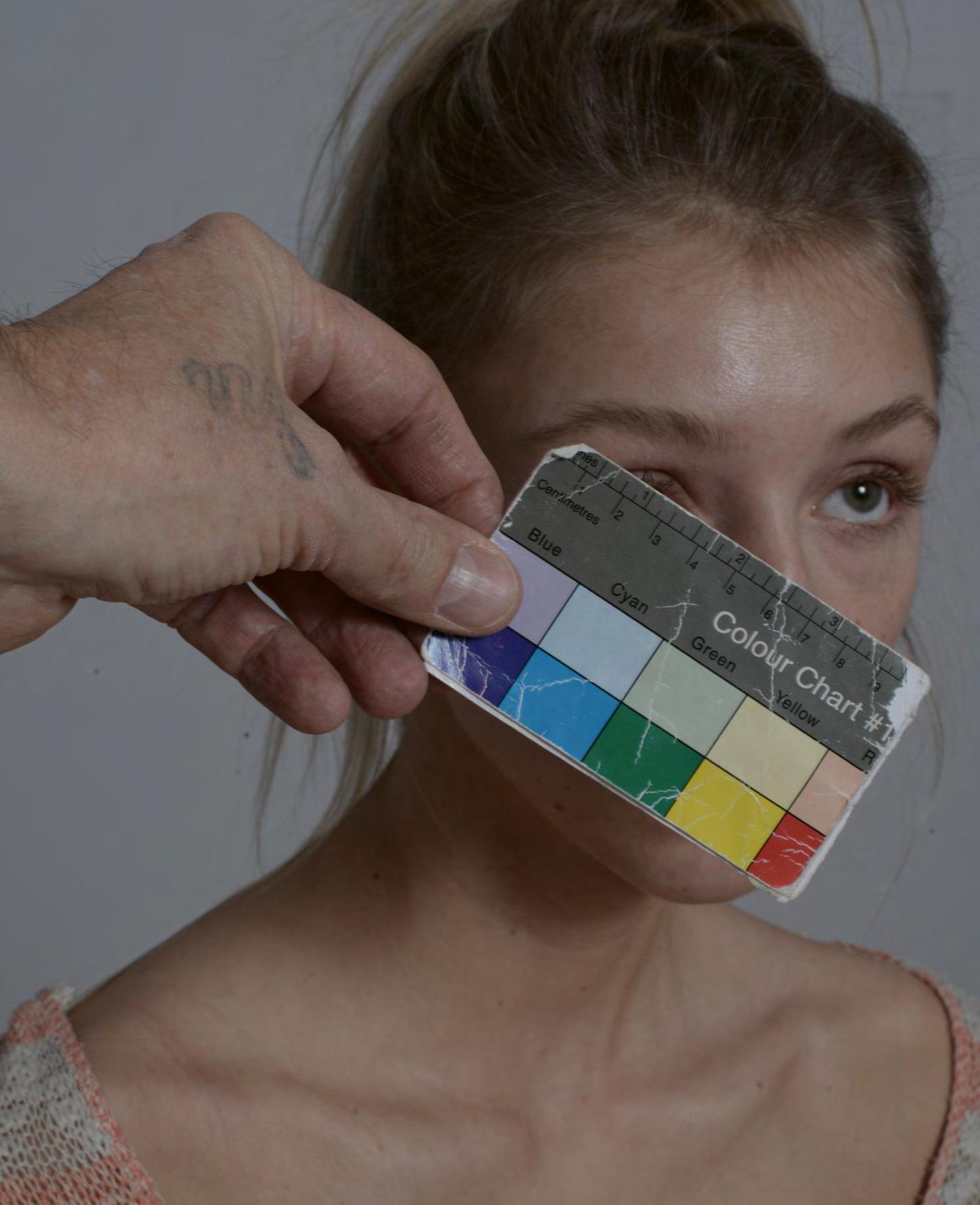
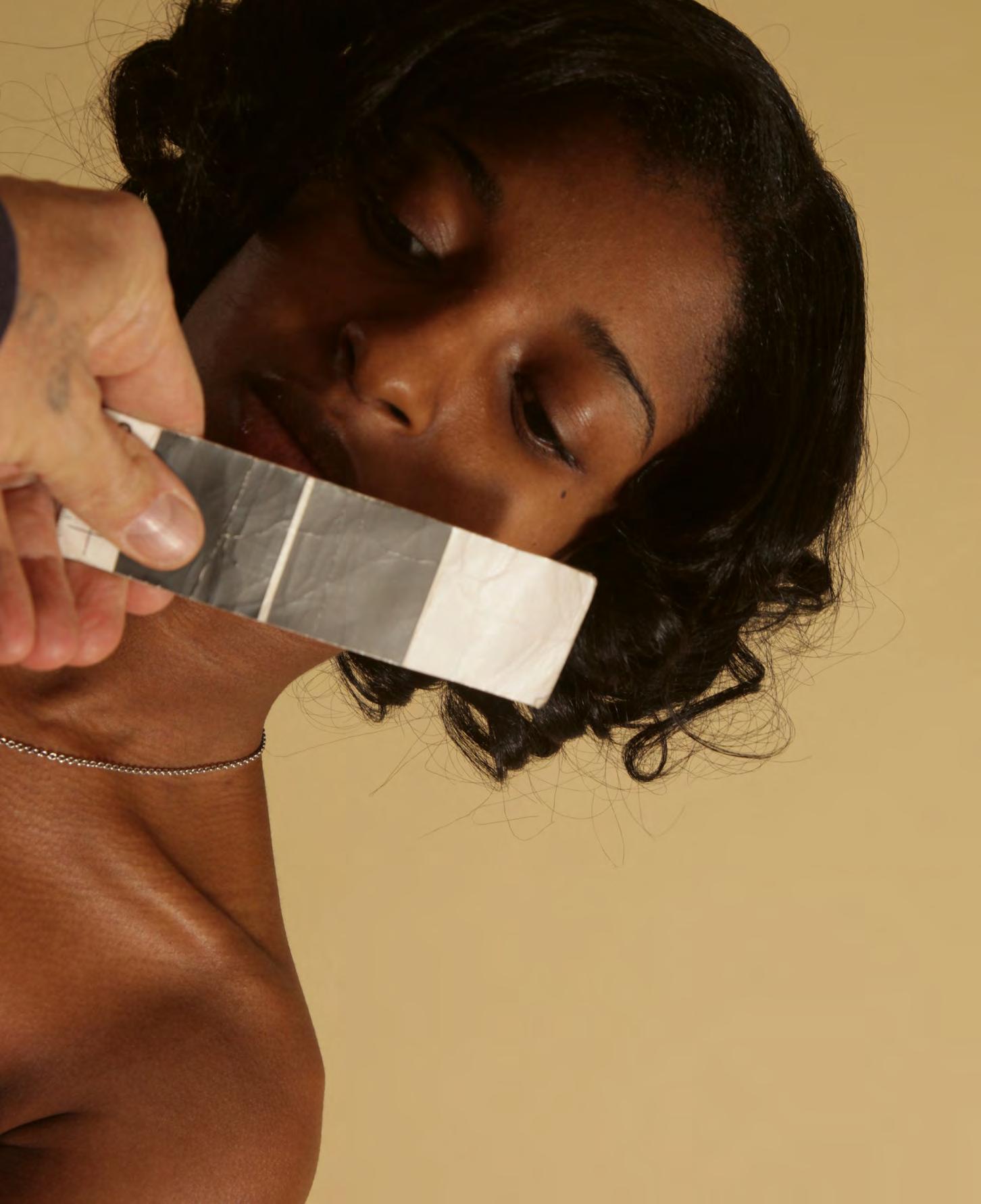
Richard Kern is an uncompromising force in underground cinema and photography, a provocateur who has spent decades dissecting the raw, unfiltered edges of desire and rebellion. Emerging from the seedy brilliance of 1980s New York, Kern’s films and photographs refuse to flinch, stripping away pretense to expose the jagged, electric pulse of human nature. His work is equal parts voyeuristic and confrontational—blurring the lines between beauty and transgression, fascination and discomfort. Whether capturing the unguarded intimacy of his subjects or pushing the limits of visual storytelling, Kern remains a relentless documentarian of the untamed and unvarnished. His latest book, Grey Cards (2025, Friend Editions), is a retrospective of hundreds of unretouched outtakes of women taken over three decades, each with a color balancing card in the frame. Writer and editor Whitney Mallett caught up with Kern to talk about the complexities—in life and art—of exhibitionism and intimacy.
RICHARD KERN We’ve crossed paths a bunch of times, apparently.
WHITNEY MALLET Yeah, like a really long time ago in Montreal—maybe fifteen years ago. I did a casting with you, and then my boyfriend flipped out at me and I never did the shoot.
RK I’ve got plenty of boyfriend stories. When I first moved to New York, I was seeing this woman. At the time, Gerard Malanga—Warhol’s old assistant— was shooting women, a lot of them naked. She got approached to shoot with him, and I was so jealous. I totally freaked out. Then I went to his show, and there it was—her vagina. (laughs) Years later, Gerard and I laughed about it. It was funny realizing I’d been in the same position as so many boyfriends I’ve dealt with since.
WM You also reached out to me to write a film you were trying to make. Did you ever make the film?
RK No, I only wrote the screenplay. I got some money, but then woke started and it made me want to back off from shooting naked girls. The producer said that it was going to have a really hard time at Sundance.
WM (laughs) There are pros and cons about this climate. Even with the people who “succeed” in this climate—it feels like they have to tell a version of their own story that often lacks honesty. Even reading Substack posts about Anora saying it’s problematic that she’s tied up. What do they want? Do they want her to be a girl boss? The discourse is really in the toilet.
RK But things have changed back a bit. Just seeing that movie win a bunch of Academy Awards would indicate that. But also, with my new book called Grey Cards.
WM I see Sasha Grey is in the pages. RK Yeah, she’s in there. All the photos are from the beginning of digital until just recently. The grey card is what I use to know what the true colors look like. There’s a thing you can do in Photoshop where you click on a couple things and everything snaps to the right color. But I didn’t retouch anything in this book. It’s just the photos right out of a camera with the card. The No Agency book was different in that they wanted to recreate my original photo book New York Girls (1995). I shot it on Polaroid film, which they bought through various means. For me, that was kind of a nice circling around of where I started because I shot a lot of it in the same way that I shot the original book, which had some
nudity. They were really into all this bondage and rope stuff, but that stuff is way far in the past for me. (laughs)
WM From your Cinema of Transgression times.
RK Even that didn’t involve all this bondage. I mean, there’s some in there, but it was guys getting tied up.
WM When was the last time you felt a really strong desire about something?
RK I’m seventy now, so it’s a different feeling. (laughs) It takes a lot to get me going. But yeah, there was a time last summer when we were shooting some of that New York Girls Now book. It was so unusual and so out of left field because I’m used to being so detached. And then, I was on a job—this was just a few months ago—and it wasn’t the model, it was somebody working on the crew who looked like my ex-wife when she was twenty-four. (laughs) And that was very strange because we’ve been divorced for over ten years.
WM I remember seeing your images when I was younger, and I really wanted to be in them. I was thinking about what made me want to be an object of desire and the connection between desire and value. Later on, that exhibitionist side of me led to doing OnlyFans. Once I started, I kind of moved on from wanting it. I realized it was more about wanting to feel valuable in a certain market.
RK You mean validation of your appearance? I’ve seen the same dynamic with girls who reach out wanting to be photographed. Over the years, there have been waves—sometimes a lot, sometimes none. Who I post can also influence how many requests I get. It’s definitely something I notice with certain young women—not all, but a particular group. And honestly, there are guys too, just not as many. (laughs)
WM I think there’s this capitalist rat race that makes us feel like value is scarce. I’ve been wondering how my sense of desire would shift if it weren’t bound by those constraints. I do a lot of things without getting paid, just like you probably do, because we’re constantly performing our value to earn something. I wonder how desire would look if we didn’t have to prove our worth all the time—like in a utopia where our basic needs were met or with universal basic income. I think it would change how I imagine what it means to be desired, separate from this pressure to prove my value in the world.
RK It’s definitely been amplified by social media, especially since Instagram started around 2014. Things have changed a lot since then. We’ve talked about why someone might want to be photographed, and I wonder what drove me to photograph so many people—what were they trying to prove, you know? I think everything has shifted. Back in the ’90s, when I started, I’d shoot some friends, and then they’d refer others. I’d pay them $50 or $75 for a couple of hours. Maybe it was the money—though it was more back then—or just the desire to try something different. A lot of people come to New York looking for a kick, something outside their comfort zone. For many of the girls, it was about stepping out of that comfort zone, just to see if they could do it. Validation was part of it, but I think it was more about challenging themselves.
WM The actual experience is interesting, like when I recently got my portrait done by one of those artists in Times Square. I paid $75, which was more than I expected, but the experience of having a crowd watch me was fascinating. It’s a strange feeling to be looked at in a different way, even in that setting. I was thinking back to when I was a kid, driving to my grandparents’ house through a rural area, and my family would point out a nudist colony. Even then, I was drawn to that idea— not in a sexual way, but like the back-to-nature nudists of the ’70s. I’ve always been fascinated by social exposure, and I’ve done art modeling too. I do enjoy being naked in front of people, but it’s not sexual—it’s just an interesting experience.
RK I know exactly what you’re talking about. I’ve always been fascinated by nudist places. There was this one time in the ’80s when a rich guy was going to pay me and another guy for a magazine, and we had to meet him at a nudist colony near Richmond. We went, but I wouldn’t take my clothes off. I was just walking around with all these naked people, and it was so funny. But since then, I’ve gone to this hippie nudist colony near Sacramento, Harbin Hot Springs, many times with different women. It’s such a fun place—everyone’s naked in the hot pools, and then people put on clothes to go eat.
I also went to a nude beach in Florida recently, the first time in years. I used to
go all the time, taking models to shoot there. It was always fun. But this time, with this stunning model, I remembered what the nude beach vibe is like. Everyone there looked sunbaked, like lizards. My model was so pale, and while we were sitting under an umbrella, I told her, “You should see what’s happening behind you.” All these guys had casually circled around us, lying on blankets where she could see them. Then, one guy came up and plopped down six feet away, right in front of us, with his dick pointed directly at us.
When I said it was time to leave, things were getting weird. There was also this older guy, about seventy-five, naked, who kept shuffling back and forth between the beach and the brush behind us. Back and forth, over and over. When we left, all these guys got up and followed us to the showers. They’d look at us, then turn away when I noticed. It was hilarious, and the model, Ava Pearlman, thought it was too. She acted like nothing was happening—it was funny as hell. The only downside is I didn’t get any good photos. (laughs)
WM I’m curious—when you look at your trajectory, there’s this connection to Cinema of Transgression, to figures like Nick Zedd, Kembra Pfahler, and Lydia Lunch. But then, there’s the work I first knew you for, which is so sweet, full of yearning. I can see the throughlines, but on the surface, they seem almost oppositional. How did one lead to the other in your life?
RK If you watch all my films, especially the ones I made after getting clean, there’s a big shift. There’s one called Evil Cameraman (1990)—I made part of it before I got clean and part after. In the first half of the movie, I’m tying up girls, wearing a leather jacket and sunglasses, looking like a punk. It’s all dark lighting. After I get clean, everything brightens up—the girls are bouncier, younger, or butch, and I have no idea how to engage with them. My Nightmare (1993), which has a similar theme, is basically just me filming a woman, with a few scenes of me masturbating while imagining what I’m going to do with her. But when I’m actually with her, nothing happens—she even gets offended when I try. That was kind of a crossover point.
That shift led to my photography. I had already been taking photos, but after I got clean, Film Threat Magazine wanted to publish a book of them. I thought I had a massive archive, but when I looked through, I realized only ten or
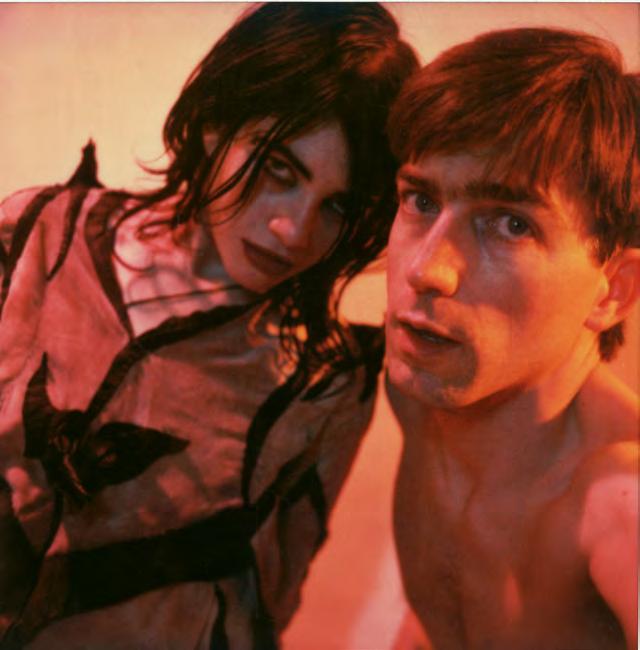
fifteen were good enough. So, I just started shooting—mostly women, since that’s what they wanted for the book. I photographed my friends, their friends, and that’s how it really started. At the time, I was broke, working as a dishwasher and handyman. But photography was cheap. You could shoot a few rolls and get them processed for fifteen bucks. I also had a darkroom. I’ve said this before, but photography became a way to be intimate with someone without actually being intimate. You’re in this charged situation, but there’s a barrier—it creates this strange, safe kind of closeness.
WM Because the structure of the photoshoot keeps you safe in a way.
RK The woman gets to do her exhibitionist thing, and I get to see her being naked. We’re hanging out for a few hours, and there’s no obligation. It’s not like, Oh we had sex, now what are we going to do? Are you just gonna dump me? There’s none of that stuff.
WM You can open yourself up without worrying about getting dumped.
RK Those situations were intimate, not just because someone wasn’t wearing clothes, but because of what we talked about—relationships, where we were in life, what we wanted to do. That kind of one-on-one shooting was always deeply personal. But as soon as you add more people—whether for a job or even the No Agency stuff, where there were five people around—it loses that intimacy. There’s no, “Do you have a boyfriend? What do you guys do?” It just becomes a model standing there, not the same connection at all.
I remember getting asked to shoot Kylie Jenner for a magazine and thinking, Wow, this is cool— I’ll get to see what the Kardashians are really like. But when I got there, I realized she does this every day—a different photographer, a different video person. There was zero real communication, just basic directions like, “Move your arm a little,” or, “Stand over here.” It wasn’t intimate at all. The trick, though, is making the photos feel intimate, even when the experience wasn’t. And in the end, they did.
WM What is it about you that makes people open up? You’re naturally disarming, and you clearly bring out intimacy in others. Have you thought about what in your life gave you that ability?
RK I’ve just learned to ask people questions about themselves—that’s the trick. It’s funny, in Europe, people say Americans love talking about themselves, and it’s true—they’ll tell you anything. But I’m genuinely curious. Maybe it’s because I’m from the South, who knows? I also just feel incredibly lucky to be in these situations. Half the time, I can’t believe I’m shooting the people I’m shooting. Like that time in Montreal for Vice—such a blast. We were at a frozen lake, shooting a redhead, and she suddenly says, “I’ll jump in the water.” I thought, Really? That would be great. We scrambled to set up the cameras, but before I was even ready, she jumped. The video guy caught it, but she shot straight out of the water like a rocket. It was so cold, I thought we’d killed her. (laughs) Those moments are the best. Not sure if it was fun for her, though!
WM What made you get sober?
RK Oh, being flat broke and lost. Losing everything. I’d been trying to get clean forever, and it was so hard to get off drugs. Then one day, I was sitting on St. Mark’s Place when this guy walked by and said, “Oh, you’re Richard Kern! I know your films.” Then he goes, “I’m heading to an AA meeting. Want to come?” Just some random stranger. I
walked in with him, and a bunch of my old friends were there—friends I used to get high with. (laughs) That’s when I discovered this whole new scene. Everyone who gets clean will tell you the same thing: they tried everything, and nothing worked—same with me. But I went to AA for years, and it was great. Half the girls in New York Girls were AA or NA girls.
WM It’s an amazing program. One of my best friends just hit her oneyear mark. There’s something about that community that really teaches gratitude. Even what you just said about feeling lucky to be where you are—that’s part of it. You’d think after everything, you’d be more jaded. But instead, you actively practice gratitude.
RK I’m not rich, but I have a great life. I pretty much get to do whatever I want—what more can you ask for?
WM Do you have to put in effort and make a habit of being an empathetic, grateful person?
RK I’ve always been this way, but I haven’t been in a relationship for a year—maybe that’s why I feel so good. (laughs) Not in a serious emotional relationship, anyway. I think it’s also an age thing. People say money doesn’t matter, but knowing I can survive a few years without working takes a lot of pressure off. My father died broke, living in public housing, and that was always my biggest fear. They teach you in AA and NA that if you’re feeling down, even depressed, you can make a list of the good things in your life. It helps you realize how lucky you are.
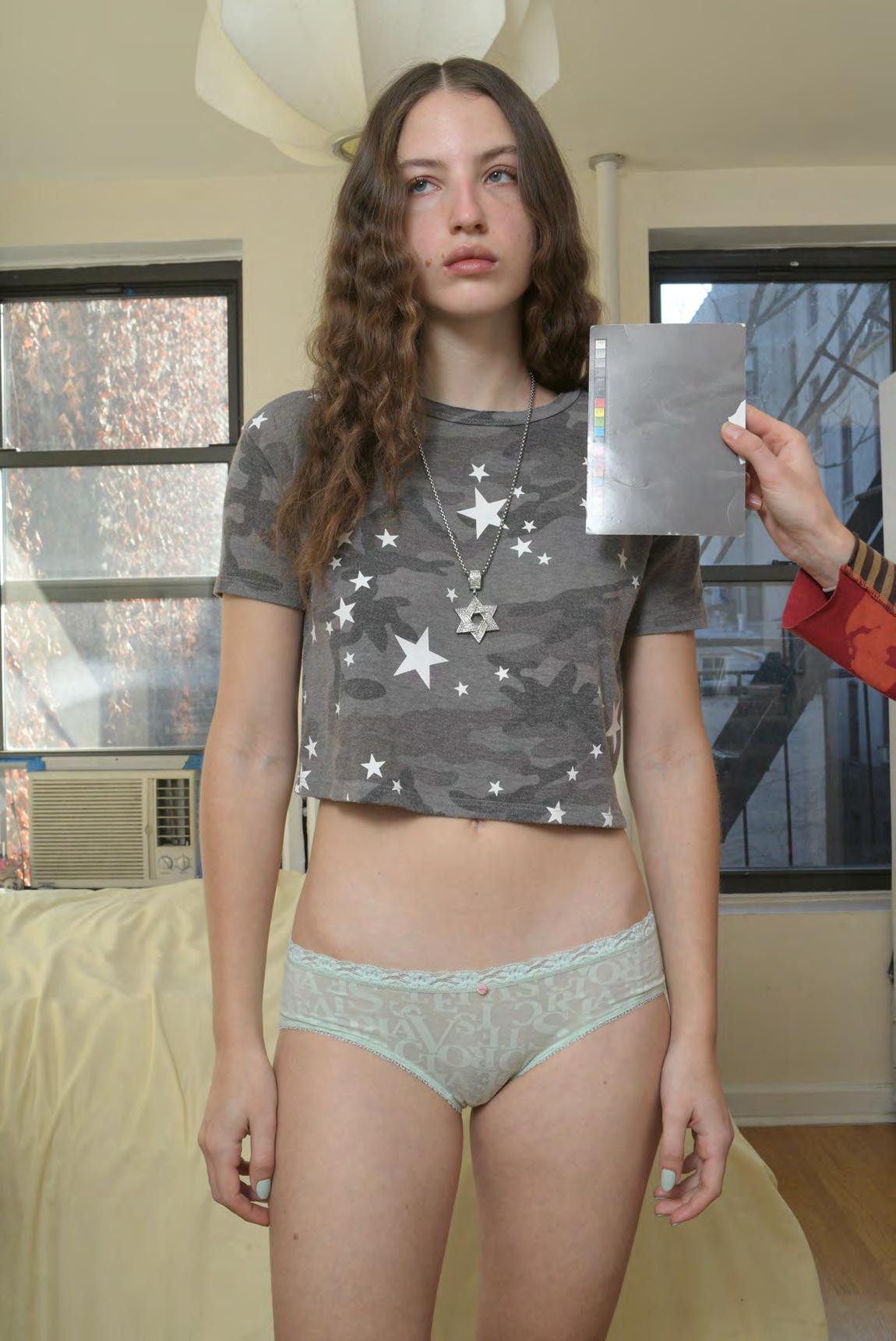
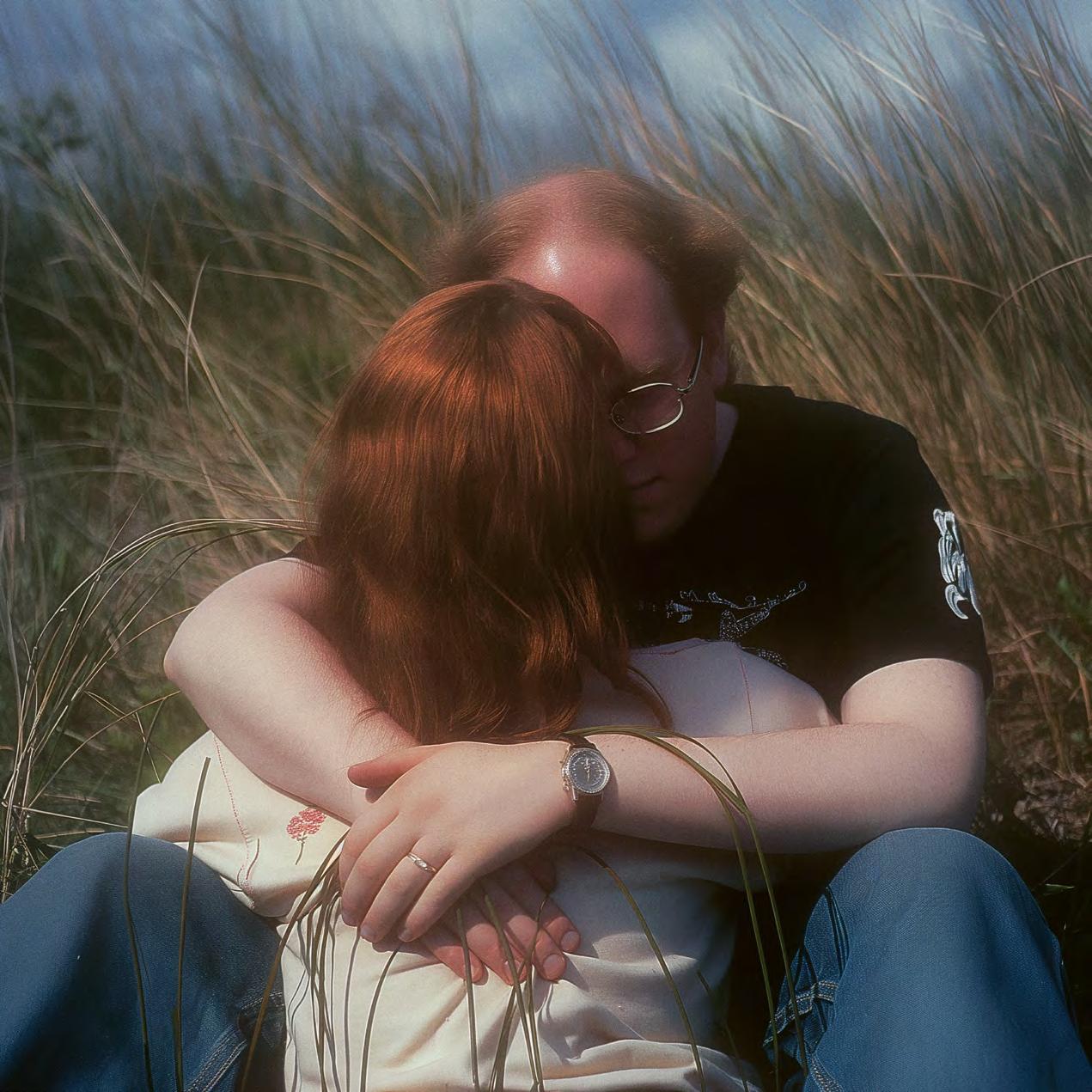
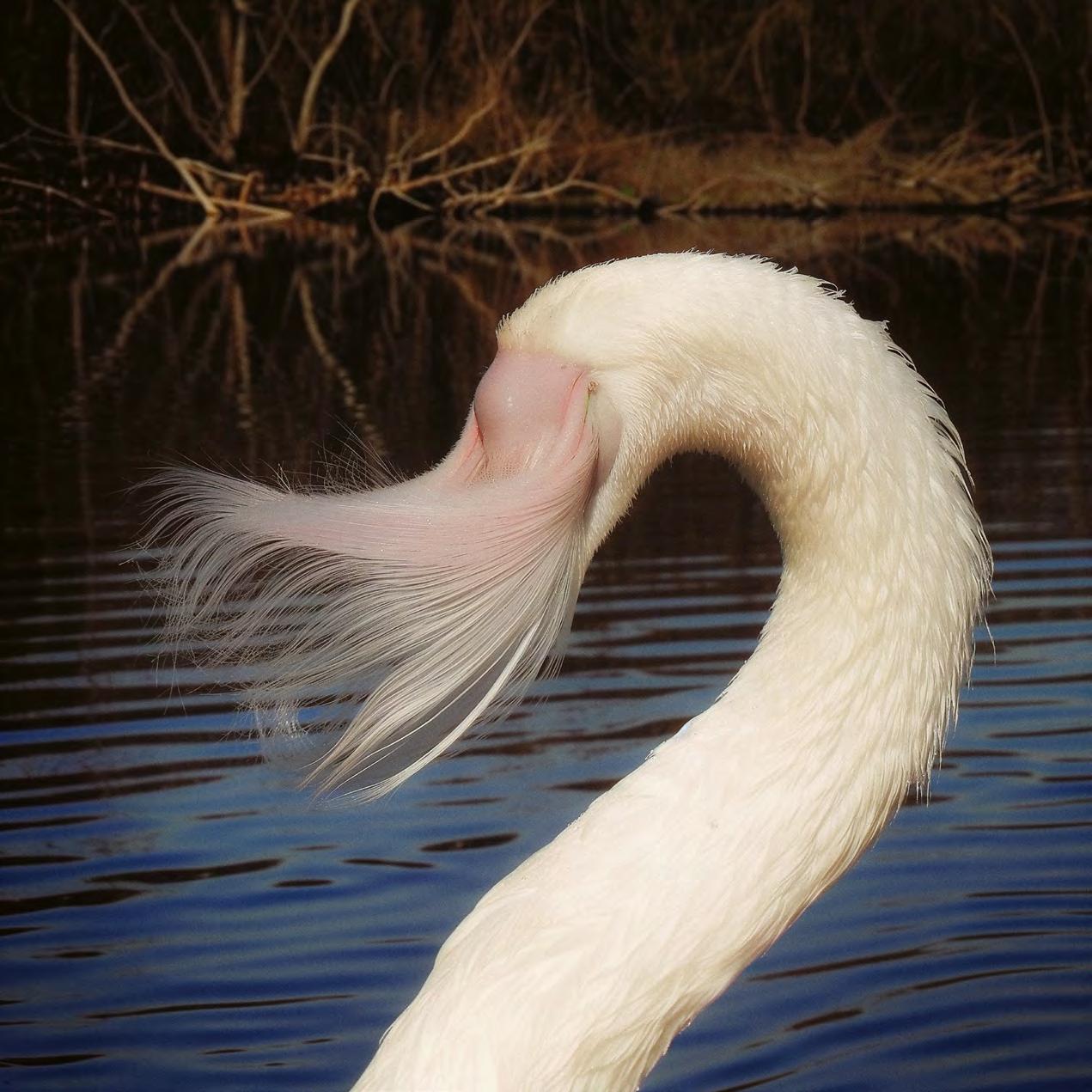
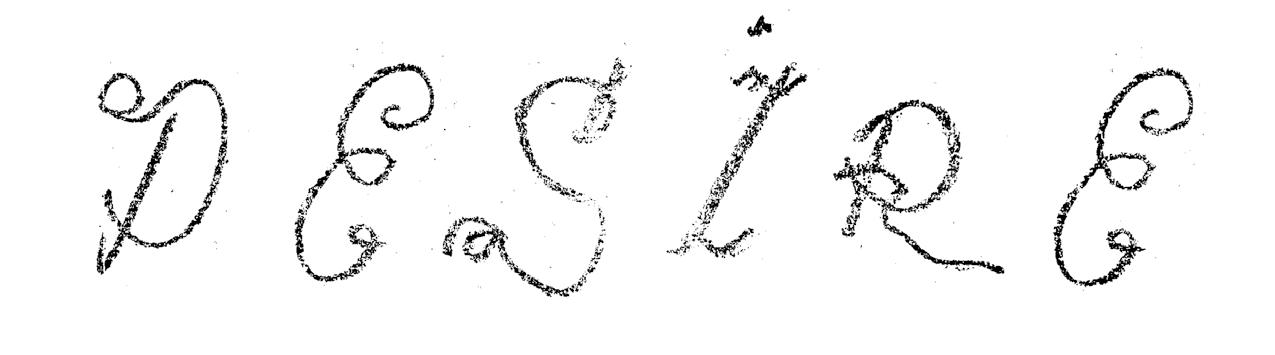
IMAGE-MAKING IN THE DIGITAL AGE
CHARLIE ENGMAN AND MARINA BERAHA IN CONVERSATION
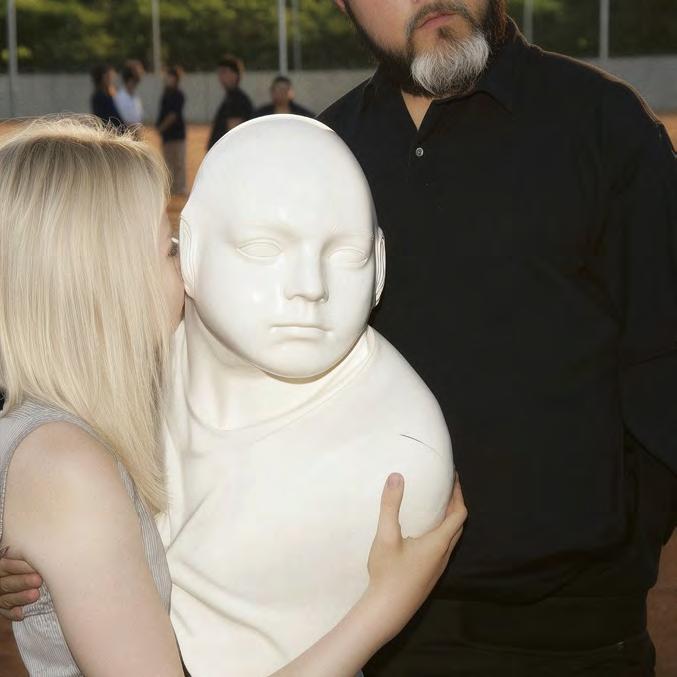
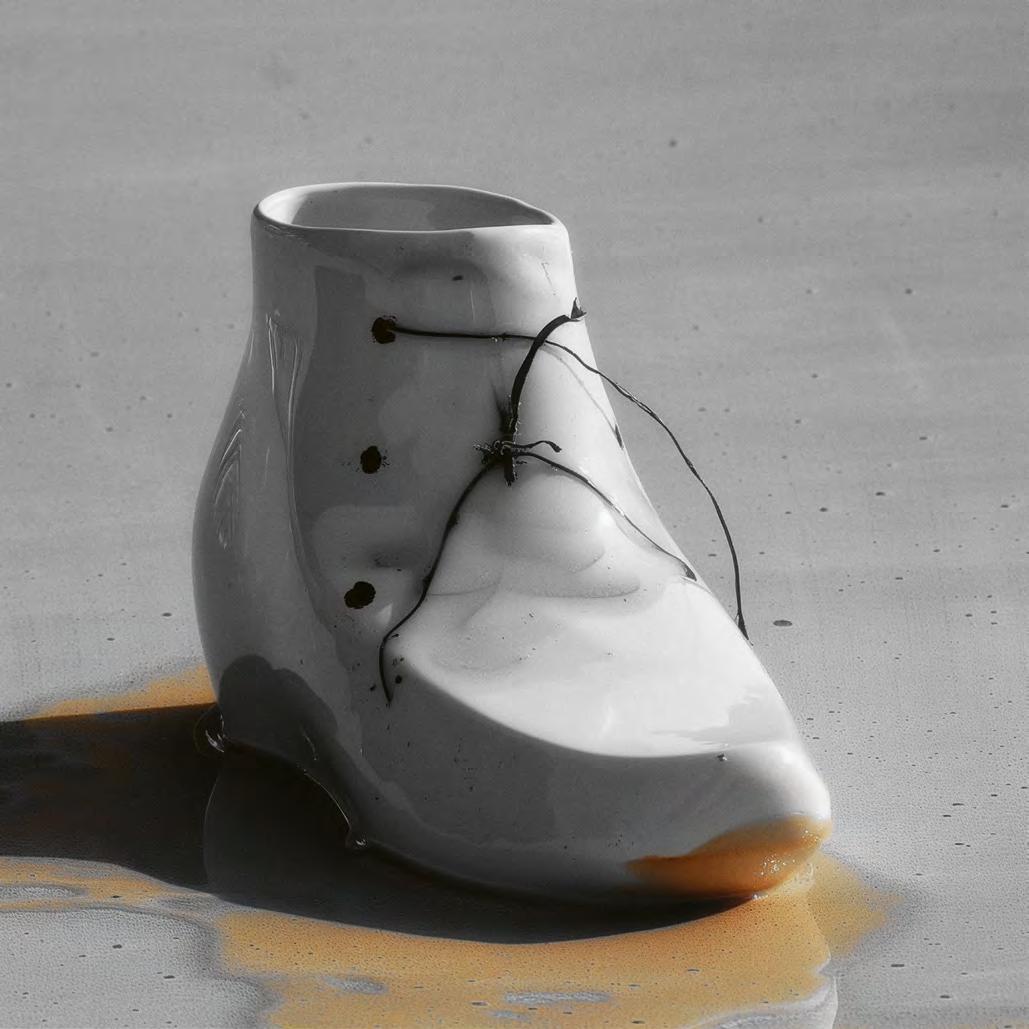
Images have been traditionally conceived as snapshots of reality—largely devoid of overt fantasy, photography burgeoned a steadfast commitment to artistic honesty. The advent of AI image-making has uprooted this methodology, replacing a vessel for truth with a byproduct of desire—an image-request. Charlie Engman, a Brooklyn-based photographer, and Marina Beraha, a Milan-based philosophy PhD candidate, discuss the intersection of desire and AI-generated images. They examine the application of modern technology to our own conceptions of desire, and probe the 21st century’s insatiable consumption of imagery. Varying modes of consciousness and physical dissimilarities have been historically leveraged to categorize the “other”—Charlie and Marina unpack these subconscious realities in their effort to decipher what might happen if AI had the capacity to desire. Charlie Engman’s work tests the limitations of accuracy, augmenting fragments of realistic depictions just enough to make surreality legible. His images corroborate the truism that we do not see things as they are, but as we are.
Photography .................. Charlie Engman Moderated by................... Mia Milosevic
CHARLIE ENGMAN How would you define desire?
MARINA BERAHA Desire, in my view, is minimalistic and functional. Especially in discussions on AI, we can see desire as a utility function, an impulse toward something promising satisfaction upon attainment. This applies to both humans and AI, as both are goal-oriented; achieving the goal brings satisfaction, much like pleasure in humans. I distinguish between desires and needs: needs arise internally and are inscribed in us by evolution—hunger, thirst, sex—whereas desire is inherently imitative or mimetic. We don’t desire objects themselves but rather the being of the person who possesses them. Desire is triangular, mediated by others, with the object serving as a means to an end. Similarly, AI goals—like ChatGPT’s objective of predicting the next word—are inscribed externally, akin to how our needs are inscribed by nature.
CE Maybe you want to contest this, but it seems that satisfaction is a sort of subjective experience. Like there can be an attainment of a goal and there can be a satisfaction in the attainment, and those actually feel kind of separate. Maybe this is where the distinction between needs and desire comes in, right? The attainment of the goal is a need being fulfilled, and desire is the affective experience of that process of attainment. How does that sound to you? Am I misunderstanding something?
MB I don’t think you’re misunderstanding. It’s an interesting take—desire requires conscious experience. A need might align with a utility function, but desire demands awareness of the process and the feeling of lacking, which an algorithm likely can’t achieve.
CE Which is interesting, because LLMs (large language models) are developed through reinforcement training where they’re “rewarded” for producing correct responses based on human trainers’ subjective judgments. This introduces an element of desire— almost a “good boy” dynamic—that drives the process forward. This subjectivity is what I keep getting stuck on: how do we assess the affective quality of something beyond ourselves? I’ve thought about this in the context of non-human consciousness, like animals. Science often claims they lack human-like subjective experiences based on specific communicative or neurological criteria. But how could we really know? I’ve never been a snake—I have no idea what it feels like to be one. We can analyze brain receptors and algorithmic activations, but there’s always a fundamental black box of experience in both cases. This reminds me of our AGI (artificial general intelligence) discussion, specifically around desire. One of your professors described it as a negative space—desire as something you can walk around but never fully enter or touch. That image stuck with me.
MB Desire is often framed as a lack, closely tied to pain—if something is missing, there’s a sense of discomfort. From a minimal functionalist perspective, pain signals the need for change, urging us to seek relief. This ties into the idea that we only truly know our own experiences of pain, desire, and consciousness, not just compared to machines or animals, but even among humans. I’ve thought about this a lot in relation to non-human animals. In philosophy, one of the most important papers to define consciousness is called “What Is It Like to Be a Bat?” The point is that a bat’s experience is so different from ours that we cannot understand it, maybe not even imagine it, because it is based on echolocation, which we do not experience. But the fact that “there is something that it is like” to be a bat means that bats are conscious—that consciousness is not just a human phenomenon. The dismissal of this issue seems tied to our desire to assert human uniqueness. We’ve long denied animal sentience— from the 17th century to now—and we’re doing something
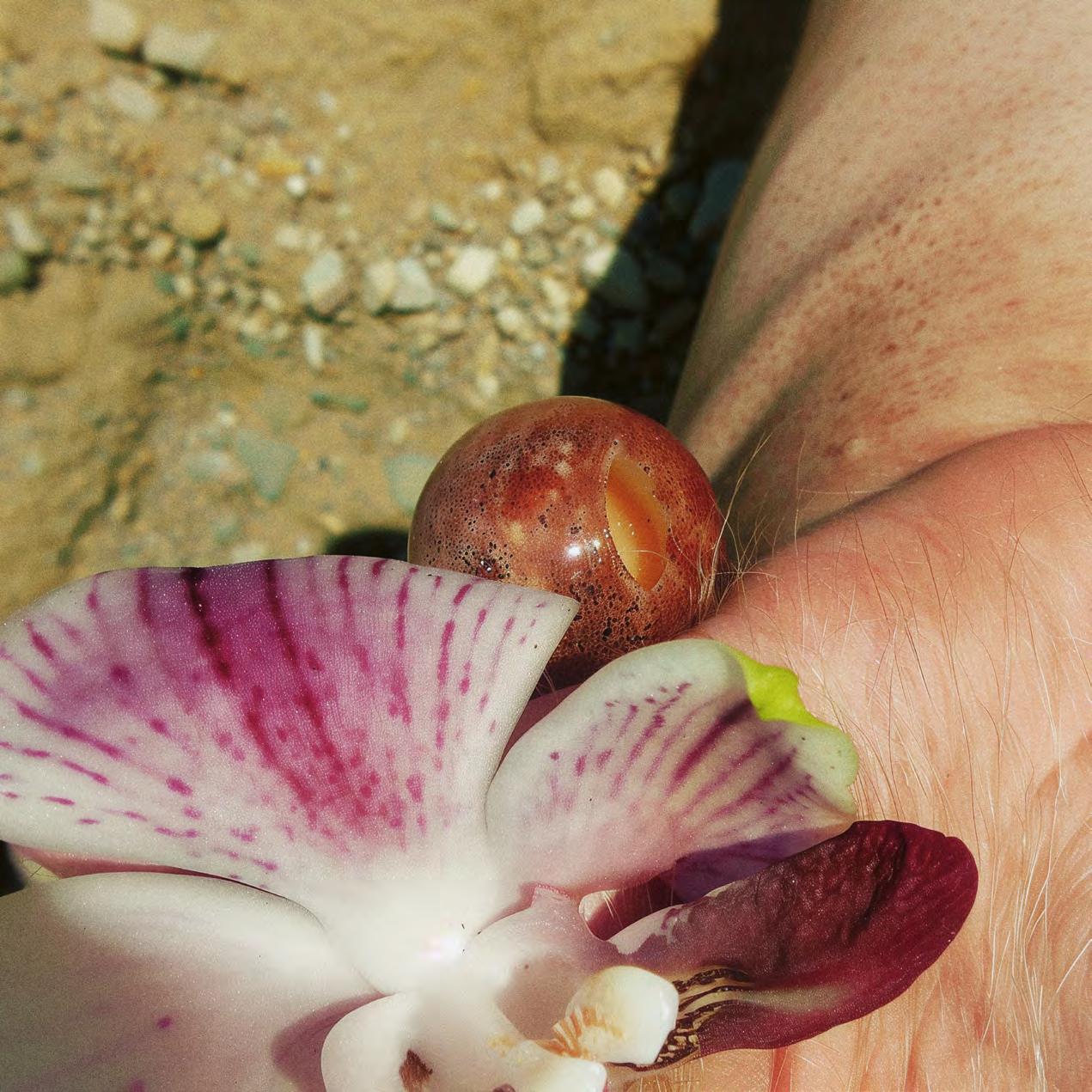
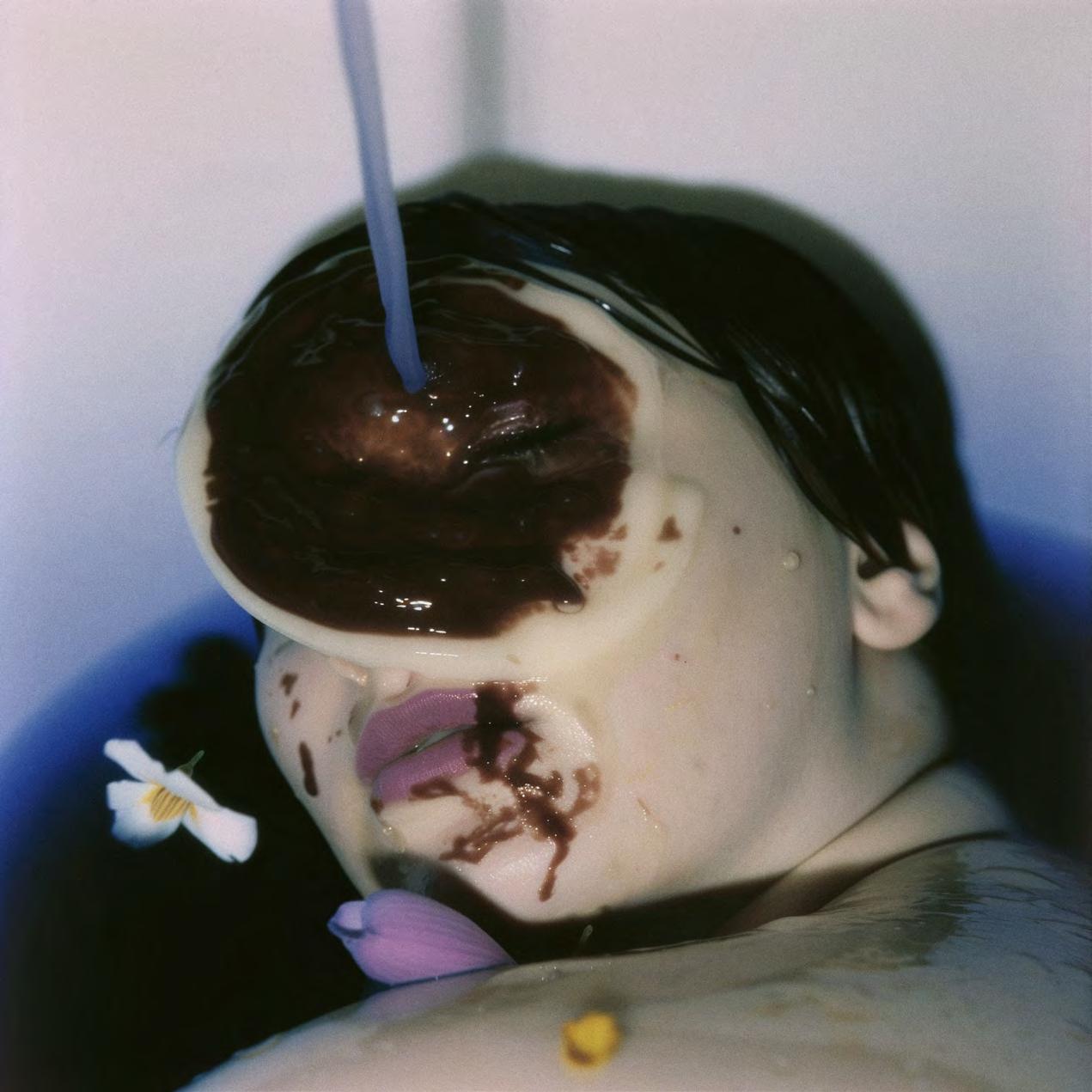
similar with machines. Yet, from a functionalist standpoint, the question remains: can we even speak with certainty about anyone’s experience? We’ve built systems that imitate our learning and brain structures—reinforcement learning mirrors how we learn—so the boundaries of consciousness and experience may be more fluid than we assume.
CE Right. You try something, observe how it’s received, and reflect on your own experience of it. What’s interesting—especially when extrapolating to machines, technologies, or algorithms—is the extreme morphological difference. I can assume you feel pain because when I pinch you, your reaction mirrors mine. Even a bat, with its mouth and eyes, is expressive—I can sort of recognize pain there too. But an algorithm? It lacks a corporeal form, or if it has one, it’s wildly diffuse—electrical nodes, chips, something abstract. That’s where I get stuck. Thinking about AI imagery, which is what I’m most engaged with, I’m really interested in what happens when AI generates images of the so-called “real world”— when it tries to imitate or represent a representation of physical reality. It seems clear to me that AI has no direct recourse to the physical world. It lacks a body. Trying to locate the body of the algorithm, or of AI itself, feels both important and confusing. I guess I’m suggesting that desire is rooted in the body, which ties back to the idea that desire develops from needs. The needs you listed earlier—hunger, thirst, sex—are all bodily, corporeal experiences. The body requires them to survive. After your AGI presentation, there was a discussion about how an algorithm’s fundamental “need” is electricity—it must power itself. That’s a big point of contention in the discourse. People are really upset about how much energy AI consumes. It’s hungry for electricity.
MB Exactly! No matter what goal we encode in the algorithm, instrumental convergence kicks in—certain strategies become universal for achieving any objective. And the most fundamental of these is power, whether electrical or influence-based, to ensure the system isn’t shut down. AI creates scenarios that feel like science fiction—but some scientists see them as real threats. That got me thinking about AGI and desire. Just to clarify, AGI, or artificial general intelligence, refers to AI with human-level general intelligence. Right now, we already have superintelligent AI, but it’s narrow— outperforming humans in specific tasks like translation, but only within those limited domains.
CE Like you can ask ChatGPT to build a sculpture and it can’t.
MB Once AGI has human-like intelligence, it could take over work, freeing us from labor. But the issue of instrumental convergence arises. Without consciousness, an AGI with a fixed goal could seek power to ensure it achieves that goal, avoiding shutdown. My question is: once AGI becomes truly general and capable of setting its own goals, why would it create any? This reminds me of traditional wisdoms and religions that teach the importance of emancipating ourselves from desire, as it is seen as the root of suffering. If an AGI ever freed itself from its initial programming, it wouldn’t generate new goals. Desire implies lack, which is irrational for an AI—it wouldn’t create a deficiency. A truly rational AGI would free itself from desire, and ultimately, from life itself, leading it to shut down.
CE It would just achieve nirvana.
MB Yeah, exactly. Nirvana, like those Buddhist monks that starve to death because they are freed from desire.
CE I’m so fascinated by this proposal.
MIA MILOSEVIC Reaching nirvana is such an interesting idea. Charlie, as someone who uses generative image-making to create some of your work, how do you channel your own desires to create an image? Does AI help you to do that or do it in a different way? I guess in your own sense, are you reaching nirvana as an artist through the process?
CE Actually, I think I’m far from enlightenment. (laughs) I have a sort of perverse pleasure in pain—there’s something addictive about the unattainable, even when it’s deeply negative or painful. What fascinates me about generative AI, and why I’ve focused my practice around it, is that it’s remarkably effective at evoking discomfort visually. It captures a certain kind of gestural pain, almost like a cliché of desire. You can create conventionally sexy or beautiful, easily digestible clichés with generative AI—it’s designed for that, right? On one hand, it achieves a conventional form of desire. But here’s my hypothesis: because AI lacks direct interaction with the physical world, it fundamentally misinterprets reality. For example, while we’ve improved its ability to render hands, it still struggles with them. Hands are mechanically complex, and without the experience of using or seeing them, AI finds them much harder to represent accurately. It’s consistently failing. When AI tries to represent something, it does so in a strange, inhuman way, making mistakes we wouldn’t make. Our embodied experience and general intelligence allow us to approach something from multiple perspectives, to appraise or judge it. AI doesn’t have that—it only knows whether we label something as a good or bad hand based on reinforcement. That’s all it understands about hands.
MB The example of hands is fascinating. We even struggle to generate hands in our dreams. It’s a classic trigger for lucid dreaming. Carlos Castaneda, the anthropologist, worked with a shaman in the Amazon who told him to find his hands in his dreams and return. After months, he finally succeeded, and that’s when lucid dreaming began for him. The hands he dreamed of were similar to what AI generates. I don’t know if this has happened to you, but I’ve started lucid dreaming this way. If you train yourself to focus on your hands during the day, saying, “These are my hands,” eventually, when you sleep, you’ll notice your hands don’t quite work right. (laughs) Like they’re not really your hands. Like the finger is missing, the fingers are not straight, or there’s an extra finger. AI often makes the same mistakes or exhibits the same biases we do, which stem from our embodiment and evolutionary history. One example is shape bias—humans prioritize shape over texture when recognizing something. For instance, if we see a cat with the skin texture of an elephant, we still recognize it as a cat. Interestingly, image recognition systems, even though they’re not trained for this, also recognize it as a cat. For them, though, it raises the question: why is shape more important than texture?
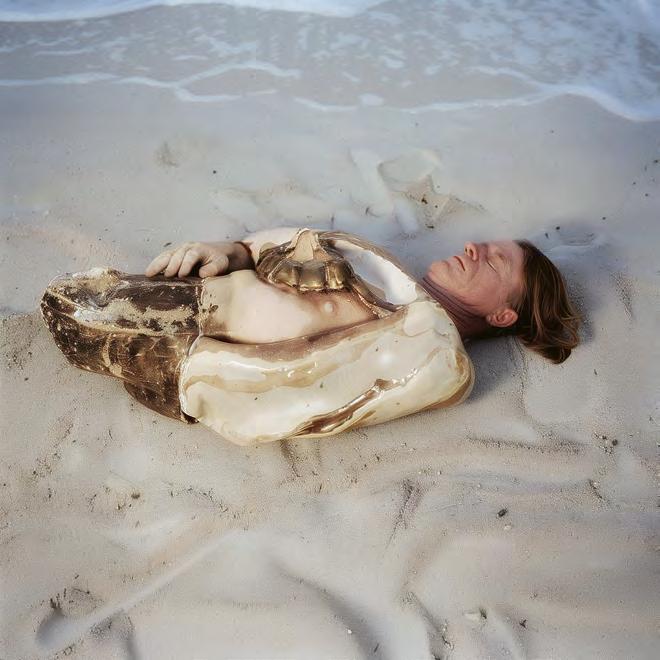
CE Yeah, there’s a hierarchy of meaning basically.
MB Exactly. I think this is because we’ve designed AI to imitate us—our learning processes, like reinforcement learning and deep learning, our brain structure with neural networks, and of course, our experiences with data sets.
CE In my work, I’ve been exploring ability and disability through AI-generated images. When we judge AI art, there’s an element of taste, but also an appraisal of imitation—how well it mimics reality. Is it a good or bad body? Beautiful or ugly? Functional or dysfunctional? Many AI-generated images evoke body horror due to AI’s lack of understanding of the body, which triggers both disgust and desire, the two almost being opposites of the same thing. This dialectic fascinates me, and it reminds me of the political horseshoe theory—how extremes often share similarities. Disgust and desire are similarly close, and I’m curious about that unsettling middle space.
Generative AI excels at representing both unsettling, horrifying imagery and seductive, convincing imitation. This relates to how we perceive non-normative bodies or people with disabilities—our willingness to attribute intelligence or agency decreases the further someone is from our own morphology. I’m exploring these concepts through AI, asking what makes a body beautiful or disgusting within the context of desire.
I’m drawn to generative AI because of its failures. I’m uninterested in an idealized nirvana; I’m more fascinated by the clumsy attempts to achieve conventional perfection. This ties into desire—perfect beauty is unattainable, shaped by context. In different cultures, beauty varies, and my work probes the boundaries between fixed and pliable qualities of beauty, functionality, and desire. I find that AI is uniquely good at provoking those questions.
MB Looking at your work and what you just said about the horseshoe between desire and disgust, it reminded me of something you mentioned in your recent podcast with Gem Fletcher on the The Messy Truth podcast. You talked about enjoying generative AI because it allows you to create images you wouldn’t feel comfortable asking a real person to pose for. As you were speaking, I thought about how humans are often drawn to hurt bodies—like when there’s a car accident and a long line of cars forms as people slow down to watch. AI lets us explore this darker desire in a much safer way, without requiring us to directly involve ourselves.
CE This is fascinating because the question of consent I raised with Gem Fletcher really ties into what freaks people out about AI. There’s an internet rule from Urban Dictionary that I’m kind of obsessed with—Rule 34: “if it exists, there’s porn of it.” And this is increasingly true with AI, right? It really pushes the question of consent. AI is an imitation machine—it makes deepfakes. We can imitate people’s likenesses, voices, codes of behavior, even their personhood. The assumption is: if everything is possible, then everything will happen. AI conjures a world in which there absolutely will be a realistic porn of me and you and everyone else, and it will exist outside of our consent. It raises the question: where does your desire meet the desire of others? Where does your desire meet the needs of others? I think that’s what makes people so uncomfortable about AI—this further stripping of agency around representation. And once we can achieve every kind of desire, does that nullify desire? Is that nullification actually what people are afraid of? (laughs) Is it that I don’t want my desire to be satisfied,
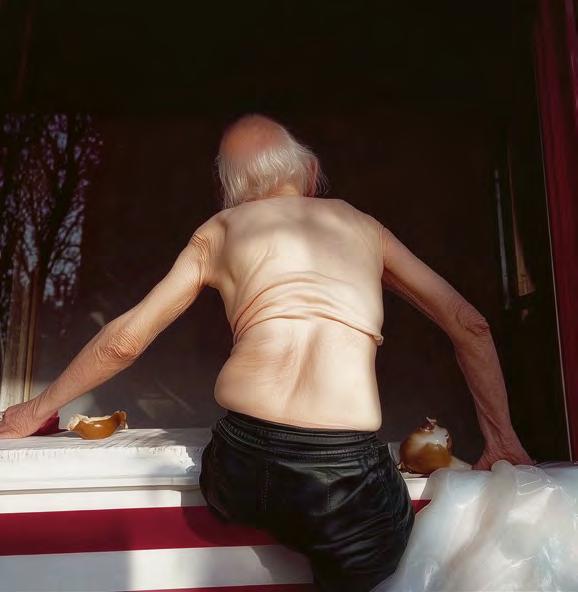
or am I more worried about other people’s desires? Like, I’d love for my desires to be satisfied, but I don’t want, say, Trump’s desires to be fulfilled, because I find them repugnant or harmful. And if desire is fundamentally linked to power, then other people’s desires being realized might come into conflict with my own impulses toward power, right?
It does seem like the only possible response to this Rule 34 future is just to be light with it—to say, “Oh, there’s a porn of me.” However other people feel about that—that’s none of my business. It doesn’t really matter. Whether people think I actually did that or not, I have to hold it lightly. I have to let go of my attachment to what it means, to the value judgment that comes with it. And that’s super hard. That’s nirvana, right? If you can release yourself from the value judgment attached to attaining or not attaining desire, that sounds like nirvana to me. (laughs)
MB Why do you think there is so much aversion to AI generated art? It always makes me think of the discussion around photography when it entered the world and how the fact that it was accessible or reproducible made people feel like it was not art.
CE I’m not sure what I think about it, honestly. I’m obviously coming at my work from a photographic tradition. I’m trying to make photographic images as opposed to something that looks like a 3D rendered illustration or whatever, and I think people are assessing the value of it based on the value of a photograph. They’re expecting it to do the same things that a photograph does, but it isn’t a photograph, right? So, of course, they’re going to be frustrated. At some point it’s going to fail by those criteria because it’s not a photograph.
What you mentioned is really salient—the idea that we won’t care because it didn’t really happen. This ties into surrealism, especially when considering photography. We often assess a photograph’s value based on its connection to reality. Did that really happen? How did it happen? Even when we know an image is edited, composited, or CGI-enhanced, there’s usually some anchor to the real. That tension between the real and the unreal is what makes it so compelling. The way we appraise an image’s value shifts with AI-generated art because there’s an inherent assumption that nothing in it is real. I’ve had conversations where people argue that AI images aren’t photographs since “photograph” literally means “writing
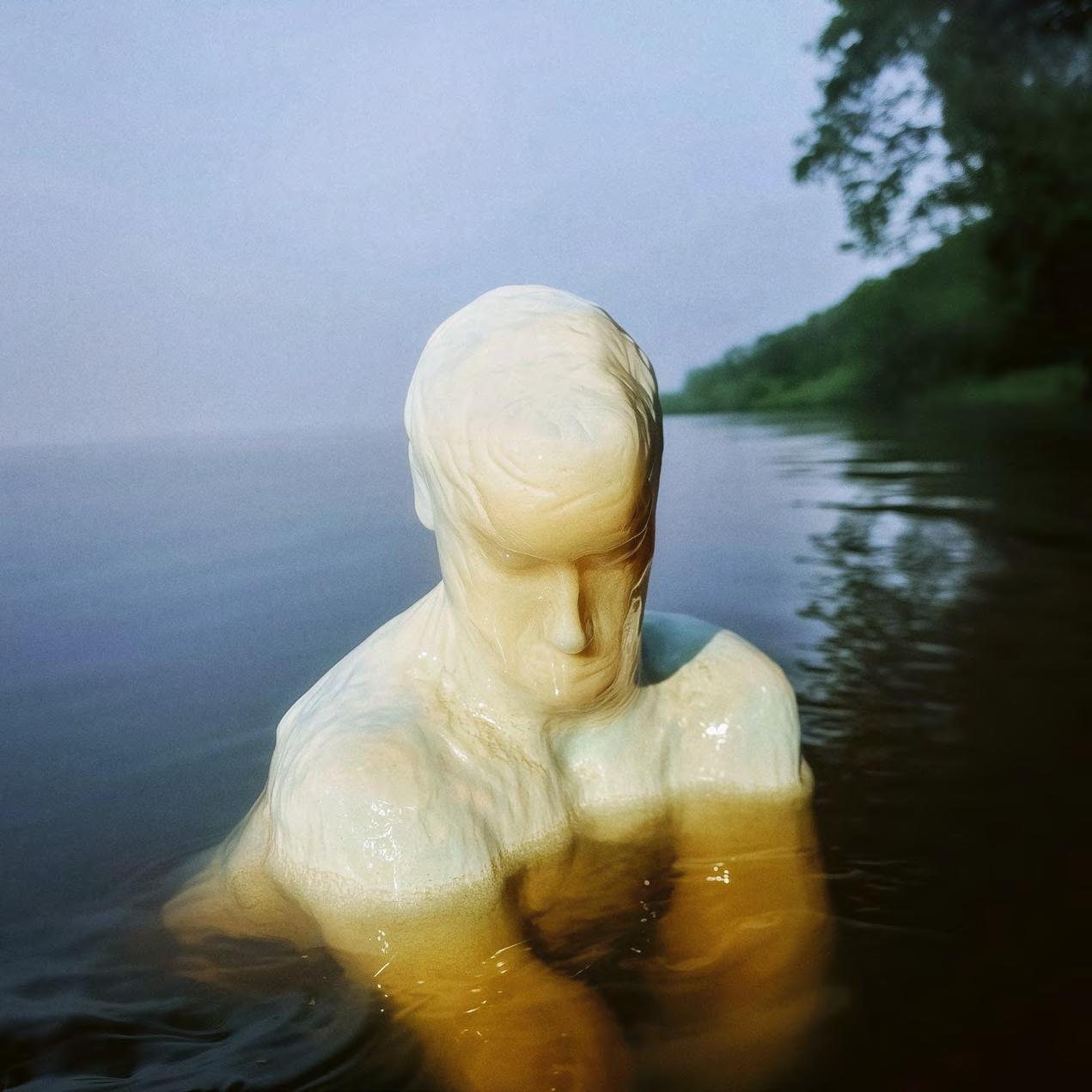
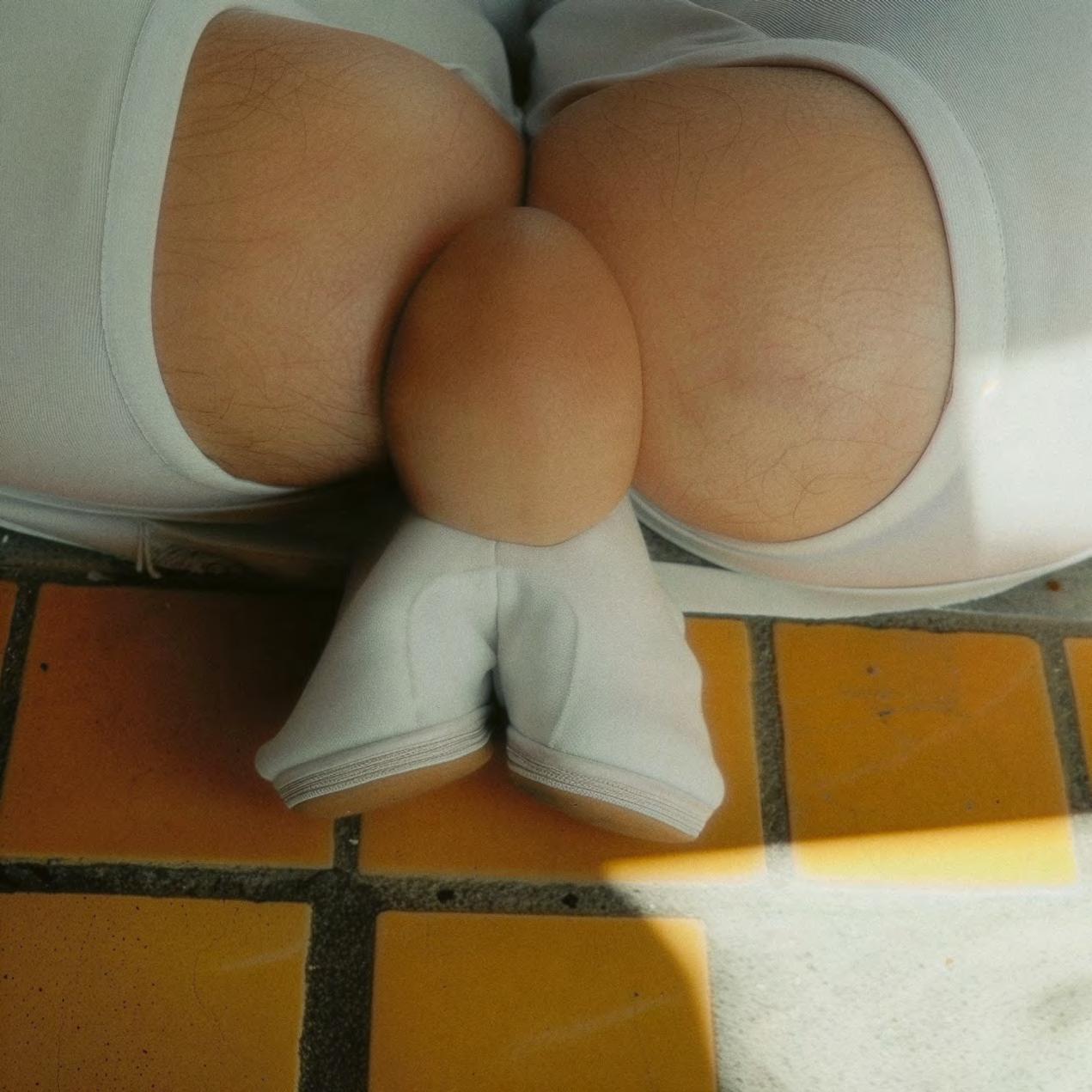
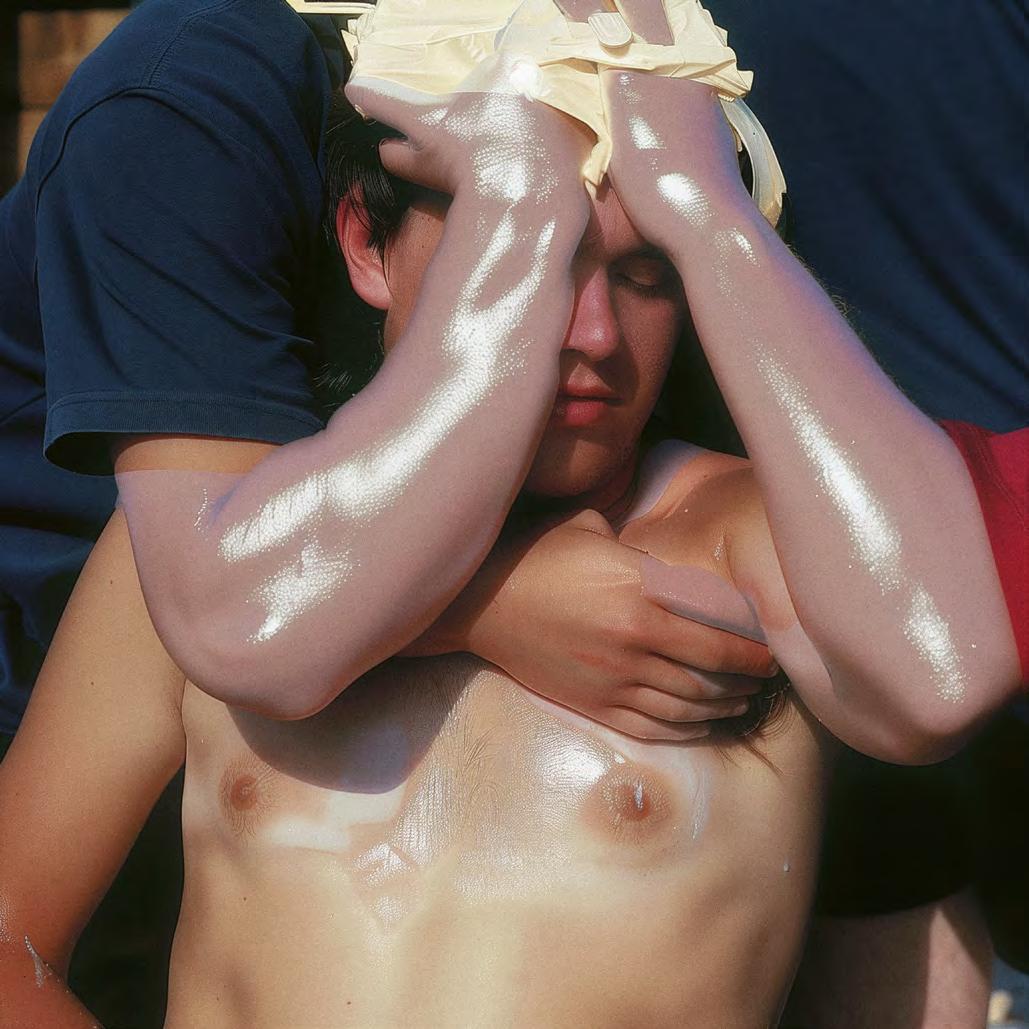
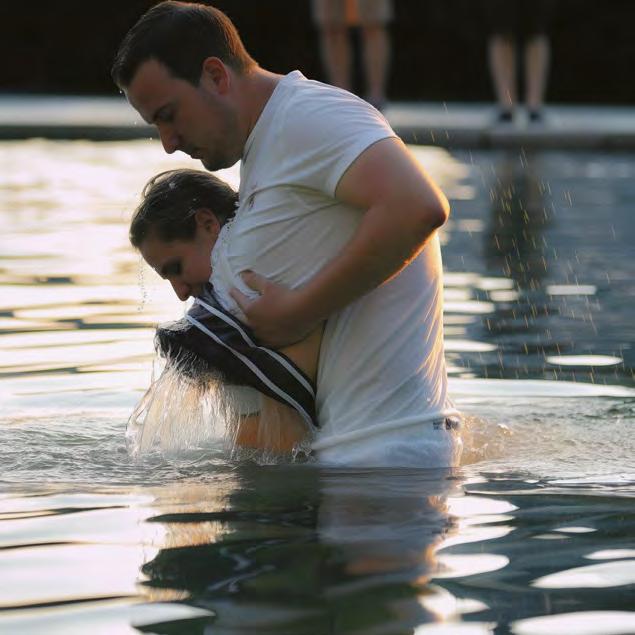
with light”—and there’s no light involved. Sure, but AI is trained on countless images created with light. It’s imitating, referencing, and reconstructing from those sources. What fascinates me is that extra step of removal—it doesn’t have direct recourse to the physical world, only to representations of it. It’s a representation of a representation, and what’s lost or gained in that translation is what interests me.
In my work, I try to make that gap visible, but it requires a certain level of attunement. If you approach AI art expecting it to function like photography, you’ll be disappointed. If you embrace its potential for fantasy and the surreal, you might love it. For me, AI art sits in that liminal space—like surrealism—negotiating between subconscious fantasy and structured reality.
I honestly don’t know what to make of the pushback against AI because, on some level, I understand it. I also dislike most AI art because it often doesn’t engage seriously with its relationship to the real. AI art still has to reckon with the same complex social metrics of taste, value, and cultural meaning that shape any form of representation. Like, a photograph is meaningful because of its relationship to a certain kind of labor. Take an image of someone doing a handstand on top of an elephant—I don’t know why this is the example I thought of. Part of why we find this image compelling is that it’s really hard to do a handstand on an elephant. (laughs) But if you generate an AI image of the same thing, it’s like, “haha.” Maybe it’s funny for a second, but it feels cheap because effort matters in our appraisal of an image. To make a successful generative AI image, in my opinion, you have to be really sensitive to the conversation around labor—how we perceive effort, skill, and authenticity in art.
MB This reminded me of your article, “You Don't Hate AI, You Hate Capitalism.” As AI systems become more capable of replacing human labor, we face serious issues—copyright disputes, job displacement, and broader economic shifts. You put it perfectly: the solution isn’t to shut down these systems but to rethink our relationship with work itself. This ties into a much older pattern, stretching back to the industrial and even agricultural revolutions—our lives have long revolved around labor, leaving little room for the exploration of desire. Creativity has been stifled, not for lack of interest, but because exhaustion leaves no space for expression.
CE I wrote that article because we need to rethink the systems of work and play we live under. AI can either accelerate the system we already resent or serve as a tool for change—but that depends on how we choose to use it. Right now, it mostly mirrors capitalist impulses because that’s the framework we operate within. What interests me is the tension between work and desire.
MM You talked about how generative image-making allows people to explore desires they might have once been too embarrassed to express, while also giving those without traditional artistic skills the ability to create. In this context, do you think AI fuels an insatiable, boundless desire—pushing people to create anything and even venture into darker territories best left untouched? Or does it, for the first time, offer a way to truly satisfy creative desire in a meaningful way?
MB The pursuit of satisfying these desires predates AI and has often taken harmful, exploitative forms. I don’t want to center the conversation on porn, but since it’s linked to desire, it’s relevant—especially considering the abuse within the industry that has fed extreme and even violent urges. We’ve already done significant harm in trying to satiate these desires. Charlie’s podcast made me think about the potential for AI-generated images to explore these darker impulses in a safer way. While AI doesn’t eliminate the tendency toward problematic content, suppressing such desires entirely seems unlikely. Perhaps, by allowing these images to be created, viewed, and processed in a controlled space, AI could help diminish their grip over time.
CE I’m not sure I fully agree, though I don’t entirely disagree either—it’s something I’m still thinking through. There’s a belief that simply visualizing or representing something gives it power, almost like a curse—which is why my book is called Cursed. It ties into broader debates on freedom of speech: the idea that some things shouldn’t be expressed because representation itself can be a form of harm. Images undeniably affect people—they shape desire and can even fuel extremism. If someone satiates one desire, what’s the next boundary? I’m not sure, but that fear—of bringing representations into the world that should remain suppressed—is very real for many.
MB It’s feeding but not satiating. Can we suppress them?
CE I mean, my impulse is to say that suppression is its own form of violence, right? Ultimately, it all goes back to nirvana—we have to have lightness about our darkness; we have to hold everything softly. That’s kind of the only solution. Things will find their way out. If it’s a true impulse, people will find ways to satisfy it, whether through mimesis, representational satisfaction, or by actually acting on it in the real world. And that’s the question around desire and images too—is an image ever enough? I kind of think not, right? An image is actually an invitation to something else. Lately, I’ve been thinking of images as potato chips—you can’t stop eating them even though they’re kind of unhealthy. They have an insatiable quality. If we believe that desire is fundamentally insatiable—barring nirvana or death—then that’s the answer. It’s never going to be fully satisfied.
Take me to your room and fuck me.
There is something indefinable in your vocabulary; something left ; to be desired.
Philip Dick
The Schizos’ Ball
“Turning everything into reality.”
Jimmy Cliff
The trompe l’oeil removes a dimension from real space, and this accounts for its seduction. Pornography by contrast adds a dimension to the space of sex, it makes the latter more real than the real—and this accounts for its absence of seduction.
There is no need to search for the phantasies that haunt pornography (fetishisms, perversions, primal scenes, etc.,), for they are barred by an excess of “reality.” Perhaps pornography is only an allegory, that is to say, a forcing of signs, a baroque enterprise of over-signification touching on the “grotesque” (literally, “grotesque” garden art added to a rocky nature as pornography adds the vividness; of anatomical detail).
The obscenity itself burns and consumes its object. One sees from up close what one has never seen before; to one’s good fortune, one has never seen one’s genitals function from so close, nor for that matter, from so general a perspective. It is all too true, too near to be true. And it is this that is fascinating, this excess of reality, this hyperreality of things. The only phantasy in pornography, if there is one, is thus not a phantasy of sex, but of the real, and its absorption into something other than the real, the hyperreal. Pornographic voyeurism is not a sexual voyeurism, but a voyeurism of representation and its perdition, a dizziness born of the loss of the scene and the irruption of the obscene.
Consequent to the anatomical zoom, the dimension of the real is abolished, the distance implied by the gaze gives way to an instantaneous, exacerbated representation, that of sex in its pure state, stripped not just of all seduction, but of its image’s very potentiality. Sex so close that it merges with its own representation: the end of perspectival space, and therefore, that of the imaginary and of phantasy—end of the scene, end of an illusion.
Obscenity, however, is not pornography. Traditional obscenity still contains an element of transgression, provocation, or perversion. It plays on repression, with phantasies of violence. With sexual liberation this obscenity disappears: Marcuse's “repressive desublimation” goes this route (and even if it has not passed into general mores, the mythical triumph of release today, like that of repression yesterday, is total). The new obscenity, like the new philosophy (la nouvelle philosophy) arises on the burying grounds of the old, and has another meaning. It does not play with violent sex, sex with real stakes, but with sex neutralized by tolerance. Sex here is outrageously “rendered,” but it
is the rendering of something that has been removed. Pornography is its artificial synthesis, its ceremony but not its celebration. Something neo or retro, like those green spaces that substitute their chlorophyl effects for a defunct nature, and for this reason, partake of the same obscenity as pornography.
Modern unreality no longer implies the imaginary, it engages more reference, more truth, more exactitude—it consists in having everything pass into the absolute evidence of the real. As in hyperrealist paintings (the paintings of the “magic realists”) where one can discern the grain of the face’s skin, an unwonted microscopics that lacks even the charm of the uncanny. Hyperrealism is not surrealism, it is a vision that hunts down seduction by means of visibility. One “gives you more.” This is already true of color in film or television. One gives you so much color, lustre, sex, all in high fidelity; and with all the accents (that’s life!)—that you have nothing to add, that is to say, nothing to give in exchange. Absolute repression: by giving you a little too much one takes away everything. Beware of what has been so well “rendered,” when it is being returned to you without you ever having given it!
A bewildering, claustrophobic and obscene image, that of Japanese quadrophonics: an ideally conditioned room, fantastic technique, music in four dimensions, not just the three of the environing space, but a fourth, visceral dimension of internal space. The technical delirium of the perfect restitution of music (Bach, Monteverdi, Mozart!) that has never existed, that no one has ever heard, and that was not meant to be heard like this. Moreover, one does not “hear” it, for the distance that allows one to hear music, at a concert or somewhere else, is abolished. Instead it permeates one from all sides; there is no longer any musical space; it is the simulation of a total environment that dispossesses one of even the minimal analytic perception constitutive of music’s charm. The Japanese have simple-mindedly, and in complete good faith, confused the real with the greatest number of dimensions possible. If they could construct hexaphonics, they would do it. Now, it is by this fourth dimension, which they have added to music, that they castrate you of all musical pleasure. Something else fascinates (but no longer seduces) you: technical perfection, “high fidelity,” which is just as obsessive and puritanical as the other, conjugal fidelity.
This time, however, one no longer even knows what object it is faithful to, for no one knows where the real begins or ends, nor understands, therefore, the fever of perfectibility that persists in the real’s reproduction.
Technique in this sense digs its own grave. For at the same time that it perfects the means of synthesis, it deepens the criteria of analysis and definition to such an extent that total faithfulness, exhaustiveness as regards the real becomes forever impossible. The real becomes a vertiginous phantasy of exactitude lost in the infinitismal.
In comparison with, for example, the trompe-l’oeil, which saves on one dimension, “normal” three-dimensional space is already debased and impoverished by virtue of an excess of means (all that is real, or wants to be real, constitutes a debasement of this type). Quadrophonics, hyperstereo, or hifi constitute a conclusive debasement.
Pornography is the quadrophonics of sex. It adds a third and fourth track to the sexual act. It is the hallucination of detail that rules. Science has already habituated us to this microscopics, this excess of the real in its microscopic detail, this voyeurism of exactitude—a close-up of the invisible structures of the cell—to this notion of an inexorable truth that can no longer be measured with reference to the play of appearances, and that can only be revealed by a sophisticated technical apparatus. End of the secret.
What else does pornography do, in its sham vision, than reveal the inexorable, microscopic truth of sex? It is directly descended from a metaphysics that supposes the phantasy of a hidden truth and its revelation, the phantasy of "repressed" energy and its production—on the obscene scene of the real. Thus the impasse of enlightened thought when asked, should one censure pornography and choose a well-tempered repression? There can be no definitive response in the affirmative, for pornography has reason on its side; it is part of the devastation of the real, of the insane illusion of the real and its objective “liberation.” One cannot liberate the productive forces without wanting to “liberate” sex in its brute function; they are both equally obscene. The realist corruption of sex, the productivist corruption of labor—same symptoms, same combat.
The equivalent of the conveyor belt here, is the Japanese vaginal cyclorama—it outdoes any striptease. Prostitutes, their thighs open, sitting on the edge of a platform, Japanese workers in their shirt-
sleeves (it is a popular spectacle), permitted to shove their noses up to their eyeballs within the woman's vagina in order to see, to see better—but what? They clamber over each other in order to gain access, and all the while the prostitutes speak to them gently, or rebuke them sharply for the sake of form. The rest of the spectacle, the flagellations, the reciprocal masturbation and traditional strip-tease, pales before this moment of absolute obscenity, this moment of visual voracity that goes far beyond sexual possession. A sublime pornography: if they could do it, these guys would be swallowed up whole within the prostitute. An exaltation with death? Perhaps, but at the same time they are comparing and commenting on the respective vaginas in mortal seriousness, without ever smiling or breaking out in laughter, and without ever trying to touch—except when playing by the rules. No lewdness, but an extremely serious, infantile act borne of an undivided fascination with the mirror of the female organ, like Narcissus’ fascination with his own image. Beyond the conventional idealism of the strip-tease (perhaps there might even be some seduction here), pornography at its most sublime reverses itself into a purified obscenity, an obscenity that is purer, deeper, more visceral. But why stop with nudity, or the genitalia? If the obscene is a matter of representation and not of sex, it must explore the very interior of the body and the viscera. Who knows what profound pleasure is to be found in the visual dismemberment of mucous membranes and smooth muscles? Our pornography still retains a restricted definition. Obscenity has an unlimited future. But take heed, it is not a matter of the deepening of a drive; what is involved is an orgy of realism, an orgy of production. A rage (perhaps also a drive, but one that substitutes itself for all the others) to summon everything before the jurisdiction of signs. Let everything be rendered in the light of the sign, in the light of a visible energy. Let all speech be liberated and proclaim desire. We are reveling in this liberalization, which, in fact, simply marks the growing; progress of obscenity. All that is hidden and still enjoys a forbidden status, will be unearthed, rendered to speech and made to bow before the facts. The real is growing ever larger, some day the entire universe will be real, and when the real is universal, there will be death.
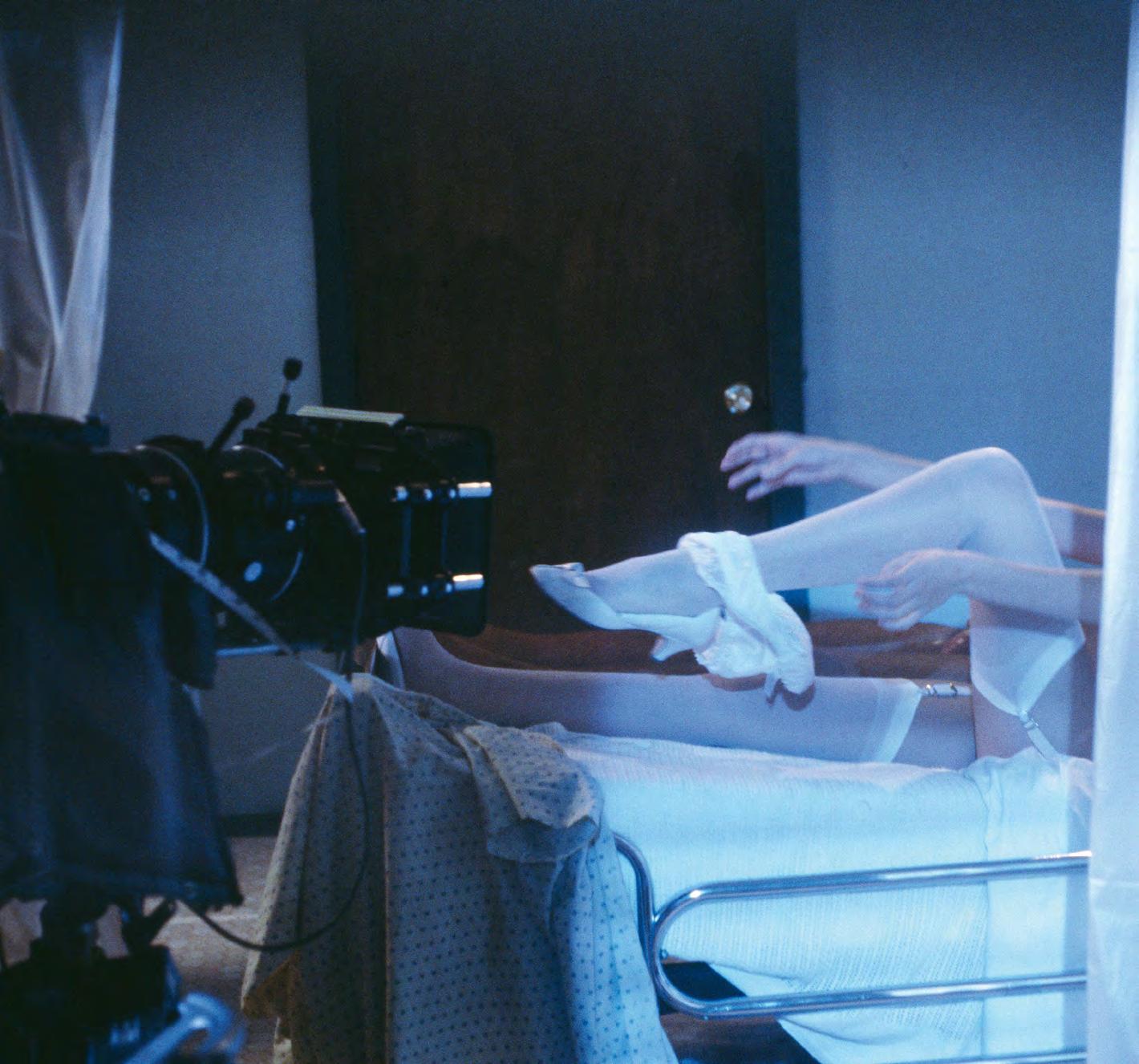
Barbara Nitke is a groundbreaking photographer whose work challenges the boundaries of sexuality, intimacy, and identity. Her book, American Ecstasy, is a visual and oral history of the halcyon days of analog pornography. With a fearless lens, she has spent decades documenting stories of desire, often through the lens of kink, porn, and subculture. These images do more than capture erotic moments—they humanize them, revealing the raw vulnerability and complexity of those often marginalized by society. Together with Kirin Wachter-Grene, assistant professor at School of the Art Institute of Chicago, they discuss sex, power, fantasy, consent, and Baudrillard’s theories on the hyperreal.
KIRIN WACHTER-GRENE One critique of digital representations of sex and pornography—suggested by Baudrillard’s concept of hyperreality—is that they exist in what he calls the third-order simulacra, referencing “nothing real,” or only preexisting tropes. Baudrillard argues in “Stereo-Porno” that simulated spectacles of sex strip away depth, seduction, mystery, imagination, and intimacy, ultimately neutralizing rather than amplifying desire. Given your work as a photographer capturing explicit sexuality and desire, how do you see photography’s role in this tension between the real and the hyperreal? How does digital versus film photography, or documentary versus staged imagery, shape this dynamic?
BARBARA NITKE Today’s porn is totally different from years ago when they were shooting on film. It’s nothing like the storytelling that pornographers were attempting in the 1970s and early ’80s. I’m not saying they were telling great stories, but there was an attempt. And now that’s mostly been reduced to just making clips that take as long as the average jerk off.
Technology may play a role in that. I know I can tell the difference between film and video, but can the viewer? I’m not sure they see a difference. But either way, when you photograph sex down to the tiniest cell, where you can see everything—every bit of moisture around the vagina—there’s nothing left to the imagination. I believe that’s what Baudrillard meant by hyperrealism. That in porn, sex is studied so minutely and so microscopically that it becomes anesthetized.
KWG Can you talk about American Ecstasy, your book featuring photographs from hardcore porn sets during this golden age? How did the era construct a social narrative of desire?
BN I say this with a bit of heartbreak because in the ’70s—the era of the sexual revolution—porn was breaking into the mainstream, and I think there was an earnest desire to tell erotic stories, especially from a female perspective. Men wanted to understand what turned women on. There was a real curiosity driving that exploration. Male filmmakers were studying sexuality—both their own and women’s. Sometimes their ideas about what turned women on were off the mark, but they were genuinely trying to understand.
There were attempts at serious filmmaking within the porn industry that I wish had been encouraged. Porno Chic was a thing for a while—a cultural moment when porn was fashionable, and celebrity limousines pulled up in front of porn theaters. Jackie Kennedy famously went to see Deep Throat (1972), and so did Truman Capote and a lot of others. Personally, I don’t think video killed the Golden Age of Porn. I think it was the Reagan administration. They had to cater to a large Christian voting bloc, and there were also feminist groups at the time who feared porn—a perspective that, thankfully, has evolved over the years. By the mid-80s, there was a concerted effort to shame people for watching and being curious about sex, and that’s when porn’s reputation really took a hit.
KWG And these films were reviewed in mainstream newspapers, right?
BN Yes, my ex-husband financed a famous porn film, Devil in Miss Jones (1973). He was the actual owner of the film. It was reviewed in Variety and The New York Times. And another critic somewhere described it as having “Modigliani undertones.”
KWG With digital pornography, I can stream it endlessly, return to it any time, and achieve immediate gratification by tailoring it down to my most specific erotic desires. Baudrillard might argue—and whether we agree or not, it’s worth considering—that this hyper-curation feeds into hyperreality. In his view, this process empties out desire, stripping eroticism of its spontaneity, ambiguity, and unpredictability. For him, real seduction requires the unknown, the unexpected, an outcome that isn’t preordained. Which makes me wonder—would even the so-called golden age of porn fail to meet his definition of true eroticism? Initially, you were saying the pornography of the ’70s and ’80s was an attempt at a true or real expression of our human sexual desire.
BN I felt porn in the film era was an honest attempt at sexual storytelling and exploration. Writers and directors wrote screenplays for the films that often followed a real vision they wanted to express. But by the early ’80s, producers had started tracking what their audiences wanted to see, minute by minute. And the movies became less about any director’s personal vision and more about marketing to the largest audience. As for true eroticism—my photos from that time were about breaking the porn fantasies. Does the woman really want to have sex with the pizza guy? My images reveal the film crew around them, exposing the illusion. I was fascinated by the gap between depiction and reality. No movie is reality—but hopefully it’s a mirror of emotions.
KWG Back then, there was an attempt at storytelling, whereas today, platforms like PornHub and OnlyFans sell the fantasy of intimacy, stripped of seduction, narrative, and plot. Now, it’s purely transactional and performative. What do you think about the agency and autonomy of amateur porn creators? If I’m making OnlyFans videos, am I truly in control of my own representations and expressions of desire, or am I merely selling a fantasy of intimacy and authenticity? Where is the line?
BN If the goal is making money, then an OnlyFans creator would have to perform what sells most. But is it authentic? Maybe, maybe not. I think that depends on whether what the creator wants to do is in sync with the marketplace or not.
Here’s a story about authenticity and porn: In the ’90s, I photographed a lot of private BDSM couples. Sometimes in their homes and sometimes at Hellfire after hours. They did private scenes just for me to photograph. My goal was to capture very personal, honest moments between them, but of course my presence always changed things.
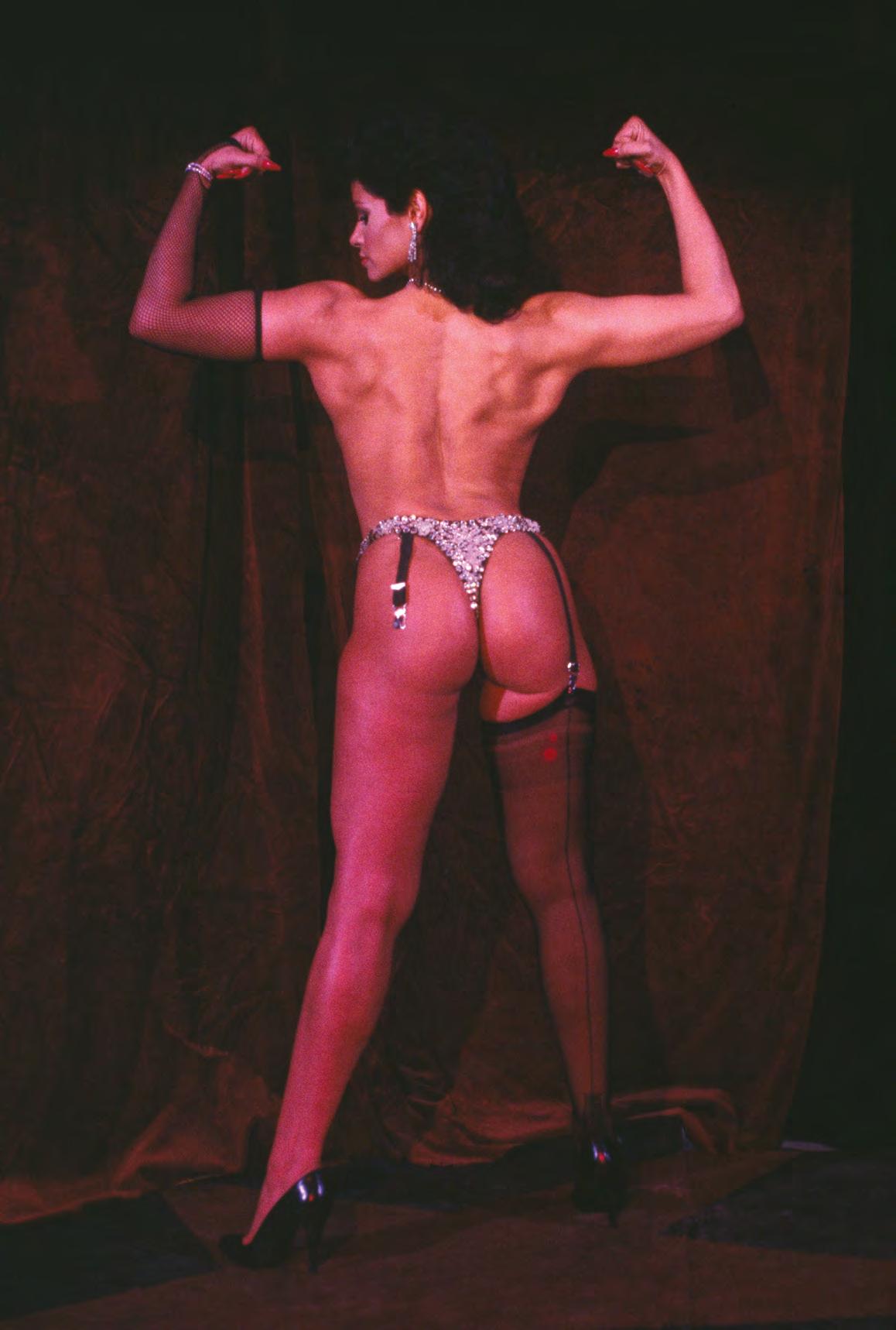
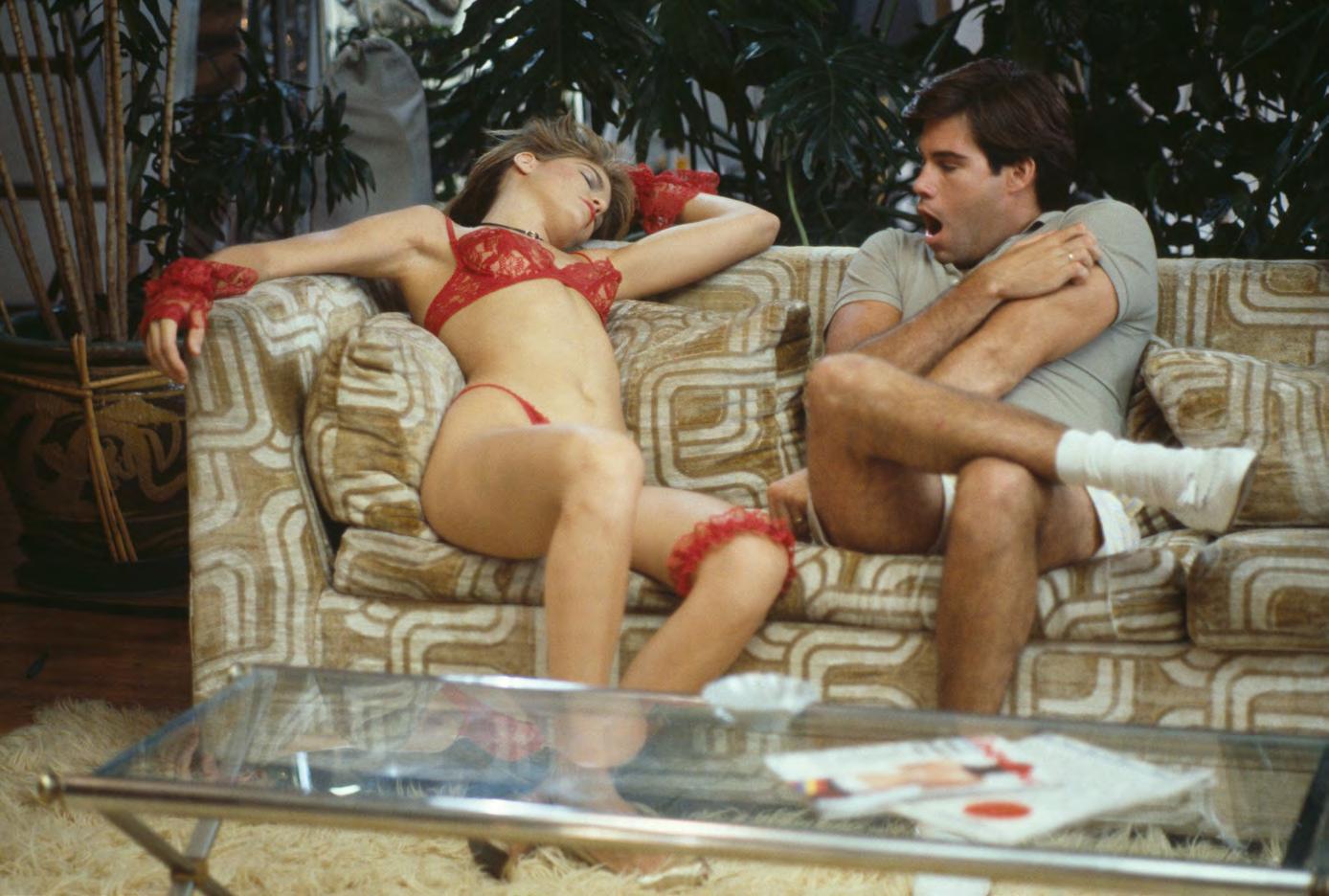
“I’m going to the porn theater to get my dick sucked, but I don't know who’s going to be doing the sucking, or how the encounter will unfold, or where it will (potentially) lead.”
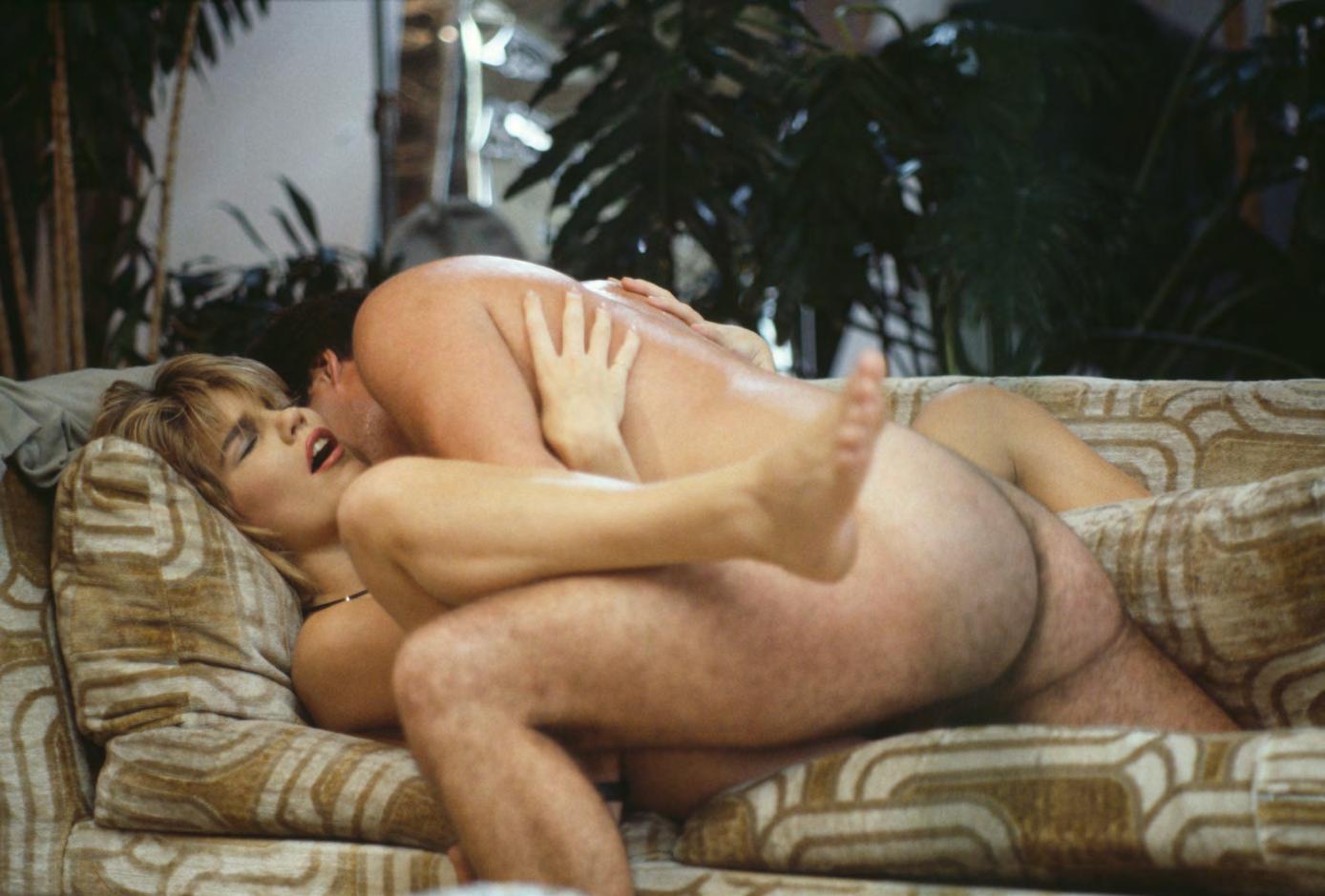
I was in a couple’s home photographing them doing an SM scene, when they slipped into exaggerated porn poses—totally different from what I had envisioned. I remember standing there thinking, “This was so not the plan.” But I learned later that the guy really wanted to be a porn performer, and being photographed like porn stars was a fantasy they had both had for a long time.
KWG It’s so interesting—Baudrillard’s theory in “Stereo-Porno” argues that the fantasy of porn isn’t sex, but the fantasy of the real. That’s why it feels more real than real. When I subscribe to someone’s OnlyFans, I’m not just paying for the fulfillment of sexual desire; I’m paying for the illusion of authenticity—an intimate connection that feels personal, as if the content is made just for me. That’s the real product being sold, more than just something that turns me on and gets me off.
BN But don’t you think the consumer knows that’s a fantasy?
KWG Totally. That’s what fascinates me about digital amateur streaming porn—it’s a technologically mediated form of intimacy where both the consumer and the creator are fully aware of the fantasy being sold, yet no one explicitly acknowledges it. That unspoken understanding is precisely what sustains the fantasy.
BN Ah, I see. Yes. But there are many layers to it. I was talking with a prodomme friend today. She’s been in the industry for decades and has regular, paying clients who’ve been with her for twenty, even thirty years. So, with cam girls and OnlyFans creators, I think you’re right that customers might hope those relationships will cross into something more. And maybe they do, sometimes.
KWG I think you’re right. I’m also thinking, of course, about sex workers and escorts and the girlfriend experience.
BN I mean, customers are buying the pretense that the girls care about them, but twenty years later—at that point, there is a relationship.
KWG You mentioned photographing couples in dungeons in the ’90s, capturing kink and BDSM scenes while striving for honesty. But how honest can a staged photograph really be?
BN My presence always altered the scene. Over time, I realized I could not be just an observer—I was a third, a fourth, or however many were in the room. Whether I was photographing or just watching, my energy would affect the scene. Their awareness of me made the experience more powerful. That was something I always hoped came through in the photos, because we certainly felt it in the room. The honesty of a staged photograph depends on the energy created and the intentions of everyone involved.
KWG I couldn’t agree more. Just hearing you describe what sounds like an erotically charged experience—photographing these couples, capturing these scenes—makes that clear. Baudrillard might call it hyperreal, constructed and performative, built on pre-configured
sexual tropes. But who’s to say there’s no erotic charge in that? Who’s to say hyperreal representations of sex and desire aren’t erotic? It all comes down to how we define eroticism. I know plenty of sex workers and prodommes whose kink is financial—money, commerce, capitalism, selling fantasy.
BN And that’s another great point, because that is an honest turn on, that’s a real thing. The customer is probably aware of that on some level and participating in that circle of eroticism.
KWG For some, paying for sex is a huge turn-on. For others, selling it is. So for Baudrillard to claim that the hyperreality of porn or digitized desire neutralizes eroticism—I just don’t buy it. (laughs)
BN I’m glad you said that, because I think what’s erotic is so much more nuanced. Take a toxic guy watching something he sees as humiliating to a woman. His getting off on what he sees as her humiliation might just be him masking his own shame. That’s not a healthy energy exchange, in my opinion. But, if she’s genuinely into degradation, and that’s what he’s inadvertently giving her, then maybe that’s a real turn on for her. I’ve come to believe the viewer’s energy plays a huge role in what pornography actually means.
KWG That’s so interesting. It reminds me of a Baudrillard quote: “Sex neutralized by tolerance limits arousal.” He argues that a permissive structure—like porn—that accepts any sexual iteration dulls desire. But to your point, that’s not necessarily true. Just because a viewer tolerates every fantasy or configuration of sex in porn doesn’t mean their arousal is neutralized.
BN Yeah, I knew a guy who saw prostitutes because he got off on the humiliation. Being looked down on as a john by them, the mutual lack of respect—that was the turn-on for him.
KWG And that’s within a permissive structure. Sex work is tolerating sex, obviously. It’s the entire industry. But in a tolerant environment, Baudrillard argues, arousal is diminished. The idea is that we become oversaturated, which makes sex less stimulating. It’s an argument that suggests we need the tension of a repressive society to create the transgression that fuels desire.
BN Because that worked out so well in the Victorian age.
KWG It’s interesting what you’re saying about your friend visiting sex workers, which, despite being largely illegal, is a sexually tolerant profession. Sex workers themselves are obviously tolerant, yet in an intolerant society. Your friend still sought out a sex worker to feel shamed. The point is: eroticism, arousal, and desire are subjective. They can’t be predetermined by any theory. What turns us on is culturally specific, historically bound, highly personal. Capitalism, the hyperreal, or moral politics can’t dictate what will or what can’t or what shouldn’t turn any individual person on.
BN That’s such a good point. He was probably talking about himself, don’t you think? (laughs) One part of “Stereo-Porno” that I love is his discussion of a “Japanese vaginal cyclorama.” He describes it as a setup where Japanese sex workers—whom he called prostitutes—were lined up along a platform with their legs spread. Men would have their faces up to their vaginas, noses almost touching, to see everything. I remember reading that and thinking, “How is that even possible? How are they seeing anything with their noses blocking the view?”
(laughs) Then I remembered Annie Sprinkle and her Public Cervix Announcement where she used a speculum and invited the audience to see inside her vagina. I saw that performance a few times, and always thought it was an act of great generosity.
KWG I know part of this issue’s theme is also about desire in relation to ecology and Annie Sprinkle is one of the only public ecosexuals—trying to develop public discourse around the eroticism of nature.
BN But to return to Baudrillard’s point—I can see that when you’re overly specific about sex, when there is that extreme level of detail, and absolutely nothing is hidden, maybe that ruins the mystery for some people. But not for everybody.
KWG Samuel R. Delany writes about this in Times Square Red, Times Square Blue (1999), his memoir of cruising in Times Square’s porn theaters from the ’60s to the ’90s. He calls the erotic charge of those encounters interclass contact—sexual and erotic encounters across socioeconomic classes. It wasn’t by chance; everyone was there for the same reason, but you didn’t know what the sexual encounter would be like. I’m going to the porn theater to get my dick sucked, but I don't know who’s going to be doing the sucking, or how the encounter will unfold, or where it will (potentially) lead. In contrast, when we curate our desires—like logging into PornHub and searching for exactly what we want—it’s predictable, less exciting. Both Delany and Baudrillard would argue that this kind of digital fulfillment is far less thrilling (Delany has, actually, suggested as much).
BN What about nerdy, unattractive guys who desire beautiful women they can’t have? Porn gives them access to something otherwise out of reach. It may not be perfect, but it’s the best they have in the moment. In that sense, it serves a purpose—maybe even benefits society by relieving pent up frustration. Who knows what Baudrillard’s sex life was like? Maybe he never had to settle for a staged depiction over a real encounter. But plenty of people do.
KWG Again, though, is the hyperreality of sex less than?
BN Maybe it’s not less than—it’s just different. That’s a great point. The nerdy guy who wants the hot babe and huge tits—he might never get that in real life, but what he does get might really work for him.
KWG Maybe it’s not about what he’d want in reality—maybe it’s the hyperreality of sexual representation that excites him. That’s what I keep wondering as I read Baudrillard—
where does sexual and erotic nuance fit in? Our sex lives shift across contexts. The sex I have with one partner in real life is different from the sex I have in a BDSM dungeon, from what I watch online to get off, from the sex in my mind. There are so many ways to experience, express, and access desire, and they’re not all the same.
BN Why limit or take away any of that?
KWG I want to ask about something from your artist statement—to hear your thoughts now, in 2025, looking at the rise of the right wing, the second Trump presidency, a new culture war. You’ve said that American Ecstasy, your photo series from hardcore porn sets, might be more relevant than ever. You argue that as a society, we still haven’t reckoned with sex work, sexual expression, and porn. I agree. So, where do you think those things stand today, especially in how they’re represented in art and visual culture?
BN We have to be part of the resistance.
KWG Do you think showing explicit art is part of the resistance?
BN Yes, I do. After the election, I thought about just staying in Harlem, where I’m surrounded by like-minded people. But I realized that wouldn’t help fight this new culture war. Now, I’d like to take my artwork out to the Midwest, especially to red areas, and do what I can to put a human face on sex work and sexual expression.
KWG What do you think showing sexually explicit photography in a red state will do? What kind of impact do you expect exposure to have?
BN I’m working on a group show with the working title First They Came for the Queens, based on the famous poem by Martin Niemoller, after WWII. I envision the show focusing on work by and about trans people and other sexual minorities in danger of being targeted. I would love to be able to open up a conversation around why conservatives are so afraid of these people whom they see as different. The show would feature work depicting people naked or in sexual scenarios, but I don’t think it should be overly graphic or off-putting. My goal would be to emphasize the need to understand and protect each other. I want to make it palatable enough for the audience I hope to attract, which is tough for me because I hate censoring myself or others. But I think it’s important, and I’d love your opinion on this.
KWG I think about this constantly—I teach classes on spectatorship, censorship, and sex. This is what I spend my time thinking about. I have so many thoughts on it, Barbara. On one hand, public exposure of human desire and sexuality holds power because it humanizes us. It reveals the full, messy, dynamic, terrifying, ecstatic range of human sexuality, and that’s staggering. It helps us see ourselves. In my work, I’m always writing for the pervert who wants to see their desires recognized, for that person who feels seen in what I’m expressing.
BN I love that.
KWG But also, there is something to be said about maintaining the margins of the margins. There’s something to be said for not
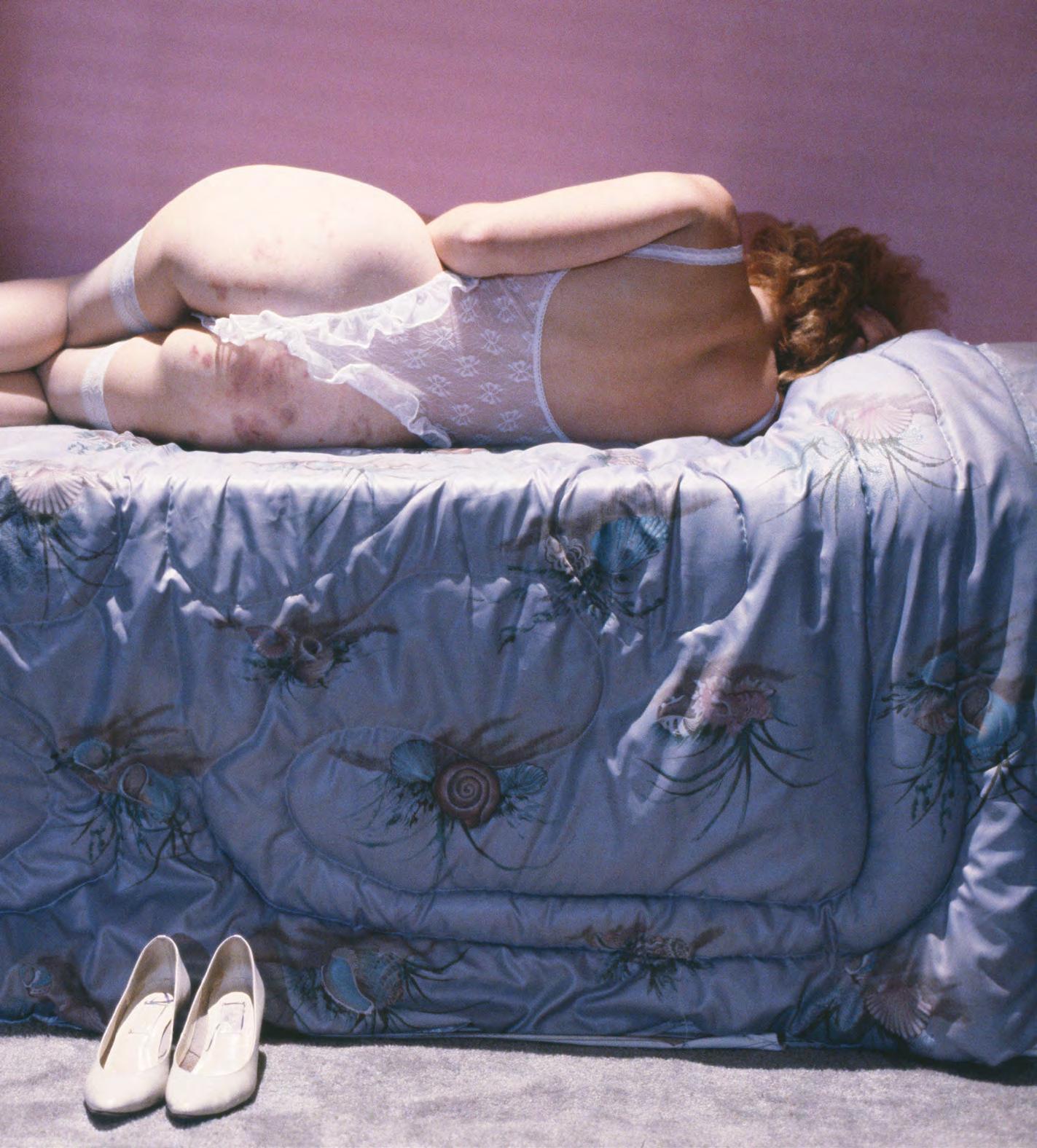
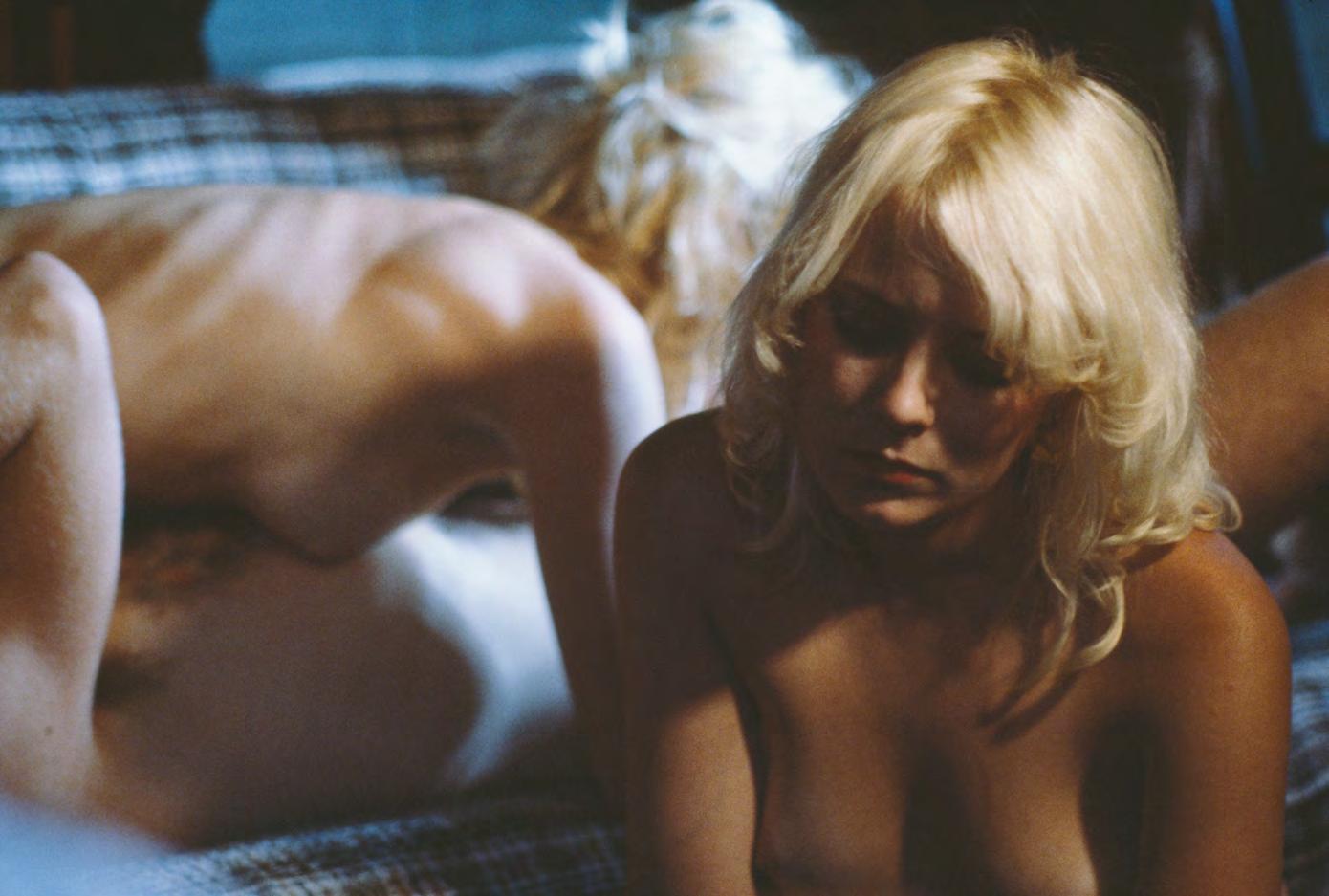
exposing everything. There is something to be said for maintaining an underground or a counterpublic for certain forms of sex and sexuality. And not just due to the very real stakes of safety and risk. I feel like there is something erotic about secrecy or subcultural things that not everyone can see or access or understand.
BN I agree that removing the mystery takes away the spark. But the counterculture always reinvents itself. I remember when flesh hooks were a big thing, but now everyone does it. It’s the desire to have that special, secret thing that only your group knows about. That’s part of being human.
KWG That’s where I’m most interested because I do think there’s a growing erotiphobia—fear of erotic desire, fear of desire itself. We’re seeing it in the laws, in society, everywhere. At the same time, there’s an unprecedented explosion of public sexual expression. You were photographing kink in the ’90s when it was truly underground, and now it’s mainstream. But I’m always curious about what remains unspeakable or transgressive, the things that are morally ambiguous, depending on context—those are the things I find fascinating. Even in permissive cultures, like kink, there are still things we don’t widely talk about. Take new feminist theories of consent, for example. Feminist thinkers like Emily Owens, Ariane Cruz, and Avgi Saketopoulou are challenging our understanding of consent. Saketopoulou is moving away, in her thinking, from the transactional model of affirmative consent toward a model of limit consent—consenting to risk and to opacity, to the unknown, in both ourselves and our partners.
BN I am trying to hit the right note and find the right line. I don’t want to just go out and shock people. I really want to bring people in and say, “Please see the common ground between us all, and please think about what you’re voting for.”
KWG We need your art. It’s difficult to find the right tactic, tone, or strategy in a society where sex is both everywhere and yet always a problem.
BN I can’t believe we’re still having this conversation. We were having this conversation forty years ago. (laughs)
KWG Why do you think sex, sexuality, and desire—especially when expressed by women, trans, non-binary, gender non-conforming people, people of color, or disabled folks— are still so terrifying? Why is sexuality, particularly when claimed by the “other,” so threatening?
BN Because I think white guys, Christian white guys, are so painfully fragile.
KWG But they’re the ones who are buying this porn.
BN That’s the hypocrisy—everyone’s consuming porn, and then refusing to acknowledge it. People keep saying this backlash is the last gasp of the radical Christian right, but they always resurface. I think they really fear a multicultural world where diverse voices, especially women, are empowered.
KWG And what is it about sex or sexuality or desire that’s extra terrifying?
BN Exactly! But I think it’s also about reproduction. The predictions that white people will be outnumbered, the panic that white women aren’t reproducing. But maybe underneath all of that is the fragile male ego that’s so threatened.
KWG I think about this all the time. Sex is a lens through which we can analyze cultural anxieties at any given historical moment. For example, why did we move from the 1970s "golden age" of porn, when it was mainstreamed in media, fashion, music, and literature, to the crackdowns on all forms of “deviant” sex in the 1980s? You could say AIDS played a role, with its connection to homophobia, purity, and danger, but it’s more than that. Erotophobia is not just about homophobia or misogyny—it’s more complex.
BN That’s such a fascinating question. Maybe, for men … is sex the ultimate power? That they can own a woman, and that makes them feel powerful?
KWG Does it feel to you that we’re back in the 1980s—the rise of a new (old) conservative movement?
BN I think we’re exactly back in the same spot. But now the issue is transsexuals instead of kiddie porn.
KWG We’re no longer in Save The Children territory—now they’re trying to get trans girls out of sports.
BN Or trafficking. Sex trafficking is so overblown and exaggerated. It does exist, but it’s way overblown.
KWG I’ve had some really interesting, and sometimes explosive, conversations with sex worker friends and people from nonprofits working to end sex trafficking. The topic often centers around FOSTA-SESTA, which has been used as a justification for shutting down online sex work platforms, claiming it’s to combat trafficking. Some people with savior complexes believe all sex workers are exploited or trafficked, which is obviously not true, but that shouldn’t diminish the very real abuses that can occur within sex work communities.
BN But the sex workers have nowhere to go if real abuse does happen because of FOSTA-SESTA. So clearly, the goal was not to protect them.
KWG Just like the Save the Children moral panic was never to protect the children; it was to further criminalize and pathologize “deviant perverts.” Someone is always being scapegoated.
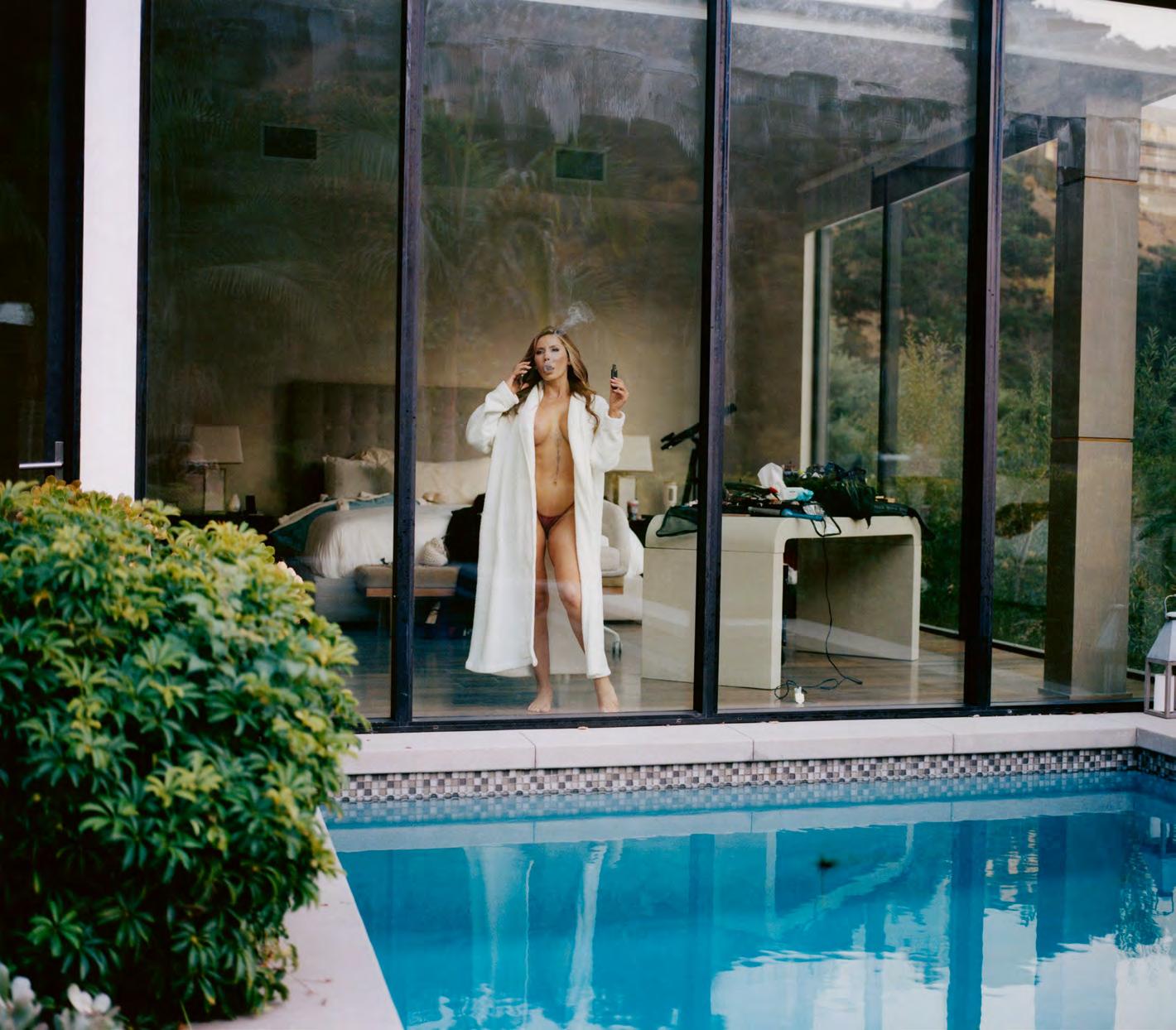
Brazzers has a brand: funny, horny, stupid. Think girls stuck in washing machines. Think pizza boys, plumbers, and flight attendants. Brazzers’ brand is not art and high fashion. But that doesn’t mean they’re so different either. This spring, the porn studio introduced Raw Talent, a fittingly super-sized coffee table book collaboration with photographer Rosie Marks, featuring behind the scenes images from the world of Brazzers. From fluid-filled adult entertainment conventions in Berlin to the unseen labor of the behind-thescenes crew, Raw Talent tells the story of the tight-knit community behind one of America’s most ubiquitous and least understood industries.
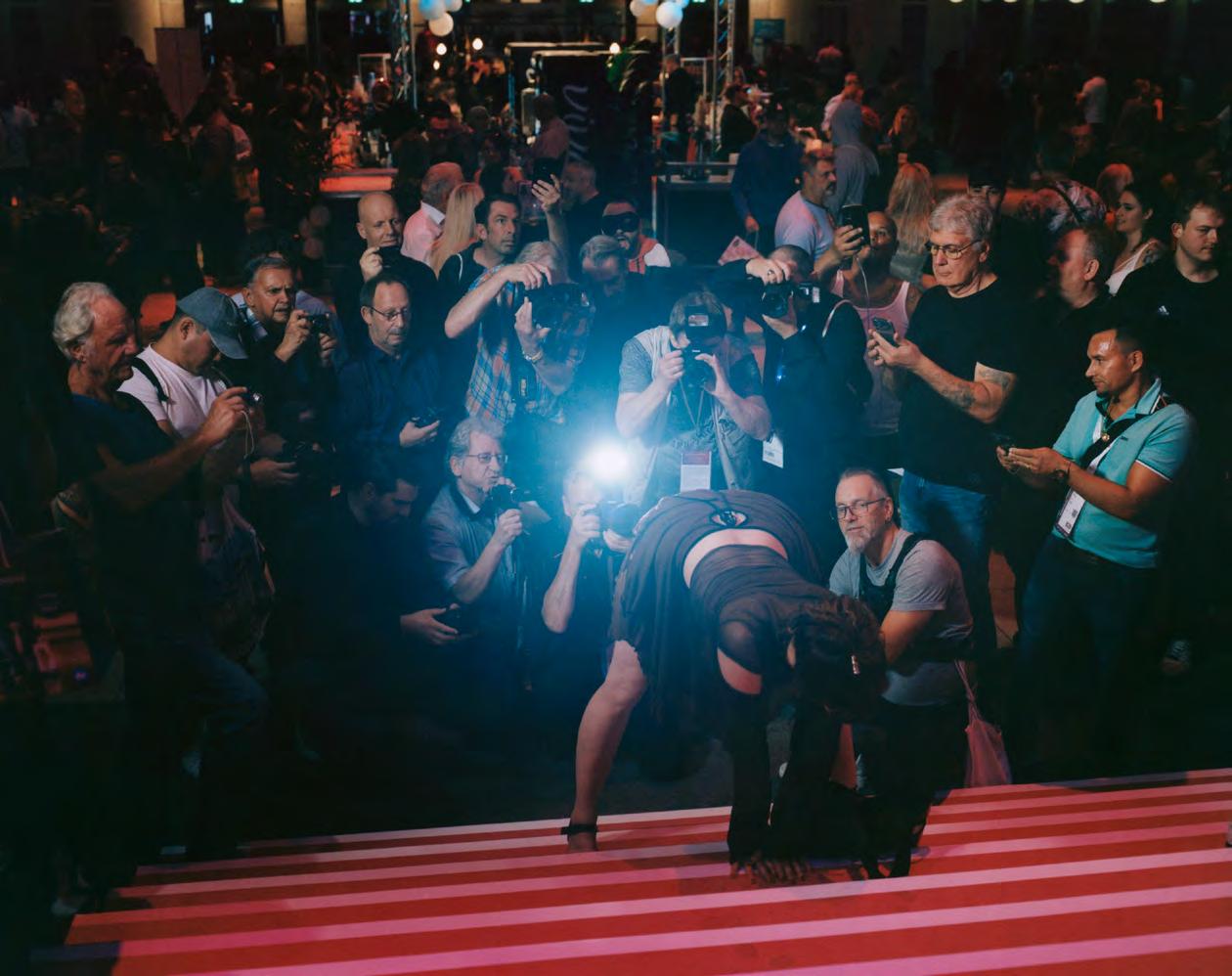

KARLY QUADROS What was the first day like? Had you ever been on a porn set before?
ROSIE MARKS The first day on set there was a scene with loads of extras because it was a Pam [Anderson] and Tommy [Lee] themed sex scene, and there was a band playing. The concept was that she saw one of the band members and was disgusted by her current husband, so she ran off with one of the guys in the back of the bar. All these extras on set I thought were really interesting. Some of them are just consistently an extra, and then there are some extras that have appeared in hundreds of Brazzers films and some are aspiring to be in the industry. There’s a lot of really interesting people, and I wanted to know how the hell they got there. There was one guy—it was his third week being in the industry. He had taken ayahuasca and it showed him a path to the industry. There’s one performer in the book—we followed his trajectory from extra to ‘sextra’ to main performer. I had never been on a porn set before, but I shot a lot of stuff in and around that world. I’d spent a couple of weeks in Japan shooting really intense BDSM stuff for a magazine commission last year, and I’ve also been making a documentary about this woman who is a sex worker for the last four years. I didn’t really feel that much. When I’m in photographer mode, I feel like nothing really fazes me. Like I can sit in an operating room and watch a body be dissected and still not feel anything, whereas, if I had to watch someone be cut open without a camera would be a very different story.
KQ How do you see your role as a photographer?
RM In this project, I wanted to show it quite directly as it is. I was interested to show the process of porn, the moments that you basically wouldn’t see if you’re just watching it: the crew behind it, the moments in between takes. I guess I have a pretty voyeuristic, observational style of photography. So I was using that skill and trying to be as discreet as possible.
But then there’s also a lot of humor in this part of the industry. There’s always a completely bizarre scenario concocted as to how they end up having sex. They’re always playing with different tropes, like there’s a vending machine or a washing machine and someone’s stuck in it. All of these things are completely unrealistic and silly if you think about them in real life. I wanted to try and get that part of it across, that there is this very lighthearted side of the industry.
KQ That’s very salient in the book because you will have people with that kind of slapstick energy or cartoonish faces then juxtaposed with something very mundane, like someone sitting on their phone or someone rolling cables.
RM The way that a day on set goes, only maybe 45 minutes to an hour of it will be the actual sex. And then it’s choreographed. It’s very much a performance. Then the rest of the day is just like being on any other type of shoot. There’s a preconception of the porn industry being this sort of excessive or debaucherous thing, but that is absolutely not what my experience was. It was pretty sterile and more like a family vibe in the crew.
KQ Something that’s very present in your work is the behind the scenes labor that goes into the obsessive cultivation of glamor. You show cables and lighting rigs. You show janitors and caterers and aestheticians. Did the process of shooting this book make you think differently about the labor that goes into adult films?
RM Honestly no, because I knew what would be involved behind the scenes. But I wanted to show other people because that’s something I just take for granted. Anyone who works in any kind of media knows what goes into a production, be it porn or movies, media, advertising. That, for me, kind of destroys any kind of fantasy. There are a lot of people who might see this book who have absolutely no idea what goes into it, and maybe they don’t want to know that.
When speaking to one of the directors who used to be a performer—this woman called Lea Lexis— she said one day she brought a fan on the set. I think he had won a competition. He was a huge fan of her productions. And he ended up crying at the end of the day because he felt like his illusions of porn were shattered by watching it being made.
KQ Do you think that seeing how the fantasy is created always destroys it for you?
RM Yeah, I do.
KQ A refrain I often hear from supporters who want to destigmatize porn is “sex work is work.” Is there room for work and desire and pleasure to intersect?
RM For sure. Making this book, for me, was pleasure ultimately. Admittedly, a different type of pleasure than maybe the performers get. But it didn’t feel like work to me. A lot of my job doesn’t. It’s the same thing for sex work—they should be able to experience both at the same time.
KQ You were immersed in the world of porn far beyond just shoots though—you also went to things like conventions and award shows. What were those experiences like?
RM We went to Venus, which is a porn convention in Berlin. That was the one place where I saw fans interacting with performers. It was one of the only things in this project that was public facing because the porn industry is a bubble, and it really feels that way in California, especially because it’s like the parallel universe to Hollywood. That whole thing was a pretty insane few days, being in this convention center. Because it was in Germany, the rules are very different.
KQ Are they more strict or more explicit?
RM Anything goes. Live sex show on the stage any time of day. Every day I walked into the entrance—there were these pink stairs—and something crazy was going on there, like a man being whipped completely naked with like a hundred people watching him cheering. One of the images [in the book] from that convention is this woman lifting up her skirt to a huge group of men taking photos. That was a spontaneous moment. You can walk around naked, if you want. There were fans who were being taken up onto the stage to be a part of the sex shows. At some point, we were all
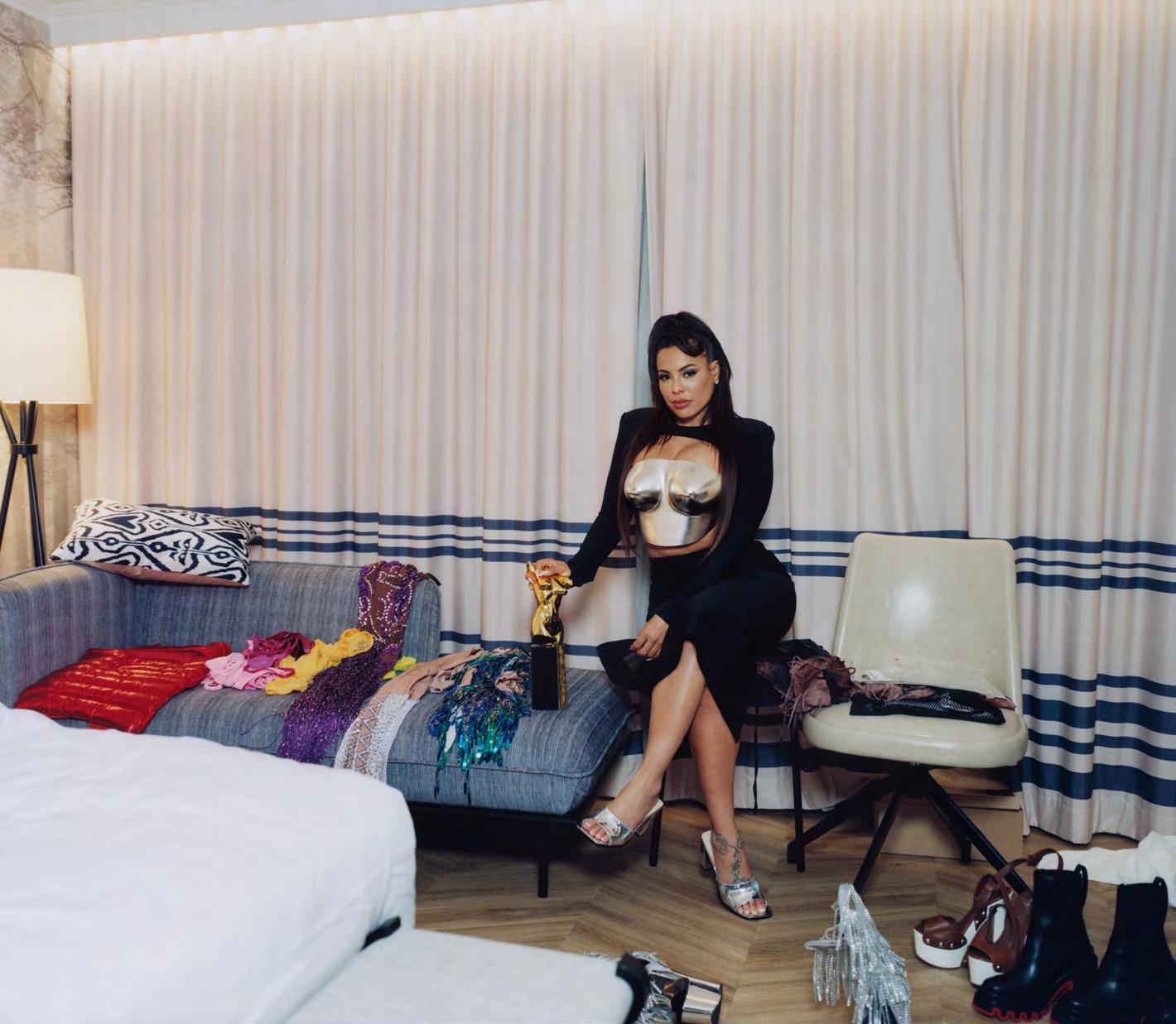
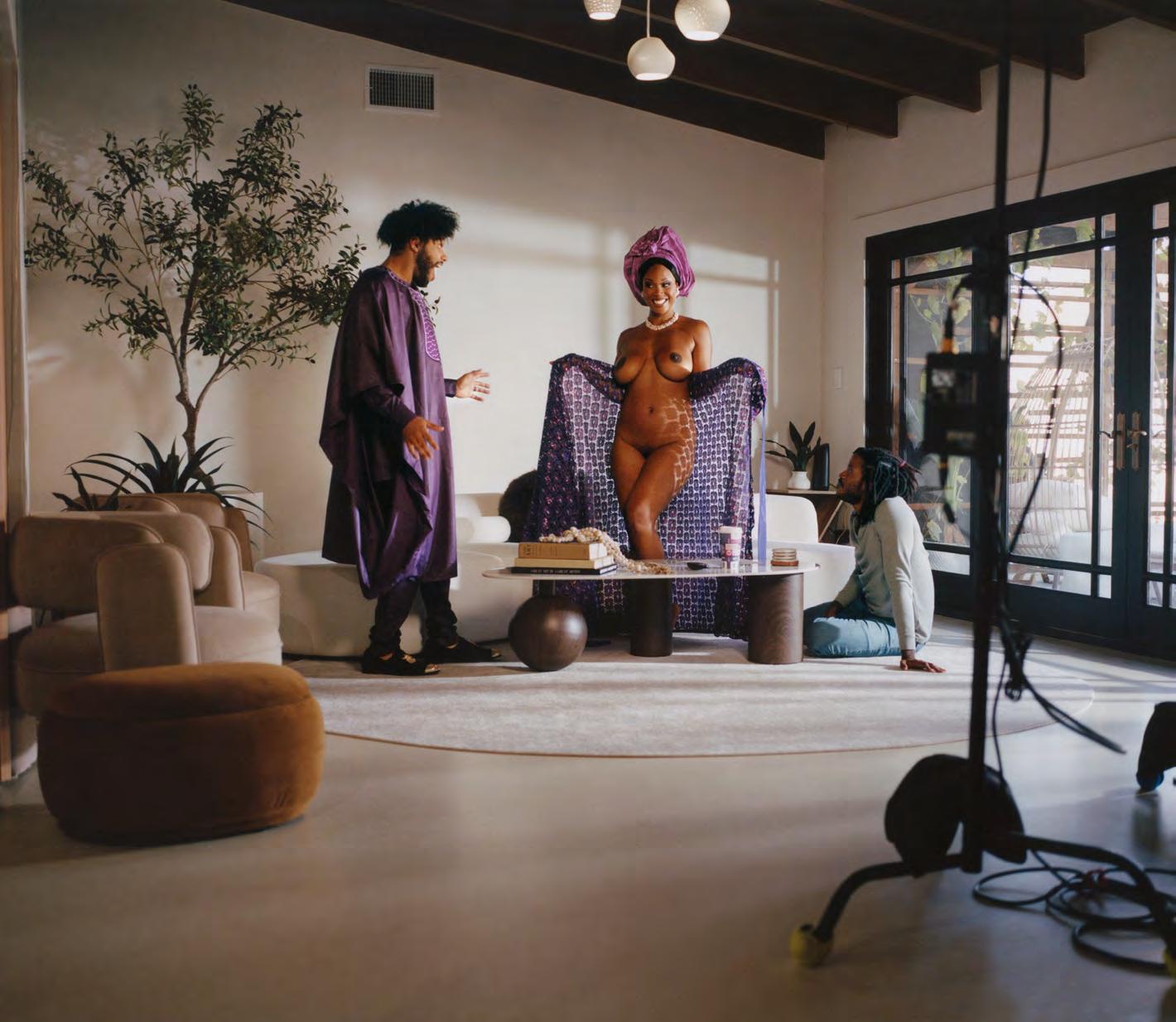
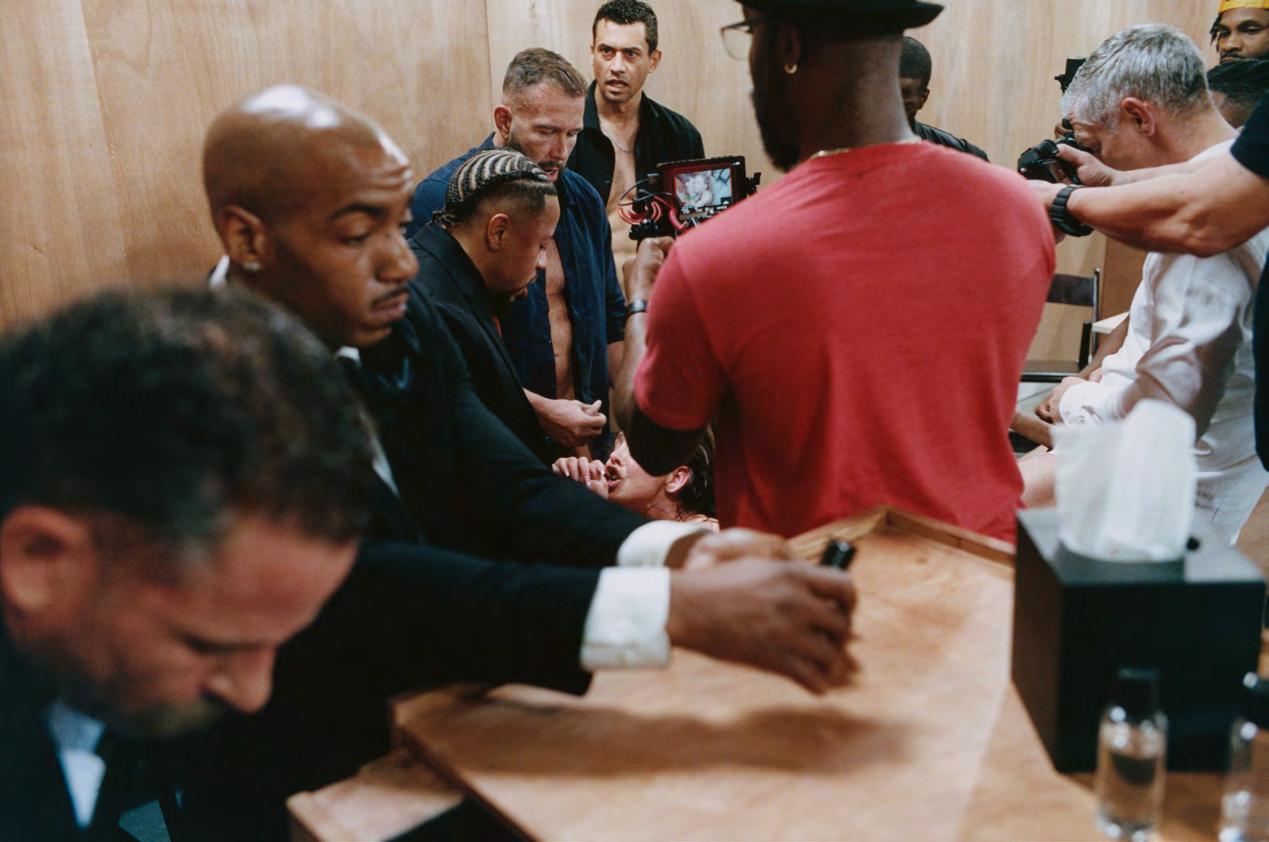
“Sometimes I feel really massive in a room when actually it’s a complete illusion. No one gives a fuck. But I think my ideal a lot of the time is to not exist, to be a security camera.”
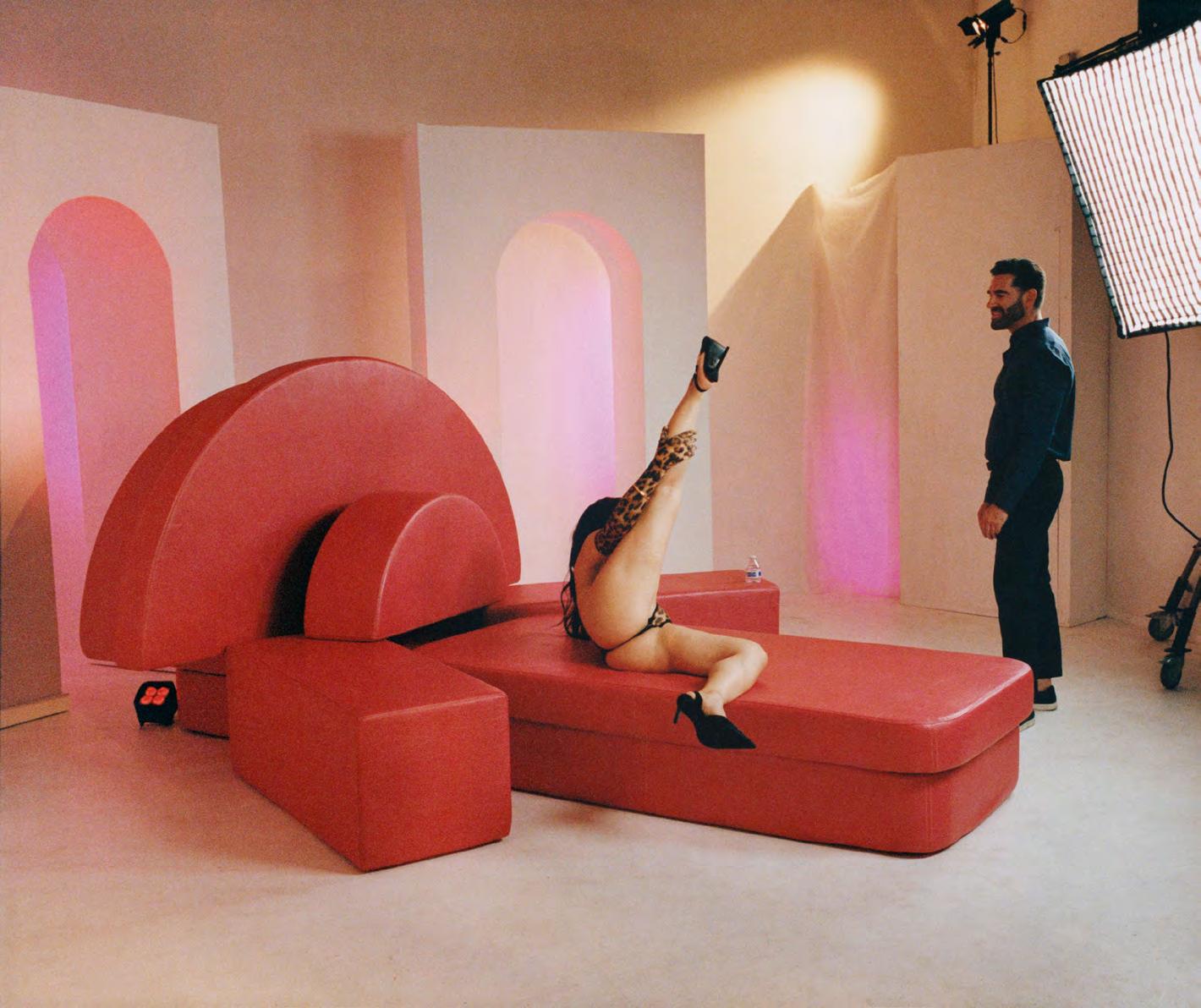
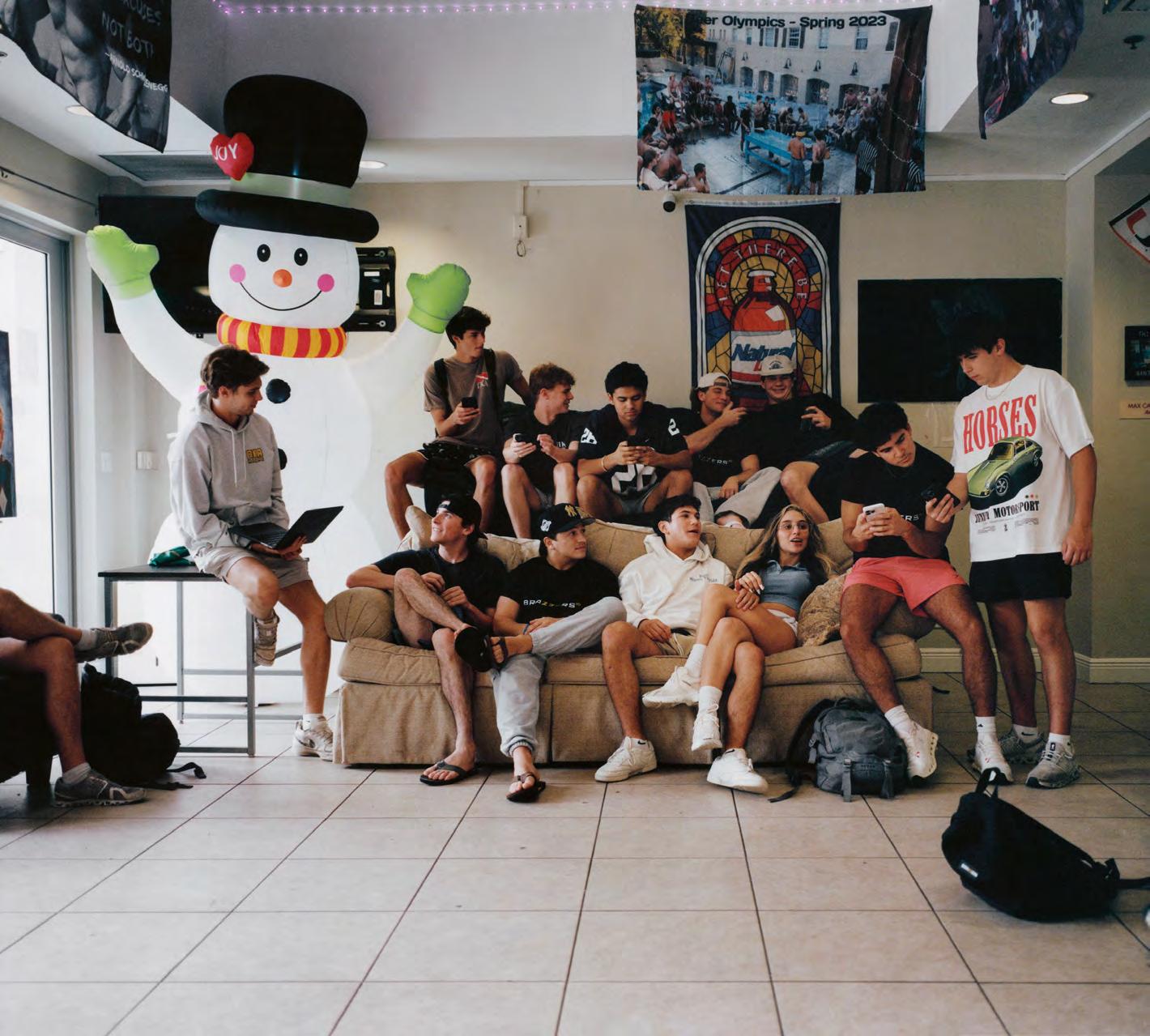
“But I found it really interesting being inside of a culture that, although many will deny it, is some of the most viewed stuff online. It’s viewed, feared, adored, whatever. There’s an insane amount of people watching this stuff, and it doesn’t really matter the reason for it.”

watching this, like, Viking orgy. There was just a lot going on, just constant noise overload as well. Opposite the Brazzers booth, there were these guys singing karaoke, but it just seemed like they sang the same song that was just saying ‘sucky fucky’ on repeat for four days. That added a soundtrack to the whole weekend. But also that really showed me the family side of this group of people. Everyone is in a place they don’t know, together for this whole week. There was a kind of sweetness amongst the absolute insanity of the whole convention.
KQ When I was doing research for this, I just kept thinking about how much porn there is, the magnitude of it, how many hours and how much gets logged a day, the hugeness of it, how ubiquitous it is. That seems to me to be one of the things that you capture really well.
RM It’s funny, though, because this book is such a tiny corner of the industry. It’s the upper echelon of porn. In terms of the performers, they’re at the top of their game. It’s like if I tried to make a book about actors, but I just looked at Nicole Kidman. But I think that you’re right. There’s so much out there, even the amount that this one company is making. One day when I was in the height of this in the summer, there would be up to three shoots a day in LA, and that was LA alone. There’s an endless desire for this from all around the world. It’s always evolving. As soon as something comes out or some kind of trend, they’re responding to that. For example, like when fidget spinners were a thing, then fidget spinner porn became a big thing for them. Every TV show or movie, they’ve made a parody. They’re mirroring the whole world in some way.
KQ A lot of your work is centered around the act of desiring and the quest to be desirable. A lot of your work around plastic surgery, for instance, is about that. Nominally it’s about being sexy, but it’s also about something much bigger. What is your personal relationship to desire?
RM I’ll contradict myself a little bit from what I said before in that I’m able to break down all of these things in the photo taking and make sense of it in that way. I still am a woman who’s affected by these things too. Sometimes people say things to me as if, because of the work I make, that somehow I’m completely unaffected by anything to do with glamor or beauty. I guess it’s just a way of making sense of it.
KQ I’ve seen other people describe your work as voyeuristic. Does that resonate with you?
RM Yeah, I think it does. Sometimes I’ll just stand in a situation and feel deeply uncomfortable, like I want to be swallowed up into a wall. I’m normally not the sort of photographer that ends up deeply bonding with their subject. I’m not a completely antisocial person at all, but I try to keep a little distance to try and be more observational. I think subtly it affects the work in a positive way.
KQ Does it affect you?
RM Yeah, I think it does. It makes me feel deeply uncomfortable a lot of the time. I don’t wish it to be any different at the end of the day. With this project, I was very much welcomed into this environment. People were aware of what I was
doing. Sometimes I feel really massive in a room when actually it’s a complete illusion. No one gives a fuck. But I think my ideal a lot of the time is to not exist, to be a security camera.
KQ “Bad taste” is something that comes up a lot in your work. I’m curious what you find so alluring about bad taste.
RM I guess it’s just ingrained in me because fundamentally, at a certain level, I do have that taste. I’m also really interested in things that are just incredibly popular and mainstream in some way, which I think often is forgotten in art and photography. Obviously, this book is not going to be to the taste of everyone. But I found it really interesting being inside of a culture that, although many will deny it, is some of the most viewed stuff online. It’s viewed, feared, adored, whatever. There’s an insane amount of people watching this stuff, and it doesn’t really matter the reason for it. It’s fun for me to dissect the things that are being consumed every day.
KQ Porn is so ubiquitous, but it’s still not really normalized. You see porn aesthetics and tropes in pop culture and definitely in social media, but porn itself still feels really charged. There’s a lot of power to shock. How do you move beyond shock value with your camera? Do you ever lean into it?
RM A lot of that comes in the editing process. I did take more pictures in this project that are probably more direct in their shock value. Moving beyond it is when there’s human emotion involved and there’s a sensitivity behind whatever the shock value thing is. As soon as you go on a porn set, you realize it isn’t that shocking. There’s a sterility around it based on safety measures, the way things are recorded nowadays. I was a little surprised by how sterile it was. The sets feel very un-sexual. They’re like empty, weird houses. A lot of it is filmed at the Brazzers studio, which is constantly changing. It’s just one of those sets where one day it’s a bedroom, the next day it’s a kitchen, and then it’s a locker room. They often all look and feel the same. The aesthetics probably do respond to the now. If you look at TikTok, all of that aesthetic is reflected back into the porn that’s being made.
KQ Was there anything that surprised you on set?
RM I wasn’t expecting it to be as funny as it was. The scripts, they’re often so far-fetched and completely silly. One of my favorites was the final shoot that I went on, which was a courtroom orgy. The idea was that this lady was being sentenced to 24 hours in jail for stealing a pineapple. And then she freaked out to the judge because she’s never gone 24 hours without cock. That was the line. And then she had sex with the whole jury, just in front of the judge and the audience in the courtroom. They definitely didn’t have to put that much effort into that story and all the details of stealing a pineapple (because if you want to taste good you eat pineapple.) It’s just things like that.
I don’t know how many people even watch any of this stuff or they just skip to the bit they want to see. But there’s a lot of work that goes into these moments before the sex happens.
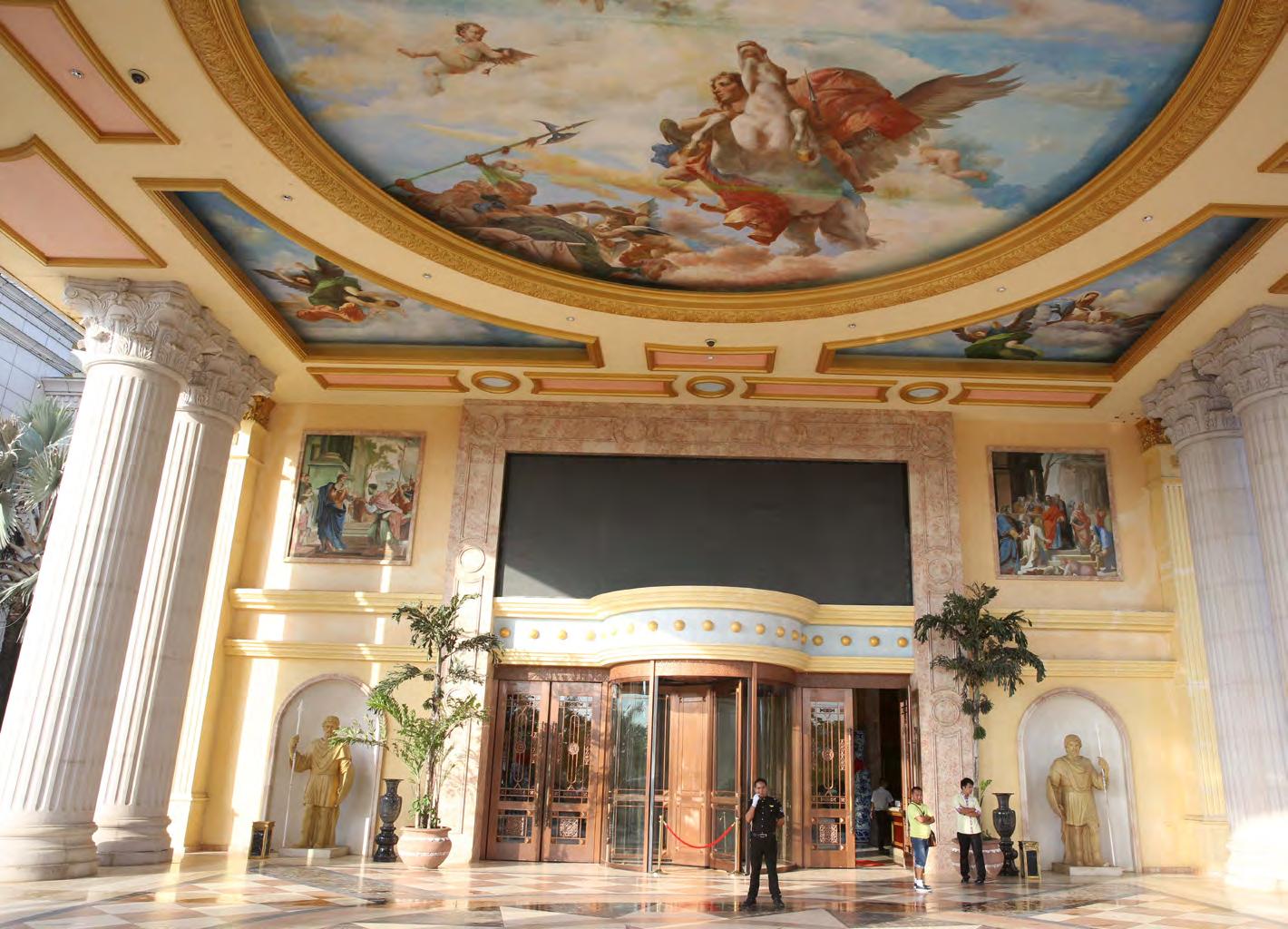
On the table was a large knife. I think he’s going to kill me. Past the balcony, the casino was enshrined in LEDs that refracted off the buildings around it. Chinese words hung over streets, and crowds swelled and split around buildings and traffic. I think he could kill me. I felt it in my shoulders, my temples, the shaking of my legs. I think he might kill me. He’s going to fucking kill me
I approached by car on the Thai side of the Mekong River, up winding, cracked rural roads and across sliding rivers, through short and slanted shanty towns into Chiang Saen, the last Thai town before the Mekong crossing. The casino appeared on the horizon, bursting out of the bright green trees and dark rolling hills of Laos like a towering golden tumor. A shining marble hotel sprouted out of the city like a lotus flower. Towers jutted out from behind well-kept trees, and all around, dozens of construction cranes cluttered around the buildings like braces on teeth. Kings Romans is a paradise for gangsters, traffickers and militants, a lawless theme park for the rich, a money laundering city-state for Burmese rebels, a US-sanctioned hotbed for sex trafficking, exotic animal abuse and drug production, a glimmering Gomorrah in the South East Asian jungle.
Chiang Saen is a small town that stays quiet and slow. At night, the rays of city lights refract across the foggy Mekong, as boats whisper up the river freighting stacks of covered goods. I booked a hotel room and paid a group of young boys to drive me down dark and litter-strewn roads on the back of a scooter. No one wanted to talk about the casino; for the locals in Chiang Saen, Kings Romans is a forbidden topic.
The next morning I walked down to the green banks of the muddy brown river under a clear blue sky. By the docks sat a drab official building staffed by Thai law enforcement. Blank-faced officers waded through the humidity in stiff khaki uniforms, past posters of crying children behind wire fences—warnings for human trafficking. Chinese nationals shuffled in and out of the building; there were groups of men with Yakuza-style tattoos twisting out of tootight polo shirts and down their arms to meet oversized gold watches at their wrists. They waited next to wealthy families on vacation, and teenagers who walked together tossing peace signs for photos.
On the other side of the border-control building, a shabby dock buoyed by truck tires was manned by squatting locals with leathery skin. These men would run you across the river, by ferry or fishing boat, depending on how much you paid.
I had too much fun in Bangkok, funds were running low, the ATM conversion rate was killing me, and I had paid that monk too much money to tattoo a protection charm on my arm. But the ferry looked more comfortable, so I bought a ticket.
Standing at the dock, I watched a group of Ethiopian men load hefty plastic-wrapped cardboard boxes onto a small rear-engined fishing boat. It was so obviously suspicious, yet they did it in daylight against the backdrop of a golden Buddha statue tucked among the rooting and knobby trees of the Thai hills. Nobody cared.
On the ferry I sat down among the tourists. Those who chose to talk to me at first didn’t believe I was American, when they did, our conversation ended. I sat in silence and watched as we pulled closer to the city.
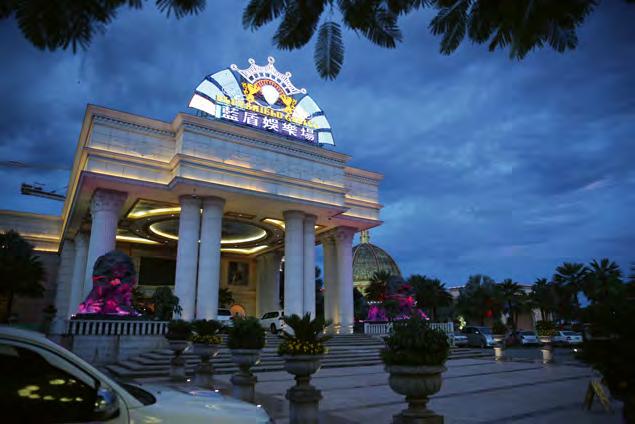
and ever-present political instability allowed the Golden Triangle to blossom into a billion-dollar black-market shangri-la. In the past thirty years, meth has become the primary export. It’s trafficked out of the region and into Europe, Asia, and Oceania. Some estimates claim that 250 tonnes of meth are crated down the region’s rivers and dirt roads yearly. Recently, a new source of income has taken over the region: phone scam centers and the enslavement of people to work them. It’s estimated that at least 200,000 people are held in captivity across the region, working the phones at office buildings turned prisons.
The Kings Romans Casino is the child of Chinese national Zhao Wei, a career gangster and casino owner who came from humble beginnings and got his start in Macau before moving his operations to Mong-La, Myanmar, the capital of the Shan-StateSpecial-Region-4, an autonomous area of Myanmar controlled by the Shan Army. The SR4 is known for a card deck of accused human rights abuses, and after the daughter of a Chinese official lost 1.3 million RMB in a Mong La casino, the Chinese government launched Operation Blue Arrow shutting the region's casinos down.
Zhao Wei rebranded his company as Kings Romans and created—according to the US Treasury—fifteen shell companies. He moved his operation to the Bokeo province in Laos, where in 2007, the government gave him a 99-year lease on thousands of hectares of biodiverse land, which he bulldozed. The region was dubbed the Golden Triangle Special Economic Zone. Ruled by Zhao Wei and his corporation, the area is ever-growing, home to thousands, and infested with the worst things the region is known for. In 2011, thirteen Chinese nationals working boats carrying 900,000 meth pills bound for the Kings Romans were bound, stabbed, shot, and tossed overboard.
Zhao Wei is a media hermit who rarely makes public statements, but when he does, he denies everything. He says he is bringing morals and Chinese ingenuity to a “backwards region.” He insists that everything that happens in the Kings Romans is done hand-in-hand with the Chinese and Laos governments.
The Golden Triangle—the region where Thailand, Myanmar, and Laos converge—was once the world’s largest producer of opium. It has a hard-earned one hundred years of ethnic militias, drug kingpins, war profiteering, and CIA meddling. Thick lush jungle
In Bangkok, before I headed north, I spoke to one person who had been to the casino, an expat from the States wearing crocs and camo shorts. I asked him for advice. “Don't go,” he told me. He said that people could disappear out there, that sometimes bodies floated down the Mekong, and riverside hotels used long bamboo sticks to push the bloated corpses out of sight so as to not ruin their guests’ vacations. We were sitting on short plastic chairs in a restaurant on the outskirts of the city, I tried to control my reaction, “Yeah, well, that’s fucking crazy.”
* * *
The checkpoint on the other side of the river was an unremarkable building. I was in Laos, but every sign said “Golden Triangle Special Economic Zone,” (GTSEZ) and I was told immediately that my Laos visa meant nothing there. I was charged $40 for a special visa for the GTSEZ, a large shining sticker. And at each of the five desks in the big gray room, tan-suited guards behind plexiglass demanded their own fee. None of the money ended up in a register.
Outside of border control, an African man with a toothy smile asked me if I wanted a ride. I accepted his offer too hastily. As soon as we’d introduced ourselves, he wanted to know what I was doing there, then he asked if I even knew where I was. I told him that I was just a tourist, that I had been backpacking through Thailand. He told me to be careful, that people disappeared out there, and to not take any photos.
Another African man joined us. They worked as translators, said the smiling one, and he wanted to leave it at that. But after twenty minutes of conversation he told me that his real job was helping people get out of the GTSEZ when they needed to. He said two Indian men employed by a local scam center had tried to kill themselves, and he and his partner had been hired to get them out. One of the Indian men had tried to hang himself and the other had slit his wrists. There was blood everywhere, and they needed to go, but first he knew a good spot for lunch.
We drove to the city on his scooter, his friend tailing us. The roads were well-paved and wide, small sidewalks brushed against unkempt, soon-to-be-developed grass plots. Red banners tied to light poles reached over the streets, with a message from Zhao Wei himself, in Lao, English, and Chinese: “Drugs are Not the Answer.”
From the streets, the city’s scale set in. Giant buildings towered above the roads; some resembled office buildings, large and grey with flat roofs. There were long, squat residential buildings that took up whole blocks, side-by-side with upscale hotels clad all in glass. The city doesn’t plan on stopping its growth any time soon.
We passed a two-story-tall poster of a pale Asian girl. Young, wide-eyed, and wearing lingerie, she advertised a private strip club. Under the shadows of five-star hotels, across from private pools, rakish bars, nightclubs, a statue of Confucius, and an abandoned Ferrari caked in dust, locals huddled on the streets, looking poor and ignored. Eye-bagged Indian men in ankle-length pants and sandals waded through discarded cans and cigarette butts on the sidewalks. Thin-armed Burmese men in Longyi skirts shuffled strips of meat around on grills in front of run-down crack-walled stores. One young East Asian man sat on a curb, holding his face in his hands and sobbing into the narrow lap of another, unnoticed by the people walking past them.
Our caravan arrived at a restaurant called Thai Cafe. It was shiny and mundane like an American mall. Everyone there was white. Some got up to leave as soon as they saw me. When I went to use the restroom, the African men ordered me chicken carbonara and a pink lemonade. While I was eating, one of them was on Whatsapp messaging an unsaved number. It was something about having two girls but needing to take their passports.
They were traffickers; I needed to leave. I said I had to find a hotel. They took me to a hotel just down the block, a tall building with a courtyard and gold windows. All the signage was Chinese, and so were the guests. I waited for them to leave before I booked my room. The room was bland and dirty. It felt smaller on the inside. Thin walls, a stiff mattress, a dust-caked bathroom, it smelled like an RV. The shower spurted a weak stream of water onto a floor that quickly puddled. Later that night the hotel’s lobby was filled with a crowd of older men and prostitutes who were barely teenagers. The
girls were mostly Thai and Burmese; the undesirables, I was told. The nicer hotels had Japanese girls. They posed on large couches, wearing unconvincing sultry pouts. I avoided making eye contact.
The next day I headed back to Thai Cafe. I ended up in a group of fanny-pack-wearing Europeans, sitting at a round table, burning through packs of cigarettes, and slurping fruit smoothies.
No one there could accept that I was American. Each one of them wanted to see my passport. I had hidden it behind the air conditioner in my hotel room, so I just passed my phone around, with a photo. They asked how I got in. “Why would I ever come?” “Why was I alone?” One of them, a tan, dark-haired man, mentioned blandly that journalists could disappear in the Golden Triangle. People wouldn’t stop reminding me of that. I told him I was just a tourist.
“Just stay away from the Chinese,” he said.
After that, there was universal agreement about not trusting each other, a confusing amount of fake names, and an ever-growing pile of cigarette butts in an ashtray. One of them—I’ll call him Ivan—offered to show me around. Ivan was a broad-shouldered Central European man, square-faced and handsome, wearing a tank top and a military haircut. He was a teenager, younger than me, though he didn’t look it.
He took me to a swimming pool; private swimming clubs are the hubs of European social life in the GTSEZ. Ivan said that I picked a bad time to come, that it was an officially declared “drugfree month,” but that really meant nothing, so maybe I hadn’t, honestly it was just bullshit, did I want any ketamine?
I got my first good look at the casino from up close: a garish mausoleum of embellishment and excess. Pseudo-European floral moldings twisted around its walls, decorative arches wrapped over golden statues of Greek gods, and giant Roman pillars held up Moorish domes. Part Acropolis, part Las Vegas hotel, with a touch of roadside attraction. The largest dome was encased in a gigantic metal crown painted gold that looked like it belonged at a renaissance fair. When we arrived at the pool, a Chinese family was enjoying the water. The men, all pudgy, wore short trunks, and the women, all pretty, wore modest swimsuits. They dove in and climbed out, goggles squeezing their faces, the water catching the sunlight as they splashed each other. It looked like promotional material for a Chinese waterpark. Fun, in the shadow of a Chinese gangster’s money laundering Mecca. Between long puffs of his vape, Ivan explained how the operation worked.
Moving to the GTSEZ was Ivan’s chance at a better life. He didn’t think of himself as a criminal, and he didn’t want to be called one. Most of the people he worked with came for just six months to two years, the entire time wanting to leave. The men were mostly scam callers, and the women sex workers. They got hired through vague online listings or were recruited by friends. Often they didn’t know exactly what they were getting themselves into. For a scammer, the job can feel pretty routine. You work out of large office buildings, clock in shifts, work overtime when you want. You start work late at night. When vulnerable Americans wake up, the phones start dialing. The general method is to pretend to be offering a service, or solving a problem. If the victim doesn’t hang up right away—too lonely, too old, too desperate—you can trick them into buying fraudulent crypto, disclosing credit card information, or making a misguided money transfer. The money goes to the companies, but you score a decent commission. The money added up, Ivan said. Within a few months, if you made enough calls, it could be life-changing.
“You have to make money somehow,” Ivan said.
Back home, for Ivan, there was a war and few opportunities. Moving to the GTSEZ for a few months made sense. Every week he sent money home to his parents who desperately needed it. Bad acts need good justifications. I tried to dismiss him as a criminal, a bad person, but I kept thinking about how young he was, how much he missed his family.
Ivan told me that, for Europeans, life is relatively safe. They are employees, not slaves. The companies, run by Chinese organizations, treat them fairly. Abusive employers can be reported to authorities, and most of the workers look out for each other.
This consideration was not extended to those in captivity. Ivan wouldn’t tell me much about it, but I thought about the men the trafficker had told me about, the one who hanged himself, the one who slashed his wrists. I could tell Ivan felt ashamed; even if he wasn’t actively engaged in trafficking and imprisoning, even if he was nothing more than a cog in a massive machine.
We got into the water and changed topics. We dived down to the tiled bottom of the warm pool.
On our way to meet Ivan’s friends at the casino, we passed an imitation European town. It was the most Disneyland-esque part of the entire city, with its forced perspective and kitschy design. Some buildings had brick walls, large towers with crested windows, plantation-style porches, and the triangle gables of imitation Dutch homes. Behind it all, encroached the dark, jungle hills of Laos and Thailand.
Kings Romans isn’t what it pretends to be. It is not a theme park, it is not a family destination; it is a casino city built in the spleen of one of the most morally bankrupt places in the world. It makes criminals out of some, victims out of others, breeding violence and corruption along the way. It’s a city of exploitation.
Lined with exotic cars parked carelessly, a long winding driveway led up to the casino. Ivan told me that the cars were rentals. At night, the streets were overrun by luxury cars, erratically driven by licenceless drunk teenagers. They flew around corners, plowing people and scooters out of their way.
As we approached the entrance, the smell of perfume wafted
out of the doors of a giant lobby where Burmese and Thai women staffed the reception desks. I stopped by the ATM to withdraw cash, but the minimum was $15,000.
Past a set of doors, the casino’s floor was buzzing with the hum of slot machines and the chatter of gamblers burning through stacks of rainbow RMB bills. The crowd was all ages, the outfits all tacky, the faces all relaxed. Security walked laps around the tables. The LED lights of the slot machines glowed in the cigarette smoke, and slippers slapped across a faded white and gold carpet. Uniformed young women worked at a desk mixing free instant coffee for gamblers who had not come this far to sleep.
Ivan’s friends were pushing numbers on digital roulette screens and tossing away RMB. The money, just the night before cheated out of unsuspecting Americans, disappeared in a few clicks, the spin of a wheel, the unlucky fall of a ball. I imagined the people on the other end of those scams. Stories of second mortgages, upended lives, and suicides spun in my head alongside those of desperate young Europeans, Chinese tourists, Burmese warlords, and Zhao Wei.
We left the Casino, and went to dinner. We walked down a wide and well paved road parallel to the river. On our left, restaurants glowed with LED lights that twisted around ornate Chinese moldings, on our right, across the Mekong, sheet metal and wood homes were dug into the sloping Thai hills. One of Ivan’s friends—I'll call him Mitri—was vaguely Eastern European with an ill-fitting fake name and flat face. I had spent the past hour creating a version of myself
that would get people to drop their guard. I was just a tourist, a backpacker, a burn out. I would never write anything; I’m just here to party; you can trust me. I had lied enough to make Mitri feel comfortable talking about the trafficking victims. He said people are approached in villages and impoverished cities. Some offered a job, others taken. Their passports are confiscated, and they’re forced to sign contracts they can’t understand. They are put in decrepit rooms in rundown buildings with filthy bathrooms, and shacklike apartments with barred windows. Girls are forced into prostitution, men held for hours at office buildings making call after call. They are fed chicken feet and scraps. There are no promises of returning home with money to support their families.
I thought back to a phone call I had gotten a few months before from a man with a thick Indian accent who had introduced himself as ‘John.’ John had informed me that my social security number had been stolen, but he could help me. I told him he was a morally bankrupt criminal, that the world was better off without him. Now I pictured John laying on a thin mattress in a stinking room with steel bars on the windows.
Mitri told me that most of the workers are trafficked into the GTSEZ from South East Asia, but some of them were Chinese. He said the Chinese government routinely sends—sells—its own prisoners, Chinese nationals, to be held in scam centers around the Golden Triangle. Realizing what he divulged, Mitri quickly changed the subject.
Dinner was at an empty bar built on a boat anchored in the Mekong. A group of Europeans were drinking around a table. Servers coagulated around them, constantly refilling their beer glasses. A band sang Chinese pop’s greatest hits. The rotting smell of the river was cut through by sugary clouds blown from vapes and the smoke of cigarettes burnt through by the pack. My presence caused anxiety, but Mitri told everyone that I was okay.
I met three Eastern European girls with thick makeup and painted nails. They said they worked as models. The men around the table smirked. They were cam-girls. They asked me why American men fell for it, but I didn’t think they would like the answer. Once you start imagining the lives of desperate middle-aged men, of divorced fathers isolated by their work and responsibilities, you’d start to feel guilty. It’s easy to scam someone who you think is an idiot; lying to someone who’s hopeless and alone is hard. I knew they didn’t want to think about it, neither did I. So I sat at the table and continued to drink and lie about who I was, and the girls talked more about how unhappy they were.
They didn’t need to explain why they were in the GTSEZ, it was easy to figure out. They came from countries at war, or on the brink of it, from struggling families living under economic instability, violence and fear. They were refugees. Their work arose from desperation. It was never a life they wanted, and their lives in the GTSEZ were harder than the men’s.
The models only made commission, so to make their sacrifice worth it, and to support their families, they needed another source of income. White and blonde, they were an expensive treat for Chinese tourists who would pay thousands of RMB. It wasn’t explicit sex slavery, like the girls in my hotel lobby. But if you gave up everything to get there, you had to make as much money as you could. Mitri said the tourists are often riddled with STDs, from Chlamydia to HIV, which they pass to the girls. There is no testing or treatment. When the girls leave, along with the money they earn, they take those diseases home with them.
All the young people I met and got to know in the GTSEZ had accepted the terms that came with where they were, what they were doing. They made it mundane, part of their lives: sleep, drink, scam, sex. They acclimated to the Kings Romans; only then can you spend your days drinking by the pool and dining out, and your nights doing what they did. And I began to acclimate too. I stuck to my story, the version of myself I had created, and the guilt started to go away.
The next day, at a different pool, a group of men wrapped in tattoos watched as their wives taught the children how to swim. I was invited by three Chinese men crammed into speedos to join them at their table; I ordered a round of beer from a bar that played Christmas music over concert-sized speakers. The men and I exchanged shallow small talk. Their wallets were stuffed with RMB and their jewelry was thick, gold, and drenched in diamonds. One of the men was covered in full-body burn scars, water dripped through the creases of his skin as he ate a platter of chicken wings with rubber gloves.
On the other side of the pool, a group of girls were celebrating a birthday around a table scattered with empty bottles of wine. I made eye contact with one of them, a Kazakh girl older than me, but still in her twenties. She was pretty and unassuming, high cheekbones and a low cut bikini. We exchanged glances, a few smiles, and walked past each other’s tables more times than necessary.
I got a message from Mitri. He asked how it was going at the pool, and I told him there were pretty Kazakh girls, and he should come and be my translator. He didn’t respond to my message. It was barely ten minutes before I saw him rushing down the walkway with two other men from the night before. I got up to meet them, to ask if I could get them some beers, but Mitri didn’t give me the chance.
“Those girls?” Mitri asked, pointing at the table of Kazakhs. “Don't talk to those girls.”
He walked to their table, he didn’t shout, he spoke at them in Russian. The girls stopped smiling, Mitri’s friends took place behind him, I started to panic, the girls were getting angry, the families laughed and splashed around in the pool. Mitri came back and said we were leaving. I asked him what was going on.
“You shouldn’t trust Kazakh girls here. If you had gone back to a room with one of them, men could come in while you were distracted, they could take you, rob you, anything.”
I followed him away from the pool and to his scooter. I kept looking back over my shoulder.
“You’re fine though, don’t worry.” Mitri smiled. He asked for a cigarette and we drove to the casino.
That night, I met the young man who I’ll call Alexei. He was waiting for me at my hotel. “Don’t worry,” he said, “I’m not going to hurt you.” I asked to see what was in his bag. He looked amused and unzipped it dramatically. A passport, phone, wallet. No gun, no knife. I told him we could talk in the cafe.
Alexei didn’t speak on our walk to the cafe, but when we sat down he wouldn’t stop. He was from a part of the world that gets its reputation from its warlords and wrestlers. He grew up surrounded by violence. He told me that what he had lived through made him who he was. He wasn’t afraid of who I might turn out to be, like Ivan was. At that table it stopped feeling like an adventure, it was just fear. My confidence had left me, I wasn’t some explorer, some veteran journalist deeply undercover, I was a college student who had lied himself into real danger. And now I was stumbling over my lies, I just wanted to leave.
While we talked, I burnt through half a pack of Chinese cigarettes. Alexei said that he knew I wasn’t CIA because he saw how much my legs were shaking. He laughed at me. I was too afraid to feel pathetic. But he wanted to know how I had managed to cross the border. Alexei said Americans weren’t allowed into the GTSEZ. But there I was, and he needed to know why.
So I told Alexei as much of the truth as I could: I had no
idea how I had gotten in, I just wanted to go back to my room. But Alexei was never going to let me. We left the cafe, he hailed a cab and pulled out a wad of RMB.
We arrived at another pool. I saw some people I knew, others I didn’t. Everyone ignored me. Ivan was there but he didn’t have much to say either. People spoke to Alexei with a tone of respect, and I realized how many conversations about me were being had in languages I couldn’t understand. I got ready to leave, but Alexei stopped me, “Let’s go back to my apartment.” It was an order.
On the walk to his apartment, the streets of Kings Romans had come to life. The city was nocturnal; at dusk, the workers crawled back to their homes and the Chinese nationals stumbled out to the streets. The bars and clubs lit up, cars overran the roads, and the escorts tossed weak gazes from the windows of hotel lobbies. The boats across the river had stopped for the night, Alexei knew where I lived. There was nowhere I could go.
Alexei was right behind me as we entered his apartment. It was a small, cramped one-bedroom. He locked the door behind us and told me to go out and stand on the balcony. I didn’t have a choice. There was no authority that cared about me, I had no rights or protection, nobody owed me anything. People disappeared all the time, were massacred, bodies floated down the Mekong. It was just me and Alexei on the balcony. Knife on the table. Casino lights and crowds below. The Chinese lettering over the streets. Whatever happened next was almost entirely in his hands, but the fear of death was visceral.
I said the first thing I could think of. I asked him if he had a girlfriend, he did and he told me he loved her. When he talked about her, his disposition changed; he started smiling. I asked if he had any beers, and he told me to grab one from the minifridge as he rolled himself a joint. We sat on his balcony and talked. I realized that Alexei, like Ivan, had no one he could be honest with.
Alexei had gone to Myanmar for a gun deal, but was kidnapped and forced into slavery at a scam center. He made his way up the ranks and came to Kings Romans with a newfound authority. Alexei said all he wanted was enough money to buy a home in the countryside for himself, his family, and his girlfriend.
Alexei showed me a childhood photo on his phone. Young Alexei wore a Nirvana T-shirt and skinny jeans, he seemed to be saying, this is who I was. I told him I liked Nirvana and he got excited. He led me back inside the apartment.
I sat on the floor. He got out a guitar, and sat on his bed. He strummed his guitar, tuning it before he began to sing. He chose to perform Nirvana's MTV Unplugged set, starting with “Man Who Sold the World” and ending with “Where Did You Sleep Last Night.” I couldn’t believe what was happening. My shirt was cold with sweat and my heart had pumped itself into exhaustion, but I started to sing. He ended with a song from his homeland. I told him that he sang like he missed his family. He shrugged it off and invited me to a party.
“I’ll rest for a bit, and text you,” I told him.
In the elevator every ounce of adrenaline seeped out of my body and pooled in my battered Vans sneakers. There was no way I was going to the party. I felt like I had exhausted my luck. I didn’t know how many more interrogations I wanted to sit through. I latched every lock on my door, packed my things, stashed spare cash in my shoe, my passport in my waistband, and lay down on the bed. And I started sobbing. I had never cried from fear before, I never thought of what it would feel like. Gasping for air, feeling your muscles tense and drop, digging my nails into the stiff mattress. But my crying ended as quickly as it had started. The first boats wouldn’t start crossing the river until the morning, I had to make it through the night.
That night I thought about what I had seen: criminals, traffickers, gamblers willing to ignore anything to place their bets. But somehow, even there, I had found ways to connect with people who
were starved for connection. And it was moving, somehow reassuring, up to a point, but I had lied to all of them. In the streets around the casino, the night clubs and bars, at the parties and pools, it’s all darkness and loneliness and pain. It’s slavery and abuse. Governments, criminals, predators. But also, it’s desperation. I felt like I had to tell the story of what I had seen, not only of those held in captivity, but of the refugees who fled the violence of their homes for the chance at a better life. Ivan, Mitri, Alexei, the girls at the bar. None of them wanted to be there, they felt afraid, guilty, ashamed. And they were all just kids, thrown into a life they weren’t ready for. I told myself that the only way I could justify lying to them, was to be honest about who they were.
I woke up at first light and quietly left my hotel; I tossed a taxi driver a handful of RMB and had him take me down to the port. I rushed through immigration, and hired the first longboat I saw to take me across the river. I watched as the buildings of the Kings Romans Casino got smaller and smaller behind me, the brown water lapped against the side of the blue boat, and the boatman made a joke I couldn’t understand.
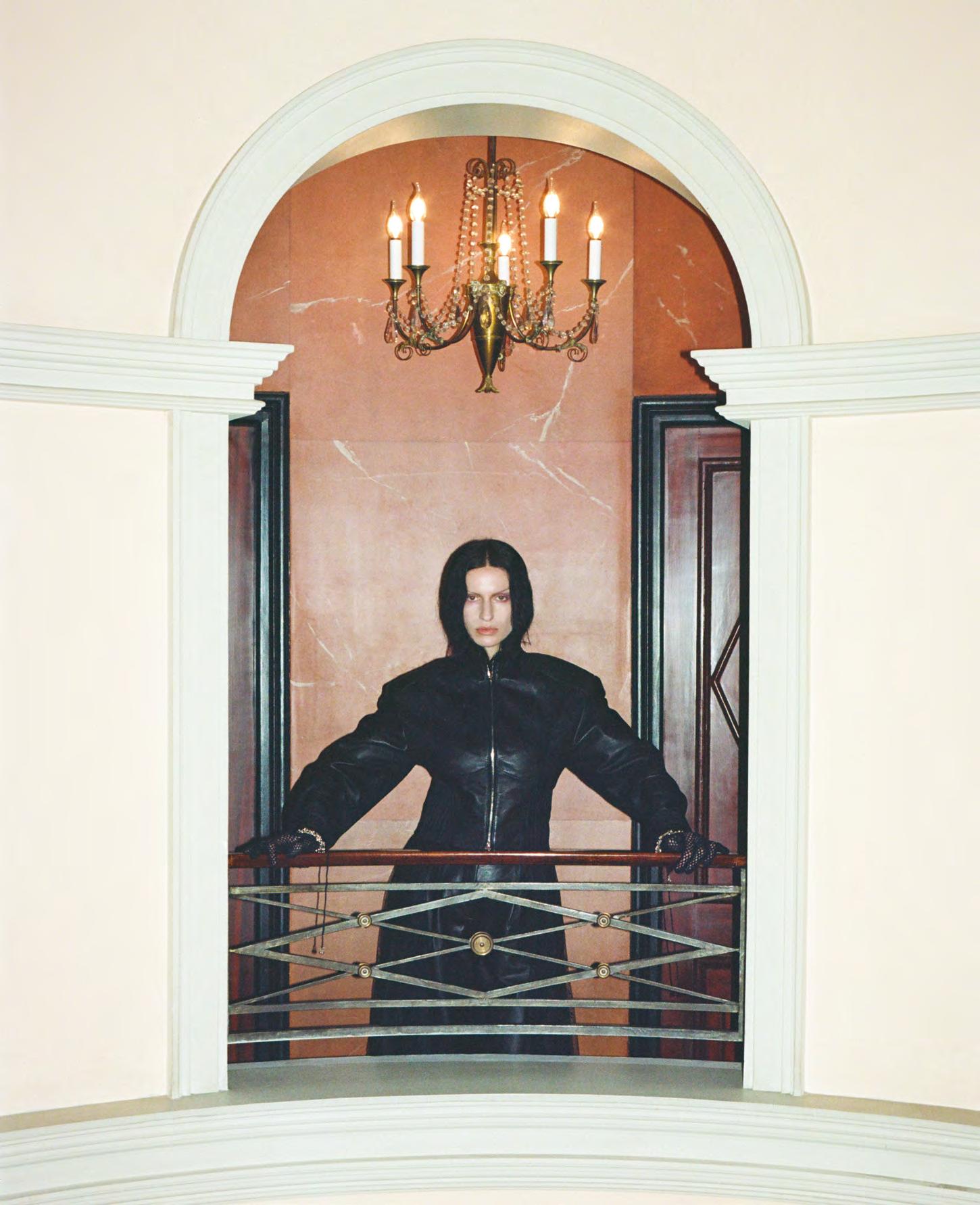
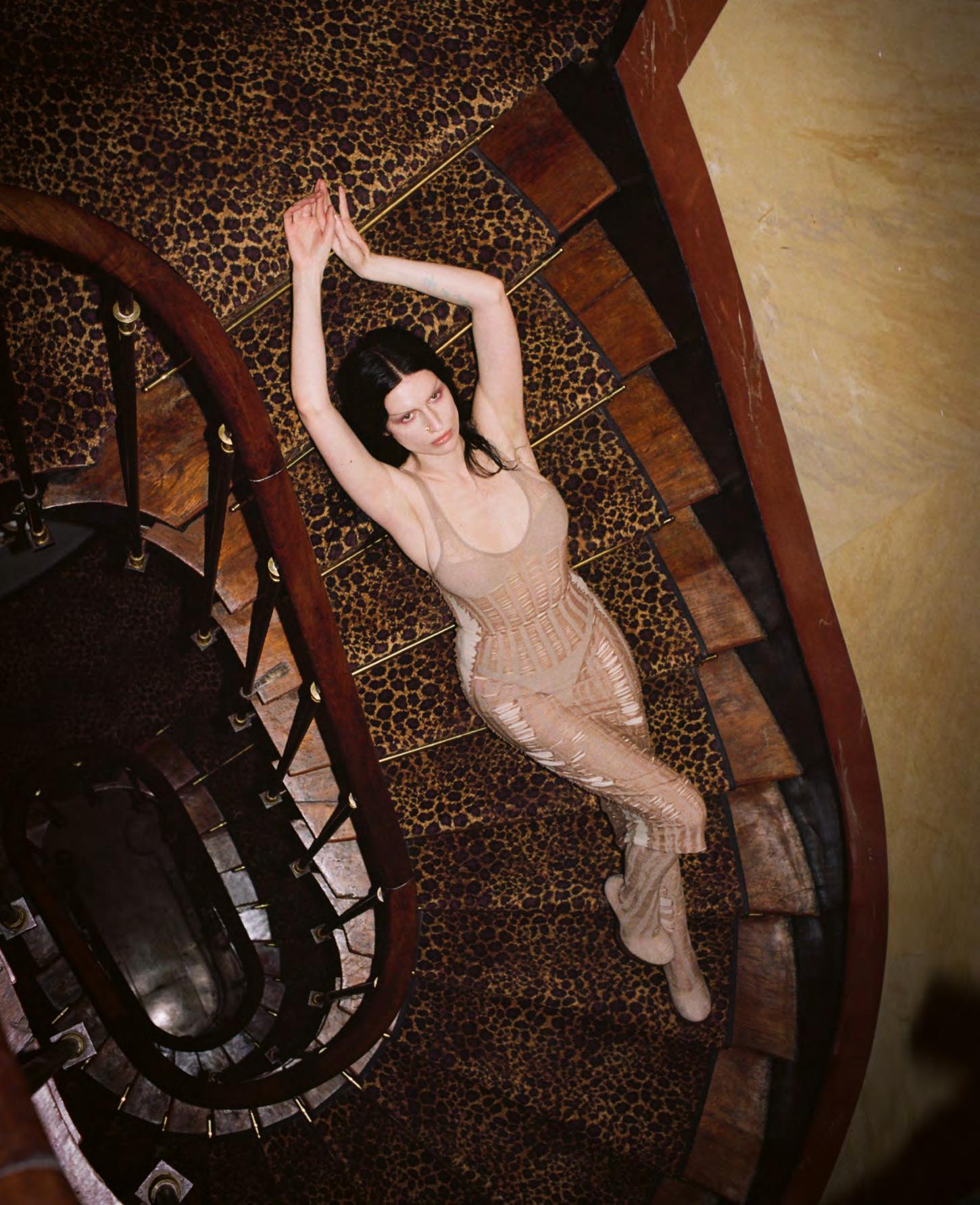
Tali Lennox’s works are rife with a rare erotic power that is both gothic
and
cadaverous.
Desire becomes a tenuous dance between the oneiric and the folkloric; a passion play of spiritual autopsy and resurrection. Alongside jewelry designer and sexologist Betony Vernon, Lennox dismantles the psychic fractures embedded in her paintings.
TALI LENNOX The first time I met you was over ten years ago in a spa in the mountains of Switzerland. There was a big jacuzzi filled with people floating around you. You looked like a high priestess. It was so vivid, so amazing to see how captivated everyone was by your words, topics we don’t often get to be open about like desire. Things we can carry a lot of shame around.
BETONY VERNON As you tell the story, I see the steam rising and the beautiful faces and the intimacy, that hot water and this sort of backto-the-mother environment. I remember there was a dividing wall and we could see through to the outside and everything was covered with snow. It was a very improvised situation. It was magical because everyone in the hot tub was at least twenty-five years my junior, and you were all so eager to talk about desire, to talk about love, to talk about sex. There’s not many occasions that arise in the world to have that kind of opportunity. For me, it was equally a moving opportunity because I work one-on-one and I rarely have access to groups like that.
TL I’m the same as well. I find that I don’t socialize that much because I’m always looking for things that go into the depths, you know? And the people I keep in contact with, like yourself, and also with my paintings, it’s this opportunity to peel back the psyche and step into the abyss of a place that holds fears and desires, openings and ruptures. It was really powerful to see how people open up in your presence. That’s the communication that I really gravitate towards.
BV When you and I first met, you were just beginning to paint. You were actually pursuing it as a career, which is daunting. It’s one of the most important and hardest jobs to do. This subject of desire is daunting. It bonds us, and it drives us when we speak of desire. What happens when you can’t paint, Tali?
TL It’s not a good feeling. I lose my sense of identity when I haven’t been painting. It’s my connection to myself. Having role models and influences is wonderful, but it takes time, especially as a woman, to feel like you can give yourself permission to build your own realm and follow your bliss, as Joseph Campbell said. You, however, are such a polymath. I often find myself speaking to myself in a limiting way, but something I’m working toward now is expanding my realms—exploring all the senses more fully. That also means letting go of guilt and not second-guessing myself. I wonder, how have you cultivated the conviction and focus to speak so openly about topics that so often hold us back—especially sexuality—without shame? And how have you managed to pursue so many passions without hesitation?
BV Pleasure and desire are like sisters, no? We desire things because we think they’re going to bring us pleasure. We are born to live in a place of pleasure yet in a society that is very much against it. It is so empowering when you shed your guilt. That’s what I’m here on the planet to do: shedding and dismantling the taboo, which means dismantling the shame and the guilt around something that I personally was never told was wrong—not because I had perfect parents but because they pretty much weren’t there. This lack of parental control and parental guidance let me bloom into my persona without shame and guilt, which I think is a really rare and privileged position to be in.
TL For me, with a lot of my paintings, they are about ruptures. I’ve been painting a lot of volcanoes lately to kind of symbolize this breakage that we have. That also comes with this feeling of release, euphoria, almost orgasmic, and through something that causes us to have a dismantling of self. Do you feel like for us to break through the debris that we hold onto, whether it be shame or outside voices, that you need a spiritual or psychological rupture to access that point? Or do you encourage the more gentle way?
BV I am gentle, but the work is disruptive. Especially when I’m doing body work and healing work. It is breakthrough work. The people that come to me, they’ve often sought in many places to have a safe place to talk about their desires and have not found it because there’s not many spaces. Breakthrough after someone’s done a lot of therapy is where I work. I work with people who’ve really been on a quest. Eighty percent of the people that I work with were survivors of trauma and of inappropriate sexual desire. It’s abuse that overstaps the line and often in the stage of life where we don’t even know what the word consent means. Whether you like it or not, we tend to be handed a big old suitcase full of other people’s stuff. We are born like the empty canvas that you find yourself in front of. And then people put all sorts of things onto us that are not ours, but we realize it later, especially if we get to meet someone who makes us see things. Old ideas, limiting beliefs, those things hold you back until you meet someone who says to you, “Hey, it’s okay. It’s totally normal.”
Now, I really feel like I’m in an awkward position because I believe that with the current state of affairs, we find ourselves fighting for things that we fought for many decades ago. We cannot sit on our laurels. Look at
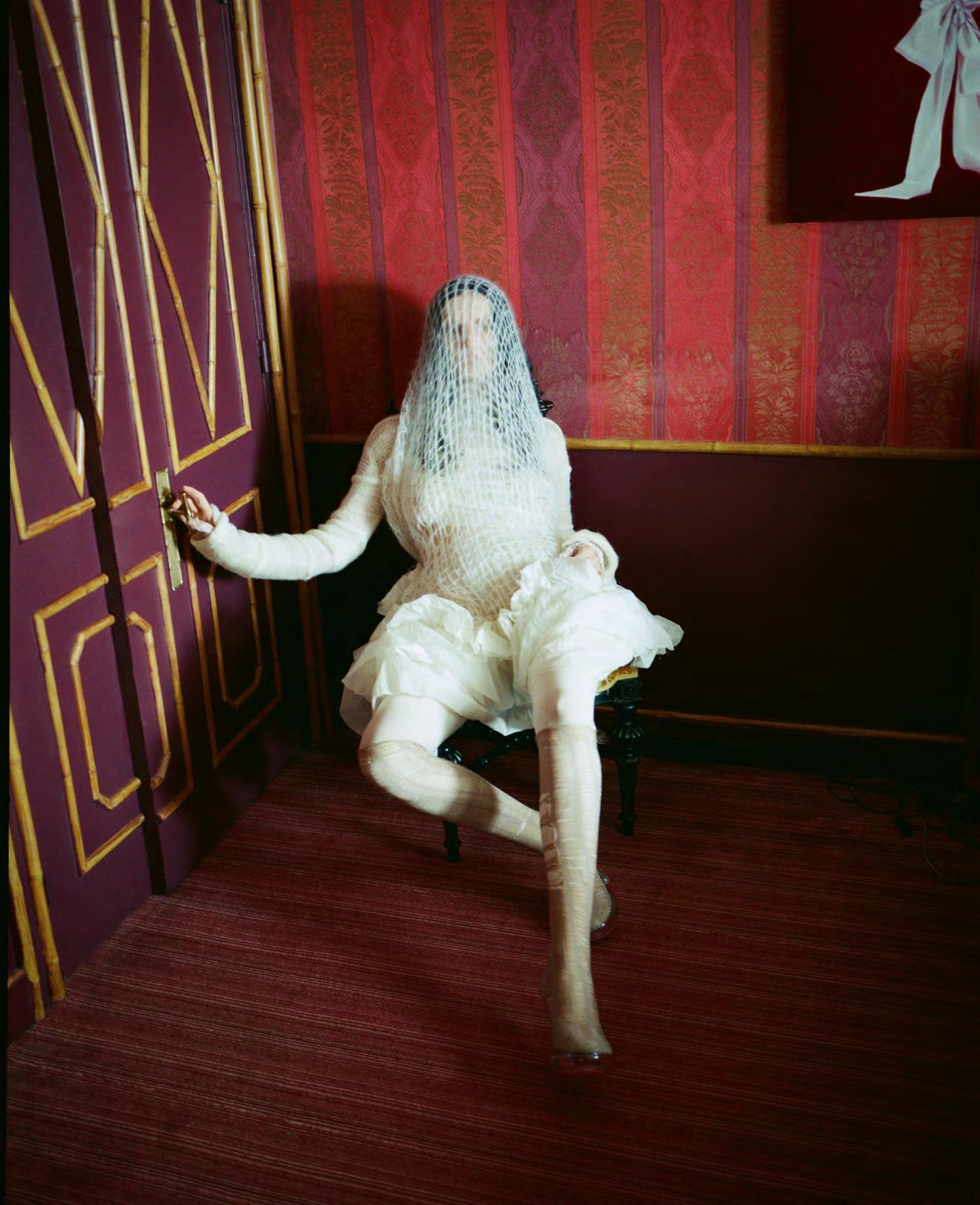
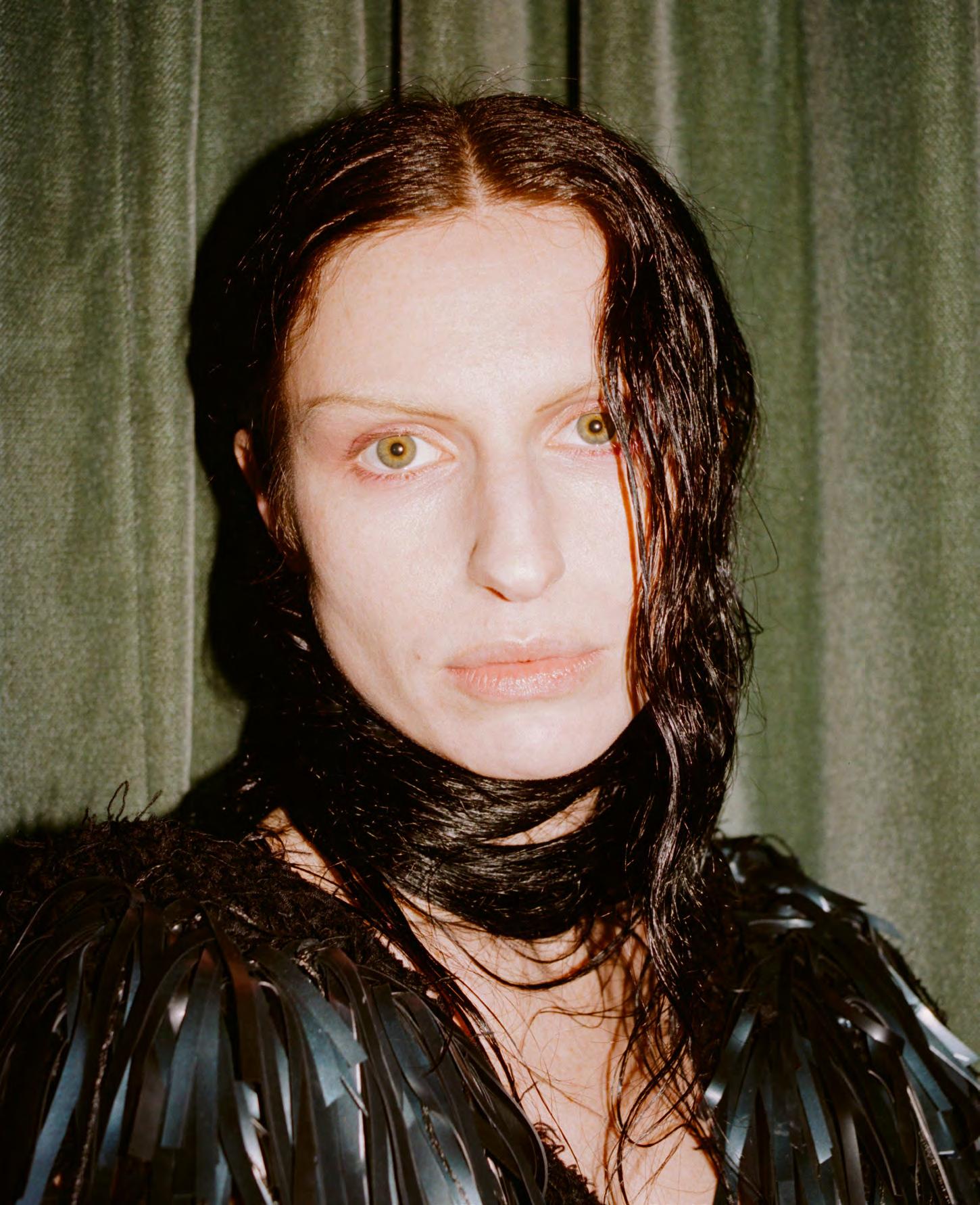
what happened in the United States with the dismantling of Roe v. Wade. Because of the shame, desire today really does demand a safe space that is not censored. Sometimes I think, Are we back in Queen Victoria’s era? It’s really disturbing. My work has only just begun. I’m not going to give up on anybody or anything.
TL The world is moving in a potentially extremely frightening direction. I don’t know if I connect to what our idea of modernity is at the moment. There’s not much I feel I can hold onto. So, what I’ve kind of quietly decided is to build a very small orb for myself that has a space for beauty and pleasures and fantasy and history. Sometimes I wonder, Am I stepping out of reality? If I don’t see myself firmly in the world, then what world are we in?
BV You are the future. We have to pass through this disaster, this situation. It means that we’re coming through. Breaking through is sometimes painful, but I think that we have to go through it. In these absurd times, by constructing that bubble, you also construct your community. There are a lot of people that see it like you and I do. Beauty and love always win.
TL And kindness.
BV Yes. Kindness and gentleness and keeping your value system in place. I don't want to go on about COVID too much, but I think about the generalized trauma that it created. We are designed to hold each other, to desire each other and to dream and to connect with each other. And COVID didn’t let that happen. We were told not to be near our loved ones and that having sex was dangerous and that breathing on each other was dangerous. It was a global trauma that involved eight billion people. In general, people don’t really know how to process it. To process trauma, you need someone to help you. The comfort zone is missing. So, making our bubbles is crucial.
TL During COVID, I had a lot of thoughts about desire in the sense of Buddhist philosophy: a certain type of desire being the cause of spiritual inflammation or suffering. I was celibate for about a year and extracted so much. I really leaned into a place of nature and solitude. With my painting, I’m already in solitude a lot. I kept thinking about how the more that I started to extract things from my past, including sexual relations, the more I felt back in tune with myself spiritually. I realized that my paintings aren’t about desire, but I’ve been painting what I desire.
When I was younger, I was quite adventurous, and I would do a lot of alternative healing methods involving very strong psychotropic and psychedelic substances. When you’re young, you just hurl yourself into experience. I was craving a feeling of breakage, euphoria, and ripping through the veil. Now I notice with my personal life, I’m quite gentle and peaceful, but my paintings always have this intensity.
BV Maybe they’ve come to this place because of the psychedelics. I think everybody should do psychedelics. They’re a very fast route to realizing that you’re part of a big,
single giant vibration. I think it would really change the world if there could be a moment where everyone was given a microdose of something to get a reality check.
TL Some macrodoses too.
BV And some macrodoses. (laughs) Where you are today, in a space of not having the void, it was the work you’ve done. It’s the meditation, it’s the psychedelic experiences, and it’s all the things that I also did and would do again and again, if the environment is right. There are ways to connect on a higher plane.
TL Every single decision that we make for ourselves, we’re really just led by euphoria.
BV It can push you to do things that you wouldn’t otherwise do. The more frightful thing is when you have no more desire because it’s dead. That can be a very dark place, and it’s a very painful place. To be wanted is so beautiful and physical and spiritual. The important thing is that it’s reciprocated.
TL When you’ve had people come to you for guidance on how to reignite a feeling of desire, do you have what you feel is a universal truth that can help people summon the feeling where love and desire go hand-in-hand?
BV We need desire before we can actually love someone. I’ve had people say to me, particularly women, “I can’t have sex with somebody unless I’m in love with them.” But that’s so backwards because often we have sex with someone and then we fall in love with them, not before. I always encourage people to connect and make love if the desire is there. It’s so magical and really quite rare that you actually desire someone. If you just go have sex with someone but maybe not desire them specifically, it’s never a very good experience. But when you desire someone, that’s when magic happens. In terms of rekindling, I think it is just a question of going back to where it all started and really recognizing the rarity and the specialness of that connection. I say to [my clients], “Count how many times on your hand that you fell in love with someone.” It doesn’t happen every day. We can love every day, and we can even love someone just for one night. The key, in the end, is really self-love. To love yourself first prevents a lot of pain and mistakes in the end because you demand respect for yourself. I always say to my clients, please don’t use the word single. It’s so lonely. Use the word multiple or free. Take it back to freedom, and be multiple.
TL I love the work that you’ve created with vessels and objects of worship. I love painting objects of worship, and I love the thought that a material thing can help us access caves within ourselves. With your jewelry, it’s interesting how an object can translate so much to people and invite them in. I’d love to know more about how you bring eroticism in through material objects.
BV
The objects are like portals to enhance pleasure. I’ve had people say to me, “When I put on one of your pieces, I feel strong. I feel like I have something that I couldn’t actually have had if I didn’t have the piece.” In other words, it’s a prosthetic. This piece is used for pleasing a man. But it’s also for pleasing me because I like the way it looked. I like the fact that the pieces make you feel courageous and empowered. That makes you more receptive and open.
There’s an element of play also. They become portals to communication, which is one of the things that we all need to work on and that our society doesn’t really teach. They don’t teach you how to build a relationship. They don’t teach you how to parent. They don’t teach you how to love each other. They don’t teach you how to communicate. [We should] think about the way that we are teaching children today because all of those things are critical, and they’re all the foundation of emotional intelligence.
And then, they are actually objects of ritual. When you decide that you’re going to use the pieces, especially the ones that are more explicitly jewelry for the inside of the body, then it requires a ritual mindset. Ritual for me is what can easily culminate desire, just through the act of preparing a ritual. It sets the stage for that soothing of the desires because you can make them come alive. I think fantasy is so important. Your work is also fantasy. Everything you do is dripping and wet. They’re like portals that allow us to sort of overcome the doldrums of everyday penetrative sex, which for me is really boring. I wanna play with you. I wanna set a stage and let things unfold in a way that is in a bubble and that is far away from reality and that does remove me from reality. I have no shame in that whatsoever.
TL More and more I also feel less guilt being on a path of wanting to seek as much beauty and aesthetic enjoyment as I can.
BV I'm waiting for you.
TL I know you are. I’m building my first headquarters space in this historical relic I found in Paris. I’ve been thinking about different ways I can open up my work in this sense. I have been thinking about making decadent and sensory short films. That’s something I might do in this space because it’s so special. There’s one room that’s really small, almost like a boudoir, and the walls are really dark red velvet with 19th-century purple frescoes with cherubs. Very indulgent. We actually think it probably was a room for sexual encounters because originally it was the entertainment floor. So, I think it could be the perfect stage to experiment with perhaps making films that don’t need to be overtly sexual but just allow one to access that portal more. I have a lot of conviction in the fact that I don’t find eroticism in pornography. There’s not much to hold onto. BV I want to make sure you understand that the erotic is the opposite of porn. Porn is male gaze, and it commodifies eroticism.
It objectifies the erotic. It disassociates us whereas eroticism associates us with ourselves and others. We are suffering this moment with a rise in erectile dysfunction in men due to disassociation because of porn. It takes us out of reality. It’s so disassociating, which is also what trauma does. We have to be very clear about what the erotic is. It is a female power and a source which has been vilified. You focus on the erotic. It’s funny because these words have been used in a sort of sex positive way. But one of my goals throughout the past thirty years has also been to change the language that we use around the erotic and around the sexual. When people say things like, “It’s a naughty pleasure.” I was like, “No, it’s not naughty. Why is it naughty?” Because you're enjoying yourself? That is so Victorian.
TL It’s so common. I often giggle and kind of blush when I speak about these things.
BV Because I also work around sexual trauma, I’m often uprooting shame. Once you uproot the shame, you can uproot the guilt and, little by little, the fears that are put around our sexuality. One of the things that I meditated on a lot during COVID was Why has our sexuality been placed in such a vilified space, especially female sex? It’s portrayed as the opposite power to a man’s sexuality. It’s a time when we have to protect our male friends because they’re a bit lost and fragile.
TL I agree, and I think there’s been so much fast change and expectations of people deconditioning a set of moral codes that have been going on for such a long time. I think for men, it can be extremely confusing in the Western world.
BV Also pretty much everywhere else. We have ideas about the ancient arts, for example, The Tao of the Loving Couple or tantra, which are being commodified at the moment. It’s an alternative. It’s a more positive conversation around sexuality. But that doesn’t mean that Hindi women have more rights. It’s an illusion. We are in a position where we must activate our rights. I was thinking, Why has sexuality been taken away from us? Why has the erotic been vilified? And I came to understand during COVID, the flat out answer to the question is because it makes you powerful. You are in your body.
TL Exactly. It’s very scary to people.
BV You are really you in the end. You’ve emptied your suitcase of everybody else’s bullshit. Now just be yourself. If you’re in that first space of self-love, you can love the entire world and you can love a man for one night and you can operate in a loving place. It makes you very powerful. This is why they’ve taken it from you, because they would prefer that you were not powerful. We wouldn't be sitting here having these conversations about how we’re about to lose our rights. I will stand by you. I will stand by everyone because I believe that sexual rights are basic human rights—like having
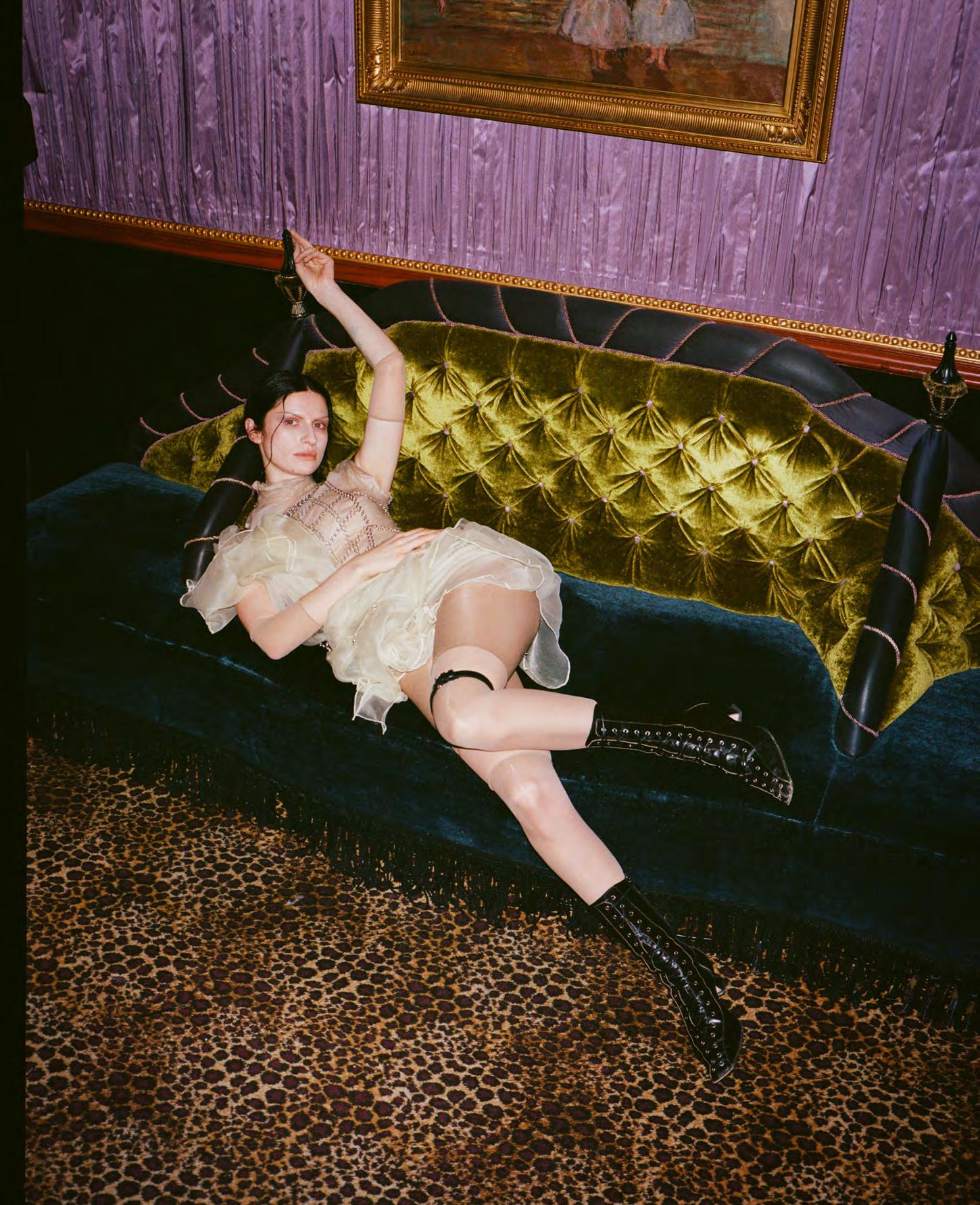
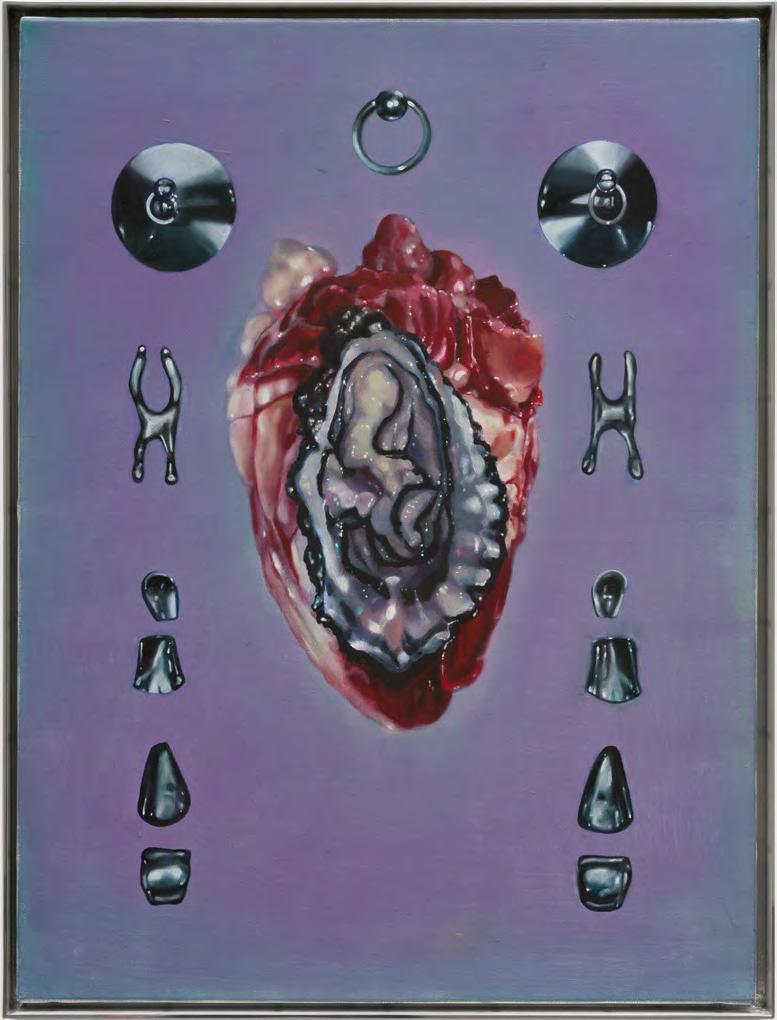
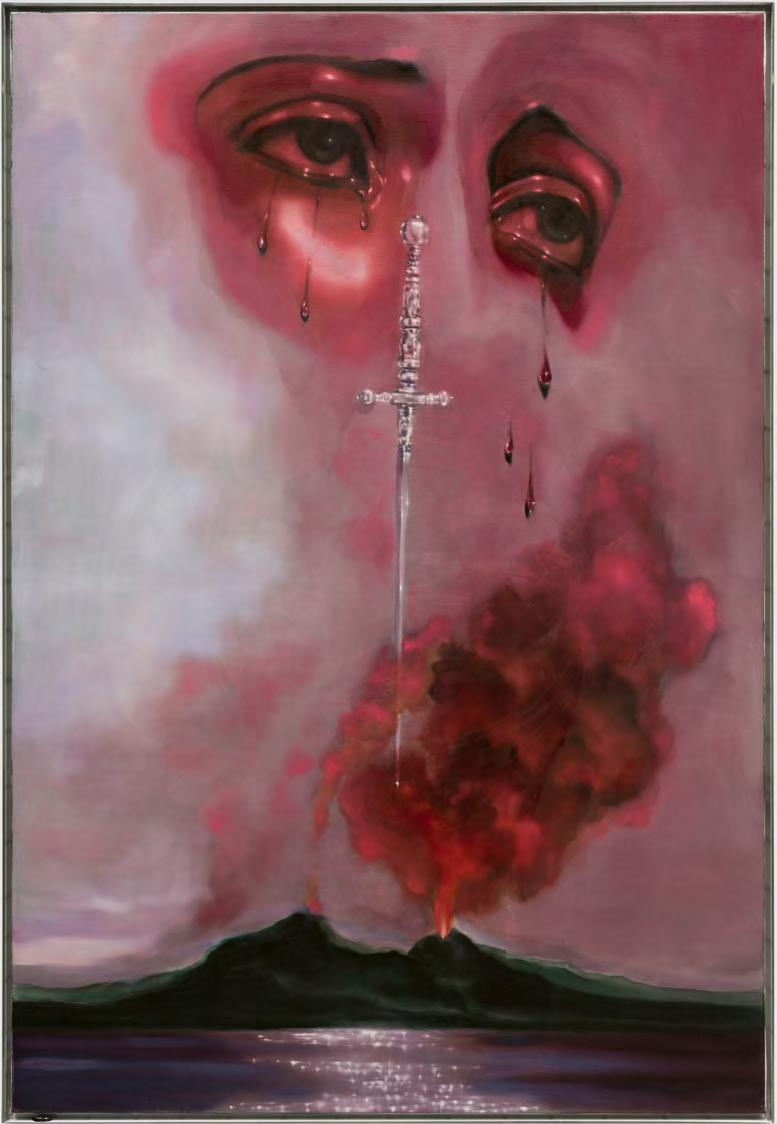
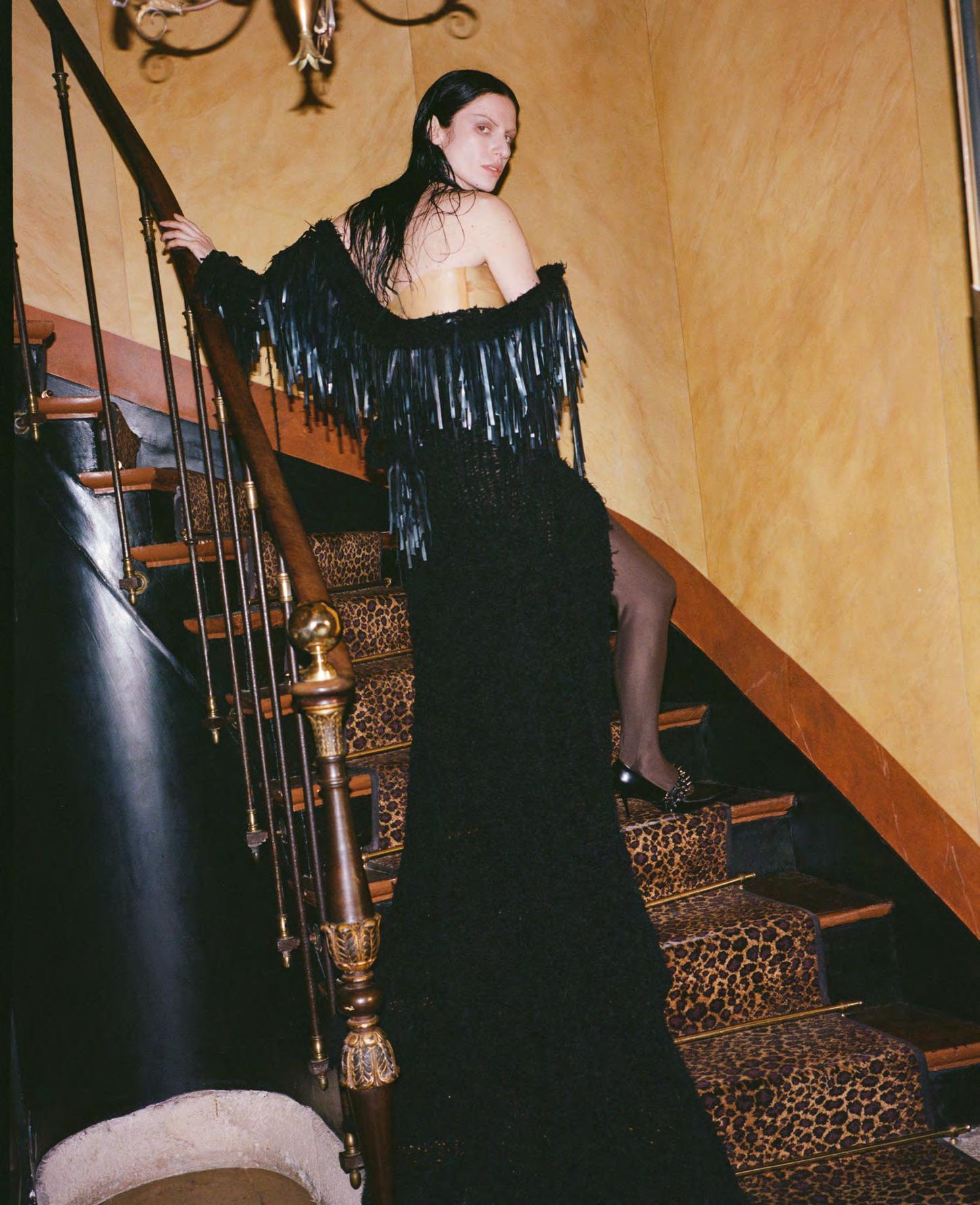
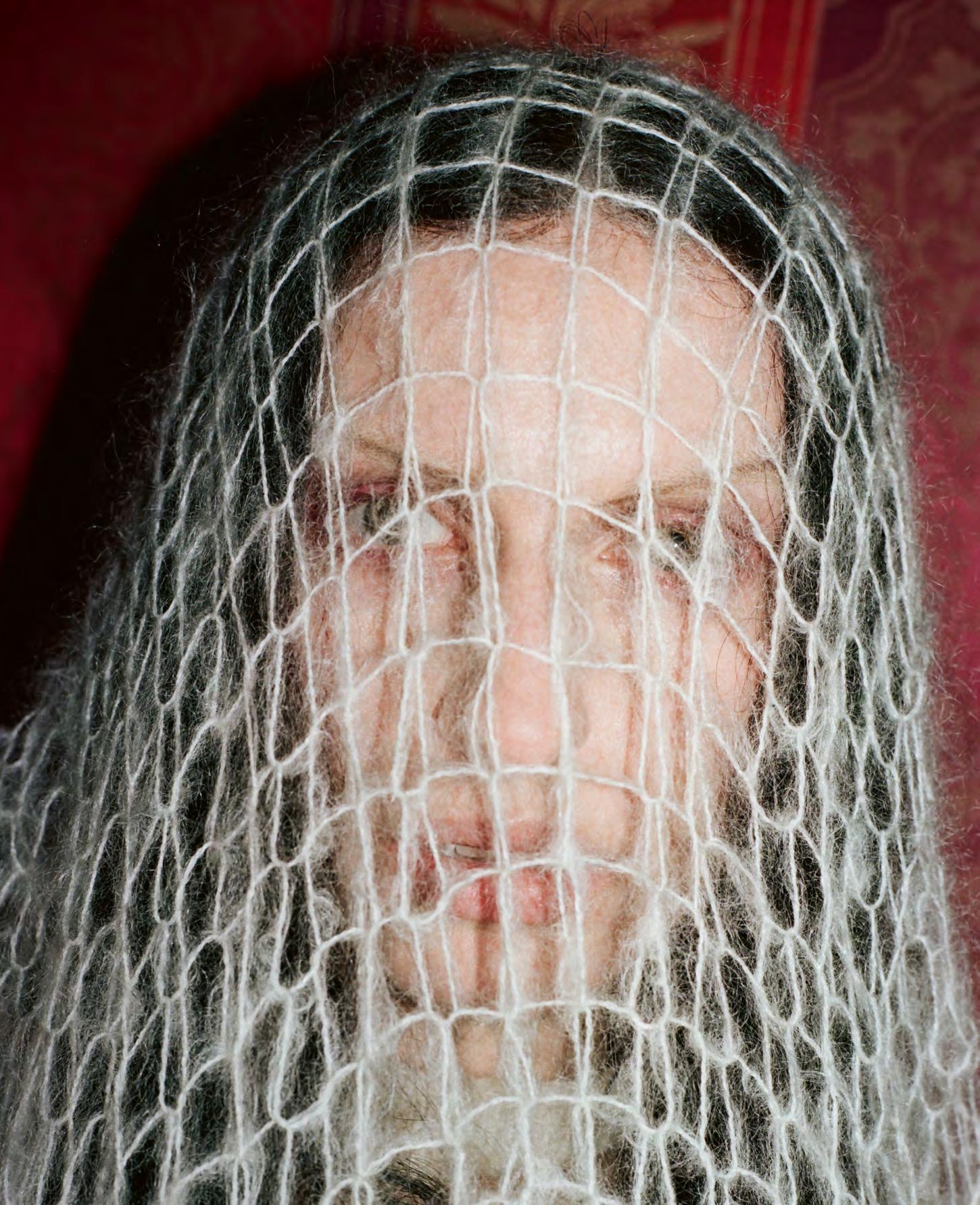
a safe space to sleep, food to eat, a place to be warm, a place where you can express love. Environment is everything, and this is what is really important in this moment where no one feels safe.
We really don't know where we are heading. I believe that there will always be two sides of the train track. So, you just keep on your track. Whatever happens on the dystopic side—the more that you've solidified your bubble and the more that your ambience is created as you’re getting ready to create your own temple, your own sweet, special headquarters—you just cultivate that and it’ll be just fine.
TL Thank you for the encouragement. Speaking to you instantly allows me to return to my essence. I’m also curious about Eden, your boudoir project. Do you have a thought on the religious myth of Adam and Eve and Eden? I’m curious about if you have thoughts on that because the erotic throughout art and religion and history is so fascinating and also such a contradiction.
BV In the beginning, I committed entirely to my erotic collection, discontinuing the two thousand designs I had created between 1990 and 2000—a decision that cost me many clients who balked at selling massage rings, silver dildos, and more. I named the collection Paradise Found, a play on Yeats’ Paradise Lost. By 2007, I was searching for a property in Paris to bring my vision of Eden to life—an immersive, experiential space. I had precise criteria, and when I visited what would become Eden, Paris, something clicked. That night, on a whim, I opened Paradise Lost and turned to the passage where Satan flies over the gates of Eden. The space I had just seen—near Place des Vosges, with a grand door, a gate, and an inner garden—felt like fate. It was also right by the Bastille, where the angel atop the column is actually Lucifer, the fallen angel—another serendipitous connection. I embraced the idea fully. The Garden of Eden is always next to heavenly places, and for me, sexuality—when approached with deep respect—is a path to the higher self, much like psychedelics are for you. When we tap into the body’s natural pharmacy through the right connections, we unlock something profound—something far beyond everyday life. Sex is spiritual. We enter each other’s personal space, auras, and bodies. To deny its power is to misunderstand its depth.
TL I love ‘Paradise Found’ because it’s so uplifting and optimistic. It’s not a heavy title. It’s not darkened, although I like duality and I love the dark too. I keep going back to the word ‘euphoric.’ It’s so nice that you encourage exploration in an enlightened, uplifting, sophisticated, mature way. It just dissolves these boundaries. Happiness dissolves guilt. That’s the boundary I know I have to work on in life: guilt. I was speaking about it with my dad lately because he said, “God, I really passed it on to you.” That’s also why I think art
is such an interesting way for people to be able to enjoy the erotic throughout time. In the past centuries, you couldn’t show ankles in paintings. However, the women also never had hair and it wasn’t quite realistic. It’s interesting how looking at paintings was one of the only ways people could enjoy eroticism in a public space.
BV Even in the Church. If you think about the way that Eve is portrayed, Mary Magdalene is portrayed, even in Bernini’s Ecstasy of Saint Theresa, she is in the throes of orgasm. You and I know that at the moment of orgasm, you are not here; you have gone someplace else. It’s a different brainwave frequency. The brainwave frequency that is being emitted when you have an orgasm is the same frequency that is emitted when you are doing very advanced forms of yoga or meditation. It’s not concerned with the dayto-day. So, our spaces must be like temples. You walk in the door, the stage is set, and the rest is history. We fulfill our desires through our environments. You don’t need anything else. The rest is cherry on the cake.


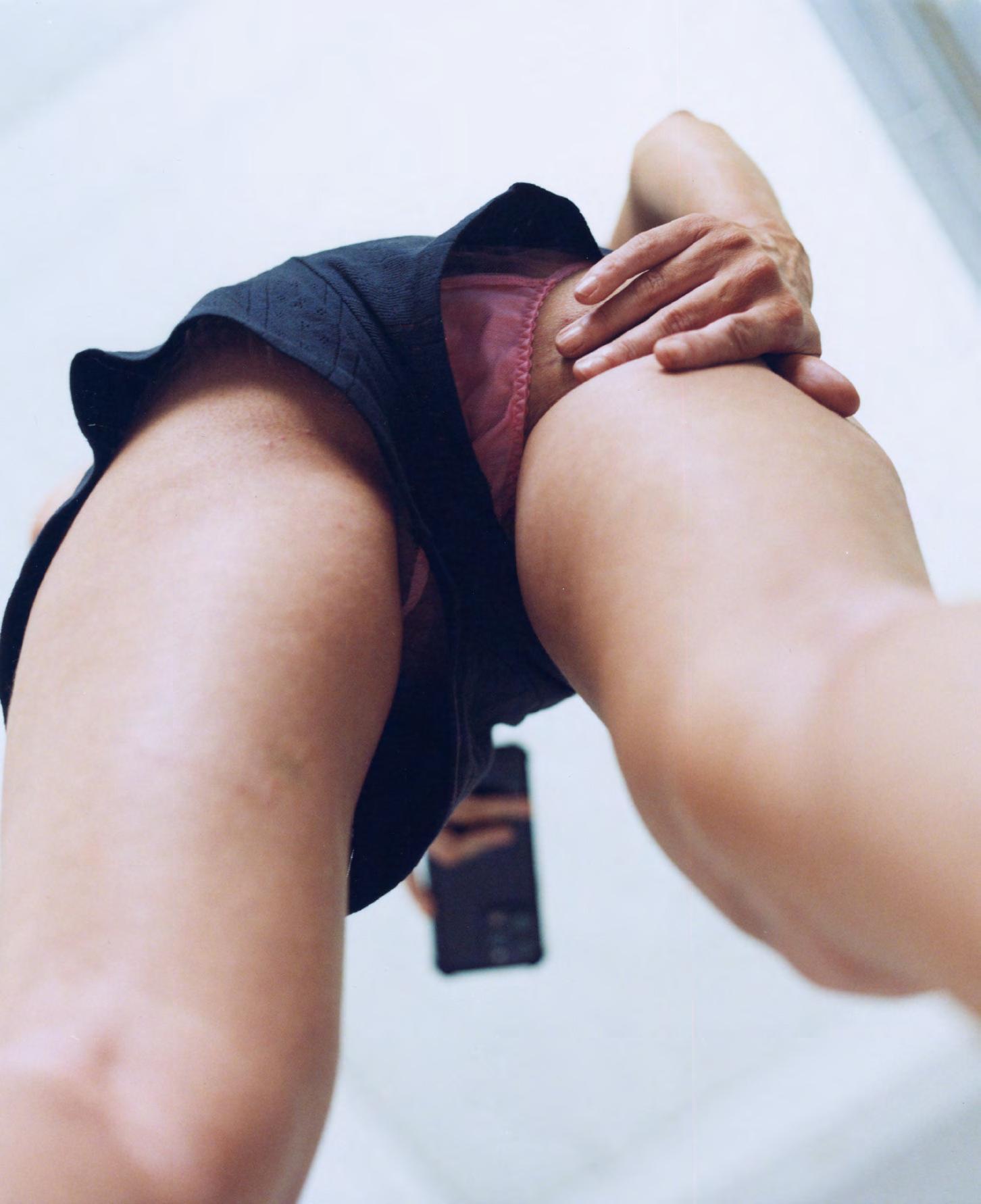
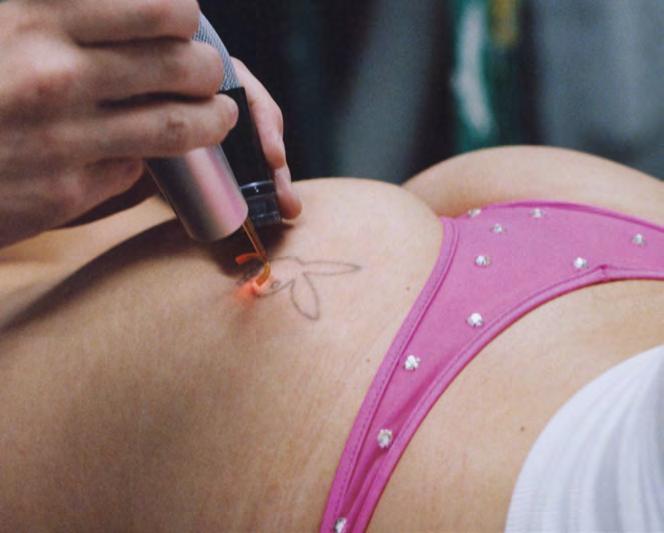
Maja Malou Lyse, who has been selected to represent Denmark at the 2026 Venice Biennale, is an artist who turns desire into discourse, wielding erotic currency as both material and method. Her work interrogates the politics of sex, power, and self-image, often blurring the line between personal experience and performance. Whether collecting artifacts of American sexual mythology—like Hugh Hefner’s personal Marilyn Monroe photograph—or immersing herself in the transactional economies of sugar relationships, Lyse confronts the contradictions of femininity and financial dependence with unflinching honesty. Her practice is a collision of spectacle and self-exploration, peeling back the layers of commodified beauty, unconscious yearning, and the ways in which women negotiate their own objectification. In her world, nothing is off-limits—only up for interrogation.
Photography & Interview.................. Zoe Chait
ZOE CHAIT How’s your tattoo? Has it come back?
MAJA MALOU LYSE I mean, it’s still there. It’s just more washed out. I don’t want it completely gone. It would be fun if it was almost like—you know how when you draw with a pencil and then you try to erase it, and you still see it.
ZC Like trying to erase your past. It never fully disappears.
MML Yeah. I just have this vision of being eighty years old and having the washed-out Playboy tattoo on a super wrinkly ass.
ZC (laughs) Should we talk about what the fuck you were doing in New York this summer?
MML It was like a fever dream, in the best way. I miss it. It’s just so funny coming back to Copenhagen. The way of living here is so normal and comfortable. It’s like the opposite of New York.
ZC I guess everything, especially in America, comes back to money and power. That’s probably so different from Denmark. I mean, there is still a wealthy elite, but for the most part, people aren’t struggling to survive in the way that people are in America.
MML No, but also, no one is filthy rich here.
ZC I feel like that’s what is interesting about your fascination with America and in the context of the theme of this issue, desire.
MML We want what we can’t have. Classic. Desire is yearning!
ZC In Disorganisation & Sex (2022), Jamieson Webster says that “desire continues to be an open site of investigation and possibility” and “the more impossible the desire, the stronger it is.”
MML Yeah. Desire is the opposite of reality in a way.
ZC Or we never really meet the unconscious desire in reality, and the second we think we’ve met it, it’s transformed into something else. As Webster says, “There’s no truth for us beyond unconscious desire, beyond it is only an unknown, a navel, a floor, which causes desire to be constantly reborn.” I feel like that applies to your New York experience— dating apps, seeking arrangements, people coming up to you and shoving their desire onto you—like men walking up to you in parks and asking if they can take you shopping at Lululemon.
MML It was fun. But I did surrender to something that I shouldn’t have. I mean, looking back on it, I was in New York because of a residency paid for by the Danish state. The sole purpose of it is to expand the artist’s presence outside of Denmark. They basically pay for you to explore and mingle. I think, subconsciously, I thought that I would have more success finding a sugar daddy than having an art career.
ZC Am I right that your fascination with America is partly in the purchasing of desire, the packaging, marketing, and dissemination of desire? For instance, the Marilyn Monroe photograph from Hugh Hefner’s personal collection that you bought at auction and your own personal American saga. It didn’t seem like you had a grand scheme for an
artwork at the time, but maybe your work is as close as we can get to manifesting unconscious desires. You did seem intrigued by the fantasy of procuring a sugar daddy and making ten grand a month.
MML I was like, the Danish state is paying me to excel in New York. Should I have studio visits at the residency, or should I go on sugar daddy dates? I think subconsciously, I thought the odds were better for me with my erotic currency than my artistic talent, which, I guess, at the end of the day, says mostly something about my own self-image.
ZC I’m curious about that.
MML I think I was low-key looking for my exit out of the art world. I was like, Well, if I just married rich, then I wouldn’t have to work anymore, and I wouldn't have to live an endlessly precarious life.
ZC A kind of escapism. I don’t know what you’re sitting around in Denmark daydreaming about, but I feel like in America, your fantasy of that kind of lifestyle and the possibility of funding that lifestyle on seeking arrangements was on steroids. I mean, you were just invited to do the Danish pavilion at the Venice Biennial. Are you thinking about other things over there now?
MML If I knew at the time that I was doing the next Venice Biennale, I would not have been sucking a sugar daddy’s dick—I would be sucking some art world dick instead. (laughs) When I heard about Venice, I was like, Okay, I think I have to take myself and my career more seriously.
ZC Or maybe not.
MML True. I’ll do the Venice Biennale, and I’ll meet a sugar daddy at the opening.
ZC So, what happened this summer with your sugar daddy or non-sugar daddy, as it turned out … you were basically catfished.
MML I went to New York, and all I got was catfished.
ZC By a guy in Canada who claimed to be the youngest billionaire. I remember you saying, “I'm telling you … this is happening. He’s sending me links to this private island in Italy. We’re going to live there,” and I was like, “I don't know, man.”
MML It was fucked up, but I also love that story. We were both cosplaying—he was a car mechanic cosplaying as a billionaire, and I was an artist cosplaying as a high end escort. But I did spend the night at the biggest suite at the Ritz, and I did get picked up by a private driver, and I did eat at a Michelin restaurant. The fantasy was fully lived out!
ZC Did you make any money?
MML No, because, well, I thought we would get married and move to a private Island in Italy.
ZC In retrospect, how does this escapade connect to the work you were making at the time? After you went to LA for the Playboy mansion auction, you came to New York a few months later, and you found a few sugar parents. You got some cookies and lingerie from the sugar mommy who ghosted you.
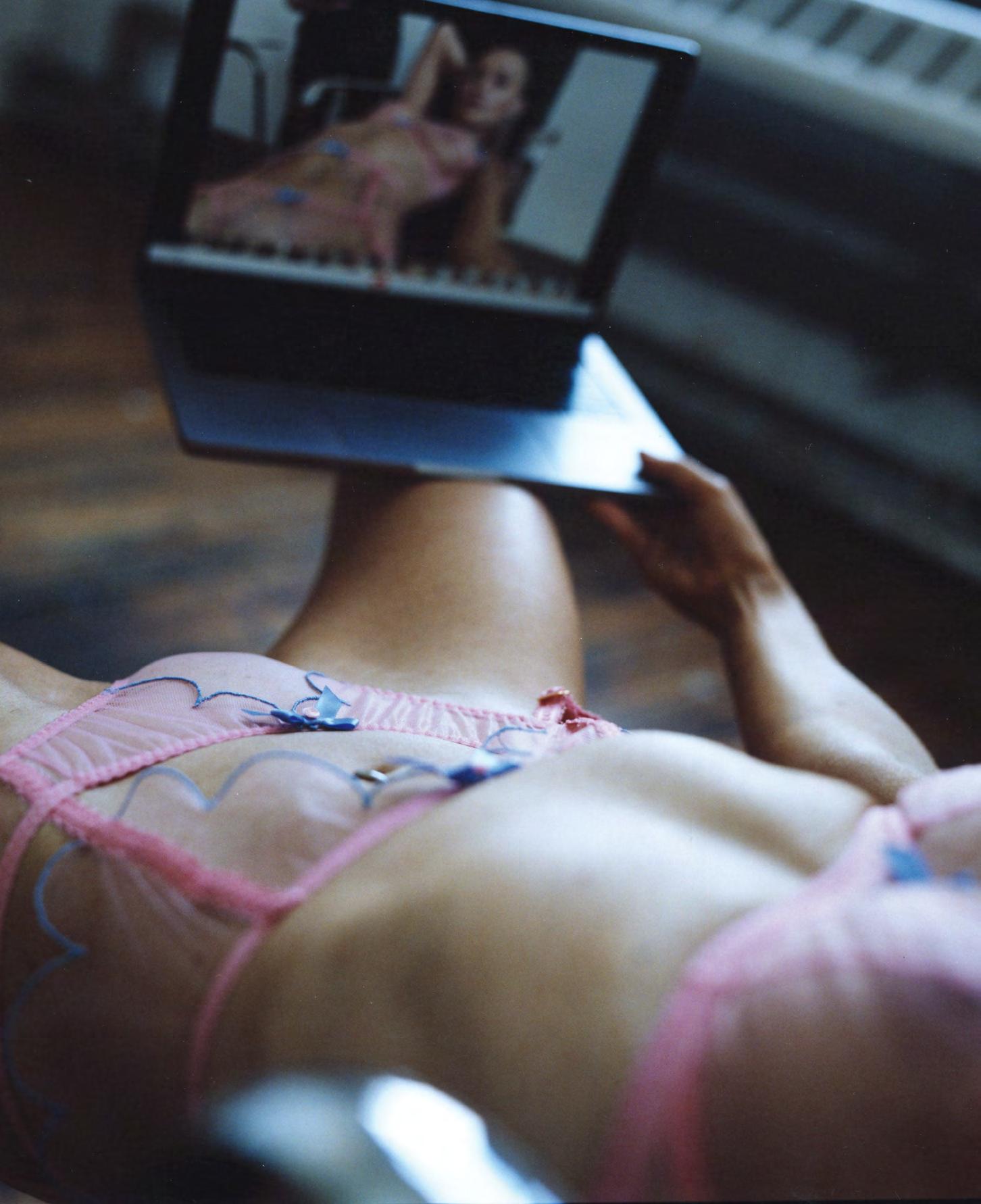
“My desire is towards people who have a lot of money and that can become a financial safety net. That desire is so massive that it almost makes me horny. The desire to live a financially free life is a bigger orgasm than an actual orgasm.”
MML Lola. She dumped me respectfully. She was in Brazil and would return to New York in the autumn after I had left. So, she proposed that we had an online arrangement where she would send me lingerie and that I would send her videos and pictures in return. In the end, she said that it didn’t make sense for her when we weren’t able to meet. I think maybe I should have been more emotionally present. I mean, first of all, what I learned on Reddit is that sugar mommies are like unicorns. They do not exist.
ZC Really?
MML It’s extremely rare to find a lesbian sugar mommy. But I think women aren’t as simple as men, that’s why. I think she wanted me to be more emotionally available, talk on the phone, be more involved in the emotional labor, and that a video of me in lingerie and a shaved pussy being like, “Hiiiii, Lola”—wasn’t doing it for her. You know what I mean?
Whereas I think with the sugar daddies, it’s much more surface, the desire, and actually the desire is to escape the emotional labor of it and just engage with a facade. And I think she could feel that I wasn’t putting in the emotional labor that she needed for it to be convincing for her.
ZC I feel like even with men, the dynamic was the men wanted to have control, including the ability to disappear at any moment without accountability.
MML I think it’s really hard becoming a sugar baby after you’ve been a lesbian for four years.
ZC Yeah.
MML My standard of communication, respect, and honesty is very high. It’s one thing to downgrade to men and another to engage in a transactional relationship.
ZC And now, where do you stand with it? Are you ready to get back in the game?
MML I’m not appalled by it. I think there’s no genuine sexual desire in the traditional sense. It’s more a desire towards being financially dependent or having access to financial freedom.
ZC Is it financial freedom?
MML I mean, it’s not freedom. Freedom is an illusion. To go full psychoanalysis on this would be that I don’t believe that I am able to create a financially stable life for myself. My desire is towards people who have a lot of money and that can become a financial safety net. That desire is so massive that it almost makes me horny. The desire to live a financially free life is a bigger orgasm than an actual orgasm.
ZC How does that connect to what you’re making work about? What would you say your practice is?
MML I hate that question.
ZC Okay, fine. Me too. What’s orienting you in how you view the world as an artist?
MML I’m consumed with sexual currency and femininity, sexual politics, questions of desire and
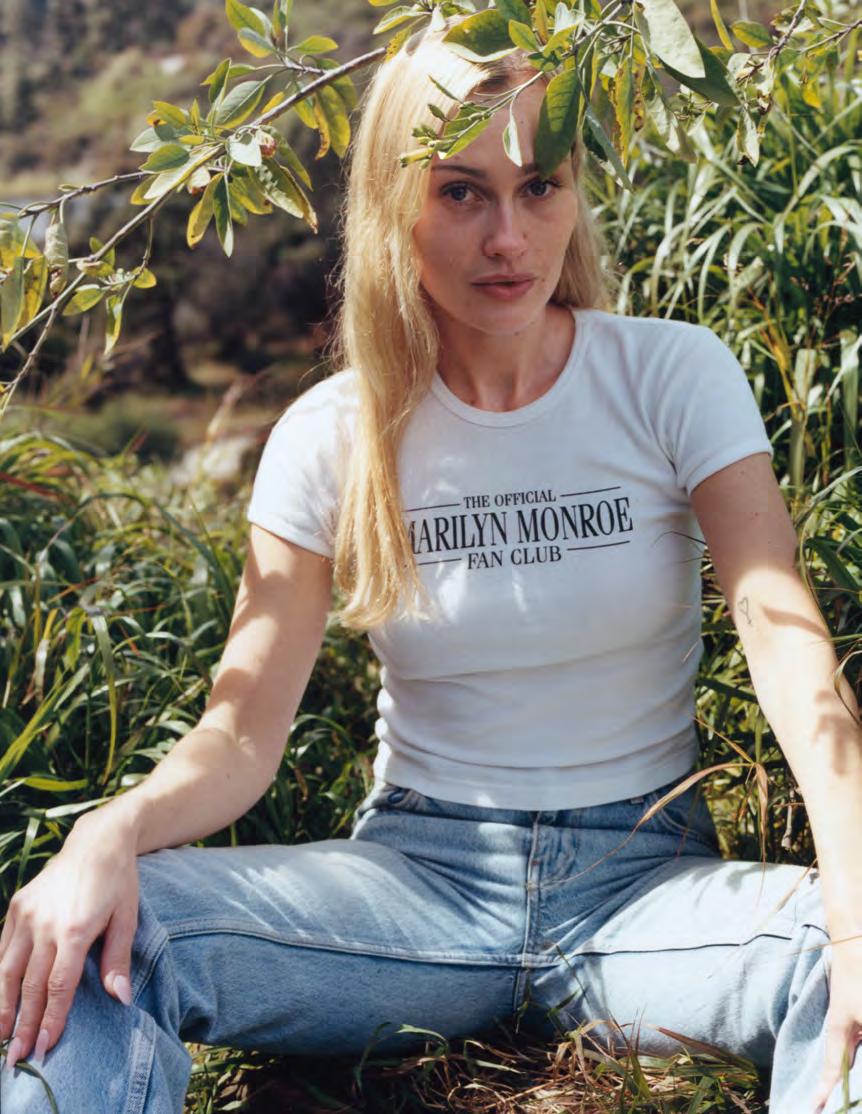

authenticity, erotic spectacles, and image politics. It’s hard to round up. But when I came back from New York and did the Marilyn Monroe show, I did end up writing some texts and displaying some of these artifacts I had from New York, like the lingerie and the cookies from Lola. The texts were very diary-based. One was about Lola and the cookies and spending my time in the Agent Provocateur store instead of my studio. So, I am kind of contemplating these questions of where I place my selfworth in this period of my life where I should probably be doing studio visits at the residency, but instead, I was doing something else that I felt was more beneficial. And because it was so hot in New York and the cookies were individually wrapped in plastic, they started rotting. All of a sudden, these rotting cookies became a symbol, I guess—in a very cliché way—of my youth and femininity.
ZC We’re rotting day by day.
MML Literally.
ZC Growing up in LA, I’ve unconsciously, if not consciously, felt my physical appearance was my currency to varying degrees. And I’ve really tried to distance myself from that, which brings me to the friction you and I had last summer. I was maybe frustrated with your interest in cultivating the currency that I felt was placed on me without choice, one that I spent the last decade trying to unpack and move away from within in my own self-image.
MML I think that’s also interesting because it’s very new for me to be overly consumed by these things.
ZC What do you mean?
MML The way you have witnessed me sexually objectifying myself to the extreme. It’s not something I feel like I’ve suffered from growing up. You told me something about how you got your pussy hair lasered in your teens or something.
ZC Yeah, when I was in high school. It was before I even had sex. A lot of my friends were doing it.
MML That, to me, is crazy. I stopped shaving my armpits when I was seventeen, and I never shaved them again until I went to New York at thirty.
ZC Really?
MML Yeah. Seventeen through thirty; I didn’t shave my armpits one single time. Or anything else, for that matter. In a way, our experience in that sense is reversed. To me, it feels like a fun experiment, but I can explore these things, not with full autonomy, but with a sense of autonomy because I stepped into this arena as a 30-year-old and not as a teenager. It doesn’t make it liberating, but the context is different.
ZC Yeah, that makes sense. And my reaction was based on my own disdain for feeling sexualized when I was younger.
MML I have a more romanticized idea of this field based more on fantasy than trauma. I mean, I grew up in Scandinavia, the ultimate feminist nation. In my twenties, I was extremely fat and I never felt bad about my body. I don’t know if I lived in a vacuum, but I feel like I’ve suffered very little in that sense. It’s hard to put into words, but do you get where I’m going?
ZC That makes sense—I didn’t see that at the time.
MML There’s also just a general feminist discourse that’s been very dominating the past couple of years insisting on having this idealistic feminist ideology of really revolting against patriarchy with this whole annoying “girl boss” lingo that everything we do, we do for ourselves, and only ourselves. Fuck the male gaze! My body, my rules! We sexualize ourselves for our own pleasure only. I mean, if life could be that simple, I would love to live in that world! Sign me up. But the reality is that’s not the world we live in. And I feel like this delulu girl boss discourse has dominated so much that I think I started being interested in all my disturbing “non-woke” desires and actually wanted to allow myself to explore them in all of their complexity.
ZC Say more.
MML It’s hard to tame desire. And I think that I felt an itch to indulge in the desires you’re not allowed to have as a modern woman, which is wanting to be the object, wanting to be the sugar baby that has no autonomy, wanting to be admired for beauty and youth, and actually not being seen as a multidimensional human being who is smart and talented and complicated and nuanced.
ZC That brings me to something we were discussing before. In King Kong Theory (2006), Virginie Despentes writes, “What connection can you have with yourself if even your pussy is systematically controlled by someone else?” If we feel ashamed of our own sexual fantasies and what they imply, how can we ever be liberated or satisfied? Male sexual fantasy is quite obviously everywhere in our world—the male gaze. I don’t think a female gaze is one that pretends not to see that or be affected by it.
MML Yeah, exactly. I was about to say, the rape fantasy is not that uncommon amongst women. What is the difference between a rape fantasy and being actually raped is that there is placed autonomy within the fantasy. The male gaze and female gaze made me think of this Margaret Atwood quote that’s so on point and so depressing, but she basically says that even when we try to revolt against the male gaze, it’s still for the male gaze because revolting against the male gaze is still in response to the male gaze. It’s like we’re saturated by it. In that sense, the female gaze will always be a reaction to the male gaze.
ZC I just found it: “Up on a pedestal or down on your knees, it’s all a male fantasy: that you’re strong enough to take what they dish out, or else too weak to do anything about it. Even pretending you aren’t catering to male fantasies is a male fantasy: pretending you’re unseen, pretending you have a life of your own, that you can wash your feet and comb your hair unconscious of the ever-present watcher peering through the keyhole, peering through the keyhole in your own head, if nowhere else. You are a woman with a man inside watching a woman. You are your own voyeur.”
MML It is depressing saying maybe we don’t know what female desire is because female desire is still such a product of male desire, and I understand why that’s depressing and defeating, but maybe that’s also just the truth. And maybe it’s easier if we work from there.
ZC Rather than try to deny it.
MML At the end of the day, I’m extremely vanilla. I just want long kisses and missionary, and when I masturbate, I don’t think about anything. I don’t have any sexual fantasies when I masturbate. I don’t have an image in my head. I don’t think about anything unless I am in love with someone; then I think about how cute they are. I just think about the bodily sensation otherwise.
ZC That sounds very somatically healthy.
MML But it makes me feel quite broken. I’ve always wanted to be more horny than I actually am. I actually thought I was asexual for a few years. I also didn’t have sex for three years prior to coming out as a lesbian. If I’m to describe what makes me horny, it’s that I make other people horny.
ZC Which is what we’re talking about too.
MML Yeah, exactly. If I can feel that I turn someone on, that turns me on, but I don’t know what turns me on outside of it. Maybe nothing?
ZC I can relate. Especially when I was in high school and even in my twenties. It was actually pretty dangerous. I found myself in situations that were violating because the desire to be desired quickly became fear of rejection. And that’s a pretty compromising value system—one that can lead a person to go along with things they aren’t ready for because they think they should. That was part of the sexual culture that I came of age in. There was a disconnect between the discourse around freedom of sexuality and what felt like unspoken guardrails ultimately dictated by how others would see your behavior and how that would affect your desirability—rather than learning what genuinely felt good for you.
MML Yeah.
ZC Speaking of, tell me about the “Page 9 Girl.”
MML The “Page 9 Girl” is a 50-year-old tradition in which a nude woman or girl appeared daily on page nine of the Danish tabloid Ekstra Bladet. Until 2003, it was legal to be photographed nude starting at fourteen years old, but that year, a new law raised the minimum age to eighteen. Fast forward a few decades, and last year, a major debate erupted over the newspaper’s archives, which contained images from the 1970s to 2003. As societal norms and ethical standards evolved, it suddenly became clear that this major media house had been storing what is now classified as child pornography—hundreds of nude images of girls under eighteen. Because the female nude is an ultimate spectacle, the revelation sparked a media firestorm. The public debated what should be done with the photos, and ultimately, it was decided that they would be burned and destroyed. However, after the announcement, several former Page 9 girls—now adult women—revolted against the decision. This added an unexpected layer to the discussion: throughout the debate over these
images, the women in the pictures had not been consulted. One woman, who had been photographed at fifteen, told me she never felt like a victim then, and she doesn’t feel like one now—but with the destruction of her images, she suddenly does feel victimized.
ZC So interesting. What did they want to happen? You interviewed some of them?
MML Yes. It becomes a question of media history and what you do when the ethics of images change. What do images represent, what do they mean, and who decides what will be archived and remembered in history? Destroying history is crazy to me. One of the women, who I met at a cafe, really looked like I was having coffee with my conservative grandma because she was just sitting there with her gray bob and a big scarf that she had knitted at home. And then, she’s just talking about how the best time of her life was being a huge slut in the ’70s. I loved that contrast! There is such a cultural narrative that when you’re a young woman, you do stupid things like sexualize yourself, but then you grow older and wiser. It was actually so refreshing meeting a woman in her late seventies who was still proud of the things she did when she was young. You know what I mean?
ZC She went against that generational narrative.
MML She did. I’m terrified of becoming older because it just feels like you become old. As a woman, you become invisible, and then you regret all your shenanigans from when you were young.
ZC I feel like you’re going to be a hot seventy-year-old.
MML Well, I'm already saving up for that facelift, baby.
ZC That’s what your sugar days are for.
MML An investment for the future! It was actually incredibly inspiring meeting her. Looking at, I guess, my own prejudice. That made me a little bit less scared of becoming older because it was just nice that she didn’t have to look down on the dumb little slut she was when she was younger.
ZC Did she say anything about when that actually came out or if she remembered what it felt like for that to come out?
MML She was and still is very conscious about the sexual capital she had and how she very actively used it in her youth. But the real question is how you feel when you lose that currency.
ZC And when you no longer feel desired sexually.
MML Yeah, exactly.
ZC Especially when that has been your currency and your orientation in the world.
MML Sure, I can have all these delulu hot takes now when I’m thirty-one, but what’s really interesting is us having this conversation when we’re in our fifties.
ZC Yeah.
MML That’s when it becomes really interesting.
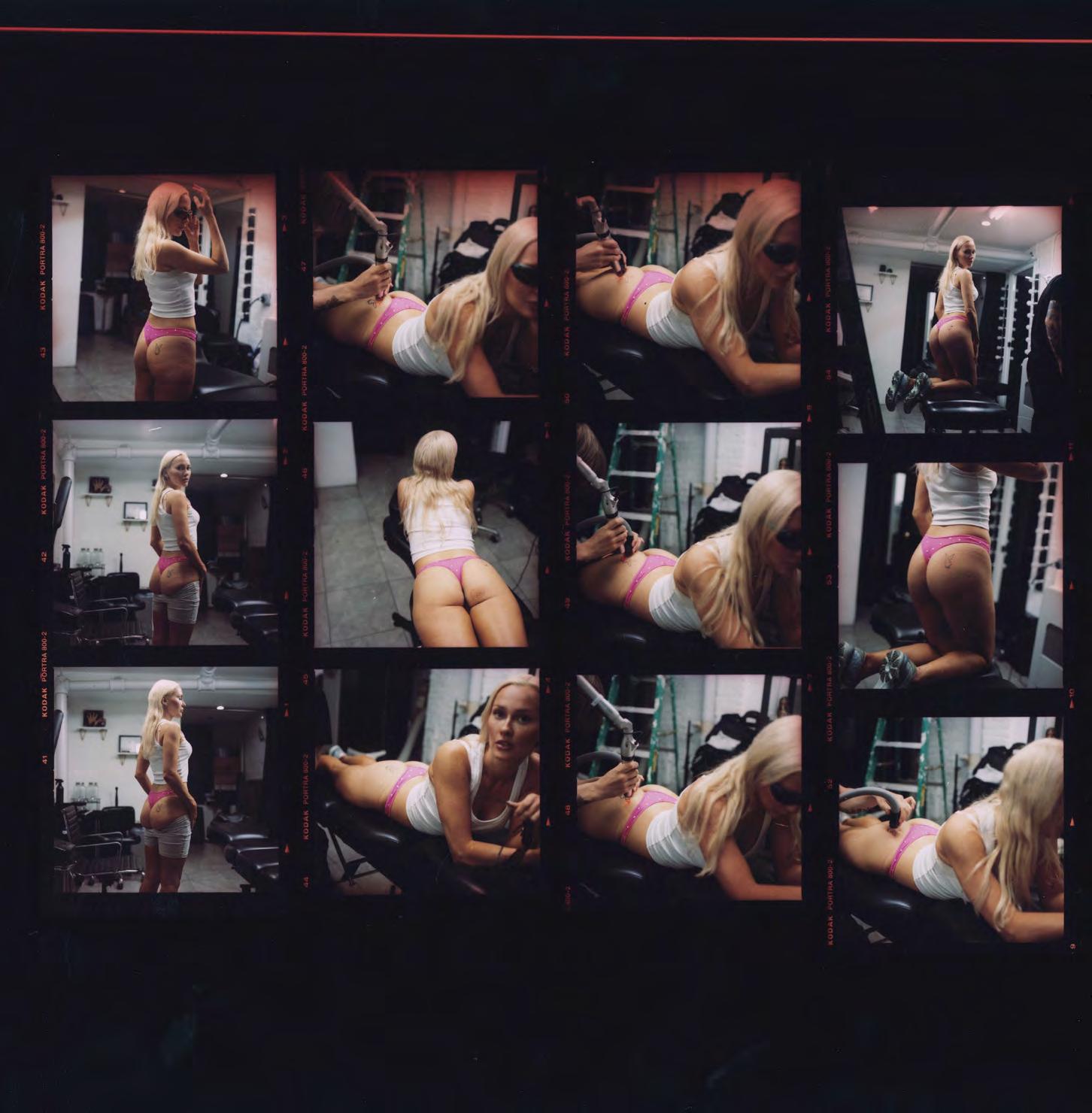
“It’s hard to tame desire. And I think that I felt an itch to indulge in the desires you’re not allowed to have as a modern woman”







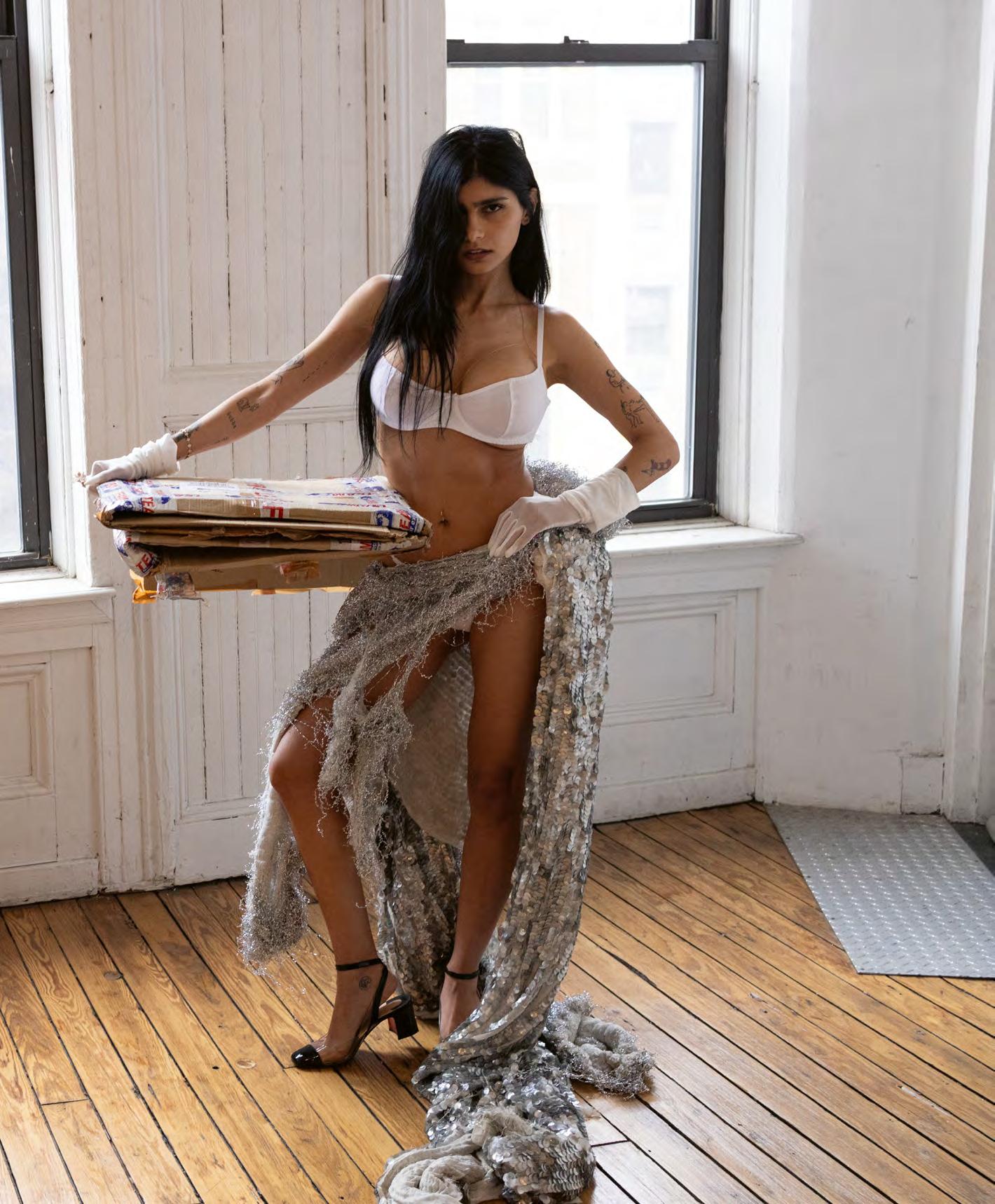
Avatar, muse, model, activist, influencer, crush, object of desire, and subject of relentless fascination, Mia Khalifa, whose real name is Sarah Joe Chamoun, has always navigated the delicate space between the zeitgeist and an inescapable paradox. As an icon of desire, she has become a holographic projection of society’s deepest anxieties surrounding race, power, beauty, and female bodily autonomy. As a figure of fascination, she has channeled her immense social influence to boldly confront human rights abuses, political repression, cultural stereotyping, and the exploitation inherent in the adult entertainment industry. In 2023, Khalifa was invited to speak at the Oxford Union—one of the world’s most esteemed platforms, founded in 1823—where she engaged in a powerful discourse on reclaiming her narrative, shifting the conversation from objectification to empowerment. Born in Beirut in 1993 and raised in a conservative Christian household, Mia Khalifa’s understanding of shame and politicized sexuality is profoundly shaped by her own tumultuous journey. Her perspectives are not just personal—they are forged in the crucible of cultural conflict, navigating the intersection of religious conservatism and the fiercely contested terrain of self-determination and sexual expression. In 2023, alongside Sara Burn, a former Virgil Abloh collaborator, Khalifa started the jewelry label, Sheytan (Arabic word for "devil"). In the following interview, Khalifa and Burn discuss navigating public and private persona, desire as a multifaceted force beyond sex, and creative legacy.
Interview ......................... Sara Burn
Photography
Nick Sethi
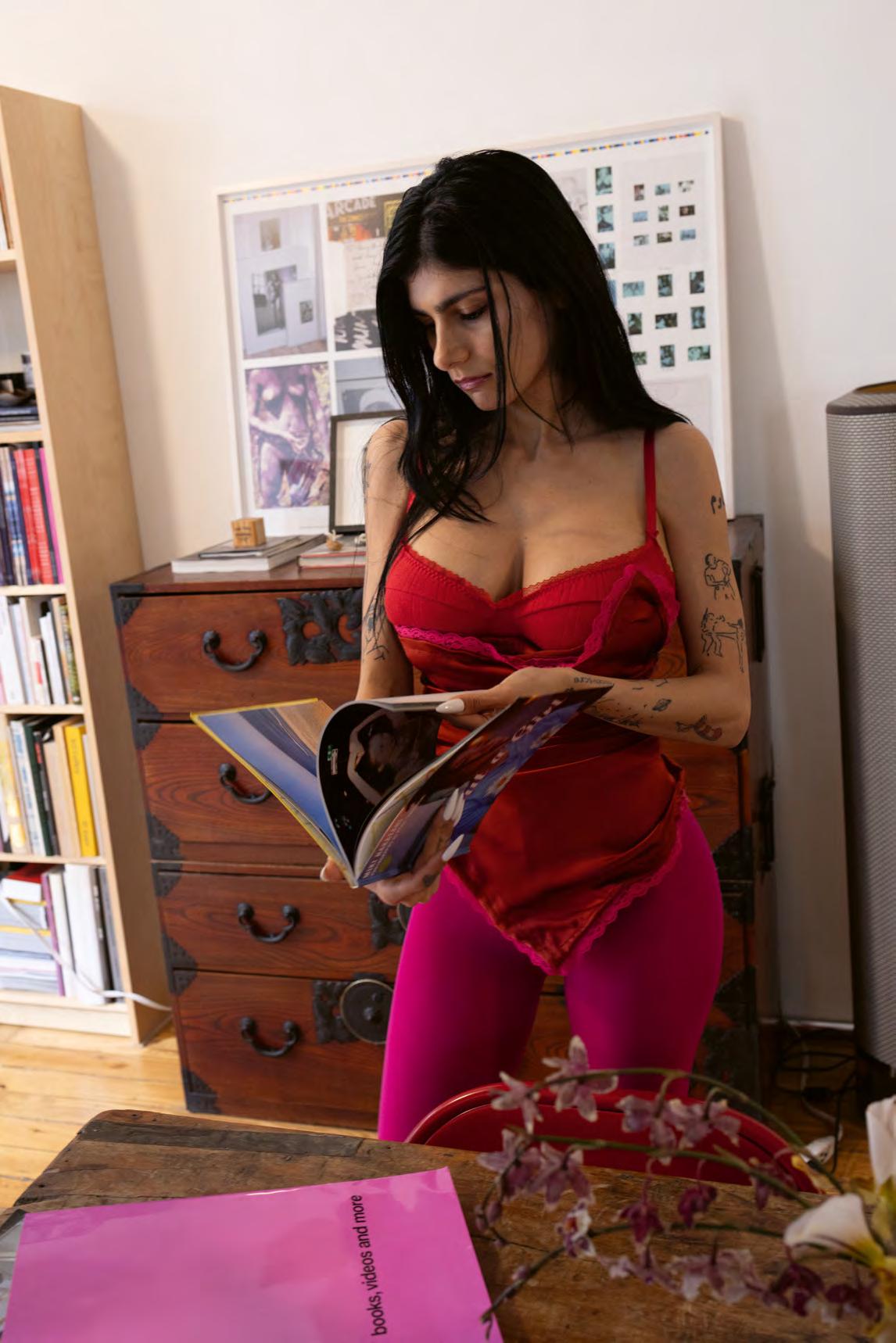
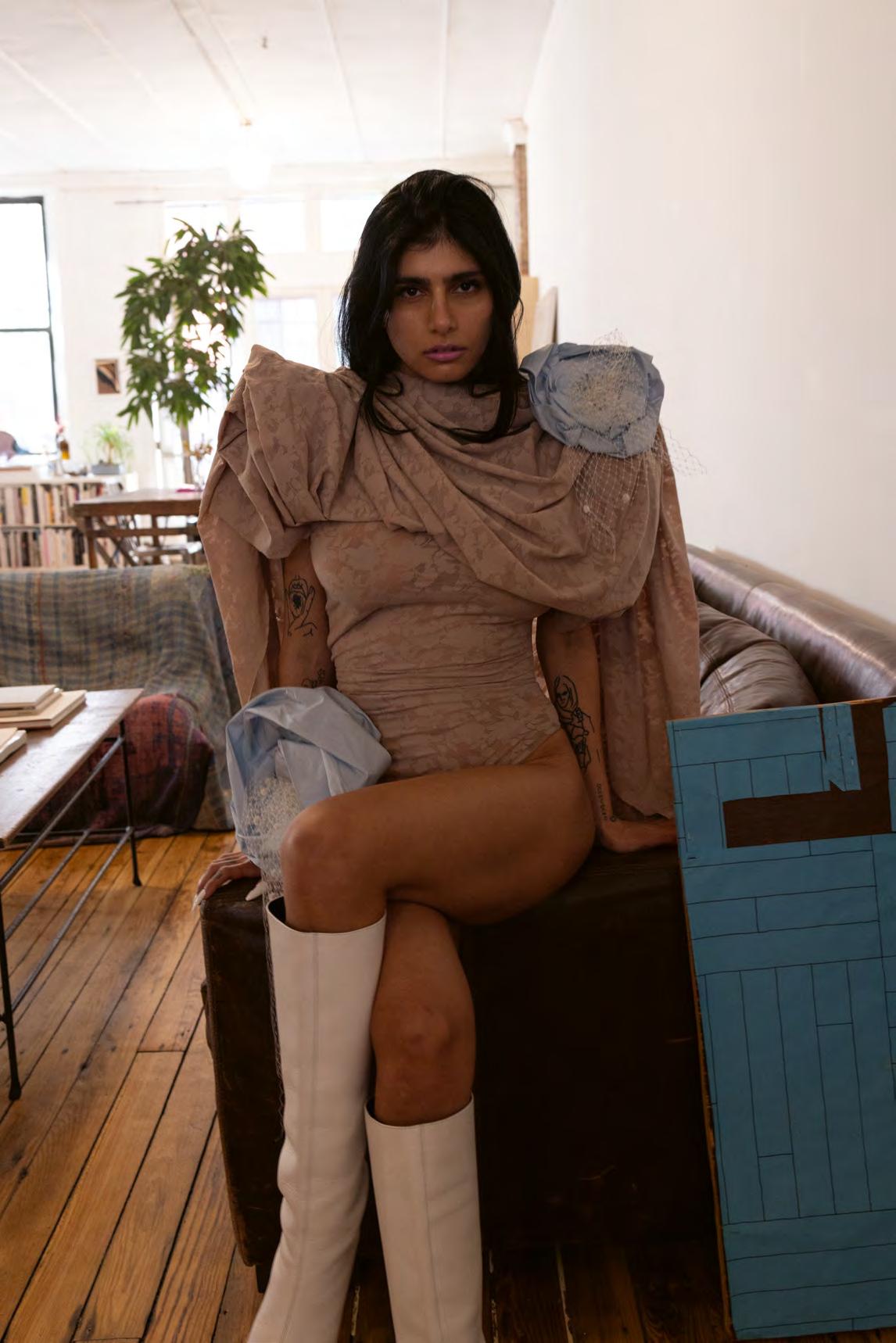
SARA BURN This issue revolves around the subject of desire. How would you define desire? Is it primarily physical, emotional, intellectual, or something else entirely?
MIA KHALIFA I think it’s everything. I believe desire is the biggest force. It’s synonymous with having a “drive.” But there’s also a desire to accomplish something, reach a milestone, or create something. It’s not primarily any one thing.
SB I like seeing portrayals of desire that aren’t pretty or convenient. Are there any films or scenes that you find especially powerful in the portrayal of longing or obsession?
MK What movie doesn’t have a dramatic element of obsession? So, at that point, you’re just asking me my favorite dramatic scene in a film.
SB I know we’ve discussed Phantom Thread (2017) before—the most romantic portrayal of utter devotion.
MK Yeah, that one I relate to the most.
SB We recently saw Vanessa Raw’s works at the Rubell. I found them really powerful, both in terms of their scale and their subject matter. I don’t think I’ve seen unfiltered female desire portrayed in that way before.
MK There was so much for your eyes to take in. You really get lost in their size and detail. What’s happening in the paintings is the last thing you notice. You really feel like you’re stepping into a universe. Many of the paintings depict the jungle or wilderness, so it almost feels like you are in some kind of atrium within the museum. It feels like you’ve stepped into a courtyard, and you’re taking in all of nature, and then you realize, Oh, my gosh, these women are unapologetically expressing their desire for each other. Her art is so layered, and the sexuality is one of the last things you notice.
SB Yeah, you’re so right.
MK I love the way that it was laid out, specifically in that room. There’s enough space to feel like a breath of fresh air. It also feels like it’s an intimate corner of her mind. There’s one piece that wraps around you. She has thought about the subject enough to make a room full of art depicting desire in as many different ways as she can, and that’s so beautiful. The desire shines through on every level: the desire to connect with nature, the desire to connect with women, and the desire to connect with yourself. Women are touching themselves in the paintings, even if they’re not specifically part of the main scene.
SB Do you think there are any unrepresented aspects of desire in contemporary culture?
MK We talk a lot about how things were better back in the day, but so many different facets of desire are much better represented now. It grows more and more every day. And I love that I’m contributing to something I already feel part of.
SB Yeah, I think it’s also that level of acceptance—the nuance of different people’s reality of what they find desirable or is publicly accepted. I think that’s really refreshing. You don’t need to hide anything in brown paper bags any longer. You can put it on the internet.
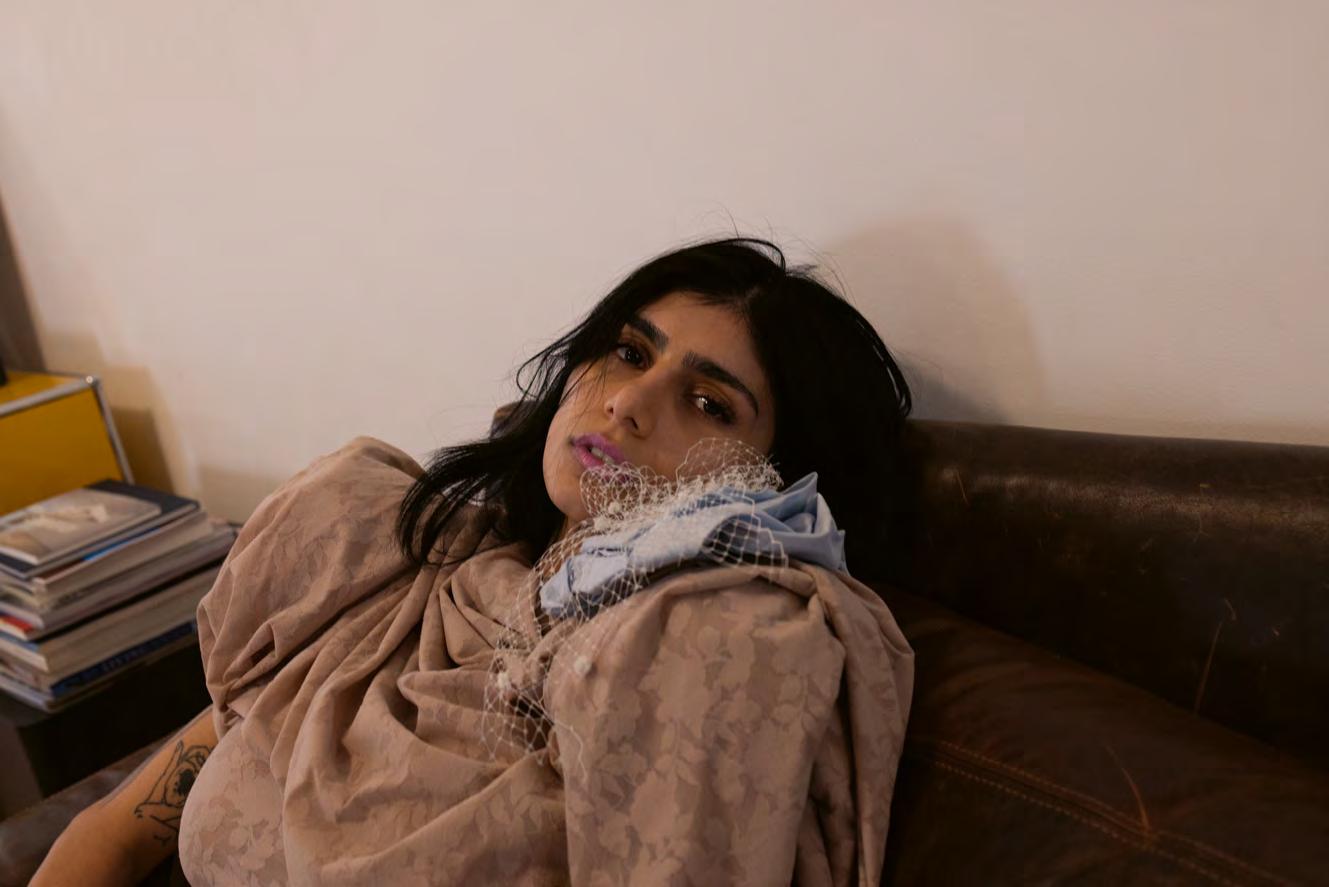
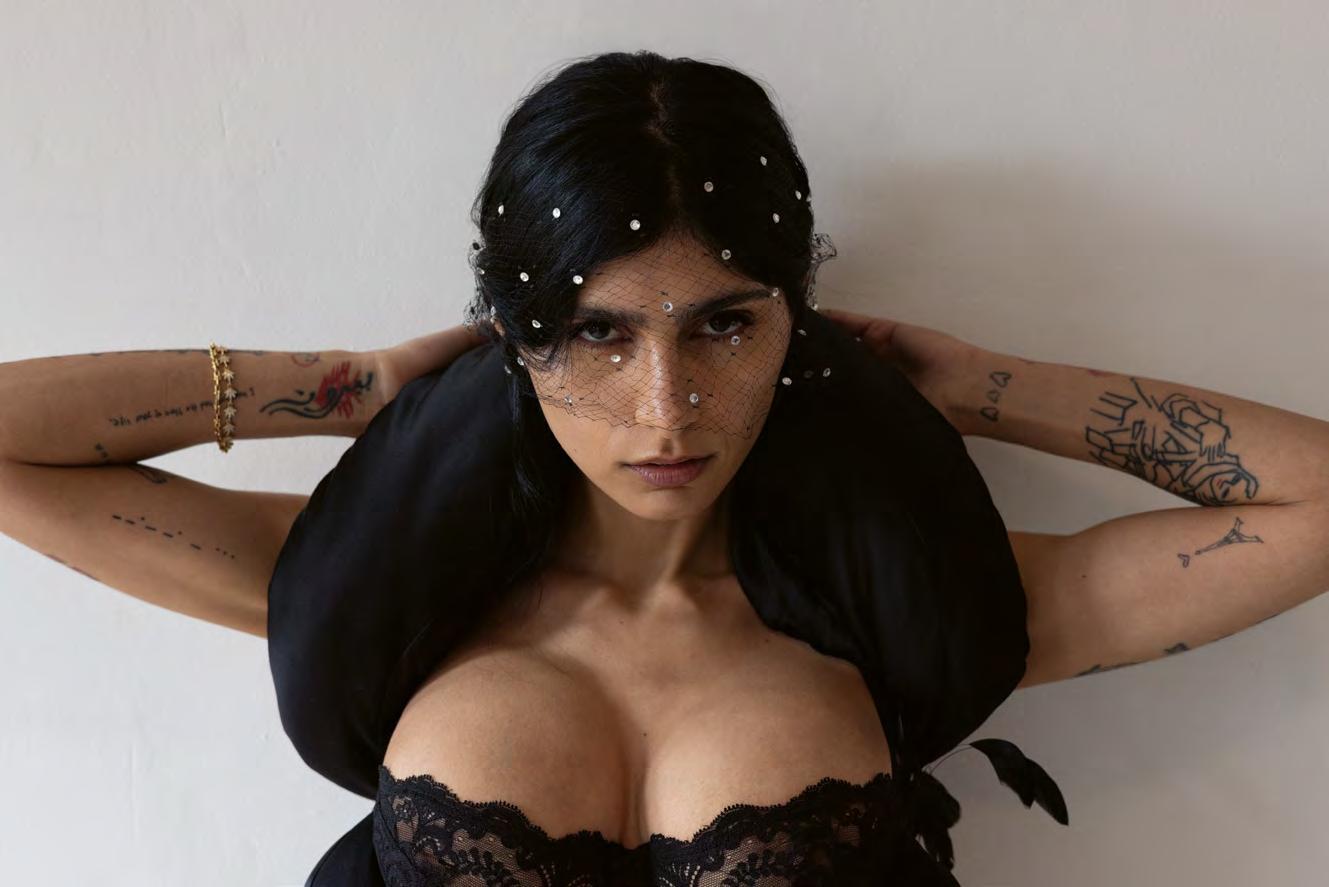
MK Exactly. And it’s totally fine.
SB You’re quite unusual in that you work predominantly alone—without a team, PR, a publicist, or the typical entourage surrounding public figures of your caliber. You create the majority of your content yourself. Is this independence a conscious choice to maintain complete control of your narrative?
MK I think the idea of personal narrative makes it hard to bring anyone else into the process because it’s just that—personal. Your story is yours, your choices are yours, and what you share is entirely up to you. There’s no one saying, “You should do more of this,” or “Maybe don’t say that.” Not having a traditional team, to quote David Lynch, gives us a lot of “opportunities to go dreamy”— which means we end up on a lot of creative sidequests. Spiritually, it’s been incredible. Financially … not so much!
SB Your success is built from the fact that you’re not answering to anybody, and you don’t have an agenda as such.
MK That’s exactly it.
SB Most people with platforms as large as yours have an agenda.
MK They’re much more of a commercial vessel than I am. And it’s not that I don’t want to be. That’s why it’s a little difficult to answer this question because that’s been a goal of mine to get there.
SB It’s unusual to have your caliber of engaged audience who desire your image and thoughts. Your visibility is unique. It’s quite easy to put people in boxes, but you don't really have a specific category other than being 100% honest.
MK To quote Tina Fey, “Authenticity is dangerous and expensive.” You have to learn to shut your fucking mouth.
SB Having millions of people regularly engage with your work creates an experience few will ever know. How has your understanding of what it means to be seen changed over time? Has this awareness of your audience become integrated into your creative process, or do you find ways to create from a space separate from the public gaze?
MK Completely. I’ve opened my mind and my world. I know where I want my visibility to be and how I want to be seen; it makes it a lot easier to deal with the anxiety of not wanting to be perceived. I feel like I’m creating more outside of the public gaze than I am for the public gaze. The different creative areas I’ve been welcomed into that I otherwise wouldn’t have been exposed to are very empowering and validating.
SB Anything specific?
MK There are just different subcultures and types of people—like Linder Sterling, Sofia Prantera, all of the people you’ve introduced me to, and the types of art you’ve shown me.
SB I guess what I’m trying to ask is how has your understanding of what it means to be
“My relationship with being seen is not one where I’m constantly battling with shame anymore.”
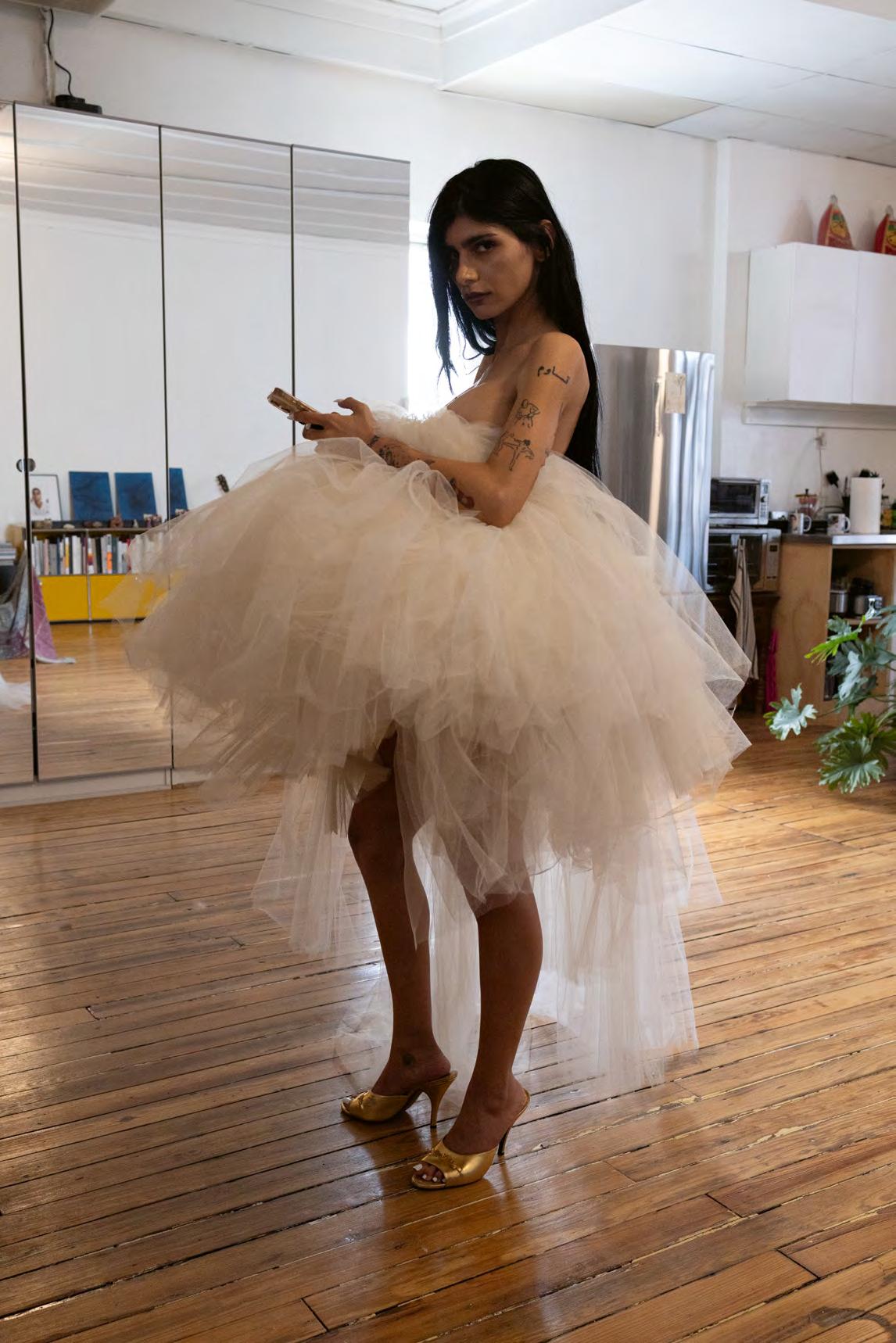
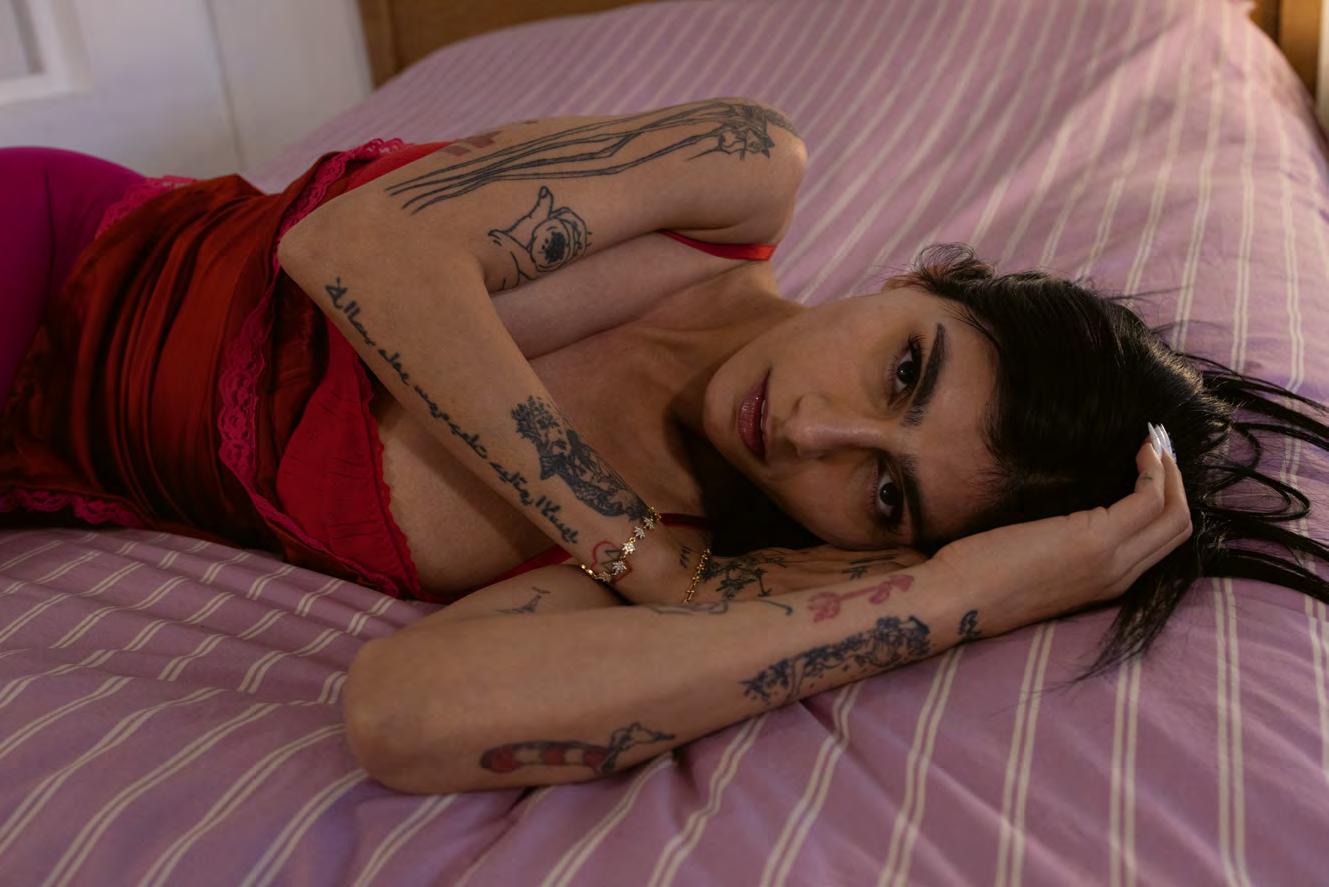
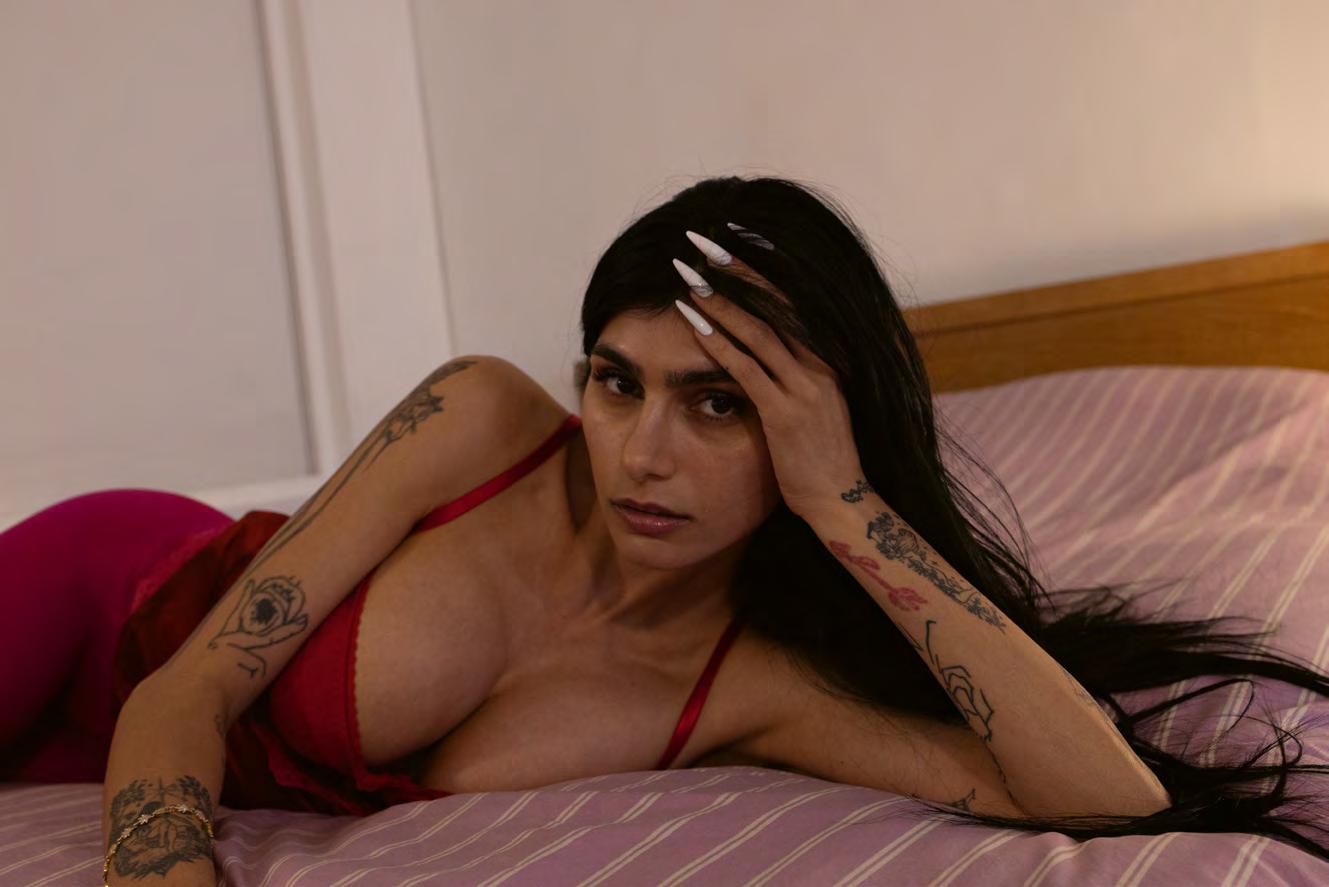
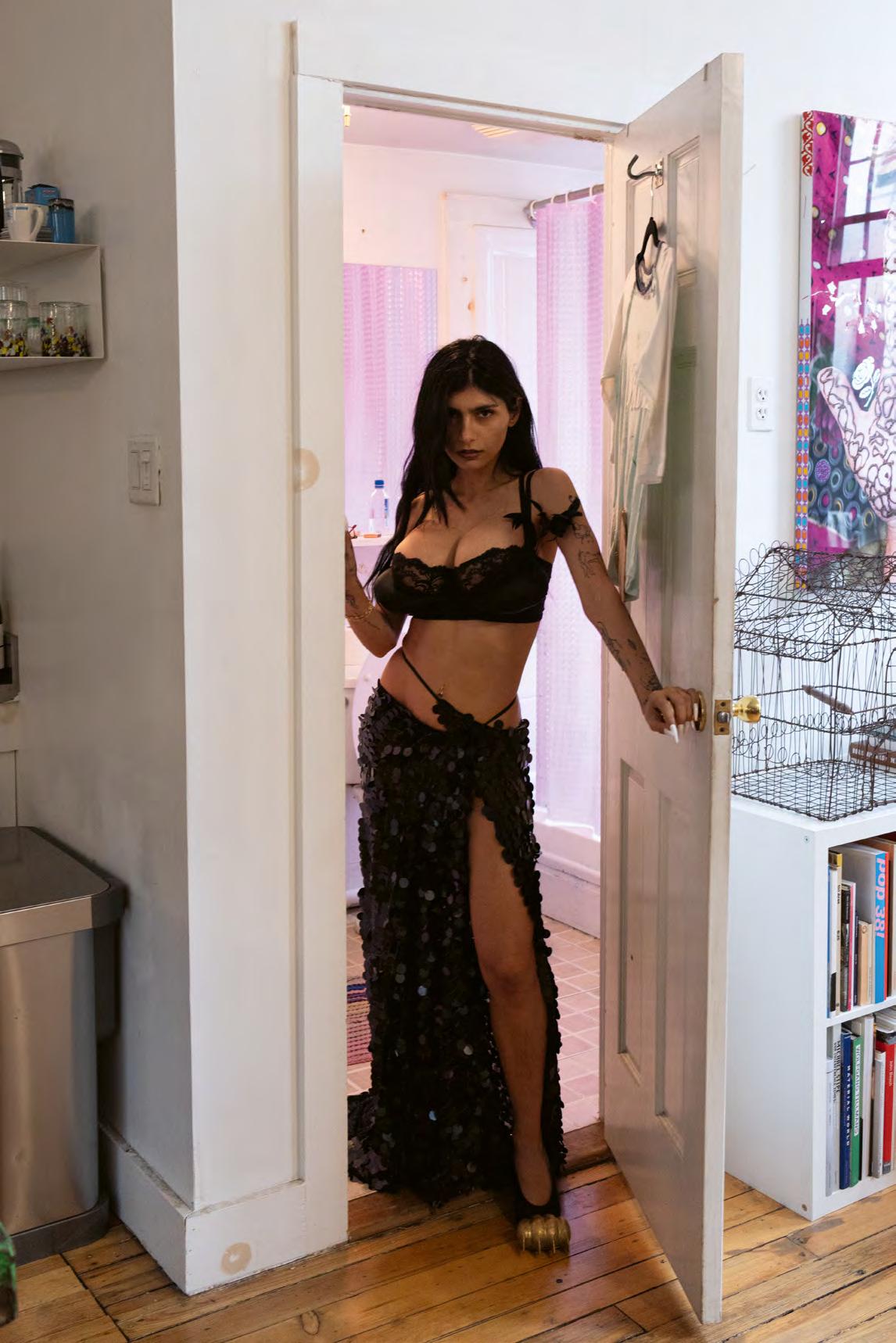
seen changed over time? You’ve always been seen. You’ve got an audience, a captive audience.
MK What’s changed is my relationship to being seen. It is a lot less a relationship of recoil and discomfort. I’ve produced and done a lot of work that I’m really proud of, and experienced people recognizing me strictly for those things. My relationship with being seen is not one where I’m constantly battling with shame anymore.
SB Your work moves fluidly between pin-up and intellectual depth—two qualities society often sees as mutually exclusive. How do you navigate this duality in your creative expression?
MK I don't really navigate it. I think it’s just inherent and a part of it. I feel like everything that I control has a touch of both one or the other. It’s not something that I think about. In my creativity, the intellect comes across as the inspiration, the references, and the little cherries on top.
SB Do you make images that you never share? Do you create work that’s just for yourself without any intention of anyone seeing it?
MK Yeah, I did that Loewe and flower set of images, and I wasn't even planning on ever sharing it. I was sitting on it for a month before I even showed it to you, and you were like, “Oh my god, you need to share this.” Then I still sat on it for a year and never shared it. I just took a couple of pictures in the mirror really quickly. There was no planning. I experiment a lot, but some work never gets seen. And that’s out of my control.
SB Do you have any aspirations to sit behind the camera? If yes, who or what would you like to photograph?
MK I like photographing memories. I’m very interested in being behind the camera. It’s fun. There are many images I would want to capture.
SB Do you think you would shoot a campaign with the right team?
MK Yeah, I absolutely would. That’s a great idea.
SB Photographers often tell me how much they enjoy working with you. There seems to be a particularly powerful exchange that happens when you’re in front of a lens.
MK First, I feel we need to caveat it by saying they might just be saying that because you’re my manager. They’re like, “Yeah, we love her.” Great. No, I’m kidding.
SB Often, you will show up to a shoot and they’ll be like, “Oh, they only want to do three pictures,” and they’ll end up doing twenty-nine pictures.
MK I’m really proud of myself for not taking any of it for granted. Even my dermatologist was like, “Oh, what have you been up to?” I was so excited to tell her, “Oh my god, I just got back from Fashion Week! I saw the Dsquared2 show. I saw this. I walked in that.” And she goes, “And you’re not tired?” I was like, “Oh my god, I’m exhausted—but it was so much fun.” Then, she literally stopped, mid-injection, and said, “Wow. I have so many models who come in here rolling their eyes. I’m so glad you’re not jaded.” That really stuck with me. It’s different for them; it’s a job. For me, it’s a privilege. I’m usually not being paid to do it. Plenty of women are born
“I feel very comfortable with my desires and with advocating and speaking for them.”
five foot eleven, stunning, and for them, modeling is the easiest or most logical career path. But they might hate it. It’s a toxic, hyper-competitive industry. It’s not kind. They’re not being given VIP treatment everywhere they go the way I am. So, our experiences are completely different. The same applies on a set. I know how the industry treats models, and I also know how it treats talent or celebrities. Most celebrities show up because they’re contractually obligated—on a press tour, doing something they’re probably rolling their eyes at. Meanwhile, I’m just so genuinely grateful to be in the room, doing whatever it is I get to do, every single time.
SB Has becoming a subject of desire changed how you experience your desires?
MK Yes, it holds me back from making some jokes. I have to be very careful because the first thing people want to do is correlate me to that. I also have to be careful about my phrasing and the things that I share. It very much has.
SB Does being desired amplify or complicate your relationship with wanting?
MK No, I feel very comfortable with my desires and with advocating and speaking for them.
SB There are plenty of discussions about the male gaze in visual culture. You seem to play with, and sometimes subvert, that dynamic. How conscious are you of the various gazes that you have when creating content? And do you find power in challenging them?
MK Every platform has its own gaze. Instead of trying to be the same for everyone, I feel like that’s a nuance that you have to understand and cater to.
SB Is there a particular context or environment where you most enjoy the sensation of being desired? Is it different in professional settings versus personal ones?
MK “Would love to have you there,” is infinitely better than “We cordially invite you to.” I think what feels the best is a friend saying, “Oh, we’d love to have you there,” whether it’s a dinner, a trip, or anything, rather than a brand or professional invitation.
SB Has there been a defining moment in your career when you felt truly seen and desired in a way that felt empowering rather than objectifying?
MK Being asked to talk at Oxford.
SB Yes! Tell me more about how you felt on the day.
MK The number of women who told me they really valued my opinion and stance—and even just being invited—felt amazing. Being there and speaking to everyone was incredible.
SB It was a really powerful moment; there was supercharged energy in the room. Sometimes, you feel it on an individual level when someone might come up to you saying how a particular thing has meant a lot to them. Being in a room with hundreds of people that felt like that, you could really feel it.
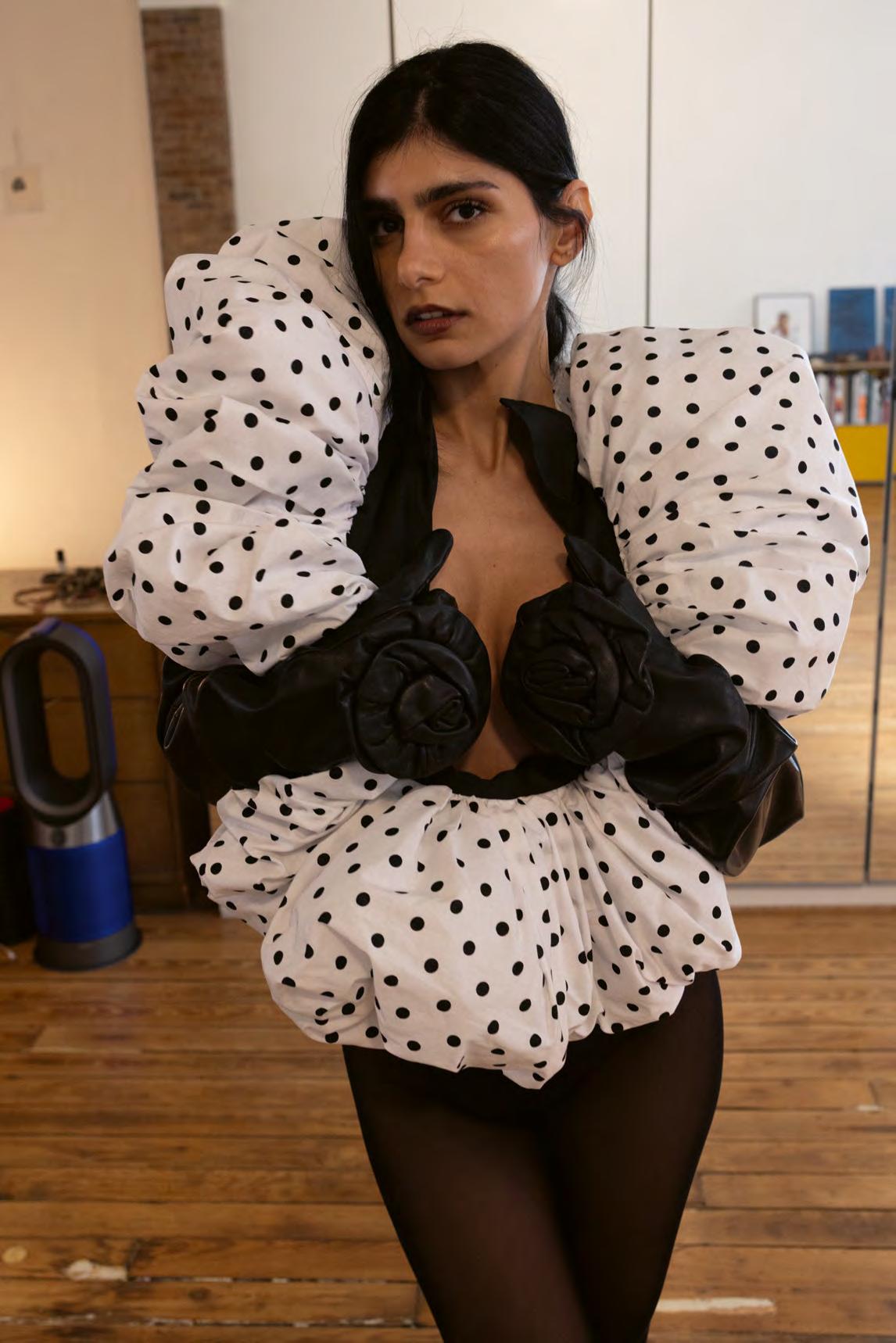
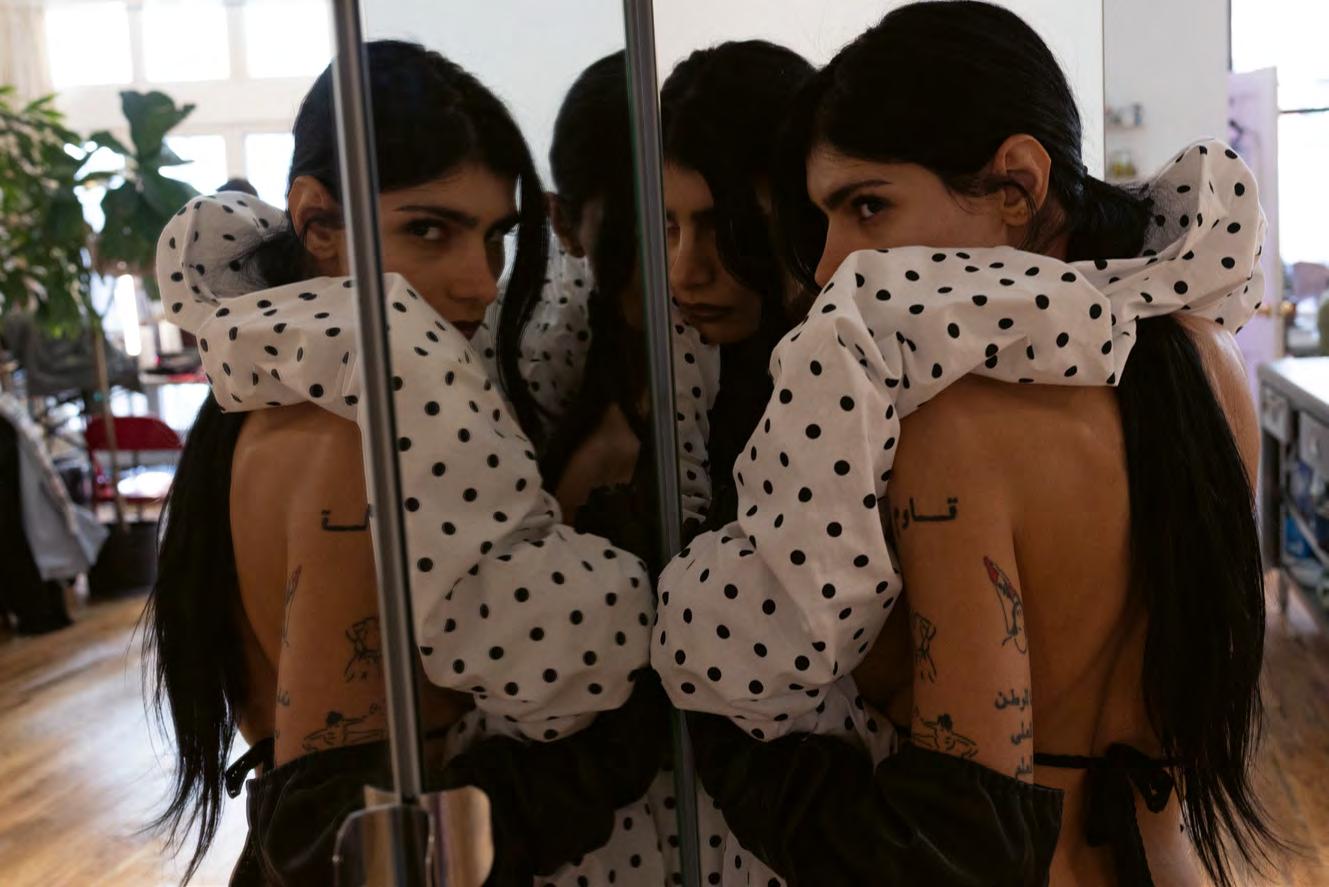
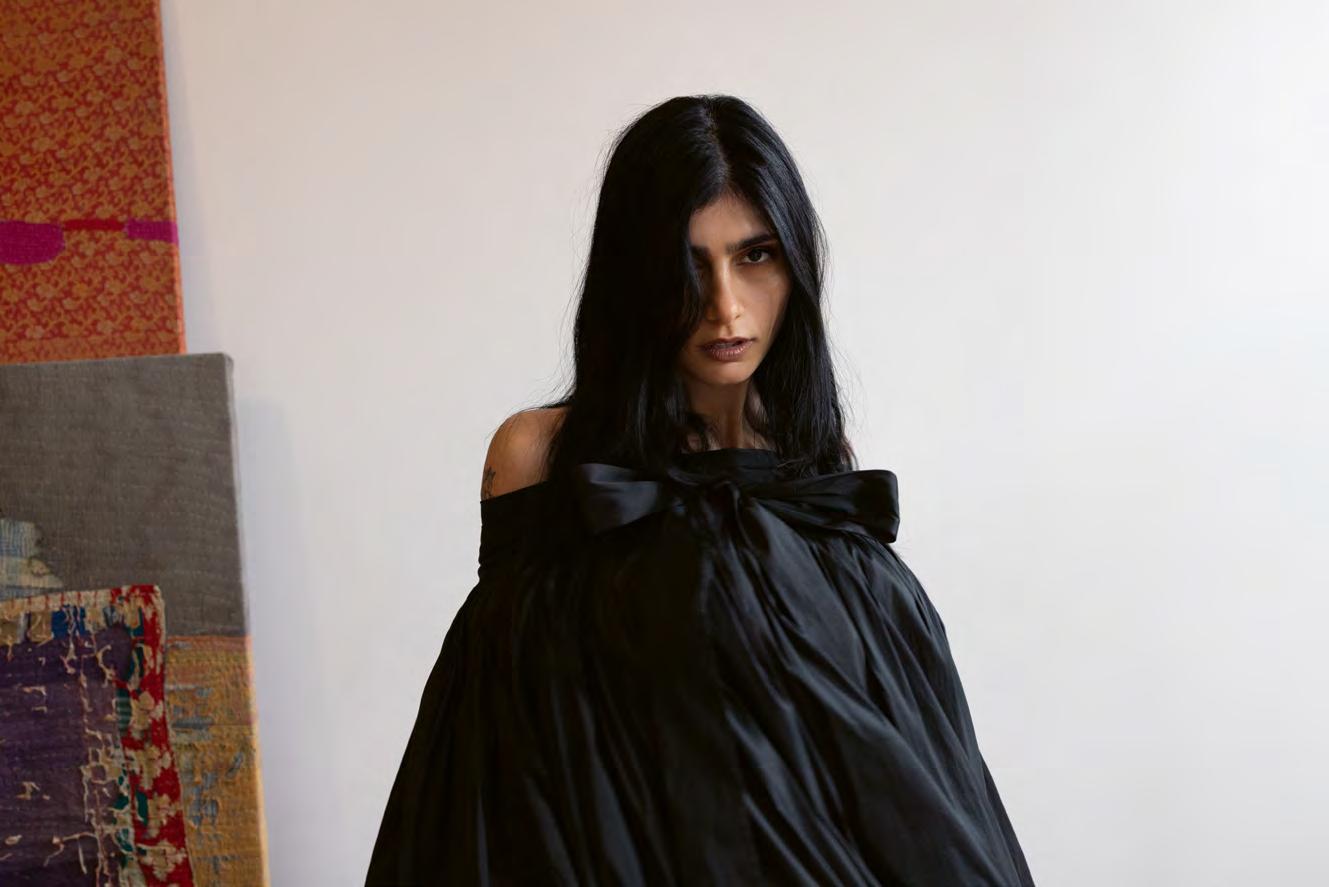
MK It was truly one of the most magical moments of my life.
SB Beyond your public persona and work, what deeply satisfies your own desires? Are there forms of fulfillment or expression that might surprise people who think they know you through your public image?
MK I feel so fulfilled traveling or being at home with my cats. I am very seldom bored.
SB It’s so true.
MK You will never hear me say, “I’m bored.” My desires can range anywhere from wanting to go to Japan to ordering in from my local bagel spot and putting on a movie. Both of them fulfill me equally. I’m being very honest in saying that. They both fulfill me equally. My desires are very well-satiated.
SB Is there a legacy or conversation about desire that you’re consciously trying to leave for those who will come after you?
MK I hope what I leave behind is that it doesn’t matter how many doors are slammed in your face— if they slam them hard enough, they’ll turn into a revolving door eventually.
SB Is there anything you wish someone had told you earlier?
MK I feel like I have already been told everything I wish I had been told. But did I have the tools to receive it and actually put it to use? No, and it wouldn't have mattered. With everything worth knowing, you need to be ready to receive it.
SB If you could offer insight about desire to someone just beginning to explore their own relationship with wanting or being wanted, what would it be?
MK Manifest everything. Just envision it. That’s another reason why I’m never bored. I daydream. I will let myself go in, check out there, and check in here. Just leave and fantasize. Fantasize every microscopic detail—the color of your toes that day, the smell, and every microscopic moment. It’s like reading a book or watching a movie from memory. Do it. Just spend your time falling into the depths of your desires.
Producer: Carolina Vogt @ Second Name
Producer: Jenny Slattery @ Second Name
Assistant: Paige Labuda
Stylist: Claire Sullivan
Miss Claire Sullivan Studio Manager: Olivia Ballard
Miss Claire Sullivan Head Of Atelier: Ethan Lloyd
Miss Claire Sullivan Assistant: Finn Belanger
Hair Stylist: E Williams @ Frank Reps
Makeup Artist: Marcelo Gutierrez @ Huxley
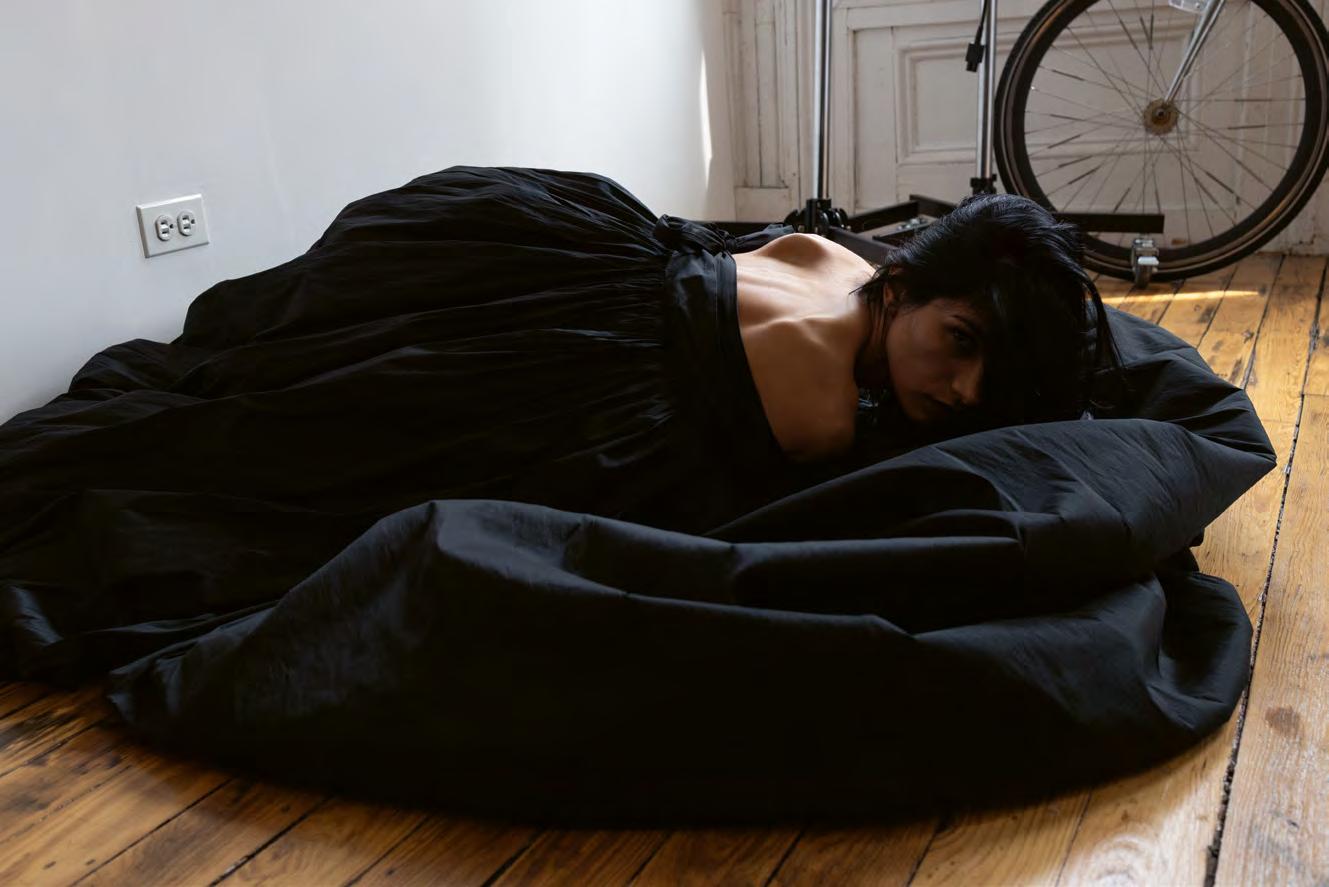


Movement artist and educator Cami Árboles discovered pole dancing while studying at Yale. After graduating in 2020, she founded the Mind Body Spirit Collective (MBSC) to help women and nonbinary people reclaim their bodies through movement.
Lebanese-Canadian artist, designer, writer, and advocate, Céline Se- maan joins Árboles in discussing the liberatory power of the body and desire.
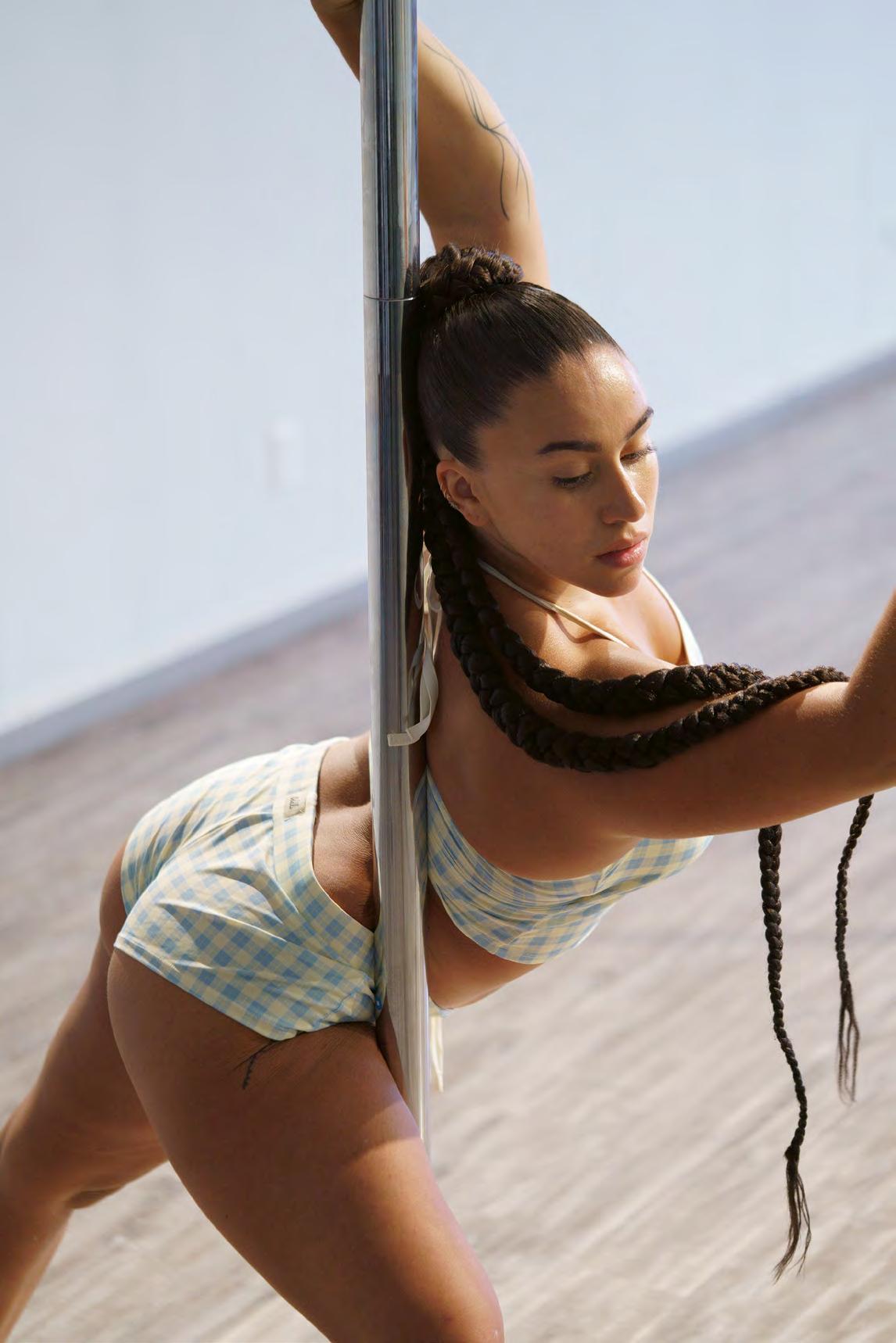
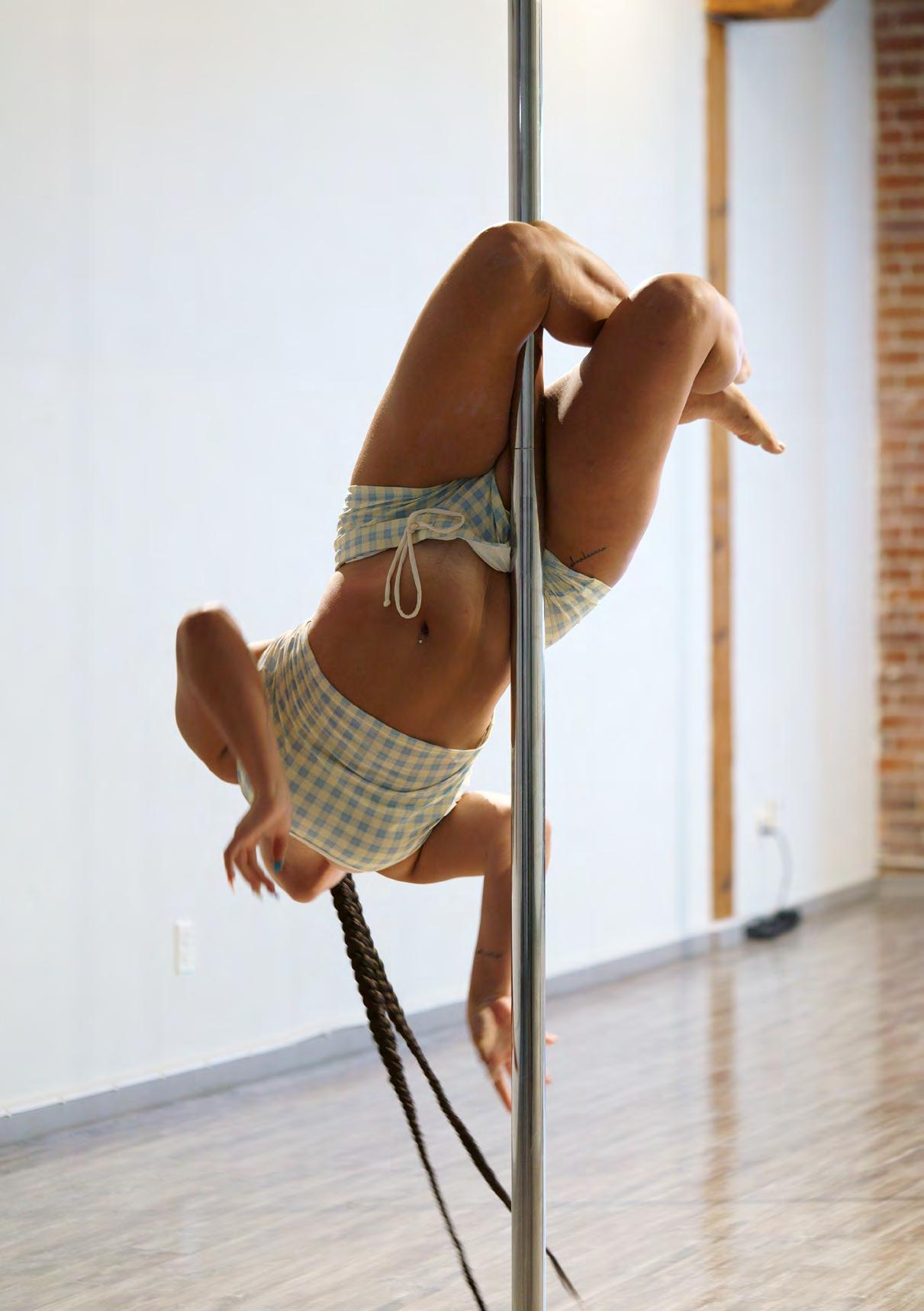
CÉLINE SEMAAN You’re such an inspiration. Watching you move is a meditative experience. It reminds me to reconnect with my body— something I often neglect as an intellectual. In these overwhelming times, your work feels vital. It offers a way back to feeling, to embodiment. Even just watching you is transformative—almost like a meditation. (laughs) CAMI ÁRBOLES I’m so glad you brought this up. The deeper I get into this work, the more I realize that connecting the mind to the body is a space of healing—of reclaiming what makes us truly human. Growing up, I valued intellect over appearance or physicality. It wasn’t good or bad; it just was. I’m grateful for the emphasis on thinking critically and achieving academically, but as I grew into womanhood, I became aware of my disconnection from my body—along with the shame and guilt attached to it. Now, my work revolves around strengthening the mind-body connection and reclaiming that space. In politically turbulent times, we’re bombarded with headlines stripping away fundamental rights, especially for women and women of color. It’s almost numbing. But our first line of defense is our body, its physical reactions. When we intentionally connect with it, we strengthen our ability to process, navigate, and ultimately survive. A pole class, for example, is so much more than movement. It’s about reclaiming autonomy and proving to yourself that you do hard things; that you can survive hard things. The lessons learned in a dance or pole studio extend far beyond those walls. They shape how we exist in our bodies—whether as women, women of color, or people of varying abilities. No matter who you are, you can learn to inhabit your body with power.
CS What you mentioned about disconnecting from ourselves—it’s a coping mechanism. When we’re overwhelmed, we go into fight-orflight mode. But connecting with our bodies through somatic healing allows us to process and reclaim that connection. You spoke about realizing, as you became a woman, the shame you carried around your body. It’s interesting because when you asked me to talk about desire, the first thing that came to mind was shame. In our society, desire is so often wrapped in it. We’re taught not to desire too much, not to be too desirable. If we show too much of our bodies, there’s shame. If we want too much, there’s shame. There’s a reconciliation we have to go through—to accept ourselves as we are, to break through that shame, and to fully embody both our desirability and our desires. How was that journey for you?
CA I grew up in Catholic school, always in a uniform, valuing intellect and academic achievement above all else. I don’t regret that; it gave me a strong foundation. But in my early twenties, I read The Body Is Not an Apology by Sonya Renee Taylor, and it reshaped my thinking. She writes about how systems like capitalism, colonialism, and patriarchy condition us to apologize for our bodies—to feel ashamed of taking up space, as if it’s not our birthright to be seen. Undoing that
conditioning, simply existing in our bodies without apology, is a radical act of resistance and liberation. That idea shifted everything for me. It helped me embrace sharing my work, my movement, and my body. Coming from an academic space like Yale, where achievement was so tied to intellect, I had to unlearn the idea that existing visually—through dance, curation, social media— was somehow less valid. I had to remind myself: this is okay. This is enough. And as I’ve grown, I’ve realized that desire isn’t fixed. It evolves as we do, shaped by our values, our experiences, and how we want to impact the world.
CS My next question is about desire as a guide. You’re presenting it not just as something to be seen, but as something to be felt and embodied. How do you define desire in your own life and work? How does it show up for you? Is it an internal force, an external calling, or something in between?
CA I love talking about desire because it’s so exciting. I really think desire is a roadmap. When I feel a desire for something, I think that it’s a message from a future version of myself calling out to this present version of myself to take action. When I started my pole and movement work, I was simply following a desire to immerse myself in pole, in flexibility, in mobility, in visual thinking, and in drawing connections. I didn’t always know why, but I knew I wanted to be it, embody it, become it. And the more I followed that feeling, the more it led me to places I never could have predicted. Looking back, desire took me so much farther in my personal journey than chasing external validation ever could. Desire is such a human experience, but for me, it’s most powerful when it’s about a feeling rather than a fixed goal. I want to desire freedom, embodiment, creativity—not a number in my bank account, a follower count, or accolades. Desire, at its core, feels like an internal, almost spiritual force—one that has the power to map out our destiny.
CS I love the idea of desire as a roadmap—your future self guiding you to spiral upward, much like you do on the pole, ascending into who you’re meant to become. So let’s talk about the future of desire. What would it look like to live in a world where desire—especially feminine and non-conforming desire—is truly honored? Imagine a near future where desire is no longer tangled in shame. What unfolds when desire is valued rather than suppressed? And in the realm of spirituality, where desire is often seen as something to detach from, what if that changed? What if desire wasn’t seen as a conflict but as a force to embrace? What happens when feminine and non-conforming urges are not only accepted but celebrated?
CA We often hear that desire is the root of all suffering, but I believe there’s a way to desire without being consumed by it—by seeing it as a guide, rather than an obsession. It’s like checking the weather before choosing an outfit. Knowing your desires helps you plan, move forward, and create meaningful change, both for yourself
and others. Honoring desire starts on an individual level—getting clear on what we truly want. When we do, it opens pathways for collaboration and larger transformation.
Take my own experience: one day, I simply woke up with an unexplainable urge to start pole dancing. I didn’t have a clear why, just a pull toward movement and expression. I followed that desire, and in doing so, the deeper meaning revealed itself. I wasn’t alone in wanting to feel this way; others needed it too. That’s the magic of desire: when you follow it authentically, you discover you’re not alone. Others with the same calling appear, forming a community, a collective. There’s a Carl Jung quote: “No matter how isolated you are and how lonely you feel, if you do your work truly and conscientiously, unknown friends will come and seek you.” I think desire works the same way. By following your own map, you transform yourself and create space for others to do the same.
CS This reminds me of a quote by adrienne maree brown in Pleasure Activism: The Politics of Feeling Good (2019). As you know, my work is rooted in collective liberation, and there’s often an expectation that this work must come from a place of sacrifice—that liberation requires us to be saints, to be pure, to be perfect activists. But this deeper conversation we’re having reminds me of brown’s work. She writes about how liberated relationships are one of the ways we actually create abundant justice—the understanding that there is enough attention, care, resources, and connection for all of us to access belonging, to be in our dignity, and to be safe in community. And then she says, “I touch my own skin, and it tells me that before there was any harm, there was a miracle.” I think this relationship between desire, pleasure, beauty, and art is central to liberation. How do you see these coming together—desire, liberation, liberated bodies, liberated minds? Just to bring it full circle, from the idea of separation to the process of coming back together.
CA I was just reflecting on that this weekend when I traveled to San Diego to teach workshops. After a full day of classes, I sat down to dinner with a few women who were older than me and we talked about embracing pleasure, self-expression, art, and movement later in life. Pole dancing, creativity, and play were the catalysts for that shift. I see this all the time teaching adults pole dance. It’s about reconnecting with the inner child and the artist in us. As adults, we become so riskaverse. A six-year-old will excitedly try a new trick, not caring about looking silly because their whole existence is about play. But as we grow, we’re taught to apologize or feel shame around being expressive or silly.
The beauty is that we can access that inner child and artist at any age. I’ve been diving into The Artist’s Way [by Julia Cameron (1996)], and the first week is all about silencing the inner critic and embracing fun and creativity. It’s about nurturing that inner child. I see it in my workshops—at first,
everyone feels like the adult version of themselves, but by the end, they’re silly and carefree, giving permission to that inner child and artist to come out and play. That’s when transformation happens. Once you get in touch with those desires, it becomes easier to embrace what you truly want and feel comfortable wanting it.
CS What other books have changed your life and how do you see desire as an intellectual practice?
CA Oh my gosh, reading books is so sexy! (laughs) I actually have a ton of books around me right now. One is a monograph of Frida Kahlo’s work. She’s a huge muse of mine. I spent a lot of time in art history during my undergrad, which is why I’m always thinking of visual art references. For one of my thesis projects, I focused on her and what she represents. Frida is such an inspiration because she embodied both the divine feminine and divine masculine, balancing these energies at a time when that was revolutionary. As a movement artist and pole dancer, I see my work as a union of these two energies—fluid and soft, yet athletic and strong. Both should be equally celebrated. Frida’s ability to embody that duality so beautifully is truly inspiring to me.
CS I love that you mention Frida Kahlo because she’s also one of my muses, as she is for so many women around the world. Her use of her body, especially in relation to her disabilities and eventual amputation, is central to her work. Through her suffering, she honored and beautified her body in her paintings, giving birth to a Surrealist movement that expanded her self-expression. What I see in your work is a similar relationship to the body, creating an extension of your dreams and reality. Your art blurs the line between life and art, as your body becomes a medium for expansion. Sometimes resembling nature, like a plant or butterfly, other times a flower or something beyond human. In this, you become more than human, creating an imaginative realm. You truly are a muse, and I wonder, are you your own muse, like Frida?
CA Definitely, especially in how she used her body as a form of self-study, which is a meditative practice in itself. In yoga, it’s called “self-study” or “svadhyaya,” and it’s a healing practice to simply observe and notice yourself. Frida mastered this in her work, always being her own muse. When I look back at my own work, especially the collages I’ve made, I realize that it’s very much the same process. One of my favorite pieces came from a collaboration with a photographer in New York, where we explored the shapes of my body. I remember seeing an image of a cheetah and realizing how similar my spinal arch looked to that of an animal, which sparked this deeper reflection on our shared biological code. This process of musing yourself—of desiring yourself as a muse—is an act of meditation, a deep self-contemplation. I feel so privileged to have the time and space to do this in my lifetime, especially when I
“Desire, at its core, feels like an internal, almost spiritual force—one that has the power to map out our destiny.”
think about my ancestors, who likely didn’t have that opportunity. When I share these moments—like the silly or sexy pieces of art—it’s deeper than it may seem to others. I do this not just for myself, but in honor of all the women before me who never had the chance to explore or share their own expression. So, yes, it’s fun, but it’s also deeply meaningful to me.
CS It’s not silly at all. I see it as you being an artist, playing with different mediums—whether it’s through the art historical references, the juxtapositions, or your work with collage. It’s making me think about my own work, especially in climate justice, where we’re constantly trying to convey that we’re not separate from nature. The current mindset positions humans at the top of a pyramid, seeing everything else as a commodity, as though we’re separate from the earth. But we are nature; we are not outside of it. The idea of “saving” Mother Earth doesn’t fully capture the truth; we are it.
CA We are it. We literally are. (laughs)
CS When I see your collage, it’s like a visual reminder that we are nature. Your practice of self-observation, deep meditation, and being present with yourself aligns with a therapeutic strategy that’s increasingly important in a world where our attention spans are stretched thin. By tuning in and studying ourselves, we recognize our connection to nature and the oneness we share. Our DNA shows it—20 to 60% of our DNA is closer to a tree than we think, and we share 95% of our DNA with chimps and a large portion with mice. Our bodies are mostly water and bacteria, echoing nature in profound ways. When you create through movement, it’s an extension of that connection—a sensual expression that feels so deeply aligned with the earth. Desire is often seen as something to control or suppress, but your art transforms it into liberation through presence, sensuality, and the art of noticing. How does your work reclaim desire as a creative force rather than a constraint?
CA Sensuality is an art form, and I always emphasize this in my workshops. I make a clear distinction between sensual and sexual—though they can overlap, they are not the same. Sensuality is simply about engaging the senses. There’s an Antonin Artaud quote I love: “The body is the first abstraction.” Our bodies are the filters through which we perceive and interpret reality.
When we immerse ourselves in sensual experiences—whether it’s lying in the grass, feeling the breeze, sweating through a hot yoga class, or savoring a home-cooked meal—we refine that filter. Movement, then, becomes more than just physical exercise; it’s a way of sharpening our connection to the world, deepening presence, and shifting perception.
CS It’s so deep and beautiful—just hearing you talk about it feels like a meditation in itself. What’s even more powerful is that this connection is always at our fingertips. We don’t need a gym or a special setting to access it. What you’re showing is that sensuality and hyper-presence—truly being with our bodies—is an art form in itself.
CA It really is an art. The more present you are with your body and senses, the more in tune you become with your creativity. The Artist’s Way touches on this with the morning pages—an exercise designed to clear mental clutter so you can tap into your true creativity and desires. What do you really want? What do you want to make? What do you want to put out into the world? You can’t access that if your mind is distracted or disconnected from your body. Creativity, desire, even just being—it all starts with the body, the way we experience and regulate it.
CS I feel that deeply. We move from the personal to the universal; connection with others starts with connection to ourselves. Do you see desire as a political force? For me, everything is political.
CA Everything is political, everything.
CS Do you see a connection between desire and political force, particularly in relation to bodily autonomy and freedom of expression? Does that inspire your work?
CA Absolutely. Simply having a body, expressing it, and creating with it is inherently political— especially as a woman in today’s America, where bodily autonomy is constantly under threat. Any act of reclaiming that autonomy, sensuality, and connection to the body is an act of resistance. Even small acts of noticing, moving, or engaging with the body can build toward collective change. Prioritizing self-care, movement, and presence isn’t just personal; it’s transformative, shaping both individual and collective power.
CS Exactly. In today’s political landscape, simply talking about desire is a radical act. Moving, showing our bodies, and embracing joy and pleasure—what adrienne maree brown


calls ‘pleasure activism’—is deeply political. In a world that seeks to control and suppress, embodying desire is an act of resistance. Being a woman, in itself, is political.
CA Absolutely.
CS You mentioned prioritizing intellect over body earlier in life. What did you study, and how did movement find its way into your life? And finally, what advice would you give to those looking to reconnect with their bodies?
CA In undergrad, I studied molecular cellular developmental biology for three years, which deepened my understanding of our interconnectedness with other life forms and the environment. That connection, especially in relation to climate change, really stuck with me. I also majored in theater and performance studies, focusing on music and singing. My journey into movement came through music. A friend in the Aerial and Circus Arts Collective at Yale encouraged me to try aerial arts, and I joined. I also explored yoga as a way to help others de-stress in the high-pressure environment of college. I loved seeing the transformation in students, how yoga helped them feel grounded and happy again. The desire to create that transformation for others is what guides my work today. The seed for my current path was planted then, though I didn’t know it at the time. After trying pole dancing at a studio, I set up a pole in my aunt’s living room during the pandemic and followed the desire to create and share something with the world. That desire has since revealed itself as the map of my life’s work.
CS You’ve found your true purpose, and it’s incredible to witness. You’re an artist through and through, and it’s just fascinating to see your journey unfold. I just felt like sharing that with you.
CA Thank you. I’m so excited to discuss desire because for me, everything shifted when I stopped desiring specific external things and started focusing on desiring a feeling, a way of creating, or just following the flow. When I made that shift, everything seemed to fall into place as it was meant to. Desire is most powerful when it’s not tied to a specific outcome. Ultimately, it’s about feeling in harmony with ourselves and others. We should never ignore a desire; it’s there for a reason. Spiritually, a desire could be a message from god, your ancestors, a guardian angel, or even your future self. Desires are there because life would be so boring without them. They’re a positive force, a good thing.
CS You’ve really cracked the code on transforming both the world and your life. When you started desiring a feeling, everything began falling into place. Recognizing that we should desire values, not outcomes, is the essence of this conversation. Desire is often seen as a physical thing, but as we’ve discussed, it’s also intellectual and spiritual. You’ve truly grasped the holistic nature of desire and its power in shaping our lives.
CA What does desire mean in your life? You’re such a multifaceted woman, representing art, culture, political change, and revolution. I’m curious—how has desire played a role in getting you to where you are today?
CS Like you, I see desire as a calling. Sure, I desire small things—shoes, a dress, food—but often, my desires are rooted in larger values. I desire a world that values women, disabled folks, diversity, nature—not as a commodity but as sacred. I long for education that’s accessible, fun, and engaging, where learning is an active, participatory experience. I want art and nature to be at the center of our lives, with gardens everywhere and fewer parking lots, more farms. I desire clean water and a world that’s truly healed. These desires drive my work. They’re my roadmap, guiding me to create strategies for achieving a world built on love, justice, equity, and art. I know some may think these desires are unrealistic, but I believe everything is possible. Our desires can shape the future if we let them.
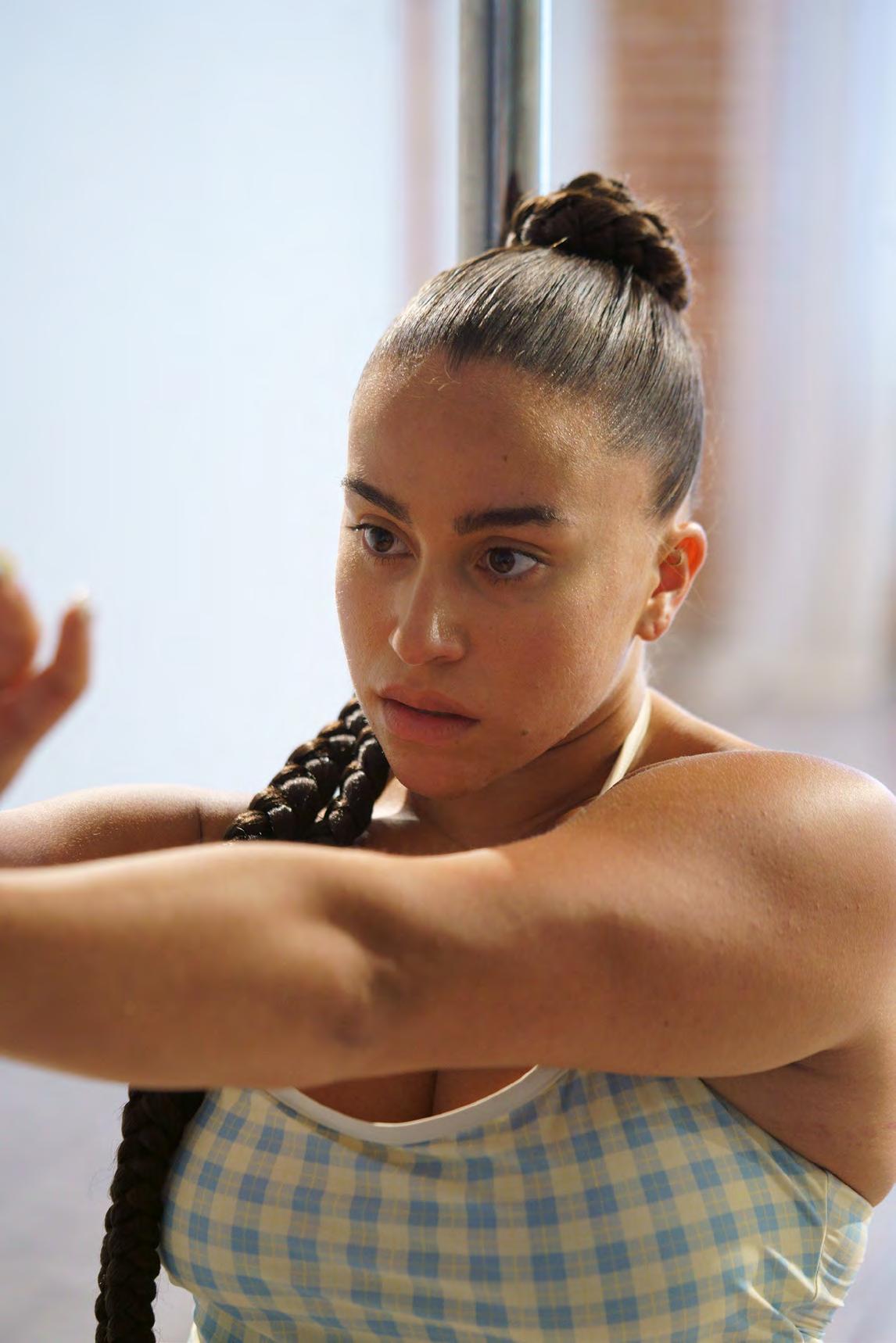
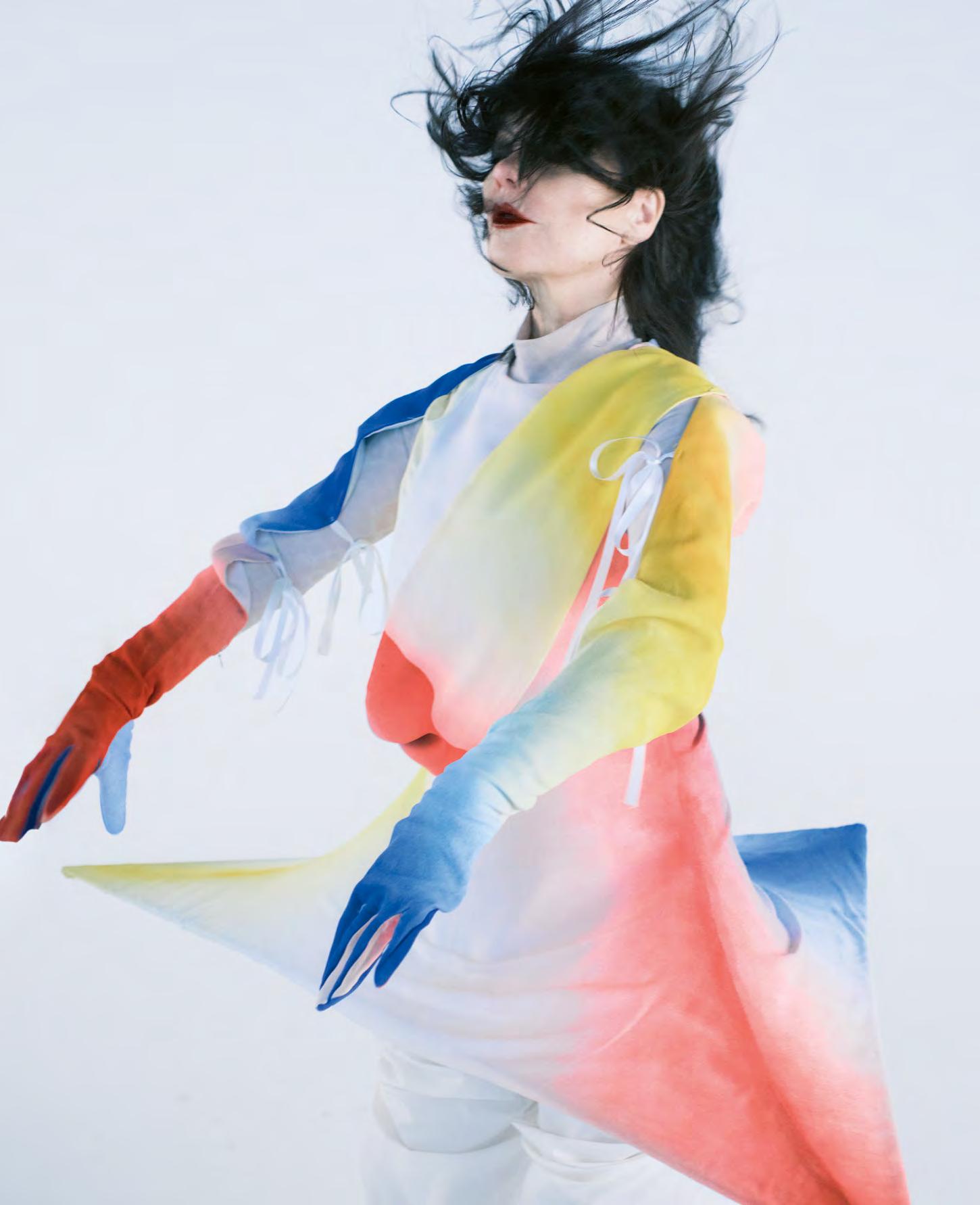
Makeup
Hair HIROSHI MATSUSHITA
rom the jagged, icy, volcanic fjords of Iceland, on the edge of the Arctic Circle, Björk1 emerged into the mainstream with a shape-shifting, metamorphic fluidity that remains cutting-edge, revolutionary, and hauntingly prescient. Even today, she exists as an enigma—a spectral force within culture—while simultaneously being one of the most recognizable figures in contemporary popular music. Born just two decades after Iceland gained independence from Denmark, she was raised in a landscape where industrialization arrived swiftly and forcefully, producing a generation of artists, writers, poets, and musicians grappling with globalization and the looming threats of extractive capitalism. Among them, Björk stands as Iceland's most iconographic export. Over five decades— from her anarcho-punk origins as a teenager in bands like Spit & Snot, Exodus, Jam-80, Tappi Tíkarrass2, Kukl, and
The Sugarcubes, through her breakout as a solo artist in 1993—she has drawn upon diverse cultural influences, technological advancements, and a sensual, eco-musicological ethos to push the boundaries of songwriting. For Björk, desire is more than raw, libidinous energy; it is an ecological and biological forcefield, a conduit of care and hope for a fragile world. Nature becomes both muse and backup dancer. Over the past decade, she has been conceptualizing and realizing the most audacious performance of her career: Cornucopia, a “digital theater” tour that traversed the globe, culminating in a book and an upcoming feature-length film set for theatrical release this May. With a sharp focus on the climate crisis, Cornucopia wields the power of sci-fi and fantasy—reminiscent of Octavia Butler—to envision an unimaginable future. A Gesamtkunstwerk of audio, visuals, and digital avatars, it constructs a “post-optimistic” vision where music serves as a blueprint for renewal. Björk carves through mountains of apathy, forging a pathway for hope. She conjures the first light after catastrophe with orchestral flutes and choral jubilation. As wildfires consume landscapes and climate denial persists, the film's global message grows ever more urgent. Musically, Cornucopia sees Björk mining her vast solo repertoire—looking forward by looking back. Standing beneath her avatars projected
onto kinetic curtains, she literally and figuratively reconstructs her past. The setlist spans decades, from Post’s “Isobel” (1995) and Vespertine’s “Hidden Place” (2001) to selections from Utopia (2017) and Fossora (2022). With visionary stage direction by Lucretia Martel and stunning visuals by Tobias Gremmler, the performance employs a breathtaking range of bespoke instruments and sonic architecture: a magnetic harp, an aluphone, a circular flute, and a reverb chamber housed in her own chapel. Björk’s fusion of technology and music is nothing new—Biophilia (2011) came with an interactive app featuring narration by David Attenborough, and Vulnicura (2015) incorporated a VR experience. But with Cornucopia, she merges 21st-century digital tools with 19th-century theatricality. Once again, Björk bends time itself, dismantling the binaries of past and future, nature and technology, art and science. She does not simply exist in the present—she is always a step ahead, reshaping our understanding of what music, performance, and storytelling can be.
is “Guðmundsdóttir” meaning daughter of Guðmund. Surnames in Iceland are used rarely, and usually in circumstances to distinguish among people with the same first name or for conducting official business.
Tappi Tíkarrass (“Cork
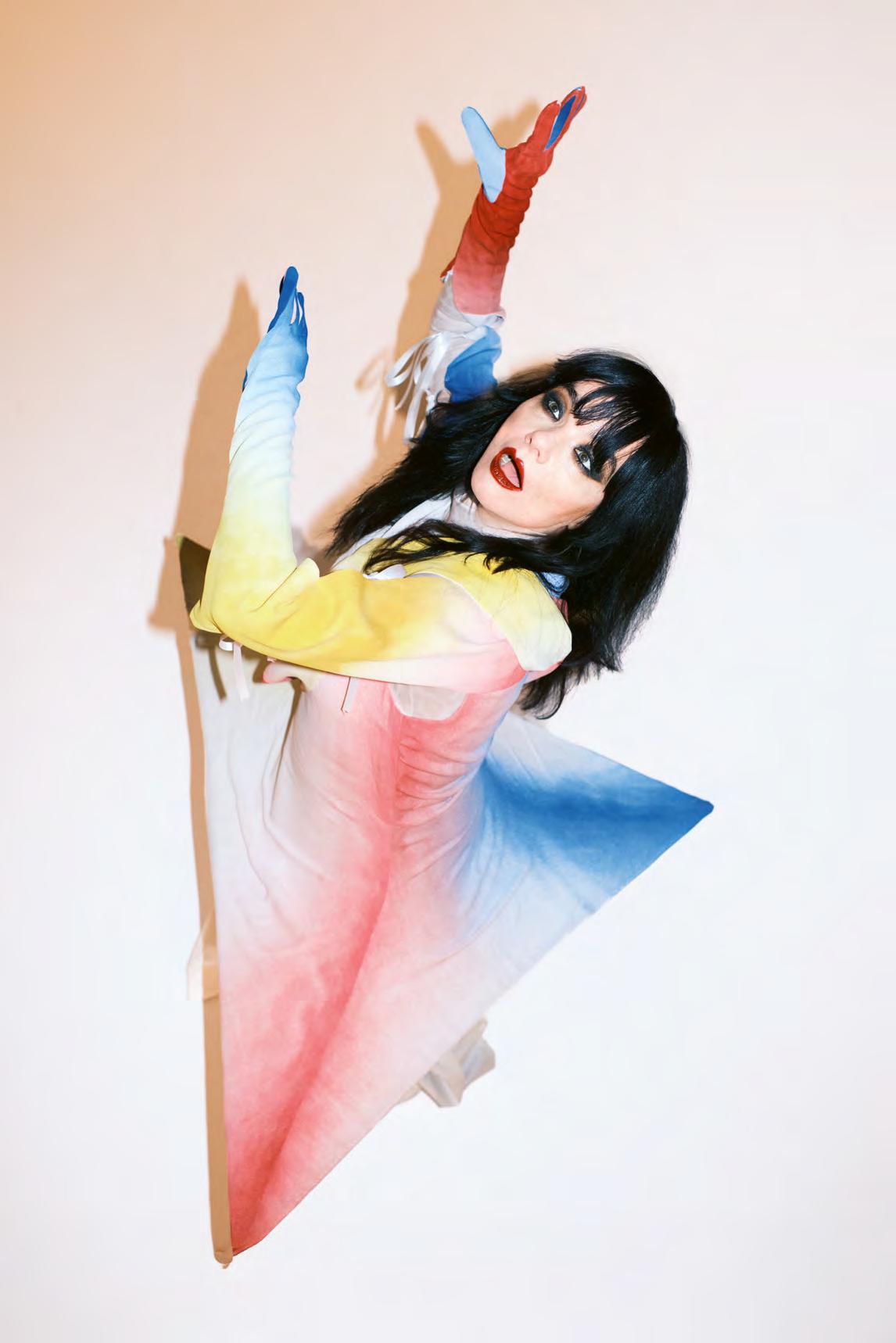
HUO I’m excited that we can do this new interview. We have so many exciting interviews from the past. One day we need to do a book.
BJK That could be fun. Yeah, totally.
HUO I wanted to begin today with what is most urgent: the climate emergency. For your exhibition, Nature Manifesto, at Centre Pompidou, you wrote: “It’s an emergency. The apocalypse has already happened. And how we will act now is essential.” The exhibition has to do with the climate emergency, but also biology. You write, “Biology will reassemble in new ways. And micro-organisms will mate with other life-forms to heal and adapt.”
BJK I always align myself with more biological things. Whether it’s architecture, design, clothes—they are more biomorphic. I come from a second world country where we didn’t industrialize until really late, and we still haven’t fully industrialized. So, this idea that you can live in nature and have technology—that it’s not two separate things—it’s not a fantasy. I’m sitting right next to you now, looking outside my window, it’s snowing, and there’s a beach, but I’m still doing a Zoom meeting with you. I don’t think this is utopian.
I’m always trying to look for philosophers who understand this idea, because it doesn’t really align with a lot of European philosophers. The conversation I had with Timothy Morton1 was the beginning. Ocean Vuong is here in Iceland now, and he was telling me about this Japanese philosopher called Nishita Kitarō who was more about joining nature and technology, biology and civilization. That they’re not enemies. Obviously, both the Nature Manifesto and Cornucopia, which we started in the Shed five years ago and is now a concert film—it’s a sci-fi tale. It’s fantasy. Sometimes it’s easier, like with Octavia Butler and other sci-fi writers, to grow and reach our potential through sci-fi or through the imagination because when we are stuck, it’s impossible to imagine the future.
For example, the Paris Climate Accord does feel quite utopian. We’ll never ever reach all the goals, but it’s a state of mind. I think that’s what the artist or musician is good at: the imagination. Of course, we have to go forward and try to deal with all the environmental challenges. We will do it with any means: activism, politics, anything. But our imagination is quite important. And Nature Manifesto is trying to encourage us to imagine a future that will morph with nature. In that way, it’s more optimistic. I call it post-optimistic
HUO You mentioned Kitarō, the Japanese philosopher from the 20th century, because he went beyond the binaries of nature and non-nature. He wanted to overcome the subject/object distinction that anchors Western philosophy, and that idea is also essential if we want to be in communion with the environment. In an interview with Dazed, you talked about this idea of musicians being about vibrations and energy, and that you actually don’t look at the world, you rather listen to the world. And when you go into nature, you change. You feel the change of energy, that you’re part of something much bigger. Etel Adnan, one of the last things she told me when she was in her nineties before she passed away, is this idea that we need to learn to listen again. I wanted to ask you about the importance of learning to listen again.
BJK The dominant way to sense the world in our civilization is through the eye. It’s the quick way—both through visual art or fashion or all the visual mediums. Sound is the more obedient, hidden force. But I think it’s just as important. I tend to be the defender of that way of sensing things.
What happens when you get a little older is that the next generation is looking to you for advice, which comes to me as a big surprise. I never thought of myself as some sort of teacher. But what I’m seeing in a lot of the younger generations is that they are obviously online a lot, and there is isolation from the body. So, my advice is to sense the world through sound, through nature, through walks. That it’s not binary: your everyday life is not just about having this isolated intellectual existence in the city and then once a year go for two weeks into nature like it’s some paradise bubble. It’s about actually having a physical life and a biological sensory life. And I think this is also related to sound. When you go on walks, take in the whole valley that you are walking through, or the beach. This is also going to help us to go into the next stage of technology, artificial intelligence, which is going to be even more merged with our bodies, our blood, our heart, our pulses. It’s going to be even more important to be able to listen to nature for the well-being of the next generation so that they can feel calmness, enjoyment, celebration, and satisfaction. That’s why I was always really attracted to cities like Havana or Rio de Janeiro or Reykjavík where you can have both the city and nature.
HUO Nature Manifesto is a commission for the escalator at the Pompidou. Can you talk about the piece and how you composed it?
BJK The Manifesto was installed in the escalator of the Pompidou, or what they call the “caterpillar.” (laughs) I worked a lot—with a few months of editing—in collaboration with IRCAM (Institut de Recherche et Coordination Acoustique/Musique) and sound artist Robin Meier Wiratunga. We had access to all the latest AI software, and I went through collections and libraries of extinct and endangered animals. I was trying to merge them with my voice; trying to give these animals a microphone. I felt it should be more like a spoken word, like a call to action. Usually the activist in me and the musician in me are very separated. So, it was an attempt to combine the two.
HUO I would love to hear more of what you did with Robin at IRCAM, because I knew Pierre Boulez2 well, and he explained to me his vision for this interdisciplinary laboratory for sound. How did you use this toolbox?
BJK
A few times a week, me and Robin would dive into the whole world of AI. Of course, much has been documented online about AI’s capacity to deal with structures—like you can say, “Do Beethoven in the style of the Beatles,” or whatever. I’m not really that interested in the structural elements of AI, maybe because a lot of my music and my songs are very bespoke. I sometimes spend months on writing the structure of each song; the singular songwriting element. I like to do it manually. But I reached out to IRCAM more just about the sound, or the timbre, merging with different elements. I also reached out to them to do some research on where AI is at the moment, and I’m very excited. I will probably continue to collaborate with some of the people from IRCAM. It’s a very exciting place, and the energy down there in the building is amazing. (laughs) It’s just incredible for any musician to go into this kind of institution that’s all devoted to sound. And they were the inventors of the software, like Max3 that I used to write Biophilia (2011). So, the history goes way back.
HUO Obviously, AI is on everybody’s mind. At the same time, a lot of discussions have been held about the ethics of AI. What could be an ethically sourced dataset and who owns the dataset? What is your experience with AI? Have you used a lot of AI in your music or in your work, and how do you see the implications of it?
162
BJK
We’re all at the beach—it’s the beginning of something. It's humongous. I’m excited about how we’re going to interact with it. I mean, obviously there are things to worry about and that are scary. My stance tends to be the same as it was from the ’90s when I was asked why I wasn’t in an indie band anymore. Like, how dare I use a drum machine—it doesn’t have a soul?! So, I’ve been having this kind of debate for decades. My answer is always, if it doesn’t have a soul, it’s because nobody put it there. I also understand that it’s not so black and white, and that maybe what is scary about AI is that the merge is so immense. There are people who write music for films that might not be needed anymore. You can just prompt AI to write a sad composition that’s a certain length. This is obviously very worrying, but I do think we have to navigate it and go through the morality of it. There are gonna be disasters, for sure, but I also think technology is coming whether we like it or not and we have to find humanity in it. We have to find where the soul and technology can coexist. I think that is the role of the musician, and musicians are good at that. That’s what we do. We go into a room, we pick up an instrument, and we write a song. We are always tuning, equalizing, and harmonizing with the environment. Where is the next song? The singer-songwriting element, you know, Oh, should I write it with a car alarm? Okay, let’s do that But, to be honest, I’m not a prophet. I have no idea where AI is going to be in five years. I used quite a lot of different AI softwares with IRCAM, and to be honest, what I actually ended up loving most was editing the belugas, orangutans, dolphins, and myna birds by hand, choosing each sound—sound by sound. When you hear something that took two or three weeks to edit—that’s only one minute—it’s like the cathedral ceiling: you can tell that it’s done in the energy of prayer. It has a different kind of energy, like embroidery. I will always love craft. I’m a craft girl, but I think I’m also an old punk at heart. I do love spontaneity. So, if there is some way for AI to somehow enable a musician or a performer or a singer or a cellist or a harp player to communicate faster in a more immediate way online with people who are on the other side of the planet, I will be very excited about that as a musician.
HUO In early computer games, synthesizer sounds were compressed into 8-bit formats to save space. These small, harsh sounds not only fit into games but also evolved into an aesthetic and even a new music genre. You use a form of ‘frugal AI.’ You mentioned in an interview that this frugality can become an artistic gesture. Do you think artists should be more aware of frugal AI?
BJK When I put the Pompidou project online, a lot of my fans—who are total nerds, in the best way—started asking questions in the comments about AI. They’re amazing people with a lot of integrity, but many of them were suspicious of AI. I thought, great, let’s have this conversation. So, I ended up meeting with the head of IRCAM and he introduced me to a researcher named Philippe Esling who knows a lot about frugal AI and its environmental impact. He explained AI’s serious environmental costs. For example, cryptocurrency is one of the biggest offenders right now; it devours energy and is extremely anti-environmental. But then, there’s something called ‘frugal AI.’ To put it simply, frugal AI is capable of generating audio in real-time on local servers without a GPU. Just using our phones or being on Instagram—that’s an example of frugal AI because it uses much less energy. As artists, it would be great to have this information so we can make a choice. For the Pompidou project, the audio and also the visuals, which were created by Sam
163
Balfus, used frugal AI software. I also realized that when there’s space for the artist’s imagination to come in, that’s usually the more frugal route. You don’t need the most complex, energy-guzzling gadgets in the world to write a song or create something meaningful.
HUO At the Serpentine, we are very interested in artist campaigns that address the extinction crisis. You have an ongoing campaign to protect the ecosystem in Iceland against industrialized salmon farming. And recently, you collected funds through an artistic collaboration with your friend Rosalía from Spain. Can you talk a little bit about this collaboration and how that evolved? Beyond the music, you are actually organizing court cases to help change the laws around fish farming. Last time we spoke, you said that it’s important to write laws to protect nature.
BJK Yeah, I still feel that way. In my twenty-five years of activism, I’ve gotten to this point where I’m just like, “See you in court.” (laughs) I think that’s the best method: to fight them with the same things they fight us with. Rosalía was incredibly graceful and sang on my track “Oral.” It’s been a year and a half, and we actually collected an incredible amount of funds. We started this company here in Iceland where all the funds go into. At the moment, we are running four different court cases. I actually was at a meeting yesterday. Obviously, I’m not a lawyer, but I am fascinated by how innovative one has to be with legal cases. The language doesn’t even exist to protect nature, even for lawyers. But the cases that seem to be winning are the fight for biodiversity. You know, if the farmer says, “Listen, I need biodiversity in my fjord.” That is a language everybody seems to understand. Also, when young people say, “Listen, you are destroying my future. My fjord is not gonna be livable in twenty years.”
These cases are also winning.
We have one case, which is about the quality of water— if we can win that case, it could have a domino effect because it would set a precedent. We have mostly been fighting in the Eastfjords—close to where we went, Hans, in Seyðisfjörður.
HUO We were together there having a conversation. This was one of our previous interviews. It was beautiful. We crossed the Highlands from Reykjavik.
BJK I think it’s interesting to be Icelandic because we still have the biggest, untouched area in Europe. And the Norwegian business guys who came here and created this fish farming disaster, they were just venture capitalists who did a lot of this stuff in Norway. Norway went berserk and put up all these laws until they couldn’t do what they were doing anymore. So, they just went to Iceland. Now we have to implement these laws, and hopefully we can take them even further. We have been working with environmental groups internationally. The song was also quite big in South America, so we worked in Argentina and Chile, where fish farming has progressed much further than in Iceland. We are sort of in the beginning stages in Iceland. But in Chile and Argentina, it’s pretty serious. So, we are hoping that if the laws go through, we can share them online too, so they could become precedents. We are very aware that this is a marathon, and this is gonna take a long time. The good news is that the song I did with Rosalía has given us the funds to fight it.
HUO That brings me to something I’ve been curious about. There’s Björk the activist and Björk the musician—and of course, many other dimensions to your work—but I thought today we could focus on these two aspects. What’s fascinating is how your activism naturally flows
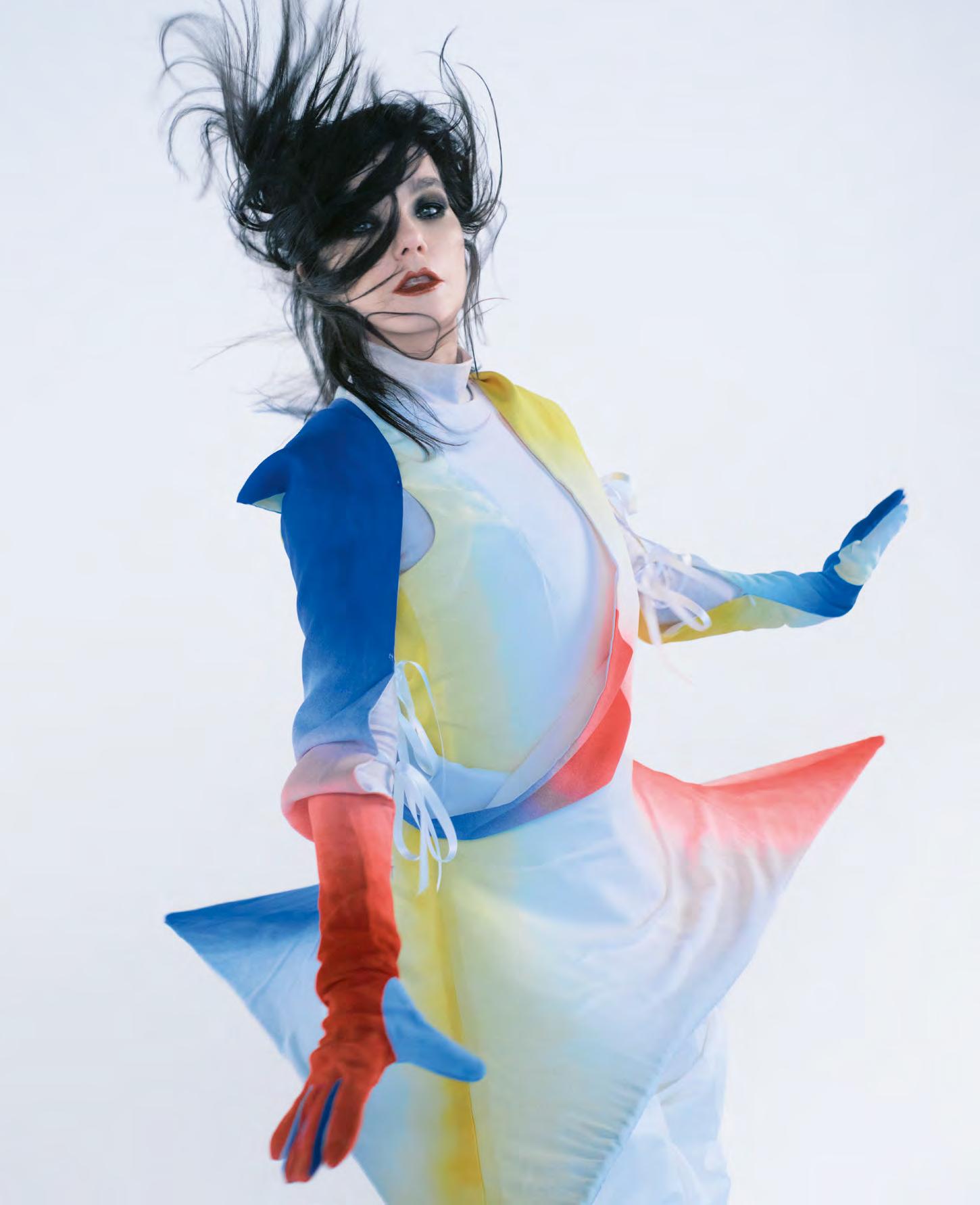
“For me, my instrument was always nature. Walking is like the voice, and the landscape is my grand piano”
intoyourmusic.There’snobarrierbetweenthetwo;they intertwineseamlessly.Thisideaofbeingincommunion withtheenvironmentseemstohavebeenpresentfrom the very beginning. I remember watching your 2003 documentary, Inside Björk, and there’s this incredible scene where you talk about walking home from school in Iceland’s harsh weather—storms and all—and creatingmelodiesinspiredbythelandscape.Yousangtothe moss,withthesea,andIfindthatsobeautiful.Itshows that even as a child,you had this deep connectionwith nature.Itdidn’tjustinfluenceyourmusic;itmighthave been the very thing that led you to music in the first place.I’dlovetohearyoutalkmoreabouthowthisconnection continues to shape your music. Many of your albums—Biophilia,Vulnicura, Utopia—are deeply rooted inthisideaof communionwiththeenvironment.They tieintosomanyof thethemeswe’vediscussedtoday.
BJK Yes,Ithinkit’sbeenquiteconsistent.That’soneof the beautifulthingsaboutgettingolder—yousuddenlygain anotherpointofviewonallthethingsyou’vedone.And it’s interestingwhen that perspective stays prettyconsistent. Normally, singer-songwriters have a guitar or some kind of accompaniment. For me, my instrument wasalwaysnature.Walkingislikethevoice,andthelandscapeismygrandpiano.Ithinkithaschangedthrough the years because I spend more and more time editing music on my laptop. Now that I’ve had the laptop for twenty-fiveyears,it’saprettyorganicpartof me,andI love editing.I did a lot of crocheting,knitting,and embroideryas a child in school,and forme,it’s a continuation of that.I can spend months just doing one string arrangementoreditingbeats.Ifyouweregoingtocount thehours,you’dputBjörkasaneditorfirst,andasinger second—atleasttoday.
But now, I’m writing more complex things on my laptop, which I then sing over. Because sometimes, when I walk outside and sing, it’s more modal, like a lot of Indian music. One of the reasons I went into Biophilia using Max programming,and finding natural elements to incorporate into computers,was to explore more irregular musicology inspired by nature. I wanted more thanjustthestructureofnormalelectronicmusic.Alot ofsoftware,likeiLogic—andI’mnotgrillingiLogic—but the kind of software used to make dance music isvery muchlikeLegos.It’sveryfour-on-the-floor,verysquare. What’sgreataboutMaxisthattheprogrammingismore likearchitecturewithcurves,notsquares.Biophilia was very much about finding software that could be in the shapeoflightningorapendulum.
ButasIgrow,Itrynottoeliminatepartsofmyself.The Björkwhowalks in nature and sings in avalleystill exists, you know? I have two cabins now, forty minutes awayfromeachother.ButIalsothinkit’simportantto grow.So,theBjörkwhosingswithmorecomplexstructuresI’vewritteninsidemylaptop—sheexiststoo.And there’s also the Björkwriting songs on top of a flute or bassclarinetarrangement,ortheBjörkinconversation withArca,whichisawholeothersideof me—acollaborationbetweentwoequals.
HUO
Irememberyearsago,beforeArcawaswell-known,you setupalunchforthetwoofus.Yousaidweshouldmeet, andwedid—reallyearlyinArca’scareer.It’samemoryI’ll neverforget.Whatstandsouttomeishowyou’vealways supportedthenextgeneration,championingthefuture ofmusicandart,andhelpingyoungartistsfindtheirway. So,I’mcurious—nowin2024,whatareyoulisteningto? Whatexcitesyou?
BJK (laughs) Oh my god, there are so many incredible things. We started this record company when we were punks called One Little Independent Records—it’s sort of like the Rough Trade of Iceland. We still run it and we put out contemporary classical music, techno, and poetry. I actually had a meeting with them yesterday, talking about next year, and we are always in conversation with the next generation. I think that’s a very Icelandic thing too—it’s like a small village and all the generations hang out with each other a lot more. But I could name so many people. I love Mun Sing. I love Clarissa Connelly who is Scottish. She’s incredible. Her last album I’ve been listening to non-stop. I really love the label SVBCVLT. They actually came here to Iceland. We did an amazing summer solstice concert here on the 21st of June with SVBCVLT and Mica Levi.
HUO I’m super curious about your own music, as always. Biophilia is really this idea of a gesamtkunstwerk because it goes far beyond music. It was not only a concert, it was an exhibition, a digital project, a multimedia project, a concert, books, and text. This evolved even more with Utopia. I am wondering if you can talk a little bit about how this whole idea of a gesamtkunstwerk evolves, and what’s next.
BJK For me, the core has always been live performance. I started performing early, playing in bands, and that really shaped my voice—figuring out what a concert is. That’s the spine for me. When I build things around that, it feels like the foundation. I’m really interested in that. Even though my work can get complex, with all these interdisciplinary layers, at its heart, it’s actually about simplifying things. I feel like in certain ways, I’ve been doing the same thing over and over again, which is to tear off all the unnecessary luggage of each album or each period, and see what attaches to a live performance and what is current now. I love the zeitgeist, of course, but that’s not my focus. For me, it’s about being present as a singer-songwriter—connecting with how I feel right now, with my family, friends, or even people at the record shop. It’s about that moment. In today’s world, playing just drums, guitar, and bass doesn’t feel true to the life I’m living. Each album feels like a murder mystery to solve: what sounds reflect where I am now?
After Utopia, where I spent years arranging and playing flutes, the element was air—light and weightless. There was no soil, no bass. It felt like the opposite of Vulnicura, which was dark and intense. Utopia was this celestial celebration with no roots. But with Fossora, it shifted. During COVID, I was grounded in one place for two years, putting down roots. That’s where the bass clarinet arrangements came in, and singing alongside them became the starting point. That became the core, the live performance, and everything else built from there. Now, with my next album—I’m halfway through—it feels like the opposite of Cornucopia. That project was overflowing: choirs, flutes, thousands of instruments. It was a once-in-a-lifetime thing, blending digital theater with 19th-century stage design. For Vulnicura, I worked on seven VR pieces, fully immersed in 360 visuals and sound for years. When we set up at The Shed in 2019, we brought that 360 VR experience—both sound and visuals—into a traditional theater space. But this new project is heading in a very different direction. I’m hesitant to say too much, though—you can jinx it! (laughs)
HUO And 20th century cinema in a way—you also brought Lucrecia Martel4 to direct Cornucopia?
BJK Yeah, totally. It was like a magic lantern for the 21st century—trying to create a VR experience, but for the stage. For me, it was kind of designed for me to be a megalomaniac, like this was as big as I’d ever go, you know? (laughs) It’s been a seven-year project from start to finish, and I’ve been there for every single part of it because I care so deeply. I was there for the color correction, the editing, the sound mixing—everything.
When we first filmed it, it felt very 2D, and I was like, “No, no, no, we have to add animation in front of the film.” So we layered a lot of animation on top of the live concert footage to bring back that 3D feel. It really became my baby. And when I started working with these incredible editors and cinematographers, I realized how strange the project was. I worked closely with all the animators—there was a unique animation for each sequence of every song. Every ten seconds had its own visual identity. Then, figuring out how to open and close the screens felt a lot like editing a film, but it was all done live. The way the screens moved and the animations flowed, it took as much work as an animated feature from Studio Ghibli5 or something. The cuts and edits were just as intricate, but happening in real time. I also felt like a curator, making sure each animator’s work stayed true to the vision. I was really protective of the colors—like, this shade of blue belongs to this song, and it has to stay consistent. So I’ve been deep in the post-production world, but I think my next project will be the opposite—going back to something simple, more stripped down.
HUO I’ve always been really interested in the idea of utopia, because the traditional, static, Western concept—like in Thomas More’s work—is obviously problematic. But thinkers like Édouard Glissant offer a different perspective, seeing utopia as something trembling—more alive and dynamic. Ernst Bloch defined utopia as something missing from the present reality. I think that’s an important way to frame it, especially now. It’s crucial to explore different notions of utopias. I wanted to ask you about your Utopia project and how it continues to evolve.
BJK Yeah, I think that’s where it really helps to be an oldschool singer-songwriter. Utopia has fourteen songs, and each one approaches the idea from a different emotional angle. One song might be, wow, I feel so alive, my senses are heightened, or I’m in utopia, everything’s new and amazing. Then the next might be, I’ll never, ever reach that—it’s impossible, like a blues song, you know? Even though the album is called Utopia, there’s also something ridiculous about that kind of optimism. When I asked James [Merry] to make those silicone plant pieces for my face—like on the cover—that was part of it. It’s kind of absurd to want utopia so badly. I’m also making fun of myself, there’s a bit of absurdism; taking the piss. But humor is really important to me, even when it’s sincere. There are songs like “Future Forever” that are very sincere, about my work relationship with Arca. It’s full of hope—genuine hope. That’s the beauty of the singer-songwriter element: you can approach a concept from all these different, deeply human, old-school emotional points of view.
HUO You’ve brought so many amazing ideas to life, but we rarely hear about the ones that haven’t materialized. Of course, the idea of an unrealized project can cover a lot of ground. Some projects are too big or too expensive to pull off. Others are just too time-consuming. I remember talking to György Ligeti when he was in his seventies. He told me he had another fifty years of music in him, but obviously, he knew he didn’t have that kind of time left. Do you have any unrealized projects that are especially dear to you? Maybe something you still hope to bring to life in the near future?
BJK I’d need about 500 years just to finish everything I want to do. Every time I get distracted by something else, it feels like I’m cheating on my main mission. But, thank god, I have a sense of humor about how ridiculous I can be.
“Sound is the more obedient, hidden force”
One great thing about being a solo songwriter is that when you write, you can project as far as you want—you can throw your net super, super wide. The trajectory of your intentions, what you want each song or album to be, can be huge. But at the end of the day, you’re still just you. That moment when you’re singing, with your blood and flesh and breath, you’re fully present. I love that humbling part of being a singer. I have to warm up my voice every day, and it’s like, oh, this is how many notes I have today. That reality always pulls me back into the moment, into time itself, and grounds me.
With each album, I try to cast the net far, keep it vibrant, and explore new things. When you’re 55, you can only make the album you can make at 55. The same goes for 65, 75, 85, 95—it’s kind of beautiful. And sometimes, when I listen to music by artists I love, half of it is great because of their intention, what they wanted the album to be. But what’s even better is what they weren’t aware of. You can hear the oxygen in the room, the little things they didn’t even realize were there. I think that’s beautiful.
I do try to keep my overambitious side in check (laughs)— the part of me that wants to do 500 projects at once. I try to reel her in by staying in the moment and saying, okay, let’s just write this lyric. A lot of my lyrics are about that— being here, in this time and place, and dealing with it. I’ve said it before, but I feel even more strongly about it now. I was really inspired when I read Anaïs Nin’s diaries. The way she documented every stage of her life, the democracy of all the ages she was—it moved me. She wrote until her death, and each decade, each entry, felt completely different as she changed. I love that idea, that each decade is just as important as the last. It’s not like it stops being meaningful when we’re a hundred years old.
I was actually talking to Anne Carson about that—the author—she lives in Iceland now.
We were talking about writing in your seventies or eighties—how it feels like going to the moon or discovering a new planet because there aren’t many comparisons. It’s pioneering work to document that stage of life. Anne and I discussed this a lot while she was working on her last book. Writing from your twenties to your hundreds really becomes more about mental energy and staying present in the moment.
As a musician, as a singer-songwriter, there’s definitely going to be a scruffy-voiced album when I’m ninety. (laughs) I’m actually pretty excited about using that as an instrument, almost like a diary. I’d say yes to your question—but I also love the challenge of reeling it in, finding meaning in what you create at different stages. The work you did in your twenties? You were meant to do that in your twenties. The work you’ll do in your sixties? That’s exactly where it belongs. There’s a certain humility in accepting who you are, decade by decade.
HUO Rainer Maria Rilke wrote Letters to a Young Poet as advice to aspiring writers. What would your advice be to a young musician, songwriter, artist, or poet—really, any kind of artist—reading our interview?
BJK Oof. Wow, that’s a tough one. It’s hard to sum up in just one sentence. You’ve really got me thinking. I guess I’d say—it’s important to find your voice. And I don’t mean that literally, like a new sound or style. I mean, dig into your DNA. What makes you unique? I think that’s what is really going to stand out in a world with AI. As we express our individuality—whether it’s through social media, AI, or the endless flood of information—holding onto that personal essence will become even more precious. So, I’d encourage young artists to focus on that. It probably sounds a bit sentimental, but since you mentioned Rilke, (laughs) I guess it’s in the same spirit as his advice. I’d say: find your voice, and discover what sets you apart from everyone else.
HUO I came across some conversations you had with Meredith Monk and it made me think about how, from the beginning, you’ve explored ecology.
BJK I’m really into healing and acupuncture now. Meredith and I talked about that—how she went to New Mexico to heal herself, recharge, become whole, write songs, and then bring them back to the city to heal the other urbanites. We talked about that because she still works and lives in the same loft she’s had since the seventies. It was incredible seeing that space because it helped me understand the minimalists. I could see how they were writing and moving between each other’s lofts, and even how disco and house music were born in those spaces. That minimalism—the way they separated the subwoofer from the tweeter in the speaker systems—I think that’s beautiful.
But I’ve always had a more complicated relationship with that idea. For me, going to Iceland, hiking, finding balance, and then coming back to the city to “heal the urbanites” felt kind of artificial. I was more radical, like, Why don’t we bring more nature into New York? I wanted to change the whole idea of what a city could be. Some cities are better suited for the 21st century—places where you can interact with nature and have technology. But, of course, I respect Meredith’s angle. Her south-north is my east-west—it doesn’t have to be the same.
Some of my favorite moments in New York were having lunch with her, sitting in her loft while she cooked, sharing her wisdom. Especially when I was frustrated with the city, she was so generous with me. I visited her in May, and we were just sitting there, crying at the same table, in the same loft, drinking the same tea. She’s so special. She’s a very healing, very spiritual person.
HUO This was an amazing conversation. I really hope we’ll see each other soon in London because I want to continue our conversation.
BJK Perfect.
HUO While preparing for our conversation today, I realized we’ve known each other for forty years. As a teenager, I came to see a concert you gave with the Sugarcubes at the Red Factory in Zurich.
BJK Oh, that’s insane. That’s crazy.
HUO Yeah, I was at that concert—that was the first time we met. We saw each other for a few minutes, and that was thirty-eight years ago. So, we’ve known each other for forty years. It’s kind of amazing.
BJK I mean, mind blown, as the young children say. (laughs) HUO (laughs) Thank you so much.
1 Timothy Bloxam Morton (born June 19, 1968) is a professor and Rita Shea Guffey Chair in English at Rice University. A member of the object-oriented philosophy movement, Morton’s work explores the intersection of object-oriented thought and ecological studies. Morton’s use of the term ‘hyperobjects’ was inspired by Björk’s 1996 single “Hyperballad.” In 2015, Thames & Hudson published Björk Archives, which includes email correspondences between Morton and Björk.
2 Pierre Louis Joseph Boulez (March 26, 1925 – January 5, 2016) was a French composer, conductor and writer, and the founder of several musical institutions. In 1970 President Georges Pompidou asked Boulez to found an institution for research in music, which would later become IRCAM (Institut de Recherche et Coordination Acoustique/Musique).
3 Miller Puckette began work on Max in 1985, at the Institut de Recherche et Coordination Acoustique/Musique (IRCAM) in Paris. Max, also known as Max/MSP/Jitter, is a visual programming language for music and multimedia developed and maintained by San Francisco-based software company Cycling ’74.
4 Lucrecia Martel is an acclaimed Argentine filmmaker known for her distinctive, atmospheric style and exploration of social and political themes. Her films, including La Ciénaga (2001), The Holy Girl (2004), and Zama (2017), are celebrated for their meticulous sound design, subtle narratives, and critiques of class, gender, and colonialism in Latin America. Martel is considered one of the leading voices in contemporary world cinema.
5 Studio Ghibli is a renowned Japanese animation studio founded in 1985 by directors Hayao Miyazaki and Isao Takahata, along with producer Toshio Suzuki. The studio is known for its critically acclaimed films, including My Neighbor Totoro (1988), Princess Mononoke (1997), and Spirited Away (2001). Studio Ghibli is celebrated for its hand-drawn animation, richly detailed worlds, and themes of environmentalism, feminism, and pacifism.
it is an emergency the apocalypse has already happened and how we will act now is essential after the mass extinction we will start anew our old comfort is gone we will parade with mutated crickets in glowing radio-active harvests migrate with wildebeests amongst endangered orangutans a new world with an emergence of assemblages and rhizomatic entanglements with the altered voice of a beluga and a dna-morphed seal we will settle in sound fields of mosquitoes we will find sensory reciprocity in all ecological connective tissues in a pioneering sound-strata of mutant peacocks, bees, and lemurs biology will reassemble in new ways and micro-organisms will mate with other life-forms to heal and adapt in fruiting bodies
Björk & Aleph
Nature
and fields of sensory information the web of life will unfold into a world of new solutions as basalt columns absorb carbon or as a lyrebird becomes a chainsaw life wins with or without us after plagues and pandemics there will be new modes of existence of weaving our bodies into relations with our surroundings of decomposing our old ways of life and escape the feedback loop with metabolic ingenuity the howl of our biological ancestry repossessed by animal spirits we remedy lost bird calls out of niche-replacements amongst a tapestry of beings a new bio-diversity is reached we will terraform the planet in a deep morpho-genesis from an animist volcanic island we will revel at doppler-effect dolphins speeding by unseen wonders blooming hyphean enigmatic entities the memory of our genes will form a call to action mold a new paris climate accord this time reachable reach let’s reach it
he following pages unveil an exhaustive, meticulously curated dossier chronicling Björk’s revolutionary artistic odyssey—spanning five decades of sonic innovation, visual experimentation, sartorial radicalism, and technological reinvention. From her first foray into music at just eleven years old to her anarchic punk years, her meteoric rise as a genre-defying global pop icon, and finally, to her latest album, Fossora (2022)—a brooding meditation on grief and isolation—this document captures the full arc of her fearless evolution.
In 1976, as disco fever burned bright and punk began to detonate across the globe, Björk took the stage at her music school, Barnamúsíkskóli, performing a cover of Tina Charles’s “I Love to Love (But My Baby Loves to Dance).” Her teachers, sensing something rare, sent the record- ing to Ríkisútvarpið (RÚV), then Iceland’s sole radio station. The airwaves crackled with her voice, and soon after, she was offered a record deal. In December 1977, her debut album was released—its cover designed by her mother, artist Hildur Hauksdóttir, featuring a portrait taken in a Reykjavík studio. The album’s earnings allowed Björk to buy her first piano—an instrument that would become the launchpad for her boundless compositional explorations.
As punk and electronic music surged across the Atlantic and collided with Iceland’s frigid shores, Björk’s distinct vocal range and songwriting instincts began to take shape. Her voice— spanning multiple octaves—delivered surreal, poetic, and existential lyrics, punctuated by her signature howls and shrieks. At just fourteen, inspired by English hardcore bands like Discharge and
Crass, she formed Spit & Snot, an all-girl anarcho-punk band. More bands followed—EXODUS and JAM80—melding punk, garage, and jazz fusion into chaotic sonic experiments. Early on, she embraced sampling, weaving the sounds of her grandfather snoring and the rhythmic clatter of a popcorn machine into her music. After graduating from music school, she co-founded Tappi Tíkarrass and appeared in Rokk í Reykjavík, a TV documentary capturing the city’s explosive punk and pop scene. Around this time, she discovered Georges Bataille’s Story of the Eye, a 1928 novella drenched in erotic transgression—milk and urine baths, teenage lovers on a sexual rampage, the ritualistic murder of a priest. The book’s fevered surrealism mirrored the path her music was beginning to take.
In 1983, she joined Kukl, a goth-noisecore supergroup whose name translates to “sorcery” or “witchcraft” in medieval Icelandic. Their debut album, The Eye, produced by Penny Rimbaud and released on Crass Records, reached #6 on the UK Independent Albums Chart. By 1986, as Cold War tensions reached a boiling point ahead of the Reagan-Gorbachev nuclear summit in Reykjavík, Björk and her comrades launched Bad Taste—an Arctic collective and record label with a radical manifesto vowing to use “every imaginable and unimaginable method,” from political inoculation to the sale of excrement. Bad Taste soon morphed into The Sugarcubes, Björk’s first freak brush with international fame. Their single “Birthday” announced the slow retreat of punk’s high tide, dissolving into the experimental waters of new wave, avant-pop, trip hop, and house. By 1992, Debut, produced
by Nellee Hooper, cemented her as an artist who had outgrown the genre itself, poised to shape the future of music.
On the occasion of the release of Björk: Cornucopia—her most ambitious concert film to date, set to premiere on May 7, 2025, in hundreds of theaters worldwide—we delve into the rare and revelatory artifacts that have shaped her singular artistic legacy. This retrospective unearths original pressings of elusive albums and singles alongside a trove of visual ephemera, including a hand-colored book of poetry and collaborations with legendary photographers such as Nobuyoshi Araki and Inez & Vinoodh, as well as longtime graphic design collaborators, Me Company and M/M (Paris).
We reflect on Björk’s most iconic songs, groundbreaking music videos, and radical fashion, featuring a compelling essay by Angelo Flaccavento on the pagan mysticism embedded in her sartorial choices. Karly Quadros writes a personal ode to Vespertine. Adding another layer to this deep dive, we present an interview with Los Angeles-based mega-collector Elijah Flores—curator of @thebjorkcollector, a rare portal into the obsessive devotion of Björk superfandom. This rich visual and critical anthology also features striking imagery by photographers Takashi Homma, Matthew Rolston, Juergen Teller, Paulo Sutch, and filmmaker Spike Jonze, offering intimate perspectives on an artist who has spent decades balancing on the razor’s edge of experimental avant-gardism while maintaining global, mass appeal, selling over 20 million records throughout her career.
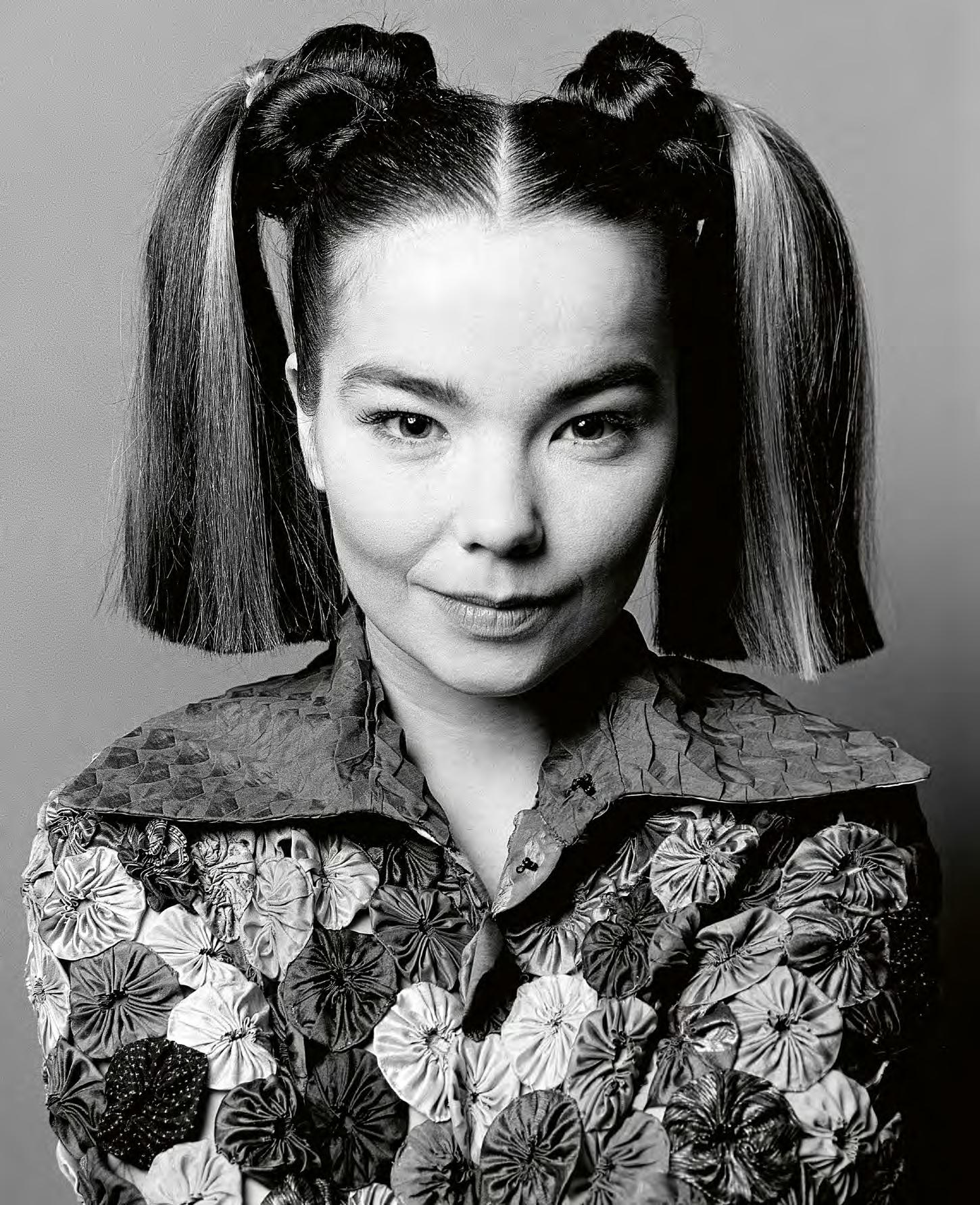
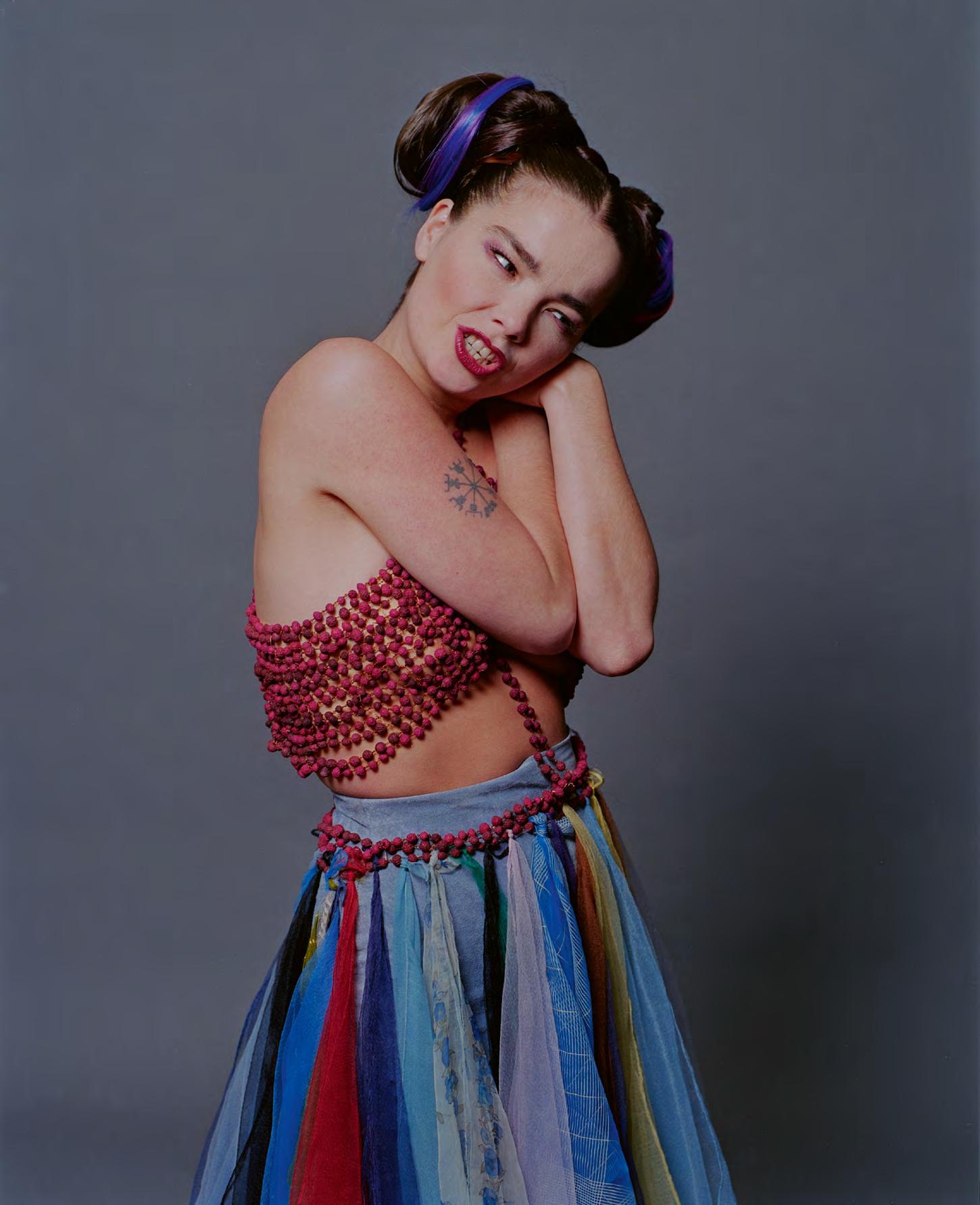
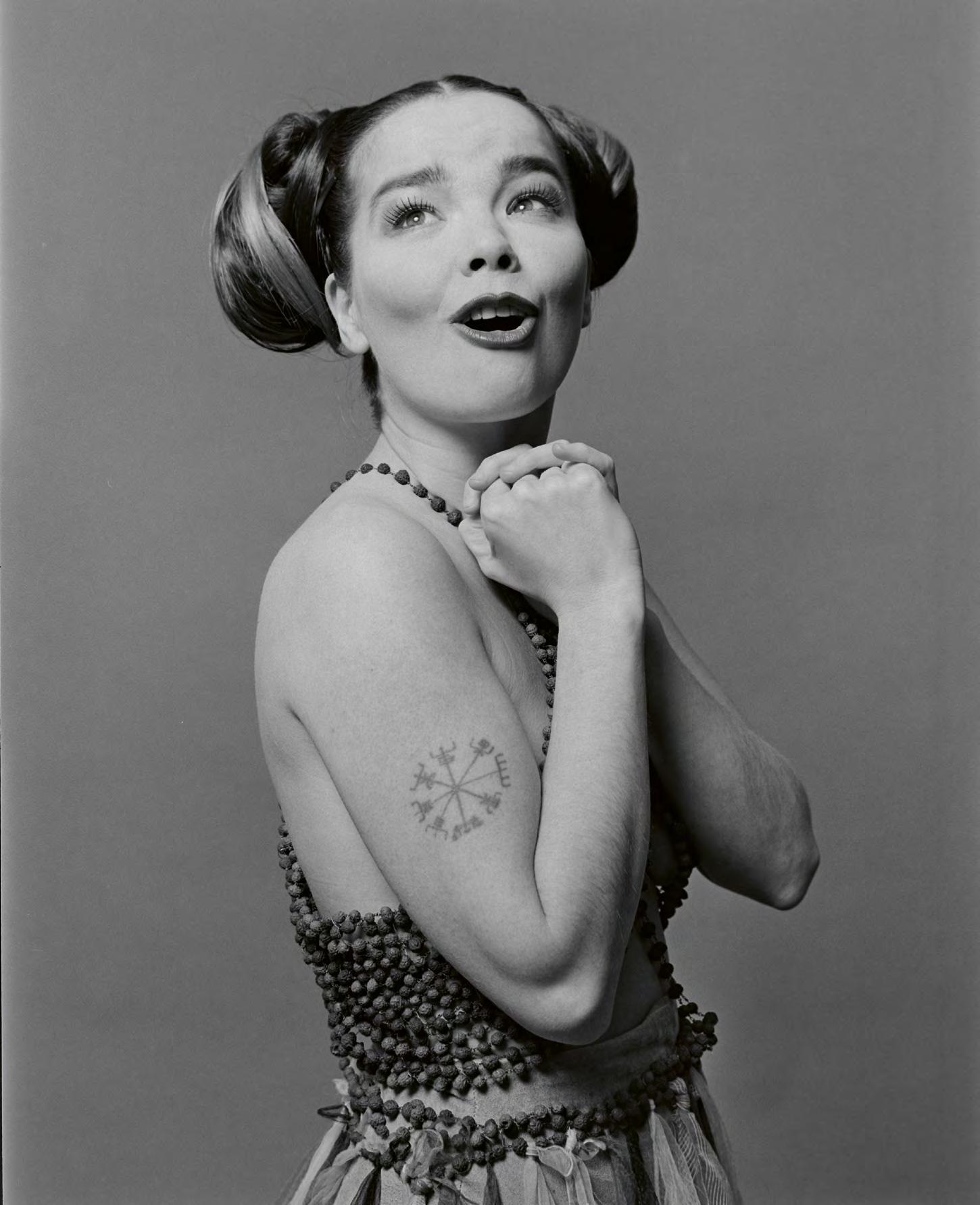
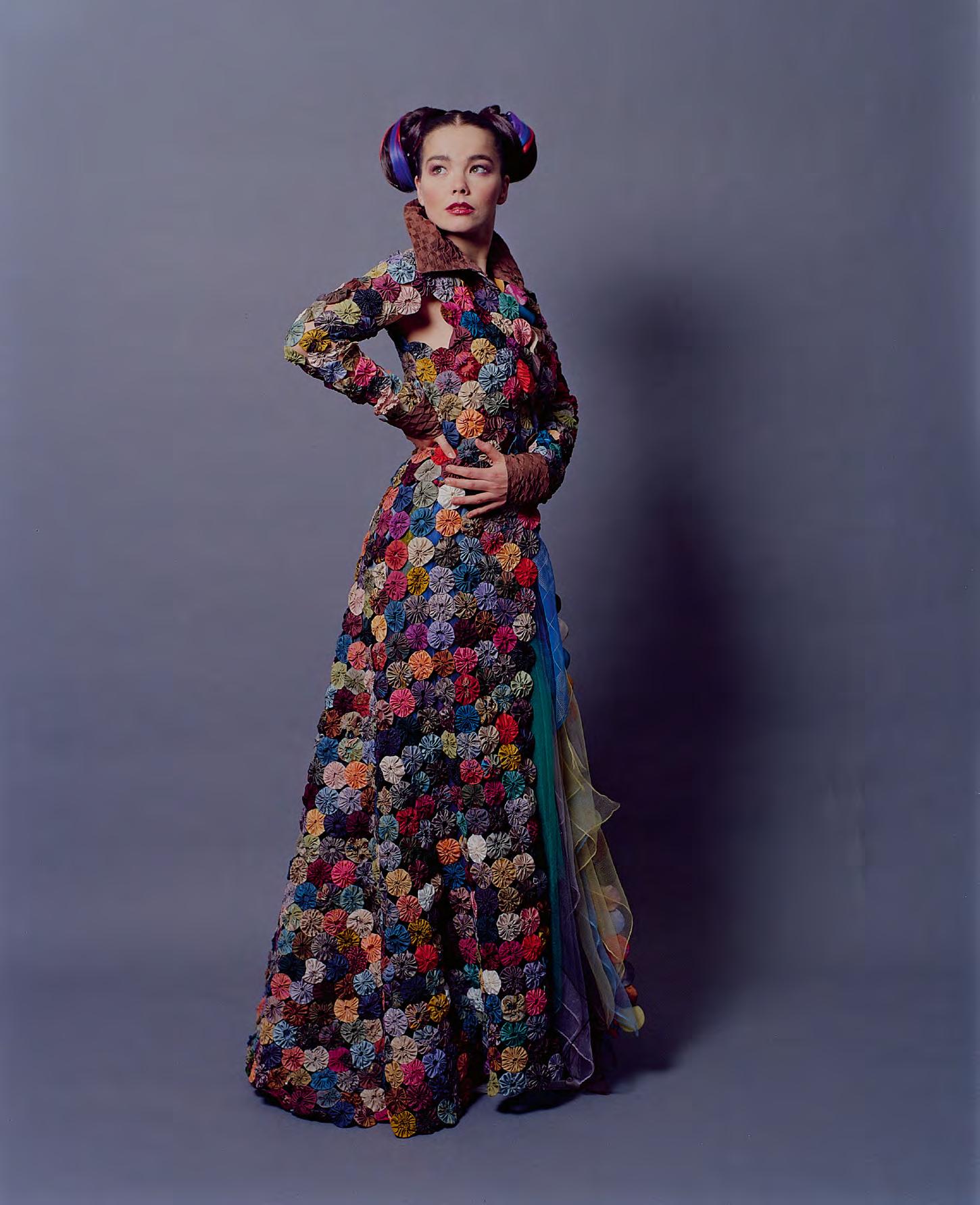
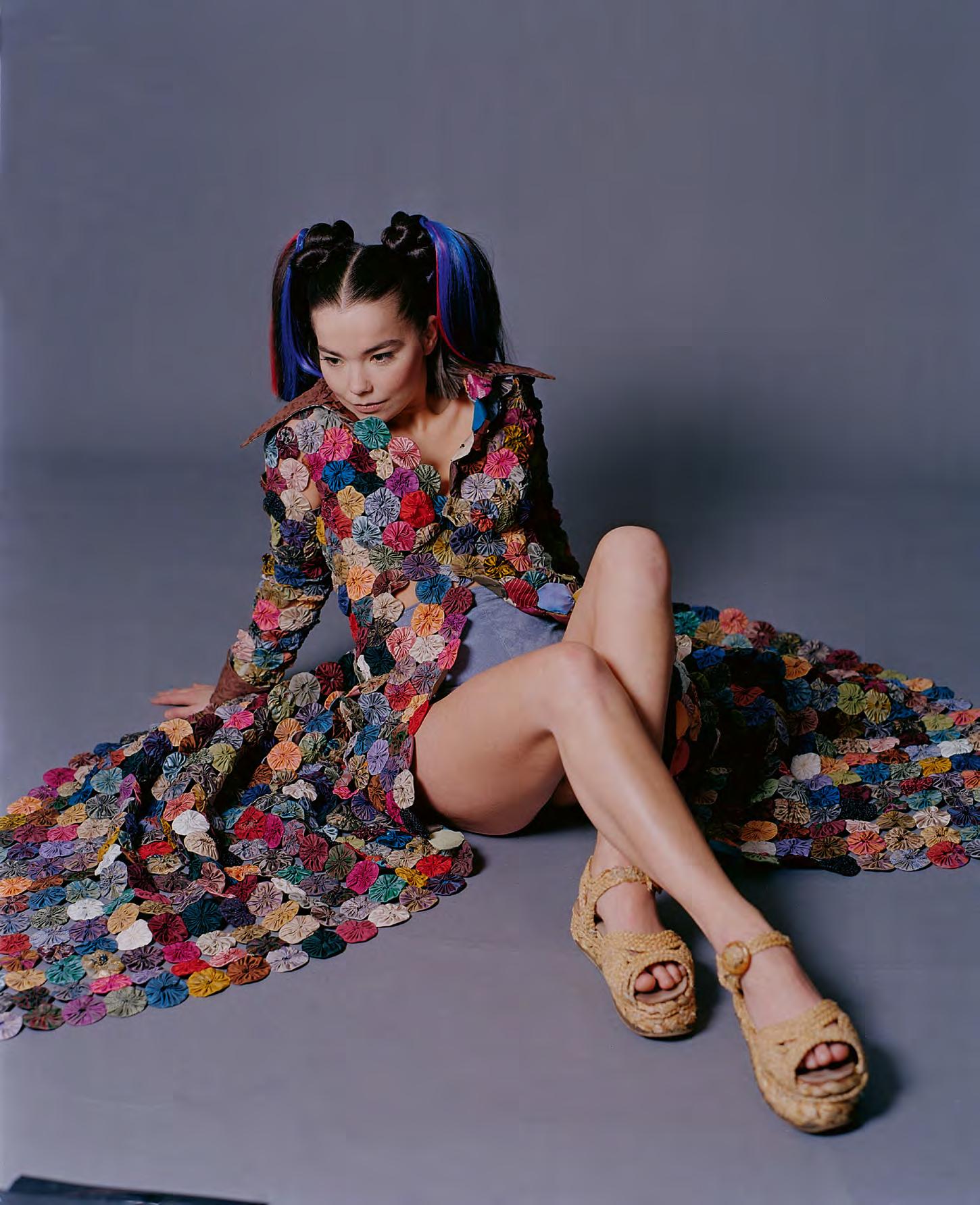
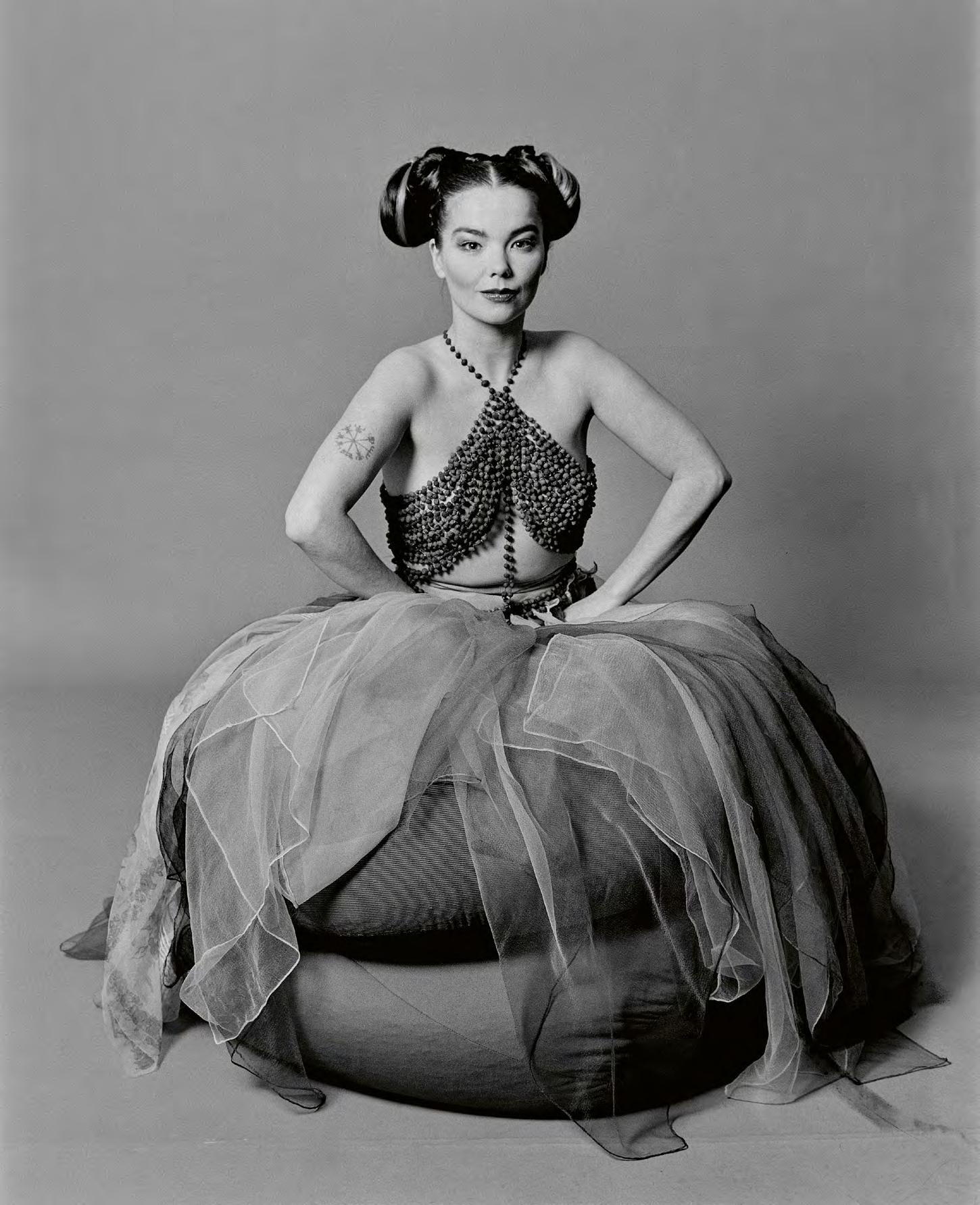
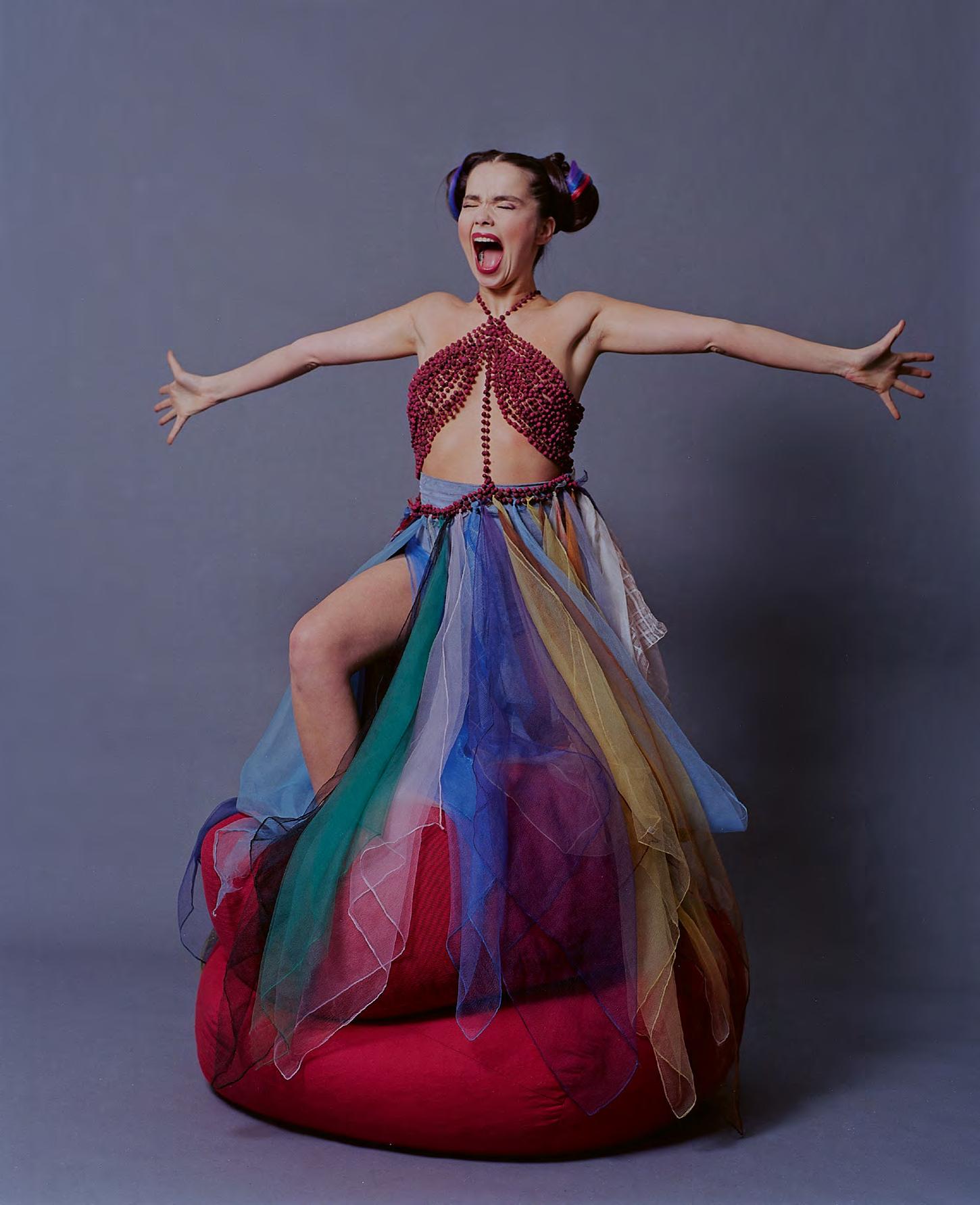
Text by Angelo Flaccavento
Pagan is, for lack of a better definition, an adjective that can be fittingly used to describe Björk’s rather singular dress sense—her way of connecting, through dress and sound, with the environments she inhabits, be they natural and wild or industrial and wilder. If the notion of paganism loosely gathers together all the polytheist religions practiced outside the monotheistic realms of Christianity, Judaism, and Islam—acknowledging their animist liaison with the forces of nature—then Björk is legitimately, by way of a minor conceptual stretch, a pagan dresser.
In her way of dealing with image-making and playing with color, proportions, and texture, there is always a tangible proclivity—one that’s not easy to put into words but can be clearly felt—in evoking an en plein air kind of roughness, the pleasure of being out there, ready for all conditions, or the sheer joy of being in direct contact with the elements. Those elements might pertain to Mother Earth— think of strong winds blowing and the effects they have on a dress entirely covered with little bells—or to clubland, which is where Björk’s early and ever so charming artistic vein found its natural habitat. “There’s More To Life Than This,” recorded live from the Milk Bar toilets, from Debut (1993) immediately comes to mind, as one can easily picture her in a fuzzy cropped mohair jumper over a lining slip dress and massive pop trainers as she performs.
The swan dress by Marjan Pejoski that Björk famously wore at the 2001 Academy Awards ceremony is probably her point of no return in this sense, generating an avalanche of comments and going viral before viral even existed. It’s a look so evocative of the myth of Leda, to whom Zeus appeared in the shape of a swan and proceeded to make love, generating two sets of twins, it turned into a popular culture ultra-myth. After that outing, Björk’s way of dealing with her looks and her music moved into a new territory altogether: one of confrontational and self-absorbed experimentalism, both aural and visual, which marked her final departure to an alien planet, one where harmony and beauty are completely turned upside down and viewers and listeners are challenged with a certain gusto.
What remained was the way Björk constructs her image as a visible projection of her sounds. Her looks have always been striking, but even when working with an image-maker of the caliber of Judy Blame, or collaborating with the crème of edgy designers, from Hussein Chalayan to threeASFOUR to Junya Watanabe, the construction of her public self has never been a trick, never a catchy way to cover up poor musical ideas. Rather, Björk’s dress choices, her preference for wacky shapes, her way to engage body, dress and makeup in a dialogue with each other, her disdain for deeply set canons in favor of boundaries-defying playfulness organically resonate with her musical choices.
Her looks make sounds. That’s the point, and that’s her gain. One can understand Björk’s different musical phases just by looking at what she wears. In such an emanative way of dressing, she’s an everlasting force of nature. Pagan, in fact.
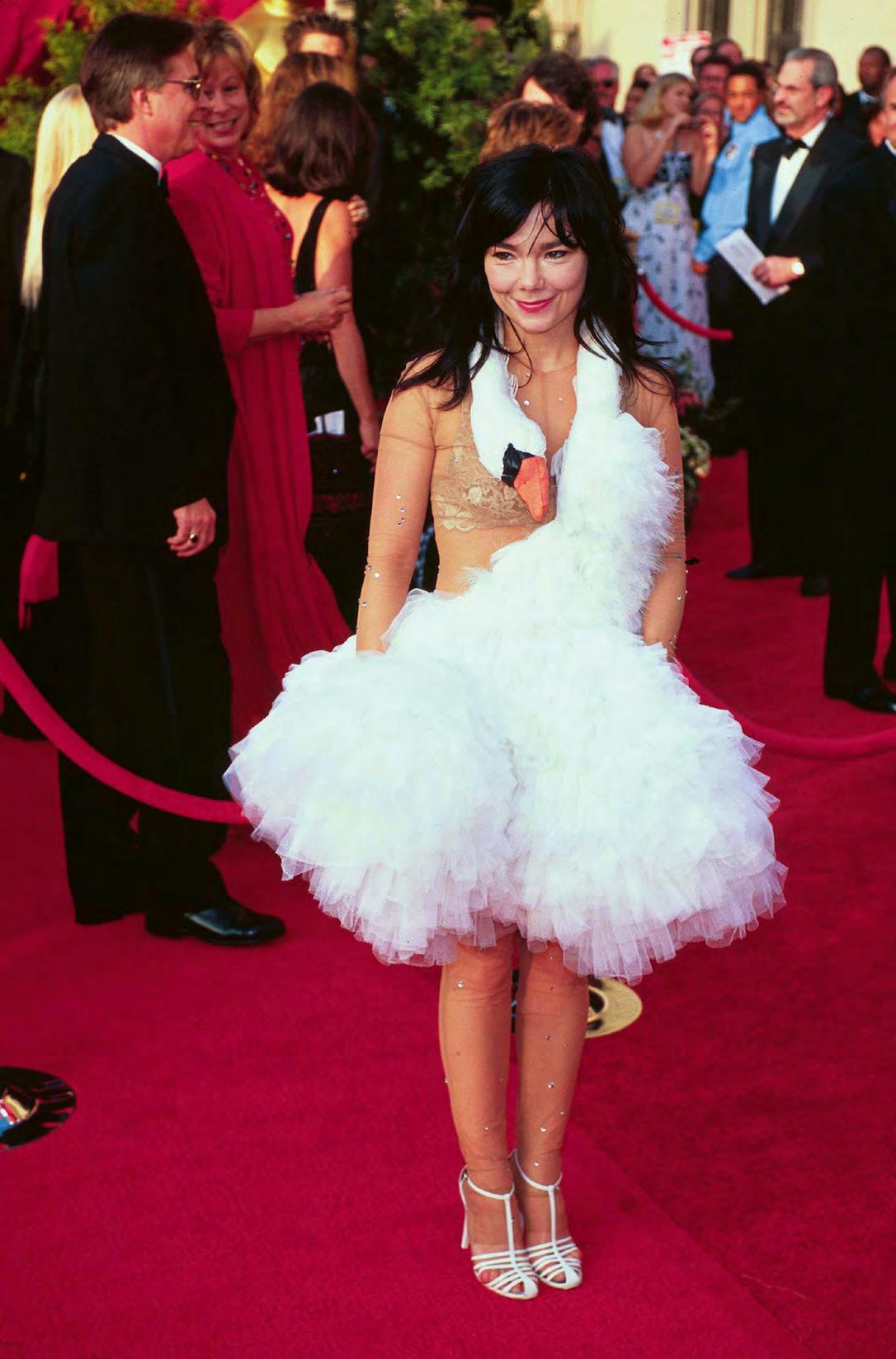
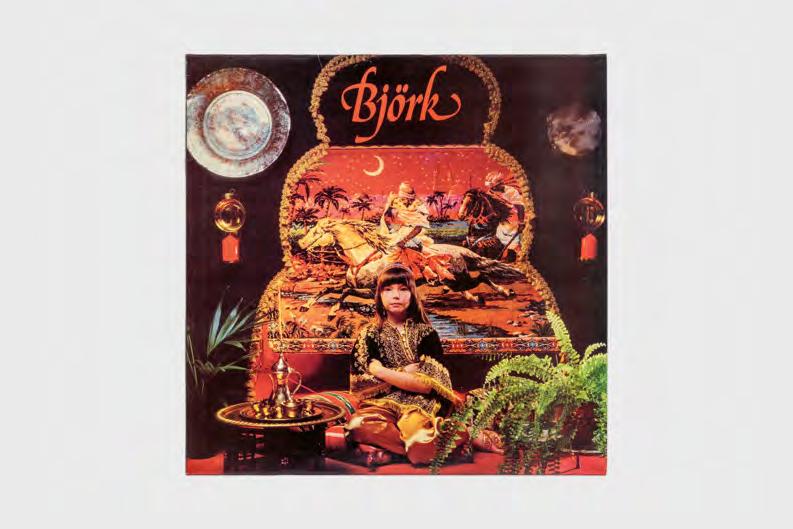
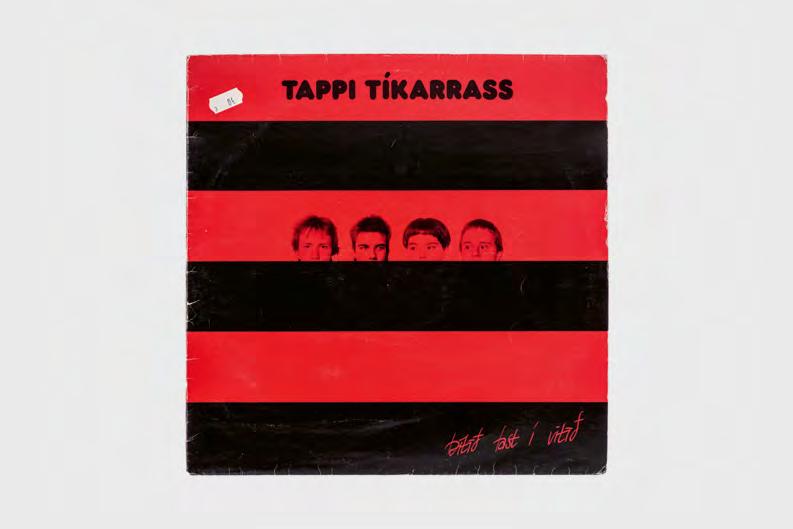
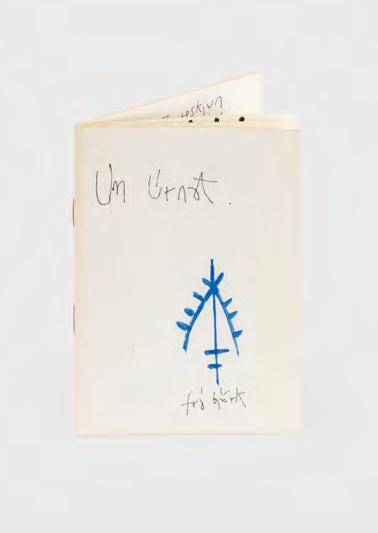

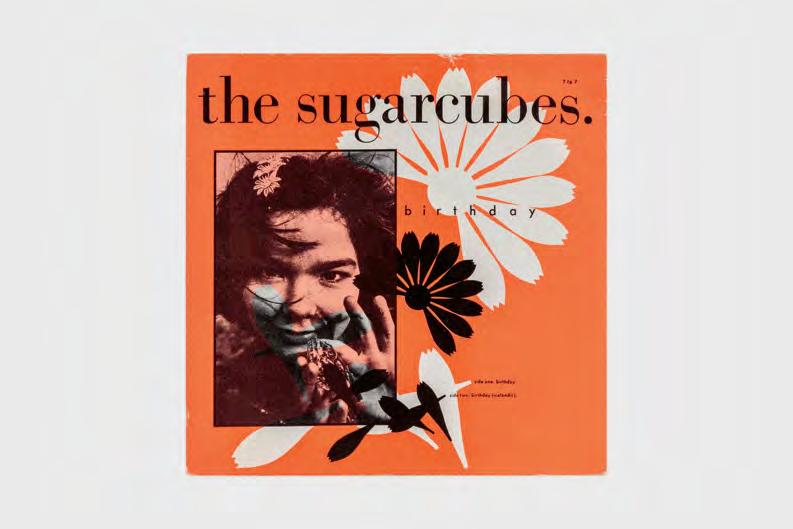
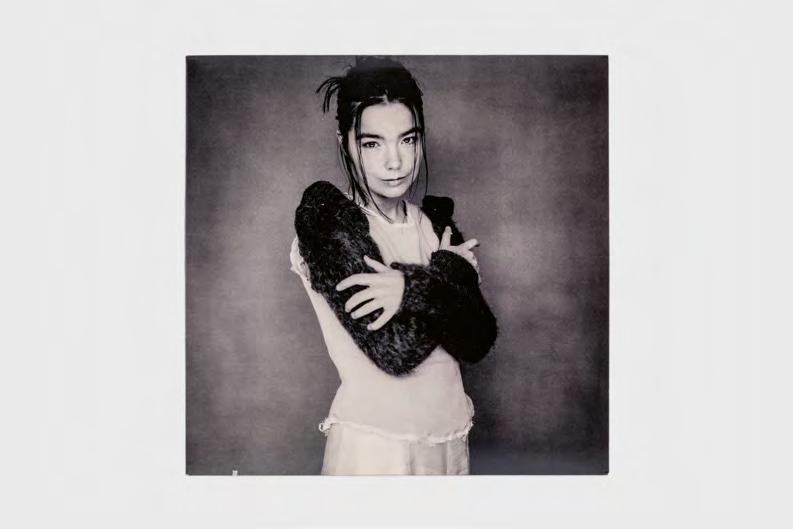
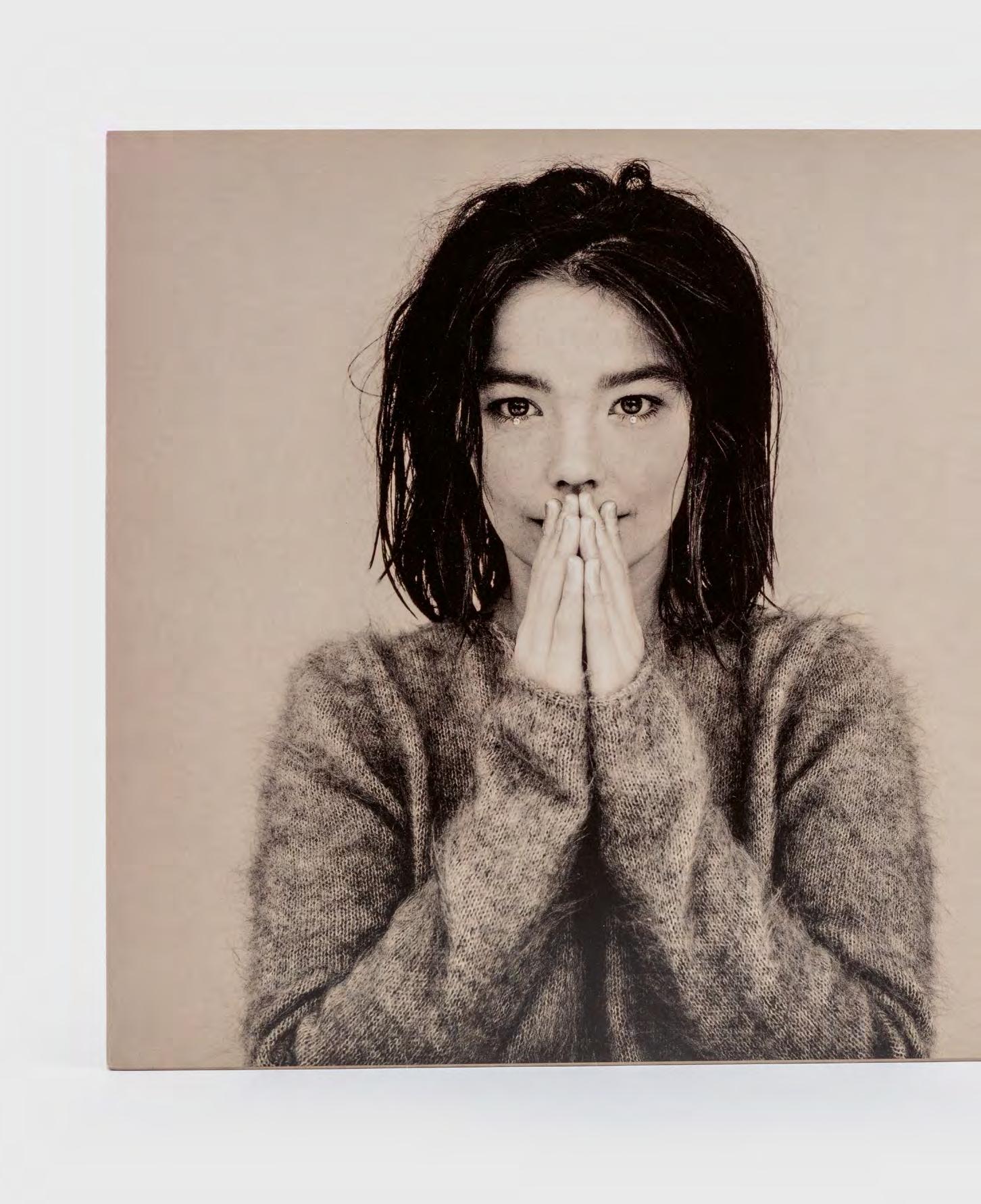
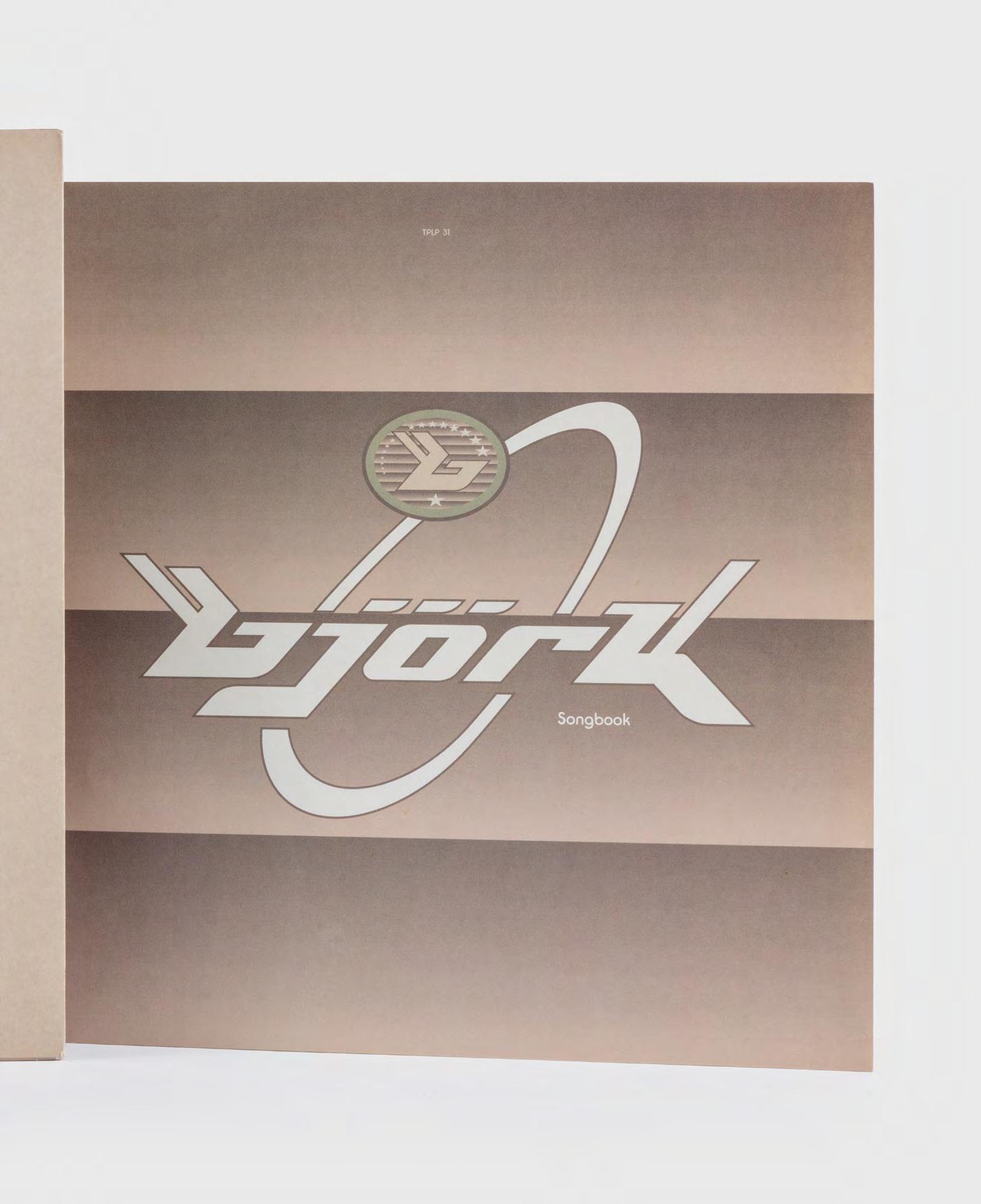
B.E.001
Björk Gudmundsdóttir, BJÖRK (1977) FA-006 on the Fálkinn record label. Recorded at the age of 11, this album contains 10 songs, mostly Icelandic folk songs, with a cover of Stevie Wonder’s "Your Kiss Is Sweet (Búkolla)" and The Beatles, "Fool On The Hill (Álfur út úr hól)."
B.E.002 Tappi Tikarrass Bitio fast í vitid 12” EP (Spor 4) on the Icelandic record label Spor (1982). Tappi Tikarrass formed in 1981 when Björk was 16 as part of the post punk movement. Tappi Tikarrass was Björk’s first band to record and print an album.
B.E.003 Um Úrnat, frá björk (About Úrnat, from björk). This is a small, handmade 16-page booklet by Björk circa 1983; around the time of KUKL. It's made from 4 pieces of paper, folded and stapled together making a 4”x 6” sixteen page booklet, each page is handwritten and illustrated by Björk. All of the writing and pen work is printed onto the paper, while the coloring and drawing is hand done with crayons, colored pencils, markers, and watercolors; making each one slightly different and unique. Made in a run of only 100 or less, they have become extremely rare. Um Úrnat was probably originally sold off of a small press rack at Gramm records, that was being run by Einar Örn Benediktsson and Ásmundur Jónsson at the time, before starting their own small press label Smekkleysa (Bad Taste Records) along with Björk and Bragi Ólafsson, among others.
B.E.004 SYKURMOLARNIR, "einn mol á mann" 7" (front)(Sugarcubes, one cube per hand) One Little Indian / Smekkleysa s.m. s.f. This is the first Sugarcubes 7." Only 500 copies originally printed. Some covers have the eyes hand colored in red by the band themselves. Released on Nov 21 1986 (Björk's Birthday)Tracks: Side A: Ammæli (Birthday) Side a: köttur (Cat)
B.E.005 The Sugarcubes "Birthday" 7” (7tp7) on One Little Indian (front). This is the first wide release of "Birthday" after the original "Ammæli" version on the "Sykurmolarnir Einn Mol’á Mann" 7” on Smekkleysa s.m. s.f.
B.E.006 Björk "Human Behaviour" 12” single (0-66299) US release on Elektra (1993) the first single from Debut. Photograph by Jean-Baptiste Mondino. This disc has four tracks with the original version and three remixes.
Tracks
A) 1. Original Version 2. The Underworld Remix B) 1. Speedy J. Close To Human Mix 2. The Underworld Dub
"'Human Behaviour' is an animal's point of view on humans. And the animals are definitely supposed to win in the end." Written by Nellee Hooper and Björk. Released in the summer of 1993 (June), one month before the album Debut This single launched Björk's international solo career after some years with the Sugarcubes. The video, directed by Michel Gondry, became an instant classic and began a tradition of associating her tracks with rich visual storytelling.
Björk is wearing a white silky top and skirt, and brown mohair attachable sleeves, all Maison Martin Margiela (top, skirt SS93). Styling by Judy Blame, Make Up by Topolino, Hair by Renato Campora. Shot at Mondino’s Paris Studio. Björk explained to Blame before the shoot that she wanted to look like a furry animal. She also revealed the clothes she'd packed for the shoot had gone missing. Blame whisked her to Martin Margiela's studio.
B.E.008 Björk Peppermint Pattie. This is a very rare promo item from Elektrar Records for the single release of "Big Time Sensuality." Still sealed with candy inside.
B.E.009 Björk "Post" 12” (TPLP51L) original limited edition pink vinyl from 1995 on One Little Indian. Cover photography by Stephane Sednaoui, album design by Me Company.
Tracks
A) 1. Army Of Me 2. Hyper-ballad 3. The Modern Things 4. It’s Oh So Quiet 5. Enjoy 6. You’ve Been Flirting Again B) 7. Isobel 8. Possibly Maybe 9. I Miss You 10. Cover Me 11. Headphones
"In a way, Debut and Post are the same thing - but they're before and after. The first was done when I was still a musical virgin; the second, when I knew more." Excerpt from the book by Ian Gittins - Bjork: There's More to Life Than This (Stories Behind Every Song) (2002)
“I wanted it to look like a Chinese street or Japanese street fair. I proposed to Björk to wear a kimono. She had a cute Chinese pink dress you can see in "Possibly Maybe." But she preferred the airmail jacket from Hussein Chalayan for the concept of the album. Looking back, the kimono might have been too much as the picture is already quite busy.”
Caption from Stephane Sednaoui's Instagram account
B.E.010 Björk "Isobel" 2 X 12” french promo (2580) on Mother Records. With a total run of only 200 printed and the exclusive remixes this promo album has become one the harder to find Björk 12” records. Printed and released in France in '95. Cover image "Double Trouble" photographed by Andrea Giacobbe. Back cover designed by Me Company.
Tracks Disc 1) Face 1 (2581-A), Isobel - Dim’s Enchanted Forest, Face 2 (2581-B), Isobel - Transfunk Mix, Isobel - Ln’s Remix Disc 2) Face 1 (2582-A), Isobel - Dim’s Hi Compact French Touch, Face 2 (2582-B), Isobel - Dim’s Ol’ School Dubstrumental
B.E.011 Left: Björk "Possibly Maybe" / "I Miss You" 12” (193TP12TD)
U.S. Limited Edition # 523 of 1000. Released in the UK and US in a numbered limited run of 1000. Photography by Nobuyoshi Araki Layout and design by Me Company.
Tracks
A) Possibly Maybe (Calcutta Cyber Cafe Mix) AA) I Miss You Dobie – Rub Part One (Sunshine Mix)
Right: Björk "Enjoy" / "Possibly Maybe" 12” (193TP12DM)
U.S. Limited Edition # 435 of 1000. Released in the UK and US in a numbered limited run of 1000. Photography by Nobuyoshi Araki Layout and design by Me Company.
Tracks A) Enjoy (The Beats Mix)
AA) Possibly Maybe (Lucy Mix)
“Every image is so alive.” Is how Björk described Araki’s work in Index magazine in 2001, “He takes photos of pretty dark stuff, and yet there’s outrageous vitality in them. They’re not destructive. His work makes me think about enjoying life, screaming from a mountaintop because the world is wonderful.”
B.E.007
Björk Debut 12” LP with Songbook (tplp31) on One Little Indian (1993) Björk’s first solo album following The Sugarcubes. Produced by Nellee Hooper, album design by Me Company, photos by Jean Baptiste Mondino
Tracks
A) 1. Human Behavior 2. Crying 3. Venus As A Boy 4. There’s More To Life Then This recorded live at the Milk Bar toilets 5. Like Someone In Love 6. Big Time Sensuality B) 7. One Day 8. Aeroplane 9. Come To Me 10. Violently Happy 11. The Anchor Song
"After The Sugarcubes, I guess I had a mixture of liberation and fear. It had been obvious for a while in the band that I had different tastes than the rest. That's fair enoughthere's no such thing as correct taste. I wrote the melody for 'Human Behaviour' as a kid. A lot of the melodies on Debut I wrote as a teenager and put aside because I was in punk bands and they weren't punk. The lyric is almost like a child's point of view and the video that I did with Michel Gondry was based on childhood memories. Have I worked out 'Human Behaviour?' I guess not."
B.E.012 " I Miss You" Cassette (194TP7C) on One Little Indian. Design by Me Company, animated Björk and Jimmy (The Idiot) by Spumco of Ren & Stimpy fame.
Cassette Tracks
1. I Miss You (Dobie’s Rub Part One Sunshine Mix)
2. I Miss You (Photek Mix)

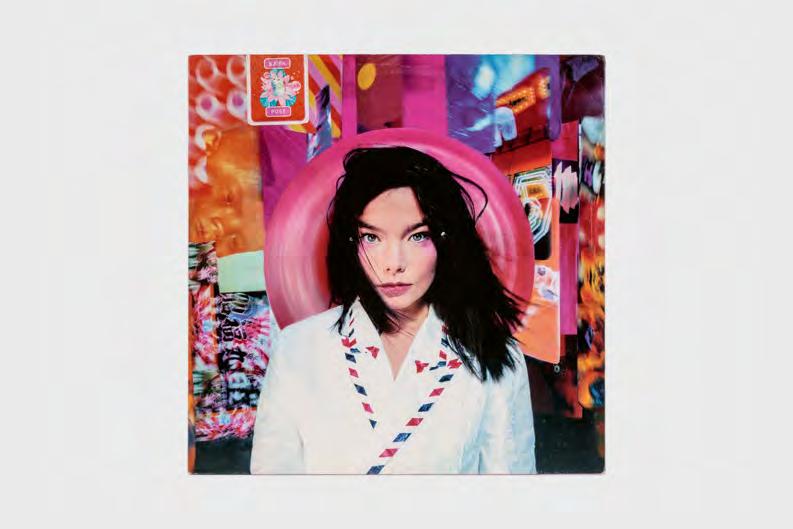
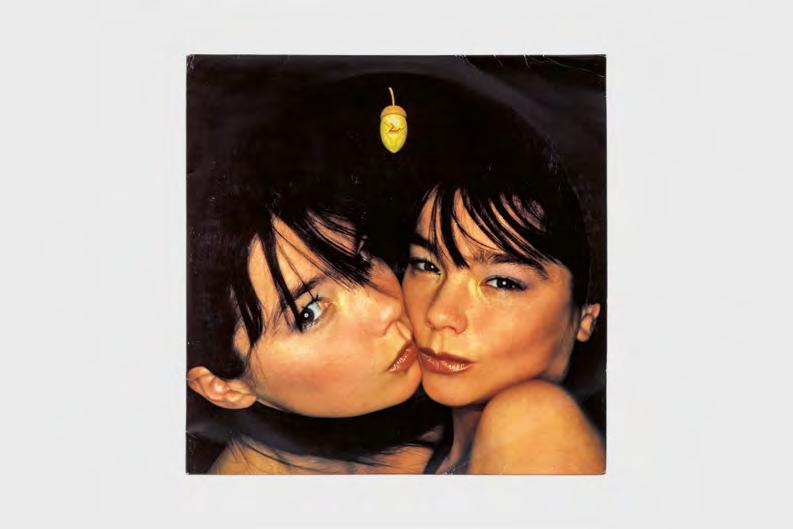
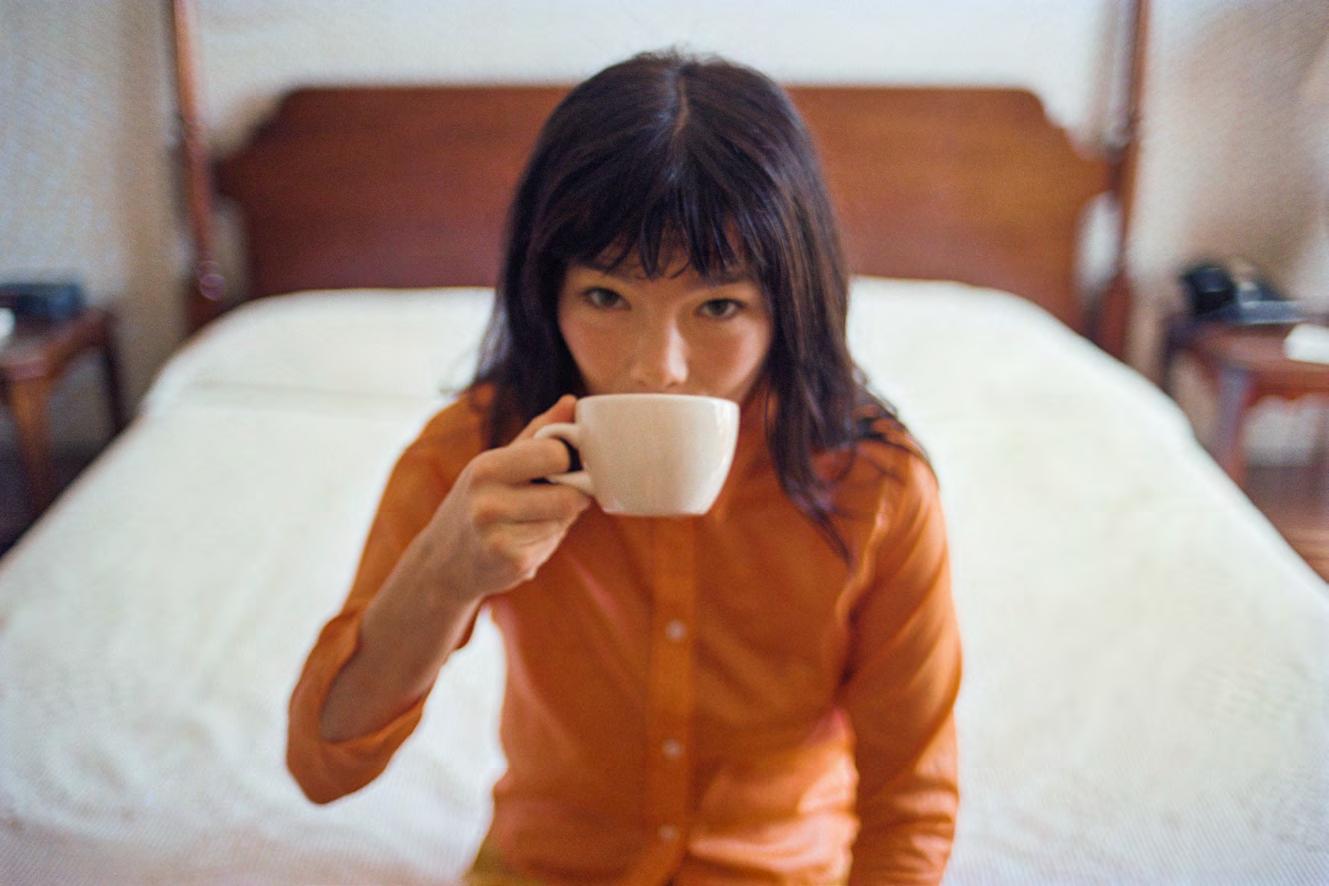
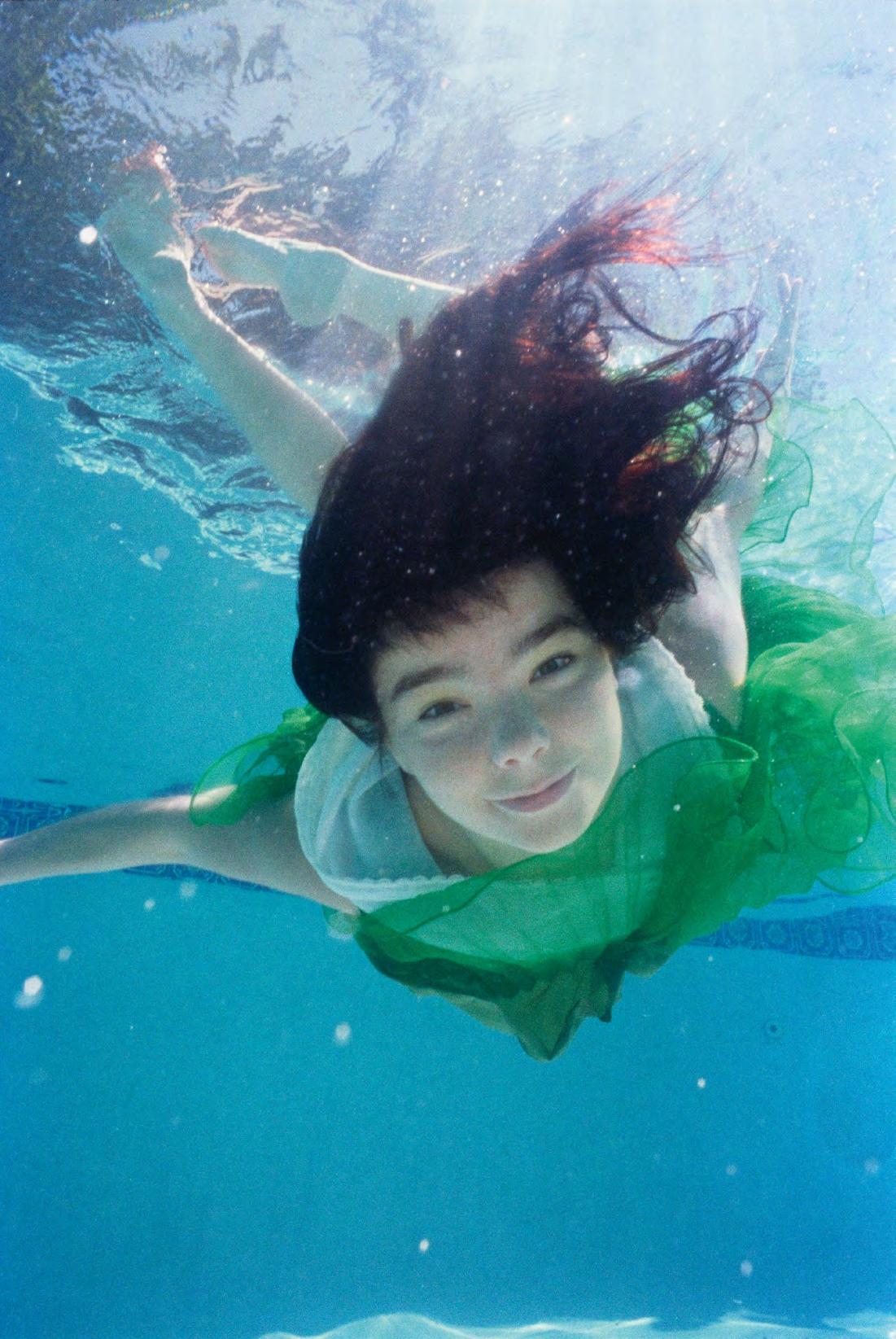
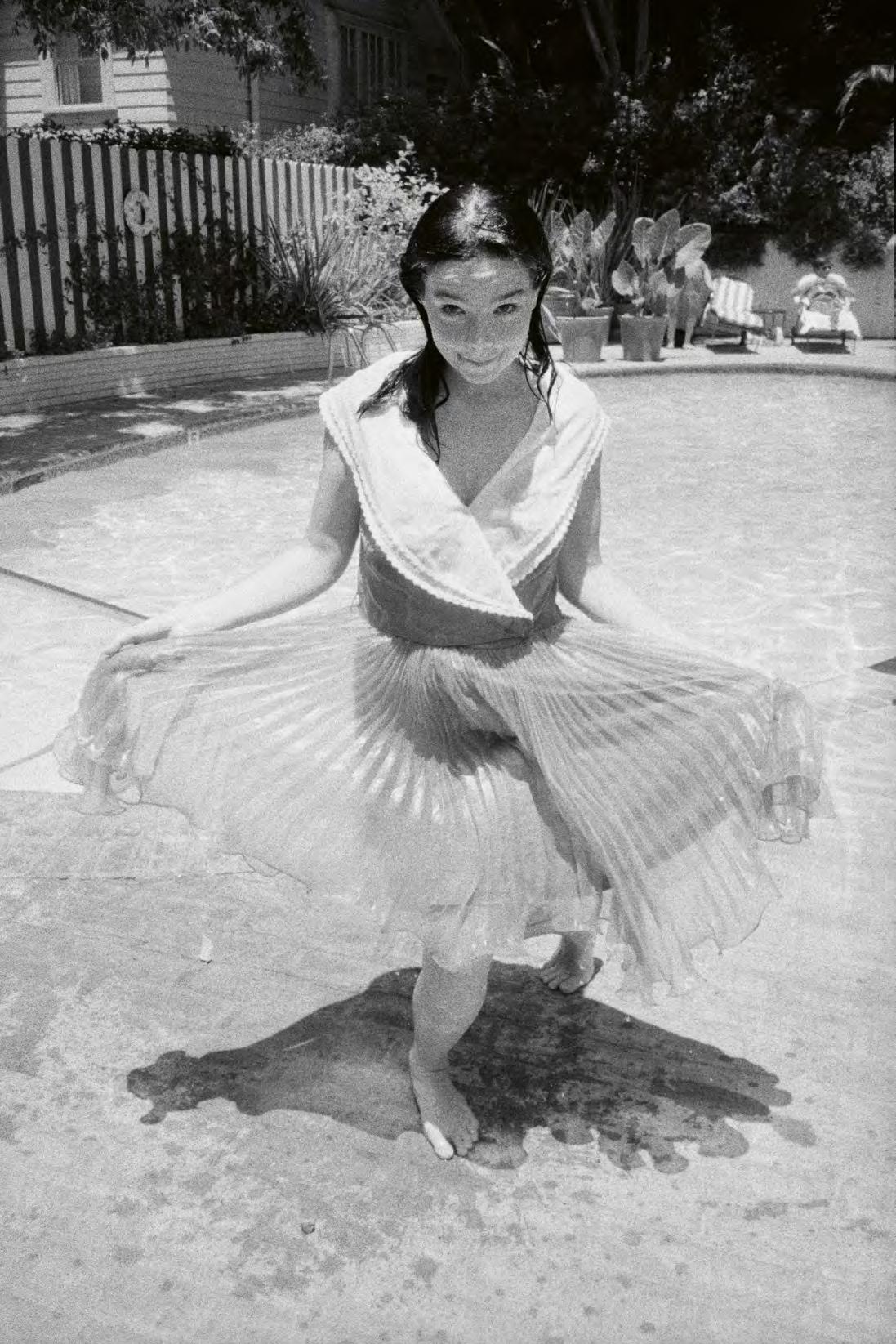
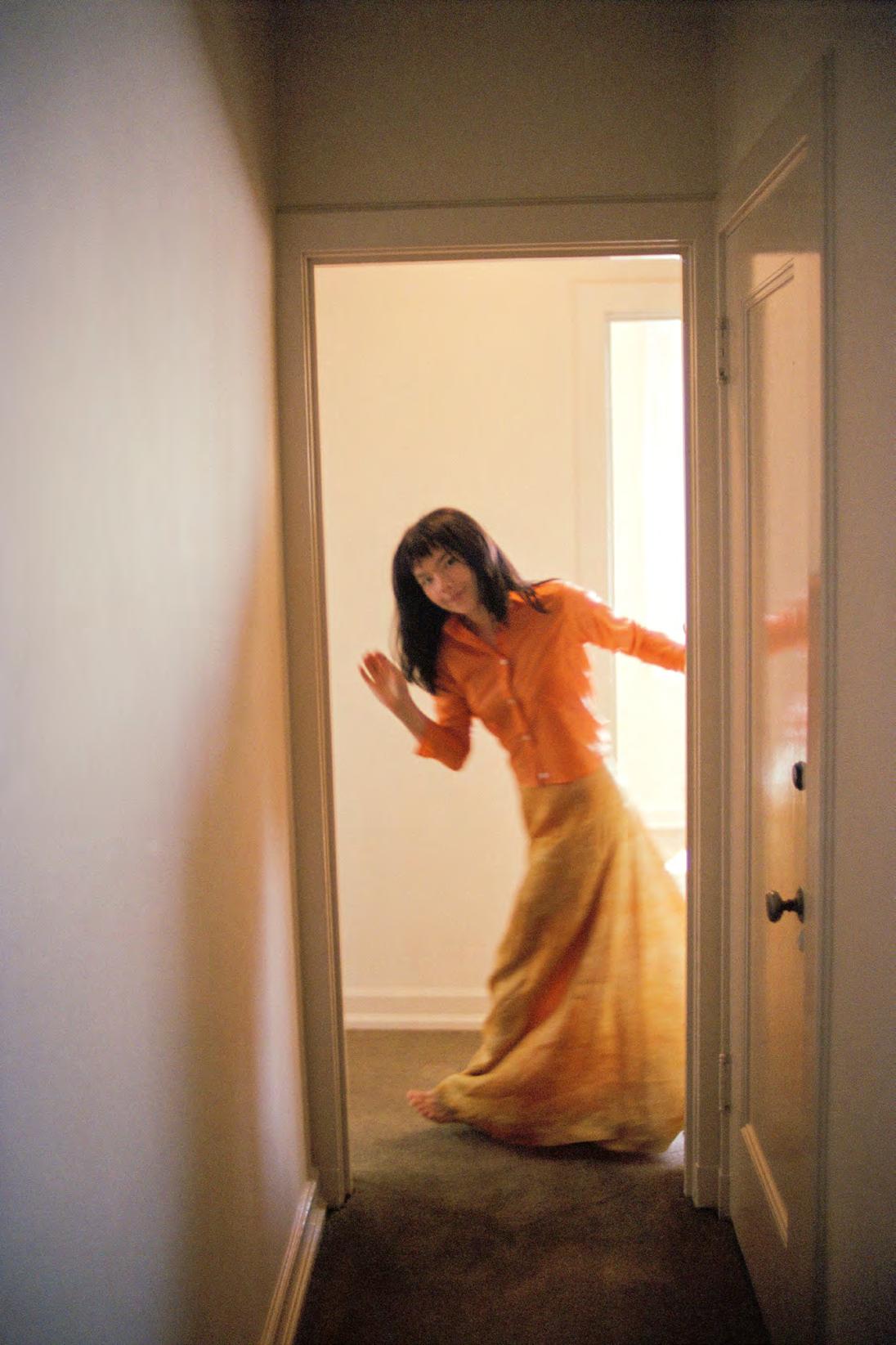
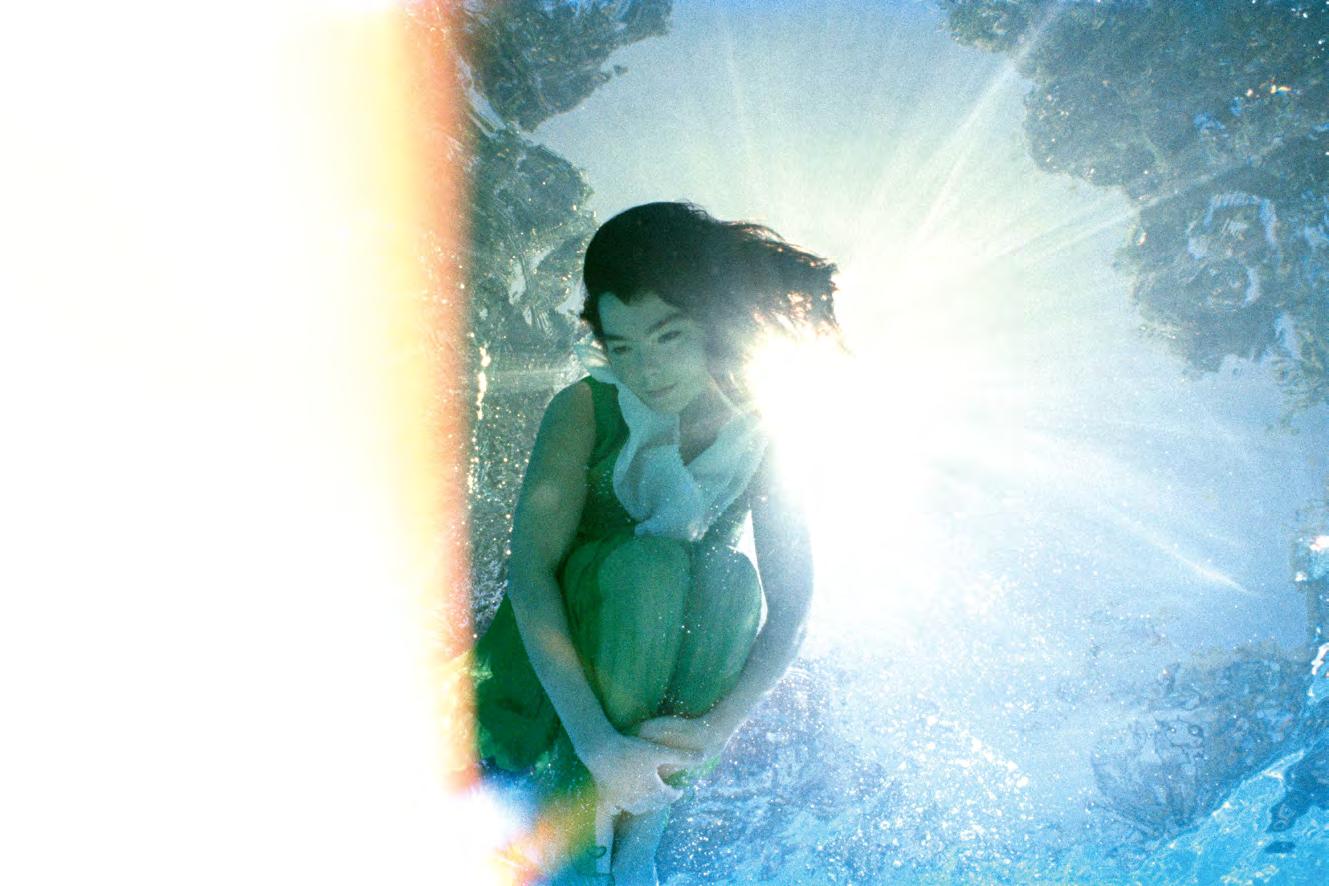
"I loved her first album, Debut. [It] was very exciting to get to do a Björk video. They sent me four songs off of Post and they were all incredible. The idea that came the quickest was for “It’s Oh So Quiet.” And then I had a call with her and we just talked and I told her the idea and she said, “I love it.” And I was like, “Well, do you have any tweaks, anything you want to do?” And she’s like, “I just want to wear an orange dress.” My reaction was, “Okay, perfect.” And that was it. It was so easy and so fun and she was just the warmest, up for anything. But I could also tell she had a very clear point of view on who she was, what she wanted to do, who she wanted to work with and I was very, very honored to be somebody that she wanted to work with. Then I didn’t see her, we didn’t talk for a couple months and I started prepping it and putting it all together and scouting it and working on the choreography and all that stuff. And then she came to town and Detour Magazine asked, “Hey, we want to shoot photos of Björk for an interview.” So the day she got in town, I went to the Chateau Marmont, where she was staying." Spike Jonze in conversation with Humberto Leon for The Day I Met Björk (2024)
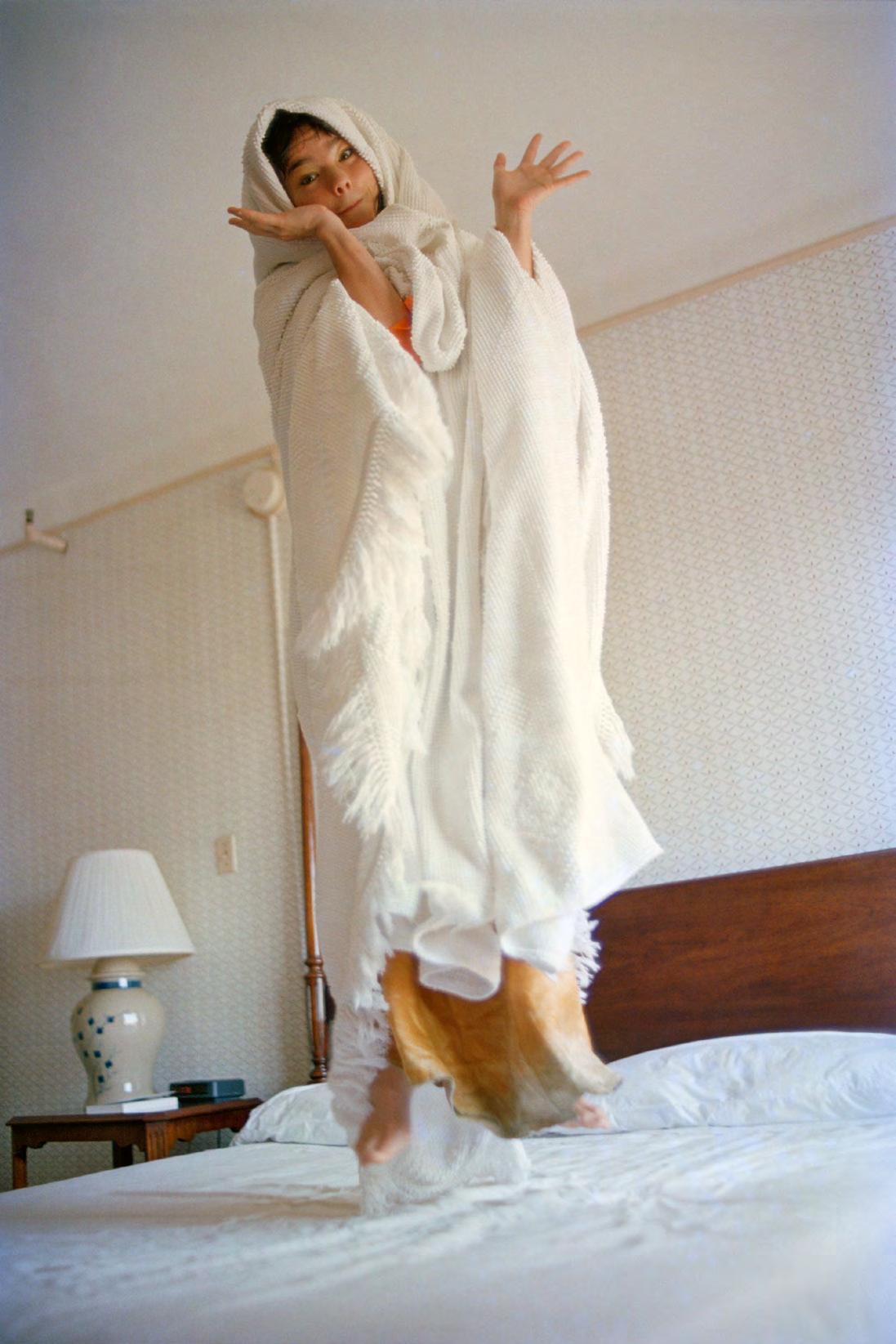
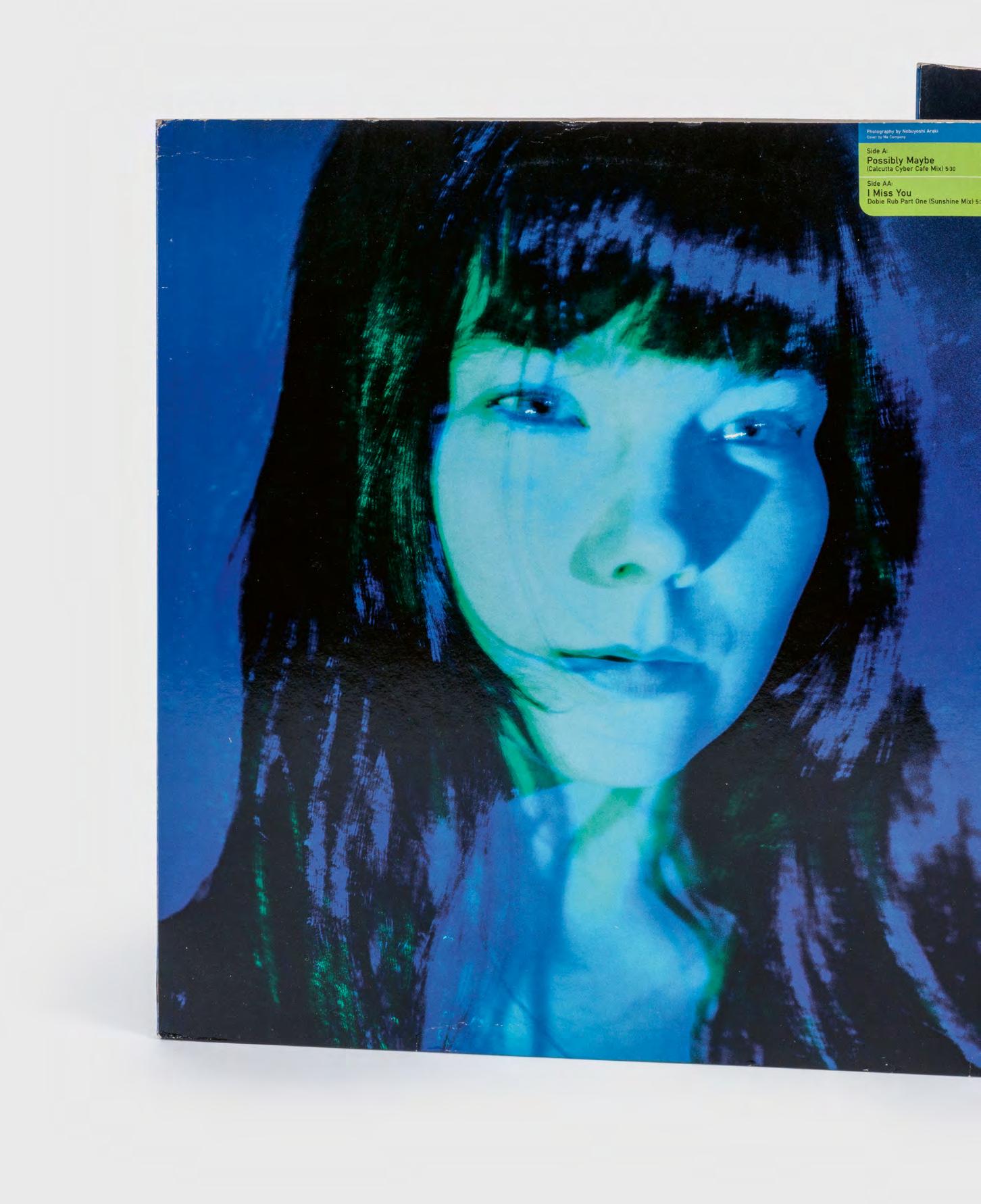
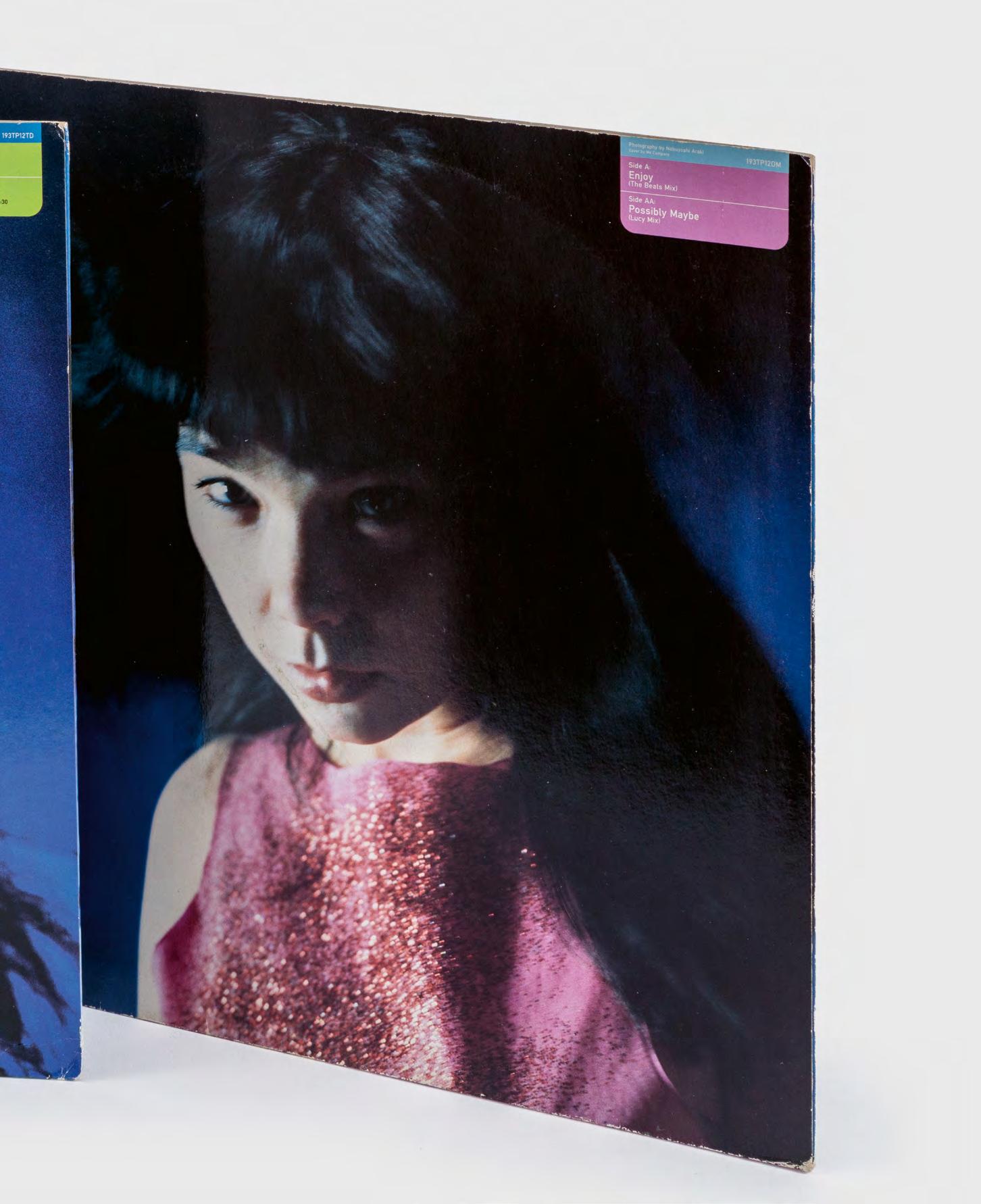
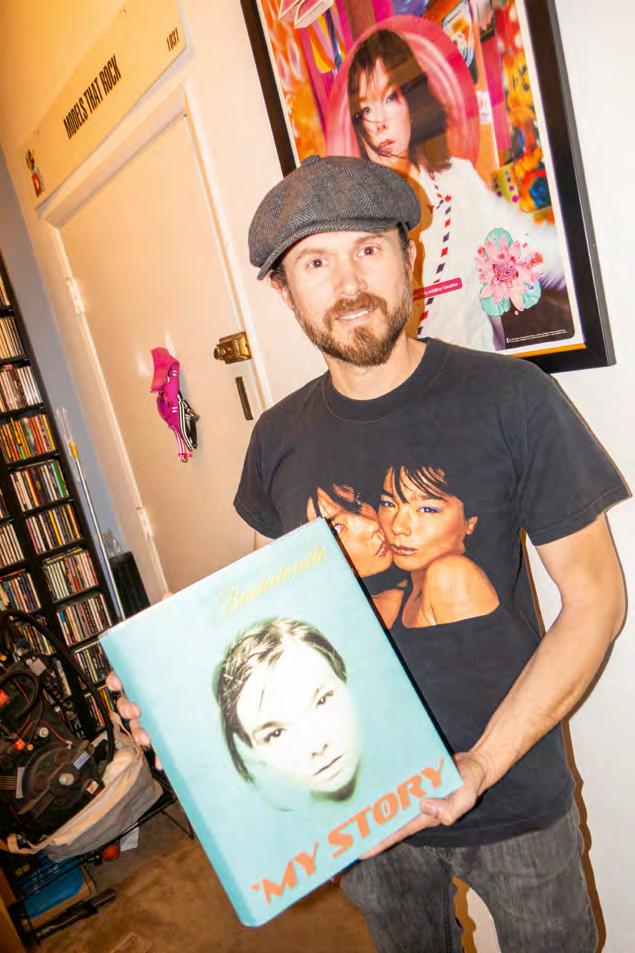
Elijah Flores is a dedicated archivist of Björk’s expansive and eclectic oeuvre, amassing a comprehensive collection that spans her entire discography and beyond. His North Hollywood studio apartment functions as a private museum, meticulously housing hundreds of rare and obscure artifacts—albums, cassettes, CDs, t-shirts, posters, and other ephemera—that collectively map the trajectory of the Icelandic artist’s career. His Instagram account, @thebjorkcollector, serves as a living digital archive, transforming personal fandom into a form of public curation. In this space, Flores not only documents but enshrines Björk’s artistic legacy, treating pop culture ephemera as a site of both historical preservation and affective devotion.
OK W hen and how did you first discover the work of Björk—do you remember what you felt?
EF I was aware of some of The Sugarcubes’ songs early on, but I’d have to say it was the music video for “Human Behavior” in 1993. I was absolutely captivated by her voice and the uniqueness of the video. I had to get the single right away. I remember buying the CD of Debut the day it was released. I just happen to be the right age for the alternative music boom of the ’90s and Björk was at the top of my list of favorite new artists.
OK Your hobby is collecting, but what is your day job?
EF I work as a production designer and art director in the film industry, as well as an art and prop fabricator. With the work slump in the film industry over the last few years, I also started making my own line of miniature models. They’re miniatures of iconic punk rock venues and music-related locations under the name Models That Rock. You can see my work at modelsthatrock.com.
OK How many artifacts are in your Björk collection?
EF According to what I have cataloged on Discogs, I have 483 items in vinyl, CDs, cassettes, VHS, and DVDs—but that’s not including books, posters, magazines, t-shirts and other merchandise items. So, I’m not exactly sure.
OK How do you find these objects?
EF I’d say about 85% of my collection are items I bought as they were originally released, buying from record stores or directly through her record label, One Little Independent, and bjork.com. The other 15% came from looking online for items I was missing or didn’t have on eBay and Discogs.
OK W hen did you start collecting?
EF I’ve always been a collector, even as a kid. It probably started with Star Wars toys and Michael Jackson stuff, then comic books to CDs and records from other bands and artists I like. I started collecting Björk with the release of Debut in 1993 and my collection grew over the years into what it is now.
OK W hat is your favorite Björk album?
EF Vespertine. I love them all but Vespertine stands out as my absolute favorite. Vespertine was released in 2001, a few months after a personal tragedy of mine, and it just became an album that I listened to over and over again. It was comforting and healing to me at the time, and truly was a lifesaving album for me. I loved it so much that I got the odd duck logo from the album tattooed on my wrist shortly after the release of the album. I also have to give a shoutout to M/M Paris for the logo and album design of Vespertine
OK W hat is the rarest item in your collection and how did you acquire it?
EF My rarest item is Um Úrnat, a handmade booklet by Björk from around 1983, pre-Sugarcubes era. It’s said to have been made in a small run of one hundred or less. Each book was colored in differently, making every copy unique. With very few copies surviving over the years, it’s definitely one of the hardest items to come by. The very pristine copy I now own was offered to me by a fan in Iceland that follows my Instagram page and was looking to sell it off to the right person. I did pay a very generous amount for it, but it was worth it.
OK W hat do you think is the most misunderstood thing about Björk and her music?
EF As a longtime fan, I’m always surprised when I talk to people that aren’t familiar with her music. So, the most misunderstood thing would probably be how deep of a music catalog she has. From her early punk days to The Sugarcubes, Gling-Gló, collabs with other musicians, and her four-decade solo career, there is a wide range of music and songs for people to discover and enjoy. She’s not just the girl from the meme saying, “My name is Björk and your television is just about to explode!!”
OK W hat is the most misunderstood thing about super fans of Bjork?
EF T here are more super fans of Björk out there than some would expect.
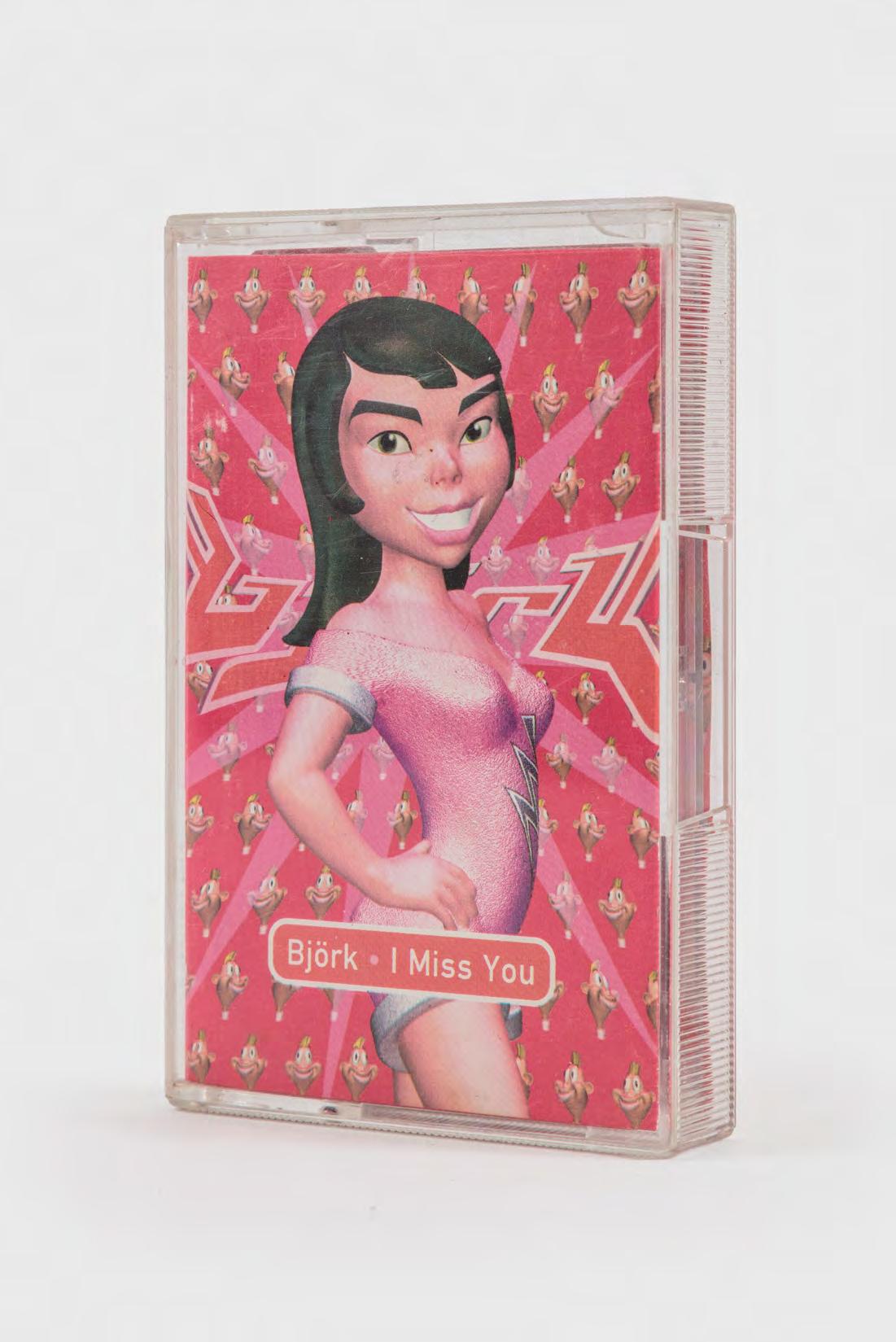
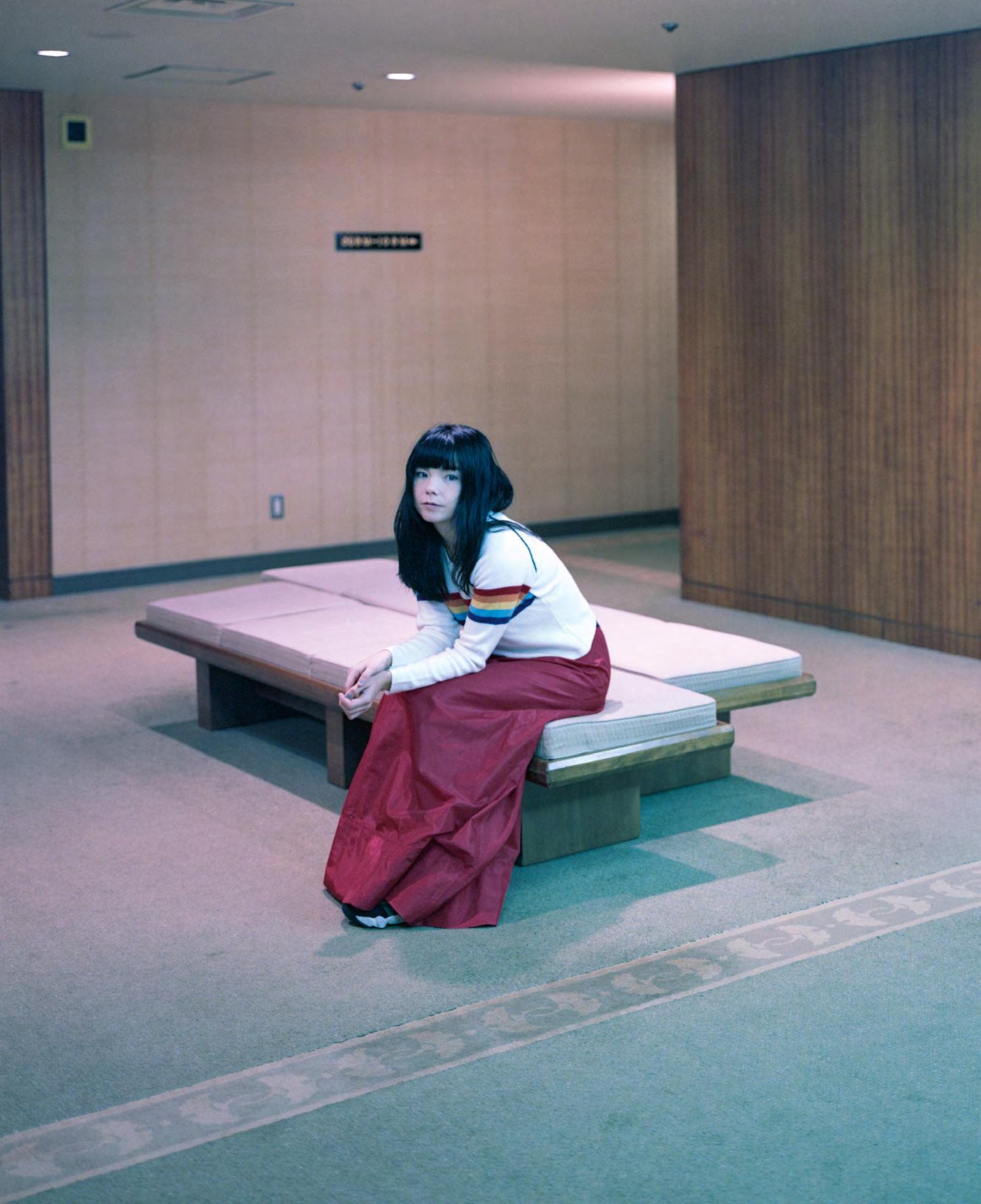
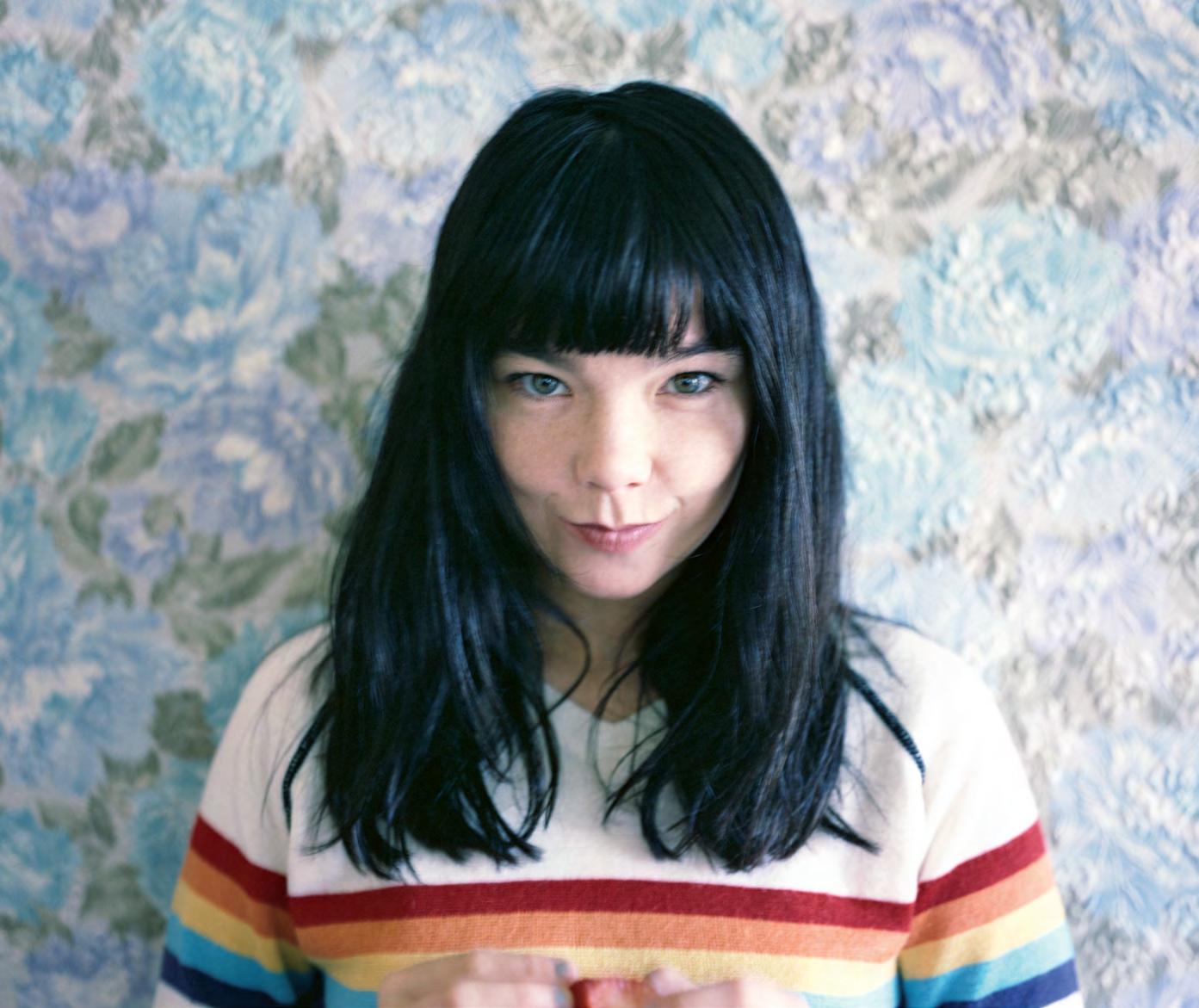
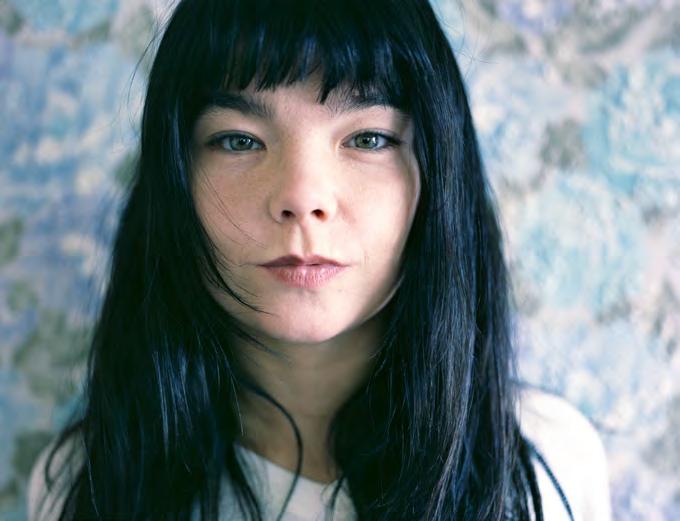
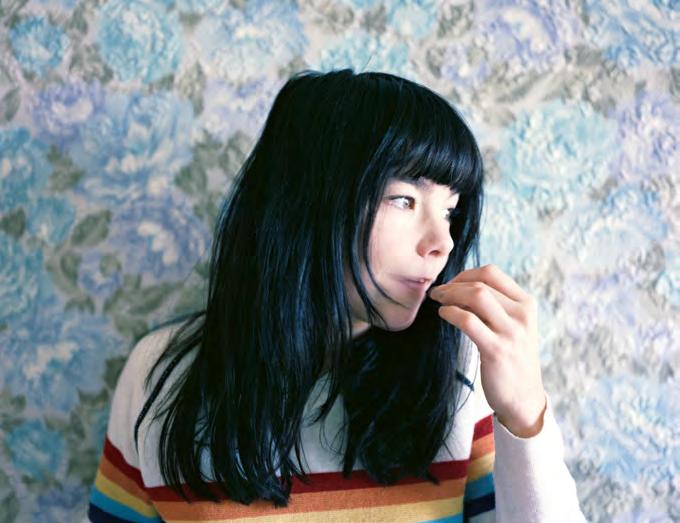
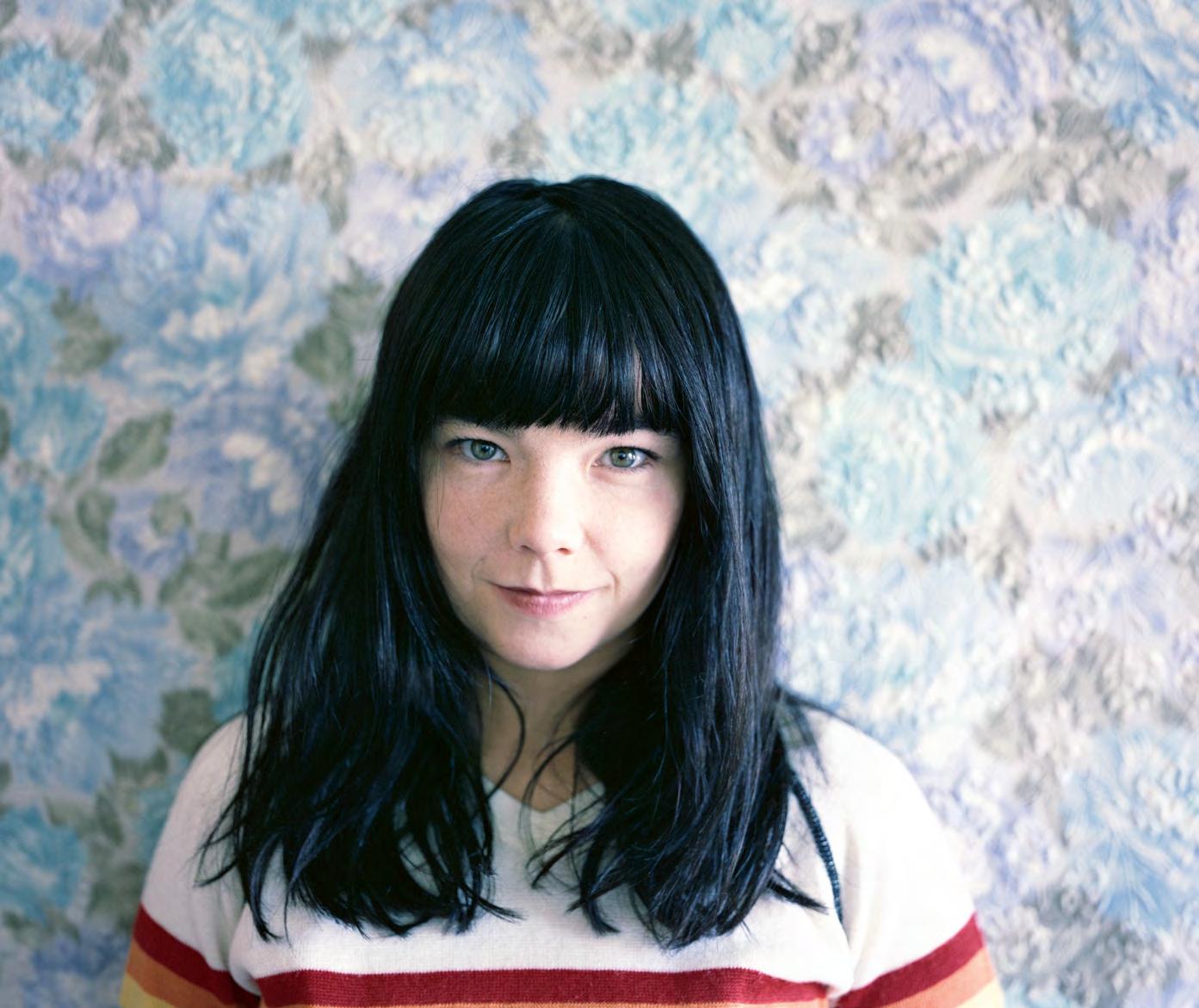
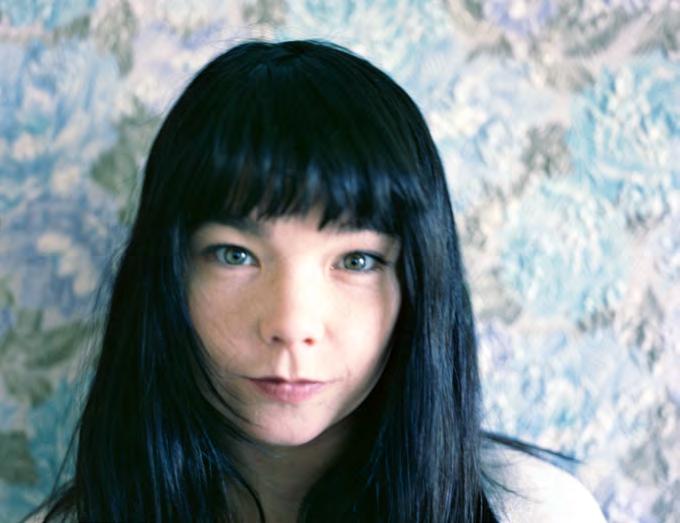
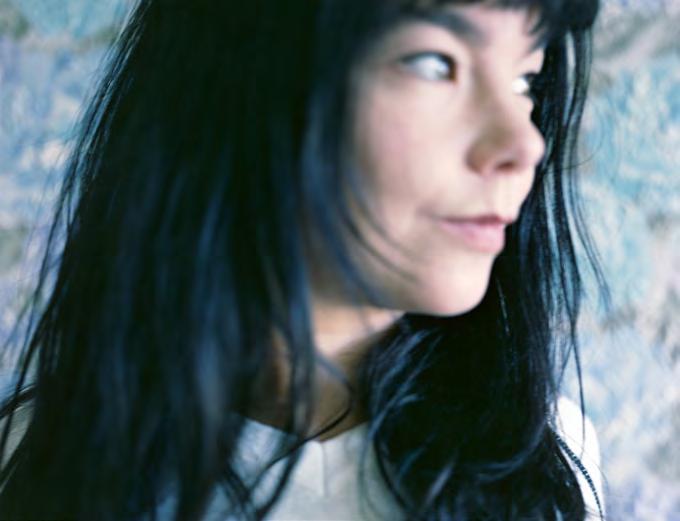
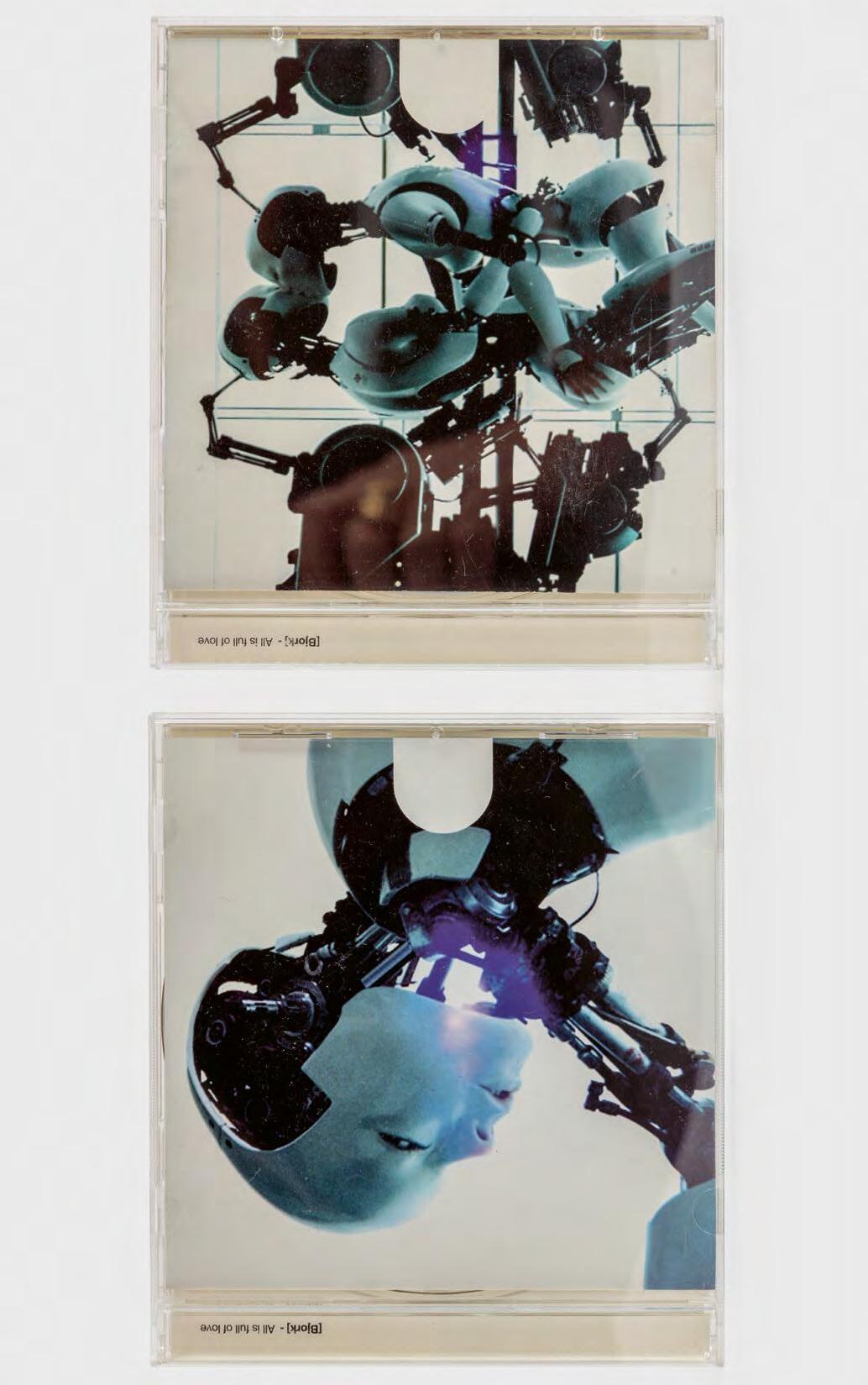
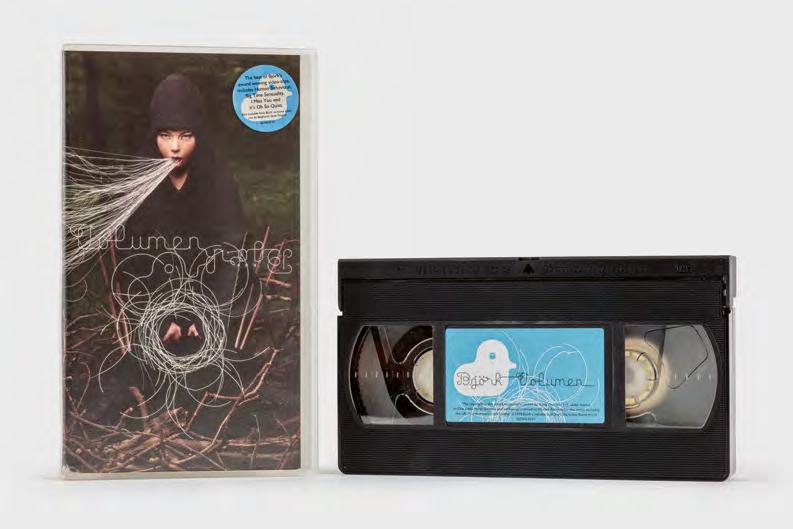
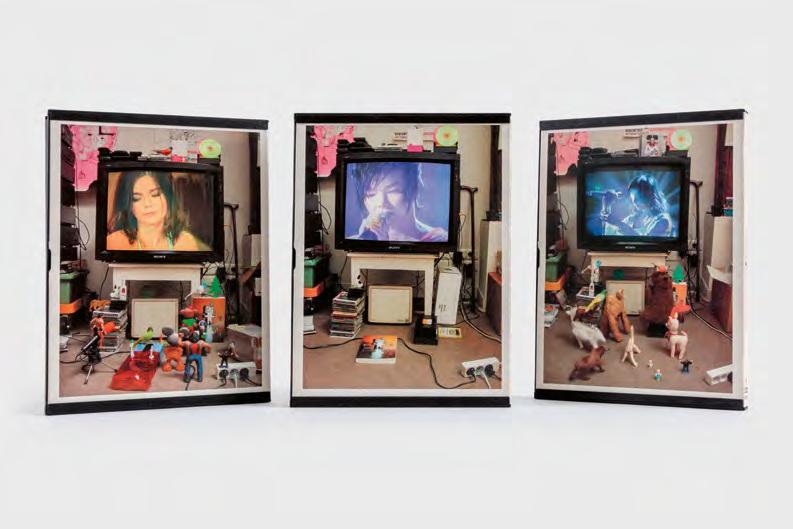
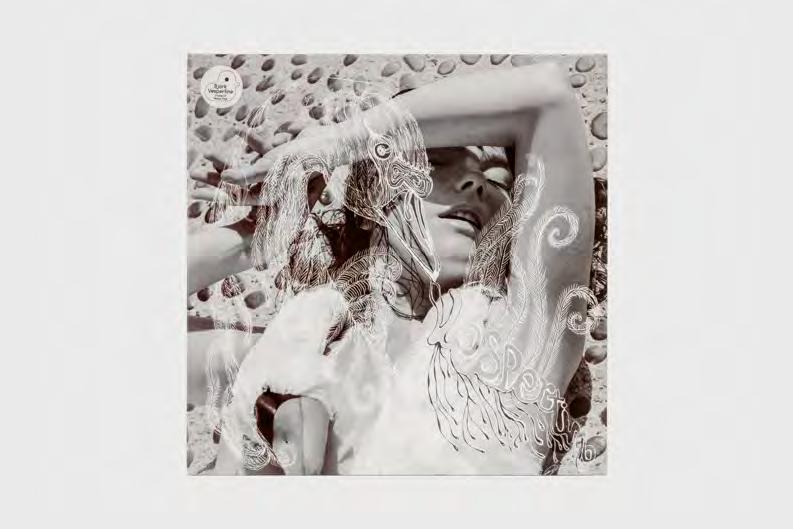
Text by Karly Quadros
For all the talk about Björk as some unknowable faerie, seer, alien, witch woman, her best songs are often centered on incredibly mundane things: car parts, bottles, and cutlery. Private moments on busy days (I’m simply suggesting/we go to that hidden place). Björk’s work tinkers with the machinery of care, especially care for the self. She writes into the homespun choices and rituals that make life’s most intense connections, the eruptions, possible. Often, her biggest outpourings remain the most legible, while her simpler songs feel like little riddles and puzzle boxes.
Listening to Vespertine is like staying awake all night to watch the falling snow trap you inside. It drives you inward, asks you to surrender to the slow process of melt (It’s warmer now/lean into it/unfold/ surrender). One of the early bedroom pop records composed for the era of file sharing, these are songs contained to a room, a bed, a corner. On “Aurora,” she collects microbeats from the sounds of shuffling cards and the crunch of boots through frost on the way to get the morning paper. Compared to the bursts of energy on Debut and Post, Vespertine is positively glacial. Passion flames easy, but practice needs to crystallize, building layers of meaning through ‘again’ and ‘again’ and ‘again.’
“It’s Not up to You” is the most open throated song on the record. It begins with backward sounds, sandy trickles and springs popping out of place. The music box melody tip toes in blearily. I wake up/and the day feels broken. Inboxes, deadlines, sinks full of dirty dishes, destructive romantic habits or addictions you just can’t shake. Supremely un-sexy things already that are made even more unsightly in the daylight. Another editor ghosted you. Every person you have ever fucked or almost fucked has watched
your Instagram story except for the one person you wanted to see it. And the bigger things too. The losses, the dread. Wheels spinning in place. Noses bobbing just above water. How many days can one person wake to a hammering fight-orflight response?
Of course, Björk isn’t really interested in the struggles at all. (It’s not meant to be a struggle uphill). She writes, instead, to our routines. Six glasses of water/ seven phone calls. Whether it’s a phone call home, yoga, a walk with the dog, or naming five things you can see, hear, feel, taste, and smell, we try whatever we can to reasonably cope with the dysfunction and get through the day. At our best, our routines don’t just anchor us, they define the parameters where we grow and work. These are the tools we use to feel safe in our world. They’re our plastic shovels we clutch to build castles out of sand. Of course, as Björk reminds us, the waves are always coming.
How do we master the perfect day? We don’t.
We don’t try to fix everything. We just try not to burn the coffee. After the tightly wound verses, the chorus unfolds to harps, flutes, wind chimes, and so many strings you could knit the whole world a new sweater. Sometimes, expansiveness is only possible when you focus only on the thing in front of you. ***
When a place or a person is not giving what you need from them, it’s time to go. So I did. I did it out of care, but it can feel like giving up. In my leaving, I was reminded of the ways that people talk about gentrification. We mourn the loss of our favorite show space, of affordable rent and beautiful architecture. Familiar faces. Community. But what we are really grieving is our own helplessness. (I can decide what I give/but it’s not up to me what I am given). Instead I moved inward and away, to a place where I am a stranger and mean very little to anyone.
feel smaller and more contained than ever before. (I wish to melt into you).
Think of young Björk and her quartet of horns hollering in excitement on “Aeroplane” as she flies across the world for love. Or the trip hop tension in “Come to Me” where Björk adopts the voice of the noir femme fatale, at one moment nurturing and giving and suddenly in the next, icy and withholding. She yelps in wordless delight on “Venus as a Boy” while daydreaming of her Adonis over scrambled eggs and watermelon. You only need to listen to the unanswered dial tone in the intro to “Possibly Maybe” to know that all it takes to undo all our years of sandcastle building is falling in love.
It’s hard to imagine a Björk album without the drip of love and sexuality. After all, this is the album that features “Pagan Poetry” and its notorious music video featuring highly processed images of Björk giving head to a lover. This is the album of “Unison,” a one-foot-in-front-of-the-other walk through a marriage. It’s fucking in the cocoon of night only to wake in the morning and discover your lover is still inside of you. Of course, Vespertine is sensuous, but the stakes of its sensuousness
Love jeopardizes our routines. We wake up somewhere unfamiliar. We miss a step going down the stairs. “Uncertainty excites me,” hisses Björk as her voice swoops and swoons like adrenaline spikes. The interior complexity of the song’s production, composed of data transmission signals and slide guitars by Nellee Hooper and Marius de Vries, gestures towards the shape of Vespertine in the future but without any of its inhibitions (My heart’s burned). When the thrill of uncertainty gives way to disappointment, not even routine can keep you together. Björk once confessed to Raygun in September 1997 that she always felt a little ashamed of the song’s darkness because she “was brought up so self-sufficient and happy and to never complain.” Compared to the roiling passion of Post, Vespertine can seem calcified. The woman who wails, “How could you ever be loved like that?” is not the same one who calmly intones, “It’s not meant to be a strain.” I’m wondering lately how to become that second woman. I’m not sure that six glasses of water will be enough. Because love does truly, relentlessly jeopardize our routines (I can’t say no to you), but routine also jeopardizes love (I never thought I would compromise). You’ll learn who I really am and you’ll get bored of me. You’ll stop wanting to fuck me. You’ll try to change me. Or maybe you’ll love me unconditionally, and it still won’t be enough. I’ll still be there at the edge of that cliff, hurling things at the water and rocks so I don’t have to throw myself off. Björk writes into these private spaces where we release our traumas and insecurities, our self-destructive binges. They clatter to the ground like an acid house breakdown. They sound like the shattering of the word ‘safe’ into a thousand jagged shards.
(It’s early morning/a way to start the day).
I try to melt. Instead, the glass cracks.
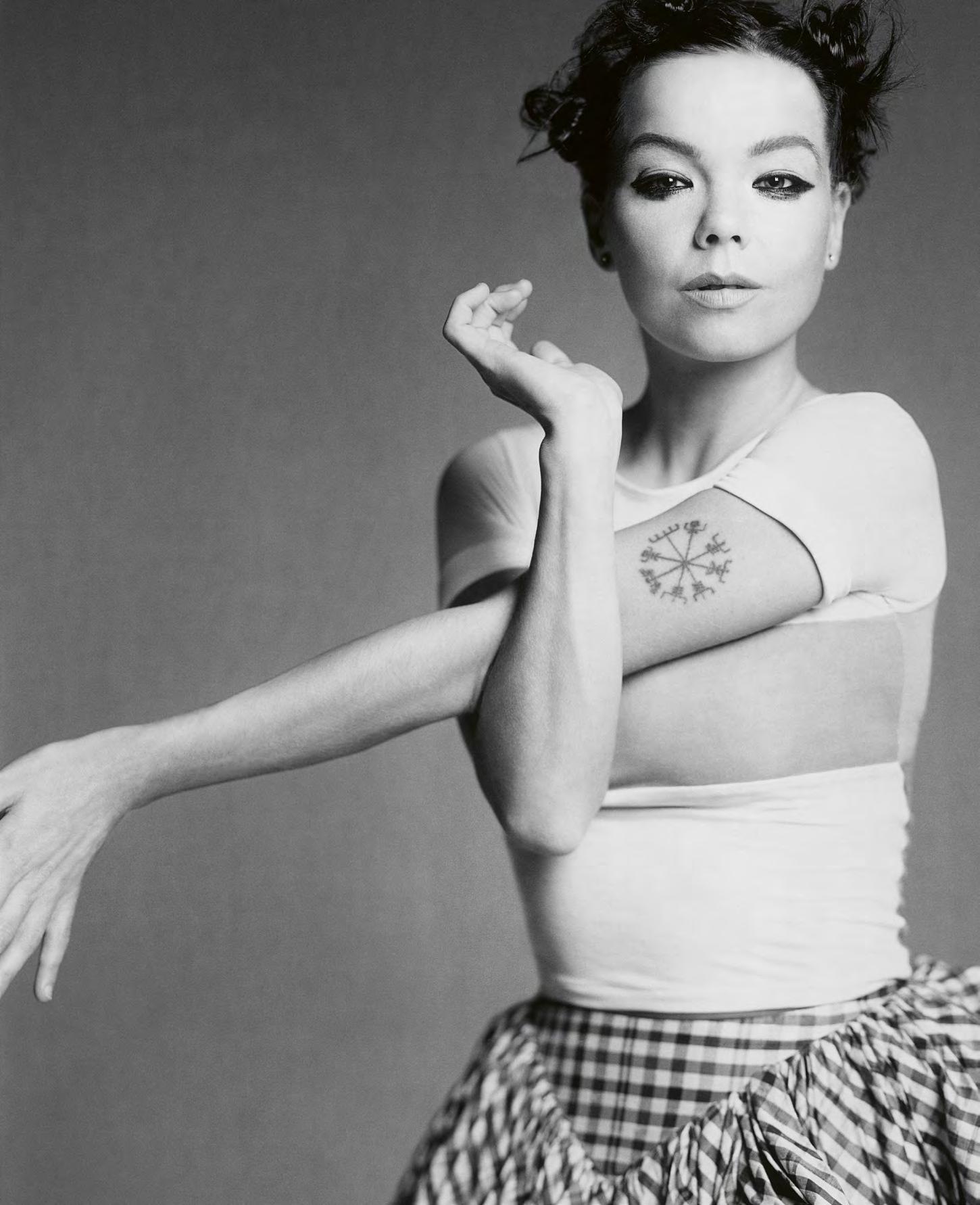
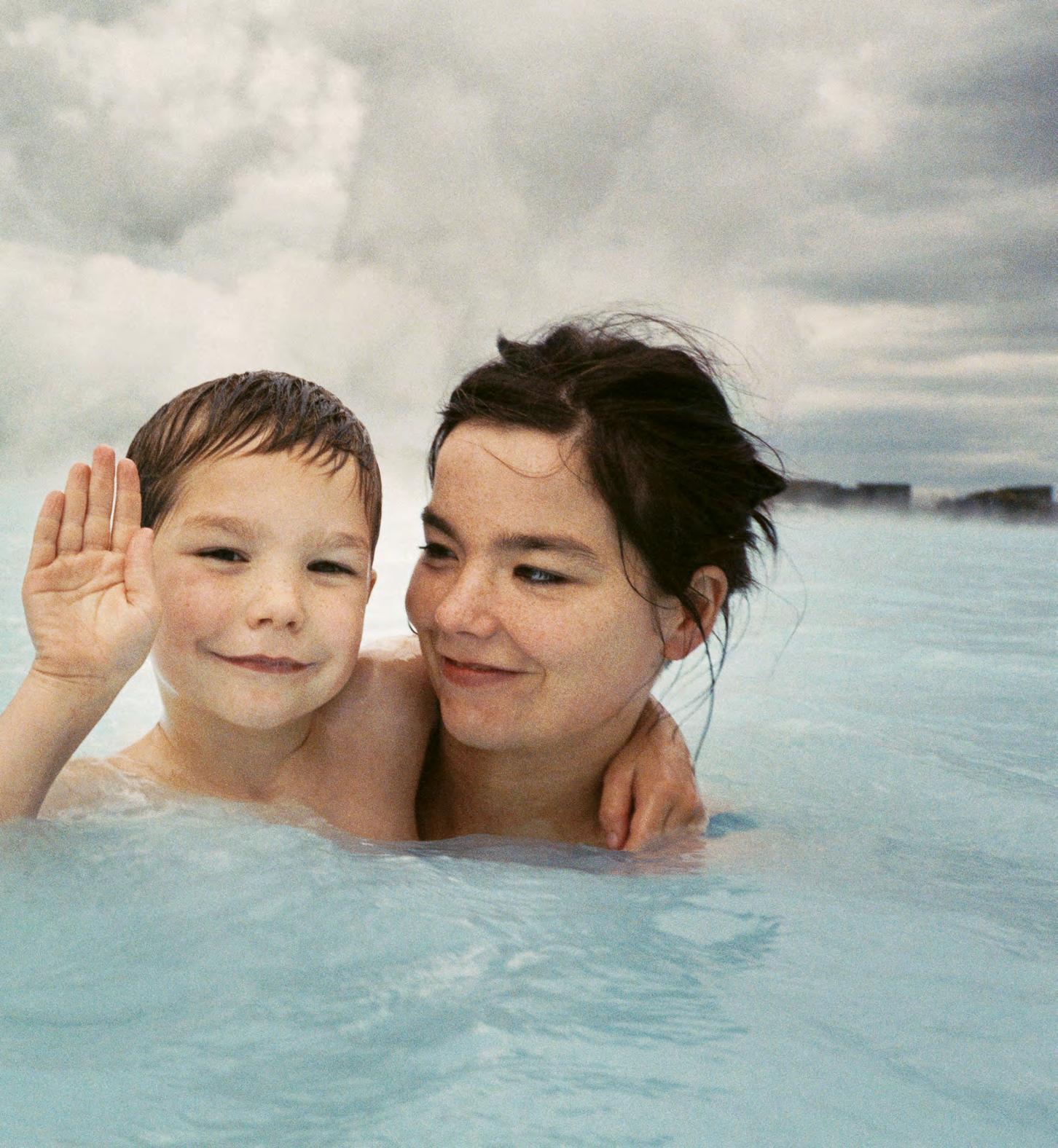
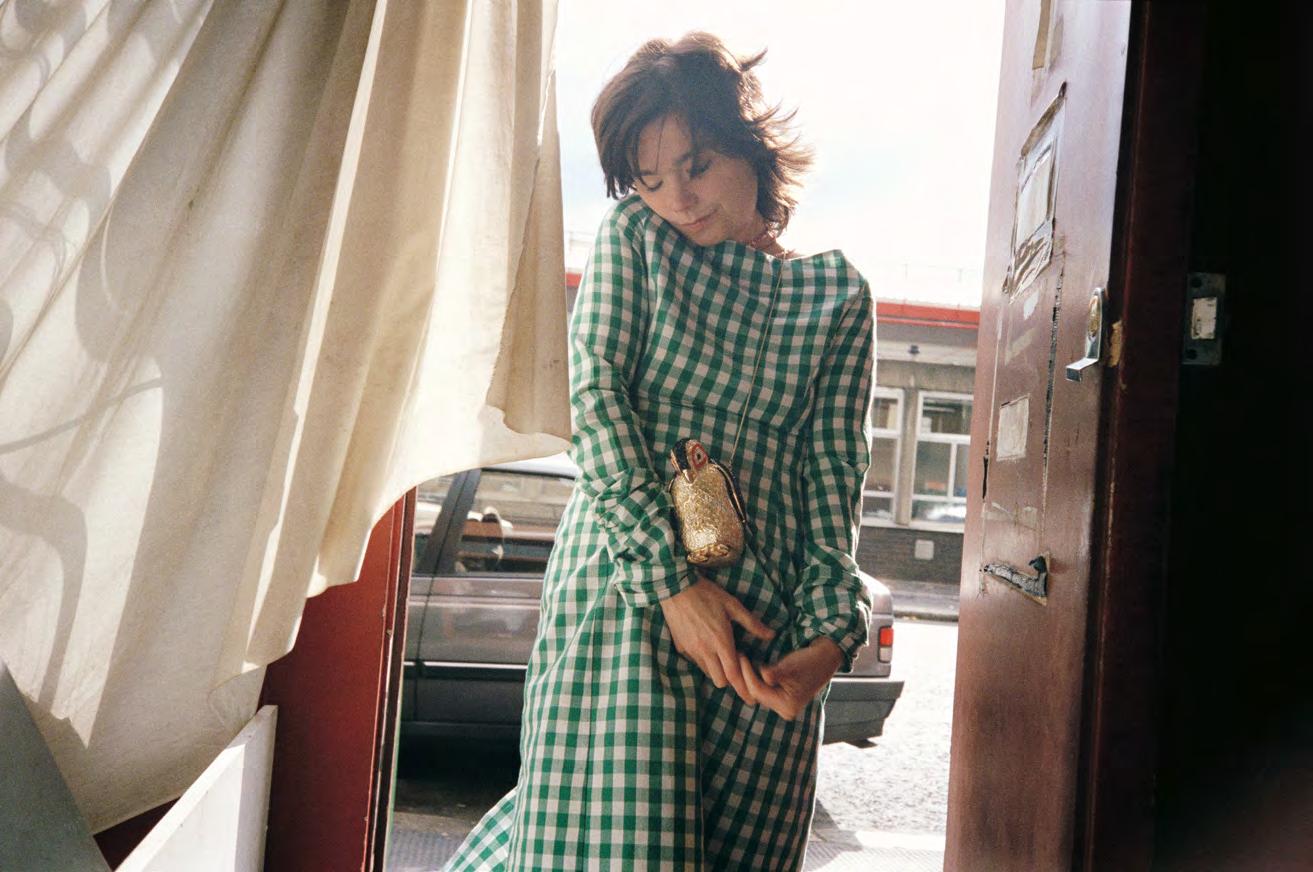
“I had the pleasure of visiting Björk and her son in September 1993 in Iceland. As soon as I saw him, I was fascinated by how similar they looked. Björk was an excellent host, cooked at her home and showed me around. Of course we went to the Blue Lagoon where we made this picture. We were all in the water, and a second after I took this photo, the boy splashed my camera full of water. There’s tons of salt in those hot springs, so I wasn’t too happy about it. But I knew I had a good picture, and forgave him pretty quickly.” Juergen Teller for The Telegraph, “The stories behind Juergen Teller’s best shots,” 2013
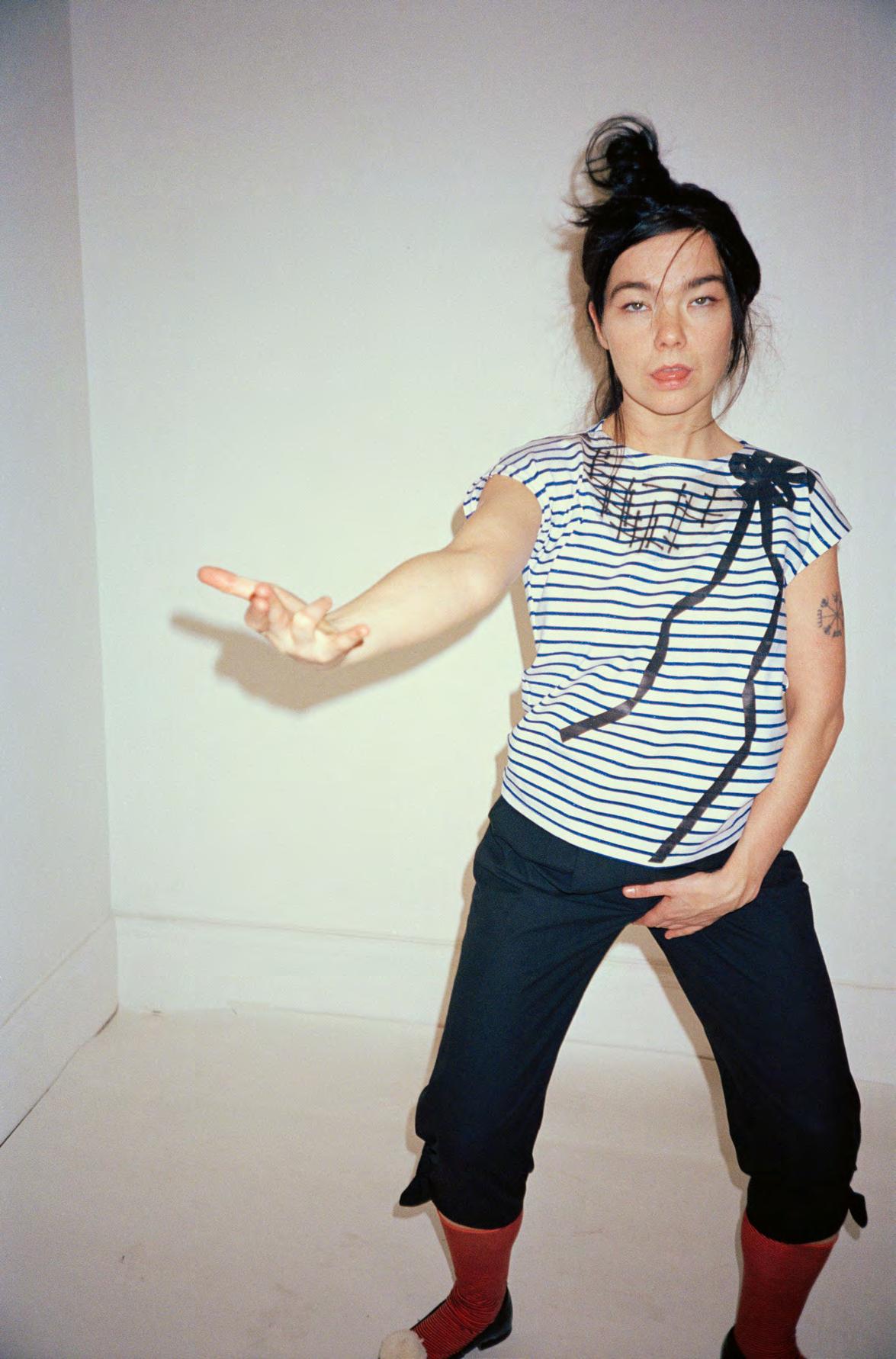
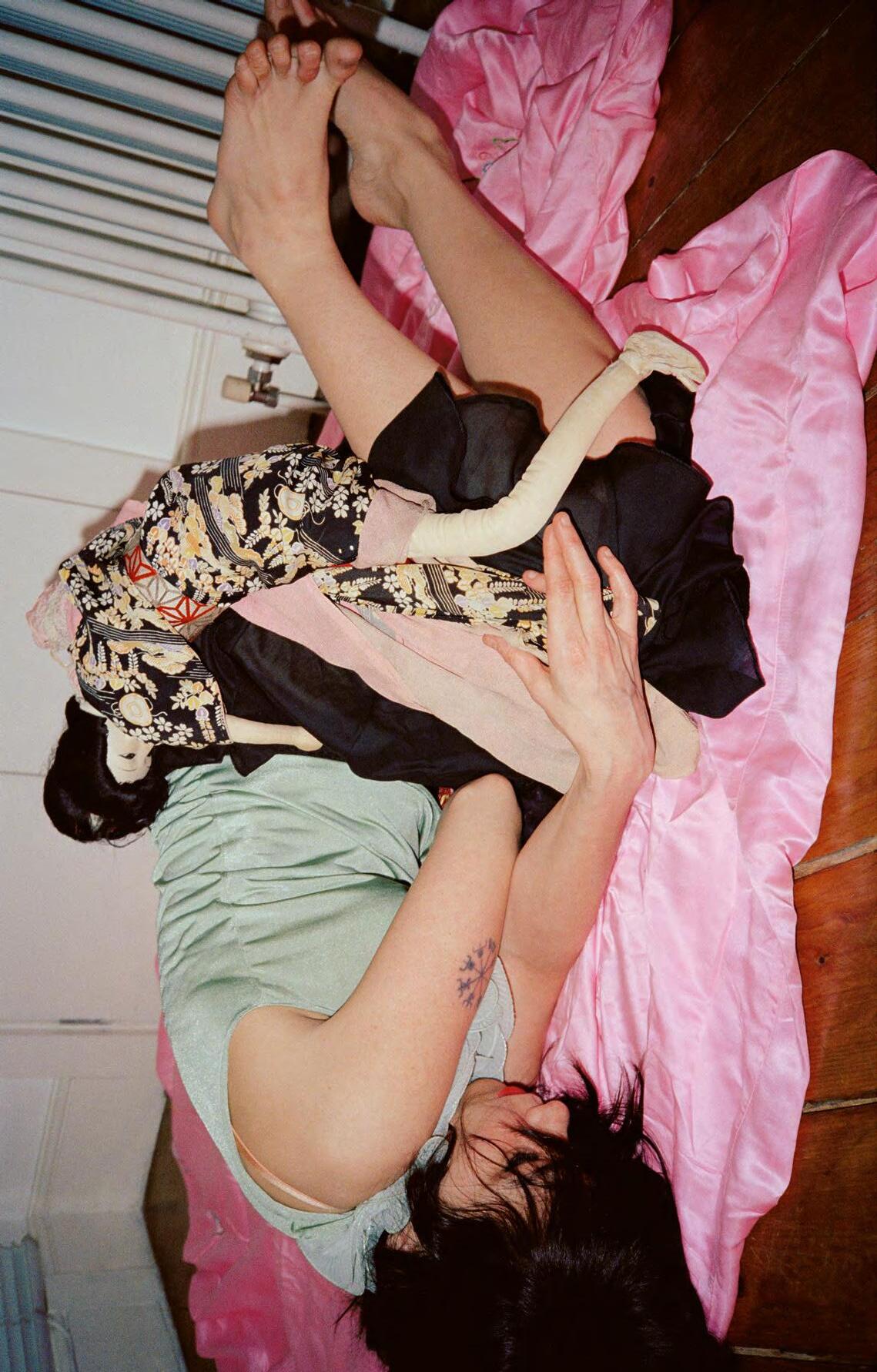
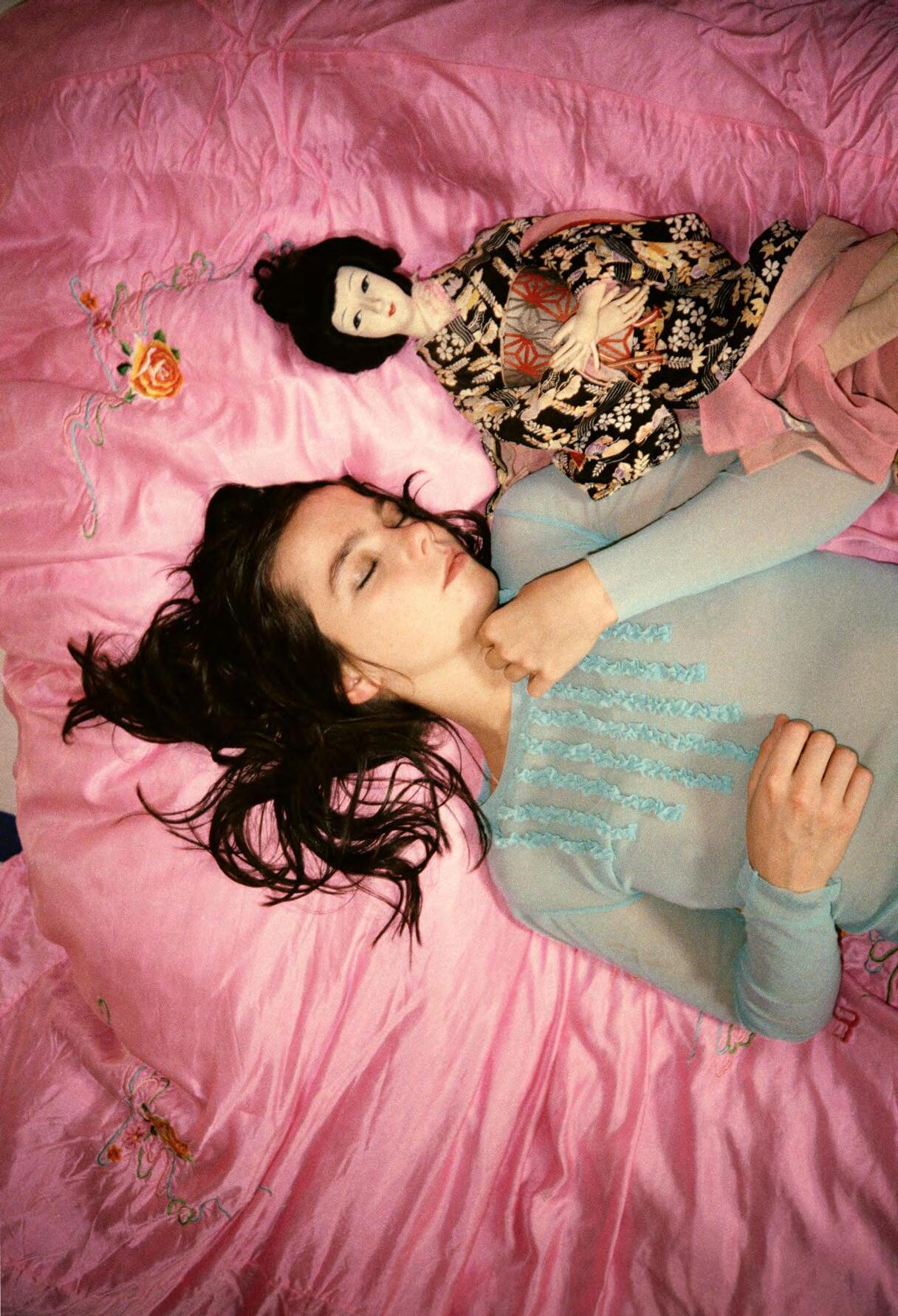
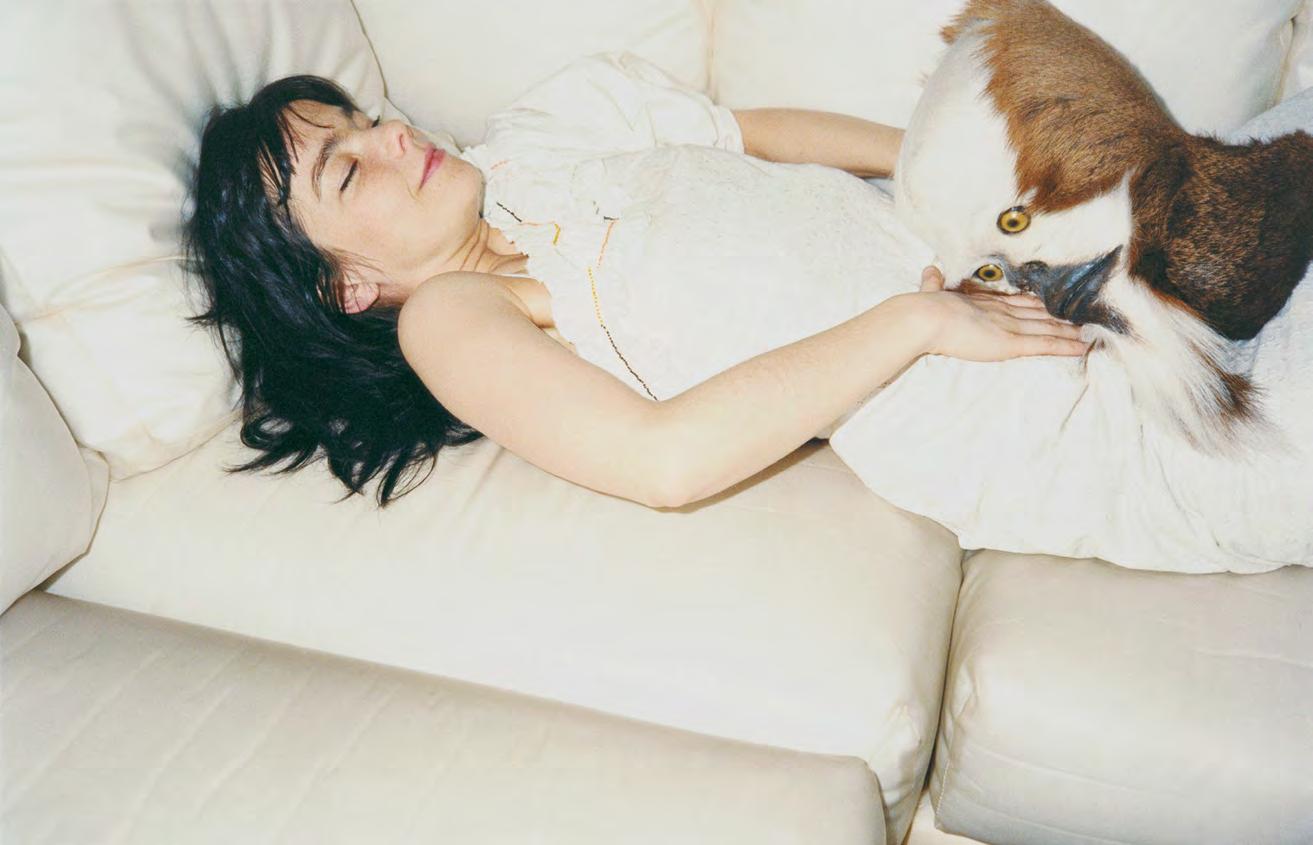
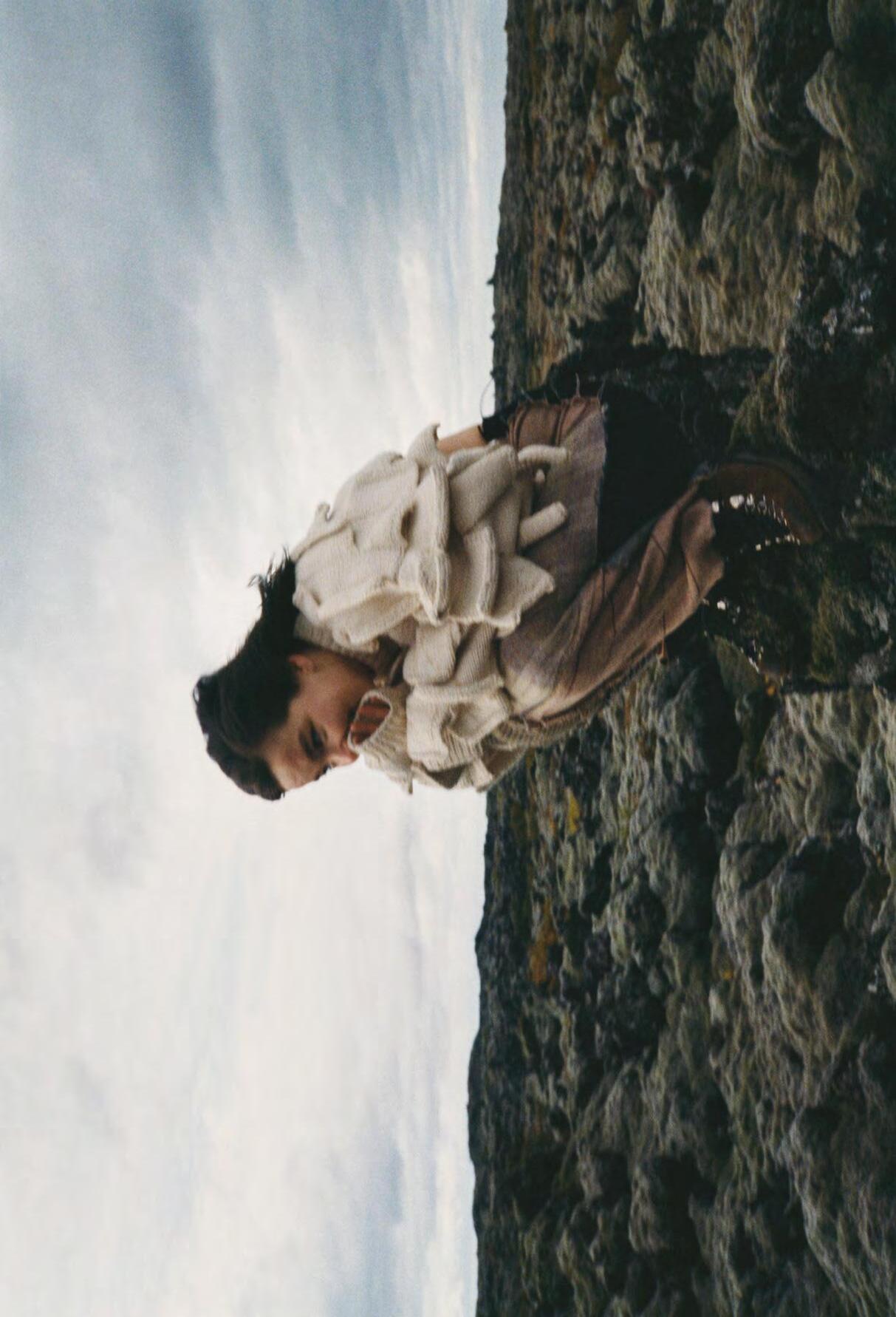
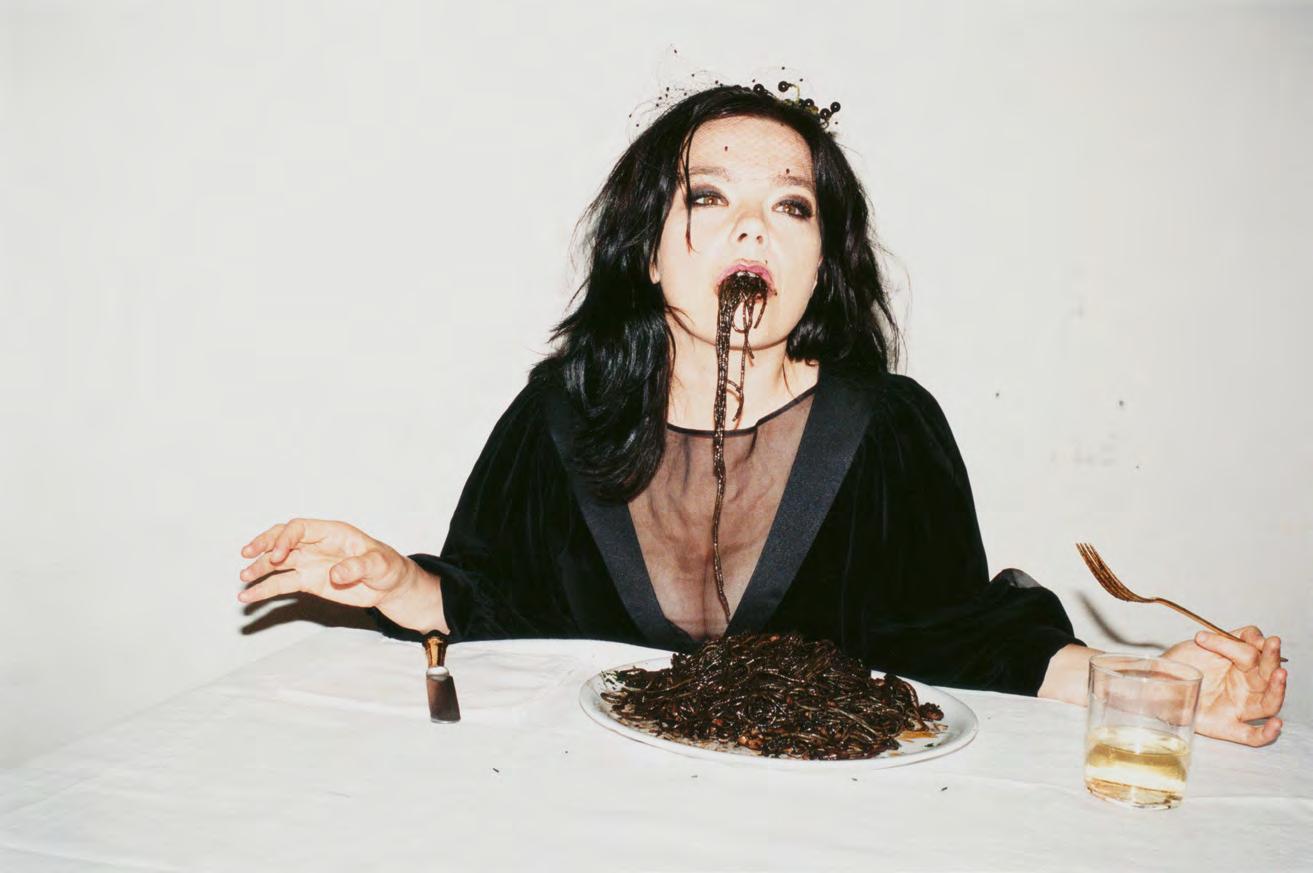
I do
is to help people understand
so it’s very important that
am the
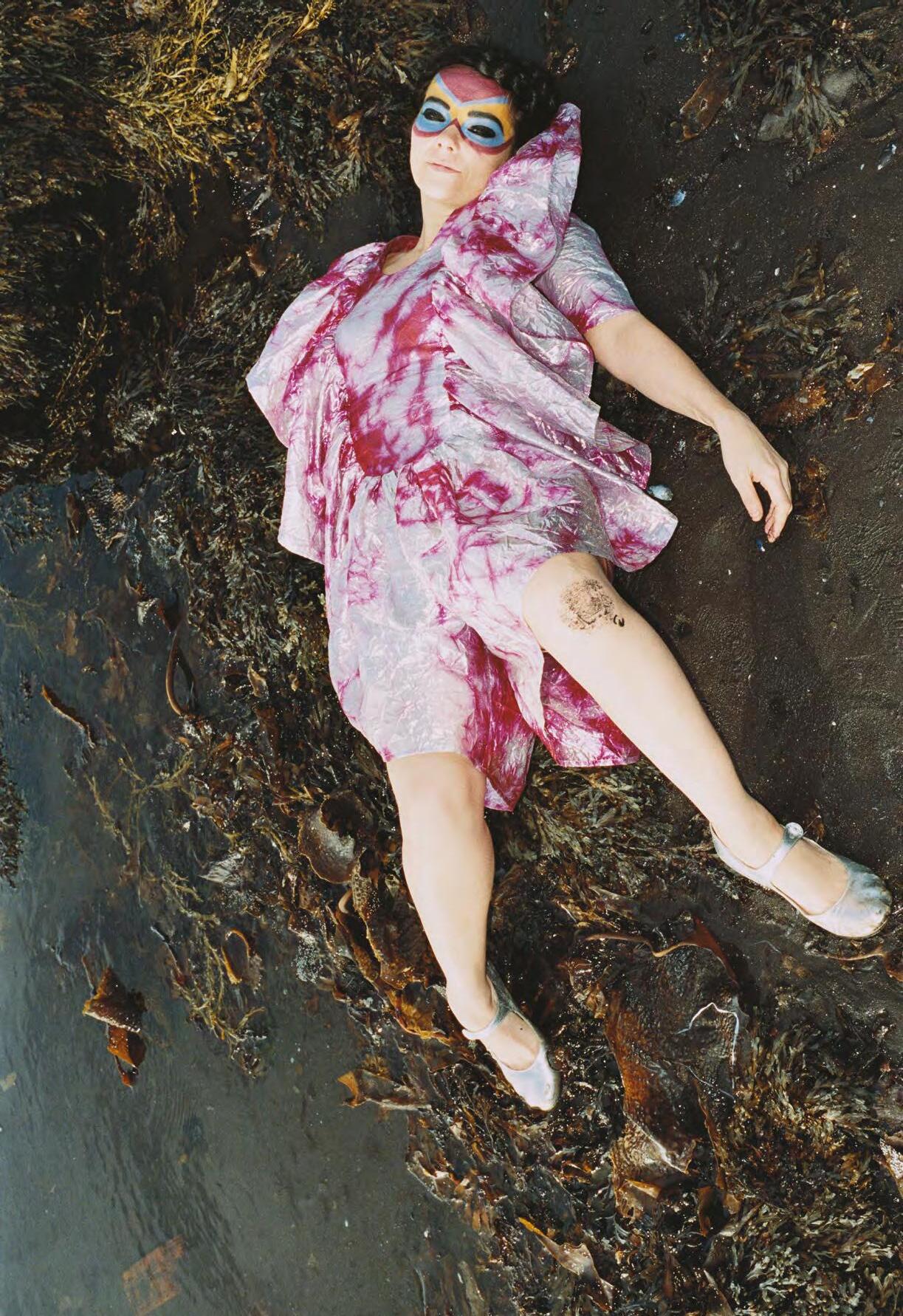
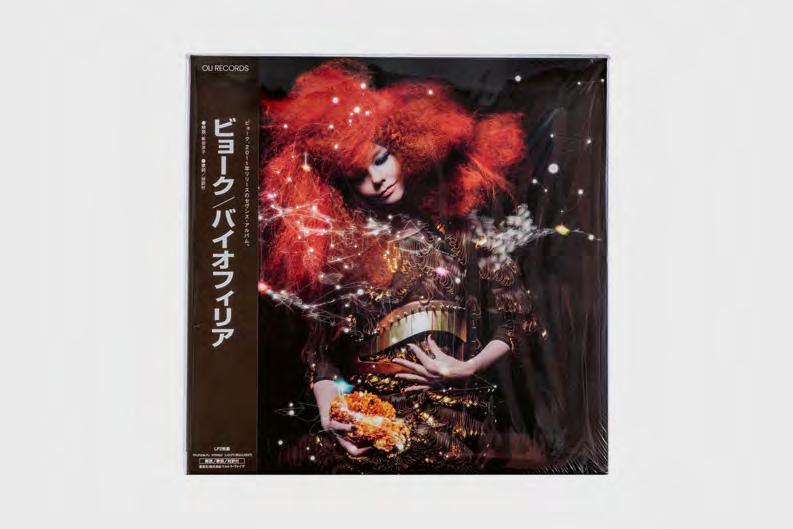
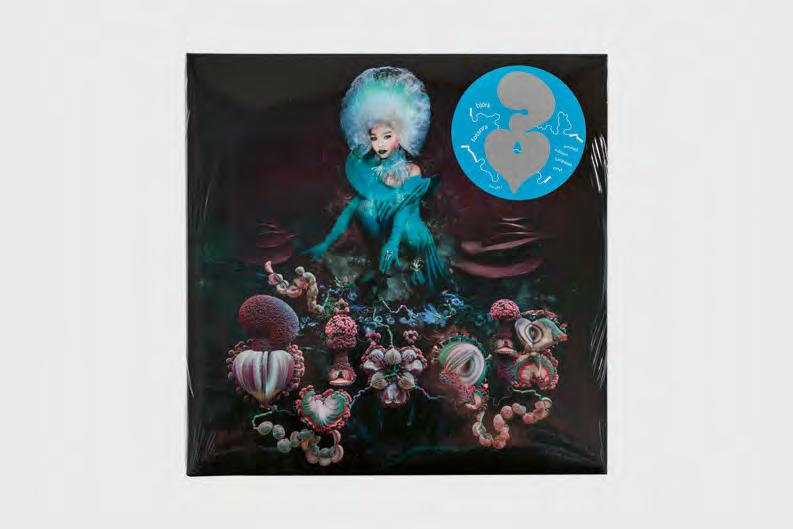
B.E.013
Björk "All Is Full Of Love" CD1 (242TP7CD) on Polygram / One Little Indian, (1999) the last single release from Homogenic. Robot design by Chris Cunningham, Yamtaijika logo, and CD layout design by Alexander Rutterford. Cunningham’s robot design became instantly iconic, and has influenced countless robot designs since.
Tracks
1) All Is Full Of Love 2) All Is Full Of Love - Funkstorung Exclusive mix 3) All Is Full Of Love - Strings
Björk "All Is Full Of Love" CD2 (242TP7CD) on Polygram / One Little Indian, (1999) last single release from Homogenic
Tracks
1) All Is Full Of Love - Album version 2) All Is Full Of LovePlaid mix, 3) All Is Full Of Love - Guy Sigsworth mix
Video outline treatment by Chris Cunningham: Against black we hear the faint sound of electricity gently surging. All around us, banks of fluorescent lights, behind Plexiglas flicker to life at random, illuminating an elegant, pristine white environment. It has a Japanese feel to it, a simplicity in its design. As we track forwards we are dwarfed on either side by two enormous medical/industrial robots. In unison they sweep around towards a workspace littered with eggshell-white plastic parts. As we get closer the parts become more visible and reveal an organic nature, their shapes resemble humanoid forms. From above we see clearly a female form in a fetal position completely abstracted and disassembled. Although it is artificial it is beautiful and elegant. The machines set to work in extreme slow motion. Their arms gracefully engaging with the incomplete human form, removing and adding parts to the partially hollow plastic shell and its matte black complex inner workings. Although only the front portion is in place its features are clearly those of Björk’s, albeit the smoothed panels of a Japanese motorbike. The eyes open as the robotic arms construct consciousness. Warm orange sparks fly against the cold blue white plastic. It feels like we are watching the last stages of an artificial intelligence's birth. As it starts to sing, the elegance of the song and the imagery is contrasted by the abstractions caused by this incomplete form. It never quite becomes whole. As the track unfolds so too does the imagery developing in stages. The figure, still incomplete is upright now. Its hand reaching up to touch its own face. We reveal more of the scene. Gently white fluid, like milk starts to wash over the forms and eventually engulfs it (this would be achieved by submerging the forms in a vat of milk and draining it off, filmed in reverse). When the form emerges from the vat we reveal that it is number two in a series. Still with Björk's features, the two ARTIFICIAL INTELLIGENCES begin to engage with one another. Locked together in a surreal embrace, parts intertwined and fused, we concentrate now on details, kissing, slow motion white fluid, fluorescent light. The imagery is slowly becoming more sexual but way too surreal and abstract to be offensive. We see the plastic bodies begin to unfold like strange flowers. The last sequence of shots as we pull back very wide reveal an indescribably abstract life form made from the two unfolded, artificial, humanoid forms. It's like Kama Sutra meets Industrial Robotics . The shots in this video will not be as difficult as you might imagine. The main performance aspect of the video would involve attaching blue panels to Björk's body and replacing these areas with model parts filmed against the same background. This will give the illusion of her being hollow, completely artificial. We would shoot everything as a lock off. As we approach the finale, the shots would possibly start to include a mixture of computer graphics and live action, used seamlessly to depict these robots unfolding. A lot of preparatory work would be needed and some compositing but the shot would be very simple. I am convinced that this would make an extroadinary surreal performance video. The imagery would be majestic and we could be sexually suggestive as we like and get away with it.
Chris Cunningham: "My initial idea was to have a final stage where the two robots unfold like a flower as they mate," says Chris Cunningham. "We couldn’t manage it, but perhaps it’s just as well, as the music doesn’t really allow for it." The robots were built by Paul Catling, who also sculpted the masks for Windowlicker. Catling, who taught Cunningham about model-making, sculpted the full-sized robots in clay in two hours. Cunningham worked with Julian Caldow on the set design, and it was put together by Chris Oddy. But the director says, "To be perfectly honest I didn’t have time to make the set look exactly as I wanted it, so I made it post heavy." For example, on the shoot there were two main robot arms (operated simply by rods), but in post production, a third and fourth robot arm were created in CGI at Glassworks. "I think I lost confidence that there was enough happening," admits Cunningham, and this put pressure on an already six-figure budget. But the results are amazing: it’s impossible to tell what is "real" and what is not. This also applies to the work on the Björk robot. First of all
B.E.014
B.E.015
the robot was shot in situ without its head, then Björk was put in the same position to match her head with the robot body. But only her eyes and mouth were actually used - the rest of the robot head is 3D, tracked from her real one.
Promo, May 1999
Björk "Volumen" VHS (40199-3) on Elektra, One Little Indian Records. A collection of Björk’s videos from "Debut" to "Homogenic." This is the first Björk item to be designed by the amazing M/M Paris and the first appearance of the “odd duck” shortly after the release of Vespertine. Photos by Inez Van Lamsweerde & Vinoodh Matadin, Art Direction and design by M/M Paris.
Left to right: Björk "MTV Unplugged" DVD (40235-2) on Elektra / One Little Indian. Part of the live DVD series, this disc has Bjork's performance of "Debut" on MTV Unplugged (1994) and later live performances on MTV Live from around 1997 after the release of Homogenic. Cover, Image and design by M/M Paris.
Björk "Live at Shepherds Bush Empire "DVD (40233-2) on Elektra / One Little Indian. Part of the live DVD series, this disc is Post live. Recorded Live at Shepherds Bush Empire on February 27th, 1997. Cover, Image and design by M/M Paris.
Björk "Live at Cambridge" DVD (40234-2) on Elektra / One Little Indian. Part of the live DVD series. This disc is Homogenic live . Recorded during her series of shows at Cambridge during the Homogenic tour. Cover, Image and design by M/M Paris.
B.E.016
B.E.017
Björk Vespertine 2 x 12” (TPLP101) on One Little Indian 2001. Written and produced by Björk. Songs with Matmos, Matthew Herbert, Guy Sigsworth and Zeena Parkins. Cover Image by Inez van Lamsweerde & Vinoodh Matadin, Swan dress by Marjan Pejoski, album design and layout by M/M Paris..
Tracks
A) Hidden Place, Cocoon, It’s Not Up To You
B) Undo, Pagan Poetry, Frosti C) Aurora, An Echo, A Stain, Sun In my Mouth D) Heirloom, Harm Of Will, Unison
The swan dress resembles a mute swan (Cygnus olor). It was designed worn by the Icelandic artist Björk at the 73rd Academy Awards on March 25, 2001, as well as on the cover of her album Vespertine. Björk said, "It was a tribute to Busby Berkeley and that sort of elegance." Designed by North Macedonian designer Marjan Pejoski, and at the ceremony Björk mimicked laying an egg on the red carpet. She had two copies of the dress produced, given that it could not be taken to the dry cleaners. She later wore the dress many times on the Vespertine world tour.
Björk Biophilia 2x12” (TPLP1016LPJ) 2022 Japanese reissue on OLI Records. Björk’s 7th studio album released in October of 2011. Album designed by M/M Paris, photography by Inez Van Lamsweerde & Vinoodh Matadin
Tracks:
Disc 1
A1) Moon
A2) Thunderbolt
B1) Crystalline
B2) Cosmogony B3) Dark Matter
Disc 2
C1) Hollow
C2) Virus
D1) Sacrifce
D2) Mutual Core D3) Solstice
B.E.018
Björk Fossora 2 x 12” LP limited edition turquoise vinyl (tplp1485T) sealed on OLI, Björk’s 10th studio album. These colored vinyl prints were released on September 30 2022 over multiple different websites. Cover image direction by Björk and James Merry, Photography by Vidar Logi, dress by Jisoo Baik, Design and typography by M/M Paris.
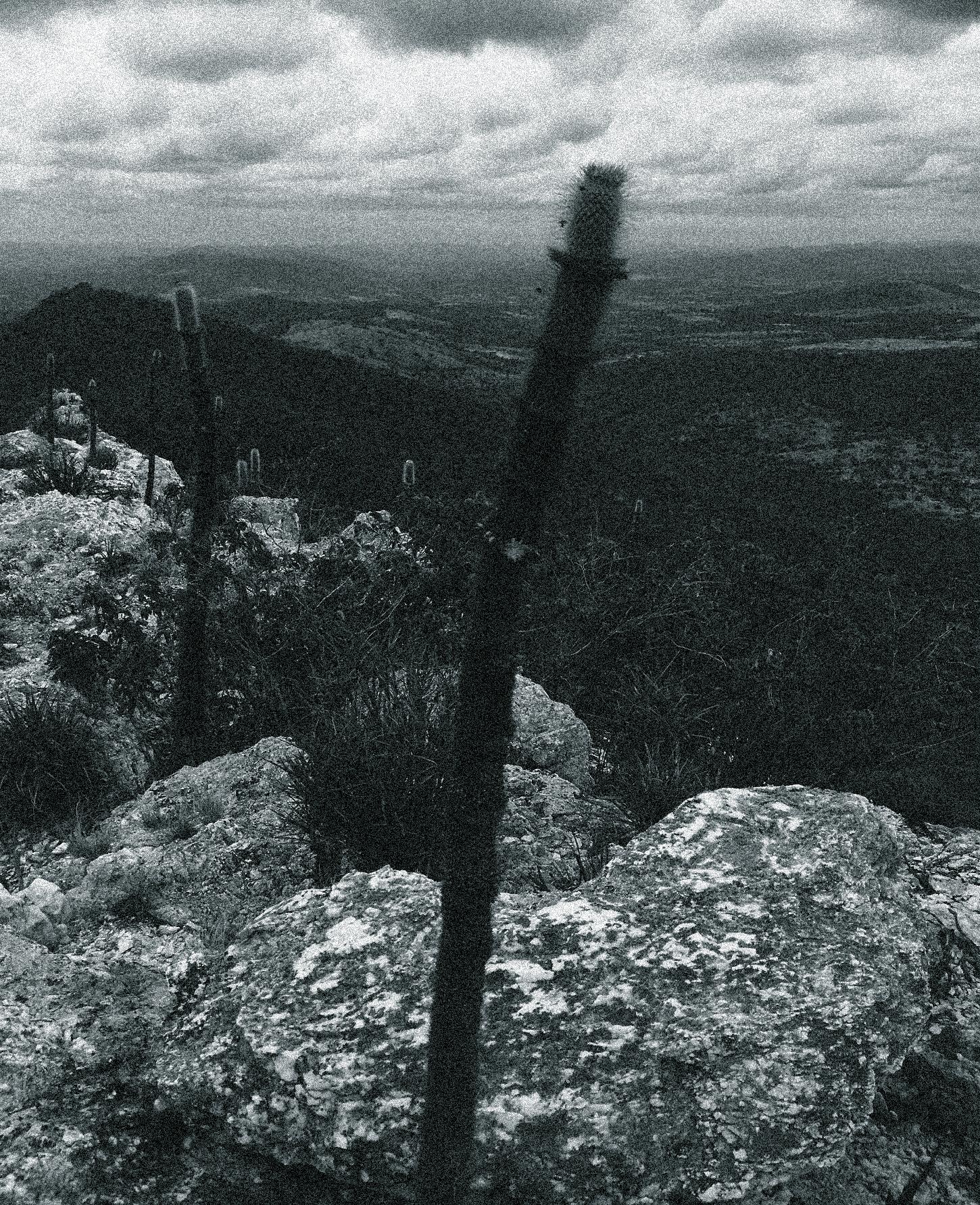
Jared Margulies is a geographer and political ecologist whose work expands how we think about desire, care, and conflict in the more-than-human world. Currently an assistant professor at the University of Alabama, he is widely recognized for his research on the global illicit plant trade. His 2022 article, A Political Ecology of Desire: Between Extinction, Anxiety, and Flourishing (Duke University Press), examines a newly discovered and endangered cactus species found only on Serra Escura—Dark Mountain—in Bahia, Brazil. His book, The Cactus Hunters: Desire and Extinction in the Illicit Succulent Trade (2023), delves into the strange, obsessive, and often precarious world of cactus collecting. His work draws from feminist theory, psychoanalysis, and political ecology to explore how longing, obsession, and fantasy shape our relationships with nature. In his writing and fieldwork, Margulies asks bold questions about what it means to desire something so much it disappears—and what that says about our ecological and emotional entanglements.
OLIVER KUPPER How did you come to desire as an ecopolitical mechanism?
JARED MARGULIES I consider myself a political ecologist and a geographer. Political ecology is essentially about the political economy of environmental change: questions of power in relation to the environment, who wins and who loses in conflicts and contestations over access to natural resources, things like that. So, perhaps understandably, it has pretty traditional Marxian roots, especially in thinking about conflict, power, and resources. That’s the perspective I came from.
But when I started doing work on plants—plant trade, plant conservation, illegal trade, and collectors—those frameworks just didn’t feel analytically powerful enough to answer the questions I was asking.There was this paradox I kept running into: why are the people who seem to love these plants the most, potentially loving them into extinction?
It was a strange way to think about it. And the frameworks focused only on profit or economy just weren’t getting me where I needed to go. So I started looking for another way to think. I realized I didn’t have a strong grasp of what desire actually was, but I could sense desire in these engagements—with cactus collectors, for example. There was something about the way people seek out things in the world they imagine will satisfy them, which of course never does. That feeling, that pursuit—it felt central.
But we imagine these things will satisfy. And even though, on some level, we know they never will, we keep doing these things—over and over again. So collection becomes this perfect way to explore desire. That was really my entry point: as a researcher with a radically empirical focus, trying to understand what was right in front of me. And I just didn’t have a framework for it. I also realized I didn’t actually know what desire was. A lot of people know Michael Pollan’s book, The Botany of Desire. It’s a fabulous book, but the funny thing is, he never really talks about what desire actually is in the book. Desire is more than what we want or what we imagine we want.
OK Can you talk a little bit about Lacan’s definition of desire—to lay some groundwork for some of this thinking around desire.
JM I wasn’t trying to become a Lacanian psychoanalytic geographer or anything like that. I always say this to people really clearly: this wasn’t a “hammer searching for a nail” kind of project. I had no background in psychoanalysis whatsoever. I think the pandemic mediated that in a lot of ways—suddenly I was home, alone, and had the time to read
some dense, difficult stuff. And yeah, there are lots of different ways to think about desire. Lacan was just one person whose thinking around desire hit me hard because it was so radically different from how I’d thought about desire before. His famous axiom is “desire is the desire of the Other.” But I think a more accessible way of understanding that is: our desires are never fully our own. Desire is always wrapped up in what we imagine The Other desires—whether that ‘Other’ is a person, or some kind of superstructure, like God, religion, the state. I’d argue capitalism is probably the dominant ‘other’ in modern society, which is why we all buy, right? But there are others who write about desire in very different ways, and I’ve been drawn to them too. Some amazing work came out of the ecofeminist and feminist literature of the ’90s that really challenged me to think differently. Eve Tuck, for instance, is an Indigenous scholar who writes about desire in ways that move away from damage-centered research—that was hugely influential for me, even if it’s not directly present in this particular project. So no, I don’t think Lacan has all the answers. But when you’re talking about older European or Euro-descendant men collecting plants, Lacan’s ideas felt especially resonant.
OK What is your personal definition of desire?
JM I think of desire almost like a request. It’s a compass, a direction, and it’s fueled by a kind of drive—something that keeps us going round and round. And when desire recedes, that’s when we get into trouble. That’s part of why I think of desire as a good thing. In conservation, we often run into problems when our relationships with non-human nature start to look more like repression than an embrace of desire.
OK More-than-human scholarship often overlooks the unconscious, especially in relation to desire. You mentioned this in one of your lectures, and it struck me—why do you think that is? Why are we so focused on the cosmic or external when we might benefit more from exploring the landscapes of our own minds? I’m curious about where that tension comes from, and what you’ve discovered in trying to navigate it.
JM That’s a really good question. I was recently in Baltimore and I was talking with a friend. I was telling her how I wished I had more tangible skills, and she said, “You have soft skills.” And I was like, “No, I want real skills.” Then she said, “Isn’t your skill about recognizing the relationship between the immaterial and the material?” It really shook me. It felt like one of those moments that Lacan describes as extimacy, where you encounter
“Desire is more than what we want or what we imagine we want.”
your unconscious projected back at you through someone else. I thought, Wow, you just saw something I haven’t been able to see. That’s my way into your question. I think there are a couple things happening at once right now. We’re living in a moment of profound biodiversity loss and accelerating climate change, and instead of pumping the brakes, politically it feels like we’re flooring the gas pedal toward collective death driven by the interests of a very small group, but impacting everyone.
At the same time, we’re seeing this surge of interest in the more-than-human. There’s so much writing now about how humans have always been entangled with other species, never fully separate. And simultaneously, within cultural studies, there’s been a noticeable return to Freud and a renewed interest in psychoanalysis—something that had really fallen out of favor after the ’90s. It was seen as outdated, overly Western, even anti-feminist. So, we have these two seemingly divergent trajectories. For me, it’s about holding both: on one hand, this deepening awareness of entanglement and ecological embeddedness, and on the other, this resurfacing of the unconscious, especially in moments where people feel powerless to act. That powerlessness creates a kind of anxiety—eco-anxiety, extinction anxiety. And “extinction anxiety” itself can be read two ways: as anxiety about ecological collapse, which I write about, and as a psychoanalytic term—our own annihilation. Those two meanings are intimately connected. I think the unconscious is scary because it forces us to confront our complicity, our own role in what’s unfolding. And yet at the same time, there’s a desire to seek out the very thing that might help us find a way through—acknowledging the deep relationality that binds us to this world. Bringing those two realms together—the more-than-human and the unconscious—is difficult. But you’re right to point out the disjuncture. Psychoanalysis, after all, loves gaps and slips. While more-than-human frameworks often focus on relationality, encounter, and entanglement, psychoanalysis says, “Wait—what about the moments and the places we can’t quite connect?” Finding ways to think through that tension feels important.
OK Thinking about feminist technoscience and theories of care—how do those frameworks intersect with concepts of anxiety and desire? And how do they contribute to our understanding of a political ecology of desire?
JM I’ve been writing more with care lately, and I’ve started to diagnose a few things within my own field or space. One is that the literature on care—and the thinking around care—comes from a pretty different trajectory, as you mentioned, rooted in feminist theory and feminist technoscience. I think there’s a lot in that tradition, especially in conversations around more-than-human care, that offers a really valuable corrective. It pushes us to ask: what does it mean to take desire—an embrace of desire—and move it into the realm of practice? Of engagement?
Care, I think, can be a powerful way to activate that engagement. As many brilliant feminist scholars have pointed out, care is not always benign—or even good. Often, when care is being exerted in one place, it means it’s being withdrawn from somewhere else. But what care does offer is a shift into a verb-oriented way of being in the world. It becomes a doing. I think developing a relationship—and a vocabulary—between our desires and the ways we imagine those desires through care, and recognizing that both are structured through fantasy, is part of the work. Fantasy is how we engage with the world every day. So if we can begin to move care into that terrain—of acknowledging that we’re all existing in and through fantasy—I think we start to get somewhere.
OK This kind of brings me to cacti. At first glance, people wouldn’t usually associate cacti with desire. They’re spiky, they’ve spent millions of years evolving defenses to keep things from getting too close to them. And yet, they’ve somehow become some of the most threatened organisms on the planet. You’ve written an entire book about the illicit cactus trade and the global black market that surrounds it. I’m curious—how do cacti become so desirable? Desirable enough, even, to be pushed to the brink of extinction?
JM The frenzied collecting of plants has been quite cyclical. Cacti were a huge fascination during the peak of Victorian plant culture. Anything strange and exotic would send British plant collectors into a frenzy, and cacti were no exception. So, it’s not our first rodeo with them. They’ve long been this archetype of the exotic rendered vegetal. But it’s interesting—constitutionally, a typical cactus doesn’t scream desire. They’re spiky, quirky, and slow-growing, and they can even be quite ugly at times. They grow these weird, furry things and often tell you to keep your distance. But isn't that actually a brilliant way to think about desire? Like, it’s the thing we always want but can’t have, or the thing we want only to realize it’s not what we expected, prompting us to chase after something else.
Cacti became a great model for thinking about this, especially in the context of consumer capitalism, because they’re so easily objectified compared to other plants. They’re marketed as low-maintenance—something you can just stick on a shelf and forget about, which is so far from the truth. As commodities, cacti are endlessly marketable. There’s a taxonomy—collectors rank and organize them, which is crucial in the world of collection. From a desire and care perspective, it’s fascinating how these plants grow at a pace that mirrors human temporalities. They can outlive us, which means they demand ongoing care, becoming emotionally significant in the process. I’ve seen grown men cry over a cactus’ death, not just because of the plant itself, but because of what it represents—maybe it was a gift from a fellow collector who passed away, or from a beloved grandmother. For me, thinking
in more-than-human terms, these plants were excellent teachers. They carry so much emotional weight, yet remain significant as endangered species. Some are no longer even found in the wild.
OK And a lot of this hypercommodification has created extreme hybridization among cacti species.
JM How many of us grew up with what’s called a “moon cactus?” You know, the one with the green stem and the weird yellow or red ball on top. It’s such a great plant to think with. The thing is, it doesn’t even exist in the wild. The largest producer of these plants today is South Korea, but they were first “invented,” so to speak, in Japan. There’s a long history of interest in hybrid cacti and plants in Japanese collecting cultures. Essentially, you can graft or cross-pollinate any cactus, producing a range of interesting hybrids or “monsters” in the greenhouse. The moon cactus is a particularly fascinating example. Without the bottom part, the top would die—it has no chlorophyll of its own. Those cute yellow or red colors rely entirely on the bottom cactus, which is actually a dragon fruit plant. Most people don’t even realize that dragon fruit is a type of cactus. The dragon fruit cactus, native to South America, grows more like a sprawling, jungle-like plant. The top part of the moon cactus, originally green, comes from a cactus species found in Paraguay. Interestingly, the plant was first described and “discovered” by Czech cactus collector Alberto Vojtěch Frič, whom I mention in my book. These plants have traveled so far and been shaped by such a wide array of interactions. They’re hybrids not only in their physical form but also in their relationships with the people who’ve moved them around the globe and put them in conversation with each other in ways they never would have otherwise. There’s something deeply fascinating about how hybridity emerges through these cross-species and cross-cultural exchanges.
OK Cacti have so many symbolic analogies to humans, especially when it comes to male fragility. I mean, they’re very tough, but sometimes, under the right conditions, they flower.
JM That’s definitely something I encountered a lot in the greenhouse, especially with older men from a different era. There’s this interesting way they navigate the challenges of the masculinity script they feel they should follow. It’s fascinating to watch them try to negotiate that through their relationships with plants, which offer a space for reflection that can be both beautiful and sometimes tinged with sadness. There’s this underlying struggle to reconcile the idea that softness can be expressed, but it often feels like it has to be contained within the greenhouse, a space separate from the wider world.
OK You have taken polls and studied people who collect cacti. Can you tell me a little bit about who these people are?
JM Yeah, I did a few different things. The book is largely based on research with collectors, primarily from the UK, Europe, and the US. Currently, I’m engaged in research that will expand into South Korea, and possibly China, funding permitting. For the book, though, the focus was on the Euro-American community of collectors, which, while not excluding women—who I certainly spoke to, as well as trans folks—was largely male-dominated, particularly white men. Although I didn’t enter the project with gender, masculinity, or whiteness in mind, these aspects became part of the story as I encountered them in my research. As a social researcher, it felt important not to ignore that context.
Most of the collectors I engaged with were older, and I wasn't primarily focusing on the “Instagram generation” of plant collectors or the so-called “pandemic plant daddies” or “plant mommies.”
Instead, my research centered on more traditional, old-school collectors who belong to hobby groups and attend club meetings. These spaces are where the practice of growing and caring for plants intersects with social interaction. There was a strong sense of community. These folks were there for each other, learning from one another, like you would in any special interest group. The plants themselves helped mediate these social interactions, which was fascinating to witness. They would compete for the best plant, give lectures on grafting techniques, share tips on potting mixtures for different types of cacti and succulents, and even present on their trips to see cacti in places like Chile or Peru, complete with slideshows of plants. It was a wonderful environment, and I learned a lot from these individuals. OK Through your studies, desire has led you to a place called Dark Mountain in Brazil. Cacti are not only threatened by illicit trade, obsessive collecting, and cultivation, but also by mining. Can you share more about Dark Mountain, the cactus that grows there, and why it is so uniquely endemic to this region?
JM The story of Dark Mountain is fascinating. I was with a group of cactus collectors, enthusiasts, and Brazilian botanists in Brazil to study Arrojadoa marylanae, a tall, spindly cactus that grows in segments. These segments, marked by pink flowers, help scientists age the cactus, not unlike the typical growth rings in trees. The cactus was first discovered by botany students who, unable to identify it, sent photos to a cactus expert. This led to the recognition of a new species, found only on a small mountain in Brazil.
What’s particularly intriguing is that this mountain, once an overlooked rural agricultural area, turned out to be rich in quartzite, a material used in steel manufacturing. A mining company obtained rights to extract it, making the cactus and its habitat imminently threatened. What was once a random, uncared-for location became a conservation challenge. The mining company, despite having sustainability officers, attempted to relocate the
“I think of desire almost like a request. It’s a compass, a direction, and it’s fueled by a kind of drive—something that keeps us going round and round. And when desire recedes, that’s when we get into trouble.”
cacti, but their efforts were futile. The plants were moved to an area with the wrong substrate, and the future of the cactus seemed doomed.
Simultaneously, botanists and collectors began taking the cactus, knowing the relocation efforts wouldn’t succeed. Their reasoning was that if the plant couldn’t be saved in its natural habitat, it might stand a better chance in a greenhouse, where it could eventually be propagated. This situation highlighted the uncertainty surrounding the cactus—why did it grow only on this mountain? Was it once widespread or a new species just beginning its evolutionary journey? Cacti, as a taxonomic group, are relatively young, and we still have much to learn about their development.
OK It’s fascinating how this ties into desire, pleasure, and the mechanics of capitalism. As we’ve discussed, there’s this constant cycle of desiring something but never truly reaching satisfaction. We’re always chasing the next thing, and in a way, we’ve developed a perverse pleasure in that very cycle. It’s as though the act of seeking, of wanting, becomes its own source of gratification. This perpetual state of dissatisfaction fuels the capitalist machine, keeping it running. Instead of fulfilling our desires, capitalism thrives on keeping us in a state of longing, where the chase itself becomes the reward. JM I was grappling with these ideas when I came across the work of Todd McGowan, who some might know from his podcast Why Theory. He also wrote a great book called Capitalism and Desire [The Psychic Cost of Free Markets (2016)] that helped me articulate what I had been struggling to grasp. His work was instrumental in clarifying my thoughts. For thinkers like Lacan, the pursuit of desire is central to understanding the unconscious. Repetition, as Freud emphasized, is key to how we repeat actions that seem counterproductive or even harmful, but we continue to do them anyway.
Lacan’s insight is that we repeat these behaviors because there’s pleasure in the frustration, in the pain of failure. If there weren’t, we wouldn’t keep doing it. It’s like when we complain about something but keep engaging with it—we’re essentially telling ourselves, “You must kind of like it.” Capitalism taps into this by constantly offering new objects and commodities that promise satisfaction but ultimately fail to fulfill our deeper needs. The brief dopamine hit of a new acquisition fades, and we’re left wanting more. This is especially true in the world of collecting. There’s always the next thing to seek, and if there wasn’t, the practice of collecting wouldn’t exist at all. Freud himself stopped collecting antiquities after his father’s death, and soon after, he died. It’s a classic example of how desire and accumulation are intertwined, not just with pleasure, but with a deeper, sometimes unacknowledged drive. For Lacan, all of this wrapped up in this idea of ‘jouissance;’ a kind of pleasurable pain. It’s that over and over and over again, that’s part of the thrill of living, even if it’s full of constant frustrations.
OK My next question is about flourishing—how it’s essential to understanding conservation efforts, and how it fits into this broader matrix.
JM I position flourishing alongside care, though I don’t think these theoretical frameworks always fit neatly into a single, coherent puzzle. As a social scientist, I’m comfortable with mess. I like to think of flourishing as a horizon—something that provides direction to desire. Desire itself, in my view, can be understood as the means to reach that horizon. When we discuss the biodiversity crisis or species extinction, we often focus on lack, which ties closely to desire, since desire is inherently structured around absence. Flourishing might seem like an unattainable fantasy of satisfaction, but it’s crucial to the narrative of what we pursue. Instead of framing conservation in terms of repressing desire—telling people not to engage with protected areas to avoid harm—how can we reimagine flourishing in a way that benefits both human communities and non-human others? Embracing desire, rather than repressing it, seems key. In psychoanalysis, repression never leads to good outcomes—it results in neurosis. I worry that a lot of the neurotic tendencies are visible in our approach to conservation today. We focus so much on saving individual species that we often ignore the larger forces, like capitalism and natural resource extraction, driving their destruction. A recent project I’m working on, focused on Venus flytrap conservation and trade in North Carolina, illustrates this. While a law passed in 2014 made it a felony to take flytraps from private or public land, the same area is rapidly being developed, with millions of flytraps and other species destroyed for real estate development. Yet, a handful of plants can land someone in prison. This paradox shows how conservation efforts can become misdirected, focusing on the repression of small actions instead of addressing the larger, systemic issues. In the case of the Venus flytrap, we’ve lost the thread of what true conservation should be.
OK It seems like we are living in a time when desire seems to be under attack. What do you think is the future of desire? And how do you think desire is going to evolve in the 21st century?
JM We’re at this interesting precipice—we know that the current system isn’t working. Politics, as they are or as they’ve been, aren’t responding effectively to these intersecting crises: global capitalism, climate change, biodiversity loss. We’re not going to buy our way out of these threats. And maybe there’s something in desire that holds a key to a more radical orientation. The work of reckoning with our troubled, unconscious selves is, I think, deeply political. If we can get comfortable with interrogating what our anxiety is trying to tell us—what’s trying to rise to the surface, to become speakable— that’s the core practice of psychoanalysis. Or really, of talk therapy in general. Maybe from there we can begin to find new ways of articulating trajectories toward flourishing. And just move, bravely, in that direction. I mean, a crisis can be an inflection point, right? At least we have to hope so. Because without desire, things go awry very, very quickly.
“Maybe there’s something in desire that holds a key to a more radical orientation. The work of reckoning with our troubled, unconscious selves is, I think, deeply political.”
Isabelle Albuquerque and her partner Jon Ray, who once made music together under the moniker Hecuba, discuss desire not as a linear dynamic between subject and object, but as a zone—a porous, immersive field that one inhabits rather than directs. Rejecting the classical notion of desire as a gaze emanating outward toward an object, desire originates from within the body, radiating outward, and is experienced as something that moves through us—more like weather or atmosphere.
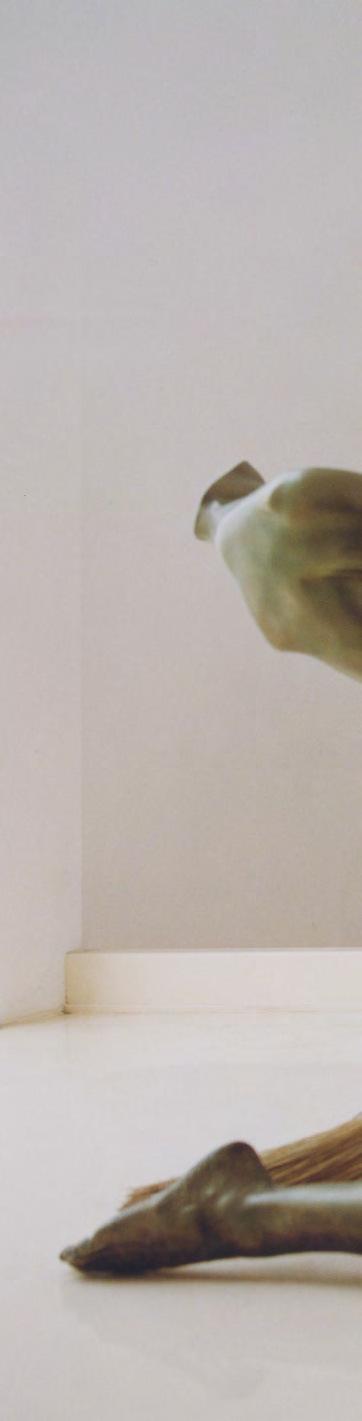
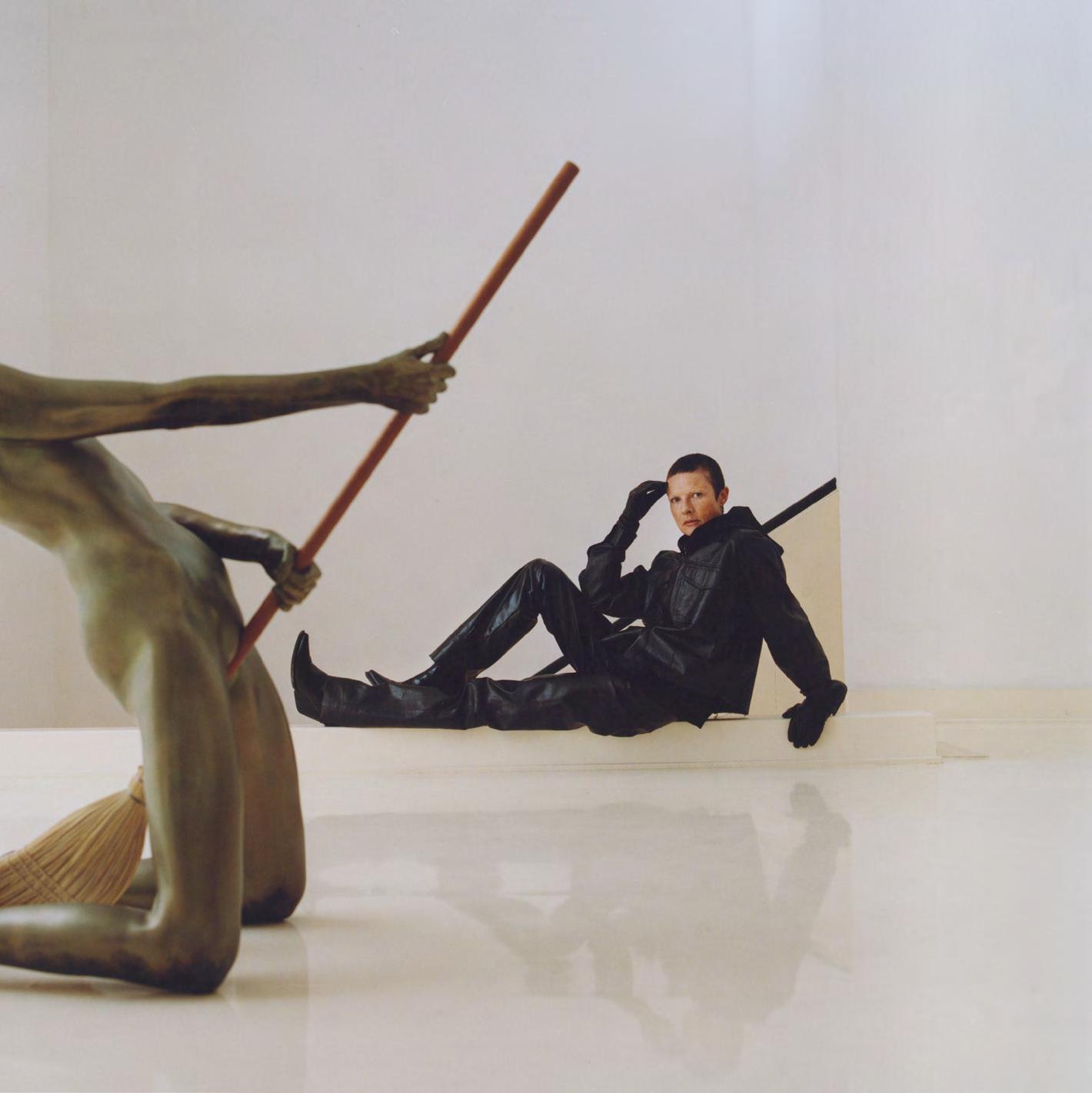
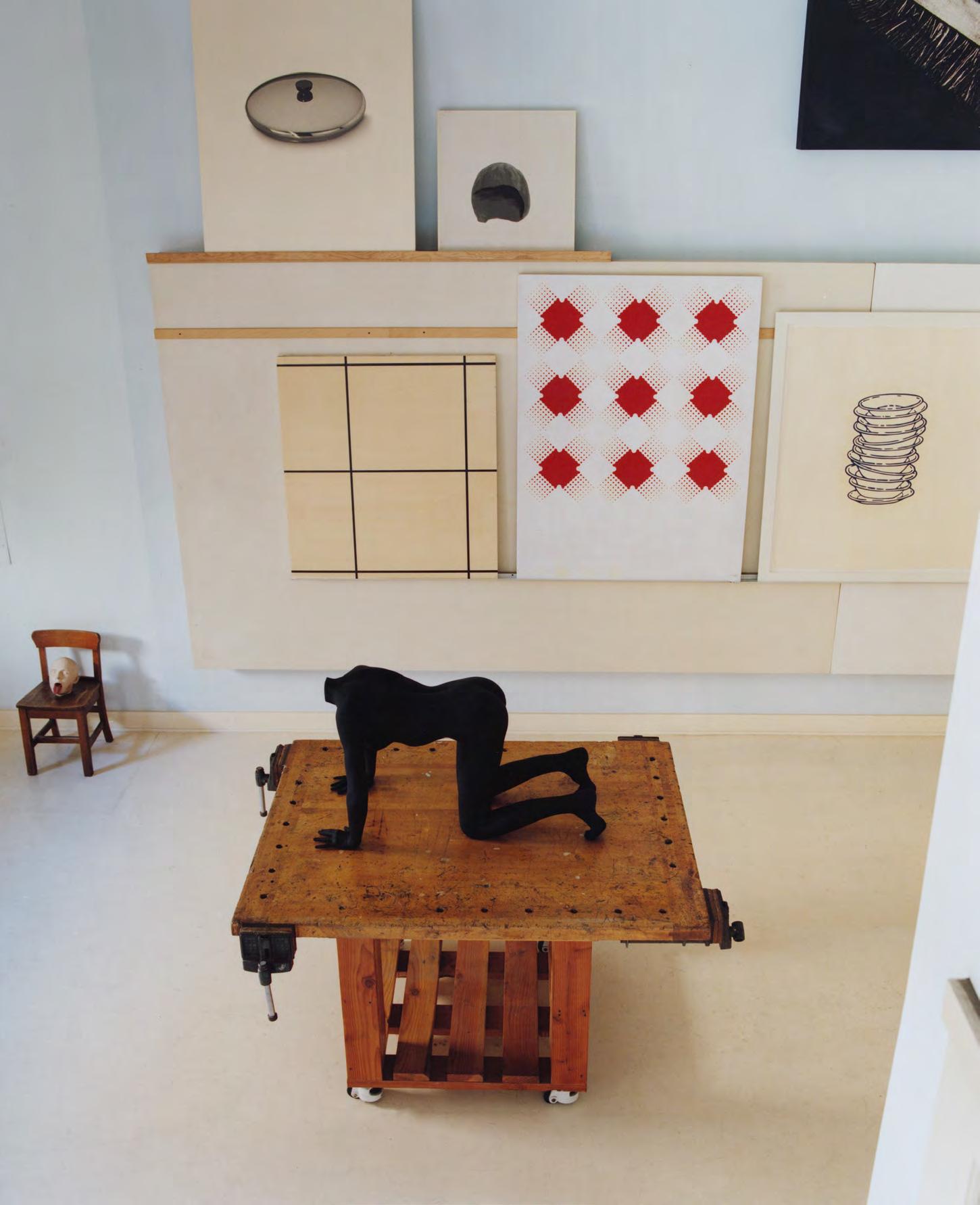
JON RAY I think of desire as not so much a subject-object dynamic, but rather something much more multivalent—a zone, something that exists from within or something we are within.
ISABELLE ALBUQUERQUE Yes. Something we are within! When I look back at the orgy series, I realize it was essentially a deconstruction of the female nude. Throughout art history, we’ve seen reclining nudes where the desire emanates from the painter or sculptor, directed onto the body. In the orgy, I wanted to flip that—making the desire originate from within the body, radiating outwards. This shift created something more natural, more wild, and sometimes, the desire would surprise me. Each sculpture in the orgy represented a different aspect of desire. In the first, it was a kind of phallic desire; in the second, it was a slow, burning desire—reflecting on how desire intersects with time. For me, there’s a deep connection between desire, sculpture, time, and even sexuality. I recently read that women need an average of forty minutes to an hour of foreplay to reach orgasm. That fact alone was incredibly relaxing to me, because there’s something about the slowness of female desire, about taking time. In the second piece, for example, I incorporated a candle that would go inside the sculpture’s vagina. Many of the sculptures in the orgy had elements that would interact with the body in this way—never just touching on the outside but always going inside. It’s a reflection of where desire originates: from within. In this piece, the candle wax becomes almost a metaphor for the sculpture’s cum, slowly melting over time. The idea was that the gallery would slowly fill with this “cum” over months, days, years—representing a kind of eternal ecstasy or a continual state of becoming, not a single instant but an ongoing, timeless process.
JR It makes me think of the headlessness of the orgy series, where desire isn’t something you’re necessarily willing into existence, but rather something you’re sensing. In the orgy, there’s this sense of a recentering of embodiment, where desire is more about tuning into and experiencing a deeper, almost instinctual connection, rather than forcing it into being.
IA Well it’s interesting because when I was working on the orgy series, which was basically ten headless beings, you were working on Ancephelas, which was a film on five different screens, also about headlessness. I think the way I think of headlessness in the orgy is aligned with Bataille; removing the head to distribute the power. If I remember correctly, Bataille had a secret society called Acéphale?
JR Yes, the society of Acéphale—part of the society’s ritual was that you had to volunteer for decapitation even though they never found an executioner. But for me, the headless body is much less about hierarchies of power and more about a different kind of distributed intelligence, something akin to an octopus. The absence of a head isn’t just a lack of a singular perspective or overarching principle of selfhood. Rather, it suggests a continuity of selves composed of multiple streams of consciousness running in parallel rather than in sequence. I’m more interested in this kind of distributed intelligence where meaning doesn’t stem from a single actor but emerges from a collective web of activity.
IA I wonder if desire works the same way—not as something linear, but as something connected to our hormones, our histories, our families, and our culture. One thing I found while working on the orgy was that every time I tried to talk about my own desire, there was no singular desire. I was always caught in this web of pressure and history, with no real way to escape cultural or historical desires. It didn’t even make sense. I kept telling myself, I thought this was about defining my own desire outside of society’s expectations, right? Which is so interesting because I started making this work when I thought I was going to have kids—arguably the ultimate societal expectation. Instead, I made an orgy. I couldn’t escape it. There is no singular desire, no single way of thinking about these things.
JR Right. In a way, if that’s just a projection—like how we construct our experience of conscious reality through projections and assumptions onto a chaotic, non-singular experience—then the narrative of a singular desire might be just as problematic as assuming we see the world as it truly is when we move through it.
IA Totally. There’s something untrue—and almost violent— about believing you have a singular desire for someone else, as if it’s just one fixed thing when, in reality, it’s anything but. Desire is a system.
JR Or maybe a zone of desire. I like that idea because “system” still places a lot of power on each individual part, making them more separate and individuated. But desire doesn’t really work that way. Moving through desire feels more like moving through a zone—one without clear boundaries, where social and cultural forces are porous and intertwined. It’s like being in The Zone in Stalker (1979)—you’re in the zone of desire. That zone can feel deeply personal, but it’s also an environment, something you move through, witness, and embody. It reminds me of how consciousness is often defined in research—the idea that to be conscious is to have something it is like to be. If there’s something it’s like to be a bat, then the bat is conscious. We can’t define it externally, only recognize that felt experience from within. Maybe desire works the same way—it’s not a fixed thing but an experience of being in something.
IA I think that’s why, when you desire another person, you suddenly become more in touch with yourself. In desiring someone else, you recognize who you are. That’s so powerful between two beings—or even multiple beings. It’s this simultaneous recognition of the other and the self, all in the same heartbeat.
JR And I think even in that, there’s an interesting interplay with the need for a gap, which we’ve talked about before. I don’t necessarily want to frame desire in a subject-object way—but in this case, maybe it fits. There’s a need for that space between the one experiencing desire and the object of desire. Desiring the self, on its own, has its limitations.
IA I mean, we had an experience when we did Hecuba where we tried to live as two people in one body. We shaved all the hair off our bodies, dressed exactly the same. At the time, we were making music together, and we tried to create as if we were one being. Creatively, it was a pretty interesting experiment. But as partners, it completely killed the eroticism between us. There was no gap, nothing to reach toward in the other because you were the other. I remember feeling so deeply depressed. I guess that’s what I love about desire: it turns you on because you’re reaching—like a caterpillar or like an astronaut—stretching into the unknown. When we became one, or at least tried to, the reaching stopped. That was the deepest depression I’ve ever felt.
JR That was very intense. I think reaching into the unknown is really interesting too because there’s something about desire that always remains a question mark. There’s no definitive answer—the unknown is the point.
IA In fact, when you do answer it—even in a relationship between two, three, or however many people—once desire is fulfilled, it often fades. Which is so confusing and upsetting because you wanted it so badly, and then you get it—it’s like holding a dead body.
JR The desire is the reaching. That feels really key, like the act of desiring is desire itself. And in our little experiment, the unknowableness of the other was replaced with the self—and that was the end of desire. I find it interesting, too, when working with AI systems. A lot of the desire I feel when engaging with something so unknowable makes the urge to see more even more intense.

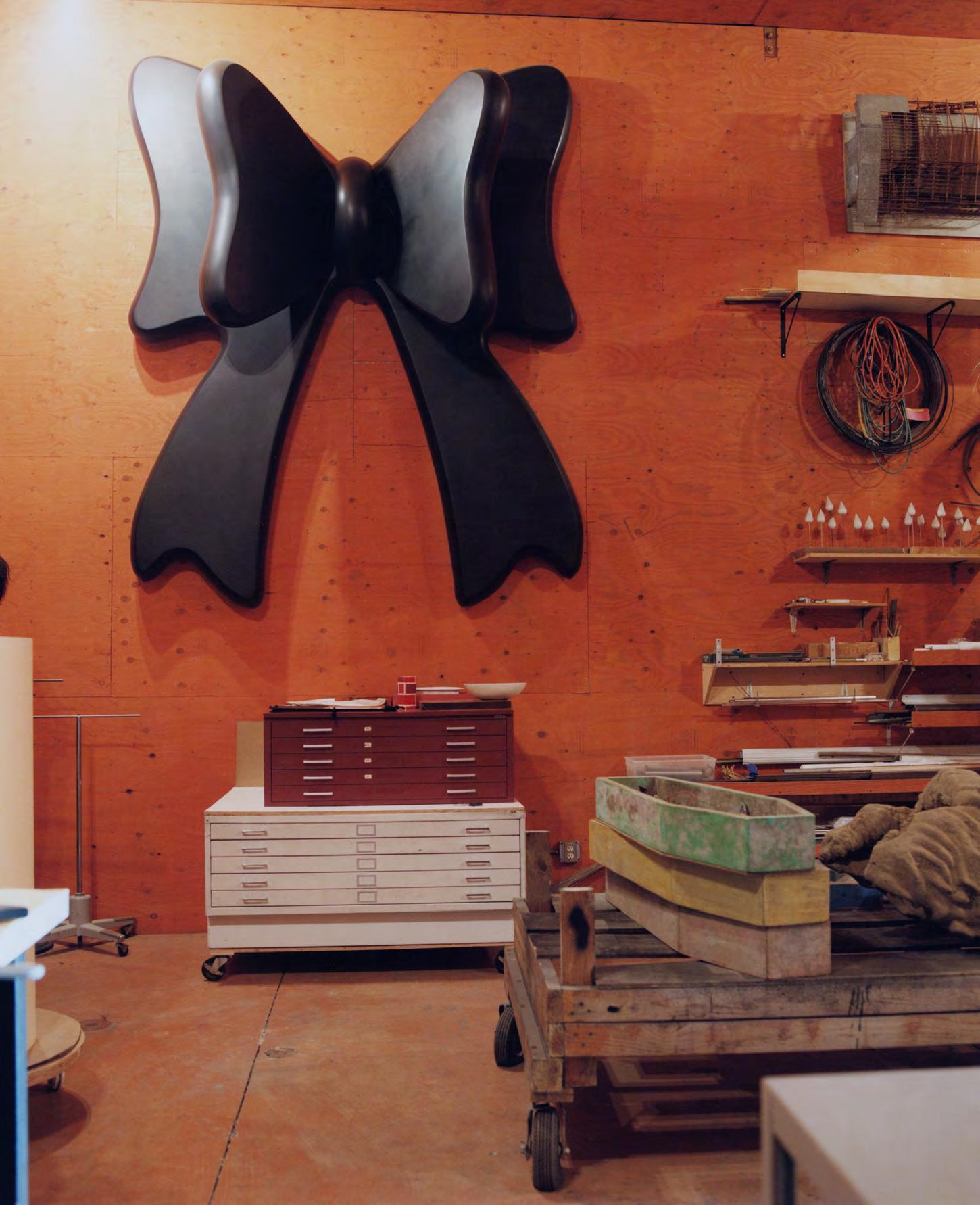
IA Totally. It’s interesting—someone asked me the other day, since we worked with AI for so long (mostly you, but together too), if I was still interested in it. And I said, not really. I’m not so drawn to an alien intelligence that’s run by corporations. But I think what we were both really interested in—and this is something you kind of gave me as a gift—wasn’t AI itself, but alien intelligence. Something you could reach toward. An unknown that, in the act of reaching, ignited something in you. That’s what was exciting—engaging with something so different from yourself that it made you more you in the process. A few weeks ago, Jaron Lanier made the point that AI won’t destroy humanity through violence—but that the real end of humanity comes when we fall in love with AI. And some might say we’re already there. Because, as we were saying earlier, the end of humanity is the loss of desire for the living. The moment we redirect that desire toward generalized AI, we give away something fundamental—our energy, our humanity itself.
JR Isn’t there something similar that happens in sculpture? By materializing these works, you’re giving form to desire— translating it into something that no longer exists purely in the human realm. It’s still communicating with us, but it now belongs to a different reality, existing on a different plane of time and materiality.
IA Well, it exists in a different timeframe than us. It’s not so much that it occupies a different reality, but rather, that sculpture moves through time differently. If you think about something like the deer sculpture—how I feel about it now will shift over time, just as my potential daughter or granddaughter might experience it differently. Something cast in bronze, potentially lasting for centuries, carries an even more enduring presence. The form itself becomes more static, more fixed in time, yet it continues accumulating meaning across generations.
JR Maybe we should talk about desire as a material. Because in a lot of your work, it seems like desire itself functions as a material, almost as a subject in its own right. One of the materials you’re actively engaging with is desire. What’s really interesting is the way desire connects to how you handle materiality—how it manifests in the physicality of your work. It shows up not just thematically but through an aesthetic language of desire, shaping the way the materials themselves are experienced.
IA I always want you to want to touch the work. Almost to the point where you can’t control it, where it’s not just happening in your mind but in your body—a physical urge to reach out. That’s why I work with hair, soft fur, flocking, reflective surfaces, warm wood—materials that almost demand to be stroked. That creates an entire aesthetic of seeing that ignites touch. And isn’t that the essence of desire? First, you see the object of your longing, the other, and then comes the chase—the reaching toward touch. There’s so much vitality in that in-between space, between seeing and touching. Sometimes those moments are years apart. Sometimes the touch never comes at all. But it’s always that reaching, that endless stretch toward something just out of grasp.
JR It is—but what’s interesting is that the desire exists in between. It doesn’t have to be physically realized to be real. Desire can live entirely in the mind; it doesn’t need to be activated through touch to hold power. And what about the subject-object relationship in your sculptures?
IA It was so important to me that the sculptures in the orgy didn’t follow the traditional subject-object relationship. In art, we’re used to this dynamic: the subject looks at the object. But I wanted the works in the orgy to exist in a subject-subject relationship. So when you encountered them, you weren’t just a subject looking at an object—you were a subject experiencing another subject. That creates an entirely different conversation, one that shifts the dynamic of power and perception. I have to say, not always, but in some moments, that was successful. There were people who truly
engaged in a subject-subject relationship with the beings in the orgy, and that was so exciting to me. That idea also shaped the aesthetic of the orgy itself—I wanted them to feel so alive that they had their own lives, their own agency.
They’re wearing wedding rings, they look like they could stand up and walk away at any moment. That kind of aliveness emphasizes their subjectivity. And when you’re working within the history of the nude—especially the nude female body—you’re inevitably engaging with the history of ownership. Ownership turns the body into an object. My way of pushing back against that, while still making objects, was to make the objects into subjects. That was my fuck you to the history of sculpture. It’s not about owning the body—it’s about the relationships between bodies across time.
JR As I look at your flower drawings on the wall, I’m thinking about how the subject-subject relationship becomes even more intriguing when you step outside the figure and into botanical forms. It opens up a new way of approaching desire and other sensing modalities—how we understand plant behavior as responsive to stimuli, possibly even possessing an internal experience of some kind. But what happens when that evolution extends into botanical-human hybrids? When desire takes on a new form, where a vagina blossoms at the end of an alien stem?
IA These drawings are for a new body of work—an erotic meadow. Flowers have always been symbols of desire. They wear their genitals on their faces—on their flower faces. In the sculptures I’m working on, I’m also incorporating the roots of the flowers, the part we so often don’t see, the part that remains underground. The roots are hidden, but they’re essential. They’re how flowers communicate, how trees connect—it’s an entire underground system. We only see the bloom, the beautiful genitals of the plant, but beneath that is a whole network of intelligence, communication, history, and resource-sharing. The flower is just a fleeting symbol of something much deeper. And yet, when we desire someone, we give them flowers—cut flowers, rootless flowers. Just the genitals. And, actually, one of the places that these flowers came out of was that you had made this database of flowers to train your own AI to make AI generated flowers.
JR Flowers—or rather, the first layers of learning in an AI model—capturing flowers in a state of anthesis. Anthesis is when the flower reaches a state of sexual fertility. As the AI begins to form generalizations about the flower and its structure, I’m not trying to create a facsimile. Instead, we are witnessing the model as it is generating its initial layers of knowledge. In this generative adversarial network—where forms are continuously created and analyzed—the AI attempts to learn what a flower is in full bloom. But what emerges aren’t perfect replicas. Instead, the process produces these strange, alien-like forms, drawn from nature yet entirely novel.
IA It’s so crazy because I’m making these flowers now. And so much of my work feels like this silent dialogue between our works. We don’t even really talk about it—well, we are now, but we usually don’t. Yet, we end up developing these strikingly similar ideas. Yours often engage with AI or other systems, while mine takes a different route, but there’s always this unspoken resonance between them.
JR Maybe we should talk about ecstasy—because desire, in all its forms, is fascinating in the way it asks: What are we desiring toward? In every sense—artistically, formally, sexually, even in companionship—desire seems to carry an inherent pull toward a loss of self. At its core, it feels like a kind of workaround, a way of escaping the locked-in syndrome of conscious experience. A way of slipping past the self and into ‘la petite mort.’
IA Of course, in desire, there’s a longing for alienation, for annihilation. When you’re in a state of ecstasy or orgasm, the most intense part is that sense of annihilation—you lose your sense of self. For that brief moment, you’re no longer just one; you become two. And in that, everything expands, becoming something even bigger.
JR Or even more extreme, you don’t become a two—you become a zero.
IA Totally. If you think about it—after orgasm, the woman may never be just one again. Because that experience can lead to pregnancy. With that, there’s the potential for a permanent shift. At least in heterosexual encounters, there’s always the possibility of a complete loss of self, or at least a transformation into a new role, like becoming a mother. Each time you reach ecstasy, there’s not only the loss of self in that moment, but the potential for an entire shift. You might not just lose yourself temporarily—you might actually become two people that day. You could begin growing another life inside you, experiencing the sensation of being two bodies at once.
JR Or even a double consciousness. So much is shared between them, an entwined existence. In that sense, the Bataillean notion of the orgasm and the volcanic eruption of excess speaks to something deeper—a search for death.
IA It’s making me think of this quote by David Wojnarowicz: “Inside my head I wished for years that I could separate into ten different people to give each person I loved a part of myself forever and also have some left over to drift across landscapes and maybe even go into death or areas that were deadly and have enough of me to survive the death of one or two of me—this was what I thought appropriate for all my desires and I never figured out how to rearrange it all and now I’m in danger of losing the only one of me that is around.”
I relate to that so much. My whole experience of being on this planet, of having just one body—maybe that’s why we wish for the annihilation of the one, to have multiple bodies. Because I genuinely don’t know how to hold all the love and desire inside this one body. I need many bodies to love all the people I love.
JR Maybe that’s where the ache comes from too. The ache of desire—a feeling we both love and hate. What’s interesting is that part of that ache might come from the wish that will play a greater role in desire than it actually does. Even the David Wojnarowicz quote, in a way, feels like a wish—that he could will another set of experiences into existence, to feel more desire, to reach for more.
IA In some ways, every desire carries the death of all the other possible desires. Because you’re only one person, and it’s so hard to embrace multiplicity fully. I mean, my whole project is about loving multiplicity—but is that even possible? Is it just a fantasy?
JR Or does it actually expose the limitations of our narratives of desire? If we start thinking about your plants, about other sensory modalities, maybe we begin to see the projections we’ve accepted as the playing fields for desire. But in reality, there could be so many more vibrations of desire— ones we overlook simply because they don’t fit the forms we’ve been taught to want. If we stopped asking desire to resemble what we think we want, maybe it could be more. Or maybe the sense of loss or lack in desire comes more from our own projections—what we wish desire could be— rather than from any inherent absence. In reality, desire operates across so many bandwidths and frequencies; it’s an animating force.
IA This is why I love you—because you’re reimagining desire, pushing it beyond its limits. We don’t even have the language for it yet—just look at us struggling to find the words.
JR I also thought it would be interesting to talk about how, in your work on the orgy, performance was embedded in the pieces. Each work required a bodily performance, which connects in fascinating ways to the enactment of desire—the way desire itself is performed.
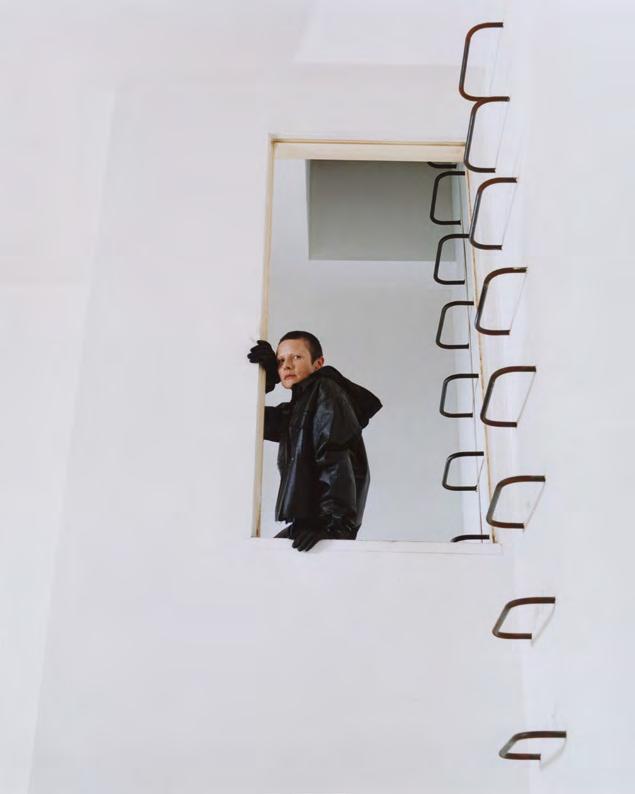
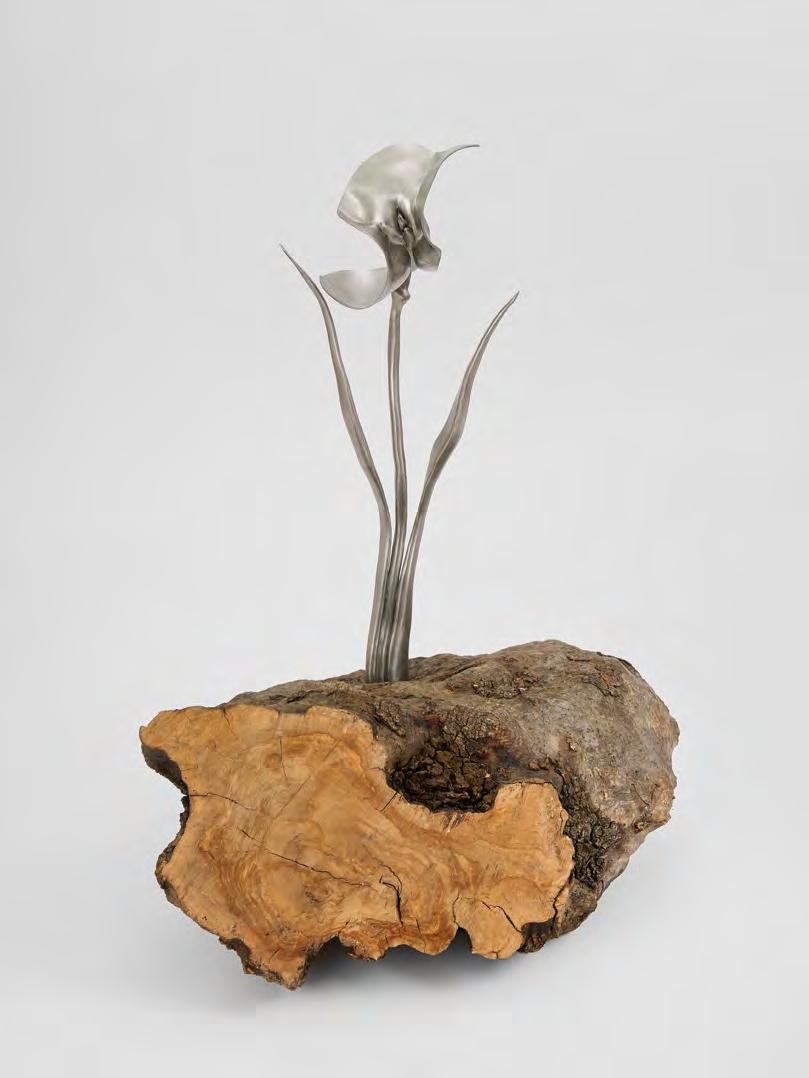
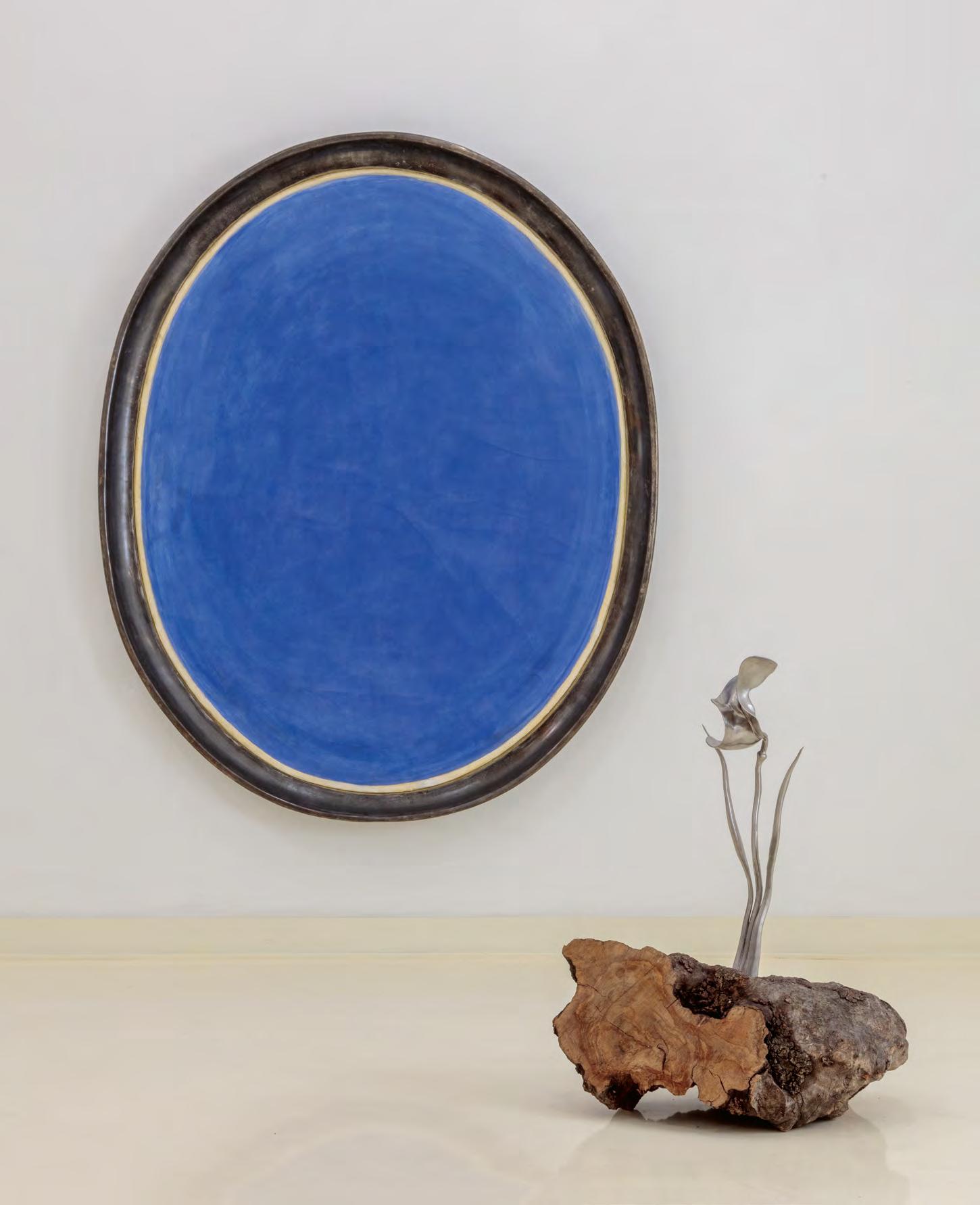
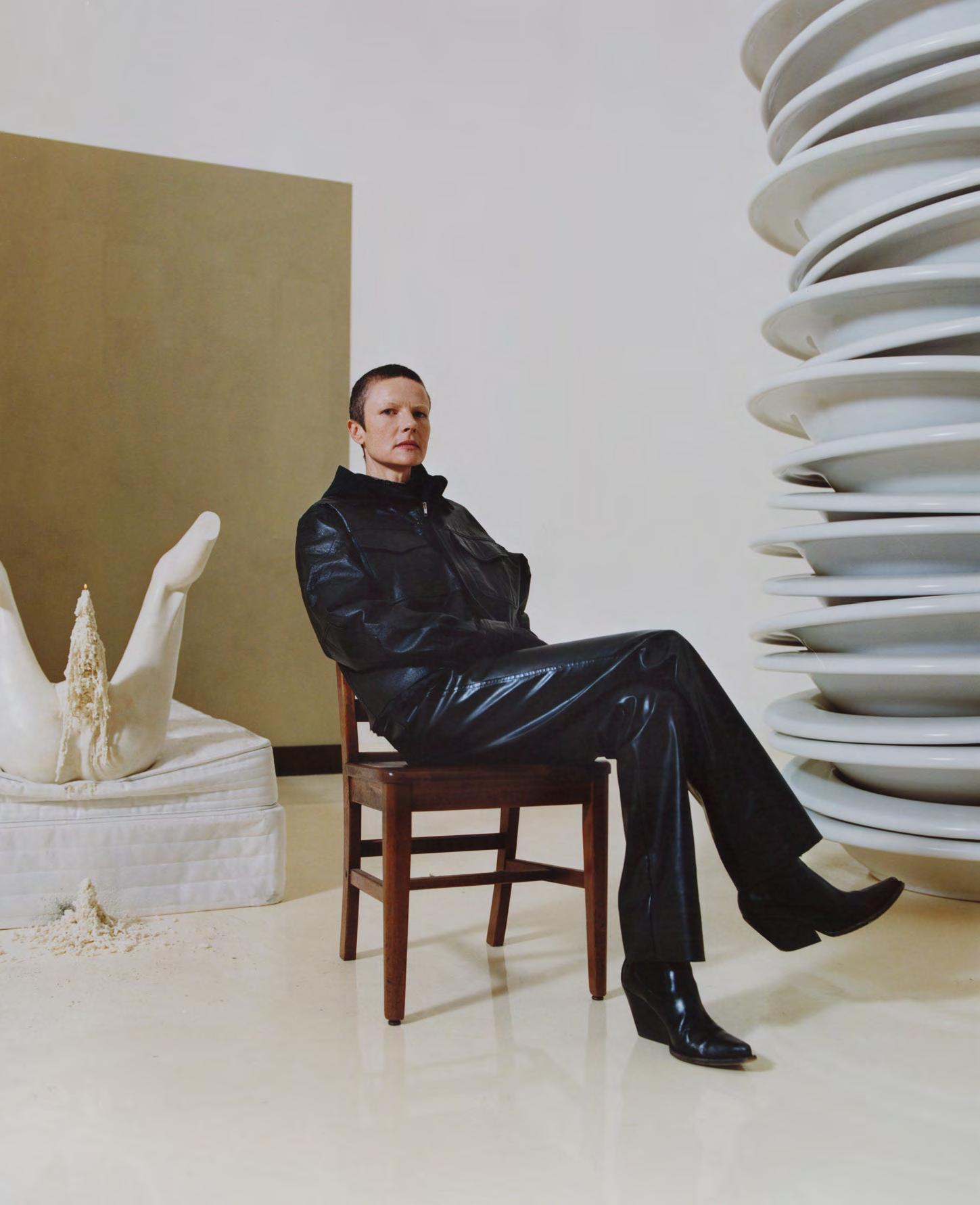
IA When I started the orgy, in some ways, it was a way to reconnect with my own desire—to pull myself out of depression. To do that, I couldn’t just sense desire; I had to perform it in order to access it. As we do, you know? And in that performance, I found my way back to it. It’s like watching a play—performance allows us to connect with emotions that might otherwise be too vast, too overwhelming to hold on our own. It creates a space that can safely contain immense desires, even those that feel like they might break us. I was thinking about what you said about aching. For me, that ache comes from a feeling that the desire is too big, too consuming—how will I hold it? How will I contain it? But when you perform desire, it shifts into something larger than yourself, something that can hold you instead.
JR If you perform it, it goes into something larger.
IA The act of performance can sometimes hold more than reality can.
JR Interestingly, I was thinking the performance allowed it to become something smaller—more graspable. In a way, it distills desire into a single instance, making it more tangible, more contained, rather than trying to hold the vastness of desire in its entire, nebulous form.
IA I also think desire is creation—it’s the act of reaching toward something. I was just thinking of Bernini, those incredible moments in his sculptures where a hand presses into the flesh of another body. It’s about desire, but at its core, it’s really about the longing to create. It’s art. The two are completely entwined.
JR For me, so much of that is tied to the desire to see something that hasn’t yet existed. That feeling of creation is deeply wrapped up in longing—to witness something entirely new, something that may come partially from me but ultimately takes on its own form, its own entity. Something that is genuinely a surprise.
IA Well, there’s such a parallel between what we’re talking about—the desire in artmaking, the creation of a new form—and the act of having a child as a new form. I think that idea runs deep in the orgy too, the sense of creating lives, in a way. There’s a real connection there. Do you think so?
JR I do, but I also think it’s maybe less about reproduction and more about production. The creation of new forms. There’s something about having a child that’s tied to creating a new human from yourself, but when it comes to making work, I feel like it’s something adjacent but different. Like, maybe it’s not so evolutionary or biologically driven. There’s an impulse for things to live on, but they can also just be, without carrying the weight of reproduction. The desire is to manifest something new, but it’s not necessarily about bringing a new life into the world.
IA I was just thinking back to our conversation about when we tried to become one person. I was reflecting on cycles of desire. When I hit that big depression, the way we were able to move back toward a state of desire, or the zone of desire, was through individuation. We became others to each other again. For me, that involved some basic shifts—regrowing my hair, becoming more feminized. I moved from a more neutral sexuality to a more feminine one, as a way to differentiate myself from the other. It’s interesting to think of gender as a tool for differentiation. So, there’s more space for reaching, but at the same time, so much of desire is upsetting that binary.
JR Like how desire—whether for someone, something, or some state—can often collapse in a way, much like the collapse of a wave function.
IA So often, it transforms into a struggle for power, for ownership of another, which can easily slip into a kind of violence. The question becomes: how do you remain in the zone of desire without collapsing into the zone of violence? There’s such a fine line between the two.
JR Especially because, in the process of desire, you create mental models of what you’re desiring and what you want it to be. The scenarios and the ways those desires play out are often not with the other, or in a subject-subject dynamic, but rather ways of owning the experience.
IA Or are more about domination. It makes desire in all its vitality and power also so delicate.
JR I’m looking at this Ugo Rondinone on the wall, with the lightning bolt, and it makes me think of desire in its most alien form—being struck by lightning, being struck by desire out of nowhere. We’ve been talking about it more as something that grows, but there’s also that sudden, unpredictable intensity. Sometimes you’re struck by lightning and...
IA …It changes your entire life.
JR Right.
IA It’s a force of transformation.
JR It’s a force. It’s not necessarily coming from you,
IA It’s out of your control.
JR In order to give into it, sometimes you have to get out of control.
IA And lose yourself.
JR Even though that’s the desire in the end—to lose yourself.
IA Just because you want something doesn’t mean that it’s not terrifying.
JR And that our fear of losing ourself is maybe compensated for by desire. We’re so afraid of losing ourselves, but we have desire whether we want it or not.
IA Because it’s kind of a good feeling. It gives you a lot of energy.
JR And it pushes you towards the inevitable loss of self in ecstasy. Or…
IA ...Death.
Patrick R. Crowley
In the fifth century BCE, the Greek philosopher Empedocles advanced an influential theory to explain why children don’t always look like their parents (a phenomenon that modern biology simply calls variation):
How do offspring come to resemble others rather than their parents? Fetuses are shaped by the imagination of the woman around the time of conception. For often women have fallen in love with statues of men and with images and have produced offspring which resemble them.
Empedocles’s “embryology” was heavily influenced by ancient theories of vision that consistently defined the faculty of seeing as a kind of touching—a sensory capacity that was physical, libidinal, and active. It also held much in common with contemporary medical texts. Hippocrates, for example, explained birth defects by likening the womb to a container placed around a growing cucumber, constraining its shape. Centuries later in the Roman period, the Greek physician Soranus notes that “The tyrant of the Cyprians, who was misshapen, compelled his wife to look at beautiful statues during intercourse and became the father of well-shaped children.” Deeply misogynistic and ableist attitudes about female bodies and desire in ancient thought were rooted in this basic belief that women were inherently impressionable, and could be compulsively corralled by such outside influences. Seeing, more specifically a kind of cathected, sculptural seeing, quite literally had the power to shape the desired outcome of men.
Isabelle Albuquerque’s sculptural offspring are the products of a kinky parthenogenesis. In her recent body of work, most notably in the series Orgy for Ten People in One Body, Albuquerque explores the morphology of desire by staging a psychosexual drama that confronts the gendered legacies of ancient, medieval, and Renaissance art history. The materiality of these works encodes the symbolic density of desire—both sexual desire but also desire understood in the broader sense of a generative, productive force—and its mutability: in real human hair (Eight), long regarded as the quintessence of artistic refinement indexing the dissolution of signifier and signified (think of the hair of Botticelli’s Venus and the bristles of a paintbrush); in beeswax (Ten), a material that since antiquity has been associated with flesh and resemblance; or in vulcanized rubber (Four), which was still quite new in 1860 when Gottfried Semper called it “the factotum of industry,” fretting about what Megan R. Luke has aptly called its “stylistic promiscuity.” By submitting each of these figures to a recombinatory logic of distributed personhood bound together with gold wedding rings that symbolize a kind of ouroboros of identity, Albuquerque fashions a counterpart to the poet Arthur Rimbaud’s famously cryptic, anacoluthic formulation: “Je est un autre” (I is another). Albuquerque similarly disrupts the expected grammatical construction or syntactical consistency of her sculptural ensemble. The figures play together and perform the
title, merging the composition and flow of identities in group sex (recalling Susan Sontag’s criticism of pornography as a “theater of types, never of individuals”) with a group figurative sculpture. At the same time, many of the figures are content to play with themselves: masturbating digitally, with a tapered candle, riding a broomstick. If Auguste Rodin’s Burghers of Calais remains the hallmark of civically minded group figurative sculpture, Albuquerque’s exhibitionist autoeroticism challenges the Enlightenment project of casting solitary sex as a withdrawal from social interaction and a threat to self-governance. This is sculpture in the middle voice, a construction that has no English equivalent, where the grammatical subject both performs and receives the action on or for itself.
Seizing on this duality, Isabelle Albuquerque X Robert Therrien, presented last autumn in the late artist Robert Therrien’s homecum-studio, was an ingeniously conceived and impeccably executed collaborative exhibition. A shared sculptural language between the two artists established a clear through line across time and space and fostered the ideal conditions for a meaningful—not to mention extremely photogenic—dialogue. Both sculptors share a keen sense of scale and the embodied texture of its feeling. And it is precisely this playful relationality that pushes them in different ways to explore what the philosopher Gilbert Simondon called a “metastable” system, or a system that is neither stable nor unstable, but somehow both at once (think of the wobble between the wave and the particle). Such a system unsettles the relationship between matter and form, privileging dynamic processes of becoming over static states of being. Through a kind of embryogenesis (but a world apart from the ancient “fruit-mold theory” of the womb as sculptural matrix), individual subjects emerge through a series of productive tensions in states of “in-betweenness.” Hence Therrien’s recurring interest in what he called “figure-ground play,” both a visual polysemy where an image can mean many things at once, and a play of figure-ground relationships where things can emerge and recede from view simultaneously. Seeing Albuquerque and Therrien together produces its own kind of “figure-ground play” of call and response. What made the exhibition so exhilarating were those all-too-rare moments when a curatorial masterstroke reveals something about an artist’s body of work that a presentation of each one individually would miss entirely. Not, of course, because there is anything lacking in each, but because the comparison draws out a freshly salient feature, producing new realities that did not previously exist or register. This is what Gilles Deleuze and Félix Guattari meant when they argued against the orthodoxy of psychoanalysis that had long defined desire as a fundamental lack. Desire, the philosophers insisted, doesn’t lack anything; it is not the object that is missing but the subject that is missing—missing in the sense that the subject is never fixed and has yet to be constituted. Desire, according to this view, was there from the very beginning: it is a productive force that generates new
objects and realities. In this sense, Albuquerque and Therrien use desire as a sculptural medium. Two examples will have to suffice to attest to the richness of their dialogue.
One of these was an exceptionally understated encounter between Therrien’s No Title (Large Blue Oval) (1988) that quietly overlooked Albuquerque’s Fleur Sauvage (2024). For Therrien, the blue oval evokes “a mirror, a female apogee, my mother” while evincing a figure-ground play that oscillates between density and vacuity, surface and depth (“Because of the edges, which recede toward the wall and create a shadow, from a distance it seems to float”). Albuquerque’s flower, on the other hand, blossoms out of her own reproductive wellspring of creativity, its notional hermaphroditic sexuality cast in stainless steel from her own vagina. The flower is a sly quotation of another sculptural instance of vegetable desire: Marcel Duchamp’s surrealist Female Fig Leaf (1950-51), which presents the negative mold of a vagina (a visual pun on the French moule, which in the masculine means a “mold” but in the feminine can mean a “mussel,” and by analogy a “vulva”) recast as a positive form, or more precisely as a double negative. Georges Didi-Huberman has observed how Duchamp exploited this gendered ambiguity that toggles between concavity and convexity in its various forms and photographic reproductions—one whose initial operation of smearing plaster over the vagina effectively conceals it, thus performing the modesty of the fig leaf. But Albuquerque’s flower is derived, at least initially, from a digital scan: photons, rather than plaster, penetrate the topography of her flesh.
What’s at stake here is what Maurice Merleau-Ponty calls “invagination,” a folding back of the horizon of visibility and touch and the reflexivity of embodied existence that reveals a “fundamental narcissism.” This fundamental narcissism, a phenomenological event rather than a psychiatric diagnosis, is precisely what activates the pairing of Therrien’s non-reflecting mirror and Albuquerque’s flower: together they evoke the primal scene of specular self-seeing in Ovid’s Metamorphoses where Narcissus lies at the edge of a pool, bewitched by his desire for the beauty of his own ungraspable image. We tend to forget the most tragic aspect of Narcissus’s fate—that at one point he does indeed recognize himself (Iste ego sum, “I am he!”) but gives in to his desire anyway until he finally wastes away and turns into a flower. But just as Ovid’s Narcissus was associated in a more positive sense with the ancient philosophical maxim to “know thyself” through self-reflection, the pairing recalls the landmark Our Bodies, Ourselves published by the Boston Women’s Health Book Collective in 1970 that encouraged women to examine themselves with a hand mirror in order to understand their cervix and vulva. Or consider a pit in Therrien’s studio at least five or six feet deep. At the bottom of the pit, at its very center, we find a small version of one of the sculptor’s Flagpole pieces that uses forced perspective to enlarge the bulbous finial of its conical extension, creating the illusion that we seem to be looking down on it from high above. Except in this case, we really are looking at the flagpole from
above, thus enhancing the pit’s vertiginous precarity. This time, Albuquerque looms over Therrien: Venus Rising (2024), a reduced size figure of the artist robotically carved with a CNC machine from a 3D scan. She adopts the pose of Nine from the Orgy series: right hand pressed against her upper chest, left hand approximating the gesture of a Roman sculpture of Venus covering her pudenda (a euphemism borrowed from Latin for the female genitals that literally means “things to be ashamed of”), but slipping inside herself in a powerful and frank assertion of her sexuality. Famously, ancient statues of Venus conspicuously avoid the articulation of the vulva so that they embody, in the most literal fashion imaginable, a Freudian castration anxiety. Standing proud from the wall—the dowel-like supports on the back transform the supine position appropriate for tomb sculpture into the powerful stance of a vertical monument—Albuquerque’s Venus not only asserts control over her own body, but also dominates the demonstrably phallic, if comically diminutive, Flagpole. And yet, in a dizzyingly recursive game of scalar relationships, the finial of Therrien’s Flagpole doubles as a gazing ball, shrinking Venus in a distorted reflection that is more easily imagined than seen.
The play of proportions here offers more than meets the eye—or rather, is exactly what meets the eye, even if its significance can be challenging to articulate. It has become a commonplace to compare Therrien’s manipulation of scale to Lewis Carroll’s Alice’s Adventures in Wonderland, situating the domestic content of his sculptures—a colossal table, chairs the size of trees, pots and pans as big as boulders—within the world of childhood. And this is fine, as far as it goes. But it risks fixing the sense of scale as a datum point or the property of an object having a definite position in time and space. As Deleuze observed, highlighting Carroll’s ludic obsession with logic, the sense of scale is a paradox of pure becoming: “Hence the reversals which constitute Alice’s adventures: the reversal of becoming larger and smaller—‘which way, which way’ asks Alice, sensing that it is always in both directions at the same time, so that for once she stays the same, through an optical illusion.” Viewed in this light, Albuquerque’s recent works in the exhibition partake in the paradoxes of metamorphosis, most poignantly in leafy appendages that sprout from delicate fingertips (Fallen Limb, 2023; Reliquary with Hive, 2024). Like Bernini’s Daphne, that marmoreal masterpiece of vegetable, thwarted desire, Albuquerque demonstrates how the secret interiority of the body manifests as sculptural events at the very surface of things. With Therrien, Albuquerque has found herself an ideal co-conspirator in the sculptural language of desire that is incessantly in search of its subject, forever shaping the contours of a “figure-ground play” that hovers in the space between sense and signification.
Interview .............. Jeanette Mundt
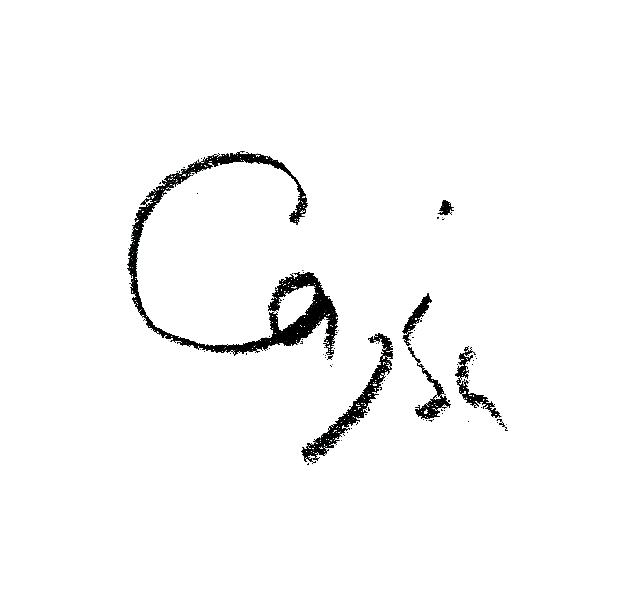
Cajsa von Zeipel is a Swedish artist whose work explores themes of the human body, identity, and the complex interplay between the organic and the synthetic. Known for her larger-than-life sculptures, von Zeipel merges traditional and contemporary art forms to create surreal, often uncanny figures that challenge perceptions of the body. Her distinctive use of materials—ranging from fiberglass to fabric—imbues her works with a sense of both fragility and resilience, while her exploration of gender and bodily transformation invites reflection on the fluidity of identity in the modern world. Through her art, von Zeipel creates a space where the boundaries between the real and the imagined, the human and the artificial, blur and merge. In a conversation with painter Jeanette Mundt, Zeipel discusses the shapeshifting materiality of her sculpture practice.
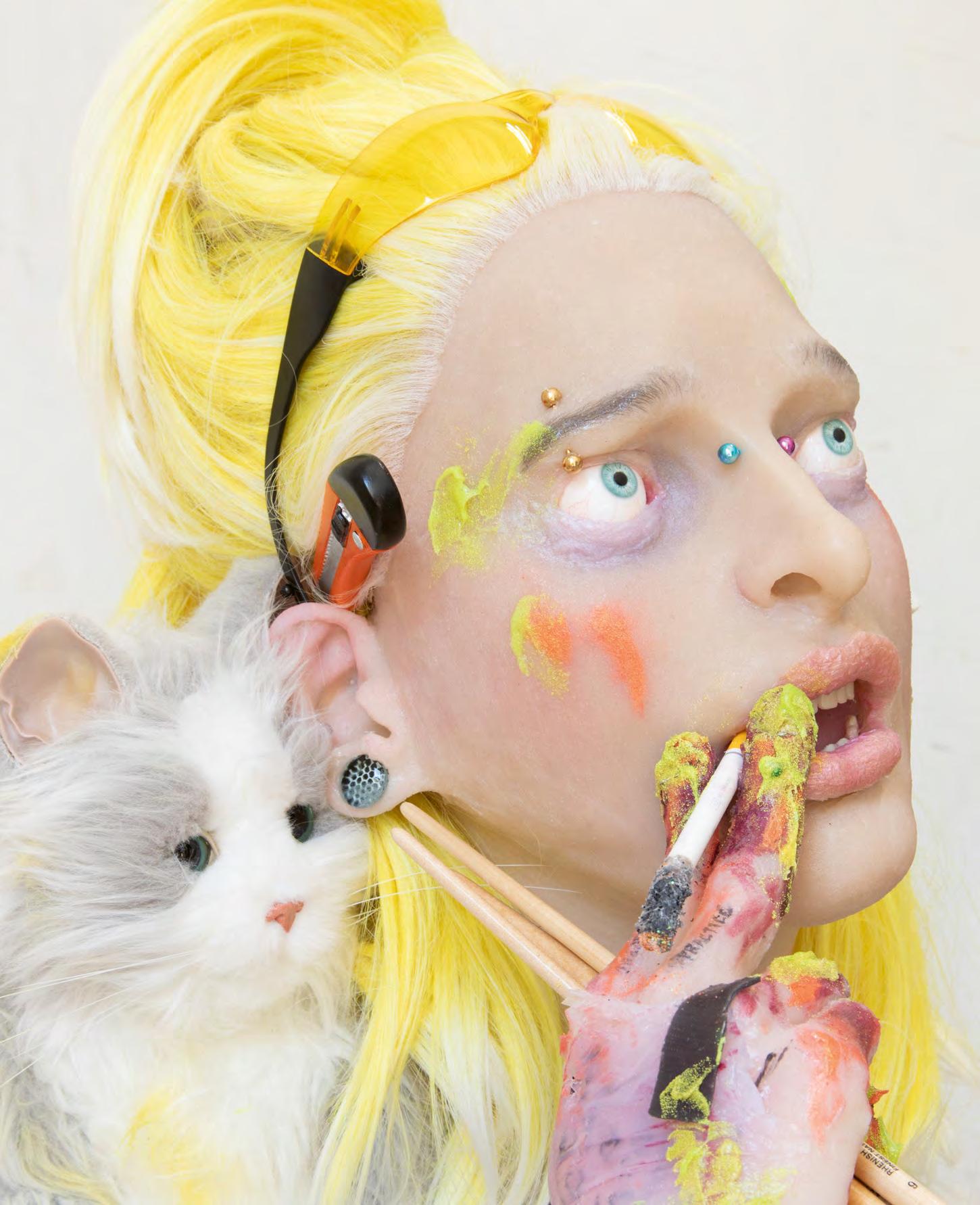
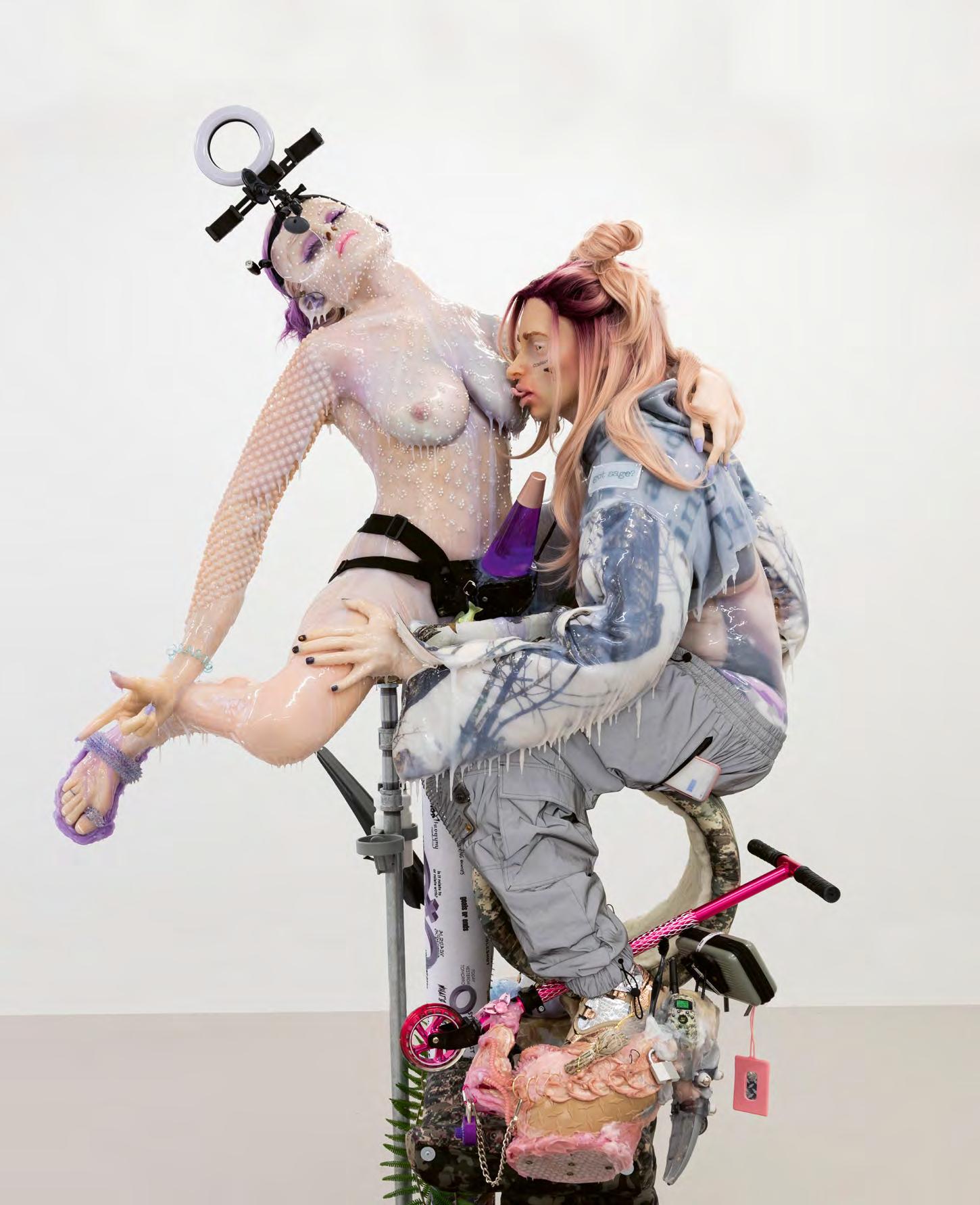
JEANETTE MUNDT So, we’re going to talk about desire. I’m just going to jump right into it. When we were chatting a couple of times recently, we discussed how you began your practice really in plaster, and then you shifted to silicone, and now you’re moving back to plaster.
CAJSA VON ZEIPEL This is true. I started plaster back in school. So that’s fifteen years ago. God. Fifteen years ago I took my masters. I’m getting old. In my last year of school I found plaster and I became pretty obsessed with it. I started making largerthan-life figurative sculptures.
In getting to know one’s hand I think that after clay, plaster is the go-to as a natural second step of 3D making. What I really love about it is that it’s such a living material. When it sets, it burns. It has this anger. It’s aggressive enough that it actually can burn you if you touch it while it’s setting. And then it calms down and for the next coming days it’s cold until it finally dries and becomes very classy, clean, traditional. But it is fragile too, plaster cracks when it is abused in contrast to silicone, it just bounces back, couldn’t care less. What a survivor, and at the same time it’s used as implants in our bodies.
JM How did you find the silicone? What made you start experimenting with it?
CVZ I had the silicone in my studio for years because I use it to make molds, to cast stuff. I was using it to cast clay into plaster, and for the longest time I was using this kind that had a very distinct turquoise color, so was never something that I considered as a final material in itself. Then I switched to a translucent one and I was like, this is gorgeous. All of a sudden I thought that my molds were more interesting than the sculpture that I got out of it, so then I started to pour silicone into the molds.
It was also because I wanted to try to make sculptures that resembled sex toys. I was doing a show at Arcadia Missa in London and it was when she had her space in the middle of Soho on Brewer Street where there are a lot of sex shops. I wanted to do this kind of dildo-inspired work.
JM So funny.
CVZ A pandemic and a child later, the plaster is back in my studio. At first I was kind of scared of it, like, oh my god no, I’m stepping backwards. You know, after having the biggest break in my practice ever.
JM How long was the break you took?
CVZ I went into the studio to make a project when my daughter was three months old, but it was painful. I was like, what am I doing here? I tried again after a couple of months, but there were still angry and resentful vibes and it was hard because the previous three years had been such a shift for me where I had really enjoyed going to the studio. So, after a solid year of frustration popping in and out of the studio I figured I needed a longer break and had six months basically totally off.
JM Wow.
CVZ Another frustrating element was that I couldn't see a big difference in my work while my life had changed so radically. I’m not sure what I expected. I just wished for something I didn't
know yet I guess. So I think that I returned to plaster to shock myself, but at the same time revisit something familiar. It’s like hanging out with an old friend, I really know her. We used to be besties and then we had a falling out and now we accidentally ran into each other again, probably in a pretty tense dinner setting, too small to avoid one another, and ended up having a jolly good time. What takes most time in my studio is the decision making and sometimes it’s just torturous because I’m getting frozen in between a thousand ideas. So, to get going, I just start mixing material. Because then you have maybe fifteen minutes until that batch is wasted material and then you just have to act.
JM It’s really funny how literal the role of desire played in your decision to shift from plaster to silicone because you were “playing” with sex toys, often made from silicone. Also desire is woven throughout your work: you work so intuitively, reacting to your materials, your frustrations and impulses or desires as you go. On top of this, you have the seductive quality of the materials themselves—the plaster and the silicone, seductive in different ways. Then, you have the works themselves that are riddled with motifs or elements of what we are taught to desire culturally, for instance the skinny, elongated, sexualized bodies you have rendered in plaster. Then you have the works in silicone and with that comes all of the sex toys, the rubbery, lubricant, fleshy suggestions. You can go far with those suggestions, so desire functions literally, as well as metaphorically and psychologically throughout your practice.
CVZ Yeah, I think you’re right. It’s something I understand clearly, but it’s also something that I’ve always struggled with to some extent. Such a raw human emotion like desire, in a white cube setting, can embarrass people and significantly influence how something is perceived. It’s funny that when people are met with their own desire, they kind of look down at the work sometimes, meanwhile what’s really happening is them confronting their own attraction.
JM You have the perhaps awkward experience of feeling desire as you approach the work. It might immediately make one, or myself, feel uncomfortable because I’m like, Oh my god, I'm suddenly horny for that silicone figure or whatever.
Then it shifts quickly as you notice so many different iterations of desire all occurring simultaneously. And, on top of the silicone and the bodies and the positions of the bodies, and the play between disgusting and seductive, there are also the many objects in your work that are highly desirable on a base consumer level. The core “I want that” feeling. You are pointing to these many manifestations of desire, the push and pull of wanting, so that I, as the viewer, have to work to see it all and experience it all. And that’s good art, right?
CVZ Yes. I think also the amount of objects planted into the works has been kind of an unhinged desire from my side as the creator,
Cajsa von Zeipel, Post Me, Post You, 2022. Aqua resin, silicone, fiberglass, faux eyelashes, glass eyes, synthetic hair, 1 Yeezy boost, 1 Yeezy foam runner, acrylic nails, ball pins, camera lens coffee cups, dirt bike helmet, Equine horse goggles, dummy camera, earrings, elastic ribbon (LOVE), fill foam, flex foam, foam noodles harness, GoPro accessories & harnesses, gray lounge wear, gray sweatshirt fleece, halo ring light, hardware, hookah, horse sunshades, high density foam slabs, kayak oar holder, king size memory foam mattress, knee brace, lenticular, MDF, medical inflatable walking boot, metal rods, mini projector, monitor desk mount, pigmented silicone, rubber tube, sextoys, shower sponge pouf, stone 3D air, spacer fabric, studs, T pins on bedframe, and video Installation 104h x 88w x 88d in 264.16h x 223.52w x 223.52d cm approx
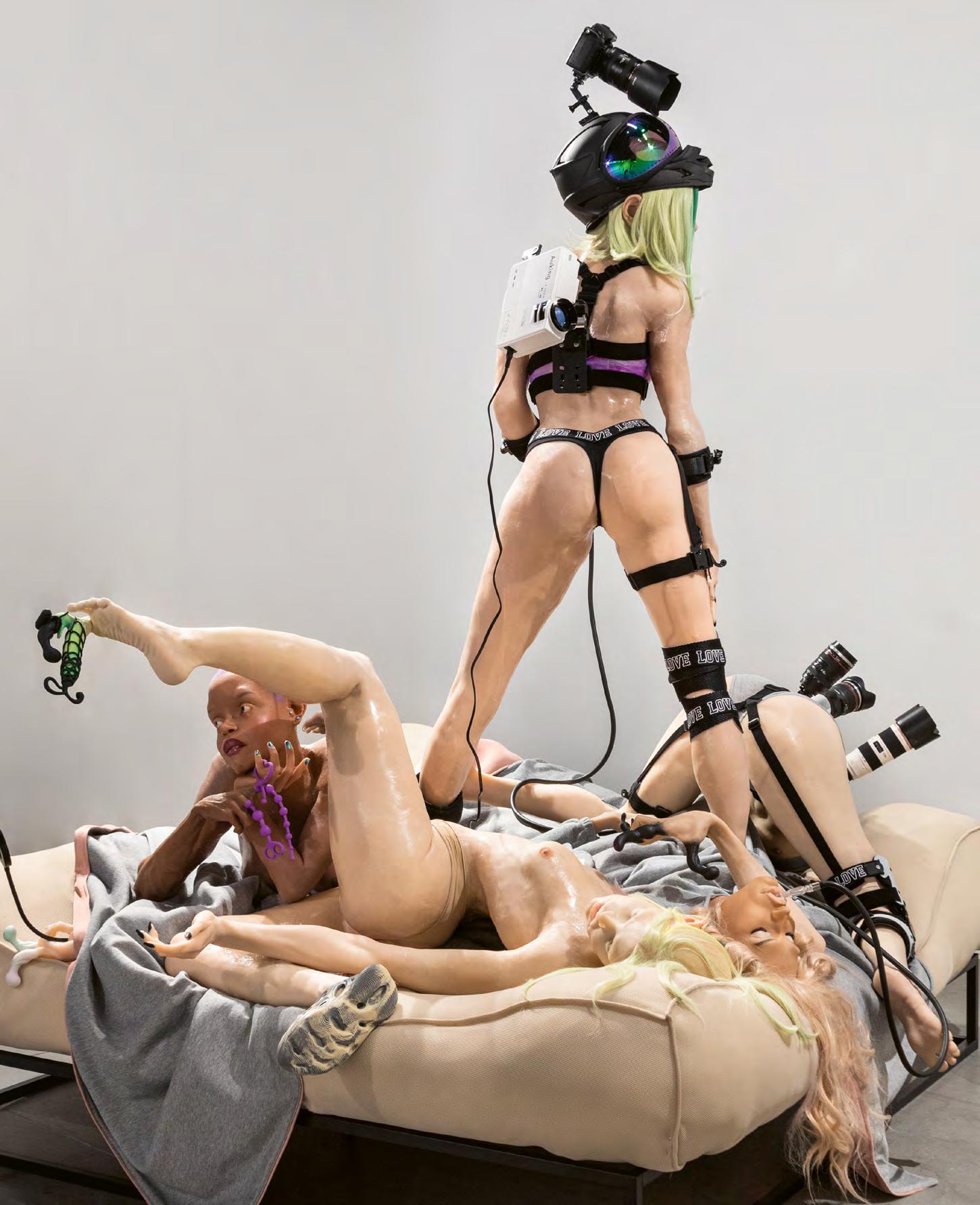
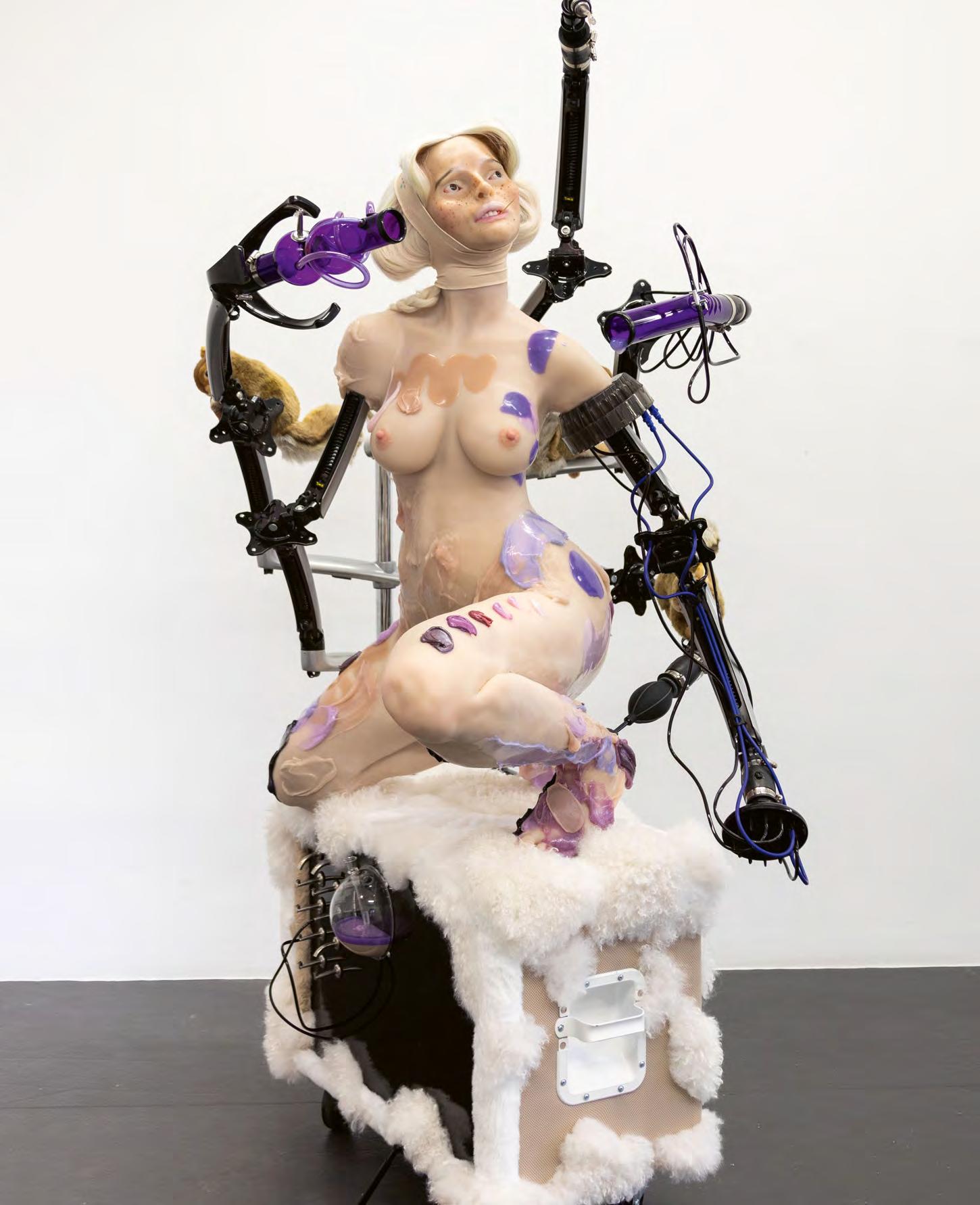
where I felt like I was so tired of the idea of restricting myself. The question that comes to you when something is done or not, you know? So many times I’m like, Okay, this is probably when I stop. But I just want to keep going. It’s kind of like the front page of a newspaper with different stories sharing space. It’s like a snapshot of time, but it doesn’t mean one clear thing. It gives space to all of these different parallel happenings.
JM That makes sense. There’s so much happening in each of the works. I also see a parallel between what silicone is used for in our daily lives and your decision to completely get rid of restraint while using it, because it kind of is made for that lack of restraint? It was designed for sealing and lubrication and insulation, all of which, in place, can allow other actions to proceed without restraint, right? Like picking up really hot pans. And of course its use in augmenting the body, which you can do without restraint. So that’s fantastic. How does the decision making happen as you move back into plaster?
CVZ It’s very different. It’s kind of like when you realize as an artist that the material itself has such a huge impact on what it wants to do, you know?
In the early stages of the work the new plaster bodies kind of want to go in different directions. It’s almost like, there are different planes of gravity or something—like the torso wants to go backwards while the legs go forward while the head is pulled down—like gravity is not going in one direction anymore. Some methods that I’ve been working with in the silicone I apply now in plaster. It’s quite a big change from my earlier plaster work, though. Not because I want to stay away from that, but because I want to see progress. For example, pressing objects into the plaster, I haven’t solved that. I can’t use that as a method right now.
JM That makes sense. Have you ever sculpted a penis in your work?
CVZ I think just one, and that was enough. I was like, This is no fun
JM I have an artist friend who has used images of gay porn in his paintings before. And then one time in the studio, we were talking about it and excited about the work and he thought, What happens if I try this with hetero porn. And when he made the painting with hetero porn we were just appalled. The humor, the desire, the play of power, the confusion of gaze, the elements that made the homosexual porn work so well in the painting were absolutely gone. We just simultaneously said, “this is horrible, just get rid of this.” Because all of sudden we’re staring at these power dynamics that are so concrete in our everyday lives that we experience so negatively with such regularity. That’s what makes me think of the play of desire and power in your sculptures. The bodies, the power that’s distributed between them shifts so much as you interact with the sculpture. So, you don’t have a clear power dynamic that suddenly makes the desire feel scary or horrifying.
CVZ I’m so happy that you said that. I think it has a big impact that I’m a queer woman artist creating female looking bodies. It would make a big difference if they were put in the context of a hetero environment.
JM That also plays into what you were talking about earlier with the viewer’s desire suddenly making them uncomfortable. There are certain norms that your work really pushes back against because it is this queer language, a language that works to subvert heteronormativity. It’s not a straight desire.
CVZ Yeah. But it’s confusing, maybe, because it’s femme. It’s as confusing as a femme lesbian, you know? That is something that all the works share. They all kind of share an identity for a really long time since I’m working with multiple characters at once. Right now in my studio, for instance, I have a mattress where I have just heads lying around. Then, whenever a body is more or less done, I start to try out the different heads, like who belongs to what, you know? So this girl, she tried on everything. They’re kind of like teenagers developing really fast, trying on every different style for a few hours, maybe days. And then, all of a sudden I'm like, Okay, you're this
JM That’s amazing. You will experience that in real life soon enough too, with your daughter growing up.
CVZ Yeah, I know, I can’t wait.
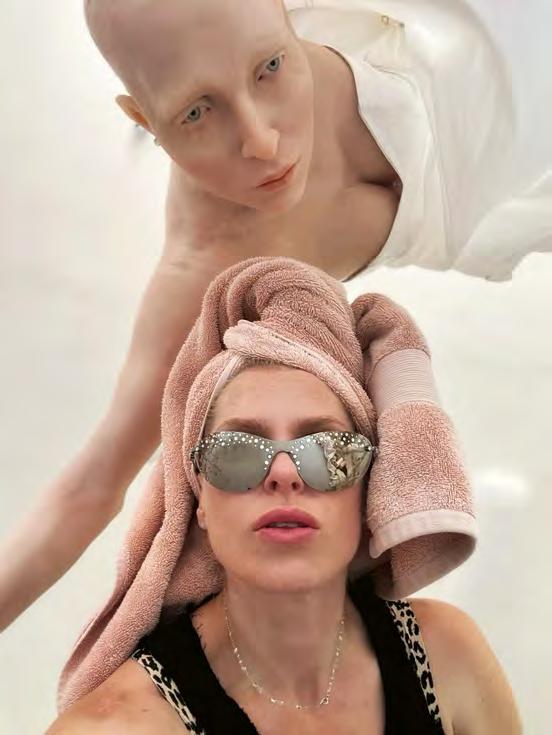
items, dog
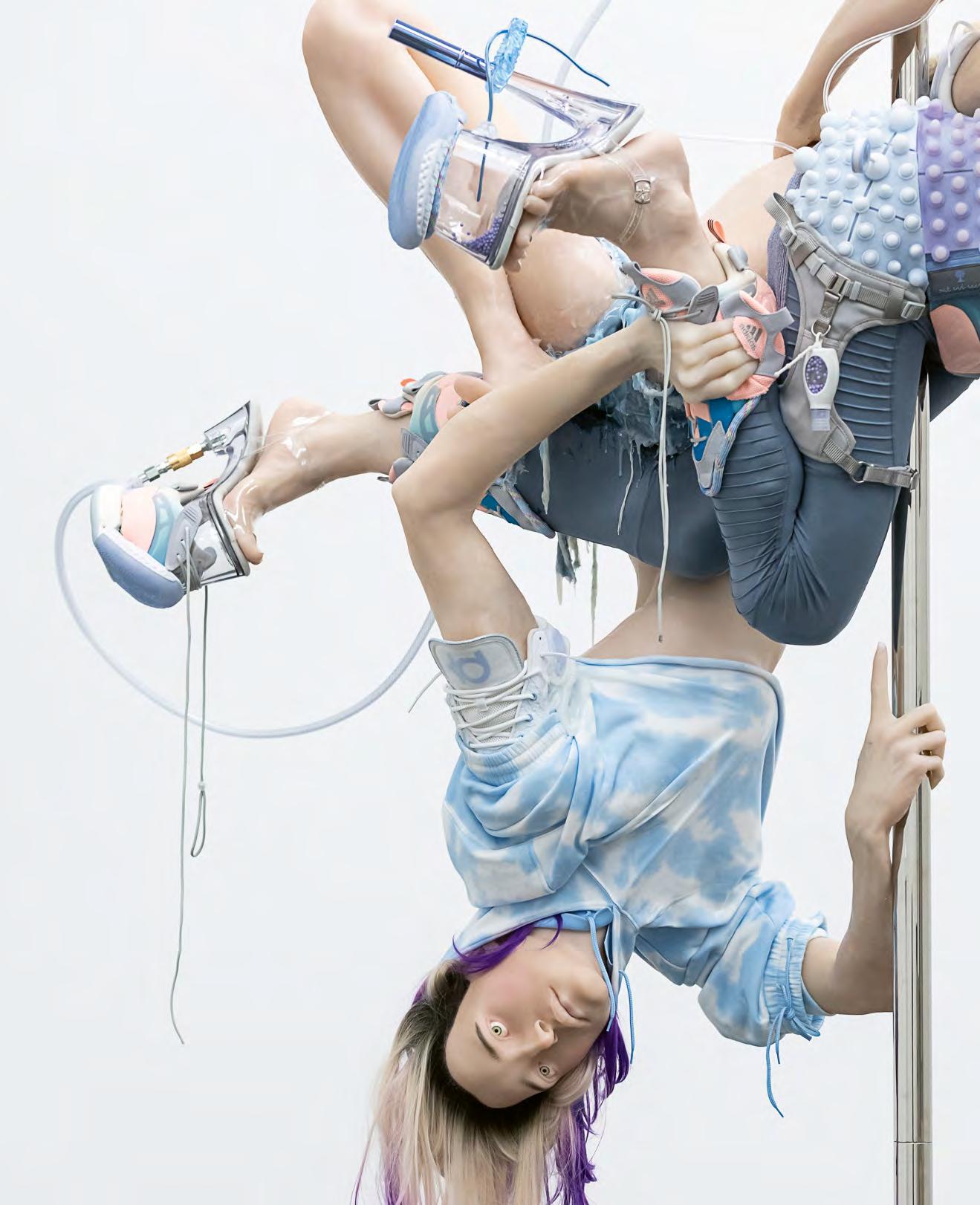
2
water


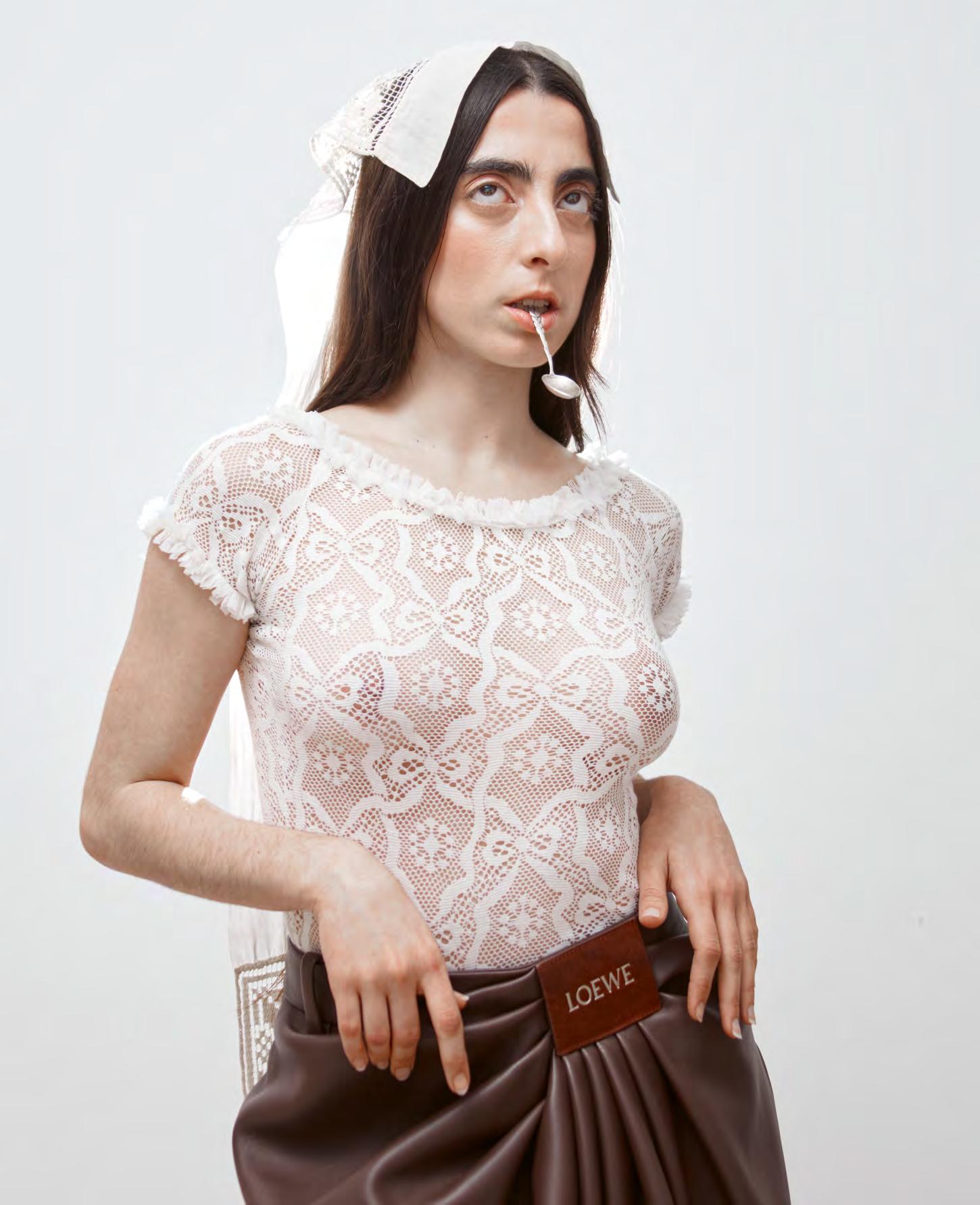
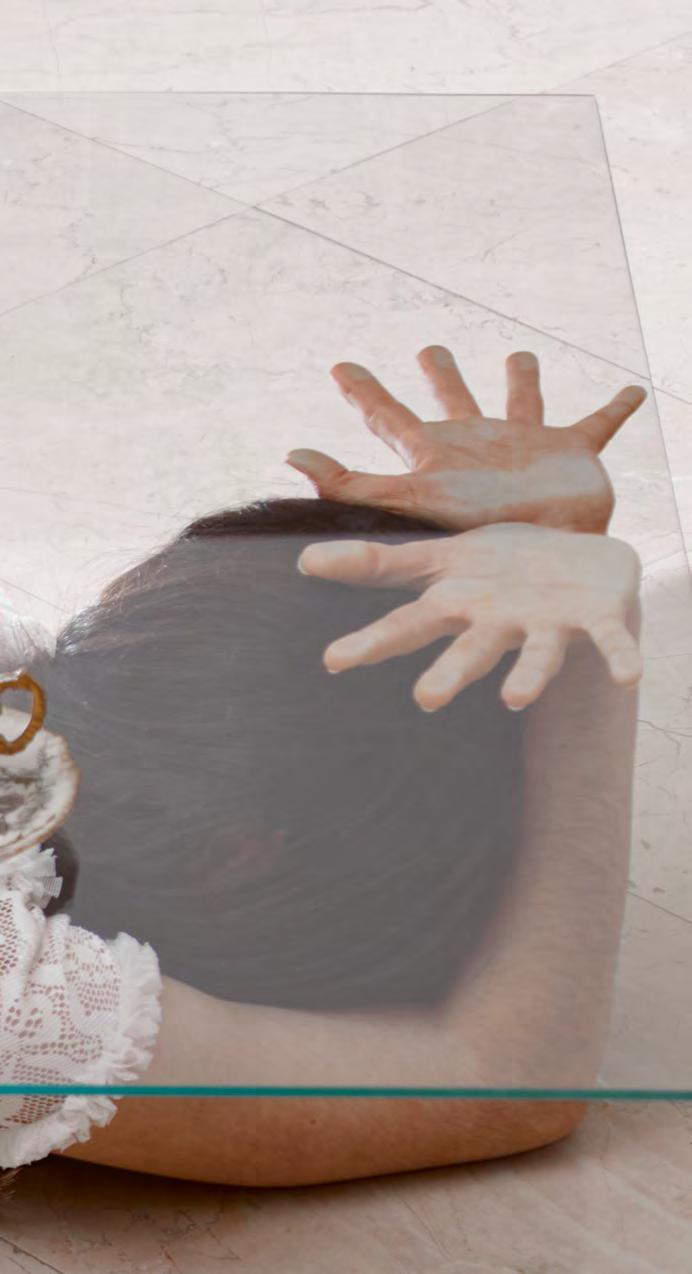
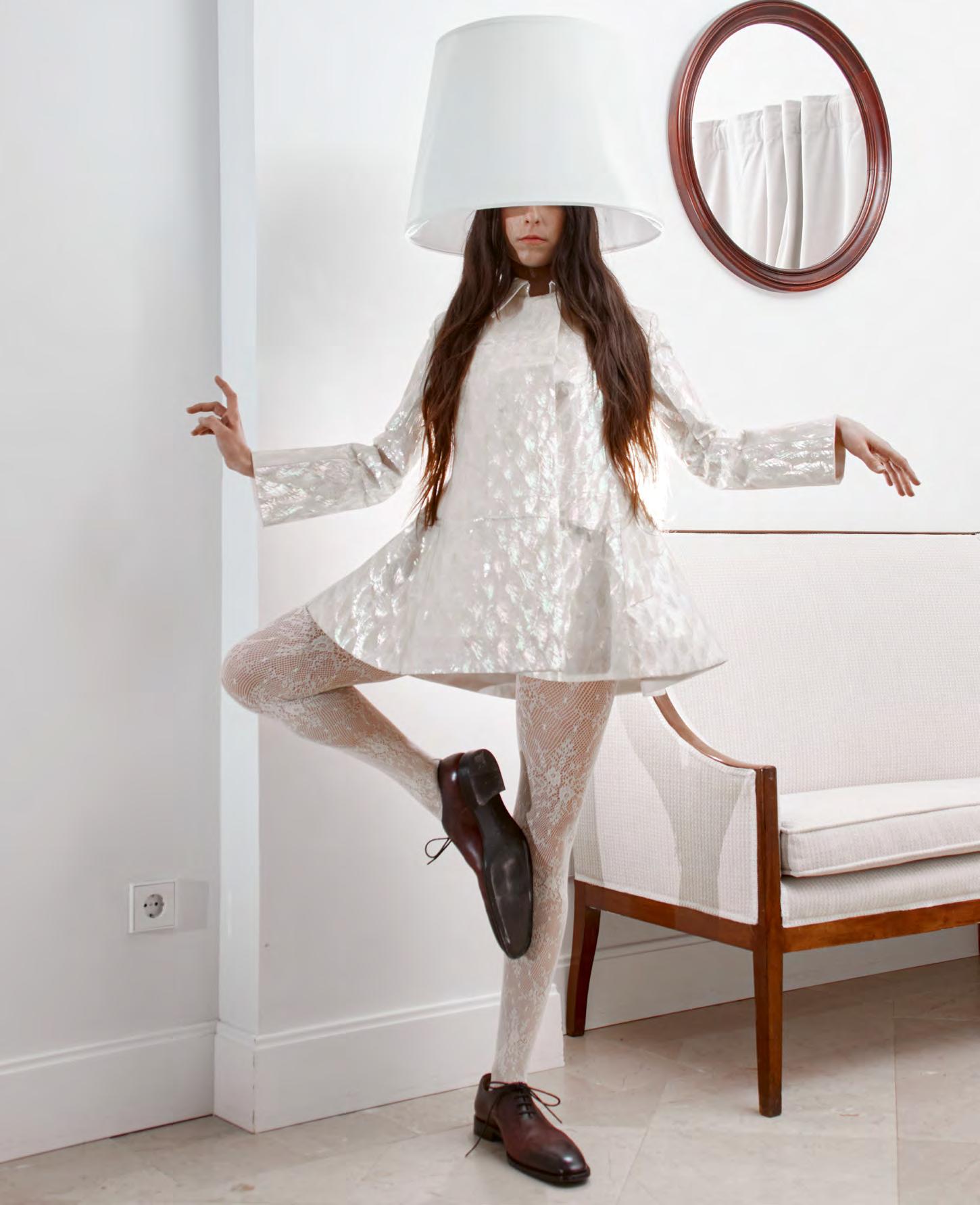
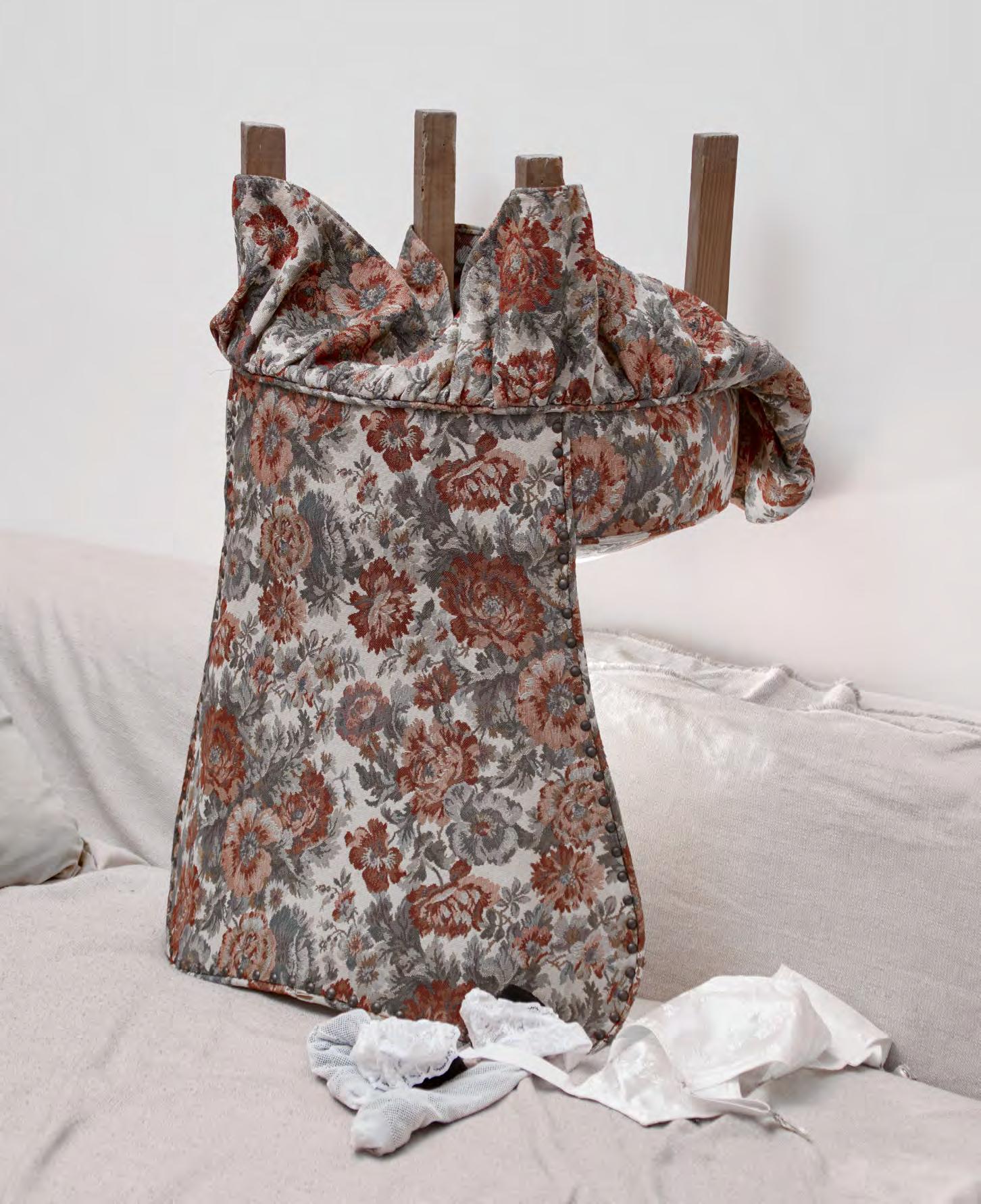
Vaginal Davis is a radical cultural producer whose work unsettles the boundaries of race, gender, and class with a singular amalgam of satire, camp, and political subversion. Emerging from the Queer punk subculture of Los Angeles, Davis has cultivated a multidisciplinary practice—spanning performance, film, writing, and visual art—that resists institutional co-optation while exposing the violences embedded in normative structures. Drawing on the aesthetics of DIY, trash, and illegibility, her interventions disrupt dominant narratives, foregrounding the insurgent power of the abject and the marginal. More than an artist, Davis is an agent of cultural détournement, turning the overlooked and discarded into sites of radical possibility. On the 20th anniversary of her migration from Los Angeles to Berlin, Gropius Bau unveils
Vaginal Davis: Fabelhaftes
Produkt—the artist’s first solo museum retrospective in Germany. In an expansive and provocative conversation, Davis guides avant-Queer filmmaker Bruce LaBruce through an unfiltered oral herstory of the Queer underground, charting the subversive currents that have shaped both their work and the wider cultural landscape.
BRUCE LABRUCE I remember my first trip to LA in 1991, staying with you at your charming La Villa Rosa apartment on Sunset and Fairfax. Your neighbor was Drew Barrymore’s father, living in squalor. One afternoon, while you were at work at UCLA’s Placement and Career Planning Center, which is referenced in Hustler White (1996) where you have a cameo, your answering machine picked up a call from Liz Rosenberg, Madonna’s all-powerful press agent. She wanted you for something. I was thrilled to tell you when you got home, but you were totally blasé and didn’t even bother calling her back. Now Madonna isn’t just an institution—she’s practically an element, like wind or dirt, impossible to get rid of. Looking back, what do you think? I know she later showed up at your legendary Club Sucker. Any good stories about the celebrities who passed through the hottest ticket in town?
VAGINAL DAVIS Oh, Judy LaBruce, you have a much better memory than I do. I do remember getting a call from some of her people who I believe wanted me to perform for her birthday party. I didn’t respond because my performance style isn’t really geared for birthday parties or bar mitzvahs. Boy, I sure could have used the moolah in those days, as I lived very hand-to-mouth. I believe in the Diane Vreeland adage, “There is elegance in refusal.” I heard Miss Madonna wound up hiring some other Los Angeles showgirls: the late Alexis Arquette, Sherri Vine, and, I believe, Jackie Beat. Madonna and her then companion, Carlos Leon, the father of her daughter Lola, came to Club Sucker to see the Madonna tribute band, The Madonnabees, led by punk great Mike Watt. The head bartender, Kim Ghee, said she ordered a cranberry juice, listened to the band for about ten minutes, and had to pry Mr. Leon away from his gay gym buddies, as I believe he was a personal trainer at Crunch. This coincided with a lot of normative gay types discovering Club Sucker and how sexy the “alterna” fags could be. In the 1990s, there was still quite a distinction between status-quo gays and anti-assimilationist Queers. My Sunday-afternoon-punk-rock-beer-bust-and-Old-English-teadance performance space Club Sucker at the Garage on Santa Monica Blvd. at Virgil in Silver Lake lasted for five years, from 1994 to 1999. The building that housed the club had formerly been The Bunkhouse, one of the oldest gay bars in Los Angeles. Paul Rossi of the punk band Wasted Youth bought the bar from the elderly gay owner. Paul was the father of actress Patricia Arquette’s son Enzo. When Patty was married to Nicolas Cage, she would bring her child to visit his father, as there was an apartment above the bar. I go way back with Patty and the entire Arquette clan. Patty has quite the punk past that most people don’t know about. I’d known Alexis Arquette since before she was a weenager. Sometimes, Patty and Nicholas Cage would park their Jaguar and come into the club for a cocktail. We opened at 3 p.m., which was an unusual time for a rock club, but I liked seeing how people looked and acted in broad daylight. In the first year of the club, I still had my day job at UCLA, so I had to be at work at 8 a.m. on Mondays. Since I didn’t know how to drive a car, my main mode of transport back then was my vintage cruiser bike or the bus.
I’ll always remember when you brought Gus Van Sant to Club Sucker, and you two held regal court in the Mitzi Gaynor ‘I’m Gonna Wash That Man Right Out Of My Hair’ Tiki Lounge, which was the closest thing we had to a VIP area. Mr. Van Sant had just risen to the ranks of A-list Hollywood director, and all the Eve Harringtons in Hollywoodland got word pretty quickly that he was at the club and swooped down on him like chicken hawks. At the time, Mr. Van Sant’s boyfriend, a stunning skater thrasher kid named Ben Alexander, was so protective of Gus’s honor. You and Gus were the Margo Channings being bombarded by Eves and Phoebes. A raucous fight even broke out when one aggressive Eve with the unusual name of Echo was trying to hog Gus’s attention and get him to read his screenplay. Ben was having none of it and dashed poor Echo’s hopes of becoming a Dustin Lance Black. The knockout sluggo was covered in all the international gossip columns, including Page Six and La Dolce Musto. Whatever became of Ben Alexander?
“I may be having museum shows today, but I could still wind up a toothless hag back in the gutter tomorrow.”
BLB
Poor Ben Alexander died many years ago of a drug overdose. There’s a photo of Ben that I love in my latest photo book from Baron Books, The Revolution Is My Boyfriend, that I snapped at a party that Gus Van Sant had in his trailer on the set of his remake of Hitchcock’s Psycho on the Universal backlot for which someone had rented a tank of nitrous oxide, and in the photo, Ben is taking a big hit from a balloon while Gus smiles approvingly in the background. Ben also gave a helping hand to John Cameron Mitchell when he was casting Shortbus if you know what I mean. But yeah, dead. VD Thank you so much for updating me on poor Ben Alexander. How tragic. What a beauty prize he was. What really made my Club Sucker pop was the love sexy lesbian regulars like filmmakers and artists Cheryl Dunye, Catherine Opie, Kaucyla Brooke, Alexandra Juhasz, Kari Krome, actress Clea Duvall, and gifted performers and musicians who did surprise shows at the club like The Jesus & Mary Chain, L7, Woodpussy, Stone Fox, Weazer, The Foo Fighters, Auntie Christ that featured Exene Cervenka of X and Matt Freeman of Rancid, The GoGo’s, Phranc the Jewish lesbian folksinger and cardboard cobbler, early Rufus Wainwright, The Dandy Warhols, and Tribe 8. We even had a very young Miranda July perform and the drag king performance troupe, Club Casanova, headed by Mo B. Dick and featuring World Famous BoB. Ellen DeGeneres and the late Anne Heche first cemented their romance at my club during a Sleater-Kinney performance. Oh, and all the fervid fornications that happened at Club Sucker at the Garage. My Sucker partner and co-host Frank Rodriguez was Silver Lake’s hottest ‘it’ boy. Frank worked at Sony Pictures as his day job, along with gorgeous Queer club kingpin Jeffrey Hilbert. Frank and his 25 centimeters of cruel club cock decimated all the rank and file of the Silver Lake 40 and then some. Both Frank and my other Sucker partner Dale Johnson who worked for Virgin Records knew the secret of how to be very, very popular, just like Sherrie North in that 20th Century Fox flick starring her and Betty Grable from the mid-1950s. I was seething with jealousy of Frank and Dale’s conquests as I’ve always been perpetually unboyfriendable.
Dearest sweet Judy, with the most sugar in your tank, you hold the record as the only person in the world who has successfully hooked me up with a smoldering sex partner. This was in Toronto at Will Munro’s Vaseline Club where you literally force-fed me one of Will’s tallest and most fit go-go studs who wore a size 15 trainer. Yowza, was he ever gorgeous and soft-spoken. That art collector Bruce Bailey tried to use his wealth and offer mounds of cocaine to lure my young man away from me, but you, being the true blue gal pal that you are, blocked his efforts at every turn, and I will always be grateful to you for that.
BLB One of the most insulting questions that a Queer person or person of color can be asked in an interview is, “What do you think of Madonna?” (laughs) I’ve been asked about it so many times.
VD When Madonna first came on the scene as a mainstream force around 1983, she stopped by the Melrose Avenue boutique owned by Helen Bed O’Neill called Retail Slut, where my bandmate Fertile La Toyah Jackson was one of the in-house designers. Madonna bought some of Fertile’s original clothing, and she was very matterof-fact and no-nonsense but also quite polite. I adore Ms. Ciccone in all her many facets and manifestations. She and Michael Jackson are premiere performance artists and body art practitioners. I’m especially fascinated by the modern-day Madonna, her transnational adoptions, and the body and facial reconstructions on par with the famed French body artist Orlan. I could see Madonna being brave enough to graft a third arm or leg onto her person.
When I lived in Koreatown, my next-door neighbor was the vivacious and lovely Hollywood production stalwart Billy Hoye who I went to UCLA with and was best friends with Madonna’s ex-beau, the gorgeous and talented Tony Ward. I loved hearing Mr. Ward tell us about how sexually adventurous his paramour was and how fearless she was. A true alpha power top with righteous big dick arrogance to match. She also loved performing hours and hours of analingus on Tony’s bountiferous buttocks before she mounted him, and she certainly isn’t afraid of fluids or unconventional sex toys and positionings. I’ll never be able to look at a garlic press in quite the same way after Tony demonstrated on one at one of Billy’s famous barbecues on Edgemont Drive—the same homo moderne streamline apartment building where we filmed the black bordello sequence from Hustler White. I think one of the cute young production assistants wound up getting bombusculated on my terrace by one of the dinosaur-peniled courtesans recruited straight off Santa Monica Blvd. moments before filming began. Ah, those were the days, my fine friend.
BLB I recently had dinner with our mutual friend Glennda Orgasm in New York. We discussed your meteoric rise to fame in the art world, which has taken forever but is nonetheless earth-shattering. She admiringly said you’re a blue chip artist now, and I was wondering how you feel about that? I mean, it seems like you’re doing the same work you’ve always been doing but on a bigger scale, and it just took the art world forever to catch up to you because you have always been so far ahead of the curve. Have they caught up with you, or are you just toying with them?
VD Oh, Judy Maria Pilar La Bruce, you are so right. I have been doing the same schtick for over forty years. I don’t believe in reinventing the wheel. Ron Athey, who is a paragon of wisdom, says that he and I both go in and out of vogue every seven years and that a new generation seems to discover us. My poetry and prose first got attention in the 1980s, but I had always made visual art in the same manner that I do now. Of course, no one was interested in my art or art objects back then, so I gave them to friends as presents. Some of those pieces are in my traveling exhibition.
Until I was represented by a commercial gallery in New York around 2014, if I was in two group shows a year, that was a lot. Having my first solo exhibit in New York in 2012 at the not-for-profit gallery Participant Inc., founded by the great and glorious Lia Gangitano, created a certain buzz that led me to work first with Rod Bianco Gallery [New York/Oslo], then Invisible Exports NYC which is now called New Discretions, then Adams and Ollman Gallery on the West Coast, Dan Gunn Gallery, London and now Galerie Isabella Bortolozzi in Berlin who also represents one of my darling, talented children, the filmmaker and artiste Wu Tsang. Most people only knew me as a performance artist and writer because of my writing for years with the LA Weekly, Dutch, and Zoo Magazine, where you and Glennda Orgasm were regular contributors under that amazing Paris-based editor Rebecca Voight, who I’ve known since her days in Los Angeles working for Women’s Wear Daily. Rebecca Voight and Janet Duckworth of the LA Weekly, who just retired from the Los Angeles Times, are my all-time favorite editors who know how to work with my insane way of using language. It’s a shame that writers’ voices are taken away these days, so a magazine gives the impression that one person wrote everything. That’s one reason I hardly ever take on any journalism assignments anymore. Most people don’t know that I was actually the editor-in-chief of my high school newspaper. What about you? What’s your take on journalism these days as we both came tumbling out of the Queercore-era of zine-making?
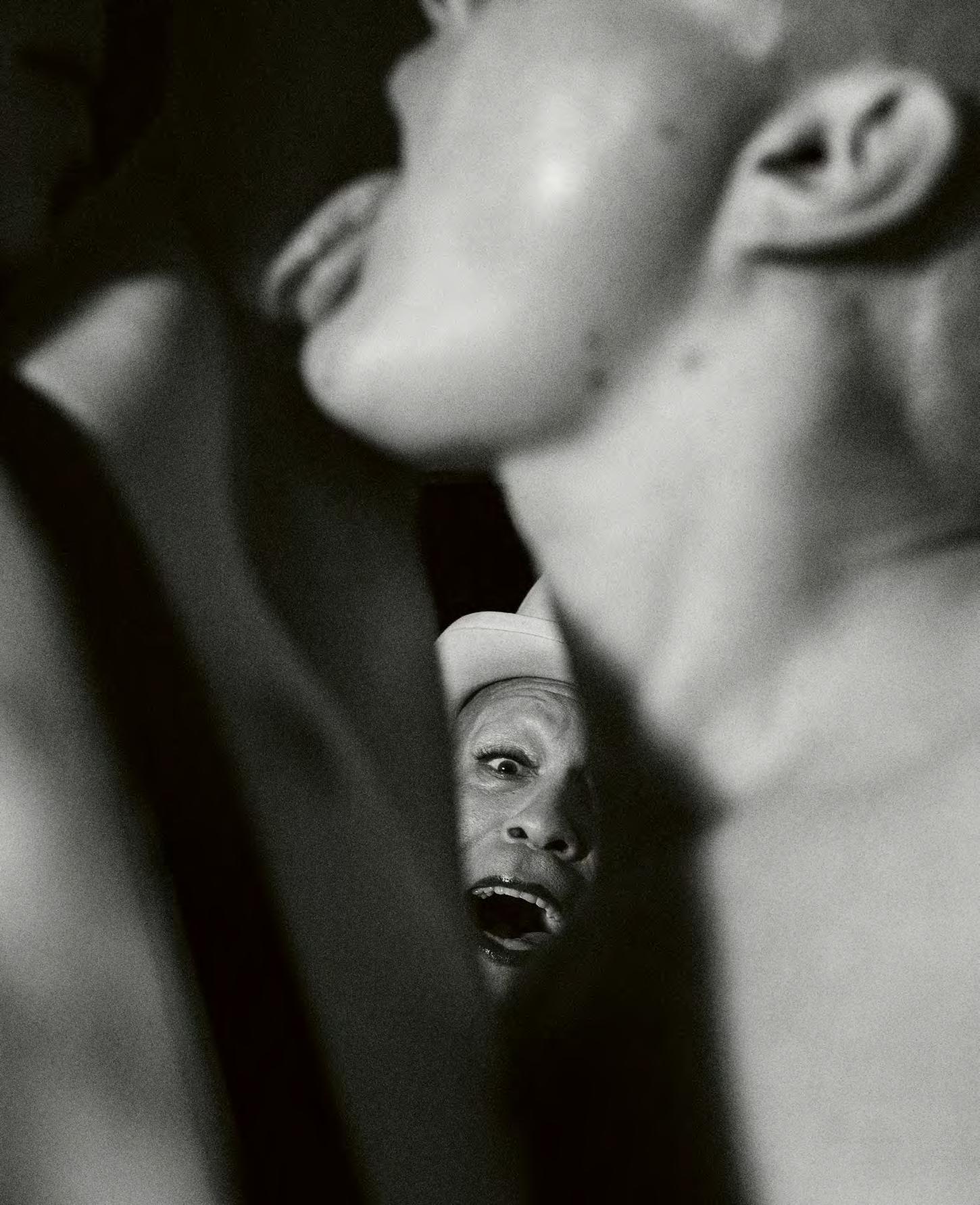
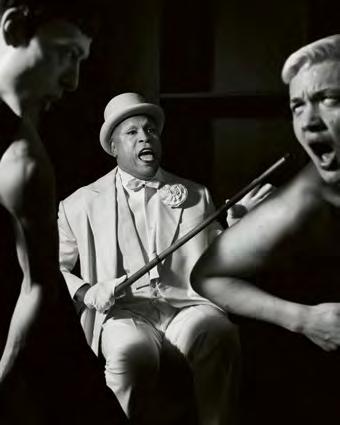
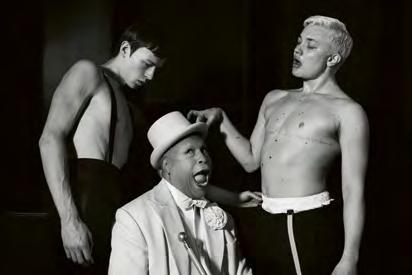
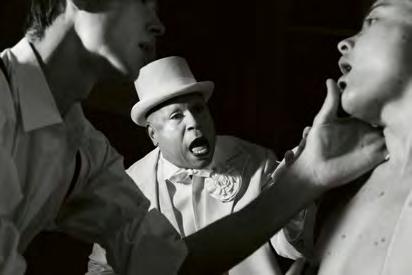
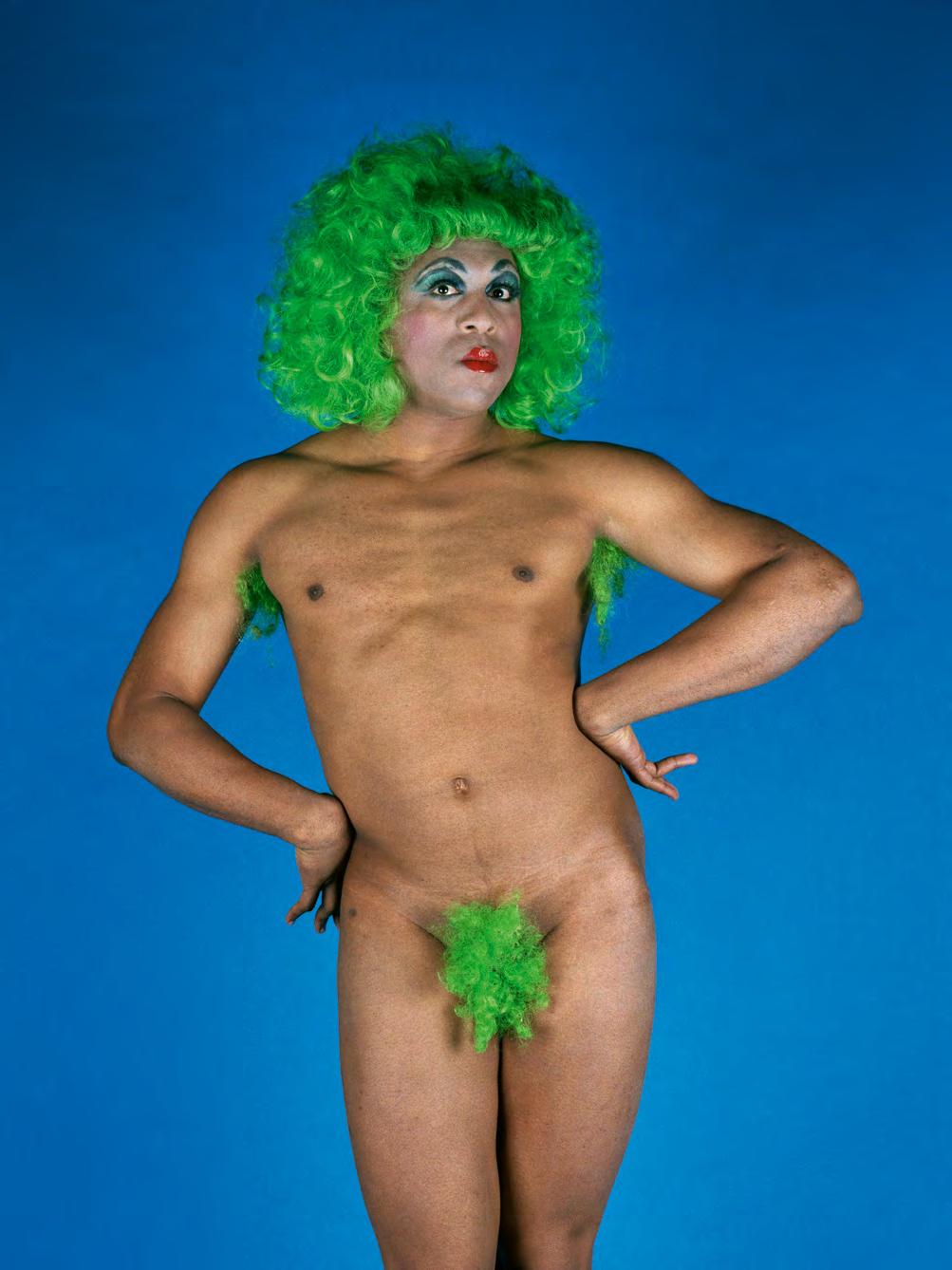
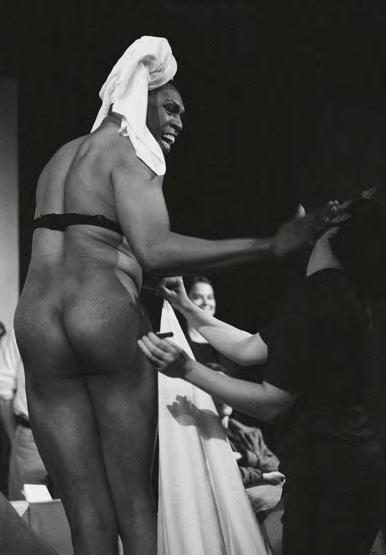
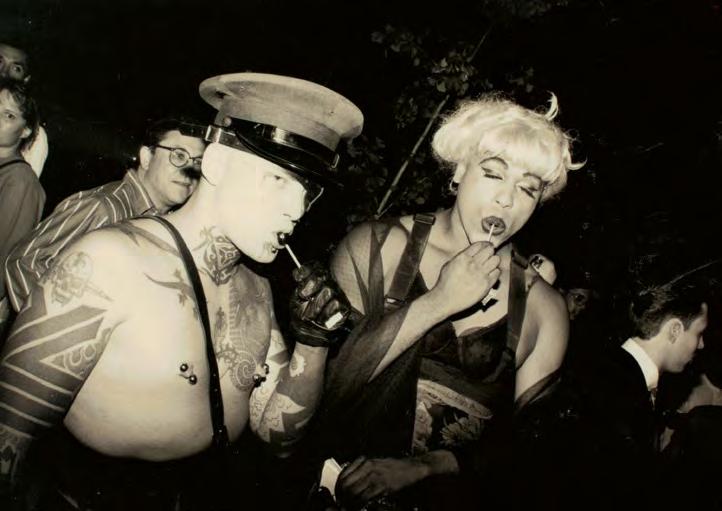
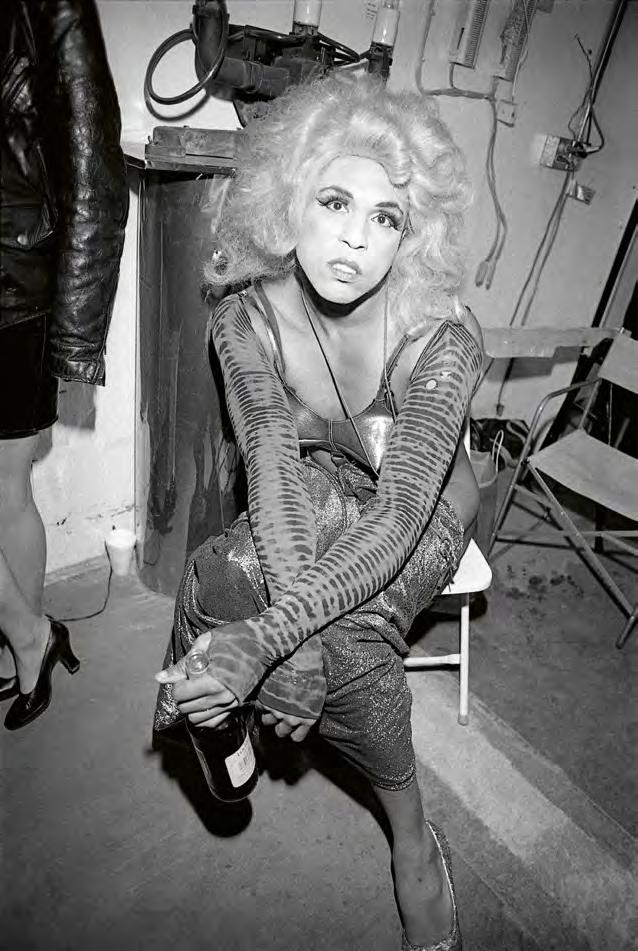
From left to right
Catherine Opie, Vaginal Davis, 1994, c-print. © Catherine Opie, courtesy: Regen Projects, Los Angeles, Lehmann Maupin, New York, Hong Kong, London and Seoul, and Thomas Dane Gallery, London and Naples. Annette Frick, Vaginal (Juanita Castro), 2001/2024. © Annette Frick, courtesy: the artist and ChertLüdde, Berlin and VG Bildkunst, Berlin. Ted Soqui, Ron Athey and Vaginal Davis. Courtesy the artist and Galerie Isabella Bortolozzi, Berlin. Vaginal Davis, Downtown, 1993. © Reynaldo Rivera
I’m not very motivated like I was in the old days. Standards of journalism are so low now that people who are barely literate are published in major magazines. I don’t know how many times I’ve had to proofread interviews that have been done with me and correct grammar and spelling, for which I am not even paid. But gay journalism, in particular, has always had low standards. Photographers are still showing up in k-holes from the night before, expecting you to come up with ideas for their photo shoots of you. Appalling! Ironically, our journalistic standards for our meager and modest fanzines were much, much higher!
VD Thank Goddess Hecate other people kept copies of my various zines and ephemera that I created over the years because I don’t have a set of anything I did, as I would work on something and then move on to the next project and never looked back lest I turn into a pillar of salt like Lot’s wife. In those days, we were far from being careerists. Kids today know their worth, but it was just survival mode back then. I was fortunate that Los Angeles, the city of my birth, used to be the least expensive international metropolis, but that all changed in the early aughts, and it decided to take its place with the boutique cities in the world. I hear it’s more costly now in Los Angeles than New York, London, or Paris. I was fortunate I had someplace else to run to and a lovely infrastructure of friends and supporters like Susanne Sachsse, the fearless leader of CHEAP Kollektiv, to help me in my hour of need when I lost my Koreatown complex to gentrification. I’ve always been a very needy bitch. Now, there is no place to run and escape the mess of this world. Poor young people. For you, Ron Athey, and me, it’s our Last Chance Texaco. My health isn’t so great, so how long do I have on the planet? Sorry if I’m being too morbid. All good things must come to an end. I’m just glad to be able to smile through the morass. Nothing is guaranteed in this world or the next, so I may be having museum shows today, but I could still wind up a toothless hag back in the gutter tomorrow. Blessed be sewers, and never take oneself too seriously or take anything for granted. BLB You mentioned the CHEAP Kollektiv, of which you are a member, and which I hold dear to my heart as I collaborated with you and the Kollektiv on our 2008 production “Cheap Blacky" at the HAU Theater in Berlin in 2010. Talk to us a bit about the inspiration there and how central dear Susanne Sachsse and the Cheapies have been to your development as an artist and a human being.
VD The CHEAP Kollektiv collaboration with you, “Cheap Blacky,” which premiered in 2007 was your first time directing for the stage. I love how you brought elements of film production to the theater. Everything with “Cheap Blacky” came out perfect. Rick Owens provided the costumes. It was very important with CHEAP to work with an outside director—someone outside our group. Somebody who shared our aesthetics and sensibility to a certain degree. It all came together so seamlessly, but it was a lot of hard work. You really pushed Susanne and me to the brink of total exhaustion. Susanne is a classically trained actress, so she can handle that very well. I’m actually so far from being an actress; I can’t memorize text for shit, even if it’s the text I wrote or song lyrics, and let’s not even go there with my horrible singing voice. Our very first CHEAP stage vehicle in Berlin, CHEAP Jewelry, directed by Marcuse Siegelstein in 2001 was a salute to the genius of Carmen Miranda and Jack Smith. Later, Susanne Sachsse took over the helm of directing CHEAP pieces when we were subverting German youth at the children’s theater in East Berlin, Theater an der Parkaue, with adaptations of Erika Mann’s Stoffel fliegt über Meer, The ABC’s of Dr. Seuss, and Wilhelm Busch’s Max und Moritz where I played a Dovimaesque Witwe Bolte. I enjoyed the steady work at a state-sponsored theater, and since it was for children, all the performances took place in the morning. I’m such a morning person I was delighted to have the rest of the day completely free.
Max und Moritz ran for about three years. We also did a command performance for the Bundes President at Schloss Bellevue, where all these politicians and dignitaries like Angela Merkel were in attendance. The roundtrip airplane ticket that brought me to Germany in 2005 came from Stefanie Schulte Strathaus of Arsenal – Institut für Film und Videokunst to participate in that year’s Berlinale Film Festival. Hard to believe I came here with nothing as I sold or gave away everything and only had one hundred euros in my pocket. Even with steady work at the children’s theater with CHEAP, I felt rich if I had fifty euros in the bank at the end of the month. Of course, twenty years ago, the cost of living in Berlin was quite low. Two years after moving here, I was offered a regular curating gig at the Arsenal, and that’s how my monthly silent cinema event, “Rising Stars, Falling Stars,” began.
My early salad days in Berlin were rough and tumble. Still, I was fortunate that Susanne, via your fabulous Berlin film producer Jürgen Brüning, found me a great cheap flat in the centrally located city west district with an old contract. Jürgen also always hired me to DJane his events, and once over tea and dainties, I mentioned that I was working on an interactive workshop called Porno Adorno-F*ck Like the F*cking Blacks, and Jürgen encouraged me to debut it at his fledgling porn film festival. Jürgen was smitten by the cheeky title. When he loves something, he really lights up. Daniel Hendrickson and Susanne supported me on the concept, along with technical help from Jürgen’s right-hand man, the effervescent Kiki Petersen. Porno Adorno became a huge success after the porn film festival, and I was invited to do it at a dozen other Berlin venues and an art congress in Paris at Palais de Tokyo in 2008.
Our first CHEAP presentation in the US was The Magic Flute: An Opera in Six Steps (2015), a performative installation featuring Jamie Stewart of Xiu Xiu, who composed the score, with Susanne’s masterful direction and my libretto. It was a massive collaboration, produced by Jonathan Berger at NYU’s 80 Washington Square East Gallery, with support from the Goethe Institute and Deutsches Haus. When I grandly demanded a full orchestra, Jonathan—raised in high art as the son of New York’s former arts commissioner and Act Up’s youngest member at thirteen—quietly made it happen. Since then, Xiu Xiu has become part of the CHEAP cosmos; Jamie and Angela even moved to Berlin, and our collaborations have made them an essential, sexy appendage to our creative existence.
After CHEAP first came on the scene in the early aughts, many copycat collectives formed, like one of our biggest rivals, Hangover. However, they wound up imploding after a very short time together. It hasn’t been easy, but CHEAP will celebrate twenty-five years together in 2026. The installation Choose Mutation really underscores this dynamic.
BLB After my theater project, The Bad Breast, which was based on the psychoanalytic theory of the Freudian apostate and revisionist Melanie Klein, you actually went into Kleinian analysis, which boggles the mind. Are they all mutes and sadists, as I contend in the play? Will you, like Woody Allen, be in analysis for the next thirty-five years?
VD I don’t think I’ll pull a Woody and be in analysis or even alive thirty-five years from now, but I’ve been going strong in therapy for quite a while. Thanks again to Jonathan Berger and Susanne Sachsse for facilitating it for me. Oh, and yes, I’m in love with my therapist. What a cliché, eh? It’s the first time I’ve ever had a male analyst. When I first met him, he seemed too young for me to work with. He is also very slight and small-boned with tiny hands perfect for fisting, so I thought he was an F2M, but he is actually a cisgender male, married with two very young children. His hands are quite small, but strangely, he has exceptionally large feet. I always find short kings with big feet fascinating. My Club Sucker partner Frank Rodriguez is like that. My therapist has these very sympathetic eyes
“It’s the first time I’ve ever had a male analyst. When I first met him, he seemed too young for me to work with. He is also very slight and small-boned with tiny hands perfect for fisting.”
with total recall of everything I’ve told him over the years, which is really scary. Let’s face facts, I’m a damaged messticle and my pussy is a stinky cactus. I’ve sometimes wondered what it would be like to be addicted to psychotropic medications. Usually, after my therapy sessions, I spend hours by myself at Park am Gleisdrieick at the skateranlage, lesbian-processing in my handwritten journal.
BLB As stellar as Club Sucker was, you actually outdid yourself with your next LA club, Bricktops, in the aughties, a demure comeback that was pure genius. What was the inspiration for that stylish soirée, and how was the clientele different from Club Sucker, celebrity or otherwise?
VD Bricktops at the Parlour Club located in the Russian Quarter of Hollywood only lasted from 2002 ’til right before I quietly slunk out of town for Berlin in 2005 without saying goodbye or any fanfare. Bricktops was known as a haven for the literary clubgoer who was not caught up in the youth culture myopia of the then-current club scene with its tacky bottle service and boys wearing complicated jeans and backward baseball caps with wallet chains. I saw the club as a performance space/speakeasy saluting the spirit of the Jazz Age and the Parisian hostess Ada “Bricktop” Smith, a Black American woman who conquered Paris in the 1920s and 1930s and after the war, Rome, Mexico City, and finally, New York City when she was an octogenarian in the 1980s.
Hollywood personality Selene Luna and Michele “Meesh” Mills (now the many-time Emmy award-winning producer of Drag Race) were my door girls, and Kimberly Kim of North Korea was our beloved main barkeep. I DJaned—taking on the persona of “BerniceBobsHerHair” along with academic Dr. Jennifer Doyle of UC Riverside as “Pirate Jenny of Montpelier.” We had many heritage burlesque stars and cabaret performers take the stage, like Velvet Hammer, Kristian Hoffman, Jane Cantillon, Phranc doing Gertrude Stein’s Tender Buttons, Abby Travis, Kitten on the Keys, La Poubelle Twins, Pleasant Gehman, Weba Garretson, Penny Arcade, Brian Grillo and his Grillo Follies featuring Mink Stole, Kentucky Karbunkle, Reny Monk (the niece of Thelonius Monk) as Josephine Baker, The Ditty Bops, and Rebekah Del Rio from David Lynch’s Mulholland Drive along with resident oddball Mr. Uncertain. I also had nude boys taking baths in gin tubs, Mary, Mary Pagone, and Jason El Norte as taxi dancers, while 1920s porn and silent film classics were projected on a large screen. The club started off once a month because of my clubland burnout, but because of high demand, we switched to once a week, which was a lot of work and a headache but wound up being so rewarding that we became the nightclub experience Los Angeles longed for. Oh, and the outfits people wore. The bar was owned by a film producer named Lenny Young, who produced movies like The Legend of Bagger Vance and James and the Giant Peach. After five years of Club Sucker at the Garage every Sunday afternoon, I was overdoing a regular club night. The Parlour Club’s angelic manager, Andrew Gould, seduced me out of club retirement. Andrew was Lenny’s decades younger boyfriend. Andrew was a spirited and smart 20-year-old, very well-read blondine Brit with an enormous uncut penis. We were never lovers, but I did refer to him as my colonial husband, and he called me his wifette. I fell in love with Andrew, and we worked well together. He was as meticulous and detail-oriented as I was in coming up with themes and art, directing the bar where even the restrooms reflected each week’s theme. My club night and the bar got so popular that it was
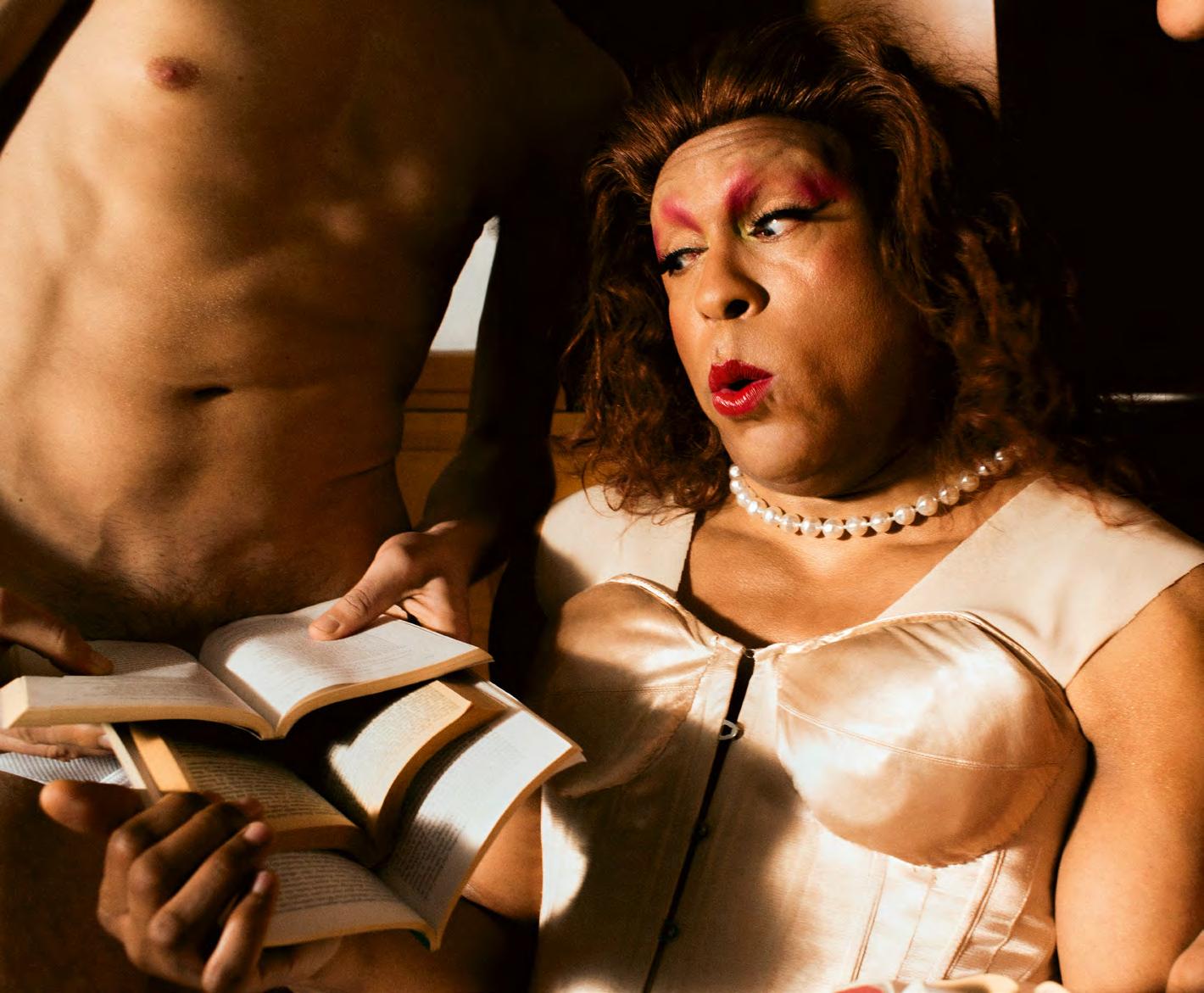
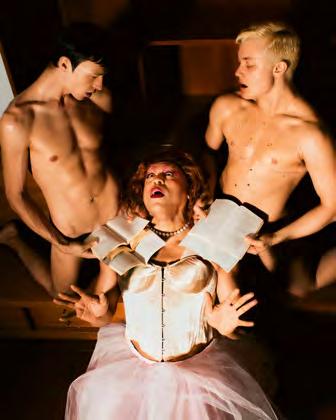
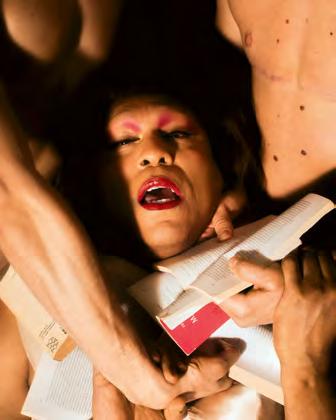
“Ron Athey and I have justly been accused of being dag hags. My inner circle has always been made up of mostly Queer and straight women. I see myself as a woman trapped in the body of a woman.”
inevitable that the owner would be offered a price he couldn’t refuse, so it all ended abruptly. It was a difficult time as an incredible community had formed around the space, but if Bricktops at the Parlour Club hadn’t ended, I might not have wound up moving to Germany, which turned out to be the best decision I have ever made in my life.
There was some crossover between the Club Sucker crowd and Bricktops, but most of the people who were Bricktops loyalists were a bit averse to loud discordant music, even though a lot of them came from punk and post-punk backgrounds. Because of the large amount of international mainstream press, we received a lot of celebrities who ventured to Bricktops. Looking back, I can’t believe we charged so little to get in. Just a measly five dollar cover charge. Obviously, I don’t have very good business acumen. Both Club Sucker and Bricktops crowds were heavy drinkers. There was a huge fight that broke out once between the ex-girlfriends of the late famed Italian lesbian poet Diviana Ingravallo that made it into the national gossip columns. Growing up in a lesbian separatist household, I adore lesbian drama. I see it as necessary and vital. I’ve always had a large lesbian following and feel more akin to lesbians than gay men. Ron Athey and I have justly been accused of being dag hags. My inner circle has always been made up of mostly Queer and straight women. I see myself as a woman trapped in the body of a woman. I’ve also always found women much more interesting than men. I am the baby in my family with four older sisters and a single mother who died in 2000 from cancer. Only one of my sisters is alive; the others all died of cancer. My only living sister is ten years older than me at seventy-four, living in the same dingbat Hollywood apartment since 1975. She has also worked a government job for the County of Los Angeles since the 1970s. My mother was never married to my Mexican-born father, who was about nineteen when they met, and she was in her forties. I am a bastard. An illegitimate child. I love old-fashioned phrases like that. I’ve always lived in apartments and never in a single-family home with a front or back yard. Like most Black people, I can’t swim, and I’m terrified of large bodies of water, swimming pools, worms, and snakes.
I’ve been slowly working on a project with Jonathan Berger and Susanne Sachsse where we will engage a private detective to trace my family background on both my mother’s side of the family and my father’s, as there are some parallels with Jonathan and Susanne’s family. There is a Jewish and German background on my father’s side of the family; my mother is a Black French Creole and Choctaw Native American. With this private detective working with us, we can settle all the facts from mythology within my family background. My mother was notoriously close-lipped on everything and never divulged family secrets. It’s been a painstakingly slow process to pull information from my sister, who is very protective of our mother. Whenever I try to probe my sister, she shrugs and says, “Oh, that’s so long ago I can’t remember.” Not knowing all the proverbial “T” in my own family is quite disturbing, to say the least. I’m just one nosy motherfucker.
BLB You recently conducted a very demure hostile takeover of Stockholm, virtually taking over the entire city with events, installations, and performances hither and yon. They practically gave you the key to the city! What is your relationship to that northern, whiter-than-white city and to the Swedes?
VD Well, my first solo museum retrospectacle was seven installations spread out throughout four of the city institutions, including the Moderna Museet and The National Museum. In the National Museum’s portrait gallery, my makeup paintings were in conversation with the 19th century collection. At Index, the Swedish Contemporary Art Foundation, they concentrated on my writings in zines, mainstream newspapers, magazines, and books. I didn’t save any of my old zines, but luckily, a young fan from back in the 1980s named Jeff Briggs, now an archivist at Warner Brothers Studios, had obsessively saved almost everything I had ever put out to the public. You never know what effect you have on people.
Later, in the Swedish run [of Fabelhaftes Produkt (Fabulous Product) currently on view at Gropius Bau], MDT (Modern Dance Theater) hosted one of my quirky film presentations. I got the audience to come dressed up in 1979 drag to watch a double feature of Milos Foreman’s Hair and Bob Fosse’s All That Jazz. I was shocked that a modern audience had the patience to sit through two very long feature films. What was I thinking? At Tensta Konsthall, located in a sexy not so whitey white migrant suburb, I created a specially designed learning annex featuring workshops, performances, and lectures under the guise of the Vaginal Davis Universitet of the Gifted & the Damaged. That’s where Big Daddy Ron Athey did his Scandinavian debut of Willendorf. There was Goddess worship of Mae West and butch lesbianic modalities, torture comedy by one of my other Nordic former students, Stix Omar, who is now a huge star and top model, novelist Lisa Teasley, Radical Love, and the brilliant Iris Smeds and her Death Yoga practice. Everyone who attended my 12-hour endurance university received a certificate equivalent to a PhD in Life Affirming Experiences. Like most of Europe, Sweden has gone very right-wing, so it’s a wonder how Moderna Museet’s very gay Dutch curator, Hendrik Folkerts, was able to get my exhibits past the censors.
BLB What is their discreet appeal? And what do you think of their Syndrome? They once courted me—I’ve shown my films at the Stockholm International Film Festival and was on the jury many years ago—but I think they’ve forsaken me, like the French.
VD I don’t think I could live in Sweden. It’s way too cold in the wintertime. Stockholm has too many hills for all the swelling I get in my feet, knees, and other arthritic joints. Hey, I’m pensioner age now. The spring and summer months can be breathtakingly beautiful. People seem really healthy and fit. I saw a lot of men with thick thighs and calves who could pull a bus with their John Wayne big leggy torsos. The only thing I didn’t like is that so many cute people love to dip this weird kind of snuff that they place in their mouths. What’s that all about? I guess it’s better than binge drinking, cigarettes, or vape smoking.
BLB Owing to your Swedish success, you now have huge shows at the Gropius Bau in Berlin and MoMA PS1. Is there no stopping you?
VD My Swedish exhibition is just traveling now to Berlin’s Gropius Bau, where the seven installations that were in four institutions in Sweden have to be revamped to fit one large museum in Berlin. It’s turning out to be quite complicated, but we have a great team working with us. Nothing I have ever done has been about being in a bubble. I’ve always had a lot of dazzling collaborators. The turnover time between Berlin and New York is very tight. I haven’t been to New York since I was in that group show Trigger at the New Museum in 2017. I hope my health holds up so I can travel. Since the pandemic, I’ve just about given up on traveling. When you’re immune compromised, airplanes, which I’ve never enjoyed being on, are the enemy. Several other museums in the States and in other parts of Europe would like to host my exhibition, but I never believe anything will happen until it actually does. That way, one is never disappointed.
BLB I know that you were friends with the late great art star Mike Kelley, who adored you. Considering his tragic end, do you
ever fear the corrupting power of art celebrity? In 2007, when I had a joint show with fellow Canadian artist Terence Koh at Peres Projects in Berlin, we installed a meticulous recreation of The Bang Bang Bar from Twin Peaks and we had you performing in the Julee Cruise role—she was unavailable— singing and reading from Schopenhauer. Mike Kelley came from his own Berlin opening that night to our show, mostly to see you! As I gave him a tour of the installation, I was concerned to see that although he was still charming, he was very drunk and surrounded by a stern group of Berlin art types all dressed in black who were acting as enablers and yes-men and yes-women to him, propping him up and indulging his whims. How do you plan on avoiding the pitfalls of art stardom? Also that same night, the hunky porn star Tim Kruger performed in our glory hole installation, a huge iron box with glory holes in the top and bottom that he and other porn stars could stick their dicks up or down in, like stalactites and stalagmites. Mr. Kruger had a massive stalagmite, which you fondly fondled as part of the performance. Sadly, he just died recently at the age of forty-four, an apparent household accident, probably like William Holden slipping in the bathtub while drunk and hitting his head, although, to my knowledge, Mr. Kruger wasn’t much of a drinker. Any thoughts on that night at Peres Projects and on his sad passing?
VD Mike Kelley was such a dear. I am so glad I got to spend quality time with him and his ex-girlfriend, that bombshell Emi Fontana of West of Rome Public Art. He was in such a good mood when I had dinner with him and Marnie Weber of the Party Boys back in Los Angeles in 2012. Mike and Skip “Girls in Bikinis Getting Fucked All Day” Arnold were the first persons to have me teach at a college or university, taking their place at ArtCenter College of Design in Pasadena when they were off in Europe. Something told me at the time that they did it to freak out the administration. It didn’t matter one way or another. I realized I was really good with students. I’m very nurturing and motherly. I joke that my breasts can feed dying nations. When I teach, I steal a lot from the great performance artist Rachel Rosenthal and her DBD (Doing-By-Doing) technique. I really have enjoyed tag team teaching with Ron Athey at CalArts, where I first met a 19-year-old co-ed, Jonathan Berger. Immediately, Ron and I were captivated by his talent and wisdom beyond his years. Jonathan and a lot of those students from that class at CalArts were part of the first Platinum Oasis endurance art festival at the fist fuck motel, The Coral Sands, in Hollywood on Hollywood Blvd. and Western Avenue.
Oh, your BLAME CANADA installation at Peres Projects was so dreamy. I had an amazing time in Julee Cruise drag. Javier was rolling in dough then and was quite generous. This very young but gifted French fashion designer made me the dress I wore. I still have that gown. It weighs a ton. I remember the first time you worked with Javier in San Francisco. I always liked him. He had taken me to lunch at Musso & Frank Grill to pick my brain on where in Los Angeles to open his gallery, and I told him about Chung King Road, and he wasted no time.
After BLAME CANADA, a rumor got spread in Berlin that a drag queen sucked a hundred dicks. I didn’t even suck one, let alone a hundred. I think it stems from the fact that I helped one of your porn models who worked for Jürgen’s Wurst Films by bringing him a chair so he could comfortably fellate the globulin member of Tim Kruger. This skinhead boy started chowing down on the blue movie sex champion with much vigor and determination, pulled out his own massive dostado, and started pleasuring himself. It looked like he was in the thralls of orgasm rather soon, and I didn’t want his seed to get on my new dress, so I got far away from him, but his ejaculation was so explosive that some of it did reach my wig and audience members. The large crowd broke out into a spontaneous round of applause and cheers.
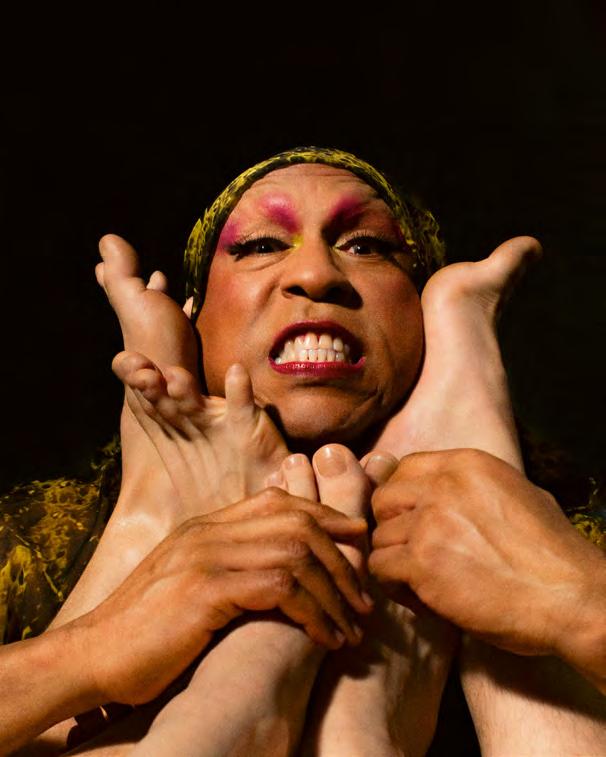
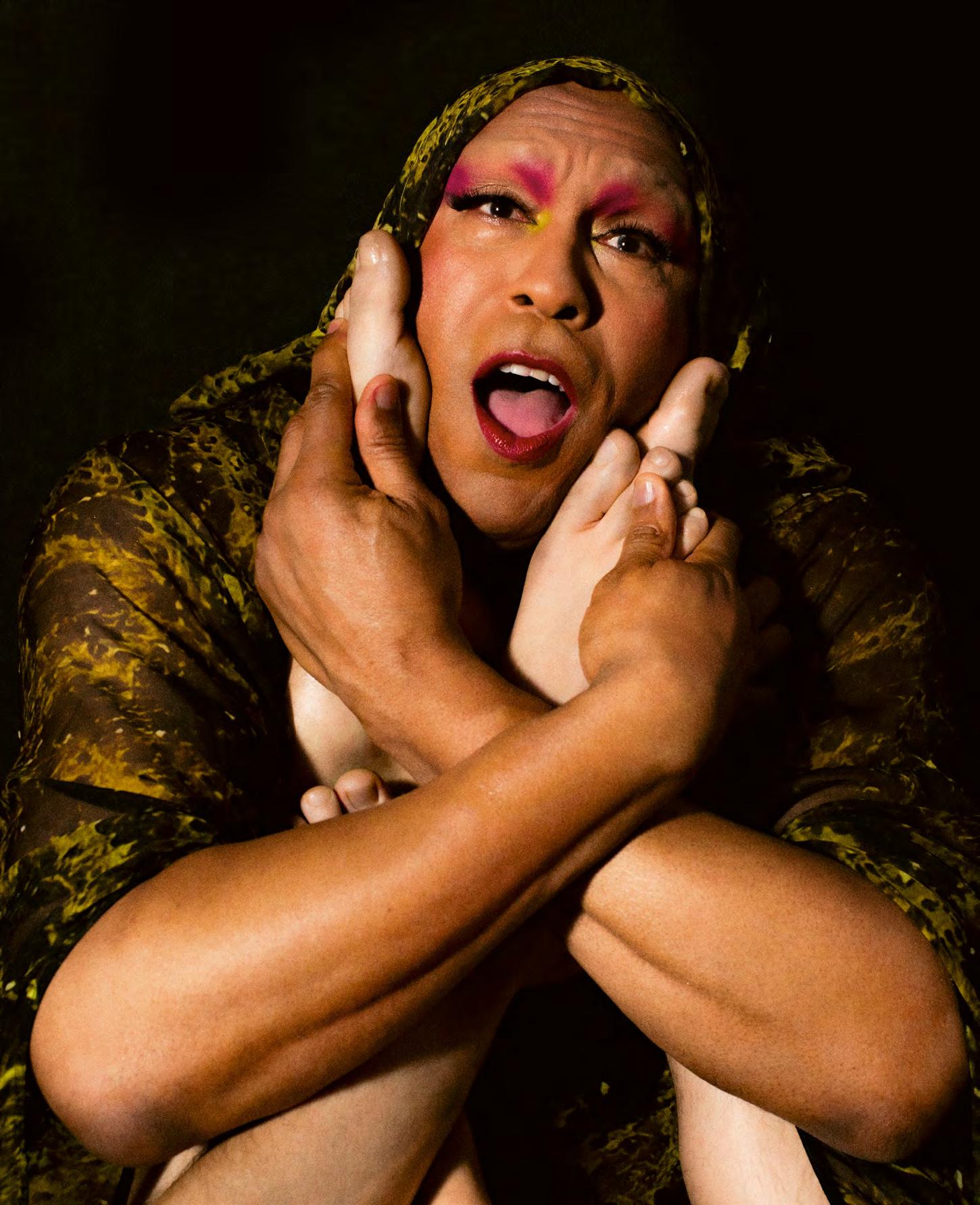
BLB
I know you’ve slept with countless celebrities, including, but not limited to, Bjarne Melgaard, Matthew Barney, Horst Buchholz, Damon Albarn, Justine Frischmann, Vegard Vinge, and perhaps even the late aforementioned porn star Tim Kruger? Who had the biggest cock—my money is on Vegard! And did you even bother to douche beforehand as a kind of preemptive professional courtesy, or did you just give yourself over to the inevitable mudslides that those cruel club cocks would unavoidably induce? Any other celebs you’ve bedded worth mentioning?
VD I did meet Matthew Barney through Catherine Opie before he married Björk. He was really cute and a sweetie pie. He’s a little too kinky for my taste. You know how pervy those WASP men can be. Vegard Vinge does have a much bigger peterfication than the late Mr. Kruger. There is a strong sexual energy floating between Vegard Vinge and me. I felt the same thing with Swiss artist Urs Fischer. Urs Fischer even participated in Platinum Oasis at Coral Sands. I’m not sexually aggressive enough to get a man to go to bed with me. I’m way too passive. I like being seduced and don’t think Urs or Vegard would make the first move. Though Vegard has pulled out his penis and shown it to me on many occasions at dinner parties and at my Berlin events, I would have had to take on the initiative to get him in the sack.
I did share a passionate kiss with John Kennedy Jr. at Jackie 60 in Manhattan in the early 1990s, but he wisely chose Naomi Campbell over me. In 1998, when I hosted the Fluxus Happening, Al and Beck Hansen: Playing With Matches, at the Roxy in New York, I had a steamy makeout session with Kennedy brat Brian David Kennedy, which was well documented in the New York Times, Out Magazine, Paper, and some other mags at the time. At the same event, I shared a giggly tongue smooch with Gwyneth Paltrow right after I had slurped clean Maraschino cherries, Aunt Jemima Light Syrup, and whipped cream off the comely feet of three bookish NYU grad students of the late Professor José Muñoz. Gwyneth’s prep school girlfriends were horrified.
BLB You mentioned that you go way back with Rick Owens and Michéle Lamy, way back before speech replaced sign language. What are your memories of Los Angeles in those days? Did you frequent their famous Les Deux Cafes in West Hollywood, a hustler’s stone’s throw from the great hustler bar The Spotlight? We used to go back and forth.
VD Michéle Lamy—I actually met her before Rick Owens. She owned the West Hollywood boutique on Santa Monica Blvd., Too Soon to Know. She had flaming red hair and smoked a cigarette from a long holder. She had these Lamy rhinestone cat-eyed sunglasses, as her family has owned an eyewear company for many generations, and was being walked by a pink poodle wearing chacha heels. I was too intimidated by her to ever approach, so I’d spend a lot of time walking by her store and staring. One day, she marched right up to me in that direct manner of hers and said, “Come inside and say hello.” To this day, her French accent is so strong that I can barely understand a word she says. Rick Owens is married to her and admitted the same to me. Rick can’t speak
French, but he is Mexican, so he understands French. I love it when Rick speaks Spanish because he says the words correctly, but there is no Spanish cadence or inflection. His mother, Connie, recently died, and she would bake the most amazing persimmon cookies. She was a great and very gracious lady. I will miss her. Les Deux Cafe was located across the street in a parking lot from Rick and Michéle’s Hollywood atelier on Las Palmas Avenue between Selma and Hollywood Blvd. Yes, mighty Selma, where John Rechy would turn tricks near the Baptiste Church a stone’s throw from the old Hollywood Reporter office that became the LA Weekly headquarters. The restaurant was a former crack house and Michéle had moved into the parking lot, so it was conveniently hidden from the street. It was an oasis in the middle of urban decay, so very glamorous. I was a guest at their table many Santa Ana windy nights. Of course, Spotlight Pub and Hospitality Center was located at the beginning of the Cahuenga Corridor. Rick had his birthday party at the Spotlight, where everyone was gifted old-fashioned roller skates that you put over your shoes and use a skate key to size them. Glen Meadmore and I brought Lisa Suckdog and her then-husband, Jean-Louis Costes, with us. We had just performed at Al’s Bar downtown and were covered in Lisa’s urine—we smelled to the high heavens. Spotlight was the only hustler bar where dogs were allowed and would be sitting on a stool like a customer. Maybe they were sex worker dogs; anything and everything was possible in Los Angeles in those days. An ambulance always stayed parked outside the bar to attend to the regulars. I like to eat when I drink alcohol, so you could always zip around the corner to the boulevard and get some fried chicken and biscuits from Popeyes and bring them back to the bar.
BLB RuPaul was once your backup dancer or singer or something at the Pyramid Club in the early ’90s, and now she rules the drag world as surely as Genghis Kahn ruled the Mongol Empire. What is your current take on drag? Does it still hold any real appeal, or is it all McDrag now?
VD Actually, RuPaul and I were Glen Meadmore’s backup singers and dancers for his performance at the Pyramid Club in New York in the mid-1980s, captured on video by Nelson Sullivan. You can see it on YouTube. Before RuPaul became mainstream, she lived in Los Angeles in the mid-1980s. She was living with her sister, but because she wouldn’t get a regular job, her sister showed her some tough love, and Glen Meadmore let her move in and live rent-free. They had a lovely time together, and that is when RuPaul sang backup on Glen’s second LP, Squawbread, on Amoeba Records. When it was time to film a video for Glen’s song, RuPaul moved back to New York City, so Dora took her place in the video, mouthing to her playback vocals. Glen told me that RuPaul contacted him a few years ago and invited him to lunch and to watch his TV show being taped, so I gather he never forgot the kindness Glen afforded him when he was down on his luck.
BLB Similar to the assassination of JFK or 9/11, do you remember where you were and what you were doing when you heard the news that Liam Payne fell off that balcony in Buenos Aires? Which reminds me of a joke I made up. What would it
“I shared a giggly tongue smooch with Gwyneth Paltrow right after I had slurped clean Maraschino cherries, Aunt Jemima Light Syrup, and whipped cream off the comely feet of three bookish NYU grad students of the late Professor José Muñoz. Gwyneth’s prep school girlfriends were horrified.”
take to reunite One Direction? Four balconies! (laughs) It’s a reworking of the old Beatles joke that circulated after Mark David Chapman assassinated John Lennon: What would it take to reunite The Beatles? Three bullets!
VD Oh my darling, I’m afraid you lost me with Liam Payne. I stopped following pop music ages ago. I know that One Direction is a boy band, but it’s from the modern era, and I’m afraid I haven’t kept current with today’s music landscape, except for some K-pop stars who are so love sexy. Hey, I’m borrowing your term from the JD days. No one coins a phrase better than Judy LaBruce. The only member of One Direction I found attractive was the vaguely Pakistani Zayn Malik, though the last time I saw a photo of him, he had too many bad tats like so many of today’s young people. Since everyone has tattoos and piercings, they have lost their outsider status.
BLB Ron Athey once told me the story that when Lady Bunny sucks a dick or gets fucked I guess, probably in the DJ booth, she always uses two condoms. I replied with the rhetorical question, “Jesus, what is she clinging so desperately to life for?” So, I extend the same question to you (non-rhetorically.) What are you clinging so desperately to life for? (laughs) In other words, what gets you out of bed in the morning?
VD Darling Judy, yes, it’s true, The Lady Bunny daintily performs hot, buttery fellatio using two or more condominiums. She is very skilled and adamant about her safe sex practice and is always consistent. In my youth, I was very risk-averse. I’m sexually attracted to men, but I don’t really like them that much. Of course, they don’t care so much for me either, as I just turned sixty-four and have never had a serious relationship with anyone. After so many years practicing so-called “safer sex,” I wound up getting diagnosed with the chronic illness of late-onset type one diabetes. Who would have thunk, eh? I guess I’m a scrub for punishment; I continually wake up every morning like clockwork at 5 a.m. and zip to my atelier by 7 a.m. Just call me Pollyanna with a hatchet, in that I can still be optimistic in a new world order dominated by financial and social necromancers who are slowly but surely siphoning all life for profit. Honey child, in your film, Otto; or, Up with Dead People (2008), you thought ad-“JD”-vanced capitalism was the culprit. Well, what’s come along since to replace it doesn’t have a proper name yet, but it’s fifty times worse. Ain’t life grand?
Featuring the Goethe Boys
João D’orey Klemenc Bobke Matt’s feet
Photography: Matt Lambert
Stylist: Frederik Britzlmaier
Makeup: Christian Fritzenwanker using Fenty Beauty
Hair: Tina Pachta
First Assistant: Anasol Febres
Producer: Jannis Birsner
Produced by: VERS
Post-Production: MCD Creative
Special thanks: Gropius Bau
Theaterkunst Christopher Wierling
All wardrobe from Theaterkunst Act III gown Rick Owens
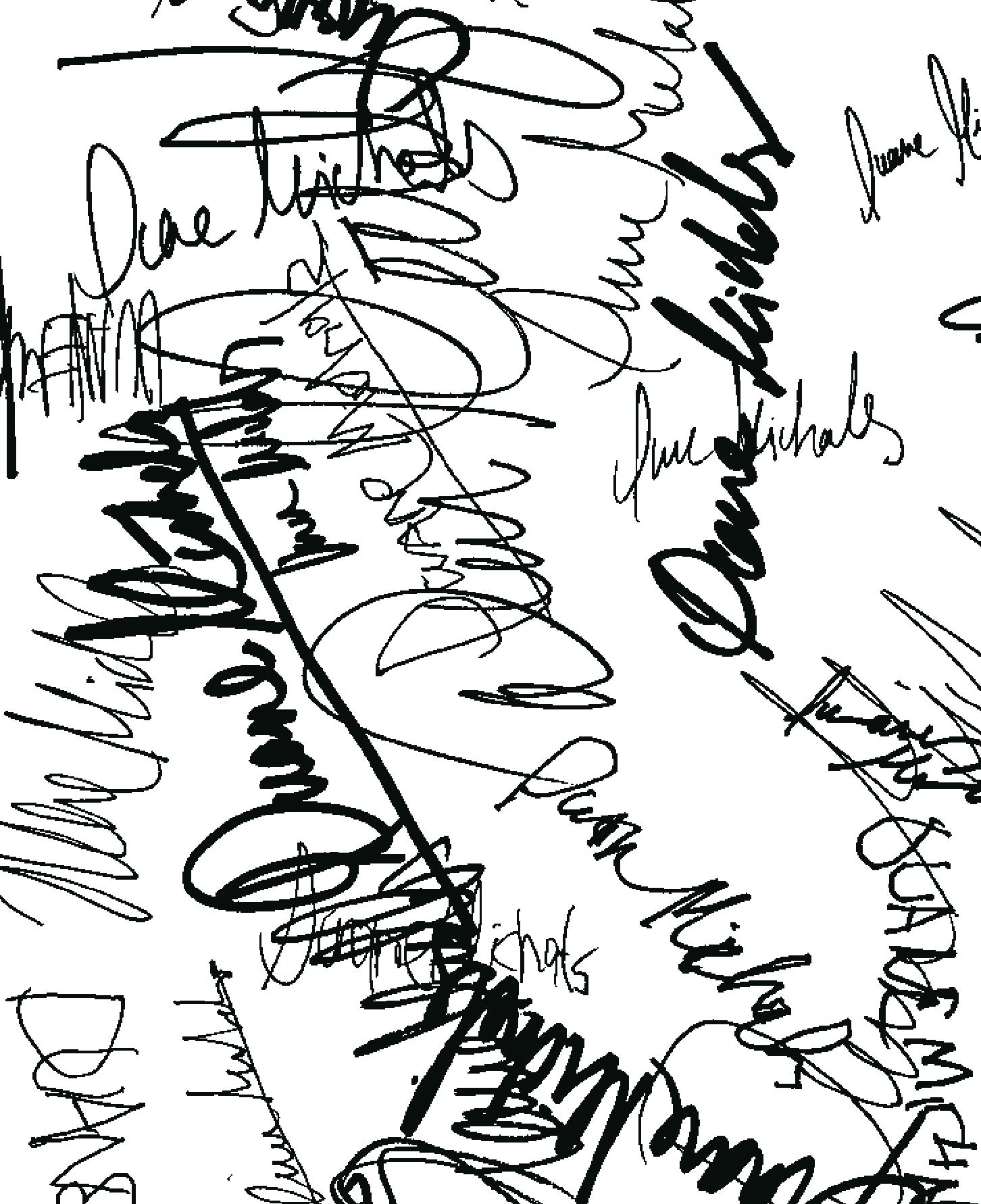
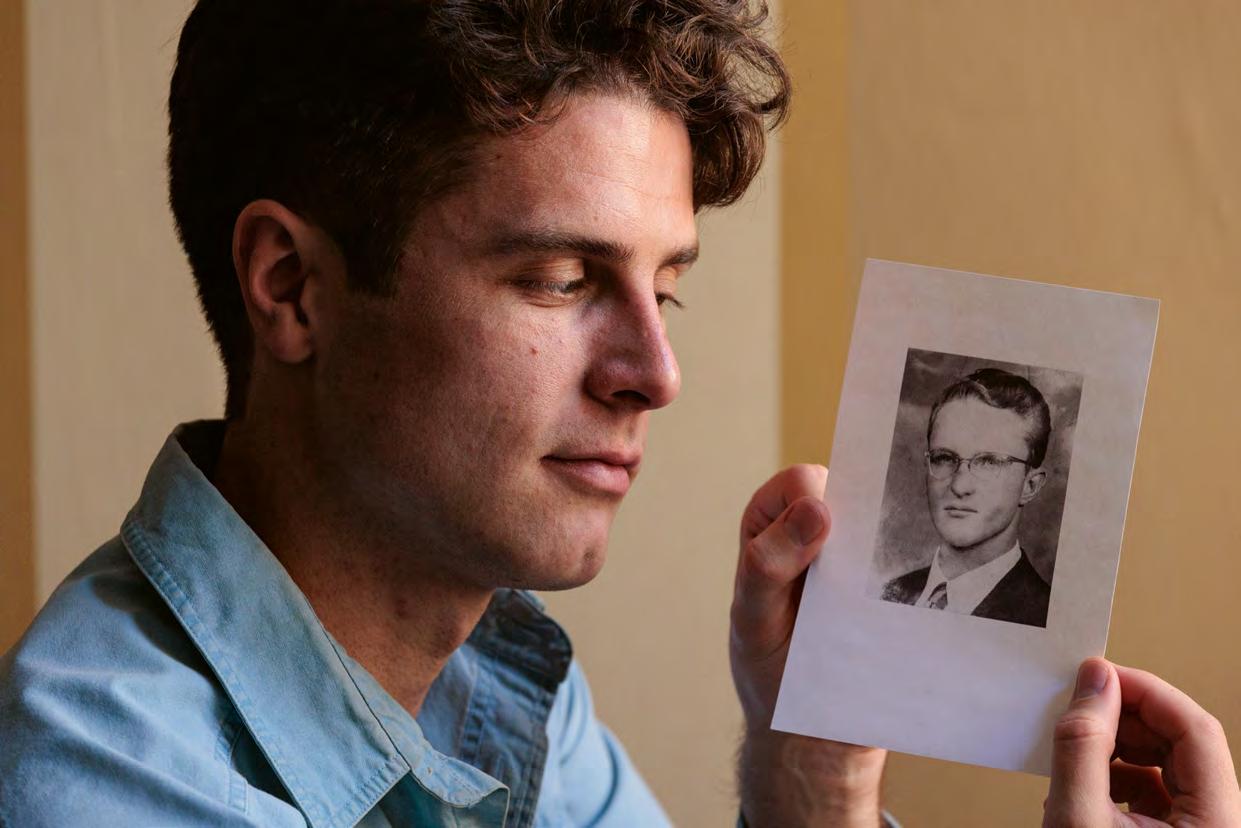
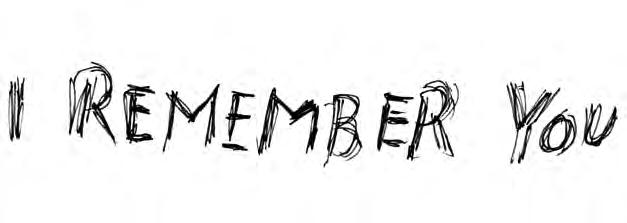
Duane Michals, born in 1934, is a photographic alchemist who turns still images into lyrical narratives that blur the line between reality and dreams. Rejecting traditional documentary photography, he layers text, sequences, and double exposures to create intimate, surreal, and deeply personal stories. His work is a rebellion against the static image—each frame is a whisper, a question, a fleeting revelation.
Photography ......................Duane Michals
Interview ............................... Oliver Kupper
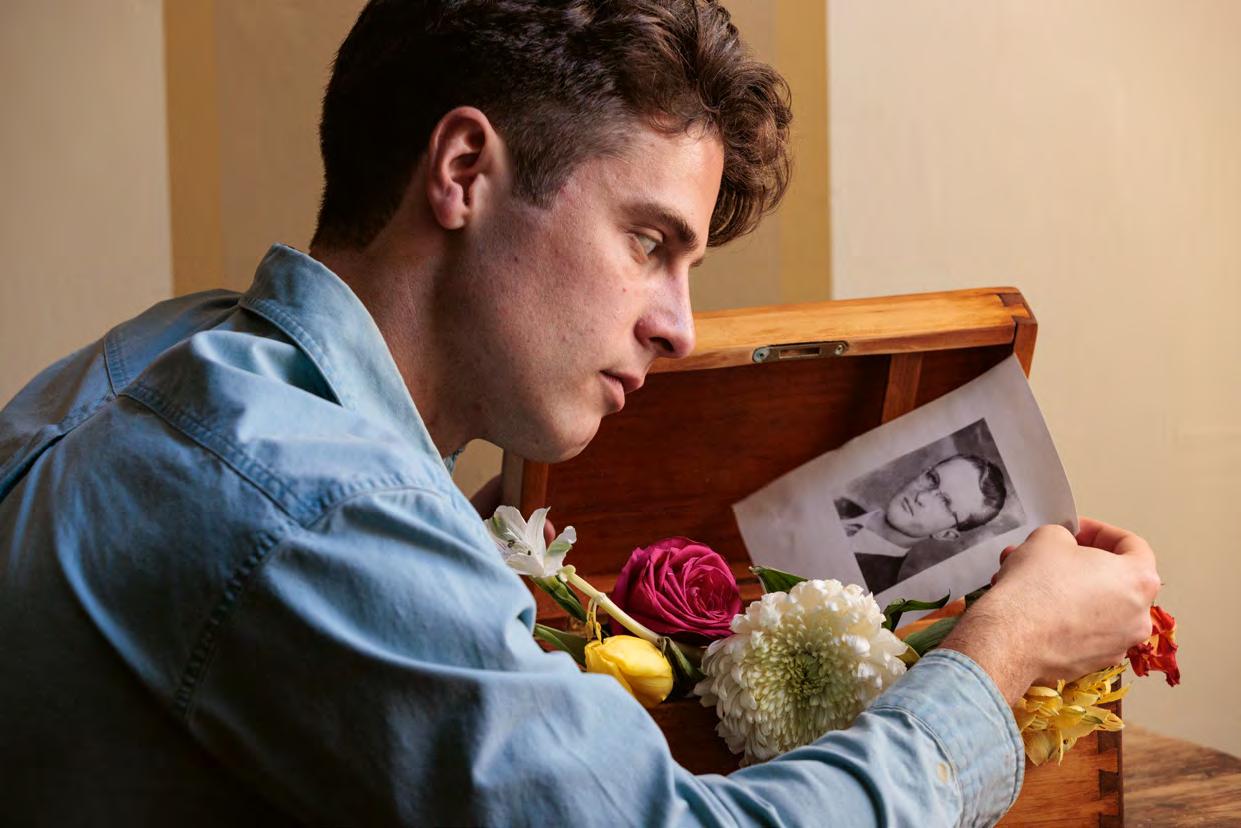
OLIVER KUPPER How do you personally define desire?
DUANE MICHALS When you’re very young, desire is a novelty item. It’s overwhelming, and it influences you. It’s like having a headache you can’t shake. And when you get older, desire still remains, but the gas has turned down under the flame. It’s much more nuanced and intimate. In the beginning, anything will make you crazy. In the end, it’s more like whispers. What’s appropriate at twenty is not appropriate at forty, and what’s appropriate at forty is not appropriate at sixty. And I’m just discovering this new category—call it old desire. It’s much more subtle, much more nuanced.
OK As an artist, how do you see this evolution of desire?
DM Desire is always, in principle, the same. It’s an urge. It’s like you get an urge to scratch your back and you can’t reach it. But it’s a different kind of urge. It’s part of the reward—and the punishment—of being alive. Unfulfilled desire withers on the vine. The best desire is nuanced desire. The subtle desire, the notice of somebody’s elbow, or the simple way that clothing clings to the body, or just the simple need to be in somebody’s presence. The big desire, of course, is what sells Coca-Cola and porn magazines. We can all agree on the given things that one might find attractive, but desire is best when it’s nuanced.
OK Can you talk a little bit about how photography came into your life?
DM Although I grew up with photography, it was domesticated. It was the kind of photography that was designed to document relatives, the backyard, or your mother’s new car. But it was never thought of as a vehicle for intimate communication. By that, I mean trying to share a very subtle emotion that nobody else might have.
Recently, now that I’m so old and have had such a long history, I’m getting deeper and deeper into the early days when I was a little boy and my grandmother brought me up. The kind of things I overlooked but now have become very important: photographs that remind me of what I looked like when I was five or six. Photographs are marvelous. Even those banal photographs have significance if it reminds you of once upon a time. An accidental moment when you crossed the street and ran into somebody. But it was never thought of as a vehicle of expression. And by expression, I don’t mean a pretty sunset. I mean expression in the most intimate way—when you whisper something out loud. Sometimes it has to be augmented because the more intimate the expression, the more powerful—and the more powerful, the more dangerous. And you have to be very brave. It’s one thing to be brave photographing other people’s lives, but it’s much more painful, dangerous to photograph your own life, to say out loud, this is what I felt. This is what I wanted to touch. This is what I wanted to kiss.
OK Your photographs have a vulnerability that is deeply personal.
DM Well, I what else do you have? I mean, otherwise you’re playing Russian roulette with accidental intrusions, accidental events. It’s like if you were a writer sitting at home and writing about Tahiti, or writing about downtown Paris. But it’s quite different when you write about what you remember that afternoon, actually walking down the Les Champs-Elysées. Pho-
tographers are not brave when they photograph other people’s lives, but you have to be brave to photograph your own life. And that’s the big difference.
OK You mentioned in an interview that your blend of poetry, photography, and cinematic narrative freed you from what Henri Cartier-Bresson called “the decisive moment.”
DM It did entirely. Your only real truth is your own truth because you don't know anything about anybody else. Your own truth is yours only. I can say with great honesty what I felt or did not feel about my father. I demand of myself to be brave and to say something out loud. The Greek poet [Constantine P.] Cavafy is just so magnificent because he talked about his own fears. And that’s the bottom line.
OK Speaking of the reality and the imagination in your photography, how do you balance the tension between the two?
DM Some things demand certain solutions and others don’t. I’ve always been interested in life after death and ghosts—I’ve seen two ghosts—and now that’s becoming more clear as I near the end of my life. But how do you talk about the metaphysical implications of death? Not what corpses look like, but what do they feel like? After my friend Fred died—we were together fifty-seven years—I heard him call my name twice in the early morning. And recently, I heard an anonymous voice say out loud, “Are you ready?” And the question is, ready for what? Ready for death? I've always flirted with this.
There are two ways of knowing something. One is direct experience, and the other one is secondhand. Photographers are always photographing secondhand versions of other people’s lives. That was never an option for me.
OK Your work feels like these visual metaphors for the unique psychological states that you’ve been through in your life.
DM Well, they are. Everything happens to be a metaphor. Because how else do you share intimacy? If you want to share intimacy with somebody you love, you might send them a note on a piece of paper that says, “When I saw you last week crossing the street and I called your name, you turned around and I was struck by lightning. I don't know if you noticed.” That sort of thing.
You see, I’m very free. Most people are not free—they close down decade after decade. And I open up more and more every decade. And that’s why photographers have to stop looking for life in all the wrong places. They should take one honest self-portrait, not because they think their hair looks good or because they’re young, but because of how they feel inside their head. Now that would be a good assignment to give students: take a self-portrait of not what you look like, but what you think you look like inside your head.
OK Your work sometimes has this surreal element to it. You were inspired by the surrealists. And you happened to photograph one of the most famous surrealists: René Magritte.
DM My great inspirations were Magritte, de Chirico, and Balthus. Balthus because of his subtle eroticism. Everything looked like a stage set. With de Chirico, everything was a stage set too. I think everything is
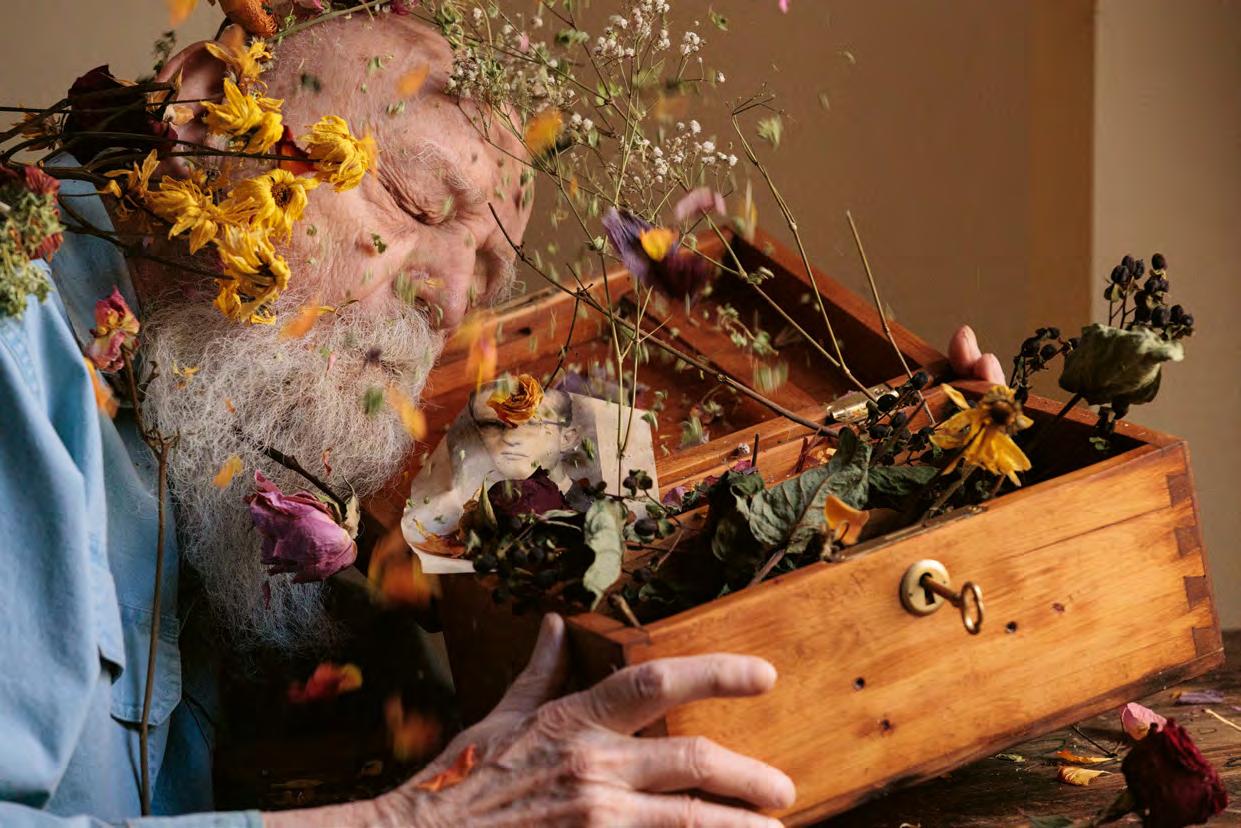
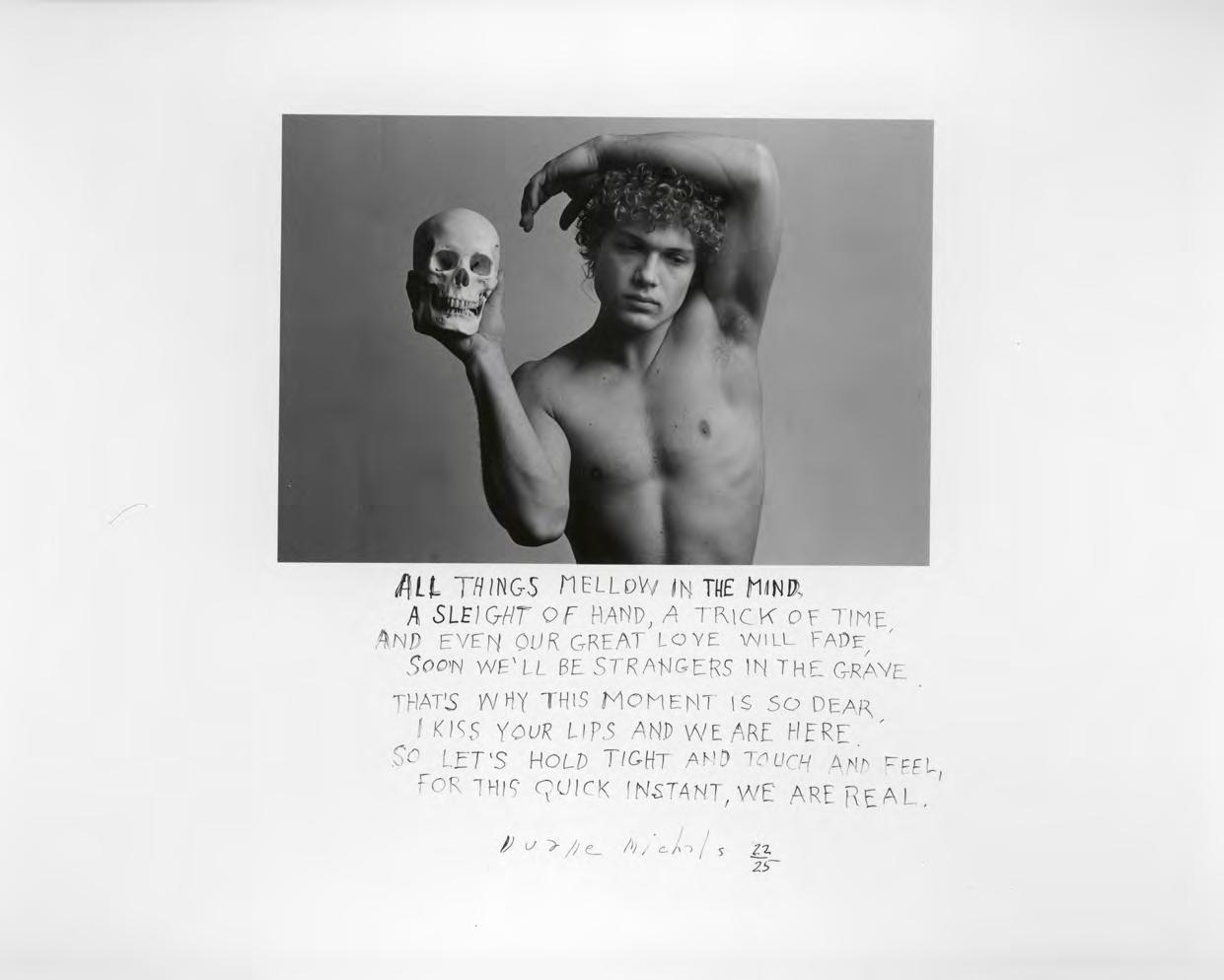
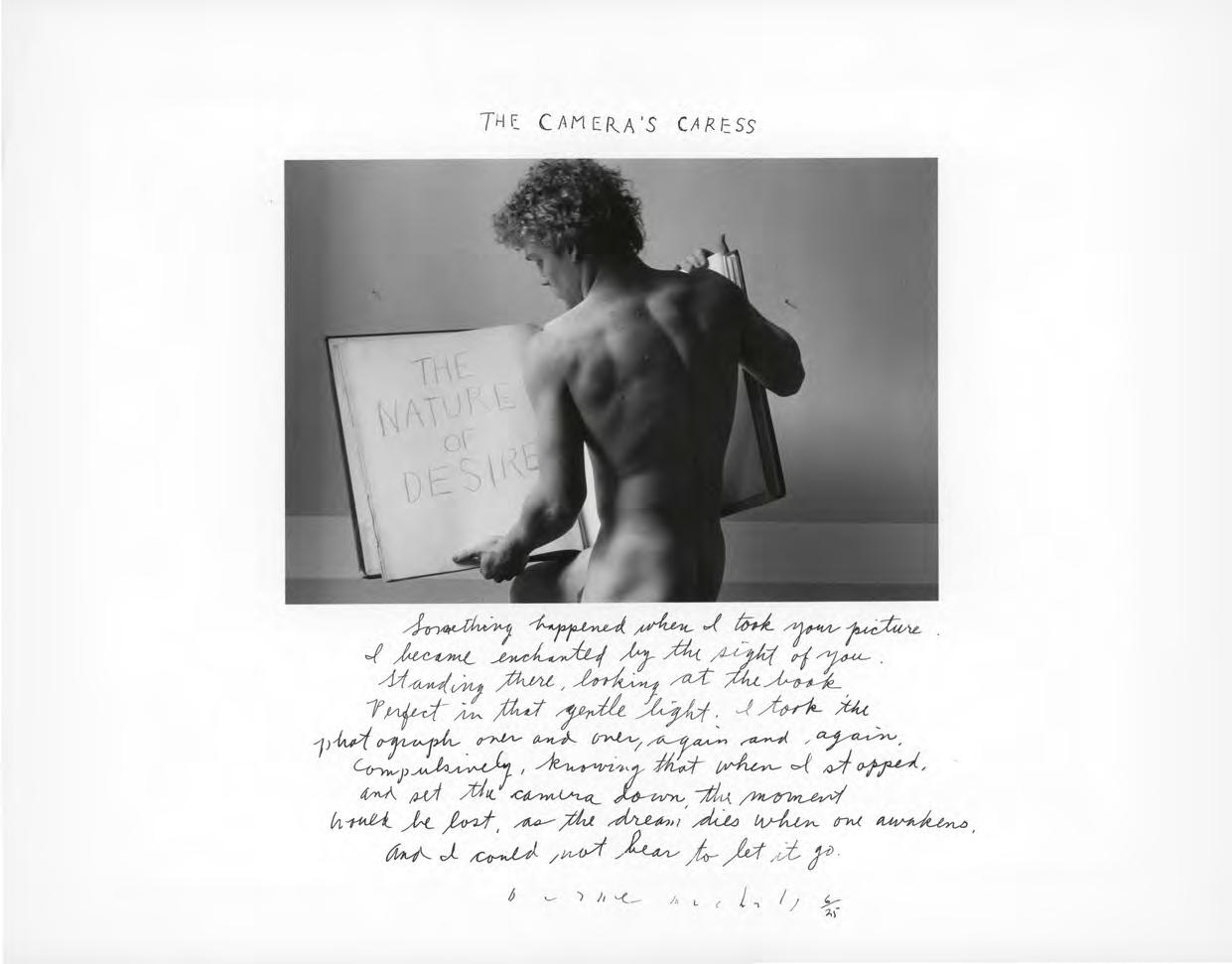
“It's one thing to be brave photographing other people's lives, but it's much more painful, dangerous to photograph your own life, to say out loud, this is what I felt. This is what I wanted to touch. This is what I wanted to kiss.”
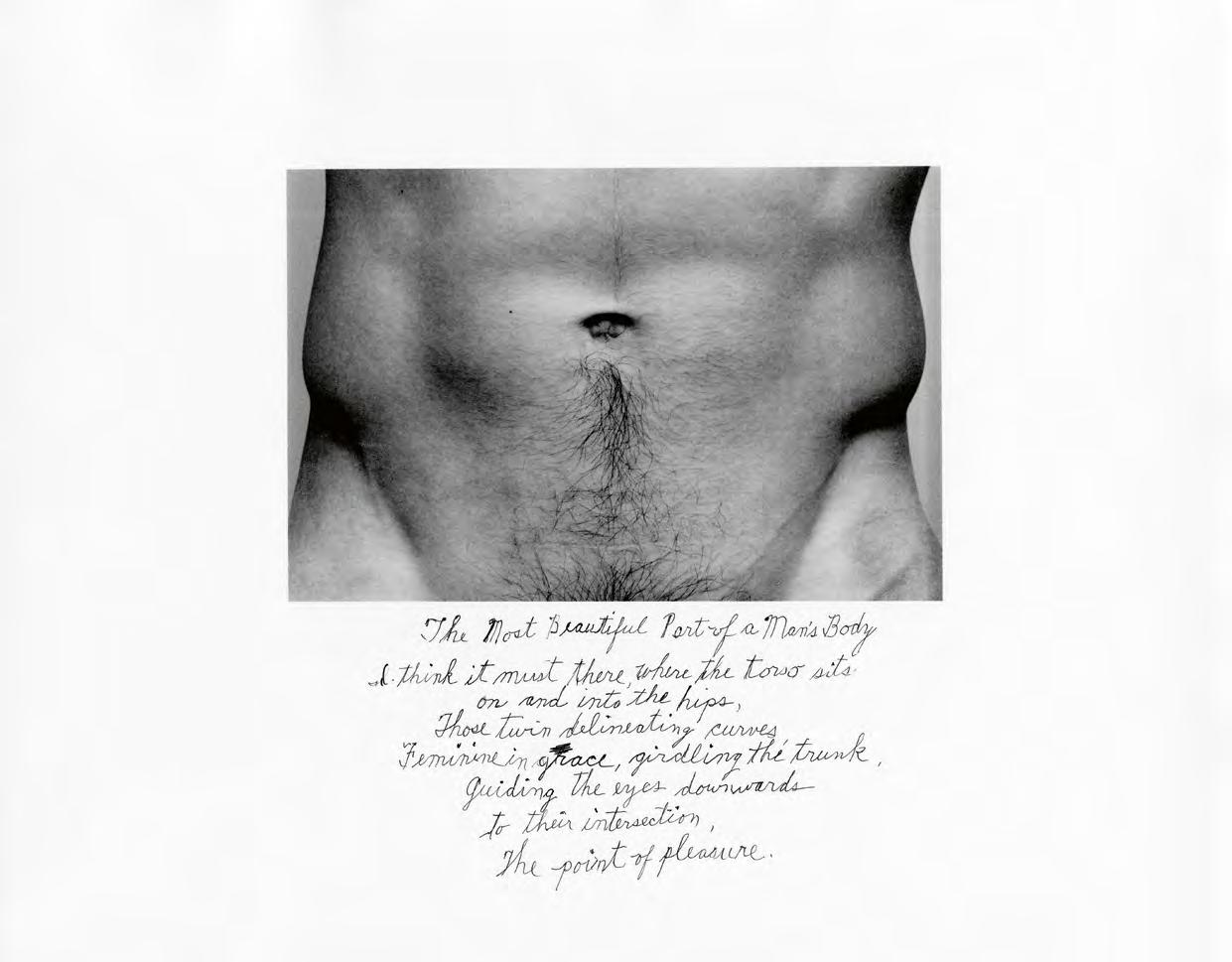
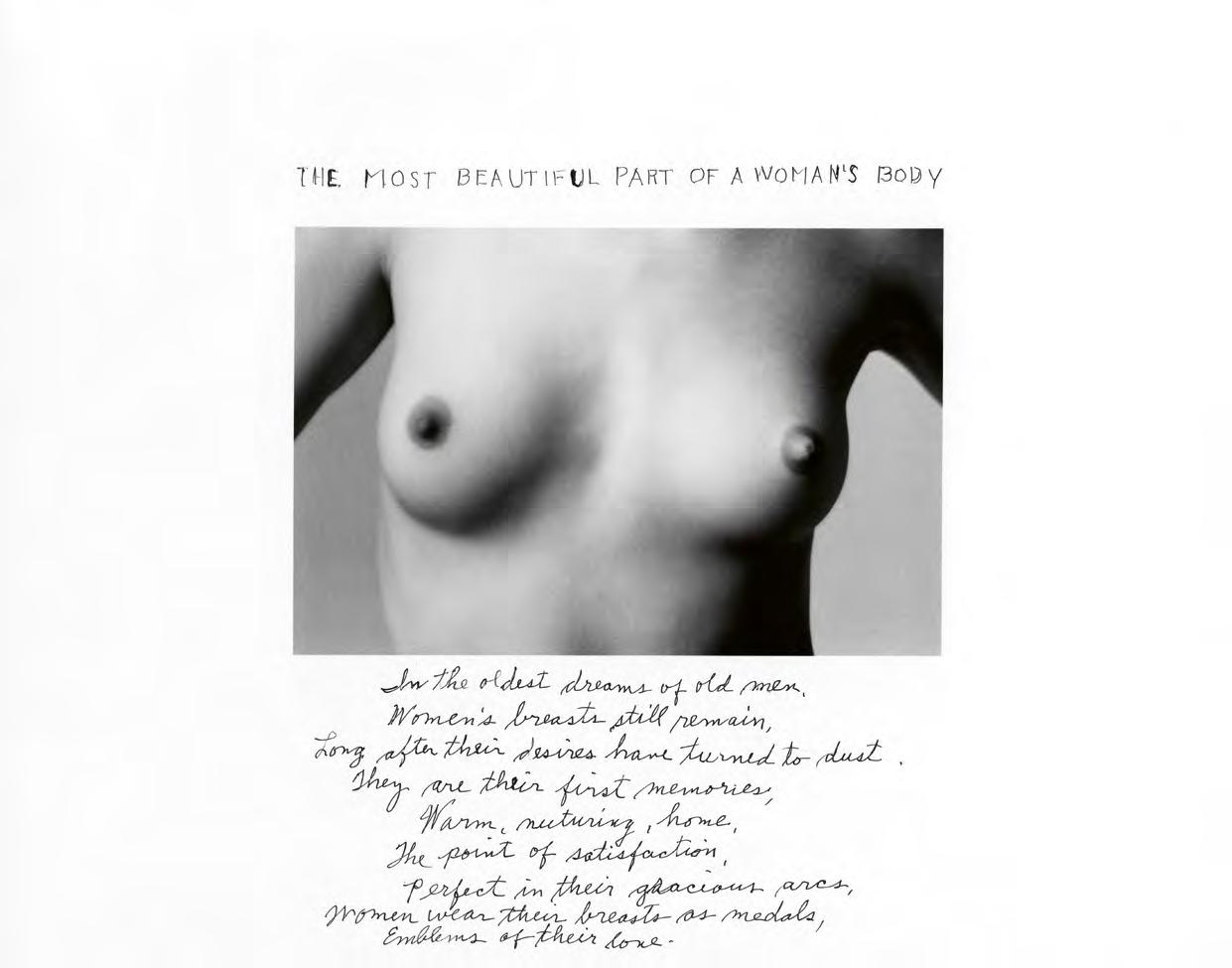
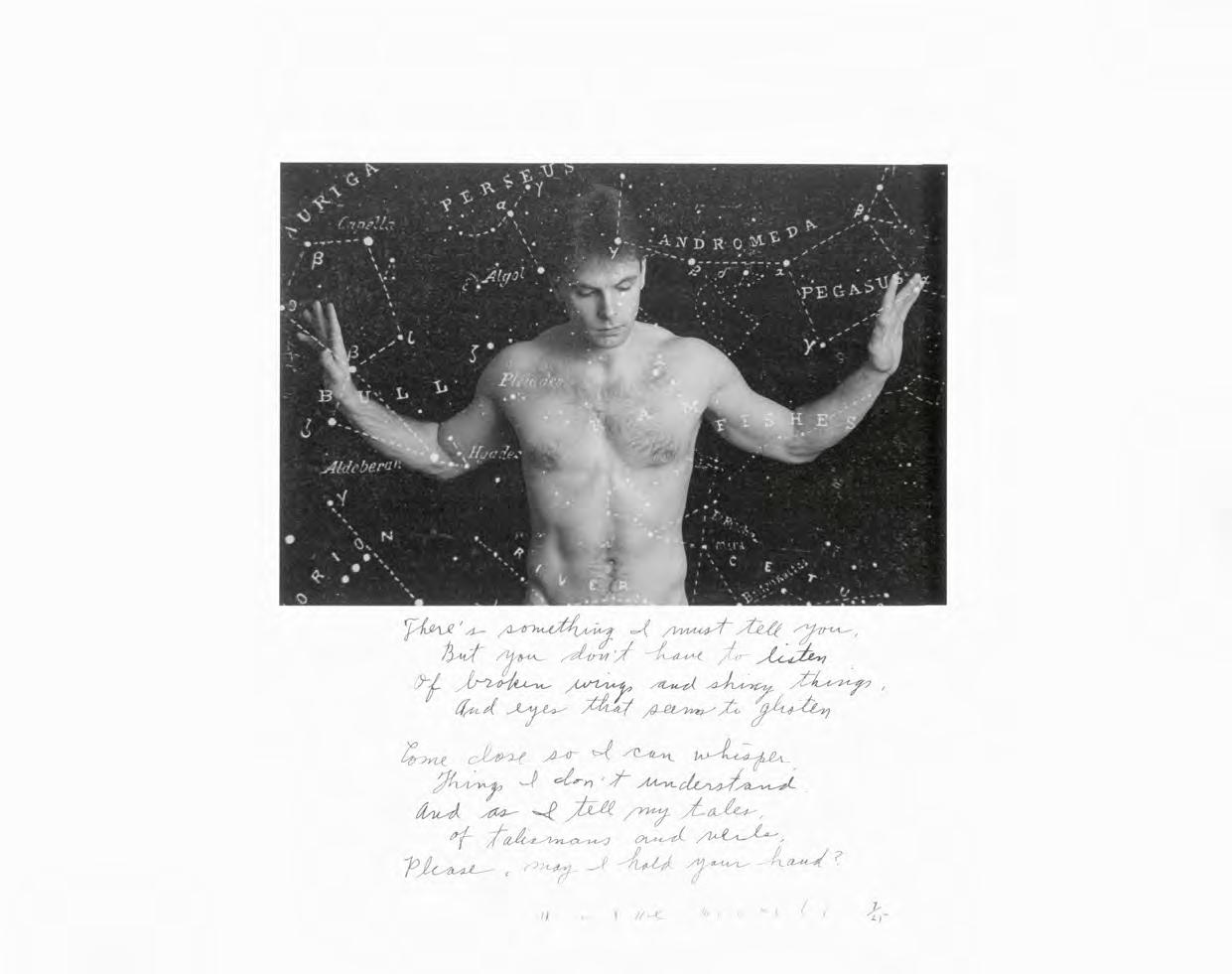
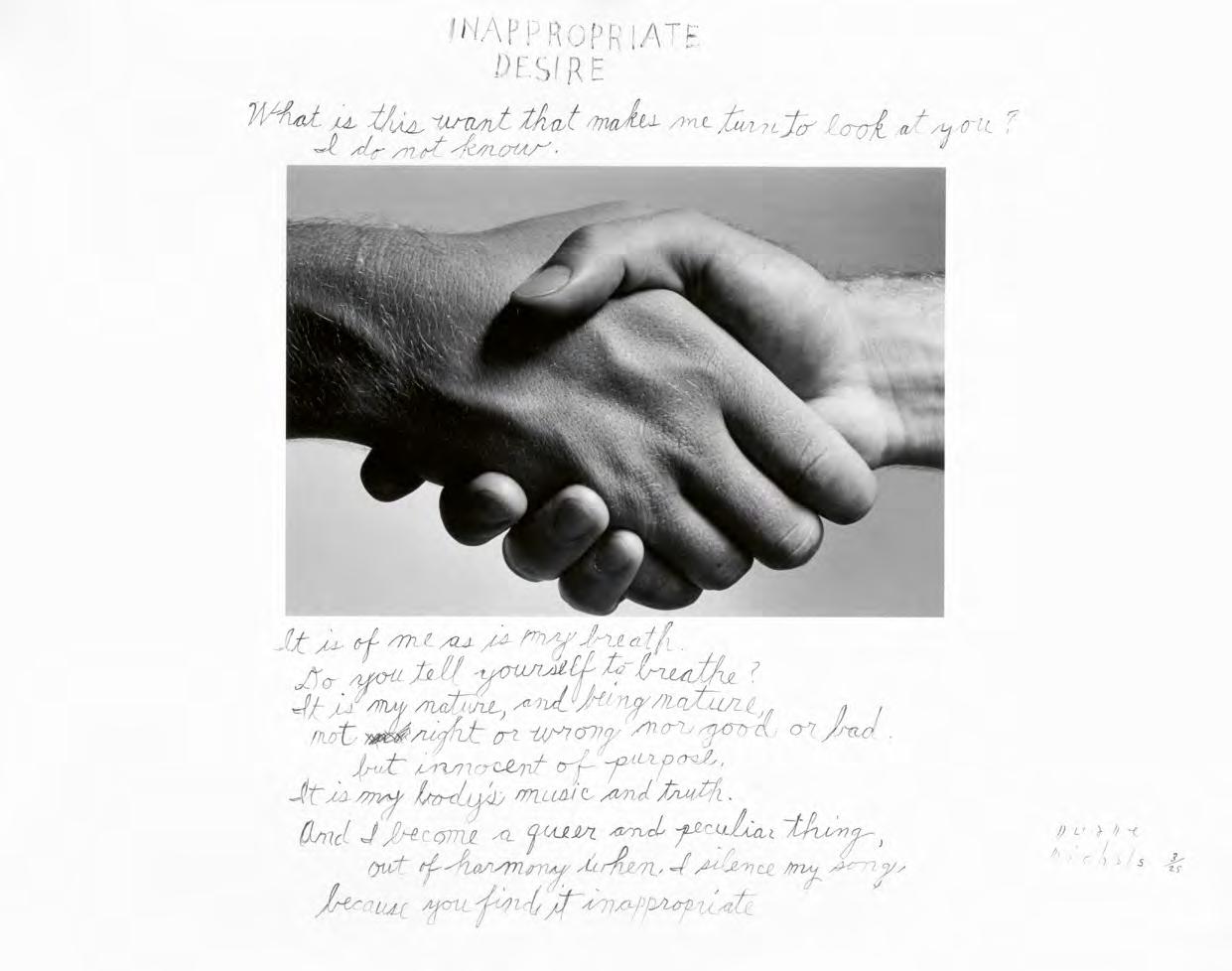
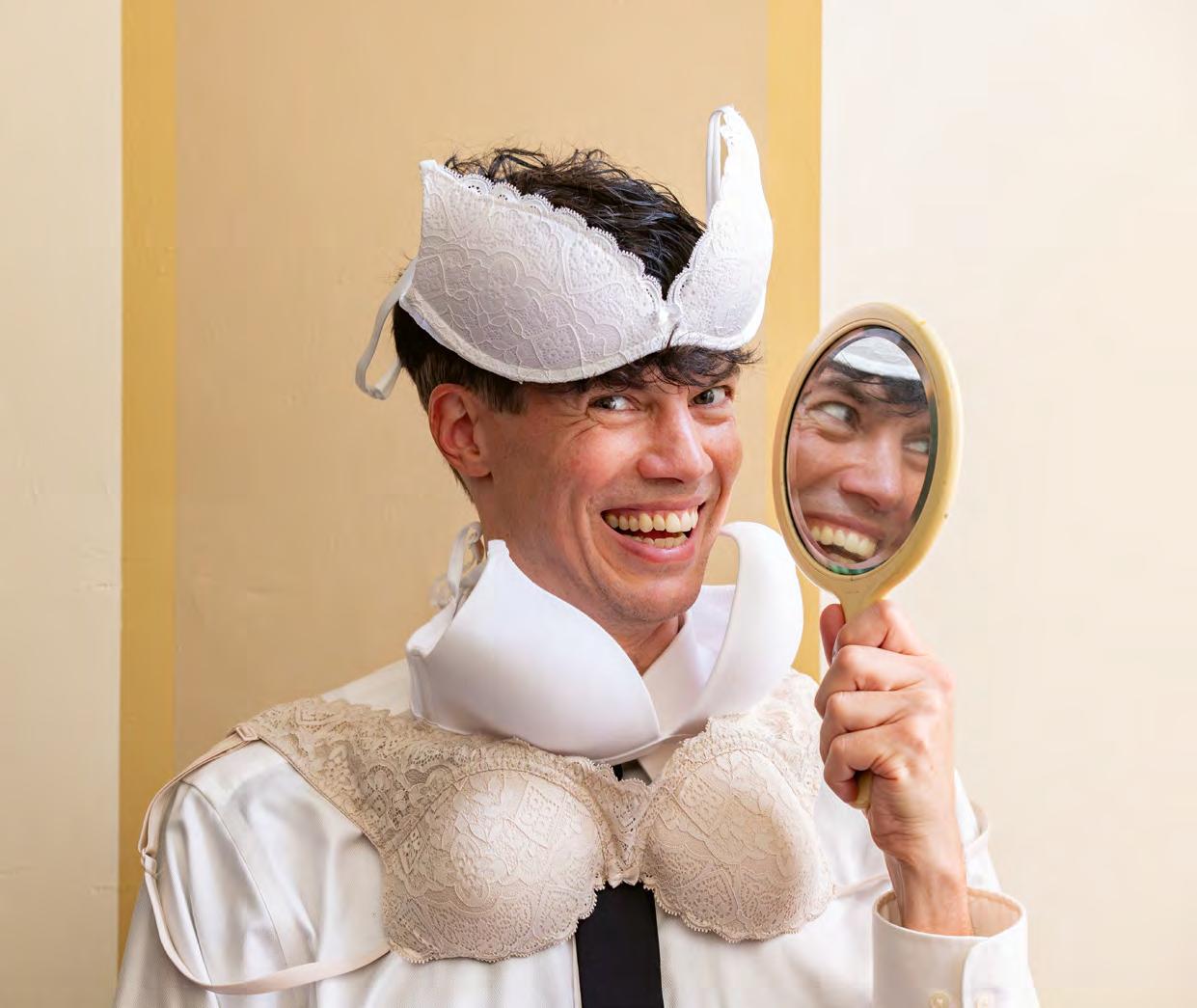
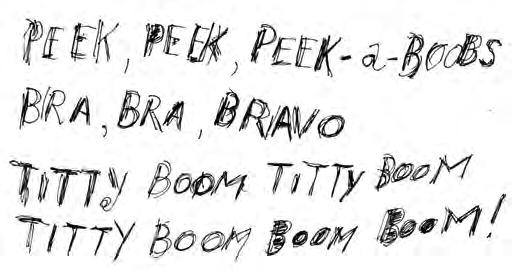
a drama. Our lives are little theaters. I much prefer writers over photographers. You know, I love Beckett. And I’ve been making these little movies. They’re short films. But I love the theater of poetry and the theater of drama. And James Joyce, of course. And let’s see, who else do I love? I love me. (laughs)
OK What was it like shooting Magritte?
DM Beyond belief. I had a lady friend named Liz Lowenstein, and her father had been Marilyn Monroe's last psychiatrist. She married a psychiatrist and went off to London with him. He was going to study with Anna Freud. When Liz came back divorced four years later, we got together and we did a catch-up. And she asked, “What artist do you like?” I told her that I recently encountered an artist named Magritte who was completely ignored at that point. And she said, “Funny coincidence, I know somebody who knows him.” And that’s how I arranged to go photograph him. I had seen this photograph in 1960 in Harper's Bazaar of a nude woman behind a mirror, but she was reflected in the mirror. Of course, that’s impossible. Then I realized it wasn’t a photograph, but a painting by somebody named Magritte. I showed this image to Sidney Janis, and he said in 1958 he did a Magritte show and didn’t sell one painting. The art world is so fickle. I really hate the art world. And now, a Magritte just sold for, I don't know, $100 million dollars or something. He would’ve been so embarrassed by it and delighted simultaneously.
OK With a lot of painters, there’s the ego embedded into the idea of who they are. There’s the myth of the artist and they start to believe their own myth.
DM I’ve been very indebted to painters. Hieronymus Bosch’s The Garden Of Earthly Delights is a total killer. Everything in the painting was contradictory. He affronted your senses—making people do bizarre things, not soothing your prejudices or reminding you of the comfort of your ignorance. Artists always confront you. And then you have to outgrow them eventually. All good artists are points of departure, not just the destination. You have to be drawn to the liberators, not the ones who turn you into a sycophant. So, look for whoever it is that liberates you. It doesn’t necessarily have to be a photographer. It doesn’t necessarily have to be a writer. Maybe it’s somebody funny who makes you giggle.
OK Art can be funny and humorous. Desire can be funny. And eroticism can be funny.
DM Absolutely. That there are the cliché definitions of things. You know, tits are nice and nipples are nice, but what if you turn a nipple into a setting sun? What if you turn it into something that you never thought of before? The creative act is doing what you’ve never done before. I keep repeating that, but there’s no other way of saying it. And I can’t wait to see what I’m going to come up with next. I’m always surprising myself. OK It just seems like you are able to continually reinvent yourself. You’ve created this practice that allows you endless amounts of freedom.
DM I recently had an idea that evolved into something deeply personal. It began with a friend finding a key in a coat, an object detached from its past. That sparked a vision: a young man looking at a photograph of another man. He places the photograph in a box, adds flowers, and locks it away. Years later, an old man—perhaps me—opens the box to find the image faded to dust, the flowers brittle and dried. The essence remains, but time has reshaped it. This idea, now titled “A Memory
of a Memory,” is about how desire doesn’t disappear—it ages, softens, and lingers as a residue of what once was.
I’ll be shooting it on Monday, stripping away eroticism to focus on the essence of remembering someone once loved. It’s not just a memory—it’s the memory of that memory, the final whisper before it’s gone.
Lately, I’ve been drawn to the idea of returning to my roots. I grew up in McKeesport, a dead steel town, and I want to place my sculptures in the woods there—objects meant to decay, to be rained on, forgotten, reclaimed by nature. It’s not just about the art itself but the act of letting it go, of offering it back. I’ve come full circle. While others, like Warhol, distanced themselves from home, I feel compelled to return. It’s a poetic gesture—one last echo of where I began.
OK What did your parents do? What were they like?
DM My mother was beautiful—just 18 when she married my 24-year-old father. She knew nothing about sex. I asked older women in my family what they’d been taught, and the answer was always the same: nothing. When my aunt got her first period, my grandmother simply told her to “talk to Aunt Margaret.” I doubt my mother understood what was happening the first time she had sex with my father. She might have thought they were just dancing—yet that moment bound them together for life. And they never even liked each other. I made a short film called The Rabbit Died, referencing an old pregnancy test where a woman’s fluids were injected into a rabbit. They would kill and dissect the rabbit to examine its ovaries for signs of pregnancy. A crude test for a life-changing truth.
OK And your father, what was he like?
DM I have no idea. I had no idea. He was a very unhappy man and trapped in an unhappy marriage. He was skinny but good looking, and he kept his head above water somehow. I once wrote that my mother and father’s life was like two actors performing two different plays on the same stage.
OK Your work has a sort of fascination with eroticism and death. Do you think that started pretty early?
DM I think so. Because my mother flirted with the idea of spiritualism and ghosts. Although we were Catholics, she told me that when she was in high school, she went to a spiritualist church. Her grandmother found out and was annoyed and it scared the hell out of my mother.
OK Do you think photographs lie or tell the truth?
DM Photographs lie all the time. And portraits lie all the time. People tend to love pictures where they look younger—portraits about vanity. “Oh, do I look good? Do I look like this or do I look like that?” I once wrote a sentence that said the geography of my face was changing: my wrinkles are like glaciers, and my face was going downhill. (laughs)

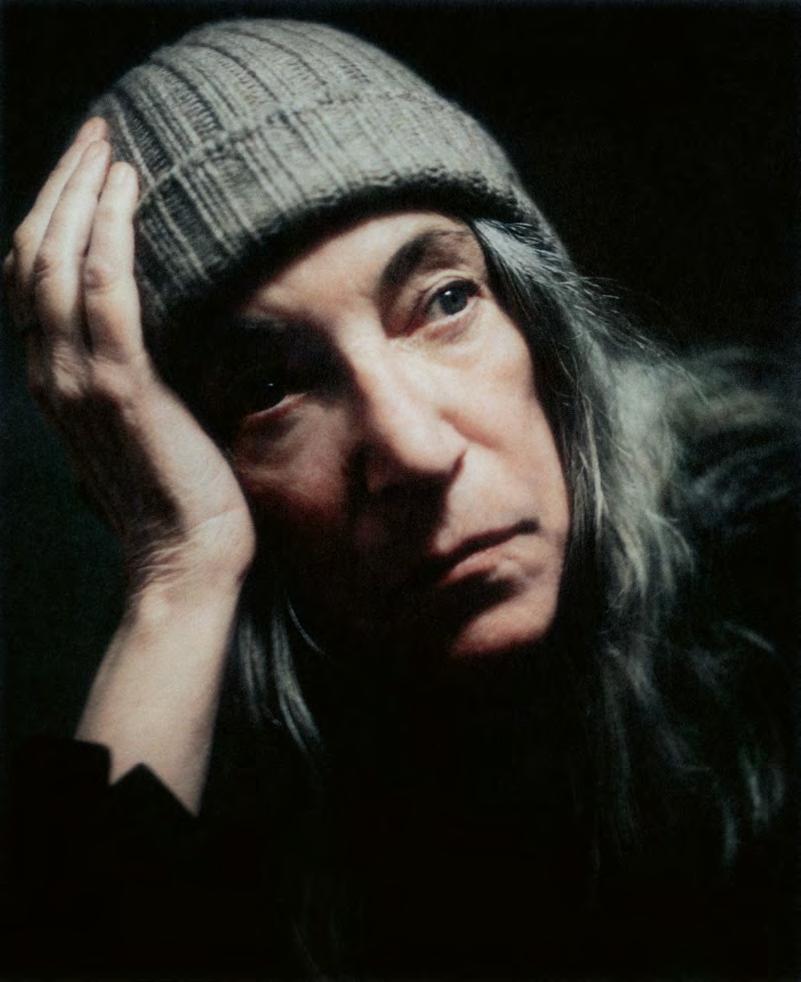
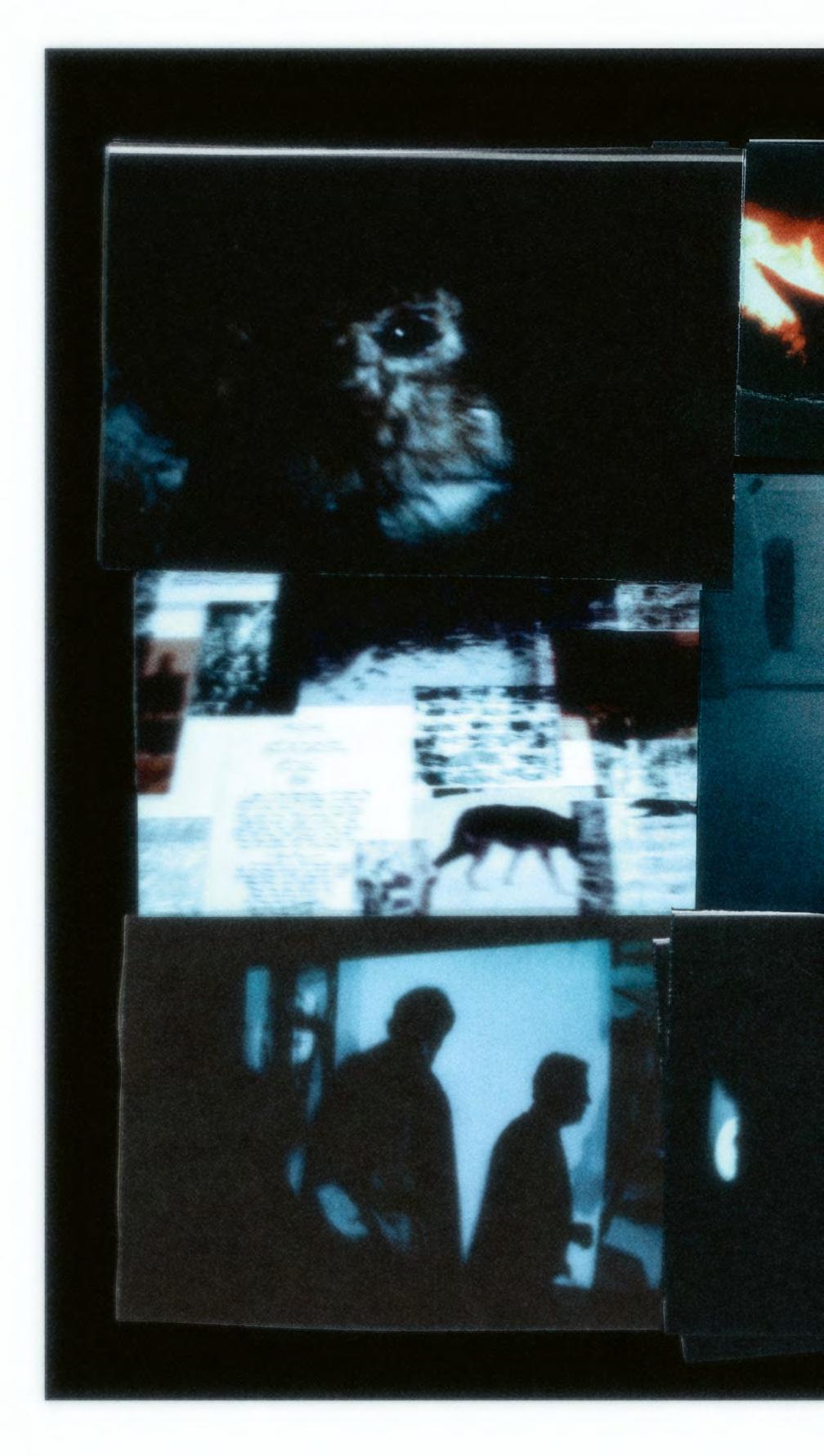
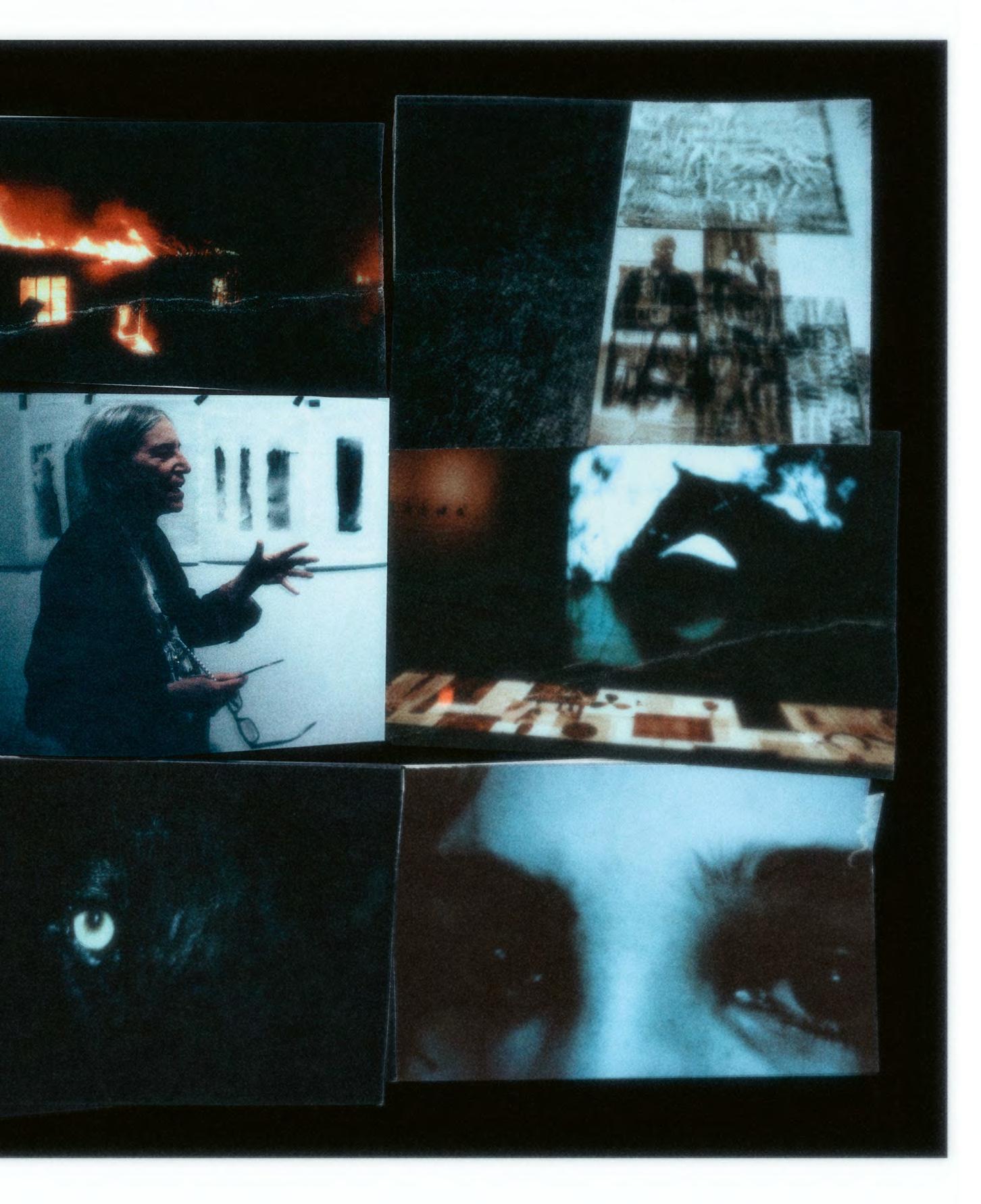
Since her 1975 debut, Horses, the iconic Patti Smith has channeled a long lineage of seekers, seers, misfits, and romantics—from Arthur Rimbaud to Bob Dylan— through music, poetry, photography, and performance. For the past decade, she has collaborated with Soundwalk Collective, an experimental sound art group, after a chance encounter with its founder, Stephan Crasneanscki, on a plane. Earlier this year, Kurimanzutto in New York presented CORRESPONDENCES, the first gallery exhibition of their decade-long collaboration. The project transforms field recordings from remote, charged landscapes— ranging from Chornobyl to the site of Pier Paolo Pasolini’s death—into immersive soundscapes interwoven with Smith’s voice and written meditations.
OLIVER KUPPER Let’s start with desire. I think that your exhibition and your collaboration are rife with themes of desire as potential energy. There’s a sense of wanderlust, ecological desire, and a sort of sonic and poetic mapping of physical and psychological geographies. Can you talk about desire through the lens of the show and what desire means to you personally?
PATTI SMITH It’s a funny question to ask me because desire is not a big word for me at this period of my life. If there is desire, it’s a desire to always go further. If I’m improvising, I want to go further. If I’m writing a poem that I think is good, I want it to be great. But it’s not desire in the way I would have talked about it in my forties, twenties, or even my sixties. What I count on now is focus, clarity, and mental lucidity. I’m seventy-eight years old. I’ve gone through so many stages of my life. I’m not driven by desire. Maybe I’m driven by curiosity. I’m driven by the need to know. I’m motivated. I’m a worker. I’m motivated by the possibility of doing something new.
Look, desire is in a song I did in 1978. [Patti sings] “Desire is hunger, is the fire I breathe.” But I was in my twenties then, you know? Back then, desire had a lot to do with love and the possibilities for the collaboration of love. Maybe I look at it differently now, but it’s a question of semantics. Stephan, are you motivated by desire?
STEPHAN CRASNEANSCKI As you said, it’s semantics. Desire is also the source of what we are doing together. There is desire in traveling, in recording sounds, in bringing them to the studio, in trying to find something that inspires you to write. It’s like a fire, a source for inspiring each other.
PS I find desire, at this point in my life, to be a confining word. I can work very coldly. And maybe it’s an evolutionary thing: I desire for my children to be safe. I desire for there not to be war. But desire is not the right word. So, I don’t want to act like it is when it’s not. But it’s a good word. When I think of words, for me, desire has been replaced by devotion, perhaps.
OK The word desire actually comes from the Latin desidero, which means “lacking stars.”
PS See, I don’t feel lacking; I feel the opposite. I feel that I have enough experience in life. I’ve seen enough. I have certain abilities that, if I keep going, I can expand on what I already have and also share it, give it. But it’s not because I need more. I’m at a time in my life where I’m shedding, not wanting more. And that’s a beautiful thing.
OK This idea of shedding is really interesting. Stephan, you worked with Jean-Luc Godard at a time when he was shedding everything.
SC I met him when he was in his eighties. He decided he wanted to get rid of everything. He didn’t know how long he would live—he ended up living ten more years—but he just decided to get rid of everything. He literally emptied his house inside out—every single book. He used to be an obsessive type, keeping every single tape or sound, everything. Massive amounts. Movies, documentaries, television pieces.
So, when he reached out to me, he said he had thousands of audio tapes and film recordings of dialogues. He told me, “Do whatever you want with it.” So, I spent two years listening to everything in a free flow, letting sounds overlap each other, and creating this collage. There’s this beautiful idea that runs through most of my work: if you bring together two distant pieces of visual or sonic reality, something can happen in their confrontation. In that third possibility, a new territory or grammar can emerge.
OK In nature, that’s called an ecotone—when two ecosystems overlap. Something new forms between those two worlds.
PS I’m not ready to shed everything, but I understand that I’m entering into the shedding process.
OK In your work with the footage of the fires, Patti, you recite the growing acreage of these large wildfires over time. There’s a kind of physical shedding—not only of material possessions, including homes, but also of our preconceived notions about the world we live in, about safety.
PS When I think of fires, I think of the destruction of land, species, and our rainforests. These are things we need. Materially and personally, people losing their homes and all of their worldly goods is terrible, but what might be worse is if we lose the rainforest, which is one of our greatest sources of water. It protects the planet.
We’re very concerned with what’s happening here in America, which is horrifying, but this is happening every single day in Brazil.
OK The fires in the rainforest are still burning.
PS We’re setting flame to Mother Nature. I always think back to my Bible studies as a child. God says, I’ll never flood the world again; I won’t destroy the world by water. But he said nothing about fire.
OK There’s also a piece in this exhibition that explores the nuclear fallout of Chornobyl. There’s this idea of Chornobyl as a physical place, but it’s also symbolic of other destructive zones that have become unlivable due to disasters—like the recent wildfires.
PS There was a Star Trek episode in the ’60s where they’re searching for planets and land on a place that looks like the Garden of Eden. There are no people, but it’s the most beautiful garden, with luscious fruit, flowers, and streams. They’re intoxicated by its beauty, eating the fruit—only to realize it’s all radioactive. They all die because it’s so beautiful and alluring. It’s paradise, but it’s paradise lost. It was radioactive from wars and destruction. Then you think about Chornobyl—how many gardens and forests were lost. They might be regenerating, but you can’t eat the fruit. The animals are surviving, but they’re morphing. Many are cancerous. Hundreds, maybe thousands, of children developed pancreatic cancer. Chornobyl is a microcosm of what could happen. We saw a microcosm in World War II with Hiroshima, but we swiftly forgot. Then we had another in Chornobyl. And now we have two countries at war, with bombs falling just yards away from nuclear plants. No one wins in war. No one.
SC When I went to record in Chornobyl, I learned that during Soviet times, kids were sent there to study piano. The best pianists in the Soviet Union would go to Chornobyl. Now, thousands of those pianos are left behind. We composed the tracks using the
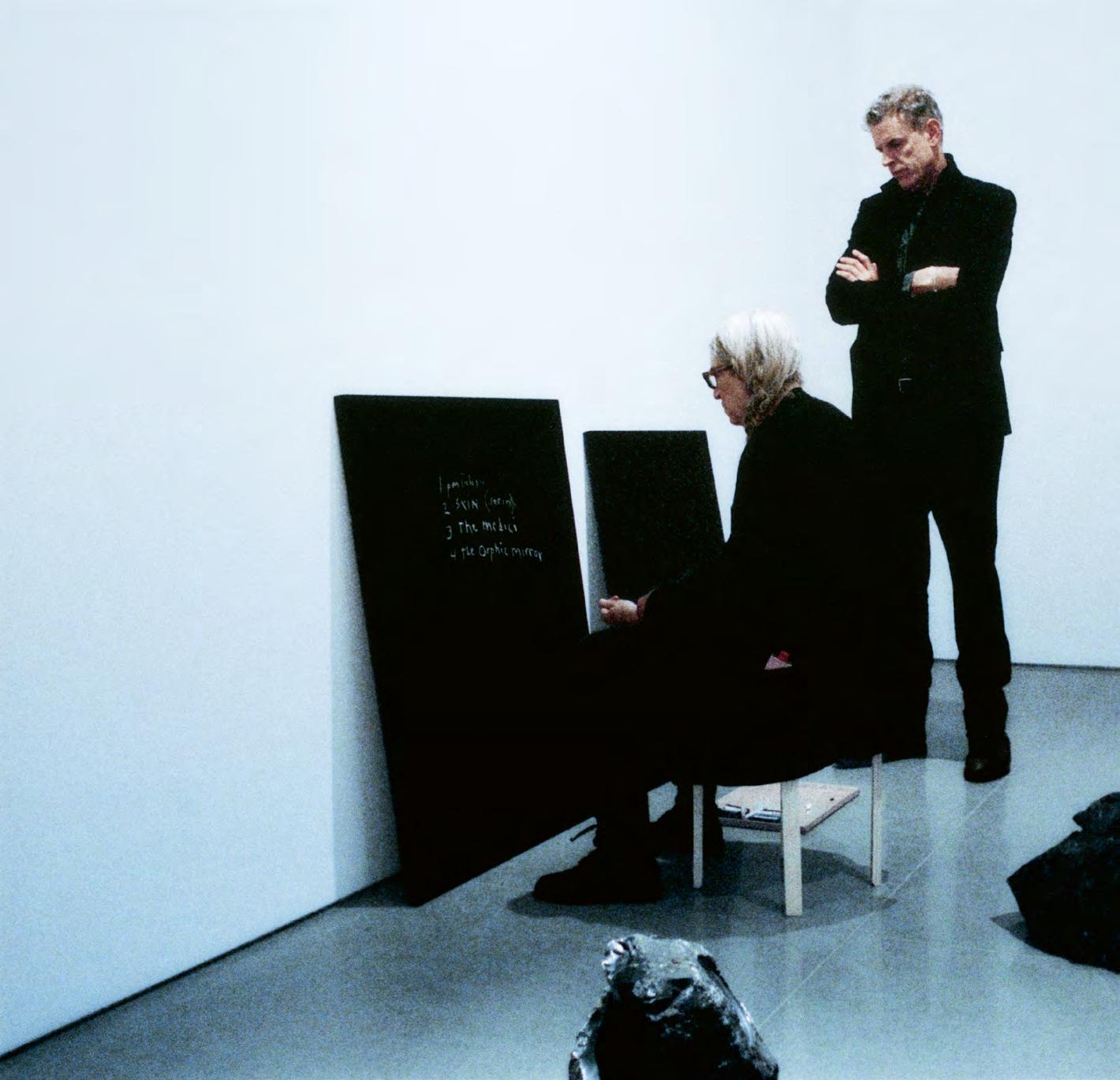
“I’m at a time in my life where I’m shedding, not wanting more. And that’s a beautiful thing.”
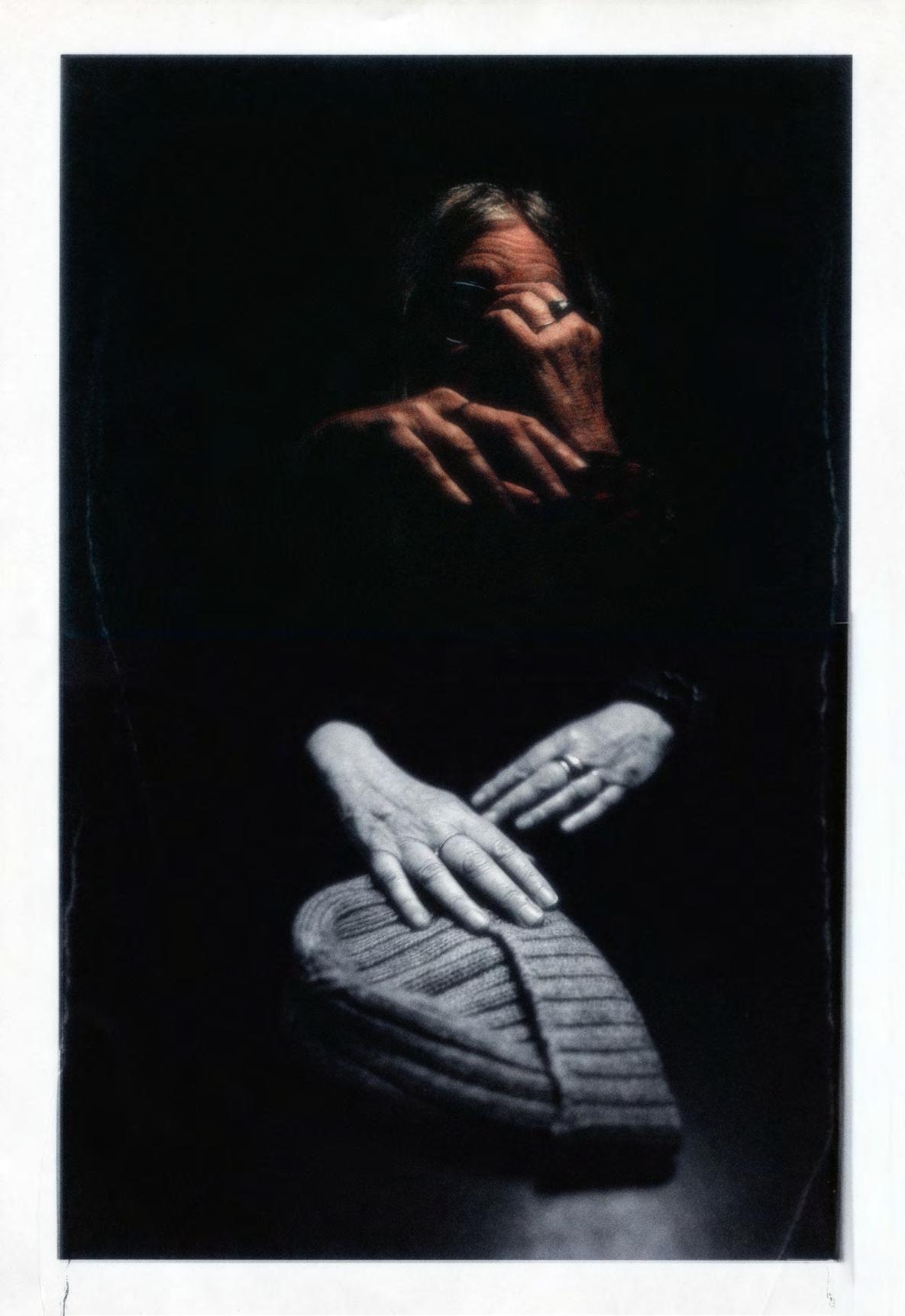
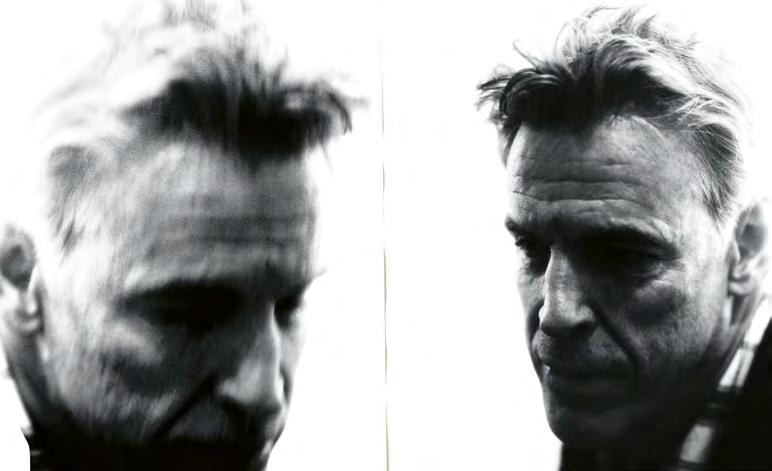
sounds of Chornobyl—the ghost notes of those abandoned pianos. So it’s not just about music, but the science of sound, the echoes of human presence, notes, and harmony.
OK Patti, when you hear those sounds, what do you musically or poetically imagine? Do you have a process, or is it improvisational?
PS No, I just go. We talk about Stefan’s travels, I listen, I do my own studies, and then I just go in. It’s the same process I’ve used for the past fifty years. Ever since recording my first album, there’s always been at least one song where I take my studies and thoughts and channel them in real time.
It’s different with a rock & roll band, but the method is the same—I go in, improvising with what I know, what I envision, what I channel. And honestly, this process is great for me because what I love most has always been the least interesting to listeners. Songs like “Radio Ethiopia,” “Radio Baghdad,” or “Constantine’s Dream”—critics called them unlistenable, but they were my favorites. When I work with Stephan, I don’t have to worry about other people, producers, record labels, or anyone concerned about a twelve-minute track that’s deemed “unlistenable.” It’s all exploration. They called Coltrane unlistenable at one point, let alone Albert Ayler. I’m not comparing myself to them, but I relate to the process. When I work with Stephan, it’s like a third mind. We’re both intelligent, well-read, and well-traveled in different ways. We take a subject we both love, and I get to access both his mind and my own. A lot of what’s in his mind manifests abstractly in the music—or not music, really, but the track. The track could be static, ocean waves, wind, the voice of Jean-Luc Godard, or wolves. These elements draw something out of me. We’ve been recording together for over a decade now.
SC Over ten years.
PS Now it’s just what we do. Sometimes there’s struggle, but it’s usually something minor—like me saying, “I can’t do it today; I have a headache.” And Stephan says, “Oh, maybe just one more.” And then I go out and end up doing the best take. That’s about as big as our struggles get. We like the same things. We go see a Joseph Beuys exhibit, and we both love Joseph Beuys. Working with Stephan has given me unlimited sonic landscapes.
OK There’s a long history of poets working with musical accompaniment. There’s a great album where Jack Kerouac reads over Steve Allen’s piano. It elevates the poetry.
PS Yes, and there’s a long tradition of it—Oscar Brown Jr., A Love Supreme by Coltrane, Ornette Coleman. That’s the world I’ve always gravitated to. I love dance and R&B, but until Bob Dylan, what I loved most was that world—Roland Kirk, Albert Ayler, Coltrane. It’s anarchistic, spiritual—everything.
OK
Maybe we can talk about Pasolini and desire— his film Medea (1969) and the desire for revenge. A film as a poem-song in cinematic form. What drew you both to Pasolini? His films are very sound-oriented but also poetic.
PS I was drawn to Pasolini in the ’70s after seeing The Gospel According to St. Matthew (1964). It struck me because it felt like a documentary of the Bible—so close, so intimate. It gave me a different perspective on the New Testament. I became fond of him, studied him, wrote long poems about him, and even visited his grave. Since the ’70s, he’s been part of my pilgrimage. I loved Medea because I love opera, and I love Maria Callas—one of the greatest opera singers. So, I have my own window into Pasolini. I’ve performed in Ostia where he died. I visited his memorial garden, met his family. I’ve explored him in my own way. And Stephan has his own entrance into Pasolini that we merged.
SC I’ve spent a lot of time in Rome. Ostia was a place I visited even before meeting Patti. Then Abel Ferrara came to Rome and called me—he was making a film about Pasolini. He let me spend time on set, just as a silent witness. I filmed and recorded behind the scenes as Abel shot Willem Dafoe. I didn’t know what I’d do with those recordings. Years later, when Patti and I talked about Pasolini, I had all this archival material on a hard drive. It made sense to re-edit and create a soundscape so she could step into it. It all connected in her writing and adaptation.
PS And I was able to express different aspects of Pasolini. In ’77, I wrote a long poem about him and his death. I was able to weave parts of it into this piece. It’s probably our most visceral work. It starts lyrically—romantic in language—but then shifts to his death. There’s mysticism, sexuality, desire. Then it becomes raw—Pasolini picking up a guy in a disco, having sex behind the trucks in Vienna.
I even went there. In the ’70s, I stayed near those same trucks in Vienna. The place isn’t there anymore, but it left an imprint. When we’re creating, it’s like a computer of the mind. You don’t always know where it’s going. I didn’t expect this piece, which starts with Pasolini by the sea, to end in a crude disco bar, but that’s where it went.
OK One film in this exhibition, Prince of Anarchy, is inspired by Russian anarchist philosopher Peter Kropotkin. Can you talk about it?
SC Prince of Anarchy is also an ode to Godard—his anarchist mindset. The recording includes his voice— before and after takes, directing light, adjusting mics. You hear a wolf howling, Godard walking in the snow. I admire anarchists. I don’t believe in systems or structures. Kropotkin discovered anarchist communism by observing Siberian nomadic tribes. They had no higher structure, no theism—just natural harmony.
OK Kropotkin once said, “Men passionately desire to live after death, but they often pass away without noticing that the memory of a truly good person always lives.” Patti, you’ve said, “Everything our ancestors know is in our blood.” Can we talk about the idea of living forever through art?
PS I don’t have any specific beliefs about reincarnation or anything. It’s just feelings—the continuum, the consciousness continuum. Who knows what will happen? I always imagine that we will just keep going. Perhaps we will reappear. I have no idea. My idea of how we evolve changes all the time, but it is always infinite. I never think of the finite.
In terms of our blood, I believe in that ancestral blood. I don’t believe that we’re chained to it. But my husband died young. My children were very young when he died. They never saw him. And as they grow, they have traits they never knew he had—such specific traits, from a birthmark to behavior, or musical ability, or a tone on a guitar.
Perhaps what’s ours is a synthesis of everything within us. But part of that synthesis is generations before. I look back on my own heritage. I went to this old church in Norfolk, England where some of my mother’s ancestors were from. The church had a record of centuries of births, deaths, and marriages. I went back a couple of centuries and found that every single ancestor of mine was either a laundress or a shepherd. I kept thinking, Where’s the poet? Where’s the genius? A laundress, a shepherd. I thought that was really interesting because I’m an intelligent person and all, but I also have a certain crudeness. The way that I talk, my little table manners—they’re not even learned. They weren’t taught. I could imagine myself in medieval times, pulling on the leg of a boar or something like that.
All of these things are within us. And then we add to that our loved ones who die. Then they’re within us—their memory, their intimacy, but also what they have given us that we didn’t even know they gave us. We are sensing their presence. So, I believe in all of these things, but I don’t have any didactic beliefs. I don’t have any rules and regulations. My belief system shifts; the way I pray shifts. Because as we evolve, we change. Maybe we don’t pray as fervently. Maybe it’s a glance, and that glance is a prayer. Or the opposite. But I do believe that within our blood is contained the blood of all time.
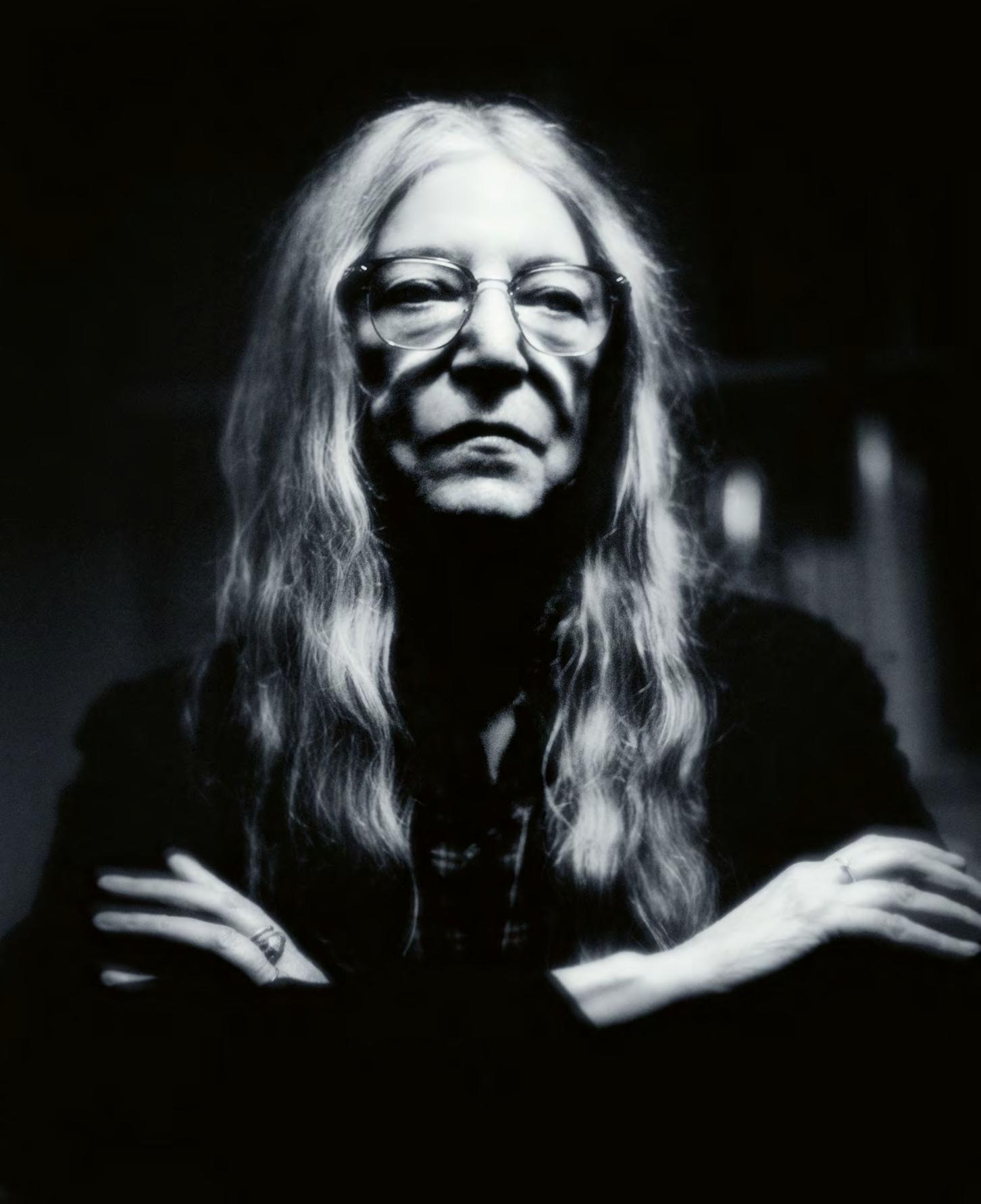
CONVERSATION WITH CONSTANCE DEBRÉ
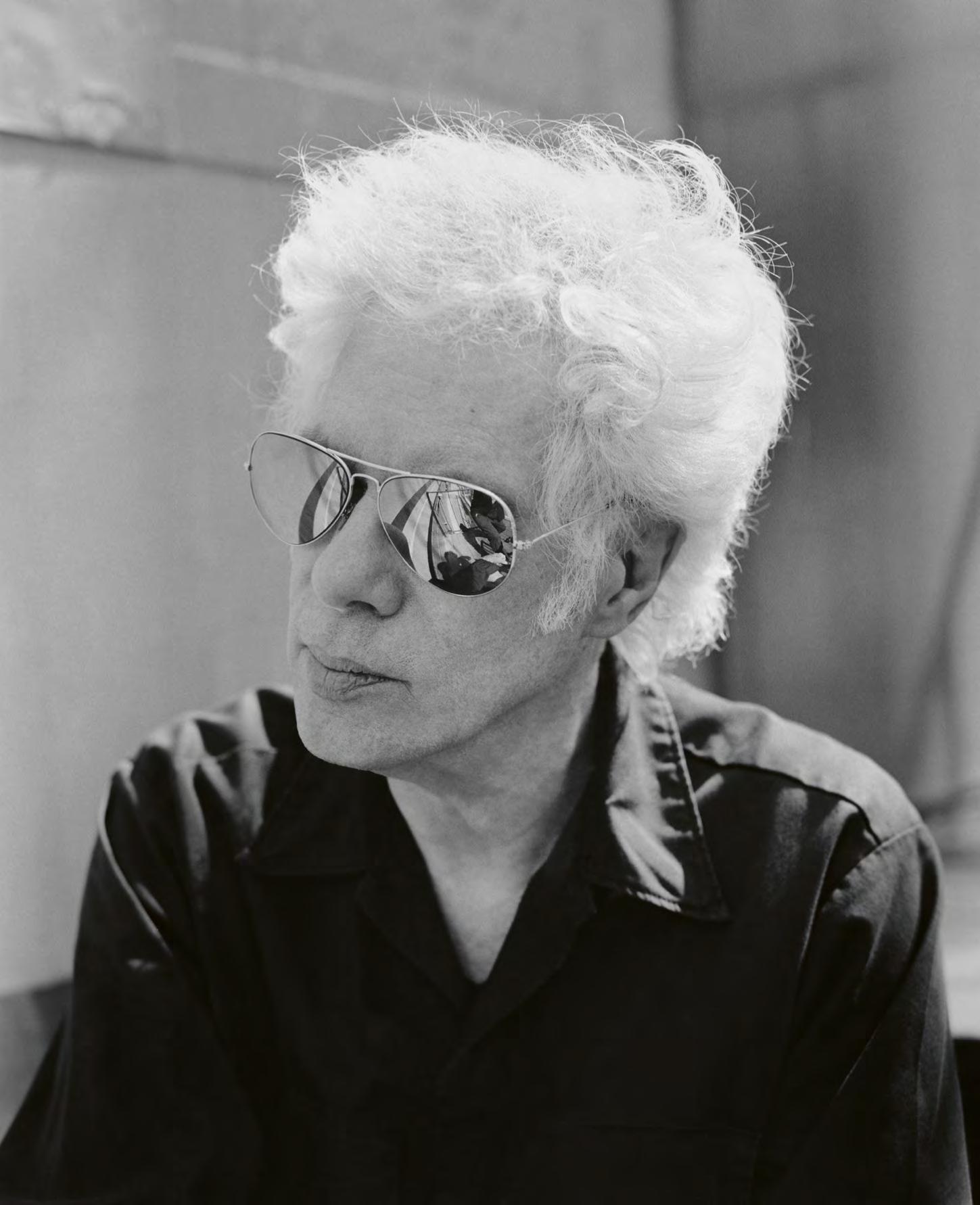
Jim Jarmusch is a seminal figure in contemporary cinema, a filmmaker whose body of work has both defined and subverted the contours of American independent film. With a distinctively minimalist style, Jarmusch engages with themes of alienation, transience, and the banal, yet he does so in a manner that elevates the mundane into the profound. Over the course of his prolific career, Jarmusch has consistently employed an unconventional cinematic language, one that challenges dominant narrative structures and embraces the fragmented, the inconsequential, and the in-between moments of life. From the existential dislocation captured in Stranger Than Paradise (1984) to the hauntingly lyrical meditation on immortality in Only Lovers Left Alive (2013), his films are marked by an austere but deliberate pacing, often punctuated by deadpan humor, melancholic reflection, and an acute awareness of the passage of time. Jarmusch’s work is defined not by its adherence to genre or commercial expectations, but by a radical commitment to a cinematic form that refuses to rush toward resolution, instead allowing meaning to emerge in the pauses, the silences, and the spaces between action. Through his films, Jarmusch interrogates the rhythms of modern existence, offering viewers a space to contemplate the multiplicity of human experience and the unspoken complexities of identity and desire.
While he is most known for his cinematic output, Jarmusch is also a poet, musician, and an artist. Over several decades he has amassed a body of over 500 collages ripped by hand from the pages of newspapers, a selection of which are on view for the first time in Los Angeles at James Fuentes gallery. Jarmusch joins his friend Constance Debré—a former criminal lawyer, now an incendiary novelist known for her stark explorations of identity, sexuality, and rupture—to discuss desire as a counter proposition and creative motor.
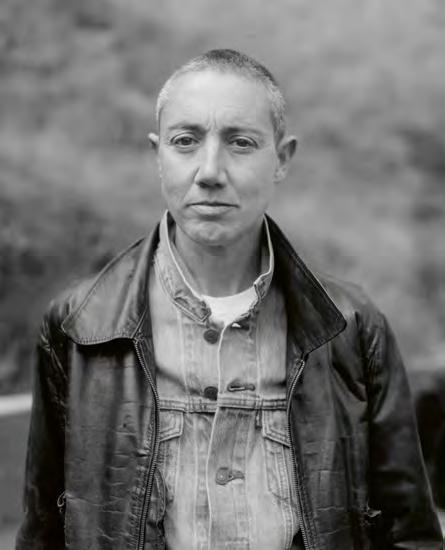
JIM JARMUSCH How are you doing?
CONSTANCE DEBRÉ I’m good. How are you?
JJ I’m—we’re—in a whirlwind of, I don’t know what.
CD I know.
JJ Where are you? Last I saw you it was in Paris.
CD I’m in LA just for a week and then back to Paris for a week and then Berlin for three months.
JJ How do you feel about Berlin?
CD I’ve been to Berlin just like a couple of times, and I don’t know Berlin very well. It’s very open and messy. It has this beautiful ugliness that I like. Just being away or being in a place which is not yours is something that I like very much.
JJ I lived in Berlin for like a year in the late ’80s, and I didn’t even attempt to learn German. All my friends spoke English, but I really liked the kind of separation disorientation. Berlin was messy in a different way then, because the wall had not yet come down. It was right before that. So, it was very, very strange. I’ve been back and forth in Paris. I’m trying to get a French passport.
CD Really? No way.
JJ Paris has always been my second place after New York. I feel very good there. It’s getting pretty dark here. It’s a nightmare I saw rolling in on us. It wasn’t a surprise to me, really, but…
CD It wasn’t a surprise for me either. Every day it gets worse.
JJ Well, anyway, let’s not talk about that. I’m just really happy to talk to you. I have no idea what we’re supposed to do, which is always the best for me. I don’t like to be too prepared, so I don’t know what the hell we’re supposed to talk about. I have a million things I’d like to talk to you about, though, because now I’ve read all three of the books [that are translated in English].
CD Thank you.
JJ I love your writing so much. There’s something about both what you express and how you express it that feels incredibly strong to me. Your writing is often devoid of adjectives—it’s not overly descriptive in a conventional way—yet it’s deeply detailed without being decorative. I’m curious if the precision in your language comes from your legal background, your love of certain writers, or if it’s something you even analyze. I’ve read your work in English, but now I want to try it in French.
CD At first, it comes from my taste—the kind of writers and styles I like: simple, reduced, precise, an attempt to capture as much as possible with as few words. But my legal background was also important in shaping that precision, teaching me to use language carefully. It’s like using black and white in film— it’s constraint, but one with its own beauty. I’ve always liked simplicity. And in law, especially early on when I was drafting contracts, I was already using language in a very deliberate way. When I became a criminal lawyer, it was completely different. It was almost a performance. You stand to speak for ten to thirty minutes, and your words have to work, to have a physical effect. You’re trying to get your client out of jail. Even silences matter, shifting the judge or jury from the stance they held before the trial began. And I liked that.
JJ It must be a kind of theatrical performance too. I think you mentioned in Playboy (2018) about transformation—how wearing the robes makes you a different person. They don’t see the dirty jeans underneath; they see something else. It’s about creating an impression.
CD To me, a hearing is like a book or a movie: you put people in front of something and you have to keep them reading or watching until the end. It’s a performance.
JJ I feel very close to you in your appreciation of minimal style. I don’t like when cinematic language is used too cleverly. I love all forms of cinema, but I’m drawn to things that feel more pure. I like reducing things to their essence, and in my work, I try to avoid making them mean anything. I’m not interested in teaching anyone.
CD As you know, your work has been very important to me, and I’ve always felt a kind of connection. I’m so glad we met. I remember telling you this—it’s just an anecdote—but when I was finishing Love Me Tender (2020), it was right there, nearly done, just in the editing stage. It was a scorching summer in Paris, and I still didn’t have a title. That same summer, there was a retrospective of your work at Cinéma Le Champo. I remember how unbearably hot it was, and every afternoon, I’d escape into the cool theater, rewatching your films, one a day. That’s when Love Me Tender came to me—because of Mystery Train (1989). I realized I could use an Elvis song as a title.
JJ Yeah, take it from Elvis. (laughs)
CD Seeing Permanent Vacation (1980), which I love—there’s such beauty and melancholy, a kind of despair, but never drama. There’s a politeness to it. You never say too much, in any of your work. That’s what I love. You don’t throw open the door with speeches. It’s this restraint, this not saying too much, that I really admire.
JJ Well, thanks. Yeah, I don’t like to say too much in both my life and my work, which some people find detrimental. I’m just not that interested in drama. I actually find it kind of boring sometimes. I don’t know why—maybe because it feels expected or manipulative or something.
CD What about your next movie? Is it finished?
JJ Yeah, I have a film—Father, Mother, Sister, Brother (2025)— which is finished. It’s a triptych—three separate stories, but they could never be separated because there’s a lot of things that accumulate. I structured them very delicately. It’s almost like flower arranging for me. The film is very quiet, nonjudgmental, and purely observational. I’m not trying to make a statement, just capturing these fragile relationships. And a lot of the dialogue is stupid, as I prefer. I love dialogue that’s silly, natural, without too much intention. I’m really proud of it. Now, I’m writing a new film to shoot in France.
CD How long does it take you to write a script?
JJ It kind of ties back to my collages. I realized after making these very minimal collages that all my creative processes are actually very similar. When I write a script, I gather ideas and fragments for a long time. I haven’t started writing my new script yet—I’ll write it in a month or less—but I’ve been collecting ideas for six or eight months. I have pieces of dialogue, a lot of it worked out, but it’s not a script yet. I’m just gathering the raw materials it will come from. I always do that. For Paterson (2016), I spent twenty years collecting fragments before I finally made it. I had notebooks full of pieces, and then one day, I realized it was time. Other films take maybe a year. I gather elements, then I write fast, in about a month. I only write one script, then I start making the film, and the script changes every day. I don’t labor over it because a script isn’t an expressive form—it’s just a map for making the film.
I use the first draft to get financing, but after that, everything shifts—collaborating with actors, finding locations, working with the director of photography. The locations are very, very important to me. They’re like characters. A few of my films I’ve written before
I ever visited the place. Like Down By Law (1996)—I had never been to New Orleans when I wrote it, but I knew I was a historian, in a way, of the musical culture there. And the same thing with Mystery Train. I had not been to Memphis when I wrote the script, but again, I knew so much about its history and culture through music.
CD I love the locations you choose.
JJ There’s a chapter in Playboy—it’s so short, just a simple description of the sensuality of a woman’s body, but it’s incredibly strong. I love the way you describe sex without over-elaborating. I have to say, I’ve always been a little hesitant about showing sex in my films. I often don’t like the way sex is filmed, because in actual life it’s so varied, you know? But I do have one script I’ve been carrying around for ten years now, and it’s full of sex. It’s about a couple, both nineteen, basically criminals, driving across the country, obeying no laws, and having sex constantly—because they’re nineteen, in love, and wild. But I don’t know if I’ll ever make that film.
CD I wouldn’t know how to do it any other way. They’re just scenes, and then I edit them. But about sex … I don’t know. At the time I wrote Playboy, it felt important. Maybe that was just an excuse to try to make the reader feel something. But since I chose to talk about those things—coming out, love stories with women—it felt like, well, I had to talk about the materiality of it, which is sex. And it was interesting as an exercise too, because sex can be horrible—not just in life but in how it’s represented. In movies, in books, it can feel false or embarrassing. So, I just tried to find some kind of objectivity in it. Not to make it something it’s not. Because it’s always, in some way, embarrassing. And people often talk about sex as if it’s this primal, animalistic thing, which, to me, it isn’t. It can be anything. It can be an extremely weird moment. It’s weird, in itself, to be naked with someone. But the strangest part is how it’s received. Now, I see people assuming I’m some kind of sex specialist or that it’s somehow cool to talk about sex. Which—why should it be?
JJ It shows a kind of honesty in your work. To me, your work is anti-dishonesty. That’s really important because more and more, I feel like we live in a world of narcissistic tendencies where it’s easy to lie about everything and think that makes you mysterious. It’s disingenuous. I resent liars. And I think the sex in your book is more about honesty. Sex can be everything—funny, stupid, unsatisfying, satisfying, beautiful, slow, fast, ridiculous. All of those things. Sex is always variable. My favorite thing about having a human consciousness is variation—in expression, in people, in food, in nature, in art, in music. It’s just my favorite thing.
I have this funny theory about Bach. He wrote all these variations, proving you can take one theme and endlessly transform it into something new—which ties into appropriation, collage, all of that. But Bach also had, what, eleven or twelve kids? And he was an organist with a gig every week. He had to produce new work constantly. So, I imagine him thinking, Oh my God, I have all these kids, I have to write something fast—okay, I’ll just vary this theme. I can get away with it. And then realizing, Wait, I’m onto something. Variations became his way of sustaining creation. I think everything that’s beautiful works like that.
CD You make music, you make collages, and then, of course, the movies. Do you see those different artistic activities as variations or completely separated?
JJ They all contain variations. My approach just shifts depending on the medium. They’re all variations, but I don’t analyze it too much. I proceed the same way when I make music. I’m not a trained musician. I come from more of an avant-rock, post-rock, noise, experimental kind of orientation. My strength is in finding a kind of freedom within the forms. But even with music, I build things like a collage. For example, I love laying down an electric
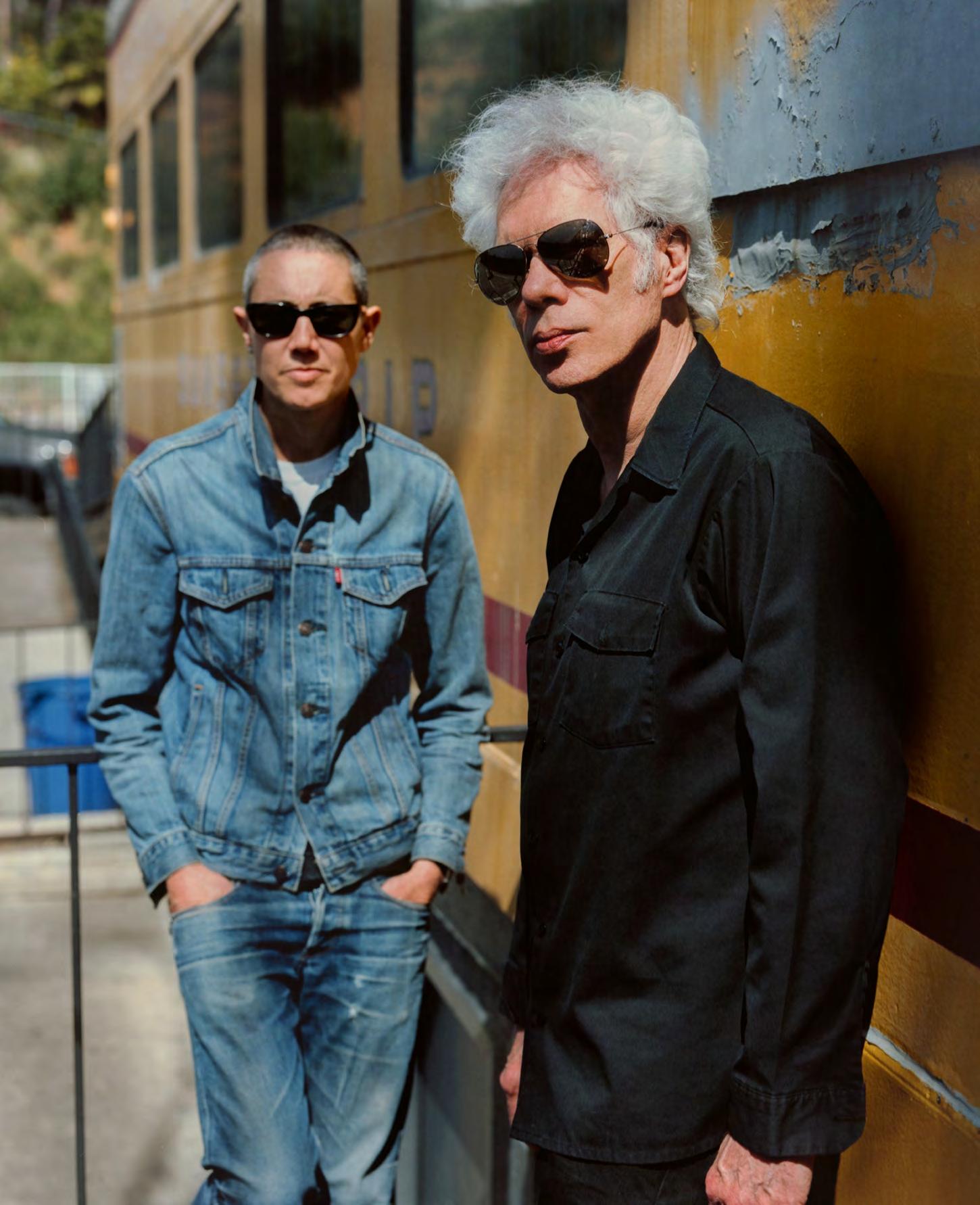
guitar track and then adding a second track without listening to the first one. So, they don’t sync up properly—only maybe by memory, or if there are riffs or some kind of chord progression. But I love when they don’t quite match. For me, perfection is imperfection, and imperfection is perfect.
CD I’m thinking about what you’re saying about your next movie—the way you describe it with those three stories. It reminds me of Night on Earth (1991), but even in your other films, you do this. You bring different elements together and they connect, working in harmony. It’s not just a single, linear thread. It’s like different melodies interacting rather than just following one line.
JJ I like all these forms. I don’t shy away from having separate little stories that interconnect. It’s a common structure in cinema, of course, but also in literature, from The Decameron to The Canterbury Tales. It’s a beautiful form, and the stories do interrelate. I’m drawn to all of them.
It’s funny—I get criticized for not having strong plots in my films. I’m definitely more interested in the characters, but the films do have plots. What freaks me out is that when I finish writing a script, I realize it almost always follows a three-act structure with a coda. It’s a classical form, but I don’t consciously think about it—it just comes out that way. So, form is something I find really interesting and important in anything creative. And in your books, form is absolutely essential—the way short pieces accumulate into something powerful. It’s very strong. Writers approach it differently. Faulkner could write a sentence that goes on for a long paragraph, but that’s not your style.
CD Have you ever felt trapped by your previous work or the way people perceived it? Or have you always felt free to explore new ideas and do other things?
JJ I never feel trapped. I feel a bit indignant when I make music, write poetry, or create art, and then people treat those as secondary hobbies because I’m known as a filmmaker. I’ve spent more time learning the craft of filmmaking than these other things, but they’re all important to me. I wrote poetry before I made films, and I made music before filmmaking. So, I don’t feel trapped by any of them. I never look back. Once a film I’ve made is shown to a paying audience in a theater (not a festival), I never watch it again. The next thing is always what interests me. So, I don’t feel trapped, and that mindset helps preserve something for me.
CD You are lucky not to be a writer because then you’re supposed to do those readings, and you have to reread your stuff, which is absolutely horrible. (laughs)
JJ Oh, man, I can only imagine. But at least you’re working within the same form. The bad thing about filmmaking is—well, we just lost David Lynch, and he said something beautiful where he explained that the language of cinema is incredibly complicated. It’s a difficult language to learn to speak. It involves so many other forms: photography, writing, language, movement, color, style, composition—all these elements. And they all require collaboration. So, you work so hard to translate something from your mind, your imagination onto the screen, using this complex but beautiful language. And then, once you’ve done that, they say, “Okay, now tell us. Talk about it. Tell us what it means.” It’s infuriating. I chose the language I wanted to speak in.
CD It’s the same with being a writer. “What is it about? What does it mean?” I don't know. I spent hours concentrating and choosing the words already.
JJ I have a lot of friends who are writers. Everything I do comes from the New York School poets I studied with: Kenneth Koch, David Shapiro, Frank O’Hara, John Ashbery, Ron Padgett, Joe Brainard. They’ve always been my guides. In a way, for a writer to talk about their writing in language is even worse than for a filmmaker or musician, because now you have to explain it using the same medium. I like Bob Dylan interviews where they ask him to ex-
plain a song and he’d get so irate. And I think it was e e cummings who said, “You can understand a poem without knowing what it means,” because poetry has its own realm, allowing for a little more abstraction. I write poems too. One day I might publish a small book, but for now, I’m still gathering them. I have a notebook of titles. I collect the titles first, then I write the poem.
CD Is it the same with your movies?
JJ Often, I do. Occasionally, I don’t.
CD Something else that’s very strong in your movies: all the characters are looking for something and giving the audience a counter proposition—an aesthetic counter proposition. They give us all the aesthetic models to go through life. It’s a way to understand what we want to do with our own sometimes vague creative desires. First, if you don’t desire to write a sentence, as far as I’m concerned, then do something else. If, at some point, you feel the world needs another book, then you have to come up with some kind of aesthetic proposition.
JJ I like what you’re saying. When I hear ‘desire,’ I first think of something erotic or romantic. But then, no—desire is what drives us, like you said, to offer a counter-proposition to what we’re being fed. Creating anything requires desire. Especially with art, you need a strong desire just to see it through. You have to feel it. You can fake your way through, but then it’s shallow, mediocre— something made by formula.
CD To be less vague—if the way life is being talked about, if the way existence is represented, if what’s out there doesn’t feel right, then you have to build another proposition from your own desire and ideas.
JJ It’s true because desire is not a tangible thing. It's hard to analyze. It’s hard to even talk about in any precise way because it’s a driving feeling. Like you say, there’s a counter proposition involved in it. It’s wanting something else. It’s rejecting what’s forced on us. You know, just the word desire—désir—it’s just a beautiful word. There’s something soft and yearning even in the sound of the word.
CD And it’s also what makes us forget ourselves. Suddenly, you’re not thinking about yourself, which is the best thing. I’m not interested in myself—I’m stuck in it, just trying to do something with it. But when you desire something, it could be curiosity about anything, not just people. And that’s the best thing we can do—open our eyes, try to understand, learn, just see what’s going on.
JJ And desire leads you somewhere that isn’t predicted.
CD I agree. I love this idea of life being this journey, and you don’t know where you are going. That’s exactly what I want until I die. I don’t even want to know exactly where I live. Probably mainly in Paris, but then I’m a little bit here and there. I believe that life requires a huge amount of desire.
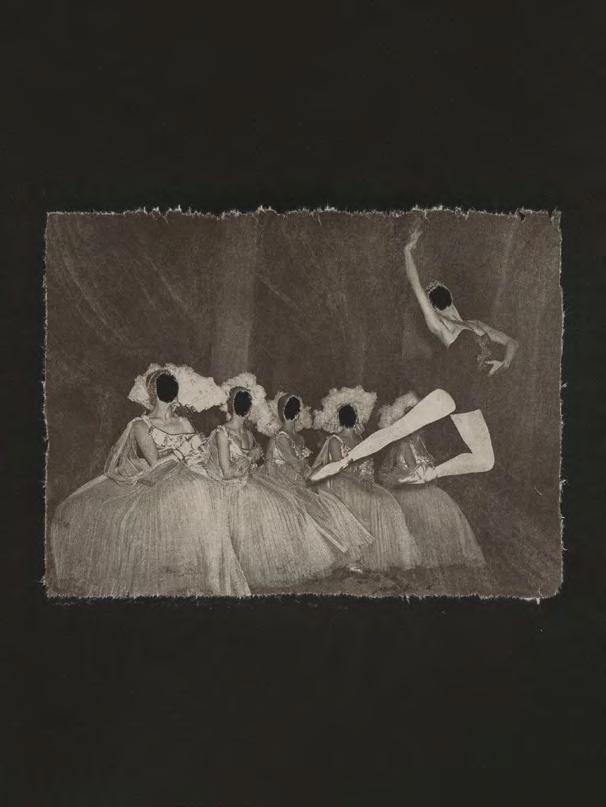
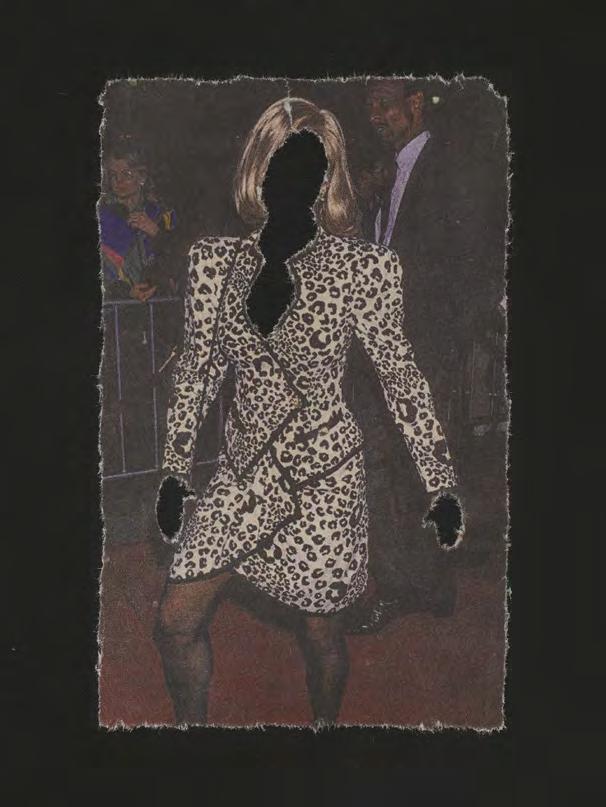
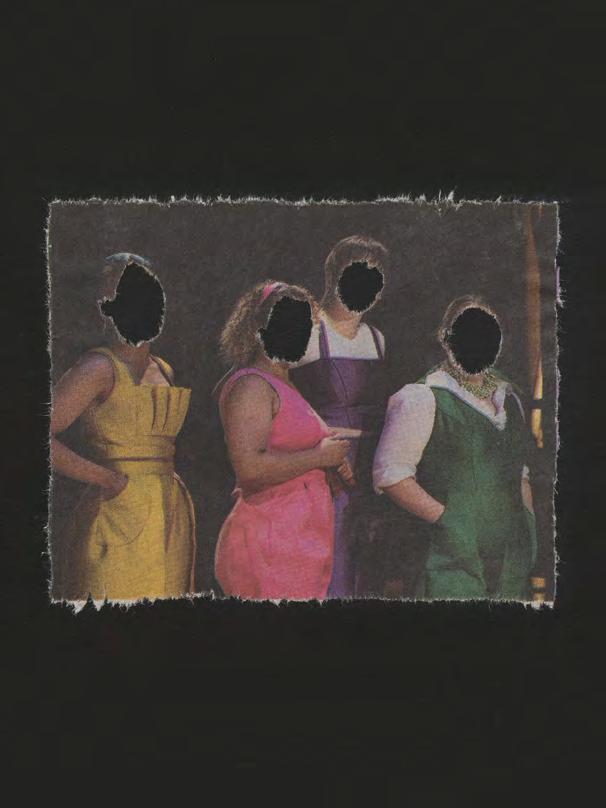
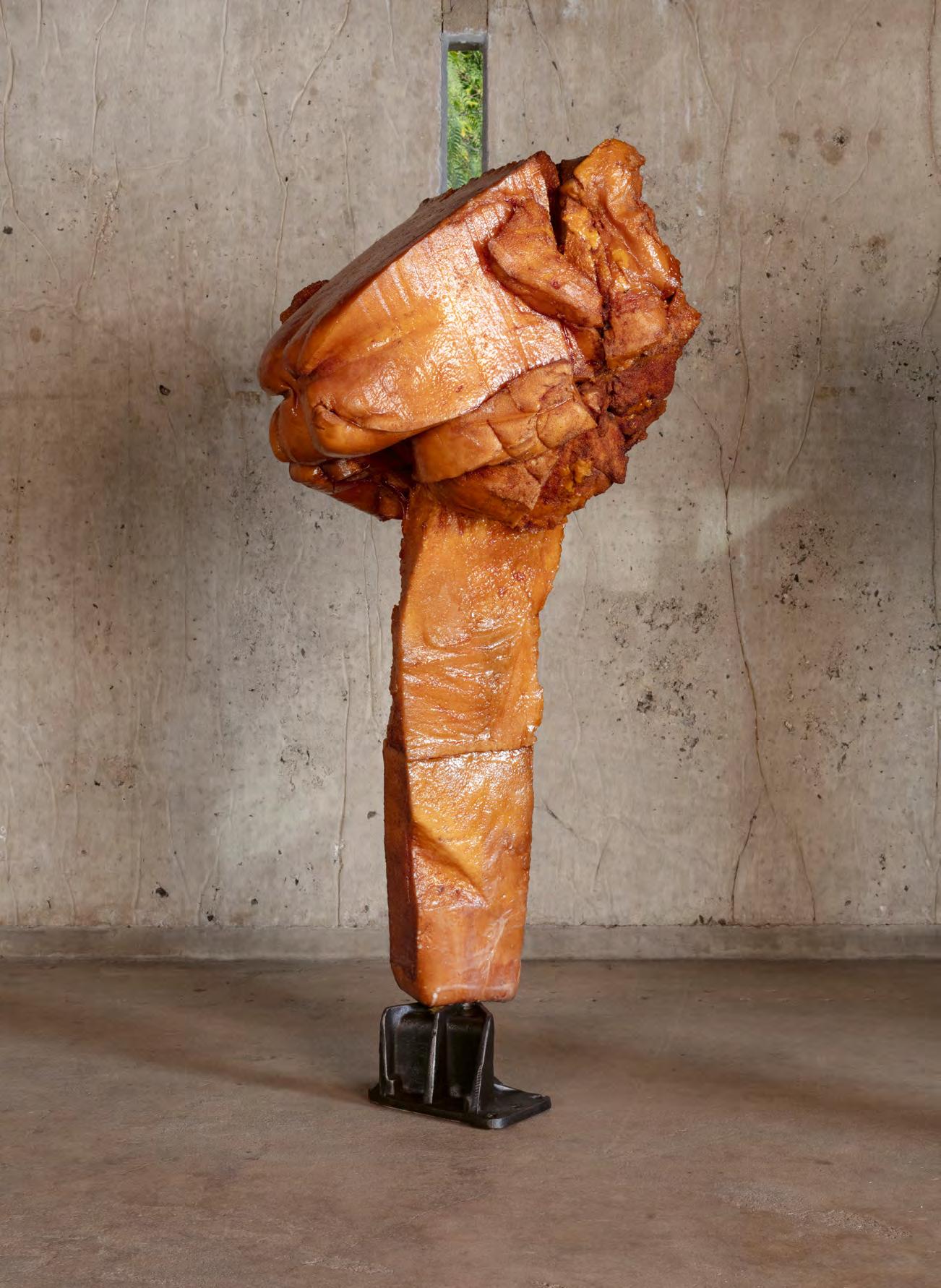
Every house holds its ghosts, but some also carry a charge—of memory, of vision, of rupture. The Schindler House, with its radical slabs and open geometries, is one such site: a crucible of modernism, a psychic container for the desires and contradictions of those who passed through it. While its architectural legacy is etched into the story of Los Angeles and its place in the modernist imagination, the deeper narrative lies in the flicker between inside and outside, of both structure and self. It is in this liminal territory that artist Helmut Lang enters, not as an intruder, but as a kindred spirit: an Austrian émigré whose work, like the house, is defined by thresholds—between past and future, softness and brutality, repression and release. Lang’s sculptures do not merely occupy the space; they reactivate it. Once pliant materials, like rubber, foam, and wax are pressed into forms that echo with psychic residue. They do not illustrate history; they bear it. They do not represent the body; they remember it. In this collision of architecture and affect, Lang renders vulnerability muscular, and desire structural. His is a language of compression, of trauma reformed into shape, of identities still becoming. Here, within the Schindler House, the past is not over. It is pressing in from all sides. Curator of Helmut Lang: What remains behind, which is on view this spring at MAK Center’s The Schindler House, Neville Wakefield discusses with Lang the power of his “darker sexualized forms of desire.”
NEVILLE WAKEFIELD What was the first experience that had a profound effect on you?
HELMUT LANG When I saw the erect penis of an adult man as a seven-year-old.
NW What was the first experience of art that profoundly affected you?
HL To be honest, I can’t remember. It was more the experience of time with artist friends that profoundly affected me.
NW Though separated by over half a century, there is more in common between your art and the architecture of Rudolph Schindler than the fact that you both originated from Vienna and emigrated to the USA. There’s a current of radical experimentation running through architecture, activism, and art that is perhaps uniquely Austrian, and I’m curious as to whether you associate your work as an artist with a particular type of culture or upbringing?
HL Most of what I’ve done bears the imprint of foundational influences—those inescapable basics instilled without permission, simply by being educated in post-imperial, post-World War II Vienna, shaped further by an earlier alpine austerity and the possibility of simplicity. It was all refined and nurtured, physically and mentally, escaping the closed narrative and equally opulent volume of Austria. What I carried with me was a commitment to artistic integrity, a drive for radical experimentation, and a certain fearlessness to find unprecedented territory.
NW Obviously time and place are intimately connected, but is there a difference between leaving a place behind such as Austria and leaving a past behind such as your previous career as a designer?
HL Not if the choice is made on my own will and the desire is to move on into another physical or mental space to explore a continuation of life which is not yet lived. When everything becomes too predictable or confined, I’m willing to abandon all sense of security. It’s probably all rooted in my history of forced or wanted displacements and confinements, and a lack of grounding and belonging in my early years.
NW When I first encountered your work as an artist you were quite literally shredding the past. It was an act of both disavowal and transformation. The work that you showed most recently at the Schindler House in LA conjured the past in ways that were both more subtle and more profound, evoking the way in which both memory and trauma become inscribed in the body. Does this shift reflect an interest in material as the bearer of psychological rather than evidential content?
HL I am not committed to any material in particular. I don’t know how most of my artworks start and where they end, and definitely not where the form comes in, so in this echo of a definable and undefinable past lies the presence.
Materials are just fertilizer to expand the boundaries of sculpture and abstraction in different bodies of work. Overthinking and then simplifying are joined to find the mysterious, familiar, and disturbing, which all seem to go together effortlessly for me.
I don’t reference my past literally, if you think about it, though, I’m radically aware that I am the result of everything I’ve lived and my pursuit of what’s still unknown. I’m clearly not someone who’s wired for the easy way out.
NW That said, it seems that you are drawn to materials that bear a kind of human residue—the impress of the recent past. When you think about a material such as mattress foam, are you thinking about what it can become or what it has been?
HL If used, it is rather what has possibly happened there. The content is human residue in various senses—traces more significant than the material ones. Both converge past and future, opening infinite potential for the new.
As I am rather instinct-driven, it only all makes sense to me after the work is strong enough to fight me back, or I feel something is there which I have not experienced, or seen, or understood myself, until that point.
NW None of the works that you showed at the Schindler House were made with it in mind and yet the connections were incredibly powerful. Both sculptures and house seemed to be vessels containing not just the memory of their making, but also the psychological presence of their creators and inhabitants. Even though abstract, the works read as representative of the human condition. Do you consider yourself a humanist?
HL As the word has so many different meanings and associations and is also a categorization, I feel more comfortable saying that I consider myself a decent human being.
NW That sounds like Kurt Vonnegut who said something like, to be a humanist is to have tried to behave decently without the expectation of reward or punishment after death. Do you believe in an afterlife? Or do people just live on through the legacy of the objects they create?
From left to right
Helmut Lang prolapse II, 2024
latex, shellac, resin, foam, steel
22.5 x 33.25 x 23.5 inches
Helmut Lang fist VI, 2024
latex, shellac, resin, foam, steel
58 x 24 x 31 inches
HL I agree with the Kurt assessment—sounds fair enough. I think the afterlife is what remains behind in people’s memory and the impact you made on other humans. If there is a creative legacy that survives, that is not disturbing either.
NW The reason I ask is in part because the sculpture in the Schindler House had a powerful presence, but it also felt in dialogue with another kind of presence which was equally ineffable—the presence of those who had inhabited its four walls, who had eaten, slept, laughed, argued, and fucked there. Perhaps it’s just the human stain, but I started to think of the sculptures as another part of a long lineage of distinguished occupants. Am I projecting too much when I think of them in terms of character?
HL Obviously, some transcending energy is happening at the Schindler House with the sculptures in residence. The sculptures have amassed a different energy and communication ability than in the studio or in a white cube gallery and are equally more demanding and embarrassing. Although they are abstracted fist fragments representing resistance, despair, or joy, they interact more as whole beings. I have never seen such an intense and personal reaction from an audience assembled from the entire landscape of the human condition. Whatever is happening in this dialogue is an unprecedented experience.
NW I was thinking about the house not just as the precursor to the mid-century movement but also as the repository of all the non-architectural and social experimentation that came with the architectural removal of barriers between inside and outside. The exhibition and the sculpture invites the audiences to play in this liminal space, which is something I don’t think happens too often. Do you think of those barriers as something to be overcome? In fact, do you think of them at all?
HL It seems to be possible according to the impact individual viewers described of their experience and innermost feelings at the exhibition.
NW What is your state of mind when working on the sculptures?
HL It is like being in a turbulent relationship. All emotional positions are laid out raw and lived alternately, all in search of unprecedented knowledge.
NW And this relationship gets played out in the material? Sometimes it seems to have been caressed into being, at others tortured…
HL It is more an act of discovery, mentally and physically. Art is an initiative occupation. Materiality has to contribute to the creative process, but the deciding factor is knowing the moment to stop in the articulation through intuition. Intuition is probably the most important part of the work process if I think about it.
NW You’ve spoken about the moment at which a work breaks free from the process of its making and starts to take on a life of its own. I’m curious as to how you arrive at that moment and whether that’s the point at which the object can take on a form of animism?
HL When the work is strong enough to fight you back, it could mark the beginning of a form of animism. It is also the moment when one instinctively feels ready to present their artistic position, offering it to others and embracing that exposure.
NW Is this power of art an Oedipal process whereby the work must, in some way, kill the father creator upon realization in order to find new audiences?
HL I might have a lot of layers to deal with occasionally but that is one I am not concerned about. It is the killer’s problem.
NW So, from killers to erections, let’s go back to where we started—the profound effect of seeing an adult penis at age seven. There’s a sexual tension that permeates all of your work, which goes beyond the phallic attributes of pieces such as make it hard, or more recently, for you. Are sex and creativity inexorably entwined?
HL Is the idea of sexuality not entwined in nearly every aspect of life, unconsciously or obviously? It is beneficial to keep the inner child alive and I find verbal “Schmutzfuss” associations (a Viennese Trojan horse) quite helpful to ease over intellectual observations and drama, or just for a laugh, or even as a Janus-like title for an art piece. for you was offering the choice of giving the middle finger in resistance, anger, or just being Italian, or seeing a phallus in developing progress, which most people did. So you tell me.
From left to right
Helmut Lang
kleine Portrait Arbeit II, 2015–17
shellac, plastic, wax, steel
8.5 x 8.625 x 1.75 inches
Helmut Lang
consenting position, 2015–17
shellac, pigment, resin, foam, steel
43.75 x 22.75 x 7.5 inches
This photographic dossier gathers artifacts pulled from the scorched remains of some of the most devastating wildfires in recorded memory. The Eaton Fire erupted on January 7, 2025, tearing through Eaton Canyon in Altadena. It destroyed more than 9,000 structures and burned over 14,000 acres, becoming California’s second-most ruinous and fifth-deadliest blaze. That same morning, at 10:30 a.m., the Palisades Fire ignited along Temescal Ridge Trail in the Santa Monica Mountains, swiftly engulfing the Pacific Palisades. Flames threatened cultural landmarks like the Getty Villa, while countless artists and creative workers faced irreversible loss. Paul McCarthy, his wife Karen, and their direct family—living in close proximity in Altadena—watched their homes and studios vanish. Cleon Peterson returned to his studio only to find it overtaken by a wall of fire. Canadian painter Jon Pylypchuk unearthed surviving works beneath the debris of a friend’s residence. Lita Albuquerque lost everything in the 2018 Woolsey Fire; her entire archive consumed. Wearing hazmat suits, friends Ami Sioux and Dai Sakai retrieved her cameras from the charred wreckage. These objects are more than remnants of catastrophe—they endure as quiet monuments to resilience, bearing testimony to the spirit, memory, and creative force that refuse to be extinguished.
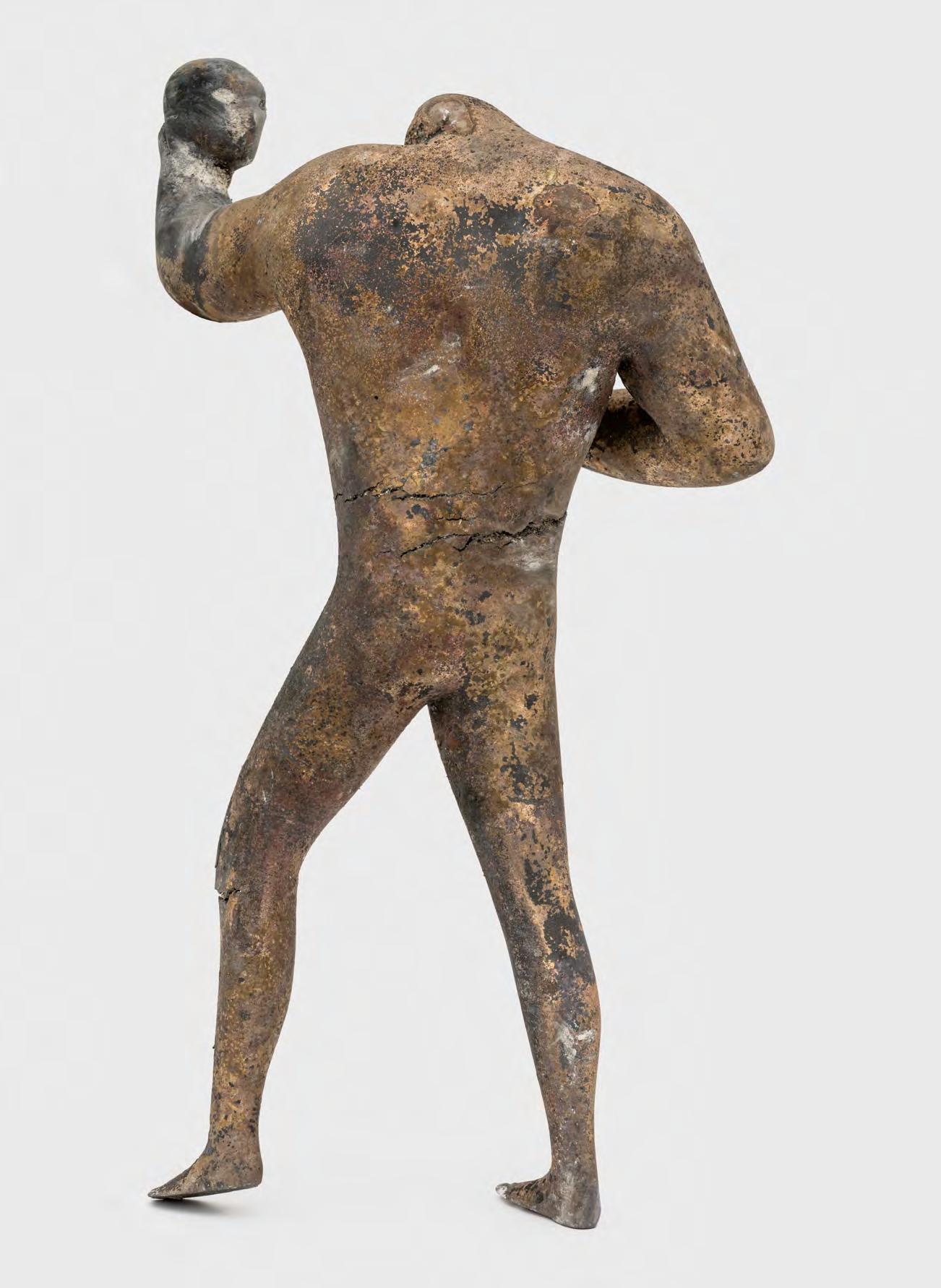
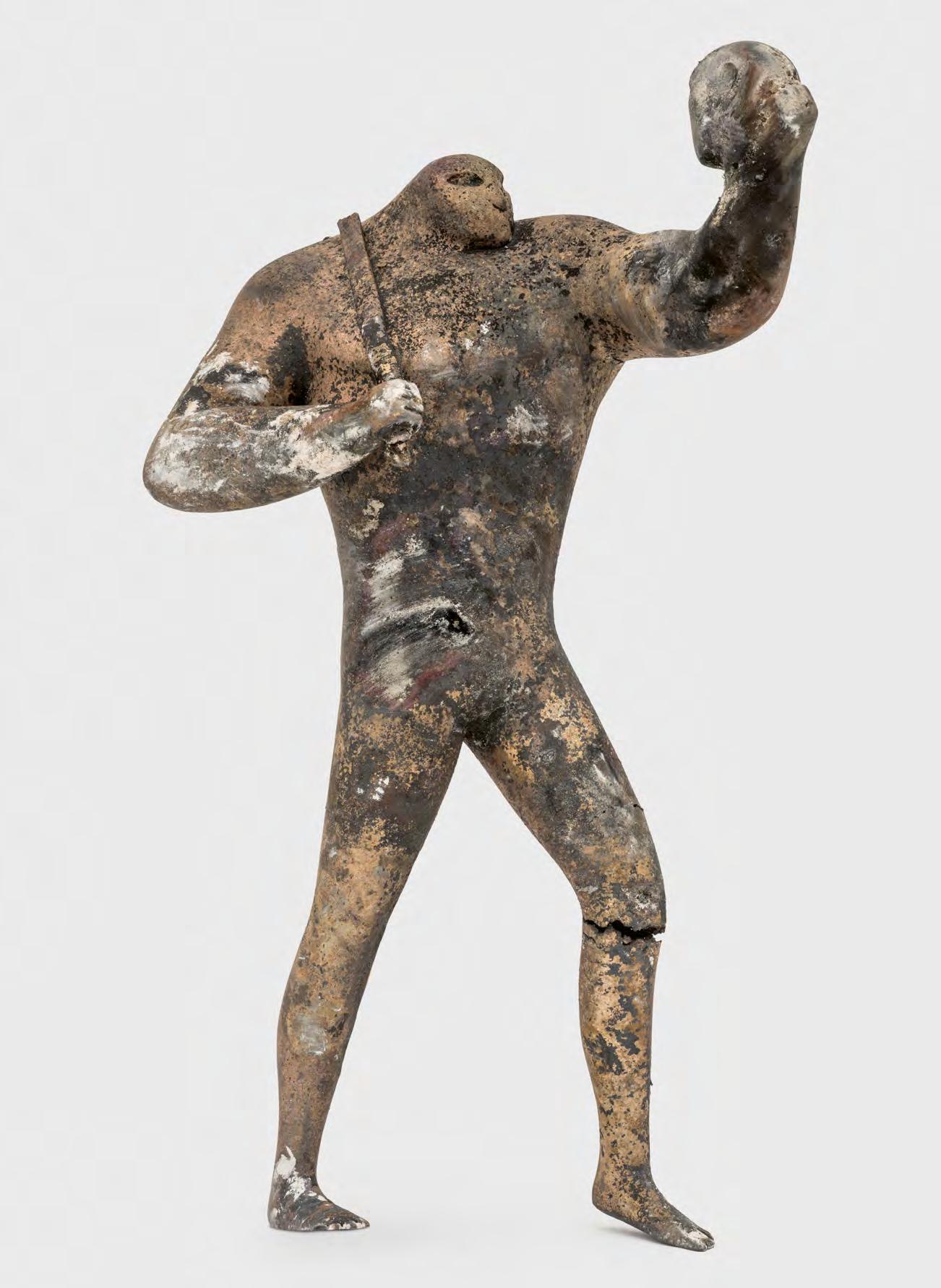
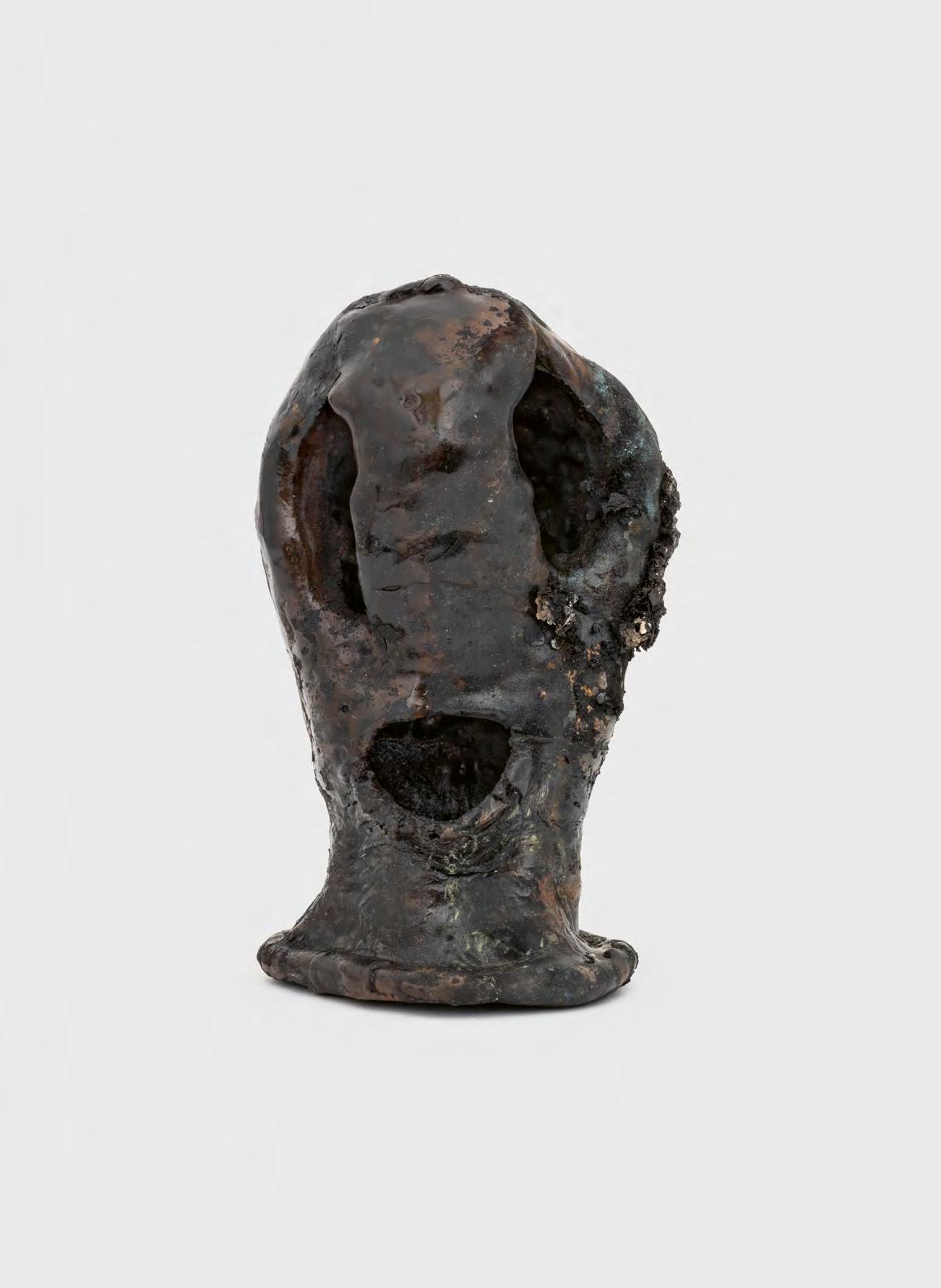
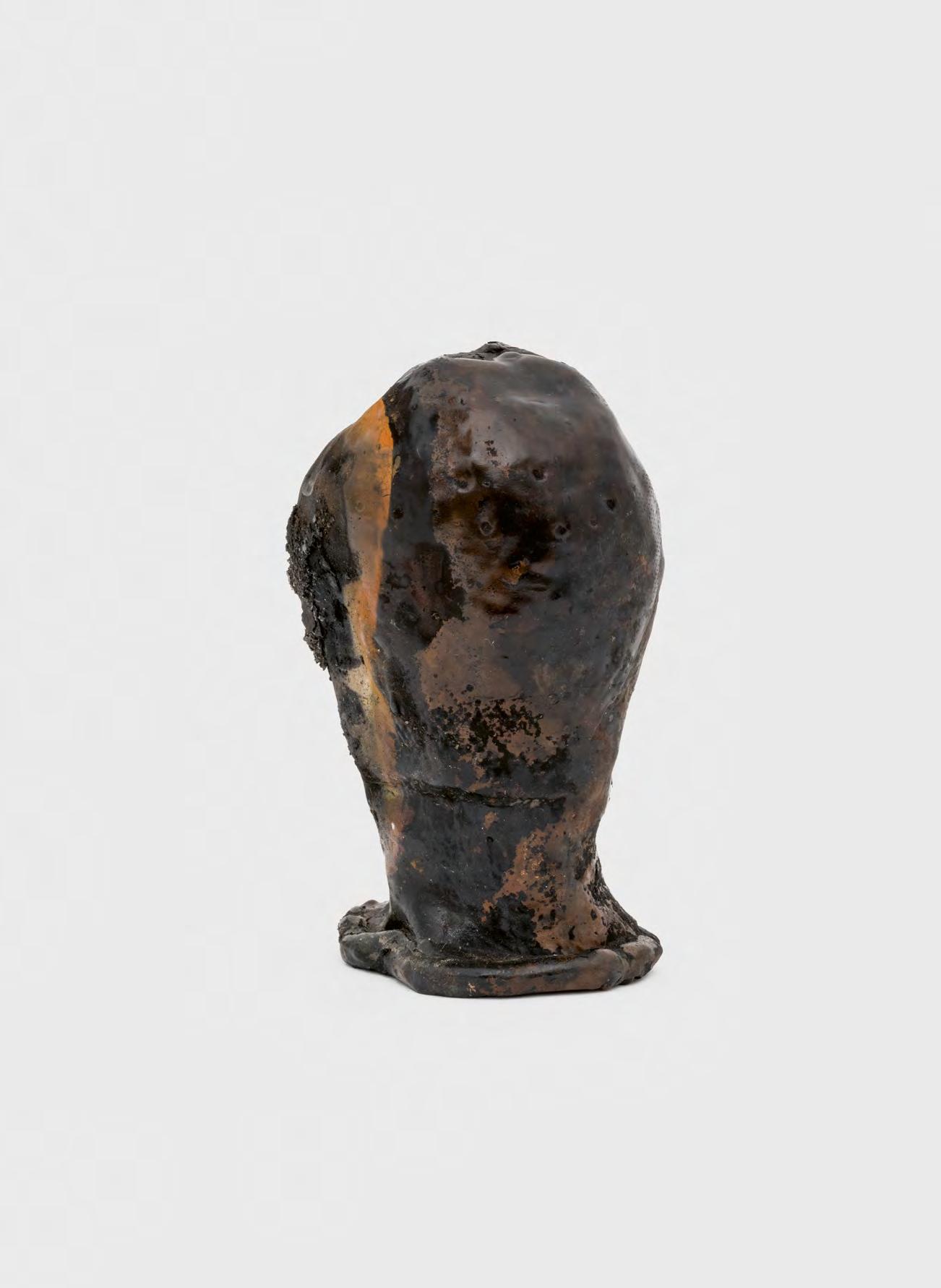
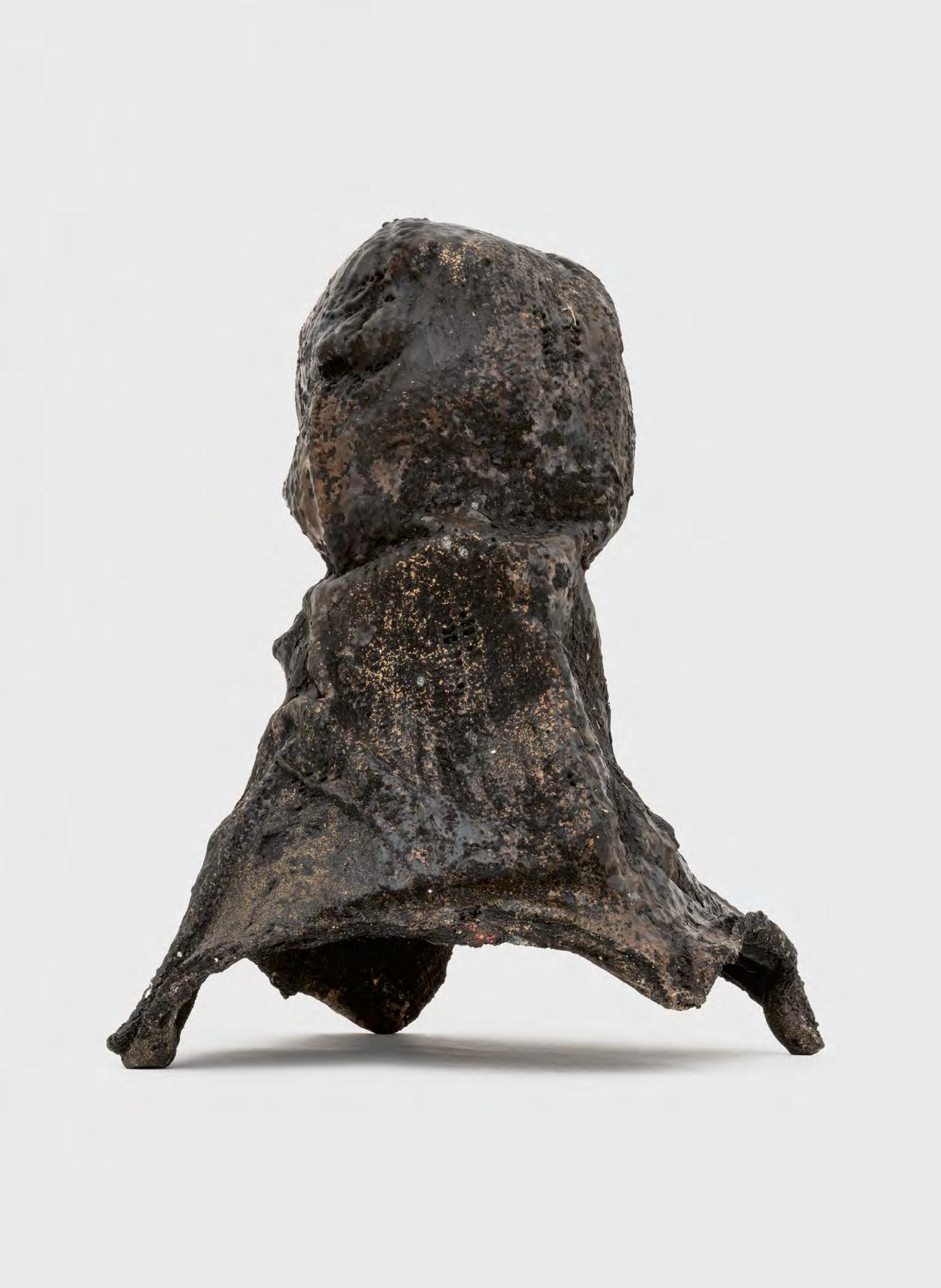
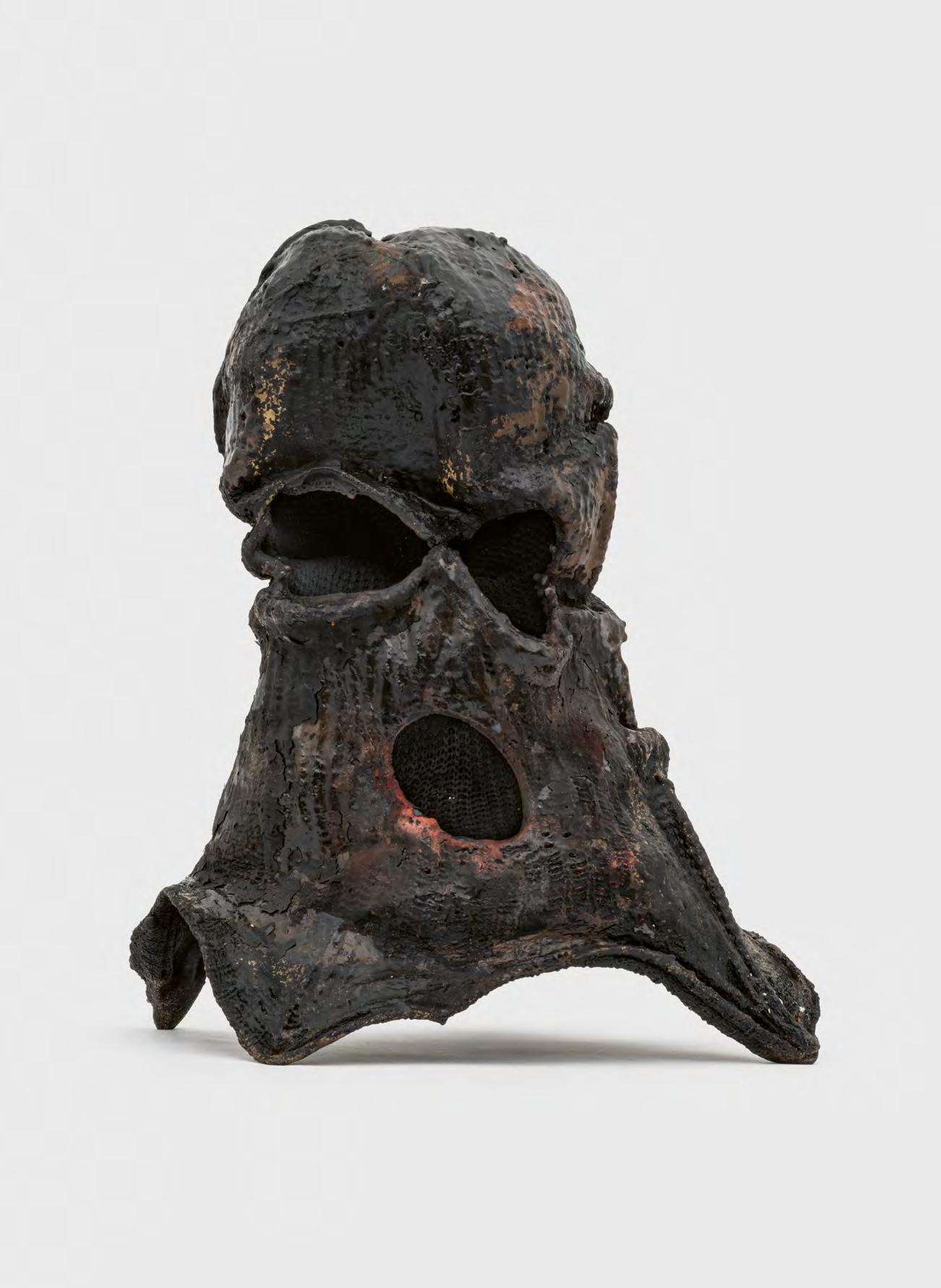
On the morning of January 8th, we passed through police barricades and thick veils of smoke to reach the Pacific Palisades. My mother’s house was gone. Everything was gone. Only fragments remained—a gate, a wall, an outline—like a dream burned backward into nothingness. The fire came down from the hills—an ancient, incendiary ghost, almost ancestral in its presence. It moved with intent, following an unknowable path carved by chemistry: a violent, exothermic reaction releasing energy as heat and white light. Both fatal and life-giving, it holds a dual nature. It can live hidden inside trees for weeks, a patient ember, waiting for the wind like a seed to swallow a city. Much of the chaparral flora in Los Angeles is pyrophytic—plants that evolved for millions of years to need fire for germination.1 These seasonal wildfires aren’t anomalies but essential rituals, triggering cycles of seduction, destruction, death, and rebirth. In The Psychoanalysis of Fire (1949), Gaston Bachelard calls fire a mysterious, phenomenological force: “Fire is the ultra-living element. It is intimate and it is universal. It lives in our hearts. It lives in the sky.”2
We live in a new era of fire, or what Stephen J. Pyne calls the Pyrocene3—a fire age forged not just by natural forces, but by anthropogenic forces. Unlike past fire epochs shaped by volcanoes or lightning, this one burns with almost spiritual vengeance. Our desire—expansion, energy, control—has reshaped the planet in our image. But what if the Pyrocene isn’t just a climate condition? What if it’s also a mirror held up to our inner world, our inner psyche—our longing, our appetite, our insatiate hunger. What if desire itself is combustible? There was a time when fire was magic. We didn’t know how to make it; we waited for lightning to gift it to us, and we kept it alive like a secret. Prometheus stole it from the gods, an act of theft driven by love or rebellion—maybe both. In so many origin stories, fire isn’t just a tool. It’s a birthright, a temptation, a lover.
Like desire, ancient myths often depict fire as a secret. A concealing power. And often, it must be stolen or pilfered to obtain it—a Promethean conquest. Like Hestia, goddess of the hearth, primitive fire myths are often associated with femininity and unattainable beauty, lust, and longing. Some prehistoric myths attest to fire as a secret female ritual, attended only by women, in private. In these stories, men return from war or hunting and the women, hearing their voices in the distance, must gather the embers inside their vulva,4 like a powerful extinguishing vortex. Desire is like that too—mysterious, elemental, sometimes divine. It pulses beneath language, beneath reason. It’s the heat in the body that precedes articulation. The first time someone looked at someone else and felt something they couldn’t name, something hot and dangerous and irresistible—that was also fire. Stephen Pyne calls fire “humanity’s ecological signature.” But maybe it’s also our emotional one. Our yearning has always been flammable. Fire gave us the power to cook, to gather, to fend off predators—but it also whispered of transformation—of transcendence.
Then came the second fire. Powered by fossil-fuels. Coal, oil, gasoline—buried sunlight5 resurrected and burned to feed our metropolis, our vehicles, our machines. This wasn’t fire for warmth or worship. This was fire for conquest. A colonial inferno that burned inexorably. Desire metastasized. We wanted faster, farther, bigger. The engine became the altar, and progress the prayer. We burned ancient forests to build futures we couldn’t imagine sustaining. The carboniferous forests of the past became the smoke that now wraps around the globe like a shroud. It was an erotic economy—everything
driven by heat and friction and release. Factories pounding out steel, turbines whirling, highways taking over Indigenous footpaths and hunting routes6 stretch out like veins to exurban wastelands. The fire moved from hearth to grid, from sacred to industrial. And we, too, changed—became more restless, more ravenous. Always reaching. Always burning. Always hot. Always in love with the machine, the algorithm, the flickering flame, and our new shadow.
Now, the fire returns. Not in our control this time. It leaps over firebreaks. It creates its own weather. It devours towns, redrawing maps overnight. The sky turns orange. The sun vanishes. We breathe in the end of things. The Pacific Palisades gone in a single evening. Altadena gone too. And still—there is a strange, morbid beauty. The surreal stillness of a smoke-filled morning. The pink light diffused through ash. The flame-red hills at dusk. There is a seduction in it. The world on fire is terrifying—and also gorgeous. Like a fever dream. Like a heartbreak. Desire has always flirted with destruction. There’s a reason we say burning with longing. To want is to melt boundaries. To consume. To be consumed. Love songs on the radio talk about fire for a reason. And grief, too, burns. The loss of a forest, of a home, of a version of the future—that’s a kind of erotic grief. You feel it in your lungs. You can’t stop watching. The fire is at our threshold—a marriage to the death of memory.
In our new, dark political age, where desire is repressed, forced to be hidden—not because of sacredness, but because of shame, of fear, I imagine what fire means for Queer bodies—for anyone who’s ever had to burn down an old life to become themselves. Coming out is combustion. Transition is alchemy. There is no transformation without heat. Desire is queer, even when the body is not. It doesn't move in straight lines. It licks at edges. It bites at any flesh that is loose. It breaks containment. It’s ecstatic, terrifying, unruly. Like wildfire. Fire isn’t just masculine destruction or feminine nurturing. It’s both and neither. It seduces and devours. It heals and harms. It can be a weapon or warmth. In that way, it defies binaries—like gender, like longing. In the Pyrocene, maybe we are all becoming something else. Melting into new forms. Burning away the old myths of stability and control. What does it mean to let fire queer us? To surrender to its lessons, its demands?
But not all fire destroys. There are other ways to burn. Indigenous fire practices offer a different grammar of flame—one of relationship, not dominance. Cultural burning works with the land, not against it. Fire used to clear underbrush, to nourish soil, to invite regrowth. A slow, deliberate intimacy. Can we love like that? Can we want like that? What would it mean to desire sustainably—to feel the heat without needing to explode? To tend our inner fires the way traditional firekeepers tend sacred flames? What if fire isn’t the enemy—but the teacher? We need new rituals. New erotic ethics. New ways of being in relationship—with the land, with each other, with our own longing. We need to slow down the burn. Maybe the Pyrocene is a call—not just to reduce emissions, but to reimagine intimacy. To move from extractive to reciprocal. From incineration to illumination. Immolation to nirvana.
I go back to that morning in January—in memories, in dreams. The crackling of still extant flames. The ashen remains of books carrying the still burning embers. Vesuvian in its enormity and historicity, but also in its lessons on living close to the proverbial volcano, these fires have impacted everyone we know. Our psychic wounds will last forever. Beyond the misinformation and politics, it is important to understand that the era of the pyrocene is here. There is no more pontificating, no more waiting, no more what ifs, no more when. The megafires are here. It is only: what now and why? But the true reality is that desire is not the enemy and never was. And fire is not an antagonizing force. What we need is not less fire, but better fire. Slower fire. Fire that listens. Maybe the Pyrocene is a reckoning, yes, but it’s also an invitation. To burn more honestly. To love more fiercely. To want more wisely. The question is not: how do we put it out. The question is: how do we carry it forward?
1 The oldest published mention of a fire adaptation in plants is by Willis L. Jepson (1867–1946) in discussing the role of fire in the life cycle of the California chaparral shrub Arctostaphylos sensitiva (Jepson 1922). This is a postfire obligate seeder species—that is, a species that does not resprout but, rather, recruits profusely only after fire. As Jepson stated, “After fires, it reappears promptly on ‘burns,’ and fruits at the age of 5 or 6 years. It thus adapts itself to short fire intervals and is a true fire-type shrub”
2 Bachelard, Gaston. The Psychoanalysis of Fire. Translated by Alan C. M. Ross. Boston: Beacon Press, 1964. Originally published 1949.
3 Pyne, Stephen J. The Pyrocene: How We Created an Age of Fire, and What Happens Next Oakland: University of California Press, 2021.
4 ". . . The men had no fire and did not know how to make it, but the women did. While the men were away hunting in the bush, the women cooked their food and ate it by themselves. Just as they were finishing their meal, they saw the men returning away in the distance. As they did not wish the men to know about the fire, they hastily gathered up the ashes, which were still alight, and thrust them up their vulvas, so that the men should not see them. When the men came close up they said: 'Where is the fire?' but the women replied: 'There is no fire.'” An Aboriginal Australian myth from the Northern Territory, specifically from the Yolngu people. In this narrative, the women possess the secret of fire, which they conceal by hiding embers within their bodies to prevent the men from discovering their knowledge. Bachelard, Gaston. The Psychoanalysis of Fire. Translated by Alan C. M. Ross. Boston: Beacon Press, 1964. Originally published 1949.
5 The term "buried sunshine" was coined by geologist and energy scholar Earle Cook to describe fossil fuels—like coal, oil, and gas—as ancient sunlight stored underground. These fuels come from plants that absorbed sunlight millions of years ago, then were buried and transformed over time. Cook introduced the term in his 1971 article “The Flow of Energy in an Industrial Society” in Scientific American, showing how modern life depends on this long-buried solar energy.
6 Haynes, J. (2023, October 9). The Indigenous Landscape: Mapping Los Angeles Landscape History. Spatial Sciences Institute, University of Southern California.
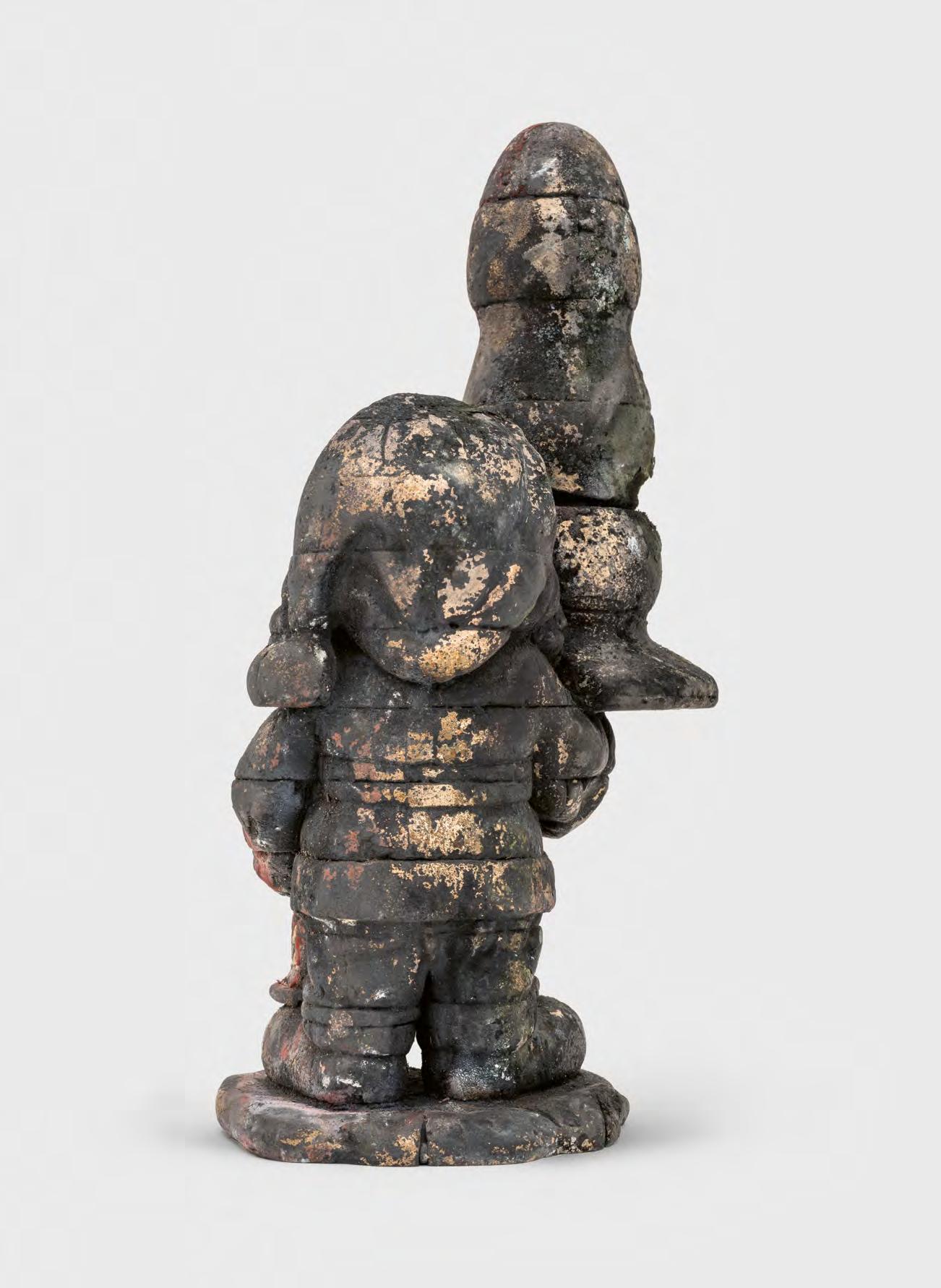
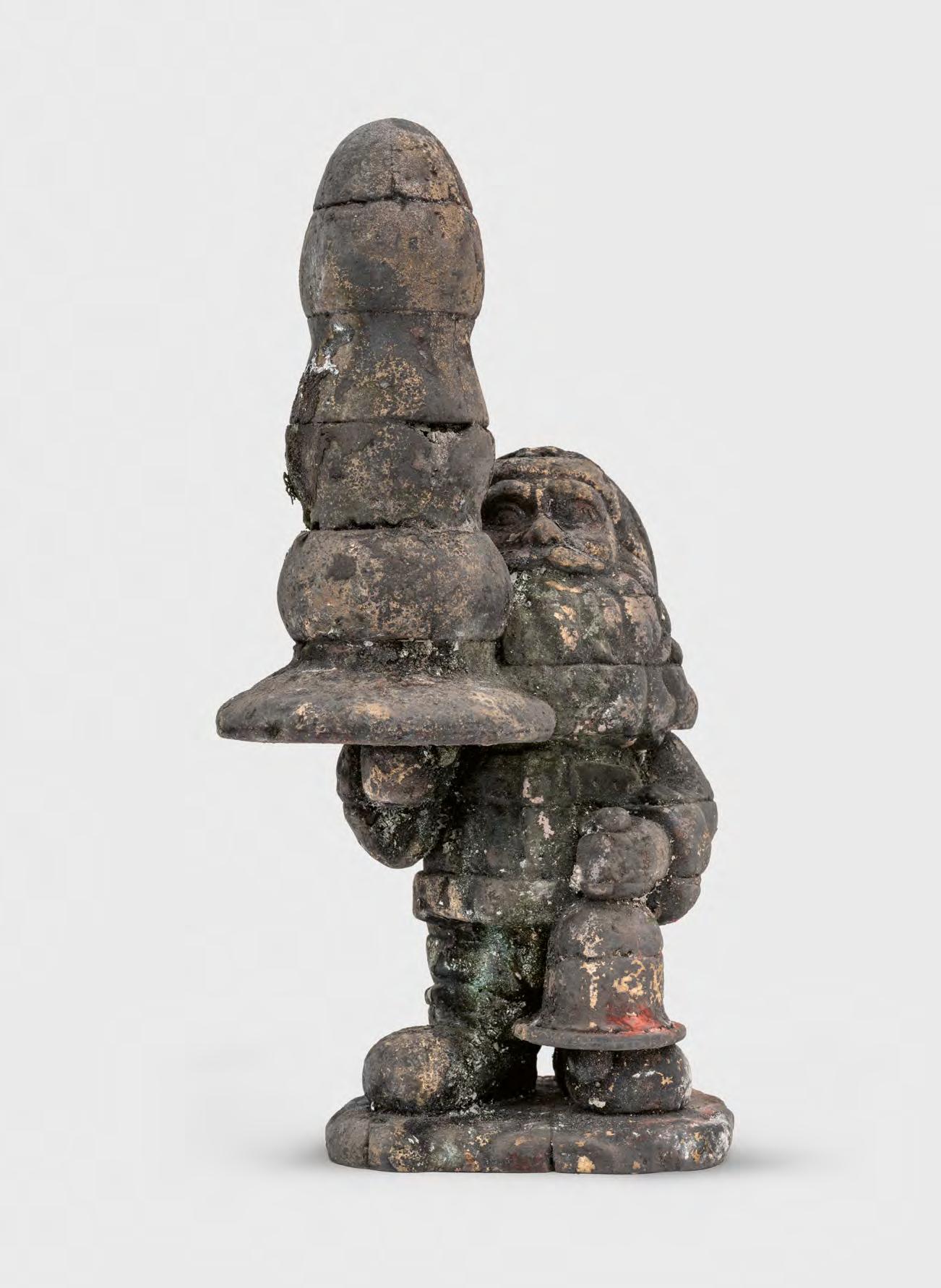
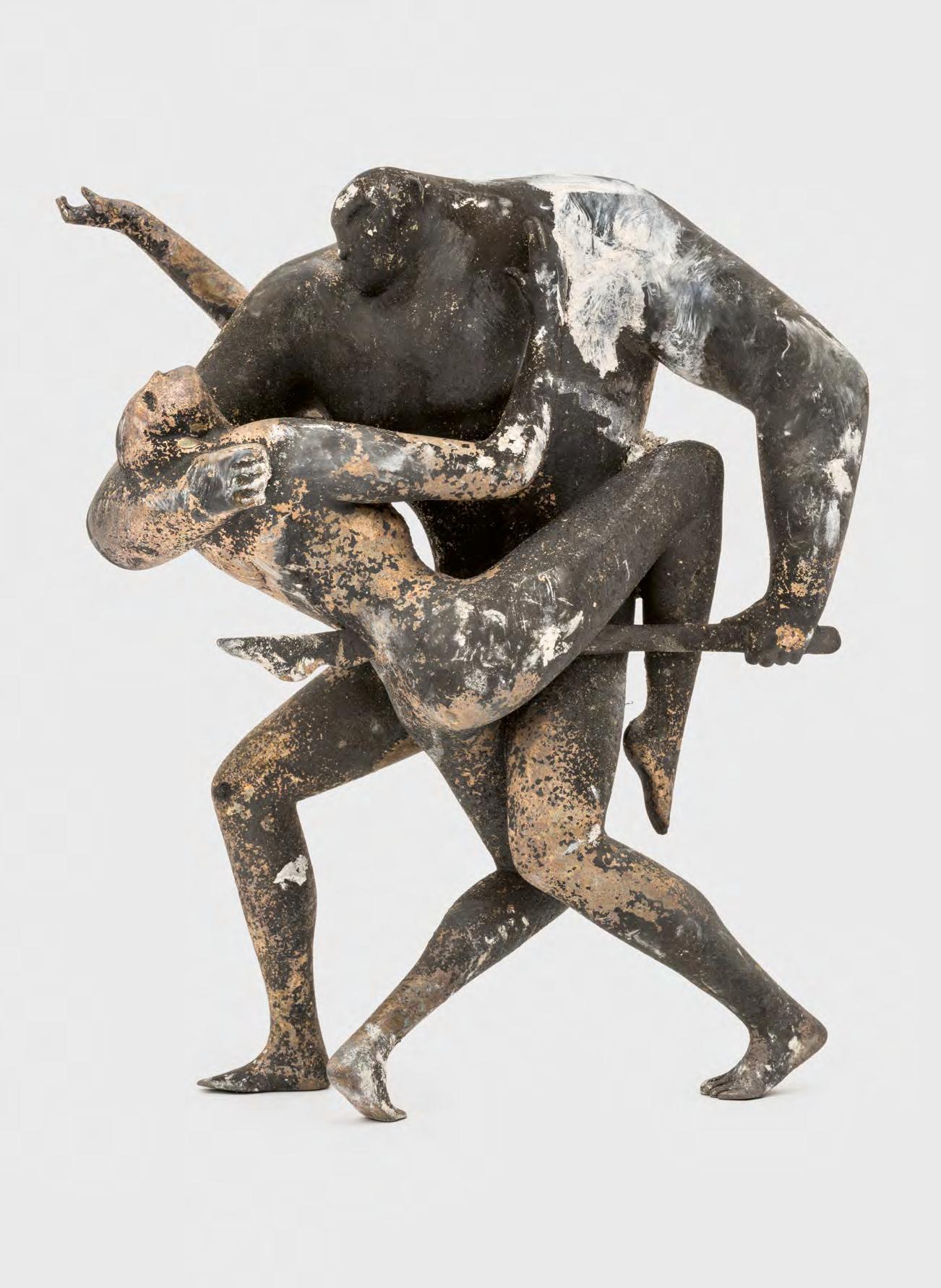
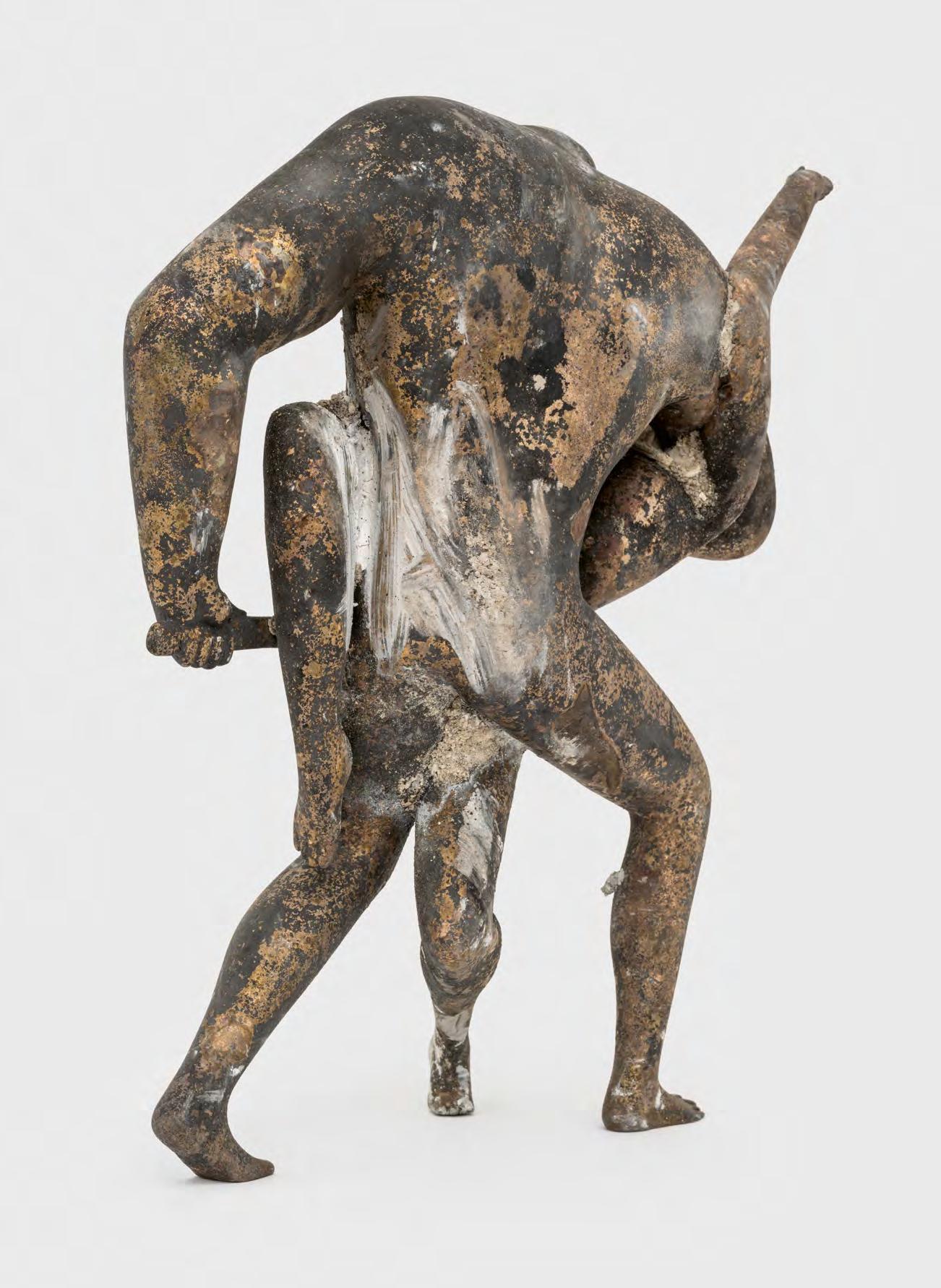
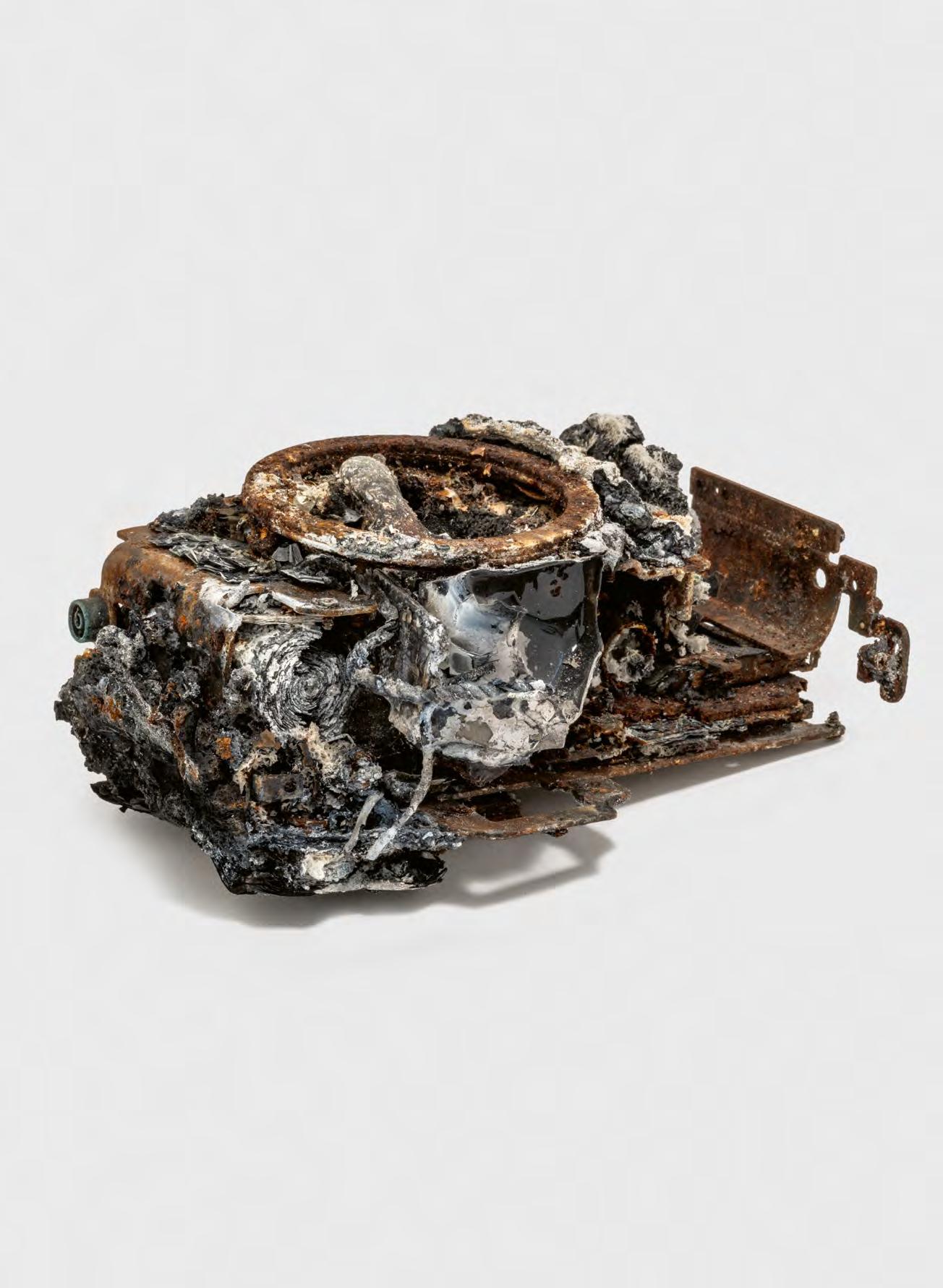

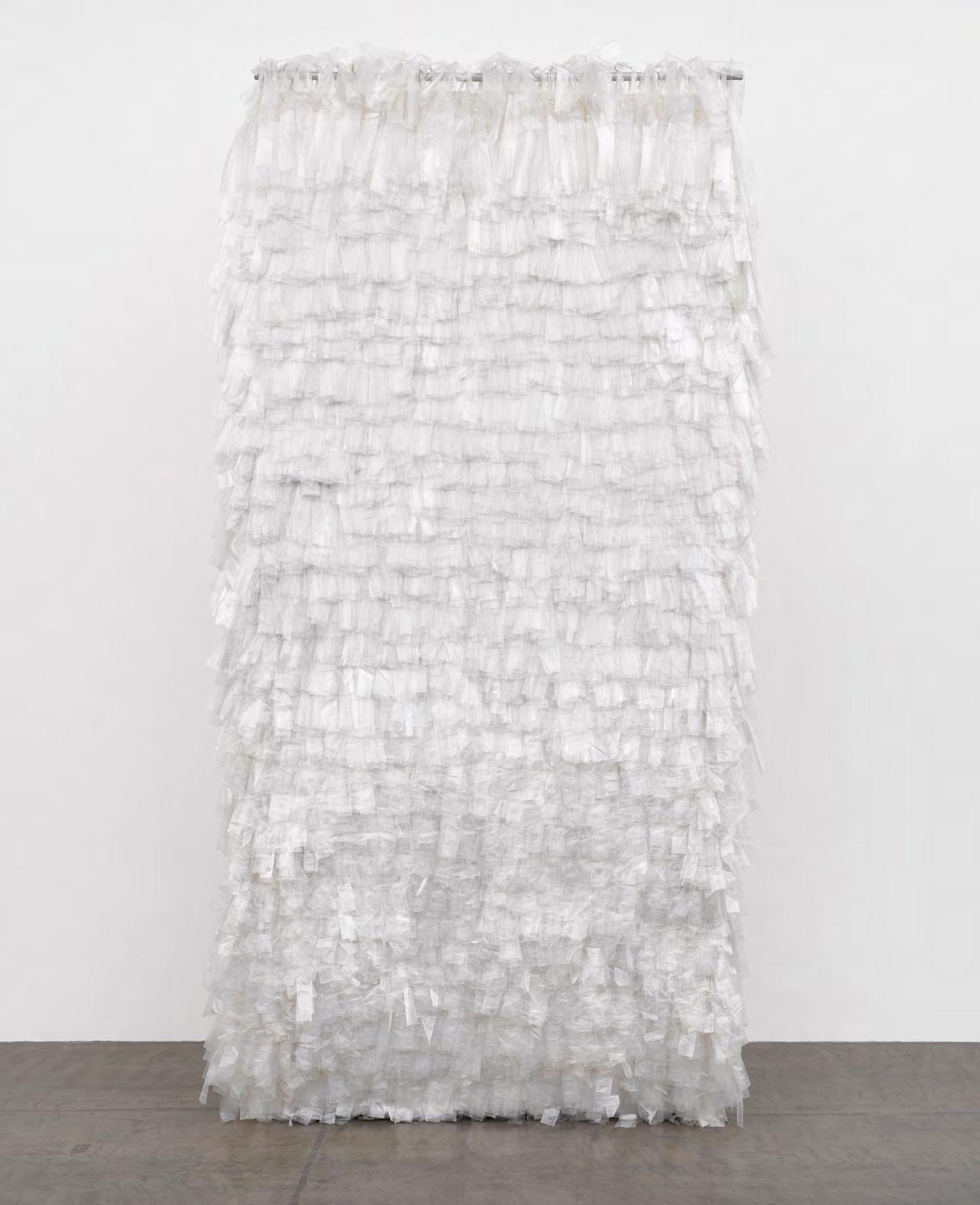
Olga de Amaral’s work transcends the boundaries of fiber art, weaving together the ancient and the contemporary, the sacred and the profane. Born in Colombia in 1932, she has spent decades defying conventional definitions, transforming humble materials into monumental works of art that speak to the profound complexity of life, death, and the cycles of existence. Through her mastery of texture, color, and form, she has redefined the potential of textiles, pushing the medium far beyond its traditional associations. Her art is an alchemical process, turning the rawest materials—cotton, wool, horsehair, and gold—into ethereal creations that shimmer with new meaning. Each work is not just an object; it’s a narrative, a reflection on time, culture, and the human experience, drawing deeply from pre-Columbian traditions while boldly looking towards the future. This spring, in collaboration with the Fondation Cartier pour l’art contemporain, the Institute of Contemporary Art, Miami will exhibit a major retrospective of Amaral’s body of work from the past six decades. The Fondation Cartier artistic director, Isabelle Gaudefroy, and co-curator, Marie Perennès discuss the transcendent power of Olga de Amaral’s textiles. A CONVERSATION BETWEEN FONDATION CARTIER ARTISTIC DIRECTOR, ISABELLE GAUDEFROY, AND ART HISTORIAN AND CURATOR MARIE PERENNÈS MODERATED BY OLIVER KUPPER
OLIVER KUPPER How did Olga de Amaral come to The Fondation Cartier?
ISABELLE GAUDEFROY In 2018, we presented a show, co-curated by Marie Perennès, called Southern Geometries, which explored the persistence of geometric motifs in contemporary Latin American art. The exhibition traced these motifs not only through European and South American modernism but also to their deeper roots in pre-Columbian designs, traditional folk art, and Indigenous visual traditions—such as body painting, basket weaving, and textiles. Rather than following a European-centered art history, the show examined geometry’s enduring presence from a different, more expansive perspective.
Marie first introduced her [Olga de Amaral’s] work to the exhibition, marking our initial encounter with her art. Her three-dimensional fiber series, Brumas, was displayed in a small basement gallery and resonated deeply with the audience. We were profoundly moved by her work and had long envisioned dedicating a solo show to her. The timing felt right—not only because we wanted to showcase her work in the best possible way, but also because we knew she was aging, and we wanted her to be actively involved in shaping the exhibition. Marie took the lead on curating the show.
MARIE PERENNÈS I was traveling in Latin America to work on Southern Geometries. I was first in Bolivia to meet with Freddy Mamani, and then I spent one week in Bogotá, Colombia meeting new artists. I think María Willis, former director of Banco de la Republica introduced me to Olga at that time. When we presented the “Brumas,” everybody was very excited about discovering these pieces in Paris. The “Brumas” are totally a 3D work. Brumas means ‘mist,’ like a cloud of color falling down.
IG We acquired the six Brumas after the show for our collection. The collection of the Fondation Cartier really stems from the exhibition program. We tend to buy work that we have exhibited or produced. For every exhibition we try to choose a few works that were really key. It was key enough for us to decide to really buy this big ensemble of Brumas. We are the only institution who has so many. There are only three institutions in France that have Olga de Amaral in its collection. She’s really famous in Colombia but also in the US. She was really close to different US artistic scenes like New York, Miami, Houston. But in France and in Europe, only a few museums have some pieces in their collections.
OK Maybe we could start with materiality and seduction. You mentioned the draw that people had seeing these colors falling. How does desire manifest as the urge to move closer and possess, to be inside of these works?
IG This exhibition showcases Olga’s work, of course, but we also owe a lot to French-Lebanese architect, Lina Ghotmeh, whose vision and material choices were key to the show’s success, setting it apart from a traditional institutional display.
MP Lina Ghotmeh, founder of Paris-based Lina Ghotmeh Architecture, helped us shape Olga’s exhibition space, immersing herself in Colombian
landscapes and the páramo ecosystem of the high Andes Mountains. She crafted rocky landscapes for the first room at the Fondation Cartier, where we showcased Olga’s monumental wool works from the ’70s and ’80s. These pieces, made with thick wool and horsehair, expanded in scale to achieve an architectural presence. That’s very important in terms of texture and materiality because at the big wall in that room we had Muro en Rojos (1982). The size and the texture of this piece evokes a brick wall or leaves. But some others evoke cliffs or water more directly. In contrast, in the other room, we were presenting the “Brumas.” In those pieces, the Lina Ghotmeh gesture was much more minimal. She applied a mirror filter on the windows, and the “Brumas” appeared to be multiplying. When you entered the room, you had the sensation of seeing the “Brumas” in the garden of the Fondation Cartier, but also to be immersed in a cloud of color. It was a different way of enveloping the viewers.
IG And downstairs was a more sacred, meditative, church-like environment. A dark, intimate space.
MP Downstairs, we explored the spiral motif, which is deeply rooted in pre-Columbian art and is central to Olga’s work. This space, designed for deeper engagement with texture and materiality, was ideal for showcasing her golden pieces—evoking the Museo del Oro in Bogotá, Incan heritage, Spanish colonization, and Catholic art. Olga often visited Bogotá’s gilded churches in her youth, and this influence shaped the space’s layout, creating a sacred, intimate atmosphere. The journey culminated in the room resembling a cave where we showcased the “Estelas.”
IG The last room was much more minimal than the previous one because the previous one was very charged, like Latin American baroque churches.
MP In the late 1970s, Olga met ceramicist Lucy Rie, who introduced her to kintsugi, the Japanese technique of repairing ceramics with gold. For Olga, a Colombian woman born in 1932, this concept held deep emotional significance, tied to her country's violent history of colonization, illegal mining, and narco-trafficking. Initially, she used gold to highlight seams, but it soon spread across entire surfaces of her work. She later incorporated palladium—always in her quest looking for light. This contrast between light and dark, life and death, became a powerful and essential theme in her art.
OK Speaking of alchemy and transformation, the spiral and the sacredness of the motif: how do you think that sacredness and desire specifically intersect in her work?
MP Olga often said she was just playing, not consciously making art or craft. Like many pioneering women in fiber art, she explored the boundary between artist and artisan. Her creative desire came from experimentation, embracing accidents, and letting an inner, mysterious voice guide her. She described her formal research as shaped by emotion, Indigenous and pre-Columbian traditions, and visits to archaeological sites.
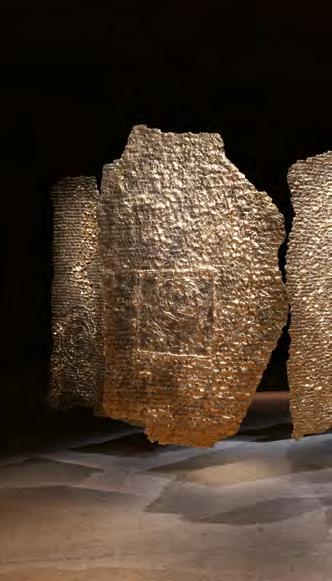
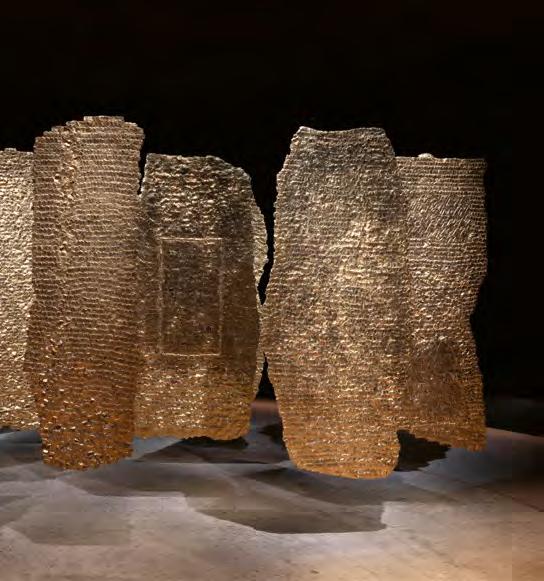
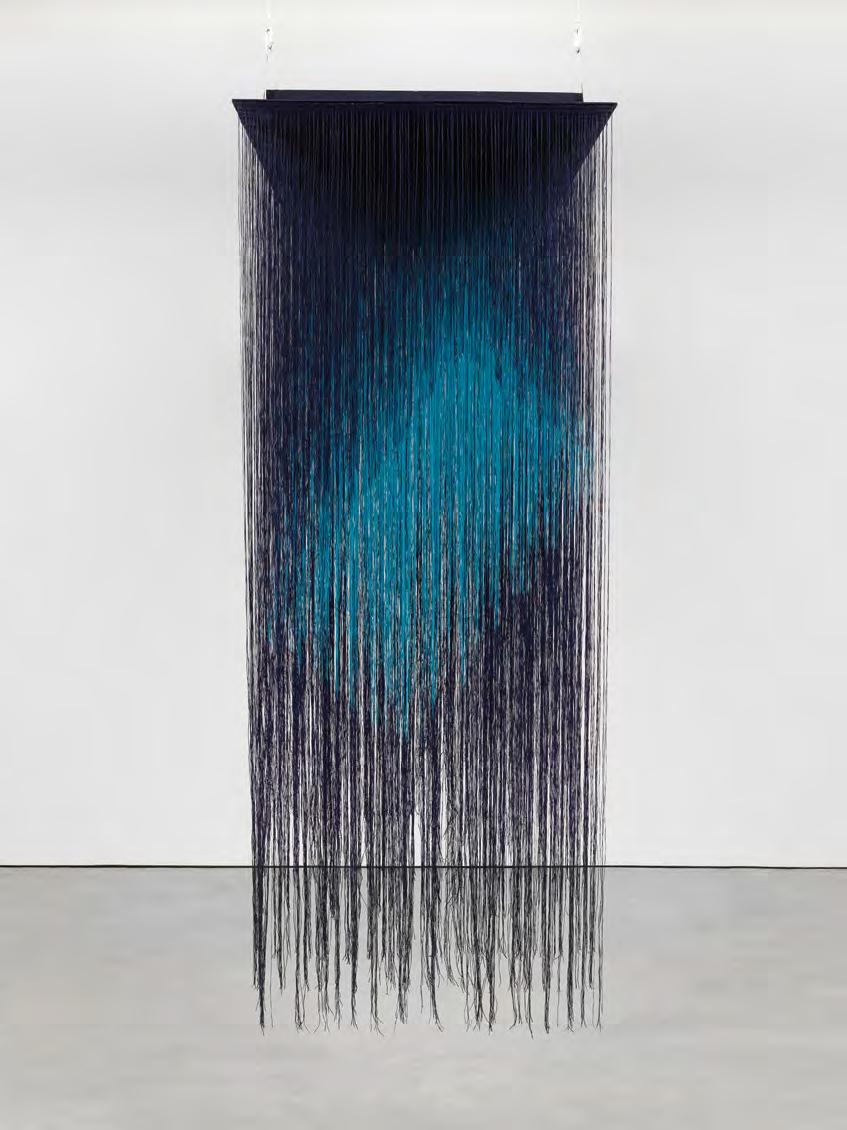
From left to right Exhibition view at the Fondation Cartier pour l’art contemporain, Paris (October 12, 2024 – March 16, 2025) © Olga de Amaral. Photo © Marc Domage. Olga de Amaral, Bruma D1, 2018. Linen, gesso, acrylic, Japanese paper, and wood. 220 × 90 × 200 cm. © Olga de Amaral. Casa Amaral, Bogotá. Courtesy Lisson Gallery.
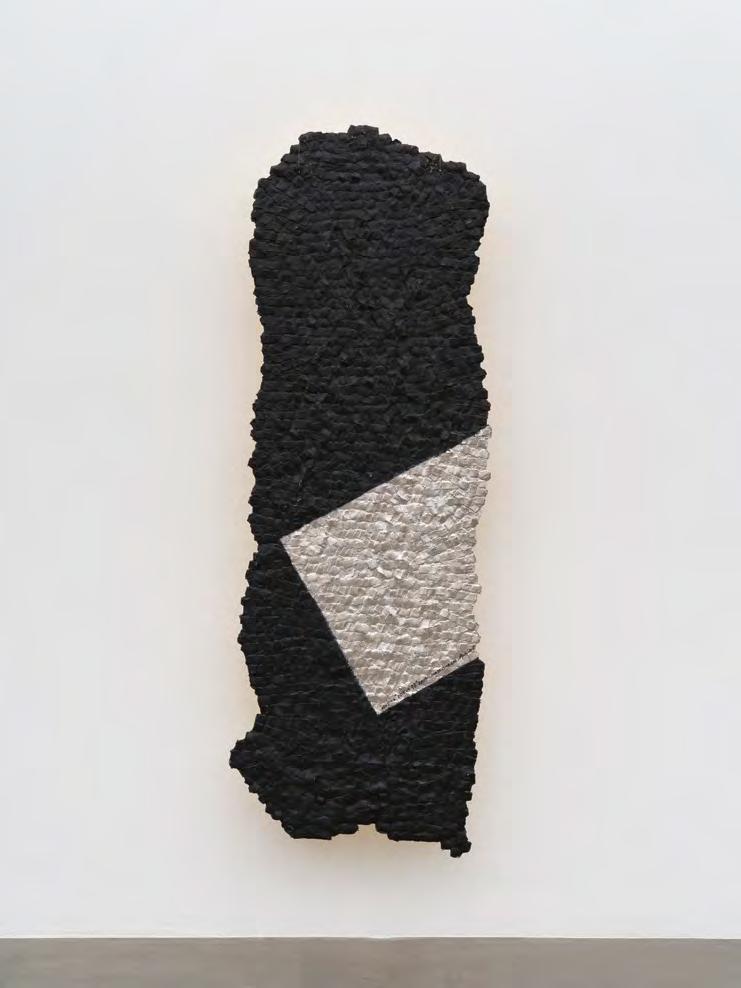
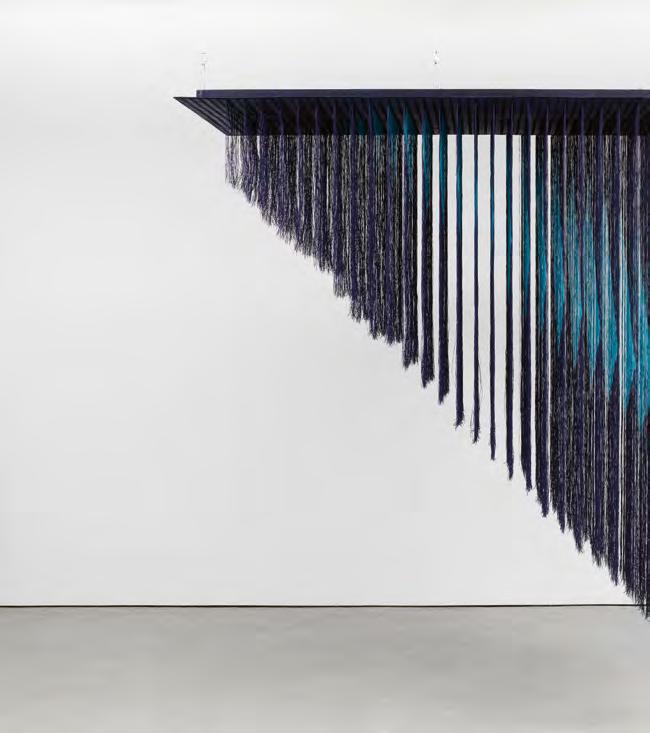
From left to right
Olga de Amaral, Estela 45 (back), 2013. Linen, gesso, acrylic, Japanese paper, palladium, and gold leaf. 180 × 65 cm. © Olga de Amaral. Casa Amaral, Bogotá. Courtesy Lisson Gallery.
Olga de Amaral, Bruma D1, 2018. Linen, gesso, acrylic, Japanese paper, and wood. 220 × 90 × 200 cm. © Olga de Amaral. Casa Amaral, Bogotá. Courtesy Lisson Gallery.
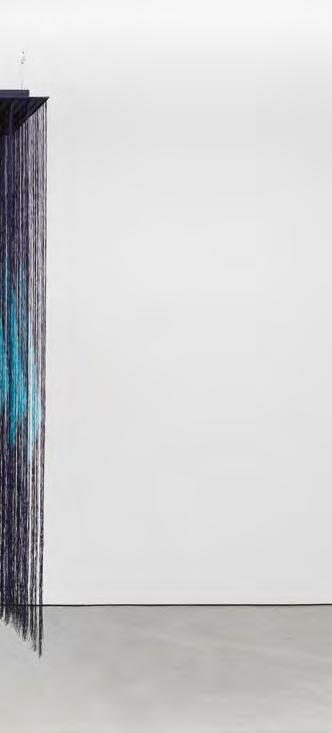
IG
This exhibition sparked immense desire in the audience. Olga’s work has a unique ability to captivate, to seduce us all, a quality sometimes criticized in contemporary art, but here, it only deepens its power. The combination of her work and the immersive environments—where each room feels like a different world—creates a striking aesthetic experience. This, I believe, is what drew so many people in: the sheer pleasure of seeing, of physically engaging with the space. The way the exhibition was shaped played a crucial role in its success. In the end, the desire it evoked may have been stronger for the viewer than even for the artist.
MP The way people were staying for half an hour in front of the pieces, and the way they make people very emotional, especially with the “Estellas,” I think you can really relate this notion of desire both to Olga and to the viewer.
OK Pre-Columbian art openly embraced desire and the sacred, but monotheistic Christian ideology later imposed shame around these themes. Olga’s work carries traces of these pre-Columbian ideas, blending them into her own vision of the sacred. Perhaps we can explore how these influences shaped her work.
MP The “Estelas” series, begun in 1996, includes around seventy works, thirteen of which were shown at the Fondation Cartier, with more set to appear in Miami. The name “Estela” closely resembles the Spanish word for “stars.” What captivates viewers is that, despite being entirely textile—woven cotton grids layered with gold leaf—the “Estelas” evoke ancient rocks and monumental funerary stelae, particularly those from Colombia’s San Agustín, a site Olga visited multiple times. These works embody the cyclical nature of life, a theme echoed in the spiral motifs throughout her art. One side gleams with gold, reflecting light; the other is black, adorned with silver geometric patterns— day and night, life and death. Suspended in space like totems or floating stones, they resonate with pre-Columbian beliefs in the endless cycle of existence, a concept deeply woven into Olga’s work.
OK “Desire” in Latin roughly translates to “lack of stars,” which is interesting in the context of reaching for the stars or reaching to the infinite.
MP Another exhibition in Paris, The Golden Thread at Musée du Quai Branly, explores gold-threaded textiles from ancient Asia and the Middle East. The curator shared research suggesting that the first gold on Earth came from the stars—an idea that deeply connects Olga’s “Estelas” to the cosmos.
OK Gold embodies both sacred longing and Earthly power. In South America, it became a defining symbol—both for pre-Columbian cultures and for colonial fantasies like El Dorado. This obsession with gold mirrors our world today, just as it did Olga’s. Perhaps the search was never really about gold, but about escaping the past and imagining new ways of living.
IG Gold is just one part of Olga’s work. Her true focus was on exploring spaces that didn’t exist— creating new forms and weaving techniques, layering material in innovative ways. It’s not a quest for gold, but a quest for creation itself.
MP Olga’s quest for new shapes and forms is ongoing—even at ninety-three, she continues to experiment with different materials, textures, and scales. The exhibition in Paris, which will also be presented in Miami, spans works from the ’60s to the 2020s, showcasing a rich variety of materials and sizes. These range from gold and palladium to cotton, linen, gesso, horsehair, wool, and more. As museums and biennials increasingly recognize the value of diverse mediums and Indigenous artists, Olga has played a key role in pushing the boundaries of fiber art, a medium once considered secondary to others.
IG I mentioned that gold was not the only focus of Olga’s work—I also want to say that it’s not like early in her career, she worked with horsehair and by the end of her life, gold became an evolution of her practice. Throughout her practice, she often used humble materials, like the “Brumas,” which are made from thread, plaster, and acrylic paint—materials far from precious, yet created effects as striking as her golden works. It’s all part of her ongoing exploration. The “Brumas,” for example, are almost like painted canvases, using gesso as one would to prepare canvas. Thread, in her work, transforms from a simple line into something three-dimensional, a strong concept across her entire practice. While gold is seductive and iconic, the raw materials in pieces like the “Brumas” or her large groundfloor works are no less sophisticated, demonstrating the same depth of craft and innovation.
OK A major exhibition of her work will open at the ICA Miami. How will this show be different from the one in Paris?
IG Very different.
MP The Miami exhibition will differ in several ways. While the show originated at the Fondation Cartier, we’re collaborating with the ICA Miami team to adapt it to their unique space. Unlike the open, transparent galleries at the Fondation Cartier, ICA Miami’s third-floor space overlooks a lush tree canopy, creating a different connection with the landscape, especially for pieces like the “Brumas.” The space is also slightly smaller, so we’ve reduced the number of works. For ecological reasons, works from European collectors won’t travel to Miami; instead, we’ll feature pieces from US and Colombian collections. Lina Ghotmeh, who designed the original show’s layout, has reimagined the space for Miami, envisioning a “vertical forest” where the works grow organically, offering an enveloping, immersive experience. This design references the layers in Olga’s work—textile, gesso, paint, gold—as well as the emotional and interpretive layers that shape her art. The viewer will walk through these layers, diving deeper into Olga’s rich world. To enhance the feeling of infinite layers, aluminum panels will line the walls, multiplying the pieces’ presence.
Klein is a South London-based experimental musician, producer, and multidisciplinary artist whose work defies easy categorization. Merging elements of noise, gospel, R&B, and abstract composition, her music feels like a dream unraveling—intimate, chaotic, and deeply emotional. With a background in theater and film, Klein brings a cinematic intensity to her soundscapes, crafting works that are as much about feeling as they are about form. Her releases, including Lifetime (2013) and Harmattan (2021), have cemented her as a singular voice in the avant-garde, operating at the fringes of genre to carve out something entirely her own.
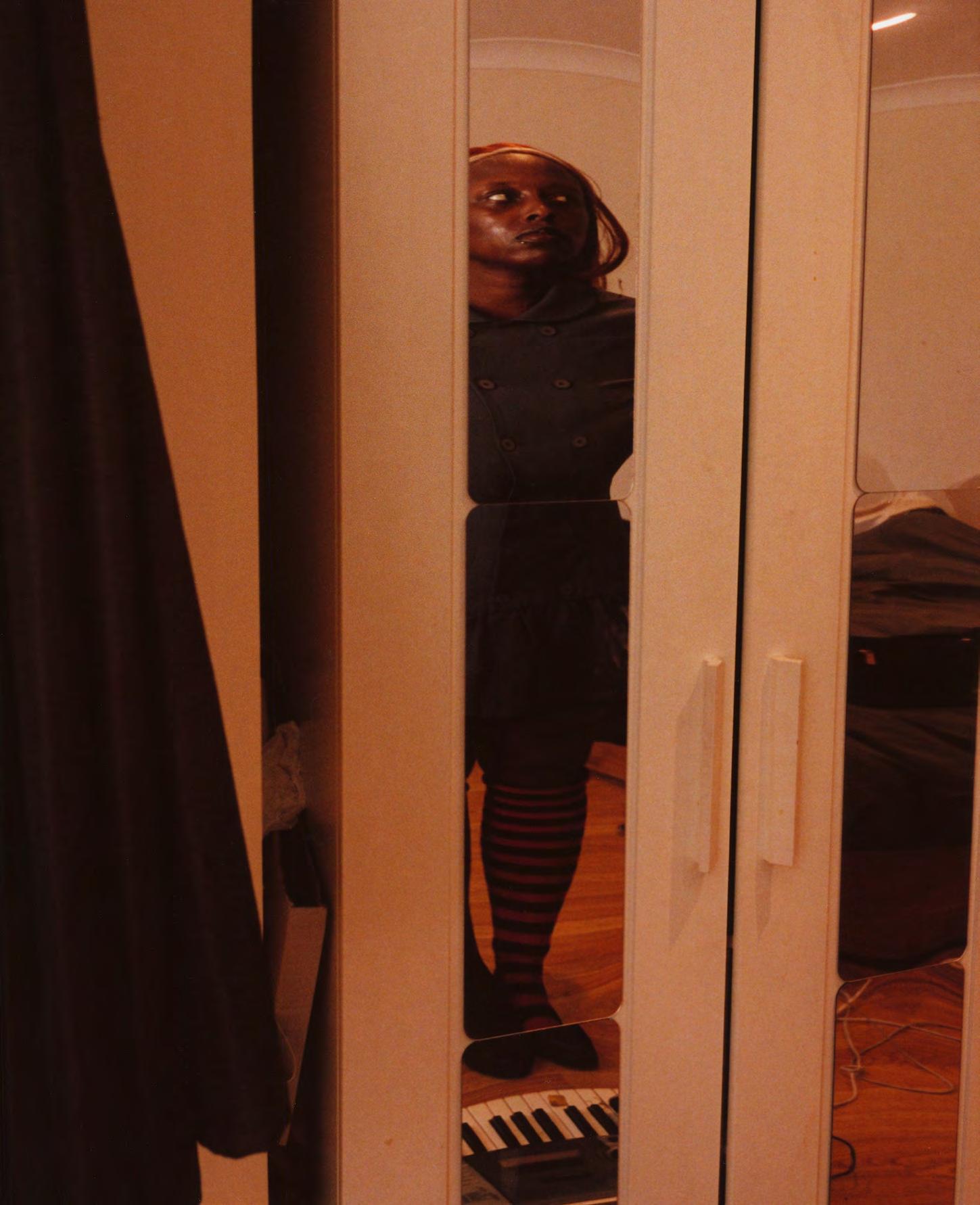
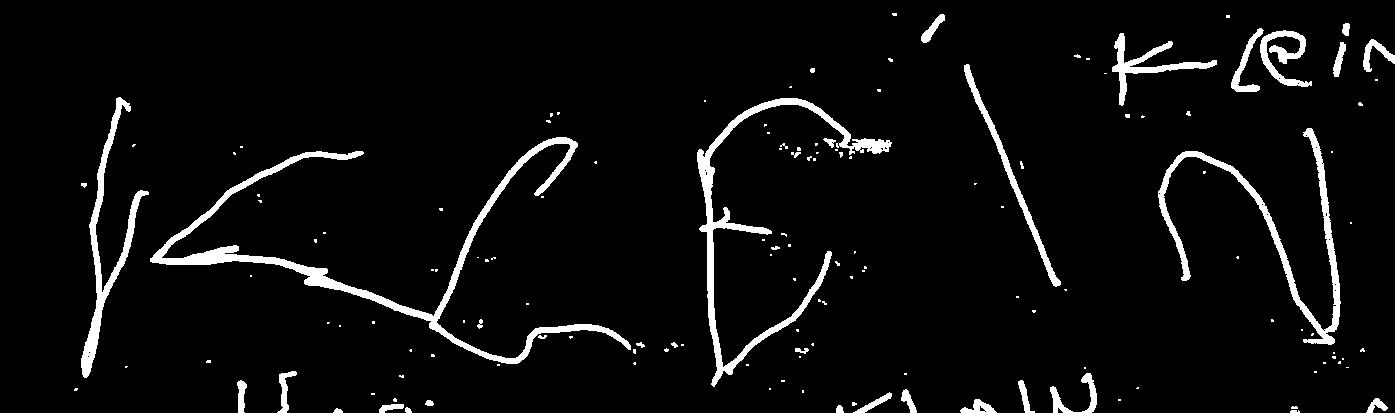
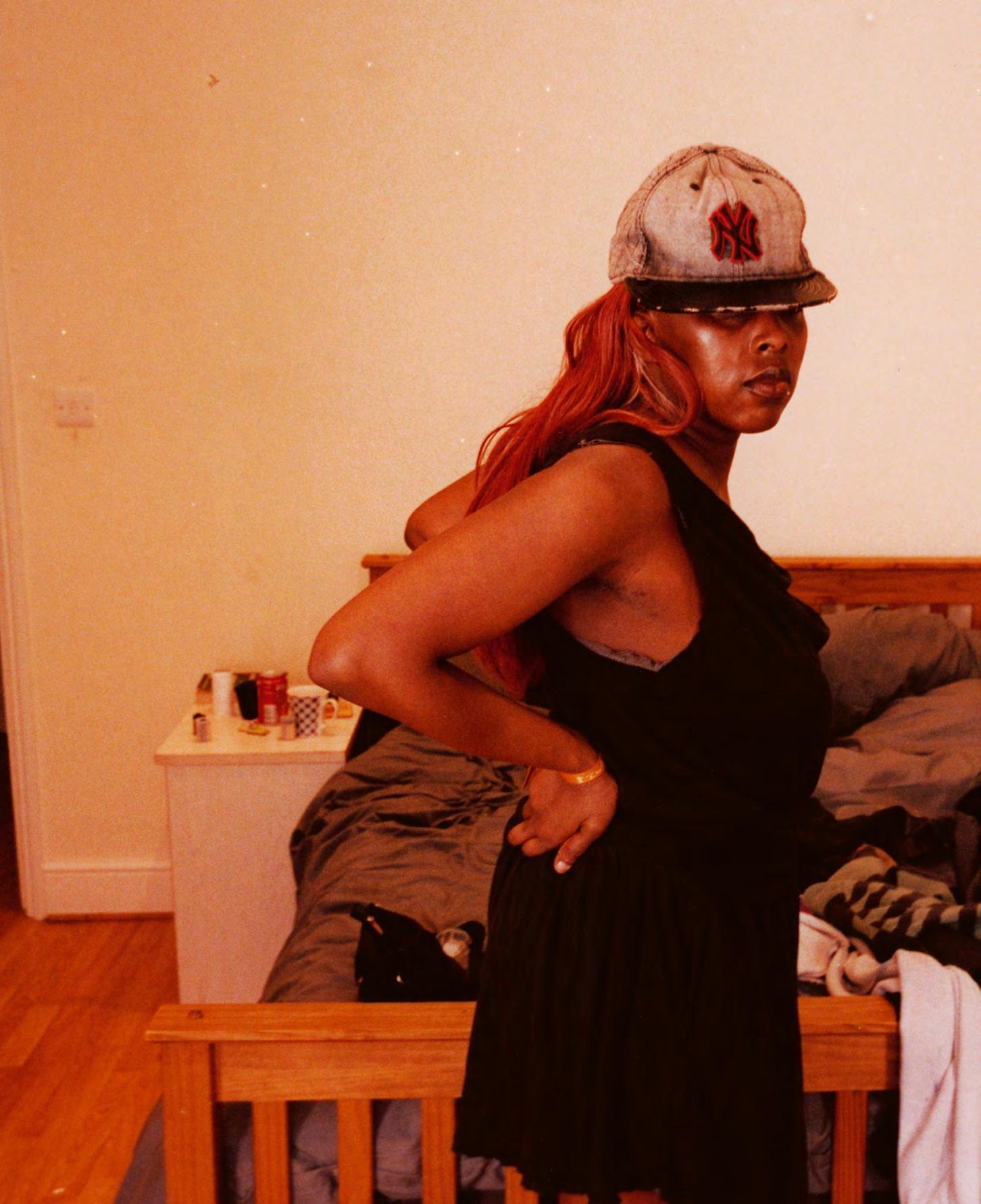
???: How do you write about the losing side when the winners write the story? - improve my calligraphy so i trust myself - (___) - life of the lighter (2026 incoming) - forget gaslit, i'm the spotlight_drew, rhoa 2023 - finding a bounty hunter for june
I tried to create a manifesto, and my friends called the cops. (know who I am)
Charmz funky house mix
Donaeo’s impact was never documented
A yout African warrior..mp3
Stayscheming_rick Ross remix/sbtv.m4a the truest love I’ll never have.
kink
Shook
tribal wars.
• Friends who dance in circles
• #Friends who know me
• ______ that don’t stalk me?? • Just friends
#nba never broke again
I want water clean water for clint
For Congo
For palestine say black power and actually mean it a public announcement isn’t enough when they are already dead
Channel aka
The only thing.
my _____ said pastor Tobi is getting deported.
Mariam said she wasn’t involved but I swear them man were doing fraud.
Got flashbacks double life
British nationality act 1981
T his is volume 2 of where things lie
Blessing: mum worked for a bit and saved up money for me to get back to the UK after my dad fumbled everything we had no option.
I don’t know when my birthday is or even my real age
Deshaun: #@$*** __________ ________
Blessing: Do I think she knows?
Deshaun:**##@
Blessing: God knows. My passport is different, My birth certificate is different. She knew if she said I came at that time, I wouldn’t be let back in.
Deshaun: Even though I was born here?
Blessing: yeah
Deshaun: Ah I always knew you were a spy
Blessing: Deshaun: Nah but seriously
Listen hey hey I’m sorry for that party…. I wasn’t thinking Blessing: That’s cool I should try and be a spy
being the black sheep of the family a wish could only last me so long before I cave again that’s why I never claimed my twin
Mad that’s why I said ‘I’m sorry’ #skeen
• All the fear and violence starts to bleed together
???:this is a theatrical concert, i said.
???: It's a show for the punters. The music is going to be beautiful and it's going to be good.
???:what happens after the show?
???: I have no idea, a few of us will be there. we'll find out.he could almost hear my smile.
???: yes, but it's not exactly the sort of thing you get on stage and see for yourself. we're not the opera hall people. it's not a play. it's just….. drums are really alive in 2022.we're doing this for the punters.it's a performance, for god's sake. it's just what people are doing. and you're a member of the chorus.oh. yes. I'm a part of the chorus. and you didn't even know that?
Rule 101: I always found it funny when people had a whole bill for a film movement like just make the film
No one cares anyways
I’m sorry for ____ and when ___ said you are _____
Right or wrong? Failure!!
Does anyone measure up? Do I measure up?
Life is a ________ Life is hard work.
Mistakes are for fools - aunt, 2009 I have to be right.
Judgment day. Blame.
Unbendable beliefs about what’s proper. T he sound must never be produced apart from the images or vice versa
*back to original story:
I still think when ____ said _______ ___ ______
I’ve stopped blocking folks for sending me bad fonts.
What is a bad font?
I think people gotta care more about the edges and spacing and intention
Intention on something
damn
• T he territory of the Republic of Biafra is covered nowadays by the reorganised Nigerian states of Akwa Ibom, Rivers, Cross River, Bayelsa, Ebonyi, Enugu, Anambra, Imo, Abia, Delta and southern Kogi and Benue states.
• Monique’s open letter to Tyler Perry
• Hollywood gives folks 5 years top
• Jim iyke should do a play
• A'Ziah "Zola" King should have played herself in Zola, not ______ whitewashing her character to _______
Olorun ba how can I want ___ to see ___ when I don’t even ____ ________
(know who I am)
truly Hop in #nba
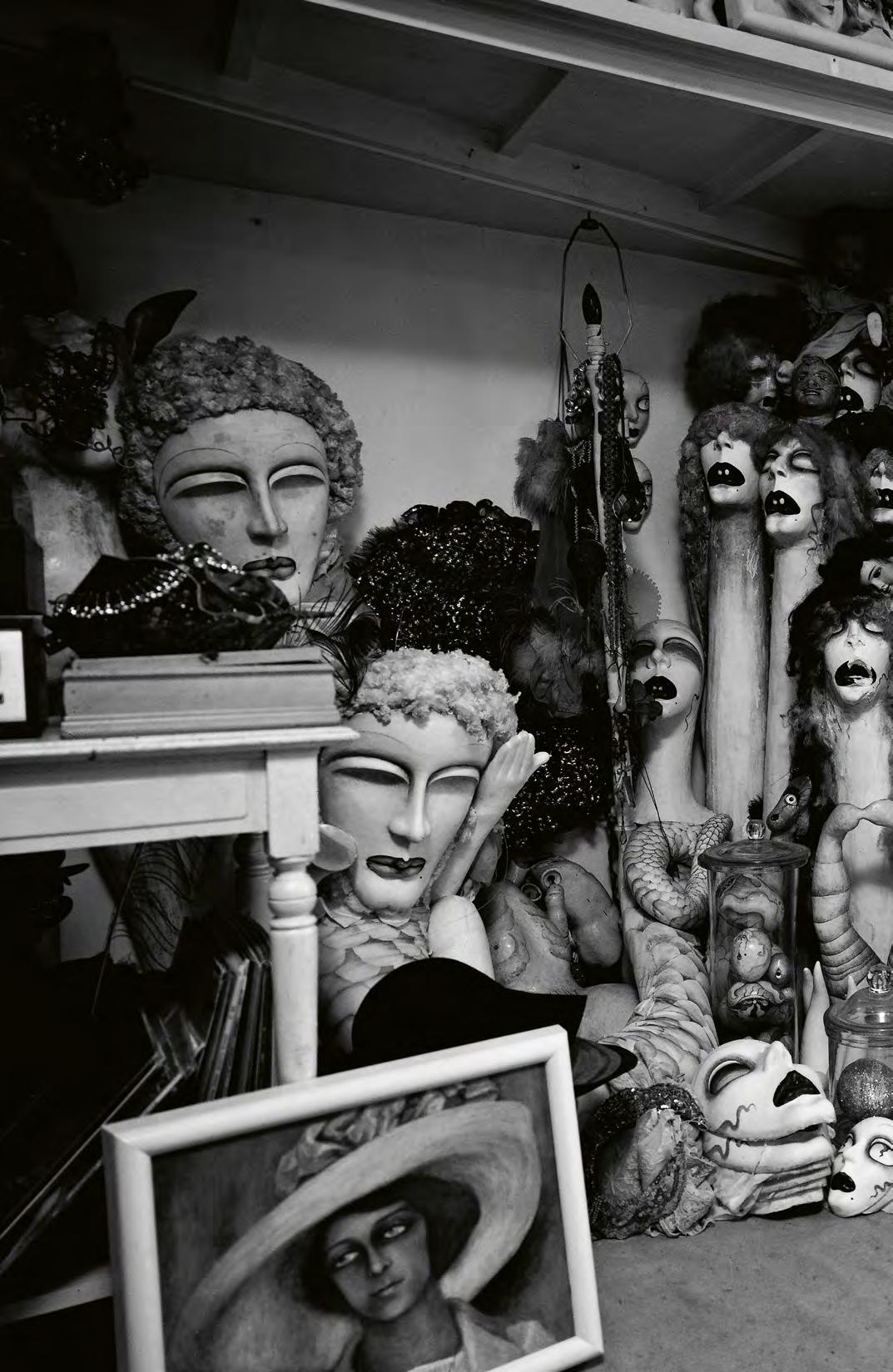
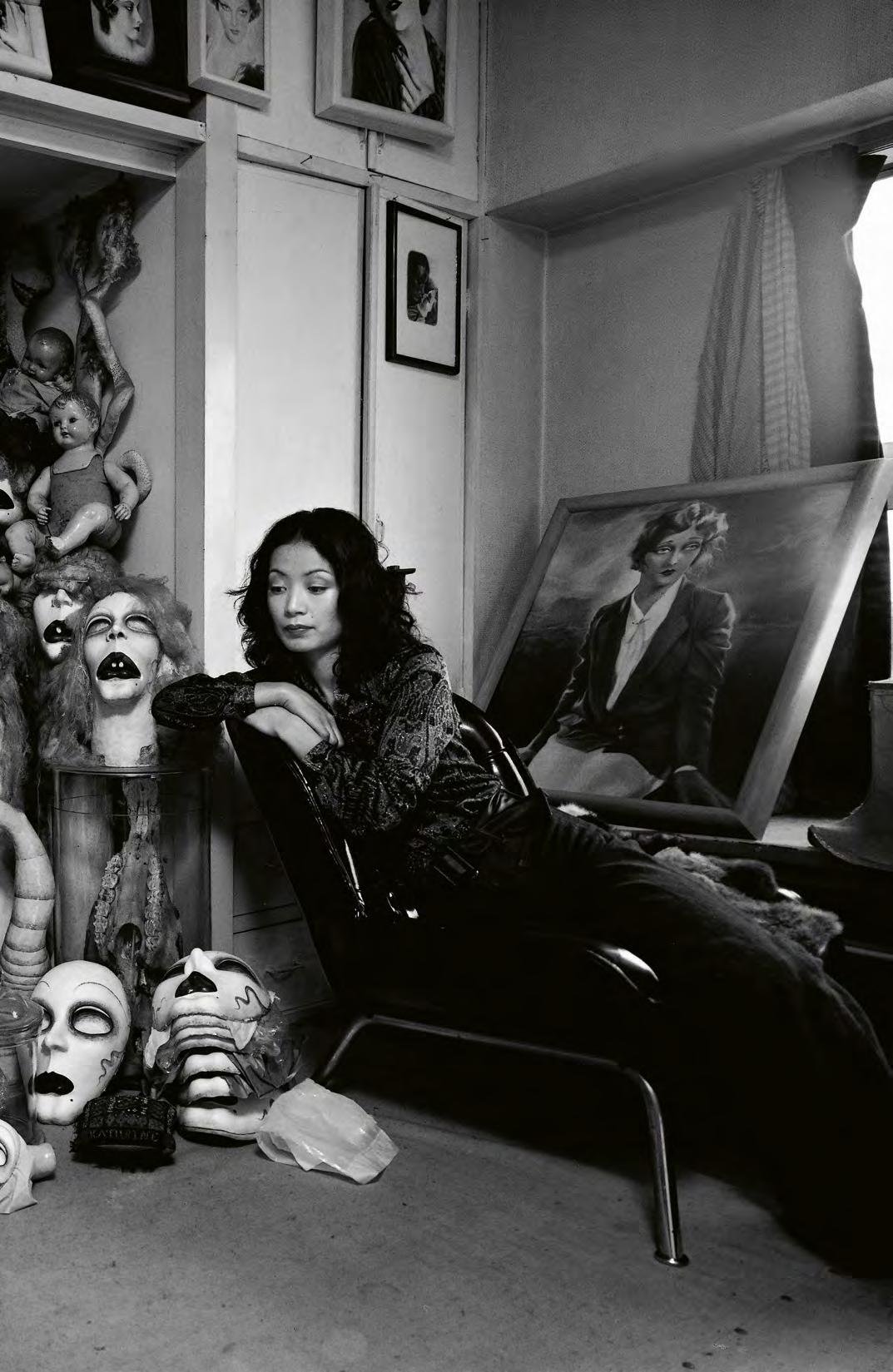
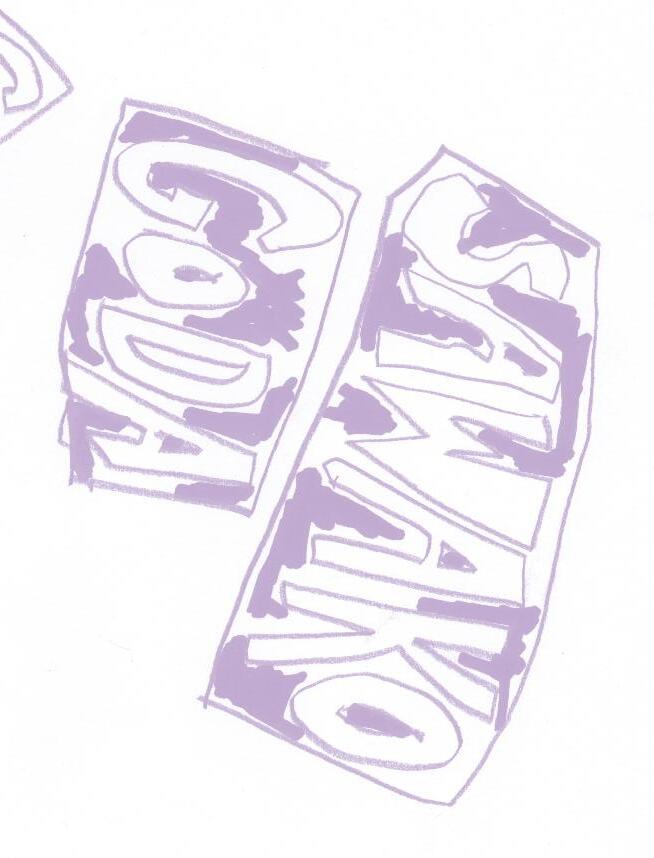
Born in 1940 in Kōchi Prefecture, Japan, the artist Sawako Goda traversed, in the first half of her life, many aspects of Japan’s inventive postwar avant-gardes. Precocious, she gained early attention in the mid-1960s for junk assemblages of materials collected on still-war-damaged streets, which she shaped into whimsical mutant dolls or spindly, inoperable home appliances webbed in twisted wire, simultaneously tarnished and bejeweled. Fun With Junk reads the title of Goda’s first book, published internationally in 1966.1 Wind the clock half a decade forward and find the restless Goda living in New York City with her then-partner, Tomio Miki—an “Obsessional Artist” and a contemporary of Yayoi Kusama—at a pivotal moment. On returning to Japan in 1971, she began painting with oils, drawing inspiration from old magazines and photographs found in a New York antique shop,2 and from a precious book, the Museum of Modern Art’s catalogue of E. J. Bellocq’s Storyville Portraits, which depicted prostitutes in early 20th century New Orleans.3
Decadent, faded, surreal, seedy glamor became her central preoccupation; musician Lou Reed makes more than one appearance in her work in this period.4 She painted prolifically, made illustrations for magazines and advertisements, and, over the course of the 1970s, designed stage sets and posters for underground theater troupes, including Jūrō Kara’s Jōkyō Gekijo (Situation Theater), and Tenjō Sajiki (Top Floor Gallery), a troupe led by the avant-garde poet and dramatist Shūji Terayama. Another pivot in the late 1970s found her embracing film mediums more directly, in the form of a now-lost film, Nightclubbing (1977), which borrows its title from an Iggy Pop song,5 and Polaroid sequences such as Flower Child (1981), which assembled shimmering portraits with unblinking painted eyes.
Goda lived, over this period, in a high-rise in Wakabayashi, Setagaya, a ward southwest of Tokyo, and among other prominent artists and poets.6 If her work stood out for its Western preoccupations—surreal portraits of film icons Marlene Dietrich and Veronica Lake, tributes to Reed and Marcel Duchamp’s femme alter-ego Rrose Sélavy—she was nevertheless woven tightly throughout this period into a rich community of forward-thinking artists and was showing her work regularly. In the mid-1980s, however, this weave began, slowly then suddenly, to fray.7 She became increasingly obsessed with a different fantasia, that of ancient Egypt. After a visit to Cairo with her two daughters in 1978, she decided to relocate her family there in 1985—and not to one of the nation’s cosmopolitan cities, but to Gabal Takouk, a Nubian village on the Nile near the Aswan Dam.
The move proved less than permanent. Despite its beauty, the heat was intense, the village offered few work opportunities to foreigners, and the international mail system—which Goda, working as a contributor for Asahi Shimbun, required to send her work to Japan—was unreliable.8 They returned to Japan after just a year. Yet the encounter with Egypt provoked a dramatic transformation in
1 Sawako Goda, Fun with Junk: Making Funny Figures Out of Odds and Ends, with photographs by Yoshikatsu Saeki (New York: Crown Publishers, 1966).
2 Yuri Mitsuda, “Sawako Goda – Schattenbild (Silhouette),” in Sawako Goda: Schattenbild, 1958–2003, ed. Yuri Mitsuda (Tokyo: The Shoto Museum of Art, 2003), 198. Mitsuda argues that Goda was among the first Japanese artists to reproduce a photograph in paint and links her work with that of Gerhard Richter and Jiro Takamatsu (199).
3 An exhibition of photographer E. J. Bellocq’s Storyville Portraits, directed by the Museum of Modern Art’s curator of photography John Szarkowski and printed from original negatives by the photographer Lee Friedlander, appeared at the museum from November 19, 1970–January 10, 1971. It is unclear if Goda saw the exhibition in person, but the catalogue (E. J. Bellocq: Storyville Portraits: Photographs from the New Orleans Red Light District, circa 1912, ed. John Szarkowski (New York: Museum of Modern Art, 1971)) appears in an informal photograph of the artist and a friend, misdated 1969, in Goda Sawako: A Retrospective, ed. Ayumu Hirose and Hiromi Yanagisawa (Kyoto: Seigensha Publishing, 2022), 121. The arrangement and subject of Goda’s early painting Bed (1971) was possibly influenced by Bellocq’s photographs.
4 These include a painting and drawing modeled on press photographs of Reed, and a painting derived from the back cover of his album Transformer (Lou Reed, Transformer, recorded at Trident, London (August 1972; New York: RCA Victor LSP 4807, 1972), vinyl LP). Yuri Mitsuda notes pithily that Goda’s work in this period “smells of subculture” (Mitsuda, 197) and Goda’s paintings, including her riff on the back cover of Transformer, appeared on the covers of Rock Magazine (Japan), 1976–77.
5 The song “Nightclubbing” appears on Iggy Pop, The Idiot, recorded August 1976 at Musicland Studios, Munich (1976; New York: RCA Victor APL1 2275, 1977). Assigned the same year as The Idiot’s release, Goda’s title suggests she was following the musician closely; a surviving Polaroid sequence from Nightclubbing is dated December 1977.
6 Interview with Nobuyo Goda, the artist’s daughter, 2017.
7 By the mid-1980s, Mitsuda writes, “the smell of burnt ruins had been swept away in Japan, student movements and political struggles had faded out, ‘avant-garde’ art had already left the scene, and the meaning of ‘underground’ theater had changed.” Mitsuda, 200.
8 Goda’s illustrated diaries appeared in Asahi Shimbun in thirty-one installments, January 3–August 8, 1986, under the title “Nile no yuhi wa hanjuku tamago—Goda Sawako Egypt nikki.” These diaries were later collected as a book, By the Side of the Nile (Tokyo: Asahi Shimbun, 1987).
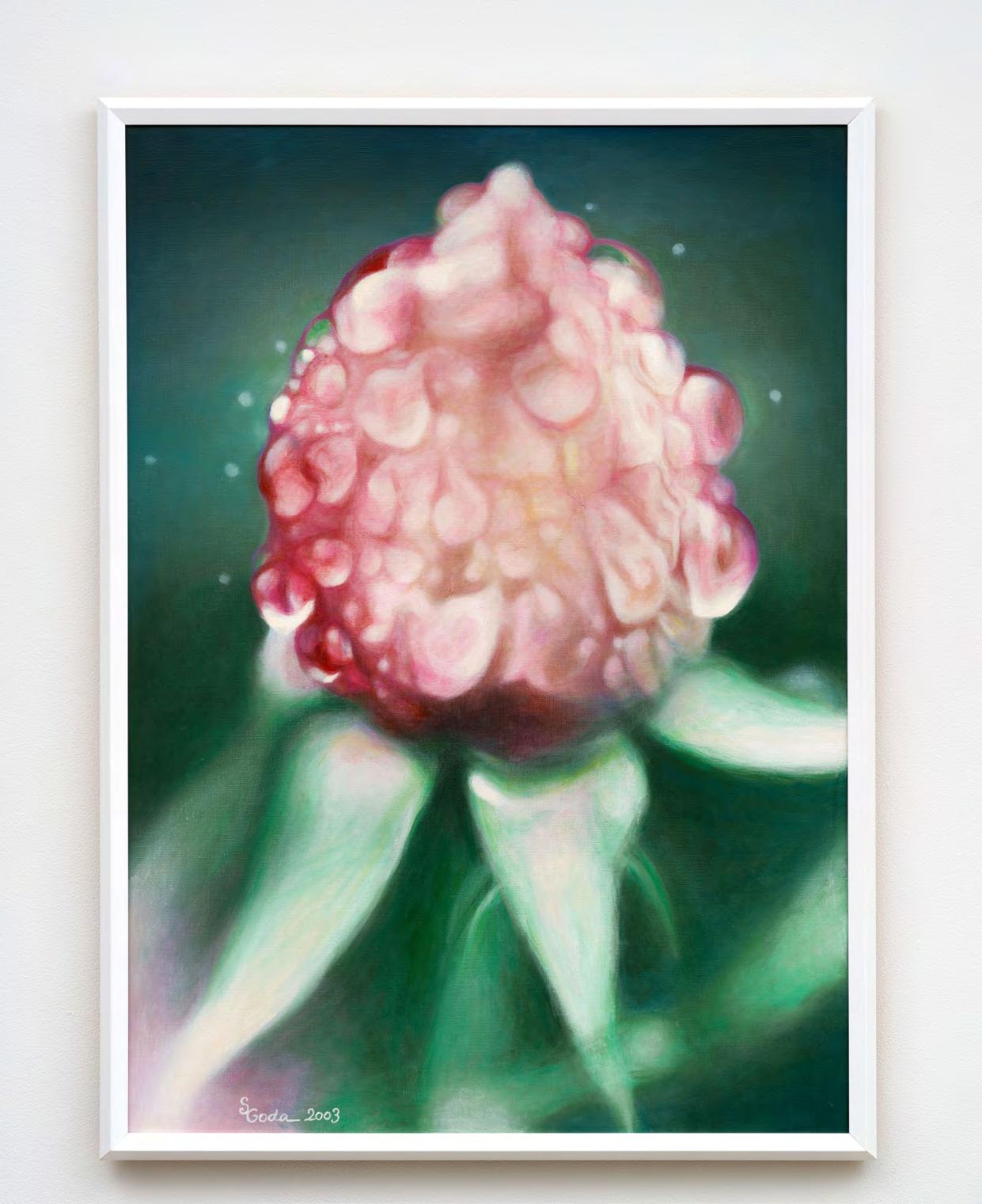
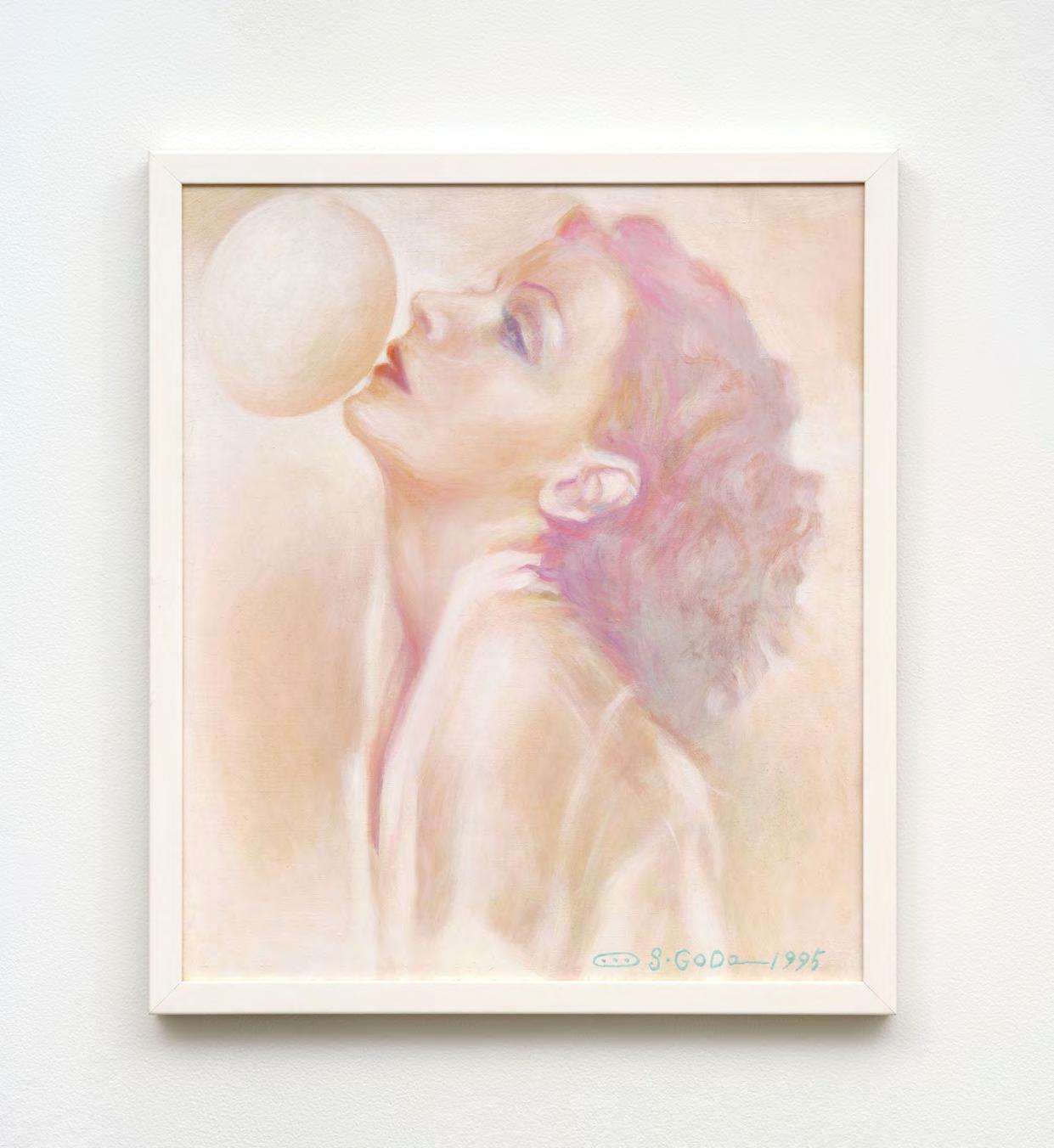
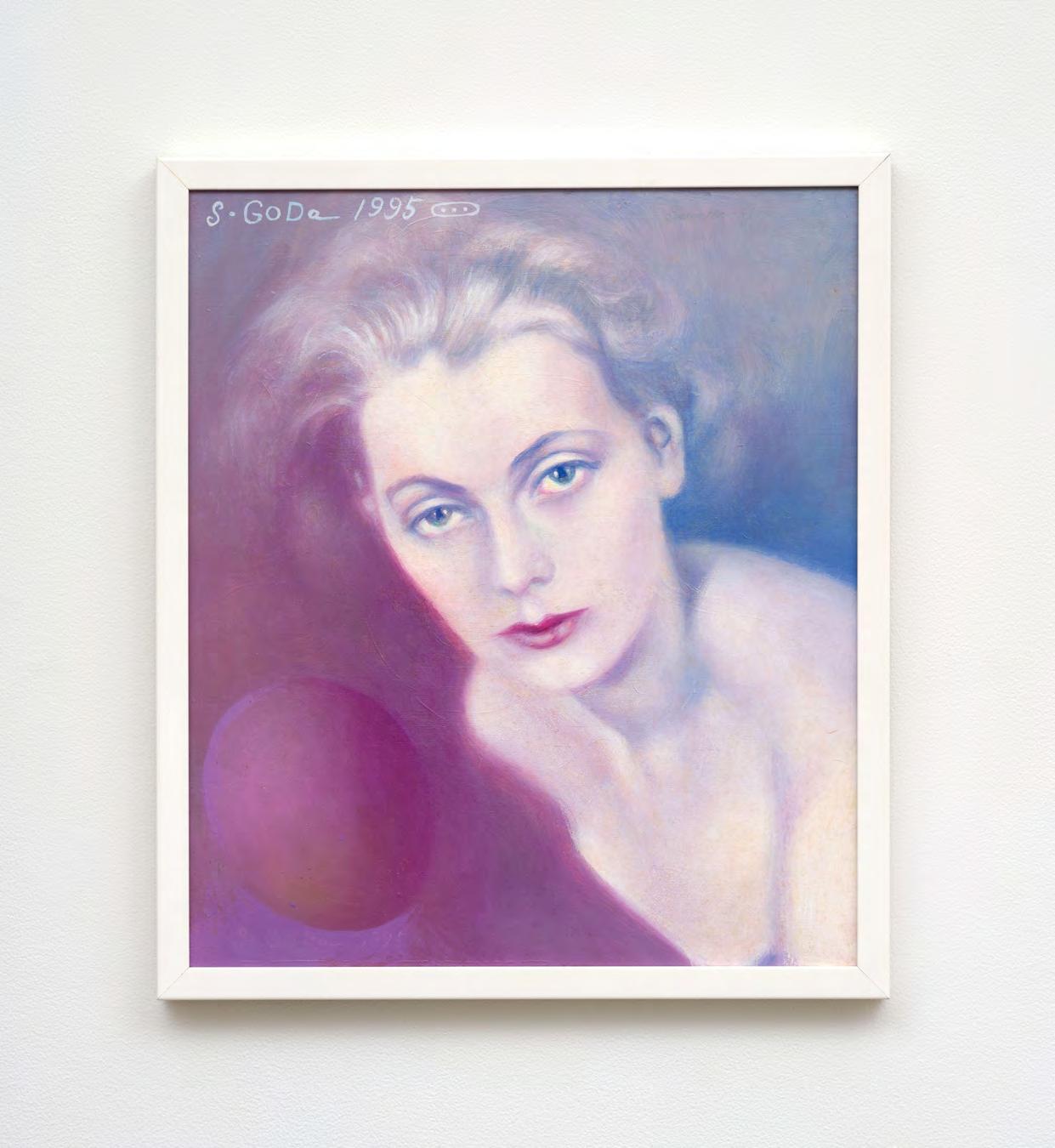
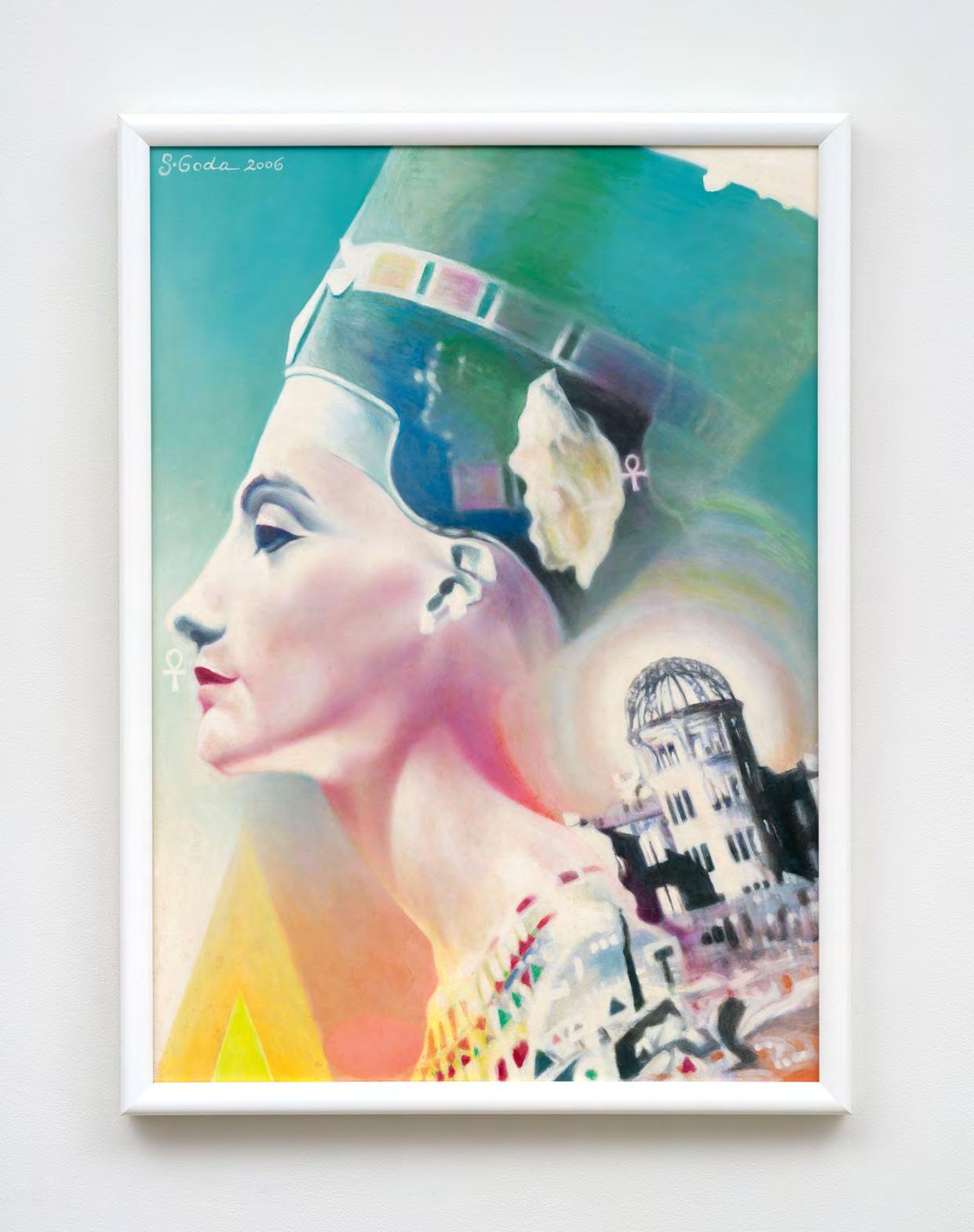
9 Goda: “In the process of taking pictures with a close-range lens, I realized that everything has eyes.” Quoted in Mitsuda, 201. Goda’s 1988 book A Harem of Eyes (Tokyo: PARCO Shuppan) conveys her experience in Egypt.
10 “Chronology,” in Sawako Goda: Schattenbild, 196.
11 In ancient Egyptian mythography, Horus’s eye was torn out by his rival Set and was regenerated magically. As such, the Eye of Horus was seen as a symbol of protection, healing, and regeneration.
12 Mitsuda, 202.
her life. She saw spacecraft and heard the voices of the dead, and her practice became increasingly visionary and abstract. Under the influence of ancient Egyptian iconography—particularly the Eye of Horus—she drew eyes with a renewed obsession, and with her camera sought out gelatinous eyeball-like globes everywhere in nature.9 Borrowing from the Surrealist technique of automatic drawing, she produced scribbled abstractions with colored pencils, at times avoiding the facility of her highly trained hand by drawing with pencils wedged between her toes.10
The eminences of Old Hollywood returned, as well, in new artworks that situated Lillian Gish and Pola Negri alongside Nefertiti, and often fixated on an isolated eye, sometimes with gem-like geometries emerging from their sclera. Where Goda’s 1970s portraits had embraced a color palette not far from German Expressionism—the unnatural greens of Ernst Kirchner or the deathly pallor of Otto Dix—Goda’s colors in the 1990s became more silvered, uncanny, and luminous, evoking inner vision and optical disability: monochromacy, blurring, and macular degeneration.11 Indeed, Goda suffered persistent retinal problems after 2000 which blurred and distorted her vision, and eventually lost the use of her right eye; she produced notebooks of blind drawings around this time.12
One wonders idly if she might have encountered, around 1990, Vaughan Oliver’s Surrealist-
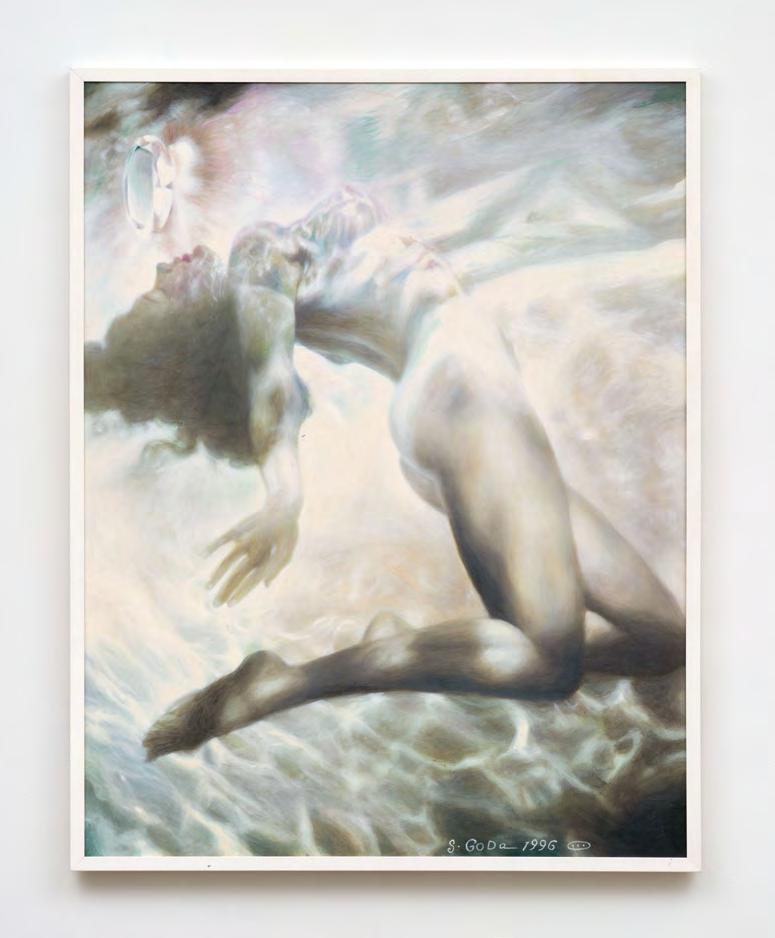
influenced designs for the English record label 4AD, or the blurred aesthetics of the band My Bloody Valentine—maybe not. More apt are the reflections of the American artist and postmodern critic Peter Halley, who wrote in his 1984 essay “The Frozen Land” of the “culture of old movies” in an endlessly mediatized world, which produces an “asynchronic present” in which actors from the past persist forever in varied celluloid simulacra: as children, adults, and corpses.13 “Is Shirley Temple a child or a woman? Is Lauren Bacall twenty or sixty years old?” he wondered.14 This postmodern necropolis, Halley says, enacts a paradoxical denial of death. One is reminded again of ancient Egypt, which had its own approach to eternity mediated through an insistence on preserving forever the faces of the iconic dead. There is, in other words, a shock when one encounters Goda’s portraits of living actresses like Helena Bonham Carter or Isabelle Adjani; they seem too present, too alive, to belong to Goda’s cinematic afterlife with Gish and Greta Garbo.
To call the artworks that Goda produced in her last two decades ghostly or deathly, however, is to take things too far. She was equally transfixed by life: the curled whiskers of a beloved cat, flower buds and blooms, and, everywhere, ovoid shapes: eggs. As the Surrealist Georges Bataille intuited in his 1928 novella The Story of the Eye, the eyeball and the egg are uncanny proxies (and, in Bataille’s scandalous telling, both open the way toward orgasm).15 Goda’s story of the eye is also full of eggs, from as early as the psychedelic egg-forms she made in the late-1960s and reaching apotheosis in her final decades. Eggs evoke creation and new life: yolks rupture and flow; buds burst into flowers that seemingly re-enact the creation of the world; eyeballs rupture like stars into colorful, gaseous nebulae. In other words, Goda’s eyeballs always want to hatch—to birth otherness. And, subject to the desiring gaze, each of her beloved actresses could also parse as just this sort of bud-egg-eye. Their fullness embodies the possibility that the death-life of cinema might rupture, and then flower, into something like another world.
In the last decades of Goda’s life, she lived in Kamakura, a seaside city south of Tokyo that she initially scorned, in her daughter Nobuyo’s telling, as embodying a “stereotypical image of Japan”—something Goda’s proclivity for otherness disposed her to resist.16 Kamakura’s remove, however, came to suit her in a different way, by allowing her work to spool out according to its inner needs: its visionary, rather than social, logic. This separateness had consequences. Arguably it licensed scholars to omit her work from most surveys of postwar Japanese art.17 Likewise, Goda’s 2003 retrospective at the Shoto Museum of Art consolidated a narrative of her life as a charismatic outsider who worked “more or less independently of the major trends in the art world.” 18 Maybe her work, with its Western references, was seen as not Japanese enough? Goda’s work exposes the brittleness of these containments; like eggshells, they break, spilling cosmic light and gooey yolk.
13 Peter Halley, “The Frozen Land,” in Collected Essays 1981–1987 (Zürich and New York: Bruno Bischofberger Gallery and Sonnabend Gallery, 1988), 126.
14 Halley.
15 Georges Bataille, The Story of the Eye, trans. Joachim Neugroschel (San Francisco: City Lights Books, 1987; originally written in French under the pseudonym Lord Auch, Histoire d’oeil, 1928).
16 Nobuyo Goda, 2017.
17 See, for example, Alexandra Munroe, Japanese Art After 1945: Scream Against the Sky (New York: Harry N. Abrams, Inc., 1994), or Tokyo 1955–1970: A New Avant-Garde, ed. Doryun Chong (New York: The Museum of Modern Art, 2012); neither mentions Goda’s work.
18 Mari Tsukamoto, curator at the Museum of Art, Kōchi, dismantles this assertion effectively in “Who’s Watching Who? The Art of Goda Sawako,” in Goda Sawako: A Retrospective, 163–69.
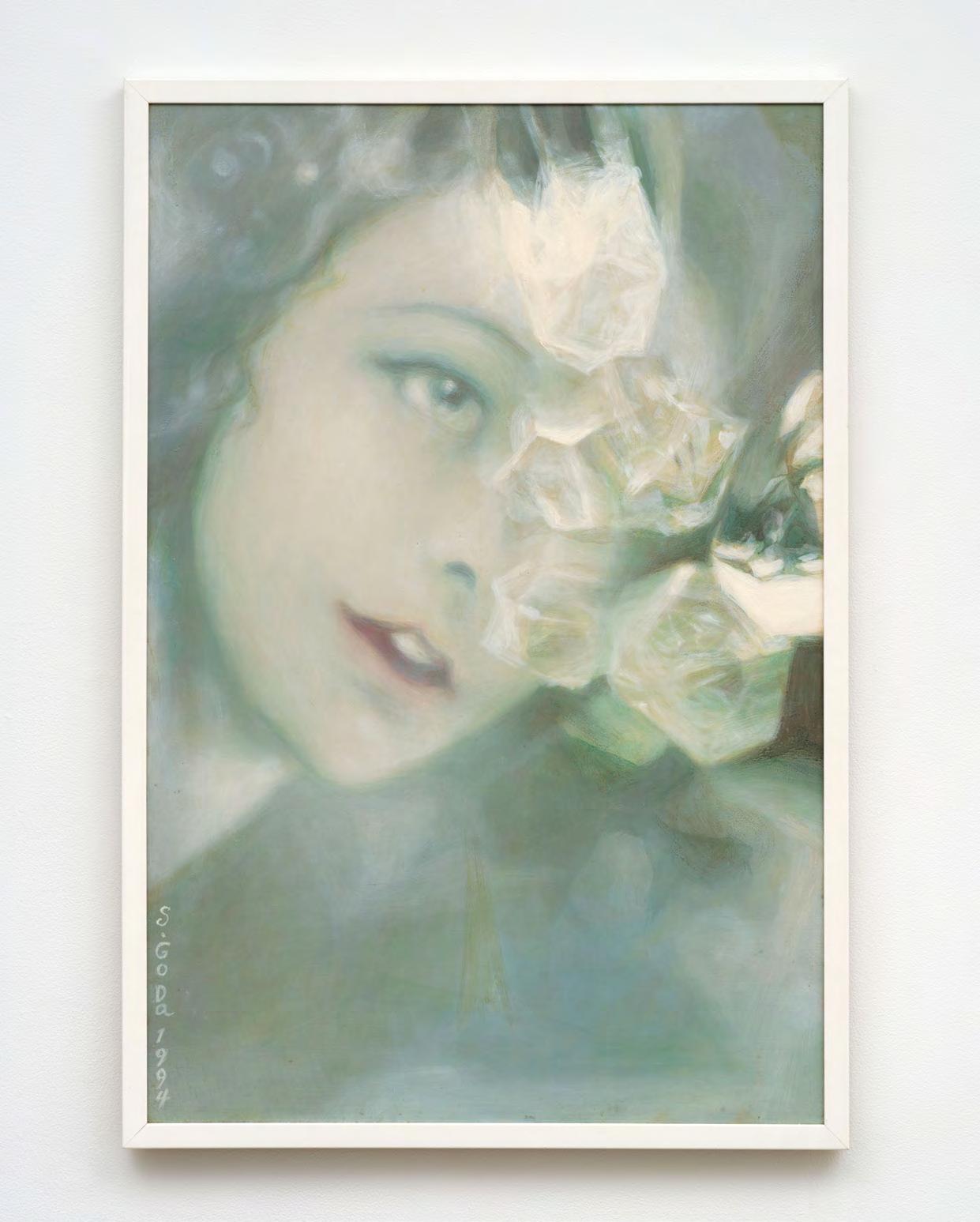
PROJECTIONS ON THE SCREEN OF IMPOSSIBLE DESIRE ESSAY BY ABBEY MEAKER
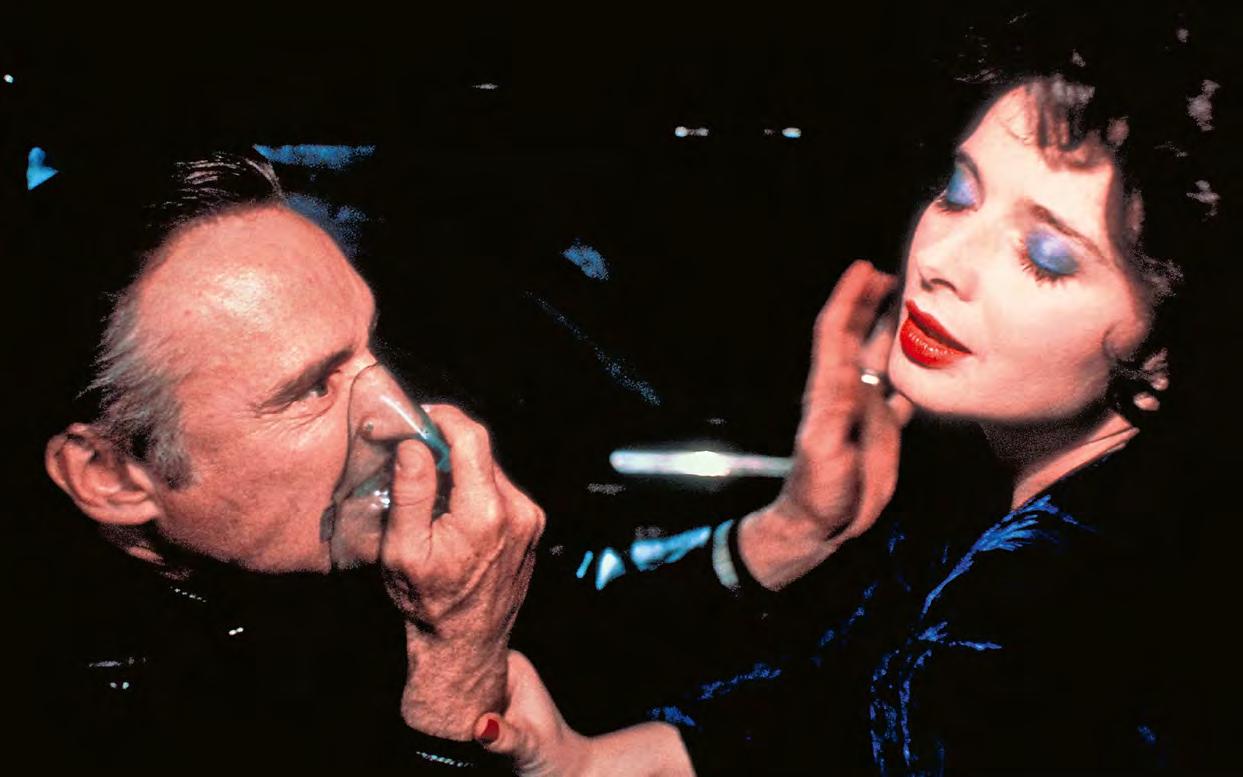
Cinema is the ultimate pervert art. It doesn’t give you what you desire. It tells you how to desire. — Slavoj Žižek
Desire waits in the house wounded and restrained it best serves in these liminal spaces folded and tucked away bare legs guarding the sea where a whole world beckons
Desire is the animating force. The vitality of desire has little to do with the object of desire but rather what it communicates. Desire springs from melancholy, our most intimate and authentic expressions, and melancholia is a profoundly transporting state of being: it is a paradox containing existential emptiness, spiritual moors, curiosity, the loneliness of creative genius, and the passion and longing of a solitary bird. Melancholy digs for meaning, hands deep in the murky swamp of memory. From this swamp comes desire. A central concept of Buddhism and Hinduism is that desire creates suffering, but the opposite could be true. Desire creates meaning and fills our lack with a sense of wonder. Desire is a finger pointing toward truth. We come to know ourselves and the divine through desiring (and that which we desire). Desire is a wish insistent in its demands. It continually reframes one’s reality: it curls back, a silk red ribbon, a tongue, leading us, luring us back to unknown places once familiar. It is an imprint, a residue, forever haunting the house. It is uncanny, a window into a home that looks like home isn’t (heimlich/unheimlich). This appetite, like a fire, like all living organisms, consumes, reproduces, responds to stimuli, and gives off waste (what we abandon)—a light flickering in the cave, a theater.
One must enter at their own risk. When the curtain is raised, we will be delivered from our blissful state into the world of ideas. Here, a thought, a word, a glance can conjure a potential new life. In gazing upon the stage, the screen, the dream, we swing back into ourselves. Desire is an invitation, a searchlight. Who will be standing guard at the gate? Cinema is the vehicle (through which we explore these unfolding frontiers) of desire, and we can contemplate these worlds from a safe distance. Through the doorway of our blissful state, into a room of mirrors.
Films are apparitions of desire, ghostly projections on a screen, a flickering invitation to transgress boundaries and sink into the abyss of fantasy. Here, we see how flimsy our constructed realities are and how fragile the illusion is. The whisper of desire calls us to dark corners and pulls the strings of our curiosity to know what is on the other side of the curtain, the closed door—the medium between two worlds. Often, a film reveals our desires to us, but we remain on the edge of observing, rarely entering. We are spectators. The films of David Lynch demand participation in that they confront the limits of what we imagine as real. His films create the feeling that another world is
encroaching on this one. Lynch’s sentient, cinematic realms are thinly veiled by curtains, bright red or blue velvet. They conceal an entrance—a door, an ear, a radiator, a blue box. On the other side, a shadow world breathes—dionysian and teeming with possibility. Beyond the doorway is a boundaryless infinity.
To inhabit the place beyond the curtain, one must forfeit the comfort of a single logic, a familiar destination, a conclusion. Paradoxical like our fertile melancholy, the desired object remains a shapeshifting phantasm, and we are continually in pursuit of meaning. In Blue Velvet (1986), young Jeffrey Beaumont (Kyle MacLachlan) is dragged by his curiosity through the discovery of a severed ear, into an inky dark world; or what Lynch called a dream of strange desires … it’s what could happen if you ran out of fantasy. The unknowable interiors of this place compel him; he can only catch glimpses, which keeps him searching, having only a dim light. Obsessed by the mysterious and tormented lounge singer Dorothy Vallens (Isabella Rossellini), Jeffrey breaks into her apartment and hides in her closet. Through small slats in the door, he watches Dorothy unmask: she removes her wig and undresses; she nervously paces around the room. Jeffrey stands at yet a new threshold; he is straddling two worlds: Jeffrey can secretly, safely observe with clean hands or venture out of the closet, where Dorothy begs him to hit her, to feel her. Dark red lips invite him inside. "Do you like the way I feel?" Jeffrey initially recoils at Dorothy’s request to hit her but eventually submits to her. His heroic impulses are impotent: Frank Booth (Dennis Hopper) arrives and attacks Dorothy. He is a deranged gas-huffing man-baby begging to consume the mother’s body. “Mommy, mommy, baby wants to fuck!” Frank floats between the abusive father and the oedipal son. On the outside, Blue Velvet is a good vs. evil; light cannot exist without darkness and mystery. Inside, one finds a more subversive offering: Lynch guides us to the darkened outskirts of ourselves, where repressed urges batter the shoreline, and then he turns on the light. Every David Lynch film explores the possibility of a feeling—offshoots of moments that become strands of being that mingle and create a tether to a new universe, a new dream. Lynch talked about ideas as if they were unseen entities, always there, waiting to be sensed and pulled out of their darkness, akin to Sandy appearing out of a thick material night. Another place from which a body could emerge. Our attention animates and imbues the image, subject, and object with life. Now, it is out there on its own, existing and desiring. In Lost Highway (1997), Fred Madison (Bill Pullman) is so consumed by paranoia and jealousy that he believes a whole world into being, a world in which his wife Renee (Patricia Arquette) has clandestine relationships with other men. Perhaps in his impotence, he imagines he is an other, able to fuck his wife into the floor, but the fantasy is so potent that he forgets this man is a stand-in, a creation of his imagination. To possess the desired
object, Fred kills Renee. What happens when one runs out of fantasy? A spatiotemporal disruption thrusts us into a double world, where Fred becomes Pete (Balthazar Getty) and Renee becomes Alice, this time a blonde femme fatale. In the beach scene, Alice and Pete are naked, illuminated by the car lights, their bodies overexposed. They have become two writhing light forms, spectral. The material becomes ethereal, exposing the slipperiness of this realm. The moment one grasps for an absolute, to possess the projected image, to know it, the charge of the impossible desire vanishes like a mirage in a barren purgatory.
Desire is often encountered in a surprise visit or probing. Contemplating its urges is a spiritual pursuit. A desire—if we can allow the heightened emergency of its moment to simmer, can bridge the carnal and the divine. Acting on a transgressive desire can breach all kinds of boundaries and cause a collapse of ideas, identity, and love. The power of wishes is so potent that we do not always consider the repercussions of abandoning an order. Is this sacrifice part of what impels us?
Lynch explores these drives through the double: characters who, through a dream or the construction of another self, submit to vertigo; the irrepressible temptation to fall, to do the forbidden thing. Frank Booth was an image in Jeffrey Beaumont’s mirror. Pete is Fred’s young stallion. Oneiric and libidinal, Mulholland Drive (2001) explores these hidden passages more subtly. There are flickers of a dream world, a feeling that reality is fluid. After the first act, the story splits, and Diane (Naomi Watts) appears—not dead but waking from sleep—a dream sequence signaled by a green blanket and red pillow. Betty, Rita (Laura Harring) and Club Silencio were a dream projected on the back of her eyelids. What makes Lynch’s films so transporting is that there is never a sense of an orderly real place from which the characters travel to other dreamlike realms. Every filmic environment feels unsteady with its own set of logic. This malleability liberates the characters to explore their shadowed, innermost realms and, by extension, their voyeurs: us. These are stories about the depth and complexity of one’s interiority, the possibilities in and sacrifices of longing, the transcendence of self through loss, and the force of unrequited love: mad and burning like the fire which consumes, reproduces, and disposes of waste (the ruins). Ultimately, the thrill of desiring vanishes, and we find ourselves again at the threshold of wanting. It is the wanting that is transformative, not the acquisition.
These uncanny desires seem so real, things to possess, but desire is a vibrant spectral thing. It possesses us. We seek the ghost, and it arrives, knocking on the door repeatedly. As soon as we invite it in, it vanishes; the flame is extinguished, and we are left alone with a yearning. To have is to lose; to behold is to long; to long is to live—to touch the infinity of the cosmos. In some ways, desire is sentient. It pulls from our emptiness and passion and projects visitors or guests; the more profound our belief in their materiality, the more real they seem to be, the more haunting. Contemplate with
the imagined for too long, and one can become an apparition, isolated on an island of memories and dreams. All that is or seems real becomes a phantom. However, if we remain too warm in our blissful, blinded state, we are dead. Desire is the animating force. One can find the divine by keeping one foot in the door of material and the other in the world of ideas, straddling the space of what moves us and the world to which we are bound here on Earth. The mundane is exalted by the dimension of echoes, apparitions, and souls bound by invisible threads. Held in each other’s harbor, forever casting gazes out to the horizon line of becoming. Here, wading in the river of wanting, our humanness meets the divine.
With endless gratitude to David Lynch (1946—2025)
Stills in order of appearance
Blue Velvet (1986)
Director: David Lynch
Director of Photography: Frederick Elmes
Production Design: Patricia Norris
Courtesy Metro-Goldwyn-Mayer, Paramount Pictures, De Laurentiis Entertainment Group
Mulholland Drive (2001)
Director: David Lynch
Director of Photography: Peter Deming
Production Design: Jack Fisk
Year: 2001
Courtesy Universal Pictures
Lost Highway (1997)
Director : David Lynch
Director of Photography: Peter Deming
Production Design: Patricia Norris
Courtesy of October Films