
Is Your Car's AC Whispering for Help?
Uncover the Hidden Signs Before It's Too Late
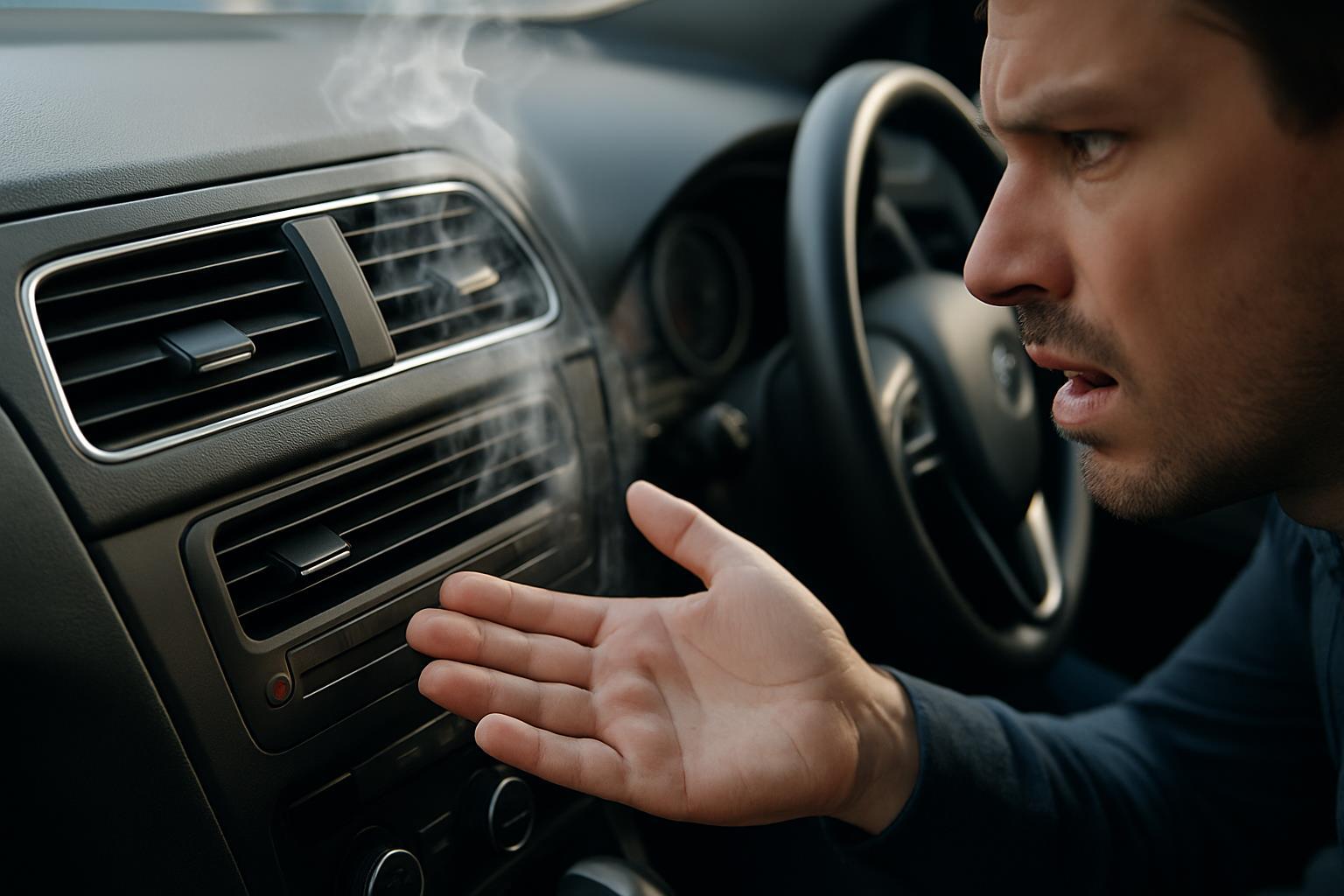
As the summer heat intensifies, your car's air conditioning system becomes not just a luxury but a necessity. However, many drivers overlook the subtle signs indicating that their car AC needs service and repair. Ignoring these signs can lead to discomfort, higher repair costs, and even health issues. In this comprehensive guide, we'll delve into the often-overlooked indicators that your car's AC system is in distress and provide actionable advice to keep you cool and safe on the road.
1. The Silent Struggle: Weak Airflow
One of the first signs of a failing car AC system is weak airflow. You might notice that the air coming from the vents isn't as strong as it used to be. This could be due to a clogged cabin air filter, a failing blower motor, or obstructed vents. Regular maintenance, including replacing the cabin air filter, can prevent this issue and ensure optimal airflow.
2. Unexpected Warmth: Blowing Warm Air
If your car's AC starts blowing warm air instead of cold, it's a clear indication that something is wrong. Possible causes include low refrigerant levels, a malfunctioning compressor, or a faulty condenser. Addressing this issue promptly can prevent further damage to the system.
3. The Nose Knows: Unpleasant Odors
A musty or foul smell emanating from your car's AC vents can be more than just an annoyance; it could indicate mold or bacterial growth within the system. This not only affects the air quality inside your vehicle but can also pose health risks. Regular cleaning and maintenance of the AC system can eliminate these odors and improve air quality.
4. Strange Sounds: Unusual Noises
Hearing strange noises like rattling, hissing, or squealing when you turn on the AC can signal problems with the compressor, fan belt, or other components. These sounds should not be ignored, as they can lead to more significant issues and costly repairs if left unaddressed.
5. Water Woes: Leaks Inside the Car
Noticing water pooling inside your vehicle, especially near the front passenger seat, could be due to a clogged or malfunctioning AC drain. This can lead to water leakage from the AC system and should be addressed promptly to prevent interior damage.
6. Inconsistent Cooling: Temperature Fluctuations
If your car's AC system struggles to maintain a consistent temperature, it could be a sign of a failing compressor, refrigerant leak, or electrical issues. Inconsistent cooling not only affects comfort but can also indicate deeper problems within the system.
7. Increased Fuel Consumption
A malfunctioning AC system can put extra strain on your car's engine, leading to increased fuel consumption. If you notice a sudden drop in fuel efficiency, it might be time to have your AC system inspected and serviced.
8. Frequent Cycling: AC Turning On and Off
If your car's AC system frequently cycles on and off, it could indicate an underlying issue such as a refrigerant leak, faulty thermostat, or electrical problem. This not only affects the cooling efficiency but can also lead to further damage if not addressed.
9. Visible Leaks: Refrigerant or Water
Spotting puddles of refrigerant or water under your parked car is a sure sign of a leak. Leaking refrigerant not only compromises the cooling efficiency of your AC system but also harms the environment. Prompt identification and repair of leaks are essential to maintain your vehicle's AC performance.
10. Electrical Issues: Blown Fuses or Malfunctioning Controls
Experiencing electrical problems, such as blown fuses or malfunctioning switches, can disrupt your car's AC operation. These issues may arise from faulty wiring, damaged relays, or a malfunctioning control module. Addressing electrical problems promptly ensures a smooth and uninterrupted cooling experience.
Preventive Measures: Keeping Your Car's AC in Top Shape
Regular maintenance is key to preventing AC system failures. Here are some tips to keep your car's AC running efficiently:
Replace the Cabin Air Filter: A clean air filter ensures optimal airflow and prevents dust and debris from entering the system.
Check Refrigerant Levels: Low refrigerant can reduce cooling efficiency. However, handling refrigerant requires specialized tools and knowledge, so it's best left to professionals.
Inspect for Visible Leaks: Look for any signs of refrigerant or water leaks under your car. If you notice any, consult a mechanic immediately.
Listen for Unusual Noises: Strange sounds can indicate problems with the compressor, fan belt, or other components. Addressing these issues early can prevent more significant problems.
Schedule Regular Inspections: Having your car's AC system inspected by a professional at least once a year can help identify and address potential issues before they become major problems.
Conclusion
Your car's AC system plays a vital role in ensuring a comfortable and safe driving experience. Being proactive in recognizing the signs of malfunction and seeking timely car AC service and repair can save you from discomfort and expensive repairs. Regular maintenance, combined with professional inspections, ensures that your car's AC system remains in top condition, providing you with cool and fresh air whenever you hit the road.

Contact AutoNation Service Centre Vancouver
https://www.autonationservicecentre.com/ 1606 Clark Dr, Vancouver, BC V5L 4Y2, Canada 6047060388 6042657158