Brake Maintenance - The Ultimate Guide to Brake Service and Repair
Brake Maintenance: The Ultimate Guide to Brake Service and Repair
Your brake system is the most vital safety component in your vehicle. It's not just another part that supports motion. It is the one that stops it. If your brakes fail, nothing else in your car matters. You could have a high-performance engine or advanced electronics. But if the brakes do not work perfectly, you are risking everything. That is why brake service and brake repair are not optional. They are essential.
Car repair is often misunderstood. People focus on the engine, oil changes, and tire rotation. But the braking system demands equal attention. It is what keeps you and everyone around you safe. This guide is built to help every car owner understand how the brake system works. You will know what to expect during a brake service. You will learn when and why to get your brakes checked. And most importantly, you will understand the warning signs that tell you when it is time for brake repair.
How Your Brake System Works
When you press your brake pedal, your car goes through a detailed process to come to a stop. The pressure you apply travels through the brake fluid in the master cylinder. That fluid pushes into brake lines. It activates the calipers which squeeze the brake pads. The pads then press against the brake rotors. This creates friction. And friction is what brings your wheels to a halt.
In drum brake systems, the idea is the same. Instead of calipers and rotors, the system uses wheel cylinders and brake shoes that push outwards into a drum. This also creates friction. Both systems are incredibly effective when they are in good shape. But when any part of this system starts to wear down, your car's ability to stop is reduced.
What to Expect During Brake Services
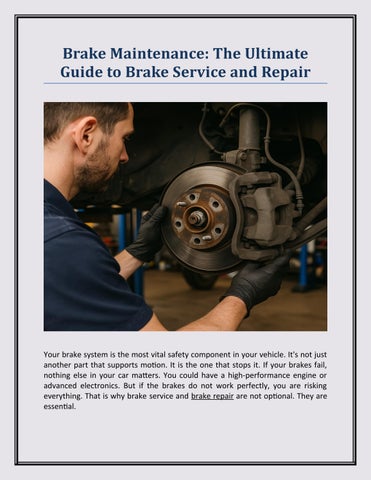
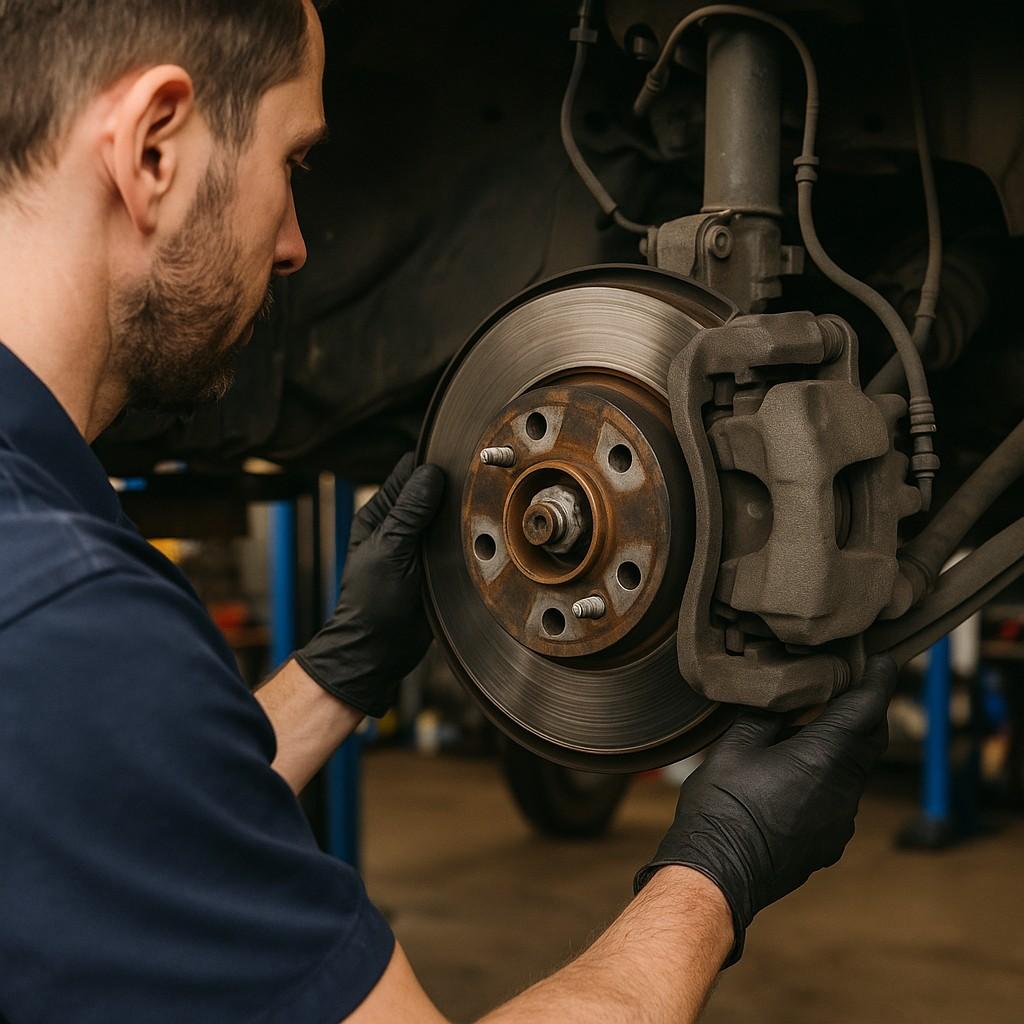
A proper brake service is more than just changing your brake pads. A trained technician will begin with a full inspection. They will check the brake pads and shoes for thickness. They will inspect the brake rotors and drums for wear or grooves. They will also look at the calipers, hardware, and brake lines.
The brake fluid is also critical. If it looks dirty or old, it will be flushed and replaced. The technician will make sure the parking brake works as it should. If your car has advanced driver-assist systems, the brake sensors will also be checked. Every part must work together. If one part is off, it affects the entire system.
After inspection, any needed replacements will be recommended. You might need new brake pads or resurfaced rotors. In more serious cases, calipers might need to be rebuilt. Brake repair can involve bleeding the brake lines to remove air bubbles. It can include replacing corroded lines. Or tightening components that have come loose.
Your Brakes Should Be Checked Every 6,000 Miles
It is very easy to forget your brakes. They work silently. But that is the problem. By the time they make noise, the damage is already done. Most manufacturers recommend a brake check every 6,000 miles. That might seem too frequent. But remember that your brakes are used every time you drive.
Brake wear does not just depend on miles. It depends on how and where you drive. City driving with stop-and-go traffic wears brakes faster than highway cruising. If you drive in hills or carry heavy loads, your brakes work harder. That is why a mileage rule is just a guideline. Regular inspections during routine car repair visits are more important.
Even if you do not drive far, time affects your brakes. Brake fluid absorbs moisture from the air. Over time it gets contaminated. Rust can form in the lines or on calipers. That is why technicians often recommend brake fluid flushes every two years.
Signs That Your Brake System Needs to Be Serviced
Your car will speak to you. You just need to listen. When brakes need service, the signs are clear. You just have to know what they mean. If you hear squealing or grinding sounds, your brake pads may be worn out. That is the built-in wear indicator doing its job. If you ignore it, the grinding you hear next is metal-on-metal contact. That means the rotor is being damaged.
If your brake pedal feels soft or spongy, air could be in your brake lines. That can happen after a fluid leak. If the pedal sinks to the floor, it may be the master cylinder failing. If the car pulls to one side when braking, one brake may be grabbing more than the other. That could be a stuck caliper or uneven pad wear.
If you see a brake warning light on the dashboard, never ignore it. It could mean low brake fluid or a sensor problem. Modern cars use brake sensors to monitor performance. They can detect pressure changes or worn-out pads.
Vibrations when braking also mean something is wrong. Your rotors could be warped. Or the pads could be uneven. If your steering wheel shakes when you brake, it’s time to get the system inspected.
Why Brake Repair Cannot Be Delayed
Delaying brake repair is one of the most dangerous decisions a car owner can make. The problem might start small. A little squeak. A soft pedal. But those are early warnings. If ignored, they lead to major failures.
Worn pads damage rotors. Damaged rotors overheat. Overheated systems fail. Leaking fluid lowers hydraulic pressure. That makes the pedal less responsive. Eventually, you lose braking power. That is not a repair issue anymore. It becomes a safety emergency.
Repairing brakes on time also saves money. Pads are cheaper than rotors. Rotors are cheaper than calipers. And calipers are cheaper than accidents. When one part goes bad, it causes stress on the others. You might go in needing just pads. But if you wait, you might need pads, rotors, and calipers. That adds up quickly.
Common Types of Brake Repair
Brake repair covers many services. The most common is replacing brake pads. These wear down with use. Depending on your vehicle and driving style, they may last 25,000 to 70,000 miles.
Rotor resurfacing or replacement is next. If the rotors are still thick enough but have minor grooves, they can be resurfaced. If they are too thin or warped, they must be replaced.
Caliper repair involves cleaning or rebuilding the part that pushes the pads into the rotors. A seized caliper can cause uneven braking. That increases stopping distance and leads to wear.
Brake line replacement may be needed if the metal lines rust or the rubber hoses crack. These lines carry fluid. If they leak, the system loses pressure.
Brake fluid flushes remove old contaminated fluid and replace it with clean fluid. This restores proper braking response and prevents internal corrosion.
The Role of Professional Car Repair Services
Doing brake repair yourself can be risky. It is not like changing oil or replacing wiper blades. Brakes require precise tools. They must be torqued to exact specifications. If done wrong, you are putting lives at risk.
Professional car repair shops have the training and experience to diagnose problems correctly. They have the tools to measure rotor thickness and pad wear. They know how to test for air in the lines. And they have the parts on hand to make sure your car is fixed the right way.
Many car repair shops now offer digital inspections. They show you photos and videos of worn parts. That builds trust. You can see what needs to be done and why. No guesswork. No surprises.
Brake Service and Technology
Brake systems today are more advanced than ever. Many vehicles have electronic brake-force distribution. Some have automatic emergency braking. These systems rely on sensors and software. Brake service on these vehicles includes scanning codes. Technicians check sensor alignment and calibration.
Even parking brakes have changed. Many cars now use electronic parking brakes. These require computer resets after brake service. Without the proper diagnostic tools, the job cannot be completed correctly.
If your car has adaptive cruise control, lane assist, or any form of automatic braking, the entire system must be rechecked after brake repair. That ensures everything works as designed.
Making Brake Maintenance a Habit
Brake maintenance is not a one-time fix. It is a habit. It should be part of your regular car care routine. Just like you change your oil or rotate your tires, checking your brakes should be scheduled.
Ask your mechanic to inspect your brakes during every service. Even a quick glance can reveal early problems. Keep track of how your car feels. Trust your instincts. If something feels off, it probably is.
Set a reminder every 6,000 miles. Make it a point to get a brake inspection. Not just for your car's health. But for your peace of mind.
Conclusion
Brake service and brake repair are two of the most important car repair tasks you can invest in. They are not about luxury or performance. They are about safety. Knowing how your brake system works helps you understand the urgency of maintenance.
By getting your brakes checked every 6,000 miles, by learning the warning signs, and by trusting professionals for service, you make sure your car is always ready to stop when it should. Do not wait for a screech. Do not ignore a light. Let brake care be part of your routine. Because your safety depends on it.