Smart Operational Moves
TO START THE NEW YEAR
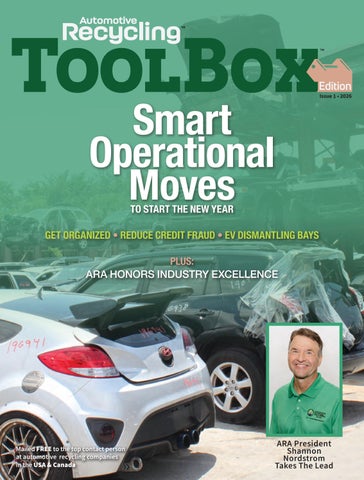
GET ORGANIZED • REDUCE CREDIT FRAUD • EV DISMANTLING BAYS PLUS: ARA HONORS INDUSTRY EXCELLENCE








GET ORGANIZED • REDUCE CREDIT FRAUD • EV DISMANTLING BAYS PLUS: ARA HONORS INDUSTRY EXCELLENCE
The year 2025 has brought forth many challenges we had expected and plenty we had not. Many profits were met with matching pitfalls. Always busy and seemingly never ahead, but continuing to move forward to make it happen. Per usual, auto recyclers at large have persevered. But many, if not most, have done so at the cost of something else.
Have we put off projects of tomorrow while prioritizing the possible proliferating profits of today? Or have we favored fulfilling orders over the orderly need of organization? Whatever the year has held for you, as it closes out, now is the time to reflect in anticipation of our next chapter. It is time to clean the yard and get ourselves and the yard organized once again.
For those who continue to lead the way for responsible recyclers, how do you do it? How can we manage time and projects well enough to ensure we are not compromising our operations and policies in exchange for meeting sales & inventory targets? Do we slow down, putting operations over orders? Or do we make additional time or take on additional help, if that is available, to help us avoid falling behind in any of these processes?
However you choose to do it, perhaps the best method to combat these pain points is to expect and plan for their impact. By making cleaning, purging, restructuring, and organizing the yard a cornerstone and consistent part of our daily routines, we can help eliminate the pileup. We can transition from playing

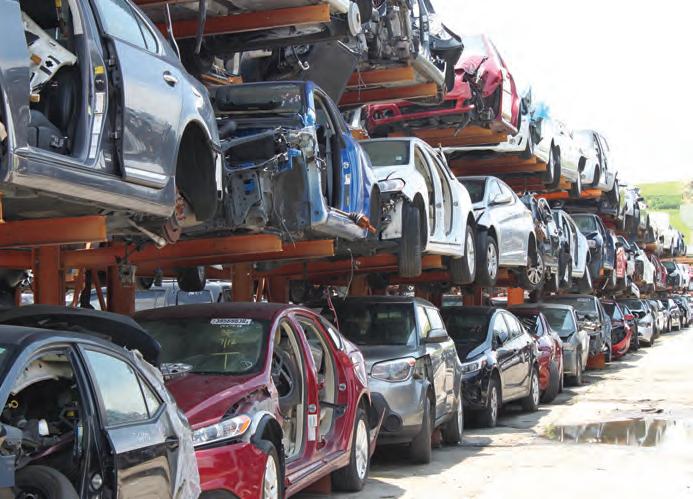
catch-up and dealing with backlogs of housekeeping projects to creating a new game plan that positions us for organized, profitable success.
So what does this type of clean-up involve, and how does yard organization help optimize our processes? That loaded question can be countered by defining what type of yard you have. What is the layout of your auto recycling operation? Are you a self-service or full-service yard? And are your vehicles dismantled, used for rotating storage, or do you have more parts and buildings than you have actual vehicles? Understanding how you operate will give you further insight into your own operation’s choke points and challenges. If we combine this with the roots of why clutter, damage, dishevelment,
or disorganization come into existence, it can help pinpoint the resources and recourse needed to aid our problem-solving methods.
So, given your dynamic and the logistical challenges you face, what does yard cleaning mean to you? And why must yard organization be prioritized to improve the effectiveness and efficiency of your operations’ flow?
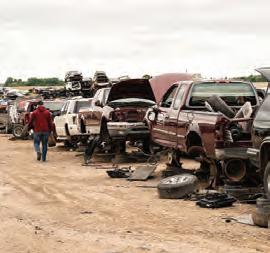
The idea of cleaning up the yard is a definite recurring burden we all face. But we know a yard’s layout and the strength of its strategy can go hand in hand with how well we clean it and maintain it. If we do not implement a program to keep our setting and storage clean and organized, we begin to allow overcrowding, damage, and inaccurate inventory. These consequences we have all seen and may have suffered. Usually, this results in unsafe, littered conditions, which are always unacceptable for a multitude of
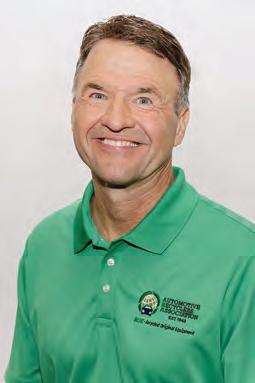
Brian Bachand is a second generation auto recycler, who helps own and operate Westover Auto Salvage in Belchertown, MA. He is on the Board of Directors for the Auto Recyclers Association of MA and a proud ARA Member. Brian has a Bachelor’s Degree in Accounting and paired with almost 25 years of auto recycling experience, will continue to implement ARA Advocacy for being a leader in the auto industry.
reasons. Safety must always come first, and whether you run a U Pull It or your staff pulls all the parts, we cannot risk anyone getting hurt. That means proper and compliant storage.
So, how we store our vehicles and parts, down to how we keep these storage areas clean, organized, and safe, will always serve the ultimate purpose of keeping everyone safe.
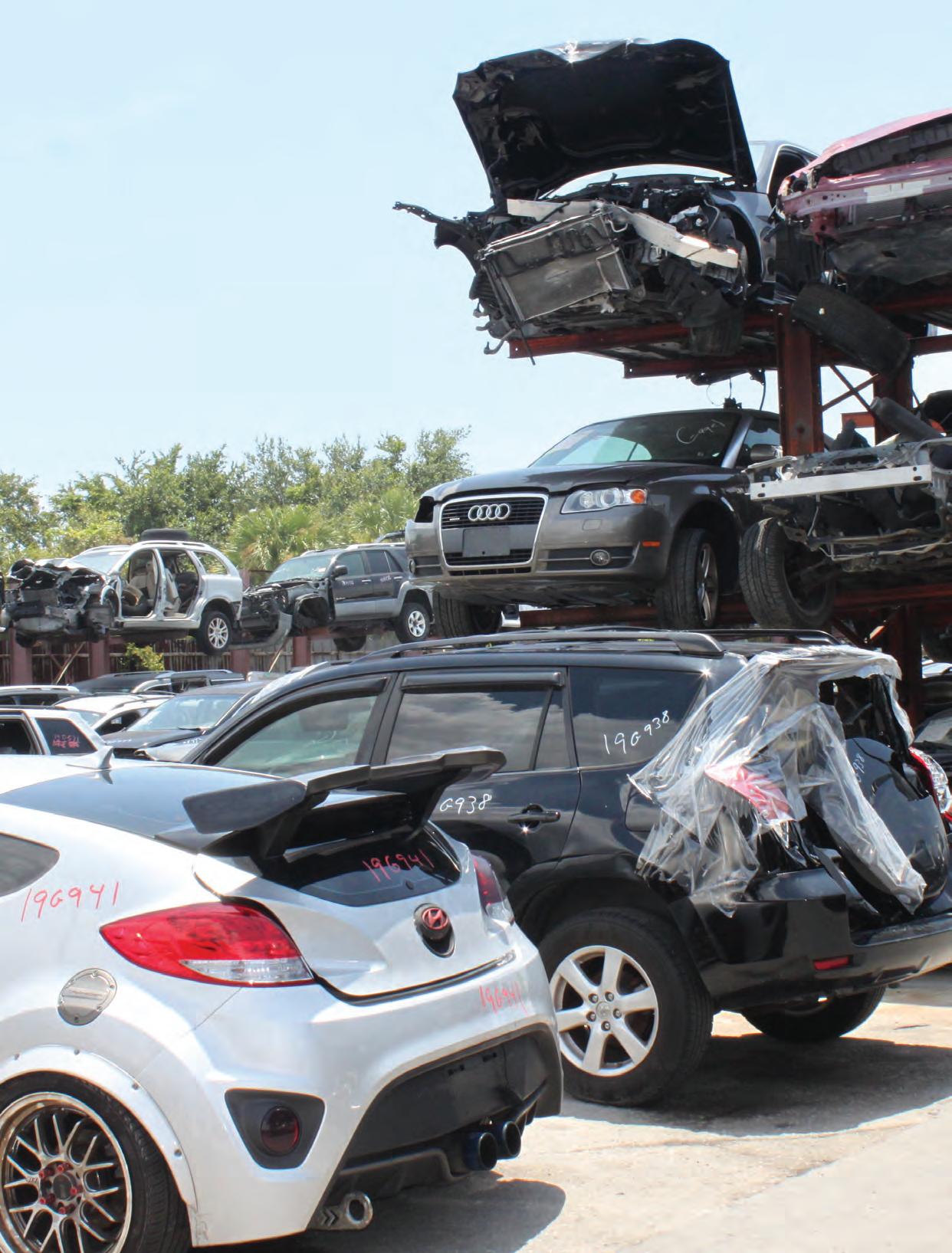
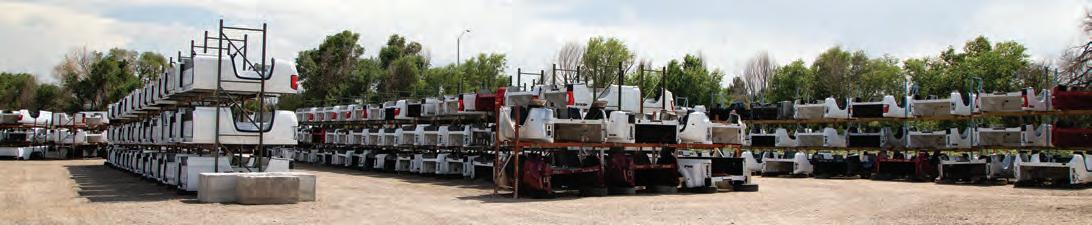
How vehicles are being stored at each facility is a dynamic that must be analyzed to see what works best for each of us. Finding that balance between optimizing space, guaranteeing inventory control, and ensuring efficient operational flow is quintessential. We can not have our team spending all day trying to find a car or handling any vehicle more than absolutely necessary. The same goes for the parts on our shelves and racks. Vehicle Storage layout, organization, and accessibility can be determined by several factors. Such things that dictate the latter include the length of the forks on our loaders.
Are we picking vehicles up from the side or the long way? The other constraint is the total available space for vehicle storage and how much of that is allotted to each vehicle section. What does the terrain look like, and does the topography of the yard play a role in where and how we set our vehicles up? Think in terms of runoff, such as where water pools. How much space does each section have, and are there rutted or rugged roadways that are traversed? Does it make sense to keep bigger or smaller vehicles closer or farther from our buildings or perimeters? And then there is the million-dollar question of EVs and Hybrids. How and where do we store them, especially when they are new arrivals awaiting depollution and deactivation? Store your vehicles safely and wisely.
The bottom line is we need all the space we can get, and how we utilize and optimize it has the biggest impact on our ability to operate efficiently and effectively. Optimizing this space is integral to how we facilitate the flow of our operations. These factors determine whether we have high or low workload rows of vehicles. Limited space tends to lead to higher inventory damage, overcrowding, and high workloads (Moving multiple vehicles to reach the one you need). More space gives us a better opportunity to work and to remain clean and organized. So start figuring out how to create more space and continue rotating vehicles in and around it. Whether it is adjusting the timeline of your vehicles throughout their life cycle at your facility, or going so far as to create additional actual space. This could look like anything from rearranging and restructuring, to rezoning or adding additional land space for vehicle and part storage.
inventory backlogs, and the crush car market downswings are the more frequent variables that become limitations on help and resources.
So when looking into organizing our yards, we should all have at least a general idea of what the flow chart and numbers look like for the life cycle of vehicles moving through our facility. This includes knowing and understanding the numbers and variables behind the following: how many vehicles do we buy a month, how many do we process/dismantle/put into storage, how long do they stay in storage/ inventory and how often and how many vehicles do we crush, and when do we send them out. Understanding the life cycle of your vehicles and the flow chart that maps these logistics can help you with yard organization and planning for the inevitable cogs in this wheel. Log jams, disorder, and inefficiencies create these chokepoints within the flow. Unexpected increases in purchased vehicles,
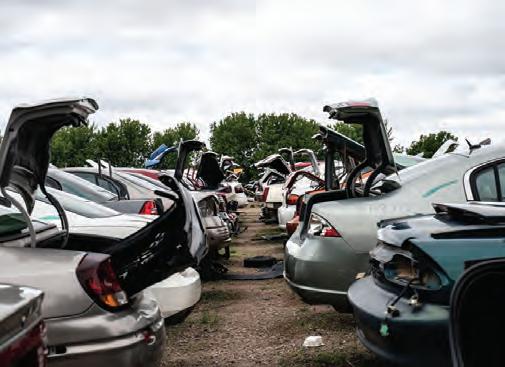
Once we have determined our real-time available space given our limitations, how can we then optimize the organization of this presumed grid? Are we setting up cars by an inventory number section, or are we grouping them by make and model? Do they have wheels on them, or are they welding wheels or cutting railroad ties? The types of vehicles you are storing, and their condition, may also factor into how we set up our vehicles and how we navigate the flow of vehicles throughout the storage area. If we are not strategizing the most optimal output given this data, we will continuously run into future problems that will compromise inventory control, sales numbers, and environmental compliance.
Our commitment to “no surprises upon delivery” is a credo that must definitively define our dismantling. Once our parts are inventoried, it is paramount that we keep them in the same conditions in which they were inventoried. Having a transparent, highly accurate inventory, teamed with correct ARA Damage Codes, quality descriptions, and pictures, is the major driver of our sales. If improper spacing or storage is causing continuous damage to the vehicles and surrounding
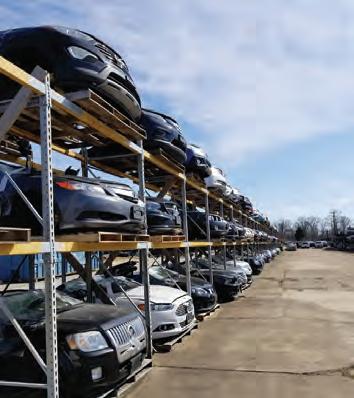
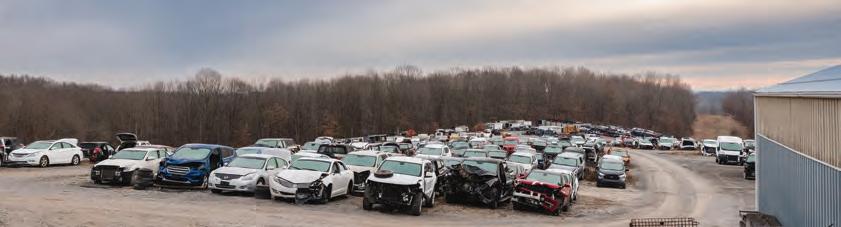
vehicles, or if we are amassing yard damage from our forks, then we are just throwing money away and wasting time.
Do not let laziness or lack of foresight continue to damage your goods. This is why accountability matters. And why vehicle spacing, storage, and the cleanliness of each vehicle’s area is something that may seem underrated, but is an absolute necessity.
Control and efficiency are what move us forward. The way to maintain this is to be proactive in problem-solving the yard issues that arise within our operations. So if we are talking money, think of all the money that could potentially be lying on the ground or being thrown away. Think of the money saved with proper yard organization, and think of the found money from keeping it clean. Where do you want to see your money go and make it happen!
The parts that tend to pile between vehicles all have value. Reuse and recycle people! This is huge for accurate inventory reporting. Making sure parts from jobs or people are not finding their way onto the ground or in a direction that could lead to damage, or worse, MIA. However, we all know this has always been an issue with anything less than a complete dismantling of the vehicle. The way to capitalize on this recurring problem is to spearhead it.
Put protocols and people in a place to deal with it. That means dismantling further and thinking ahead. Start by taking off straggling viable and junk parts and putting them on the shelf or finding
The idea of cleaning up the yard is a definite recurring burden we all face. But we know a yard’s layout and the strength of its strategy can go hand in hand with how well we clean it and maintain it.
a core or scrap outlet for them. The parts that fall off or get thrown to the wayside need to be picked up. This cleaning and picking up should be part of our monthly, if not daily, processes. Whether we reallocate help or hire more, or empower our team to work together to make this possible, it is a must. We must make sure we are picking up the parts, junk, and debris. Not only are we ensuring our people’s safety, but also the safety of our vehicles and parts.
With this act, we can sort through this free and found money and recycle the rest. Curtailing the volume of this happening through protocol gives us the opportunity to access an untapped revenue stream that can strengthen our most viable and profitable ones. Parts, metal, junk, or debris. Scrap it, core it, or see if it meets the acceptable weight for our crush cars. All of the clutter and debris that becomes scattered or littered about our operations has value. It is time to capitalize on this conundrum.
The need to stay clean and organized is imperative moving forward. From our operations to each yard’s brand and on to strengthening the image and reputation of the industry at large. Making time to clean up and catch up is not only about safety and inventory control, but it is also about doing our part to remain environmentally conscious and compliant.
For those out there not ARA Certified Auto Recyclers (CAR), I would think now would be an excellent time to review this
advantageous accolade. This certification contains a key part of the protocol to help you stay clean and organized. This audit and accountability of your operations are not only manageable and achievable, but their regulation can also promote and motivate your business to reach the next level. Not only are we creating cleaner, better-organized operational flows, but we are doing so with a bigger, greener picture in mind.
As we review the merit and the math behind cleaning and organizing the yard, we are forced to ask ourselves the how and why. The why seems to be simple. The debris on the ground is money. Pick up the money and cash it in. Turn this problem into an all-encompassing, profitable solution. One that not only cleans the roadways and rows, but also strengthens our organization, inventory control, and operational flow. How this cleaning up and organization, and maybe even your reorganization, looks depends on how you operate. Aerial views of other auto recyclers’ facilities are just as useful as reaching out to an ARA Mentor or connecting with another ARA member to bounce ideas around.
There is no one-size-fits-all solution for the problems that drive the need for cleanliness and organization. But these potentially profitable and prospective principles, when examined and implemented, can be the catalysts that inspire reason to make more green while keeping it clean.
As auto recyclers know better than most, “Stay committed to your decisions, but stay flexible in your approach,” says motivational guru Tony Robbins. TB

The auto recycling industry is heading into 2026 with strong demand—and very little margin for error
Remote buyers are up. Card-not-present (CNP) transactions are now routine. Disputes are no longer rare events. Labor remains tight. Fraud is no longer an edge case—it’s a predictable cost of doing business.
Across the broader payments ecosystem, more than 70% of all card fraud now occurs in card-not-present transactions, and global CNP fraud losses are projected to reach nearly $30 billion annually by 2026. Auto recyclers selling high-ticket parts remotely are directly exposed to this shift.
The yards that win in 2026 won’t just sell more parts. They’ll protect revenue, reduce risk, and run disciplined operations.
Here’s where smart recyclers are focusing now.
Fraud is not random.
High-ticket parts, remote buyers, delayed fulfillment, and digital payments create opportunity—and bad actors know it. Engines, transmissions, and electronics are frequent targets not because recyclers are careless, but because transaction values are high and timelines are long.
Industry data shows that chargeback volume is expected to grow by more than 40% between 2023 and 2026, driven largely by remote purchases and CNP disputes.

Fraud prevention going into 2026 isn’t optional and it isn’t “extra.” It’s revenue protection.
Strong fraud controls allow recyclers to approve higher-ticket sales with confidence, reduce processor scrutiny, spend less time fighting disputes, and protect long-term processing relationships.
Hope is not a control. If fraud prevention today is informal or inconsistent, it will cost you tomorrow.
While industry-wide fraud statistics specific to auto recycling remain limited, operational patterns across a broad range of recyclers selling parts remotely show a clear trend: card-not-present transactions now represent a growing share of overall sales, and dispute volume is rising alongside them.
In many cases, recyclers report double-digit increases in disputes year over year, driven less by stolen cards and more by authorization claims, misunderstandings, or frustration tied to remote transactions. Disputes are no longer rare exceptions—they are a routine operational risk.
Most disputes aren’t lost because the recycler is wrong. They’re lost because proof wasn’t captured when it mattered.
Too many teams waste hours playing detective—digging through emails, texts, call logs, and screenshots— instead of ensuring the transaction
itself proves who the buyer was and what they agreed to.
What matters is being able to prove:
• T he cardholder participated in the transaction
• T he customer knew exactly what they were buying
• P ricing, terms, and policies were clearly presented and accepted
If you can’t prove the customer knew what they were paying for and agreed to your terms and conditions, you are at risk—even if the part shipped, arrived, or was used.
Disputes thrive in gray areas.
When transaction records, documentation, and customer communication are fragmented, accountability disappears. Staff spend time reconstructing events instead of responding with confidence.
Strong operations ensure every sale has a clear transaction record, supporting documentation tied to that record, and a consistent version of what was promised.
This isn’t about more tools. It’s about operational discipline.
If a transaction can’t be clearly explained in minutes, it’s vulnerable.

Most operational failures don’t happen because employees don’t care. They happen because processes live in people’s heads. Manual workflows rely on memory and experience. They break when someone is out, volume spikes, or a new hire steps in.
Guided workflows enforce required steps, standardize how remote buyers are handled, reduce missed documentation, and create consistent handoffs across teams.
If your best employee is out tomorrow and things fall apart, the workflow—not the employee—is the risk.
Labor remains tight, and replacing experienced staff is costly.
The solution isn’t more headcount. It’s simpler, repeatable operations.
AI works best on high-volume, repeatable, rules-driven tasks that demand consistency more than judgment.
Well-designed systems shorten training time, reduce errors, improve consistency, and allow teams to handle more volume safely as risk increases.
Artificial intelligence is dominating industry conversations—and much of that conversation is disconnected from reality.
AI is not a replacement for good operations. It does not fix broken processes. And it does not remove risk on its own.
AI works best on high-volume, repeatable, rules-driven tasks that demand consistency more than judgment. It adds value only after strong fundamentals are in place.
AI is not a strategy. It is a tool—and tools only work when the foundation is solid.
Demand for recycled parts remains strong. But tolerance for operational mistakes is shrinking.
With CNP transactions and dispute volumes climbing year over year, recyclers who invest now in fraud protection, clear accountability, disciplined workflows, and realistic use of technology will enter 2026 with fewer surprises and stronger margins.
The future belongs to yards that run like modern commerce businesses— not just parts sellers. TB

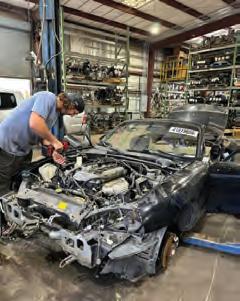
As electric and hybrid vehicle volumes grow, forward-thinking recyclers are redesigning their facilities to safely and efficiently process high-voltage machines. Setting up a dedicated EV dismantling bay isn’t just good practice—it’s becoming essential. With the right layout, tools, and protocols, recyclers can protect staff, recover more value, and stay ahead of regulatory pressures.
The first rule of EV dismantling is simple: isolation.
Leading facilities now designate a controlled, clearly marked area exclusively for electric vehicles. Access is restricted to trained staff—typically those with Level 3 or higher high-voltage competency. Bright, unmistakable signage alerts workers to the hazards, while floor markings guide safe movement and define the working envelope around the vehicle.
This separation not only prevents accidental exposure to high-voltage components but also creates a professional environment that supports safe workflow.
Well-designed bays avoid confined spaces, relying on effective ventilation

or targeted extraction systems that disperse heat and fumes should a battery enter thermal distress. The environment must also remain dry, uncluttered, and temperature-stable— conditions that reduce hazards while making technicians’ work easier and more consistent.
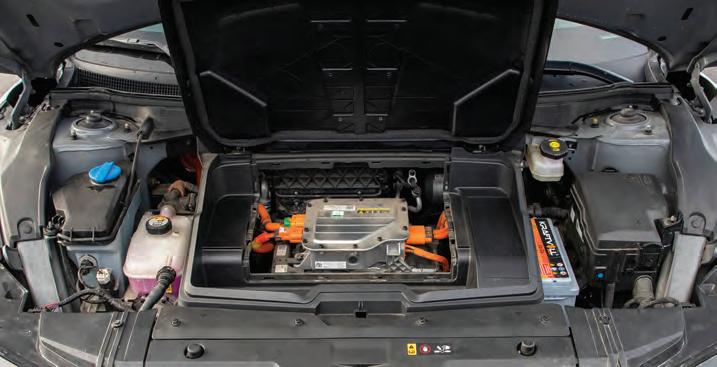
A well-organized bay gives technicians room to work. Vehicles should be placed so all sides are accessible, with non-conductive flooring where practical. Clear access to the 12V system, service connectors, isolation points, HV Battery, and charge ports ensures technicians can quickly secure the vehicle before dismantling begins.
Every EV dismantling bay needs its own toolkit: 1000V-rated insulated tools, electrical test equipment, class-appropriate PPE, and high-voltage gloves. Keeping these tools in a dedicated, locked
cabinet prevents misuse and maintains a professional standard.
Fire safety is being redefined in the age of EV recycling: Lithium-ion fire blankets sized for vehicles, traditional extinguishers, and readily accessible water supplies form the core of a modern safety setup. Many operators now supplement this with infrared cameras to spot battery hot spots early. A single emergency stop switch that kills power to the bay rounds out the critical safety infrastructure. Clear, visible emergency procedures remind staff what to do when seconds matter.
This storage zone should be cool, ventilated, and physically separated. Undamaged batteries sit on insulated pallets or shelves, while suspect or compromised
Andy Latham is Managing Director of Salvage Wire. His desire is to highlight the professionalism in the vehicle recycling industry, increase knowledge and understanding, and keep everyone safe, ethical and profitable. Book your complimentary one-hour consultation today at www.salvageinsight.co.uk.
units are housed in fire-resistant containers. Temperature monitoring, appropriate spacing, and clear labeling help minimize risks and support simple, repeatable inspection routines.
Top-tier recyclers rely on robust Standard Operating Procedures: They guide every step of the dismantling process—from initial identification through isolation, testing, removal, and storage. Laminated posters in the bay help ensure consistency and reduce the chance of shortcuts. These clear procedures also help new technicians learn faster and make operations easier to audit or certify.
Modern dismantling bays are increasingly digital: Tablets or wall-mounted monitors provide quick access to OEM emergency response guides and high-voltage component diagrams. This reduces guesswork and ensures that technicians proceed based on accurate, manufacturer-approved information.
Well-designed bays avoid confined spaces, relying on effective ventilation or targeted extraction systems that disperse heat and fumes should a battery enter thermal distress.
The best EV bays maintain order: Dedicated benches for high-voltage components, shelves divided into “safe parts” and “quarantine,” and tool shadow boards help technicians work methodically. Some facilities incorporate barcode or RFID tracking to simplify part identification and inventory control. The result: smoother
workflows, fewer errors, and a more professional operation.
As regulations evolve, recyclers must stay ahead of requirements: These are for hazardous waste handling, fire protection, environmental management, and high-voltage safety. A properly designed EV bay makes compliance easier, improves insurer confidence, and protects long-term business viability.
Setting up a dedicated EV dismantling bay requires investment, planning, and a clear understanding of modern risks. But the payoff is enormous: safer staff, smoother operations, fewer incidents, and a facility ready for the accelerating shift toward electric mobility.
Salvage Wire can assist all vehicle dismantlers and recyclers in building their processes, equipping their shops, and training their staff. Recyclers who embrace these best practices aren’t just keeping up—they’re leading the charge. TB

It’s Not Just Labor. It’s Knowledge, Safety, and Trust.
Every automotive recycler understands costs intimately. You track scrap prices, core values, inventory turns, freight, and margins down to the penny. But there’s one cost that rarely shows up cleanly on a spreadsheet yet quietly drains profit every single year: employee turnover.
When someone leaves your yard, it’s not just a vacant position. It’s the dismantler who knew where the tricky fasteners were hiding. The counter person who could spot a mismatched part number before it became a return. The yard employee who understood your flow, your safety shortcuts, and your customers’ expectations without needing to be told.
That knowledge doesn’t transfer neatly to the next hire. It walks out the gate with them.
Here’s what I’ve learned after years of working with industrial and skilledtrades operations: most turnover in automotive recycling isn’t caused by

the work itself. This industry is physical, dirty, and demanding; people know that when they apply. What pushes them to leave is what happens around the work: how they’re treated, whether they’re heard, and whether they feel respected when things get tough.
Turnover isn’t a staffing problem. It’s a leadership and culture problem.
Let me walk you through what turnover really costs an automotive recycling operation, because I see these patterns play out consistently.
Lost productivity hits first. New hires take weeks, sometimes months, to reach full speed. During that ramp-up period, mistakes happen. Wrong pulls. Missed parts. Safety near-misses. And that slows everyone else down because experienced employees have to stop what they’re doing to help, correct, or clean up.
Then there’s safety risk. I can’t overstate this one. Experienced employees know the hazards instinctively. They know which stacks shift, which fluids spill, and where complacency creeps in. New people, even with solid training, are far more likely to get hurt or cause damage simply because they haven’t yet developed that sixth sense.
Customer impact is another big one. When experienced counter staff leave, customers feel it immediately. Service slows down. Errors increase. Trust erodes. In an industry built on repeat business and word-of-mouth reputation, that erosion matters more than most people realize.
And finally, there’s morale. When good people leave, the ones who stay start asking quiet questions: “Why did they go? What do they know that I don’t? Am I next?” That uncertainty spreads faster than any policy change you could implement.
Here’s the brutal truth: turnover compounds itself. Each departure makes the next one more likely.
I often hear owners say they’ve raised wages or tightened up their policies to reduce turnover. Those things help, don’t get me wrong. Competitive pay matters. Clear expectations matter. But they don’t solve the deeper issue.
Raising wages temporarily fills the gap, but it doesn’t build loyalty. Tightening rules might improve consistency, but it rarely creates commitment. Posting more job ads fills seats, but it doesn’t fill them with people who want to stay.
People stay where they feel valued, not just paid.
That’s where leadership habits make all the difference. I’ve seen this pattern repeat itself across dozens of operations: companies with lower turnover practice consistent, everyday behaviors that build trust and pride. Not programs or initiatives that launch with fanfare and fade after six months. Habits. The small, unglamorous things leaders do every single day.
Retention begins with how you show up on ordinary days, not just during crises or company meetings.
When something goes wrong in the yard, and something always goes wrong, how do you respond? Do your people see frustration and blame, or
calm problem-solving? Your reaction in those moments becomes the model everyone else follows. If you point fingers when mistakes happen, guess what your supervisors will do?
Do you notice good work, or only mistakes? Automotive recycling moves fast. Parts need to fly out the door. It’s easy to assume people “already know” they’re doing a good job because you haven’t said otherwise. But they don’t know. Silence gets interpreted as indifference, and indifference kills motivation.
Do your people feel comfortable speaking up about problems, inefficiencies, or safety concerns? Most employees don’t leave after one bad day. They leave after months of feeling unheard,
your mood or the pressure of the moment, trust builds. When you admit your own mistakes and follow through on commitments, your credibility grows exponentially.
Accountability done right doesn’t drive people away. It gives them confidence in the operation and in you as a leader.
There’s another cost of turnover that doesn’t get discussed much, but I think it’s one of the most significant: the loss of legacy and institutional knowledge.
Automotive recycling is built on experience. Much of what makes a yard efficient and profitable lives in people’s heads, not in manuals or standard
Automotive recycling is built on experience. ... It’s the dismantler who knows the quirks of specific makes and models. It’s the yard manager who can predict inventory needs based on seasonal patterns. When experienced employees leave, that knowledge disappears.
of raising issues that disappear into the void with no acknowledgment or action.
These things aren’t “soft skills.” They’re operational fundamentals that directly impact your bottom line.
One misconception I run into frequently is that appreciation and accountability are somehow opposites, that if you’re too supportive, standards will slip, or if you hold the line on expectations, people will feel beaten down.
That’s false. They work together.
Strong automotive recycling operations have crystal-clear expectations. Safety standards matter. Accuracy matters. Showing up on time matters. Accountability keeps standards high and protects everyone in the yard.
But accountability works best when it’s consistent and fair. When people know the rules won’t shift based on
operating procedures. It’s the counter person who remembers that certain customers only want OEM parts. It’s the dismantler who knows the quirks of specific makes and models. It’s the yard manager who can predict inventory needs based on seasonal patterns.
When experienced employees leave, that knowledge disappears. Training becomes harder because there’s no one left who truly knows the ropes. Consistency drops. Culture thins out. You’re essentially starting over, and each time you do, you lose a little more of what made your operation run smoothly.
The businesses that thrive long-term aren’t just the ones with sound systems, though systems matter. They’re the ones that keep their people long enough to pass knowledge down to the next generation of employees.
Here’s the good news: you don’t need a big new initiative or a consultant engagement to start reducing turnover. You need better daily habits.
Start with these:
Acknowledge effort, not just results. Notice when someone stays late to help a teammate or takes extra care on a tricky pull. Those moments deserve recognition.
Ask your team what slows them down, then actually listen. Don’t just collect complaints in a suggestion box. Have real conversations. And when someone brings you a legitimate issue, do something about it.
Close the loop. When concerns are raised, follow up. Even if you can’t fix the problem immediately, let people know you heard them and what you’re doing about it. Radio silence breeds cynicism.
Recognize good work publicly when it’s appropriate. Some people prefer private acknowledgment, but many appreciate being recognized in front of their peers. Learn what matters to each person.
Follow through on what you promise, every single time. Nothing destroys trust faster than broken commitments. If you say you’ll look into something or make a change, do it. Your word is your credibility.
These actions cost nothing. They take minutes a day. But they change everything about how people experience working for you.
Margins in this industry are tight. Good people are genuinely hard to find and harder to keep. Training takes time and money you don’t always have to
spare. You simply cannot afford constant turnover.
When employees feel respected, trusted, and valued, they stay. They work more safely. They take ownership of problems instead of waiting for someone else to solve them. They protect your reputation with customers. They help you build a business that lasts beyond the next quarterly report.
Turnover isn’t inevitable. It’s a signal, a signal that something in your culture or leadership approach isn’t working. And when you respond to that signal intentionally, with consistent daily habits that show people they matter, you don’t just reduce churn.
You build continuity. You build pride. You build legacy.
And in an industry where knowledge and relationships are everything, that’s how you win long-term. TB
Does anyone remember the “cola wars?” Maybe I am dating myself, but at one time, it was hard to believe that two enormous companies (CocaCola and Pepsi) spent so much money and energy competing with each other that their marketing campaigns were enough to actually change an entire culture. If you were around for the 80s and 90s, you might remember it. Competition between the soft drink giants was fierce, and they tried anything and everything to beat each other for market share.
At some point, Coca-Cola, which already enjoyed a much bigger slice of the market, decided to do the unthink able: change its recipe. They tried to make it better.

Coca-Cola famously changed its recipe with the disastrous launch of “New Coke” on April 23, 1985, a sweeter, smoother version that sparked massive consumer backlash, leading to the rapid reintroduction of the original formula as Coca-Cola Classic just 79 days later because people hated it.
People didn’t necessarily dislike it because it was bad, but because the flavor they had enjoyed for almost a century had changed. Now I am sure that it seemed like a good idea at the time, but very quickly it became obvious that the time-tested recipe, the formula that had created the success they had achieved, had stood the test of time, and nobody wanted to see it change.

I really wonder whether we, as auto recyclers, may face a similar situation. Not that we are so cutthroat that we would make desperate business decisions to one-up a competitor, but that we run the risk of changing the “recipe” that has brought us success in the name of progress or improvement. But I have been thinking a lot about this as we navigate advances in technology, changing consumer preferences, and changes in the political landscape that affect our business. Let’s take a minute to look at this.
One of the topics that is front and center as we enter the new year is AI. It is everywhere we look, and clear is here to stay. Should we rush to implement this into our business as much as
possible? Should we reject it completely? Is it going to be more complicated than it seems, or less? The answer is simple:
I don’t know. Chances are, neither do you. Not many of us in this industry have ever let the unknown keep us from success yet, and we will not start now. There are companies that have tools for pricing and bidding on salvage. There are applications that will improve your inventory pictures, help you prioritize your tasks, and even answer your phones. The list seems to go on and on. Is
I am inclined to think it could be, if done well. The pros are the consistency that an automated process can provide, as well as the reliability we come to expect. (It is as good as our internet connection and hardware anyway.) The cons are that we may cause problems due to incorrect settings, incorrect data, and, most importantly, that if we become dependent on the technology, we will lose the “feel” for the business. Knowing something is off because you are in tune with your operation is vitally important.
If you don’t believe that, think back to when you put a portion of your operation into the hands of a manager and then walked away for a year or more without ever checking how they were doing. I would be surprised if any of
Jake Nawrocki, with sister Katy Joles, own and operate Rocki Top Auto Recyclers in Glen Flora, Wisconsin. The company was formed in 1988, and Jake and Katy took over operations in 2009. Since that time, they have been working both in and on the company, in a region that is economically challenged.
“Our goal is to make Rocki Top Auto a destination.” Contact Jake at 715-322-5774 or rockitopauto.com.

One of the topics that is front and center as we enter the new year is AI. It is everywhere we look, and clear is here to stay. Should we rush to implement this into our business as much as possible? Should we reject it completely?
us has ever done that, and for good reasons. As leaders in our companies, that is our responsibility. I am concerned that if we become dependent on AI, we will lose that skill to a degree.
There is also the socio-economic aspect. While we may use technology to improve customer service and profit margins, we do have to consider that we may be eliminating positions that could otherwise have supported
families and our communities directly. Of course, the struggle to fill positions with the right people is the counter to that, but it should still be considered, I think. As business owners, we have a real privilege in what we can do for our communities.
So, as we navigate all this, let’s make sure we don’t completely overhaul and end up doing something our customers hate or haven’t even asked for.
Let’s not change the recipe if it has driven a large share of your market to you and made your customers love you.
Don’t mess with that. On the other hand, maybe we can identify an ingredient in our “recipe” that is outdated, unnecessary, unsafe, or unhealthy. While we protect what has gotten us to where we are, let us also identify what could make us better by removing it or changing it.
I am so grateful to be part of an industry that is always doing this, and I am grateful to all those in it who have helped me along the way. Let’s start the new year off working together to get even better! TB

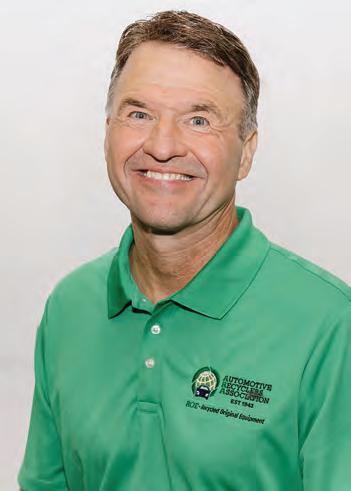
Professional automotive recycler Shannon Nordstrom of Nordstrom Automotive in Garretson, South Dakota was recently welcomed as the new President of the Automotive Recyclers Association (ARA). Nordstrom was formally confirmed as President on October 17, 2025, during the Association’s 82nd Annual Convention and Exposition in Birmingham, Alabama. Nordstrom has been an active ARA volunteer for many years in his capacity as Chair of the Certification Committee and has served on ARA’s Executive Committee since 2022.
“I stand here tonight as one of you, a proud automotive recycler,” said Nordstrom in his first remarks as Association President. “I am someone that has benefited from being part of the ARA community since attending my first Convention in Denver in 1996. My experience of growing our business with the help of many, some that are in this very room tonight, inspires me to lead and give back to the industry that I love. We are not perfect,
but we will do our best and we will all continue to grow and learn together. My experience of my journey will be used to help lead the Executive Committee as we work together for the best interest of our members and the industry. I am prepared and ready to lead ARA for the next year.”
Shannon is the Vice President and General Manager of Nordstrom’s Automotive Inc. He and his wife Tamie are the owners of the operation that has 80 employees. Nordstrom’s has different divisions including Full-Service Automotive Recycling, Ewe Pullet Self-Service Used Auto Parts, Nordstrom’s Repairables, and Nordstrom’s Installation and Diagnostic Center.
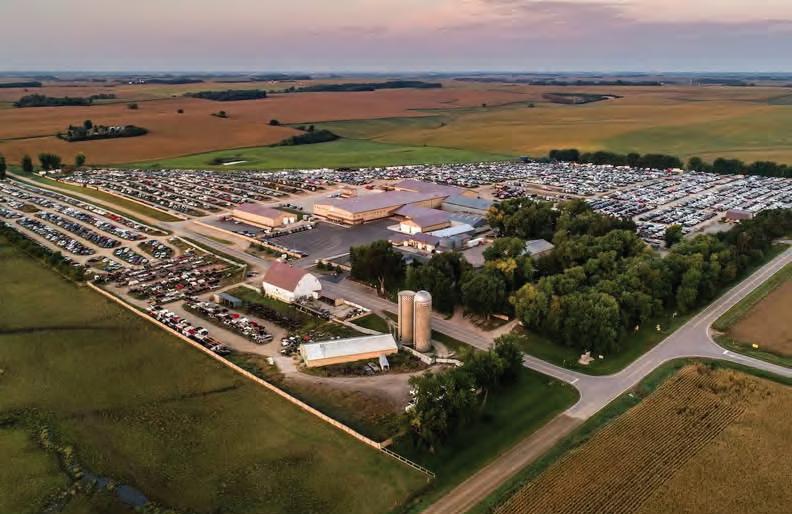
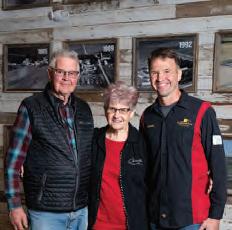
Nordstrom’s unexpected business was born on their family’s rural dairy farm by Art and Marie Nordstrom, Shannon’s parents, who were in attendance in Birmingham as their son began his tenure as Association President. The business was started from the necessity to survive and guided by their family’s hard work and newfound faith. Shannon joined his parents full-time in 1988 with five employees. Working together, they have been able to learn and reach new goals every year. The business is located on the same land today and has grown to be a nationally recognized Certified Automotive Recycler.
Nordstrom’s Automotive, Inc. has been members of ARA since 1983 and Shannon has been Chair of the ARA Certification Committee since 2002. Nordstrom’s is also a member of URG and a proud member of Team PRP. Shannon is one of the founders of the Nationally Syndicated “Under the Hood Show with

the Motor Medics” show on Radio, Podcast and just recently adding video on YouTube. Nordstrom’s was the ARA CAR Star award winner in 2018 and Shannon has twice been recognized as ARA Member of the Year in 2015 and 2021.
“We started our improvements at Nordstrom’s Automotive Inc. with the ARA Certification Program (CAR), and that’s why I’m so passionate about it,” says Nordstrom. “My parents, Tamie, and I, working alongside our dynamic team, have transformed our small recycling junkyard built within the family dairy farm, in the middle of nowhere, into one of the more advanced facilities in the country. We utilized our relationships with ARA peers and mentors, as well as the knowledge gained from the events. I did not do all this without ARA, and I respect that, and I want to pay it forward.”
Nordstrom is helping to spearhead a new certification that is a joint effort between ARA and URG. “ARA and URG are working together on a quality assurance program to improve upon the retiring ARA Gold Seal Program. Before the convention, we had our first marketing meeting for the new program. It’s not officially named yet. The CAR Program signifies that a facility has its brick-and-mortar in order, including approaches to environmental responsibility, safety, curbside appeal, licensing, insurance, etc.
This new, improved program is merging the best of the ARA Gold Seal Program, URG’s standards, and ISO 7000/8000/9000 quality programs. We are now prototyping and seeking our first members to walk through it with us. It is going to open doors when it is released.
“I’m excited to take it to the next level, and with the combined efforts of ARA and URG we will make sure to include all the right elements. The vision for the program is to stay ahead of potential trouble spots that could impede our members’ businesses.”
“Shannon’s passion and enthusiasm for the professional automotive recycling industry is contagious,” said ARA Executive Director, Vince Edivan. “He is a born leader with the skills to bring the best out of any team. He is diplomatic, optimistic, and generous with his time and energy. I look forward to having him at the helm of ARA and am excited about what we will accomplish together over the next year.” TB

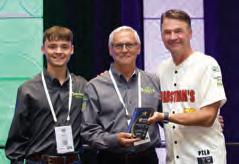
Above: ARA Certification Member of the Year—U-Pull-It Auto Parts, Inc. (Pasco, WA)
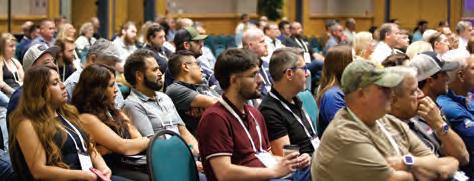
The power of teamwork was celebrated as ARA gathered auto recyclers from across the globe in Birmingham, Alabama, to celebrate that every member matters toward industry success.
The ARA 82nd Annual Convention & Expo leveraged the Alabama’s deep roots in sports at all levels, particularly as the headquarters of the Southeastern Conference (SEC). This inspired the convention theme, “Game On, Winning Together.”
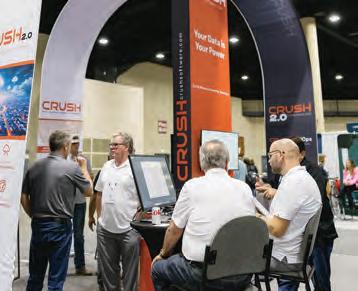
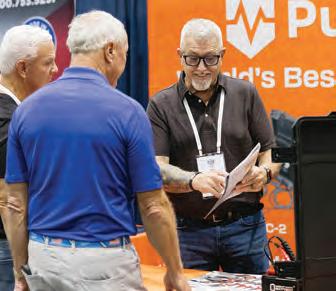
Over 700 attendees, with 90+ exhibiting companies, enjoyed ARA committee meetings, two keynotes, three days of exposition hours, four social gatherings, and over 35 sessions in which auto recyclers learned about AI and customer service, employee retention, accounting, self-service insights, leadership, and more. Tech Talks from Car-Part, Hollander, Power DB/eBay, URG, Auto Value AI, EZ-Suite, VIN Match Pro, and Buddy Automotive brought next-level data to improve day-to-day operations for tech users.
After ARA’s Committee Meetings—which are open to all attendees—and prior to the President’s Reception and Exposition Ribbon Cutting, always a highlight, Keynote Lisa Ryan spoke about Revving Up Retention: Keeping Your Best People from Becoming Someone Else’s. She spent the hour emphasizing the importance of creating a positive workplace culture to retain employees. Gallup’s research shows that employees need recognition and praise every 7 days to feel valued, akin to a dopamine hit, and that this is a key factor in maintaining employee motivation and satisfaction.


Ryan advocates for ‘stay interviews’ to understand what keeps employees and suggests proactive measures to improve retention. In an average company, Gallup noted that 30% of employees are actively engaged, 20% are disengaged, and 50% are neither engaged nor disengaged. The 50% is where there
is room for improvement, and stay interviews can help determine how to positively engage the 50%. She also notes:
• Employees are more likely to stay if they have a close relationship with a colleague.
• The dopamine effect is highlighted as a key factor in maintaining employee motivation and satisfaction.
• Engaging employees includes lunch-andlearns, training sessions, and interactive exhibits.
• The goal is to provide employees with the tools they need to become rock stars within the organization, and celebrate the unsung heroes of the business. The importance of listening to employees and providing opportunities for growth and development is emphasized.
The second keynote was a recycler interview with JC and Holly Cahill, who have built multiple successful automotive recycling industry businesses as a power couple, with the most recent being VIN Match Pro. Starting as automotive recyclers, they are applying their knowledge to help recyclers. In the session, they discussed Family Business strategies.
The basis of all their business dealings is a healthy perspective on decision-making: “We made decisions that were good or bad,” said JC. “You can have all the rights. You can do all the research, do all the planning, and you say, this is going to win and right and the reverse of that, and you can just make a quick decision. We never went backwards and said, ‘Boy, we really messed that one up.’ We just worked on what was needed to fix the problem.” Furthermore, he said, “We both weren’t afraid to try something different and literally change a whole department up and turned things around backwards, and I mean literally upside down and backwards. And sometimes that created some really cool things.”
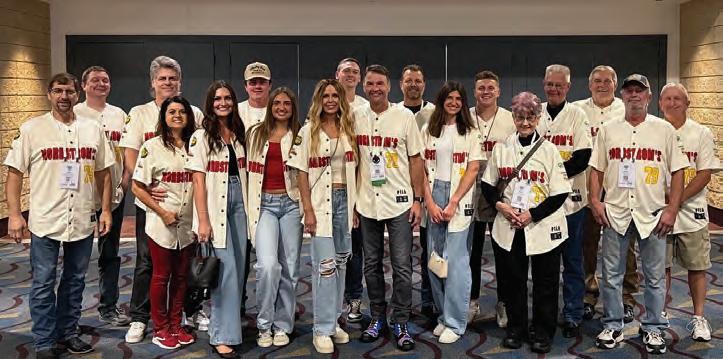
At the Annual Awards Dinner, with a fun sports-themed event, industry members were honored for their excellence in playing their part in industry success.


ARA President Eric Wilbert, of Wilbert’s U-Pull-It, LLC in Williamson, NY, announced Bill Tolpa as the Lifetime Achievement Award recipient. Tolpa is the owner of Tolpa’s Auto Parts in Remsen, NY. His accomplishments are many, and include being an ARA Past President and Co-Founder of the United Recyclers Group (URG). “This year, we felt it was not only appropriate, but absolutely necessary, to recognize someone who has done more for this association and the automotive recycling industry than most could accomplish in a lifetime,” said Wilbert. “Bill Tolpa has worn many hats within ARA throughout his career, serving in advising and leading in numerous capacities over the years. His influence continues to shape our Association’s direction and inspire its leadership, even from afar. His vision, dedication, and wisdom have left an undeniable mark on all of us, many of whom have benefited directly or indirectly.”
The 2025 Presidential Award was given to Lance Thomas. This award is selected each year by the ARA president for an individual who is significant to them. “Lance is dedicated to the


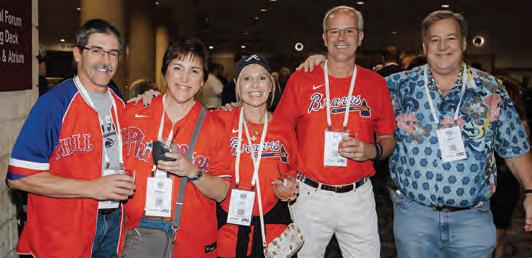

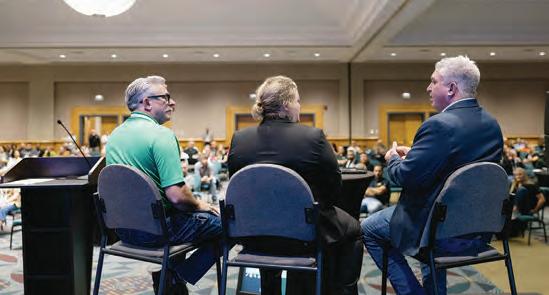
ARA session speakers brought a wealth of information to packed room of attendees.

self-service sector and has contributed through the years to the greater automotive recycling industry. He is a trusted resource for me and many others in the self-service community, continually demonstrating his passion, leadership, and commitment to advancing this industry. Earlier this year, he joined us in Washington, DC, for Hill Days for the very first time, and truly made an impact to the event. His dedication and drive truly embody the spirit of what this award represents.”
The ARA CAR Award was presented to U-Pull-It Auto Parts, a family-owned business in the Pacific Northwest region, by incoming ARA President and CAR Committee Chairperson Shannon Nordstrom, Nordstrom’s Automotive. The CAR Winner receives the Randy Reitman Memorial traveling trophy to display in their business for one year. Owner Mark Forcum and his son, Mitchell, who is General Manager, accepted the award. “U-Pull-It Auto Parts is a family-owned business that recently opened its third location in Washington State, with locations in Pasco, Yakima, and Kennewick,” said Nordstrom. “Owner Mark Forcum has been in the salvage business for over four decades,. Mark opened the self-service business in 2013 in Yakima, in Pasco in 2016, and now in Kennewick. Mark is a member of the ARA Certification Committee and was recently

appointed to the ARA Board of Directors. Mark and his son have unique operations that combine elements of full-service and self-service. Their operations are beautiful and a superb example of the best in our industry.”
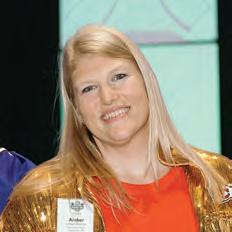
ARA Member of the Year was presented to Amber Kendrick, Pete’s Auto Parts in Jenison, Michigan. “The Member of the Year is not only an active participant in ARA meetings but also someone who engages deeply with the organization — offering valuable feedback, constructive insights, and thoughtful ideas before, during, and after discussions,” Wilbert commented. “This requires significant time, energy, and heart—a true reflection of one’s passion for both the association and the broader industry we serve. Amber serves as an active member of the ARA Board of Directors and, this year, stepped into the role of Chair of the ARA Awareness Committee, elevating her work through her leadership, creativity, and unwavering commitment to collaboration and progress. Anyone who has served in any capacity with Amber knows that she comes prepared and takes the Association’s work seriously.”
Professional automotive recyclers are invited to the next ARA gathering in Atlanta, October 14-17, 2026, at the Cobb Galleria Centre, in Atlanta, GA. The theme is Driving Connections, Fueling Growth. TB
In October, I had just returned home from the ARA Convention feeling healthy, strong, and ready for whatever came next. Then, without warning, I got a stomach ache. At first it seemed minor—but within minutes it intensified, growing worse by the moment, until I collapsed onto the floor in excruciating pain.
My son, Matthew, picked me up, put me in his truck, and rushed me to the emergency room. From there everything moved fast. I was taken straight into surgery, where doctors removed my gallbladder in a three-hour operation. Later, the surgeon told me something that stopped me cold: my condition had become life-threatening, and I was very close to death. If Matthew hadn’t gotten me to the hospital when he did, I wouldn’t have survived.
Then came the complications. I contracted two serious hospital infections that were difficult to treat. One affected my lungs so severely that doctors had to insert a drain tube. I became critically ill and spent nearly a month in and out of the hospital. Today, I’m home, receiving in-home nursing care and continuing my recovery.
So why am I telling you all of this very personal information?
Because until this happened, I felt invincible. I traveled often. I attended recycler events alone. I felt fine. Strong. Capable. Independent. Then this happened—and it was a rude awakening. One of my doctors looked me straight in the eye and said, “Mike, you are elderly. And you must start acting your age.” Yikes! I don’t think of myself as old, but at 79, I suppose the calendar doesn’t lie.


This whole experience reminded me of a song by Tim McGraw called “Live Like You Were Dying.” It tells the story of a man who receives the shocking news that he doesn’t have much time left. Faced with that reality, he chooses to live differently—to live intentionally.
He says: “I went skydiving, I went Rocky Mountain climbing. I went two point seven seconds on a bull named Fu Man Chu. And I loved deeper, and I spoke sweeter, And I gave forgiveness that I’d been denyin’.”
Then he says something even more powerful: “Some day I hope you get the chance To live like you were dyin’.”
Therefore, what would you do if you thought you was dying?
Here are a few things I thought of when I asked myself that question.
• I would forgive—completely and without conditions. Not because others necessarily deserve it, but because forgiveness frees the soul that gives it. Old grudges suddenly seem heavy, unnecessary baggage when time feels short.
• I would write letters—real ones—to people I love and to people who have helped shape my life along the way. I would tell them thank you, I love you, and you mattered more than you know.
• I would write down my life story as best as I could remember it—the wins and the failures, the lessons learned the hard way, the moments of grace that only make sense looking back. Not to impress anyone, but to leave a trail of truth behind.
• I would go to that place I’ve always dreamed about but kept postponing. The place I said I’d visit “someday.” Because someday is not a guarantee— it’s an assumption.
• I would spend less time rushing and more time listening.
• I would spend less time accumulating and more time appreciating.
•I would spend less time worrying about what’s next and more time being present with who’s right in front of me. Why wait! And somewhere in the middle of all those thoughts came a realization that stopped me cold: Why wait until you think you’re dying to live this way? The truth is, none of us knows how much time we have. The hospital just made that truth impossible to ignore. I didn’t get a countdown clock— I got a wake-up call. I walked out of that experience determined not to waste it.
So now I am determined to live a little differently.
I will try to forgive faster. And try to say the important things sooner. I will try to hold plans loosely and people tightly. Because maybe the goal isn’t to live like you’re dying once—maybe the goal is to live like you’ve finally remembered what matters.
So let me ask you...
What would you do if you thought you were dying? And more importantly… what’s stopping you from doing some of it today? TB
Mike French is retired after 39 years of business in the automotive recycling industry. He is an author, publisher, consultant, and speaker. Mike is the founder and executive director of the Christian Auto Recyclers and Vendors Association (CARVA) and will be at upcoming recycler trade shows and events. Mike is available to speak at your group, conference, or event. He loves to share inspirational stories that demonstrate how the Word of God actively changes lives. He can be reached at mike@carva.group. Visit www.CARVA.group and/or www.PowerPackedPromises.com.

or many years, I worked in the automotive recycling industry as a business owner. Most people knew me for my products and services, but few realized I was also a local pastor. I kept those roles separate. In business, I was Mike the recycler; at home, I was Pastor Mike. Over time, I discovered there were other believers in the industry, but like me, most kept a low profile. Unless faith came up in conversation, you’d never know. It felt like we were part of a “secret service” of Christians.
That’s when I realized how valuable it would be to create a way for believers in our industry to connect, encourage, and support one another.
After retiring, I started the Christian Auto Recyclers & Vendors Association (CARVA), a non-profit 501(c)3 organization. Some questioned it at first, asking, “Why do we need a religious group in this industry?” My answer: “Why not?” Christians in other fields gather for fellowship – the Fellowship of Christian Athletes, Evangelical Christian Publishers Association, Christian Educators
Association, and many others. It made sense for us, too. Honestly, I’m surprised it didn’t happen sooner.
CARVA’s purpose is simple: connect believers in the automotive recycling industry for fellowship and encouragement. We help each other represent Jesus well in both business and life. We provide gospel tracts and tools like our “People Can Be Recycled Too!” booklets and host early morning prayer meetings at trade shows and recycling events.
If you’re a believer in this industry, we’d love to connect. Visit www.carva.group, fill out the contact form, and stay in the loop on upcoming events. And if you’re at a trade show, stop by and say hello!
Mike French – CARVA Founder & Chaplain
The Automotive Recycling ToolBox™ Edition delivers peer-to-peer articles with information that you would get while networking at industry events and trade shows. Our mission is to be current, educational and inspirational. We bring you:
• Educational and instructional “how-to” articles written by fellow recyclers, top industry professionals, leaders & trade show speakers.
• Information from providers of industry-related products and service you typically find at industry events and trade shows.
PUBLISHED 6 TIMES A YEAR AutoRecyclingNow.com/Toolbox
AUTOMOTIVE RECYCLERS ASSOCIATION OFFICERS
YOUR TOOLBOX TEAM
Published by Driven By Design LLC
EDITOR
Caryn Smith, Toolbox@a-r-a.org
ART DIRECTOR
Caryn Smith
ADVERTISING SALES
Jay Mason, ToolboxAds@a-r-a.org
EXECUTIVE DIRECTOR
Vince Edivan
Automotive Recyclers Association Vince@a-r-a.org
SENIOR DIRECTOR OF ASSOCIATE OPERATIONS
Jessica Andrews, Jessica@a-r-a.org
SENIOR DIRECTOR OF MEMBER SERVICES
Kelly Badillo, Kelly@a-r-a.org
VICE PRESIDENT OF STRATEGY AND GOVERNMENT AND REGULATORY AFFAIRS
Emil Nusbaum, Emil@a-r-a.org
CERTIFICATION CONSULTANT
Sue Schauls, Sue@a-r-a.org (319) 290-7843
ADMINISTRATIVE ASSISTANT
Tiffany Jackson, Tiffany@a-r-a.org
PRESIDENT Shannon Nordstrom Nordstrom’s Automotive, Inc. Garretson, SD shannon@nordstromsauto.com
1ST VICE PRESIDENT Sean Krause Speedway Auto Parts, Ltd. Joliet, IL sean.krause@speedwayap.com
2ND VICE PRESIDENT/TREASURER Tom Andrade Everett’s Auto Parts Brockton, MA tandrade@everettsautoparts.com
SECRETARY
Emily Yancey Yancey Auto Parts Perry, MO eyancey@yanceyauto.com
IMMEDIATE PAST PRESIDENT Eric Wilbert Wilbert’s U-Pull-It, LLC Williamson, NY eric.wilbert@wilberts.com
ARA CONTACT INFORMATION
ARA Headquarters Manassas, VA (571) 208-0428 staff@a-r-a.org www.a-r-a.org
To reach readers with print & digital advertising, email ToolboxAds@a-r-a.org
For editorial contributions, e-mail Toolbox@a-r-a.org or call (239) 225-6137