




Trade has always been a defining force in manufacturing. Raw materials, components, finished goods, capital, talent and technology move through a global network of suppliers and customers that has grown increasingly interconnected over the last several decades. Yet today, that network is being reshaped by geopolitical tensions, shifting alliances, economic nationalism and a renewed focus on domestic industrial capacity.
The central question facing manufacturers is no longer whether global trade will change, but how organizations can adapt to an environment where disruption has become the norm rather than the exception.
In many ways, manufacturers find themselves navigating a new era of strategic complexity. Tariffs, trade agreements, export controls, supply chain security requirements and regional economic policies are influencing decisions that were once driven primarily by cost and efficiency. Business leaders must now balance competitiveness with resilience, evaluating not only where products can be sourced or sold most economically, but where they can be produced, transported and supported most reliably.
Within manufacturing, these challenges are already being felt. Companies are reassessing supplier networks, exploring nearshoring and reshoring opportunities, diversifying sourcing strategies and seeking greater visibility into their supply chains. At the same time, emerging technologies, automation and digital tools are creating new opportunities to offset costs, improve flexibility and strengthen operational performance.

So what does a resilient trade strategy look like in today’s environment? How should manufacturers respond to tariffs, geopolitical uncertainty and shifting global market dynamics? And what opportunities may emerge from these challenges?
These are not simple questions, nor are they easily answered. They sit at the core of this Integr8 session on trade, tariffs and global competitiveness. Here, industry leaders, policymakers, economists and manufacturers come together to examine the forces shaping international commerce and explore strategies for maintaining growth in an increasingly uncertain world.
From supply chain diversification and domestic sourcing strategies to international market expansion and industrial policy, this playbook reflects a broad spectrum of perspectives. It is a curated collection of insights from Automation Alley’s network of industry, academia and government partners, all working toward strengthening the competitiveness, resilience and long-term success of American manufacturing.
Automation Alley extends its gratitude to all who have contributed to the Integr8 series throughout the year. The continued engagement of its members and partners makes this work possible and ensures that these conversations remain grounded, relevant and forward-looking.

Tom Kelly Executive Director & Chief Executive Officer Automation Alley

Attendee List:
Sponsors, Supporters and Roundtable Participants
Main Feature: Trade, Tariffs and the Future of Manufacturing: Key Insights from Industry Leaders
Expert Insights: Butzel
Navigating the New Era of U.S. Trade Policy Uncertainty
Expert Insights: Wipfli
Section 122 Tariffs: What Manufacturers Should be Planning for Now
Recommendations: Industry
Recommendations: Academia
Recommendations: Government
Industry Insight: Michigan Manufacturers Association What Manufacturers Really Need from Trade and Industrial Policy
Key Takeaways: Main points from the Integr8 Roundtable Discussion
Sources


SPONSORED BY: Butzel & Wipfli
SUPPORTED BY: Michigan Economic Development Corporation, Michigan Manufacturers Association, and US Center for Advanced Manufacturing
ADDITIONAL LEADERS IN INDUSTRY, ACADEMIA AND GOVERNMENT IN ATTENDANCE:
Tom Kelly - Executive Director & Chief Executive Officer, Automation Alley
Jeanne Broad - Economic Development Advisor, Oakland County
Mary Buchzeiger - Chief Executive Officer, Lucerne International
Nishant Dixit - CEO and Co-Founder, Alisio
Tim Finerty - Partner, Wipfli
John Gnotek - Strategic AI Advisor, Gnotek Ai
George Greenough - Technology & Operations Leader, G2 Create
Kenneth Jordan - Founder & President, Blackhawk Additive Manufacturing
Catherine Karol - Of Counsel, Butzel
Aaron Kaylor - Manager of Project and Site Management, VDL Steelweld USA
Amy Kitchen - Director of Strategic Growth, MetaOps Inc
Akaash Kolluri - Office of Senator Slotkin
Scott Low - Global Sales Managing Director, Doowon
Paul Marcus - CEO, DataOps
Heather Muir - Associate, Butzel
Ebube Ogbu - Intern, 3D Creative Designz LLC
Julie Oldham - Business Growth Consultant, Michigan Small Business Development Center
Jason Parko - Vice President, Corrigan Air & Sea Cargo
Grant Pinkos - President, Detroit Steel Treating Company
Ryan Pisani - Finance Executive, Vantage Precision
Dave Schippers - Chief Academic Officer - Provost, Walsh College
Sree Sivasankaran - MiNDCAN Inc.
Jennifer Smith-Veluz - Shareholder, Butzel
George Stasiw - Senior Account Executive, Samsung
John Walsh - President and CEO, Michigan Manufacturers Association - MMA
Deanna Waun - MTB Consulting, Principal Consultant
Denisha Williams - CEO, 3D Creative Designz LLC
Crawford Wolfe - Founder, SilverWing, LLC



The global manufacturing economy is entering a period of heightened uncertainty. Trade policy, tariffs, geopolitical tensions and supply chain realignment are reshaping how manufacturers source materials, evaluate risk and plan for growth. What was once primarily a question of cost has become a broader discussion about resilience, competitiveness and national economic security.
Across Integr8 roundtable conversations with leaders from industry, academia and government, one theme emerged repeatedly: trade uncertainty is no longer a temporary disruption. It is becoming a permanent feature of the manufacturing landscape.
“We had conversations about the difficulty of planning in today’s geopolitical world and so on and so forth, but planning is a really holistic part of being better, and being better amplified by technology, specifically AI,” President of MMA John Walsh said.
While the challenges are significant, many leaders also see opportunities to strengthen domestic manufacturing, diversify supply chains and build more resilient operations. Much like the workforce transformation discussed in previous Integr8 conversations, success will depend on how organizations adapt to a rapidly changing environment.


For decades, manufacturers operated under assumptions of increasingly globalized trade and relatively stable international supply chains. Those assumptions are being tested.
According to the Federal Reserve Bank of Richmond’s CFO Survey, more than 30% of surveyed firms identified trade and tariffs as their most pressing business concern in early 2025, a dramatic increase from just 8.3% the previous quarter.
“They’re just trying to really come to terms with what the situation is now and what is it likely to be,” Butzel Shareholder Jennifer Smith-Veluz said. “We have a little bit more stability now that the IEEPA tariffs have gone away, but we know that there’s a 10% temporary tariff and then 301 investigations are underway on 60 trading partners. So yes, tariffs are the new normal.”
This uncertainty extends beyond tariff rates themselves. Manufacturers must contend with shifting regulations, evolving trade relationships and the possibility of retaliatory measures that can affect both imports and exports.
The challenge is no longer predicting a single outcome. It is preparing for multiple possible scenarios simultaneously.
“To put our membership in perspective, we have 1,700 members across the state and 85% of our members are 100 employees or less,” said Walsh.


“The rest are right up to the tier ones in any number of industries, automotive and heavy. The risk that they’re taking on is preparing for the future. The uncertainty, not just of the order itself, but their pricing for the products that they need to buy, and then deliver once tooled and made ready for sale. That’s a risk.”
Tariffs are often discussed as a policy tool, but manufacturers experience them as an operational reality.
The United Nations Conference on Trade and Development (UNCTAD) notes that while tariffs can protect domestic industries, they also increase costs for businesses that rely on imported materials, components and equipment. Higher duties can ultimately reduce competitiveness and place additional pressure on margins.
For many manufacturers, especially small and midsized firms, the challenge is that supply chains cannot be reconfigured overnight. Critical inputs may have limited domestic alternatives, leaving companies exposed to sudden cost increases.
“As energy costs change and tariffs impact the OEMs, it is awfully tough for a smaller manufacturer to eat that cost,” Walsh added. “Some OEMs say ‘We got a contract, that’s your price. That’s what we’re gonna pay you.’ Then for the smalls it’s like, ‘Well, okay, but I won’t be here next month.’ That’s sharp.”
As a result, procurement, pricing and inventory management are becoming increasingly strategic functions.
“Businesses are going to make those decisions, whether it’s here or overseas. But if you want to keep our local supply chain, you have to treat them fairly and help them through because they don’t always have the capacity to make it through the almost violent shifts.”
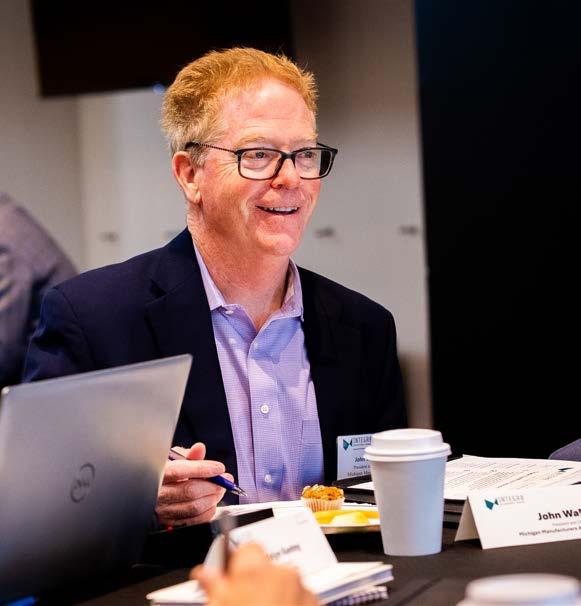
“As energy costs change and tariffs impact the OEMs, it is awfully tough for a smaller manufacturer to eat that cost.”

John Walsh President & CEO Michigan Manufacturers Association


The pandemic revealed the vulnerabilities of global supply chains. Trade tensions have further exposed the risks associated with concentrated sourcing strategies.
Research from the World Trade Organization indicates that escalating tariffs have the potential to divert trade flows, disrupt established supplier relationships and reduce overall merchandise trade volumes. The organization warned that tariff escalation could contribute to a contraction in global merchandise trade.
Manufacturers are increasingly evaluating supplier concentration risk, geographic exposure and logistics dependencies that may have been overlooked during periods of greater stability.
The challenge is balancing efficiency with resilience.

Companies are responding with a mix of domestic sourcing, regional sourcing and supplier diversification strategies. According to Smith-Veluz, many manufacturers are pursuing multiple approaches simultaneously in an effort to reduce exposure to future disruptions.
“We’re seeing a mix as well,” Smith-Veluz said. “We are seeing a shift toward domestic sourcing. We’re seeing a shift toward making sure the stuff that’s already USMCA compliant continues to come in, as well as trying to source from companies with lower tariff levels in other countries.”
Global trade reached a record $33 trillion in 2024, demonstrating the continued importance of international commerce. However, UNCTAD notes that the outlook remains uncertain as countries pursue differing approaches to industrial policy, trade restrictions and economic development.
This fragmentation creates a difficult planning environment for manufacturers.
Long-term investments in facilities, equipment and supplier relationships require predictability. Yet many organizations are making decisions in an environment where trade rules can change faster than capital investments can be deployed.
The result is a growing emphasis on flexibility and scenario planning.
“We are seeing a shift toward domestic sourcing. We’re seeing a shift toward making sure the stuff that’s already USMCA compliant continues to come in, as well as trying to source from companies with lower tariff levels in other countries.”
Jennifer Smith-Veluz Shareholder


While trade disruptions create challenges, they are also driving manufacturers to strengthen supply chain resilience.
Organizations are increasingly pursuing strategies such as dual sourcing, regional sourcing and supplier diversification to reduce dependence on any single geography.
Diversification strategies increasingly extend beyond simply finding alternative suppliers. Organizations are evaluating ownership structures, geographic exposure and multi-sourcing capabilities to better understand hidden risks within their supply chains.
“Even if you think you’re sourcing local, are you?” said Dave Schippers, vice president and chief academic officer at Walsh College. “Or is that local manufacturer owned by an overseas company? Multi-sourcing is becoming important because we don’t know what shortages are going to happen, and we don’t know what tariffs may come into play.”
Rather than optimizing solely for cost, manufacturers are beginning to optimize for continuity, responsiveness and risk management.
The result may be supply chains that are less vulnerable to future disruptions.
Trade uncertainty has renewed discussions around domestic production capacity.
Many manufacturers are exploring opportunities to localize critical production, strengthen supplier networks and reduce exposure to geopolitical risks.
Although reshoring is not practical for every product or industry, the conversation has shifted from whether domestic capacity matters to where strategic domestic capacity is most important.
This creates opportunities for manufacturers capable of filling gaps in local and regional supply chains.

“I think there is still going to be more nearshoring than reshoring. Mexico is still going to be a very good harbor. Globalization is still there.”
Tim Finerty Partner Wipfli
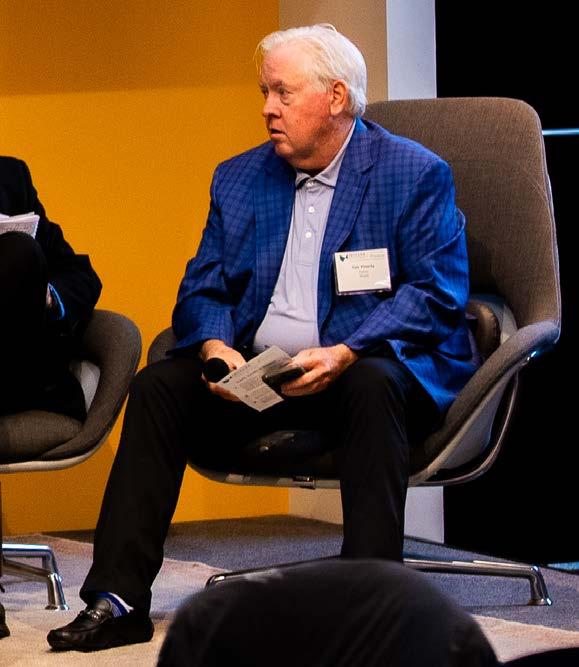
For manufacturers, resilience does not necessarily mean producing everything domestically.

For manufacturers, resilience does not necessarily mean producing everything domestically.
Many organizations are finding opportunities through regionalization, nearshoring and stronger North American supply chain partnerships.
While discussions around reshoring often focus on bringing production back to the United States, many manufacturers are finding that regional partnerships remain an important part of a resilient supply chain strategy.
“I think there is still going to be more nearshoring than reshoring,” said Tim Finerty, partner at Wipfli. “Mexico is still going to be a very good harbor. Globalization is still there.”
Finerty noted that many organizations are using trade missions and international partnerships to identify new customers, strengthen supplier relationships and expand into growing markets while maintaining geographic flexibility.
These approaches can reduce transportation risk, improve communication and increase responsiveness while still maintaining access to global markets.
The opportunity lies in building networks that are both competitive and adaptable.

Periods of uncertainty often reward organizations that can adapt quickly.
Manufacturers that invest in digital tools, supply chain visibility, scenario planning and strategic sourcing are often better positioned to respond to changing market conditions.
Technology is also changing how manufacturers approach strategic planning and operational improvement. Schippers argued that artificial intelligence should be viewed as a catalyst for rethinking business processes rather than simply another software implementation.
“If you view it as just another software install, you’re not seeing it correctly,” Schippers said. “If you really want to innovate and start thinking differently, you have to take a fresh look at how work gets done rather than simply bolting AI on top of existing processes.”
Trade policy may remain uncertain, but operational agility can be developed intentionally.
Organizations that treat flexibility as a core capability rather than a reactive response will be better positioned to navigate future disruptions.
Trade and tariffs are often discussed through the lens of policy. For manufacturers, however, the implications are far more practical.
They influence sourcing decisions, capital investment, supplier relationships and long-term competitiveness.
The organizations that succeed will not necessarily be those that predict every policy change correctly. They will be the ones that build the resilience, adaptability and strategic clarity needed to thrive regardless of what comes next.
In the end, the future of manufacturing will not be determined by tariffs alone.
It will be determined by how effectively manufacturers adapt to a more complex and interconnected global economy.




Jennifer M. Smith-Veluz Shareholder Butzel

Heather W. Muir Associate Butzel
The collapse of the International Emergency Economic Powers Act (IEEPA) tariffs and the unprecedented refund process now underway represent a fundamental pivot point in how tariffs are imposed, challenged, unwound, and ultimately replaced. For importers, manufacturers, and policymakers, the current times call for more than compliance; they require strategic reassessment.
There are questions surrounding not only the refund process, but also surrounding the bigger questions now facing the trade community: what happens now that the Supreme Court has struck down the IEEPA tariffs, how durable are recent policy trends, and how should companies adapt when legal authorities change but tariff pressure endures?


I. The IEEPA Tariffs Refund Process: Relief with Caveats
The IEEPA tariffs refund process that launched on April 20, 2026, is extraordinary in scope — approximately $170 billion in duties, plus interest, across more than 53 million entries and more than 330,000 importers. That scale alone raises important questions about administrative capacity, accuracy of data, and procedural fairness.
Although the Court of International Trade (CIT) has asserted exclusive authority and directed Customs and Border Protection (CBP) to liquidate or reliquidate all affected entries without regard to the duties, the process is not automatic. Importers must actively identify affected entries, validate CBP’s calculations, and submit claims through the newly launched Consolidated Administration and Processing of Entries (CAPE) portal. Phase 1 eligibility is strictly limited, excluding entries beyond the 80 - day post-liquidation window as well as those subject to reconciliation, drawback claims, AD/ CVD, or final liquidation.
For entries falling outside CAPE Phase 1, importers should resort to more traditional tools: protests and litigation. This approach highlights a broader reality — refund eligibility increasingly depends on procedural vigilance rather than substantive entitlement.
The looming statute of limitations deadlines extend well into 2027, forcing companies to decide whether to wait on administrative processes or proactively litigate. This choice implicates cost, uncertainty, and leverage.
There is still the prospect that the Government might try to appeal the CIT’s order with respect to finally liquidated entries and other entries that are not subject to CAPE Phase 1.
Perhaps the most consequential insight from the IEEPA saga is what followed its demise: tariffs did not leave for good. Rather, importers should continue to expect that elevated tariff levels are the new normal.
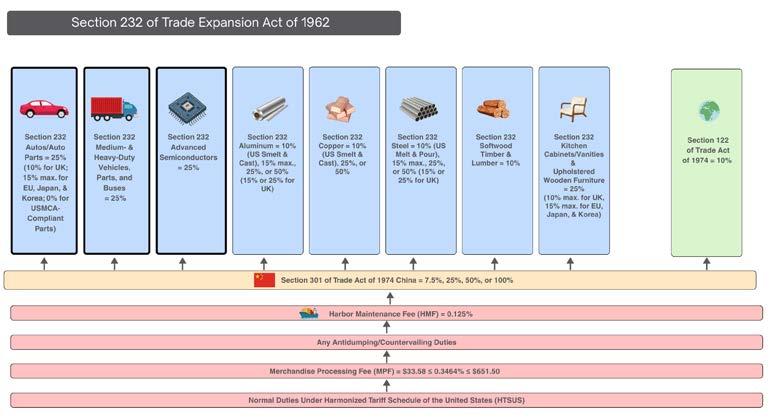
Section 232 and 301 tariffs have survived judicial scrutiny, as the U.S. Court of Appeals for the Federal Circuit has upheld challenges to both. The Supreme Court did not take up the Section 232 case and is still considering whether to take the Section 301 case.
Section 232 tariffs have recently expanded dramatically to cover:
• Automobiles and parts
• Medium- and heavy-duty vehicles and parts
• Buses
• Advanced semiconductors
• Copper articles
• Softwood timber
• Lumber
• Kitchen cabinets
• Wooden vanities
• Upholstered wooden furniture
• A vast array of aluminum and steel articles and derivatives.
New Presidential Proclamations on April 2, 2026, completely reworked the framework for aluminum, steel, and copper tariffs and imposed new upcoming tariffs on pharmaceuticals.

The Administration is also conducting investigations that could result in new Section 232 tariffs on:
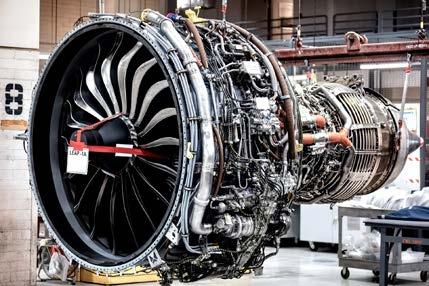
• Commercial aircraft, jet engines, and parts;
• Personal protective equipment (PPE),
• Medical consumables, devices, and equipment;
• Polysilicon and derivatives;
• Drones, parts, and components;
• Wind turbines, parts, and components; and
• Robotics and industrial machinery.
The latter is potentially the most frightening prospect for businesses. As most manufacturing equipment is imported, significant tariffs on robotics and industrial machinery could stymy the Government’s professed goal of promoting U.S. production.
At the same time, the Administration has signaled that Section 301 investigations will replace the former IEEPA tariff framework by July 25. These investigations are being fast-tracked, and they are wide-ranging, covering 60 major trade partners (including the European Union) and potentially all sectors simultaneously.
Companies should plan for the likelihood that the investigations mentioned above will lead to significant tariffs and address vulnerabilities in their supply chains accordingly.
Accurate reporting of classification, valuation, and country of origin is more important than ever. Heightened enforcement, including the implementation of a joint Department of Justice and Department of Homeland Security Trade Fraud Task Force, means that seemingly technical errors in such reporting can carry heavy consequences. Importers are ultimately liable for any errors; they cannot simply rely on their customs brokers.
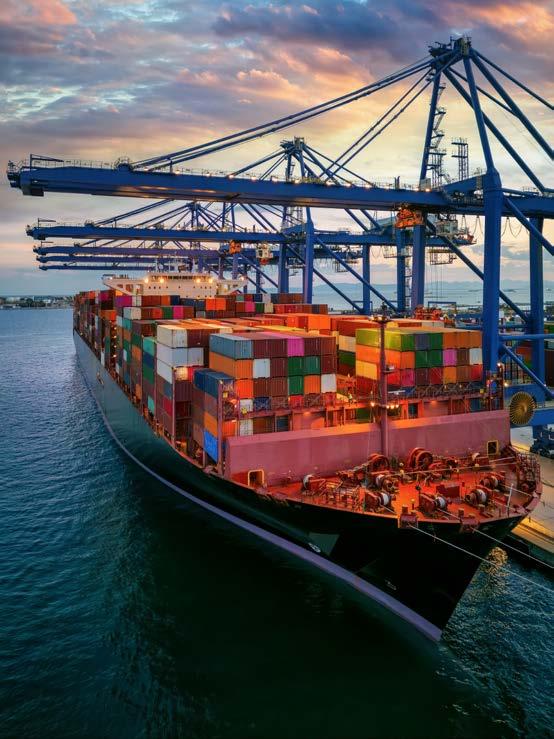
Companies can seek to mitigate the risks of elevated tariffs by sourcing from the United States or countries with lower tariff levels, including U.S.-Mexico-Canada Agreement-compliant products, as well as taking advantage of Foreign Trade Zones (FTZs), Temporary Importation under Bond (TIB), and duty drawback where applicable.
Beyond those defensive strategies, some companies are also going on offense by seeking higher tariff rates for their competitors, including through antidumping and countervailing and duty proceedings.
The invalidation of the IEEPA tariffs exposed a system increasingly comfortable with aggressive trade tools, layered authorities, and post hoc correction through refunds. For companies, the challenge is not simply navigating one refund process, but adapting to a future where tariffs are imposed quickly, litigated later, and replaced rather than repealed.
Companies can no longer treat tariffs as temporary disruptions or short-term cost anomalies. Instead, tariff exposure must be continuously assessed as part of enterprise -wide risk management. This includes considering multiple tariff scenarios, reassessing sourcing decisions with an eye toward geopolitical rather than purely economic risk and ensuring that contracts expressly address the allocation of tariff liability and the treatment of any future refunds.
Equally important is internal governance. Many organizations still lack centralized review of trade compliance, relying heavily on customs brokers for execution. In a world where refund rights can rely on procedural deadlines and documentation quality, that disconnect creates real exposure.
Finally, tariffs, potential refunds, and contingent liabilities increasingly affect financial forecasting and disclosures. The post-IEEPA environment highlights that trade policy risk is a recurring and material factor to consider in global business planning.
Butzel exists to provide excellent service to help our clients achieve their goals and solve their problems.
Our bench is comprised of veteran attorneys with an enviable record in securing favorable outcomes for our clients. We offer services in a vast array of specialties and industries, helping entities of all sizes in Michigan, nationally, and across the globe.
A founding member and exclusive member firm in Michigan of Lex Mundi, the world’s leading network of independent law firms with in-depth experience in 100+ countries, we offer counsel in a multitude of practice areas, including our International Trade and Customs Specialty Team.
From supply chain breakdowns to product recalls, workforce challenges to cross-border compliance, we deliver practical, fast-moving legal solutions in the world’s most complex industries. Visit our website’s Tariffs Roundup and Tariff and Trade Resource Center and learn about Butzel’s unique rapid-response strategy to help businesses file tariff refund claims.

Tim Finerty Partner, Wipfli
The tariff landscape shifted materially in February — and it remains unsettled.
After the U.S. Supreme Court ruled the IEEPA tariffs illegal, the Trump administration moved quickly to restore tariff authority using Section 122 of the Trade Act of 1974. While that step reestablished a measure of continuity, it also introduced new uncertainty around duration, rates and what comes next.
Section 122 tariffs are now in effect, with increases already signaled and an expiration timeline that effectively forces another policy shift later this summer. At the same time, additional Section 301 actions are being discussed, creating a compressed planning window for manufacturers reassessing costs, pricing and supply chain exposure.
For manufacturing leaders, the key challenge isn’t understanding the legal mechanics behind these changes. It’s deciding how to operate in an environment where tariff policy is moving quickly, clarity is limited and the cost impact is real.

This article outlines where Section 122 stands today, what to expect as July approaches and what manufacturers should be doing now to prepare — including how to think about refund opportunities tied to now-invalidated IEEPA tariffs.
Where Section 122 fits in the current tariff landscape
Section 122 gives the president authority to impose temporary tariffs to address balance - of-payments concerns. Unlike other trade actions, it is explicitly time -limited — capped at 150 days unless extended by Congress.
In this case, Section 122 has been positioned as a stopgap following the invalidation of IEEPA tariffs. It restores tariff coverage quickly, but it does not provide long-term certainty. Current rates began at 10%, with an increase to 15% widely expected, and the statute’s expiration date effectively forces another pivot later this summer.
Just as important, Section 122 is not occurring in isolation. Signals from the administration suggest an acceleration of Section 301 actions as Section 122 sunsets. For manufacturers already exposed to multiple tariff authorities, there is a real risk that tariff layers could stack over a short period of time.
That combination — rising rates, limited duration and overlapping authorities — is what makes the current moment uniquely challenging.

For most manufacturers, the immediate concern isn’t legal theory. It’s cost, timing and visibility.
A shift from a 10% tariff to 15% may sound incremental, but in capital-intensive or low-margin manufacturing environments, that change can materially affect margins, quoting strategies and customer pricing discussions.
Equally important, this is not a “one -and- done” tariff event. Section 122 appears to be a temporary bridge, not a destination. As it sunsets in late July, manufacturers should assume that tariff policy will change again — potentially quickly.
The companies that struggle most in these environments tend to be those waiting for certainty before acting. The organizations managing this best are not predicting policy outcomes; they are modeling multiple scenarios and identifying where cost structures, sourcing decisions and contract terms need flexibility.

Across the manufacturing sector, a few consistent themes are emerging.
First, many companies are discovering that their actual tariff exposure doesn’t match their assumptions. Indirect importers often lack clarity around where tariffs are embedded in supplier pricing or whether suppliers properly passed through IEEPA tariffs that may now be refundable.
Second, pricing conversations are becoming more difficult — not just because of higher costs, but because customers are pushing for explanations and evidence. Manufacturers are being asked to justify increases tied to tariff changes that may themselves be temporary.
Third, procurement and supply chain teams are under pressure to move faster. Alternative sourcing options that once seemed theoretical are now being evaluated in real time, often without the luxury of clean data or stable policy assumptions.
These are not abstract issues. They are operational challenges requiring near-term decisions.
One area that deserves attention is refunds tied to IEEPA tariffs that were later ruled illegal.
Companies that paid IEEPA tariffs directly may be able to pursue refunds through formal claims. For indirect importers, the situation is more complex. Refund recovery often depends on supplier cooperation, documentation and proof that tariffs were charged and retained.
Manufacturers should not assume refunds will automatically flow back through the supply chain. In many cases, recovery requires proactive outreach, clear documentation requests and internal coordination across tax, procurement and finance teams.
Even where refunds are uncertain, understanding potential exposure is important. It can inform pricing discussions and help manufacturers avoid overreacting to cost increases that may ultimately be temporary.
The biggest risk right now is not making the “wrong” forecast about tariff policy. It’s failing to plan at all.
With Section 122 likely to expire in late July and Section 301 actions potentially accelerating, manufacturers are operating in a compressed window in which multiple decisions may need to be made quickly. That includes:
• Identifying where tariff exposure is concentrated by product, supplier or geography
• Reviewing contract terms to understand who bears tariff risk
• Modeling margin sensitivity across multiple tariff scenarios
• Improving internal communication so pricing, sales and finance teams are aligned
The goal is not to predict how policy will unfold. It’s to reduce surprises and shorten reaction time when it does.

The current tariff environment is changing quickly and many manufacturers are operating with limited clarity. Section 122 has restored tariff authority, but it has not resolved uncertainty — it has simply shifted it.
Manufacturers that approach this moment with better information, clearer assumptions and scenario -based planning will be better positioned to respond as policies continue to evolve. Those waiting for stability may find that the next change arrives before they’re ready.
In environments like this, resilience comes not from certainty, but from preparation.

Business is more fluid than ever. Helping manufacturers achieve their goals takes imagination, discipline and a process that delivers results today while anticipating tomorrow’s demands. That’s Wipfli. With more than 7,500 manufacturing, retail and distribution clients and over 300 industry-focused professionals, Wipfli ranks among the top 25 advisory and accounting firms in the nation. From operational improvements and performance enhancements to large-scale digital transformation, they help clients achieve lasting results and set their sights on new goals. With their dedicated specialists, you benefit from insightful thinking across critical areas of your business — gaining greater financial success, tax optimization, operational excellence and an engaged workforce.

Shifting trade policies, geopolitical tensions, supply chain disruptions, and tariffs are causing businesses to reconsider their established sourcing and production methods. To stay competitive, control costs, maintain delivery standards, and ensure customer loyalty in the face of ongoing trade system changes, flexibility and adaptability are essential. The following are ten recommendations to remain consistent during global trade turbulence

1. Build sourcing decisions around total landed cost, not unit price.
When evaluating sourcing strategies, manufacturers need to consider all costs, such as tariffs, transportation, inventory, and risk. Unit-level cost management becomes more expensive when delays and duties are added to the bottom line. This method enables improved sourcing, positioning, and strategies aligned with actual circumstances.
2. Prioritize dual sourcing for critical components.
Dependence on a single supplier or region heightens vulnerability in turbulent times. Short-term cost increases from sourcing diversification are outweighed by long-term stability and improved future bargaining strength.
3. Map supply chains beyond tier-one suppliers to identify hidden risks.
Many organizations lack visibility into tier-two and tier-three suppliers, where significant risks often reside. Supply chain mapping identifies dependencies, geographic concentration, and exposure to trade restrictions, allowing for more informed responses to disruptions, potential shortages, and geopolitical tensions.
4. Use supplier scouting to strengthen domestic and regional sourcing options.
To prevent manufacturing disruptions, companies need to proactively find other suppliers. By developing regional partnerships, the need for distant suppliers is reduced, leading to quicker responses to unexpected problems. The NIST Manufacturing Extension Partnership helps companies locate qualified domestic suppliers.
5. Conduct regular scenario planning.
Because government leadership and trade policies are always in flux, creating operational risk scenarios is vital for corporate strategy. Planning enables manufacturers to forecast the financial and operational consequences of tariffs, export controls, and regional conflicts. These exercises help identify vulnerabilities before they affect production.
6. Elevate trade compliance into a strategic business function.
Regulations around customs, origin rules, and trade documentation are becoming more complex and strictly enforced, impacting costs and risks. Invest in strong compliance processes, reduce delays, avoid penalties, and improve supply chain reliability and aid in navigating volatile trade environments.
7. Build targeted inventory buffers for high-risk materials.
Just-in-time inventory strategies help identify critical components with high-risk exposure and maintain strategic safety stock. This targeted approach protects production without significantly increasing overall inventory costs.

Regulations around customs, origin rules, and trade documentation are becoming more complex and strictly enforced, impacting costs and risks.

8. Invest in supply chain traceability and transparency. Manufacturers are under growing pressure to verify the origin and integrity of their supply chains. Traceability systems help companies monitor materials, ensure compliance, and respond quickly to regulatory requirements.
9. Integrate cybersecurity risk into evaluation processes. Supply chain disruptions are not limited to physical goods and logistics, as cyber vulnerabilities in supplier networks can interrupt production and compromise sensitive data. Guidance from the National Institute of Standards and Technology highlights the importance of managing cyber supply chain risk.
10. Incorporate geopolitical risk into executive-level decision-making.
Geopolitical risk affects sourcing, investment decisions, and market strategy, and treating it solely as a supply chain issue limits an effective response. By elevating geopolitical risks, companies are better positioned to anticipate disruptions and create strategies to solve the problems.



case studies about tariffs, supply chain disruptions, and geopolitical risks allow students to understand the complexities of international trade.
Tariffs, global trade, and international politics create an ever-changing system that is difficult to navigate. Academic institutions play a unique role in helping industry understand the complexity of a global supply chain by providing courses that develop a future workforce that understands data-driven insights and forward-thinking analysis. These institutions must break down silos and offer programs that bridge economics, policy, and advanced manufacturing in ways that prepare employees to adapt to a quickly evolving industry landscape.
The following are ten ways for academia to help meet the workforce needs of industry:
1. Expand interdisciplinary research on trade, geopolitics, and supply chains.
Integrating political science, economics, transportation, and engineering with a focus on the impact of globalization on manufacturing offers comprehensive insights into the supply chain. This allows for insights into vulnerabilities, opportunities, and creative problem-solving as the landscape shifts.
2. Develop a curriculum focused on supply chain resilience.
Real-world case studies about tariffs, supply chain disruptions, and geopolitical risks allow students to understand the complexities of international trade. The coursework must include theory along with practical application.
3. Partner with industry to conduct applied research on sourcing strategies.
Collaborative research initiatives between academia and manufacturing leaders offer valuable insights by exploring topics such as nearshoring, dual sourcing, and tariff impacts. Such partnerships ensure academic work remains relevant and actionable and helps bridge the gap between theory and implementation.

4. Create forecasting models to analyze trade policy scenarios.
Academia can create advanced models that simulate tariff impacts and regulatory changes to help industry leaders and government policymakers anticipate trade outcomes, market fluctuations, and supply chain slowdowns. These data from these tools help manufacturers plan for various scenarios.
5. Support regional manufacturing ecosystems through research and outreach.
Localized support for firms can improve the supply chain and keep it resilient. This becomes more important for firms reshoring production and is accomplished through extension services and education designed to develop new strategies and technologies.
6. Integrate digital tools and analytics into supply chain education.
Training in data analytics, simulation tools, and digital platforms used in modern supply chain management is not optional. These skills are mandatory in this ever-changing trade environment that requires technology-driven decision-making.
7. Study the long-term impacts of industrial and trade policies.
How do standards and policies shape economic outcomes over time? Academic and answer that with longitudinal studies help identify which strategies support sustainable growth and resilience. This evidence-based approach allows government and industry leaders to make informed decisions.
8. Promote global academic collaboration on trade and supply chain issues.
International research partnerships allow institutions to share data, insights, and best practices across borders, providing a broader perspective on global trade dynamics while strengthening diplomatic and economic relationships.
Academia can serve as neutral, researchdriven advisors on complex trade and geopolitical issues.

9. Provide policy guidance and advisory support to government and industry.
Academia can serve as neutral, research-driven advisors on complex trade and geopolitical issues. Faculty expertise can inform policy development and strategic planning grounded in evidence and not speculation.
10. Align research funding with emerging trade and supply chain priorities.
Government funding for academia should prioritize research that addresses current and future supply chain challenges. Targeted resources can be directed toward topics such as resilience, regionalization, and geopolitical risk. This investment helps develop adaptive and competitive manufacturing strategies.



Aligning trade and industrial strategy strengthens national competitiveness.
Governments shape the global trade environment through tariffs, industrial and manufacturing policies, and export controls while accounting for national security.
Policymakers must navigate a trade landscape shaped by fragmentation, regionalization, and strategic competition. The challenge lies in balancing economic competitiveness, national security, and supply chain resilience while minimizing undue burdens on industry.
The following are ten ways the government can help maintain a positive international trade system.
1. Align trade policy with long-term industrial strategy.
To avoid unexpected cost increases and discourage investment, governments need to make sure tariffs, incentives, and trade agreements aid broader industrial and economic development goals. Aligning trade and industrial strategy strengthens national competitiveness.
2. Simplify regulations to support supply chain agility.
Complex and inconsistent trade regulations can slow shipping and increase compliance costs. A streamlined process allows companies to plan ahead and avoid and adapt to disruptions while providing a more efficient system for cross border operations.
3. Invest in domestic manufacturing.
To foster stability, bolster domestic manufacturing, create a competitive economy, and improve national security, targeted investments are needed in key industries like semiconductors, energy, and medical supplies, reducing reliance on vulnerable global supply chains.

4. Strengthen international partnerships and trade alliances.
Building strong partnerships enables an easier path toward resource sharing, diversifying sourcing, and collaborative effort to navigate disruption. Good relationships boost market standing and economic output.
5. Incorporate supply chain risk monitoring into national policy frameworks.
A formal monitoring system must be implemented to address risks associated with the supply chain, trade disruptions, and geopolitical conflicts. This would help policymakers pinpoint weaknesses and create response plans.
6. Balance national security measures with trade competitiveness.
Export controls, tariffs, and restrictions tied to national security must be carefully calibrated to avoid disruptions among industries that rely on global markets. It’s crucial the economic impact of these measures be evaluated before implementation. A balance between maintaining a vibrant economic system and strong national security is a must.
7. Offer support to small and mid-sized manufacturers navigating trade complexities.
To remain competitive, smaller manufacturers, who frequently lack the resources to handle tariffs, compliance, and supply chain disruptions, benefit greatly from government programs that provide guidance, funding, and technical assistance. SME’s success is a crucial part of long-term economic growth.
8. Promote transparency and data sharing.
Access to reliable supply chain data helps both governments and businesses respond to disruptions more effectively. Policies focused on transparency and data sharing provide clearer visibility into sourcing, logistics, and risk exposure, alongside improved coordination between private and public sectors.
Export controls, tariffs, and restrictions tied to national security must be carefully calibrated to avoid disruptions among industries that rely on global markets.
9. Invest in infrastructure.
Supply chain performance relies heavily on ports, transportation networks, and digital infrastructure. Improved logistics increases the flow of resources and finished products, maintaining competitiveness and supporting economic growth.
10. Encourage workforce development aligned with modern trade and manufacturing needs.
Technology, automation, and shifts in global stability are the realities facing manufacturing today, tomorrow, and years from now. To prepare the future workforce, governments can fund academic and skilled-trade training programs. Collaborating with leaders to address industry needs will alleviate labor shortages.



Manufacturers today are navigating one of the most difficult balancing acts the industry has faced in decades.
On one hand, there is growing political and economic pressure to reshore supply chains, reduce dependence on foreign manufacturing, and strengthen domestic industrial capacity. On the other hand, manufacturers remain accountable to the same unforgiving realities that have always defined the business: cost, quality, delivery, and customer expectations.
Those tensions are becoming increasingly difficult to reconcile in a fractured global economy shaped by geopolitical instability, trade disputes, labor shortages, supply chain disruption, and rapidly evolving technology.
And yet, amid all the noise surrounding tariffs, trade policy, and industrial strategy, manufacturers themselves remain remarkably pragmatic. The truth is that supply chain decisions are rarely ideological. They are operational.

Whether sourcing domestically or internationally, manufacturers still ask the same fundamental questions they always have: Can suppliers consistently deliver quality products? Can they meet delivery timelines? And can they do it at a competitive price?
Policy conversations often overlook that reality.
There is understandable momentum behind onshoring and domestic manufacturing investment. The pandemic exposed vulnerabilities in global supply chains. Geopolitical tensions have raised legitimate concerns about economic security and overreliance on foreign production. Businesses increasingly recognize the importance of resilience, redundancy, and diversification.
But manufacturers cannot simply flip a switch and relocate supply chains overnight.
Domestic sourcing only works if suppliers can meet the operational and financial demands of the market. A manufacturer facing intense global competition cannot sacrifice quality, delivery performance, or profitability simply because a supplier happens to be geographically closer.

That is not resistance to domestic manufacturing. It is the reality of manufacturing.
If policymakers want to encourage reshoring and domestic investment, policy must recognize those market dynamics instead of assuming mandates or tariffs alone will fundamentally reshape supply chains.
Manufacturers need predictability.
One of the greatest challenges businesses face today is not simply the existence of tariffs or trade tensions — it is the uncertainty surrounding them. Manufacturing investments are longterm commitments. Building facilities, qualifying suppliers, expanding production capacity, and investing in tooling or automation often require years of planning and significant capital.
Businesses can adapt to almost any policy environment if it is stable and predictable.
What becomes far more difficult is making investment decisions in an environment where trade rules, tariff structures, energy policy, or

geopolitical relationships can shift dramatically with little warning. Uncertainty freezes investment. It delays expansion. It complicates sourcing strategies. And ultimately, it increases costs.
For states competing to attract manufacturing investment, that reality matters.
Manufacturers are looking for environments that welcome investment and support long-term growth. That includes reasonable regulatory frameworks, workforce development, infrastructure reliability, and energy capacity. Increasingly, it also means demonstrating consistency.
Businesses need confidence that the rules of the game will remain stable enough to justify longterm investments.
This becomes especially important as manufacturers face growing infrastructure and energy demands tied to advanced manufacturing technologies, electrification, and artificial intelligence. Companies evaluating where to invest are no longer just comparing labor costs or tax structures. They are asking whether the infrastructure exists to support operations five, ten, or twenty years into the future.
At the same time, supply chain decisions involve far more than spreadsheets and procurement software.
Relationships still matter — perhaps more than ever.
In many manufacturing sectors, supplier partnerships have been built over decades. Those relationships are rooted in trust, reliability, technical expertise, institutional knowledge, and operational alignment. A supplier that understands a manufacturer’s production systems, quality requirements, compliance standards, and customer expectations becomes deeply integrated into the success of the business.
That kind of partnership is not easily replaced.
This is particularly true in advanced manufacturing sectors like automotive, tooling, aerospace, and precision machining, where collaboration and consistency are critical. Manufacturers are not simply purchasing components; they are building interconnected production ecosystems.
As a result, many companies are not abandoning global sourcing altogether. Instead, they are pursuing more balanced and resilient strategies — diversifying suppliers, regionalizing portions of supply chains, and building redundancy where possible without sacrificing competitiveness.
That nuance often gets lost in broader political conversations.
The question is no longer whether global supply chains are good or bad. The question is how manufacturers build resilient, flexible, and competitive supply chains in a world where disruption has become the norm.
The answer is not to retreat from globalization entirely, nor is it to ignore the risks that recent years have exposed. Instead, manufacturers must remain agile, informed, and deeply connected to reliable networks of information and partnership.
That is where industry associations like the Michigan Manufacturers Association become increasingly valuable.
Manufacturing leaders today are navigating extraordinary complexity. Trade policy, workforce shortages, AI adoption, cybersecurity risks, energy constraints, sustainability pressures, and geopolitical instability are all converging simultaneously. No company — particularly small and mid-sized manufacturers — should have to navigate those challenges in isolation.
Associations help make the world smaller.
They create opportunities to build trusted relationships, identify potential supplier connections, share best practices, stay informed on policy developments, and learn from peers facing similar challenges. Just as importantly, they help manufacturers anticipate change rather than simply react to it.
In many ways, resilience today is built as much through relationships and information-sharing as it is through physical infrastructure.
Artificial intelligence may also become an increasingly important tool in helping manufacturers manage uncertainty and complexity.
AI is unlikely to replace strategic decision-making anytime soon, but it can dramatically improve productivity, research, and operational visibility. Manufacturers are already beginning to use AI tools to analyze supply chain risk, monitor market conditions, identify sourcing alternatives, forecast disruptions, and improve operational efficiency.

For smaller manufacturers especially, AI has the potential to democratize access to sophisticated market intelligence and analytical capabilities that were previously available only to large enterprises.
That matters because speed and adaptability are becoming competitive advantages.
The companies that thrive in the years ahead will likely be those that combine strong supplier relationships with technological agility, operational flexibility, and long-term strategic planning.
There is no universal blueprint for navigating today’s manufacturing environment. Some companies will continue reshoring aggressively. Others will diversify internationally. Many will pursue hybrid strategies that blend domestic, regional, and global sourcing.
But regardless of the approach, one reality remains constant: manufacturers will continue making decisions based on quality, price, delivery, reliability, and long-term partnership value.
Policy should support that reality — not ignore it.
Because in the end, resilient manufacturing ecosystems are not built through slogans alone. They are built through stable policy, trusted relationships, strategic investment, innovation, and the adaptability manufacturers have always demonstrated best.

1. Trade uncertainty has become a permanent business reality.
Manufacturers are increasingly treating tariffs, geopolitical tensions and shifting trade policies as long-term factors rather than temporary disruptions. Strategic planning now requires preparing for multiple possible scenarios rather than a single expected outcome.
3. Supply chain resilience is becoming more important than pure cost optimization.
Manufacturers are reevaluating sourcing decisions through the lens of risk management, continuity and responsiveness. The conversation is shifting from finding the lowest-cost supplier to building supply chains that can withstand disruptions.
2. Small and midsized manufacturers face the greatest risk.
While larger companies may have more resources to absorb cost increases and supply chain disruptions, smaller manufacturers often operate on thinner margins and have less flexibility when tariffs, energy costs or supplier prices change suddenly.
4. Domestic sourcing, nearshoring and diversification are all gaining )momentum.
Companies are pursuing a mix of strategies, including reshoring certain capabilities, strengthening North American partnerships and adding alternative suppliers to reduce dependence on any single region or country.

5. Regional supply chains may offer a practical middle ground.
Industry leaders believe nearshoring—particularly within North America— may prove more realistic than full reshoring. Stronger partnerships across the U.S., Mexico and Canada can improve resilience while preserving access to global markets.
6. Technology and AI can help manufacturers navigate uncertainty.
Digital tools, supply chain visibility platforms, scenario planning and AI-driven decision-making can improve agility. However, leaders emphasized that AI’s value comes from rethinking business processes, not simply adding another software tool.
7. The winners will be the most adaptable organizations.
The article concludes that long-term success will not depend on accurately predicting every policy change. Manufacturers that build flexibility, resilience and strategic clarity into their operations will be best positioned to compete regardless of how trade policies evolve.
United Nations Conference on Trade and Development (UNCTAD) Global Trade Update – March 2025
https://unctad.org/publication/global-trade-update-march-2025
Federal Reserve Bank of Richmond Economic Brief 25-12
https://www.richmondfed.org/publications/research/economic_ brief/2025/eb_25-12
World Trade Organization (WTO) Trade Forecast Press Release (April 16, 2025)
https://www.wto.org/english/news_e/news25_e/tfore_16apr25_e.htm
Organisation for Economic Co-operation and Development (OECD) Industrial Policy Resources
https://www.oecd.org/industry/industrial-policy/
World Bank Trade and Competitiveness Resources
https://www.worldbank.org/en/topic/trade
World Trade Organization (WTO) Trade Facilitation Agreement
https://www.wto.org/english/tratop_e/tradfa_e/tradfa_e.htm
U.S. Customs and Border Protection (CBP) Trade Resources
https://www.cbp.gov/trade
U.S. Department of Commerce Resources
https://www.commerce.gov
The White House Policy and Economic Initiatives https://www.whitehouse.gov
International Monetary Fund (IMF) Geoeconomic Fragmentation Resources
https://www.imf.org/en/Topics/Geoeconomic-Fragmentation
World Economic Forum (WEF) Economic and Trade Resources https://www.weforum.org
Bureau of Industry and Security (BIS) Export Administration Regulations (EAR)
https://www.bis.doc.gov/index.php/regulations/export-administration-regulations-ear
Congressional Research Service (CRS) Reports and Analysis https://crsreports.congress.gov
U.S. Small Business Administration (SBA) Export Products Guide
https://www.sba.gov/business-guide/grow-your-business/export-products
National Institute of Standards and Technology (NIST) Manufacturing Extension Partnership Manufacturing Resources https://www.nist.gov/mep
Organisation for Economic Co-operation and Development (OECD) Trade Resources https://www.oecd.org/trade/
World Bank Data Topics https://datatopics.worldbank.org
U.S. Department of Transportation (DOT) Freight Transportation Resources https://www.transportation.gov/freight
World Bank Logistics Performance Index https://lpi.worldbank.org
U.S. Department of Labor (DOL) Workforce Training Resources https://www.dol.gov/general/topic/training
Organisation for Economic Co-operation and Development (OECD)[Text Wrapping Break] Skills for Jobs[Text Wrapping Break] https://www.oecd.org/employment/skills-for-jobs/
MIT Center for Transportation & Logistics Research Resources https://ctl.mit.edu/research )
Association for Supply Chain Management (ASCM) Supply Chain Resources https://www.ascm.org/
Stanford Graduate School of Business Research and Insights https://www.gsb.stanford.edu
International Monetary Fund (IMF) Publications and Economic Research https://www.imf.org
Harvard Growth Lab Economic Complexity and Trade Research https://growthlab.cid.harvard.edu
Gartner Supply Chain Insights https://www.gartner.com/en/supply-chain/insights
Peterson Institute for International Economics (PIIE) Economic Policy Research https://www.piie.com
Brookings Institution Industrial Policy Research https://www.brookings.edu/topic/industrial-policy/
National Academies of Sciences, Engineering, and Medicine Research and Policy Studies https://www.nationalacademies.org/our-work
RAND Corporation Research and Analysis https://www.rand.org
National Science Foundation (NSF) Funding Opportunities https://www.nsf.gov/funding/
European Commission Horizon Europe Funding Programme https://research-and-innovation.ec.europa.eu/funding/funding-opportunities/funding-programmes-and-open-calls/horizon-europe_en
Deloitte Research and Insights https://www2.deloitte.com/
International Monetary Fund (IMF) The Costs of Geoeconomic Fragmentation https://www.imf.org/en/Publications/fandd/issues/2023/06/ the-costs-of-geoeconomic-fragmentation-bolhuis-chen-kett
U.S. Department of Labor (DOL) Labor and Workforce Resources https://www.dol.gov
National Institute of Standards and Technology (NIST) Cyber Supply Chain Risk Management Project https://csrc.nist.gov/projects/cyber-supply-chain-risk-management
Automation Alley is a nonprofit technology business association and Digital Transformation Insight Center focused on driving the growth and success of businesses in Michigan and beyond through innovation and automation. With a global outlook and a regional focus, we foster a vibrant community of manufacturing and technology innovators, entrepreneurs, and business leaders through opportunities for collaboration and learning. Our programs and services help businesses develop the skills and expertise needed to effectively jumpstart or accelerate digital transformation. By bringing together industry, academia, and government, we aim to create a dynamic ecosystem that drives innovation and growth across Michigan.
At Automation Alley, our mission is to help businesses thrive in the rapidly changing digital economy. We equip them with the knowledge, insights, and tools to develop a software-first mindset that leverages the power of automation, AI, and other cognitive technologies. We believe that by working together, we can build a stronger, more innovative, and more competitive economy for the future.
Wealth, prosperity and equality through technology.

Publication Credits
Editorial: Nicole Kampe, Dennis Burck and Joseph Gray
Graphic Design: Laura Gearhart
Photography: Corey Sims

MAST-P is designed to make getting help simple.
Step 1 — Submit an application form
Tell us about your company and what you’re looking to achieve.
Step 2 — Application review
Your information is reviewed to determine eligibility.
Step 3 — Get introduced to experts
Qualified companies are introduced to program partners who provide tailored support. (Ineligible companies will receive information about other programs that may support their business)
Step 4 — Begin receiving support
Work with advisors to strengthen your business at no cost and pursue new industry opportunities.






















Made possible in part through ongoing support from the Thank you to