Suite 6, 146 Marsh Street Armidale NSW 2350 Australia
Advertising
To advertise with us, contact the AWA Communications team | communications@wagyu.org.au
Disclaimer
All content subject to copyright and may not be reproduced in any form without the written permission. Opinions expressed in The Wagyu Quarterly Update are not necessarily those of the Association.
Acceptance of an advertisement does not imply endorsement of any product or service by the magazine or the association, nor support any claims by the advertisers. Every effort is made to ensure information contained in this magazine is correct at the time of publishing.
President’s report
Members are supported by robust science, transparent systems, and a clear long-term vision for genetic improvement.
Dear Members,
At the time of writing, it is pleasing to see that many of the drought-affected areas in the southern half of the eastern seaboard have received at least some drought-relieving rain. For those who are still looking for further rain, one consolation is that the cattle market has strengthened.
Feeder prices have risen on the back of the rain received. However, I do suspect that there will be further rises going forward, due to a supply and demand issue. I believe those producers who have been able to continue their programs will be well rewarded. As a very general price indication, we have seen prices rise across all categories of feeder cattle (F1, Purebred and Fullblood) by 70c to $1/kg liveweight. It will be interesting to see what effect the triggering of the Chinese tariffs will have on the market.
As a feedlotter, I have recently been asked, “Why are so many feedlots being sold or coming on the market?” The answer is not straightforward, but rather a combination of numerous factors.
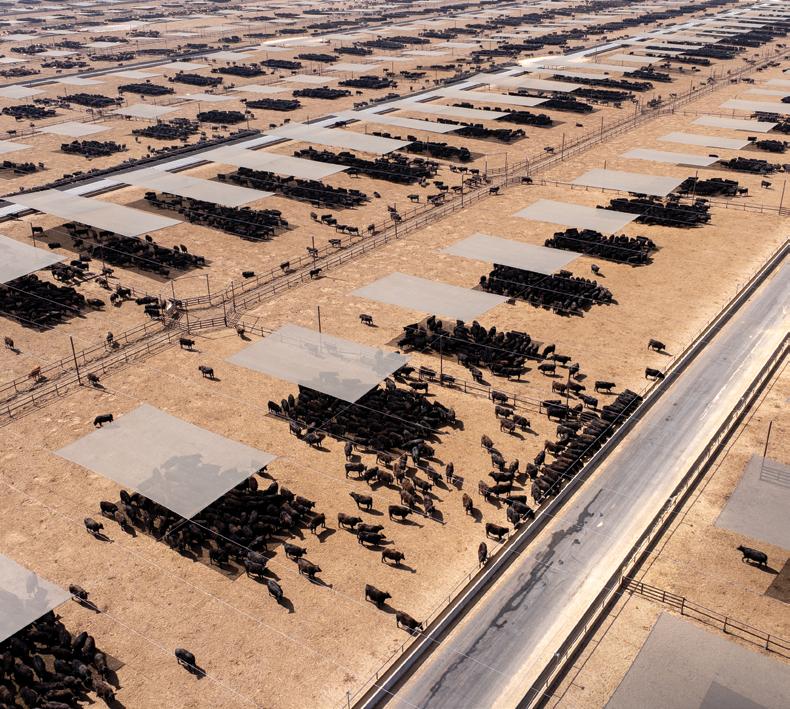
Until about 12 months ago, feedlots were notoriously undervalued on the balance sheet relative to the capital invested in them. Modern feedlots were valued at approximately $1,100 to $1,400 per SCU (Standard Cattle Unit for a 400kg animal), while traditional build costs were around $2,000 to $2,500 per SCU. With construction costs escalating dramatically in recent years, a budget of $3,500 to $4,000 per SCU would now be required to build new. As recent sales have moved into the vicinity of $3,000 per SCU and above, it is simple economics that the industry is now recognising and valuing the capital invested in these assets. This has created an opportunity for feedlot owners to realise that value.
The decision to sell can be made for many reasons. Family or business succession planning (much like selling the family farm), or investors choosing to move their capital elsewhere, can all play a role. Driving some of these sales is the requirements of mature, integrated beef supply chain systems. The consistent supply of product is just as important as consistent quality, and feedlots help level out seasonal fluctuations. This is not a grain-fed versus grassfed argument, as both are integral to the success of the Australian beef industry. Interestingly, grass-finished beef still accounts for approximately 70-75% of total export production in volume, while grain-fed beef accounts for about 35-40% of total export value.
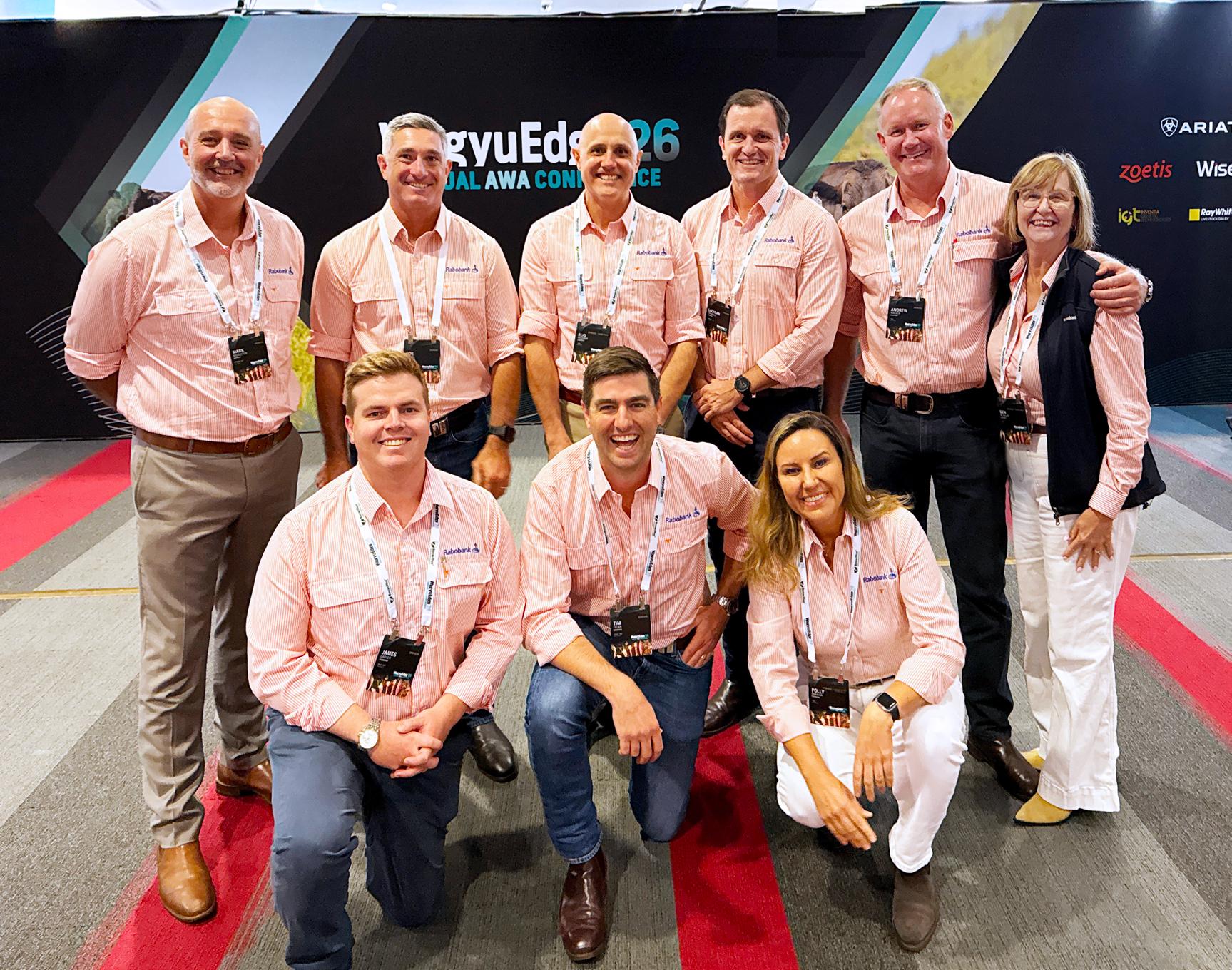
In April, the AWA hosted another WagyuEdge Conference. As they say, all records are there to be broken, and this year certainly did not disappoint. A staggering 920 delegates registered for the event, up from the previous record of 640. Information was shared, friendships renewed, business transacted and, surprisingly enough, a few headaches were even acquired!!! Congratulations must go to all involved in organising and delivering this world-class product to a worldwide audience.
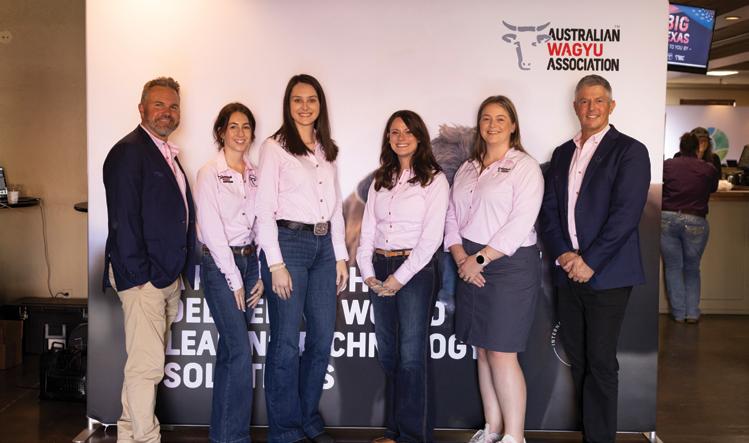
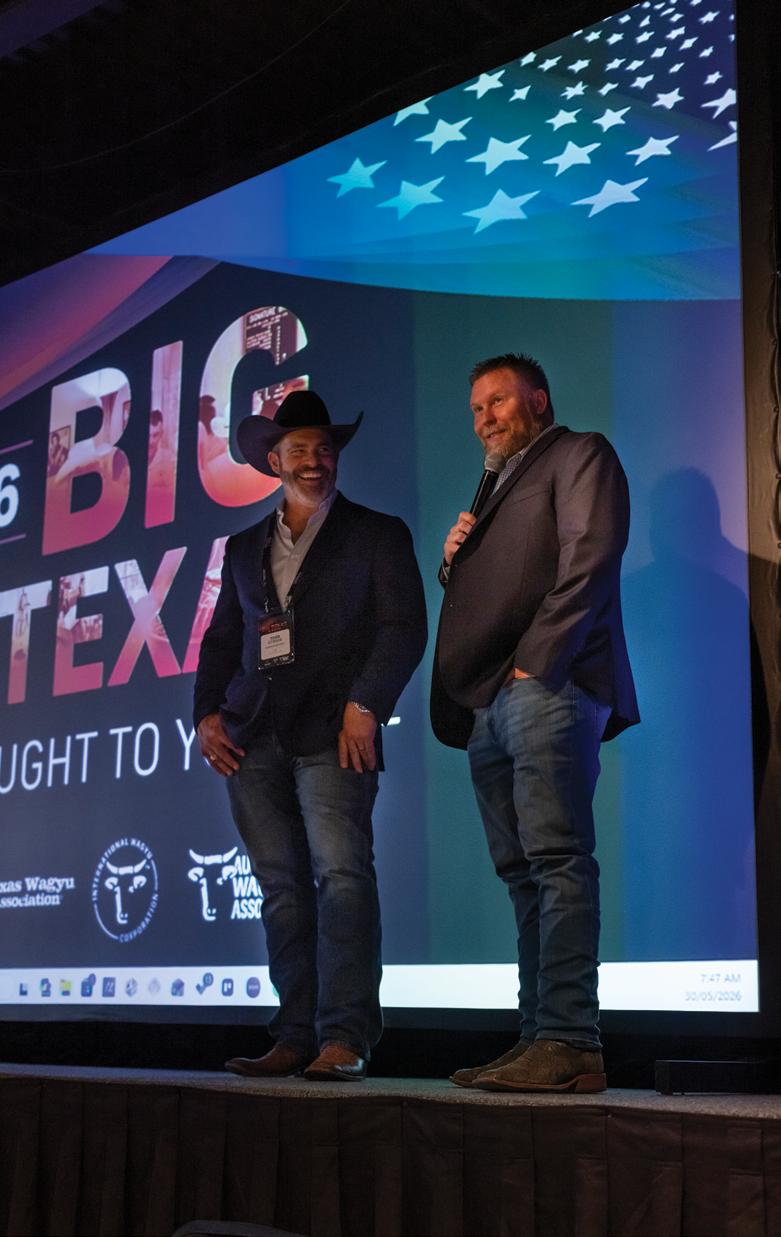
A month later, a contingent of Australians attended the BigTexas event in Fort Worth. While we Aussies don’t need much of an excuse to catch up and socialise with our American friends, an important outcome of the trip was to address concerns surrounding the recently introduced WBVs. To demonstrate the importance and seriousness with which we value our relationship with our American members, the AWA was very ably represented by our CEO, Dr Matt McDonough; our new COO, Dr Christian Duff; the mastermind behind our new WBVs, Dr Vinzent Boerner; and the Managing Director of our new data analysis system, Helical, Dan Garrick. Together, they addressed the convention and did an outstanding job. My confidence in the WBVs was only further strengthened as a result.
Over the last 10 years, the AWA has maintained a program of investment of member funds into strategic projects to improve productivity for all Wagyu breeders. One of AWA’s key recent projects has been the identification of unknown recessive conditions in the Wagyu population and the development of tests for these. The AWA team, working with Professor Jon Beever at the University of Tennessee has delivered the Annexin A10 test already. We are also about to deliver testing for Hepatic Fibrinogen Storage Disorder (HFSD). Weatherbys Scientific have enabled testing for HFSD on their standard chip and have provided AWA with results for around 8,000 individuals. Both A10 and HFSD impact productivity in Wagyu herds and their management will lead to improved profitability outcomes for AWA members. It is important that we find these genetic conditions that are already robbing you of calves and productivity and reduce their impact on your herds.
The AWA has maintained a program of investment of member funds into strategic projects to improve productivity.
For those of you who have missed the rain, and for those who have not, I hope you all get wet shirts in the near future.
Laird Morgan President | Australian Wagyu Association
CEO update
Dear AWA Members,
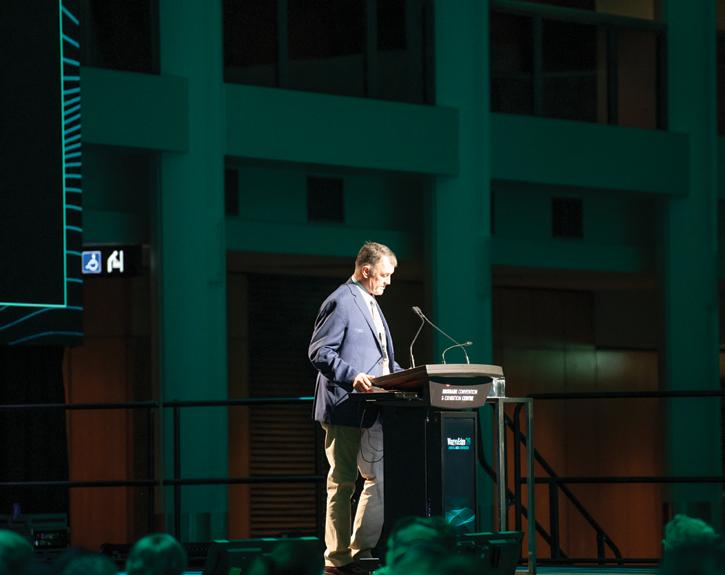
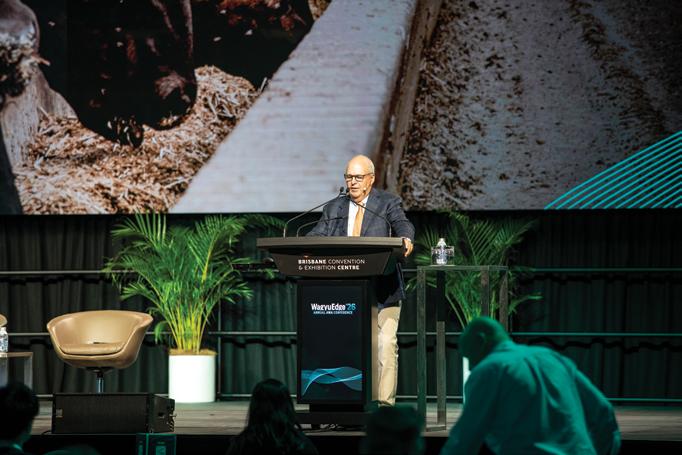
What an amazing sight to stand on stage at WagyuEdge’26 and see over 900 delegates in Brisbane for our biggest ever conference event. This year’s WagyuEdge was amplified by a significant international contingent, including more than 20 representatives from international meat buying organisations supported by AusTrade, which introduced a new dynamic to the event.
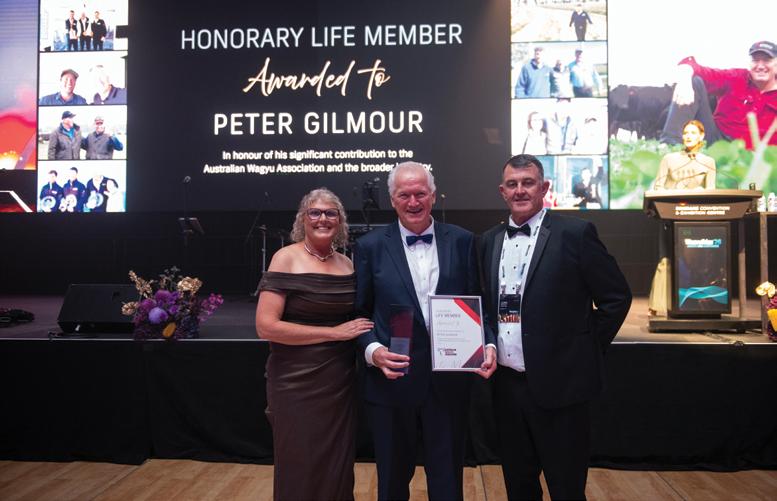
In a moment that captured the significant contribution to the Association from one of Wagyu’s best and brightest, Peter Gilmour of Irongate Wagyu was recognised by his peers and the industry as our 2026 AWA Honorary Life Member. Peter’s contribution to lifting AWA’s corporate governance practices and instilling the values of professionalism, due diligence and to embed a culture of value adding and innovation to all of AWA’s activities was celebrated on our final evening Industry Dinner.
Feedback from the post-conference survey was reviewed across all events, noting responses from over 150 attendees regarding various aspects of the Conference, events and Tours. This information has been used to inform WagyuEdge’27, which will be held in Adelaide South Australia 27-29 April 2027, with a pre-conference tour being developed from Melbourne to Adelaide 24-26 April.
For those who missed WagyuEdge’26, the video recordings for the conference are available on the AWA Website or scan the QR.
PROTECT WHAT MAKES WAGYU PREMIUM
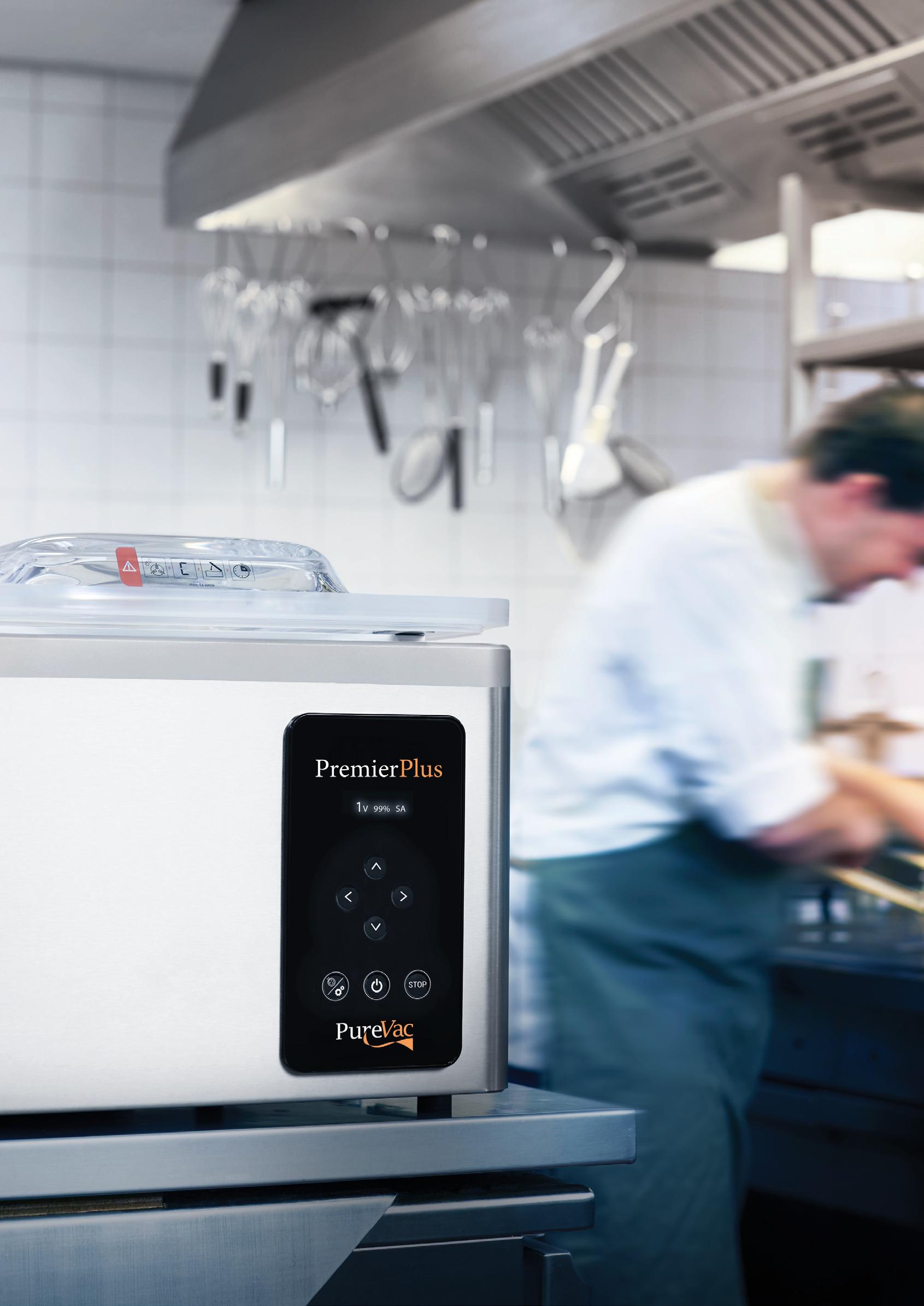
The NEW PureVac Premier Plus Range
PureVac Liquid Control technology helps protect premium products during the vacuum cycle, delivering clean, consistent seals without moisture loss or product degradation.
With sensor-controlled vacuum accuracy and up to 99.8% air extraction, the Premier Plus range helps maintain colour, texture, freshness and shelf life for premium beef applications. GET OFFER GET A FREE BOX OF PVTC1625 COOK-IN BAGS WITH ANY PREMIER PLUS SERIES PURCHASE.
AWA Board Meeting Report:
The Board of Directors and AWA Executive staff met in Brisbane 30 April 2026 to review company performance against KPIs and budget to the end of Quarter 3 for the 2025/2026 Financial Year. Significant items reviewed and resolved are reported below.
1. GeneProb in Helical: GeneProb estimates the probability (%) an animal carries a specific gene or allele based on pedigree and DNA test results. The implementation of GeneProb in Helical was reviewed by the meeting, with calculation of genetic condition probabilities now complete. The Board approved implementation of GeneProb in Helical for the estimation of AWA tested genetic conditions.
2. Approval for Annexin A10 and Hepatic Fibrinogen Storage Disorder (HFSD): The publication of both new genetic conditions was approved, along with GeneProb estimation for A10. The A10 results and probabilities are already published on the AWA database, with HFSD to be published once results are loaded.
3. AWA Wagyu Content Check DNA test: An updated Crossbred Wagyu Test was reviewed by the meeting. The Wagyu Content Check is an improved genomic test to estimate the proportion of Japanese Black genomic content in crossbred cattle. This helps producers identify Wagyu content informing breeding and selection decisions. This information is also used to determine crossbred grade (ie, F1, F2, F3, F4 and Purebred) in the absence of other information. This test is under final implementation as part of the AWA genomic pipeline, and will be released to members shortly.
4. The Board reviewed legal items in progress including the Helical database breach through AWA member accounts as notified to members 06 June 2026. Since becoming aware of the incident, the AWA has been working with experts from across the cyber security industry to ensure we are taking all appropriate steps in response. All notifications to relevant organisations have been done in a legal and timely manner. We have also notified the National Cyber Security Coordinator, The National Office of Cyber Security (NOCS), and various law enforcement agencies, including the Australian Federal Police.
5. The Board considered items relating to recognising the registration of cloned animals in the AWA Herdbook and extensions of genetic technologies including gene editing and the impact of future recommendation from CAC. The meeting noted that these issues impact the Australian beef industry more broadly and that an Australian industry summit or workshop is a preferred approach to moving forward. This has subsequently been raised with MLA to determine the appropriate forum to progress consideration of the matter at a National level.
6. Following the end of FY2025/26 quarter 3, the AWA investment portfolio performance summary provided by the independent financial advisor was reviewed by the Board. The existing AWA investment strategy was confirmed as satisfactory with performance exceeding targets.
7. The meeting reviewed financial performance of the company to date across all areas of operation to the end of the 3rd quarter of the 2025/26 financial year. The AWA is sitting in net surplus and is forecast to complete FY2025/26 with a moderate net profit.
8. The Board approved the 87 new applications for membership 22 January 2026 to 24 April 2026 including 20 new Full Australian members, 36 new Full Overseas Full members, 8 Texas Wagyu Association Members and 23 Australian and Overseas Associate members.
9. As AWA Company Secretary and on behalf of the AWA President and the AWA Board, it is my pleasure to provide this report to you.
Sincerely,
Matt McDonagh CEO | Australian Wagyu Association
WagyuEdge’26 Signals a New Era for Global Wagyu
As more than 900 delegates from 15 countries gathered in Brisbane for WagyuEdge’26, one message became unmistakably clear: the global Wagyu industry has entered a new phase of maturity, scale and responsibility.
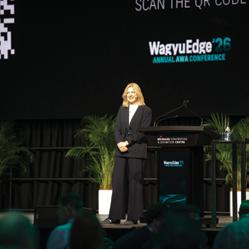
Opening the conference, Australian Wagyu Association
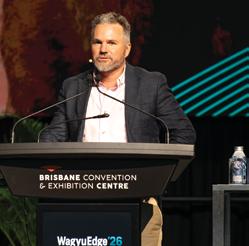
President Laird Morgan framed the event not simply as a record-breaking gathering, but as a reflection of an industry evolving with greater purpose. The largest WagyuEdge conference ever held, exceeding previous attendance records by more than 200 people, served as both a celebration of the breed’s remarkable growth and a signal of the challenges and opportunities now shaping its future.
“Wagyu truly is a global force,” Laird told delegates, as producers, seedstock breeders, processors, researchers and commercial partners prepared for three days of discussion spanning genetics, reproduction, supply chains, consumer demand and global market development.
Yet while the scale of WagyuEdge’26 demonstrated the commercial momentum behind the breed, Laird’s address focused less on growth itself and more on how that growth is managed.
“What makes this conference significant is what it represents,” he said. “It represents an industry that has grown rapidly, but importantly, one that continues to evolve with purpose.”
That theme, balancing expansion with integrity, science and long-term sustainability became a defining thread throughout the conference. Laird emphasised the responsibility now facing the Australian Wagyu sector as global demand accelerates. Central to that responsibility, he said, is ensuring producers are supported by transparent systems, robust science and a long-term vision capable of protecting the integrity of the breed.
“Growth without direction creates risk,” he said. “But growth guided by science, data and collaboration creates something far more powerful.”
At the centre of that vision is the Australian Wagyu Association’s transition to a Wagyu-specific genetic evaluation system, a move Laird described as one of the most significant developments undertaken by the breed in recent history. For the first time, Wagyu is no longer being assessed through models designed for the broader beef industry, but through tools developed specifically around the traits most critical to Wagyu production and premium market outcomes.
“This is more than just a technical change,” he said. “It is a foundational shift.”
Importantly, Laird acknowledged that rapid advancement also brings scrutiny, debate and misinformation, particularly in an era where complex scientific issues can quickly be reduced to oversimplified commentary.
“As an organisation, we must remain grounded in one principle, sound science,” he told delegates.
That commitment to rigorous methodology, transparency and evidence-based decision-making underpinned discussions not only around genetics, but also productivity, eating quality, carcase performance and consumer expectations. While measurable gains in carcase weight, muscle development and marbling remain important, Laird said the industry’s long-term value ultimately depends on consistency and eating experience.
“At the end of the day, everything we do, every breeding decision, every data point, every system we develop, ultimately connects to one thing, the consumer.”
Across three days, that message was reinforced again and again: the Wagyu industry is no longer simply experiencing growth. It is actively defining what its future will look like.
Innovation Shared. Luxury Experienced
If the opening address set the direction for the industry’s future, the sessions that followed explored how that future is already taking shape across genetics, trade, technology, reproduction, biosecurity and global markets.
Speakers from Australia and around the world challenged producers, researchers, marketers and industry leaders to think boldly about what comes next for Wagyu. From precision breeding and carcase data to premium dining, consumer trust and artificial intelligence, each session reinforced the idea that Wagyu’s success lies not only in exceptional beef, but in the people, systems and partnerships behind it.
Together, the sessions captured an industry entering a new phase of maturity as a globally recognised premium protein sector, one increasingly defined by data, collaboration, innovation and brand integrity.
Innovation in Action: AWA Technical Highlights
The AWA Technical Highlights session showcased how rapidly Wagyu breeding is moving into a new era of genomic intelligence, data integration and commercial decisionmaking. A common theme emerged: the future of Wagyu will be shaped not simply by better cattle, but by better systems capable of turning genomic, phenotypic and commercial data into practical tools for breeders and the wider supply chain.
Dr Matt McDonagh framed the transformation as a strategic shift for the Australian Wagyu Association, explaining that the move toward independent Wagyu Breeding Values and proprietary genetic evaluation systems was fundamentally about long-term capability.
“That is just one example of what becomes possible when you control your own data,” Matt said. He also reinforced the collective nature of the system, noting that, “It is the aggregated value of that combined dataset that allows us to leverage it and return value back to members.”
Vinzent Boerner, Christian Duff and Dan Garrick demonstrated the sophistication now underpinning modern genetic evaluation. Vinzent explained that the challenge is not simply the mathematics of breeding analysis, but extracting meaningful biological information from imperfect data.
“The challenge is always to maximise the amount of usable information while minimising bias,” he said, warning that poor data compromises everything downstream.
Christian reinforced that Wagyu Breeding Values are commercial decision-support tools rather than abstract scientific measures.
“WBVs are there to estimate genetic differences between animals for commercially relevant traits,” he said, emphasising that accuracy, interpretation and breeder education remain critical to adoption.
Dan extended the discussion into the broader supply chain, arguing that genomics becomes exponentially more valuable when linked with phenotype recording, parent verification and commercial performance data.
“The critical hub of this flywheel, however, is phenotype data,” he said.
The commercial implications were brought into focus by AuctionsPlus’ Wyn Snyman, who showed how rapidly buyer behaviour is changing in the digital marketplace. Online purchasing, dynamic sale catalogues and searchable breeding information are becoming central to how premium cattle are marketed and sold.
“Online buying has become mainstream over the past few years,” Wyn said, while warning that buyers are increasingly overwhelmed by fragmented information and outdated catalogue systems.
The session reinforced that innovation in Wagyu now extends well beyond genetics. From genomic evaluation and parent discovery to digital marketing and live data integration, the industry is building a connected ecosystem where information, technology and commercial performance are increasingly inseparable.
The Big Picture: Risks and Realities
The Risks and Realities session brought together government, biosecurity and animal health leaders to confront one of the defining challenges facing Australian Wagyu: protecting a premium global industry in an increasingly uncertain world.
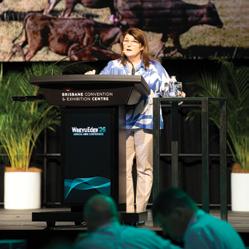
Federal Agriculture Minister Julie Collins described Australian beef, particularly Wagyu, as both an economic powerhouse and a national strategic asset.
“Australia’s beef, particularly our Wagyu, is in more demand than ever,” she told delegates.
Julie argued that premium export success now depends as much on diplomacy, sustainability and market diversification as it does on production.
Speakers 2026
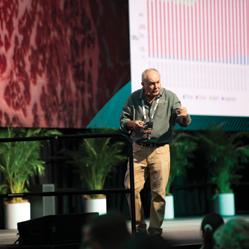
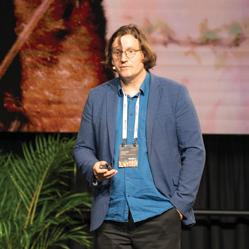
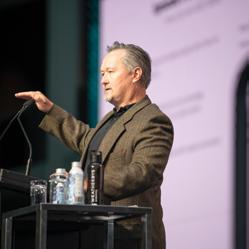
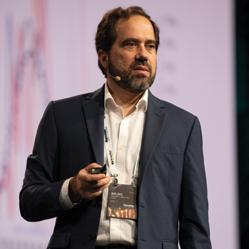
Laird Morgan | AWA President
Daniel Garrick | Founder and CEO, Helical
Dr Ross Ainsworth |CEO, Northern Territory Buffalo Industry Council Inc.
Simon Quilty | Global Meat Trade and analyst, MLX & Global Agri Trends
Dr Vinzent Boerner | Founder, GHPC CONSULTING AND SERVICES PTY. LTD
The Hon Julie Collins | Federal Minister for Agriculture, Fisheries and Forestry
Matt Dalgliesh |Director, Episode3.net
Dr Christian Duff | AWA Chief Operating Officer
Dr Samantha Allan | CEO Animal Health Australia
Hamish McIntyre President | National Farmers’ Federation and Managing Director, McIntyre Agriculture
“Trade diversification is critical because it reduces risk and creates new opportunities for growth,” she said, while reinforcing that consumers value the quality, safety, traceability and sustainability of Australian beef.
That theme of protecting Australia’s premium position was expanded by Animal Health Australia CEO Dr Samantha Allan, who warned that biosecurity is no longer simply a regulatory issue. It is fundamental to the commercial future of Wagyu.
“Wagyu isn’t just another beef product. It’s a premium brand built on trust,” Samantha said, explaining that disease preparedness protects not only animal health, but also export confidence, brand integrity and market access.
She stressed that premium industries face amplified reputational risk during disruption.
“Biosecurity may not always be visible when markets are functioning well, but it underpins everything,” she said.
“Preparedness is not about creating fear. It’s about building resilience and confidence.”
Dr Ross Ainsworth delivered the session’s starkest warning.
“We have the highest disease status and therefore the most to lose,” he said, explaining that Australia’s diseasefree reputation underpins access to premium markets worldwide.
His message was blunt: for an export-focused industry, disease outbreaks threaten market access far more than livestock mortality itself.
“Around 70% of our beef is exported. If exports stop because markets close, our industry is effectively dead overnight,” he warned.
Together, the speakers reinforced that Australia’s premium Wagyu future depends not only on genetics and production excellence, but on vigilance, preparedness and protecting the integrity of the entire supply chain.
Market Dynamics and Wagyu
As global volatility reshapes agricultural markets, Simon Quilty and Matt Dalgleish challenged delegates to think beyond cattle cycles and consider the broader economic and geopolitical forces influencing premium beef.
Simon presented a bullish outlook for global Wagyu markets, arguing that the industry may be approaching a structural
turning point rather than another short-term cycle. Simultaneous herd rebuilding across major beef-producing nations, he said, could tighten global beef supply in the years ahead.
“Structural global demand for premium protein is colliding with constrained global supply,” he said.
Simon also highlighted changing consumer behaviour, including the rise of health and lifestyle trends that may reduce overall meat consumption while increasing demand for higher-quality eating experiences.
“People may eat less meat overall, but when they do eat meat they increasingly want a better eating experience,” he explained.
Matt Dalgleish brought a broader macroeconomic perspective, warning that global instability is becoming a permanent operating environment.
“What we used to think of as rare ‘black swan’ events now seem to happen much more frequently,” he said, describing modern market shocks as “orange swan” events, visible risks that are often underestimated.
He reinforced that Wagyu’s premium position provides some insulation from commodity beef cycles.
“Wagyu sits in a unique position because it is not competing directly with commodity beef. It is a luxury premium product,” he said.
However, Matt stressed that maintaining Australia’s reputation for traceability, food safety and consistency remains essential.
Together, both speakers reinforced that trusted premium brands remain exceptionally well positioned despite global uncertainty.
Wagyu’s International Trade Environment
As global trade conditions become increasingly volatile, Hamish McIntyre and Catherine Raper explored how shifting geopolitics, protectionism, food security concerns and changing trade policy are reshaping the environment in which Australian Wagyu operates.
Hamish argued that Australia’s greatest competitive advantage is not simply product quality, but the ability to consistently deliver trusted, reliable supply into uncertain global markets.
“We are not simply competing on commodity beef pricing. We are competing on eating quality, consistency, brand story, provenance, and customer trust,” he said.
He also highlighted collaboration within the Wagyu industry as one of Australia’s hidden strengths, noting that premium customers expect a premium outcome every time.
“Customers paying premium prices expect premium outcomes every single time,” he said.
Catherine Raper expanded on the broader trade and policy forces shaping those opportunities. She emphasised that trade policy is not an abstract political issue, but a direct driver of profitability, resilience and market certainty.
“Trade matters enormously. It underpins around one in four jobs in Australia,” she said, while warning that the current global trading environment is “as challenging as it has been in decades.”
Catherine stressed that Australia’s network of export markets and free trade agreements gives exporters more options and greater resilience. She also defended open markets and rules-based trade.
Looking ahead, Catherine noted that non-tariff barriers, including sustainability requirements, traceability standards and technical regulations, are becoming defining challenges for exporters, particularly in premium categories such as Wagyu.
Reproduction and Nutrition Advances in Wagyu
The Reproduction and Nutrition Advances in Wagyu session challenged assumptions around fertility, nutrition and genetic progress.
Across IVF technology, bull fertility and biological development, the central message was clear: sustainable genetic advancement depends not on shortcuts, but on disciplined management grounded in science.
Bruno Sanches explained that modern reproductive technology is accelerating the pace of Wagyu improvement globally, but only when supported by strong systems and clear breeding objectives.
“The biggest advantage is speed,” he said, highlighting how IVF enables producers to multiply elite genetics at a scale previously impossible.
Yet he cautioned that technology alone does not guarantee success.
“The best outcomes come when technology is combined with strong data collection, disciplined management, and clear breeding objectives.”
Dr Ced Wise reinforced the importance of measurement in Wagyu bull fertility.
“Never assume. Measure,” he said, warning that a single sub-fertile sire can have enormous downstream impacts in AI and natural breeding systems.
Ced reminded delegates that fertility problems are often delayed and invisible because “the sperm ejaculated today were actually produced weeks ago.”
Nutritionist and veterinarian John Doyle carried the theme further in his presentation Biology Can’t Be Cheated
“Biology can’t be cheated, but people can be deceived,” John said, arguing that genetics, nutrition and reproductive outcomes remain constrained by hard physiological limits.
Central to his message was the importance of foetal development and lifetime productivity.
“If it doesn’t occur in the foetus, it’s not going to occur in the calf,” he said.
Together, the session highlighted the growing role of reproductive science, precision breeding and biological understanding in shaping elite Wagyu performance.
Wagyu on the Rise: Expansion in the North and South
Tom McLeish and Charlie Perry offered two perspectives on Australian Wagyu expansion: the disciplined expansion of northern commercial systems and the continual refinement of southern breeding programs.
Tom McLeish reflected on the realities of building a Wagyu business across northern Australia’s volatile production environments, arguing that practicality must always outweigh theory.
“There’s no point chasing numbers on paper if the cattle can’t perform in the real world,” he said.
Tom described the constant balancing act of managing cattle across diverse rainfall zones and large-scale operations where every weakness in management systems is magnified. Despite the complexity, he remained optimistic, stressing that relationships across the supply chain had become critical business infrastructure.
“Those relationships have carried us through difficult years,” he said.
Charlie Perry brought a complementary genetics-focused perspective, arguing that Wagyu’s enduring strength lies in the product itself.
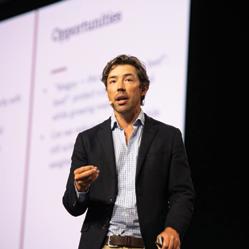
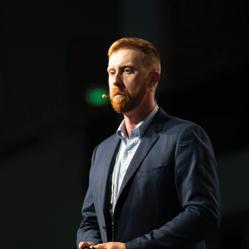
Speakers 2026
Ms Catherine Raper |First Assistant Secretary and Australia’s Chief Negotiator Office of Global Trade Negotiations & AU-EU FTA. Department of Foreign Affairs and Trade, Australia
Tom McLeish | Director, Diamond Cattle Co
Bruno Valente Sanches | VP of Operations, Vytelle Advance
Charlie Perry | Trent Bridge Wagyu
Joseph Kerin | Operations Manager and Stud Master, Kerin Wagyu
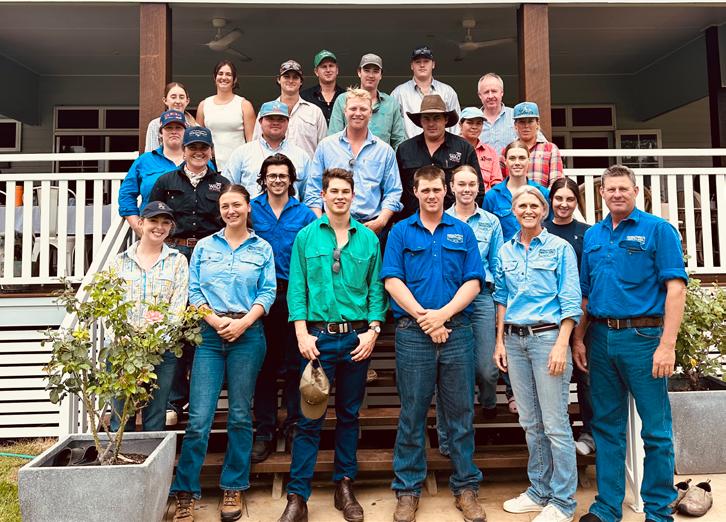
Dr Ced Wise | Head Veterinarian, Wise Repro
Sebastian Christensen | Norlin Wagyu
Jessie Macqueen | President, WagYouth
John Doyle | Managing Director & Consulting Nutritionist, Integrated Animal Production
Harrison Kemp & Joshua Rich | King River Ag
Cooper Carter | Graduate Research Assistant, Texas Tech University
“Forget all the noise, we actually have a fundamentally fantastic product and it is a different product,” he said.
Charlie explored how genomics, carcase feedback and vertically integrated supply chains are accelerating breed progress, describing modern data systems as “an absolute game changer” for commercial decision-making.
At the same time, he warned the industry against overlooking fertility and maternal performance in the pursuit of marbling alone.
“It’s simply not enough for us to just keep whacking in better and better bulls. We need to look at our Angus females,” he said.
Together, the speakers reinforced that sustainable growth depends on balancing innovation, adaptability and commercial discipline.
Wagyu’s New Wave: Leaders and Legends
The Leaders and Legends session showcased the ambition, discipline and commercial thinking shaping Wagyu’s next generation.
From Denmark to regional Australia, speakers demonstrated that the future of premium Wagyu production will belong to operators who combine elite genetics, supply chain control and a relentless focus on consistency.
Danish producer Sebastian Christensen offered one of the conference’s most compelling international perspectives, detailing how he built Norlin Wagyu entirely from embryo transfer and direct market relationships in a country with little established Wagyu infrastructure.
“I’m vertically integrated because I have to be,” he said.
Sebastian argued that elite genetics remain the critical advantage for smaller producers trying to compete against imported Australian Wagyu.
“My biggest competition is actually you guys,” he told Australian delegates, while also noting the strength local provenance can provide: “The good thing for me is that I’m local.”
For Harrison Kemp and Joshua Rich of King River Ag, the discussion centred on the shift from commodity cattle production to fully integrated premium beef businesses.
“We’ve been able to take something from conception right through to consumption,” they said.
They emphasised that brand ownership, objective grading and consistency are becoming increasingly important because consumers ultimately pay for reliability and trust, not occasional standout results alone.
Joseph Kerin brought the conversation back to commercial fundamentals, challenging producers to focus on balanced, profitable cattle.
“We didn’t look at it emotionally. We looked at it commercially,” he said of entering the Wagyu industry.
His presentation reinforced the importance of fertility, feed efficiency, temperament and long-term profitability alongside carcase quality.
“Commercial profitability usually comes from balance,” Joe said, while reminding delegates that elite breeding success is built over decades, not seasons: “There are no shortcuts.”
Together, the session painted a clear picture of an evolving Wagyu industry increasingly driven by data, discipline, brand ownership and commercially minded leaders.
Next Gen: Wagyu Innovators and Technology
The Next Gen Wagyu Innovators and Technology session explored how the future of premium beef production will be shaped not only by genetics and data, but by leadership, adaptability and the intelligent use of technology.
Jessie Macqueen focused on preparing the next generation of Wagyu leaders, arguing that succession planning must extend beyond individual businesses to the broader industry itself.
“At the end of the day, everything comes back to business, and Wagyu has succeeded because of strong business fundamentals,” she said.
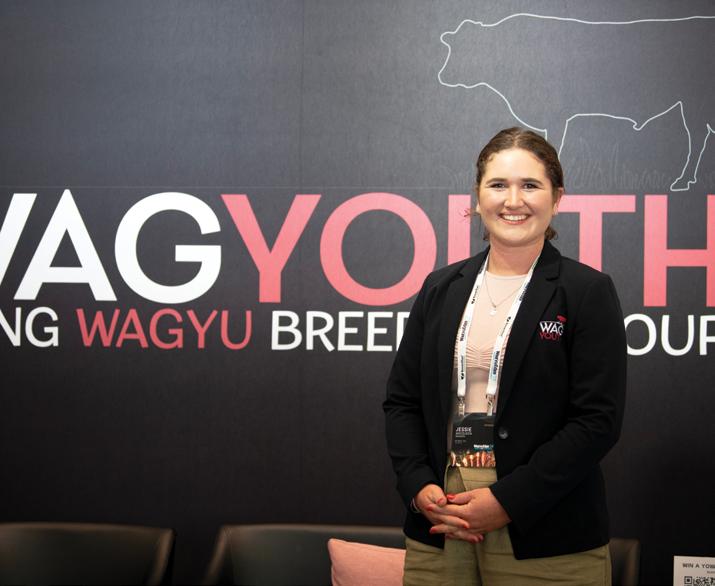
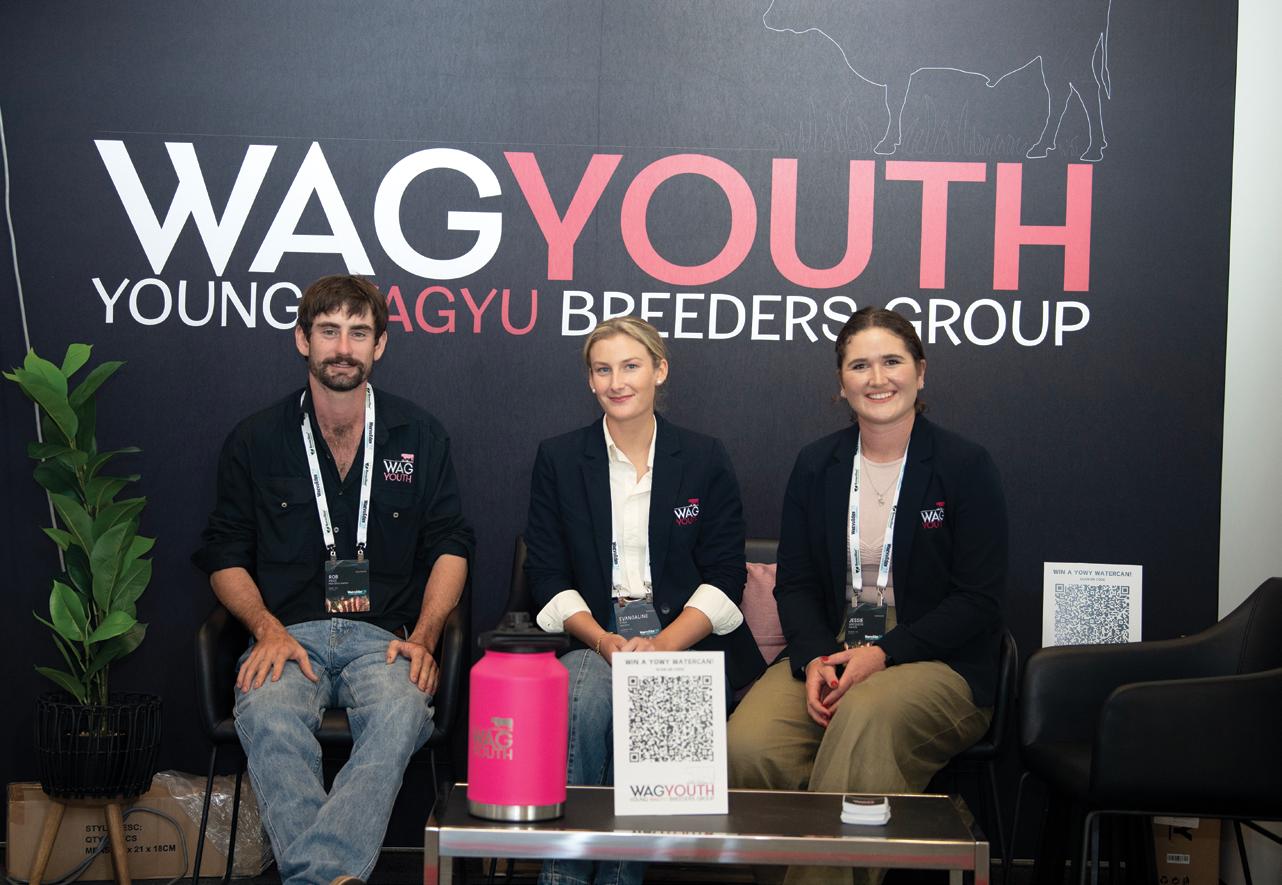
Through WagYouth, Jessie highlighted the value of exposing young producers to leadership models and ideas from outside agriculture. Future competitiveness, she said, will rely as much on communication, business capability and strategic thinking as production knowledge.
Cooper Carter examined how imaging technologies and machine learning could transform carcase evaluation and retail yield prediction in Wagyu cattle. He challenged the accuracy of traditional grading systems, arguing that older models no longer reflect modern cattle populations or Wagyu carcases.
“The correlation between calculated yield grade and actual subprimal yield was only around four percent,” he said.
Instead, Cooper outlined a future where advanced imaging systems can analyse carcase surfaces, muscle shape, fat distribution and composition in far greater detail.
“The industry is moving toward a new era where technology-driven grading systems can provide far more precise and valuable information than traditional grading methods,” he said.
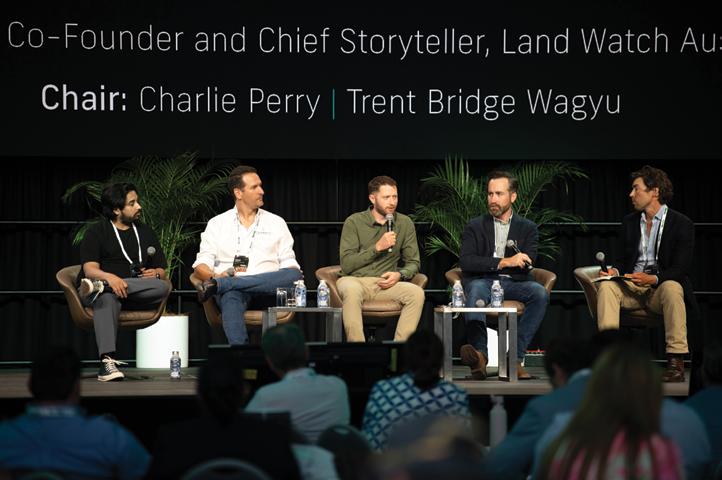
The closing technology panel, featuring Sid Goutam, Davide Defendi, Dan Garrick and John Hill and chaired by Charlie Perry, explored how artificial intelligence and agricultural technology are reshaping modern beef production.
A consistent theme throughout the discussion was that technology must deliver practical outcomes. The panel argued that the real value of AI lies in helping producers make better decisions, reduce complexity and improve efficiency, rather than adding more data, platforms or distractions. Several speakers highlighted that AI is most powerful when it strengthens human expertise, allowing skilled operators to work faster and more effectively rather than replacing their knowledge and experience.
The conversation also focused on the importance of trust and adoption. The panellists noted that producers are more likely to embrace new technology when it is transparent, easy to use and clearly solves a real problem. They warned that tools which create confusion or require excessive effort to understand are unlikely to gain traction in commercial operations.
The panellists emphasised that technology alone is not a silver bullet. Success still depends on strong management, sound decision-making and a willingness to learn and adapt. The discussion concluded with a reminder that the industry should remain disciplined when evaluating emerging technologies, focusing on genuine value creation rather than chasing every new trend.
Momentum
Dr Matt McDonagh closed WagyuEdge’26 with a powerful reflection on an industry entering a new phase of influence, sophistication and global recognition.
Framing the conference in a single word, “Momentum”. Matt described a sector accelerating across technology, genetics, trade and consumer demand simultaneously.
He said the Australian Wagyu industry was no longer a niche segment, but a strategically important export category increasingly recognised independently by government and global markets.
“Government is now aware of, and focused on, the high value the Wagyu sector represents,” he said, noting that Australian Wagyu now contributes roughly 10 per cent of the total value of Australian beef exports.
Matt highlighted the growing importance of data-driven production systems, from genomic analysis and fertility metrics to carcase performance data. At the same time, he warned that the industry remains vulnerable to external threats, particularly biosecurity risks such as lumpy skin disease and foot-and-mouth disease.
Despite those challenges, the close was optimistic, with Matt praising the collaborative culture that continues to define the sector.
“One of the unique strengths of the Australian Wagyu sector is the willingness of people to share information and contribute to collective progress,” he said. “There is confidence in the future of Wagyu because of the quality of people in this industry.”
That spirit of collaboration, innovation and shared ambition ultimately defined WagyuEdge’26. Across every session, delegates were reminded that the future of Wagyu will not be shaped by any single technology, market or production system alone, but by the collective ability of the industry to adapt, innovate and continue delivering one of the world’s most premium food experiences.
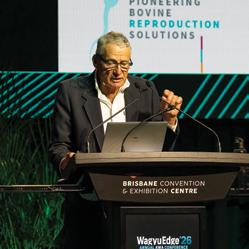
Speakers
2026
As the conference concluded, one message stood above all others: the Australian Wagyu industry is not simply responding to the future, it is actively shaping it.
TECH PANEL
Sid Goutam - Head of Technology Strategy Animal Management, Gallagher; Davide Defendi - Chief Technology Officer, Farmbot: Dan GarrickFounder, Helical Co; John Hill - Co-Founder & Chief Storyteller, Land Watch Australia & Charlie Perry (Chair) Trent Bridge Wagyu
Powering Global Collaboration and Innovation Beyond the Conference Floor
WagyuEdge’26 delivered a premium industry experience that extended far beyond the conference floor, bringing together innovation, connection and the unmistakable luxury of Wagyu. While the program featured leading global voices and forward-thinking insights, it was the seamless blend of knowledge-sharing, dining, networking and real-world industry exposure that defined the event.
As Joe Kerin, Kerin Ag reflected, “What this conference does for producers is provides the perfect opportunity to hear from industry leading speakers and professionals in what they do,” highlighting the depth of expertise on offer.
At the same time, the event fostered an inclusive and highly collaborative environment across the entire supply chain. “It’s a meeting place, it’s a hub. It’s the one thing we do every year that everyone looks forward to. You get people from small entry level producers to significant supply chains and everyone that involved in between, is here and happy to discuss and share and everyone’s treated as an equal,” said Jeremy Cooper, capturing the unique spirit of WagyuEdge.
From immersive showcase experiences and world-class Wagyu dining to meaningful networking opportunities and a comprehensive post-conference tour through South East Queensland, WagyuEdge’26 created a platform where ideas turned into action and relationships into opportunity.
A Showcase for Innovation, Connection and Industry Progress
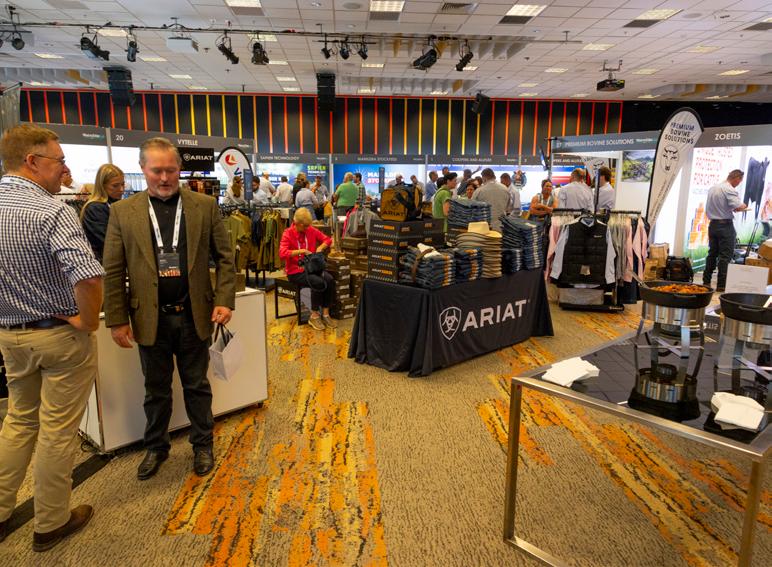
The Industry Showcase at WagyuEdge’26 served as a dynamic extension of the conference program, transforming discussion into real-world application. Positioned alongside the nine forward-focused sessions, it created a natural space for delegates to continue conversations, explore ideas in greater depth, and connect directly with the businesses driving industry progress. Bringing together leading suppliers, service providers and innovators from across the Wagyu and premium beef supply chain, the showcase offered a central hub of connection, discovery and opportunity.
Genuine leaders in specialist property.
Premium genetics. Maximum reach.
StockLive connects Wagyu vendors with serious buyers across Australia delivering live auction experiences that put your sale in front of the right people, wherever they are.
Access registered Wagyu buyers nationwide not just those who can make the trip on the day
Real-time audio, video and online bidding the full atmosphere of a physical sale, without the limitations More registered bidders drives
Every lot presented with clear, consistent information giving remote buyers the confidence to bid Dedicated
Our team is on the ground with you from pre-sale marketing, to catalogue setup and on sale day, start to
An Immersive Culinary Experience
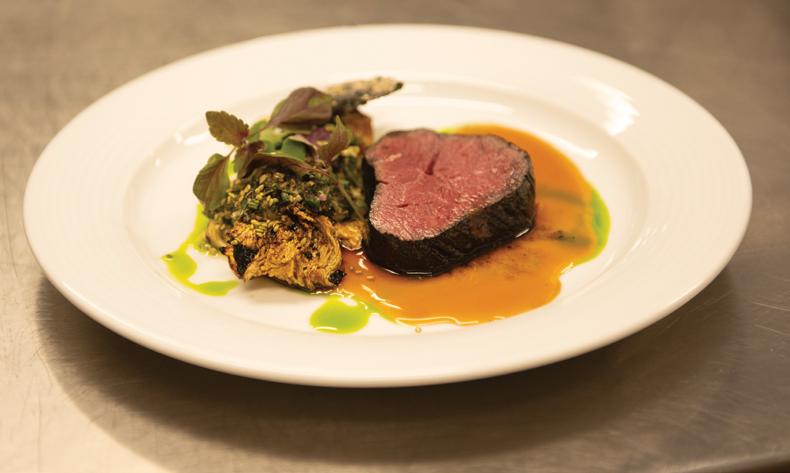
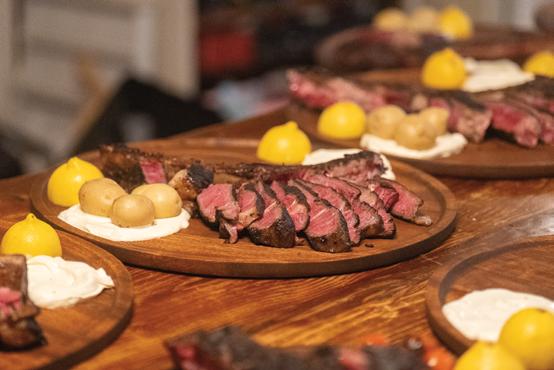
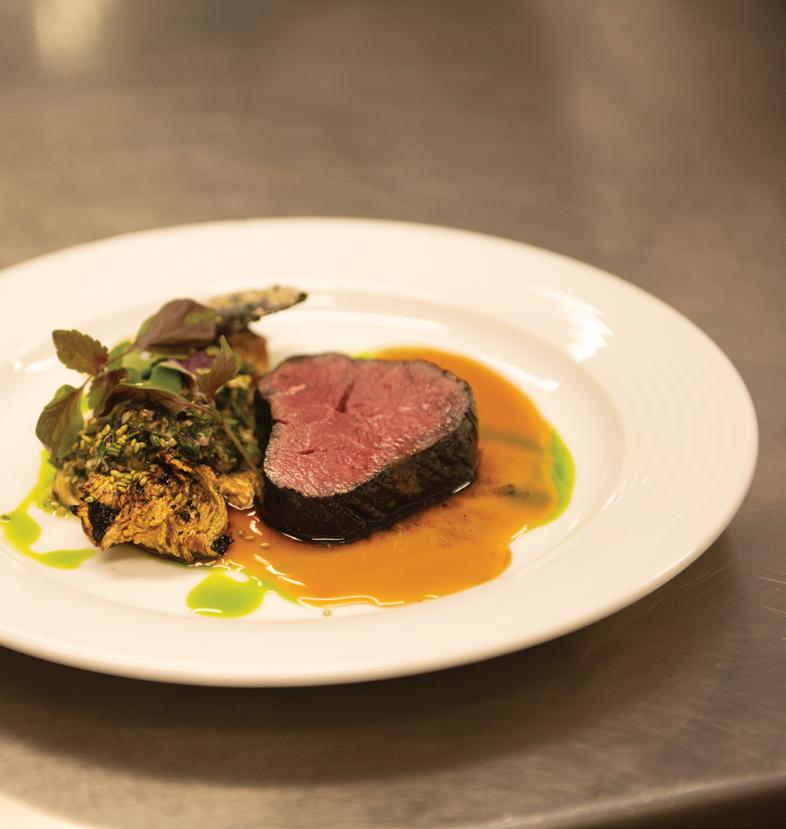
Across WagyuEdge’26, the dining experience was nothing short of exceptional, with more than 800 kilograms of Wagyu enjoyed across the event. From morning tea to evening functions, Wagyu featured thank you to Jack’s Creek, Jac Wagyu, Mort & Co, Mayura Station and Stanbroke, offering delegates a true paddock-to-plate immersion in the product that defines the industry. Each dish showcased the depth of quality Australian Wagyu is renowned for, rich marbling, unrivalled tenderness and a consistency that reflects the precision and care applied throughout the production chain.
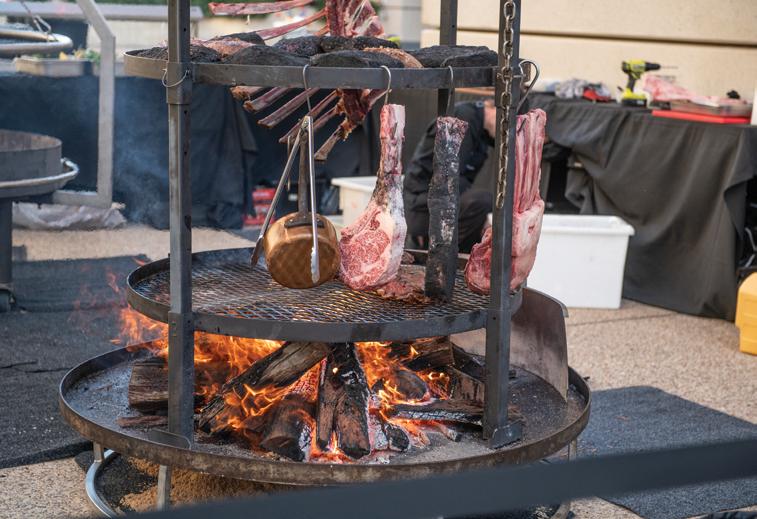
Adding to the experience, Hardcore Carnivore, Jess Pryles delivered unforgettable live fire cooking, bringing energy and theatre while highlighting the versatility and flavour of Wagyu over open flame.
A defining moment of the culinary experience came during the WBBC taste testing, where guests sampled this year’s competition entries before the winners were announced. It was an opportunity to experience firsthand the incredible eating quality behind the brands, with every bite reinforcing why the Wagyu Branded Beef Competition continues to set the global benchmark. From flavour and texture to overall eating performance, the tasting delivered an unforgettable start to an evening dedicated to celebrating the World’s Luxury Beef.
Driving Value Through Elite Genetics
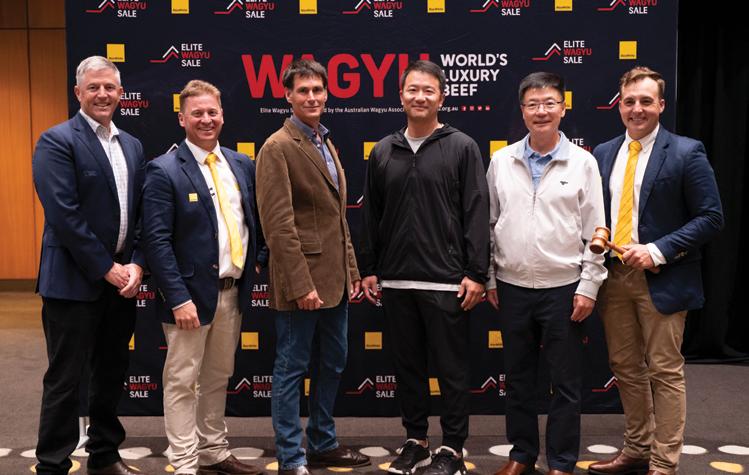
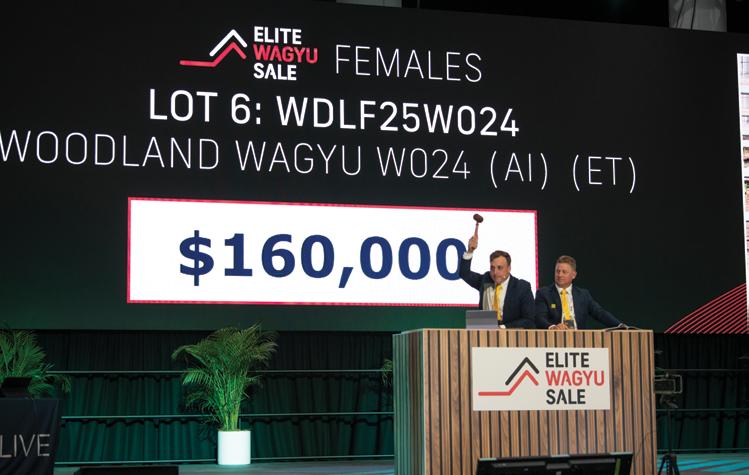
The 2026 Elite Wagyu Sale delivered standout results, reinforcing strong global confidence in high-performance Wagyu genetics and adding another layer of commercial momentum to WagyuEdge’26. Held in front of a packed crowd at the largest conference to date and conducted by Ray White Livestock Dalby, the sale attracted intense competition from both domestic and international buyers, with premium lots achieving exceptional prices across all categories. Leading the female offering, Woodland Wagyu’s Lot 6 (WDLF25W024) topped the sale at $160,000, purchased by Genomic Selection Pty Ltd. In the bull division, Lot 16 from 3D Genetics reached $120,000, while demand extended into genetics products, with semen and embryos also achieving strong results, highlighting depth across the offering.
The results reflected not only the quality of the cattle presented, but also the industry’s increasing reliance on data-driven breeding decisions. With detailed performance data and strong Wagyu Breeding Values underpinning buyer confidence, the sale demonstrated the value placed on proven genetics and measurable performance. As AWA CEO Dr Matt McDonagh noted, buyers are increasingly targeting animals in the top tiers of indexes, signalling a clear shift toward precision and accountability in breeding. Combined with strong online engagement via StockLive, the sale underscored the growing global appetite for Australian Wagyu genetics and the role WagyuEdge plays as a key marketplace for the industry.
Celebrating Industry Leadership and Generosity
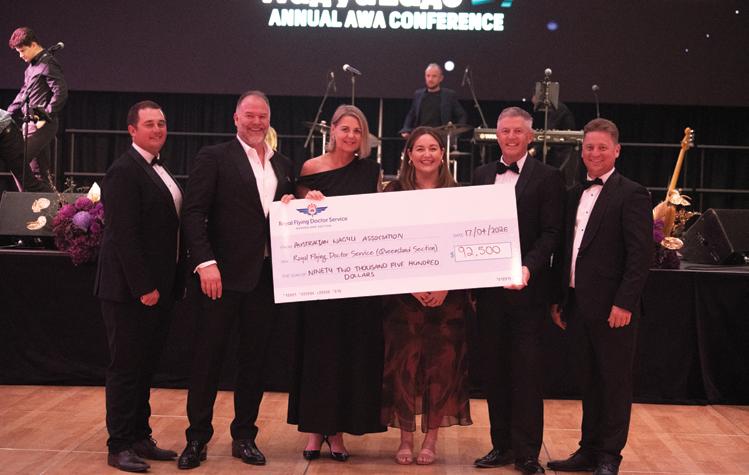
The Australian Wagyu Association (AWA) showcased both the strength and spirit of the industry at WagyuEdge’26, raising $185,000 for critical rural healthcare and recognising one of its most influential leaders, Peter Gilmour, with Honorary Life Membership.
A highlight of the event, the annual Industry Dinner Charity Auction once again demonstrated the industry’s deep commitment to regional communities and its own future. Funds raised on the night support the Royal Flying Doctor Service (RFDS) Queensland and the Wagyu Fellowship, two initiatives that reflect the sector’s focus on both immediate impact and long-term development.
The $185,000 raised will directly assist the RFDS in delivering essential aeromedical and healthcare services to rural and remote Australians, while also investing in education, leadership and innovation through the Wagyu Fellowship. The result was driven by strong engagement from attendees, with enthusiastic bidding across a range of highly sought-after items.
Speaking at the event, RFDS Queensland General Manager – Fundraising Erin McCabe highlighted the shared values between the Wagyu industry and regional communities.
“That is what your support achieves. You enable us to get to people, not with just an aircraft, but with highly trained medical teams ready to deliver intensive care in the sky.”
Beyond emergency care, the RFDS continues to provide routine and preventative healthcare services. “RFDS isn’t only there in the moments when everything goes wrong, we’re there for routine clinics, for mental health support, for every Australian, no matter what postcode they’re living in,” McCabe said.
“Beef and cattle more broadly isn’t just an industry in this country, it’s the lifeblood of regional Australia and communities that look out for one another when it really counts,” she said.
The RFDS provides emergency retrievals, primary healthcare and mental health services in some of Australia’s most isolated regions, services that rely heavily on community and industry support. Erin emphasised that contributions from organisations like the AWA enable rapid, life-saving care.
Alongside its charitable impact, WagyuEdge’26 also celebrated industry leadership, with Peter Gilmour formally inducted as an AWA Honorary Life Member, the highest recognition awarded by the Association.
Founder of Irongate Wagyu, Gilmour played a pioneering role in establishing Wagyu genetics in Western Australia, growing his operation from just 40 cows and a single bull into one of the country’s leading fullblood herds. His contribution spans breeding innovation, governance and the professionalisation of the AWA.
AWA President Laird Morgan described his influence as foundational to the industry’s success. “Peter is one of those individuals the industry stands on, a driving force behind the systems, trust and genetic advancement that underpin Wagyu’s success in Australia,” he said.
Peter served on the AWA Board from 2013 to 2019, including as President, helping guide the organisation through a period of significant growth and transformation. His leadership strengthened governance, supported genomic adoption and helped shift the AWA toward a profitfor-purpose, forward-looking model.
Reflecting on his career, Peter reinforced the importance of ambition and collaboration. “There is no benefit in becoming a commodity, we want to be the best of the best,” he said. “It’s a very collaborative industry, by working together we all go higher.”
A tour though Innovation and Integration
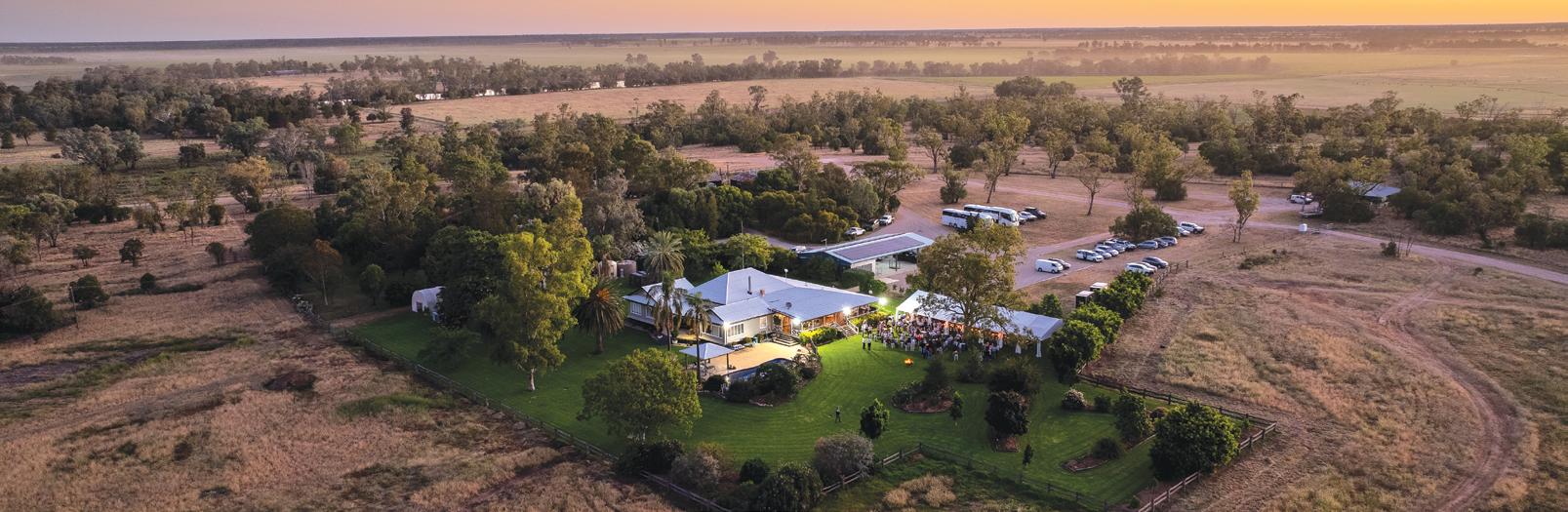
The WagyuEdge’26 post-conference tour offered delegates a rare and immersive look into the systems, people and innovations driving Australian Wagyu production across South East Queensland. Spanning the full paddock-to-plate journey, the tour connected attendees with leading operations at every stage of the supply chain.
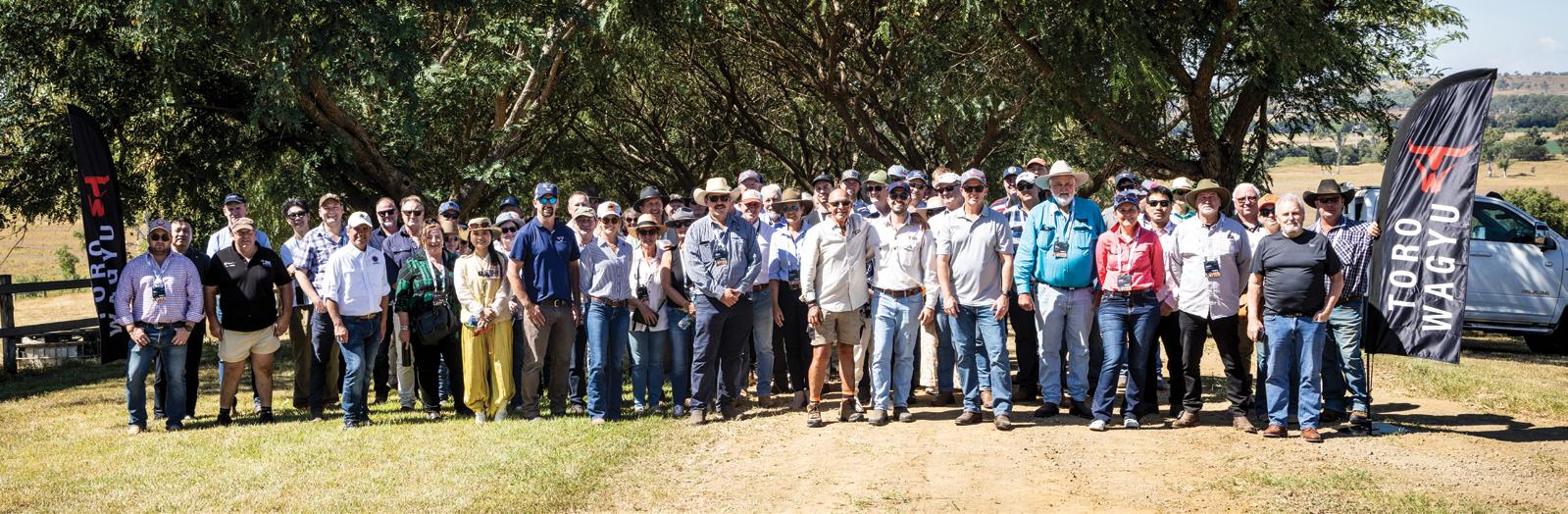
Beginning at Toro Wagyu, the focus was firmly on the role of data and advanced breeding in shaping elite cattle performance. Delegates saw how a highly structured embryo transfer and AI program is used to accelerate genetic gain, combining leading bloodlines with proven foundation sires to consistently deliver Fullblood Wagyu with exceptional marbling, structural soundness and carcase traits.
This commitment to precision was further explored at Wise Repro on the Granite Belt, where cutting-edge reproductive science is being applied at scale. The purpose-built facility demonstrated how services such as semen processing, MOET, IVF and synchronisation programs are integrated into modern breeding strategies, reinforcing the critical link between innovation, genetics and herd improvement.
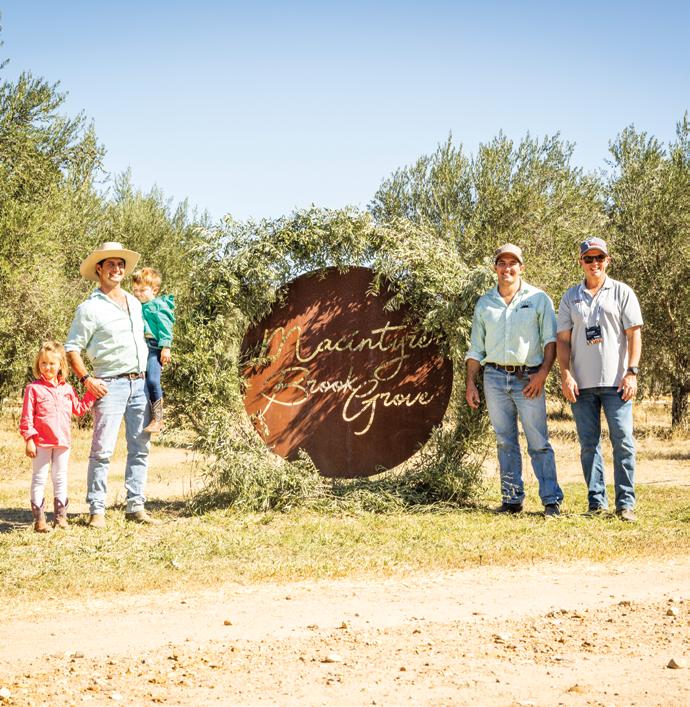
From there, the tour highlighted the diversity of production systems. From the holistic, family-driven approach at Olive Grove Wagyu, where cattle are raised among olive groves with a strong emphasis on welfare and sustainability with cattle finished on a specially crafted diet, designed to nourish their animals and showcase and enhance the high marbling potential of them.
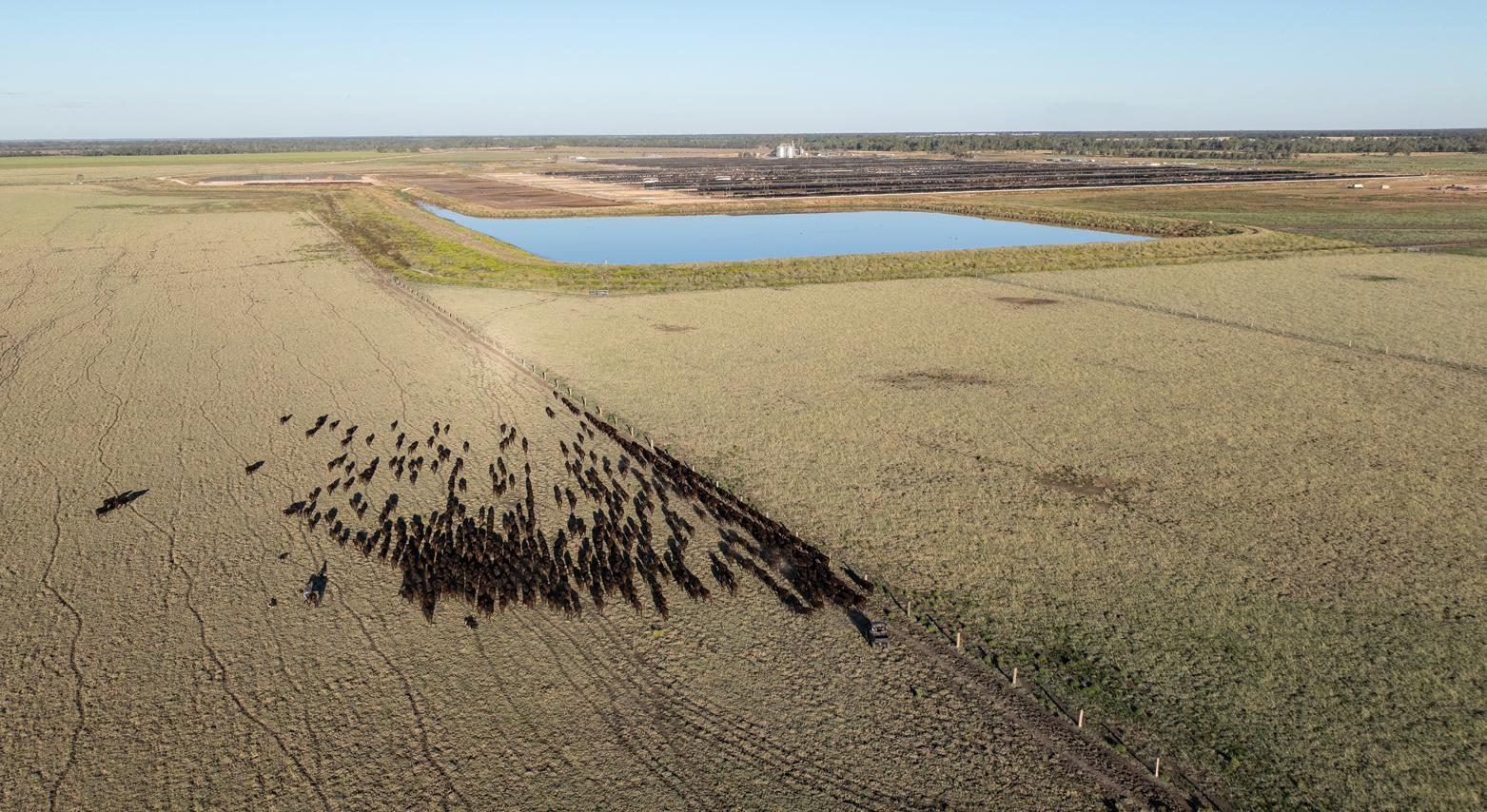
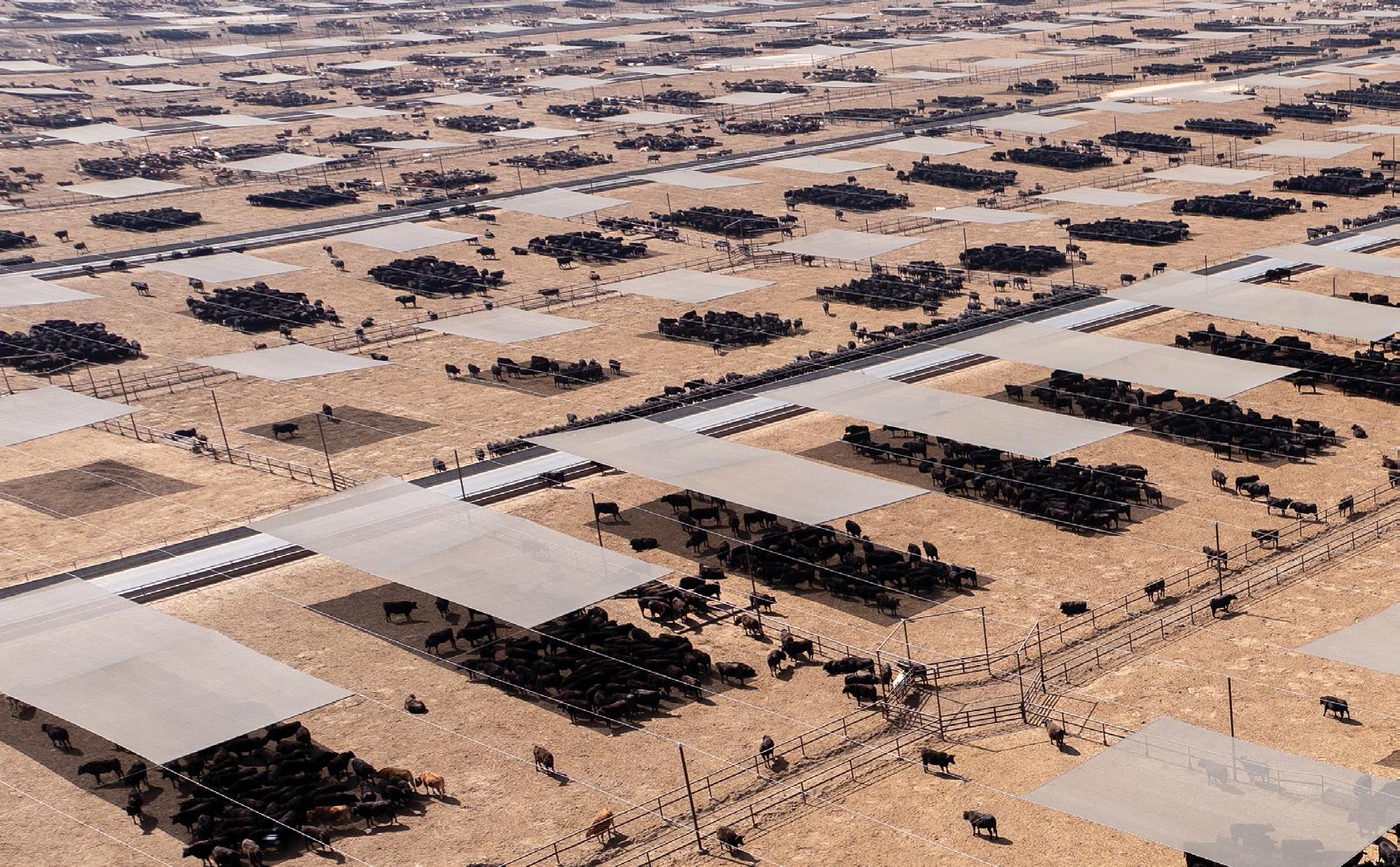
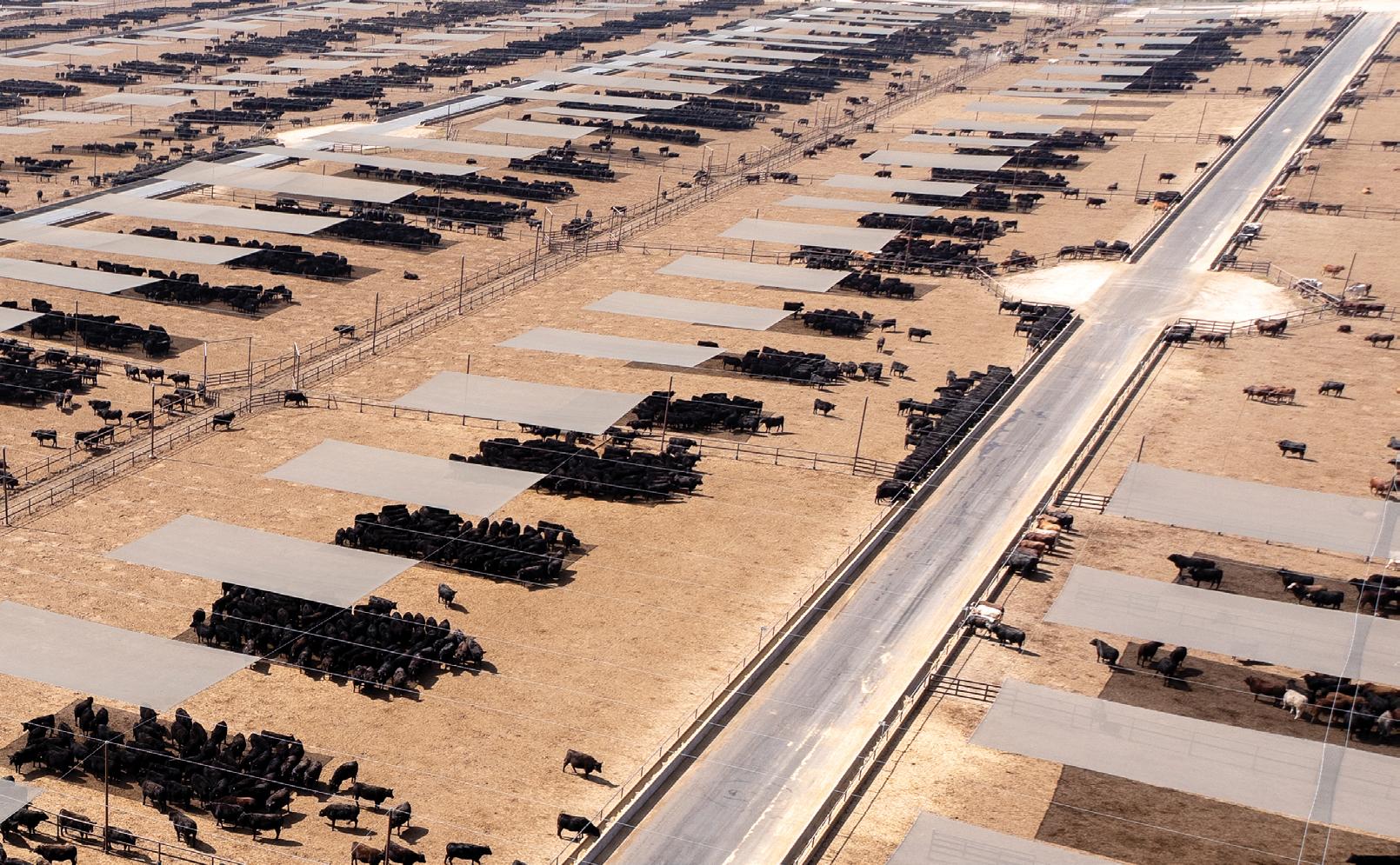
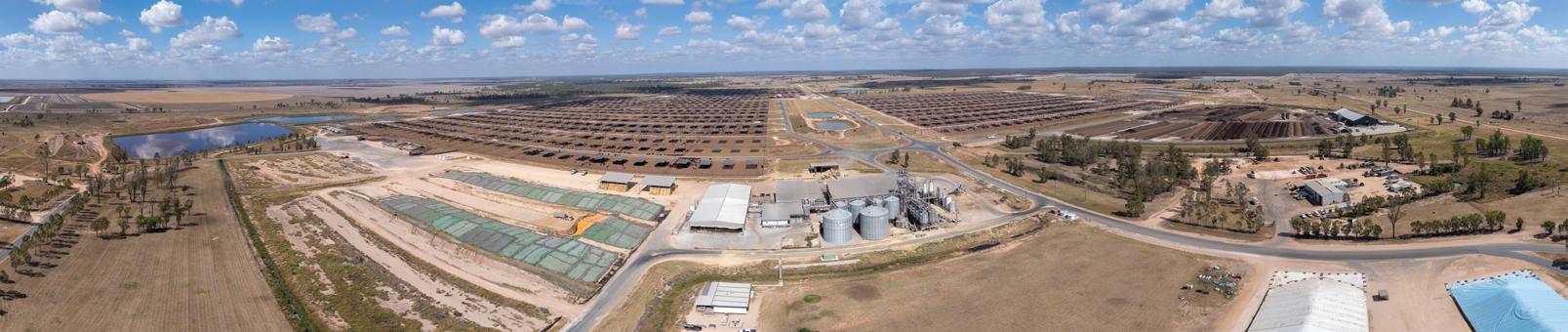
While at Mort & Co’s Grassdale Feedlot, delegates experienced the sheer logistics of feeding and managing tens of thousands of cattle, supported by sophisticated infrastructure, nutrition programs and environmental systems. This was complemented by a visit to Arubial Wagyu and Lillyvale Feedlot, where vertically integrated operations showcased how genetics, feeding and data come together to deliver consistent premium Wagyu.
The final stages of the tour provided a powerful view of processing and global supply chains, with Australian Country Choice demonstrating fully integrated, high-throughput beef processing, and Teys Australia’s automated distribution centre revealing the technological sophistication behind export logistics.
Collectively, the tour brought the entire Wagyu ecosystem to life, highlighting the precision, scale and collaboration that underpin Australia’s position as a global leader in premium beef production.
THANK YOU TO OUR VALUED PARTNERS
STOCKFEEDS
LIVESTOCK DALBY
Building a Premium Brand from the Ground Up
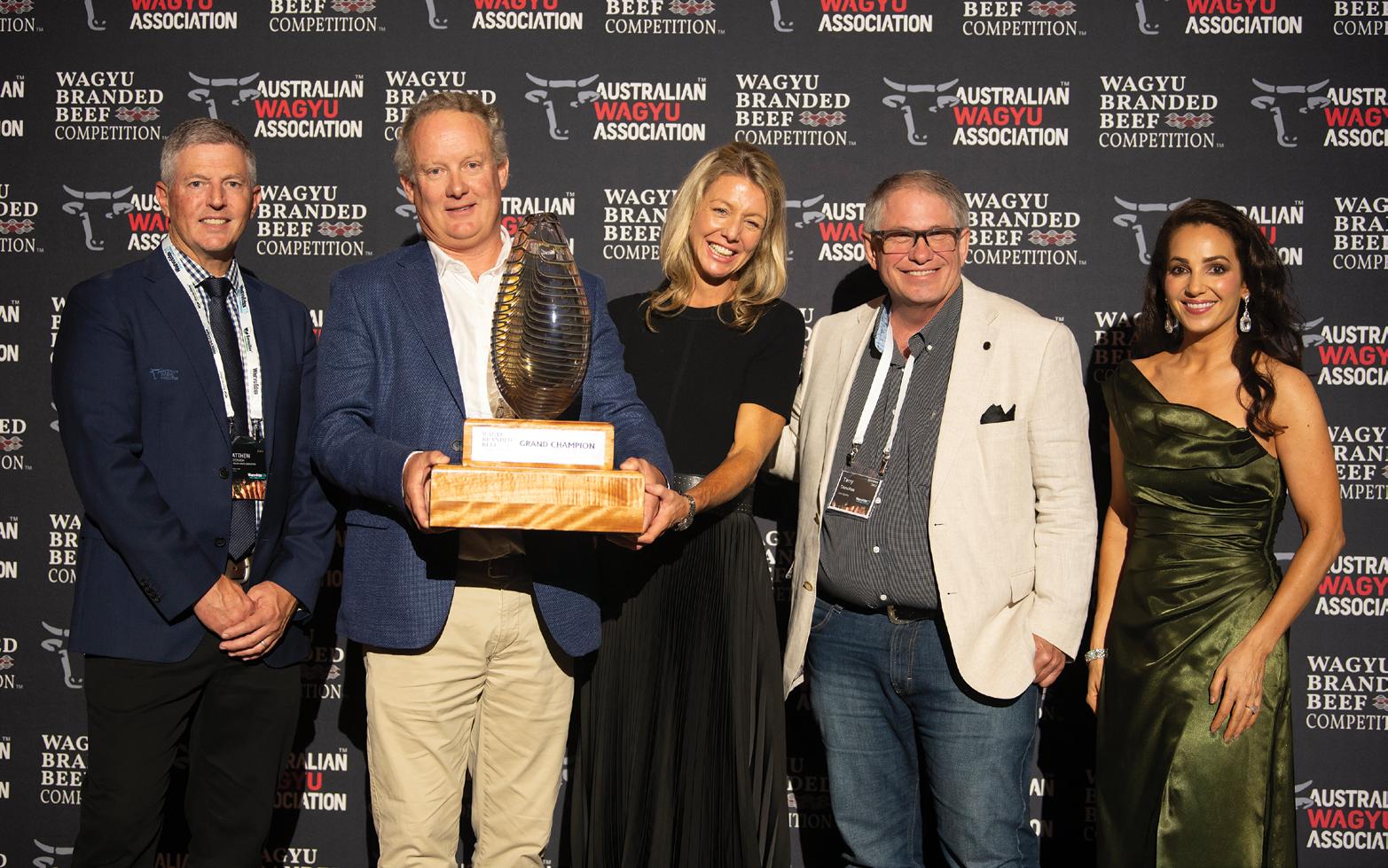
In an industry often dominated by long-established Wagyu programs, Marble King is a relatively new entrant. Yet, in just four years, the Victorian-based brand has moved quickly from herd establishment to national recognition, highlighted at the 2026 Wagyu Branded Beef Competition (WBBC), where Marble King Wagyu was awarded Grand Champion.
Now in its 15th year, the WBBC is widely regarded as the industry’s most rigorous benchmark for eating quality, attracting 80 entries from 49 brands in 2026. Marble King’s winning entry, a 430-day grain-fed Fullblood steer, achieved a score of 1051, with judges highlighting its “succulent and buttery” texture, lasting juiciness, rich unami and delicate, earthy, caramel like flavour notes.
For a business that has only been marketing branded beef for around a year, the result marks a significant milestone. Owner Martin Donohue described the outcome as both unexpected and validating, reflecting early investments in genetics, feeding systems and partnerships across the supply chain.
“We are flattered and honoured to have won and hope to back this up in future,” he said. “We didn’t know a lot about Wagyu when we started, and the support we received around genetics and feeding has clearly paid off.”
Behind the label is Penstock Pastoral Group, operated by Martin and Martine Donohue. Penstock Pastoral’s entry into Wagyu production began just four years ago, following a strategic decision to transition out of Angus cattle and sheep. The objective was clear: move beyond commodity production and establish a value-added, branded beef business with full supply chain oversight.
“We wanted to go into a branded product, instead of just selling cattle through saleyards,” Martin said.
That shift has seen the business build a herd of around 1000 Fullblood breeding cows, with plans to double capacity over time. Approximately 90 per cent of cattle entering the Marble King program are now home-bred, with limited external sourcing used to manage supply consistency.
From Commercial Livestock to Branded Beef
The Marble King herd is based in Victoria’s Acheron Valley, a high-rainfall, cool-climate region in the Yarra Ranges. With annual rainfall around 850mm, combined with fertile soils and reliable water sources, the environment supports pasture-based production while naturally moderating growth rates.
Slower development is a deliberate part of the production model. Rather than pushing performance, the system allows cattle to mature gradually, supporting marbling deposition, fat quality and flavour development. Water quality, a factor often emphasised in Japanese Wagyu systems, is also considered a contributing element.
Genetic Strategy and Herd Development
Despite being a relatively new operation, Marble King has accelerated its genetic progress through targeted investment in established Australian Wagyu bloodlines. The herd is entirely 100% Fullblood, with a strong emphasis on Tajima influence, known for its role in high marbling outcomes.
Foundation genetics have been sourced from leading breeders. This approach, combined with disciplined selection, has produced consistent carcase performance, with the majority of cattle grading MB9 and above, and
occasional results exceeding this range.
The Donohue’s attribute this to a combination of genetic investment, feeding discipline and environment, rather than any single factor.
“We invested quite heavily in genetics and we are still building numbers,” he said.
Breeding objectives remain focused on producing Fullblood cattle capable of achieving strong growth performance alongside high marbling and commercially relevant carcase weights, (approximately 450kg).
Feeding and Finishing
The production model combines pasture-based backgrounding with long-fed grain finishing, integrated through a close partnership with the ICM Peechelba Beef feedlot near Wangaratta.
Calves remain with their mothers for approximately seven months before weaning, after which they continue grazing on the Acheron property. They are then transferred to the feedlot for a finishing period ranging from 400 to 600 days.
STOCKFEEDS
Peechelba Beef, which has decades of experience feeding Wagyu, plays a central role in achieving consistency. Recent infrastructure upgrades, including covered feeding systems, reflect broader industry trends aimed at improving animal welfare and feeding efficiency.
“The team at the feedlot are instrumental in making sure the product is in optimum condition,” Martin said.
Processing and Carcase Performance
Processing takes place at Central Agri Group’s exportaccredited facility at Trafalgar in Gippsland. Carcases are graded using AUS-MEAT standards, supported by objective camera assessment systems.
Brand specifications are tightly controlled. Only cattle meeting minimum marbling thresholds, generally MB6 and above, with most at MB9+, are sold under the Marble King label. The program also targets a balance between marbling, carcase weight and eye muscle area, aligning with both export and foodservice requirements.
Market Development and Supply Strategy
Marble King has quickly established a strong export presence. With approximately 85 per cent of production sold into international markets, including Malaysia, Singapore and the United States, with expansion into Europe and the UK under consideration.
Domestic supply remains limited and is directed toward premium outlets, including high-end restaurants. Production volumes are intentionally constrained, with all output marketed as branded beef rather than entering commodity channels.
To support future growth, the business is also leveraging partnerships within the industry, supplying genetics to other producers and purchasing feeder cattle back to reinforce both supply and genetic consistency.
Traceability and Brand Positioning
Traceability forms a core component of the Marble King model. Each animal is DNA verified and tracked throughout its lifecycle, with records covering breeding, feeding, processing and grading outcomes.
While such systems are increasingly expected in the premium Wagyu sector, they are particularly important for newer brands building credibility in international markets. For Marble King, traceability supports both product integrity and market access, particularly in export-focused supply chains.
Marble King Wagyu represents a new generation of Australian Wagyu production, one that combines established genetic foundations with a highly controlled, vertically aligned production system.
Its rapid success reflects a clear strategy: invest early in genetics, maintain discipline in feeding and selection, and leverage environmental advantages rather than working against them. The Grand Champion result at the 2026 WBBC provides early validation, but the longer-term challenge will be maintaining that level of performance as the operation scales.
MARBLE KING WAGYU
GRAND CHAMPION
HONOUR ROLL
2026 Marble King Wagyu by Penstock Pastoral
2025 Sanchoku Pure Wagyu by Stanbroke
2024 Signature Series by Mayura Station
2023 Jade Wagyu by Kilcoy Global Foods
2022 Signature Series by Mayura Station
2021 Stone Axe by Stone Axe Pastoral
2020 Stone Axe by Stone Axe Pastoral
2019 Signature Series by Mayura Station
2018 The Phoenix by Mort & Co Ltd
2017 Tajima Wagyu by Andrews Meat Industries
2016 Pardoo Wagyu
2015 Master Kobe by AACo
2014 Shiro Kin by Andrews Meat Industries
RESERVE CHAMPION HONOUR ROLL
2026 Signature Series by Mayura Station
2025 Signature Series by Mayura Station
2024 Shiro Kin by Andrews Meat Industries
2023 Kiwami by Stockyard Beef
CLASS 1 FULLBLOOD WAGYU CLASS CHAMPIONS
2026 Marble King Wagyu by Penstock Pastoral
2025 Signature Series by Mayura Station
2024 Signature Series by Mayura Station
2023 Jade Wagyu by Kilcoy Global Foods
2022 Signature Series by Mayura Station
2021 Stone Axe by Stone Axe Pastoral
2020 Stone Axe by Stone Axe Pastoral
2019 Signature Series by Mayura Station
2018 Signature Series by Mayura Station
2017 2GR Premium Fullblood Wagyu
2016 Master Kobe by AACo
2015 Master Kobe by AACo
2014 Shiro Kin by Andrews Meat Industries
2027
COMPETITION SAVE THE DATE
CLASS 2 PUREBRED WAGYU CLASS CHAMPIONS
2026 Master Selection by Mort & Co Ltd
2025 Sanchoku Pure Wagyu by Stanbroke
2024 Eight Blossom Beef by Starzen Australia
2023 Jack’s Creek by Jack’s Creek Wagyu
CLASS 3 CROSSBRED WAGYU CLASS CHAMPIONS
2026 The Phoenix by Mort & Co Ltd
2025 Stockyard Black by Stockyard Beef
2024 Margaret River Wagyu Beef by Stone Axe Pastoral
2023 Okan by Pardoo Wagyu
2022 WX9 by Rangers Valley
2021 Connors Wagyu by Direct Meat Company
2020 Jack’s Creek Wagyu X by Jack’s Creek
2019 Strathdale Wagyu by Strathdale Wagyu
2018 The Phoenix by Mort & Co Ltd
2017 Tajima Wagyu by Andrews Meat Industries
2016 Pardoo Wagyu
2015 MasterBeef by Hamblin Pty Ltd
2014 MasterBeef by Hamblin Pty Ltd
CLASS 4 OPEN F1 WAGYU CLASS CHAMPIONS
2026 Tajima Australian Grainfed Wagyu by Andrews Meat Industries
2025 Jack’s Creek Wagyu F1 by Jack’s Creek
2024 Jack’s Creek Wagyu F1 by Jack’s Creek
2023 Tajima Wagyu by Andrews Meat Industries
CLASS 5 COMMERCIAL WAGYU MARBLE SCORE 5-7 CLASS CHAMPIONS
2026 Stockyard Silver by Stockyard Beef
2025 Sandalwood by Lotte International
2024 ICON XB Wagyu by Paradigm Foods
2023 Diamantina Wagyu by Stanbroke Beef
2022 WX by Rangers Valley
2021 Okan by Pardoo Wagyu
2020 Okan by Pardoo Wagyu
2019 Jack’s Creek Wagyu F1 by Jack’s Creek
2018 Stockyard Silver by Stockyard Beef
2017 Westholme Wagyu
2016 Darling Downs Wagyu by AACo
2015 Hughes Pastoral Co
2014 Goorambat Wagyu
Nominations Open 21st September 2026 Nominations Close 5th October 2026 Deliveries 10th – 13th Novemeber 2026 Competition Judging 16th – 20th November 2026
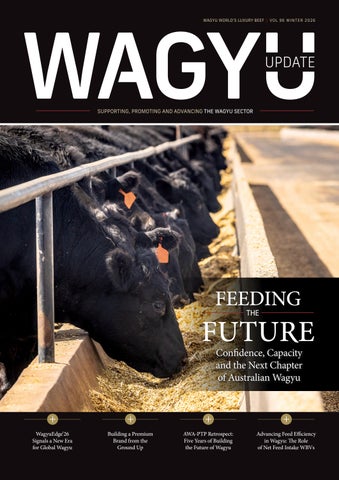
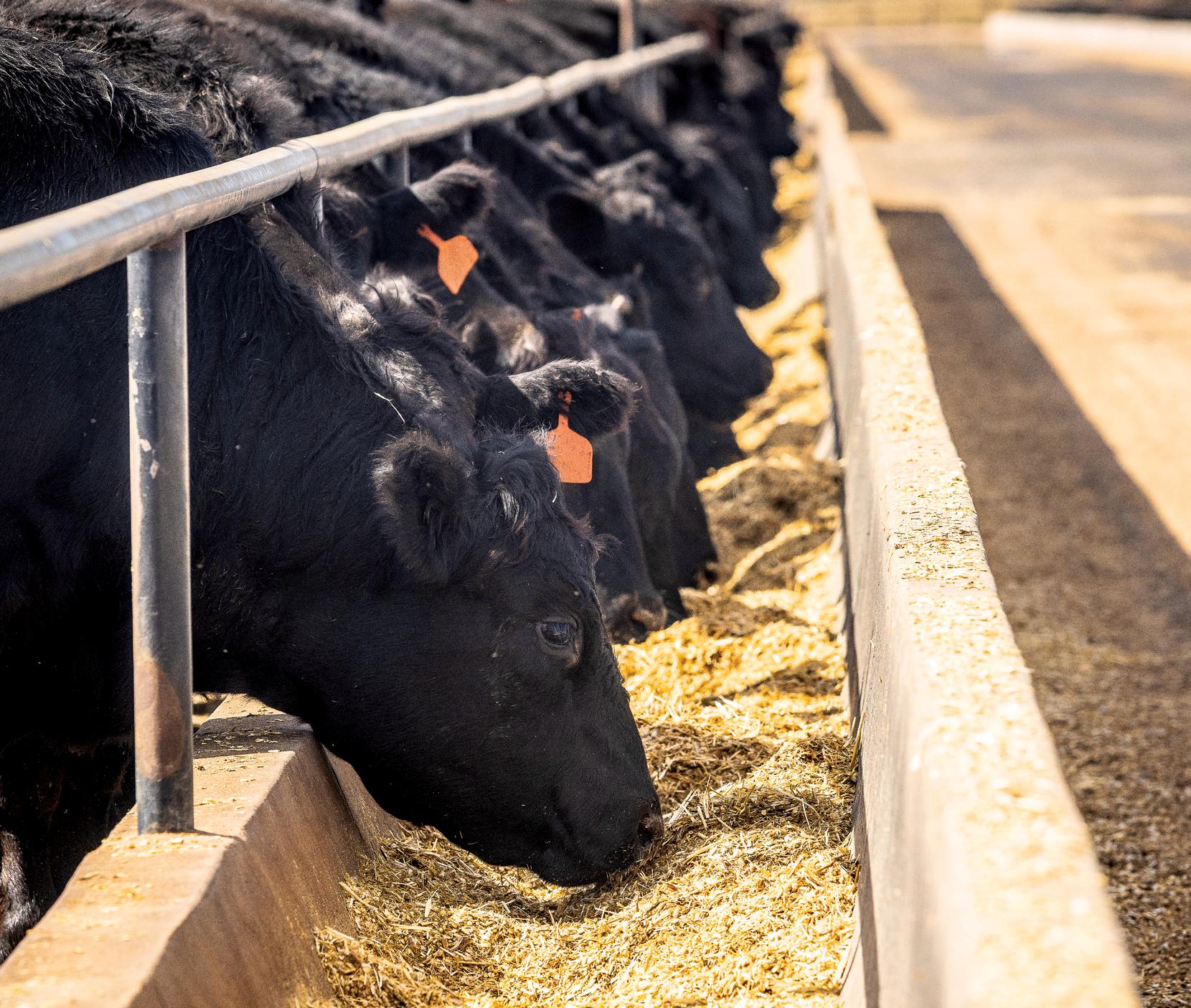
Feeding the Future
Confidence, Capacity and the Next Chapter of Australian Wagyu
At WagyuEdge’26, one of the most compelling discussions centred on a question shaping the future of the Australian Wagyu industry, can supply chains continue to evolve quickly enough to meet growing global demand for premium beef?
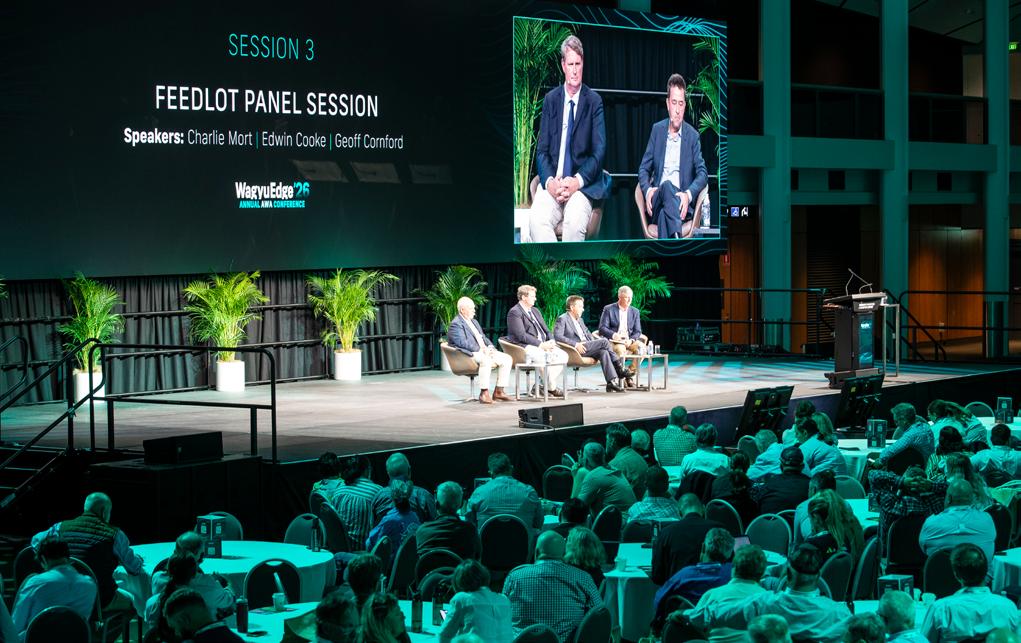
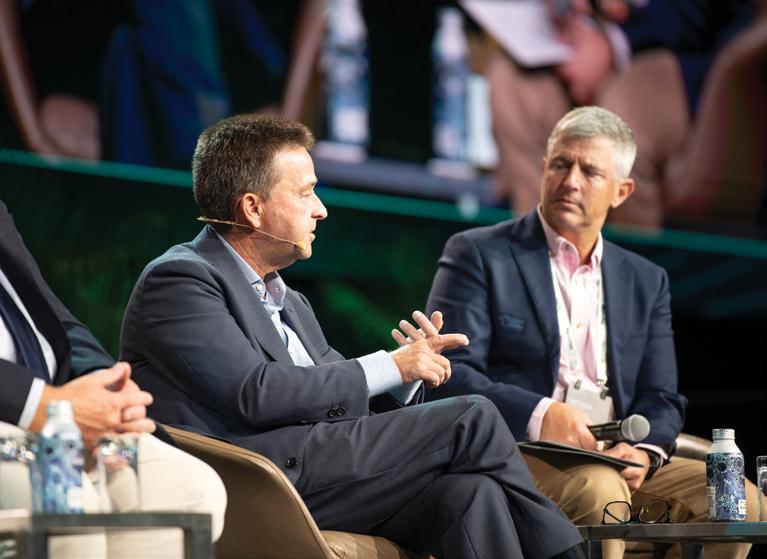
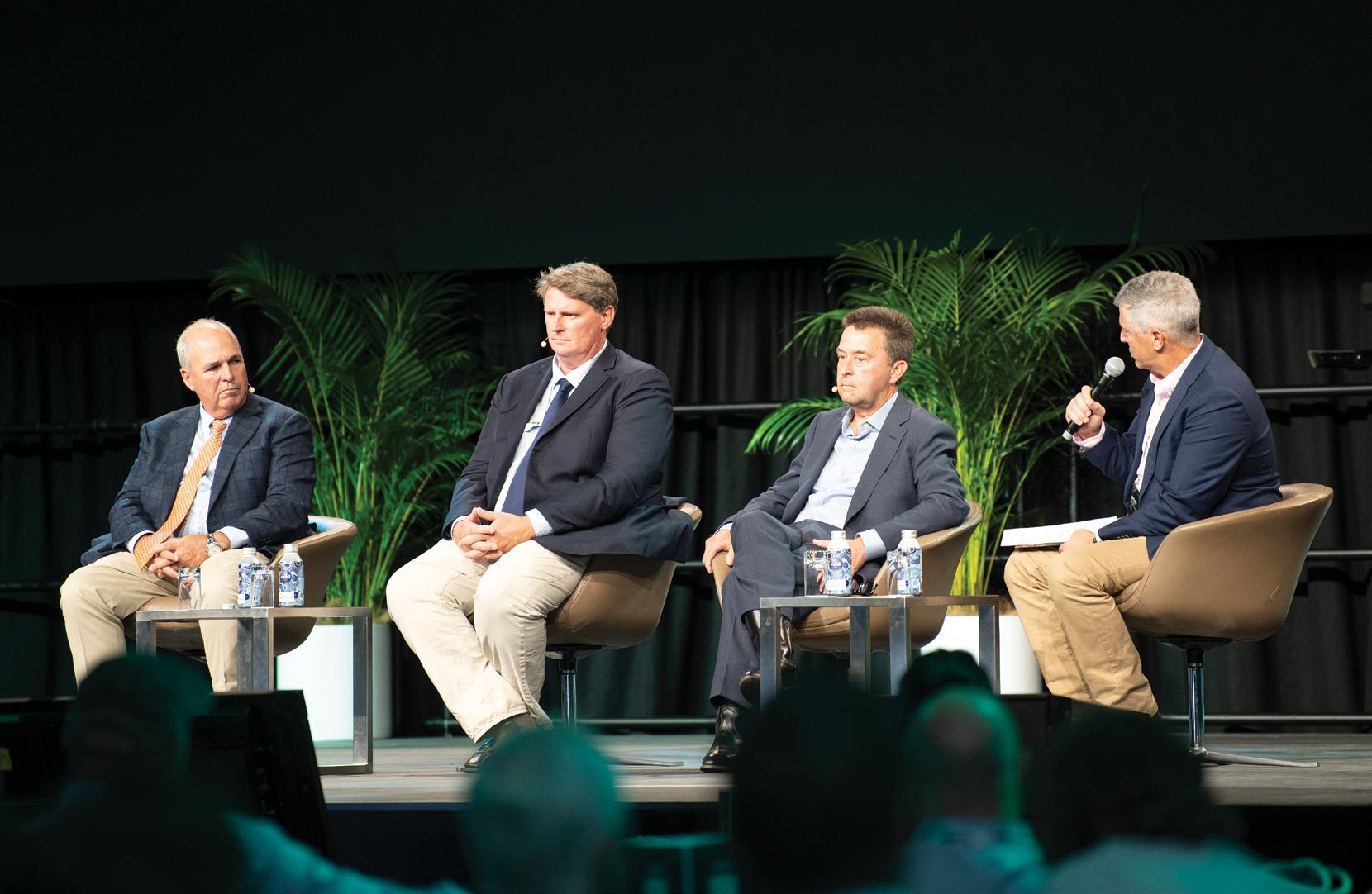
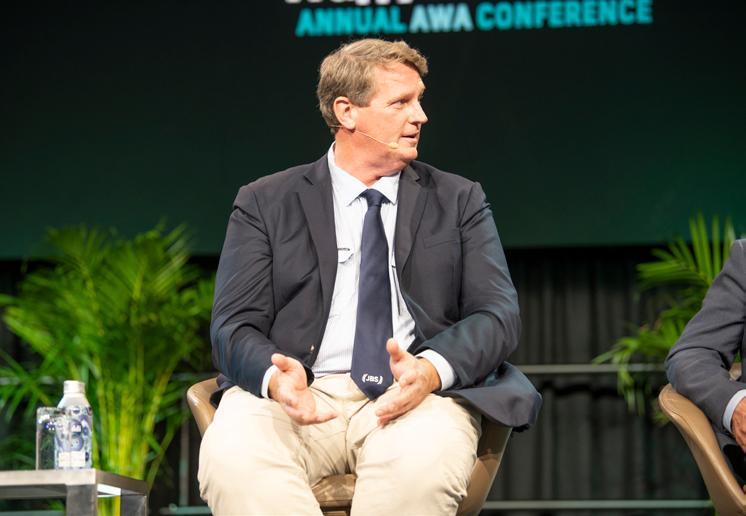
Facilitated by Australian Wagyu Association CEO Dr Matt McDonagh, the ‘Changing face of Wagyu Feedlotting’ Panel brought together three highly experienced industry leaders, Charlie Mort, Executive Chairman and Director of Mort & Co; Edwin Cooke, General Manager Livestock Northern for JBS Australia; and Geoff Cornford, Managing Director of Sandalwood Feedlot.
Together, the panel explored the expansion of feedlot capacity, the growth of northern Wagyu supply chains, market confidence, sustainability pressures and the longterm outlook for premium beef production.
The discussion reflected an industry that has matured significantly over the past decade, yet remains driven by innovation, investment and a willingness to adapt.
A Sector Built on Growth
Opening the discussion, Matt noted the remarkable pace of change occurring across the Wagyu sector.
“As always, whenever there’s a Wagyu conference on, it seems like things are going crazy in the world around Wagyu, whether it’s trade issues or massive feedlot sales,” he said.
That pace of change has become increasingly visible within the feedlot sector itself. Australia’s Wagyu industry has expanded rapidly in recent years, with strong international demand continuing to drive investment in long-fed cattle programs and feeding infrastructure.
For Charlie Mort, whose family business has long been one of Australia’s major lotfeeding operators, continued growth appears inevitable.
“It’s amazed me how the markets just keep developing,” Charlie said.
“I think all of us have had moments where we’ve wondered whether the markets could continue growing quickly enough, but demand has remained very strong.”
Mort & Co has played a major role in the evolution of Australia’s feeding sector over many decades. Charlie Mort has personally spent more than 30 years in the feedlot services industry, including senior management roles prior to helping establish Mort & Co in 1997. Under his leadership, the business has grown into one of Australia’s largest integrated agricultural enterprises, with substantial involvement in feeding, lotfeeding services and premium beef supply chains.
Reflecting on current market conditions, Charlie said the industry remains in a strong position for further expansion.
“The industry is in a very strong position,” he said.
“I think there’s definitely a strong case for additional feedlots in the north, and obviously in the south as well.”
“We could easily expand our Wagyu numbers now,” he said.
Northern Australia Emerges as a Key Growth Region
One of the central themes of the discussion was the increasing importance of northern Australia in Wagyu production systems.
“Feedlots are probably following the US trend, where they continue to expand as demand grows.”
According to Charlie, there is a clear case for additional Wagyu feeding capacity, particularly in northern Australia where producers continue to increase Wagyu breeding programs and crossbreeding activity.
Historically, many Wagyu supply chains have been concentrated in southern production regions, where temperate climates and established Angus-based breeding programs provided consistent access to highquality feeder cattle.
However, improvements in genetics, feeding systems and processing capability are helping shift that balance.
Edwin Cooke was asked whether JBS Australia was seeing increasing opportunities to source and process northern Wagyu-influenced cattle.
Edwin, who has more than 30 years of corporate sector experience and over 25 years working within Australia’s beef industry, said the opportunities were growing significantly.
“Our Wagyu program in the south has been put together very well by our livestock team, with a strong focus on dam lines and Angus-based genetics to achieve consistency in marbling score,” Edwin explained.
At the same time, JBS has continued investing in technology to improve grading precision and product consistency.
“We deployed the MEQ camera at Riverview about 12 months ago, where Wagyu cattle currently go through, and that has given us much greater accuracy around the product we’re grading,” he said.
Edwin noted that southern Queensland already plays a major role in the Wagyu supply chain, with many cattle sourced from northern New South Wales and Queensland production systems.
“We do buy Wagyu cattle in Queensland as well, and there are certainly opportunities as the northern herd continues to develop,” he said.
“You’re
seeing more processing capability emerge in Queensland and more people interested in Wagyu supply chains, so I think the opportunity is significant.”
The discussion highlighted how northern Australia is increasingly being viewed not simply as an expansion area, but as an important long-term contributor to premium Wagyu production.
Long-Term Confidence in Wagyu
Geoff Cornford, Managing Director of Sandalwood Feedlot, reinforced the sense of optimism surrounding the industry’s future.
Geoff currently leads Sandalwood, an Australian beef exporter owned by LOTTE Corporation Korea, and has extensive experience managing large-scale feeding operations and premium supply chains.
From his perspective, northern producers are increasingly viewing Wagyu as a genuine long-term business opportunity.
We would like to thank our new and repeat buyers for your support in 2025. We wish you all of the success that we are experiencing with our poll genetics.
“The northern herd is evolving and producers are becoming more confident in Wagyu genetics and long-feeding programs.”
A More Mature Industry
Matt McDonagh suggested one of the defining themes across the modern Wagyu sector is confidence, confidence in genetics, confidence in market demand and confidence in long-term investment.
Charlie Mort agreed, describing the industry as significantly more sophisticated than it was a decade ago.
Like all sectors of the cattle industry, Wagyu producers continue to face cyclical challenges associated with feed costs, seasonal conditions and market volatility.
However, Geoff said the underlying confidence in Wagyu demand remains strong.
“What’s really important is that demand for high-quality Wagyu beef continues to hold up internationally,” he said.
“That gives producers confidence to continue investing.”
He also noted that Wagyu is no longer viewed purely as a niche market.
“We’re seeing more northern producers look at Wagyu as a serious long-term opportunity rather than a niche option,” he said.
That transition reflects the broader maturation of the Australian Wagyu industry.
“Yes, I think so,” he said.
“The industry has become far more sophisticated over time.”
“The genetics are improving continually, feeding programs have improved, and producers have become much more commercial in the way they approach Wagyu.”
Importantly, Charlie also pointed to growing consumer understanding of Wagyu internationally.
“At the same time, customers globally understand the product much better than they did ten or fifteen years ago,” he said.
“That maturity creates confidence right across the supply chain.”
Australian Wagyu now occupies a highly respected position within global premium beef markets, supported by consistent product quality, advanced feeding systems and strong brand recognition.
Order your Wagyu genotypes, bundles and traits now.
Challenges Still Remain
Despite the optimism, the panel acknowledged that significant challenges remain for the sector.
For Edwin Cooke, maintaining consistency as the industry scales up will remain essential.
“Supply consistency is always critical,” he said.
“As the industry grows, maintaining eating quality and marbling consistency will become even more important.”
Edwin also pointed to growing expectations around sustainability and traceability.
“There’s also increasing pressure around sustainability, traceability and cost of production,” he said.
“Customers want more information about how cattle are raised and processed.”
Geoff Cornford agreed that managing risk within long-fed Wagyu systems remains a major operational challenge.
“Feed costs and volatility remain significant challenges,” he said.
“Long-fed Wagyu programs require confidence and capital, so managing risk across the cycle is important.”
Even so, Geoff said the long-term fundamentals for Wagyu remain highly positive.
“But despite those challenges, the long-term fundamentals still look very strong,” he said.
Innovation, Infrastructure and the Evolution of Feedlotting
Beyond the broader discussion around market growth and confidence, the panel also highlighted how rapidly modern Wagyu feedlotting systems are evolving.
For Charlie Mort, the transformation of Australia’s feeding sector over the past three decades has been extraordinary.
Reflecting on the early years of Mort & Co, Charlie described an industry that was once far smaller and considerably less sophisticated than it is today.
“Back then feedlots were very small and unsophisticated,” he said.
Over time, however, feeding businesses increasingly recognised the importance of owning infrastructure, improving operational control and investing in long-term capability.
“We realised we needed to own feedlots ourselves rather than pay someone else,” Charlie explained.
That philosophy helped drive the expansion of Grassdale Feedlot and the broader growth of Mort & Co into one of Australia’s leading integrated feeding businesses.
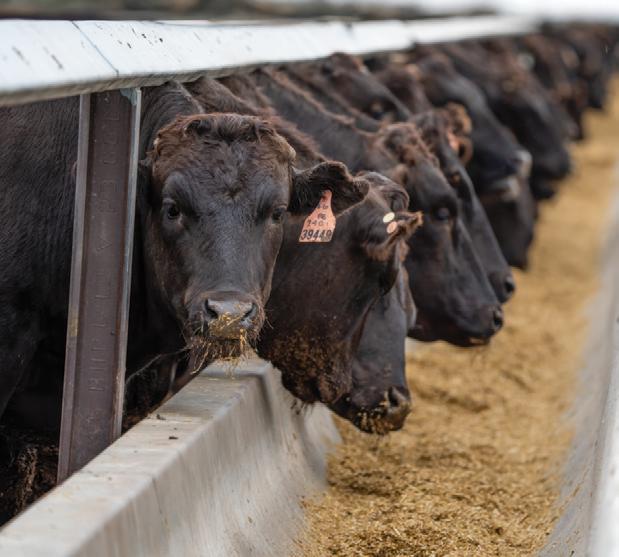
Today, Mort & Co feeds approximately 27,000 Wagyu cattle and markets multiple globally recognised premium Wagyu brands.
Innovation, Charlie said, has been central to that success.
“Feeding cattle might seem simple, but our team has always looked for ways to do it better,” he said.
That drive for continuous improvement is increasingly shaping the broader Wagyu feeding sector, where operators are investing heavily in technology, infrastructure, animal welfare and environmental performance.
At Sandalwood Feedlot, Geoff Cornford said infrastructure design and cattle environment have become major strategic priorities.
“Sandalwood is a 17,000-head feedlot located at Dalby,” Cornford explained.
“It was quite an old facility when it was purchased five or six years ago and it is currently undergoing a major transformation.”
Ovum Pick-Up (OPU) ON FARM AND DONOR CENTRE
In Vitro Fertilisation (IVF) AND CULTURE (IVC)
Intracytoplasmic Sperm Injection (ICSI)
Embryo Cryopreservation (DT + VITRIFIED)
Donor & Recipient Synchrony Management
Custom semen collections for IVF use & Semen assessment
Embryo Transfer
Dr Amelia Rentz
Dr Stacey Rae
Mr Mathew Littleton
Dr Shelley Underwood-Green
0438 820 647
lab@evogene.com.au
Brisbane, Australia
www.evogene.com.au
Geoff said Sandalwood’s ownership group, LOTTE Corporation Korea, had committed significant long-term investment into redesigning the operation specifically for Wagyu production.
“We are designing the entire operation to create the very best environment for feeding Wagyu cattle,” he said.
The business has already completed construction of a replacement feed mill, with broader feedlot redevelopment continuing over the next several years.
For Geoff, long-fed Wagyu production requires a fundamentally different mindset from commodity cattle feeding systems.
“One of the biggest lessons for us has been that Wagyu is fundamentally different from the northern cattle industry,” he said.
“Commodity beef production is heavily focused on efficiency and throughput, but Wagyu requires a much greater focus on precision, consistency and detail.”
That precision extends across genetics, nutrition, animal handling, staff capability and data collection.
“Every small decision matters,” Geoff said.
“The Wagyu industry rewards attention to detail.”
The increasing role of data and technology was another recurring theme throughout the discussion.
Geoff noted that feedlots now collect substantially more operational information than they did even five years ago, allowing businesses to make more informed decisions around feeding performance, cattle management and product consistency.
Similarly, Edwin Cooke highlighted the importance of objective carcase measurement technologies such as the MEQ camera system now operating at JBS Riverview.
Together, these investments reflect an industry increasingly focused on measurable performance, repeatable quality and long-term supply chain optimisation.
Collaboration Driving Progress
As the discussion concluded, Matt McDonagh reflected on one of the defining characteristics of the Australian Wagyu industry, its collaborative culture.
“One
of the great strengths of
the Australian Wagyu industry has always been collaboration,” he said.
“Even though everyone competes commercially, there’s still a strong willingness to share information and continue improving together.”
That willingness to collaborate has played a major role in accelerating genetic progress, feeding performance and global market development over the past two decades.
Geoff Cornford agreed that shared learning continues to benefit the entire sector.
“The industry has benefited enormously from people being willing to share knowledge and invest in long-term improvement,” he said.
“That’s helped accelerate progress across genetics, feeding, animal performance and ultimately customer satisfaction.”
The panel discussion ultimately reinforced a consistent message emerging throughout WagyuEdge’26, Australian Wagyu is entering a new phase of maturity and global influence.
While challenges around sustainability, consistency and cost pressures remain, industry leaders continue to demonstrate strong confidence in the future of premium Wagyu production.
Driven by innovation, investment and collaboration, Australia’s Wagyu sector appears well positioned to continue meeting growing international demand for luxury beef experiences for many years to come.
Big Texas 2026
Big Texas 2026 Delivers a Landmark Gathering for the International Wagyu Industry
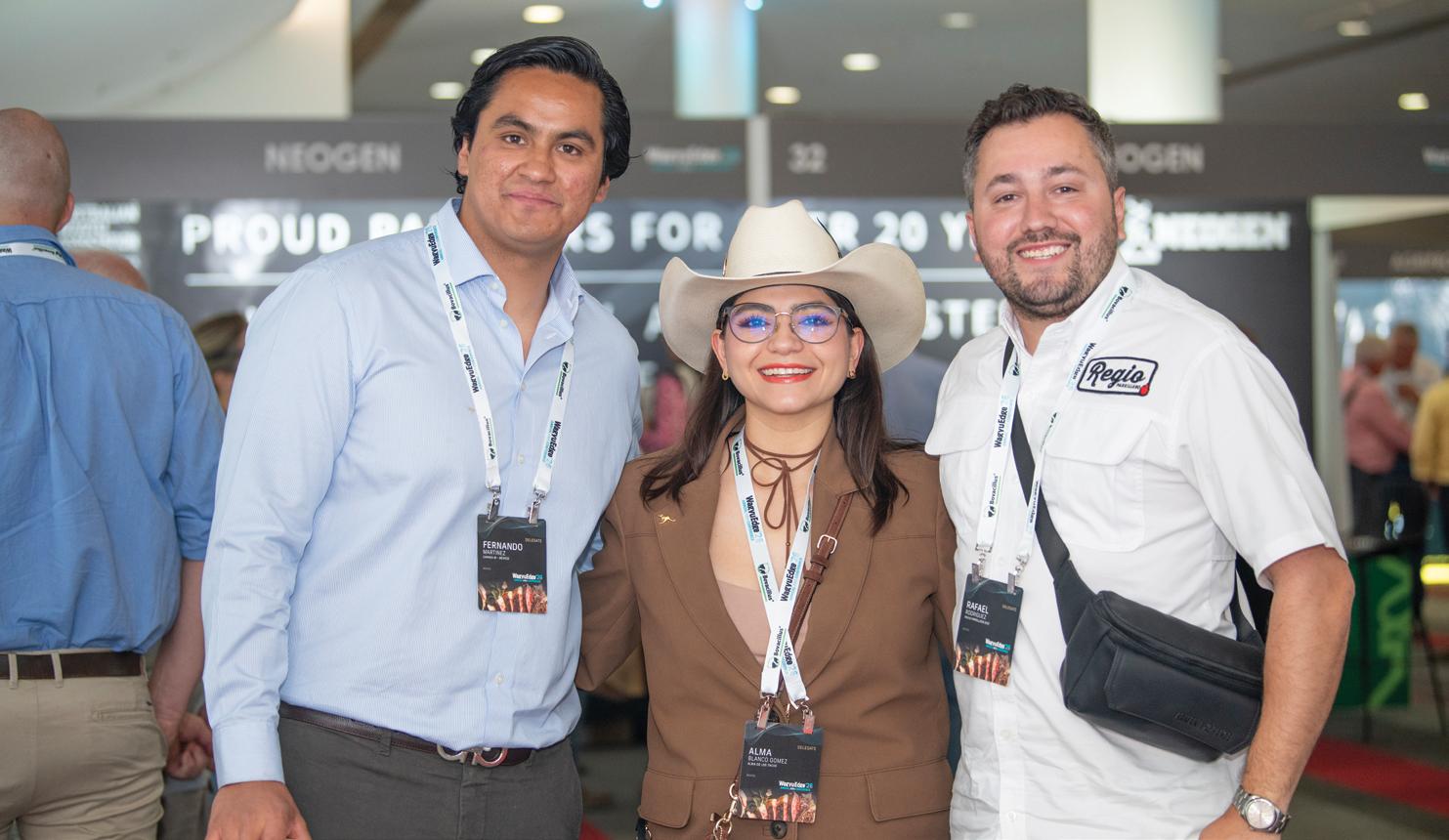
Big Texas 2026 brought together breeders, producers, geneticists, researchers and industry leaders from across the United States and around the world for an outstanding two days of learning, collaboration and innovation. Hosted by the Australian Wagyu Association (AWA) in partnership with the Texas Wagyu Association (TWA), the event explored the latest developments shaping the future of Wagyu genetics, production and premium beef markets.
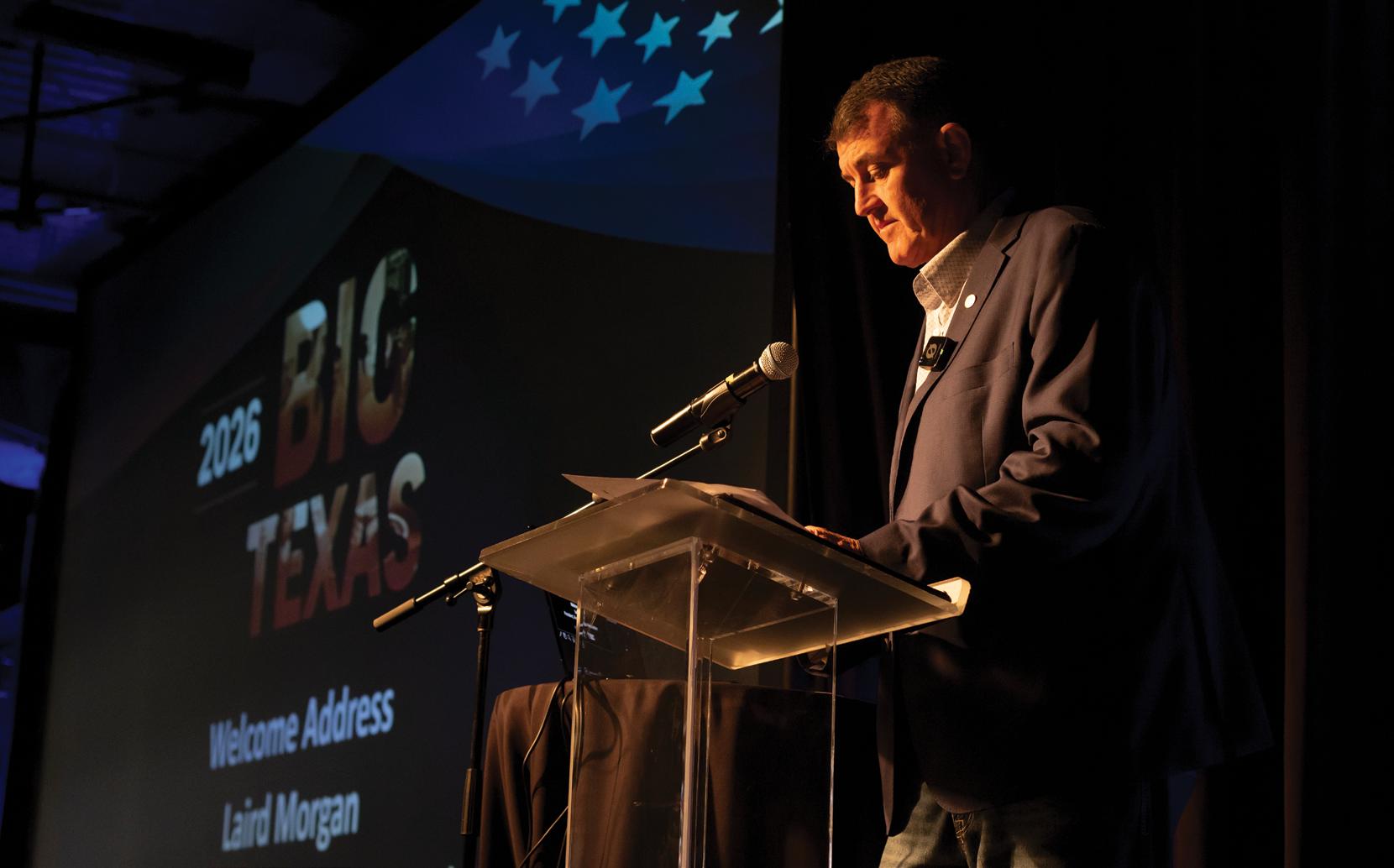
The AWA program opened with a welcome from President Laird Morgan, setting the tone for an event centred on advancing the global Wagyu sector through data, technology and shared knowledge. Delegates gained valuable insights into the rapid evolution of Wagyu breeding, with sessions covering the introduction of Wagyu Breeding Values (WBVs), advances in genetic evaluation, and the increasing importance of carcase data in driving genetic progress.
AWA CEO Dr Matt McDonagh provided updates on key programs and research initiatives, while Dr Christian Duff and Dr Vinzent Boerner delivered practical guidance on understanding and interpreting the Wagyu Breeding Values (WBVs), Dr Daniel Garrick outlined the vision behind the Helical database platform, demonstrating how integrated data systems, genomics and emerging technologies will strengthen decision-making and accelerate genetic improvement across the breed.
Innovation remained a central theme, with event MC Cara Wells of EmGenisys presenting groundbreaking work applying artificial intelligence to embryo evaluation and IVF outcomes. Her presentation demonstrated how advanced imaging and machine learning are opening new possibilities to improve reproductive performance and genetic advancement.
Producer-focused sessions featured Wagyu operations from both the United States and Australia. Joe Pettit, Jeremy Cooper, Loren and Mitchell Ruth, and Stephen Frisina shared practical experiences in performance recording, genetic selection, business diversification and herd management, offering valuable insights into building profitable and sustainable Wagyu enterprises.
Discussions also extended beyond the farm gate, with Todd Stroud and Kevin Griffith examining the growing influence of Wagyu on US meat processing and premium beef markets. Their presentations reinforced the significant commercial opportunities emerging as demand for high-quality Wagyu beef continues to expand.
Interactive panel sessions encouraged lively discussion, giving delegates the opportunity to engage directly with presenters, ask questions and exchange ideas with fellow producers and industry professionals. These conversations reflected the collaborative spirit that continues to drive progress across the global Wagyu community.
The Texas Wagyu Association complemented the conference with a program focused on practical education, networking and member engagement. Attendees watched a live OPU/IVF demonstration by Edwin Zambrano of Vytelle, showcasing the latest reproductive technologies available to Wagyu breeders. Texas A&M University’s Dr Ron Gill delivered practical sessions on Beef Quality Assurance and low-stress cattle handling, while members received updates on association activities, priorities and future initiatives.
Additional presentations included Dustin Dean of Dean & Peeler Meat Works discussing whole carcase utilisation and strategies to maximise value from every animal, Texas Agriculture Commissioner Sid Miller speaking on US-Mexico border issues affecting agriculture, and Dr Will Gruhot of Vytelle separating fact from fiction in Wagyu IVF and reproductive technologies.
The event concluded with the highly anticipated Big Texas Sale, where records were rewritten. Semen from Bar V Mr Classic 565N sold for an astonishing USD $115,000 for a single straw, establishing a new world record, while Bar V MS Cherrybomb 515N achieved USD $120,000.
Big Texas 2026 demonstrated the strength, innovation and momentum of the global Wagyu industry. From cutting-edge genetic technologies and reproductive advances to commercial opportunities and producer success stories, the event showcased a sector that continues to evolve and set new benchmarks.
Feedback from attendees was overwhelmingly positive, with participants leaving inspired, informed and excited about the opportunities ahead. Big Texas 2026 was not only a tremendous success, but also a powerful reminder of what can be achieved when the international Wagyu community comes together.
AWA Progeny Test Program Retrospect
Five Years of Building the Future of Wagyu
At the halfway point of the Australian Wagyu Association’s ten-year Progeny Test Program (PTP), the initiative is beginning to deliver measurable outcomes for the breed, its members, and the broader Wagyu industry.
Over the past five years, the focus has been on establishing a large, well-linked dataset spanning sires, females, herds, and production environments. With strong on-the-ground progress in earlier cohorts, the program is now moving beyond data collection and is demonstrating clear commercial value through improved genetic evaluation, increased trait accuracies, and stronger industry-wide linkage.
The strength of the PTP lies in its ability to evaluate genetics across diverse commercial environments and management systems. This enables the Australian Wagyu Association (AWA) to generate more robust, industry-relevant genetic insights for producers.
Once all data is collected from Cohort 1 through to Cohort 6 (calves born 2027), the PTP will comprise more than 140 sires, approximately 9,400 AI joinings, and 7,835 progeny. All progeny are genotyped and comprehensively performancerecorded from birth to slaughter (steers) or first calving (heifers), with data integrated into the AWA database and incorporated into WBV evaluations as soon as possible.
Building a Connected Industry Dataset
A major strength of the PTP is the scale achieved in its first five years. More than 140 sires have been represented across 13 contributor herds operating under varied environmental and management conditions, with over 2,000 females nominated in the most recent cohort.
This level of linkage is critical for improving genetic accuracy and ensuring the results reflect the broader Wagyu industry rather than individual herds.
While sires remain key drivers of genetic progress, the contribution of females and participating herds is equally important. Consistent, high-quality data collected across diverse systems underpins the reliability and long-term value of the program.
Cohort 1: A Major Program Milestone
A significant milestone for the PTP has been the completion of Cohort 1 carcase data collection. This marks the first time the initiative has followed a large cohort of animals throughout the full production cycle, from joining and birth through to growth, feedlot outcomes, and carcase results.
The PTP is now generating measurable commercial insights, showing how genetics perform throughout the production system and providing producers with greater confidence in understanding how genetics influence growth, efficiency, carcase outcomes, and long-term profitability.
The phenotype distribution graphs below describe how key carcase characteristics are expressed within Cohort 1 progeny, including MIJ camera marbling percentage, AUS-Meat marble score, MIJ camera ribeye area, and AUS-Meat eye muscle area. Overall, the results display the expected bell-shaped spread rather than tight clustering, indicating that a useful range of outcomes has been captured within the cohort.
For marbling, camera marbling percentage spans approximately 18% to over 50%, with most progeny concentrated between 25% and 40%, peaking in the low30% range. Similarly, AUS-MEAT marbling scores range from approximately 3 to 10, with the highest frequency of animals occurring in the 8–9 score range, reflecting strong marbling while still maintaining clear separation within the cohort.
MIJ camera ribeye area measurements extend from approximately 70 cm² to 145 cm², with most animals grouped between 90 and 115 cm² and a peak around 100–105 cm². AUS-Meat eye muscle area follows a similar pattern, ranging from approximately 70 cm² to 125 cm², with the majority clustered between ~80 and 100 cm². In both cases, the presence of tails at the lower and upper ends highlights meaningful variation in carcase muscling within the population.
These distributions are important because they confirm that the PTP is capturing genuine phenotypic variation in key commercial characteristics. The combination of a strong central cluster and a clear spread toward higher and lower performing animals enables effective separation between progeny, reflecting underlying differences in sire merit.
Capturing this level of variation is critical for effective genetic evaluation, as it provides the contrast needed to underpin predictions and strengthen selection decisions. The ability to consistently identify individuals at the upper end of these distributions supports ongoing gains in carcase quality, yield, and overall production efficiency.
Figure 1. Distribution of MIJ camera marble percentage across Cohort 1 carcases analysed within the PTP.
Figure 2. Distribution of Cohort 1 AUSMeat marble scores across analysed progeny.
Distribution of Camera Marble Percentage
Figure 3. Distribution of MIJ camera ribeye area measurements across Cohort 1 carcases analysed within the PTP.
Number of Progeny (count)
Improving “on-farm” Traits
Improving genetic evaluation of commercially relevant ‘on-farm’ traits is a key area where the PTP is beginning to deliver value. These traits, such as calving ease, female reproduction, efficiency, and growth outcomes, are often not considered as strongly as the carcase relevant traits, like marbling score.
can contribute to earlier calving, improved calving ease, increased calf age at weaning, and tighter calving intervals. Distribution of Camera Marble Percentage
Over the first five years of the program, substantial increases in WBV accuracies have been achieved across contributor herds. One of the most notable improvements has been in gestation length, where the PTP has delivered meaningful gains, with contributor herds WBV accuracy improvements of up to 23% (Table 1).
These gains are important, as shorter
Distribution of Camera Ribeye Area
Camera Ribeye Area (cm²)
Cohort 1 AusMeat Marble Score Distribution
AusMeat Marble Score
Cohort 1 AusMeat Marble Score Distribution
AusMeat Marble Score
Importantly, gestation length also aligns closely with broader selection objectives such as the Breeder Feeder Index (BFI), where fertility, maternal function, and production efficiency collectively contribute to long-term profitability.
Herd Jan 2022 May 2026 Change
A 63% 75% 12%
B 48% 60% 12%
C 63% 74% 11%
D 56% 76% 19%
E 56% 78% 22%
F 61% 79% 18%
G 68% 84% 15% H 62% 83% 21%
61% 76% 14%
51% 73% 23%
57% 77% 19%
53% 69% 16% M 58% 77% 19%
Table 1. Comparison of Gestation Length (GL) WBV accuracy before commencement of the Progeny Test Program in January 2022 and May 2026 across participating herds.
Herd Jan 2022 May 2026 Change
A 67% 82% 15%
B 47% 52% 5% C 73% 86% 14%
D 61% 70% 8%
E 58% 68% 10%
F 63% 73% 10%
G 71% 92% 21%
H 61% 77% 16%
I 59% 73% 14%
J 58% 66% 9%
K 73% 95% 22%
L 51% 61% 10%
M 58% 68% 10%
Table 2. Comparison of Mature Cow Weight (MCW) WBV accuracy before commencement of the Progeny Test Program (January 2022) and May 2026 across participating herds.
Herd Jan 2022 May 2026 Change
A 75% 83% 8%
B 58% 60% 2%
C 77% 84% 7%
D 71% 76% 6%
E 68% 74% 6%
F 71% 78% 7%
G 77% 89% 12%
H 70% 83% 13%
I 71% 76% 5%
J 67% 73% 6%
K 76% 89% 14%
L 64% 69% 5%
M 69% 76% 7%
Table 3. Comparison of Weaning Weight WBV accuracy before commencement of the Progeny Test Program (January 2022) and May 2026 across participating herds.
The improvements observed in trait accuracies highlight the growing strength of the PTP reference population and the value of collecting large-scale female performance records from diverse environments.
For self-replacing herds, economically important characteristics associated with maternal function underpin overall herd productivity. Increasing the WBV accuracy of these measures enables more reliable identification of females and progeny with the ability to conceive efficiently, calve unassisted, rear offspring effectively, and maintain productivity over multiple joining cycles, ultimately supporting long-term profitability.
Greater accuracy in on-farm WBVs provides producers with increased confidence when making breeding decisions and selecting animals suited to their production systems.
Strengthening Sire Comparisons Through Real Data
Sires used within the PTP are selected based on a combination of genomic diversity, BFI performance, and specific WBV profiles. Their value is most effectively demonstrated through the outcomes of their progeny when assessed within well-managed contemporary groups that span multiple herds, environments, and management systems. Table 4 provides an overview of Cohort 1 male progeny, comprising 421 carcasses sired by 38 sires.
The structure of the PTP enables sires to be linked between contemporary groups and production systems, allowing for stronger and more industry-relevant comparisons than would typically be achieved within single-herd datasets.
We’re passionate about farming
Whether it’s a bull sale, field day, or a local event, our team is on the ground. We’re proud to support our clients with a dedicated manager backed by a local team committed to helping you grow season after season.
Speak to your local Rabo team 1300 30 30 33
Cohort 1 Carcase Performance Overview
Table 4. Summary of Cohort 1 carcase performance outcomes across analysed progeny.
The objective of the PTP is not to identify a single best sire, but to better understand how different genetic profiles perform across production systems and breeding objectives, using progeny outcomes to inform more accurate sire comparisons.
Net Feed Intake: Improving Production Efficiency
Net Feed Intake (NFI) is emerging as one of the most important traits for the future of Wagyu production.
With feed representing one of the largest input costs within Wagyu systems, the ability to identify more efficient animals presents a major opportunity to improve profitability.
The PTP has been incredibly effective in proving up hard to collect traits such as NFI while still being able to effectively and evaluate other key production traits across progeny, supporting more informed and balanced selection decisions.
Figure 4 illustrates the relationship between NFI and BFI for progeny evaluated within the PTP. Each point represents an individual observation plotted by NFI against BFI.
The distribution shows no meaningful relationship between the two measures (R² ≈ 0.003), indicating that variation in feed efficiency is largely independent of overall production outcomes within this dataset.
This result is important, as it suggests that improvements in feed efficiency can be achieved without negatively influencing the production components captured within BFI. As a result, both can be considered independently within selection frameworks, supporting balanced genetic progress across efficiency and production outcomes.
Figure 4. Relationship between NFI and BFI
Progeny NFI WBV Vs BFI
Figure 5. Relationship between Residual Feed Intake (RFI) and Marble Score
WBV
Relationship between Net Feed Intake (NFI) and Marble Score
Figure 5 further examines the relationship between NFI and marble score. It is often assumed that animals with higher marbling require greater feed intake and therefore display poorer efficiency (higher NFI). However, the distribution provides no evidence to support this assumption in the Wagyu population.
Marble scores are observed throughout the full range of NFI values, including animals with favourable (lower) intake. The highlighted extreme observations demonstrate that individuals with similar feed intake can still exhibit substantial variation in marbling.
The near-zero correlation between NFI and marble score (R² ≈ 0.0001) confirms that feed efficiency is largely independent of marbling within this dataset.
Interpretation and Implications for Selection
Together, these results demonstrate that feed efficiency is not constrained by either overall production performance or carcase quality traits within this dataset. Rather than identifying a single optimal region for selection, the distributions highlight the importance of evaluating animals across multiple traits simultaneously.
These findings reinforce the value of multi-trait selection approaches, enabling concurrent genetic improvement in feed efficiency, production performance, and carcase quality. This provides confidence that more efficient production systems can be achieved without compromising eating quality outcomes.
Defining Wagyu Through Fatty Acid Data
One of the most distinctive and forward-looking aspects of the PTP is the inclusion of fatty acid profiling.
To date, more than 400 samples have been analysed through laboratory testing, providing valuable insight into fat composition, including oleic acid content and broader fat quality measures.
This work extends beyond traditional carcase measurements such as marbling score, further defining the composition of Wagyu fat itself, a key contributor to eating quality, consumer experience, and premium market differentiation.
Importantly, each sample contributes to a growing reference population that will underpin the development and refinement of future breed genomic tools and prediction capabilities. Peer-reviewed research shows that favourable fatty acid profiles, particularly monounsaturated fatty acids (MUFA), can be selected for, with strong links to improved fat composition and eating quality. Heritability estimates for MUFA in Wagyu are as high as 0.68, with a low but positive correlation (0.231) with marbling score, indicating that higher MUFA levels can be achieved without negatively affecting marbling expression.
Figure 6 illustrates the range of oleic acid (the primary MUFA) observed across sires used in Cohort 1 of the PTP. While some overlap exists, clear differences among sires indicate variation in their tendency to produce progeny with higher oleic acid levels.
NFI (Kg/day)
As the dataset expands, the industry will gain a stronger understanding of the genetic relationships underpinning:
• Oleic acid composition, contributing to improved fatty acid profiles and potential human health benefits
• Fat quality, supporting both nutritional value and product consistency
Eating quality attributes, including tenderness, juiciness, and flavour
• Consumer-driven product outcomes, enhancing appeal, differentiation, and access to premium markets
This positions the Wagyu breed strongly within domestic and international premium markets, where eating quality, consistency, and product differentiation continue to drive demand.
Take-Home Message
The success of the Progeny Test Program is built on the contribution, commitment, and collaboration of its members.
Contributor herds; particularly their female base, play a fundamental role in underpinning the strength and long-term impact of the initiative. The information being generated, the insights developed, and the genetic gains achieved across the breed are all a direct result of the ongoing involvement of participating producers.
The value of the PTP continues to grow with each cohort, every performance record, and each contribution returned to the system.
The willingness of members to participate in structured data collection within diverse environments and production systems enables the program to deliver meaningful, industry-relevant outcomes for the broader Wagyu sector.
Ultimately, the PTP is a collaborative effort, with its greatest strength lying in the partnership between the Australian Wagyu Association and its contributor herds, working together to strengthen the breed into the future.
References:
1) Nogi, T., Honda, T., Mukai, F., Okagaki, T., & Oyama, K. (2011). Heritabilities and genetic correlations of fatty acid compositions in longissimus muscle lipid with carcase traits in Japanese Black cattle. Journal of Animal Science, 89(3), 615-621.
Sires used in Cohort 1
Figure 6. Oleic Acid content distributed by Cohort 1 Sires
Advancing Feed Efficiency in Wagyu
The Role of Net Feed Intake WBVs
Feed efficiency remains one of the most powerful levers for improving profitability in Wagyu production. In long-fed systems, where cattle regularly spend 300 days or more on feed, feed costs represent the single largest variable expense. Even small improvements in efficiency can deliver substantial economic gains across the supply chain.
Recognising this, the Australian Wagyu Association (AWA) has introduced the Net Feed Intake (NFI) Wagyu Breeding Value (WBV), a purpose-built genetic tool that enables breeders to directly select for feed efficiency without compromising growth, carcase quality or overall performance.
Understanding Net Feed Intake
Net Feed Intake (NFI) is a scientifically robust measure of feed efficiency. It captures the difference between an animal’s actual feed intake and its expected intake based on its body weight and growth rate.
Put simply, NFI answers a critical question:
How much more or less does an animal eat than we would expect for its level of production?
• Negative (lower) NFI values: animals consume less feed than expected and are therefore more efficient
• Positive (higher) NFI values: animals consume more feed than expected and are less efficient
A defining strength of NFI is its independence from growth and mature size. This means animals can be compared fairly on efficiency without the results being distorted by differences in weight gain or body size. This distinguishes NFI from traditional metrics such as Feed Conversion Ratio (FCR), which are heavily influenced by growth rate and can inadvertently favour larger, higher-maintenance animals.
Why Feed Efficiency Matters in Wagyu Systems
The Wagyu industry presents a unique production context where feed efficiency is particularly critical.
Long-fed programs amplify inefficiencies. Over extended feeding periods, even minor differences in daily feed intake accumulate into significant cost variations. An animal that consumes slightly more feed than expected each day may ultimately cost hundreds of dollars more to finish.
Historically, improvements in feed efficiency have often been achieved indirectly—primarily through selection for growth or increased carcase weight. While effective to a degree, this strategy has clear limitations in Wagyu systems:
• Selection for growth can increase mature size and ongoing maintenance requirements.
• Animals with similar growth performance can still differ markedly in feed intake
• Efficiency improvements are inconsistent and difficult to isolate
The introduction of the NFI WBV addresses these challenges by allowing breeders to target efficiency directly. Instead of relying on correlated traits, producers can now identify genetics that inherently require less feed for the same level of output.
The NFI WBV: A Next-Generation Genetic Tool
The NFI WBV (figure 1) forms part of the AWA’s nextgeneration genetic evaluation framework, developed specifically for Wagyu. It leverages large-scale datasets, including phenotypic records, pedigree information and genomic data, to deliver robust and reliable predictions.
By incorporating this depth of data, the NFI WBV provides a powerful breeding tool that supports breeding calves for:
• Reduced feed costs per animal
• Improved resource utilisation
• Enhanced environmental sustainability
• Greater consistency in feeding performance
In an industry where margins are closely tied to feed efficiency, the ability to make targeted genetic improvements represents a major step forward.
Figure 1 – Example WBVs, including the NFI WBV, for an individual animal on the helical platform.
NFI Recording Trend
Recent recording trends within the AWA highlight that the NFI WBV is now underpinned by a substantial and increasingly contemporary dataset.
Figure 2. Net Feed Intake recording trends for WBV analysis.
The recent increase in available NFI records results from both member initiatives and the AWA’s renown Progeny Test Program or PTP (see pages 51-59).
This strong growth in participation ensures that the NFI evaluation is not only built on a sound genetic evaluation framework, but also on current, industry-relevant data, enhancing the accuracy, stability and practical value of the WBV for modern Wagyu production systems.
For further information on recording feed intake data for the NFI WBV analysis, please refer to the AWA Knowledge Centre.
Interpreting the NFI WBV
For breeders and commercial producers, understanding how to interpret the NFI WBV is key to its effective use.
The WBV is expressed in kilograms of feed intake per day (kg/day) and represents the expected genetic difference between animals under comparable production conditions.
Since 2016, more than 2,500 animals have been recorded for individual feed intake, with a marked expansion in recent years. Annual records rising from relatively modest levels earlier in the decade to over 300 animals in 2023 and exceeding 400 animals in both 2024 and 2025 (figure 2).
Key principles:
• Lower (more negative) values are more favourable
• Differences are expressed through progeny performance
Example – Consider two sires:
• Sire A: NFI WBV of –0.5 kg/day
• Sire B: NFI WBV of +0.3 kg/day
The difference between the two sires is 0.8 kg/day. When expressed in their progeny (which inherit half their genetics from each sire), this equates to a 0.4 kg/day reduction in feed intake for progeny of Sire A compared to Sire B, assuming similar growth and weight.
Over a long feeding period, this difference becomes highly significant in cost terms.
Integrating NFI into Breeding Decisions
While the NFI WBV is a powerful tool, it is most effective when used as part of a balanced breeding strategy.
Key considerations include:
Avoid single-trait selection: Feed efficiency should be considered alongside growth, carcase traits, fertility and overall structural soundness.
Align selection with production goals: The relative importance of NFI will vary between seedstock, backgrounding and feedlot-focused operations.
Focus on differences between animals: The value of the WBV lies in comparing animals within a breeding decision rather than interpreting the absolute figure in isolation.
It is also important to note that NFI is not currently included in AWA selection indexes, meaning breeders must incorporate it consciously into their selection frameworks.
Driving Profitability and Sustainability
The implications of improved feed efficiency extend beyond direct cost savings.
• Environmental impact: More efficient cattle produce less methane and utilise resources more effectively
• Industry competitiveness: Enhancing efficiency strengthens the global position of Australian Wagyu
In a market increasingly focused on sustainability and production efficiency, the ability to genetically improve feed utilisation represents a critical advantage.
Looking Ahead
The introduction of the NFI WBV marks a significant milestone for Wagyu genetic evaluation. By enabling direct selection for feed efficiency, it equips breeders with a practical, data-driven tool to address one of the industry’s most important cost drivers.
As adoption increases and datasets continue to expand, the impact of NFI selection will compound across generations, delivering long-term gains in profitability, productivity and sustainability.
For Wagyu producers committed to continuous improvement, the message is clear: feed efficiency is no longer an indirect outcome, it is a trait that can be measured, selected and improved.
A10 GeneProb Now Available
Enhancing reproductive insight for Australian Wagyu breeder
GeneProb results for ANXN10 are now available through the Australian Wagyu Association (AWA) Helical database, marking a significant step forward in managing genetic conditions affecting reproductive performance in Wagyu herds.
This milestone has been achieved through a dedicated project with Neogen Australasia, whose long-standing collaboration with the AWA has enabled the generation of ANXN10 results on 853 influential sires. From this work, 23 carrier animals were identified, providing the critical foundation for the GeneProb evaluation. These findings strengthen both the reliability and practical value of the predictive analyses now accessible to members.
Understanding the Impact of ANXN10
ANXN10, commonly referred to as A10, is a genetic variant associated with early embryonic mortality. Research conducted in Japan identified that female carriers of this mutation experience higher rates of pregnancy loss, particularly within the first 60 days following insemination.
As a maternal-effect trait, A10 primarily influences reproductive efficiency through the female line. While carrier females may show reduced embryo viability, animals inheriting two copies of the mutation are not expected to survive to term, suggesting the homozygous state is lethal.
The implications for herd productivity are significant showing lower calving rates, reduced reproductive efficiency, and potential economic losses if carrier status is not effectively managed.
Key Carrier Animals Identified
The collaborative sire testing project has identified several influential animals as A10 carriers, providing valuable insight into how the mutation has spread through modern Wagyu pedigrees.
Notable carriers include:
• SHIGESHIGETANI (WKSFP1593)
A widely used sire with 2,543 recorded progeny. His carrier status traces to his dam, SUZUTANI (WKSFL0976), while his sire, HARUKI 2 (WKSFM0139), has tested free of A10.
• KIKUTERISHIGE (IMUFMTF150)
A Foundation sire with 1,206 recorded progeny.
• LONGFORD Y004 (LFDFY0004)
A sire with 923 progeny and lineage linking back to KANADAGENE IMUFP0102 and SUZUTANI.
• JVP YASUTANIYOSHI (IMUFQ0408)
An imported sire with 128 recorded progeny.
Importantly, evidence also suggests that the A10 mutation exists within the Red Wagyu (Akaushi) population. While testing remains limited, the identification of carrier ARWFH0015—a composite Red × Black Wagyu animal—indicates the mutation is not confined to Black Wagyu genetics.
Carrier Frequency Trends
The AWA estimates that the A10 carrier frequency in 2025born calves is approximately 4.8%, an increase from 3.5% in 2015-born calves.
Figure 1 – A10 Carrier Frequency in the AWA recorded Wagyu population.
This upward trend reflects the increased use of influential carrier sires—particularly SHIGESHIGETANI and his descendants—within breeding programs. Monitoring and managing this frequency will be critical to maintaining reproductive performance while preserving valuable genetics.
What is GeneProb?
GeneProb is a predictive genetic tool designed to estimate the likelihood that an animal carries a recessive genetic condition. Expressed as a percentage, these probabilities are calculated using pedigree data combined with available laboratory test results.
GeneProb offers particular value for animals that have not undergone direct genetic testing, enabling breeders to make informed decisions across their entire herd.
Key features include:
• Weekly updates, with refreshed results published every Friday
Coverage of multiple genetic conditions, and additional to ANXN10, includes:
– B3 - Spherocystosis is a disorder affecting the membrane of red blood cells (erythrocytes). The B3 gene is essential for maintaining cell structure. Animals with two copies of the mutation develop severe anaemia due to abnormal red blood cells, with most affected calves dying within the first week of life.
– CHS - Chediak–Higashi Syndrome is an immune system disorder affecting macrophages (white blood cells critical for disease response). Affected animals have reduced ability to fight infections and may exhibit prolonged bleeding. An early sign is excessive bleeding from the umbilical cord at birth, often accompanied by a pale coat colour.
– CL16 - Claudin 16 Deficiency, also known as renal tubular dysplasia (RTD), is a condition affects kidney function and leads to progressive kidney failure. Symptoms can appear from late adolescence, and affected animals typically do not live beyond six years of age
– F11 - Factor XI Deficiency is a blood clotting disorder resulting in prolonged bleeding after injury or surgical procedures. Unlike other conditions, F11 is generally non-lethal, and affected animals can survive and reproduce. However, carrier-to-carrier matings may be associated with reduced fertility or embryonic survival.
– IARS - IARS Disorder is a mutation affecting protein synthesis, resulting in late-term abortion or weak calves that die shortly after birth. Affected calves often display anaemia, weakness, poor growth, and increased susceptibility to infection.
Importantly, GeneProb results are only displayed where no direct test outcome exists.
With the inclusion of A10, GeneProb now provides a more comprehensive view of genetic risks affecting fertility and productivity.
Figure 2 – Example individual animal genetic test and ANXN10 (A10) GeneProb results on the AWA helical platform.
A10 Testing Options
A10 testing is available to AWA members through established partnerships with both Neogen Australasia and Weatherbys Scientific. These services provide flexible options for incorporating A10 into broader genetic testing programs.
Members are encouraged to consult the AWA fee schedule (available from the AWA website) for current testing options, pricing and submission details.
Supporting Better Breeding Decisions
The introduction of A10 GeneProb equips AWA members with a powerful new tool for managing reproductive efficiency and genetic risk. By combining pedigree-based prediction with targeted testing, breeders can:
• Identify and manage carrier animals
• Avoid high-risk matings
• Improve herd fertility outcomes over time
As the Wagyu industry continues to evolve, initiatives such as this reinforce the AWA’s commitment to delivering practical, science-based solutions that enhance productivity and profitability for members.
Further Information
For more details on A10 testing or accessing GeneProb results through Helical, members are encouraged to contact: AWA Office: 02 8880 7700 Email: dna@wagyu.org.au
Alternatively, enquiries can be directed to AWA genotyping partners Neogen Australasia or Weatherbys Scientific.
View the Fee Schedule
Introducing the Wagyu Carcase Royale
Members are invited to enter in the inaugural Wagyu Carcase Royale.
This Wagyu Carcase Royale has been designed to provide Wagyu producers with a dedicated platform to benchmark their carcases, gain invaluable data, and showcase the pinnacle of Wagyu genetics and production.
Why Enter the Competition?
Participating in this inaugural event offers significant value for your operation, including:
Comprehensive Carcase Data: Receive highly detailed carcase feedback to help you make informed genetic and management decisions.
Industry Recognition: Compete for prestigious inaugural awards and establish your brand among the industry's elite.
Benchmarking Opportunities: Compare your results against your peers and national standards to see where your herd excels.
Networking & Collaboration: Connect with fellow producers, processors, and industry experts.
Class Structure
Pens of 7 will be entered with scores taken on the top 5 from each team.
CLASS: Fullblood Wagyu
All entries must be Herdbook registered, a DNA sample will be taken by AWA for genomic testing and parent verification.
Weight: 350 – 450kg
CLASS: Purebred Wagyu
All entries must be by a registered sire, a DNA sample will be taken by AWA for genomic testing, Wagyu Content testing and parent verification. Wagyu Content must be 93+%.
Weight: 350 – 450kg
Prizes will be awarded for each class with $100,000 for 1st Place in each class, plus special category awards.
KEY EVENT DETAILS
Entries Open 27th July 2026
Entries Close 10th August 2026
Delivery to Feedlot 30th November 2026
Induction Period 21 days
Feedlot Entry 21st December 2026
Days on Feed 450
Field Day November 2027
Results Announced WagyuEdge’28 Conference
To view the full competition rules and enter the Wagyu Carcase Royale visit www.wagyu.org.au
Preparing the Next Generation of Wagyu Leaders
At the recent WagyuEdge’26 conference, Jessie Macqueen, President of WagYouth, delivered a compelling address on one of the most important issues facing the industry: preparing the next generation of Wagyu leaders.
Throughout her session Jessie’s message was clear, while the Wagyu sector continues to thrive on the strength of its founders and current leaders, its longterm success will depend on how effectively it equips emerging professionals with the skills, perspective and networks needed to lead into the future.
Jessie began by acknowledging the significance of the conference itself, noting the strong engagement from established industry figures. For her, this represented more than just interest, it was a powerful endorsement of the value that younger voices are bringing to the conversation, and a sign that the industry is open to new ideas and fresh thinking.
Central to her presentation was WagYouth, an education-led initiative developed for people aged 18 to 35 within the Wagyu sector. The program is designed to build capability not only in production, but across leadership, business and the supply chain, areas Jessie believes are critical to the industry’s future.
“Like every business in this room thinks about succession, we need to be doing that as an association as well,” she said, highlighting the need for structured and intentional leadership development across the breed.
...every business in this room thinks about succession
The origins of WagYouth reflect this proactive mindset. After studying international business and working within the Wagyu industry, Jessie identified a gap: there were limited opportunities for young professionals to connect, learn and grow within a structured framework. A pivotal conversation at a Wagyu conference led her and colleague Bonnie Chandler to apply for the Australian Wagyu Association’s Fellowship Program, an experience that ultimately helped spark the creation of WagYouth.
The Fellowship Program remains a key pathway for emerging leaders. It enables participants to undertake research that contributes directly to the advancement of the Wagyu industry, across areas such as genetics, nutrition, production, processing and meat science. Projects from across the supply chain are encouraged, helping to foster innovation and broaden industry knowledge.
Jessie encouraged attendees to act on ideas sparked during events like the conference, noting that meaningful opportunities often begin with simple conversations.
While grounded in agriculture, WagYouth deliberately looks beyond the sector for inspiration. Jessie noted that agriculture has traditionally learned from within, but expanding perspectives is essential. As a result, the initiative draws on insights from other industries, including finance, healthcare, education and sport to introduce new business frameworks and leadership approaches.
“At the end of the day, everything comes back to business,” she said, stressing that the success of the Wagyu sector has been built on strong commercial foundations.
This cross-industry perspective shapes WagYouth’s programs, challenging participants to think differently and approach problems from new angles. Governance training, such as programs like Better Boards, helps develop skills in leadership, decision-making and effective organisational management, particularly within volunteer-driven environments.
The organisation’s tours and events demonstrate this approach in practice. Participants have engaged with a broad range of operations, from Wagyu studs and feedlots to corporate offices, processors and premium restaurants, gaining a full supply chain understanding of how value is created and communicated.
Recent activities have included visits to producer operations, nutrition specialists, marketing teams and hospitality venues, giving participants a well-rounded view of the industry from paddock to plate. These experiences are designed not just to share knowledge, but to develop transferable skills in communication, strategy and leadership.
Looking ahead, WagYouth continues to expand its reach and ambition. With further events and tours planned, Jessie expressed strong confidence in the initiative’s impact and its role in shaping capable, forward-thinking leaders.
“We want to help the next generation of breed leaders,” she said. “There’s really no limit to what we can do.”
As the Wagyu industry faces an increasingly complex global environment, the importance of leadership development is becoming ever more apparent. Jessie’s presentation served as both a progress update and a call to action, encouraging established stakeholders to support emerging talent, and urging young professionals to engage, collaborate and think beyond traditional boundaries.
For more information on WagYouth and upcoming activities visit www.wagyouth.com