Legacy of global success: St Agnes College celebrates ACCA achievements, 10-year pioneer journey
Legacy of global success: St Agnes College celebrates ACCA achievements, 10-year pioneer journey
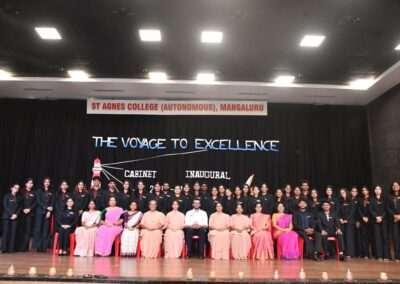
Mangaluru,Jul16: Inamomentof immense institutional pride, St Agnes College (Autonomous), Mangaluru,celebratedbothamajor milestone in student achievement andahistoricinstitutional legacyas it marks ten successful years of pioneering global accounting educationintheregion.
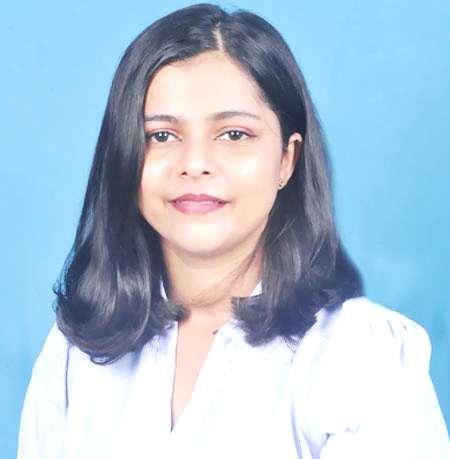
St Agnes College proudly recognises the outstanding professional achievement of its alumna, Osmine Buthello (Batch 2021–2024), daughter of Celine D’Souza and Oswald Buthello, who hassuccessfullyclearedallpapersof the Association of Chartered
Certified Accountants (ACCA, UK), during the June 2026 session, officially earning the prestigious statusofACCAaffiliate.
StAgnesCollegealsocongratulated the following students who successfully cleared various ACCA examinationsheldinJune2026:
• Strategic Business Reporting: K Tanvi Achar, Sweedal Liona Monis, NabhanMuzaffar
St Agnes College extends its heartiest congratulations to its alumni on their outstanding achievement in clearing various papers of the ACCA examinations. Theinstitution takesimmensepride intheir dedication andprofessional success.
• Advanced Audit and Assurance: Varsha Suvarna, Misha Aroza,
Page | 101 Veez Issue #464
Nambiar Amrita Satheesan
• Advanced Financial Management: Archana K Bhat, Lakshmi A, Dafny Melora D’Souza
• Strategic Business Leader: K N Nirupama, Nambiar Amrita Satheesan, Risha Johanna Lasrado, Ivin Sequeira
•StrategicBusinessReporting:Hana K V, Fathimathu Riza Musthafa, Anjolie Milagres Fernandez, Lenvisha D’Silva
These remarkable achievements arrive as St Agnes College celebrates alandmark decade since becoming thefirstinstitution inthe region to introduce the integrated BComwithACCAprogram.
Adecadeago,StAgnesCollege
etched its name into the chronicles ofacademicexcellencethrough this visionary step,opening grand vistas of international opportunity for youngminds.Overthesetenvibrant years, this transformative journey has blossomed into a magnificent legacy—nurturing andempowering hundreds of aspiring students to cross traditional borders, conquer complex financial landscapes, and stride confidently into prestigious global arenas and top-tier multinational firms. What began as a bold, horizonexpanding venture has today evolved into a beacon of empowerment and academic prestige: a decade-long tapestry woven with world-class achievements, unwavering ambition, and the brilliant success stories of countless graduates illuminating the global finance world.
From St Aloysius to global success:
Alumni achieve ACCA affiliate status
MediaRelease
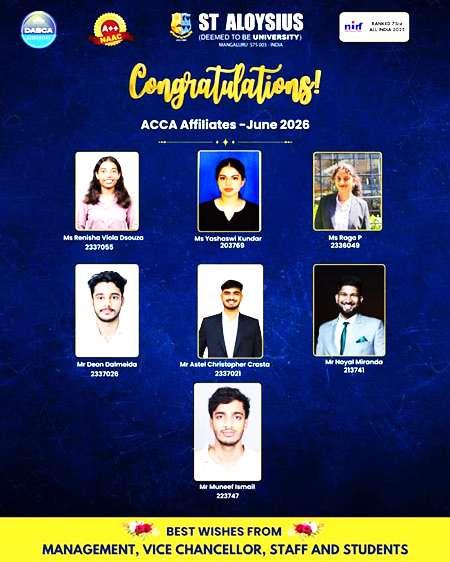
Mangaluru, Jul 14: St Aloysius (Deemed to be University) proudly celebrates the remarkable achievementofseveralofitsalumni who have attained the prestigious statusof ACCA Affiliates,marking a significant milestone in their professional journey and reaffirming the University's commitment to nurturing globally competent financeprofessionals. Having begun their academic journey at St Aloysius (Deemed to be University), these accomplished alumnihavesuccessfullycompleted all the examinations prescribed by the Association of Chartered Certified Accountants (ACCA), one of the world's most respected and internationally recognized professional accounting bodies. Their accomplishment reflects not only their dedication and perseverance but also the strong academic foundation and guidance provided bytheUniversity.
Achieving ACCA Affiliate status represents an important step towardsasuccessfulglobalcareerin accounting and finance. It opens doors to diverse opportunities in areas such as auditing, taxation, financialmanagement,riskadvisory, corporate finance, and consulting. Several of these affiliates have already secured positions with leading multinational corporations and the Big Four accounting firms, demonstrating the growing relevance and value of the ACCA qualification in the global employment market. This milestone reflects the University's continued commitment to academic excellence, professional development, and industry-oriented education. It also underscores the increasing aspirations of Indian students to acquire globally recognized credentials that prepare them to excelinanincreasingly competitive international businessenvironment.
The management, the vice-
Veez
chancellor,andthefacultymembers of St Aloysius (Deemed to be University) have extended their heartfelt congratulations to the
ACCA Affiliates and wish them continued success in their professional endeavours.
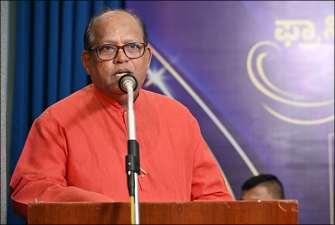
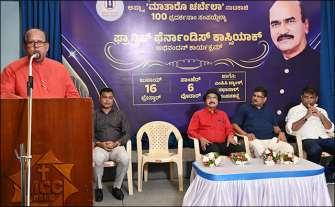
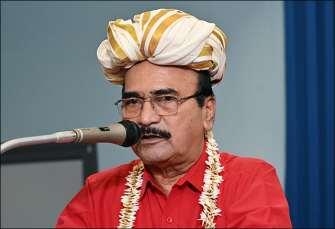
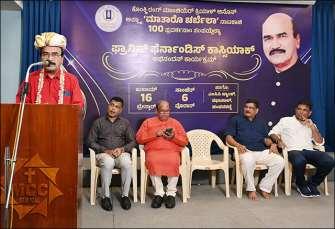
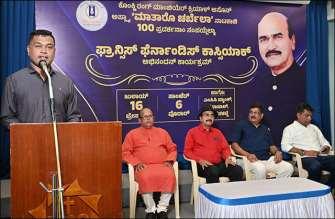
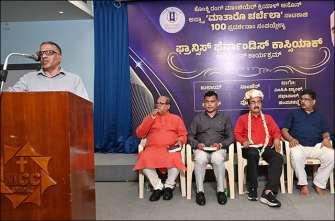
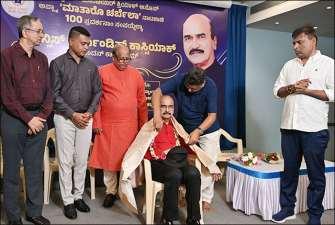
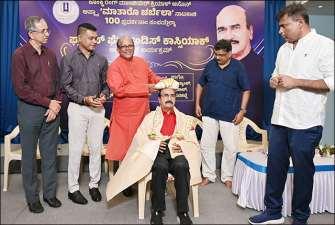
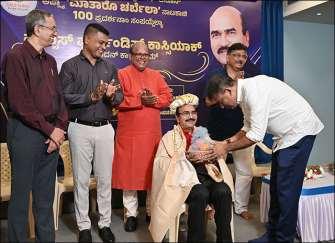
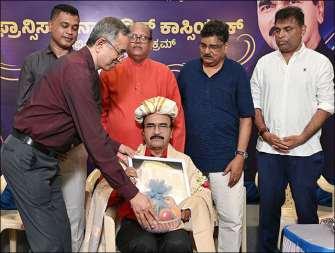
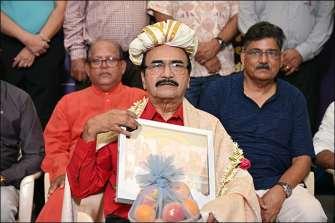
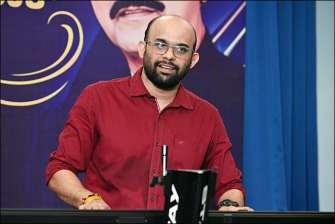
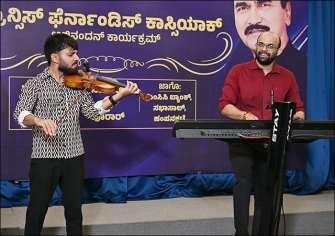
Daiji Dubai Mangaluru unit fetes veteran theatre artiste Francis Fernandes Cascia on 100th show
Pics:DayanandKukkaje
Daijiworld Media Network –Mangaluru(SB)
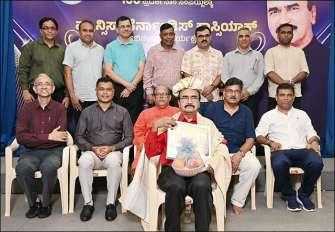
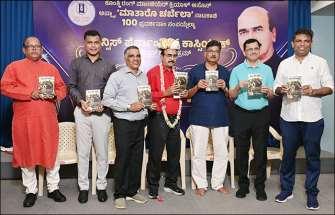
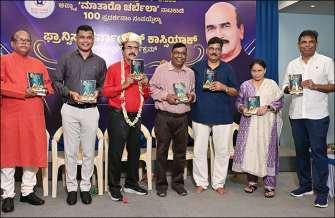
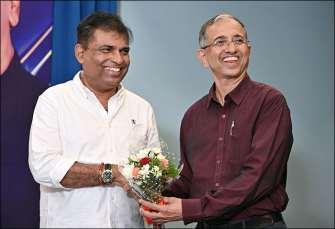
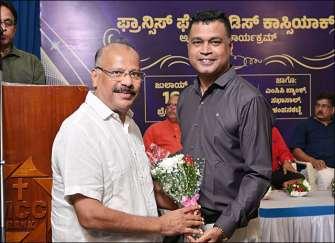
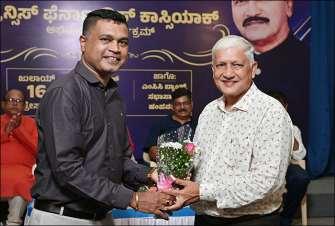
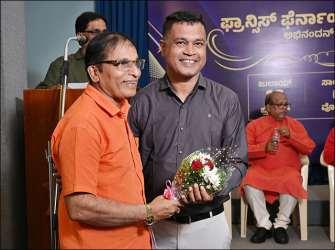
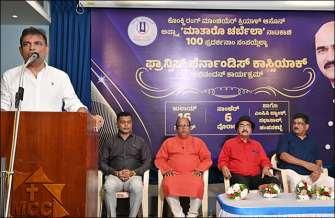
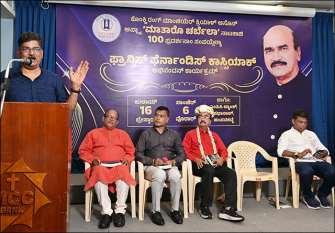
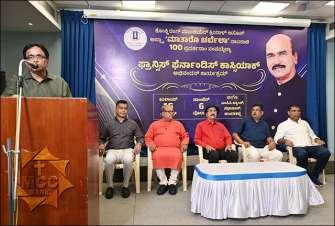
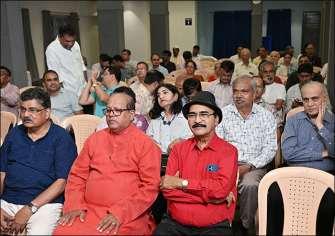
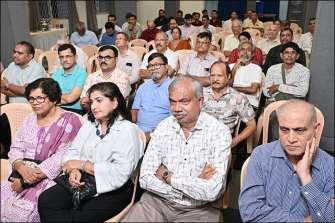
Mangaluru, Jul 17:The Daiji Dubai Mangaluru unit hosted a grand felicitation ceremony on Thursday, July 16, at the MCC Bank Hall to honourveteranKonkanitheatreartiste
Page | 105
Francis Fernandes Cascia. The event celebrated his historic milestone of successfully completing 100 shows of his highly acclaimed Konkani play, 'MataroCharbela'.
The prestigious event was presided over by Stephan Mascarenhas (Hemacharya), a founding member of the Daiji Dubai Literary Forum in the
Veez Issue #464
Veez Issue #464
Veez Issue #464
Veez Issue #464
Veez Issue #464
UAE. Walter Nandalike, founder of
DaijiworldMedia Pvt Ltd, and Vincent Mendonca Cascia, a renowned Konkani theatre artiste, graced the occasionas chiefguests.
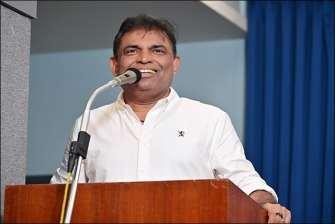
Praveen Tauro, president of the Daiji Dubai Mangaluru unit, warmly welcomed the dignitaries and the gathered audience, setting an appreciativetonefortheevening. In his introductory address, Walter Nandalike highlighted the magnitude of this theatrical achievement. “Completing 100 shows of a play in Konkani is not an easy job; it is a monumental achievement,” Nandalike stated. “Francis took the drama 'Mataro Charbela' around the globe, entertaining the global Konkani community. He never blames bad situations in life; he thinks and lives positively. We can witness his immense energy on stage. He has always said, 'If you are going to recognise me and hail my achievements, do it while I am alive.'
Daiji Dubai is forever grateful for his
immense contribution to the Konkani community in the form of literature and philanthropy.”
Reflecting on their long-standing friendship and collaborative projects, Vincent Mendonca Cascia praised Fernandes’s enduring dedication. “I have known him since a very young age and have always admired his passion for literature and the stage. His capacityforcracking spontaneous jokeshasmadehimincrediblypopular amongus.Behindthesuccessofthese 100 shows, he has weathered unseen personal losses and sorrow, but he neverletitshow.IamthrilledthatDaiji Dubai has stepped forward to celebrate him today.”
Delivering the presidential address, Stephan Mascarenhas shared fond personal memories. “My family has shared a close relationship with Francis since our time in Dubai. Wherever he goes, he carries a deep lovefor the Konkani language and its community.He isatrue loverofstage and art who has sacrificed many personal things for his audience. Today,Daiji Dubai is incredibly proud to felicitate him.”
Replying to the felicitation, an emotional Francis Fernandes Cascia expressed his deep gratitude. “I am forevergratefultoDaijiDubaiandthe
entire Konkani community for their unwavering loveandsupport,”he said. “Ihad adream to complete100 shows of 'Mataro Charbela', and today, it is accomplished. This is a joyous moment forme andmy entire team. I owethis milestonetomydirector,Joy Paladka, and all the artists who made this possible."
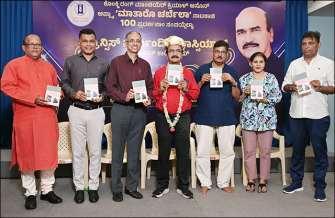
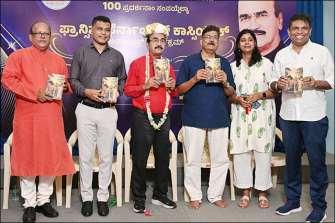
The event also celebrated Konkani literature with the release of books authored by prominent Daiji Dubai members, including Melwyn
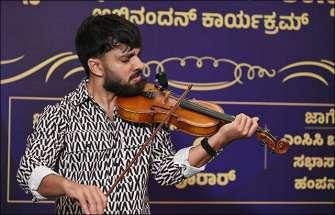
Rodrigues, Avrel Rodrigues, Hemacharya, Vincent Pinto,andNanu Marol. Prior to the formal stage programme,the audience was treated to an enchanting instrumental music sessionby well-known music director Sanjay Rodrigues and young violinist AnstonRodrigues.
The memorable evening was seamlessly compered by Ronald Nazarethandconcludedwithavoteof thanks deliveredbyVincentPinto.
Start byslicing your green beans into halflengthwise. Minse some garlic and slice your Almonds. Nexttake a heated pan and add some aromatic dried herbs like thyme or oregano. On the same pan add garlic and silvered almonds. Roast until everything is toasted well. Toss the green beans. Add salt along with a splash ofwater to steam them to perfection. No oil needed. Serve this delicious side dish garnished with plentyof blackpepper.
It’s a crunchygarlic infused and delicious Serves 4-6. Serve this with love and save this recipe.
Sourceandinspiration:Dr Nandithafrom Sharan with her permission. This is a small effort to aware about the vegan recipes and to live a life without medicines.
-RoshanDsouza,Kinnigoli
Horrible Shame!
-*Fr.CedricPrakashSJ
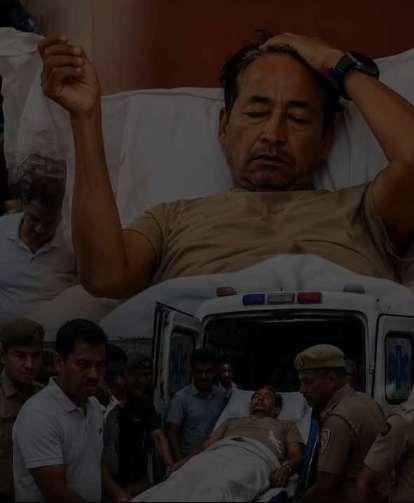
Today was the twenty-first day ( since28June)of thehunger strike, of noted environmentalist Sonam Wangchuk. Early this morning, the Delhipoliceforcibly(andagainsthis will) admitted him to a hospital, apparently due to his detriotating healthcondition. Sonam with some other students were on a fast in support of the demands of the Cockroach JanataParty(CJP). Since almost a month now, led by Abhijeet Dipke, hundreds of youth have beenprotestiing attheJantar Mantar.They are demanding the resignation of Education Minister, after a key entrance exam for aspiring doctors - called the National Eligibility cum Entrance Test (NEET-UG) was cancelled in early May, following a paper leak
They say, he must take moral responsibility fortheleakandresign immediately. Today the protestors were also demanding the resignation of the Prime Minister too. They plan to go on a protest march to Parliament on 20 July.Yet the Government refuses to relent and dialogue with the protesters.Horribleshame,indeed!
Education is in the doldrums! The regime should ask itself as to why hundreds of thousands of Indian youth are desperate to study in schools and universitities abroad. First in thisbeeline arethe children of Ministers and other Government officials . The National Education Policy (NEP) is exclusionary.It does not provide the much needed holistic , inclusive,objective and contextual education. In the recently published ‘Academic Freedom Index’ ,India standstenth among countries, where academic freedom is being throttled and universities are not allowed to
function independently. The Government is attempting to cut the grants of the well-known national think-tank the Centre for the Study of Developing Societies (CSDS which has contributed immensely to the intellectual fibre andcalibreofthecountry.Yogendra Yadav says, “Bulldozer justice reachesacademia..Nodoubt,thisis ademolitionexercise”.Teachers in schools today are caught up in ‘Government duties’ like SIR or the census enumeration or election work.Horribleshame,indeed!
TheSpecial IntensiveRevision (SIR), an exercise undertaken by the Election Commission of India to verify and revise electoral rolls,continues like a juggernaut disenfranchsing thousands of legitmate ctizens all over the country . Those who are deleted fromtheelectoral rollsarethepoor andthevulnerable,theminoritities( mainly Muslims)and other marginalised sections of society. Those who toe the regime’s line,have nothing to fear . Their nameswill not be deleted .TheECI is guilty of aheinous crime against
thecitizensofIndia!Horribleshame, indeed! Corruption is mainstreamed in the country. The regime in power is perhaps the most corrupt political dispensation in the world! They have amassed hoards of wealth through demonetisation, electoral bonds and PM cares fund. Besides theall-scaleloot oftemples likethe Ram Mandir(UP), Badrinath Temple (Uttarakhand),Sabarimala Temple (Kerala), Kedarnath Temple (Uttarakhand) and Ambaji Temple ( Gujarat). The sacrifices of genuine devotees are plundered, which will easily put the colonialists of yesteryears to shame. Some of the regimes crony capitalist friends haveafielddaylooting thecountry and proiteering. One has to take a look at the palatial RSS Centre in DelhiortheplushBJPofficesallover thecountrytoask“whosemoneyis beingused?”There isatotallackof transparency and accountability at everylevel.Horribleshame,indeed!
Look atthe roster of all theelected reprentatives/officials of political partieswholefttheirownparty and
gonetotheBJP.Manyofthemhave cases /FIRs/ criminal proceedings against them. Once they go to the BJP everything is ‘forgiven and conveniently forgotten’ . Take for example,theBJPCMofWestBengal ,thereisplentyofvideoevidenceof the PM, lambasting him when he wasintheTMC,asbeingoneofthe most corrupt persons of the country. However there is the BJP washing machime which can easily washawayallyour crimesandeven make you CM! Those politicians with apparently no crimes , are offerred crores of rupees in black money, they are cajoled and even threatened with dire consequences if they do not succuumb ! Horrible shame,indeed!
The Prime Minister is the laughing stock of the world. Nobody takes him seriously , despite his foreign jauntsattheexpenseof the Indian tax-payer (mainly the poor and the middle class) .True they give him medalsandawards;butthesecome at a huge cost.They are neither derseved or are ‘freebies’ . The country has to make many concessions or trade-offs to ‘buy’
those recognitions .Anymoron will tell you that Heads of States or Governments are normally not given such awards during their visits.Evenhispublicspeechesarea source of embarassment. The ‘2+6’ stuff in Indonesia or the ‘Melody’ choclates in Italy . The local media there hardlycovershisvisitstotheir country. The so-called crowds who gathertohearhimaremainlyIndian diaspora. Australian media has lampooned this. He is unable to evenanswer asingle question from ajounalist.Horribleshame,indeed!
India was ranked 157 out of 180 countries in the 2026 World Press Freedom Index released recently. Thecountry wasplaced inthe ‘ very serious’ category due to the criminalization of journalism, weaponisation of national security laws, and highly concentrated media ownership. On 16 July, a strongly-worded statement said, “TheEditorsGuildofIndiadeplores attempts by a section of MEA officials to explain away Prime Minister Narendra Modi’s unwillingnesstoaddressunscripted press conferences at home or
abroad by stating that, as a successfulpolitician,PrimeMinister Modi prefers to communicate directly with his largely rural electorate.Inresponsetowhythe PMchoosesnottotakequestions fromthemedia,theMEAofficial’s argumentisdeeplyflawed.ThePM hastoroutinely answerbothhis urbanandruralpeopleonurgent political and economic issues, especiallyatatimewhentheworld is mired in an unprecedented energycrisisinthewakeofthewar inWestAsia.Thetruthisthathehas beenreluctanttosharehisviewson thisgargantuancrisiswithanykind ofmedia.” Whatanembarassment! Horribleshame,indeed!
Minoritities inthecountrycontinue to be on the receiving end! Thousands of Muslims have been disenfranchised, their homes have been demolished , their nationality and patriotism, questioned . On June 15, the Superintendent of Police in the Gujarat State Police Services (SPS), issued a Standard Operating Procedure (SOP) for Gujarat’s new Anti Radicalisation Cell(ARC). Thecontents of theSOP
clearly target the Muslims and are blatantly anti-Constitutional and communal. There isademand from several quaters that this terrible circular be withdrawn and unconditionally. Christians are also ,sysytemattically targetted. Bogeys of ‘forced conversion’ are consistently raised. There is documented evidence of hundreds of attacks on Christians. Recently, a Catholic School in Jabalpur was attackedby‘hindutva’ goonsonthe falsepretextofconversions; inWest Bengal a group of Sisters were threatened by a mob to stop the constuction of a Chapel and cemetery for which they have the necessary permissions. There are official threats to take over lands and property belonging to the Christians.Theanti –conversion laws put in place in several BJP- ruled States are an attempt to defocus fromotherrealitieswhichthenation faces today. They are violative of Article25oftheIndianConstitutiion which guarantess freedom of religion.Horribleshame,indeed!
taken up in the coming session of Parliament. The Bill targets voluntary organisations and other civil society groups, who are doing exemplary work for the all-round progress and development of the country. The poor will suffer the most,if this bill is passed. Horrible shame,indeed!
There are several other raging issues, plaguing the nation today : India is zilch on the environmental index. The Great Nicobar project, the planned luxury hotel near Kaziranga National Park and the unmitigated use of fossil fuels are clear examples. India is way down on GlobalIndicesdonebyimpartial and credible international bodies . The poor in the country are becoming poorer. The rich become richer. Constitutional and other independendent bodies have lost their credibility and have become blatantly one-sided. There is no room for dissent in India: Umar Khalid and several others are still
languishing in jail. Late Fr Stan Swamy has not yet been given a clean chit.Constitutional bodies are usedto victimise innocentcitizens! Women are still denied their numbers in Patliament . The Government is more interested in delimitation and delisting! Horrible shame,indeed!
Whatisat staketoday,isthesoulof India! The right of every single citizen to justice , liberty , equality and fraternity, all the freedom guaranteed in our sacred Constitution. Thisisnothappening. Until suchtimewerestore realityto its original goodness, need to say Horrible shame,indeed! And we must doallwecan,toovercome it!
18July 2026
*(Fr Cedric Prakash is a human rights, reconciliation and peace activist,trainer&writer. Contact:cedricprakash@gmail.com)
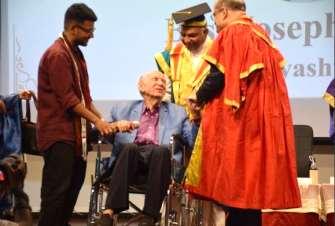
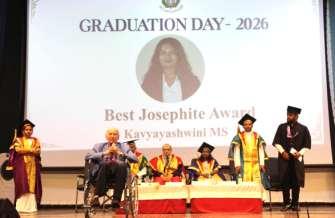
PASCAL AMBROSE NAZARETH PRIZE AT ST. JOSEPH COLLEGE OF LAW IN BANGALORE
This prize was instituted by me in March this year, on my revered father’s 125th birth anniversary. It was awarded to Ms. Kavyayashwini M.S, SJCL’s most outstanding graduating student, for which she receivedacitation&achequeforRs 10,000. I presented her with my ‘Gandhi’s Outstanding Leadership’ & ‘Ringside Seat to History’ books. These & two other of my books I also presented to Fr. Daniel
Fernandes SJ, Rector of SJCL for accretion toitscollegelibrary.
In my address I lauded my father, son of apoor farmer &financedby him only up to high school, who painstakingly did his BA & BL studies bygiving tuition & securing scholarships. Selected for the Madras Judicial Service in 1930, he spent 26 years in it & retired as a District Judge. It was his hard work that facilitated his children’s professional careers.
I congratulated the approx. 300 graduating students, reminded them of the legal profession’s vital importance & that the person who impactedthe20thcenturymostwas
Veez Issue #464
an Indian lawyer named Mohandas K. Gandhi. British Prime Minister Winston Churchill had derided him as a “half naked fakir”, but today a statue of Gandhi faces his in the forecourt of the British Houses of Parliament.
Iurged thestudentstoconsider the Indian Foreign Service as a career option as it provides ample opportunities to promote India’s interests in diverse spheres & also
provides ample opportunities to handle diverse forms of international law.
I was honoured & elated that SJCL Rector & Karnataka High Court Judge JusticeM.I.Arun,whowasthe Chief Guestatthisimportant event, appreciated & complimented me onmyaddress.
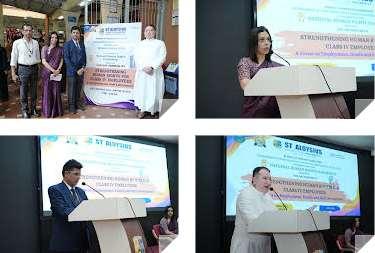
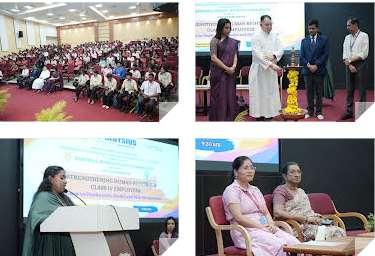
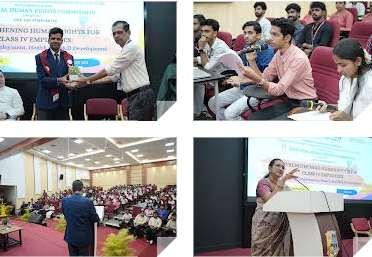
St Aloysius University holds seminar on Human Rights for support staff
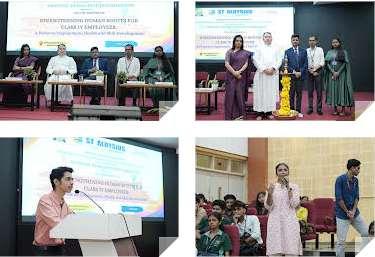
The Department of Postgraduate Studies and Research in Social Work, School of Arts and Humanities, StAloysius (Deemedto be University) in collaboration with NationalHumanRightsCommission
organized one-day Seminar on Strengthening Human Rights for support staff focusing on Employment, Health and Skill Development on 17th July 2026 in EricMathiasHalloftheUniversity.
Veez Issue #464
Shri Bipin Bihari Gautham, Presenting Officer (District Judge), National Human Rights Commission, New Dellhi was the chief guest and inaugurated the Seminar.Rev.DrColPraveenMartis, SJ, Vice Chancellor of St Aloysius (Deemed to beUniversity) presided over the programme. Dr Manohar Serrao, Dean, School of Arts and Humanities, DrShwetha Rasquinha, Convenor of the programme and Student Convenor, Jansita were on thedais.
Chief Guest, Shri Bipin Bihari Gauthaminhisspeechspoke about thehumandignity andtherights of the employees. He narrated the duties of the employees and appreciated the dedicated work of support staff to make all other employees and students comfortable. He said that there is no hierarchy of human dignity and all educational institutions must uphold thedignity ofsupport staff.
Officer of National Human Rights Commission for being the chief guest, expressed his gratitude to NationalHumanRightsCommission for collaborating in organising this seminar. He briefed about the values of our Constitution and the fundamental rights of every individual of our country. He also spoke on justice; equality and the systems provided in the institution tocreateaworkplaceofrespectand dignity forall.
Dr Shwetha Rasquinha, the Convenor welcomed the gathering.
StudentsofIIMSW,JeevanDSouza and Dhanyashree compered the program. Jansita, IIMSW proposed thevoteofthanks.
Seminar included sessions on occupational health by Dr Rameela Shekhar; workplace dignity andskill development by Dr Roshan Monteiro and Understanding EmployeeSupport andGovernment BenefitsbyMrKishore Attavar. The seminar witnessed the active participation of 200participants.
One Meal, One Wheelchair, One World: A Journey of
Faith, Hope, and Humanity
Changing Lives in Tanzania:
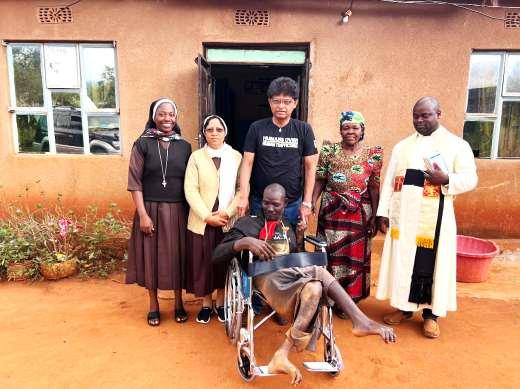
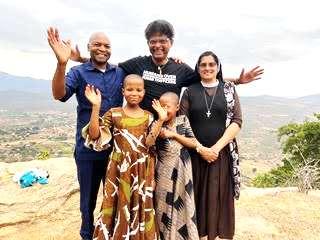
Left to Right: Sr. Maria Anitha Florine, Sr. Leena Matthias, Fediliisi Friend, Katherine LovingMotherof Fedilisi,Fr. James FelixSingo, Harold D’Souza with Fedilisi on his brand-new Wheelchair celebrating ‘Christmas in July’. Every child is a precious gift from God, an angel entrusted to humanity with limitless potential, dreams, and purpose. No child should ever go to bed hungry, be deniedaneducation,orbedeprived ofthefreedomtodream.Everychild born on this planet has the fundamental right to food, happiness, love, dignity, education, andhope. Whenwenourishachild, wenourish thefutureof ourworld.
L-R:Sr. KristaNicetas,Sr.LeenaMatthiasRegional Superior, Harold D’Souza, Katherine, Fr. James Felix Singo, Parish Priest Saint James Church with our Hero Fedilisi 55 years young. Compassion isnotmeasuredbythe size of agift but by the size of the heartthatchoosestogive.
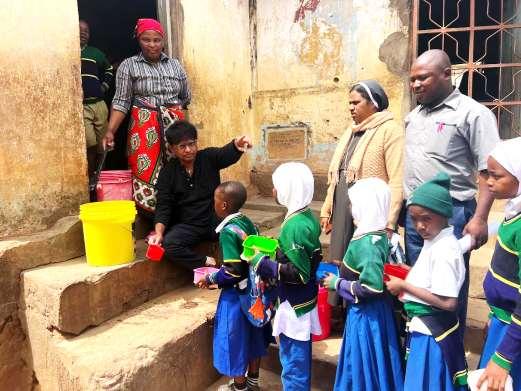
Eyes Open International (EOI), a U.S.-based 501(c)(3) nonprofit organization, proudly launched its Free Midday Meal Program at Majevu Primary School,SameDistrict,Kilimanjaro Region,Tanzania, on July6,2026, ensuring that 200 of God’s children receive nutritious daily meals from July 2026 through May 2027. This life-changing initiativebecamepossible through
experienceof love from
Monday,July6, 2026launchof200free Midday Meals at Majevu Primary School with School Teachers, Harold D’Souza rejoicing with Sr. Beatrice Mvamba andPrincipalGoodluckFrank Mchome on his left the extraordinary generosity of compassionate donors from Americaandaround theglobe who unitedinfaith,love,andservice.
Eyes Open International presented $6,000 to Sr. Leena Matthias, Regional Superior of the Ursuline Franciscan Congregation, African Region, who, together with the devoted Assisi Convent Sisters, will oversee the implementation of this mission of hope. The program represents more than food, it represents
Dream come true: Harold D’Souza founder of Eyes Open International inaugurates the Free Midday Meal at Majevu Primary School on Monday, July 6, 2026
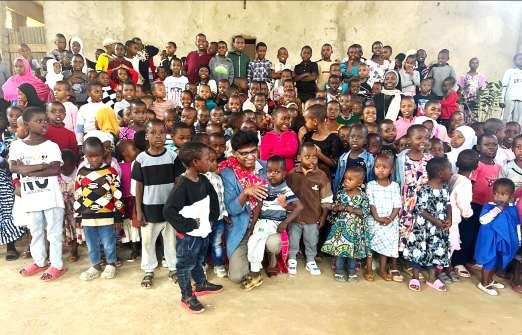
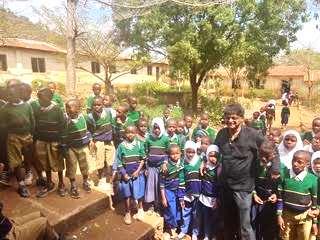
Warm Welcome by God’s Children at Majevu Village honoring Harold D’Souza to Tanzania. These kids willbe receiving free midday meals at Majevu Primary School dignity, education,healthierfutures, and renewed opportunities for everychildserved.
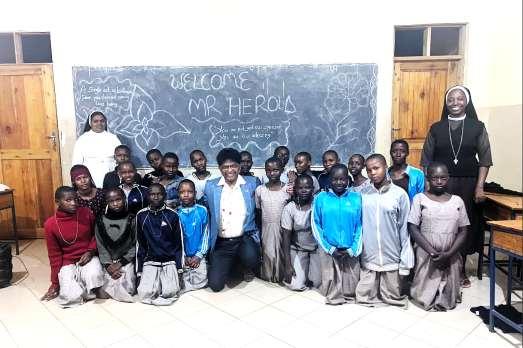
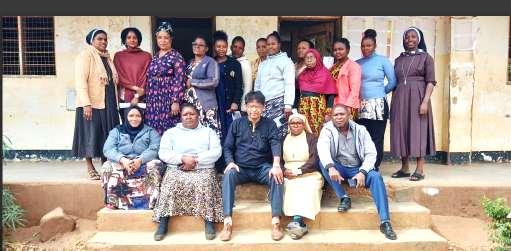
International inspirational speaker and human rights advocate Harold D’Souza,PresidentandCo-Founder of Eyes Open International, spent severalweeks inTanzania,speaking at more than two dozen community, church, educational, Fr. Valentine Luvara, Harold D’Souza, Sr.
Incredible
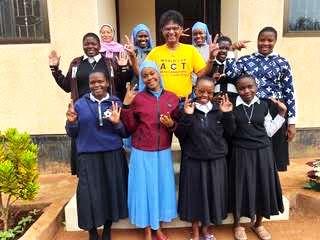
these Angel Girls at Assisi Convent.
and
Celebration after a presentation at Assisi Convent and humanitarian gatherings, inspiring thousands with his message that faith, resilience, compassion, and unity can overcome even the greatest struggles.
On July 8, 2026, Harold D’Souza and Sr. Leena Matthias had the honor of meeting delegates at the U.S.EmbassyinDaresSalaam, reinforcing the importance of international partnerships that Fun,
Food and Festive time at Majevu Primary School on Monday, July 6, 2026
Harold D’Souza:Visitinghappyhouseat Same with Shabbani strengthenhumanitarianeffortsand buildbridges betweencommunities acrosscontinents.
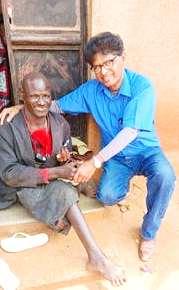
One of the most emotional moments of Harold’s journey occurred in Stelling, Same, where hemet Fedilisi,amanwhohaslived with a physical disability for 55 years, and his devoted mother, Katherine. During his first visiton Sunday,July5,2026,
Venitha Martis
Angel Kids from the Mountains
Fedilisi a great friend of Harold D’Souza at Stelling, Tanzania.
Harold promised Katherine thather son would receive a wheelchair beforeChristmas Day.
Through the generosity of Bob GoodwinofCincinnati,Ohio, that Christmas miracle arrived months early. On Saturday, July 11,2026, Fedilisi receivedhisnewwheelchair, transforming a promise into reality and giving his family what Harold affectionately called “Christmas in July.” The gift represented more
Page | 126
Bishop Rogatus Kimaryo of Same with Sr, Leena Matthias, RegionalSuperior and Harold D’Souza
Harold D’Souza gracefully donates 3000 Tanzania Shillings to 200 women’s at Majevu Village on July 2, 2026 than mobility, it restored dignity, independence, hope, andjoy.
Fr. Valentine Luvara shared: “God bless you, Harold!!! We love you!!! Youbrought greatjoy inmyparish.
Children were dancing with great joy.Yourheartisopentoreceivethe poor andmarginalized people. May the Lord of Heaven and Earthbless youfromabove.Americaisfaraway from Tanzania, but we are united
Veez Issue #464
spiritually. Best wishes and God blessyou,Harold.”
Earlierinthemission, on Thursday, July2,2026,thewomenof Majevu Village organized anunforgettable community celebration welcoming Harold D’Souza. More than 200 women and over 100 children gathered with songs, dancing, andheartfelt gratitude. As an expression of appreciation and solidarity, Harold personally gifted 3,000 Tanzanian Shillings to every woman whose childrenwouldbenefitfromthefree midday meal program. Chocolates were also distributed to every child and community member attending thecelebration, fillingthegathering withsmilesandlaughter. The impact of the mission deeply moved localfaithleaders.
Sr. Venitha Martis emotionally reflected: “You are great Harold. I am impressed by the love and support you have for poor people. Youarealivingsaint.Thoughgreat, youremainsimpleandhumble.May Godblessyou, yourgenerosity, and your friends in America who continue to think of the people in Africa.”
A historic highlight of the mission cameon July4,2026,when Bishop RogatusKimaryo oftheDioceseof Same publicly honored Harold D’Souza during a special celebration at Kifaru Catholic Parish in the Mwanga District of Tanzania. Before nearly 1,000 parishioners,children,clergy,and community members, the Bishop recognized Harold’s unwavering commitment, compassion, and empowering support forvulnerable communities throughout the Kilimanjaro Region.
Throughout the visit, Harold expressed profound admiration for Sr. Leena Matthias, Sr. Maria AnithaFlorine, Sr. AlicePinto, Sr. Nirmala, and every Assisi Convent Sister whose lives embody prayer, sacrifice, humility, and unconditional service.
Reflecting on their ministry, Harold said: “Seeing theSisters pray, serve, and heal their community inspires metostepoutsidemycomfortzone and do more. Their dedication reminds me why our generous donor friends from America continue believing inthis mission. I am simply a postman delivering
Page | 127 Veez Issue #464
blessings made possible by compassionate hearts.”
Fr.JamesFelixSingo,ParishPriest of Saint JamesChurch, alsopraised the mission: “Thank you so much Mr.Harold forkeeping ontouching and raising hope for these people. May God bless you and bless our supporters.” The mission also built upon previous humanitarian efforts. During Harold’s 2025 visit, Eyes Open International donated church fans to improve worship facilities, demonstrating the organization’s long-term commitment to serving thelocalcommunity. Perhaps one of the most moving tributes came from Sr. Alice Pinto of AssisiConvent, whowrote:
“Mr. Harold, thank you from the depths of my heart for your thoughtful services and, above all, for your generous and compassionate heart.Through your loving concern for the people of Same, especially the less fortunate, you have become an instrument of God’s love, restoring hope, dignity, and joy to those most in need. The wheelchair you provided is not simply a gift, it is a blessing that
brings freedom, comfort, and renewed confidence to Fedilisi. Pleasebeassuredofourprayers for you and your beloved family. May God reward your goodness a hundredfold and continue to bless everywork ofyourhands.”
Despite receiving international recognition, Harold D’Souza remains deeply humble. “I am a common man. Iamafailure.Iama sinner,”heoftensays. Thosesimple words havebecomea powerful testimony of faith, resilience, and perseverance. Harold’s journey, from surviving labor trafficking to becoming an internationally respected human rights advocate and humanitarian, has inspired countless people to believe thatstruggles donotdefine a person’s destiny. Through unwavering faith in God, determination, and service to others, even life’s deepest wounds can become a source of hope for theworld.
Eyes Open International continues to believe that sustainable change happens when communities, faith leaders, volunteers, donors, and organizations work together with
one shared purpose: protecting human dignity and creating opportunities for every child to flourish.
As Harold D’Souza reminds supporters around the world: “T.E.A.M.: Together Everyone AchievesMore.Teamwork makes thedreamwork.”
May this mission inspire every community, everynation, andevery
compassionate hearttoensure that nochild,regardless ofrace,religion, nationality, or circumstance, ever goes to sleep hungry. Together, we canbuild aworld whereevery child is nourished with food, strengthened by education, embraced with love, and empowered to become tomorrow’s leader.Thatisnotsimplyadream, it ishumanity’ssharedresponsibility.
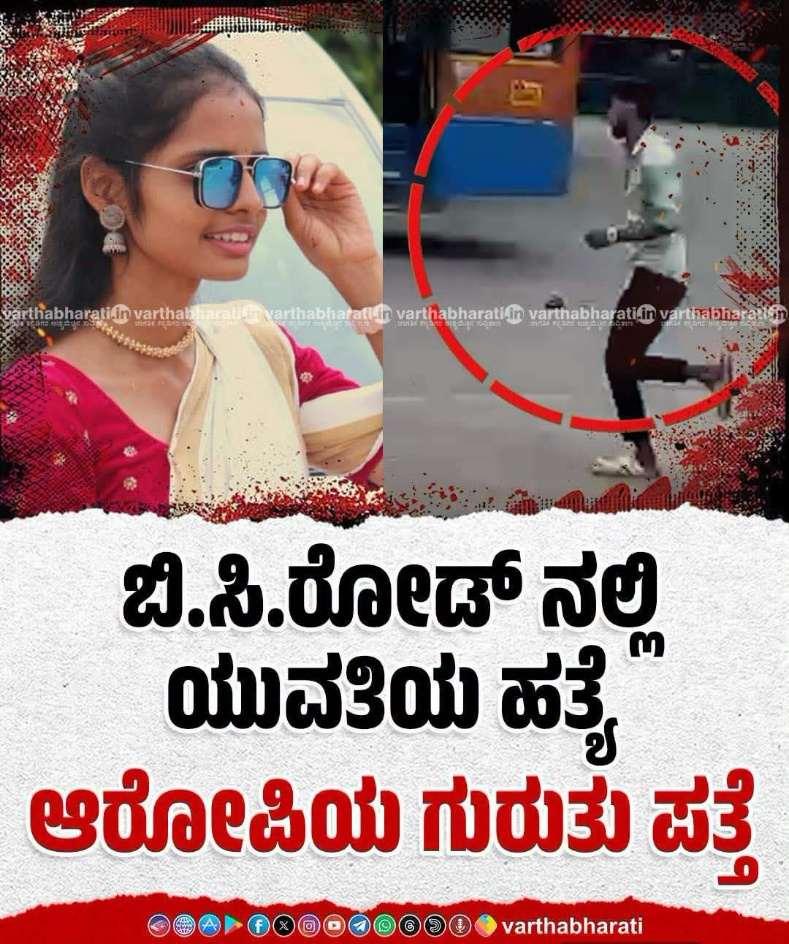
Bantwal: Young woman brutally murdered at B
C Road KSRTC bus stand by spurned lover
MouneshVishwakarma
Daijiworld Media Network –Bantwal
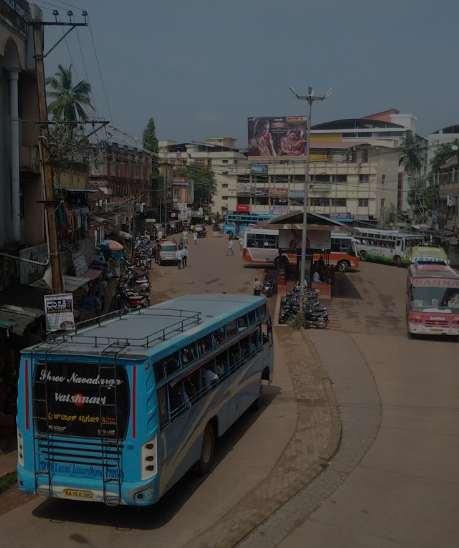
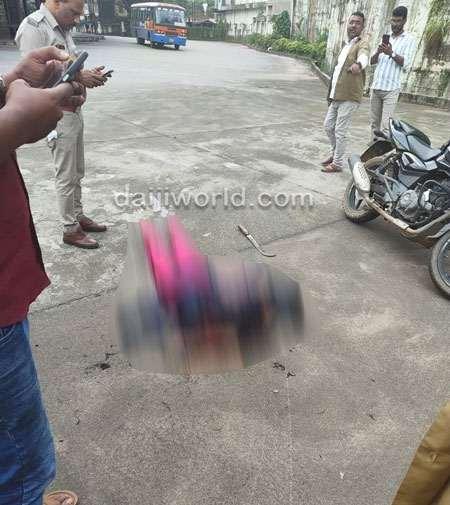
Bantwal, Jul 16: In a shocking incident that has sent shockwaves across the region, a young woman wasbrutally hacked todeathwitha machete at the Bantwal KSRTC bus standonThursday, July16.
Thedeceasedhasbeenidentifiedas Lavanya (21), daughter of Balappa Gowda, aresident of Kodange near
Issue #464
Kakyapadavu. Shewasemployed at aprivatenursinghomeinKalladka.
During the preliminary investigation, the police identified the accused as Chethan (22). He is reportedly a distant relative of the victim and was allegedly tracking herduetoone-sided love.
According to preliminary information, Lavanyahadboardeda KSRTC bus to head towards Kakyapadavu. Chethan, who was waiting inside an I10 car, followed her onto the bus. While inside the bus, she had reportedly called a relative over the phone and mentioned that ayouth was sitting nextto her, after whichthe callgot disconnected. Later,whenhepulled out the machete from the bag, she got offthebus andstarted running forherlife.
Eyewitnesses stated that once she got off the bus, Chethan pursued her, pulled out amachete from his bag, and launched a ferocious attack. Although Lavanya desperately tried to run away to saveherlife,theassailantcaughtup with her and inflicted fatal blows. The young woman sustained grievous injuries and died on the
spot, after which the accused fled fromthescene.
A bystander managed to capture the horrifying footage of the accused attacking the woman on a mobile phone. The video has since gone viral on social media and is expected to serve as crucial evidence for the police investigation.
Thisbrutalpublicmurdercomesjust days after another shocking incident in Manchi of the same taluk, whereaminor girlwaiting for a bus was stabbed and seriously injured by a youth, leaving the residents of Bantwal deeply concerned overpublicsafety.
Upon receiving the information, senior police officials from the Bantwalsub-division, alongwiththe town police inspector and personnel, rushed to the spot. Dakshina Kannada superintendent of police Arun K also visited the crimescenetoreviewthesituation.
Special police teams have been formed to track down and apprehendtheabscondingaccused. A case has been registered, and a manhuntisunderway.
New Zealand Kannada Koota
Showcases Karnataka’s Cultural
Heritage on the Global Stage
MediaRelease
July15, 2026
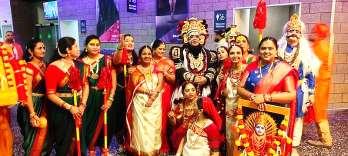
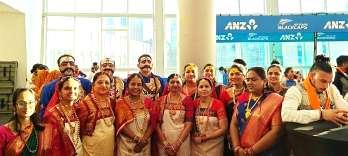
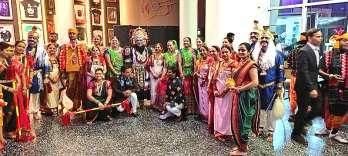
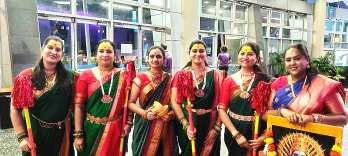
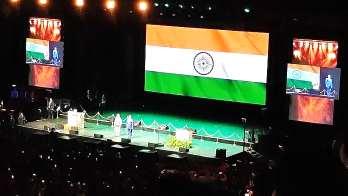
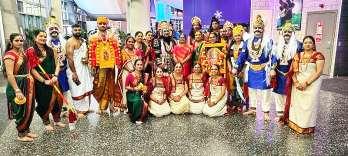
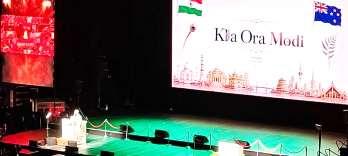
Auckland,NewZealand: The New Zealand Kannada Koota (NZKK) proudly showcased Karnataka’s rich cultural heritage during a grand Indian community event held at Auckland’s Spark Arena as part of the historic visit of the Prime MinisterofIndiatoNewZealand.
Attended by more than 10,000 membersoftheIndiandiaspora, the event featured cultural performances representing India’s diverse traditions. Among the
highlights was a captivating fourminute presentation by the New Zealand Kannada Koota, which beautifully portrayed Karnataka’s timeless contributions to Indian culture, mythology, and spirituality. Titled“Kishkindha toAyodhya:From Ramato RamLalla,”theproduction traced the journey from the Ramayana’sKishkindha, believed to
belocatedinpresent-day Hampi,to the consecration of Ram Lalla in Ayodhya.
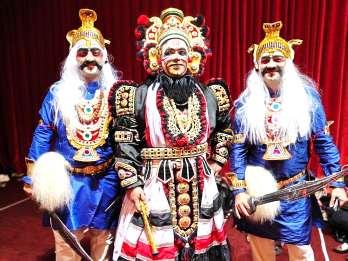
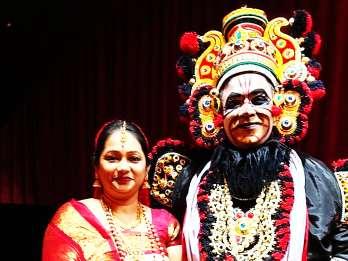
The presentation opened with the vibrant and iconic Yakshagana, bringing to life scenes from the
Ramayana and depicting Lord Rama’s alliance with Sugreeva. The narrative then transitioned into dramatic stage sequences illustrating the epic journey, followed bycolourful performances of Karnataka’s rich folk traditions, including Veeragase, Jogati Nritya, Kamsale, and the spirited Kodava dance.Theperformance culminated with the energetic and spectacular Chende Suttu, leaving theaudience enthralled.
The grand finale paid tribute to renowned Karnataka sculptor Arun Yogiraj, who sculpted theRamLalla idol installed at the Ayodhya Ram Mandir, highlighting Karnataka’s enduring contribution to India’s spiritual andculturallegacy.
Established in 1994, the New Zealand KannadaKoota (NZKK) isa non-profit community organisation dedicated to preserving and promoting the Kannada language, culture, and traditions among Kannadigas living in New Zealand. Over the past three decades, the organisation has grown into a vibrant community of around 150 active Kannada families participating initsvariousactivities.
Under the leadership of its President, Suhas Shanbhogue, a native of Kulai, Mangaluru, NZKK
continues to organise Kannada Rajyotsava, Ugadi, Ganesh Chaturthi, Independence Day celebrations, and several cultural and literary programmes throughout the year. The organisation plays a vital role in connecting younger generations of Kannadigas with the language, traditions, and heritage of Karnataka while contributing to NewZealand’smulticulturalsociety. The performance at Spark Arena was widely appreciated by the audience andstood out asaproud representation of Karnataka on the international stage. Through its artistic presentation, the New Zealand Kannada Koota reaffirmed its commitment to preserving Kannada identity abroad while showcasing Karnataka’s rich cultural, artistic, and spiritual heritagetoaglobalaudience.
Dharwad:Ophthalmologistwho killeddoctorhusband,stabbed son remains hospitalised, police awaither recovery
By IANS
July16, 2026
Dharwad: Suspense continues to surround the case of an ophthalmologist accused of murdering herdoctor husband and attempting to kill their eight-yearoldsoninKarnataka’sDharwadcity, with police awaiting her recovery beforerecording herstatement. The incident came to light on Wednesday night after police received a call from residents of Ranka Apartment in Barakotri area
of Dharwad, informing them that a manandachildhadbeenattacked. Investigators saythemotive behind the shocking incident remains unclear, leaving several crucial questions unanswered in what has emergedasoneofKarnataka’smost disturbing familytragediesinrecent times.
Policerushed totheapartment and found Dr. Kiran Honnannavar (45), an anaesthetist, lying in a pool of
blood. Hiseight-year-old son,Nihit, had also sustained multiple stab injuries.
Hubballi-Dharwad Police Commissioner, N. Shashikumar, on Thursday told reporters, “We initially received information suggesting adouble murder. When we reached the spot, Dr. Kiran was found dead. The child was also injured, but upon examination, we found that he was still breathing and immediately shifted him to a hospital.”
Investigatorssuspectthattheattack was carried out by Dr. Kiran’s wife, Priya Honnannavar alias Priyanka, anophthalmologist.
Kiran’s family has lodged a complaint accusing her of committing the murder, the Police Commissioner said.
Police said Priyanka allegedly stabbed her husband to death before turningtheknifeonherson. Shelaterattempted toendherown life.
Ina dramatic turn of events, Police Commissioner Shashikumar himself carried the injured child inhisarms
from the apartment after noticing signs of life and rushed him to a nearbyhospital.
Sources said Priyanka was found sitting on a bed and reportedly usinghermobilephonewhenpolice entered theapartment.
“When she was taken into custody, shewasinastateof shockandwas unable to answer questions. She complained ofdizzinessandfeeling fainted,”Shashikumar said.
Shewassubsequently admittedtoa hospital, where doctors determined that she was suffering from hypoglycemia, a condition caused by abnormally low blood sugar levels.
“Sheinformed doctors thatshehad injectedherselfwithinsulin.Medical experts have stated that excessive insulin intake can lead to a severe drop in blood sugar levels,” the PoliceCommissioner said.
Doctors have reportedly declared that Priyanka is not currently in a condition to provide a statement. She has since been transferred to Karnataka Institute of Medical Sciences (KIMS) in Hubballi, where she continues to receive treatment underpolicewatch.
PolicesaidPriyanka willbe formally takenintocustodyandsubjectedto detailed questioning once doctors certifythatsheismedically fit.
Dr. Kiran, who hailed from Belagavi district, was a well-known anaesthetist.
Investigatorsarenowexaminingthe family’s background, possible domestic issues, and other circumstancesthatmayhaveledto
theattack.
With the accused yet to be questioned, police say a comprehensive investigation will begin once her medical condition stabilises.
The family of Kiran has filed a complaint with the police alleging that Priyanka had killed him and stabbed the child. Further investigation ison.
Over 120 senior scientists, technicians resign from ISRO; report
DaijiworldMediaNetwork–New Delhi
New Delhi, Jul 16: In a major concern regarding talent drain, more than120senior scientists and technical experts have reportedly resigned from the Indian Space Research Organisation (ISRO) over the past year. The departures include key scientists associated
with prestigious missions like Chandrayaan-3 andSpadex.
According to areport by theTimes of India, the massive wave of resignations is driven by the booming private space sector, whichoffershighly lucrativesalaries andattractiveperksthatattracttoptier talent. This has led to a noticeable talent drain within the premier nationalspaceagency.
Takingseriousnoteofthesituation, the union department of space (DoS) issued an important internal order on July 14, tightening the rules regarding theresignation and voluntary retirement scheme (VRS)
ofitsscientists.Thegovernment has taken this stringent step to ensure that thecountry's flagship projects, including the ambitious human spaceflightmission 'Gaganyaan',do notfaceanysetbacksduetohuman resource shortages. The report details that nearly 80 seniorscientistshaveresigned from theU RRaoSatellite Centre (URSC)
in Bengaluru one of ISRO's primary hubs while at least 20 seniorscientistshavestepped down from the Vikram Sarabhai Space Centre (VSSC) in Thiruvananthapuram.
An official response or statement from ISRO regarding these developments iscurrently awaited. -
Bantwal: Mercine Pinto, mother of Al Khalidiya
Group chairman Benedict Pinto, passes away at 83
Daijiworld Media Network –Bantwal
Bantwal, Jul 15: Mercine Pinto, aged 83, beloved mother of
Benedict Pinto, founder and chairman of the UAE-based Al Khalidiya Group, passed away peacefullyonWednesday, July15. Wife of the late Jerome Pinto, Mercine Pinto, was a devoted homemaker who dedicated her life to caring for and supporting her family.Knownforhergentlenature, kindness, and strong values, she touched the lives of all who knew her. She is survived by her children Sister Florine, Everest, Benedict, Vincent, Metilda, Cylwin, Melvin, Shanthi, Jyothi, and Preethi, along withalargecircleoffamily,relatives, andfriends.
The funeral procession left the family residence at Ballya Mani, Dakshina Kannada, on Saturday, July 18, at 3 pm. The funeral mass was celebrated at 4:00 pm at St Joseph's Church, Soorikumeru, Borimar in Mani village of Bantwal taluk,burial wasatStJoseph's
ChurchCemetery.
Her son, Benedict Pinto, is a UAEbased NRI entrepreneur and founder of Al Khalidiya Group, a diversified company established in 2005 that has built a strong reputationforquality,reliability, and excellenceacrosstheGCC.
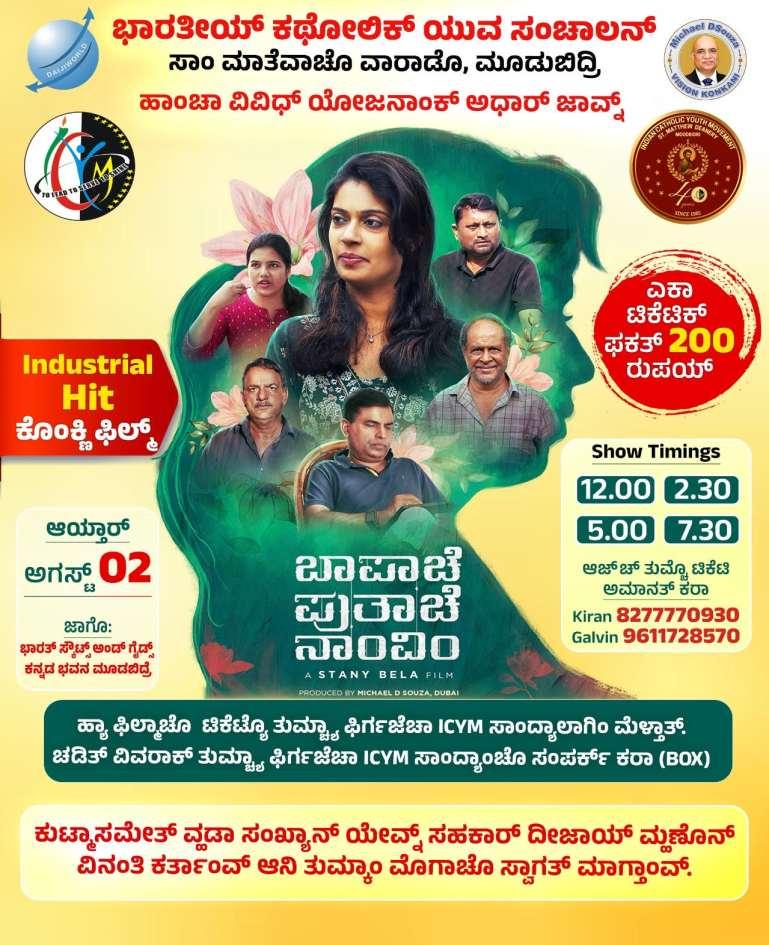
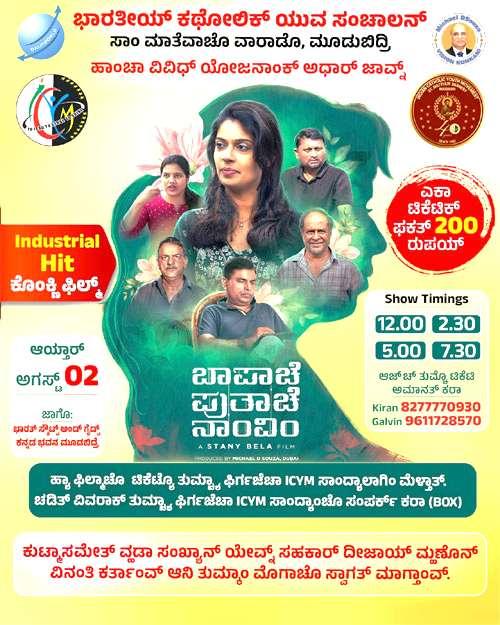
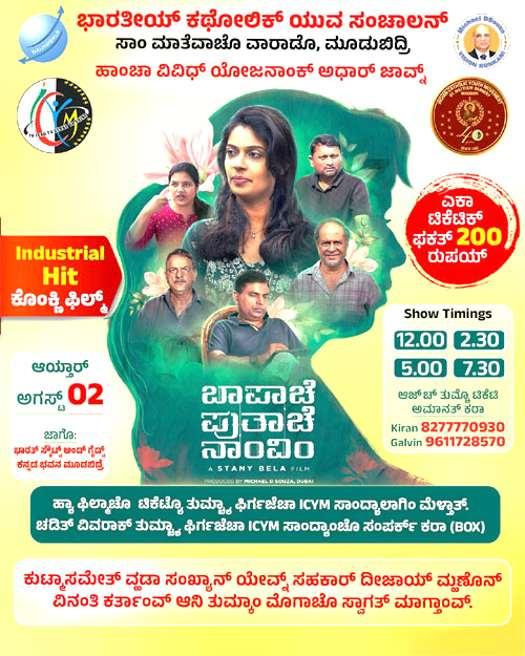
Moodbidri: ICYM deanery to organise grand screening of Konkani film
Daijiworld Media Network -
Moodbidri
Moodbidri, Jul 15: The Indian Catholic Youth Movement (ICYM)
Moodbidri deanery isallsettohost
‘BPN’
on Aug 2
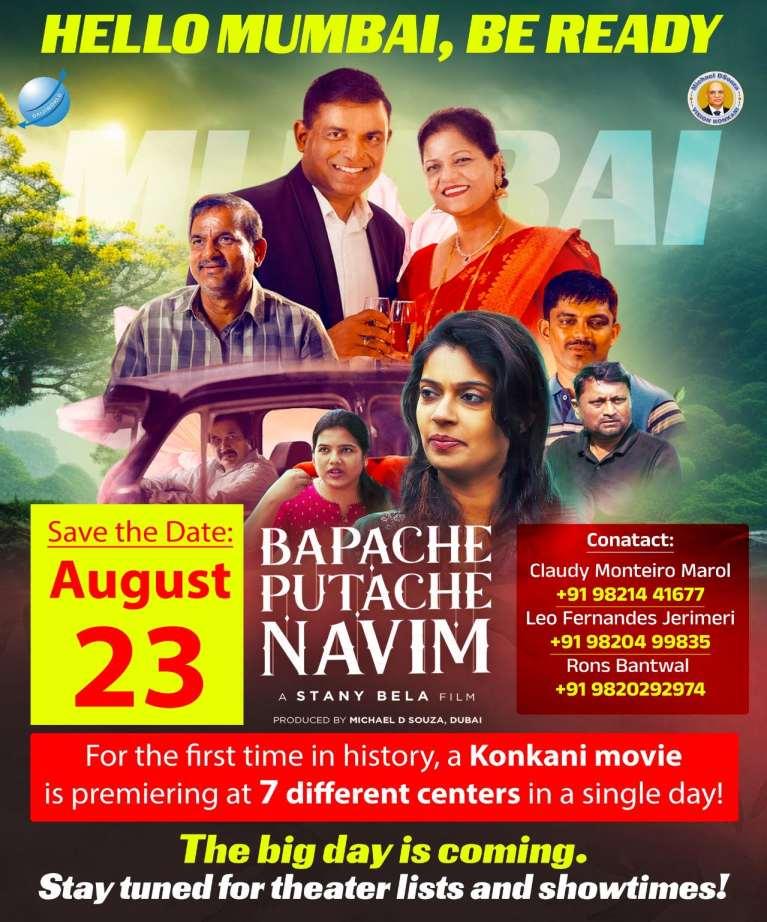
agrandscreeningofthehitKonkani movie 'BapachePutache Navim' on Sunday, August 2. The special screeningswillbeheldattheScouts andGuidesBhavan,Moodbidri, with four consecutive shows scheduled throughout theday.
This mega cinematic event is being organized as a major fundraising initiative to support the various youth empowerment and socioculturalactivitiesledbyICYMacross thedeanery.
Thehitfilm,whichwasreleased last November under the banner of Daijiworld Films, is produced by renowned entrepreneur and philanthropist Michael D’Souza under his "Vision Konkani" project.
Page | 138 Veez Issue #464
The movie is directed by one of Konkani literature and media's celebrated writers and activists, StanyBela.
'Bapache Putache Navim' has garnered widespread critical acclaim and immense love from audiences globally for its realistic cinematic approach and hearttouchingnarrative.Thefilmfeatures an ensemble cast of prominent Konkani artistes, including Walter Nandalike, Dayan D’Souza, Ron Rodrigues, Sunitha Menezes, Sweedal D’Souza, Joshal D’Souza, Melwyn Kalakul, Vinutha D’Souza, Rita Fernandes, Mellu Valencia, Jancy Fernandes, Eddie Sequeira, andJohnMPermannur.
On the technical front, the movie boasts high-production standards with cinematography by Joel Shaman, music direction by Sanjay Rodrigues, editing by Sharath
Hegde, and sound mixing by Loy ValentineSaldanha.
Showtimings:
• 1stShow: 12:00pm
• 2ndShow: 02:30pm
• 3rdShow: 05:00pm
• 4thShow: 07:30pm
Theticketsfortheshowsarealready out and are selling fast. They are availableforpurchase withallICYM
Moodbidri deanery office-bearers as well as committee members of respective parishunits.
The office-bearers of ICYM have issued a heartfelt appeal to the public to utilize this opportunity to watch a masterpiece of regional cinema while actively contributing to a noble youth welfare cause. As there arelimited seatsavailableper show, the public is urged to book theirticketswellinadvance.
For ticket bookings and enquiries, interested people can contact the nearestICYMunitrepresentativesor Moodbidri deanery office-bearers.
Veez Issue #464
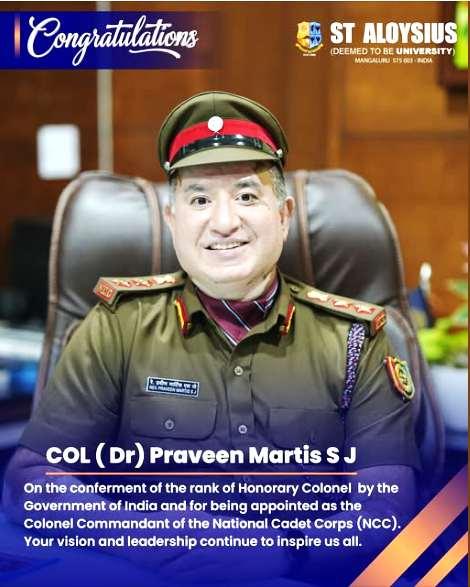
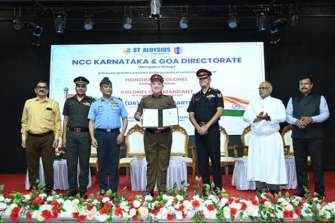
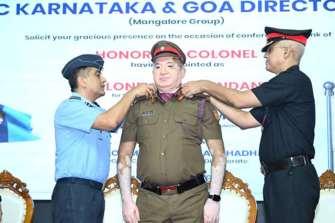
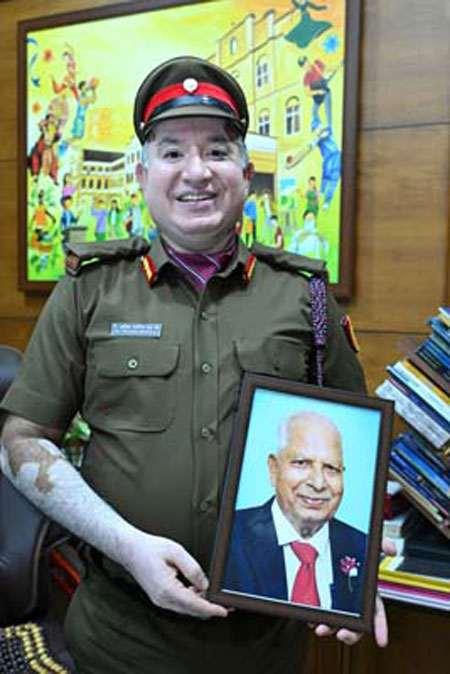
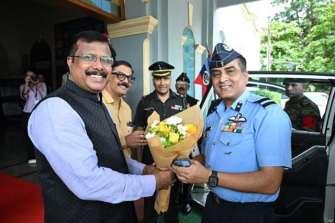
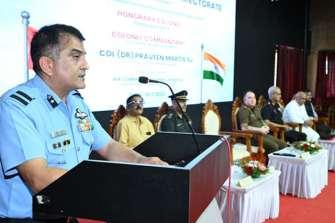
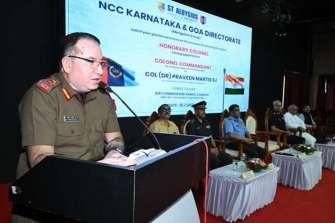
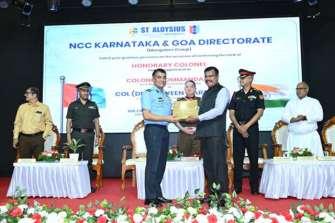
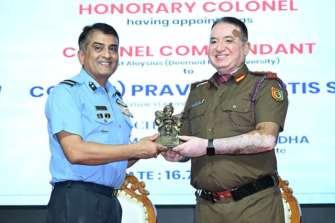
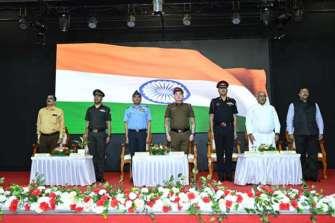
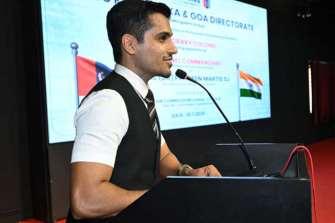
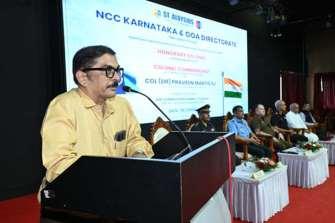
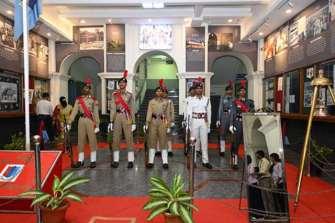
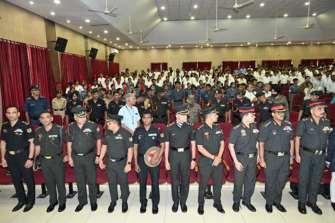
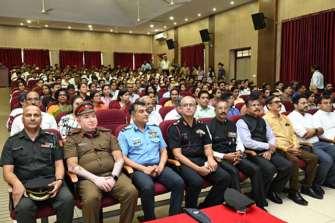
St Aloysius University vice-chancellor conferred honorary col, colonel commandant
Mangaluru, Jul 17: Air
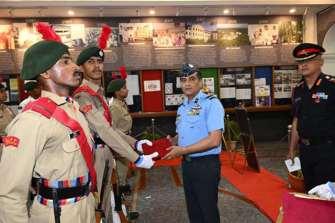
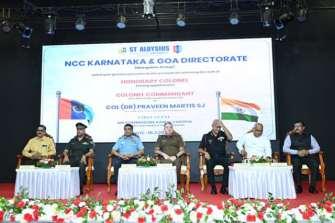
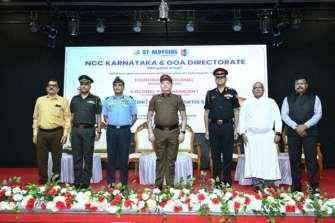
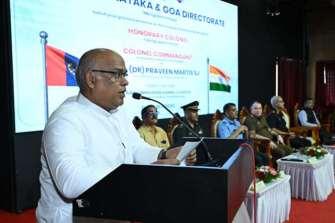
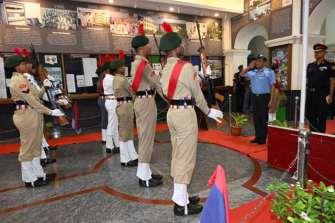
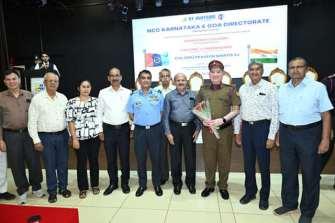
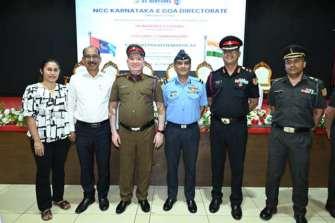
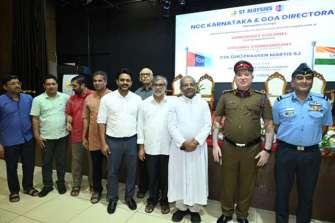
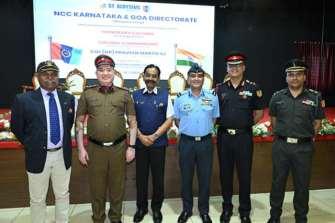
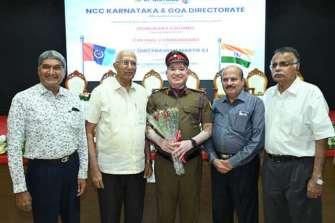
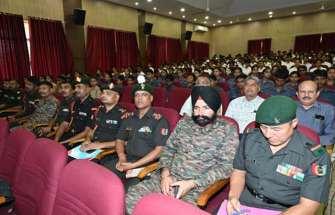
Commodore KamalChadha,deputy director general, NCC Directorate Karnataka and Goa, conferred the honorary appointment of honorary colonel and colonel commandant upon Dr Praveen Martis SJ, vicechancellor, St Aloysius (Deemed to be University), Mangaluru, at a ceremonial function held on ThursdayJuly16.
The conferment recognises Dr Martis’s contribution to education, youth empowerment, leadership andnation-building. Inhishonorary role, he is expected to further strengthen the relationship between the University and the National Cadet Corps and inspire students to participate actively in NCC training, community service andnationalintegration.
Veez Issue #464
Veez Issue #464
Veez Issue #464
Speaking on the occasion, Air Commodore Kamal Chadha emphasised that educational institutions and the NCC share a common responsibility in developing disciplined, confident andsociallyresponsible citizens.He noted that NCC training equips young people with leadership,
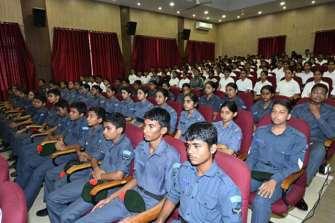
courage, teamwork and a strong senseofdutytowards thenation. The Mangalore NCC Group has a substantial presence across 239 educational institutions inDakshina Kannada, Udupi, Kodagu and Shivamogga districts, with a total strength ofover15,700 cadets.
Cadets of theGroup haveachieved distinction through strong representation at the Republic Day Camp, securing second position in the Inter-Group Championship and winning honours in national-level drone, All India Nau Sainik Camp, Idea and Innovation competitions. The NCC training has resulted in inductionofseveralyoungmenand women into the Armed Forces and CentralArmedPoliceForces.
As NCC continues to groom and shape the youth of this region to become future leaders, more educational Institutions have expressed their desire to include NCCaspartoftheircurriculum. The collaborations of NCC with the institutions will play a vital role in nurturing disciplined responsible and patriotic youth committed to leadership, community serviceand nation-building.---------------------
Forgotten Melodies of the '90sYeh akhkah India Jaanta hain!
Every generation has its defining soundtrack,andformany,musichas the power to transport us back in time. The early 1990s witnessed a wave of romantic musicals andone ofthe Bollywood hitswasJaan Tere Naam.Thefilmcapturedthespiritof youthful romance which also marked the Bollywood debut of Ronit Roy (millennials and Gen Z remember him as Mr. Bajaj of Kasauti Zindagi Kay) as a leading hero.
While the film boasted several memorable songs, including "Kal College Band Ho Jaayega," "In the Morning by the Sea," "Hum Lakh Chupaye," and "Maine Yeh Dil TumkoDiya,"onetrack,inparticular,
became the unofficial anthem of young boys was “Akhkha India Jaanta HaiHumTumPeMartaHai." With its catchy tune, playful lyrics, and infectious energy, the song perfectlycapturedthecarefreespirit ofyouth andtheexcitement offirst love.
At a time when expressing one's feelingswasn'taseasyassending a text message or posting on social media, the song gave countless young boys afun andlight-hearted way to confess their affection. Its memorable refrain quickly foundits way into college campuses, school gatherings, picnics, and friendship circles, where it was often sung teasinglytoexpressadmiration fora crush.
The song's youthful charm, combined with Kumar Sanu's energetic vocals and Nadeem–Shravan's vibrant composition, made it one of the most recognisable tracks of the early
1990s. Even today, hearing its opening lines instantly transports listeners back to an era of handwritten love letters, cassette players, andinnocentromance.
Thesongalsointroduced audiences tothe charming screenpresence of Farheen, whose innocence, expressive performance, and effortless chemistry with debutant Ronit Roy made her an instant favouriteamong moviegoers. Often compared to Madhuri Dixit for her radiant smile and graceful expressions, Farheen left a lasting impression despite her relatively brief Bollywood career.
Through thissegment, werevisita beloved song from the 1990s and celebrate the memories, emotions, and timeless melodies that made
thatdecadesospecial. We hope this journey down memory lane brought a smile to your face and rekindled cherished memories. If thissong reminds you of a special moment or someone dear to you, then we've achieved our purpose. Until our next edition, keep the music alive and let the melodies of the'90s continue tofill yourheartwith nostalgia. Here is the link to the video song https://www.youtube.com/watch ?v=-xdd0E_V7WE&list=RDxdd0E_V7WE&start_radio=1 to revisit those old days.
Please feel free to send your feedback or suggestions to us at veezweekly@gmail.com. We greatlyrespectyourperspectiveand sincerely appreciate your involvement.
ByPrinsonD’lima
WhatisgoingoninVatican?
The priest who succumbs to corruption andvicehaslongbeena trope in fiction. These stock charactersserveaswarningsagainst sin or as satire against the Church and have existed since the Middle Ages. However, such figures arefar from limited to the realm of fiction. Real-world examples have been prominent throughout the history oforganizedreligion. Fromthechild sex scandals that have shamed the Churchtowell-documented linksto organized crime, some members of the clergy clearly do not practice whattheypreach.
In the 20th century, no figure embodied that contradiction more dramatically than Archbishop Paul Marcinkus.
At the height of the Cold War, Marcinkus controlled the Vatican Bank, officially known as the Institute for the Works of Religion, and with it, billions of dollars shielded behind the sovereignty of Vatican City. He was not a quiet theologian or cloistered academic. Towering and physically imposing,
hewasnicknamed “TheGorilla.” He acted as bodyguard to a pope, broker tointelligence agencies, and financialpartnertomenwhomoved moneyfortheMafia.
Thenthedeathsbegan.
A powerful Italian banker discovered hanging beneath London’s Blackfriars Bridge with bricks in his pockets. A reformminded pope found dead after just thirty-three daysinoffice.Billionsof dollars missing from one of Italy’s largestbanks.A15-year-old Vatican girl who vanished without a trace. Investigations into secret Masonic networks, coup plots, and CIAbacked operations in Latin America all seemed to circle back to the samediscreetofficesinsidetheHoly See.
Marcinkus was linked to fraud, moneylaundering,organized crime, and political manipulation on an international scale. At least three people connected to the scandals underhiswatchwouldendupdead. Some investigators and journalists have even asked whether one of
themmayhavebeenapope.
Yetdespite arrestwarrants, criminal investigations, and the spectacular collapse of Banco Ambrosiano, Marcinkus was never convicted. ShieldedbyVaticansovereignty and protected by powerful allies, he walked away.
How did a poor immigrant’s son fromChicagorisetobecomeoneof the most controversial power brokers in modern Church history? And what really happened inside the Vatican during those years of intrigue, violence, and financial collapse?
Toanswerthat,we mustbegin long before the bodies were found —in a steel-mill suburb of Illinois in 1914, with the birth of a boy who would one day control the purse stringsoftheCatholic Church.
TheGorilla
Archbishop Quigley Seminary, Chicago, Ill.|Wikimedia Commons Marcinkus wasborn into poverty in Cicero, Illinois, in 1914. His father had fled Lithuania to avoid conscription into the Russian army and was forced to take on several manual labor jobs after arriving in the United States. He worked at a steel mill and on a farm before settling into more regular employment as a window cleaner. Paul was the fourth son and was distantly related to the infamous Charles “Lucky” Luciano, oneof the most prominent figures in the history of organized crime in America. Such connections, however, seemed far from the young Marcinkus’s mind. He entered the priesthood, attending Archbishop Quigley Preparatory Seminary before being ordained in 1947 and assigned to Chicago’s South Side.
Peppered with factories and mills, Chicago’s South Side was a working-class area with a notorious reputation for crime. Irish street gangs had been prominent for many years, making it a far from easy assignment. The
neighborhood had a high concentration ofimmigrantfamilies, andfollowingtheGreatMigration, it increasingly became home toBlack Americans who were often forced into substandard housing as they movedtoChicagoinsearchofwork. Marcinkus’s dedication apparently caught the attention of his superiors, and by 1950 he was carryingoutspecialassignments for theVatican. Duringtheseyears,Marcinkusmade avaluable connection with Cardinal Giovanni Battista Montini, the man who would laterbecome Pope Paul VI. Marcinkus earned a degree in canon law, followed by a two-year program for diplomats. He was subsequently posted to Bolivia and then Canada. Returning to Rome toward the end of the 1960s, he servedasatranslatorforPopeJohn XXIII. His influence grew significantly when hisfriendPaulVI ascendedtothepapacy.Inaddition to continuing his translation duties, Marcinkus was tasked with arranging overseas trips and even actingasabodyguard tothepontiff. Noted for his large, imposing physical presence, he was soon
nicknamed “The Gorilla.” While officially a bodyguard, many claimedhisrolewasclosertothatof anenforcer.
In1969, Marcinkuswasconsecrated as Titular Archbishop of Horta and appointed Secretary of the Administrative Section at the InstitutefortheWorksofReligion commonly known as the Vatican Bank. Just two years later, in 1971, he was named president. It was an astonishingly rapid rise, though not surprising to anyone aware of the powerful connections Marcinkus kepthiding.
Theyear before, in 1968, theItalian government had stripped the Vatican of its tax-exempt status, forcing the Church to diversify its holdings. To help with this, the Vatican hired financial advisor MicheleSindona.OneofItaly’smost prominent businessmen, Sindona haddeeptiestotheGambinocrime family and managed profits from their drug-running operations. He used this wealth to acquire banks and gain influence in the Italian establishment. Like Marcinkus, Sindona was alsoa longtime friend of Cardinal Montini before he
became pope. Mafia money was soon being laundered through these banks, including the Vatican Bank.
Despitebeing expresslyforbidden byCatholic doctrine, Sindona wasa member of Propaganda Due(P2), a Masonic lodge reestablished in 1966 by Licio Gelli. Originally outlawed by Benito Mussolini, Freemasonry was revived after World War II with American encouragement and transformed into a fiercely anti-communist network. Gelli, a financier and former Mussolini supporter, was implicated by 1970 in plots to overthrow the Italian government via a coup d’état. He also maintained extensive connections throughout Latin America, particularly with far-right military juntas.This powerful trio of Pope PaulVI,PaulMarcinkus,andMichele Sindonawassoonjoinedbyafourth key figure: Roberto Calvi. Like Sindona, Calviwasamember ofP2. In 1971, he became general manager of Banco Ambrosiano known as “the priests’ bank” and by1975 hewasitschairman.
EarlyInvestigations
Page | 151
PaulMarcinkus(1922–2006) wasan American archbishop of the Roman Catholic Church |PublicDomain The activities of Marcinkus and the Vatican Bank cameto the attention of American authorities as early as 1973. U.S. federal prosecutor
William Aronwald and DOJ official Bill Lynch questioned him in his Vatican offices. Marcinkus’s name surfaced during an investigation into a $14.5 million counterfeit bondscheme.Thefraudulentbonds had been delivered to the Vatican Bank in 1971—the same year Marcinkus became president as part of a much larger $950 million request. Despite the evidence, the archbishop was protected, and American officials privately concluded that charges could not bepursued. Thedecision toback offcamefrom the highest levels. Michele Sindona
Veez Issue #464
hadsignificanttieswithin theNixon administration after acquiring New York’s Franklin National Bank in 1972. More importantly, P2 proved extremely useful to the CIA. By the late 1970s, Banco Ambrosiano and the Vatican Bank had become central to U.S. foreign policy interests in Latin America. The CIA channeled funds through the VaticanandintoBancoAmbrosiano to combat communism. Much of this money ended up in the hands of Nicaraguan dictator Anastasio Somoza and, after 1979, the Contras, who were fighting a brutal campaign against the Marxist Sandinistas. Without Marcinkus’s cooperation, America’s entire Nicaragua strategy would have been at risk. Additional funds supported Poland’s Solidarity trade union movement, with Cardinal Karol Wojtyła playing a key role in securing the money. Wojtyła would soon becomePopeJohn PaulII.
TheYearsofLead
Today, it is difficult to imagine the intense ideological battles of the 1970s. Theglobal struggle between communism andcapitalism created chaos across much of the world.
Terrorist attacks by groups such as Germany’s Red Army Faction and Italy’s Red Brigades brought violencetotheheartofEurope.Italy suffered greatly during what became known as the “Years of Lead,” a period of extreme political and social unrest that often bordered on anarchy. The peak of this turmoil came in 1978 with the kidnapping and execution of Prime Minister Aldo Moro by the Red Brigades. Italy’s proportional representation system frequently forced unstable coalition governments, giving minority parties including communists and fascists—disproportionate power. During the 1970s, the proposed “Historic Compromise” between the Christian Democrats and the Italian Communist Party caused alarm in theWest. There were genuine fears that the communists could soon takefullcontrol ofthegovernment. Moro’s willingness to include them was seen as completely unacceptable by the United States. On the day of Moro’s kidnapping, members of Propaganda Due met at the Hotel Excelsior in Rome, just a few hundred feet from the U.S.
| 152 Veez Issue #464
embassy.AllegationspersistthatP2, working with the CIA and elements within the Vatican, played a role in the kidnapping. The Red Brigades had long been infiltrated by American intelligence and Mossad, leadingsometobelievetheyserved as a convenient front. Moro’s widow, Eleonora Chiavarelli, later claimed her husband had been warnedoffbyAmericanofficialsand pointed thefinger directly atHenry Kissinger.
Marcinkus’s power continued to grow. OnAugust6,1978, PopePaul VI died. He was succeeded on August 26 by Pope John Paul I, a compromise candidate viewed with suspicion by both Opus Dei and American interests, who feared he might support more progressive Jesuit positions in Latin America. Although strongly anti-communist, the new pope prioritized social justice and was disturbed by U.S.backedjuntasintheregion.
With the heatincreasing on P2 and the Vatican Bank following Moro’s death, Marcinkus and Calvi had reason to be deeply concerned especially as the new pope began calling for simpler lives for the
clergy and discussing financial reformsattheVatican.
Just thirty-three days into his papacy,PopeJohn PaulIwasfound dead in hisbed, officially of aheart attack. From the beginning, the Vatican’saccount raised suspicions, with conflicting stories about who discovered the body and where. Though no definitive evidence of foul play has ever emerged, many believe he was poisoned after discovering the extent of the corruption involving the Vatican Bank and Propaganda Due. Journalists and investigators have pointed to the pope’s reported intention to remove Marcinkus and cleanhouseattheVaticanBank.The timing of hisdeath, just asfinancial scrutiny intensified, remains one of modern Catholicism’s most enduring mysteries.
When Pope John Paul II took over, oneof hisfirstactswastopromote Marcinkus. By 1981, he had been appointed Pro-President of Vatican City, making him effectively the second most powerful man in the HolySee.
TheCollapse
Roberto Calvi|Public Domain
Thehouse of cards finallybegan to collapsein1981when Italianpolice, investigating the disappearance of banker Michele Sindona and growing rumors of a “shadow government,” raided the offices of Propaganda Due. What they uncovered wasexplosive. Hidden in Licio Gelli’s fileswas a membership listcontaining 962 names:generals, intelligence chiefs, cabinet ministers, judges, industrialists, media executives, and bankers. Among them were Roberto Calvi, Sindona, andfigurestieddirectly to theVatican’sfinancialmachinery.
The revelation detonated like a bomb in Rome. The Italian government fell. Parliament launched a formal inquiry. P2 was outlawed. What had long been dismissed asconspiracy theory was suddenly documented fact: a clandestine Masonic network had
embedded itself inside the highest levelsoftheItalianstate.
For Roberto Calvi, chairman of Banco Ambrosiano, the exposure was catastrophic. He had already been convicted in 1981 for illegal currency export and sentenced to prison, though he was released pending appeal. Behind thescenes, auditors were beginning to untangle the labyrinth of offshore companies that linked Banco Ambrosiano totheVaticanBank.
Those companies, registered in Panama,Luxembourg, theBahamas, and Nicaragua, had borrowed enormous sums on the strength of letters of patronage issued by the Vatican Bank under Marcinkus’s authority. These letters stopped short of formal guarantees, but in practice they reassured creditors thatthe Holy Seestood behind the debts. It was a financial sleight of hand: the prestige of the Vatican without thelegalaccountability.
By early 1982, the illusion could no longer be maintained. A black hole of $1.287 billion had opened in Ambrosiano’s accounts. The money hadvanishedintoshellcorporations andspeculative ventures, sometied
to anti-communist operations in Latin America, others to organized crime. When the bank collapsed in June 1982, it was the largest banking failure in Italian history. Thousandsofinvestors wereruined. The scandal reverberated through global markets.
Calvi fled Italy using a false passport. Forseveraldayshemoved through Europe, reportedly carrying documents detailing the secret financial relationships between Ambrosiano, the Vatican Bank, and political actors across two continents. On June 18, 1982, his body was discovered hanging beneath Blackfriars Bridge in London. Brickswere stuffedintohis pockets. Cashinmultiple currencies wasfoundonhisperson. The location seemed almost theatrical. “Blackfriars” translates loosely to“BlackBrothers,”anecho, some believed, of the black-robed members of P2. Initially ruled a suicide, forensic evidence quickly undermined that conclusion. Investigators determined Calvi could not have climbed the scaffoldingunaided.Thebricksbore no fingerprints consistent with his
own handling. A 2003 homicide inquiry formally concluded he had beenmurdered.
Italian prosecutors theorized that members of the Banda della Maglianacrimesyndicate,actingon behalfofSicilianMafiainterestsand possibly P2affiliates,carriedoutthe killing. Themotive wassimple: Calvi knew too much, and billions had beenlost. Intheunderworld, failure onthatscaleisrarelyforgiven. Calvi was not the only body to surface. Michele Sindona, once hailed as a financial genius and savior of Catholic banking, had already been convicted in the United States for fraud relating to the collapse of Franklin National Bank. Extradited to Italy, he was sentenced to life imprisonment for ordering the murder of a lawyer involved in investigating his affairs. In 1986, he died in his prison cell after drinking coffee laced with cyanide. Officially ruled a suicide, the circumstances fueled further suspicion.
Meanwhile, Italian magistrates moved against Marcinkus himself. In1982, awarrantwasissuedforhis arrest on charges of fraudulent
bankruptcy and complicity in Ambrosiano’s collapse. But there was one insurmountable obstacle: sovereignty. As a senior official of VaticanCity, Marcinkuswasbeyond the reach of Italian police. Officers could not cross theborder toserve thewarrant.
The Vatican refused to extradite him.
The Vanishing of EmanuelaOrlandi
EmanuelaOrlandi|Public Domain
If the Banco Ambrosiano collapse exposed the machinery of corruption, the disappearance of EmanuelaOrlandimadeitintimate.
On June 22, 1983, the fifteen-yearolddaughterofaVaticanemployee left her music lesson near Piazza Sant ’Apollinare in Rome. She telephoned home that afternoon, telling her sister about a man who had offered her a job promoting
Page | 156
Avon cosmetics. It was the last confirmed contact. She vanished into the Roman evening just steps from the walls of the world’s smallestsovereign state. Emanuela was not an anonymous Roman teenager. Her father, Ercole Orlandi, worked inside Vatican City. Thefamilylived within itsprotected confines. To abduct her was not merely a crime; it was a message. Whoever hadtaken herunderstood symbolism.
Within days, anonymous phone calls began. One caller, identifying himself as “Pierluigi,” claimed Emanuela had been recruited for political purposes. Another, speaking with a thick accent, demanded the release of Mehmet Ali Ağca, the Turkish gunman who had attempted to assassinate Pope John Paul II in 1981. Recordings were senttonewsagencies. Agirl’s voice was briefly playing over the phone. The Vatican treated the communications ascredible. At first glance, the kidnapping appeared linked to geopolitics. Ağca’sattempted assassination had already been tied by some investigators to the so-called
Veez Issue #464
“Bulgarian connection,” implicating Soviet-aligned intelligence services. If Emanuela’s disappearance was leverage to secure his release, it fit neatly into the Cold War narrative thathaddefinedMarcinkus’scareer. Butthestorydidnothold. The calls were inconsistent. Deadlines passed. No proof of life was ever produced beyond ambiguous audio fragments. Italian investigators began to suspect that the Ağca angle was either a diversion or a convenient overlay masking adifferentmotive entirely. That alternative motive led back to money.
By 1983, the wreckage of Banco Ambrosiano still smoldered. Roberto Calvi was dead beneath Blackfriars Bridge. Michele Sindona would soon be poisoned in prison. In the years that followed, prosecutors and journalists increasingly examined the role of Rome’s most powerful criminal organization, the Banda della Magliana. Emerging during the violent turbulence of the1970s, the gang had evolved from street-level crimeintoasophisticated syndicate with links toextremists on both the
far-right andfar-left, toelementsof Italianintelligence, andtomembers of Propaganda Due. They moved narcotics, laundered money, and handled politically sensitive operations thatrequired deniability. Former members wouldlatertestify that large sums belonging to the Banda had been funneled into Banco Ambrosiano through intermediaries, expecting protection and profit. When Ambrosiano collapsed, that money vanished.
According to several pentiti, turncoat witnessed, the kidnapping of Emanuela Orlandi was designed asleverage. Themessagewasblunt, sayingreturnthelostfundsorsuffer consequences. Targeting the daughter of a Vatican insider ensured thatthepressure would be feltatthehighest levels.
One former gang member, Enrico DePedis, known as“Renatino,”was repeatedly named in connection with the case. De Pedis was not a common thug. He cultivated relationships with financiers, politicians, andclergy. Whenhewas murdered in 1990, he received an extraordinaryburialintheBasilicaof
Sant’ Apollinare, a privilege almost unheardofforacriminalfigure.The decision raised eyebrows for decades.Whywouldamobbossbe interred in a church tied to Vatican circles unless he had rendered servicesofunusualvalue?
The implication was that the underworld and the Holy See were not adversaries, but uneasy partners.
Over time, darker variations emerged. Some alleged that the kidnapping was not simply about recovering lostcriminalinvestments butaboutsilencing internaldissent. In certain accounts, Archbishop Marcinkus himself wassaid to have approved or facilitated the abduction as a warning to Vatican officials considering cooperation with Italian magistrates, or to criminal partners demanding repayment the Vatican could not fullyprovide.
No court has substantiated those claims. Yetthe pattern was difficult to ignore. When financialexposure threatened powerful men connected to the Vatican Bank, intimidation followed. When
intimidation failed, bodies appeared.
Italian investigators reopened the Orlandicasemultipletimesoverthe decades. Anonymous letters surfaced. Bones discovered in Roman tombs triggered forensic examinations. In 2012, De Pedis’s tomb was opened amid public pressure; nothing linked him directlytothegirl’sfate.In2019and again in the early 2020s, Vatican authoritiesauthorized newsearches inside their own territory, including the opening of tombs in the Teutonic Cemetery. Eachtime,hope flared.Eachtime,itfaded.
The Holy See has consistently denied institutional involvement. Officially,theVaticanmaintainsthat it,too,isavictimofspeculation and conspiracy. Yetcriticspointoutthat for years the Church resisted full transparency, declined to share internal documents, and relied on the shield of sovereignty, just as it hadintheAmbrosiano affair.
The disappearance of Emanuela Orlandi became more than a criminal investigation. It became a symbol of opacity. A teenage girl vanishedattheprecisemoment the
Vatican’sfinancialempirewasunder unprecedented scrutiny. The same wall of jurisdictional immunity that had protected Marcinkus from arrest now complicated efforts to pursue every lead. Italian magistrates could not simply cross into Vatican territory. Requests required diplomacy. Diplomacy required discretion. And discretion had long been the currencyofsurvival. WhetherEmanuelawasabductedas financial leverage, as political theater tied to Ağca,or for reasons still unknown, her case fused the personal with the institutional. It suggested that the fallout from Banco Ambrosiano was not confined to balance sheets and boardrooms but spilled into the streetsofRome.
FinalYears
Under mounting international pressure and facing potential civil liability, the Holy See eventually agreed in 1984 to pay $250 million to Ambrosiano’s creditors, carefully described not as an admission of wrongdoing, but as a gesture of “moral involvement.” It was an extraordinary concession, implicitly
acknowledging that the Vatican Bank’s letters of patronage had playedacentralroleinthedisaster. Marcinkus, however, never stood trial. No criminal conviction was ever secured against him. In 1989, hequietlyresigned fromhisVatican posts. He returned to the United States and lived out the remainder of his life in relative obscurity in Arizona asanassistantparish priest, occasionally granting defiant interviewsinwhichhedismissedthe accusations as politically motivated attacks.
Whenhediedin2006, hehadnever faced a courtroom for the events that had shaken the financial foundations oftheCatholic Church. The Banco Ambrosiano collapse exposed a hidden architecture of power linking the Vatican Bank, organized crime, secret Masonic networks, intelligence agencies,and Cold War geopolitics. It revealed how spiritual authority could be leveraged as financial collateral, howanti-communist zealcouldblur into criminal enterprise, and how sovereignty could function as both shieldandsword.
And at the center of it all stood Archbishop Paul Marcinkus, bodyguard, banker, powerbroker, a man long corrupted by money and influence,whoopened thedoors of the Holy See to fraudsters, killers, and others condemned by the very faithheclaimedtoserve.
For years,theVatican hadoperated asafinancialblackbox,insulatedby faithanddiplomacy. After1982,that insulationwaspermanentlycracked. Reforms would come slowly and unevenly, but the aura of untouchability hadbeenbroken. In the end, no definitive courtroom narrative ever stitched together every thread, nosingle triallaidout the full tapestry of money, murder, and ideology. Instead, the story remains fragmented across judicial reports, journalistic investigations, and theunanswered questions that linger whenever power operates beyond scrutiny. The full truth behind PaulMarcinkus’scrimesand the extent of his involvement may neverbeknown.
Catholic rebels challenge Pope Leo excommunication
The Society of Saint Pius X (SSPX) has begun the process of appealing Pope Leo XIV‘s decree declaring thetraditionalist group to be in schism, escalating a standoff thathasbecomeoneofthedefining disputes ofthenewpontificate.
The preliminary recourse, the mandatoryfirststepbeforeaformal canonicalappeal, wasfiledwith the Vatican’s Dicastery for the Doctrine of the Faith on July 11. It seeks to overturn the July 2 decree that declared six SSPX bishops excommunicated after four new bishops were consecrated in Switzerland withoutpapalapproval.
The decree also declared the society’spriests tobeinschismand warned Catholics against formally adhering tothemovement.
In a statement announcing the recourse, theSSPXsaidithadacted “in accordancewith canon law”and argued that the Vatican’s decision contained “numerous legal irregularities,” maintaining that the episcopal consecrations were justified by what it describes as a “state of necessity” within
theCatholicChurch.
Thesocietysaidithopedtheappeal would contribute to a “peaceful resolution” of the dispute while reaffirming its intention to remain faithfultotheChurch.
It comes after the SSPX proceeded with episcopal consecrations at its seminary in Écône, Switzerland, despite repeated warnings from PopeLeoandtheVaticanthatdoing sowouldconstitute aschismaticact carrying automatic excommunication.
The Vatican has not yet publicly responded to the preliminary recourse filing.Newsweekhas contactedtheVatican,viaemail, for comment.
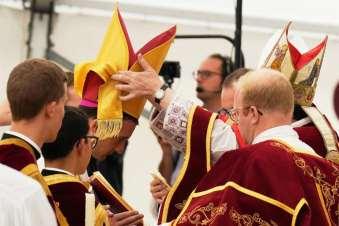
Newly consecrated bishop Marc Hanappier receives the miter from Bishop Alfonso de Galarreta during
Veez Issue #464
aceremony inatent setupoutside theSocietyof St.PiusXseminary in Econe, Switzerland, Wednesday, July1,2026.
WhattheSSPX’sAppeal Argues
Initscommuniqué, theSociety said the preliminary recourse seeks the “revocation and correction” of the July 2 decree, arguing that it contains“errors inprocedure andin law” as well as an “erroneous assessment of the facts.”The SSPX said the submission was prepared by a team of canon lawyers and is based on Canons 1734 through 1739 of the Code of Canon Law, which governs challenges to administrative decrees issuedby
The Society argued that the decree failed to satisfy the legal standards requiredundercanonlawandasked theDicasteryfortheDoctrineofthe Faith to reconsider its decision. It also reiterated that the July 1 episcopal consecrations were carried out in what it considers a “state of necessity” within the Church a longstanding argument the SSPX hasused to maintain that the consecrations were justified
despite taking place without papal approval. Ifthedicasterydeclinesto revoke or amend the decree, the Society may then pursue a hierarchical recourse, the Vatican’s formal appeals process for administrative decisions.
Canon law allows the Vatican to reconsider its own administrative decrees.Evenso,anydecisiontoset aside the excommunications would be one of the most consequential reversals of a Vatican disciplinary ruling in recent years, given Pope Leo’s repeated warnings that the unauthorized consecrations would trigger automatic excommunication.
Why Pope Leo Excommunicated theSSPX
At the heart of the dispute is the CatholicChurch’steachingthatonly the pope has the authority to authorize the consecration of new bishops. TheVaticansaidtheSSPX’s decision to proceed without a pontificalmandatewasnotsimplya disciplinary violation but a direct
challengetopapalauthorityandthe unityoftheChurch.
In its decree, the Dicastery for the Doctrine of the Faith said the Society had committed “a schismatic act” by knowingly ignoring repeated warnings from Pope Leo XIV and carrying out the consecrations regardless. The Vatican argued that establishing a new generation of bishops outside thepope’s authority risked creating a parallel ecclesiastical hierarchy,
undermining the Church’s governance andCommunion.
The SSPX rejects that characterization. It maintains that theconsecrationswerenecessaryto preserve its ministry and the traditional Catholic faith, arguing thatan ongoing “stateofnecessity” within the Church justified acting withoutpapalapproval—alegaland theological argument the Society has advanced since Archbishop Marcel Lefebvre’s unauthorized episcopal consecrationsin1988.
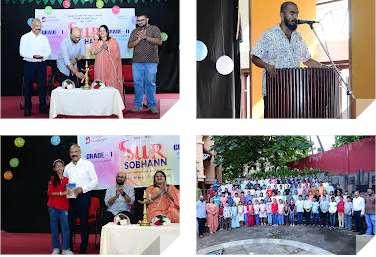
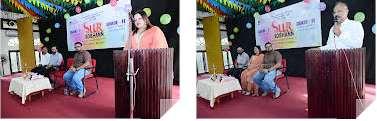
REPORT ON THE FELICITATION OFAICPA
CERTIFICATION ACHIEVERS AND BUSINESS
ANALYTICS ORIENTATION PROGRAMME
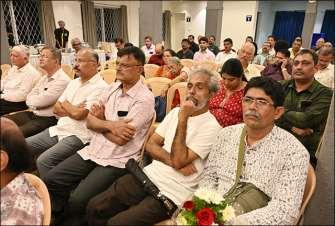
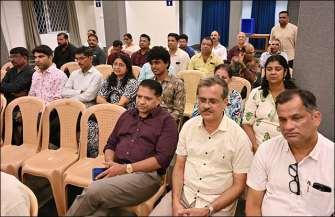
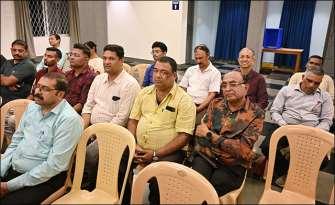
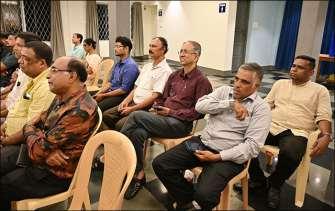
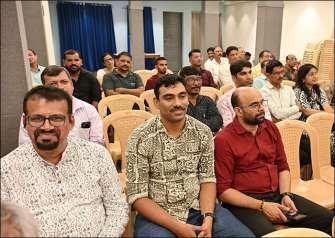
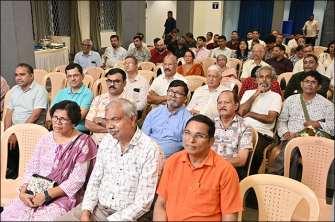
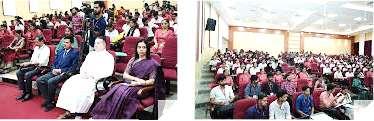
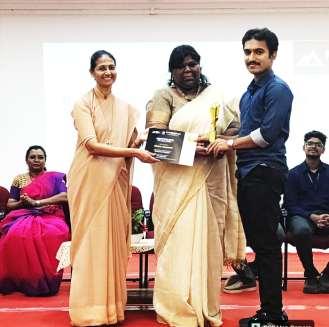
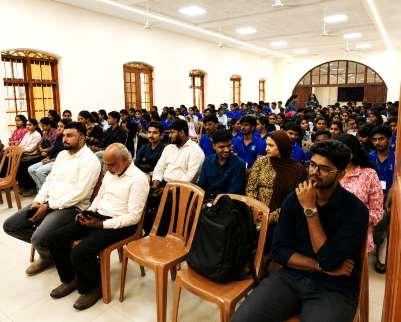
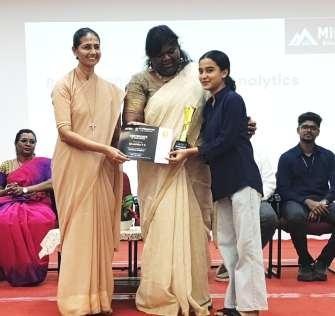
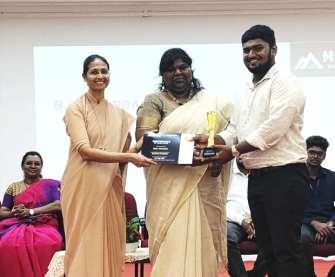
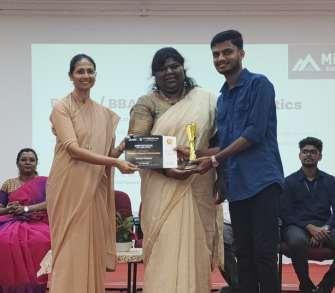
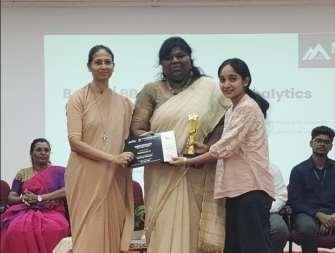
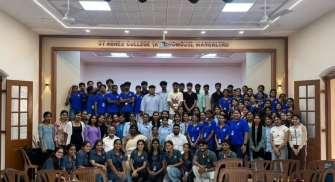
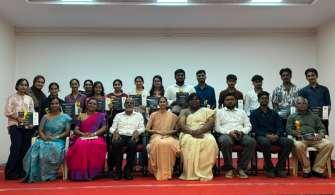
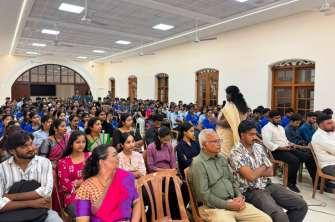
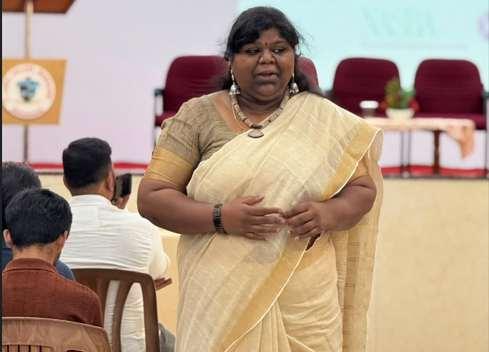
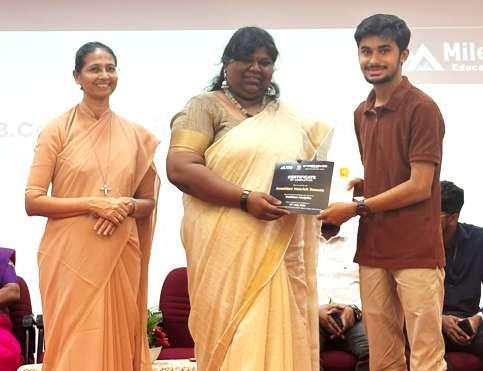
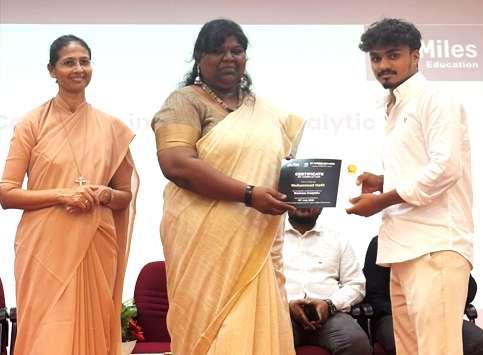
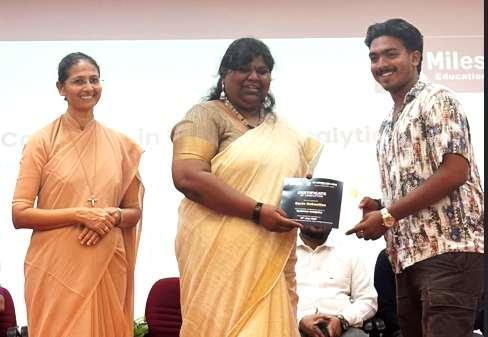
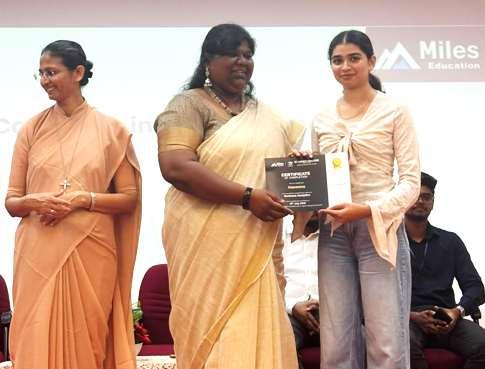
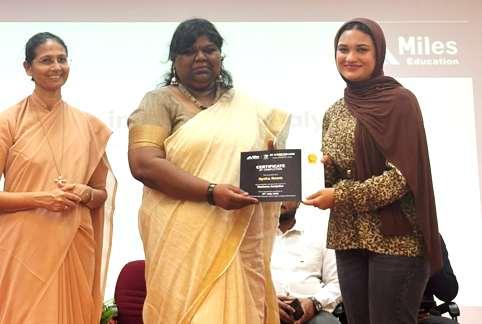
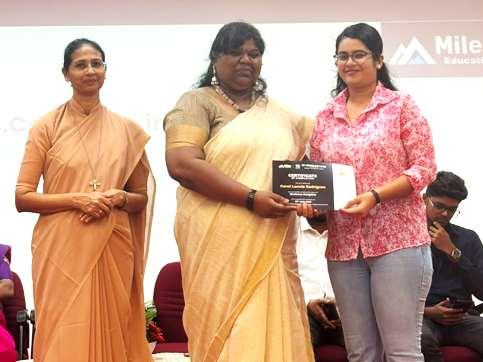
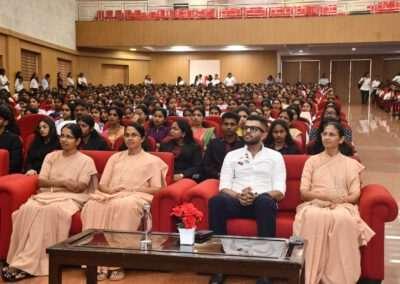
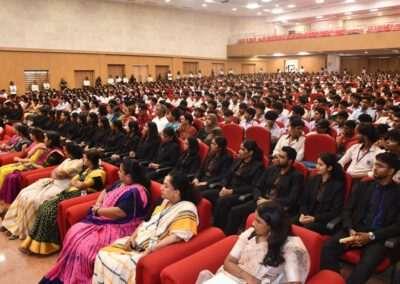
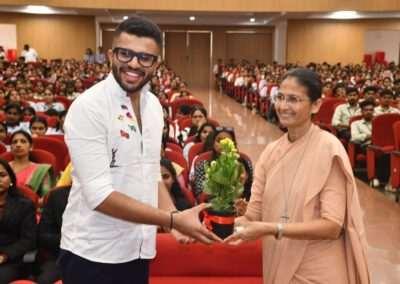
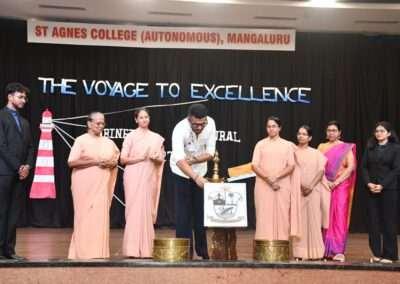
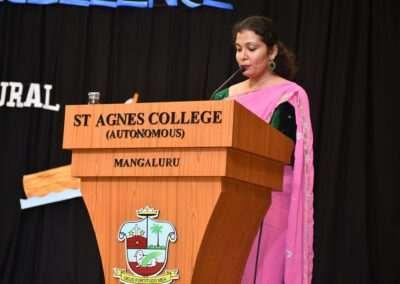
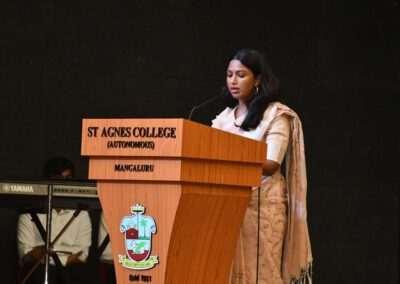
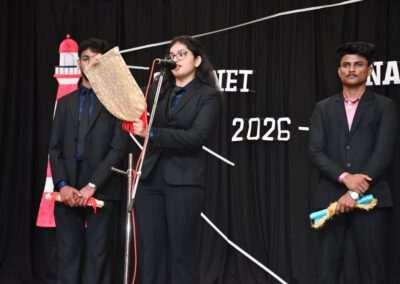
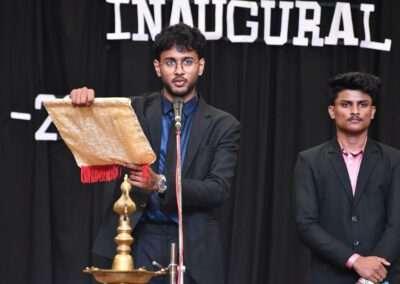
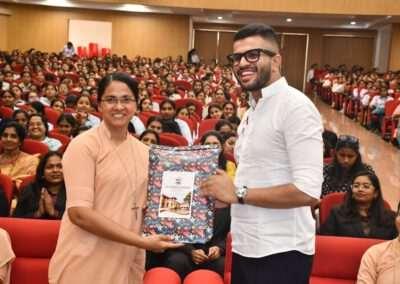
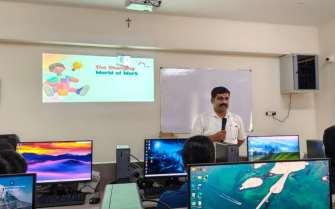
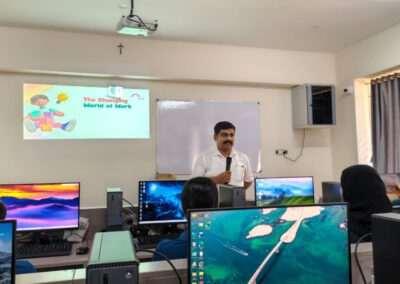
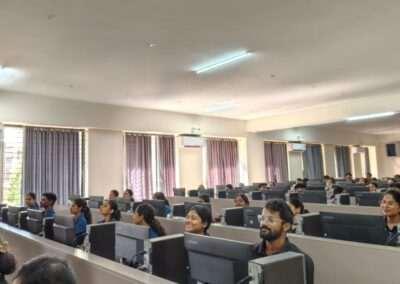
The Department of Commerce, St Agnes College (Autonomous), Mangaluru,inassociationwithMiles Education, organised the Orientation Programme and Felicitation of Business Analytics
Achievers on 15 July 2026 at 11.00 a.m. in A4 Hall, Avila Block. The programme was conducted to welcome the first-year students of the Business Analytics programme and to celebrate the outstanding achievementsoftheinauguralbatch of B. Com and BBA (Business Analytics)students.
Theprogramme commenced with a warm welcome address by Mrs. VineethaN.T.,Head,Departmentof Commerce, who extended a cordial welcome to the dignitaries, representatives from Miles
Education, faculty members, students, andguests.Theeventwas gracefully compered by Mr. Rangel Monis, a final-year Business Analyticsstudent.
The felicitation ceremony recognised the remarkable accomplishments of the inaugural batch (2023–2026). It was announcedthatall12studentswho appearedfortheAICPACertification
in Business Analytics Examination held in May 2026 successfully clearedtheexamination,achievinga 100% pass result. The remaining studentsoftheinauguralbatchalso successfullycompleted theBusiness AnalyticsExamination,reflectingthe strong academic foundation and commitment ofthestudents.
Mrs. Nimitha K., Business Analytics Coordinator, invitedtheachieversto
the stage as their names were announced. Trophies and certificateswerepresentedtoallthe students who successfully completed the AICPA Certification inBusinessAnalytics.Thesuccessful
students were Pratheeksha B., Vaishnavi A., Terence Fernandes, Susena Pereira, Shrehitha K., Dan Charles, Sohan, Lenita Lobo, Santhusht Kurian Mathews, Alston Sequeira,AishwaryaK.,andIshwitha Menezes. Certificates were also distributed to the students who successfullycompleted theBusiness
Veez Issue #464
Analytics Examination. A special recognition was accorded to Ms. Pratheeksha B. for her outstanding initiative in independently developing an SQL-based project titled "Diwali Sale Analysis" and showcasing her work on professional platforms such as GitHub and LinkedIn. It was also shared that she had recently commenced herprofessional career as a Data Analyst, making her
achievement an inspiration to aspiring Business Analytics students.
The orientation session was conducted by Ms. Kiruba Nagini, SeniorTrainer,MilesEducation,who addressed the gathering on the structure of the Business Analytics programme, professional certifications,industry expectations, andthediversecareeropportunities available in the field. She encouraged thestudents toactively participate in the programme, develop analytical and technical competencies, and make the best use of the opportunities provided through the collaboration with MilesEducation.
Mr. Syed Basith, Regional Manager, Miles Education, was also present on the occasion. His presence reinforced the strong collaboration between St Agnes College (Autonomous), Mangaluru, and Miles Education in providing students with industry-oriented education and globally recognised professional certification opportunities. Thegathering wasthen addressed
by Sr.Dr.M. Venissa A.C., Principal, whocongratulated theachieverson their remarkable accomplishments andencouragedthenewlyadmitted students to remain committed to learning, embrace emerging technologies, and work towards achieving professional excellence. She also appreciated the collaboration between St Agnes College (Autonomous), Mangaluru, and Miles Education in equipping students with industry-relevant knowledge andglobally recognised professionalcertifications.
The programme concluded with a heartfeltvoteofthanksproposedby Mr. Fredvin Crasta, who expressed sincere gratitude to the Principal, the resource person, the representatives from Miles Education, faculty members, students, organisers, and everyone who contributed to the successful conductoftheprogramme.
The Orientation Programme and Felicitation Ceremony was a memorable andinspiring eventthat celebrated the outstanding achievements of the inaugural Business Analytics batch while
Page | 167 Veez Issue #464
motivating the incoming students to pursue academic excellence, acquire industry-relevant skills, and
The Ranga Adhyayana Kendra, St Aloysius (Deemed to be University) is organizing a 3-day "Monsoon Theatre Festival – 2026" from 17th
| 169
to19th July2026. The three-day festival will feature children's theatre, dance theatre, a musical theatre production, and contemporary drama.
On 17th July, the children's play "Manavapura" will be presented by the participants of the Ranginata Theatre Camp of Arehole Pratishthana,followed by the dance theatre production "Barkurina Hadg" by Nandagokula Kalavidaru.
On 18th July, the musical theatre production "Ragasandhana", conceived by Dr. Ravindra Gururaj Katoti and directed by Vidwan Korgi Shankaranarayana Upadhyaya, will be staged. The production features
Veez Issue #464
renowned Hindustani vocalist Sri Sidhartha Belmannu, who will both singandperform intheplay.
On 19th July, Punah Theatre, Manipal will present the contemporary play "Angara", written by Usha Kattemane and directed byAbhinavGrover. Allperformances will beheldatthe LCRI Auditorium, St Aloysius (Deemed to be University), Mangaluru, beginning at 6:30 p.m.
each day. Entry is free for all performances.
The festival is being organized in collaboration with Arehole Pratishthana, Astitva (Regd.), Mangaluru, the Department of Kannada, and the Centre for LanguageandCulturalStudies. The Centre for Theatre Studies has invited theatre enthusiasts, students, and members of the public toattendthefestivalinlarge numbers.
St. Agnes Cabinet Inaugural
bySt.Agnes|Jul13,
2026|News
St Agnes College (Autonomous), Mangaluru, held the inaugural ceremony ofitsStudentCabinet for the academic year 2026–27 on Monday,13July2026at2.15p.m.in the Mother Mary Aloysia
Page | 170
Auditorium. The theme of the inaugural ceremony was ‘The Voyage to Excellence’. The Chief Guest for the occasion was Mr Eshwar Shetty, Founder of Yatharth Social,Mangaluru.
The programme began with a prayer song invoking God’s blessings, followed by a welcome dance. Mrs Helen Serrao, Head of the Department of Chemistry, welcomed the gathering and introduced the Chief Guest. The programme was formally inaugurated with thelighting ofthe lampbythedignitaries.
Veez Issue #464
A total of 37 students from the Undergraduate and Postgraduate programmes were sworn in as members of theStudent Cabinet of St Agnes College for the academic year2026–27 bythePrincipal, SrDr M. Venissa A.C. The newly elected
| 171
Council isled byMsU. Akshatha N. Shet, President Postgraduate Studies, Mr Nabhan Muzaffar, President Undergraduate Studies and Mr Ashton Louis Vas, Cabinet Secretary.
The Chief Guest congratulated the students on choosing Agnes and remarked that they were privileged to be part of one of Mangaluru’s most prestigious institutions. Addressing the newly elected Student Council members, he encouraged themtocreatealegacy by embracing opportunities and contributing meaningfully to the growth of the institution. Heurged them to be innovative and creative in today’s AI-driven digital world, emphasizing the importance of
|
developing unique skillsthatwould help them stand out from the crowd. Drawinginspiration fromthe exemplary leaders of Dakshina Kannada who have represented Mangaluru with distinction and brought recognition to the city, he
encouraged the students to strive for excellence and leadership. He also appreciated the meticulous planning and execution of the inauguralprogrammeandextended his best wishes to the newly installed Student Council Cabinet
Sr Dr M. Prem Dsouza A.C., Joint SecretaryofStAgnesInstitutions,Sr
Page | 174 Veez Issue #464 for a successful and impactful tenure.
Dr M. Vinora A.C., Superior of the Convent and PGCoordinator, Sr Dr Roopa A.C.Vice Principal and Staff Coordinator ofStudentCouncil,Mrs Shubharekha, Controller of ExaminationsandDrSabinaDsouza, IQAC Coordinator were the other dignitaries present ontheoccasion. Dr Soniya Lobo, Head of the Department of Botany and Mrs
Helen Serrao, Head of the Department of Chemistry were the Convenor and Co-convenor for the ceremony and Ms Aishwarya, and Ms Raveena Mascarenhas Assistant Professors in the Department of
English, introduced themembers of the Student Cabinet. Ms Neha Bangera, Assistant Professor of Chemistry, proposed the vote of thanks. The programme concluded with theCollege Anthem.
Department of Secretarial Practice the
Polished Secretary Showcase –
bySt.Agnes|Jul14, 2026|News
The Department of Secretarial Practice, St Agnes College (Autonomous), Mangaluru, organized a corporate secretary outfit-themed ramp walk
175
Competition
competition titled ‘The Polished SecretaryShowcase’ on Tuesday,14 July2026, at2:45 p.m. inAvilaHall. The event aimed to showcase the confidence, elegance,
communication and professionalism of tomorrow’s corporate secretaries. The competition features a total of 8 teamscomprising 2eachinateam. Itgaveauniqueopportunity forthe department students. The students participated enthusiastically with good practice and each team performed verywell.
Ms. Andrea, Assistant Professor, Department of Mathematics, and Ms. Deeksha, Assistant Professor, Department of Secretarial Practice judged the event. Ms Rumaiza welcomedMsNimratoreadoutthe rules and criteria of the event. Ms Fathimath Hiba and Aisha Aneesha of IIIBA clinchedthefirstplaceand Alfina and Ayshath Afeefa of II BA won thesecond place.Mrs. Shanthi M Nazareth, Head of the Department, gave the concluding remarks and proposed a vote of thanks.
Empowering Youth through Skills:
Becoming an AI-Ready Professional
bySt.Agnes|Jul15, 2026|News
Mangaluru, Jul16: Incelebration of World Youth Skills Day under the global theme “Skills for a Shared Future,” the PG Department of BusinessAdministration (MBA)atSt. Agnes College (Autonomous), Mangaluru, organized aspecialized workshop titled“EmpoweringYouth through Skills: Becoming an AIReady Professional” on July 15, 2026. The program was conducted for first and second-year MBA
students to equip them with essential skills for an AI-driven workplace.
Theworkshop wasfacilitatedbyMr. Ragesh Raju, Assistant Professor at AJ Institute of Engineering and Technology, Mangaluru, and formally introduced by Ms. Joylene. TheeventwasgracedbyMrs.Sheryl Preethika, Head of the Department (MBA), along with faculty members MrChacoP.J.,DrMallikaShetty, Mr
Roopesh Kumar, and Ms Joylene Lobo, Assistant Professors of the MBA Department. In his address, Mr. Raju highlighted the growing influence of Artificial Intelligence across business sectors and emphasized the need for future management professionals to combine technical knowledge with critical thinking, creativity, and effectivecommunication. During the hands-on morning session, participants were introduced to various productivityfocused AI tools and mastered the fundamentals of prompt engineering. Through live demonstrations, students learned how to craft structured prompts to achieve precise, high-quality outcomes for research and professional tasks.
The afternoon segment focused heavily on placement preparation, where Mr. Raju demonstrated how to leverage tools like ChatGPT for resume enhancement and simulated mock interviews. The interactive workshop also featured team-building exercises, dynamic problem-solving activities, and a concludingQ&Asessionaddressing AI ethics and career upskilling strategies. The event successfully empowered students with practical, future-ready skills to navigate the modern corporate landscape.
StAgnes College Hosts NHRC-Sponsored
National Training Program on Women and Child Empowerment
MANGALORE: The Department of PoliticalScienceatStAgnesCollege (Autonomous), Mangalore, successfullyorganized aprestigious one-day national training program on July10, 2026. Sponsored by the NationalHumanRightsCommission (NHRC), the event was themed "Nurturing Health, Ensuring Safety: Empowering Women and
Page | 179
Children" and took place at the ConferenceHallintheSofiaBlock.
The training program commenced at 9:00 a.m. with the traditional lighting of the lamp. Kolladi Balakrishna Rai, President of the
Veez Issue #464
Human Rights Federation of India, graced the occasion as the chief inaugurator and delivered the inaugural address. The session was presided over by Sr Dr Marie Prem D’Souza A.C., Joint Secretary of St AgnesCollege, whohighlighted the
critical institutional role in advancinghumanrights education. Technical Sessions and Expert Insights
The day-long program was divided into four comprehensive technical
Issue #464
sessions, bringing together domain experts to address various facetsof welfare, sociology, law, and healthcare: Mrs. Sachitha Nandagopal, Member of the Juvenile Justice Board, Dakshina Kannada (Govt. of Karnataka), led the first discussion on "Nurturing Health, Ensuring Safety: An Integrated Approach to Women and Child Welfare." Dr. Suparna Majumdar Kar, Professor and Head of the Department of Sociology at Christ (Deemed to be University),
Bengaluru, spoke on "Family and Society: Strategies for Promoting the Wellbeing of Women and Children."Shiftingthefocustolegal protections, MaheshchandraNayak, Associate Professor at SDM Law College, Mangaluru, delivered an insightful lecture on "Policy Frameworks andLegalSafeguards for Women’s and Children’s Rights."The final technical session was spearheaded by Dr. Joylene D Almeida, Professor & Consultant andLaparoscopic Surgeon fromthe Department of Obstetrics and Gynecology at Father Muller
Medical College Hospital, Mangaluru. She addressed "Advancements in Maternal and Child Healthcare: Strategies for ImprovedOutcomes."
The program concluded with a valedictory session at 4:00 p.m.
Suraiyya Anjum, State General Secretary of the Karnataka Pradesh Youth Congress Committee, attended as the Chief Guest and delivered the valedictory address,
emphasizing the practical enforcement of safety and health policiesatthegrassrootslevel.SrDr RoopaRodriguesA.C.,VicePrincipal of St Agnes College, presided over theconcluding ceremony. The event was meticulously coordinated by Convener Mrs. Gayathri B.K., Student Coordinator Ms. Sampoorna V Prabhu, drawing substantial participation from students, academicians, andhuman rightsadvocates.