APRIL
2026 | VOLUME 35, NUMBER 3
2026 | VOLUME 35, NUMBER 3
Voting for the Austin Bar’s board of directors opens on Monday, April 13, and will close on Friday, May 1, at 4 p.m. You will be emailed a link to the ballot. Austin Bar members who are also members (except Sustaining Members) of AYLA will be sent a ballot to vote in both elections. If you do not receive a ballot, please check your spam folder first, then contact billy@austinbar.org.
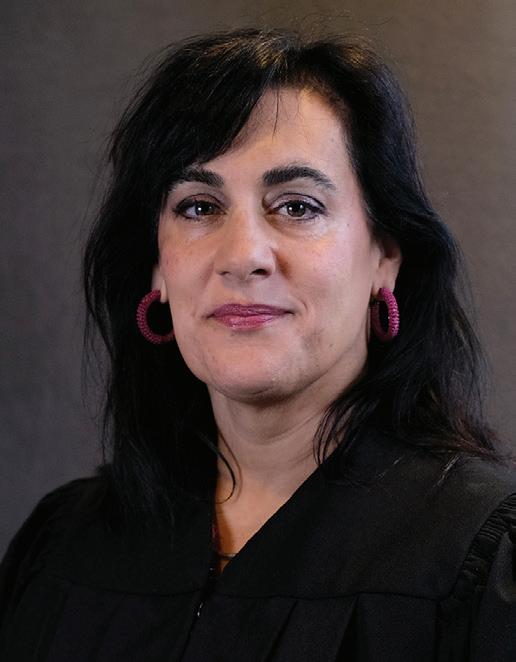
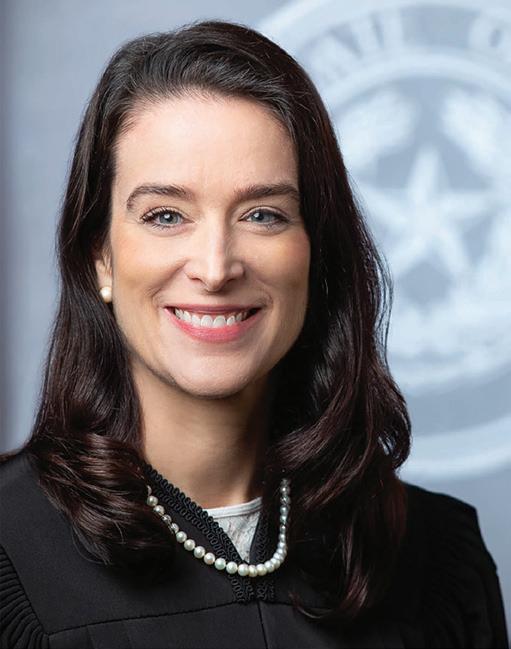
Judge Maya Guerra Gamble, the 2025-26 president-elect, will assume the office of president on July 1.
The following candidates are running uncontested for officer positions:
President-Elect
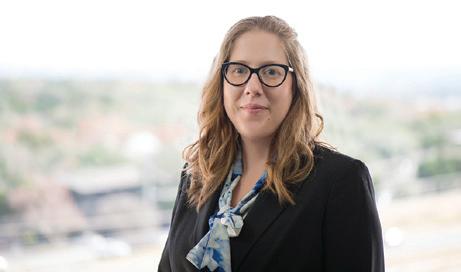
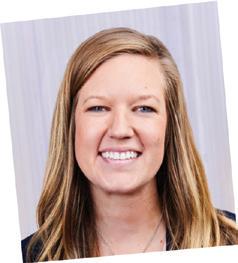
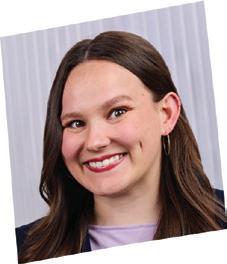
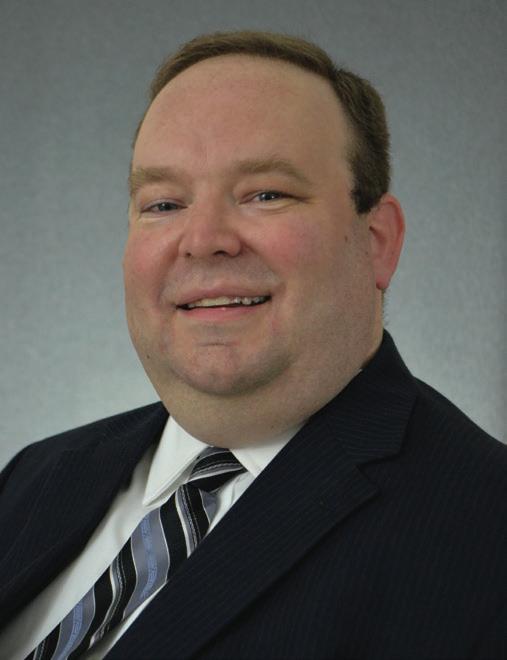
Sarah Harp
Sarah is an appellate attorney

and currently serves as a director of the Austin Bar ABA and the Texas Young Lawyers Association (TYLA).
She is the immediate past president of AYLA and is an active member of the Travis County Women Lawyers’ Association. She volunteers monthly with Volunteer Legal Services. She is a life-fellow of the Texas Bar Foundation and a member of the District 9 nominating committee, as well as a Guardian Angel for the Center for Child Protection, and a supporter of the Austin Wildlife Rescue.
Additionally, this year she served as the beverage coordinator for the Austin Bar’s Pro Bono Fall Festival and was the silent auction lead for the Foundation Gala. She was a member of the Austin Bar/ AYLA CASA 5K team and worked

the craft table for the Evening with Santa event.
She was a project lead for the AYLA MLK Day of Service and was a book donor for Adoption Day. She also currently serves on the TYLA Communications and Projects committees and served as a judge for the final round of the Region 10 National Trial Competition.
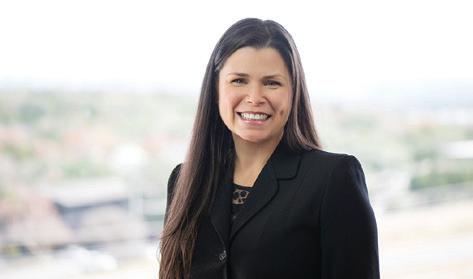
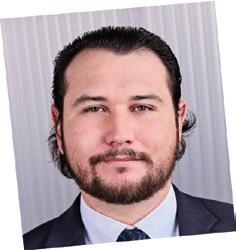
Secretary Ciara Parks
Ciara Parks is the general counsel for the Texas Board of Law Examiners. She worked previously as an assistant district attorney with the Travis County District Attorney’s Office and the Montgomery County Prosecutor’s Office in Dayton, Ohio, prosecuting for more than 10 years.
She is the current president of the Austin Black Lawyers Association and treasurer of the Austin Bar. Ciara also serves as an assistant area coordinator for Texas Youth Conference of the Seventh Day Adventist Church.
Ciara earned her J.D. from Western Michigan University Cooley Law School, where she served as the managing editor for the Law
Review, treasurer for Thurgood Marshall Law Society, and member of both the Moot Court and Mock Trial boards. Ciara also placed as a finalist for the Melissa Mitchell First Year Moot Court Competition.
Ciara received her B.S. from the University of Dayton in Dayton, Ohio, where she served as a resident assistant, an advisor for the Colors of Leadership Conference, president and secretary of Black Action Thru Unity, and secretary of the National Society of Black Engineers.
Ciara has been married to Cliffton Parks for 13 years, and they are the proud parents of Chaya, Ceana, and CJ.
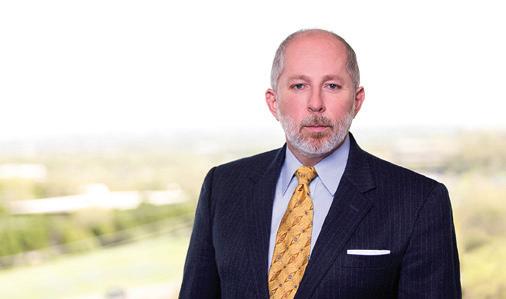
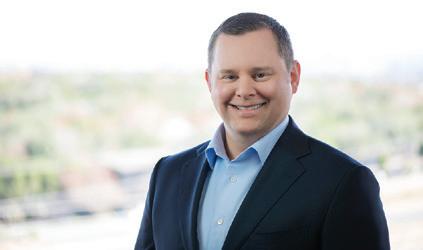
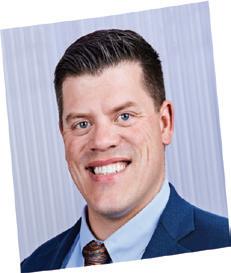
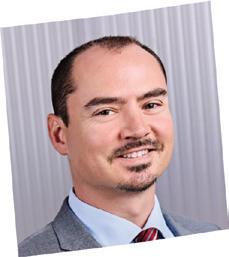
Elliott Beck
Elliott Beck works as the staff attorney for 345th District Court. He is currently on the Board of Directors of the Austin Bar Association and a co-chair of the DEI Committee. Elliott has been a member of the Austin Bar and AYLA since he was licensed in 2011. Since that time, he’s served as a co-chair for the Austin Bar/AYLA Leadership
Get paid faster, control your finances, and stay compliant with 8am LawPay, trusted by 115k+ legal professionals.
Next-business-day deposits that keep cash flowing
True IOLTA protection built for law firms
Endorsed by all 50 state bars, the ABA, and 60+ specialty bars


Discover why thousands of bar members trust LawPay

austinbar.org
austinlawyeronline.com
billy@austinbar.org
Austin Bar Association 712 W. 16th Street Austin, TX 78701
Austin Bar app available for iPhone and Android.


twitter.com/theaustinbar WATCH vimeo.com/austinbar CONNECT https://www.linkedin.com/ company/austin-barassociation
Tickets & Sponsorships for Bench Bar Conference! We hope you’ll join us for the the annual Bench Bar Conference. This great event will take place at the Austin Country Club and feature plenty of judges, as well as the presentation of several awards to deserving honorees. Thank you to all of our sponsors for their generous donations that help us put on this annual favorite. Get your tickets and sponsorships at austinbar.org/benchbar. FOLLOW



24-Hour Suicide & Crisis Lifeline - 988 - call or text | Live chat: SuicidePreventionLifeline.org
Texas Lawyers’ Assistance Program (TLAP) - 1-800-343-8527
TLAP is a 24-hour confidential crisis counseling and referral program to help lawyers, law students, and judges with substance use and mental health issues.
Justice Mack Kidd Fund
The Austin Bar Foundation administers the Justice Mack Kidd Fund, which can provide financial assistance to individuals seeking treatment for depression or similar illnesses. Visit austinbar.org/?pg=justice-mack-kidd-fund to learn more.
Personal Crisis Assistance Program (PCAP)
The Austin Young Lawyers Association Foundation provides grants and/or peer support for individuals suffering from a personal crisis.
Contact Debbie Kelly: 512-472-0279 x 105
Sheeran-Crowley Trust
Administered through TLAP, the trust provides financial help to Texas attorneys, judges, and law students who need treatment for substance use, depression, and other mental health issues. Visit sheerancrowley.org to learn more.
Alcohol & Drug Abuse
Austin Drug & Alcohol Abuse Program - 512-454-8180
Alcoholics Anonymous - 512-444-0071
Cocaine Anonymous - 512-479-9327
Narcotics Anonymous Counseling - 512-480-0004
Psychiatric Emergencies
Emergency Screening in a Psychiatric Crisis 24/7 - 512-472-4357
Samaritan Center (provides professional counseling services on a sliding scale) - 512-451-7337




PUBLICATION OF THE AUSTIN BAR ASSOCIATION
AUSTIN BAR ASSOCIATION
Maitreya Tomlinson President
Judge Maya Guerra Gamble President-Elect
Sarah Harp Secretary
Ciara Parks Treasurer
Mary-Ellen King Immediate Past President
AUSTIN YOUNG LAWYERS ASSOCIATION
Jenna Malsbary President
Gracie Wood Shepherd President-Elect
Lena Proft Treasurer
Ben Evans Secretary
Emily Morris Immediate Past President
Austin Lawyer
©2026 Austin Bar Association; Austin Young Lawyers Association
EXECUTIVE OFFICES
712 W. 16th Street
Austin, TX 78701
Email: austinbar@austinbar.org
Website: austinbar.org
Ph: 512.472.0279
DeLaine Ward Executive Director
Debbie Kelly Associate Executive Director
Roslyn Warner Assistant Editor
Samantha McCoy Assistant Editor
Abigail Ventress Assistant Editor
Billy Huntsman Managing Editor
Austin Lawyer (ISSN #10710353) is published monthly, except for July/August and December/January, at the annual rate of $10 membership dues by the Austin Bar Association and the Austin Young Lawyers Association, 712 W. 16th Street, Austin, TX 78701. Periodicals Postage Paid at Austin, Texas. POSTMASTER: Send address changes to Austin Lawyer, 712 W. 16th Street, Austin, TX 78701.
Austin Lawyer is an award-winning newsletter published 10 times a year for members of the Austin Bar Association. Its focus is on Austin Bar activities, policies, and decisions of the Austin Bar board of directors; legislation affecting Austin attorneys; and other issues impacting lawyers and the legal professionals. It also includes information on decisions from the U.S. District Court for the Western District of Texas and the Texas Third Court of Appeals; CLE opportunities; members’ and committees’ accomplishments; and various community and association activities.
The views, opinions, and content expressed in this publication are those of the author(s) or advertiser(s) and do not necessarily reflect the views or opinions of the Austin Bar Association membership, Austin Bar Association board of directors, or Austin Bar Association staff. As a matter of policy, the Austin Bar Association does not endorse any products, services, or programs, and any advertisement in this publication should not be construed as such an endorsement.
Contributions to Austin Lawyer are welcome, but the right is reserved to select and edit materials to be published. Please send all correspondence to the address listed above. For editorial guidelines, visit austinbar.org in the “About Us” tab.






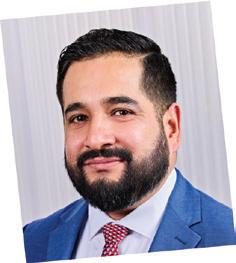

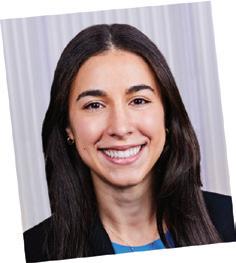
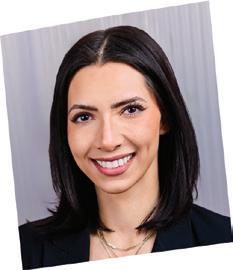
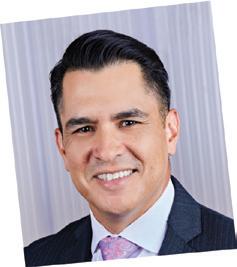
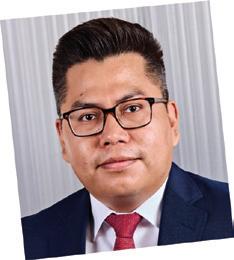



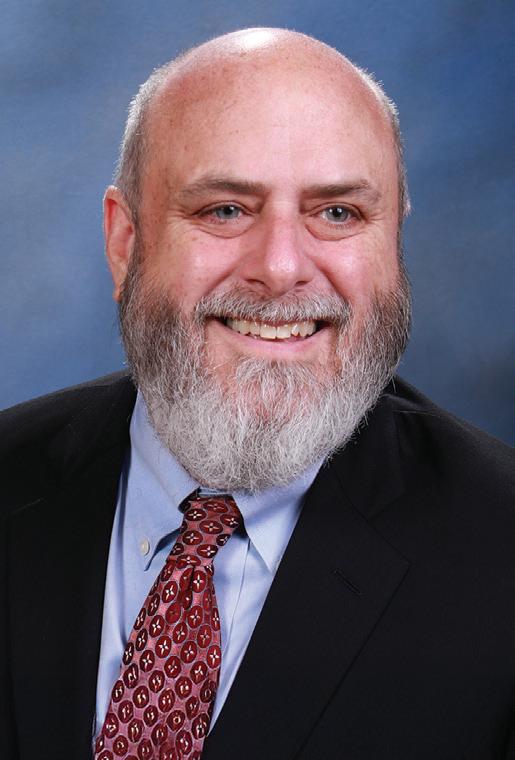
In general, the legal and lay communities treat our judges with respect. There are also many benefits to donning the robe, sitting on the bench, and serving the community. However, a disturbing trend has emerged. Threats and violence against the judiciary are increasing at an unprecedented rate. It’s reported that the U.S. Marshals Service investigated 564 threats against federal judges in 2025, more than three times the number reported in 2019.
And neither the United States Supreme Court nor our local judiciary are immune. Chief Justice Roberts recently spoke about the dangers of personal attacks aimed at our judiciary, likely prompted by publicized threats against his fellow justices and their families. While Austin is generally a tolerant place, our judiciary has also experienced the dangers highlighted by Chief Justice Roberts in a tangible way. Years ago, a member of our judiciary was attacked in her car after
MAITREYA TOMLINSON, AUSTIN BAR PRESIDENT
returning home with her son.
Even without the threat of violence, however, our judges’ jobs are already inherently difficult. As a law student and as a law clerk, I witnessed the incredible workload that our judges manage. The nature of our political system and funding decisions tend to leave our courts understaffed and benches unfilled. At the same time, the courts face a rise in litigation, although this is not the most challenging aspect. Frequently, judges must preside over emotionally charged cases whose outcomes have meaningful effects on the parties’ lives. They have to make the best decisions based on the available information. But sometimes, hindsight reveals that judges made the wrong decisions. And the unintended consequences of those decisions can be tough to live with. I’ve never envied a judge that must make a custody decision, especially when that decision leads to a tragic outcome. That is a burden that can be unbearable.
If these challenges were not enough, the modern era has made the job more difficult. The news cycle has become an insatiable beast that seeks attention more than providing understanding, although it pales when compared to social media. Nowadays, judicial decisions are discussed with less regard for the facts or the law and more for quickly formed opinions.


Additionally, political tensions have made the public more distrustful and quicker to anger. And the dissemination of fake news has helped shape perception. The result is an increasing lack of respect for judges and the judiciary.
Attacks on the judiciary, however, are attacks on our form of government. While the judiciary has no place for corruption, bias, or incompetence, we must support our judges to help maintain our democracy. The judiciary is the third branch of government that typically garners less headlines than the legislative and executive branches. But it may be the most important. Judges help safeguard our rights when others seek to curtail them. When we casually criticize our judges
without legitimacy, we are unknowingly helping erode one of the pillars of our democratic government. So, next time a ruling doesn’t go our way, let’s remember the challenges that our judiciary faces. Or if we don’t agree with a decision discussed in the media, let’s take a deeper look into the facts and the issues. Also, let’s remember that judges are people and that they have families who love them. Let’s let them do their jobs without having to worry about their safety or the safety of those around them. AL
1 I spend more time practicing in front of justices on the various appellate benches. But for simplicity’s sake, I will refer to judges and justices as “judges” throughout this column.


The Austin Bar welcomes the following new members:
Patrice Gay
Kristen Huff
Adam Nagorski
Jordan Preddy
David Strachan
Sonya Subash
Ben Werner

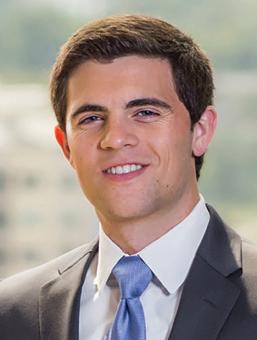


Congratulations to long-time Austin Bar member Lowell Keig to his promotion to director of the Unemployment Insurance Division of the Texas Workforce Commission. The division, with more than 1,000 employees across the State of Texas, provides partial income replacement to eligible individuals who have lost their jobs through no fault of their own. Lowell has been with the TWC since 2013, serving first as director of the Civil Rights Division, then as director of the Business Operations Division.
Congratulations to Neha Paymaster, who has been promoted to partner at Eccles, McIntosh & Paymaster. Neha continues her practice in estate planning, probate, trusts, and guardianships. She is a previous chair of the Austin Bar’s Estate Planning and Probate Section, and she currently serves on the board of the Travis County Women Lawyers’ Association. She is a graduate of Baylor Law School.
Congratulations to Lenore Shefman, founder of Cyclistlaw, who has been awarded the Number 1 Jury Verdict for Bicycle Accidents in Texas by TopVerdict.com. Lenore secured an award of $3.35 million for her client in Drake v. Texas Health & Human Servs, et al. The verdict also placed Lenore in the Top 20 Motor Vehicle Accident Verdicts in Texas in 2024, and the Top 20 Personal Injury
Verdicts in Texas in 2024. Cyclistlaw is an Austin-based personal injury law firm founded in 2003. It represents cyclists, motorcyclists, and pedestrians throughout Texas and California.
Congratulations to Ali Andrews, who has been promoted to partner in Jackson Walker’s Austin office. Ali represents clients in state and local tax disputes and state and local tax planning and compliance in areas that include sales and use taxes, franchise taxes, property taxes, unemployment taxes, mixed beverage taxes, and hotel occupancy taxes. She also provides litigation expertise in other areas of business, administrative, and regulatory law. Ali previously served as Chief of the Tax Litigation Division of the Office of the Texas Attorney General. Ali has been named to the “Austin Top Attorneys” list by Austin Monthly. She received her B.A., magna cum laude, from St. Edward’s University and her J.D. from The University of California, Hastings College of the Law.
Congratulations to Tyson Ehlinger, who has been promoted to partner in Jackson Walker’s Austin office. Tyson represents clients in designing wealth preservation strategies and estate plans tailored to each client’s goals. His practice includes advising on complex partnership tax matters and guiding individuals, families, and trustees through trust administration during life, as well as probate
and estate administration after a death. He also handles the preparation of gift tax and estate tax returns. Tyson has been named among the Best Lawyers: Ones to Watch and as a Texas Rising Star by Thomson Reuters’ Super Lawyers. He received his B.S. from the University of North Carolina at Chapel Hill-Kenan-Flagler Business School, his J.D., with honors distinction, from The University of Texas School of Law, and his L.L.M. in Taxation, with distinction, from Georgetown University Law Center.
Congratulations to Sean F. Gallagher, who has been promoted to partner in Jackson Walker’s Austin office. Sean represents parties ranging from private citizens to Fortune 50 companies across a broad array of complex issues, including fraud, fraudulent transfers, First Amendment litigation, breach of contract, breach of fiduciary duty, director and officer liability, partnership disputes, trade secret infringement and Lanham Act claims, RICO claims, and whistleblower litigation. Sean has been named among the Best Lawyers: Ones to Watch and as a Texas Rising Star by Thomson Reuters’ Super Lawyers. He received his B.A., with honors, from The University of Texas at Austin and his J.D. from The University of Texas School of Law.
Congratulations to Rony Kishinevsky, who has been promoted to partner in Jackson Walker’s
Austin office. Rony represents investment fund sponsors and alternative asset managers on all aspects of the private equity spectrum, including the creation of sponsor platforms, structuring, formation, offering and ongoing operations of private investment funds and associated negotiations with institutional limited partners, and underlying portfolio level deal work. In addition, Rony has significant experience in helping private real estate funds navigate all aspects of their investment spectrum, from fund formation to consummating portfolio transactions and negotiating complex joint ventures with some of the top operators across the country.
Rony has been named among the Best Lawyers: Ones to Watch and as a Texas Rising Star by Thomson Reuters’ Super Lawyers. He received his B.B.A., with high honors, from The University of Texas at Austin, and his J.D., with high honors, from the University of Texas School of Law.
Congratulations to Taylor McDowell, who has been promoted to partner in Jackson Walker’s Austin
office. Taylor represents hospitals, physician practices, startups, and private equity groups in transactional and regulatory compliance matters involving managed care contracts, physician recruitment, practice acquisitions and rollups, and licensure. Taylor also advises clients on cybersecurity issues pertaining to HIPAA compliance and other data security laws and regulations. Taylor has been named among the Best Lawyers: Ones to Watch and as a Texas Rising Star by Thomson Reuters’ Super Lawyers. He received his B.S., with highest honors, from the Georgia Institute of Technology and his J.D. from the University of Virginia School of Law. AL

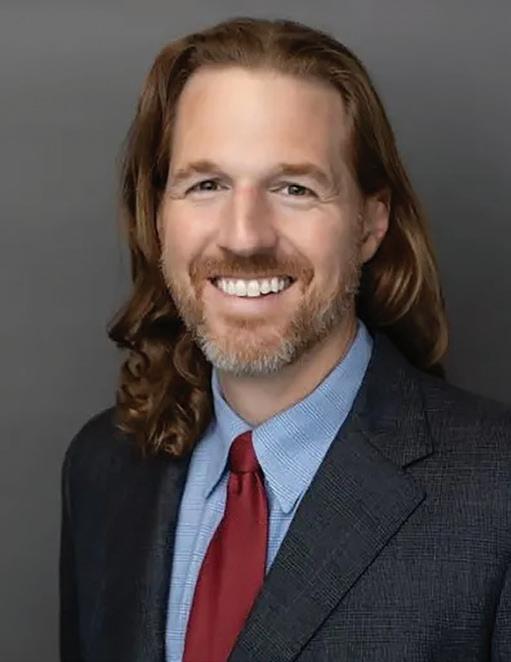


Academy, graduated from the 2018 Leadership Academy class, served on the Austin Bar Gala Planning Committee, the Bench Bar Committee, and presented at Bench Bar.
Elliott also previously served as a precinct chair and chair of the Rules Committee for the Travis County Democratic Party, as well as the chair of the LGBT Law Section of the State Bar of Texas and the president of the Austin LGBTQ+ Bar Association.
At the courthouse, Elliott works with the Local Rules Committee, and he advised the Travis County Law Library in its efforts to make pro se forms gender neutral. He is also a barrister in the Lloyd Lochridge Inn of Court.
Elliott lives at home with his husband, Ryan, and their pups: Minnie, Bernie, and Pearl. The whole family loves movies and food, and the humans love wine and travel.
The following candidates are running for four available director positions, each with a two-year term:
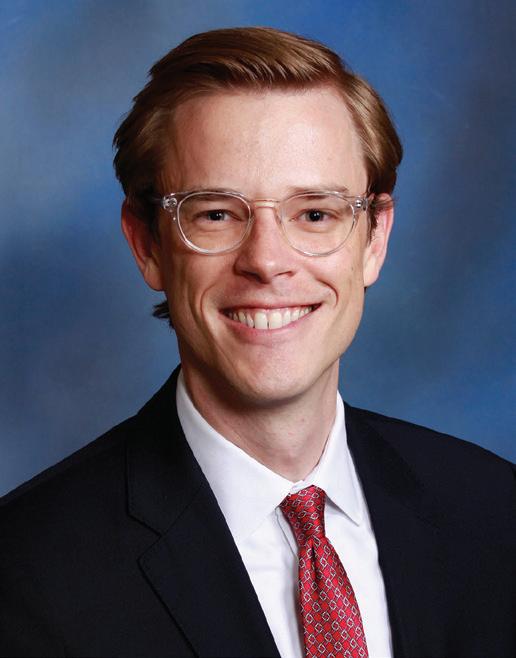
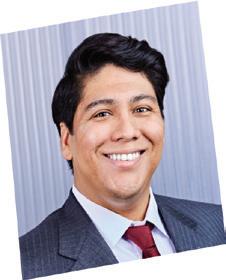
Sam Colletti
Sam recently celebrated his 30th consecutive year of being able to dunk a basketball, though he’s better known as a Board-Certified family lawyer with 20 years of experience. His practice focuses on divorces involving professionals, business owners, and their spouses. Deliberate and understated in style, Sam is a listener first and chooses his words intentionally.
An experienced litigator and mediator, Sam understands that divorce is a complex mix of psychology, logistics, and math. Colleagues describe him as a problem-solver: honest and diplomatic in negotiation, and a strong advocate when negotiation fails. His wife might simply say, “He thinks he’s right about everything.”
Originally from Port Arthur, Sam took his Southeast Texas accent to Trinity University, then to Austin in 2002 for law school at UT. Along the way he was a basketball player, Eagle Scout, country-western dancer, choir singer, and reluctant sitter-stilland-read law student.
Today, Sam is a devoted husband and father of three. He and his wife, Lauren Colletti, a functional medicine nurse practitioner, share a deep-listening, rootcause approach to helping people through their most stressful problems. Sam is also a highly regarded family law mediator; a role he considers his highest and best use as a lawyer. When not working, he can be found driving his kids around Austin, playing volleyball, or drinking coffee on the porch.
Mary Henderson
Mary is a member of Butler Snow’s Tort, Transportation, and Specialized Litigation group. She is certified in civil appellate law and has represented clients and state and federal courts.
She previously served as a briefing attorney to a state appellate justice and as deputy chief of consumer protection and senior attorney for charitable trusts and
general litigation for the Office of the Texas Attorney General.
Mary is a certified guardianship attorney and attorney ad litem and is licensed to practice in all of Texas’s U.S. district courts, the Court of Appeals for the 5th Circuit, and the U.S. Supreme Court.
She earned her JD from Baylor University School of Law, where she was president of the Harvey M. Richey Moot Court Society, a member of the National Appellate Advocacy Team, president of the International Law Society, and a member of the Order of Barristers.
With the State Bar of Texas, Mary has served on the District 9 Grievance Committee, as a course director for the 22nd-annual Governance of Nonprofit Organizations, and the Unauthorized Practice of Law Committee.
Caitlin Haney Johnston
Caitlin is a native Austinite and the managing attorney of the Haney Law Firm, a firm started by her mother, Susan Haney, in 2000. Her practice includes estate planning, probate, and probate litigation. She is a cofounder of the Cancer Law Clinic (CANLAW), a project of the Austin Bar Foundation. She graduated from the AYLA/ABA Leadership Academy in 2015. In 2018, Caitlin was awarded the Austin Bar Foundation’s David H. Walter Community Excellence Award, and she previously served as the chair of the Austin Bar’s Pro Bono Committee.
She was named an Access to Justice Champion by the State Bar of Texas and a Pro Bono Award Recipient from the Travis County Women Lawyers’ Association.
She has also received the Austin Under 40 Award in the legal category and the TCWLA’s Pathfinder Award. Caitlin has been named a Texas Super Lawyers Rising Star since 2024 and an Austin Monthly Magazine top attorney in wills and estate planning every year since 2020.
At home, Caitlin spends time with her husband, Drew, and their 4-year-old daughter.
Judge Jessica Mangrum
Jessica Mangrum has served as Judge of the 200th District Court of Travis County since January 1, 2021. She presides over civil and family law cases, including business, commercial, administrative, consumer, real estate, divorce, child custody, and child protective services (CPS) cases. Prior to serving as judge, she was a partner in the Austin office of Thompson Coe. In that position, she handled commercial and construction litigation, personal injury, professional liability, and other complex business cases.
Judge Mangrum is a “double Longhorn” with a BA in Government and a JD from the University of Texas. She is an adjunct professor at the University of Texas School of Law, teaching a skills section of Trial Advocacy in the evenings.
Judge Mangrum resides in Austin with her husband and daughter and their rescue dog. She is a member of the local PTA and active in Girl Scouts of Central Texas.
Judge Mangrum is a member of the Austin Bar Association, the Travis County Women Lawyers Association, and the State Bar of Texas. She is board certified by


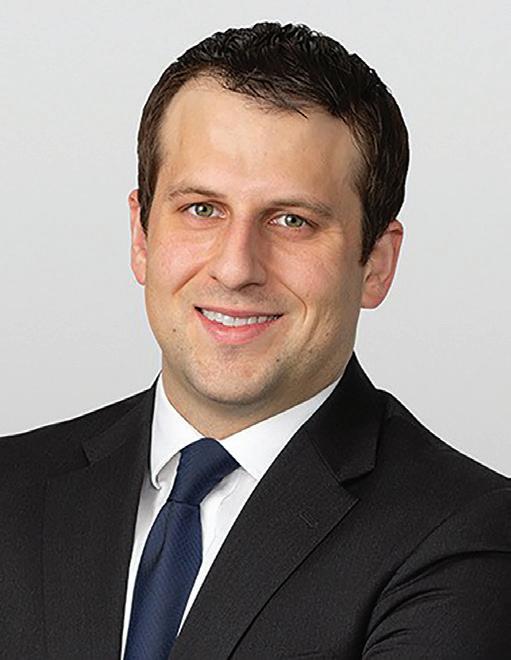

the Texas Board of Legal Specialization in Construction Law (since 2017). She serves on the Editorial Board of The Advocate, the quarterly publication of the Litigation Section of the State Bar of Texas. She also serves on the Ethics Committee of the Judicial Section of the State Bar of Texas.
Hon. Rudy Metayer
Rudy is senior counsel at Chamberlain McHaney and a city councilmember for the City of Pflugerville. He earned his JD from the University of Texas School of Law and also earned his master’s in public affairs.
He serves as an adjunct professor at Texas Law, advising students in the university’s advocacy program.
In addition to the Austin Bar Association, Rudy is deeply involved with such organizations as the Austin Black Lawyers Association, the Anti-Defamation League, the Board of Disciplinary Appeals, the Lonestar Circle of Care, the National Institute of Trial Advocacy, the Texas Young Lawyers Association, the Austin Young Lawyers Association, and the Texas Black Caucus Foundation.
He is the 2023 recipient of the Austin Bar Association’s Rev. Joseph C. Parker, Jr., Diversity Award and the 2026 recipient of the Austin Bar Foundation’s David H. Walter Community Excellence Award.
In his free time, Rudy enjoys cheering on the Longhorns in whatever sport they’re playing. He lives in Pflugerville with his wife, Letisha, and their three daughters: Celeste, Arielyn, and Brooklyn.
Liane Noble
Liane is counsel at Vinson & Elkins, where she practices in the firm’s commercial and business litigation group.
She represents clients in complex commercial disputes, breach of contract cases, and business torts in state and federal trial and appellate courts.
Before joining the firm, Liane served as an assistant United States attorney in the Western District of Texas, representing the government as a defendant against challenges to federal regulations and enforcing violations of federal law as a plaintiff.
She is a graduate of Northwestern University Pritzker School of Law. She previously served as a judicial clerk in the Western District of Texas, as well as the Northern District of Illinois.
She has been involved in the leadership of the Austin Bar’s Civil Litigation Section since 2019, including serving as chair. She is also a board member of the Federal Bar Association’s Austin chapter; a member of the steering committee of the State Bar of Texas Minority Counsel Program; a member and prior board president of Asian Family Support Services of Austin; a board member of the Asian American Resource Center of Austin; and a member of the Lloyd Lochridge American Inn of Court.
She received commendations from the U.S. Department of Justice’s Civil Rights Division from 2021 to 2023. She is also the recipient of the Travis County Women Lawyers’ Association’s Government Service Award.
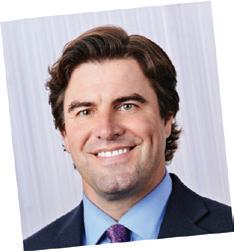
Daniel Olds is an attorney at Clark Hill, where he handles appeals, commercial litigation, and public law litigation.
Daniel currently serves on the Bench Bar Conference Committee. Previously, he served as the monthly CLE chair for the Austin Bar Administrative Law section. He has also presented at several Austin Bar CLE events and has presented at the Bench Bar Conference. He is a graduate of the Austin Bar/AYLA Leadership Academy.
Daniel spent several years coaching one of the moot court teams at UT Law School and coached the team to a national championship along with his wife, Ashley, another Austin attorney. Daniel was awarded the Mentor of the Year award by UT Law School’s Thurgood Marshall Legal Society. He continues to serve as a volunteer moot court judge at the law school.
Currently, Daniel also serves as the vice chair of the State Bar of Texas Court Rules Committee, which makes recommendations for revisions to the Texas Rules of Civil Procedure and Texas Rules of Appellate Procedure. He has served in various capacities on the committee since 2022.
Outside of work and serving the Austin legal community, Daniel plays ice hockey in Austin and spends time with his wife, Ashley, their son, Caleb, and their dog, Coco.
Katherine Wyatt
Katherine Mendiola Wyatt is a first-generation attorney and daughter of a Hispanic immigrant.
She practices civil litigation attorney in Austin, where she has spent the past eight years representing businesses, individuals, and insurance carriers in complex, high-exposure cases.
She is actively involved in the Austin Bar Association and Travis County Women Lawyers’ Association, where she has focused on connecting attorneys across practice areas, supporting CLE programming, and encouraging students from diverse backgrounds to pursue legal careers. Her approach is grounded in the belief that a strong legal community is one where people feel supported, included, and connected—irrespective of the type of law or phase in life.
In her practice, Katherine is known for her collaborative style and her ability to build productive relationships—some of her strongest professional connections started as opposing counsel.
Outside of the office, her support system is her husband and two daughters (ages 3 and 5). When she’s not chasing them around, she’s running the hills of Austin and recruiting as many people as she can to join her.
Katherine is running for the Austin Bar Board of Directors because she has worked for a seat at the table and is committed to making the table bigger for others. AL

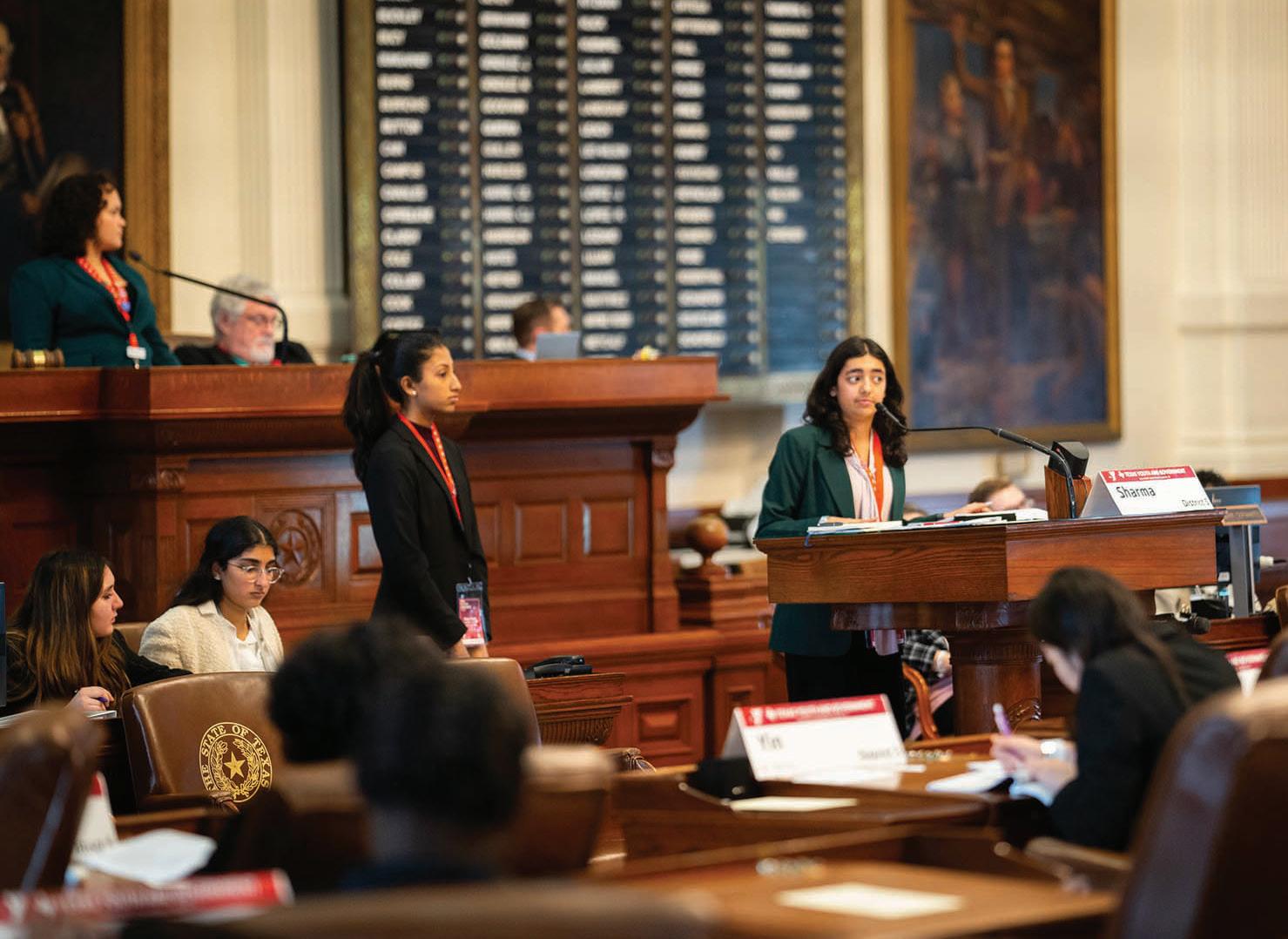
Each year, in the early months, hundreds of middle and high school students from across Texas gather for the YMCA Texas Youth and Government conferences to debate legislation they have spent months researching, drafting, and refining. These young people—representing communities and backgrounds as diverse as our state itself—arrive prepared to advocate for ideas they believe will make government more effective, equitable, and responsive. It is an extraordinary display of civic engagement, and one that reflects a vibrant future for our democracy.
I have had the privilege of volunteering at multiple Youth and Government conferences over the years, and each time I walk away inspired. These students are earnest, fearless, and deeply curious about how our institutions function. Their passion reminds me of how many of us first discovered our own interest in the law—through debate teams, student government, or civic education programs. I still remember the topic from my freshman year debate season: the proliferation of weapons of mass destruction in the early 2000s. Those early experiences shaped the advocate I would become, just as Youth and Government is shaping the next generation.
Programs like YMCA Youth and Government matter—not only because they introduce young people to the mechanics of government, but because they create a pipeline for a more diverse and
JENNA MALSBARY, AYLA PRESIDENT
inclusive legal profession. The program’s stated purpose is “to develop young men and women who will be better citizens by being both knowledgeable and active in determining the future of our democracy.” In practice, this means giving students substantive, hands-on opportunities to learn how government works, how laws are made, and how advocacy can drive change.
One of the most remarkable strengths of the Texas Youth and Government program is its diversity. Anyone can participate, and the program has long worked to ensure the program is accessible to youth from all backgrounds— urban and rural, economically advantaged and disadvantaged, first generation students, and students whose families have long histories in civic life. If you have ever spent time with the students practicing or seen one of these conferences firsthand, you know that the delegates represent the broad diversity of Texas.
I am writing this article to encourage our local bar members to consider judging a shift at a conference, assisting with practice sessions at a local school, or exploring how you can support the program year-round. These students commit countless hours to researching, drafting legislation, collaborating with peers, preparing arguments, and developing the critical thinking and communication skills that will serve them for life. For many of them, this program is their first real exposure to the legal system—and often the first moment they can picture themselves having a role in it.
Our participation matters. When students see attorneys, judges, and legal professionals present, listening, and taking their ideas seriously, it affirms that their voices count. It shows them that civic leadership is accessible to everyone—not just
those who already know someone in the profession. And for those of us committed to the future of a fair and representative bar, there is no better investment than supporting young people as they learn how to engage with democracy.
By volunteering with YMCA Texas Youth and Government, we help ensure that this program— and the extraordinary opportunities it provides—remains available to future generations.
If we want a legal community that reflects the communities we serve, if we want citizens who are informed and empowered, and if we want a democracy strengthened by participation rather than weakened by indifference, then supporting programs like this is not optional. It is essential.
To learn more about how you can contribute, volunteer, or support the YMCA Texas Youth and Government Program, visit: https://ymcatexasyg.org/. AL
TUE, APRIL 21
An Evening of Wine & Wellness
5:30 - 7:30 p.m.
Just Well Law 1809 Pearl Street
Sponsored by Cypress Lake Recovery THUR, MAY 14
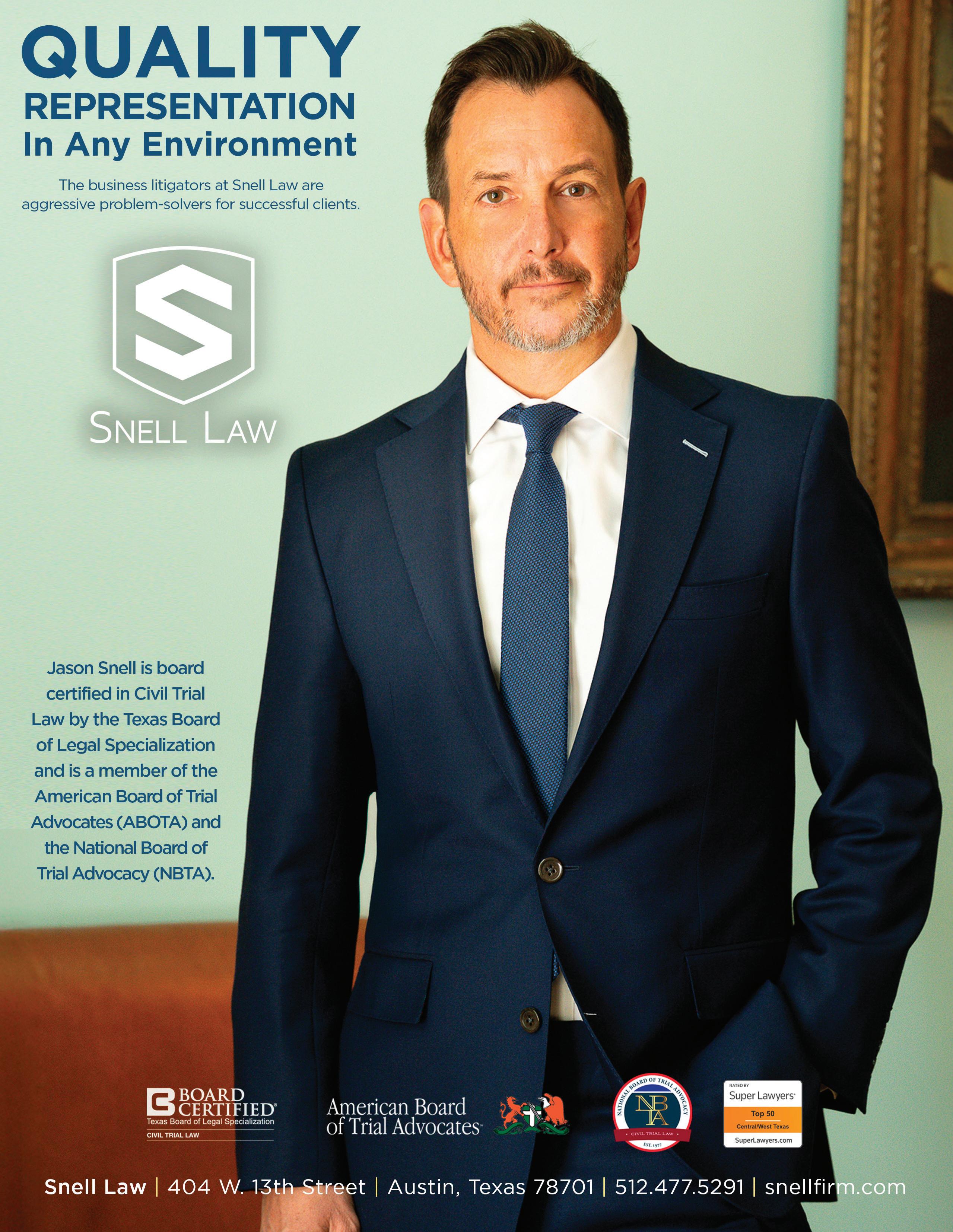


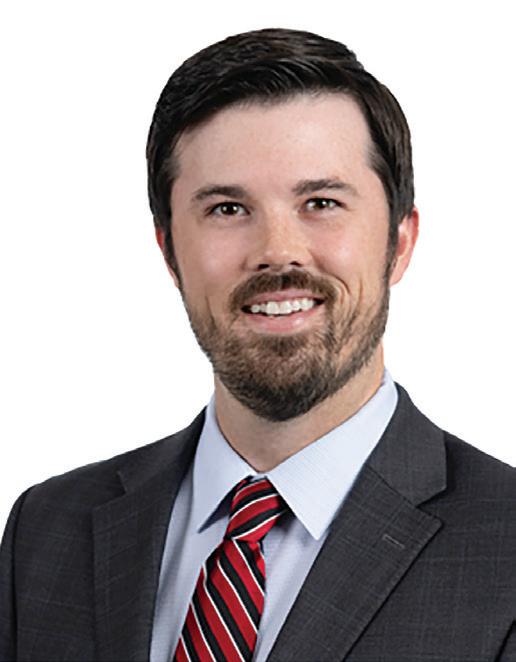

The following candidates are running for the AYLA officers and directors positions.
The new board will take office om July 1, 2026, along with Gracie Wood Shepherd, who will serve as president. Gracie has been on AYLA's board since 2021, and has served as secretary, treasurer, and president-elect.
Electronic ballots will be sent to members on Monday, April 13, and will close on Friday, May 1 at 4 p.m.
The following officer positions are unopposed:
AYLA President Elect
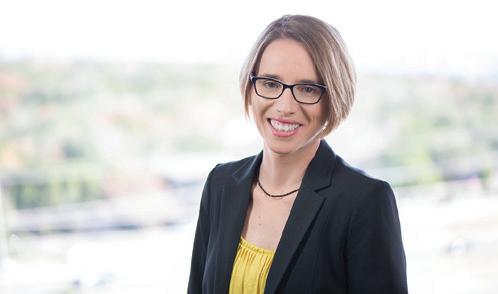
Lena Proft
I’ve been involved in AYLA since 2018. During that time,

I’ve served as the government liaison, a director, co-founded the Health and Wellness Committee, and I currently serve as treasurer. I want to continue my service to AYLA and the bar by serving as the next AYLA president-elect.
AYLA Treasurer
Ben Evans
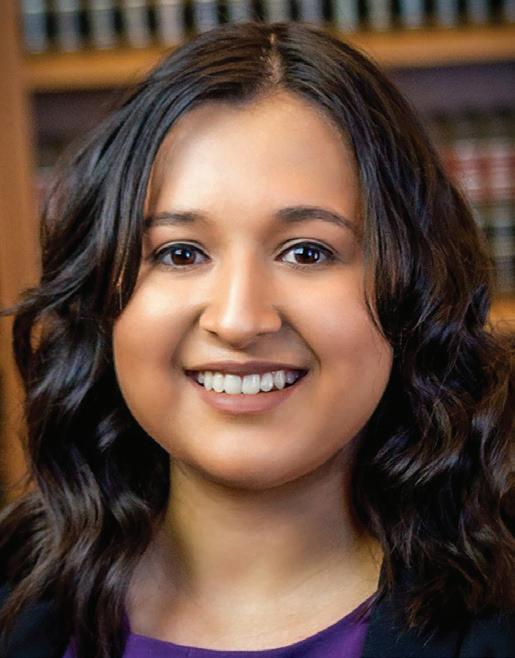
I am a partner at Cain & Skarnulis, where my practice focuses on resolving complex commercial disputes. I'm currently serving as secretary on AYLA’s board, as a co-chair for AYLA’s Freshquires Program, and as a committee member for AYLA’s Judicial Reception event.
AYLA Secretary
Jasleen Shokar
I practice civil litigation at Burns, Anderson, Jury & Brenner. I've served as director since 2024. I was part of the 2024 Leadership Academy, have chaired the Judicial Reception Committee for two years, and co-chair the Leadership Academy Committee. I'm involved in fundraising efforts for many AYLA events.
Directors – 4 Spots Open
Jamie Giron
I am an avid runner, doodle mom, and a product liability defense attorney at Bowman and Brooke. I'm originally from the Rio Grande Valley and have been practicing law for seven years. I attended college at UT in Austin and completed law school in Michigan.

Alexis “Lexi” Gonzales
I'm an assistant district attorney at the Travis County District Attorney’s Office with prior experience as a senior legislative staffer at the Texas State Capitol. I'm passionate about public service and strengthening connection and collaboration across the Austin legal community.
Jennifer Goss
I am an attorney at Hardie Alcozer in Austin, and I am eager to re-engage with AYLA after having my daughter this past year. I greatly valued the AYLA Leadership Academy in 2024, and I look forward to contributing more actively, building more connections, and supporting the local bar community.

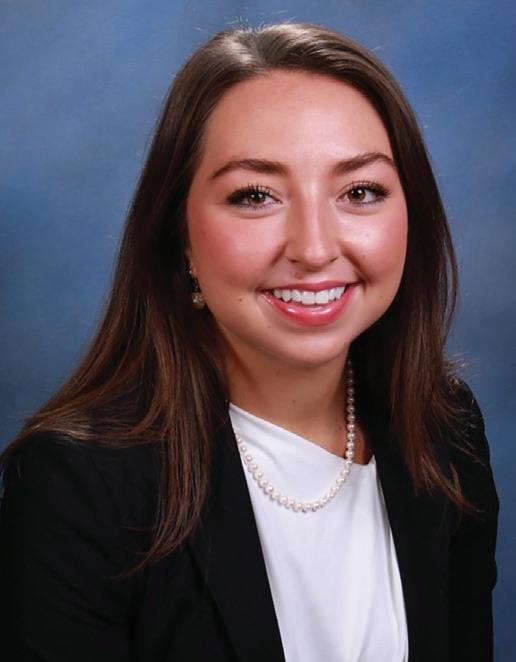
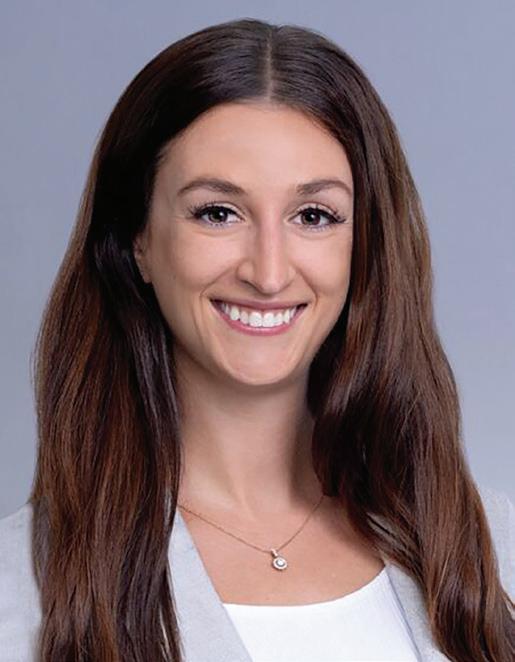

Michelle King
I'm a native Austinite and Texas Tech Law graduate. I'm an attorney at McCreary Veselka Bragg and Allen and practice in the firm's appraisal district litigation team. I currently serve on the executive committee of the AYLA Board of Directors. I graduated from the 2022 Leadership Academy class.
Alexandra “Za” Leissner
I’m a native Austinite and 2024 law school graduate who hopes to serve as a director of Austin Young Lawyers Association. AYLA has played an important role in my journey as a young attorney. I’m committed to helping others find the same support and opportunities while building community and giving back.
Clare Mattione
I have loved planning local service events while on the Service Days Committee, especially organizing the warehouse for Safe Alli-
ance. I am currently in the 2026 Leadership Academy class, where my involvement in the AYLA committees is helping me take a leading role in planning our group service project.
Emma Thomson
I’m running for director to continue the work I’ve been doing with AYLA for the past two years, which included serving as liaison to the Solo/Small Firm Section of the Austin Bar and programming for AYLA’s Freshquires committee, creating CLE and networking opportunities for new lawyers. AL

Fixin’ to | definition: means “About to” or “preparing to”. As in, we’re fixin’ to make you a part of the family.
We know Texas. Since 1979, we’ve been protecting Texas lawyers, across all Texas jurisdictions, in all areas of practice through our member-owned insurance exchange. Our members are our family. And, we want our family to be successful. We share our knowledge and the wealth (yes, literally, we share our profits annually).
Fixin’ to join us? Apply today.
We help Texas attorneys succeed.

Before stepping into my current role, I had only a limited understanding of what trust administration involved or how my legal education and practice could benefit it.
Like many lawyers, I assumed that special needs trusts existed solely to preserve eligibility for public benefits. I also believed that most other trusts primarily served wealthy clients for tax planning or probate avoidance. Both assumptions were wrong.
What I did not understand is how deeply human trust administration can be, how much judgment it requires, and how closely it aligns with the reasons many of us went to law school in the first place.
If you had told my younger self that I would eventually work in trust administration, particularly with special needs trusts and court-created trusts, I would have assumed I stepped away from advocacy. In reality, I stepped into a different kind of advocacy.
Here is what I wish I had known sooner.
Practicing law can create an idea that lawyering equates with visible outputs: motions filed, hearings attended, arguments made, cases won. Trust administration does not always look like that from the outside, so it is easy to underestimate how valuable our legal skills are to our clients. In reality, trust administration requires constant legal analysis and interpretation:
• Reading and applying dispositive provisions
• Balancing beneficiary needs
BY MELISSA PIÑA, J.D., CTFA, CADENCE BANK
against fiduciary duties
• Understanding and adhering to public benefits rules and regulations
• Navigating conflicts between family members, professionals, and institutions
• Making and documenting defensible decisions that may later be scrutinized by courts or committees
There may not be a judge in the room every day, but the law is always present, and your reasoning and approach always matters.
One of my biggest misconceptions was that advocacy only happened when I represented a client directly. Trust administration taught me differently.
Advocacy shows up in:
• Identifying and pushing for goods and services that materially improve a beneficiary’s quality of life
• Questioning default “no” answers from vendors, agencies, or systems
• Speaking up in internal committees to justify and obtain approval for discretionary actions necessary to fulfill the beneficiary’s needs
• Explaining complex decisions to families who are overwhelmed, grieving, or exhausted
Many beneficiaries, particularly those with special needs, cannot easily advocate for themselves. In those moments, thoughtful fiduciary judgment is advocacy.
It is quieter, but no less meaningful.
Law School Skills Transfer More Than You Expect
I assumed trust work would require an entirely new skill set. Instead, I found myself relying on the same tools I developed earlier, just in a different format.
Law school and traditional practice teach you how to:
• Issue spot
• Weigh competing interests
• Communicate difficult news clearly and compassionately
• Stay calm when emotions run high
These skills are central to trust administration. The difference is that the “client” relationship is often more complex: beneficiaries, family members, various attorneys, courts, and institutions may all be involved at once. Navigating that complexity is a challenge, but one that lawyers are uniquely trained to handle.
Before I worked in this space, I did not realize how often trusts intersect with everyday legal practice. Trusts appear in:
• Personal injury settlements
• Family law cases
• Guardianship proceedings
• Probate disputes
• Public benefits planning
• Estate planning
• Business succession planning
• Court-created arrangements for minors or individuals with disabilities
Many young lawyers encounter trusts indirectly without ever learning how they function in real life. Understanding how trusts work, even at a high level, makes you a better advocate for your clients, regardless of your practice area.
Trust administration can be emotionally demanding. You are often working with people navigating disability, trauma, loss, or longterm uncertainty. That emotional weight does not disappear simply because the work happens outside of a courtroom.
What I wish I knew before is that this emotional labor is not a sign you are doing something wrong but instead is a sign that the work you are doing matters.
Unlike some areas of traditional practice, trust administration often allows space to process that weight thoughtfully, without the constant
pressure of adversarial deadlines, and (at least in my case) with a team of peers who understand the complexity of the situation and the various issues involved. For many lawyers, that balance makes the work sustainable in a way they did not think was possible.
If I could go back, I would not have told myself to leave my practice sooner, but I would tell myself to get curious sooner.
I would say while exploring any new role,
• Ask more questions about what a role actually entails.
• Pay attention to the parts of your work that energize you, as well as the parts that do not.
• Do not assume fulfillment only comes in one professional shape. Remember that lawyering is a tool, not a performance.
If you are a member of the Austin Young Lawyers Association who feels curious, restless, or quietly unsure about what “long-term success” as a lawyer looks like, know this: your JD is more versatile than you were probably taught.
Sometimes the most meaningful advocacy looks different from what we expected. It looks like measured judgment, restraint, and care applied consistently, over time.
And sometimes, that is exactly where we are meant to land. AL
Melissa Piña is a vice president and trust and estates Officer at Cadence Bank, now part of Huntington National Bank, in Austin, Texas. She administers complex trusts and estates with a particular focus on special needs and court-created trusts.
Drawing on her background as an attorney, Melissa balances the technical demands of fiduciary administration with a holistic, client-centered approach that prioritizes the dignity, independence, and long-term well-being of beneficiaries.


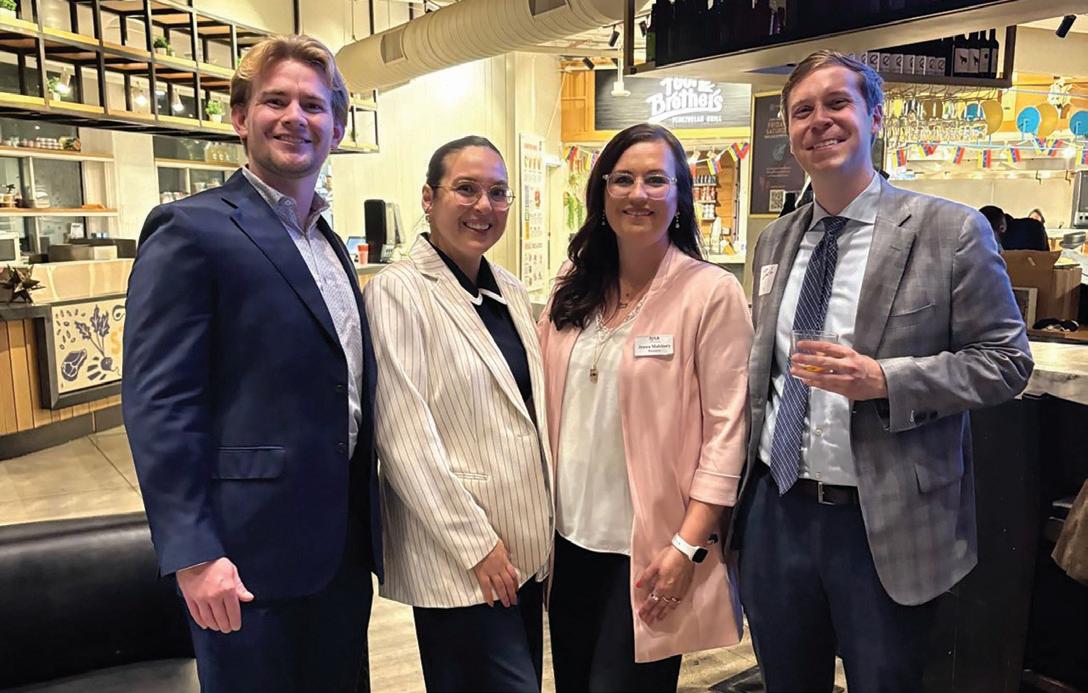
On Febr uary 19, AYLA welcomed attorneys from across Austin’s legal community to its Big Law Social Hour at Fareground. The event was well attended and a reminder of the supportive legal network in our city. AL



The 2026 Leadership Academy is planning a familyfriendly field day and relay race. The day will be filled with various activities and competitions for different ages with proceeds benefiting Casa Marianella. Please stay tuned for sponsorship opportunities and tickets. We look forward to you joining us at South Austin Recreation Center on May 16 from 10 a.m.-2 p.m. for a day full of fun and philanthropy!

BY NADIA BETTAC, MEDIATOR BETTAC ADVOCACY AND MEDIATION, PLLC
arketing can feel overwhelming, especially when you’re just starting out or don’t have billboard budget. The good news? Effective marketing isn’t about how much you spend. It is about your purpose. Before you launch a website, post on social media, or sponsor an event, take a pause and reflect.
First, identify your why. If you aren’t ready to deliver a compelling 30-second elevator speech about who you serve and why you do what you do, you aren’t ready to market yourself. Your “why” goes beyond listing practice areas. Do you advocate for families during life’s most stressful moments? Help entrepreneurs protect what they’ve built? Guide individuals through complex legal transitions with clarity and compassion?
In his well-known TED Talk, Simon Sinek explains that people don’t buy what you do; they buy why you
do it. He describes how leading with purpose communicates directly with the listener’s limbic brain. That is the part responsible for trust, loyalty, and decision-making. Legal services are inherently personal. Clients are rarely seeking counsel because something wonderful happened; they are facing uncertainty, stress, or risk. When your marketing clearly communicates your mission and values, you create emotional connection before the first consultation ever takes place.
Second, identify your audience. Marketing without a defined audience is like arguing a case without knowing the demographics of your jury and judge. Who are you trying to reach? Each group has different concerns, habits, and expectations. With each group, the platform matters. TikTok is different than Instagram or LinkedIn. Or you might have unexpected recognition and go viral with a cat filter video!
TikTok may reward short, relatable educational videos that simplify complex topics. Instagram might focus on visual storytelling, behind-the-scenes glimpses, or useful legal tips. LinkedIn, on the other hand, is often better suited for thought leadership, industry commentary, and professional credibility. By consistently sharing insights, commenting thoughtfully on industry developments, publishing short articles, and explaining complex legal concepts in accessible language, you position yourself as a trusted authority. Over time, this visibility builds credibility. When potential clients or referral partners view your profile, they don’t just see a title; they see demonstrated knowledge. Thought leadership on LinkedIn naturally markets you as someone who understands the law and can communicate it clearly.
Lastly, it’s essential to review the State Bar advertising rules, including
Rules 7.01–7.05 of the Texas Disciplinary Rules of Professional Conduct. Claims about being the “best,” references to specialties, guarantees of outcomes, or comparisons to other lawyers may be restricted or require disclaimers. Testimonials and case results must be presented carefully and truthfully. Since these updated rules took effect in 2021, there has been an increase in law firms adopting trade names. Additionally, social media marketing must comply with specific regulations, such as Rule 7.03, which prohibits soliciting professional employment from non-clients via social media platforms.
Ultimately, marketing your practice with purpose means aligning who you are with how you show up. You need clarity, consistency, and credibility. When those elements align, marketing becomes less about promotion, and more about building a reputation that speaks for itself. AL




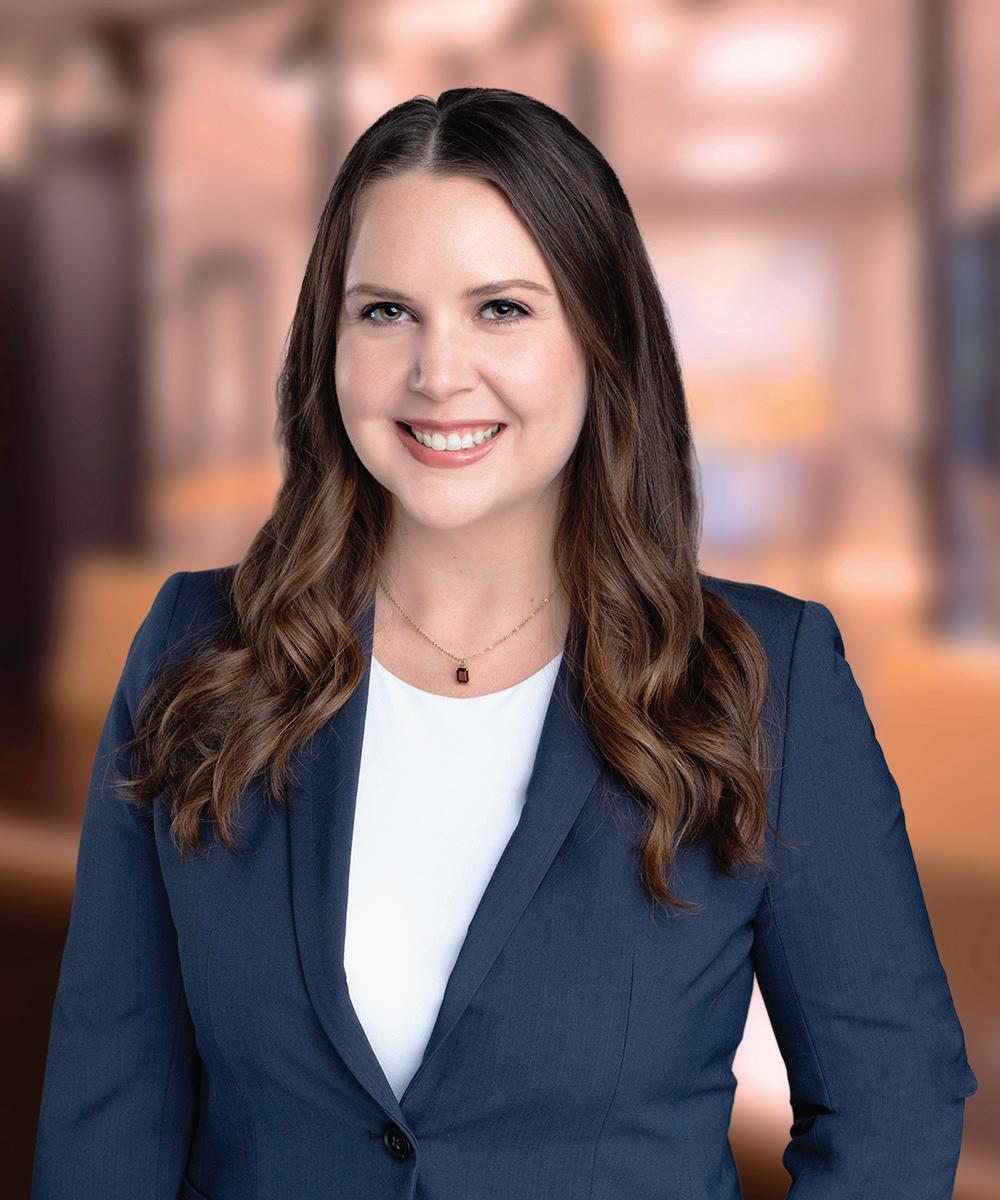


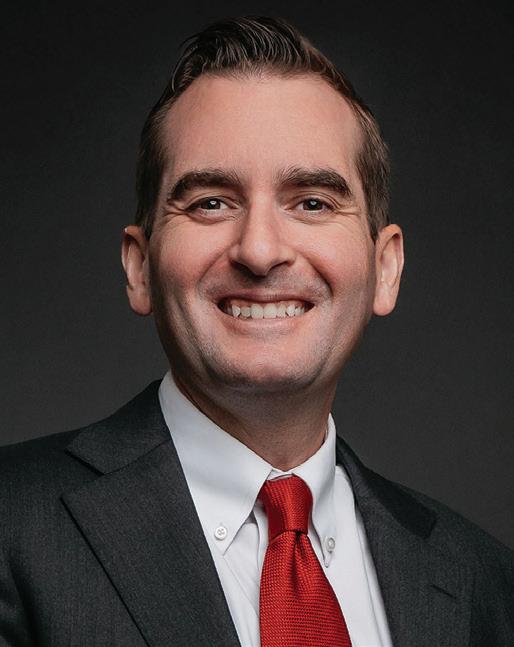
Ari Cuenin is a partner at Stone Hilton, where he litigates complex government disputes. He has presented more than 30 arguments in state and federal courts, and has been involved in more than a dozen U.S. Supreme Court cases for the State of Texas.
Fifth Circuit imposes sanctions on counsel for AI misuse.
Fletcher v. Experian Information Solutions, Inc. (5th Cir. No. 2520086). The Fifth Circuit imposed sanctions on appellate counsel for submitting a reply brief containing fabricated quotations, citations, and misstatements of law generated through unverified use of artificial intelligence. After identifying numerous inaccuracies, including nonexistent quotations attributed to real cases and incorrect descriptions of case law, the court issued a show-cause order. Counsel admitted using AI for substantial research and drafting on the brief but failed to adequately verify its contents and was not forthcoming in her response to the court’s inquiry, which the court suspected had itself been drafted with AI. The court imposed a $2,500 sanction.
The opinion confronts the ongoing issue of AI “hallucinations” in legal filings, noting that such incidents are increasing and cannot be defended as excusable given widespread awareness of this phenomenon. The Fifth Circuit has declined to adopt a formal rule governing AI verification, given that existing frameworks and the court’s inherent authority already exist to deter misconduct.
Chiefly, Federal Rule of Appellate Procedure 46 already imposes a duty to ensure accuracy. The panel emphasized that lawyers remain fully responsible for the contents of filings, regardless of the tools used to generate them.
Fletcher reflects one of the Fifth Circuit’s clearest admonishments that AI use remains possible but strictly bounded by traditional professional obligations. The decision reflects a broader trend to treat AI-generated errors as ordinary sanctionable conduct, not a novel category of errors warranting special treatment. Counsel should anticipate judicial scrutiny of citations and expect no leniency for the lack of verification protocols when using generative tools. Fletcher also reflects the need for caution in responding to show-cause orders concerning AI-assisted briefing.
Fifth Circuit limits application of arbitration clause added to ERISA retirement plan.
Parrott v. International Bancshares Corp. (5th Cir. No. 25-50367). The court addressed whether an arbitration clause added to an ERISA retirement plan could compel arbitration of fiduciary-duty claims. The court reversed in part, holding that arbitration could be compelled for plan-fiduciary claims under 29 U.S.C. § 1132(a)(2), but not for the plaintiff’s individual claims.
The court applied standard FAA principles, emphasizing that arbitration is a matter of contract governed by state law. It distinguished between plan-based and individual claims. For § 1132(a) (2) claims, which seek recovery for fiduciary injuries to the plan, the relevant contracting party is the plan itself, not the individual participant. Because the plan documents granted the sponsor broad unilateral amendment authority, the plan effectively consented to the arbitration provision when it was added. Accordingly, arbitration could be compelled for those representative claims.
By contrast, the plaintiff did not personally consent to arbitration. Because individual claims
require the claimant’s own agreement, the arbitration clause could not be enforced for those claims. The court also addressed the “effective vindication” doctrine, framing it as a potential validity limit where arbitration clauses waive statutory remedies, and remanded for further consideration of severability for unenforceable provisions.
Parrott reinforces the distinction between plan-level and individual claims in ERISA arbitration jurisprudence. It provides a roadmap for employers to enforce arbitration via plan amendments, while preserving a consent-based limitation for individual claims. Increased litigation over the scope of plan-based arbitration provisions may follow.
CONTEMPT: Panel affirms dismissal sanction for pattern of contumacious conduct after failure to undergo court-ordered mental examination.
Boudy v. McComb School District (5th Cir. No. 24-60386).
The Fifth Circuit reviewed a district court’s sua sponte dismissal with prejudice and sanctions against a pro se plaintiff in an employment discrimination case. The plaintiff alleged retaliation following a sexual relationship with a school administrator and raised significant mental-health issues during litigation. The district court ordered her to undergo a mental examination, then dismissed the case under Rule 41(b) after she failed repeatedly to comply with court directives and attend multiple hearings.
The Fifth Circuit affirmed in relevant part. Dismissal with prejudice was justified based on a clear record of contumacious conduct, emphasizing the plaintiff’s repeated failures to attend hearings, respond to court communications, and comply with orders despite multiple warnings. The court rejected arguments that her conduct was merely negligent or excusable, concluding that it reflected “stubborn resistance to authority.” The court vacated the judgment and remanded for the district court to consider attorneys’ fees.
Boudy reinforces the Fifth Circuit’s high threshold for, but real willingness to affirm, Rule 41(b) dismissals where a litigant persistently disregards court authority. The case is a useful reference for defining “contumacious conduct” in pro se cases and underscores the importance of documenting noncompliance when seeking dispositive sanctions. AL

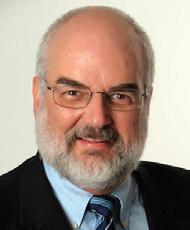





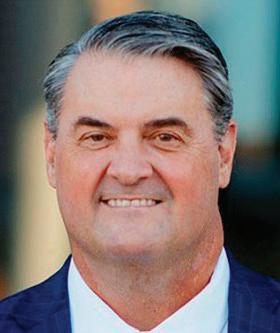
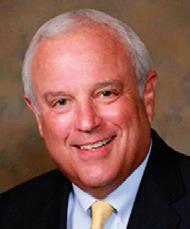
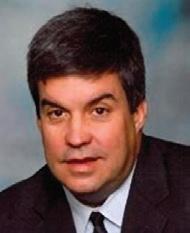



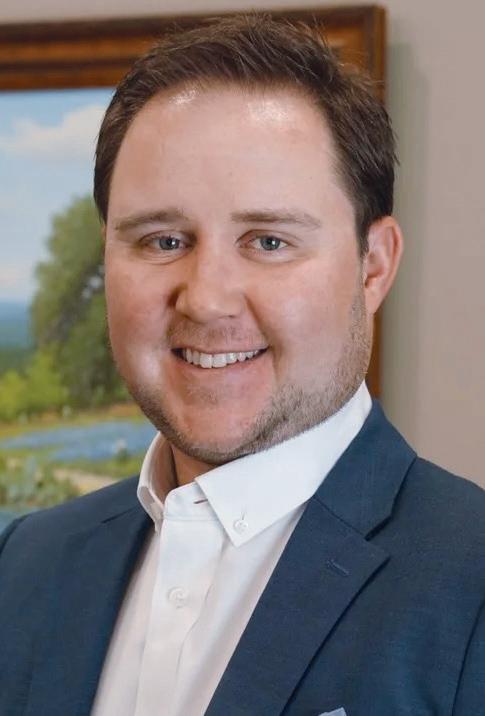


Laurie Ratliff is a former staff attorney for the Third Court of Appeals. She is boardcertified in civil appellate law by the Texas Board of Legal Specialization and owner of Laurie Ratliff LLC.
The following are summaries of selected civil opinions issued by the Third Court of Appeals during February 2026. The summaries are an overview; please review the entire opinion. Subsequent histories are current as of March 9, 202.6
>ATTORNEY’S FEES: Court reverses and remands fee award.
Travis Park Apartments v. Perez, No. 03-24-00083-CV (Tex. App.— Austin Feb. 26, 2026, no pet. h.) (mem. op.). Perez sued Travis Park for retaliation after the apartment complex sought to evict her for reporting problems to the city’s code-compliance office. The trial court excluded Perez’s attorney’s-fees documentary evidence, but her attorney testified about
the hours worked, rate, and generally about the work performed. The jury found retaliation and that Perez should recover 75% of the fees requested, which the trial court awarded. Travis Park contended the fee testimony was legally insufficient and sought a taking-nothing judgment on fees. Perez conceded the testimony was insufficient but sought remand. Citing El Appel, the court of appeals concluded that a general description of the tasks performed without breaking down the hours spent per task was legally insufficient. The court concluded that the exclusion of the fee records at trial did not bar their exclusion on remand. The court reversed and remanded.
REAL PROPERTY: Court reverses dismissal concluding a trust had standing.
Quest Trust Co,. FBO C. Allison IRA #2593721 v. Karpova, No. 0324-00117-CV (Tex. App.—Austin Feb. 26, 2026, no pet. h.) (mem. op.). Karpova originally acquired the property at issue encumbered with a vendor’s lien secured by a deed of trust. After Karpova defaulted, IRA purchased the property at foreclosure. Quest brought a forcible detainer suit to recover possession of the property from Karpova. Quest refiled the suit on the IRA’s behalf and nonsuited the first suit. The justice court awarded Quest possession. On appeal to county court, the court concluded it lacked jurisdiction and dismissed Quest’s claims with prejudice. The court of appeals
noted that a trust may act through its trustee as Quest did here. Further, because the IRA submitted the winning bid at foreclosure, it had a concrete injury and justiciable interest. Thus, the trial court erred in dismissing for lack of standing. The court reversed and remanded.
FAMILY LAW: Court grants mandamus relief where grandparents lacked standing to intervene.
In re J.T.J., No. 03-25-01007-CV (Tex. App.—Austin Feb. 11, 2026, orig. proceeding) (mem. op.). Father’s parents sought to intervene in a SAPCR. Mother filed a plea to the jurisdiction alleging grandparents lacked standing. Grandparents’ affidavits described the time spent with child and that they often had the child during father’s access. No one disputed mother was a fit parent. The trial court denied the plea to the jurisdiction. Family Code Section 153.433 requires grandparents seeking possession or access to prove that denial of possession or access would significantly impair the child’s physical health or emotional well-being. The court of appeals held that grandparents failed to overcome the presumption that a fit parent acts in her child’s best interest. Thus, the trial court abused its discretion. The court granted mandamus relief.
TRIAL PROCEDURE: Court affirms vexatious litigant order.
Lewis v. City of Austin, No. 0325-00464-CV (Tex. App.—Austin
Feb. 5, 2026, no pet. h.) (mem. op.). Lewis sued City, its police department and others for negligence and civil conspiracy relating to an accident on Rainey Street. Defendants sought to declare Lewis a vexatious litigant and to request security to proceed. The trial court granted defendants’ request and declared Lewis a vexatious litigant. City relied on CRPC Section 11.054(2) which allows a court to declare a party a vexatious litigant if the defendant shows there is not a reasonable probability that plaintiff will prevail and that after losing, the plaintiff continues to relitigate. Here, Lewis filed his original complaint in federal court, which was dismissed with prejudice. The court of appeals concluded this was evidence that there was not a reasonably probability that Lewis would prevail in his current lawsuit based on the same allegations. The court affirmed. AL

The following is a summary of selected criminal opinions issued by the Third Court of Appeals from August 2025. The summary is an overview; please review the entire opinions. The subsequent history is current as of March 10, 2026.
handwritten marks
Ornelas-Carrillo v. State, No. 0324-00698-CR (Tex. App.—Austin Aug. 7, 2025, pet. ref’d) (mem. op., not designated for publication). “Manual writings” on jury instructions, without explanation of their origin, did not constitute charge error. A jury convicted appellant of retaliation. The application paragraphs of the jury charge included handwritten marks—two words were underlined while other words had checkmarks above them. On appeal, appellant argued that these “handmade checkmarks and underlines among the elements of the offense in the application paragraph of the otherwise typewritten jury charge constituted an impermissible comment on the weight of the evidence and require[d] reversal.” The appellate court disagreed. It explained that for the markings to have affected the jury’s verdict, “the charge must have been presented to the jury with the markings on it.” Although the marks
were on the signed copy of the instructions placed in the clerk’s record, “the record is silent as to who made the marks and when.”
The court observed that “[t]he record does not show whether counsel, the court, a juror, or someone else made the marks or that the jury received the charge as marked,” and it concluded that “[s]peculation as to the origins of handwritten notations on a jury charge is not proper and cannot support a finding of charge error.”
Ex parte Colunga, No. 03-2400722-CR (Tex. App.—Austin Aug. 15, 2025, no pet.) (mem. op., not designated for publication). Federal law did not preempt Texas law prohibiting THC possession. Appellant was charged with the offense of possession of a controlled substance, specifically Tetrahydrocannabinol (THC). He was arrested when federal law “distinguished between legal hemp and illegal marihuana based on its chemical concentration of the ingredient that produces a high,” THC, “instead of on the anatomical parts that historically contained that ingredient in higher concentrations,” but Texas law did not yet make that distinction (although it does now). Appellant filed a pretrial application for writ of habeas corpus based on his contention that federal law preempted what he termed Texas’s “blanket prohibition on all [THC] other than marihuana.” The district court denied relief, and the appellate court affirmed. The court first observed that appellant failed to notify the Attorney General of his constitutional challenge to the statute as required by law. Additionally, appellant was not entitled to habeas relief here. To the extent that he was attempting to raise an as-applied challenge, such a claim was not cognizable on pretrial habeas. To the extent that he was attempting to raise a facial challenge, appellant failed to establish that at the time of the alleged offense, the ban on THC possession would “always operate[ ] unconstitutionally in all possible circumstances.” Texas law at the
time of the alleged offense was not a “total ban” on THC possession, as it allowed certain individuals to possess THC under certain circumstances. Further, federal law expressly forbids states from “prohibiting the transportation or shipment of hemp or hemp products ... through the State,” but not all Texas possession cases included the transportation or shipment of hemp, and in those cases, there was no conflict between state and federal law.
AFFORDABLE BOND: amounts and conditions.
Ex parte Gamez, Nos. 03-2500146-CR, -00147-CR, -00154CR (Tex. App.—Austin Aug. 20, 2025, no pet.) (mem. op., not designated for publication). Trial court abused its discretion in failing to sufficiently reduce the amount of bond to an amount appellant could afford. Appellant was charged with various offenses and filed a pretrial application for writ of habeas corpus in each case, contending that his bond requirements, including a condition that he wear a GPS monitor, were unaffordable. The trial court granted the applications in part and reduced the bond amount but maintained the GPS monitor requirement. The appellate court reversed, concluding that under Article 17.151 of the Code of Criminal Procedure (the relevant statute because the State had not been ready for trial on time), the trial court “was required not merely to reduce his bonds but to reduce them to amounts that the record showed he could meet.” However, the record was silent regarding the cost of the GPS monitor, who bore responsibility for paying the cost, and when it was to be paid. Accordingly, the appellate court remanded the case to the trial court “to set his bonds— including all costs associated with conditions of release imposed by the trial court—at a total amount that the record shows he can afford to pay.” AL
BY VELVA PRICE, TRAVIS COUNTY DISTRICT CLERK
Editor’s Note: The monthly jury trial verdicts update is first published through Bar Code.
Gilbert Garcia v. Bennie Engelke
Cause No.: D-1-GN-23-002596
Judge: Jan Soifer, 345th District Court
Dates: Feb. 9-10, 2026
Attorneys:
Plaintiff: John Greenway and Jim Rodman, Rodman Law Office (Austin)
Defendants: Michael Twining, Skelton & Woody, PLLC (Austin)
Summary: Plaintiff sued Defendant for injuries Plaintiff alleges were sustained in a motor vehicle collision on August 2022 on Burnet Road near Koenig. The case was settled after the jury was chosen.
Michael Kuykendall v. Travis Snow, Kevin Huffman Farms, LLC
Cause No.: D-1-GN-22-001513
Judge: Amy Clark Meachum, 201st District Court
Dates: Feb.10-12, 2026
Attorneys:
Plaintiff: Price Ainsworth, Lorenz & Lorenz, PLLC (Austin)
Defendants: Mitchell Gingsburg, Law Office of Lawrence & Martinez (Irving)
Summary: Plaintiff sued Defendant for injuries Plaintiff alleges were sustained in a motor vehicle collision on Jan. 4, 2022, in Gatesville, Texas. Plaintiff alleges Travis County jurisdiction was proper because Plaintiff lives in Travis County, none of the parties reside in Coryell County, and it was unclear in which county Defendant resided. Defendant filed a counterclaim for injuries he received. Ten of the jurors
found that both Plaintiff and Defendants were each 50 percent negligent. Damages awarded to Plaintiff: Past physical pain and mental anguish - $1,000; future physical pain and mental anguish - $0; past loss of earning capacity - $14,000; past physical impairment - $1,000; past medical care expenses - $4,066.86.
Bradley Harrison, individually and as parent and next friend of Elvis Harrison, and Nathaneal Carswell v. Christian Ammons
Cause No.: D-1-GN-24-000357
Judge: Jessica Mangrum, 200th District Court
Dates: Feb. 23-25, 2026
Attorneys: Plaintiffs: Kevin Terrazas, Arambula Terrazas PLLC (Austin)
Defendant: Benjamin Connally, Pappas Grubbs Price PC (Austin)
Summary: Plaintiffs sued Defendant for injuries sustained in a motor vehicle collision in August 2023 in Austin, Texas. Ten of the jurors found Defendant was not negligent.
ML-Austin-I, LLC v. Travis County Appraisal District
Cause No.: D-1-GN-23-005021
Judge: Jan Soifer, 345th District Court
Dates: Feb. 23-26, 2026
Attorneys: Plaintiff: Grant Gaines/Rahul Patel, Patel Gaines, PLLC (San Antonio)
Defendant: Fernando Gonzalez, Prema Shaw, Mary Sanchez and Karen Evertson, Evertson & Sanchez, PC (Austin)
Summary: Property tax dispute case regarding the value of Plaintiff’s apartment complex, Chateau Avalon, in North Austin. Ten jurors found that the median appraised value of a reasonable num-

ber of comparable properties as of Jan. 1, 2013, was $18,976,159. The jury also found the following for Plaintiff’s attorneys pursuit the claim: representation in trial court - $72,166.85; representation in court of appeals - $15,000; representation at the petition for review stage in the Supreme Court of Texas - $15,000; representation at the merits briefing stage in the Supreme Court of Texas - $10,000; and representation through oral argument and the completion of proceedings in the Supreme Court of Texas$10,000.
April Phillips v. Thomas Trucking Inc. and Thomas Flowers
Cause No.: D-1-GN-23-008146
Judge: Aurora Martinez Jones, 126th District Court
Dates: Feb. 24-26, 2026
Attorneys: Plaintiff: Armando Zuniga/ Dominick Dunlap, Law Office of Thomas J. Henry (Houston) Defendants: Jo Ben Whittenburg/Bobby Jack Whittington, Orgain, Bell & Tucker, LLP (Beaumont)
Summary: Plaintiff sued Defendants for injuries sustained in a motor vehicle collision in June 2022. Eleven of the jurors found that both Plaintiff and De -
fendants were each 50 percent negligent. Damages awarded to Plaintiff: Past physical pain and mental anguish - $0; future physical pain and mental anguish - $0; past loss of earning capacity$3,500; past physical impairment - $0; future physical impairment - $0; past medical care expenses$10,000.00.
In the Matter of the Marriage of Scott Michael Olschewsky and Lindsay Olschewsky and In the Interest of A.J.O and E.R.O, Children
Cause No.: D-1-FM-24-00007
Judge: Sherine Thomas, 353rd District Court
Dates: Feb. 24-27, 2026
Attorneys: Petitioner: James Gilbreath, Walters Gilbreath (Austin) Respondent: William D. Powers, Powers Kerr & Rashidi, PLLC/Carlos Salinas, Thompson Salinas Londergan LLP (Austin)
Summary: Petitioner filed a petition for divorce, and Respondent filed a counter petition for divorce alleging cruel treatment by Petitioner. Eleven of the jurors found that the divorce should be granted without regard to fault because the marriage had become unsupportable, that Respondent should not be granted divorce on
the grounds of cruel treatment by Petitioner, and appointed Respondent as the joint managing conservator who has the exclusive right to designate the primary residence of the children with geographic restrictions.
State of Texas v. Jacob Wauthier
Cause No.: D-1-GN-24-003118
Judge: Tamara Needles, 427th District Court
Dates: Feb. 2-3, 2026
Attorneys:
State of Texas: Nancy Mullin, Special Prosecutor Unit (Huntsville)
Respondent: Sheila Kies, Independent Office of Inmate Counsel (Conroe)
Summary: The State of Texas alleged that Wauthier is a sexually violent predator and requested that he be committed for treatment and supervision. The jury found that Wauthier was a sexual predator, and he was ordered to be civilly committed in a correctional facility.
State of Texas v. Lavonta Harrison
Cause No.: D-1-DC-24-208651
Judge: Dayna Blazey, 167th District Court
Dates: Feb. 2-5, 2026
Attorneys: State of Texas: Keira Kilday (Austin)
Defendant: Michael Watson (Austin)
Summary: According to the district attorney’s press release, Austin Police Department detectives alleged that on Nov. 7, 2024, Harrison fatally shot Shelby Cody near the 6400 block of East U.S. Service Road. Cody was outside a building heading to attend a batterer intervention and prevention program course when Harrison arrived in his vehicle, got out, and shot him. The detectives confirmed that the two were assigned to the same class. On Nov. 12, 2024, the Lone Star Fugitive Task Force tracked down and arrested Harrison on a parole violation warrant. The jury convicted Defendant of murder and sentenced him to 40 years in prison.
State of Texas v. Christopher Laduke
Cause No.: D-1-DC-25-204490
Judge: Brandy Mueller, 403rd
District Court
Dates: Feb. 3-4, 2026
Attorneys:
State of Texas: Drew Kwartler
Defendant: Richard Seale
Gentry, Law Office of Richard Gentry (Austin)
Summary: Defendant was accused of aggravated assault with a deadly weapon. The jury found Defendant not guilty.
State of Texas v. Jessica Ann Castillo a/k/a Jessica Ann
Melendrez
Cause No.: C-1-CR-24-207231
Judge: Mary Ann Espiritu, County Court at Law No. 5
Dates: Feb. 9-11, 2026
Attorneys:
State of Texas: Juandrice
Goodman
Defendant: Charlie Baird (Austin)
Summary: Defendant was arrested for driving while intoxicated. The jury was initially deadlocked, but, after supplemental instructions from the court, the jury found Defendant not guilty.
State of Texas v. Albino Riano
Cause No.: D-1-DC-25-904121
Judge: Selena Alvarenga, 460th District Court
Dates: Feb. 9-11, 2026
Attorneys
State of Texas: Jason Rew-Hunter
Defendant: Alfonso Hernandez, Alfonso C. Hernandez
Law, PLLC (Austin)/Bret C. Doyal, Law Office of Bret C. Doyal (Austin)
Summary: Defendant was charged with five counts for continuous sexual abuse of a child, indecency with a child by contact, and aggravated sexual assault of a child in March 2012, December 2016, March 2018, and October 2020. A mistrial was declared after an Allen charge in which the jury stated that they were evenly split on all the counts.
State of Texas v. Misael Rodas Martinez
Cause No.: D-1-DC-24-209028
Judge: Chantal Eldridge, 331st District Court
Dates: Feb. 9-13, 2026
Attorneys
State of Texas: Cindy A. Izquierdo
Defendant: Henry Curtis Woodcock, Law Office of H. Curtis Woodcock (Austin)
Summary: Defendant was indicted for seven counts of continuous sexual abuse of a child, aggravated sexual assault of a child, and indecency with a child by contact. The jury found Defendant guilty of continuous sexual abuse of a child and sentenced him to 35 years in prison.
State of Texas v. Charlie Simon
Cause No.: D-1-DC-25-904046
Judge: Brandy Mueller, 403rd District Court
Dates: Feb. 23-27, 2026
Attorneys: State of Texas: Jackson Gayle/ Yasmeen Aboellhasan (Austin) Defendant: Jeremy Sylestine, Cofer & Connelly, PLLC (Austin)
Summary: According to the district attorney’s press release, on or about July 2022, Austin Police Department arrested Defendant for continuous sexual abuse of a child under 14. In July 2025, Defendant was reindicted for one count of continuous sexual abuse of a child under 14, seven counts of indecency with a child by sexual contact, six counts of sexual assault of a child, and seven counts of aggravated sexual assault of a child. The jury convicted Defendant and sentenced him to 50 years without parole for continuous sexual abuse of a child under 14 years, 45 years for each of the six counts of sexual assault of a child, and 40 years for each of the four counts of indecency. All sentences will be served concurrently.
State of Texas v. Tyrone Thompson
Cause No.: D-1-DC-25-904046
Judge: Brad Urrutia, 450th District Court
Dates: Feb. 23-26, 2026
Attorneys: State of Texas: Emily Scholten/Matt Foye (Austin) Defendant: Charles Baird (Austin)
Summary: According to the district attorney’s press release, on or about March 2024, Austin Police Department responded to a motor vehicle accident involving two pedestrians. The driver left the scene of the accident. One of the pedestrians was pronounced dead at the scene, and the other pedestrian was taken to the hospital but later died from the injuries. The investigating officers identified Tyrone Thompson as the driver. On the same day, Defendant was involved in another vehicle accident and was arrested by the Travis County Sheriff’s Office. Defendant was charged with murder, intoxication manslaughter, manslaughter, and collision involving death in the case of both pedestrians. The jury convicted Defendant of two counts of both murder and collision involving death. The judge sentenced Defendant to 40 years for each murder charge and 10 years for each collision involving death charge. All sentences will be served concurrently.
State of Texas v. Hector Jaime Leyva Cause No.: C-1-CR- 24-501179
Judge: Elisabeth Earle, County Court at Law No. 7
Dates: Feb. 24-26, 2026
Attorneys: State of Texas: Jorge Amador/ Kimberly Hidrogo Defendant: Tayrin Cardenas “Ty” Wittenstein, Cardenas/ Witt Law/Courtney Cobelle, Law Office of Charlie Roadman (Austin)
Summary: Defendant was accused of assault causing bodily injury. The jury found the defendant not guilty. AL
The practice of law is a stressful profession. Lawyers face intense pressure with long hours, demanding clients, highstakes and high-conflict deals or cases, and high professional and societal standards. As a result, the legal profession faces high rates of depression, substance use, and behavioral addictions. Chronic stress can also strain the body to the point of causing life-threatening diseases, and is known to exacerbate issues with the cardiovascular, autoimmune, and gastrointestinal systems, to name a few.
Total stress avoidance, however, is impossible in the legal profession. But there are many daily choices lawyers can make to reduce the negative impacts of stress.
Sadly, the stigma around substance abuse and mental health challenges often prevents law students and lawyers from seeking the help they need, which means many lawyers are not equipped with simple tools and support needed to de-stress in this demanding, fast-paced profession.
When struggling, it is not uncommon to feel as if we are alone and there are no resources; however, the truth is quite the contrary. You are not alone. There are many resources available to lawyers or family members of lawyers going through difficult times. One of the many resources available to Texas lawyers is a group called Texas Lawyers Concerned for Lawyers (LCL).
LCL is a community of lawyers who, through shared experiences, support one another in recovery from alcoholism, substance abuse, other addictions, and mental health challenges. One of the most potent antidotes to feeling shame is to voice your vulnerabilities and hear another person say, “Me, too.” Recovery groups, like those offered by LCL, are a powerful way to experience the healing effects of community.








While there are similarities to programs like Alcoholics Anonymous and many LCL members are working the 12 Steps, LCL has members with a range of challenges, including substance use disorder, process addictions (gambling, sex/love, porn, food, etc.), depression, anxiety, bipolar disorder, and others. Any attorneys who have experienced mental health challenges (or wish to support their peers who do) are welcome to attend regular meetings. LCL regularly meets in person and online, and you can find more information here.
Texas Lawyers Concerned for Lawyers is a community of lawyers who, through shared experiences, support one another in recovery from alcoholism, substance abuse, other addictions, and mental health challenges.
Each year, LCL holds an annual conference. This year, the 34th-annual conference of LCL will be held June 5-7 in Austin at Hotel Viata.
The conference will feature attorneys’ personal stories of recovery, as well as discussions on busting the stigma of addictions and mental health issues in the legal profession.
Because alcoholism, substance abuse, other addictions, and mental health know no strangers, all ages and levels of attorney experience, including law students, are welcome to attend the conference.
Additionally, financial assistance is offered to lawyer attendees for registration and/or hotel through partial or full scholarships. The 2026 convention will be offered in a hybrid format - in-person and virtual attendance options are available. CLE and ethics credit will be offered. Dress is casual. No alcohol will be offered at the convention, and open AA meetings will be held during the conference. Three meals will be offered on Saturday, and breakfast will be offered on Sunday. To view the agenda and register, visit txlcl.org. AL
Travis County Court at Law #3 Judge Bianca Garcia will host a traumainformed training for judges and legal professionals on April 23 at 1 p.m. in her courtroom, 509 W. 11th St, 5th floor.
The training will focus on how judges and legal professionals can navigate the complexities of trauma experienced by victims of crime. The program was developed by the Travis County Sexual Assault Response and Resource Team (SARRT) in partnership with Asian Family Support Services of Austin (AFSSA).
SAART is comprised of a multi-disciplinary team, including law enforcement, prosecution, community advocates, forensic nurses, therapists, and survivors.
Although designed primarily for members of the judiciary and approved for judicial CLE credit, attorneys are welcome and encour-

aged to attend, as well.
Participants will gain a deeper understanding of the neurobiol ogy of trauma and its impact on


Texas recently rewrote essential parts of its child support statutes, and the changes carry real consequences for families across the state. As of Sept. 1, 2025, the Texas Family Code increased the income cap used to calculate guideline child support and adjusted how certain cases move through the system.¹
Since 2019, Texas has capped monthly net income at $9,200 when calculating child support. It didn’t matter if a parent earned more. The guideline stopped there. As of September 1st of last year, the cap has been raised to $11,700 per month, raising the maximum guideline obligation for one child from $1,840 to about $2,340 each month.²
That shift tracks the rising cost of raising children in Texas. Childcare, housing, insurance, and groceries don’t pause for outdated statutes. Still, the increase lands hard for many parents. Hundreds
By Jason Wright, PLLC
of dollars a month can mean the difference between staying current and sliding into enforcement. I see that pressure play out weekly in Austin-area cases.
Here’s the part many families miss. The term “net income” can be misleading as it is not a full deduction of a person’s various personal expenses. The net income does not deduct items such as rent, 401(k) contributions, food, or car payments, and there are certain statutory tax deductions. Existing orders do not automatically adjust to the new numbers. To apply the updated cap, someone must file a modification and prove a qualifying substantial and material change in circumstances. That means more filings, more hearings, and more expense layered onto families already stretched thin.
The revisions don’t stop at money. Recent changes to standing rules have narrowed who can initiate or participate in custody cases. Step-parents, long-term caregivers, and non-biological parents now face steeper hurdles before a court will even hear them.³
For blended families, common across Texas, these rules reshape who gets a voice when decisions about children are made.
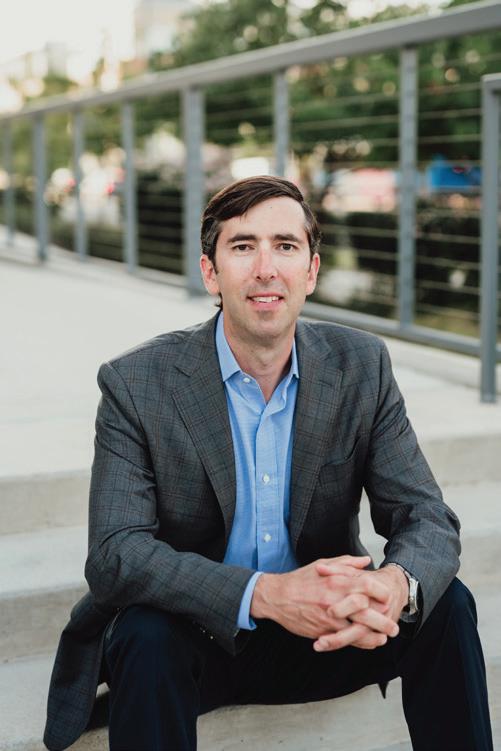

Supporters call these changes cleaner and more predictable. From a statutory standpoint, they may be. From a human standpoint, predictability does not always equal justice, and statutes rarely account for lived reality. Statutes can’t account for every situation, which can be tough in an individual case with unique facts. Parents certainly have the right and responsibility to decide who has access to their children. However, that concept is challenged when adults who have had access to or relationships with children are suddenly cut off, and they don’t have any recourse.
The outcomes of family law cas -
es are rarely “fair.” One person’s version of “fair” is often the other side’s version of “unfair.” Courts apply formulas, thresholds, and evidence. They don’t balance emotional scales. Parents who understand this early tend to make better decisions and suffer fewer long-term consequences.
Here’s what Texas families should understand right now. Know your numbers before someone else does, because if your income sits near or above the new cap, your financial exposure has likely changed. Nothing changes unless someone files, and orders signed before September 2025 remain in place until a modification

is granted, which means delay can work for or against you. Time matters, and waiting too long to respond can turn a manageable adjustment into enforcement action, arrears, or wage withholding.
I don’t write this to scare parents. I write it because the silence around statutory changes leaves families blindsided. Laws should not function like traps. If Texas wants stronger families, it needs clearer education alongside stricter rules.
Understand the system as it is, not as you wish it worked. That knowledge doesn’t solve everything, but it keeps you from being surprised by outcomes you never saw coming. AL
Jason Wright is a Texas family and school law attorney based in Austin, Texas. He focuses on direct counsel, early education, and helping parents understand what the law will and will not do for their families.
Endnotes
1 New Texas Family Laws Transform Navigating Divorce and Custody, Best Lawyers.
https://www.bestlawyers.com/ article/new-texas-family-laws-transform-navigating-divorce-custody/7108
2 Texas Child Support Calculations: What You Need to Know, Paralegal Texas.
https://paralegaltexas.com/blog/texas-child-support-calculations
3 Texas Legislature, HB 2350 Bill Analysis (89th Legislature) – changes to standing in certain family law proceedings. https://capitol.texas.gov/tlodocs/89R/analysis/pdf/HB02350E. pdf
The 2025 Tax Law made permanent the loss of ‘personal exemptions’, which means an individual can no longer deduct Attorney Fees and Expenses from their ‘taxable’ litigation settlements; they must pay taxes on the GROSS recovery. Congress carved out “unlawful discrimination, ” and ’pure employment’ settlements, with few other exceptions
The 2025 Tax Law made permanent the loss of “personal exemptions”, which means an individual can no longer deduct Attorney Fees and Expenses from their “taxable” litigation settlements; they must pay taxes on the GROSS recovery. Congress carved out “unlawful discrimination,” and “pure employment” settlements, with few other exceptions.
Attorneys can no longer deal with Taxable damages of ‘non-physical injury’ and ‘punitive damages-Gross Negligence’ after an agreed settlement/mediation or before funds are distributed.
Attorneys can no longer wait to deal with Taxable damages of “non-physical injury” and “punitive damagesGross Negligence” after an agreed settlement/mediation or before funds are distributed.
The remedy on ‘contingency fee’ cases is to create a Plaintiff Recovery Trust (PRT), but it must be created BEFORE the mediated settlement; the litigation must be transferred to the trust prior to an agreed settlement so the plaintiff can avoid taxation on the fee/expense portion of the recovery, receiving tax reporting (an IRS Form K-1) only on the net recovery.
The remedy on “contingency fee” cases is to create a Plaintiff Recovery Trust (PRT), but it must be created BEFORE the mediated settlement; the litigation must be transferred to the trust prior to an agreed settlement so the plaintiff can avoid taxation on the fee/expense portion of the recovery, receiving tax reporting (an IRS Form K-1) only on the net recovery.
Structured settlements also have a role to play: Tax savings occur when structuring client proceeds to lower tax brackets! (Use in conjunction with the PRT to maximize tax savings, for non-contingency fee cases, and as the only rememdy if it is too late for the PRT.)
Structured settlements also have a role to play: Tax savings occur when structuring client proceeds to lower tax brackets! (Use in conjunction with the PRT to maximize tax savings, for non-contingency fee cases, and as the only rememdy if it is too late for the PRT.)
Now wrongful death cases in Texas under Texas Labor Code Ch. 408 are not only taxable, but paying taxes on the GROSS settlement has a devastating effect for widows and orphans, and serious implications for attorney malpractice.
Now wrongful death cases in Texas under the 408 statute are not only taxable, but paying taxes on the GROSS settlement has a devastating effect for widows and orphans, and serious implications for attorney malpractice.
WITHOUT USING ONE OF THESE REMEDIES, THE ATTORNEY’S FEES EXCEED THE NET DOLLARS TO CLIENT, and IGNORING TAX ISSUES CAN CREATE LIABILITY!
WITHOUT USING ONE OF THESE REMEDIES, THE ATTORNEY’S FEES EXCEED THE NET DOLLARS TO CLIENT, and IGNORING TAX ISSUES CAN CREATE LIABILITY!
Plaintiff attorneys: Protect your clients (and yourselves) by increasing your client’s recovery so they receive more than you!
Plaintiff attorneys: Beware! Malpractice trap is waiting, and you will have a difficult time justifying your fees that exceed the net to clients!
These cases require extra-care, planning and action. Create a PRT before mediation!
These cases require extra-care, planning and action. Create a PRT before mediation! There are no up-front costs in doing so… but plenty of problems if you do not. Defer finalizing the mediated settlement until the PRT is in place (more time is allowed if any Court orders are required, or if case is Appealed)
There are no up-front costs in doing so… but plenty of problems if you do not. Defer finalizing the mediated settlement until the PRT is in place (more time is allowed if any Court orders are required, or if case is Appealed)
Appellate attorneys: Interest accumulations on appeal should be considered for amounts of $100,000 or greater. Punitive damages is a must do.
Appellate attorneys: Interest accumulations on appeal should be considered for amounts of $100,000 or greater. Punitive damages is a must do.
Mediator/Arbitrators: Alert plaintiff attorneys to this issue; consider a means for parties to finalize the settlement agreement after a PRT is in place.
Mediator/Arbitrators: Alert plaintiff attorneys to this issue; consider a means for parties to finalize the settlement agreement after a PRT is in place.
TRIAL VERDICT STRATEGIES: A PRT works as long as (1) there is no binding release, or binding agreement to enter into a release. Get busy creating a PRT before the verdict is final for any taxable damages (Nonphysical injuries, Defamation, Contract disputes, Punitive damages, etc.)
TRIAL VERDICT STRATEGIES: A PRT works as long as (1) there is no binding release, or binding agreement to enter into a release. Get busy creating a PRT before the verdict is final for any taxable damages (Non-physical injuries, Defamation, Contract disputes, Punitive damages, etc.)
Contact us for more information regarding the Plaintiff Recovery Trust and remedies.

Carola M. Davis, CFS


“Information is power, the not knowing is devastating ”
The Attorney’s Indispensable Partner in Settlement Planning 830.609.5555 • cmdavis388@gmail.com www.DavisSettlementPartners.com
The Attorney’s Indispensable Partner in Settlement Planning 830.609.5555 • cmdavis388@gmail.com www.DavisSettlementPartners.com
Carola M. Davis, CFS
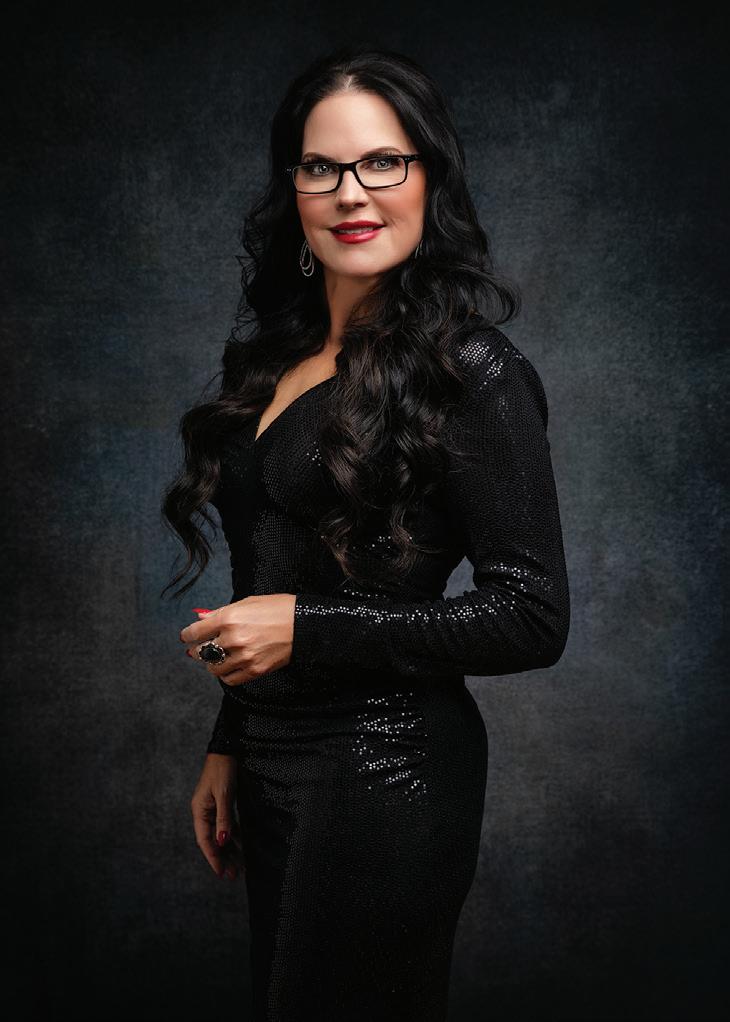

Divorce and Child Custody Surveillance ~ Undercover Background Checks Computer & Phone Forensics Corporate Investigations Expert Testimony and more Austin, Round Rock, & Dallas STRICTLY CONFIDENTIAL

Texas is projected to become the largest global data center market by 2030, according to new research conducted by real estate firm Jones Lang LaSalle (JLL).
In a press release announcing the research findings, JLL said Texas currently has 6.5 gigawatts (GW) of data center capacity under construction. One gigawatt can power about 750,000 homes on average. Last year, total data center capacity expanded by 35 GW.
Currently, the largest data center market is Northern Virginia, which JLL calls a “mature hub.” Dallas-Fort Worth and Silicon Valley fall into this category.
Other parts of Texas, as well as Tennessee, Ohio, and Wisconsin, are called “frontier markets,” or areas that meet certain criteria to facilitate the mass development of data centers outside of mature hubs.
These criteria include:
• Places with plentiful land
• Lack of zoning regulations
• Access to water and other renewable energies
• Business-friendly climate
The Austin American-Statesman reports that there are currently 55 existing or planned data centers for the area between Temple and San Antonio. Additional unconfirmed projects could triple that number.
CBRE, a real estate research firm, reported in August 2025 that

Austin and San Antonio’s combined data center capacity under construction was 463.5 megawatts (MW), which had quadrupled since 2024. CBRE currently ranks the market as the second-largest secondary market in the country, behind Southern California.
In the first half of 2025, the Austin-San Antonio market had:
• Total inventory of 193.0 MW
• Year-over-year change of 3.3 MW
• 3.5 MW available
• 1.8% vacancy rate
• Year-over-year change of 0 basis points (bps)
• H1 2025 net absorption of 3.2 MW
• Year-over-year change of 23.7 MW
• Rental rates of $145-$180 per kilowatt-month
In February, the Round Rock City Council unanimously approved plans for a 75 MW data center to be built by Dallas-based Skybox Datacenters. The develop-

er also has two other datacenters in the area: a 141,000-square-foot, 30 MW building in Pflugerville and a 1.28-million-square-foot, 600 MW facility in Hutto.
The public comment period of the Round Rock meeting lasted several hours, with two dozen Williamson County residents voicing opposition, the Statesman reported.
Public opposition frequently cites environmental concerns.
The Electric Reliability Council of Texas said data centers will cause Texas energy demands to surge by 71 percent by 2031.
Additionally, data centers consume massive amounts of water.
The Environmental and Energy Study Institute reports that “large” data centers draw up to five million gallons of water a day, though the institute doesn’t define “large.”
In February, the San Marcos City Council vetoed a proposed $1.5 billion data center that would have been partially located within city limits. The Statesman reports
that hundreds of residents showed up to the council meeting, and the public comment period took nearly nine hours.
Following the veto for the San Marcos facility, Hays County Judge Ruben Becerra proposed a 30-day halt on consideration for “water-intensive industrial projects” like data centers. The Hays County Commissioners Court. The Austin Business Journal reported that the proposition was supported by a majority of the commissioners court, as well as the residents who spoke during the meeting’s public comment period, but Becerra’s call for a pause was tabled.
“I think we would be exposing ourselves to significant legal liability (if the 30-day resolution) was passed,” said Hays County Assistant District Attorney Chase Young.
Becerra said he feared the water usage of the proposed data center would put Hays County in a position where it couldn’t fill fire trucks. AL
Congratulations to Austin Bar member Jason Snell, who has been elected president of the Austin chapter of the American Board of Trial Advocates (ABOTA) for 2026.
ABOTA is a national association of trial lawyers in 96 chapters throughout the United States.
Previous presidents of the Austin chapter include Laura Bellegie Sharp, Karen Burgess, David Chamberlain, Martha Dickey, Randy Howry, and Dicky Grigg.
In a press release announcing his election, Snell said he will advance ABOTA’s mission of strengthening the civil justice system and fostering civility in the practice of law.
Jason is the founder and senior partner of Snell Law, an Austin-based firm specializing in con-

tract disputes, business torts, and litigation in real estate, construction, and class-action matters.
Jason is certified in civil trial law by the Texas Board of Legal Specialization. First practicing as a litigator in Dallas, then New York, he opened Snell Law in 2007. AL
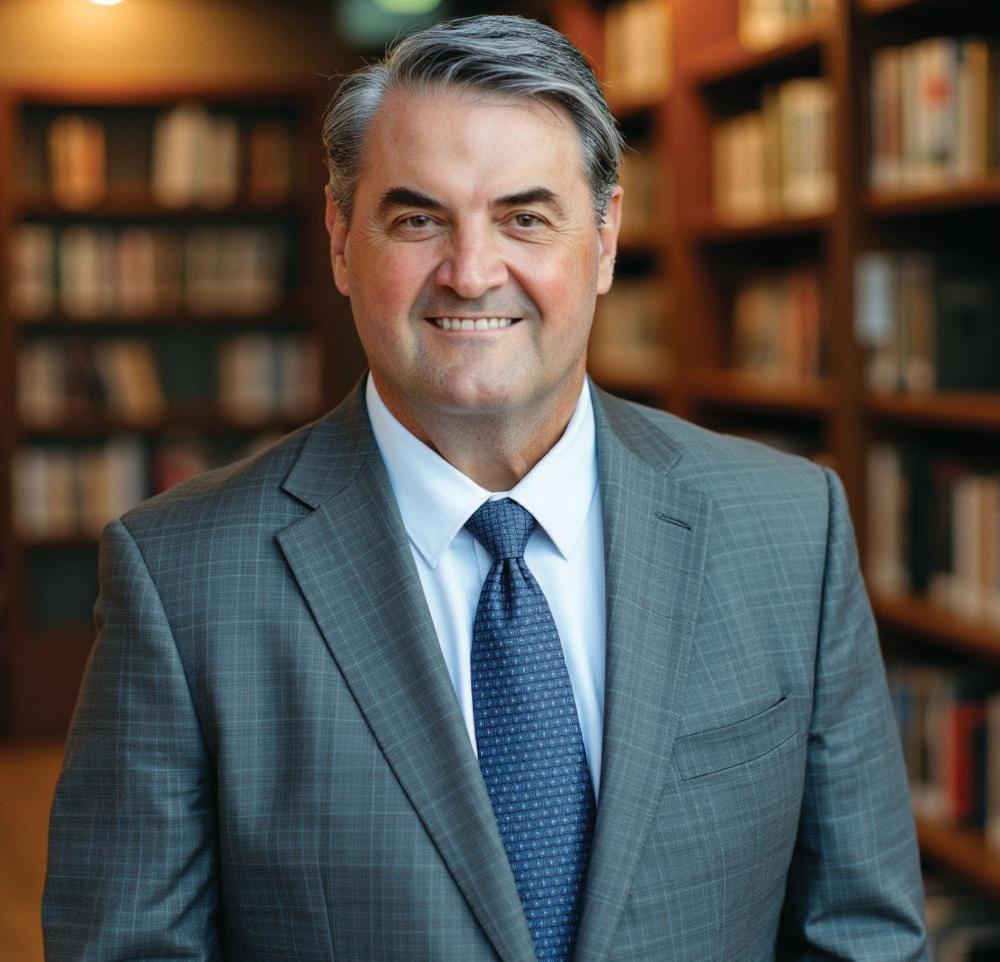



Travis County Criminal District Judge Dana Blazey declared the four men, wrongfully convicted of perpetrating Austin’s Yogurt Shop Murders in 1991, as actually innocent.
The declaration came on Feb. 19, 2026.
In late 1999, Robert Springsteen, Michael Scott, Forrest Welborn, and Maurice Pierce were arrested on suspicion of murdering Amy Ayers, 13, Eliza Thomas, 17, and sisters Jennifer and Sarah Harbison, ages 17 and 15. The victims were bound, gagged, and shot in the head at the I Can’t Believe It’s Not Yogurt Store, where two of them worked. The building was subsequently set on fire.
Springsteen and Scott said the confessions they gave investigators were the product of coercion. Springsteen was sentenced to

death. Scott was sentenced to life.
Both of their convictions were overturned in the mid-2000s.
Forrest Welborn and Maurice Pierce were never convicted, though long suspected. Pierce spent three years in jail before the
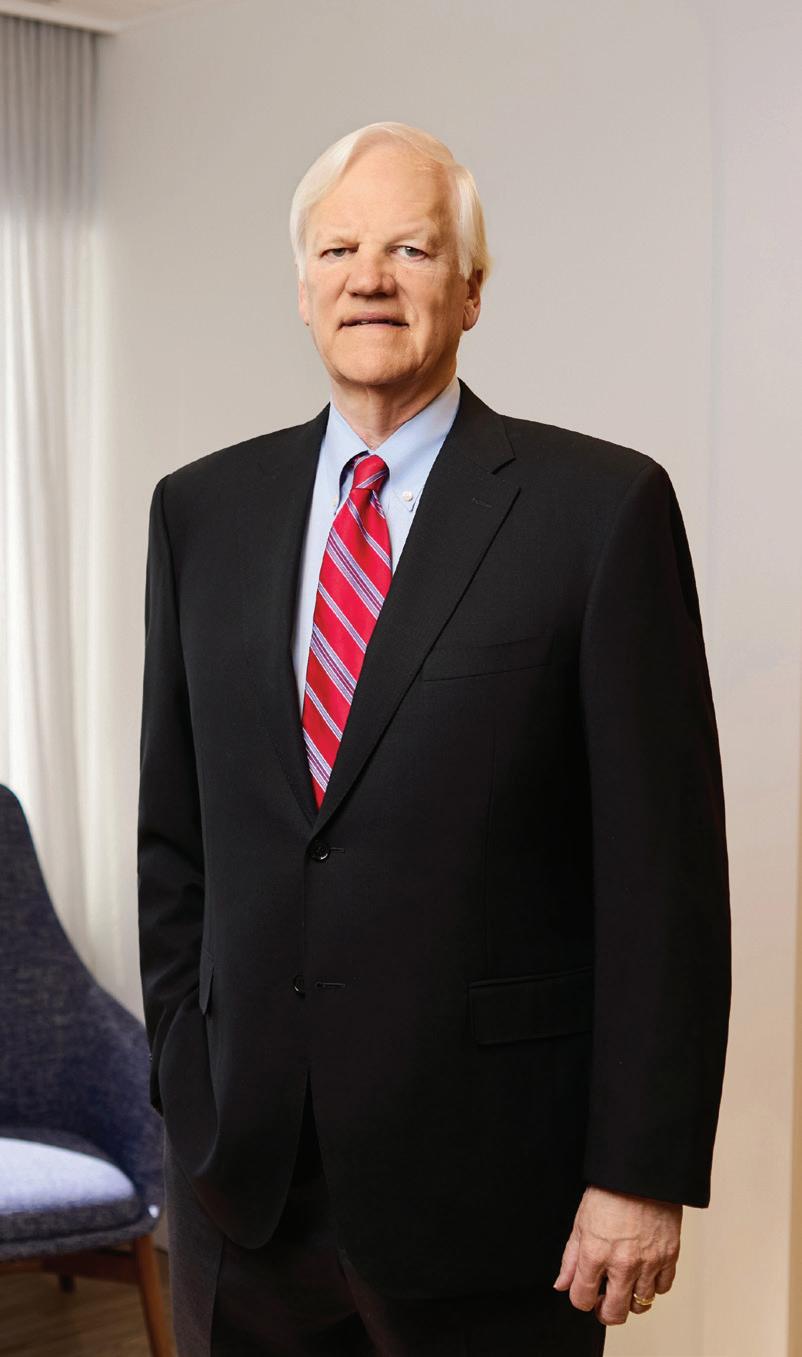
charges were dismissed, and he was released. Welborn was charged but never tried after two grand juries refused to indict him.
Prosecutors wanted to try Springsteen and Scott again, but a judge denied it in 2009 when new DNA
tests, previously unavailable in 1991 and the prior trials, revealed the DNA of a new male suspect.
Interest in the case was renewed in 2025 with the release of a critically acclaimed HBO documentary series.

Austin Police Department cold case Detective Dan Jackson and the Texas Attorney General’s Office’s Cold Case and Missing Persons Unit identified Robert Eugene Brashers, who killed himself in 1999, as the primary suspect.
In 2018, Brashers’ DNA—obtained after he was arrested at a border checkpoint near El Paso two days after the yogurt shop murders—was connected to three disparate crime scenes: one, the murder of a South Carolina woman in 1990; the second, the rape of a 14-yearold girl in Tennessee in 1997; and lastly, the shooting of a mother and daughter in Missouri in 1998.
Finally, a tissue sample taken from under the fingernail of 13-year-old Amy Ayers was linked to Brashers’ DNA.
Amy’s parents, Bob and Amy, did not attend the exoneration hearing but issued a statement through their attorney, thanking Det. Jackson, the Austin Police Department, and the Texas Attorney General’s Office for solving the case.
The hearing began with a statement from Travis County First Assistant District Attorney Trudy Strassburger.
“It goes without saying that harm was caused to the four wrongly accused,” she said. “Today we are going to take the first step in righting that harm by shining a light on the truth.”
This was followed by Det. Jackson detailing how the investigation eventually linked Brashers to the crime.
“Michael Scott, Robert Springsteen, Maurice Pierce, and Forrest Welborn did not commit these mur
ders,” he said.
Austin Police Chief Lisa Davis affirmed Det. Jackson’s findings in her statement.
“I support these exonerations,” she said.
Robert Springsteen did not attend the hearing. Maurice Pierce died in 2010. After impact statements from Welborn and Scott and their families, Judge Blazey exonerated the four men.




“The record before this court establishes what the law now formally recognizes,” Judge Blazey said during the hearing. “That you are now innocent. No ruling can restore the time taken from you. No judgment can fully remedy the burden that you have carried. But the court can, and does, state, without qualification or hestitation, that you are cleared and that your innocence is affirmed.” AL