About Us
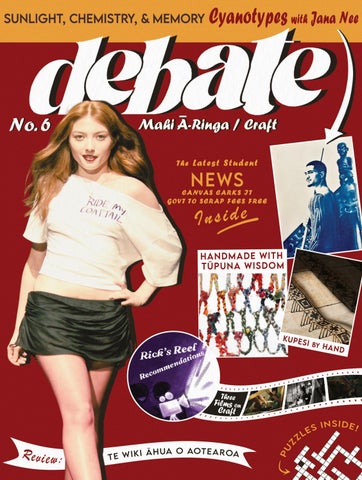
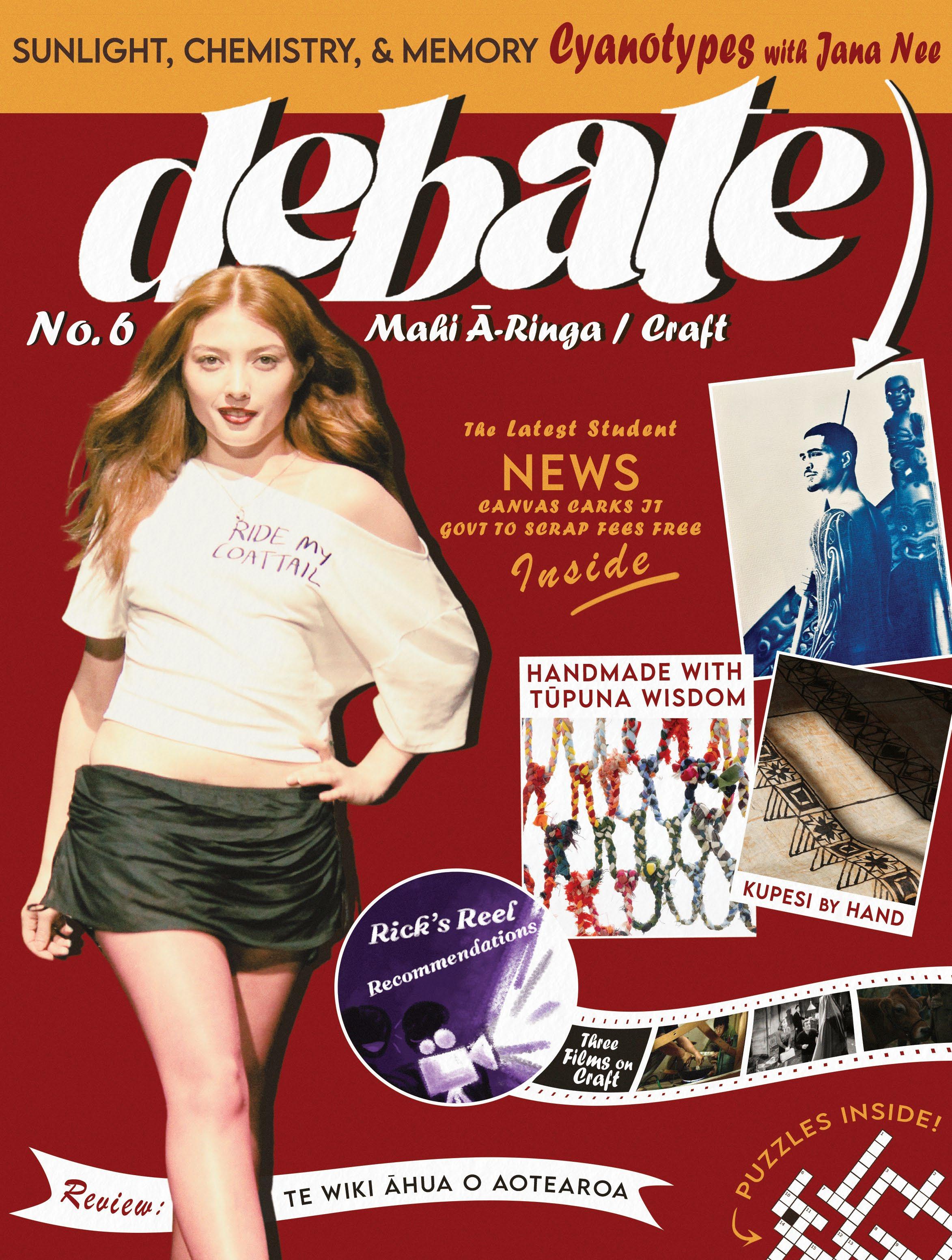
Kia ora! We’re Debate, your free student magazine at AUT. Each fortnight we scatter magazines across campus talking about student news, art, and culture. Each issue is made by us and a small team of contributors - no AI was used in the production of any work to our knowledge.
FOLLOW US ON INSTAGRAM @debate_mag
Editor Associate Editor Arts, Culture & Te Ao Māori Editor

Digital Marketing & Social Media Manager Graphic Designer
Donnelly Liam Hansen Skye Lunson-Storey Madeline Bradley Sophia He

Tashi
Kōrero Toi
Kōrero Toi
Kōrero Toi
Kōrero Toi

TITLE---


The Radical Act of Slowing Down Canvas carks it
Student unions condemn end of fees free In the hands of Te Kore Carrying Care
Jeorja Duffy & Te Ra Awatea Kemp
Tohi Kumi Koloa
Jana Nee
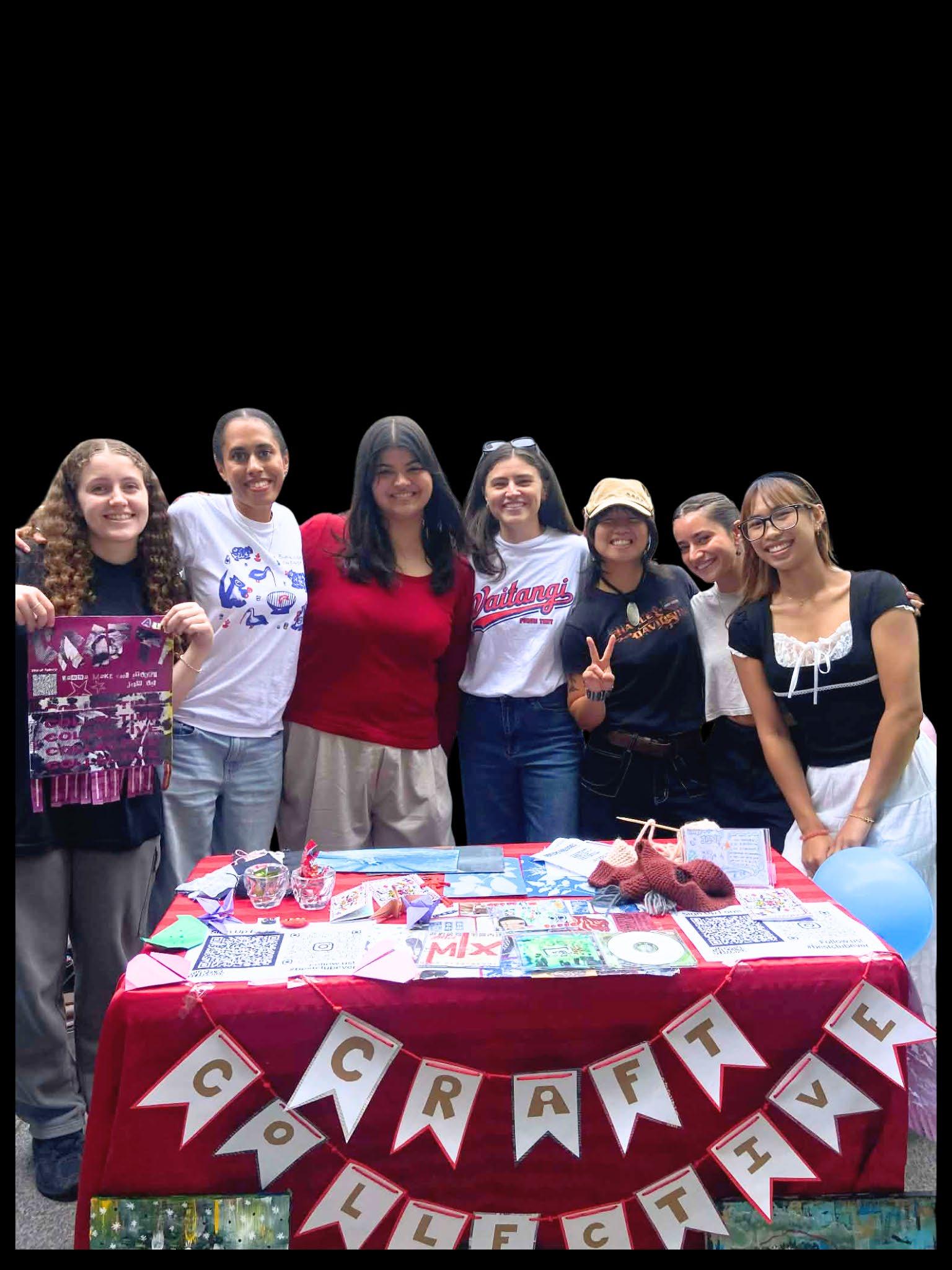
Te Wiki Ahua o Aotearoa | Ride my CoattailAUT Craft
Collective
Visual - Piece by Jana Nee
Vivid, Livid, Lesbian Linocut
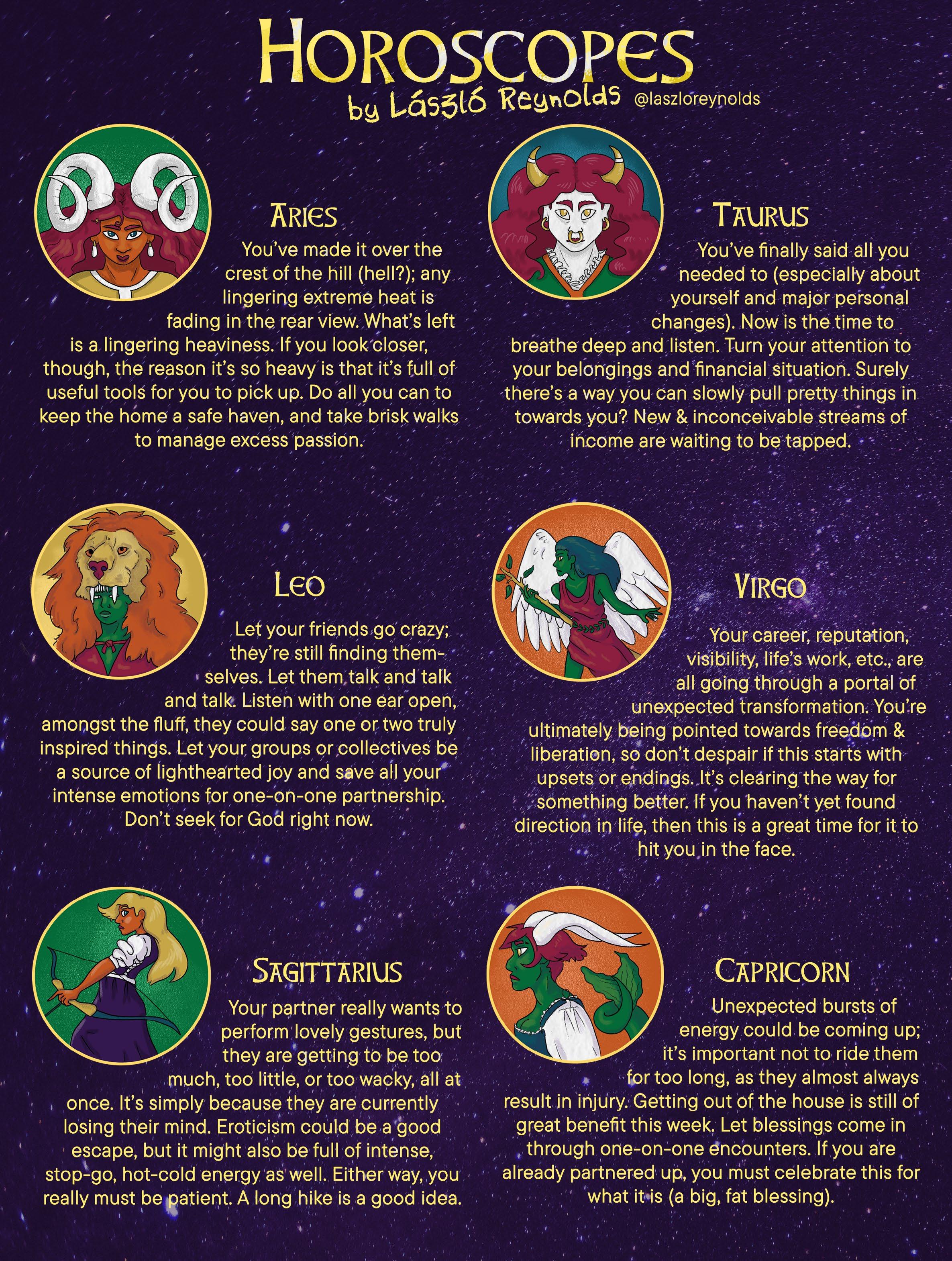
Horoscopes 18th May - 13th July
Rick’s Reel Recommendations - 3 Films for Craft
Tashi Tutorial
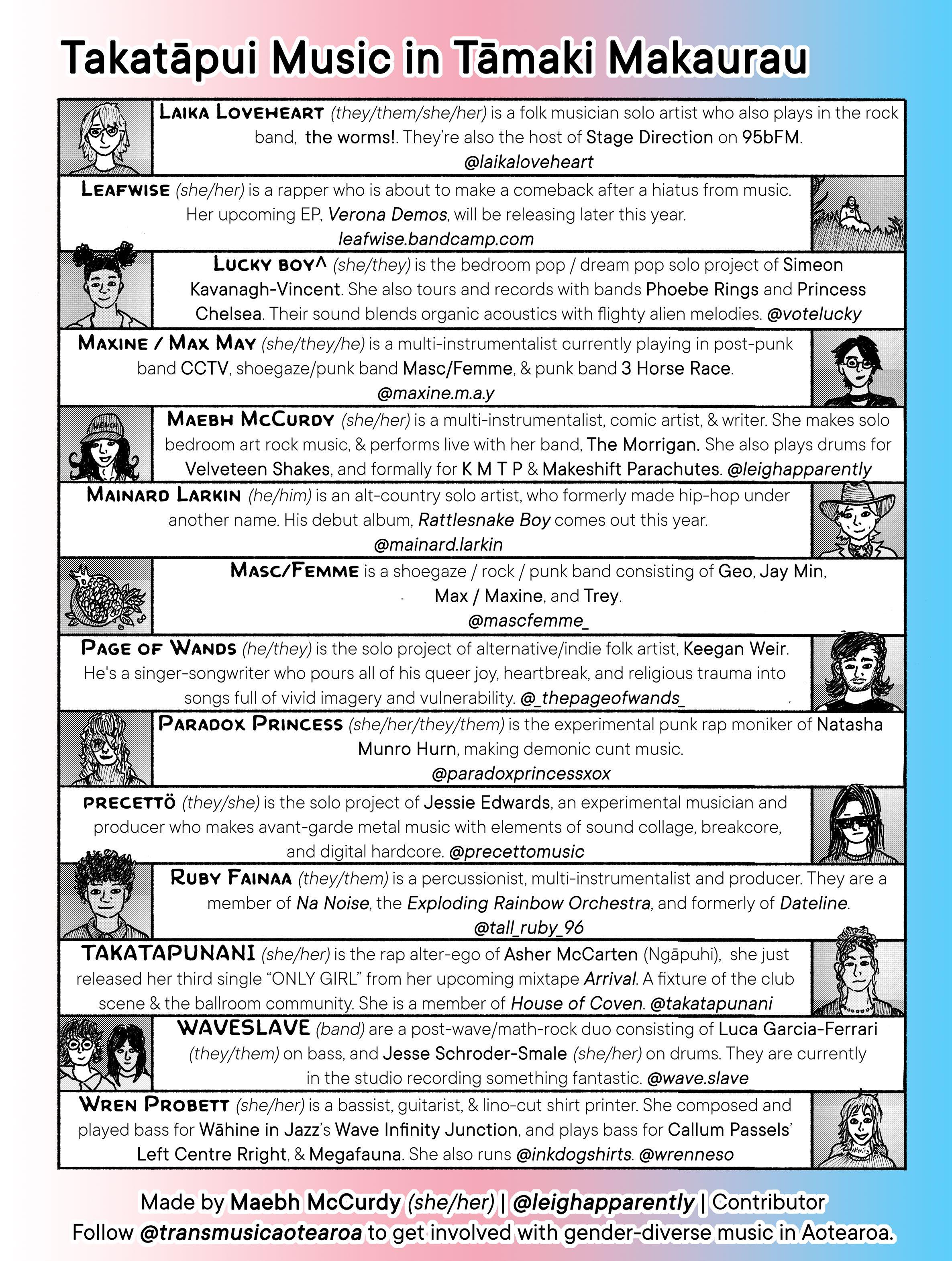
Trans Music Aotearoa
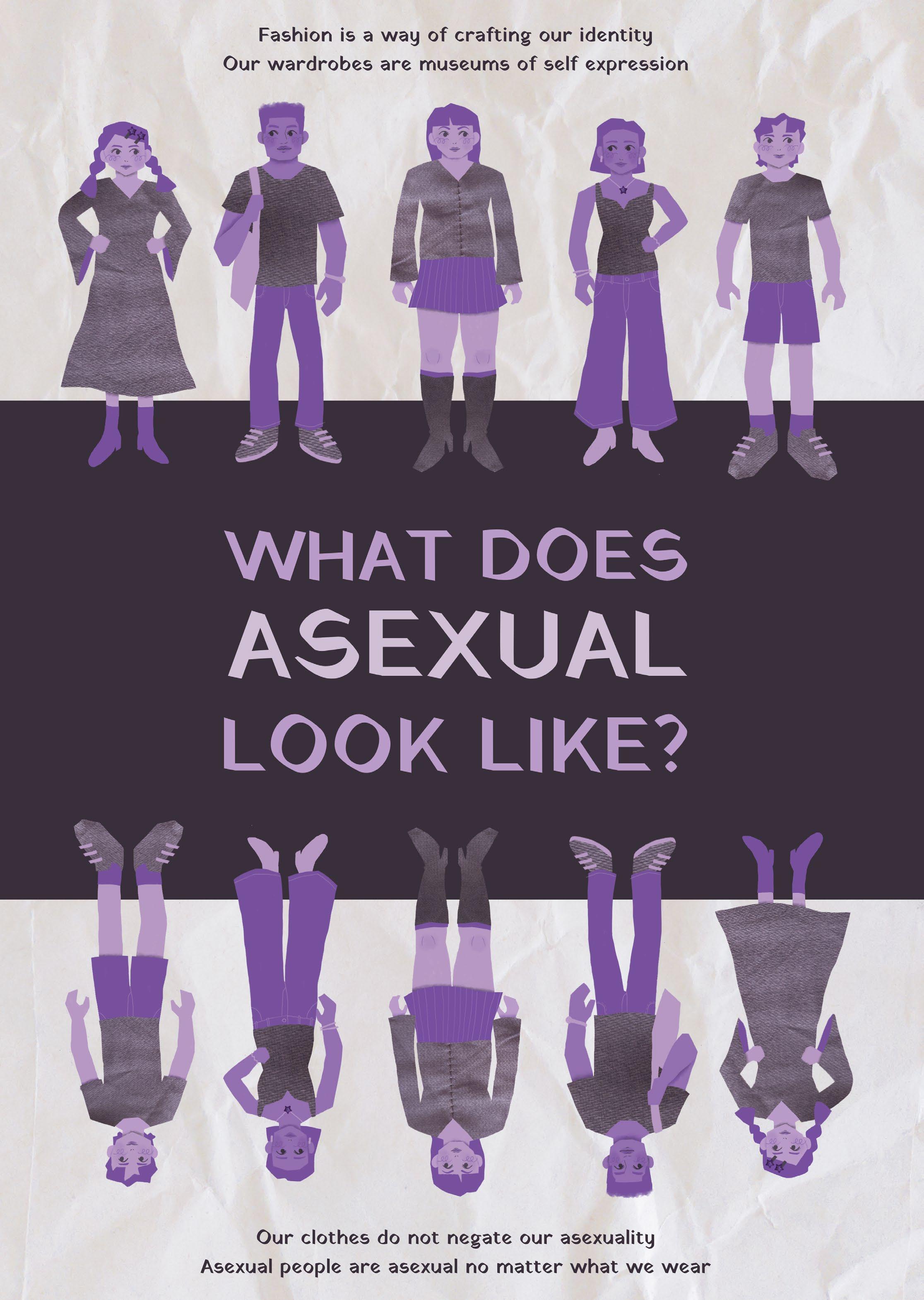
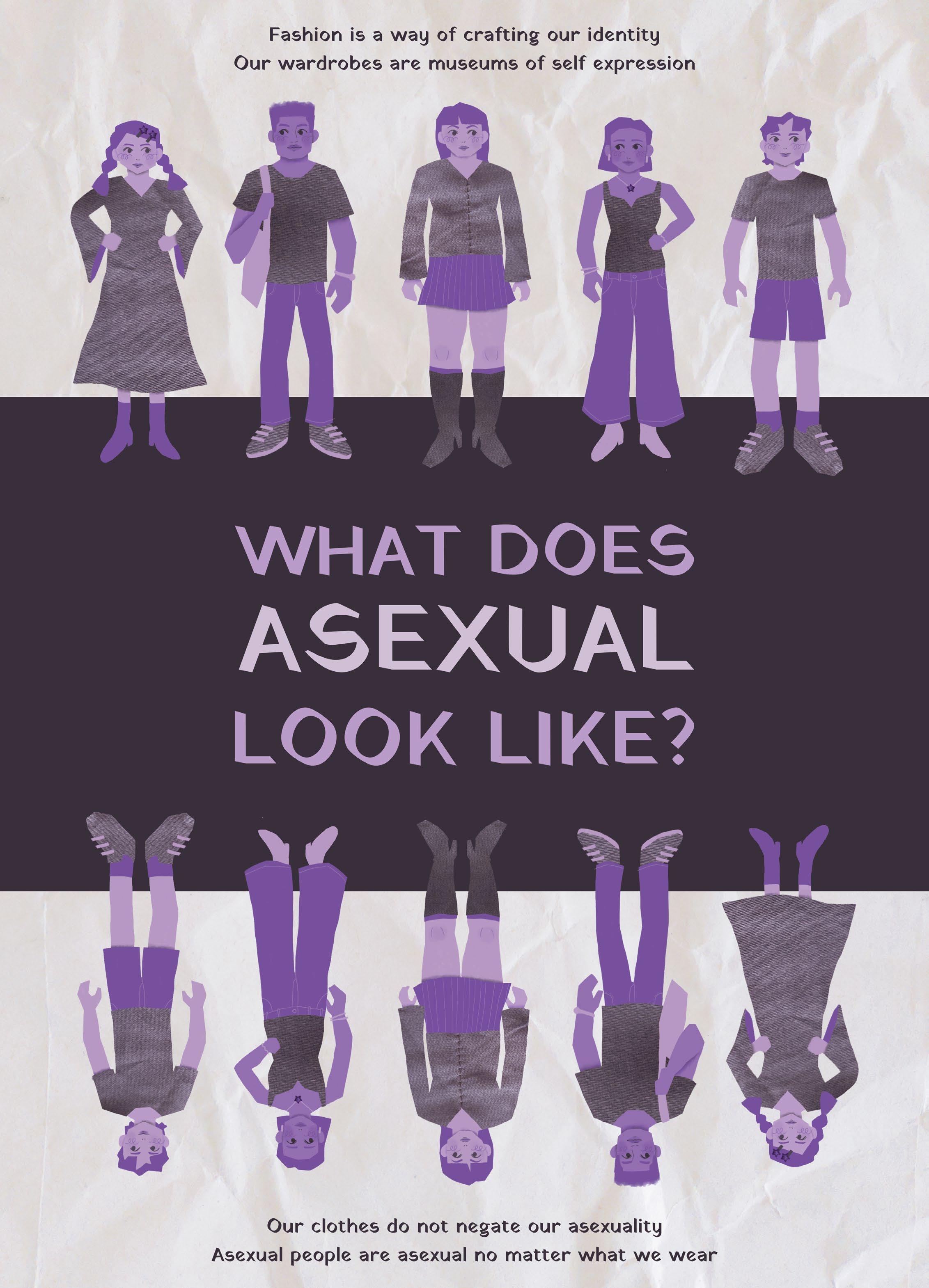
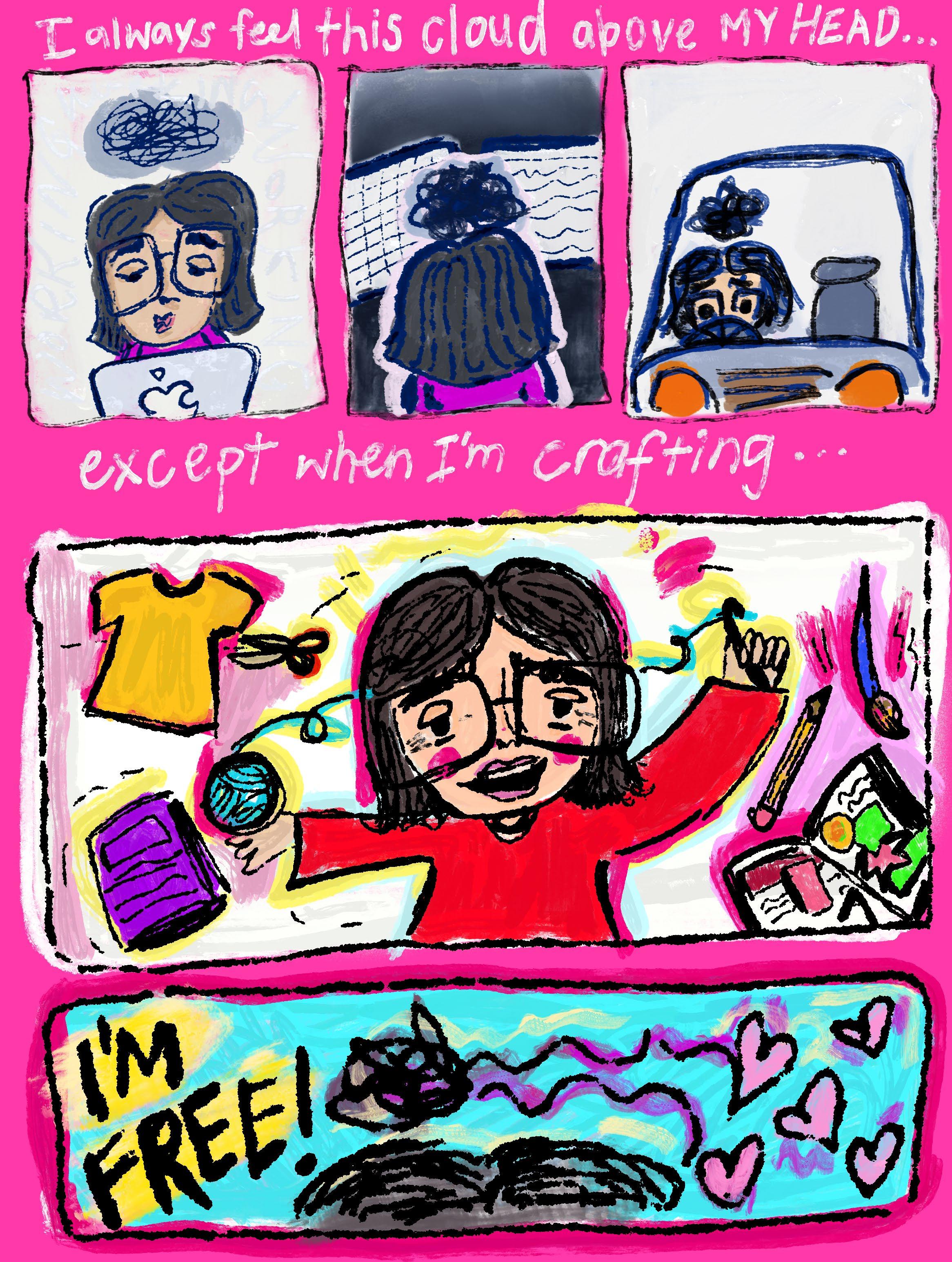
What Does Asexual Look Like? Crafting As Self-Care
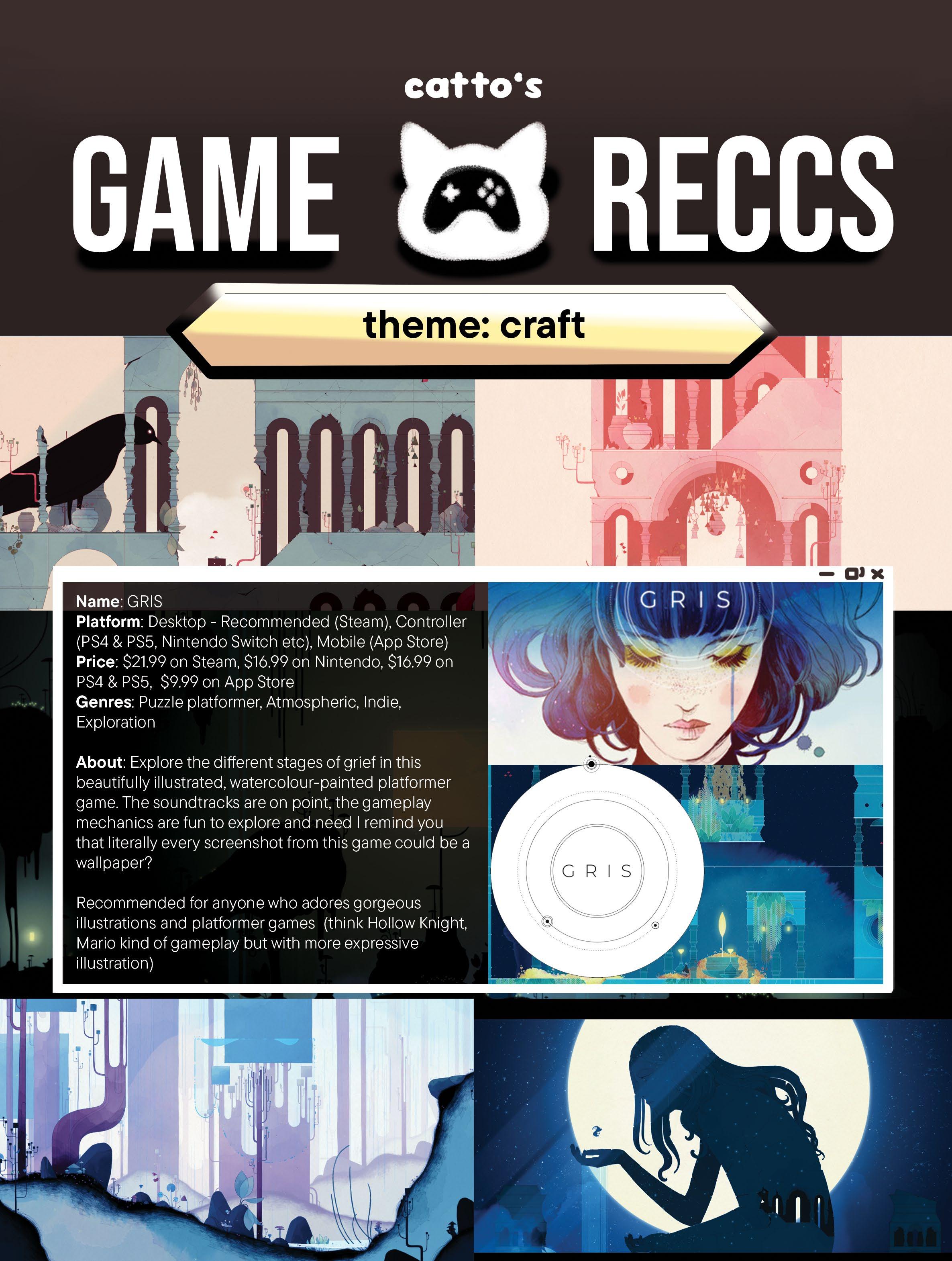
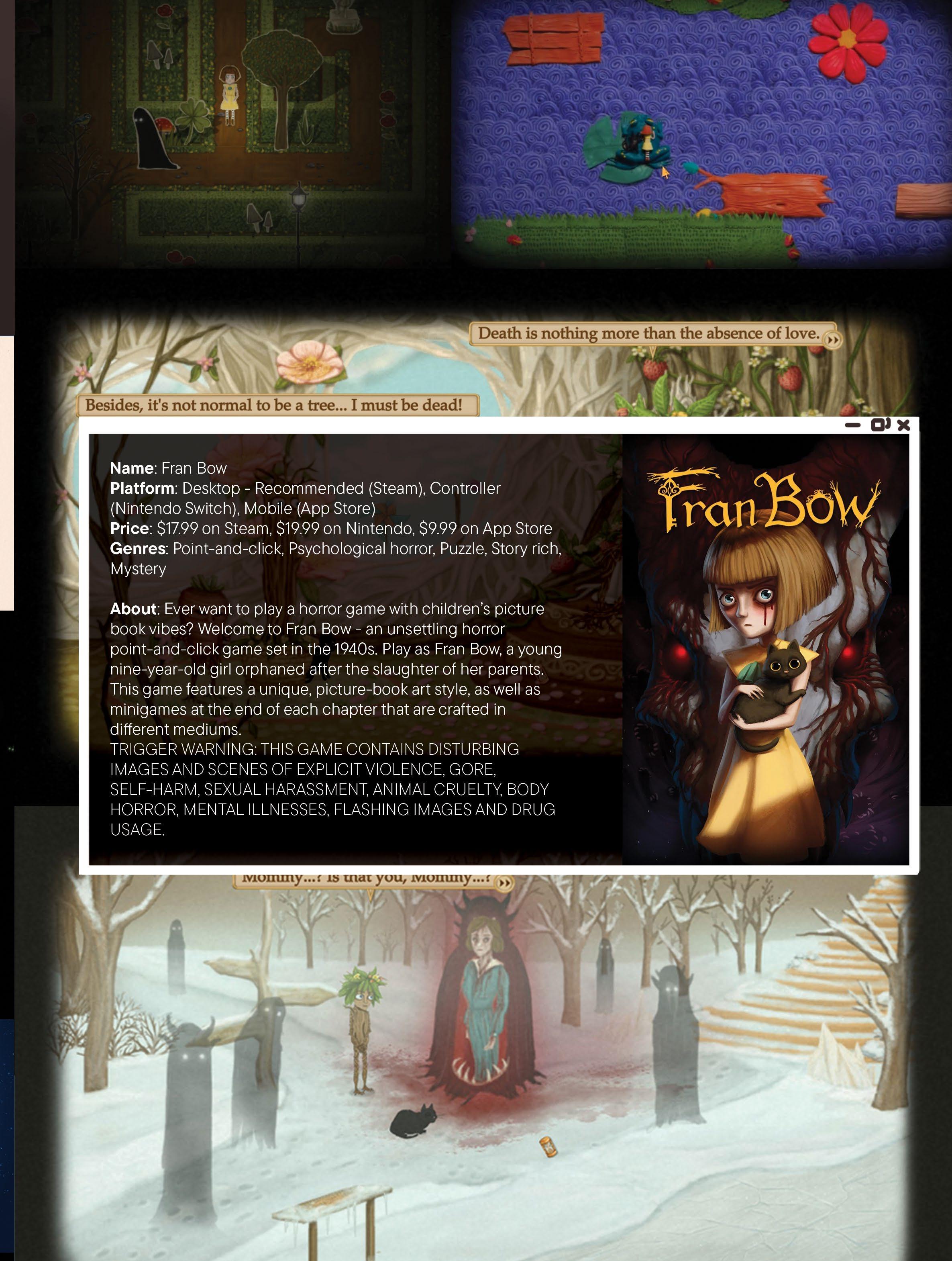
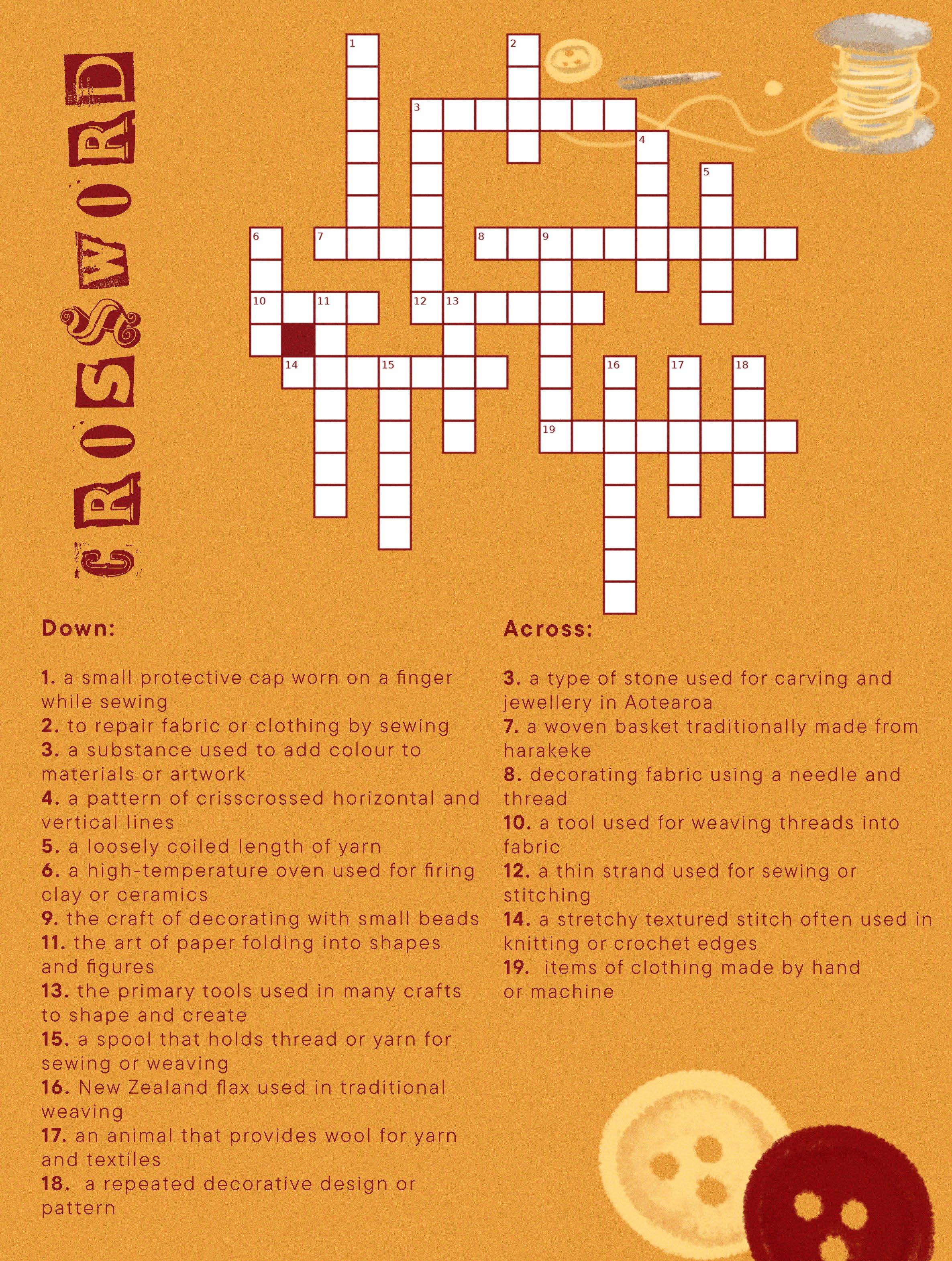
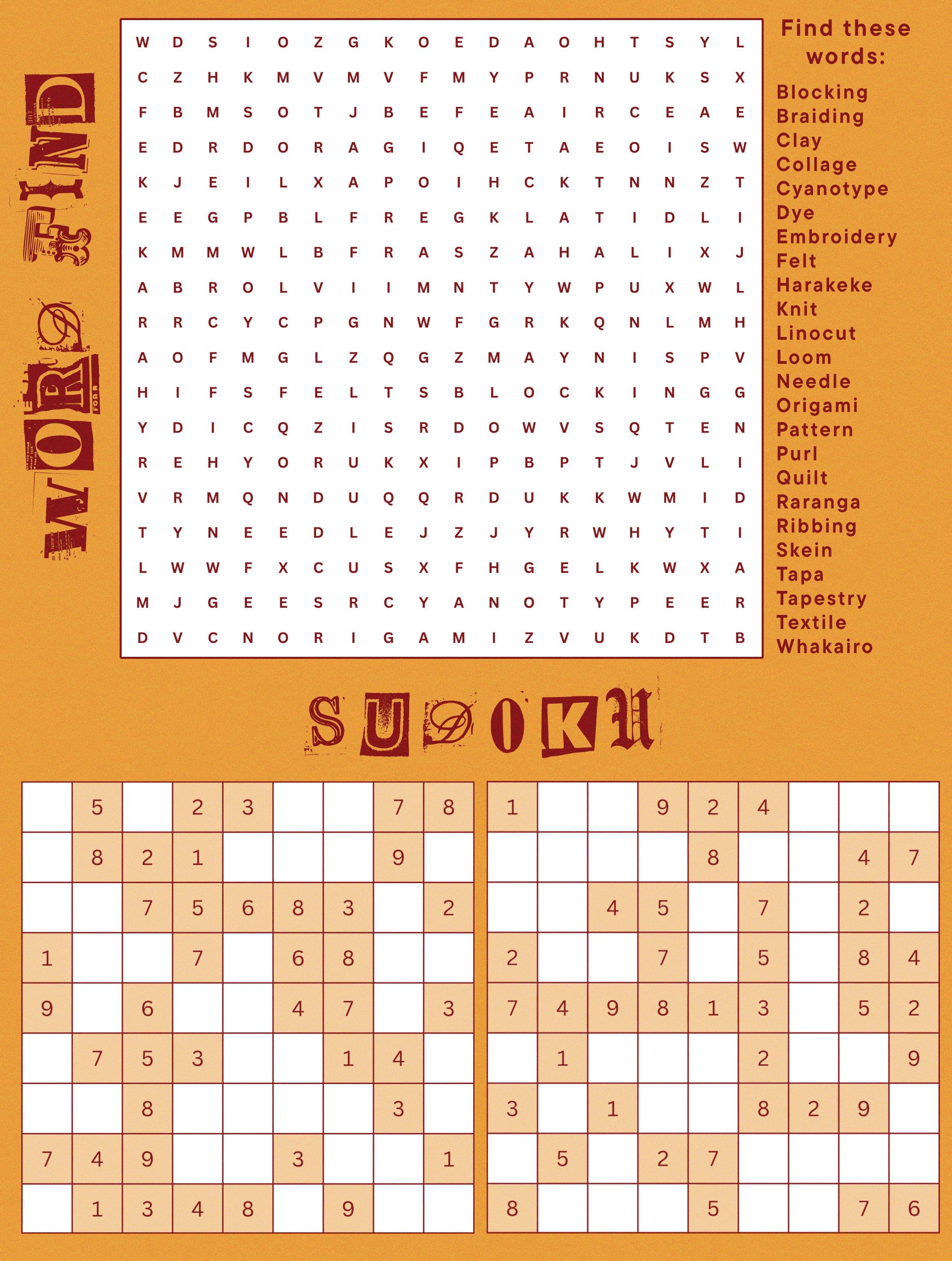
catto’s GAME RECOMMENDATIONS PUZZLES

DISCLAIMER
Material contained in this publication does not necessarily represent the views or opinions of AUTSA, its advertisers, contributors, Nicholson Print Solutions or its subsidiaries.
This publication is entitled to the full protection given by the Copyright Act of 1994 (“the Act”) to the holders of the copyright, being AUT STUDENT ASSOCIATION (“AUTSA”). Reproduction, storage or display of any part of this publication by any process, electronic or otherwise (except for educational purposes specified in the Act) without express permission is a break of the copyright of the publisher and will be prosecuted accordingly. Inquiries seeking permission to reproduce should be addressed to AUTSA.
Debate is a member of the NZ Media Council and subject to its complaints procedure. Complaints about stories must first be directed in writing to us (provide link) within a month of the story being published. If you are not satisfied with our response you can complain to https://www.mediacouncil.org.nz/complaints/. You will need to attach a copy of the article complained about and any correspondence you have had with us.
CREATOR---
Tashi Donnelly
Liam Hansen
Liam Hansen
Skye Lunson-Storey
De Jana Sveistrup
Here Here Collective
‘Uhila M.L Jr
Jana Nee
Sanskruti Bannerjee
AUT Craft Collective
Jana Nee
The Hot Lesbian László Reynolds
Ricky Lai
Tashi Donnelly
Maebh McCurdy
K KAUR
Gabbie De Baron
meoskyan_art
Debate Team
Tashi Donnelly (she/her) @tashi_rd
Photos by contributors and Jenna Chapman @jarzyshotz
FRONT COVER CENTREFOLD
‘Ringa RauPā’ by Jana Nee (she/her) @jahncreates
CONTRIBUTORS
De Jana Sveistrup, Jeorja Duffy, Te Ra Awatea Kemp, ‘Uhila M.L Jr, Jana Nee, Sanskruti Bannerjee, AUT Craft Collective, The Hot Lesbian, László Reynolds, Ricky Lai, Maebh McCurdy, K KAUR, Gabbie De Baron, meoskyan_art
The Radical Act of Slowing Down
Haere mai, welcome to Debate Magazine, where we’re celebrating the wonderful handmade world of mahi ā-ringa craft. I have about 800 words, and not nearly enough time to cover the infinite, magical, sprawling world of hand-made crafts. Let’s start with now, shall we? It started during the lockdowns; suddenly, everyone was making sourdough bread and picking up knitting. It felt like the right thing to do. Being stuck at home, forced to spend even more time staring at screens, made us yearn for something tangible, something to keep us busy.
In the West, especially, textile arts such as rug-making, embroidery, and knitting have been overlooked and disregarded as ‘women’s work’. Not taken seriously by the high arts community, these crafts and the women who’ve practised them have not been recognised for their immense skill and creativity. In her book, The Subversive Stitch, Rozsika Parker explores how, from the Middle Ages through to the nineteenth century, needlework was central to constructing the ‘ideal woman’ as patient, moral, and devoted to home life.
While needlework was often used to reinforce these gender roles, Parker argues it also gave women a space for creativity, self-expression, and community. She challenges the idea that embroidery is somehow lesser than painting or sculpture, showing how the divide between ‘high art’ and ‘craft’ was shaped by patriarchal ideas about whose labour is
considered valuable. Rather than seeing embroidery as trivial or decorative, Parker frames it as both an artistic practice and a reflection of women’s social position throughout history. But let’s go back even further, because I believe craft is not peripheral to human history; it is one of its foundations.
In her book, Women’s Work: The First 20,000 Years, Elizabeth Wayland Barber argues that textile production was one of the most important technologies in human history, as transformative as stone tools. She discusses cordage, thread, weaving, and how perishable technologies disappear from the archaeological record, leading historians to underestimate their importance. But you only have to think about it for a few seconds to realise that, before we could attach stones to sticks, we had to invent strings to tie them. Before we could sail oceans, we had to weave ropes and sails. Before we could carry children, food, and supplies long distances, we had to weave baskets and slings. Before we could catch fish, we had to make rods, lines, and nets.
Over the course of human history, trillions upon trillions of hours have been spent experimenting and perfecting techniques that allowed us to evolve, connect, and care for one another. Techniques that required complex mathematical knowhow, pattern recognition, and hand-eye coordination. Skills that allowed us to make the first computers. My favourite example is the ‘core rope memory’
used in the Apollo Mission guidance computers. Wires were literally woven through or around magnetic cores to encode data as physical patterns. This kind of precision hand-weaving was done by textile workers, often women, whose skills in loom work translated directly into the production of reliable, high-density computer memory. All craft roads lead back to maths, as they say.
We’ve seen progress in the recognition of textile arts over the years, and in Aotearoa, we are fortunate to live alongside the rich weaving and textile traditions of Pacific cultures, and the enduring practices of toi Māori. I hope that craft arts continue to inspire and receive their due recognition.
Craft hobbies are a welcome antidote to doom-scrolling; we saw that in the pandemic. But before you start a new craft, remember that there are no short-cuts. It’s worth remembering that every craft sits inside a much longer story, one shaped by cultural histories, environmental impact, and generations of skill and labour. The ‘time-saving’ techniques we’re often drawn to can end up being a kind of fool’s gold: they promise efficiency, but often flatten the very depth that gives craft its value.
In the age of AI slop, late-stage capitalism, fast fashion, and ever-shortening attention spans, there’s something quietly radical about slowing down to make something by hand. Not because it is new, or trendy, but because it remembers
something we’ve almost forgotten: that making has always been how we’ve understood the world.
Written by Tashi Donnelly (she/her)
EDITOR-IN-CHIEF
@tashi_rd
Canvas carks it: Instructure data breach leaves students in the dust
Students and faculty across AUT, UoA, and VUW were locked out of Canvas over the weekend, as parent company Instructure was hit by a data breach, leaving troves of personal information at risk.
The trials began at the start of the month, when 3.65 terabytes of information, including students’ names, email addresses, private messages, and ID cards, were seized in a major international cybersecurity incident. The perpetrators claim over 275 million students from 8,809 institutions have been affected, though Instructure clarified that no financial or sensitive personal information was acquired.
This initial breach took place on Wednesday, the 6 May, leaving the servers online so staff and students could access the platform during their final assessments. It was business as usual up until Friday, our time, when students logged in and finally heard from the hackers themselves and realised they were all probably around the same age.
‘S H I N Y H U N T E R S - rooting your system since ‘19 ;)’ was plastered across the screen, taking the piss out of the institutions reliant on Canvas while students were unsure whether they were supposed to be rooting for the hackers or their own universities. The message goes on: ‘ShinyHunters has breached Instructure (again). Instead of contacting us to resolve it they ignored us and did some “security patches.” After a ‘⚠W A R N I N G’, ShinyHunters goes on to ask affected schools to negotiate directly to reach a settlement.
‘You have until the end of the day by 12 May 2026 before everything is leaked. Instructure still has until EOD 12 May 2026 to contact us.’
Instructure later took Canvas offline completely, linking the breach to their Free-for-Teacher accounts, which were
disabled as a precaution. In a message to staff, AUT instructed teachers to log out of their accounts until the issue was resolved.
Thousands of students temporarily lost access to coursework, materials, lectures, and readings, with many unable to submit assignments and students affected across the world, who were often actively sitting their finals when the outage hit.
Each institution individually worked through their systems to get Canvas up and running again by Saturday, with UoA servers returning by 7:45PM and AUT up and running by 5PM Sunday. Given the disruption to classes and inconvenienced students, AUT assessments due between Friday 8 May and Friday 15 May inclusive have received an automatic sevenday extension. Tests and quizzes have also been postponed by at least a week.
In the points listed at aut.ac.nz/student-life/ studying/canvas-outage-faq, AUT states that despite ShinyHunters claiming access to the aforementioned data, none of their internal servers had been breached. The ICT team also warns students to keep an eye out for unofficial emails, reminding them of the primary aut.ac.nz, instructure.com, or canvas.aut.ac.nz addresses officially used by the university. We’ll also chuck autsa.org. nz in there as the official site for Debate and AUTSA comms - if you receive messages from accounts seeming to impersonate AUT personnel or sending spam messages, please forward them to spam@aut.ac.nz.

Written
by Liam Hansen
(they/them) @liamhanse.n
ASSOCIATE EDITOR
Student unions condemn the disbandment of Fees Free Scheme
Friday, 8 May saw finance minister Nicola Willis announce they would abandon the Fees Free Scheme by way of Winston Peters, roughly eight years after its introduction in the first year of the Ardern government.
Prime Minister Christopher Luxon claims that the scheme didn’t meet its goals, reflecting reports in 2023 that the rates of students at decile 1-6 schools enrolling in university had shrunk throughout the years, while uptake from high decile school students had risen.
Luxon shared the government’s intentions to redirect the funding towards trade training, unintentionally reflecting the external factors that indirectly affected university intakenamely, the economic fallout of the pandemic, leading more young people to begin working early to support their families, while students better-off were able to continue their studies with the benefit of the fees free scheme throughout Covid.
With students already leaving Aotearoa in droves for higher pay in Australia and mounting unemployment, the loss of the scheme has removed further incentive to study for students, with eligibility concluding this year, creating the last generation of students who were able to test out uni life in their first year, or powered through their third through the Government’s initial restructure seeing the final year of undergrad study fees being waived.
To be clear, there are still tens of thousands of students graduating each year. Students who enrolled in 2024, when the change from first-to-third year was announced, will be the last cohort to receive their last year free.
The majority of student associations in Aotearoa produced a joint statement condemning the decision and calling for a reversal on the 11 May. Published on the VUWSA website and signed by AUTSA, representatives state, “New Zealand’s skills pipeline depends on a coherent tertiary system that values vocational education and training alongside university and postgraduate pathways. The Government should not present this as an either/or proposition. A credible approach would strengthen access across the system, rather than withdrawing support from one pathway in order to fund another.”
“Education should be an investment in New Zealand’s future, not a privilege reserved for those who can absorb increasing debt,” says AUTSA president James Portegys. “Students are studying to become our future nurses, teachers, engineers, business leaders, and public servants. Making education less accessible weakens New Zealand’s longterm economic and social future.”
Written by Liam Hansen (they/them) @liamhanse.n
ASSOCIATE
EDITOR
In the Hands of Te Kore
Toi Māori moving beyond gender
The patience, collective nature, and tactile act of creating with my hands connect me to something larger than myself. In te ao Māori, mahi ā-ringa/mahi toi are not simply artistic practices; they are vessels of whakapapa, preserving pūrākau and carrying the mātauranga of our tīpuna through generations. Our hands can become a portal to Te Kore, the boundless void of unlimited potential and becoming, where creation, transformation, and possibility emerge. As an urban Māori who has often felt whakamā about not yet having my reo, toi Māori has become a vital pathway back to my Māoritanga. However, being takatāpui, I have also questioned the gendered roles imposed by both te ao Māori and te ao Pākehā. This piece explores how colonial frameworks narrowed Māori understandings of gender through tikanga, toi Māori, and storytelling, and I speak to the contemporary practices of Te Ana o Hine, the first wāhine carving shed.
Before colonisation, Māori society operated through systems of balance, reciprocity, and collective responsibility rather than rigid hierarchies. While different roles existed for wāhine and tāne, these roles were often complementary and shaped by the needs of the hapū rather than fixed binaries. Te reo Māori itself reflects this fluidity through genderneutral language such as “ia” and “tana,” revealing a worldview less concerned with strict gender categorisation than Victorian Britain.
When James Busby arrived in 1832 as
the first British Resident, he sought to establish relationships with rangatira in ways that aligned with British political structures and authority. Events such as He Whakaputanga, Declaration of the Independence of New Zealand (1835), and the choosing of Te Kara (1834) increasingly positioned chiefs as sole decision-makers, despite tikanga Māori traditionally valuing collective hapū-based governance. Colonisers largely negotiated with men, reinforcing patriarchal Christian ideals that reshaped Māori understandings of gender. As a result, contemporary assumptions that wāhine universally “could not carve” overlook the diversity of tikanga across iwi and hapū, each of whom maintained their own ways of regulating relationships, roles, and cultural practice.
Whakairo has often been framed as a highly tapu and predominantly male domain, particularly because carvings embody tūpuna and those who have passed into the realm of Hine-nui-te-pō. Within some tikanga, wāhine as lifegivers were kept separate from these spaces as a form of protection. However, pre-colonial understandings of tapu and noa were far more fluid than rigid colonial binaries suggest. As explored by Manuka Henare, tapu and noa coexist as interconnected forces rather than opposites. Wāhine could embody both states simultaneously; menstruation, pregnancy, and childbirth were understood as deeply tapu, while wāhine also held the power to whakanoa and restore balance.
Tikanga also differed greatly between iwi and hapū. The story of Mihi Kōtukutuku
Sterling illustrates these tensions. In 1925, she challenged Te Arawa tikanga restricting whaikōrero to men, asserting her own iwi’s understanding that speaking rights were determined by mana rather than gender. Similarly, while raranga is commonly associated with wāhine, collective survival required shared knowledge. Practical necessities such as repairing fishing nets meant tāne would also have held weaving mātauranga, reflecting the adaptability and interconnectedness central to Māori life.
These ongoing conversations around tikanga, tapu, and gender continue to evolve through contemporary Māori carving spaces such as Te Ana o Hine at Te Tuhi. Led by wāhine, the collective was created to nurture and empower wāhine taketake and others who face barriers within the carving world. The name refers to “the cave of Hine,” honouring the mana of atua hine while also referencing the whare tangata, acknowledging wāhine Māori as the nurturers and life givers to our mokopuna.
The collective demonstrates that wāhine carvers are not “breaking tikanga,” but instead participating in ongoing tikanga conversations that have always shifted across iwi, hapū, and time. Hollie Tawhiao speaks about learning whakairo from her father after the tapu was lifted, with her pāpā questioning why half of Māoridom should be excluded from such an
enriching practice. Zena Elliott explores gender fluidity, Māori sovereignty, and whakairo as rongoā, while Ngaroma Riley emphasises the exchange of mauri between the artist and rākau. Despite growing understandings of the fluidity of tapu and noa, many wāhine are still warned that they or their whānau will be cursed for carving. The persistence of these narratives only reinforces the importance of the kaupapa and the resilience of these mana wāhine.
Toi Māori reveals that tikanga has never been static, but shaped through relationships, collective wellbeing, and the realities of each generation. Through whakairo, raranga, and other forms of mahi toi, knowledge is carried forward while remaining open to reinterpretation and growth. Contemporary spaces such as Te Ana o Hine show how wāhine and takatāpui are continuing these conversations, reclaiming pathways into practices once framed as inaccessible. Rather than rejecting tradition, they reaffirm the adaptability already embedded within te ao Māori. In returning to our hands, our stories, and our creative practices, we also return to whakapapa, to healing, and to the limitless potential of Te Kore.
Written by Skye Lunson-Storey (she/they/ia) @uku_rangi
ARTS, CULTURE, & TE AO MĀORI EDITOR
Carrying Care
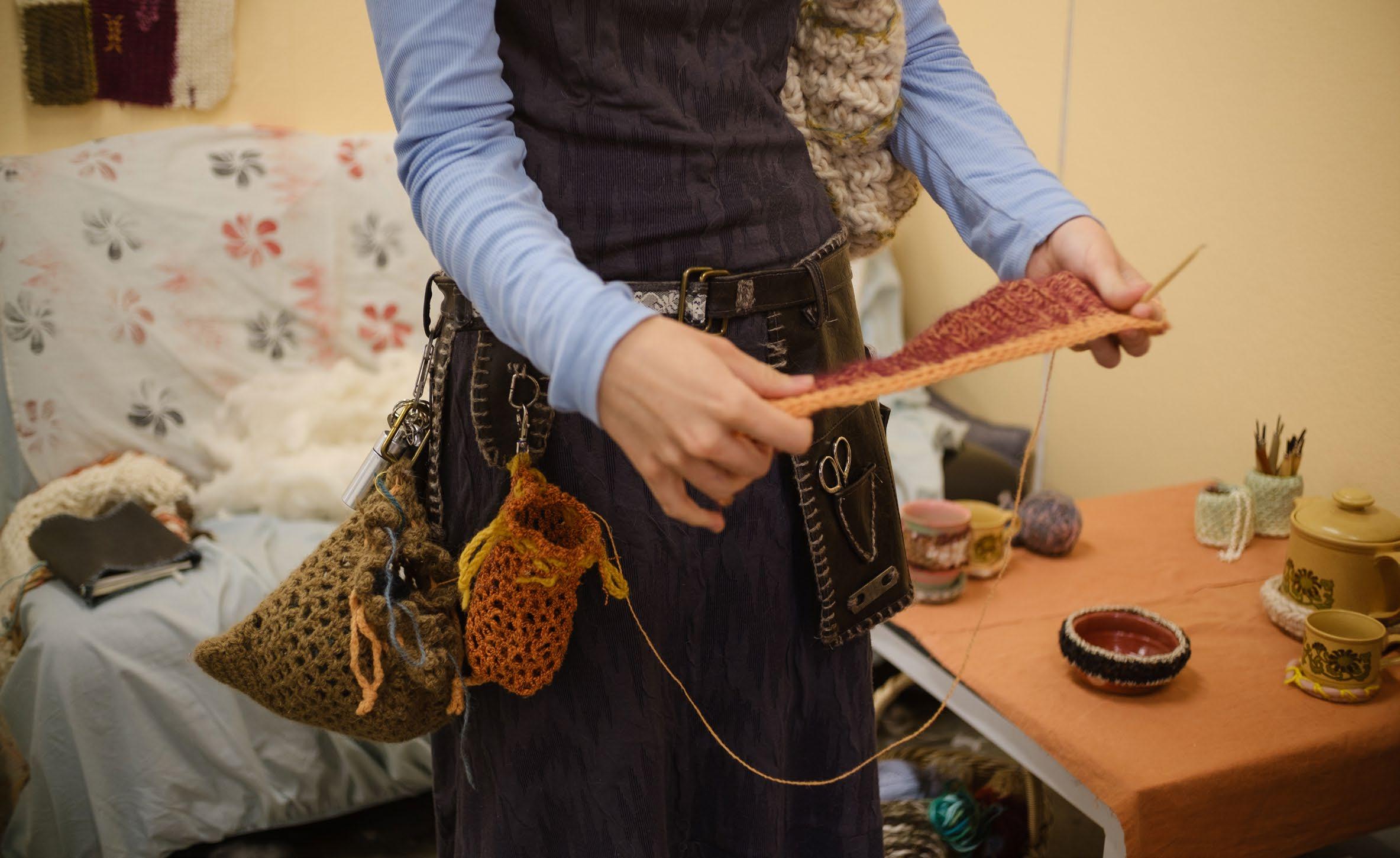
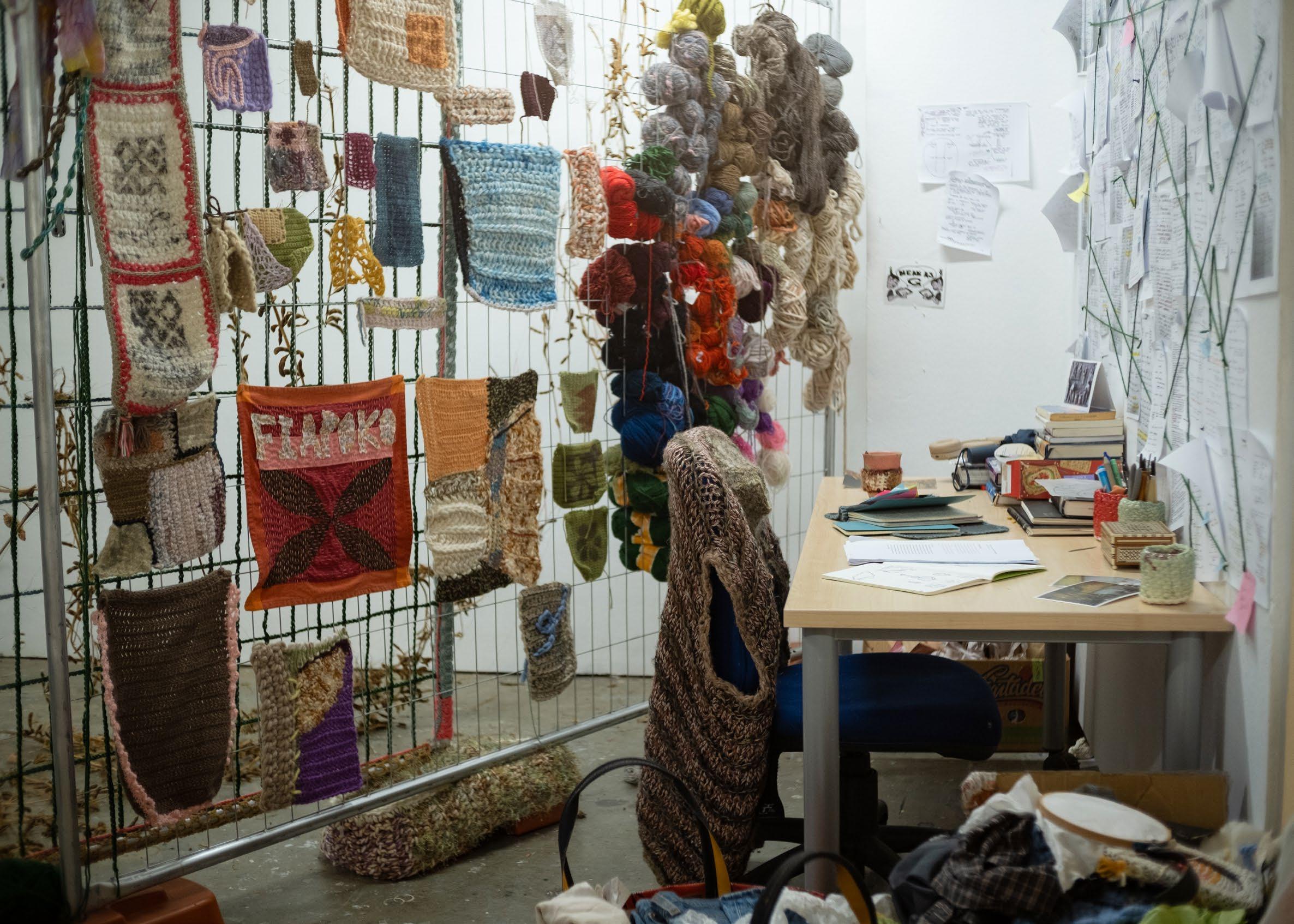
Craft has a way of offering many metaphors to life, such as threads of connection, having a yarn, and unwinding. The art of craft is powerful in its ability to connect. After the resurgence of crochet during the epidemic, my algorithms were flooded with creative possibilities for yarn. I learned how to crochet through YouTube tutorials in 2023, and since then, it has taken over my life. Crochet has acted as an archive of my relationships and experiences through moving to Tāmaki Makaurau from Kirikiriroa early in 2025. In my studio, I use two hurricane fences to hold my collection of yarn and crochet panels. The fences help to visualise the potential of new panels and what works well together, becoming a site for creative exchange.
Queer researcher, Daniel Fountain, in his essay, “Survival of the Knittest: Craft and Queer-Feminist Worldmaking” (2021) brings forward the similarities of craft and what it takes to survive as a queer person. Craft’s key overlapping element is its propensity to adaptability. With insufficient pockets in my outfits, the addition of a leather tool belt has enhanced the mobility of my practice. I deconstructed a leather bag from a dump shop and attached hardware to hold all my tools: my hooks are snug together in a woven sleeve, my scissors get their very own pocket, and my pouches hold the yarn of ongoing projects. Craft projects can often be transported easily and require a level of ingenuity, reflecting the skills required to navigate a stagnating
heteronormative world. Alongside this, craft’s association with women and domestic labour has devalued craft due to misogyny within the art world. The undermining of craft as a skill contributes to narratives that express the queer experience of marginalisation.
While craft has a history of being undervalued, it has been invaluable in its reciprocity and changed how I navigate life. Entering the craft world has unlocked possibilities not just creatively but also in caring for those around me. The community and care-oriented nature of craft allows for an abundant nurturing of relationships. Keeping friends and family company while I methodically crochet, creates a calm space where the pressure to entertain one another is alleviated. We can keep comfortable silences, or talk about difficult strife. The fibres become a vessel for holding vulnerability. To survive within restrictive heteronormative, colonial, and capitalist structures, finding ways to care for one another becomes radical. Craft is a way of being that I carry with me every day. It holds memories of care, and has become a celebration of the relationships that ground me.
Written by De Jana Sveistrup (they/she) @dejana_sv
CONTRIBUTING WRITER
Here Here Collective
Jeorja Duffy | (she/her) | @jeorjaduffy Te Ra Awatea Kemp | (she/her) | @te.ra.kemp
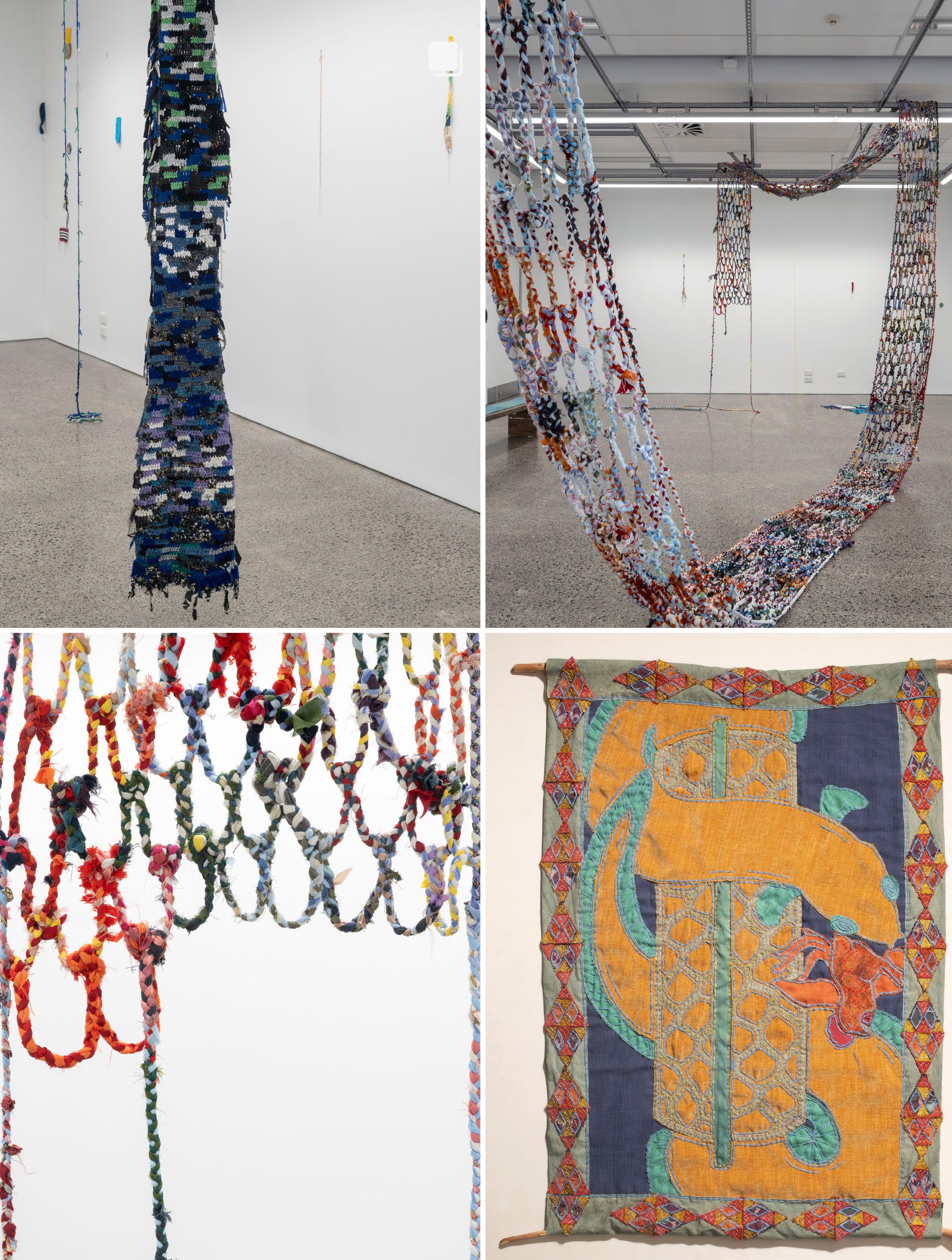
We, Jeorja Duffy (Ngāti Kuri, Sa’fanene, Pākehā) and Te Ra Awatea Kemp (Ngāti Raukawa, Te Ātiawa, Pākehā), both embrace craft at the heart of our art practices. Through generational craft, we utilise knowledge such as crochet and quilting in our personal artworks. Working with the handmade, we found common ground for collaboration through the customary Māori craft of braiding, weaving, and netting. Here Here is our artist collective, we work from a whanaungatanga kaupapa to inform our making and installation of textile sculptures. When it comes to craft as a mode of making, we speak to the three pillars of our kaupapa: familial guidance, action as record, and material agency, all of which are foundational.
Both coming from Indigenous backgrounds within our immediate families, familial relationships consisting of constant conversation between family members serve as guiding advice and a grounding for our artworks made together. Chatting is present at every crafting step. When we kōrero, we combine two whole generations’ worth of knowledge to solve the ‘problems’ our art throws back at us. A missed stitch here or an undoing of braiding there is caught, countered together, and acknowledged, while also resolved. We don’t necessarily remove what did not work, but we take that experience into account and craft from it. Thus, avoiding that outcome in the future: the stitcher’s troubleshooting for dummies informed by tūpuna wisdom.
As is the nature of mahi tahi, when we work together on our large-scale pieces, what
would normally be hard-going and a timeconsuming craft for one person, becomes an enjoyable (yet conceptual) flowing conversation between two friends. Our braiding action is a recording of information and can be understood as words shared. When woven into a form, the action as record becomes a written dialogue accessible for a viewer to be part of through their physical presence in the sculptural installation.
While crafting, we are aware of the fabrics we use and their material agency. To put it into simple terms, every fabric we craft with comes laden with a network of human connections. In Jeorja’s personal art practice, artworks are made from her mum’s clothing, crocheted as an autobiography of her childhood and relationship to her mum in the present. Her crochet, a labour of love, is in reciprocation of the care and support her mum has given throughout her life. For Te Ra Awatea, domestic linens are cherished and repaired over decades of familial use by her grandmother. When incorporated into an artwork like a quilt, it materially imbues the quilt with the significance of her relationship to her tupuna. By handstitching together the domestic linens, it is an appreciation for the hours of love her grandmother gave her and a testament to the lasting impact family members have on the children they help raise.
All of this is to say that by acknowledging material agency and responding to it through our modes of craft, the process of craft is a reciprocation of love and an honouring of that gift of love through material.
Tohi Kumi Koloa
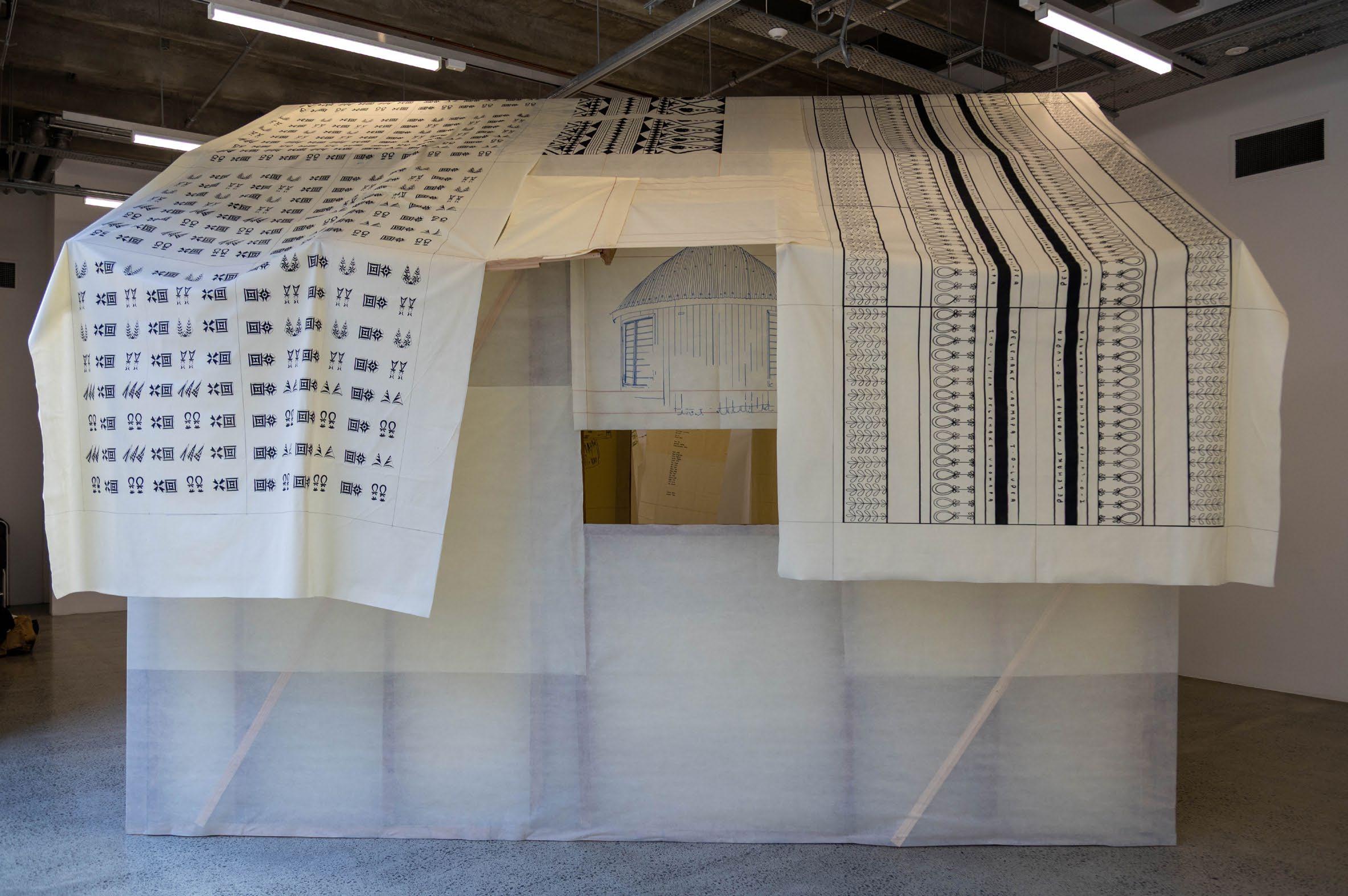
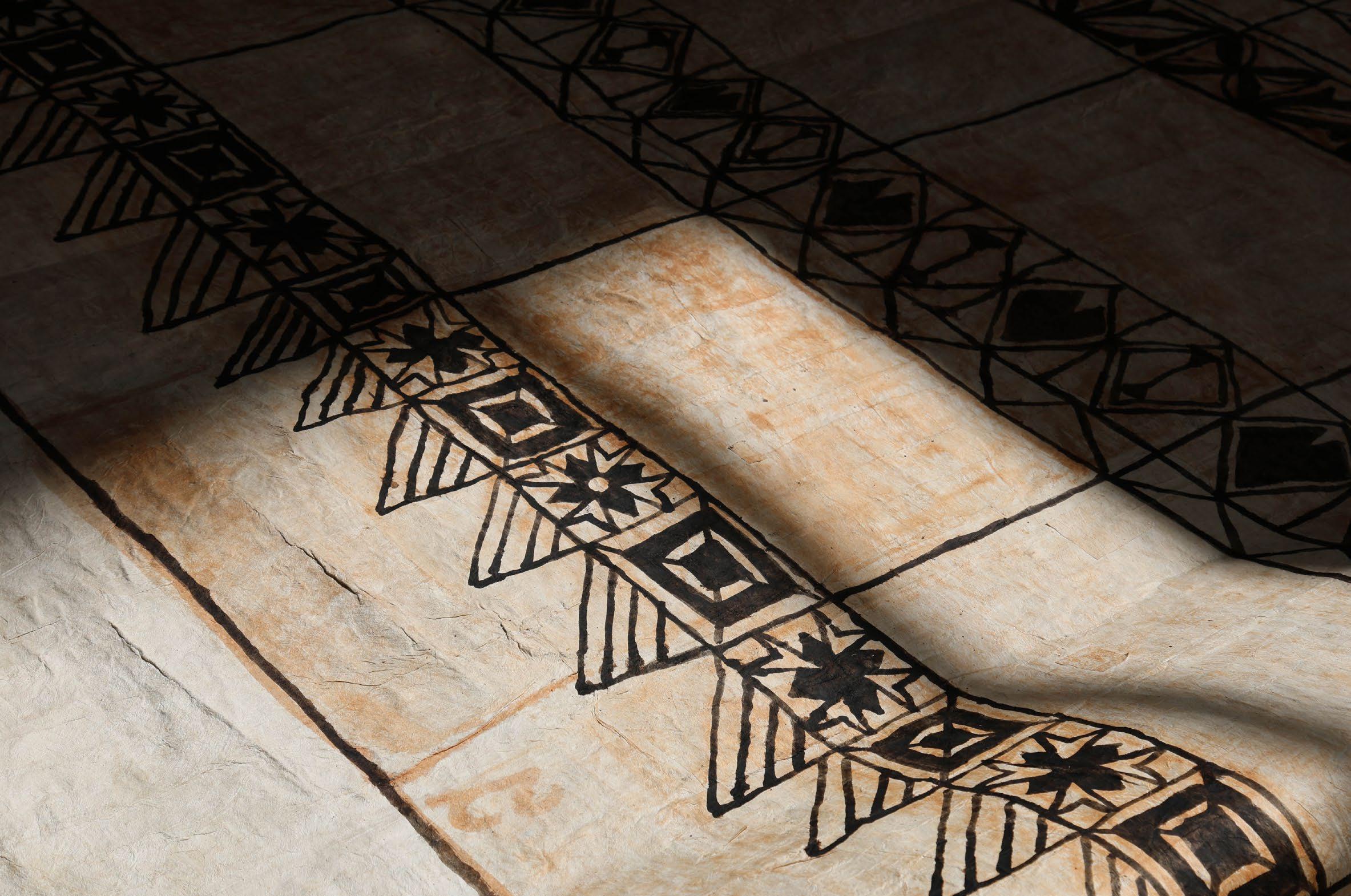
The project Tohi Kumi Koloa, delves into the Tongan practices of ngatu barkcloth and kupesi embroidered relief stencil, as a lived document of my ancestors. The work is grounded in the Tongan way of thinking, making, and doing, while adapting to the present day. A practice that exists within and across the past, Tonga, and the present, Aotearoa New Zealand, as seen in the movement between people, land, and materials.
Central to this research is a personal collection of kupesi inherited from my nena (grandmother), ‘Ana Va‘inga Nai, created by her and the hou‘eiki fafine (elder women) from their kautaha, association. As such, I ask: As a maker, how can I tauhi (take care of) all the tukufakaholo (knowledges and practices handed down) my nena left with me?
Tohi Kumi Koloa wants to honour the labour, creativity, and persistence of our ancestors. ‘We’ want to continue this rich practice left in their hands by their grandmothers, aunties, mothers, and the elders, and now in ours. Kupesi is a unique object made entirely from the material of fonua (land) to carry and embody the richness of Tongan history, allowing each village to write the stories they want to pass on for generations. Sometimes this is a story that only the maker and the villagers understand. Which is why kupesi can be defined as heliaki, a symbolic depiction of life and living in Tonga, because it is not always apparent or direct in how it presents itself, until it is explained or shared.
To recognise the significance of this
project, it examines the Tongan term ‘tauhi tukufakaholo,’ taking care of tradition. It is an important act of ‘doing’ for the practice in terms of understanding the functionality of how tauhi vā operates across the different generations of people. This allows the practice to engage with knowledge only accessible through the act of doing. My nena shared tukufakaholo with me by allowing me to participate as her ‘little tail’, simply because my great-grandmother’s name was bestowed upon me. Thus, I was seen to be with her everywhere she went. Whatever she needed, I was there for her and always the first person she asked. Through our relationship, I learned about our Tongan crafts by observing and listening to her maker’s needs. It unfolds the multiple voices of the hou‘eiki fafine through liuaki, by observing, listening, and participating in their collective labour – through koka‘anga (production of ngatu making), fepōtalanoa‘aki (in conversation), and ngāue faka‘aho (our everyday life).
Utilising traditional processes of ngatu and kupesi through printmaking, installation, sculpture, and scale, the project asks how traditional kupesi can be reinterpreted through a contemporary lens while honouring ancestral knowledge.
Written by ‘Uhila M.L Jr she/ her (@uhila_nai)
CONTRIBUTING WRITER
Jana Nee
The darkroom in my high school art class was my creative haven. At sixteen, I spent most lunch breaks there, developing negatives from my film camera. I made strange, carefully staged images of fish heads with doll bodies. There were no creative constraints, and I embraced that freedom, experimenting and finding my voice through art photography. I learned to mix chemicals, follow timing, and trust a process that demanded patience. Watching an image slowly appear felt meditative and rewarding. Every print involved trial and error; I loved the attention the work asked of me.
Now, in 2026, I’m still creating, but everything has shifted into an instantaneous digital world. Social media shapes the way I work. As a kaupapa Māori creative, I mostly work in portraiture, images that are seen quickly and scrolled past just as fast. The rhythm is completely different from film. Where photography once asked me to slow down, I now feel the pressure of constant visibility and frequent output. There’s also a sense of oversaturation. Many creators are working within the same kaupapa, documenting and sharing in similar ways. Where I once felt I had a distinct point of view, my work now risks dissolving into a constant stream of images. In that abundance, it becomes harder to recognise the unique essence of my work.
That feeling pulled me back toward analogue. I began thinking about the way my tūpuna worked with processes that required time, labour, and care. Mahi toi like raranga and whakairo aren’t rushed. The time taken is part of what gives the work meaning and what makes it a taonga. I often return to the pūrākau of Māui slowing the sun, stretching the day so there was enough time for what needed to be done. The idea of time as something you can work with rather than against has been an anchor for my practice.
Our people were creating with ngā hua o te taiao (fruits of the environment), drawing from the gifts of the environment. Slowing down my own photography practice and returning to analogue has felt like a reclamation of time.
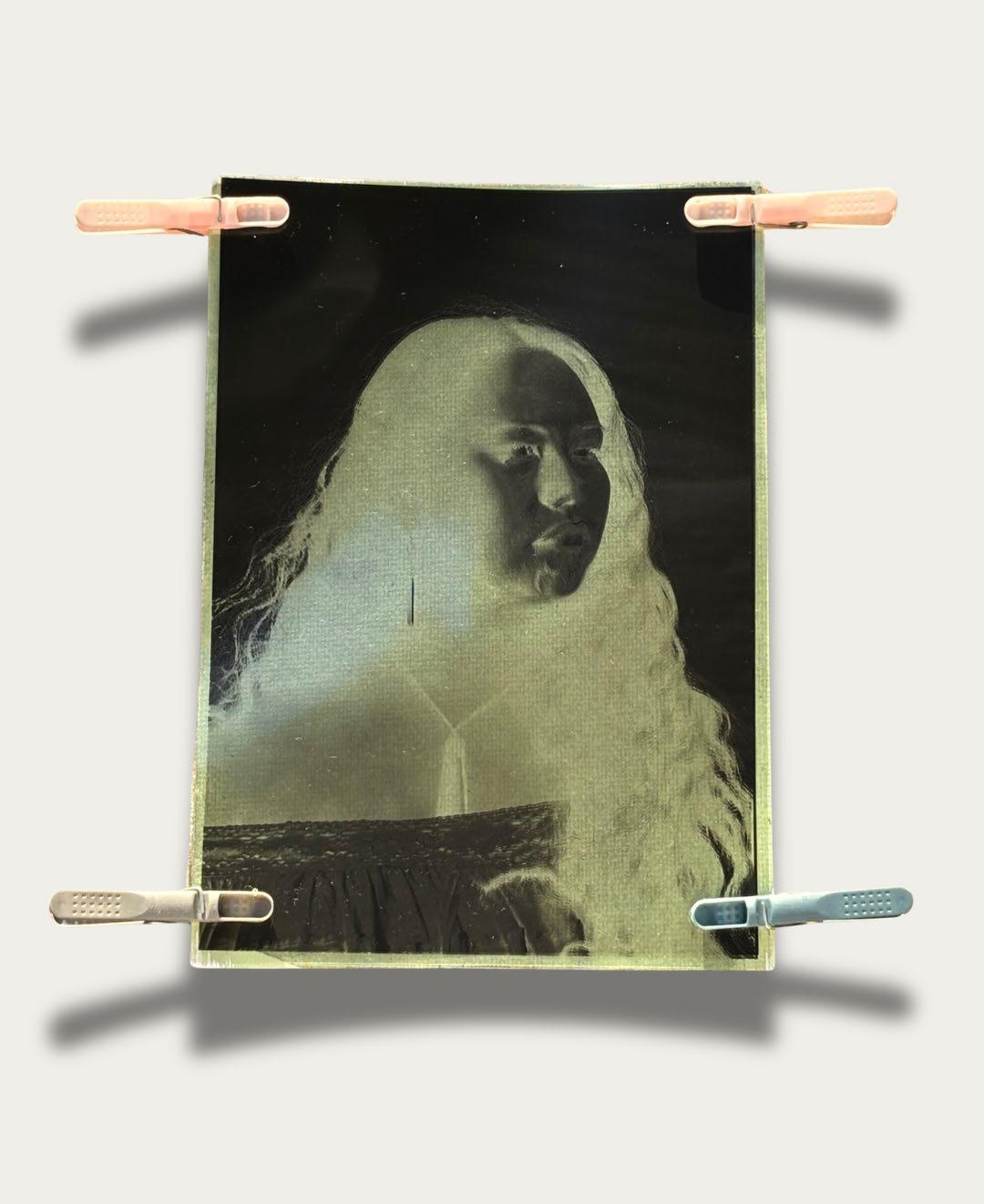
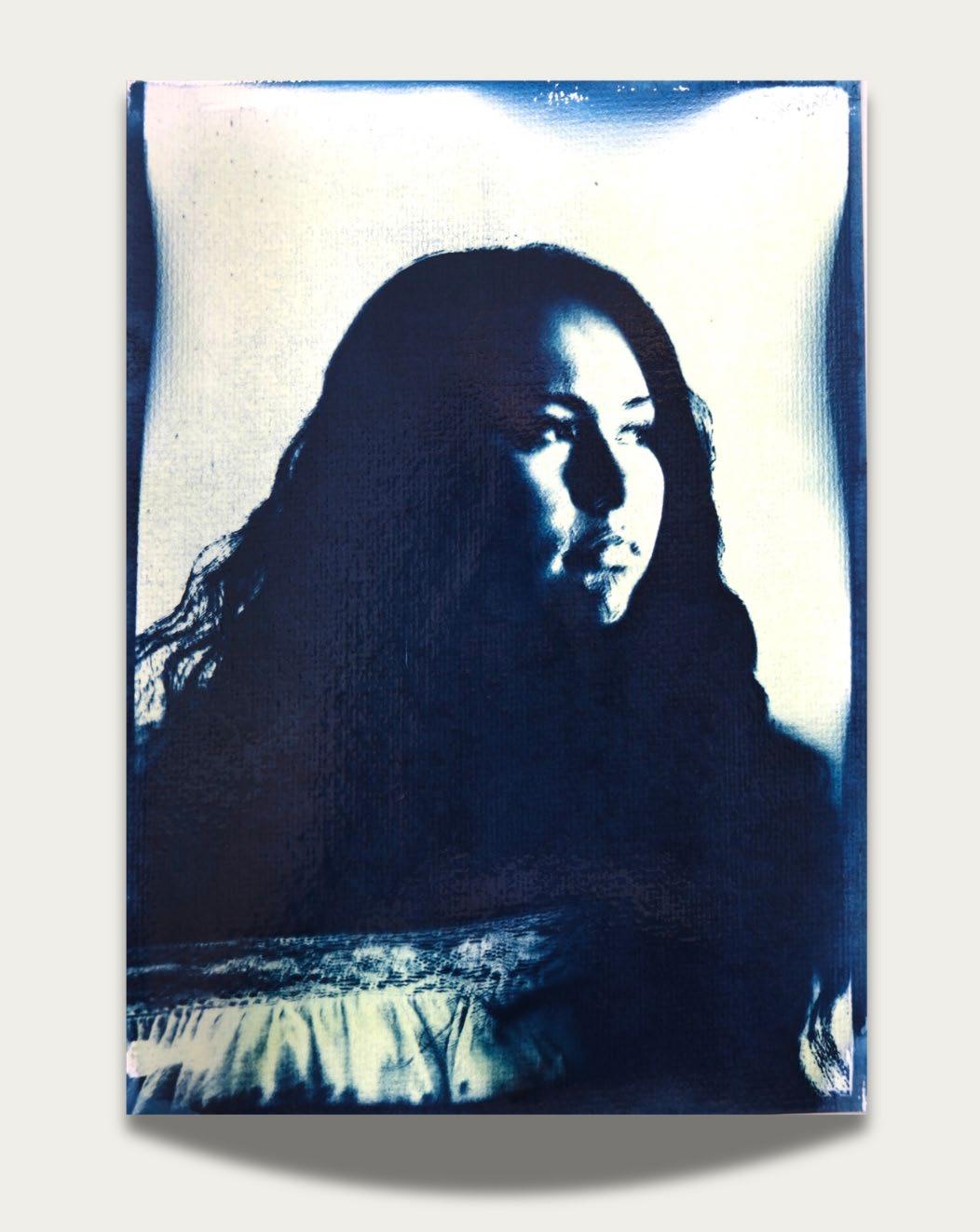
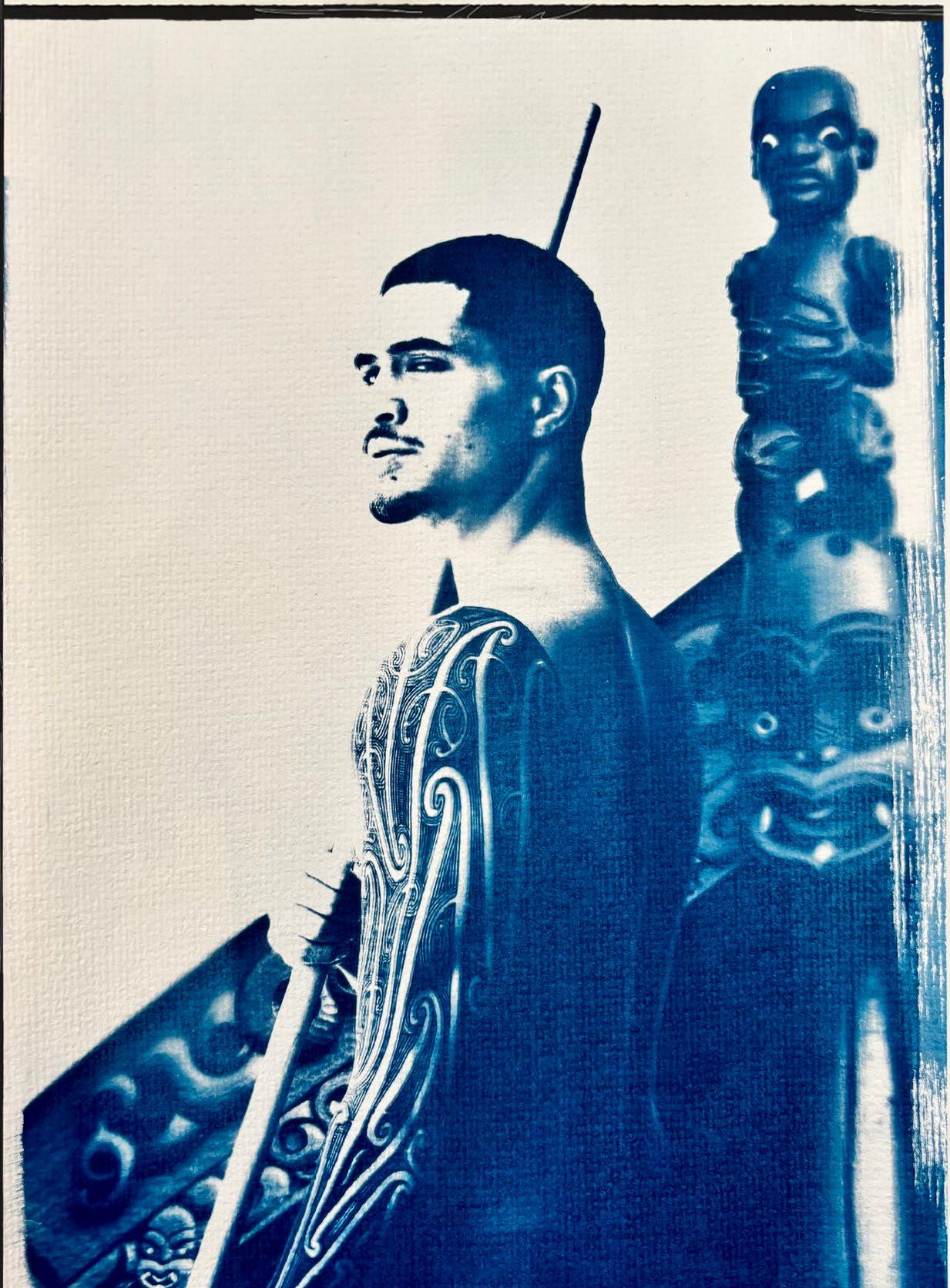
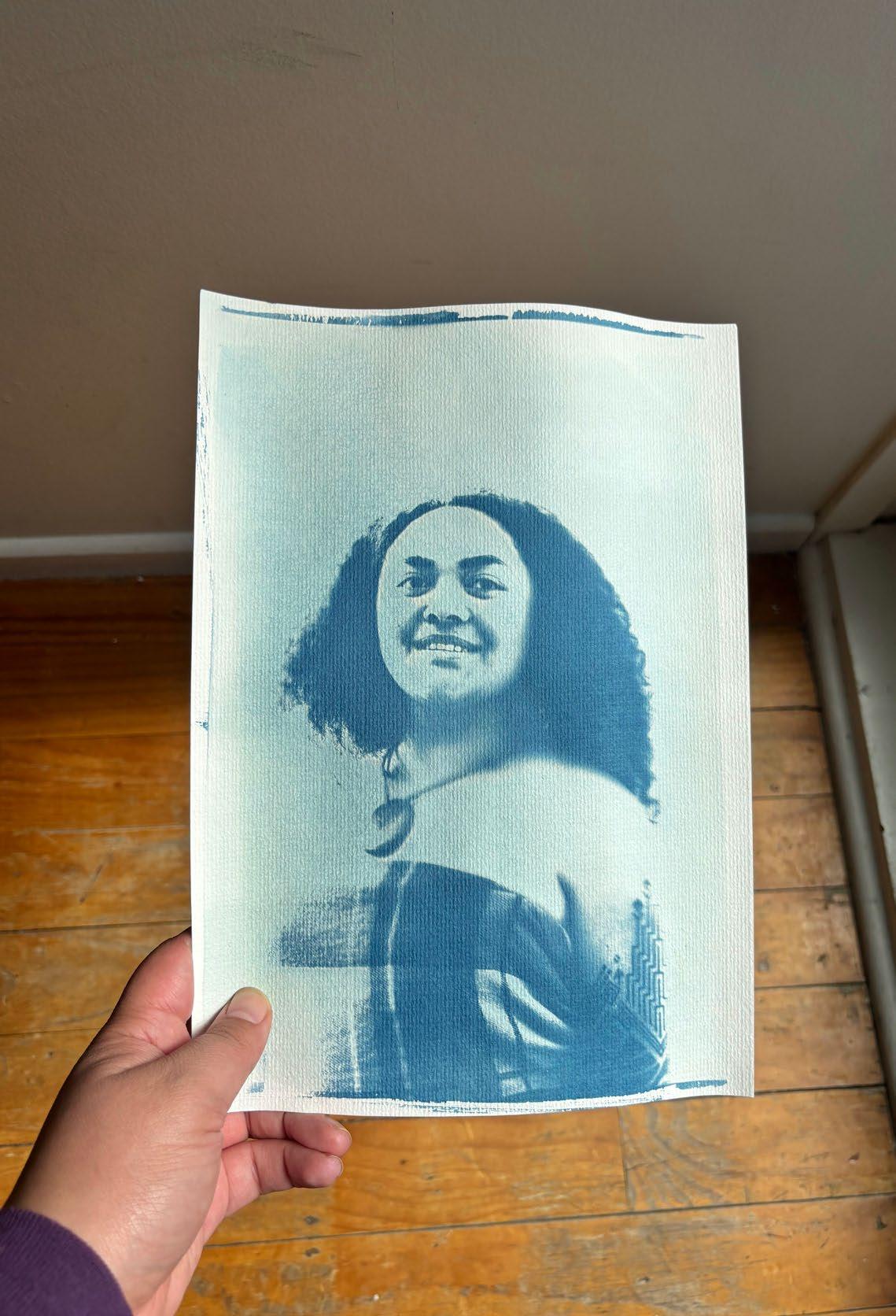
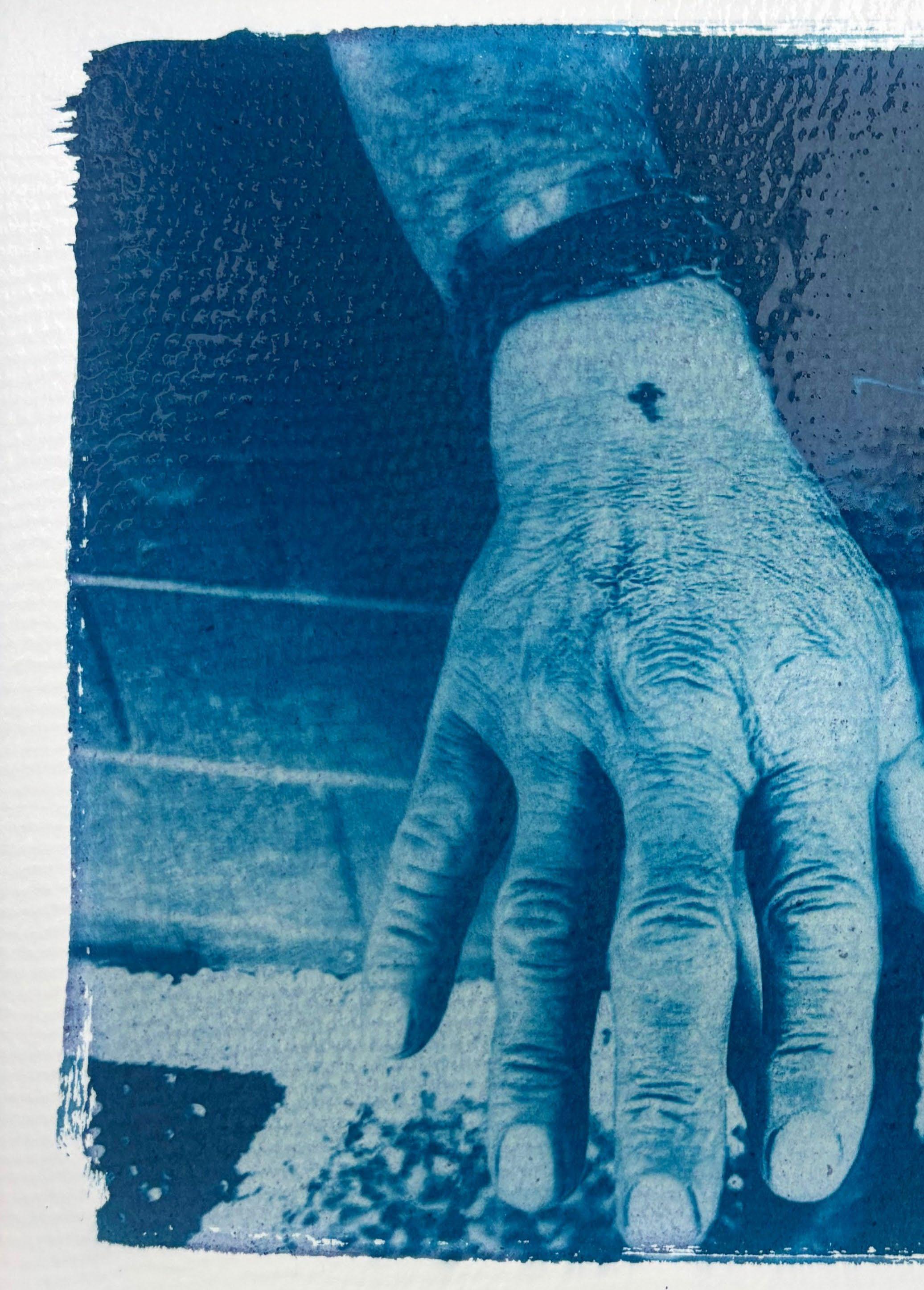
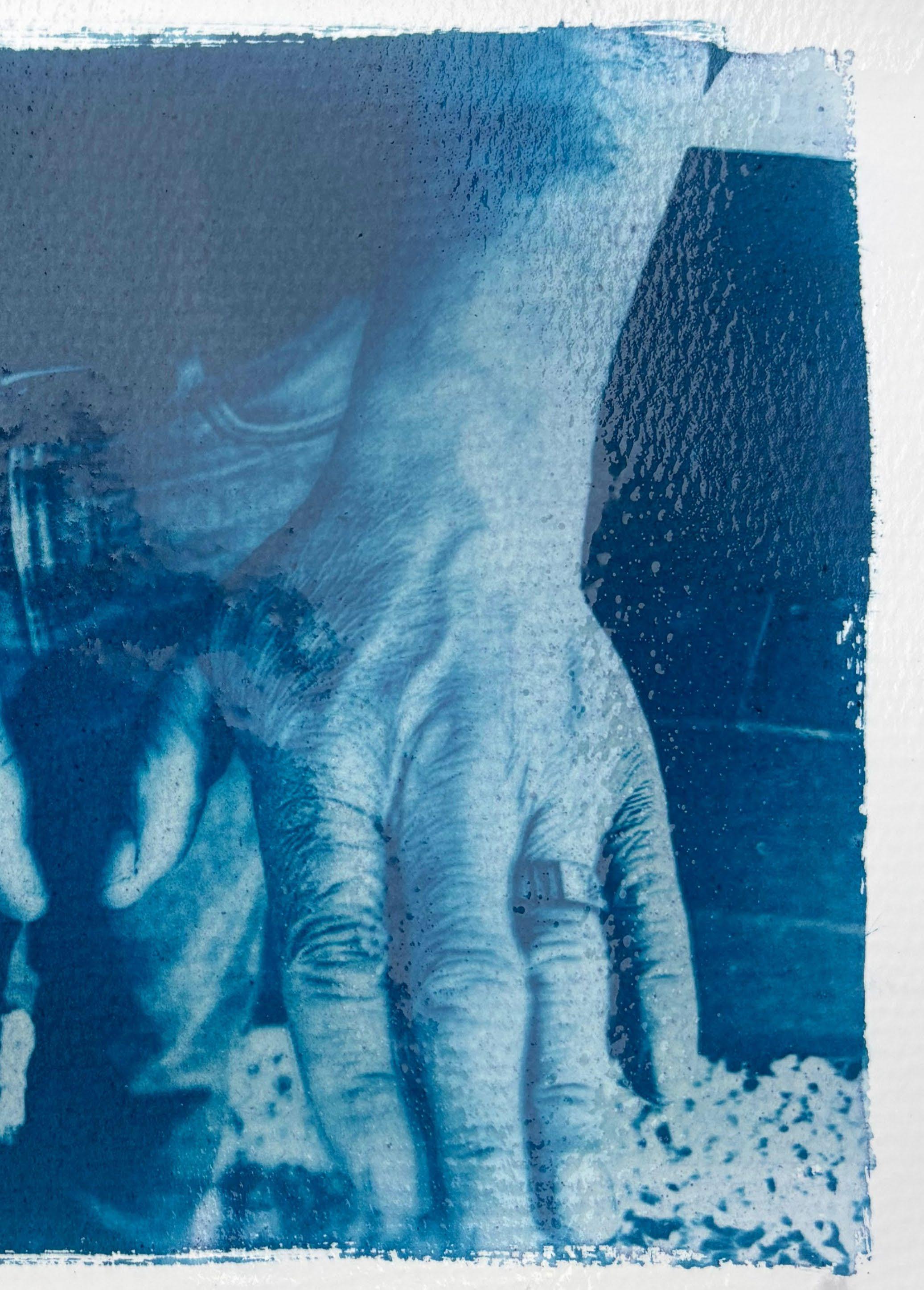
Without access to a darkroom, I looked for another way to return to hands-on creation. I began making cyanotypes, using sunlight to expose my images and bring them into a physical form. I first came across cyanotype prints through the botanical work of Anna Atkins from 1851, and was drawn to their deep blue tones. Making a cyanotype is deliberately tactile. I mix ferric ammonium citrate and potassium ferricyanide with water to create a light-sensitive solution, then brush it onto paper by hand. Each surface holds the marks of that process. I prepare my images digitally and print them on transparency film before exposing them to the sun. As they develop, the paper shifts colour, and once washed, a deep blue image emerges. No two prints are the same. It requires me to work with the environment, observe the conditions and time the development process accordingly.
Some prints fail, and others take multiple attempts. That experimentation is part of the process. Working with cyanotypes has brought me back to something I didn’t realise I had lost. It allows me to move beyond the kind of content creation I have become used to and return to a more open, experimental way of working. I feel more like myself in that space, more in tune with my creativity and expressive in a way that feels authentic.
Written by Jana Nee (she/her) @jahncreates
CONTRIBUTING WRITER
Te Wiki Ahua o Aotearoa | Ride My Coattail by Aera The Label
BEHIND AERA THE LABEL
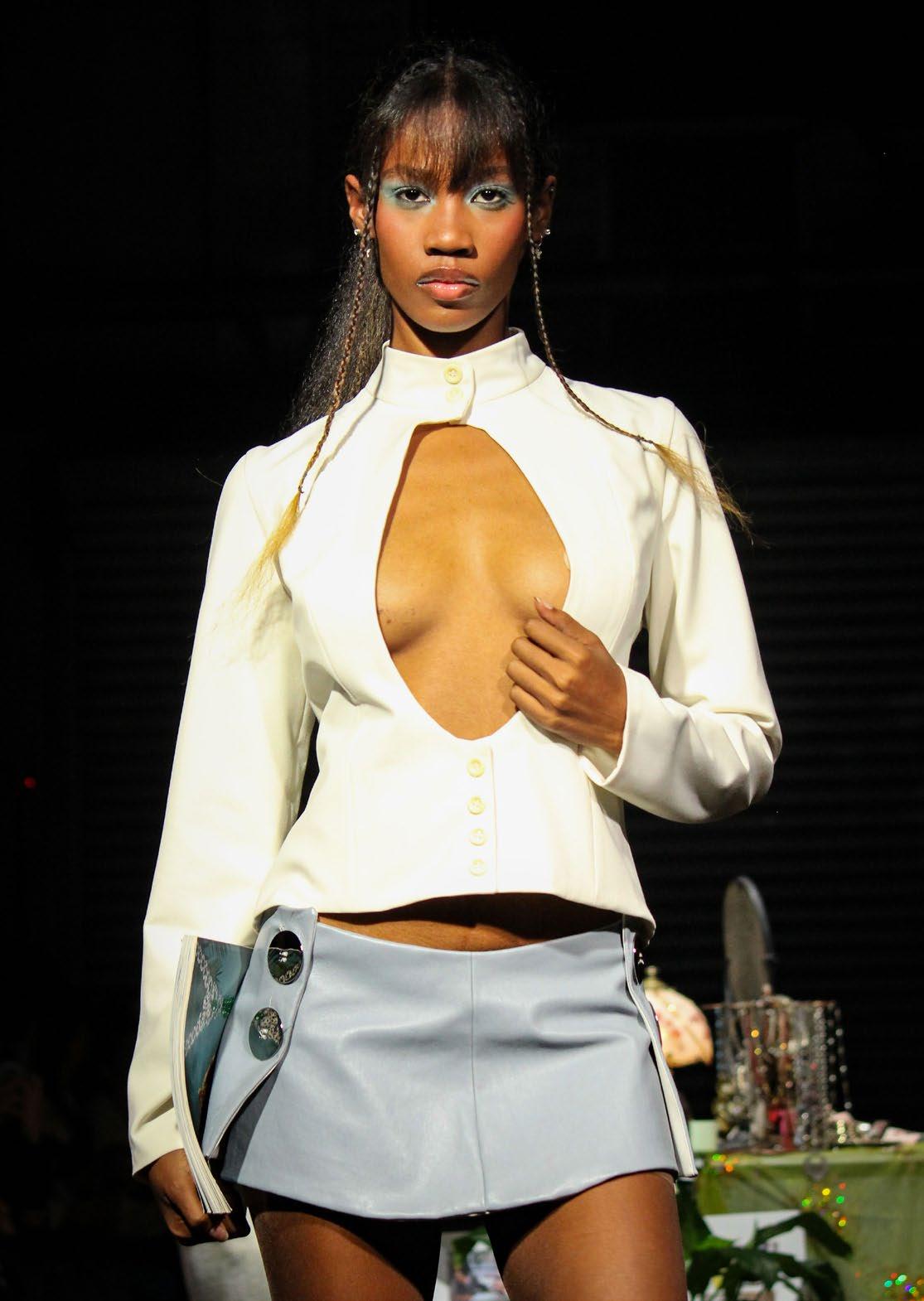
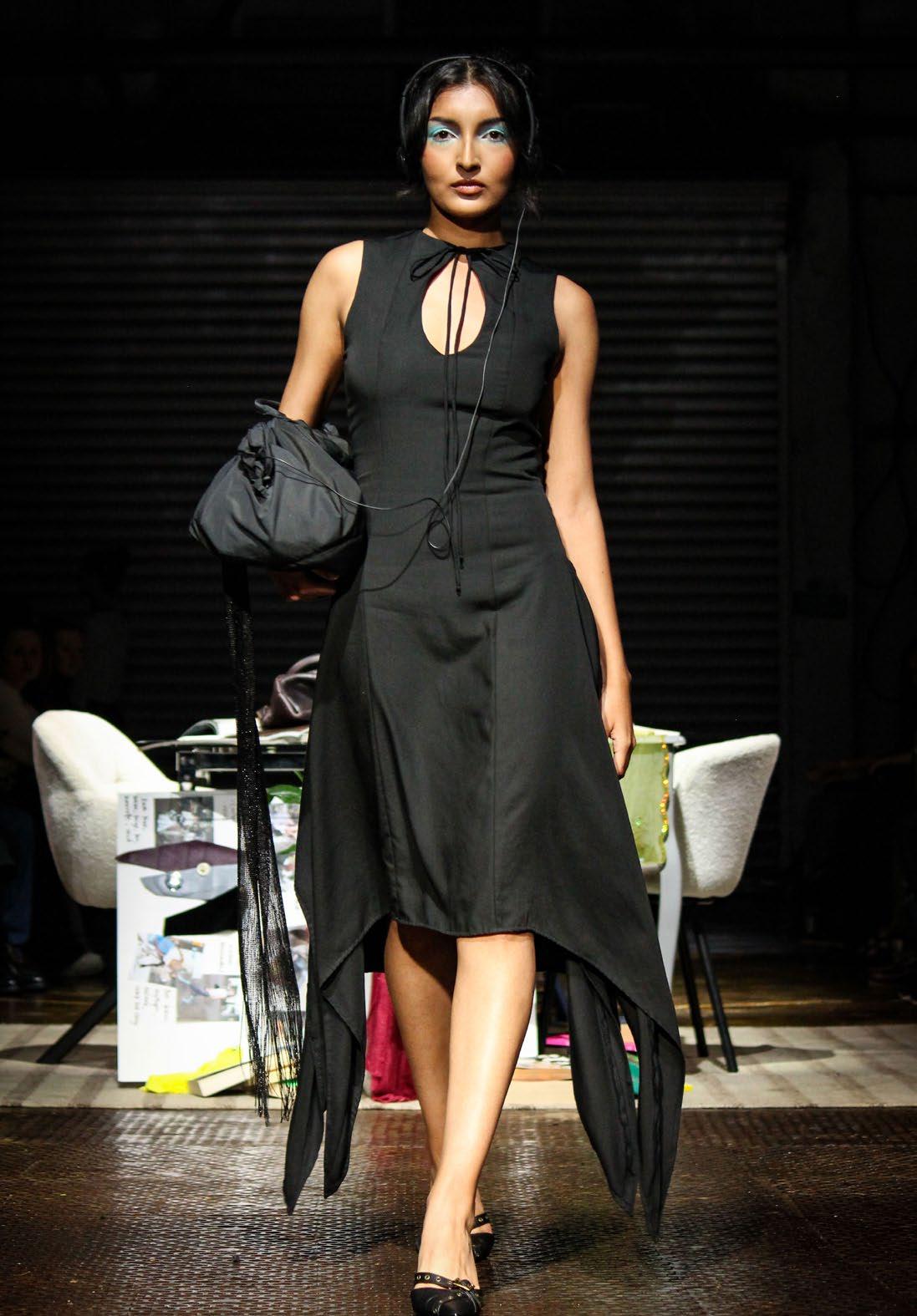
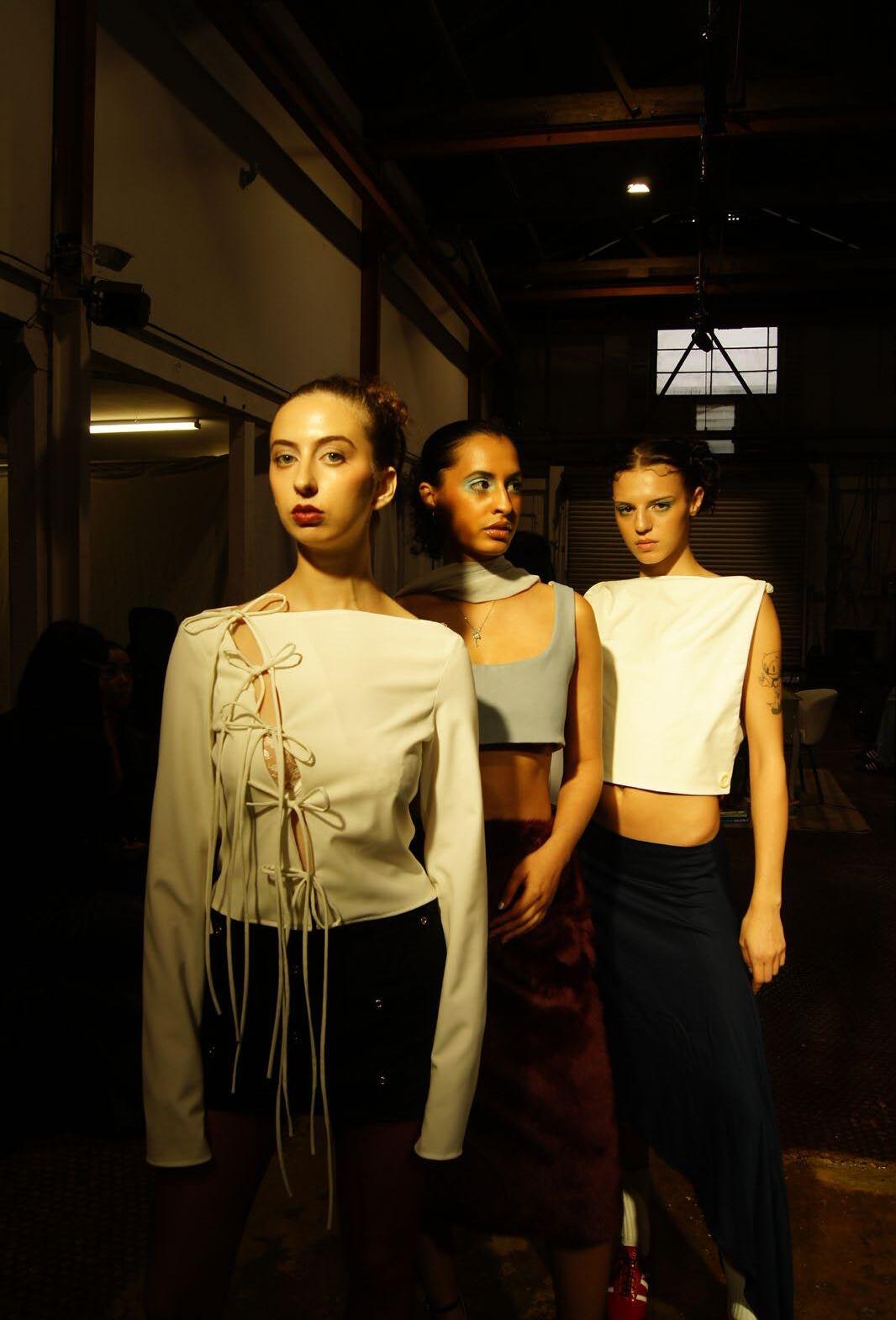
Aera The Label, featuring their limited edition runs of ready to wear clothing, made their debut of the Ride My Coattail collection, at Ahua Fashion Week 2026. Aera’s house of experimentation and stories revolves around conceptual fashion, every piece underpinned with whimsical, lace and flowy incorporations. A brand that celebrates community and friendship, woven into each piece. This night featured creations by; Chloe Giles, Weiting Zhang, Jenny Jung and Sophyia Hilario.
THE RUNWAY ATMOSPHERE AND VIBES
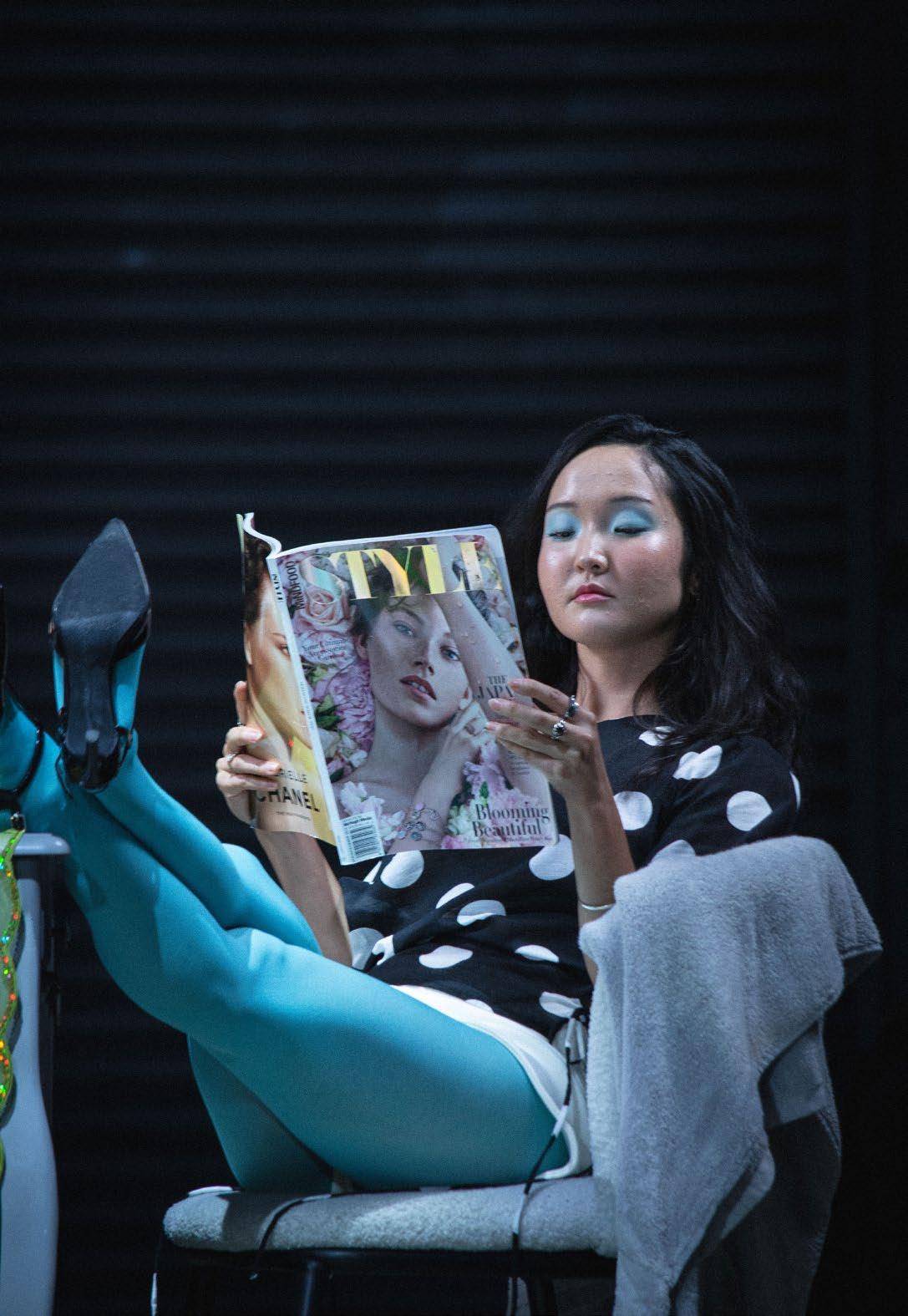
Ride My Coattail replaced the static tableau vivant with a vibrant, performance-led runway set to funky music. Models brought cheeky energy, pausing to do makeup, take calls, and exchange eye rolls and smirks, creating a playful yet powerful expression of femininity and self-possession. This curated performance runway had crowd members laughing, interacting and absorbed not only in the pieces, but the atmosphere overall. There was a table in the middle full of props such as bags, makeup supplies, a vintage mirror, stacks of spilled over books and jewellery. The models were adorned with sparkling blue eye shadow, but this did not distract from the clothes; they all moved with a liquid softness, graceful but filled with power.
THE RUNWAY LOOKS
All the outfits balanced a clever interplay of softness and structure, presenting
silhouettes that sat strong. There was lace with intricate patterns, whites and blacks, off shoulder tops and wide flowy legged pants. Sheer fabrics, beautiful skirts complete with white lace and textured layers resembling East Asian fashion roots and hues of blue also graced the runway. The contrast of neutrals alongside pops of colour, particularly present in the socks with bright yellows or electric blues, made for a playful contrast, anchoring the collection in youthful vibrancy. There were short skirts, cut outs and splashes of wool providing an ice-princess-core winter vibe. Bold cut outs and geometric shape patterning, alongside other pieces with wispy fairy-like sleeves, created a striking contrast between sharp structure and ethereal softness. There were high block heels and platform boots, adding a layer of grounding. My absolute favourite look had to be Aera’s sheer wine-toned two piece - complete with a cropped fuzzy top with a semi transparent loose wispy skirt at the bottom and tall black boots.
Ride My Coattail took us into a world blurring the lines between performance and presentation, crafting a beautiful collection that felt intimate, playful and powerfully self-aware. It was a celebration of femininity in all its forms. Soft yet strong, whimsical yet deliberate, leaving a lasting impression of a brand unafraid to experiment, connect, and redefine the runway experience.
Written by Sanskruti Bannerjee @san._.banerjee
Photos by Jenna Chapman @jarzyshotz








Vivid, Livid, L esbian Linocut
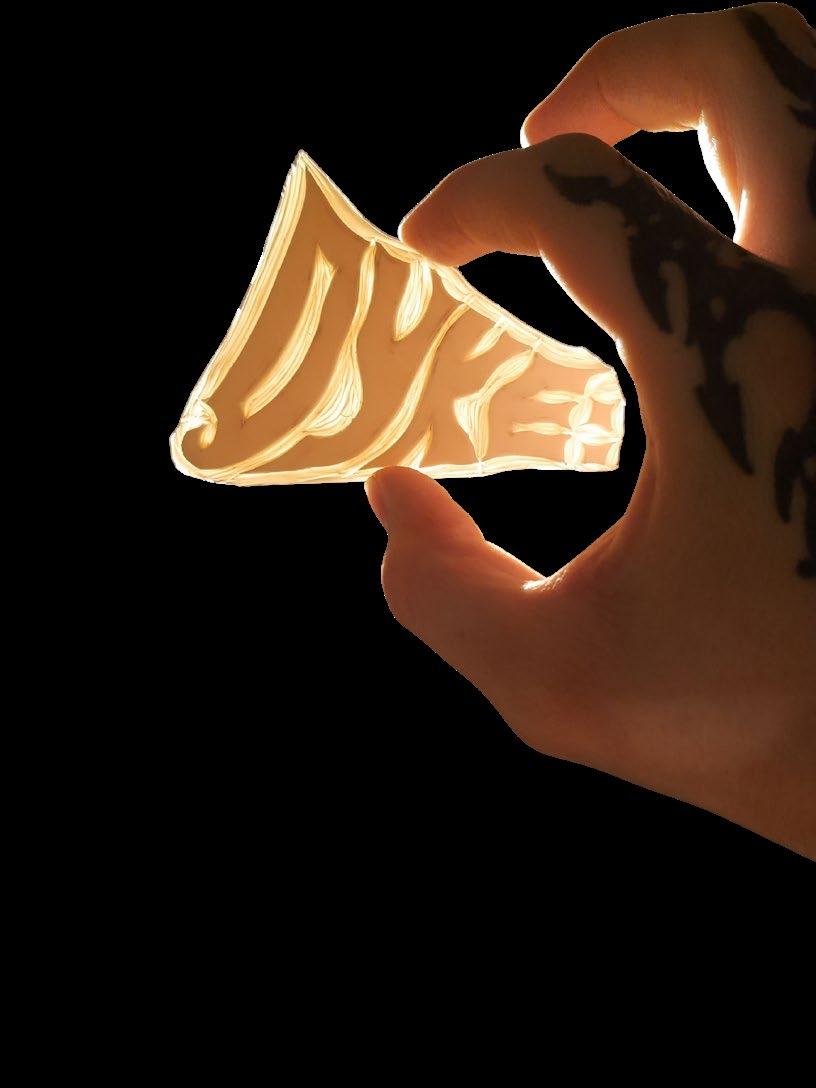
What could possess someone to wear a shirt that reads “Gay Dog” or “Dyke”? What must go wrong in a person’s life, for them to spend hours carefully carving those words from linoleum? Of all things, why a shirt? I mean, are you planning on wearing that on the bus? At the mall??
If you’ve seen my shirts worn on the back of a friend of a friend of an ex, you’ve likely wondered this question; it’s okay, I do too.
As a tragically adjective-ridden artist (transsexual, autistic, virgo moon to name a few) you can imagine I’ve had a colourful relationship with both art and queerness. I didn’t have the social identity for traditional jazz nor the colour vision for traditional painting. In truth, tradition has vexed me since I was born, but if no traditional pathway worked for me, what path would?
Enter the wonderful, blood-soaked, handcramped world of linocut.
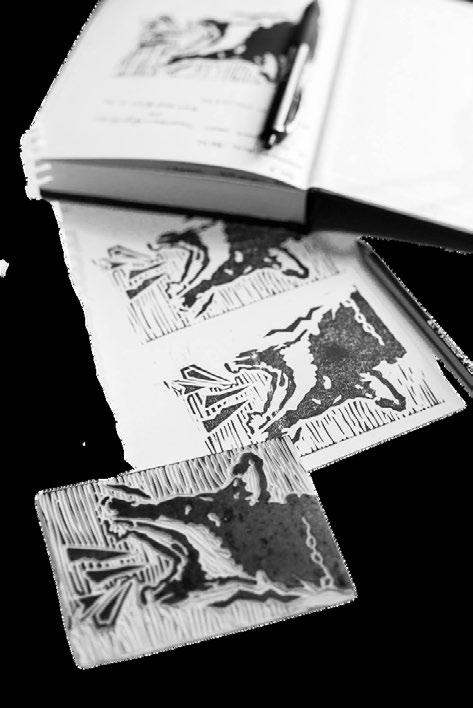
If you’re unaware, linocut is a printmaking method in which a flat plane of linoleum is carved away to reveal a flipped indent of your printed image. This carving is then adorned with ink and pressed onto your printing surface, and voila! You’ve just imagined the process of making a linocut! If you haven’t, there’s a risk you’re experiencing aphantasia because, honestly, I think I did a good job explaining it.
fingers while swearing incessantly and leaving marks isn’t new to me. Though I think it’s a bit on the nose that I’m pressing the literal word “Dyke” on a table in my garage, but I digress.
Linocut allows you to adorn and upcycle old crop tops and flared jeans into entirely personal works of wearable art. Want to make shirts for your roller derby team? Linocut. Tattoo your 3-month situationship somewhere it isn’t permanent? Linocut. Want to signal to cute strangers that you’re queer? (good lord) LINOCUT!
Scissors, carabiners, monstera leaves, lavender, labrys, double venus, minimalist lineart of oral sex; you name it, and I promise you I’ve seen it printed with linocut. Like any expression of queerness, though, we run into the inevitable fear of visibility. What if the wrong person sees me? Am I okay being invisible to danger, if it means being invisible to my community too?

As a seasoned lesbian and trained jazz bassist, the prospect of spending hours meticulously curling and straining my
By virtue of being born with a fundamentally queer body, facing the slings and arrows of hate speech and lecherous creeps never came with the illusion of choice; I couldn’t present straight or cis enough to avoid it. Still, it crops up in the mild tradeoffs we make for our peace of mind. When we hide our tattoos, grow out our hair, it feels like self-preservation and self- betrayal woven together.
I think once you’re pushed into a state of permanent visibility, where conformity



Thinking back to the infamous Lavender Menace protest shirts from 1970, why not be daring with your expression? Why not be a beacon of pride? Why not be so unashamedly yourself that you become poison to the virus knocking on your doorstep?

by This Week’s Hot Lesbian Wren Probett (she/her)





Written
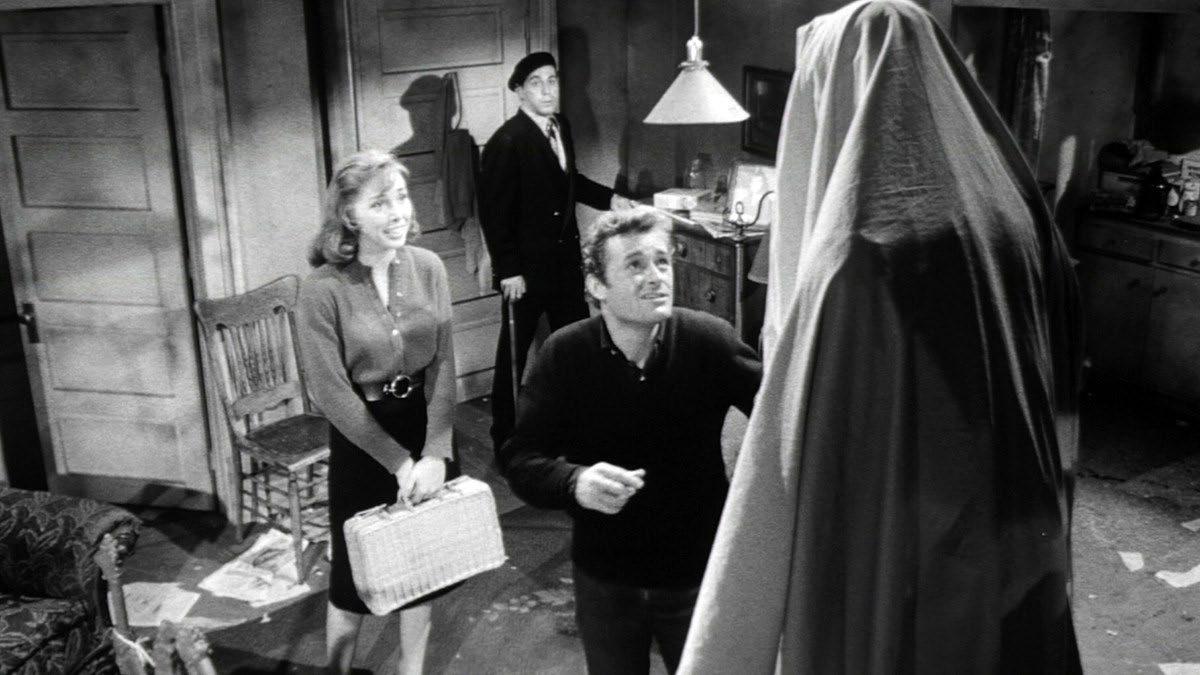
1. A Bucket of Blood (Roger Corman, 1959)
Whether you’re burdened by imposter syndrome or choked by a creative block, if you’re an artist in a rut, seek the protagonist of A Bucket of Blood for reassurance that you’re not fucking up this badly. In this dark comedy, Dick Miller plays the nebbish Walter, a busboy at a beatnik café who doesn’t fit in with the sophisticated clientele. This crowd of pseudointellectuals pat themselves on the back for their refined taste (papaya cheesecake and Yugoslavian white wine, to be exact), and not for a lack of huffing tobacco are they constantly blowing smoke up their own arses. But who doesn’t crave a community, however many poseurs? In the hopes that some artistic genius has rubbed off on him, Walter returns to his apartment after work one night and begins punching dimples and creases into a hunk of clay. He is trying to sculpt a life-
like bust of Carla, a pearly-grinned regular at the café whom he quietly fancies. Now, in the Book of Genesis, God moulds dust and clay into the shape of a body and begins humankind. Compare that to A Bucket of Blood, where Walter bullies a lump of mud on his dining table, throws a hissy-fit, and accidentally stabs his landlord’s cat. Jesus wept. Walter’s unwitting felicide actually leads to an artistic triumph – he covers the cat’s carcass with clay (keeping the knife in the cat, mind you) and brings it to work the next day as an art decor piece, astutely titled ‘Dead Cat’. Sounds like bullshit, right? Lo and behold, the room of beatniks eat it up. They readily champion his newfound place in the local talent pool. I won’t spoil the rest; I implore you to watch the movie and see exactly how this hysteria poisons his brain.
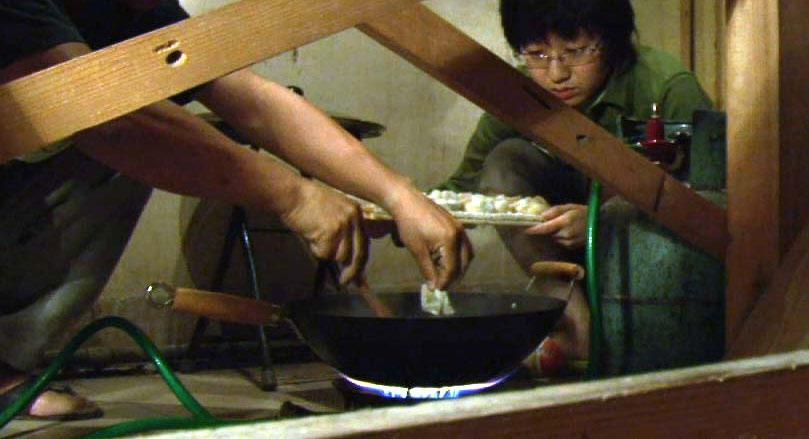
2. Oxhide II (Liu Jiayin, 2009)
Two hours and a little bit more of a Chinese family making and eating dumplings together in (almost) real-time. What appears to be a documentary on the surface is actually a staged family drama in the style of Yasujirō Ozu – just with a lot of pauses. For those unacquainted with Ozu, his films (e.g. Late Spring, Tokyo Story) were spacious reflections of their socio-economic setting, showing how a household and its people change (or don’t). Liu Jiayin’s films, set in modern Beijing, burn slow enough that by the time mum and dad are finally plopping jiǎozi into a wok of boiling water, it thrills my blood as much as the Hall of Mirrors shootout in John Wick Chapter Two. Oxhide I was about Jiayin’s father’s leathercrafting business, but I chose to highlight its sequel, mainly because I enjoy eating dumplings more than wearing leather. There is always something happening in this movie. The father is an optimistic businessman, particular in his craft. He kindly scrutinises his daughter’s inexpert dough-folding technique, at least when she’s not off staring out of the window. Occasionally, the family conversation circles back on their artisanal leather shop, which only profits on days when they mark the prices down. It’s worth thinking about this in tandem with the family’s generational divide and their obligation to keep an ancestral dumpling-crimp technique alive and kicking. Should you fill in the blanks, you may too lament what the free market has brought on as a blatantly clear decline in consumer standards. But then this conversation will stop in its tracks, subsumed by graceful actions on the prep table: scraping wet flour from the edges of the bowl, measuring of chives by counting the knife chops, and listening for the correct tearing sound when stretching the dough.
3. First Cow (Kelly Reichardt, 2019)
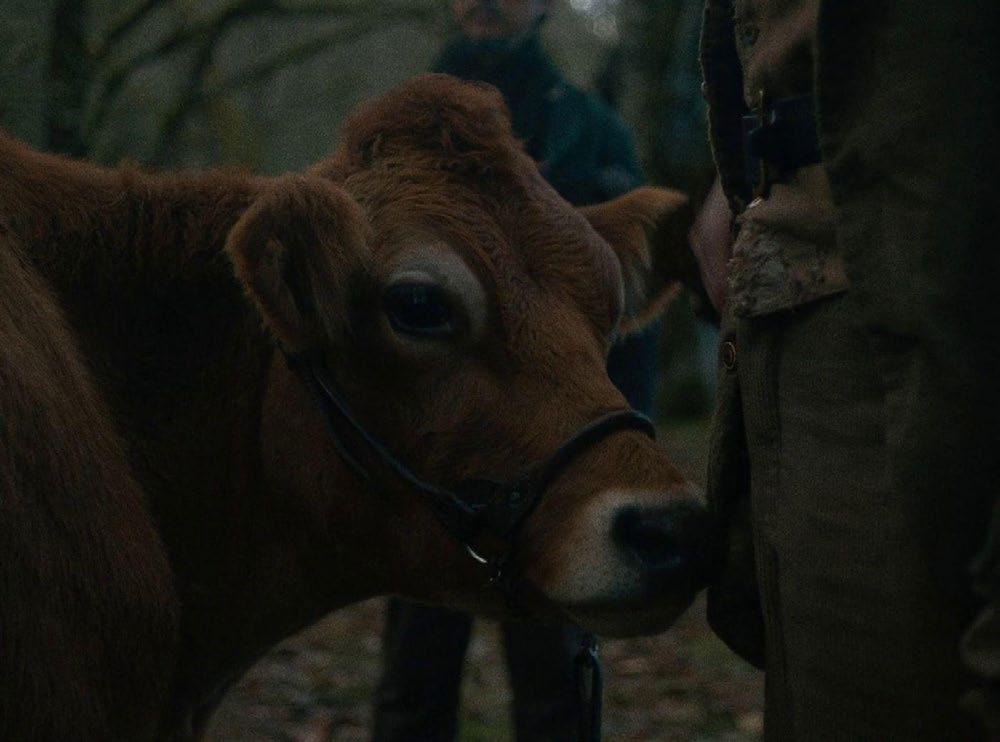
Forgive my urges to just throw half of Kelly Reichardt’s wonderful filmography on the column. First Cow is simply the one that I think you might like. And yes – I mean you specifically. So much of her hushed realism, tinted into rustic paintings by her DOP Chris Blauvelt, also evokes the blood, sweat and tears of honest graft. Often, her unwavering patience with the most arbitrary processes can repel an audience (though I utterly adore that and think it is an antidote to today’s benchmark of instant gratification). Last year’s The Mastermind had a particularly polarising scene in a barn at night where Josh O’Connor painstakingly disassembles a crate of paintings, carries them up a ladder piece by piece, then reassembles them on the second floor. In Night Moves (2013), a heist thriller about a trio of radical environmentalists plotting to blow up a dam, we watch Dakota Fanning nervously barter with the clerk of a garden centre for a totally inconspicuous 500lb of ammonium nitrate fertiliser. In the anthology Certain Women (my absolute favourite), two of the three stories sympathise with women striving to be taken seriously by their male peers. In Showing Up, Michelle Williams plays a grumpy clay sculptor tangled in the stresses of arranging her exhibition, reminding her landlord to fix the hot water, and nursing an injured pigeon back to health. And in First Cow – Reichardt’s most visually astonishing film – American history is told on the margins, through two men who both keep one eye on a dream and the other on the first cow in San Francisco. If only they could meet her by sneaking onto the yard of a wealthy English trader; ol’ Bessie may be their ticket to a brand new life. Their dream? Baking buttermilk biscuits!
Crafting Without Consumption
Written by Tashi Donnelly (she/her) | @tashi_rd | Editor
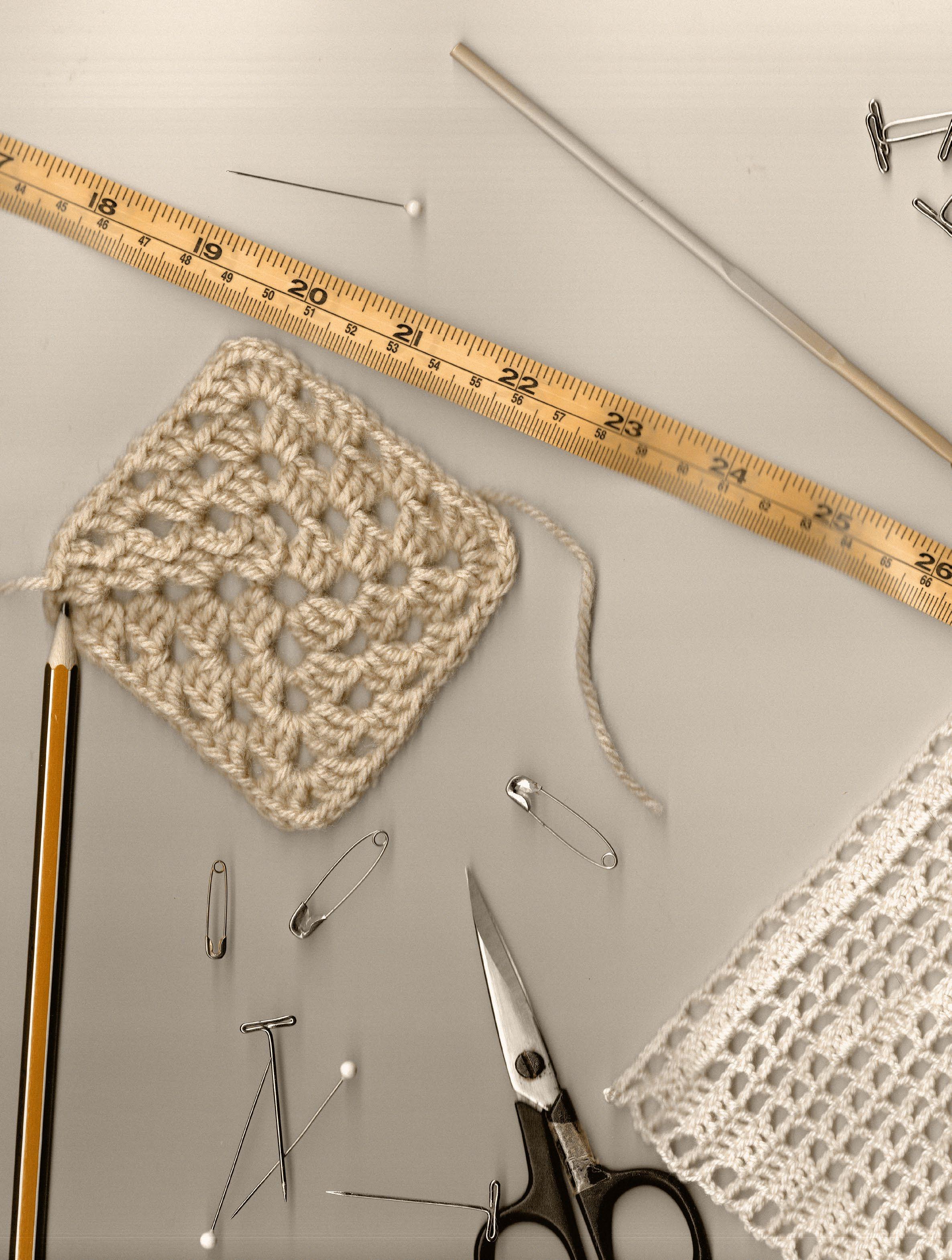
If you want to start making your own clothing and accessories at home, you don’t need to blow your budget at Spotlight or order a pile of plastic junk off Temu. The truth is, most crafting doesn’t begin with buying more stuff; it begins with looking differently at what’s already around you.
Right now, the world is already drowning in waste: the leftovers of fast fashion, overproduction, and disposable culture. But for most of human history, clothing wasn’t something you replaced every season. It was made to last, to be repaired, and to be remade.
So instead of adding more to the pile, this is a guide to doing the opposite. Here are some ways to make your crafting practice more sustainable, more resourceful, and a lot more creative in the process.
Yarn & Thread
Hospice shops often have craft sections with bins of yarn to rummage through. Although you won’t be able to shop for specific colours, fibres, or weights, when it comes to small projects (or if you’re still in the learning phase), second-hand yarn is a cheap and environmentally friendly option. If you’re like me and prefer natural fibres, it’s worth becoming familiar with the varieties of yarn available. Basically, wool, cotton, and acrylic are the most common options for knitting, crochet, and weaving. Wool and cotton are made from animal and plant fibres, and are biodegradable. Acrylic is basically plastic; it’s not very breathable, and does not biodegrade.
Threads are abundant at many second-hand stores, and I frequently find linen and cotton thread, which is more expensive to buy new than polyester thread.
Fabrics
Op-shops often sell fabric scraps, so it’s worth having a look in their craft section. Collecting random pieces of fabric is a great way of building up a stock that you can work from.
Bed Sheets:
If you’re looking for big pieces of light cotton or linen, second-hand bedspreads are awesome. They’re usually cotton or cotton mix, in a variety of colours and printed patterns. When it comes to making shirts, skirts, and trousers, a big bed sheet goes a long way.
Clothing:
If you have a smaller project, buying clothing and ripping it up to use the fabric is a great way to repurpose items that will likely end up in the bin. I like to look for XL sizes, which gives me more of the fabric to work with. Men’s shirt aisles are often packed with cottons of many different colours and designs. Altering clothing is a great introduction to sewing your own clothes, and there are so many possibilities for repairing and decorating clothes to fit your style.
Curtains and misc:
You’ll find a lot of random bits and pieces at the op-shop, and when you’re looking for crafting materials, it’s good to keep an open mind. I’ve bought old curtains, rugs, and blankets for craft projects that require a thicker, sturdier fabric.
Tools
Without the correct tools, crafting isn’t really possible, but you also don’t need all that much to get started. There are very few craft items that are better to buy new.
Needles:
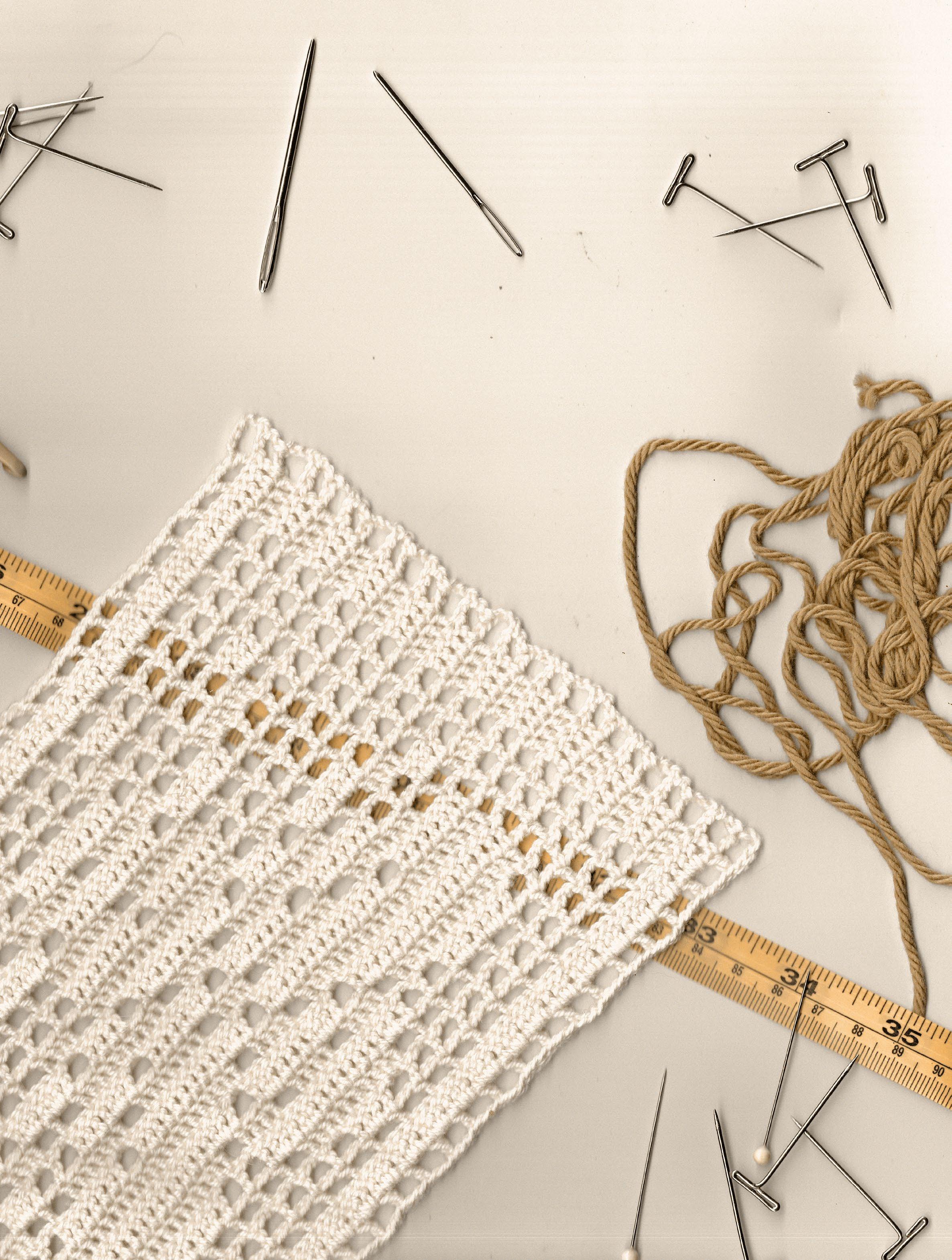
You can find sewing needles at op shops, but if you’re looking for a specific size, it may be worth buying needles new. Although if you have a bunch of hand-sewing needles, they can be cleaned and sharpened! Machine needles need to be replaced frequently.
Pins and Measuring Tape:
Both abundant at op-shops, they’re not the most exciting tools in the world, but pins and measuring tapes are essential. Pins help hold fabric in place while sewing, which makes everything neater and less frustrating, especially for beginners. A measuring tape is equally important for altering clothing, checking body measurements, and making sure things actually fit before you spend hours sewing them together wrong.
Sewing machine:
They may seem like an amazing time-saving device, but hand sewing gives you more control, and well-made hand stitches can be incredibly durable. If you do want a machine, older is better. The plastic frames of modern machines tend to warp over time, especially when heated, which sewing machine engines are likely to do. This means they will deteriorate beyond repair over time. Older sewing machines are sturdier, easier to repair, and will last forever if you keep up with maintenance. You can find older machines in op-shops occasionally, but also on sites like TradeMe, Facebook Marketplace, etc.
Iron:
An iron might not sound like a craft tool, but it’s one of the most important things you can own if you sew. Pressing seams as you work makes projects look cleaner, flatter, and far more professional. A wonky seam can often be fixed with a good press. Older irons are easy to find second-hand, and unlike a lot of modern appliances, they tend to last a very long time.
Scissors:
Buy them new. Look after them. Pass them down to your grandchildren. A good pair of fabric scissors will change your life.
Rulers:
I’ve found many a quilting ruler in an op-shop, and it’s a huge money saver if you happen to come across one. Quilting rulers are expensive to buy new, and they’re almost all made out of plastic, so reducing waste by buying second-hand is always a good bet!
Buttons, Elastic, and Hardware:
Never underestimate the usefulness of a random jar of buttons. Op-shops often have tins full of sewing odds and ends: buttons, snaps, hooks, buckles, elastic, and other bits of hardware that are expensive to buy new but incredibly easy to reuse. You can also salvage these directly from old clothing before throwing it away. Even if the fabric is unusable, the notions usually aren’t.
Books
I find the most amazing craft books and magazines when I’m op-shopping, and you can too. You’ll even find magazines dating back to the 1950s if you’re lucky. Craft magazines with patterns and instructions are great for learning, creating, or just for inspiration. Many books have clear, beginner-friendly instructions, and anything you don’t understand is usually easy to look up online. There is also a plethora of old craft books available on the Internet Archive at archive.org.
by K KAUR
Created
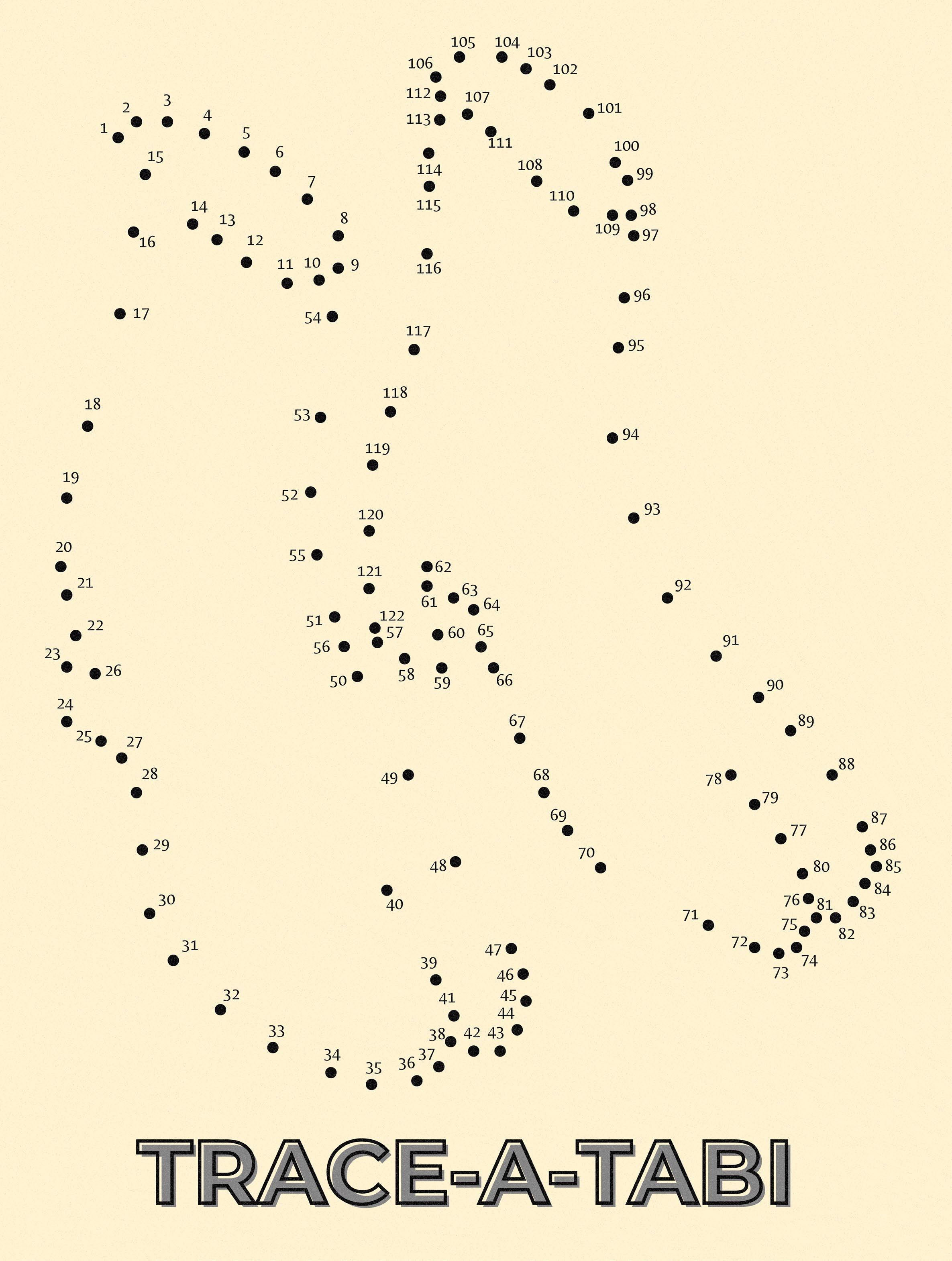
Free Pattern!