DEBATE
ISSUE SEVEN MATARIKI
ABOUT US
Kia ora! We’re Debate, your free student magazine at AUT. Each fortnight we scatter magazines across campus talking about student news, art, and culture. Each issue is made by us and a small team of contributors - no AI was used in the production of any work to our knowledge.

FOLLOW US ON INSTAGRAM @debate_mag
Editor Associate Editor
Arts, Culture & Te Ao Māori Editor
Donnelly Liam Hansen Skye Lunson-Storey Madeline Bradley Sophia He
Digital Marketing & Social Media Manager Graphic Designer



Tashi


TITLE---
Matariki: An Invitation to Return
AUTSA Student Representative Council nominations open for 2027
Matariki Events
Hokianga, Waikato; Matariki, Mataali’i For Everyone. On Whose Terms?
Whetuu Do Not Arrive, They Return ☆
Emily Lyall: Rerekē. Different, unusual, abnormal, changed
Matariki Te Pou Māori Commissioned Artist
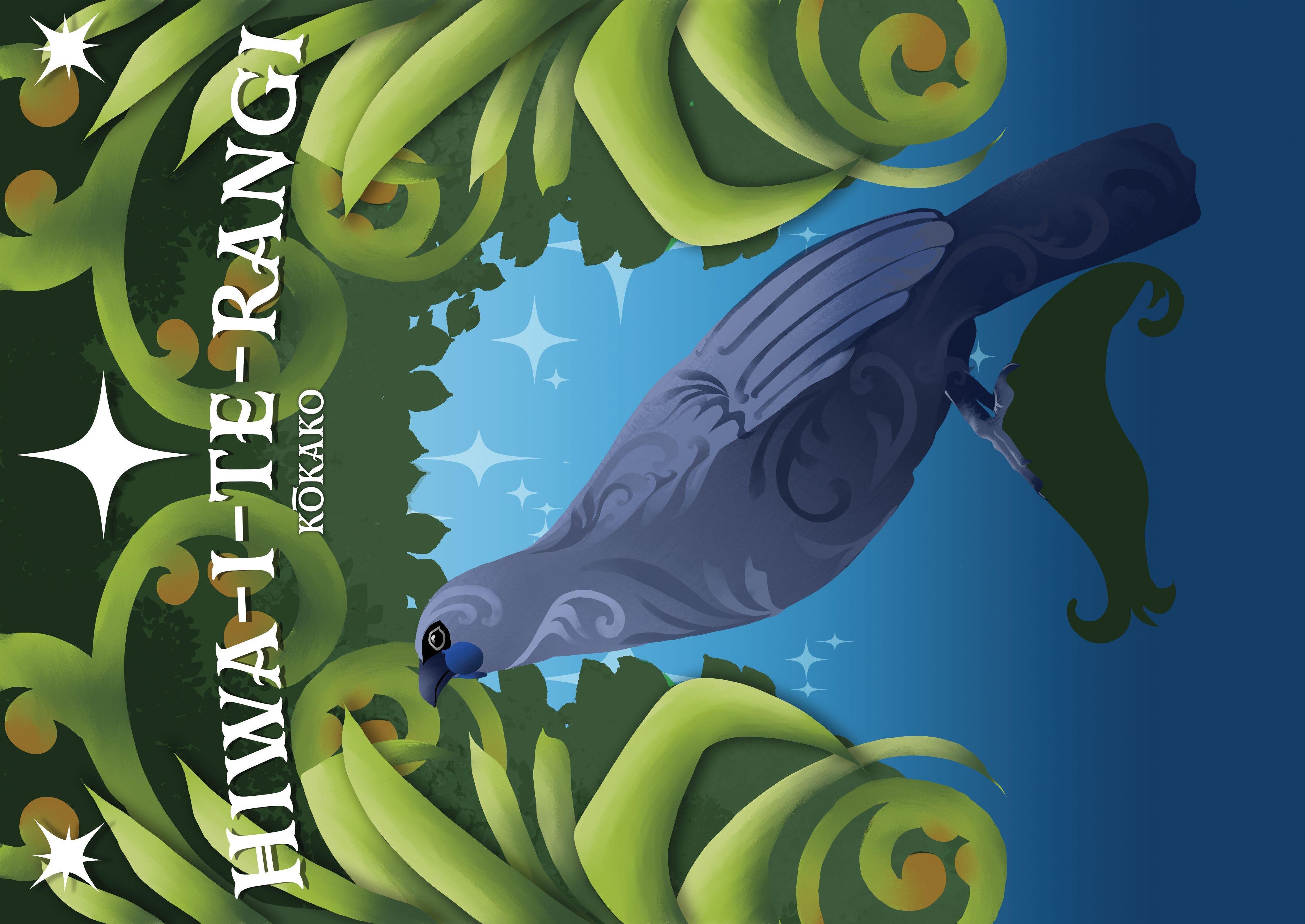
Hiwa-I-Te-Rangi KOKĀKO Poster
Kohinga
Kōrero Toi: Te Ara Tohu
Have you eaten yet?
Spill the Tea
What Makes Earth Comic
Matariki rāua ko Puanga
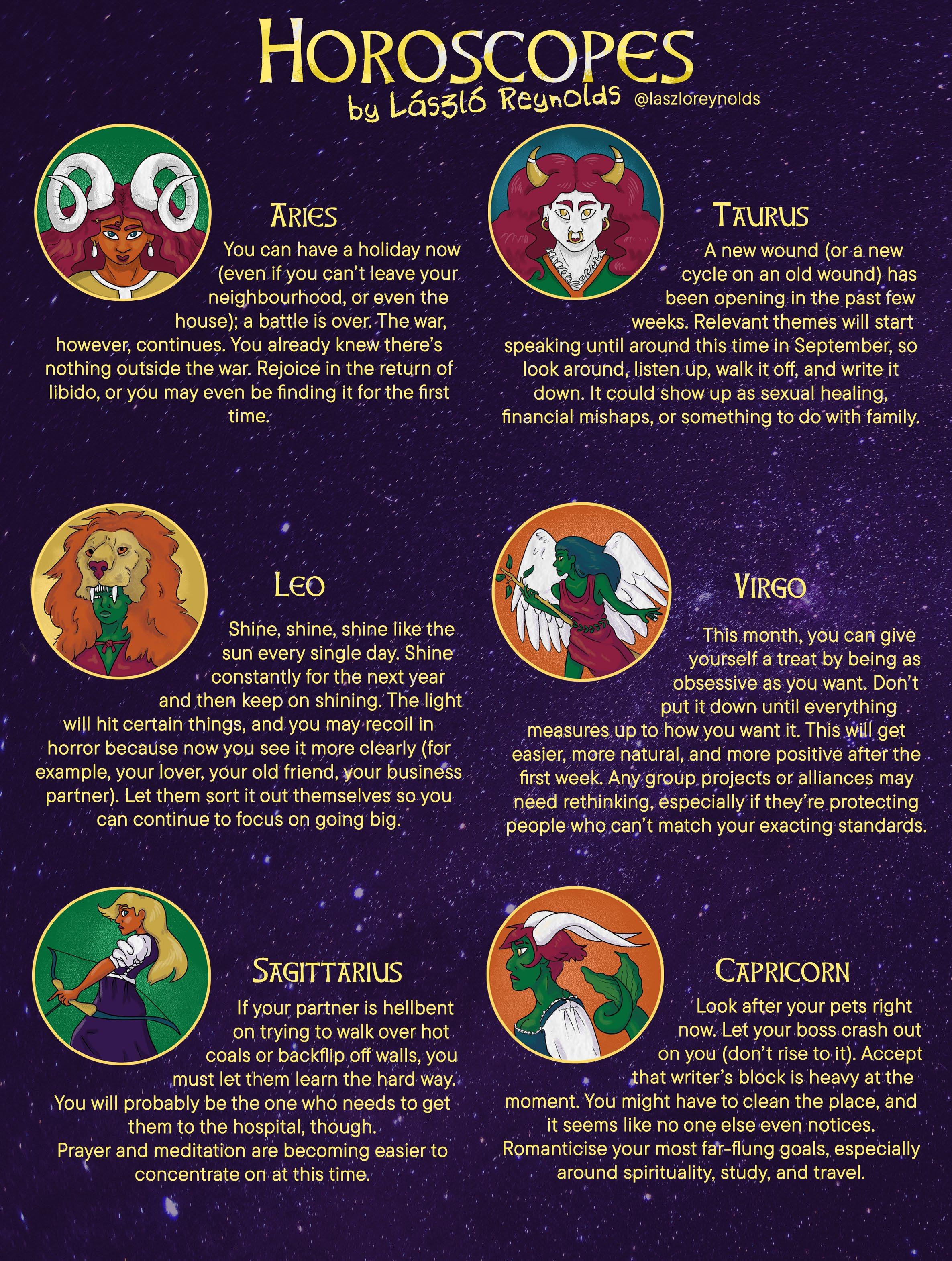
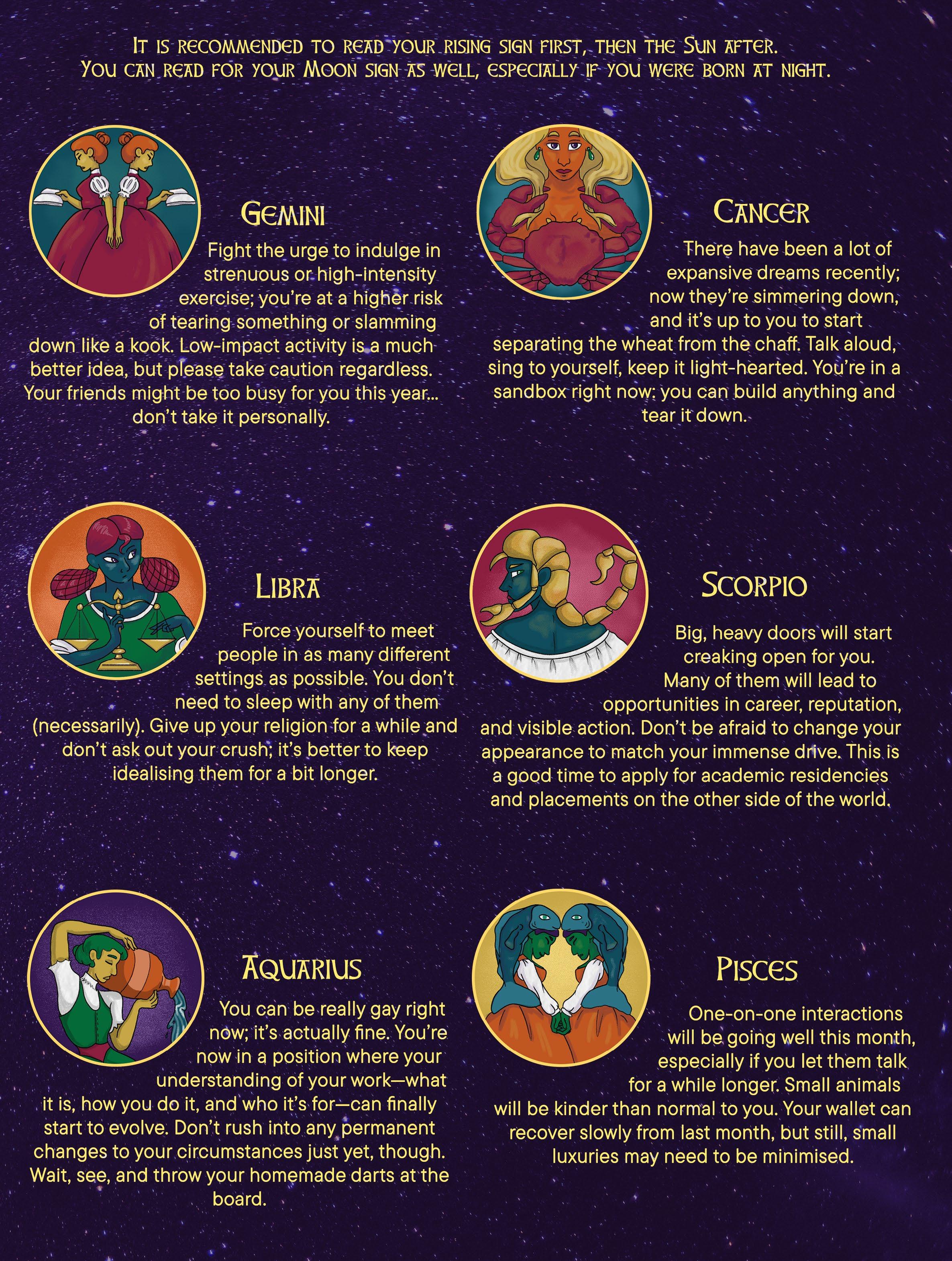
Horoscopes 13th July - 13th August
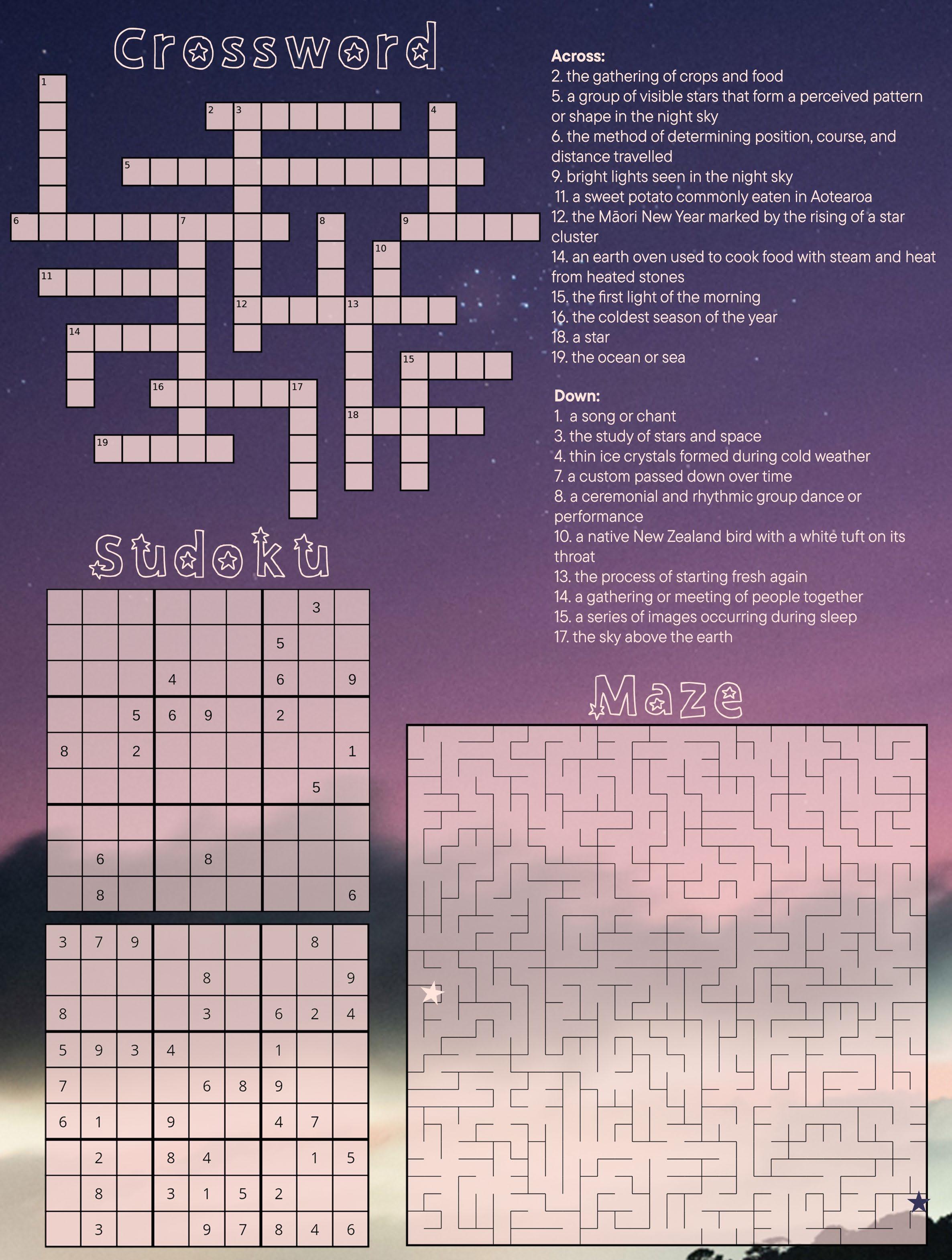
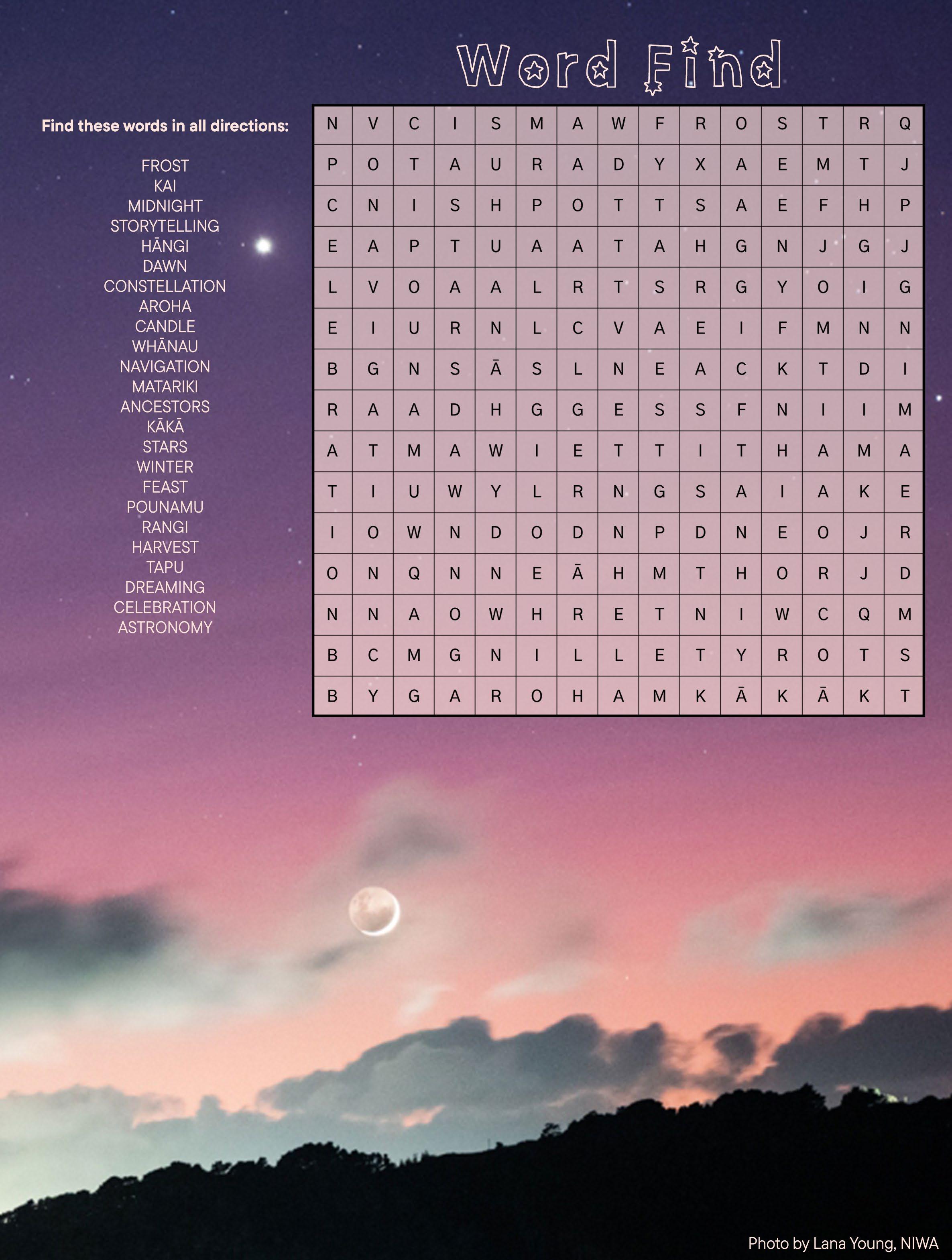
Mahi Whai | Puanga PUZZLES
Rick’s Reel Recommendations: 3 Films On Wind
CREATOR---
Tashi Donnelly
Liam Hansen
Tashi Donnelly
Ivy Lyden-Hancy
Taigaga (Jamal)
Rerecich
Piremina Ngapera
Skye Lunson-Storey
AUT MĀORI
Breana-Ann Kaponga
Koromiko JacobWilliams
Tohu Harris
Priscilla Zhang
Tashi Donnelly
LoverLotus
Ronik Shah
László Reynolds
AUT MĀORI
Ricky Lai

DISCLAIMER
Material contained in this publication does not necessarily represent the views or opinions of AUTSA, its advertisers, contributors, Nicholson Print Solutions or its subsidiaries.
This publication is entitled to the full protection given by the Copyright Act of 1994 (“the Act”) to the holders of the copyright, being AUT STUDENT ASSOCIATION (“AUTSA”). Reproduction, storage or display of any part of this publication by any process, electronic or otherwise (except for educational purposes specified in the Act) without express permission is a break of the copyright of the publisher and will be prosecuted accordingly. Inquiries seeking permission to reproduce should be addressed to AUTSA.
Debate is a member of the NZ Media Council and subject to its complaints procedure. Complaints about stories must first be directed in writing to us (provide link) within a month of the story being published. If you are not satisfied with our response you can complain to https://www.mediacouncil.org.nz/complaints/. You will need to attach a copy of the article complained about and any correspondence you have had with us.
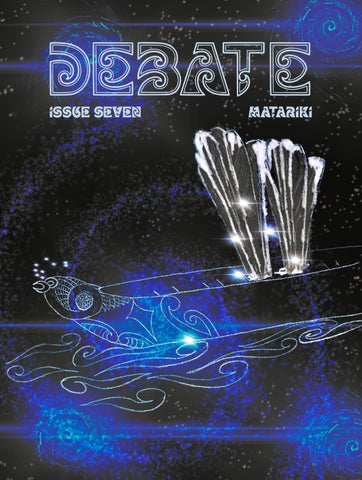
FRONT COVER
Uku Rangi (they/them) @uku_rangi
CENTREFOLD & MINI ART ASSETS
Breana-Ann Kaponga (Te Atiawa) @kxpnga
CONTRIBUTORS
Ivy Lyden-Hancy, Maia Staples-Fletcher, Taigaga (Jamal) Rerecich, Emily Lyall, Piremina Ngapera, AUT MĀORI, Breana-Ann Kaponga, Koromiko
Jacob-Williams, Tohu Harris, Priscilla Zhang, LoverLotus, Ronik Shah, László Reynolds, Ricky Lai
DATE OF PUBLICATION: JULY 2026
MATARIKI: AN INVITATION TO RETURN
Nau mai, haere mai ki Debate
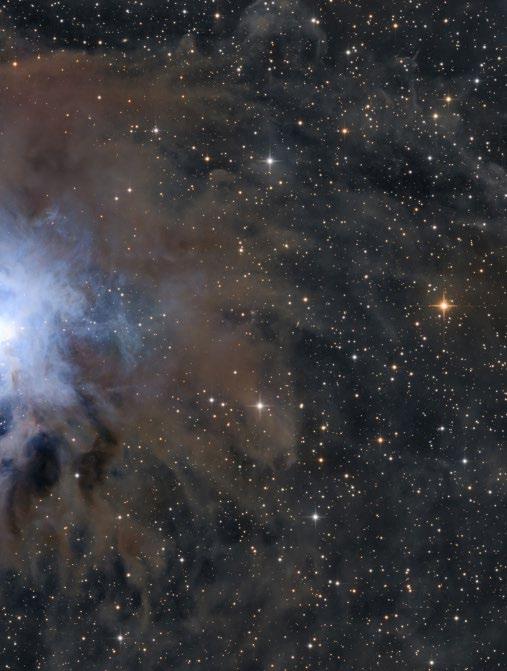
Appearing in the early morning skies of midwinter, Matariki has long served as a time for remembrance, celebration, and reflection. It is an opportunity to honour those who have passed, give thanks for the present, and look ahead to the future. The cluster itself, part of the Taurus constellation, consists of nine stars: Tipuānuku, Tipuārangi, Waitī, Waitā, Waipunarangi, Ururangi, Hiwa-i-te-Rangi, and Matariki. But its significance extends far beyond astronomy.
As Matariki becomes an increasingly familiar part of public life in Aotearoa, it offers all of us an opportunity to engage more deeply with the histories, traditions, and knowledge that have shaped this place we call home. Like many Pākehā in Aotearoa, I have felt disconnected from te ao Māori for most of my life. It felt unfamiliar to me, but unfamiliarity is not the same thing as exclusion. At a certain age, and after a fair amount of studying New Zealand history, I found only myself to blame for this feeling. Like any language, history, or body of knowledge, connection grows through participation. As Elizabeth Bennet put it, ‘I do not play this instrument so well as I should wish to, but I have always supposed that to be my own fault because I would not take the trouble of practising.’ Matariki offers an invitation to do exactly that: to learn, to reflect, and to deepen our relationship with the stories and traditions that shape Aotearoa.
In these pages, you will find a small but significant ode to Matariki. In For Everyone. On Whose Terms?, Jamal asks what it actually means to frame Matariki under the language of “Herenga Waka – For Everyone” in a political climate where recognition and resistance sit uneasily beside one another, and where inclusion is never neutral.
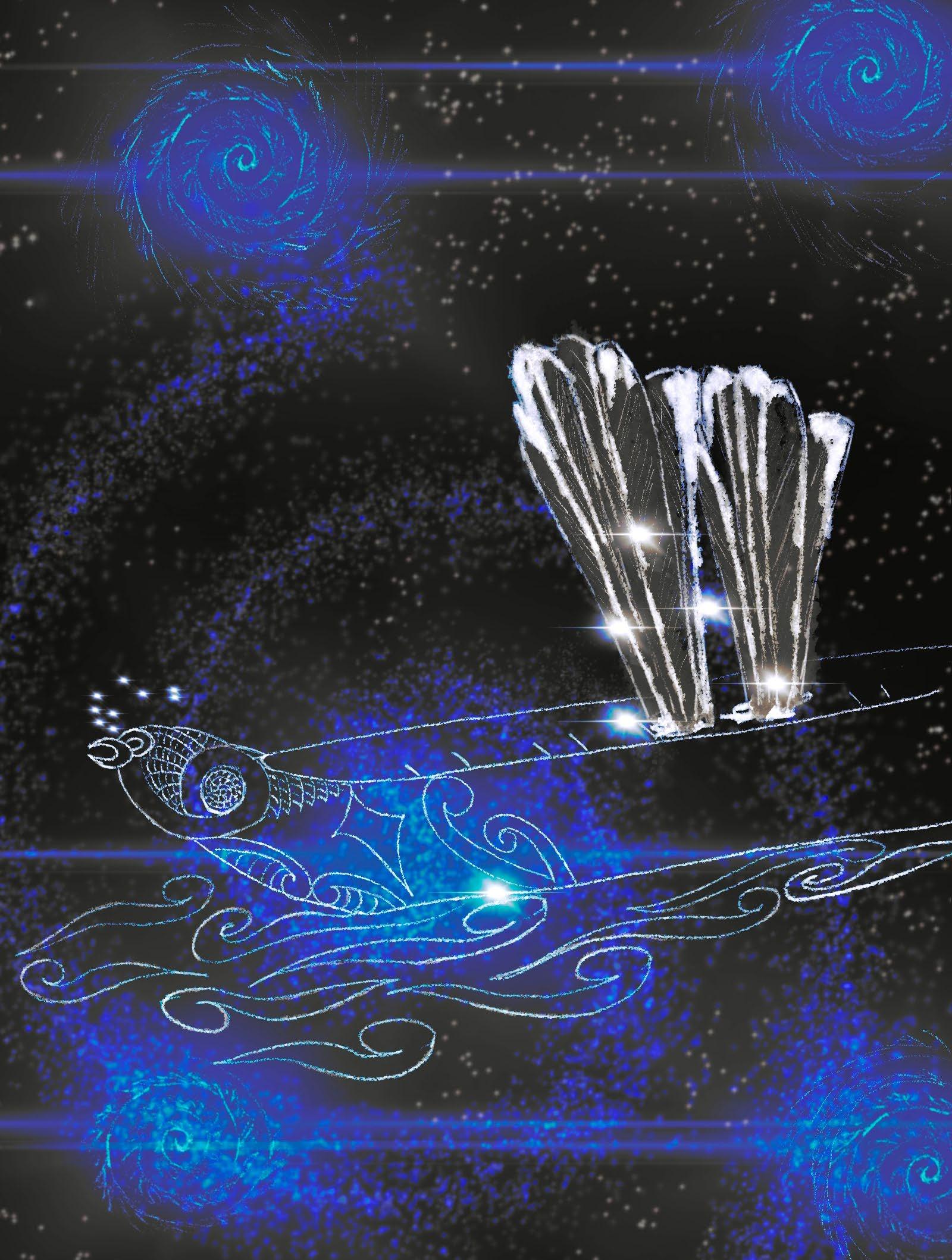
Piremina Ngapera’s Whetū Do Not Arrive,
They Return turns instead to mātauranga
Māori itself, reminding us that Matariki is not an introduction to time but a different way of understanding it entirely: cyclical, relational, and rooted in whakapapa between whetū, whenua, and people. Ronik Shah’s Matariki rāua ko Puanga traces a personal journey of learning and return, showing how revitalisation can be felt through language, education, and shared practice, and how Matariki continues to grow meaningfully within both community and public life. Koromiko Jacob-Williams’ Kohinga brings this into an urban, embodied space, where Matariki is carried through city nights, memory, movement, and whakapapa held in motion, an affirmation that even in environments of disconnection, the whetū remain a point of return and recognition. Together, these pieces do not settle Matariki into a single definition, but instead hold it open as a site of tension, continuity, and care: something remembered, contested, celebrated, and lived all at once.
I’m excited to celebrate Matariki and for the mātauranga I will gain, little by little, each passing year. The contributors of this issue are far better qualified than I to write about Matariki, and I would like to thank them all for their mahi. I would also like to thank Skye Lunson-Storey, our Te Ao Māori editor, who has curated most of this issue’s content. The care, intentionality, and abundant creativity they bring to their work inspire me every day.
Written by Tashi Donnelly (she/her) @tashi_rd
EDITOR-IN-CHIEF
AUTSA Student Representative Council nominations open for 2027
The Auckland University of Technology Students Association is currently taking nominations for its Student Representative Council, the governing body representing various faculties, cultural groups, and communities across AUT campuses while directing the operations and priorities of AUTSA in their services for students.
There are 22 roles sitting within the SRC, broken into subcommittees for communities, like Rainbow, Māori, Pasifika, Disabled, International, and Mature students, the Academic subcommittee for each of the university’s faculties, the selfexplanatory Campus subcommittee, and the executive branch consisting of the Academic and Community-focused Vice Presidents and the AUTSA President.
The student representatives participate in frequent SRC committee meetings with operational staff from AUT and AUTSA, sharing the concerns and priorities of their coursemates and peers as the organisation makes decisions on funding, programmes, events, and support. They can expect to put aside 5-10 hours a week for their commitments, including meetings, responding to student emails, and attending AUTSA events. Last year, they worked on advocacy campaigns to lower student public transport fares and continue to work towards increasing transparency on assessments and practices.
Non-executive roles are voluntary, although student representatives receive honoraria at the end of each semester for their time. The executive roles take on more responsibility working with AUTSA staff and coordinating their fellow reps - both of the vice president roles are parttime at 20 hours per week, and the AUTSA President works full-time on a salaried position.
James Portegys, the AUTA President from 2025-2026, says, “Being a part of the Student Representative Council is a great way to build leadership and advocacy skills while getting more involved on campus.”
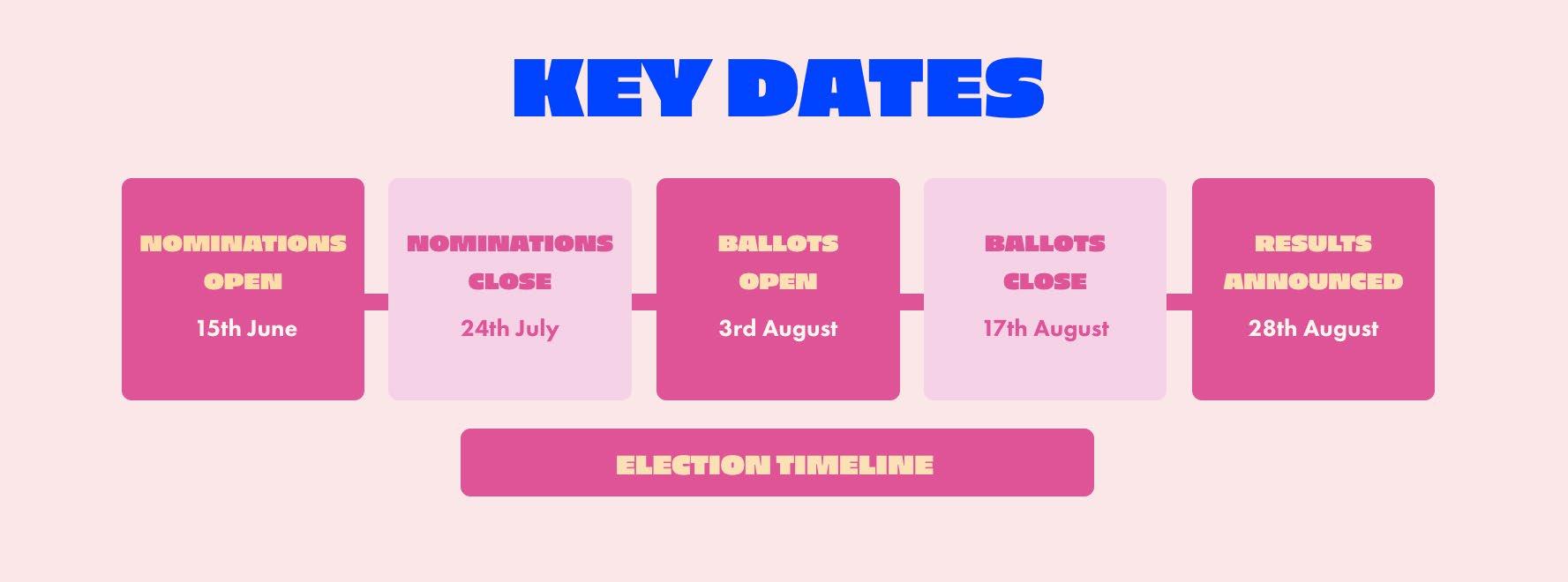
You can either nominate yourself or a friend until Friday, 24 July at autsa.org. nz/elections, specifying which roles you are applying for and providing two endorsements from other AUT students. Campaigns begin from next Monday, before voting runs from 3 to 17 August.
Written by Liam Hansen (they/them)
@liamhanse.n
ASSOCIATE EDITOR
Bright Nights Tight Budgets
Affordable Matariki Events Around Tāmaki Makaurau
ARawhetū
A free augmented reality art trail through the CBD featuring virtual sculptures inspired by the stars of Matariki and Puanga. Perfect for an evening wander with friends and an excuse to explore the city.
Until: 21 July | Free
More info: aucklandlive.co.nz
He Ara Hīkoi
Take a guided walk through Auckland’s Matariki installations and learn the stories behind the stars and artworks lighting up the city.
Until: 19 July (various times) | Free
More info: aucklandlive.co.nz
Tūhono Light Path
The world’s longest indigenous art trail transforms the CBD with illuminated installations stretching across 2km. Ideal for a post-lecture stroll or a low-cost date night.
Nightly until mid-July | Free
More info: heartofthecity.co.nz
Matariki Twilight Market
Food trucks, live music, Māori art and culture, and the chance to spot the Matariki cluster at its brightest. Bring your flatmates and make an evening of it.
10 July & 25 July, 4pm–9pm | Free
More info: ngatiwhatuaorakei.com
Ngā Whetū o te Tau Hou
For anyone wanting to learn more about Matariki, this immersive Stardome experience dives into the stories of the stars and the Māori lunar calendar.
Until: 31 July | $13.50–$18.50
More info: stardome.org.nz
Matariki ki MOTAT
Two weeks of hands-on science, technology, arts and crafts activities celebrating Matariki for all ages. A good option if you want something interactive, fun, and a bit different from the usual city events.
Until: 19 July | $10–$19 (children under five free)
HOKIANGA, WAIKATO; MATARIKI, MATAALI’I
I see my family in the stars, from Hokianga to Waikato, we are the stars of Matariki. Our waka wairua as we travel through time. Stuck in it, in the nostalgia, my tupuna, my nanas, my papas, the stars in my hands are all interconnected.
I think of my childhood, floating between marae. I remember jumping off the wharf, making crabs fights, climbing in the mattress room, electric fences, the sheep that was gutted in Waikato, the kauri tree where my papa lay. I think the last time my family were all together was at nan’s tangi. I haven’t been back since then. I see Matariki through Hine-nui-te-pō; the waka from the physical world to the next. Always there, watching, always with us. Are the stars everyone we’ve lost?
There is a belief about migration, only being between the land and the sea. We followed the stars, followed the currents, felt the wind in our hair. What about the whenua and our tinana? Clay and earth, bone and breath; I think of the migration of my whānau, from Waikato to Hokianga to Manurewa and then Papakura. I think of the silence in the car, what broke it? What questions filled it? What stars were out at the time, did they look for Matariki.
Matariki reminds me that I’m a Tāmaki Māori. Tāmaki Māori are Māori who came in the great fleet to Tāmaki Makaurau. One of the biggest migrations of Aotearoa history. It is the catalyst of displacement and was the big shift of many becoming
an urban Māori. Last year I went to my mate’s, she lives in the middle of nowhere; you could see the stars, the galactic mist, I saw my whānau. Came back home but how can I look to the stars when the street lights are in the way.
Matariki, in a sense, is my tohunga. The moon is my sun. I love talking in metaphor, for the mainstream has reached conformity in their writing. In short, my family are from Hokianga and Waikato. Not just my direct family but every link of the whakapapa tree. I can trace back to my tupuna, the colonisers, and those who came before them. Matariki is like a family tree in the sense of all Māori being connected; when we go off Te Rerenga Wairua we will all become the stars, like mataali’i. The stars in my hand, in your eyes and mine.
Written by Ivy Lyden-Hancy @tekaraipiture
(Te Rarawa, Ngāpuhi, Ngāti Wairere, Tūkorehe, Samoa (Falefā), Tonga (Vava’u))
CONTRIBUTING WRITER
Illustrated by Maia Staples-Fletcher (she/her) @maia_sfletch
CONTRIBUTING ARTIST

FOR EVERYONE. ON WHOSE TERMS?
Matariki 2026 carries the theme Herenga Waka - For Everyone, and the question that theme invites, if we are being honest about the political moment it lands in, is whose “everyone” is being offered and on what terms.
The public holiday passed into law in 2022 without the support of National or ACT, both of whom now govern. In the same parliamentary term, those parties backed a Treaty Principles Bill that went to select committee, generated 300,000 submissions against it, and was defeated 112 to 11. The political appetite to relitigate the constitutional relationship between the Crown and Māori was real enough to produce legislation; the public appetite to stop it was larger than Parliament appeared to anticipate. Matariki 2026 lands inside that history, and the Herenga Waka framing asks something of us that the current political climate makes genuinely difficult to deliver.
The three pillars Matariki asks us to engage with:
Remembrance Celebration Looking forward
Each pillar carries political weight that this moment puts pressure on in a specific way.
Remembrance: requires naming what is being remembered and why it matters
that we do. Matariki marks a whakapapa older than the Crown, and the people who submitted against the Treaty Principles Bill were not acting on sentiment alone; they were defending constitutional commitments built across decades of litigation, legislation, and negotiation that the bill would have fundamentally recharacterised. The bill’s defeat did not dissolve the conditions that produced it. The same governing parties that backed it remain in office, and the work of institutional rollback has continued at the level of funding, co-governance arrangements, and the quiet redefinition of what Treaty partnership is taken to require.
Remembrance, in that context, carries a political obligation to resist the normalisation of that process.
Celebration: is where “for everyone” looks most settled, and where the gap between framing and reality is most worth examining. Matariki has become a genuinely anticipated moment in the national calendar, and that has real value. The difficulty is that Māori knowledge is treated as sufficient grounds for a public holiday while remaining actively contested in health policy, environmental law, and constitutional design — frameworks where its application would carry material weight rather than symbolic recognition. As Co-Tumuaki of Te Aro Ture, AUT’s Māori Law Students’ Society,

I spend considerable time in the space between how institutions describe their relationship to Te Tiriti and how they behave when that relationship has a cost attached to it.
For Māori students working inside those institutions, the celebration and the policy environment surrounding it are not separable.
Looking forward: is where the Herenga Waka theme has the most to offer, if it is taken seriously as a structural commitment rather than a seasonal one.
A mooring line holds under pressure; it is not a gesture toward connection but a mechanism for maintaining it when the conditions work against you. The past parliamentary term tested what “for everyone” means when it has constitutional content, and 300,000 people answered that question with a clarity that the vote tally confirmed.
The question of looking forward is whether the political institutions that govern this country are willing to meet that answer with something durable that treats Matariki, not as a resolved question dressed up as a holiday, but as an ongoing one that this year, more than any before it, demands honesty about what acknowledgement actually requires.
Written by Taigaga (Jamal) Rerecich (he/him)
@417mal
CONTRIBUTING WRITER

WHETUU DO NOT ARRIVE, THEY RETURN ☆
Long before calendars were fixed on walls and screens, my tiipuna looked to the eastern horizon before dawn, where Matariki returned with the midwinter sky. Its rising marks the close of one year and the beginning of another. Yet to call it simply “the Maaori New Year” feels incomplete.
Across Aotearoa, not every iwi watches for Matariki. Some look instead to Puanga, shaped by how they see the whetuu from Te Waipounamu. Heoi ano Matariki or Puaka is a conversation between the heavens and the earth, where whetuu, tides, forests, birds and people belong to one another.
Ngaa tuahine tokoiwa (The nine sisters)
Tupuaanuku is the body of return. The soil that takes everything back. What is buried becomes life. Food, bone, memory, root. All of it softened into the whenua.
Tupuaarangi is the breath above the body. Birds, wind, haa. Things that pass through the sky.
Waitii sits in fresh water. Rivers and streams that have carried fish, ash, tears, grief, and love.
Waitaa is the ocean, tides pulling us back to the hands of our making.
Waipunarangi is rain. What rises finds another way to return.
Ururangi is the space between things. What is unseen to the eye still exists.
Hiwa-i-te-rangi is Wanting. Waiting. Wishing. The dreams we entrust to the darkness before dawn.
Poohutukawa holds the mate. She is where we continue when our tinana no longer remains in the physical realm.
Matariki are the irises of Taawhirimatea.
Astronomy was never separate from agriculture. Weather was never separate from spirituality. One could not exist without the other. The whetuu, nine star sisters, were companions of everyday life, leading decisions about cultivation, food-gathering, community and death. The environment does not move through time–it cycles through us. Through everything that lives and no longer does.
With the rising of Matariki came the names of those who had passed since the previous rising. Their names were gently spoken into the morning and carried skyward in karakia before dawn. To honour those who had returned to the whenua we also give thanks for the kai that had risen from it. Grief and love do not end; they continue through the same relationship between land and living. In a world that often rushes us toward what comes next, we begin by looking back.
Only then could hopes for the coming year be shared.
In recent years, Matariki has entered public life, becoming Aotearoa’s first public holiday grounded in te ao Maaori. Engari me maumahara, the whetuu were always here. They were here before the fences. Before the roads. Before the names we gave months. Before we counted years on phones instead of in frost & rebirth & soil.
Remember that life is not a straight line stretching away from us, but something that circles. The season. The harvest. The grief. The love. The generations. We are not separate from it, we are made from it.
The sisters do not appear, they return and are quietly watching us do the same.
Written by Piremina Ngapera (she/her)
@piremina
CONTRIBUTING WRITER
Illustrated by Maia Staples-Fletcher (she/her)
@maia_sfletch
CONTRIBUTING ARTIST
EMILY LYALL: REREKĒ.
DIFFERENT, UNUSUAL, ABNORMAL, CHANGED.
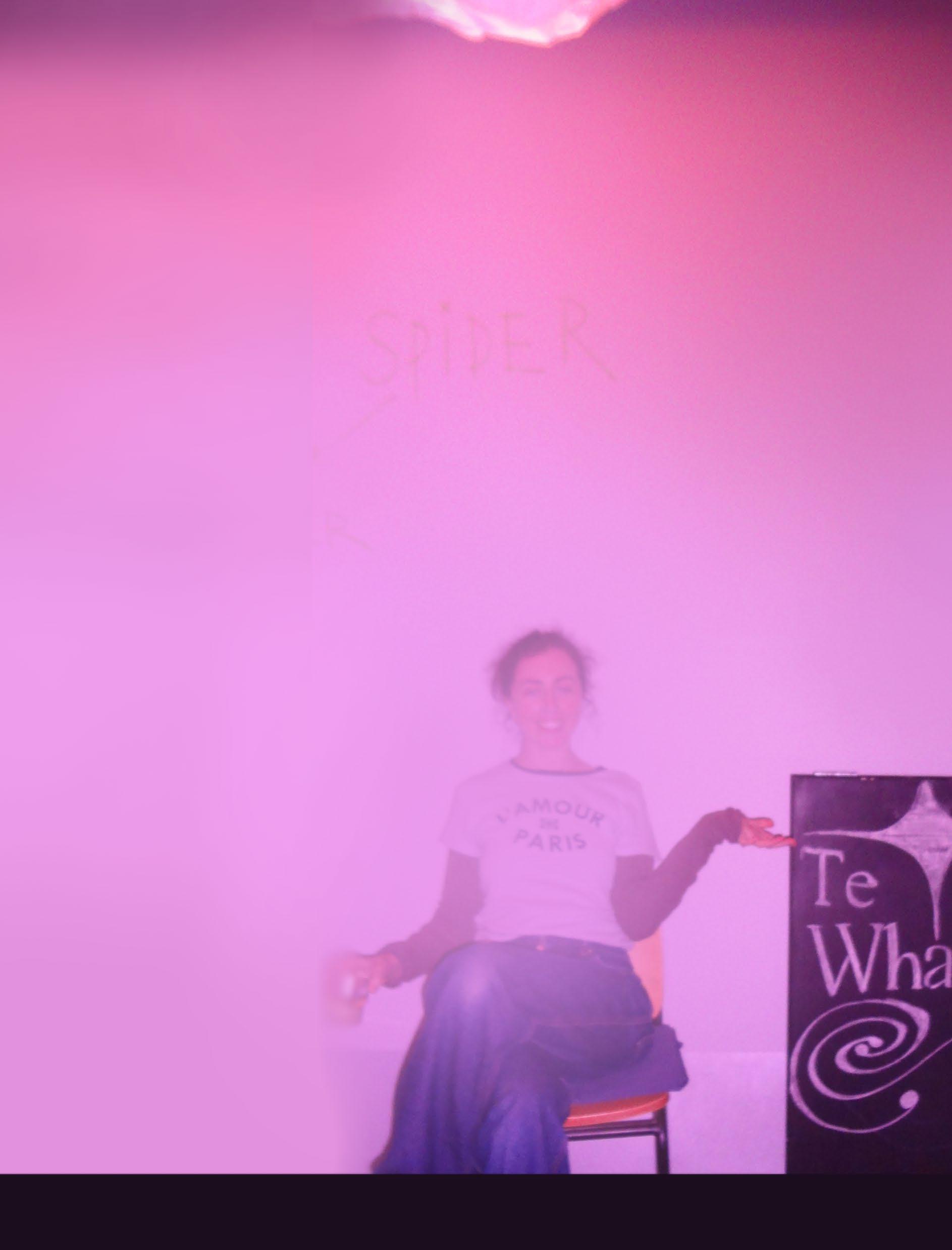
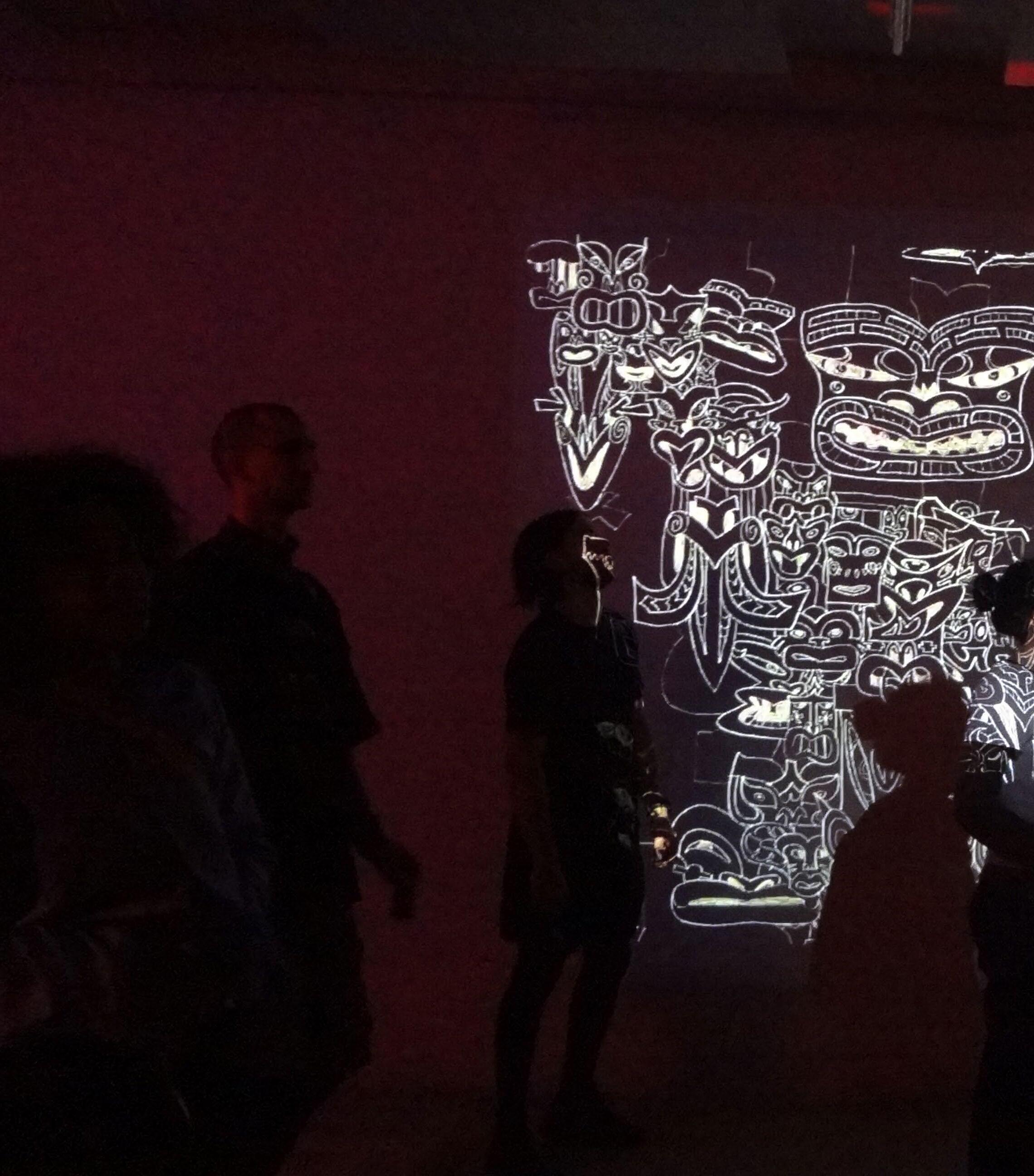
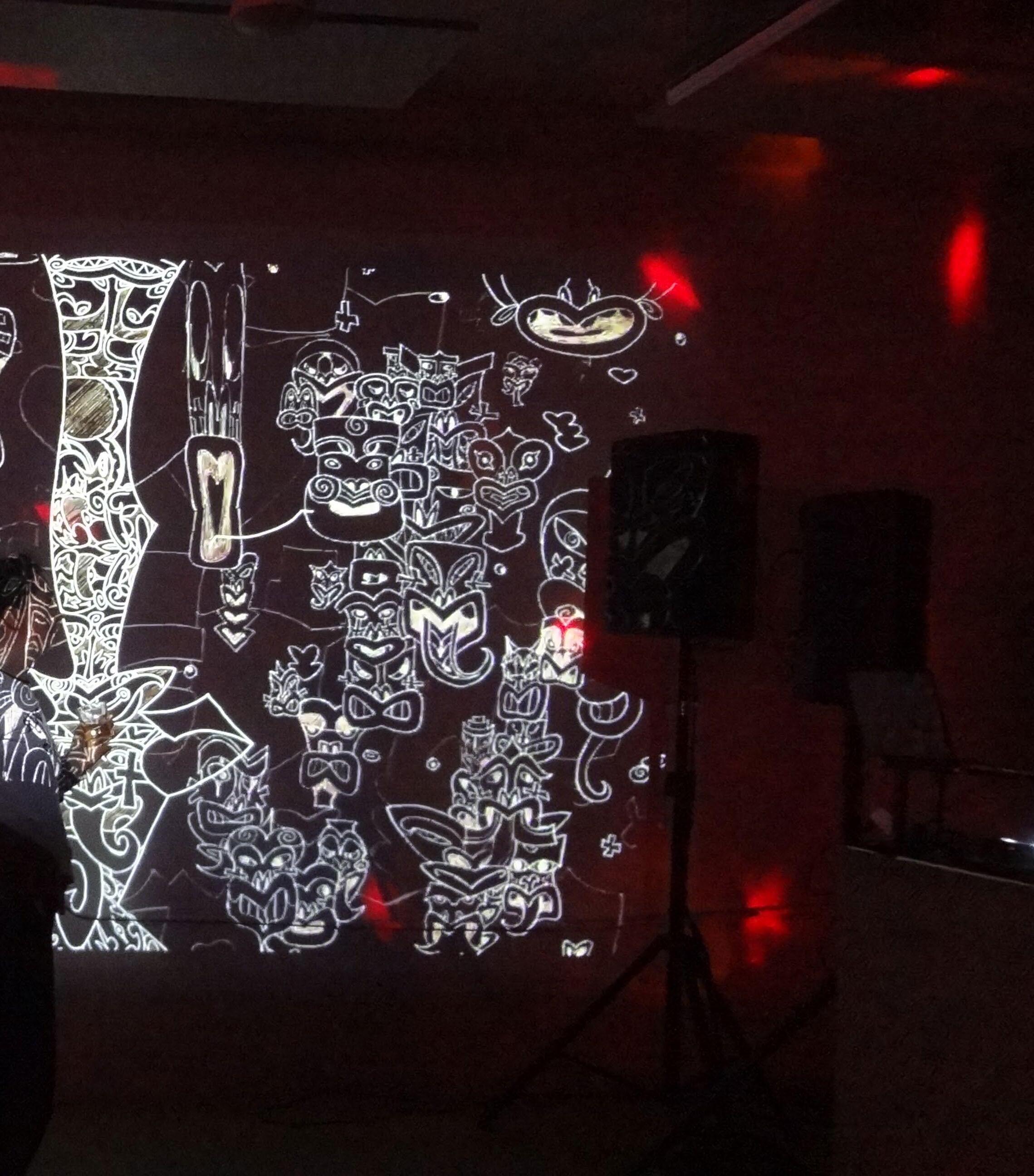
A kōrero with Emily Lyall on her programme Rerekē as the 2026 Artspace Aotearoa curatorial intern.
Interviewed by Skye Lunson-Storey (Arts, culture, Te Ao Māori Editor).
The concept of Rerekē encourages artists to be “bold, weird, and different.” Expanding on three toi Māori categories, what does being rerekē mean to you personally, and how has that idea shaped the programme?
So, within the three toi Māori categories toi tūturu, toi whakawhiti, and toi rerekē; I’ve taken rerekē as a category in that it speaks to Māori art and mostly modern contemporary Māori art. Holding new ways of thinking around what is Māori art. But the word itself translates to “weird, odd, and different”. That’s what I want this programme to celebrate. It’s a personal thing as well. In the last year of my bachelor’s degree, my piece was heavily inspired by being a weirdo. At the time, I really loved Frida Kahlo and her famous quote basically saying I’m a weirdo, and I know there are other weirdos out there; I hope they see my art and know they’re not alone. I’ve carried that thought into this programme. It’s about encouraging new ideas, trying new things, pushing boundaries, and giving space to fail.
Your curatorial practice is grounded in an Indigenous lens and informed by your studies in Māori Visual Arts and Museum and Heritage Practice.
How do these perspectives influence the way you think about exhibitions, wānanga, and creating spaces for art?
Through my studies at Toioho ki Apiti, as it was a very ao Māori-centred degree with all of our learning and outcomes. I was talking the other day about how we hardly wrote essays. But then I realised that we were actually giving quite long presentations, which other degrees don’t do. I see now that it actually was an equivalent because speaking is a more traditionally Māori thing. It’s good to know enough about a subject that you can talk about it in front of people. That degree gives the perspective of an artist and the ao Māori view. My master’s really strengthened the theory behind it. There’s lots of theory, and I found it’s kind of weird to study Indigenous practices. They happen every day without the need for scholars. In my approach, I feel inspired to pull apart what curation and this art world are. To reinstate the knowledge we already have. Curation happens every day in communities. All this amazing art and work is being done, but it’s just not in a way that aligns
with the art world as a business. So, it’s recognising those as real forms of curation.
You’ve spoken about the pressures ringatoi Māori can face from institutional, Pākehā, and Māori expectations. How does Rerekē create space for artists to experiment, take risks, and challenge established boundaries?
I’m pushing myself also in this; to do the other thing. Not the first that comes to mind. I want that to translate into the artists that I’m working with. I hope they see that I’m also doing the same thing and know that they can give it a go. All the artists I’m working with have amazing practices, but I often say to them, “If there’s anything new you’ve been thinking of trying, I want you to give it a go here”. It’s a space for allowing people to mess up and know it’s no big deal. Because information travels so quickly, people are really scared of messing up. That can potentially be a barrier to them coming up with something new and doing something really important.
The first activation, Whāriki, focused on collective making and laying a foundation for the programme. Why was collaboration such an important place to begin, and what have you learned from bringing artists together in this way?
Collaboration is tino in te ao Māori, but also in normal, everyday life that maybe isn’t practised in society. So, it’s about bringing back those practices that we know work and that we know are beneficial. Something as simple as that is really important. A big thing I wanted from bringing people together actually was to get some feedback on how people feel about the art world in Auckland at the moment. At the time, I’d only been here for a month, and I wanted to gauge what it was like. To hear from them directly. What do they hear and what do they notice? I learned a lot from that and from hosting a wānanga. As a curator letting them do what they wanted to. What they ended up creating was nothing like what I had imagined. If I had a say in it, I would probably suggest maybe not that, but I really liked seeing what they came up with. It’s a cool piece that’s very fitting to the programme. This was me learning about being a curator.
As Matariki is a time for reflection and looking ahead, being the 2026 Artspace Aotearoa curatorial intern, what hopes or aspirations do you have for Rerekē and the communities it brings together over the coming year?
I’m just keen for young people to get in amongst the galleries and the arts. We are the people coming through the art world; we’re the next to decide what happens and what we make it. The whole programme is a big conversation that
we’re all a part of and get to have a say in. It’d be cool to look back on it and see where some of these conversations began. The funding given by Creative NZ for this internship is for a three-year period. Jing had it last year, I’ve got it now, and someone will get it next year. But I find it so sad that it’s finite. Being in this role is so important, and not only Artspace but more institutions need stuff like this. These are really important opportunities.
Lastly, for rangatahi and emerging artists who might feel constrained by expectations or unsure where they fit, what advice would you give about embracing their own version of rerekē?
This will be more of a personal opinion rather than about the programme. But I was a weirdo as a kid, and so were all my art baddie friends. We were all really weird and bullied. Now we’re kinda cool, and the others are kinda lame. So, I would say, don’t dilute yourself. On some inspirational bs, the things that make you weird are the things that make you unique. It’s true. The weird ideas and the weird ways you see things are what set you apart from others. Tap into it, because I think that’s extremely valuable.
Written by Skye Lunson-Storey
(they/them) @uku_rangi
ARTS, CULTURE & TE AO MĀORI
EDITOR
Written by Emily Lyall (she/her)
@teaoemily
CONTRIBUTING WRITER
POU MĀORI MATARIKI COMMISSION
Kua haehae ngā hihi o Matariki
The rays of Matariki are spread
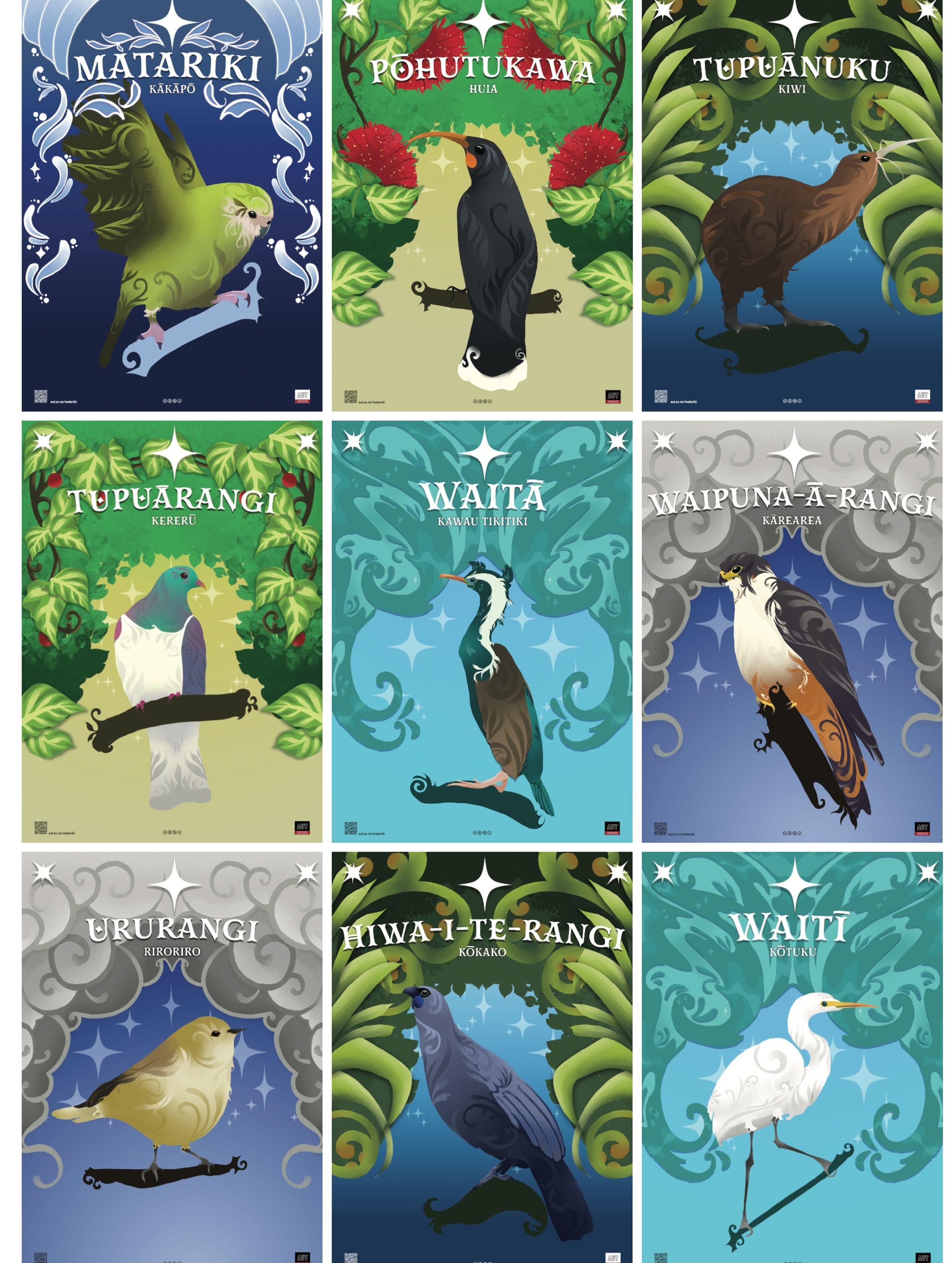
This Matariki artwork was commissioned by the Pou Māori team at AUT. Each tau hōu (new year), nine artworks are commissioned to celebrate the rising of Matariki. Each artwork is downloadable and accompanied by a scannable QR code containing information about the star cluster. They encourage you to print these posters and hang them in your spaces as a learning opportunity for all. (Please note: This work is licensed under a Creative Commons AttributionNonCommercial-NoDerivatives 4.0 International License.)
Breana-Ann Kaponga (Te Atiawa)
This year, the Pou Māori Matariki commissioned artist is Breana-Ann Kaponga. As a third year tauira, Breana-Ann studies the Bachelor of Design degree majoring in Animation, Visual Effects and Game Design. Breana-Ann has depicted each of the whetū in connection to a manu (bird). “Just like us and our ancestors, they are representations of perseverance against time. They represent the connection between the living and the spiritual world. I hold them dear to my heart as they have guided and inspired me to become the artist that I am today.”
Mahi Toi
“I was inspired by the Kiwi artist Glenn Jones, whose bold colours and lineless Kiwiana style evoke nostalgia. I wanted to combine these aspects with my own personal style. In my interpretation, each whetū is represented by a native manu.
Manu in kōrero tuku iho, pūrākau, and
whakataukī hold significant meanings and represent connections between the living and spiritual world. I hold them dear to my heart as they have guided and inspired me to become the artist that I am today.
Just like us and our ancestors, they are representations of perseverance through time. Each manu represents a whetū with a strong connection.
Waitī and Waitā are the Kōtuku and Kawau Tikitiki, who reside in freshwater and saltwater environments where they source their kai.
Waipuna-ā-Rangi and Ururangi are represented by the Kārearea and Riroriro, known as weather forecasters. The Riroriro’s call signals wind, and the Kārearea warns of storms.
Tupuānuku and Tupuārangi are represented by the Kiwi and Kererū. Tupuārangi links to hākari, while the Kiwi reflects Tupuānuku through its connection to food that grows underground.
Pōhutukawa and Hiwa-i-te-Rangi are the Huia and Kōkako. The Huia represents remembrance, as although its species was driven to extinction, it lives on vividly in memory. The Kōkako symbolises hope through its recovery from near extinction. For Matariki, I chose the Kākāpō, one of Aotearoa’s oldest manu, representing longevity and guidance over the other whetū.
These works celebrate native manu and their connection to Matariki, while encouraging wānanga around mana taiao. Through kotahitanga and shared kōrero, we can show aroha for the taiao and work towards protecting it.”
FOLLOW OUR INSTAGRAM: @kxpnga
Written by AUT MĀORI and Breana-Ann Kaponga | @autmaori @kxpnga
aut.ac.nz/matariki
KOHINGA
We are star cluster, sisters
He kohinga
A collection of light with Magic dusted on eyelids the neon lights glowing
Slowing Time
We watch the sky blackout
Midnight matching our cycles
It is quiet and chaotic
Te Marama, a guide
We change
We wane
We take over the city connected
Hei kotahi
We return to each other under the blanket of hōtoke
And watch the dawn drag Tamanuiterā into the sky
Sunrise chilling
Mornings bundled in mum’s fur coats
Out late until we are out early
And streetlights begin sending morse code
As a reminder to come home
Star cluster, sisters
He kohinga
We send affirmations to the whetū
And predict with the flip of another tarot reading
A mirror of our tūpuna
Ancestors reading the sky and waves like a map
Us, reading the cards like an outline for our lives
Reflection muddled by a city that hasn’t made space
For mātauranga or mornings like these
before
Where we turn our heads to the skies
Finding parts of them written up there with predictions of the new year
Star cluster, sisters
He kohinga
Who find whenua within themselves while away from te hau kāinga their Kōwhai sticky lip gloss
Kauri trunk thighs
Kawakawa curved and soothing
The low energy days
Where the veil between wairua and oranga is thinned out
And Pōhutukawa calls her karanga
Pulling wairua forward
And backwards
Kia whakatōmuri te haere whakamua
We wait for pīwaiwaka to come through the doorway
Listen for the hum of feathers dancing
Fading into our Kuia calling her karanga
A message to return home
Star cluster, sisters
He kohinga
We celebrate the new year beneath skyscrapers built on buried pasts
And feel the weight of whēnua and urban city living
Where nights are made for dancing
And mornings are made for unlearning
The stars shine without sunlight
And like them, we do too
Escaping into the fog of machines
The echo of home is loud over the music
Here, we bring whakapapa with us
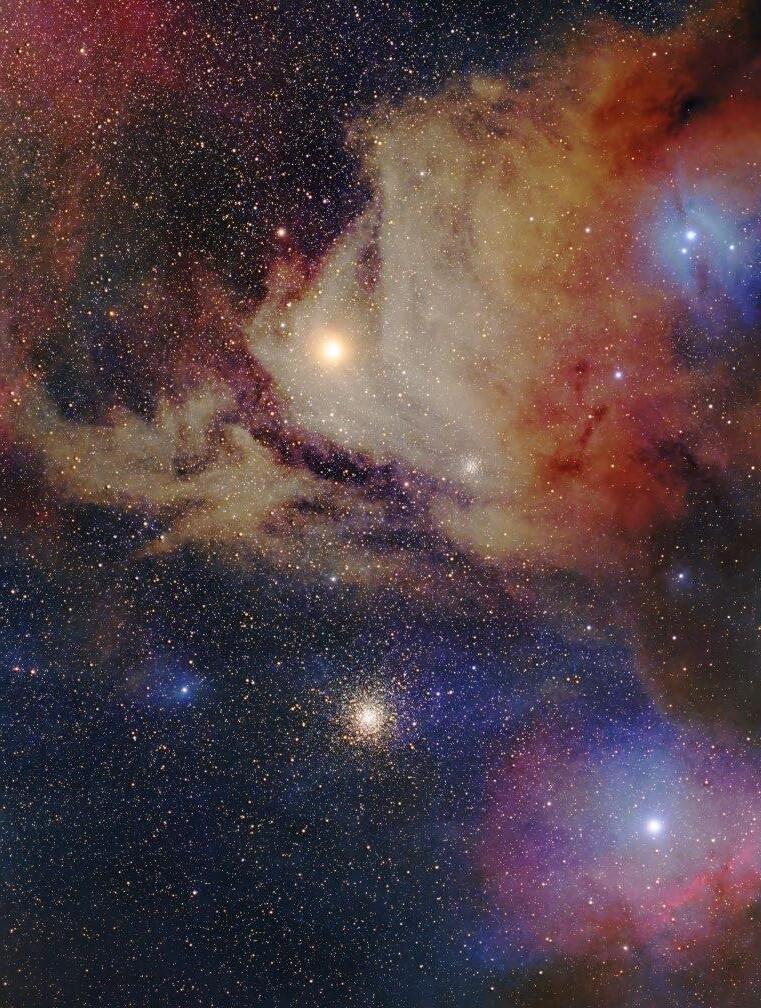
To the front of the crowd
And watch the stars from the top of city towers and Tāmaki maunga
Our guides for reflection
We see ourselves in them
Star cluster, sisters
He kohinga whetū
Laughter booming, flowing like the rivers of Waitī
Bellowing, big and broken-hearted waves of Waitā
Dripping tears as we change and mirror the droplets of Waipuna-ā-rangi
Find our grounding rooted in the whēnua of whānau
Through the trees climbed in girlhood, scraped knees
Head in the sky, until mum pulls us back down for kai
Tupuānuku and Tupuārangi keep us fed and fuelled for whatever the new year throws at us
Through the smoke clouds bringing nightfall, as the winds of Ururangi whip at us
We mourn and miss our mate, returning home to Pōhutukawa
Taking our time to sit in the memories
We look on to Hiwa-i-te-rangi
Bundle all our wishes and affirmations and send them out
Like texts to your sisters
Manifesting between the ping of another prayer that it’ll get better Matariki e manaaki i ngā tuāhine
She who cares for the
Star cluster, sisters
He kohinga whetū
A time for rest
For reflection
For hopes and dreams
Matariki makes space for city hine, Sisters
Made stars by the glow of night and the buzz of morning
Dawn ceremony karakia
Recentering our wairua
The spirits that echo both here and there
Te ao mārama and te pō uriuri
Where we plant rākau for tomorrow and see Whēnua as kaitiaki, not just an asset
Giving back to the hand that feeds us
Matariki is where urban city hine
Finds her place
And is reminded that we are star cluster, sisters
He kohinga whetū
Written by Koromiko Jacob-Williams (she/her)
@koromikoz
CONTRIBUTING WRITER
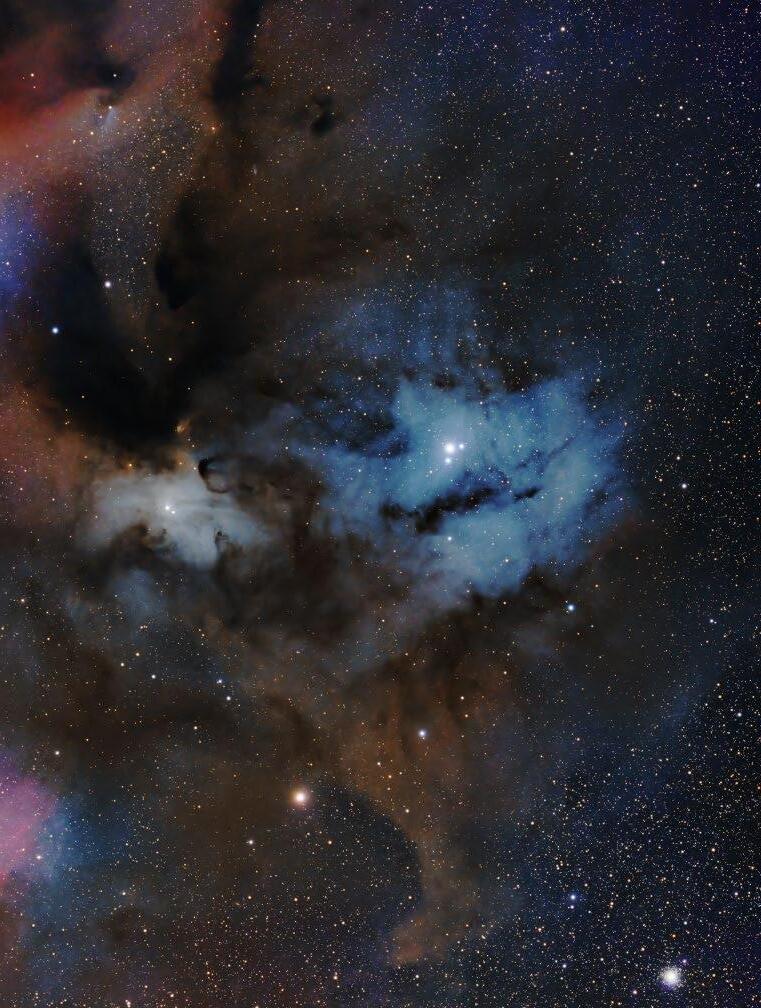
KŌRERO TOI: TE ARA TOHU
PROJECT INTRODUCTION
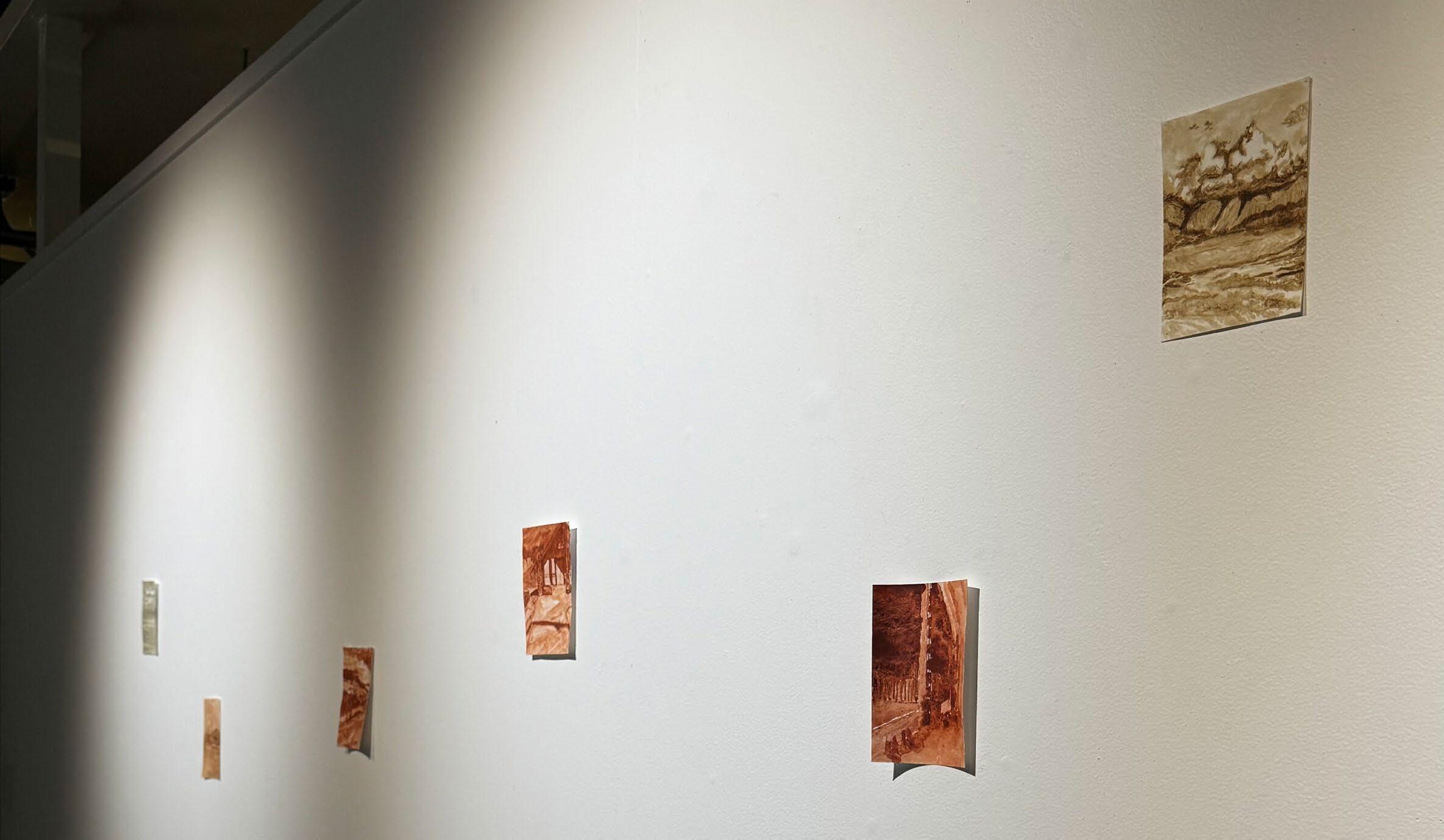
This practice-led research project explores my identity grounded by my whakapapa Māori and connection to God. I seek to find harmony between these two worlds, culture and religion, establishing wairua as the common thread that binds them both. I navigate the complexities of this multi-dimensional state of being through painting and videography, highlighting the wairua that exists in waiata, in the whenua and therefore within me.
Using whenua pigments collected from my mārae in Mōtukaraka, and documenting mundane moments of home life in Mangamuka, I ground my practice in whakapapa. These modes of making provide two different perspectives: a public perception and one that is more personal, showcasing how I engage with my whānau, in wairua and worship of Ātua Māori and God. Rather than positioning these worlds in opposition, this project identifies wairua as the connective thread that binds them together, through painting, photography, storytelling and the gathering of whenua pigments. I investigate how identity is formed relationally through land, memory, and spirituality. Mana Whenua and Mana Moana are integral to our existence, and when confronting my own existence, I return home both physically and spiritually.
The use of whenua pigments grounds me in my whakapapa, while videography captures the people and places that shape who I am. Together, they create a holistic practice where painting and video inform and extend one another. When paired with painting, video brings life to the work, turning whenua into flesh and forming a living practice. Lively, organic materials combined with a “breathing” projection simulate life itself.
INTRODUCING THE INSTALLATION
“Mate atu he toa ara, mai he toa”, ‘When one warrior falls, another rises.’
This exhibition is titled “Te Ara Tohu” and is a tribute to my Papa Zona who passed on the 3rd of June 2026; one week before my installation. Ozogna Harris, also known as Zac Harris, was born on the 10th of May 1946 and lived a storied life. The event of my papa’s passing impacted me in many different ways and influenced the structure of my exhibition: not only losing a loved one, but the life of a storied man. The space is intended as a place for my whānau to sit and grieve, and I curated it for my whānau to view. The exhibit consists of 22 A5 whenua paintings and 2 projections. The 22 paintings reflect me as a 22 year old and the paintings are hung in specific spaces; the lower paintings are hung at the same height as my Nana and the higher paintings are hung at the height of my uncles. My whānau were not able to make it physically, but their presence exists in the projections, and in the text shown in the videos, and the sound of my mother singing envelops the space. As we near Matariki, I think of the star Pōhutukawa that will rise in the early morning, I think of the journey my papa is on as he makes his way to Te Rerenga Wairua, where he will meet the pōhutukawa tree that clings to the cliff face. I encourage you, the reader, to hold your whānau close this new year and come together to celebrate life and those who are waiting for us in Te Ao Wairua.
Written by Tohu Harris (she/her)
@tohu._.harris | @tohu_wairua_aroha_
CONTRIBUTING WRITER
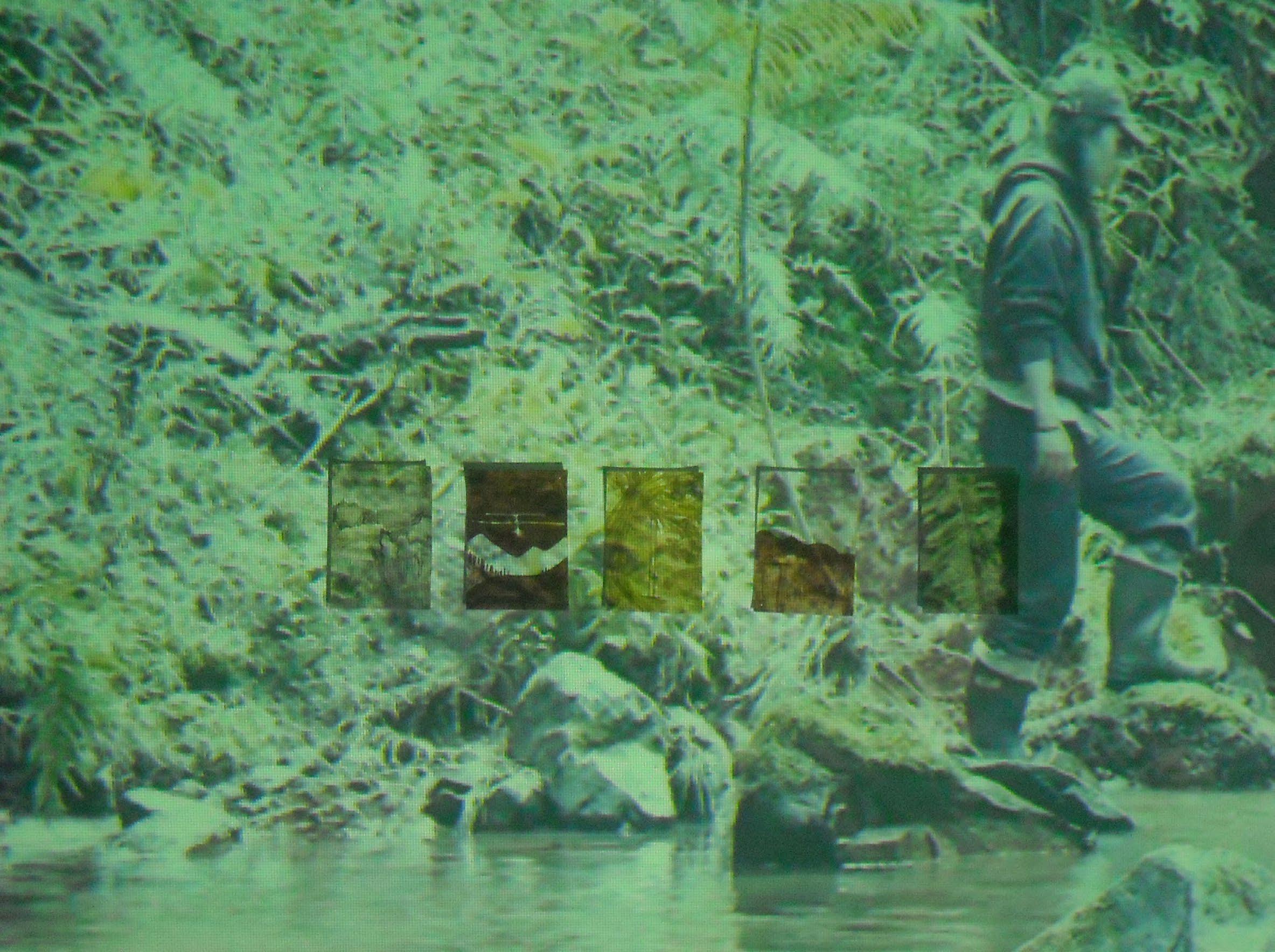
“Have You Eaten Yet?”
Every time my mother calls from China, she asks the same question within the first two minutes:
“Have you eaten yet?”
For many Chinese people, this question carries a weight that has very little to do with hunger.
Conversations happen around dining tables. Friendships begin over shared meals. Festivals are remembered through taste before almost anything else. Care, in Chinese culture, is often expressed indirectly. Parents may not always say “I love you” out loud, but they will ask whether you are eating properly, sleeping enough, or wearing enough clothes when the weather gets cold. In this way, food becomes part of the emotional language itself.
Perhaps that is also why Chinese festivals are so deeply tied to eating.
As June approaches, my mother has already started asking what I plan to do for the Dragon Boat Festival, or more specifically, what I am going to eat.
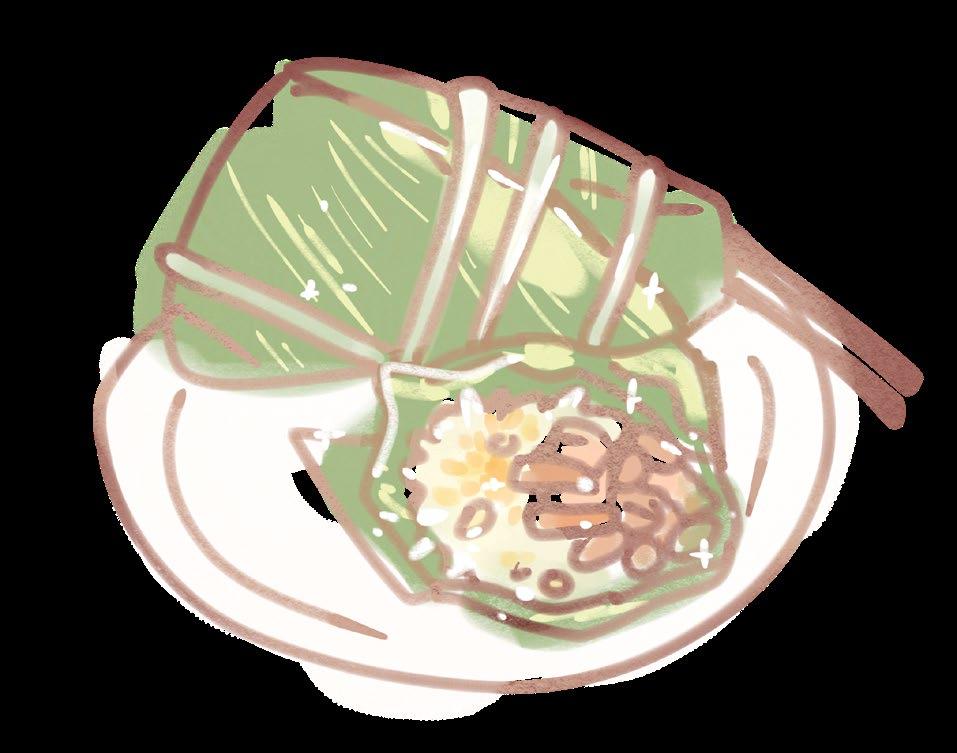
“Aiya,” she said over the phone, “even if you can buy zongzi from Asian supermarkets, I don’t even know if you can get used to the flavour there. We Shanghainese could never eat the sweet ones!”
Every year, families across China continue the same debate. Northern families defend sweet fillings like red bean paste and jujubes, while southern families insist salted egg yolk and pork are the only
correct answer. Entire regional identities somehow become emotionally invested in sticky rice wrapped in bamboo leaves.
When I was younger, I found these arguments unnecessary. Now that I’m living overseas, they feel strangely comforting.
During my first year in Auckland, everything felt new all at once. Lectures. Bus routes. Flatting. Learning how to make groceries affordable as a student. Learning how to exist within a completely different rhythm of life.
There was always something more urgent to focus on, and I think that urgency delayed homesickness. I was too overwhelmed by adjusting to fully notice what I missed.
Now, in my second year at AUT, life has become quieter. Stable and balanced enough, perhaps, for smaller emotions to finally catch up with me.
The morning after my mother’s call, I woke up at 5 a.m. to go to the gym.
As soon as I stepped outside, I smelled breakfast from home.
Not café coffee or toasted bread. Shanghainese breakfast.
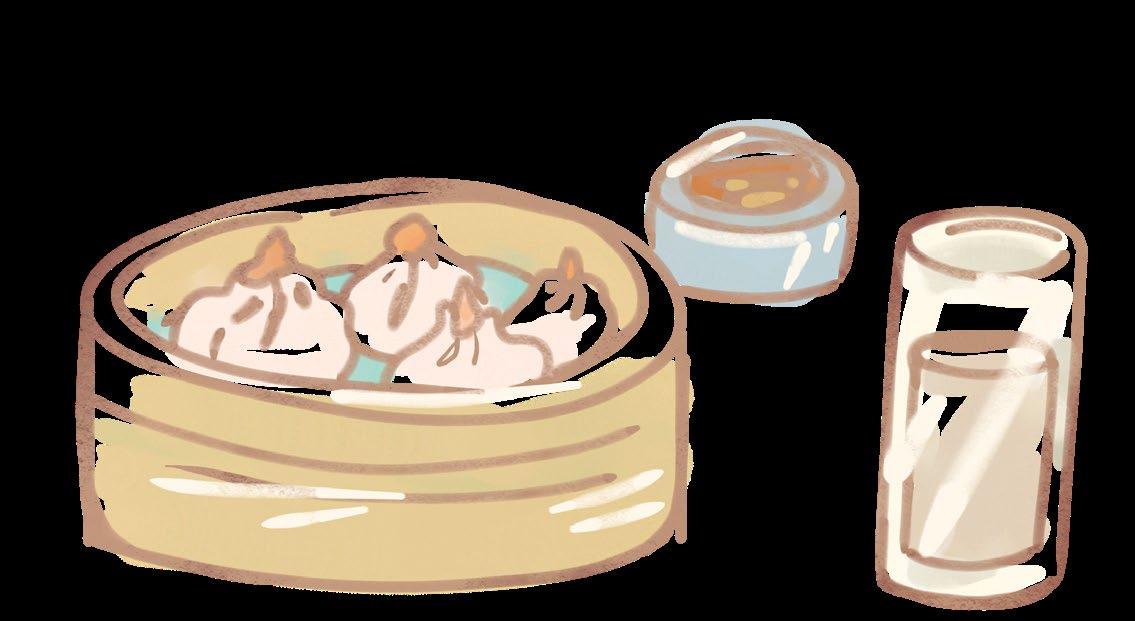
The smell of soy milk, fried dough, scallion pancakes, and hot oil sizzling in the cold morning air.

It felt so real that I froze for a moment just to make sure I wasn’t dreaming.
Of course, it could not have been real. Not at 5 a.m. in Auckland.
But somehow, my senses believed it.
I think that was when I realised something: I don’t just miss the food itself.
I miss the warmth surrounding it.
In Chinese, there is a phrase sometimes used to describe freshly cooked food: guo qi. Literally, it refers to the heat and breath produced by cooking over a hot wok. But I’ve started to think the phrase means something much larger than that.
occasionally I realise I’ve spent an entire day without catching the smell of garlic sizzling in oil, the bubble of soup nearby, the fragrance of cooked rice drifting from somewhere down the street.
Back in China, those smells were everywhere. They were so ordinary that they almost functioned as clocks, quietly reminding you that somewhere nearby, someone was preparing a meal. And perhaps it was time to head home, too.
Maybe that is why homesickness arrives so strangely overseas.
Not dramatically. Not all at once.
It is steam collecting on winter windows.
It is waking up to the sound of someone already cooking in the kitchen.
It is the sight of my parents moving around the house preparing dinner before I even realise I am hungry.
It is being told, after a long day, to sit down and eat something hot.
In New Zealand, life often feels quieter. More spacious. More individual.
The food here is good, and so is life. But
Sometimes it appears through very small things: a voice message from your parents, a festival you almost forgot about, or the sudden desire for something hot and familiar on a cold morning.
And sometimes, without warning, you realise that what you miss is not only home itself
—but the feeling that life was always, warmly, happening around you.
Written by Priscilla Zhang (she/her) @p.zhangxy
CONTRIBUTING COLUMNIST

Q: Dear Tashi,
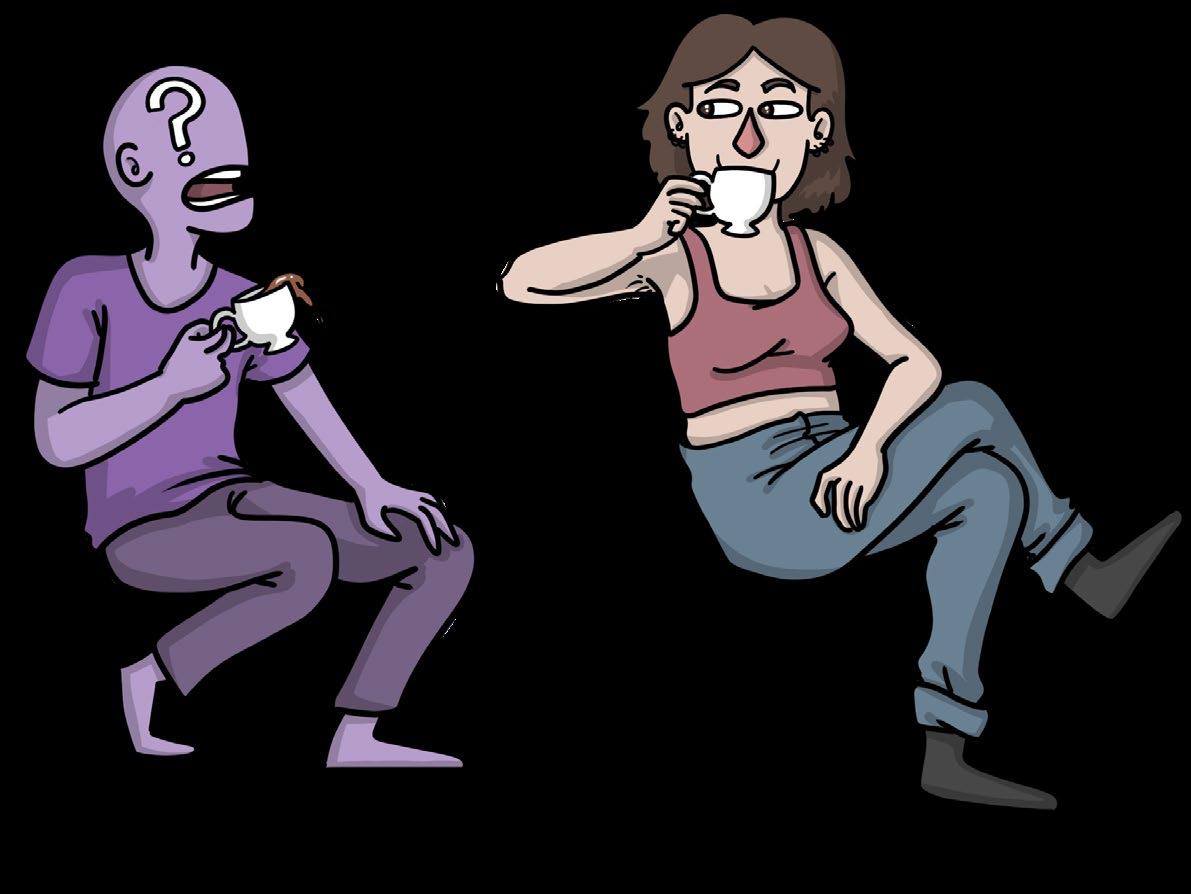
I feel bad writing this, but I have a very irritating classmate. They talk over other people a lot and also talk over the lecturer, interrupting them and disrupting the discussion. I have never had this issue before, and don’t know how to tell this person kindly that they’re being disrespectful and disruptive.
A: Dear Scaredy-Cat,
First of all, I’d like to point out that it’s the lecturer’s responsibility to manage their students. This should not fall on your shoulders. Alas, irritating classmates are an inevitable part of education, and irritating colleagues are right around the corner. Some people are just loud in a similar way to dogs barking at couriers; technically communicative, but emotionally unhelpful. But you have come to me for guidance, and in doing so, have asked an age-old question: how do I deal with irritating people while maintaining my own sanity?
It is important to be kind and understanding. In fact, I’d say understanding is kindness. We don’t have to like someone to understand where they’re coming from. But understanding where someone is coming from makes it easier to be kind to them. There could be numerous explanations for your classmate’s behaviour, and many of them could stem from things like neurodivergence (struggling with impulse control), mental health issues, poor socialisation, or trauma. None of these reasons should excuse the behaviour, but isn’t it nicer to assume people aren’t being annoying on purpose?
Written by Tashi Donnelly (She/Her) @tashi_rd
EDITOR-IN-CHIEF
1. Outsource it. Talk to your lecturer. This is, unfortunately for them, part of their job description. Somewhere between ‘teach content’ and ‘moderate chaos.’
What you do next depends on how much energy you want to spend on this problem. I’ve outlined three possible options:

2. Address it like a functional adult. If you have the courage, you could politely call this classmate out when it happens. You could say, in a calm and even tone, ‘It’s great you have a lot to say, but someone else is speaking right now,’ or ‘It’s awesome that you’ve got a lot to add, but could you let the current speaker finish first?’ This tactic avoids shaming them and encourages them to continue to contribute to the class, but in a more respectful way. The icing on the cake for this method is becoming everyone’s favourite classmate for having the gumption to say something at all.
3. Abandon all social grace and embrace chaos. Sometimes people are annoying on purpose. Sometimes it feels like your sanity is teetering on the edge, and it would be really nice to just simply say, ‘Shut the fuck up. I’m talking.’ *
In the end, dealing with annoying people is less about them and more about what version of yourself you want to become in response to them. Choose your level of intervention wisely. And remember: silence can be golden, speaking up can be powerful, and occasionally, ‘please stop talking’ delivered with the energy of a thunderclap can be cathartic, if nothing else.
*T&C: By proceeding with option three, you agree to temporarily suspend standard classroom etiquette, polite conversational norms, and any prior commitment to being ‘a reasonable and welladjusted member of group discussion.’
Outcomes are unpredictable and may include, but are not limited to: stunned silence, sudden respect, immediate regret, or the lecturer stepping in and asking everyone to ‘take five.’
Side effects may also include social clarity, emotional catharsis, and/or being quietly remembered as ‘that person’ for the remainder of the semester.
This option is not recommended for first-time offenders, mild irritations, or anyone who still wishes to be invited to things. Proceed at your own risk.

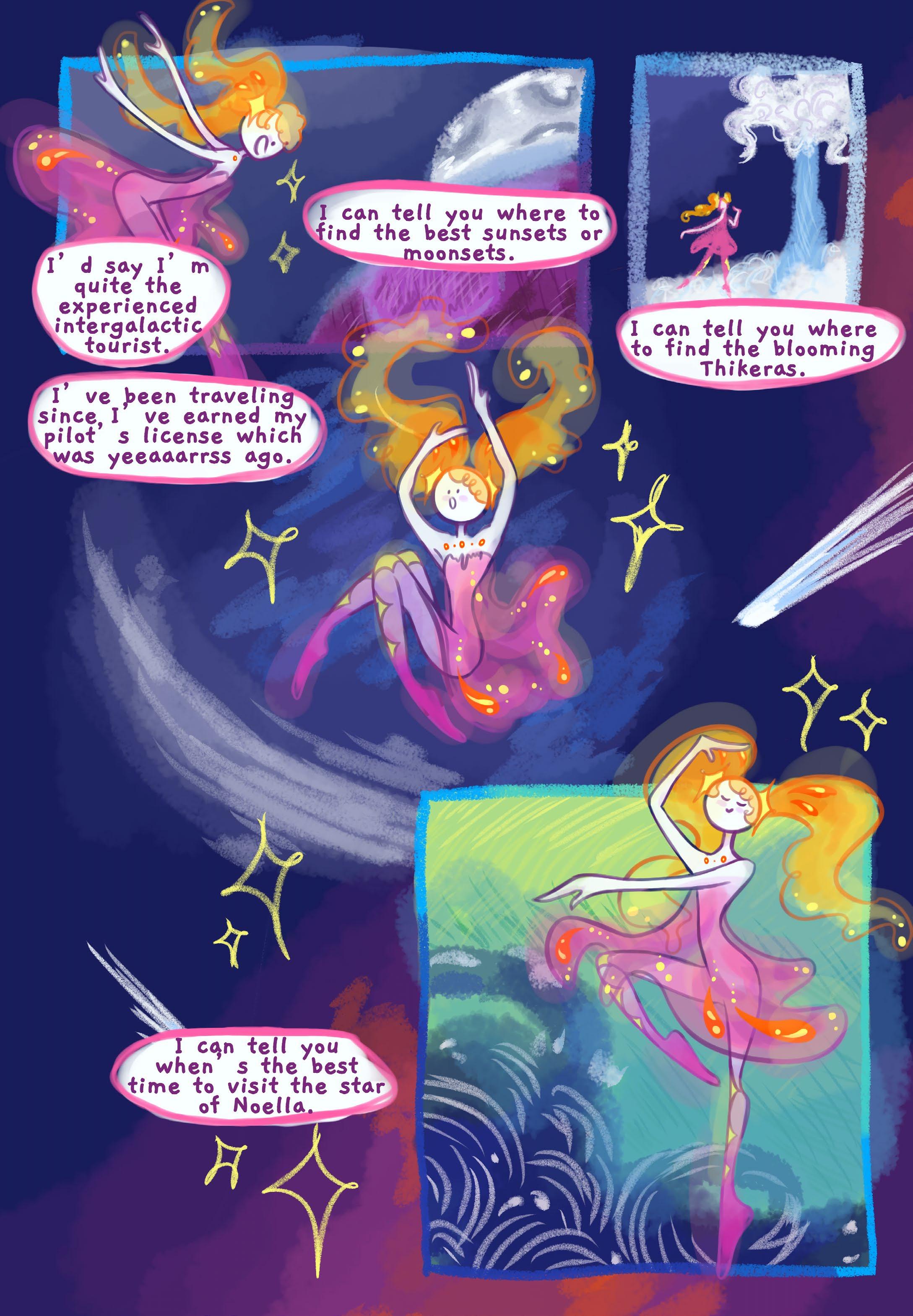
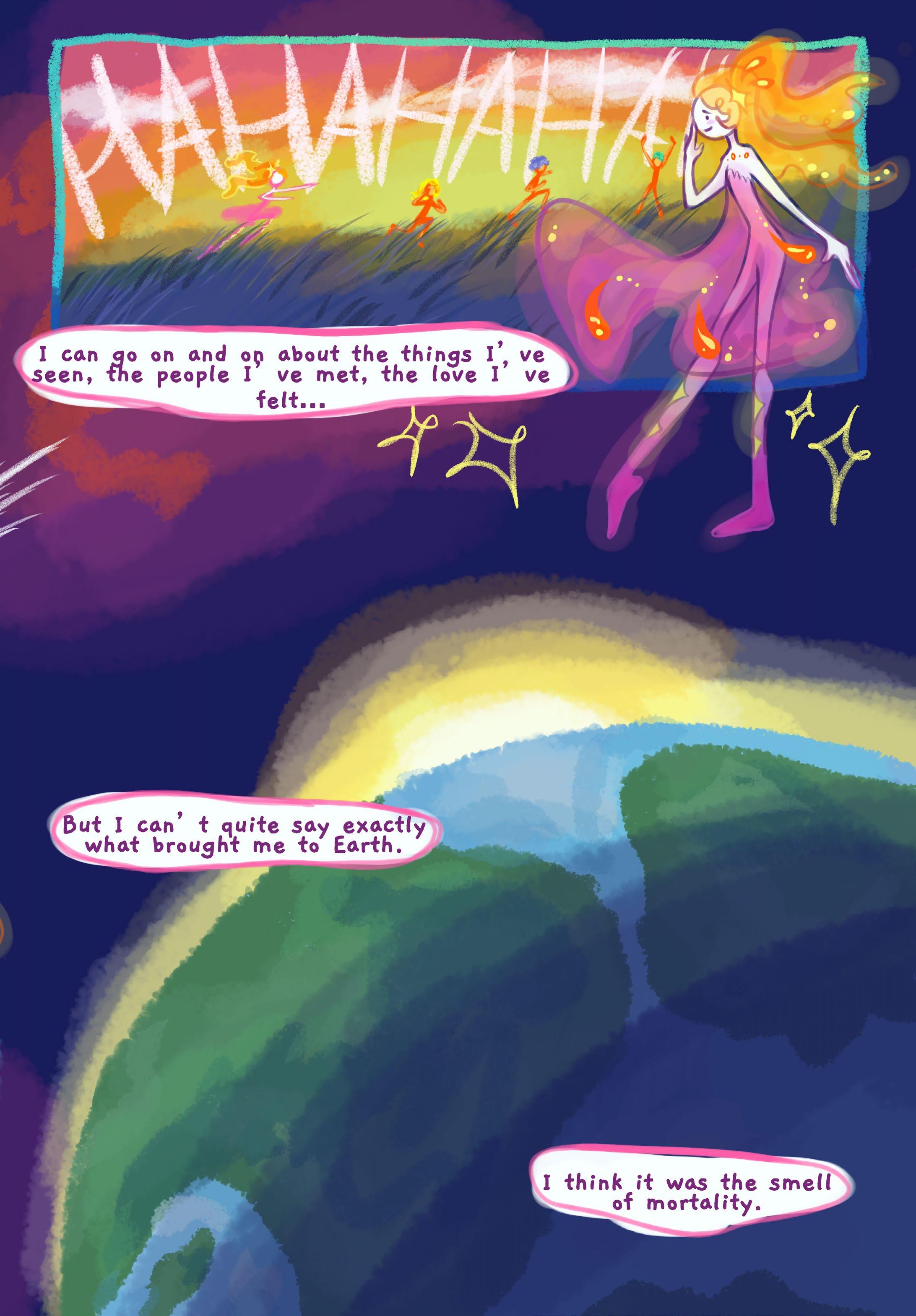
MATARIKI RĀUA KO PUANGA
I ahu mai taku mōhio ki te whetū, arā ko Matariki, i a au e noho ana i Ingarangi i te tau 2020.
I te whakarongo ahau ki te terenga tuatahi ake o Taringa, nā Te Whare Wānanaga o Aotearoa. Ko Tākuta Rangi Mātāmua te kaikōrero manuhiri. I whakamōhio mai ia, mai rā anō whai ai ōna tūpuna i ngā putunga, i ngā wehenga o ngā whetū hei tohu o ngā wahanga o te tau. Ko te putunga o Matariki he tohu o te tau hau Māori.
I tērā tau, i Ingarangi tonu ahau, i mataki au i tētahi ataata nā Te Aorere
Pēwhairangi (Te pukukata hoki o tēnei tangata) mō Matariki rāua ko Puanga. He kaikōrero anō ki tōna taha, matatau ki ngā mātauranga o ngā whetū. I ako ahau, ki ētahi iwi he whetū anō ko Puanga, ko tōna putanga kē te tohu o te tau hou ki a rātou. Ahakoa i pārekareka katoa ngā kōrero ki au, i te rakuraku au i taku mahunga, me te whakaaro, kōwai tēnei kaikōrero? Kātahi ka taka te kapa. Kāore anō ahau kia kite i tōna kanohi engari i mōhio kē au ki tōna reo. Ko Tākuta Rangi Mātāmua.
Ināianei kei Aotearoa ahau. Kua kitea e au ngā hua o te whakapau kaha a Tākuta Rangi Mātāmua kia whakarauora ai i ēnei mātauranga tuku iho.
Tuatahi ake, e maha ngā tamariki, pīpīpaopao, e mōhio kē ki ngā whetū o Matariki nā tētahi waiata kohanga reo. Ko te rangi o te waiata he orite ki te waiata Makarena, engari kua panonitia ngā mahi a ringa kia hāngai pū ai ki i a whetū o te
kāhui whetū o Matariki.
Tuarua, kua tapaina ngā tamariki o tēnei reanga ki ngā ingoa o te kāhui whetū o Matariki. Ki au he tohu nui tēnei kei te piki te mōhio ki a Matariki.
Tuatoru, tērā pea, te mea matua ake. Whā tau ki muri i whakamanhia a Matariki hei rā whakatā a ture. He mea matua tēnei nā te mea e wātea ana te motu whānui ki te mānawa a Matariki.
Tuawhā, pāho ai te hautapu i te pouaka whakaata. Mā te tunu i ngā kai kohia, kaingāhere mai, kaimoana mai, kaiwaimāori mai ka whāngaia ngā whetū o Matariki ki te koromamao i te umu.
I tōku ake whakapono, Jainism, ka whai hoki mātou i te maramataka hei tohu i te tikanga e whai pānga ki te kai. Me mānawa a Matariki ka tika.
Mānawatia Matariki, Mānawatia Puanga! Mauri ora! I first heard of the star Matariki when I was living in England in 2020. I was listening to the very first episode of the podcast Taringa by Te Wānanga o Aotearoa. Dr Rangi Mātāmua was the guest speaker. He enlightened us that since way back when, his ancestors have been following the emergence and departure of stars to mark the seasons of the year. The emergence of Matariki signifies the Māori new year.
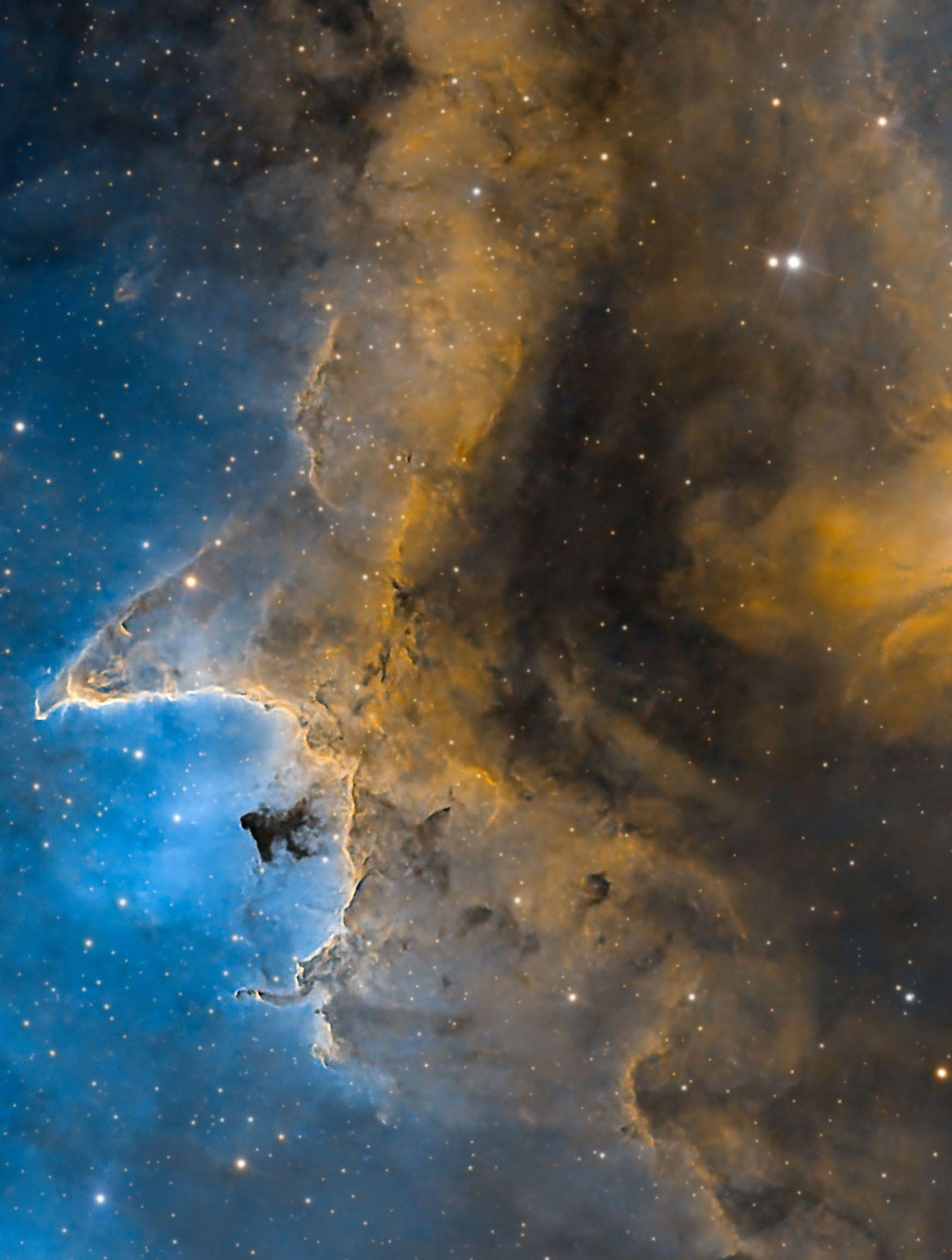
Last year, still in England, I watched a video by Te Aorere Pēwhairangi (what a crack-up guy) about Matariki and Puanga. At his side was a matua extremely knowledgeable about the stars. I learned that to some iwi, the emergence of Puanga instead marks the arrival of the Māori new year. Despite how captivating the kōrero was, I was left scratching my head. Where did I know that voice from? And then the penny dropped. I had not yet seen his face but recognised his voice from the first episode of Taringa. Dr Rangi Mātāmua.
Now I’m in Aotearoa. I have seen the fruits of the dedication of Dr Rangi Mātāmua to revitalise this knowledge passed down generation by generation.
Firstly, many new starters at school already know all the stars of Matariki because of a song taught in Kōhanga reo. It follows the tune of Makarena but the actions have been swapped to relate to each star in the Matariki cluster.
Secondly, kids of this generation have been named after stars in the cluster. To me this is a sign of the increased awareness of Matariki.
Thirdly, and perhaps the most important, Matariki was first recognised as a national holiday four years ago. This is significant because it allows the whole country to honour Matariki.
Fourthly, a hautapu ceremony is broadcast where foods gathered from the sea, land and freshwater are cooked in an earth oven and the rising steam feeds the stars to pay homage to them.
In my own religion, Jainism, we also follow a lunar calendar to guide tikanga relating to food. It’s only right that we honour Matariki.
Mānawatia a Matariki, mānawatia a Puanga! Mauri ora!
Written by Ronik Shah (he/him)
IG: @reowithronzie
CONTRIBUTING WRITER
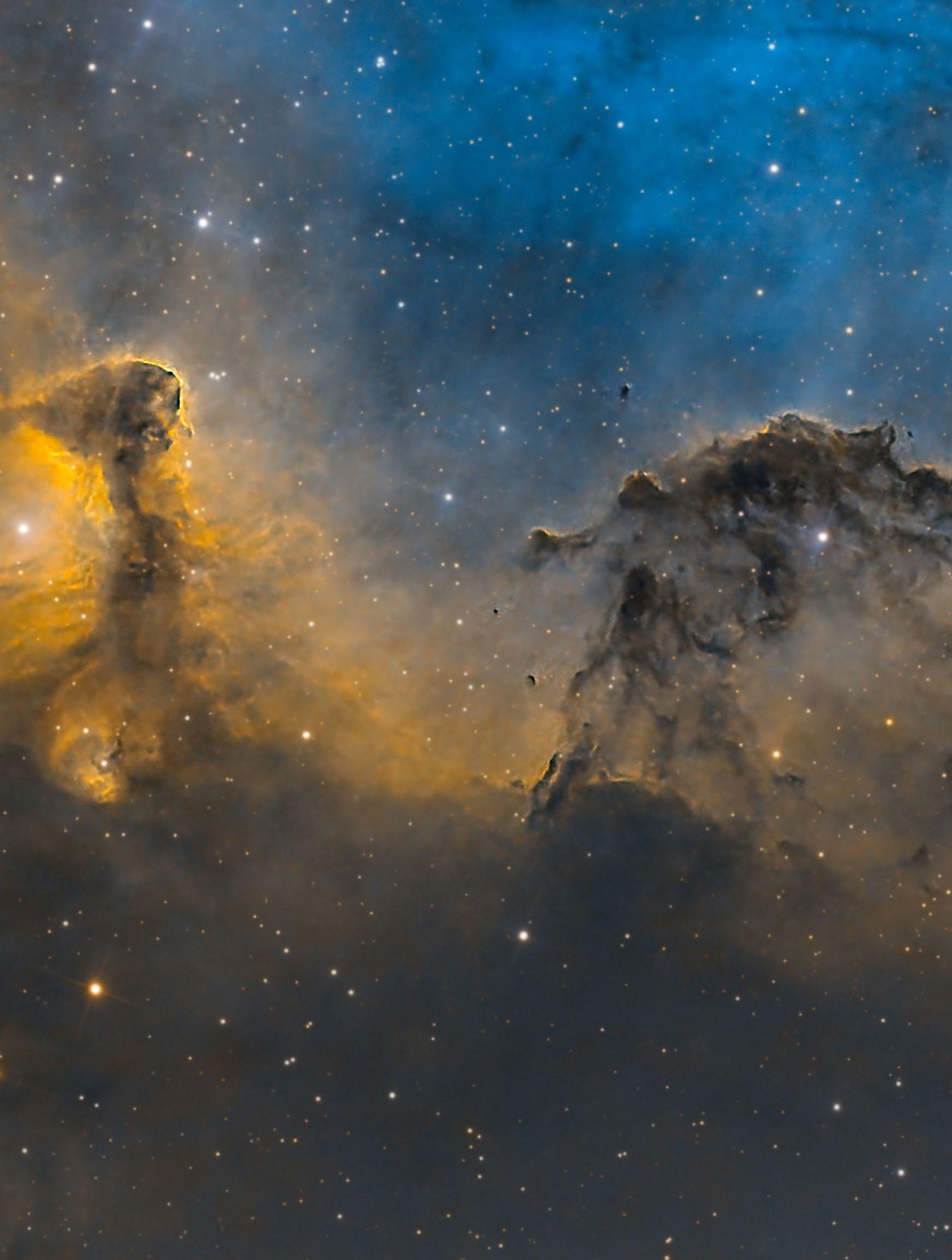
Mānawatia a Matariki
Pages reproduced courtesy of AUT Māori, originally published in 2025
The 2025 theme of Matariki mā Puanga is all about inclusion, embracing diversity and celebrating Matariki together. Matariki mā Puanga means Matariki (Pleiades) and Puanga (Rigel) and this phrase acknowledges the relationship between these stars. Both Matariki and Puanga rise in the eastern sky before the sun during the winter period, however some tribes and regions of the country look to Puanga instead of Matariki as the main marker of the New Year. It is important to note that all tribes maintained knowledge of both Matariki and Puanga, choosing as an iwi, or community which determined the beginning of the new year.
Mahi Whai | Puanga
To celebrate the rising of Matariki mā Puanga let’s learn a traditional Māori string game called whai. Whai involves the intricate manipulation of a looped piece of string held between the hands, and in this game, we’ll be creating a diamond-shaped pattern representing the bright star of Puanga.
You’ll need a two-metre length of string tied in a loop – harakeke is customary, however, nylon or wool can be used:
3. With thumbs pick up the second string of the index finger.
1. Hook your loop of string over both thumbs and little fingers and pull taut, forming a rectangular loop – this is the basis of the pattern called whai.
4. With index fingers pick up the first string around the thumbs.
2. Loop the string from the opposite palm around your index fingers and pull it back.
5. Drop the strings from both thumbs.
8. Drop the strings from the pinkies.
6. With both thumbs press the first strings around the index fingers down.
9. With the right hand pick up the top string off the left-hand index and loop it around the pinkie – repeat for the opposite hand.
7. Hook the horizontal strings behind the pinkies by rotating your hands and pull toward you.
10. Slowly let go of index strings and pull to the side.
Whai traditionally served to develop dexterity and entertain during long winter nights. Credited to the demigod Māui, from whom the game’s full name, Te Whai-Wawewawe-a-Māui, is derived, whai is often accompanied by chants as players skilfully weave the string into complex patterns.
Whai also holds cultural significance amoung iwi, serving as a platform for storytelling and cultural transmission. The game’s widespread presence in other Polynesian cultures highlights the interconnectedness of Pacific Island communities and the rich tapestry of artistic expression shared across Te Moana-nui-a-Kiwa.
The pūrākau about the formation of Matariki tells us that its stars were formed by an act of grief and anger by Tāwhirimātea, the god of wind and weather. To match, I’ve dusted off three essential films on the subject of wind.
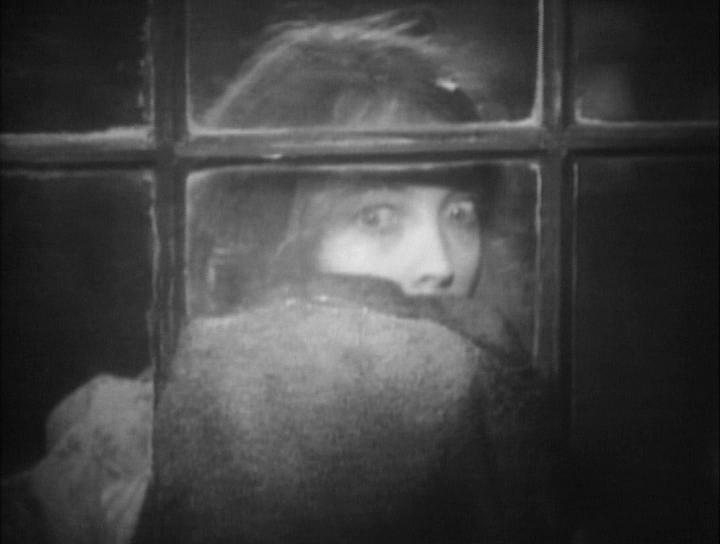
1. The Wind (Victor Sjöström, 1928)
Checks out. If there was ever a more comprehensive depiction of wind in film, it’d have to be called Wind 2. Now that we bask in the pleasures of immersive sound design, computer-generated imagery, and crisp, high-definition remasters, it may be a tall ask for me to divert your attention to the silent past, especially when watching The Wind requires you to lay your eyes on a chalkylooking transfer on YouTube. My best rebuttal is that films are primarily about pictures, and said pictures hold power, no matter how chintsy the quality, and the facial expressions of Lillian Gish were blessed to endure a hundred years. Gish lends these emotions to the rollicking anxiety of Letty, a woman who travels by train to her cousin’s ranch in
Sweetwater, Texas, and is knocked to and fro by strong gusts in the Southern plains. Upon arrival, she touches a nerve with her cousin’s envious wife and, after being booted from the ranch, subsequently struggles to find a sturdy domicile to take shelter in and settles as the housewife to an abusive cattle buyer. On top of this, the wind isn’t helping. In this terrifying masterwork, the wind scratches at the window like a demon. It knocks riders off horseback and throws dust all over the kitchen. It buries you in your own dirt and threatens to snatch away whatever you have. The ending disappoints, admittedly. Letty is a woman at odds with all strains of domestication, toiling against a literal storm to free herself, and the darker ending that Gish and Sjöström intended was, ironically, swept away from their grasp by the studio’s rewrites of their script. You can and should scrutinise the patriarchal implications of this story’s ending until the mares come home. But watch the wind, read Gish’s faces, sift between those lines, and tell me there isn’t a different story being told.
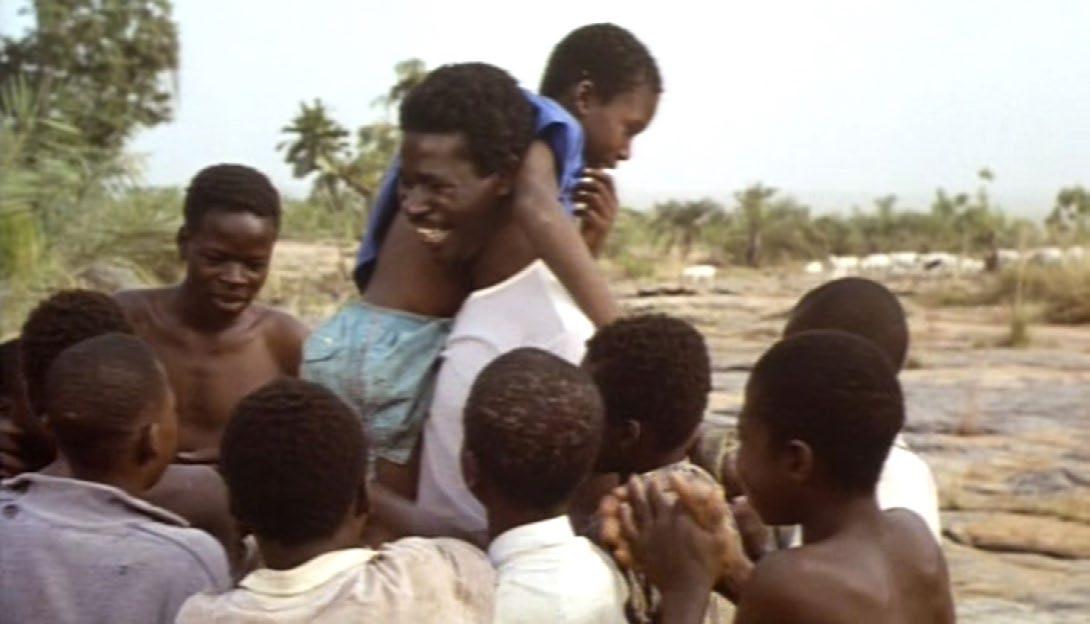
2. Samba Traoré (Idrissa Ouédraogo, 1992)
I love stories about travellers who come into a town that spits them back out again. People trying to adapt to a way of life (in this case, re-adapt) and failing; passing through like wind between swishing reeds. The Burkinabe thriller Samba Traoré takes its namesake from its protagonist, who narrowly slips arrest (and death) after robbing a petrol station, then returns to his native village in the hopes of integrating back into an affectionate life with his lover and friends. Old habits die hard, however, and Samba Traoré brings with him little signs of rehabilitation from his reckless past, not to mention hearsay among the villagers that his suitcase of money was not, in fact, earned via labour in the city. Ouédraogo adapts the Italian neorealism movement for the African savannahs, favouring naturalistic performances with his cast of non-actors (think Bicycle Thieves), and hushing occasionally to observe nature outside of the story’s framework. The natural world is captured with such leisure that it is of such immediate, tragic contrast to the man who is fleeing the police and wears those gunshots in his nightmares. Samba, despite his volatility, gets a redemptive chance at trying on a new life for size, but barely any time to get comfortable. As much as I will remember the sequence where villagers cooperate in quick time to help a lady give birth, I’ll also remember Samba’s first night back in town, already bothering a local by asking if her husband can come out for a drink. ‘Not for too long’, she says. By the end of the scene, it is morning again, and the two drunkenly part ways. Samba experiences a slice of the kind of life he could live, the type of man he could become.
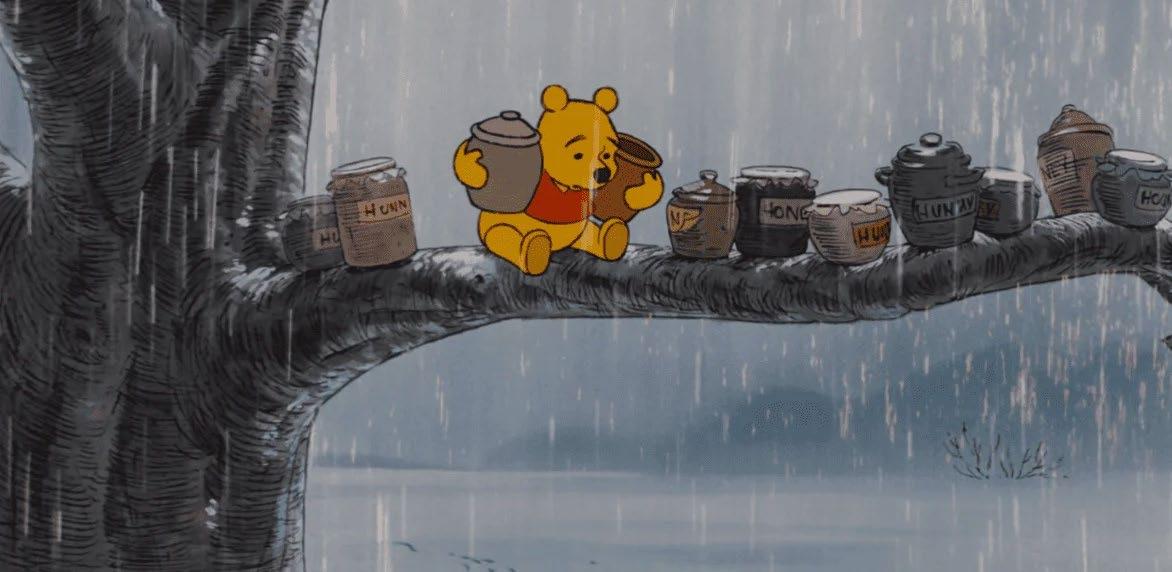
3. The Many Adventures of Winnie the Pooh (Wolfgang Reitherman & John Lousbery, 1977)
If you ever need to recalibrate or catch a breath amidst this crazy weather, pay a visit to the Hundred Acre Wood. Maybe you’ve never actually stopped by before, and don’t know exactly if Rabbit will ever have a peaceful afternoon to himself, nor who resides in the house of ‘Trespassers William’, and never what compels Tigger to bounce far too high for his own good. Like with any group of friends, there are a hundred unanswerable questions, plenty of which aren’t worth answering anyways, and you’d be better off just stopping by to see it all instead.