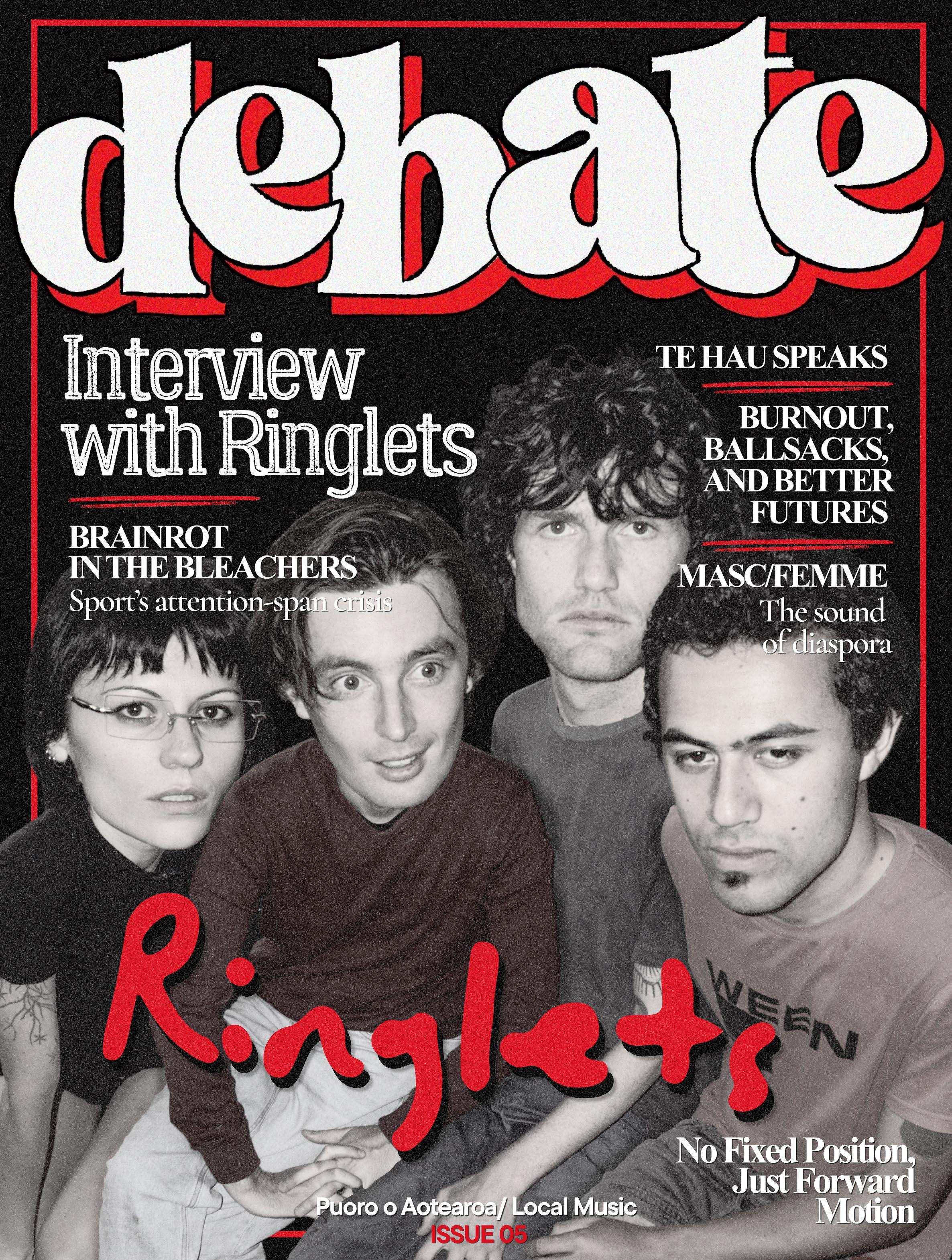
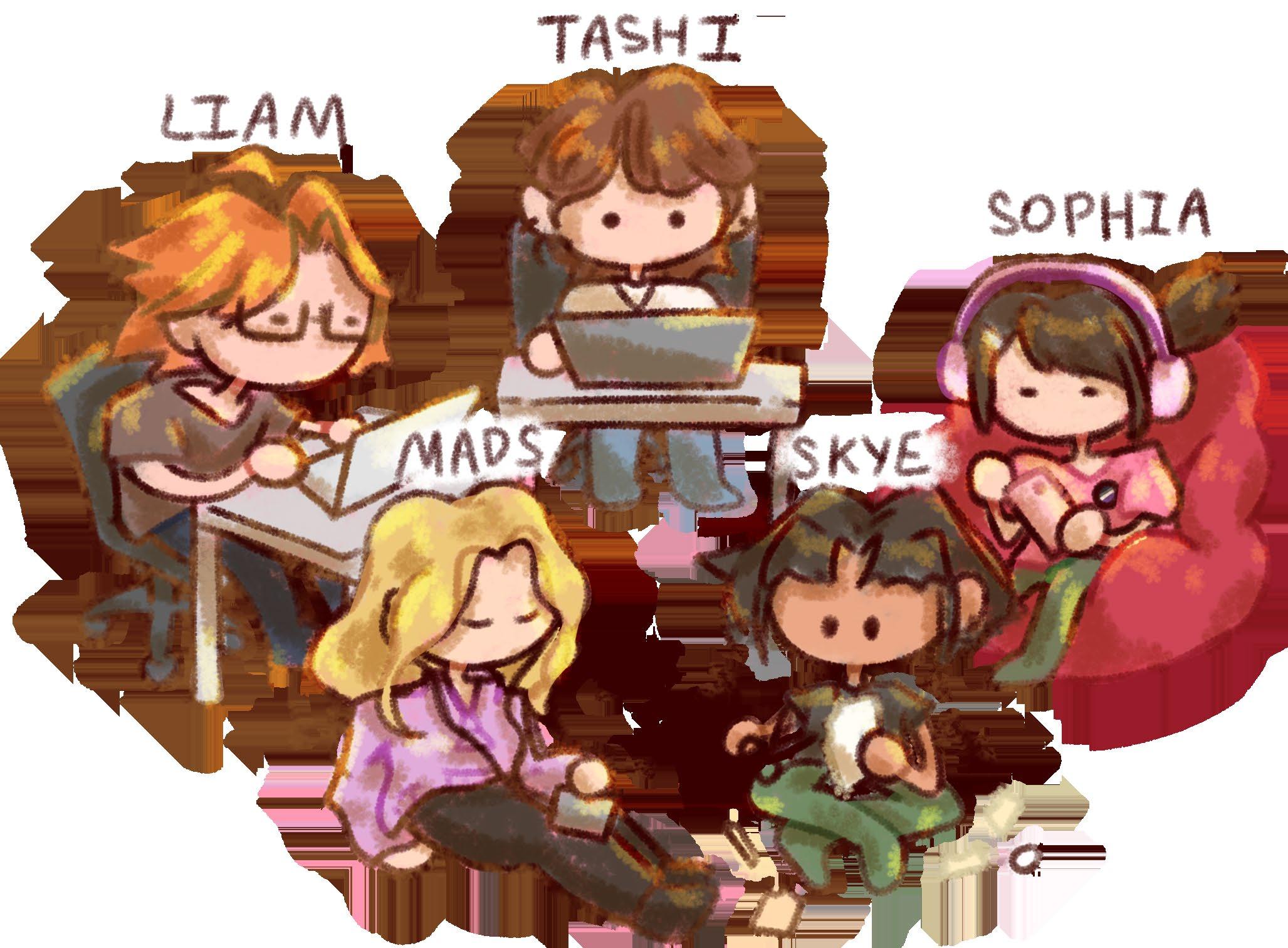
About Us

Kia ora! We’re Debate, your free student magazine at AUT. Each fortnight we scatter magazines across campus talking about student news, art, and culture. Each issue is made by us and a small team of contributors - no AI was used in the production of any work to our knowledge.
FOLLOW US ON INSTAGRAM @debate_mag
Editor Associate Editor

Digital Marketing & Social Media Manager Graphic Designer
Tashi Donnelly Liam Hansen Skye Lunson-Storey Madeline Bradley Sophia He


TITLE---
Destination: Aotearoa
No Fixed Position, Just Forward Motion Marlon takes the Taite at NZICC
Your fave local artist’s fave local artist Masc/Femme: As a part of the Singaporean diaspora in the Auckland Music Scene
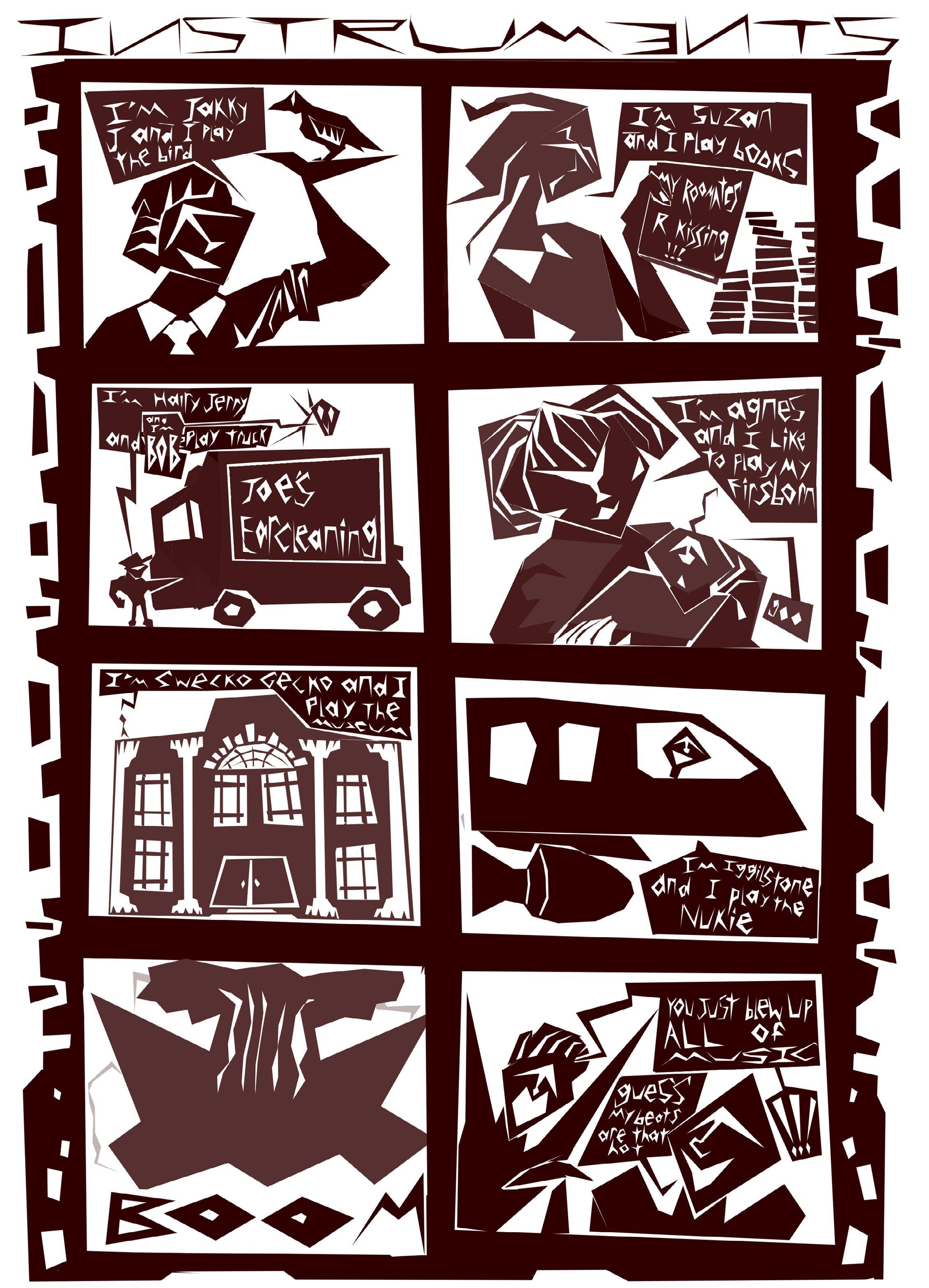
Instruments
Burnout, Ballsacks and Better Futures
Why Tāmaki Makaurau’s music scene isn’t dead!
Next Wave: The Future of Aotearoa
The unbearable weight of stadium silence
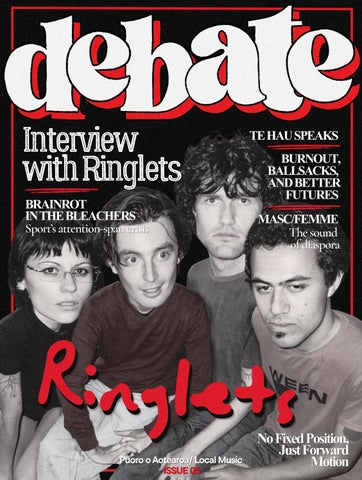
Ringlets
Fight Riffs and Grassroots
Kōrero Toi: P. Walters
Static FM
Queer Artist Tree
Rick’s Reel Recommendations: 3 Films for 3 NZ Lyrics Te hau
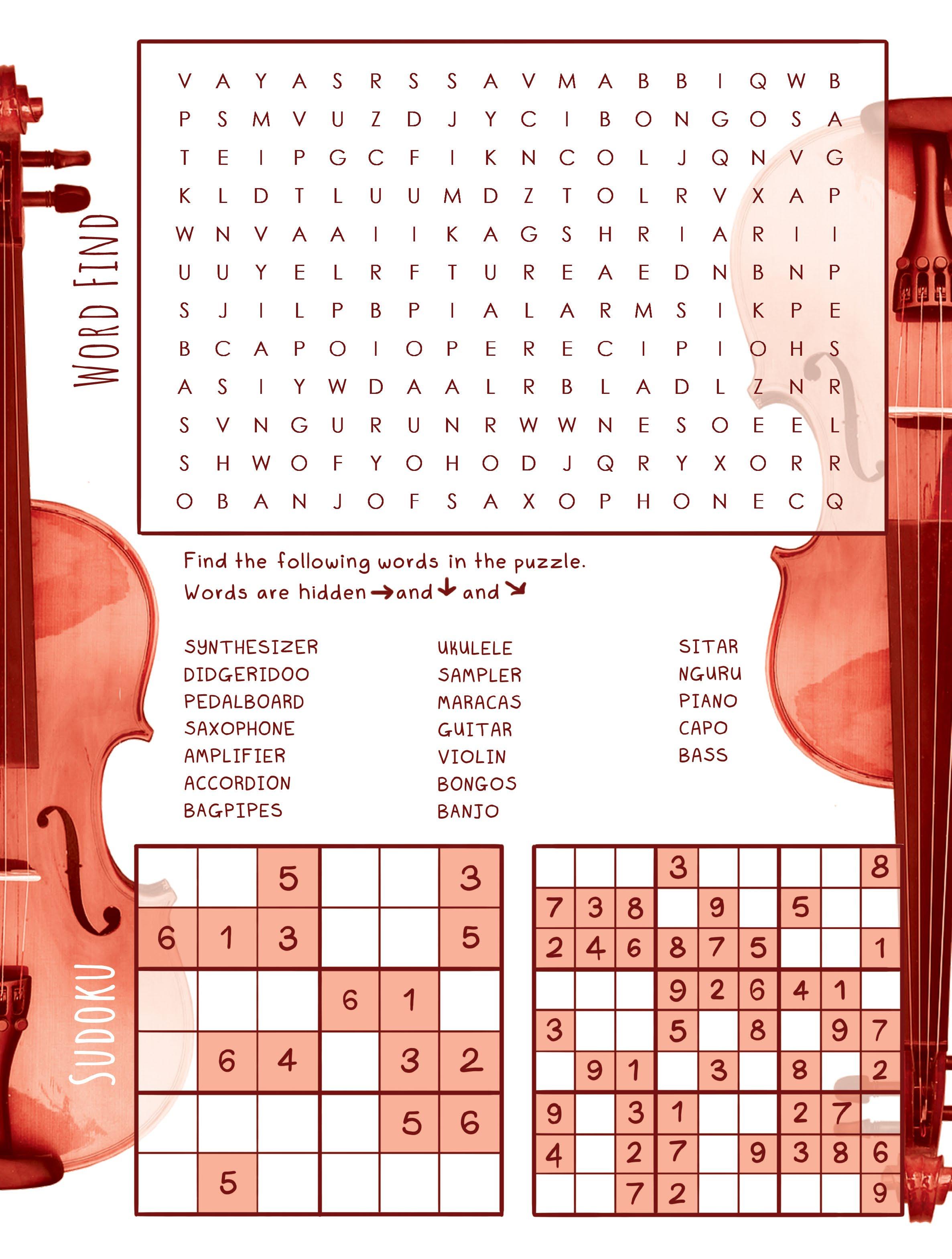
Accidental Harmony: Breathing in Sync How headphones are killing local music PUZZLES
CREATOR---
Tashi Donnelly
Ringlets
Liam Hansen
Te Atamea Boynton
Jey Min 林洁敏
A.V Des Forges
Finn Johansson
Ethan Worthington
Ivy Lyden-Hancy
Luke Fisher
Darian Serrano
P. Walters
Static FM
Maebh McCurdy
Ricky Lai
Skye Lunson-Storey
AUT Ventures
Polly Wenlock

DISCLAIMER
Material contained in this publication does not necessarily represent the views or opinions of AUTSA, its advertisers, contributors, Nicholson Print Solutions or its subsidiaries.
This publication is entitled to the full protection given by the Copyright Act of 1994 (“the Act”) to the holders of the copyright, being AUT STUDENT ASSOCIATION (“AUTSA”). Reproduction, storage or display of any part of this publication by any process, electronic or otherwise (except for educational purposes specified in the Act) without express permission is a break of the copyright of the publisher and will be prosecuted accordingly. Inquiries seeking permission to reproduce should be addressed to AUTSA.
Debate is a member of the NZ Media Council and subject to its complaints procedure. Complaints about stories must first be directed in writing to us (provide link) within a month of the story being published. If you are not satisfied with our response you can complain to https://www.mediacouncil.org.nz/complaints/. You will need to attach a copy of the article complained about and any correspondence you have had with us.

FRONT COVER
Madeline Bradley (she/her) @shutupmads
CENTREFOLD
Sandy Hughes @spacecadetsandy
CONTRIBUTORS
Te Atamea Boynton, Jey Min 林洁敏, Max, A.V
Des Forges, Finn Johansson, Ethan Worthington, Ivy Lyden-Hancy, Luke Fisher, Darian Serrano,
Sandy Hughes, P. Walters, Static FM, Maebh McCurdy, Ricky Lai, AUT Ventures, Polly Wenlock.
Destination: Aotearoa
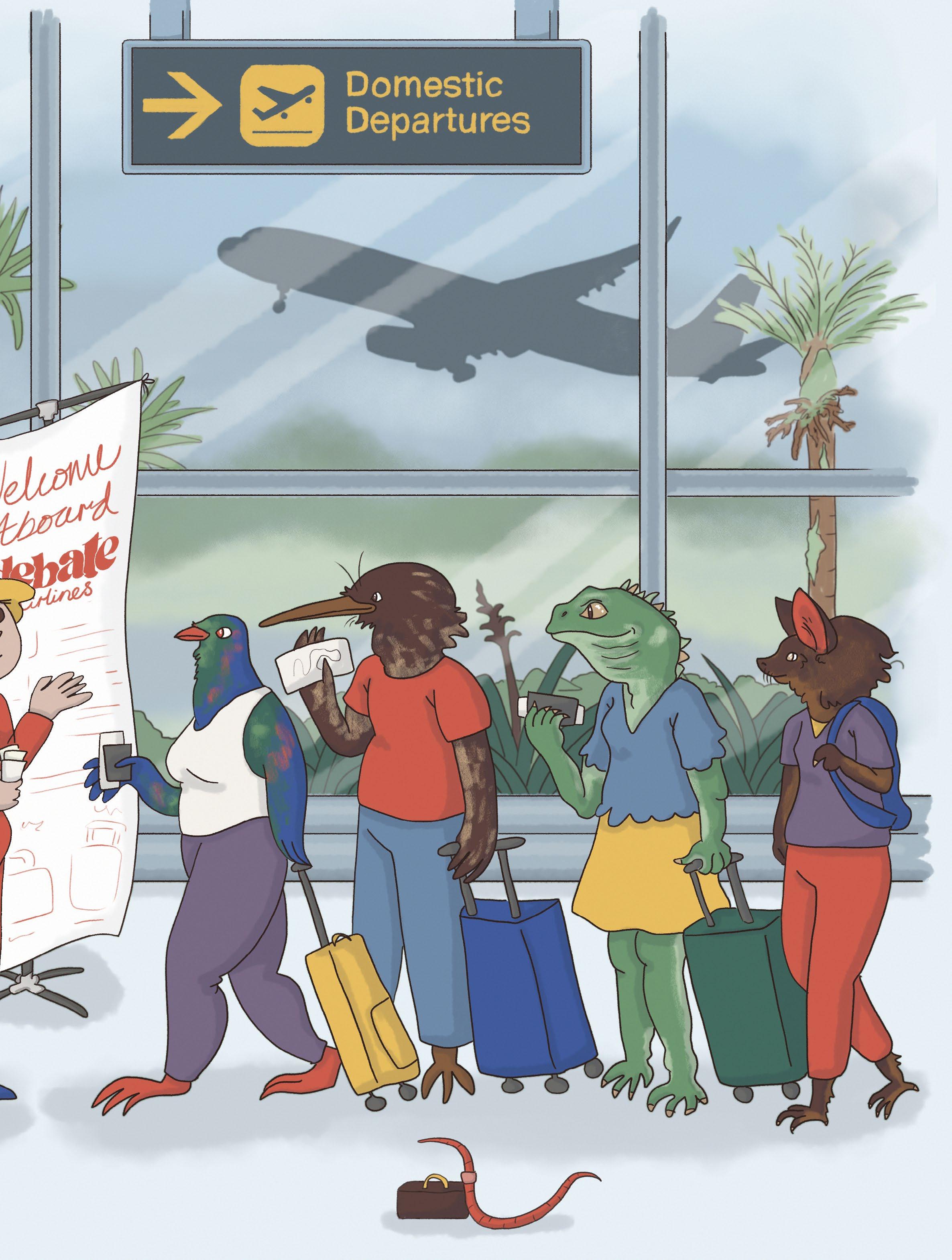
If you love plugging hot tunes directly into your ear holes, you’ve come to the right place. We’re talking about puoro o Aotearoa, local music, because our homegrown musicians deserve a spotlight, or five. So store your Taylor Swift, Olivia Dean, and even your Tame Impala in the overhead compartment, because this is a domestic flight. Destination: NZ music.
These days, it feels like simply going outside costs $20. And that’s true, it does. While we are all trying to get by, it’s important to remember that our local artists are doing the same. Before you drop $400 on a ticket to an international act, I encourage you to put your pennies towards local gigs - with smaller venues, cheaper tickets, the kind of gigs where you’re close enough to feel it properly. No nosebleed seats, no watching through someone else’s phone screen. And local music isn’t just cheaper, it’s ours! Shaped by our whenua, our accent, our multitude of languages, our music is something to be proud of.
In this issue, you’ll read about the slow death of silence in live sports and how dopamine-maxxing stadium playlists are turning every break in play into a forced aux cord moment. A look at how headphones are quietly cutting us off from the world of buskers, street performers, and the kind of accidental live music you can’t stream later. We dive into Tāmaki Makaurau’s hardcore scene - loud, local, and very much alive - and spend some time with the artists shaping
Aotearoa’s sound right now through interviews. Plus, we’ve got album reviews to update your rotation, and a few film recommendations for when you want to keep the music theme going on movie night.
And if you’re looking for your own classic Kiwi playlist, remember, Aotearoa already has a soundtrack, whether we notice it or not. It hums through tinny radios in Four Squares, leaks bass from cars at traffic lights, and it smoulders in halfremembered songs sung off-key in kitchens at 2am. It’s alive in independent radio stations that only your friend Jordan from intermediate and your nan listen to. Kiwis love music, and we have so much of it to share.
So welcome aboard. You’ve arrivedno passport required. Please remain seated while the soundtrack of Aotearoa continues around you.
Written by Tashi Donnelly (she/her) @tashi_rd
EDITOR-IN-CHIEF

Marlon takes the Taite at NZICC
Written by Liam Hansen (they/them) @liamhanse.n
ASSOCIATE
EDITOR
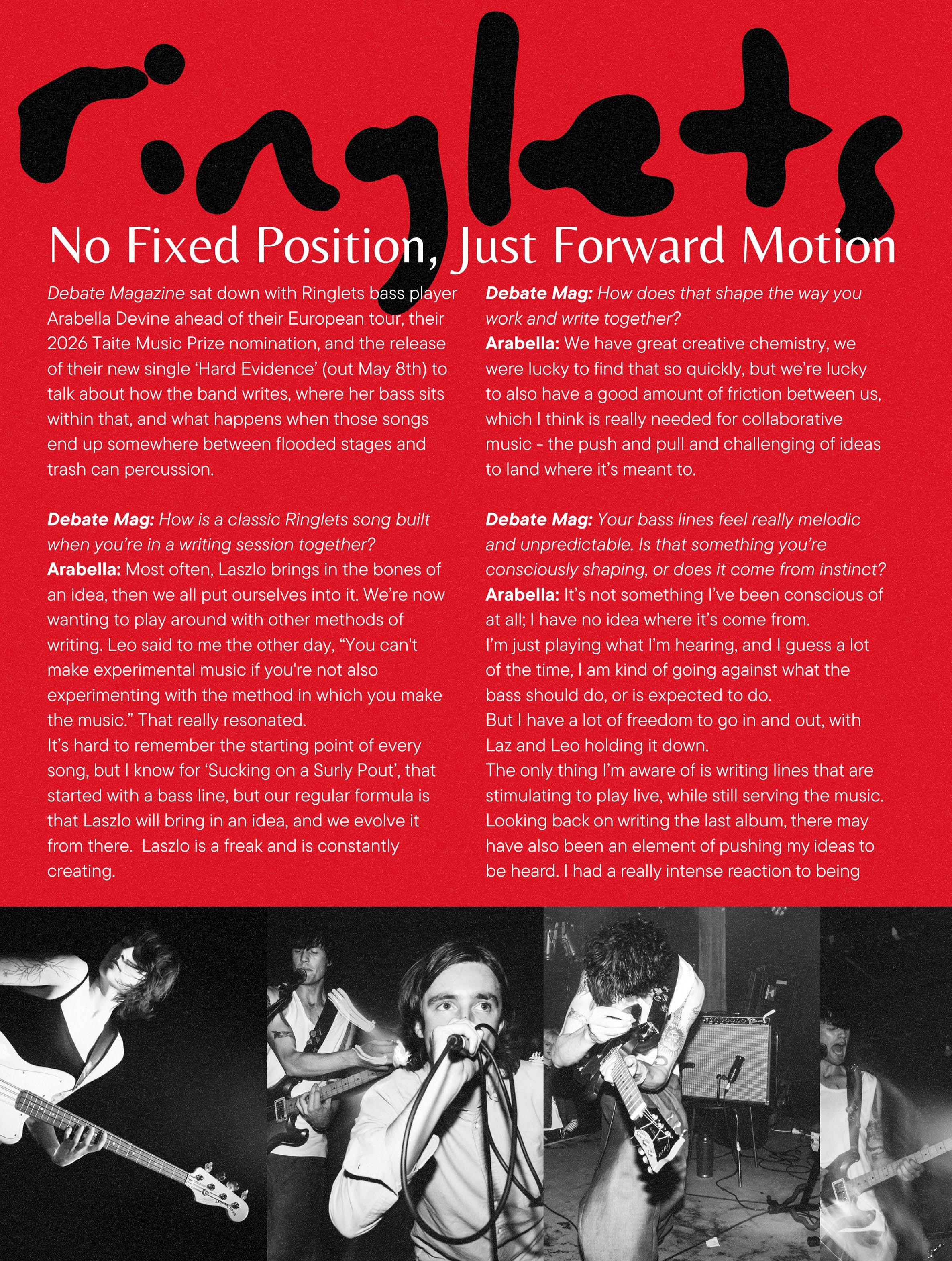
The Taite Music Prize has held stature as Aotearoa music’s scrappiest little award show for over a decade and a half. With New Zealand Music Month just around the corner, indie musicians packed into the intimate Q Theatre, celebrating the incredible records of 2026 whilst keeping all award winners, losers, punters, and schmoozers within a hundred metres of each other at all times. It fit with the kaupapa of the presenters, Independent Music New Zealand, who’ve made a habit of kicking off the international careers of local artists like The Beths, Princess Chelsea, and Marlon Williams while embracing emergent artists, recognised stars, and their support networks alike.
Now in its seventeenth iteration, the Taite Music Prize upgraded venues to the shiny New Zealand International Convention Centre and opened its doors up to the public, bringing back the open-capacity chaos of pre-rebrand Vodafone Music Awards that even the top dogs at the AMAs have pulled back on. The Debate team went along, unsure of whether the night would reach the chaotic heights of nominee Tom Scott bringing a goat to the NZ Music Awards with Homebrew in 2012.
Unfortunately, attendees wanting to rub shoulders with the stars of Kiwi music first needed to face the entryway of the NZICC - terrifying revolving door and all. It’s fair for there to be a couple of growing pains within the venue, considering the delays, fires, and technical issues that went into its construction and opening. But upon arrival, I had to trudge up and down broken escalators to get my bearings, before leading half of our posse
up the (now functional) moving steps while wrangling Skye, who was stuck in the parking basement where the elevator refused to work. They were left at the emergency exit stairwell, which proceeded to lock her in while she tried to convince a security guard (for a different event) that we were allowed to be there.
Lyttleton darling Marlon Williams completed his trifecta of music awards, taking home the top prize for his Te Reo Māori album ‘Te Whare Tīwekaweka’ after stacking his shelves with Tuis and Silver Scrolls for nearly a decade. Williams couldn’t make it in person, gracing us with his pre-recorded presence from an airport in Norway while the LP’s principal collaborator, KOMMI, delivered his acceptance speech in te reo on his behalf. Marlon’s on the cusp of returning to Aotearoa for his final run of shows, booking out The Civic on the 21st and 22nd of May before taking a well-deserved break from the spotlight. The jury is still out on whether he’ll manage to get a STAG on this album cycle alone, but no one would be surprised.
The Auckland Live Best Independent Debut went to Geneva AM, the singer, songwriter, and former SoccerPractise producer for ‘PIKIPIKI’. With the two major new music prizes going to self-released records laden with te reo Māori and taonga pūoro, indigenous pride was on display in droves amidst Geneva joining MC Sarah Thomson and various other speakers in embarrassing Arts, Culture, and Heritage (and Treaty Negotiations) minister Paul Goldsmith.
The Taite Music Prize is equally dedicated to supporting the amplifiers of Aotearoa
music, giving the NZ on Air Outstanding Music Journalism award to the team behind Newzician Magazine - consisting of Flynn Robson, Rosa Nevison, & Sam Elliott, who immediately thanked their contributors and wider community for making the publication possible. Hopefully, it proved that our print budget is worthwhile for at least another year.
The Independent Spirit Award rewards community leaders who have improved the landscape and ecosystem for musicians and their support networks. Carmel Bennet from MusicHelps took it home this year, with various figures referred to by the on-screen captions as ‘total legends’ singing her praises as a caring, nurturing figure across her roles at The Powerstation, Big Day Out, and various other institutions. Bennet paid tribute to Dylan Taite, the music journalist and awards namesake, while calling out one of the aforementioned legends - “I met Dylan behind the scenes at the Powerstation, while Nancy was working on some Dance exponents shit and NOT WORKING.”
The IMNZ Classic Record award honours influential albums of years past, giving The
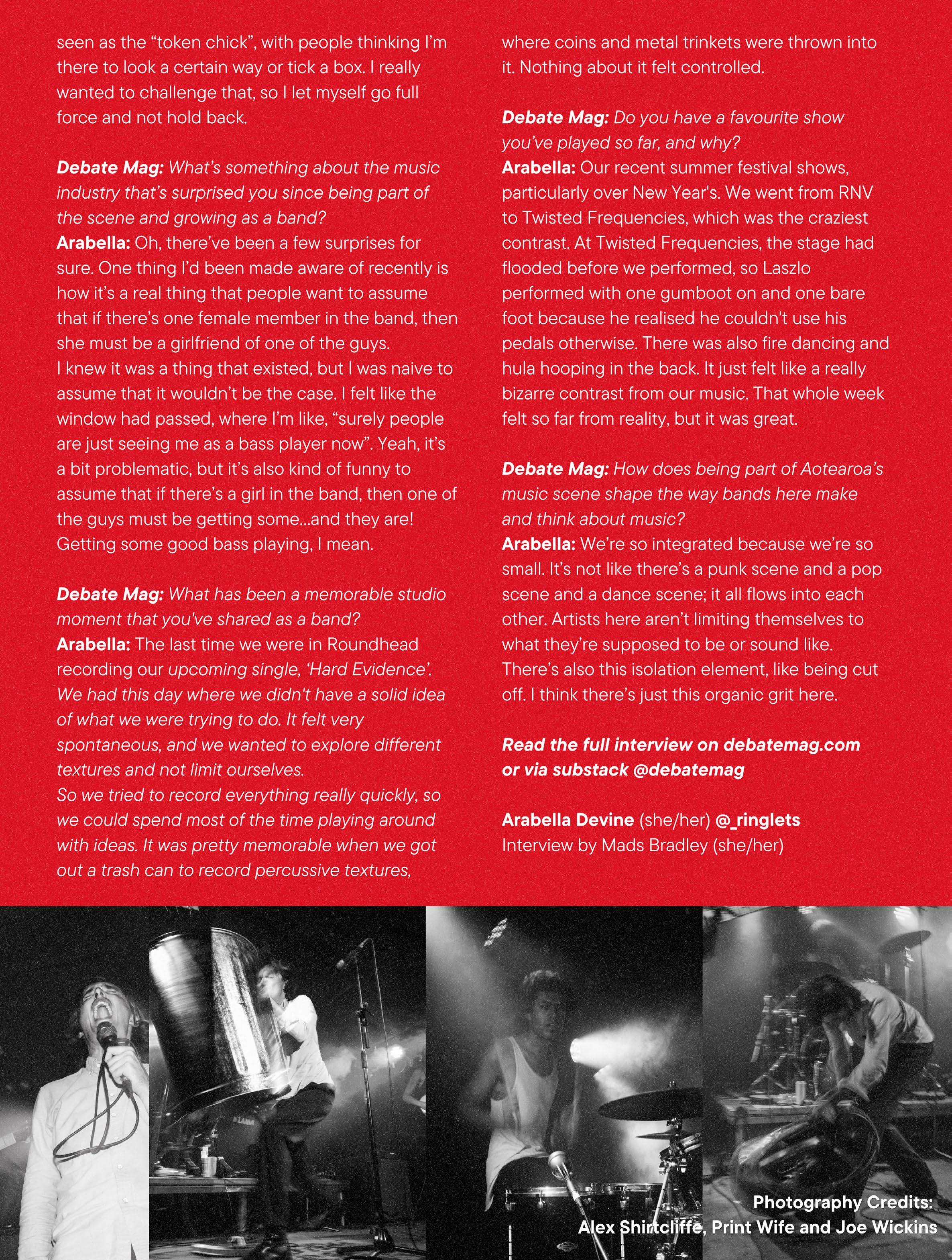
Mint Chicks recognition for their 2006 sophomore breakthrough “Crazy? Yes! Dumb? No!” as soon as it became eligible. Journalists like Charlotte Ryan and Duncan Greive sang their praises while interrogating their creative decisions that propelled the band to infamy (such as the Big Day Out Chainsaw incident). As soon as he got it into his hands, Kody Neilson threw the platinum record into the air and took a hard no to any interviews. We’ll get ‘em next time.
We managed to catch up with some of the winners and nominees, like Geneva AM, Phoebe Rings, and Bub, at the awards - check out @debate_mag for excerpts of our banter as we struggled to find a comfortable place to film content. With the night coming to a close, we ducked out after taking photos of our friends’ bands on display via the ‘From The Pit’ photo gallery. We squeezed into the (now functional) elevators, and Crystal Choi nearly cut me in half with the closing doors in front of half of Phoebe Rings, before we got off at the wrong level and said our goodbyes. Hopefully, some things never change.
Marlon Williams & The Mint Chicks - images courtesy of Independent Music New Zealand.

Your fave local artist’s fave local artist
When I hear a waiata, my taringa lock in. I catch a sound and want to know what it is. What instrument, how it’s been made. I jump on the rorohiko and start searching, moving from track to track, going down a rabbit hole of endless buzzy hardware until I’m somewhere completely different from where I started.
Music has always been something I can sink into like that. Pick up the guitar and just jam for hours. Mucking around on my old iPhone, making shit beats just to make them. But lately, that kind of immersion has been harder to reach. It’s difficult to tune into sound when everything outside of it feels so loud. The ongoing pakanga in Palestine, widely visible yet continually normalised, farright governments dismantling protections for people and the environment, and the constant churn of misinformation designed to confuse and overwhelm our hinengaro. All this mamae in the world only serves to amplify the collective hopelessness sown within our wairua. Now listening to music starts to feel different, almost void of the rongoā it holds for me.
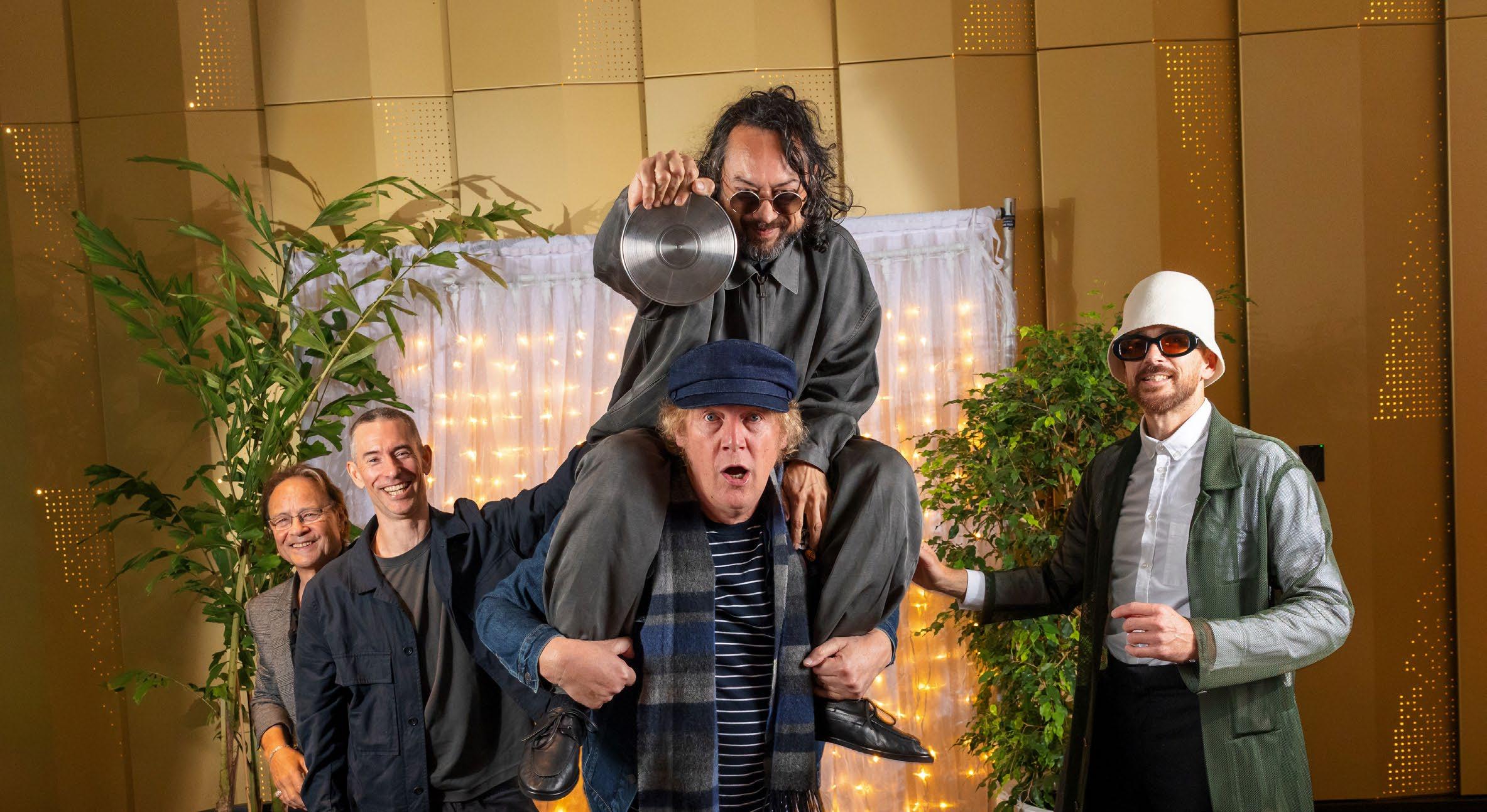
What’s shifted, even slightly, is a turning toward local artists, especially those grounded in their own cultural contexts. I asked two artists to share their favourite Māori and Pasifika artists, their favourite tracks from those artists, and a track/mix of their own that expresses their sound. Since these two wāhine are so talented and musically on, of course, they shared some of the meanest local recs around.
Spdrtwnbby
IG: spdrtwnbby
• Singer/songwriter, beat maker and artist from Tāmaki Makaurau, raised in Avondale (Villages in Sāmoa: Lalomanu, Malie, Fagaloa).
• Began using the name Spdrtwnbby in 2021 as a clean slate to grow into her practice. In my opinion one of the sweetest voices to come out of Aotearoa in a bit.
Chosen track of their own: Back to SelfSpdrtwnbby (ft. JARNA)
Spdrtwnbby’s favourite artists:
1) Jordyn with a Why
“Amazing vocalist and singer-songwriter. I am always enjoying Jordyn’s choices in melody for her music, accompanied by the sickest production and even better live. Beautiful to watch her artist journey unfold” - Spdrtwnbby
This kaiwaiata is smooth as whānau - reminds me of a young Aaradhna with the velvet harmonies and vocal agility. Mean.
2) Romi Wrights
“First saw Romi perform live at Sweatshop back in 2023 , and I was in awe. Romi’s songwriting is so on and her energy is warm and genuine which you hear in her music.”
- Spdrtwnbby
Legit thought this wā was from the '60s oi. Sexy, soulful and mature layers sit easily within her voice.
3) JARNA
“My day one uso in music. The most talented, and one of the only Wahine I know who produces, mixes and masters. I need everyone to stop sleeping on her expeditiously.”
- Spdrtwnbby
Talk about skills. I’m mad jealous of JARNA’s songwriting and producing ability. Save some talent for the rest of us ea.
4) HOPE
“Oh man, oh man oh man. Hope is one of my fave vocalists in Aotearoa. Smoothest tone and effortlessly weaves through riffs. Seeing her live changed my life , not to be dramatic but fully dramatic.” - Spdrtwnbby
Another exceptionally talented vocalist rec from Spdrtwnbby. I see a trend here. HOPE’s use of reo in her waiata is also one of the more seamless examples I’ve heard.
Song recommendations:
1. Jordyn with a Why – Reia
2. Romi Wrights – Shine Your Light
3. JARNA – Back Then
4. HOPE – Taukaea
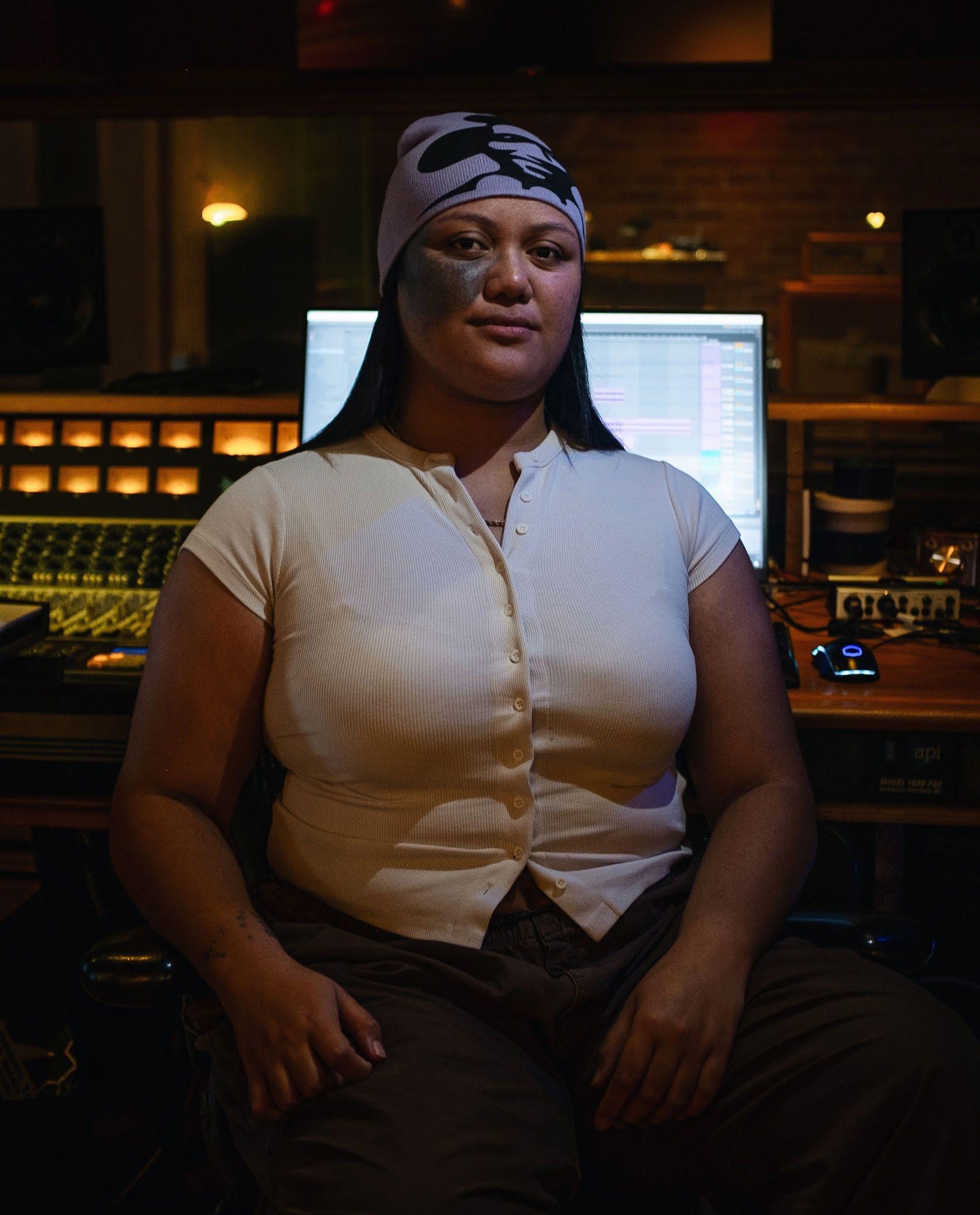
AJ Honeysuckle
IG: @ajhoneysuckle
Soundcloud: ajhoneysuckle
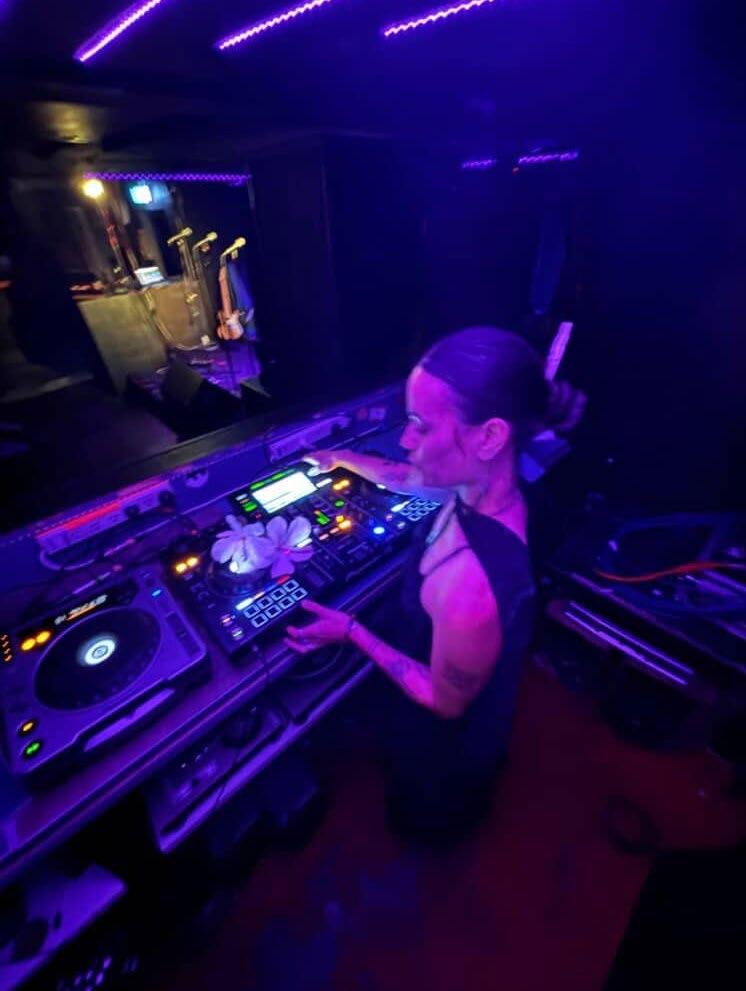
Hailing from Tainui and Sāmoa, AJ is a musician, DJ and kaiwhakamana working across bass, club and experimental sound. Member of Sonic Hapori, with projects including Bad Poi radio and Bass Rongoa gigs. “Art haututu, shapeshifter, mutant vibes.”
AJ’s favourite artists:
1) Wai – WAI 100%
“Early 2000s Māori experimental clubby, deconstructed indigenous buzzy vibes.” - ajhoneysuckle
Whanau mā don’t sleep on Wai’s iconic and highly influential album Wai 100%. I’ve been blasting it 24/7 since AJ’s rec. The amplified poi beats will have you dancing with the atua.
2) Silv-o
“Making music primarily in the UK. Recently returned to record sounds on his whenua in the Waikato for the first time.” - ajhoneysuckle Moody, textural and shadowy hokehoke vibes weave through Silv-o’s ambient music. Making you feel like you’re drifting in a moemoeā.
3) Wear Pounamu
Producer from Te Whanganui-a-Tara working with industrial and machine textures. Part of the Mauri Aura collective, where sound becomes a space for experimentation and transformation. Collabs with SAVAGEHINE often.
Another moody producer rec from AJ, I see a trend here.
4) SAVAGEHINE
“Wāhine artist making bold, cheeky, sexy, horny waiata Māori. Glitzy, staunch and sonic seduction dominance.” - ajhoneysuckle
This wāhine and her waiata will make you wanna embrace the real skuxx within you.
5) The Coolies
“South Auckland punk band - three wāhine creating raw, disruptive music with a disrupt-the-system kinda zero fucks vibe.” - ajhoneysuckle
These sick af wāhine remind me of when I discovered power chords and the distortion setting on my pakaru amp when I was a teen.
Song recommendations:
1. Wai – Mihi Tuatahi
2. Silv-o – Ka Mua, Ka Muri
3. The Coolies – Scorpio 10
4. SAVAGEHINE – RSS (RealSkuxShawty) (prod. billyskuxx)
AJ’s mix:
Moody Māori Pt. 2 (dubtech, digi-pūoro, trip hop, breaks)
You can find AJ’s mix on Soundcloud.
Written by Te Atamea Boynton (she/her) @tayatamea
CONTRIBUTING WRITER
Masc / Femme: As a part of the Singaporean diaspora in the Auckland music scene
It becomes exceedingly tough to live in true tandem with your culture, the one that feels like home, when you find more belonging in the Western sphere than you ever had in your place of origin. I can’t go home without feeling like I no longer belong, yet I am no doubt still an outsider in New Zealand. I don’t know its ins and outs, its unspoken rules, or the way it shapes a person for whom it is home. But I can freely pursue writing and musicianship, two things I deeply love and that are profoundly connected to my sense of purpose and self.
In Singapore, there is a fixed notion of intelligence, one rooted in the ability to comprehend and excel in STEMrelated fields. In my experience, there is far less recognition for adepts of the humanities, literature, and art. Artists were polled as the most non-essential job in a 2020 survey. There was a direct conflict between what I knew I was capable of and the space I was granted to fulfill it, so moving away from that ecosystem felt like a rebirth of the self. Queerness was also something you couldn’t be entirely proud of. I felt closer to myself in so many ways.
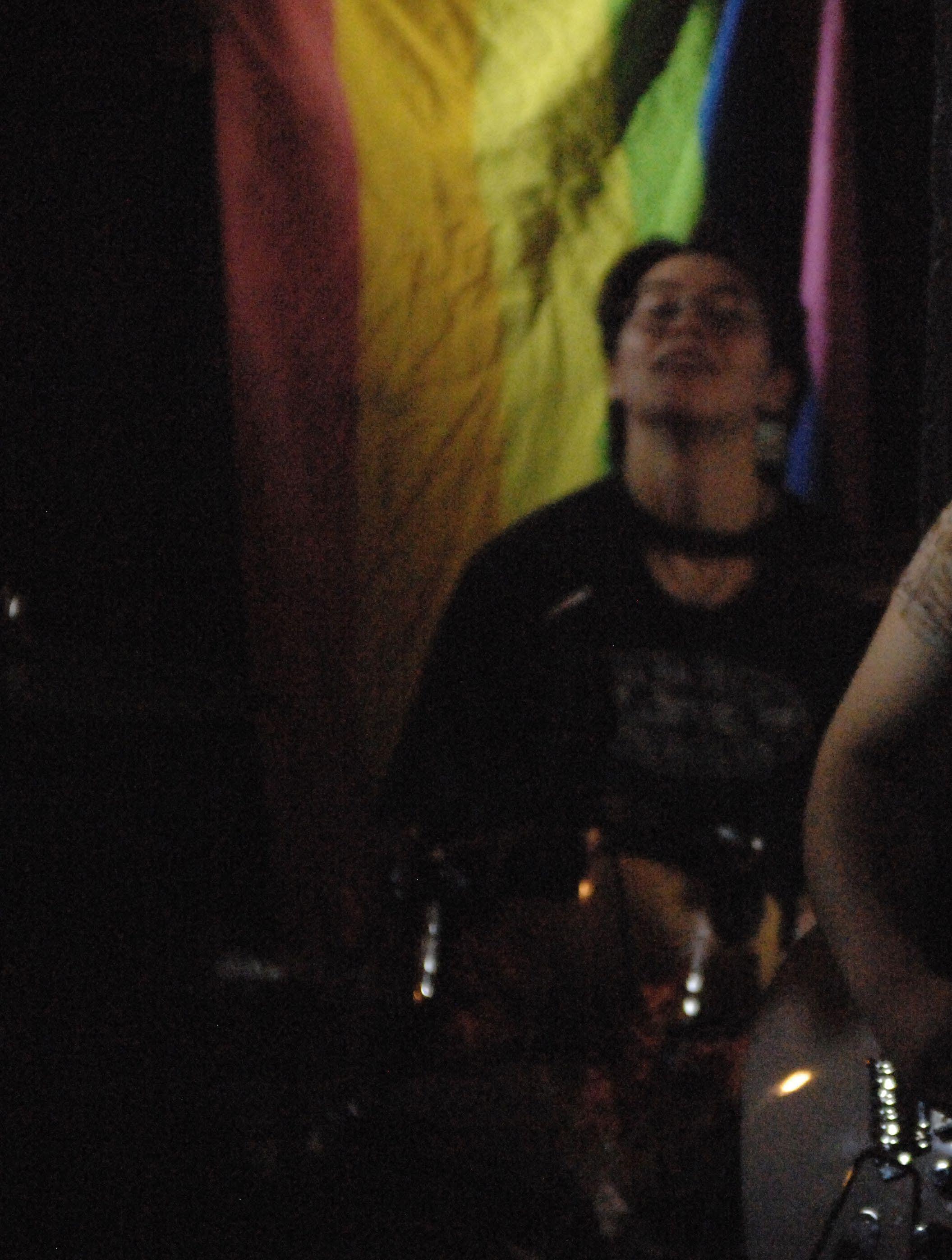
Midway through last year, I started playing gigs with my band, Masc/Femme. I was part of many one-off bands in university that formed for out-of-uni gig assignments, so the idea of stability in a
band lineup was new. Three years ago, I was also part of another, more significant band, which has since dissolved due to an internal conflict that has deeply impacted my relationship with performing music and working with other musicians. After that exceedingly negative experience, I was convinced the only way I could go at it was solo. It pushed me in the opposite direction of where I needed to go; to be closer to my craft, I needed to invite another into the process, and in return, become privy to theirs. It’s a vulnerable and intimate thing. It is understanding the emotional landscape of a person, and in turn, deepening your perception of the world, which makes one more capable of capturing the profound. I met its members in unexpectedly interconnected ways, the lines converging at the University of Auckland’s philosophy club, and at local gigs I attended alone at venues like Dead Witch and Whammy Bar. We started gigging last May, and through that, I have found genuine, deeply moving connections with musicians and adjacents in the local scene that have fundamentally changed me. Words are too stiff a vessel to contain everything I feel about this, and I often sense that the enormity of my gratitude for what I have now is too much to process all at once. It will require years of quietude to internalise and properly understand that I, even as an outsider, fully deserve everything
beautiful that has chosen to come my way and stick around. What I have now is entirely worth the painful loneliness that preceded it, though a sense of separation remains.
To be known is to be loved. I have people back home who know who I’ve been most of my life, and here, a precious few who simply know me presently. I cannot reconcile my history and present self all at once with the people I love in both places, and though it’s something that evolves with the accumulation of time, it is, at first, a very long season of isolation. I am learning that alienation is not a transient thing, not a shortlived experience - it stays with you, well after the initial shock, as something deceptively inconsequential. Every compromise and encounter is a drop that makes an ocean, given enough time. I have spent so long trying to forget all the little things that still get to me that I
have entirely forgotten how to retrieve and absolve them. But it has always been a bearable consequence of the gift of being able to grow into a space on my own, and to find people who reflect that joy. To know that belonging does not mean we all have to be the same. In a revelatory conversation with a friend of a friend, she told me that Southeast Asia is really an amalgamation of heritage, home to many looking for a home. The roots of our immigrant ancestors were already shallow in the land we were born on. It is our innate instinct to seek belonging, and though it will be lonely for a little while, we are pioneers for others like us to come.
And then, we also have each other.
Written by Jey Min 林洁敏 (they/them)
@_jeymin
by Max (they/them) @theundeadllama
Photo
Burnout, ballsacks, and better futures
An interview with Maebh McCurdy
Maebh McCurdy (she/her)
@leighapparently
Interviewed by Finn Johansson (he/him)
@finnjohansson2006
Transcribed and edited by Tashi Donnelly (she/her) | @tashi_rd | Editor-in-Chief
An interview with Maebh McCurdy
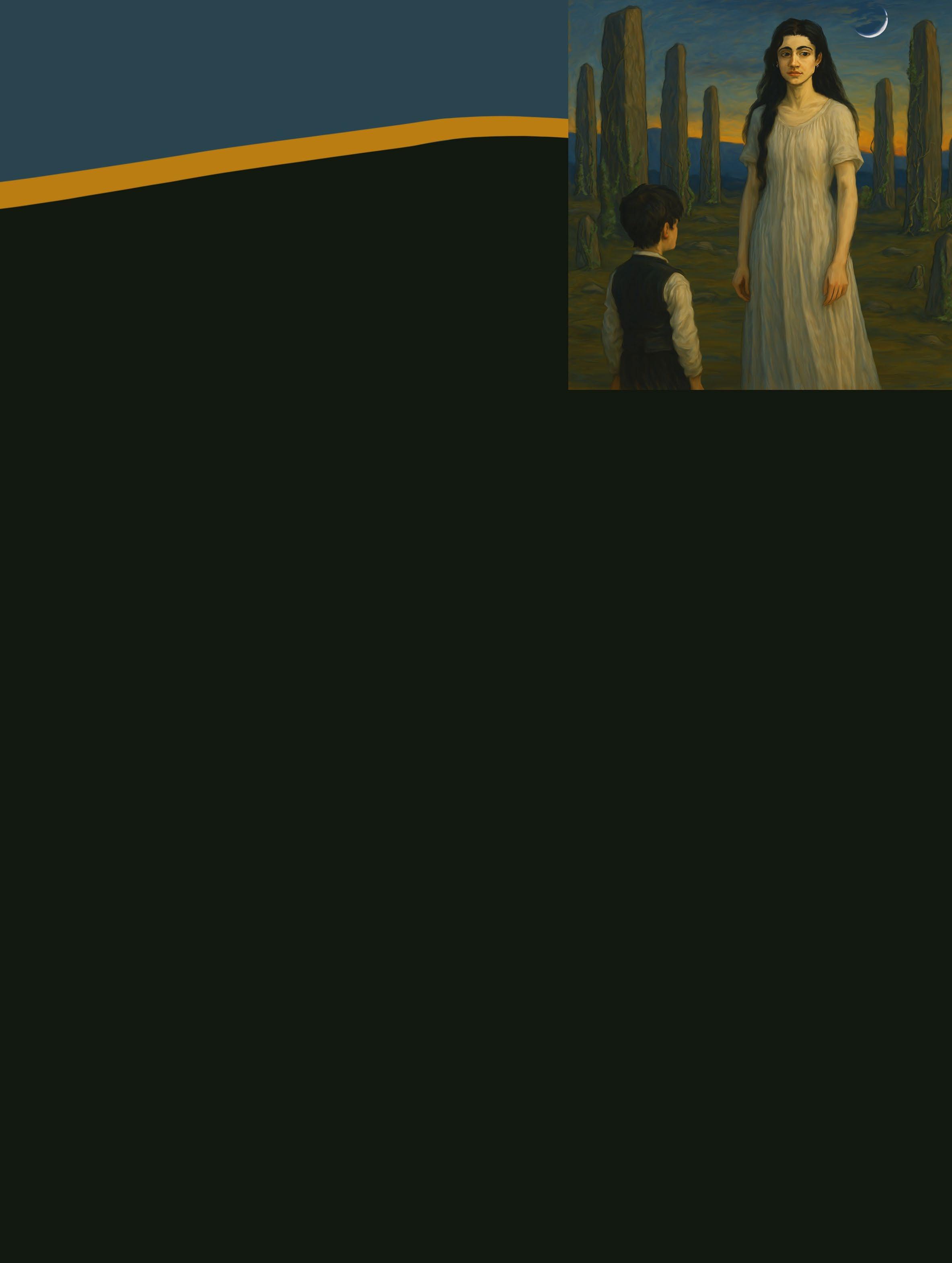
In this interview preview, Finn Johansson sits down with Maebh McCurdy to talk chaotic songwriting, buried punchlines, and the strange alchemy of turning dreams into music. Find yourself a nice tree to sit in as Maebh candidly discusses the realities of transition, burnout, and building community around Aotearoa’s trans music scene.
Finn: Your album runs the gamut of emotion […] what’s the funniest line that you don’t think anyone else finds funny?
Maebh: “Driving 'round town with the face of my mother, walking 'round town swinging low like my father,” and the “swinging low like my father” part is a reference to transness, and a reference to my low-hanging testicles.
Finn: Your sweet chariots?
Maebh: Yeah, my sweet chariots! So that is a reference to both mine and my father’s ballsacks. No one seems to pick up on that one. I haven’t told my dad that, either.
Finn: For people walking the ADHD tightrope […] what actionable steps could you suggest?
Maebh: Do not burn the candle at both ends!
Once you’ve burnt out, you can’t do anything, and you’ll be no use to yourself or to anyone. I don’t really know how to relax. I rely on the people around me to realise. This might not work for everyone, but it works for me. I always have at least two albums that I’m working on at one time, and at least two
comics, and then a bunch of other ancillary things. I have as many projects as possible. My ADHD is satisfied because I can jump from project to project. By having a bunch of ideas and projects that you’re working on all at once, you’ll inevitably complete one by procrastinating on another one.
Finn: So you’ve transitioned. Any tips on changing names without the headache?
Maebh: Unfortunately, it’s going to be a headache regardless. You still have to take all your stuff into the IRD, the bank, and everywhere. It’s a long process. You might have to email publications to ask them to change your name on something published a year ago, and you’ll feel like you’re being really annoying. But the more we normalise people doing this sort of thing, the better.
It might feel like you’re losing momentum by changing your ‘name’ or your ‘brand’, but ultimately, you’ve got to do what’s going to make you feel happy and make you keep doing this thing that you’re doing.
Finn: How do you usually interpret your dreams?
Maebh: I think most creativity stems from the collective unconscious. Dreams come from an unconscious state. It’s quite confronting. Turning them into art is a good way to make those findings less intense. A lot of my songs come from dreams.
Read the full interview at www.debatemag.com
Check out Maebh’s albums, Empathy for My Future Self & Maebh & the Morrígan (Live at Isdale Studios), at leighapparently.bandcamp.com

Why Tāmaki Makaurau’s live music scene isn’t dead!
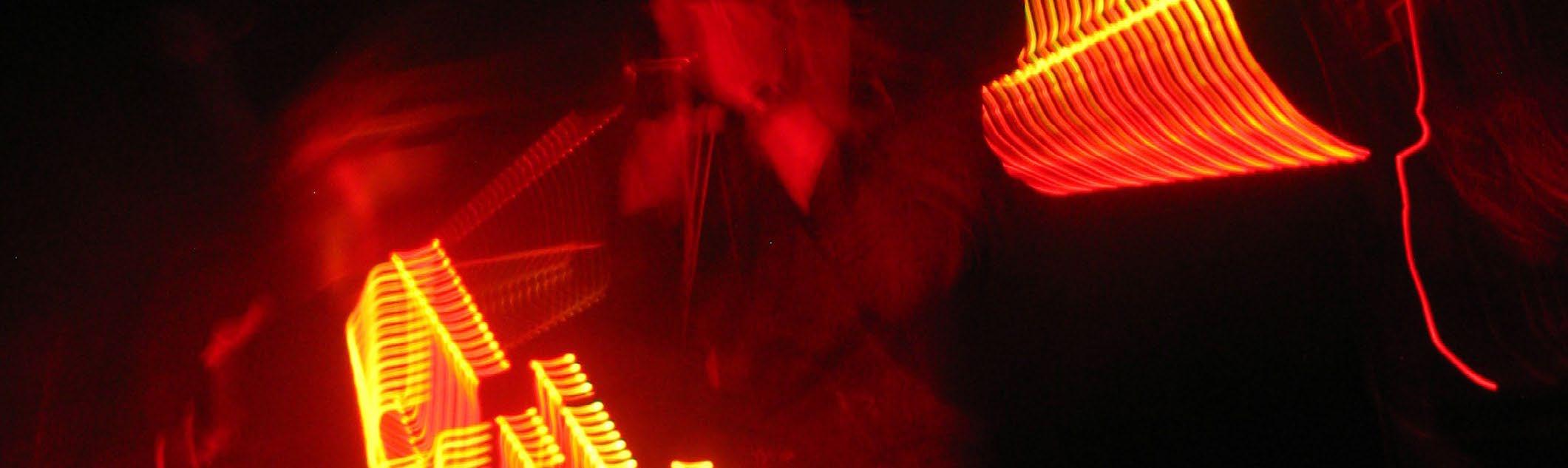
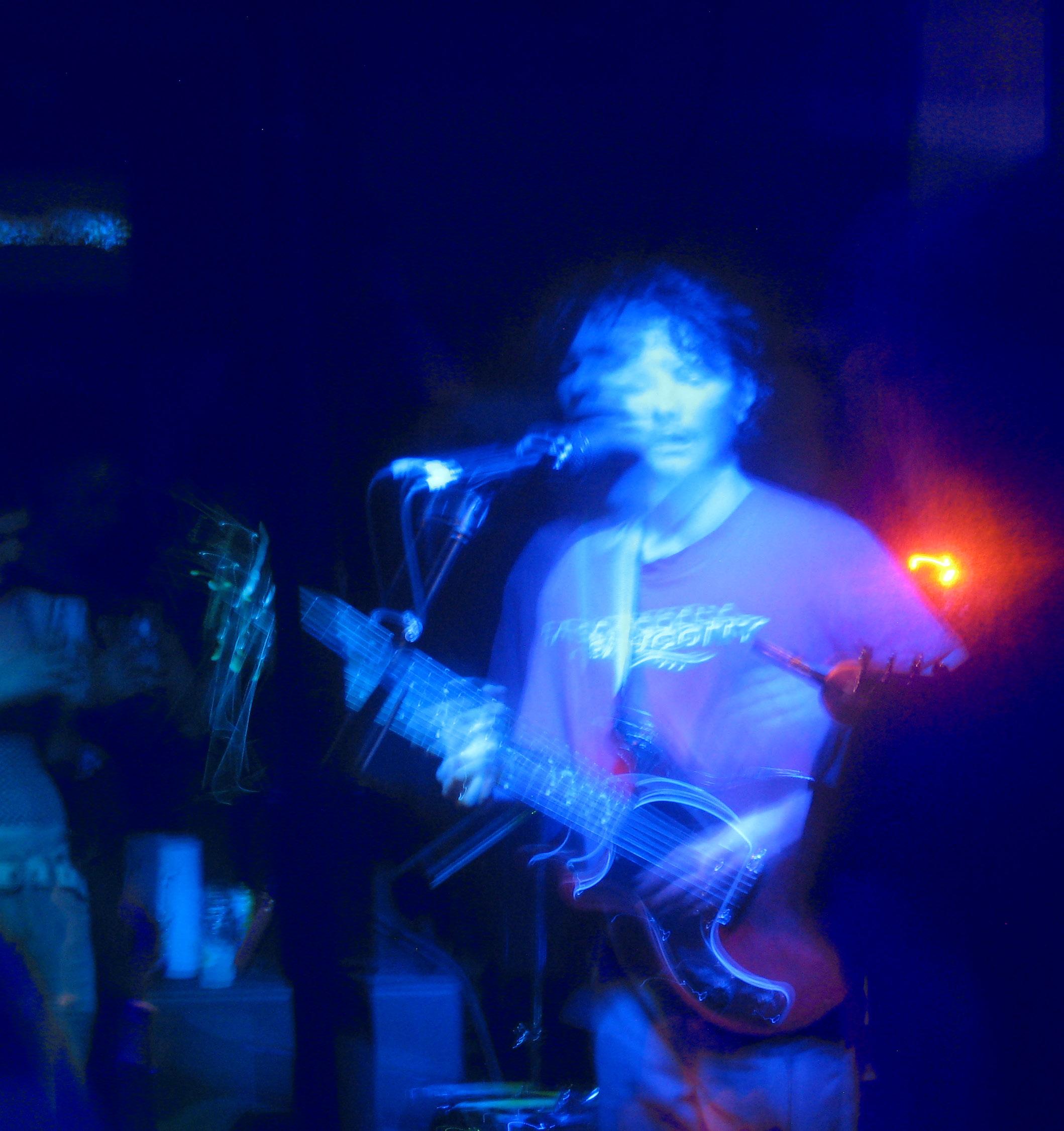
Awning - Seeing a band live eight times in one year could be seen as insane or financially stupid. But you see, Awning isn’t just a band; they’re a portal to a sonic wonderland where I escape from everything. Every time I see Awning play live, I shut my eyes and mentally swim through their magical compositions. Poetic lyrics, layers upon layers of mystically tuned guitars, crisp and driving rhythms, all topped off by those velvety bass lines. These guys are effectively an underground Aotearoa indie supergroup, with various members contributing to bands like Recitals, Eli Superflyy, and Salt Water Criminals - so it’s easy to see why these guys are special. However, you need to experience Awning live to understand just how special they really are.
Elliot & Vincent - I had heard their singles and absolutely loved them, plus two other legendary Kiwi acts were playing, so I had to go to this show, right!? Elliot & Vincent opened for Fazerdaze and Office Dog at The Powerstation in March 2025. I couldn’t believe my eyes or ears when they kicked into action. How was this much noise being created with so few members? What guitar pedals is that guy using? Is she drumming and singing at the same time? All I knew for certain was that I wanted to plug the PA speakers directly into my ears at full volume. This was music meant to be played loud, very loud. This power duo of Elliot Finn and Vincent Cherry create ominous tunes that swagger yet sting in their own pulsating rhythms, elegantly complemented by an abrasive guitar being strummed within an inch of its life. Keep an eye/ear out for Elliot & Vincent.
Grecco Romank - What do you get when you combine pumping drum and bass, an operatic midi saxophonist, chugging metal guitars, and distorted spoken word vocals? Grecco Romank, of course! I’ve only seen this group once, but rest assured, they rewired my brain chemistry whilst opening for American shoegaze band A Place To Bury Strangers. This Kiwi musical mind trip forcefully threw genres into a raving blender. I had previously tried to get into their music after hearing great news of their 2025 album ‘Arts Colony’, however I didn’t immediately get it. Once some midi drums, a voice-operated synth, some DJ decks and a shredder guitar were placed on stage, I was more than curious as to what would unfold in the next 30-45 minutes. Whatever I imagined, I was wrong. I can’t even begin to piece together what went on - just go see them live!
GreccoGrecco Grecco Awning
Worthington (He/Him)
addict. He’s
Blisster.
Next Wave: The Future Sound of Aotearoa
There has been a wave of new sounds, aesthetics and lyricism that is reshaping how we as a nation see music. Artists nationwide are stepping into their artistry showing us what the future sound of Aotearoa is. I am privileged to be in spaces surrounded by these talented artists. People I call my friends and family and have shaped how I myself see music. Kuini Sheba, QUESTION and TAKATAPUNANI are artists who bring a fresh heat to the music scene.
Kuini Sheba represents a wave of Māori artists who merge whakapapa and sound. What makes her a true trail blazer is her commitment to normalising te ao Māori in mainstream genres like reggae, hip hop, and R&B. Her ability to move effortlessly between singing, rapping and pūoro shows a level of versatility that sets her apart from many emerging artists. Kuini’s work signals a shift in Aotearoa music where young Māori artists are reclaiming space and reshaping what it is to be a Māori artist. Her presence in the industries encourages other rangatahi to embrace their reo. As she continues to release music, Kuini Sheba is weaving a legacy for her community and the future of indigenous music in Aotearoa.
Artist Bio:
Kuini Sheba (Ngati Kuri) is a reggae/hiphop/R&B artist from Central Auckland. She is, among other things, a vocalist, guitarist, rapper, and songwriter.
Her stage presence, vocals and personality often leave the audience in awe and wanting more. Heavy inspiration and study of a wide range of her favourite artists, as well as delving into the uniqueness of her own musical practice, has resulted in a personal and refreshing insight into her world and an insight into the generation to come in Aotearoa music.
She is currently in the process of releasing an album; the first single of which ‘Te Ahi o Mahuika’ has been released on all platforms. This is a reggae/dub track written by Kuini Sheba, fully in te reo Māori.
If you want to follow her journey, check out @kuinisheba on Instagram and other platforms.
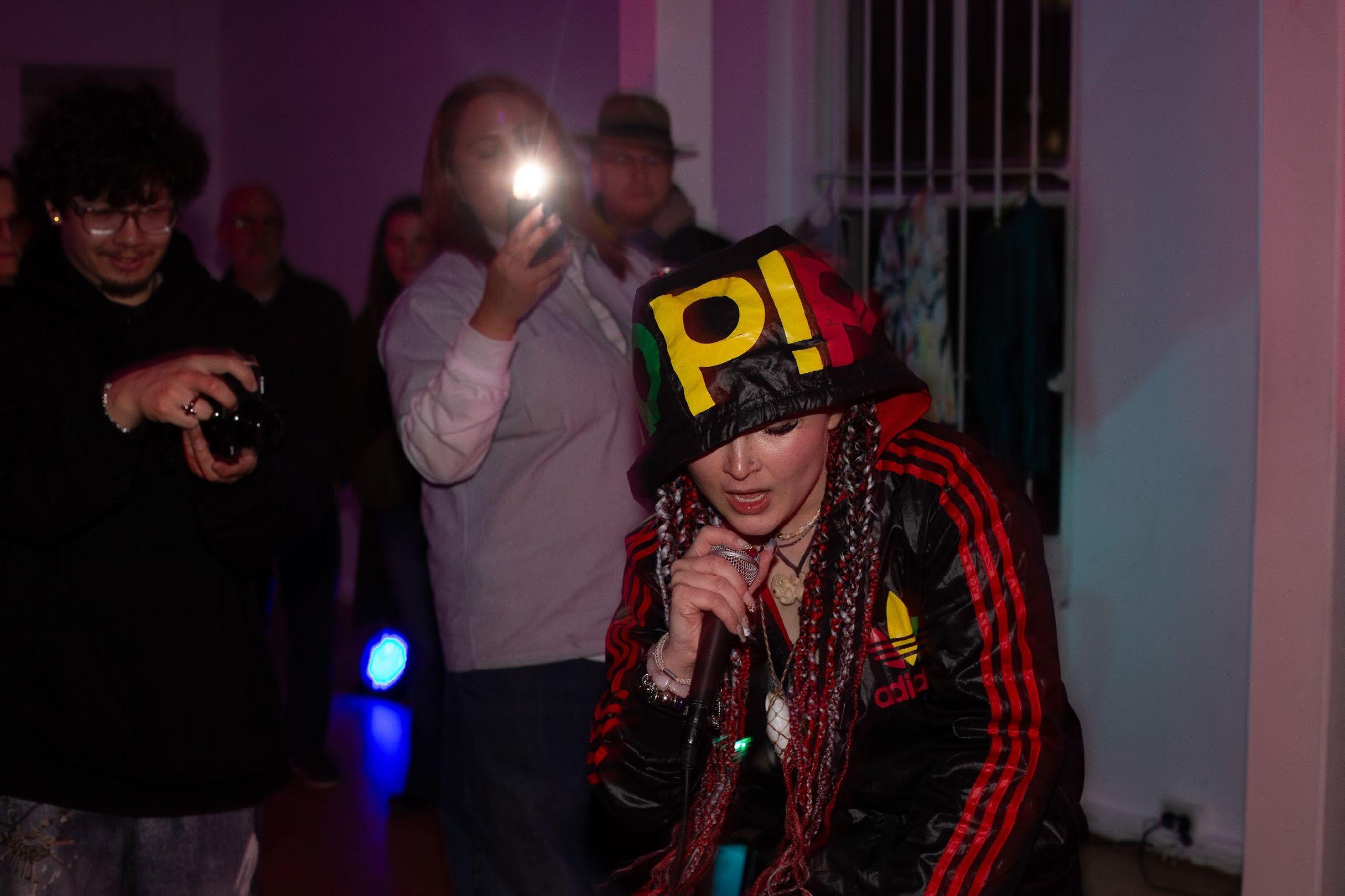
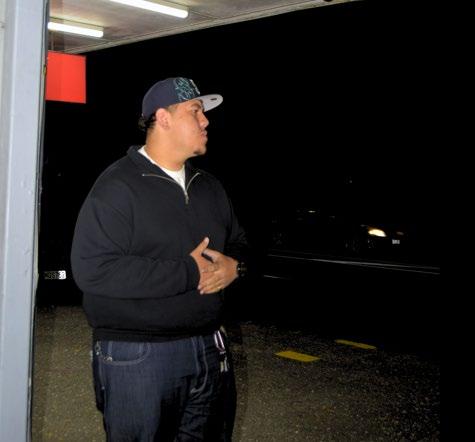
QUESTION is part of a rising generation of South Auckland creatives who show what the South offers to Aotearoa’s music scene. His early start in production gives him a technical edge where he expresses the realities of his community and fanau. What makes him part of this next wave of artists is using his craft to navigate his lived experiences through music. His work reflects the voice of a new Pasifika youth movement. As he continues to grow, QUESTION is helping shift the narrative around young artists from South Auckland, proving that storytelling can be told through many forms.
Artist Bio:
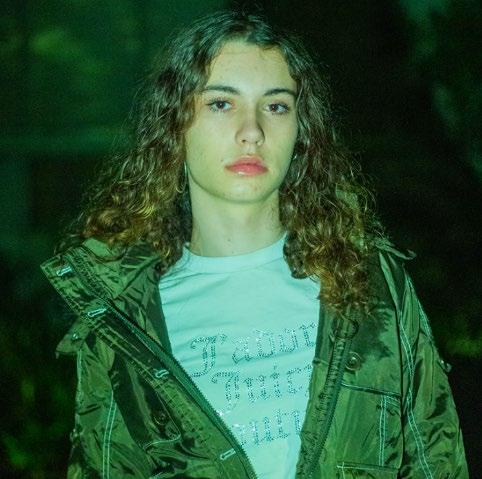
Takatapunani is pushing boundaries in ways that few emerging artists in Aotearoa can. As a Māori trans women creating music, she expands the cultural and gender landscape of the local music scene. By centering ballroom culture into her work she is introducing audiences to a sound and perspective that is both globally connected and grounded to her whakapapa. Takatapunani’s work is something to be celebrated. Her artistry signals a new era where her identity has become storytelling.
Artist Bio:
Yeo! QUESTION is a 16-year-old Samoan producer and artist/MC from the 278 (Papatoetoe) in South Auckland. He has been making music since 13, sharpening his craft until his recent debut as an artist within the public eye, producing his first EP ‘IS THAT RIGHT G?’
Making music has allowed him to express himself in ways he had not thought about previously. He is exploring his identity as a Samoan with mixed heritage growing up in South Auckland.
Follow him at @question.mp3_ for more of his mahi.
The future is looking bright for music, art and storytelling. Next time you are on any streaming app I recommend giving these young artists a buzz. Their songs send you in all of that good wairua, all the things that Aotearoa can offer.
@Takatapunani is the rap alter-ego and project created by Asher McCarten (Ngāpuhi). Her music is heavily inspired by club culture and the ballroom community, where she is already a local fixture.
Her debut single ‘Perfect Ten’ is out everywhere and she is nearing completion on her debut mixtape ‘Arrival,’ due early 2026. Takatapunani has released tracks such as ‘Filthy Bass ft Coco Solid’ and featured on ‘WYFMP’ by Mimi Riverz. Her musical practice looks at hip-hop and rap from the perspective of a Mãori trans woman, infusing body moving production and raw, vulgar lyricism into her work.
Written by Ivy Lyden-Hancy (she/her/ia)
CONTRIBUTING WRITER
The unbearable weight of stadium silence
This piece is set to be a bit of a boomeresque grumble, so I thought I’d bring in the big guns. The other day, I messaged my dad (he’s very tech-savvy) asking him what he thought about music at live sports events. Having heard him consistently moan about it throughout most of my childhood, his response was somewhat predictable:
“Shit, except for Bumble belting out Sweet Caroline.”
Bumble is an English cricket commentator renowned for his dulcet Yorkshire tones, recently used on radio to describe the reaction to one of his particularly thunderous ‘sit-down jobs’ from the lady in the stall next door. But that’s not the point. When I was younger, I used to dismiss my old man’s complaints as the mindless mutterings of someone the world was slowly leaving behind. Now I’m beginning to agree with him.
While I’ll have already alienated most of the audience with yet another nod to cricket, many of you remaining will be more familiar with phrases like ‘dopaminemaxxing’ and ‘brainrot’. Obviously, social media has been designed to make neurotransmitters ping for yonks. But, in my eyes, it has only really come into its prime in the past several years - and right under our noses.
It first started happening around the turn of the decade: Reddit ‘am I the arsehole’ stories read out by a clunky text-to-
speech generator with subtitles overlaid on sped-up Minecraft parkour gameplay. Or GTA car ramp gameplay (please hit the jump, please, please, please). Or soap cutting. Or Subway Surfers. All examples of highly stimulating b-roll are designed to hold our attention as we become more and more tempted to scroll away.
We knew. On every post, there were several comments asking a variation of the same question: why did the parkour lowkey make me lock in? I won’t pretend I wasn’t part of that – my attention span is as short as the next guy’s, but something I’ve tried to do is keep other, sacred, parts of my life from intersecting with the brainrot.
I take some pride in knowing that, despite my proclivity for short-form, dopaminetrigger-enriched slop, I can still sit down and watch an 80 minute game of rugby or a 90 minute game of football. Hell, even four hours of cricket. However, I’ve begun to realise my beloved separation of powers has been melting away. Because the same every-lever-must-be-pulledto-keep-dopamine-pinging-at-all-times approach has been obnoxiously taking over sports for decades.
It started (arguably) in the mid-20th century as occasional organ-playing at baseball games. Now, stadium speakers have gone to war with the ebbs and flows of the traditional arena experience. The mere possibility of a lull is unthinkable –like driving in silence.

Of course, sport is an entertainment product. Of course, some music adds to the atmosphere. But do we really need Darude’s - ‘Sandstorm’ bashing its way through our wax-filled ear canals at every break in play?
And it’s not just the music keeping fans’ dopamine receptors firing at all cylinders. Does every boundary hit – something that happens almost fifty times per match – in the Indian Premier League need to be followed by massive bursts of flame and some scantily-clad Caucasian cheerleading?
I went to the first day of the new OFC Pro League football competition a few months ago and will never forget watching the pyrotechnics go off when a team won a corner, or missed a shot by a light year or two. It devalued the experience, made it feel cheap and forced, almost like the flames were an order to fans to be entertained – or else.
But back to the music. It’s a selfsustaining reaction – I think sport and music are devaluing each other through excess. The more it is forced into our ears in the stands, the less we are able to enjoy any given game simply for what it is. And as every aspect of our lives is filled with music to keep our attention (god forbid we hear ourselves think), the harder it is for music to have that special effect on us.
There will always be a place on any field
for such hits as Bon Jovi’s ‘Livin’ On A Prayer’, but it shouldn’t be at the expense of the cries of WANKER from the Port at an Auckland FC game, or the CHAHOOs reverberating around Mount Smart Stadium after the Wahs score.
No kid has ever come home from their first experience of live sport buzzing about whoever was on the stadium AUX. No, they’re thrilled by the atmosphere.
Seeing their favourite players in the flesh, when the closest they could otherwise get was via a collectable card snatched out of a box of Weetbix. Celebrating on dad’s shoulders after watching the team clinch a last-minute win. The squeak of a sneaker on court. The sound of leather on willow. The oo-oo-ahh-ing after an overzealous bite into a thermonuclear hot dog at halftime. The roar of the crowd. The groan of the crowd. The sounds that made us fall in love with our sports in the first place – let them prevail. Save ‘How Bizarre’ for the car.
Written by Luke Fisher (he/him) @lukefish7__
CONTRIBUTING WRITER

Fight Riffs and Grass Roots
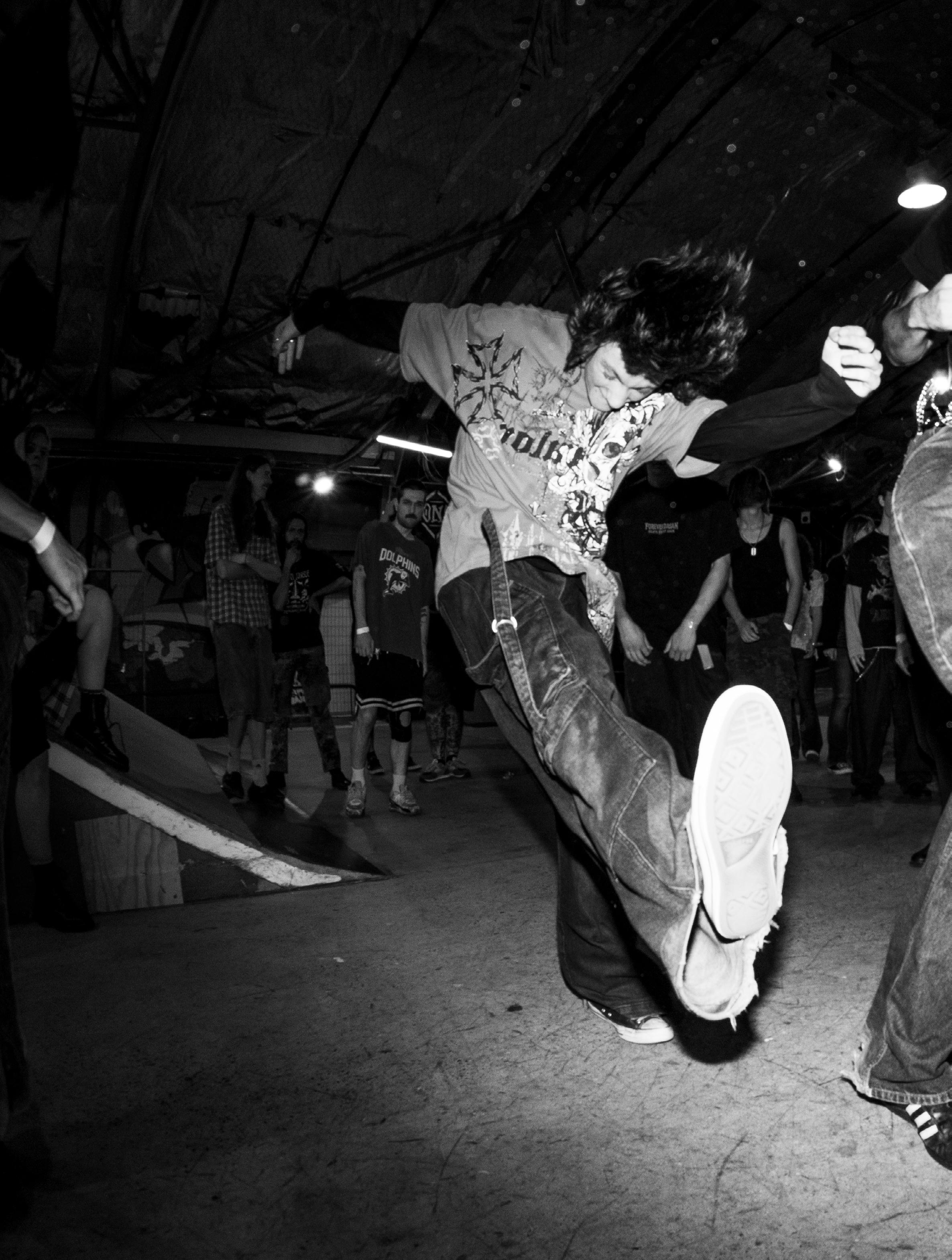
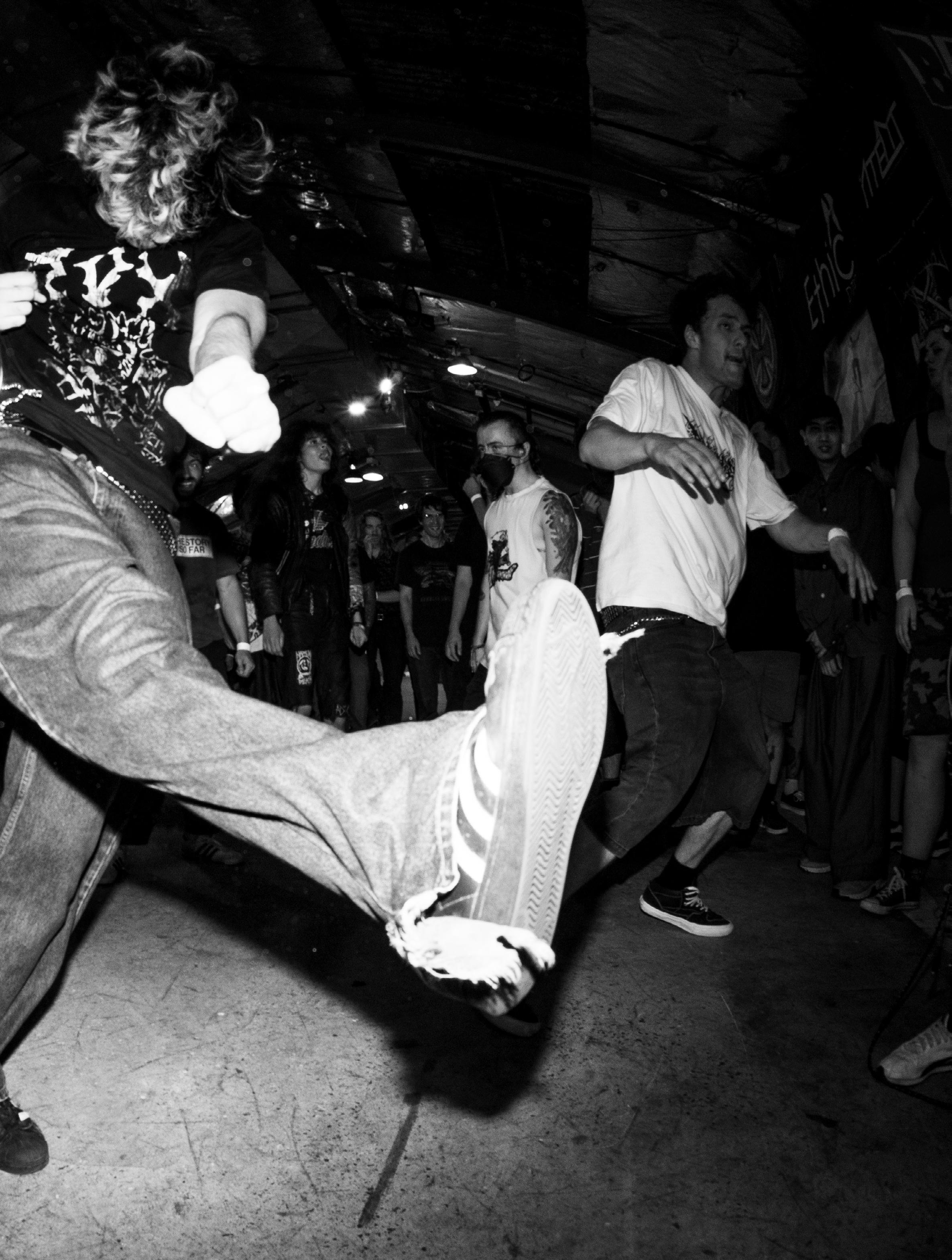
Hardcore music is a heavier subgenre of punk that also has influences from metal and hip-hop. It emphasises heavy breakdowns, screaming vocals, and faster tempos, while discussing a variety of topics, from the personal to current geopolitical issues. The genre is also known for its violently highenergy shows and unique, limb-flailing style of moshing. If you are active on the internet, you have more than likely seen videos of people doing spin kicks, windmilling their arms, and, my personal favourite, two steps. This combination of music and dancing culminates in a cathartic and sometimes painful release of emotion that I believe only this style of music allows. Prominent contemporary bands would include: Knocked Loose, Turnstile, Kublai Khan TX, and Drain.
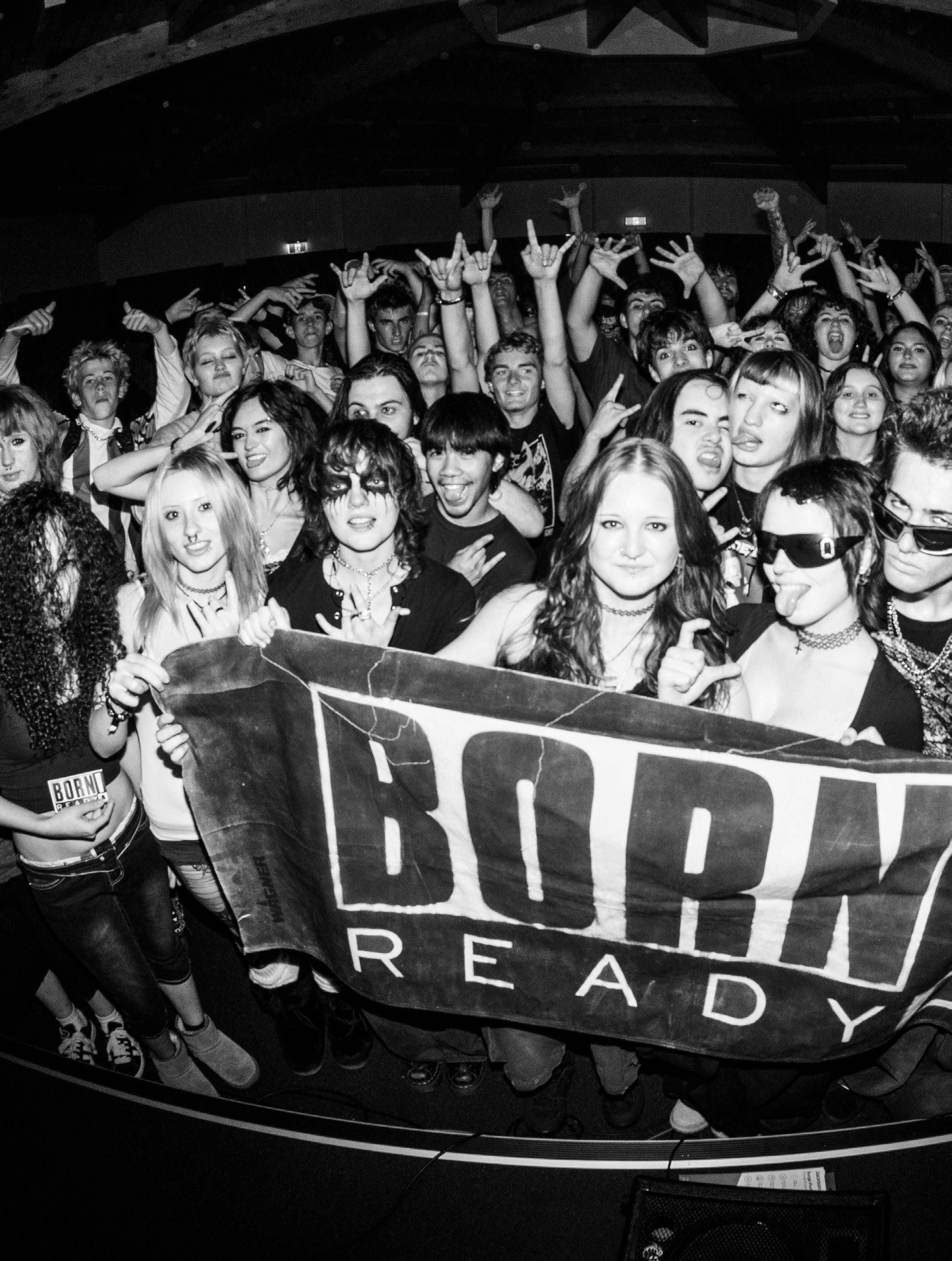
I was invited to a gig titled FUNCRUSHERS Vol. 1, where I was introduced to two of the bands on the card, Run It Straight and Money Sock. They told me about their next show and about their collective, BornReady. BornReady was founded by Run It Straight, Heavy Step, and Money Sock, alongside photographer/ designer Sandy Hughes.
BornReady is a community-led collective focused on providing safe, supportive spaces for young people to connect within the arts, while being empowered through performance and participation in counter-culture. They host a monthly show that coincides with the release of a publication under the FUNCRUSHERS title, with the zine open to any artist or writer. After attending multiple shows, my passion for hardcore was reignited. The level of professionalism and dedication from this organisation is unlike anything I have witnessed in a DIY scene. It is clear that each member loves what they do, and the push for all-ages shows proves they are committed
to passing the torch to the next generation. JackTea, vocalist of Money Sock and bassist of Heavy Step, explains what hardcore music and the scene mean to him.
1) What was your first experience with hardcore and the scene in Aotearoa?
“I first experienced hardcore in Waitākere, West Auckland, in about 2010. A youth centre out there called Zeal, would host fortnightly shows in this tiny space they called the Art Room. The scene was truly popping at that time, and there were tons of local bands filling the lineups. Even a couple of big internationals turned out to play in the space; Trapped Under Ice being one. The room’s capacity was probably 70 tops, but some nights there would be hundreds of people in there.”
2) What or who inspired you to start a band?
“I have always loved making music, particularly when I get to do it with my friends. In this sense, playing in a hardcore band kinda just came to me. My friends Andy, Jay and Bodi, from my band Heavy Step, turned up to my flat to have a chat about the band and got me on board. In a broader sense, my motivation to play in hardcore bands is really just the pull of the scene, the amount of shows, the passion and energy at each, and the way the scene shows out for each other. Everyone is so supportive, and the only entry criteria is that you are there doing it.”
3) What is it about hardcore that you enjoy so much?
“I guess I kinda captured this earlier on, but there is just no other community I have been a part of where you are accepted for who, what, or however you are. It’s a place where shared values transcend shared backgrounds,

cultures, and experiences. The scene is a place where everyone can live in a moment together, and that’s a bloody lovely place to be.”
4) What makes the hardcore scene so different to other music scenes in Aotearoa?
“Hardcore culture sits at the polar opposite of the spectrum to tall poppy syndrome. It is grounded in the celebration of the people around you. I feel that what this creates is a thriving music scene where venues are often packed with dedicated fans. The green rooms at hardcore shows often sit empty as other bands always turn up to support the acts they are sharing the bill with.
“A notable difference in hardcore to other music scenes I have experienced is the focus on all-ages shows and the creation of safe spaces for young people to be exposed to the music and to share their own talent. I feel like this comes from a silent acknowledgement within the scene that, albeit small and niche, what we have is special, and it needs to be shared and passed on to the next generation, in the same ways that it was passed on to us.”
5) How has the scene evolved in the past 10 years?
“Right now, it feels like the scene is in a real renaissance after a bit of a lull in the late 2010s and then obviously COVID-19. I reckon being cooped up inside made everyone realise how much they missed hardcore spaces. It even brought a lot of old heads (myself included) out of hibernation. Over the last few years, the growth has been crazy, new bands popping up, and old ones coming back; right now, the scene is the most fun I have ever experienced.
“Like everything, the internet and technology have massively changed hardcore. The community has always been focused on DIY creation and using any tool at your disposal. It’s so cool to see how this increased accessibility to technology has allowed so many new photographers, filmmakers, creators, and artists to thrive.”
Instagram Links @bornready.tm @run.it.straight.tmhc @heavysteptmhc @money_sock_hc @spacecadetsandy
Photos by Sandy Hughes @spacecadetsandy
Written by Darian Serrano (he/him) @gumvoid
CONTRIBUTING WRITER

Static FM isn’t just a student station, it’s where fresh voices and real ideas come to life.
Broadcasting out of AUT, it’s a space built for students to share what matters to them, whether that’s music, culture, or conversations that actually mean something. It’s local, it’s creative, and it reflects the energy of Tāmaki Makaurau in a way that feels genuine and unfiltered.
What makes Static FM stand out is the people behind it. From first-time hosts learning the ropes to producers shaping the sound, everything you hear is created by students. There’s a sense of freedom here to experiment, to take risks, and to find your own voice. It might not always be polished, but that’s the point. It’s real, and it’s yours.
So if you’re looking for something different to listen to between lectures, or just want to support student-led media, tune in.
Static FM is all about backing your own, discovering new sounds, and being part of something that’s still growing.
Listen on 88.1 or static.co.nz


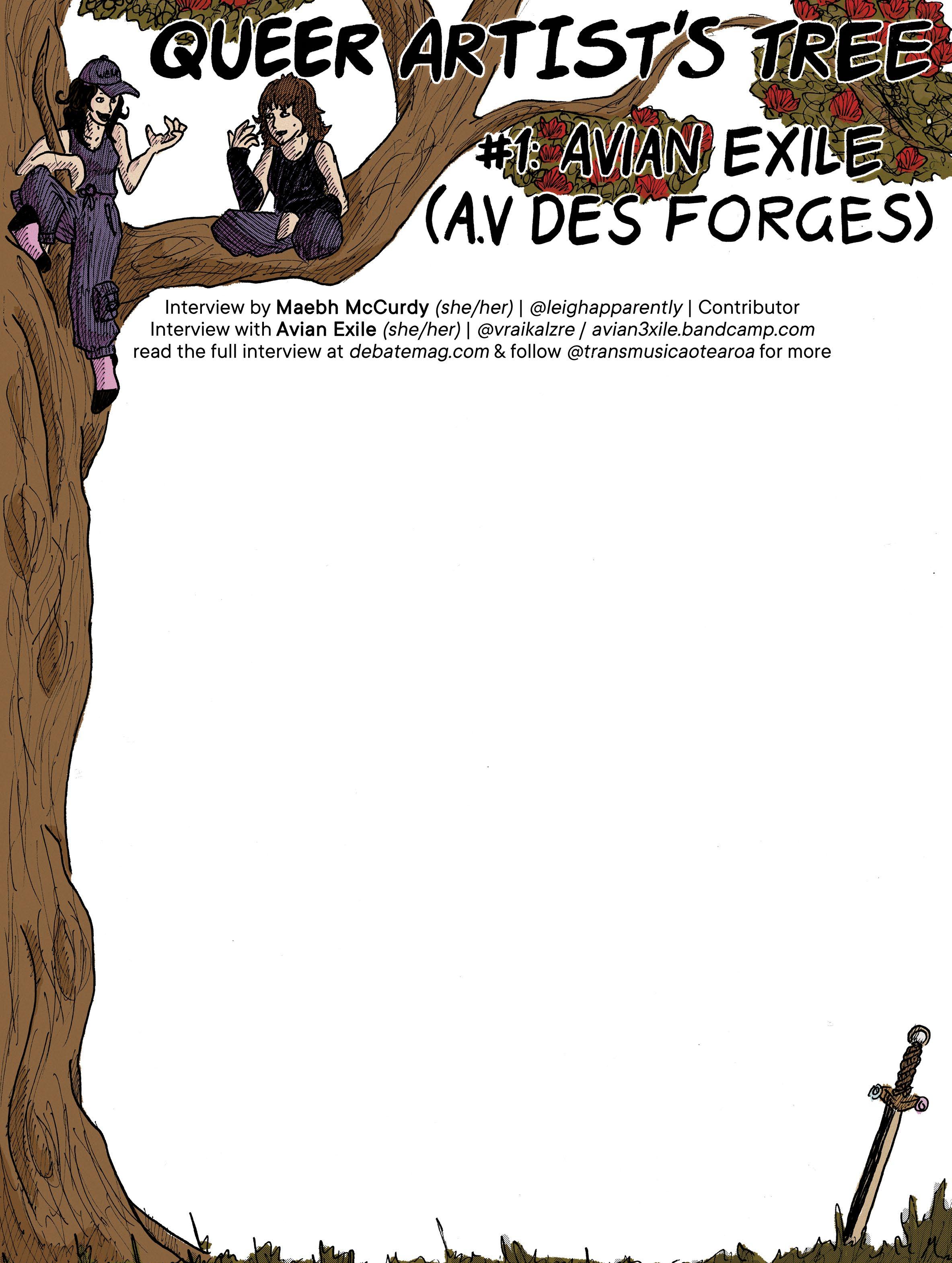
Welcome to Queer Artists’ Tree. A column where I sit in a tree with a queer artist based in Tāmaki Makaurau and discuss their craft. This week, I sat in the boughs of a 3-km-tall pōhutukawa tree with musician, producer, & animator, A.V AKA Avian Exile.
Maebh: First off, how’s the wind?
A.V: Almost blowing me away, but I’ve got a good grip on the branches.
Maebh: Introduce yourself!
A.V: My artist name is Avian Exile. A.V is my first and middle name initials, and is how I’d prefer to be known professionally. I’ve recently tried to put my work out there in the public eye. I made it my New Year’s resolution to actually start doing stuff because I knew I would have to eventually. I can’t just keep all my art in this vault underwater that no one will see for like a thousand years.
Maebh: You have a Master’s degree in design?
A.V: I got my Bachelor’s in animation at Yoobee, and then at AUT for my Master’s my supervisor was Welby Ings. A famous queer filmmaker in New Zealand. He’s really articulate, very empathetic. Perfect balance of strict, but also caring as well. He was an excellent supervisor who really pushed me and my ideas forward to where they were naturally progressing.
Maebh: What’s your music like?
A.V: In its primordial stage at the moment, but it’s primarily electronic modular synth music created using a virtual modular synth software called VCV Rack.
Electronic music is the auditory equivalent of animation. It’s all from the ground up, there are no live-action instruments. I’m inspired very much by the works of SOPHIE; she has similar feelings about electronic music in terms of the stuff you can do with it versus the stuff we’ve seen with it in the mainstream.
Maebh: What are your goals with your music and animation?
A.V: Making my own films, soundtracking them. Surrealist sci-fi fantasy that doesn’t have any humans in it, all mostly alien furry-esque creatures. I really want to make fully alien societies with their own technology, and unique culture, and language that’s far removed from our own. I definitely also want to make characters that are trans allegories. There’ll definitely be a lot of gender-fluidity in the worldbuilding.
Maebh: You’ve just released an album called My Cerebrum. What song should people check out from it?
A.V: Probably ‘Metaphysical Yearning’. It’s a more accessible listen compared to the other ones. It’s the one I was most proud of in terms of the melodies and the simple yet effective structure to it. I was basically performing it while I was recording it. There was a quantizer I used, switching the offset to different keys in real time.
I want to do more physical modelling with my music, where I’m adding layers upon layers of electronic sound and noise to a timbre and making sound like it’s a physical object in a hypothetical 3D space. I’d love to make a drum break sound like a swordfight.
Electronic music has a lot of potential that is yet to be harvested. The stars are the limit. People think that it has no soul and it’s pure artifice, but that depends on the person who uses it.

Rick’s Reel Recommendations | 3 Films for 3 NZ Lyrics
Music and movies pair together like Marlborough wine and Eltham cheese. For this issue’s film column, I’ve plucked out three song lyrics from present-day Aotearoa and partnered them with films that, to me, evoke those words.
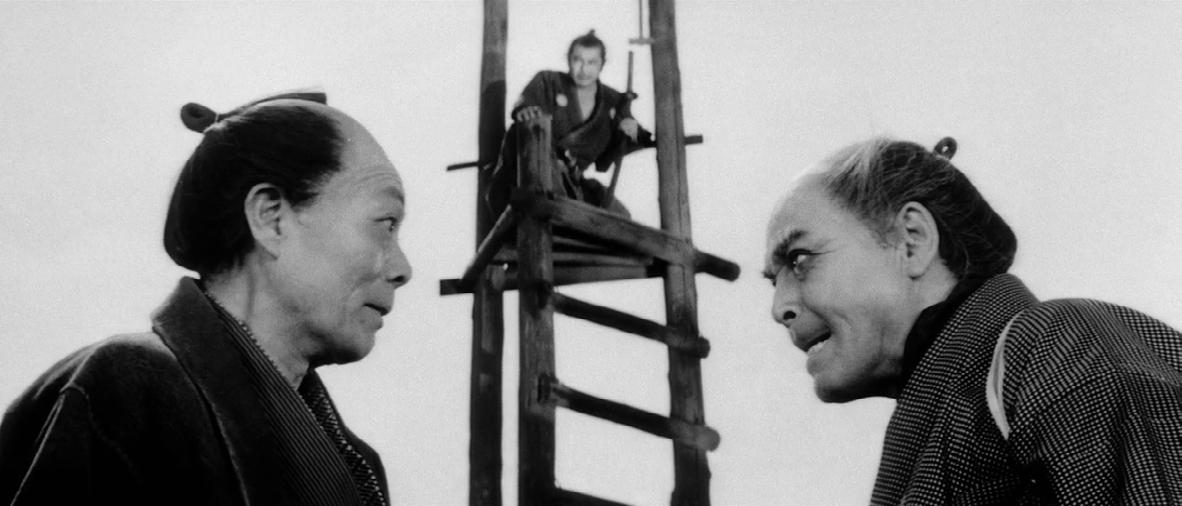
1, Yojimbo (Akira Kurosawa, 1961)
Song: Avantdale Bowling Club, Friday Night
@ The Liquor Store (2022)
The lyric: “The best of West Auckland’s worst combined forces,
Of workhorses horsed on state house porches, Gather like mourners to farewell the fallen, Dreams of old washed-upwashed up fiends and broke ballers.”
I apologise to any Westies reading this, who won’t be flattered by the hacky connection I’ve drawn between their home suburbs and the village-turned-smoking-warzone at the end of Yojimbo. But listen to Tom Scott’s darkly comic, apocalyptic lyric of a post-Covid stint at a local bottle shop, then see if you can too draw parallels between these two cinematic tales of drunken chaos. Given that Kurosawa’s film revises the genre trope of a travelling cowboy, Scott’s choice to anchor ‘Friday Night @ the Liquor Store’ in the West is a kinship not lost on me either. In one breath, Yojimbo, titled after the Japanese word for ‘bodyguard’, is an explosive tale of how a swordsman can get by in the age of gunpowder. The other breath is told by his cynical method. The rōnin drifts into a town whose lucrative trade of pleasures such as sake, silk, and gambling
have left ititself split apart by corruption and greed. For the traveller, he offers his service as a yojimbo to two rival gangs, gaming them into eventually destroying each other (and nearly himself in the process). A charcoal haze steeped in rice wine and gunsmoke obscures the economic potential of what have might’ve been of this town. By dawn, the madhouse collapses, and the rōnin flees by the skin of his teeth. You come away with an inkling that economic collapse befellbefelling marginal communities that cannot be redeemed by independent, vigilante agents. You also come away thinking about one of the funniest sight gags to demonstrate how fucked-up this town is: a dog with a severed hand clamped in its jaws. Not only was this joke borrowed by Eurotrip in 2004, but it’s also a nasty little metaphor for a pool of bodies devouring itself.
2. 3 Women (Robert Altman, 1977)
Song: Psycho Gab, Compass (2026)
The lyric:
“I’ll come back in time / It must be my design, I’ll meet you in the middle / Reintroduce myself.”
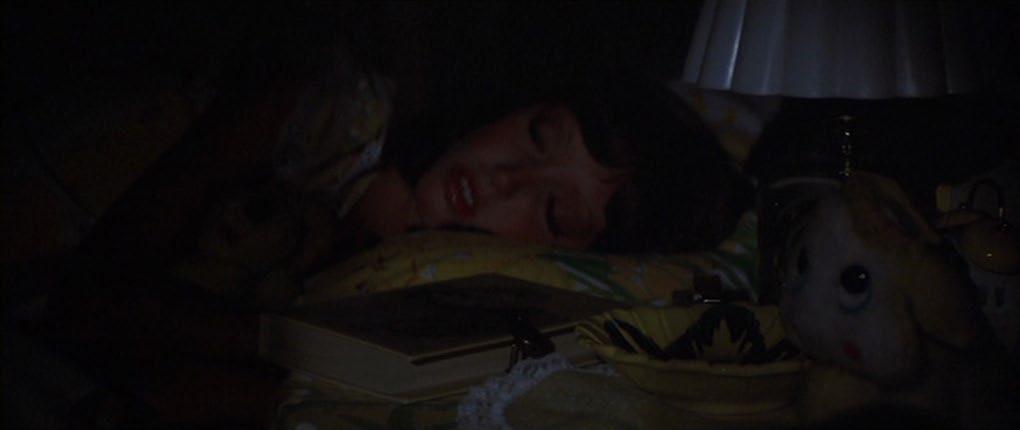
No matter how benign and charming you find Shelley Duvall – (and you should), – it doesn’t matter how happily you’d listen to her boast for hours about her town-renowned dinner parties or exotic hula dancers at Macy’s; in 3 Women, her co-workers at the elderly health spa don’t want to hear it. As Millie the chatterbox (Duvall) yaps on and on, usually to nobody in particular, you can faintly hear her peers pull mean-spirited impressions of her. It’s up to us to sift through that foliage of voices. Because we tend to ‘lose’ Duvall in a
scene, it’s worth considering that we are not occupying her perspective but rather an allencompassing, topological bird’s eye view, clouding all identities into one universal frequency. In fact, when rosy, doe-eyed girl’s-girl Pinky (Sissy Spacek) floats into Millie’s orbit, the two are friendly enough to become roommates, but Millie is so vain that she takes her ride-or-die for granted. After a near-tragedy involving a large height and a swimming pool ruptures their bond for good, something unbelievable happens: the two seem to swap personalities. From here on out, the encroaching nightmare silting under the nails of 3 Women reveals itself like a procession of ghosts at the foot of Scrooge’s bed. A bizarre sensory experience that, at this point in time, seems to be about the act of saying anything, out of fear that you’ll become nothing.
3. Cockaboody (John & Faith Hubley, 1974)
Song: The Beths, Metal (2025)
The lyric: “I’m a collaboration / Bacteria, carbon and light, A florid orchestration / A recipe of fortune and time.”
And I leave you with a whizzing flashbang of chemicals. Eight minutes, on YouTube, waiting for you. If you ever need something gentle to wind down with in the late evening, load it up and come back to your young self. Married animators John and Faith Hubley (parents to Georgia Hubley from indie rock band Yo La Tengo!) believe so earnestly in the anarchic capability of the child’s imagination. While Cockaboody is
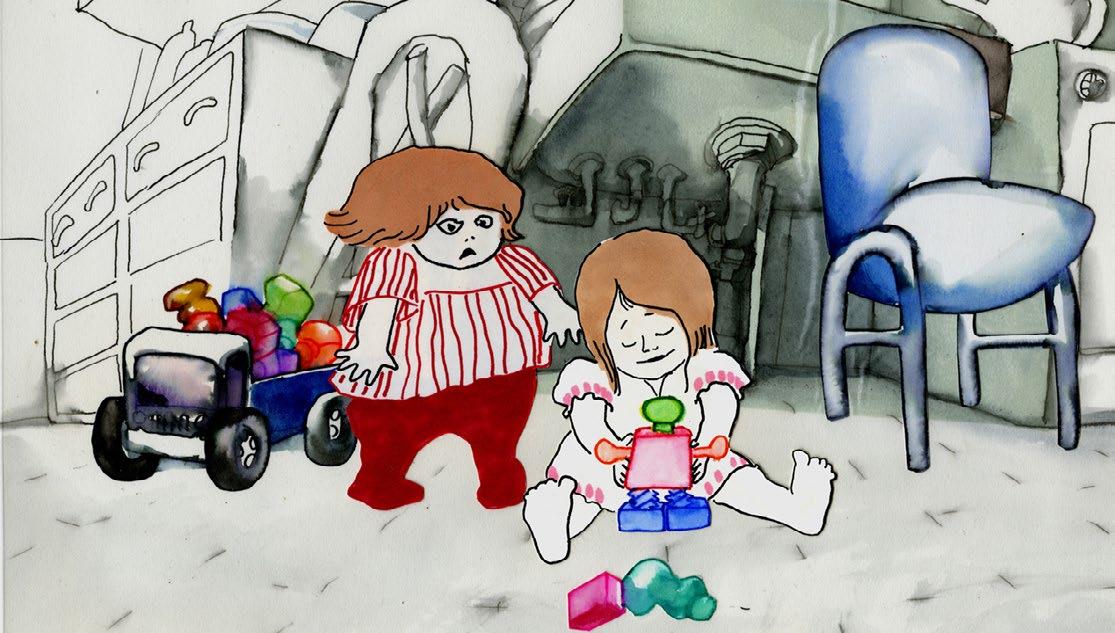
simply one of their shorts (and not even one of their Academy Award-nominated ones), it’s also perhaps their best. Last year, a wonderful vignette from their feature-length film Everybody Rides the Carousel (1976) went viral on Instagram, in which two adult lovebirds on a rowboat venture out into the middle of a lake, shape-shifting back into their adolescent selves with every renewed experience. Spotting a duck,; flinching at a splinter. One should see this reflecting how the Hubleys’ nurture their own inner child in their art. Cockaboody is a gleefully surreal adventure through the child’s eye in the safety of their parent’s home, voiced by the Hubleys’ preschool-age children as they babble on about nothing. On the rich, warmly textured backgrounds, the kids are rendered instead like paper-white blobs distinguished by pencil-thin outlines. They are like splotches of canvas yet to be painted over. So many beautiful sights, like the slight shake of the chair when one of them sneezes. Or the passing back and forth of a cup between sips of water. Or briefly transmuting into a dog, visible by just the peeking snout from under a blanket. Linus and Lucy got nothin’.
Written by Ricky Lai (he/him) @rickthelai on IG & Letterboxd
CONTRIBUTING COLUMNIST
Te hau
I like to think of te hau, the wind, as one of life’s first voices. As I close my eyes, I imagine the sounds of Tāwhirimātea singing through the mountainous landscapes of Aotearoa. Breathing mauri through all that te hau touches. From a young age, I have been captivated by the sounds of taonga pūoro and its ability to act as a vessel of communication.
I remember listening to my nan as she wrote an album on our tipuna Mokomoko, with many songs featuring the sounds of different taonga pūoro. Through this, I realised that their oro is a form of rongoā, capable of bringing healing to a deep mamae. I watched my mum as she played her kōauau to the manu. Hearing them respond in a kind, quiet conversation carried on te hau. To me, the waiata of Tāwhiri transcend both language and time. They are a reminder that communication is not always spoken; it can be breathed, felt, and remembered.
The revitalisation of taonga pūoro began with Dr Hirini Melbourne (1950-2005), who was drawn to the old taonga pūoro instruments that lay within museum cases and exhibits. Looking at these lonely taonga, he wondered what sounds they yearned to sing. Gathering a group of people already working towards the revival of this practice, they shared their mātauranga, humbly forming the Haumanu Collective, with its initial beginnings on Takaka Hill, near Nelson.
Its name is chosen for its translation of
‘breath of birds’, grounding the collective in the tradition of taonga pūoro being used to play and communicate bird songs, whilst giving direction through its other meaning, which is ‘revival.’ If you look closely at the Haumanu logo, you will notice the kōkako, a manu renowned for its haunting song, depicted as if drawn toward the sound of a nguru, a traditional nose flute. Together, these elements speak to a reconnection between people, sound, and the natural world, te taiao.
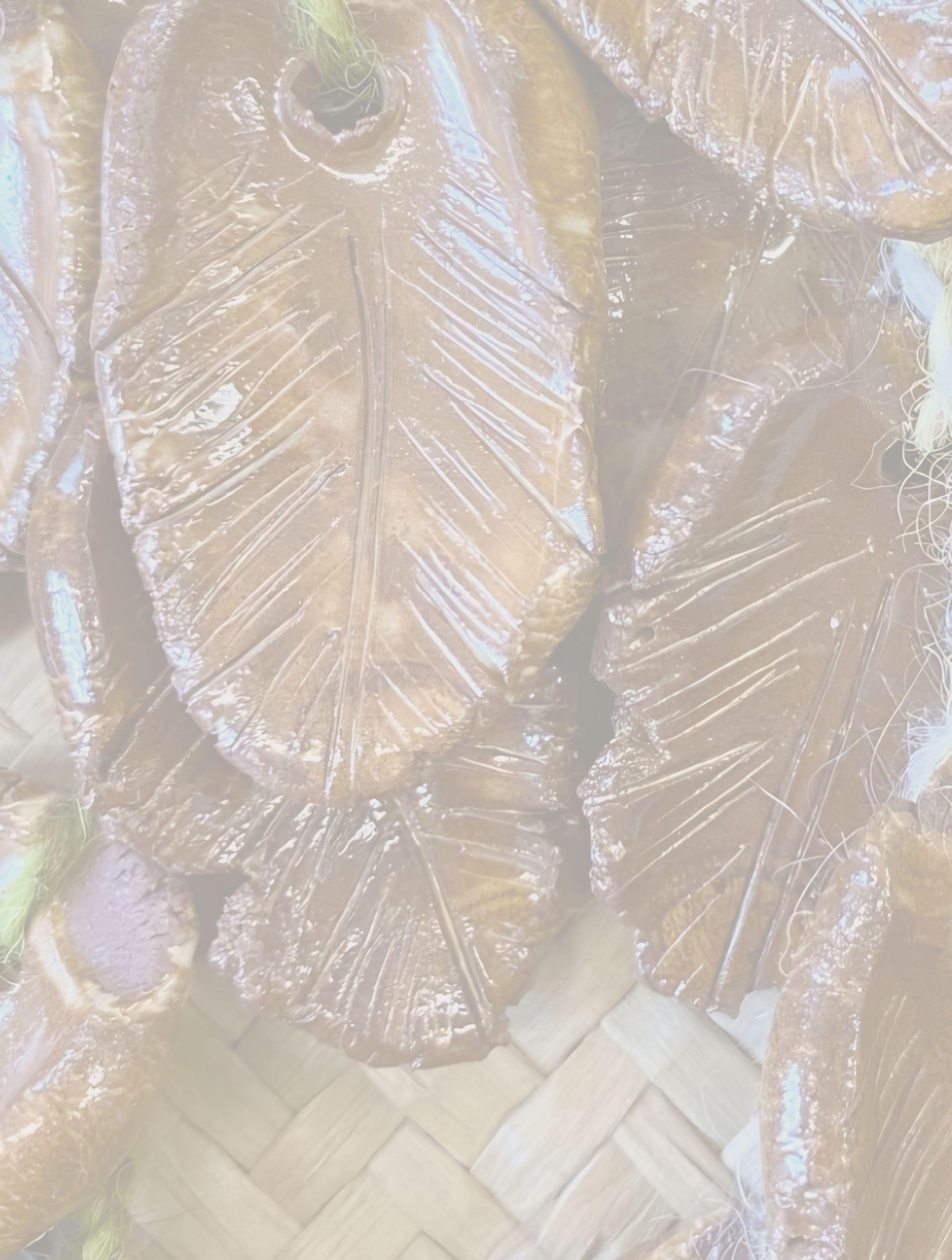
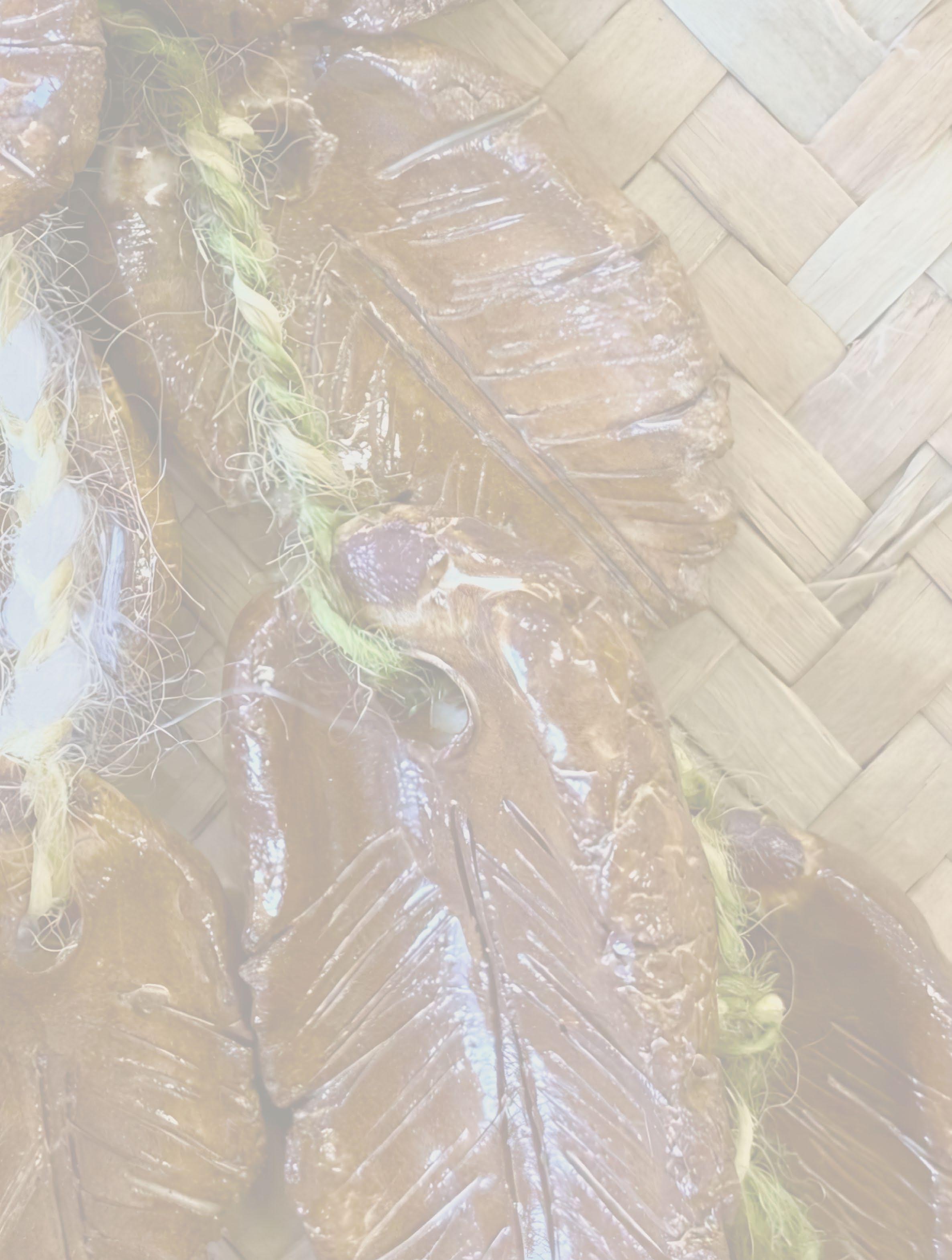
With revitalisation happening primarily through wānanga, there has been a resurgence in people being gifted the ability to create their own taonga pūoro. Working with materials that were traditionally used, like wood, bone, hue, and even uku, this practice reconnects makers to both the whenua and the whakapapa of the instruments themselves. Uku pūoro, also known as clay pūoro, is something I’ve personally been drawn to for its grounding, tactile nature and the intimacy of shaping sound from Hineukurangi.
As this resurgence continues, knowledge around how to make your own instruments and understand the different types of taonga pūoro is becoming increasingly accessible. A great place to begin exploring more deeply is Taonga Pūoro: Singing Treasures by Brian Flintoff, which offers rich insight into the history, form, and significance of these taonga. There are also a growing number of online resources. Looking into the work
of the Haumanu Collective provides a strong foundation, while the Kauae Raro Research Collective features a beautiful article by Ruby Solly on harvesting clay to create your own ukutangi, an instrument used in times of mourning.
For those wanting a more guided introduction, the SOUNZ website hosts a series titled Introduction to Taonga Pūoro, featuring renowned practitioner Jerome Kavanagh. In these videos, he shares his personal journey alongside explanations of different instruments and their purposes, connecting each back to our atua and the wider natural world they embody.
The legacy of the Tohunga Suppression Act, which I discussed in the last issue of Debate, plays a significant role in the generational gap in mātauranga surrounding taonga pūoro. This disruption severed not only knowledge but also the deeply intimate and spiritual relationships people once held with these instruments. Taonga pūoro are not simply tools for making music. They are living connections, shaped by generations who crafted their own, embedding identity, whakapapa, and wairua into each piece.
Musicians are not separate from their art; they are formed through it, carrying its presence through all aspects of life. Sometimes even silenced by its suppression. Today, the struggle for recognition and respect remains. When the practice of something as tapu as
taonga pūoro is questioned for its cost, it reflects a lingering disconnect from its true value. Yet, musicality itself exists all around us: in the subtle sound of a bird’s wings cutting through the forest air, or in the near-silence of the ruru in flight. It is present in the rhythm of the poi, in the movement of piupiu, and in the ways music and all aspects of life intertwine. All these elements speak to a worldview where sound, identity, and expression are inseparable - everything is connected.
Mauri ora!
Written by Skye Lunson-Storey (she/they/ia)
@uku_rangi
ARTS,
CULTURE, & TE AO MĀORI EDITOR
Accidental Harmony: Breathing in Sync
When you think about the local music scene, your mind probably jumps straight to packed gigs on Karangahape Road, Spotify Wrapped stats, or the latest releases shaping Aotearoa’s soundscape. You probably don’t picture a nasal congestion device.
But sometimes, the way we connect to sound happens completely by accident, especially when it collides with everyday innovation.
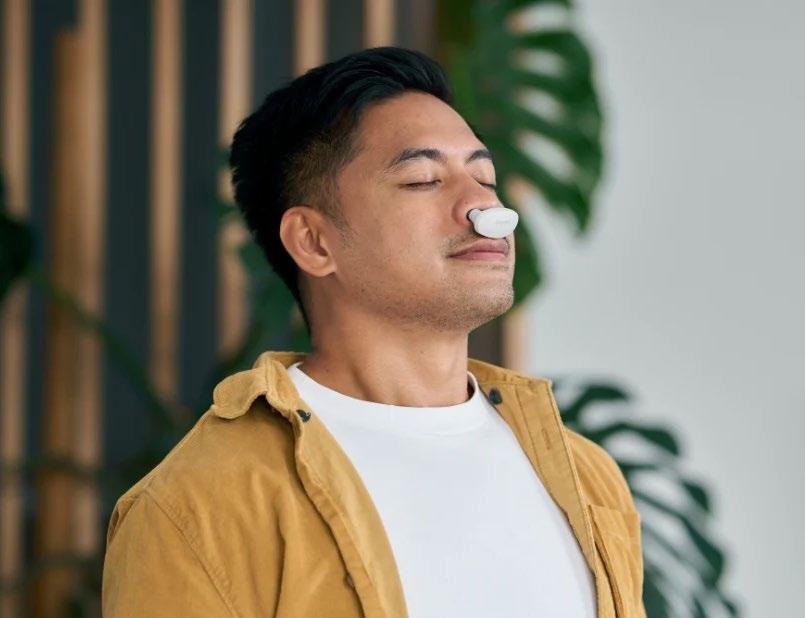
Enter Goodair® Nosebuds. Born from AUT research led by Dr. David White, this spinout device wasn’t designed to win any music awards. Designed to sit just inside the nose, it subtly alters airflow to create a gentle, therapeutic vibration that clears congestion and helps you breathe easier. Its purpose is entirely practical. It has absolutely nothing to do with music.
Or so the creators thought.
For Raymond Ando, former AUT Startup Club president and a Bachelor of Business graduate, the experience of wearing Nosebuds went slightly off-script. He often uses them while driving, turning his daily commute into an opportunity to complete the recommended 20-minute session.
Like most of us, he usually has music playing in the car and it was during these drives that he began to notice an unexpected side effect.
“With music playing and the Nosebuds creating a gentle hum with each breath, I noticed I’d start humming along without even realising it,” Raymond explains. “It just felt instinctive.”
What makes Raymond’s experience so unique is how it highlights the physicality of our connection to music. We don’t just listen, we tap our steering wheels, nod our heads, and hum along. In this case, a piece of health tech designed purely for breathing support unexpectedly amplified that natural instinct.
This kind of unexpected crossover is what makes the local innovation scene so exciting. Technology rarely exists in a vacuum, a product might be designed in a lab for a specific purpose, but it often finds its true meaning in the real world, shaped by the unexpected and human ways people actually use it.
At its core, that’s what innovation is all about: putting an idea out into the world and discovering impacts you never anticipated. And if you’ve got a research project or business idea of your own that you want to bring into the real world, AUT Ventures is here to help you discover exactly where it could go.
Written by AUT Ventures CONTRIBUTING WRITER


How headphones are killing local music
Local music surrounds us constantly, though it may not be in forms we tend to celebrate or even acknowledge.
I’m not just talking about your classic Kiwi chilled-out-summer-vibes garage-band, though they too deserve their accolades… I’m talking seasonal mall carollers, your optimistic main-street busker, the man who plays the bugle at your local Anzac dawn parade.
What about the playlist playing tinily over the station intercom? Or the weirdly celebratory jazz soundtrack embedded in some public bathroom stalls? Even that man playing bass-boosted trap so loud he’s shaking the surrounding cars is local music.
This is the music of your environment, the sound of your neighbours, a steady reminder of the thousands of other souls coexisting, cohabiting your world every day.
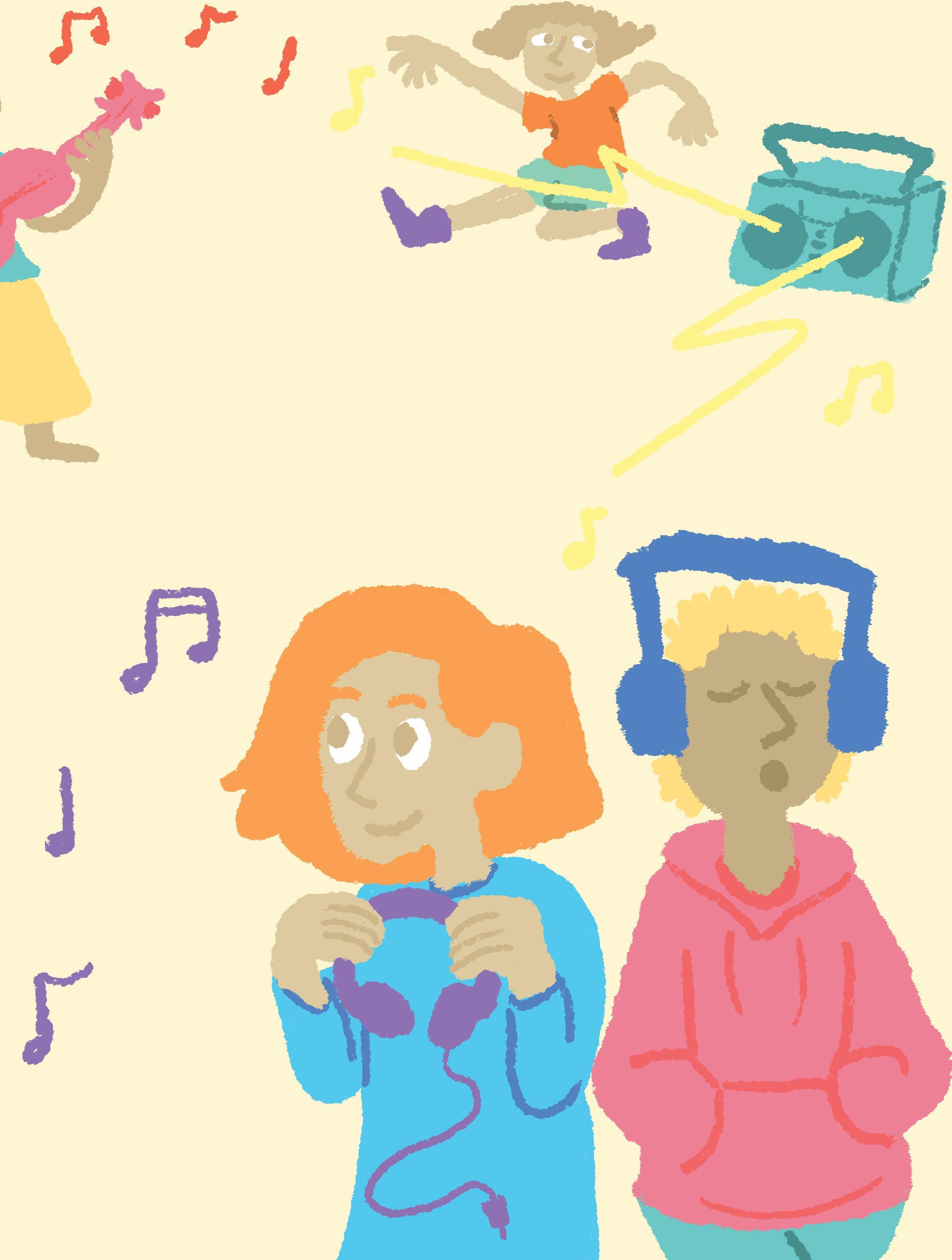
And this is my gripe with headphones. I’m a regular public transport user, and a frequent walker. Without adopting an advanced “back-in-my-day” angle on things (especially given my Gen Z age), I can’t help but bemoan the everadvancing technology-induced isolation I see around me.
As by design, headphones are a great avenue for consuming one’s own preferred media, and I find myself relying on them when I need a break from the world, a breather. But in a way, this crutch is simultaneously an inhibitor, preventing me from engaging with the world around me and - as I see it - truly appreciating local music and its steady and gentle
reminder that I am but one conscious body amongst many.
In my view, headphones represent an isolated world in which I take precedence, allowing me to ignore the noise that tells me others are around.
And not just around, but trying out, learning, and with various degrees of success (though apparently art is subjective), performing.
Indeed, all music is not celebrated equally, and I think it’s important that we recognise and highlight local music we take for granted.
One does not simply pick up the violin and become a maestro… when that screechy high-school busker hits a note, or (if all parties are lucky) a series of notes correctly, this is something worth celebrating, effort was made, learning was done, another human gave something a go, and succeeded. But emboldened by headphones to walk on by, achievements made in your local community, as demonstrated by local music, go unnoticed.
My stance is that with headphones or without headphones, we tend to underappreciate our local noisemakers, but headphones definitely make their noticing rarer.
Hence, I will be making a more concerted effort to notice and celebrate those making noise in my local community as proof-of-life individuals, and I would encourage you to do the same.
Be it your local high school’s orchestra fundraiser, the family with the speakers at the beach or the obnoxiously inside-joke
born ringtone of a fellow commuter, the grievance public or local music causes you is the friction of co-existence and worth celebrating in a world increasingly lonely.
P.S. My apologies to anyone who commuted on the early service Western line in 2019, when my full volume Biggie Smalls ‘Hypnotise’ alarm would routinely wake me for my stop… you’re welcome for the proof of life?
Written by Polly Wenlock (she/her)
@p0lly2001 on Substack
CONTRIBUTING WRITER