About Us
Kia ora! We’re Debate, your free student magazine at AUT. Each fortnight we scatter magazines across campus talking about student news, art, and culture. Each issue is made by us and a small team of contributors - no AI was used in the production of any work to our knowledge.
debate team call






TITLE---
ERROR 404: OFFLINE WORLD NOT FOUND
Indie animation studio One-Eyed Rat is what we’ve missed in the moonlight
Nostalgia in Aotearoa, NZs Screen Production.
Rick’s Reel Recommendations: 3 Films on Screens
Rendered futures: Drawing architecture
In With The New Blood-An Interview with Dave Oshry
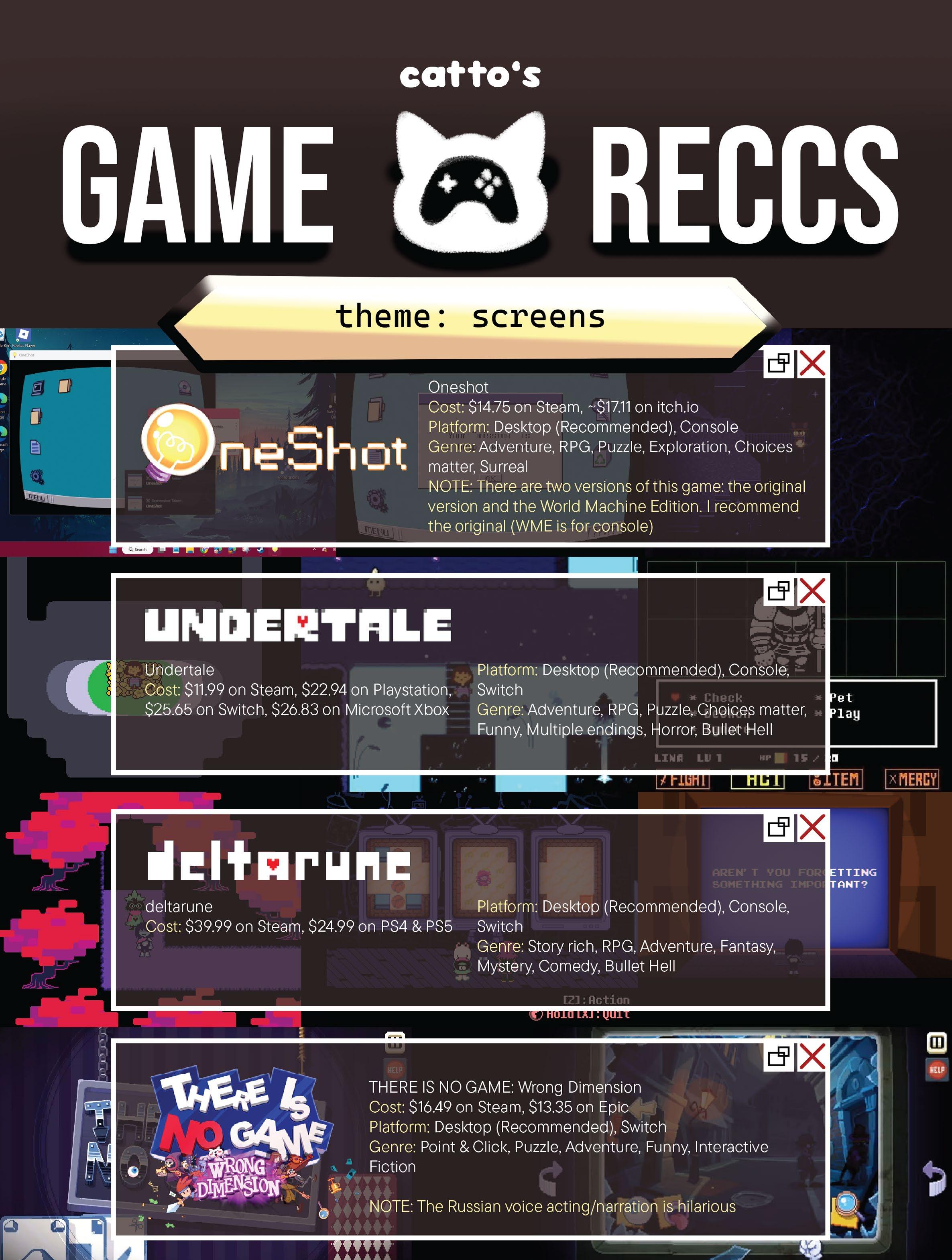
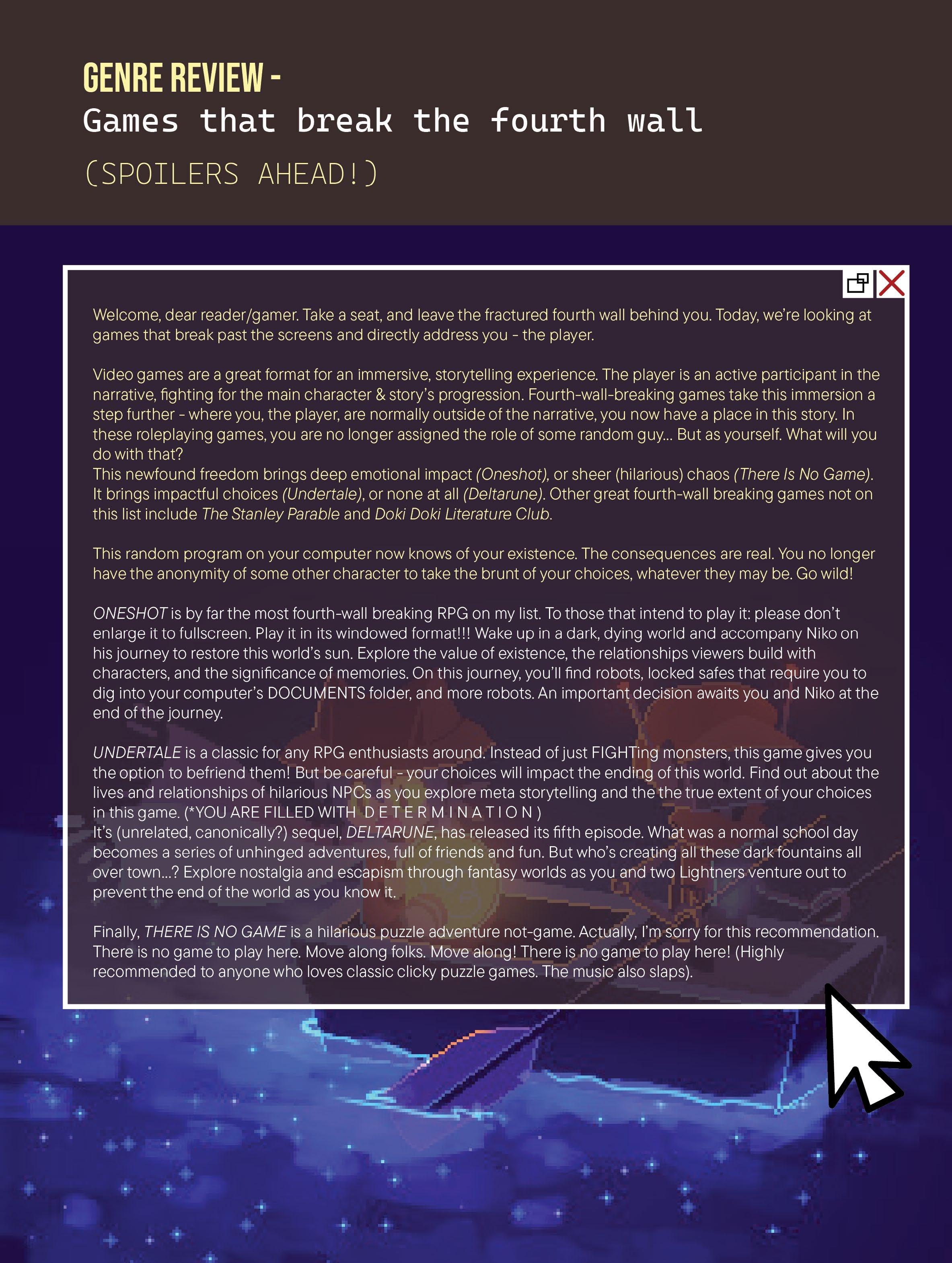
catto’s RECCS: Games that break the fourth wall
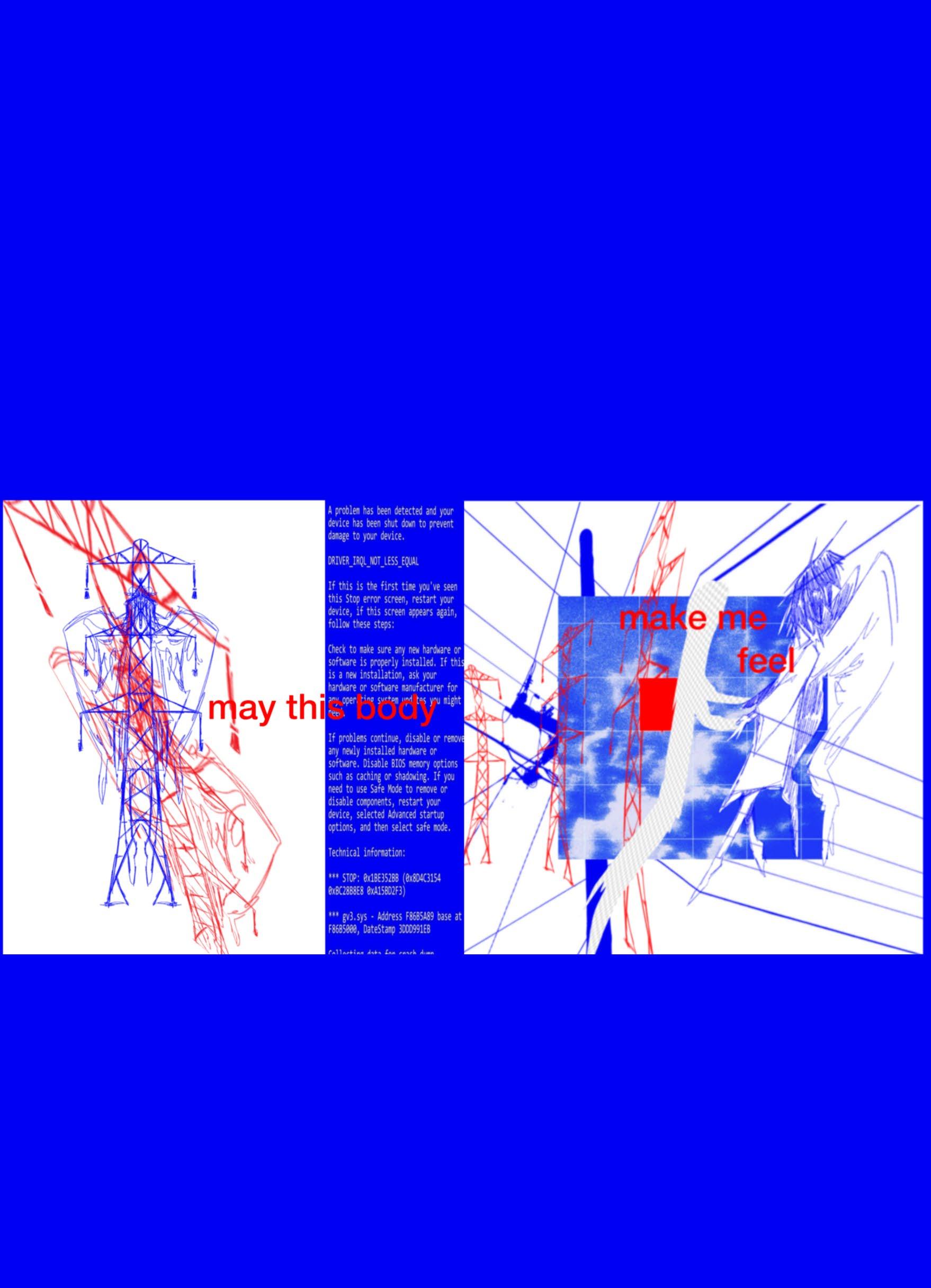
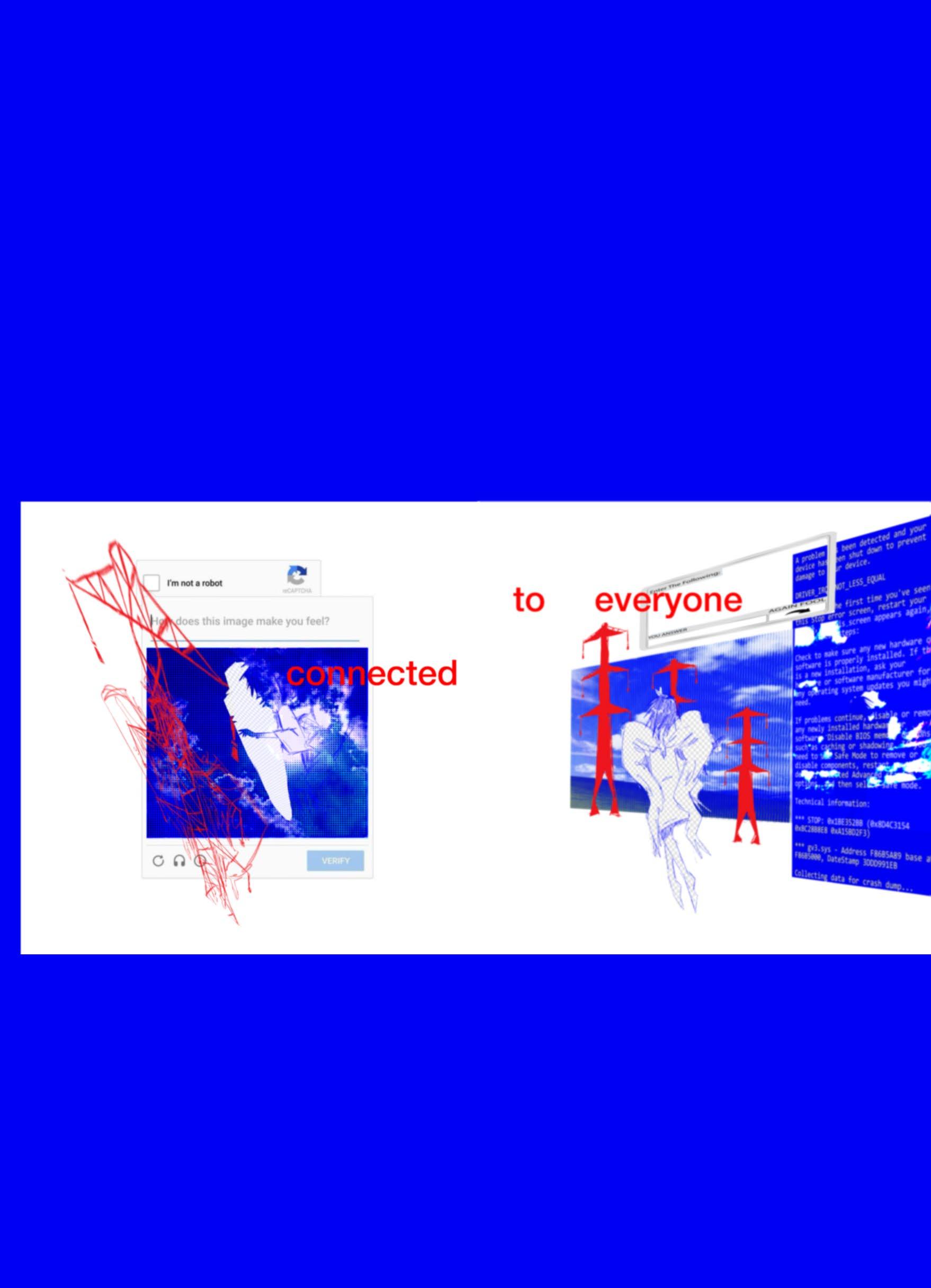
Doomscrolling may this body make me feel connected to everyone
Screens aren’t the problem, we are
Comic
Visual Artwork
Kōrero toi: On the responsibility of the artist.
Screens, addiction, and being helicopter-parented by an LLM
NZIFF 2026 Pre-Game
It’s 33 Degrees Today.
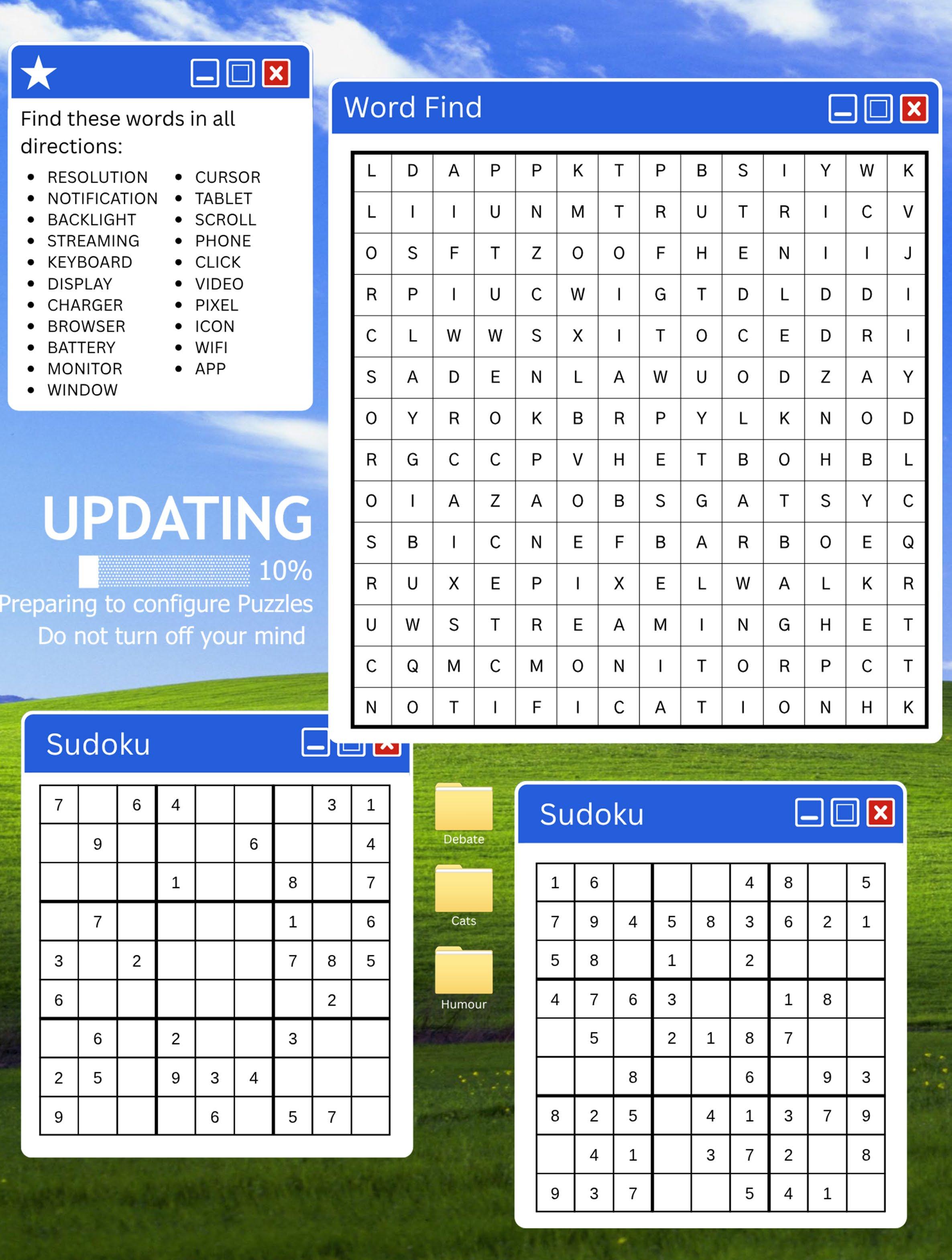
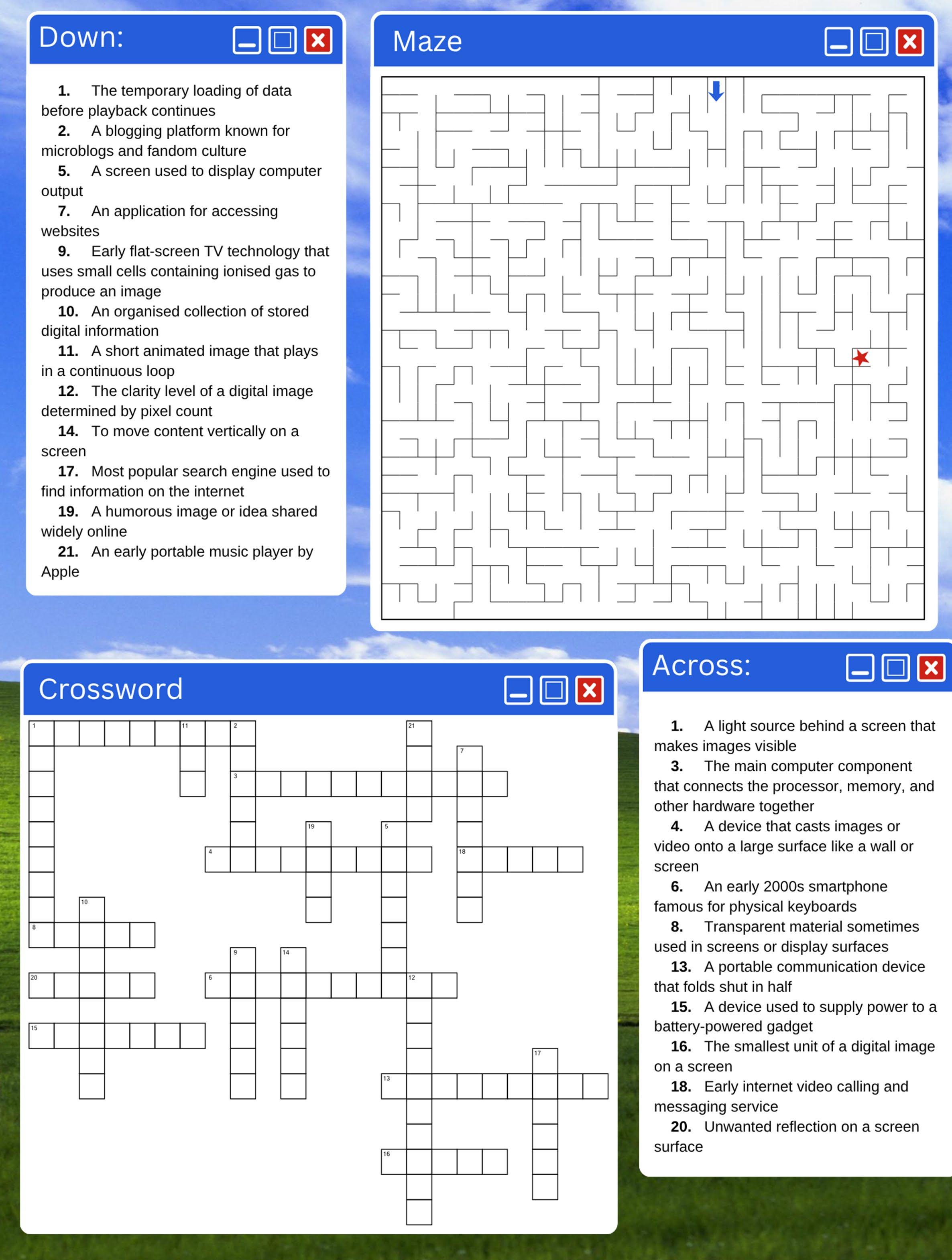
PUZZLES
A recovering misogynist’s defence of women’s sports no one asked for
CREATOR---
Tashi Donnelly
Liam Hansen
Ivy Lyden-Hancy
Ricky Lai
Skye Lunson-Storey
James Glass
meoskyan_art
Nadine Ramiso
Dom Pascual
Ishani Mathur
Darian Serrano
Gabbie De Baron
Ethan Morais
Polly Wenlock
Trevor Pronoso
Priscilla Zhang
Luke Fisher
DISCLAIMER
Material contained in this publication does not necessarily represent the views or opinions of AUTSA, its advertisers, contributors, Nicholson Print Solutions or its subsidiaries.
This publication is entitled to the full protection given by the Copyright Act of 1994 (“the Act”) to the holders of the copyright, being AUT STUDENT ASSOCIATION (“AUTSA”). Reproduction, storage or display of any part of this publication by any process, electronic or otherwise (except for educational purposes specified in the Act) without express permission is a break of the copyright of the publisher and will be prosecuted accordingly. Inquiries seeking permission to reproduce should be addressed to AUTSA.
Debate is a member of the NZ Media Council and subject to its complaints procedure. Complaints about stories must first be directed in writing to us (provide link) within a month of the story being published. If you are not satisfied with our response you can complain to https://www.mediacouncil.org.nz/complaints/. You will need to attach a copy of the article complained about and any correspondence you have had with us.
FRONT COVER
Madeline Bradley (she/her) @shutupmads
CENTREFOLD
Dom Pascual @x3n0_is_loading
CONTRIBUTORS
Ivy Lyden-Hancy, Ricky Lai, Skye Lunson-Storey, James Glass, Nadine Ramiso, Dom Pascual, Ishani Mathur, Darian Serrano, Gabbie De Baron, Ethan Morais, Polly Wenlock, Priscilla Zhang, Luke Fisher, Trevor Pronoso
DATE OF PUBLICATION: AUGUST 2026

ERROR 404: OFFLINE WORLD NOT FOUND
Your connection to reality has been interrupted by doomscrolling, binge-watching, and opening seventeen tabs you intended to read. Please do not attempt to disconnect.
Click CONTINUE to proceed with Debate: Screens.
I’ve tried writing this editorial over, and over, and over again. The problem is that there are no outside perspectives anymore. Screens are everywhere. We need an app to book an appointment, order a meal, access government services, or even register a bus card. We’re accused of being addicted to screens, yet participation in modern society increasingly requires one.
I’ve tried to look at screens and see what they are, what they mean, and what they represent. I pondered how they function, and what their function is in our lives. The more I looked, the blurrier everything became. Like repeating a word until it loses all meaning, or staring at your own reflection until it starts to look like someone else. What I found was what had been in front of me all along: the dead, black surface of the screen. Before it becomes a portal to a world of endless possibility (and admin), it is just a mirror, reflecting me back at myself.
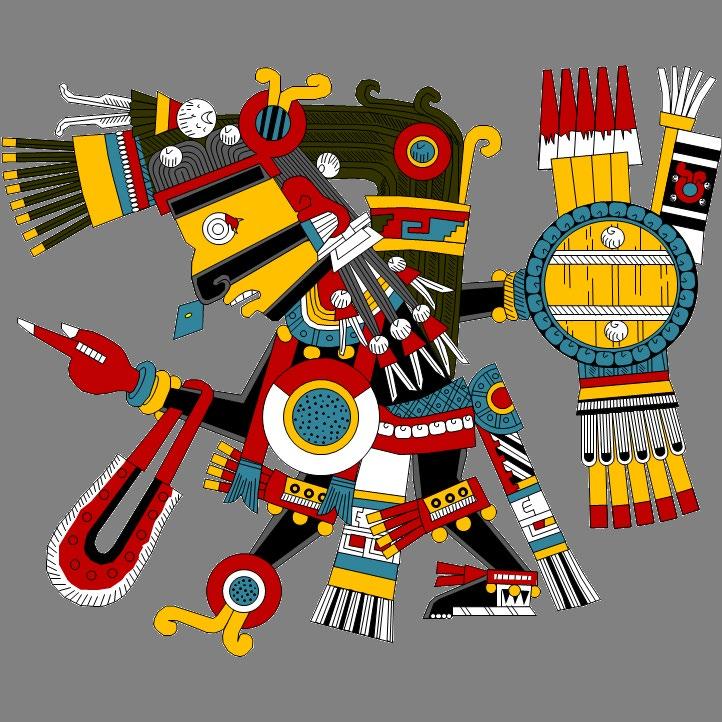
In Central Mexico during the postclassic period (1200–1521), obsidian was ground and polished to create mirrors. These reflective plates of black volcanic glass
were used in rituals to contact the dead. One of the most powerful gods in Aztec religion was Tezcatlipoca. His name, from the Nahuatl language, is typically translated as “Smoking Mirror”, referring to the obsidian mirror that allowed him to
screen is a medium. A conduit, of sorts. A flat piece of glass that disappears the moment it comes alive. Beneath the glass are millions of pixels - tiny red, green, and blue lights switching on and off quickly enough for our brains to read them as moving images. The screen, nothing more than a fancy lightbulb, is our bridge to the digital world.
Unlike gods who represented purely good or evil, Tezcatlipoca embodied

mirror (procrastinating my editorial), I was struck by an uneasy sense of familiarity. It unsettled me that humans 800 years ago were grappling with a concept that feels remarkably close to our modern reality: a force that sees everything, knows our behaviour, and quietly influences the choices we make.
Screens reflect us, literally, when they’re turned off. But we are also reflected in how we use our screens, in what we choose to share and not to share online, in our choice of apps and the YouTube videos we watch. The honesty of a mirror is not a choice, but a consequence of its physics. Tezcatlipoca is the god who sees what others cannot. To the Aztecs, looking into Tezcatlipoca’s mirror meant confronting the truth about oneself.
I stare at the background picture of my phone. It’s a painting by John Everett Millais called The Princes in the Tower, the two boys framed by apps like Letterboxd, a free period tracker, and “DUN DUN: Law & Order”. How much of me is truly reflected in my screens?
The violation people feel when someone touches their phone without permission is surprisingly similar to the violation felt when someone crosses a physical
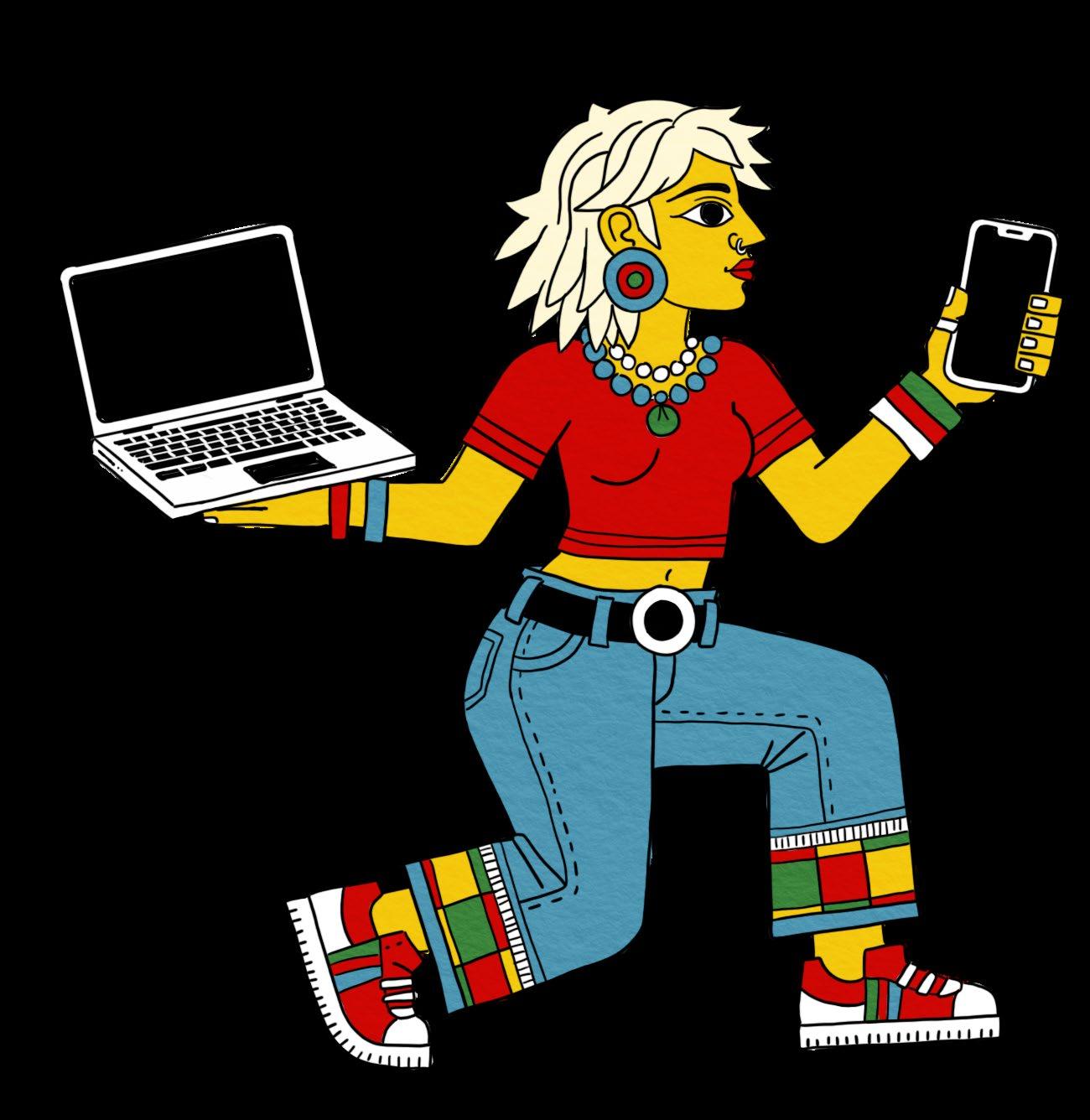
boundary. Smartphones are not just objects we own anymore; they have become extensions of ourselves. The screen is me, which makes writing about screens difficult. I can’t examine them as some distant, external phenomenon, because my relationship with technology is inseparable from my relationship with the modern world itself. I am not just someone who uses technology; I am someone who was shaped by it.
But maybe that is the mistake we keep making. We talk about screens as if they are separate from us, as if they are some foreign object that has invaded our lives. But screens are human creations. They contain our art, our stories, our friendships, our memories, and our curiosity. A mirror can show us something ugly, but that does not make the mirror

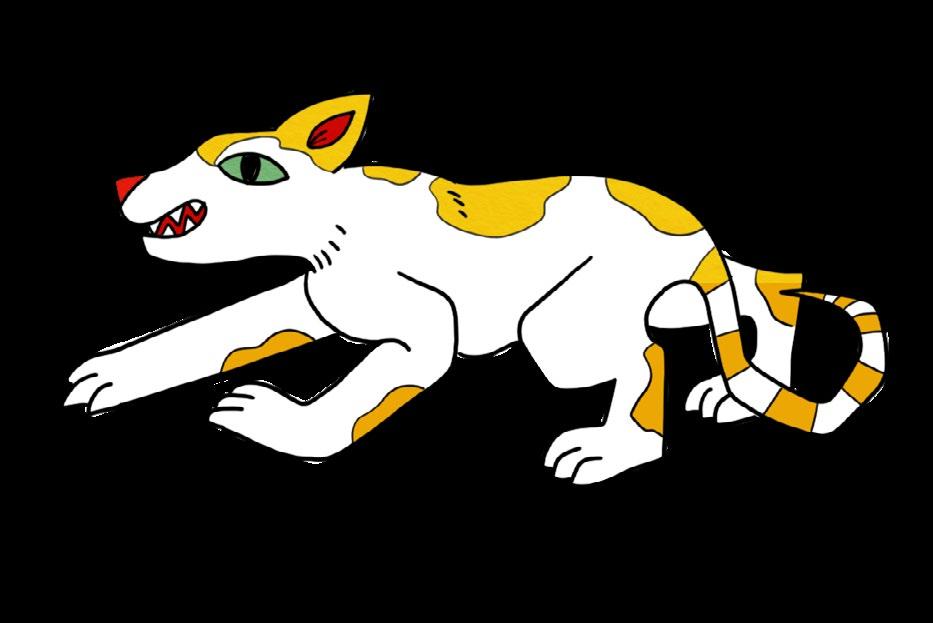
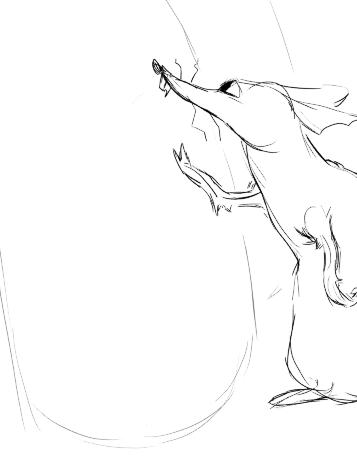
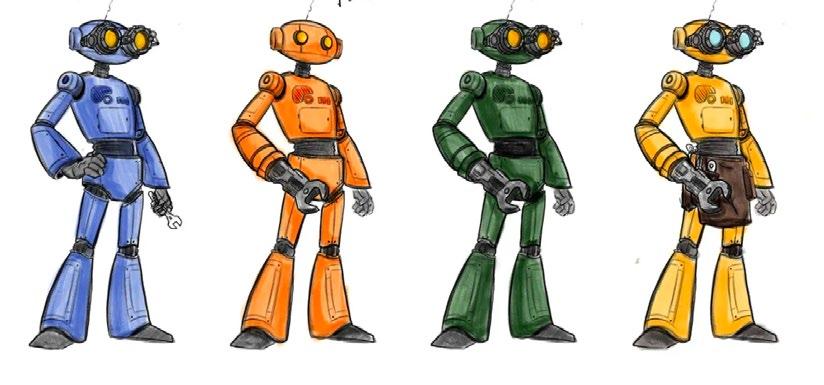
Indie animation studio One-Eyed Rat is what
we’ve
missed in the moonlight
Between the corporate skyscrapers of Wynyard Quarter sits Media Design School at Strayer, the polytechnic that has spent the century so far cementing its place in the resumes of animators, game developers, and designers. From an outsiders perspective, it does the trick - like the other creative schools across Aotearoa, the amount you put into your education determines what you get out of it, and while UoA students continue to pretend they’re somehow above those at polytechnics, or god forbid former polytechnics, the truth is there’s a wide range of highly skilled lecturers and administrators working hard to get students into the industry despite the difficulties. Everyone has been through the same battle, but no one has seen the media, design, animation, compsci - any industry as they have now.
I came across One Eyed Rat Studios as organically as you can in 2026, with enough engagement from my friends in artsy circles to push their Instagram reel shitposts onto my feed with various iterations on the PinkPanthress ‘Illegal’ handshaking schtick. They kept showing up as their relatable shorts sharing the trials of unemployment and shitty animation software pushed them into international animation circles, building a substantial following for an account active since February, with a couple posts hitting six digits in views.
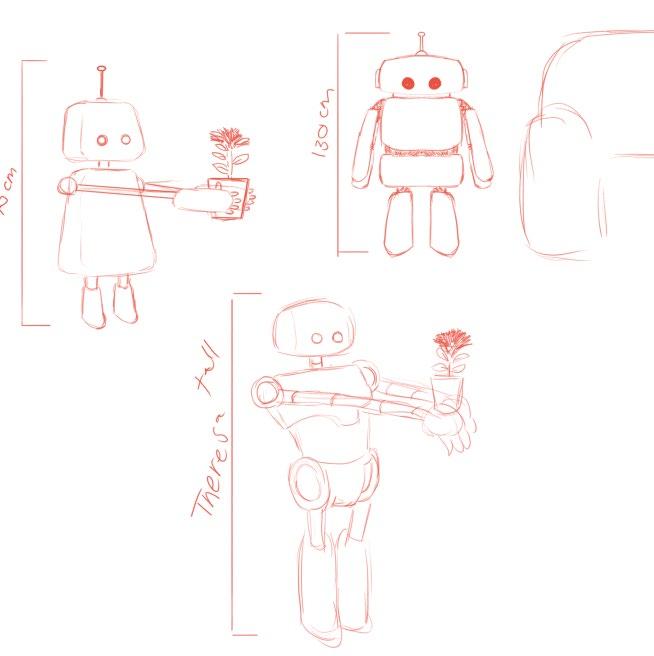
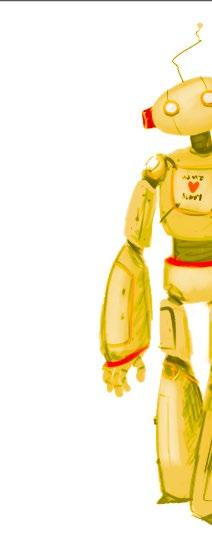
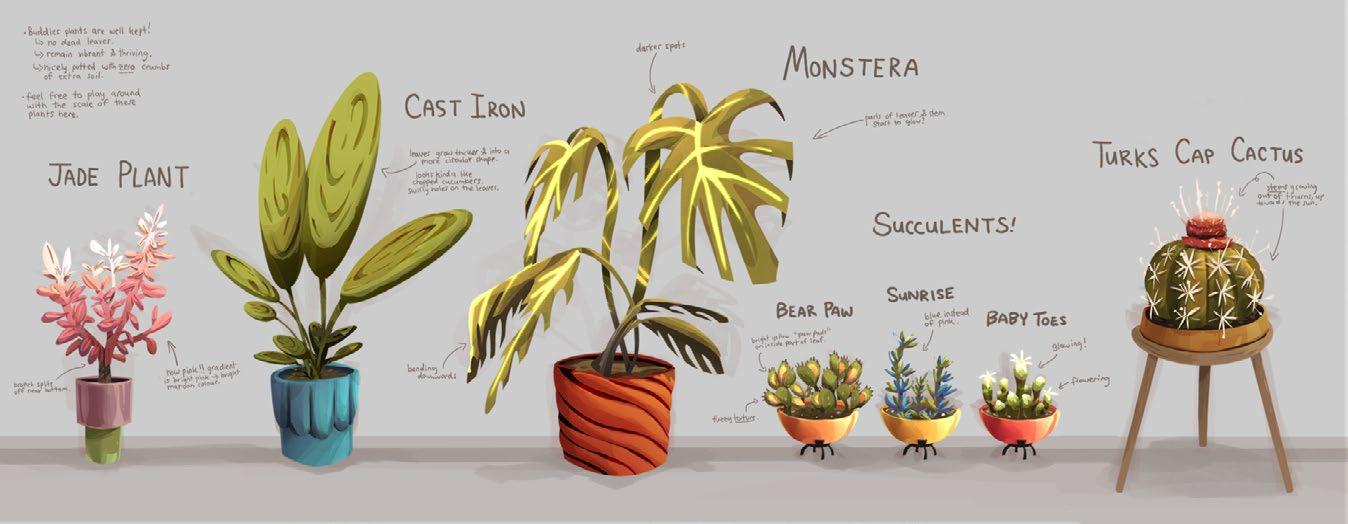
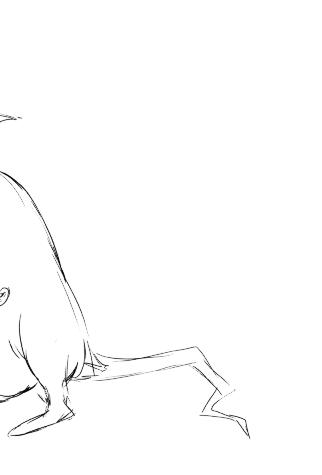
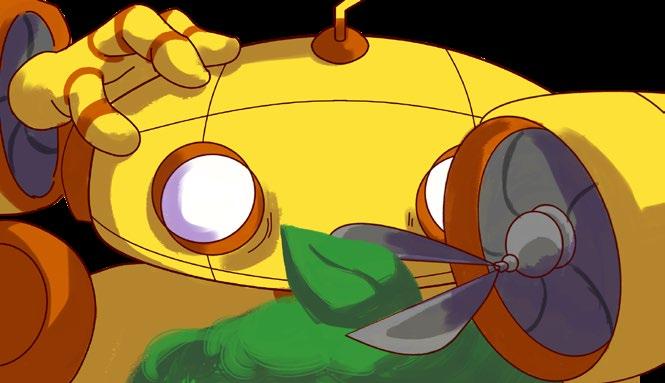
Despite the shitposting, people are sticking along for their journey as they’ve detailed pre-production of Things We Miss In The Moonlight, a 3D-animated short film inspired by Wall-E and Robots. Their crowdfunding campaign for the film on Boosted has already surpassed half of its goal, providing the team with the tangible ability to complete, distribute, and market the film - but they still need the extra push to get over the mark and
see the film to fruition. Thankfully, they have the support of their community, their volunteer team of animators, and their alma mater.
I showed up to Media Design School without any semblance of place or orientation, texting OER Director Sophia (Fifi) Kwon to helplessly ask for directions. I had made contact the day before, because I knew from prior experience that I would need help figuring out where the fuck I was going.
“Do u see the grass? Or maybe u are on the other side of the building!”
I looked through the window at the other end of the MDS lobby to see Sophia and producers Adriana Martinez and Tayla Randall waving me over. We had planned to take a quick look at their new studio on campus, but there was some light miscommunication, and they had to call in their lecturer to let them into the building. In the meantime, we went around the corner to Fat Puku’s Smashed Burgers Wynyard - a spot that became a frequent haunt of theirs in between classes.
“I wanted to do a fun portfolio piece with my friends. You know, one last hurrah,” said Sophia as our food arrived. “We can make it two minutes to three minutes. Something super simple; let’s just have two characters, in one location, and we won’t have to make much of anything. And then we can do this in three months, and then we can go our merry ways, add whatever we want to our portfolio, and try and get a job.”
“And then in come Taylor and me,” says Adriana.
The team isn’t just MDS grads - they’ve got members of the team from across Tāmaki Makaurau’s creative schools, like Yoobee, the
University of Auckland, and our very own AUT. Beyond our shores, a couple of Americans are helping out on the project remotely while new members join the team via social media, friends of friends, and a general need for something to do post-graduation.
The irony of producing a film about adorable robots making friends as the animation and media industries become ever more impossible to enter due to the forced integration of AI isn’t lost on the trio. Adrianna added, “A lot of industry professionals are adamant, saying, ‘No, AI is going to become a tool. It’s going to help us. It’s not going to replace us.’ On the other hand, other industry people are like, ‘No, it’s really bad.’ There’s like no work, and so you get all these mixed messages.”
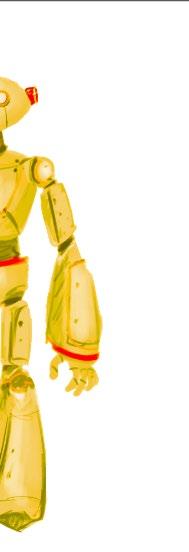
Ultimately though, the robots aren’t representing a dystopian future. They’re reflecting us, in the present. “The story has become an allegory of loss. Adapting and finding yourself after a bad event through the lenses of these little robots. We talk a lot about programming and triggers, reverting you to the worst parts of yourself that you try to hide.”
I asked if they felt that allegory was representing their degree as well, as underemployed helplessness has become the norm amongst graduates. “The thing is, the other option isn’t that great either.”
In animation, computer science, art, design, and every other discipline, the security once offered by full-time work is gone. Despite the long lunches, staff parties, and higher salaries enjoyed by much of Wynyard Quarter, there’s a tangible anxiety in the air as each staff member of a major corporation knows that their ability to live freely could be revoked at any moment - by a staff restructure, the end of a contract, or your workplace simply going up in flames. “You know that quote, that really
sappy one, where the state of the world is so unstable right now. We truly have no choice but to chase our dreams.”
Their lecturer messaged soon after, and we made our way back to Media Design School, where they were still setting up shop. “The only class here is a morning class, so we’re here from noon til late.” Currently, it’s not decked out - there were some mood boards for the film strewn across tables and whiteboards, but the walls were still ripe for the taking. “This was our first 3D classroom as well, so it’s very nostalgic.”
Luke helped them reach out to the school’s administrators to secure the studio space, hammering in the value of shifting the Aotearoa mindset of ‘do it yourself’ to ‘do it together’. It’s echoed by their team, all working voluntarily with a clear understanding of their own expectations and freedom to step back from the project if needed. “We said it quite clearly from the beginning that we wanted it to be a revolving door, where you come in and come on as you please. And so far, it’s worked out beautifully.”
There are obvious goals for the studiomoving out of campus to get their own space, building up the capital to function as a business, and looking into new intellectual property to come together and work on. For now, though, they’re just getting the film done and seeing how the film festival circuit treats them. With their Boosted campaign closing up on the 8 August, you can contribute to the film via thearts.co.nz/boosted/projects/things-wemiss-in-the-moonlight
Written by Liam Hansen (they/them) @liamhanse.n
ASSOCIATE EDITOR
Nostalgia in Aotearoa, New Zealand’s Screen Production.
“Trees. Birds. Rivers. Sky. Running with my Uncle Hec. Living Forever...” - Ricky Baker on Hunt for the Wilderpeople
Moe mai ra, Sir Sam Neill (Uncle Hec) 1947-2026
Nostalgia in Aotearoa is a memory carved into the bones of our people. Māori and Pasifika screen production holds our mamae through media. Nostalgia is a constant battle of remembering and returning. In a changing world, our stories, our pūrākau become our anchor. The familiar tunes and quotes that come out of screen like Boy (2010), Whale Rider (2002), Hunt For The Wilder People (2016), and Bro’Town (2004), are a heartbeat we as people all share simultaneously.
the heaviness of our own world. In these stores you could find Boy, Once We Were Warriors, The Dark Horse, or Bro’Town tucked between Hollywood blockbusters.
Those films were mirrors; they showed the small nuances of our society: the feeling of running barefoot on gravel, the aunties and how they are, the tea towel talks, our sayings, and our people. Boy dancing his way out of the silence of his mother’s death was a big reason we all knew Michael Jackson growing up. In Bro’Town, the boys escape into humour, a world where brown kids are heroes and the story. I am from Kura but Morningside 4 Life.
Video Stores in New Zealand let us see ourselves. They let us borrow a story to understand our lives and others; how they are. Who they are.
Before streaming swallowed the world, Aotearoa lived inside video stores. Every Tuesday after work my mum would take my brother and I to Video Ezy; we would both get to pick one each because Tuesday was ‘Specials’ day. It was customary, there was not a week where we would not go. I usually would pick the new Barbie movie coming out, my favourite pick had to be Barbie and The Diamond Castle (2008). Those dim aisles of faded covers and cracked plastic cases teleported us to a world and let us escape
Video stores in New Zealand let us see ourselves. They let us borrow a story to understand our lives and others; how they are. Who they are. They snuck their way into communal spaces. Things like pirating movies became moments where strangers became whānau, searching for stories that felt like home, or others’ homes. In those aisles, Māori and Pasifika kids learned we were worthy of being on screen, our jokes, our struggles, our hopes and dreams. Our media told us we were more than we ever thought we could be.
Nostalgia in Aotearoa’s screen production is a window into the lives of people like us. Ricky Baker’s haiku’s in Hunt for the Wilderpeople were so fucking funny, but
there was so much behind each one. His first attempt:
“Kingi you are a wanker”
It’s funny but it’s a shield. Humour as armour, something Māori are born with.
Later as the story develops his haiku softens:
“Trees. Birds. Rivers. Sky. Running with my Uncle Hec. Living forever.”
Now that Uncle Hec is gone, it has a completely different meaning.
This shift is nostalgia in motion: a boy remembering what it feels like to be safe. To be held by an unfamiliar land and someone who never leaves it. Haiku becomes a way of carrying his mamae without drowning in it. Haikus became a language for healing, showing us that nostalgia lives where both joy and sorrow touch. Poetry becomes the bridge between trauma and hope, reminding us of the softness that exists in pain.
Māori humour is our rongoā. It is how we survive grief and the burdens of life. In Boy, Rocky and Boy both use humour to escape their mamae, but in different ways. Boy jokes to distract himself from the absence of his mother and the disappointment of his father. Rocky lives in a whole different world, pretending he has powers, making himself into someone bigger than he actually is. Their humour
and hurt clash as they try to build a relationship that wasn’t theirs to fix.
This mamae is never touched on directly, it lives in the ways of living, and the whakapapa of their being.
Engari, nostalgia in Aotearoa’s screen production has a long whakapapa. It begins with our trail blazers, Merata Mita, the first woman to direct a feature film; Barry Barclay, who created the concept of Fourth Cinema; Rachel House, whose characters and voice anchors countless films; and Taika Waititi, who brought Māori humour to the world stage without losing its roots.
Those are the architects of our nostalgia, the familiar faces that brought Māori to the world of screen production. Māori are not just the mamae we saw in Once We Were Warriors; we’re people, family, wankers, wilderpeople, and we’ve got potential.
As Uncle Hec says, “We’re fugitives now, We’re the Wilderpeople”.
Written by Ivy Lyden-Hancy (she/her)
CONTRIBUTING WRITER
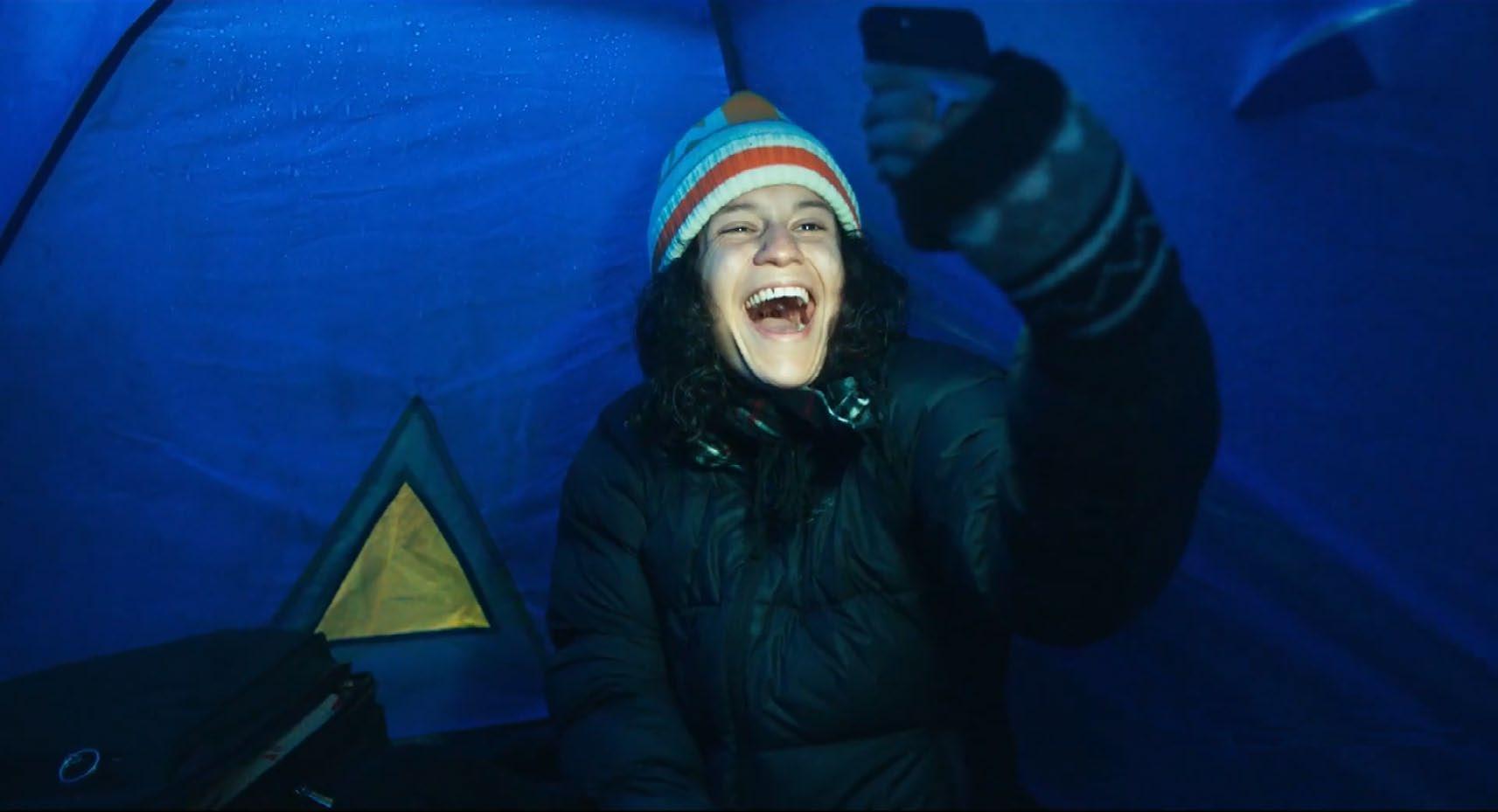
1. Millie Lies Low (Michelle Savill, 2021)
As everybody’s third or fourth choice for a Commonwealth nation — including ourselves, judging from how many of us move to Australia — it’s perhaps not as much a mystery where all the self-diagnosed ‘imposter syndrome’ in New Zealand comes from, especially if you’re competing with your colleagues for the best opportunities. The economy doesn’t trickle down, but resentment very much does; if only passive-aggression was a currency we could exchange for a plane ticket somehow. Millie Lies Low, a cringe-comedy hybrid of Ingrid Goes West (lying through the screen) and After Hours (a humiliating odyssey through the city), seems concerned about what parts of ourselves we’ll be taking with us, if and when we leave. By all means, architecture graduate Millie (Ana Scotney) should be stoked to leave Wellington for New York after her final project earns her a prestigious internship, but this is no such success story,
and a panic attack that compels her off the plane leaves her stranded in Pōneke again. With her friends and family believing she’s off to a new and lucrative life overseas, Millie can’t bring herself to confess that she bungled an opportunity her peers would kill for and spends the next days faking a social media presence while scraping together any money for the next possible flight. Millie isn’t new to pretending to be somebody she isn’t, and by drifting invisibly through other people’s walls, she eavesdrops in on what the people in her life are (and aren’t) saying behind her back. What we learn is that Millie is no saint, though you’d have to argue with a wall whether the last few, excruciatingly painful scenes of Millie Lies Low are what she deserves for her inauthenticity. Maybe she could use the shock, anyways, and if there is a light at the end of the tunnel, it is far closer to home than she thinks; not in the shoes, career, bed or pyjamas of somebody else.
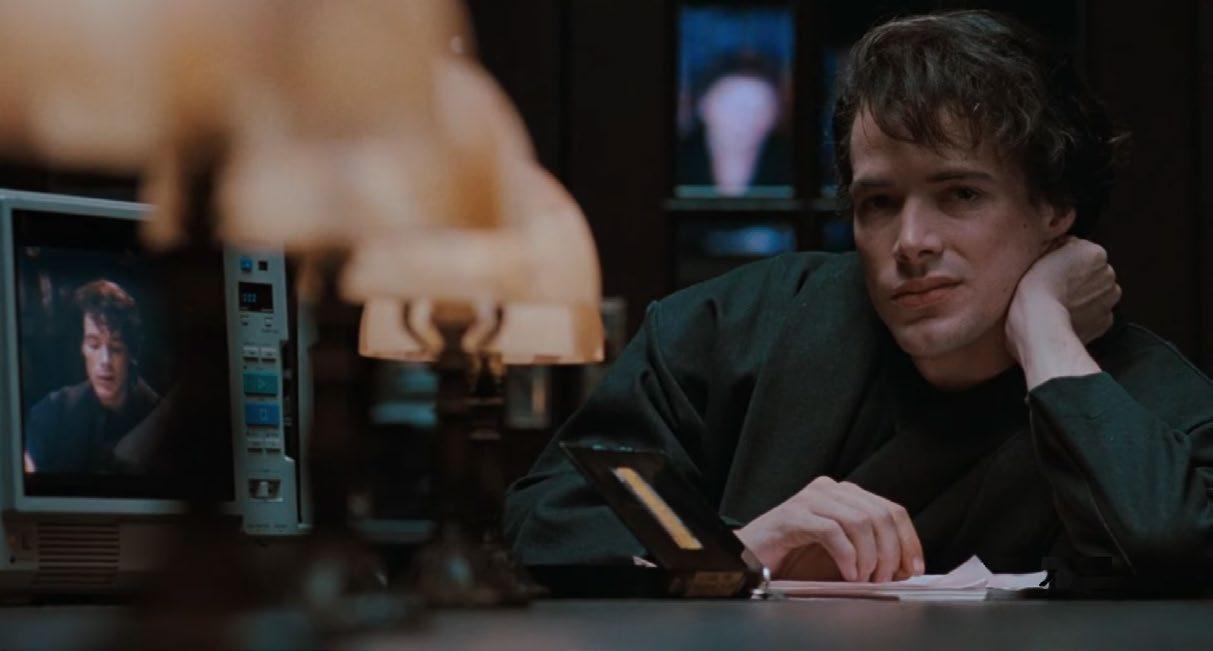
2. Speaking Parts
(Atom Egoyan, 1989)
Societal and technological developments succeed so radically that it’s tempting to infer from the past that we’ve known about these successions all along. ‘Prescient’ or ‘ahead of its time’ can be equipped to describe anything from Paddy Chayefsky to old episodes of The Simpsons, so allow me to make an equally lofty swing for the perverted labyrinth of screens in the slow-burning psychological thriller Speaking Parts. As far as I’m concerned, the only thing in this film out of step with our present world is the neon signage. Egoyan’s uncanny masterwork flickers between a web of characters in a hotel – custodians and guests alike – who communicate, flirt and share secrets with one another through different kinds of screens. Some mediums are familiar, and others forecast Egoyan’s vision of the future. Rented VHS cassettes, film cameras, phone sex, video chat, and “digital memorials”: a proto-Internet database for the deceased where the push of a button replays treasured videotape footage of their moments living. So elusive are these people’s motives, bathed in neon-glow colours and analogue scan lines, that the story threatens to simply slip between your fingers. But you can still recognise what is so creepy about it, because this film’s vision of a new kind of intimacy is parallel to our own; plugged into the grid and coping through the barrier. I am reminded of a fellow Canadian grotesque, Videodrome (1983) by the one and only David Cronenberg, about a live-broadcast snuff channel, which ends with a neo-fascistic announcement of the ‘new flesh’, as our selves merged with an ever-expanding cloud of signals and data. Double-bill these movies together, perhaps! In the pursuit of modernity, you could even watch them simultaneously on two screens, side by side! Get to know everything!
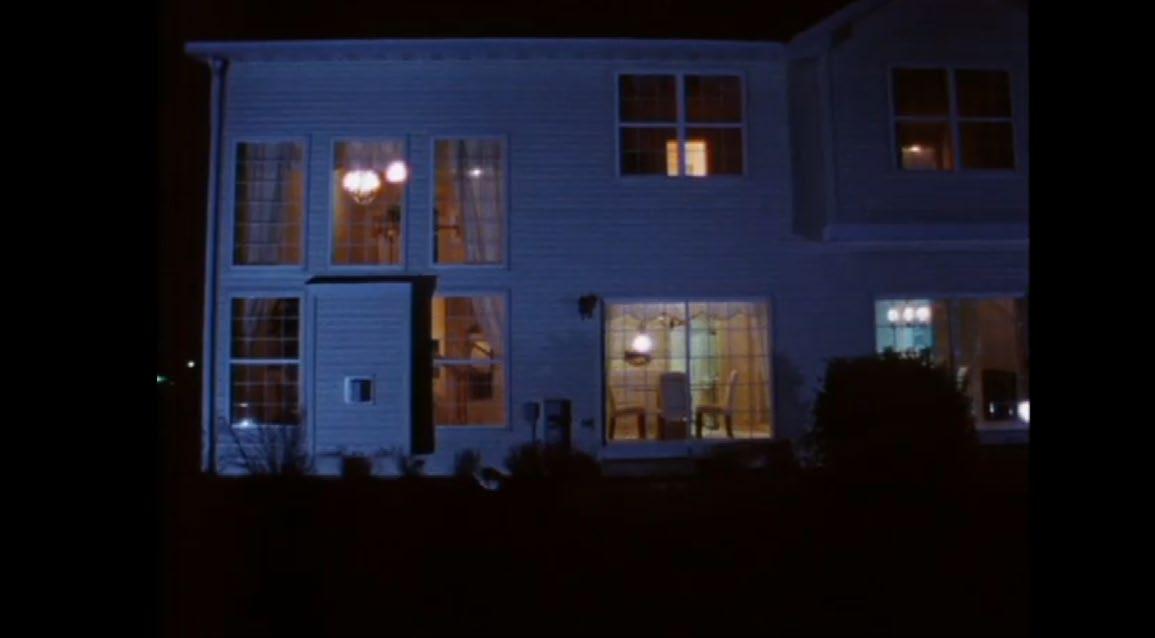
3. In Order Not to Be Here (Deborah Stratman, 2002)
Backrooms cemented the fascination around ‘liminal spaces’ as a key theme of pop culture in the 2020s, but how’s this for an early, horror-adjacent study of suburban design? In Order Not to Be Here begins with surveillance footage from a helicopter; a fugitive surrendering between crosshairs. Shortly after an unsettling title card, mistyped on purpose (‘IT IS NOT NECESSARY TO BE SOMPEPLACE ELSE IN ORDER NOT TO BE HERE’), the film stifles into a quiet, thrumming montage of empty indoor and outdoor white-collar spaces at night. This is when everybody is asleep – or rather, when everybody should be asleep. You can sometimes hear a distant police siren, or the hum of an air conditioning unit, or the benign murmur of unseen power lines. Open curtains on a house feel menacing because we are the ones looking into the windows. A grid of windows glowing purple, yellow and green next to a vacant parking lot – oh, that’s a McDonald’s playroom. We then watch from high above, suddenly, as a stranger fleeing the police attempts to disappear into the night, then fails, because we can still see him through the thermal camera. (For a similar, harrowing film built from real combat pilot footage, seek Éleonore Weber’s There Will Be No More Night.) Everything in this film can be recognised, but we have to wonder exactly why it is being shown to us, and whether being familiar necessarily means being safe.
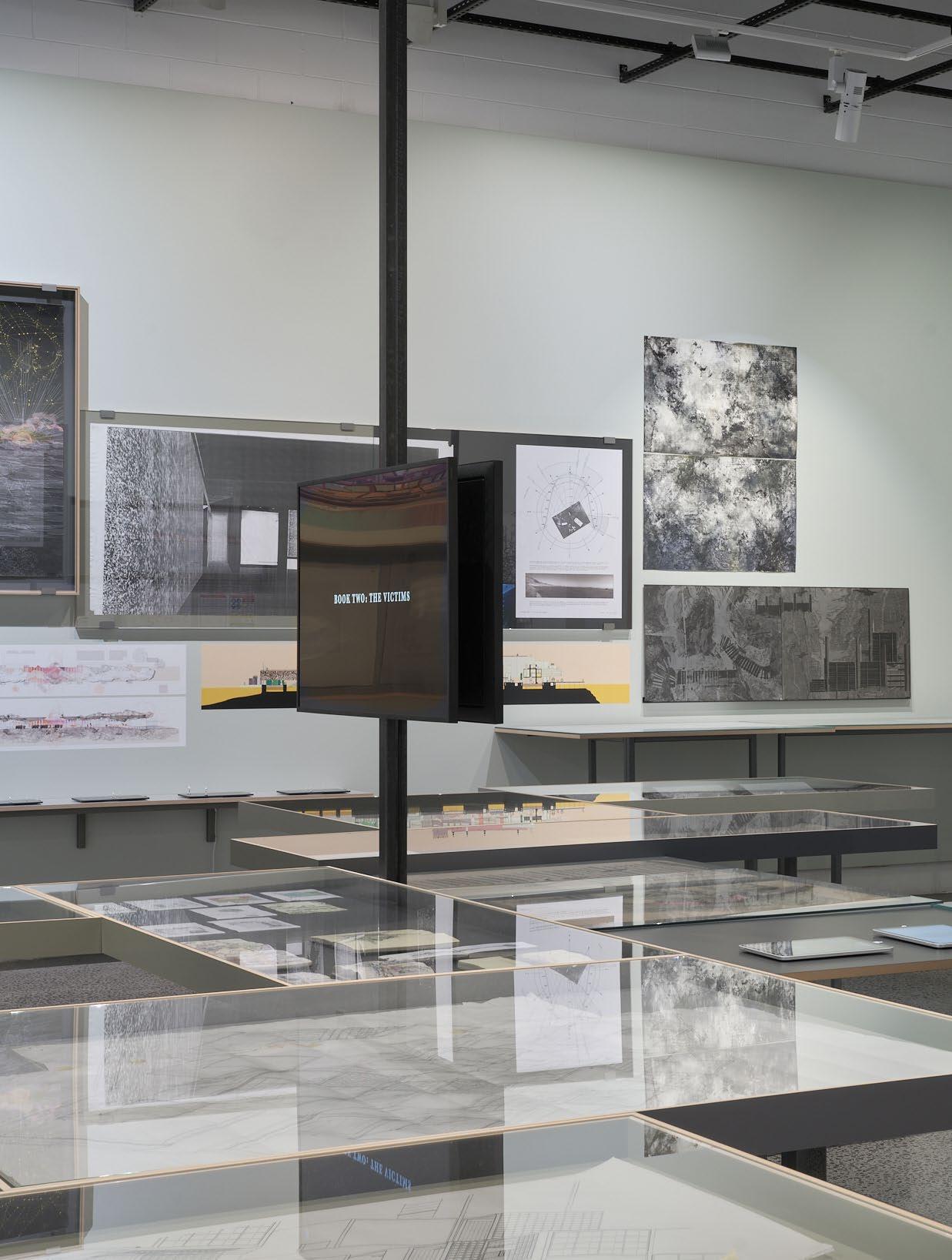
Rendered Futures: Drawing Architecture
Micheal McCabe in conversation with Skye Lunson-Storey
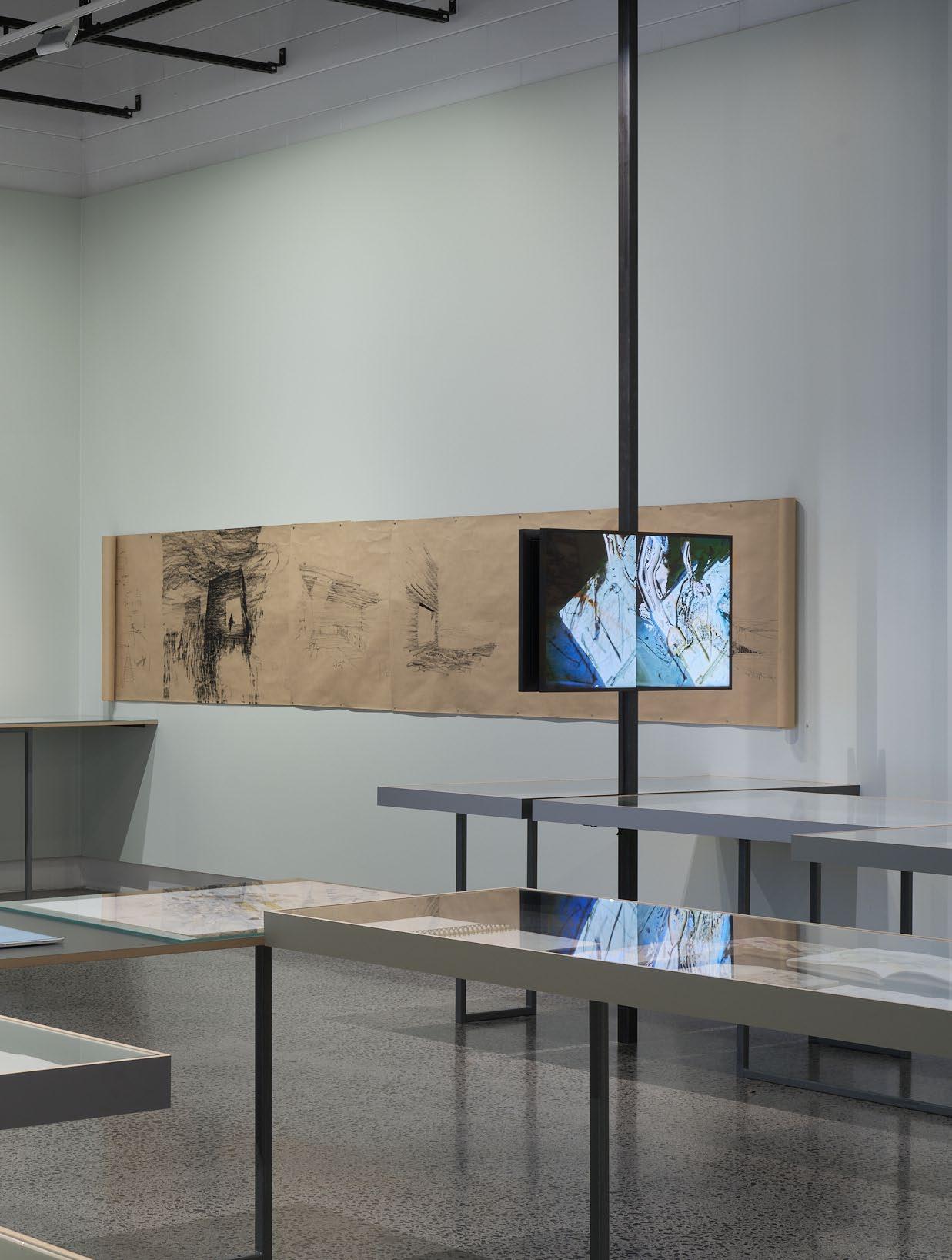
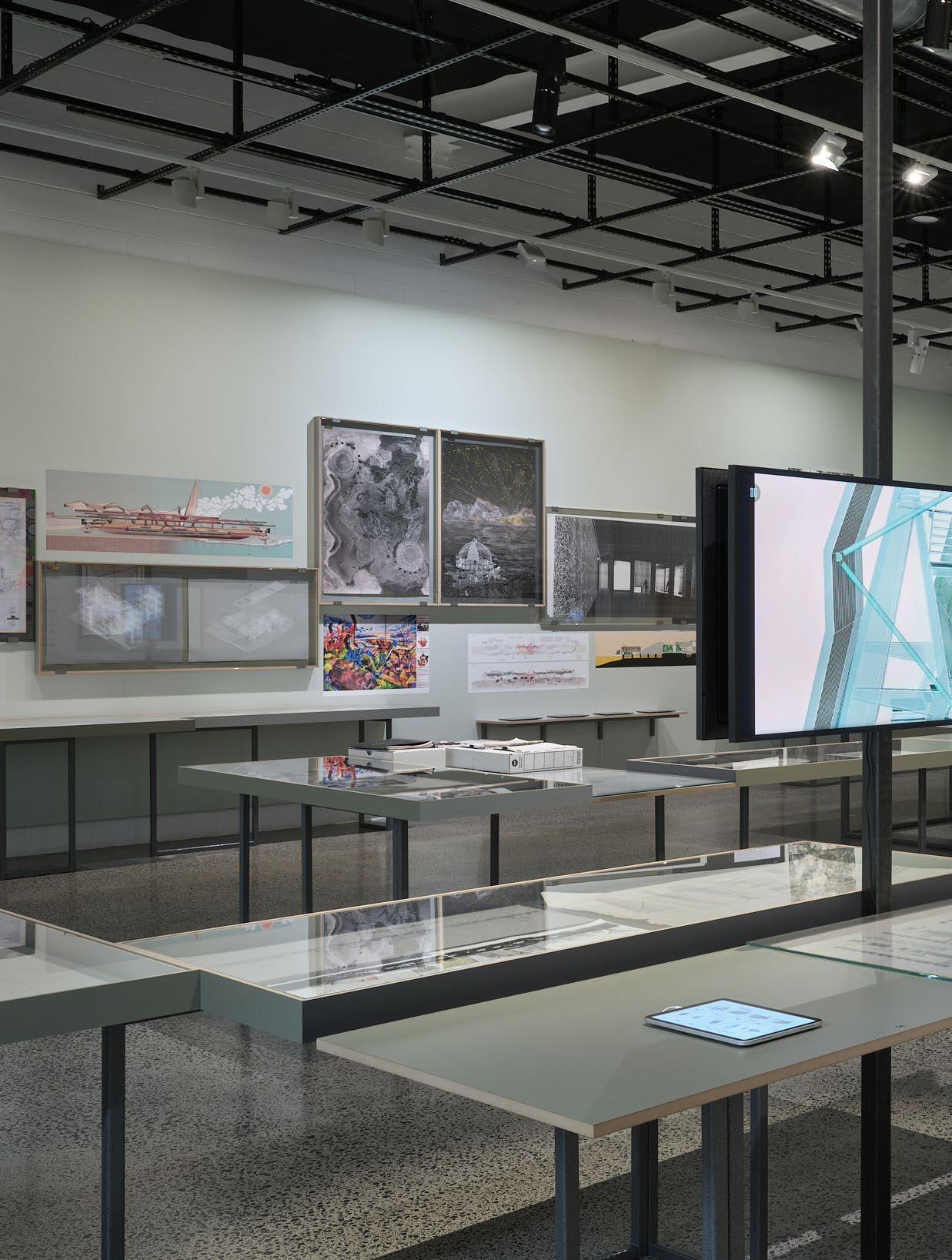
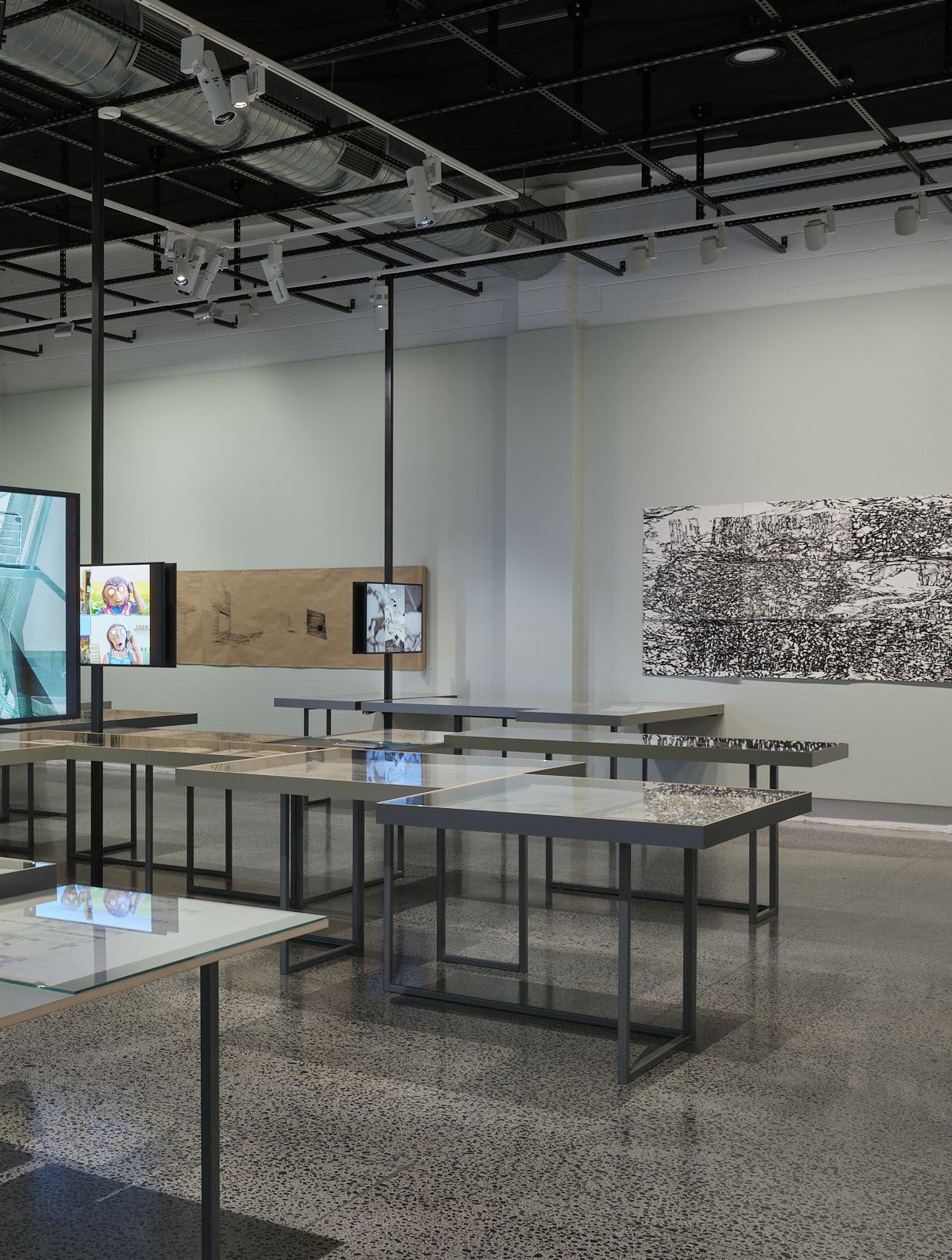
Rendered Futures: Drawing Architecture was an exhibition curated by Micheal McCabe and Kim Paton. Held in 2025 at Objectspace in both Tāmaki & Ōtautahi, it charts five decades of architectural drawing in response to today’s stylised digital render.
Skye: Rendered Futures as an exhibition, quote, “brings together drawings from more than fifty Aotearoa architects, spanning recent graduates and practising architects across multiple generations, tracing the shift from hand drawing to digital rendering.” Do you see screens as simply another drawing tool, or have they fundamentally changed the way architects think?
Micheal: I think of Rendered Futures as a counter argument to the idea that the digital is the dominant and singular way that we can represent architecture in the field of architecture. The multiple generations demonstrate that a variety of drawing practices have actually been opened up through the digital. Often it is the older generation who are the people on the iPad doing the drawings. It’s important that people like Pete Bossley are so adamant about using it as a tool. Almost like a page or a book, but is allowed to be shared, annotated, and worked over by other people.
Conversely, younger generations are really thinking about the analogue as a critical site investigation. Thinking about expanded practices like printmaking as ways to extend and enrich their drawing practice. In that, I consequence their appreciation and understanding of architecture. Not just as a representation of a final building or a thing made to be solved and communicated to a client; but instead something with a motive force and enriched through an engagement of material, craft, and more importantly, time. The mediacy of the digital allows you to be efficient and generate ideas in different ways but I think always has to be measured and worked with the analogue. That is what the show articulates across time and the many generations. It’s about an expansion of practice, less so a contraction of one.
Skye: The exhibition suggests that digital tools can standardise architectural representation. Do you think we’ve lost something in moving from paper to screen, or have we gained new forms of creativity that wouldn’t exist otherwise?
Micheal: Similar to my previous answer, I think the digital has become much easier to commodify. Because it does make processes more efficient, it
Background photo credit to Samuel Harnett
aligns us through building information, management, and CAD programs, which are about pulling in not just the architect but also structural engineers, electrical engineers, and plumbing. We’re able to build these incredibly complex models that by every nature has to be standardised and professionalised to be of relevance and of use to people. Practices now have people like BIM managers, whose specific job is to manage these highly complex files. I feel these often do take away the creative act that may have been present. For older practitioners who are embracing the digital, they also understand the benefit of not having to stand over a drawing board, to not spend hours upon hours making a drawing that may be rejected or not relevant for the client. While we move towards these standardised practices, it’s remiss to also romanticise the difficulty of labour when things were only analogue. In terms of expanding practice, we should always use tools that are relevant and appropriate to where we are in the design process, and to the processes we are trying to enact; relevant to the different communities we are trying to engage and communicate to. Maybe this is a bit techno-optimist, but I think that allows us to be more discerning in our practice and make sure we’re balancing the challenges of time, labour, and money. Also, audience, community, and creativity that sit alongside all those things.
what we expect architecture to look like, even before it’s built? In certain designs are you still able to communicate a sense of mauri in the site and place?
Skye: Architectural renders are often designed to feel polished and persuasive. How do you think the aesthetics of the ‘screen’ influence
Micheal: I think rendering in some ways has flattened the expression or understanding of architecture by people not familiar with the discipline. It’s very rare that you get to see architectural drawings by architects that aren’t on the back of a billboard or the side of a bus. By those very natures they are specifically geared towards commerce through capital; the idea of selling architecture and by consequence selling land with the many colonial implications of that. To me though, the render is a complicated drawing that I don’t particularly like to talk about when working with students. I like to think about how you can enrich it in other ways like drawing or drawing into. The work of Icao Tiseli thinks about Pacific cartographies as ways to orient people in space. She uses digital softwares like Rhino to extract initial wireframes that are then drawn upon, then printed out, then gilded and painted on. That is a kind of way that you can start to imbue the digital with mauri, with lifeforce, that pulls it out of this flattening space. But it’s something I’m interested in interrogating further as we become increasingly tethered to the digital. It’s a question we have to ask in Aotearoa, in particular with projects that are in partnership with mana whenua and iwi; how do we represent their values, their pūrākau, their landscapes, in a way that uplifts and honours the mana of those places.
Skye: One of the exhibition’s themes is that architectural drawing can be a form of advocacy and experimentation, not just technical communication. In an age where so much design is consumed through Instagram, websites, and digital portfolios, what kinds of architectural work become more visible, and what risks are being overlooked?
Micheal: There are a variety of drawings by advocacy within Rendered Futures. Particularly, one of the first drawings you entered on was the work of Hatch which is Hannah Broatch and Mason Rattray. They were working with Palestinian communities through WhatsApp. They worked with them to create an instructional manual on how to make a composting toilet. This is an example of working within the constraints of the digital, i.e., literally being able to message on a phone, trying to lower the fidelity of the drawing so it’s able to be transmitted with low kilobytes. It’s an interesting way to think about the constraint of a messaging service, the production of a digital drawing, and how those things have direct consequence with communities at risk or at need. In a different vein, the work of Groupwork/Tessa Forde really thinks about the drawing as a place of communal advocacy, bringing together a multitude of voices and understandings of architecture. Not a plan, not a section or an axonometric, but as a diagram that allows us to map into our values, the practices we align with, and the landscapes we are connected to. That is where architectural drawing can begin to push beyond the purely representative
or figurative intention, but actually think about it as a tool of site and inquiry.
Skye: With AI image generation, real-time rendering, and virtual environments becoming more common, what do you think the next major shift in architectural drawing might be? One of the architecture tauira at AUT, mentioned the possibility of designing in VR. What are your thoughts on that?
Micheal: Our tauira are kinda on the money with this, and I say that because of the work of Mitra Homolja and Ellie Tuckey that came out of Te Herenga Waka, Victoria University of Wellington. They worked with rangatahi in Ōtautahi, working in this sort of VR space to allow rangatahi to design their own spaces. Not thinking about drawing for architects by architects, but thinking about how we can translate tools to engage communities so they have a sense of agency over things that are made for them. That is an interesting way we can think about the application, the purpose, and opportunity created by real-time rendering. Otherwise it becomes another vehicle for letting boomers go through luxury apartments in real-time. To me, that’s where the real opportunities are for architecture as an alliance to our communities, understanding the urgency of our time, and using these tools to extend and enrich our practices. To be less inwardly facing and consider the implications of practice or how can we expand to include others? In terms of AI but also really advanced digital drawing, the work of arc/ sec Lab: Uwe Rieger and Yinan Liu, that
Background photo credit to Samuel Harnett
were included in Rendered Futures, really look optimistically at these technologies. In one of their talks they spoke about the character of AI, reflecting on their own practices and how to begin to consider not just the tool itself but the way in which we wish to engage it and what attributes we begin to imbue into that technology. I think that is an optimistic way to approach the criticism of digital tools and drawing. That we’re not just refusing them, but actively looking for opportunities within them, and understanding how we can work alongside various intelligences.
Skye: Your work spans architecture, galleries, curation, theatre, public art, and education. How has working across these disciplines changed the way you think about designing experiences for people, rather than just designing objects or spaces?
Micheal: I think a lot about how I came into architecture, which was actually through theatre design. In high school I designed my first set. As part of theatre you’re always thinking about how to translate story and experience into an environment that other people can watch and then engage with. This had been quite fundamental to my own practice. I am always thinking about how an architecture – whether or not it’s the architecture of an exhibition, a public artwork, or the theatre – how these things begin to shape, alter, and support the ways people interact with physical objects or things that exist within a space. I always ask my students to consider what tools are available for architects. Maybe more traditionally those are floors, walls,
windows, and doors. They are about an approach to a building. They are about how those elements form a facade, a room, or space. We have to critically inquire how those things are deployed and what kind of experiences they support. In terms of Rendered Futures it is quite purposely confusing as a layout. It’s actually designed as a spiral. It’s about trying to pull you into the space, a type of simulation of an archive, where across time you begin to sift through, revealing more drawings upon drawings, and those things layer on top of each other. Their associations begin to emerge by patterns, approaches, mediums, and ways of seeing site, or in this case even drawing types. The placement of those works were never about trying to create this perfect survey or thematic grouping but instead understanding a network or spiral of connection across time, across practice, and across generations.
Written by Skye Lunson-Storey (they/them)
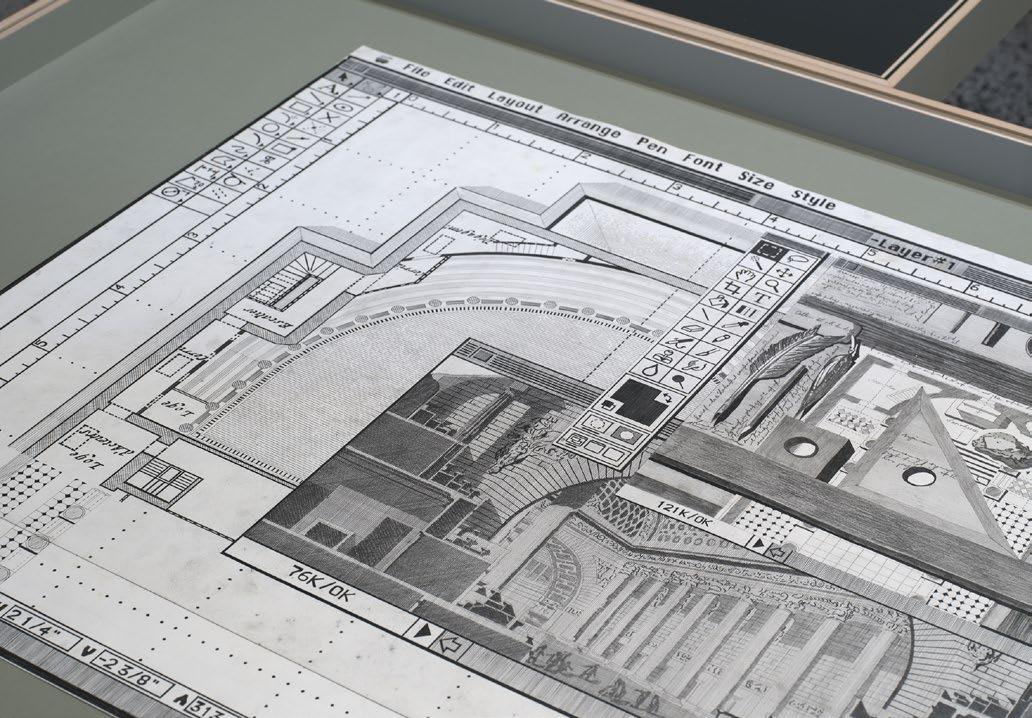
Image credit to Russel Lowe, Untilted: Layers after Ledoux and Lequeu, 1995. Plan, Pencil. Architecture Archive, He Māra Mahara, University of Auckland. Photo credit to Samuel Harnett.
In With The New BloodAn Interview with Dave Oshry
In today’s video game climate with big studios pressing down on consumers, it’s important that we champion independent creators and studios. I talked with Dave Oshry, CEO and co-founder of New Blood Interactive (NB), where he discussed how the studio operates, what he considers indie, and the current game dev landscape in Aotearoa.
James: How does New Blood support developers?
Dave: Financially, with our time, money, development tools, and everything they need to finish games and bring them to market.
James: With a few titles such as Ultrakill, Gloomwood and Fallen Aces, they’re released in early access and then built up over the years. How does this model compare to releasing a game with all of its content complete?
Dave: We like doing it as it allows us to build the game people want while we’re making it. We’ll have that feedback loop of releasing something and they’ll tell us if it’s good or not, and then we’ll fix all the bugs so when the games are done they’re basically perfect. If you just make a game and complete it, you only get that feedback loop once, you just hope that people like it when it comes out. As much as you think you know what people want or when you think you’ve found all the bugs or issues people might run into, it’s a lot more different when there’s tens of thousands of people playing your game all at once.
James: It’s kind of like large-scale playtesting in a sense.
Dave: It’s exactly that. We have our own internal quality assurance team and stuff, lots of friends and family to play our stuff, but that’s no substitute for tons of people and actual consumers playing your game.
James: Part of your slogan is “we hate money”. Why is that?

Dave: Obviously we don’t actually hate money; we like to eat and buy things, but we don’t chase trends or do things for the money, we do things because we think they’re fun and cool. If we cared about making money we’d be making survival crafting rogue-like deckbuilders that were co-op friendslop. That’d be easy money, but we make games that don’t make money, like immersive-sims and retro first-person shooters.
James: Speaking of money, the New Zealand games sector recently surpassed one billion dollars in revenue.
Dave: It did! I remember we were on the road to a billion and now we’ve passed it and it was all thanks to Abiotic Factor and Dredge - and actually, it’s literally all Grinding Gear [developers of Path of Exile], let’s be real.
James: In your time living here, how much has the game dev landscape shifted?
Dave: A lot more indies since I got here, there have been big studios that have shut





down. There’s been lots of indies coming out of universities that started with smaller teams. There’s very few big studios in NZ, there’s PikPok, RocketWerkz, Grinding Gear...
James: Ninja Kiwi.
Dave: That’s all the ones that come to mind! There was some smaller, mid-sized studios but I can’t think of where they’ve gone. There’s Balancing Monkey here in Dunedin but they’re relatively small.
James: Have there been any devs in Aotearoa that you’ve considered reaching out to and asking if they’d like to do anything for NB?
Dave: Not really, we do everything in NB internally, so we don’t really go looking for games to publish. If any new game pops up at NB it’s usually someone who has been hanging around for a while who goes “hey can we make my game now?” and we go “sure”. We’ve got a NZ branch of NB, me and [Aaron Alexander, New Blood co-founder] both live here but there’s not a lot of Kiwi stuff happening to be honest. We’re fully remote and we’re international, I’d say in NZ there’s four of us, in Australia there’s a bunch, most people are in the States or Europe.
James: That’s cool how it’s both remote and international.
Dave: I mean it works. During the pandemic when everyone was freaking out because they couldn’t go to work we were fine because we’d never gone to work.
James: What do you consider to be indie?
Dave: Indie means independent, which means you have nobody, but to a lot of

people indie means “vibes”. I’d say we’re independent because we don’t have any funding or publishing, but at the same time we’re a publisher, we work with developers in our studio so some people would say we’re not indie. Some people would say Devolver Digital is indie despite it being a multibillion publicly traded company. Larian could be considered indie since they’re completely independent; they’ve got funding but they don’t have a publisher or anything, but they’re a hundred-person studio that makes hundreds of millions of dollars, but they’re still technically indie. To answer your question it means nothing, it’s a vibe.
James: The rest of 2026 for NB is fairly packed with the releases of Tenebris Somnia, Dungeons of Dusk and Fallen Aces episode 2. Is there anything else?
Dave: Big updates for Gloomwood and maybe some Ultrakill stuff. The big focus for 2026 is Tenebris Somnia because it’s one of the rare games we’re making that’s not early access and it’ll be the first thing we launch on all platforms day one. We’ve gotta make sure we get that right because we’ve never done that before. We usually just put it out on PC first and consoles later but we’re trying to be a big boy studio.
READ THE FULL VERSION ONLINE: https://www.debatemag.com/
Written by James A Glass (he/him)
CONTRIBUTING WRITER
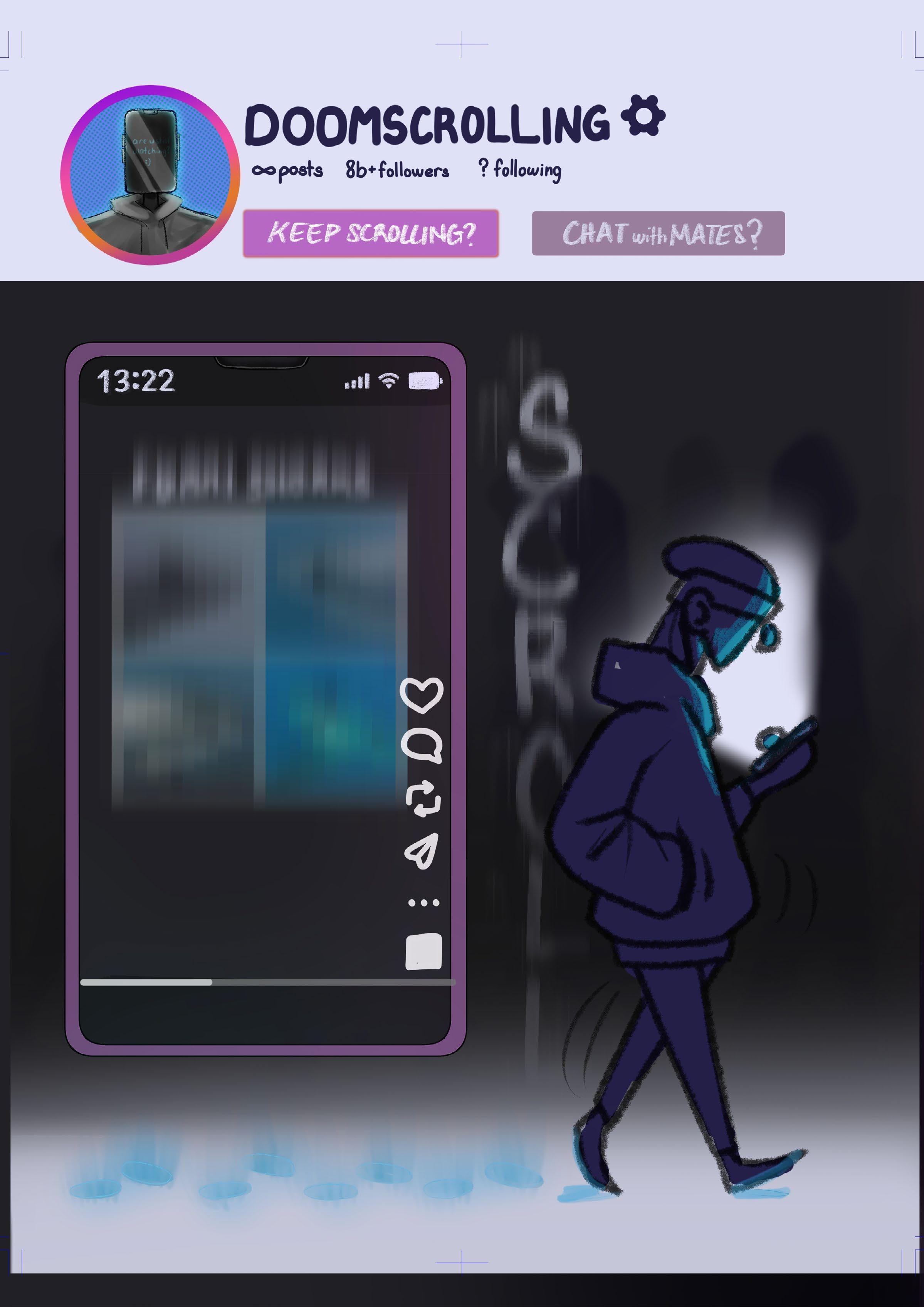
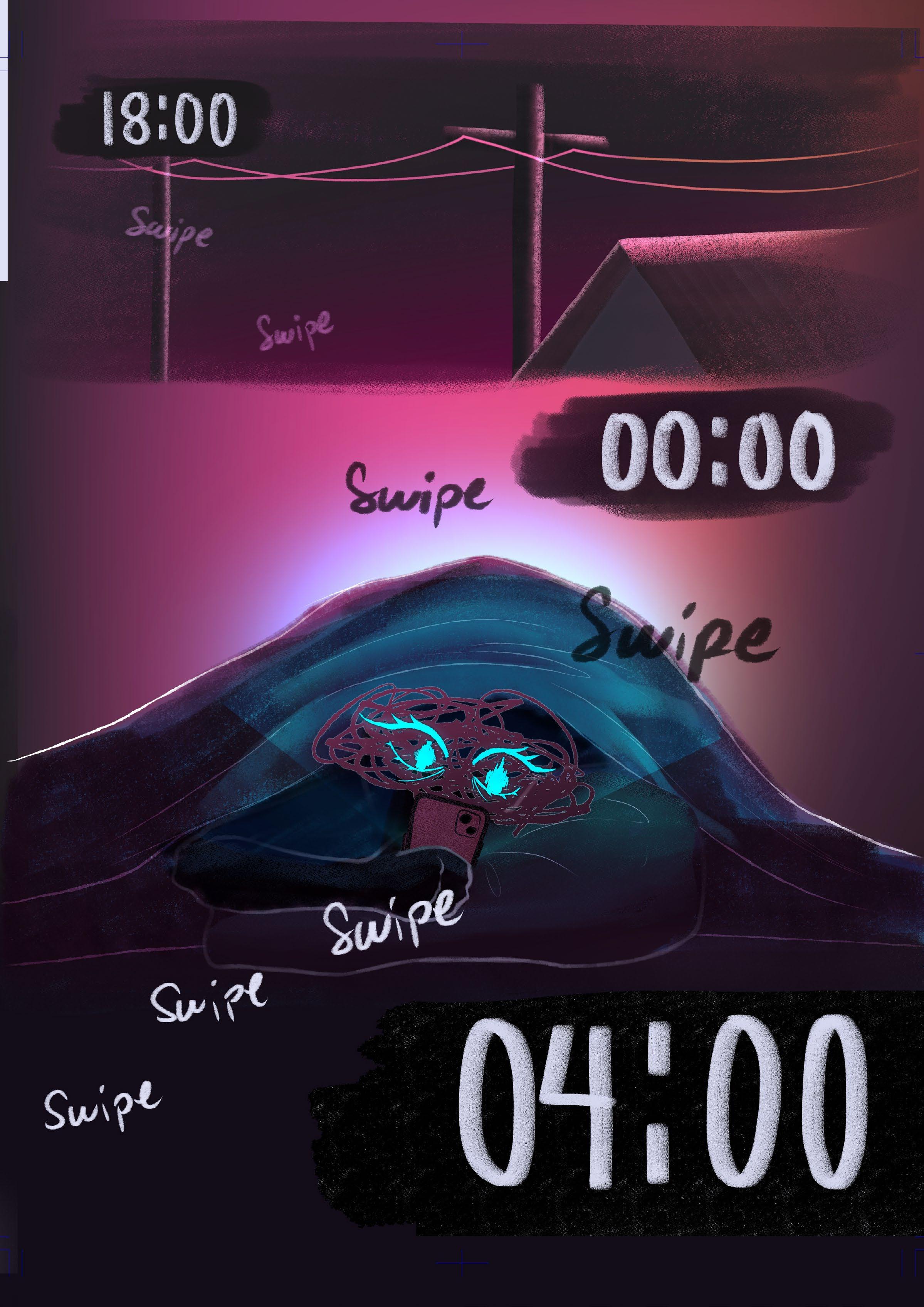
Screens Aren’t the Problem. We Are.
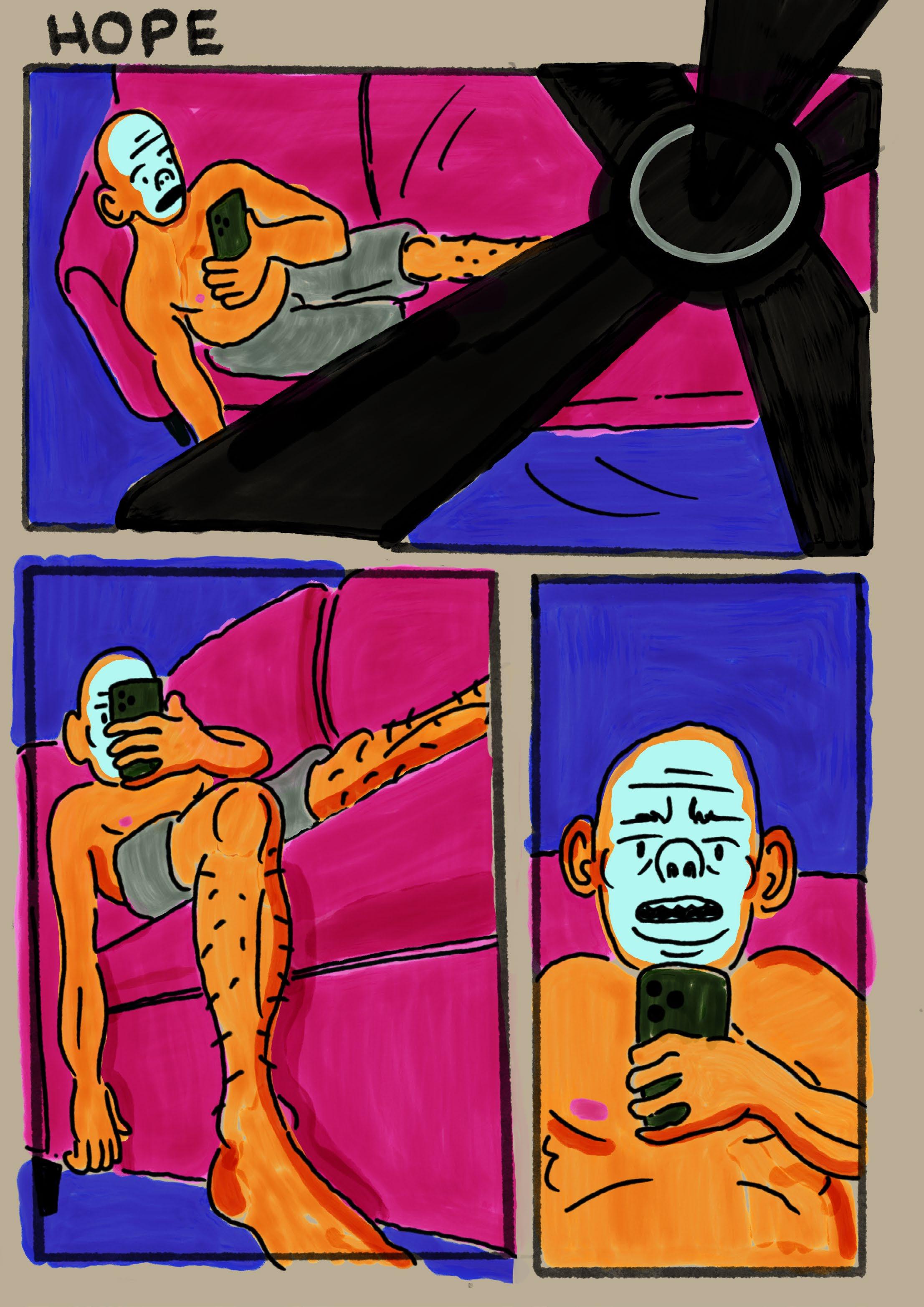
There was a time when waiting simply meant waiting.
Sitting in the car before driving home. Standing in line for your morning coffee. Walking to class. Lying in bed before sleep found you. Looking out the window on the bus.
Today, those moments rarely exist. We press play. We scroll. We search. We consume. Not because we have to.
Because we can.
Somewhere along the way, we stopped treating boredom as part of life and started treating it as something to fix. Every quiet moment became an opportunity to fill the silence. A playlist for the drive. A podcast for the walk. A reel while waiting in line. One last scroll before bed. We carry the world’s knowledge, entertainment, and conversation in our pockets, and with it, the ability to avoid being alone with our thoughts almost entirely.
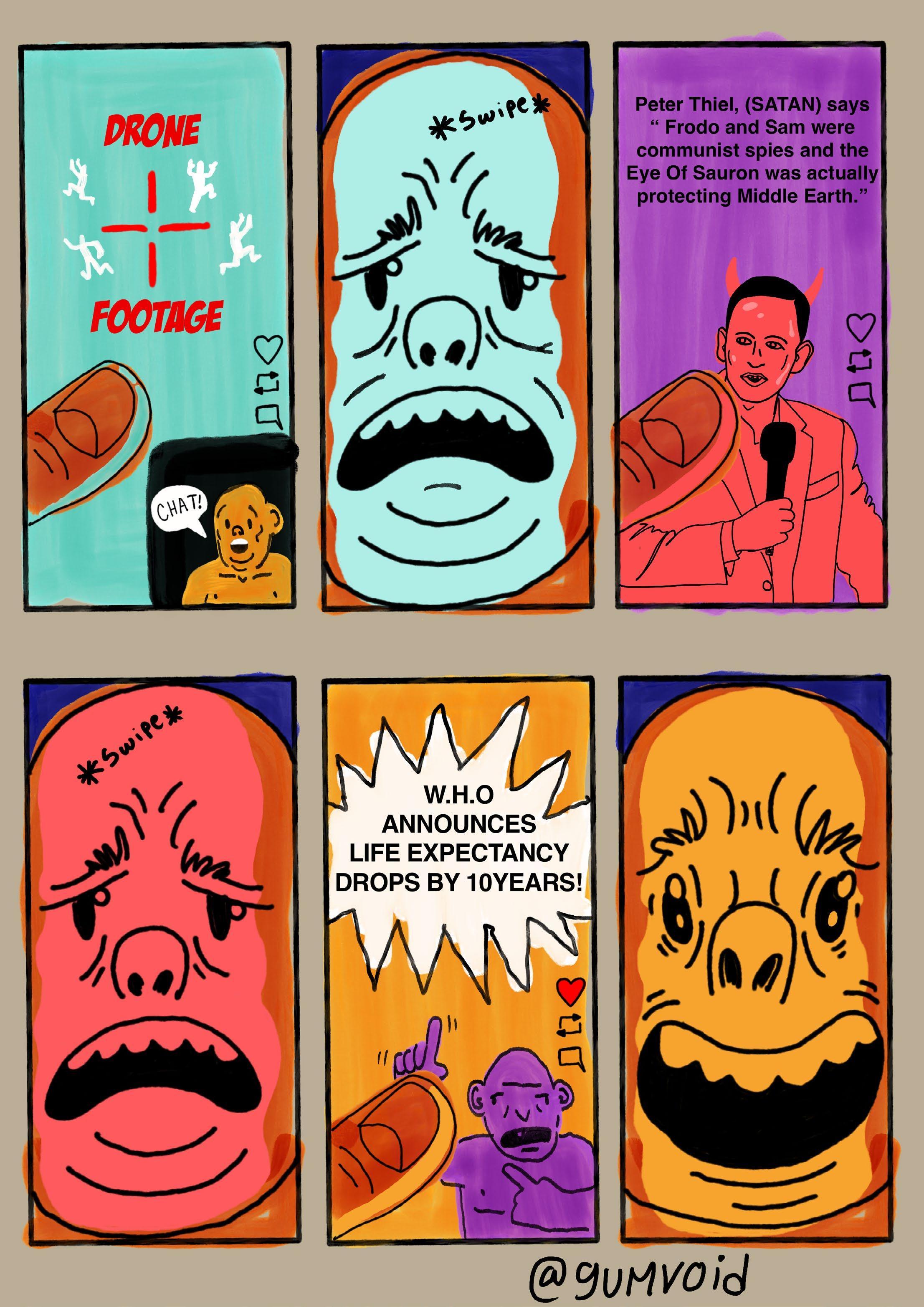
It’s easy to blame technology. Every few months, another headline warns us that smartphones are destroying our attention spans, AI is making us lazy, or social media is rewiring an entire generation. We talk about screens as though they’re acting on us, as though they’re somehow responsible for every habit we’ve developed.
Somewhere along the way, we stopped treating boredom as part of life and started treating it as something to fix.
But maybe that’s too simple. Screens didn’t invent distraction. They amplified it. They didn’t invent comparison. They accelerated it. They didn’t invent our desire to escape boredom. They made escaping effortless.
Technology has transformed the way we learn, create, communicate, and connect. It has opened doors that previous generations could scarcely imagine and continues to reshape what is possible every day. The question has never really been whether technology is good or bad. Perhaps the more interesting question is what kind of relationship we choose to have with it.
This issue isn’t really about screens. It’s about what they reveal. About attention.
About distraction. About convenience. About what happens when the world is always one swipe away.
The platforms we use are designed to compete for our attention. Infinite scroll, autoplay, personalised recommendations, and notifications that arrive at just the right moment all encourage us to stay a little longer. Yet even in a world designed
to capture our focus, we still have the ability to decide where we place it.
Maybe that’s why this conversation feels so important. It is less about the technology in our hands and more about the habits we build around it. What moments are we choosing to fill? What thoughts never have the chance to form? When did silence become something we felt the need to escape?
Perhaps the greatest thing we’ve lost isn’t attention itself. It’s our relationship with stillness. Stillness is where ideas begin. Where creativity quietly appears. Where reflection has room to exist. It asks nothing of us except our presence, and perhaps that’s exactly what makes it so valuable.
This issue isn’t asking whether screens are good or bad. That debate has been had countless times before. Instead, we’re asking a different question.
What do our screens reveal about us?
Because screens aren’t going anywhere. AI isn’t going anywhere. The next generation of technology is already arriving. The real question is whether we’ll continue to shape it, or quietly allow it to shape us.
Maybe screens were never the problem. Maybe they simply revealed something about us.
That we’ve become so uncomfortable with being still that we’d rather fill every empty moment than face the possibility of our own thoughts. And perhaps that’s the debate worth having.
Written by Ishani Mathur (she/her)
CONTRIBUTING WRITER
Illustrated by Darian Serrano
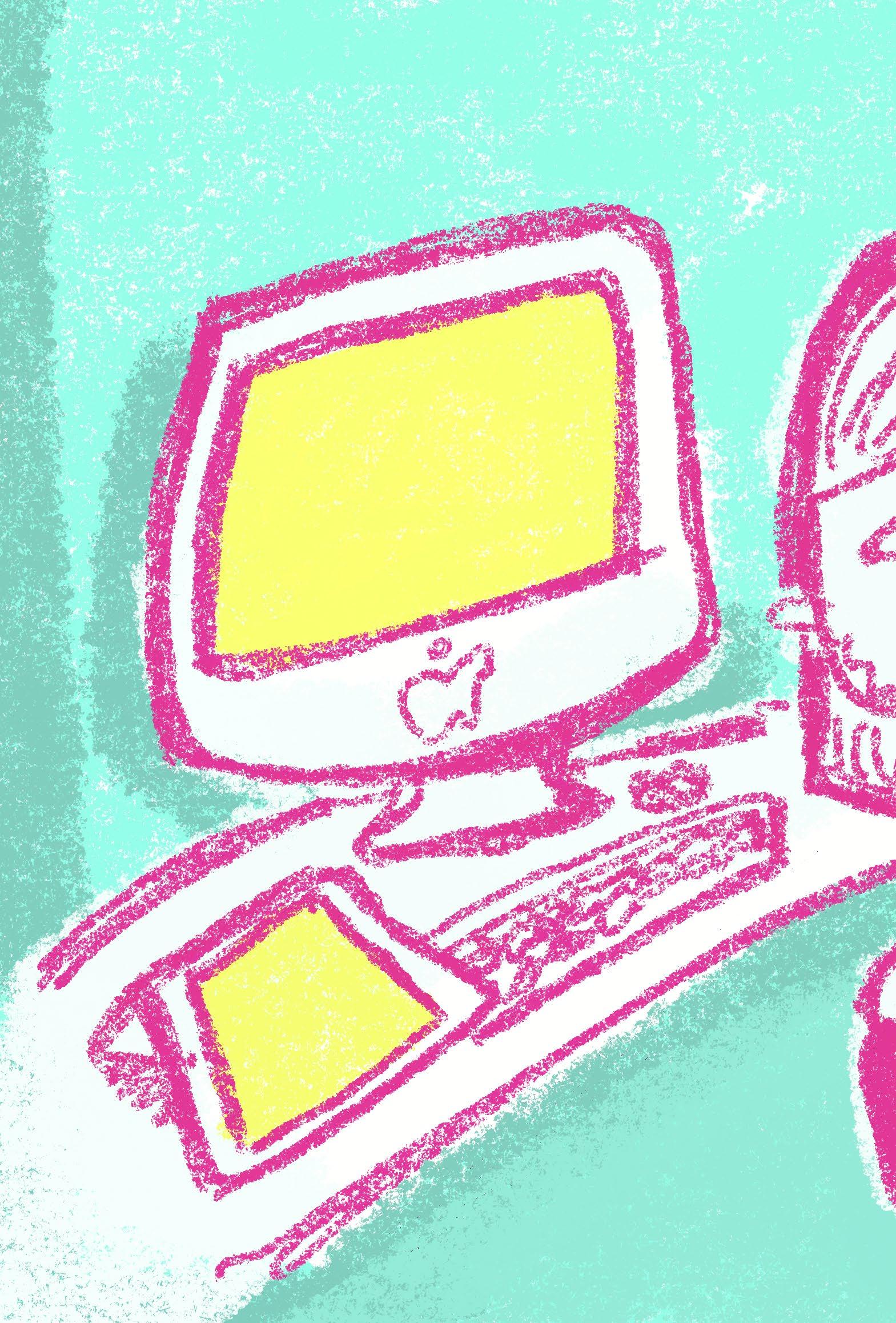
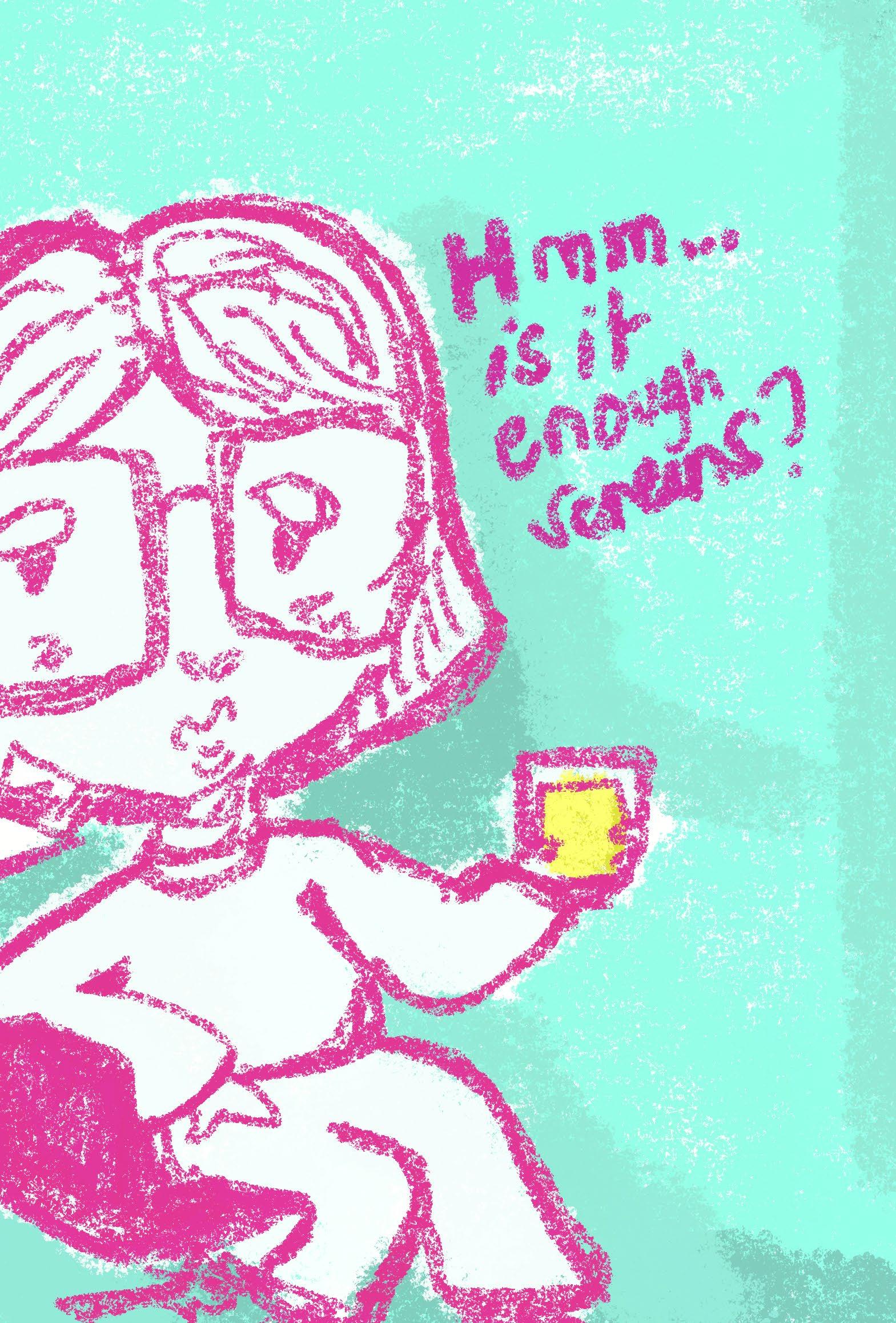
Illustrated by Gabbie De Baron (she/her) @sinigang____studios
CONTRIBUTING ARTIST
Kōrero toi - On the responsibility of the artist
The camera is the defining tool of our times.
To re-present the world in images is to set the parameters of the world, and to shape our collective understandings of it. Because of this, we as artists must be conscious of how and why we use the lens; we must ask ourselves what world we want to make.
The camera engages with all that is external. It creates an archive of moments, capturing distance, light, and gesture. It struggles to show anything from our internal world. In many ways, this is a strength.
The camera and the image gives us the opportunity to platform voices distant from our own. To re-present people outside of ourselves. It asks us to focus on the communities that we live in.
With this privilege in our hands, we then ask ourselves:
What part of the world do we choose to represent?
Media has the power to awaken or sedate. While we can try to avoid our problems, art can never escape the times in which it was made . It is always the product of the times. But works of art shouldn’t shy away from this. We should never forget where we are.
With the ability to re-present voices that are neglected or ignored, we are given the responsibility to do so. With a camera in hand, we should aim to speak about the most pressing, most immediate things. Things that are sometimes confronting.
-
But with our platform, with our education and our voices, when we show people important issues - violent issues - we must offer ways forward. It’s irresponsible to put misery on camera and then offer nothing but misery. We cannot put so much effort into our work just to tell people that our problems are insurmountable. Art must reflect our problems and show people how we overcome them.
-
Art is a social tool with the power to move the most people by presenting an image of shared sufferings and joys. But it is not all-powerful. We must try to make our art the instigating factor in the viewer, the inciting incident. To give them something to leave the gallery with. Because we must admit that art itself does not change the world.
People look at art and they change themselves.
So in many ways, it’s our job to show people that they have agency over their lives. -
The responsibility of the artist is to give voice, platform, and attention to the most important issues of our times. To awaken and instill agency within the viewer. And finally, it is the responsibility of the artist to have the work, and have themselves, be a part of the world.
-
“Art is not a mirror held up to reality. Art is a hammer with which to shape it.”
Written by Ethan Morais | (he/they) | Ngāti Whakaue, Ngāti Pikao, Ngāti Hori ki Kohupatiki, and Malayali @morais.ethan
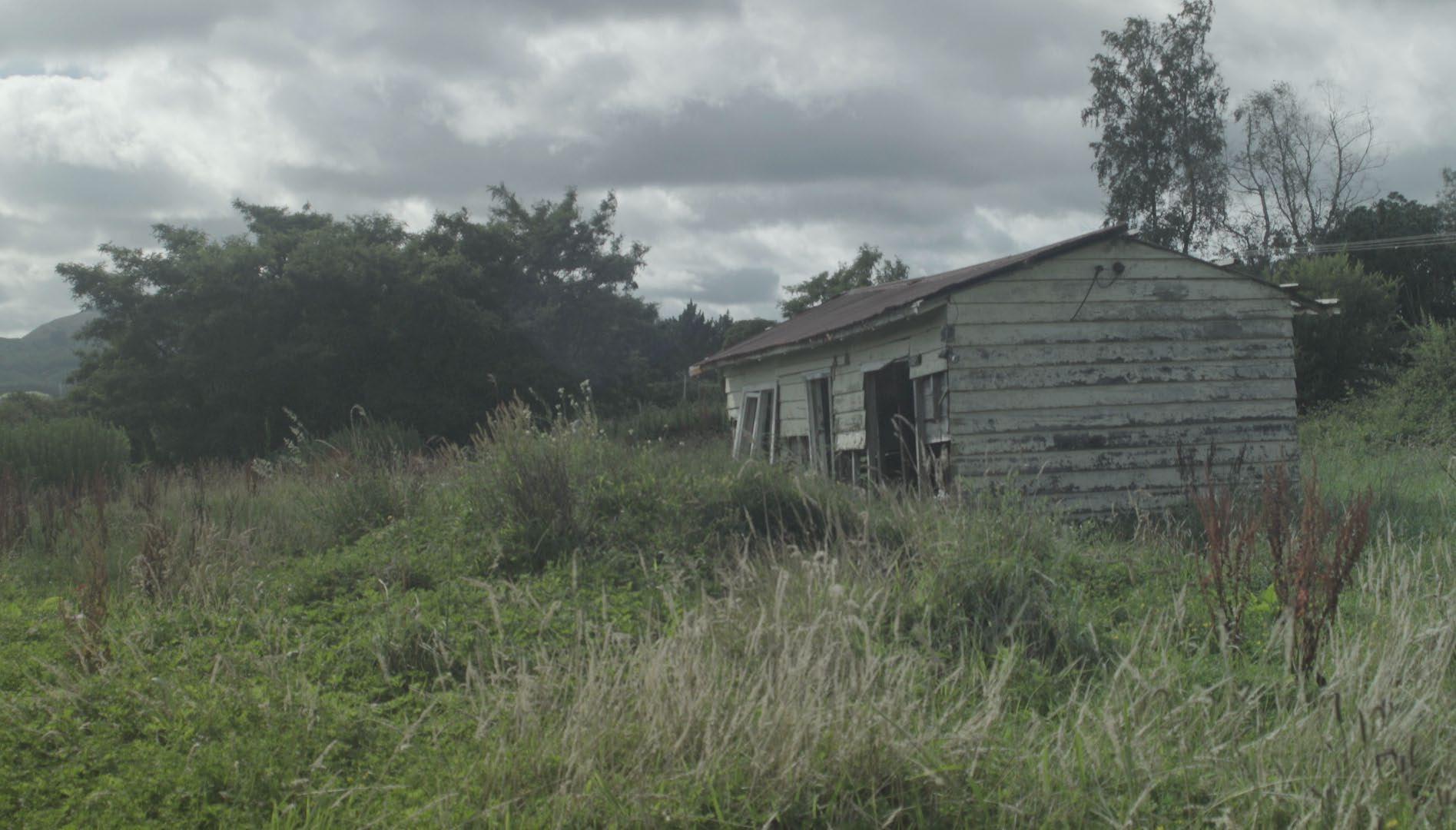
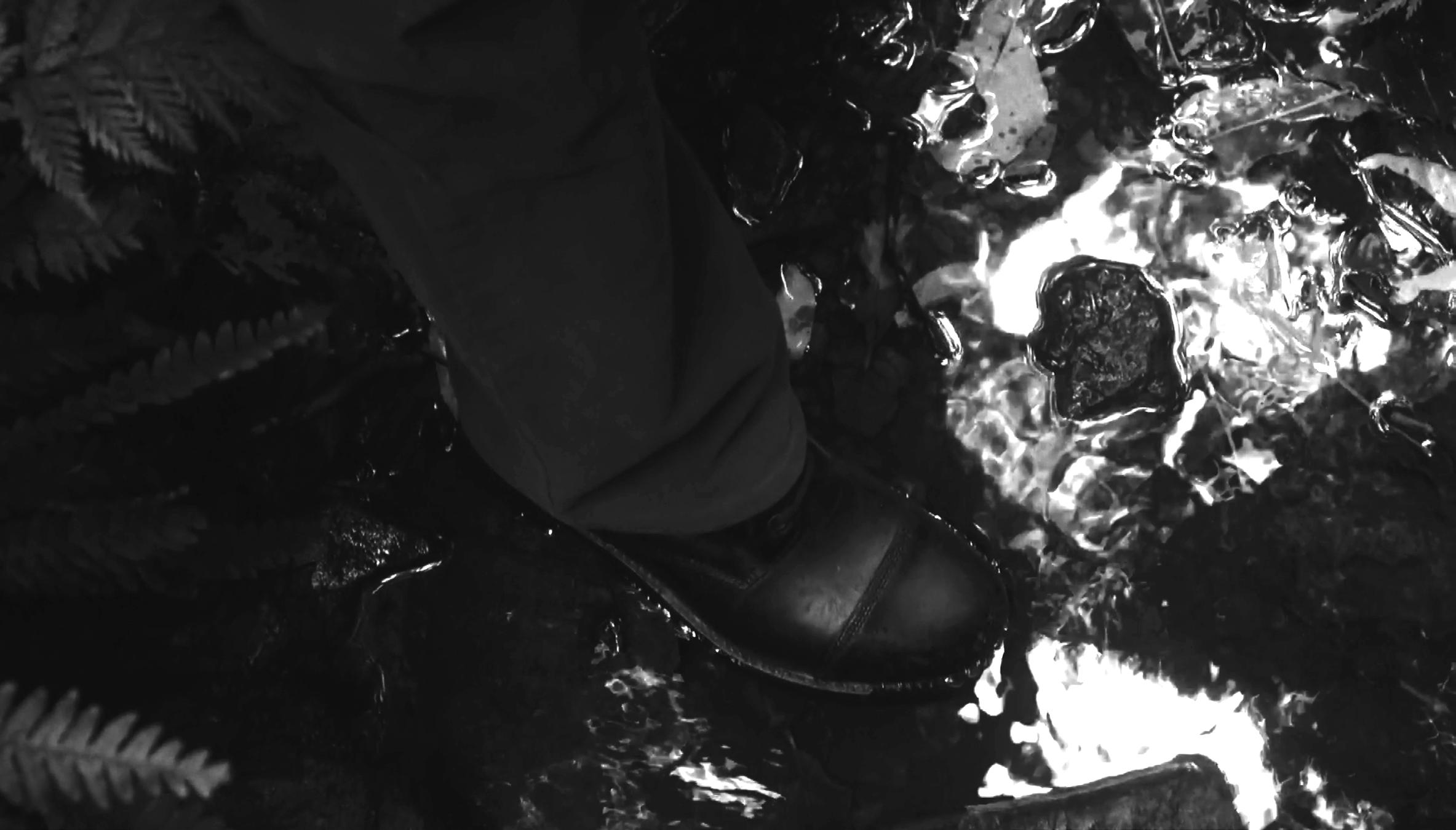
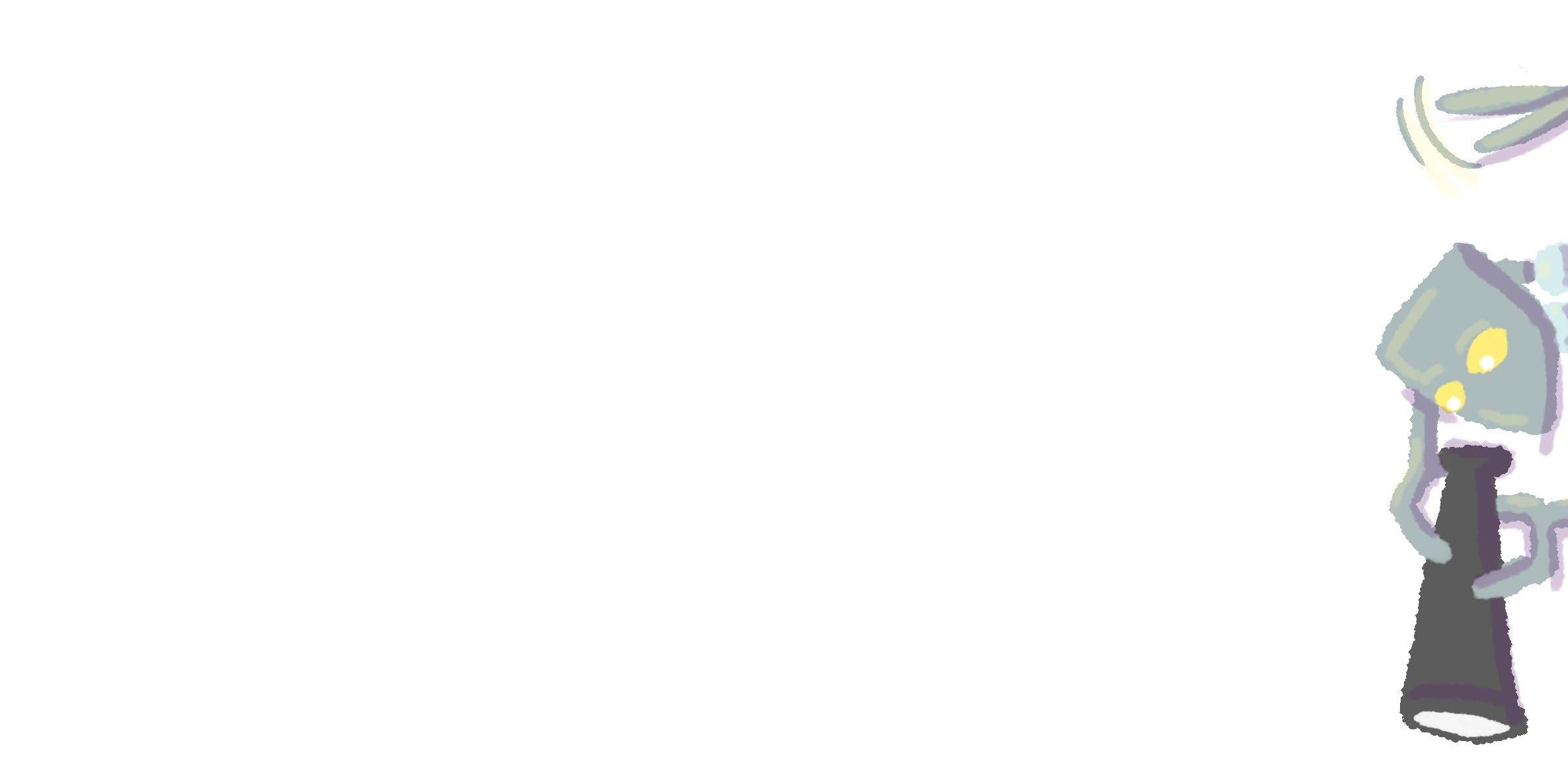
Screens are nullifying the power of the human mind: We’re getting dumber.
Like any good thing in the modern world, it was only a matter of time until the brain too was retailed to the highest bidder, then carved out, redesigned, cheapened and resold as a weakened money-making shell of its former self.
Artificial intelligence, social media, and screen-based life capably lift any expectations of basic function like some allseeing helicopter parent
predictable routine, little drone provide the gently numbing screens which greet your waking eyes and cushion your evening hours no need to grow for ever and ever and ever.”

Yes, in developing a commonplace reliance on artificial intelligence, the human brain itself has fallen prey to the same kind of enshitification* happening across all consumer fields.
This new subscription-based outsourcing of thought has put humanity on the path of de-evolution.
The shirking of that basic human responsibility – of thought - forebodes an alarming regressionist crawl back up the birth passage, this time into the predictable safety of a wireless womb.
“Feed from the cancerously palatable filter of my poisoned placenta, hear the bedtime tales optimised to your own addiction and dream a thousand, ten-thousand 10 second robot dreams.”
Television’s been the drug of the nation since before The Disposable Heroes of Hiphoprisy coined the iconic line back in 1992.
But back then, the full power of screen technology was merely a foetal coil, unrealised in the womb of Y2K utopian ideals.
How the student becomes the master, the vaccine the virus,
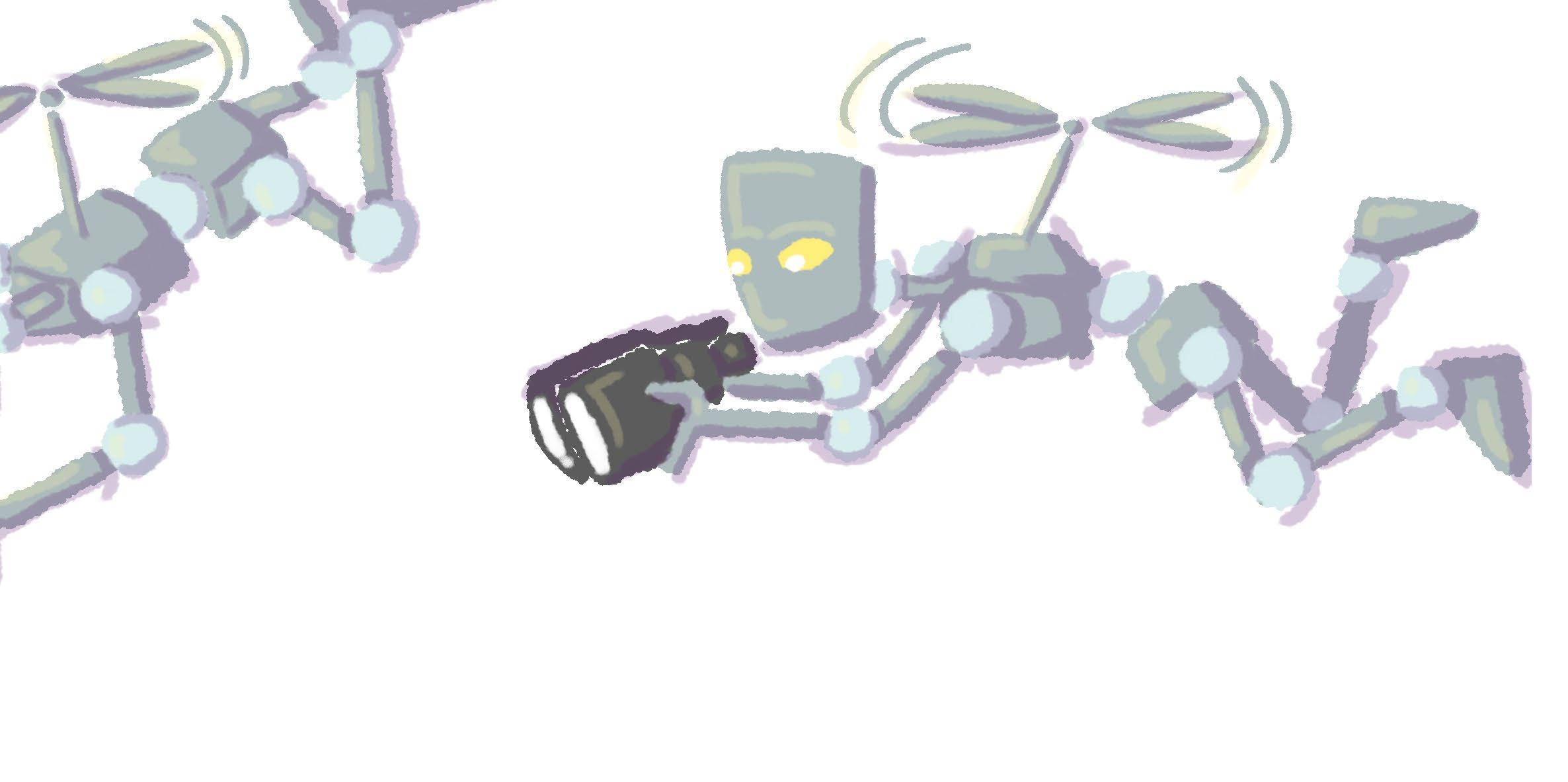
Reducing humanity to neutered, sexless, thoughtless, brainless dependants, cruelly fast-tracking our youngest generation’s brains to pureed retiree mush.
Hey, I’ll give you a retiree take: Get off the screens.
... Gross...
You’re not really protesting, nor producing, you’re consuming, inflating.
The revolution CANNOT be televised. The revolution is against television.
Any televised revolution is a televised de-evolution.
“The revolution will not be televised”
The revolution CANNOT be televised.
The revolution is against television.
Any televised revolution is a televised deevolution.
By its own nature, a return - again, again, again to that freakish screen parent, tugging desperately at the pant-leg of some unembodied being.
“Look, look Mum, look what I made.
“Watch me post, repost, livestream my activism.
A constant feed on a constant feed of artificially sweetened reel-life. Take a digital hungerstrike and begin again to be.

* Enshitification: the deliberate, gradual degradation of quality in online platforms and services.
A three-stage lifecycle where a platform first exploits users to gain market share, then exploits business customers to maximise profits, and finally degrades the experience for everyone to benefit shareholders.
Written by Polly Wenlock (she/her)
@p0lly2001 on Substack
CONTRIBUTING WRITER
NZIFF 2026 Pre-Game
Dry Leaf
dir. Alexandre Koberidze
Georgia, 186 mins
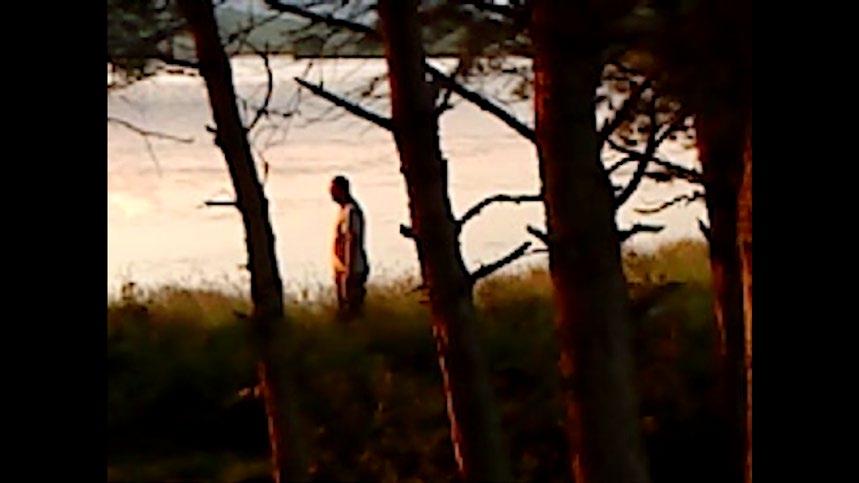
For the dedicated cinephiles reading this, most discourse surrounding Dry Leaf hits the nail on the head as to why this should be on your immediate radar: an imaginative synthesis between impressionist/postimpressionist painting alongside the patient cinematic sensibilities of Abbas Kiarostami.
The real kicker is filmmaker Alexandre Koberidze’s ingenious formal substitution: the Sony Ericsson W595 phone camera as the paintbrush, the 240p 15fps video resolution as its canvas. Every pixel thus becomes a brushstroke; each digital square of its raster becomes a point of transition as its colour and brightness values constantly modulate themselves to the whims of the camera’s auto-exposure feature, creating a “pulsating effect” in certain images depending on how little or how much light enters the camera lens. In other words, one detects the image as being “alive” or “breathing” despite its stillness, despite its relative technical “limitations”. Yet calling the Sony Ericsson’s camera a limiting factor is to submit to the imprisoning hegemony of “realism” in Western art, of mainstream narrative filmmaking, that the image has to look exactly as how my eyes would see it. This is precisely what impressionism/post-impressionism and Kiarostami sought to move away from, what Koberidze also seeks to move away from.
Kiarostami rarely filmed in a studio and shot most of his films on location in the same way
the impressionists ventured out into natural landscapes and painted what was directly in front of them. And like Kiarostami, Koberidze’s fascination with characters navigating their environments—sometimes labyrinthine, sometimes sequestered—alongside both their languid, contemplative attitudes towards discovery and adventure are given newfound artistic sustenance through Dry Leaf’s digital impressionistic approach to the stolid inertia of nature. Within stillness there is life and nothing more.
The Wizard of the Kremlin dir. Olivier Assayas France/UK/USA, 145 mins
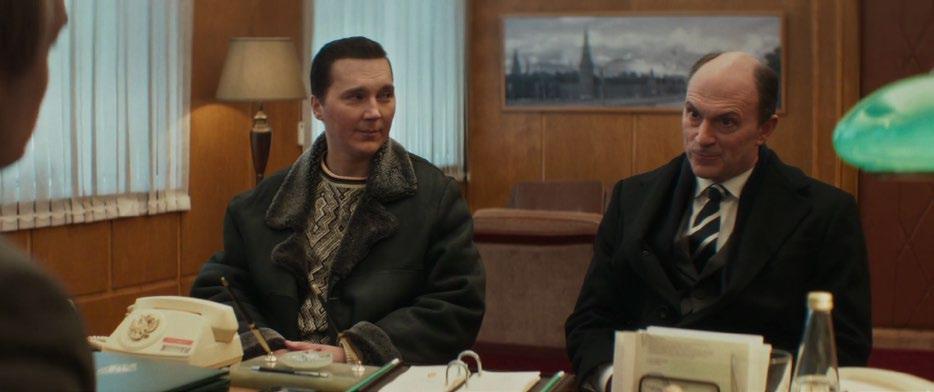
Olivier Assayas is a known admirer of Guy Debord, which—despite my not having seen many Assayas films—allows me to make the fair assertion that The Wizard of the Kremlin is a work of détournement (he’d probably let film writers like me make such comparisons before he does), albeit one that Assayas stresses to be obsolete in the 21st century. Specifically, it’s been a while since I’ve endured a film that insists on its internal anticapitalistic subversion of cinematic codes, whilst flourishing in its mode of capitalist communication (Assayas being a staple in the “international cinema” market, the involvement of Disney+ in its distribution)
Take, for example, the cinematography: everything is shot exclusively from the waist up or in close-up. The film is shot with an ALEXA 35 digital camera on a gimbal that constantly glides and pans through the lavish
rooms of mansions and beachside villas owned by political oligarchs like an excited tourist; you see both nothing and everything. On the other hand, every sentence uttered by the characters reeks of either irony-poisoned, satirical declarations of their moral antipathy (merely a response to changing political climates, they justify), or winded exhaustions and mournings of a more sentimental, sincere, and idyllic past in the wake of the paradoxically chaotic milieu of the Soviet Union’s dissolution. “Everything changed when the (American) Fire Nation attacked”type beat.
Assayas is a “post-leftist” filmmaker in the sense that what he “sees” and what he “hears” will never reconcile or politically synthesise to an alternative, more radical framework than the ones that have since failed. For him, by way of Deleuze, the deterritorialising and liberating of politics and cinema after May ‘68—and certainly after the Soviet Union— have also simultaneously engendered their own process of re-territorialising new national identities (today’s Russian Federation), albeit right into the hands of today’s global hegemon, neoliberalism. This is why it’s difficult for me to take Assayas seriously; he genuinely believes the world and the people responsible for this systemic death spiral towards capital will never take this crisis seriously until it’s too late. To crib Nick Land, Assayas is really just accelerating the nihilistic auto-productive slaughterhouse by subsuming its own destruction as an aesthetic. The result? The idea of an “arthouse film” on Disney+.
Ice Tower dir. Lucile Hadžihalilović France, 145 mins
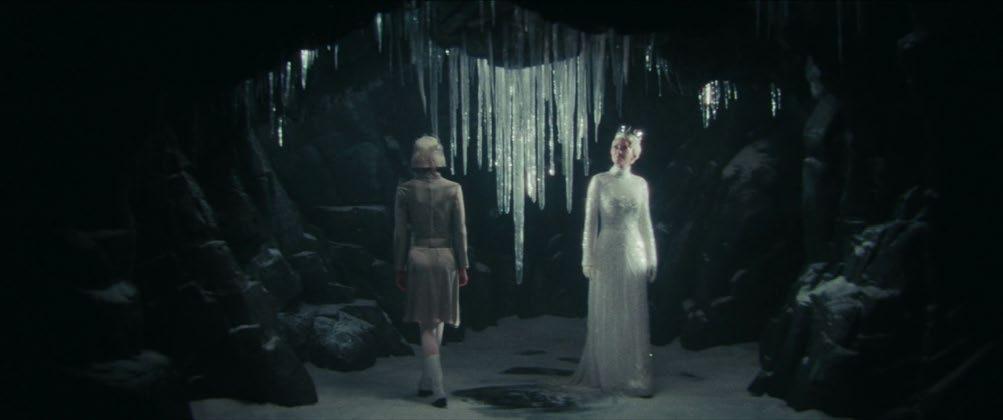
There’s this quote by Terence Davies that immediately popped into my mind halfway through watching The Ice Tower, where he talks about his first time seeing Singin’ in the Rain (1952) at the age of seven: “During that scene in the rain, I cried and cried and cried [My sister] asked, ‘Why are you crying?’, and I told her, ‘Because he looks so happy!’” It’s a memory made bittersweet knowing that his father was physically and psychologically abusive towards him until he died of cancer (his father died around the same year Davies first watched Singin’ in the Rain.)
I preface with this quote because Lucile Hadžihalilović understands these contradictory feelings well and channels them through her chosen protagonist: a young foster girl who runs away from home suddenly becomes obsessed with an older actress playing the role of the Ice Queen. I’ll leave any psychoanalytic readings to the experts; however, if there’s one thing that immediately stands out in The Ice Tower, it would be the constant textural interplay of bodies physically interacting with virtually everything you can see in the frame (i.e. touching objects, populating empty spaces, rays of light illuminating a face). It is through this film’s strong sense of corporeality butting heads against the unconscious that one develops a strong, physiological attachment to our young protagonist’s negotiations with their desire, be it pain or pleasure.
But if I were to parlay an attempt to understand our protagonist, my preference would lean toward Slavoj Žižek’s thoughts on masks: that there is no such thing as an “authentic” self, and that the social masks we wear for others are where the truth of our personality lies. The truth lies in performance, or at least for Judith Butler, performativity as a disposition is where gender is materialised. The Ice Tower elevates this tension of clarification: what’s the difference between “performance” and “performativity”?
Written by Trevor Pronoso (he/him) @CleverGurl on Letterboxd
CONTRIBUTING WRITER
The
Are You Wearing Enough Clothes? It’s 33 Degrees Today.
Every morning, before I even look outside my window, I look at another season. It appears on my phone.
My mother has a habit of telling me the temperature back home.
I think it is her way of sharing something real, something happening around her body, across the 6,000 miles between us.
“Yesterday was so hot and stuffy,” she complained on the phone. “It was only around 33 degrees, but I couldn’t even go walking in the afternoon.”
I looked down at myself while she spoke.
“Mum, I’m literally wearing a down jacket.”
She laughed.
I could almost picture her shaking her head on the other end of the phone.
For a moment, the six thousand miles between us no longer felt like distance, only two different seasons.
Shanghai is not a city with dramatic seasons. In some ways, Auckland even felt familiar to me at first: humid air, sudden rain, winters that settle into your bones more than snow ever could.
During my first year overseas, those
familiarities between the two cities comforted me more than I expected. I live on Vincent Street. The shape of the street, the rows of trees along the footpath, all remind me of the neighbourhood where I grew up in Shanghai - Gubei Huangjincheng Avenue. Even the name Vincent carries echoes of someone I was once close to. It is strange how a foreign city can feel like home in fragments, in borrowed names, in the way light hits a familiar curve of pavement.
But after returning to China for a visit and then coming back to Auckland, I realised familiarity and sameness are not the same thing.
The weather was similar.
The seasons were not.
My mother is talking about heatwaves while I pull my down jacket tighter around my shoulders. We are living through opposite versions of the same year. Yet my phone edits two seasons into the same frame.
A photo of iced watermelon.
A message: “It’s 33 degrees today.”
My hands wrapped around a mug of hot tea.
Bare winter branches outside my window. My eyes hold both. My body cannot.

Now I am no longer fully inside those seasons; my body is learning a different rhythm.
July smells like rain and cold earth.
December is for the beach.
Chinese New Year can arrive with sunshine instead of layers of winter clothing.
Back home, my body used to know the seasons without thinking.
Humidity meant the plum rain season was coming. The smell of osmanthus meant autumn had arrived. Certain foods would appear at certain times of the year without needing explanation. I never realised how much time was stored physically until I moved across hemispheres.
“Today is still so hot,” my mother texted me. “Remember to drink more water.” Outside the window, the wind was hitting the glass.
I typed back: “It’s cold here. But at least staying hydrated is something both seasons agree on.”
A few seconds later, my phone started ringing. “You’re wearing enough clothes, right?”
“Mum,” I laughed, “I’m literally wearing a down jacket.”
She laughed too.
We were looking at the same screen. Our bodies just weren’t reading the same calendar.

Written by Priscilla Zhang (she/her) @p.zhangxy
CONTRIBUTING
WRITER
A recovering misogynist’s defence of women’s sports
Statistically, women’s sports aren’t as good as men’s.
The ball hits the back of the net with less ferocity. The runaway tries are scored at a less-than-blistering pace. The sixes sail over a boundary rope dragged closer to the middle to account for the power differential. There are fewer dunks. The serves are slower; forehands aren’t as vicious. The drives don’t travel 300m.
On average.
But, is our enjoyment of sport really all about the metrics?
I had this thought while reflecting on the wet sock of an event that was the Enhanced Games. For background, the author of a tweet that did the rounds a while ago finally got his wish this year:
no one asked for
The multi-million dollar sporting event allowed liberal use of performance-enhancing drugs, and featured several previous Olympic medalwinners. Upon its conclusion, Enhanced Games CEO Maximilian Martin claimed they had “changed the world”. But only one competitor went faster than an official world record. It was Greek swimmer Kristian Gkolomeev, who completed the men’s 50m freestyle in 20.81 seconds and beat the previous record by 0.07.
To rub some extra trenbolone into the wound, some athletes who were competing clean won their events. Tristan Evelyn won the women’s 100m sprint without the use of drugs at a time of 11.25 seconds - nearly an entire second slower than the world record. Fred Kerley, who won the men’s 100m sprint race, said this after his race:
“Man, they need to do better than that. They need to work a little bit harder, get on that shit a little bit more.”
Around a quarter of a million people worldwide watched the event online. That’s around 1/20,000 of the viewership of the most recent Olympic Games. “How many of those then bought the supplements and testosterone creams on Enhanced’s website is less clear,” a Guardian piece reads.
What does this have to do with your so far blatantly misogynistic take on women’s sport, you may ask? It speaks to the question I posed earlier, I stutter, a little red-faced and taken aback by your willingness to challenge me. The event promised so much: faster, stronger, more explosive athletes than ever seen before, I continue, building back my confidence. And yet nobody gave a rat’s ass. Which brings me to my first of three points in my defence of women’s sports no one asked for.
The numbers, Mason, do they really mean anything?
As I’ve got older, I’ve realised sport is built not on numbers, but rather on narratives. Numbers only really matter if they serve a narrative within a sport. It’s about the underdog story. The tournament dark horse. The footballer who grew up in the slums of São Paulo and learned to play on a bare patch of dirt using boots he found in a landfill. The Kiwi who got a phone call while out whitebaiting in the Waikato and two weeks later scored the decisive conversion to win the All Blacks the 2011 Rugby World Cup.
But I have a few.
One set to play out in front of our very eyes in the near future is the plight of embattled Silver Ferns coach Dame Noelene Taurua. She will be in charge of the No.2-seeded New Zealand netball team at the Commonwealth Games in Glasgow later this month. Their first game against Scotland will mark 634 days since her last game in charge, after being sensationally stood down from her role by Netball NZ on the largely unsubstantiated basis of concerns around the team environment.
Not many could tell you off the top of the dome how many goals Lionel Messi has scored in pro football (917). But the words “Ankara Messi” will activate any football fan like a sleeper agent. Side note: if there are any women reading this who would like me to mansplain to them how FC Barcelona agreed to pay for the then 13-year-old Messi’s growth hormone treatment with a contract written on a napkin (the greatest investment of all time given he became the greatest footballer of all time), my Instagram is at the top of this piece.
She was guilty until proven innocent, inspiring most of the country to rally around her, including Silver Ferns shooter Grace Nweke who took the microphone in a post-match presentation to say, “If you’re listening we love you and we miss you ... we want you back Noels.” If Taurua manages to take the Silver Ferns deep into the games (or even win it) it might be one of the biggest fuck you stories in the history of New Zealand sport. What a tantalising prospect.
It’d also be remiss not to mention the Black Ferns - the pride of our nation. They represent us so well wherever they go, including Buckingham Palace where they gave King Charles a big ol’ group hug. And I’d give anything to have been at Eden Park after the 2021 World Cup when Ruby Tui got the whole crowd singing Tūtira Mai Ngā Iwi.
“I’m just so proud to be a New Zealander right now,” she said.
There is no reason why women’s sports can’t provide the same compelling stories - they are. It’s down to a combination of character deficiencies and various external forces that I can’t recite very many off the top of my head.
“They said nobody cared about women’s rugby, well guess what? We out here. We’re going nowhere.”

A self-fulfilling prophecy
Typically, people neglect to watch a women’s sport because they hold an inherent belief that it is an inferior product to the male equivalent. And in many ways that’s truedecades of underinvestment have made it so. For a start, female athletes have for a long time been paid three-eighths of fuck all. Think of how much talent has gone unrealised because of money. Not many can afford to commit full time hours to a sport when it doesn’t provide full-time pay. Think of the Stephen Jay Gould quote about Einstein in The Panda’s Thumb.
“I am, somehow, less interested in the weight and convolutions of Einstein’s brain than in the near certainty that people of equal talent have lived and died in cotton fields and sweatshops.”
This underinvestment has extended to all facets of women’s sport. To me, though, the most consequential has been in meaningful competition. A nation only achieves sporting greatness when its children have someone to look up to. Lionel Messi grew up idolising Diego Maradona. Now, a number of players who grew up idolising Messi are playing in a Football World Cup alongside the 39-year-old. In 2015, a then 15-year-old Enzo Fernández was on Facebook begging him not to un-retire from the Argentinian national team:
“Do whatever you want, Lionel, but please think about staying. But stay to have fun— that’s what these people have taken away from you Play to have fun, because when you’re having fun, you have no idea how much fun we’re having.”
Fast forward 10 years to mere hours ago on the day of writing, and Fernández is locked in a gleeful embrace with Messi after scoring the decisive goal in Argentina’s dramatic comeback win against Egypt. When a competition doesn’t exist, or isn’t marketed well, or doesn’t attract the best players, it can’t claim a meaningful place in people’s lives.
For decades, female athletes have had next to nothing to look up to. No one to idolise. No great team to dream of playing for. Star White Ferns all-rounder Sophie Devine summed this experience up beautifully when speaking to the NZ Herald in 2021:
“I didn’t see many female players – it wasn’t really on TV,” she said.
“The first time I saw a female team was at the 2000 World Cup in Christchurch. I was like ‘oh, we have a New Zealand women’s team’.
“I didn’t know there was a Wellington women’s team, “It wasn’t till I was picked in the side that I knew. It’s that visibility; if you can’t see it, how do you even know about it?”
Things are undeniably on the improve.
The nation’s cricketing girls can grow up idolising Sophie Devine, and dreaming of repeating the White Ferns’ T20 World Cup final victory in 2024. And if cricket isn’t their thing (fair), they can idolise the likes of Ruby Tui, Portia Woodman, Dame Lisa Carrington, Dame Valerie Adams, and Grace Nweke, all dominating their respective sports
But there is still a long way to go - even in New Zealand, where we like to think of ourselves as punching above our weight in the realm of ‘doing the right thing’. According to Sport NZ, the median annual income for women in the sector is 14% lower than that for men, compared to the national average of 8.2%. And take the ANZ Premiership netball league, which hasn’t even confirmed it will be running next season. Professional athletes should not have to worry each year about whether the competition they play in will continue to exist.
How can we help? Switch on the TV, buy the tickets, sit down and enjoy.
Women’s sports can still be enjoyed obnoxiously
While writing this piece, I thought back to one of my first times getting proper into women’s sport. It was the 2023 Women’s Football World Cup, and matches were being broadcast in a packed out Cloud down at the viaduct.
I sat there with my mates, over-priced beer in hand, roaring at every goal, chastising players who made mistakes, and blurting half-baked opinions into the ether. This is such an important part of the collective male sport-watching experience, and if more of us realised it can be flawlessly executed across both men’s and women’s sports we’d benefit as a society.
So go on. Be an inclusive pillock.
Written by Luke Fisher (he/him)
@lukefish7__
CONTRIBUTING
WRITER
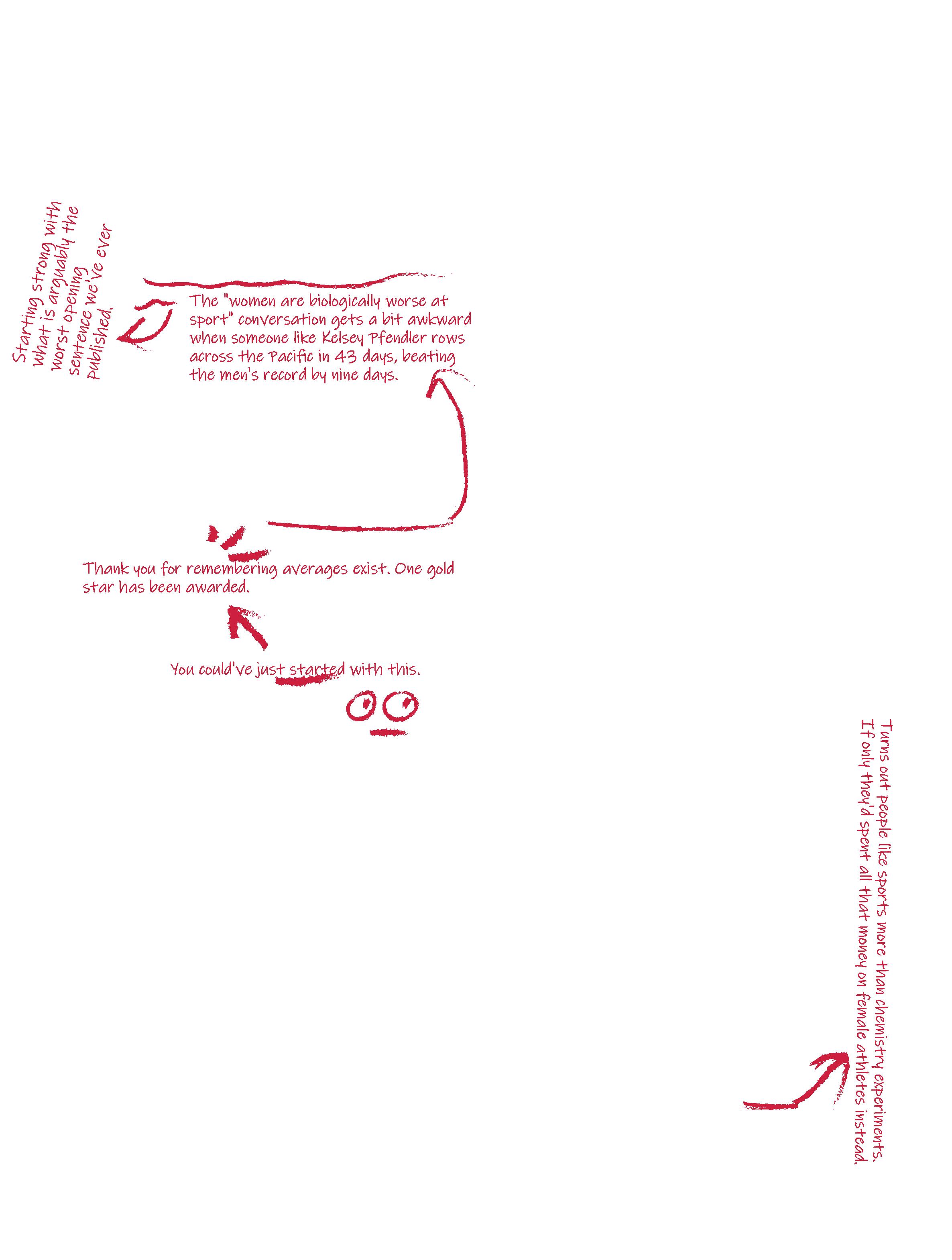
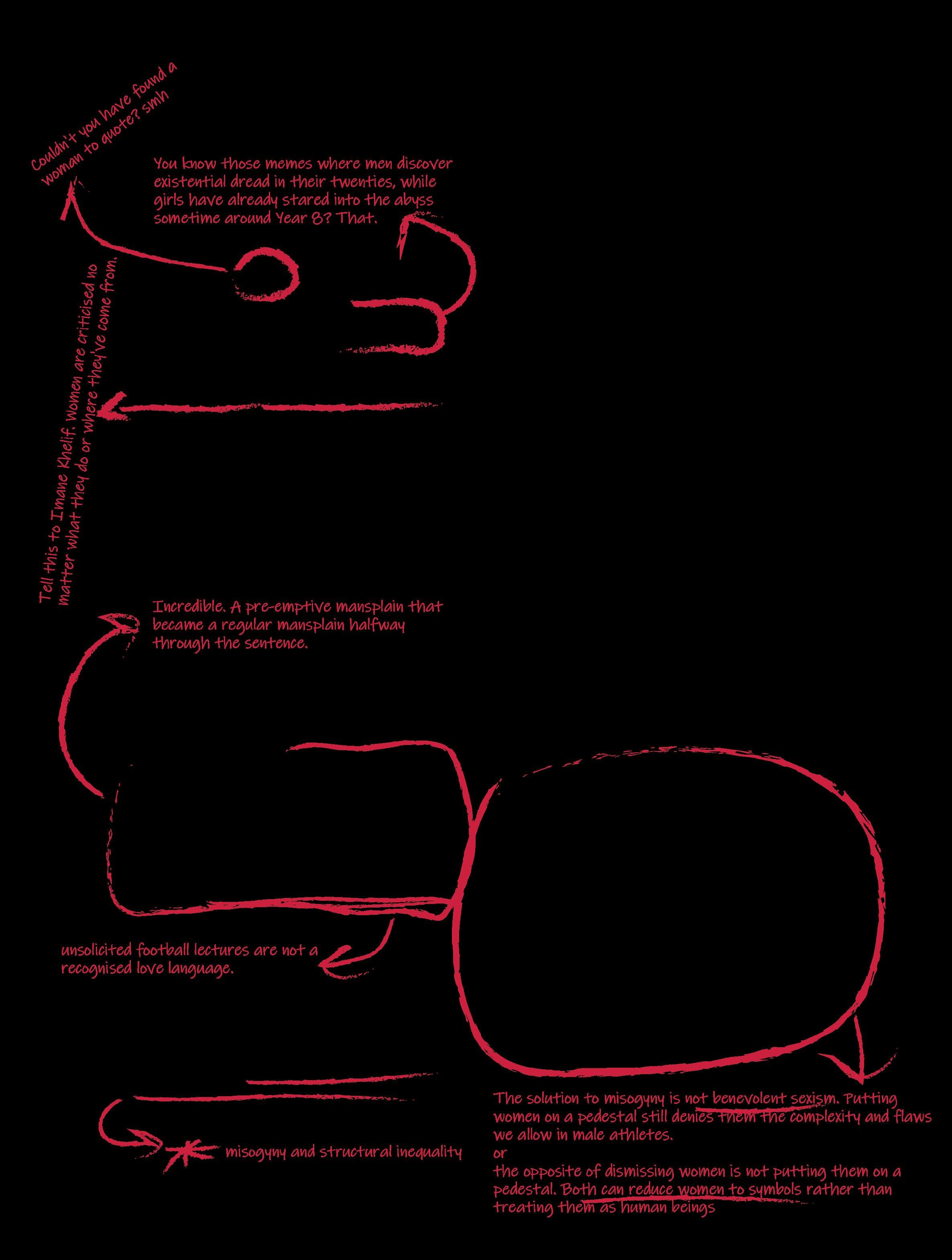
EDITOR’S FEMINISM RATING: (3/5)
Would have been four stars if Luke hadn’t made me read three paragraphs about football to get there. This is still an article about women’s sport, not Messi fan fiction.
I’ll give credit where credit is due; this article didn’t ask us to “support women” like it’s a charity raffle. Luke, I suggest you pick up a copy of Invisible Women by Caroline Criado Perez. Ladies, Luke’s Instagram DMs are open. My feminist assessment: flawed, occasionally in need of correction, but ultimately salvageable. A passing grade.


Vote in the 2027 AUTSA Student Elections. Help shape the future of student representation at AUT.
Ballots open on the 3rd of August and close on the 17th. For more informaton, scan the QR code or head to autsa.org.nz/elections