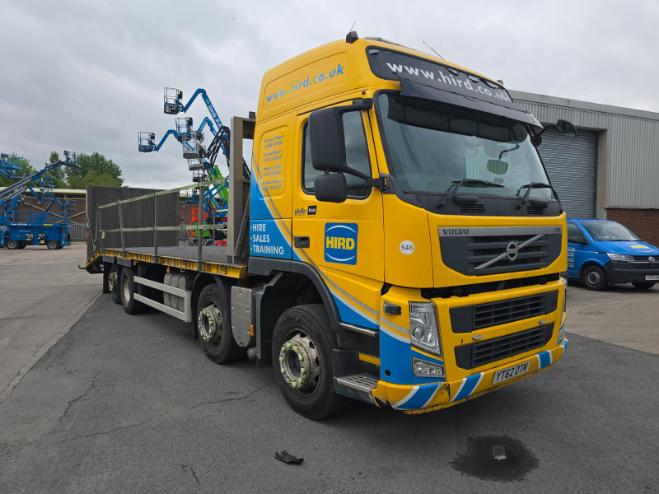
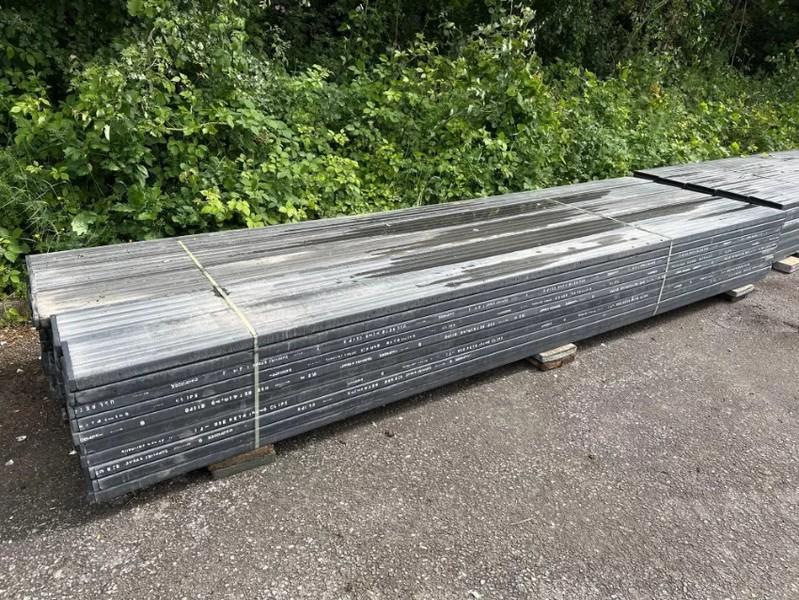
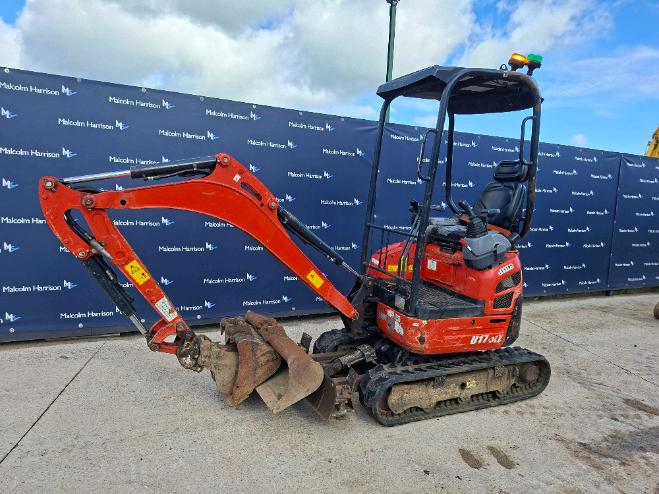
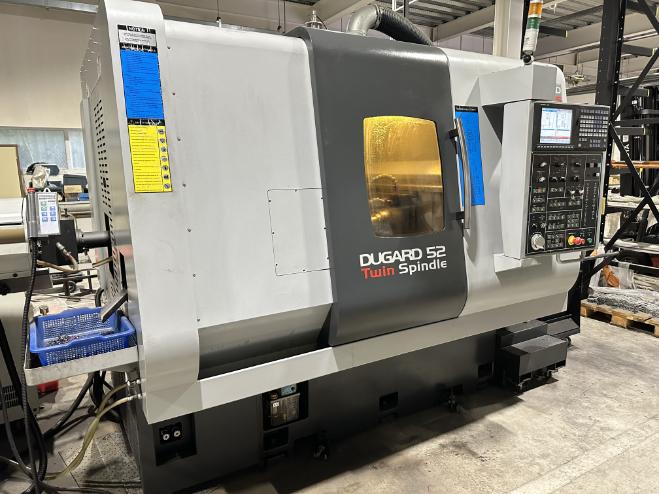
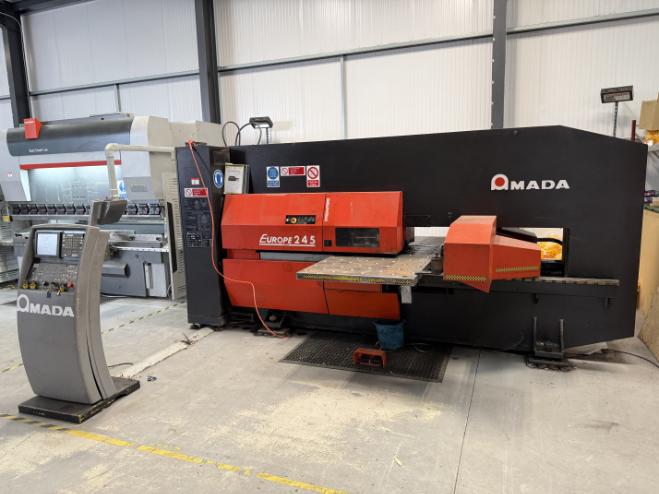
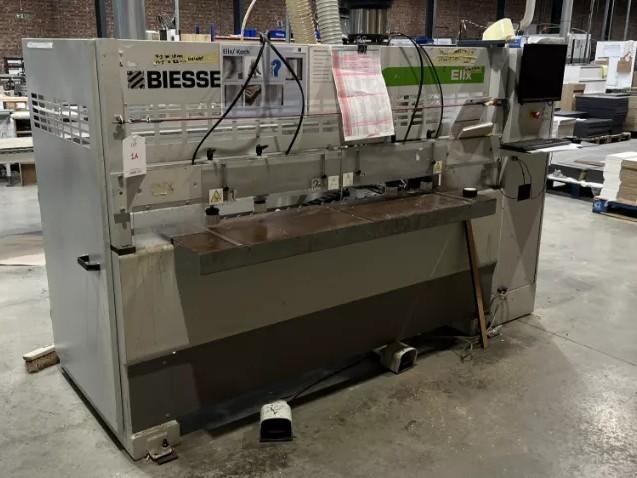
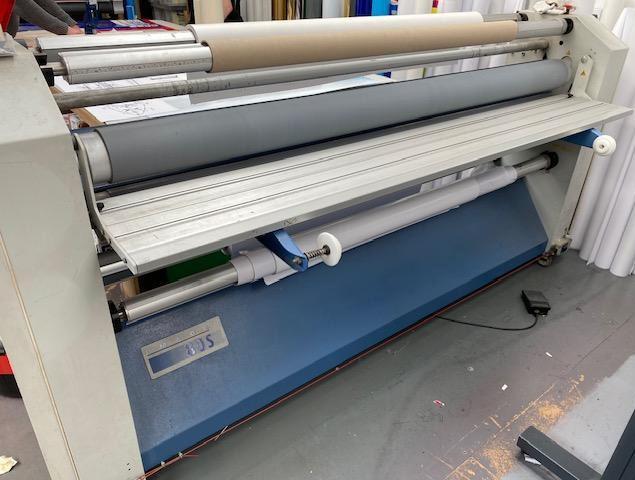
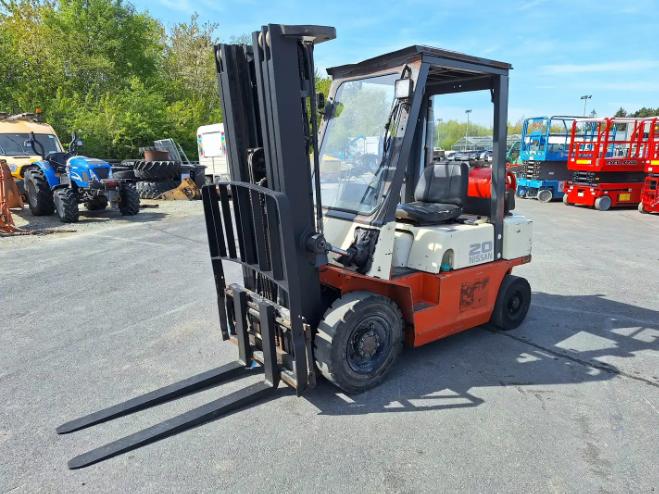
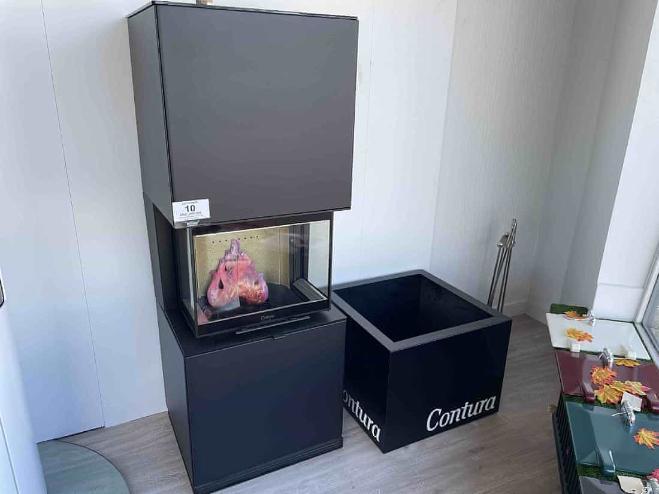
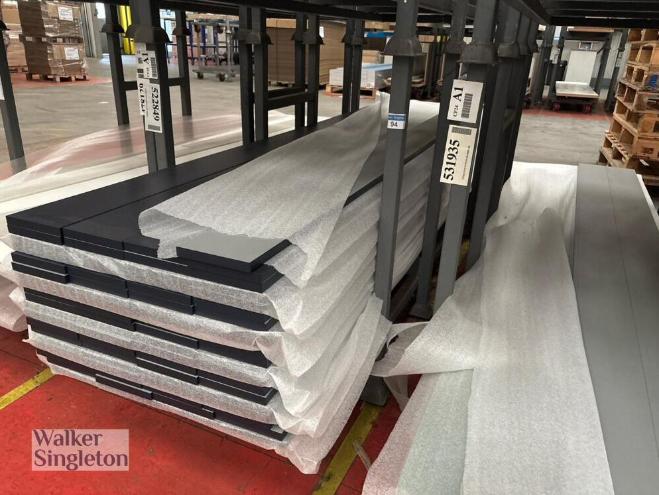
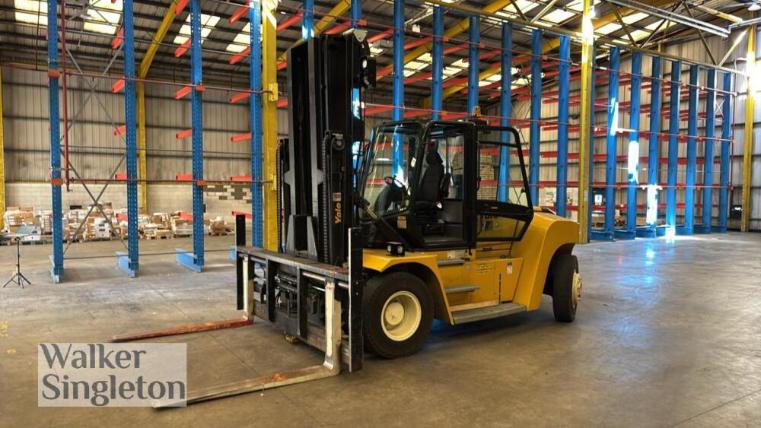
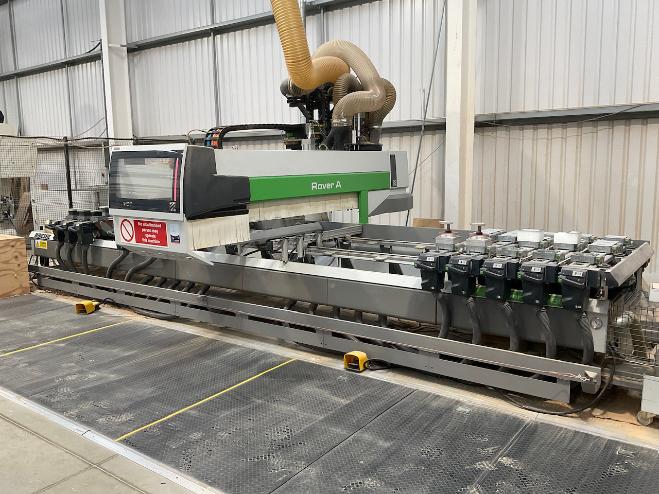
NLINE AUCTION
DAY 30 JUNE 2026, 11:00AM BST
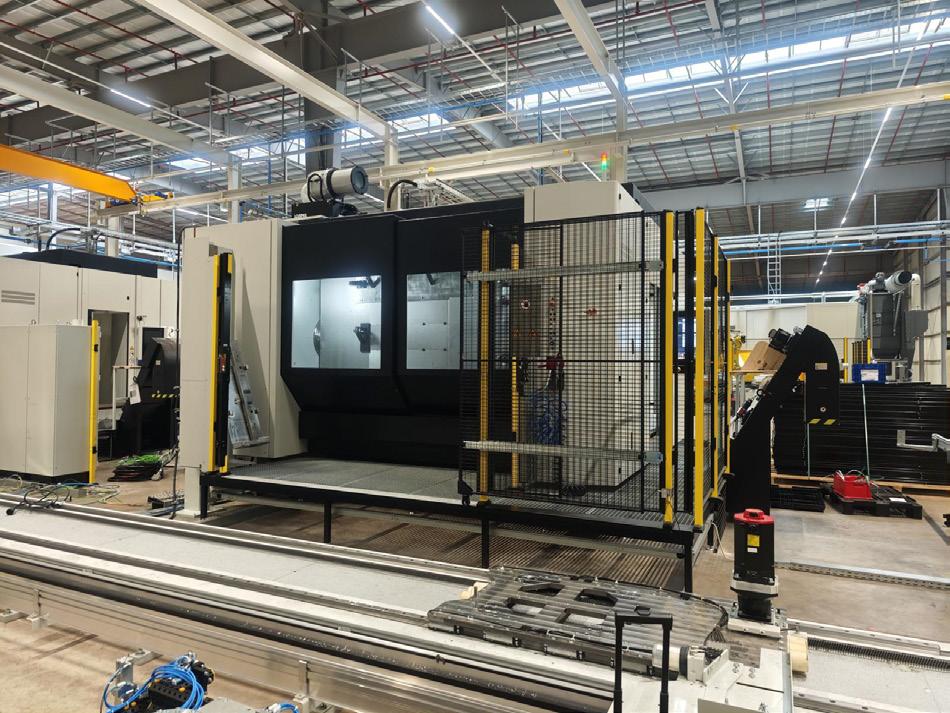
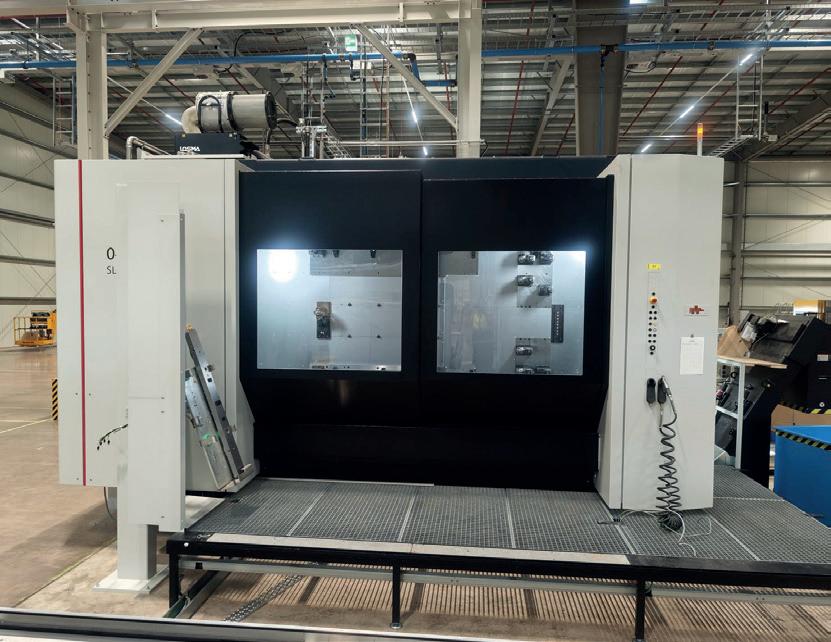
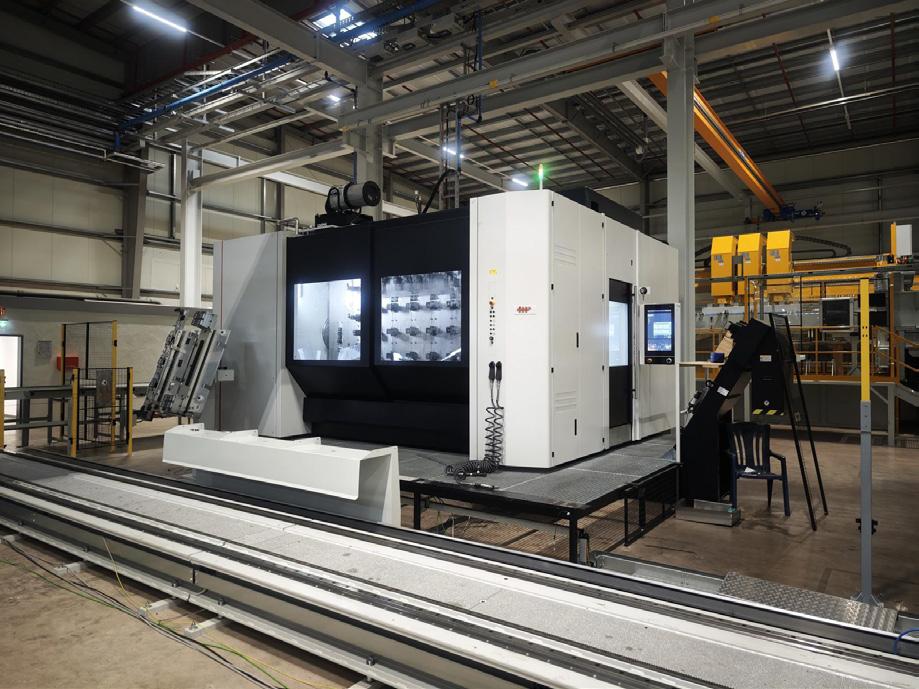
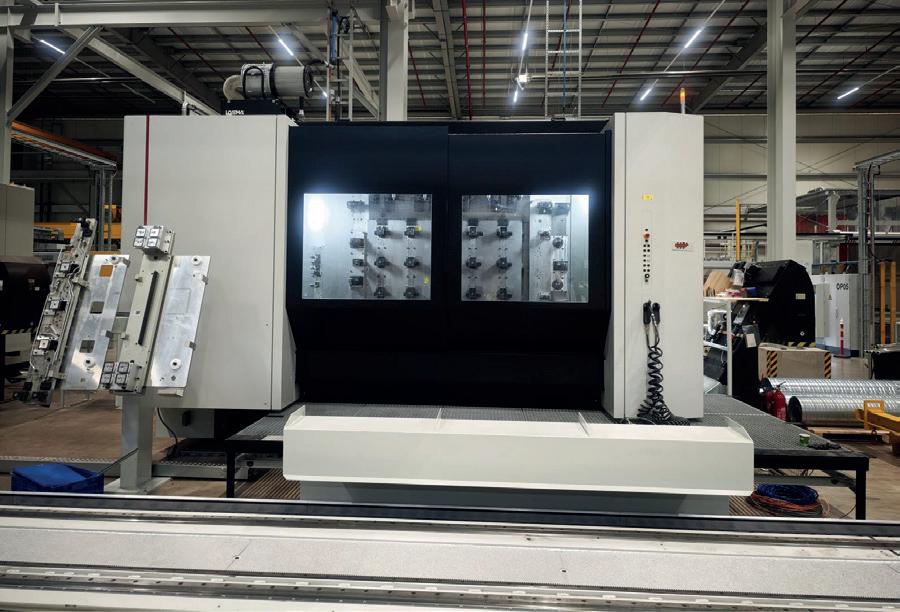
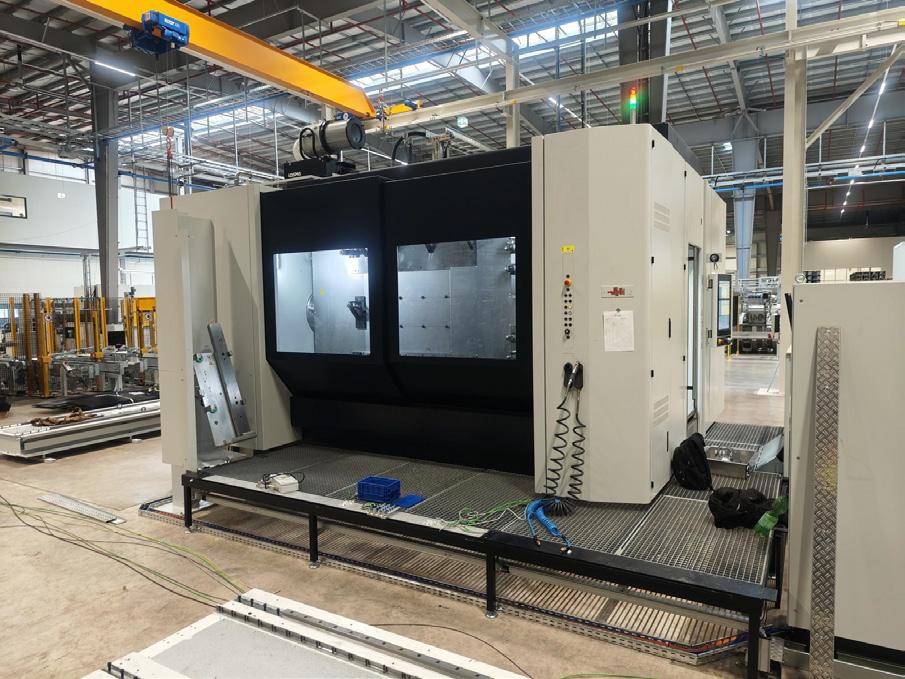
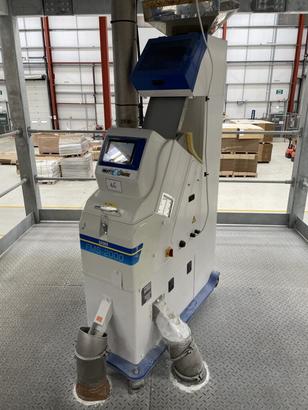
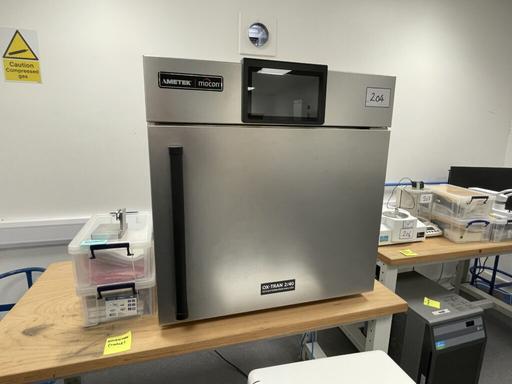
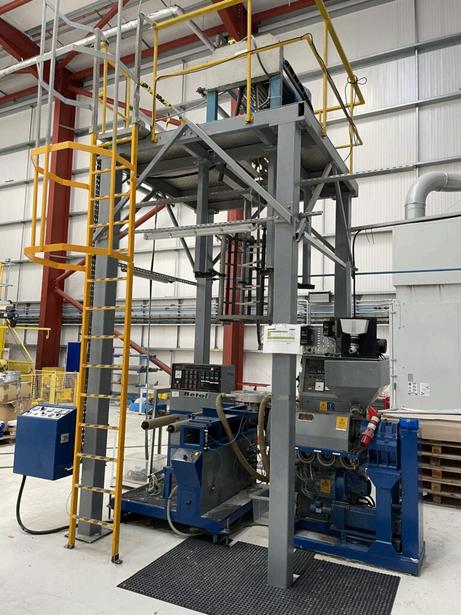
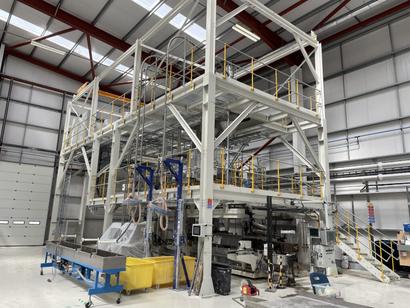
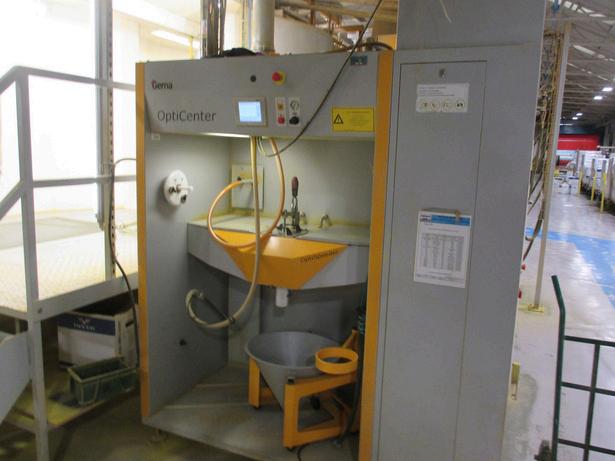
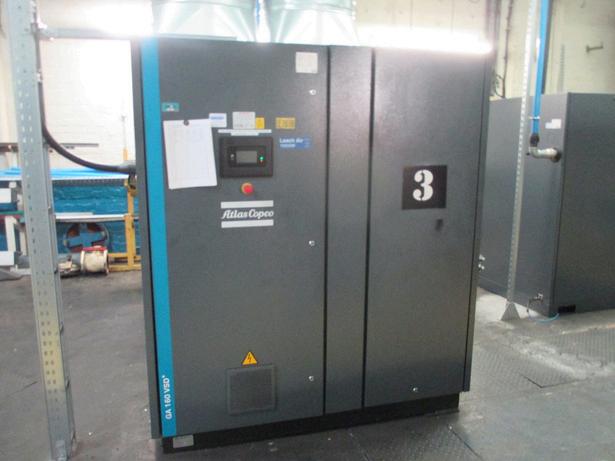
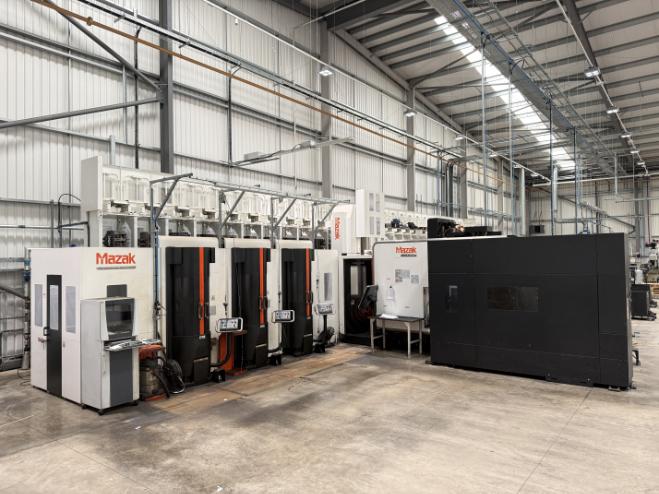
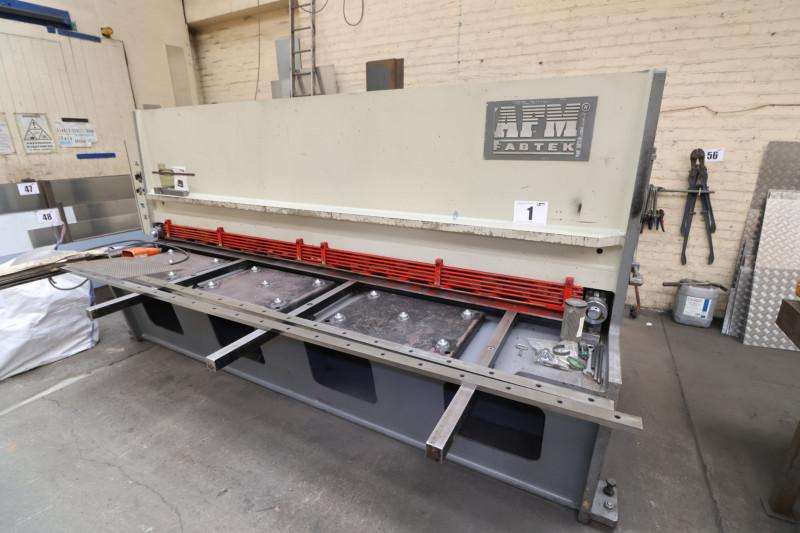
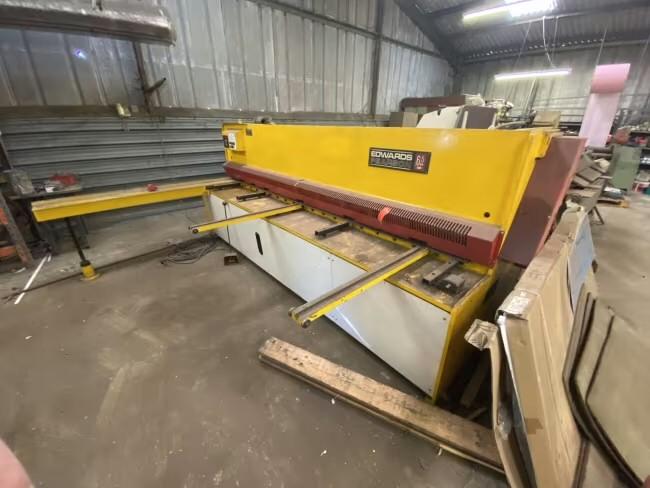
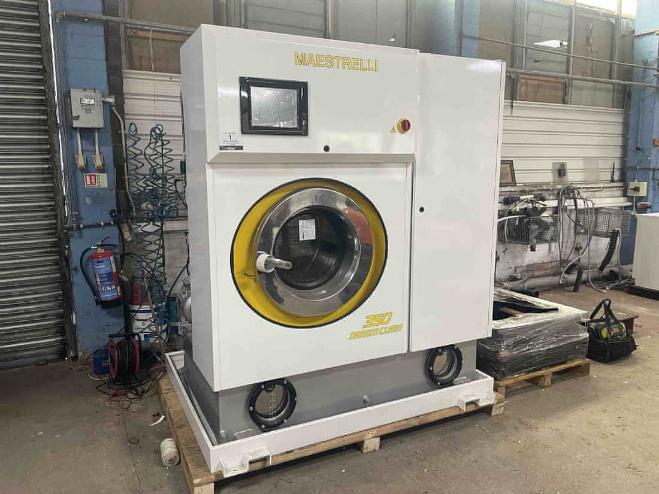
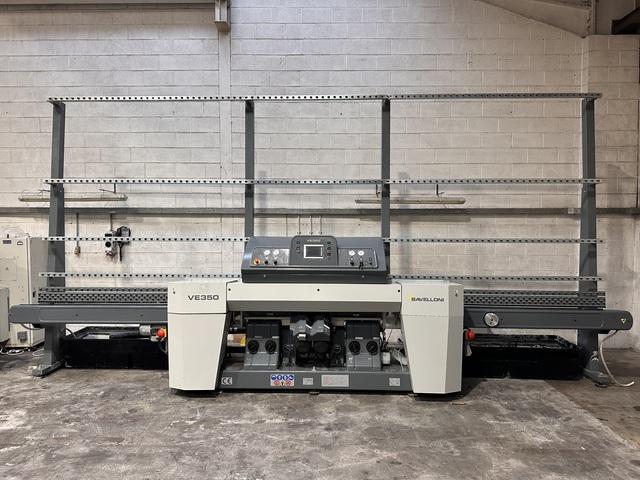
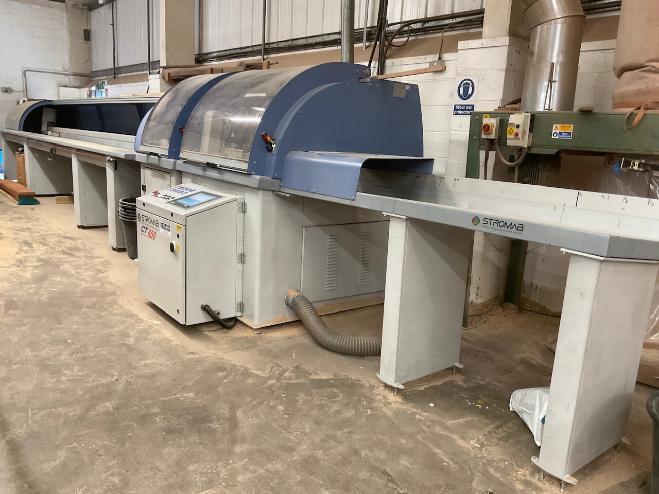
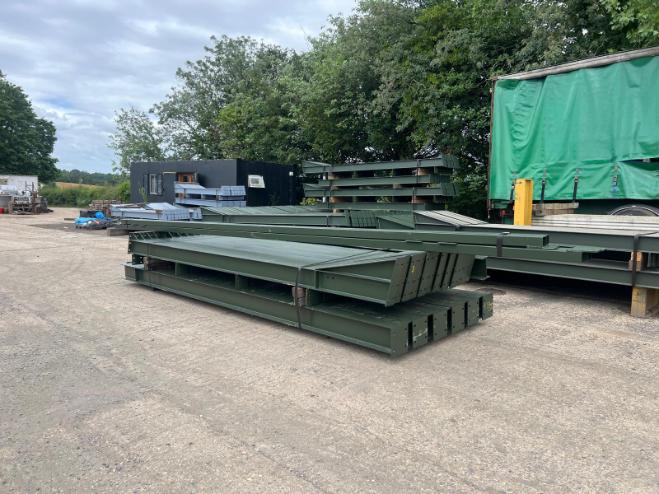
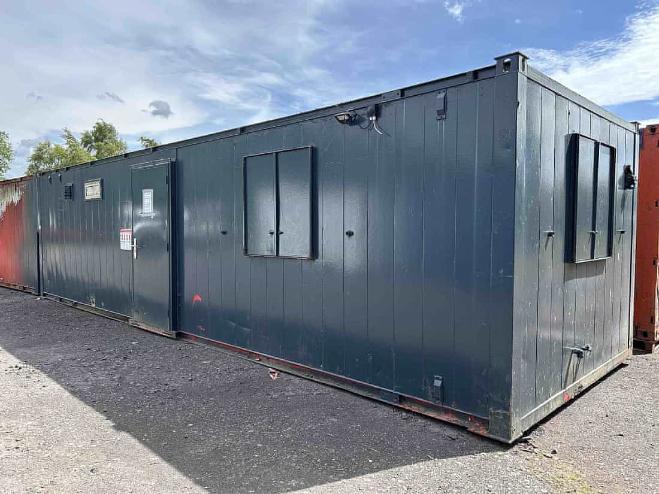
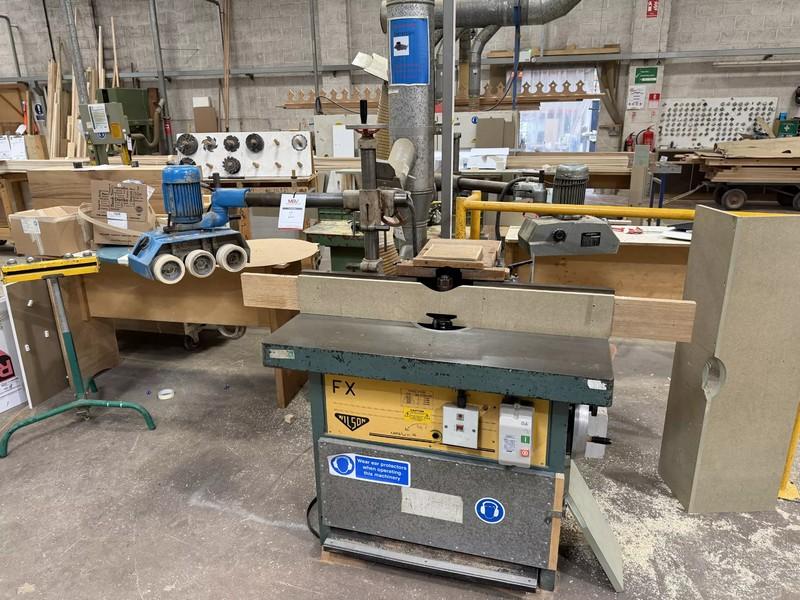
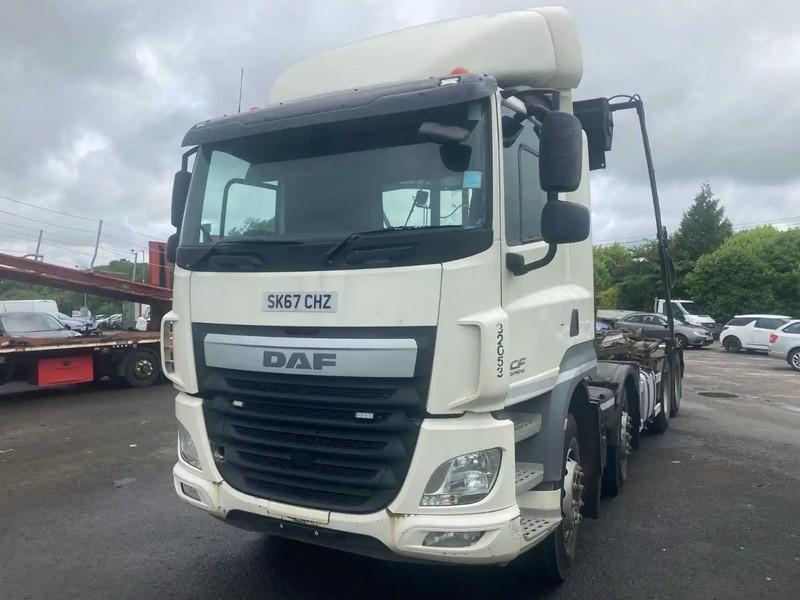
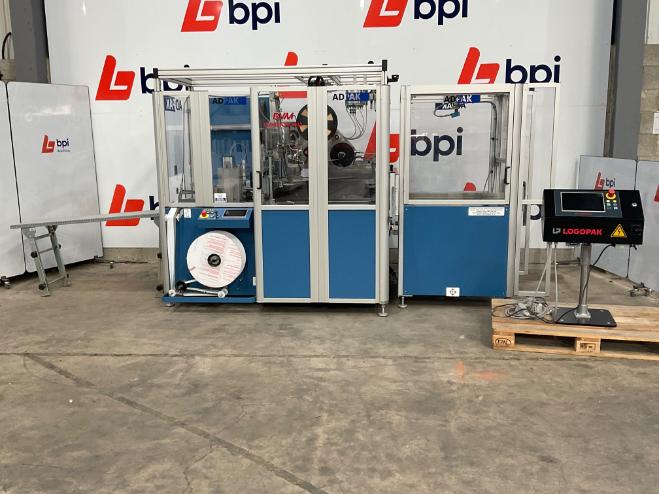
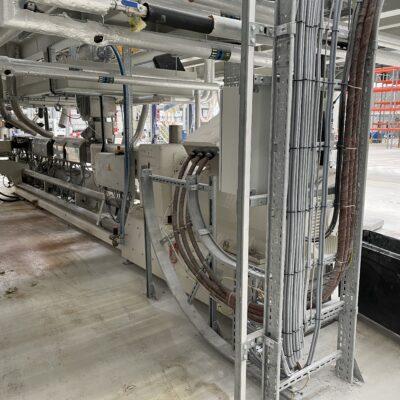
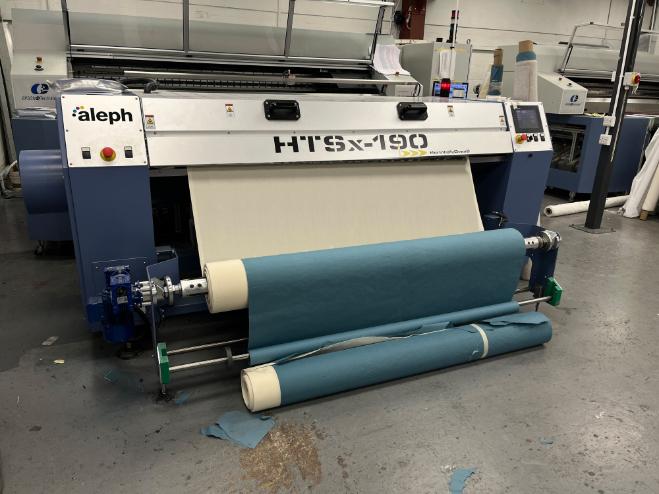
MANUFACTURING PLANT
TUESDA ONL
Olivia Proudley, Director and Chartered Surveyor at Proudley Associates, shares her thoughts on how AI is changing the auction industry and what it could mean for auctioneers.
The auction industry has long been built on expertise, relationships and the ability to accurately assess value. Whether selling fine art, collectibles, industrial equipment or real estate, auction houses have traditionally relied on human judgement to catalogue assets, attract bidders and maximise returns. Today, however, artificial intelligence (AI) is reshaping virtually every aspect of the auction process.
As AI technologies mature, auctioneers and marketplaces are discovering new ways to improve efficiency, enhance bidder engagement and make more informed decisions. The result is a faster, smarter and increasingly data-driven auction environment.
“By improving efficiency, AI could allow us to spend more time focusing on our clients and the specialist knowledge that underpins our business.
”
Improving Asset Valuation & Cataloguing
One of the most significant impacts of AI is in asset valuation. Historically, specialists would spend hours researching comparable sales, market trends and item characteristics to estimate value. AI can now analyse vast amounts of data in seconds, identifying patterns and generating highly informed valuation recommendations.
Machine learning models can compare an item against thousands of previous sales, taking into account condition, rarity, provenance, market demand and broader economic trends. This helps auction houses establish more accurate estimates and reserve prices, while reducing the risk of undervaluing or overpricing assets.
AI-powered image recognition is also streamlining cataloguing. By analysing photographs, systems can identify objects, generate descriptions, detect damage and even classify items into appropriate categories. This significantly reduces manual workload and accelerates the preparation of auction listings.
Enhancing the Bidder Experience
Today’s bidders now expect personalised digital experiences similar to those offered by leading e-commerce platforms. Olivia explains, complaints they receive typically stem from bidders expecting an “eBaystyle” experience, with AI increasingly helping auction companies bridge that gap.
Recommendation engines can analyse a bidder’s browsing history, previous purchases and search behaviour to suggest relevant lots. Personalised alerts notify users when items matching their interests become available, helping to increase engagement and participation.
AI-powered chatbots and virtual assistants are also improving customer service by answering questions, guiding registration processes and providing real-time support during auctions. This enables auction houses to offer responsive service around the clock without significantly increasing staffing costs. Olivia adds that this would make a significant difference for smaller teams that are not always able to respond instantly while auctions are live.
Detecting Fraud & Protecting Market Integrity
Trust is essential in any auction environment. AI is becoming an important tool for identifying suspicious activity and reducing fraud.
Advanced algorithms can monitor bidding patterns in real time, flagging unusual behaviour that may indicate shill bidding, account manipulation or coordinated attempts to influence prices. AI can also assist with identity verification and transaction monitoring, helping auction platforms maintain compliance and protect participants.
For high-value categories such as art, luxury goods and collectibles, AI is increasingly being used to support authentication efforts. By analysing images, materials and historical records, AI systems can help experts identify potential inconsistencies and reduce the risk of counterfeit items entering the marketplace.
Challenges & Considerations
While AI offers significant benefits, its adoption also raises important considerations. Data quality remains critical, as AI systems are only as reliable as the information they are trained on. Auction companies must also address concerns related to transparency, privacy and potential algorithmic bias.
Importantly, AI is unlikely to replace the expertise of auction professionals. Human judgment remains essential when evaluating unique assets, building client relationship and navigating complex market dynamics. Instead, AI should be viewed as a powerful tool that enhances human capabilities rather than replacing them.
The Future of AI in Auctions
The integration of AI into the auction industry is still in its early stages, yet its impact is already evident. It is already supporting auction companies across valuation and cataloguing, as well as marketing, fraud detection and bidder engagement, helping them operate more efficiently and make smarter decisions.
As technology continues to evolve, the most successful auctioneers will likely be those that combine the speed and analytical power of AI with the experience, expertise and trust that have always been at the heart of the auction business. In doing so, they can create more transparent, efficient and competitive marketplaces for buyers and sellers alike.
How it Looks For Proudley Associates
At Proudley Associates, AI is still something they are only beginning to explore. As a small family-run business, they have always managed everything in-house and take pride in the personal service and expertise they provide to clients.
They are starting to identify areas where AI could help save time and reduce costs, particularly across administrative tasks, cataloguing, marketing and market research. By improving efficiency, Olivia notes this could allow the team to spend more time focusing on clients and the specialist knowledge that underpins the business.
However, there is also caution around its use. Accuracy, trust and professional judgement remain essential in the auction industry and AI is not always reliable. As a result, any adoption will be carefully considered and supported by human oversight. Olivia emphasises that AI is seen as a tool to enhance their services, not replace the experience and personal approach clients value.
As a small family-run business, we have always managed everything in-house and take pride in the personal service and expertise we provide to our clients.
We see AI as a tool to enhance our services, not replace the experience and personal approach that our clients value.
Olivia Proudley Director & Chartered Surveyor
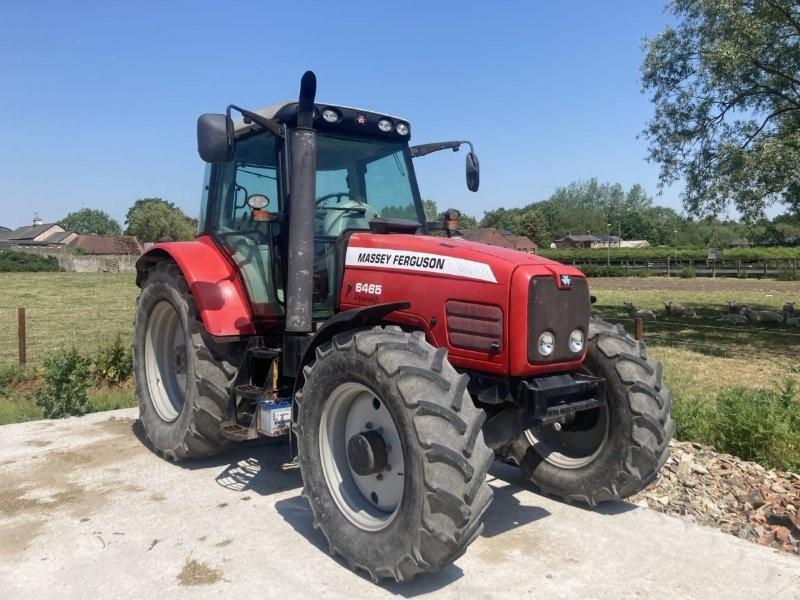
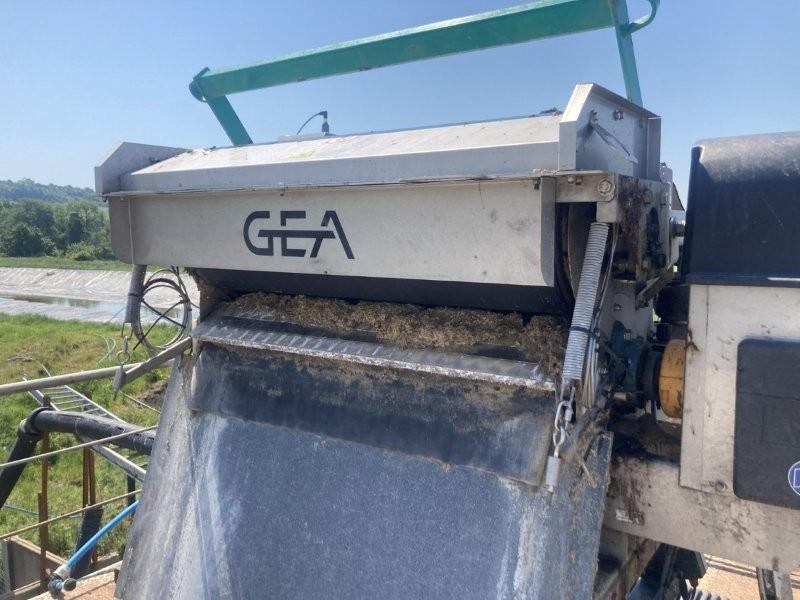
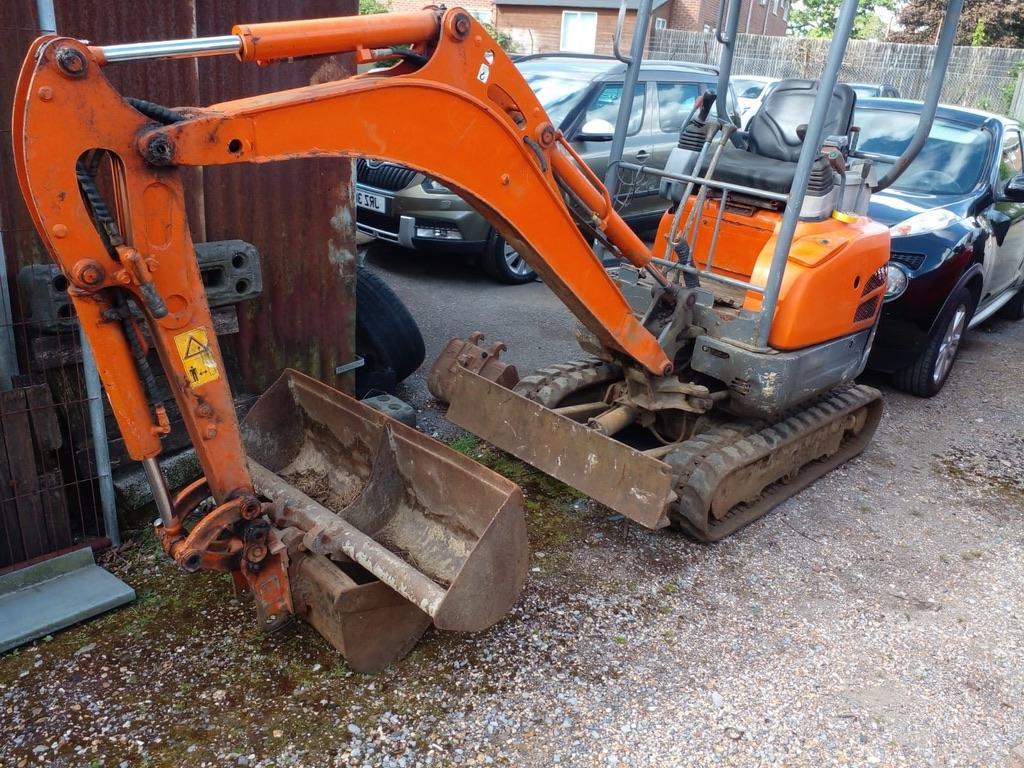
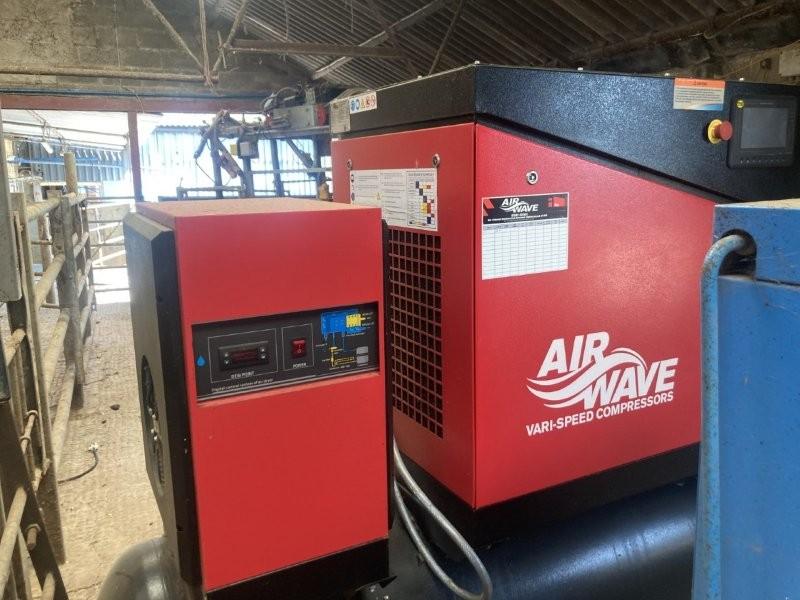
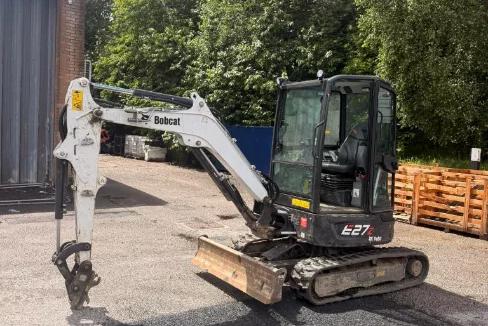
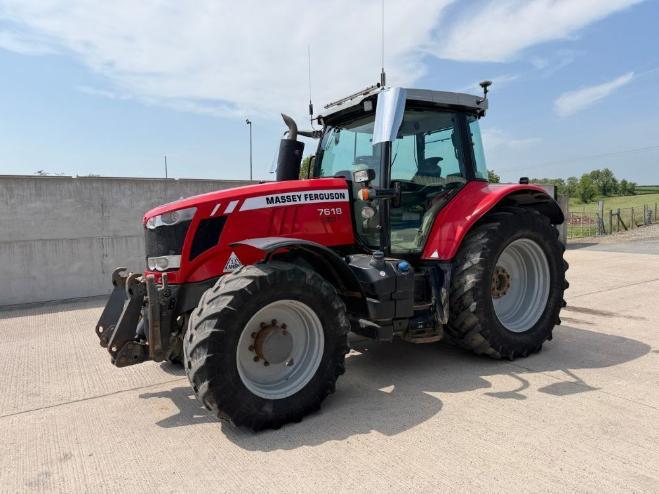
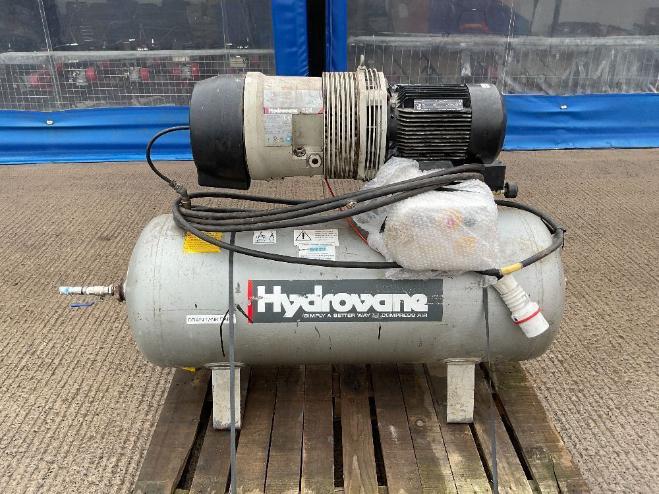
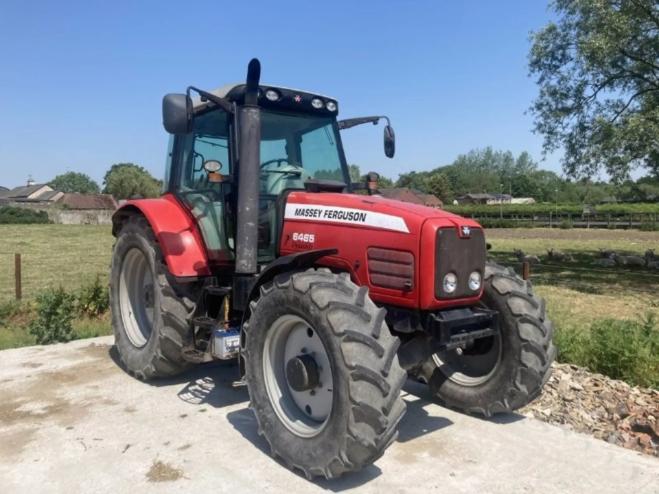
Massey Ferguson 6465 Dynashift Tractor (2005), Kubota U17-3A 1.7 Ton Mini Digger (2010), Bertolina 400 Rotary Cultivator (2021), GEA Xpress 4' Screen Separator, AirWave XL-10EPMTD Variable Speed Compressor, Bucket Brush Tractir Attachment, Lely Juno Robotic Feed Pusher, Northern Dairy Udder Brushes, F Control Boxes, HerdVision and Cow Manager Systems, Viewing: 9th July 2026, 10.00am to 4.00pm, BY APPOINTMENT ONLY At: Swindon, SN4 - Please e-mail to make an appointment
The agricultural auctioneer featured in Series 5 after being called in to value and sell one of Diddly Squat Farm’s most recognisable machines.
eading agricultural auctioneer Cheffins features in Series 5 of Clarkson’s Farm, appearing in episode 6 after being called in to value and sell one of Jeremy Clarkson’s bestknown pieces of machinery, a 350horsepower 2016 Deutz-Fahr tractor.
The tractor, consigned directly from Diddly Squat Farm and featured throughout Series 4 of the show, was sold at the Cheffins Monthly Machinery Sale in Sutton, near Ely, on 9th June 2025, attracting strong interest from buyers and Clarkson fans.
Following an inspection at Diddly Squat Farm, Oliver Godfrey, Head of Machinery Sales at Cheffins, provided a valuation before entering the tractor into the auction. During the episode, Clarkson explained: “The green Lambo hadn’t turned a wheel in weeks, so I decided to sell it, which meant getting it valued by an agricultural auctioneer.”
After inspecting the machine, Oliver Godfrey was asked what he believed it could achieve at auction. He replied: “It’s not the easiest thing to sell in the world, I’ll be honest, but I would look somewhere in the region of between £50,000 and £60,000.” Clarkson responded: “It’s quite a lot less than I paid for it… I paid £80,000.”
Despite the valuation, the tractor attracted considerable attention on sale day. Modified by Clarkson with a bespoke cab lift and Lamborghini branding, it stood out among the auction lots and generated competitive bidding. With 3,180 hours recorded, it eventually sold for £70,500 to a regular UK-based buyer after receiving 62 bids.
Clarkson attended the sale alongside farming contractor and co-star Kaleb Cooper, with filming taking place throughout the day at Cheffins’ purpose-built auction facility. Reflecting on the sale, Clarkson remarked: “Up for sale was everything from high-end tracked tractors to characters from Pixar.”
As the Deutz-Fahr entered the drivethrough auction hall, Clarkson predicted: “Here it is. There's going to be a frenzy of bidding...” As bidding intensified, he added: “We are actually getting closer to the £80,000 that I had paid for it.”
When the hammer finally fell at £70,500, both Clarkson and Cooper appeared pleased with the result. Summing up the outcome, Clarkson joked: “Well, it was a financial hit, but it wasn't a financial kick in the nuts.”
Oliver Godfrey commented: “Clarkson’s Farm has done a huge amount to raise awareness of the realities of farming life in the UK. With its massive ratings, Jeremy Clarkson has brought the challenges and economic pressures facing farmers to a much broader audience, both here and internationally. It’s been a real boost
for the industry’s profile and many farmers are genuinely grateful for that.
We were therefore really pleased to be invited to work with Jeremy on the sale of the Deutz-Fahr tractor. In true Clarkson style, he’d added a few entertaining modifications, particularly the lift, which was unlike anything I’ve seen before, along with the Lamborghini badges and these certainly got people talking and added to the appeal on the day.
It’s not every week you find yourself valuing a tractor at Diddly Squat Farm and it was a memorable experience from start to finish, especially meeting the wider team. The sale attracted strong competition and we’re pleased it achieved a good result with a regular buyer. Working with Jeremy and Kaleb was a thoroughly enjoyable experience.
As one of the most-watched shows across UK streaming platforms, it was fantastic for Cheffins to be involved and we’re grateful to Amazon for the opportunity.”
The episode of Clarkson’s Farm featuring Cheffins is available to watch on Amazon Prime Video.
Assets reach auction for many reasons beyond condition. For buyers, understanding why can reveal real opportunity and long-term value.
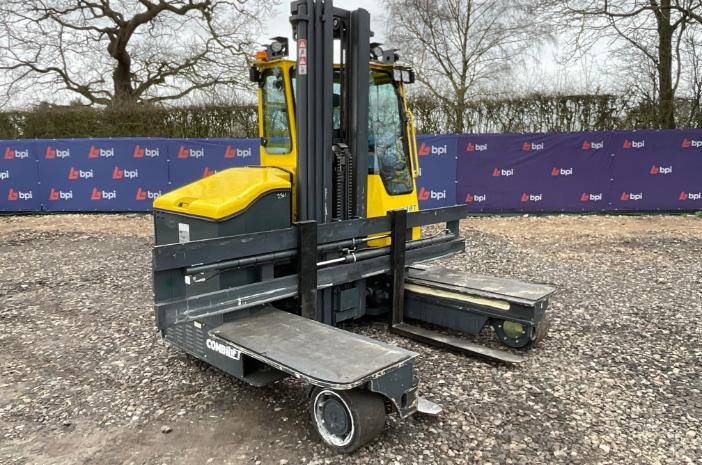
hrough its work managing asset disposals for businesses across a wide range of industries, BPI regularly sees valuable machinery, vehicles, workshop equipment and industrial assets brought to auction for reasons that have little to do with their condition or performance.
It’s easy to assume assets are sold because they’re worn out or no longer useful, but the reality is often very different. Businesses sell equipment for strategic and commercial reasons, with many items still holding significant value and working life. Understanding this can help buyers identify opportunity and purchase with greater confidence.
Retirement & Succession Planning
Many business owners spend decades building successful companies before deciding to retire. Where there is no family member, management team or successor, assets are often sold as part of an organised exit strategy.
Buyer benefit: Access to equipment that has been well maintained and carefully operated throughout its working life.
Relocation to New Premises
When businesses relocate, not every asset makes the move. Transport costs, space constraints and changing operational requirements can all lead to machinery and equipment being offered for sale.
Buyer benefit: The opportunity to acquire assets that may have been in active use.
Equipment & Technology Upgrades
To improve efficiency and productivity, businesses regularly invest in newer machinery and updated technology. As a result, existing equipment can become surplus despite remaining fully operational.
Buyer benefit: The chance to purchase reliable equipment at a fraction of the cost of buying new.
Business Restructuring & Consolidation
Companies continually review their operations to improve performance and reduce costs. This can involve merging facilities, consolidating departments or changing service offerings in certain areas.
Buyer benefit: Quality surplus assets can enter the market even when the business itself continues to trade successfully.
Underutilised or Surplus Assets
Buyer benefit: The opportunity to purchase equipment that is no longer required by the seller but still has considerable value.
Why It Pays to Watch Online Auctions
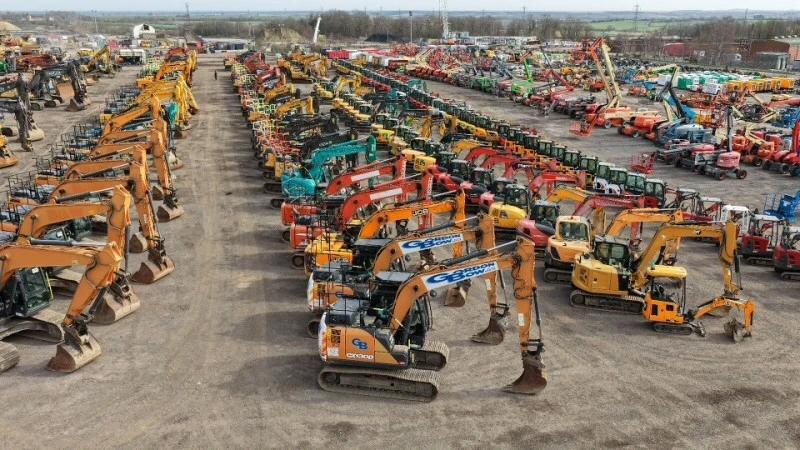
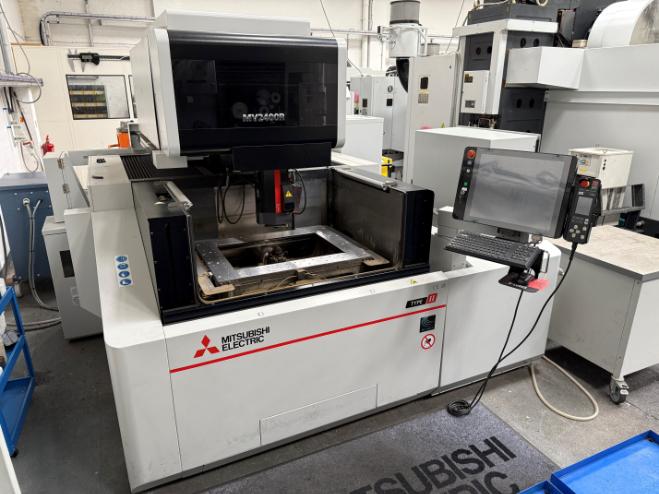
Business asset auctions offer a constantly changing range of plant machinery, commercial vehicles, engineering equipment, woodworking machinery, workshop tools and industrial assets.
Assets are often sold because they are no longer required, rather than because they’ve reached the end of their useful life.
For buyers, this creates opportunities to secure quality equipment, expand operations, replace ageing assets or source specialist machinery at competitive prices. In many cases, one business’s change becomes another’s opportunity.
Many organisations identify equipment that are no longer being used to their full potential. Rather than allowing these assets to sit idle, businesses often choose to realise their value through auction.
Assets on behalf of International Construction Company
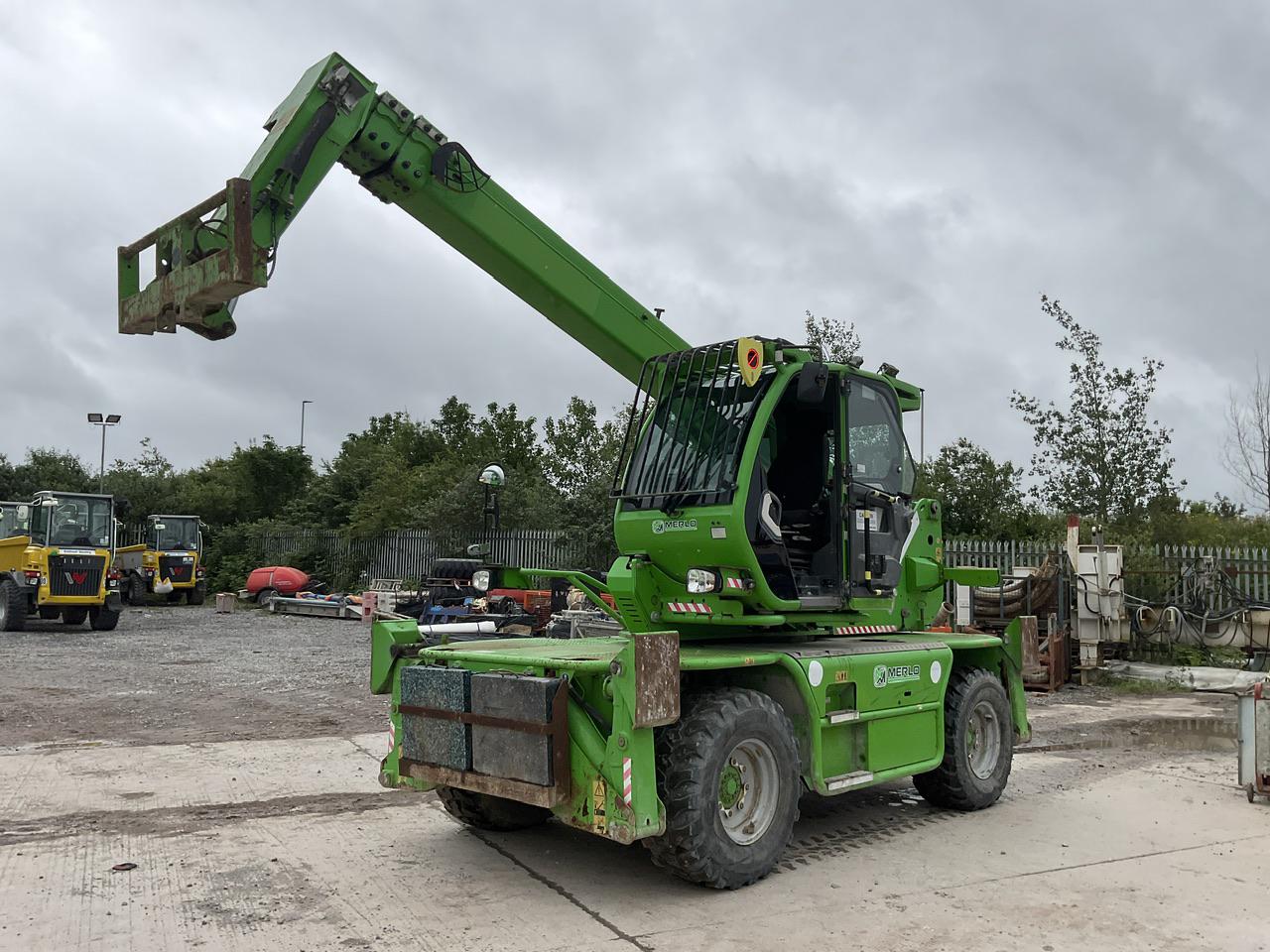
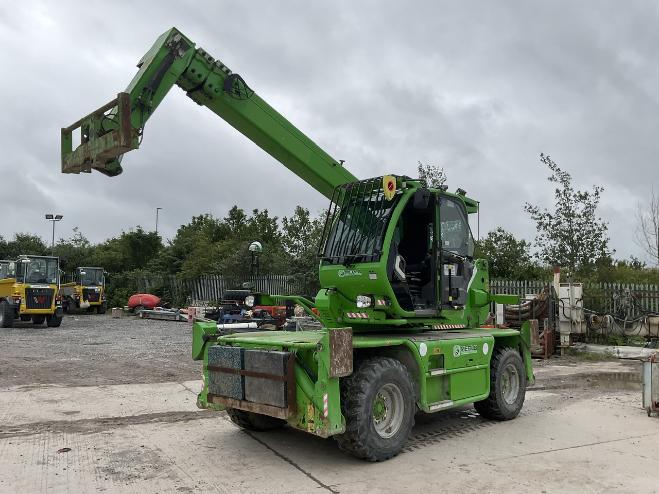
2019 Merlo Rotating Telehandler, Tri Axle Trailers, Holding Tanks & more
Auction Ends: 30th June
Location: Bridgwater, TA6
Plant & Trailers: 2019 Merlo Roto 40.16S Rotating Telehandler, 2022 Staines 32T Beaver Tail & 9.2T Plant Trailers
Tunnel Ventilation & Pumping Equipment: BeMo Tunnel Ventilation Fan, steel & flexible ventilation ducting, Blagdon pumps & holding tanks
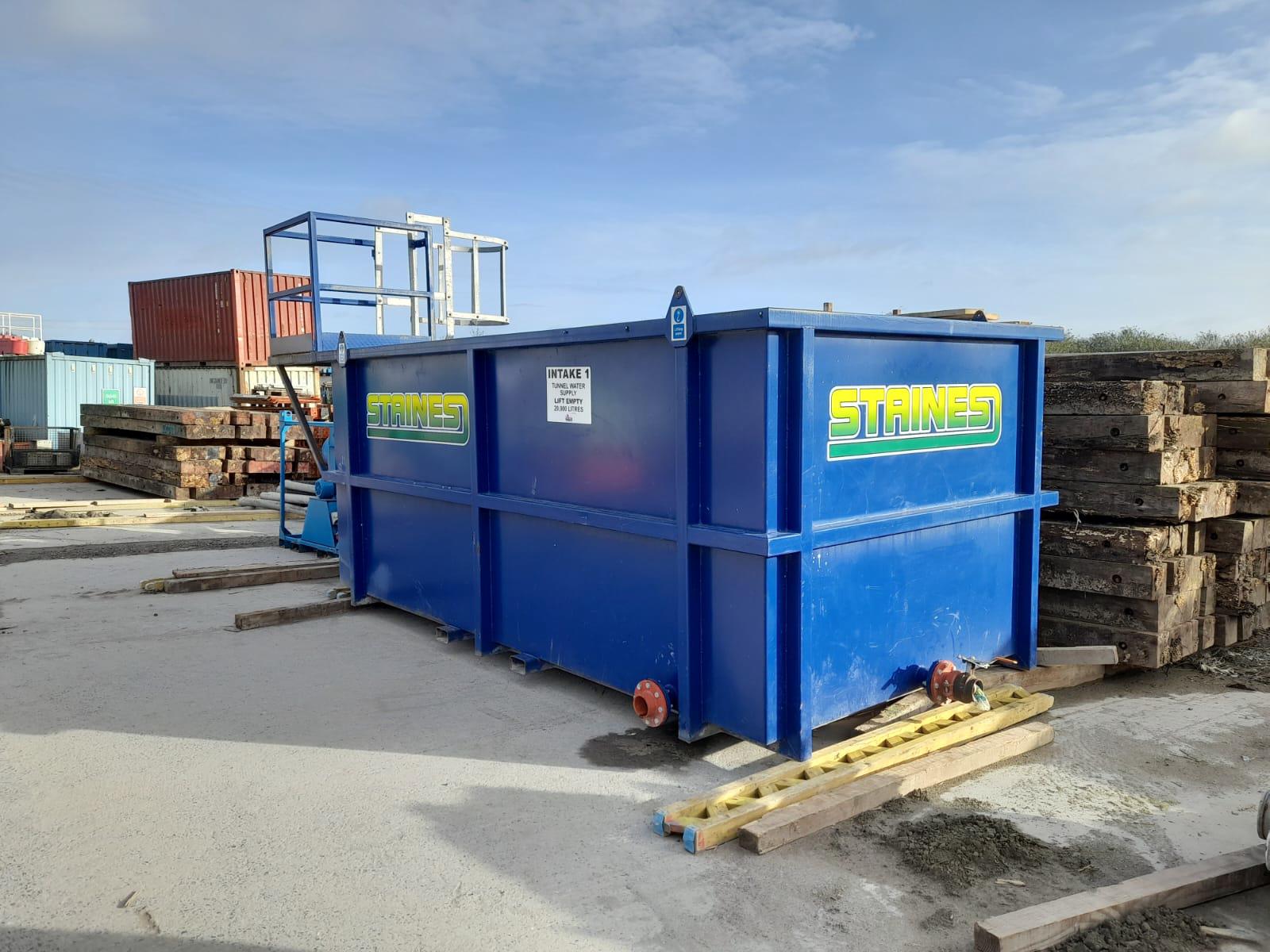
Site Equipment: Armorgard storage, Conquip Autolock tipping skips, 20,000L tank with access ladder, tunnel offices & more
To arrange a viewing, please email
Hickman Shearer delivered a highly competitive global sale for a major OEM, with bidders from 9 countries chasing 402 specialist lots.
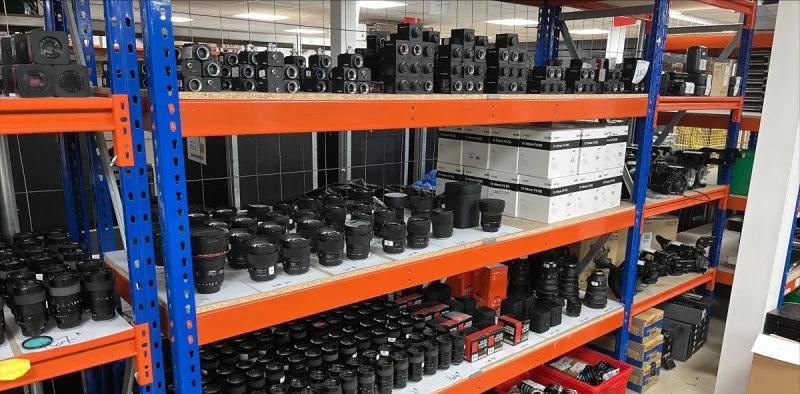
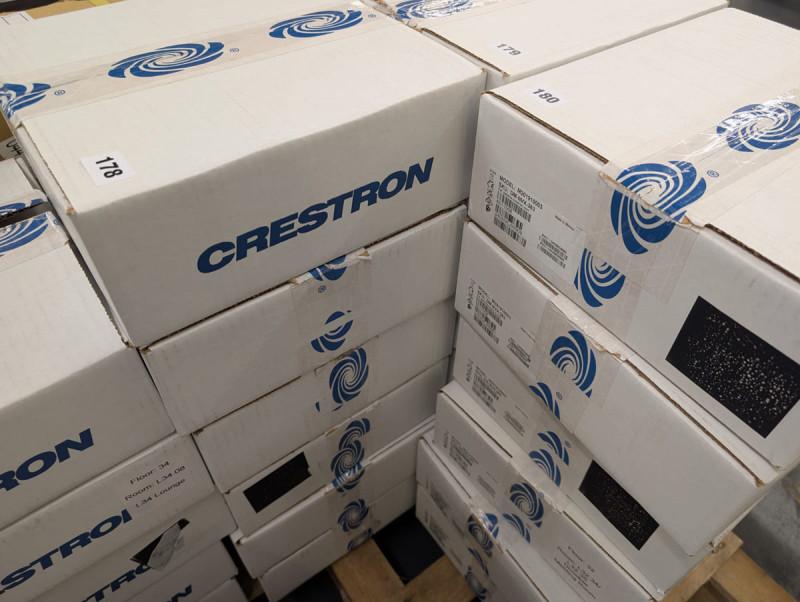
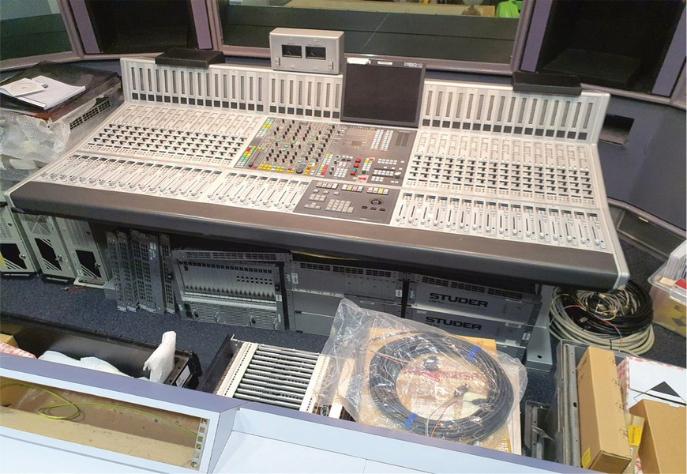
When the lots from a major OEM came to market earlier this year, the response went far beyond a standard auction result. Bidders from 9 countries registered for 402 lots of professional broadcast, photography and IT equipment, reflecting strong global demand for well-presented specialist assets.
The vendor, a major OEM operating at the highest levels of the broadcast and sports technology sector, had built up a substantial collection of productiongrade equipment over time. Camera systems, lenses, broadcast infrastructure and IT hardware formed a high-spec inventory now released following a relocation to a new purpose-built headquarters.
“The depth of international bidding, the competitive tension across the full catalogue and the outcome on the premium lens sets all reflect what is possible when specialist assets are properly valued, properly presented and put in front of the right audience.
Tim Howard Managing Director
”Hickman Shearer was appointed to manage the disposal of surplus assets, ensuring they could continue their lifecycle within the industry. Much of the equipment had very low, or no hours of use, offering buyers a rare opportunity to secure professional-grade kit at a reduced cost.
Certain lots generated immediate attention, particularly the cine lens sets. A Cooke S8/i FF T1.4 six-way set achieved a single bid of £50,000, while a JDC Xtal Xpress Anamorphic four-way set attracted 47 bids before selling to a Swedish buyer at £47,000.
Strong demand was also seen across the wider
catalogue. Sony PMW-F55 camcorders received between 11 and 13 bids each, a Sony RCP-1500 achieved 20 bids to reach £1,300 and a 19" rack case of Shure and Netgear equipment matched that figure after 17 bids. Even lowervalue items, including a Sigma lens at £150, drew 20 registered bids, demonstrating consistent competition throughout.
The marketing campaign contributed to strong visibility ahead of the sale. A targeted Auction News email on 20th May reached 9,581 subscribers, achieving a 48% open rate and generating 304 catalogue clicks. Social activity added a further 5,162 impressions and 349 clicks, supporting nearly 66,400 page views across the listing period. Hickman Shearer reported strong results across all elements of the Auction News campaign, noting that the audience was well aligned with their buyer base and that the combined email, listing and social activity provided effective coverage throughout the campaign cycle.
The international reach of the auction continues to be a key factor in performance. Specialist broadcast and photography equipment routinely attracts buyers from across Europe, North America and beyond, often achieving stronger results than domestic-only sales when exposed to the right audience.
Commenting on the auction, Tim Howard, Managing Director of Hickman Shearer, said: “This was a strong result on every measure that matters. The depth of international bidding, the competitive tension across the full catalogue and the outcome on the premium lens sets all reflect what is possible when specialist assets are properly valued, properly presented and put in front of the right audience.”
Peter Jackson