PRODUCTIVITY SOLUTIONS PAPER
Building a stronger, fairer economy for Australia
Building a stronger, fairer economy for Australia
ATN Universities is a national network of Australia’s most industryengaged, ‘hands-on’ universities: Curtin University, Deakin University, RMIT University, the University of Newcastle and the University of Technology Sydney.
Swinburne University of Technology joined the network in 2026 as an observer. Together, we educate more than 320,000 students and operate Australia’s largest transnational education network. We deliver Australia degrees in 11 countries at more than 26 offshore campuses and locations.
Our mission aligns directly with Australia’s economic priorities: an agile workforce, stronger business and technological innovation, and diversified export markets.
Productivity shapes wages, workforce participation, housing supply, and the capacity of governments to invest in essential services.
Yet for many Australians, the benefits of economic growth and innovation are not being felt in housing affordability, job security and income. Productivity has slowed; skills shortages persist across critical sectors and rising costs of living are placing pressure on households and communities.
All Australians deserve to participate in and benefit from a strong and fair economy. Addressing Australia’s productivity challenge will make that possible. This requires a practical focus on capability and opportunity, with people at the centre.
Building a fairer economy will deliver sustainable lifts in wages, meet future skills needs, and ensure inclusive growth. The traditional levers of productivity such as efficiency, workflow and cost control are no longer sufficient to support Australia’s transition to a green economy. Nor can they contend with the impact of technology, help us navigate demographic shifts, or adequately respond to the evolving expectations of work.
Chief among these is the impact of artificial intelligence. The Commonwealth’s National AI Plan rightly emphasises the need to ensure AI delivers tangible benefits for the Australian public. Its goals set a clear expectation; in seeking to capture the opportunities of AI, we must see that all Australians benefit and are kept safe by robust management of the risks.
Productivity reform must focus on building national capability through skills, applied research, and innovation that translates into real-world outcomes. Australia cannot, and should not, compete on low costs. Our strategy must be built for a dynamic, knowledge-rich economy that treats education, applied research, and global engagement as critical economic infrastructure.
As Australia’s most ‘hands on’, industryengaged network of universities, the Australian Technology Network of Universities (ATN Universities) brings demonstrated capability in delivering these outcomes at scale. Across our network, we lead in delivering a workforce that is skilled and adaptable; research that delivers real-world impact; and education that supports Australia’s global engagement.
Australians
should be able to access the skills and education they need at any stage of life.
Our universities test new approaches to education and training, equip graduates for a changing world, and work closely with communities and industries across the country. Through long-standing and extensive offshore delivery and partnerships, particularly in the Indo-Pacific, we contribute to regional skills development and Australia’s international engagement.
Research settings need to reward impact alongside research excellence. Small and medium enterprises that make up the bulk of the business sector must be able to engage more easily with innovation and skills development. Recent policy reforms provide important direction. The Universities Accord, the establishment of the Australian Tertiary Education Commission (ATEC), the Commonwealth’s commitments to implementing the Strategic Examination of Research and Development (SERD) in its 2026 Budget, and the Productivity Commission’s inquiry into workforce capability have clarified the direction of reform.
We mustn’t resile from the reform imperative due to economic uncertainty or global volatility. Reform implementation is doubly important against that backdrop.
To be effective, implementation requires alignment across funding, regulation, and incentives so that education, research, and industry engagement reinforce one another in practice. To do so, we need to reimagine and redesign how we fund, reward, and connect our systems.
This ATN Universities ‘Solutions Paper’ focuses on where implementation effort can most effectively be concentrated in 2026. ATN Universities has set out three priority areas, preparing a skilled and adaptable workforce, advancing applied research with real-world impact, and leveraging Australia’s international education strengths. These are areas where our universities are already delivering results and where policy settings can best support improved outcomes. We look forward to continuing to work with government and industry to address Australia’s productivity challenges and deliver a stronger and fairer economy.
Professor Alex Zelinsky AO
Chair,
ATN Universities
Vice-Chancellor,
The University of Newcastle
Productivity is central to the prosperity, wellbeing and the future of all Australians. A resilient, fairer nation depends on a high-capacity, innovative and competitive economy.
The federal government’s Universities Accord reforms set the policy vision for improved productivity in Australia’s education and research sector. The newly established Australian Tertiary Education Commission (the ATEC) is in place as the reform steward. Global volatility and cost-ofliving pressures place this reform agenda and its implementation at risk.
ATN Universities asserts that now is not the time to delay. Rather, it is an opportunity to be bold, to double-down.
In this Productivity Solutions paper, we offer reasons to accelerate the government’s reforms. And we present practical measures to help. As Australia’s most ‘hands on’ universities –specialists in industry-partnered research and high-demand skills development – we know what is required and how to do it.
We propose three sets of Productivity Solutions:
1) preparing a skilled and adaptable workforce;
2) advancing applied research with real-world impact; and
3) leveraging Australia’s international education strengths.
These solutions are backed by 25 recommendations to boost Australia’s productivity.

We know what is required and how to do it.
We show how government-funded research commercialisation projects can generate innovation, investment, and productivity multipliers well beyond their initial scope.
On each count we share, in this paper, how ATN member universities are well-advanced and able to provide waypoints for achievable, sectorwide reform. This includes proposals to deepen the industry embedded skills system we have already operationalised, and to develop more harmonised, responsive education systems.
Importantly, we prove, via our balanced offshore and on-shore international education programs how a sustainable, resilient and incredibly valuable export sector can be a platform for global productivity leaps.
This is the first of three Solutions Papers the ATN Universities will release in 2026, with a resilient and fairer Australia the focus of our coming reports. We are an agile, hands-on and progressive grouping of universities committed to solutions in the national interest.
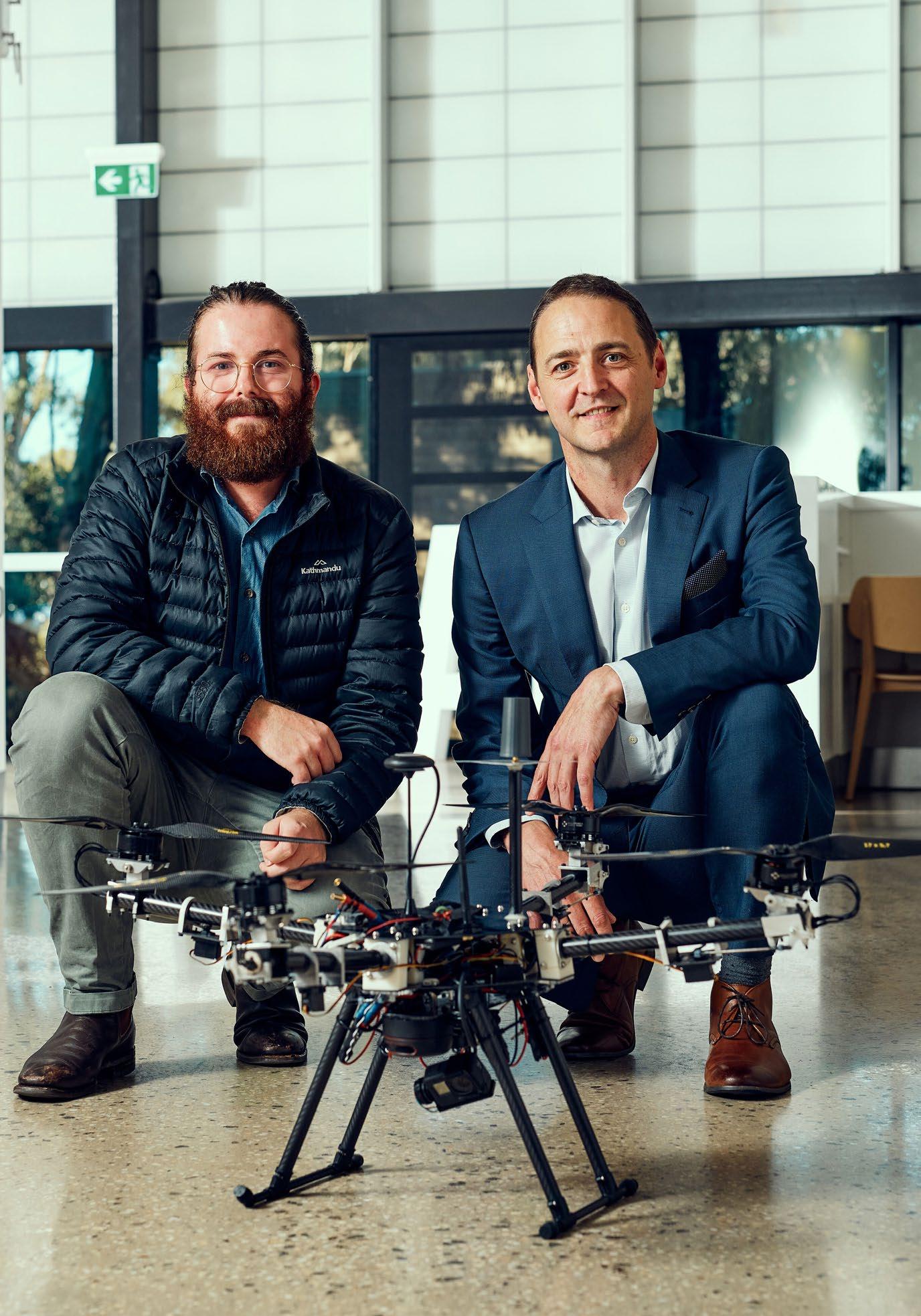
We are committed to solutions in the national interest.
The nature of work is being restructured rapidly, with automation and AI compressing the value of routine cognitive and manual tasks. Simultaneously, the value of critical judgment, technical fluency, and adaptive problem-solving is increasing. Australia’s productivity performance depends on the capability, adaptability, and inclusiveness of its workforce. Improving access to skills and stable employment is a critical pathway to lifting wages and reducing inequality over time.
The question is whether Australia can build a skills system with the speed, coherence, and reach required. Australia’s workforce is ageing, and migration policy is increasingly contested as a skills solution.
The sectors carrying the heaviest future demand (such as care, construction, clean energy, and advanced manufacturing) share two common features:
1) they cannot be offshored; and
2) they generally take long formation cycles to produce the workers they need.
The fragmented skills system acts as a brake on productivity. Vocational and higher education systems operate in silos, and the policy framework does not sufficiently support lifelong learning. The Universities Accord’s long term participation targets are ambitious, and its reform directives aimed at better cohering the system are likewise going to take sustained effort to achieve.
Targeted investments in the skills of workers who historically have had poorer access to education, jobs and opportunities produce stronger aggregate wage effects. Inclusiveness is therefore not separate from productivity policy; it is a mechanism through which productivity gains translate into sustained and broadly shared wage growth.

We
ATN Universities is committed to delivering industry-relevant, lifelong learning to Australians at all stages of their careers. ATN member universities educate a significant share of Australia’s future workforce in areas critical to productivity, wages growth and service delivery.
ATN member universities educated more than 26,000 (20%) of domestic bachelor graduates in 2024. This includes 37% of architecture graduates, 32% of engineering graduates, 28% of information technology graduates, and 27% of creative arts graduates. These fields are not only central to addressing long-term challenges in housing supply, infrastructure delivery, digital capability and workforce resilience but critical in driving economic growth and enhancing social cohesion.
Historical and persisting barriers mean that the transformative impact of higher education is not equally available to all. This unfairly prevents many from accessing opportunities that they need to reach their goals. Our network is the leader in providing access to students with disabilities. In 2024, ATN member universities had the largest proportions of commencements from domestic students with disabilities in the sector (14%), and enrolments of undergraduate domestic students with disabilities (16%).
Each ATN member offers institutional supports and outreach that identifies and addresses barriers students face, aiming to continue to improve accessibility. These measures contribute towards a future workforce that is more inclusive and diverse.
These strengths align directly with the National AI Plan’s commitment under Action 5 to build an inclusive, AI-ready workforce, with explicit focus on women, First Nations people, people with disability and regional learners. Where the Plan funds VET–AI integration through the Future Skills Organisation and the National Skills Agreement, ATN’s operationalised dualsector and VET-to-degree pathways are existing infrastructure for delivery.
ATN member universities are leaders in industryconnected learning and work-integrated learning (WIL). We provide WIL experiences and placements across all fields, and each member contributes across the higher education to vocational education (VET) spectrum, through formal delivery arrangements, joint partnerships or through partnerships with local TAFEs. As a result of our focus on industry relevance, ATN member universities score higher on reputation among employers than the Australian average.
ATN members are building the operational reality of a harmonised tertiary system through industry co-designed qualifications, structured VET-to-degree credit pathways, and earnand-learn models that dissolve the boundary between study and work. We have moved toward integrated delivery: dual-sector structures at RMIT, guaranteed articulation at Deakin, microcredentials pilots at UTS, workforceembedded pathways at Newcastle, and industryled qualification design at Curtin. Collectively, ATN Universities demonstrates that tertiary harmonisation is achievable at scale and in priority sectors.
Some case studies of leading collaborations include:
RMIT University – Earn and Learn models, including higher apprenticeships and industry-embedded pathways
Under this model, students are employed in industry throughout their studies towards a vocational or higher education award. This gives graduates job-ready skills and experience that compound the productivity impacts of their qualifications.
Deakin University – industry-embedded learning
Deakin maintains industry-embedded WIL and placements across health, business and defence sectors, including partnerships with organisations such as GMHBA and Hanwha Defence Australia. These are critical growth areas for driving productive, modern industries.
The University of Newcastle – workintegrated learning across disciplines
WIL placements are embedded into every undergraduate program, enabling students across all fields to access productivity enhancing, industry-embedded learning, beyond the traditional fields where WIL is already the expectation.



University of Technology Sydney – tailored short courses with major employers
UTS designs short courses in technology with major employers, directly addressing priority skills gaps. One microcredential was co-designed with Telstra to upskill 2,500 Telstra employees in one of Australia’s largest ever corporate upskilling initiatives.
Curtin University – automation and Industry 4.0 in mining
Curtin’s automation and Industry 4.0 training includes pilot programs of Australia’s first nationally accredited automation courses. Delivered in partnership with South Metropolitan TAFE and mining industry partners, this tripartite approach brings together vocational, higher education and industry partners to build productivity-enhancing partnerships in the mining sector.


Expand proven productivity boosting skills initiatives
Lifelong, flexible, industry-connected learning that’s responsive to community need and accessible to all is critical to boosting productivity. ATN Universities supports nationally coordinated credit recognition. We support Jobs and Skills Australia (JSA) prioritising rollout of the National Skills Taxonomy and the Skills Passport. We view the expansion of work-integrated learning (WIL) opportunities, and accessibility as a core value of the placements and skills systems 1 .
Expand real-world learning opportunities
ATN Universities, government and industry must collaborate to build more pathways for students to gain experience in their chosen fields and to engage in other career-relevant paid work while they learn, such as industry-partnered higher apprenticeships.
ATN Universities recommendations:
1. Build more pathways for students to undertake practicums and placements with co-funding, subsidies and coordination.
2. Enable all students to access WIL, prioritising initiatives supporting students from low SES and regional backgrounds.
3. Connect the National AI Plan’s Next Generation Graduates Program, FSO Skills Accelerator–AI, and TAFE AI with proven WIL channels already established by applied universities, to best support AI skills delivery.
4. Set up brokerage services and ‘access points’ to support more SMEs to engage in upskilling staff and access new innovations.
5. Enable more co-design of educational offerings with industry through regulatory reform, support for partnerships, and coordination.
1 These initiatives have strong support in the business sector and among industry representatives. Ai Group and the Business Council of Australia have spoken on the importance of “upskilling and reskilling of existing workers to meet industry needs” and allowing workers to “upskill and retrain throughout their lives”. Representative bodies like Engineers Australia have called for needs-based funding in higher education to address skill shortages and equity gaps in critical fields.
Accelerate tertiary harmonisation in support of lifelong learning
ATN Universities will help government forge better connections. ATN members lead the way in partnership with industry in qualification design, Australian Qualifications Framework reform, better credit recognition, and support for pilot programs; with coordinated efforts from Commonwealth departments and agencies, we can build on and expand these successes.
ATN Universities recommendations:
6. Building on the Productivity Commission’s recommendation for a national system of academic credit, including recognition of prior learning, the ATEC should start with network-level collaborations and take the lessons learned from ATN-TAFE partnerships. In doing so, they should remain committed to institutional autonomy in recognising credit.
7. The Departments of Education and Industry should coordinate with JSA and universities to roll out the National Skills Passport to support flexible, modular learning across life stages.
Develop more accessible work-integrated learning and industry pathways for students with disability
ATN Universities’ applied ‘hands-on’ mission and strong performance in disability accessibility place us at the forefront of delivering accessible work-integrated learning (WIL). To unlock workforce participation and productivity gains, placement accessibility must be structurally supported.
ATN Universities recommendations:
8. Develop a national placement accessibility framework co-designed with universities, industry and disability stakeholders.
9. Ensure the National Skills Passport and credit-recognition reforms accommodate AI and digital microcredentials, coordinating with the National AI Plan’s skills initiatives (FSO Skills Accelerator–AI, TAFE AI microcredentials) to support AI training portability across VET, higher education and industry.
10. Embed disability inclusion within national skills and workforce participation strategies.

We deliver network level universityvocational education programs.
The challenge: producing and deploying new knowledge that makes an impact
The Productivity Commission’s 5-year report Advancing Prosperity found that significant productivity gains can be achieved by strengthening the diffusion and adoption of existing knowledge across firms that are not at the global innovation frontier, a role industryengaged universities are well positioned to support. The National Science and Research Priorities, released in August 2024, similarly signal a shift toward mission-oriented research aligned with national economic and social challenges, providing a framework within which applied R&D investment can be better coordinated across sectors.
The Commonwealth’s Strategic Examination of Research & Development (SERD) final report, Ambitious Australia, highlighted weak business research and development (R&D) investment and long-running difficulties in converting research into economic value. This translation gap is structural and requires coordinated structural reforms across research system governance and business investment.
Applied research improves productivity by solving practical problems, supporting sovereign capability, and driving high-value job creation. Australia’s innovation performance depends on effectively connecting discovery, translation and application.
The new National Resilience and Science Council is a positive step in this direction, and empowering the Council to tackle SERD’s ambitious reforms is essential.
The Commonwealth’s National AI Plan sets out a direction to 2030 that would further support responsible AI-related R&D. The Plan commits an “AI Accelerator” round of the Cooperative Research Centres program to commercialise AI across business and research. ATN members have a strong track record in CRC collaborations, and we are well-placed to deliver here as well.
The scale and capabilities represented among Australia’s applied universities is significant. ATN members each spend more than $300 million on R&D annually. While prestige-driven international rankings amplify the profile of a small subset of traditional Australian universities, around 4 in 10 research dollars are spent outside of this group.
ATN Universities are a leading component of Australia’s applied research system, with a strong track record of delivering real-world impact for the Australian community and economy. While discovery research is an important part of the pipeline, like Ambitious Australia, our priority is in developing the best advanced knowledge for near-term impact in the community and economy. As the Commonwealth increases its focus on mission-driven and applied R&D, ATN Universities are well positioned to support delivery.
ATN member universities specialise in translating our world-class research into increased productivity, new products and better services. Uniquely, ATN member universities attract more research income from industry (Cat 3) than from Commonwealth competitive funding (Cat 1), reflecting strong industry demand for practical solutions. ATN member universities also draw more of their income from royalties, trademarks and licences than other university groups, driven by institutional supports for commercialisation and partnerships to deploy our research in industry.
Government can also directly fund research commercialisation at the institutional level, such as through the Trailblazer Universities Program. Programs of co-investment from government, universities and industry have multiplied the impact of public money. Despite being only 16% of the university sector by total revenue, ATN member universities attract 28% of private industry income through the Cooperative Research Centre (CRC) program. ATN member universities have used that investment to build enduring industry partnerships that extend well beyond individual project timelines. However, funding changes have introduced uncertainties which hamper the ability of the innovation sector to develop these long-term partnerships. Stability in investment is needed.
The Advancing Prosperity report found that the larger productivity gains lie not only in generating new knowledge but in building the workforce capacity to absorb, adapt and apply it across the economy. Ambitious Australia laid out research workforce development as one of the six elements in its reform framework, with recommendations to broaden PhD pathways, improve mobility between industry and universities, and build entrepreneurial skills.
ATN Universities has had a long-standing commitment to translating skills across the industry-academia boundary. The ATN Frontiers program is a direct institutional response to the gap these reviews collectively identify: developing the translational, entrepreneurial and industry-ready capabilities that the Commonwealth’s policy agenda recognises as essential to Australia’s research workforce.
ATN Frontiers is an innovative professional development program for Australia’s next generation of PhD and research master’s students. ATN Frontiers supports graduates to better understand the future, to best prepare for it.
ATN Frontiers is co-created and delivered by expert academic and practitioner staff across the Australian Technology Network, with students also hearing from industry professionals and connecting with peers from across disciplines. The program is free and open to HDR students at ATN member universities.
The program consists of three sequential levels, is interdisciplinary, and is suitable for students from all subject areas. Level 1 covers foundational futures thinking across modules including leadership, collaboration, data, and communication. Level 2 builds on this through intensive workshop-based masterclasses focused on specific skills and strategies, including digital futures, sustainability, and policy.
Modules are highly participatory, encouraging creative practices, collaboration, and new ways of scholarly communication to create research impact beyond traditional outlets.
By understanding challenges and opportunities ahead, graduates are better prepared to create and fill employment gaps that may not yet exist. The program explicitly frames its goal as producing “work-creators” rather than job-seekers.
Students cite cross-institutional networking and the ability to communicate research relevance as key gains: “The course has given me the skills and the approach to communicate what I do and how it is important.”

Our industry-engaged and multidisciplinary research programs span fields like renewable energy, critical minerals, and advanced manufacturing, as well as critical social science research that directly addresses public policy problems. These areas are directly linked to cost pressures faced by households and businesses.
Some case studies of leading collaborations include:
UoN’s Institute for Regional Futures undertakes applied social and economic research on regional housing supply and forecasting of housing demand and affordability in the Hunter region and beyond. Understanding inefficiencies in the housing market is critical to addressing this costof-living pressure.
Curtin’s Resources Technology and Critical Minerals (RTCM) Trailblazer supports innovation for the transition to net zero; see Case study (p.10) for more details.
UTS Tech Lab supports industry-led partnerships with equipment and academic expertise, including the “Vault”, a secure research facility for collaborative work in cybersecurity, data protection and defence. These partnerships help to grow Australian expertise in these key future industries.
Deakin hosts a range of supports for startups and spin-outs, many based in their Geelong Future Economy Precinct which has helped create over $1 billion in company value. As a result, Deakin holds the most equity in startup and spinout companies among Australian universities, demonstrating its direct contributions to innovation-intensive industries.
RMIT hosts a number of urban research sites that join industry and researchers together like PlaceLab, RMIT’s Activator, the Data Innovation Hub, the AWS Cloud Supercomputing Hub, and Space Industry Hub. These place-based approaches are a key productivity multiplier, as new connections and spillovers produce new opportunities for innovators.
Curtin leads the Resources Technology & Critical Minerals (RTCM) Trailblazer program, which is accelerating the translation of university research into commercial outcomes within Australia’s resources and critical minerals sector. RTCM aims to accelerate research commercialisation, build national capability in critical minerals, and drive deeper universityindustry collaboration.
The program funds collaborative R&D projects designed to move technologies toward commercial readiness, including in: digitisation and data-driven mining operations, minerals processing technologies, productivity improvements in mining operations, and sustainable extraction and waste management. Two-way industry placements and secondments improve knowledge exchange between universities and industry. Industry partners help shape the research agenda and participate in technology testing and deployment. RTCM works with more than 50 industry partners across the mining, minerals processing and energy value chains.
RTCM demonstrates a strong capacity to mobilise industry investment and amplify the economic impact of public research funding. The Commonwealth’s investment of $50m has attracted $146m in partner funding to date, meaning every dollar of government funding has attracted around three dollars of private-sector co-investment. This is an estimated industry leverage ratio of 3:1, well above the 1-2:1 ratio commonly seen as a “strong” outcome by the OECD and Productivity Commission.
Given the scale of the resources sector and the productivity gains associated with process innovation and advanced processing technologies, innovation programs of this type are commonly associated with long-term economic multipliers in the range of 5-20 times program investment. This means the RTCM Trailblazer could ultimately support over $1 billion in economic value across the resources sector.


We are building sovereign capability in critical minerals.
Geopolitical shocks in early 2026 have made the fragility of global supply chains increasingly clear. Australia should continue being a strongly internationalised economy, but leaving certain capabilities offshore leaves us exposed. The March 2026 conflict that closed the Strait of Hormuz is showing us in real time what this risk looks like.
Countries with more developed renewable energy production have had less exposure to the volatility of fossil fuel prices. Producing energy domestically means independence from these huge swings. Spain, an economy roughly the size of Australia’s, produces more than three quarters of its electricity from non-fossil fuel sources. As a result, they’ve seen some of Europe’s lowest electricity price increases caused by the crisis.
It is critical that we build this resilience in Australia.
ATN member universities are actively working on this problem. We generate and spread new knowledge in critical minerals, renewable energy generation, green hydrogen, and net-zero industry collaborations.
Further, ATN members’ critical-minerals and renewable-energy research directly underpins the physical infrastructure on which sovereign AI capability depends. The National AI Plan ties more than $100 billion in announced data-centre investment to Australia’s renewables transition and access to advanced chips.
The University of Newcastle hosts the Newcastle Institute for Energy and Resources, a collaboration with nearly 200 industry partners that aims to solve resources challenges across energy, resources, food and water.
Curtin University leads the $50M Resources Technology & Critical Minerals (RTCM) Trailblazer program, driving innovation in mining and critical minerals technology.
University of Technology Sydney hosts the Institute for Sustainable Futures, which brings together expertise from a diverse range of disciplines to solve industry problems across energy and resources.
Deakin University facilitates development of greener supply chains through its leadership of REACH, collaborating with industry partners to pioneer a sustainable circular economy.
RMIT University builds sovereign resilience through its Security & Resilience Hub, which supports industry collaboration in national & digital security, sustainable & resilient infrastructure, and disaster management.
Amplify applied research with real-world productivity impact
ATN Universities supports incentive settings that recognise industry engagement and realworld outcomes alongside academic excellence, targeted and strategic precinct investment and long-term stability across the research funding system2 .
Expand enablers of university and industry collaboration to boost productivity impact
ATN Universities supports strengthening incentives and assessment frameworks so that collaboration, translation and adoption are recognised and rewarded in practice, not only in principle.
ATN Universities recommendations:
11. Broaden incentives for industry collaboration within R&D assessment frameworks, including recognition of industry-funded research, policy engagement, commercialisation activity and workforce outcomes.
12. Recognise and reward real-world impact alongside traditional academic outputs, acknowledging universities do not need to operate as end-to-end commercial entities.
13. Reform tax and incentive settings to encourage collaboration between industry and research organisations, including premiums for joint projects aligned to national priorities and mission-based compacts.
14. Improve access for small and medium enterprises by actively connecting them to university capability, shared infrastructure and applied research expertise.
2 Representing industry, Ai Group has advocated for orienting Australia’s R&D system toward real-world impact and innovation that delivers tangible benefits. Australian business leaders want funding mechanisms to reward collaboration with industry and impactful research.
Optimise support of place-based and precinct concentrations of applied innovation
Innovation precincts are delivery vehicles for applied innovation, driving connections, knowledge transfer and impact for our industry partners and communities. ATN Universities welcomes partnership with government to strengthen the coordination, governance and long-term sustainability of existing and emerging precinct-based innovation hubs.
ATN Universities recommendations:
15. Provide coordination and role definition across Commonwealth, state and territory governments to support place-based precincts across priority sectors such as clean energy, recycling, defence and digital technologies.
16. Support long-term tripartite partnerships between universities, government, and industry, recognising that anchor institutions alone are not sufficient to deliver impact without sustained coordination.
17. Align ATN’s innovation precincts and highperformance computing infrastructure with the National AI Plan’s compute-mapping exercise, so that the Plan’s assessment of national compute gaps can draw on existing university research infrastructure.
Strengthen Australia’s sovereign research capability
ATN Universities is ready to work with government on an approach that reduces funding volatility, supports workforce retention, and aligns research investment with national resilience and productivity objectives.
ATN Universities recommendations:
18. Secure long-term, predictable research funding for foundational and applied research to sustain research pipelines and industry confidence.
19. Pursue a funding approach that strengthens pathways to translation, adoption and workforce development in areas with demonstrated spillover benefits for health, climate resilience, advanced manufacturing and emerging technologies.
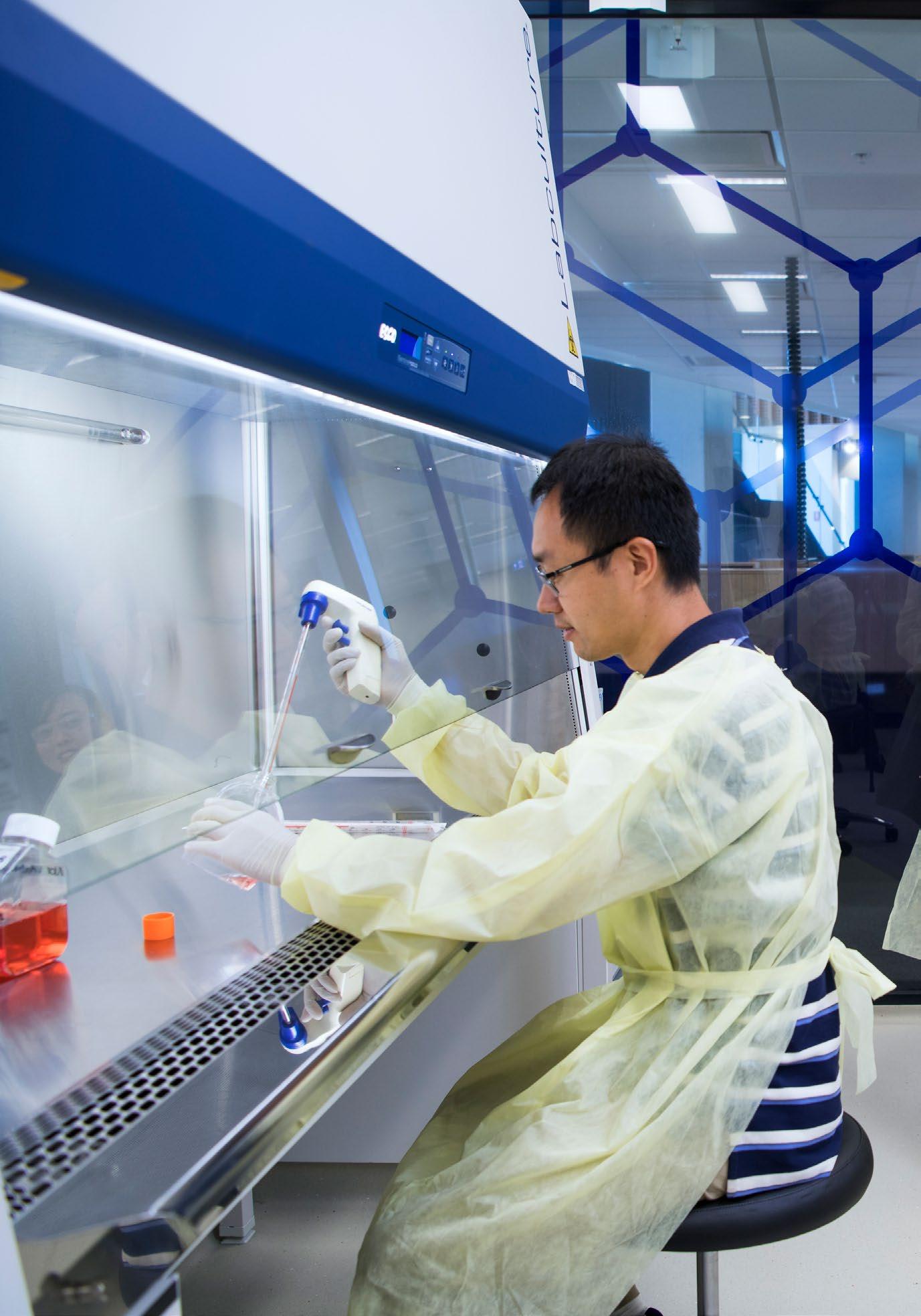
We undertake Australia’s largest proportion of university-industry partnered research.
The challenge: navigating a multipolar and dynamic world
The post-Cold War international system rested on a rules-based global security and trade architecture, where interdependence was largely seen as stabilising rather than a source of vulnerability. That system has been eroded by a series of compounding shocks. What has emerged is not a settled multipolar order with clear rules and spheres of influence, but a more fluid and uncertain environment in which legacy institutions persist with diminished authority and new configurations of power remain unresolved.
Australia is a middle power with a small population and a commodity-oriented export base, situated in a region experiencing increasing strategic competition. Southeast Asian states are navigating this environment with growing sophistication, balancing economic and security relationships. Australia’s historical alignment patterns mean it must work deliberately to deepen its integration and relevance within Southeast Asia. In this context, Australia’s diplomatic capital in the Indo-Pacific is more important than ever, reflecting both our trade exposure and our security interests.
ATN Universities is committed to taking the best of Australian education to the world through high quality transnational education (TNE).
Australia enters this period with strong fundamentals: globally significant resources, a highly skilled and educated population, stable institutions, and a strategically important geographic position. Adapting to this more complex international environment is a central challenge, but one Australia is well placed to meet.

We have forged a global skills, research, diplomacy and upply-chain network.
ATN Universities’ transnational education agenda
Genuine partnerships with international partners take time and sustained commitment to build, and require coordinated effort beyond the Department of Foreign Affairs and Trade (DFAT), including from education and research institutions. ATN member universities have decades of experience in collaboratively delivering offshore campuses, demonstrating the value of long-term partnerships grounded in shared interests and mutual benefit.
We have the largest offshore network of any Australian university group, delivering Australia degrees in 11 countries at more than 26 offshore campuses and locations, primarily across the IndoPacific. This represents more than a third of all offshore students studying Australian degrees.
Figure 1. ATN members are by far the leaders in delivering offshore education
Source: offshore enrolments, TCSI data year 2024
TNE supports Australian productivity by building the skills pipelines that regional labour markets need and that Australian industry increasingly depends on for globally capable, regionallyliterate talent. It is a strategic asset for Australia’s international engagement, strengthening our economic resilience and regional influence.
Offshore delivery embeds Australian educational standards, professional frameworks and research connections into partner economies, building enduring networks of graduates and institutions that engage with Australia over the long term.
Well-designed offshore delivery can also relieve capacity pressures in the domestic system and support skills development aligned with regional labour markets. Universities that contribute directly to workforce capability in host countries develop deeper, longer-term partnerships than those focused solely on onshore delivery. This creates new opportunities for collaboration built on shared capability and sustained engagement.
Figure 2. ATN members’ internationalisation strategies put a strong emphasis on offshore delivery
A larger proportion of our international students study offshore... Study Location: Offshore Domestic Students Onshore Overseas Students Status (Citizenship): ... and a much smaller number of our onshore students are international Source: TCSI data year 2024
Some case studies of leading collaborations include:
Curtin University has campuses in Malaysia, Singapore, Sri Lanka, Dubai and Mauritius, and leads partnerships in our region by chairing the Western Australia–East Java University Consortium.
UTS has a long-standing collaboration with Shanghai University, delivering the SILC Business School which was named a top-ten most influential foreign collaborative venture by Sina and Xinhuanet for five consecutive years.
The Newcastle Research & Innovation Institute in Singapore (NewRIIS) operates as a regional hub for research and industry engagement, and collaborates with institutes in the region and colleagues in the UK.
RMIT Vietnam was established in 2000 and remains Australia’s largest offshore university presence, serving over 12,000 students and with 25,500 alumni forming deep links between Vietnam and Australia.
Deakin has campuses in India and Indonesia, and is expanding pathway programs across Asia and exploring digital-innovation courses for Southeast Asian markets including with Saigon Business School.

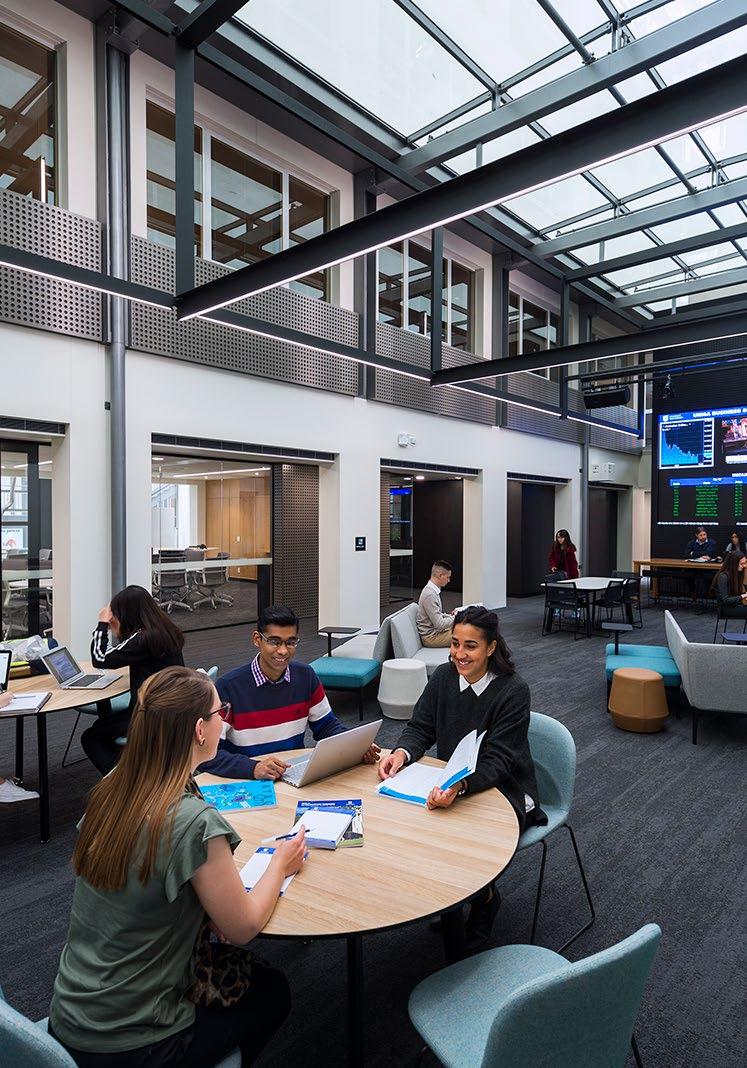
We have, by far, Australia’s largest off-shore international student footprint.
3. ATN Universities transnational education locations
Our offshore campuses and locations include:
Deakin University City Campus
BITS-RMIT Higher Education Academy
Curtin University
Colombo
Sri Lanka
Curtin University
Mauritius
Mauritius
SILC Business School
University of Technology Sydney
China (exc. SARs)
RMIT Vietnam (Hanoi)
Vietnam
RMIT Vietnam (Ho Chi Minh City)
Vietnam
Curtin University Malaysia
Malaysia
Curtin University Singapore
Singapore
Newcastle Australia Institute of Higher Education Singapore (NAIHE)
Singapore
Deakin University
Lancaster University Indonesia (DLI)
Indonesia
Leveraging Australia’s international education strengths
International education supports productivity by strengthening skills pipelines, extending Australia’s economic reach, and building longterm capability through global partnerships. As the system undergoes structural change, including growth in TNE and a more constrained onshore environment, policy settings must provide stability, coordination and clear signals for long-term investment.
ATN Universities supports a co-developed international education strategy that stabilises and strengthens education delivery both onshore and offshore, aligns education with skills and workforce objectives, and supports Australia’s long-term international competitiveness, particularly across the Indo-Pacific and Southeast Asia.
Develop a new international education strategy
ATN member universities bring extensive expertise in delivering international education through long-term partnerships, offshore campuses and applied engagement models, including significant engagement across Southeast Asia. We stand ready to work with government in finalising a framework fit for the next phase of international education.
ATN Universities recommendations:
20. Finalise an International Education and Skills Strategic Framework that aligns education with trade and industry engagement, and migration with skills and workforce needs.
21. Provide coordinated policy settings and messaging across government to address reputational risk and support stability for students, partners and institutions.
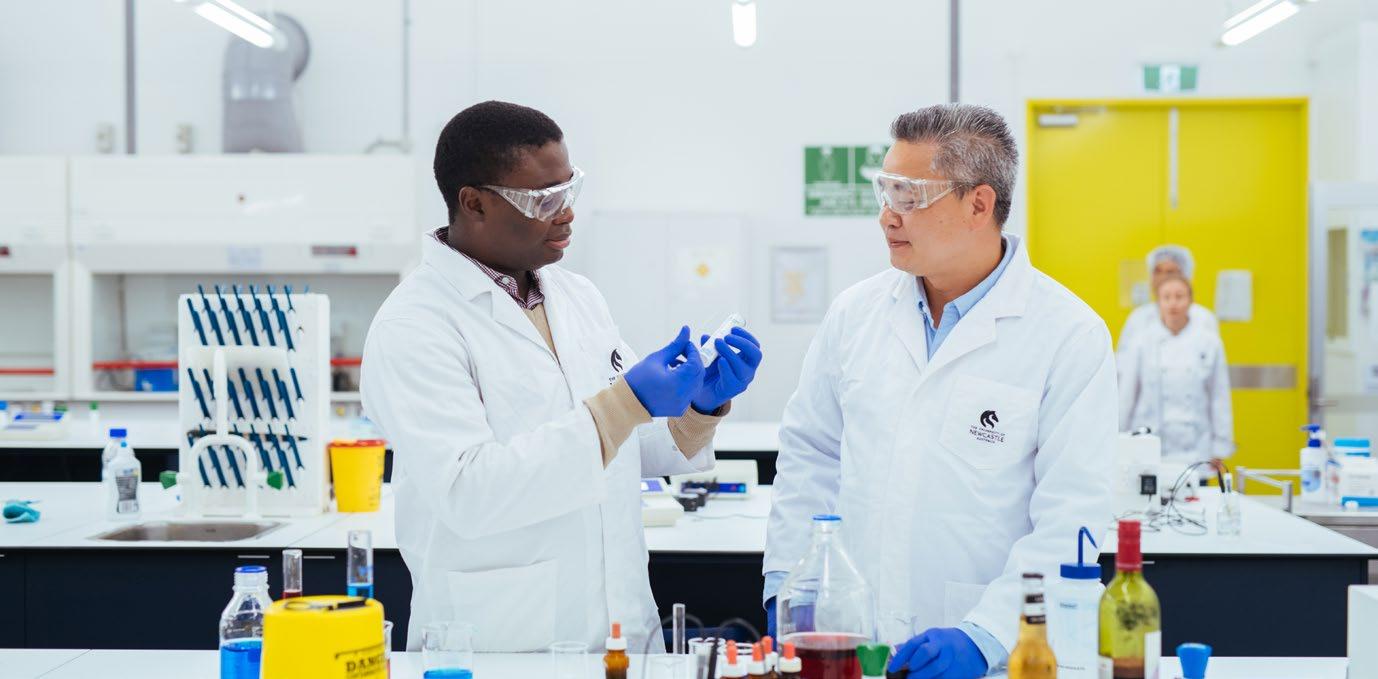
Access to Australian education overseas supports regional capability, trade relationships and longterm people-to-people links, and contributes to Australia’s broader economic and strategic interest.
ATN Universities operates Australia’s largest transnational education network. We deliver Australia degrees in 11 countries at more than 26 offshore campuses and locations, including significant engagement across Southeast Asia and the Indo-Pacific. This network provides established platforms for education delivery, skills development and industry engagement across the Indo-Pacific.
ATN Universities recommendations:
22. Support university-led TNE as a delivery vehicle for skills development, workforce mobility and regional engagement, while maintaining strong governance and quality assurance in collaboration with the Tertiary Education Quality and Standards Agency (TEQSA).
23. Continue strengthening partnerships between universities and government agencies, including DFAT and Austrade, to support market access, partnership development and industry-linked delivery of high-quality Australian education overseas.
Diversify international student markets to strengthen resilience
Australia’s international education system remains highly concentrated in a small number of source countries, creating economic and diplomatic exposure. Diversifying international student markets will strengthen system resilience and support more durable partnerships.
ATN Universities recommendations:
24. Target emerging markets in South and Southeast Asia through governmentuniversity joint initiatives that support sustainable recruitment, partnership development and skills alignment3.
25. Support consortia-based approaches to offshore delivery and global skills mobility programs to enable scale, quality assurance and long-term engagement.
3 The Lowy Institute has advocated for a reorientation of Australia’s international education approach toward true partnership with Southeast Asia. There is strong multi-sector support for deepening these ties as a way to economically and strategically strengthen Australia’s position in our region.
Australia’s prosperity will increasingly depend on how effectively it develops, applies and spreads knowledge.
As participation in higher education continues to grow and the student population becomes more diverse, closer alignment between universities and industry will be essential to meeting workforce and capability needs.
Achieving the Universities Accord’s ambitious skills goals for 2030 and 2050 will require an equally ambitious approach to implementation and coordination.
Government leadership is critical in setting national priorities, coordinating policy levers and maintaining stable investment settings. Industry engagement is essential in co-designing education, embedding innovation and supporting workforce development. Universities must continue to evolve delivery models, deepen partnerships and ensure that we’re delivering on national and regional capability needs. Sustained coordination between government, industry, and universities is required to deliver durable productivity gains.
ATN Universities is already contributing through industry connected education, applied research, and international engagement. Effective and stable policy settings will enable these approaches to scale, supporting higher workforce participation, improving productivity and more equitable economic outcomes over time. This Solutions Paper outlines where those efforts can be most effectively supported through policy and coordination in 2026.
Dr Andy Marks Executive Director

ATN Universities
Melbourne Office (RMIT City Campus) 124 La Trobe Street, Melbourne VIC 3000
info@atn.edu.au
Title: Productivity: Building a stronger, fairer economy for Australia
Authors: Dr Janet Yeo, Sam Perkins & Dr Andy Marks
Publisher: Australian Technology Network of Universities atn.edu.au
Recommended citation: Yeo, J., Perkins, S., & Marks, A. (2026). Productivity: Building a stronger, fairer economy for Australia, Australian Technology Network of Universities, Melbourne.