
ENVIRONMENTAL SOCIAL GOVERNANCE
REPORT 2025
MESSAGE FROM THE BOARD OF DIRECTORS
A Year of Transformation, Delivery and ESG Leadership
2025 has been a defining year for Atlas NextWave. Following the strategic reset initiated in 2024, this year marked the transition from transformation planning into measurable operational delivery, commercial growth, and strengthened ESG leadership across the group.
The vision, mission, objectives, strategy, and tactical framework established in early 2024 continued to guide our actions throughout 2025. Importantly, our direction has remained consistent. We believe strong strategy should not require constant reinvention, but rather disciplined execution, organisational alignment, and a willingness to evolve operationally while remaining focused on long-term objectives.
The results achieved during 2025 demonstrate the effectiveness of that approach. The group delivered €22.9 million EBITDA, significantly exceeding the stretch targets established at the beginning of the transformation programme. Productivity improvements continued across the organisation, while the business also began shifting its focus toward sustainable top-line growth, customer expansion, and deeper market penetration across the clean-tech, energy, infrastructure, and marine sectors.
A major milestone during the year was the near completion of the integration of NextWave Partners into the wider group structure. Bringing together businesses with different cultures, systems, and commercial models was always expected to be complex. However, through disciplined leadership, improved governance, and the commitment of our teams globally, we now operate with far greater alignment, clarity, and operational cohesion than at any point since the merger.
Alongside financial and operational progress, 2025 also represented a breakthrough year in ESG performance and organisational maturity.
We are extremely proud that Atlas NextWave was awarded Platinum status by EcoVadis in 2025 (awarded January 2026), placing the group within the top 1% of companies assessed globally for ESG performance. Achieving this recognition within twelve months of attaining Silver status reflects not only the rapid development of our ESG framework, but also the extent to which responsible business practices are now embedded throughout the organisation.
This achievement is significant because ESG at Atlas NextWave is not treated as a standalone initiative or compliance exercise. It is integrated into how we govern the business, support our people, engage with clients and suppliers, and contribute to the industries we serve. As a workforce and recruitment partner supporting sectors critical to the global energy transition, we recognise both our responsibility and our opportunity to influence sustainable progress positively.
Our purpose remains clear: to help shape the sustainable future of the clean-tech, energy, infrastructure, and marine markets by delivering creative people solutions and supporting our customers, colleagues, and candidate communities in making a meaningful impact on the journey to Net Zero by 2050.
The industries we support continue to face significant challenges, including skills shortages, technological transformation, supply chain pressures, and evolving
MESSAGE FROM THE BOARD OF DIRECTORS
A Year of Transformation, Delivery and ESG Leadership
sustainability expectations. We believe Atlas NextWave is uniquely positioned to help clients navigate this environment by combining deep sector expertise with a responsible, people-focused, and globally connected operating model.
None of the progress achieved during 2025 would have been possible without the commitment, resilience, and adaptability of our employees around the world. We would also like to thank our clients, candidates, partners, and wider stakeholders for their continued trust and collaboration during this important phase of the group’s development.
While much has been accomplished, we recognise that the journey continues. As we move into the next phase of growth, our focus will remain on sustainable expansion, operational excellence, innovation, and maintaining the highest standards of environmental, social, and governance performance.
We look forward to continuing that journey together.
Neil Tregarthen Chief Executive Officer
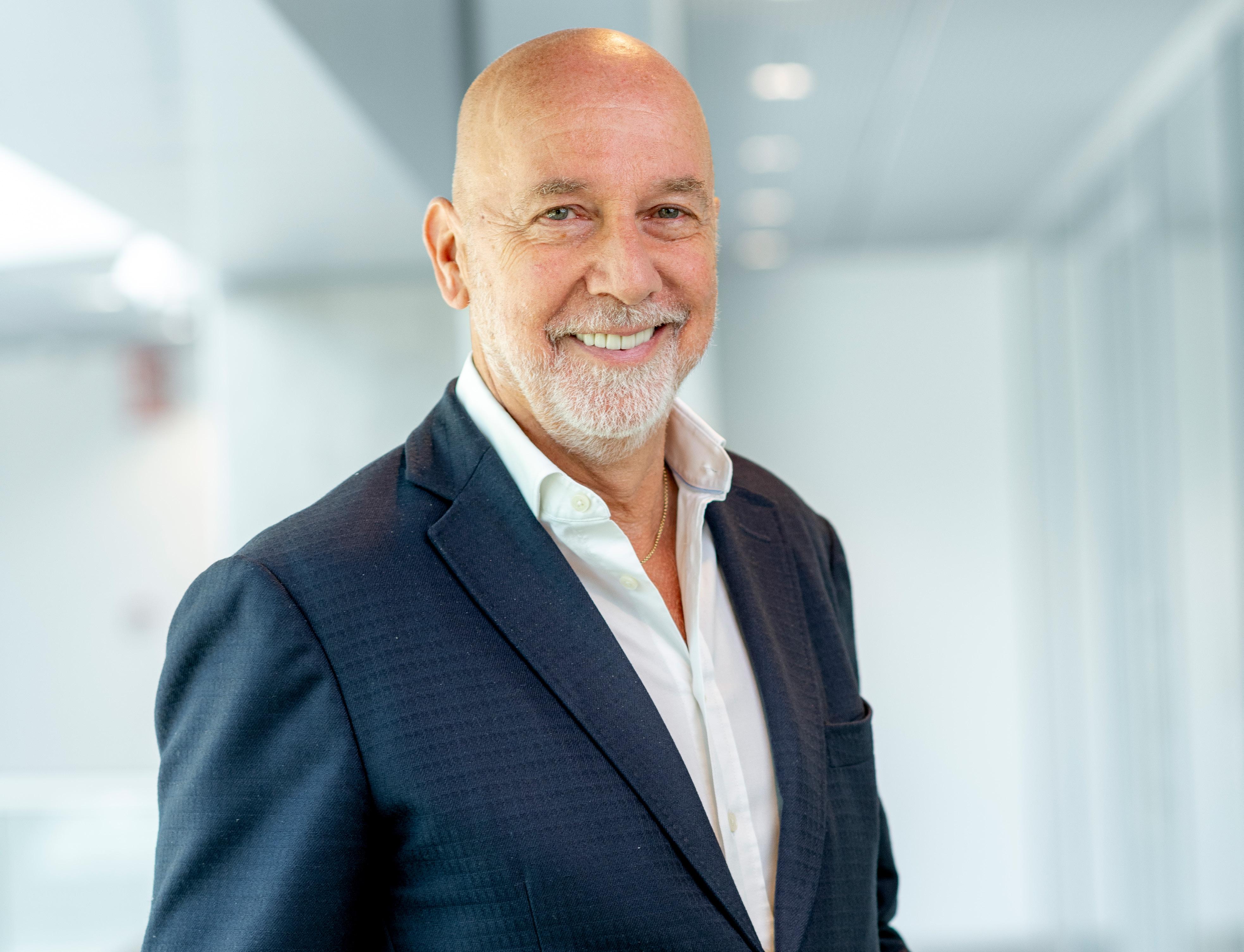
The Board of Directors

VISION
To help shape the sustainable future of the clean-tech, energy, infrastructure and marine markets, by delivering creative people solutions and supporting our customer, colleague and candidate community, to make a meaningful impact on our planet’s journey to Net Zero by 2050.

MISSION
We will live and breathe the “7Cs”.
VALUE PROPOSITION
Yes, we are great at recruitment, but we are so much more. From boardroom to site, land to sea, hardware to software, in local, global and emerging markets, we are your knowledge partner, helping you solve complex staffing challenges, through our team of multi discipline experts.
SUSTAINABLE DEVELOPMENT GOALS
Driving ethical, inclusive and sustainable impact
As a global recruitment partner specialising in the clean-tech, energy, infrastructure, and marine sectors, Atlas NextWave recognise that our role extends beyond talent acquisition and project delivery. We have a responsibility to contribute to sustainable development by enabling the industries and organisations that are shaping a low-carbon and resilient future.
Aligned with the United Nations Sustainable Development Goals (SDGs), our activities support the advancement of clean energy, sustainable infrastructure, and inclusive economic growth. By connecting highly skilled candidates with organisations at the forefront of environmental innovation, we contribute to building a future-ready workforce while addressing global challenges such as climate change, resource efficiency, and social inequality.
Atlas NextWave align their operations with the following SDGs, ensuring that our activities remain ethical, inclusive, and impactful:
SDG
4: Quality Education
We promote lifelong learning and continuous professional development by collaborating with clients and educational institutions to ensure candidates have access to the skills and training required in the marine, energy, and renewables sectors.

SDG 5: Gender Equality
We are committed to advancing gender equality by supporting the recruitment and progression of women, particularly in offshore and leadership roles. Our practices promote equal pay, non-discrimination, and an inclusive workforce where diversity drives performance and innovation.
SDG 7: Affordable and Clean Energy
We connect specialist talent with organisations leading the transition to renewable energy and clean technologies. By enabling our clients to scale projects with the right expertise, we support the expansion of reliable, affordable, and sustainable energy systems globally.
SDG 8: Decent Work and Economic Growth
We facilitate access to meaningful employment opportunities, supporting career development and contributing to economic growth. Through tailored workforce solutions, we enable innovation and resilience across local and international markets.
SDG 9: Industry, Innovation and Infrastructure
We deliver complex staffing solutions that provide access to critical skills, support innovation through diverse talent, and help industries address workforce shortages in rapidly evolving sectors, particularly those linked to the energy transition and in emerging markets.
SUSTAINABLE DEVELOPMENT GOALS
Driving ethical, inclusive and sustainable impact
SDG 10: Reduced Inequalities
We promote equitable access to employment by embedding diversity and inclusion in our recruitment processes, supporting opportunities for underrepresented groups, minorities, and individuals with disabilities.
SDG 11: Sustainable Cities and Communities
Through our smart city and climate-tech recruitment activities, we place skilled candidates into projects that prioritise resilience, accessibility, and sustainability. Our work supports the development of inclusive and future-ready urban environments.

SDG 13: Climate Action
While our direct carbon footprint is relatively limited, we play a catalytic role in supporting the transition to net zero. By enabling our clients and stakeholders to deliver impactful projects, we contribute to global climate action and long-term environmental sustainability.
SDG 17: Partnerships for the Goals
We actively collaborate with industry bodies, educational institutions, and strategic partners to foster innovation, drive skills development, and support sustainable economic growth through effective workforce solutions.
NET ZERO
Imagine the world, a perfect circle, representing a future of balance and sustainability.
Tilt your head slightly to the right and you’ll see an “N.” Turn it left and there’s a “Z.” Together, they stand for Net Zero.
The soft, rounded edges symbolise kindness and carereminding us to treat our planet with the same gentleness.
The green elements, shaped like leaves, represent the trees that give us life-sustaining oxygen. The whitespace? It’s the pulse of life, like a heartbeat.
Be kind to Earth. Embrace Net Zero. Balance and compensate.
Start today, plant a tree.

As the world confronts the urgent challenge of climate change, Atlas NextWave are taking decisive action, committing to lead the global transition toward a Net Zero carbon economy by 2050. We are not merely participants in this transformation—we are active leaders, helping to shape the future of sustainable industries.
At Atlas NextWave, we recognise that the shift toward a greener, more sustainable world presents significant opportunity. Through a focus on innovation, sustainability, and the development of the next generation of talent, we support industries in not only achieving their economic objectives, but exceeding them—while contributing to a cleaner, healthier planet.
Our shared mission is grounded in the belief that collaboration between industries and the workforce is essential to achieving a carbon-neutral future. By connecting exceptional talent with forward-thinking organisations, we demonstrate that Net Zero by 2050 is not only achievable, but also a catalyst for growth, innovation, and long-term success. Atlas NextWave are helping to build a brighter, more sustainable future for all.
The Net Zero mission of Atlas NextWave
CERTIFICATION AND 3rd PARTY ASSESSMENT
External Assurance
Collectively, our adopted certifications drive continual improvement, operational excellence, regulatory compliance and corporate responsibility, upholding our commitments to Clients, Contractors, Candidates, Colleagues and Community, and supporting our journey to net zero by 2050.
External assessment by independent auditors and certification bodies provides assurance that our integrated management system is systematic and standardised, enabling consistent and repeatable evaluation of performance, externally verified to strengthen the credibility and robustness of our ESG reporting, and demonstrably compliant, with clear evidence of alignment to applicable legislation, regulation, industry standards and customer expectations.
Ȝ ISO 9001:2015 Quality Management System Standard.
Ȝ ISO 14001:2015 Environmental Management System Standard.
Ȝ ISO 45001:2018 Occupational Health & Safety Management System Standard.
Ȝ VCU 2011/05 Health & Safety Checklist for Contractors.
Ȝ SNA - NEN 4400-1 Certification.
Ȝ ILO MLC 2006, Regulation 1.4 Seafarer Recruitment and Placement.
Ȝ Ecovadis Assessment.
Ȝ Open-Es Assessment.
Ȝ CDP Carbon Disclosure Project Assessment.
Ȝ EthixBase 360.
Ȝ B Lab BCorp (NextWave Partners).
Ȝ UNGC – UN Global Compact.
Ȝ Risk Inventory and Evaluation (RIE) Assessment.
ISO Standards – Quality, Environment, Occupational Health & Safety
Atlas NextWave operate an integrated management system (IMS), undergoing audits in 2025 to maintain certification to the following ISO standards.
Ȝ ISO 9001: 2015 – Quality Management System Standard (Recertification).
Ȝ ISO 14001:2015 - Environmental Management System Standard (Continuation).
Ȝ ISO 45001:2018 Occupational Health & Safety Management (Continuation).
The combined multi-site audit, including head office and three overseas branches located in Spain, Brasil and Cyprus concluded that the IMS of Atlas Services Group
B.V. is effective, and compliant with adopted ISO standards, applicable legislation and stakeholder requirements. Two non-conformities were identified as a result of a branch audit, demonstrably mitigated via the implementation of effective management of applicable legislation.
CERTIFICATION AND 3rd PARTY ASSESSMENT
Full Year 2025
VCU 2011/05 Safety Checklist for Contractors
Atlas NextWave maintains compliance with the VCU 2011/05 Safety Checklist for Contractors, a recognised Dutch standard designed to ensure that contractor organisations meet defined safety, health and environmental (SHE) requirements when operating in higher-risk environments. The framework supports a structured approach to risk management, safe working practices and regulatory compliance, contributing to ESG objectives through enhanced workforce safety and reduced operational risk.
This certification enables Atlas NextWave to supply services to clients operating under the VCA (Veiligheid, Gezondheid en Milieu Checklist Aannemers) framework, supporting safe and compliant delivery across contractor operations.
In 2025, Atlas Services Group B.V. was independently audited and confirmed to be in full compliance with the requirements of the standard, with no non-conformities identified. Certification was subsequently maintained, subject to ongoing annual audits covering relevant in-scope operations in the Netherlands.
SNA-NEN 4400-1 Certification - Compliance & Labour Standards
Atlas NextWave maintains certification to NEN 4400-1, a recognised standard for assessing the reliability of organisations in meeting payroll tax, social security and employment law obligations. The certification demonstrates compliance with key requirements relating to workforce administration, payment practices and legal employment standards.
The certification is subject to annual renewal through independent audits, which verify ongoing adherence to the standard. This process provides assurance to clients, contractors and other stakeholders that Atlas NextWave operates in a transparent, compliant and financially responsible manner.
Maintaining NEN 4400-1 certification supports our broader ESG commitments by reinforcing strong governance, reducing risks associated with labour practices, and promoting accountability across our operations and supply chain.
ILO Maritime Labour Convention - Social Protection
During 2025, Atlas NextWave maintained its group attestation to the ILO Maritime Labour Convention (MLC) 2006 Regulation 1.4. (Seafarer Recruitment and Placement). Additionally, local attestations were obtained by Singapore, UK, Poland, Latvia and Lithuania in accordance with local requirements, ensuring attestation of all entities falling within the scope of the convention.
This convention governs the recruitment and placement of seafarers, requiring employment to be conducted through fair, transparent and regulated processes. It is designed to prevent exploitation, safeguard workers’ rights, and ensure decent living and working conditions across the maritime workforce. In doing so, it supports our broader ESG objectives by reinforcing ethical labour standards and the protection of human rights within global supply chains.
CERTIFICATION AND 3rd PARTY ASSESSMENT
Full Year 2025
Ecovadis Sustainability Rating – Platinum Medal Status
In November 2025, Atlas NextWave submitted its updated assessment of ESG performance to EcoVadis. Following a Silver Medal awarded in January 2025, the business progressed to Platinum Medal status in January 2026, placing it within the top 1% of companies globally assessed for ESG performance.
This step-change improvement reflects a significantly enhanced level of maturity across ESG practices, supported by stronger evidence, greater consistency, and more robust integration of ESG considerations throughout the organisation. The rating provides independent validation of the progress made in strengthening governance, environmental management and social responsibility frameworks across the business.
Carbon Disclosure Project (CDP) - (Score C – Climate Change)
For the third year running, Atlas NextWave disclosed its environmental performance via the CDP (Formerly Carbon Disclosure Project) maintaining its climate score of C, in line with the specialised professional services sector average of C. This score demonstrates that Atlas NextWave is aware of its environmental impact and has begun measuring and disclosing relevant data. Our submission data included Scope 1, 2 and 3 emissions, and included the allocation of emissions to CDP participating clients within our supply chain.
Open-es ESG Assessment
Atlas NextWave continues to participate in the Open-es assessment platform to benchmark performance across ESG topics and support continuous improvement through a structured, data-driven approach. The assessment enables greater transparency and accountability while helping identify priority areas for further development aligned with recognised sustainability frameworks and reporting standards.
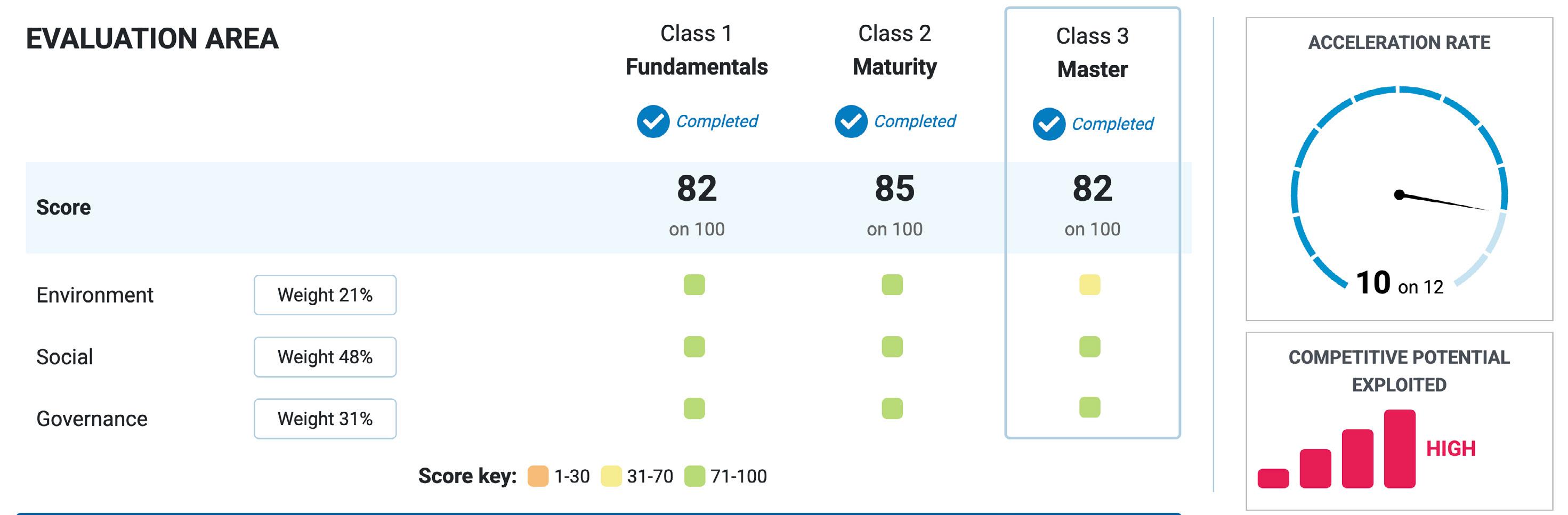
In 2025, Atlas NextWave improved its performance across all three assessment pillars, achieving scores of 82/100 (Fundamentals), 85/100 (Maturity), and 82/100 (Master). These results reflect continued progress in ESG integration, governance, reporting maturity, and organisational capability across the business.
The assessment outcomes provide external validation of Atlas NextWave’s ongoing sustainability initiatives and support the credibility and transparency of the company’s ESG reporting and performance disclosures.
Source: Open-es
CERTIFICATION AND 3rd PARTY ASSESSMENT
Full Year 2025
EthixBase 360 ESG Metrics Due Diligence
Atlas Professionals UK Ltd has undergone EthixBase 360 ESG Metrics Due Diligence Assessment (June 2025), demonstrating our commitment to anti-bribery compliance and ethical business conduct, providing reassurance and transparency to our customers seeking verification of ESG related standards across their supply chain.
B Lab BCorp – NextWave Partners
NextWave Partners has held B Corp certification since January 2023, reflecting its commitment to independently verified standards of social and environmental performance, accountability and transparency. The certification has provided a structured framework for embedding responsible business practices across operations and supported a balanced approach to value creation for employees, clients, communities and wider stakeholders.
Key benefits of certification included enhanced governance through formalised ESG policies and assessment, improved visibility and benchmarking of social and environmental performance, and strengthened stakeholder confidence through external validation of ethical and responsible business conduct.
This certification concluded on 31 December 2025 following the acquisition of NextWave Partners by Atlas NextWave. As part of the integration process, Atlas NextWave will undergo scoping against the updated B Corp standards in 2026 to determine the appropriate pathway for future certification, ensuring continued alignment with recognised ESG frameworks and the Group’s broader sustainability objectives.
UNGC – UN Global Compact
In 2025, Atlas NextWave joined the United Nations Global Compact (UNGC) as part of its ongoing commitment to strengthening environmental, social and governance (ESG) performance and embedding internationally recognised standards across the business.
This membership supports our alignment with principles covering human rights, labour standards, environmental responsibility and anti-corruption, and provides a structured framework to further integrate these principles into our operations and decision-making. Participation supports the continued development of our ESG approach by reinforcing consistent standards across our global activities. It strengthens internal accountability and helps ensure our practices remain aligned with recognised international expectations on responsible business conduct.
For our clients, candidates and colleagues, this commitment underpins our objective to operate transparently and responsibly across the clean-tech, energy, infrastructure and marine sectors. It supports our role in enabling workforce solutions that contribute to the transition to net zero by 2050, while maintaining a focus on ethical, sustainable and resilient business practices.
As part of this commitment, Atlas NextWave will report annually on progress. Our first Communication on Progress will be published in 2026, reflecting our ongoing focus on transparency, accountability and continuous ESG development.
CERTIFICATION AND 3rd PARTY ASSESSMENT
Full Year 2025
Risk Inventory and Evaluation (RIE) Assessment
In 2025, Atlas NextWave initiated a Risk Inventory and Evaluation (RIE) assessment following the relocation of its head office to Schiphol. The RIE process provides a structured evaluation of workplace risks associated with health, safety and operational activities, ensuring that appropriate controls are identified, implemented and maintained.
The assessment supports compliance with applicable occupational health and safety requirements and reinforces a proactive approach to risk management. It also strengthens ESG performance by promoting safe working conditions, reducing the likelihood of workplace incidents, and embedding systematic risk identification and mitigation practices across the organisation.
The RIE forms part of Atlas NextWave’s broader commitment to maintaining a safe and compliant working environment, with ongoing reviews ensuring that risk controls remain effective following organisational and operational changes.
SUSTAINABLE PROCUREMENT AND SUPPLY CHAIN
Supporting Sustainability Goals
Approved Vendors
Atlas NextWave maintains an Approved Vendor List as part of its supplier governance framework. This includes suppliers that support core operational processes, have an annual contract value exceeding €10,000, or are considered strategically important to the Group.
Suppliers undergo a risk-based assessment process during onboarding and throughout the supplier relationship lifecycle. The assessment framework is designed to identify and manage operational, regulatory, environmental, social, ethical, cybersecurity, and reputational risks associated with suppliers and outsourced services.
Suppliers are evaluated annually against defined performance criteria, including service quality, cost competitiveness, and operational efficiency. Where performance falls below established standards, corrective actions are implemented and monitored to support continuous improvement.
During the reporting period, 165 key suppliers were assessed. Average performance scores were 7.5/10 for service, 7.2/10 for price, and 7.4/10 for efficiency, resulting in a combined average rating of 7.4/10.
Enhanced due diligence is undertaken for suppliers with annual contract values exceeding €25,000, suppliers that are critical to business operations, or suppliers presenting elevated operational, compliance, ESG, cybersecurity, or reputational risks. Additional reviews may include verification of qualifications and certifications, sanctions screening, assessment of data protection and business continuity controls, and evaluation of labour, human rights, and environmental practices.
SUSTAINABLE PROCUREMENT AND SUPPLY CHAIN
Supporting Sustainability Goals
Sustainable Procurement and ESG Integration
Atlas NextWave recognises that its environmental and social impacts extend beyond its direct operations.
Procurement and supply chain activities form an important component of the Group's ESG footprint, particularly in relation to Scope 3 greenhouse gas emissions. Accordingly, sustainability considerations are integrated into procurement decision-making and supplier engagement activities.
Procurement evaluations consider factors such as resource efficiency, product lifecycle impacts, environmental performance, ethical business conduct, and labour and human rights practices. As a servicebased organisation, the Group's principal procurement categories include business travel, leased vehicles, business services, IT equipment and data hosting, stationery, promotional materials, and personal protective equipment (PPE).
The Group's Supplier Sustainability Code of Conduct establishes the ESG standards expected of suppliers and covers areas including labour and human rights, environmental responsibility, anti-corruption, data privacy,
ethical business practices, and regulatory compliance.
Business-critical IT suppliers are required to maintain recognised information security certifications, including ISO 27001 and SOC 1 or SOC 2, to support robust cybersecurity and control environments. Atlas NextWave has also established a target to achieve ISO 27001 certification for its own operations by 2027.
During 2025, Atlas NextWave used its EcoVadis reassessment process to further strengthen sustainable procurement and supplier governance practices. Key initiatives included:
Ȝ Updating the Supplier Procurement Policy to further embed ESG considerations.
Ȝ Revising the Supplier Sustainability Code of Conduct in line with evolving best practices.
Ȝ Delivering ESG training to procurement personnel responsible for the top 50% of supplier spend and key IT-critical suppliers.
Ȝ Enhancing General Terms and Conditions to incorporate strengthened ESG-related provisions.
Ȝ Assessing ESG-related clauses within contractual arrangements covering the top 50% of clients by value where standard terms are not applied.
Ȝ Reviewing environmental certifications and sustainability credentials associated with leased office facilities.
Ȝ Evaluating ESG disclosures and commitments of key clients, including participation in CDP, the UN Global Compact, and EcoVadis assessments.

SUSTAINABLE PROCUREMENT AND SUPPLY CHAIN
Supporting Sustainability Goals
To support performance monitoring and continuous improvement, Atlas NextWave introduced a suite of sustainable procurement KPIs, including:
Ȝ Average supplier performance rating.
Ȝ Proportion of key suppliers operating under formal contractual agreements.
Ȝ Proportion of key suppliers incorporating ESG requirements.
Ȝ Number of key suppliers committed to the UN Global Compact.
Ȝ Distribution and adoption rate of the Supplier Sustainability Code of Conduct.
Ȝ Percentage of key IT suppliers certified to ISO 27001.
Ȝ ESG training completion rate among procurement personnel managing key suppliers.
Ȝ Integration of ESG provisions within General Terms and Conditions.
Ȝ Inclusion of ESG-related clauses within client contractual agreements.
These actions contributed to a significant improvement in procurement sustainability performance. Atlas NextWave's EcoVadis Sustainable Procurement score increased from 56/100 to 87/100 in January 2026, contributing to an overall EcoVadis rating of 89/100. This result placed the Group within the top 1% of companies assessed globally and resulted in the award of EcoVadis Platinum status.
During 2025, Atlas NextWave received no reports of labour or human rights violations, corruption, unethical business practices, data privacy breaches, or confirmed cybersecurity incidents involving suppliers.
Supplier Payment Practices
Atlas NextWave is committed to maintaining fair and responsible payment practices across its supply chain. Timely payment supports supplier financial resilience, strengthens longterm commercial relationships, and contributes to a stable and sustainable supply chain.
During 2025, supplier payment terms averaged 16.23 days from the commencement of the contractual or legal payment period. The average time taken to settle supplier invoices was 21 days.
Overall, 50.3% of supplier payments were made within agreed payment terms, while 49.7% were paid after the contractual due date.
The Group continues to review accounts payable processes and supplier engagement practices to improve payment performance, enhance operational efficiency, and support the financial stability of supply chain partners.
Supplier Due Diligence
Atlas NextWave recognises that robust due diligence processes are fundamental to maintaining ethical business conduct, protecting human rights, ensuring regulatory compliance, and supporting responsible supply chain management. As part of its commitment to sustainable procurement, the Company conducts supplier and partner due diligence assessments and verification activities through its Integrated Management System, which operates under an independently audited ISO-certified management framework.
SUSTAINABLE PROCUREMENT AND SUPPLY CHAIN
Supporting Sustainability Goals
Supply chain due diligence procedures are implemented consistently across the Group and adapted, where necessary, to reflect local legal, regulatory, and operational requirements within each jurisdiction in which the Company operates. While regulatory obligations and audit methodologies may differ by region, the overarching objective remains consistent: to ensure that suppliers, contractors, clients, candidates, and other business partners operate in alignment with applicable legislation, ethical standards, and Company policies.
Due diligence controls are embedded throughout the supplier lifecycle, including onboarding, engagement, contract management, and ongoing performance monitoring. These processes include document verification, compliance assessments, policy adherence reviews, operational oversight, and risk-based monitoring activities designed to promote consistency, transparency, and accountability across all operating entities.
Independent audits and regulatory reviews may include detailed sampling exercises, on-site inspections, and interviews with relevant personnel to assess the effective implementation of Company policies, procedures, and compliance obligations. Findings from these reviews support continuous improvement initiatives and reinforce governance standards throughout the organisation and supply chain.
Atlas NextWave’s standard contractual terms and conditions require suppliers, contractors, and clients to comply with all applicable laws, regulations, and ethical requirements. Emphasis is placed on maintaining safe, healthy, and legally compliant working conditions, as well as upholding standards relating to labour rights, human rights, anti-bribery, sanctions compliance, and ethical business conduct.
Where significant or persistent non-compliance, unethical behaviour, or breaches of contractual obligations are identified, Atlas NextWave reserves the right to implement corrective actions, including suspension or termination of business relationships where appropriate.

TECHNOLOGY AND PROCESS
Sustainable Digital Transformation
In 2025, the Technology and Process Department at Atlas NextWave continued its strategic transformation, further aligning digital initiatives with the organisation’s Environmental, Social, and Governance (ESG) ambitions. Building on the foundations established in 2024, the department focused on platform consolidation, cyber resilience, operational excellence, and the delivery of scalable digital solutions that support sustainable longterm growth.
Cloud Strategy and Vendor Consolidation
During 2025, the ICT team continued the strategic consolidation of infrastructure and services across Atlas NextWave. Significant progress was made in the migration of NextWave from legacy Google-based services to Microsoft 365, alongside the decommissioning of legacy platforms such as Google Workspace and Dropbox. These initiatives reduce system duplication, improve operational efficiency, and support a more sustainable and centralised digital infrastructure.
Technology Stack Modernisation
Throughout 2025, the Front Office Product Team remained focused on the development and integration of Bullhorn for Salesforce within the same ecosystem as Atlas4Sales, our proprietary middle-office platform. This end-to-end technology stack provides a single source of truth across recruitment, sales, and operational workflows, eliminating duplicate data entry, simplifying legacy functionality, and improving system efficiency.
Development was successfully completed during 2025, with deployment scheduled to commence in January 2026 and group-wide implementation targeted for completion by April 2026.
In parallel, the product team supported the implementation of a new corporate website as part of the company’s rebranding initiative, alongside numerous process and platform enhancements across the organisation.
Innovation and Future Technology
As part of our long-term sustainability strategy, preparations began for the development of a new overarching technology strategy extending to 2030 and beyond. This strategy will evaluate emerging technologies, including artificial intelligence, to ensure innovation is deployed responsibly, efficiently, and in alignment with ESG principles.

TECHNOLOGY AND PROCESS
Empowering People and Enhancing Inclusion
Continuous Improvement and Process Excellence
The Continuous Improvement team continued to play a central role in organisational transformation during 2025, working closely with operational stakeholders to optimise workflows and support the Bullhorn implementation programme.
Additional achievements included:
Ȝ Supporting new business entities with system setup and operational processes.
Ȝ Delivering enhanced commercial dashboards and new data insights for existing teams.
Ȝ Supporting the APAC region with alignment to standardised global processes.
Ȝ Expanding the “approval by exception” model, improving efficiency within commercial operations.
These initiatives reinforce our commitment to empowering employees through smarter processes, better access to information, and consistent global ways of working.
Regional Enablement
Dedicated support continued for strategic regions including Brazil and APAC, ensuring alignment with global platforms, processes, and governance standards. This supports equitable access to technology and consistent operational capability across all regions.
Cyber Awareness and Employee Training
Cyber awareness remained a key priority throughout 2025. Multiple phishing simulations were conducted alongside mandatory employee awareness training. By year-end, over 91% of employees had successfully completed phishing awareness training, demonstrating strong organisational engagement with cyber resilience initiatives.
Data Privacy
Atlas NextWave continued to uphold robust data privacy and protection standards. Existing privacy policies, cyber security policies, data leak procedures, and incident response processes remained actively maintained and monitored to ensure personal data is processed securely, transparently, and in accordance with regulatory requirements.

TECHNOLOGY AND PROCESS
Strengthening Risk and Compliance Frameworks
Security Enhancements and Cyber Resilience
During 2025, the ICT team significantly strengthened the organisation’s security posture through the deployment of phishing-resistant physical security keys (YubiKeys) across the company. This initiative substantially enhances identity protection and reduces the risk of credential compromise.
Additional governance achievements included:
Ȝ Continued phishing simulation and awareness programmes.
Ȝ Consolidation of Atlas and NextWave technology domains.
Ȝ Ongoing security governance, policy enforcement, and control monitoring.
Ȝ Continued supplier assurance and audit activities.
During 2025, the ICT team also received an award from our security partner in recognition of significant improvements made to baseline security controls across the organisation.
Financial Systems and Reporting
Despite significant team changes, the Workday team successfully delivered a new integrated Adaptive Planning module during 2025, streamlining key financial planning and budgeting processes and delivering measurable benefits during year-end forecasting activities.
The team also continued to maintain production stability and ensure timely application of platform updates and releases.
Regulatory Readiness
Compliance with the EU NIS2 Directive remained a strategic priority throughout 2025, with continued investments in governance frameworks, access controls, cyber awareness, and technical safeguards to ensure readiness for full compliance.
Atlas NextWave also established a longer-term ambition to achieve ISO 27001 certification during 2026 and beyond, further strengthening the organisation’s information security governance and compliance maturity.

TECHNOLOGY AND PROCESS
2026 ESG-Aligned Objectives
Environmental
Ȝ Finalise decommissioning of all legacy platforms following Bullhorn implementation.
Ȝ Develop the Atlas NextWave technology strategy through 2030, including responsible AI adoption.
Social
Ȝ Complete group-wide deployment of Bullhorn by April 2026.
Ȝ Implement end-to-end Workday and Bullhorn processes in Brazil.
Ȝ Continue collaboration with stakeholders to streamline workflows and deliver innovative operational improvements.
Ȝ Execute additional phishing awareness campaigns and training.
Governance
Ȝ Ensure full compliance with the NIS2 Directive.
Ȝ Conduct additional penetration testing (PEN tests).
Ȝ Develop a service productivity measurement framework.
Ȝ Continue strengthening cyber resilience, governance controls, and supplier assurance processes.
Ȝ Progress towards ISO 27001 certification by aligning current activities and identifying additional preparatory work for certification thereafter.

MARKETING STRATEGY
Driving Sustainable Growth, Workforce Development and Global Transformation
In 2025, Marketing & Communications played a central role in supporting the transformation of Atlas Professionals and NextWave Partners into one unified global brand: Atlas NextWave. This transformation went beyond visual identity and positioning. It reflected a broader strategic shift towards becoming a longterm knowledge partner to the clean-tech, energy, infrastructure and marine markets, supporting clients, candidates, contractors and colleagues through sustainable workforce solutions, responsible growth and the organisation’s wider vision to help shape the global journey towards Net Zero by 2050.
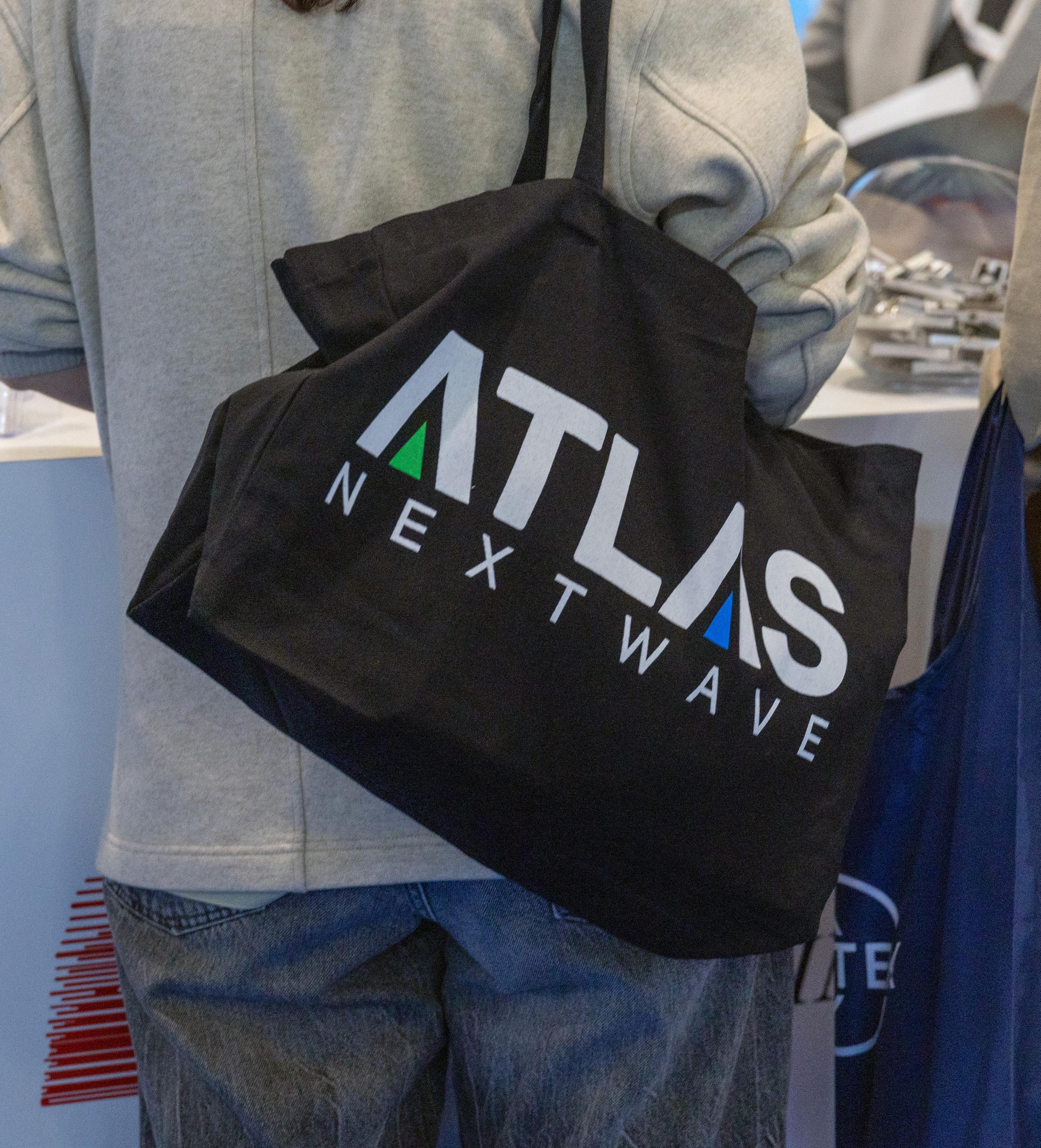
Rebranding Atlas NextWave
The launch of Atlas NextWave reflected a broader strategic transformation across the organisation, bringing Atlas Professionals and NextWave Partners together under one renewed identity, purpose and market positioning. Supported by a new website, refreshed client materials and updated communication frameworks, the renewed brand was designed to better represent the organisation’s role as a long-term knowledge partner operating in complex, highcompliance and technically demanding global markets.
The renewed visual identity was also intentionally designed to better reflect the environments and industries in which Atlas NextWave operates. The prominent use of blue and green within the brand identity symbolises the connection between sea, land and the sustainable future of the global energy, infrastructure and marine markets that the organisation supports.
In addition to strengthening brand consistency globally, the transformation helped create stronger alignment between commercial activities, internal communication, recruitment marketing and stakeholder engagement across all regions and business units.
To protect the long-term integrity of the brand, trademark applications were initiated globally across key operational regions and service classes, supporting consistency, governance and intellectual property protection throughout the group.
MARKETING STRATEGY
Driving Sustainable Growth, Workforce Development and Global Transformation
Greenhands Offshore and Workforce Development
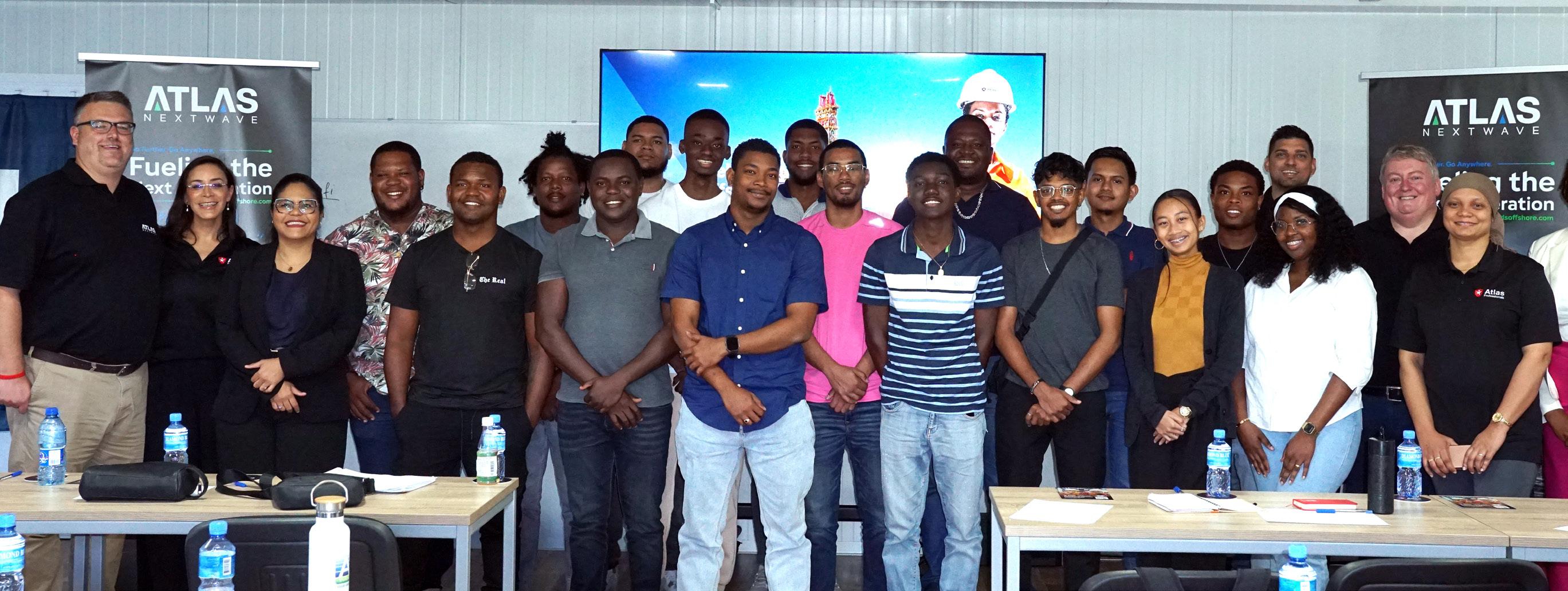
Greenhands Offshore became one of the clearest examples of how marketing can support both commercial growth and positive social impact. During 2025, the programme expanded internationally into Suriname, Namibia and Brazil, helping introduce new entrants to offshore industries while supporting workforce development in emerging markets. Marketing & Communications supported the programme through targeted campaigns, refreshed branding, employer storytelling, professional event materials, onsite activation support and educational content. This included the development of brochures, presentations, articles, video content and recruitment campaigns designed to improve accessibility, awareness and engagement. The initiative reflects Atlas NextWave’s commitment to helping develop the future workforce required for the global energy transition.
Sustainable Campaigns and Digital-First Communication
In line with wider sustainability ambitions, Atlas NextWave continued prioritising digital-first communication channels to reduce unnecessary waste and minimise the
environmental footprint of marketing activities. Digital campaigns, online communication platforms and reusable exhibition assets increasingly replaced traditional printed materials where possible. Marketing also continued reducing the use of paper-based promotional products and focused on longer-life materials, reusable exhibition solutions and more targeted distribution of merchandise and collateral. This approach supports both operational efficiency and more responsible resource usage across the organisation.
Internal Communications and Employee Engagement
Internal communication remained a major focus area throughout 2025 through the continued rollout of the Next Chapter internal talk show series. Four global editions were delivered during the year, helping to improve transparency, strengthen alignment with company strategy and foster stronger engagement between leadership and employees across multiple regions.
More than 370 pieces of employee feedback were collected throughout the year, providing valuable insights into employee perceptions of internal communications.
Across the four Next Chapter episodes delivered in 2025, 95% of respondents provided positive or neutral feedback, demonstrating strong levels of confidence in the relevance, transparency and credibility of the content shared. Employees consistently rated the broadcasts highly for transparency, reliability and motivation, highlighting the programme's effectiveness in supporting open communication and employee engagement across the organisation.
Additional employee engagement initiatives, including the annual Global Awards Dinner, further supported employee recognition, collaboration and company culture by celebrating achievements and bringing together colleagues from across the organisation.
MARKETING STRATEGY
Driving Sustainable Growth, Workforce Development and Global Transformation
Events, Partnerships and Industry Engagement
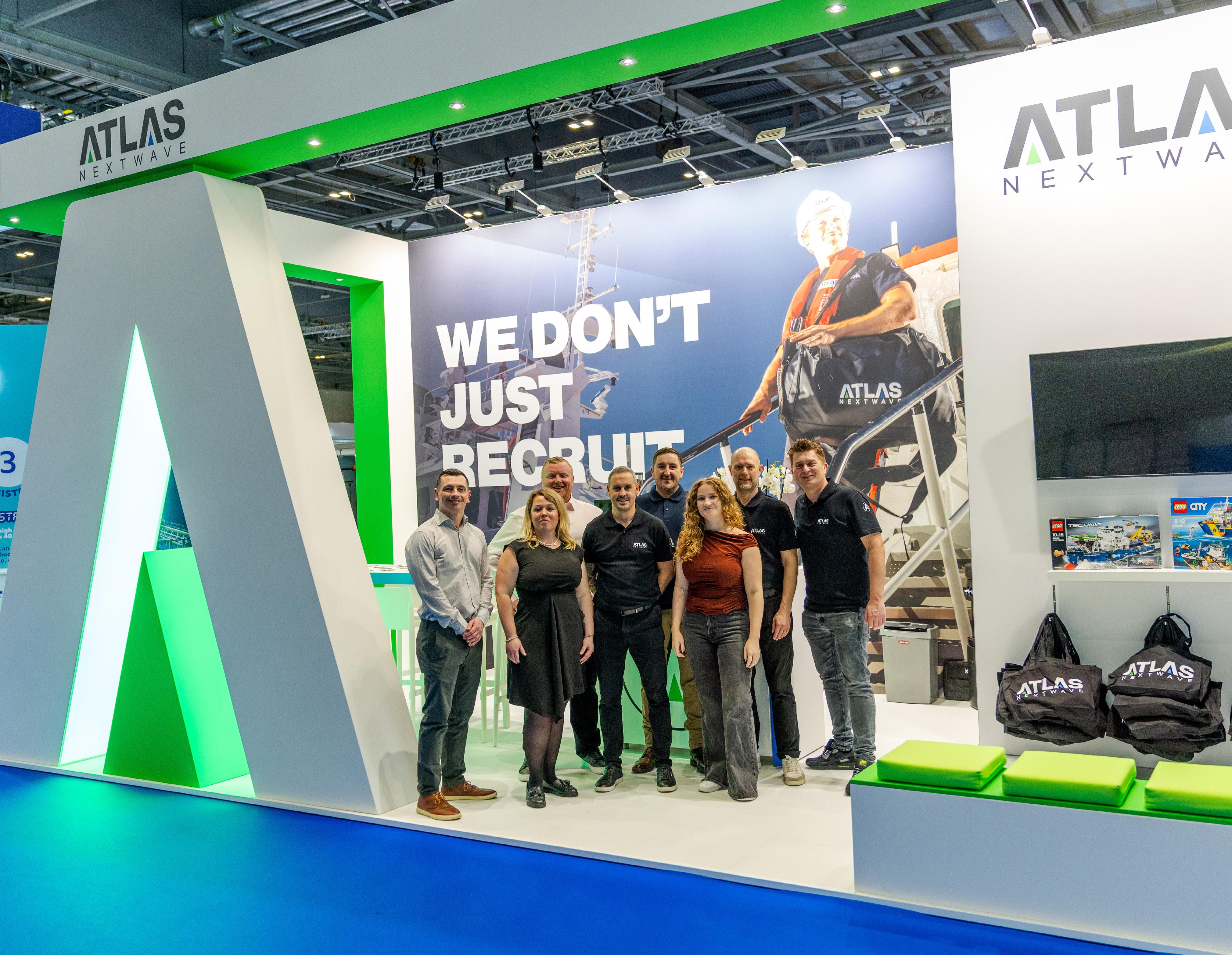
Throughout 2025, Atlas NextWave participated in a targeted selection of industry exhibitions, conferences and workforce initiatives, including Offshore Energy Amsterdam, Ocean Business Southampton, WindEurope Copenhagen, IPF Virginia Beach and SEOGS Suriname.
Rather than maximising event volume, the organisation focused on high-value engagements where meaningful conversations, workforce development initiatives and long-term partnerships could be strengthened. Marketing & Communications also supported employer branding collaborations and workforce campaigns directly alongside selected clients, helping strengthen both recruitment visibility and industry engagement.
Supporting Sustainable Growth Through Marketing
Marketing & Communications continued supporting commercial teams globally through proposals, presentations, thought leadership content, recruitment campaigns and sector-specific marketing materials. By aligning storytelling, branding and communication more closely with operational expertise, Atlas NextWave strengthened its market positioning as a workforce and knowledge partner operating across the cleantech, energy, infrastructure and marine sectors.

ENVIRONMENTAL
IMPACT AND EMISSIONS
Reducing our Carbon Footprint
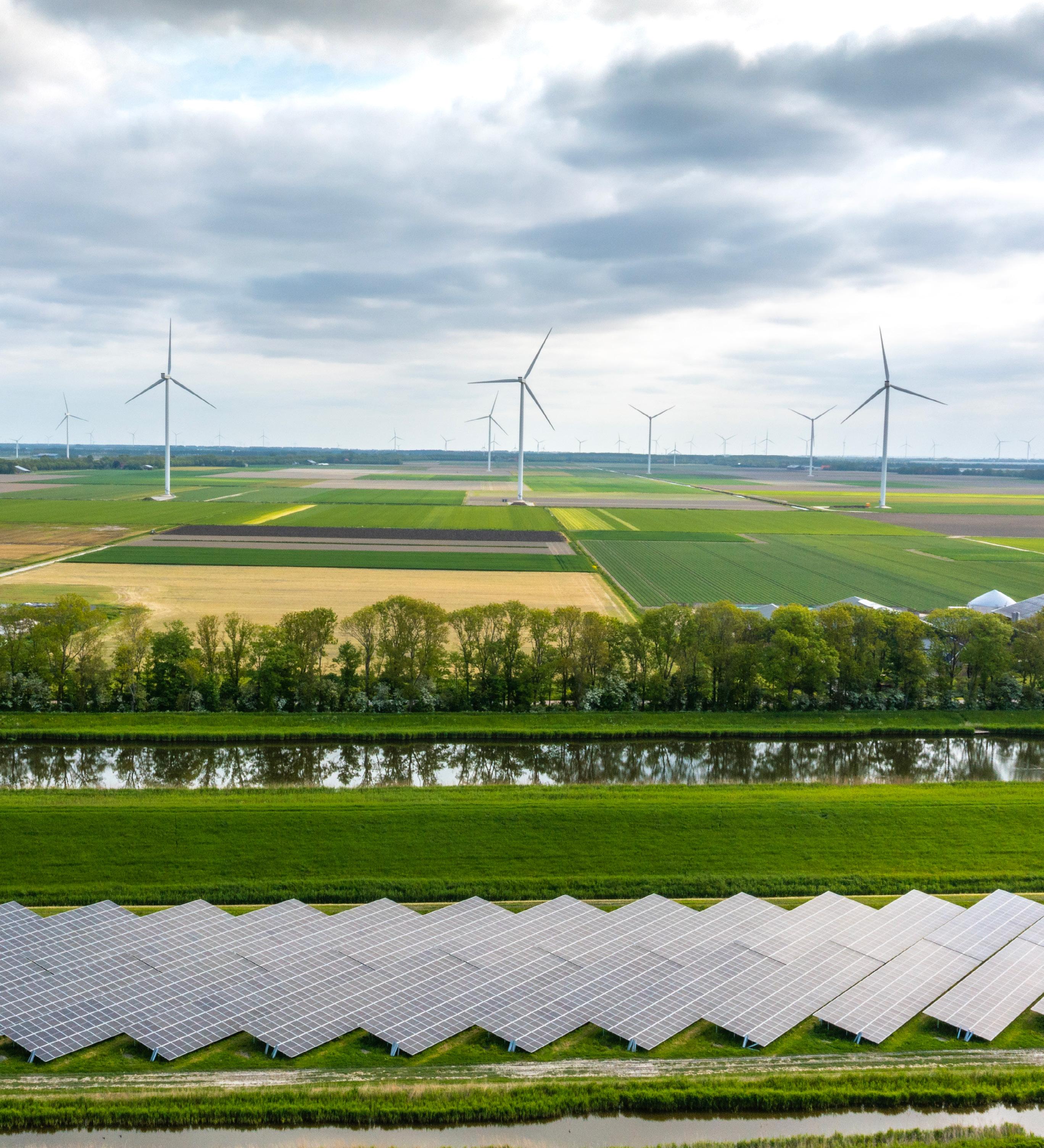
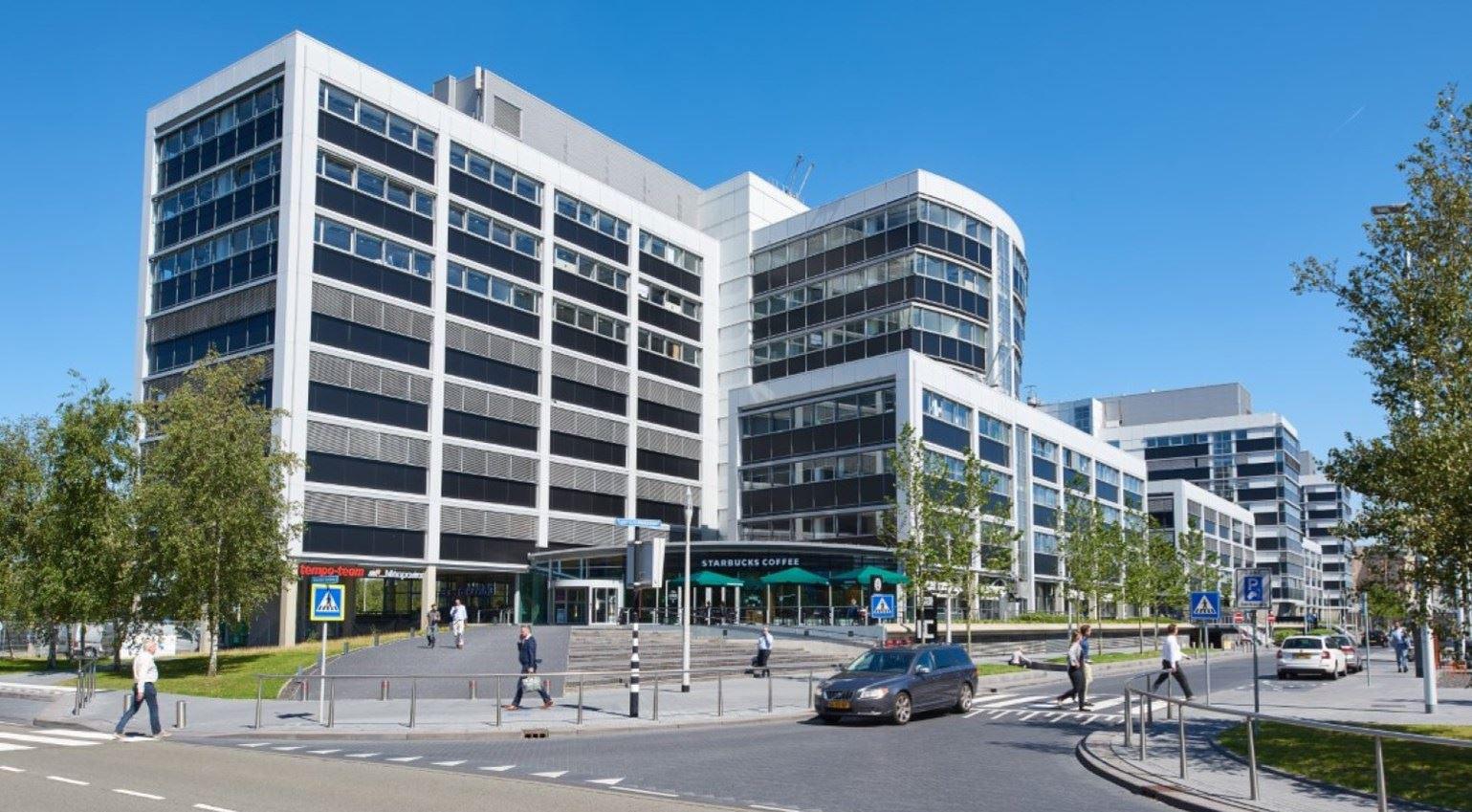
As office-based service providers, Atlas NextWave has a comparatively low direct environmental footprint when measured against asset-intensive industries. Our operational impact is primarily associated with energy consumption in leased office spaces, employee commuting, business travel (by both direct and indirect employees), and general office waste generation.
While our own operational greenhouse gas emissions are limited, we are committed to continuously reducing them through improved resource efficiency, the implementation of climate-conscious practices, and ongoing mitigation and adaptation measures. We also recognise that our most material contribution to the climate transition lies in enabling our clients in the energy sector by supplying talent to organisations active in climate technology, renewable energy, and broader energy transition initiatives, while continuing to support traditional energy sectors in delivering both current operations and future transition commitments.
Snapshot taken June 2025
Market Sector Activity
IMPACT AND EMISSIONS
Reducing our Carbon Footprint
Atlas NextWave maintains certification to the ISO 14001 Environmental Management System standard. This framework supports continuous improvement in environmental performance through structured identification of environmental aspects and impacts, systematic risk assessment, and the implementation of targeted reduction measures.
Key environmental initiatives include:
Ȝ Prioritisation of leased office spaces based on environmental performance criteria, including energy efficiency, sustainability certifications and low-carbon building design.
Ȝ Selection of centrally located offices with strong public transport connectivity.
Ȝ Establishment of local offices to reduce travel requirements and support local employment.
Ȝ Promotion of efficient travel planning and lower-carbon routing.
Ȝ Flexible and hybrid working arrangements to reduce commuting and travel demand.
Ȝ Use of renewable or green electricity where procurement control allows.
Ȝ Ongoing efforts to improve office energy efficiency (electricity and heating consumption).
Ȝ Maximisation of natural daylight to reduce reliance on artificial lighting.
Ȝ Deployment of energy-efficient lighting systems (e.g., LED technology).
Ȝ Implementation of energy-saving controls such as motion sensors, timers and out-ofhours shutdown procedures where available.
Ȝ Use of offsite and cloud-based data centres to improve IT efficiency and reduce onpremises energy demand.
Ȝ Provision of sustainable mobility options, including low-emission lease vehicles and public transport allowances.
Ȝ Promotion of cycling-to-work schemes to reduce commuting-related emissions.
Ȝ Adoption of digital-first working practices to minimise paper use and printing.
Ȝ Waste minimisation and recycling initiatives across office locations.
Ȝ Reporting, investigation, and mitigation of environmental incidents.
IMPACT AND EMISSIONS
Reducing our Carbon Footprint
Carbon Offsetting
Atlas NextWave partnered with Ecologi through a matched employee donation programme supporting verified carbon avoidance and removal projects. In addition to helping reduce greenhouse gas emissions, the initiative funds global reforestation and ecosystem restoration projects that enhance biodiversity and support local communities, reinforcing the company’s broader ESG and sustainability commitments.
During 2025, Atlas NextWave and its employees contributed to the planting of 336 trees through the programme, supporting projects that collectively avoided an estimated 56.02 tCO2e.
Forest restoration in Kenya
Planting forest gardens in Uganda
Restoring native Polylepis forests in the high Andes
Planting trees and supporting water security in Kenyan forests
A flourishing future for Gewocha Forest, Ethiopia
Mangrove planting at Kandrany, Madagascar
Restoring the last fragment of tropical rainforest in Kenya
Planting forest gardens in Busoga, Uganda
Peatland restoration and conservation in Indonesia
Avoiding methane emissions from landfill in Brazil
Protection of the Matavén forest in eastern Colombia

IMPACT AND EMISSIONS
Reducing our Carbon Footprint
Objectives and Targets
The following objectives and targets define Atlas NextWave’s ESG priorities and guide its environmental and sustainability performance improvement over time. Following its commitment to the United Nations Global Compact in 2025, Atlas NextWave will submit its first Communication on Progress (CoP) in 2026, further strengthening alignment with internationally recognised sustainability principles and the UNGC’s Ten Principles across human rights, labour, environment, and anti-corruption.
1. Review and update the Double Materiality Assessment to ensure it reflects current organisational structure and stakeholder context.
2. Submit Communication on Progress (CoP) to the UNGC.
3. Participate in the UNGC Climate Ambition Accelerator, to support the development of science-aligned climate strategies and climate governance within Atlas NextWave.
4. Develop a climate transition plan and set science-based emissions reduction targets in line with SBTi criteria to support delivery of net zero commitments.
5. Continue to update, disclose, and improve ESG performance across key reporting platforms, including CDP, EcoVadis, and Open-ES.
6. Improve the quality of greenhouse gas (GHG) reporting by transitioning from spendbased estimates to more granular, activity-based emissions data.
7. Increase carbon offset contributions and explore targeted initiatives that support local communities in the regions where Atlas NextWave operates.
8. Pilot a workplace biodiversity and environmental stewardship programme across selected offices, enabling local teams to identify and deliver site-specific environmental improvements that contribute to Atlas NextWave's ESG commitments and employee engagement objectives.
9. Maintain the use of 100% renewable electricity where Atlas NextWave has direct control over energy procurement.
10. Maintain ISO 14001:2015 Environmental Management System certification, ensuring continued compliance and ongoing improvement in environmental performance.
11. Achieve 95% adoption of electric or hybrid company lease vehicles by 2035 (with commitment initiated by 2030, aligned to typical five-year lease cycles).
12. Achieve net zero emissions by 2050, in line with the Atlas NextWave’s long-term climate ambition.
SCOPE 1, 2 & 3 EMISSIONS REPORTING
GHG Emissions Across Operations and Value Chain
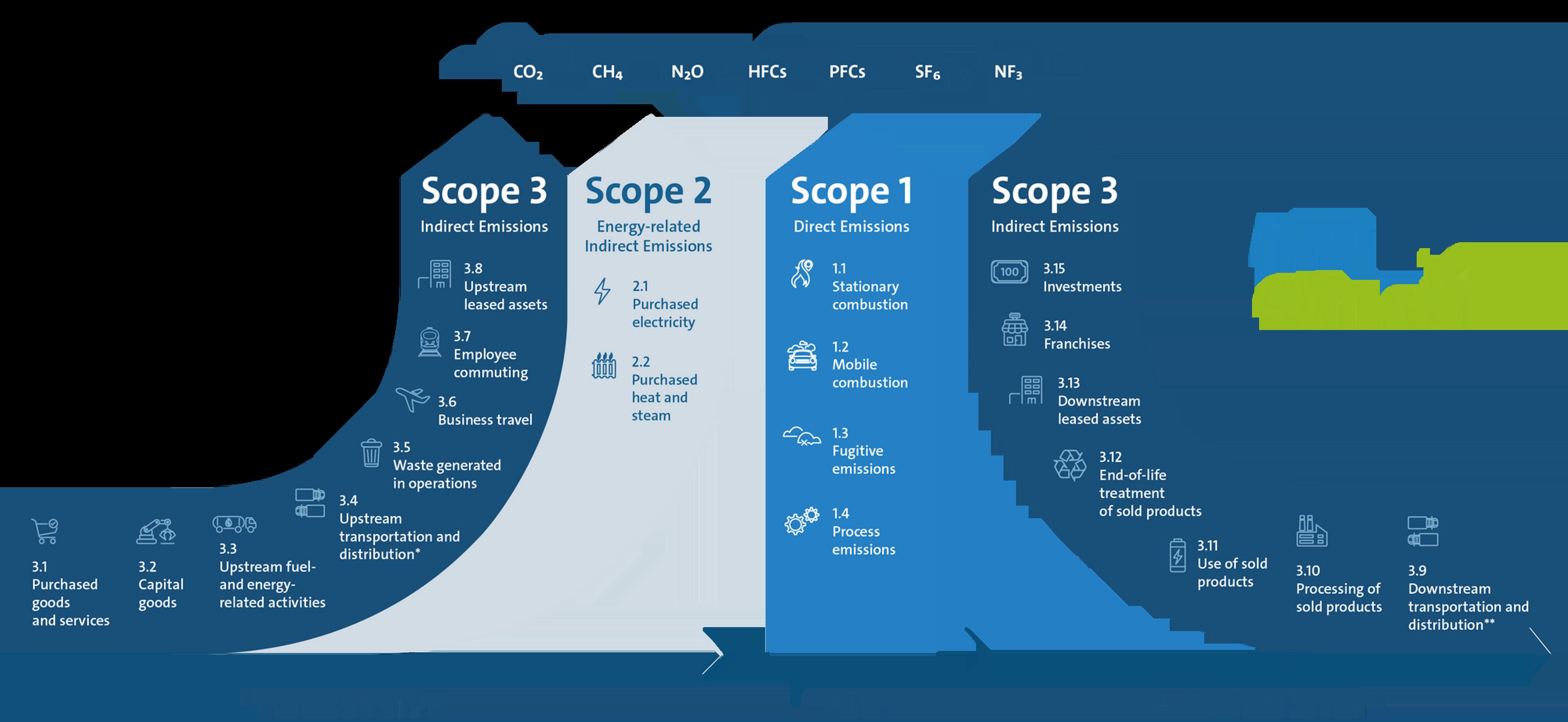
Atlas NextWave quantifies and reports its greenhouse gas (GHG) emissions across Scope 1, Scope 2 and Scope 3 in accordance with the Greenhouse Gas Protocol. Emissions are calculated using dedicated carbon accounting software, which incorporates both standard and custom emission factors to ensure methodological robustness, transparency, and auditability.
This approach enables disclosure of a comprehensive and reliable carbon footprint, supporting regulatory compliance, external assurance readiness, and informed decision-making. The reported data forms the basis for performance tracking, target setting, and the implementation of emissions reduction initiatives across the business.
Atlas NextWave is committed to continuous improvement in data quality with the aim that over time, there can be a transition from the use of secondary data (e.g., countrylevel averages and estimates) to primary, supplier-specific data where available, thereby increasing accuracy and reducing uncertainty in reported emissions.

SCOPE 1, 2 & 3 EMISSIONS REPORTING
GHG Emissions Across Operations and Value Chain
Scope 1 – Direct GHG Emissions
Direct emissions arising from sources owned or controlled by Atlas NextWave, including:
Ȝ Stationary combustion: Natural gas consumption for office heating.
Ȝ Mobile combustion: Fuel use from company-leased vehicles (excluding employee commuting).
Scope 2 – Indirect Energy Emissions
Indirect emissions associated with the generation of purchased energy consumed by Atlas NextWave:
Ȝ Electricity used to power and heat office locations.
Ȝ Reported using both location-based and market-based methodologies, in line with best practice guidance.
Scope 3 – Other Indirect Value Chain Emissions
Indirect emissions occurring across the value chain (upstream and downstream). Current reporting focuses on material categories, including:
Ȝ Business travel.
Ȝ Employee commuting.
SCOPE 1, 2 & 3 EMISSIONS REPORTING
GHG Emissions Inventory
In the reporting period FY2025, total emissions (market based) add up to 6,507 tCO2e with a per-activity breakdown as follows:
Primary data sources
86.7% of all of emissions (S1,2,3) are calculated from primary data obtained from suppliers or other partners.
Scope 3 emissions account for 98.7% of our total (market based) emissions.
87% of these emissions are calculated from primary data obtained from suppliers or other partners.
Business Travel emissions account for 88.1% of our total (market based) emissions.
95% of these emissions are calculated from primary data obtained from suppliers or other partners.
SCOPE 1, 2 & 3 EMISSIONS REPORTING
GHG Emissions Across Operations and Value Chain
GHG Intensity Ratios
Atlas NextWave apply intensity ratios based on Headcount (as per MIS reporting) and Annual Revenue, allowing comparison of energy efficiency over time and with other similar organisation types.
Scope 1 and Scope 2 (Market-Based) Emissions Intensity
Over the course of 2025, Atlas NextWave continued to improve its Scope 1 and Scope 2 (market-based) greenhouse gas emissions intensity metrics, reflecting ongoing efforts to enhance operational efficiency and reduce carbon emissions relative to business activity.
The Scope 1 and Scope 2 (market-based) emissions intensity ratio based on headcount decreased by approximately 1.8% between 2024 and 2025, demonstrating continued progress in reducing operational emissions on a per-employee basis.
The emissions intensity ratio improved significantly in 2025, decreasing by 22.2% yearon-year from 0.00036 in 2024 to 0.00028 in 2025. This reduction indicates improved carbon efficiency, with emissions growth remaining below the rate of business growth and financial performance.
These results demonstrate continued progress in decoupling operational emissions from organisational growth, supported by energy management initiatives and ongoing monitoring of emissions performance across the business.
SCOPE 1, 2 & 3 EMISSIONS REPORTING
GHG Emissions Across Operations and Value Chain
Emission Savings: FY 2025
Renewable Electricity Consumption and Emissions Reduction
During 2025, Atlas NextWave continued to increase its reliance on renewable electricity sources across its office portfolio, supporting ongoing efforts to reduce operational greenhouse gas emissions and improve energy sustainability performance.
For offices where Atlas NextWave has direct control over energy procurement, 100% renewable electricity is utilised. In locations where energy provider selection is managed by landlords or building operators, Atlas NextWave seeks to occupy office space supplied by renewable electricity wherever feasible as part of its broader sustainability and decarbonisation approach. The proportion of office space supplied by renewable electricity increased from 61% in 2024 to 69.5% in 2025, demonstrating broader integration of lower-carbon energy sources across Atlas NextWave offices.
In Q4 2024, Atlas NextWave relocated its headquarters to a smaller office footprint with an A+ energy performance rating, further supporting improvements in building efficiency and reducing overall operational energy demand.
In 2025, renewable electricity accounted for approximately 75.5% of total purchased electricity consumption, compared with 76.0% in 2024. Total renewable electricity consumption increased significantly year on year, rising from 88.84 MWh in 2024 to 158.66 MWh in 2025. This increase was primarily driven by the expansion of Atlas NextWave’s office footprint and increased operational activity during the reporting period, while maintaining a high proportion of renewable electricity supply across the organisation’s operations.
While overall electricity consumption increased during the reporting period in line with operational activity, the continued prioritisation of renewable electricity contributed to reducing the carbon intensity of purchased energy consumption and supported Atlas NextWave’s wider emissions reduction objectives.
Atlas NextWave remains focused on further increasing renewable electricity coverage and improving energy efficiency as part of its ongoing climate and decarbonisation strategy.
SCOPE 1, 2 & 3 EMISSIONS REPORTING
GHG Emissions Across Operations and Value Chain
Emissions source: UK GHG Conversion Factors 2024/2025
Conservative assumption of non-renewable energy for EV charging
Lease Cars – Business Travel & Commuting (EV / Plug-in Hybrid Vehicles) Summary
During 2025, Atlas NextWave continued to utilise electric and plug-in hybrid vehicles for business travel and commuting, supporting the reduction of transport-related greenhouse gas emissions.
Total driven distance decreased significantly from 305,024.8 km in 2024 to 210,364.5 km in 2025, reflecting a reduction of EV / Hybrid vehicles in the lease car fleet and alternative employee benefits such as public transport packages. Additionally, relocation of HQ to Schiphol has further opened access to multi-modal transport options. Despite the reduction in mileage, the fleet continued to deliver material emissions benefits. In 2025, avoided emissions based on displacement of average petrol vehicles amounted to 34.23 tCO₂e, compared with 50.18 tCO₂e in 2024.
Overall, net emissions savings from the use of EV and plug-in hybrid vehicles amounted to 24.19 tCO₂e in 2025, compared with 37.96 tCO₂e in 2024. While absolute savings declined year-on-year due to a reduction of EV / PIH vehicles, the fleet continued to provide a clear emissions reduction benefit relative to conventional petrol vehicles, reinforcing the role of electrified transport in Atlas NextWave’s decarbonisation strategy.

Lease
CIRCULARITY OF ACTIVITIES
Creating Value Through Circularity
Sustainable solutions
Atlas NextWave seeks to create long-term value through its services across the full employment lifecycle, not only within the sectors it serves but also through the way it conducts business. Circularity is a core component of Atlas NextWave’s ESG strategy, informing how we engage with clients, candidates, suppliers, and internal stakeholders to minimise waste, optimise resource use, and support resilient, sustainable value chains.
Service Circularity
Atlas NextWave contributes to the transition to a circular economy by supporting clients operating in sectors that prioritise resource efficiency, renewable energy, and regenerative systems. By placing skilled candidates into roles that enable circular design, energy recovery, and sustainable infrastructure, Atlas NextWave acts as a facilitator of circular practices across industries.
The Atlas NextWave Greenhand Programme further supports this objective by introducing entry-level workers to offshore and renewable energy sectors. Since its inception in 2018, approximately 850 candidates have commenced offshore careers through this initiative, supporting workforce development in industries critical to the energy transition.
Atlas NextWave also prioritises long-term customer relationships. This approach enables more efficient deployment of talent, reduces turnover-related inefficiencies, and maximises lifecycle value for both clients and candidates.
CIRCULARITY OF ACTIVITIES
Resource Efficiency and Waste Management
Resource Efficiency and Waste Reduction
Atlas NextWave continues to enhance operational efficiency and minimise environmental impact through a range of targeted resource management initiatives:
Ȝ Digitalisation and paper reduction: Continued implementation of paperless processes across business operations, supported by defined reduction targets and increased adoption of digital workflows to reduce paper consumption.
Ȝ Energy management: Ongoing monitoring of office energy consumption, alongside the implementation of energy-efficiency measures such as out-of-hours shutdown policies and awareness initiatives designed to reduce unnecessary energy usage.
Ȝ Sustainable marketing materials: Collaboration with suppliers that provide environmentally responsible and bio-based products, combined with an increased use of digital marketing alternatives to reduce material consumption and associated waste.
Ȝ Product lifecycle and waste management: Management of a centralised merchandise portal to improve inventory control and facilitate the return, reuse, and redistribution of surplus materials. Redundant IT equipment is repurposed or responsibly recycled through approved external providers, while selective procurement and recycling of furniture, packaging, and office materials help minimise operational waste and support circular economy principles.

CIRCULARITY OF ACTIVITIES
Driving Circularity Through Governance and Collaboration
Stakeholder Engagement and Value Chain Integration
Atlas NextWave recognises that circularity extends across its value chain and is reinforced through active stakeholder engagement:
Ȝ Sustainable business partnerships: Preference for working with clients and suppliers that demonstrate strong sustainability practices and commitments.
Ȝ Responsible supply chain management: Implementation of a Supplier Sustainability Code of Conduct, promoting ethical standards, resource efficiency, and shared accountability across suppliers.
Ȝ Employee and client engagement: Ongoing collection and analysis of feedback from clients and candidates, through both formal and informal channels, with consistently strong satisfaction scores supporting continuous improvement and long-term relationship building.

WASTE AND RECYCLING
Policy and Approach
Atlas NextWave’s Environmental Policy sets out a clear commitment to environmental protection, including the prevention of pollution, continual improvement of environmental performance, and the development of environmental awareness across the organisation. The policy supports the application of the “Reduce, Reuse, Recycle” hierarchy wherever practicable, with the objective of minimising waste generation and improving resource efficiency.
Atlas NextWave is committed to meeting applicable compliance obligations relating to environmental protection and to strengthening its contribution to ESG objectives through improved waste management practices. Environmental objectives, KPIs and targets are defined, monitored and reviewed annually to track performance and identify opportunities for continuous improvement. The environmental management system is certified to ISO 14001:2015 and is embedded within core operational processes.
Atlas NextWave places importance on working with competent personnel and suppliers who can deliver services in a manner consistent with environmental expectations. Relevant environmental information and procedures are communicated to employees and contractors to support responsible execution of work in line with ESG and sustainability expectations and objectives.

WASTE AND RECYCLING
Policy and Approach
Waste Reduction and Recycling Initiatives
Atlas NextWave seeks to minimise its environmental footprint and promote sustainable behaviours across its office operations. As a recruitment and HR services provider operating from leased office environments globally, waste generation is primarily limited to municipal office waste, including paper, cardboard, toner cartridges, IT equipment, and welfare-related domestic waste.
Key initiatives include:
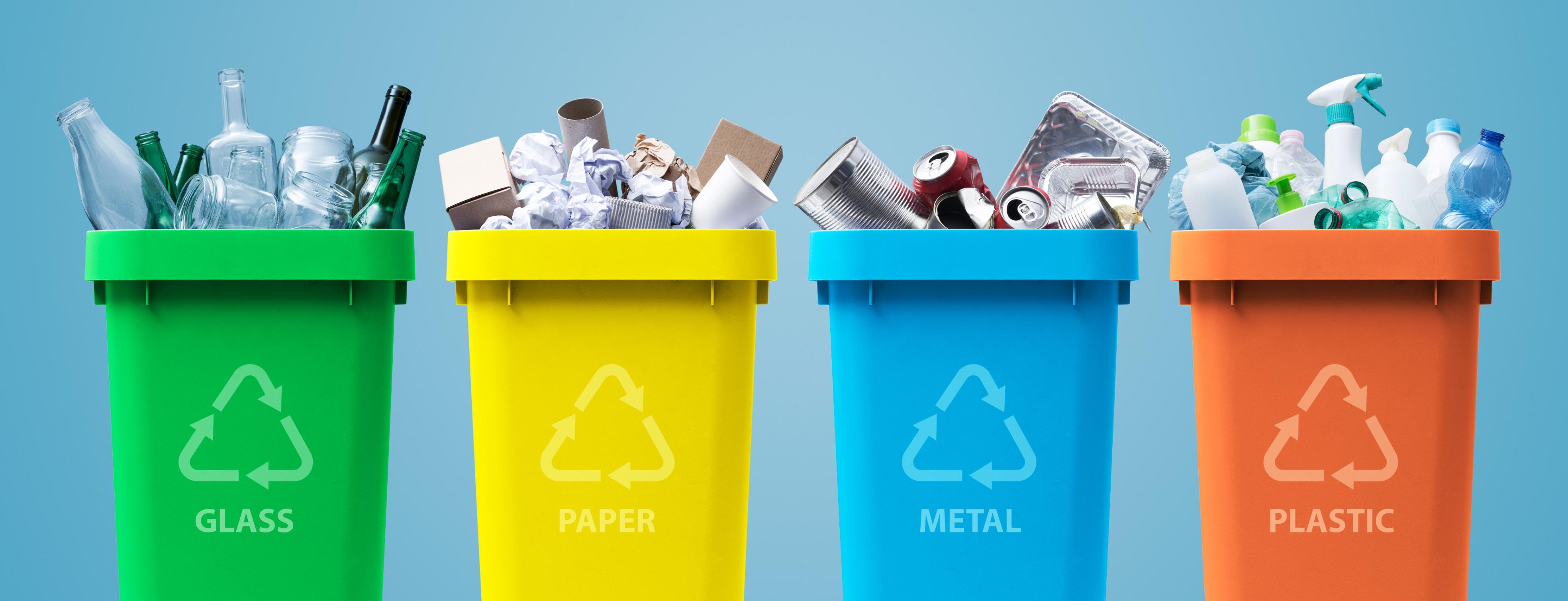
Ȝ Provision of clearly labelled recycling stations across offices to support effective waste segregation in line with local waste streams.
Ȝ Regular review of recycling facilities and engagement with building management to improve provision and adoption.
Ȝ Reduction of general waste through promotion of recycling and improved segregation practices.
Ȝ Waste collection via approved local or contracted waste management providers, as applicable.
Ȝ Promotion of paperless processes to reduce paper and toner consumption.
Ȝ Segregation and certified disposal of electronic waste (e-waste) through licensed recyclers in compliance with local legislation.
Ȝ Discouragement of single-use plastics and provision of reusable alternatives, including crockery, cutlery and refillable water bottles.
Ȝ Procurement practices favouring suppliers with sustainable product and packaging standards.
Ȝ Responsible IT asset management, including reuse, repurposing or certified recycling
to protect data integrity and reduce landfill disposal.
Ȝ Awareness initiatives encouraging employees to minimise unnecessary consumption and waste generation.
Ȝ Strategic supplier engagement to promote alignment with sustainability and ESG principles across the supply chain.
Ȝ Energy efficiency measures within offices, including switch-off policies, HVAC management, and preference for energy-efficient office environments.
Ȝ Use of renewable electricity where procurement is within Atlas NextWave’s control.
Ȝ Promotion of low-emission transport options, including electric and hybrid lease vehicles.
Ȝ Zero-tolerance KPI for environmental incidents involving accidental discharges.
WASTE AND RECYCLING
Policy and Approach
Waste Reporting
As operations are conducted from leased office spaces, Atlas NextWave is dependent on building management systems for waste measurement and reporting. Current reporting availability is limited, and waste data is therefore estimated using national municipal waste averages per capita applied to full-time equivalent (FTE) headcount.
Where data granularity improves, Atlas NextWave intends to transition towards more accurate, supplier and site-specific reporting by engaging further with landlords and facilities providers.
Water Consumption
Water consumption for leased office operations is estimated using employee-based water intensity benchmarks due to limited access to landlord-controlled water metering data. Water consumption is based on an estimated daily consumption of 0.05 m3 per person, per day, working within a general office environment. This includes use of toilets, handwashing, kitchen use, tea / coffee preparation, cleaning and drinking water use.
*Generated waste and recycling rates based on country estimates (latest available data).
SOCIAL
HEALTH AND SAFETY
Promoting a safe and healthy workplace
Our Commitment
The health, safety, and wellbeing of our personnel—whether based in our global offices, working remotely, or stationed at client worksites—remain our highest priority. By delivering creative people solutions, we help shape a sustainable future for the clean-tech, energy, infrastructure, and marine sectors. Because our candidates often operate in complex and hazardous environments, we are committed to ensuring they possess the mindset and technical skills required to work competently. Our goal is to safeguard our people, their colleagues, and the environments in which they operate.
Standards and Compliance
Our approach to health and safety aligns with the following frameworks:
Ȝ ISO 45001:2018 Occupational Health and Safety Management Systems Standard.
Ȝ ILO Maritime Labour Convention (MLC) 2006 Regulation 1.4 (Seafarer Recruitment and Placement).
Ȝ VCU 2011/05 (Veiligheids Checklist Uitzendbureaus) Safety Checklist for Employment Agencies.
Ȝ Industry and client specific requirements and procedures.
Ȝ Regulatory frameworks in jurisdictions where we and our clients operate.
HSE Training and Awareness
In 2025, Atlas NextWave reinforced its commitment to safeguarding the health, safety, and wellbeing of its workforce through an expanded and structured programme of training and awareness initiatives. A total of 162 Health, Safety, and Environment (HSE) training sessions were delivered across its global offices, engaging both new (62)
and existing employees. These sessions addressed critical topics such as Emergency Response, Safety Conversations, Zero Harm principles, and Quality Assurance, ensuring that employees at all levels remained aligned with the company’s safety culture and operational standards.
100% of Atlas offices successfully completed emergency response drill training, contributing to more than 200 hours of face-to-face HSE instruction delivered throughout the year. This achievement highlights the organisation’s consistent and proactive approach to risk management, emergency preparedness and continuous improvement.
The Greenhand training programme, developed to equip entry-level professionals with the foundational skills required for the energy sector, continued to perform strongly in 2025. A total of 11 courses were delivered, providing 94 hours of structured training to 245 candidates. During the year, particular emphasis was placed on supporting emerging markets within the oil and gas sector. In Suriname and Namibia, the programme was delivered in collaboration with key government stakeholders and major clients, with Atlas NextWave playing a pivotal role in aligning training delivery with local labour legislation and workforce development priorities. These efforts not only supported local content objectives but also contributed to securing a significant client contract in Suriname, demonstrating the strategic value of the programme.
In addition, 45 hours were dedicated to pre-screening interviews as part of the UK’s Greenskills initiative, during which 97 candidates were assessed for suitability and
HEALTH AND SAFETY
Promoting a safe and healthy workplace
readiness to enter the sector. This process ensured that candidates met both technical and behavioural expectations prior to placement, further strengthening the overall quality of the talent pipeline.
Atlas NextWave also demonstrated a high degree of adaptability in responding to client-specific workforce requirements. In 2025, the company supplied 39 Greenhand graduates to major oil and gas clients through the delivery of tailored training programmes aligned with individual client standards. By integrating client-specific safety expectations, and operational preparedness into its recruitment and training processes, Atlas NextWave ensured that these graduates were fully prepared to transition seamlessly into active worksites.
These collaborations underscore Atlas NextWave’s ongoing commitment to delivering flexible, high-quality, and customised workforce solutions, supporting both clients and local communities while meeting the evolving demands of the global energy sector.
Zero Harm Program
Atlas NextWave's dedication to safety and quality is further exemplified by its Zero Harm initiative, which emphasizes correct prioritization, compliance, communication, continuous risk assessment, caring for each other, coaching/mentoring, and competence. This holistic approach ensures that both employees and the environments in which they operate are safeguarded, aligning with the company's overarching goal of fostering a culture of safety and continuous improvement.
Zero Harm is fully embedded into daily operations, with health and safety performance shared with the entire organisation monthly. Ongoing training and awareness ensure that teams are well positioned to support emergency situations.
Pre-Deployment processes
Ȝ Comprehensive Safety Training.
Ȝ Medical Fitness Assessments.
Ȝ Safety Conversations, Onboarding, Greenhand Training (as applicable).
Ȝ Client / Project Specific Inductions and HSE Information.
Ȝ Atlas NextWave HSE Instructions – HSE Handbook.
On-Assignment Support
Ȝ Dedicated consultant led support to deployed candidates to monitor welfare and respond to any emerging concerns.
Ȝ 24/7 support to clients, candidates and staff in the event of a medical or safety related incident.
Ȝ Encourage personnel to report unsafe conditions or practices without fear of retaliation.
HEALTH AND SAFETY
Promoting a safe and healthy workplace
HSE Management and Continuous Improvement
Ȝ HSE KPIs and objectives.
Ȝ Emergency response procedures with annual training drills.
Ȝ Accident and incident reporting, investigation, mitigation, and data sharing (lessons learned).
Ȝ HSE campaigns to address specific previous issues, events or emerging trends.
Ȝ HSE induction and refresher training for staff and candidates.
Ȝ Online customer surveys to gather feedback on HSE issues – clients and candidates.
Ȝ HSE fixed agenda topic at all internal and external meetings.
Ȝ Complaints, feedback and continual improvement procedures .
Ȝ Health and wellbeing initiatives.
Ȝ Workplace risk assessment.
Ȝ Environmental aspects management.
Ȝ My Safety 7 Cs.
Ȝ My Life Saving Rules.
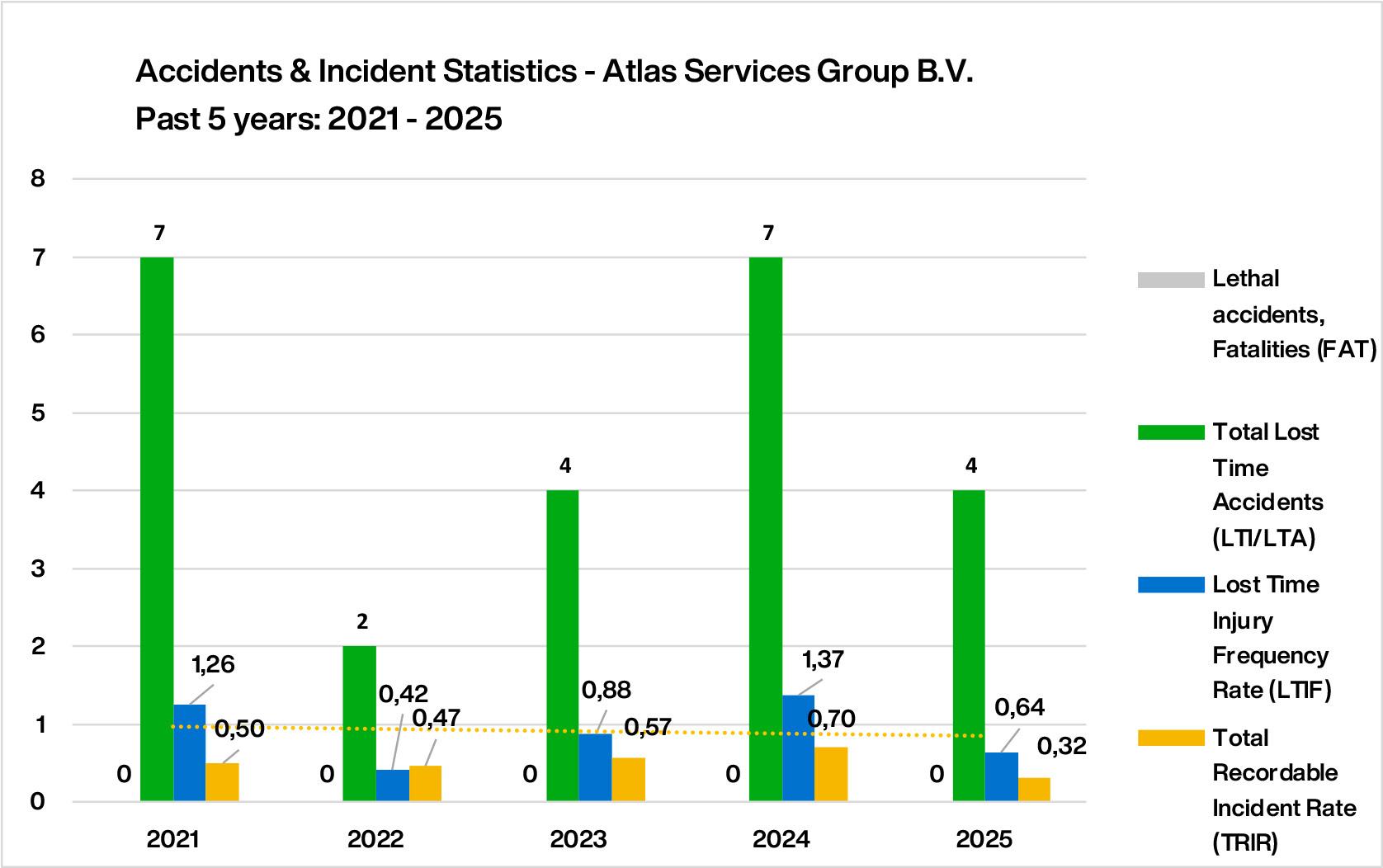
Key figures FY 2025
Total Recordable Incident Rate (TRIR)
Lost Time Injury Frequency Rate (LTIF)
Total Lost Time Accidents/Incidents (LTA/LTI)
Lethal Accident (Fatality)
Total Days Lost
HEALTH AND SAFETY
Promoting a safe and healthy workplace
Incident Management & Reporting
Given that candidates often operate in high-risk environments, Health and Safety is a material priority for Atlas NextWave.
All accidents, incidents, illnesses, and near misses are recorded and managed through our integrated management system. The Chief Commercial Officer (CCO) and Chief Executive Officer (CEO) see real-time reports of every Emergency Response Log (ERL), ensuring immediate senior management oversight of all reported incidents. All personnel are supported by a 24/7 emergency assistance service and comprehensive emergency evacuation insurance, enabling rapid evacuation when required.
We systematically monitor incidents across both our offices and client worksites, conducting root cause analysis and identifying mitigation measures and improvement opportunities to enhance working conditions for our staff and candidates. All incidents reported below occurred at client locations, where candidates were working under the direct operational control of our clients.

HEALTH AND SAFETY
Promoting a safe and healthy workplace
Trend Analysis (2021–2025) - Overall Trend
Accident and incident rates have remained broadly stable over the reporting period, with only minor year-on-year fluctuations. Any increases in reported incidents are considered reflective of improved awareness and a strengthening reporting culture, rather than a deterioration in underlying safety performance.
Near-miss reporting from client sites remains comparatively low, indicating an opportunity to further enhance engagement with clients and candidates to improve proactive risk identification and prevention.
Ongoing Preventative Actions
Atlas NextWave continues to strengthen its proactive safety culture through:
Ȝ Promoting early and transparent reporting, with a particular focus on near misses, supported by safety conversations, HSE training, and the Atlas NextWave HSE Handbook.
Ȝ Reinforcing a non-punitive reporting culture, ensuring all reporting is positioned as preventative.
Ȝ Delivering regular safety briefings and discussions to maintain awareness and drive incident prevention.
Ȝ Engaging with clients to improve near-miss reporting through contractor HSE calls, project meetings, and participation in industry forums (e.g. Step Change in Safety, OEUK, IADC, Renewable UK).
Common Incident Types
The most frequently reported incidents include:
Ȝ Slips, trips, and falls.
Ȝ Minor injuries (cuts, bruises, strains).
Ȝ Unsafe acts and unsafe conditions.
Ȝ Hand and finger injuries.
Ongoing Preventative Actions
To address these trends, Atlas NextWave is focused on:
Ȝ Encouraging routine housekeeping and informal safety walk-throughs.
Ȝ Ensuring that walkways, stairs, and emergency exits always remain clear, supported by regular checks and building safety inspections.
Ȝ Promoting prompt reporting of unsafe conditions to enable timely corrective action.
Ȝ Continuing targeted initiatives to reduce hand and finger injuries through regular communications, HSE training (including programmes such as Greenhand), and collaboration with industry bodies.
Root Cause Analysis
Incident investigations highlight several recurring contributing factors:
Ȝ Reduced situational awareness.
Ȝ Rushing or distraction.
Ȝ Inconsistent adherence to established safety procedures.
Ȝ Limited follow-up on minor incidents and near-miss events.
HEALTH AND SAFETY
Promoting a safe and healthy workplace
Ongoing Preventative
Actions
Mitigation measures include:
Ȝ Integrating focused safety discussions into routine team meetings.
Ȝ Reinforcing the importance of maintaining situational awareness and avoiding shortcuts, including the use of Stop Work Authority.
Ȝ Ongoing communication and training on compliance with safety procedures and standard operating practices.
Ȝ Systematic tracking and closure of corrective actions through the Corrective Action Request (CAR) process.
Ȝ Delivering targeted safety briefings addressing behavioural risks, supported by internal and external audit assurance.
Timing and Frequency
Incidents are more likely to occur during periods of increased workload or operational pressure. The majority remain low severity, underscoring the importance of early identification and intervention to prevent escalation.
Ongoing Preventative Actions
To address these patterns, Atlas NextWave will:
Ȝ Reinforce the importance of prioritising safety during peak operational periods through ongoing communication and guidance.
Ȝ Leverage minor incidents and near misses as learning opportunities via established reporting and corrective action processes.
Ȝ Update and enhance the Atlas NextWave HSE Handbook to further strengthen communication of expectations and preventative behaviours (identified as a key Health and Safety objective for 2026).
STAKEHOLDER ENGAGEMENT
Open Communication
Proactive Approach
Stakeholder engagement is a cornerstone of Atlas NextWave’s ESG strategy, enabling us to align our activites with the expectations and needs of those impacted by our operations. Atlas NextWave engages with a broad range of stakeholders, including employees, clients, candidates, suppliers, investors, and community representatives, through structured and informal channels.
Engagement activities include regular dialogue, surveys, internal communications, and collaborative initiatives. These interactions provide valuable insight that informs strategic priorities, strengthens decision-making, and supports continuous improvement across environmental, social, and governance performance. Atlas NextWave remains committed to further deepening stakeholder relationships to ensure stakeholder perspectives continue to shape both long-term sustainability objectives and day-to-day operations.
Feedback is actively encouraged through multiple accessible channels, including:
Ȝ Direct line management and HR processes.
Ȝ Dedicated consultant relationships.
Ȝ Online customer satisfaction surveys.
Ȝ Company-wide communications via Next Chapter.
Ȝ Annual Star Awards employee recognition event.
Ȝ Whistleblowing policy and reporting mechanism.
Ȝ Privacy policy and Data Protection Officer oversight.
Ȝ Formal discipline and grievance procedures.
Ȝ Complaints handling process.
Ȝ Internal communications platform (“Deck” intranet).
Ȝ Corporate website and social media channels.
Ȝ Industry conferences and exhibitions.
Ȝ Health and Safety management function.
Ȝ Prevention Officer (Head Office).
Customer Engagement
As a service provider, customer and candidate satisfaction is of primary importance to Atlas NextWave. The Group continuously collects and analyses feedback from clients, candidates, employees, and other stakeholders, including perceptions of service quality and sustainability performance. This feedback supports the monitoring of ESG-related practices and contributes to ongoing service improvement.
Operational teams maintain regular contact with clients and candidates through phone, email, messaging platforms (including WhatsApp and Microsoft Teams), and face-to-face meetings where possible. This ongoing engagement enables responsive service delivery and strengthens long-term relationships.
Formal customer satisfaction measurement is conducted through online surveys. The results contribute to internal Quality, Health, Safety and Environment (QHSE) KPIs and overall service performance tracking. In 2025, Atlas NextWave achieved an overall customer satisfaction score of 8.6 out of 10.
STAKEHOLDER ENGAGEMENT
Open Communication
Employee Engagement and Recognition
To strengthen internal communication and employee engagement, Atlas NextWave continues to operate its Next Chapter programme, launched in 2023. This quarterly, company-wide initiative provides a structured platform for leadership communication, featuring live discussions, guest participation and interactive Q&A sessions. The programme addresses business performance, strategic priorities and key organisational developments, helping to foster transparency and open dialogue across the organisation.
To support continuous improvement and ensure communications remain relevant and effective, a dedicated employee survey is conducted following each Next Chapter episode. These surveys provide employees with an opportunity to share feedback on the relevance, credibility and quality of the content presented, while enabling leadership to better understand employee perspectives and expectations. Insights gathered through this process help shape future sessions and strengthen two-way communication between employees and leadership.
Complaints and Continuous Improvement
Atlas NextWave operates a formal complaints management process to ensure service quality and accountability. Stakeholders may submit complaints via a dedicated email address or through the corporate website. All submissions are recorded, investigated, and addressed, with corrective and preventive actions implemented where required. This process supports continuous improvement and helps prevent recurrence of issues.
Employee Representation
In line with applicable EU legislation, Atlas NextWave supports the establishment of a Works Council (Ondernemingsraad – OR) to represent employee interests and contribute to the improvement of working conditions and organisational decision-making. Employees are periodically consulted regarding interest in forming a Works Council. While previous consultations did not result in sufficient support, Atlas NextWave will continue to review employee sentiment and revisit the opportunity in future engagement cycles.

CUSTOMER SATISFACTION
Continuous Improvement
Atlas NextWave systematically collects and analyses feedback from clients and candidates to assess satisfaction with service delivery, including perceptions of sustainability practices and operational performance. Feedback is gathered through formal online surveys and ongoing direct communication, supported by additional channels such as company websites, social media, and industry stakeholders.
Issues are addressed at the earliest appropriate level, with a focus on constructive resolution and balanced outcomes for both clients and candidates. Survey results feed into QHSE KPIs and are managed through the Integrated Management System to ensure actions are tracked, evaluated, and continuously improved.
In 2025, Atlas NextWave achieved an overall score of 8.6/10. Year on year, satisfaction levels remain consistently above 8/10, in line with internal targets.
COMMUNITY ENGAGEMENT
Positive Local Impact
At Atlas NextWave, community engagement is centred on workforce development, education, industry collaboration, and supporting the communities in which we operate. Through targeted programmes, partnerships, and sponsorships, we aim to create longterm social value while supporting the future of the energy and maritime sectors.
Greenhand Programme
2025 marked a milestone year for the Atlas NextWave Greenhand Programme as it officially expanded globally, with inaugural events delivered across Suriname, Namibia, and Brazil. The programme supports new entrants into the offshore energy industry through training focused on safety culture, technical awareness, and employability skills.
In Namibia, the programme became the largest Greenhand initiative to date, delivering five events across three cities in partnership with TotalEnergies. The initiative also supported greater female participation in the offshore sector, with 34 women participating across the sessions.
In Brazil, a former Greenhand participant returned to share their successful transition into the energy sector, demonstrating the programme’s positive impact on long-term career development.
Defence Employer Recognition Scheme (ERS) Bronze Award
Since 2024, Atlas Professionals UK Ltd has held the ERS Bronze Award in recognition of its support for the Armed Forces community, including veterans and service leavers. As a signatory to the Armed Forces Covenant, Atlas continues to support Service personnel
transitioning into civilian careers through targeted recruitment initiatives across the UK.
Workforce Development and Education
Atlas NextWave continued to support workforce readiness and skills development through partnerships with schools, colleges, maritime academies, and employability programmes across multiple regions.
Initiatives during 2025 included:
Ȝ Support for Maritime Careers Day events and guest lectures across the Netherlands.
Ȝ Participation in Scotland’s Developing Young Workforce (DYW) programme and the Foyer Aberdeen REACH employability initiative.
Ȝ Sponsorships supporting maritime and engineering education in the Netherlands and Latvia.
Ȝ Continued investment in technical, maritime, offshore wind, and safety training programmes for employees and temporary workers in the Netherlands.
These initiatives support STEM education, career awareness, and long-term employability across the energy and maritime sectors.
Employee and Crew Engagement
Atlas NextWave continued to strengthen engagement with offshore crews, clients, and employees through crew engagement days, safety training events, and regular vessel and worksite visits. These activities support collaboration, operational understanding, continuous improvement, and a strong safety culture across operations.
COMMUNITY ENGAGEMENT
Positive Local Impact
Atlas NextWave also maintained support for Ukrainian colleagues and their families through its international office network, helping provide safe and stable working environments during the ongoing conflict in Ukraine.
Industry Collaboration and Knowledge Sharing
During 2025, Atlas NextWave participated in international industry exhibitions and conferences, including Offshore Energy Amsterdam, Wind Europe Copenhagen, IPF Virginia Beach, Ocean Business Southampton, and SEOGS Suriname. These events support knowledge sharing, industry collaboration, and engagement with evolving workforce and energy transition trends.
Atlas NextWave also continued supporting The Ocean Cleanup by providing technical and environmental personnel to projects focused on ocean plastic removal initiatives.
Charitable Support and Sponsorships
Atlas NextWave supported a range of charitable, educational, sporting, and environmental initiatives during 2025, including:
Ȝ Sponsorship of screenings of the documentary Planet Wind focused on the role of wind in sustainable energy systems.
Ȝ Support for local sporting teams and maritime academy rowing clubs in the Netherlands.
Ȝ Employee volunteer days supporting local charities and community organisations.
Ȝ Sponsorship of the Cyprus Sea Scouts in Limassol.
Ȝ Partnership with the YMCA of Singapore Youth-at-Risk programme.
Ȝ A five-year sponsorship of the KNRM rescue service.
Ȝ Climate action support through Ecologi, contributing to the planting of 336 trees and avoidance of 56 tCO2e.
Ȝ Community support initiatives in Suriname, including donations to a local orphanage supporting children with disabilities.
Through these initiatives, Atlas NextWave continues to support positive social impact, workforce development, community resilience, and environmental awareness across the regions where it operates.
PEOPLE, TALENT AND CULTURE
Strengthening our Workforce
Atlas NextWave recognises that attracting, developing, and retaining talented people is fundamental to long-term business success and sustainable growth. In an evolving labour market, employees increasingly seek purposeful work, inclusive cultures, and organisations aligned with their values. Atlas NextWave’s people strategy is designed to support these expectations by fostering a safe, engaging, and development-focused workplace that strengthens capability, supports retention, and builds organisational resilience.
Operating across the renewables, energy, and marine sectors, Atlas NextWave supports both its internal workforce and candidates deployed at client worksites, ensuring a balanced and responsible approach to workforce management, wellbeing, and professional development.
Talent Development and Leadership
During 2025, Atlas NextWave continued to strengthen leadership capability and workforce development through a range of structured learning and development initiatives.
A pilot Emerging Talent Programme was delivered to 33 leaders across the organisation, with cohorts held in Aberdeen and Schiphol. The programme brought together both commercial and non-commercial managers to enhance leadership capability, strengthen collaboration, and improve operational consistency across the business. Participants also received executive coaching support aligned to individual SMART development goals.
Existing development initiatives, including the Self-Actualisation Mapping (SAM) process and SMART 360 training, continued throughout the year. Further work progressed on strengthening competency frameworks linked to the SAM process, supported by manager training focused on structured performance and development conversations.
Digital learning capability was expanded through the rollout of Recruitment Juice to 73 consultants, resulting in 590 completed courses and approximately 748 hours of learning. The programme supported the development of core recruitment and commercial capabilities, with further expansion planned across the business in 2026.
Targeted senior consultant training was also delivered to strengthen value proposition alignment, commercial capability, and cross-selling effectiveness across business lines.
Atlas NextWave continues to develop scalable and standardised learning solutions aligned with long-term business requirements.
Training and Continuous Learning
Atlas NextWave recognises continuous learning and professional development as critical enablers of employee engagement, operational excellence, and long-term organisational resilience. The Company continues to invest in structured training programmes designed to strengthen technical capability, leadership effectiveness, recruitment expertise, compliance awareness, and professional growth across the organisation.
Training is delivered through a combination of digital learning platforms, instructor-led sessions, coaching programmes, and role-specific development initiatives. Learning
PEOPLE, TALENT AND CULTURE
Strengthening our Workforce
activities are designed to support both commercial and operational functions while aligning employee development with broader business objectives and evolving market requirements.
During 2025, Atlas NextWave expanded access to digital learning resources through the rollout of Recruitment Juice to 73 consultants, resulting in 590 completed courses and approximately 748 hours of learning delivered via the platform during the year. Additional leadership and professional development programmes, including the Emerging Talent Programme, SMART 360 training, and manager coaching initiatives, further supported employee capability building and performance development.
The Company also continued strengthening competency-based learning through the Self-Actualisation Mapping (SAM) framework, supporting more structured career development discussions, performance management, and succession planning activities.
To support a culture of continuous improvement and lifelong learning, Atlas NextWave monitors participation in training and development activities as part of its broader people and wellbeing framework. Training effectiveness and future development priorities are regularly reviewed to ensure learning programmes remain aligned with employee needs, operational requirements, and strategic business objectives.
During the reporting year, Atlas NextWave invested a total of EUR87K in external training and professional development activities, representing an average external training investment of EUR226 per employee. This is a reduction on the previous year due to
greater investment in internal training programmes. Across all internal, online, faceto-face, and externally delivered learning activities, employees completed a total of 2676 training hours during 2025. Training covered technical, compliance, health and safety, leadership, and professional development topics, supporting employee capability enhancement, career progression, and the maintenance of high operational and safety standards across the business.
Talent Acquisition, Onboarding and Performance Management
Atlas NextWave continues to strengthen recruitment and onboarding processes to improve candidate experience, transparency, and workforce integration.
An applicant tracking system supports hiring managers throughout the recruitment lifecycle, improving candidate tracking, recruitment efficiency, and communication processes. Recruitment activities are coordinated through a central talent acquisition function working closely with hiring managers to identify and attract suitable candidates.
To support objective and evidence-based hiring decisions, particularly for senior positions, Innermetrix psychometric assessments are used to provide behavioural and competency insights during recruitment processes.
Development also continued on a structured 90-day onboarding programme incorporating digital learning tools and AI-supported content creation. Due to systems integration and rebranding dependencies, implementation has been deferred to 2026, with onboarding currently delivered directly by internal trainers. Further enhancements
PEOPLE, TALENT AND CULTURE
Health, Wellbeing, Equity and Inclusion
are planned to tailor onboarding content to non-commercial functions and regional requirements.
Employee Health, Safety and Wellbeing
Atlas NextWave is committed to supporting the physical, mental, and emotional wellbeing of employees through initiatives designed to promote a safe, inclusive, and balanced working environment.
Employee wellbeing support includes:
Ȝ Wellbeing and gym membership subsidies.
Ȝ Trained internal mental health first aiders.
Ȝ Access to confidential external support services.
Ȝ Wellbeing-focused learning resources.
Ȝ Flexible working arrangements, where operationally appropriate.
Ȝ A tax-efficient bicycle scheme for employees in the Netherlands, supporting healthy and sustainable commuting.
To maintain a proactive approach to workforce wellbeing, Atlas NextWave monitors a range of indicators, including:
Ȝ Workplace health and safety performance.
Ȝ Employee stress levels and workload balance.
Ȝ Employee engagement and satisfaction.
Ȝ Participation in training and development activities.
Ȝ Flexible working and work-life balance.
Ȝ Employee turnover and retention trends.
Ȝ Direct employee feedback and engagement with management.
Regular one-to-one discussions between employees and managers further support wellbeing monitoring, career development, and open communication. These indicators are reviewed regularly to identify trends, inform improvement initiatives, and support the continued development of a positive and productive workplace culture.
Diversity, Equity and Inclusion
Atlas NextWave is committed to promoting an inclusive, respectful, and equitable workplace where employees and candidates are treated fairly and provided with equal opportunities to succeed.
Recognising that the renewables, energy, and marine sectors have historically been male dominated, Atlas NextWave continues to support greater workforce diversity and broaden inclusive access to career opportunities across all areas of the business.
Atlas NextWave employs staff representing 40 nationalities across Europe, Asia-Pacific, the Americas, Africa and the Middle East, reflecting a globally diverse talent base and multicultural working environment. The workforce diversity profile is supported by a Shannon Diversity Index of approximately H≈2.95, indicating strong diversity across a broad range of nationalities and backgrounds.
PEOPLE, TALENT AND CULTURE
Health, Wellbeing, Equity and Inclusion
Diversity and inclusion are considered fundamental to effective decision-making and long-term business performance. Atlas NextWave recognises that diversity extends beyond gender and includes experience, cultural background, knowledge, skills, perspectives, and professional expertise. These principles are incorporated into recruitment, succession planning, and leadership appointments across the organisation, while also considering team dynamics and the operational needs of the business.
Inclusive recruitment practices are supported through:
Ȝ Advertising roles across diverse recruitment platforms.
Ȝ Standardised recruitment and interview processes.
Ȝ Inclusive language and consistent evaluation criteria.
Ȝ Structured interview templates.
Ȝ Psychometric assessments supporting objective decision-making.
Ȝ Workplace accessibility and reasonable adjustments for employees and candidates with disabilities.
Atlas NextWave has established a target of at least 30% representation of both genders within the Supervisory Board, Board of Directors, and management. While this target has not yet been achieved within the Supervisory Board and Board of Directors, management across Atlas NextWave includes significant female representation. The Company remains committed to improving gender balance at Board and Supervisory Board level over time.
Atlas NextWave also encourages open communication and employee feedback through governance frameworks including the Code of Conduct, Whistleblower Policy, and Complaints Procedure. These mechanisms help ensure concerns can be raised safely, confidentially, and without fear of reprisal.
The Company maintains a zero-tolerance approach to discrimination and harassment. During 2025, no reports relating to discrimination or harassment were submitted through the whistleblower channel.
Atlas NextWave remains committed to continuously strengthening diversity, equity, and inclusion practices, recognising DEI as an ongoing journey requiring continuous improvement across policies, behaviours, leadership, and workplace culture.
Fair Compensation and Pay Equity
Atlas NextWave is committed to maintaining fair, transparent, and equitable compensation practices regardless of demographic background. During 2025, the organisation streamlined its structure into eight defined job levels, creating a more consistent framework for evaluating roles, responsibilities, and career progression opportunities. An internal equity review identified no structural or systemic pay gaps while highlighting opportunities to improve consistency across the organisation.
Planned next steps include updating job descriptions to align with revised job levels and formalising associated salary bands to further strengthen transparency, consistency, and pay equity across the business.
PEOPLE, TALENT AND CULTURE
Workforce Profile and Employment Metrics
PEOPLE, TALENT AND CULTURE
Workforce Profile and Employment Metrics
Workforce Statistics - Candidates
During 2025, women represented 5.5% of all candidates hired. While recognising the ongoing gender imbalance across the offshore sector, Atlas NextWave remains committed to improving representation by actively encouraging more female candidates to pursue careers within the industry. Through targeted outreach, inclusive recruitment practices, and engagement initiatives, the company continues to support greater participation of women across offshore roles.
Atlas NextWave also maintains a strong focus on developing junior and new-entrant talent. Regular recruitment and engagement days provide opportunities for individuals entering the industry for the first time, helping to build a sustainable and diverse future workforce pipeline.
Reflecting its international capability and global workforce reach, Atlas NextWave engaged candidates from 91 different nationalities during 2025. The company is recognised for its expertise in sourcing, mobilising, and engaging global talent in a fully compliant and responsible manner, supporting clients across multiple regions and operational environments.
Candidates by Gender
Candidates deployed (contract basis)
Days Worked Unique Candidates
HUMAN RIGHTS AND MODERN SLAVERY
Protecting Human Rights Across Our Operations
Atlas NextWave is committed to upholding internationally recognised human rights and maintaining fair, ethical, and responsible employment practices across its operations and business relationships. The Company maintains a transparent and consistent employment framework aligned with applicable labour legislation and recognised international labour standards in the jurisdictions in which it operates.
Atlas NextWave applies a strict zero-tolerance approach to forced labour, bonded labour, child labour, human trafficking, discrimination, harassment, and all forms of modern slavery. These principles extend across internal operations and, where applicable, throughout the supply chain and contractor network. Employees, candidates, suppliers, contractors, and business partners are expected to uphold the standards defined within the Company’s Code of Conduct and related governance policies.
Atlas NextWave is committed to fostering a workplace culture built on respect, dignity, equal opportunity, inclusion, and ethical business conduct. The Company seeks to provide a working environment free from harassment, bullying, intimidation, and disrespectful conduct, and does not discriminate on the basis of gender, race, religion, age, disability, nationality, social background, or ethnic origin.
Company policies also support freedom of association, the effective recognition of the right to collective bargaining, and the prohibition of forced or compulsory labour. To reinforce ongoing compliance and awareness, Atlas NextWave plans periodic refresher training and regular policy acknowledgement processes for relevant employees and stakeholders.
To mitigate the risk of modern slavery and human trafficking within its operations and supply chains, Atlas NextWave maintains a structured monitoring and due diligence framework supported by defined Key Performance Indicators (KPIs), including:
Ȝ Annual confirmation of policy understanding from relevant employees to ensure awareness of procedures relating to ethical conduct and modern slavery prevention.
Ȝ Annual compliance declarations from designated employees confirming they are not aware of, nor involved in, any non-compliant practices.
Ȝ Incident reporting and whistleblowing mechanisms enabling employees, members of the public, suppliers, and law enforcement bodies to raise concerns regarding potential modern slavery risks or breaches.
Ȝ Inclusion of anti-slavery and human trafficking provisions within standard contracts and agreements with suppliers, clients, contractors, and business partners.
Ȝ Ongoing due diligence and compliance assessments independently reviewed through annual ISO audit processes.
Where violations of Company policies or applicable laws are identified, Atlas NextWave may take corrective and disciplinary action up to and including termination of employment or contractual relationships. The Company also maintains a strict nonretaliation commitment to protect individuals who raise concerns or report suspected misconduct in good faith.
CLIMATE JUSTICE AND EXTERNAL PARTNERSHIPS
Climate Action Through Partnerships
Atlas NextWave recognises that the impacts of climate change and the global energy transition are not experienced equally. Communities with the least responsibility for emissions are often the most exposed to economic disruption, environmental risk, and barriers to opportunity. As part of our ESG strategy and commitment to responsible business practices, we aim to integrate principles of climate justice into our operational decisions, workforce development initiatives, and external partnerships.
We believe that effective climate action requires collaboration across industry, communities, and the wider value chain. Atlas NextWave works with clients, suppliers, training providers, industry organisations, and local stakeholders who share our commitment to responsible business conduct, environmental stewardship, workforce inclusion, and long-term sustainable development.
A key example of this approach is the Atlas NextWave Greenhands initiative, which supports new entrants into the offshore energy and renewables sectors through training, safety awareness, and career development pathways. The programme has expanded internationally and includes partnerships with clients, local organisations, technical training providers, and community stakeholders to improve access to employment opportunities within the evolving energy sector.
Through the Greenhands initiative and related workforce development programmes, Atlas NextWave seeks to:
Ȝ Support equitable access to careers within the energy transition.
Ȝ Develop local talent pipelines in regions undergoing industrial and energy transformation.
Ȝ Promote safe, inclusive, and skills-based employment opportunities.
Ȝ Encourage greater participation of women in traditionally male-dominated industries, including offshore energy, marine, and renewables sectors.
Ȝ Support workforce participation from underrepresented and transitioning communities, including new entrants and ex-military personnel.
Ȝ Collaborate with external partners to strengthen local capability, resilience, and longterm economic opportunity.
Ȝ Contribute to a responsible and socially inclusive transition across the offshore energy and renewables sectors.
Our broader approach to climate justice also includes encouraging responsible supply chain practices, engaging constructively with stakeholders, and considering the social implications of environmental and operational decisions.
Atlas NextWave recognises that climate justice is an evolving area requiring continuous improvement, transparency, and stakeholder engagement. We remain committed to strengthening our governance, partnerships, and measurable impact over time.
By working collaboratively with external partners and investing in workforce development initiatives such as Greenhands, we aim to contribute to a more resilient, inclusive, and sustainable economy while creating shared long-term value for clients, employees, communities, and the environment.

GOVERNANCE
GOVERNANCE FRAMEWORK
Ethical Business Conduct
Atlas NextWave is committed to maintaining high standards of corporate governance, ethical conduct, transparency, and regulatory compliance across all areas of its operations. Strong governance practices are fundamental to sustainable business performance, stakeholder trust, operational resilience, and long-term value creation.
Governance oversight is supported through the Company’s ISO 9001:2015 certified Integrated Management System (IMS), which establishes policies, procedures, and controls designed to manage operational, financial, regulatory, environmental, and ethical risks across global activities. The risk managementx process forms an integral part of the IMS and is subject to regular internal review and independent third-party audit.
Risk management is embedded within daily business operations and strategic decisionmaking processes, including business planning, operational performance monitoring, systems implementation, organisational integration activities, and expansion into new markets and services. Governance frameworks and internal controls are continuously reviewed to support effective financial reporting, operational integrity, regulatory compliance, and continuous improvement.
As a globally operating workforce solutions provider, Atlas NextWave operates across multiple jurisdictions, including regions that may be exposed to geopolitical instability, changing regulatory environments, and evolving market conditions. The Company maintains a low risk tolerance in relation to employee and contractor safety and continuously monitors emerging risks that may impact operations, personnel, clients, or broader business continuity.

RISK MANAGEMENT FRAMEWORK
Managing ESG Risks and Opportunities
Atlas NextWave maintains a comprehensive risk management framework designed to identify, assess, monitor, and mitigate risks that may impact business operations, financial performance, reputation, employee safety, and sustainability objectives.
Key risk categories monitored across the organisation include:
Ȝ Strategic risks – market dynamics, customer demand, competitive pressures, and long-term business positioning.
Ȝ Operational risks – service delivery, systems integration, operational continuity, geopolitical disruption, and supply chain resilience.
Ȝ Financial risks – liquidity management, fraud exposure, credit risk, and broader market volatility.
Ȝ Regulatory and compliance risks – changing legislation, labour regulations, environmental requirements, and jurisdictional compliance obligations.
Ȝ Environmental and climate-related risks – physical and transitional climate risks, including extreme weather, carbon-related regulatory developments, and resource pressures.
Ȝ Information security and confidentiality risks – protection of personal data, commercially sensitive information, intellectual property, and operational systems.
Ȝ Technology and artificial intelligence risks – evolving technologies impacting recruitment processes, operational systems, and administrative functions.
Ȝ Reputational risks – stakeholder perception, ethical conduct, ESG performance, and responsible business practices.
These risks are monitored through management reporting, internal and external audits, performance indicators, compliance reviews, and ongoing management review processes. Mitigation strategies are implemented to strengthen business resilience and support alignment with evolving business, regulatory, and sustainability priorities.

STRATEGIC AND GEOPOLITICAL RISK MANAGEMENT
Managing ESG Risks and Opportunities
Atlas NextWave continues to diversify its operations across the renewable energy, marine, and traditional energy sectors, reducing dependency on any single market segment while supporting industries linked to the global energy transition. The Company’s broad geographic footprint and diversified sector exposure help mitigate concentration risk and provide resilience against regional market volatility.
The Group recognises that geopolitical developments may affect customer demand, project timelines, contractor mobility, and operational continuity. At the same time, increasing global focus on domestic energy resilience and infrastructure investment is expected to support demand across both renewable and traditional energy sectors.
Operational resilience remains a key priority. Following the Russian invasion of Ukraine, Atlas NextWave successfully maintained continuity of operations through workforce relocation initiatives, operational support from other offices, and the establishment of additional back-office support capabilities in the Philippines to diversify operational risk exposure and strengthen regional support coverage.
REGULATORY COMPLIANCE AND ETHICAL CONDUCT
Managing ESG Risks and Opportunities
Operating across multiple jurisdictions exposes Atlas NextWave to complex and evolving legal and regulatory requirements. To manage these risks, the Company applies a riskbased compliance approach supported by local expertise, standardised procedures, governance controls, and ongoing monitoring activities.
The Company maintains a zero-tolerance approach to bribery, corruption, fraud, discrimination, harassment, retaliation, forced labour, bonded labour, child labour, and unethical business conduct. Employees, contractors, suppliers, and business partners are expected to act in accordance with the Company’s Code of Conduct and related governance policies.
Core governance policies and frameworks include:
Ȝ Code of Conduct.
Ȝ Whistleblower Policy.
Ȝ Risk Management Procedure.
Ȝ Privacy and Confidentiality Policies.
Ȝ Data Leak Procedure.
Ȝ Integrated Management System procedures and controls.
Atlas NextWave encourages employees and stakeholders to raise concerns relating to misconduct, unethical behaviour, confidentiality breaches, or non-compliance through formal reporting channels, including whistleblower mechanisms and designated governance contacts. The Company maintains a strict non-retaliation approach to protect individuals who report concerns in good faith.

INFORMATION SECURITY, CYBERSECURITY AND FRAUD PREVENTION
Managing ESG Risks and Opportunities
Protecting confidential information and maintaining data integrity remain key governance priorities as the organisation continues to evolve through systems integration, digital transformation, and operational development.
In 2025, Atlas NextWave continued strengthening its cybersecurity and IT control environment across the Group. No material cybersecurity incidents were identified during the reporting period. Following security enhancements initiated in late 2024, the organisation completed the deployment of phishing-resistant authentication technologies, including YubiKey hardware tokens aligned with FIDO2 standards. Multi-factor authentication remains mandatory across the organisation, supported by conditional access policies designed to monitor and restrict system access based on risk profiles and contextual factors.
The Company also continued to strengthen its internal control environment through comprehensive end-user access reviews across business-critical systems, supporting appropriate segregation of duties and role-based access management. Independent penetration testing conducted during the year confirmed the effectiveness of implemented cybersecurity controls, with no material vulnerabilities identified.

INFORMATION SECURITY, CYBERSECURITY AND FRAUD PREVENTION
Managing ESG Risks and Opportunities
The Group regularly assesses potential fraud risks across its operations, including:
Ȝ Employee susceptibility to fraud opportunities arising from personal circumstances.
Ȝ Weaknesses within payment, repayment, collection, and payroll-related controls.
Ȝ Risks associated with inappropriate third-party influence or unethical conduct.
Ȝ Excessive pressure linked to financial performance targets.
Ȝ Deficiencies in financial reporting controls.
Ȝ Cybersecurity vulnerabilities that may expose the organisation to financial or operational risk.
To mitigate these risks, Atlas NextWave maintains compensating controls and monitoring mechanisms designed to prevent, detect, and respond to fraudulent activity. These controls include segregation of duties across expense approvals, payroll administration, cash disbursements, compensation processes, banking controls, and master data management, together with standardised reporting requirements subject to multiple levels of review and oversight.
Financial reporting controls are supported through standardised accounting policies, a common chart of accounts, and implementation of Group-wide accounting systems across the majority of operating entities. These systems support consistent financial reporting, KPI monitoring, financial analysis, and reduced risk of material misstatement.
Governance processes are designed to protect:
Ȝ Personal and employee data.
Ȝ Client and contractor records.
Ȝ Commercially sensitive information.
Ȝ Intellectual property and proprietary business knowledge.
Ȝ Operational and financial systems and reporting data.
Employee obligations relating to confidentiality, data protection, fraud prevention, and ethical conduct are reinforced through employment contracts, employee handbooks, onboarding processes, annual policy acknowledgements, governance training, and periodic awareness communications.
ESG GOVERNANCE AND FUTURE PRIORITIES
Managing ESG Risks and Opportunities
ESG-related risks and opportunities are monitored through the Integrated Management System and broader governance framework. Leadership teams oversee ESG priorities relating to environmental performance, employee wellbeing, workforce practices, compliance obligations, ethical business conduct, operational resilience, and stakeholder engagement.
As Atlas NextWave continues to expand its service offering and support sectors linked to the global energy transition, the Company remains focused on strengthening the integration of ESG considerations into strategic planning, operational governance, risk management, and decision-making processes.
Future governance priorities include:
Ȝ Continued enhancement of fraud prevention and cybersecurity controls.
Ȝ Strengthening compliance monitoring and regulatory oversight processes.
Ȝ Ongoing governance, ethics, and compliance training for employees.
Ȝ Enhanced third-party due diligence and supplier oversight.
Ȝ Increased integration of ESG considerations into strategic and operational governance.
Ȝ Continuous review and improvement of policies, procedures, and reporting mechanisms.
Ȝ Ongoing investment in operational resilience and business continuity planning.

REPORTING
Managing ESG Risks and Opportunities
Whistleblower
No formal whistleblower reports were filed through the official reporting channel during the 2025 reporting period.
Fraud / Corruption Cases
To the best of our knowledge or belief, there were no reported or substantiated cases of fraud, corruption, or unethical conduct involving any Atlas NextWave employees during 2025.
Cyber Security Incidents
There were no material cybersecurity incidents identified during 2025.
Data Protection
There were no personal data breaches, data protection incidents, or other events requiring notification to data protection authorities during 2025.
Atlas NextWave continues to uphold high standards of data privacy and compliance with the General Data Protection Regulation (GDPR) and other applicable laws in jurisdictions where we operate.

ESG REPORT 2025
Environmental | Social | Governance
Atlas Services Group B.V. and affiliates