Model USDA 2026 Impact
Report


Training emerging policy leaders
Through an innovative educational simulation, we are empowering the next generation of policy leaders in food, agriculture and natural resources.
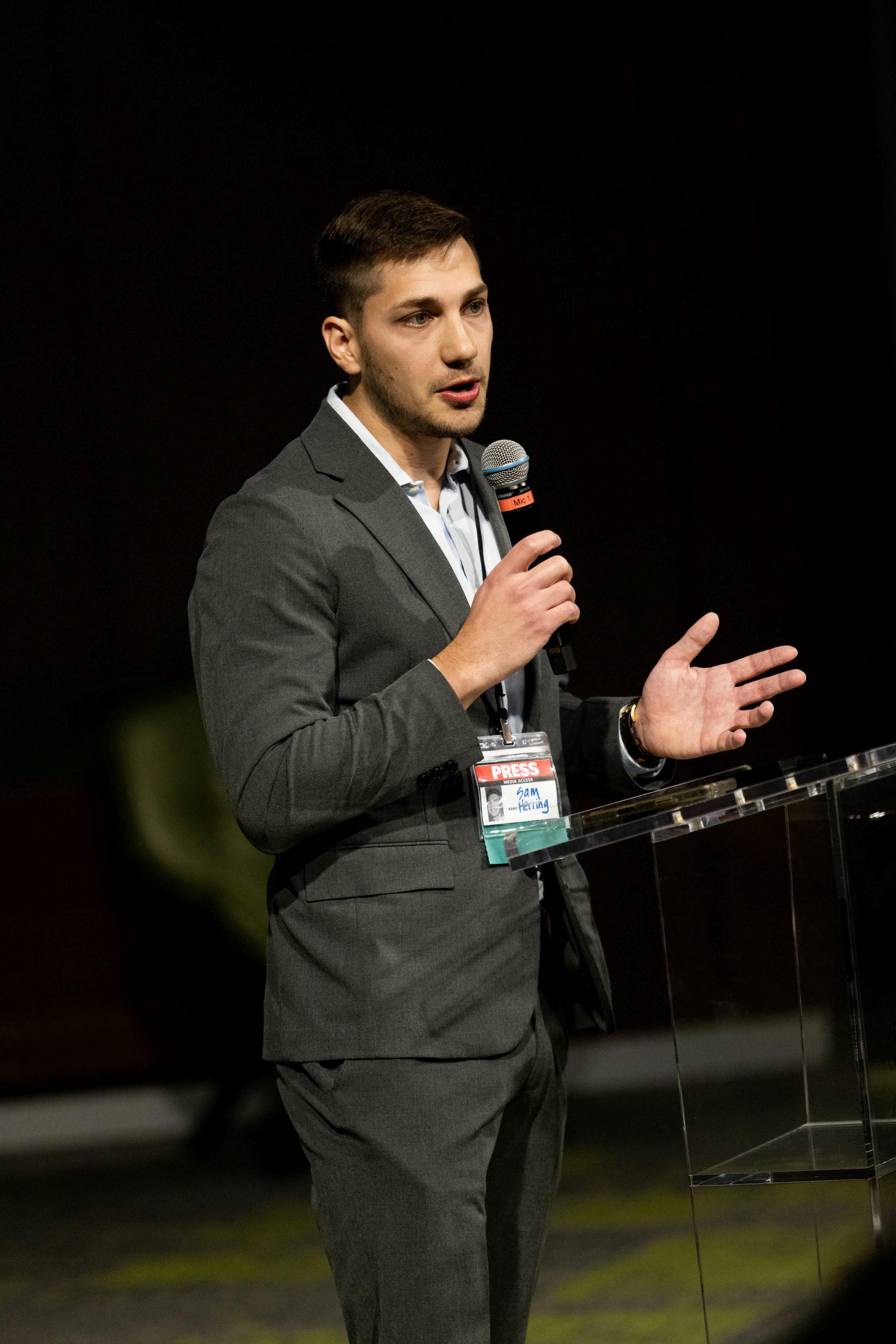
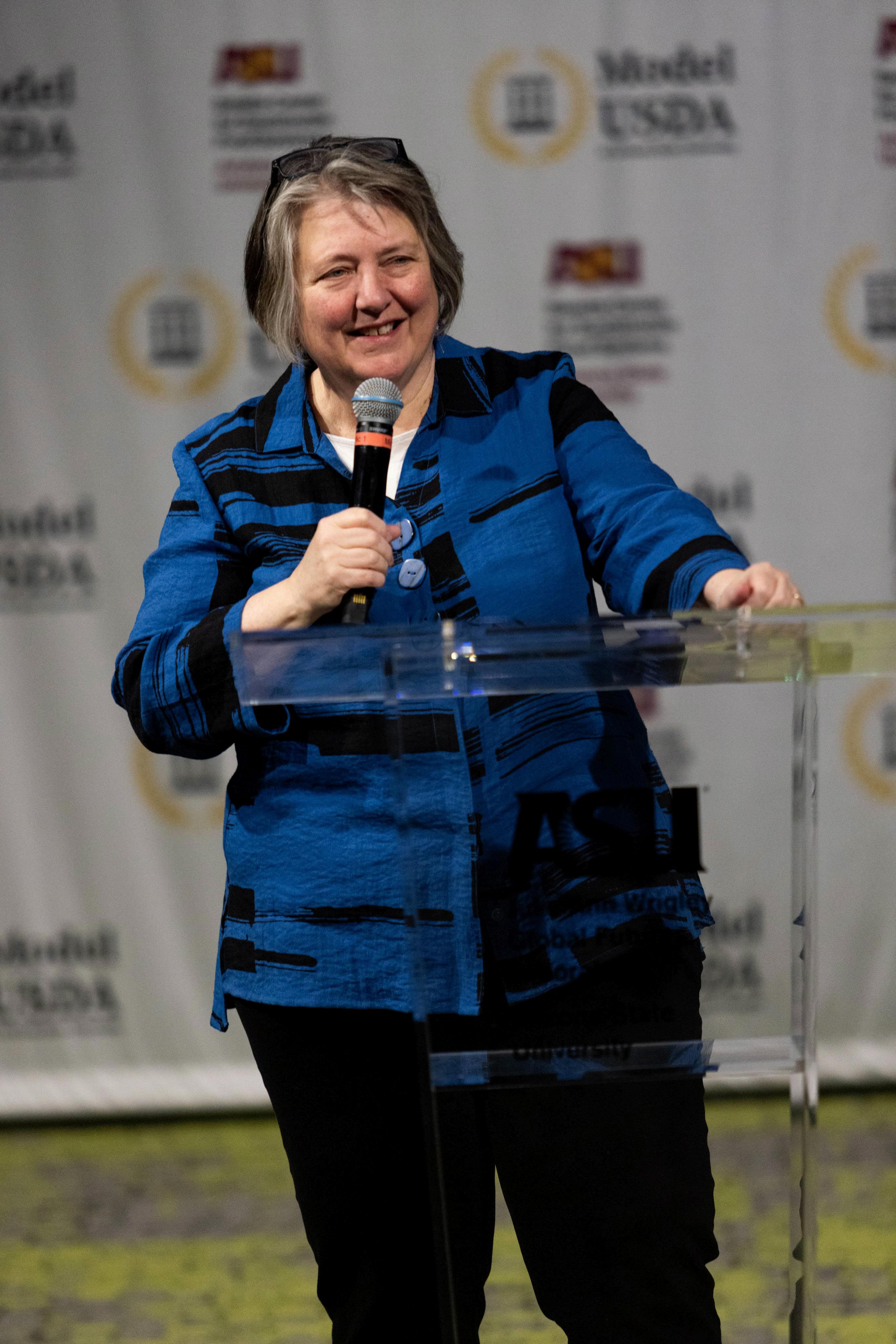
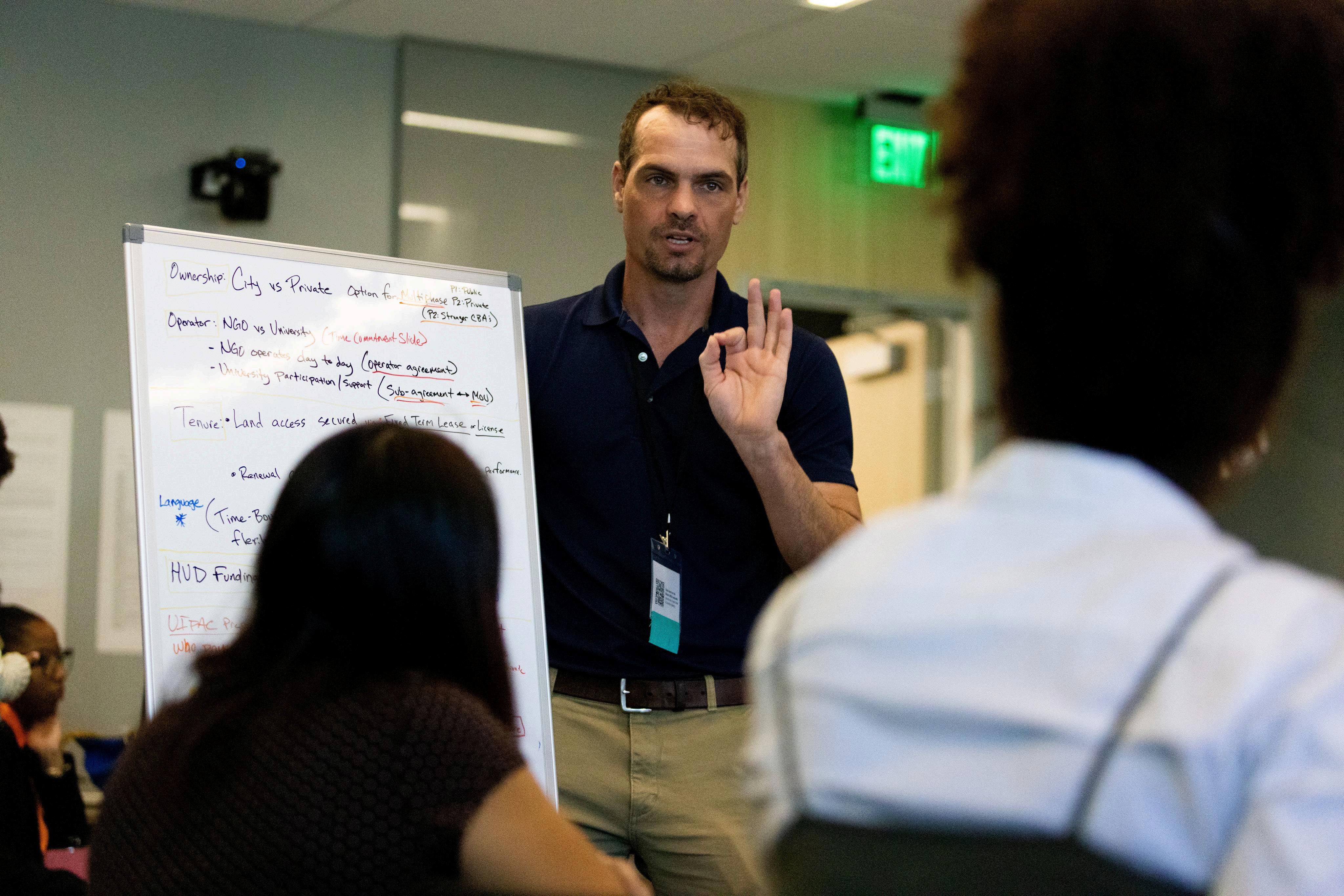
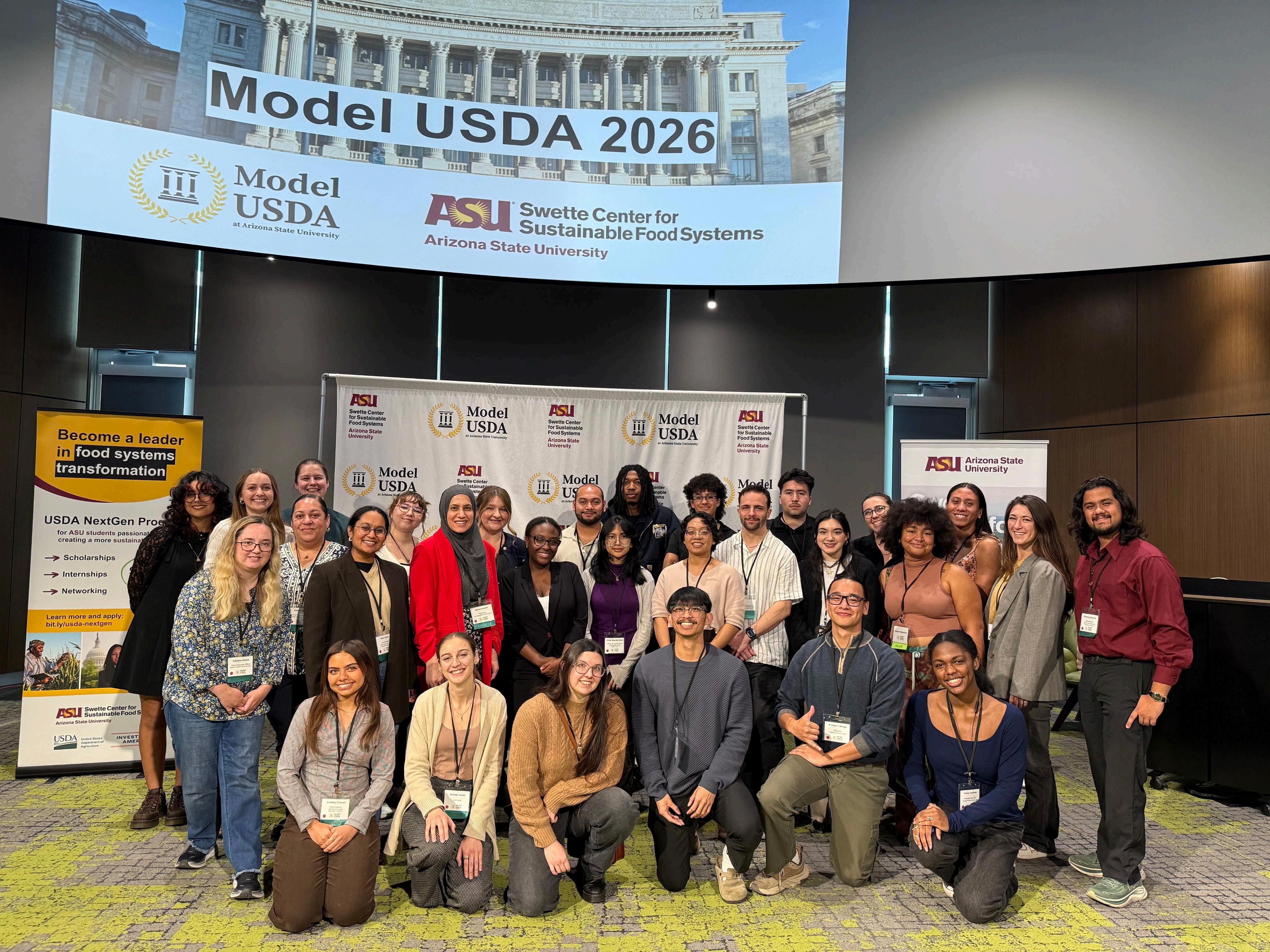
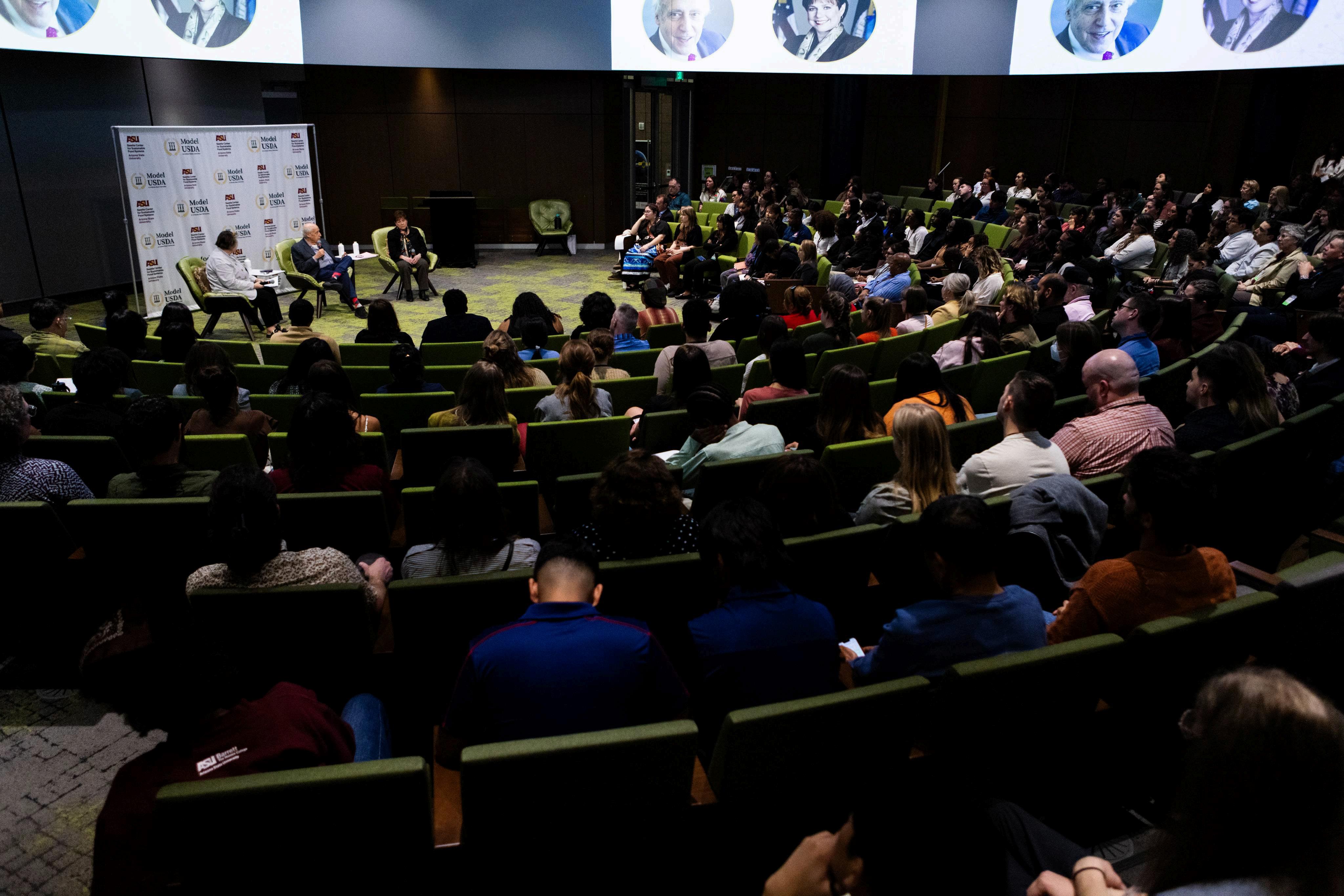
Model U.S. Department of Agriculture (USDA) 2026 was a three-day simulation event held from January 30 to February 1 on Arizona State University's Tempe campus.
Designed and hosted by the ASU Swette Center for Sustainable Food Systems as a core component of the USDA NextGen program, Model USDA provides students with an immersive opportunity to experience the complexities of policymaking while building professional skills, making connections, and exploring careers.
Building on the success of the inaugural virtual simulation in 2025, Model USDA expanded significantly in its second year and was held
in person for the first time. The event brought together 196 students from 30 institutions across U.S. states and territories, spanning a wide range of academic backgrounds and experience levels, from first-year undergraduates to master's students nearing graduation.
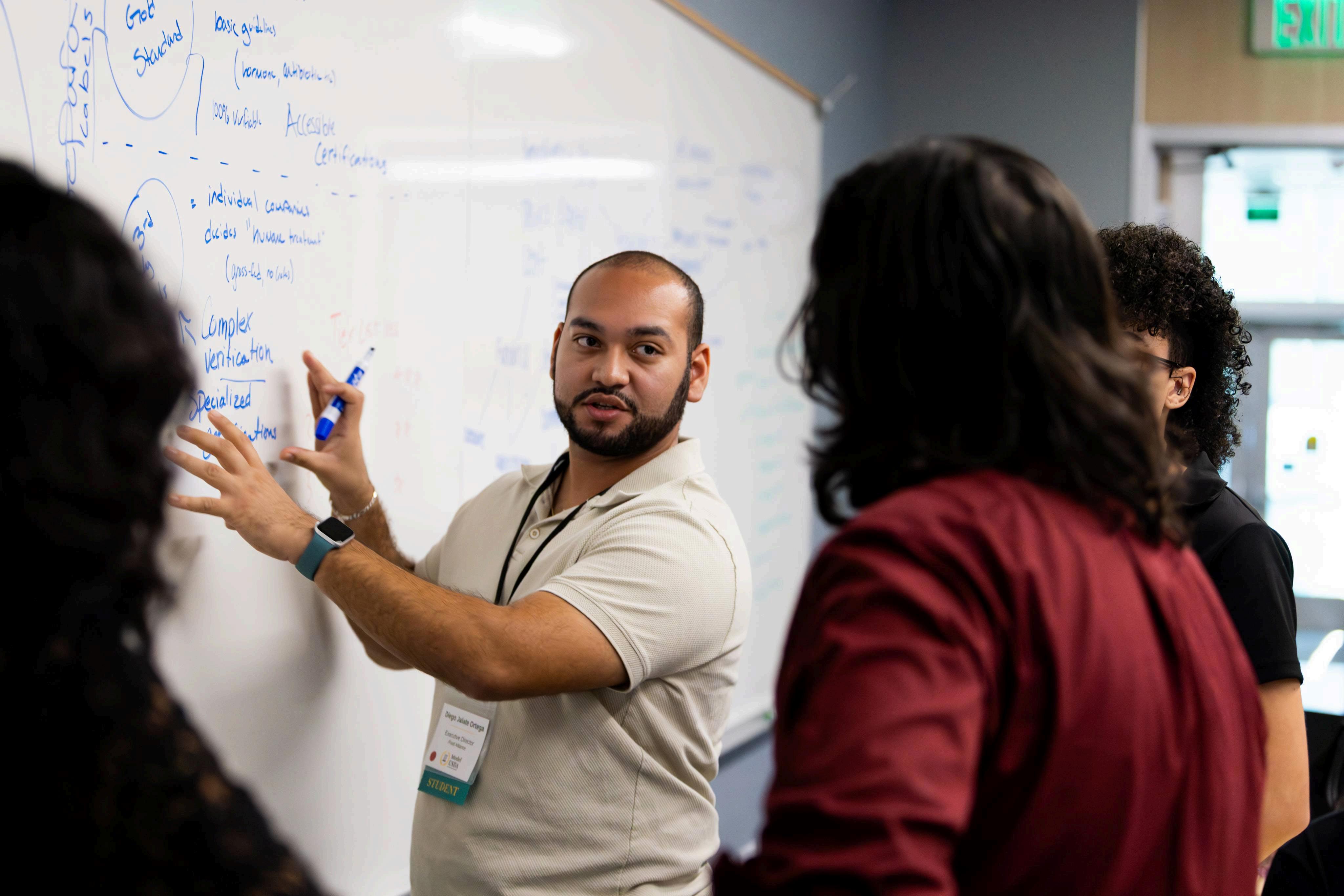
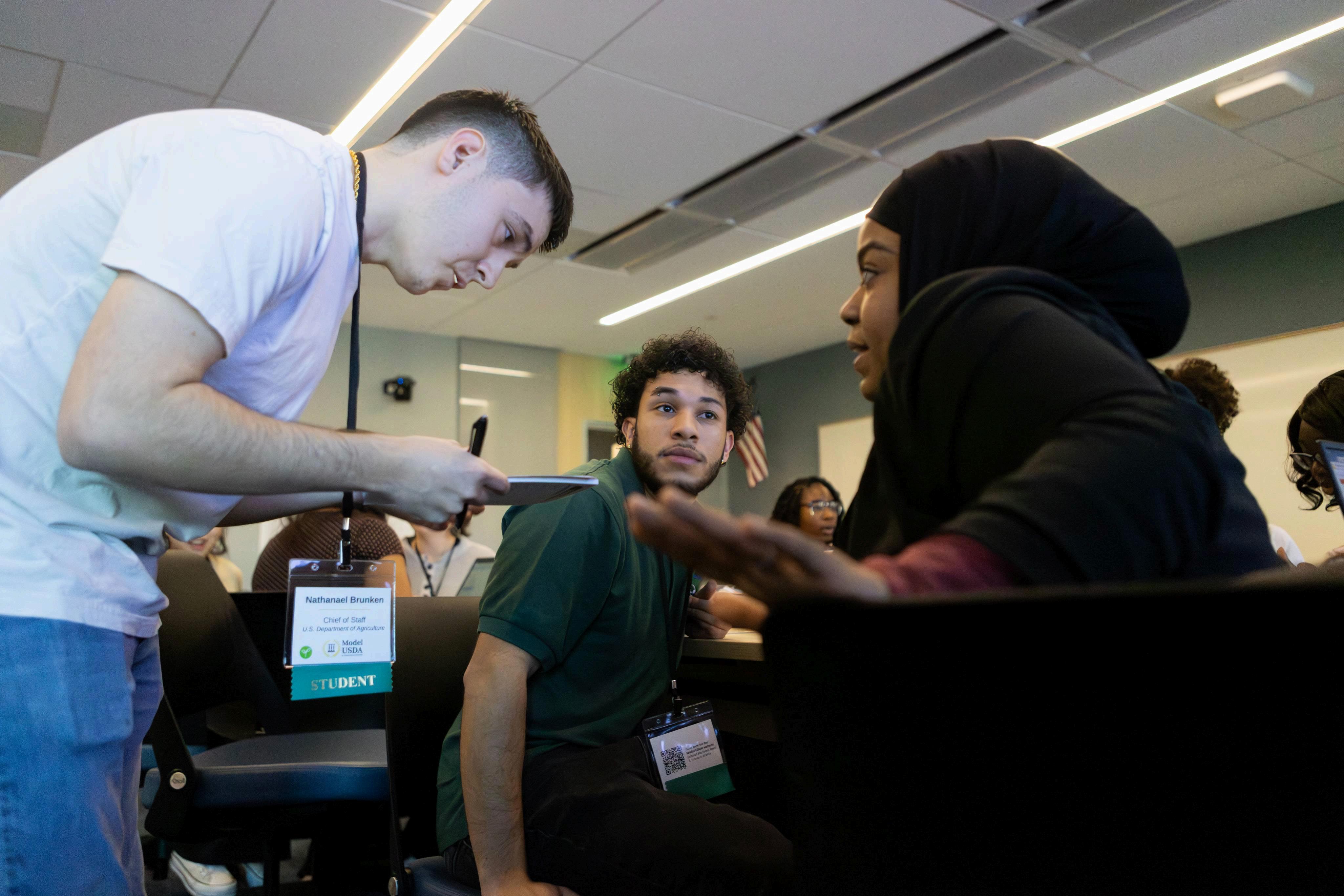
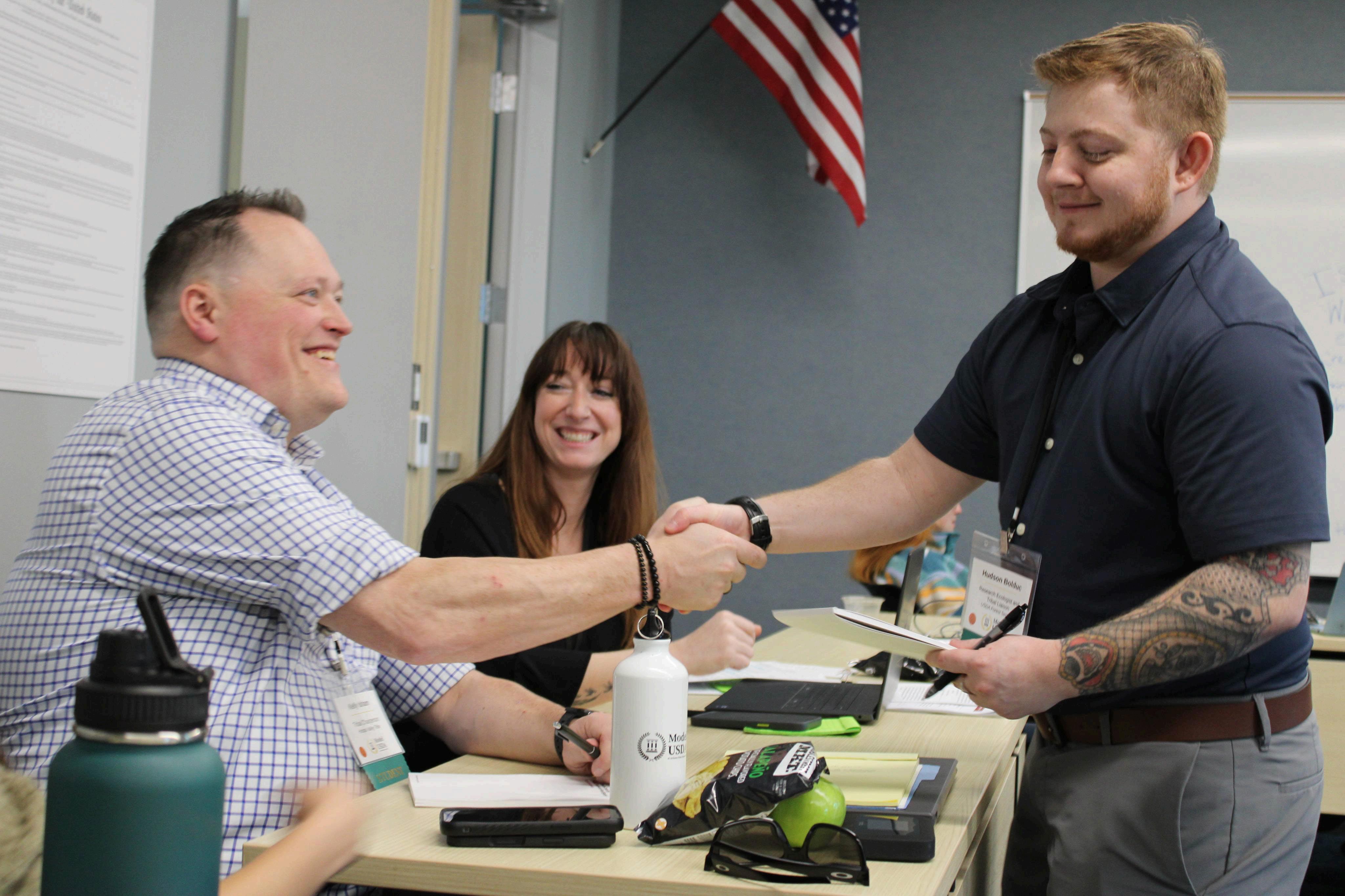
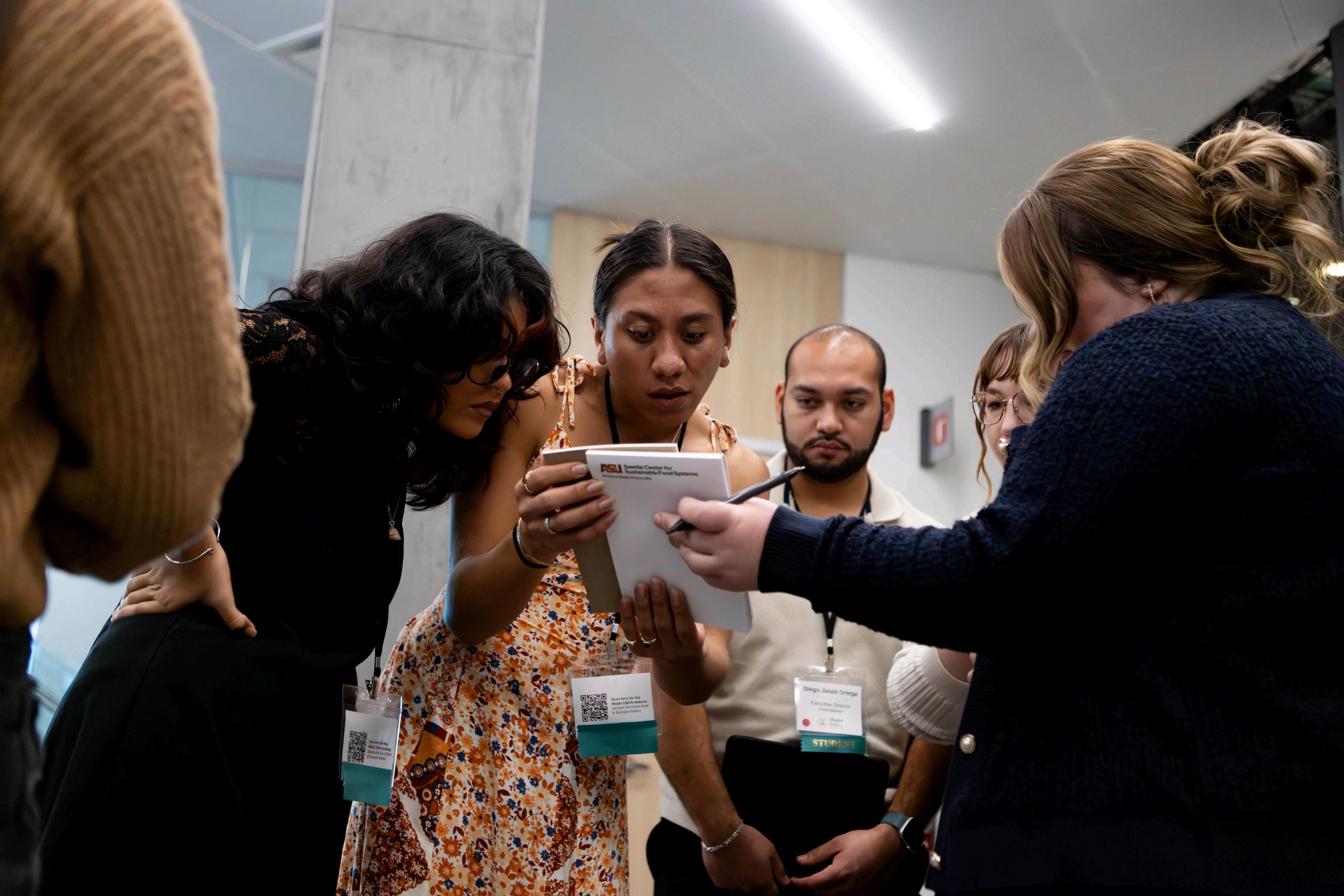
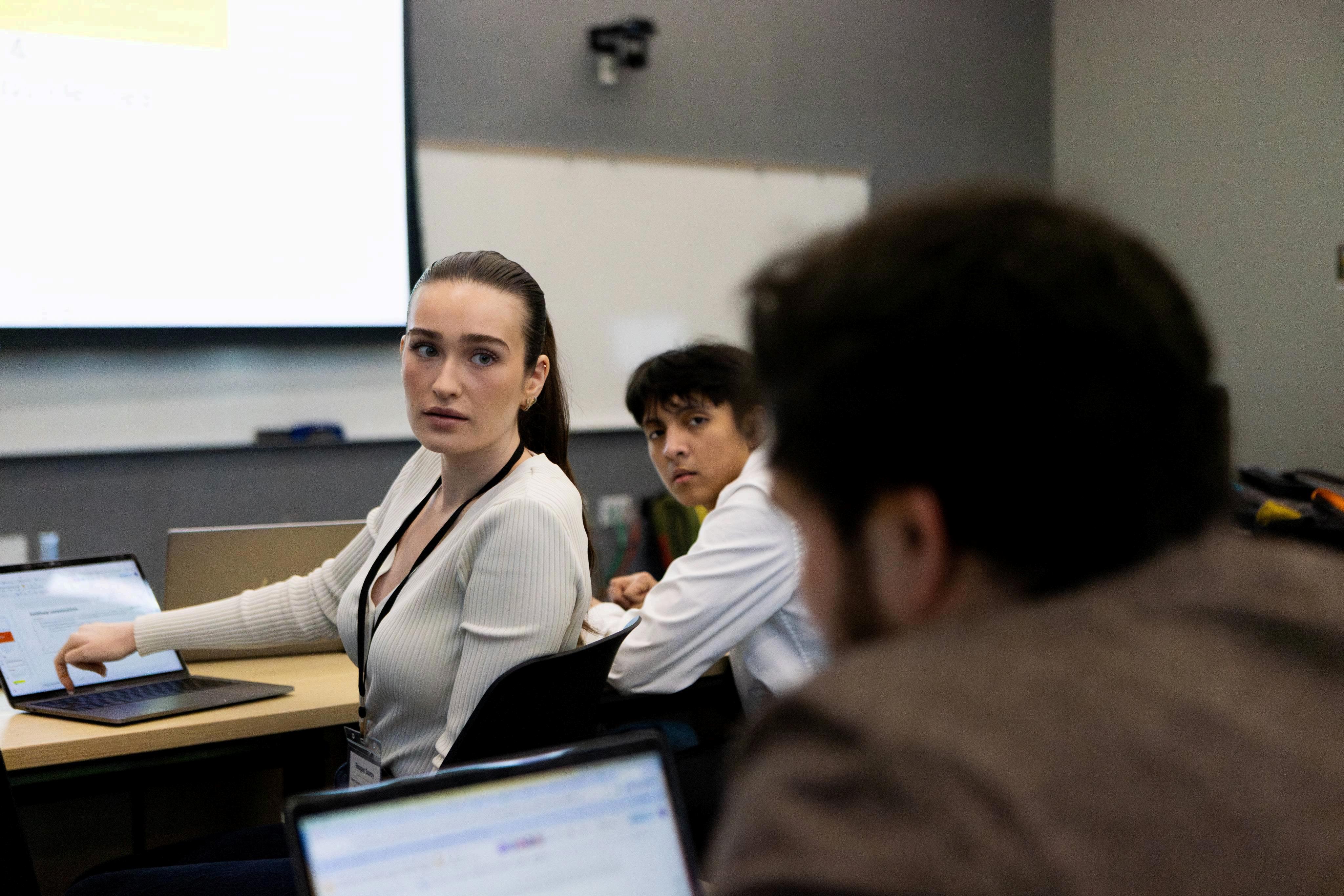
Students stepped into the roles of policymakers and stakeholders representing federal agencies, Congress, tribal governments, industry, academia, advocacy organizations, and many other key groups. Each participant was assigned a policy scenario and provided with extensive background materials to prepare.
Over the course of Model USDA, students debated pressing policy issues, responded to simulated crises, and strategically negotiated to develop policy recommendations.
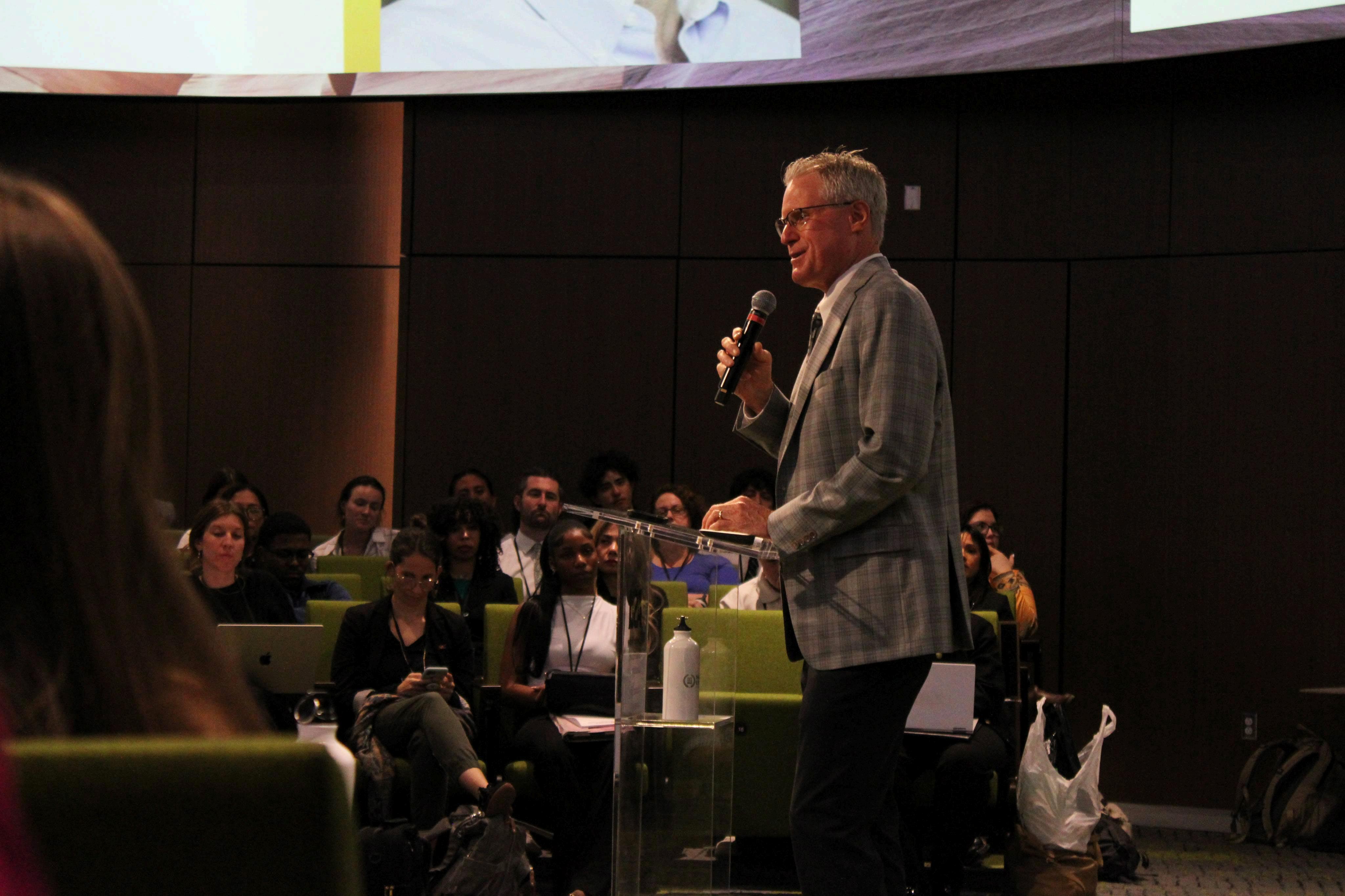
The event was further enriched by distinguished guest speakers, including two former USDA Secretaries, who shared real-world policy insights from their careers.

3 days
6 policy scenarios
14 guest speakers
30 institutions
196 students
1 transformative experience
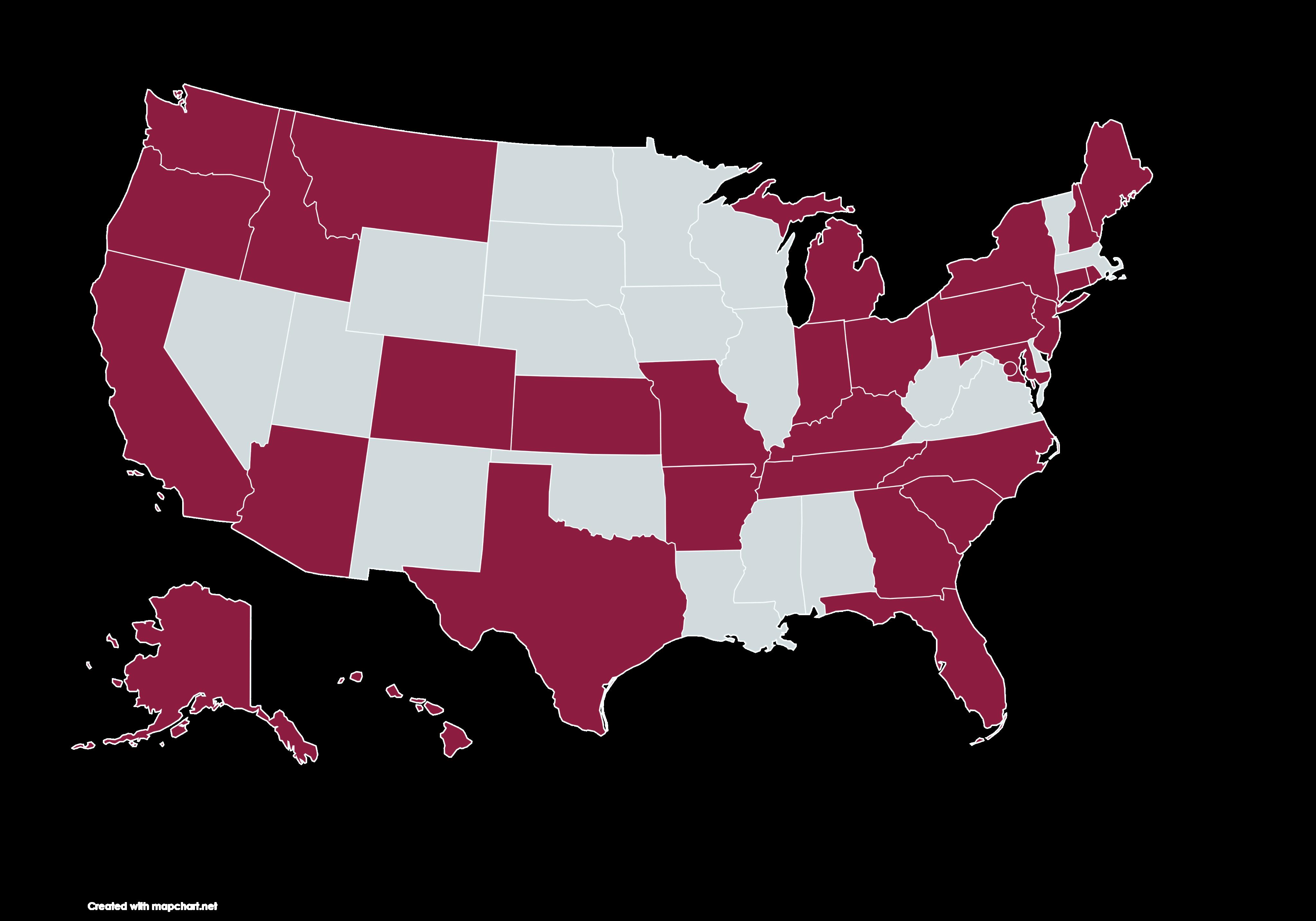
Students traveled far and wide for Model USDA
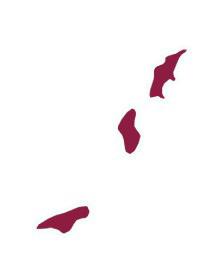
Undergraduate and graduate scholars from 30 U.S. states, the District of Columbia, Guam, Puerto Rico, and the Northern Mariana Islands participated in Model USDA 2026.

Tackling real-world challenges
The Model USDA 2026 policy scenarios were thoughtfully designed around timely challenges that reflect the broad mission and diverse responsibilities of agencies across USDA. Developed by graduate students and staff at ASU, each scenario included a thorough preparatory document with background information on the issue, detailed descriptions of every role, and curated resources for further learning.
While the scenarios were individually distinct, all participants shared the same goal: develop a policy proposal capable of earning final approval from students in the highest government leadership roles.
Six policy scenarios



Healthy and sustainable Dietary Guidelines for Americans (DGAs)
Objective: Craft a recommendation on whether, and how, environmental sustainability and ultra-processed foods should be incorporated into the DGAs.
Expanding nutrition education to schools nationwide
Objective: Design a federal rule that USDA will use to administer the Food and Nutrition Education in Schools Pilot Program.
Growing urban agriculture
Objective: Create a national policy strategy to strengthen engagement with and support for new and beginning farmers in urban communities.

Investing in rural America
Objective: Develop a three-year investment strategy to increase prosperity and promote economic development in rural communities nationwide.
FSIS food label guidance for voluntary claims
Objective: Determine whether USDA's Food Safety and Inspection Service (FSIS) should finalize or modify proposed guidance on voluntary label claims.
Fighting fire with fire
Objective: Design a public education campaign that builds understanding of prescribed burning and its role in wildfire management.
Inspirational guest speakers


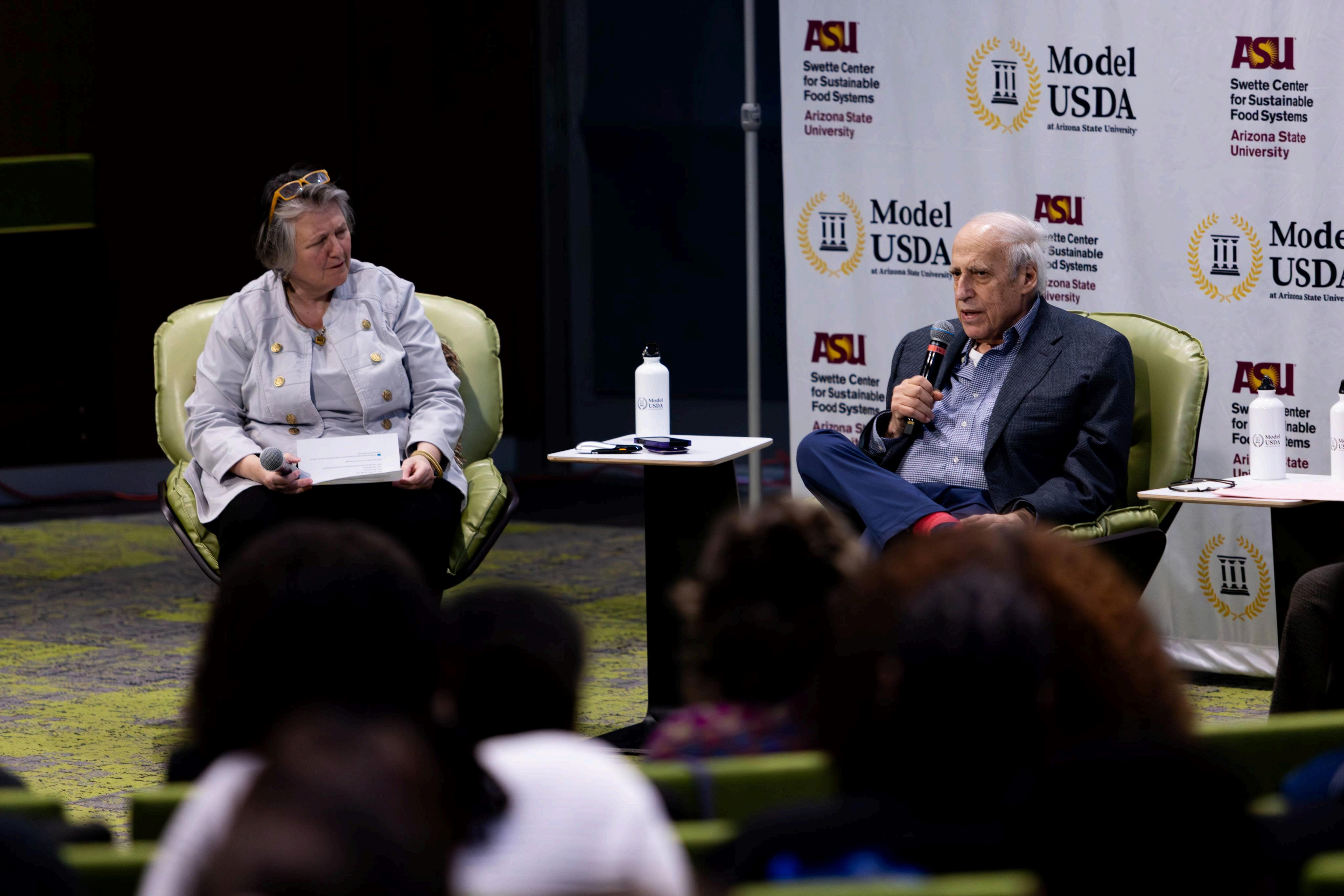
Throughout the three days of Model USDA, participants heard directly from leaders with prestigious careers and valuable policy expertise. These guest speakers shared their firsthand insights on the challenges and opportunities facing food and agriculture today, while also highlighting various pathways into impactful occupations in public service.
Dan Glickman, Former U.S. Secretary of Agriculture (1995-2001)
Ann Veneman, Former U.S. Secretary of Agriculture (2001-2005)
Kathleen Merrigan, Former U.S. Deputy Secretary of Agriculture (2009-2013)
Paul Brierley, Director, Arizona Department of Agriculture
Jane Coghlan, Former Intern, U.S. Senate Committee on Agriculture, Nutrition, and Forestry
Ginger Sykes Torres, Vice President of Resiliency Programs, Local First Arizona
Michael Crow, President, Arizona State University
Brian Swette, Food entrepreneur and ASU trustee
In addition, six subject-matter experts led briefings and discussions within each scenario, giving participants specialized knowledge on their Model USDA topic.
Punam Ohri-Vachaspati, Director and Professor, ASU College of Health Solutions
Lyndsey Waugh, Executive Director, Sprouts Healthy Communities Foundation
Estève Giraud, Director of Research, ASU Swette Center for Sustainable Food Systems
Gloria Montaño Greene, Former Deputy Under Secretary for Farm Production and Conservation, U.S. Department of Agriculture
Ashley Grabb, Assistant Director of the Agriculture and Food Systems Support Division, Arizona Department of Agriculture
Hilary Franz, President and CEO, American Forests


numbers
Impact by the
Based on a post-event survey completed by 167 students










97% of students increased/affirmed their understanding of the variety of job types, skills, and fields of expertise used by USDA employees
96% of students improved their understanding of how the USDA works

96% of students were exposed to new perspectives and ideas through networking with students from other states
93% of students improved their collaboration/teamwork skills

92% of students increased their knowledge of how stakeholders with competing points of view inform and influence USDA strategy


91% of students reported that attending Model USDA helped them establish connections they want to maintain after the event

90% of students increased their confidence engaging in professional networking settings





Expanding our reach
The inaugural Model USDA, held virtually in 2025, brought together students from four institutions participating in a shared USDA NextGen grant. The event was a resounding success, with nearly 96% of participants describing it as a valuable learning experience.
Building on that momentum, the partner institutions sought to expand Model
Original partner institutions
USDA's reach in 2026 by inviting every college and university that had been awarded a NextGen grant. The response was overwhelmingly positive. With immense interest from across the country, Model USDA grew into an unprecedented gathering of 30 institutions, united by a shared commitment to preparing the next generation of leaders in food and agriculture.

New partner institutions in 2026







Reflections from students
"As the first in-person Model USDA experience, this event was both exciting and transformative. Being surrounded by individuals with diverse professional knowledge and real-world experience in business, policy, and investment made the experience incredibly meaningful. I’m truly grateful for the connections made, perspectives gained, and the opportunity to grow as a young
Undergraduate Student, Fort Valley State University
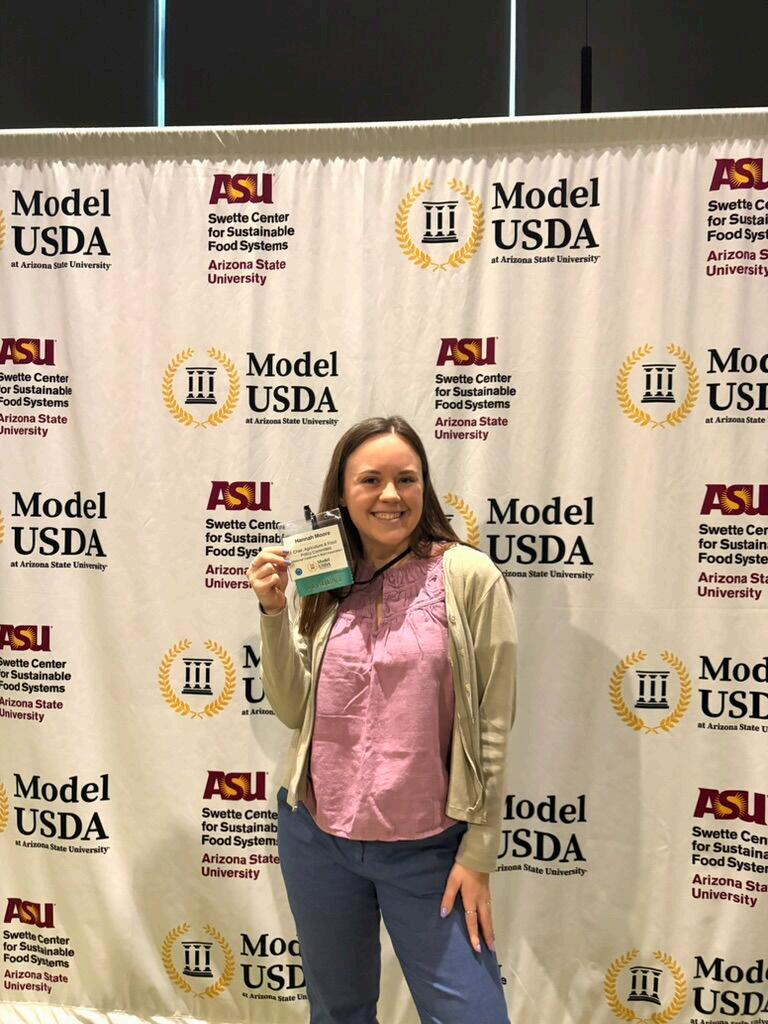
"This experience was an invaluable opportunity to deepen my understanding of USDA’s role and the realities of federal policymaking. It highlighted how negotiation and compromise are essential when navigating differing institutional authorities and constraints, as well as competing political, economic, and social priorities."
— Hannah Moore, Graduate Student, Arizona State University
"It was an inspiring experience that allowed me to connect with new peers from my institution, strengthen my professional skills, and gain deeper insight into how federal agricultural policies
Undergraduate Student, California State University Monterey Bay


Looking ahead
New and improved scenarios
Because food and agricultural policy issues are constantly evolving, Model USDA scenarios require ongoing review and refinement to remain pertinent and reflective of real-world challenges.
Three new scenarios are currently under development for Model USDA 2027. These scenarios will task students with devising a strategic plan for eradicating the New World Screwworm outbreak in the U.S., determining food eligibility updates within the Special Supplemental Nutrition Program for Women, Infants, and Children (WIC), and identifying potential new questions to be added in the USDA's upcoming Census of Agriculture.
Casting a wider net
The success of Model USDA has generated growing interest among institutions seeking innovative approaches to food systems education. As planning for Model USDA 2027 begins, we look forward to welcoming new partners and widening our impact.
Additionally, to support further growth, we have intentionally made our Model USDA event brief and scenario documents publicly available through the Swette Center's website. We hope to encourage educators and institutions across the country to develop their own Model USDA simulations, similar to the widespread adoption of Model United Nations and Model Congress conferences.
Acknowledgments
Model USDA 2026 would not have been possible without the dedication, enthusiasm, and collaboration of countless individuals and organizations.
We are grateful to all the students, staff, and faculty from our partner institutions, as well as our guest speakers and the team at Extension Foundation for their essential support. Finally, we recognize the ASU graduate students and Swette Center staff whose extensive work in designing and executing the simulation was instrumental to its success.
“
It turned out better than I imagined. Students told me the experience left them wanting a career in food policy — that’s a big win."
— Kathleen Merrigan Executive Director, Swette Center for Sustainable
Food Systems


The Swette Center for Sustainable Food Systems is a unit of the ASU School of Sustainability and the Global Futures Laboratory.
Model USDA is supported by the From Learning to Leading: Cultivating the Next Generation of Diverse Food and Agriculture Professionals (NextGen) program, project award no. 2023-70440-40222, from the U.S. Department of Agriculture’s National Institute of Food and Agriculture. globalfutures.asu.edu/food/model-usda/