Heat warning: How life changes as global heat records fall
Ultra-processed food regulations could change how we eat
4 elements guiding the data center debate Making the most of the electric vehicle transition



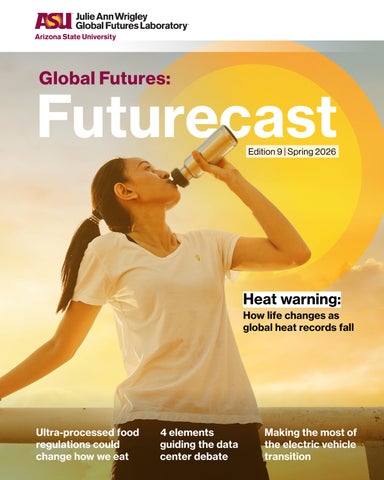
Heat warning: How life changes as global heat records fall
Ultra-processed food regulations could change how we eat
4 elements guiding the data center debate Making the most of the electric vehicle transition
At the Julie Ann Wrigley Global Futures Laboratory, every decision is driven by a vision of a future where all life thrives on a healthy planet.
As global challenges intensify, so too does the urgency — and necessity — of innovations grounded in science and shaped by complex systems thinking. Our work is directly linked to the world’s most pressing realities, requiring solutions with impact at scale and in real time.
This is why we are redesigning “Futurecast,” our biannual publication. Through concise, rigorous reporting, we aim to illuminate which emerging issues are threatening the services of Earth’s life-supporting systems. Each Futurecast issue serves as a guide on what to anticipate over the next six months.
You will also see expanded opportunities to engage directly with the work we are advancing. Because “Futurecast” aims to reflect the questions, interests and priorities of our global community, we want to hear from you. What challenges demand closer examination? Which breakthroughs merit deeper coverage? Share your ideas for future issues at globalfutures@asu.edu.
Your participation fuels the mission of the Julie Ann Wrigley Global Futures Laboratory. Thank you for helping drive our shared future forward.


Peter Schlosser
Vice President and Vice Provost, Global Futures Director, Julie
Ann Wrigley Global Futures Laboratory Arizona State University


The United States Department of Agriculture is finalizing its definition of ultra-processed food. Experts say it could be the federal government’s most consequential food policy decision in years.
The decision comes amid a national debate about how food impacts our health and how involved the government should be in choosing what appears on our plates.
The definition could influence what’s served during school lunch and what can be purchased with food stamps. It also could change how products are packaged and marketed — impacting almost every decision we make at the supermarket.
Research has linked eating ultra-processed foods to obesity, cardiovascular disease and some cancers.
But scientists are still clarifying whether those harmful health effects are caused by the processing or the poorer nutritional quality of some foods, said Christopher Neubert, deputy director of the Swette Center for Sustainable Food Systems, housed within the Julie Ann Wrigley Global Futures Laboratory at Arizona State University.
Whole-grain breads, unsweetened yogurt and meat-alternative patties are healthy food choices but also could be considered ultra-processed because they contain highly processed proteins, oils and additives that improve texture or extend freshness.
It’s estimated that roughly 70% of America’s food supply contains similar ingredients.


The Swette Center and Heartland Health Research Alliance submitted detailed comments on the proposed definition, urging the USDA to focus this effort on how ultraprocessed foods impact public health.
Among other ideas, they proposed adding a simple label, such as the one below, to the front of food packaging that rates foods based on their nutritional value and how much they are processed.
Some are pressuring the agency to take a tough stance on ultra-processed foods, pointing to state-level bans on some food products, as well as recently revised federal dietary guidelines that recommended consuming fewer ultra-processed foods.
But others worry that a stringent federal definition could stigmatize otherwise healthy foods or raise the costs of groceries, particularly for those who can least afford it.
It’s unclear where the USDA will land.
“In an ideal situation, they’ll put out a definition that is absolutely clear, and then everyone could move forward,” Neubert said. “The big challenge comes if there is any ambiguity. We expect to spend a lot of time this year helping people understand what this means.”


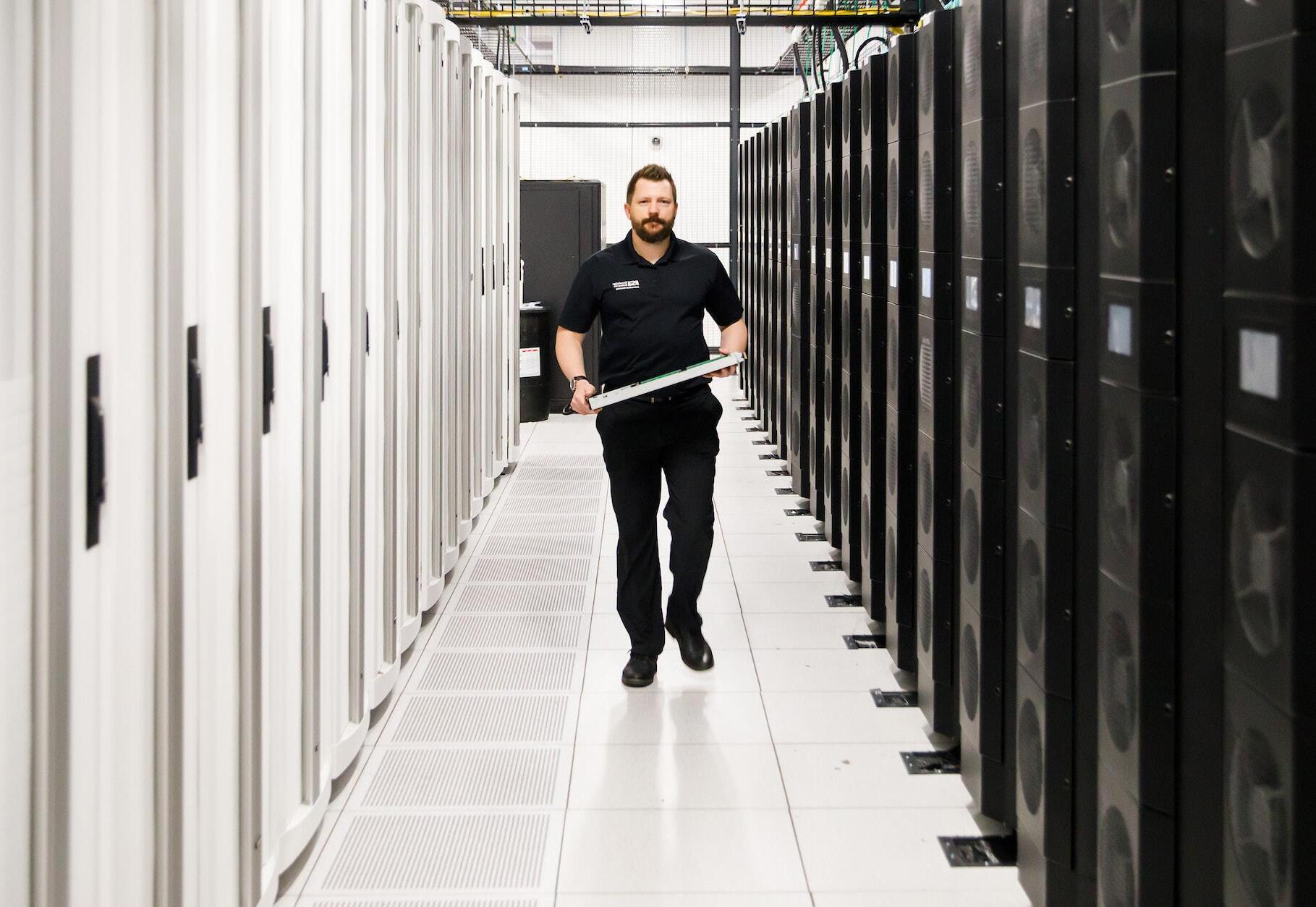
Every time you scroll on social media, log on to a virtual meeting or make an online payment, you’re pinging a data center.
That has profound implications for the water and energy systems that the Julie Ann Wrigley Global Futures Laboratory is working to transform.
The stakes are high to get data centers right — particularly in Arizona, which has attracted more of them than most states and has many more in the queue.
But what does that look like?
For Gary Dirks, who co-directs Energy Forward, the laboratory’s energy transformation engine, “getting it right” depends on how well we address these four fundamental elements:
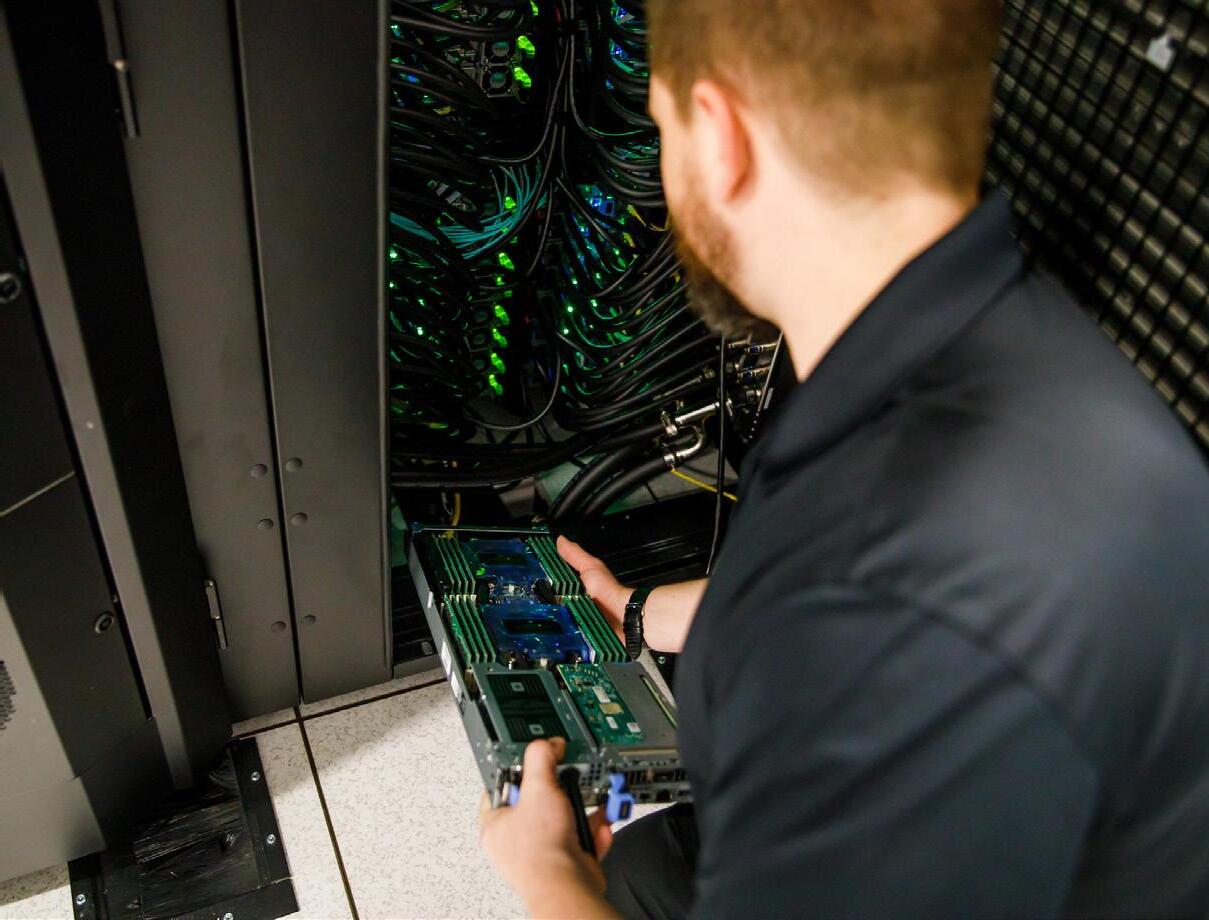
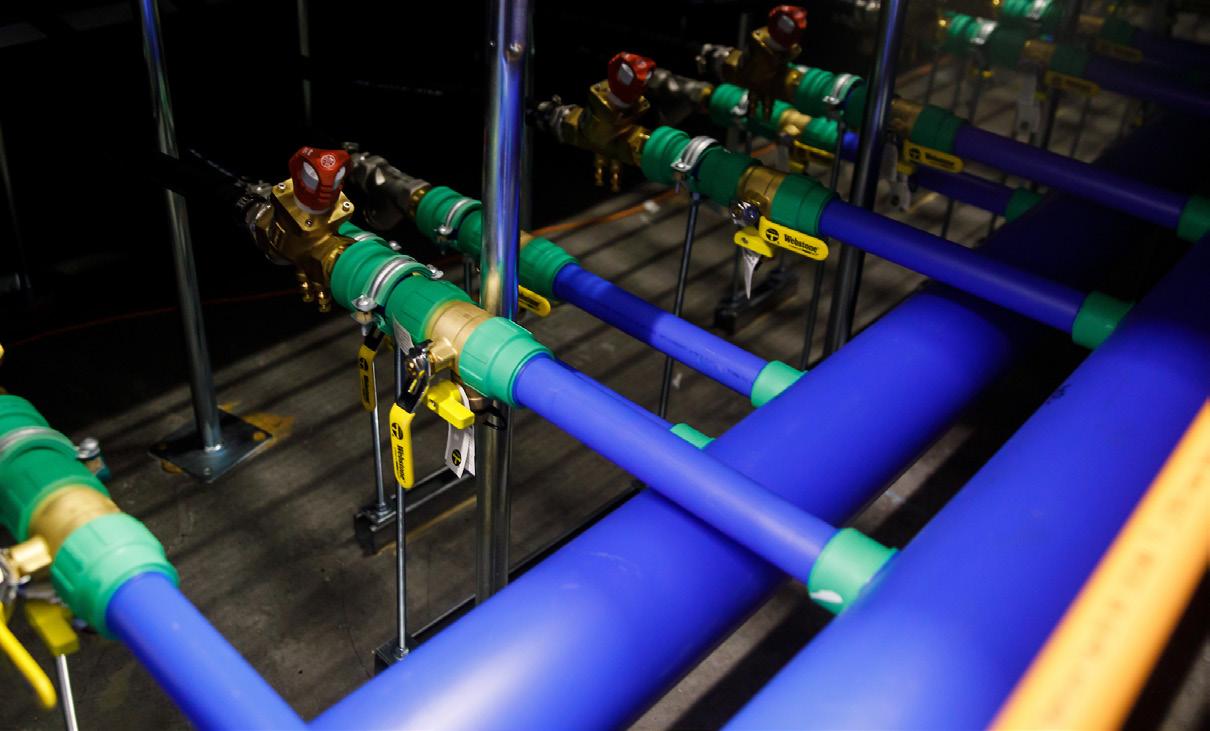
Developers must build data centers quickly to remain competitive — most in the next two years.
For now, every attempt to access the cloud is funneled into data centers.
But innovations in how we move data between memory and processor could revolutionize how that works — and, therefore, how many data centers are needed to keep pace with the work.
Data centers typically locate close to the customers they serve because performance can degrade the farther a query originates from a data server.
Even a few milliseconds of latency could hamper uses where real-time feedback matters, including Arizona’s growing autonomous vehicles industry.
If Arizona fails to provide adequate data processing capacity, it could impact future job prospects and our economic well-being.
But data centers have requested so much electricity from Arizona’s three largest electricity utilities that it would take the equivalent of a new power plant each year to fulfill them.
Utilities are reworking how they analyze and charge major electricity users to ensure that they — not existing residential customers — shoulder the burden for this new infrastructure.
Even so, it takes years to build new power plants.
And there could be stark consequences if utilities under- or overshoot power projections. Build too little capacity, and they run the risk of a blackout — which could risk lives in summer heat.
But build too much, and the billions spent on new infrastructure could make power unaffordable, particularly for the most vulnerable — which also could risk lives in summer heat.
Not every empty piece of land may be suitable for a data center.
Clearer ground rules must be developed to understand which projects bring more benefits than downsides to communities.
Energy Forward is one of few groups in Arizona working to connect disparate interests and bring down the temperature of the data center debate.
It knows the issues that data centers touch — such as providing affordable water and power as demand for limited resources increases — have no easy answers.
Not every data center proposal will come to fruition.
Communities are still trying to flesh out data centers’ heat, noise and infrastructure impacts. Residents must be included in these conversations much earlier to mitigate their concerns.
If data centers are critical infrastructure — and there are strong arguments that they are — it’s important to treat them like roads, sewers and parks, and put similar policies in place to ensure that data center growth pays for itself.
It will take strong social will to address the shortcomings without sacrificing the benefits of data centers. The future of our state and nation depends on how well we mobilize disparate voices to work together.
Energy Forward is gathering broad stakeholder groups to work through data center issues. Join them by emailing:
Gary Dirks Global Futures Laboratory Senior Director gary.dirks@asu.edu
Kelly Barr Global Futures Laboratory Associate Vice President and Chief Alliance Officer kelly.barr@asu.edu
Brian Sherman NSF Futures Engine in the Southwest CEO brian.sherman@asu.edu
The policies and technologies driving conservation work are rapidly evolving, requiring more helping hands and a suite of new skills to positively transform complex systems.
The Conservation Futures Academy is debuting an expanded training hub over the spring and summer to bolster this critical workforce.
The academy — housed within the Global Futures Laboratory in partnership with ASU Learning Enterprise — works closely with nonprofits and industry leaders to understand which skills are in greatest demand.
Then it develops practical online courses, taught by experts within the Rob Walton School of Conservation Futures and the Global Futures Laboratory.

Among the upskilling options offered in May and June:
For executives: Explore how to embed conservation practices and Indigenous knowledge into your business strategy.
For mid-career professionals: Learn how to incorporate artificial intelligence, drones or geographic information system data into your daily routine.
For early-career professionals: Bolster your skills with a certificate in governance and policy, or in designing and managing conservation projects.
How can we help you?
Visit cfa.asu.edu to see the full list of courses and explore partnership opportunities.
Heat records keep falling.
The past three years were the warmest globally since records began in 1850.
Ocean temperatures in many parts of the globe also hit record highs, contributing to more extreme weather events. Coastlines were battered by an above average number of tropical storms, causing billions of dollars in damage in the U.S. alone.
Meanwhile, record warmth and an intense snow drought in the Colorado River basin are producing less water for the reservoirs that sustain the American Southwest, which are already overallocated and barreling toward historic lows
These are not records to celebrate.


Heat is growing more intense, occurring more frequently and persisting for longer periods.
And that’s a problem because in most years exposure to extreme heat kills more people than hurricanes, floods and tornadoes combined.
It’s not just heat stroke and dehydration that we have to worry about. Warmer temperatures can facilitate the spread of diseases, making outbreaks of West Nile, Zika and dengue fever more common.
Prolonged heat exposure — even to less intense heat — also stresses the heart as it works harder to cool the body. Older people and those with chronic diseases, such as high blood pressure or diabetes, are particularly susceptible to these stresses.
Air conditioning is an effective way to combat heat exposure. But utilities are increasingly under strain to keep this essential cooling infrastructure humming while powering data centers, electric vehicles and a growing Internet of Things.
Persistent drought and less runoff from melting snow is also providing less renewable water from streams and rivers, depleting the finite groundwater supplies on which many rely for drinking and growing our food.
Additional water and power sources aren’t cheap. And affordability is a chief concern.
Metro Phoenix’s extreme desert heat makes it a good test laboratory for solutions, and the Julie Ann Wrigley Global Futures Laboratory is on the forefront of this research.



Here are four efforts to watch this summer:
Summer has always been brutal in Phoenix. But the last few years feel different as temperatures climb.
Researchers from Energy Forward, the laboratory’s energy transformation engine, are working with Arizona’s largest electric utilities to determine whether recent heat waves are on par with predictions that Phoenix will get hotter over time — or something more severe.
The utilities plan to use this information to refine their forecasts for future power needs.
We know that heat impacts people differently, based on their age and underlying medical conditions. But much of what we know is based on hospital or death records — the most extreme cases.
Far less is known about how heat impacts people as they go about their normal routines.
That could change this spring, when the results of the Global Futures Laboratory’s HeatSuite study are released. Scientists measured biometric data and weather conditions around participants in real time and in real life to better understand how daily heat exposure can impact health.
The findings could lead to better practices to protect the most vulnerable.

Preliminary research suggests that heat released by data center cooling equipment can increase temperatures in surrounding neighborhoods by a couple of degrees Fahrenheit.
That extra heat could force air conditioners to work harder, potentially increasing residents’ power bills.
Scientists will gather more data this summer to flesh out these findings. What they learn could guide design changes at data centers to funnel released heat upward, instead of dispersing it into neighborhoods at ground level.
Metro Phoenix must provide more functional shade for sidewalks and other public spaces.
Urban Nature, a partnership housed within the laboratory’s Rob and Melani Walton Sustainability Solutions Service, is helping cities, nonprofits and residents identify priority areas to plant desert-native trees in neighborhoods that have little shade.
It offers site assessments to cities and field-based training for landscape professionals to ensure that trees are properly installed, irrigated and maintained — so they can provide the maximum cooling benefit.
Canopy for Kids is accepting applications until July 20 to help cool Phoenix schools at collegeofglobalfutures.asu.edu/canopy-for-kids.
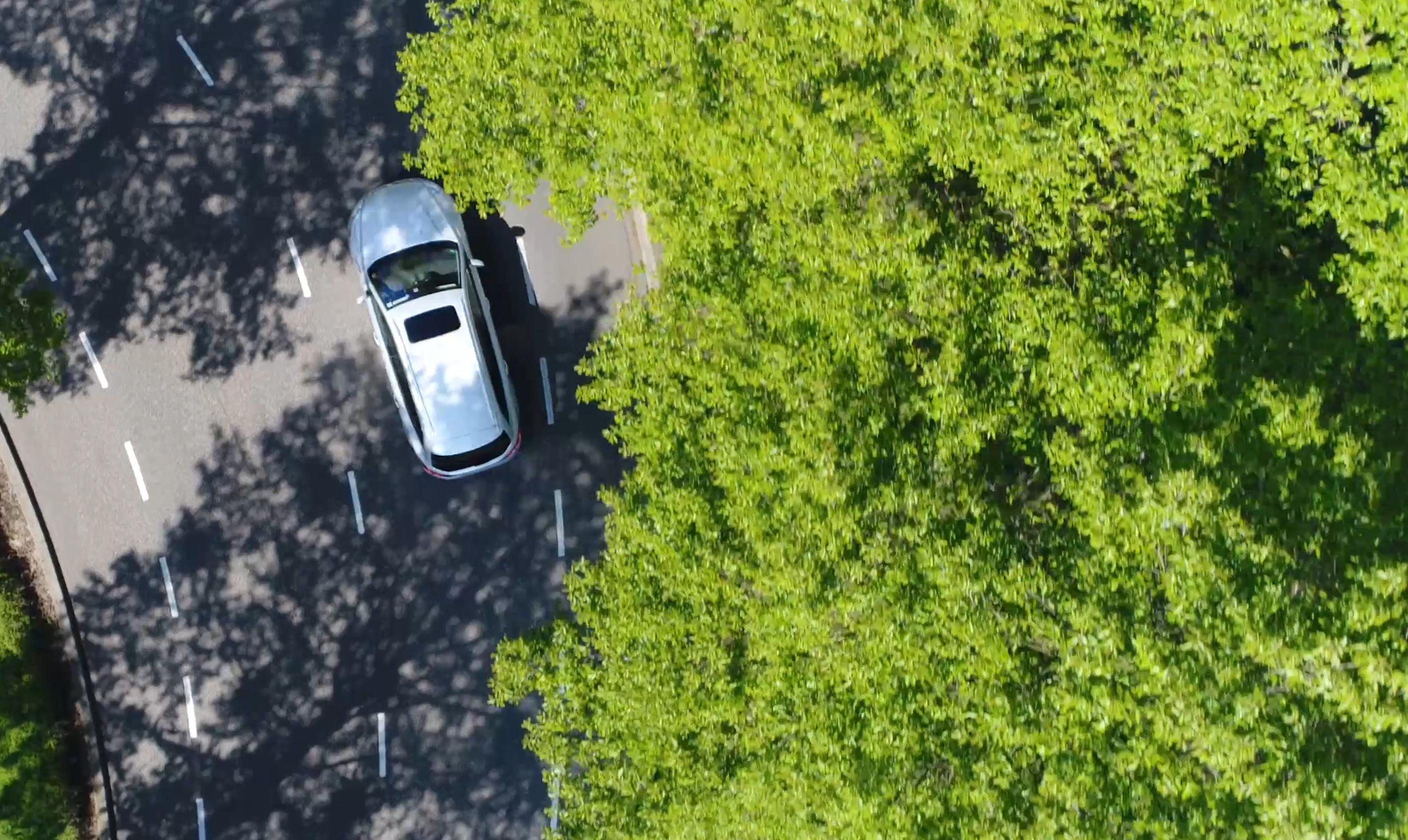
Experts say it’s only a matter of time until most vehicles on the road are electric.
Buyers often choose what they drive with their wallets. And electric vehicles are already cheaper to refuel and maintain than gas-powered cars and trucks.

This is good news, considering that transportation is a major source of greenhouse gas emissions nationwide. Fewer engines spewing carbon dioxide could help us all breathe easier.
But how quickly communities reap the rewards of this transition — and how widely the benefits are spread — depends on how well leaders plan for the switch.
Transportation planners must build a coordinated web of fast charging stations to keep electric vehicles on the road.
Utilities also must provide enough power to recharge a growing number of vehicles while meeting future energy demands.
Getting this balance right requires accurate projections for peak demand — those times of the day or year when customers are using the most electricity.
The smaller and more dependable those peaks are, the easier and cheaper it is to plan for what’s needed.
The Transportation Electrification Activator — a new member of the laboratory’s Energy Forward group — is working to integrate charging infrastructure at more workplaces and apartment complexes.
The consortium also wants more companies, cities and schools to adopt electric delivery vans and light-duty trucks.
That could be transformative, considering that commercial vehicles typically travel more miles a day than consumer vehicles.
The American market is adjusting as federal electric vehicle incentives are pulled back. Expect more electric vehicle models with extended fuel ranges or that rival the price of their gas-powered competitors.
Meanwhile, Arizona’s first round of electric vehicle charging stations should debut near major highways later this year. The Arizona Department of Environmental Quality is also offering $50,000 rebates to organizations that purchase qualifying heavy-duty electric vehicles. Applications are due June 15.
Learn more about how we’re transforming water, power and food delivery systems in our monthly newsletter. Subscribe at globalfutures.asu.edu/gfl-newsletters.
The federal government has designated 60 minerals as critical to the economy and national security. Many are used in energy production and advanced manufacturing.
Phosphate — which was added to the list late last year — is one of the few primarily used in agriculture.
Why is phosphate critical?
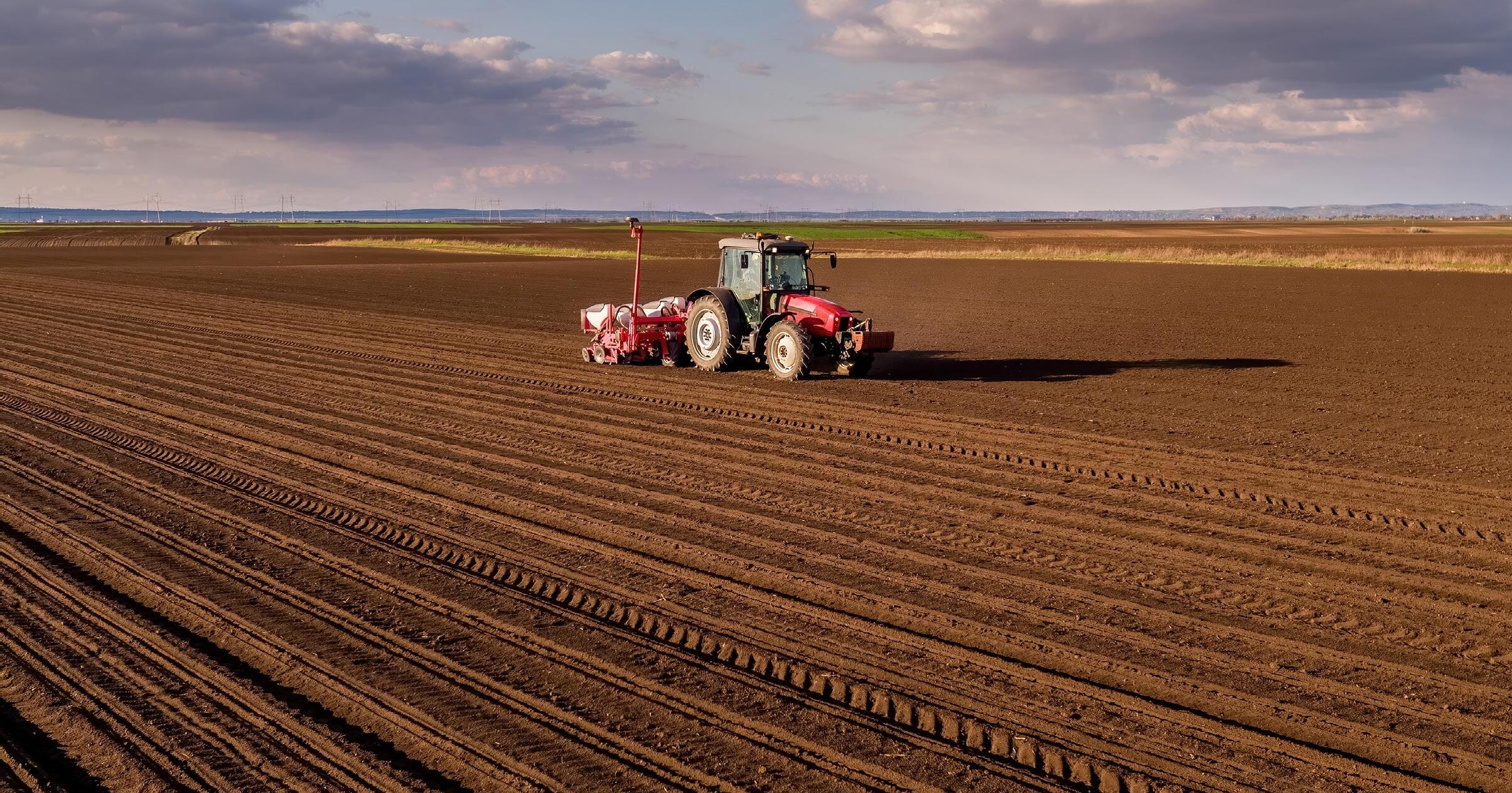
Phosphate is essential to life. It helps grow strong bones and plant roots. More than 85% of the world’s phosphate rock is used in fertilizer.

For now, America relies on a finite supply of phosphate that is only mined and refined in a handful of countries, some of which are in active trade disputes with the U.S.
Strong global demand and the war in Iran have increased fertilizer prices, straining farmers that already rely on razor-thin profit margins to stay in business.
When phosphate is overapplied to farm fields, it can run off into lakes and rivers, where it can trigger explosive algae growth, create conditions that kill aquatic life and increase greenhouse gas emissions.
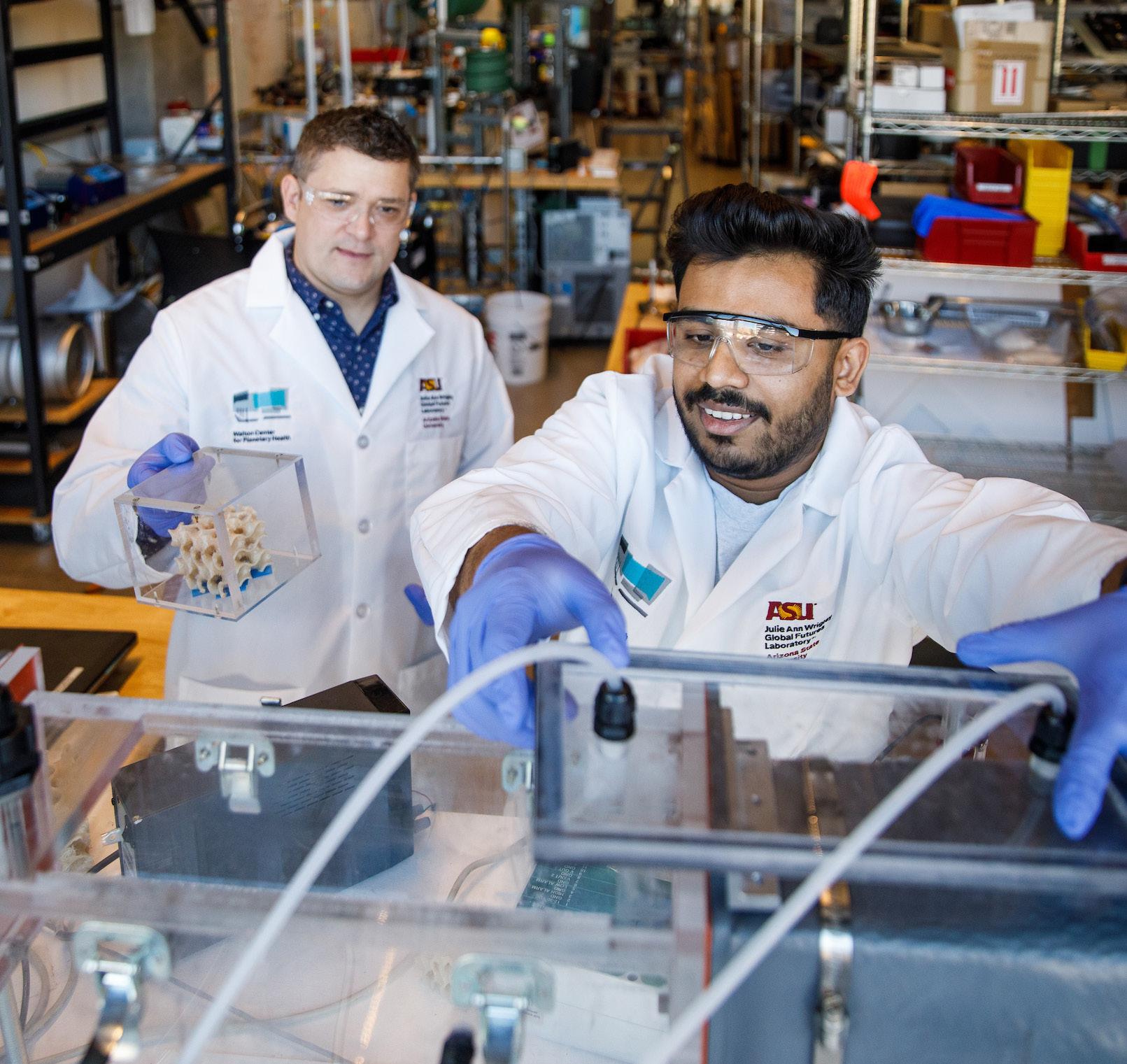
Part of that involves capturing a lot of other valuable substances from wastewater that could be profitably repurposed.
An advanced digester is in development that can break down farm animal waste, wastewater sludge and even food scraps to produce methane, which can be sold as natural gas.
It’s also a common pollutant in wastewater, expelled primarily in urine.
The Sustainable Phosphorus Alliance, housed within the Global Futures Laboratory, is working to bolster phosphorus use, recovery and recycling.
Researchers are experimenting with ideas to capture the mineral in urine before it is mixed with other waste.
They also are focusing on how to make this collection profitable, particularly because mined phosphate, despite recent price increases, is still relatively cheap.

In addition to capturing phosphate, the device can pull carbon, nitrogen and even precious metals such as gold from these streams.
Researchers aim to begin testing the digester at a municipal wastewater treatment center later this year.
National phosphate policy is changing quickly. Watch for the Sustainable Phosphorus Alliance’s Phosphorus Forum in Washington, D.C., this October, where more detailed policy recommendations are expected.
Shaping tomorrow, today