The College of Liberal Arts and Sciences Change the future with
I’m excited to share our vision for the future of The College of Liberal Arts and Sciences — and for the impact our graduates will make in the world, thanks to the generosity of supporters like you.
As the academic heart of ASU, The College educates students through groundbreaking degree programs, hands-on research projects and transformative learning experiences in the humanities, social sciences and natural sciences. These opportunities allow learners to gain the expertise, adaptability, creativity and ethical foundation to tackle the world’s most complex challenges.
Through the Changing Futures® campaign, we will empower students from all walks of life to make pioneering contributions to society. We will invest in cutting-edge research and advance actionable solutions to pressing global issues like climate change, the role of AI and so much more. We will advance priorities across the humanities, social sciences and natural sciences, creating a brighter future for all. Together, we are building the foundation for a future defined by innovation and inclusivity.
Thank you for your continued support and for believing in the power of education to change lives.
— Kenro Kusumi Senior Vice Provost and Dean, The College of Liberal Arts and Sciences

The College enrolls and graduates more students than any other college at ASU.
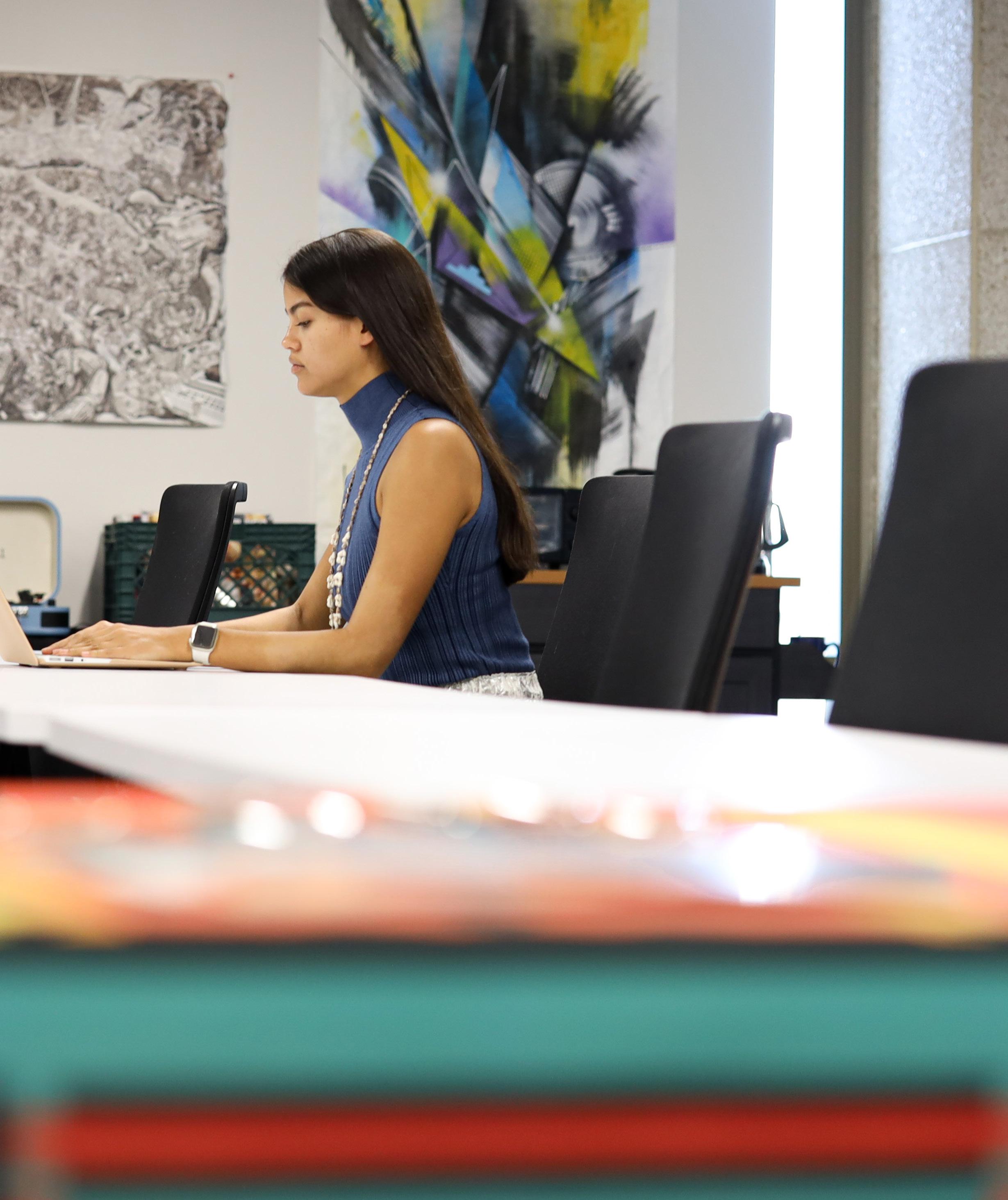

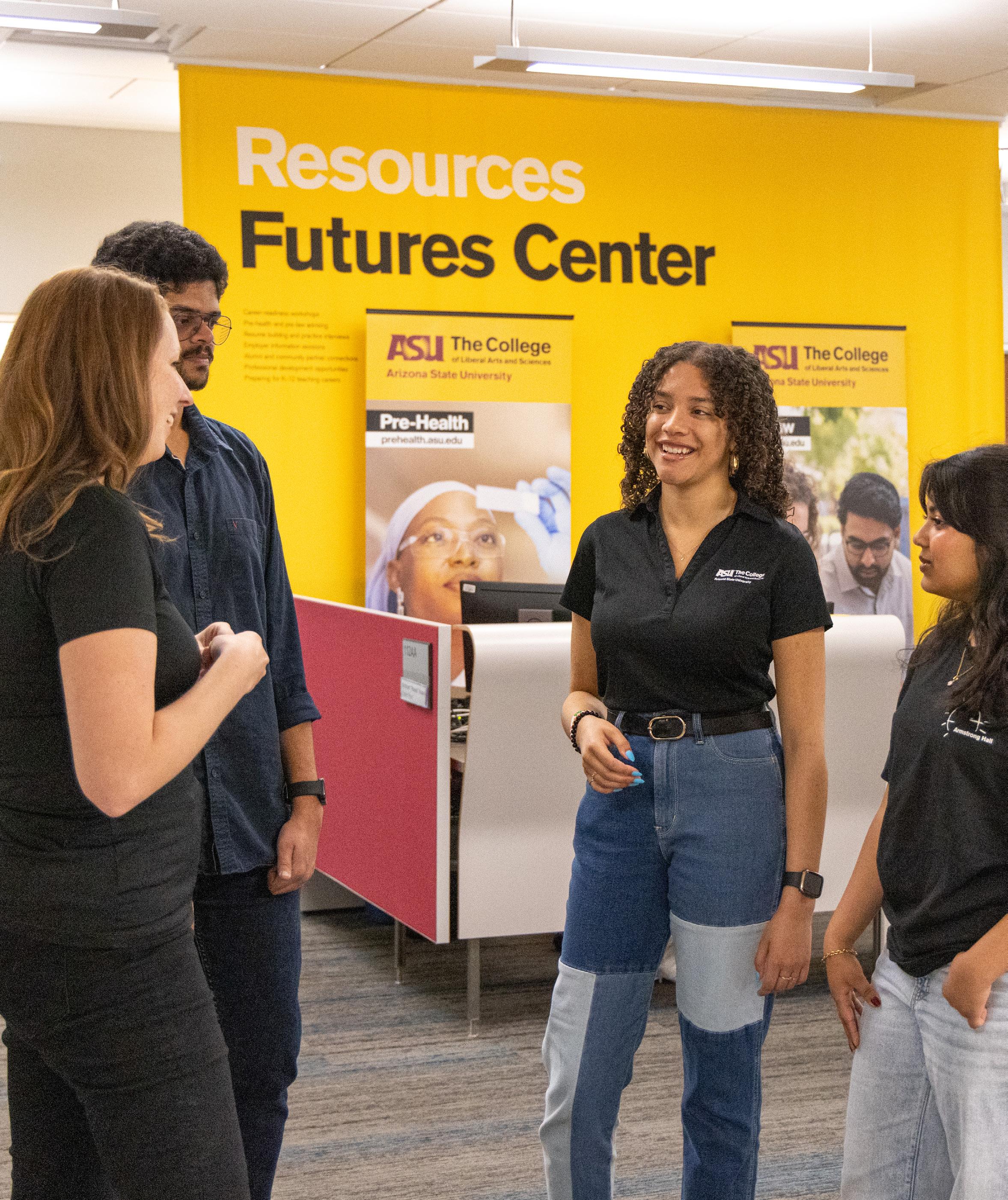
Designed in partnership with ASU Career Services, the Futures Center is The College’s hub for preparing students for life after graduation.
Experiential learning opportunities — including internships, research, study abroad and more — can be life-changing, yet they are often out of reach for students facing financial barriers. The College Futures Initiative is working to ensure that every student has access to these high-impact practices, providing skills beyond classroom instruction.
“ASU’s vision is to prepare students for workforce success from day one,” says Jeffrey Cohen, dean of humanities in The College. “We want them to start their college journey with the tools they need, build careerready skills and gain hands-on experience with supported internships.”
With over 31,000 undergraduates, The College encompasses incredible talent and potential. The Futures Center provides opportunities for all of these students by integrating career-focused courses and co-curricular experiences across more than one hundred degree programs.
The College Futures Center is ready to prepare graduates for our ever-evolving workforce:
• Internship readiness and support: By creating internship funding opportunities, the center ensures students can access careerlaunching opportunities regardless of financial obstacles.
• Research apprenticeships: Programs like LEAP (Learning, Entering, Advising and Producing research) connect transfer students with ASU faculty for research, mentorship and skills development.
• Study abroad programs: The center is committed to expanding study abroad programs and removing barriers for students who wouldn’t otherwise be able to attend.
What can the past teach us about the challenges of the future? At the Institute of Human Origins, researchers are unlocking the secrets of human evolution to address pressing global issues.
“Understanding where we come from as a species is essential,” says Magda Hinojosa, dean of social sciences in The College. “The lessons of human origins provide critical insights for tackling difficult problems. By exploring our past, we gain the knowledge we need to innovate, adapt and evolve for the circumstances of today and tomorrow.”
The Institute of Human Origins is renowned for its innovative, transdisciplinary approach to studying human evolution. Its research connects ancient patterns of human resilience to contemporary global challenges, providing a roadmap for how we can continue adapting to a changing planet.
The Institute of Human Origins is a global leader in human origins science. Current projects include:
• Understanding ancient climate adaptation: How humans evolved in response to past climate changes offers critical lessons for meeting our modern climate crisis.
• Exploring genetic links to our past: By integrating ancient DNA research, the institute is uncovering new insights into the evolution of human health and behavior.
• Empowering the next generation of scientists: The institute trains graduate and undergraduate students in fields like paleoanthropology, genetics and cultural studies.

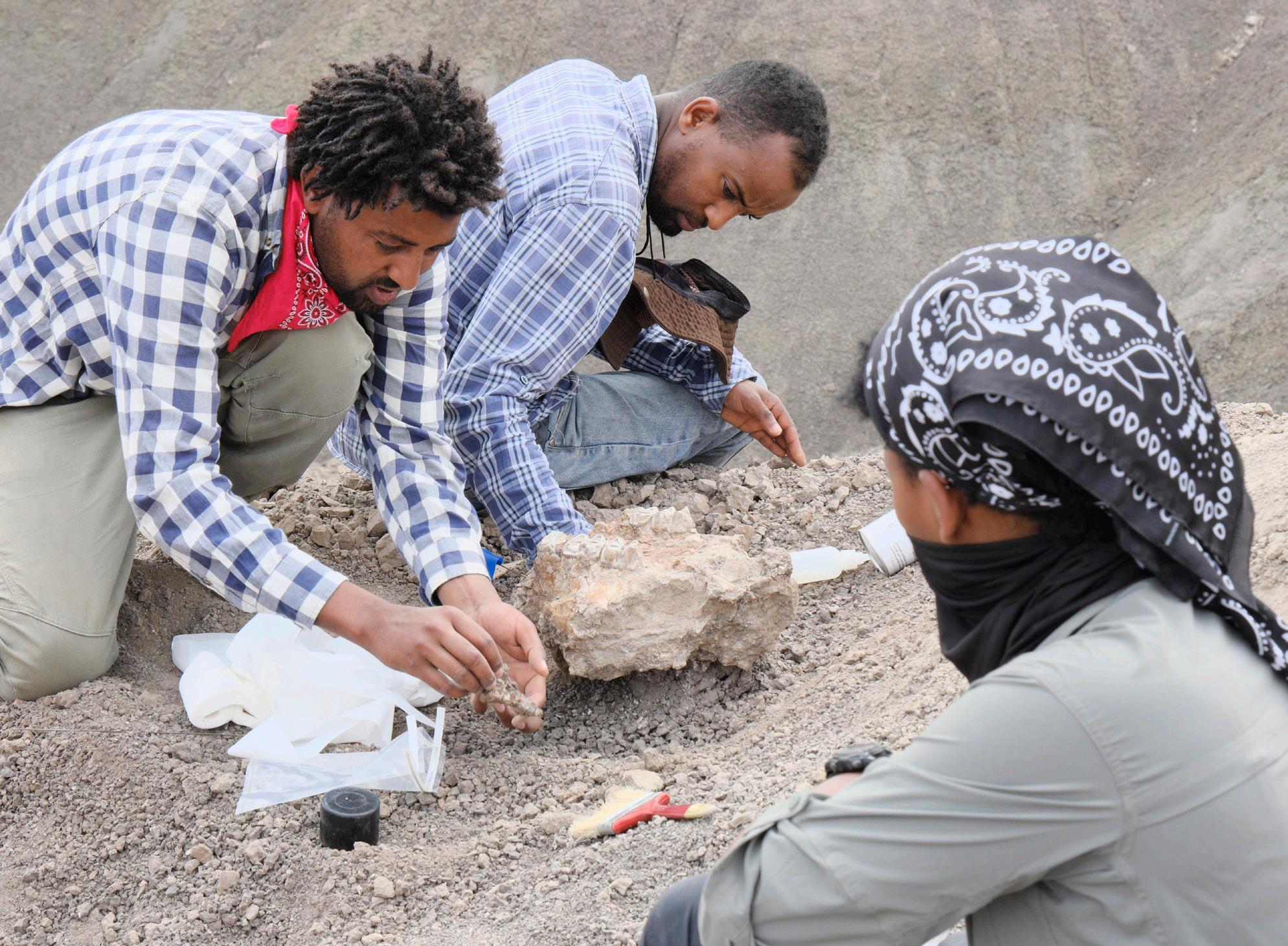
The Institute of Human Origins is a multidisciplinary research organization dedicated to the recovery and analysis of fossil evidence for human evolution.
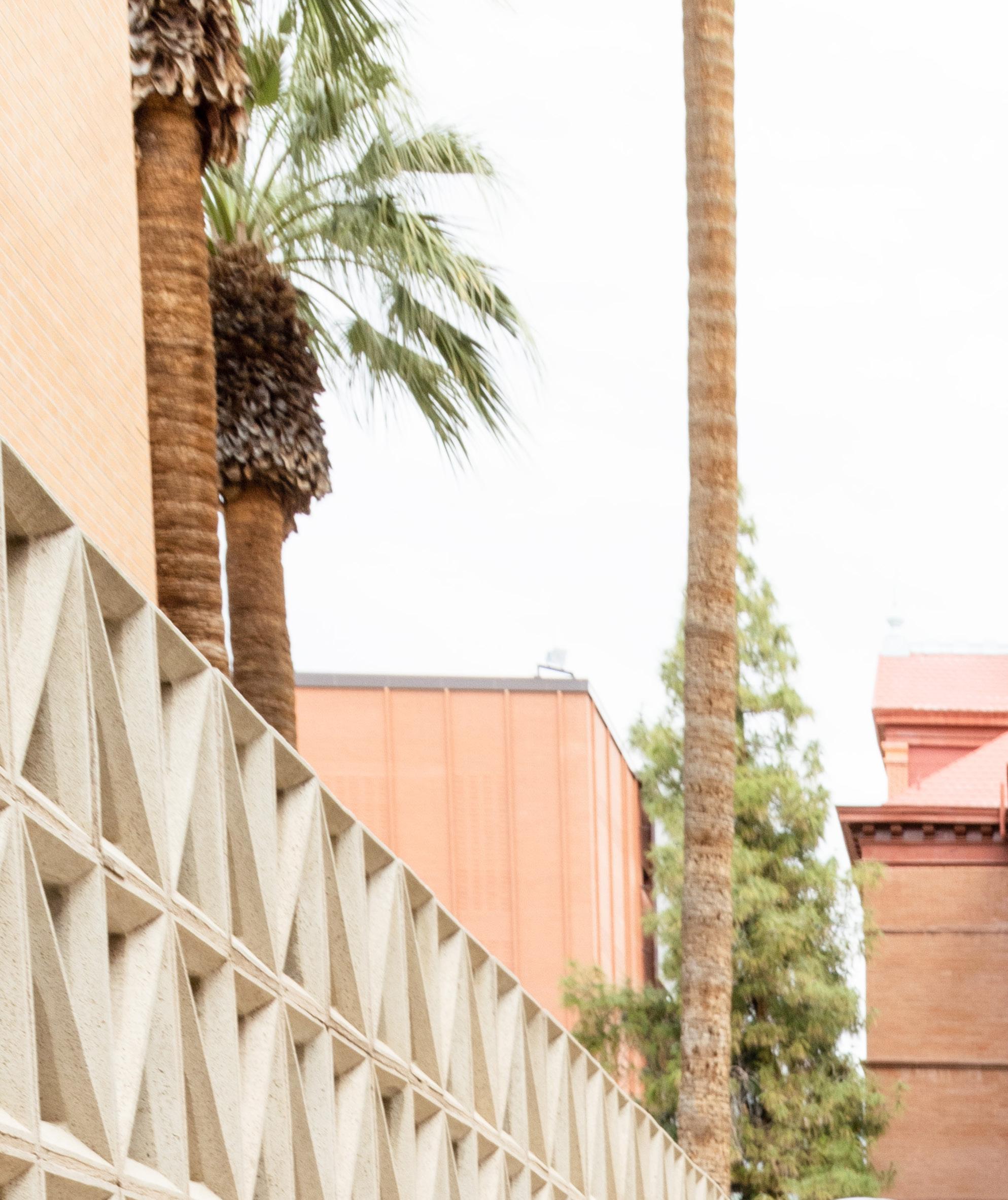

Community-based research invites researchers, organizations and community members to collaborate on all elements of the research process.
Through community-based research, The College is uniting researchers, students and community stakeholders in collaborative efforts that prioritize local knowledge and actionable outcomes.
“By working alongside local organizations, we gain a much better understanding of what is truly going on in our communities,” says Hinojosa. “This approach enables us to find contextualized solutions to the problems we see.”
For students, community-based research offers hands-on learning experiences that bridge theory and practice. Immersion in community settings deepens their understanding of societal complexities while cultivating skills like creative problem-solving. For researchers, it’s an opportunity to engage systemic issues and drive meaningful change, advancing inclusivity in impactful ways.
The College’s commitment to community-based research spans disciplines and geographies, including:
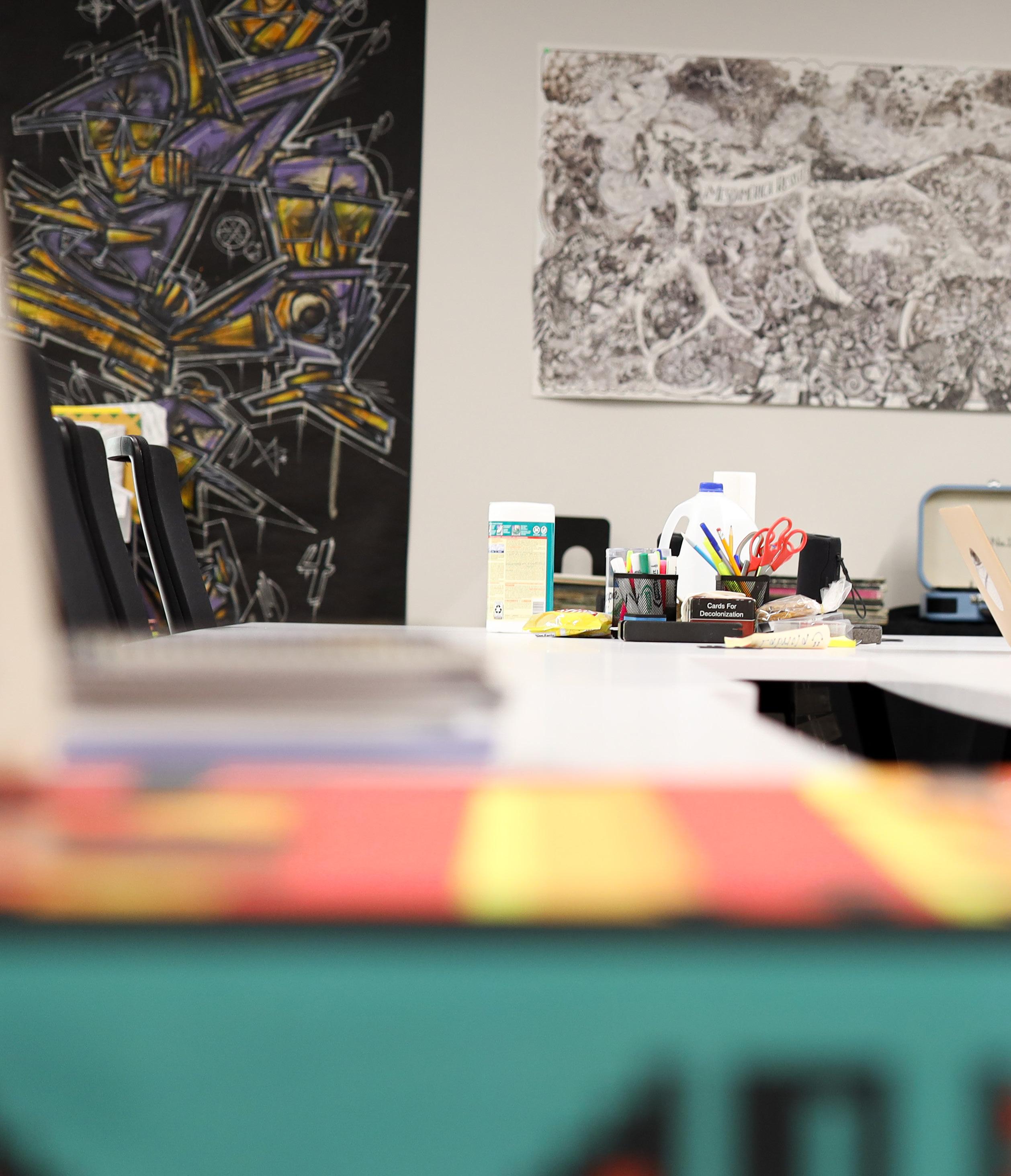
Hands-on student research: In the Humanities Lab, students collaborate to develop solutions to local and global challenges, such as climate change, misinformation and humankind’s relationship with technology.
Car-free communities: The School of Geographical Sciences and Urban Planning is studying the first car-free neighborhood in the U.S. to model sustainable living and reduce automobile dependence.
Mosquito control and disease prevention: Faculty and student researchers at the Alex Eugene “Gene” Elefant Insectary are studying insecticide resistance and how certain diseases like malaria and West Nile behave inside of mosquitos.
Through the humanities, students gain everything they need to build a rewarding career, a satisfying life and a better world.

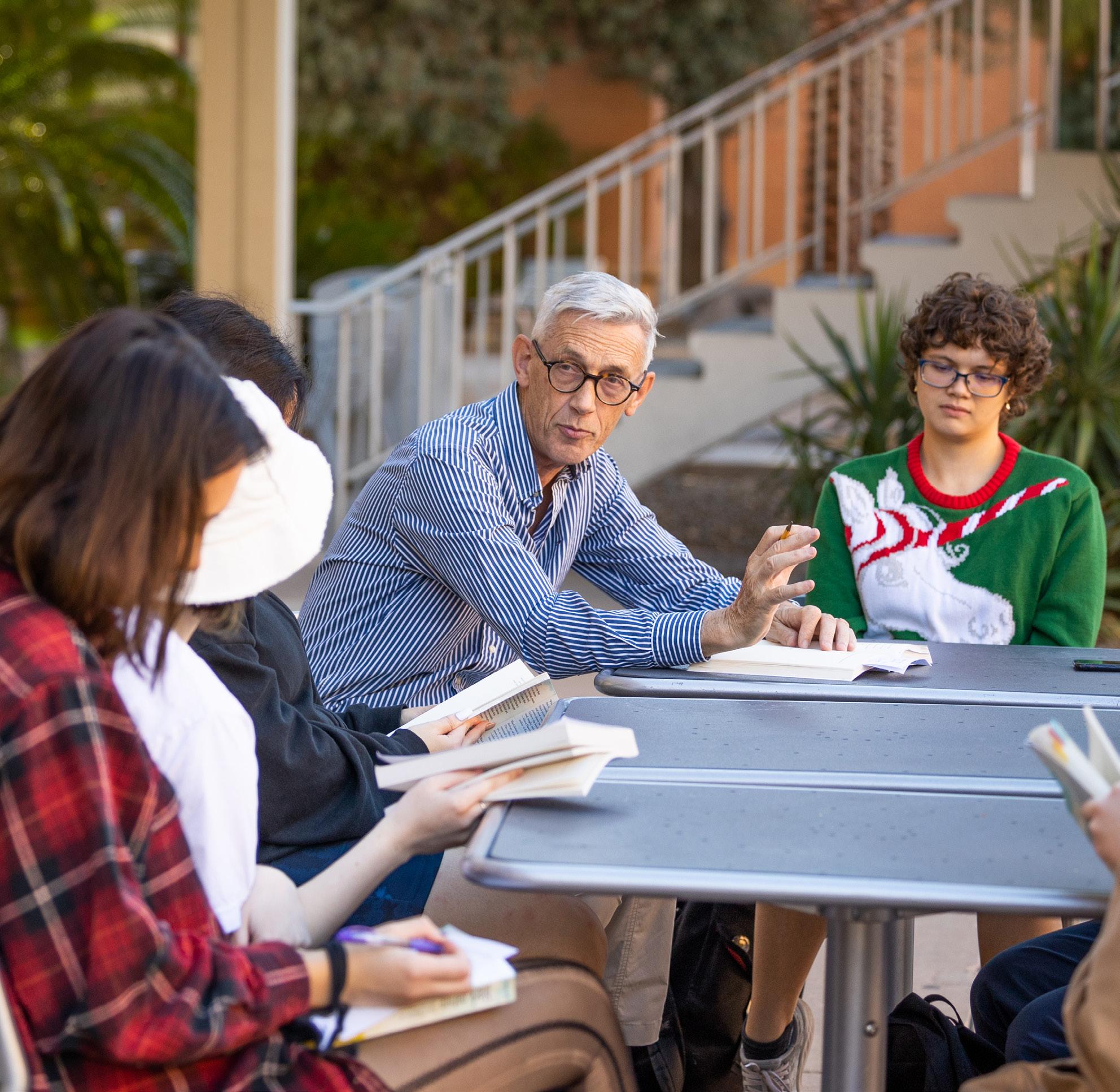

The humanities division is bringing about a more inclusive and sustainable world by exploring the human experience through writing, language study, research and reasoned arguments. We prepare students to meet real-world challenges with creativity, curiosity and compassion on a global scale.
Research within the humanities aims to address the ethical problems posed by rapid technological advancement. Recognized as a leading institution conducting research in the field of humane technology, the Lincoln Center for Applied Ethics brings together experts from varied fields — philosophy, engineering, humanities and more — to explore critical and timely issues such as algorithmic bias, ethical AI and the role of technology in fostering sustainable communities. Through research and interdisciplinary engagement, students gain practical experience confronting some of the greatest challenges of our era.
“The Lincoln Center for Applied Ethics exemplifies how ASU is addressing today’s formidable challenges through interdisciplinary collaboration,” says Cohen. “Our efforts to understand and guide technologies like AI span every discipline we bring together, demonstrating how an education grounded in the liberal arts and sciences empowers us to create the innovative solutions our world urgently needs.”
Together, we can harness technology for a more ethical and inclusive future.

The College’s Health Humanities initiative works to promote research and interdisciplinary partnerships that address health as a cultural idea, value and practice. Its mission is to guide and support public discussions about health access and inclusion by exploring how narratives, ethics, history and representation shape care. By fostering collaborations among scholars, clinicians and community partners, the initiative will build research capacity in fields as varied as bioethics, translation studies, biocultural studies and disability studies.
Health Humanities is a foundational pillar of ASU Health, complementing state-of-the-art medical training with human-centered values. Changing Futures will expand these efforts, including creating new curricular programs, supporting interdisciplinary research and establishing a dedicated Center for Health Humanities. Together, we can ensure care remains as personal as it is innovative.

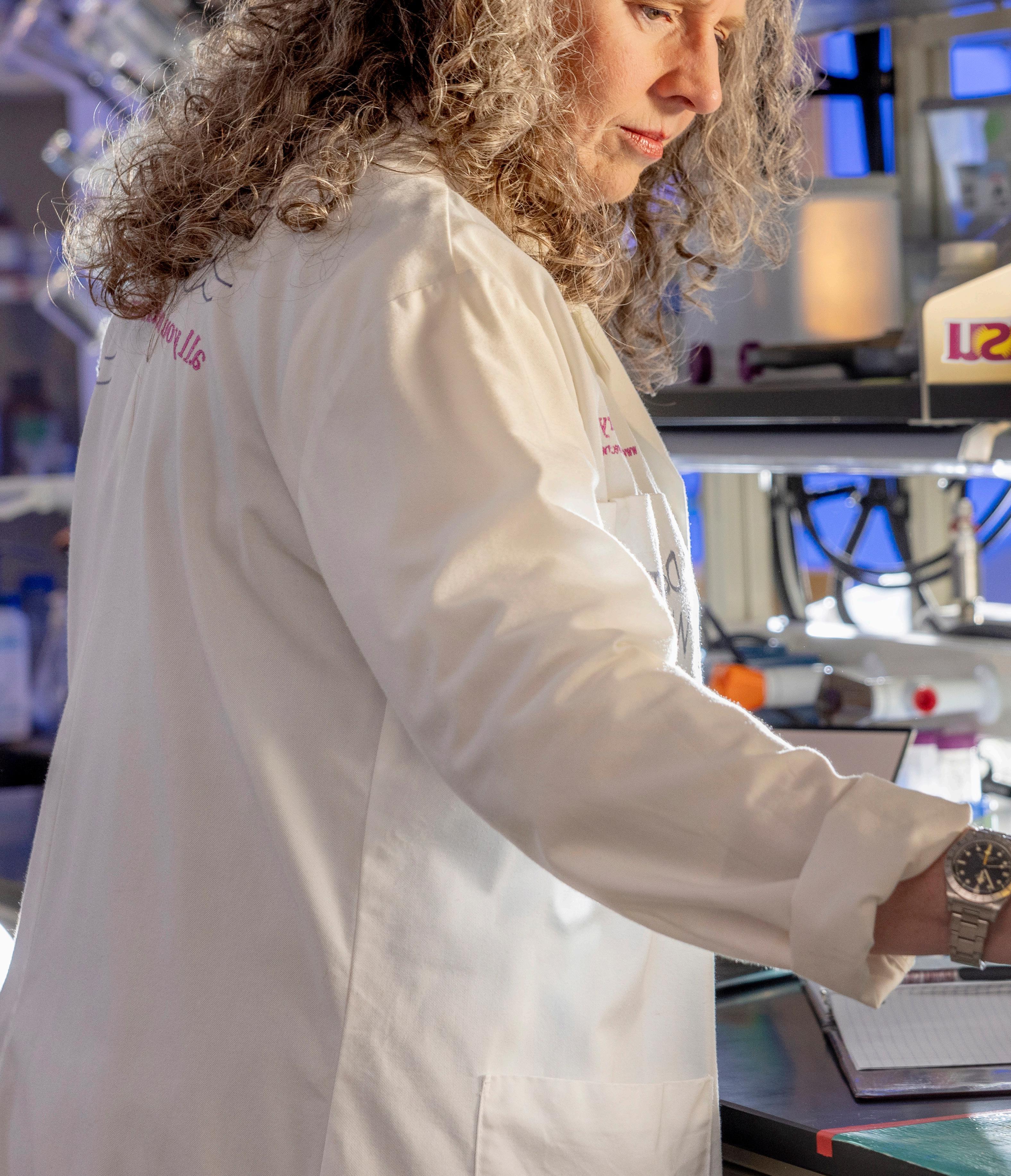
Health Humanities brings academics, clinicians, caregivers and students together to address social challenges in health and health care.
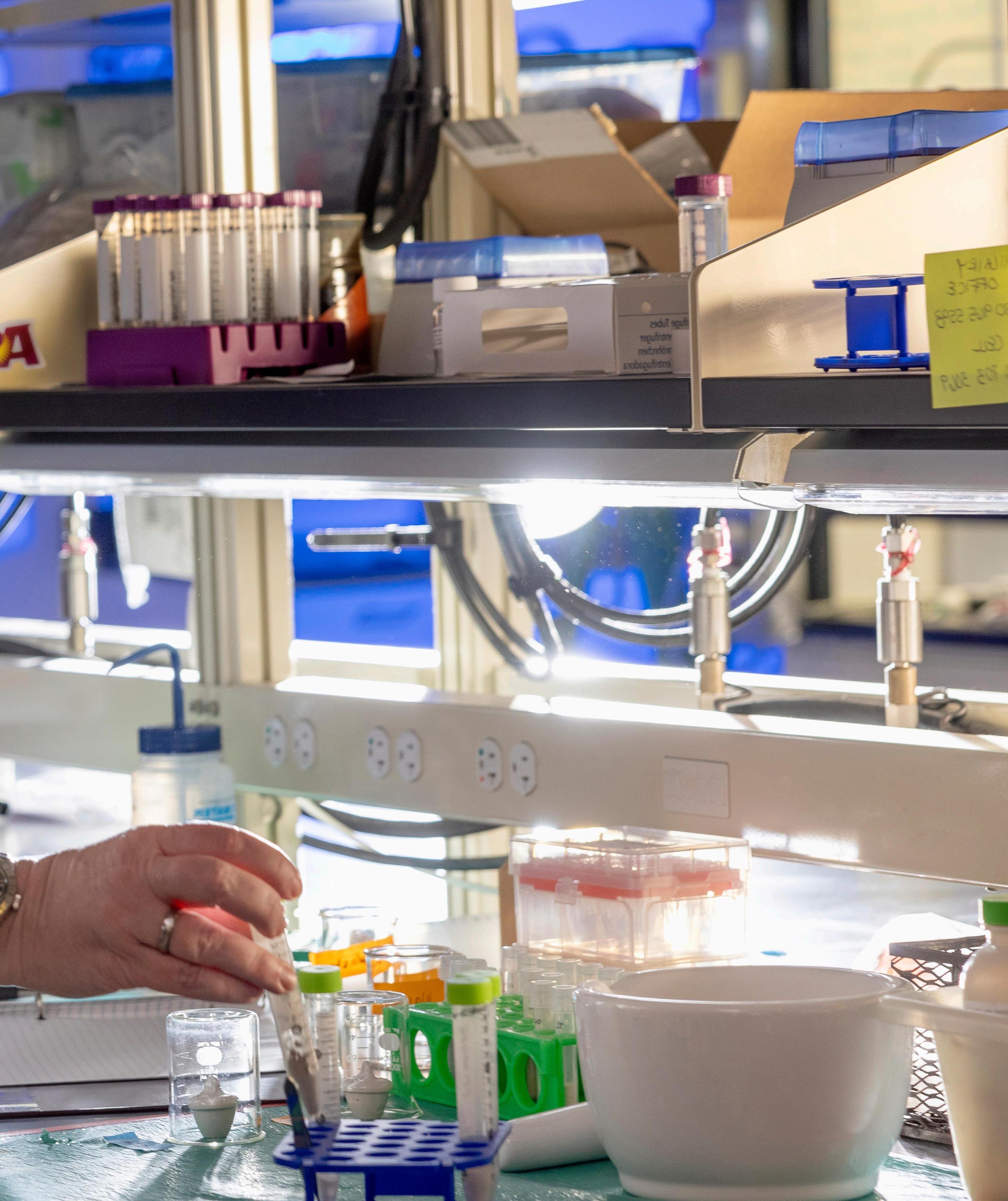

In the social sciences, students are prepared to be globally informed leaders, equipped to bring about positive change in organizations, communities and societies.
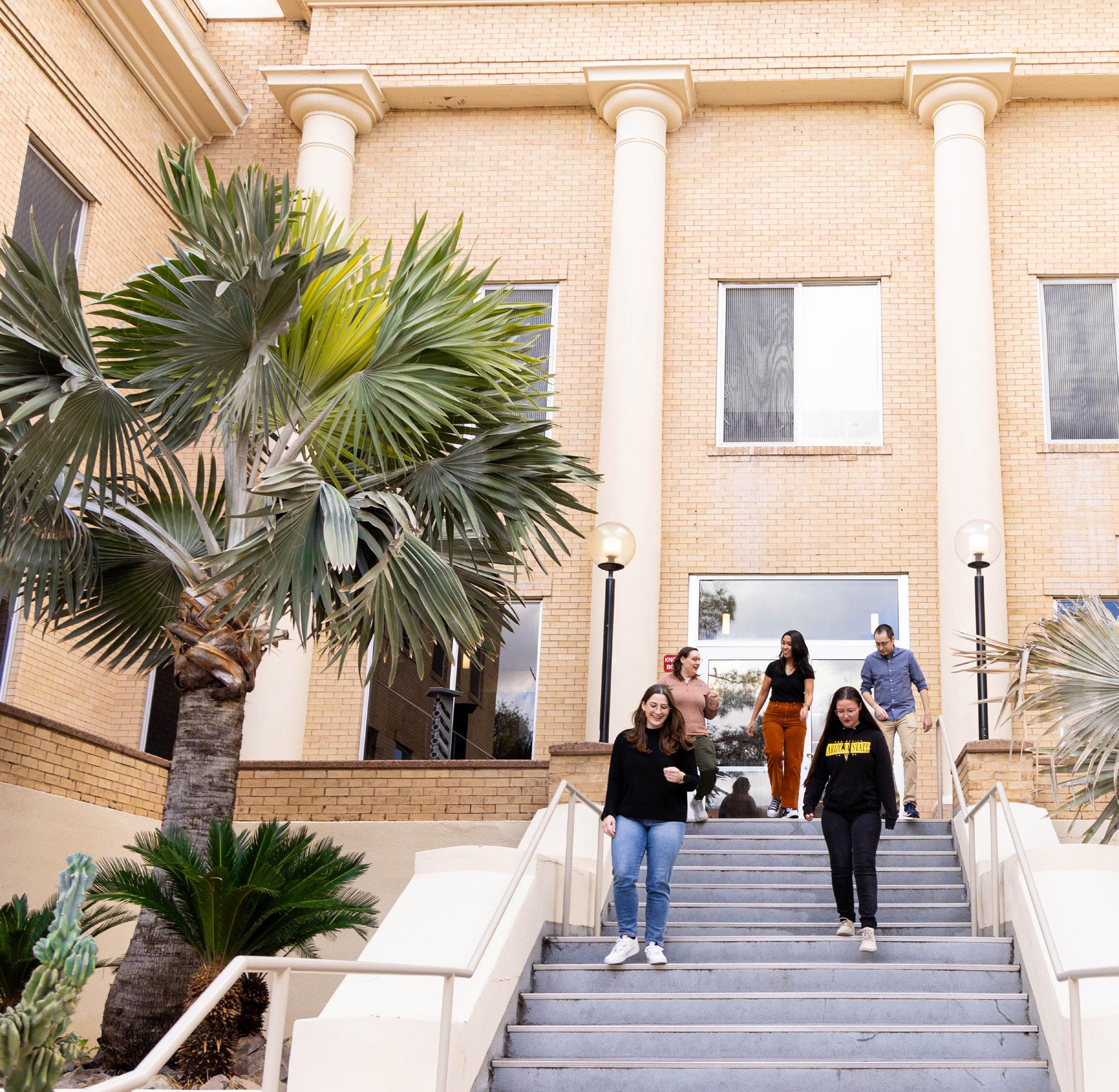
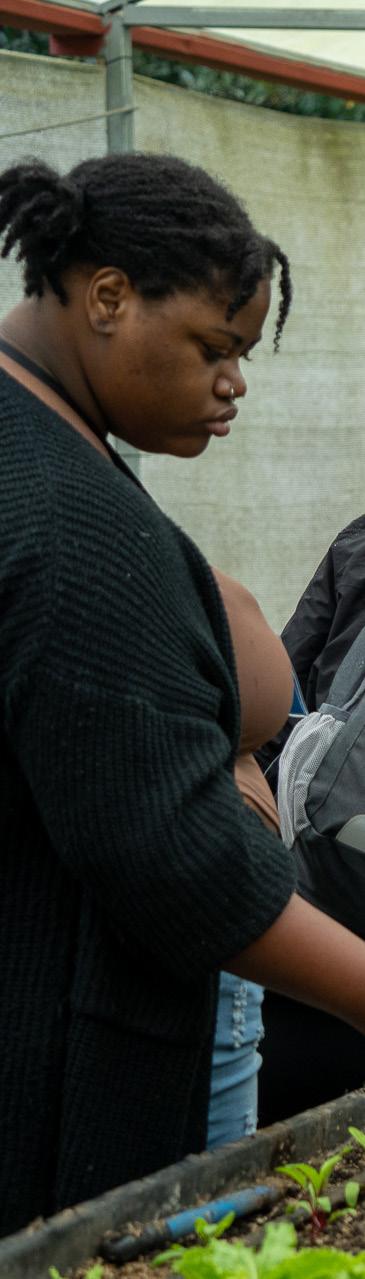
The social sciences division drives transformation through interdisciplinary research, teaching and service. With a solutions-oriented, intersectional approach, students gain a deeper understanding of the interconnections of our evolving world, as well as valuable insights about the need for collaboration to bring about social change.
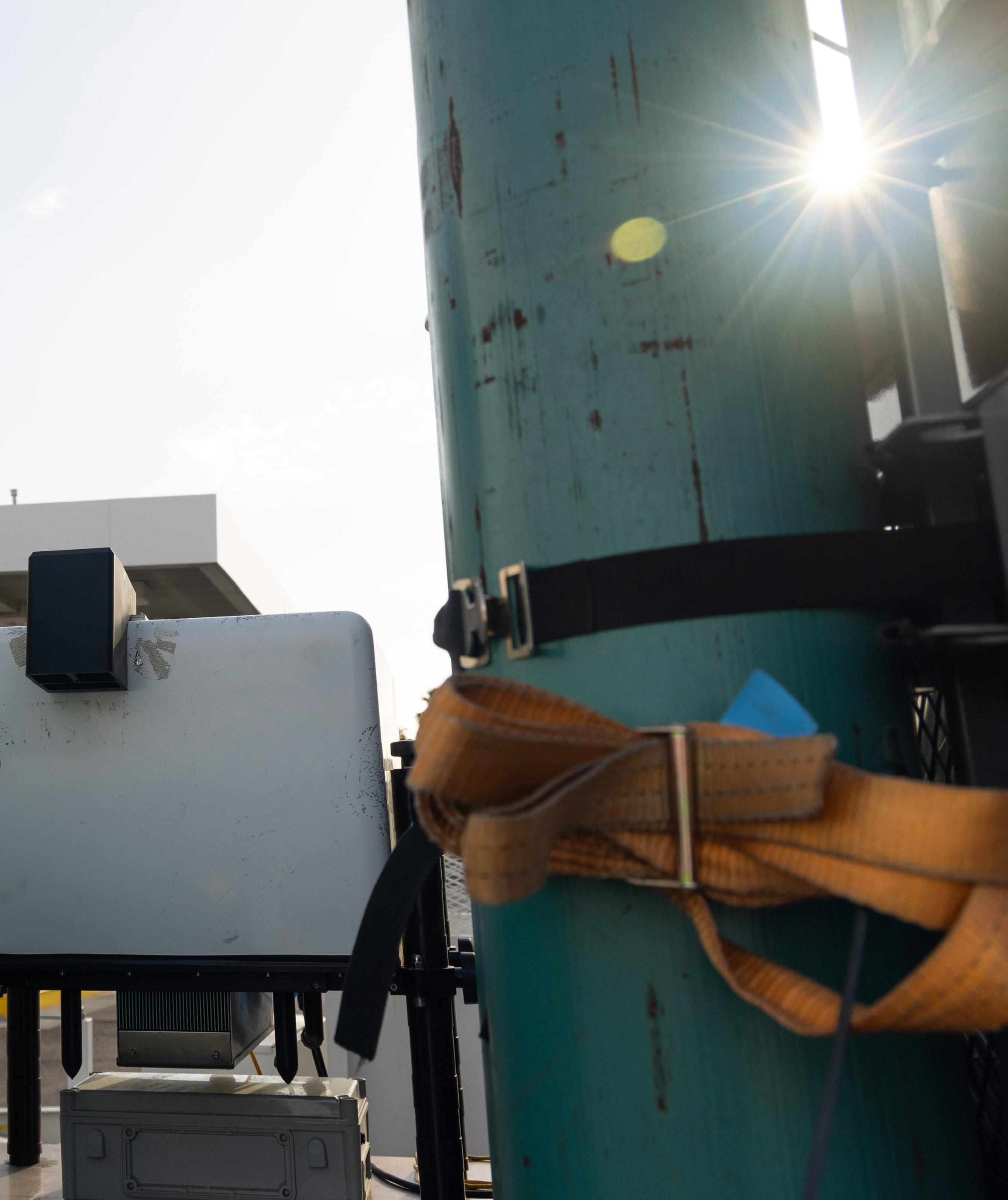
Water scarcity and climate change pose a major threat to Arizona and many other regions. Reduced snowpack, shifting precipitation patterns and rising temperatures strain limited water resources and push infrastructure to its limits. Addressing these challenges requires innovative, multidisciplinary solutions grounded in research and community engagement. The College’s efforts bring together scientists, students and community leaders to develop actionable sustainability strategies. Projects include:
• Southwest Urban Corridor Integrated Field Laboratory: Developing community-driven solutions to the combined effects of extreme heat, atmospheric pollutants and water scarcity on Arizona communities.
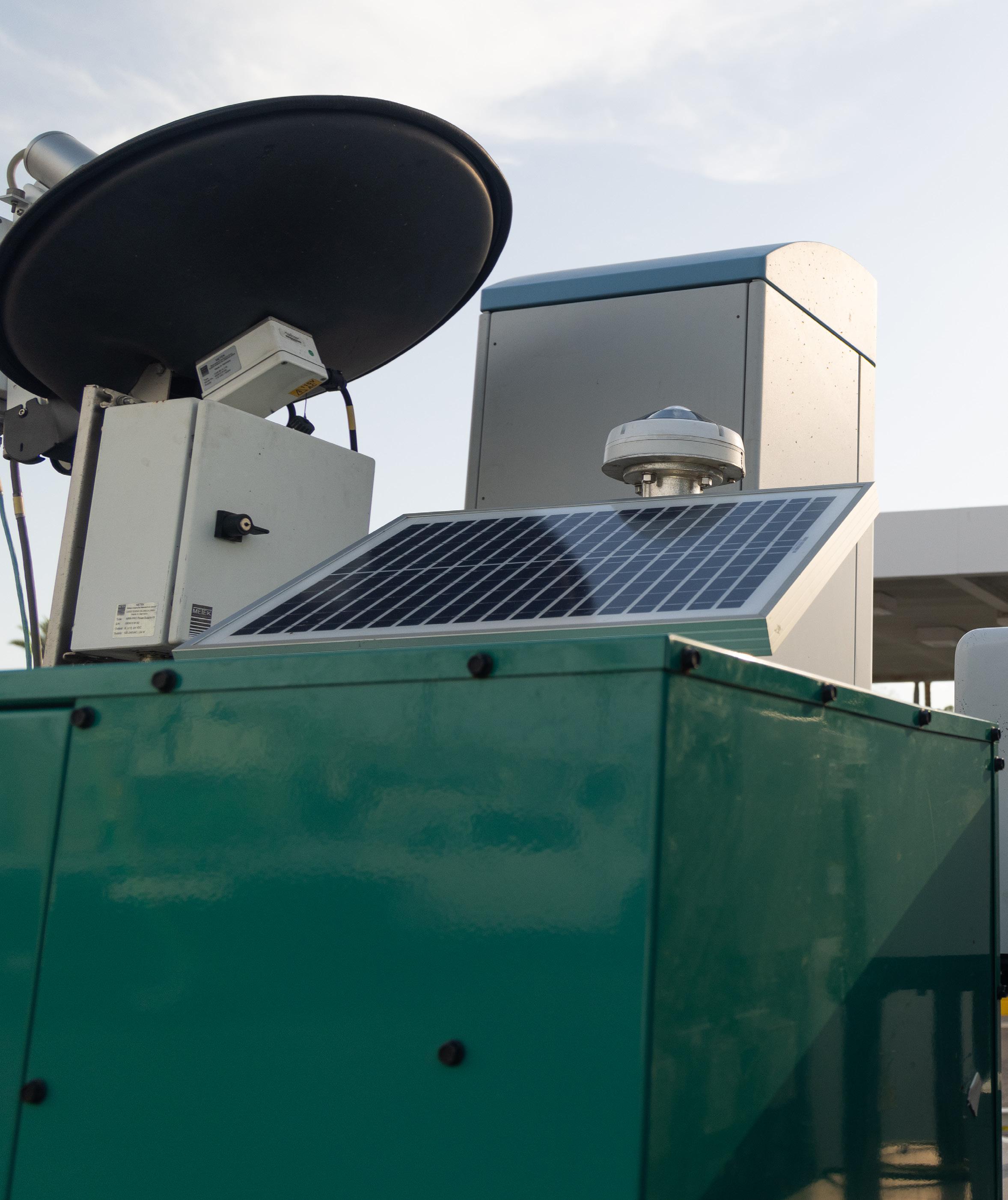
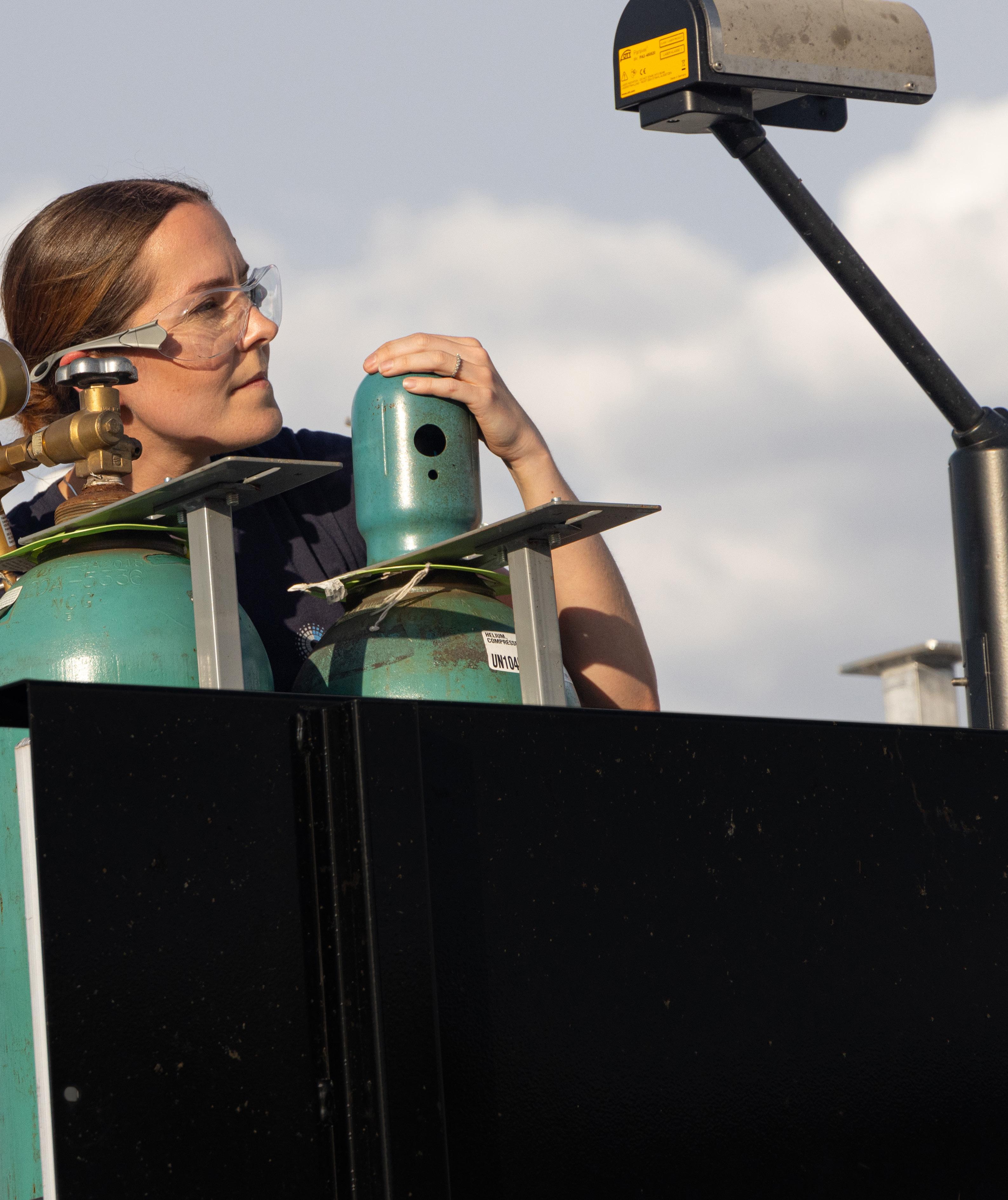
• AZ MesoNet Weather Network: Providing real-time environmental data through strategically placed weather stations to support agriculture, energy, health, water management and hazard mitigation.
• Urban Climate Research Center: Advancing highresolution climate modeling and public-facing data resources to enable climate adaptation and improve quality of life in Arizona’s warming environment.
“If we are preparing our students for the world, getting them out into the world is essential,” says Hinojosa. “Students who have studied abroad return transformed. They don’t just see themselves as being from Arizona or the U.S. anymore — they come back as global citizens, engaged with the world in a completely different way.”
Study abroad experiences change students’ lives, broadening their perspectives and helping them thrive in an interconnected world. The College’s study abroad programs in the social sciences ensure these opportunities are accessible to all, including first-generation and lowincome students. Programs include:
• Melikian Center: Russian, Eurasian and East European Studies: Building skills in less commonly taught languages through summer intensive courses and global programs.
• T. Denny Sanford School of Social and Family Dynamics: Learning about family dynamics and education in Japan and South Korea.
• School of Social Transformation: Engaging with local experts in India, Amsterdam and Hawai'i.
• School of Human Evolution and Social Change: Conducting on-site research at the Contisuyo Archaeological Field School in Peru.
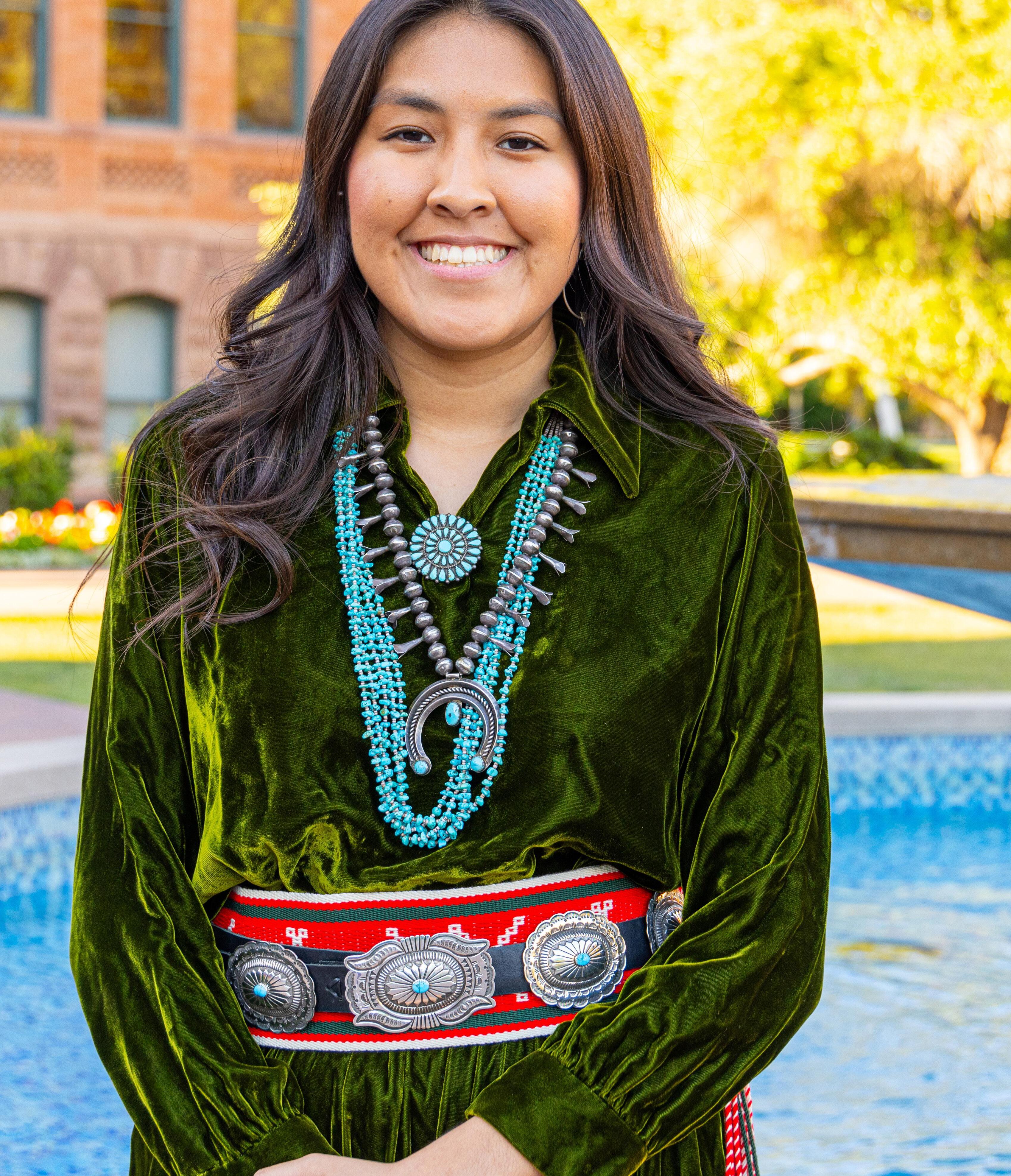
Study abroad provides students with a better understanding of international relations through experiencing different cultures and other ways of living.
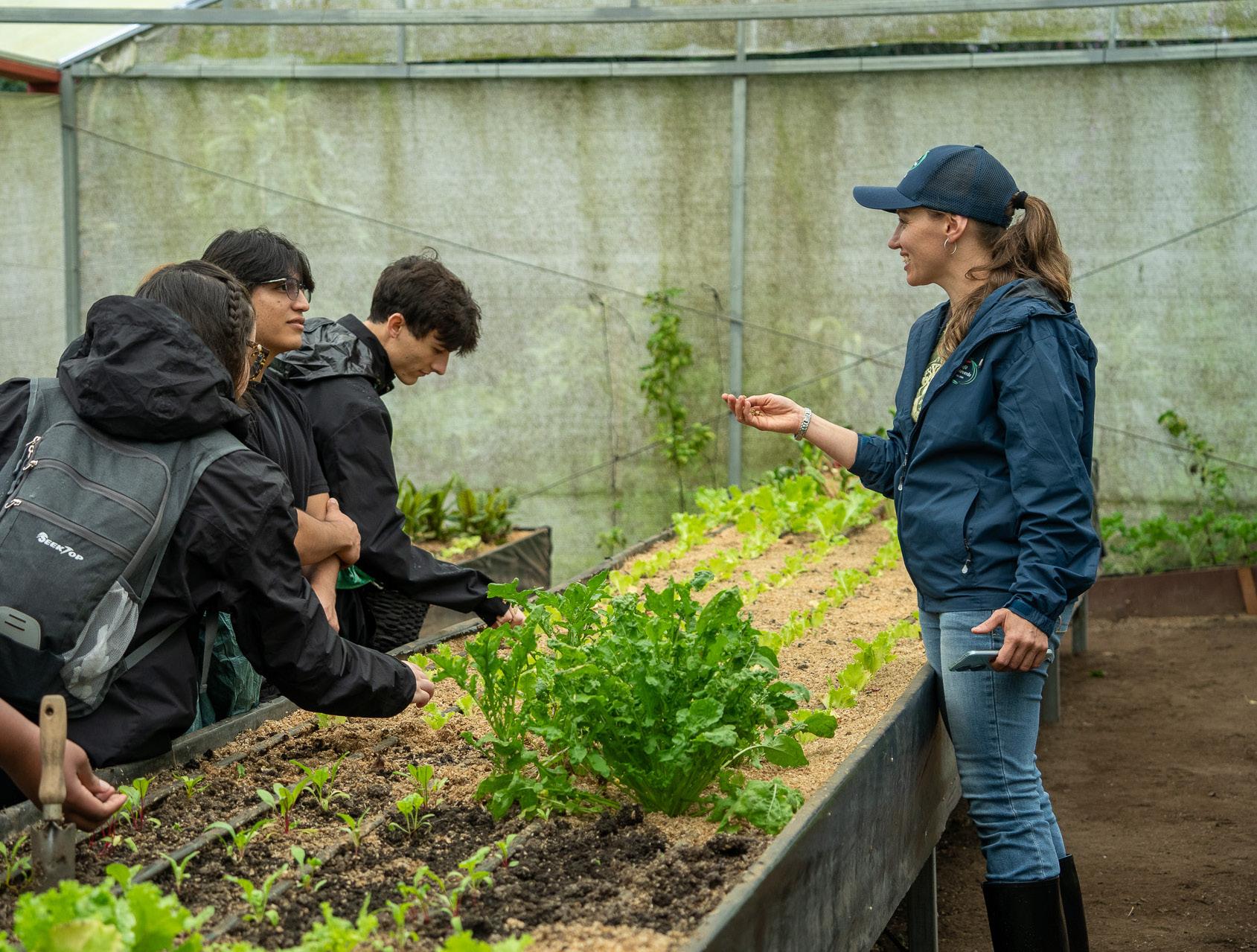
Faculty and scholars in the natural sciences are pushing the boundaries of scientific discovery to make ASU one of the world’s leading research institutions.
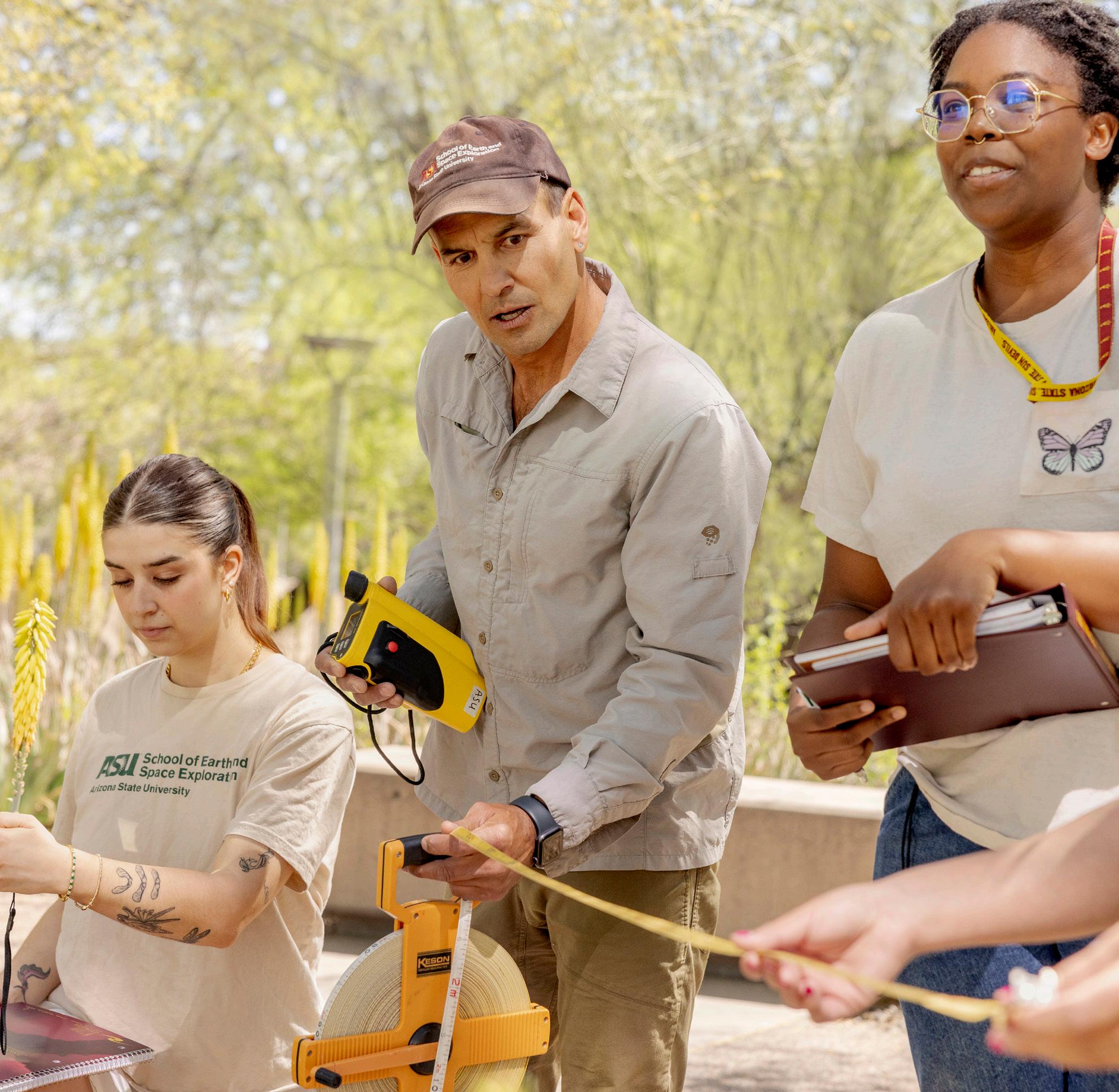

As the engine for scientific exploration and discovery at ASU, the natural sciences division leverages fundamental science disciplines — including biology, molecular science, earth and space science, physics, mathematics, psychology and more — to create global leaders. Our interdisciplinary and collaborative approach fosters learning opportunities and groundbreaking research that lead to impactful solutions for challenges in our community, local and global environments and outer space.
The College’s School of Earth and Space Exploration explores society’s profound questions: How did life begin? Are we alone in the universe? How can advances in Earth and space science improve life on our planet? Students and faculty build spaceflight hardware, collect and analyze data and lead NASA missions, such as the ASU-led Psyche Mission — the first to explore a metal asteroid.
The School of Earth and Space Exploration aims to build industry partnerships and translate discoveries into realworld applications while preparing students for careers in Earth and space technologies. By fostering an inclusive academic community and integrating research into practical solutions, the school positions ASU as a global leader in space exploration and planetary stewardship.

Climate change and energy challenges are among the most urgent issues of our time. How can nature provide an example for a more sustainable future? What can we learn from photosynthetic organisms to engineer and optimize new energy pathways?
The Center for Bioenergy and Photosynthesis researches biological and biologically based artificial systems to address societal energy needs in a sustainable manner. Researchers focus on solar energy conversion and bioinspired energy transformation to meet human needs, including delivering electricity to the two billion poor that currently are without such service.
The center prioritizes sharing its research and findings with the public, including K-12 and university outreach, so that new discoveries and solutions can benefit local, national and global communities.

The College fosters intellectual inquiry and discovery through over 50 research centers and institutes within the humanities, natural sciences and social sciences divisions.
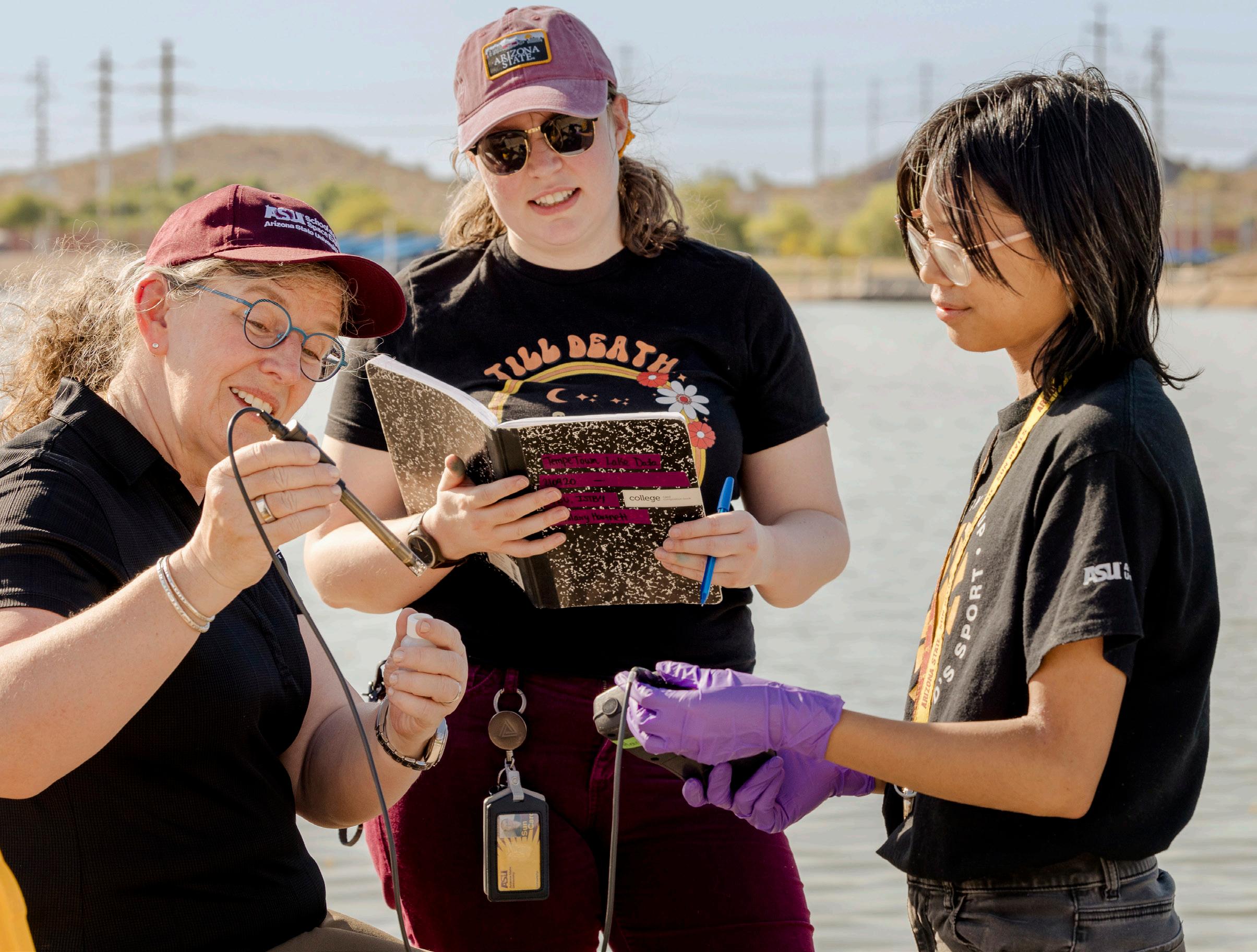

Members of The College community are leading initiatives and programs that drive local, national and global solutions to real-world problems.
Solutions to problems yet discovered require dreamers, visionaries and leaders. The College of Liberal Arts and Sciences seeks to strengthen and inspire those who will shape the future and develop solutions for worldwide challenges in climate, health care, technology and more. Together, students, faculty and the community can build a better future for humankind and the planet.
Through this effort, we will offer more students transformative learning experiences, both inside and beyond the classroom, that empower them to lead fulfilling lives of service to their communities. Your generosity will power the innovative initiatives forming tomorrow’s leaders, driving discovery and fostering a sustainable, inclusive future.
Together, we can change futures — for Arizona and for the world. Join us in the Changing Futures campaign.
The College plays a significant role in ASU Health, the university’s robust effort to address growing health care needs and help improve health outcomes for families across Arizona. ASU Health will transform how health care is designed, delivered and measured while also producing new physicians, nurses, specialists, technologists and scientists. Several faculty in The College have joint appointments and hold leadership roles at the new School of Medicine and Advanced Medical Engineering (SOMME) and are designing a new curriculum that blends medicine, engineering, technology and humanities to prepare students as health care leaders.
Health Humanities, currently housed in The College’s Humanities Institute, is a central pillar of the SOMME curriculum. By combining the humanities with medical education and clinical practice, this initiative trains future health professionals with empathy, ethics and communication to ensure that students take a holistic approach to patient care.
In addition to work with ASU Health, there are several nationally and globally recognized cutting-edge research projects housed in The College. For example, Rob Harris in the School of Life Sciences is leading a study on how cells respond to necrotic damage — a poorly understood form of cell death caused by traumatic injuries, infections and common diseases such as heart attacks, strokes and diabetes. Understanding how tissues repair themselves in the aftermath of necrosis could transform treatment approaches for these conditions. A team including faculty in American Indian Studies has created a new Indigenous Health Research Dashboard to aid researchers in analyzing connections between major illnesses and determinants of health in the Indigenous population. The online database includes peer-reviewed, published research studies on conditions and diseases impacting Indigenous health from 2020 to the present.
Through research in ancient DNA and human evolution as well as field work in Africa and Asia, the Institute of Human Origins uncovers how early humans adapted to environmental challenges, offering insights for today’s global issues. Its work includes public outreach, K-12 curriculum integration and global partnerships. Your gifts will help expand groundbreaking research and train the next generation of scientists.
In the American Southwest, water scarcity and climate change strain ecosystems, agriculture and communities. The division of natural sciences hosts many labs and centers that work toward understanding these stressors and finding solutions to mitigate their consequences, particularly for arid lands. The College’s social sciences division leads sustainability efforts like the Arizona Water Innovation Initiative and the Southwest Urban Corridor Integrated Field Laboratory. Investments in these projects will establish The College as a leader in climate and water resilience.
The College leads several interdisciplinary projects that focus on solutions-based research for planetary health and sustainable futures. Faculty and students at the Center for Bioenergy and Photosynthesis, the Global Drylands Center and the Center for Biodiversity Outcomes, among others, are engaged in strategic projects on climate, conservation, energy and more.
The College’s School of Earth and Space Exploration is redefining how we study Earth, space and the cosmos, and is currently ranked No. 9 in NASA-funded expenditures, with 25+ missions or instruments in development. By solving planetary and space-related challenges, advancing technology and inspiring future scientists, The College is fostering discoveries that expand our understanding of the universe and our place within it.
Study abroad opportunities foster cultural understanding, tolerance and global awareness, yet less than 3% of U.S. college students study abroad, with first-generation and low-income students facing significant financial barriers. Philanthropic support will make study abroad programs more accessible and prepare more students to become culturally aware leaders and well-rounded professionals, contributing to a more inclusive future.
With an emphasis on hands-on learning, interdisciplinary collaboration and immersive exploration, ASU is reinventing science learning to prioritize students’ needs and empower them not only to succeed but be transformed into future leaders and problem solvers. ASU’s adaptive and flexible teaching models level the playing field for all learners to understand complex concepts and gain the confidence to take on scientific challenges in a growing field.
The College’s social sciences programs drive meaningful change through community-based research with local stakeholders. For example, the School of Human Evolution and Social Change is conducting archaeological research in Phoenix to train archaeologists and inform city planning on historical preservation. These efforts foster cultural preservation and hands-on learning that sharpen problemsolving skills. With donor support, we can expand these initiatives that support communities and empower students to think for themselves.
Addressing environmental challenges requires solutions that integrate science with the human experience. The Desert Humanities, housed in the Humanities Institute, has created interdisciplinary partnerships and community groups that invite reflection and new research on the desert Southwest. The initiative provides opportunities to experience urban and rural desert sites and engage with their complex histories, diverse ecologies and possible futures.
The spread of misinformation and disinformation threatens public trust, social cohesion, and community resilience. The College combats this through interdisciplinary research and education across multiple schools, including the Hugh Downs School of Human Communication and the School of Politics and Global Studies. Faculty and students study mis/disinformation, develop tools to disrupt false narratives and create education initiatives that enhance critical thinking. Your support will help build informed communities ready to navigate the digital age.
AI and digital technology often prioritize profit over people and the planet, leading to bias and ecological harm. The College’s work in the area of humane technologies unites experts to establish ethical guidelines for responsible innovation. Initiatives like the new BA in culture, technology and environment are enabling student success through a grounding in global citizenship and humanities perspectives on a world shaped by technology, as well as a deep understanding of more sustainable ways of living in a climatealtered environment.
The College Futures Initiative is redefining the undergraduate experience to ensure all students have access to career-ready, highimpact practices. Programs like Early Start, which helps first-generation students transition to college, and the LEAP research apprenticeship, which connects transfer students with faculty-led research, help fill gaps students face due to financial and logistical barriers. By scaling these programs and expanding study abroad opportunities, the Futures Initiative will ensure all students gain critical workforce skills.
The College fosters collaboration among scholars, artists and visionaries to imagine more inclusive and sustainable futures. Anchored by efforts like the Center for Imagination in the Borderlands and the Arizona Center for Medieval and Renaissance Studies, new initiatives will empower historically underrepresented communities to raise their voices and lead transformative cultural narratives.
The College of Liberal Arts and Sciences educates the next generation in the power of language, culture and society, critical thinking, scientific exploration and discovery. Through first-oftheir-kind degree programs, world-class research and innovative learning experiences, The College is committed to improving communities on a local, national and global scale, while supporting the largest student population within ASU.
ASU is a comprehensive public research university, measured not by whom it excludes, but by whom it includes and how they succeed; advancing research and discovery of public value; and assuming fundamental responsibility for the economic, social, cultural and overall health of the communities it serves.