
Change the future with the College of Health Solutions
A new kind of health care

In the field of maternal and child health, the College of Health Solutions is working with researchers, community partners and advocates to improve outcomes for families facing profound disparities, including Black and Indigenous communities.



We are entering a new era of health and well-being. Medicine has never held greater promise. Yet too many lives are still shaped by problems that should have been prevented, needs that should have been met sooner and systems that were never designed around the full reality of people’s lives.
A pregnancy becomes dangerous when support arrives too late. A veteran comes home carrying pain, sleeplessness and isolation long after service ends. A child grows up in a neighborhood where healthy food, safe places to play and timely care are never guaranteed.
These are health problems, but they rarely begin in the exam room. They take shape in kitchens, schools, workplaces, neighborhoods and homes. They are shaped by food, movement, sleep, stress, language, behavior, access to care and the systems people must navigate when they need help.
The gap between what medicine can do and whether people actually become healthier is one of the defining challenges of our time. It is also a design problem. Health systems were built to diagnose and treat disease. The future requires institutions designed to produce health.
That is why the College of Health Solutions at Arizona State University is built differently.
The College of Health Solutions is a new academic architecture for health, organized around the problems people actually face. Its work cuts across the boundaries that have long separated disciplines, professions and institutions. Nutrition, movement science, clinical care, communication sciences, behavioral health, data, policy and systems transformation come together here because people do not live their health in fragments.
From Arizona, for the world
Founded in 2012, the College of Health Solutions was created for a new era. Its purpose is practical, ambitious and deeply ASU. Build knowledge that matters. Prepare people who can use it. Work with communities. Measure progress by whether lives improve.
Arizona gives this work urgency. It is a fast-growing state with extraordinary diversity, deep health disparities, rural and urban access challenges, and communities where the future of American health is already taking shape. What we build here can become a model for places far beyond Arizona.
Through Changing Futures®, the College of Health Solutions is preparing students to lead in a health system that must reach farther than it does today. They learn in classrooms, clinics, laboratories, workplaces and communities. They work with faculty and partners on problems that show up in families’ lives every day. With more than 375 internship opportunities, community projects, research experiences and student organizations, they are learning how to move from expertise to action.
The future of health will belong to institutions that can see the whole person, redesign systems around real life and scale solutions that improve outcomes. The College of Health Solutions was built to be one of those institutions.
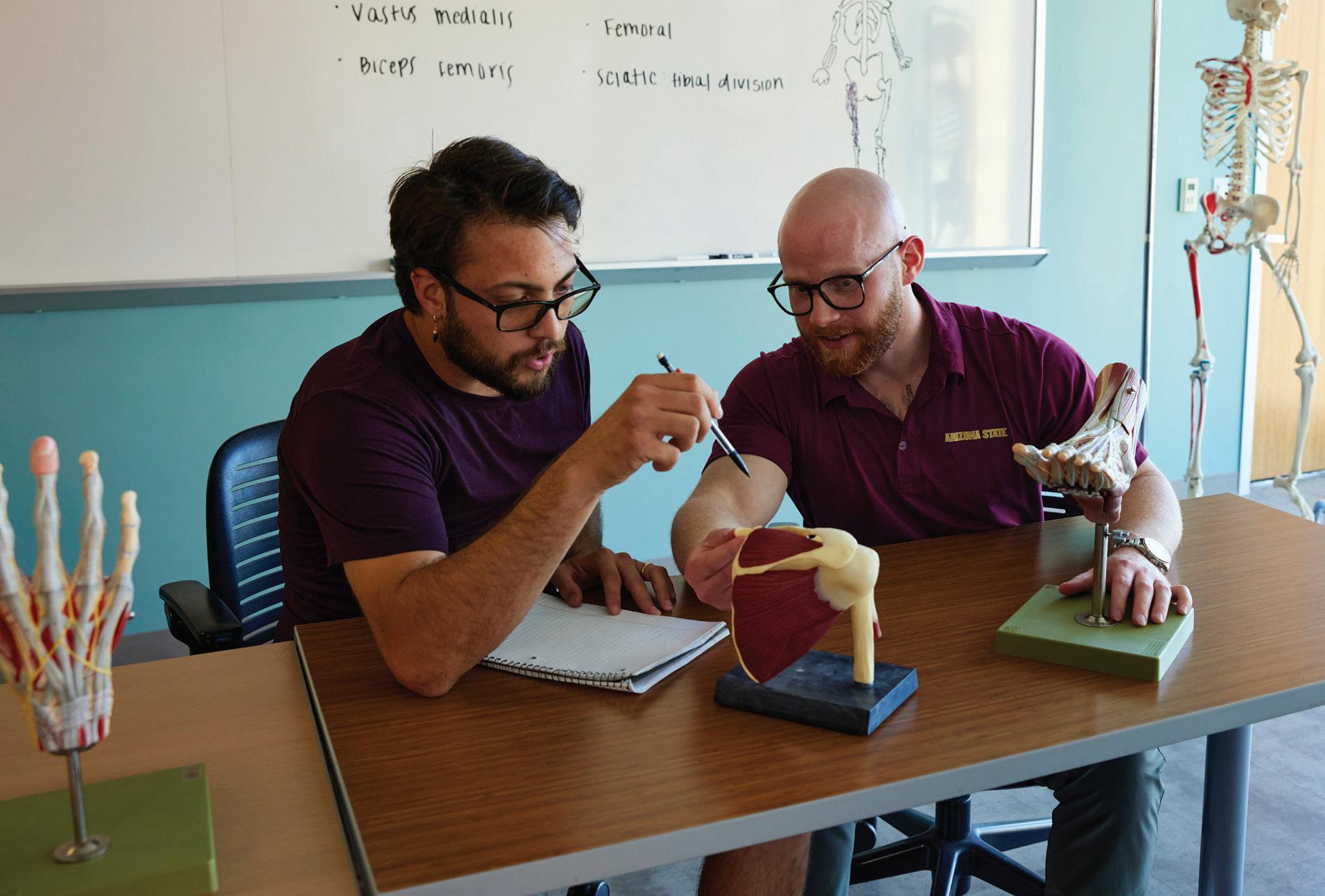
The College of Health Solutions is training not just medical practitioners but also advocates, coaches, dietitians, speech-language pathologists and more to provide comprehensive health solutions for individuals and communities.

The prevention and
precision health engine
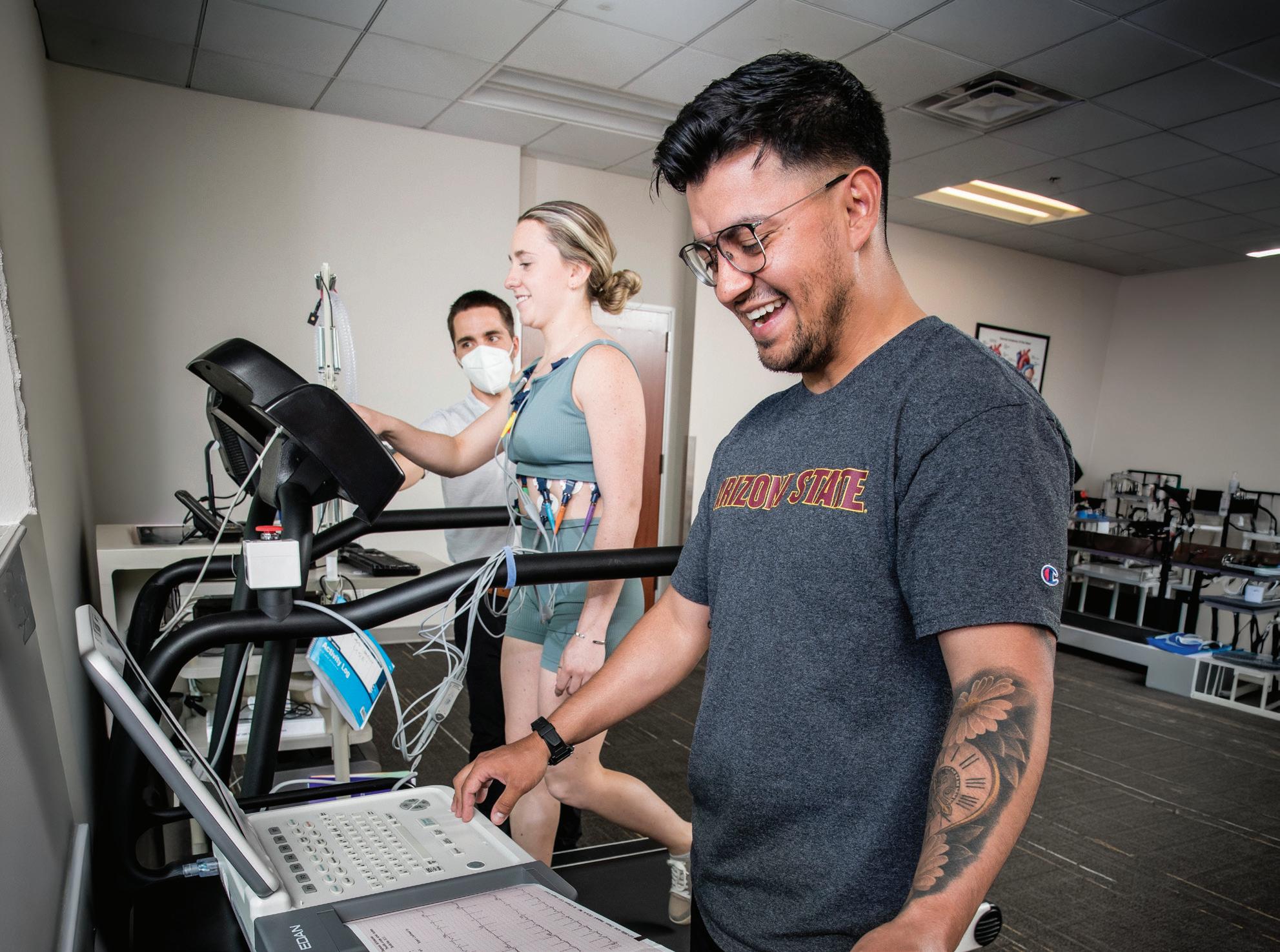
Students can pursue meaningful hands-on learning through more than 375 internship opportunities as well as community projects, research, clubs and more.
As part of ASU Health, the College of Health Solutions plays a distinct role in reshaping what health care can become. Medical, nursing and technology schools advance diagnosis, treatment and care delivery. We strengthen that ecosystem by focusing on the conditions that shape health before, during and after care is needed.
Dean Michael Yudell describes the college as ASU Health’s prevention and precision health engine. “We are focused on optimizing health across the lifespan, from the prenatal period to end of life,” he says. “That brings together our diverse disciplines that are both clinical-facing and research-focused to improve the health of Arizonans and beyond.”
The power of the College of Health Solutions is its design. The college connects discovery, workforce preparation, community partnership and systems change in one place. It studies how people stay healthy, prepares the professionals communities urgently need and redesigns the systems that determine whether solutions reach people at all.
A child who needs help communicating depends on a trained clinician. A family managing diabetes needs nutrition support that fits the realities of daily life. A veteran rebuilding strength after service may need physical training, sleep support, behavioral health care and a community that understands military life. A health system under pressure needs leaders who can make care easier to reach, easier to coordinate and more likely to work.
The College of Health Solutions brings those needs into the same frame.
The School of Human Performance and Lifespan Health advances nutrition, movement science and lifestyle health so people can maintain strength, function and independence across life. The School of Clinical Health Sciences prepares allied health professionals, including speech-language pathologists, laboratory scientists and behavioral health providers. The School of Health Systems Transformation prepares leaders who use data, policy and operations to improve how care works across communities.
Together, these schools give the College of Health Solutions unusual capacity. The college can move from person to population, from biology to behavior, from clinical need to system design. That range is essential because no single discipline can solve problems that cross an entire life.
This is the model health care now requires. Whole-person. Prevention-first. Precisiondriven. Built for measurable impact.
Redefining the role of food in health care
Food is one of the most powerful forces shaping health, yet too often it sits outside the systems designed to care for people. Diet-related disease drives illness, disability and rising costs. Patients leave clinical visits with instructions they may not be able to follow, in neighborhoods where healthy choices may be costly, inconvenient or out of reach.
The College of Health Solutions is changing that through Food Is Medicine
The initiative connects research, clinical care, education, employers, policy and behavior change so nutrition becomes part of how health is taught, practiced and sustained. Food Is Medicine integrates nutrition into prevention and treatment alongside medication, procedures and clinical care, while building tools that can work in daily life.
College of Health Solutions faculty are piloting a Workplace Toolkit, grounded in research and shaped with employer partners, to help companies embed nutrition into employee health and wellness.
Rick Leach, executive director of Food Is Medicine, describes the ambition clearly. “We’re looking at all elements of a problem to turn them into all elements of a solution,” he says. “If we’re successful in Arizona, we’ll see a decrease in diet-related disease, increased knowledge and agency and people coming together in a bipartisan way to solve a common problem. We can then scale what we’ve proven in concept in Arizona across the 49 other states.”
For a person living with Type 2 diabetes, this kind of model can change the experience of care. A clinic visit can connect that person to a personalized nutrition plan, realistic food swaps, coaching that supports behavior change and resources available where they live. Over time, better food support can mean better blood sugar, fewer complications, less reliance on medication and fewer hospital visits.
This is how a university changes health at scale.


Students cook in a College of Health Solutions kitchen, where they learn about nutrition and good health. The college’s Food Is Medicine initiative will help integrate nutrition and health training in Arizona and beyond.
Performance for life
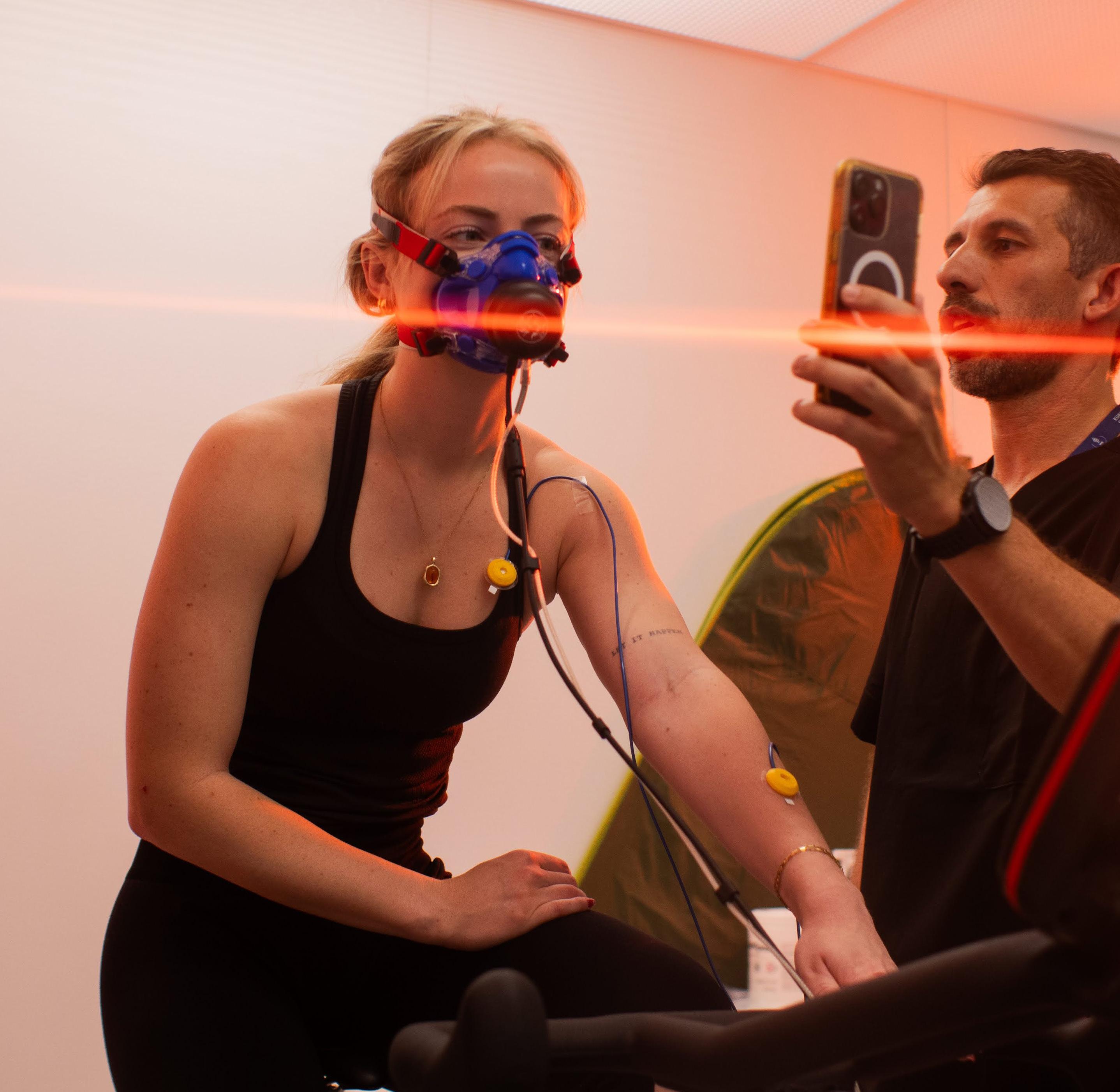
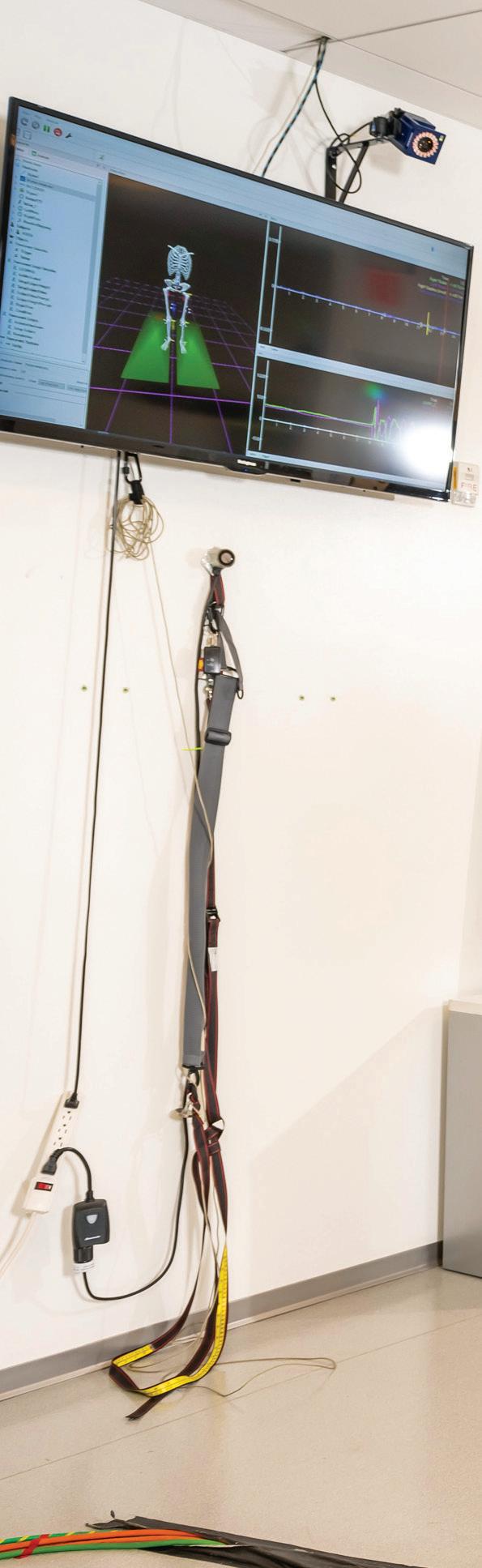
The College of Health Solutions is using new technologies, such as wearable sensors and movement capture, to increase understanding of human performance across lifespan.
Health is the capacity to move, recover, adapt and stay resilient over time.

For an athlete, that may mean training safely and sustaining performance across a season. For a firefighter or service member, it may mean staying ready under extreme physical and psychological demands. For an older adult, it may mean preserving strength, mobility and independence.
The College of Health Solutions is moving performance science beyond elite settings and into the lives of people whose health, work and independence depend on resilience. We are using precision health tools such as wearable sensors, movement capture systems, metabolic testing and data-driven dashboards to improve recovery, function and long-term health.
Through the College of Health Solutions and Sun Devil Athletics Partnership to Improve Human Performance, we are advancing a Sport Science and Performance Lab that deepens understanding of movement, recovery, nutrition and stress. The work begins with athletes, then extends into broader applications for health professionals, community partners and industry collaborators.
“We’ll really have a much broader understanding of the athlete,” says Jason Siegler, associate professor of integrative human performance, “and then [we can leverage] the athletes to change public perception of what’s a healthy lifestyle, what’s a way of improving performing, how can we prevent injuries.”

Prevention-first, increased readiness
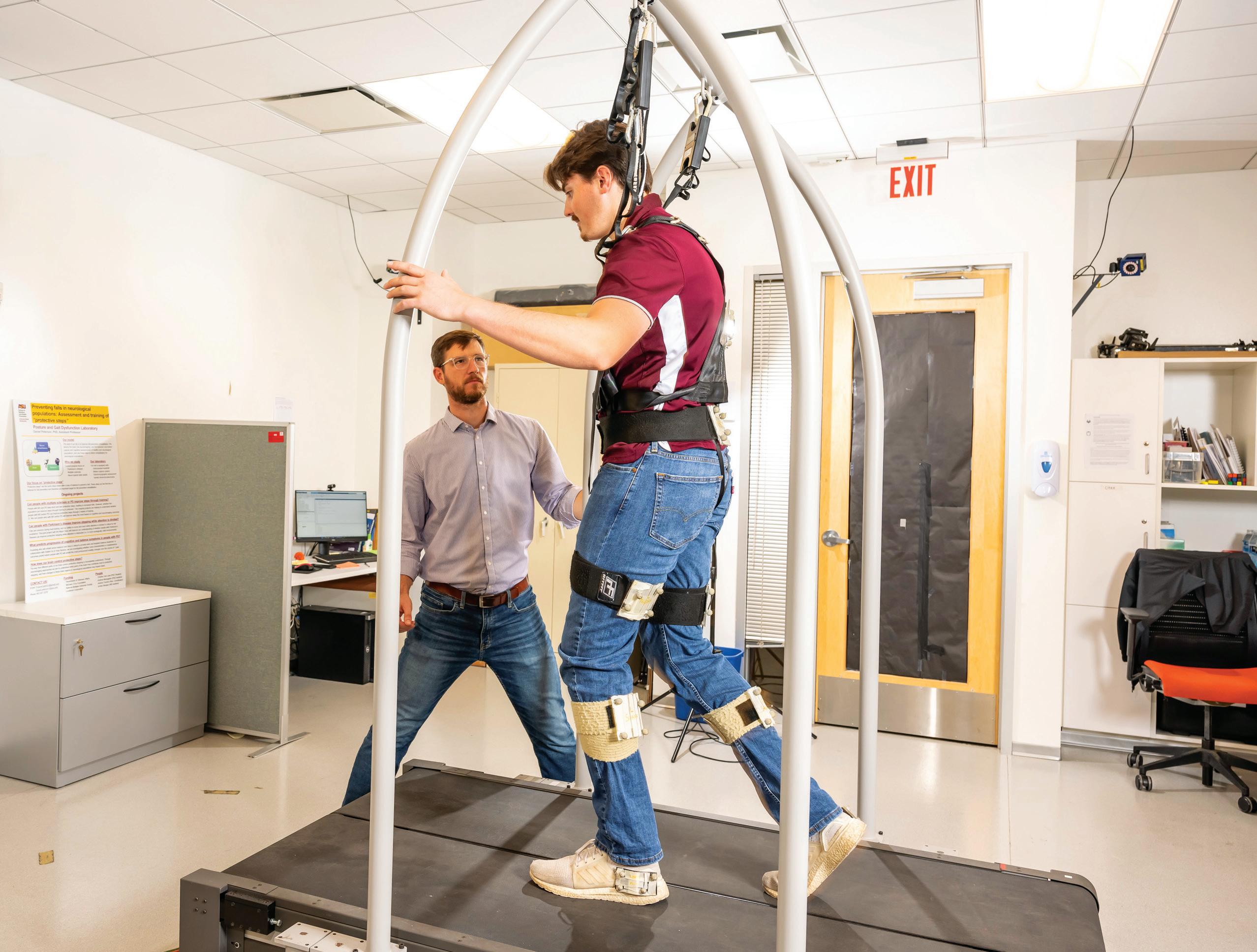
Our prevention-first lens drives the Military and Veteran Resilience and Health Collaborative. Its Tactical Research and Performance Center will help close a resource gap for service members, first responders and veterans, whose work places extraordinary demands on body and mind. With a dedicated health center, military-connected individuals can train to improve fitness, address invisible wounds, build social support and optimize long-term health.
Rachel Cassalia, clinical associate professor, sees the work as a comprehensive approach to resilience. “If we are able to integrate strength and conditioning along with sleep strategies, stress reduction strategies and behavioral health, and take a comprehensive approach to the whole person, we will help people stay healthy and resilient. For our military and first responders, this means staying operationally ready for longer.”
In military and veteran health, we are building integrated support that connects fitness training, mental health, social connection and research for service members, veterans and first responders.
This work changes the meaning of performance. It is no longer limited to how fast someone can run, how much someone can lift or how long someone can compete. It becomes a measure of whether people can live longer with strength, purpose and independence.

The College of Health Solutions takes a whole-person approach to addressing the health of military-connected individuals to improve fitness, mental health and social support.

The most important the College of Health is that we see improvements in people’s health populations’ health.”
important thing for Health Solutions improvements health and health.”
—Michael Yudell Dean and Professor, College of Health Solutions Arizona State University
Build the future of health with us
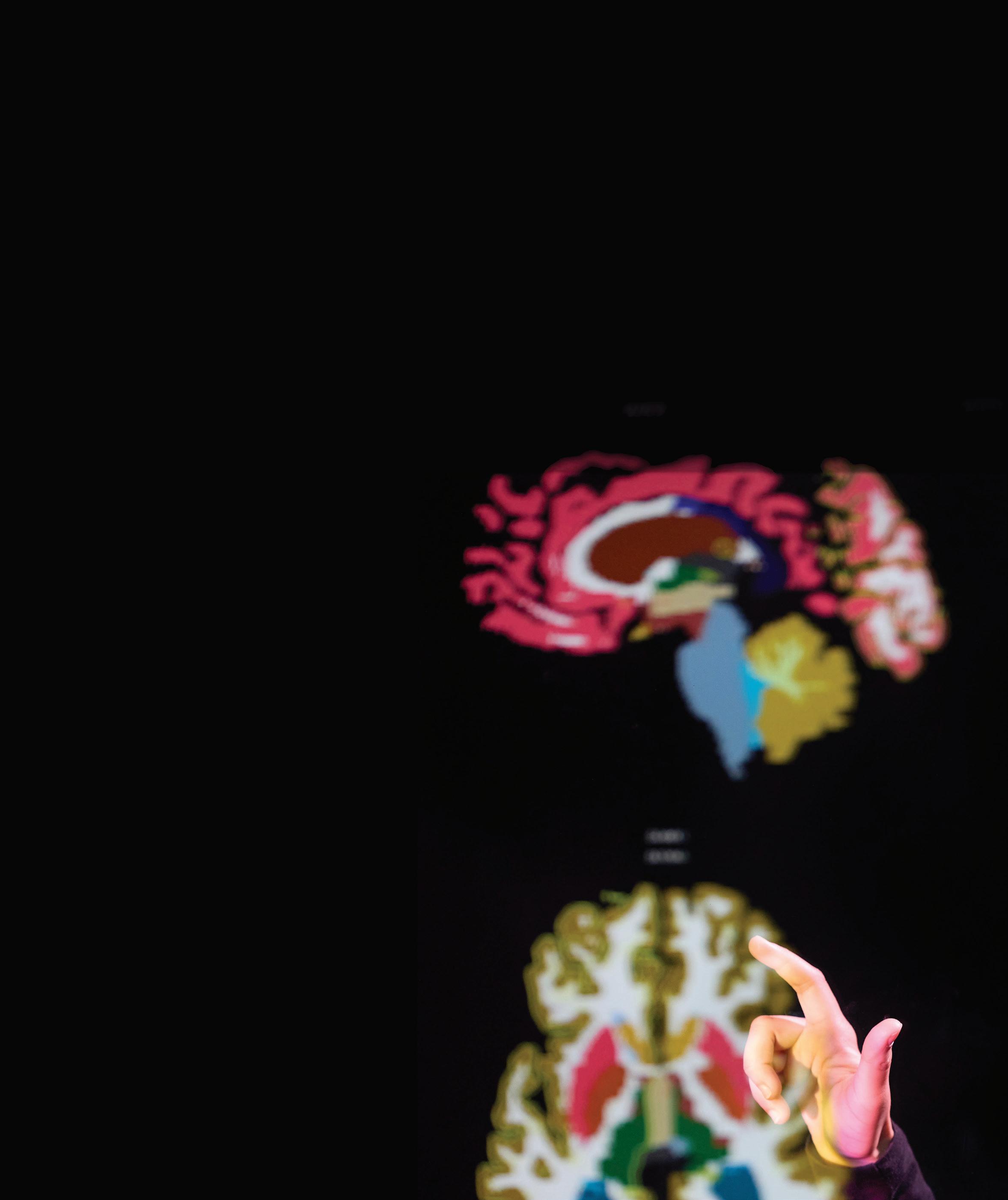
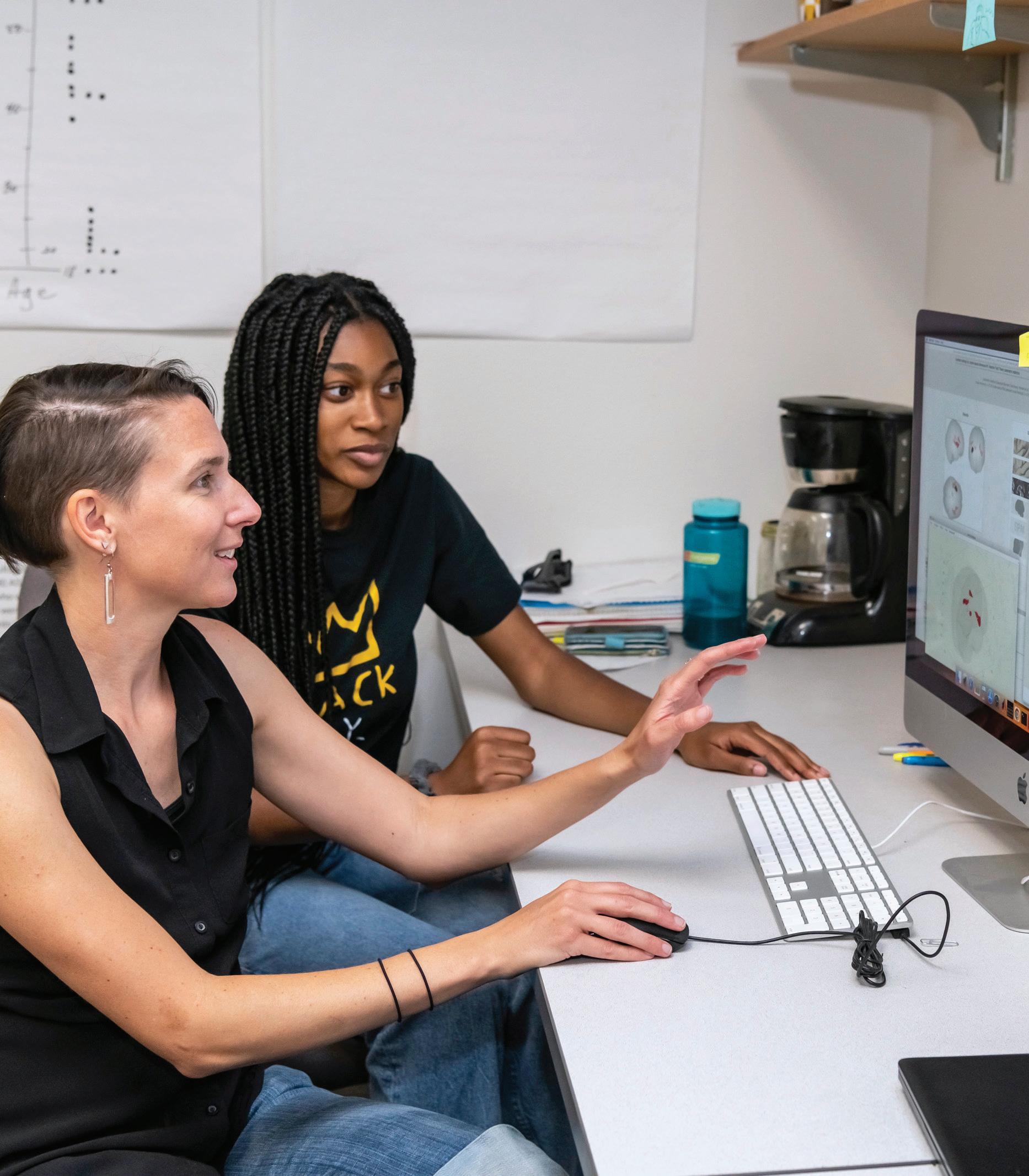
PhD student Maitry Trivedi works with an ASU research team using artificial intelligence for Alzheimer’s research, harmonizing PET scans taken with different types of tracers.

The College of Health Solutions is building a model that begins in Arizona and is designed to matter everywhere.
The pattern is clear across the college. We find the places where health breaks down, bring the right disciplines and partners together, test practical solutions and build what can be scaled.
The measure of success is human. More mothers with healthy pregnancies. More children able to communicate, learn and thrive. More veterans regaining strength, sleep and connection. More families with tools to manage chronic disease. More communities with systems that make health easier to reach and sustain.
The College of Health Solutions is building the health institution the future requires, one designed around people, measured by outcomes and built in Arizona to scale beyond Arizona.
This is how the College of Health Solutions changes the future of health. From Arizona. For the world. Join us.
Change futures by supporting
Advance technology for good
Powerful performance and precision health technologies exist but are often disconnected from education and real-world application. A Sport Science and Performance Lab will use precision health tools — such as wearable sensors, movement capture systems, metabolic testing and datadriven performance dashboards — to translate performance science into solutions that improve health, recovery and resilience across the lifespan.
Diet-related disease is the leading cause of death and disability in the United States, yet nutrition remains disconnected from health care. The Food Is Medicine initiative is building an Adaptive Precision Engine for Food Is Medicine to run large-scale research studies that inform new ways of integrating nutrition into care delivery, education, research, policy and behavior change — advancing scalable solutions that reduce disease and costs.
Empower community resilience
Arizona faces profound maternal and child health disparities that disproportionately impact Black and Indigenous populations, but the Maternal Child Health Center is pioneering a collaborative, communitydriven approach to transform these challenges. By bringing together researchers, community partners and advocates to cocreate innovative solutions, we’ll advance health equity and improve outcomes for vulnerable populations. The health and wellness of our service members, both during and after their service, impact our country’s military readiness and national security interests. Unfortunately, veterans face significant health disparities, suffering from both physical and invisible wounds. Alarmingly, veterans have a 52.3% higher suicide rate than non-veterans. A key barrier to health is a lack of resources, so the Military and Veteran Resilience and Health Collaborative aims to create a comprehensive, holistic center that provides integrated health services, fitness training, mental health support and cutting-edge research to improve the well-being of military personnel, veterans and first responders.
the College of Health Solutions
Build the future of health
A transformative philanthropic partnership to name the College of Health Solutions will elevate our visibility and impact, accelerating our mission of creating innovative health solutions and preparing the next generation of health care leaders who will shape a healthier future.
Chronic disease and loss of mobility are rising, yet health systems remain focused on treating illness rather than helping people stay healthy, active and independent across their lives. Naming the School of Human Performance and Lifespan Health advances a prevention-first approach that strengthens physical function, reduces disease risk and improves quality of life across the lifespan.
Communities face growing shortages of practice-ready clinicians, limiting access to diagnostic, rehabilitative, behavioral health and communication sciences, especially in underserved areas. A named School of Clinical Health Sciences expands the pipeline of skilled professionals prepared to deliver high-quality care where and how it is needed most.
Health care systems struggle with rising costs, uneven access and fragmented decision-making that limits their ability to deliver equitable care at scale. Naming the School of Health Systems Transformation equips leaders to redesign systems using data, policy and operations to improve access and outcomes.
About us
Better health outcomes require better solutions. The College of Health Solutions at Arizona State University is committed to translating scientific health research and discovery into practice. We prepare students to address the challenges facing our populations to stay healthy, improve their health and manage chronic disease. We bring people together to improve the health of the communities we serve, reaching them where they live, learn, work and play throughout the lifespan.

ASU Charter
ASU is a comprehensive public research university, measured not by whom it excludes, but by whom it includes and how they succeed; advancing research and discovery of public value; and assuming fundamental responsibility for the economic, social, cultural and overall health of the communities it serves.