
The Importance of Rekeying: When and Why You Should Do It
Security is one of the most fundamental human needs, and the sense of safety starts at home. Yet, many people unknowingly leave themselves vulnerable by neglecting one simple but critical step in maintaining home security: rekeying their locks.
Rekeying, which involves changing the internal components of a lock so that it works with a new key, is a practical and often overlooked safeguard that homeowners and renters alike should prioritize under various circumstances. Whether you’ve just moved into a new house, lost your keys, experienced a break-in, or had a tenant move out,
rekeying ensures that only trusted individuals have access to your property. This essay explores the importance of rekeying, when you should do it, and why it's a vital step in protecting your home and loved ones.
What is Rekeying?
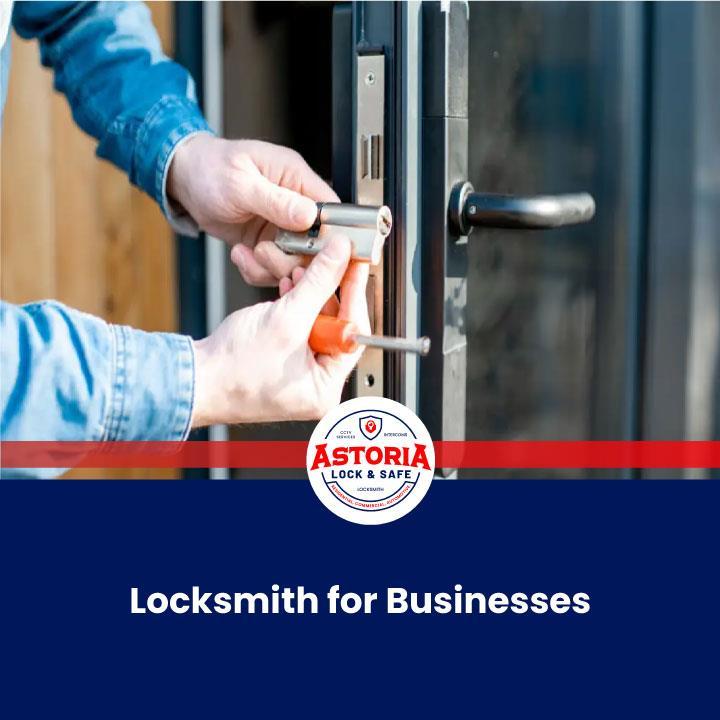
Before diving into why and when rekeying is necessary, it’s helpful to understand what the process entails. Rekeying is a method of changing a lock so that a new key can operate it while the old one becomes useless. This is done by altering the lock’s internal pins and springs to match a new key cut. Unlike replacing a lock entirely—which involves removing and installing new hardware rekeying keeps the existing lock mechanism intact, making it a more cost-effective and quicker solution.
Professional locksmiths like the New York City based Astoria Locksmith can perform this service efficiently, and in some cases, homeowners can do it themselves with a rekeying kit, depending on the lock brand.
Why Rekeying Matters
Rekeying is about control—regaining control over who has access to your property. Many security breaches and home invasions occur not due to forced entry, but because someone had a key. That possibility becomes more likely than people assume. It only takes one lost key or one unreturned spare to compromise your home’s security.
Rekeying also provides peace of mind. Knowing that you are the sole person with access to your home is a powerful psychological comfort. It ensures that there are no lingering keys in the hands of former owners,
tenants, service providers, or even strangers. When you rekey a lock, you’re not just replacing a key you’re resetting the entire access system of your home.
When Should You Rekey?
Several specific scenarios warrant rekeying your locks. Here are the most common and critical times to do it:
1. After Moving Into a New Home
This is arguably the most important time to rekey your locks. Regardless of whether you’re buying a new construction or a previously owned home, you have no way of knowing who has had access to the keys in the past. Real estate agents, contractors, housekeepers, previous owners, neighbors, or even babysitters could potentially have a copy.
Unfortunately, many people overlook this step during the busy transition of moving in. Rekeying should be one of the first things on your checklist after receiving the keys to your new home. It’s a small investment that can prevent a major security breach.
2. If You Lose Your Keys
It may seem like just an inconvenience at first, but losing your keys especially outside your home—creates a significant vulnerability. You don’t know who might find them, or whether they know where you live. Even if your address isn’t attached, a thief can trace a key back to its lock through simple observation or guesswork.
In this scenario, rekeying your locks ensures that the lost key is rendered useless. If you delay, you risk someone using the key to gain unauthorized access to your home or garage.
3. After a Break-In or Attempted Break-In
If your home has been burglarized or there’s evidence of an attempted break-in, rekeying is essential. Even if the intruder entered through a window or broke the lock, it’s possible they obtained a spare key or plan to return later.
Rekeying not only protects you from a repeat incident, but it also restores a sense of safety and control. It’s a proactive step that sends a message: your home is no longer an easy target.
4. When Tenants Move Out
For landlords, rekeying should be standard practice after a tenant vacates a property. Even if the tenant returns their keys, they could have made copies. It's impossible to verify that all copies are accounted for.
Rekeying is also important from a liability standpoint. If a new tenant is harmed because someone used an old key to enter, the property owner could be held responsible for failing to secure the premises. Rekeying protects not only your property but also your reputation and legal standing.
5. After a Divorce or Relationship Change
Relationship changes—whether a divorce, breakup, or falling out with a roommate are another crucial time to rekey. While it may seem harsh, people act unpredictably when emotions are involved. Rekeying ensures that former partners cannot access your home without your permission. It’s not about hostility; it’s about establishing boundaries and safety.
6. If You’ve Given Out Spare Keys
Over time, we often give spare keys to family, friends, dog walkers, or house cleaners. If your spare keys have changed hands frequently, it's a good idea to rekey, especially if you’ve lost track of who has one. The more people with access to your keys, the higher the security risk.
Whatever the reason for rekeying your locks, a professional locksmith is recommended. If you are in the New York City area, then our professional locksmith in Astoria Queens New York can help.
Advantages of Rekeying Over Replacing Locks
One of the most appealing aspects of rekeying is its cost-effectiveness. Replacing an entire lockset can be expensive, especially if you need to match hardware or replace multiple locks. Rekeying, on the other hand, allows you to maintain your existing hardware while still restoring security.
Rekeying is also faster and less disruptive. A locksmith like the professional Astoria Locksmith can usually complete the task in less than an hour. Plus, if your locks are high-quality and function well, there’s no need to throw them out just because you need new keys.
Additionally, rekeying offers an opportunity to synchronize your locks. If you have multiple locks that require different keys, a locksmith can often rekey them so that one key works for all. This simplifies access and reduces the number of keys you need to carry.
Summing it all up
In the realm of home security, small actions can make a big difference. Rekeying your locks is a simple, affordable, and highly effective way to protect your property and your loved ones. Whether you’ve just moved, lost your keys, or experienced a change in occupancy or relationships, rekeying reasserts control over who has access to your space.
It is not just about the physical mechanics of locks and keys it’s about peace of mind, responsibility, and preparedness. In a world where threats can be unpredictable, taking proactive steps like rekeying provides a layer of defense that is entirely within your control.
In short, rekey early, rekey often, and never assume your current keys are the only ones out there. Your home’s security and your peace of mind—are worth it.
If you are in the New York City area and need your locks rekeyed or the services of a locksmith, then consider our professional locksmith in Astoria Queens.