Selective Strategic Sustainable
Sustainability Report 2025
Leading the future of responsible labelling
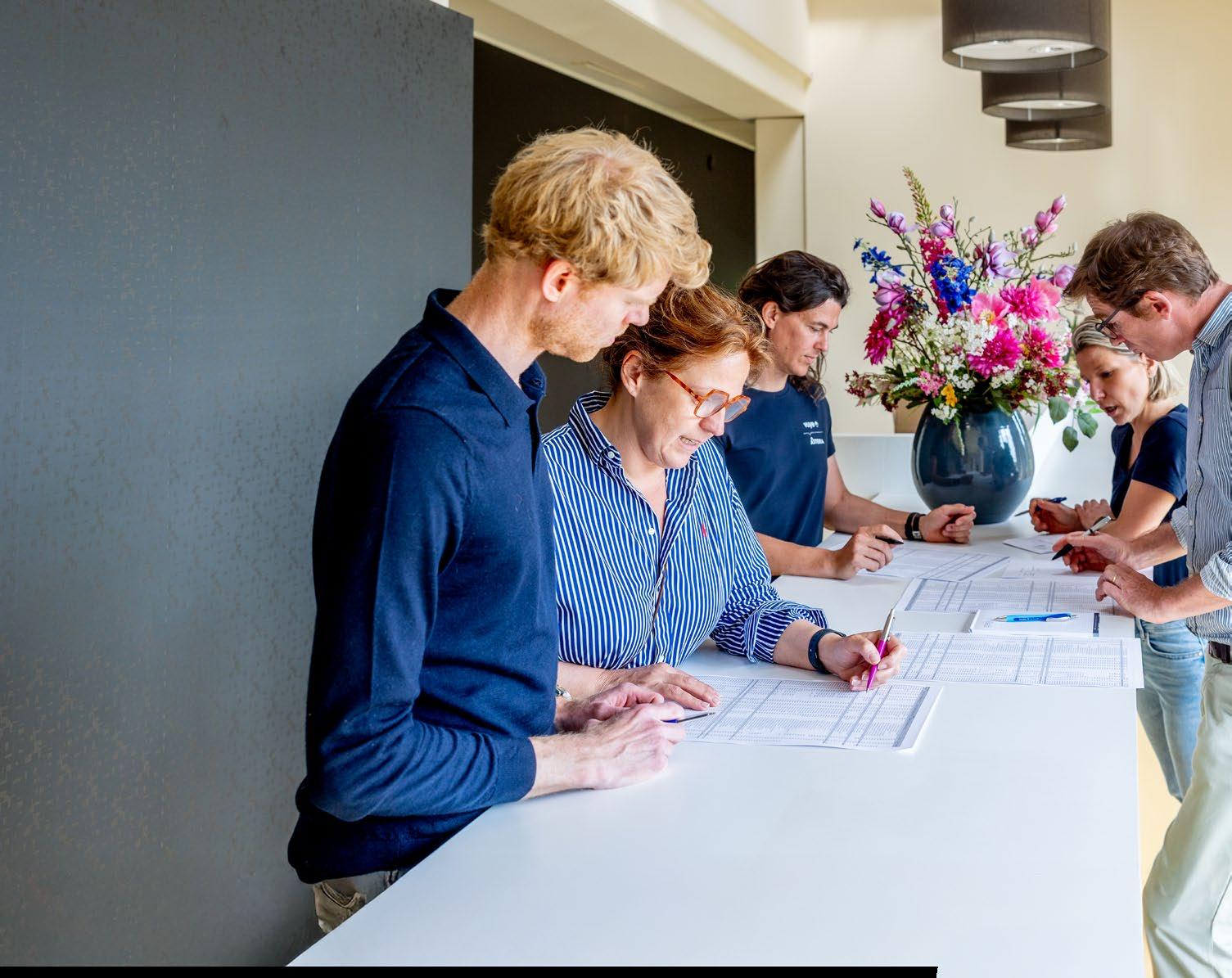
Sustainability Report 2025
This is Asteria Group’s second Sustainability Report. Through this report, we want to show how we – in the world of labelling and packaging –are continuously focusing on our impact on the environment and society.
Additionally, the report offers stakeholders a chance to observe how our business is evolving and to share their feedback on Asteria Group’s sustainability performance.
The format of this report has again been guided by the CSRD regulation and the accompanying ESRS standards.
For further information, we invite you to regularly visit our website and social media: asteriagroup.eu
linkedin.com/company/asteriagroup
MANAGEMENT REVIEW / 3
Message from the CEO / 4
Asteria Group overview / 6
Growing stronger together / 7
Key financial results 2025 / 10
Building value / 11
Our Executive Committee / 12
Key market trends / 14
Making our portfolio more sustainable / 16
Future-proof labels: the PPWR impact / 17
Quality as a sustainability lever / 18
SUSTAINA BILIT Y AT ASTERIA GROUP / 20
ESG highlights in 2025 / 21
Sustainability governance / 22
Sustainability is part of every decision / 24
Towards CSRD compliance / 26
Our value chain / 27
Our sustainability framework / 29
ENVIRONMENT / 30
Climate change mitigation / 31
Circular economy - waste reduction / 34
Waste reduction at Asteria / 36
SOCIAL / 38
Own workforce / 39
Health & safety / 42
Building HR across a growing group / 44
GOVERNANCE/ 46
ENTITY-SPECIFIC / 48
Data security & ESG awareness / 49
Securing and accelerating Asteria’s digital backbone / 50
How Zespri and Proprint are reshaping fresh produce packaging / 52
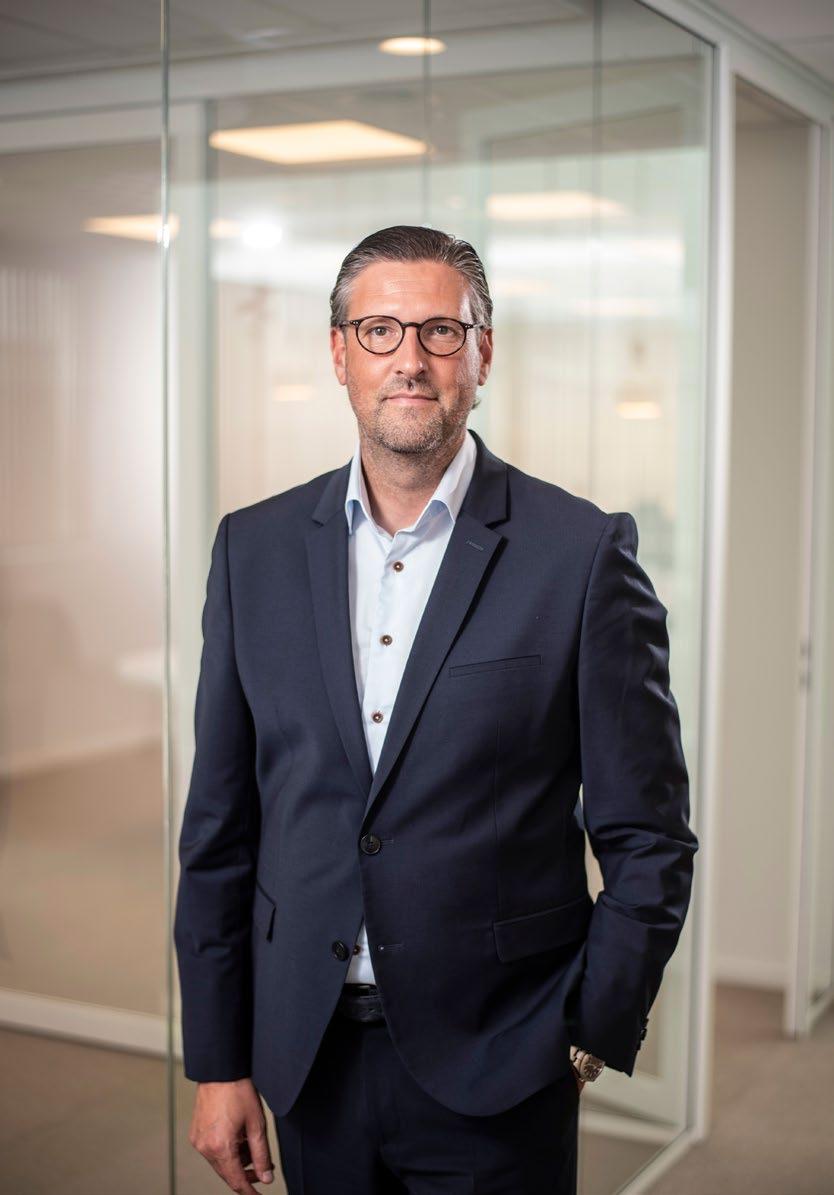
“Asteria aims to be a long-term partner, capable of supporting customers in their own transition”
Over the past years, Asteria Group has embedded sustainability into its core strategy: it has matured into a structural component of how we operate, grow and create value for customers. In 2025, our focus was on continuing to build sustainable growth: organically, through acquisitions and through further advancing our ESG roadmap. For CEO Ives Declerck, growth and sustainability are fundamentally interconnected pillars of long-term resilience.
What were the key milestones of 2025?
Ives Declerck: “2025 has been a good and well-balanced year for Asteria. Organic growth remains our backbone. Expanding business with existing customers, strengthening long-term partnerships and continuously acquiring new accounts remain our primary drivers. In parallel, we completed strategic acquisitions in the UK, Spain and Ireland. We remain disciplined in this approach. Companies must fit our entrepreneurial culture, complement our product portfolio and strengthen our geographical footprint. Growth for the sake of growth is not our philosophy. It must reinforce the group structurally.”
“The results of that approach are clear: year after year we outperform the market. That performance is driven by focus, scale and the strength of our diversified group. Customers increasingly value reliability, multi-site contingency, technological breadth and international reach. That combination gives Asteria a structural advantage over smaller standalone players.”
What role does sustainability play in that growth trajectory?
“Sustainability has evolved into a decisive commercial factor. Two years ago, ESG requirements were mainly driven by large multinational corporations. Today, we see medium-sized customers integrating sustainability criteria into their supplier selection as well. Quality, price and lead times remain essential, but sustainability now stands alongside those criteria. In many tenders, ESG performance is a formal scoring parameter. If you cannot demonstrate credible progress through EcoVadis ratings, transparent reporting, carbon reduction commitments or sustainable product innovation, you risk being excluded.”
“That is why we proactively engaged with EcoVadis, committed to the Science Based Targets initiative (SBTi) and published our first sustainability report ahead of mandatory deadlines. This was all part of a strategic choice to position Asteria as a long-term partner capable of supporting customers in their own transition.”
How does governance help you to reinforce your sustainability ambition?
“As Asteria has grown in scale and complexity, governance has become more important. Sustainability is now embedded at board level and is a part of our strategic discussions. Our relationship with financial and strategic partner Waterland plays a clear role in that evolution. They actively challenge us, act as an entrepreneurial sparring partner and encourage us to approach sustainability as a long-term value driver.”
What are the key challenges to remain a frontrunner?
“We have to remain selective, especially when acquiring new companies. We assess them not only on financial performance, but increasingly on cultural fit, governance maturity and sustainability readiness. One of our priorities is spreading capabilities across all sites. Innovations developed in one country should benefit customers throughout the group. Our multi-site structure also provides contingency, which multinational customers value in an uncertain geopolitical environment.”
“Environmental topics remain our focus within ESG, especially Scope 3 emissions. This is complex, as it depends on raw material suppliers, regulatory developments and customer pricing acceptance. Retail-driven markets remain price sensitive. However, we do see progress: the volume of thinner substrates, recycled materials and alternative constructions increases.”
How do you ensure sustainability becomes part of the culture on every site?
“Sustainability becomes tangible when it is linked to data, operational processes and daily decision-making. The more measurable it becomes, the more ownership we see at site level. Of course, not every site progresses at the same speed. Differences in systems, resources or ERP maturity can play a role. Yet everyone is moving in the same direction. Through shared reporting frameworks, regular governance reviews and cross-site best practice exchange, sustainability is gradually embedded into the way we work. Our goal is to align entrepreneurial local strength with structured group-wide ambition.”
What are your priorities going forward?
“Delivering on our SBTi commitment is a major priority. Strengthening Scope 1 and 2 reductions while progressively addressing Scope 3 remains central. At the same time, we continue to develop ESG reporting, governance alignment and data transparency across all sites. Equally important is disciplined, sustainable growth. Growth that reinforces resilience, strengthens our competitive position and creates long-term value. The companies that will lead our industry tomorrow are those that combine performance, governance maturity and responsibility. Asteria is determined to do exactly that.”
Ives Declerck CEO Asteria Group

Founded in 1985 as a Belgian family business
Asteria aims to become the leading local partner in the European label and packaging market and the sustainable frontrunner of the industry by 2030
+/- 250 million m2 of labels printed yearly
25,000+ customers
Operating in 10 countries with 40 sites from Finland to Spain 2,350+ experts
#1 within SME Western EU Label Production
For Enrique Desamparados of Group Ezquerro in Spain, the decision was rooted in finding the right long-term partner. “It quickly became clear that Asteria’s model is built around supporting strong local companies while providing the resources of a larger European group,” he explains. That balance between independence and support is a recurring theme. “We continue operating with the same entrepreneurial spirit, while gaining access to a broader network, investment capacity and industry expertise.”
Once part of the group, the experience across the three sites converges around a common observation: Asteria combines scale with accessibility. “There is a very open approach to sharing knowledge and best practices,” says Desamparados. “At the same time, local identity and customer relationships remain central.” Tollman shares that experience: “The support from head office is there when required, and everyone is accessible. At the same time, there is continued investment to make the business more efficient and sustainable.” For Label World, this translates into “a powerful combination of flexibility, sustainability and security, while maintaining our own identity.”
Asteria Group continued to expand its European footprint through three strategic acquisitions in the United Kingdom, Spain and Ireland in 2025. Each of these companies brings local expertise, long-standing customer relationships and complementary capabilities to the group. True to Asteria’s approach, the integration focuses on preserving entrepreneurial strength at site level while unlocking the benefits of scale, collaboration and shared expertise.
Across all three sites, a similar rationale emerges: growth, continuity and alignment of values. At the same time, each company highlights its own perspective on what joining Asteria means in practice.
A similar dynamic is reflected in the UK. For Nigel Tollman, Director of ProPrint Group, cultural alignment and trust played a decisive role. “The ethos of the two companies was the same,” he notes. “I felt I could trust what they were proposing and how it would work post-sale.” At the same time, the step towards a larger group structure was seen as a natural evolution. “We were at a size where we needed a more corporate approach, with the support and expertise of a larger organisation to continue our growth.”
In Ireland, Label World also emphasises the strategic fit and shared ambition. “Joining Asteria aligned perfectly with our long-term vision of scaling sustainably while maintaining the quality and innovation our customers expect,” says Managing Director Declan O’Rourke. “What gave us confidence was the combination of strategic capital, operational expertise and a shared people-first mindset.”
Collaboration across the network is already creating new opportunities, although the pace and nature differ per market. In Spain, access to group-wide expertise and technologies is immediately visible. “We can take on more complex projects and support customers operating in multiple markets,” Desamparados explains. In Ireland, the impact is particularly tangible through an expanded product offering. “We are evolving from a local label specialist into a broader packaging partner, with access to cartons, booklets and extended content labels,” says O’Rourke. In the UK, collaboration is described as “still early days”, but initial cross-site projects are already underway.
Across all three sites, sustainability and innovation emerge as clear accelerators of value. “Being part of Asteria gives us greater capacity to invest in sustainable materials and production efficiency,” says Desamparados. Tollman points to the importance of scale: “Having additional experience and support helps us position sustainability in the right way.” In Ireland, access to group-wide initiatives such as wash-off labels and material optimisation is already enabling concrete steps. “We can now implement solutions that improve recyclability and reduce carbon impact,” O’Rourke notes.
Ultimately, the benefits are most visible for customers. Across all markets, the proposition is consistent: local service, strengthened by European scale. “Customers have the best of both worlds,” says Desamparados. “They work with the same people, but with greater flexibility and a stronger position in the market.” Tollman highlights similar advantages: “Financial stability, broader capabilities and buying power.” In Ireland, this translates into a more integrated offering: “Customers gain access to a wider product range, greater security of supply and more sustainable solutions, all through a single point of contact.”
While each integration is still evolving, one conclusion already stands out: across different countries, cultures and market dynamics, growth is not about replacing what works locally, but about reinforcing it.



Turnover by country/region
For further details, please refer to our annual accounts published in the Belgian Official Gazette
These published figures are presented on a likefor-like basis and take into account the acquisitions completed in 2025. This ensures comparability. For this reason, the figures differ from those reported for 2024.
Germany: 25%
Belgium: 15%
Spain: 14%
United Kingdom: 13%
The Netherlands: 11%
Nordics: 10%
(Denmark , Estonia ,Finland )
France: 6%
Ireland: 6%
Self-adhesive labels: 89%
Packaging: 7%
(Includes foils (3%), boxes (3%), and sleeves (1%))
Other labels: 4%
Includes wet-glue labels (2%), in-mould labels (1%), and wrap-around labels (1%)
Asteria’s growth story is anything but accidental. It is built on a clear and disciplined financial logic, but always executed with a strong sense of pragmatism. For CFO Martin Denduyver, it starts with a simple principle: focus on what truly creates value. “At its core, this is a buy-and-build model. We bring fragmented businesses together, professionalise them and create scale. That’s where the value sits.”
That scale immediately makes a difference. Companies joining the group feel it from day one. “Our purchasing volume gives us market power. That’s something a standalone player simply cannot achieve,” explains Martin. It is one of the most tangible levers in the model: turning fragmentation into strength.
At the same time, growth is never an end in itself. Every acquisition is approached with discipline. Continuity, management quality and long-term potential weigh just as heavily as financial performance. The question is always the same: does this company become stronger within Asteria?
The same clarity runs through the way the group manages its finances. Reporting is deliberately kept simple, but sharp. Martin: “We take the raw numbers and im-
mediately see where something stands out. If needed, we go deeper. That’s enough. Don’t make it more complex than necessary.” It is a way of doing things that avoids unnecessary complexity and keeps the focus on action.
Despite its rapid growth, the group has carefully preserved its entrepreneurial roots. “All Asteria sites are still SMEs at heart and their can-do mentality is essential. We build on it, we don’t feel the urge to replace it.” It is precisely that combination of scale and local ownership that gives Asteria its edge. Strong performance is not driven by complexity, but by consistency. Martin concludes: “Good business is sustainable business. Do the right things, invest, bring in the right people. If you get that right, the rest follows naturally.”

“The combination of scale and local ownership gives Asteria its edge”
Behind Asteria’s growth stands a diverse team with complementary expertise and a shared goal: building a stronger, more sustainable and future-proof group. Our Executive Committee guides the organisation’s strategic direction and helps turn entrepreneurial ambition into value for customers, employees and stakeholders.
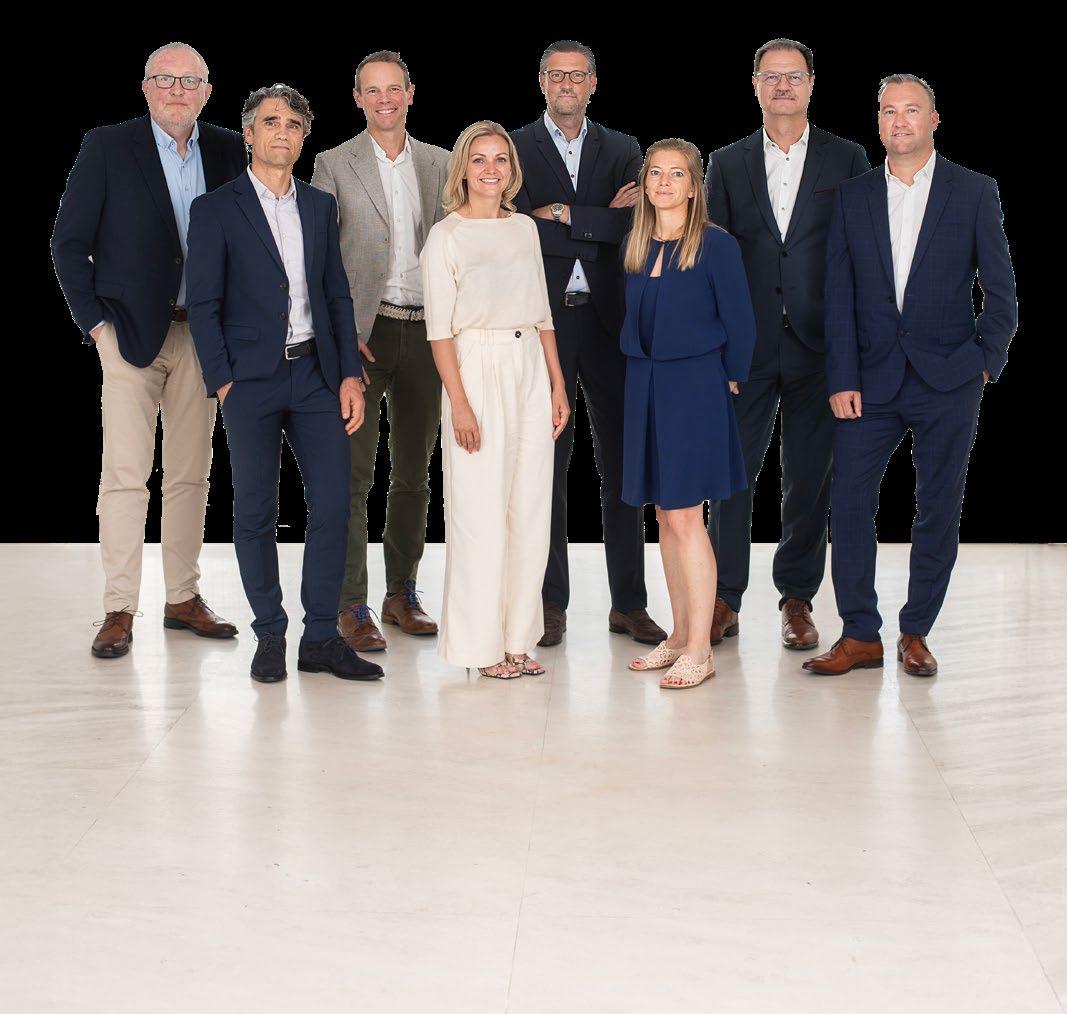
“What we share? A commitment to excellence and sustainable growth.”
Ives Declerck
Chief Executive Officer
° 1977

Appointed to ExCom: CEO as of the creation of Asteria Group
Experience: Founder & CEO of Accent Etiketten, later Founder & CEO of Asteria Group
Contribution to sustainability at Asteria: being a frontrunner by developing sustainable products, integrating best practices across our sites, and working closely with suppliers and customers to reduce our environmental impact
Tim Clockaerts
Chief Commercial Officer
° 1977

Appointed to ExCom: 2021
Experience: sales and marketing in various multinational corporations in FMCG and pharma
Contribution to sustainability at Asteria: proactive customer engagement on the Asteria Sustainable Solutions to help customers reduce their carbon footprint
Martin Denduyver Chief Financial Officer
1974

Appointed to ExCom: 2020
Experience: 25+ years of experience as a finance professional in various industries
Contribution to sustainability at Asteria: building the right environment for talent to thrive
Christophe Beke
Chief Technology Innovation Officer
1971

Appointed to ExCom: 2018
Experience: production, operations & quality positions in various printing companies & other industries
Contribution to sustainability at Asteria: initial start-up of sustainability activities, integration within ERP system and follow-up of evolution of sustainability projects within the Technology and Innovation Department
Charlotte Van Uytsel
Chief Sustainability Officer
° 1988

Appointed to ExCom: 2024
Experience: +10 years of experience as in-house legal counsel, +5 years dedicated to sustainability management
Contribution to sustainability at Asteria: dedicated to sustainability performance, giving us the opportunity to transform the topic into real action & creating actual impact
Stefaan Gouwy Chief Operations Officer
° 1965

Appointed to ExCom: 2022
Experience: fully integrated sheet offset company and international companies
Contribution to sustainability at Asteria: promoting and choosing the appropriate and efficient technology (e.g. in production machinery, energy and heating and cooling in buildings)
Steven De
Poortere
Chief Procurement Officer
° 1982

Appointed to ExCom: 2022
Experience: Head of purchasing ‘own brands’ at Lidl Belgium, 20 years of experience in procurement
Contribution to sustainability at Asteria: selecting and negotiating (sustainable) products
Stefanie De Jaeger
Chief Quality Officer
° 1986

Appointed to ExCom: May 2025
Experience: gained in-depth knowledge of quality processes, strategic and people management through various roles in the pharmaceutical world
Contribution to sustainability at Asteria: using quality and process optimisation as levers for sustainable growth within the company
The labelling and packaging industry is evolving rapidly, driven by regulatory pressure, technological innovation and changing customer expectations. For Asteria, these trends are not abstract developments, but concrete drivers of how we operate, invest and support our customers.
Trend
Regulatory pressure is increasing rapidly, with new requirements around recyclability, chemical use and digital product information becoming more stringent and complex.
Impact on Asteria
This adds complexity to label design, material selection and compliance management across all sites and product categories.
Our response
We strengthen our regulatory expertise, develop compliant label constructions and actively support our customers in translating legislation into practical, future-proof packaging solutions.
RUNS AND PORTFOLIO RATIONALISATION
Trend
Product portfolios are becoming more fragmented, with more SKUs (Stock Keeping Units), language versions and frequent artwork changes.
Impact on Asteria
Production becomes more complex and requires greater flexibility, faster changeovers and efficient handling of smaller volumes.
Our response
We invest in agile planning, workflow automation and flexible production technologies to handle shorter runs efficiently without compromising quality or lead time.
SUSTAINABILITY & CIRCULARITY MOVING FROM AMBITION TO EXECUTION
Trend
Sustainability is shifting from long-term ambition to concrete action, with customers demanding measurable improvements in recyclability, material use and carbon impact.
Impact on Asteria
Sustainability becomes a decisive factor in supplier selection and requires scalable, cost-efficient solutions.
Our response
We expand our sustainable portfolio, focusing on lightweight materials, recyclable constructions and close collaboration with customers and suppliers to implement circular solutions in practice.
Trend
Digital printing and hybrid solutions are gaining importance, enabling flexibility, versioning and faster time-to-market.
Impact on Asteria
Customers expect shorter lead times and more customisation, while maintaining consistent quality.
Our response
We continue to invest in digital and hybrid technologies, enabling faster innovation, reduced setup times and more efficient production of variable and shorter runs.
Trend
Traceability and digital product information are becoming standard, driven by regulation and brand protection needs.
Impact on Asteria
Labels increasingly need to integrate functional layers such as tracking, authentication and data carriers.
Our response
We develop multilayer solutions, RFID (Radio Frequency Identification), QR (Quick Response) and variable data capabilities, helping our customers implement traceability and prepare for digital product passports.
Trend
Margin pressure and operational complexity are driving the need for more efficient and data-driven production processes.
Impact on Asteria
Efficiency gains are essential to remain competitive while managing increasing complexity.
Our response
We invest in automation, digital workflows and data integration to improve productivity, reduce waste and strengthen operational control.
Trend
Customers are rethinking supply chains and prioritising reliability, flexibility and risk diversification.
Impact on Asteria
There is increased demand for multi-site production capabilities and consistent service across regions.
Our response
We leverage our European footprint and flexible sourcing model to ensure continuity, responsiveness and supply security for customers.
PREMIUMISATION AND SHELF DIFFERENTIATION
Trend
Brands are investing more in packaging to stand out on the shelf and strengthen consumer engagement.
Impact on Asteria
There is growing demand for high-quality finishes, visual impact and innovative label designs.
Our response
We expand our capabilities in embellishment and premium label solutions, combining aesthetics, functionality and sustainability.
From food jars to luxury cosmetics, millions of consumers touch Asteria labels and packs every day. Our edge in print and pack lies in the breadth of formats, the depth of finishing options and the speed at which we can deliver them locally. We serve customers in food & beverage, health & personal care, home care chemicals, industrial & logistics and retail/privatelabel markets among others, supplying them from our 40 sites across Europe and backing every order with the same quality, efficiency and sustainability standards.
With Asteria Sustainable Solutions (A.S.S.), Asteria offers eco-friendly alternatives to 90% of our traditional products. A.S.S. offers concrete innovations that help our customers reduce their carbon footprint, minimise waste and enable recycling, all while maintaining high performance and shelf impact.
Our solutions focus on four key areas:
using thinner, lighter materials to cut raw material use and emissions.
integrating recycled content and improving compatibility with recycling systems.
designing labels and packs that enable returnable and reusable packaging.
selecting FSC-certified papers, renewable materials and clean production techniques wherever possible.
Each A.S.S. product family supports specific sustainability goals, with tested improvements in material efficiency, recyclability or circularity.
Asteria produces every mainstream label format – self-adhesive, wraparound, booklet and multi-layer – on flexo, digital presses and other printing techniques. Each label can be completed with the full range of embellishments available in the group, giving brands visual impact without lengthening lead times.
Our flow-packs, stand-up pouches and sachets are printed on PE, PP, PET and recycled PET films and finished on the same lines that serve high-volume label work, so artwork stays perfectly matched.
We convert printed paperboard into folded cartons that leave the press line cut, creased, folded and glued on one pass. Many group-wide printing and finishing techniques are available. We can pair the cartons with matched labels from the same plant, ensuring consistent branding and shorter supply chain.
With Asteria Sustainable Solutions we offer: Lighter face stocks, recyclable or compostable constructions and washoff designs that help customers meet forthcoming EU rules on packaging recyclability and reusability.
Under our Asteria Sustainable Solutions we already prepare our customers for the EU PPWR with: Thinner mono-material films reducing raw material use, and recycled or bio-based content options.
For technical specifications and our Asteria Sustainable Solutions portfolio, visit www.asteriagroup.eu
Supporting compliance with upcoming PPWR requirements through improved recyclability and the increased use of recycled content, including recycled paperboard.


The table below shows the share of revenue per
(2025)
Material optimisation is one of the most tangible levers. Thinner mono-material films reduce raw material consumption while improving compatibility with recycling streams. Recycled and bio-based materials are increasingly integrated, enabling customers to anticipate future requirements on recycled content.
We support our customers
The Packaging and Packaging Waste Regulation (PPWR) entered into force in 2025 and it will generally apply from 12 August 2026. It will fundamentally change how labels and packaging are designed, produced and assessed across Europe. For Asteria, this is a structural shift that is already influencing product design and customer expectations today.
While the exact timelines and requirements are still evolving, the core principles of PPWR are already defined: packaging must become more recyclable, more circular and more resource-efficient. This affects the label industry, where material combinations, adhesives and constructions play a critical role in determining whether packaging can meet future standards.
Our response is based on early alignment rather than late adaptation. Through Asteria Sustainable Solutions (A.S.S.), the group is already integrating key PPWR principles into its portfolio. This includes a strong focus on recyclability, less material use and the integration of recycled or bio-based content.
The impact of PPWR goes even beyond product design. It also requires a shift in awareness across the value chain. As a converter positioned between suppliers and brand owners, Asteria plays an active role in translating regulatory developments into practical solutions. Customers are supported in understanding how design choices, from substrate selection to label construction, influence recyclability and compliance.
This proactive engagement is key. Many customers are not yet confronted with the operational implications of PPWR. By creating awareness early, we enable them to anticipate rather than react, integrating sustainability into design decisions where the impact is highest.
Ultimately, PPWR reinforces a broader shift in the market, where sustainability is a baseline requirement, rather than a differentiator. For Asteria, preparing for PPWR is more than compliance. It is about ensuring that our solutions remain relevant, competitive and future-proof in a rapidly evolving regulatory landscape.
Quality at Asteria is about control and prevention. We produce labels for a wide range of industries including cosmetics, biocides, pharmaceuticals, oil and automotive, and food. Each of these sectors has its own specific regulatory and customer requirements, which makes ensuring consistent compliance both complex and demanding. It requires a strong structure, disciplined processes and clear documentation across all sites. At the same time, quality directly supports sustainability. Or as Chief Quality Officer Stefanie De Jaeger puts it: “Our company credo is ‘right first time’, which means higher quality, improved customer satisfaction, preventing deviations and reprints, using fewer materials, lower energy consumption and less unnecessary transport. In that sense, quality is one of the most practical ways to support sustainability.”
You joined Asteria in May 2025 as Chief Quality Officer. What were your priorities?
“My priority was upgrading our quality management system from BRCGS version 6 to version 7. BRCGS (Brand Reputation through Compliance) is an internationally recognised standard for packaging materials, particularly those used in food and other hygiene-sensitive industries such as cosmetics, biocides and pharmaceuticals. With an audit scheduled shortly after at several sites, achieving full compliance with the new requirements was our immediate focus.”
What exactly does BRCGS regulate?
“BRCGS sets strict requirements for hygiene, traceability, risk assessment and product safety. It places strong emphasis on hazard and risk management, supplier approval and monitoring, process control, contamination prevention, internal audits, corrective actions and continuous improvement. Version 7 also introduced confidential reporting mechanisms and strengthened expectations regarding management commitment and allergen risk management.”
Why is BRCGS so important in the label industry?
“Labels are integral components of consumer product packaging. They can directly influence product safety, regulatory compliance and brand protection. Labels can come into direct or indirect contact with food packaging. Inks, adhesives, coatings and substrates must therefore be tightly controlled to prevent contamination or migration risks. BRCGS provides a structured, risk-based framework to manage those risks through hazard analysis, supplier management, traceability and process control. In a sector with complex supply chains, short lead times and frequent product changes, this level of operational discipline is essential.”
Is BRCGS also becoming a commercial requirement?
“For many global brand owners and retailers, BRCGS certification is a prerequisite for collaboration. It therefore functions as a licence to operate in high-demand markets and demonstrates that safety and quality risks are managed according to internationally recognised standards. In essence, BRCGS (alongside our ISO and FSSC certifications) ensures that risk is proactively managed rather than reactively addressed, safeguarding consumers, protecting brands, and reinforcing responsible, sustainable manufacturing practices.”
How does FSC certification support sustainability in the label industry?
“FSC (Forest Stewardship Council) certification plays a fundamental role in strengthening sustainability in our sector. As a large share of label materials are paper-based, responsible forest management directly influences the environmental footprint of our products. The majority of the Asteria sites are FSC-certified, allowing us to supply FSC-certified paper labels when requested by our customers. This ensures that the paper used in our labels originates from responsibly managed forests that safeguard biodiversity, protect water resources and respect the rights of workers and local communities.”
“FSC also supports social sustainability by promoting fair wages, safe working conditions and the protection of indigenous rights. For us, the certification strengthens supplier governance, improves raw-material transparency and enables customers to make responsible purchasing decisions. By integrating FSC-certified materials into our portfolio, we support responsible forest management and contribute to the preservation of natural resources for future generations.”
How is quality structured across Asteria Group?
“When I joined, there was no unified quality management system in place. Each site operated independently, maintaining its own procedures. This led to duplication of effort, differing interpretations of requirements, and an elevated risk of inconsistencies across the organisation. We are currently addressing this by implementing a central quality system. Core policies and procedures are managed centrally, ensuring uniform standards, consistent risk assessment, and aligned compliance. Individual sites retain their own work instructions to reflect local processes, but always in line with the applicable regulations and local requirements.”
“This model delivers clear advantages: greater consistency and risk reduction, elimination of duplicated effort, stronger governance and audit readiness, faster rollout of improvements, and easier integration of new sites. Updates are made centrally, ensuring efficiency and control across the organisation.”
You also centralised legal monitoring.
“Yes. BRCGS requires continuous monitoring of relevant legislation. Before, every site followed regulatory changes separately. Again, that meant forty separate monitoring processes. Now we work with one external partner who monitors European and local legislation for all our product groups. Updates are shared quarterly across the group. That reduces duplication and ensures that everyone works with the same information.”
“Compliance is important in our sector. Non-compliance can affect consumer safety and damage customer trust. Preventing that risk is part of our social responsibility. Which is again proof that ‘right first time’ is one of the most practical sustainability levers we have.”
“With the focus on ‘right first time’, we want to reduce internal deviations, non-conformities and customer complaints”

What does ‘right first time’ mean in practice?
“At the Asteria Management Days, we launched ‘right first time’ as a group-wide focus. The objective is to reduce internal deviations, non-conformities and customer complaints. Every deviation triggers a chain reaction: you have to reprint, use extra material, consume additional machine time. Sometimes you even have to destroy products. That all means waste.”
“If we produce correctly from the start, we avoid that entire chain reaction. That’s why ‘right first time’ is more than a focus on quality. It’s directly linked to sustainability: by preventing errors at the source, we reduce material consumption, energy use and logistics impact. We linked complaint targets to turnover percentages to make performance measurable. Data reporting is not yet fully harmonised across all sites, but we are working towards a central tool.”
How does digitalisation support quality?
“We are evaluating an electronic quality management system with AI-supported functionalities. Today, safety data sheets and technical files are created manually. Quality managers must search for, interpret and compile information. That is a time-intensive approach and increases the risk of errors. Introducing automation would allow us to extract relevant data automatically and generate documentation in a more structured and efficient manner. That would free up time for analysis and prevention instead of manual processing tasks.”
What will the coming years bring?
“Further rollout of the central quality system. Implementation of a digital complaints and reporting tool. Continued focus on BRCGS and other audits and expansion of certifications such as FSC. And above all, building one shared quality culture across all sites.”
Embedding sustainability in our strategy and operations
Sustainability has already been on the company’s agenda for years. In 2020, the first steps were made towards our Sustainable Solutions and in 2023 we officially launched the Asteria Sustainability Solutions Programme (A.S.S.).
In 2024 we started integrating sustainability into our overall company strategy. We reshaped our Executive Committee and appointed a Chief Sustainability Officer (CSO) who reports directly to the CEO.
A first ESG framework with priorities and focus areas was developed and was refined in 2025, following the outcome of our double materiality assessment (see pages 26).
OUR KEY SUSTAINABILITY FOCUS AREAS:
Environmental impact
Lowering the footprint
• CO2 emission, energy & waste reduction
• Sustainable product innovation
• Sustainable procurement / sourcing
• Sustainable distribution
Social impact
Engaging our people
• Healthy & safe working environment
• Equal treatment and opportunities for all employees
• Talent growth & development
Governance & entity-specific Applying good business practices
• Embedding sustainability in our organisation
• Engaging with our value chain partners
• Data security
Commitment to SBTi with the aim to set near-term targets for Asteria
*Rebaselining on data 2024 given the acquisitions that took place in 2025
of our sites
Explaining notes:
For non-hazardous waste: increase due to underestimation of the assumptions in 2024 as well as a production increase. For hazardous waste: more granular data collection in 2025. Average training hours (32 sites): 9.2 hours per FTE in 2025
As Asteria grows, our HR approach increasingly combines strong local flexibility and cultural awareness with the structured sharing of expertise and best practices across the group.
Health & safety
From 2026, all sites will be integrated on a central system to report health and safety incidents.
Number of EcoVadis ratings in place within Asteria Group:
11 sites
More EcoVadis assessments are ongoing in 2026* .
*Rebaselining on data 2024 given the acquisitions that took place in 2025
Supplier evaluations of our suppliers completed the supplier self-assessment evaluation.
Approval of the business strategy, which includes the sustainability strategy.
Overall responsibility for the sustainability strategy as a part of our business strategy. The Executive Committee has been defined as the Core Sustainability Team.
Report to the CEO directly, responsible for the implementation of the sustainability strategy on their sites. They are also responsible for that data collection for the CSO.
Regional Experts
Sustainability Support / Advisory Team
The Regional Experts help align regional practices with corporate ESG goals through strategic advice on specific topics.
Benelux / Spain / France / Germany / Scandinavia + Estonia / UK + Ireland
Technical Experts
Sustainability Support Team
Dedicated Chief Sustainability Officer (CSO) responsible for the development of the sustainability strategy. Oversees the implementation of the sustainability strategy, follow-up of the defined roadmap and achievement of the set targets. The CSO is in close contact with the Managing Directors to follow up on the site-specific data collection.
The Technical Experts provide specialised expertise in areas such as quality, human resources, circularity and legal matters — ensuring that sustainability practices are strategically aligned, practically grounded, and effective throughout the organisation.
HR / Social / Product knowledge / Circularity / Waste / Quality / IT / Legal
One year after laying the governance foundations for sustainability, Asteria is moving into a new phase. Structures are in place, data is flowing, and expectations are rising both internally and from customers. For Chief Sustainability Officer (CSO) Charlotte Van Uytsel, the challenge is about making sustainability tangible in day-to-day decisions across more than 40 sites, each with its own context, maturity and way of working. Where does Asteria stand today, and what comes next?
Last year, the focus was on building the governance backbone. Where do you see the most tangible progress today?
Charlotte Van Uytsel: “Today, sustainability has evolved from being a separate topic to being part of the conversation. Whether it’s Sales Days, Management Days or local site meetings: sustainability is consistently on the agenda. That shift in mindset is probably the most important progress we’ve made. By continuously putting it on the table, it becomes part of how decisions are made and is considered upfront.”
Integration is the hardest nut to crack, you said in 2024. Has that changed?
“That is still very much the reality. We are a buy-andbuild organisation and in 2025 we added three more acquisitions (6 sites). Integration remains a key focus and a challenge. What we do see, however, is that awareness is growing across all sites. The more sustainability is embedded in discussions, the more it becomes part of the local way of working. Our data collection processes are also becoming more mature. That helps us to gradually bring the different entities closer together, even if they start from very different situations.”
How has Asteria’s ESG maturity evolved since the first CSRD-aligned report?
“We’ve taken clear steps forward, especially on data. For 2025, we significantly expanded our data collection. We invested in awareness at site level, explaining why this data matters and how to improve its quality. The result? The process already runs much more smoothly than last year. We continue to refine how we collect and structure data and how we guide local teams. That’s essential, because better data ultimately leads to better decision-making.”
How do you ensure sustainability is actively managed throughout the year, not just reported?
“We are increasingly working with dedicated initiatives and working groups. A good example is our Operational Excellence project, where waste reduction is tracked continuously. By linking sustainability to operational projects, it becomes something we actively steer, rather than something we only measure afterwards.”
Asteria committed to science-based targets. What are the next milestones?
“In 2025, we completed our first group-wide carbon inventory based on 2024 data, which serves as our baseline. Since then, we’ve been working on developing concrete reduction scenarios, focusing on the areas where we can have the biggest impact. Because we operate across multiple countries, it’s important that these scenarios are not only ambitious, but also feasible locally. We expect to finalise our Scope 1 and 2 reduction plan very soon and we have already started defining our approach for Scope 3. Our ambition is to submit our targets to SBTi by the end of 2026.”
Scope 3 remains the biggest challenge. How are you addressing it?
“Scope 3 is indeed the largest part of our footprint, especially in purchased goods and services, and more specifically the production of substrates. We are working closely with our suppliers to obtain better and more up-to-date data. We also actively explore more sustainable alternatives for the materials we use. This is not something we can solve alone and requires close collaboration across the value chain.”
With regulations like PPWR, how do you balance compliance with innovation and customer value?
“For us, PPWR goes far beyond compliance. We see ourselves as a partner for our customers. They are the ones placing packaging on the market, but even as a small component, the label can have a significant im pact on recyclability of the final packaging. That’s why we support and guide our customers in making the right decisions. We help them navigate the complexity of the regulation, so they can bring packaging to the market that is both compliant and future-proof.”
Sustainability is also about people. How do you build a shared mindset across such a diverse group?
“It is definitely a challenge, with more than 40 com panies across different countries, each with their own DNA. The key is close collaboration with the Managing Directors of each site. When they fully understand the importance and are convinced of the value, they be come ambassadors within their organisation. That’s how the mindset spreads: from leadership into the broader teams. It’s not something you can impose cen trally, it really needs to grow locally.”
“The more we anticipate the shift towards sustainability together with our customers, the stronger our position will be”
Do you already see ESG strengthening Asteria’s position in the market?
“Absolutely. We see a clear shift with customers. What started with requests for an EcoVadis rating is now becoming a standard requirement. The same goes for initiatives like SBTi. Our Asteria Sustainable Solutions portfolio plays an important role here. It shows that we are ready for what’s coming, including regulations like PPWR. The work we are doing with ClimateCalc allows us to calculate carbon footprints at both company and product level. That enables us to support customers much more concretely in achieving their own targets.”

What needs to happen to make Asteria’s 2030 ambition irreversible?
“Sustainability needs to be fully embedded in day-today business. It should be part of every discussion we have with our customers, alongside price and quality. But we also need to continue pushing our sustainable solutions and creating awareness, especially around upcoming regulations like PPWR. That will be a key driver for change in the coming years. The more we anticipate that shift together with our customers, the stronger our position will be.”
Based on the most recent regulatory developments following the European Commission’s Omnibus package and subsequent EU legislative updates, Asteria Group is expected to report in accordance with CSRD and the European Sustainability Reporting Standards (ESRS) for the financial year 2027, with first publication in 2028.
Following the adoption of the “stop-the-clock” directive and the broader Omnibus amendments, the implementation timeline, scope and expected reporting requirements under CSRD and the EU Taxonomy are being revised, including a postponement of reporting obligations and a planned simplification of ESRS requirements and EU Taxonomy disclosures.
As a large group exceeding the updated thresholds, Asteria Group remains within the scope of CSRD. We continue to closely monitor regulatory developments, including simplified ESRS, updated EU Taxonomy and national transposition in Belgium, to ensure full regulatory compliance.
Double materiality assessment
As an important part of the preparation for alignment and future compliance with the Corporate Sustainability Reporting Directive (CSRD), Asteria Group conducted an extensive double materiality assessment (DMA) in 2024, fully aligned with the guidelines of the CSRD.
The CSRD standardises how companies need to report on sustainability/ESG for important or ‘material’ topics.
The DMA helped us to identify which topics are considered material, by assessing impacts, risks and opportunities (IROs) linked to each of these topics. Overall, the double materiality process resulted in 4 topics and 7 sub-topics of material importance to Asteria Group, only from an impact materiality perspective. No financial materialities were identified due to the minimal financial impact that Asteria Group currently has or could potentially incur from these topics.
The illustration on the right provides an overview of our value chain and where the material topics are situated in our value chain across time horizons.
Asteria is planning to update the DMA exercise based on the Omnibus update in 2027.
X-axis: Outside-in perspective: financial impact on Asteria Group
Y-axis: Inside-out perspective: environmental/social impact of Asteria Group
Environment
Social Governance
Entity-specific topics
1. CO2 emission reduction
2. Energy
3. Chemicals
4. Water consumption
5. Deforestation
6. Recycled content – outflow (recycling of products)
7. Recycled content – inflow (use of recycled content)
8. Waste reduction
9. Diversity & inclusion
10. Gender equality and equal pay for work of equal value
11. Measures against violence and harassment in the workplace
12. Talent development and retention
13. Human rights
14. Work-life balance
15. Health & safety
16. Corporate culture
17. Sustainable procurement & distribution
18. Protection of whistleblowers
19. Data security
20. Creation of ESG awareness
Following our intention to comply with CSRD and the underlying European Sustainability Reporting Standards (ESRS), we have calibrated our sustainability framework according to the main categories used with ESRS. We have now further aligned this with the Omnibus amendments. The Asteria-specific topics have been categorised under ESRS G1 ‘Business Conduct’.
On the right you can find the overview of ESG topics linked to ESRS standards, derived from the outcome of the 2024 double materiality assessment.
As part of Asteria’s buy-and-build strategy, we have continued to streamline operations across the group. A key step was the rollout of one central ERP system across all sites. This improves reporting, planning and data consistency, while making it easier to share best practices and integrate new acquisitions efficiently.
Each time a new company is joining the group, it is added gradually to the central ERP system. The goal is to combine local entrepreneurial strength with the benefits of scale and a shared digital backbone.
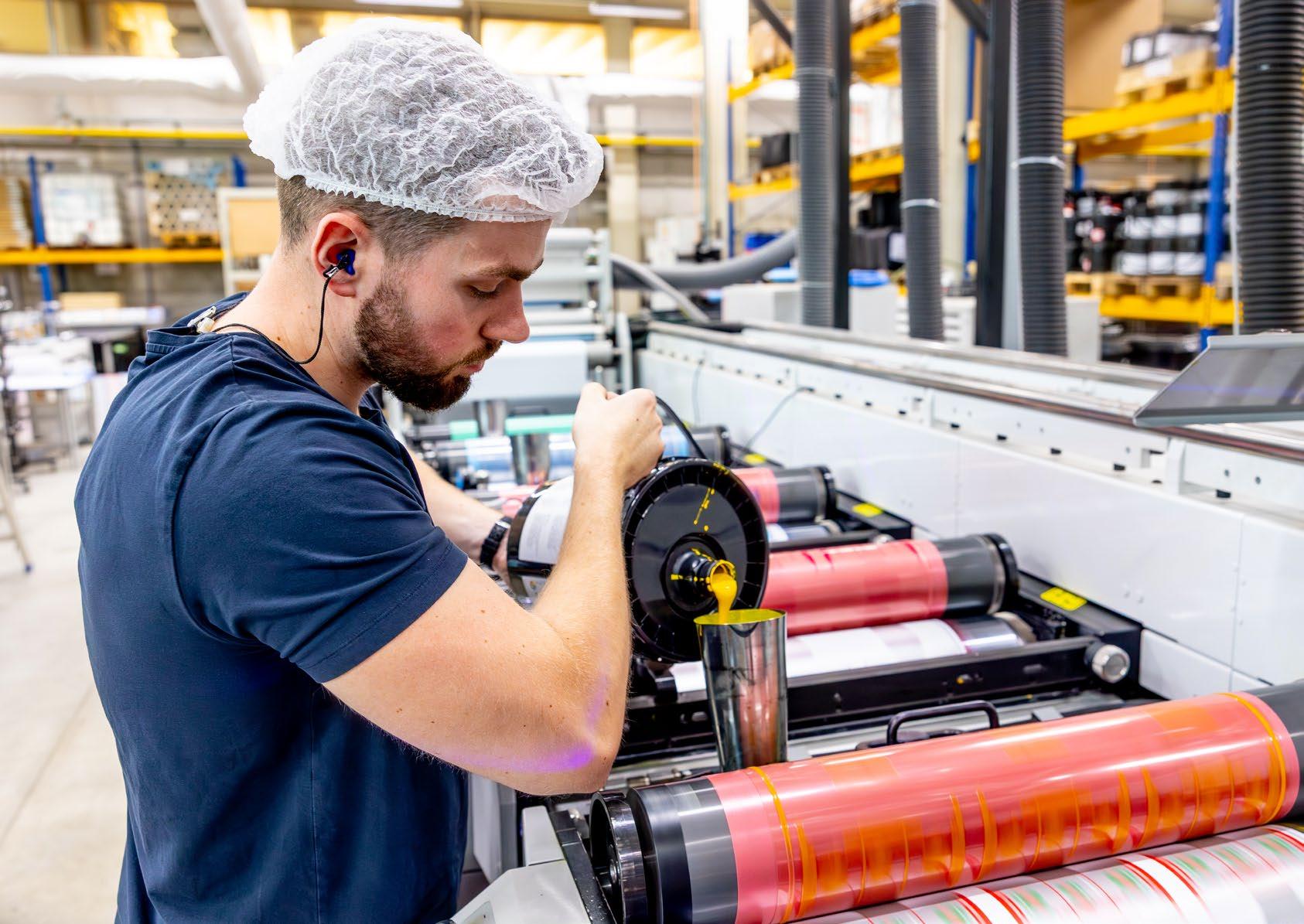
Printing and packaging inevitably carry an environmental footprint, yet Asteria is determined to shrink it. Guided by our motto “we think before we print”, we weigh every choice of material, energy use and waste stream before ink ever hits the substrate. At the same time, our ‘right first time’ principle ensures that we produce correctly from the start, avoiding rework, reducing material loss and limiting unnecessary energy consumption. Day in, day out, our 40 sites embed this mindset – moving to UV LED curing, trialling circular recycling loops and scouting fresh innovations that push the bar higher.
And because responsibility begins with compliance, we meet environmental regulations in every country where we operate. Yes, our impact is real, but so is our determination to be part of the solution.
CO2 emission reduction & energy management
Most of our carbon footprint stems from our core activities: printing and the materials flowing through the value chain. Within Scope 1 and Scope 2 emissions, Scope 2 has the largest impact. Within Scope 1, mobile combustion represents the main contributor. To address this, we have implemented a group-wide car policy and aim to transition towards a fully electric fleet in the coming years. At the same time, we are also assessing and addressing our locked-in Scope 1 emissions linked to gas consumption and heating oil. To support this, we performed a detailed analysis of gas and heating oil consumption at each site, allowing us to identify priority areas for future energy efficiency and decarbonisation projects. Electricity use remains the main driver of our Scope 2
emissions, while the production of substrates and raw materials dominates Scope 3.
Asteria operates as a converter between suppliers and brand owners, with limited control but high exposure. Incoming regulation, such as the Packaging and Packaging Waste Regulation (PPWR), the Ecodesign Directive, and the revised CLP Regulation for chemical classification and labelling, raises the bar for compliance and reporting. At the same time, customers increasingly expect suppliers to deliver not just quality and speed, but also quantifiable climate impact. The opportunity lies in working closely with suppliers and offering lighter, recyclable label solutions, reducing emissions not just internally, but across the chain.
E1.2
term
– Asteria – downstream Actual negative impact
The absence of a CO2 reduction plan or missing targets could lead to a potential negative impact on sales.
– Asteria Actual negative impact
The lack of availability of renewable energy at an acceptable cost level across different locations and entities, resulting in a potential cost impact on products linked to the increased use of renewable energy and a possible negative impact on margins and sales.
Creating ESG awareness in our value chain could lead to a balanced procurement taking pricing, CO2/sustainability and PPWR compliance in mind. Asteria already has sustainable alternatives available, which is a competitive advantage.
The gradual use of more renewable energy will have a reduction effect on our carbon footprint.
Energy use reduction in equipment (e.g. LED lamps), or optimisation of production processes could reduce cost and reduce our CO2 impact.
Our initial focus has been on Scope 1 and 2. The full data collection across 40 sites again confirmed that electricity accounts for the vast majority of our energy use. We track this via ClimateCalc, applying the Intergraf sector methodology to ensure consistency and comparability across locations. These data form the basis for a groupwide CO₂ baseline and support the development of our reduction plan.
The reduction plan is currently under development, with multiple initiatives and scenarios already identified.
A group-wide car policy has been implemented, requiring all newly leased or purchased company vehicles to be fully electric. Parallel to this, multiple sites are already taking concrete action by shifting from mercury-based to UV LED curing, switching to LED lighting, and improving production efficiency through local optimisation initiatives. These efforts are further supported by the Operational Excellence programme, which focuses on setup times, speed and process efficiency, leading to lower waste levels and reduced energy consumption.
Solar panel installations have been explored across the group, and we will continue to explore the potential investments in solar panels, also for newly acquired sites. Operational excellence teams continue to identify ways to reduce energy consumption. Awareness training on energy use is in place at site level to raise awareness among our employees.
For Scope 3, we are mapping emissions linked to raw material usage. Close collaboration with key suppliers and customers helps us align data and raise awareness about the carbon impact of design decisions, such as label size, substrate thickness or adhesive type.
We work with ClimateCalc to achieve a more detailed calculation of our Scope 3 emissions. Our initial focus is on close collaboration with our substrate suppliers in order to collect primary data, as the production of substrates represent the largest share of our Scope 3 impact.
We have also submitted a commitment to the Science Based Targets initiative (SBTi), setting the groundwork for validated reduction targets aligned with international climate goals.
In 2025, Asteria further refined its group-wide reduction plan for Scope 1 and Scope 2 emissions, evaluating different reduction scenarios based on regional feasibility, infrastructure and operational realities. One important measure already implemented is the rollout of a group-wide car policy requiring all newly leased or purchased company vehicles to be fully electric, reducing emissions linked to mobile combustion.
At site level, multiple initiatives continue to support emission reductions. The transition towards UV-LED curing technology is progressing steadily, with 32% of machinery already converted to UV LED technology, excluding newly acquired sites. All newly purchased machines are now equipped with UV-LED technology as standard. In parallel, around one quarter of Asteria sites have solar panels installed, although possibilities remain partly dependent on local infrastructure and whether sites operate in owned or rented buildings.
Operational Excellence programmes also contribute directly to lowering environmental impact by improving setup times, production speed and overall process efficiency. Across the sites connected to the central ERP system, these initiatives already resulted in a 4.8% reduction in production waste, supporting both lower material consumption and reduced energy use.
On Scope 3, Asteria significantly strengthened its emissions data collection through ClimateCalc PLUS, enabling more detailed calculations across the value chain. All sites connected to the central ERP system are now integrated into the tool, representing approximately 67% of the group. Particular focus is placed on substrate supplier data, as raw materials account for the largest share of Asteria’s Scope 3 footprint.
Scope 1 and 2 emissions* (market-based)
*Rebaselining on data 2024 given the acquisitions that took place in 2025 SCOPE 1 EMISSIONS in tonnes CO2e SCOPE 2 EMISSIONS in tonnes CO2e
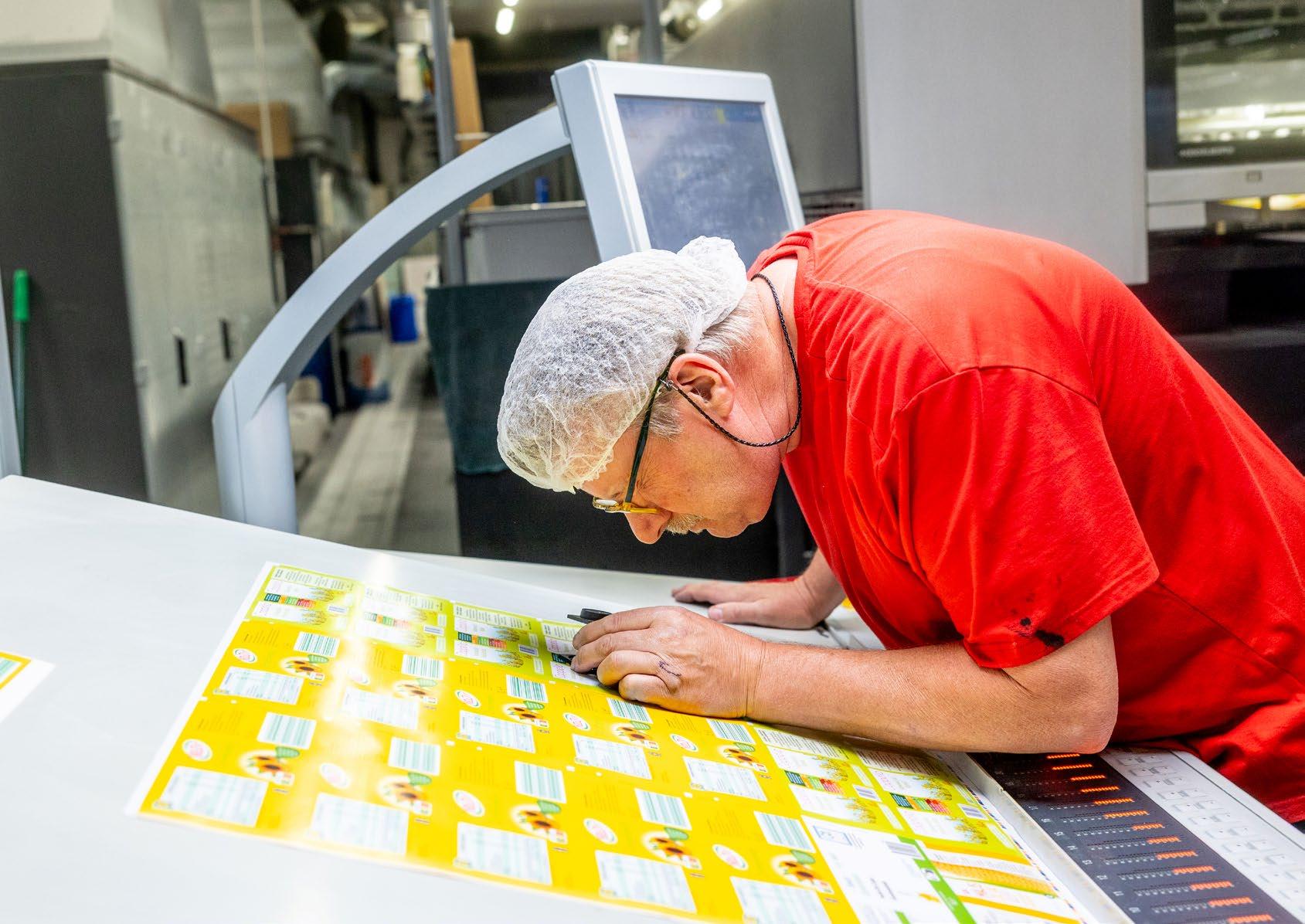
Circularity and waste reduction may not be our biggest environmental lever, but they remain a visible and strategic one. Across 40 sites, materials flow and waste handling vary, with different local rules adding complexity and compliance risks. At the same time, raw materials are becoming more valuable, and poor waste management increasingly comes at a cost. Reducing waste through smarter processes offers a double benefit: lower costs and a stronger reputation. That is also why waste reduction is closely linked to our Operational Excellence programme, which focuses on reducing setup times, improving efficiency and preventing unnecessary material loss across production processes.
In 2024, we started mapping the different waste streams across our sites. In 2025, we further improved
the quality and granularity of that data, allowing us to better identify opportunities for improvement. Waste reduction is closely linked to our Operational Excellence programme, with a focus on reducing setup times, improving ‘right first time’ performance and increasing operational efficiency. Through data-driven insights, site-level ownership and the sharing of best practices, we aim to reduce material consumption, lower disposal volumes and improve productivity across the group.
Mapping the different waste streams across our group has been an important step in identifying where our environmental impact is greatest and where targeted improvement projects can deliver the most value. Waste reduction remains a core part of Asteria’s ambition to increase operational efficiency while lowering material loss.
Potential positive
Future increases in waste disposal costs, combined with more diverse waste streams across different locations, could complicate waste management and recycling efforts.
Differences in local waste disposal regulations across our various locations could limit the effectiveness of a group-wide approach to waste reduction, recovery and recycling.
Waste reduction will require optimisation of existing processes, leading to greater operational efficiency and lower costs.
Several sites are already implementing more circular waste solutions. At Coreti in Spain, for example, glassine waste is collected and recycled through the RafCycle programme operated by UPM, a leading supplier of label materials. Similar initiatives are gradually being rolled out across other sites where technically feasible, e.g. for multi-layer applications.
One of the biggest challenges remains label waste itself, as self-adhesive labels consist of combined materials such as adhesives, glassine and face materials, making recycling complex. Our Operational Excellence programmes therefore focus on preventing waste at source by reducing setup times and improving production efficiency.
Our waste reduction targets specifically focus on production-related label waste. 62% of production-related label waste is derived from flexo printing. Across our sites operating on our central ERP platform, waste levels decreased by 4.8% in 2025.
Waste reduction from flexo (versus base year 2024)
IN 2025
Increase the percentage of company revenue from circular business year-on-year for 28 sites
by 2026 Objective by 2030 -5% -10% Objective by 2026 Objective by 2030. At least... +10% +33%
The
growth of our circular value was driven by new customers and existing customers transforming their product portfolios
We continue to expand our circular value through our Asteria Sustainable Solutions portfolio. Across the 28 sites connected to our central ERP system, revenue generated from these sustainable solutions increased significantly in 2025. This growth was driven both by new customers choosing more sustainable label solutions and by existing customers gradually transforming their product portfolios. While we expect this positive trend to continue over time, we anticipate a more moderate pace of growth in 2026 as the initial transition projects mature.
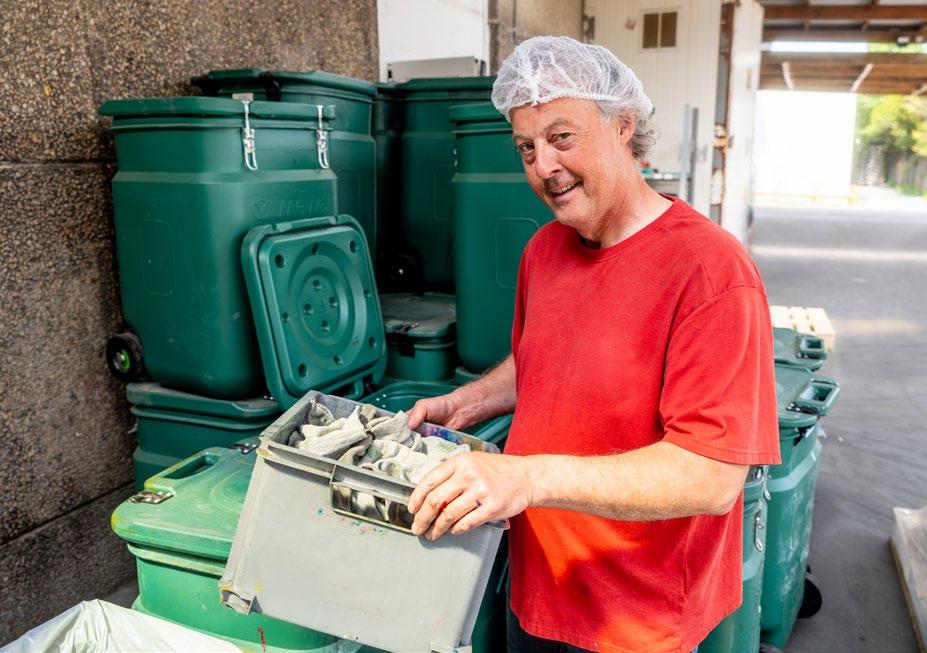
“If we reduce setup time, we reduce waste. It’s that simple”
Waste reduction at Asteria started from a competitiveness perspective. “We realised we had to become faster,” Operational Excellence Manager Tom Couckuyt explains.
“To become faster, we need to reduce setup time. And if you reduce setup time, you automatically reduce waste.”
The first step was simple but fundamental: start measuring.
What exactly do you measure? And how?
“We initially focus on production waste generated during the printing process. So we left obsolete stock and labels that are discarded out of our equation. We look at what happens on the machine and measure waste in meters and as a percentage. If a job runs 1,000 metres and 100 metres are waste, that’s 10%. Today, a majority of our sites are connected to our ERP system and can see their waste figures live. They have dashboards through Power BI and can track daily, weekly and monthly performance.”
The moment you can measure, you can introduce group-wide targets.
“Indeed. And that’s exactly what we did. In 2025 we introduced a first general target: every site should aim for 10% waste, or less. Some were already below, others above. The idea was to create one standard. In 2026 we will move to site-specific targets, based on their applications. If they are higher, we analyse why. Every site is responsible for its own performance, but we follow it from headquarters and discuss it in our operational re-

Where is most waste generated?
“The majority of production waste is generated during setup. When you prepare a flexo machine, material runs through the press while adjustments are made. That material is not sellable. If you shorten setup time, you shorten the period during which waste is produced.”
“Sometimes it’s a mindset issue. During setup, some operations might increase the speed to double the recommended speed, thinking they are being efficient. In reality, they are generating more waste, so awareness is crucial.”
“This also connects directly to our ‘right first time’ principle. If a job runs correctly from the start, with fewer deviations, fewer corrections and fewer reprints, we avoid additional setup moments and unnecessary material loss. Quality and operational excellence reinforce each other. The fewer errors we make, the less waste we generate.”
Can waste be recycled?
“Not easily. Self-adhesive labels consist of multiple layers. The matrix (the leftover material around the cut labels) contains mostly multiple elements, ranging from adhesive to paper and plastics. Separating and recycling that in a production environment is complex. Today, most of that waste is disposed of. And disposal also costs money. Clearly a lose-lose situation.”
How do operators contribute?
“We introduced structured operator meetings, weekly or bi-weekly depending on the site. The goal is simple: discuss issues, identify improvements and encourage operators to think along. Sometimes waste is caused by small technical issues: a component that is not functioning optimally can slow down a machine and generate additional waste. If no one raises it, nothing changes.”
“It is a work in progress, since cultural differences also play a role. In some sites, operators actively contribute ideas. In others, that is less natural. But we are working on creating the right culture.”
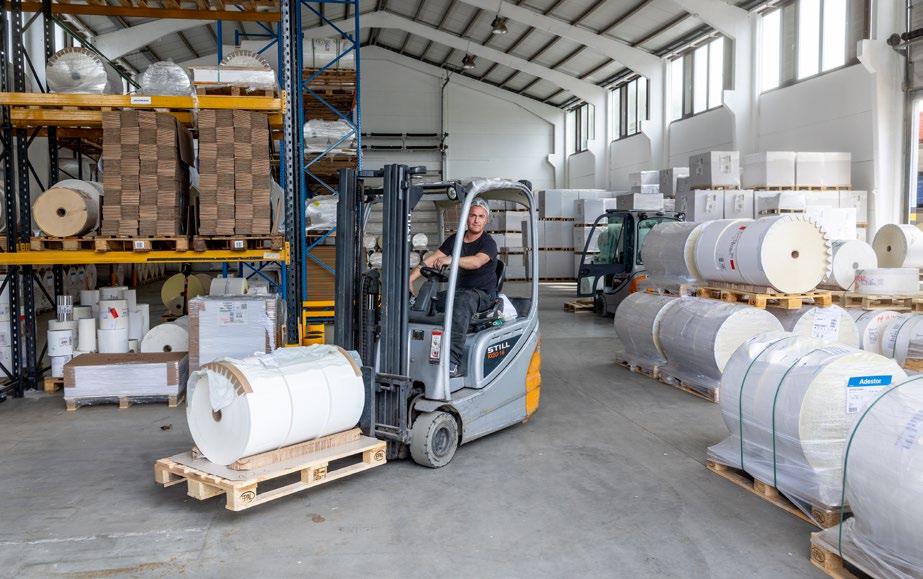
How does digital printing fit into the waste discussion?
“The market is shifting towards shorter runs and more versions. That means more setups if you use traditional flexo technology. Digital printing requires significantly less setup. For smaller runs, it’s almost ‘click and print’. With the newest generation of digital presses, we can now produce jobs even more efficiently and with greater run lengths. In some sites, we are or could be highly digital. Not all of them can be transferred to digital for technical reasons, but the potential is there. By shifting suitable jobs to digital, we can reduce setup time, reduce waste and plan flexo machines more efficiently.”
What is the broader impact of this waste reduction programme?
“Operational efficiency and sustainability are a perfect match. When we reduce waste, we lower material consumption, reduce disposal and improve productivity at the same time. Material is the largest cost component in our production. Every meter we save strengthens both our competitiveness and our environmental performance. It goes hand in hand.”
“The foundation is now in place: measurement, targets and dashboards. The next step is continuous improvement at site level.”

From awareness to impact
“At Eticoll, we strongly believe in the importance of reducing waste. The first step for us was creating awareness, first at team level and then with our operators on the floor. Once that mindset is in place, you can really start improving. Today, we are actively working on minimising setup meters and closely monitoring our ‘right first time’ performance. That combination makes a real difference in reducing waste structurally.”
Manon van der Linden Managing Director Eticoll
Our workforce of more than 2,350 people is Asteria’s greatest asset, yet at the same time our biggest risk. Skilled printing experts are scarce, competition for talent is fierce, and losing expertise would slow both growth and innovation. That is why our social strategy centres on attracting, developing and retaining people in every one of our 40 sites.
At Asteria, we start with a common foundation of fairness, equality and respect. Local teams translate those values into practical actions: ergonomic aids that make shop-floor work accessible to more employees, targeted upskilling for printer experts, leadership coaching and cross-border career opportunities. Structured training keeps motivation high and opens pathways for advancement, while corporate guidelines ensure that diversity and equal pay are tracked consistently even amid ten different legal frameworks.
A single, one-size-fits-all policy is unrealistic in such a varied footprint, yet by stitching local best practice into group-wide standards we turn dispersed effort into measurable progress. Step by step, we are building a talent engine that secures today’s production and powers tomorrow’s growth.
S1 Diversity and equal treatment (reporting S1-8)
S1.1.1 & S1.1.2 Non-discrimination Short term Asteria Actual positive impact
S1.1.3 Gender equality and equal pay for work of equal value
S1.1.4 Measures against violence and antiharassment Training and skills development (reporting S1-12)
S1.1.5 Training & skills development Short-midlong term Asteria Actual positive impact
Operating as a group across different European countries it is key to stay compliant with local regulations and create consistency at group level at the same time.
Having a clear policy and procedure in place, combined with organisationwide awareness, helps us become a more attractive employer and attract and retain talent.
Lacking a structured training and personal development plan increases the risk of losing ambitious and valuable employees and the risk of non-compliance with local regulations.
Training and talent development lead to more skilled and motivated employees and has a positive impact on production output.
Other labour related human rights (reporting S1-17)
S1.1.6 Child labour / forced labour Short term Asteria Actual positive impact
Working conditions
S1.2.1 Work-life balance (reporting S1-14)
Short-midlong term Asteria Potential negative impact
As a fast-growing group operating across different countries, it remains important to perform local compliance checks to ensure alignment with applicable legislation.
In a continuously growing group such as Asteria, operating across different European countries and legal frameworks, it is important to implement policies and controls that ensure a consistent approach to work-life balance across all entities, while remaining aligned with local regulations.
In today’s labour market, having a clear policy on work-life balance and flexible working arrangements, such as working from home, helps build trust and makes us a more attractive employer. It supports both talent attraction and employee retention, as these practices have become a standard expectation in many companies today.
Asteria is a very diverse and decentralised group that has grown rapidly, with 40 entities across Europe and a wide range of cultures, languages and legal systems. Our specific constellation brings strength, but also responsibility and challenges. Ensuring equal treatment and opportunities across our organisation requires consistency in how we approach diversity, gender equality, workplace safety and talent development.
Diversity and equal treatment
(Non-discrimination, gender equality & equal pay for equal work, measures against violence and anti-harassment)
Diversity and equal treatment are a visible topic in the labour market, at site level, all our sites have a clear approach to the topic and policies are in place. However, a shared approach across the group will allow us to build even more trust, further strengthen cohesion and create an even more inclusive environment.
Gender equality is met with growing expectations. Open communication and clear standards help us remain competitive as an employer.
Training and skills development
Developing talent is crucial to our performance and continuity. A structured approach to learning and development, supported by training, dialogue and measurable goals, benefits retention and output alike.
Training to raise awareness and prepare the ground for more consistent practice is a priority. Initiatives such as Asteria Management Days and our yearly Asteria Sales Days bring managers together across sites to share perspectives, strengthen cohesion and foster a culture of openness. The key insights, priorities and actions emerging from these events are subsequently translated into local initiatives and discussed at site level through regular management and production meetings.
Human rights
Ensuring a common standard within our group is part of being a responsible employer and supplier in the European market.
We fully comply with national labour laws in every country where we operate. These legal frameworks already define key protections, including working time, maternity and parental leave, and health and safety. But compliance alone is not enough. That is why we are stepping up to further align expectations more clearly at the group level across the topics that matter to us most.
Diversity and equal treatment
This is a strategic focus area for the group. While data are being gathered, early work is already under way to clarify where further action might be needed and how we can communicate more openly about our ambition and progress. Policies on equal treatment and more specifically equal pay are in place locally at our sites. We are now looking at how to more centralise the topic and to create an overarching action plan at the group level.
Training and skills development
All of our sites already invest in training for our people. Our goal is to move towards a more structured, measurable approach. Training is a lever for performance and motivation, and increasingly a baseline expectation for new joiners.
Last year, we launched the RISE programme to support the further development of high-potential talent across the
group. Designed to strengthen leadership capabilities, support succession planning and align leadership behaviours with Asteria’s values and culture, the programme provided participants with valuable insights into their leadership potential and development opportunities. Following a positive evaluation of the first year, we have decided to continue and expand the initiative through RISE 2.0.
In this next phase, the participants from the first RISE programme will receive more tailored follow-up training focused on further developing their individual strengths and capabilities. In addition, we are exploring the integration of new participants into the programme during 2026.
We ensure compliance with local legal standards and assess potential risks as part of our ongoing governance review.
Policies have been further developed during 2025 focusing on child labour, bribery and corruption, conflict of interest & discrimination. Training packages on our Code of Conduct and the accompanying policies are further being finetuned so they can be also rolled out at the local level.
In 2025, we further strengthened our group-wide approach to diversity, wellbeing and talent development. Through internal training initiatives and exchange platforms such as the Asteria Management Days, we continue to reinforce a shared culture across our organisation. Policies and procedures are currently managed at site level, while a more aligned groupwide framework is being developed.
We also implemented an equality plan as a pilot at one of our sites, which is now being developed at group level. Talent development remains high on our agenda through the continuation of the RISE programme with RISE 2.0. At the same time, we are expanding our data collection and reporting capabilities to support future actions and help monitor progress.
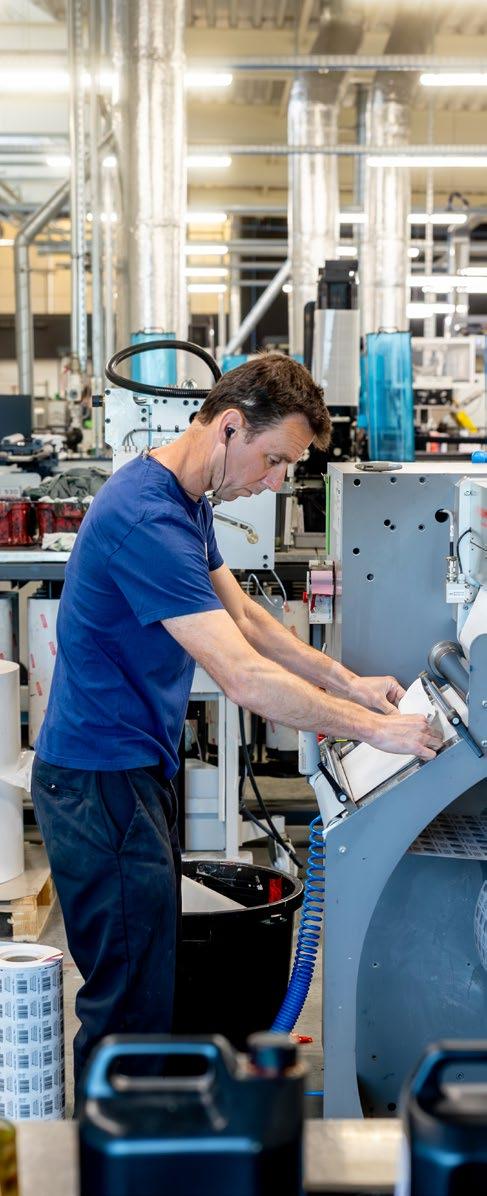
Health & Safety (reporting S1-13)
S1.3 Health & safety Short-mid-long term Asteria Potential negative impact
It remains essential to align HSE policies and procedures with both local legislation and the Asteria group vision. Without that alignment, the risk of incidents (and the resulting impact on productivity) increases.
A strong focus on awareness, training, and clear policies and procedures helps build trust, retain employees, and support our ambition of reducing incidents to zero.
First and foremost, health and safety is a priority at Asteria. Making every effort to prevent incidents is our absolute priority. Training, awareness and clear procedures help minimise risks and support our ambition to aim for zero incidents across all sites.
All Asteria sites follow national health and safety legislation. Site-specific procedures reflect legal requirements and operational context. Training and awareness are a key part of our approach: we aim to reduce incidents by promoting prevention, applying clear standards, and engaging teams in safe working habits. A consistent programme supports implementation across the group and ensures that safety is embedded in day-to-day operations.
In 2025, we continued to strengthen our approach to health and safety. While all sites operate in line with local health and safety legislation and maintain site-specific policies, we are working towards more consistent group-wide reporting, awareness and training initiatives. Health and safety is also being integrated more closely into our operational excellence roadmap, in order to reduce preventable incidents. To support this, we launched a new central reporting tool on our intranet in 2025, allowing sites to report safety incidents in a more structured and harmonised way across the group. We do recognise that data collection and harmonisation remain a challenge within a decentralised organisation. One of the key lessons learned is the need to further improve the accuracy and consistency of re-
porting before expanding disclosures. We also continue to invest strongly in local health and safety training programmes aligned with applicable legislation and operational contexts.
As from 2026 all sites will be integrated on a central system to report health and safety incidents.
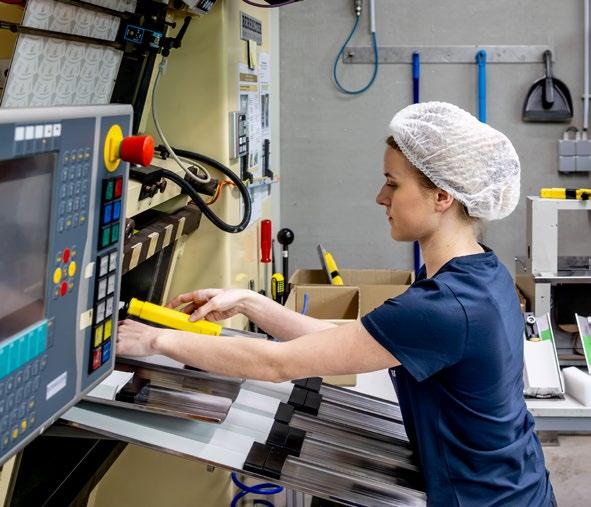
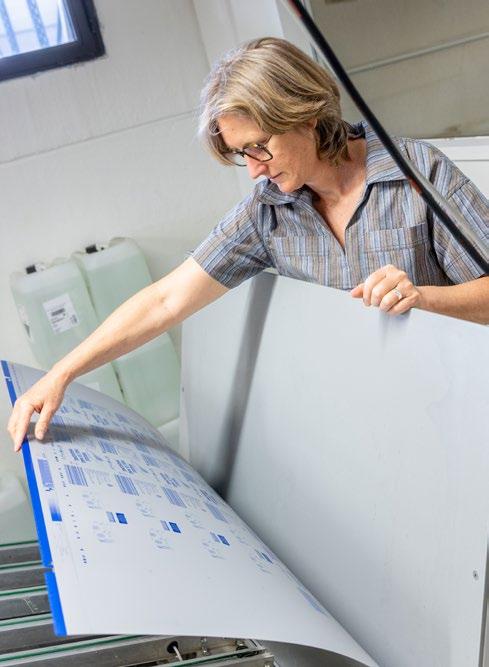
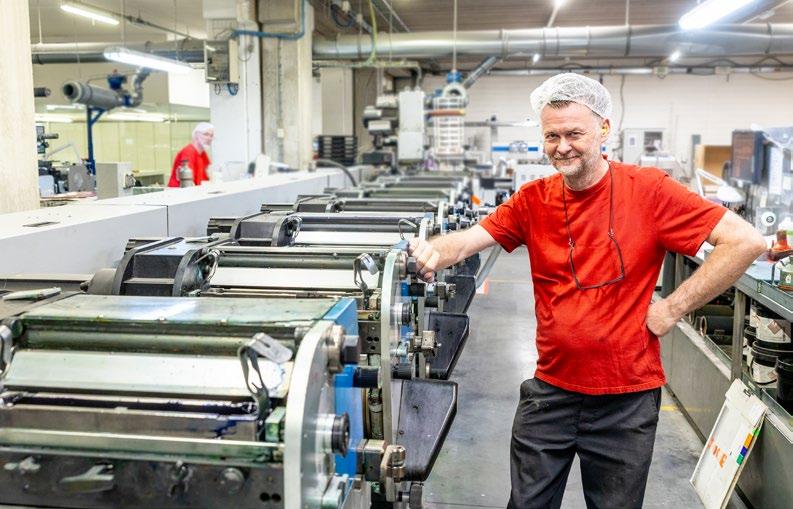
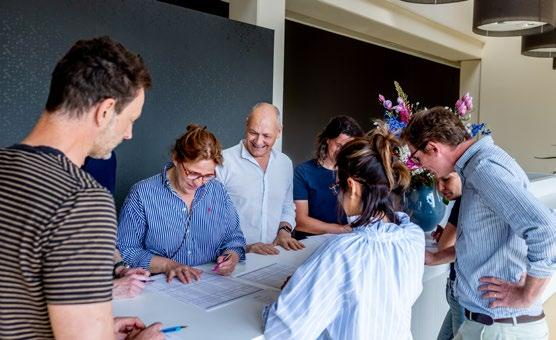
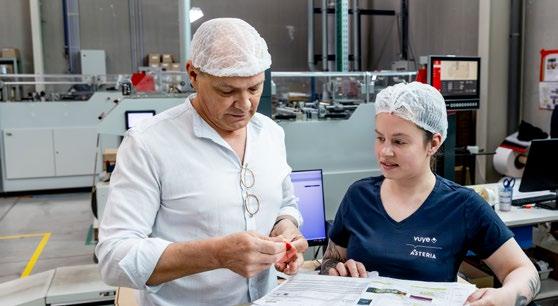
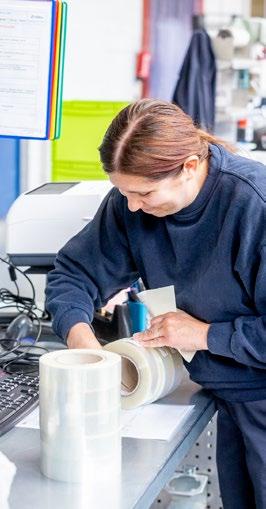
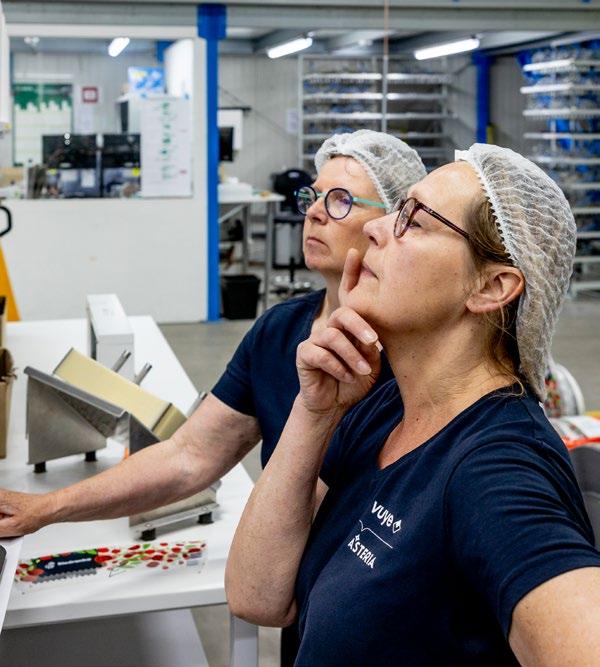
As Asteria continues to grow, so does its HR function. What was once largely organised locally, and often handled alongside other roles, is evolving into a more structured, professional and proactive discipline across the group. That evolution builds on two principles. On the one hand, there is strong respect for local approaches, rooted in Asteria’s origins as a group of entrepreneurial, often family-owned businesses. On the other hand, there is a clear ambition to align where it adds value by sharing best practices, strengthening processes and creating more consistency across sites.
The goal is not to create a one-size-fits-all model, but to combine local strength with groupwide learning. In that balance, HR is increasingly shaping performance, leadership and culture from the factory floor to the heart of decision-making. Beate Zipser, HR Director for Germany, and Harald de Vries, responsible for HR across Asteria’s operations in the Netherlands, show how this evolution takes shape.
Beate and Harald work in different contexts, with their own dynamics, challenges and pace of development. Yet their experiences reflect a shared direction. From building stronger leadership structures to developing talent internally and shaping a consistent culture, their local approaches offer insights that resonate far beyond their own countries. They both illustrate how HR at Asteria is not about replacing local identity, but about connecting it, strengthening it and turning it into a source of learning for the entire group.
Asteria works with decentralised HR structures. How does that work in practice?
Beate Zipser: “In Germany, we support more than 550 employees across multiple entities with a central HR team in Essen, comple mented by local support in larger plants. That al lows us to stay efficient, while remaining close to the business and to our people.”

Harald de Vries: “In the Netherlands, that evolution is still ongoing. HR used to be something that was done alongside other roles, often by finance or site management. As the organisation grew, it became clear that dedicated expertise was needed. Today, I support several sites in the Netherlands, also by being physically present as much as possible. That proximity is essential.”
What role should HR play in a production-driven organisation like Asteria?
Beate: “HR only creates value when it understands the reality of the factory floor. Our role is to ensure that the right skills, leadership and working conditions are in place so production can run reliably.”
Harald: “HR has to contribute to the business. As with everything: if it doesn’t add value, you shouldn’t be doing it. One of the biggest differences we can make today is in leadership. Many of our sites started as family businesses. Decisions were often taken by the owner, even when there were team leaders in place. Employees would simply go straight to the owner. That makes it difficult to build real authority in the middle layer. What we are doing now is strengthening those team leaders by helping them step into their role, take ownership and have the conversations that come with it. That shift is essential if you want to grow as an organisation.”
How closely is HR involved in business decisions?
Beate: “Very much so: workforce planning, succession and organisational decisions are all directly linked to people and performance. HR acts as a partner to plant management, balancing operational needs with employee perspectives and legal requirements.”
Harald: “That’s exactly where we’re heading as well. HR is becoming a real sparring partner for site leadership. More than ever before, we’re helping to shape decisions and outcomes.”
Skilled printing profiles are becoming scarce. How do you deal with that?
Beate: “In a specialised industry like label printing, sustainable talent management means developing people from within as much as attracting new expertise. We work with central recruitment coordination, combined with strong local input to ensure the right fit.”
Harald: “We take a pragmatic approach. Instead of only looking for the perfect candidate, we often bring in motivated people and train them ourselves. The traditional training paths in our industry have largely disappeared, so we have to build those skills internally.”
How do you approach learning and development?
Beate: “We combine technical expertise with leadership development. Programmes like RISE help prepare future leaders, while training in areas such as systems, certifications and finance strengthens operational performance. Our goal is to move towards continuous development.”
Harald: “A lot of learning still happens on the job, with experienced colleagues training new ones. That craftsmanship is a real strength. At the same time, the ambition is to professionalise this further and build more structured training paths.”
What makes people stay at Asteria?
Beate: “Retention is about trust, stability and leadership. In short, it is about how people experience their workplace every day.”
Harald: “Clarity and fairness are key, indeed. We are moving away from informal structures towards a more transparent way of working, where everyone is treated equally and performance matters. That creates opportunities for people who may not have been seen before.”
How do you foster engagement and ownership a cross sites?
Beate: “It starts with listening. Structured employee dialogues and regular interaction help create involvement and trust.”
Harald: “Spot on, but to me it’s also about clarity in roles and responsibilities. In the past, decisions often escalated to the business owner, which made it harder for middle management to fully take ownership. Now we are strengthening that layer. Managers are expected (and supported by HR) to lead their teams. That creates more consistency, more ownership and ultimately more engagement on the shop floor.”
How do you cope with diversity and inclusion?
Beate: “Our approach is practical and visible in everyday operations. Our workforce is international and multigenerational and we see strong diversity across roles. People from many backgrounds work together with the same commitment to quality. At the same time, we continue to build a more balanced leadership pipeline.”
Harald: “Inclusion is also about giving opportunities. We work with people who don’t always fit the perfect profile or who face barriers to entering the labour market. If you give them a chance, they often become very loyal employees. Diversity is already there on the shop floor. The next step is making sure it is reflected more consistently across roles and levels in the organisation.”
What is the role of HR in terms of health and safety?
Beate: “HR supports safety through training, communication and leadership development. It has to be embedded in daily routines and supported by clear standards.”
Harald: “I’d like to add that it’s not only about physical safety. Psychological safety is just as important. People need to feel safe to speak up, take responsibility and ask for support when needed. That’s something we encourage.”
What can different countries learn from each other within Asteria?
Beate: “A decentralised organisation becomes stronger when local successes are shared and scaled across the group. Practices such as central recruitment, shared systems and leadership development can be applied more broadly.”
Harald: “At the same time, learning goes both ways. Each country develops its own strengths and by sharing those, we move forward together as one group.”

Good governance is the backbone of Asteria’s pan-European growth. In 2024 we reshaped our management team and appointed our CSO, who reports directly to the CEO. By doing this, we embed ESG thinking into every strategic choice and accelerate progress across our 40 sites. Clear lines of authority, shared policies and transparent reporting now ensure that all parts of the group pursue the same goal: sustainable value creation built on trust and integrity.
Our expansion across ten countries demands solid governance. At Asteria, that starts with an active Board of Directors, which sets strategy, approves major investments and oversees risk. Day-to-day control sits with the Executive Committee. Its members meet monthly to review performance and translate the Board’s objectives into clear, site-level targets. Every one of our 40 plants is led by a Managing Director who reports directly to the CEO, giving us a short, decisive chain of command that respects local expertise.
To support this structure, we continue to strengthen the policies, processes and controls that guide responsible and transparent business practices across the group. Particular attention is given to governance topics identified through ESRS, while data security has become an increasingly important focus area as digitalisation and customer interactions continue to expand across the organisation.
A clear corporate culture forms the foundation of our approach. We consolidated the different ethical guidelines across the group into one unified Asteria Group Code of Conduct. The Code of Conduct defines the principles we expect every colleague to follow: acting with integrity, respecting people and the environment, competing fairly and maintaining transparency in business practices. To support implementation, all managers were trained during the Asteria Management Days and Asteria Sales Days, followed by a broader rollout across the group during 2025.
The Code of Conduct is supported by a broader framework of policies covering topics such as anti-bribery and corruption, GDPR, export controls, quality, health and safety, and environmental management. During 2025, several of these policies were further refined and expanded at group level, while local site procedures continue to ensure compliance with national legislation and operational realities.
External certification and assessment remain important governance tools. In 2025, 11 sites held valid EcoVadis medals, while additional sites entered the assessment process. Many Asteria sites are also certified under standards such as ISO 9001, ISO 14001, ISO 45001, BRCGS Packaging and FSC/PEFC. Through memberships in industry organisations such as FINAT, FEBELGRA and BPIF, we continue to monitor regulatory developments and best practices across the sector.
In 2025, we further strengthened the integration of governance, sustainability and risk management across the group. The preparation for future CSRD reporting requirements continued to accelerate the harmonisation of ESG data, reporting structures and internal controls across our 40 sites.
Data security remains one of our key governance priorities. As digitalisation and AI applications continue to expand within the group, we continue to invest in cybersecurity, centralised IT governance, secure infrastructure and employee awareness. Group-wide phishing awareness campaigns, centralised system management and stricter security protocols are all part of this approach.
We will continue strengthening our governance framework through further policy alignment, improved reporting structures and increased data transparency across our organisation. The objective remains clear: combining entrepreneurial flexibility at site level with consistent group-wide standards for responsible and sustainable business conduct.
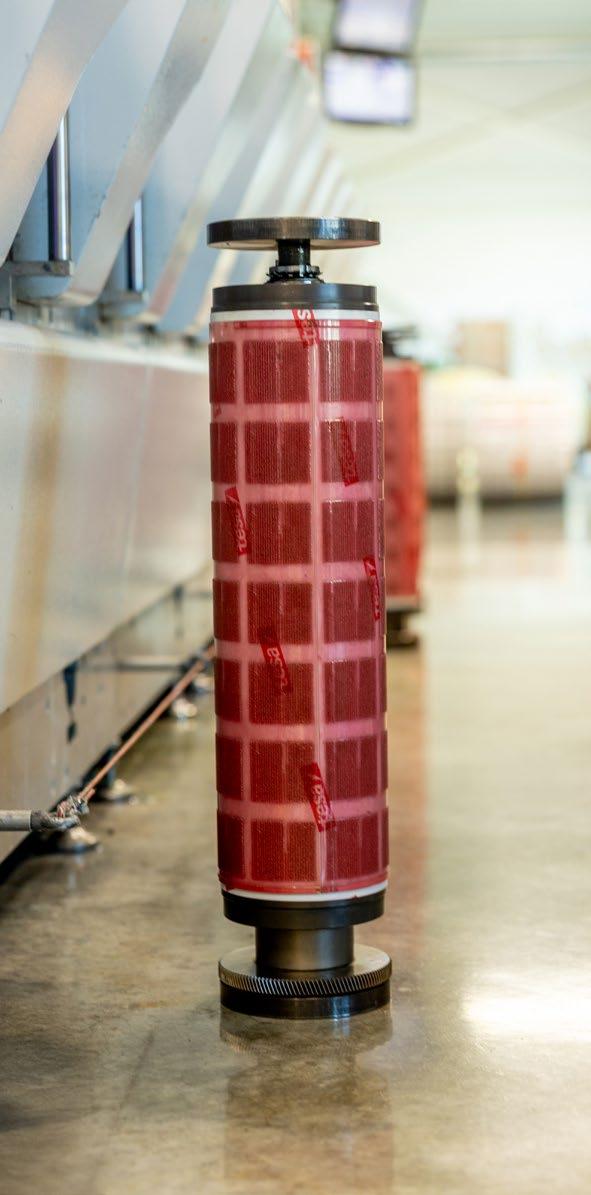
Our double materiality assessment does more than mapping the mandatory ESRS themes: it also surfaces issues that are uniquely important to our printing and packaging group operating in ten different countries. Two of those stand out for Asteria today.
Data security has become critical as we exchange vast files across 40 sites and multiple customer portals, while ESG awareness in the value chain is essential because our sustainability impact depends on close collaboration with both suppliers and brand owner customers. These topics sit outside the ESRS catalogue, yet they shape our licence to operate and our ability to drive change. For us, these topics are part of our governance.
With 40 entities in 10 European countries, Asteria operates in a complex, decentralised structure that generates and shares large volumes of data every day. That scale brings operational benefits, but also exposure. Safeguarding internal and customer data is essential to reduce security risks and maintain trust. In parallel, our position in the value chain – between material suppliers on one side and Fast-Moving Consumer Goods (FMCG) brands on the other – puts us in a unique role. We are not always in full control of design or material choice, but we do have a voice and influence. That influence depends on how well we understand regulations, how clearly we communicate ESG impacts, and how consistently we engage our stakeholders.
Internally, data protection has been flagged as a top priority. With sensitive information flowing across borders and systems, we are strengthening controls and raising awareness at every level. From secure infrastructure to staff vigilance, we are embedding data security as a shared responsibility throughout the group.
On ESG, we continue to build awareness from the inside out. Site-level training is in place to help staff understand both our obligations and opportunities. Cross-site knowledge sharing, including via the Asteria Management Days and regular Asteria Sales Days, reinforces a
common language and mindset across functions and countries. Externally, we are investing in close engagement with both suppliers and customers. Dedicated sustainability sessions help suppliers understand our expectations and explore alternatives, while commercial teams guide clients through the regulatory landscape (notably the Packaging and Packaging Waste Regulation) and co-develop solutions under our Asteria Sustainable Solutions (A.S.S.) label. By supporting smarter design choices, we help customers reduce their footprint, which in turn enables us to meet shared targets.
In 2025, we placed a strong focus on training our commercial teams to bring sustainability more actively into the business and into customer conversations. We proactively discuss how we can help customers achieve their ESG targets and present more sustainable alternatives within our Asteria Sustainable Solutions (A.S.S.) portfolio. At the same time, we continue working closely with suppliers to make these alternatives increasingly attractive, scalable and commercially viable.
Data security also remained a clear governance priority throughout 2025. We continue to strengthen our cybersecurity measures and processes, with the clear ambition of maintaining zero data security breaches on a yearly basis. This is strengthened by the launch of our phishing campaign across the group (see article page 50).
As Asteria Group continues to expand across Europe, digitalisation plays an increasingly central role in daily operations. From cybersecurity to AI-driven process automation, technology is becoming a structural pillar of efficiency and control. Christophe Beke, Chief Technology Innovation Officer (CTIO): “Digitalisation increases our capacity, but only if it runs inside a secure framework. Otherwise, it creates more risk than value.”
How has Asteria strengthened its approach to data security in 2025?
Christophe Beke: “Every time a new site joins our group, we start with a full IT audit. Most companies we acquire are SMEs with a basic IT setup. So we immediately assess the risks and prioritise improvements (firewalls, backup systems, server security, digital maturity, etc.) so they meet Asteria’s security standards.
In 2025, one of our biggest steps was transferring all existing sites into one central Asteria Microsoft Office 365 tenant. That gives us more control over updates, access rights and security settings. It also allows us to react faster to vulnerabilities. When security patches are released, we implement them centrally instead of relying on local action. Users no longer store data locally. Everything runs in a secure server environment. In Germany, for example, several sites connect via VPN to a central server structure with two-factor authentication. Password rotation is mandatory. These are basic measures, but they significantly reduce risk exposure.”
You launched a phishing campaign. Why was that necessary?
“Because most cyber incidents don’t start with a technical breach. They start with someone clicking the wrong link. We launched a structured phishing campaign with an external partner. Random simulated emails were sent to employees and we monitored who clicked and who opened attachments. If someone interacted with a phishing simulation, they automatically received additional training. Out of 900 employees, 2.4% clicked and opened the attachment. That’s below many industry benchmarks, but still too high for us. Our target is below 0.5%. What stood out is that even employees in responsible positions sometimes clicked. That confirms cybersecurity is about behaviour as much as it is about systems.”
Did Asteria experience any data breaches in 2025?
“We had no data breaches. There was a minor incident involving a phone system vulnerability after a software update, but we immediately took appropriate action and experienced no data loss. The objective remains zero data leaks.”
Digitalisation is increasing across the group. How do you ensure security keeps pace?
“All innovation projects operate within secured systems. We do not use open public AI tools. Everything is integrated into our ERP environment and shielded from external access. Over the past year and a half, we have been working on AI projects focused on automating administrative flows. The first step was filtering incoming emails. We remove clutter and irrelevant messages before they reach employees. At our largest site, email volume decreased by 27%.”
“Cybersecurity is about behaviour as much as it is about systems”

“We then introduced AI to analyse incoming orders. Whether it is a PDF, Word document or Excel file, the system extracts relevant data and automatically uploads it into our ERP. This reduces manual input and prevents errors, such as confusing 20,000 with 200,000 labels. Most importantly, it shortens processing time: orders are handled faster and enter the system earlier. On average, we gain between 1 and 3 days in throughput time. That improves responsiveness to customers and allows for more accurate long-term planning.”
You are also exploring AI in production planning. What is the objective?
“We are indeed testing AI-driven production planning. The goal is to calculate the most optimal machine allocation automatically, taking into account delivery dates, setup times and production steps. By combining similar jobs, for example labels with identical die-cuts, we reduce setup times and material waste. If you save 20 metres per job and multiply that across thousands of orders, the impact becomes significant. This potential is clear: more efficiency, less waste and better planning accuracy. I want to stress that we don’t want to replace planners, but to give them a calculated baseline.”
“We will continue rolling out phishing awareness campaigns, especially at recently acquired sites. Server infrastructure, firewalls and backup systems will be further upgraded. At the same time, we will continue developing AI applications that improve efficiency without compromising security. Digitalisation creates opportunities. But it must be structured and secured. Speed matters. Efficiency matters. But security always comes first.”
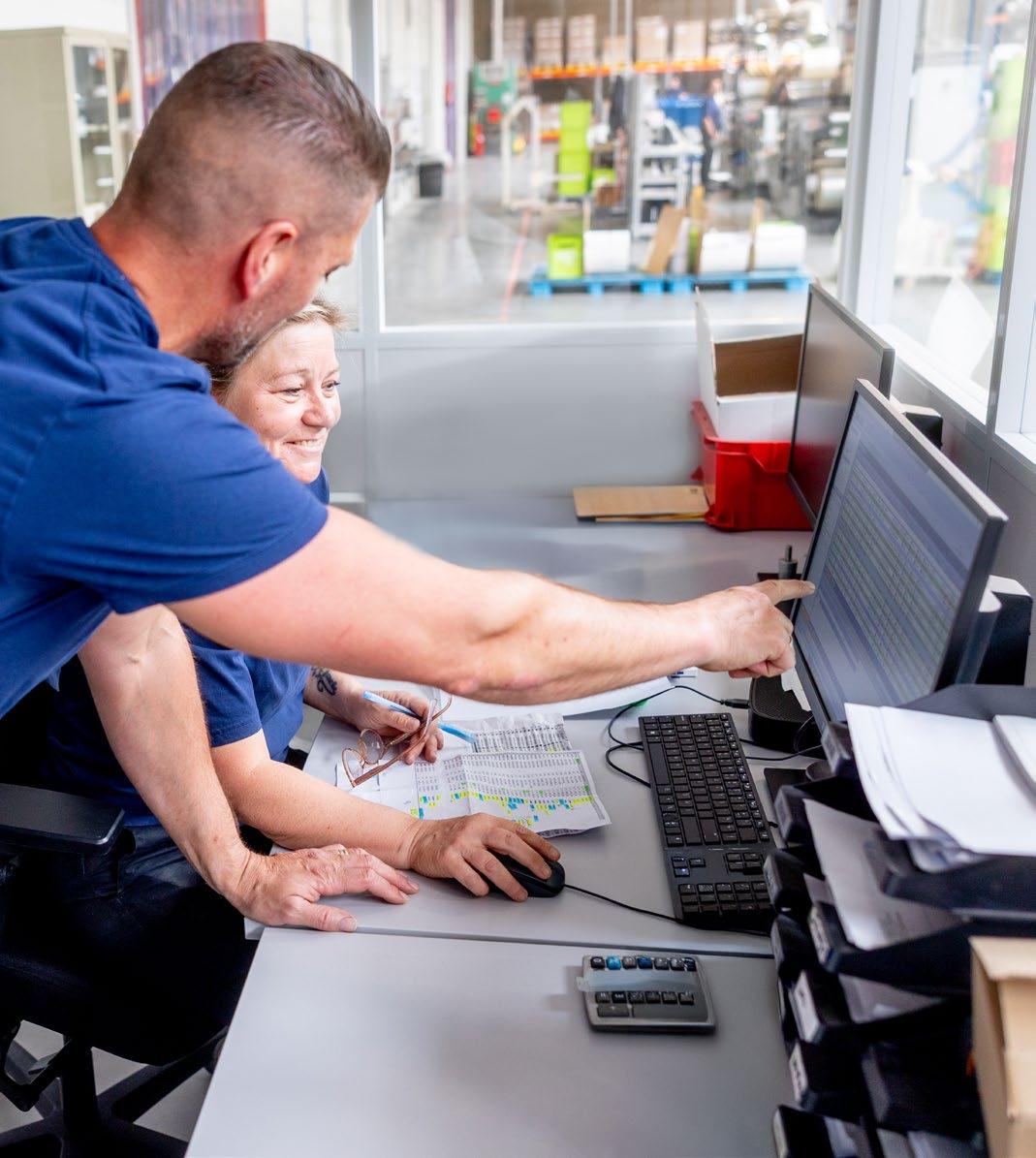
In fresh produce, packaging often serves as the first advertisement a consumer sees. For Zespri, strengthening brand recognition in the UK required more than marketing campaigns alone. The company needed packaging that could increase visibility on shelf, support its sustainability ambitions and work within the realities of large-scale retail operations.
Working closely with ProPrint, part of Asteria Group, Zespri developed a fully recyclable fibre-based packaging solution for its SunGold™ kiwifruit. Susan Barrow, UK & Ireland Market Manager at Zespri, and Graham Bonus, Sales Director at ProPrint, look back on the collaboration and its impact.
What was the main challenge?
Susan: “For many years, kiwifruit in the UK was largely sold under retailers’ private labels. Consumers bought the product, but rarely connected it to a specific brand. We wanted to increase awareness of SunGold™
kiwifruit and make it easier for shoppers to recognise the product on shelf. At the same time, we saw an opportunity to create more value within the category. Our ambition was to grow the Zespri brand and attract more consumers to kiwifruit by improving visibility, differentiation and the overall shopping experience. Packaging therefore became an important part of the solution. It needed to communicate our brand, support our sustainability ambitions and work within the realities of retail operations.”
How did the collaboration between Zespri and ProPrint come about?
Graham: “We had already been developing fibre-based alternatives to conventional plastic packaging for fresh produce. When Zespri started looking for ways to strengthen brand visibility while reducing plastic, there was a natural fit between what they were trying to achieve and the solutions we were developing. Rather than selecting an existing format, we worked together to develop a concept that reflected Zespri’s branding ambitions while meeting the operational requirements of retailers and packing partners.”

Barrow, UK & Ireland Market Manager at Zespri

Bonus, Sales Director at ProPrint
What did co-creation look like in practice?
Graham: “The solution was developed through continuous collaboration. We had to adapt the pack design, manage colour consistency across different print technologies and make sure the concept would perform reliably throughout the supply chain. None of those challenges could be solved in isolation. The project required input from packaging specialists, printers, retailers and packing operations.”
Susan: “Every partner brought a different perspective. We understood the consumer, the retailer requirements and the objectives behind the Zespri brand. ProPrint contributed packaging expertise, print technology and production knowledge. Retailers and distributors added practical operational insights. The final solution emerged from combining those perspectives and aligning everyone around a common objective.”
Why is scalability so important?
Graham: “A sustainable packaging concept only creates impact if it can be adopted at scale. Many packaging innovations look promising in development, but struggle once they enter real-world operations. From the beginning, we focused on creating a solution that could fit existing production processes, work with available packing equipment and remain commercially viable. The objective was never to create a prototype. It was to create a packaging solution that could succeed in everyday retail environments.”
Susan: “Retailer confidence was equally important. the largest UK retailer initially introduced the concept in a limited number of stores. That allowed everyone to evaluate how consumers responded and how the pack performed operationally. As confidence grew and the results became clear, distribution expanded significantly. That gradual approach helped build support throughout the value chain.”

“A sustainable pack only works if it can also work commercially”

How did you balance sustainability and commercial realities?
Susan: “Consumers increasingly expect more sustainable packaging, but cost remains an important consideration throughout the value chain. Retailers have sustainability ambitions, but they also need commercially viable solutions. That means packaging decisions are rarely driven by a single factor.”
Graham: “Plastic is often still the cheapest option and in many applications it performs well. The challenge is that consumers are not always sure what can and cannot be recycled. Cardboard offers a different advantage. People generally understand how to dispose of it and feel confident that it will be recycled. That simplicity matters. Also, regulatory developments such as the Packaging and Packaging Waste Regulation (PPWR) are accelerating the shift towards more recyclable and circular packaging solutions. The challenge for the industry is to balance environmental performance, operational feasibility and cost.”
How do you evaluate the results?
Susan: “The project gave us something we had been working towards for years: stronger visibility for the Zespri brand in the UK market. The concept expanded beyond the initial launch and helped create a platform for further growth. More importantly, it contributed to broader awareness of SunGold™ kiwifruit and helped attract new consumers to the category. That was always one of the key objectives.”
Graham: “For us, the project demonstrated that sustainability, branding and operational performance do not have to compete with one another. When those elements are considered together from the beginning, they can reinforce each other. The packaging became more than a container. It became a tool for communication, differentiation and sustainability at the same time.”
Where do you see the biggest opportunities going forward?
Susan: “We still see significant opportunities to grow the category and increase brand visibility. The concept has already been expanded with additional formats and retailers, and there is still considerable room to bring more consumers into the category.”
Graham: “The opportunity is to continue developing packaging solutions that combine sustainability, functionality and strong shelf presence. The industry is moving in that direction, but cost remains a challenge. The solutions that succeed will be the ones that work environmentally, operationally and commercially.”
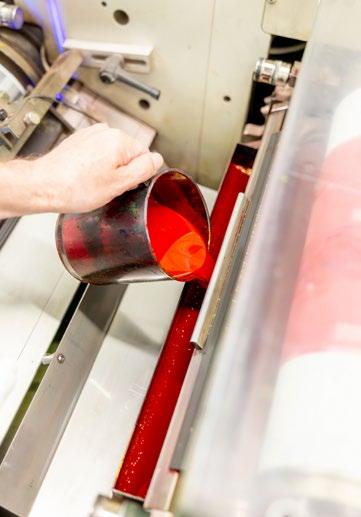
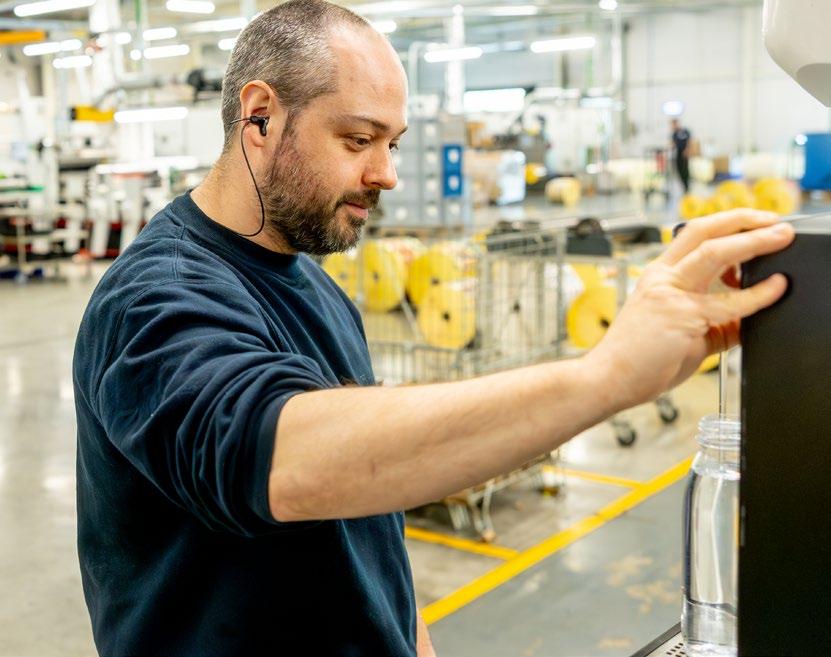
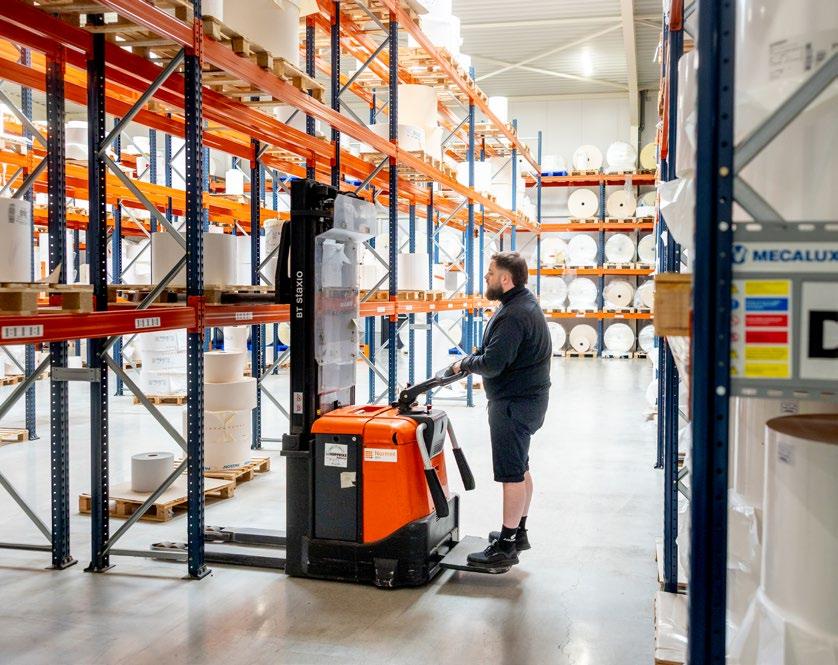
Second edition of the Sustainability Report 2025 in 2026
1 January 2025 - 31 December 2025
Publication management
Charlotte Van Uytsel
Sustainability advice and support
Moore Belgium (moore.be)
Counsel, storytelling, editing & design
3rd Rock Collective (3rdrockcollective.com)
Questions or feedback
Charlotte Van Uytsel (+32 488 81 80 60)
More information asteriagroup.eu