

Proudly brought to you by NSW Police Legacy




GOVERNOR OF NEW SOUTH WALES
As a Patron of New South Wales Police Legacy, I am honoured to be associated with the Child Safety Handbook
Making New South Wales a better and safer place for our children is a responsibility for the whole community.
This handbook includes everything we need as a community to protect our most valuable and vulnerable resource – our children. From preventative measures at home to safety outdoors, from cybersafety to dealing with peer presures, this handbook is a resource for every family, school community organisation.
I applaud New South Wales Police Legacy on its continuing commitment to child safety.
General The Honourable David Hurley AC DSC (Ret’d) Governor of New South Wales

every moment is a chance to learn, discover and imagine
The Subaru Outback is made to help you and your family make the most of every moment. Loaded with cutting edge driver and entertainment technology, it’s one of the best family SUVs on the road. And off. Boasting state-of-the-art safety features like EyeSight Driver Assist that’s like having an extra pair of eyes on the road, Vision Assist to watch your blind spots,
Subaru’s legendary Symmetrical All-Wheel Drive for superior grip and so much more. But don’t take our word for it, the Subaru Outback 2.5i Premium AWD has won the last three Australia’s Best Cars, AWD Sports Utility Wagon under $50k award. At Subaru ...



There is no higher priority than protecting our children, and because of this, I am very proud to support NSW Police Legacy’s Child Safety Handbook
The greatest tool available to combat youth vulnerability is through knowledge. The Child Safety Handbook is an excellent tool designed to communicate prevention strategies to parents, families, friends and citizens.
The following pages contain important information that can save lives and I encourage you to take the time to read through them thoroughly.
I congratulate NSW Police Legacy for its invaluable work and commitment to providing such a valuable resource to help protect the youngest members of our society.


Gladys Berejiklian MP Premier of New South Wales Member for Willoughby
ThinkUKnow Australia Commonwealth Bank and agencies. It aims to raise challenges they may face
Information for parents:
• You can visit our website, advice on raising children
ThinkUKnow Australia is a partnership between the Australian Federal Police, Microsoft, Datacom and the Commonwealth Bank and is delivered in collaboration with the NSW Police Force and other Australian law enforcement agencies. It aims to raise awareness amongst parents, carers and teachers of how young people might use technology, the challenges they may face and how to help them overcome these challenges.
Australia is a partnership between the Australian Federal Police, Microsoft, Datacom and the Bank and is delivered in collaboration with NSW Police Force and other Australian law enforcement aims to raise awareness amongst parents, carers and teachers of how young peoplemightusetechnology,the may face and how to help them overcome these challenges.
for parents: our website, www.thinkuknow.org.au, for information and raising children in a digital age. your child’s school to book a ThinkUKnow presentation by booking form on our website, or calling 1300 362 936 business hours. our monthly e-newsletter to stay up-to-date on the latest issues.

Information for parents:
• You can visit our website, www.thinkuknow.org.au, for information and advice on raising children in a digital age.
• You can visit our website, www.thinkuknow.org.au, for information and
• Encourage your child’s school to book a ThinkUKnow presentation by completing the booking form on our website, or calling 1300 362 936 during business hours.
• Encourage your child’s school to book a ThinkUKnow presentation by completing the booking form on our website, or calling 1300 362 936
• Subscribe to our monthly e-newsletter to stay up-to-date on the latest trends and issues.
How ThinkUKnow can help:
• Subscribe to our monthly e-newsletter to stay up-to-date on the latest
• Inform parents, carers and teachers on the benefits of technology.
ThinkUKnow can help: parents, carers and teachers on the benefits of technology awareness of the challenges of technology parents to help their child overcome challenges online ongoing conversations around cyber safety, security and ethics partnership approach to creating a safer online environment
• Raise awareness of the challenges of technology
• Inform parents, carers and teachers on the benefits of technology
• Empower parents to help their child overcome challenges online.
• Raise awareness of the challenges of technology
• Empower parents to help their child overcome challenges online

• Encourage your child’s completing the booking during business hours.
• Encourage ongoing conversations around cyber safety, security and ethics.
• Encourage ongoing conversations around cyber safety, security and ethics
• Promote a partnership approach to creating a safer online environment.
• Promote a partnership approach to creating a safer online environment
The
• Subscribe to our monthly
How ThinkUKnow can
• Inform parents, carers
• Raise awareness of the
• Empower parents to help
• Encourage ongoing conversations
• Promote a partnership is a partnership between the Australian Federal Police, Microsoft, Datacom and the Commonwealth Bank and is delivered in collaboration with NSW Police Force and other Australian law enforcement agencies. It aims to raise awareness amongst parents, carers and teachers of how young peoplemightusetechnology,the challenges they may face and how to help them overcome these challenges.
Troy Grant, MP


FOREWORD BY CHAIRPERSON
NSW Police Legacy is honoured to provide the Child Safety Handbook to parents of primary school children throughout the State. This free handbook has attained an outstanding reputation as an invaluable resource guide for parents to help educate their children about key health and safety issues confronting our children today.
NSW Police Legacy, in conjunction with Associated Media Group of Sydney, has been publishing this handbook for over 5 years and it gives me great pleasure that we are able to continue to provide this outstanding and current reference guide.
I would especially like to extend our gratitude to the organisations whose advertising in this book has made it possible to produce the Child Safety Handbook as well as enabling NSW Police Legacy to continue to support the bereaved families of deceased Police Officers across New South Wales.

Gary Merryweather Chairperson NSW Police Legacy




Childhood should be full of happy memories, as kids learn about the world and develop the skills they will need as they grown and learn.
While lack of inhibition and risk taking are characteristic of growing children they can also be vulnerable, particularly in circumstances that they have not previously experienced. The best preparation for those times is learning.
Knowledge is power and the NSW Police Legacy Child Safety Handbook gives power to parents, carers and teachers in the form of advice on safety at school, at home, indoors, outdoors and on personal safety. It also provides advice on what to do in emergencies. Prevention from harm is the best way to protect our children and this handbook focuses on practical ways that we can prevent our children from coming into harm’s way.
This edition of the handbook continues NSW Police Legacy’s tradition of community support. It’s work, tireless and worthwhile, has the support of all members of the NSW Police Force.
Well done and thank you to NSW Police Legacy and to the businesses that have supported this publication.

M.J Fuller APM Commissioner of Police

For emergencies or life threatening situations
444)
For non emergencies
333 000)
To provide crime information anonymously
phone. You never know when you will need them.
them.
Remember to save these numbers to your phone.
NAME PHONE NUMBER WEBSITE
A Alcohol & Drug Information & Counselling Service (24 hours) 1800 422 599 yourroom.com.au/
Alcoholics Anonymous Australia
1300 222 222 www.aa.org.au/
Anaphylaxis Australia 1300 728 000 www.allergyfacts.org.au
Australian Childhood Foundation (counselling for children affected by abuse)
1800 176 453 www.childhood.org.au
Australian Cybercrime Online Reporting Network (ACORN) 1800 1234 00 www.acorn.gov.au
Australian Drug Foundation (information)
1300 85 85 84 www.druginfo.adf.org.au
B Beyond Blue 1300 22 4636 www.beyondblue.org.au
C Child Protection Helpline 132 111 www.community.nsw.gov.au Crime Stoppers Hotline 1300 333 000 nsw.crimestoppers.com.au
D
Dental Hospital Service (Emergency Only) (02) 9293 3333 www.health.nsw.gov.auoralhealth
Department of Community Services (DOCS) Helpline 132 111 (24 hrs) www.community.nsw.gov.au
Domestic Violence Line 1800 65 64 63 www.domesticviolence.nsw. gov.au
Domestic Violence Advocacy Service 1800-810-784 www.1800respect.org.au
F Family Drug Help
1300 660 068 www.familydrughelp.com.au
Family Drug Support Australia 1300 368 186 (24/7) www.fds.org.au
Family Relationship Advice Line 1800 050 321 www.familyrelationships.gov.au
Fire & Rescue NSW 000 www.fire.nsw.gov.au
G
Gender Centre (services for people with gender issues) (02) 9569 2366 www.gendercentre.org.au
H
Health Helpline (24/7) 1800 022 222
I I can Quit 13 7848 (13 QUIT) www.icanquit.com.au
Indigenous Women's Legal Contact Line (Domestic Violence) 1800 639 784 www.wlsnsw.org.au
J Juvenile Fire Awareness and Intervention Program 1800 600 700. www.fire.nsw.gov.au
K
Kids Help Line 1800 55 1800 www.kidshelpline.com.au
L
Life Line 13 11 14 (24 hours) www.lifeline.org.au
M
Marine Rescue NSW 02 9450 2468 or call 000 marinerescuensw.com.au
Mensline Australia 1300 789 978 (24/7) www.mensline.org.au
Mental Health Foundation 1800 011 511 (24/7)
Mission Australia Help Line 13 11 14 www.missionaustralia.com.au
N
National Security Hotline 1800 123 400 www.nationalsecurity.gov.au
NSW Rural Fire 1800 679 737 www.rfs.nsw.gov.au
O
Office of the e-Safety Commissioner 1800 880 176 esafety.gov.au
P
Parent Line 1300 1300 52 www.parentline.org.au
Poisons Information Centre 131 126 (24 hours) www.poisonsinfo.nsw.gov.au
Q
Quitline – for counselling 13 7848 (13 QUIT) quitnow.gov.au
R
Rape Crisis Centre 1800 424 017 www.nswrapecrisis.com.au
Rape & Domestic Violence Counselling Line 1800 737 732 / 1800 RESPECT www.1800respect.org.au
Relationships Australia 1300 364 277 www.relationships.com.au
S
Salvation Army Care Line 13 72 58 / 13 SALVOS salvos.org.au
State Emergency Service (SES) 132 500 www.ses.nsw.gov.au
Sexual Assault Crisis Line 1800 806 292 www.sacl.com.au
Suicide Call Back Service 1300 659 467 (24/7) www.suicidecallbackservice. org.au
Sydney Childrens Hospital Randwick (02) 9382 1111 www.schn.health.nsw.gov.au
T
The Childrens Hospital Westmead (02) 9845 0000 www.schn.health.nsw.gov.au
Translating and Interpreting Service 13 14 50 (interpreter over the telephone) www.immi.gov.au/tis
W
Womens Legal Service NSW (Domestic Violence) 1800 801 501 www.wlsnsw.org.au
First aid for burns and scalds
DRSABCS Action Plan
Trampolines
Water & Pool Safety for Children
FIRE, FLOOD & STORM SAFETY 30 - 41
Fire Safety
Keep Looking When Cooking Smoke Alarms
SAFETY AT SCHOOL 9 - 11
Bullying
What is bullying?
What can I do if my child is being bullied?
How do I know if my child is being bullied?
What if my child has witnessed bullying?
What if I think my child is displaying bullying behaviour?
Help your child be resilient
Beyond bullying
What will my school have in place to deal with bullying?
PERSONAL SAFETY 12 - 15
What is child abuse?
Parents - What can I do?
What will Family and Community Services do?
What if a report is made about me or a child in my care?
How do I know if a child or young person is being abused?
Possible signs of neglect
Physical abuse
Sexual abuse
Psychological harm
Mandatory reporters
How do I make a report?
Responding to and reporting risk of abuse and neglect
Quick guide to using the mandatory reporting guide
SAFETY AT HOME 16 - 29
Home Alone
Answering the phone
Answering the door
Parent’s guide to online safety
Cyberbullying
Trolling
Child Safe eLearning
Too much time online
Help and resources
Window Safety Checklist
Blind and Curtain Cord Safety
Button Battery Safety
Security Screen Safety Tips
Toppling Furniture
Basic First Aid
Allergic Reactions
Sprains & Strains
Poisoning
Choking
Asthma attacks
Bleeding Burns & Scalds
Barbeque Safety
LPG & Cylinder Safety
Plan a safe escape
Bush Fire Safety
Prepare / Act / Survive
Storm, Flood and Tsunami Safety
Stormsafe
Floodsafe
Your emergency checklist
Tsunamisafe
HEALTH AND SAFETY 42 - 55
Children’s Mental Health and Wellbeing
What is children’s mental health?
Should I be concerned?
Responding to children who may be experiencing mental health difficulties
Diabetes Asthma
Healthy eating for children
Dental health
Tooth Decay
Cleaning
Teeth
Dental Emergencies
Food allergy or intolerance
Signs & Symptoms
What is Anaphylaxis?
Diagnosis
Management & Treatment
Common Food Allergy signs and symptoms
Healthy kids
The NSW Healthy School Canteen
Strategy
School Exclusion
Australian guide to healthy eating
Immunisation
About Immunisation
How Immunisation Works
Why Vaccinate
Vaccinating on time
Side effects
Keeping records
Where to vaccinate
STREET SMART 56 - 69
Road Safety
Keeping your children safe
Pedestrian Safety
Cycling Safety
Safety in Cars
Seatbelt safety
What you must not do
General safety in cars
Driver distraction
Driveway safety
Kids in hot cars
Train Safety
Rail Crossing Safety
School Bus Safety
Ferry Safety
Off-road motorcycle safety
Skateboards, foot scooters and rollerblades
Keeping safe in crowds
Dealing with strangers
OUTDOOR SAFETY
Sun Safety
SLIP, SLOP, SLAP, SEEK, SLIDE
Beach Safety
Rip Currents
Kids on boats
Wear a life jacket
Kids on farms
Play safety
Vehicle safety
Playground safety
Pets and children
Talking to your kids aged 15-17
Binge drinking – putting things in perspective
Talking to your kids aged 9-14
Top 10 tips for parents
Special thanks to: NSW Police Force Fire & Rescue NSW NSW Education & Communities eSafety Commissioner SES NSW NSW Health
To support future editions of this handbook T: 02 9437 5155 E: cshb@amgroup.net.au
Copyright © NSW Police Legacy Ltd - Dec 2013
Summer Edition - 2018/19
Feeling safe and supported is the right of everyone in the school community. The resources available on the Student Wellbeing Hub help to create learning communities that promote student wellbeing and the development of respectful relationships. The Hub is guided by the principles of the National Safe Schools Framework, which highlight the importance of educators, parents and students working together. We can make a difference, starting now.
1. Leadership commitment to a safe school
Leadership is integral to the safety and wellbeing of all members of the school community. School leaders work within and beyond the boundaries of the school to establish policies, programs and procedures that ensure a safe, supportive and respectful learning community.
2. A supportive and connected school culture
Students feel safe in a school community that promotes and acts on positive values, is inclusive of cultural diversity and fosters positive, caring and respectful relationships between all members of the school community.
3. Policies and procedures
The creation of a safe school is dependent upon the development
and implementation of clear policies and procedures, drafted, refined and reviewed in collaboration with teachers, parents, carers and students. Shared understanding and ownership of these policies and procedures helps to support student safety and wellbeing.
4. Professional learning
Professional learning leads to capacity building, so that teachers use the knowledge, skills and strategies they have developed to support the safety and wellbeing of all members of the school community. This professional learning needs to be extended to casual, specialist and visiting staff.
5. Positive behaviour management
A safe school is one that takes action to promote and recognise positive student behaviour, ensure student safety and minimise risk. School leaders, teachers and families can all contribute to the positive behaviour management of students inside and outside the classroom. Students themselves play an important role in creating and maintaining a safe and supportive school environment.
6. Engagement, skill development and safe school curriculum
Three interrelated features of learning and teaching are essential for a safe school: student engagement, which creates awareness of safety and wellbeing issues; a safe school
The NSW Ombudsman handles complaints about the provision of community services for children, reviews the complaint-handling systems of service providers, and oversees agencies’ investigation into allegations of a child protection nature against employees.
curriculum, which builds students’ understanding of respectful, positive relationships; and cooperative and relational skills, which support appropriate social and emotional behaviour.
7. A focus on student wellbeing and student ownership
Students play a powerful role in the development and maintenance of a safe school. They can make a positive contribution to the wellbeing of all students in the school, their families and members of the broader community. Through assuming ownership for their own safety and wellbeing, as well as that of others, students develop a sense of connectedness and add meaning and purpose to their lives.
8. Early intervention and targeted support
Early intervention and targeted support are essential elements of a safe school. Identifying ‘at risk’ students is the first important step in the development of strategies and processes that provide ongoing support to these students and their families.
9. Partnerships with families and community
Key partnerships with families, community organisations and justice system staff help to create a consistent and supportive approach to safety and wellbeing.
is committed to improving transport safety in NSW and supports Police Legacy’s Child Safety Handbook
Your child has the right to feel welcome and safe at school. We’re working hard to make sure our school communities are nurturing and supportive places where all students can learn and develop into caring, resilient and confident adults.
It may seem obvious what bullying is, but there is a difference between students ‘not getting on’ and bullying each other. Learning how to resolve conflict and negotiate with people who have different personalities and opinions are important life skills that parents and schools need to help students develop.
Bullying is repeated verbal, physical, social or psychological behaviour that is harmful and
involves the misuse of power by an individual or group towards one or more persons. Cyberbullying refers to bullying through information and communication technologies.
Bullying can involve humiliation, domination, intimidation, victimisation and all forms of harassment including that based on sex, race, disability, homosexuality or transgender. Bullying of any form or for any reason can have long term effects on those involved including bystanders.
Bullying can come in many forms for example:
• Being hit, tripped, kicked, pinched etc.
• Being called names, teased, put down etc.
• Being threatened, stalked, gestures etc.
• Being ignored, having rumours spread about you, excluding someone etc.
• Insulting someone in chat rooms, sending cruel or
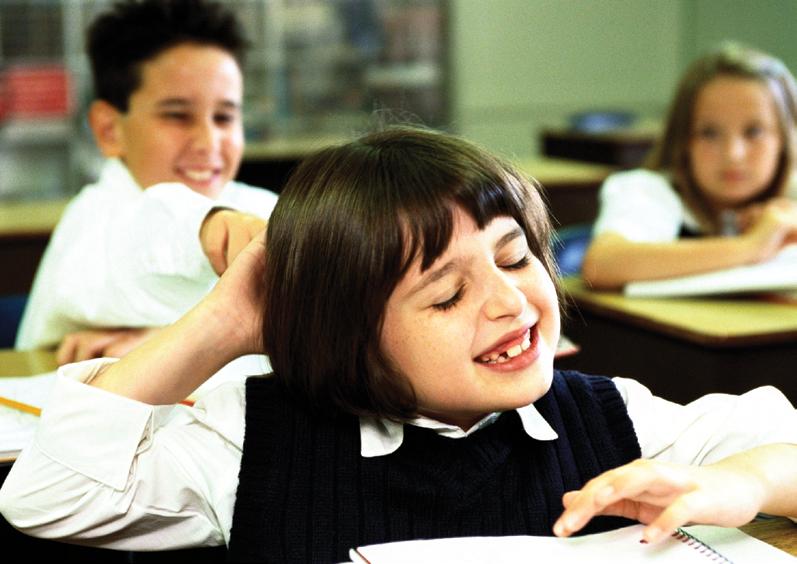
Some of the signs that a child is bullied may include:
• unwillingness or refusal to go to school
• not doing well at school
• becoming withdrawn
• being tearful
• loss of confidence
• sleeping problems
• refusing to talk about what’s wrong
If your child seems depressed, unusually upset or physically injured in some way and is unwilling to discuss it with you, consider talking to your school counsellor or your family doctor. Your child may benefit from specialised assistance.
threatening emails/text messages; using the web, chat rooms or mobile phones to spread rumours or threaten someone or information about someone etc.
All forms of bullying between students are taken seriously by NSW public schools. However, any school situation that is causing your child concern, whether or not it fits the definition of bullying, should be reported to the school. Although the term “bullying” has a specific meaning and a school’s Anti-bullying Plan sets out the processes for preventing and responding to student bullying, schools also have a range of policies and practices, including welfare and discipline policies that apply to student behaviour generally.
What can I do if my child is being bullied?
If your child is being bullied it is not always easy for you as a parent to know when and how to support.
The first step is to stay calm and try and get all the facts. While it may be a case of bullying, it might also simply be the result of poor communication by one or both children. Kids often speak before they think and misunderstandings happen easily, especially online. By taking the time to understand the situation and remaining calm, you are helping your child.
Sometimes, as a first step, your child may just want some advice about things they could do the try to manage the situation. At other times it is important that action is taken immediately. It is important to:
• Listen calmly to your child.
• Show concern and support.
• Let your child know that telling you about the bullying was the right thing to do.
• Find out where and when it has been happening, who has been involved and if anyone else has seen it.
• Discuss the things your child has already done to try to solve the problem and suggest other things your child might try.
• Report the situation to your child’s school.
• Work with your child’s school to solve the problem.
• Encourage your child to report any further bullying incidents to a teacher they trust at the school.
• Let your child know how much you disapprove of bullying and why.
Technology has increased the ways bullying can happen. Mobile phones, emails, websites, chat rooms, social networking sites or instant messaging can all be used to bully others. If you believe your child is being cyberbullied, don’t ban them from the technology. Technology has an increasingly important role for young people both for their social development and in their learning. Discourage them from rereading the upsetting messages or comments because it compounds the hurt and throws the whole incident out of perspective. Do try to find ways for them to enjoy themselves away from the computer, doing the things that make them feel good about themselves. Children often worry about being labelled “a dobber” and beg parents not to tell the school. However, bullying is a serious matter which is unlikely to be resolved if it’s ignored. Schools are able to manage the situation and provide effective support when they have all the facts. As a parent or caregiver, you have an important part to play in helping your child, and the school deal with bullying. Don’t approach the other students involved. No parent will appreciate you reprimanding their child and it will always make the situation much worse than if you remain calm and go through the right channels by contacting the school.
Your school’s Anti-bullying Plan will outline how bullying can be reported at your school, but you can always make an appointment with your school principal.
You may like to take your partner or a friend with you to the meeting, and that’s normally fine too. Just let the principal know. If you need an interpreter, the school can arrange that. Be sure to tell them when you make the appointment.
Tell the school. Bullying also hurts other students as well as the student who has experienced the bullying. Bystanders who observe bullying or are pressured to join in are also likely to be affected and will need support. It’s important for all children to understand that bullying isn’t okay, even if they are not directly involved. If your child has witnessed bullying you can help them, and help to keep other children safe by encouraging them to ask a teacher for help. This is very important if anyone’s safety is in jeopardy. Students should always think about
their own safety and the safety of other people when deciding what to do.
You could also encourage your child to do any one or a combination of the following depending on the circumstances:
• Tell the person doing the bullying that what they are doing is bullying.
• Tell the person doing the bullying to stop.
• Refuse to join in with the bullying.
• Tell other bystanders not to encourage the person doing the bullying.
• Support the person who is being bullied.
• Encourage the person being bullied to tell their parents or a teacher.
What if I think my child is displaying bullying behaviour?
Discovering that your child has been displaying bullying behaviour can come as a huge shock for parents. Your first reaction may be defensive. However, children who engage in bullying behaviour also need support to learn how to behave appropriately. Stay calm and discuss the issue with the principal of your child’s school. Work together with the school to make it clear to your child that bullying isn’t okay and to develop support strategies for your child. It may also be useful to make an appointment with the school counsellor.
Help your child be resilient
Kids can sometimes focus on what’s going wrong in their lives, and be less aware of the other friends, hobbies, sports and activities they enjoy. A few hours with friends can remind your child that there are good people around who care for and support them.
bullying
Sometimes bullying or cyberbullying can involve criminal behaviour such as violence, threats, intimidation or inciting violence. If you or your child has received threats of physical or sexual violence or has been physically attacked you should immediately consider contacting your local police as well as your school for assistance. The school may report a matter to the police as well.
What will my school have in place to deal with bullying?
Parents and schools work together to help students develop good citizenship and the communication and relationship skills that help prevent bullying behaviour. At school your child will be learning about their rights and responsibilities and will be supported to develop the skills to treat others with respect, communicate their ideas and feelings appropriately and deal with conflict.
The NSW Department of Education requires all NSW government schools to have an Anti-bullying Plan that complies with the Bullying: Preventing & Responding to Student Bullying in Schools Policy. You can ask for a copy of your school’s Plan from your school. Many schools also make their Anti-bullying Plan available on their websites.
The school’s Anti-bullying Plan will explain what is considered to be bullying behaviour and how that behaviour is viewed by the school. It will outline what responsibilities schools, students and parents have to prevent and respond to bullying behaviour, how bullying can be reported and what will happen when it is.
Your school will take action when it has been reported that a student has been bullied by another student at school or during a school activity that is held away from school.
The school can also take action in response to bullying behaviour between students outside of school hours or off the school premises where there is a clear and close connection between the school and the conduct of the students.
The response of the school to a reported incident of bullying or cyberbullying will depend on the details of the particular incident and may range from support to disciplinary action.
Remember the school will need time to investigate and to talk to teachers and other students.
All NSW public schools have access to school counsellors who can help children deal with problems and become more resilient.
School counsellors are experienced teachers who have a degree in psychology and graduate qualifications in school counselling. They can help students who are feeling sad or anxious, or are having difficulties in their relationships with other students.
School counsellors may work across more than one school, so you will need to speak with the principal to organise an appointment for your child.
Parent Line is a telephone counselling, information and referral service for parents of children ages 0 to 18, who live in New South Wales. Parents, grandparents and carers anywhere in the state can call Parent Line on 1300 1300 52 for no more than the cost of a local call. www.parentline.org.au
KIDS HELPLINE
Tel 1800 55 1800 - 24 hours a day, 7 days a week for advice on child health and parenting. www.kidshelpline.com.au
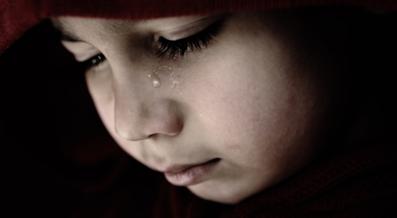
There are four different types of child abuse:
• physical abuse
• sexual abuse
• psychological harm
• neglect
Child abuse can be a single incident, or can be a number of different incidents that take place over time.
Under the Child and Young Person’s (Care and Protection) Act 1998 (the Care Act), it does not matter how much a child is harmed, but whether a child:
• has suffered harm, is suffering harm, or is at risk of suffering harm
• does not have a parent able and willing to protect them from harm
Under section 9 of the Care Act, harm is defined as any detrimental effect of a significant nature on the child’s physical, psychological or emotional wellbeing. For harm to be significant, the detrimental effect on a child’s wellbeing must be substantial or serious, more than transitory and must be demonstrable in the child’s presentation, functioning or behaviour.
Protecting children and young people from harm is everyone’s business. Children and young people will only be protected from abuse and neglect if responsible adults take action on their behalf. Reporting your concerns about a child or young person’s safety or well being is the first step in preventing or stopping the abuse and protecting children from further harm.
Your report will be totally confidential – we won’t tell anyone who reported the abuse or neglect to us and you don’t have to tell us your name if you don’t want to.
You can make a report by phoning the Child Protection Helpline on 132 111 for the cost of a local
call, 24 hours a day, 7 days a week.
What will Family and Community Services do?
By law, Family and Community Services (FACS) must assess reports where a child or young person is or may be at risk of significant harm from abuse or neglect. When you report to us, our staff will ask you questions to help them find out about the risk of significant harm to the child or young person involved.
What happens next depends on the information received by FACS. The matter might be closed as no risk of significant harm is indicated or we may ask a local Community Services Centre to make a further assessment.
Sometimes the child or young person and their family are visited immediately because the information indicates the child or young person is in immediate danger.
We may need to talk to other people to find out about the family’s circumstances. For example, we might contact the child or young person’s teacher, child care worker or relatives.
The law allows FACS to exchange information that relates to the safety, welfare or wellbeing of a child or young person with a range of agencies, including NSW Police, NSW Health or the Department of Education.
If the child or young person is at risk of significant harm, we try to work with the family, other agencies and professionals to make sure they are safe. If we think a child or young person is in immediate danger, we will move them to a safe place. We involve the child or young person and their family as much as possible in decisions that affect them.
Parents and carers are responsible for the safety and welfare of children or young people in their care. Where this does not occur, or is not possible, FACS becomes responsible for ensuring that children and young people are safe from abuse and neglect.
This means FACS must respond when someone tells us they think a child or young person has been significantly harmed or injured, or is currently at risk of significant harm from abuse or neglect.
If FACS receives a report about a child or young person in your care, a FACS caseworker may contact you by telephone or a visit to your home to talk with you and other family members.
Caseworkers are trained to assess the family situation and its effect on children, young people and parents. The knowledge you have about your family is very important and the caseworker
will work closely with you and other family members to ensure that relevant information is used in the assessment and that your family’s circumstances are fully considered.
There are common physical and behavioural signs that may indicate abuse or neglect. The presence of one of these signs does not necessarily mean abuse or neglect. Other things need to be considered, such as the circumstances of the child, young person or family.
When considering if a child or young person has been abused or neglected, or is at risk of this, it is important to keep in mind the life circumstances of the child, young person and their family.
The following risk factors (either singularly or in combination) are associated with increased risk of harm for children and young people:
• social or geographic isolation of the child, young person or family, including lack of access to extended family
• previous abuse or neglect of a brother or sister
• family history of violence including domestic violence
• physical or mental health issues for the parent or caregiver which affects their ability to care for the child or young person in their care
• the parent or caregivers’ abuse of alcohol or other drugs which affects their ability to care for the child or young person in their care
The signs below are only possible signs of abuse and neglect. The presence of these signs does not necessarily mean abuse and neglect has been, or is, occurring.
The child or young person’s circumstances and their age or other vulnerabilities, for example disability or chronic illness, also need to be taken into consideration. If you have concerns then you should report them to the Child Protection Helpline.
Signs in children or young people:
• low weight for age and/or failure to thrive and develop
• untreated physical problems e.g. sores, serious nappy rash & urine scalds, significant dental decay
• poor standards of hygiene i.e. child or young person consistently unwashed
• poor complexion and hair texture
• child not adequately supervised for their age
• scavenging or stealing food and focus on basic survival
• extended stays at school, public places, other homes
• longs for or indiscriminately seeks adult affection
• rocking, sucking, head-banging
• poor school attendance
Signs in parents or caregivers:
• unable or unwilling to provide adequate food, shelter, clothing, medical attention, safe home conditions
• leaving the child without appropriate supervision
• abandons the child or young person
• withholding physical contact or stimulation for prolonged periods
• unable or unwilling to provide psychological nurturing
• has limited understanding of the child or young person’s needs
• has unrealistic expectations of the child or young person
Signs in children or young people
• bruising to face, head or neck, other bruising and marks which may show the shape of the object that caused it eg belt buckle, hand print
• lacerations and welts
• drowsiness, vomiting, fits or pooling of blood in the eyes, which may suggest head injury
• adult bite marks and scratches
• fractures of bones, especially in children under three years old
• dislocations, sprains, twisting
• burns and scalds (including cigarette burns)
• multiple injuries or bruises
• explanation of injury offered by the child or young person is not consistent with their injury
• abdominal pain caused by ruptured internal organs, without a history of major trauma
• swallowing of poisonous substances, alcohol or other harmful drugs
• general indicators of female genital mutilation eg having a ‘special operation’
Signs in parents or caregivers:
• frequent visits with the child or young person in their care to health or other services with unexplained or suspicious injuries, swallowing of non-food substances or with internal complaints
• explanation of injury offered by the parent is not consistent with the injury
• family history of violence
• history of their own maltreatment as a child
• fears injuring the child or young person in their care
• uses excessive discipline
Signs in children or young people:
• bruising or bleeding in the genital area
• sexually transmitted diseases
• bruising to breasts, buttocks, lower abdomen or thighs
• child or young person or their friend telling you about it, directly or indirectly
Learn more about Mandatory Reporting
• describing sexual acts
• sexual knowledge or behaviour inappropriate for the child’s age
• going to bed fully clothed
• regressive behaviour e.g. sudden return to bedwetting or soiling
• self-destructive behaviour e.g. drug dependency, suicide attempts, self-mutilation
• child being in contact with a known or suspected paedophile
• anorexia or over-eating
• adolescent pregnancy
• unexplained accumulation of money and gifts
• persistent running away from home
• risk taking behaviours - self harm, suicide attempts
Signs in parents or caregivers:
• exposing a child or young person to prostitution or pornography or using a child for pornographic purposes
• intentional exposure of a child to sexual behaviour of others
• previous conviction or suspicion of child sexual abuse
• coercing a child or young person to engage in sexual behaviour with other children
• verbal threats of sexual abuse
• denial of adolescent’s pregnancy by family
All types of abuse and neglect harm children psychologically, but the term ‘psychological harm’ or ‘emotional abuse’ applies to behaviour which damages the confidence and self esteem of a child or young person, resulting in serious emotional deprivation or trauma.
Signs in children or young people:
• constant feelings of worthlessness about life and themselves
• unable to value others
• lack of trust in people
• lack of people skills necessary for daily functioning
• extreme attention-seeking behaviour
• is obsessively eager to please or obey adults
• takes extreme risks, is markedly disruptive, bullying or aggressive
• is highly self critical, depressed or anxious
• suicide threats or attempts
• persistent running away from home
Signs in parents or caregivers:
• constant criticism, belittling, teasing of a child or young person, or ignoring or withholding praise and attention
• excessive or unreasonable demands
• persistent hostility and severe verbal abuse, rejection and scapegoating
• belief that a particular child or young person in
their care is bad or ‘evil’
• using inappropriate physical or social isolation as punishment
• domestic violence
Remember, the above are only possible signs of abuse and neglect. The presence of these signs does not necessarily mean abuse and neglect has been, or is, occurring.
If you have concerns you should report them by calling the Child Protection Help line on 132 111
What is mandatory reporting?
Mandatory reporting is the legislative requirement for selected classes of people to report suspected child abuse and neglect to government authorities.
In NSW, mandatory reporting is regulated by the Children and Young Person’s (Care and Protection) Act 1998 (the Care Act)
Who are mandatory reporters?
Mandatory reporters are people who deliver the following services, wholly or partly, to children as part of their paid or professional work:
• Health care (e.g. registered medical practitioners, specialists, general practice nurses, midwifes, occupational therapists, speech therapists, psychologists, dentists and other allied health professionals working in sole practice or in public or private health practices) Welfare (e.g. psychologists, social workers, caseworkers and youth workers)
• Education (e.g. teachers, counsellors, principals)
• Children’s services (e.g. child care workers, family day carers and home-based carers)
• Residential services (e.g. refuge workers)
• Law enforcement (e.g. police).
If you are a mandatory reporter, you can make nonimminent suspected risk of significant harm reports to the Child Protection Helpline either by using eReporting or by phone. All urgent reports must be made by phone to the Helpline on 132 111
If you are a mandatory reporter employed in a government agency that has a Child Wellbeing Unit (CWU) you can call your CWU for help in identifying whether a case meets the statutory threshold of risk of significant harm.
If you are a mandatory reporter employed by a nongovernment organisation or a government agency without a CWU you can report matters, where you believe a child is at risk of significant harm, to the Child Protection Helpline. You are encouraged to use eReporting and the Mandatory Reporter Guide (MRG) on the Childstory Reporter website before making a report to the Helpline. eReporting and the MRG can be found at Childstory Reporter at: reporter. childstory.nsw.gov.au.
The MRG supports mandatory reporters to:
• determine whether a report to the Child Protection Helpline is needed for concerns about possible abuse or neglect of a child (including unborn) or young person
• identify alternative ways to support vulnerable children, young people and their families where a mandatory reporter’s response is better served outside the statutory child protection system
The quick guide on the opposite page will assist you in using the MRG when responding to and reporting risk of abuse and neglect.
The MRG is online at: reporter.childstory.nsw.gov.au
STEP 1 – GET SUFFICIENT INFORMATION
Get essential details to enter into the online MRG:
• child or young person’s details (name, address, DOB, details of siblings)
• incident details (date, type of risk, person’s causing or contributing to harm)
• impact of the incident on the child or young person
• Network of support around the young person
You can get this information by:
• engaging with the child or young person and related services (e.g. Patchwork NSW will enable you to quickly and easily view and connect with other professionals)
• exchanging information with other prescribed bodies working with the child or young person and their family. You are permitted to do this under Chapter 16A of the Care Act
STEP 2 – DECIDE WHAT TO DO
Use all of the information available to you to appraise the risk, needs and strengths of the family.
If you work for the Department of Education, NSW Police Force, NSW Health (includes all
registered medical practitioner or general practice nurse, all employees of NSW health services, staff from Aboriginal Community Controlled Health Service, and Affiliated Health Organisations), you can contact your Child Wellbeing Unit (CWU) for assistance with this appraisal.
STEP 3 – USE THE MRG
• If the outcome of the MRG is ‘Immediate Report to the Child Protection Helpline’ or ‘Report to the Child Protection Helpline’, contact the Child Protection Helpline on 132 111 and have ready the essential details from Step 1 & the outcome of the MRG. You can also make an eReport for non-immediate matters at: https://kidsreport. facs.nsw.gov.au.
• If the outcome of the MRG is ‘Contact your CWU’ or ‘Continue to monitor and support’ – go to Step 4.
• Even if a report is required, proceed to Step 4.
• It is recommended that mandatory reporters complete the MRG on each occasion they have risk concerns, regardless of their level of experience or expertise. Each circumstance is different and every child and young person is unique
Your services
Consider what additional steps your service can take, including:
• whether your service is best placed to discuss your concerns with the family
• whether your service can offer to provide additional interventions or change your current interventions to further address risk factors
Beyond your service
Explore appropriate support services for the child/young person and their family. Any of the following options can assist you:
• Where you have access, call your CWU to discuss how you can appropriately assist the child within the capacity of your role and to get advice about referral pathways. Call Health CWU on 1300 480 420 or call Education CWU on 9269 9400
• Contact your local Family Referral Service (www.familyreferralservice. com.au) if you would like help referring the family, child or young person to local support services such as housing or respite
• Visit the Human Services Network (www.hsnet.nsw.gov.au) website to self-access a broad range of services
• Contact NSW Family Services Inc. (www.fams.asn.au) to access support to nongovernment, not-forprofit organisation staff working with vulnerable children and families.
There is no particular age at which children can be safely left at home alone. As parents, we decide that based on our child’s maturity and our own individual circumstances. Start with giving them short periods of time alone at home and gradually increase the duration, ensuring your child knows how to contact you or another responsible nearby adult in case of an emergency. Here’s how you can help prepare and keep them safe:
Tips for parents:
• Installing an answering machine enables your children to hear who is calling and then decide to answer or not.
• If you or your child receives obscene or threatening phone calls, hang up immediately, notify your local police and the phone company.
Tips for children:
• Always say to the person calling “My parents can’t come to the phone. Can I take a message?”
• Never say your parents aren’t home to anyone who calls, comes to the door, or you chat with online.
• Never tell your address to the person calling or contacting you online.
• Never answer the phone by saying your first name or last name.
• If the person calling asks for you by name, say “Who would you like to speak to?”.
• If the person calling asks you “What number is this?” say to them “What number were you trying to call?”.
• You don’t have to speak to anyone or tell them anything.
• If someone says something rude or threatening to you, hang up immediately and contact your parents.

Tips for parents:
• Install a lockable screen door and a peephole in the front door.
• If it is night, leave the outside light on.
• Ensure all emergency numbers, including a reliable relative’s or friend’s, are listed by the phone.
• Practise ‘pretend-dialing’ emergency numbers from your list, with your child. Rehearse what they should say.
Tips for children:
• Keep the screen door locked.
• Always ask “Who is it?” before answering the door.
• Always look through the peephole before answering the door – if it’s a stranger, or someone you don’t trust, you can pretend you are not at home.
• If you do not know the person or if it is a person you do not trust, do not let them in. If they do not leave, call the police and call a neighbour or a trusted nearby adult.
• Make sure you know where all the emergency numbers are kept near the phone and practise pretending to dial them.
With the aim to help guide children and young people toward safe, enjoyable experiences online, the Office of the Children’s eSafety Commissioner (the Office) hopes to encourage behavioural change—where Australian children and young people act responsibly online—just as they would offline.
To achieve this, we hope to both educate and help prevent harmful online behaviour from occurring in the first place.
As parents, you know your child better than anyone, and have the best opportunity to help educate them so they can explore, safely.
Cyberbullying is the use of technology to bully a person or group with the intent to hurt them socially, psychologically or even physically. Cyberbullying behaviour may include:
• abusive texts and emails
• hurtful messages, images or videos
• imitating others online
• excluding others online
• humiliating others online
• nasty online gossip and chat.
By reporting it, talking about it and supporting each other, we can stop it.
For many children and teenagers, their online life is an important part of their social identity. They can’t just ‘switch it off’. Many young people do not report cyberbullying to their parents as they fear that they might lose access to their devices and the internet. Young people may also be concerned that parents’ actions will make cyberbullying issues worse, so it is important for you to remain calm and supportive.
Learn more bout Cyberbullying
1 2
Report the cyberbullying material to the social media service
3 4
Collect evidence - copy URLs or take screenshots of the material
Report it to esafety.gov.au/reportcyberbullying
Block the person and talk to someone you trust If
Trolling is when a user intentionally causes distress by posting inflammatory comments online.
• Trolling differs from cyberbullying in that trolls aim to gain attention and power through disruption of conversation by encouraging a defensive reaction from those they attack. Cyberbullying usually focuses less on the reaction of the victim, and more on the feelings and authority of the bully. Cyberbullying is usually repeated behaviour, while trolling can be one-off.
As a parent, you can help your child and encourage them to take control of the issue.
Talk to them about cyberbullying before it happens. Together you should work out strategies to address any potential issues and reassure your child that you will be there to support them.
• Report the cyberbullying material to the social media service where it happened..Social media services should remove cyberbullying material that has been reported and is in breach of their terms and conditions. Most social media services have a reporting area on their website. The Office
website also provides information about how to report material on various services.
• Collect details of the cyberbullying material. You might need to do this before you report it to the site. A simple way to collect this information is by taking a photo or screenshot or copying the URL.
If you submit a complaint to the Office about cyberbullying material, you need to provide this information.
Report cyberbullying to the Office of the Children’s eSafety Commissioner.
• Block the person. We recommend that you help your child block or unfriend the person upsetting them, so they cannot continue to upset them whilethe material is being removed.
• Remember that if your child has been involved in cyberbullying, and seems distressed or shows changes in behaviour or mood, it may be advisable to seek professional support through Kids Helpline. Kids Helpline is a free and confidential online and phone counselling service for young people, available 24 hours a day, 7 days a week on 1800 55 1800.
esafety.gov.au/reportcyberbullying
To many parents it seems as though children and young people are constantly online. Often they seem to be engaged in more than one task at a time; for example, downloading and listening to music while studying and chatting with friends or sending messages on their mobile phones.
The number of hours that children and young people spend online can vary significantly. There is no guideline for the ‘right’ amount of time for children to spend online, however, if their online activity appears to impact negatively on their behaviour or wellbeing, or that of the family, it may be time to discuss expectations and establish time limits.
It’s important to remember that some of the time your children spend online may be related to their education.
• The longer you wait to address the issue, the more difficult it can be to overcome. So if you see an emerging problem arising from excessive use, act on it right away.
• Talk to your child about the concerns you have and monitor what games, apps and devices are bought or used by your child.
• You may like to install a program on the device your child is using which can be adjusted to limit the amount of time an internet connection will be available on that device.
• Consider implementing family agreements about the amount of time your children can spend online. A similar approach can be used to limit access to devices.
• If your child seems particularly anxious or irritable, or you notice them seeming isolated from friends or other activities, there may be an underlying mental health issue. Talk to your child’s school or your GP if your concerns extend beyond screen time.
esafety.gov.au/timeonline
Check out the following support services and resources to help you keep your family safe online.
The Office of the Children’s eSafety Commissioner esafety.gov.au
The Office’s website contains information and related links to support parents in keeping kids safe online. Resources include practical, action focussed advice, videos, games, support, and research-based information, and everything is free of charge.
School support
Many schools have detailed policies and procedures in place to help support children online, including how to manage issues like cyberbullying, sexting and
other online concerns. The Department of Education policies in each state provide information for students, teachers, parents and the broader community to help raise awareness and counter the inappropriate use of technology. For more information, contact your child’s school.
eHeadspace
eheadspace.org.au
eHeadspace is a confidential, free and secure space where young people aged 12 to 25 or their family can chat, email or speak on the phone with a qualified youth mental health professional.
Parentline
parentline.com.au or phone 1300 30 1300 Parentline provides a counselling, information and referral service for Parents that operates 7days a week between 8am-10pm.
lifeline.org.au or phone 13 11 14
Lifeline provides free 24hour crisis counselling and information about support services.
Crime Stoppers crimestoppers.com.au or phone 1800 333 000 Crimestoppers or your local police can assist with concerns about children’s personal safety.
Learn how to lodge a cyberbullying complaint
Learn 7 ways parents can manage web connected devices in the home
Online counselling
If you suspect or know that a child is being negatively impacted by things happening to them online, consider seeking professional support for them.
Kids Helpline
kidshelpline.com.au or phone 1800 55 1800 Kids Helpline service provides free, confidential online counselling for children and young people. Kids Helpline also provides young people experiencing problems online with free and private web chat counselling.
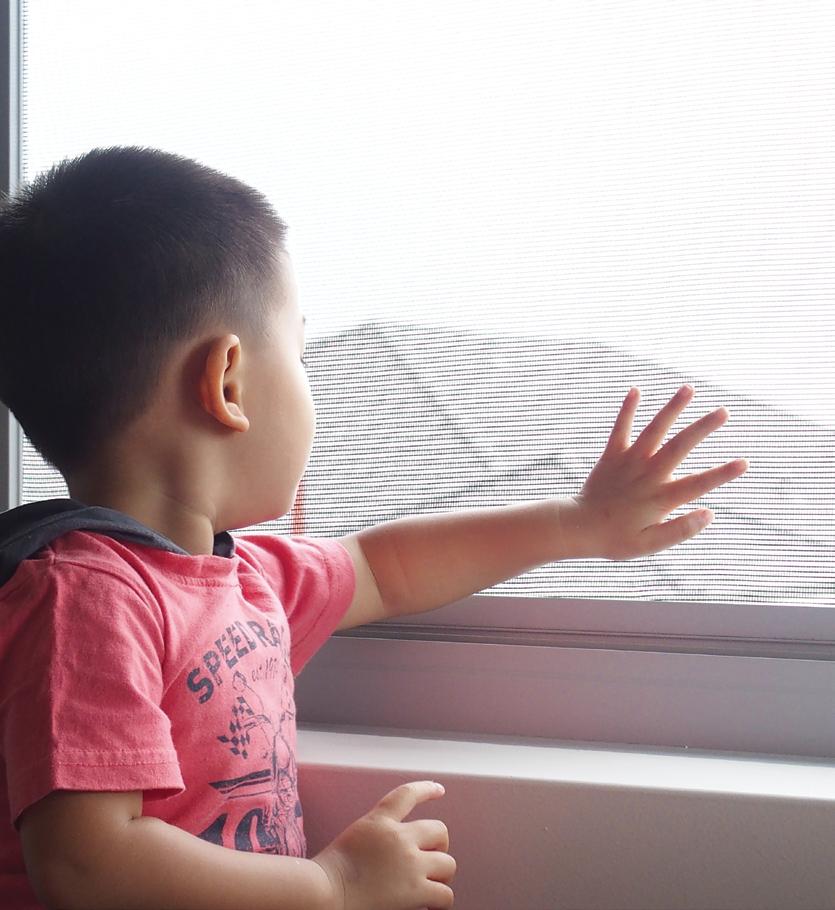
Maintains full window ventilation with insect prevention.
No restricted openings like alternate solutions available.
Meets the requirements of the National Construction Code to prevent children falling from windows.
Unique, patented retention system with reinforced mesh.
Designed and distributed by AlspecAustralia’s leading supplier to the flyscreen industry.
Preventing falls out of windows is as important as learning how to use one in an em ergency. Unattended children run the greatest risk of falls and injuries, so the be st first step is to watch your children as they play. Nothing can sub stitute for careful supervision.
Fires and falls are among the leading causes of injury and death in young children. While some falls occur from windows, it is important to realise that in the event of a fire, a window can also save a child’s life. This is why windows play a critical role in home safety.
Has your family determined an emergency fireescape plan?
Determine your family’s emergency escape plan and practice it regularly. In the plan, include two avenues of escape from every room. Remember children may have to rely on a window to escape a fire. Help them learn to safely use a window under these circumstances.
Do you keep windows shut when children are around?
You should keep your windows
closed and locked when childrenare around. When opening windows for ventilation, open windows that children cannot reach or those with restrictors fitted. Also, set and enforce rules about keeping children’s play away from windows and/or glazed doors. Falling through the glass can be fatal or cause a serious injury.
Do you leave, or have you left, windows open because you thought the insect screen provided a safeguard from a fall? Don’t rely on insect screens to prevent a fall. Insect screens are designed to provide ventilation while keeping insects out; theyare not designed to, nor will they prevent a child’s fall from a window.
Is there furniture placed under or near windows in your home?
Keep furniture — or anything children can climb — away from windows. Children may use such objects as a climbing aid.
Are your windows fitted with key locks, vent locks or dead locks?
Make sure that keys to all locked or restricted windows and doors are accessible in case of emergency. Each and every window and door must be able to be opened quickly when required.
Inspect your home’s windows carefully. Are any windows in your home painted or nailed shut?
1.
Take these four simple steps to ensure that blind and curtain cords/chains are out of reach of children, particularly from children under six.
Never paint or nail windows shut. You should be able to open them to escape in an emergency.
Do this anywhere you are staying, including on holiday.
2. Secure your cords out of reach
1. Check your blind and curtain cords
Check for loose or looped cords that your child can reach from the floor or by climbing on furniture.
For more information visit awa.org.au
Buy cleats or tensioning devices cords from a hardware store or curtain blind shop.
Immediately tie cords out of reach and move away any furniture children might climb on to reach them.
Use screws to fix each cleat or tensioning in a place that is out of reach of children.
Do this anywhere you are staying, including on holiday.
Never secure these devices with may fail when a load is placed on double-sided tape or glue.
2. Secure your cords out of reach
Buy cleats or tensioning devices for securing cords from a hardware store or curtain and blind shop.
Use screws to fix each cleat or tensioning device in a place that is out of reach of children.
Take these four simple steps to ensure that blind and curtain cords/chains are out of reach of children, particularly from children under six.
1. Check your blind and curtain cords
a Check for loose or looped cords that your child can reach from the floor or by climbing on furniture.
a Immediately tie cords out of reach and move away any furniture children might climb on to reach them.
a Do this anywhere you are staying, including on holiday.
2. Secure your cords out of reach
a Buy cleats or tensioning devices for securing cords from a hardware store or curtain and blind shop.
a Use screws to fix each cleat or tensioning device in a place that is out of reach of children.
x Never secure these devices with materials that may fail when a load is placed on them, such as doublesided tape or glue.
If you cannot fix your unsafe cords and chains out of reach yourself, get a reliable tradesperson to do it for you. If you are renting your home, seek help from your landlord or agent.
3. Choose safe blinds and curtains
Buy new curtains and blinds which:
Never secure these devices with materials that may fail when a load is placed on them, such as double-sided tape or glue.
a comply with the national mandatory standard
a have warning labels to remind you of dangers to children
a provide a way to secure cords/chains so there are no loops or strands that children can reach, or
a operate without exposed cords/chains.
4. Keep children away from all cords/chains
a Move anything a young child can sit in, stand or climb on (like cots, highchairs, beds, sofas, tables, chairs and bookshelves) away from cords/ chains—even those tied around a cleat, as your child may be able to untie them.
x Do not let children play near cords/chains they can reach.
x Never leave children alone in a room with cords/ chains they can reach.
For more information contact ACCC & BMAA
Watch a video on Battery Safety and how Parents Protect Children from Swallowing Lithium Batteries
Learn more about Button Battery Safety
Invisi-Gard’s Qualities
316 Marine Grade Stainless Steel Mesh
15 Year Warranty
Corrosion Prevention
Choice of Stylish Colours
Wide Product Range
Custom Built
Exceeds Australian Standards
Invisi-Scape® Emergency Escape Option
BAL-Rated from BAL-LOW up to BAL-40
Accredited Member:

• In Australia, an estimated 4 children per week present to an emergency department with an injury related to a button battery. Kids under 5 years old represent the greatest risk.
• When a coin-sized lithium button battery gets stuck in a child’s throat, the saliva triggers an electrical current. This causes a chemical reaction that can severely burn the oesophagus in as little as two hours.
• Symptoms of coin-sized button battery ingestion may be similar to other childhood illnesses, such as coughing, drooling, and discomfort.
• Once burning begins, damage can continue even after the battery is removed.
Kids under 4 are at the greatest risk. Many coin-sized button batteries can appear “invisible” to parents because devices come with the batteries already installed. To keep your children safe:
• Look in your home for any items that may contain coin-sized button batteries.
• Place devices out of sight and out of reach of small children.
• Keep loose or spare batteries locked away.
• Share this life-saving information with caregivers, friends, family members and babysitters.
Keeping these batteries locked away and secured in devices is key, but if a coin-sized button battery is swallowed, you should follow these steps:
• Go to the emergency room immediately. Tell doctors and nurses that it might be a coin-sized button battery.
• If possible, provide the medical team with the identification number found on the battery’s pack.
• Do not let the child eat or drink until an X-ray can determine if a battery is present.
• Do not induce vomiting.
TheBatteryControlled.com.au
Poisons Information Centre: 13 1126
For more information visit productsafety.gov.au
Preventing falls out of windows is as important as learning how to use one in an em ergency. Unattended children run the greatest risk of falls and injuries, so the be st first step is to watch your children as they play. Nothing can sub stitute for careful supervision.
Emergency escape
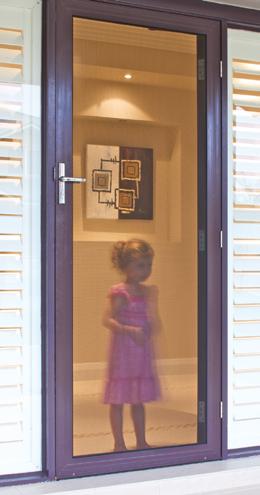
Determine your family’s emergency escape plan and practice it. Remember when you have security screens installed, that windows may provide a secondary means of escape from a burning home. Ensure at least one window in the room has a release mechanism on the security screen.
Remember that children may have to rely on a window with a security screen to escape in a fire. Some homes may have security bars, grilles or shutters covering their windows. Those windows are useless in an emergency if the devices on them do not have a functioning release mechanism. Select screens with overriding devices that can be released by an adult or ensure you have a product that has an emergency egress feature and teach the family to safely use an emergency egress device in an emergency.
Ensure keys to all security door locks are readily accessible to enable escape form the home if required. Deadlocks, if engaged, will stop you from opening the security door without a key.
Keeping children in and unwanted guests out
Keep your security doors closed and locked when children are around to stop them leaving the home and to impede any unwanted guests from entering the home.
Check that your security products meet Australian
Standards or you may not be getting the protection you thought you were.
Protection from falls
Keep furniture — or anything children can climb — away from windows. Children may use such objects as a climbing aid. If a window is accessible by a child and the window is not restricted, ensure that tested compliant security screens are fitted to stop your child from accidentally falling through. Remember a standard flyscreen is not made to protect your child from falling through a window.
Bush fire safety
Are you in a bush fire area? Check that your screens meet the local bushfire regulations and the Australian Standard. Flyscreens can burn in a bush fire and can be the cause of your home burning.
Where do you get the right products?
Contact your local National Security Screen Association (NSSA) member for information and guidance on the right product to use for all situations. NSSA members comply with Australian Standards and are part of an independent third party accreditation scheme subject to annual factory inspections to ensure products conform. Visit www.nssa.org.au
Why Anchor it?
Small children have died or suffered serious injuries from unstable furniture. Small children can be trapped under furniture; unable to breathe or be hit/struck by falling furniture. You can prevent death or injury to small children when choosing and securing furniture in your home.
There are simple ways to prevent death or serious injury to small children when choosing and securing furniture in your home by anchoring furniture.
Buy Safe
• Purchase low-set furniture or furniture with sturdy, stable and broad bases.
• Look for furniture that comes with safety information or equipment for anchoring it to the walls.
• Test the furniture in the shop—make sure it is stable. For example, pull out the top drawers of a chest of drawers and apply a little pressure to see how stable it is; make sure the drawers do not fall out easily.
Use safe
• Attach, mount, bolt or otherwise secure furniture to walls and floors.
• Do not put heavy items on top shelves of bookcases.
• Place televisions at the back of cabinets or secure them to the wall.
• Discourage small children from climbing on furniture.
• Do not put tempting items such as favourite toys on top of furniture that encourage children to climb up and reach.
• Do not place unstable furniture near where children play.
• Put locking devices on all drawers to prevent children opening them and using them as steps.
For more information on toppling furniture, visit www.productsafety.gov.au/anchorfurniture
Learn how to anchor your furniture
Watch a video on Toppling furniture safety
- anchor it and protect a child
BASIC FIRST AID
ALLERGIC REACTIONS
Signs & Symptoms
• Swelling and redness of the skin.
• Itchy, raised rash (live hives).
• Swelling of the throat.
• Wheezing and/or coughing.
• Rapid, irregular pulse.
• Tightness in the chest.
• Headache.
• Vomiting and/or abdominal pain.
• Dizziness or unconsciousness.
MANAGEMENT
1. Follow DRSABCD :
• Check for Danger
• Check for Response
• Send for help
• Clear the Airway
• Check for Breathing
• Start CPR chest compression
2. If the patient is carrying an adrenaline autoinjector, it should be used at once. Let them administer the adrenaline autoinjector themselves, or ask them if they require assistance to do so.
3. Call 000 for an ambulance.
4. Keep patient in lying or sitting position. Observe and record pulse and breathing.
Unconscious
If patient is unconscious, check for breathing and response, and prepare to give CPR if necessary.
POISONING
SIGNS & SYMPTOMS
Signs and symptoms depend on the nature of the poisons which may be ingested, inhaled, absorbed or injected into the body.
• Abdominal pain
• Drowsiness
• Burning pains from mouth to stomach
• Difficulty breathing
• Tight chest
• Blurred vision
• Odours on breath
• Change of skin colour with blueness around the lips
• Sudden collapse
WARNING
SPRAINS & STRAINS
It can be difficult to tell whether the injury is a fracture, dislocation, sprain or strain. If in doubt, always treat as a fracture.
Signs & symptoms
Sprain
• intense pain
• restricted mobility
• rapid development of swelling and bruising.
Strain
• sharp, sudden pain in region of the injury
• loss of power
• muscle tenderness.
1. Follow DRSABCD.
2. Follow the RICE management plan:
• REST the patient and the injured part.
• Apply ICEPACK (cold compress) wrapped in a wet cloth to the injury for 15 minutes every 2 hours for 24 hours, then for 15 minutes every 4 hours for 24 hours.
• Apply COMPRESSION elastic bandage firmly to extend well beyond the injury.
• ELEVATE the injured part.
3. Seek medical attention if no improvement.
MANAGEMENT
Unconscious patient
1. Follow DRSABCD. See chart on page 29.
2. Ensure call for ambulance has been made — triple zero (000).
3. Call fire brigade if atmosphere contaminated with smoke or gas.
Conscious patient
1. Follow DRSABCD. See chart page 29
2. Listen to patient give reassurance but not advice.
3. Try to determine type of poison taken.
4. Call 13 11 26 for Poisons Information Centre.
5. Send any vomit, containers and/or suicide notes with patient to hospital.
DO NOT induce vomiting unless advised to do so by Poisons Information Centre. DO NOT give anything by mouth.
Wash substances off mouth and face with water. Poisons Information Centre 131 126
MANAGING A CHOKING ADULT OR CHILD (OVER 1 YEAR)
Signs & symptoms
• Clutching the throat.
• Coughing, wheezing, gagging.
• Difficulty breathing, speaking, swallowing.
• Making a whistling or ‘crowing’ noise or no sound at all.
• Face, neck lips, ears, fingernails turning blue.
MANAGEMENT
1. Encourage adult or child to relax and cough to remove object.
2. Call triple zero (000) if coughing does not remove the blockage, or if patient is an infant.
3. Bend patient well forward and give 5 back blows: with heel of hand between the shoulder blades—checking if obstruction is relieved after each back blow.
4. If unsuccessful, give 5 chest thrusts: place one hand in the middle of patient’s back for support and heel of other hand in the CPR compression position and give 5 chest thrusts, slower but sharper than compressions.
Check if obstruction is relieved after each chest thrust.
5. If blockage does not clear: continue alternating 5 back blows with 5 chest thrusts until medical aid arrives. If patient becomes unconscious:
• call triple zero (000) for an ambulance,
• remove visible obstruction from mouth
• commence CPR
Anyone having a SEVERE asthma attack needs URGENT medical treatment. Call triple zero (000) for an ambulance.
Unconscious patient
1. Follow DRSABCD. Conscious patient
2. Help the patient into a comfortable sitting position. Be calm and reassuring. Don’t leave the person alone. Help them to follow their action plan.
3. Give 4 puffs of a blue/grey reliever. Use a spacer if available. Shake the reliever inhaler before each puff.
4. Give 1 puff at a time with 4 breaths after each puff.
5. Wait 4 minutes. If no improvement, give 4 more puffs.
6. If the person still cannot breathe normally call for an ambulance and say that someone is having an asthma attack.
7. Keep giving 4 puffs every 4 minutes (as above) until the ambulance arrives.
Where permitted under local State or Territory regulations, and if necessary use another person’s reliever inhaler, or use one from a first aid kit to assist a patient with a severe asthma attack. If someone is having difficulty breathing, but has not previously had an asthma attack, assist in giving a reliever until an ambulance arrives.
For severe external bleeding:
• wear gloves, if possible, to prevent infection
• do not apply a tourniquet
• if an object is embedded in or protruding from a wound apply pressure either side of the wound and place pads around it before bandaging
• give nothing by mouth.
Unconscious casualty
1. Follow DRSABCD.
Conscious casualty
1. Follow DRSABCD.
2. Lie the casualty down and remove or cut their clothing to expose the wound.
3. Apply direct pressure over the wound using a pad or your hands (use gloves if available). Instruct the casualty to do this if possible.
4. Squeeze the wound edges together if possible.
5. Raise and support the injured part above the level of the heart. Handle gently if you suspect a fracture.
6. Apply a pad over the wound if not already in place and secure by bandaging over the padded wound.
7. If bleeding is still not controlled, leave initial pad in place and apply a second pad and secure with a bandage.
8. Check circulation below wound.
9. Ensure an ambulance has been called.
Any child who has received any kind of burn should be taken immediately to a doctor. Severe burns can lead to shock and major infection if not treated correctly.
Burns (scalds) can be caused by hot liquid, food, vapour or steam. They are among the most serious, painful and long-term injuries. Hot drinks account for about 42 per cent of all child scald injuries, hot foods and oils about 13 per cent and hot water 45 per cent.
Beware the hot tap
80 per cent of all hot tap water scalds occur in the bathroom. More than a third of these accidents are caused by hot water in the bathtub, with a further third happening when the hot tap is running. In most homes, the hot water is set on about 70ºC, a temperature which poses an extreme threat to youngsters.
At 70ºC it takes less than half-a-second to cause a full skin thickness scald in tender skin. At 60ºC it takes 1 second. At 55ºC it takes 30 seconds. And at 50ºC it takes five minutes before the child is scalded.The ideal maximum, safe temperature for hot tap water is 50ºC. The maximum bathing temperature for young children is 38ºC.
The first thing to do in an emergency
• Get the person out of the water and flood the affected skin with cool water.
• Give first aid for burns and scalds (see below). Burns may also be caused by contact with flame, hot objects. or chemicals, by electrocution, radiated heat, frozen surfaces, friction or radiation. Barbecues, gas stoves and open fires are prime hazards and they should never be left unattended. If someone is burned on the face they could also have trouble breathing, although this may not happen immediately. A person who has inhaled smoke or fumes should receive medical attention as soon as possibe.
Learn more first aid facts from St John Ambulance
1. Ensure it is safe to approach the patient.
2. Extinguish burning clothing – smother it with a blanket, jacket or use water. In the case of a scald, quickly remove wet clothing from the affected area.
3. Hold the burnt area under cold running water until the skin returns to normal temperature – do this for at least 20 minutes.
4. Remove jewellery and clothing from burnt area –leave it if stuck.
5. Cover the injury with a non-adherent burns dressing – if you don’t have one, use aluminium foil, plastic wrap or a wet clean dressing.
6. Seek medical aid urgently.
When to seek medical advice:
In the case of a child being burned, you should always consult a doctor immediately. Extensive burns are dangerous and may be fatal. For adults, you should seek medical aid if:
• The burn is deep, even if the patient feels no pain.
• A superficial burn is larger than a 20-cent piece.
• The burn involves the airway, face, hands or genitals.
• You are unsure of the severity of the burn.
• If the cut is severe, stop the bleeding by applying direct pressure to the wound. Use a pad made of any material until a sterile dressing is available.
• Raise and support the injured limb, taking particular care if you think a bone may be broken.
• Bandage the pad or dressing firmly to control bleeding until the ambulance arrives.
If the wound is dirty, wash it in clean running water then dry it and the surrounding skin with a sterile dressing or a pad of clean non-fluffy material. Cover the cut completely with a sterile dressing held in place with a cotton bandage or adhesive plaster.
For more information visit www.stjohn.org.au
Resuscitation can save a life, so it’s a good idea to learn first aid. St John Ambulance, Red Cross and a number of private first aid training companies run courses which also include information on resuscitation. Workcover can provide a list of accredited companies. Make a list of emergency numbers to keep near the telephone. Below are some suggestions for numbers to include. You can find the others in your local phone book.
Police / Fire / Ambulance • local police • Poisons Information Centre • Council • Children’s Hospital, family doctor • Health Nurse • neighbours • relatives.
Trampolines require active supervision. Parents and carers need to implement safety measures to reduce the risk of injury.
• The trampoline should comply with Australian Standard AS 4989. Look for the Australian Standard ‘tick’
• Safety pads are installed adequately to cover the frame and springs.
• Netted trampolines are recommended as fall hazards have been minimised
• Locate the trampoline on a flat, soft surface and secure it to the ground.
• Arrange a safety zone around the trampoline of 2.5m for open trampolines and 1.5m for enclosed trampolines.
• Make sure there is a clearance of 5 metres above the trampoline bed.
• Do not let children access the trampoline by using chairs, ladders or planks.
Safe use of trampolines:
• Allow only one child at a time
• Provide constant adult supervision.
• Older children need firm guidelines on proper use of the trampoline and skill development.


• Teach your child to jump in the centre of the mat and to focus their eyes on the trampoline to help to control bounce.
• Teach your child to climb on and off the trampoline rather than jumping off.
• Regularly check the condition of the trampoline frame, springs and bed for tears, rust, detachment and general weakening of the structure.
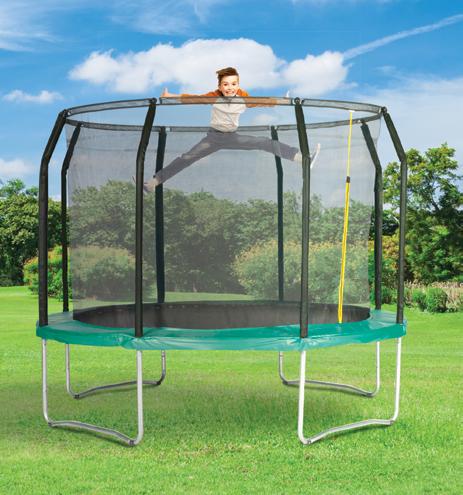


D R S A B C D
DANGER RESPONSE SEND for help AIRWAY BREATHING CPR DEFIBRILLATION
Ensure the are is safe for yourself, others and the patient
Check for response – ask name – squeeze shoulders
No response Response
Make comfortable
Check for injuries
Monitor response
Call triple zero (000) for an ambulance or ask another person to make the call
Open mouth – if foreign material present
Place in recovery position
Clear airway with fingers
Open airway by tilting head with chin lift
Check for breathing – look, listen, feel
Not normal breathing Normal breathing
Start CPR
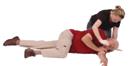
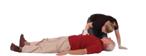
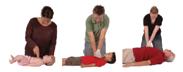
Place in recovery position
Monitor breathing
Start CPR – 30 chest compressions: 2 breaths
Continue CPR until help arrives or patient recovers
Apply defibrillator if available and follow voice prompts
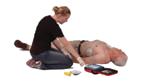
Drowning is the number one cause of death for children under the age of five. Drowning can occur quickly and quietly, without any warning. Whether at home, visiting family and friends, or on holiday, it is important to always actively supervise your child at all times in or near water.
• It only takes 5cm of water for a child to drown.
• 10-20% of children who survive a drowning incident will suffer some form of brain damage.
• For every child who dies from drowning, 10 children are hospitalised for non-fatal drowning.
For more information on water and pool safety for children visit the following websites:
NSW Swimming Pool Laws
Sydney Children’s Hospital Network
Raising Children’s Network
Kidsafe NSW
Here are some tips to make sure your children are safe:
• Children should be supervised at all times in and around water. There should be a capable adult swimmer continuously watching and within arm’s reach at all times. Never leave a child in charge of other children.
• Always stay with and hold your baby when in the bath, shower or near any water, even if the phone or doorbell rings.
• Ensure there is a safe play area which restricts children’s access to water when you are near dams, rivers, creeks, open drains, fish ponds and water tanks.
• Learn CPR by enrolling in a course and make sure you keep your skills up to date, in case of any emergencies.
• Make sure you can swim well, or attend swimming classes if you are not confident in the water.
• Enrol your child in water familiarisation and swimming lessons. Many children can learn to swim by the age of four or five.
• Display a CPR sign near the pool in case of an emergency.
• Fence the pool correctly:
o A standard pool fence should be at least 1.2m high, with vertical bars less than 10cm apart. If there are any climbable horizontal bars, these should be at least 90cm apart and any gaps under the fence should be less than 10cm.
o There should be no climbable objects, such as trees, furniture or BBQs within 90cm of the pool barrier, to make sure that children can’t climb over the fence.
o The pool gate should swing outwards, away from the pool area, be self-closing and automatically lock when it closes. The latch should be at least 150cm off the ground.
• Make sure portable pools have a secure fence as required by NSW Law and always empty and store them upright when not in use.
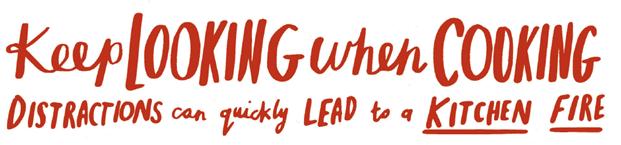
FACT – Almost half of all house fires start in the kitchen.
Never leave cooking unattended. Stay in the kitchen while cooking and turn off the stove before you leave.
Don’t put anything metallic in the microwave and always double-check the timer.
There are many dangerous substances in the kitchen. Flammable materials such as aerosols, cleaning agents and cooking oils should be stored away from heat and locked away from children.
Avoid cooking under the influence of alcohol or drugs.
Keep matches out of reach of children.
Keep your oven, rangehood and grill clean and in good working order. A build-up of grease and fat can ignite in a fire.
Turn pot handles inwards.
Keep loose clothing, fabrics, tea towels, curtains and flammable items away from the stove.
Children need constant supervision to protect them from the dangers of fires, burns and scalds.
Turn off the stove (if safe to do so) and use the lid to cover the flame.
Use a fire extinguisher or fire blanket in the first few seconds of ignition if you are confident
Never use water to put out a fat or oil fire.
Leave the kitchen, close the door and call Triple Zero ‘000’.





Help us, help you stay safe by following these simple smoke alarm guidelines:
1. It’s the law to have at l east one working smoke alarm install ed on every l evel of your home. This includes owner occupied homes, rental properties, r elocatab le homes, caravans an d camper-vans or any other residential building where people sleep.
2. Fire & Rescue NSW recommends the installation of photoelectric smoke alarms, ideally hard-wired and interconnected.
3. There are different types of smoke alarms available:
• Standard battery-operated alarms.
• Mains-powered smoke alarms.
• Smoke alarms with ten year lithium batteries.


• Strobe light and vibrating pad alarms. These are available for people who are deaf or hard of hearing. For more information contact the Deaf Society of NSW on 02 8833 3600
4. The Australian Standard symbol on the packaging shows if the alarm is approved and safe.
5. Your local Fire & Rescue NSW station will be happy to give you advice on which type is best suited f or you.
1. Avoid fitting smoke alarms in or near your kitchen or bathroom.
2. The ideal position is on the ceiling between sleeping and living areas.
3. In addition to the minimum requirement, Fire & Rescue NSW recommends installing smoke alarms in all bedrooms where people sleep.
4. Hard-wired smoke alarms need to be installed by an electrician.
5. Always install smoke alarms in accordance with manufacturer’s instructions.
6. If it is difficult for you to fit one yourself, contact your local Fire & Rescue NSW station for help. They’ll be happy to install your smoke alarm battery for you.
Learn more about Smoke Alarms
1. Test your smoke alarm batteries every month by pressing and holding the test button for five seconds. Replace batteries every 12 months.
2. Vacuum dust off alarms every six months.
3. Replace smoke alarms with a new photoelectric alarm every ten years or earlier, if specifie d by the manufacturer
For more information on smoke alarms, visit: fir e.nsw.gov.au and planning.nsw.gov.au
Watch a video on ReAlarm: Shopping to replace your smoke alarm
The backyard barbie can be a
barbecues clean ensure all gas and connections correctly fitted.
The backyard barbie can be a common cause of fires during summer. Here are some pointers:


Never use portable LPG cylinders indoors or in confined spaces.


Never use portable LPG cylinders indoors or in confined spaces.


Always read and follow the manufacturer’s instructions for maintenance.


Never use portable LPG cylinders indoors or in confined spaces.
Always read and follow the manufacturer’s instructions for maintenance.
Check the expiry date before using a gas cylinder.
Always read and follow the manufacturer’s instructions for maintenance.


Check the expiry date before using a gas cylinder.


Ensure connections on hoses are tight with no leakage.


Check the expiry date before using a gas cylinder. Ensure
connections on hoses are tight with no leakage.


Check the expiry date before using a gas cylinder. Ensure connections on hoses are tight with no leakage.
Never check for leaks with a naked flame.

Never check for leaks with a naked
Never use a hose that has perished or is cracked.
or is cracked.
Never check for leaks with a naked flame.
Never use a hose that has perished or is cracked.
Never use a hose that has perished or is cracked.
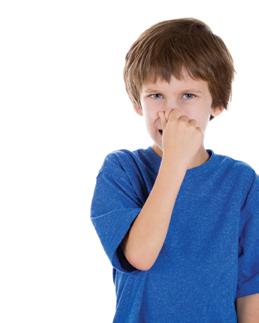
FACT - Having a home escape plan in conjunction with a working smoke alarm will greatly increase your chances of getting out safely Every second counts


Draw a floor plan of your home, including two ways of escape from each room.
Plan an escape route and ensure everyone knows how to get out.


Blocked exits are a hazard. Keep exits clear.

Keep door and window keys in or next to locks so they can be opened easily.
Decide on a meeting place outside e.g. the letterbox. Provide alternatives and someone to assist for anyone with a disability.
Decide on a meeting place outside e.g. the letterbox.
Plan two ways out of a room
Primary
Secondary
Draw your escape plan here and share it with your family.
A bush fire survival plan can help you make important decisions about what to do during a fire - like when to leave, what to take and what to do with animals.



The Lil Larrikkins pack has been developed to help explain to students the dangers of bush fires and give them age appropriate actions to help them and their families better prepare and become more resilient for bush fire events.
The NSW RFS, together other national bush fire agencies, created the Lil Larikkins Bush Fire Safety Program to assist primary school teachers to educate students about bush fire. The package includes tools such as comprehensive notes and lesson plans to help empower primary school students to take stock of their surroundings and community and learn more about the unique Australian environment in which we live.
To access the resources or for more information visit: www.rfs.nsw.gov.au/lillarikkins
Our volunteers make a difference in their communities not just by fighting fires, but also by helping families prepare themselves and their homes for a bush fire.
can support teachers and students by presenting skills-based sessions to students, assisting in school emergency planning and working with the wider school community to be prepared for a fire event. If you would like a member of the NSW RFS to visit your school please contact your local Fire Control Centre or visit www.rfs.nsw.gov.au/schoolsenquiry
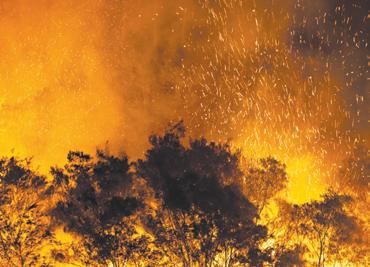
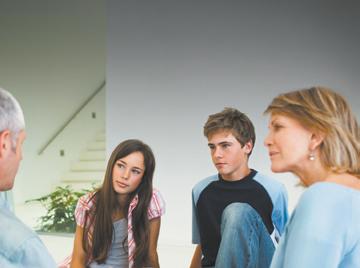
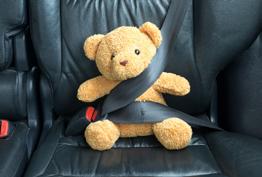

Are you at risk?
Storms can happen anywhere, at any time of the year. It is important to prepare your family and prepare your property now and stay prepared all year round. Storms are the most costly natural disaster to affect NSW.
During storms it is important to protect your family and property from the major impacts such as strong winds, hail and rising water levels (flash flooding
Damaging winds can bring down trees, branches, power lines, remove roofs and blow around outdoor items, for example outdoor furniture and trampolines
• Hail can injure people and damage property
Heavy rainfall can cause water to:
• damage exposed homes and belongings
• rise rapidly, flooding homes, property and roads
• drain rapidly making floodwaters, drains, and other water courses a safety hazard
Damaging surf can be unsafe and flood homes and properties in coastal areas
You may also be indirectly affected by storms; access roads may be blocked or you have no power, utilities or telephone connection.
for
There are eight simple things that you can do now to prepare your home and help reduce the potential damage caused by severe storms.
1.Maintain your yard and balcony. Secure or store items that could blow around in strong winds
2.Clean your gutters, downpipes and drains regularly to prevent blockages
3.Trim trees and branches that could potentially fall on your home or property
4.Fix any damage to your roof, including broken or missing tiles
5.Check your insurance policy is current and adequate
6.Make a Home Emergency Plan for your family that outlines what you would do in an emergency
7.Prepare an emergency kit with essential items in case you lose power or need to leave home in an emergency
8.Listen to your local radio station and other media for weather warnings
When a STORM WARNING is broadcast
Servere Weather Warnings and Severe Thunderstorm Warnings are issued by the Bureau of Meterology to alert communities to the threat of

severe weather. When a warning is issued for your area (but before the storm arrives), there are a few things you can do to help protect your family and property;
• Move indoors, bringing children and pets with you
• Park your car under secure cover and away from trees, powerlines and drains.
During a storm, there are simple things you can do to help protect your family:
• Never enter or travel through floodwater
Your emergency kit provides items you might need if you lose power or need to leave your home in a hurry. Your emergency kit contents:
A portable radio with batteries
A torch with spare batteries
A first aid kit
Candles and waterproof matches
Important papers including emergency contact numbers
Copies of any emergency plan
A waterproof bag for valuables
When leaving or evacuating your property, place into your emergency kit:
Medications
Supplies for your baby
Supplies for any other people in your care
Appropriate clothing and footwear
Food and drinking water


• Stay indoors, clear of windows
• Stay clear of creeks, drains, causeways, gutters, streams, fallen trees, power lines and damaged buildings
• If driving, put your hazard lights on and pull over to the side of the road keeping clear of drains, causeways, streams, creeks, trees and power lines

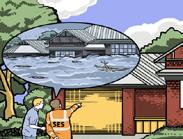
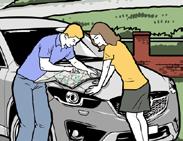
• If outdoors, seek secure shelter away from drains, causeways, streams, creeks, trees and power lines
• Listen to your local radio station and other media for information, updates and advice
• For emergency assistance in floods and storms, call the NSW SES on 132 500
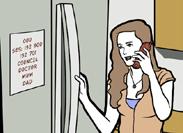
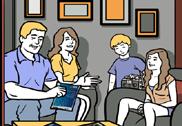
• Keep listening to your local radio station for information, updates and advice
• Check your house or property for damage
• Stay clear of creeks, drains, causeways, gutters, streams, fallen trees, power lines and any damaged buildings
• Check to see if your neighbours need help
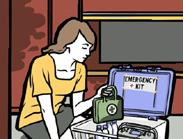
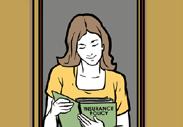
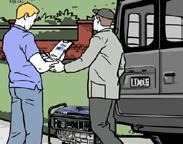

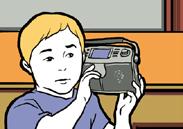

• Do not go sightseeing as this may hinder recovery efforts or put yourself and others at risk.
Are you at risk from floods?
If you live close to a creek, river, major stormwater drain or in a low-lying area, you may be at risk from flooding even if you have not experienced it personally.
To prepare for possible evacuation:
• Stack possessions, records, stock or equipment on benches and tables, placing electrical items on top
• Secure objects that are likely to float and cause damage
• Relocate waste containers, chemicals and poisons well above floor level
• Activate your Home or Business FloodSafe Plan
• Locate important papers,
valuables and mementos.
• Place them in your Emergency Kit
• Keep listening to your local radio station for information, updates and advice
• Keep in contact with your neighbours
• Be prepared to evacuate if advised by emergency services
• Act early as roads may become congested or close
Evacuation orders
When you leave:
• Turn off the electricity and gas at the mains before you leave and turn off and secure any gas bottles
• Take your pets with you
• Never enter or travel through floodwater
• Keep listening to your local radio station for information, updates and advice
• Follow your Home or Business FloodSafe Plan
• Follow all instructions given by emergency services
During a flood
How do I prepare when flooding is about to happen?
• Never drive, ride or walk through floodwater
• Listen to your local radio station for information, updates and advice
• Locate and check you Emergency Kit
• Move pets and agisted animals to high ground
• Stack possessions, records, stock or equipment on benches and tables, placing electrical items on top
• Secure objects that are likely to float and cause damage
• Relocate waste containers, chemicals and poisons well above floor level
• Activate your Home FloodSafe Plan
• Keep in contact with your neighbours and make sure they are aware of the Flood Warning
• Be prepared to evacuate if advised by emergency services
• Act early as roads may become congested or close.
What is a Tsunami?
A tsunami is a series of waves generated by a number of causes including:
• Vertical movement of the sea floor as the result of a large earthquake
• Submarine or coastal volcanic eruptions
• Meteor impacts
• Coastal landslides and slumps, either land-based or submarine
Know your warnings
You should know the warning types, warning signs, and the official warning channels that may be used, to indicate a tsunami is approaching.
Know where to go
Find the safest route to travel in the event that you might need to evacuate and identify the point at
which your evacuation route may be cut. In many locations, it is likely that you will need to evacuate by foot due to congestion on roads. Find out where any evacuation centres could be set up in your area. If you prefer, check with friends and relatives outside the affected area to organise a place to go.
Know who to call
• For emergency help in tsunami, call the NSW SES on 132 500
• Keep local emergency numbers handy (in your phone or wallet)
• In a life-threatening emergency, call 000 (triple zero)
WHEN A TSUNAMI WATCH IS ISSUED
The first stage of the process for warning you about a tsunami is a ‘tsunami watch’ phase. This means that there is the potential for an identified undersea earthquake to cause a tsunami threat to Australia. If there is a threat, the Bureau will issue a National Tsunami Watch. If there is no threat, a National Tsunami No Threat Bulletin will be issued. If there is a possibility of a Land Threat Tsunami emergency services may commence evacuations immediately.
People in affected areas:
• Locate your Emergency Kit and add any medications, important papers, special items for babies, elderly, clothing, food and water
• Locate your Emergency Plan
Keep listening to your local radio station or other media for any updates and advice
• Follow advice given to you by emergency services
ACTIONS TO TAKE WHEN A TSUNAMI WARNING IS ISSUED
It is important to act early on warnings as tsunami can reach the coastline quickly and follow the advice of emergency services.
Marine and Immediate Foreshore Warning
• Get out of the water and move away from the immediate water’s edge of harbours, coastal estuaries, rock platforms, and beaches
• Boats in harbours, estuaries and in shallow coastal water should return to shore. Secure your boat and move away from the waterfront
• Vessels already at sea should stay offshore in deep water until further advised
• DO NOT go to the coast to watch the tsunami
• Check that your neighbours have received this advice. Keep listening to your local radio station and monitor other media for updates and advice.
For emergency help in floods and storms call the SES on 132 500 or visit www.ses.nsw.gov.au For life threatening emergencies call 000
Learn more about Flood Safety
Learn how to be prepared for a flood
Download the floodable fact sheet
Learn more about Tsunami Safety
Download the SES app
Learn more about the SES Home Emergency Plan Checklist
Mental health is about the way a child thinks and feels about themselves and their world. It’s about how they handle their everyday lives, including making and keeping friends, keeping up with school work and getting along with family members. Like our physical health, there are times we feel well and happy, and times when we don’t feel so great. As children develop and grow they can experience some bumps along the way, which may influence their thoughts, feelings and behaviours.
SHOULD I BE CONCERNED?
Getting in early for mental health and wellbeing
Keeping children healthy and happy involves looking after their mental health as well as their physical health. Mental health is how we think or feel about ourselves and what is going on around us, and how we cope with the ups and downs of life.
Good mental health helps us to form positive relationships with others, handle challenges and be able to generally enjoy life. With good mental health, children think positively about themselves and learn and achieve better results at school. Good mental health in childhood lays the foundations for positive mental health and wellbeing, now and into the future.
Mental health difficulties affects children’s behaviour, feelings, ability to learn, social relationships, as well as their physical health and
wellbeing. About half of all serious mental health problems in adulthood begin before the age of 14 years. In Australia it is estimated that approximately one in seven children experience mental health difficulties. There are many ways that parents, carers and school staff can support children who are experiencing mental health difficulties. Some of these may be parents, carers and school staff working in partnership to come up with ways of supporting the child, attending information sessions on particular childhood mental health difficulties or getting a referral to a mental health professional.
Although there are many effective supports for children experiencing mental health difficulties, many children do not receive the help they need. This can happen because families are unsure of whether their child has a difficulty, or they do not know where to go or what to do to get mental health support. Schools can be an ideal place for families to access information about supporting the mental health and wellbeing of their children. Sometimes parents and carers may feel concerned about raising mental health concerns due to misunderstandings and negativity that they feel may exist about mental health difficulties.
The positive way in which families and schools support each other in relation to mental health and wellbeing will help parents and carers to seek support and assistance in a timely way.
Learning about children through observations
Parents, carers and early childhood staff can support children’s mental health by being aware of possible signs of emotional and behavioural difficulties. Some of the difficulties which might be cause for concern can fall under the following five areas related to mental health. These are the key things to observe when you are concerned about a child’s mental health:
Behaviours
Emotions
Thoughts
Learning
Social relationships
Many children you may be concerned about will have difficulties in more than one area as they all link and influence one another. For example, a child who is showing signs of difficulties in their behaviour may also have difficulties in managing their emotions and forming relationships. It is common for children to show difficulties in these areas during early childhood as they are developing new skills. Many behaviours that would be of concern in an older
child are natural for infants and very young children. If early childhood service staff have a concern about a child, they may choose to observe them in a range of situations to get as much information as possible. It is important that some observation, discussion and reflection takes place before deciding whether there is a significant concern requiring further investigation.
Parents and carers are usually the first to recognise that their children are experiencing difficulties with behaviour, emotions or thoughts. Sometimes though, these difficulties may be more noticeable at a child’s early childhood service where staff regularly observe the behaviours of a range of children every day.
Observations are an excellent way of identifying children’s strengths and needs. Through observations parents, carers and staff can see what children are coping with, enjoying, finding easy, and where children might need more support. When early childhood staff observe children they are concerned about, it is important they focus on particular behaviours and get as much detail about these behaviours as possible. By observing children you can start to learn what is part of everyday child development and what could be a mental health difficulty.
Taking time to observe children doing everyday things can help us understand the meaning behind their behaviour.
Getting help for your child
If you are concerned that your child has excessive worries, fears, or feels ‘bad’ about him or herself and you are not sure how to go about getting help, try the following steps:
Find out more
Talk to teachers or others who have regular contact with your child and find out if they have concerns about your child.
Talk to your child’s school about seeing the school psychologist or counsellor
The psychologist or counsellor at your child’s school can listen to your concerns and discuss options for helping your child at home and at school.
See your general practitioner
Your doctor can explore any physical health concerns and help you decide about the need for further mental health assessment and professional support by referring you to a children’s mental health specialist if required.
Australian Bureau of Statistics (2007) National Survey of Mental Health and Wellbeing: Summary of Results. ABS, Canberra.
Children’s mental health difficulties are generally classified as being one of two types: ‘internalising’ and ‘externalising’.
Children with internalising difficulties show behaviours that are inhibited and overcontrolled. They may have a nervous or anxious temperament and be worried, fearful and/or withdrawn.
Children with externalising difficulties show behaviours that are under-controlled. They may have a more challenging temperament, shown in impulsive or reactive behaviour. Sometimes this pattern can lead to diffi culties with attention, aggression or oppositional behaviour. Externalising behaviours cause difficulties for others as well as for the children themselves.
It is not uncommon for children to show behaviours associated with both internalising and externalising patterns of behaviour. The typical features associated with each pattern are summarised below.
Features associated with children’s ‘internalising’ difficulties include:
• nervous/anxious temperament
• excessive worrying
• pessimistic thinking
• withdrawn behaviour
• peer relationship difficulties (eg can be isolated).
Features associated with children’s ‘externalising’difficulties include:
• challenging temperament
• reduced problem-solving skills
• attention difficulties, hyperactivity
• oppositional behaviour (eg doesn’t like to be told what to do; won’t follow rules)
• aggressive behaviour.
Children with ADHD often show severe externalising difficulties. Children with other serious behaviour problems also show externalising patterns of behaviour, such as persistent aggression. Children with severe internalising diffi culties may be diagnosed with an anxiety disorder or with depression.
If your problem is urgent call Lifeline 13 11 44
Learn How mental health difficulties affect older children (primary years)
Download more information on Learn How mental health difficulties affect older children


What is diabetes?
Diabetes is characterised by high glucose levels (commonly referred to as sugar levels) in the blood stream caused by a lack of insulin production or the ineffective action of insulin, or a combination of both. There are two main types of diabetes – type 1 and type 2 – their cause and management can be quite different.
Type 2 diabetes is the most common type of diabetes, making up 85% of all diabetes cases. It mainly affects adults. It is caused by genetic and lifestyle factors, such as lack of physical activity, unhealthy eating habits and excess weight.
Type 1 diabetes is very different. In type 1 diabetes, the pancreas stops making the hormone insulin. The body’s immune system destroys the insulin-making cells (beta cells) in the pancreas. Insulin is essential for life, so children with type 1 diabetes need to replace insulin in the body either though several injections a day or the use of an insulin pump.
The majority of children with diabetes will have type 1 diabetes. The onset usually occurs in people under the age of 30 (and has been known in the past as Juvenile Onset Diabetes), however it can happen at any age.
The exact cause of type 1 diabetes is not yet known. A combination of genetic factors together with environmental factors are thought to trigger the autoimmune process. These environmental triggers are largely unknown but likely to be viral, dietary and/ or chemical.
Type 1 diabetes is not contagious or preventable, nor is it caused by an unhealthy lifestyle. This is a common misconception and has at times resulted in blaming and shaming students with type 1 diabetes for unhealthy food choices including ‘too much sugar’ or junk food.
Nationally there are almost 14,000 school aged children living with type 1 diabetes and in NSW the figure is around 4,500. Recently, Diabetes NSW &
Signs and symptoms of type 1 diabetes
• Being excessively thirsty
• Passing more urine
• Feeling tired and lethargic
• Always feeling hungry
• Having cuts that heal slowly
• Itching, skin infections
• Blurred vision
• Unexplained weight loss
• Mood swings
• Headaches
• Feeling dizzy
• Leg cramps
These symptoms may occur suddenly and if not treated appropriately can pose immediate life-threatening health risks. If they occur, see a doctor straightaway. Through a simple test, a doctor can find out if your child has type 1 diabetes.
ACT rolled out a new diabetes in schools education and training program to make it easier for teachers and staff to support children with type 1 diabetes, and give parents confidence that their children will be safe and supported at school. The program covers the safe management of diabetes and ‘normalises’ diabetes in schools so students are not stigmatised.
In the school setting a child should have access to their blood glucose monitoring kit and hypo kit at all times. Checking blood glucose should be supported in the classroom, it is not a ‘sick bay’ activity. Tending to activities of daily diabetes care in the classroom environment is less disruptive to a child’s learning and can also help other students understand and support a peer living with diabetes.
Diabetes NSW & ACT runs camps and DiaBuddies Days for children with type 1 diabetes throughout the year. These are fantastic opportunities for children to meet others with type 1 diabetes and gain confidence in their own diabetes management. It can be an isolating experience for children living with type 1 diabetes and these events enable children and their families to meet others facing the same challenges and triumphs. They are a chance to celebrate the achievements of the children while facilitating education and the development of friendships.
To find out about upcoming camps or DiaBuddies Days call 1300 342 238 or email events@diabetesnsw.com.au

Learn more about when your child has diabetes
Watch a video about DiaBuddies Day
What is asthma?
Asthma is a long-term lung condition. Children with asthma have sensitive lungs which react to triggers, causing a ‘flare-up’. In a flare-up, the muscles around the airway squeeze tight, the airways swell and become narrow and there is more mucus. These things make it harder to breathe.
An asthma flare-up can come on slowly (over hours, days or even weeks) or very quickly (over minutes). A sudden or severe asthma flare-up is sometimes known as an asthma attack.
1 in 9 kids have asthma with nearly 500, 000 Australian children 0 – 14 years living with asthma1 In 2015 – 2016, half (51%) of the hospitalisations for asthma in Australia were for children aged 0–14.2 Of this, boys were 1.7 times as likely as girls of the same age to be admitted to hospital for asthma.2
Asthma cannot be cured, but for most children it can be well controlled by following a daily management plan.
What are the symptoms of asthma?
A child’s asthma symptoms can vary over timesometimes they will have no symptoms, especially when their asthma is well-controlled. Symptoms often vary from child to child, but they are most commonly:
• breathlessness
• wheezing
• tight feeling in the chest
• cough
Symptoms often occur at night, early in the morning or during/just after activity. They are caused by the narrowing of the airways.
If your child’s asthma is well controlled, they should only have occasional asthma symptoms. If your child has symptoms regularly, you should see your child’s doctor for an asthma review.
Causes
The causes of asthma are not fully understood, although children with asthma often have a family history of asthma, eczema and hay fever.
Research has shown that exposure to tobacco smoke (especially as a baby or young child) and obesity can increase the risk of developing asthma. Researchers continue to try to find out more about what causes asthma and how we might prevent it.
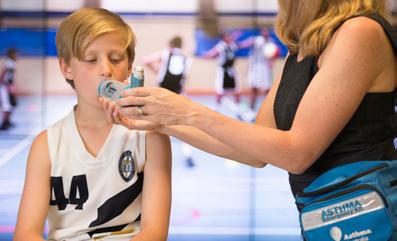
Wheezing in babies does not mean they have asthma. More than half of infants who wheeze will stop after about three years of age. This is because these babies have smaller airways, and so they are more likely to make a wheezing noise, especially when they have a cold or flu. This is called ‘viral induced wheeze’. These children also usually don’t have other allergic diseases and have negative results on allergy tests. By about 3 years of age, the airways have grown and widened, and the wheezing often stops.
Asthma is more likely to develop in children who continue to wheeze after the age of 3 and have allergies such as eczema, hay fever, runny nose with a cold or whose parents have allergies. It is usually diagnosed over time as the doctor monitors the symptoms and response to treatment. Specific lung function tests (like spirometry tests) are difficult to do in young children.
Managing your child’s asthma means taking control of their health so that they can live a full and active life. While asthma can’t be cured, for most children it can be well controlled, which means hardly any symptoms or flare-ups, or limits to their lifestyle. With the correct knowledge, skills and medication your child can do just about anything - asthma shouldn’t stop them!
If your child has asthma, speak to your doctor about a written Asthma Action Plan, device technique checks and preventer medication.
For more information on asthma call the 1800 ASTHMA Helpline (1800 278 462) or visit www.asthmaaustralia.org.au

1. Australian Bureau of Statistics 2016; National Health Survey: First Results 2014-15. ABS Cat no. 4364.0.55.001. Canberra: ABS. Accessed online: https://www.aihw. gov.au/reports/chronic-respiratory-conditions/asthma/data 2.Australian Institute of Health and Welfare (AIHW) 2018. Asthma Snapshot Cat. no: ACM 33. Canberra: AIHW. Accessed online: https://www.aihw.gov.au/reports/ asthma-other-chronic-respiratory-conditions/asthma/contents/what-role-do-hospitals-play-in-treating-asthma
Download asthma resource brochures
Register for Asthma Assist
Learn more about asthma emergency and first aid
Learn more about Dietary Guidelines
What are the dietary Guidelines?
The Australian Dietary Guidelines provide up-to-date advice about the amount and kinds of foods that we need eat for health and wellbeing. They are based on scientific evidence and research. The Australian Dietary Guidelines of most relevance to children are included below:
To achieve and maintain a healthy weight, be physically active and choose amounts of nutritious food and drinks to meet your energy needs.
• Children and adolescents should eat sufficient nutritious foods to grow and develop normally. They should be physically active every day and their growth should be checked regularly.
Enjoy a wide variety of nutritious foods from these five food groups every day:
• Plenty of vegetables of different types and colours, and legumes/beans
Play the Eat for Health game
Find out about 5 Ways to a Healthy Lifestyle
• Fruit
• Grain (cereal) foods, mostly wholegrain and/or high cereal fibre varieties, such as breads, cereals, rice, pasta, noodles, polenta, couscous, oats, quinoa and barley
• Lean meats and poultry, fish, eggs, tofu, nuts and seeds, and legumes/beans
• Milk, yoghurt, cheese and/or their alternatives, mostly reduced fat (reduced fat milks are not
a. Limit intake of foods high in saturated fat such as many biscuits, cakes, pastries, pies, processed meats, commercial burgers, pizza, fried foods, potato chips, crisps and other savoury snacks.
• Replace high fat foods which contain predominately saturated fats such as butter, cream, cooking margarine, coconut palm oil with foods which contain predominately polyunsaturated and monounsaturated fats such as oils, spreads, nut butters/pastes and avocado.
• Low fat diets are not suitable for children under the age of 2 years.
b. Limit intake of foods and drinks containing added salt.
• Read labels to choose lower sodium options among similar foods.
• Do not add salt to foods in cooking or at the table.
c. Limit intake of foods and drinks containing added sugars such as confectionary, sugar-sweetened soft drinks and cordials, fruit drinks, vitamin waters, energy sports drinks.







Brushing Childrens Teeth:
Tooth decay
The main cause of tooth decay is an acid attack on the surfaces of the teeth. This acid is produced by bacteria which cling to the surface of the teeth in a film called dental plaque. Sweet, sticky, sugary foods encourage the plaque to make acid which causes tooth decay and bleeding gums.
Children need to learn how to clean their teeth. Start off by giving your baby a small toothbrush as a toybath time is a good time. Start to clean your baby’s teeth as soon as they appear. Use a small, soft toothbrush and water. When the child is older, introduce small amounts of junior fluoride toothpaste onto the brush. Just put a small wipe of toothpaste on the brush. It is best that your child cleans their teeth the last thing before bed. It is hard for children under ten to clean their teeth properly. You will need to help at least once a day. If the bacteria have been on the teeth for a long time, the gums may bleed when brushed. This gingivitis tells you that the gums are unhealthy. To get them healthy again the gums need to be cleaned more often, even if they bleed when brushed.
Here are some tips to prevent decay and sore gums for children:
• Avoid putting infants and young children down with a bottle. Always ensure feeding has ceased before your child goes to sleep to avoid early infant tooth decay
• Drink fluoridated tap water every day. If you are not sure if your local water is fluoridated, check with your local council
• Avoid eating sugary sticky foods, especially between meals
• Avoid sweet drinks and juices, especially between meals
• Give your child foods which make them chew
• Brush twice a day - after breakfast and before bed (use a small toothbrush and a small amount of fluoridated, junior toothpaste)
• If there’s no toothbrush, rinse with water
• Use dental floss daily from about 3-4 years of age
• Visit your dentist regularly
• Please do not put honey on dummies to get children to sleep.
Toothache
If your child has a toothache or a hole in a tooth, take your child to the dentist immediately. Tooth decay can easily lead to an infection which is very painful for your child.
Bleeding
If your child’s gums bleed during tooth-brushing take your child to the dentist as soon as possible. This bleeding can be caused by lack of proper care for the teeth, or it may be a symptom of a medical condition.
Your dentist can check this and advise you.
Injury
If your child falls and hurts a tooth take them to the dentist quickly. If the teeth are loose, especially the permanent teeth, they need to be replaced in the socket and splinted as soon as possible, preferably within the hour. The sooner the tooth is back in place the better its chance of survival in the long term. Do not attempt to replace a baby tooth. If a permanent tooth is knocked out
1. Take your child to the nearest dentist or hospital with the tooth/teeth in milk or saline.
2. If unable to get your child to a dentist within one hour:
• Hold the tooth by the crown
• Rinse the tooth, if dirty, in milk or saline (use water as a last resort )
• Do not scrub or touch the root of tooth
• Replace the tooth in the socket
• Make sure that the tooth is not back to front- facial surface towards the front. You can check this against the next tooth or someone else’s front tooth.
3. Take your child to a dentist or hospital straight away so they can splint the tooth in place.
Teeth development
Baby teeth can arrive in any order, although the central bottom teeth are often first. Most children have a full set of 20 baby teeth by the time they’re three.
Adult teeth start developing inside babies’ jawbones after birth. After a baby tooth falls out, an adult permanent tooth takes its place.
Children usually start losing their baby teeth from around six years of age. From 6-12 years, children have a mixture of adult and baby teeth. The baby teeth at the back are replaced around 10-12 years of age. By this age, most children have all their adult teeth except for the third molars (wisdom teeth).
The adult teeth don’t get replaced, so you have to look after them.
If your child’s baby teeth came late, the adult teeth will probably be late too. If you’re concerned about your child’s teeth development, see your dentist.
When adult teeth are coming through
Your child might find chewing is more difficult when teeth are loose or missing, but your child still needs to eat healthy foods.
It’s important to keep up your child’s teeth-brushing routine, taking extra care around the loose teeth or sensitive areas. But let loose teeth fall out on their own. If you try to pull out a tooth before it’s ready to fall out, it can snap. This can cause pain and infection.
Sometimes an adult tooth will come through before the baby tooth has fallen out. If the baby tooth hasn’t fallen out within 2-3 months, see your dentist.
Many people think they are allergic to a food when in fact they are intolerant. Unlike food allergies, intolerances do not involve the body’s immune system. Slower in onset and not life threatening, food intolerance symptoms include headaches, bloating, wind, nausea, mouth ulcers or hives. Symptoms that occur several hours after a food is eaten are more often as a result of an intolerance or enzyme deficiency rather than a food allergy. A food allergy is not:
• The inability to digest a food
• An aversion to a food (disliking a food)
• Food poisoning
• A reaction to a food additive
The signs and symptoms of a food allergic reaction may occur almost immediately after eating or most often within 20 minutes to 2 hours after eating. Rapid onset and development of potentially life threatening symptoms are characteristic markers of anaphylaxis. Allergic symptoms may initially appear mild or moderate but can progress very quickly. The most dangerous allergic reactions (anaphylaxis) involve the respiratory system (breathing) and/or cardiovascular system (heart and blood pressure). If you suspect a food has caused a reaction, avoid that food, talk with your doctor and have it investigated. If you know you have a food allergy, then always avoid that specific food trigger. If you, your child or someone you care for has a reaction to any food, seek medical advice. If you are worried about a serious reaction, call an ambulance or go directly to hospital.
Anaphylaxis is the most severe form of allergic reaction and is potentially life threatening. It must be treated as a medical emergency, requiring immediate treatment and urgent medical attention.
Anaphylaxis is a generalised allergic reaction, which often involves more than one body system (e.g. skin, respiratory, gastro-intestinal, cardiovascular). A severe allergic reaction usually occurs within 20 minutes of exposure to the trigger and can rapidly become life threatening.
Anaphylaxis is a preventable and treatable event. Knowing the triggers is the first step in prevention.
Children and caregivers need to be educated on how to avoid food allergens and/or other triggers.
However, because accidental exposure is a reality, children and caregivers need to be able to recognise symptoms of an anaphylaxis and be prepared to administer adrenaline according to the individual’s Action Plan for Anaphylaxis.
Research shows that fatalities more often occur away from home and are associated with either not using or a delay in the use of adrenaline.
In Australia, adrenaline can be purchased on the PBS in the form of autoinjectors known as the EpiPen®. The adrenaline autoinjectors are intramuscular injections that contain a single, premeasured dose of adrenaline that is given for the emergency treatment of anaphylactic reactions. The devices are for use by lay people and is available in two doses, Epipen® or EpiPen® Jr.
Please consult your doctor for more information on allergic reactions, accurate diagnosis and management strategies.






With good food habits and daily physical activity you will be well on your way to a healthy life. Easy to say, but sometimes not so easy to do!
Our busy lifestyles can be hard on our family’s health. Rushing to and from school and work can make it hard to find time to be physically active. We can also slip into the habit of choosing unhealthy snacks and take-away foods or spending our free time watching TV or in front of the computer.
What can I do?
There are five simple ways for your family to lead a healthy lifestyle and get back on track:
1. Get active each day
• Regular physical activity is important for the healthy growth, development and well-being of children and young people.
• They should get at least 60 minutes of physical activity every day, including vigorous activities that make them ‘huff and puff’.
• Include activities that strengthen muscles and bones on at least 3 days of the week.
• Parents should be good role models and have a positive attitude to being active.
2. Choose water as a drink
• Water is the best way to quench your thirst – and it doesn’t come with the added sugar found in fruit juices, soft drinks and other sweetened drinks.
• Reduced fat milk for children over two is a nutritious drink and a great source of calcium.
• Give kids whole fruit to eat, rather than offering fruit juices that have a lot of sugar.

3. Eat more fruit and vegetables
• Eating fruit and vegetables every day helps children grow and develop, boosts their vitality and can reduce the risk of many chronic diseases.
• Aim to eat two serves of fruit and five serves of vegetables every day.
• Have fresh fruit available as a convenient snack and try to include fruit and vegies in every meal.
4. Switch off the screen and get active
• Sedentary or ‘still’ time spent watching TV, surfing online or playing computer games is linked to kids becoming overweight or obese.
• Children and young people should spend no more than two hours a day on ‘small screen’ entertainment. Break up long periods of use as often as possible.
• Plan a range of active indoor and outdoor games or activities for your children, as alternatives to watching TV or playing on the computer.
5. Eat fewer snacks and select healthier alternatives
• Healthy snacks help children and young people meet their daily nutritional needs.
• Snacks based on fruit and vegetables, reduced fat dairy products and whole grains are the healthiest choices.
• Avoid snacks that are high in sugar or saturated fats – such as chips, cakes and chocolate – which can cause children to put on excess weight.
At school students learn about the types of foods and drinks needed to stay healthy, to help brains work and to help them feel more alert – just what is needed to get through the school day. So it makes sense that the school canteen is full of healthy food and drink options. Good nutrition is vital to all children and young people, as it helps them to grow and learn.
The Healthy School Canteen Strategy is about improving access to healthy food and drink choices and it’s about providing students with the skills and opportunity to learn about healthy food and drink choices and making the healthy choice the right choice.
The revised Healthy School Canteen Strategy has the new Food and Drink criteria which categorises food and drink as either Everyday or Occasional. This replaces the traffic light system of Green, Amber and Red foods which made the Fresh Tastes @ School strategy. The Food and Drink criteria follow the Australian Dietary Guidelines that recommend that we eat from the five food groups, vegetables, wholegrain, dairy, fish and meat everyday, and only occasionally eat small amounts of foods containing lots of fat, salt and sugar.
Look for the Everyday food and drinks in your canteen – they are easy to spot as they will be at the front of the counter and there will be plenty of fabulous choices. Everyday foods include foods from each of the five food groups. Choose things like sandwiches and wraps filled with salads/cheese/eggs, toasties with apple and cinnamon, rice paper rolls, jacket potatoes, lasagna, burritos with beans and salsa, pizza muffins, fruit and popcorn, just to name a few. The Occasional foods are things like meat pies, sausage rolls, hot chips, crisps, sweet biscuits, processed meats such as salami, cakes, muesli , confectionery, ice cream, desserts and soft drinks.
Load up on the everyday and have less occasional food and drinks, because you know it will make you feel better throughout the day. For more information visit healthyschoolcanteens.nsw.gov.au
When to keep sick kids home
Sometimes children must be kept away from school if, for example, they have an infectious disease. Here’s what you need to know about school exclusion.
What are school exclusions for health reasons?
If your child has an infectious condition, you may need to keep them at home to stop it from spreading. This may be for a period of time (e.g. 24 hours since the last symptom), until your school lets you know that they can return. The guidelines on exclusion periods can vary for different states and territories. Information on infectious diseases and exclusion periods is available at healthdirect.gov.au/schoolexclusion-periods but always check with your child’s school.
Kids are often excluded from school due to:
• conjunctivitis
• gastroenteritis
• influenza (flu)
• threadworm
• hand foot and mouth disease
For how long will my child be excluded from school?
time between exposure to an infection and when first symptoms show). Many schools have a written policy based on the national guidelines for recommended minimum exclusion periods, which is available at nhmrc.gov.au.
Sending your child back to school
Sometimes it’s hard for busy parents to keep their child home from school. But it’s important for schools to protect students and staff, and prevent the disease spreading to the wider community. If you have a letter or medical certificate from a doctor or public health facility to say your child is no longer infectious, give it to your school. The school will then let you know if your child can return.
What if I disagree with the school’s decision?
If the school asks for a medical certificate from your doctor but it doesn’t meet the requirements of the school’s exclusion policy, the school may still ask that your child be cared for at home. If you have any further questions or concerns, it’s best to contact your local NSW public health unit.
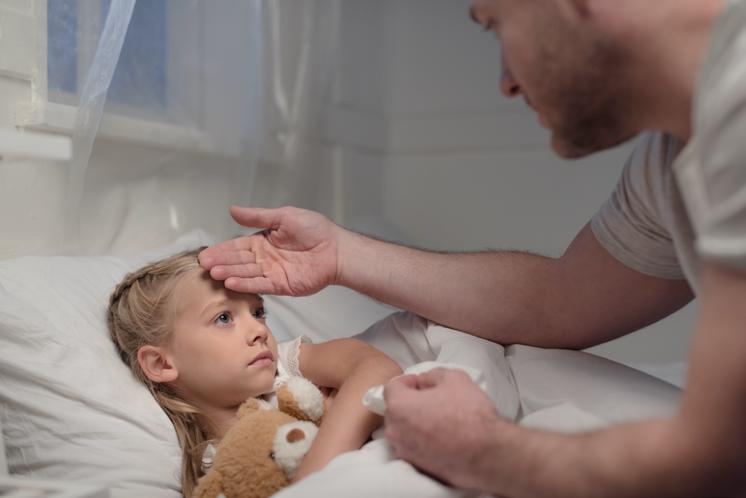


Enjoy a wide variety of nutritious foods from these five food groups every day. Drink plenty of water.
Grain (cereal) foods, mostly wholegrain and/or high cereal fibre varieties
Lean meats and poultry, fish, eggs, tofu, nuts and seeds and legumes/beans
Vegetables and legumes/beans


Milk, yoghurt, cheese and/or alternatives, mostly reduced fat

Learn more about Immunisation
Immunisation is a simple, safe and effective way to protect people against serious diseases. Immunisation not only protects individuals but also others in the community, including those who are too young to be vaccinated or those that can’t be vaccinated for medical reasons.
• The more people who vaccinate their children, the greater our ability to control serious diseases in the community.
Learn more about why on-time immunisation is important
Learn more about how vaccines affect immunity
Immunisation is the most siginificant public health intervention in the last 200 years, providing a safe and effective way to prevent the spread of many diseases that cause hospitalisation, serious ongoing health conditions and sometimes death.
Since the introduction of vaccination for children in Australia in 1932, deaths from these preventable diseases have fallen by 99 per cent, even though the Australian population has increased by three times over that period. Before the major vaccination campaigns of the 1960s and ’70s, diseases like tetanus, diphtheria and whooping cough (pertussis) killed thousands of young children each year. Worldwide, it has been estimated that immunisation programmes prevent approximately three million deaths each year.
With 100,000 babies born in NSW annually, it’s important that new parents make sure that their children are vaccinated on time at the recommended milestones. The NSW Immunisation Schedule has been carefully developed to provide children with the earliest possible protection against 13 vaccine preventable diseases. This is particularly important for babies in the first six months of life when they are very vulnerable as their immune system is still developing. If children are vaccinated later than the recommended milestones, then they will be unprotected and therefore be at risk of illness or death themselves and of further spreading disease in the community. Delaying vaccination when your little one is feeling off colour is a normal response. But the truth is, even if they have a runny nose or slight cold they can still receive their shot.
Learn more about vaccine safety
For immunisation to provide the greatest benefit, about 95 per cent of the population need to be vaccinated to halt the spread of bacteria and viruses that cause disease - this is called ‘herd immunity’. In NSW, immunisation coverage rates for children are high, with close to 95 per cent of children fully immunised. Without herd immunity, rare diseases could become common again, causing more illness and deaths.
Immunisation uses the body’s natural defence mechanism – the immune response – to build resistance to specific bacteria and viruses. When a person is vaccinated, their body produces an immune response in the same way their body would after exposure to a disease, but without the person suffering symptoms of the disease. When a person comes in contact with that disease in the future, their immune system will respond fast enough to prevent the person developing the disease or greatly reducing its severity.
• Vaccination is the best way to protect your child from serious diseases.
• By vaccinating you are protecting your child as well as others in the community, including those who are too young to be vaccinated or those that can’t be vaccinated for medical reasons.
Vaccines are safe and effective. The benefits of immunisation far outweigh any risks. However, like other medicines, a vaccine can sometimes cause side effects. These are usually mild and short-lasting and involve pain, swelling and redness at the injection site. Serious side effects are very rare. If you have any concerns about possible side effects, speak to your GP or immunisation service provider.
Parents will need to provide records of their child’s immunisations for child care, preschool and for school enrolment. An Australian Immunisation Register (AIR) Immunisation History Statement for each child will automatically be sent to parents after the childhood immunisation schedule is completed (sometime after 4 years of age).
A copy can also be obtained at any time by:
• using the Medicare online account through MyGov
• using the Medicare Express Plus App
• calling the AIR General Enquiries Line on 1800 653 809.
Vaccinations are provided by:
• GPs
• Aboriginal Medical Services
• Some local councils
• Some community health centres
If you are unsure about what services are available in your area, you can contact your local public health unit on 1300 066 055
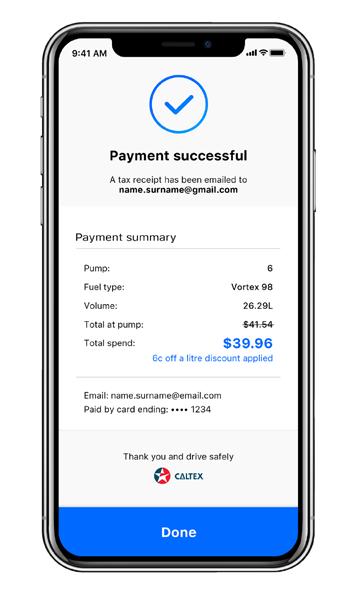
KEEPING YOUR CHILDREN SAFE
Children are vulnerable road users. They are at risk in the traffic environment because of their size, their difficulty in judging speed and distance and the fact that they may behave unpredictably.
More than one million children in NSW travel to and from school each day by car, bike, public transport or as a pedestrian. Each form of transport poses potential hazards. The RTA has introduced a program of 40km school zones and also funds the Road Safety Education Program in NSW schools. But this alone is not enough; you can help by following some simple safety steps and by regularly reinforcing important road safety messages with your children.
Each year, kids, just like you and your friends are killed and injured playing near or trying to cross the road. Often they just forgot to look or are distracted by other things.
• Use a pedestrian crossing where possible. Take care whenever you cross. Cars don’t always stop, even when they should.
• Children aged up to 10 years old should always be supervised when near traffic.
• Children aged up to 8 years old should always hold an adult’s hand when crossing the road or walking near traffic.
• Always use pedestrian crossings or traffic lights to cross the road.
• Cross in a group with your friends. A group or pair is more visible than a person on their own.
• When crossing a road STOP, LOOK for any traffic, LISTEN for any approaching cars and WAIT until there is no sign of traffic before you cross the road. Even if you are crossing at a traffic light.
• Cross the road completely - roads are not places where you can play.
• Never run out onto the road without first looking, even if it is a quiet street.
• Don’t cross between parked cars - often drivers can’t see you and you can’t see them.
• Always walk on the footpath. If there isn’t one, walk on the side of the road towards approaching cars not on the road.
• Don’t forget to look out for cyclists who may be riding their bikes on the footpath.
• At night, carry or wear something light in colour so that drivers can see you more easily.
Riding your bike is a fun way to get around but it can be dangerous if you’re not careful. Every year more
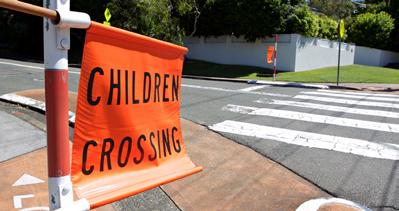
than 200 young cyclists are killed or injured. In many cases, they weren’t wearing helmets or following the road rules.
• Protect your head: When riding a bicycle you are required by law to wear an approved helmet securely fitted and fastened. In NSW there are no exemptions from wearing an approved bicycle helmet.
• Children aged up to 12 years should ride their bikes on the footpath or away from the road – around 10% of child road casualties are cyclists. Older children should use the bike lane.
• Be cautious when riding on the road - remember motorists can’t always see you so don’t expect them to stop for you.
• Always ride your bike on the left hand side of the road, as close to the kerb as possible.
• Be courteous. Drivers don’t do anything that could put yourself or other people in danger.
• Like car drivers, you have to obey all traffic signs and traffic lights.
• Leave at least one metre between you and the traffic.
• Use hand signal to let drivers know if you’re turning or stopping.
• Never ride your bike across a pedestrian crossing.
• Do not double anyone. Let your friends walk beside your bike if necessary.
• Keep your bike in control by keeping one hand on the handle bars at all times.
• Be visible on the road! Wear light coloured or reflective clothing when you are riding your bike, especially at night.
• Drivers will also see you more easily if your bike has a flag and reflectors on both front and rear.
• If you’re riding at night, have proper front and rear lights fitted otherwise people cannot see you.
• Make yourself heard on the road - check your bike has a horn or a bell.
• Check your tyres and brakes regularly. You don’t want the tyre to blow out or your brakes to fail when coming down a hill.
• Ride a bike that is the right size for you.
Seat Belt Safety:
The overriding basic rule for the safety of children in cars is for every child to use the right restraint on every trip. Over the past 20 years, our road toll has dropped dramatically. Today, Australia is one of the safest countries in which to drive. There are now new national road rules for keeping children safer when travelling in the car.
National Child Restraints law:
• All children under seven must be secured in a child restraint or booster seat when travelling in a vehicle.
• Babies up to six months of age must be restrained


in a rearward facing restraint.
• Children from six months to under four must be restrained in a rearward facing or forward facing restraint. Children under four years of age must not be in the front row of a vehicle with two or more rows.
• From four years to under seven children must use a forward facing restraint or booster seat. Children over four years of age can only sit in the front row of a vehicle with two or more rows when all other seats are occupied by children of a lesser age in an approved child restraint.
For detailed information on correct child restraint visit childcarseats.com.au
• If your child is too small for a restraint specified for their age, they should stay in their current restraint for as long as necessary.
• If your child is too large for a restraint specified for their age, they may move to the next level of restraint
• It is important to check that the restraint is properly fitted.
• Children must use a child restraint on every trip.
• Children should always get in and out of the car using the Safety Door which is the rear kerb side door.

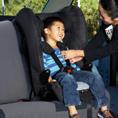

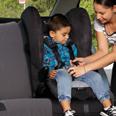

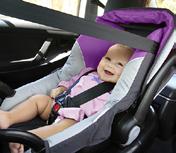
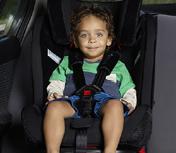
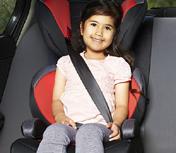
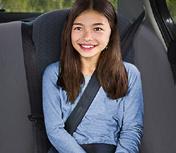
• Do not carry a child on your lap. It is impossible to hold onto a child in an accident and it is illegal.
• Do not put two children in one seat belt as it is not safe and is illegal; in a crash they can be injured by colliding with each other.
• Do not sit a child on an adult’s lap with the seat belt around both of them. The child is likely to be crushed by the adult’s weight against the seat belt and it is illegal.
• Let children ride in the luggage space of cars. This is also illegal and very dangerous. All children must be restrained in an appropriate child restraint.
Drive carefully, take rests, take care in the heat Fasten your seat belt and make sure every-one is safely and appropriately restrained before starting the car. Many accidents are the result of driver error and fatigue. Rest stops help restore concentration, and beat drowsiness. Babies, toddlers and children lose fluid quickly so it is important when travelling on hot days, to allow extra time for stops and to provide plenty of cool water or fluids.
Never leave your child in a car for any period of time without adult supervision.
Don’t let your children’s behaviour distract you. Keep them occupied by talking or singing to them; provide soft toys to play with. On long trips, provide unspillable drinks, healthy snack foods; and avoid milk-based drinks for carsick-prone children. Take regular driver breaks and let the children out to run around.
• Check your child’s restraint harness to make sure they can’t reach and open doors while you’re driving.
• Cigarette lighters can pose a risk to children so please remove them.
• Use the child locks on rear doors to stop children opening them.
• Do not smoke in your vehicle with children as this is illegal.
5,000
Every year across Australia, approximately 5,000 children have to be rescued from cars.
75% of total temperature rise occurs within the first 5 minutes of parking a car.
30+
The temperature inside a parked car can be over 30 degrees hotter than outside.
70°C
Even on a cooler day, temperatures inside a car can reach well above 70°C
4
Three quarters of children rescued from cars are aged under four years old.







Simple steps can make all the difference
1
When children are around driveways, they should be actively supervised by an adult who is holding their hand. Ensure that young children are placed securely in a vehicle before moving it.
Learn more about Driveway Safety
2
Treat the driveway like a road. Do not let children use the driveway as a play area. Separate children’s play spaces from garages and driveways. Home design features can help, including fences, high handles on garage doors and selfclosing doors or gates.
Watch a video on Driveway Safety
Why are children at risk?
The temperature inside a parked car can be more than 30 degrees hotter than outside. Children are particularly at risk because they lose fluid quickly. Dehydrated children are at risk of suffering potentially life threatening heatstroke. There are a number of situations that can lead to an incident; changes in a normal routine or the keys being accidentally locked inside can result in a child being left in a car unintentionally. Parents sometimes choose to leave their child unattended, thinking they will only be gone for a few minutes. This can easily turn into ten to fifteen minutes and because the temperature rise in a vehicle is so rapid, even a short amount of time can place them in extreme danger.
3
SEE
All vehicles have blind spots. While reversing sensors and cameras can assist with reducing blind spots, it can be difficult to notice a small child until it is too late. It is important not to become complacent. Drivers should get into the habit of walking around their vehicle before starting it, especially when leaving an area where a young child could be present.
• Never leave a child unattended in a car
• If you have to leave the car, even for a minute, always take the children with you
• Create a ‘look before you leave’ routine whenever you get out of the car
• Leave something in the back seat that you will need to take with you (e.g. handbag or laptop) as a reminder that you have a child with you
• Remember that large cars heat up just as fast as smaller ones
• Lock cars and secure keys out of reach of children to prevent children gaining access to and playing inside the car
Learn more about Kids Unattended in Cars
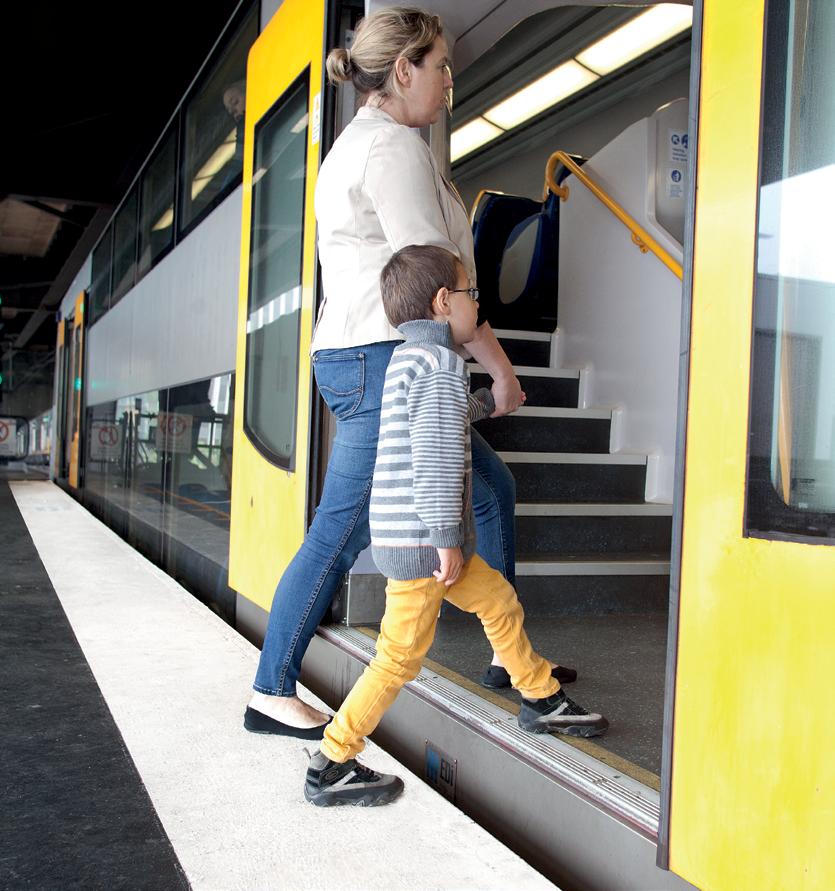
Take care when stepping on and off the train.
Teaching children how to be safe around trains is just as important as teaching them to look both ways before crossing the road. Use this 10-minute checklist the next time you and your child catch a train. The good habits they learn from you could save their life.
✓ Always stay off train tracks
If you drop something on the tracks, never try to get it yourself. Jumping onto the tracks is very dangerous because a train might be coming. Always ask station staff for help to get it back.
✓ Remember trains can’t stop suddenly or swerve
A train travelling at 60km per hour (the same speed as a car on a main road) takes the length of two and a half football fields to stop! Even if a driver sees you, they may not be able to stop in time. Because they travel on tracks, they can’t swerve if something is in their path.
✓ Always use a bridge, overpass or crossing
Tracks are for trains only. Bridges, overpasses and pedestrian level crossings are for people. When you have to get to the other side of the tracks, always use the bridge, overpass or pedestrian level crossing to get there safely.
✓ STOP, LOOK, LISTEN, THINK
Be extra alert before you cross at a pedestrian level crossing:
STOP behind the gate or yellow line. LOOK left and right for trains coming. LISTEN for trains – they might be closer than you think.
THINK is it safe to cross? Am I holding an adult’s hand?
If there is no danger, you can walk. Keep on looking left, right and ahead.
If the pedestrian level crossing has lights or bells, never cross while they are flashing or ringing. Always wait until they finish, then STOP, LOOK, LISTEN and THINK before you cross.
Only cross at pedestrian level crossings designed for people to cross. Walk between the double yellow lines on the footpath and keep looking left, right and ahead.
✓ Stay behind the yellow line
When you are walking on the platform or waiting for a train, stay well back from the yellow line in case you accidentally slip or get pushed. Always walk, and wait behind the yellow line.
There is a gap between the train and platform – when you get on and off the train you could fall into the gap and get hurt. Always hold an adult’s hand and watch where you step.
The platform is not a place to run, bounce balls or play games. You can do that at the park! Always walk, and hold an adult’s hand on the platform.
If you need help or feel unsafe, ask staff on the train, station staff or police. They are there to help you.
In an emergency, look for the orange Emergency Help Point button on the train or platform and press it. When staff answer, tell them what happened – it’s just like talking on the phone. They can see you on camera and will send someone to help.
If you ever feel unsafe: MOVE to another carriage or a safer part of the station.
REPORT what you’re afraid of. Tell the adult who is with you, station staff or a police officer, or press the Emergency Help Point button. You can also call Triple Zero (000)


SAFETY HINTS:
• Keep behind the yellow lines.
• Mind the Gap between the platform and train doors.
• Hold onto small children when boarding and leaving the train.
• Pay special attention when the platform is crowded or when travelling to large events.
If you are travelling with a pram or stroller, we recommend you either strap the infant into the pram/stroller, or remove the infant from it completely to board the train.
• Always keep a firm hold of your pram anywhere on stations and trains.
• Always apply pram brakes when you are at the station or on the train.
• Ensure your child is securely strapped into the pram.
• Park the pram parallel to the edge of the platform, not pointing towards the tracks.
• Board the train near the guard’s compartment so they can see you when closing the train doors.
• Don’t rush – allow plenty of time for your journey.
• If you require assistance, please ask Sydney Trains staff - they are there to help you.
Information reproduced with permission of Transport Sydney Trains – www.sydneytrains.info
• Stop, look, listen and think at level crossings.
• Obey the safety signs at every railway crossing and cross at marked crossings only.
• Stay on the path. Listen and look in both directions for approaching trains.
• If the red lights are flashing or the gate is closed, a train is coming so keep clear of the tracks.
• Never jump fences, gates or barriers. This is extremely dangerous and it is very likely the oncoming train is close to the crossing.
• If a train is coming, wait for it to pass and then stop, look and listen again before crossing as another train may be approaching.
• You might not hear a train, especially when using your earphones or mobile phone. Never assume a train is a long way off.
• Don’t ride bicycles, skateboards, skates or roller-blades across any pedestrian crossing.
• Never assume that it is safe to cross when the lights are still flashing. Even if a train has passed, there may be another train coming in the other direction. Only enter the crossing when the lights have stopped flashing or the gate has opened. It takes a lot to stop an eight-carriage train travelling at 100kmh. The braking distance for a train is approximately five football fields (500m).
Always cross train tracks using a footbridge or underpass, or at designated pedestrian railway crossings. Crossing anywhere else is illegal and extremely dangerous.
Learn more about Train Safety: Crossing the Tracks
Left Sign: Railway crossing with traffic lights ahead.
Centre & Right Signs: Railway crossing signs.
Left Sign: Stop before crossing.
Centre Sign: Stop if the red lights are flashing.
Right Sign: Give way at the crossing, be prepared to stop.
Every day, more than a million NSW school children travel to and from school in safety - many of them by bus. The school bus is an extremely safe form of transport for school students.
Traffic congestion outside the school can increase when many families resort to driving short distances to and from school.
Your child is most at risk in the minutes after getting off the bus. You can reduce this risk.
Meet your child (or arrange for another trusted adult to meet your child) at the bus stop, never on the opposite side of the road.
Wait until the bus has been driven away before choosing the safest place to cross the road, then follow the usual road crossing procedures with your children.
STOP! One step back from the kerb. LOOK! For traffic to your right, left and right again. LISTEN! For the sounds of approaching traffic. THINK! Whether it is safe to cross.
Teach your children to keep turning their head in both directions to look and listen for traffic as they cross the road.While waiting at the bus stop, stand well away from the passing traffic. Never wait right at the kerb.
Remind your children that when a bus is fitted with seatbelts, they must buckle up.
Until they turn ten, hold hands with your child as you cross the road.
There is a 40km/h speed limit for traffic passing a school bus that is setting down or picking up school children. This speed limit is for all traffic travelling in the same direction as the bus, whether the bus is stationary or moving. The 40km/h speed limit must be obeyed when the rear wig wag lights on the bus flash.
Flashing headlights on these buses also alert oncoming motorists that children are close by. As a driver, remember: When the lights on the bus are flashing, you must slow down to 40 km/h. Never park in or near a bus stop or bus zone.
For information about fines and demerit points, visit rms.nsw.gov.au
Catching a ferry is a great way to add fun and excitement to family outings – which makes it tempting to play on wharves and on board. Running around can be dangerous. With so much water around, it’s important to be careful. Be at the wharf at least five minutes before your ferry is due to leave so you have time to board safely, and remember that ferries are not playgrounds.
SAFETY HINTS
• Don’t run around on the wharf, and don’t go near the edge. Hold an adult’s hand when you get on and off.
• Yellow and black stripes on wharves mean danger. Stay away from them – they are a no-go zone.
• Don’t run around on board, and never climb on or over railings. It is easy to fall over, and you could even fall into the water.
• Look for the big orange Emergency Help Point on wharves. In an emergency (like someone falling into the water) press the button and talk into it like a phone. Staff can see you and talk to you, and will send someone straight away.
• Tell the ferry crew if you feel like you are in trouble or need help. They are there to keep you safe.
• Small children need a helping hand to get through ticket gates. When you travel as a family, or with a pram or stroller, use the wide gates.
• Keep a firm hold while you are on the wharf, and use the brakes.
• Larger prams and strollers may not fit on gangways and will need to be collapsed before boarding.
• If possible on board, collapse and store strollers and prams, and sit your child on your lap or on the seat next to you.
• If you prefer to keep your child in the pram or stroller, put the brakes on and hold it firmly at all times.
Ferries are just one type of public transport in NSW you and your family can use. You can also travel on trains, buses and light rail. What they all have in common is how much they care about the safety of you and your family. Please follow any special rules they have to keep you safe.
Off road motorcycles are 2-wheeled vehicles that require the user to shift their body weight while riding. People do not need a licence to ride them as long as they are not on public roads. Off-road motorcycles are popular for sports and recreation but also farm use as well.
How may a child be injured?
Injuries occur in a variety of settings (e.g. at home, on farms, in recreational areas and at Motocross competitions). Children sustain injuries from collisions, rollovers, falls and from jumps. Children may collide with objects and other riders, causing injuries to themselves and others. Loss of control is the most common cause of injury. This is because children aged less than 10 years lack hazard perception and the ability to control speed.
Falls
• Falls may result in severe fractures, abdominal, head and chest injuries.
Cuts and bruises
• Children may sustain cuts and bruises, particularly when they are not wearing full body protective clothing.
Strangulation
• Children may suffer strangulation if riding under a clothesline or fence. This injury occurs during times of poor visibility or if terrain is uneven.
Struck by object
• Children may collide with objects and other riders, causing injury to themselves and others.
• Children may be injured when the motorcycle tips over and falls on them.
In NSW between 2003 and 2012 there were 13 deaths of children aged 0-17 from off-road motorcycles, otherwise know as “dirt bikes”.
The likelihood of serious injuries rapidly increases when riders start doing jumps. Children injured from jumps suffer more severe injuries.
Is there a Law or an Australian Standard for offroad motorcycles?
Riders of motorcycles on NSW roads must be at least 16 years and nine months and obtain a rider licence by completing a training course and knowledge test. However there are no requirements to use motorcycles off-road on private property.
Significant fines apply for riding off-road motorcycles on public land, which includes State Forests and National Parks.
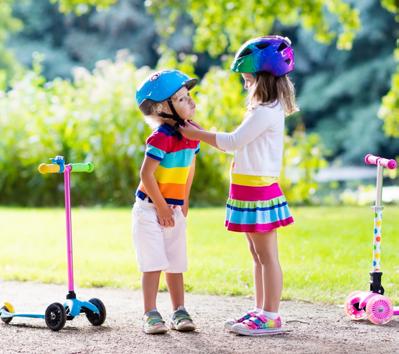
The law
A pedestrian includes “a person in or on a wheeled recreational device or wheeled toy”. This includes rollerblades, a skateboard, scooter, unicycle or similar wheeled device:
• Foot scooters, skateboards and rollerblades may be ridden on footpaths unless signs specifically prohibit them, however, riders must keep to the left and give way to other pedestrians
• Powered foot scooters cannot be registered and can only be used on private land
• On separated bicycle and pedestrian paths, foot scooter, skateboard and rollerblade riders must use the section designated for bicycles, but must keep out of the path of any bicycle
• Foot scooters, skateboards and rollerblades can only be used on the road during daylight hours
• They cannot be used on roads with a dividing line or median strip or a speed limit greater than 50km/h, or a one-way road with more than one marked lane
Safety advice
• On the footpath, riders of foot scooters, skateboards or rollerblades should not threaten pedestrians, especially the elderly – they may need to slow down or dismount in busy areas
• To improve safety and enjoyment, foot scooters, skateboards and rollerblades are best ridden in recreational areas designated for their use
• Foot scooter, skateboard and rollerblade riders should wear helmets and protective gear such as knee and elbow pads
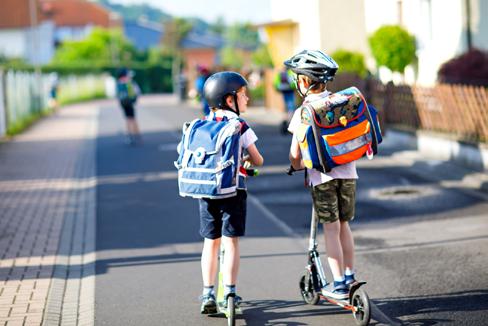




Any parent who has had a child wander away while in a crowded place knows that having a lost child is a very scary situation. Since kids are adventurous, having a lost child is relatively normal, but thankfully there are ways to protect their safety while you are out.
• Take a picture on your phone before you leave the house. If you are separated from your child when you are out, a digital photo from your phone (taken the day of the event or travel) can be utilised by police to immediately get your child’s face out to other law enforcement officials. In addition to their face, you’ll have a photo of exactly what they were wearing, as well as what they look like.
• Teach children to identify help if they are separated from mum or dad. While it’s easy to tell children to find help, young children may have a difficult time understanding just what “help” means. To kids, any adult might mean help, and it’s important for parents to teach children just who they should be looking for. You can do this by pointing out policemen, firemen, or security guards when you are out. Teach children to recognise store employees as well (look for name tags or someone behind the counter).
• All children should know their full name, address and telephone number.
• Try to keep your kids in sight at all times. Never send them to the bathrooms alone, even if they’re old enough to use them without help.
• If you are in a crowded location, establish an easy to find meeting spot just in case anyone gets separated from you.
• Using a safety harness is another possibility to keep toddlers from wandering away, since in most cases, they aren’t old enough to know that it is dangerous to walk away.
• Teach your children to struggle with anyone whom they don’t know, or whom they don’t trust, if they are trying to grab or force the children to go with them
• Tell children to make a lot of noise if they’re scared. They have probably been told lots of times not to yell. Tell your children when they think they might be in danger, forget all of that advice! That’s the perfect time to be noisy!
When you’re walking home from school, a person in a car pulls up and asks you for directions. At the park, someone says he needs you to help look for his lost puppy. These people may seem friendly, but no matter
what they say to you, they have one thing in common: They’re strangers. Most strangers aren’t dangerous and wouldn’t do anything to hurt kids. Unfortunately, though, some strangers can be dangerous, and it’s impossible to tell who’s OK and who’s not. A dangerous person doesn’t necessarily look scary or mean — the person might look nice.
• Stick With a Friend – it’s more fun and safer to do things with friends. Take along a buddy when you walk to school, bike around the park, or go to the store. Travelling with a friend whenever you can is a good idea, and travelling with a bunch of kids is even better.
• Let Grown-Ups (and Only Grown-Ups) Help Strangers – it’s nice to help people. But remember: Strangers should ask adults, not kids, for help.
• If a Stranger Pulls Up in a Car and Offers you a Ride, Don’t Get In. You probably know that rule, right? But that’s not all of it. It’s also important to avoid a stranger’s car completely. If a stranger asks you to look in the car, don’t do it. Don’t put your arm in the window to take something or point to something. Don’t agree to come closer to see a pet or to get a toy that’s offered.
• If a Stranger Offers You a Toy, Some Candy, a Stuffed Animal, or Anything Else, Don’t Ever Take It. Even if it’s something you really want, if the offer is coming from a stranger, you should ignore the person and walk the other way.
• Even if The Stranger Knows Your Name, Don’t Be Fooled. There are lots of ways to find out kids’ names, even when someone doesn’t know them or their families.
• Trust Your Instincts – kids need to follow the rules of street smarts all the time with every stranger, even if the situation seems fine. And if your instinct is telling you something is dangerous or just not quite right, get out of the area, tell an adult, or a police officer or call 000.

Skin cancer accounts for the largest number of cancers diagnosed in Australia each year1
An estimated 2 in 3 Australians will be diagnosed with skin cancer by the age of 701
The more sun exposure during childhood, the greater risk of skin cancer later in life2
When the UV Index is 3 or above, sun protection is needed3
APPLY SPF50+ SUNSCREEN 20 MINUTES BEFORE SUN EXPOSURE
MYTH: A tan protects me from UV damage.
FACT: Tanning is a sign of skin damage and does not protect you against further damage.4
MYTH: It is not possible to get sunburnt on cool or cloudy days.
FACT: UV radiation can damage your skin on cool and cloudy days. Temperature is not a good indicator of UV levels and up to 80% of UV radiation passes through clouds.5,6
SEEK SHADE AND AVOID PROLONGED SUN EXPOSURE
WEAR SUN PROTECTIVE CLOTHING, WIDE BRIM HAT AND SUNGLASSES
RE-APPLY SUNSCREEN FREQUENTLY
Comfortable skin in Australian conditions
Cancer Council NSW recommends protecting your skin in five ways:
1. SLIP – on clothing that covers your arms and legs
2. SLOP – on 50+ or higher, broadspectrum sunscreen
3. SLAP – on a broad brimmed bucket or legionnaire hat
4. SEEK – shade
5. SLIDE – on wrap-around sunglasses with Australian Standard AS/NZS 1067:2003 and have an eye protection factor of (EPF) of 10.
CLOTHING (SLIP)
Protective clothing, such as long-sleeved shirts and loose clothing with a close weave can prevent skin damage from the sun. Some clothing is labelled with information about its ultraviolet protection factor (UPF). UPF-40 or above offers very high protection and UPF-15 and above offers good protection.
SUNSCREEN (SLOP)
Broad spectrum sunscreen means it protects you from both types of radiation (UVA and UVB).4 The higher the sun protection factor (SPF) number, the better it protects you against sunburn. Most people don’t use enough sunscreen, meaning they don’t get enough protection.2 Sunscreen should be applied 20 minutes before going in the sun and then reapplied every two hours.
HATS (SLAP)
Choose a hat that is broad-brimmed or with a flap at the front and back (legionnaire style) so that your child’s face, ears and neck are protected. A hat made of close-weave fabric will reduce the amount of light that gets through. Baseball caps and sun visors are not recommended as they do not provide enough protection.
SHADE (SEEK)
Shade is more ideal than full sun, however sunburn can still occur in partial shade or when cloudy.
Sunglasses can protect your child’s eyes from short and long term damage. Sunglasses designed to wrap around the eyes do this well. Always purchase sunglasses which meet the Australian Standard (AS/ NZS 1067:2003). Sunglasses with an eye protection factor (EPF) value of 9 or 10 protect from almost all UVR.5 Toy sunglasses are not covered by the Standard and should not be used for sun protection. Sunglasses or goggles at the snow will also help to reduce exposure from glare and reflected UVR.
Remember:
• A suntan is not healthy.
• More care should be taken when your child is out in the sun near highly reflective surfaces such as snow or water.
• Babies and children are at greater risk of heat stress than adults.
• Never leave a baby or child alone in a car. If you need to leave, always take your child with you.
• Remember to slip, slop, slap, seek and slide
Clothing (slip)
• Encourage your children to wear clothing that covers as much skin as possible.
Sunscreen (slop)
• Broad-spectrum, water resistant sunscreen with a high SPF (50) should always be applied to children when playing outdoors. Apply generously and frequently (at least every two hours), particularly after swimming (always follow directions on sunscreen bottles).
Hats (slap)
• Ensure your child always wears a hat when outdoors which covers their face, ears and neck.
Shade (seek)
• Limit your children’s exposure to UVR. Seek shade between 11am and 3pm (daylight saving time) when UV levels are at their highest.
• Children under 12 months of age should not be exposed to direct sunlight.6
• When travelling in a car with your baby, make sure they are shaded. The sunlight which passes through the car window can burn your child’s skin.
Sunglasses (slide)
Ensure your child wears sunglasses that meet the Australian Standards.
Water and dehydration
• Active children should be encouraged to drink regularly to prevent thirstiness. Regular drink breaks during activity are important.
• Vigorous physical activity should be avoided in hot weather.
• Seek urgent medical assistance if your child shows any signs of heat stroke.
• Extra care needs to be taken with sick children or babies in hot weather. Extra fluids, such as breast milk or water, should be given to prevent the risk of dehydration.
Childrens Hospital Westmead
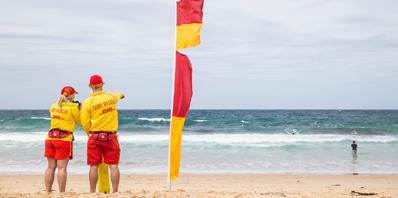
Millions of people visit at least one of Australia’s beautiful beaches every year. These famous beaches are not only enjoyed by lucky Australians but also visitors from all over the world – some who come for a visit, and others who choose to make Australia their home.
Although Australian beaches may look amazing, they can be unpredictable and hide some dangers that every visitor should be aware of. Here you will find some very helpful info and advice from our Lifeguards on beach safety, to ensure you enjoy your visit to the beach and stay safe!
Always swim between the red and yellow flags
When you see red and yellow flags on a beach, it indicates that there is currently a lifesaving service operating on that beach. The lifeguards have chosen a section of the beach that is best for swimming and they will closely supervise this area. Lifeguards pay more attention to the area between the red and yellow flags than any other part of the beach.
Read the safety signs
Before you go on to the beach be sure to read the safety signs. This will ensure you are aware of any warnings or dangers on the beach. You can also find other helpful information to make your day at the beach more enjoyable. You might also find single signs placed on the beach to highlight specific warnings.
Ask a lifeguard for safety advice
Lifeguards are highly trained and very knowledgeable about beach safety and conditions. When you arrive at the beach look for and identify the lifeguards. Feel free to ask them about the day’s conditions, as well any additional beach safety advice they might have for that specific beach –because every beach is different.
Swim with a friend
Not only is swimming with a friend (or family member) a fun way to enjoy the beach, it is also very sensible. While you are swimming together you can keep an eye out for each other, and if further assistance is required, one person could call or go
for help. If everyone swimming together knows their own limits it is a good idea to share this with those around you so you can all stay within everyone’s comfortable limits.
If you need help, stay calm and attract attention
Even the most careful people can find themselves out of their limits in the water. If you are not feeling comfortable in the water and you require a lifeguard’s assistance to get back to shore, stay calm, raise your arm in the air and wave it from side to side. This will attract the attention of a lifeguard who will be able to come to your assistance. You should conserve your energy by floating on your back and staying calm. This will ensure you have the energy to remain afloat until further aid arrives.
Rips are the number one hazard on Australian beaches. The best way to avoid a rip is to swim at a patrolled beach between the red and yellow flags. Rip currents are strong currents of water flowing away from shore through the surf zone. They are a strong force and on any given day, there are about 17,000 rips at beaches around Australia.
The Facts about Rip Currents
There are many myths about the ocean. Many people think it’s just tourists and poor swimmers who get caught in rips currents. In fact, it’s young men aged 15-39 years who are most likely to die in rips. Rips are the number one hazard on Australian beaches. The best way to avoid a rip is to swim at a patrolled beach between the red and yellow flags.
How to Spot a Rip Current
Rips are complex, can quickly change shape and location, and at times, are difficult to see. The things to look for are;
• Deeper, dark-coloured water.
• Fewer breaking waves.
• A rippled surface surrounded by smooth waters.
• Anything floating out to sea or foamy, discoloured, sandy, water flowing out beyond the waves. Rips don’t always show all of these signs at once.
How to Survive a Rip Current
• Relax – stay calm and float to conserve your energy.
• Raise – raise your arm and attract attention from lifeguards or lifesavers.
• Rescue – the lifeguards or lifesavers will be on their way to help you.
• While floating, rip currents may flow in a circular pattern and return you to an adjacent sandbar
• You may escape the rip current by swimming parallel to the beach, towards the breaking waves.
• Reassess your situation. If what you’re doing isn’t working, try one of the other options until you’re rescued or return to shore.
It’s important to teach kids about safe boating right from the start of their boating life. Teaching them about safe boating practices such as navigation, safety equipment and emergency procedures will ensure they have a safe and enjoyable time on the water. Some things to consider when introducing your children to boating include:
• Showing them around the boat, where all safety equipment is located and how to use it in case of an emergency
• Teaching them the rules about keeping a good lookout, keeping a safe distance from others, travelling at a safe speed and reducing wash
• Educating them about keeping all parts of their body inside the vessel when the boat is underway.
Lifejackets save lives and are the most important piece of safety equipment on any recreational vessel. Every person on board must have access to a lifejacket that is the correct size and in good condition. New rules apply in NSW and lifejackets must be worn in many situations, including if you are:
• Under 12 years of age at all times on a vessel under 4.8 metres and in open areas of vessels under 8 metres when underway
• On all boats less than 4.8 metres by everyone, when boating alone, at night, on open (ocean) waters or on alpine waters
• On a personal watercraft (PWC)
• On canoes and kayaks in many circumstances
• Being towed ie water-skiing, wakeboarding, tubing etc
• Instructed to by the skipper. Older children are encouraged to wear an appropriate lifejacket at all times, especially when in open areas of a boat.
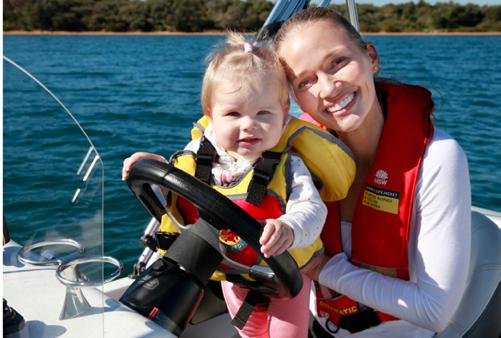
The skipper of every boat is responsible for the safety of their vessel and the people on board. As the skipper, take time to ensure the boat is ready and consider the safety issues associated with your activity and the waterway. Be mindful that hazardous situations can develop with children on board, so ensure
you are aware of all children’s positions and movements on the boat at all times.
For more information on boating safely with children, visit rms.nsw.gov.au/maritime or call the info line 13 12 36.
Further information on lifejackets can be found at rms.nsw.gov.au/lifejackets or lifejacketwearit.com.au.



Learn more about Wearing a Lifejacket





Rural properties can be fun places for children to live and visit. However, farms are both a home and a workplace, and children may be at risk when playing or helping out.
NSW DPI encourages farm safety awareness for young people.
Tips to help keep kidssafe on farms environment. Dangers come especially from farm machinery, chemicals, water and animals.
Farms provide a wonderful environment for children to grown up in and to visit.
However, they are working environments and there can be many dangers and hazards for children. These safety tips are aimed at reducing injuries so that farms continue to be great places to live, learn and have fun.
• Create a safe, secure, supervised play area with self closing gates for younger children away from farm activities. These are also useful for visiting children who may not be aware of farm hazards.
• Ensure family members and visitors are aware of the safe play area and keep gates closed at all times.
• Teach children the difference between safe play areas and work areas.
• Separate driveways and turning circles from home and play areas.
For older children
• Establish and reinforce safety rules for such as ‘out of bounds’ areas.
• Ensure they let adults know where they are going on the farm.
• Teach children the difference between safe play areas and work areas.
Vehicles and machinery are an essential part of farm life. Unfortunately they are also a leading cause of injury.
• Children should not ride on tractors or in the back of utes.
• Children should not ride quad bikes or be carried as passengers on quad bikes.
• Always supervise children when vehicles are being moved. Hold hands with young children.
• Ensure all children are appropriately and correctly restrained when travelling in vehicles on the farm.
• Take keys out of vehicles and machinery when not in use and put out of reach of children.
• Always ensure children wear helmets and other protective equipment when riding bikes.
• Check that the bike is suited to the child’s size and ability.
• Always store hazardous products such as poisons, chemicals and pesticides in line with regulations or manufacturer’s instructions.
• Choose appropriate child proof containers to store
chemicals and poisons. Do not use soft drink bottles or other containers that may be mistaken by children.
• Ensure power tools and other dangerous machinery are unplugged when not in use and stored safely away from children.
• Some farm machinery is very loud which can damage ears. Consider the location of the equipment and keep protective safety equipment in easy to reach places.
• Ensure firearms are stored appropriately and correctly as specified by law at all times.
• Provide adequate shade coverage to protect young children from the sun.
• Create a safe fenced play area for children away from farm activities.
• Always supervise children on the farm particularly around water and animals.
• Keep dangerous goods locked safely away.
• Always use appropriate restraints for all children when travelling in vehicles.
• Be a good role model for children in vehicles and around the farm.
• Establish and enforce farm safe rules.
For more information you can also visit: mynrma.com.au farmsafe.org.au royallifesaving.com.au
Q. Where do toddlers commonly drown on farms?
A. The most common location for toddler drowning deaths on farms are dams.
However, the farm environment has a range of other water locations including dams, troughs, irrigation channels, water tanks and swimming pools.
Q. How many children drown on farms?
A. On average 4 children under the age of five drown in farm dams every year and there are approximately 3 hospitalisations for every drowning death.
Q. How do I keep my child safe?
A. In rural areas, it is not always feasible to fence off large water bodies such as lakes or dams, so Royal Life Saving suggests parents create a Child Safe Play Area. Royal Life Saving has also developed the Keep Watch @ The Farm program which provides information and useful resources to improve parent/carer awareness of drowning prevention strategies on farms.
Q. What is a Child Safe Play Area?
A. A Child Safe Play Area is a carefully planned, designated location which is securely fenced and helps to
prevent a young child from entering the farm without adult supervision. Pool fencing requirements, including appropriate ‘child resistant’ gates and latches, can be used as a guide in planning a safe play area. For more information visit www.keepwatch.com. au for Fact Sheet No. 6 Child Safe Play Areas.
Q. Why do parents leave their children unsupervised?
A. There are many reasons why a parent’s attention can be diverted from their child. Busy lifestyles, phone calls, visitors, preparing meals and other siblings are just some of the things which demand attention. The Keep Watch program advocates for supervision to be supported by fenced Child Safe Play Areas, water awareness and resuscitation skills.. been educating Australian parents and carers on how to keep their children safe when in, on, or around the water in a variety of locations. We are now tailoring the approach to locations with specific hazards – like those found on a farm.
Keep Watch @ The Farm is aimed at preventing children under 5 years of age from drowning by getting parents and carers to undertake four simple actions:
Things to remember:
• Children using playground equipment can experience many health, social and cognitive benefits.
• Although children sometimes fall from playground equipment, you can reduce the risk of injury by keeping an eye your children, encouraging the use of age-appropriate equipment and allowing them to explore creative but safe ways to move.
• Maintain a soft surface under and around all play equipment to a depth of 300mm. Play is an important part of a child’s development. Playing outside in the fresh air can be fun and adventurous, particularly when there are playmates. However, many Australian children are less active than they should be.
Create safe play areas for children – separate play areas from driveways and roads. Young children must be within eyesight of an adult at all times while
Supervise
Ensure that when your child is in, on, or around water they are within arms’ reach and have your undivided attention at all times. This may include holding their hand when walking near a dam.
Restrict Access
Ensure that where possible there is a barrier between your child and the water. This may be an effective and well maintained pool fence or a child safe play area on a farm.
Enrol your child in a water familiarisation class such as Royal Life Saving’s Swim and Survive Wonder Program. When new people arrive at your farm, ensure that they are made aware of the hazards and risks the farm environment may pose to children.
Resuscitate
Be prepared to respond in an emergency. Enrol in a resuscitation course and update your skills annually.
If required, any response is better than nothing. Just push and blow, and as soon as possible call ‘000’.
outdoors. The backyard or local playground provides lots of scope to run, climb, swing, explore and play imaginary games. With careful planning however, play environments can be challenging and safe for children.
Playground benefits for children
Being outdoors encourages all types of free play and helps children understand their environment. Playgrounds provide children with a range of experiences and opportunities including:
• being physically active
• being challenged and taking risks
• socialising with friends
• learning to cooperate
• using their imagination
• playing independently.
A well-designed playground will stimulate a child’s imagination and encourage them to explore new dimensions to play.
Things to remember:
We’ve long loved dogs for being man’s best friend, but not so well known is that our pets can actually make us physically and mentally healthier. Just the presence of our pets can lift our spirits and help us relax.
Physical health benefits
Research has shown that owning a pet can have a number of physical health benefits
• Increased cardiovascular health (lower blood pressure, lower triglycerides and in men, lower cholesterol)
• Increased physical activity. Dogs especially help us get out and enjoy the outdoors while getting some regular exercise. They are great motivators and personal trainers, never wanting to miss a training session no matter the weather.
• Fewer visits to the doctor
• Growing up with a dog (and other pets to a lesser extent) during infancy may help to strengthen the immune system and may reduce the risk of allergies
• Children who have pets are less likely to miss days of school due to illness
Psychological benefits
Research has shown that owning a pet can have a number of psychological benefits
• A study of school children showed that pet owners were more popular but also seemed more empathetic.
• Those who have pets including children or adolescents have been shown to have higher selfesteem. Teenagers who own pets have a more positive outlook on life and report less loneliness, restlessness, despair and boredom.
• Pet owners report less depression and appear to cope with grief, stress and loss better than nonpet owners.
• Pets enhance social connectedness and social skills and are great conversation starters!
• Pets are also great caregivers. They keep us company when we’re sick or feeling down. They can make us feel safe while we’re home alone and they keep an eye on the house while we’re out.
For more information visit: www.rspca.org.au
For some parents, talking to your teenager about alcohol and setting rules and boundaries to keep them safe, can be daunting. Many parents feel that it’s their responsibility to create strategies and educate their children on when, where and how to drink. However some parents can struggle with how to provide this guidance.
It’s vital that parents keep the lines of communication open through the teen years. Make sure you have frank discussions about alcohol.
• Debunk some of the popular and unhelpful myths – e.g. not every parent provides their child with alcohol.
• Be prepared. Teenagers will raise the topic of alcohol if and when they’re ready to talk. Be ready to have the conversation and address their queries – that’s when they’re most open to hear your advice. Remember to plan what you want to say to them ahead of time.
• Be aware of your own role modelling when it comes to alcohol. Parents play a crucial role in shaping their children’s attitude and behaviours towards alcohol by being role models for their kids.
• Pick your time. The car can be a great place and time for constructive conversations – they’re a captive audience and there’s also the benefit that they don’t have to be facing you.
• Be consistent in your own behaviour. It’s easier for teens to model their behaviour on positive role models when it’s consistent.
• Draw the line between adult activities and child activities. Don’t be afraid to let your child know that some things aren’t appropriate for teens. If you believe that drinking alcohol is only something that adults do, make sure they hear your views on the matter.
• Challenge unfounded statements. If your child tells you that ‘everyone else drinks’, ask them to provide proof.
• Challenge their beliefs. Be aware that teenagers are likely to want to drink alcohol believing it will help them fit in. They need to know they can fit in without drinking.
• Don’t be afraid to ask for help. Your GP or local health professional is available for you and your teen.
Binge drinking – putting things in perspective
Binge drinking is not just about the number of drinks you have – it’s about drinking with the specific intention of ‘getting drunk’.
Binge drinking receives a great deal of media attention and can lead to shaping teens beliefs that
this is the norm. There’s no denying that there are many young people who drink in risky ways, but there are many teenagers who are trying their best to keep themselves and their friends as safe as possible.
Remember: kids absorb your drinking.
Australian research shows that in 2011 around 63% of 17 year olds were not considered to be current drinkers, so this finding may challenge the belief that everybody is doing it. However of those 17 year olds who were considered to be current drinkers, around 19% drank in a risky way (more than 4 drinks) at least once in the week before they were surveyed. That means there’s only a minority of kids who are binge drinking – but they’re still obvious and influential.
Some young people ‘preload’ to save money – quickly drinking large amounts of alcohol at home before heading out. Often they’re already intoxicated before they walk out the front door. By the time they get to where they’re going their judgement is clouded, causing them to continue drinking more than they intended to, so they don’t save money at all.
If your teen really believes getting drunk every weekend is normal, there could be other factors at play. Perhaps there are other influences in their lives (peers, older siblings, relatives) or problems that you’re unaware of. Don’t be afraid to ask the tough questions.
Kids are interested in what’s going on around them and seeing how their role models use alcohol is part of this. So it’s important to start talking to your kids about alcohol. And the right time to start is right now.
Research shows that parents have the greatest impact on shaping their children’s attitude to alcohol and future drinking behaviour. The role alcohol plays in your life will have an effect on them too. They might ask you about alcohol and what it’s like to drink it. Always answer honestly.
• Talk to your child about alcohol and the importance of drinking in moderation. Explain what happens to the body when you drink too young and too much.
• Set rules – the most important one being not to drink. Be sure to discuss this rule and agree on the consequences if not followed.
• Teach them to say ‘no’ and that not everyone drinks.
• Ask them how they feel about you drinking alcohol. What attitudes have they already formed about it? It will help you reflect on your own drinking behaviours and open up the lines
of communication. Don’t turn a foolie this Schoolies Schoolies. It’s a little word for a big week. It’s the holiday Year 12s all over Australia have been waiting for. But above all, it’s the chance to celebrate the end of school…finally. Hold up. Before you race out there, make sure you’re prepared. Not knowing the risks or what to do in an emergency can turn things ugly, fast.
Wherever you’re planning on spending schoolies, it’s always good to have a plan. Around alcohol people can change and the risks are high.
So here are a few tips for a fun, safe Schoolies Week:
• Let your parents know where you’re staying and who you’re going with.
• Keep in contact with your parents throughout the week – so they know you’re safe (they’re less likely to hassle you then too)
• Register as a school leaver with the local council (or schoolies organisation) in the area you’re visiting.
• Always have your phone on you (and charged!)
• Put your ‘in case of emergency number’ (ICE) in your phone.
• In an emergency call 000.
• Keep money aside for emergencies.
• Eat before you drink – preferably carbohydrate-rich food such as rice, bread, pasta, pizza etc. It’ll help slow the rate your body absorbs alcohol.
• Be extra cautious with drinks. Avoid drinks with high alcohol content and beware of drink spiking – don’t let your drink out of your sight.
• Pace your alcohol intake and hydrate with non-alcoholic drinks like water.
• Stay with friends and keep an eye out for one another.
• Don’t drink drive or get into a car with anyone who’s been drinking.
• Avoid risky situations such as swimming after drinking or getting into arguments and fights.
Here are 10 ways to encourage your kids to talk about drugs with you.
1
Be an active part of their lives
Make sure you set aside time to spend with your kids. Take an interest in their interests and establish a routine for doing things with them. Spending time as a family is important, like eating together every day. When they go out, don’t be afraid to ask where they’re going or who they’ll be with.
2
Listen to your kids
Showing that you’re prepared and willing to listen will help your kids feel more comfortable about listening to you. During a conversation try not to interrupt them or react in a way that will stop whatever you’re discussing. Encourage them to feel comfortable about telling you their problems, and ask for their input on family decisions to show that you value their opinions.
3
Be a role model
When it comes to drugs there’s no such thing as ‘do as I say, not as I do’. If you take drugs yourself you can’t expect your kids to take your advice. It’s important not to underestimate the influence your behaviour has on them, particularly when it comes to alcohol or tobacco, or misuse of medications.
4
Be honest with them
It’s natural that you won’t necessarily know everything about drugs. So while it’s important to be informed, you shouldn’t pretend to have answers to every question. Be prepared to say ‘I don’t know but I’ll find out for you’. If you’re honest and clear about where you stand, your kids will find it easier to be honest with you.
5Pick your moment
Make sure you pick the right time to discuss drugs with your kids, by looking for natural opportunities as they arise. This might be when you’re all watching TV, or when they’re talking about someone at their school or in their friendship group.
6Be calm
When it comes to talking about drugs, being calm and rational is important, as well as not overreacting. Make sure not to ridicule or lecture, as this could make future discussions about drugs more difficult and make your kids more resistant to talking about them at all.
7Avoid conflict
It is difficult to solve a problem where there’s a conflict. Try to see their point of view while encouraging them to understand yours. If a confrontation does develop, stop the conversation and come back to it when you’re both calmer.
8Keep talking
Once you’ve had a discussion about drugs it’s important to have another. Start talking to your kids about drugs early, and be willing to talk to your kids about the issue at any time.
9
Set clear boundaries
Generally kids expect and appreciate some ground rules. By actively involving them in setting the rules you can encourage them to take more responsibility for sticking to them. Once you’ve decided on these rules, enforce them, and let your kids know the consequences of breaking them. Discuss and agree to ways your kids will act if they find themselves in situations where drugs are present. For example, let them know that you’ll always collect them if they need you to, whatever the hour. However, make it absolutely clear that you would rather they didn’t put themselves in a situation where they are likely to be exposed to drugs in the first place.
10Focus on positives
Be sure to reward your kids’ good behaviour and emphasise the things they do well. Encourage them to feel good about themselves and let them know that they deserve respect and should also respect themselves.