• New plant controls
• Petroleum supply
• BMD for airfields
• Driver training • Track assets

• New plant controls
• Petroleum supply
• BMD for airfields
• Driver training • Track assets
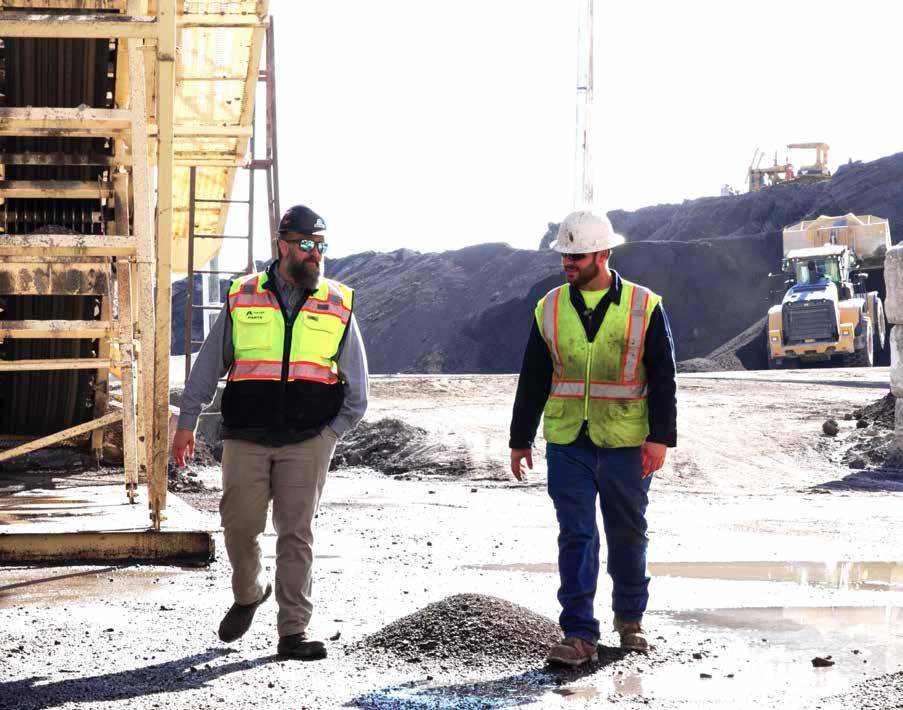
Astec’s partnership doesn’t start when the order is placed or end when the equipment is delivered. From system design and training to service, parts, and optimization, we stay involved through the life of your operation.
Because asphalt plant operators don’t just need machines—they need a partner who’s there when performance matters most. Scan to learn more
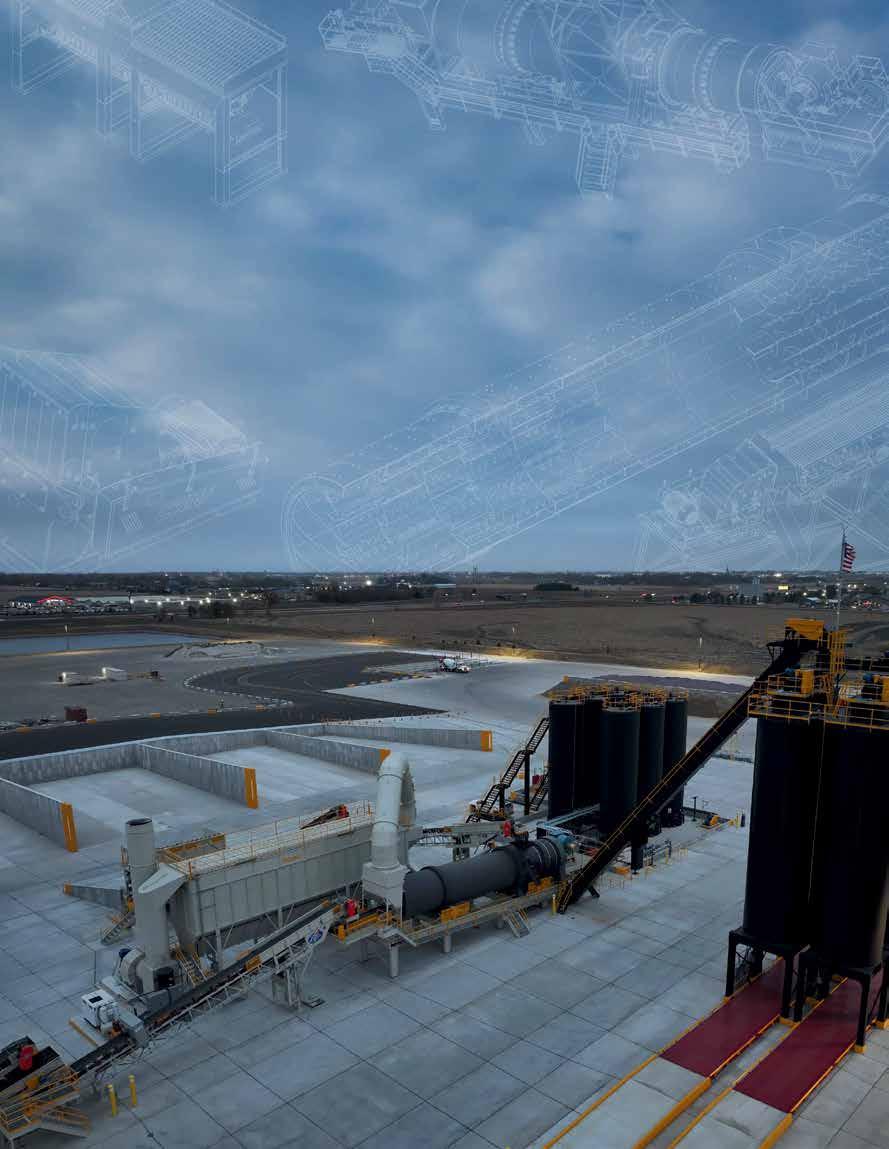

CWMF DELIVERS MORE THAN JUST ASPHALT PLANT EQUIPMENT. WE ENGINEER FULL-SCALE, CUSTOM SYSTEMS AND SOLUTIONS — BUILT FOR YOUR GOALS AND BACKED BY THE CREW WHO KNOWS EVERY BOLT AND WELD.


It would be irresponsible to quote the Energy Information Administration (EIA) Weekly Petroleum Status Report’s daily spot price for West Texas Intermediate (WTI) on April 7 and declare the 2026 construction season doomed. The reality is more complicated. And familiar.
We’ve seen these stressors before. Markets react sharply to geopolitical instability. State agencies struggle to plan when Federal funding levels are set to expire at the end of a construction season. And once input costs rise, they rarely fall back to previous levels.
Rather than dwelling on the aspects of business that cannot be controlled, the savvy asphalt professional manages the aspects he can control.
We can’t influence global events, but we can build escalators into contracts to reduce exposure to asphalt price hikes. We can’t force Congress to act, but we can advocate the importance of proper funding at state levels. We can’t make vendors lower prices, but we can reconsider which products we need by how we build.
Let’s give that last point extra attention.
It’s almost cliche to point to this example, but look at one outcome of the 1970s oil embargo. Crude oil became “difficult to obtain” during the Carter Administration and asphalt prices went through the roof. In response, the asphalt paving industry examined how to recycle its product and introduced better infrastructure for reclaimed asphalt pavement (RAP). The Asphalt Recycling and Reclaiming Association (ARRA) formed in 1976.
A more recent example is from this century. When prices skyrocketed in 2008, we again saw contractors leaning into increased RAP use. That use hasn’t abated. NAPA Vice President for Engineering, Research & Technology J. Richard Willis, PhD, recently shared that our industry remains the country’s top recycler. We put 101.4 million tons of RAP back into use during the 2024 construction season, saving taxpayers $4.7 billion compared to virgin materials, according to NAPA.
When we save money for taxpayers, we save on costs for us, too.
As an industry, we’ve tightened our belts before. We know how to adapt. We know how to build escalators into contracts to protect against abrupt price increases mid-project and how to employ different paving, preservation and recycling methods to reduce input prices.
Does a warehouse parking lot project slated for complete reconstruction require a highly-engineered mix design across the entire property? At today’s asphalt prices, I suggest there’s a less-expensive solution a contractor and property owner could agree upon. While everyone who understands the mantra of “the right treatment for the right pavement at the right time” just gasped in horror, let’s stop and consider a very real opportunity in a volatile season: communication.
We could take this season’s pricing pendulum as an opportunity to sit down with the state DOT materials engineer, the municipal planning director, the property manager’s BOD, or whomever you need to talk to, and discuss the merits of postponing parts (if not all) of a project. If there are ways to save the owner/agency money, will that change order outweigh a threemonth delay?
Maybe it’s time to pivot.
If the escalator built into the contract will run your client’s coffers dry, neither of you wins. Maybe it’s time to revisit the parameters of the project, engineer a way to incorporate additional RAP, discuss postponing portions of the work, or explore alternative asphalt-centric treatments that keep both the budget and the surface intact.
The question isn’t whether we can weather volatility. We know we can because we’ve done it before. The question is how the asphalt industry can adjust tools and techniques to get the job done effectively.
Stay Safe,

Sandy Lender
602 W. Morrison, Box 6a Fayette, MO 65248 (660) 728-5007 • www.theasphaltpro.com
GROUP PUBLISHER
Chris Harrison chris@theasphaltpro.com
EDITOR
Sandy Lender sandy@theasphaltpro.com (239) 272-8613
DIGITAL EDITOR
Sarah Redohl sarah@theasphaltpro.com (573) 355-9775
MEDIA SALES
Cara Owings cara@theasphaltpro.com (660) 537-0778
ART DIRECTOR Kristin Branscom
BUSINESS MANAGER
Susan Campbell (660) 728-5007
OPERATIONS
Natasha Nivens natasha@theasphaltpro.com
AsphaltPro is published 11 times per year. Writers expressing views in AsphaltPro Magazine or on the AsphaltPro website are professionals with sound, professional advice. Views expressed herein are not necessarily the same as the views of AsphaltPro, thus producers/contractors are still encouraged to use best practices when implementing new advice.
SUBSCRIPTION POLICY: Individual subscriptions are available without charge in the United States, Canada and Mexico to qualified individuals.
One year subscription to non-qualifying Individuals: United States $90, Canada and Mexico $125.00. For the international digital edition, visit theasphaltpro.com/subscribe/



BY BRIDGET CALETKA
Most people in construction have a gut sense when something isn’t quite right on a job. Maybe it’s a subtle shift that prompts you to slow down, take a closer look or double-check things. That instinct is part of how you stay safe and make good decisions in this line of work.
That same kind of awareness also shows up personally. Often, when things feel “off,” what you’re noticing are early signs of stress, burnout or other mental health strain. The question then becomes: what do you do about it?
The mental health system is complex and fragmented, which can make it hard to know where to start. It’s common to hesitate before seeking help because the process feels unclear, time-consuming or not particularly promising—especially when you’re already stretched thin. In a field where the expectation is to handle what’s in front of you and keep going, it makes sense to maintain the status quo and hope things work themselves out.
The challenge is that what’s happening off the job doesn’t necessarily stay off the job. It can show up in your attention, decision-making and interactions with others. Over time, that begins to matter—not just personally, but operationally and from a safety standpoint.
One of the biggest barriers to getting help is simply not knowing where to begin. There’s no single obvious entry point to mental healthcare, and when you’re tired or under pressure, even small decisions can feel like more than you want to take on. In practice, there are a few straightforward ways to get started:
• Use what’s already available. Many construction companies offer employee assistance programs (EAPs), which can provide shortterm counseling and referrals at no cost. Your company may have given you a direct phone number, or you can contact Human Resources to get connected.
• Call or text a national helpline. In both the United States and Canada, you can call or text 988 for 24/7 support. In the United States, you can also text HOME to 741741. These aren’t only for emergencies—they can help you figure out next steps.
• Reach out locally or search for a provider. Community mental health agencies and tools like Psychology Today can help you identify a few options quickly.
• Use a trusted referral source. Organizations like Mosaics—a nonprofit that helps you navigate mental healthcare and connect you with appropriate providers—can help you figure out where to start and what makes sense for your situation.
What’s talked about far less, and where people get discouraged, is what happens after that first step. You make the appointment and show up, but it doesn’t quite land. The intake process can feel tedious, opening up to a stranger may feel awkward, or you may not
The 988 help line is for more than emergencies. In both the United States and Canada, you can call or text 988 just to talk to a professional counselor and to get help figuring out your next step for mental health care. In the United States, you can also text HOME to 741741.
feel understood. This is especially true if it doesn’t seem like the counselor fully understands your work in the construction industry or your environment. For some, that’s enough to conclude that counseling isn’t useful.
In most cases, that initial experience has more to do with the match between you and the counselor than with whether counseling itself can help.
The relationship between you and your counselor is central to whether the work is helpful. It’s not secondary. It is the work. And like most important tasks, it can take more than one attempt to get it right. A useful way to think about it is like bringing someone new onto a crew. You don’t assume the first person is the best for the job simply because they’re available. You get a sense of how they work, how they communicate and whether they understand what’s needed. The same is true with counseling. You might “strike gold” with the first counselor you see, but you may also need to try a second, or even a third, before you find the right fit.
That’s not a failure. It’s an expected part of the process, even though it’s rarely framed that way.
That said, once you find a counselor who seems like a reasonable fit, it’s important to give the process a fair shot. Counseling isn’t always immediately relieving, and it takes time to build trust and get traction. In most cases, that means committing to at least 6-8 sessions before deciding whether it’s helping or whether it makes sense to move on. That allows enough time to move past the initial surface-level conversations and begin doing more meaningful work.
While that process is unfolding, there are practical ways to reduce the strain in the short term. These aren’t substitutes for professional support, but they can help you stay steady enough to follow through.
• Protect your baseline. Consistent sleep, hydration and regular meals make a noticeable difference in focus and patience.
• Keep your body moving. Even short walks, especially outside, can help reset your system and clear your head.
• Get things out of your head. Writing down your thoughts or what you’re noticing can reduce pressure and improve clarity.
• Use simple resets. Slowing your breathing, releasing tension or even splashing cold water on your face can help calm your nervous system and bring your focus back.
• Lean into pleasurable activities. Even brief moments of something you genuinely enjoy can help offset ongoing stress.
• Stay connected. A quick call or message to someone you trust can reduce isolation, even if you don’t go into detail.
• Use accessible support. Online therapy and support groups can be flexible, practical options when schedules are unpredictable.
• Be mindful of substance use. It can feel like a quick way to take the edge off, but it tends to worsen stress, sleep and mood. Many people hesitate to involve others because they don’t want to worry them or feel like a burden. But in most cases, the people who care about you would rather know you’re having a hard time than be shut out entirely. Letting someone in, even in a limited way, often makes the next steps feel more manageable.
For those in leadership roles—foremen, supervisors, project managers—this is an area where awareness matters. Changes in behavior, performance, reliability or problem-solving are usually more visible than anything someone says directly.
Someone who’s struggling may be more irritable, withdrawn, careless or absent than usual. A simple, sincere check-in can create space for someone to speak up if needed. When they do, the goal isn’t to fix it, but to point them toward support and reinforce that getting help is a responsible step. The steadiness of a crew depends not only on physical safety, but on how people are functioning day to day.
There’s a strong culture in the asphalt industry of “being tough” and pushing through. That approach works in many situations, but it has its limits. When something feels off, it’s worth paying attention to, even if the response is gradual and imperfect. Finding the right kind of support can take time, and it may take more than one attempt. But when the fit is right, it makes a meaningful difference— not just in how you feel, but in how you function, make decisions and show up on the job when it matters.
It’s not about fixing everything at once. It’s about staying with the process long enough for it to start working and make a real difference.
Bridget K. Caletka, LPC-S, LMHC, is a clinical mental health counselor with 15+ years’ experience, focused on construction and other safety-critical industries. For more information, contact bridget@forgemypath.com or (607) 237-3938.

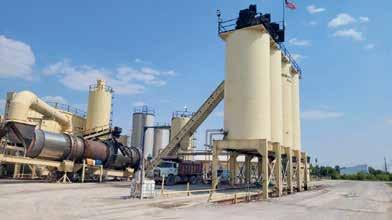
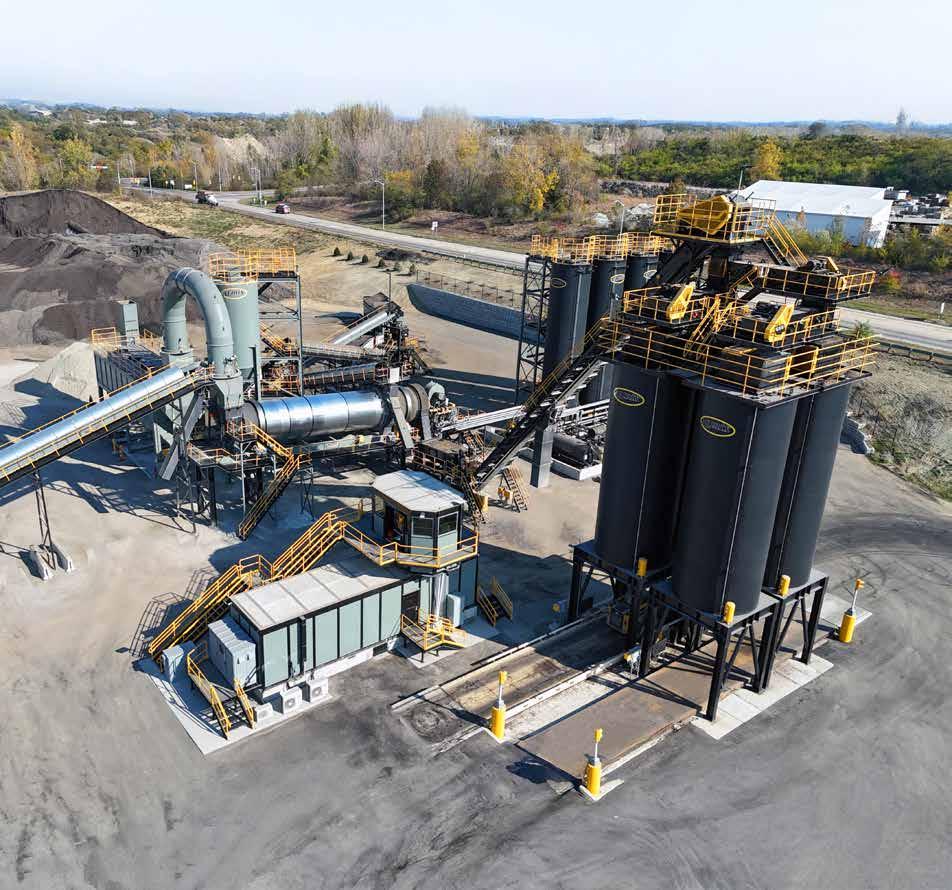
The only Full Ser vice Custom Integrator of ALL BR ANDS of asphalt plants.
INTEGRATION is achieved by combining existing plant components with new components, used equipment or re-engineering plant parts and pieces to yield a fully functioning hotmix asphalt plant facility.
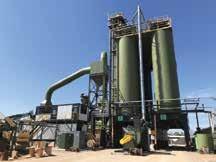
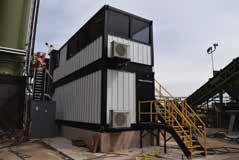
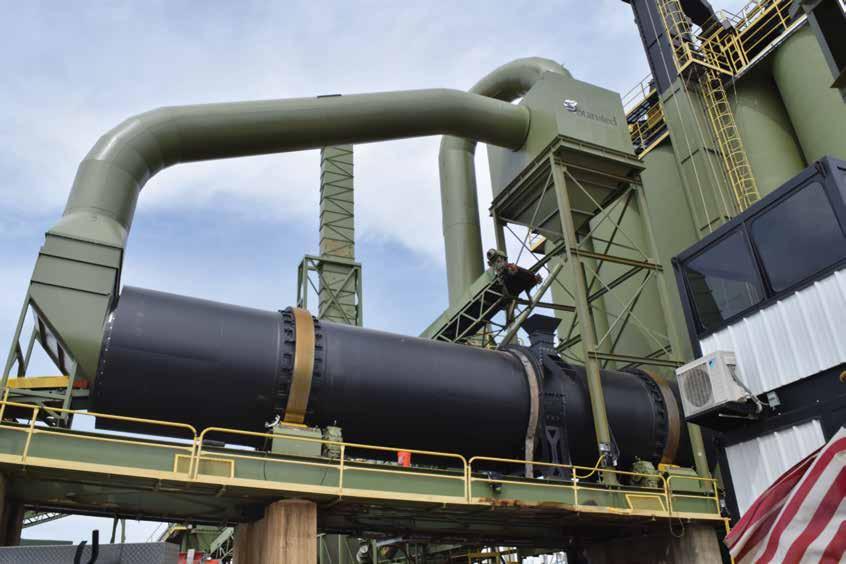
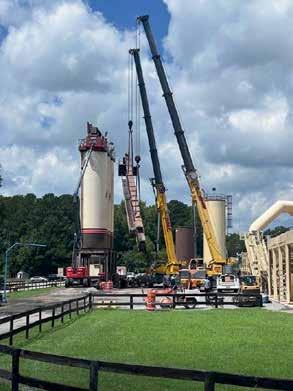
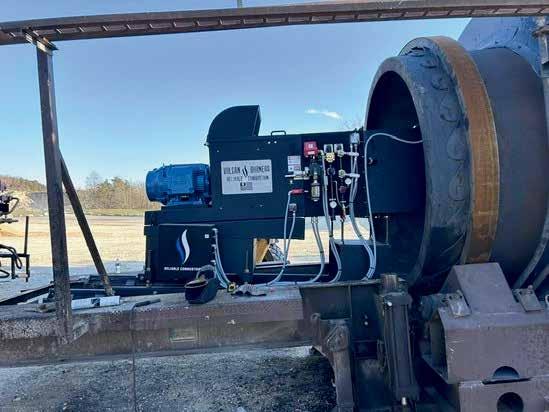
Integration of a new drum, new frame, new ductwork, new knockout box, new blue smoke system and a new control house. All while utilizing components from the existing plant.

BY BRETT WILLIAMS
Rutting is an important performance consideration in the design and evaluation of airfield asphalt because even small amounts of deformation can affect drainage, smoothness and operational safety. While existing Federal Aviation Administration (FAA) specifications include rutting evaluations, a recent study completed by the Airport Asphalt Pavement Technology Program (AAPTP), a cooperative agreement effort between the FAA and the National Asphalt Pavement Association (NAPA), focused on developing performance-based rutting tests and criteria that reflect the combined effects of aircraft loading, temperature and field conditions. These enhanced tests support the balanced mix design (BMD) approach to optimize durability and performance in airfield asphalt pavements.
The AAPTP study evaluated both laboratory- and plant-produced asphalt mixes from active airfield projects across the United States. The team included the University of Nevada, Reno (UNR), Rutgers University, the Texas A&M Transportation Institute, RDM International and Duval Engineering. Mixes represented a wide range of binder grades, aggregate properties, climatic regions and aircraft loading conditions.
Dr. Elie Hajj of UNR said the goal was to not only identify reliable rutting tests, but to determine how those tests could be implemented consistently throughout the project lifecycle.
“The aim was to move representative rutting mechanical tests beyond mix design and into verification and production to support a comprehensive BMD framework,” Hajj said.
The outcome is a framework agencies and contractors can use to standardize key test variables—such as air voids, temperature and specimen preparation—to improve consistency.
Balance Performance: BMD is not about maximizing one property at the expense of another. AAPTP paired the rutting study with a cracking study to support balanced performance across rutting, cracking and durability. That balance ultimately defines long-term pavement success.
The study recommends running all rutting tests at 7% air voids (±0.5%). Traditionally, air void targets have varied by test method. For example, the Asphalt Pavement Analyzer (APA) is often run at design air voids, while the Hamburg Wheel-Track Test (HWTT) uses 7% per AASHTO procedures.
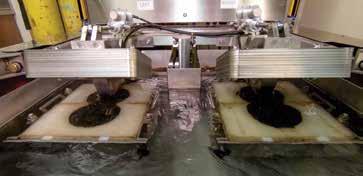
A recent study completed by the Airport Asphalt Pavement Technology Program (AAPTP) shows that using balanced mix design (BMD) can enhance traditional methods of testing how an asphalt mix will perform before it’s placed on a runway by using performance tests to confirm which mixes will withstand rutting and cracking from aircraft loading. One example is the Hamburg Wheel-Track Test, which evaluates rutting and moisture susceptibility under submerged conditions. Photo courtesy of the Federal Highway Administration.
Evaluation of field density data from multiple airfields during the study supported the selection of a 7% target air-void level, as it captured a larger portion of the observed in-place air voids measurements. Importantly, the 7% target also enabled laboratory specimen preparation at practical heights, reducing the likelihood of aggregate damage associated with over-compaction in the lab while remaining representative of densities measured in pavement mats and at longitudinal joints.
• Consistent with observed in-place air voids.
• Enables fabrication of specimens without inducing aggregate crushing.
• Simplifies testing protocols across rutting test methods.
• Eliminates confusion arising from different air-voids targets among test methods.
Current specifications typically require testing at 64°C for APA and 50°C for HWTT. Rather than testing all mixes at a single temperature, the framework selects test temperatures based on local climate using LTPPBind environmental PG values (50% reliability at the pavement surface, 12.5 mm rut depth). This results in temperatures typically ranging from 40°C to 64°C.
The study identified four rutting performance tests as reliable tools within a BMD framework, with calibrated criteria ensuring consistent mix design outcomes:
• Asphalt Pavement Analyzer (APA)
• Hamburg Wheel-Track Test (HWTT)
• High-Temperature Indirect Tensile Test (HT-IDT)
• Ideal Rutting Test (IDEAL-RT)

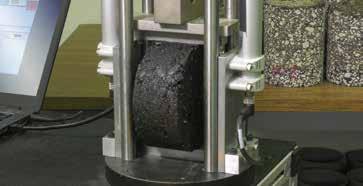
Monotonic tests, such as the IDEAL-RT shown here, help provide fast results with meaningful performance insight. Photo courtesy of the Federal Highway Administration
Together, these four tests provide agencies and contractors with a flexible toolkit that can be tailored to available equipment, project scale and the performance risk level of the airfield pavement area being paved.
Because HWTT combines rutting and moisture damage, the study recommends evaluating rut depth at 5,000 passes (instead of 20,000) to better isolate rutting behavior and improve correlation with other rutting tests.
Precise Specimen Prep: Specimen preparation had a measurable impact on results. Cutting or trimming specimens introduced variability, especially in HWTT under wet conditions. Using directly molded specimens will improve consistency across labs.
To validate the criteria, pavement cores were collected from airfield sections with documented performance histories. Tests showed that mixes from sections with lower performance fell short of recommended criteria, while mixes from well-performing sections met them. This demonstrates that the framework can effectively identify mixes likely to deliver rut resistant, high-performing airfield pavements.
A multi-lab study showed most tests fall within about a 20% coefficient of variation. Monotonic tests showed less variability than repeated-load tests, and the project incorporated this variability into the established test criteria.
The study establishes rutting criteria tied to both climate and aircraft loading. Temperatures are climate-driven, while performance thresholds reflect aircraft weight and operational conditions. Although criteria vary by loading scenario, the recommendation is to design for the worst-case condition, which is slow or stationary loading.
Researchers also used mechanistic modeling (3D-Move) to simulate aircraft stresses under realistic conditions, strengthening the link between lab results and field performance.
The study outlines a phased approach to implementation, allowing contractors, labs and agencies to build confidence before full adoption.
Rutting performance testing can be incorporated into both mix design and verification processes. When the APA or HWTT is used for mix design, these tests can be paired with HT-IDT or IDEAL-RT for verification and acceptance. As agencies and producers gain experience with these methods, they can gradually introduce more reliance on HT-IDT and IDEAL-RT, allowing for higher testing frequency during production.
“The challenge with traditional rutting tests is that specimens have to be fabricated, conditioned and run over a long period of time,” said Adam Hand, PhD, of UNR. “You don’t want to keep paving for one or two days before getting an answer, so the index tests are going to be a good tool for getting an answer quickly or at least an indication of the anticipated performance.”
The findings support potential updates to FAA P-401, including:
• Multiple approved rutting test options;
• Standardized air voids (7%);
• Climate-based test temperatures;
• Enhanced specimen preparation;
• Integration into quality control and acceptance; and
• Criteria tied to aircraft loading.
“BMD is a huge deal to bring to airfields,” Hand said. “The FAA specifications have not included these performance tests in the past, and with BMD, we’ll be able to assure better performance with a more reliable system.”
It’s important to note that the FAA already has rutting requirements in place: The AAPTP project was about advancing the science. The approach builds confidence in testing before full specification adoption and advances the readiness of BMD to support FAA and AAPTP goals for safer, more reliable and costefficient airfield pavements.
For contractors and agencies, the takeaway is that BMD provides a more reliable way to design asphalt mixes that perform in the field. Standardized air voids, climate-based temperatures, validated tests and consistent specimen preparation, combined with performance-based criteria, offer a practical path forward.
“Even when mixtures meet volumetric requirements, changes in binder source or formulation can affect performance,” Hajj said. “Communication between contractors, suppliers and agencies is critical.
“It will be important to monitor performance and continue refining as we learn more,” he added. “But this study gives us a strong foundation for moving forward.”
As airfield demands increase, that foundation will only become more important. “The Balanced Mix Design: Rutting Performance Tests” report is available from the AAPTP webpage. Visit airportasphalt.com to download the full report and supporting materials.
Brett Williams is senior director, Engineering & Technical Services, for the National Asphalt Pavement Association. He is the NAPA liaison for the Committee for Engineering Application and Practice and the Pavement Economics Committee Mixture Quality and Performance Task Force.



Haul trucks carry more than mix. They carry liability, timing and the success of the paving train. Here’s how American Pavement Specialists manages that responsibility.
BY BILL STANLEY
Everybody thinks they’re a good driver. Clean record. Years behind the wheel. No tickets. I’ve had plenty of people walk into the shop with that résumé.
But on a paving crew, the truck isn’t just transportation. It’s part of the operation. If the trucks aren’t moving the right way, at the right time, in the right place, the whole job feels it.
That’s why we don’t treat mix delivery like a side detail. If you want better paving results, start with how the trucks move. Here are the rules we follow.
A lot of truck driving jobs are route-based. You leave the yard, you run your stops, you come back. You’re on your own all day. You control your routine. Whether you’re a subcontractor or an employee, it can feel like you’re your own boss.
Paving isn’t like that. On a paving crew, you’re not operating independently. We tell you where to stage, when to pull up, and when to back into the machine.
That direction isn’t micromanaging. It’s how the job runs. We’re working in tight spaces, often next to live traffic, with limited real estate and a paving train that depends on timing. If a driver can’t take instruction and adjust to the rhythm of the crew, it doesn’t matter how many miles they’ve logged somewhere else.
One thing I can’t stand is when drivers separate themselves from the crew. You’ll see it at the shop in the morning—operators and laborers on one side, drivers off in their own corner like they’re a different department. That doesn’t fly with me.
We’re not hiring a driver. We’re hiring a team player.
In any paving operation, there’s bound to be some downtime— holds at the plant, waiting on traffic, waiting on mix. The drivers who last on our team are the ones who get out and help. They direct traffic, clean their truck, check fluids, grab a shovel if needed.
Trucks break. If all you can do is drive truck seven from A to B, what happens when it’s in the shop? The drivers who can step in anywhere are the ones who become valuable.
A good haul truck driver has 360-degree awareness before they even move the truck. They’re looking for soft ground, exposed structures, trenches, equipment, and laborers working nearby because they understand the site changes by the minute.
You can tell quickly who has that awareness and who doesn’t. If someone runs through a pile of material, takes out a mailbox along the edge of a road job, or sinks a tire into ground that was never meant to carry that weight, that’s not bad luck. It’s a lack of attention.
On a paving job, alertness isn’t optional. It has to be constant.
We don’t put a new driver straight into the rotation. They start with ridealongs with our best drivers, then move to following those same drivers. How long they stay in that phase depends on how they perform.
When they begin running solo, we ease them in. We start with lighter loads because a fully loaded truck handles differently and leaves less room for error. We avoid steep hills early on for the same reason. Control and judgment have to come first.
Training doesn’t stop once they’re alone in the cab. We’re still paying close attention. We use Fleetmatics across our fleet, and it gives us a clear window into how new drivers are performing. We can see speeding, hard braking, and driving patterns that may need correction.
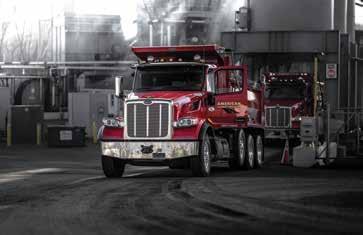
You might have seen on our social media—we drive big, shiny red trucks. That puts a target on our backs for the traveling public to blame us for their bad driving. We’ve had drivers accused of rocks hitting cars when we weren’t hauling rocks, blamed for mailboxes getting knocked over, and accused of cutting people off when there was no truth to it. That’s why our drivers are trained to operate like everyone’s watching, because they are. This is also why we have dashcams in our trucks, so we can know what really happened when accusations are made against our drivers.
On bigger paving jobs, I don’t leave the truck route to chance. I lay it out myself, often driving the route ahead of time so I know exactly what we’re dealing with.
My first rule: big truck, big road. If we can keep heavy trucks off small side streets, we do. Beyond that, the fewer surprises, the better. I’m paying attention to commuter traffic, school release times, tight intersections, and grades. Every decision is about reducing exposure. The more opportunities there are for something to go wrong, the more liability we’re carrying.
I’m also picky about making sure every truck runs the same route. If one driver decides to try a shortcut, whether it works or not, your timing is off. Now you’ve got trucks stacked on the job or you’re starving the paver. Either way, the rhythm is broken.
We use the Reveal app to track location and ETA so we can see how loads are moving and keep that rhythm intact.
We run our own fleet—12 trucks—and we try to keep it that way. When you bring in outside trucks, you can run into problems. They take their own route. They clean out in the wrong place. They spill in front of the paver. Sometimes the truck isn’t set up right for
your machine—tailgate height, lip, whatever it is—and that can get ugly fast.
We will sub a few trucks when we absolutely need to. When we do, one of our best drivers meets them at the plant and walks them through exactly how we operate—where to go, where to stage, how we dump, what we expect.
But if I can help it, I’d rather take an extra day and use our own drivers. It may look slower, but when everyone knows the system and follows it, the job ends up running smoother—and usually faster.
You don’t pave without asphalt, and you don’t move asphalt without trucks. If the trucking isn’t right, nothing else is.
I’ll be honest—when we’ve got loaded trucks on the road, my heart beats a little differently. Backing trucks, running in traffic, working tight job sites—that’s serious risk. The liability is real. One mistake can shut a job down in a New York minute.
That’s why we take it seriously. Training matters. Route planning matters. The right drivers matter. You can’t treat haul trucks like an afterthought on a paving job. They’re not just delivering mix. They’re carrying a hefty responsibility for the whole operation.
Bill Stanley owns American Pavement Specialists, Danbury, Connecticut, with his wife, Colleen. Stanley has more than 50 years of experience in the asphalt industry.

BY JOHN BALL
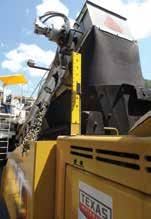
One of the first things you should do when your new paver arrives is get out a can of high-visibility spray paint and mark some elements to help your crew. We’ve talked before about how smart it is to paint the guide bar and chain at the front of the tractor or investing in a guide like the PaverLaser. Now take a look at the tow point cylinder gauge.
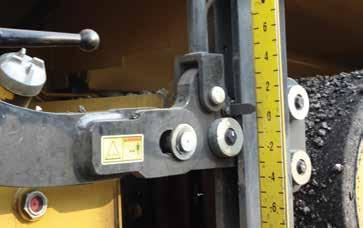

Do you see the almost-hidden black arrow (or wire) that points to the numbers on the measuring gauge? That arrow will be difficult for screed and paver operators to see on a good day. Now imagine shovels and buckets blocking their view. Imagine the grease and gobbledygook that gets on the equipment during the shift, making the arrow hard to pick out from the rest of the dark material. Instead of leaving it “as is,” paint it a neon color before the crew goes out to the field.
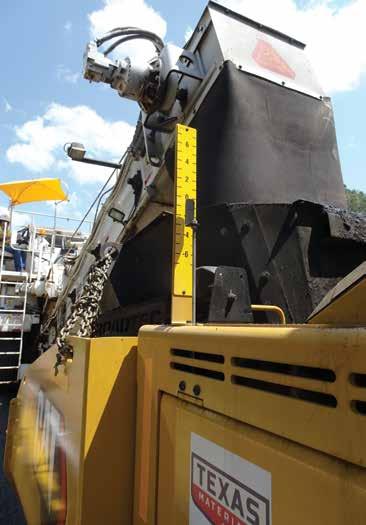
Better yet, look at the second picture on this page where the paver manufacturer has affixed the tow point guide on top of the tractor. This brings the gauge up to eye level and away from sticky messes that hide the indicator.
As always, keep equipment clean for its best operation, but give your crew their best chance at success with a can of bright paint and some good planning on gauge placement.
John Ball is the proprietor of Top Quality Paving & Training, Manchester, New Hampshire. For more information, contact him at (603) 493-1458 or tqpaving@yahoo.com.
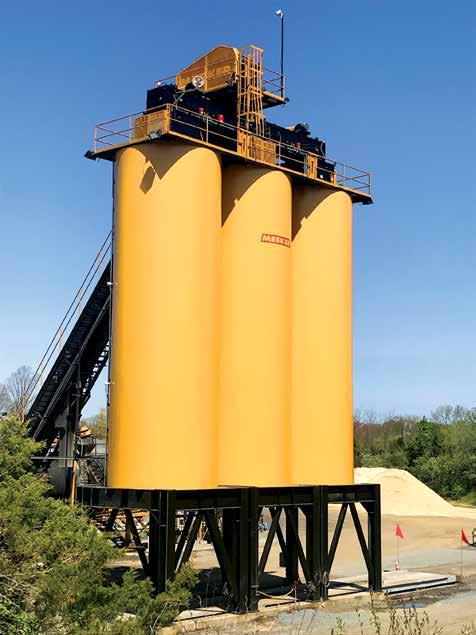
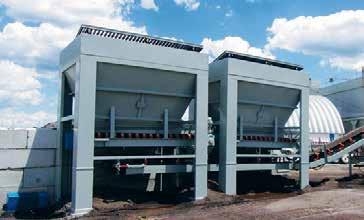
OUR MAIN DRAG CONVEYORS ARE LARGER AND WIDER to allow conveyors to run slower yet convey the proper mix to silos. Larger and wider conveyors have a stronger section modulus than bridge beam designs.
SPLIT RETURN ROLLERS COME STANDARD. Much easier and cheaper to replace just the roller in the future as compared to cutting shafts, replacing rollers, and bearings.
REJECT CHUTE OPENS THE ENTIRE WIDTH of the conveyor so asphalt doesn’t pass over the reject chute.
HYDRAULIC TAKE UP ON THE HEADSHAFT OF MAIN DRAG CONVEYOR CHAIN so entry point of asphalt into the tailshaft ALWAYS stays the same. This prevents premature wear of chain.
AUTOMATIC CHAIN TENSION INDICATOR alerts plant operators when its time to tighten the chain.
REX PLANTETARY GEARBOXES for all conveyors.
ALL OF OUR SILOS COME STANDARD WITH 3/8” CONE LINERS AND ONE ROW OF RECESSED WALL LINERS. Recessed wall liners don’t allow the problematic wear spot to occur that silos that other silos have seen in recent years.
ALL SILOS ARE WELDED 100% INSIDE AND OUTSIDE with laser guided sub-arc machine. This makes the strongest union of two pieces of metal.
ALL SILOS COME WITH SAFETY GATES STANDARD.
3 TON BATCHER COMES WITH EASY ACCESS AIR CYLINDERS on outside of batcher and safety cage to prevent pinch point. Split batcher allows for even distribution of asphalt in silo.


BY MARY L. STARKEY
Geneva Construction Company traces its roots to 1926, when it was founded in Geneva, Illinois, by the McCarthy Improvement Company of Davenport, Iowa. At the time, team members were working on gas pipelines for Northern Illinois Gas.
In the early decades of the 20th century, as motor vehicles became more common and urban landscapes expanded, the Fox Valley region in Illinois faced an urgent need for better roads and modern transportation infrastructure. It was in the era of growth and innovation that Geneva Construction company was established.
In a video released by the City of Aurora, officials explained, “The city of Aurora is proud to share the story of a company whose work has shaped the community we call home. It began in 1926 when Geneva Construction was incorporated in Geneva, Illinois, by McCarthy Improvement Company of Davenport, Iowa. Gilbert N. Brian was elected president, laying the foundation for a legacy that would span generations. Just over a decade later, in 1937, the company moved its corporate offices to the old second building in Aurora, Illinois. A move that would anchor its future in our city for decades to come.”
The company’s earliest projects coincided with a transformative period for American infrastructure. Automobiles were reshaping how people lived and worked, and municipalities relied on skilled contractors to lay durable roads that could handle increasing traffic. Geneva Construction entered this ecosystem with the expertise and ambition needed to thrive.
Under the leadership of its first president, Gilbert N. Bryan, the company set out to build reliable, resilient pavement that would stand the test of time. Yet, machinery and materials in the early 1930s were rudimentary compared to later standards, so much of the work remained labor-intensive, relying on skilled crews working long hours to place and finish pavement surfacing.
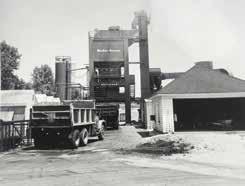
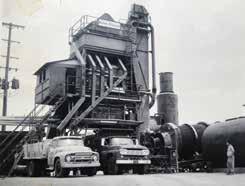
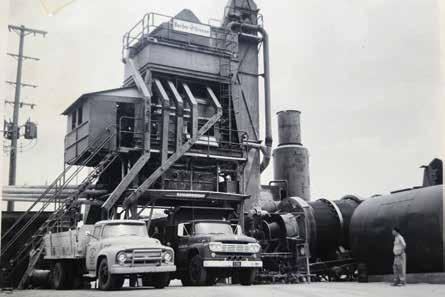
By 1956, Geneva Construction Company purchased seven acres along Indian Trail in Aurora, a site which became the home of the company’s asphalt plant. This served as a critical hub for paving the roads that carry the residents and economy of Aurora. Here we see trucks lining up to get mix from the company’s Barber-Greene BatchPac.
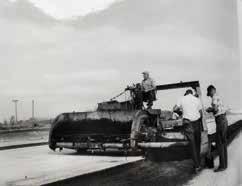
In the 1930s, Geneva Construction became one of the early adopters of mechanized asphalt paving, owning one of the first paving machines produced by the Barber-Greene Company of Aurora, Illinois (later purchased by Astec). Designed by Harry Barber, this innovative asphalt paver combined mixing and placement into a single, continuous process, allowing Geneva Construction to pave roads more efficiently, and with greater consistency than past methods. Building on this advancement, Harry Barber later expanded Barber-Greene’s offerings to include a full line of asphalt pavers and asphalt
plants. Geneva Construction’s first asphalt plant was also supplied by Barber-Greene, further solidifying a partnership that helped shape the company’s early growth and its reputation for innovation in road construction.
In 1956, Geneva Construction purchased 7 acres of land along the Fox River and relocated the asphalt plant from the North Avenue site. By 1967, the company moved all operations and main offices to its long-term site on the Fox River at Indian Trail, marking a modern era for its facilities.
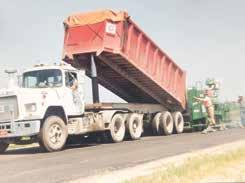
A city official described those mid-century moves this way: “Geneva Construction purchased 7 acres along Indian Trail in Aurora. This site became the home of the company’s asphalt plant, serving as a critical hub for paving the roads that carry our residents, our workers, and our everyday life. Leadership evolved in the early 1960s, and in 1964, John G. Bryan became president. By 1967, the company strengthened its independence by purchasing 40% of its common stock and building a new office on Route 25 in Aurora, further establishing their footprint in our community.”
In 1969, Geneva Construction was named Asphalt Paving Contractor of the year by the State of Illinois.
Geneva’s asphalt plant was relocated in 1970 to Butterfield Road in North Aurora; it’s now Superior Asphalt Materials, a pivotal move that placed Geneva Construction at the heart of its production capacity.
Throughout these decades, Geneva Construction was part of a larger transformation in how roads, highways and urban streets were built. Higher traffic volumes and heavier loads from commercial vehicles demanded better materials, testing procedures and construction techniques. The company responded by investing in equipment, workforce training and quality oversight that positioned it as a respected contractor among local governments and private developers alike.
The year 1978 brought a significant milestone: ownership of Geneva Construction passed to John G. Bryan, solidifying a tradition of family-led stewardship. This transition marked the beginning of a new era defined by continuity, modernization and strategic growth.
Under the Bryan family’s leadership, Geneva Construction:
• Expanded its service offerings to include full-service asphalt paving, curb and gutter installation, and concrete flatwork, meeting the broader needs of municipal, commercial and state clients.
• Upgraded its materials production facilities, increasing throughput and enhancing quality control at its North Aurora asphalt plant.
• Reinforced its reputation for reliability and craftsmanship in a market that increasingly valued performance and durability.
By 1997, when longtime president John G. Bryan retired, the company was well positioned for continued success. Leadership passed to his sons, John P. Bryan and Mike Bryan, who brought fresh energy and modern business practices to an organization that had already thrived for more than seven decades. Under their leadership, the company earned dozens of awards and evolved into the respected organization it is today.
Mike Bryan, vice president, stated: “We run about 15 crews, about 130 total employees, with 20 of those being office people and the remainder being field personnel. I enjoy probably the people the most...We are a third-generation company. We have a lot of second-generation people working here so their fathers and sons are working here.”
John P. Bryan, then serving as president, said, “The United States was built on the back of Detroit. Automobiles, suburbia, and that’s what we do. We build the roads for these houses. We’ve worked with the city on a wide variety of projects, and I can remember going out and doing things special to make sure schools get open, the road gets done. Hill Avenue, Fifth Avenue, Indian Trail, they’re numerous. And we work with the city in order to make sure
these projects are completed in a timely manner at the littlest disruption as possible because nobody likes ‘Road Construction Ahead’ signs. These mayors have always looked at the quality of life in Aurora and that’s really the best thing that Aurora has going for it; great things thinking about what the future of Aurora is.”
The city official remarked: “Under their leadership, from 1997 to 2024, Geneva Construction earned numerous awards from NAPA, AAPA, APWA, APAI, and local agencies, including the city of Aurora, celebrating excellence in engineering, quality of work, safety and innovation. These honors reflect not just great roads, but the hardworking people behind them. People who have contributed to Aurora’s growth, safety and connectivity.”
In the 2000s, Geneva Construction operates as a third-generation legacy reborn under new family leadership, continuing its historic commitment to quality across municipal, commercial and private-sector paving projects.
As Geneva Construction approached its 100th year, the Bryan brothers saw that no fourth generation showed interest in assuming future ownership of the company. They recognized the importance of securing the company’s future through strong, values-aligned leadership. In 2025, the Bryans sold Geneva Construction to the Krug family, a well-established name in construction with deep roots in the Illinois infrastructure community.
The Krug’s leadership marked the beginning of a new era—one that honors the craftsmanship and integrity built over 100 years while preparing for the future of asphalt and concrete construction.
The transition was smooth and deeply respectful, ensuring Geneva Construction’s legacy remained intact while positioning the company for long-term success.
The evolution of Geneva Construction tells a story of longevity and adaptability. In the early 1900s, Gil Bryan built roads using horsedrawn equipment. By 1920, Bryan transitioned to Ford trucks marking early mechanization. What road crews did in 1926 looks entirely different from the highly technical, data-driven projects the company executes in 2026.
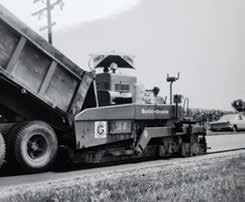
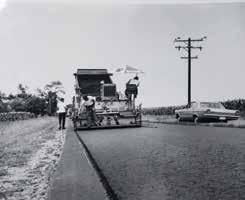

As of 2026, the company’s 100th anniversary:
• Geneva Construction has produced and placed over 10 million tons of asphalt.
• Crews have paved over 9,000 miles of roadway—enough to circle the entire Fox Valley region many times over, connecting neighborhoods, schools, businesses and communities across northern Illinois.
In 1926, roads were placed using manually adjusted screeds from Barber-Greene and compacted with Austin-Western rollers. Asphalt testing in the early 1900s relied on built test streets in the field, where performance was observed over time.
Over a century in business, every part of the process has transformed from asphalt plant operations and laydown equipment to compaction methods and material testing. Today, Geneva’s quality control labs are
state-of-the-art, utilizing real-time density testing, fully digital data collection and national standards designed to analyze performance and prevent material failures before they occur.
What hasn’t changed over the decades are the fundamentals. Using good aggregate still matters; getting proper compaction is critical; weather affects performance; and quality materials remain the foundation of every durable roadway.


• The company remains a trusted partner to cities, towns, school districts, developers and transportation agencies throughout the region.
• With upgraded equipment, advanced testing capabilities and expanded community engagement, Geneva Construction enters its next century stronger, safer and more innovative than ever.
Our dedicated employees provide solutions to filtration an fabrication challenges, including design recommendations.
We provide consistent quality in the manufacturing of dust collector bags and wet filtration products. We maintain a 100% inspection rate to ensure customer satisfaction.
We manufacture filters across the full spectrum of temperature and efficiency ranges.
Our staff works with customers to assist in innovative and creative applications.
We recognize the importance of having dust collector bags and filters. Immediate response to customer needs is our number one priority.

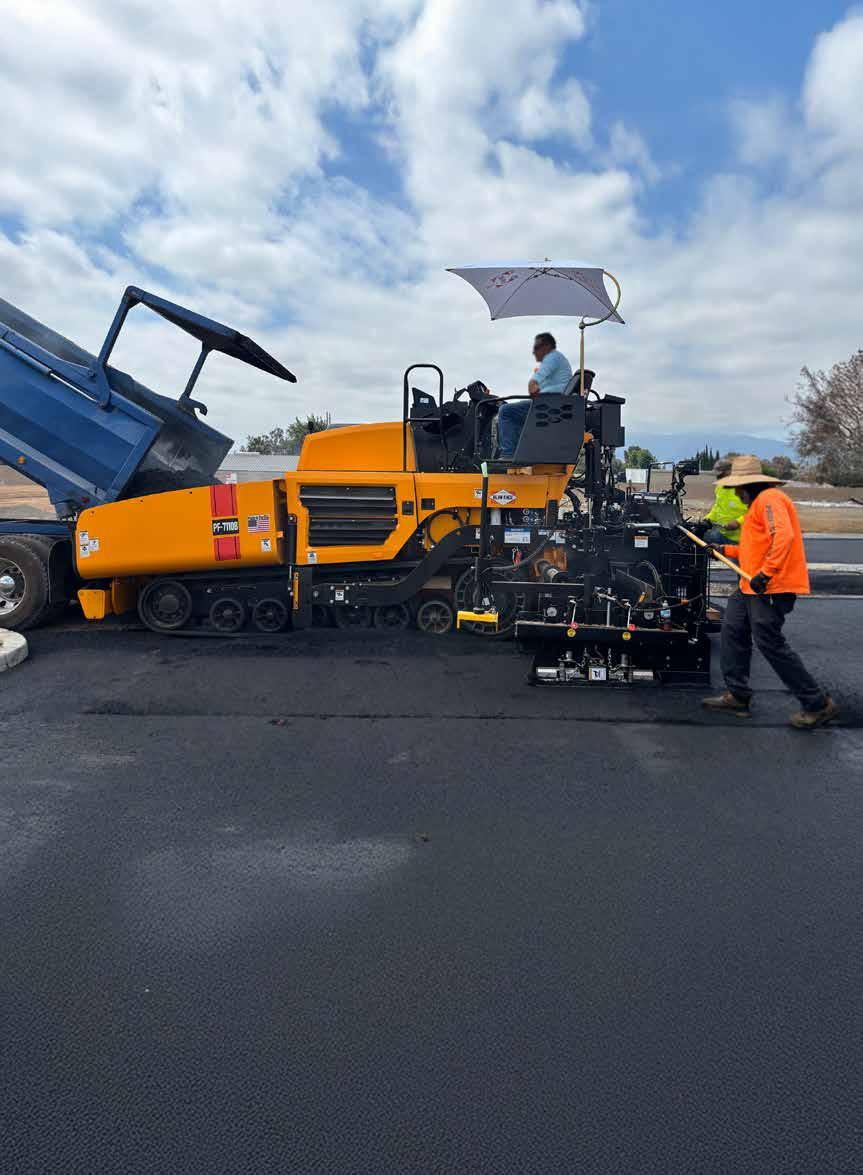
Since its introduction, the Weiler P385 has set the standard for commercial pavers. The P385C raises that standard.
Increase to 120 hp with the Cat® C3.6 Tier 4F/Stage V engine.
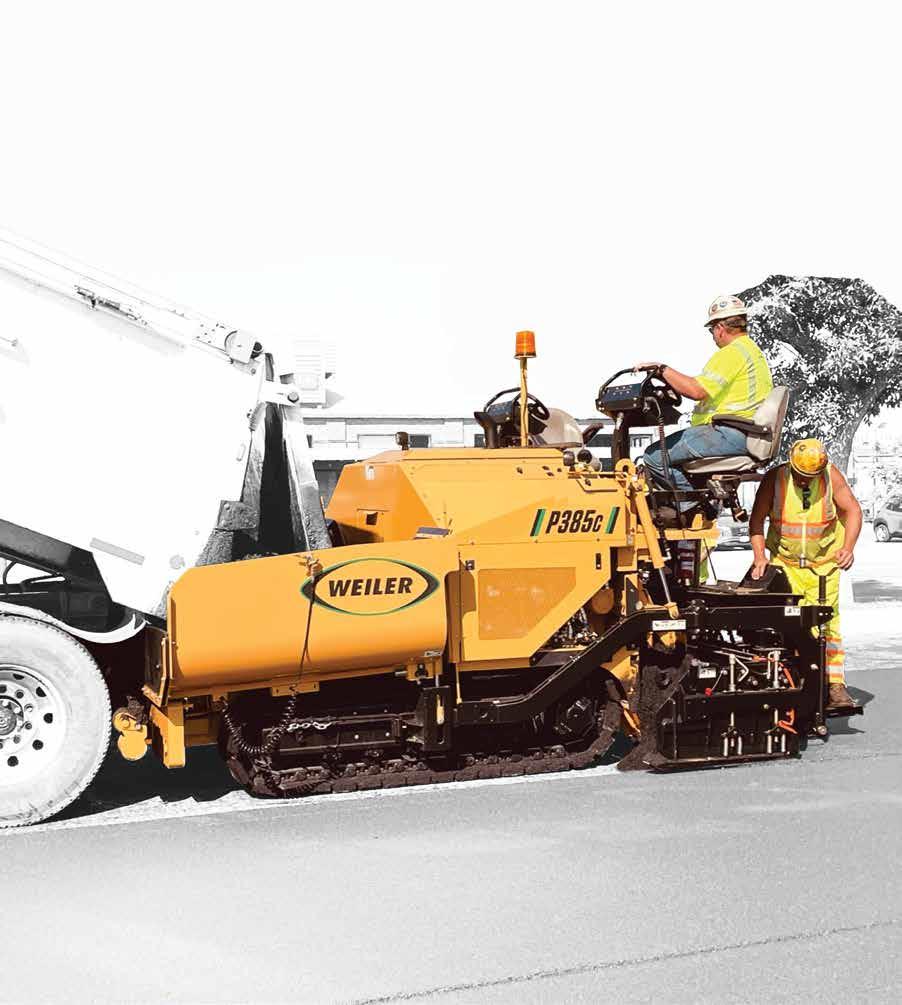
Variable speed and reversible conveyors and augers and a 25% increase in tunnel height provide optimal material output.
Modular conveyor drive and sealed chain case increase feeder system reliability and life.
Enhanced heat system performance with direct-drive hydraulic generator and elimination of GFCI breakers.
BY SANDY LENDER
FFor the “Today’s Asphalt Plant” theme of this edition of AsphaltPro Magazine, let’s look at the hot-mix asphalt (HMA) facility’s controls. Original Equipment Manufacturers (OEMs) like Astec Digital, FAYAT Mixing Plants, Gencor Industries and others, launched full plant controls systems or component monitoring systems around CONEXPO-CON/AGG 2026 (CECA). This breakdown gives an overview of offerings to make your plant operator’s job easier and your bottom line more robust.
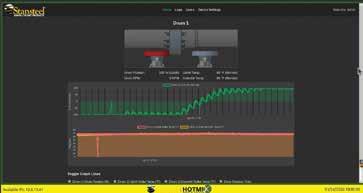
CECA attendees who stopped by the Stansteel Hotmix Parts & Service booth saw a handful of new products, including the ACCU-pulse™ featuring the new Drum Drift Monitoring System™. ACCU-pulse is designed as a plant health monitoring platform.
Llew Williams, general manager, operations, for Stansteel Hotmix Parts & Service, explained that depending on how the system is configured, it can provide operators with visibility into critical operating conditions. “As an example, in addition to the Drum Drift Monitoring System, we recommend adding the Critical Status Modules. [This] includes sensors that monitor material or mix discharge temperature, baghouse inlet temperature, baghouse differential pressure and burner negative pressure.
“Viewed together, these measurements function much like vital signs for the plant. Rather than reacting after failure at the plant, operators gain early awareness of trends that affect production stability.”
At the tradeshow, the company introduced the Drum Drift Monitoring System, which is a way to detect when the rotary dryer has gone too far uphill or downhill. The alert system also monitors thrust roller temperatures.
“Monitoring the temperature of the uphill and downhill thrust roller bearings adds important context to drum drift data,” Williams explained. “When a drum is improperly aligned or no longer ‘floating’ correctly, it will tend to run continuously against one thrust roller. That sustained contact increases bearing load, friction and heat. By tracking bearing temperature in real time, the system helps operators distinguish between a short-term correction and a developing mechanical issue—such as misalignment, lubrication problems or excessive thrust load. Rising temperature is often one of the earliest indicators of a problem that could otherwise go unnoticed until accelerated wear or an unplanned shutdown occurs. In that sense, bearing temperature serves as a ‘confirmation signal’ to the drift data and strengthens early decisionmaking.
“Drum position alone shows what the drum is doing; thrust roller temperature helps explain the impact of that movement on critical components. Together, those data points turn drift monitoring from a visual reference into a predictive tool.”
FAYAT Mixing Plants also brought new controls to the North American marketplace at CECA 2026. Subject matter experts demonstrated the company’s new Vision unified control software.
The Fayat Group, through its brands ADM, Ermont and Marini, now provides customers with broad-spectrum data sharing across its entire product portfolio. This is possible because Vision is a unified “language” that connects all systems. It features simple, user-friendly display modes with dynamic animation and visuals that track the flow of materials and features a digitized “notepad” to simplify daily orders. With Vision, operators can schedule daily production, utilize a predictive maintenance application, take advantage of a virtual assistant that provides the best actions for maintaining plant efficiency during the production process, and more.
The new Vision control software allows all of the ADM, Ermont and Marini brands’ systems to communicate with the outside world. In fact, Vision can receive notifications and data from a cloud platform that allows road construction site management programs to exchange data, receive lists of production orders from remote locations and gather pertinent weather information.
The new software will gradually replace the systems currently used by the respective brands, becoming the unified language for all of the plants. It will allow access to and sharing of big data while enabling comparisons between different types of production processes. For example, a customer with both continuous and batch plants on their production sites can evaluate, as needed, the most cost-effective and efficient process for similar types of recipes by comparing their energy consumption.
Technicians opted for a simplified dashboard, designed to show only the essential process information and material flows. In this way, should problems or anomalies arise, the operator can still dynamically recall additional functions.

With the Vision graphical interface, the company aimed to make the user experience and interaction between the operator and the system as intuitive as the devices many people, especially younger generations, already use every day.
Another key feature in the operator’s process display is the use of realistic digital animation, which visually represents the material flow within the plant in a way that is both immediate and intuitive. The use of different colors in the animation allows the operator to distinguish and recognize the various materials (solid, liquid and gaseous) as well as the different mixes being processed.
With the new interface, the operator will no longer be limited to controlling individual functions. He will be able to see where and how the material is being transported at any time, with different color flows when there are multiple active mixes in production.
The new Vision control software will also rely on Artificial Intelligence (AI) algorithms, complete with a new series of smart features to simplify the operator’s work. For example, the production orders can now be managed in a more energy-efficient way by creating sequential recipe lists.
In conjunction with the predictive maintenance application, the operator will be notified. Guided by the expertise of ADM, Ermont and Marini technicians, this program gathers data from the various systems and provides the operator with notifications and alerts on maintenance needs, potential system risks, possible causes of downtime, and suggestions for restarting operations, and other useful functions. The first tests of this exclusive application were conducted at the plant of an Italian customer, who made their facility available to the technicians for several days.
The operator will also have access to a virtual assistant, which, when consulted, can recommend the best actions to maintain the plant’s efficiency during the production process. In turn, the chatbot will be trained on the process using data collected from both the smart ecosystem cloud platform and specific information on the production flow of the individual plant. Consequently, the chatbot’s ability to provide information will refine over time, but it already starts with a substantial data set. The information that is gathered on the cloud platform is sent by the machine’s sensors, while the recipe, productivity and energy consumption data will be managed in a totally confidential manner.
An additional advantage of these solutions is that they will all be retro-installable: the open structure of the new Vision software will also allow for the integration of new applications in the future, which can be run within the same environment.
Astec Industries, Chattanooga, launched its Signal Connectivity Suite from Astec Digital during the show. The platform allows communication and monitoring across all plant and mobile assets, letting the owner stay connected, gain actionable insights and optimize operations. Specifically, Signal includes an asset map, machine overview, plant overview, LiveJob (live tracker) and paver tracker screens.
When on the Asset Map screen, you have a visual, location-based view of all assets, allowing you to check key statuses like fuel level and engine hours. This offers you access to your entire fleet for easy navigation and lets you spot assets needing attention.
When on the Machine Overview screen, you have a comprehensive, real-time snapshot of a specific piece of equipment. This shows you “live” machine status indicators for fuel, faults, location, live schematics and so on, letting you identify any issues with real-time diagnostics and historical data views.
When on the Plant Overview screen, you have a real-time, high-level snapshot in one dashboard of all the plant operations,
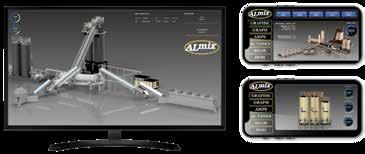
ALmix Insignia Vision provides information about the plant in real time, allowing users to view and organize data not just from the ICS blending controls, but also from the loadout and ticketing side of the plant.
from production rates and energy use to historical trends. This offers instant visibility into top-level plant performance with production and energy metrics and drill-down views into the individual details like mix information, silo inventory, tank inventory, alarm information and so on.
When on the LiveJob screen, you have a real-time, live dashboard of ticketed material output and job progress. This gives you visibility into tons loaded and job progress with detailed breakdowns by job, customer, mix and truck rotations.
When on the Paver Tracker screen, you have real-time location and activity tracking of the asphalt paver. This screen provides insight into job activity such as total runtime, distance paved, average feet per minute, idle events and reasons, and it integrates with Astec Digital’s telematics ecosystem for unified data and alerts.
Another total plant control system that’s been on the market for over a decade is the ALmix Insignia Control System (ICS), but ALmix debuted the ALmix Insignia Vision, its remote monitoring for ICS, during the show. ICS gives you a comprehensive view of your plant’s performance and now you can access that information remotely via the ALmix Insignia Vision remote monitoring app.
Rob Barker, an ALmix program engineer, explained that ALmix Insignia Vision provides information about the plant in real time, and that means you can monitor your ongoing operations from offsite. The remote capabilities aren’t just monitoring temperatures and product levels, but are also offering owners or managers a look at what’s happening in real time, such as loadout activities. Insignia Vision allows users to view and organize data from the ICS blending controls, and from the loadout and ticketing side of the plant.
“You can also see tickets from the Insignia Loadout System,” Barker said. “We have camera integration so you can see your local cameras from your iPhone or Android.” When owners can’t be on site, they can still be in tune with what’s happening. “This is for someone not to control their plant, but to look at their plant. If they [can’t] be there all the time, they can take a break and still monitor.”
Of course, monitoring materials in real time is a valuable aspect of the technology. “When looking at the hot oil heater, we can monitor all the status, such as status indicators for the e-stop, burner switch on, the oil level, circulation pump status, low or high oil pressure alarms, stack relay, burner enabled, call for heat, and more. For AC tanks, we can see the quantity that’s in there. Same thing with our inventory silos. We can see how much we currently have in our silos. And, of course, we can see all of our amp meter readings.”
The ALmix Insignia Vision mobile app will be available to ALmix customers. “It works with our Insignia control system and loadout and we also have it in the ALmix Cloud for casting to monitors in conference rooms.”


That’s why we bring more than just tools, we bring the fire.
From retrofits and relocations to maintenance, parts, and plant upgrades, Motion Engineering keeps your plant running hot and smooth. With over 30 years in the asphalt industry, we’ve seen it all and solved it all.
Let’s talk about how to make your next project faster, cleaner, and more efficient.







Command Alkon hosted a press conference at the show during which Chief Product Officer Ranjeev Teelock previewed Command Intelligence, the company’s new agentic AI capability within its Command Cloud platform. Teelock introduced the capability as the company’s next step in bringing AI directly into operational decision-making for materials producers.
Command Intelligence enables users to interact with operational data in an intuitive and actionable way through the Command Intelligence Assistant. The assistant allows teams to access key performance indicators and operational metrics to support faster and more informed business decisions. For example:
• Dispatch and operations teams can evaluate delivery priorities and determine which orders should be fulfilled first based on operational conditions and available data.
• Billing personnel can rely on the assistant to identify and adjust incorrectly priced tickets, reducing manual effort and minimizing errors.
• Users can ask questions or issue directives, and the assistant can generate reports, visualized data elements, or prioritized task lists using data from the Command Cloud platform as well as production, quality control, and enterprise systems used across the industry.
The goal is to simplify how the user runs the business while reducing reliance on tribal knowledge by providing consistent, data-driven insights.
The company also previewed new Command Cloud capabilities designed to support more flexible operations, including multi-plant remote batching, which allows operators to manage batching activities across multiple locations from a single interface or tablet. This capability helps producers improve staffing flexibility, streamline plant operations and maintain production oversight across distributed facilities. With innovations like Command Intelligence and Batch AI, the company is continuing its mission to help producers modernize operations and move confidently into the next era of intelligent, data-driven materials production.
Gencor Industries, Orlando, debuted the NiteVu™ cloud-based remote monitoring system for heater and asphalt tank applications during the show. Plant operators will recognize that thermal fluid heaters and liquid asphalt storage tanks are typically equipped with devices like burner flame scanners, thermocouples, pressure transducers and limit switches to control the heating process. You must monitor these elements along with everything else you’re tracking at the plant.
The NiteVu from Gencor takes the signals from these devices and inputs them to a software application that monitors them and their settings for you. Any failure or excess limits immediately triggers NiteVu to alert the user (or users sequentially).
It works via a NiteVu “box” that is mounted to any conventional thermal fluid heater or asphalt tank equipped with standard electrical connections. The device is completely self-contained in a NEMA weatherproof enclosure. Real-time monitoring and alert features detect early warning signs of equipment malfunctions or changes in conditions of the burner and fluid temperature. Because NiteVu uses a cellular connection, internet access isn’t required. When an alarm event occurs, NiteVu can send an email, text message or voice phone call to alert users via ATT or Verizon cellular service.
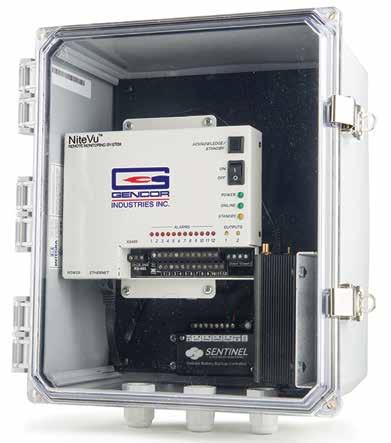
The self-contained NiteVu monitor from Gencor is mounted to a conventional thermal fluid heater or asphalt tank. Real-time monitoring and alert features detect early warning signs of equipment malfunctions or changes in conditions of the burner and fluid temperature.
The NiteVu remote monitoring system stores all sensor readings in the cloud. Multiple devices can be managed from one account with an unlimited number of user profiles. Alarm levels are programmable. Enhanced data logging capabilities allow users to print, graph or export historical records. The system can also produce event reports as well as generate an audit trail of all user data activities, edits or deletions.
Basically, Gencor’s cloud-based NiteVu system lets facility managers monitor heater and asphalt tank functions, including critical conditions, remotely from any smartphone or internet device. The system takes the burden out of managing the tank farm by monitoring burner functions and temperatures, delivering alarms and datalogs, from various equipment sensors and giving you access to your readings from anywhere in the world.
Another remote monitoring system plant operators may be familiar with is the NiteOwl® Advantage Alert System from Stansteel Hotmix Parts & Service. During the tradeshow, the OEM introduced an expanded liquid AC circuit monitoring feature to the system and launched the Day&NiteOwl product.
The unit monitors the same points as the NiteOwl—which is designed to automatically call up to four phone numbers repeatedly until someone is alerted if the temperature of liquid AC or hot oil exceeds the pre-set high or low limits or when conditions are abnormal—but now also allows the plant operator and personnel to check and monitor other items on the plant, such as the level in the AC tanks. It also monitors for amps on motors in case the unload pump used by delivery drivers goes awry.
The foundational system includes a rugged back-up battery that automatically recharges and provides 20 hours of continuous operation should electric power fail. Other standard equipment includes a temperature probe in a stainless-steel drywell placed directly into the hot oil circulating line to continuously monitor temperature levels. A surface-mounted temperature sensor is also available.
Other expanded features of the Stansteel Day&NiteOwl include:
• The capability to call and/or text via cellular network when an alarm is triggered.
• Monitoring the main power connection. In case of failure, the system can still be fully operational for several hours and trigger an alarm alerting the user of the power failure situation.
• Registered users can inquire about the status at any time via call or text.
• Monitor, record and modify operations from the database records that are remotely accessible.
Basically, the Day&NiteOwl monitoring system is designed to prevent surprise cold-asphalt mornings and reduce weekend plant visits while giving you the ability to check tank farm status anytime. A prime benefit of the system is the remote accessibility of the Day&NiteOwl, which allows an immediate update of plant conditions available 24 hours a day, seven days a week from any location, using any telephone equipment.
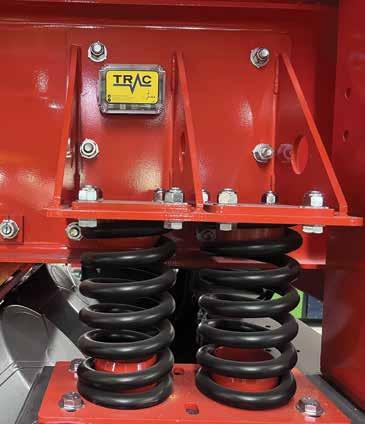
On the screening side of production, Cedarapids, a Terex brand, released its new TRAC vibration analysis system during the show. This system has been engineered specifically for crushing and screening
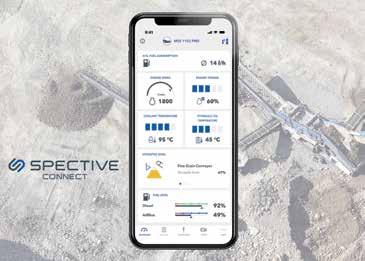
Kleemann introduced the Spective Connect operator information app for screening systems to the North American market during CONEXPO.
environments, with the potential to extend across a broad range of vibrating equipment.
The system uses four WIFI-enabled sensors mounted on the screen structure to capture acceleration, velocity, movement, inclination, orbit and bearing behavior. This coordinated data allows operators to identify issues such as loose components, damaged media, broken springs, hazardous frequencies, imbalance and or timing problems, and to confirm correct screen installation and performance. (For an article on how to correct screen imbalances, check out the February issue’s “Crusher Maintenance: Let’s Correct Abnormal Vibrations” by Eagle Crusher’s Louis Fitzpatrick.)
The TRAC technology is now available across screening equipment within Terex Materials Processing (MP) brands including Powerscreen, EvoQuip, Terex MPS (Cedarapids, Simplicity) and others. Pat Brian, vice president of Terex Aggregates, said, “It helps take some of the guesswork out of understanding screen performance, giving customers and distributors clearer insight into how the screen is operating and where attention may be needed.”
Kleemann, in the Wirtgen Group family, now offers the Spective Connect operator information app for screening systems and launched it for the North American market during CECA. The company describes Spective Connect as “the logical extension of the Spective operating concept.”
With Spective Connect, all important information about the machines in a train is transmitted to the operator’s smartphone. Whether he’s in an excavator or wheel loader or somewhere else nearby, he has relevant information on the status of each connected machine.
The digital application provides the screening operator with relevant data such as speed, consumption values and fill levels directly on his smartphone. Stockpile monitoring can be used to display the status of material stockpiles. When a certain predefined value is reached, the operator is notified that the stockpile should be cleared promptly.
Editor’s Note: Does your company run software or an app that's not listed above to control the blending, loadout, burners, crushing or other aspects of production? Whether your technology is all new in 2026, includes updates this year, or has features you’ve counted on for the past decade, the AsphaltPro audience could benefit from hearing of your experience. Either you or your OEM is welcome to reach out to share information. Send an email to sandy@theasphaltpro.com

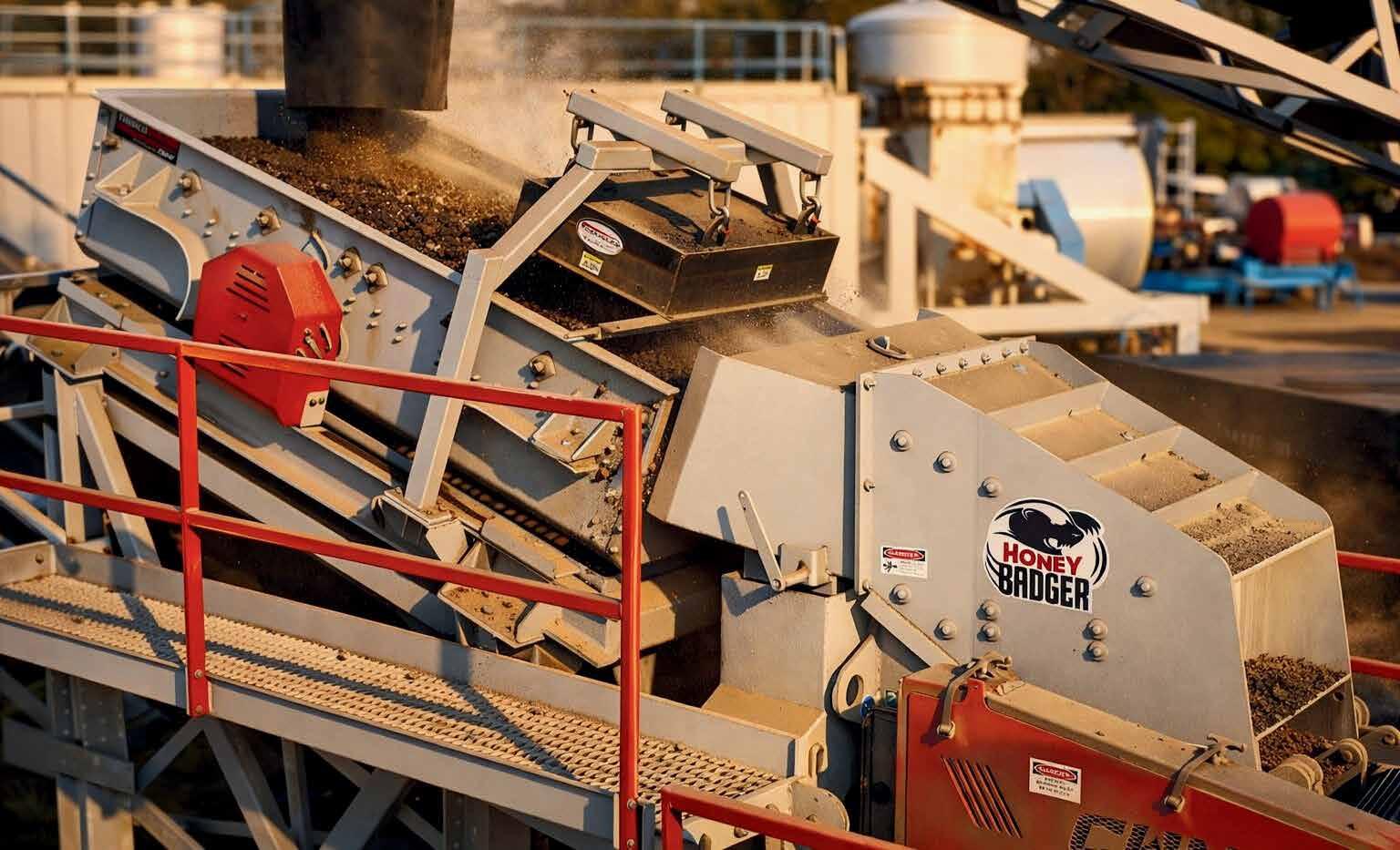
Recycle the road with the fiercely reliable Honey Badger RAP Crusher. From replaceable, abrasion-resistant steel wear liners to a 1/2” steel pulverizing hopper, this machine is built for wear and tear.
Fully equipped for maximum power, reliable operation, and easy maintenance, the Honey Badger is ready to crush it.

BY ASPHALTPRO STAFF
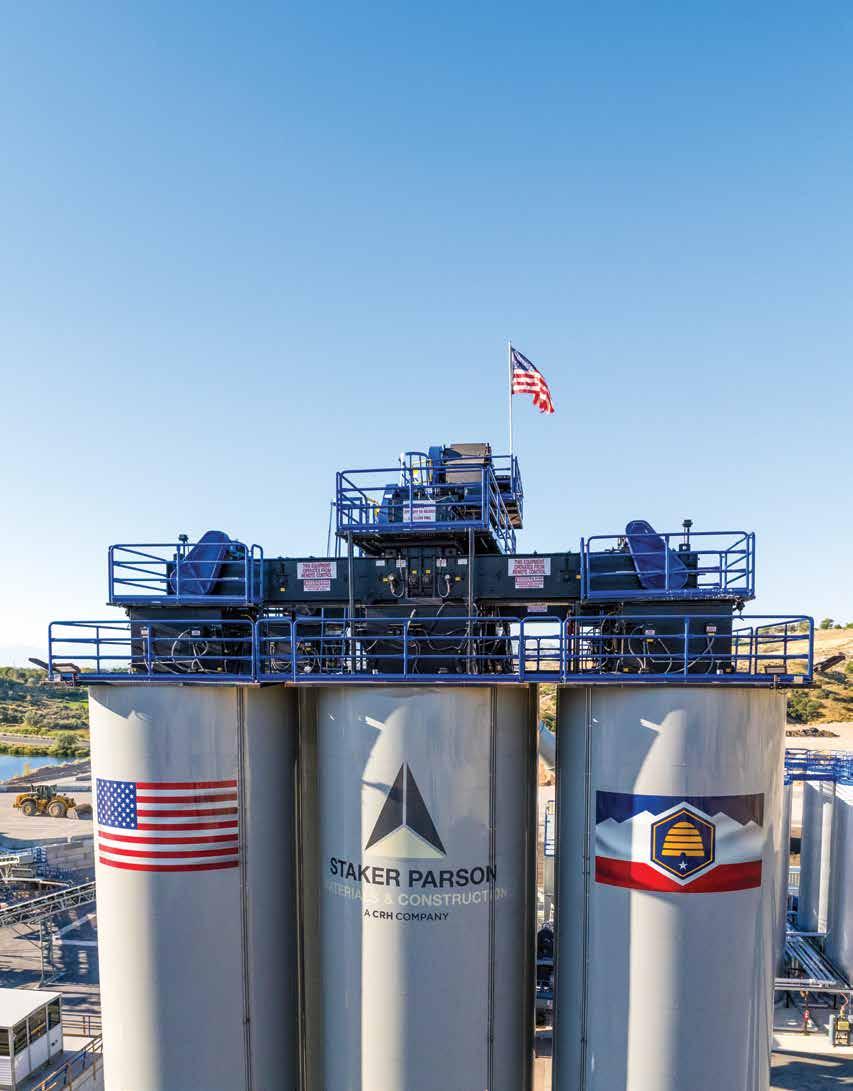
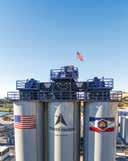
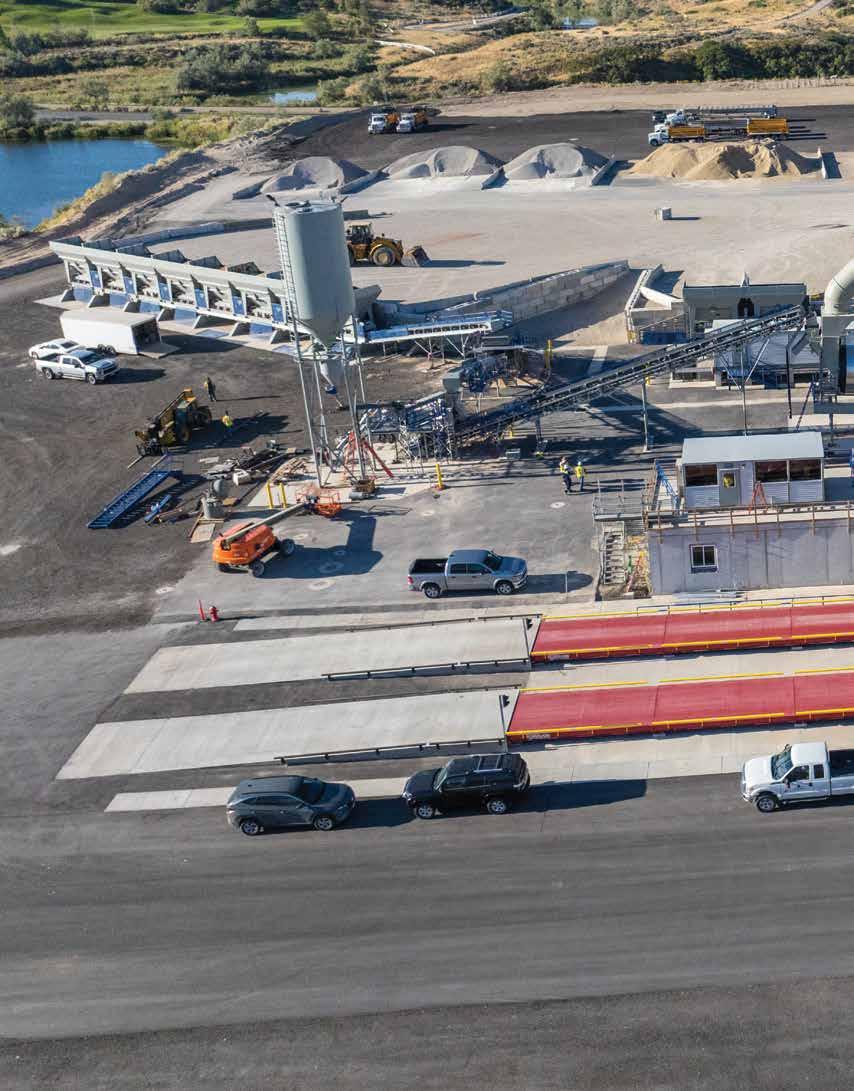
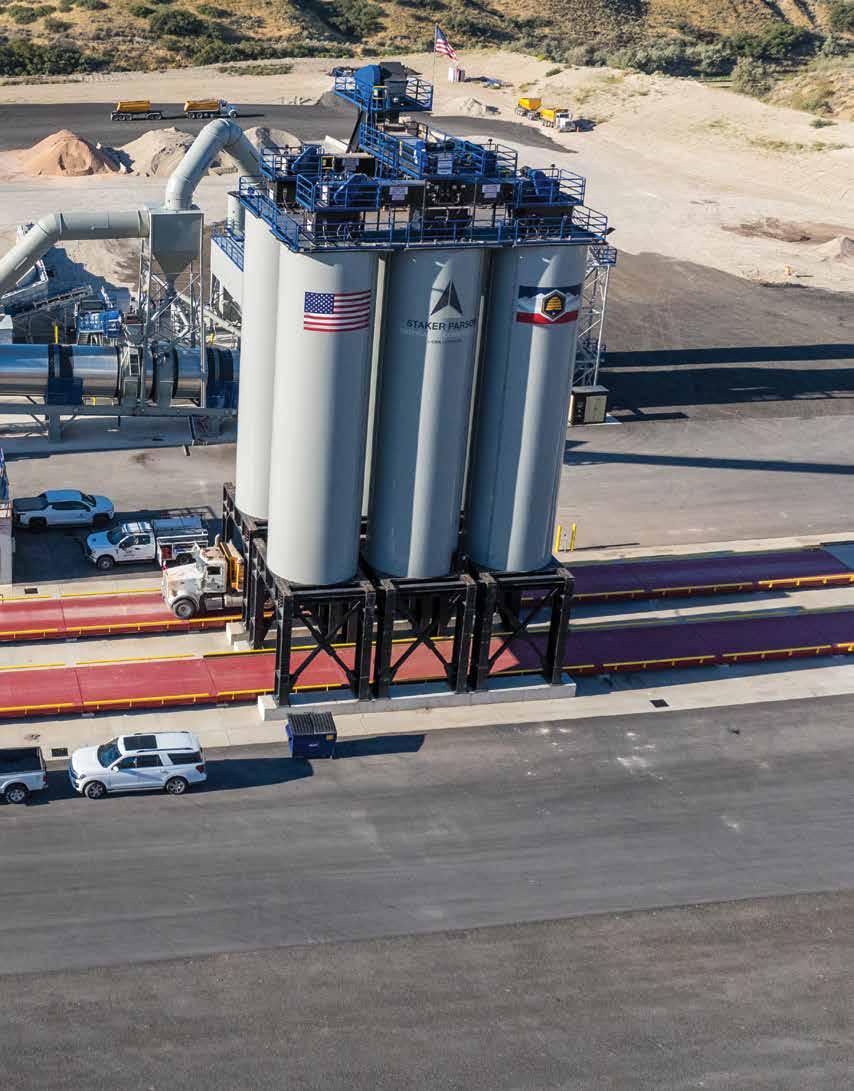
In honor of our nation’s 250th celebration, AsphaltPro Magazine is highlighting asphalt professionals who proudly display Old Glory. When Staker Parson, a CRH company, commissioned its Point West Hot Plant in Lehi, Utah, management not only affixed a flagpole atop the transfer conveyors for all to see, but they also painted their silos with the American flag, their company logo and the Utah state flag.
This 500-TPH Gencor plant was built on a new location to replace the aging Point East facility in Draper. It began service in October 2024, is RAP-capable and produces a variety of mix designs daily for both internal crews and external customer needs and specs. One of the noteworthy projects for which it provided asphalt is the Mountain View Corridor project in 2025, which a spokesperson for the company stated required 83,200 tons of high-specification UDOT mix.
BY GREG FLEISCH
TThere is a moment most asphalt producers know well. A truck is sitting at the scale, the driver is waiting, the plant is running and the phone is ringing again. Someone is flipping through paper tickets while someone else is rekeying the same information into another system, and dispatch is answering another “Where’s my truck?” call.
Nothing is broken, the process works, but there is undeniable friction at exactly the points where speed and accuracy matter most.
Most asphalt operations did not end up with this scenario by accident. These processes were built over time, layered in as operations grew, and for a long time they have gotten the job done.
The problem is that what used to be “good enough” starts to show its age when production speeds increase, margins tighten and expectations go up across the board. A load gets entered at the plant, then entered again in the office, and later someone must reconcile the two for billing. Each step seems reasonable on its own but analyzed as a whole, they create extra work and plenty of opportunities for mistakes. A missed digit or a misplaced ticket might not seem like a big deal until it turns into a billing delay or a customer dispute.
Over the course of a day, week or month, those small issues add up. Trucks take a little longer to turn. The line backs up a little more than it should. The office spends more time sorting things out than moving things forward.
None of it is dramatic, but it is persistent. And persistent inefficiency has a way of quietly eating into both time and margin.
What has changed in recent years is not just the technology, but the expectation that systems should work together and processes should be streamlined across the operation. Modern, cloud-based platforms are built around that idea. Instead of separate systems at the plant and in the office, they provide a shared foundation where dispatch, ticketing and operational data all live in the same environ-
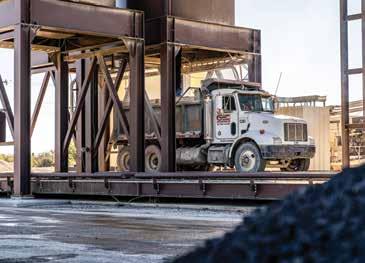
When customers have access to clear, timely information, they plan better, call less and gain confidence in the operation because it feels predictable and consistent. In a competitive market, that reliability and ease of doing business carries real weight, and producers who provide it are less likely to see customers looking elsewhere.
ment. The goal is simple. Capture information once and let it move through workflows without being touched again.
When ticketing is handled digitally at the source, that information can flow directly from the plant to the office in real time. Solutions designed specifically for bulk materials operations, including asphalt, are increasingly focused on standardizing these workflows so that scale houses are not relying on workarounds or manual steps to keep things moving.
That alone eliminates a surprising amount of friction.
Instead of tracking down answers or double-checking entries, teams are working from the same data at the same time. The scale house keeps moving, dispatch and the field have better visibility, and the office is not waiting on paperwork to catch up before doing its job.
It’s not about making things more complicated. If anything, it tends to simplify the day-to-day because fewer steps means fewer chances for something to go sideways.
At the same time, customers have gotten used to a different level of visibility in almost every other part of their business. They
can track shipments, check statuses and pull documents on their own schedule.
Then they get to materials, and suddenly it’s back to calling dispatch and hoping someone can give them an update.
That disconnect is becoming more noticeable.
Many producers are starting to address this by offering customer-facing portals that provide access to order status, ticket information and load activity. When the field can find that information on their own, the volume of routine calls tends to drop, and the plant can stay focused on keeping trucks moving instead of answering repeat questions.
One concern that comes up fairly often is the idea that giving customers more visibility might reveal too much about the operation, especially anything that could hint at production constraints or inventory levels. That thinking made more sense years ago when information was harder to control and customer expectations were different.
Today, customers are already making decisions based on responsiveness, reliability and ease of doing business, and most customer-facing tools are not exposing sensitive operational data. They are simply providing order status, load progress and ticket history, which is the same information customers are already calling to ask about, just delivered in a more efficient way.
The bigger risk today is not sharing too much, but sharing too little and creating uncertainty in the process.
When customers have access to clear, timely information, they plan better, call less and gain confidence in the operation because it feels predictable and consistent. In a competitive market, that reliability and ease of doing business carries real weight, and producers who provide it are less likely to see customers looking elsewhere.
Providing this level of visibility does not mean opening up everything about the operation. It means sharing the information customers need to do their job while allowing your team to stay focused on keeping material moving.
For most producers, modernization is less about making a big leap and more about removing the steps that do not need to be there anymore. At the same time, it’s important to recognize that connecting these processes across the business is not just a small operational tweak. It represents a broader shift in how the operation is managed, and it requires alignment from leadership to make it stick.
Platforms like Command Cloud are part of this shift, providing a connected environment where dispatch, scale ticketing, fleet activity, inventory, sales and back-office processes operate together instead of in isolation. When those pieces are aligned, the operation starts to function as a single system rather than a collection of handoffs. Within that kind of framework, purpose-built tools for dispatch and scale ticketing help standardize loadout workflows and eliminate the need for re-entry, while customer portals extend visibility outward without increasing the burden on dispatch or sales teams.
The result is not a completely different operation, but it is a more connected and coordinated version of the one you already have. The day runs with fewer interruptions, trucks move more consistently, and the office spends less time fixing problems and more time keep-
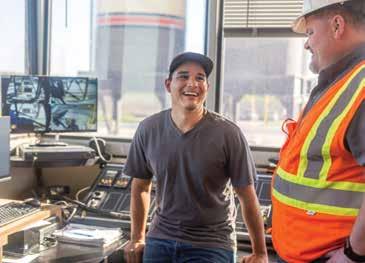
It’s important to recognize that connecting new and efficient processes across the business is not just a small operational tweak. It represents a broader shift in how the operation is managed, and it requires alignment from leadership to make it stick.

ing things moving. That kind of improvement does not happen by accident. It comes from taking a more deliberate approach to how information flows across the business and making sure teams are working from the same playbook.
At the end of the day, asphalt production is already a complex business with a lot of moving parts. There are enough variables to manage without adding avoidable friction between systems and teams. Cleaning that up is not about chasing the latest technology. It’s about putting the right foundation in place so the operation can run more consistently, scale more effectively and adapt as demands continue to change.

Greg Fleisch is a solutions specialist at Command Alkon with 25+ years’ experience in asphalt operations and technology/software, supporting customers from evaluation through implementation and optimization.
In first quarter 2026, Caterpillar announced updates to the Cat® AP1000 wheel paver and the AP1055 track asphalt paver celebrating its 30-year anniversary, and introduced two extended-life plate designs for the Cat SDX Screed Plate System.
Jon Anderson, senior sales support consultant for Caterpillar, spoke about the impetus for the paver and screed system updates. Citing hot, dusty environments and sticky asphalt, he said, “Paving applications pose some of the most challenging environments for the equipment. We’ve improved our cooling system filtration, moved our hydraulic charge pump and added a remote oil filter to improve reliability and simplify maintenance. The construction of textured and smooth Cat SDX screed plates offers more abrasion resistance to asphalt material to help improve plate life and machine uptime availability.”
The updated AP1000 and AP1055 paver models move the engine oil filter and drain to the left side compartment near the DEF tank to simplify service. When fine asphalt particles accumulate in the cooling fins over time, engine temperatures can rise. To help mitigate this, a new optional prefiltration system is available for the AP1000 and AP1055 pavers. Located in the center housing on the top deck for easy access, the four interchangeable filters help prevent fines build-up and simplify routine maintenance. Additionally, the fan drive motors are now located beneath the fan blades to further assist with easier cleaning from above.
In 2026, Caterpillar celebrates 30 years of paving innovation with the AP1055. Caterpillar first introduced the AP1055B asphalt paver with Mobil-Trac™ Undercarriage in 1996. Providing travel speeds like wheel pavers with the flotation benefits of track pavers, the exclusive Mobil-Trac system was designed to increase job site mobility. Since that time, there have been a number of design innovations, such as the introduction of a smooth belt in 2007, oscillating bogie design, electronic control modules (ECMs) enabling proportional control for the material feed system and eliminating flow gates for material flow, and dual operating stations with settings that transfer from side to side with a flip of a switch to provide enhanced control and visibility.
The Cat SDX Screed Plate System now offers two plate designs for contractors. Textured SDX plates feature angular grooves that promote increased density and smoothness behind the paver. Performing like traditional screed plates, smooth SDX plates offer modular, quick-change capability. Built with chromium alloy materials, Cat SDX plates deliver more abrasion resistance than Cat standard and cladded extended-life screed plates.
“We used ASTM G65 Dry Sand Rubber Wheel test procedures to evaluate the longevity of our SDX plates,” Anderson said. “Based on testing performed by Caterpillar utilizing ASTM G65 Dry Sand Rubber Wheel Test Procedures, the chromium alloy materials in our SDX plates deliver 4.2 times more abrasion resistance compared to our standard-wear screed plates and 1.2 times more resistance when compared to the cladded material used in our extended-life screed plates.”
Test results do not guarantee similar abrasion resistance improvements in paving application performance. Results may vary due to individual plate variation, paving techniques and paving conditions.
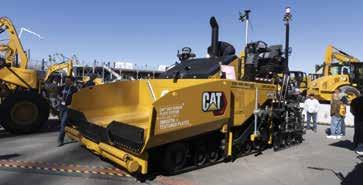
Caterpillar first introduced the AP1055B asphalt paver with Mobil-Trac™ Undercarriage in 1996. It celebrates its 30-year anniversary with updates focused on simplified service.
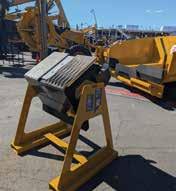
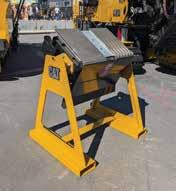
Customers now have a choice between two SDX Screed Plate System designs from Cat, original textured SDX plates and new smooth SDX plates that perform like conventional screed plates with the added benefits of long life and quick-change capability.
Caterpillar’s unique SDX screed plates are designed with integrated tapered blocks that fit over the front and rear of the adaptor plates. High-temperature silicone locking bans apply tension to hold the screed plates in place. Reducing standard hardware needed, the design shortens replacement time to as little as four hours, according to the manufacturer.
For more information, reach out to your Cat dealer or visit www. caterpillar.com.
FleetWatcher’s Materials Management solution, an AlignOps product, leverages telematics technology to give real-time visibility into trucking operations, whether those are your own or third-party provider fleets.
At CONEXPO-CON/AGG 2026, the company debuted its industrial-grade, dual-facing cameras. The cameras aren’t just for recording video; they’re leveraging a real-time artificial intelligence (AI) that detects fatigue, speeding, and seatbelt use, then tying that safety data directly to the vehicle’s operational KPIs.
Also during the show, President Adam Harshman spoke to AsphaltPro about the system, explaining specifically how FleetWatcher’s Load Cycle Analysis can show in real time where bottlenecks could be occurring at the asphalt plant. The Load Cycle Analysis feature also helps users correct issues in real time and enables users to schedule, manage,and pay material haulers. Director of Sales Tyler Hackman said, “Essentially what we’re working on is connecting the dots between where material is produced and where it’s processed at the job site, getting everybody on the same page, really turning the lights on so...everybody is working with the same understanding of what’s actually going on, so you can identify problems in real time.”
Other facets of the system include being able to set KPI benchmarks such as start times, tons per hour, cycle times, paving speed, cost per ton, wait times, plant production, etc.; dispatching; quick truck pay; an e-ticketing solution; virtual shift tickets; and integrations with OEM software, ERPs, and more.
For more information, visit the AlignOps site.
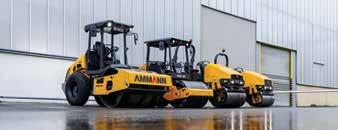
Ammann, Langenthal, Switzerland, is introducing a new color scheme for its machines in the North American market, reinforcing a commitment to regional customer preferences.
“The Ammann America product color change is another step in our evolution in the market,” said Christopher Perkins, managing director of Ammann America.
Ammann America, a subsidiary of Ammann, has invested heavily in its North American operations over the past five years, including facilities in Orlando, Columbia, South Carolina, and Florence, Kentucky. A team of dedicated professionals has also spurred growth. The updated look will be applied across Ammann’s full North American machine product line—specifically, soil and asphalt compactors, trench rollers and pavers.
The new colors will be introduced progressively and will appear on machines delivered to North American customers moving forward.
For more information, visit https://www.ammann.com/en-US/
Astec Industries Inc., Chattanooga, announced during CONEXPO-CON/AGG Roadtec Renew, a dedicated rebuild and repair program offered as part of Astec’s comprehensive support for customers in the road construction industry. Through Astec Parts, Roadtec Renew provides tailored OEM support designed to restore, extend, and protect Roadtec and Carlson road construction equipment while lowering total cost of ownership.
Roadtec Renew allows customers to access OEM rebuilds and repairs through their local dealer or Astec regional sales manager. From inspection and repair through full equipment rebuilds, the program supports customers across the entire lifecycle of their equipment.
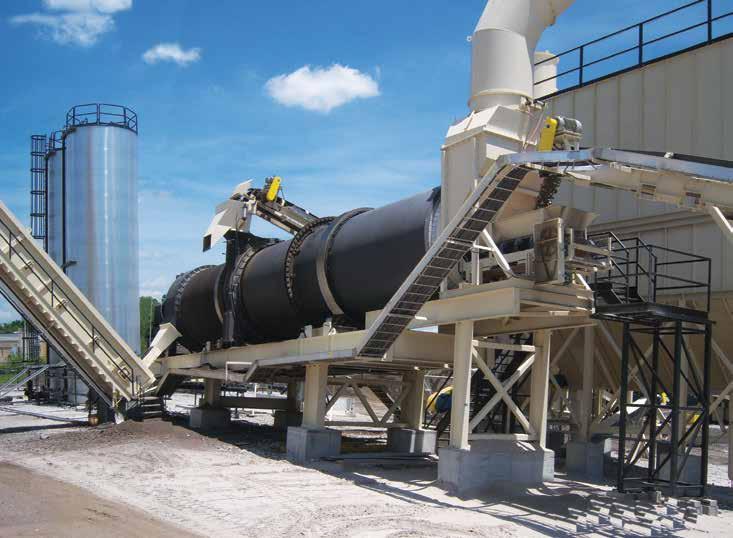


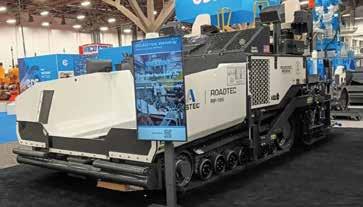
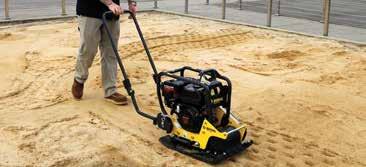
“You’ve made a significant investment in the equipment that helps you accomplish your goals,” said Larry Johnston, Astec vice president of parts sales. “Roadtec Renew helps you get the most out of that investment by restoring and extending equipment life with OEM expertise and genuine OE parts.”
As part of Astec’s rebuild and repair service support, the company had on display at CONEXPO 2026 a rebuilt paver. At the booth, a representative shared with the AsphaltPro audience that customers were looking for a way to extend the life of their machines, get OE support and decrease the total cost of ownership. The 2016 RP195e on display had almost 2,300 hours on it, according to personnel, and had served as a rental machine.
The machine was taken apart and renewed with repaired components, new hoses, a new electrical system, new harnesses and more. After a nice paint job, the machine was not only tradeshow-ready, it was made ready for another several thousand hours operation for the next customer.
Roadtec Renew includes rebuild and repair services for Roadtec and Carlson equipment such as:
• Pavers
• Cold planers
• Shuttle Buggy® material transfer vehicles
• Screeds
• Components such as the clutch, pump drive, drum drive and more coming soon.
In addition to rebuild and repair services, Roadtec Renew inspection services help customers protect their investment by proactively identifying wear and performance concerns early—supporting uptime and longterm reliability.
For more information, visit https://astecindustries.com/roadconstruction-rebuild/.
BOMAG Americas, Ridgeway, South Carolina, had a number of announcements in first quarter 2026, including that Mid South Machinery is its new full line equipment dealer for the state of Mississippi. Mid South now provides its customers with sales, rental, service and parts support for BOMAG’s full range of asphalt distribution and compaction, paving, milling, and recycling/stabilizing equipment, single drum rollers and soil compactors, and landfill compactors. Mid South supports its customers from three strategic locations—Tupelo in the north, Hattiesburg in the south and its central Mississippi headquarters in Jackson.
BOMAG also announced in February the launch of a new BP Series line of six gas-engine plate compactors. These are the BP 10/30, BP 12/35, BP 12/50, BP 15/40, BP 20/45 and BP 25/50, and they offer compaction widths from 12.6 inches to 19.7 inches. An additional cyclone
filter on BP 15/40, BP 20/45 and BP 25/50 models precleans intake air to reduce the amount of dust reaching the main filter to increase the engine’s service life.
While delivering high compaction forces on sand, gravel, and mixed, non-cohesive soils, these single direction plates are easy on the operator, according to the manufacturer. The guide handle offers maneuverability right up to walls and directly on foundations. When it’s time to leave the job site, the handle quickly folds without tools to take up less room for transport. The new BP series can be customized with BOMAG transport wheels to help move about the site or from site to site. The wheels fold up and out of the way when the compactor is in use.
For asphalt applications, contractors can equip the machine with BOMAG’s spray bar kit, featuring a large capacity tank with wide opening for easy filling. The kit sprays water directly across the entire plate width, preventing asphalt material from sticking to the plate.
For more information, visit www.bomag.com/us-en
The Smart Compact Pro for asphalt compaction from HAMM, a division of Wirtgen Group, Antioch, Tennessee, is a digital assistant for an enhanced compaction process. The assistant measures asphalt density in real time and automatically adjusts the compaction performance and modes in both drums separately. This enables more precise compaction, leading to optimal asphalt quality regardless of experience or external conditions, according to the manufacturer.
It integrates weather data, taking into account both external temperature trends and the cooling behavior of asphalt for optimally adjusted compaction. It’s offering measurements through real-time density scans, continuously recording asphalt density and controlling the drums accordingly.
For more information, visit https://www.wirtgen-group.com/en-us/ products/hamm/technologies/smart-compact-pro/


Lubrication Engineers (LE), Wichita, Kansas, has announced its 75th anniversary. Founded in 1951 by three lubricant salesmen in Fort Worth, Texas, the company began with a mission to create higher-performing lubricants that reduce wear and extend equipment life. Today, LE manufactures a full line of enhanced industrial and automotive lubricants in the United States, formulated with highly refined or synthetic base oils and proprietary additives.
PaverLaser announces the availability of the patent-pending Grade Sniper—Adjustable Curb Grade Marking Tool. The Grade Sniper is a rugged, adjustable, curb-facing marking tool designed to make grade marking fast, accurate and highly visible on the job site. It’s built from CNC-cut 1/8-inch aluminum.
Instead of wasting time measuring, guessing and re-marking curb heights, the Grade Sniper lets you set your target reveal once and create consistent grade marks every time. Just adjust the height, apply marking paint and move down the curb. It’s ideal for crews preparing curb for stone grade, asphalt paving, and final elevation checks.
fueling and DEF handling. It empowers operations to take more control of their fueling operations with:
• A fueling solution that doesn’t require special licensing
• Convenient access to fuel where the equipment is working
• Increased control over fueling schedules
For more information, visit ThunderCreek.com.
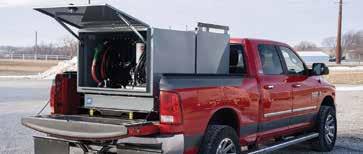
“The basic idea behind it is to give a fast and highly visible reference mark for curb reveal while paving or grading,” said Frank Fore. “The ‘red smudge’ you see in the picture is a paint mark sprayed through the Grade Sniper. You set your reveal—whether it’s 4, 6 or 8 inches—and when the tool is set on the curb or gutter, it places the crosshair exactly where your grade mark should be. This makes it much easier to see your mark from a distance or from the machine without constantly walking back and forth to check grade.
“Typically, you’d mark it with a ruler and crayon, which means bending over constantly. The Grade Sniper is much quicker and a lot friendlier on your back.”
Key features include:
• Precision CNC-cut, 1/8-inch aluminum
• Fully adjustable scale
• Adjustable from 1.75 inches up to 18 inches to match your target curb reveal or grade height
• Fast setup & repeatable results
• Simple adjustment system lets you match grade quickly and keep marks consistent across long runs of curb
• Lightweight, durable and built to withstand daily construction use
• Designed and manufactured locally by LmB Customs, made in Ohio, USA
For more information, visit https://paverlaser.com/.
Thunder Creek Equipment, Pella, Iowa, launched two new job site solutions designed to support modern fueling and preventive maintenance workflows during CONEXPO-CON/AGG: the Diesel Pickup Skid (DPS) and Lube Pickup Skid (LPS). This month, let’s look at the DPS, which features two 115-gallon diesel tanks for a total 230 gallons capacity plus a built-in 25-gallon DEF system. It is designed to support on-site
Topcon offers a digital workflow for paving with its SmoothRide. During CONEXPO-CON/AGG 2026, the company displayed a variety of intelligent paving offerings in the SmoothRide ecosystem, including the RD-M scanner. This data-collection aspect of the paving process lets the quality control and planning teams work with an abundance of real-world data. With a downward-facing LiDAR scanner attached to the back of a standard work truck, an inspector or other employee drives along the relevant roadway. The RD-M scanner then collects a constant stream of data as the worker drives.
The system includes an integrated HiPer VR GNSS receiver and Inertial Measurement Unit (IMU) to capture point data while cruising at moderate speed. The data is automatically timestamped and stored for management and point cloud generation.
Benefits include:
• All major satellite systems: GPS, GLONASS, Galileo & BeiDou
• Speed scanning without lane closures
• Scan rates up to 100 times per second
• Graphical software for intuitive processing
Volvo Penta and Volvo Financial Services have partnered on a finance solution for end customers designed to help support the transition to electric off-highway vehicles. DFDS, one of Northern Europe’s largest shipping and logistics companies, is the first customer to benefit from the partnership with its order of six MOL RME225 RoRo tractors, which are powered by Volvo Penta electric drivelines. DFDS and VFS are entering into a seven-year lease agreement on the 4x4 tractors.
The goal of the partnership is to support DFDS as it transitions a portion of its 280 diesel-powered terminal tractors to electric off-highway vehicles. The initial agreement sees the Volvo Penta electric drivelines supported by Volvo Penta service contracts for preventive maintenance and VFS insurance coverage.
“Leasing electric equipment is an attractive option for end customers while the technology evolves rapidly and the upfront investment remains higher than for traditional combustion engine equipment,” said Jeroen Overelde, area sales manager, Volvo Penta Industrial. “Now that we have developed this financial solution, we will bring this approach to other segments, markets, OEMs and customers.”
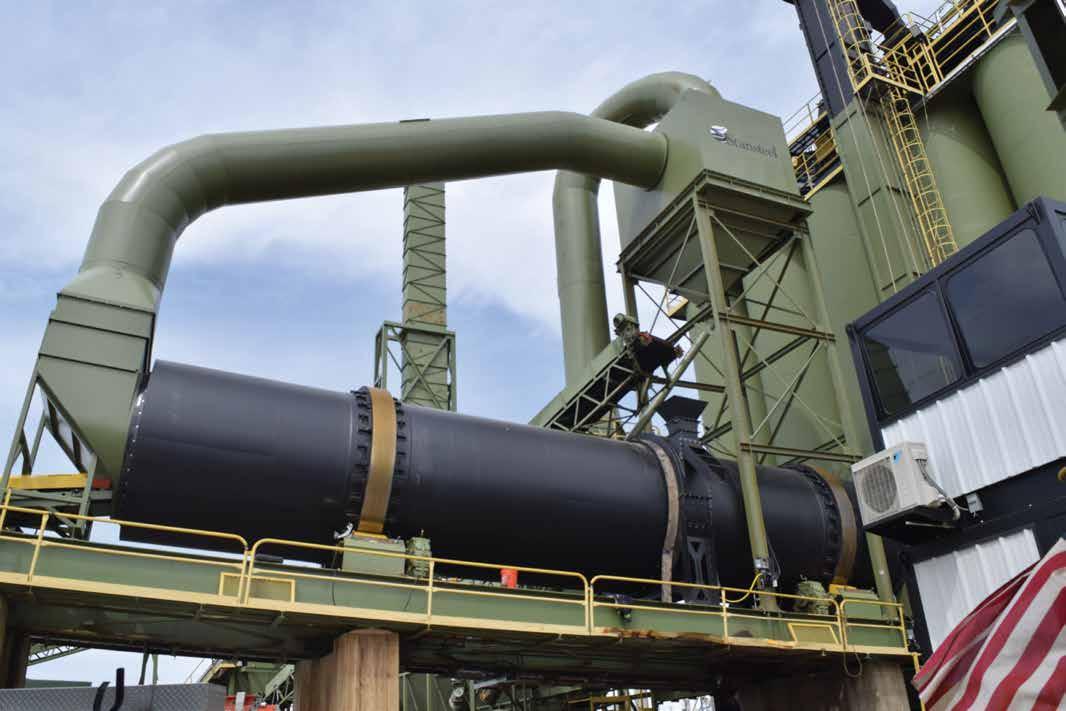
Custom counterflow drum with Rotary Recycle Mixer ®. Multiple RAP and A.C. injection points.
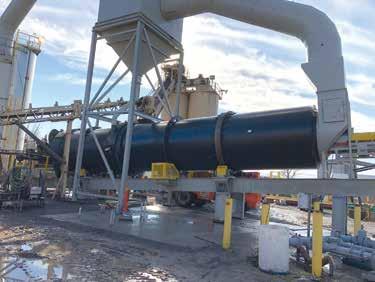
Conversion from old parallel flow drum to 600 ton per hour counterflow running 50% recycle. technology.
Every Hotmix asphalt plant has different operating conditions, therefore, each replacement drum and dryer is custom designed and precision manufactured to meet your specific production demands.
Up to 17 ’ in diameter x 110 ’ long
Replaced failed triple drum with RAP EATER TM - Available in portable or stationary. Customized to retain existing frame, burner and trunnion spacing.
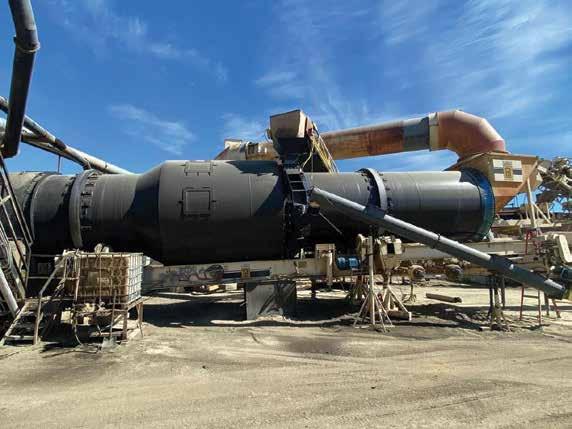
Upgrade every brand built in the last 100 years
Feed and flighting for every material
Asphalt knowledge and experience
Proven quality with over 6,000 rotary dryers built
Replacement and new dryers are Lowest Cost Per Revolution
Dependable per formance for decades
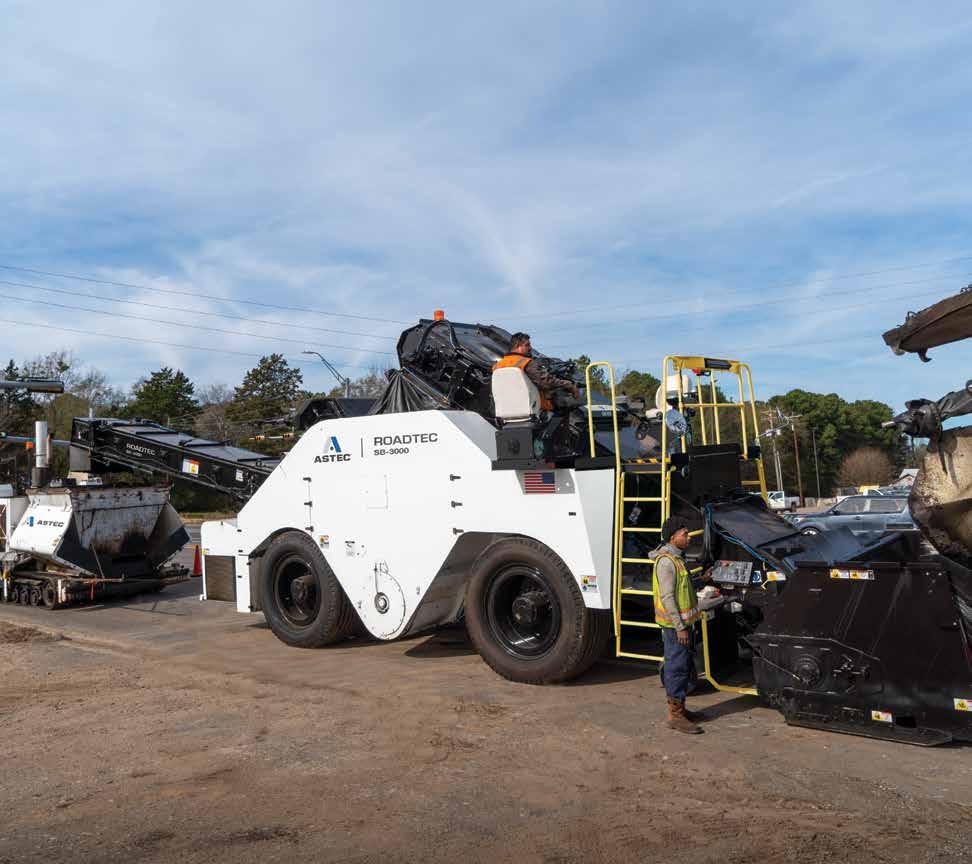
Astec revolutionized the paving industry with the introduction of the Shuttle Buggy, and now the SB-3000 sets a new standard in material transfer vehicles. Effortless maintenance, unmatched performance, and four steering modes for ultimate agility keep paving seamless. Experience groundbreaking innovation with the patented Ground Crew Control Station for the ultimate user experience and protection. The SB-3000 isn’t a machine, it’s a revolution in material transfer, built on Astec’s legacy of industry firsts.






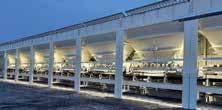


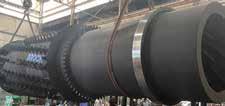









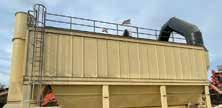
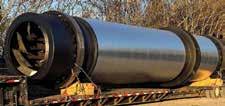


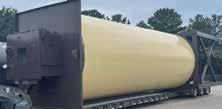
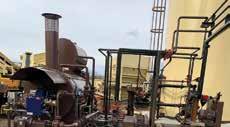
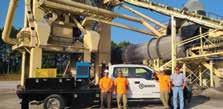

BY SANDY LENDER
New research reveals a multi-million-dollar impact from asset loss, and it’s not just from the physical item itself. David Gal, vice president of connected equipment at Samsara Inc., San Francisco, listed lost productivity and project delays among the costs that add to the expense of lost or stolen tools and equipment. In asphalt paving, even small assets play a big role in completing a project, but tracking every little thing hasn’t always been an easy task. Apply that same logic to vertical construction, and the whole industry has sought to address the challenge.
Samsara’s “State of Connected Operations: Asset Theft & Loss” report1 shows that in the past year, 77% of organizations say a missing critical asset has resulted in a significant operational shutdown or delay. Asset shrinkage costs the average organization without an asset tracking solution more than $13 million annually, with smaller assets driving more than 70% of that cost.
Here are three companies, discussed in alphabetical order, who have asset tracking devices, ideas and technology to offer contractors.
The expanded Encompass® Fleet Safety & Compliance Platform from J. J. Keller & Associates, Inc., Neenah, Wisconsin, now includes global positioning. In April, the company launched its new Asset Tracking Solution, giving fleets a streamlined way to monitor assets that are critical to daily operations but often difficult to locate, such as:
• Trailers
• Dumpsters
• Construction equipment
• Other mobile assets
“For many fleets, knowing where vehicles are is only part of the picture because it’s the equipment and assets around them that can be hardest to manage,” said Jason Hartwig, associate director of product management at J. J. Keller. “Our new Asset Tracking Solution helps customers maintain visibility into those assets. This allows them to reduce time spent searching, improve utilization and keep operations moving.”

The expanded Encompass® Fleet Safety & Compliance Platform from J. J. Keller & Associates now includes the newly launched Asset Tracking Solution, giving fleets a streamlined way to monitor assets that are critical to daily operations but often difficult to locate.
Fully integrated with the Encompass® Fleet Safety & Compliance Platform, the Asset Tracking Solution enables users to view asset locations on a map, review historical movement and manage multiple devices within a single system. Configurable ping frequency and motionbased reporting allow fleets to tailor tracking behavior based on how their assets are used.
According to Hartwig, the Asset Tracking Solution further strengthens Encompass as a central hub for fleet visibility and becomes even more valuable when paired with the company’s recently released Vehicle Tracking Solution featuring J. J. Keller’s VT100 Vehicle Telematics Device. Together, they allow customers to track both assets and vehicles within a single platform, delivering a more complete operational view and supporting improved efficiency across the fleet.
• Ensure employee productivity through mapping, engine status, and GPS speed;
• Plan trips effectively using current traffic and weather;
• Automate IFTA fuel tax reporting;
• Communicate with shippers using geofencing features;
• Recover stolen or abandoned vehicles; and
• Optimize vehicle use.
• AT100: The AT100 Asset Tracking Device is a weather-resistant, IP69K-rated tracker, engineered for long-term use across a wide range of environments. It has a battery life of up to eight years. Dimensions are 4-11/16 x 2-7/16 x 1-1/8 inches (1-¼-inch with magnets attached). Weight is 6 ounces. The AT100 delivers motion-based GPS updates.
• VT100: The VT100 Vehicle Telematics Device plugs directly into your vehicle’s diagnostic port. The unit installs quickly, updates over the air and doesn’t require an externally-mounted antennae. Its dimensions are 2.63 x 1.49 x 1.06 inches. Weight is 0.125 pounds.
“By pairing asset and vehicle visibility with the robust compliance features within Encompass, we’re helping customers manage their operations and compliance in one place,” Hartwig added. “This visibility supports smarter decisions and more efficient daytoday operations.”
For more information, visit KellerEncompass.com
Motive, San Francisco, is an AI platform offering the Motive Beacon, which is a compact device powered by the Motive Mesh Network. This network uses Motive Vehicle Gateways and devices running the Motive Fleet App and Driver App to detect the devices via Bluetooth and help securely report their last seen location. Motive Beacon is designed to support industries including construction, landscaping, roadway maintenance and more.
Robert Higdon, director of product at Motive, said, “With Motive Beacon, we’re helping give customers the visibility they need to locate equipment and assets within the Motive platform, the same platform they’re already using to manage the most critical pieces of their operations including vehicles, drivers, fleet-related spend, and heavy equipment.”
Higdon introduced the Motive Beacon to AsphaltPro during CONEXPO-CON/ AGG, sharing the device provides visibility
1 “State of Connected Operations: Asset Theft & Loss” report methodology: This survey was conducted by the independent research firm, Wakefield Research, between Feb. 5 and 17, 2026. This was a general market survey of 1,500 executives across seven countries. Respondents are not necessarily Samsara customers and were surveyed online. Global results have been aggregated across all responses to provide an average. Full report information here https://www.samsara.com/pdf/docs/asset-theft-and-loss-report-one-pager.pdf.






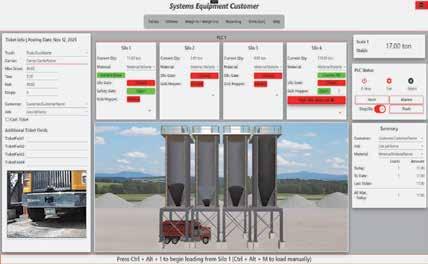
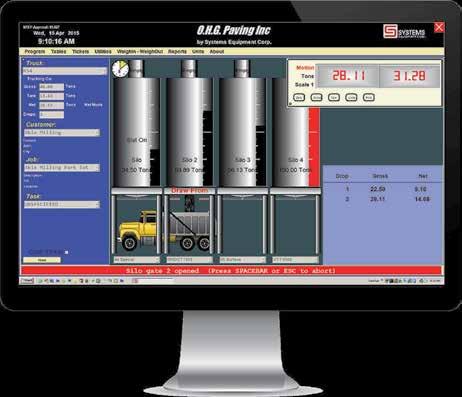












for smaller or lower-value assets that typically aren't tracked by GPS devices. He listed some key features and benefits as:
• Asset tracking: The beacon is detected by Motive Vehicle Gateways and apps, reporting its last known location to a dashboard.
• Comprehensive visibility: It allows companies to track essential assets like signage, air compressors or portable generators, as well as larger equipment and vehicles, within a single interface.
• Operational efficiency: By knowing the location of all assets, companies can prevent underutilization, misallocation, misrouting, and equipment being left behind.
• AI Vision integration: Motive leverages an AI-powered platform to empower people in the physical economy, helping to make their work safer, more profitable and more productive. Additionally, Motive enhances many layers of its operations with AI Vision.
• Motive Beacon: Beacon’s waterproof design and flexible mounting make it simple to attach to the equipment teams rely on most. It offers organizations a cost-effective way to track assets that were previously too small or too costly to track. It has a four-year replaceable battery and offers seamless integration into the Motive Fleet Dashboard. For more information, watch the AsphaltPro interview with Higdon at YouTube and visit: https://gomotive.com/ products/beacon/.
Samsara Inc., San Francisco, announced ahead of CONEXPO not only its latest-gen-
eration Asset Tag and new Asset Tag XS, but also the expansion of its Connected Operations® Platform. Over the last two years, Samara’s industrial-grade Bluetooth network has doubled in density. This expansive mesh network leverages millions of Samsara-connected devices that travel on 99% of major U.S. roads, according to the manufacturer. By using industrial-grade Bluetooth signals to continuously “listen” for Asset Tags, a single Asset Tag can be detected in real time.
Samsara has integrated Hubble’s terrestrial network, comprised of 90 million consumer smartphones. This integration builds on Samsara’s presence on roads, at job sites and in residential areas by extending visibility into buildings.
“This integration with Hubble complements Samara’s existing network,” Gal said. “The Samsara Network leverages millions of gateways on assets from construction sites to highways to garbage trucks, while Hubble’s network uses primarily consumer smartphones, ensuring no lost or stolen asset can hide, even inside buildings.”
The new tags Samsara launched this year are equipped with an AI-powered theft and loss workflow to help customers identify, investigate and recover mission-critical assets in record time. One of Samsara’s customers spoke to their efficacy.
“Since we started using the Asset Tags, our recovery rate on thefts of everything from $1,000 gas-powered saws to $2.8 million heavy machinery is 100%,” said Rich Poppoff, the equipment superintendent for DeSilva Gates. “I didn’t think the devices could be better than they were, but the enhanced features on the Asset Tags, like the even more precise ‘find nearby’ capabilities, make finding assets in congested areas even simpler.”
• Proactively identify at-risk equipment: With the new Left Behind Incident feature, managers are immediately notified when an asset is separated from its vehicle outside a trusted geofence.
• Investigate with real-time information: Customers can mark an asset as missing and see critical context, such as photos of who last had the asset, which vehicle it was last seen with, and more, powered by StreetSense. This rich context helps determine the most efficient recovery
method and allocates the resources needed for retrieval.
• Rapidly recover assets: Customers can coordinate quick asset recovery by dispatching a driver or sharing asset location with law enforcement. Once dispatched, crews can quickly pinpoint an asset’s exact location using Compass Mode.
• Demonstrate return on investment: The new Asset Tag Overview page analyzes asset photos with AI to calculate the value of the assets protected and recovered.
The new Asset Tags are ruggedized devices engineered to operate in extreme and remote environments. With the compact Asset Tag and ultra-compact Asset Tag XS, equipment managers can mix and match devices based on the equipment’s size and shape.
• Asset Tag: Designed for both large and small equipment, the Asset Tag provides up to six years of maintenance-free battery life—a 50% increase over the previous generation.
• Asset Tag XS: Designed for smaller, high-value handheld tools or specialized equipment like density gauges, the ultracompact Asset Tag XS offers three years of battery life and flexible mounting options for the most obscure equipment.
“The scale of equipment loss in physical operations goes far beyond the cost of the tools themselves—it’s about lost productivity and project delays,” Gal said. “To solve this, we’re doubling down on innovation, laying the foundation for new use cases. We’ve supercharged the network, the hardware, and the recovery workflow, and with the Asset Tag XS, now even the smallest assets stay within reach.”
For more information on Samsara’s offerings, visit https://www.samsara.com/ products/equipment-tracking/asset-tag.
BY CHAIT BHAT, PH.D. LCACP
Doubts around the future availability of petroleum-based asphalt binder (we will refer to this as liquid AC from here onwards) have been cast over multiple decades. The reasoning has varied widely: non-renewable nature of the source material (crude oil), fluctuations in the pricing (e.g., price hike during the 1970 oil embargo) and recent policies around decarbonization.
The Asphalt Institute, founded in 1919, is the sole trade association representing more than 90% of liquid AC manufacturers across North America. Hence, in 2024, its 501(c)3, Asphalt Institute Foundation, sponsored a strategic cornerstone project with Wood Mackenzie to assess future availability of liquid AC in a data-driven manner.
To assess the potential availability of liquid AC, we need to understand how it is produced.
The first steps in the production of liquid AC are exploration, extraction and production of crude oil. Per the “Annual Statistical Bulletin” published by the Organization of the Petroleum Exporting Countries (OPEC) in 2025, world crude reserves are about 1566.87 billion barrels.
Now, not all crude oil may be suitable for producing liquid AC. While the high density, high sulfur nature of heavy sour crudes offers the resins and asphaltenes required for liquid AC production, higher amounts of heavy sour crude may be mixed with lighter amounts of light sweet crude for production.
High-sulfur bitumen is typically found in Canadian Oil Sands. The United States, Venezuela, Saudi Arabia, Russia and others have abundant reserves of heavy sour crudes. For example, Venezuela has around 303 billion barrels of predominantly heavy crude and Canadian Oil Sands have around 161 billion barrels of recoverable reserves.
The next step after crude oil extraction and production would be to transport it to various refineries that distill crude to produce various energy sources such as gasoline, diesel, aviation fuel and others. Globally, in 2024, the total refinery throughput was around 103.8 million barrels per day, according to the same OPEC resource. Liquid AC contributed around 2% of the total refinery throughput.
As mentioned above, in 2024, the global demand of around 103.8 million barrels per day for various oil products was primarily driven by energy demand, and while asphalt binder is used for construction, its production process from heavier crudes is tied to energy demand. Approximately 70% of United States refineries rely on heavy crude imported from countries like Canada and liquid AC is produced as the heavy residue during the distillation of these crudes. Hence, to assess the potential availability of liquid AC across North America, it is imperative to do it in conjunction with the projections for future energy demand. This reasoning paved the way for selection of Wood Mackenzie given their expertise in energy system modeling and understanding of pragmatic supply and demand.
A June 2024 article on UNDP’s Data Futures Exchange website stated that the global population is 7.6 billion and around 1.18 billion are facing energy poverty because of accessibility, affordability and reliability issues. The United Nations’ Department of Social and Economic Affairs projects the population to grow to 9.8 billion by 2050 and 11.2 billion by 2100, predominantly in developing countries. Rising populations and increased energy poverty point to obvious increases in energy demand.
Another sector that has drastically increased energy demand is the use of large language models (LLMs) under the broader umbrella of Artificial Intelligence (AI) and Machine Learning (ML). According to the “2024 Report on U.S. Data Center Energy Use” from the U.S. Department of Energy, the total data center energy use is estimated to be as high as 580 TWh in 2028 as compared to 60 TWh in 2016, accounting for 12% of total U.S. electricity consumption from the enhanced computation requirements to run AI/ML models.
While various sources of energy may be used to meet this demand, the AIF’s project with Wood Mackenzie correlated this energy demand to potential availability of liquid AC within the North American market.
Using third-party and publicly available energy projections from entities such as the International Energy Agency, Wood Mackenzie updates their energy outlook on an annual basis. The outlook considers supply chain interactions between 100+ sectors. At the time of AIF’s research project, Wood Mackenzie projected three potential scenarios for energy supply and demand that correlate to different degrees of temperature increase globally.
• Base Case Scenario: The most pragmatic scenario projected in 2024 and correlated to 2.5°C rise in temperature. Attainment of this scenario requires around $55 trillion investment from all countries cumulatively between 2024 and 2050. This funding would grow renewable energy generation by 82% and levies $84 for every ton of carbon emitted.
• Country Pledges Scenario: This scenario was consistent with pledges made by various countries per the Paris Climate Agreement limiting the global temperature rise by 2°C. Attainment requires around $65 trillion investment from all countries cumulatively between 2024 and 2050. This funding would grow renewable energy generation by 91% and levies $133 for every ton of carbon emitted.
• Net Zero Scenario: This scenario would limit the global temperature rise by 1.5°C. Attainment requires around $78 trillion investment from all countries cumulatively between 2024 and 2050. This funding would grow renewable energy generation by 94% and levies $157 for every ton of carbon emitted.
To put all the dollar amounts in context, the overall Gross Domestic Product (GDP) of a developed nation such as the United States was $28.7 trillion and that of a developing country such as India was $3.7 trillion in 2024. The cumulative contributions indicated above for different scenarios need to come from developed as well as developing countries.
Wood Mackenzie projected that the “Base Case” would be the most likely scenario by 2050. Under this scenario, global petroleum products demand was still around 85-90 million barrels per day, and this steady decline did not decrease liquid AC production. Specifically, within North America, around 400,000 barrels of projected liquid AC demand would still be met in 2040. Detailed analysis and discussions on this project could be found through publicly available report and webinar proceedings accessible through the AIF website.
Energy supply and demand is an ever-evolving landscape, and outlooks change with technological advancements and needs. For example, in 2025, Wood Mackenzie added a scenario to their energy outlook and the numbers for above-described scenarios have drastically changed.
• Delayed Transition Scenario: This scenario correlates to 3.1°C rise in temperature. Attainment requires around $130 trillion investment from all countries cumulatively between 2025 and 2060. This funding would grow renewable energy generation by 82% and levies $103 for every ton of carbon emitted.
• Base Case Scenario: This was the most pragmatic scenario projected in 2025 and correlated to 2.6°C rise in temperature. Attainment requires around $137 trillion investment from all countries cumulatively between 2025 and 2060. This funding would grow renewable energy generation by 86% and levies $110 for every ton of carbon emitted.
• Country Pledges Scenario: This scenario was consistent with pledges made by various countries per the Paris Climate Agreement limiting the global temperature rise by 2°C. Attainment requires around $156 trillion investment from all countries cumulatively between 2025 and 2060. This funding would grow renewable energy generation by 95% and levies $150 for every ton of carbon emitted.
• Net Zero Scenario: This scenario would limit the global temperature rise by 1.5°C. Attainment requires around $175 trillion investment from all countries between 2025 and 2060. This funding would grow renewable energy generation by 96% and levies $166 for every ton of carbon emitted.
Key causes for the surge in forecasted prices across different transition scenarios in 2025 as compared to 2024 include the emergence of superintelligence (e.g., additional energy for AI computations), geopolitical changes and other factors.
A clear message that was obtained through the AIF’s research with Wood Mackenzie was the abundant availability (even surplus) of liquid AC produced from both the United States and Canadian refineries for various construction activities in the coming decades. I hope this article along with the additional information from the AIF project provides a data-driven projection on the future of liquid AC supply.
Chait Bhat, Ph.D., LCACP, is the head of sustainability engineering and research at the Asphalt Institute, Lexington, Kentucky.