The Arnold Abstract 50
Letter From the Dean
It is a true honor to return to the Arnold School of Public Health—a place that supported me at the very beginning of my career as a faculty member. Walking back through these halls feels like coming home, and I am both humbled and excited to now serve as dean.
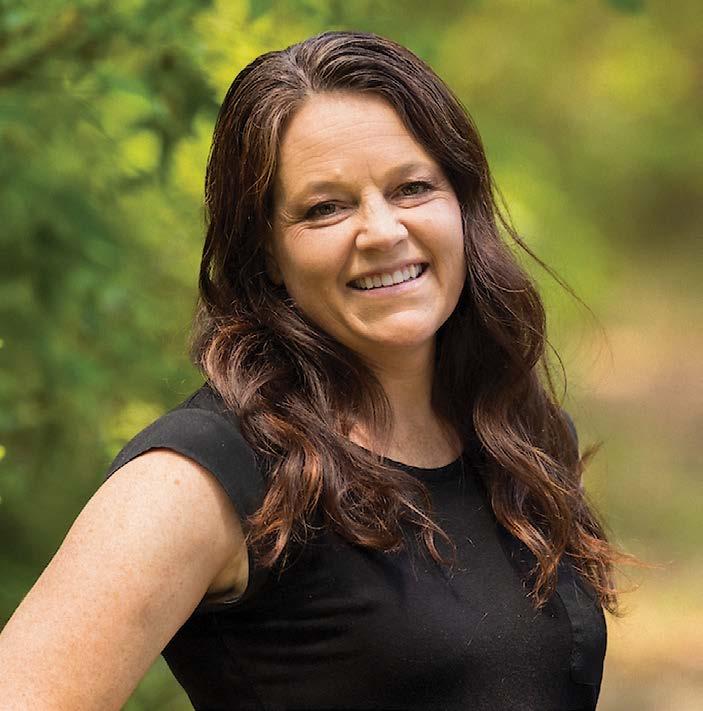
The past year has been an extra special one as it marked the 50th anniversary of the Arnold School, and we have so much to celebrate. Over five decades, we have grown into a community of scholars, students and partners whose impact reaches both locally and globally. But no matter the decade and irrespective of leadership, we have consistently turned rigorous research into real-world impact, informing policy, transforming practice and improving lives in and beyond South Carolina.
As we reflect on that history, we also look toward the future with confidence and determination. We are proud to be leaders in public health, tackling the most pressing issues of our time through innovative research, transformative education and dedicated service. Our faculty, staff and students have already achieved so much, but we are just getting started. We are ready to push boundaries and expand our impact even further.
As we journey into the next half-century, we honor our past, embrace the present and look ahead with great anticipation. The field of public health faces challenges that can often feel overwhelming. But here at the Arnold School, we choose to be bigger and smarter than the problems before us. We will uncover opportunity amid the chaos and continue to lead the way in advancing public health. It is essential that we set an example for the generations that follow, reaffirming that public health is a profession grounded in values, resilience and purpose—and that it is here to stay.
I invite you to celebrate another new milestone for the school - the publication of our very first impact report: The Arnold Abstract. In this inaugural edition, we proudly showcase the incredible impact of our community over the years, reflecting the spirit, dedication and excellence that define our school. As these pages make clear, we are truly leading the way to a healthier future.
With gratitude and excitement,

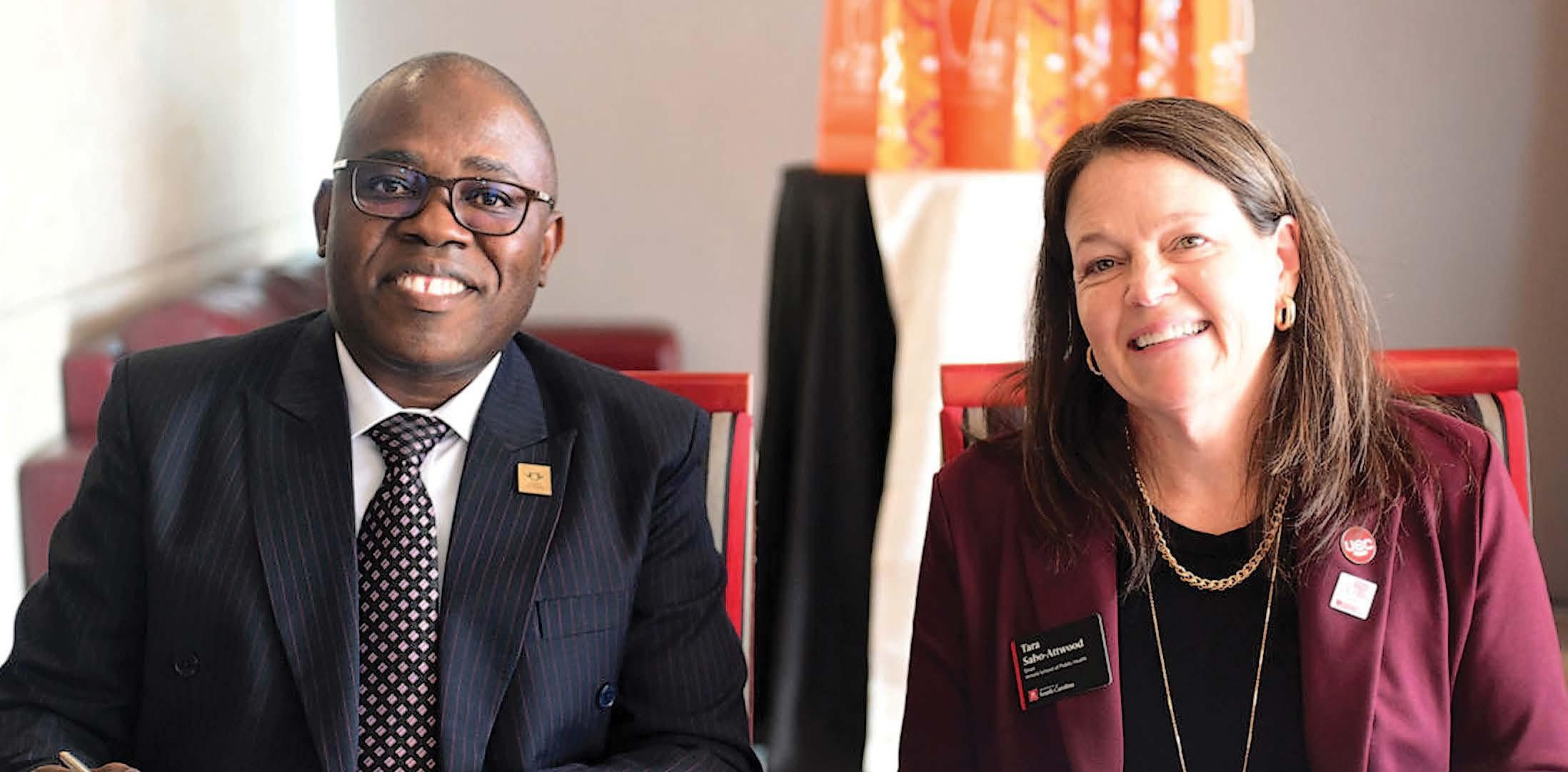
Tara Sabo-Attwood, Ph.D.
NUMBERS THAT MATTER
240k⁺
Annual Hours of Student Time Volunteered
3,000⁺
Undergraduate Students
31
Degree Programs
NINE
Graduate Certificate Programs
18,000⁺
800⁺
Graduate Students Countries Represented by Our Students Alumni Making a Difference in the World
60
The Only Accredited School of Public Health in South Carolina
Origin Story
Established by the South Carolina General Assembly, the School of Public Health at USC began as a response to the health needs of South Carolina and soon became a pioneer in the evolution of public health nationwide.
In the 1970s, the first schools of public health were emerging, revealing a field distinct from medicine and fueling the research and interventions needed to protect the health of the nation. The Palmetto State was no exception. As South Carolina’s flagship university, USC approached the South Carolina Commission on Higher Education and the South Carolina General Assembly for permission to form the state’s first school of public health.
In 1974, the request was approved, and Rolf Lynton, Ph.D., was appointed to dual roles as Dean of Public Health and Chair of Preventive Medicine. The School of Public Health opened its doors the following year with seven faculty members and a $50,000 budget. The inaugural cohort—mostly members of the state’s public health workforce—met that summer to enroll in the school’s first degree offerings in the Master of Public Health program.
“We were an energized and committed group of people,” says Lillian Mood, MPH, a member of that first class and a lifelong public health leader in the state. “The new and existing relationships we developed in the education setting carried over to work and planted the seed of how to take these collaborations beyond local South Carolina health departments to national and interagency efforts.”
Scan to see stories about our history and alumni who made us who we are today.

By 1977, the school became the 19th accredited school of public health in the United States and remains the only accredited school of public health in South Carolina. Four directors led each of the core programs: Public Health Administration, Environmental Health Sciences, Public Health Measurement and Public Health Education.
Winona Vernberg, Ph.D., the first to become tenured faculty, had taken the helm by this time. As the longest serving dean of the school, she is widely credited for her visionary leadership and for making key strategic decisions that positively impacted the school’s growth and public health across the state.
With her pioneering spirit, Vernberg pursued opportunities to expand the school’s reach and championed the addition of Exercise Science and Communication Sciences and Disorders (COMD) to the school. She recognized that both disciplines would be complementary to the existing departments and impactful to improving the health of South Carolinians, as they both used scientific research and lifestyle interventions to improve health and access to care for an array of populations. Their integration into the school was made official in 1989.
“Dean Vernberg’s decision to bring the exercise science and COMD disciplines into a school of public health was a substantial departure from the norm at the time,” says Russell Pate, Ph.D., who was one of the six exercise science faculty who joined the school in 1989. “But over time, this changed, and we went from being an outlier to a pioneer in how we were structured as other universities followed suit. I give Dr. Vernberg a lot of credit for her vision and for making a progressive, forward-leaning decision.”
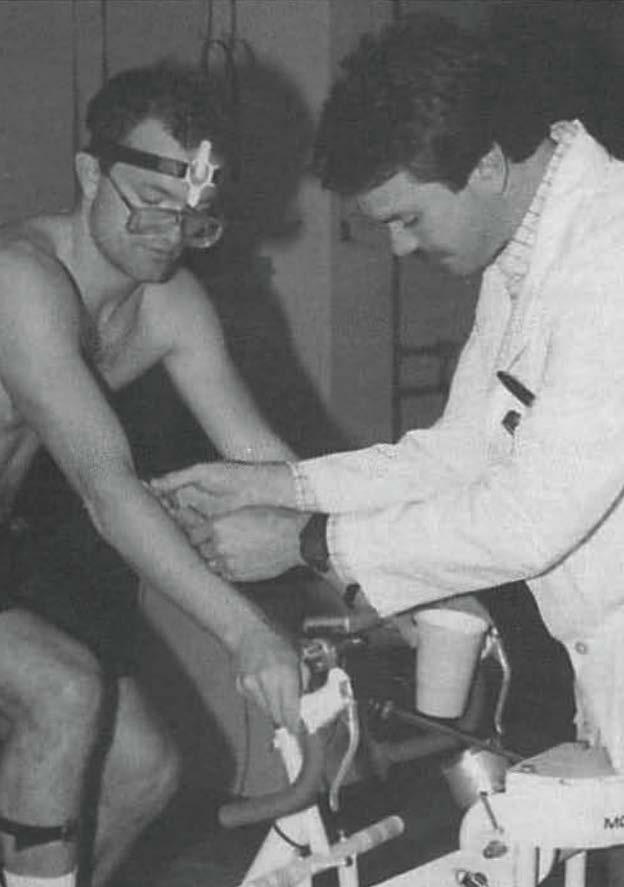
As part of a 1986 study on sports drinks, Professor Mark Davis takes a blood sample from Bill Burgess.
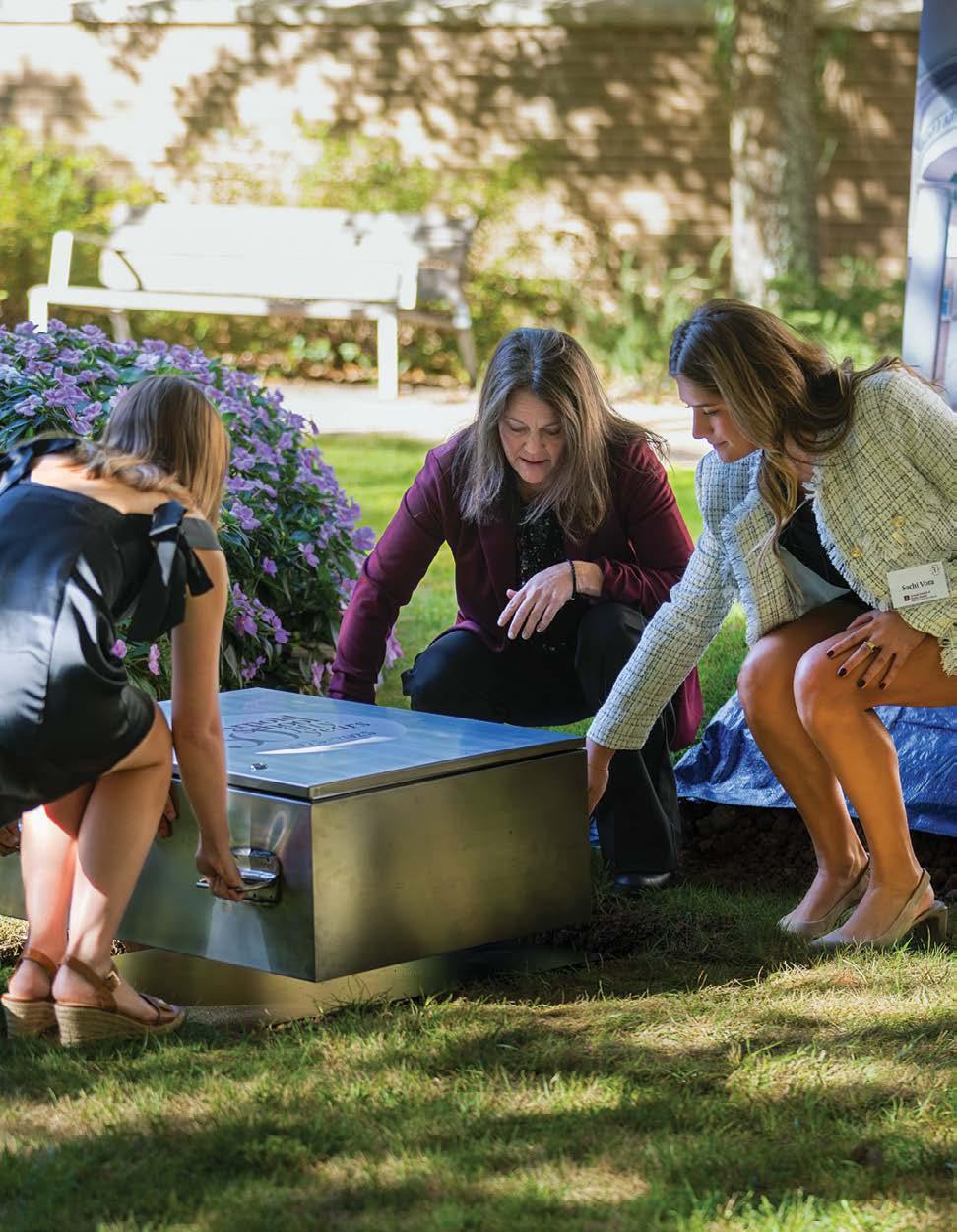
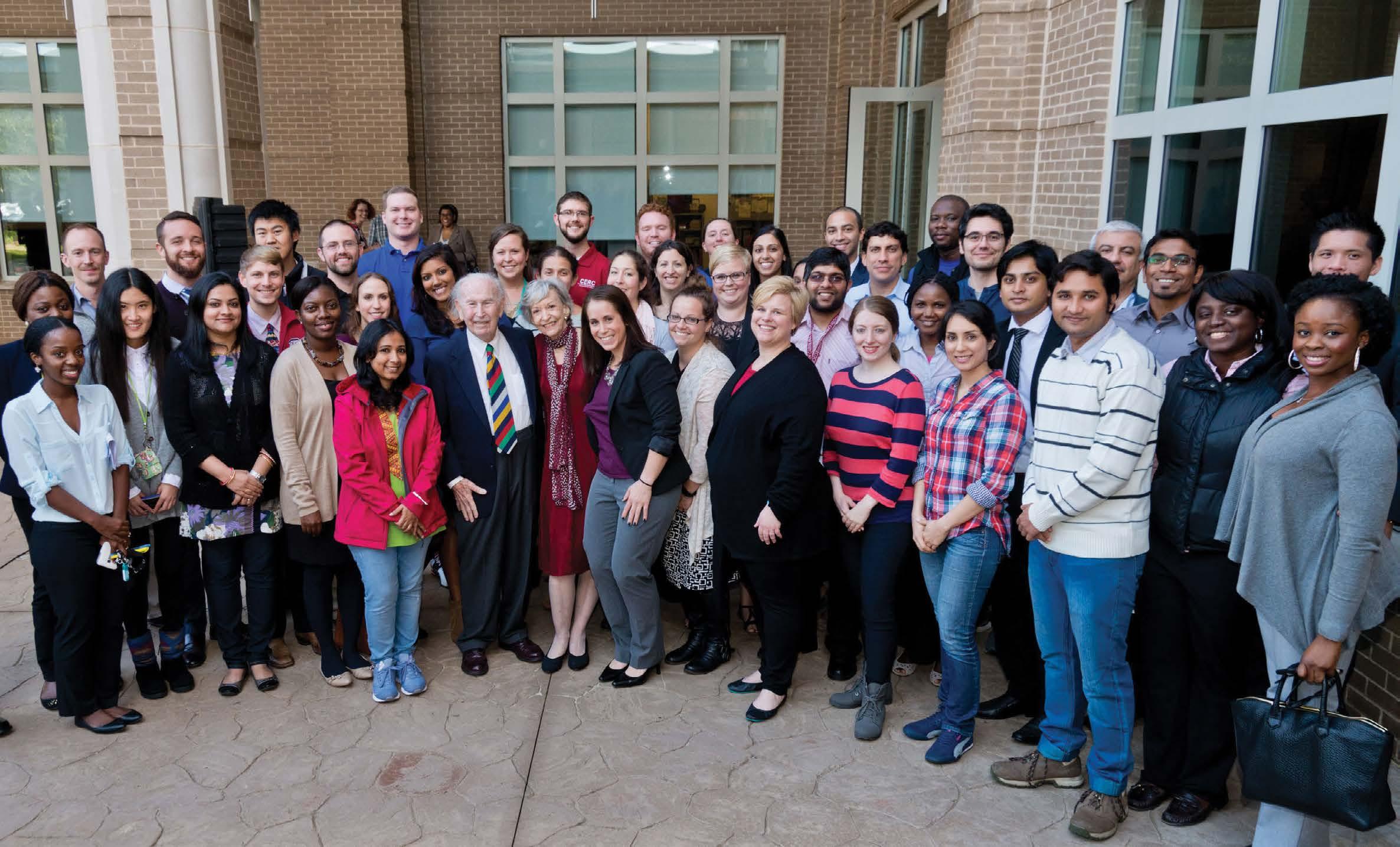
Dean Sabo-Attwood pictured with students at the school’s 50th Anniversary Time Capsule Ceremony.
Associate Dean Gale Coston, Dean Winona B. Vernberg and Associate Dean Roger Sargent together in 1980.
“…WE WENT FROM BEING AN OUTLIER TO A PIONEER…”
— RUSSELL PATE, Ph.D.
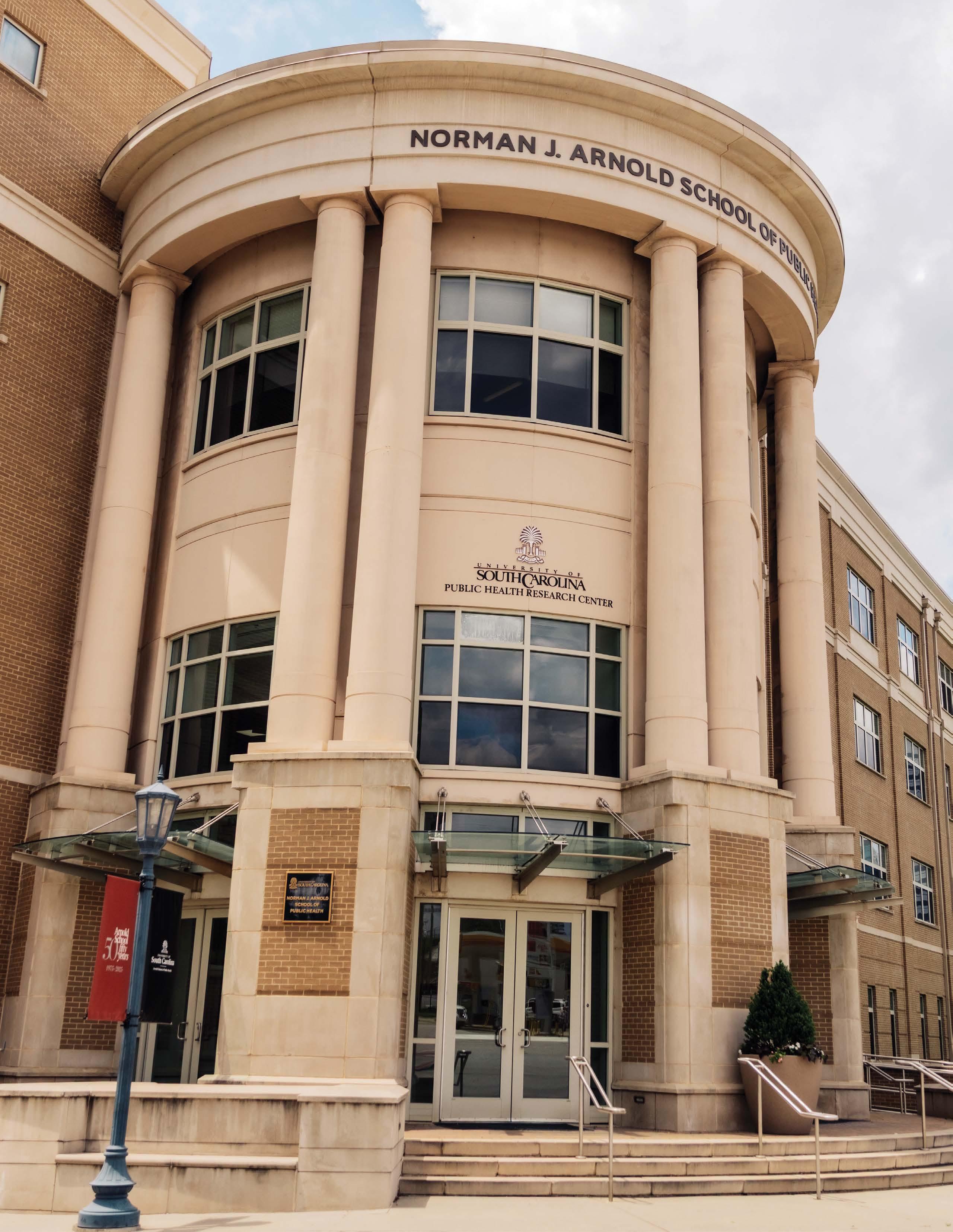
Harris Pastides, Ph.D., who would go on to serve as Vice President for Research and Health Sciences and then USC President, succeeded Vernberg in 1998. Pastides was instrumental in shepherding in more funding through competitive research grants, university resources and private gifts to support the growth of the school. During his tenure, planning for the Public Health Research Center was completed and the school was named in 2000 (the third school of public health in the country and the first at a public university to have this honor) for local businessman and philanthropist, Norman J. Arnold, when he and his wife, Gery Sue, gifted the school $10 million.
Pastides and his successor, Donna Richter, Ed.D., then laid the groundwork for one of the school’s biggest achievements to date, which came to fruition under the leadership of Dean Thomas Chandler, Ph.D. Chandler, whose 17-year tenure fell just shy of Vernberg’s, oversaw the creation of the public health undergraduate programs. Launched in 2008 with just fifty students, the B.S. and B.A. programs are now home to 1,400 majors (the largest in the country). Coupled with exercise science, we now have a total of over 3,000 undergraduate students.
The Arnold family, whose passion for public health had been sparked by Norman’s pancreatic cancer diagnosis, remained close to the school over the years. In 2015, they announced a second landmark gift in the amount of $7 million. This donation funded the establishment of the Gerry Sue and Norman J. Arnold Institute on Aging, which is home to the Healthy Kids Initiative and Aging Brain Cohort and promotes healthy aging across the lifespan by addressing chronic state and national challenges such as childhood obesity and Alzheimer’s disease. These milestones cemented the Arnold School’s reputation as a place where innovation meets impact.
Nearly fifty years after its founding, in 2024, Tara SaboAttwood, Ph.D., was appointed as the Arnold School’s sixth dean—marking both a continuation of excellence and a return to her academic roots. Sabo-Attwood began her faculty career at the Arnold School (2006–2010) in the Department of Environmental Health Sciences, contributing to the school’s teaching and research
mission in environmental toxicology. Drawn back by the school’s extraordinary growth, reputation and statewide and global impact, she returned to lead an institution that continues to shape the future of public health. Building upon the strong foundation established by her predecessors, Sabo-Attwood has focused on engaging faculty, students, alumni and community partners to chart a strategic vision for the school’s next fifty years—ensuring its enduring leadership and influence in advancing health, well-being and scientific discovery.
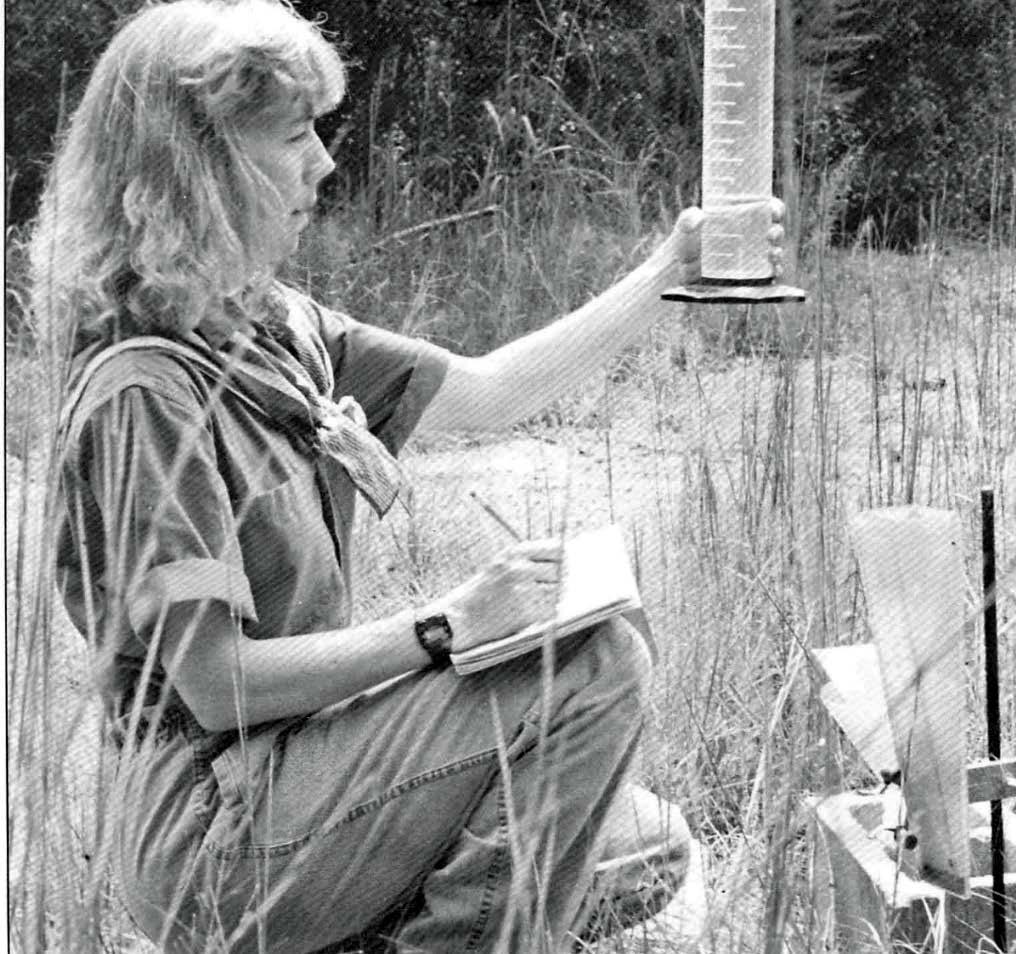
Liz Blood, in 1988, works at her project site near Georgetown, SC, measuring and analyzing rainfall across 131 acres of loblolly pines.
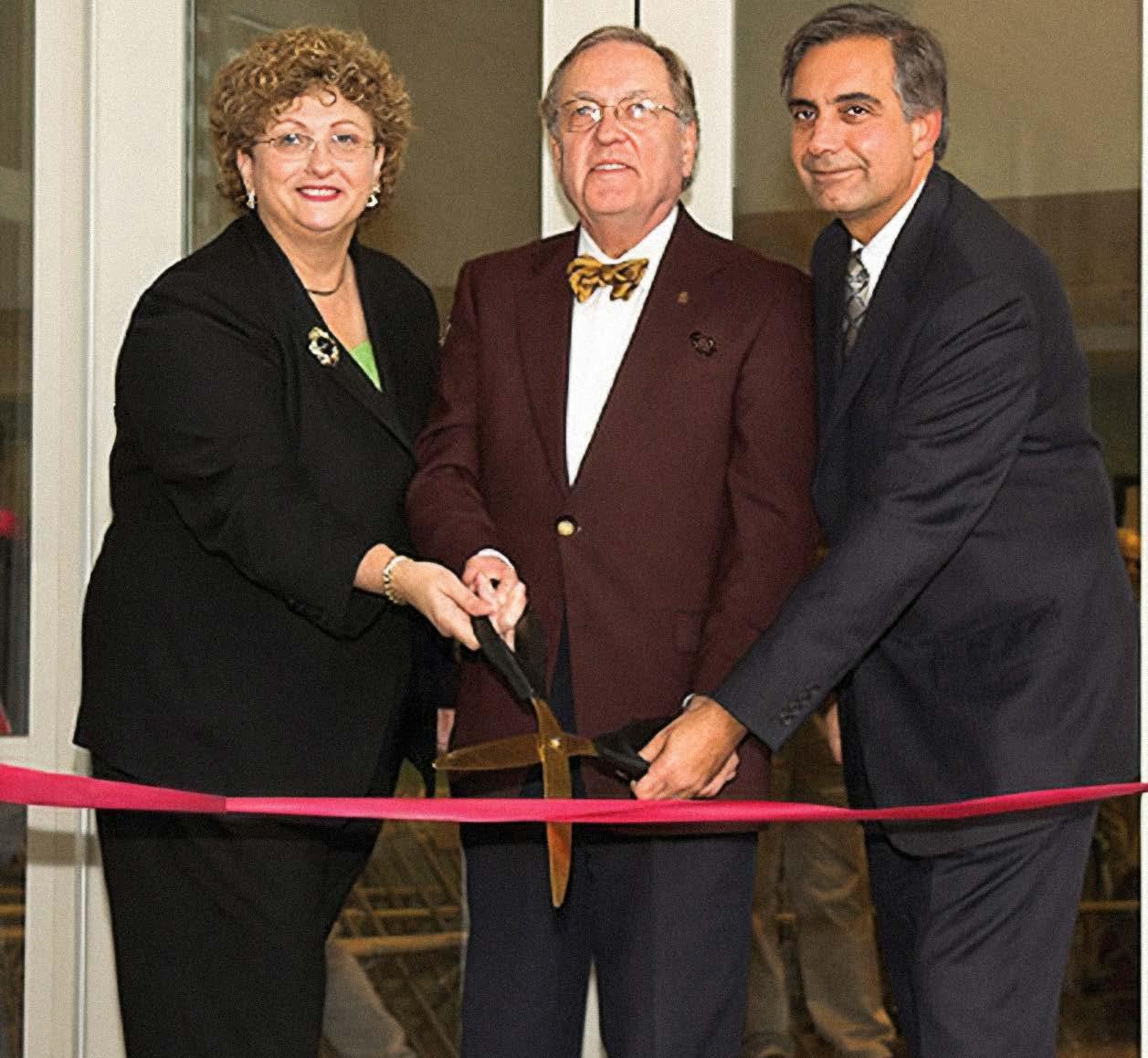
Dean Donna Richter, former USC President Andrew Sorensen, and former USC President Harris Pastides (then Vice President for Research and Health Sciences) at the dedication of the Public Health Research Center building in 2006.
Rural areas make up over 95% of the country’s landmass. And while 20% of the U.S. population resides in rural areas, nearly 1/3 of South Carolina residents call rural areas home. Not only is rural health unique in the challenges it faces, but it’s a critical factor in improving public health in South Carolina and beyond.
As public health challenges evolve, particularly in our rural areas, we are committed to remaining at the forefront—leading with science, driven by service and focused on communities. With cutting-edge research, impactful community engagement and robust clinical and academic programs, our faculty and centers are driving health outcomes and continuing to establish the school as a national leader in improving rural health.
Scan to see how our students are advancing rural health through hands-on research and innovation.
IMPROVING ADDICTION PREVENTION AND TREATMENT
As the addiction crisis deepens across the United States, rural communities find themselves on the frontlines . Disproportionately affected by tobacco, alcohol, methamphetamine and opioid use, these populations face high rates of substance misuse while grappling with limited access to care . In South Carolina and across the country, the Arnold School is answering the call—through groundbreaking research, alumni leadership and transformative partnerships that aim to close the gaps in addiction prevention, treatment and recovery .
Epidemic Proportions
Substance use in rural America is a complex and growing public health emergency. Rural adults use tobacco and methamphetamines at higher rates, and opioid misuse has spread to communities of every size. For rural adolescents and young adults, the risks are equally pressing. They are more likely than their urban peers to drink alcohol, binge drink and drive under the influence.
The opioid overdose rate is 45% higher in rural communities than in urban areas.
(Source: U.S. Department of Health and Human Services)

Like other rural health issues, the challenge is multifaceted. In rural areas, treatment options are fewer, resources are more fragmented and stigma often stands in the way of seeking help. These compounding barriers make it even more difficult to combat addiction in communities already struggling with provider shortages and poverty. Here, though, we are addressing the challenges head-on.
The Science of Access and the Policy of Addiction Care
Christina Andrews, Ph.D., professor of health services policy and management (HSPM) at the Arnold School, is leading research to understand the barriers that prevent people from getting help. Andrews has emerged as a national expert on the intersection of Medicaid policy and access to opioid treatment. Her research has focused on buprenorphine—one of only three FDA-approved medications for opioid use disorder (OUD). Despite its proven effectiveness in reducing relapse and overdose deaths, buprenorphine remains underutilized, with only one in four Americans with OUD receiving it.
Why the gap? A major culprit: prior authorization—a bureaucratic requirement that delays or prevents treatment. In one study, Andrews and her team analyzed data from 266 Medicaid managed care plans and found that 43% required prior authorization for buprenorphine. The use of prior authorizations varied widely by state, plan type and political orientation.
Buprenorphine is one of the most effective treatments for opioid use disorder, yet only a quarter of Americans who need it receive it.
MEDICARE MANAGED CARE PLANS ANALYZED
43%
REQUIRE PRIOR AUTHORIZATION FOR BUPRENORPHINE
Christina Andrews, Ph.D.
“Buprenorphine is one of the most effective treatments for opioid use disorder, yet only a quarter of Americans who need it receive it,” Andrews explains. “Our findings suggest that internal cost controls and state policy differences may limit access to this lifesaving treatment.”
Her earlier research had already shown that removing prior authorization increases access, and that these restrictions may contribute to preventable overdose deaths—a major concern in rural regions.
Building a Statewide Response: The Center of Excellence in Addiction
Recently, the state of South Carolina launched a bold new response to the addiction crisis: the South Carolina Center of Excellence in Addiction.
The initiative brings together the state’s top research institutions alongside state agencies like the Department of Behavioral Health and Developmental Disabilities. The goal? To use data, science and collaboration to transform addiction care. Andrews, who directs the Center alongside HSPM alumna Sara Goldsby and other leaders, calls the initiative “an extraordinary opportunity to improve access to high-quality addiction treatment and prevention services throughout the state.”
The Center’s work provides an essential baseline for evaluating the effectiveness of state-level investments in opioid response—ensuring that public resources are targeted where they are needed most.
A Model for Other States
As rural health continues to be a national challenge, the Arnold School’s approach offers a replicable model:
• Train public health leaders using real-world tools and engaging community partners;
• Conduct rigorous policy research that translates into access and equity;
• Collaborate across government, academia and service sectors to scale impact.
Whether it’s addressing structural barriers to buprenorphine access or launching a new center to integrate data across the state, the Arnold School of Public Health is shaping how clinicians and public health professionals respond to addiction in rural communities.

FACULTY SPOTLIGHT
Peiyin Hung
Ph.D.
Championing Rural Health
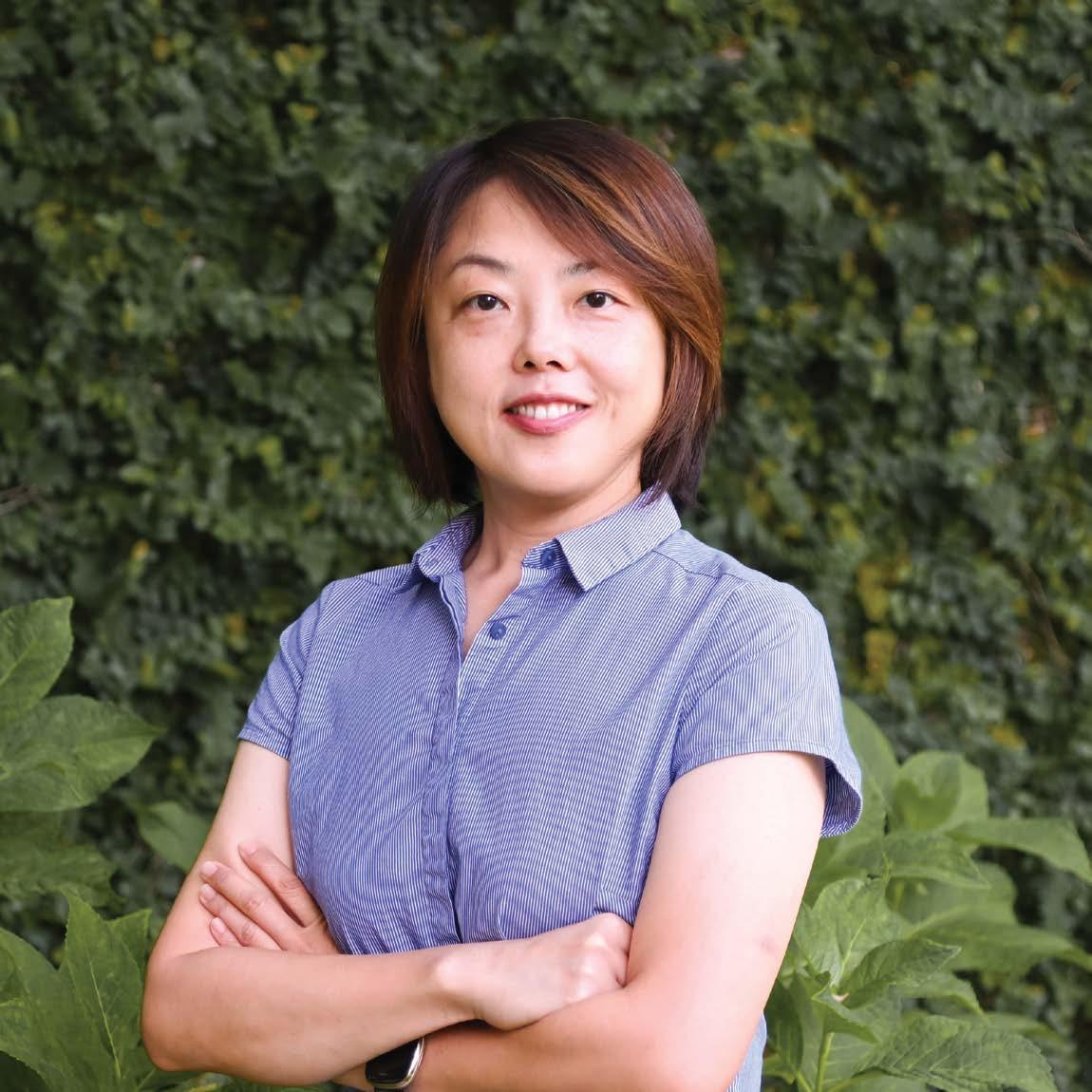
A defining voice in rural health research, Peiyin Hung, an associate professor in the Department of Health Services Policy and Management and co-director of the Rural Health Research Center, was named the 2025 Outstanding Researcher of the Year by the National Rural Health Association and a 2025 Health Equity Honoree by the Fierce 50 program. These honors recognize her sustained excellence and leadership in rural health research over the past two decades.
Hung’s work spans health policy, maternal care and rural health equity. Her analyses have influenced national efforts like the White House Maternal Health Blueprint and Rural Action Plan and shaped bipartisan legislation such as the Improving Access to Maternity Care Act. Her leadership roles include co-chairing the Rural Obstetric Readiness Workgroup for the Centers for Medicare & Medicaid Services and serving on multiple U.S. Department of Health and Human Services advisory committees focused on health equity.
Since joining USC, Hung has garnered millions in research funding, produced over 100 peer-reviewed publications and trained future health scholars.
“Dr. Hung’s research is not only voluminous, but also rigorous and impactful. Her work translates into tangible health benefits for rural populations.”
— Xiaoming Li, USC Big Data Health Science Center Co-Director
Elizabeth Crouch
Turning Research into Results
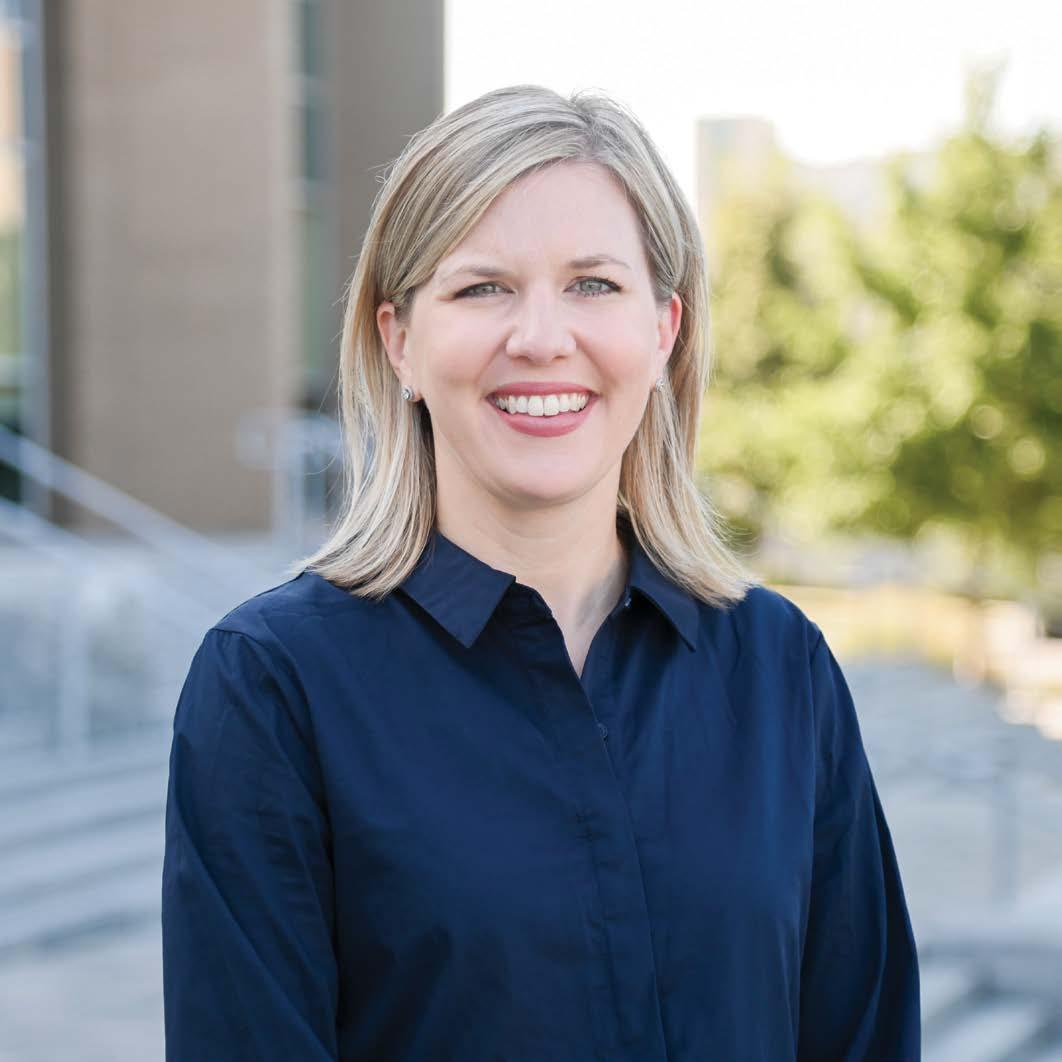
Elizabeth Crouch has spent her career at the intersection of data, policy and the real-world health challenges facing rural America.
Named the 2023 Outstanding Researcher of the Year by the National Rural Health Association, Crouch is an associate professor in the Department of Health Services Policy and Management and codirector of the Rural Health Research Center, where she helps lead the conversation on rural health disparities.
Her journey into rural health began in the rolling hills of Kentucky. As a child, she spent summers riding along with her grandfather—a large animal veterinarian—as he visited farms across the region. That early exposure to rural communities, paired with a knack for numbers, shaped a career path rooted in data-driven advocacy for rural families.
Today, Crouch leads a robust research program investigating how early-life experiences—both positive and adverse—shape longterm health outcomes in rural communities. Through collaborative studies with state and community partners, she works to design trauma-informed, family-centered interventions that promote resilience and well-being.
Ph.D.
By leading studies, such as the evaluation of home visitation programs that support at-risk families, her work frequently highlights the stark difference in access to care between urban and rural populations, especially for minority groups in the South. “The barriers in the South are unique,” Crouch notes. “You can’t apply one-size-fits-all solutions across rural America.”
Beyond research, she plays a pivotal role in mentoring emerging scholars and future public health leaders through her teaching and leadership in graduate education. Her recognition at the national level speaks to the significance of her work and the respect she commands in the field.
At its core, Crouch’s work is about ensuring that children and families in rural communities not only survive but thrive. And what ultimately sets her work apart is her dedication to translating data into action. She collaborates closely with policymakers, practitioners and community organizations to ensure her findings lead to tangible improvements—improvements that are helping build a healthier future for all of America.
“The barriers in the South are unique. You can’t apply one-size-fits-all solutions across rural America.”
— Elizabeth Crouch, Ph.D.
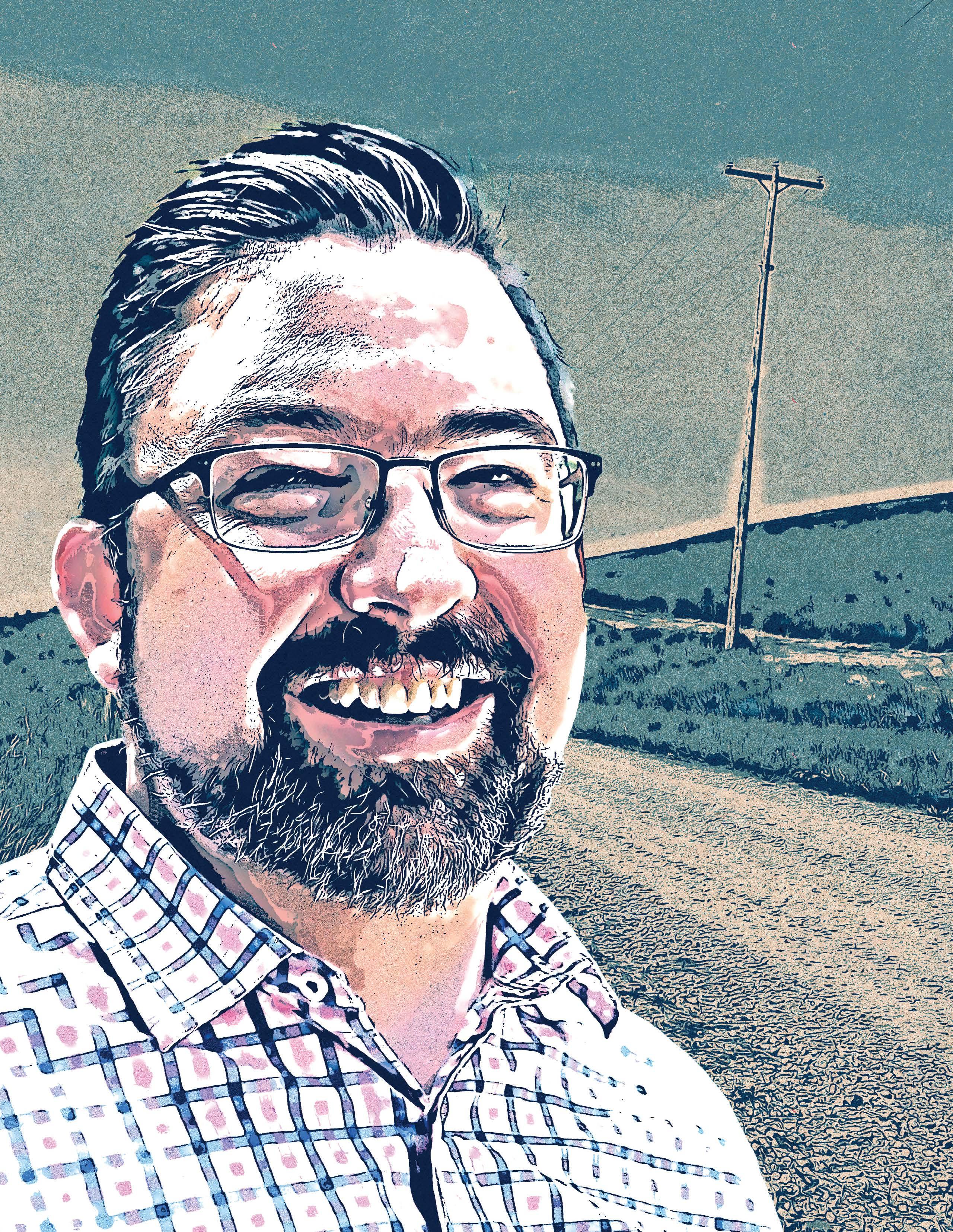
Brad Wright, Ph.D., Professor and Department Chair of Health Services Policy and Management
Shaping Rural Health Through Policy Leadership and Research
While clinical services and frontline programs are essential tools for driving better health care outcomes, real and lasting change often starts upstream—with public policy. The Arnold School’s Department of Health Services Policy and Management (HSPM) plays a pivotal role in ensuring that rural health care gaps are both studied and acted upon. And that starts with the people leading our department.
A Rural Past Shapes the Future
For Brad Wright, Ph.D., chair of the HSPM department, his connection to rural health is personal. Raised in southeast Georgia, he witnessed firsthand the inconsistencies in access, education and opportunity that shape health outcomes across generations.
With one grandfather who dropped out of school at age eight to support his family and another who graduated from Cornell and went on to a successful corporate career, Wright internalized the socioeconomic and geographic divides that make rural health inequities so urgent.
While pursuing his master’s degree, Wright heard Jack Geiger, MD, co-founder of U.S. community health centers, speak about public health’s power to transform underserved communities.
“I was instantly enamored with health centers as instruments of change—not only by delivering care, but by empowering marginalized communities,” Wright says.
He went on to earn a Ph.D. in Health Policy and Management and completed a postdoctoral fellowship. Over the next decade, Wright developed an influential research portfolio across the country. That expertise is now at USC in the very region that shaped him.
“Our department has outstanding faculty doing amazing research, a dedicated group of hard-working staff, and stellar students from across the state, the nation and the globe,” Wright says. “My job is to create an environment that helps them succeed—and to make sure the world knows about it.”
From Research to
Reform: David Anderson and the ACA Marketplace
Alongside Wright in the HSPM department is assistant professor David Anderson, Ph.D., a recognized national expert on the dynamics of health insurance markets. Anderson’s research focuses on the individual health insurance exchanges created by the Affordable Care Act (ACA)—a policy landscape that plays a critical role in rural communities, where employer-based insurance is less common and Medicaid expansion remains uneven.
Anderson entered the health care field as a business analyst for UPMC Health Plan. Captivated by the complexities of the ACA, he began blogging about insurance policy under a pseudonym—a project that grew from a side interest into a scholarly pursuit.
“The ACA was intellectually fascinating,” Anderson says. “Writing about it allowed me to apply my policy analysis training and communicate with a public desperate for understanding.”
That communication became a calling. After earning his doctorate in population health sciences, he made his way to the Arnold School.
Anderson’s work has had tangible impact. A collaboration with researchers at the University of Pittsburgh led to a new automatic re-enrollment algorithm now used by the CMS to reduce churn in the ACA marketplaces and to illuminate the pricing differences between urban and rural areas.
A Policy-Driven Approach to Rural Health
Wright’s expertise in Medicare and Medicaid policy and Anderson’s in ACA exchanges can help inform South Carolina’s own strategies for improving access to care in rural communities. Their work complements other public health initiatives across the school, including those focused on substance use, maternal health and Medicaid coverage—all key issues for rural populations.
As both scholars and mentors, they are also shaping the next generation of health policy leaders—students who will go on to influence state agencies, nonprofits, advocacy groups and health systems throughout the country.
What unites the HSPM department’s faculty and leadership is a shared commitment to driving better health outcomes through strong research, community engagement and sound policy.
“The department is a hive of pragmatic researchers that seek to bring understanding to problems that have immediate, realworld impact,” Anderson says. And in rural communities—where barriers to care can feel as vast as the distance to the nearest provider—those impacts matter more than ever.”
“The department is a hive of pragmatic researchers that seek to bring understanding to problems that have immediate, real-world impact . ”
— David Anderson, Ph.D.
Graham Adams Ph.D.,
MPH
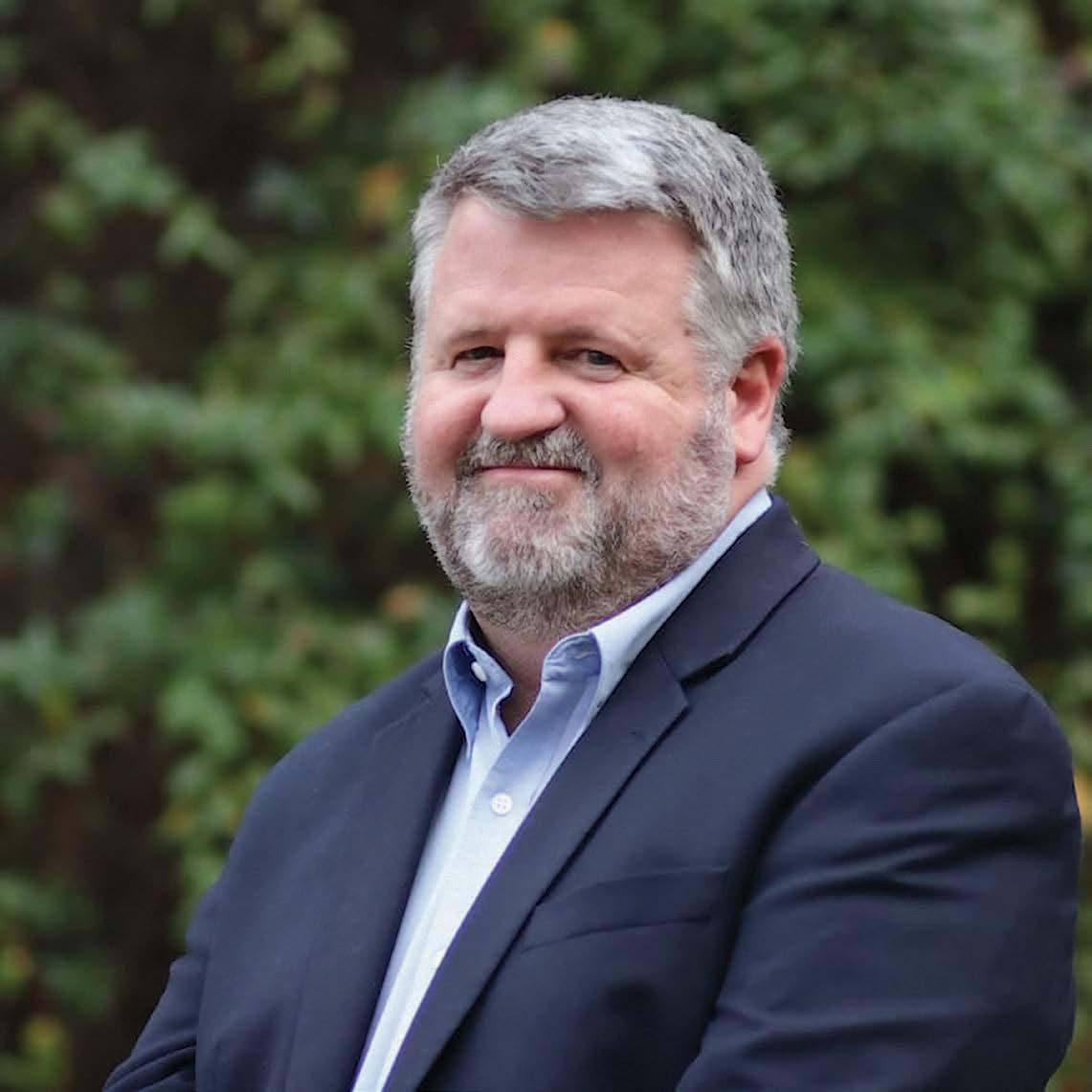
“Both degrees gave me a great foundation for the work I do today. The broad orientation to public health and underserved populations has allowed me to better lead the SC Office of Rural Health and our work with rural providers and communities.”
— Graham Adams, Ph.D., MPH
Alumni Playing Vital Roles
At the helm of South Carolina’s rural health efforts is Graham Adams, a two-time Arnold School alumnus (MPH ’94, Ph.D. ’00) and long-serving CEO of the South Carolina Office of Rural Health (SCORH).
After completing his bachelor’s in psychology, Adams sought a graduate program that would offer both breadth and real-world experience. He found it in the Arnold School’s Master of Public Health (MPH) in HSPM program.
That sense of community and purpose led him to SCORH just four years after it was founded. Over the last three decades, Adams has built an unparalleled legacy, serving in multiple leadership roles before becoming CEO in 2002. Along the way, he completed his doctoral degree at USC, balancing work, research, and family.
Today, under Adams’ leadership, SCORH is a model for how state agencies and academic institutions can collaborate to improve rural health outcomes. Among its effective partnerships is the collaboration with the South Carolina Department of Behavioral Health and Developmental Disabilities’ Office of Substance Use Services. Sara Goldsby, also a graduate of the MPH in HSPM program, serves as director, steering the state’s opioid response and strengthening networks for behavioral health services.
As America’s population ages, the public health sector must respond with innovation, compassion and community-centered care. The Arnold School is leading that charge—developing science-based interventions, fostering holistic care models and training the next generation of health professionals to meet the diverse needs of older adults.
From post-stroke recovery and Alzheimer’s support to tech-enhanced arthritis management and community risk communication, the Arnold School is building a robust foundation for healthy aging across the state and beyond.
Scan to discover how our students are shaping a more holistic future for aging.

Over 6.9 million Americans live with Alzheimer’s disease and related dementias.
ADVANCING HEALTHY AGING ACROSS THE LIFESPAN
Alzheimer’s disease and related dementias are escalating into one of the most urgent public health crises of the 21st century . Today, over 6 . 9 million Americans live with Alzheimer’s, a number projected to rise to nearly 12 .7 million by 2050 . Globally, that estimate climbs to 139 million in 2050 . While medical research continues to pursue the cause and cure of this debilitating disease, an equally pressing gap remains: preparing communities and caregivers for the day-to-day realities of supporting those living with dementia .
With a deep commitment to healthy aging across the lifespan, the Arnold School of Public Health is shaping innovative, community-centered approaches to dementia care, preventive health and brain wellness. Anchored by the Arnold Institute on Aging, the school’s initiatives are transforming both academic research and real-world applications to meet the growing needs of our aging population. At the forefront of this mission is the school’s Office for the Study of Aging (OSA).
The OSA is a hub for collaboration, research, training and policy advancement. Under the leadership of Megan Byers, LMSW, and Maggi Miller, Ph.D., the OSA is expanding programs like Dementia Dialogues® across South Carolina and beyond. The Office works to enhance aging-in-place initiatives by coordinating with state agencies on programs like South Carolina’s Operation to Confront
Social Isolation and Loneliness (SOCIAL Aging), Multisector Plan for Aging, Alzheimer’s Disease Research Center and through engaging stakeholders statewide and nationally to improve aging outcomes.
EQUIPPING CAREGIVERS THROUGH NO-COST TRAINING
Despite decades of research into Alzheimer’s disease and related dementias, there remains a critical shortage of practical, accessible training for caregivers (facilities, family, friends or partners who provide unpaid support for individuals in need). Dementia Dialogues, a flagship program of the OSA, helps fill that gap. This nationally registered, evidence-informed intervention program provides no-cost, handson training to caregivers across the state and the country.
Dementia Dialogues is transforming the way communities understand and respond to Alzheimer’s and related dementias. Through a comprehensive five-module course, participants gain essential skills—from
An estimated
55
MILLION PEOPLE
worldwide were living with Alzheimer’s disease in 2020. And more than are currently living with Alzheimer’s and related dementias.
125K IN SOUTH CAROLINA
building foundational knowledge of dementia and communicating effectively, to creating supportive environments, managing challenging behaviors and developing tailored care solutions. Offered both in person and online—through instructor-led and self-guided options—the program empowers caregivers and professionals in diverse settings, regardless of location.
With certified instructors in more than a dozen states and full implementation in South Carolina, South Dakota and Utah, Dementia Dialogues is reshaping dementia care across the U.S. and Canada. Since its launch, more than 20,000 individuals have participated in the course.
Beyond its curriculum, Dementia Dialogues fosters a culture of compassionate, informed caregiving. Participants leave the program not only with practical tools, but also with greater empathy and confidence in addressing the complex needs of individuals living with dementia. By bridging knowledge gaps and encouraging collaboration across health care and community networks, Dementia Dialogues is helping to reduce stigma, improve quality of life for patients and families and strengthen the caregiving workforce. Its reach continues to grow, inspiring a flourishing commitment to dignity and respect in dementia care.
Graduate Scholar in Aging Award
Each year, up to two graduate students receive $1,000 awards to advance their professional development.
Certificate of Graduate Study in Aging
Students can enhance their expertise and career potential with an 18-credit-hour program that equips them to address the unique needs of our rapidly growing aging population through specialized training, hands-on learning and interdisciplinary collaboration.
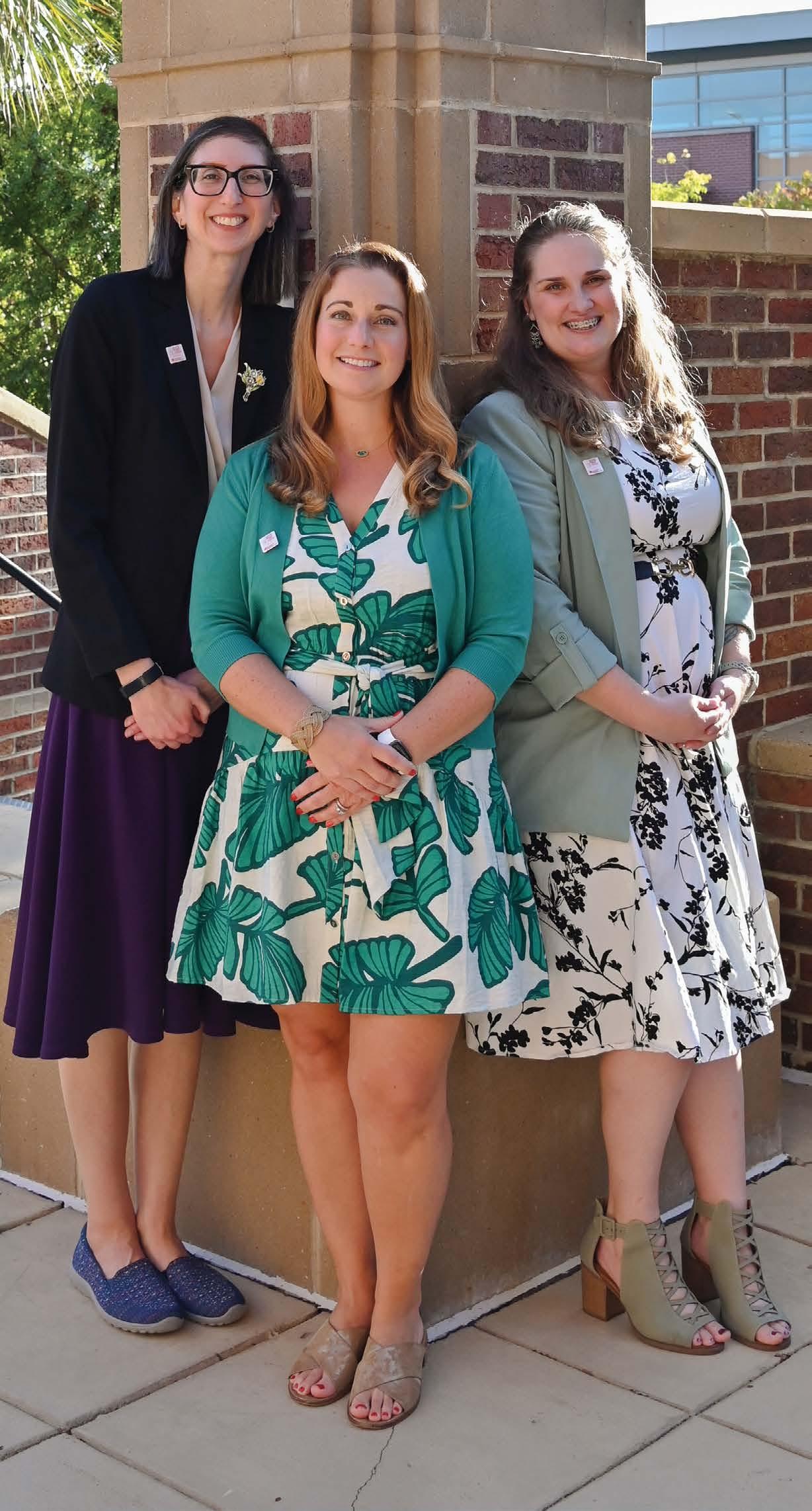
Left to Right: Dr. Daniela Friedman, Dr. Maggi Miller and Megan Byers.
Between 30% and 55% of health outcomes are ascribed to non-medical drivers of health.
AGING AND THE SOCIAL DRIVERS OF COGNITIVE HEALTH
Research continues to demonstrate deep connections between physical and cognitive health outcomes and social factors. In response, the school’s SHARE initiative—Scholars in Health and Alzheimer’s Research Engagement—is pioneering efforts to understand the role of non-medical drivers of health in cognitive aging.
Funded through a grant from the National Institute on Aging, SHARE is developing a robust research training program centered on community engagement, health communication and advancing the research on social drivers of health through implementation science. The initiative also provides pilot project funding and a strong mentoring network for earlycareer faculty, cultivating the next generation of researchers focused on Alzheimer’s disease and related dementias.
By connecting scientific inquiry with the lived experiences of communities, SHARE is addressing the root social causes that impact cognitive health and caregiving outcomes, including income, education and health care access. This approach is helping to close the gap between research and practice, creating a clear roadmap for improving dementia prevention and care. In doing so, SHARE is not only advancing the field of cognitive health research but also working to ensure healthier aging for all.
A VISION FOR GENERATIONS
As the population ages and the cost of cognitive and chronic health conditions continues to rise—it’s projected to hit $1.1 trillion annually in Alzheimer’s care by 2050—the need for forward-thinking, communityintegrated, lifespan-focused initiatives becomes ever more critical. The Arnold School of Public Health is helping lead the way by creating a public health model rooted in prevention and empowerment—ensuring that both current and future generations have the tools they need to age well.

An Investment in Healthy Aging
Healthy aging doesn’t begin at 65 . It begins in childhood .
That’s the guiding philosophy of the Gerry Sue and Norman J. Arnold Institute on Aging, an initiative launched with a $7 million gift from the Arnold family (building on the previous $10 million they gifted in 2000). The Institute focuses on two high-risk populations—children and older adults—by targeting key health issues like obesity, physical inactivity and cognitive decline. With South Carolina’s well-publicized low ranking in overall health among U.S. states, these efforts are both urgent and strategic.
Norman J. and Gerry Sue Arnold with Arnold Fellows.
Mind-AlteringResearch
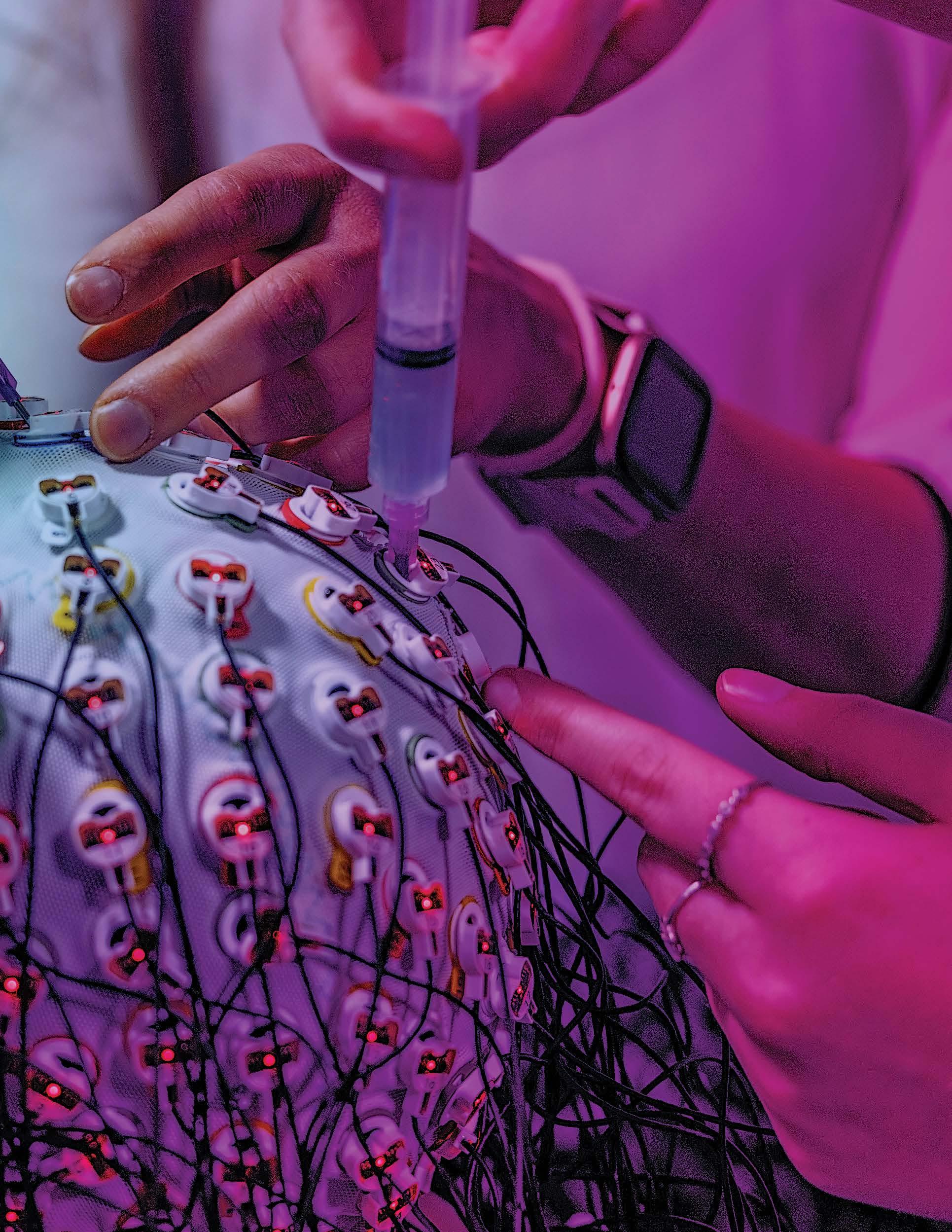
The Arnold School and USC Partners Are Transforming Brain Health
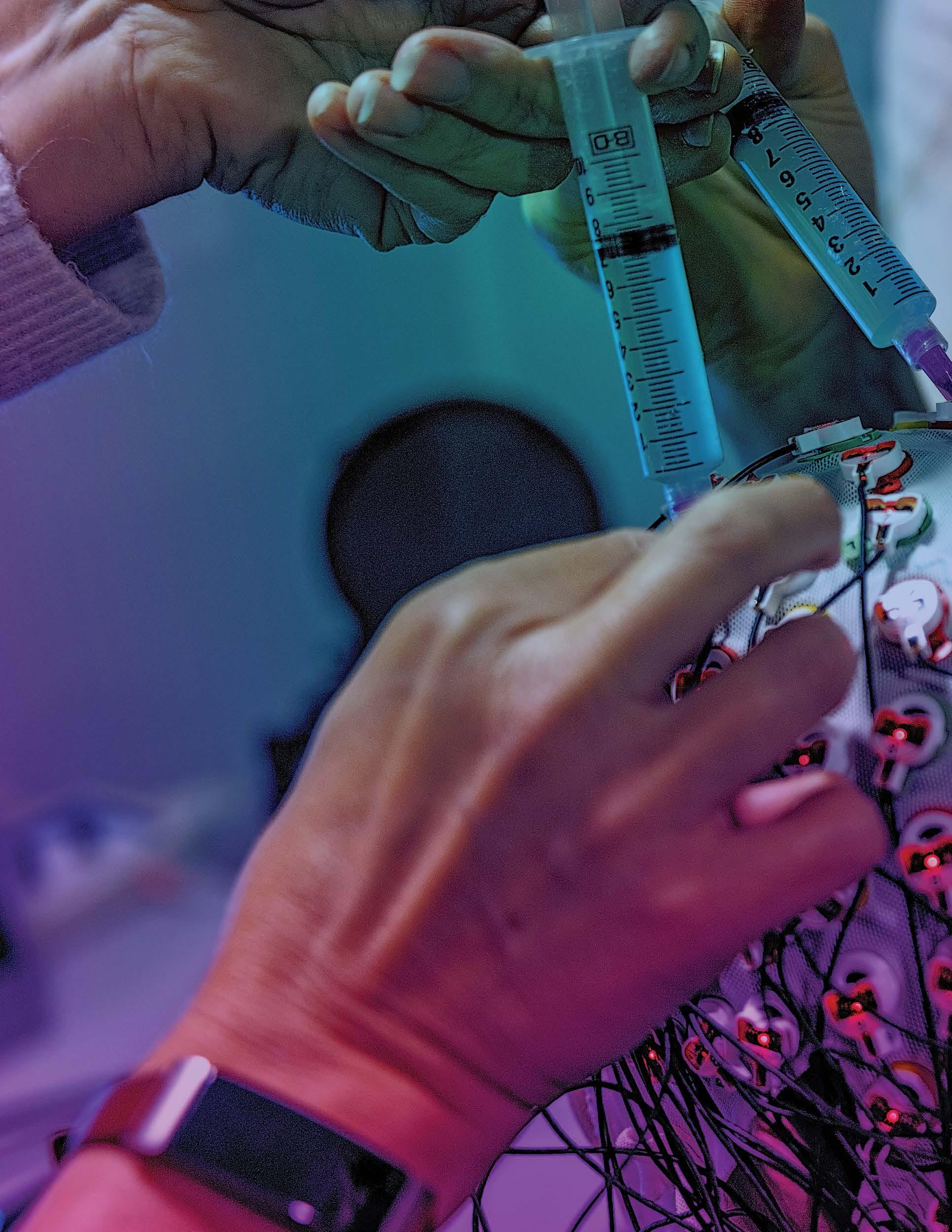
From stroke recovery to communication disorders and traumatic brain injury, researchers across USC are making major strides in understanding the brain and improving outcomes for patients. These efforts span multiple disciplines and colleges, with the Arnold School playing a central role in a university-wide commitment to advancing brain health.
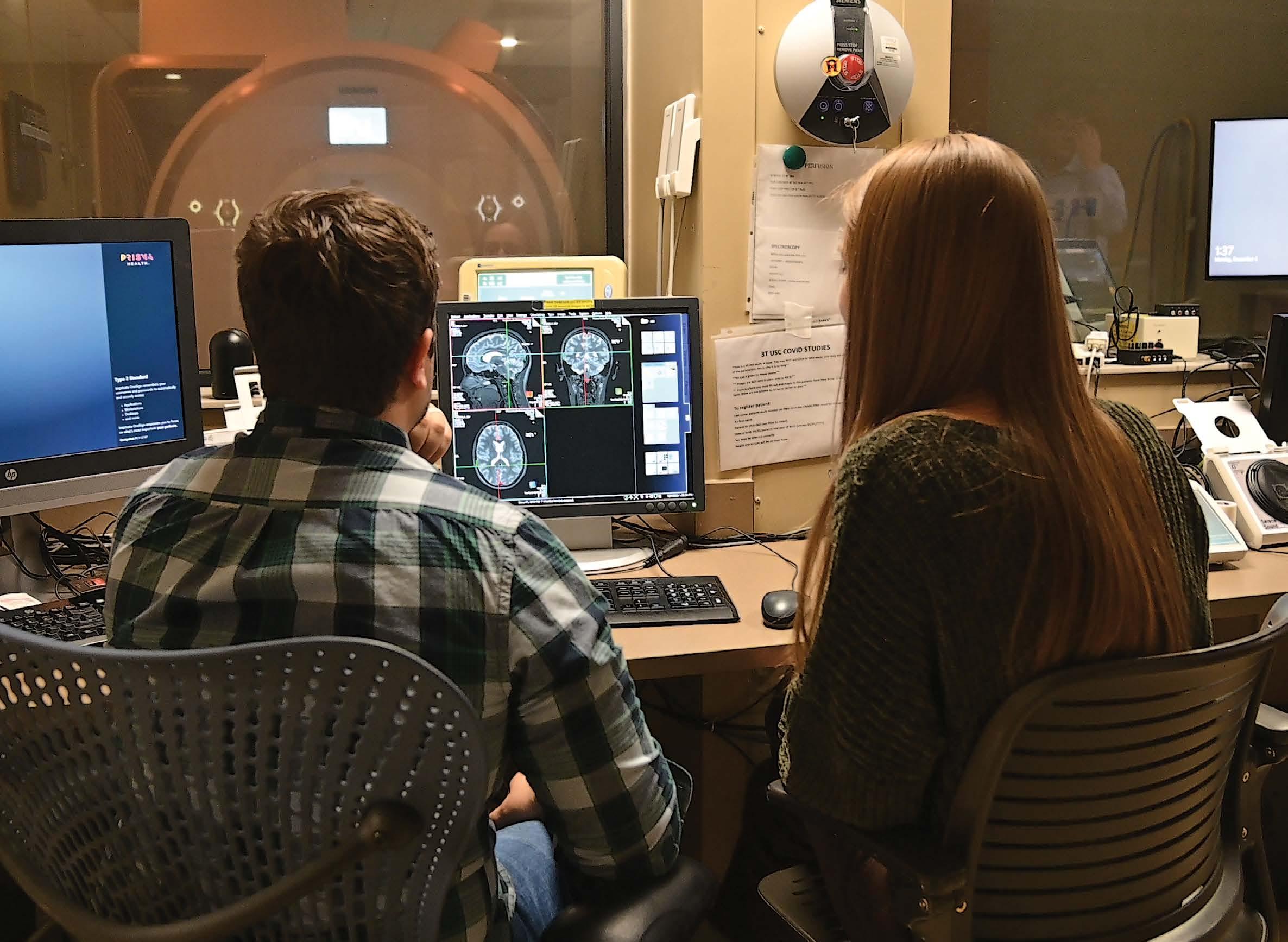
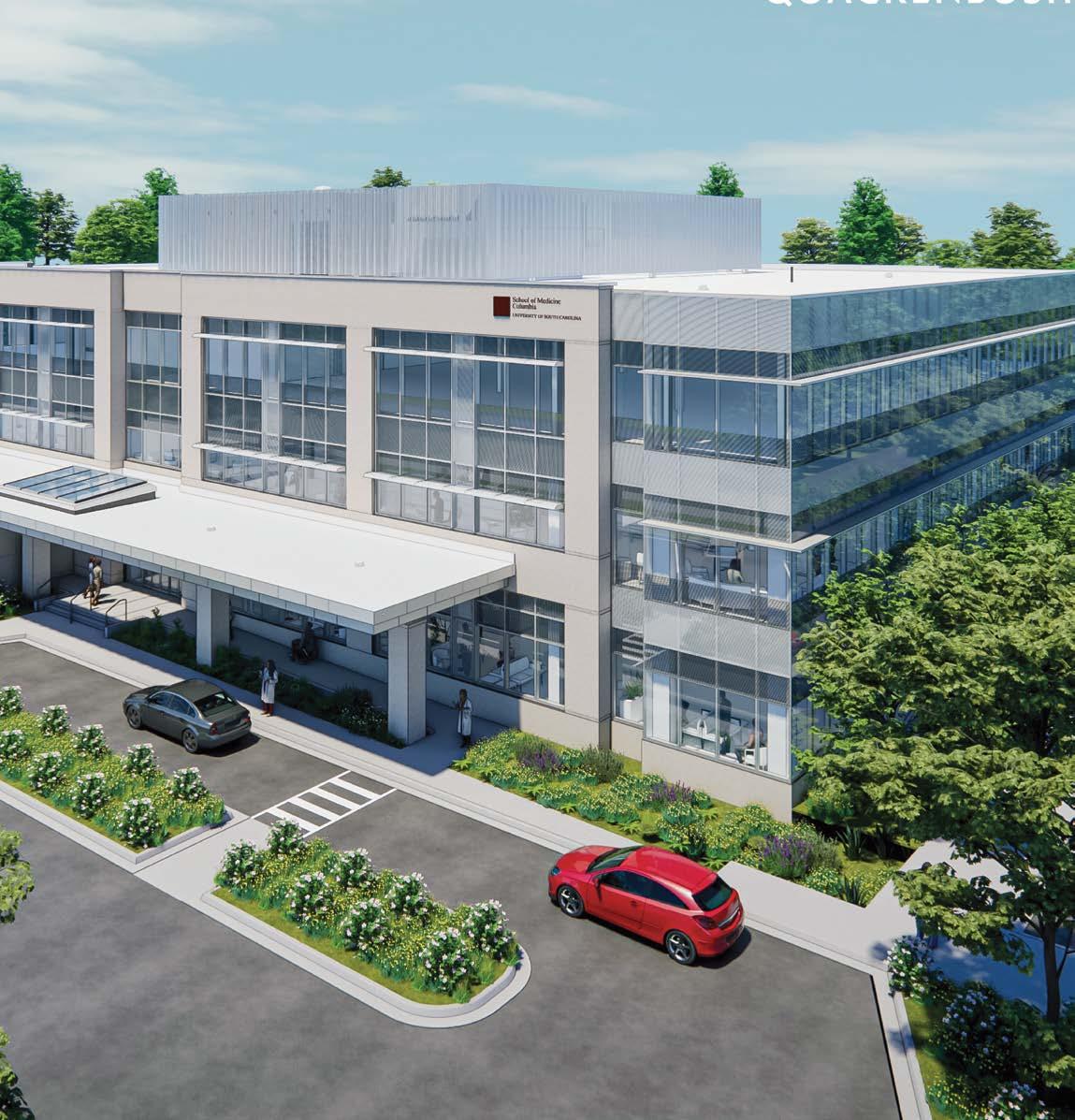
The Brain Health Center will be powered by the latest technology and tools, including MRI scanners that are more than twice as powerful as standard scanners.

A Comprehensive Approach to Brain Health
Neuroscience expertise at USC extends across the Arnold School, the School of Medicine Columbia, the McCausland College of Arts and Sciences, the Molinaroli College of Engineering and Computing and the College of Pharmacy. Together, these academic units address the full continuum of brain development, disorders and rehabilitation.
One of the most ambitious initiatives is USC Brain Health, a statewide program committed to improving access to cognitive care, particularly in underserved communities. Housed within the USC School of Medicine Columbia, the initiative leads the growing Brain Health Network, which currently includes seven clinics providing cognitive screenings, evaluations and community-based support. The program is laying the groundwork for the forthcoming Brain Health Center, which will open in 2026 and offer advanced diagnostics, treatment options and cutting-edge research.
Through collaborations with health care providers— including HopeHealth, Lexington Medical Center and Prisma Health—USC Brain Health is addressing the pressing need for early detection and management of Alzheimer’s disease and related dementias. Its team-based care model supports patients, caregivers and providers alike, ensuring comprehensive and compassionate care across South Carolina.
Building a Healthier Future for South Carolina
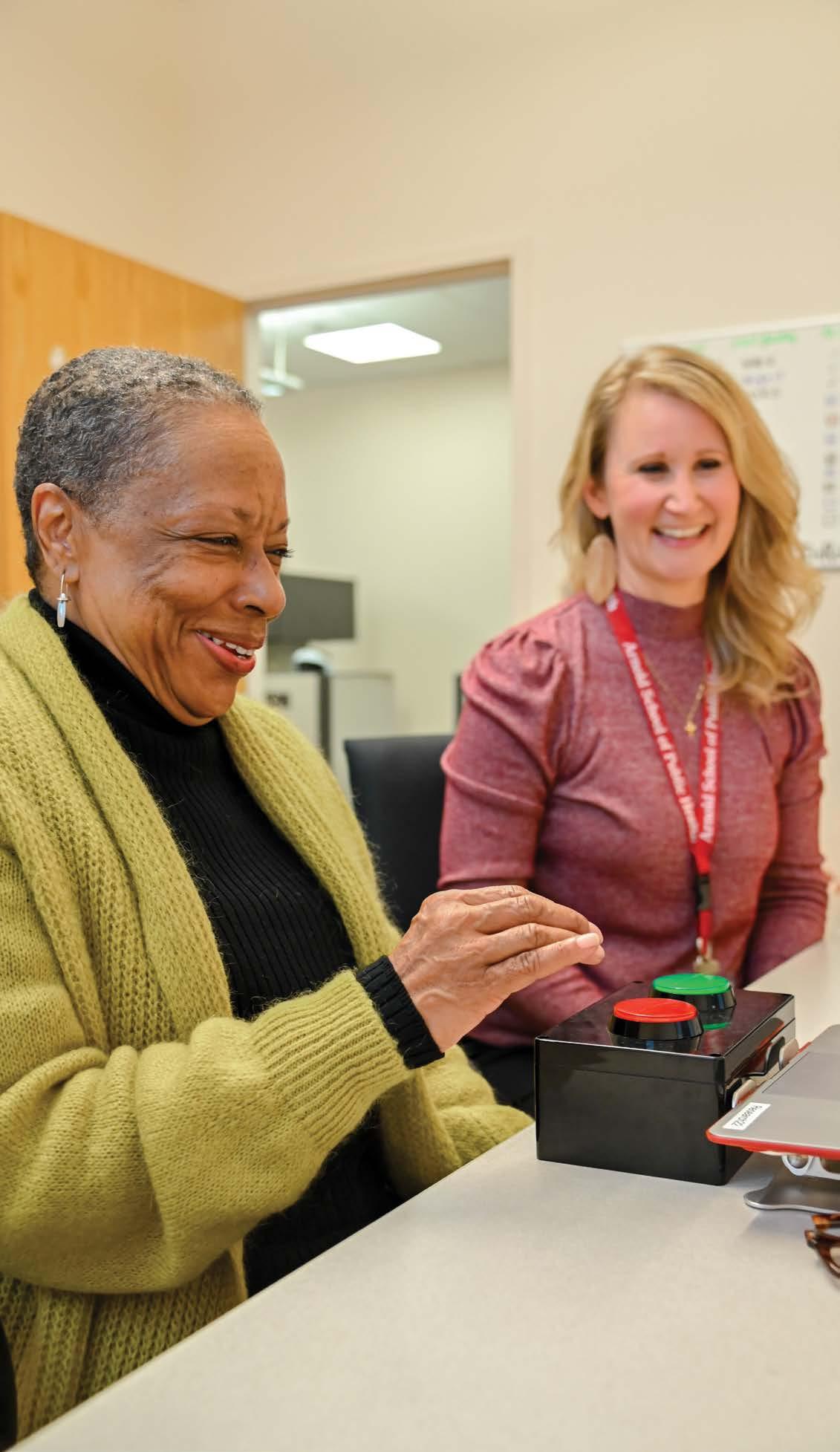
Together, these projects reflect a commitment to brain health that not only treats patients but also drives discovery and innovation. By combining advanced imaging, rehabilitation sciences, pharmaceutical research and engineering with statewide clinical centers, the university is positioning South Carolina as a leader in neuroscience and cognitive health.
For the Arnold School, this mission is deeply connected to its legacy of improving health and quality of life through public health research, clinical partnerships and community engagement. As USC builds new infrastructure and expands its Brain Health Network, the future of brain health in South Carolina has never looked brighter.
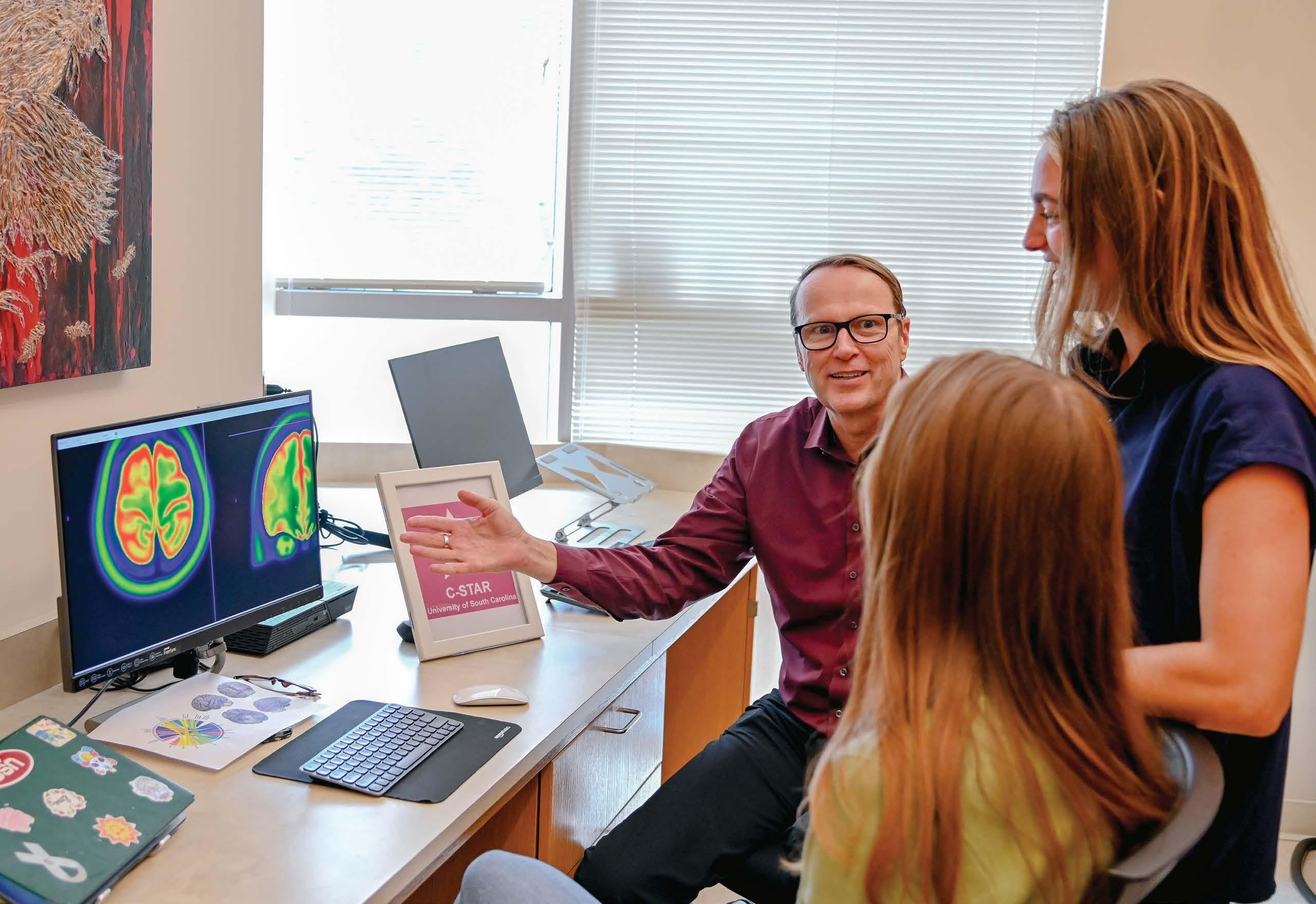
Breaking New Ground in Stroke Recovery
Aphasia is a language disorder often brought on by stroke, which disproportionately impacts older adults, making it a critical health concern. And one of our more transformative contributions to healthy aging lies in the field of aphasia recovery.
The Center for the Study of Aphasia Recovery (C-STAR) is led by Vice President for Research and professor of communications sciences and disorders (COMD) Julius Fridriksson, Ph.D., and is home to groundbreaking studies on brain plasticity, rehabilitation and neuroimaging. Fridriksson and a team of clinicians, neuroscientists and community leaders are using these tools to develop evidence-based treatments that help stroke survivors regain communication abilities.
COMD assistant professor Sigfus Kristinsson, Ph.D., is contributing significantly to this research frontier, with a focus on language processing and neural recovery. His work is propelling new strategies for personalized treatment, a boon to aging patients who may have limited access to speech-language services. And his contributions continue to shape personalized treatment approaches and demonstrate the Arnold School’s investment in building a pipeline of emerging leaders in aphasia care.
A Data Powerhouse for Research and Planning
South Carolina is home to the nation’s most comprehensive Alzheimer’s Disease Registry, which is maintained by the Office for the Study of Aging.
Since 1988, the registry has compiled extensive data on diagnosed cases of Alzheimer’s disease and related dementias using a unique integration of records from hospitals, mental health services, Medicaid, emergency departments, memory clinics and more.
With this treasure trove of data, researchers can study everything from types of dementia to sociodemographic and health-related risk factors that influence Alzheimer’s development. This work is essential not just to understanding who is affected and why— but also to designing interventions that are tailored, equitable and effective.
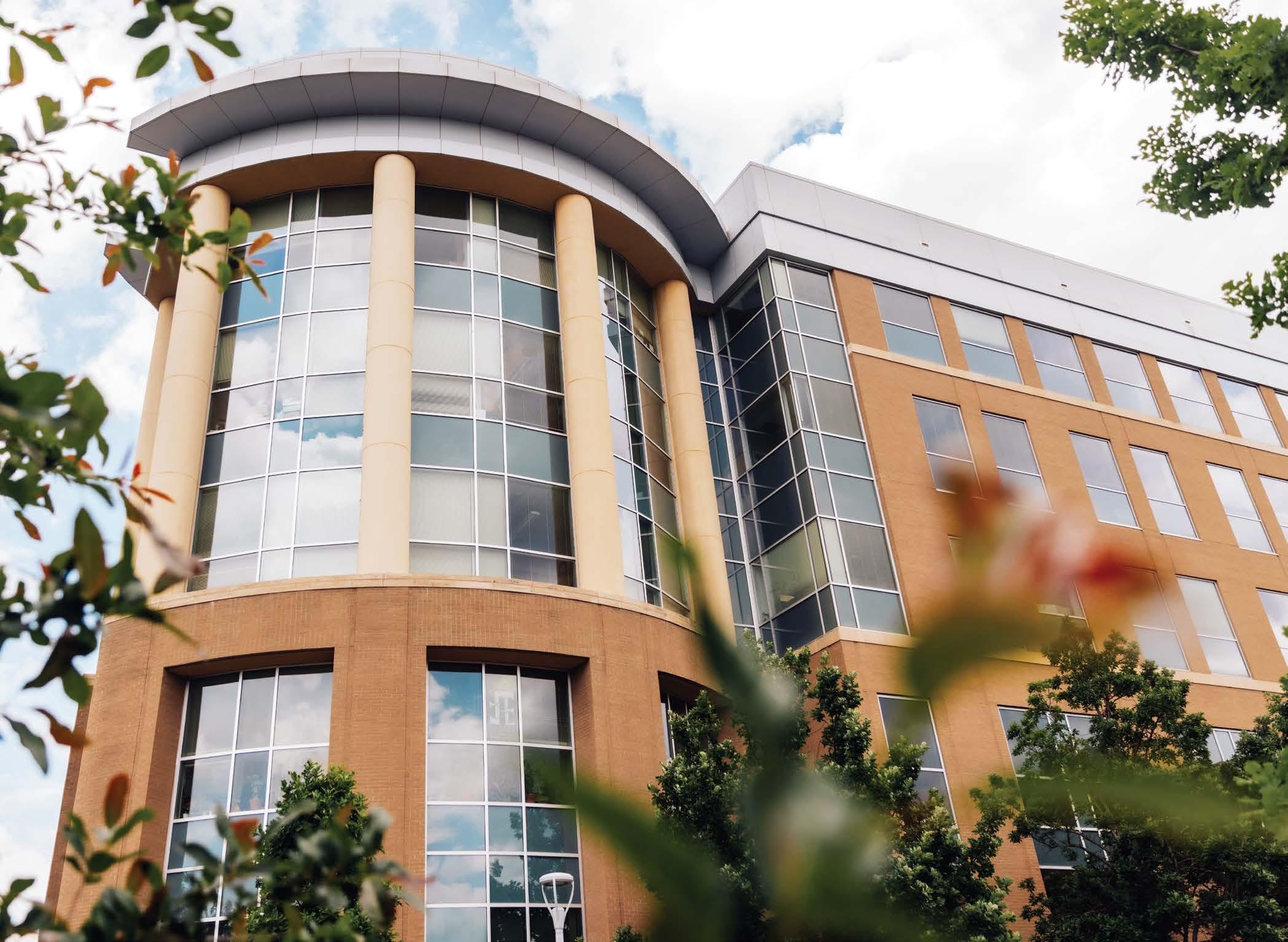

IMPACTFUL RESEARCH
Healthy Aging Through Innovation
The school’s research into healthy aging is addressing the physical, cognitive and communicative challenges that impact older adults.
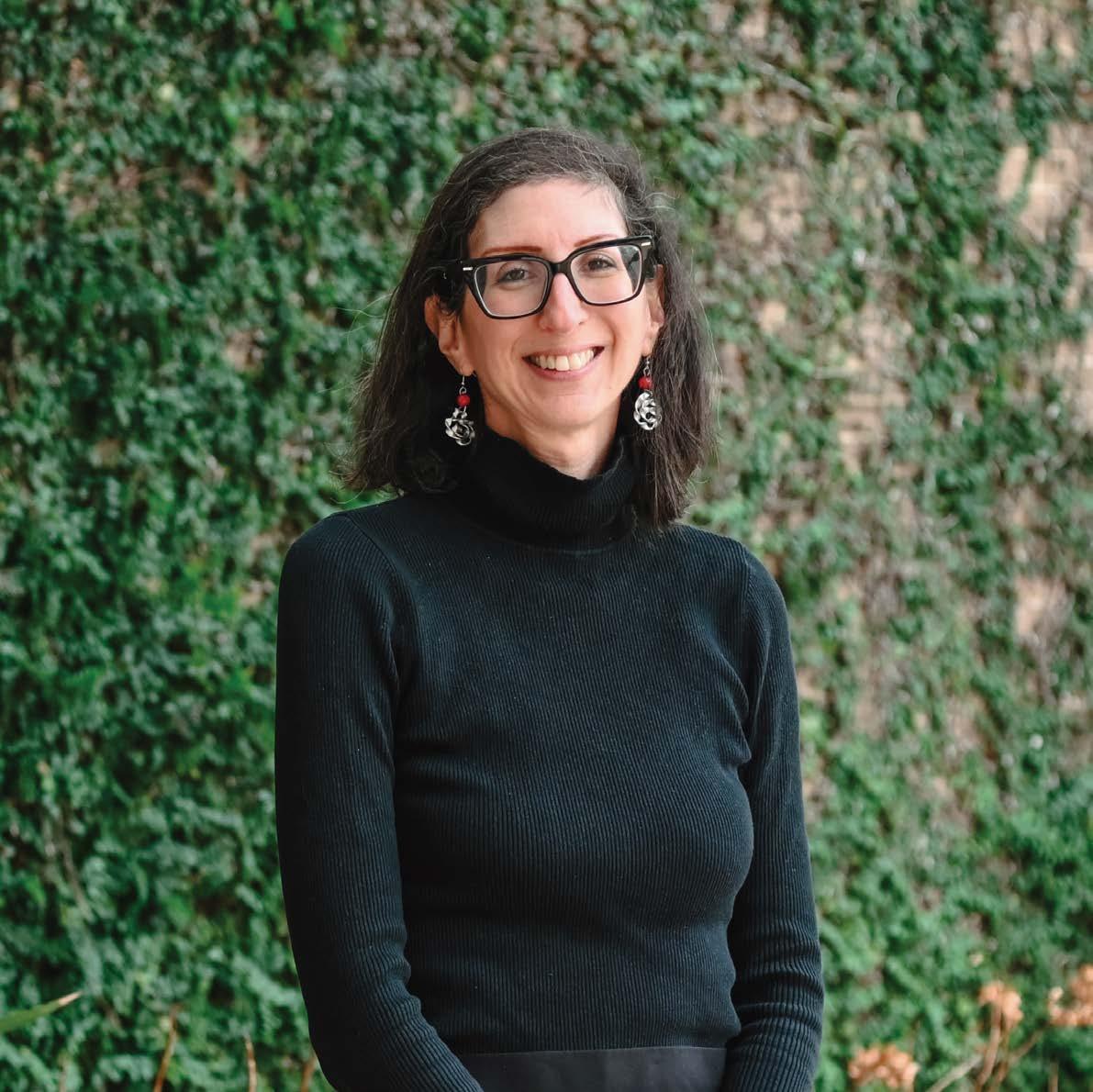
Communication, Risk and Older Adults
DANIELA FRIEDMAN, Ph.D.
Daniela Friedman, associate dean for research and leadership development, focuses on community-engaged health communication strategies with older adults, with a special emphasis on non-medical drivers of health. Her work ensures that public health messaging— especially during crises like the COVID-19 pandemic—is tailored, accessible and actionable for aging communities. Friedman’s research supports more effective policy and practice by elevating the voices and needs of older adults.
Technology to Help Older Adults Stay Active
CHRISTINE PELLEGRINI, Ph.D.
Christine Pellegrini, a leading researcher in exercise science, is exploring how technology can support health improvement among aging populations, particularly those recovering from arthritis and knee replacement surgery. Her work leverages digital tools and remote interventions to improve mobility, reduce pain and enhance quality of life—key goals for older adults who may face transportation or other barriers to in-person rehabilitation.
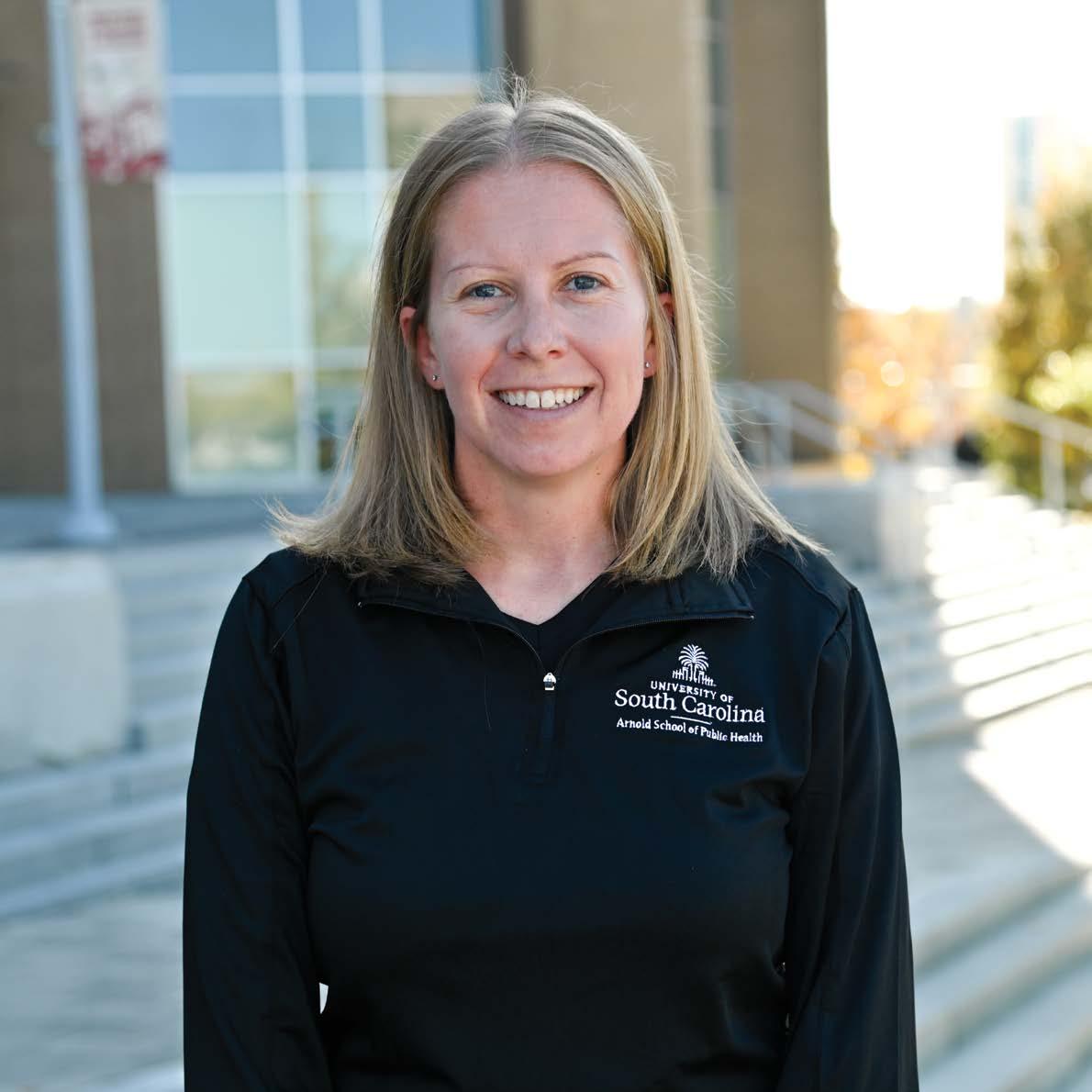
From playgrounds and preschool classrooms to summer camps and school cafeterias, the Arnold School is making a measurable impact on children’s health. With federally funded research, community-driven programs and cross-disciplinary expertise, our faculty are improving the conditions in which children grow, learn and thrive.
At the center of these efforts is the belief that healthy habits start early—and that access to wellness resources can shape a lifetime of outcomes. Through programs focused on physical activity, nutrition, language development, maternal health and more, we are advancing the science and solutions that will help all children reach their full potential.
Scan to learn how our students are working toward a healthier future by advancing childhood health and wellness.
A Vision for Healthier Childhoods










The Arnold Healthy Kids Initiative (AHKI) is one of the school’s most impactful programs. Directed by Michael Beets along with a multidisciplinary team of researchers that includes Glenn Weaver, Elizabeth Adams, Bridget Armstrong and Sarah Burkart, AHKI’s overarching goal is to reduce health disparities and inform public health policies and practices. Their comprehensive research efforts are geared towards developing effective scalable strategies for improving health outcomes and fostering healthier communities.
Collectively, AHKI has garnered more than $40 million in NIH funding and produced over 300 peer-reviewed publications—many of which have directly informed how community organizations that serve families and children approach wellness.
“The work of AHKI in the prevention and treatment of childhood obesity is, to put it simply, prolific,” says Exercise Science Chair Shawn Arent, Ph.D. “AHKI has advanced our global understanding of childhood obesity while improving the health and well-being of thousands of South Carolina children.”
The Initiative partners with community-based organizations across the state to translate research into
practice, equipping leaders with evidence-based tools to promote healthier environments.
Given that children who are overweight are more likely to be obese as adults—and thus more likely to develop chronic conditions such as diabetes and hypertension— AHKI emphasizes early intervention as a foundation for lifelong health.
Emerging Leaders in Child Health
Multiple early-career researchers in the AHKI at the Arnold School are adding new dimensions to this work. Bridget Armstrong, Ph.D., for example, has developed custom technology that more accurately measures
“The work of AHKI in the prevention and treatment of childhood obesity is, to put it simply, prolific. AHKI has advanced our global understanding of childhood obesity while improving the health and well-being of thousands of South Carolina children.”
—Shawn Arent, Ph.D., Exercise Science Chair
physical activity and sedentary time in children, enhancing researchers’ ability to tailor interventions.
Elizabeth Adams, Ph.D., brings expertise in dietary patterns, sleep behaviors and access to healthy foods, particularly in relation to federal nutrition policy. Her work helps shape school lunch programs and improve dietary equity in under-resourced areas. And Sarah Burkart, Ph.D., studies how sleep intersects with physical activity and other lifestyle factors to influence child health. By understanding the full 24-hour day, her work provides a more holistic model of child wellness—vital for developing comprehensive, sustainable interventions.
A Legacy in Physical Activity Research
The Children’s Physical Activity Research Group, which was founded by luminary Russell Pate, Ph.D., laid critical groundwork for today’s successes. Dating back to the early 1990s, the group pioneered studies that linked youth physical activity with long-term health outcomes and informed national physical activity guidelines.
One landmark project created an online training program for preschool teachers, enabling them to integrate movement into daily learning activities. This scalable approach, which has been rolled out nationwide, continues to inspire new tools for early childhood educators, especially in underserved communities where children may lack safe or structured spaces to play.


Uniquely Situated, Incredibly Qualified
Impact Beyond the Individual
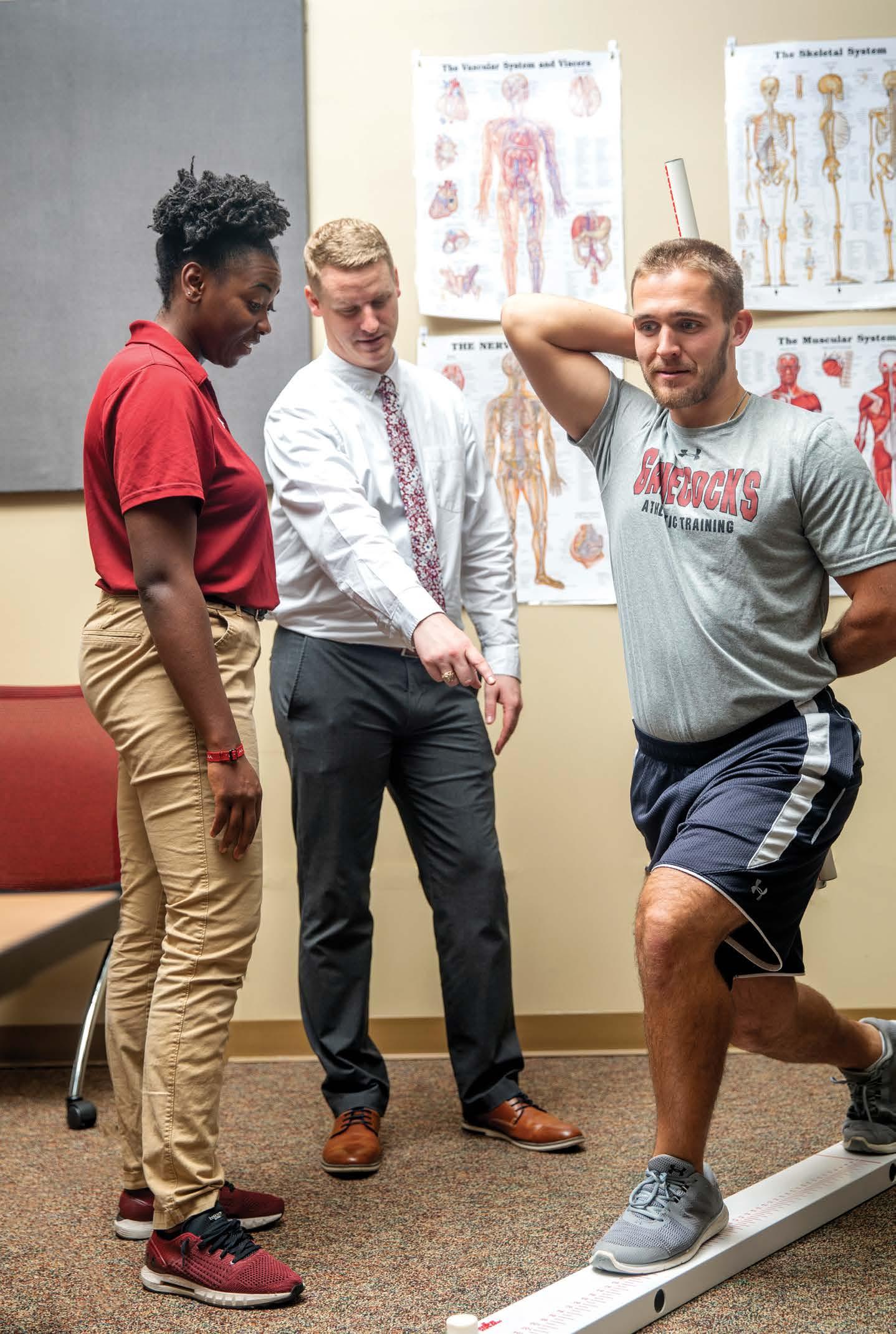
You won’t find many athletic training and physical therapy programs housed within public health schools. But at the Arnold School, this distinctive structure fuels interdisciplinary collaboration, cutting-edge research and a broader health perspective, further setting our graduates apart.
Athletic training and physical therapy students at the Arnold School learn and work alongside public health leaders, gaining a deeper understanding of how their roles fit into health systems and can impact lives far beyond individual patients.

Faculty at the Intersection of Literacy and Language
The Arnold School’s contributions to childhood health extend beyond physical wellness . Our faculty also lead pioneering work in language development and literacy .
The SCROLL Lab, directed by Suzanne Adlof, Ph.D., studies how children acquire language and reading skills, particularly in populations at risk for language delays. Her work is shaping screening tools and interventions that support reading proficiency from a young age.
List Fitton, Ph.D., is studying how language and literacy outcomes vary among children from diverse cultural and linguistic backgrounds, including bilingual families. Her work helps ensure that educational strategies are responsive and effective—especially important in our increasingly diverse school systems.
Support Across the Continuum: Communication Disorders
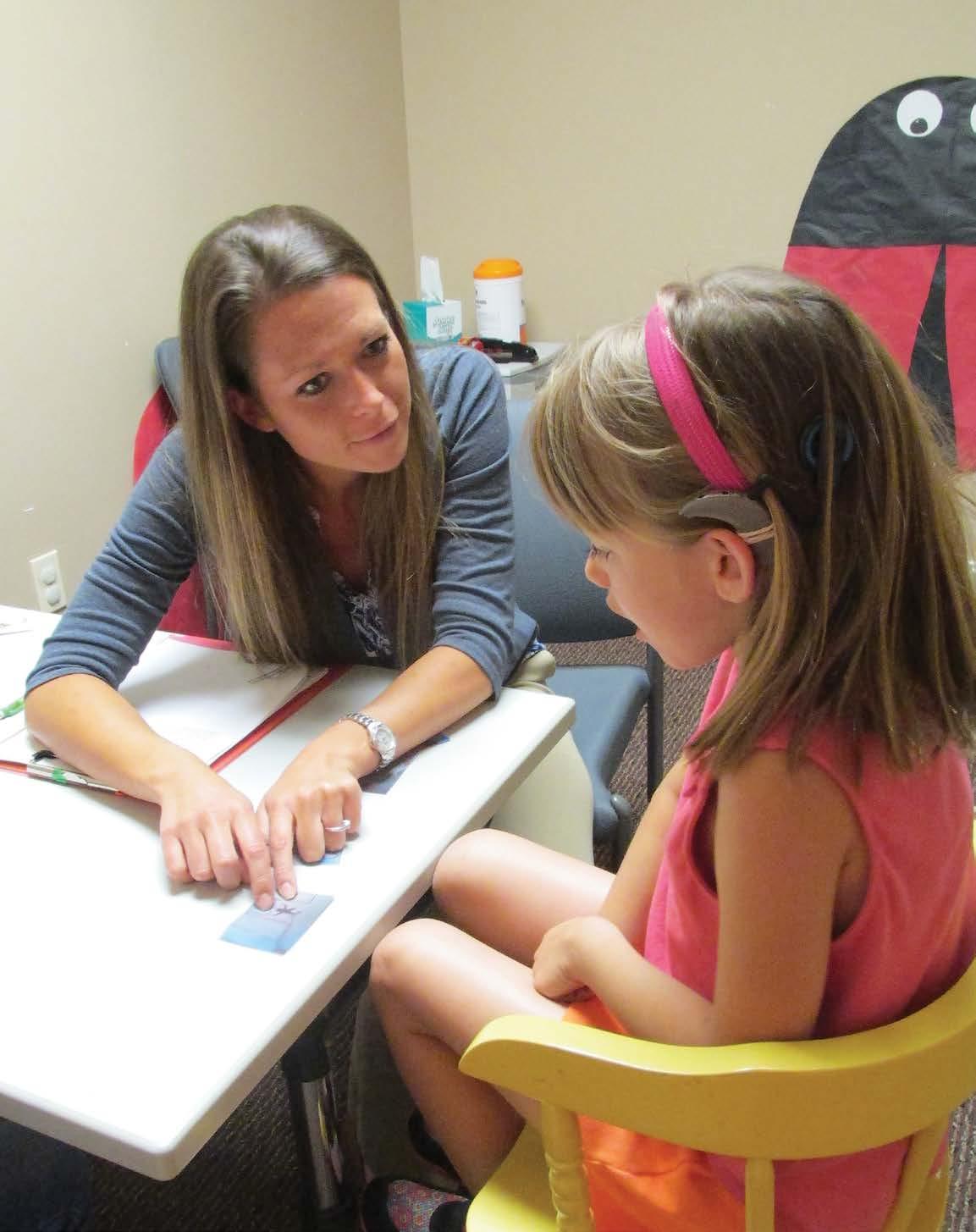
Children with communication challenges benefit from specialized care and support through the Montgomery Speech, Language, and Hearing Clinic, which offers evidence-based diagnostic and therapeutic services across the lifespan. The clinic serves as a vital hub for training future speech-language pathologists using the latest available research while improving community access to high-quality care.
Research in this area also explores developmental disabilities such as autism, Down Syndrome, and fragile X. Jessica Klusek, Ph.D., leads studies on fragile X syndrome, examining its impact on both affected children and their mothers—who often carry the genetic premutation that causes the condition.
Liz Will, Ph.D., focuses on individuals with intellectual disabilities, exploring strategies to improve communication and quality of life. Abigail Hogan, Ph.D., investigates the intersection of autism and anxiety, offering insights into the mental health needs of children on the spectrum.
These scholars are not only producing critical knowledge but also training clinicians to deliver compassionate, evidence-based care in schools, clinics and communities.
The Montgomery Speech, Language, and Hearing Clinic provides care for more than 500 cochlear implant and implantable device recipients . The program continues to expand, with partnerships established across multiple facilities and providers throughout South Carolina .
Supporting Families from the Start:
Maternal and Child Health
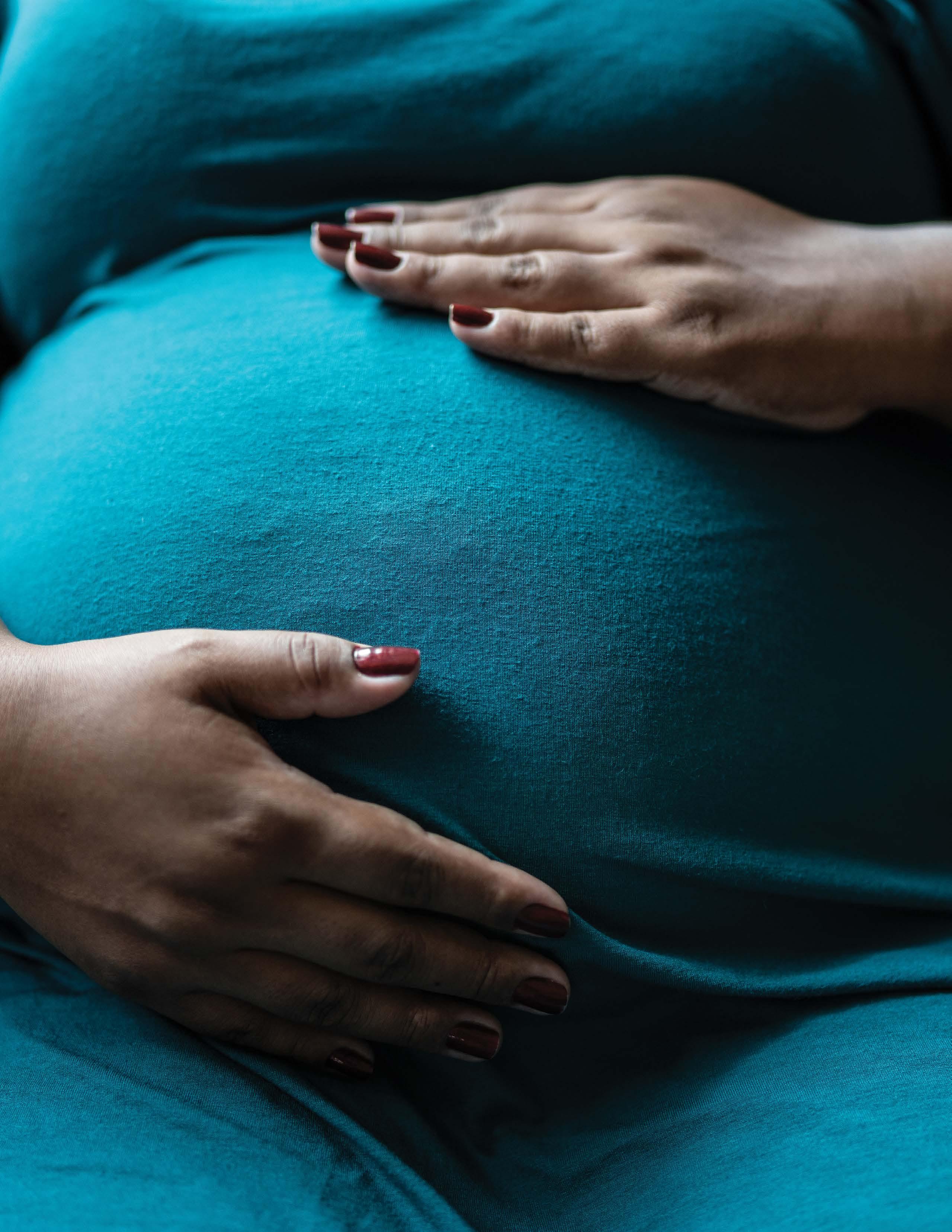
Recognizing that children’s health begins long before birth, the Arnold School is committed to advancing maternal and child health (MCH) research and education.
Led by Jihong Liu, Sc.D., a professor of epidemiology and longtime collaborator with the USC Prevention Research Center, the school launched the MCH Catalyst Program with support from the U.S. Health Resources and Services Administration in 2020 and has been awarded renewed funding for 2025-2030.
The Catalyst Program includes a graduate certificate, an MCH Scholars Program for master’s and doctoral students, research competitions, the MCH Student Association and the expansion of MCH-related curricula.
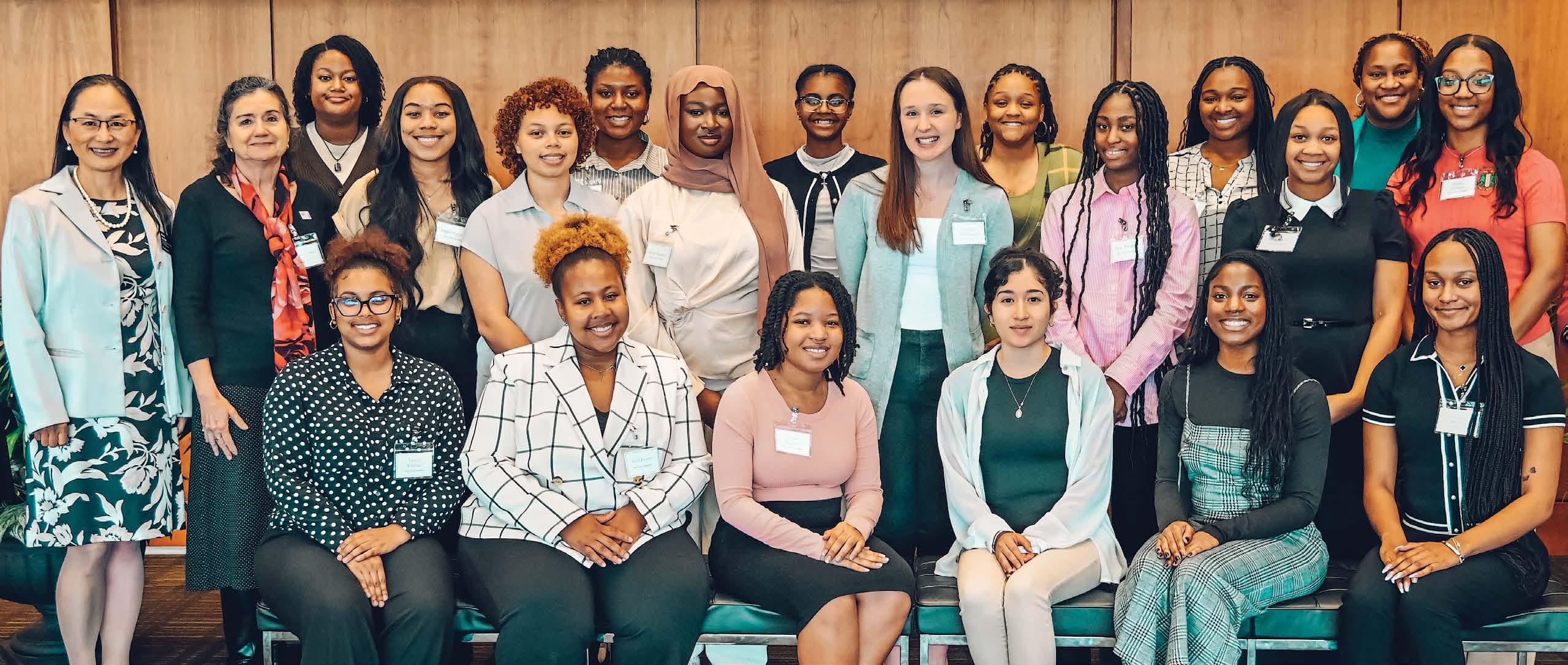
A second grant awarded to Liu and epidemiology associate professor Monique Brown launched the LEAP Program (2021-2026), which supports underrepresented undergraduates pursuing MCH careers. The program offers interdisciplinary MCH-themed leadership training to full-time USC undergraduate students aiming to bridge the trainees’ transition to graduate education in public health or health care jobs. This pipeline initiative prepares diverse leaders to address maternal health challenges and improve outcomes for both mothers and children—especially in underserved areas.
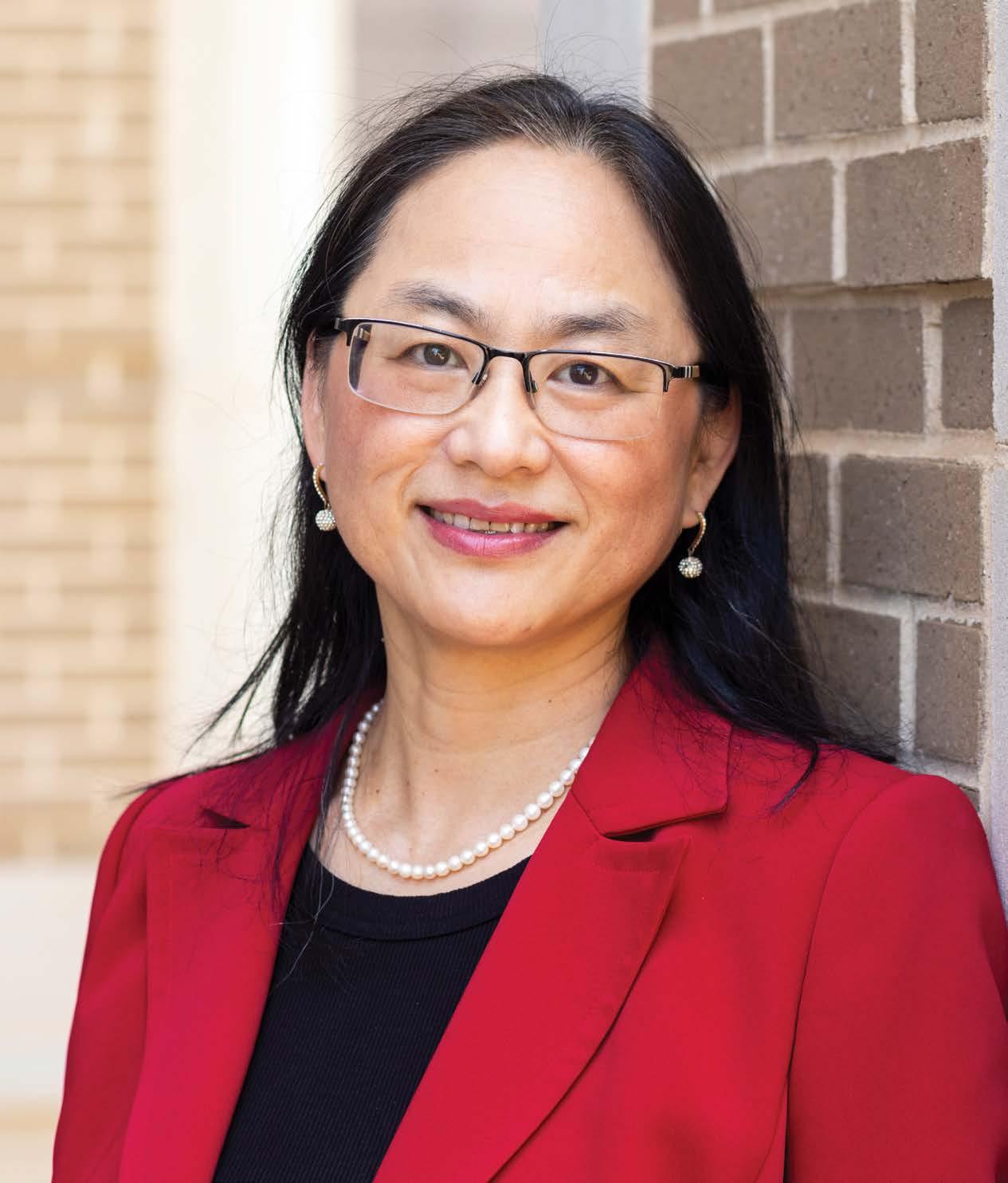
Dr. Jihong Liu
Students and faculty in the Maternal and Child Health Leadership, Education and Advancement in Undergraduate Pathways Program (MCH LEAP).
Understanding the Link Between Environmental Health and Public Health
The Arnold School has long been a steward of environmental health—protecting the nation’s ecosystems and the people who depend on them.
From the murky depths of lakebeds and windswept coastal shores to remote oilfields and wildfire-ravaged communities, our environmental health researchers are tackling global problems with local relevance.
Whether it’s reducing the risk of seafood-borne illness, safeguarding drinking water or responding to climaterelated disasters, we are developing solutions that protect not only ecosystems, but people. In every stream we test, every soil we sample and every nanoparticle we study, our scientists are guided by a commitment to public health.
That tradition dates back to Winona Vernberg, Ph.D., the school’s second and longest-serving dean, who laid the groundwork for an environmental health program that now has a global impact. Today’s dean, Tara SaboAttwood, Ph.D., as well as Thomas Chandler, Ph.D., the school’s previous and long-serving dean, also hail from the environmental health discipline.
Big impact starts here. Scan to see how our students are working to protect the nation’s ecosystems.
Finding Life-Saving Potential

In an Unlikely Source
Though sewers are not among the first things that come to mind when thinking about advancing public health, in the hands of Arnold School faculty, that’s exactly how they’re being used.
By analyzing what communities flush away, faculty members in the Department of Environmental health Sciences, including Tara Sabo-Attwood, Sean Norman, Ph.D., Devin Bowes, Ph.D., and Laura Langan, Ph.D., are uncovering critical insights into health issues across the nation, including our state of South Carolina. From tracking opioid consumption to detecting early signs of infectious disease outbreaks, such as measles, their work demonstrates how wastewater is becoming one of public health’s most unlikely heroes.
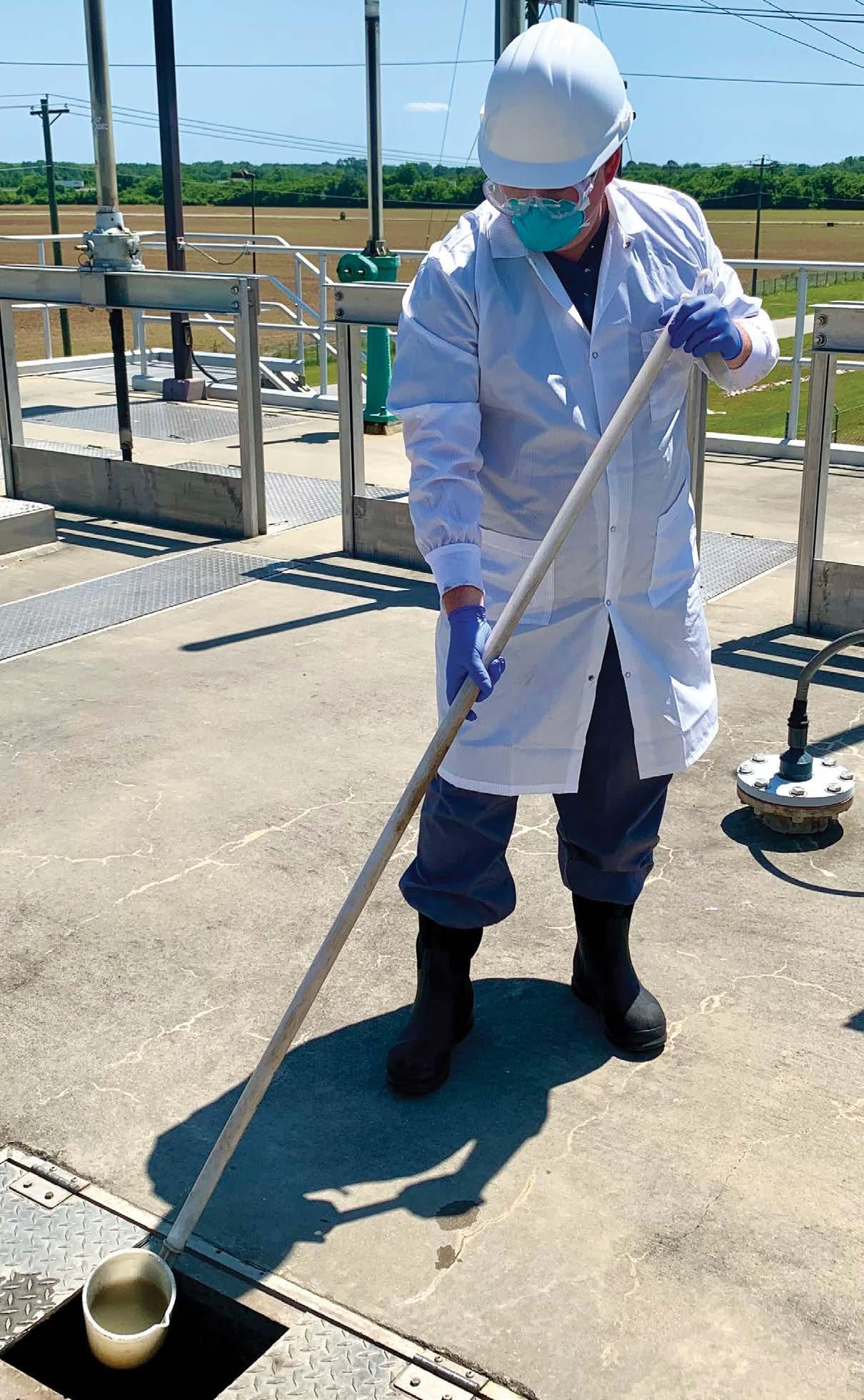
Sabo-Attwood is advancing a groundbreaking approach to monitoring and addressing substance use in communities across the United States. Her recent scholarly work, which was co-authored with Devin Bowes and collaborators, highlights the potential of wastewaterbased epidemiology (WBE) to transform how public health systems respond to opioid and substance use crises.
Pictured: Dr. Sean Norman
A New Tool to Understand Community Substance Use
WBE measures chemical markers in sewage to provide near real-time data on community-level drug use. This approach can complement traditional surveys and health records, which often are outpaced by emerging trends. By capturing what is being consumed, WBE offers a more accurate picture of substance use patterns, including opioids like fentanyl.
Bridging Science and Community
While WBE programs exist worldwide, few U.S. communities have successfully integrated this data into public health decision-making. Sabo-Attwood and the Arnold School faculty emphasize that meaningful adoption requires engaging stakeholders at every level— public health officials, policymakers, treatment providers and the communities themselves. Our researchers have identified successes where WBE has informed local interventions and barriers, such as trust and data interpretation concerns. When implemented with transparency and community input, WBE can strengthen public health systems, guide targeted interventions and, ultimately, save lives.
A Vision for Public Health Innovation
This research reflects Sabo-Attwood’s commitment to advancing public health solutions that combine scientific innovation with community engagement. By championing approaches like WBE, she is positioning the Arnold School and South Carolina as leaders in addressing the nation’s most pressing health challenges with forward-looking, evidence-based strategies.
“The goal is a sustainable, non-intrusive health surveillance network that’s always operating in the background.”
— SEAN NORMAN, Ph.D.

Pictured: Dean Tara Sabo-Attwood, Ph.D.
A Silent Sentinel for Outbreaks
With a focus on infectious diseases, Norman is leading efforts to monitor community threats that can be revealed through testing wastewater.
As a core investigator in the DMA-PRIME Center, an initiative focused on outbreak preparedness, Norman has helped build South Carolina’s first comprehensive wastewater monitoring network. “The goal is a sustainable, non-intrusive health surveillance network that’s always operating in the background,” says Norman, whose lab collects and analyzes samples from building-
scale up to regional wastewater systems, detecting everything from SARS-CoV-2 and RSV to antibioticresistant bacteria. “This approach allows for early detection and spatially precise understanding of disease spread.”
The wastewater surveillance team collaborates with statewide partners, including USC researchers like Melissa Nolan, Ph.D., and Arnold School alumnus Kevin Bennett, Ph.D., to ensure data integration into real-time disease modeling and policy responses. Together, they are positioning South Carolina and other states to respond faster and more equitably to future public health threats. .
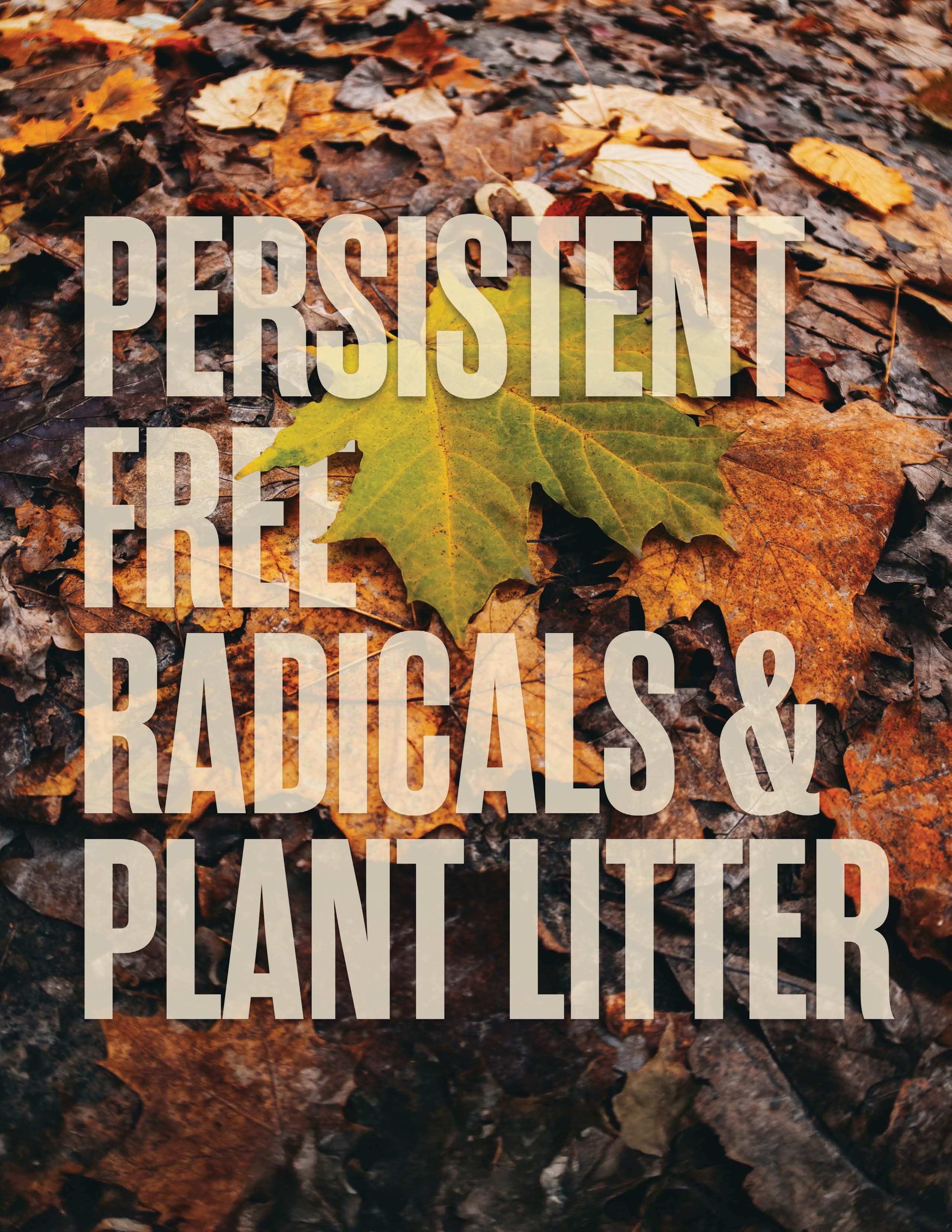
In the mountainous forests and leafy suburbs of the Southeast and beyond, plant litter accumulates each fall.
Most see this as natural compost—but research led by environmental health sciences associate professor Eric Vejerano, Ph.D., reveals a potential risk: biogenic persistent free radicals (BPFRs). Vejerano and his team published groundbreaking research showing that both broadleaf and coniferous plants harbor these radicals. Their study is the first to identify leaf litter as a significant source of BPFRs.
Hidden Risks in Leaf Litter
When leaves decay, BPFRs can become airborne pollutants, raising concerns about long-term inhalation and ingestion risks to humans’ health. The radicals persist and even increase through wet/dry cycles, suggesting that their threat does not diminish quickly with time or weather.
“With 82% of the Earth’s biomass made up of plants, the implications are vast,” Vejerano explains. “While BPFRs in intact leaves are harmless, their release during decomposition, and when inhaled, may contribute to chronic respiratory and other health conditions.”
This research, which is funded by a grant from the National Science Foundation, adds a new dimension to our understanding of airborne environmental pollutants and highlights the school’s leadership in uncovering novel risk factors tied to everyday natural processes.

82% of the Earth’s biomass is made up of plants
FACULTY
SPOTLIGHT
Melissa Nolan Ph.D.
Building a Legacy of Leadership in Infectious Disease Research
The Arnold School’s infectious disease program has become one of the school’s most dynamic areas of growth, fueled by a passionate and collaborative faculty. Leading the charge is Melissa Nolan, a nationally recognized infectious disease epidemiologist whose research spans zoonotic diseases, at-home diagnostics and COVID-19 surveillance.
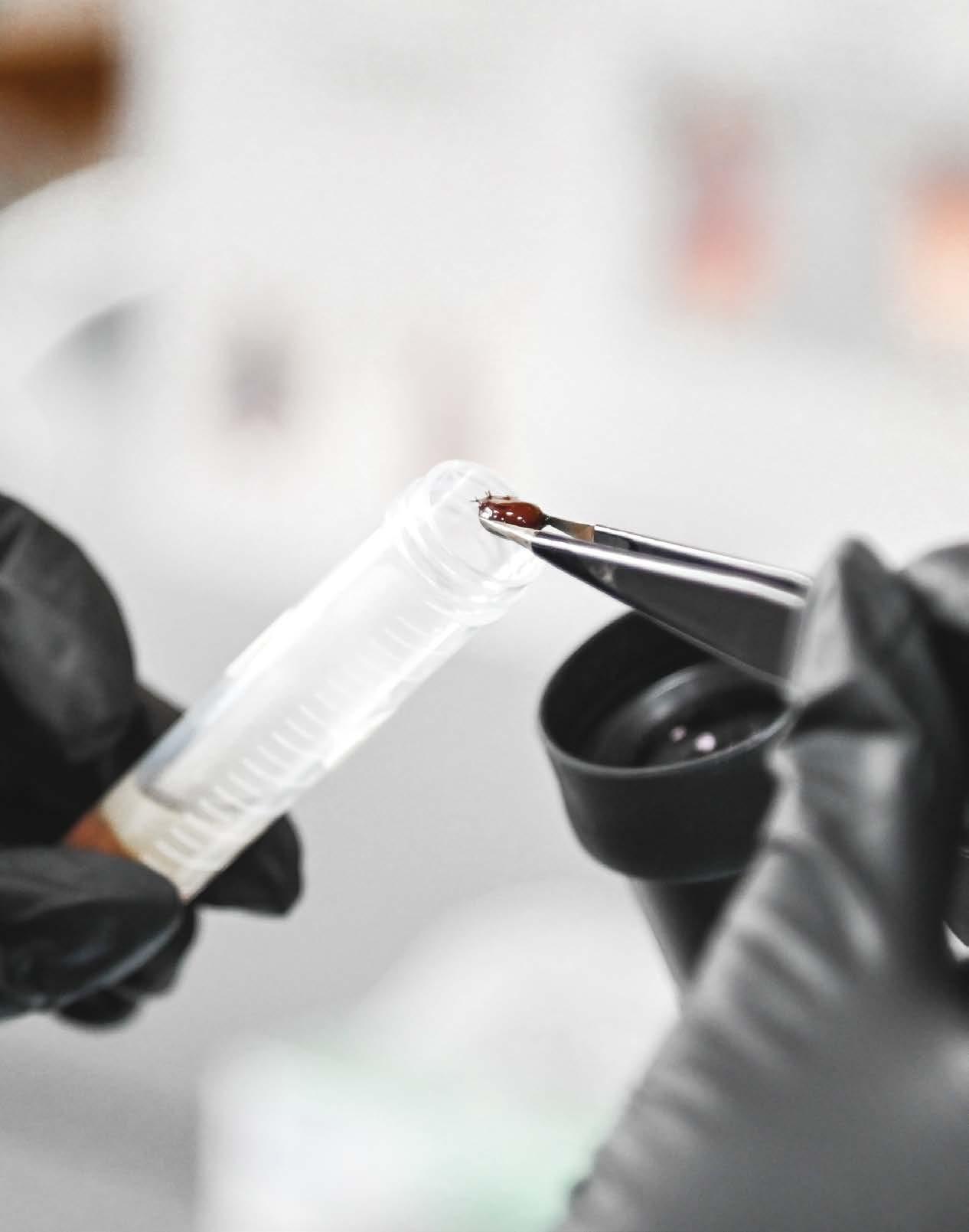
Since joining the Arnold School, Nolan has made an immediate impact on communities throughout the state, including evaluating the accessibility and performance of at-home COVID-19 tests among rural and underserved communities. Her work also includes a statewide tick surveillance program and research into diseases like Chagas and Rocky Mountain spotted fever—many of which disproportionately affect marginalized groups.
Beyond the lab, Nolan is a fierce advocate for translating research into action. As one of only five national Science Policy Fellows with the Entomological Society of America in her 2021 cohort, she gained key insights into how policy and science can work hand-in-hand to protect public health.
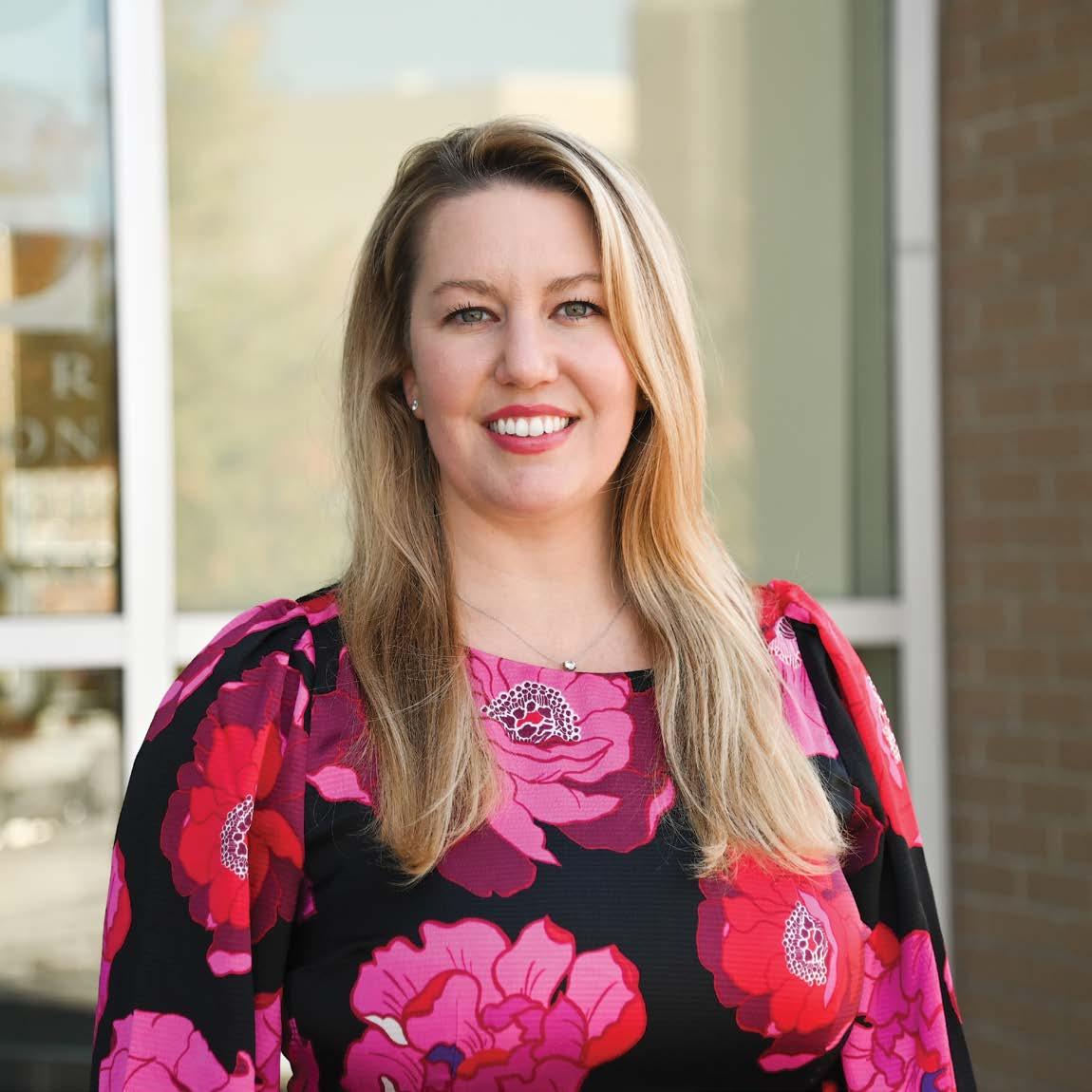
“Collaborative science is critical to creating effective solutions to some of today’s most pressing infectious diseases that threaten the health of South Carolinians and our global community.”
— Melissa Nolan, Ph.D.
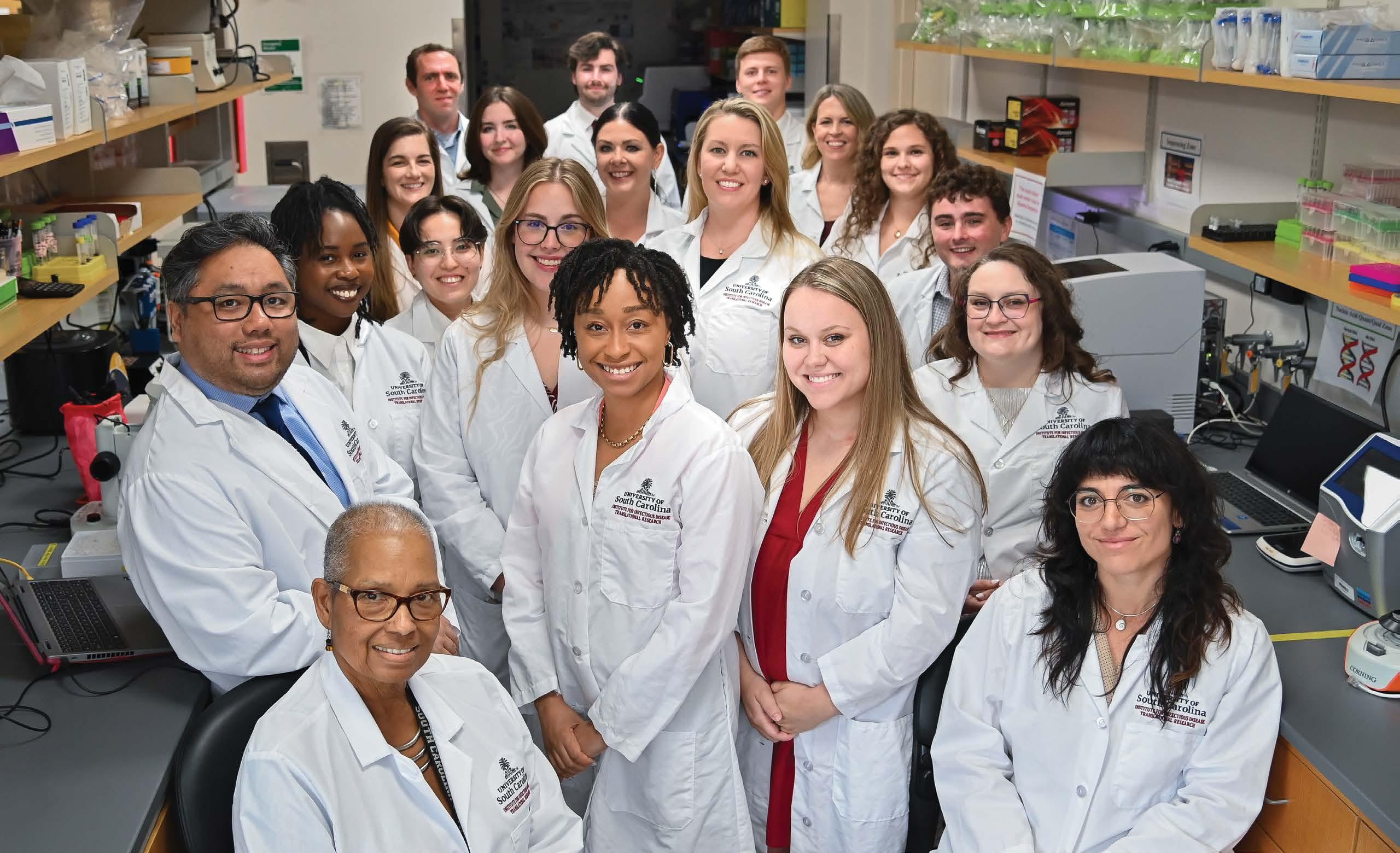
In
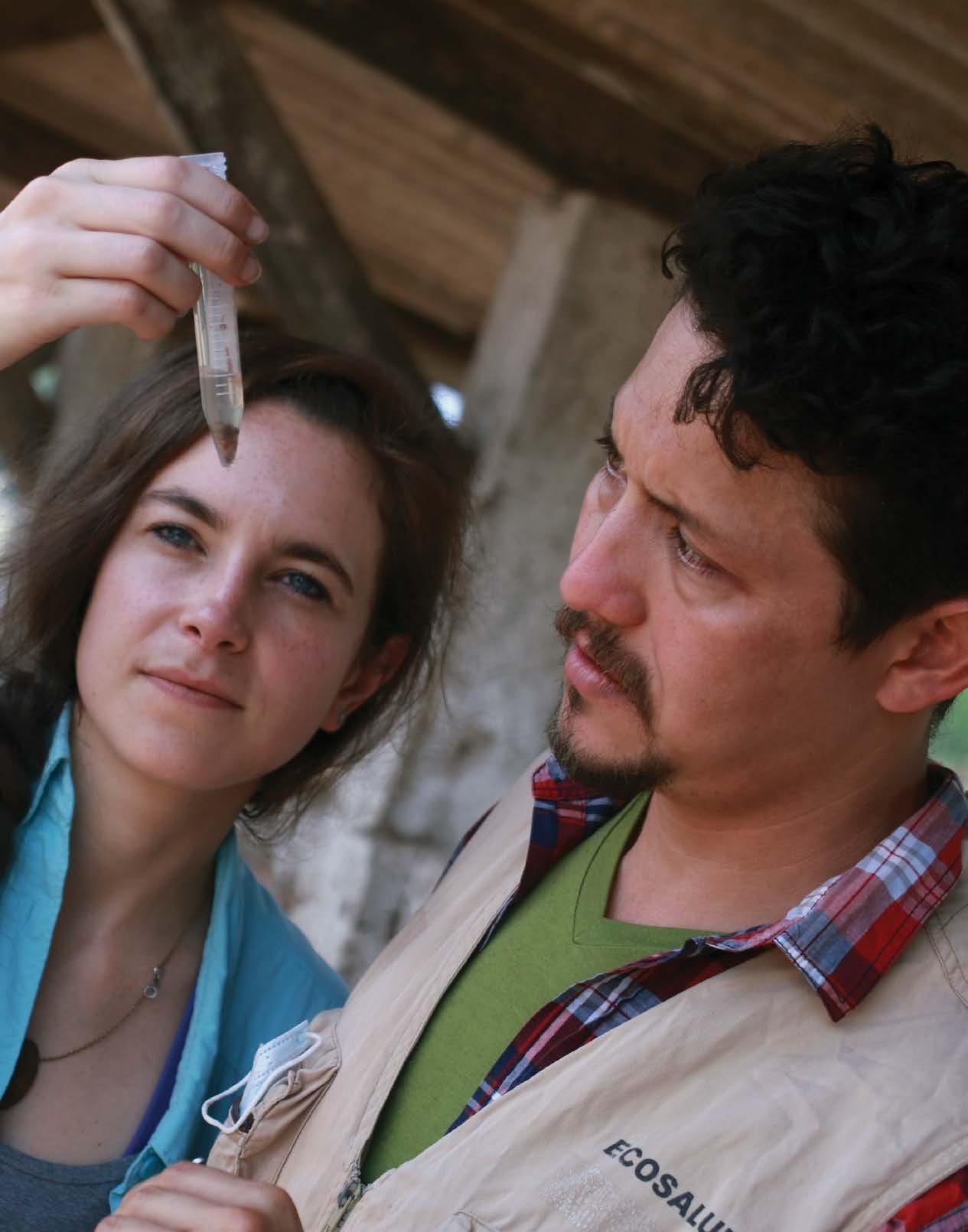
2025, the Nolan Lab was named the Delores Marie Thomas Research Laboratory, in honor and memory of program manager Marie Thomas (pictured above, bottom left) who passed in May 2025 after a battle with cancer.

A National Research Powerhouse
The Department of Environmental Health Sciences has a long history of partnering with state and federal government agencies, such as the National Oceanic Atmospheric Administration, South Carolina Department of Environmental Services, National Science Foundation, Department of Natural Resources and National Institute for Environmental Health Sciences to conduct research at the intersection of human and environmental health and prepare students for careers at these frontline institutions.
One such initiative, which has led to ongoing collaborations among agencies and universities, is the recently concluded Ocean, Human Health, and Climate Change Interactions Center. Based at the Arnold School, the Ocean Center convened researchers and stakeholders from academic institutions and community groups across the country.
These interdisciplinary projects have drawn on expertise the department has been building for decades, such as developing tools to prevent exposure to Vibrio bacteria
in estuaries, addressing safety concerns related to consuming shellfish and other seafood, mitigating buildup of microplastics and other toxins in runoff, lakebeds and surface waters, and assessing the climatechange inducing threat of harmful algal blooms. Across these studies, researchers have examined both shortterm and long-term impacts to various ecosystems and human health. The Center also helped establish the best methods for engaging local communities to help shape research questions and solutions to address real-world needs.
Not only did this work build on the experience and expertise of the department, but it has set the stage for the work to continue. For example, clinical assistant professor Daniel Kilpatrick is taking the environmental justice work forward through two Environmental Protection Agency-funded projects. One of them, BEACON (Building Environmental Action for Community Opportunity and Network), aims to empower residents and prepare communities for environmental impacts like natural disasters.
“The caliber of interns and the programs currently offered by the Arnold School is a tremendously positive reflection on USC.”
— Myra Reece, MPH
MYRA REECE, MPH
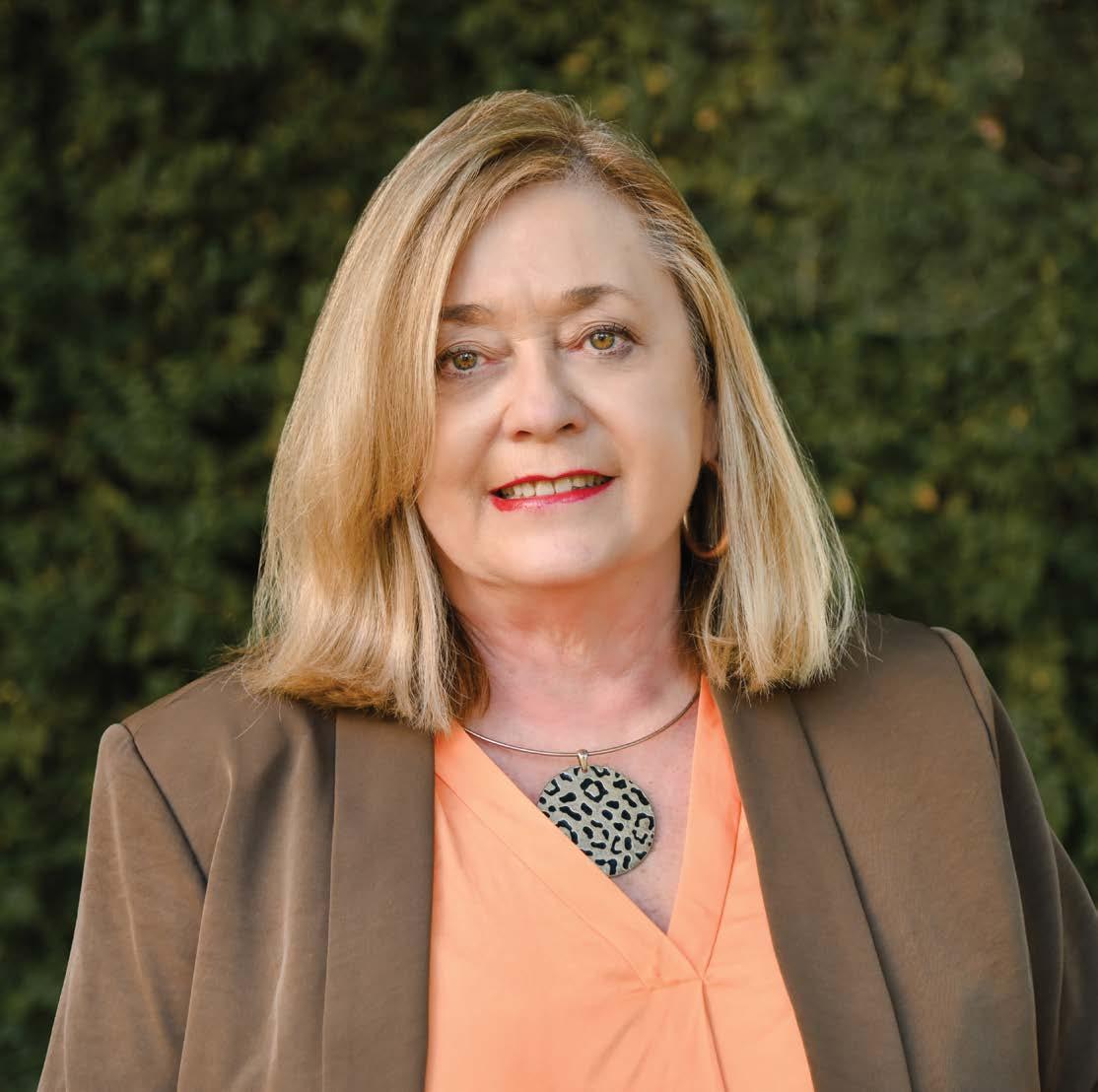
As director of South Carolina’s Department of Environmental Services, Myra Reece (MPH ‘93) oversees collaborative work with agencies and organizations throughout the state. Reece views the Arnold School as a key partner in her agency’s mission to protect South Carolina’s natural resources. Whether she’s assigning faculty to advisory committees, placing students in internships or hiring recent graduates, she recognizes the mutually beneficial relationship.

FIRES AT THE WILDLAND-URBAN INTERFACE

The Arnold School’s commitment to environmental health extends to crisis response. In the aftermath of the catastrophic fires in the Western United States, professor Mohammed Baalousha, Ph.D., investigated the nature and transformation of metal and nanomaterial contamination in ash, soil and surface waters.
These fires, which destroyed thousands of structures and caused tens of billions of dollars in damage, also unleashed various hazardous materials into the environment. Baalousha’s team, based at the Environmental Nanoscience and Analytics Lab, is assessing risks to land, aquatic life, humans and marine ecosystems, including coral reefs.
“There is an urgent need to understand the contaminants left behind by wildland-urban fires,” Baalousha explains. “Our goal is to help affected residents make informed decisions about their environment.”
Lessons from California to Hawaii
Baalousha previously led studies on California’s wildfires, discovering that fire-transformed metals and nanomaterials become more hazardous when converted into airborne particles. These particles are small enough to be absorbed by the lungs, amplifying their health impact.
The Maui project builds on this work, aiming to identify the presence of persistent free radicals, heavy metals, and novel nanomaterials in the postfire landscape. The team collaborates with local officials, land managers and community stakeholders to ensure findings are shared transparently and can inform safer rebuilding and land use practices.
“THERE IS AN URGENT NEED TO UNDERSTAND THE CONTAMINANTS LEFT BEHIND BY WILDLANDURBAN FIRES. OUR GOAL IS TO HELP AFFECTED RESIDENTS MAKE INFORMED DECISIONS ABOUT THEIR ENVIRONMENT.”
— Mohammed Baalousha, Ph.D.
5 Harnessing Big Data to Improve Public Health
At the Arnold School, gigabytes are transforming health outcomes. In an era defined by massive data streams and the unprecedented potential they bring, we are pioneering innovative methods to translate raw information into actionable health insights.
Whether it’s predicting outbreaks, understanding maternal health challenges or training the next generation of data-savvy public health professionals, we are harnessing the transformative power of Big Data to improve health across the state and beyond.
Discover how our students are harnessing big data to advance public health—scan to learn more.
The Big Data Health Science Center:
A HUB FOR DISCOVERY
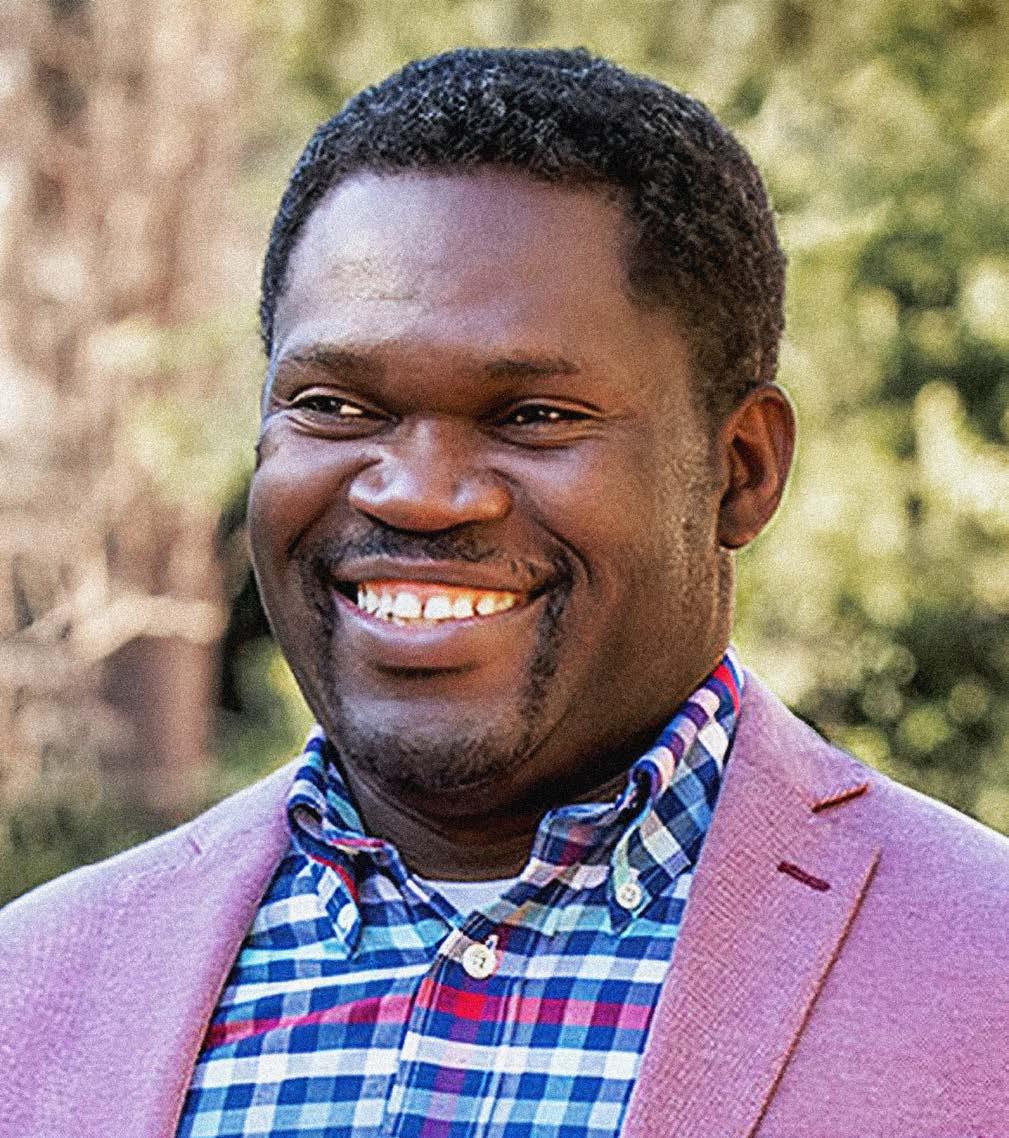
Central to our Big Data enterprise is the Big Data Health Science Center (BDHSC)— launched through the USC Excellence Initiative . Co-dir ected by Xiaoming Li, Ph . D . , of the Department of Health Promotion, Education, and Behavior and Bankole “Banky” Olatosi, Ph . D . , of the Department of Health Services Policy and Management, the BDHSC is the engine powering interdisciplinary data science research focused on population health .
With over 50 faculty members from across colleges and disciplines, the BDHSC promotes a collaborative approach to solving some of today’s most pressing health issues. The Center operates through five content cores—Electronic Health Records, Genomics, Artificial Intelligence for Sensing and Diagnosis, Geospatial Analytics, and Social Media Data—as well as two functional hubs focusing on Business/Entrepreneurship and Technology. These interconnected components allow researchers to not only analyze data but also explore innovative applications in real-world settings.
“Big Data is not just about numbers,” says Olatosi. “It’s about seeing patterns where others see noise and turning those patterns into actions that save lives.”
The Center’s research portfolio is diverse and impactful, with projects ranging from evaluating the effectiveness of HIV treatment and prevention strategies to improving clinical care outcomes using electronic health records and conducting surveillance of vector-borne diseases. Not
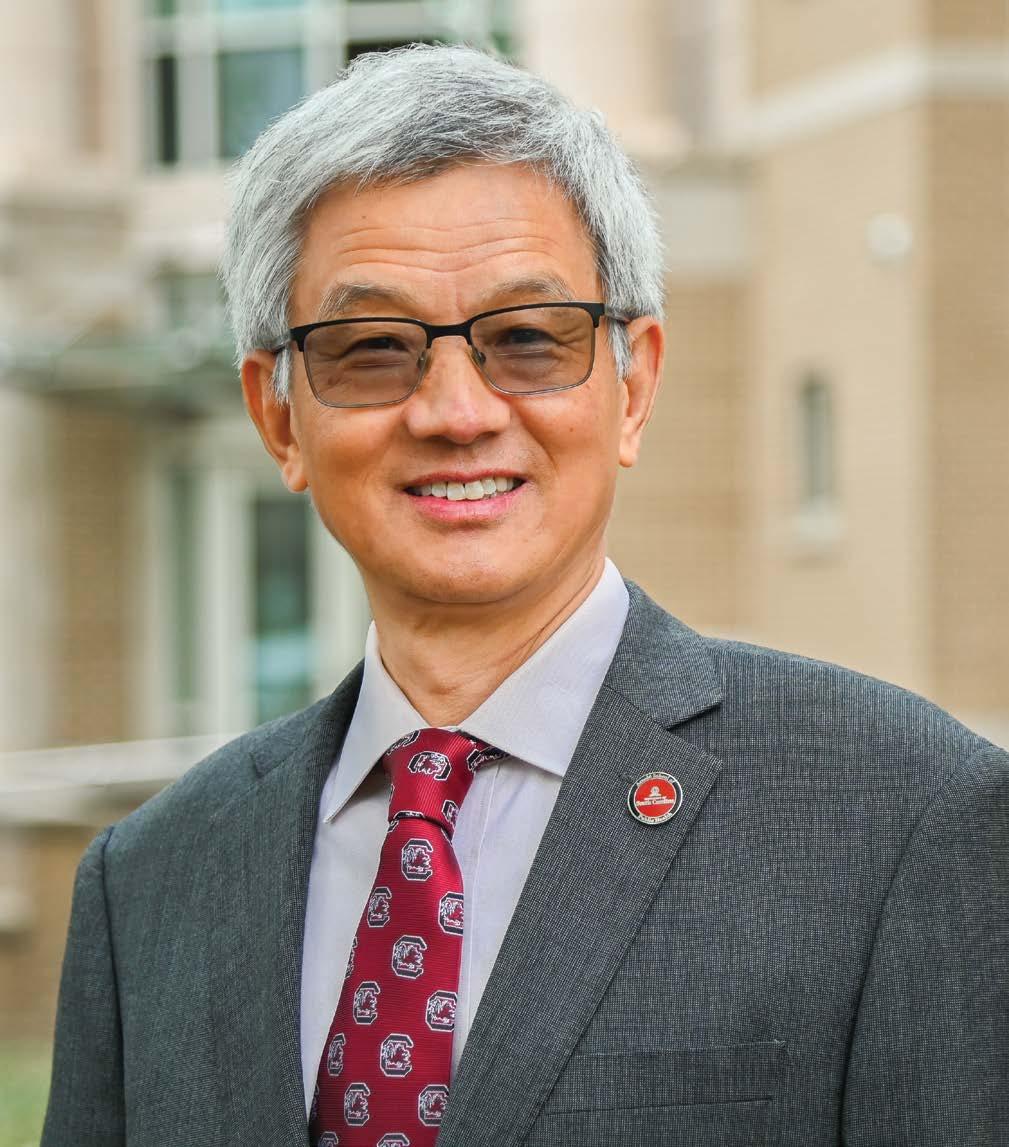
Dr. Xiaoming Li, USC Big Data Health Science Center Co-Director
Dr. Bankole “Banky” Olatosi, USC Big Data Health Science Center Co-Director
surprisingly, the BDHSC was instrumental in rapidresponse projects during the COVID-19 pandemic, using predictive modeling to guide public health responses at local and state levels.
Training Tomorrow’s Leaders
One of the BDHSC’s most vital missions is the training and professional development of future leaders in data-driven health research. Through fellowships, workshops, mentorship programs and academic coursework, the Center equips both graduate students and junior faculty with the technical skills and interdisciplinary perspectives necessary to thrive in the rapidly evolving field of health data science.
Special emphasis is placed on supporting students from underrepresented backgrounds, fostering diversity in a field that is increasingly central to health equity. The Center’s initiatives in academic training align with its broader goal: to not only generate new knowledge but to build a sustainable, dynamic workforce that can carry the Big Data mission forward.
This dedication to education is not confined to the university. The BDHSC maintains robust community and industry engagement efforts, offering professional development programs and partnering with local organizations to translate data into impact on the ground.
Big Data on the Global Stage
Each year, the Arnold School brings together researchers, practitioners, and industry leaders from around the world through the Big Data Health

Science Conference—a flagship event hosted by the BDHSC and featuring numerous research projects conducted by our faculty, staff, and students. The annual gathering, which has proved popular among health data scientists, showcases cutting-edge research, explores real-world applications and fosters interdisciplinary collaboration.
With topics ranging from AI and machine learning in health care to ethical issues in large-scale data analysis, the conference reflects the BDHSC’s commitment to methodological advancement and knowledge sharing. It also offers critical networking opportunities for students and early-career researchers, further strengthening the academic pipeline in Big Data health science.
From Research to Real-World Impact
What sets the Arnold School apart is not just its expertise in data analytics — it’s the school’s ability to turn numbers into narratives and insights into interventions. Whether using geospatial tools to identify underserved communities, leveraging AI
“Big Data is not just about numbers. It’s about seeing patterns where others see noise and turning those patterns into actions that save lives.”
—Banky Olatosi, Ph.D.
for diagnostic support or mining social media data to understand mental health trends, Arnold School of Public Health faculty and students are committed to translating data into meaningful change.
The BDHSC’s five strategic objectives—infrastructure and capacity development, professional development, academic training, community/industry engagement and methodological advancement—serve as a blueprint for how academic institutions can lead in both discovery and application. From advancing precision public health to strengthening state-level policy through better data, we are
proving that health data science is not just a technical discipline, but a transformative force.
Shaping the Future of Public Health
As the landscape of public health continues to evolve, the implications and possibilities of Big Data do, too. New technologies, new threats, and new societal challenges will demand even more sophisticated tools and approaches. Through the strength of our faculty, the innovation of our research centers and the vision of our leadership, we are poised to remain at the forefront.
Nansi Boghossian Ph.D.
Leveraging Big Data to Improve Maternal and Child Health
Long before “Big Data” became a buzzword, faculty in the Department of Epidemiology and Biostatistics were quietly building the statistical and computational frameworks crucial to modern public health.
Nansi Boghossian uses Big Data to address complex questions in maternal and child health. By analyzing large-scale clinical and population databases, her research identifies clinical, demographic and structural factors associated with severe maternal morbidity and outcomes among extremely preterm infants. For example, her team found that increased efforts to provide active treatment to infants born at 22-23 weeks have shifted the limits of viability.
The team analyzed records from 795 NICUs across the country, encompassing nearly 60,000 births. Boghossian’s work exemplifies how the thoughtful application of data science can transform understanding and guide the design of more effective maternal and neonatal care interventions.
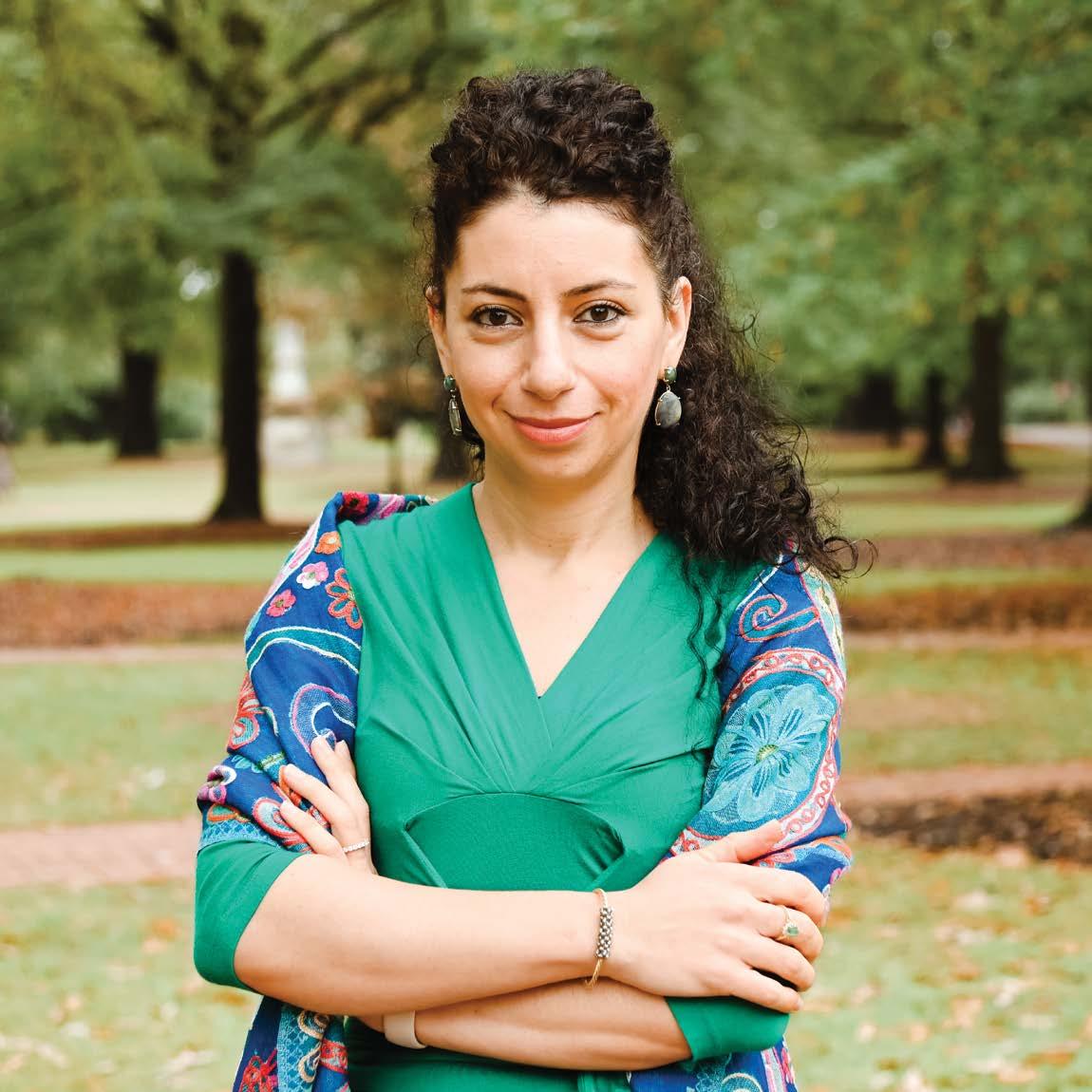
“To truly achieve health for all, we must develop and test innovative yet practical strategies to address health inequities that are so pervasive. Researchers like Dr. Boghossian are using leading-edge strategies to address important disparities that have tremendous potential to lead to improvements in population health in the Carolinas and beyond.”
— Anthony Alberg, Ph.D., Chair of the Department of Epidemiology and Biostatistics
Jiajia Zhang
Ph.D.
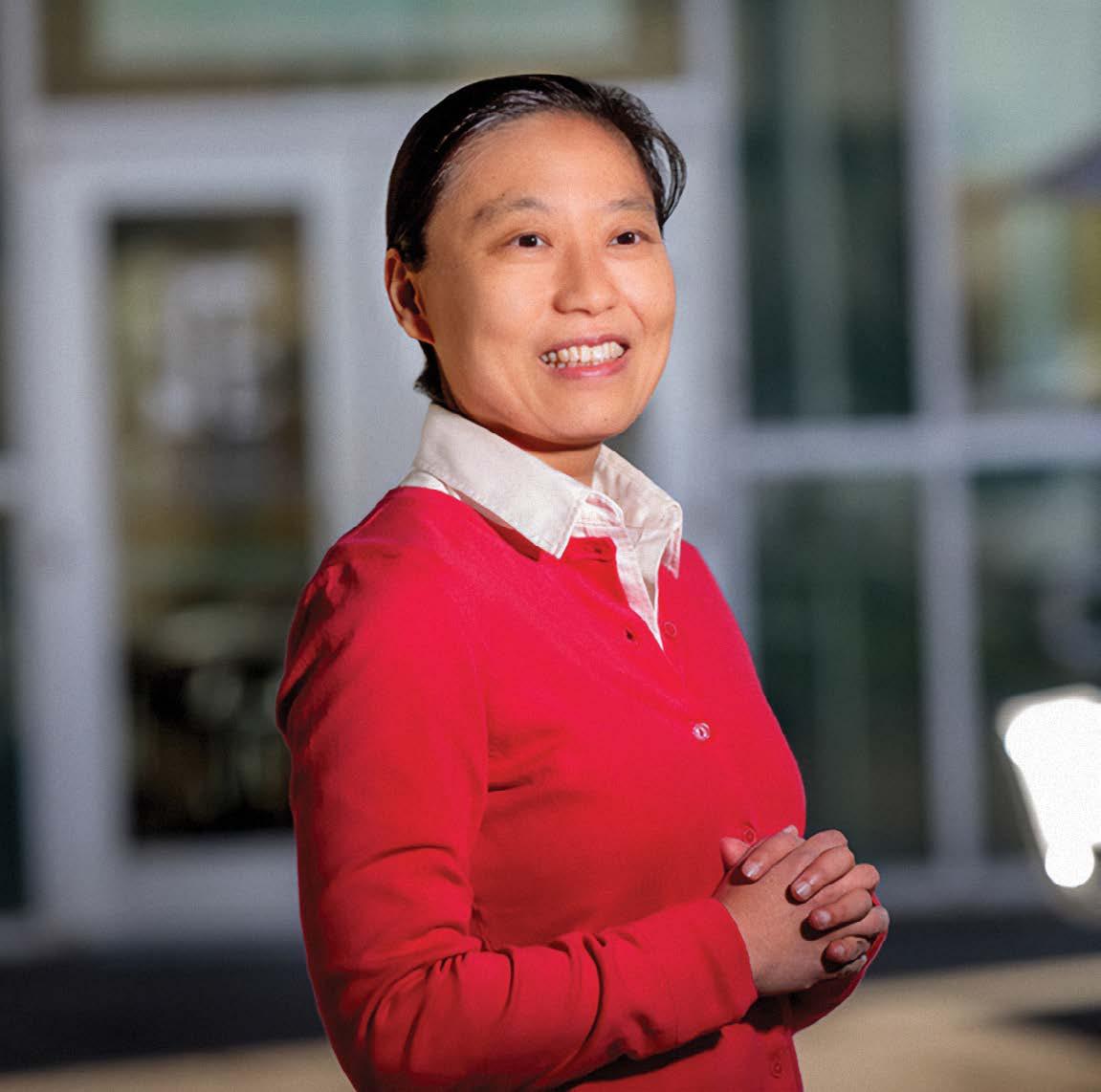
“Dr. Zhang has merged her strong foundation in biostatistics research methods and data science with an understanding of leading public health and biomedical research issues to develop an applied program of research in which she has a leadership role. This is in addition to her methodological research and research as a collaborative biostatistician in the work led by others in the cross-disciplinary team science environment. The ability to excel in all of these research domains at the level Dr. Zhang has achieved is exceedingly rare.”
— Anthony Alberg, Ph.D., Chair of the Department of Epidemiology and Biostatistics
Leaders Who Make a Difference
Jiajia Zhang, a leader in statistical modeling, is dedicated to making complex statistical methodologies more accessible, empowering scientists to efficiently analyze large datasets and uncover critical insights. She leads the Electronic Health Records Core at USC’s Big Data Health Science Center and the Research Design, Compliance, and Data Management Core for the Center for Clinical and Translational Research.
Her research spans cancer survival, HIV prevention, and COVID-19 response, with broad implications for child health and well-being. Zhang has made lasting contributions to the field through the development of open-source software packages that are freely available to researchers worldwide. Her outstanding contributions and leadership in the field have earned her election as a Fellow of the American Statistical Association, recognizing her as an internationally respected biostatistician.
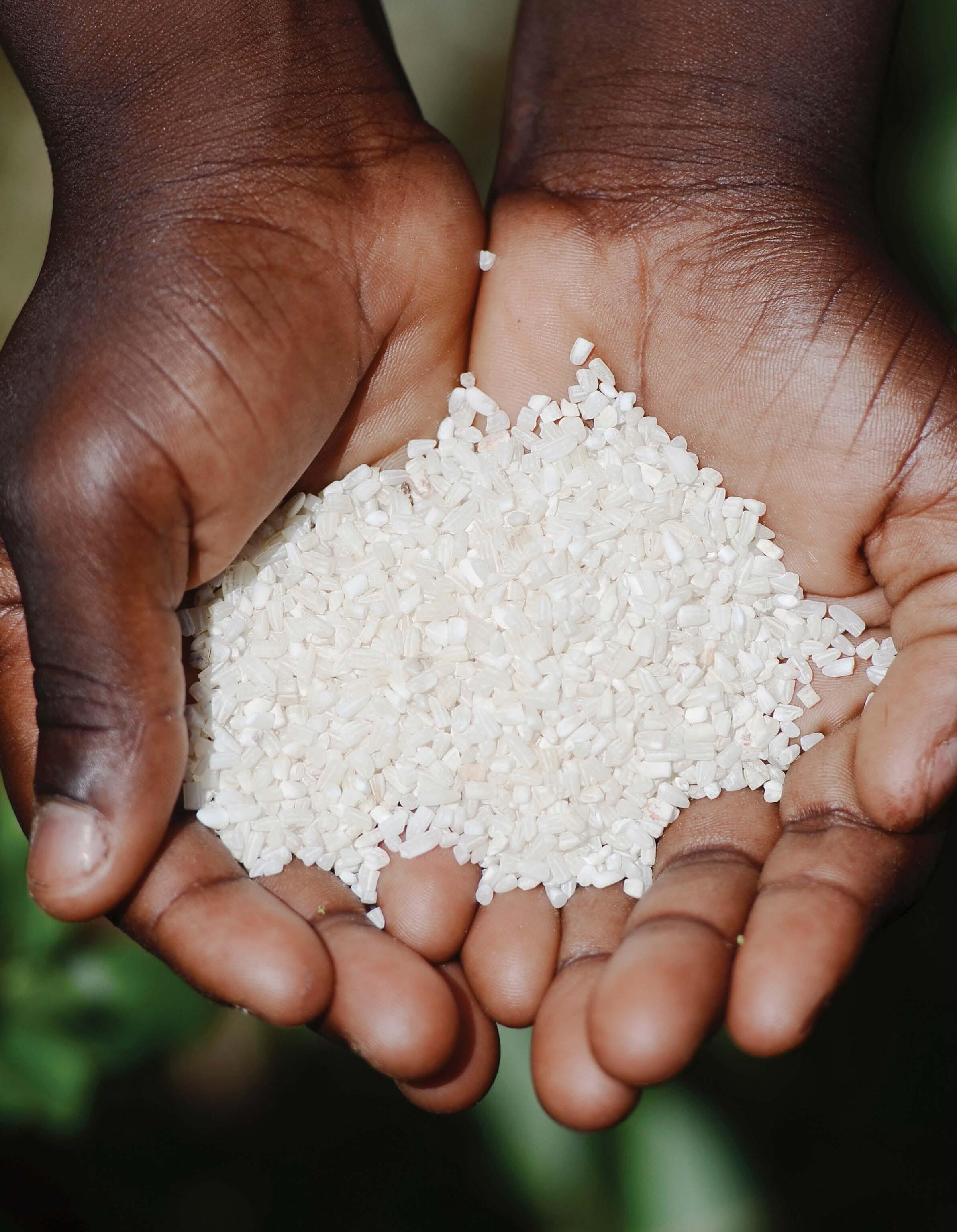
The Arnold School’s expertise in Big Data is making a global impact in the fight against childhood malnutrition.
EXPERTISE DRIVES GLOBAL ADVANCES IN CHILD HEALTH
The Arnold School’s expertise in Big Data is making a global impact in the fight against childhood malnutrition . Two of our faculty members—Alexander McLain, Ph .D . , associate professor of biostatistics, and Edward Frongillo, Ph .D . , professor of health promotion, education, and behavior—have been recognized by UNICEF, the World Health Organization and the World Bank Group for their contributions . Frongillo, a leading expert in global child nutrition, underscores the urgency: “Global rates of childhood stunting, which is a result of chronic malnutrition and inequality, are still unacceptably high, and childhood overweight and obesity is increasingly common.”
Yet tracking progress toward nutrition targets remains difficult due to gaps in data quality and availability. So, McLain and Frongillo collaborated with global health scientists to develop new statistical methods that overcome data sparsity—a persistent challenge in nutritional epidemiology.
Their innovative approach enabled more accurate estimates of stunting and overweight trends, particularly in regions with limited data, such as parts of Europe.
“New developments in statistical methods now allow us to gain valuable insights by extracting useful information from longitudinal data,” McLain explains. “The methods contributed to a more comprehensive and actionable report, which helped guide policymakers, humanitarians and global health organizations in addressing childhood malnutrition worldwide.”
6 Transforming Public Health from the Ground Up
At the Arnold School, the commitment to advancing public health in every community is rooted in understanding and addressing the social drivers of health—the conditions in which people are born, grow, live, work and age. That’s because health doesn’t begin in the doctor’s office. It begins in our homes, neighborhoods, schools and grocery stores. Through key partnerships and groundbreaking research, the Arnold School is helping reshape what it means to promote health locally and globally.
Our faculty, staff and students are ensuring public health research and practice reflect the realities of people’s lives—recognizing that preventing disease and promoting wellness means addressing the full spectrum of social, cultural and environmental factors. After all, addressing social drivers is not part of public health—it is public health.
From ideas to impact—scan to explore how our students are transforming public health.
TURNING IDEAS INTO IMPACT
From small non-profits to large statewide agencies, the Center for Applied Research and Evaluation (CARE) has played an integral role in the continuing evolution of South Carolina’s public health practice. Director Pamela Gillam, MPA, has worked with the Center for more than two decades. She ensures that CARE remains a trusted partner to organizations across South Carolina, helping transform ideas into measurable impact.
The Center’s flexibility—handling everything from targeted project evaluations to complex, mixedmethods research—means that collaborators receive support tailored to their unique goals. At every step, CARE keeps partners informed, delivering critical data in real time and providing insights that are both actionable and easy to understand.
Whether helping the Community Health Worker Institute demonstrate the value of its programs, guiding coalitions to address population health or supporting statewide strategies for oral health improvement, CARE turns research into realworld results.
For example, CARE partners with the Rural Health Research Center to co-lead evaluation for the Children’s Trust of South Carolina’s Maternal, Infant and Early Childhood Home Visiting Program.
CARE also conducts reviews for the Medicaid Eligibility Quality Assurance program for the South Carolina Department of Health and Human
Services. And Gillam and her team, building on grants previously received from The Duke Endowment and BlueCross BlueShield of South Carolina Foundation, are leading a statewide initiative to develop a comprehensive strategy for addressing the social drivers of health in South Carolina.
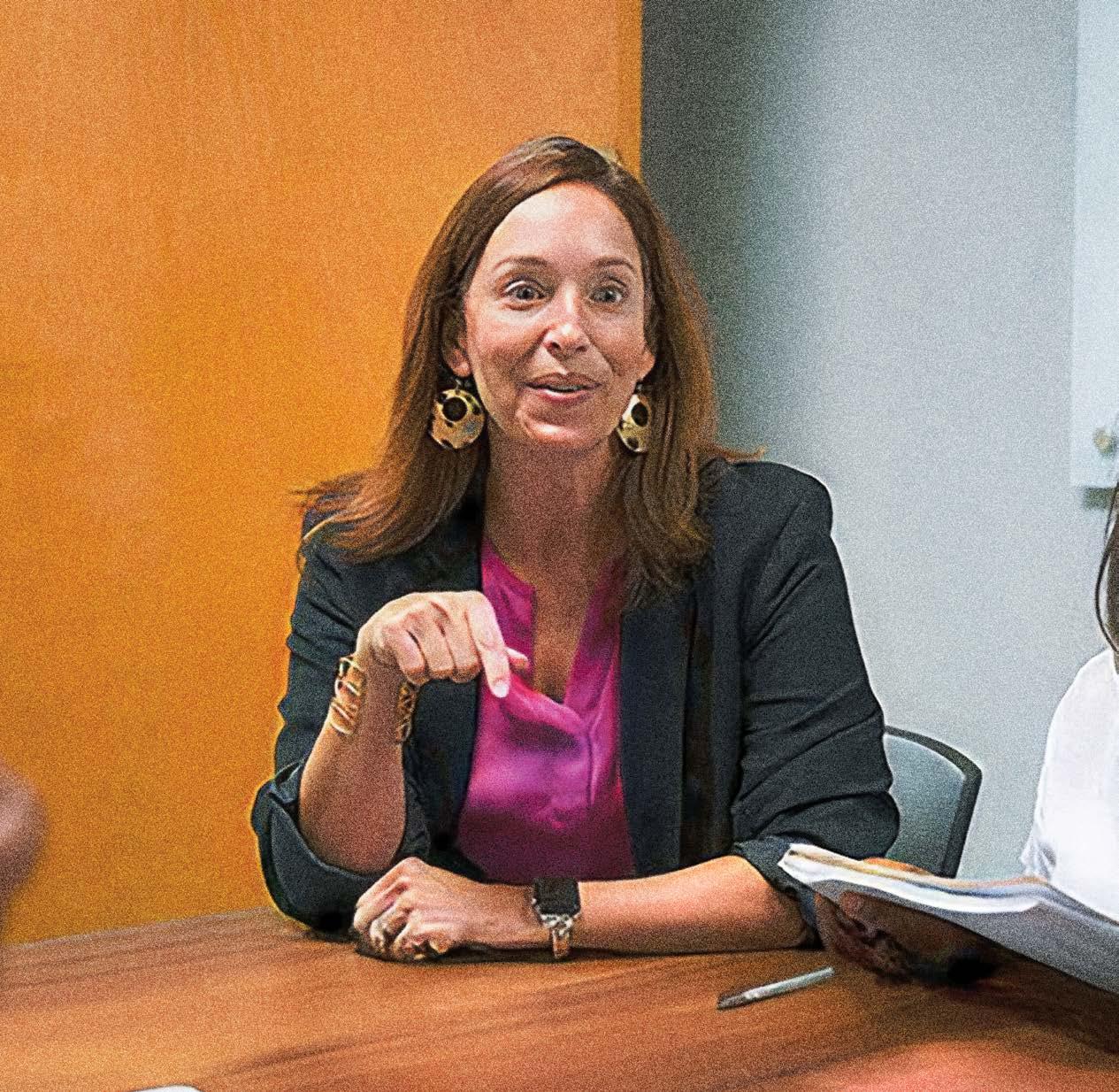
Pictured: Pam Gillam, Director, Center for Applied Research and Evaluation
EXPERTISE THAT MAKES A DIFFERENCE
CARE’s strength lies in its team-based approach. Each project benefits from a pool of talented research associates and faculty with the experience and creativity to tackle challenges from multiple angles. The Center’s services include program evaluation, survey development, data analysis and continuous quality improvement. By combining quantitative data with qualitative insights, CARE creates a complete picture that drives smarter decisions and more effective programs and policies. The impact of this work is reflected in the voices of those who have partnered with CARE. Marisette Hasan, President and CEO of the Carolinas Center, describes CARE as “an extension of my own staff... responsive, engaged, approachable, and warm.”
For Hasan’s My Life My Choices Advance Care Planning project, CARE’s flexibility and attention to detail ensured a complex grant initiative ran smoothly, from evaluating technology platforms to facilitating stakeholder meetings.
Over
the past five years, CARE has accumulated over $28M+ in grants and contracts.
Similarly, Eric Bellamy of the Children’s Trust of South Carolina notes that CARE has been invaluable in helping the organization measure and strengthen statewide child abuse prevention efforts. By building evaluation strategies and quality improvement systems, CARE has supported lasting, systems-level change.
Julie Smithwick, Executive Director of the Center for Community Health Alignment, says CARE “feels like part of our Center’s extended family.” From qualitative reports to long-term return-oninvestment studies, she appreciates the team’s ability to pivot when needed and remain fully invested in the mission of their partners.
A HISTORY OF COLLABORATION AND GROWTH
CARE’s roots trace back to 1992, when the Center for Health Policy was formed as an interdisciplinary initiative to address pressing public health issues. For much of its existence, however, it was known as the Center for Health Services and Policy Research. While its name and scope have grown, CARE’s mission has remained constant: delivering highquality evaluation and research in partnership with communities, agencies and academic institutions. This continuity has enabled CARE to build longstanding relationships across the state and beyond, working side by side with collaborators to improve health outcomes and strengthen systems.
By engaging communities in every phase of the process and presenting findings in clear, digestible formats, CARE ensures that its collaborators have the knowledge they need to act with confidence. For organizations ready to strengthen their impact, CARE offers not just evaluation services, but a true partnership—one built on trust, innovation and the shared goal of making a lasting difference in the lives of South Carolinians.
FACULTY SPOTLIGHT
Elizabeth Adams Ph.D.
Fresh Perspectives for Preventing Childhood Obesity
Elizabeth Adams, assistant professor in the Department of Exercise Science and a faculty affiliate with the Arnold Healthy Kids Initiative, has a passion for preventing pediatric obesity and promoting healthy habits from a young age.
Originally on the path to pediatric or sports medicine, Adams discovered public health as an undergrad after taking a course in advanced exercise physiology. The class, which introduced her to the concept of “exercise as medicine,” changed the course of her career. “Learning that I could improve disease risk through lifestyle behaviors opened my eyes to the world of research,” she says.
At the Arnold School, her work focuses on promoting healthy dietary patterns to prevent pediatric obesity and reduce health inequities. Adams takes a close look at family-based influences to help stop the intergenerational transmission of obesity.
Her work examines national policies such as the National School Lunch Program and the Child Tax Credit to evaluate their effectiveness in reducing nutrition gaps. Adams was recently awarded a five-year grant from the National Institutes of Health to increase healthy eating among low-resource families in South Carolina. Partnering with pediatric health clinics, her team will identify families who are at risk for food insecurity by looking at social drivers
of health information obtained during health screenings. They will then promote South Carolina’s SNAP fruits and vegetables incentive program, which is currently underutilized, among these families.
With plans to expand research and student opportunities in pediatric nutrition and lifestyle health, Adams is poised to make a lasting impact— both in the classroom and in communities across the state. “My goal is to contribute new knowledge that informs programs and policies to ensure all children have the opportunity for a healthy future,” she says.
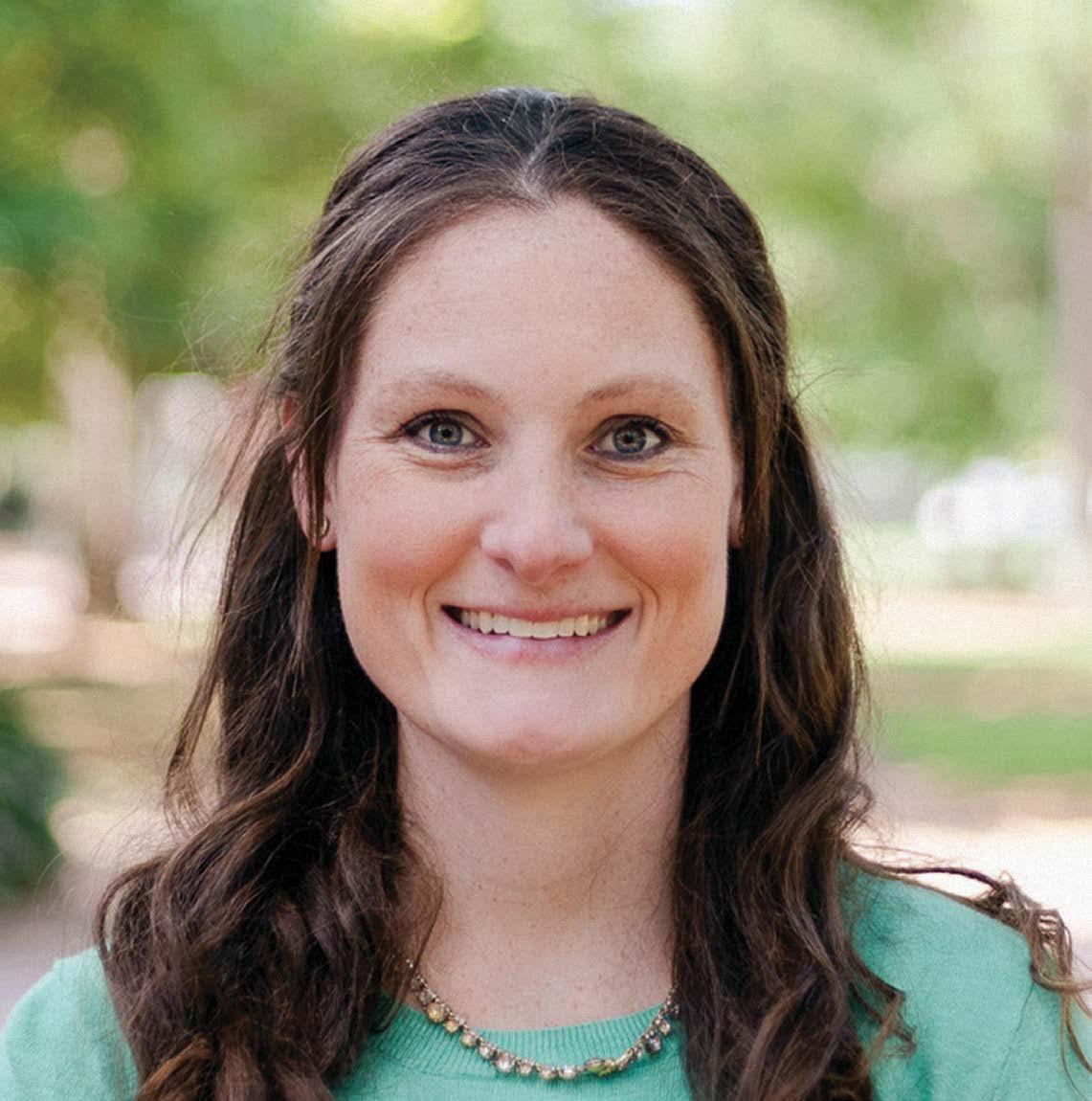
“My goal is to contribute new knowledge that informs programs and policies to ensure all children have the opportunity for a healthy future.”
— Elizabeth Adams, Ph.D.
THE CENTER FOR COMMUNITY HEALTH ALIGNMENT
A beacon of the school’s commitment to grassroots health improvement is the Center for Community Health Alignment (CCHA). Led by executive director and community health worker Julie Smithwick, MSW, and created with a vision to collaborate with communities rather than working on them, CCHA operates as a vital hub for building capacity among community health workers across South Carolina, the Southeast and the nation.
CCHA partners with the Alliance for a Healthier South Carolina, helmed by Arnold School alumnus Monty Robertson, to help lead the state’s improvement plan and to support better alignment of the health care, public health and social services sectors with communities.
A study of four sites by the Center for Applied Research and Evaluation revealed that every $1 invested in Community Health Workers saved an average of nearly $5 in health care costs.
One of CCHA’s key responsibilities is implementing SC Roadmap 2.0, which traces its origins to the Arnold School’s Center for Applied Research and Evaluation (CARE). SC Roadmap 2.0 provides strategic direction for improving health outcomes for all in the state. This multistakeholder, community-driven process identifies policy and practice recommendations to address key differences in access, outcomes and resources. Through this and other efforts, CCHA is building infrastructure for sustainable health system transformation—rooted in the lived experience and expertise of communities.
CCHA also offers training and capacity-building programs for community health workers (CHWs), equipping these essential frontline leaders with the tools and knowledge to advance health equity in their own neighborhoods. In addition, CCHA offers training and assistance to partner organizations integrating CHWs into their models of care. These training and capacity-building programs cover everything from chronic disease prevention and health navigation to advocacy and systemic change.
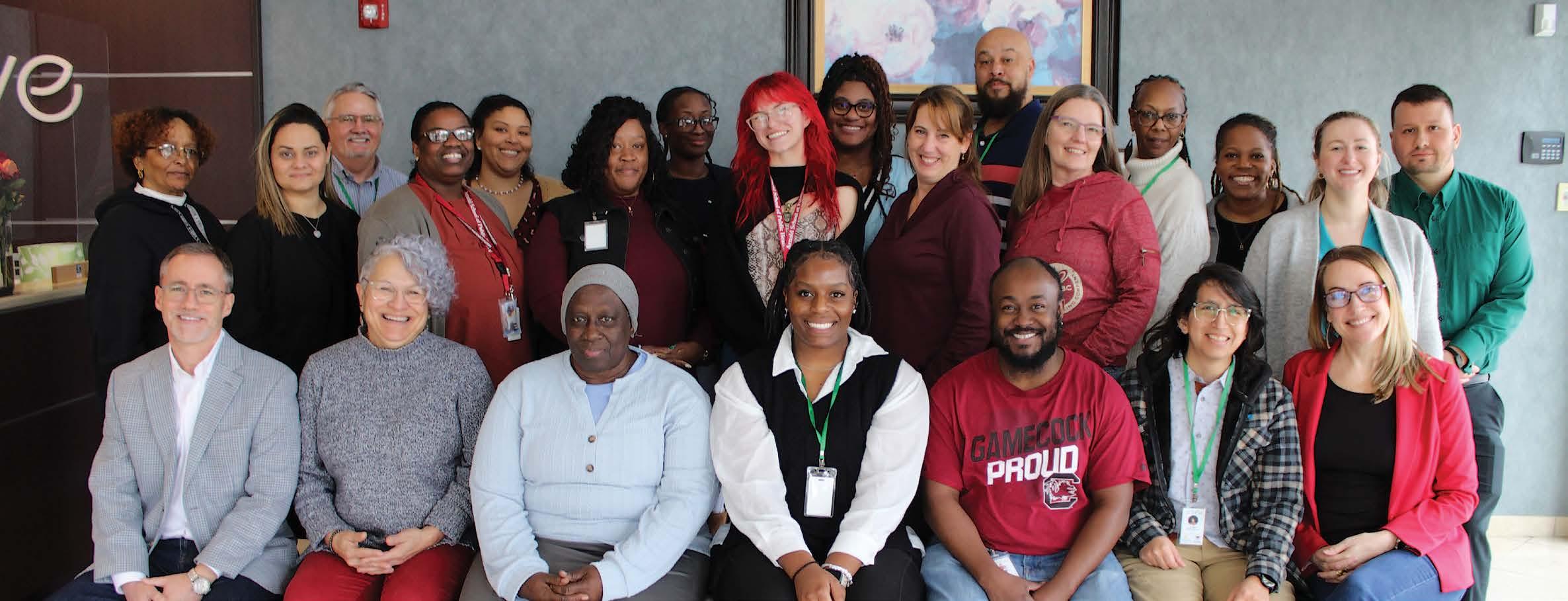
The Center for Community Health Alignment
FACULTY SPOTLIGHT
Andrew Kaczynski
Ph.D.
Data-Driven Insights Guide Urban Planning and Health Policy
Where people live can influence how healthy they are. From sidewalks to supermarkets, the built environment shapes opportunities for movement and transportation, access to healthy foods and overall quality of life. Andrew Kaczynski, a leading researcher in the school’s Department of Health Promotion, Education, and Behavior, explores how urban design, parks, and other public spaces affect physical activity, healthy eating and obesity in a variety of populations and communities across South Carolina and the U.S.
As a co-investigator with the USC Prevention Research Center and Director of the Built Environment and Community Health (BEACH) Laboratory, he and his students study how the communities in which we live, work, learn, pray and play influence the health and wellbeing of residents of all ages.
Kaczynski actively collaborates with a variety of local and state organizations and aims to develop tools, systems and environmental and policy interventions that engage community members and other diverse stakeholders in building neighborhoods and communities that promote physical activity and healthy eating as well as obesity and chronic disease prevention.
“Parks are key settings for promoting physical activity and health, but they can vary dramatically with respect to their available features, quality and surrounding neighborhood. Most research shows that the features of parks—playgrounds, restrooms, cleanliness and so on—are paramount for promoting their use.”
— Andrew Kaczynski, Ph.D.
Angela Liese
Food Insecurity and Diabetes in Youth
Few are illuminating the link between social conditions and chronic illness more powerfully than Angela Liese, a nationally recognized professor of epidemiology. With over two decades of research into food insecurity and diabetes, her recent work has shed light on the difficult reality facing many young people: managing a life-threatening chronic disease while living with limited or uncertain access to food.
A CDC-funded, multi-state study led by Liese’s team revealed high levels of depressive symptoms and anxiety in this population—conditions that further complicate diabetes management. Fear of hypoglycemia, or dangerously low blood sugar, is widespread, and dietary patterns often fall well short of national nutritional standards.
“Young adults with diabetes who live in food-insecure households face an impossible tradeoff,” Liese explains. “They often have to choose between paying for diabetes supplies and buying nutritious food.”
These findings, published in top journals like Diabetes Care and The Journal of the Academy of Nutrition and Dietetics, underscore the urgent need for interventions that go beyond medication and monitoring to address the emotional, financial and social challenges faced by this vulnerable group. Her team’s next step? Designing holistic intervention studies that improve diabetes outcomes through integrated support for food security, mental health and self-management.
Ph.D.
“Young adults with diabetes who live in food-insecure households face an impossible tradeoff. They often have to choose between paying for diabetes supplies and buying nutritious food.”
— Angela Liese, Ph.D.

Food, Movement & Chronic Disease Prevention
Across multiple centers and labs, the Arnold School is tackling one of the most persistent public health challenges: chronic disease and its deeply embedded social roots. Nutritious food, physical activity and access to health education and services are all major social drivers of health—and our research reflects this intersection.
The USC Nutrition Consortium, a multidisciplinary initiative that brings together experts in dietetics, epidemiology, health promotion and behavioral science, leads cutting-edge research into the role of nutrition in preventing and managing disease. Faculty across departments are working to tailor national dietary guidelines to meet the cultural and contextual needs of diverse populations.
At the Behavioral Research in Eating (BRIE) Lab, researchers develop and test dietary interventions to address cardiovascular risk factors, particularly among African American communities. A major focus of the lab is making American nutritional guidelines culturally relevant and accessible, recognizing that one-size-fits-all recommendations often fail to serve communities of color.
A Proven Model for Sustainable Health Promotion
The USC Prevention Research Center (PRC), housed at the Arnold School and funded by the CDC since 1993, has a decades-long track record of using community-engaged research to promote healthy behaviors. Sara Wilcox, Ph.D., director of the PRC, focuses on promoting healthy diets and physical activity in under-resourced populations. With more than $50 million in career research funding, her work exemplifies the real-world application of behavioral science in public health.
The PRC’s flagship project, Faith, Activity, and Nutrition (FAN), partners with churches to create sustainable changes in diet and physical activity among congregants. While it encourages more physical activity and improved diet (increased consumption of fruits, vegetables and decreased consumption of sodium and saturated fat), FAN is not a simple exercise program or diet. It’s a comprehensive effort aimed at changing church practices and policies by training churches to provide opportunities, share messages, engage the pastor and set policies for healthier lifestyles.
The PRC’s projects span urban and rural communities and address everything from physical activity environments to chronic disease self-management. Because of its longevity and impact, the PRC also serves as a training ground for students and junior researchers, while connecting academic findings to real-world implementation.