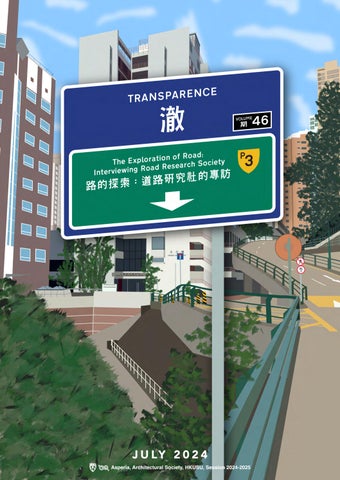
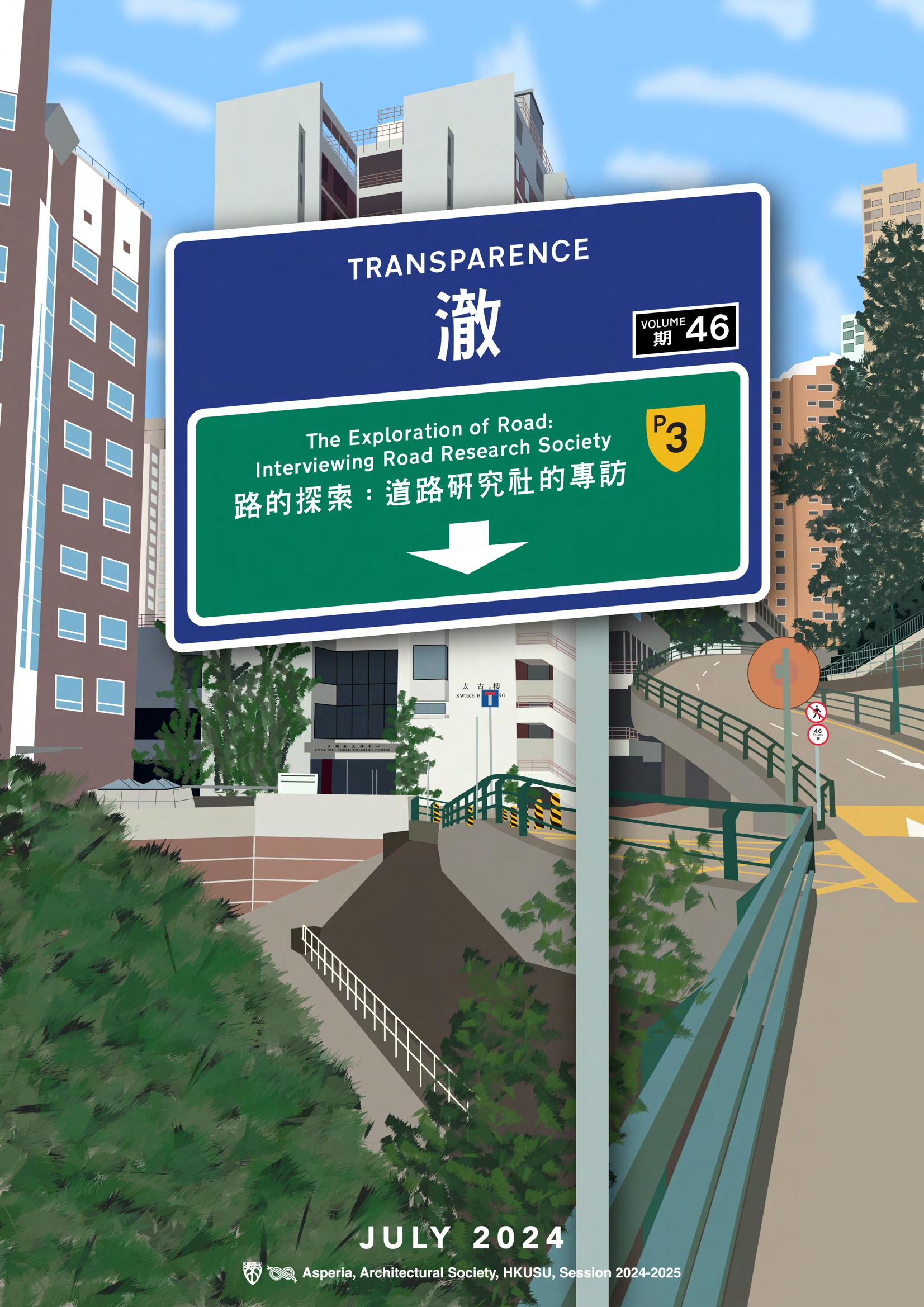
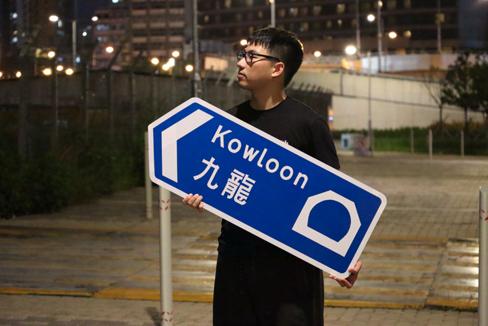
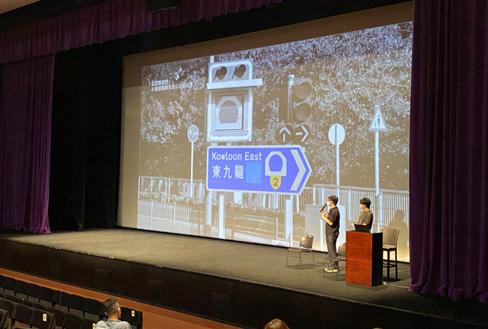
Hong Kong is a fast-paced city. Every day, we commute across the city while looking at our mobile phones and listening to the music in our headphones. However, have you ever stopped and paid attention to the things on the road? Things like road signs, and the routing design on the ground. We may rarely stop on the street and take the time to look at them, but they recorded the changes unfolding in Hong Kong day by day. In this volume of Transparence, we interviewed the Road Research Society, a civil organisation that upholds the spirit of“tell you about the road matters”. We recorded their story from the society’s establishment to researching road design and digitalising the font of Prison Gothic.
Establishment: From a Bus Obsessor Facebook Page to Road Research Society 1
Establishment: From a Bus Obsessor Facebook Page to Road Research Society
President Gary established the Road Research Society in 2016. At that time, Gary had just entered the university and he mentioned that the original intention of the establishment was simple. He said:“I had quite a bit of leisure time in Year 1, so I followed my interest and opened the Facebook page of the Road Research Society.”However, as a bus enthusiast, Gary’s original plan was to build a virtual model of the roads in Hong Kong in a foreign bus driving game. Besides, he also introduced interesting facts about the fonts on road signs in Hong Kong on the Facebook page. Unexpectedly, such a post received many likes and shares on the internet and it eventually changed the positioning of the society. Gary said with a smile:“It changed from a bus obsessor Facebook page that nobody followed to a page focusing on road researching.”It only took about a week from its establishment to having a new direction. Since then, Gary and other members have focused on studying roads and road signs, in addition to exploring means to improve Hong Kong’s road design.
Research: Explore from the Perspective of Road Users
Road Research Society has always committed to studying various road elements from a user’s perspective, such as intersection designs, road sign fonts and layouts. Gary mentioned that they mainly focus on the shortcomings in the government’s application of its design standards. He raised an example:“Guidelines require road signs to be installed fifty metres before the intersection. However, in some cases, this may cause several signs to be clustered together, which may pose clarity issues for drivers.”The suggestions shared in the Facebook posts and in Gary’s book“Hong Kong Road Study: Signage & Highway Design”have also been adopted by the government on several occasions.
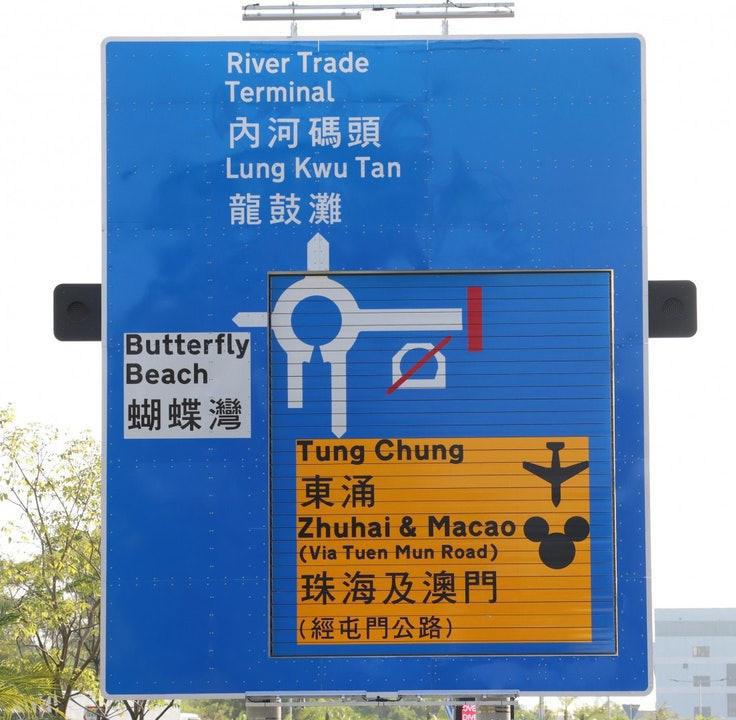
Gary recalled a post about a road sign that reads“plane crashing”inside the Tuen Mun-Chek Lap Kok Tunnel. Before the opening of the tunnel, there was a sign featuring a plane symbol pointing downwards at 180 degrees, which could be interpreted as“plane crashing”. At that time, the society published a post on Facebook, pointing out that while Hong Kong had followed British design standards to point the aircraft symbol in the direction of the airport, it had overlooked the requirement for the aircraft to be pointing above the horizontal. This made the road sign, which aims to guide the drivers to turn around and head towards the airport, having an unintentional sarcastic symbol of a crashing plane. Just four hours after the post was published, the Transport Department covered the logo with a plastic bag and changed the design before the tunnel was opened to the public.
On top of that, Gary mentioned in his book published in 2019 that the current Road Users’Code for driving tests was outdated. He pointed out that the revised edition at that time was published in the millennium and had not been updated for 19 years. Following this, the Transport Department updated the code in 2020, and Gary said with a smile:“I feel that the book has accomplished its mission as everything has been successfully fought for.”
DEVELOPMENT
THE HARD WORK AND ASPIRATION IN REVIVING PRISON GOTHIC
Development: The Hard Work and Aspiration in Reviving Prison Gothic
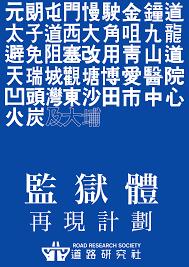
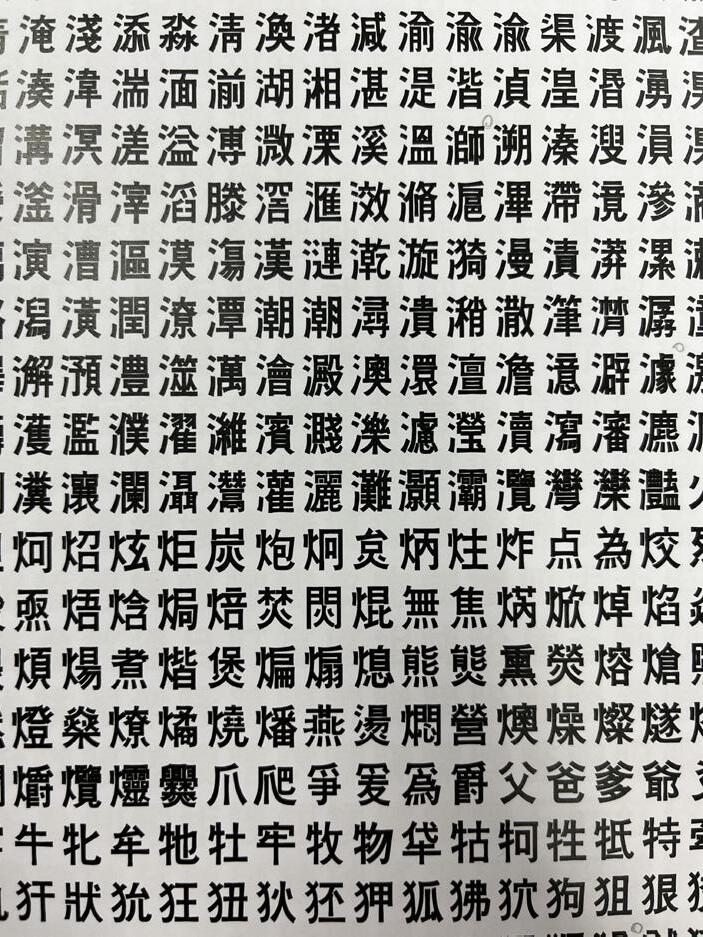
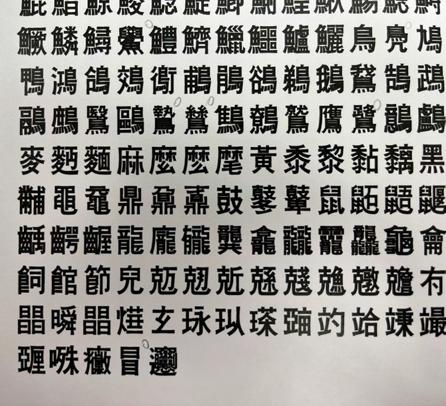
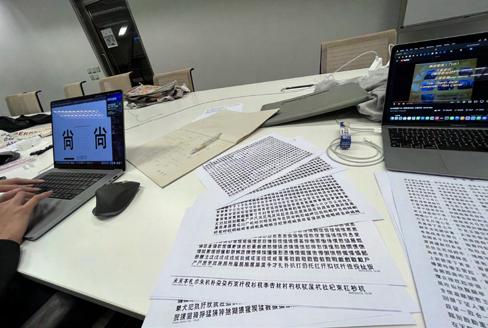
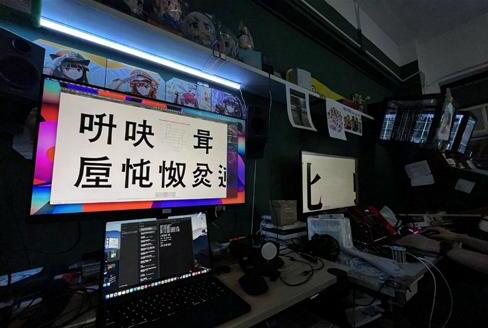
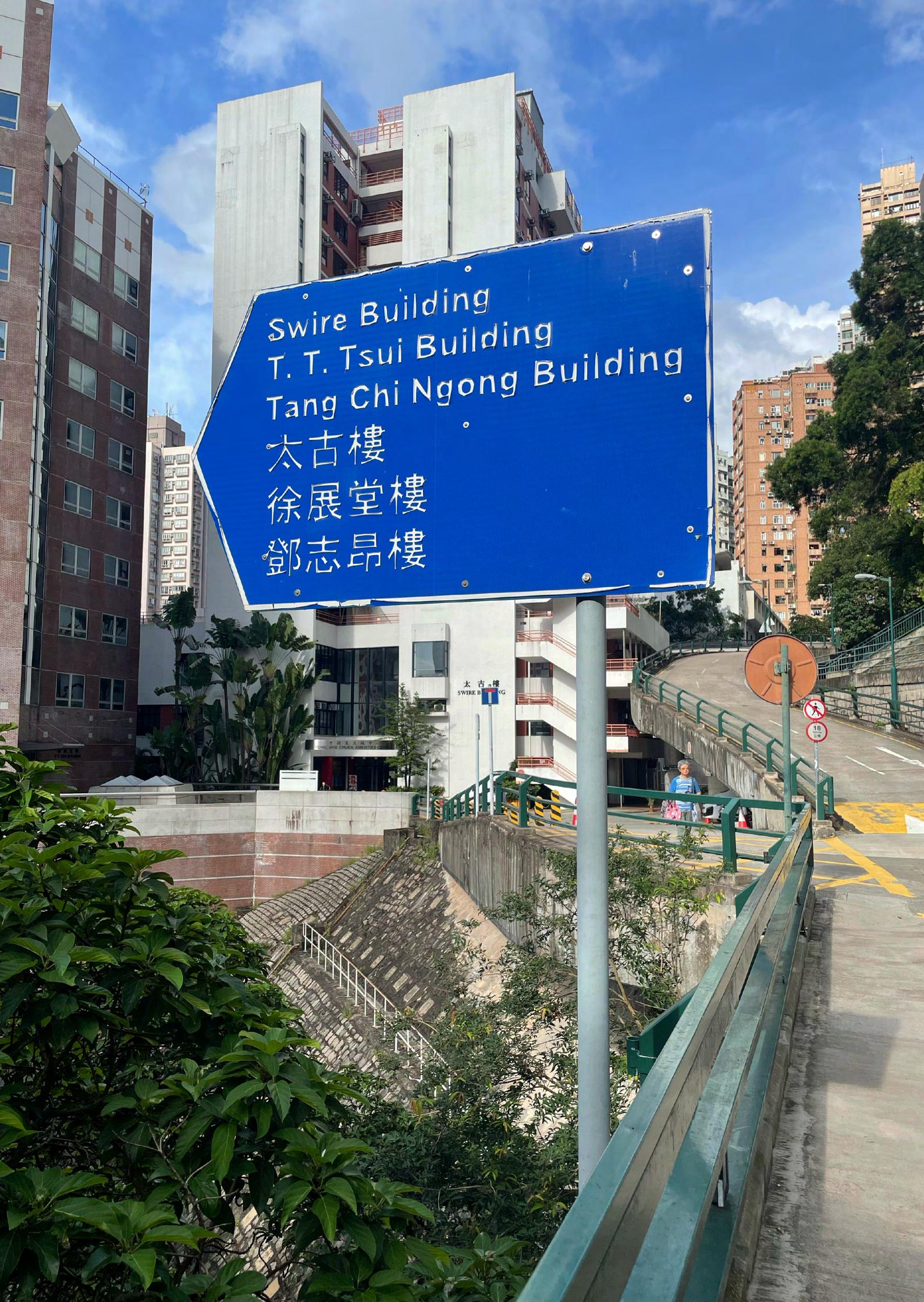
Prison Gothic is a unique typeface handcrafted by individuals in custody since the 1970s for Hong Kong road signs. However, since 1997, the production process of road signs has been computerised, leading to the replacement of Prison Gothic with digital fonts. In recent years, as road signs age and roads are renovated, signs featuring Prison Gothic have gradually been replaced and are slowly disappearing in this rapidly developing city. In 2016, the same year when Gary founded the society, he launched the Prison Gothic Revival Programme, aiming to turn Prison Gothic into a set of digital font. After six years of dedicated effort, Prison Gothic Medium was finally launched in 2022. The society also launched an update the following year, expanding the font to include a total of 13,000 Chinese characters to better meet the daily needs of users.
When asked about the process and the difficulties encountered, Gary admitted that he didn’t know anything at first and had no prior knowledge on font engineering, so he had to first learn the software and programmes for developing fonts. However, most of the original Prison Gothic characters were names of places and lacked many commonly used Chinese characters. Therefore, after having a preliminary grasp of font engineering, Gary’s first step in computerising the Prison Gothic font was Radical Changing (調換部首). He gave an example:“By exchanging the radical of“敦”in Jordan (佐敦) and the radical of“邨”in housing estate (屋邨), we can get the word“郭”.”
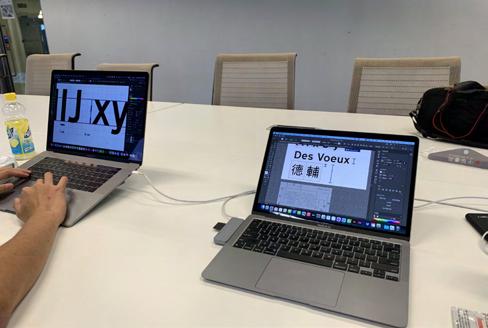
Nevertheless, as the original Prison Gothic contains limited radicals, Gary soon started the second step, which was Imitating Prison Gothic (仿製監獄體). To accurately understand the characteristics and the style of the font, Gary even tried to make one-to-one stickers of the font and road signs with the font using a cutter. However, the process was not smooth sailing. After several attempts at cutting out and giving up on the characters he had previously imitated, Gary finally began to master the skills and successfully imitated various frequently used Chinese characters. Gary pointed out that after creating the characters, he had to proofread each character one by one and unify the thickness of each stroke to complete the whole development. At that time, he applied the font to different news articles, and eventually the whole set of Prison Gothic was developed after hours of observation and adjustment.
Gary said that Prison Gothic was mostly based on the characters used in newspapers in the 1970s and 1980s. However, over time, some of the characters that were popular in the past have now been classified as variant characters, such as“馬塲”in Prison Gothic instead of the more common“馬場”. This has led many to mistakenly believe that the Prison Gothic on road signs are typos. Therefore, Gary hopes that the release of the Prison Gothic digital font can correct people’s misconceptions and also help preserve a historical record of Hong Kong’s visual culture. He explains:“The road sign may not be the protagonist, but it plays a very important supporting role and is a part of the visual culture.”Thus, he hopes the programme will not only introduce Prison Gothic to the public but also help restore the role of road signs as an integral part of Hong Kong’s rich history and culture.
Comment: The Appearance of Road Signs with Artistic Fonts
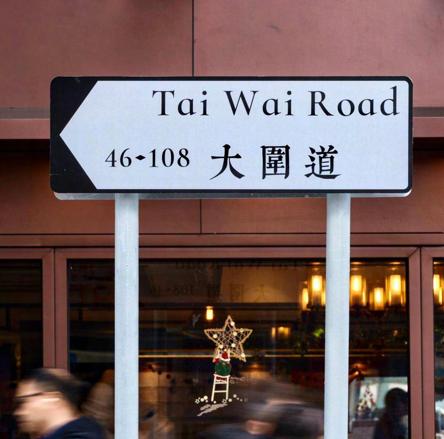
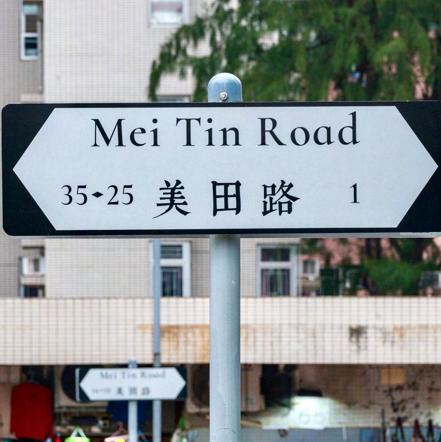
In the second quarter of last year, the government introduced characteristic street nameplates in Central, Tsuen Wan and Tai Wai in the name of“beautifying the city”. The new nameplates use the artistic typeface “Wen Yue Classical Ming Typeface”and they aroused discussions in the city. When asked Gary about his opinion on this, he straightforwardly said that the government“does it just for the sake of doing it, but has done too much.”Gary pointed out that the currently used font“Avector Chinese True Type Fonts - BlackBold”has good functionality and high identifiability as the thickness of each stroke is similar. Moreover, road signs are made of reflective materials. Therefore, when black characters are printed on a white background, the black characters must have a certain thickness so that drivers can read them clearly.
However, the newly adopted “Wen Yue Classical Ming Typeface” is made by imitating the strokes of an ink brush. It has the characteristics of thick horizontal strokes and thin vertical strokes, which makes it difficult to identify at a distance. When it is applied to a road sign which should stress functionality and identifiability, it may not be suitable. He described the font as“too artistic”and it requires drivers to spend extra time reading, which potentially poses road safety issues. Gary said: “Sometimes you don’t have to be seen by others to prove that you have done something.”He felt speechless about the government’s move and also suggested only changing the font of road signs facing the pedestrian pathway, but he admitted that this would also lead to the problem of inconsistency.
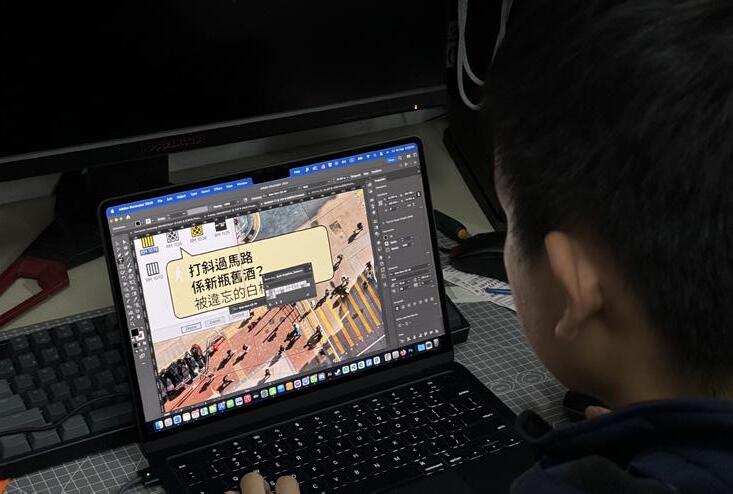
Regarding the future development of the society, Gary said that Prison Gothic Medium has been completed and the next goal is to develop Prison Gothic Light so that the font can be more widely used. In addition, the society will continue to explore the room for improvement in Hong Kong’s traffic design on the existing basis and the development of roads and road signs. For example, they will analyse how the design of the signage of the diagonal pedestrian crossing, which was introduced by the government in the beginning of the year, can be clearer, making the road design in Hong Kong better.
Lastly, Gary hopes that we can “do what we like to do” and explained that “because this is the happiest thing.” He pointed out that as a young adult, sometimes we do not need to think too far ahead. He never thought about whether he could be rich and he thinks that just do what we like to do is enough. On top of that, he also mentioned that if we could let others see what we have done, we would be even more satisfied. Moreover, he also mentioned the need to “continue to learn.” Learning and studying are not necessarily the same. What is more important is to understand our own shortcomings and then find a way to improve.
Apart from that, Gary mentioned there are still many things around us that have not yet been discovered, and there are many things in Hong Kong that deserve our attention. They may be inconspicuous like road signs, but “everything has its own uniqueness.” Gary hopes that in the rush of life, we can pay more attention to different things on the road and take a closer look at our city, Hong Kong.
WORDS TO READERS
Words from Chairman
It has been half a year since I became the Chairman of the Executive Committee months, I have encountered many things and moments I have never experienced. ferent activities for the Jong, meeting new people, or trying to expose ourselves
It is unimaginable how much effort and passion our Executive Committee members Our aim is to provide welfare and organise smooth and enjoyable activities for journey is rugged and paved with sand and pebbles, and we feel frustrated, thinking However, these thoughts and struggles have also become our passion and have
These experiences and struggles have made us stronger and guided us to think possibilities. We also hope to serve as a bridge between different parties within ing our utmost efforts to effectively communicate with and listen to our Members,
As we enter the summer, the Orientation Series is back again! We hope to have during ASO24 and let us treasure this remarkable summertime!
Committee (or Jong) of Asperia. Over these few experienced. Whether it is related to organising difourselves more... members (or Jongyaus) have put into this Jong. for our Members. Sometimes the road of the thinking about how we can do things better. motivated us to strive for excellence.
about how Asperia can explore even more within the Faculty. We are committed to dedicatMembers, intending to understand their needs.
The name‘Asperia’is inspired by a French name that means reliable and responsible. Our goal is to be a trustworthy Executive Committee and fulfil our duties in a professional and proactive manner.
We want to bring our community closer together by organising more face-to-face events and gatherings. Our aim is to create a sense of unity and collaboration where Members from different academic years and curricula can connect and learn from each other. By providing direct engagement opportunities, we hope to strengthen relationships within the Society.
Our vision is to be a bridge between the Faculty, student bodies, and our Members. We are committed to communicating effectively and listening attentively to our Members’needs. Ultimately, we want to enhance the Society’s reputation and credibility.
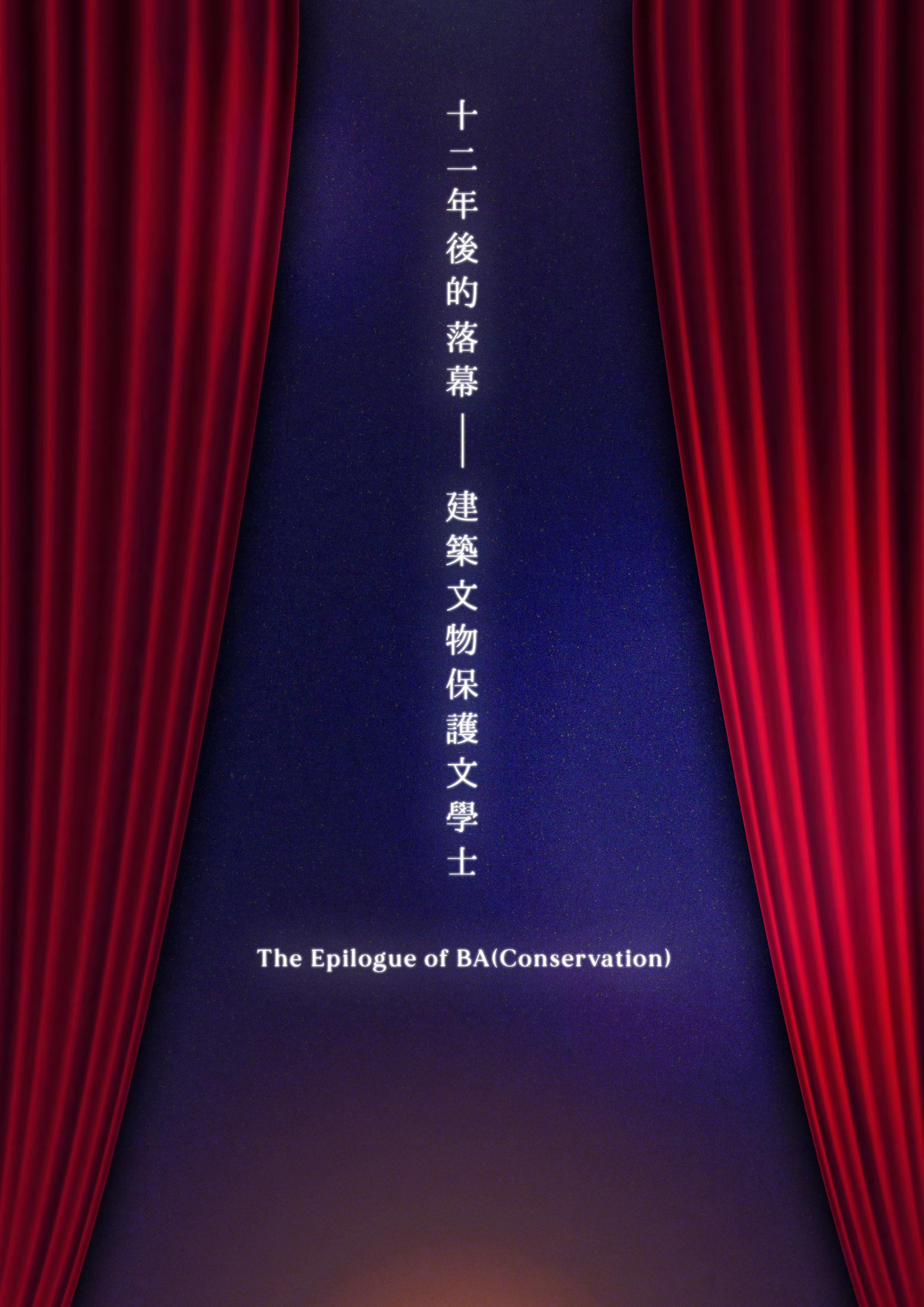
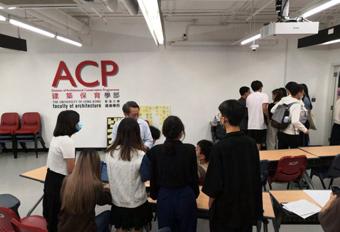
In early 2021, the University of Hong Kong announced that the Bachelor of Arts in Conservation would permanently cease admitting new students starting from the next academic year (2021-2022). Additionally, the Division of Architectural Conservation Programmes has already been officially disbanded. BA(Conservation) would be incorporated into BSc(Surv). The corresponding programme would include courses related to conservation for interested students to choose from.
In July 2024, the last cohort of students studying BA(Conservation) left the campus, marking the end of the nearly‘twelve-year-old’programme. Over the past four years, students have forged deep bonds with the programme while traversing through the unknowns in their university lives. In hopes of leaving a lasting record for the programme that became a cherished memory in the University, we interviewed a final-year student studying BA(Conservation) to savour the golden moments along her journey.
受訪者 Interviewee Flora Lee 建築文物保護文學士 四年級 BA(Conservation), Year 4
Being a student in the final graduating class, Flora agreed that she had gained a lot studying in BA(Conservation). The professors had devoted themselves to educating students, with sufficient resources and opportunities provided by the Division for students to explore and learn more.“If I hadn’t studied Conservation, perhaps I wouldn’t have delved so deeply into the old buildings in Hong Kong,”said Flora. Through these four years, she had learnt a great deal about discovering‘treasures’around her with her eyes, particularly the historical sites scattered throughout the city.
Field trips are regularly organised for students. Students can explore historical sites in Hong Kong and learn about local cultures. Besides, they can study various building materials and their handling methods.“When I used to travel and visit historical sites, I would only give them a cursory glance without delving into the stories behind the buildings.”After studying Conservation, Flora agreed that she started paying more attention to the details of the buildings around her. A book cannot be judged by its cover, and the beauty of buildings often lies somewhere deeper.
Recalling the time when the announcement of the discontinuation of BA(Conservation) was made, Flora admitted that she initially felt shocked, and worried upon second thoughts. Fortunately, the resources provided by the University were not reduced, and professors continued to teach students wholeheartedly as usual.
Besides, Flora mentioned that one of her biggest regrets is not being able to help Freshmen integrate into university lives. She expressed:“The largest pity is not having juniors in this curriculum, which means that we can’t organise orientation programmes for Freshmen.”As an Executive Committee member of the last session of the Architectural Conservation Association, Flora wished she could have organised events for members. Unfortunately, the session only lasted for one year, and no more activities were exclusively organised for students studying BA(Conservation) afterwards, resulting in a less fruitful university life.
With the decreasing number of existing historical sites in Hong Kong, there is a dire need for professionals to conserve and revitalise these sites so as to preserve these treasures for future generations. Therefore, students who continue to develop their careers in this industry are believed to have significant advantages.
In 2012, the Faculty of Architecture at the University of Hong Kong launched the first BA(Conservation) programme in Hong Kong with the aim of training professionals in the architectural conservation industry. Students learn to conserve the historical values of buildings while revitalising historical sites to meet the current needs of residents. Unlike the Master’s programme in Conservation, the Bachelor’s programme focuses on teaching students from the basics, gradually deepening their understanding and awareness of the heritage conservation industry. The closure of BA(Conservation) raises a concern that the training of professionals in the industry will be severely hindered. As the global demand for conservation continues to grow, the decision to stop admitting students may be troublesome for Hong Kong in terms of attracting and retaining young talents in this industry. A higher demand for future prospects is anticipated. Therefore, this decision made by the University inevitably poses a threat to the conservation sector in Hong Kong.
As the city develops rapidly, some items will inevitably disappear. Hence, we should cherish the remaining valuable buildings and preserve the treasures around us.
Studying, living in dorms, being an executive committee member of a student association, part-time jobs, and dating are often discussed as the “Five Things in University.” However, is university life limited to just five things? In fact, participating in an exchange programme can be a remarkable experience during one’s university life. Not only can you experience a new way of living, but you can also learn different knowledge and skills in a new environment. If you are interested in knowing more about the exchange programme, let’s see what our seniors want to tell us and the advice they would like to share with everyone!
How many students studying Architectural Studies will go on exchange in a year? When do they go?
Did you feel homesick?
We have approximately fifteen students, which is about 25% of the whole class. However, it varies from year to year and seems to be decreasing. As for students studying Architectural Studies, we usually go on exchange during Semester 1 in Year 4.
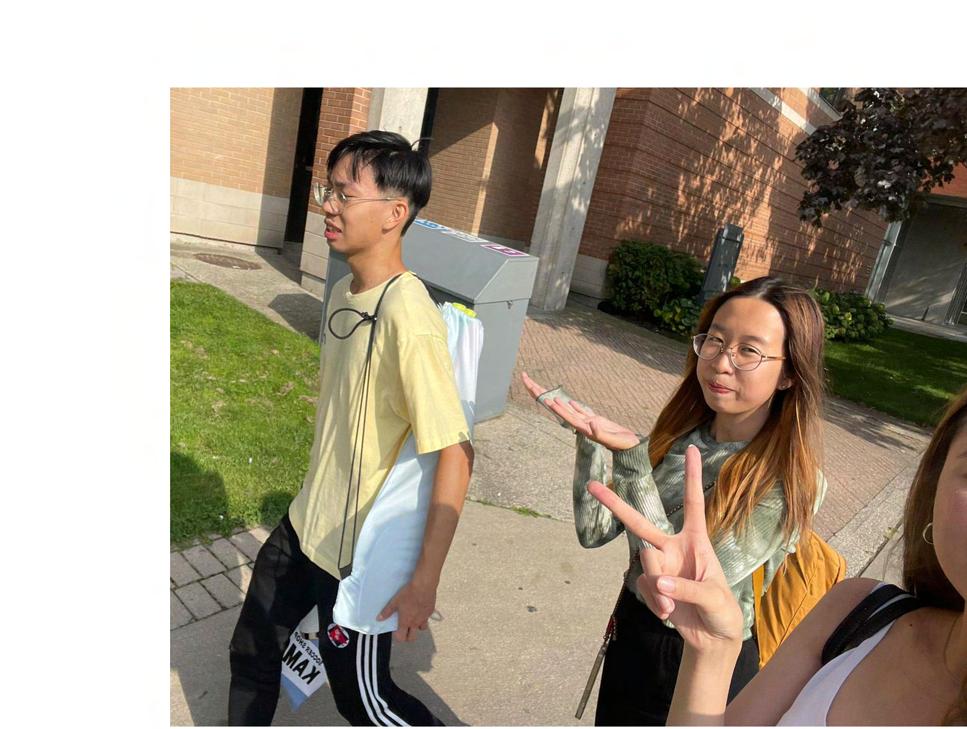
Which university did you go to for your exchange? University of Toronto~
2
3
What are the differences between studying abroad and studying in Hong Kong? Since I only transferred credits (which only counted as pass/fail), the experience was definitely more relaxed - as long as I passed, it was fine. Nevertheless, I still worked hard in studio-based courses because I had included my works in my portfolio. When selecting courses for credit transfer, I ensured they had similar titles to the required courses at HKU. However, I later realised that the actual content of the courses could be quite different. For example, the building technology course in Hong Kong focuses more on making models and drawings, while the Canadian version has a greater emphasis on calculations and quizzes/exams.
4
5
Not really, because I knew my stay would be short, and many aspects of life there were similar to Hong Kong. The place where I attended lectures was located near Chinatown, so the food options were comparable to what I was used to in Hong Kong, and there were numerous Chinese supermarkets nearby. However, the cost of living was indeed higher, with a regular meal costing over a hundred dollars, including tax and tips.
6
What’s the most important thing to do when going on an exchange by yourself?
Making more friends! I believe my biggest gain from the exchange was making a group of new friends, although the majority of them happened to be Hongkongers. It was quite remarkable to discover just how many Hong Kong people are in Canada!
Would you consider immigrating to this place in the future?
7
I felt that Canada was not the best fit for me. While I wanted to see if I might enjoy living in Canada, the exchange programme ultimately reinforced my decision to stay in Hong Kong. For example, aspects like transportation, food, and the convenience level seem to be more favourable in Hong Kong. Additionally, I’m more comfortable with making friends with people from Hong Kong, so I think staying in my home city (my comfort zone) would be the better choice for me.
What was the biggest challenge you faced?
The most troublesome issue I faced was having bedbugs in my Airbnb. I talked to the property owner, but unfortunately, it couldn’t be resolved. Additionally, considering the impacts on my two roommates, I decided not to rent another place.
How many students studying Urban Studies will go on exchange in a year? When do they go?
In our year, it seems that only three students chose not to participate in the exchange programme. However, as long as you apply, you are generally able to secure a spot. Beyond the five to six exchange quota offered by the Department, you can also go with HKU’s Worldwide Student Exchange programme. The Department’s policy also stated that exchange must take place during Semester 1 in Year 3, otherwise you would need to defer.
STORIES FROM
ENGL AN D Yeung
Which university did you go to for your exchange and what major did you study?
2
University of Sheffield! Since we mainly transferred credits from free electives, we didn’t have to choose a major there. I had only chosen one urban-related course while the rest were courses with lighter workloads.
3
What are the differences between studying abroad and studying in Hong Kong?
For example, although I didn’t take any studio-based courses, the workload for theory-based courses was much lighter, only requiring a 1500-word essay to be submitted at the end of the semester. Additionally, studying at a foreign university requires more self-directed learning, as there are typically fewer explicit guidelines provided compared to the approach in Hong Kong. Therefore, comparing to Hong Kong, studying abroad requires more self-discipline in learning. While the workload may be heavier in Hong Kong, assignments back here tend to come with detailed guidelines.
What was the biggest challenge you faced?
4
It might be countering the winter depression, but it was not too significant. There were just a few days when I suddenly felt a lack of motivation. When I first arrived in the UK in September, the sun would set at around 7pm, but by winter it shifted to 3pm. The significant change in daylight hours was something I hadn’t experienced in Hong Kong, which made me feel like there was less time for daily activities. It took some time for me to get used to it, and at times, I would wonder why it was still dark when I woke up.
What’s the most important thing to prepare when going on an exchange by yourself?
The most important thing is to prepare a mindset of“going alone.”While some people opt to go with a large group of friends, I prefer to go alone. This is because it can be more challenging to explore a lot with many people. If it’s about experiencing daily life in a new environment, I believe going alone is a better way. Many people tend to focus on having a great time with a group of friends during an exchange, but they may overlook the valuable opportunity to experience their ideal lives on their own.
Did you have any difficulty fitting into the local life?
I think it’s alright because the culture in the UK is relatively close to that of Hong Kong. The biggest difference was that the pace of life in the UK is slower compared to Hong Kong. However, I was able to adapt to it and remind myself to be more relaxed.
I think going on an exchange is a must-have experience, but its significance goes beyond having fun or experiencing a new lifestyle. What’s important is finding a new self within a new environment. You can allow yourself to explore the world, as this may be the only time to spend half a year truly immersing yourself. You can also discover a way of life suitable for yourself, which I consider to be the actual 7
Would you consider immigrating to this place in the future?
I had considered the possibility of immigrating before going on exchange. However, I didn’t think of it further after the exchange experience. This is because the learning and working styles in the UK are quite different from Hong Kong, and the overall pace of life is much slower. Living there turned out to be quite different from what I imagined. Moreover, at this stage of life, I
Do you have any advice for juniors who are preparing for exchange?
This season of the Inter-Faculty Sports Competition has finally drawn to a close. Under the perseverance and unwavering efforts of our Members, the Architectural Society has performed exceptionally well on the courts. We would like to extend our wholehearted gratitude to our participants for their dedication and commitment by recapping the competitions.
女子乒乓球比賽 Women’s Table Tennis Competition
3 : 0
3 : 0
3 : 0
建築學會 vs 經濟及工商管理學會
Architectural Society vs Business and Economics Association
建築學會 vs 牙醫學會
Architectural Society vs Dental Society
建築學會 vs 法律學會
Architectural Society vs Law Association
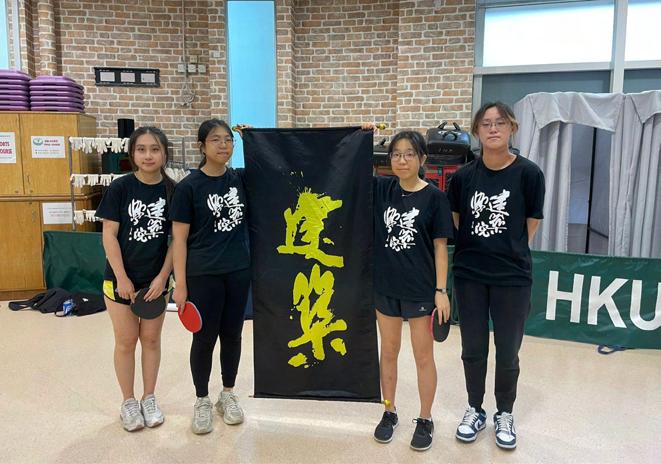
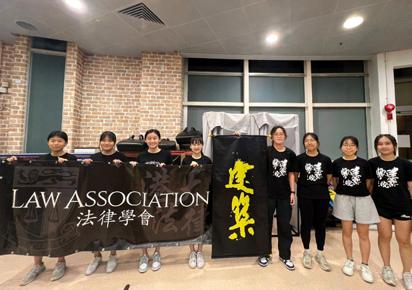
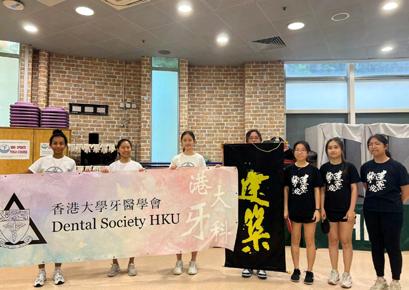
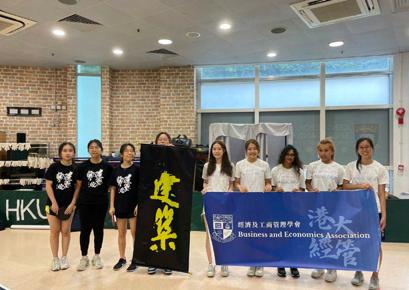
The Women’s Table Tennis Competition was held in April, where we faced off against the Business and Economics Association, the Dental Society and the Law Association. Our players used everything in their arsenal through the three matches, granting us a Champion above other faculties. Congratulations to our winners!
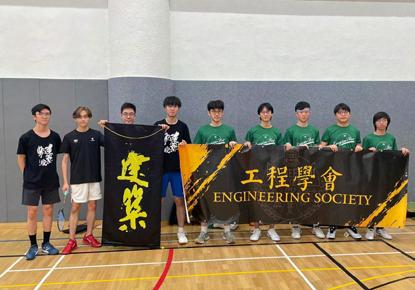
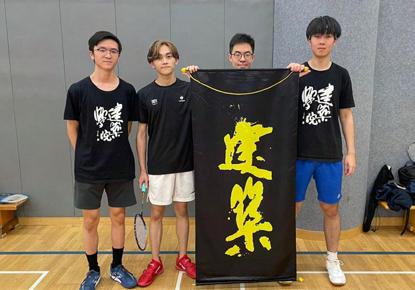
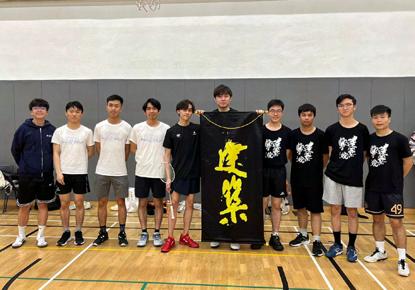
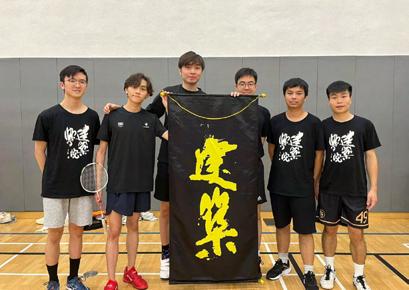
The Men’s Badminton Competition was held in February, where we successfully fended off the Arts Association and the Law Association to secure a position in the Semi-Finals. Unfortunately, we lost in the Semi-Finals and missed out on a chance for the championship. It was thanks to our Members’perseverance that we secured a 2nd Runner-up at the end.
季軍戰 Third Fight 3 : 0 3 : 1 0 : 3 0 : 3 3 : 0
建築學會 vs 文學院學生會
Architectural Society vs Arts Association
建築學會 vs 法律學會
Architectural Society vs Law Association
建築學會 vs 經濟及工商管理學會
Architectural Society vs Business and Economics Association
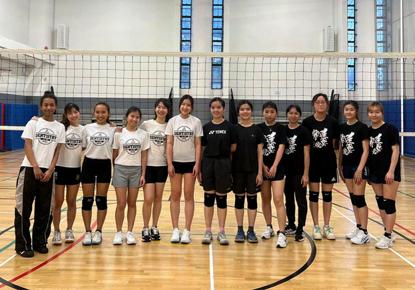
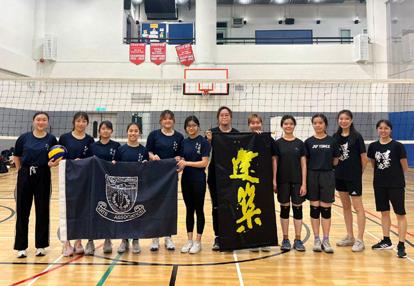
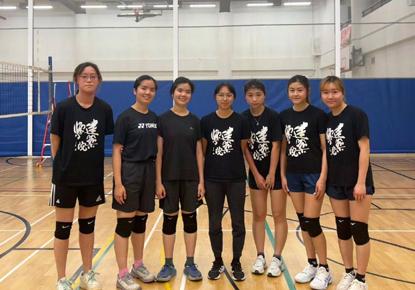
We faced off against the Arts Association and the Dental Society on the Volleyball court in March. We didn’t back down from the skilful plays by our opponents but utilised ‘strength in numbers’ in an attempt to equalise the scores. Although we didn’t end up with the victory, all the players enjoyed the match and offered a friendly match right after as well.
It was unfortunate that we lost against the Medical Society in the first match of our group stage, but we picked up the momentum afterwards and won two important games that put us into the next round. In the Semi-Finals, we tried our best to defend ourselves with all our might against the Dental Society, but we weren’t able to counter their attacks. Fortunately, our Members didn’t let the loss get to their heads but learnt from the mistakes and played with elaborate organisation. In the end, we were able to beat the Business and Economics Association and secured ourselves with a 2nd Runner-up. on the podium.
2ND RUNNER-UP
男子籃球比賽 Men’s Basketball Competition
建築學會 vs 社會科學學會
16 : 21
Architectural Society vs Social Sciences Society
建築學會 vs 教育學會
31 : 39
Architectural Society vs Education Society
我哋喺二月同三月分別對戰
小組賽 Group Stage
0 : 6
9 : 0
6 : 0
建築學會 vs 醫學會
Architectural Society vs Medical Society
建築學會 vs 文學院學生會
Architectural Society vs Arts Association
建築學會 vs 法律學會
Architectural Society vs Law Association
準決賽 Semi-Finals
0 : 6 2 : 0
建築學會 vs 牙醫學會
Architectural Society vs Dental Society
季軍戰 Third Fight
建築學會 vs 經濟及工商管理學會
Architectural Society vs Business and Economics Association
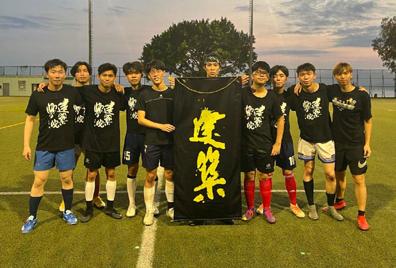
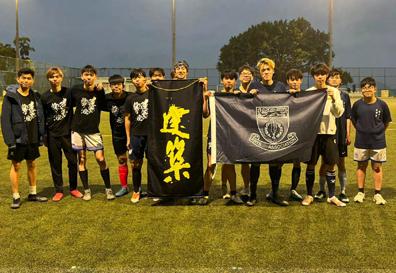
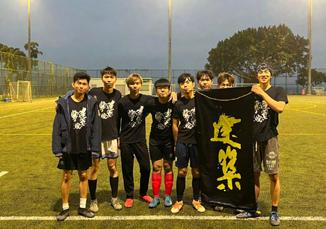
男子足球比賽 Men’s Soccer Competition
無緣晉級 。 不過每位參賽者都球技高超 , 兩邊嘅 比分都追得好緊 , 加上有唔少人到場為球員打氣
社會科學學會同教育學會 , 可惜最終不敵對手 , , 令現場氣氛非常高漲 !
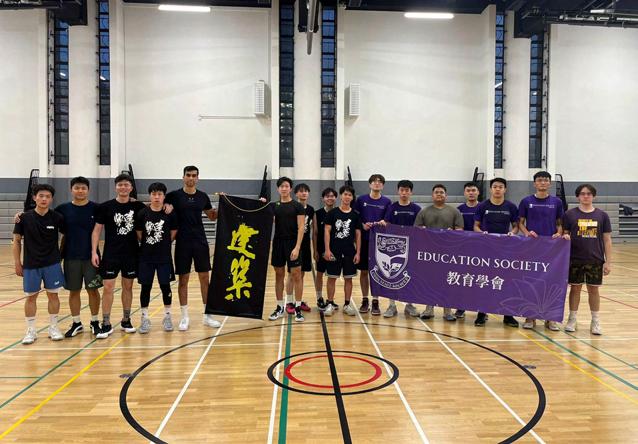
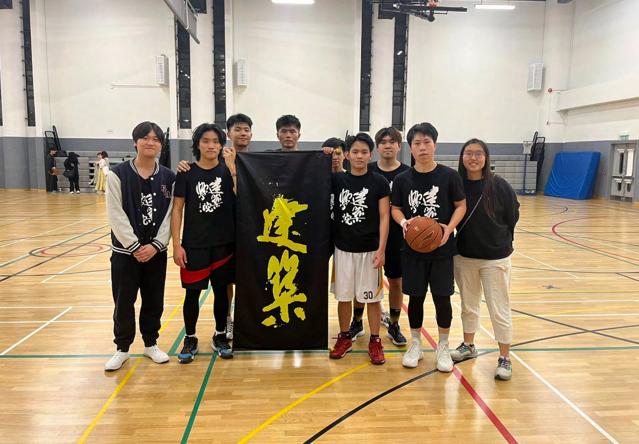
We had our Men’s Basketball Competition against the Social Sciences Society and the Education Society, and after putting up good fights we lost by 5 and 8 points respectively, losing the opportunity to move on to the next round. Nonetheless, players on both sides were spectacular with their skills, giving the audience a great match to witness. The atmosphere on and off the court led by the cheers from the mass audience was also cordial and engaging.
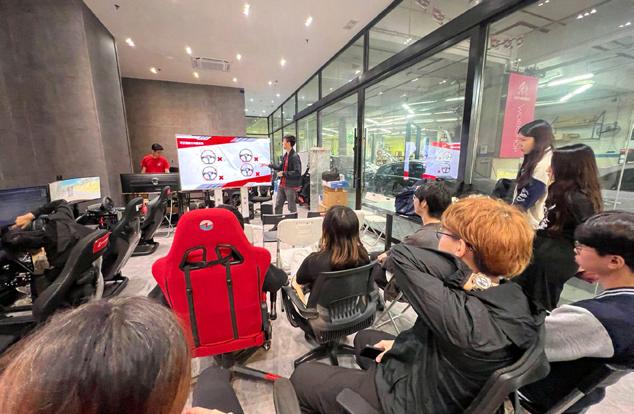
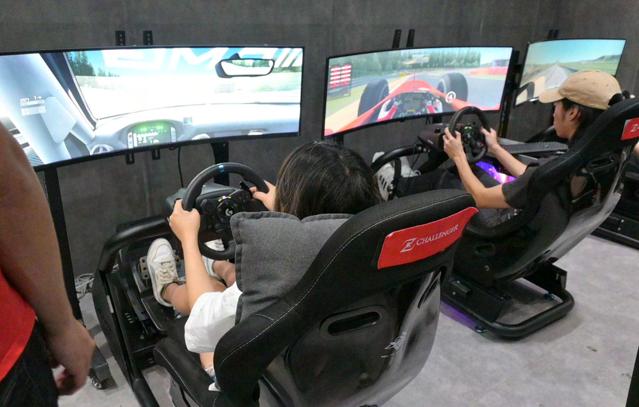
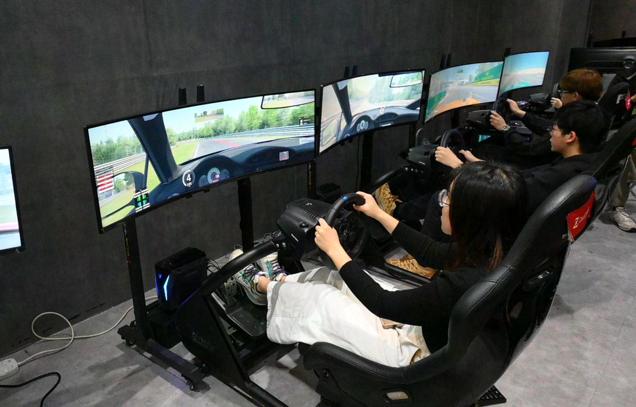
Missing a driving license? No worries! We were glad and fortunate enough to be able to collaborate with Z-Challenger Academy this year, and organised Asperia’s first event, Professor Lye’s Memorial Cup ‘Initial Z’on the 23rd of March. Members were able to experience the thrill on the tracks with a racing simulator under this exceptional opportunity, speeding down lanes and mountain roads around the globe. Safe driving was pursued at first, but speed was no longer a limit under the tutoring of the coaches. Everyone was able to enjoy the fun of speeding and drifting, and progressing through trial and error.
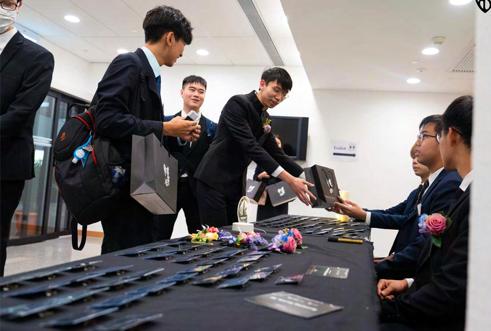
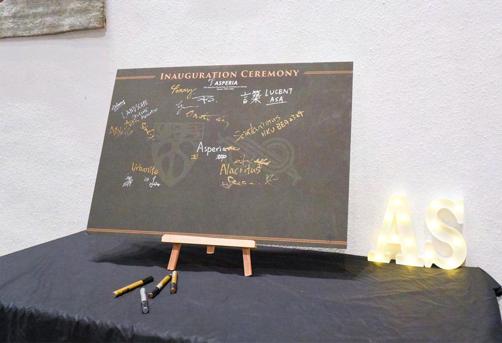
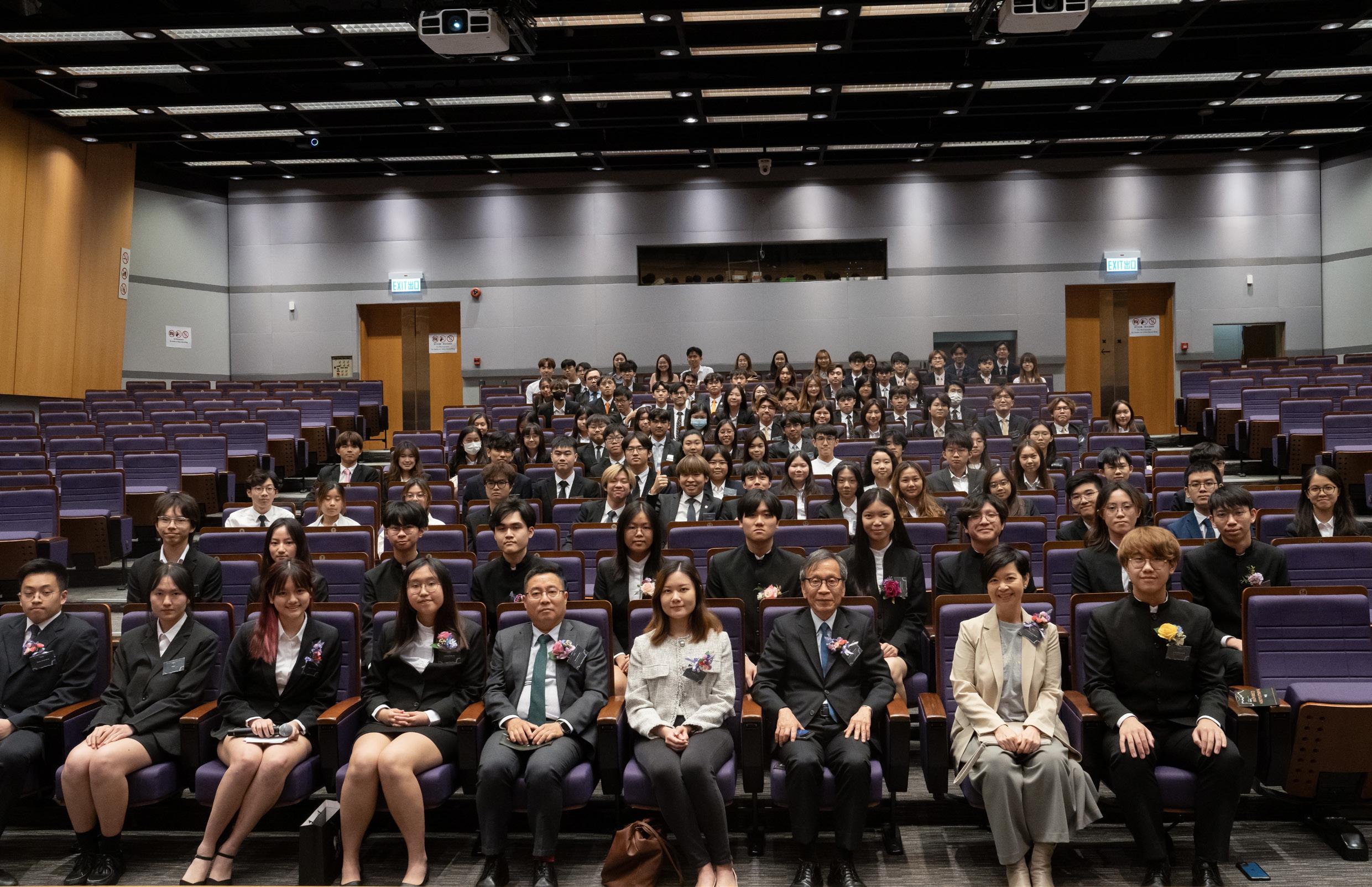
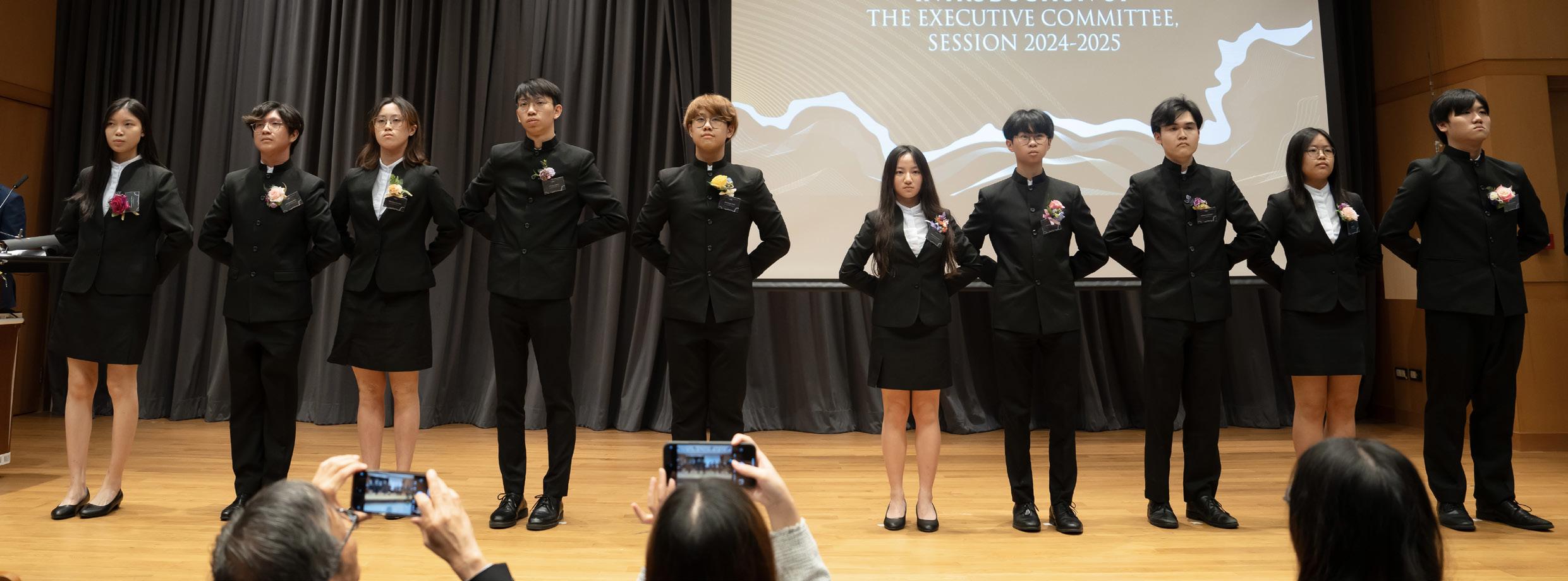
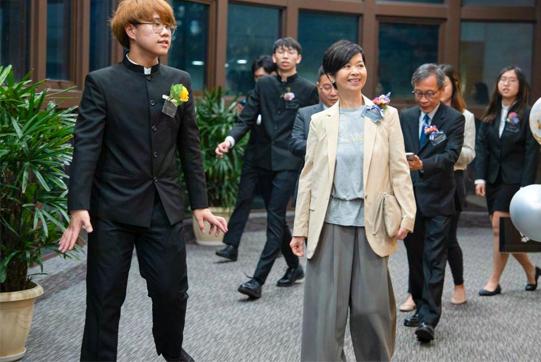
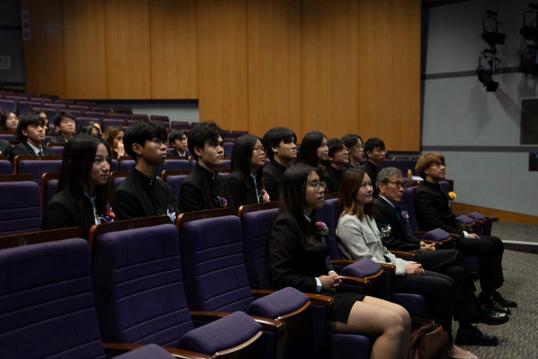
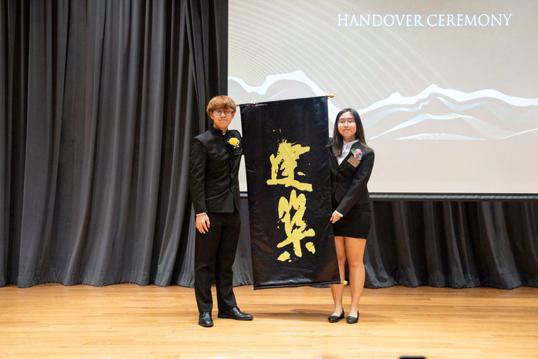
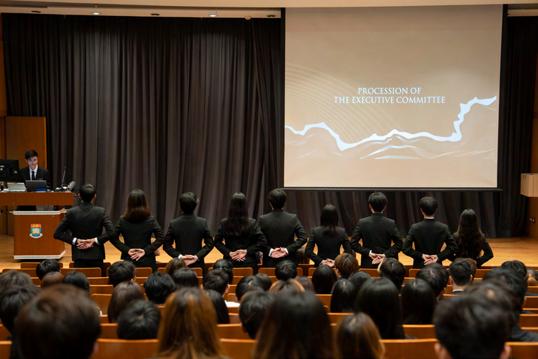
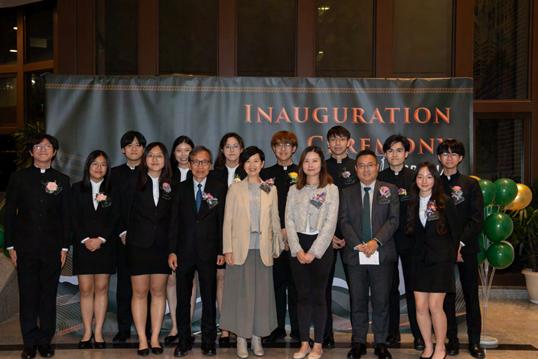
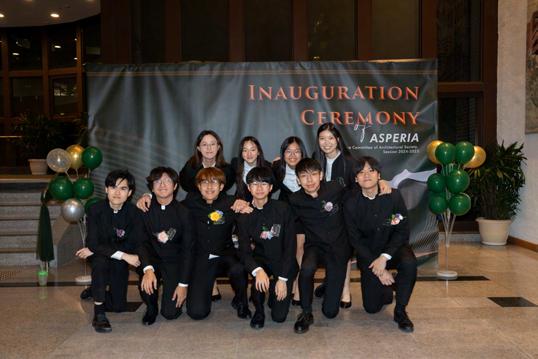
The date of April 5th, 2024 marks the return of the Inauguration Ceremony of the Architectural Society after three years. The successful ceremony signified the handover of the Architectural Society and the passing of the torch to our session - Asperia. We were honoured to have distinguished guests from the architectural field accompany us and share the joy of this momentous occasion. To commemorate this joyous evening, Knowles Building light stands were also self-designed as souvenirs to savour the golden moments of the night.
Needless to say, we are deeply grateful for the unconditional support provided by our helpers which facilitated the success of this ceremony, whether frontstage or backstage. We would also like to extend our gratitude to Members supporting us along the way, your contributions to the Architectural Society have been our biggest motivation to strive for a better community. See you in Knowles!
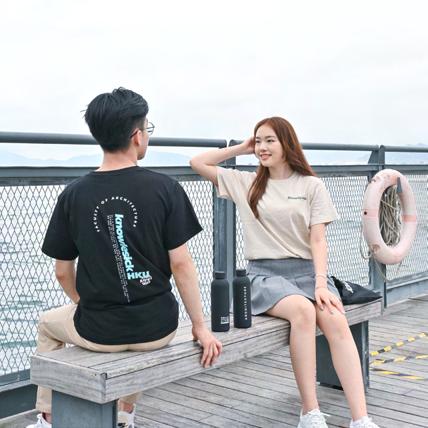
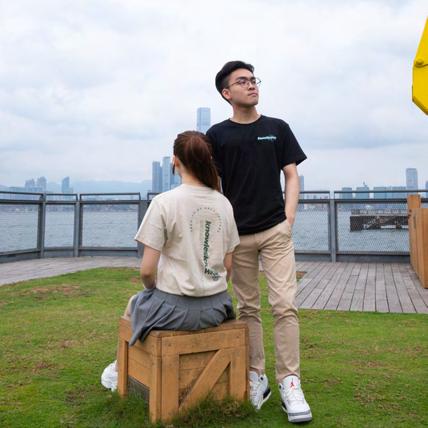
Ta-Da! During the 16th-18th of April, the Architectural Society held its first Product Sale of the year at Knowles Concourse. To accommodate the needs and preferences of fellow‘Knowlesians’, four brand new products were on sale, including a T-shirt and a Tote Bag in the‘Knowlesian’series, a‘Knowlesick’thermal bottle, and six new metal stickers. In the meantime, to provide convenience for Members committed to other matters during the Product Sale period, a Post-Order service was set up to compensate for their unavailability, which also struck a responsive chord among Members. We are thankful for the overwhelming support, and we wish to see all of you again in Product Sale II next semester!