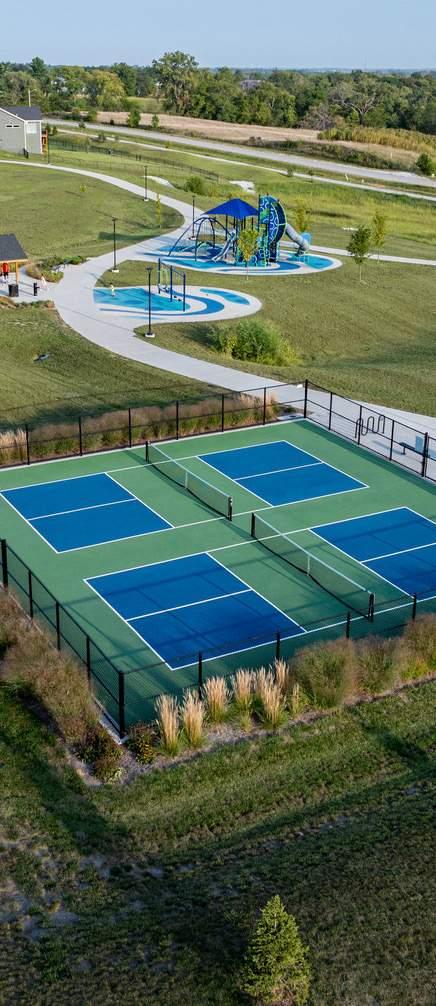
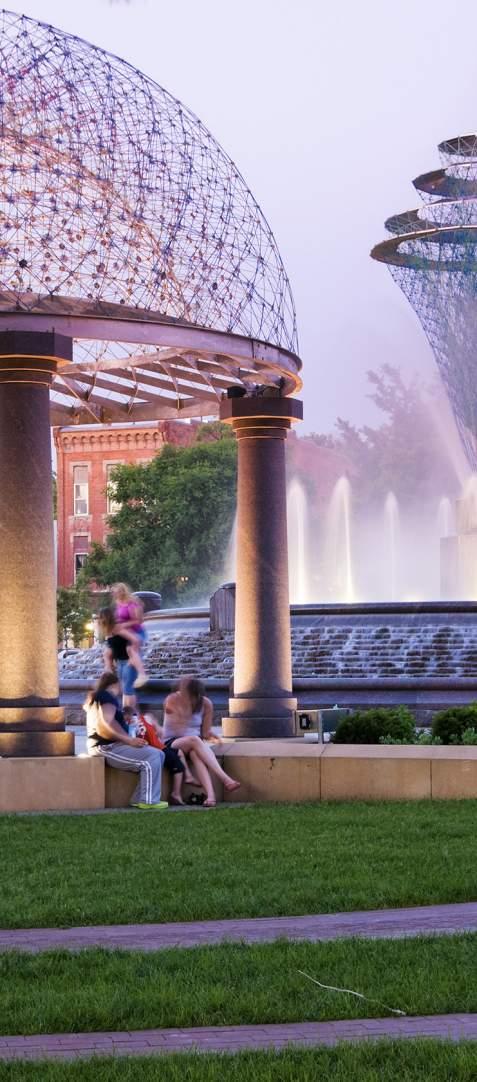
Landscape architecture encompasses the analysis, planning, design, management, and stewardship of the natural and built environment through science and design. Well-known examples of landscape architecture include Central Park in New York City; the grounds of the U.S. Capitol in Washington, D.C.; the Oklahoma City National Memorial; and Chicago’s Millennium Park. Landscape architecture includes both iconic and neighborhood places, including local parks, residential communities, commercial developments, and downtown streetscapes.
The fundamental practice of landscape architecture includes keeping the public safe from hazards, protecting natural resources, and sustainably managing the natural and built environment surrounding our homes and communities. The public interest is best served when qualified professionals carry out these responsibilities.
Landscape architects create well-planned livable communities, leading the way in initiatives such as neighborhood master plans, designing green streets, managing stormwater runoff, and planning cutting-edge transportation corridors.
Landscape architects create memorable public spaces. New York’s High Line Park, a former abandoned elevated railway, now attracts more than two million visitors a year and has spurred over $4 billion in private investment.
Landscape architects create memorable public spaces.
Firm: James Corner Field Operations. Photo: Iwan Baan
+ Land planning
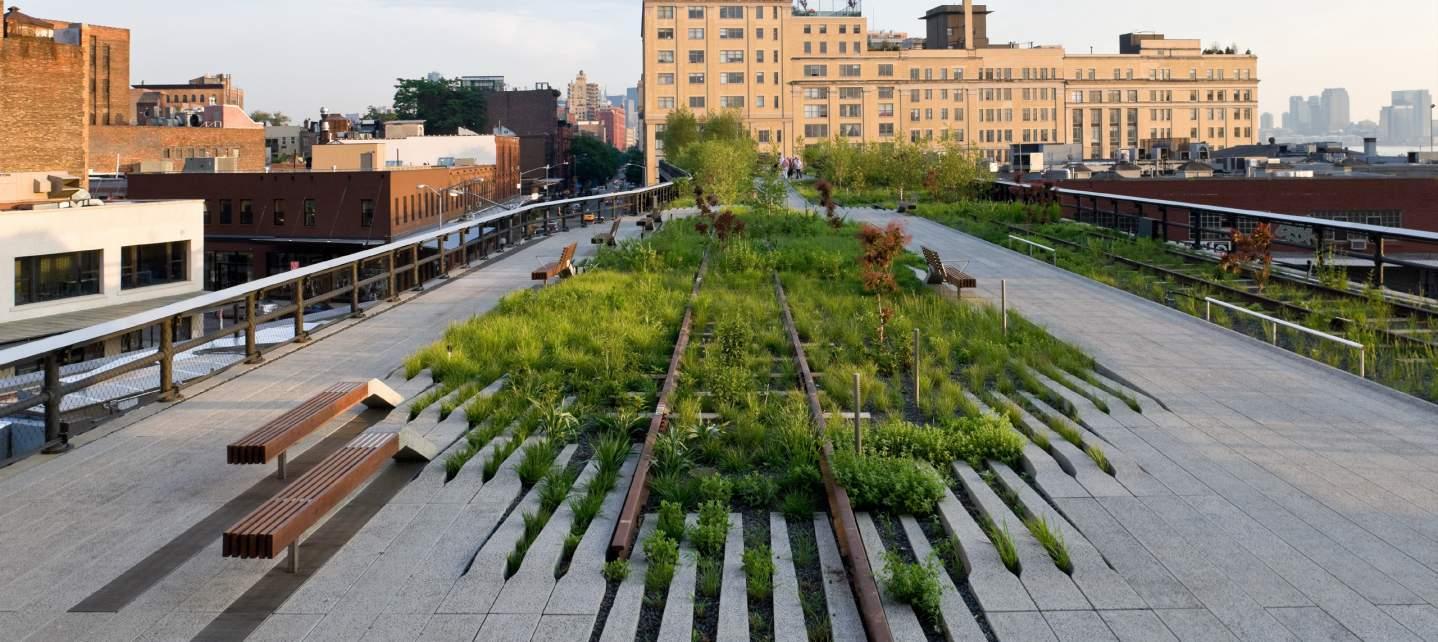
Landscape architects create memorable public spaces. New York’s High Line Park, a former abandoned elevated railway, now attracts more than two million visitors a year and has spurred over $4 billion in private investment.
Landscape architecture is a profession that is broad in scale and scope. Landscape architects receive education and training in site design, historic preservation, and planning, as well as in technical and scientific areas such as grading, drainage, horticulture, and environmental sciences. With this diverse background, landscape architects possess a unique blend of skills to help families, communities, and businesses address important local, regional, and national concerns.
Firm: James Corner Field Operations. Photo: Iwan Baan
Landscape architecture encompasses the analysis, planning, design, management, and stewardship of the natural and built environment through science and design. Well-known examples of landscape architecture include Central Park in New York City; the grounds of the U.S. Capitol in Washington, D.C.; the Oklahoma City National Memorial; and Chicago’s Millennium Park. Landscape architecture includes both iconic and neighborhood places, including local parks, residential communities, commercial developments, and downtown streetscapes.
Landscape architecture is regulated by state licensure requirements. Becoming licensed generally requires a university degree in landscape architecture and completion of a period of supervised practice. All states require passage of the extensive four-part national licensing examination.
Landscape architecture encompasses the analysis, planning, design, management, and stewardship of the natural and built environment through science and design. Well-known examples of landscape architecture include Central Park in New York City; the grounds of the U.S. Capitol in Washington, D.C.; the Oklahoma City National Memorial; and Chicago’s Millennium Park. Landscape architecture includes both iconic and neighborhood places, including local parks, residential communities, commercial developments, and downtown streetscapes.
The fundamental practice of landscape architecture includes keeping the public safe from hazards, protecting natural resources, and sustainably managing the natural and built environment surrounding our homes and communities. The public interest is best served when qualified professionals carry out these responsibilities.
+ Urban and suburban design
The fundamental practice of landscape architecture includes keeping the public safe from hazards, protecting natural resources, and sustainably managing the natural and built environment surrounding our homes and communities. The public interest is best served when qualified professionals carry out these responsibilities.
New York’s High Line Park, a former abandoned elevated railway, now attracts more than two million visitors a year and has spurred over $4 billion in private investment.
+ Streetscapes and public spaces
Firm: James Corner Field Operations. Photo: Iwan Baan
+ Transportation corridors and facilities
+ Parks, recreation and greenways
+ Public gardens and arboreta
+ Therapeutic gardens
+ Landscape art and earth sculpture
Landscape architects create well-planned livable communities, leading the way in initiatives such as neighborhood master plans, designing green streets, managing stormwater runoff, and planning cutting-edge transportation corridors.
The fundamental practice of landscape architecture includes keeping the public safe from hazards, protecting natural resources, and sustainably managing the natural and built environment surrounding our homes and communities. The public interest is best served when qualified professionals carry out these responsibilities.
+ Land reclamation and rehabilitation
+ Historic preservation and restoration
+ Monument grounds
+ Security design
+ School and college campuses
Landscape architects create well-planned livable communities, leading the way in initiatives such as neighborhood master plans, designing green streets, managing stormwater runoff, and planning cutting-edge transportation corridors.
+ Corporate and commercial grounds
+ Hospital and other facility sites
+ Hotels, resorts, golf courses
Landscape architects create well-planned livable communities, leading the way in initiatives such as neighborhood master plans, designing green streets, managing stormwater runoff, and planning cutting-edge transportation corridors.
Landscape architecture is a profession that is broad in scale and scope. Landscape architects receive education and training in site design, historic preservation, and planning, as well as in technical and scientific areas such as grading, drainage, horticulture, and environmental sciences. With this diverse background, landscape architects possess a unique blend of skills to help families,
Landscape architecture is a profession that is broad in scale and scope. Landscape architects receive education and training in site
+ Residential sites
+ Interior landscapes
+ Water resources
www.asla.org

The Iowa Awards Program is an annual activity and in 2025, was juried by members of the ASLA Wisconsin Chapter. Awards were presented at the Fall Awards Gala, September, 2025. Awards categories include Built Design, Unbuilt Design, Planning Project, and Communications. The highest recognition is Excellence Award, followed by Honor Award, then Award of Merit.
• Westside Library Park (Cedar Rapids, Genus Landscape Architects, Unbuilt)
• Federal Courthouse Landscape (Des Moines, Genus Landscape Architects, Built)
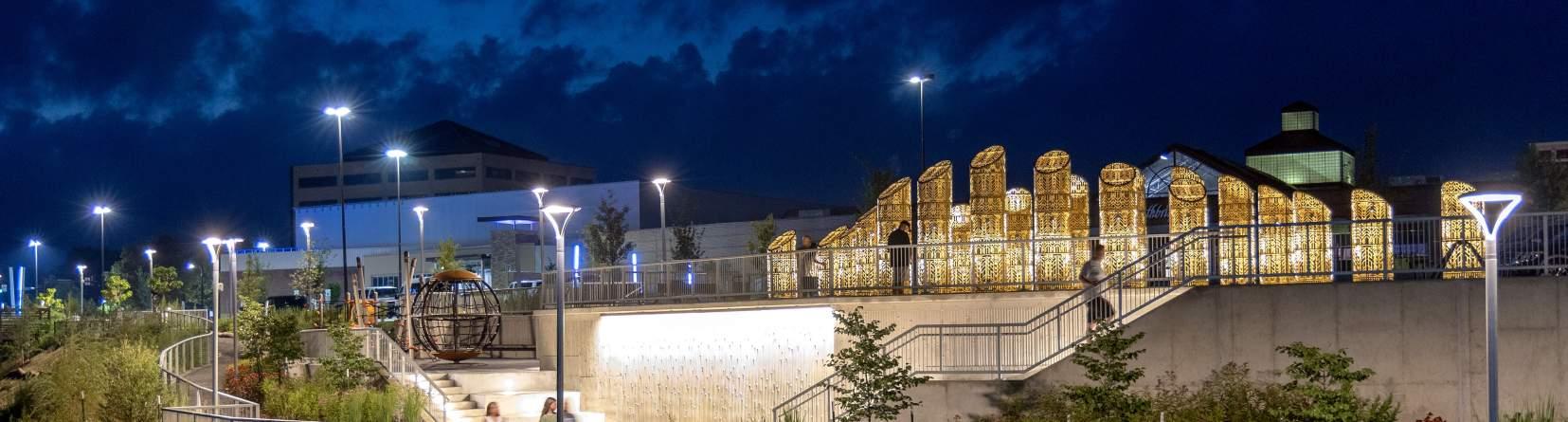
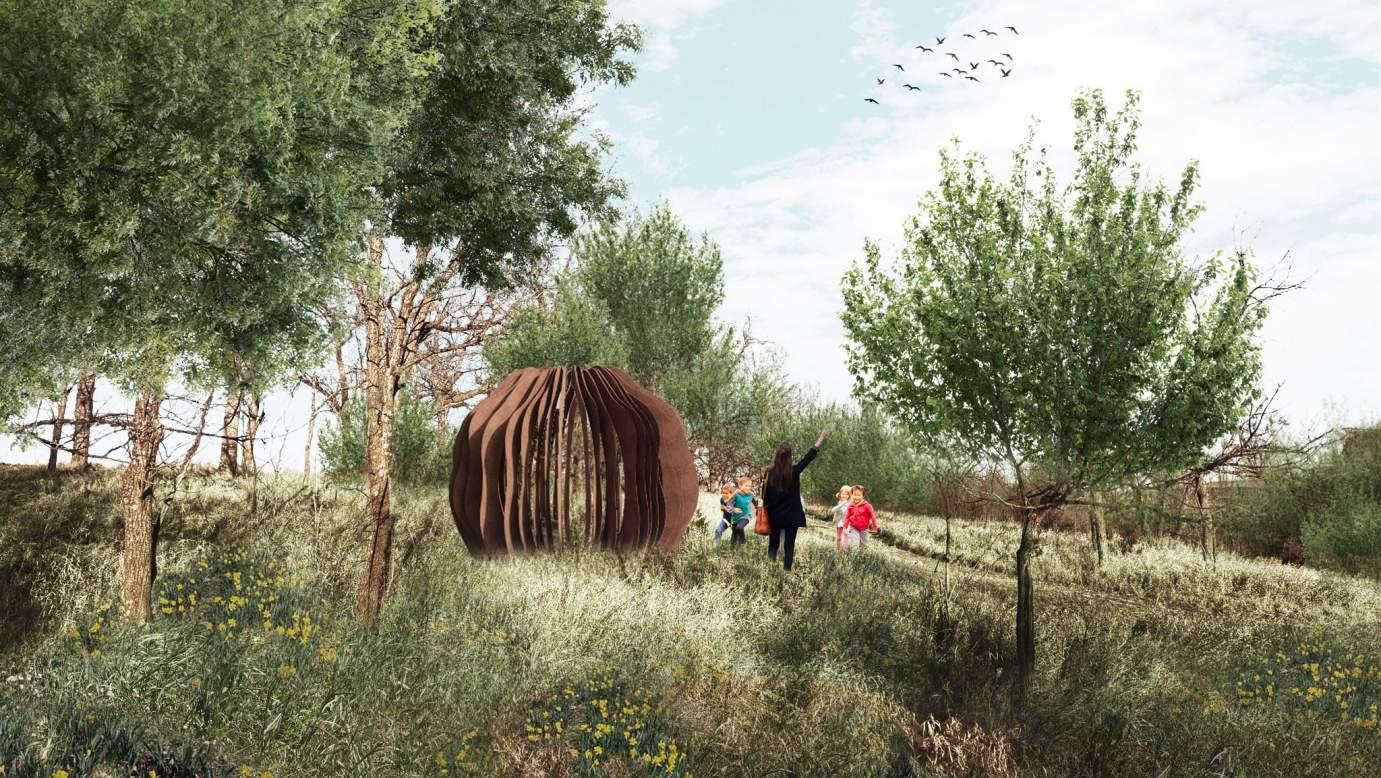
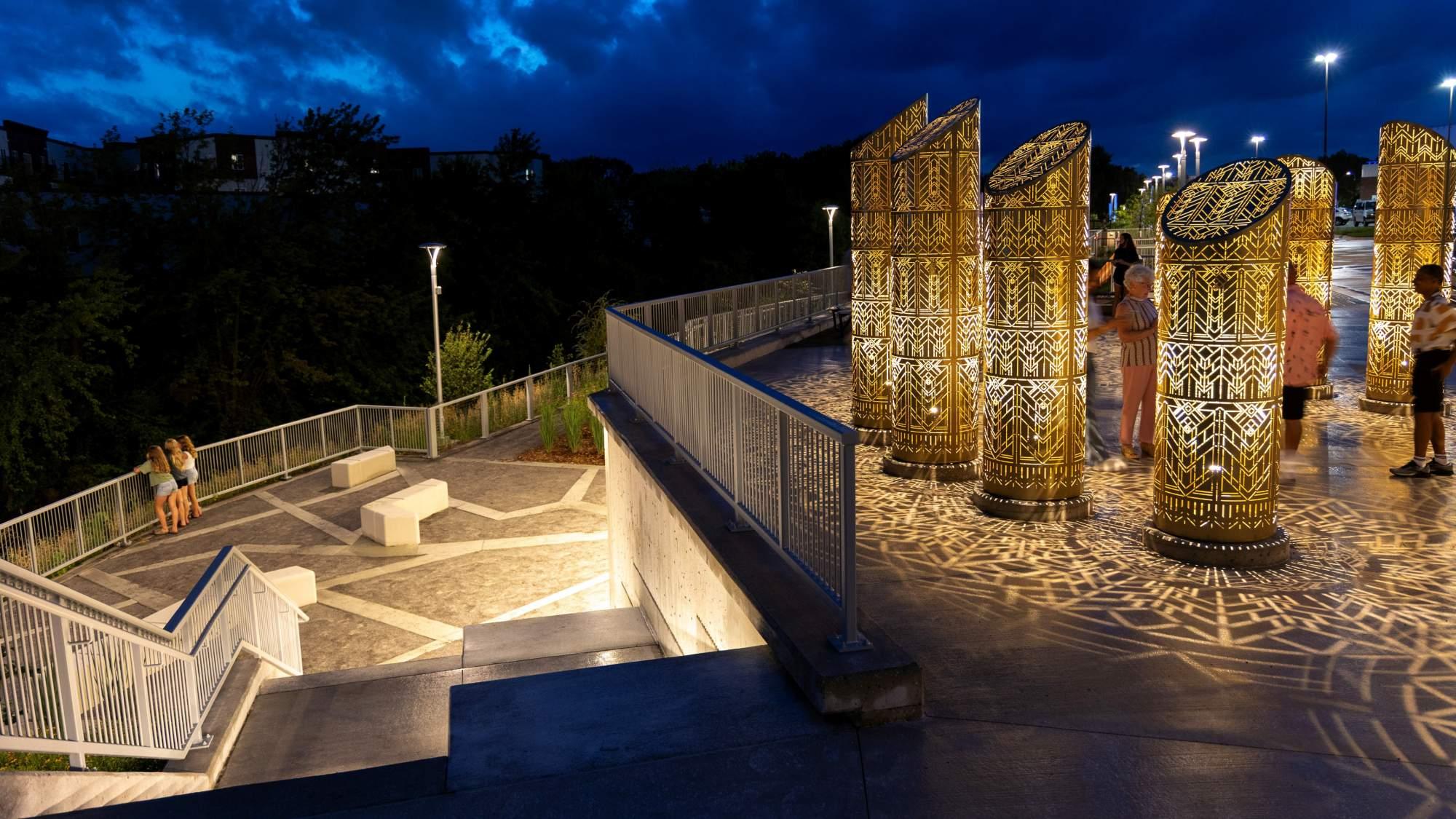
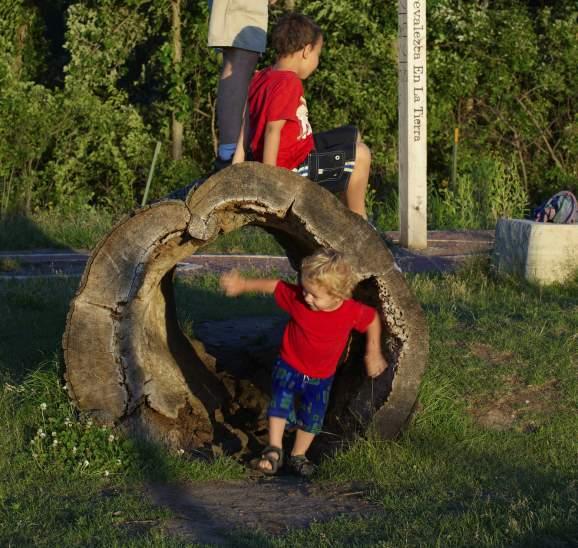
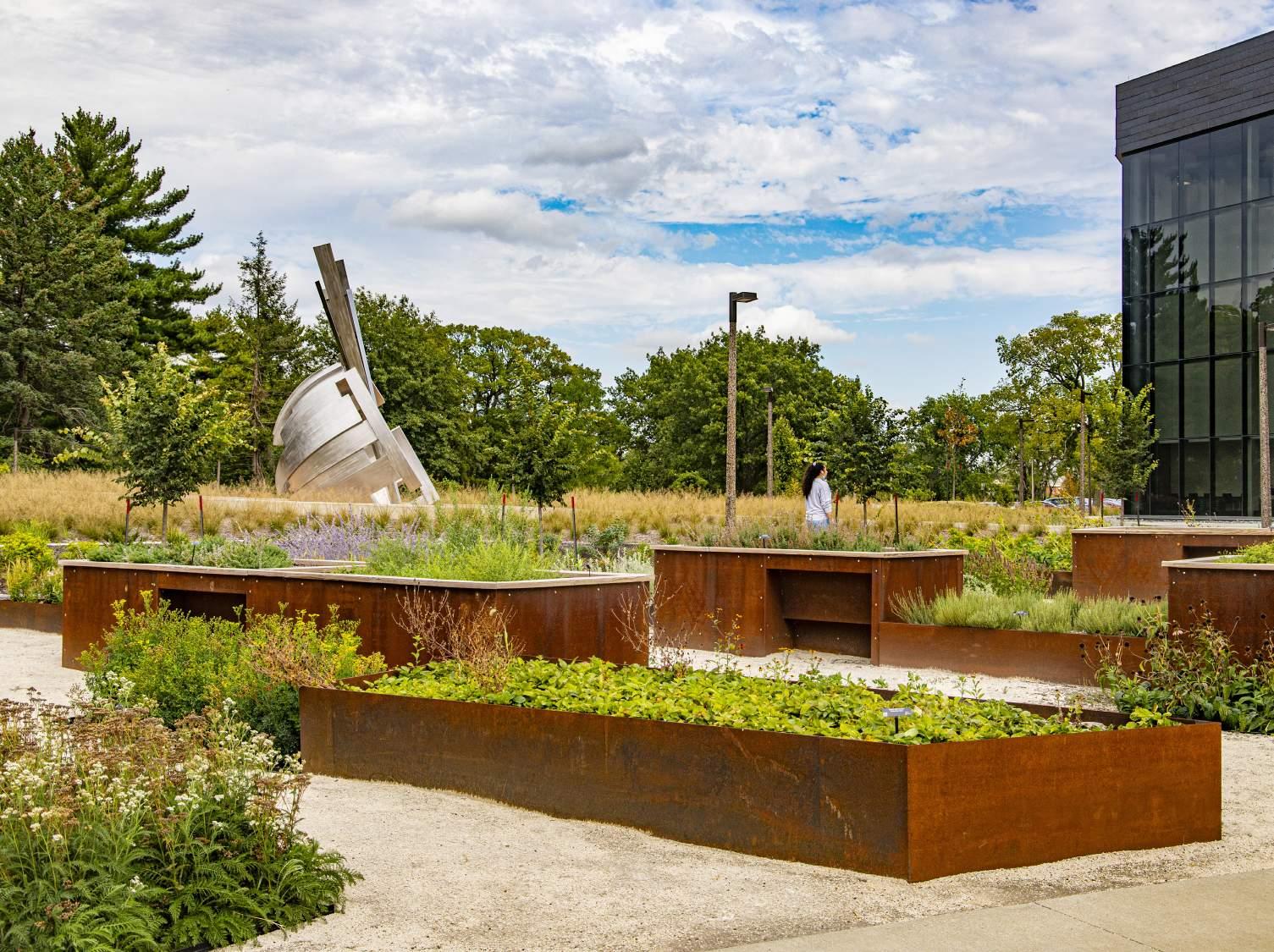
• The Hull in Eddy Woods (Brenton Arboretum, Dallas Center, Unbuilt). Depicted above.
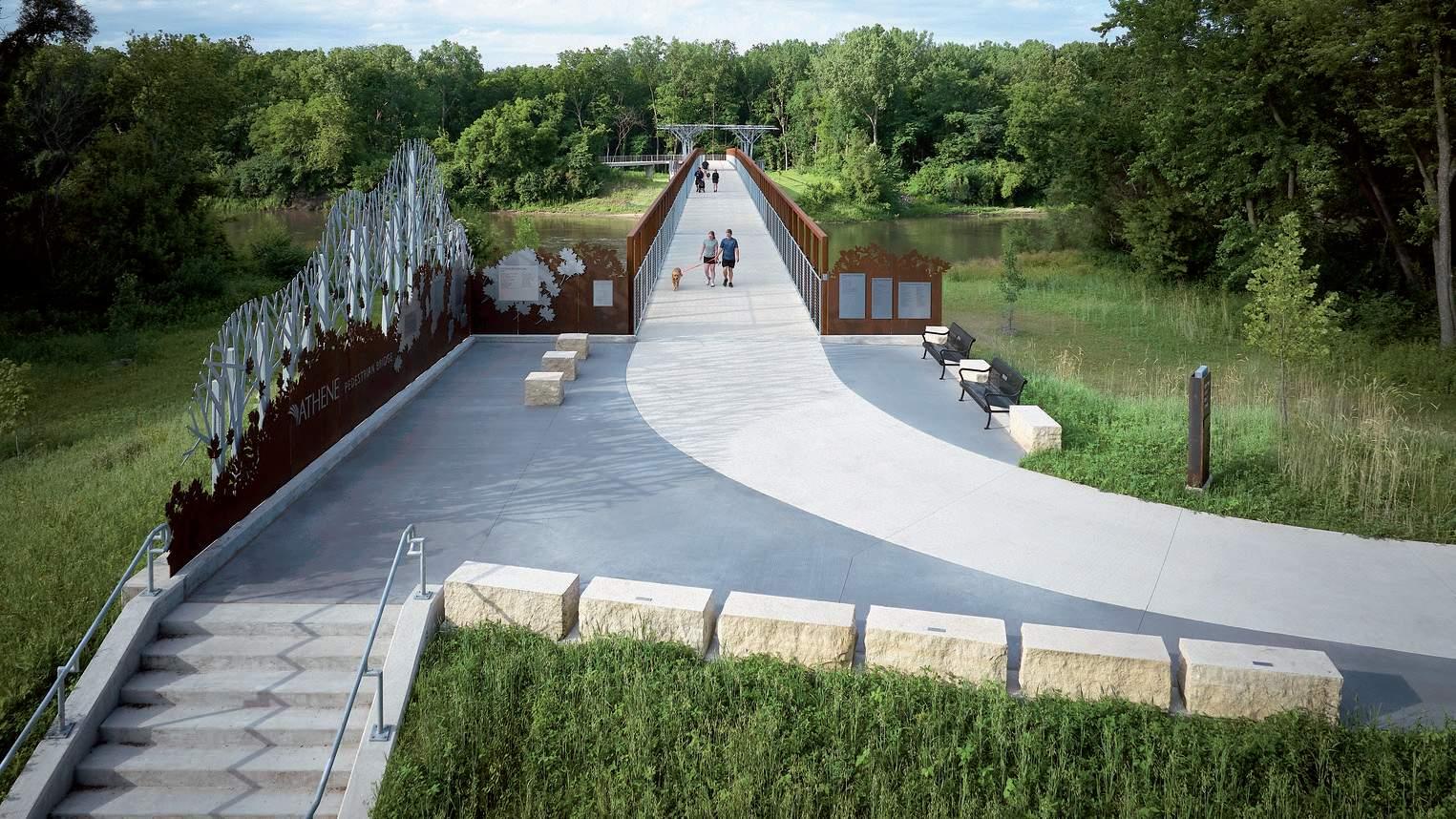
• Athene Pedestrian Bridge (West Des Moines, Shive-Hattery, Built)
• Des Moines University Health Science Campus (West Des Moines, RDG Planning & Design, Built)
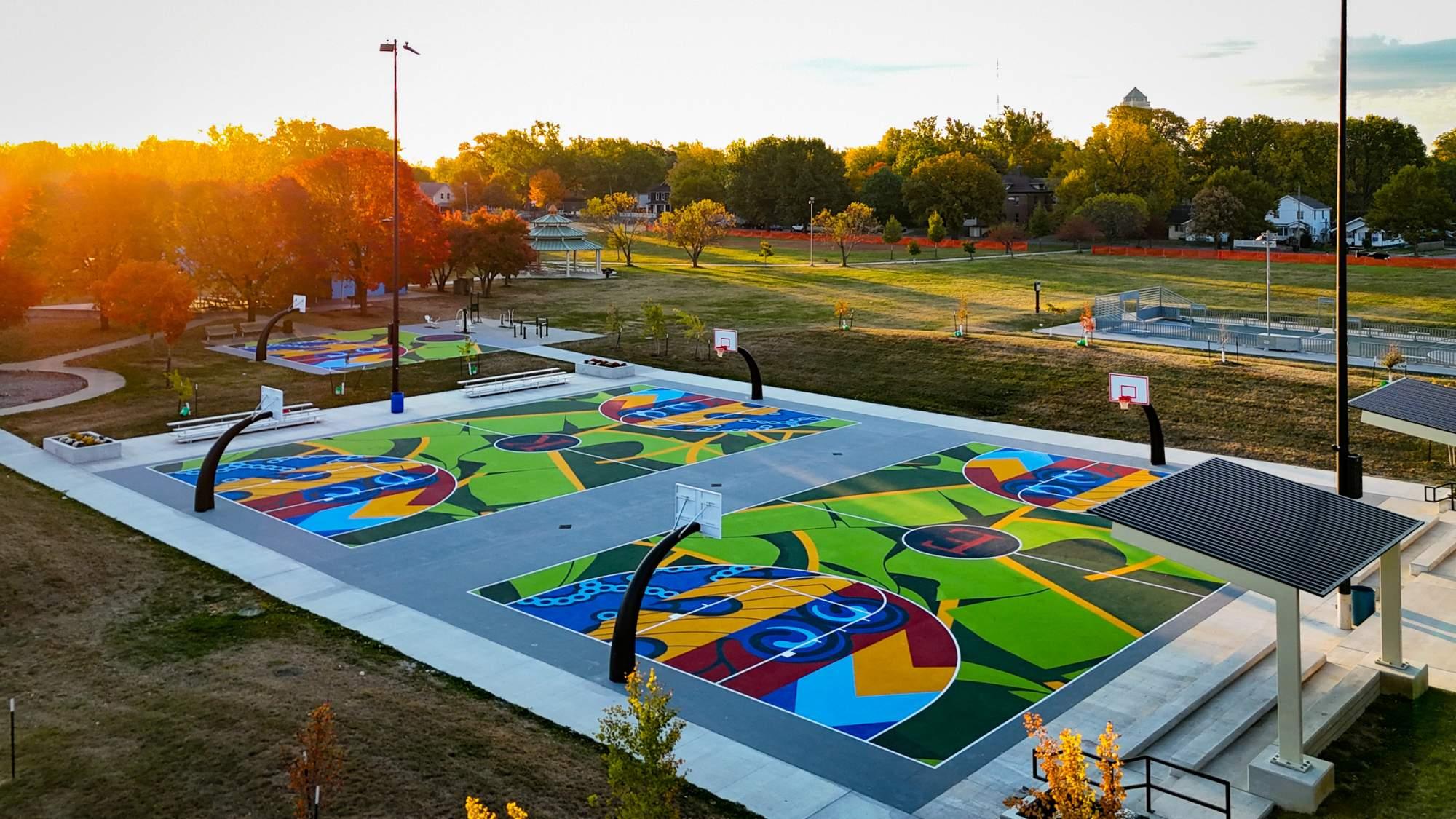
• Evelyn K. Davis Park (Des Moines, City of Des Moines Parks & Recreation, Built)
• Iowa Mayors’ Design Workshop (Ames, Iowa State University College of Design in collaboration with Extension & Outreach, Community Development, and College of Engineering, Communications)
• Willow Creek Riverwalk (Mason City, Confluence, Built)
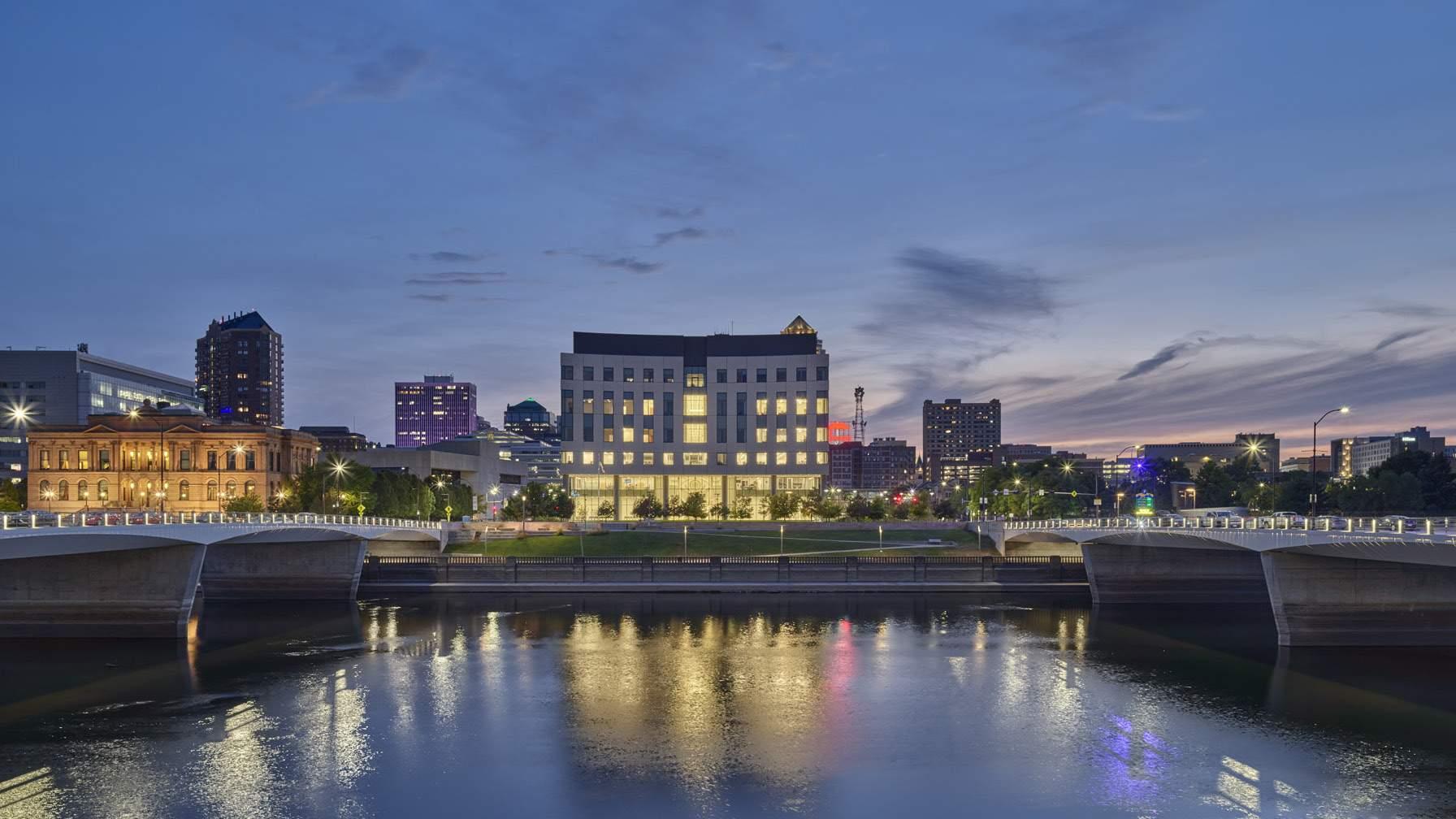
Des Moines, Polk County
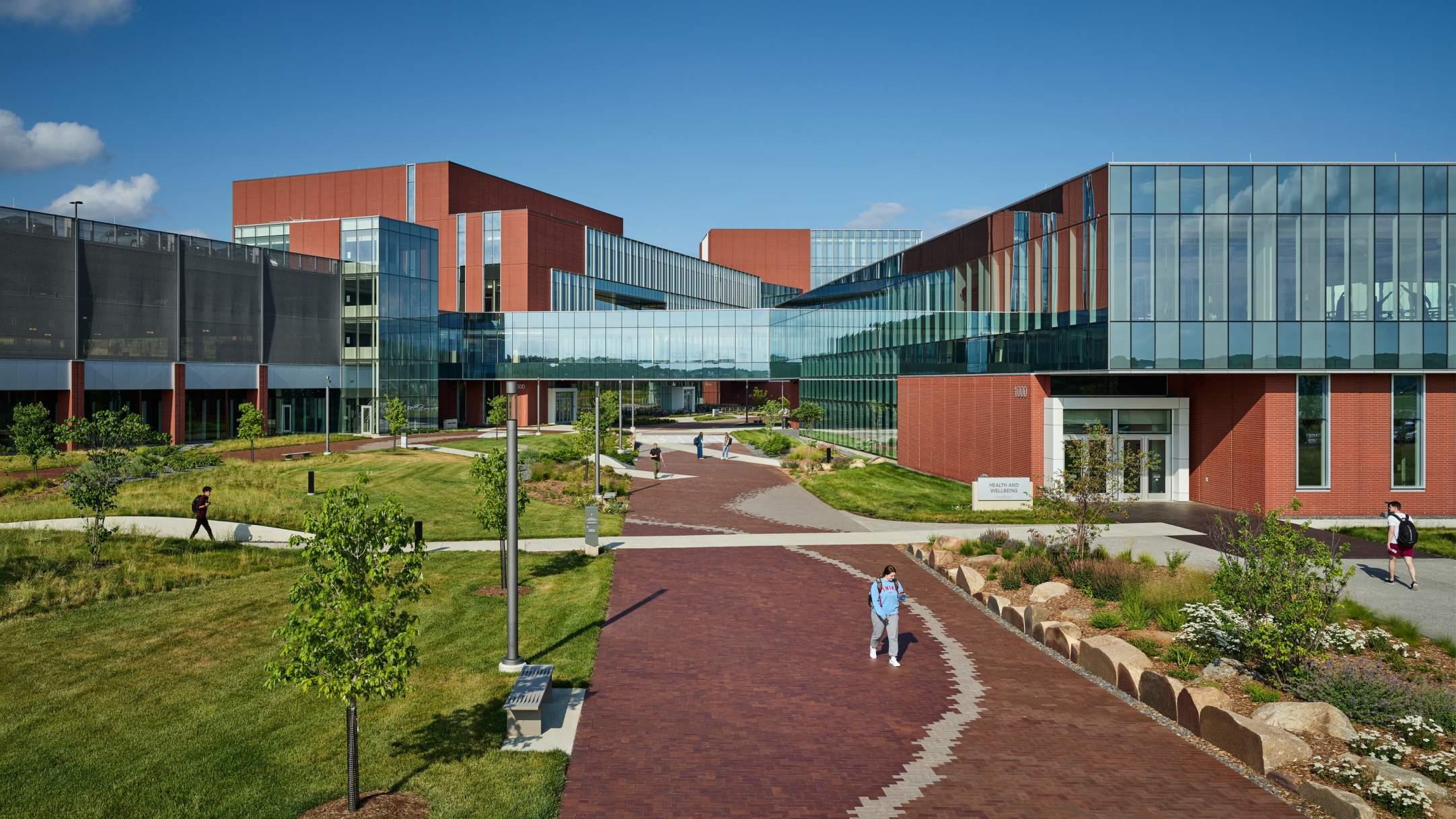
Award of Merit, Built West Des Moines, Dallas County RDG Planning and Design

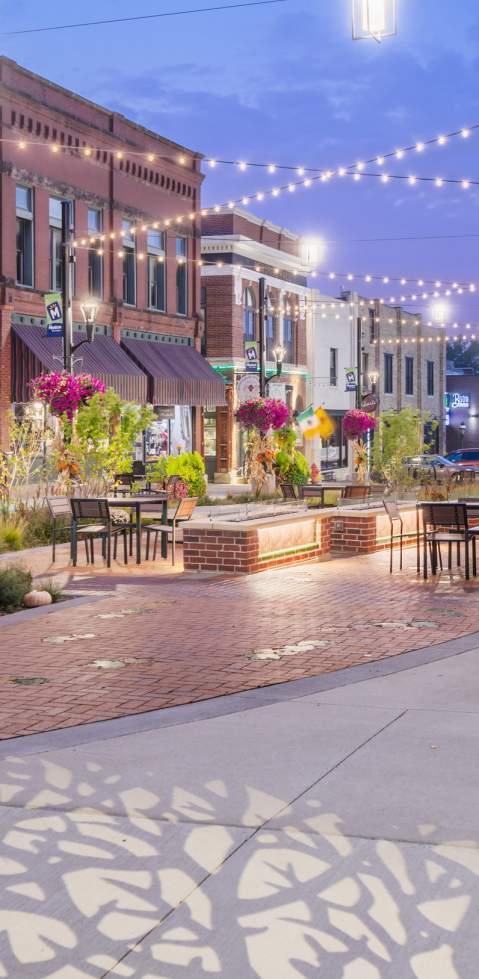
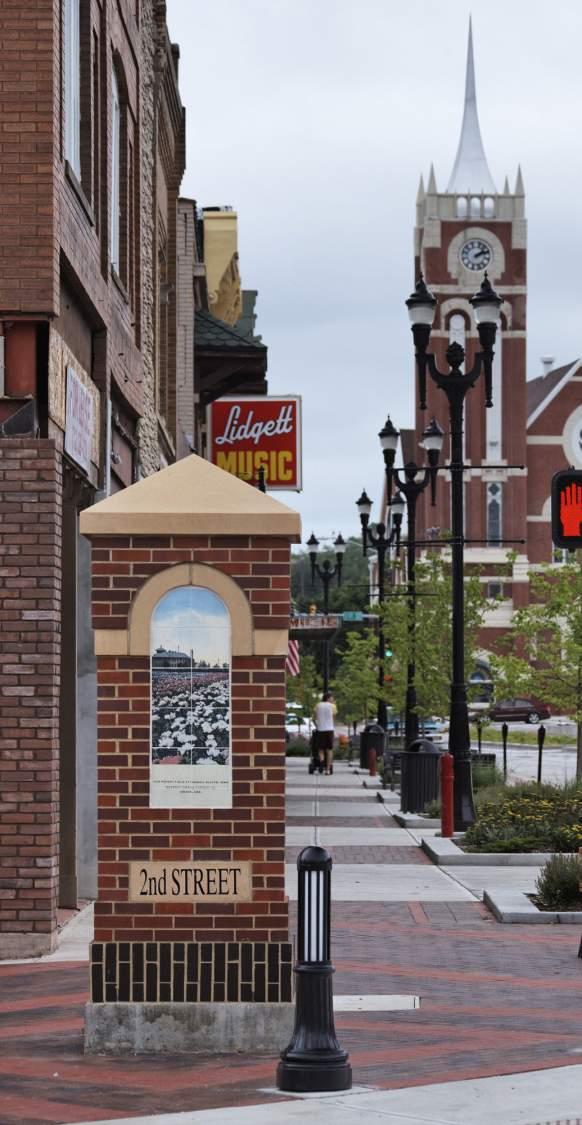
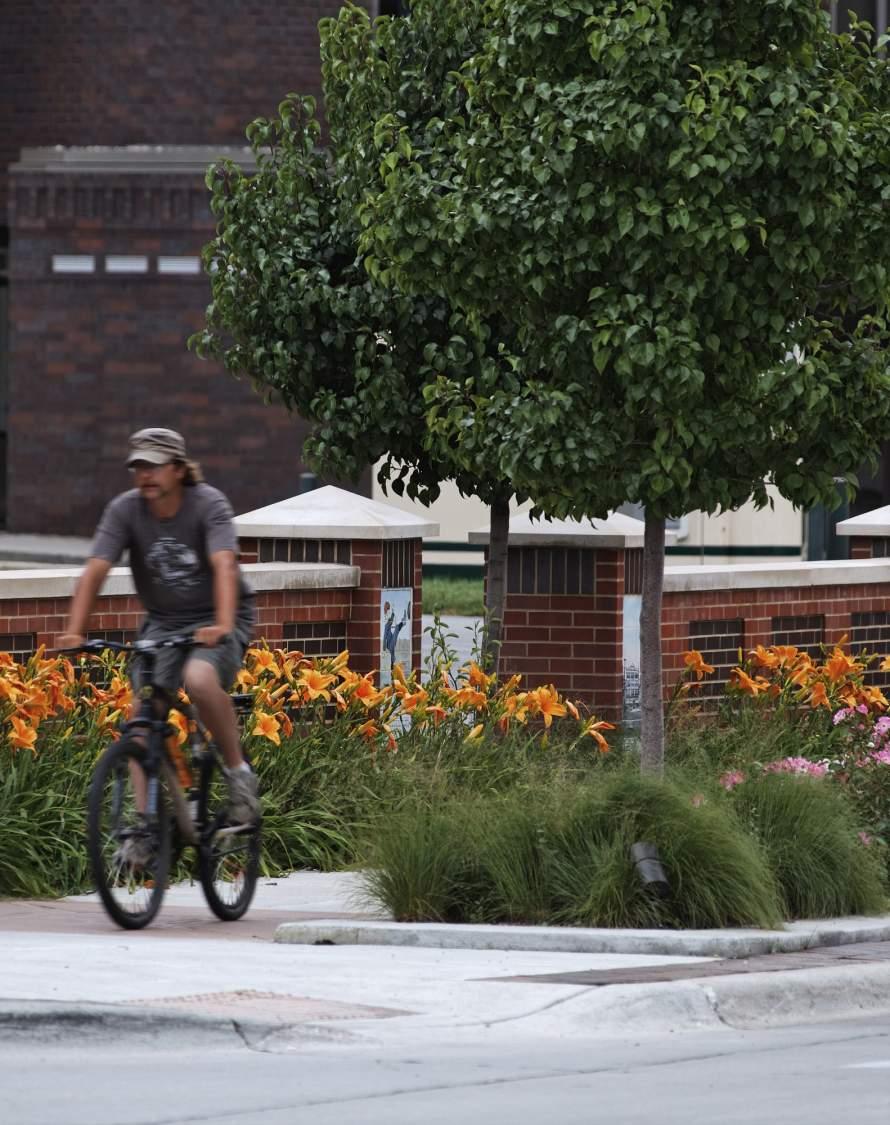
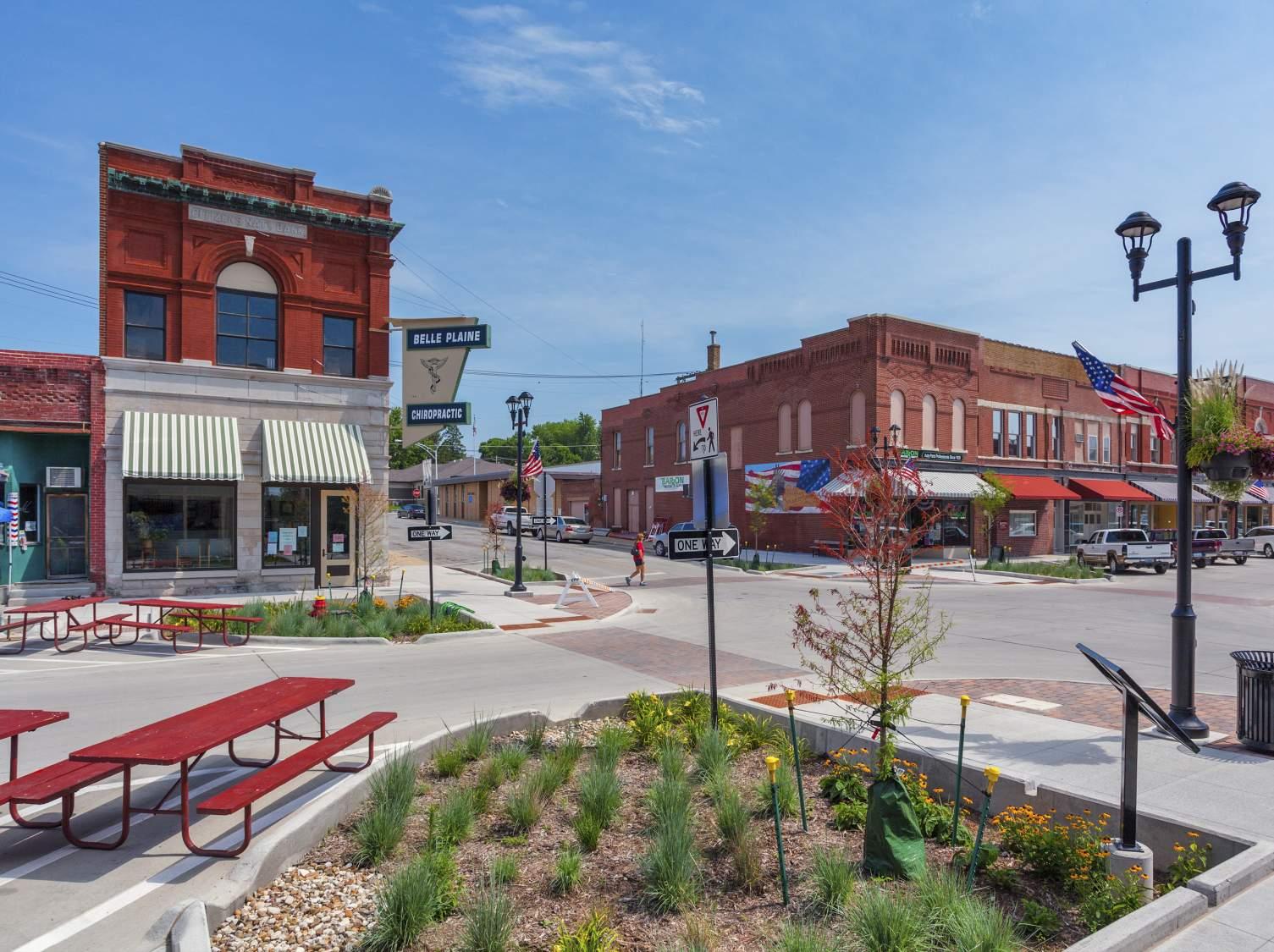
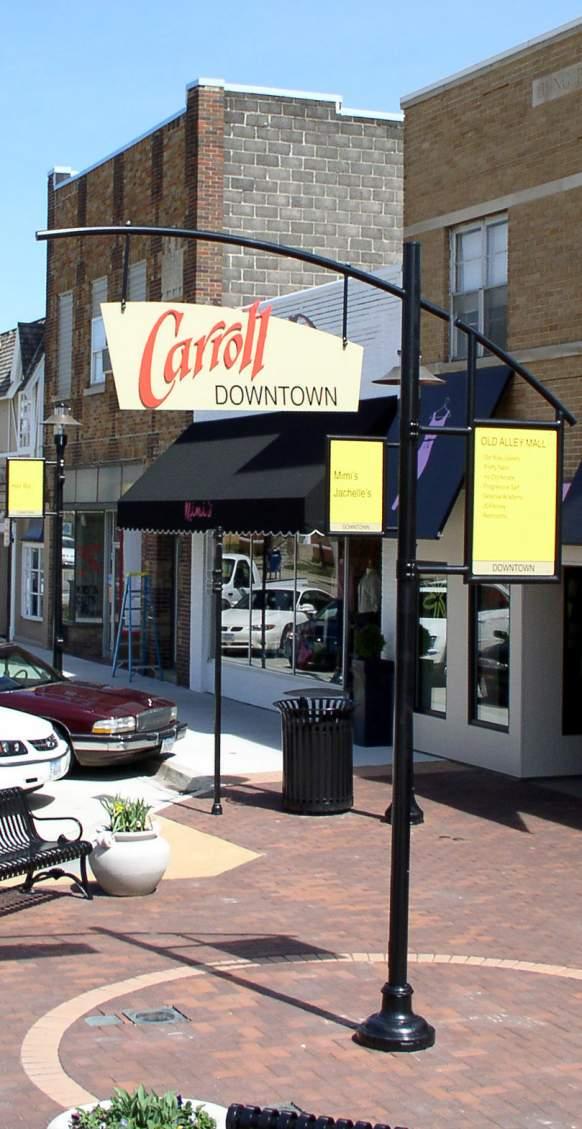
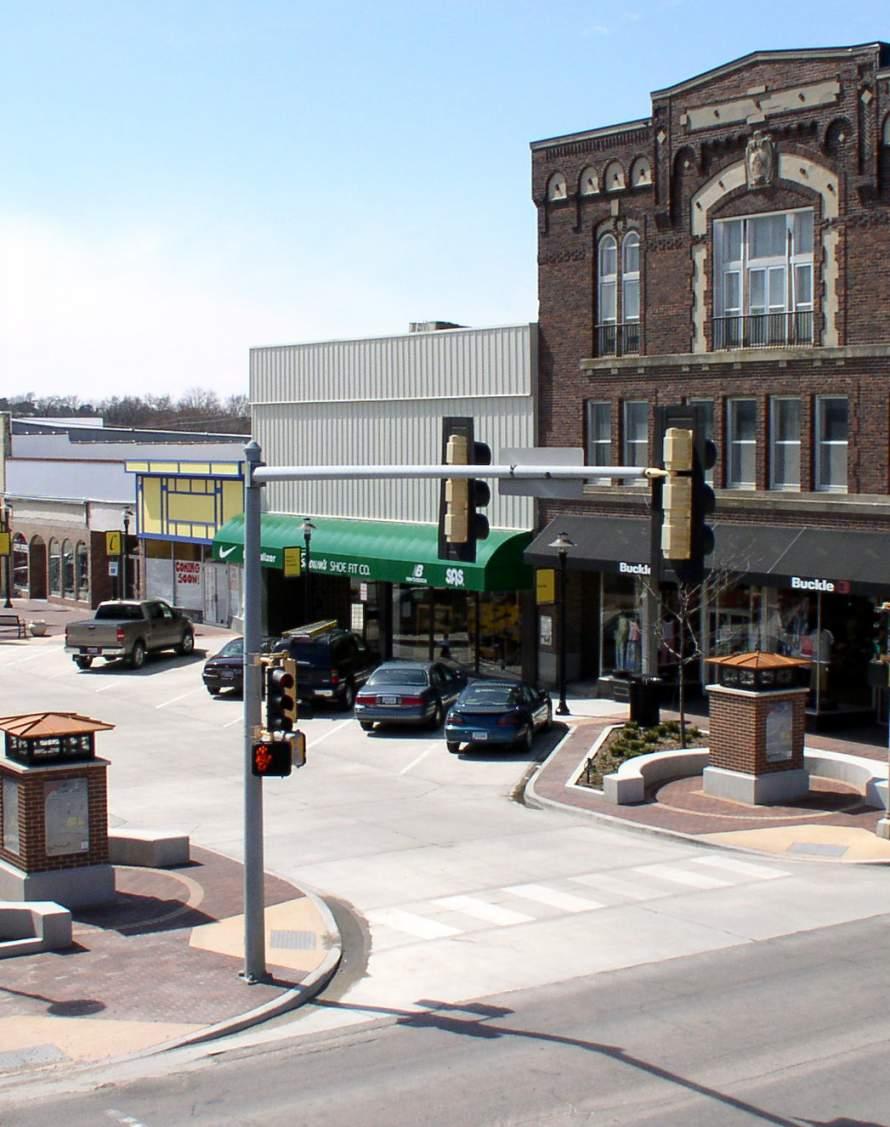
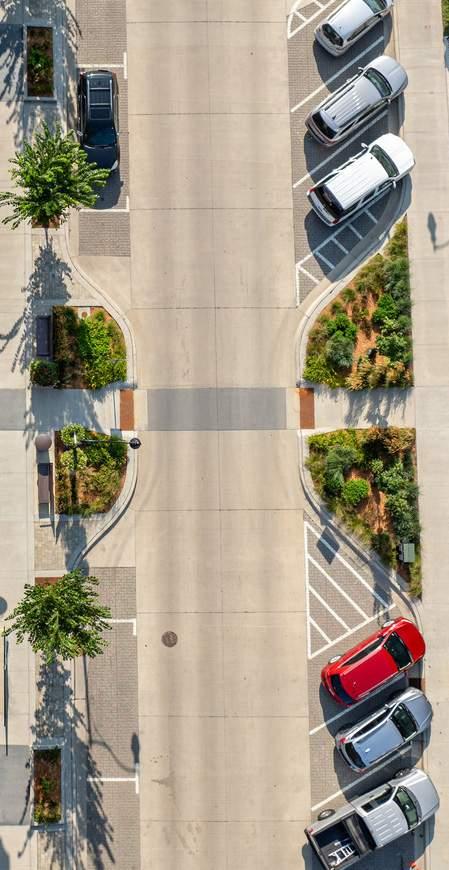
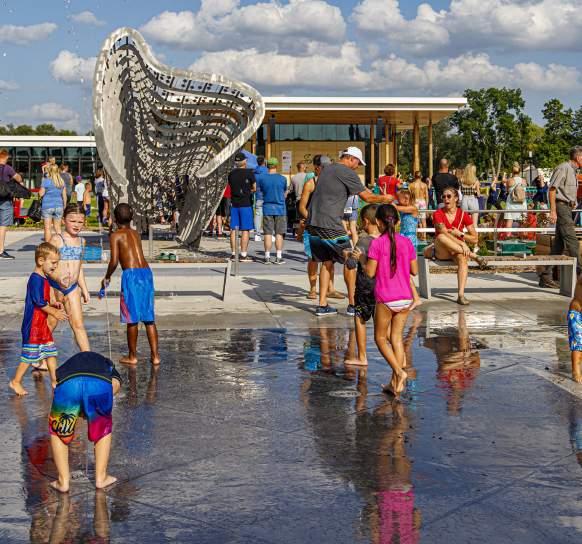
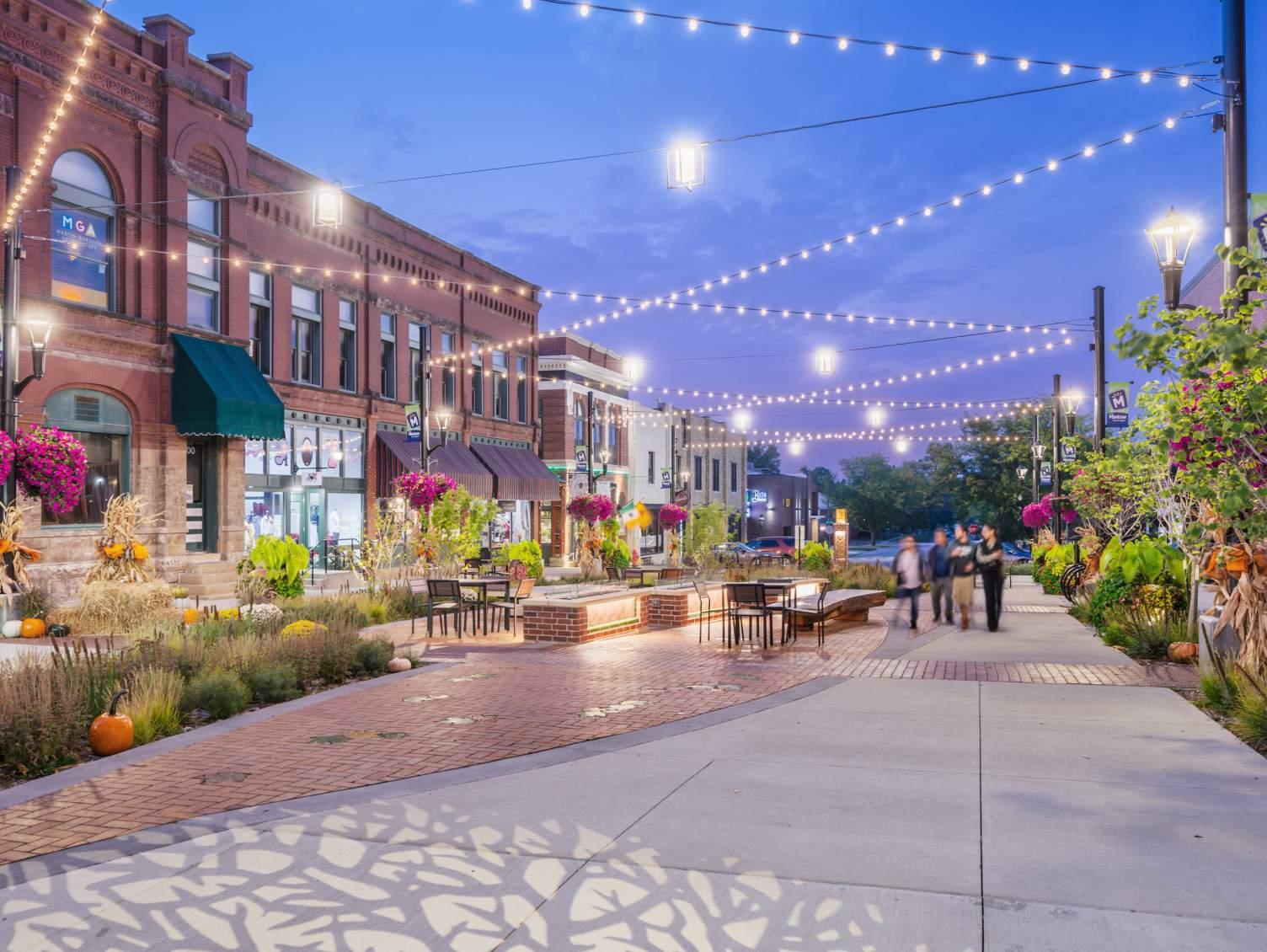
Landscape architects play a vital role in making our cities more livable, enjoyable, and safer. The professions hand in shaping functional and aesthetically pleasing streetscapes and plazas offers the following key impacts:
-Improve the Environment: Adding green spaces to clean air and manage stormwater
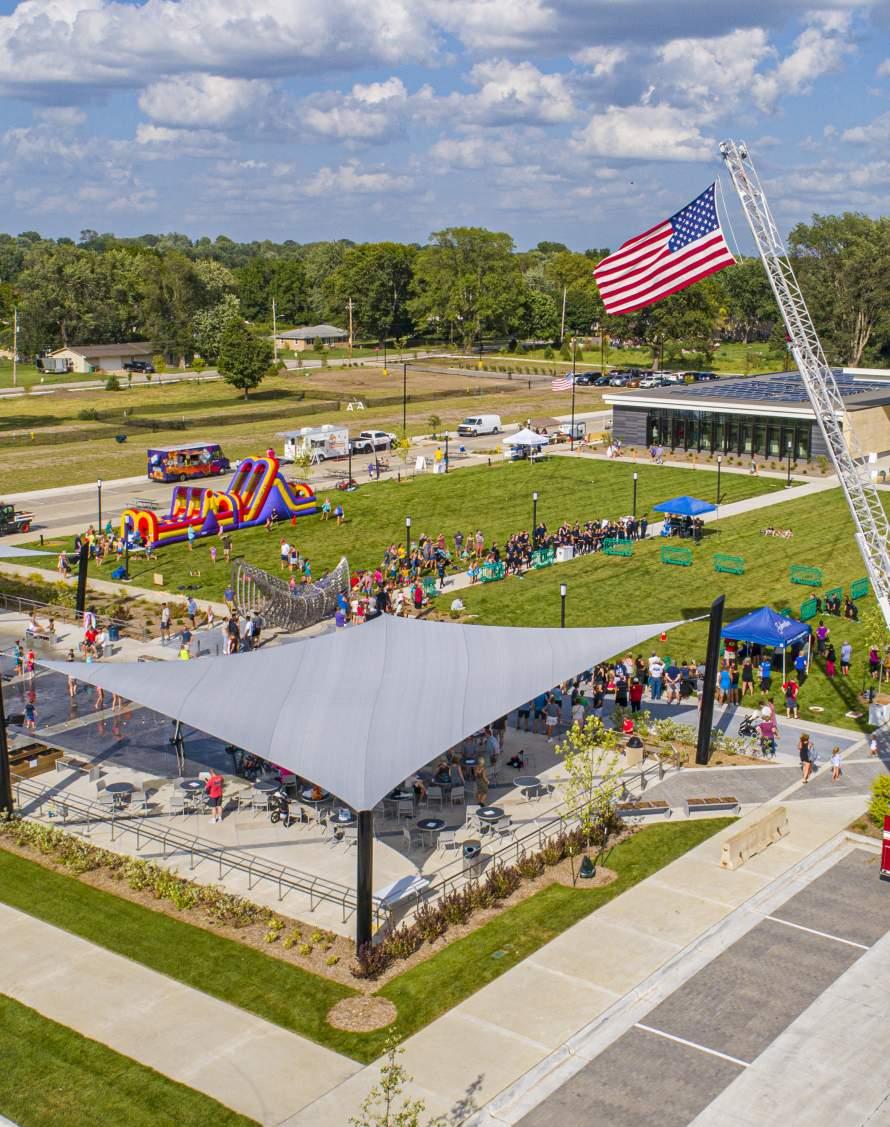
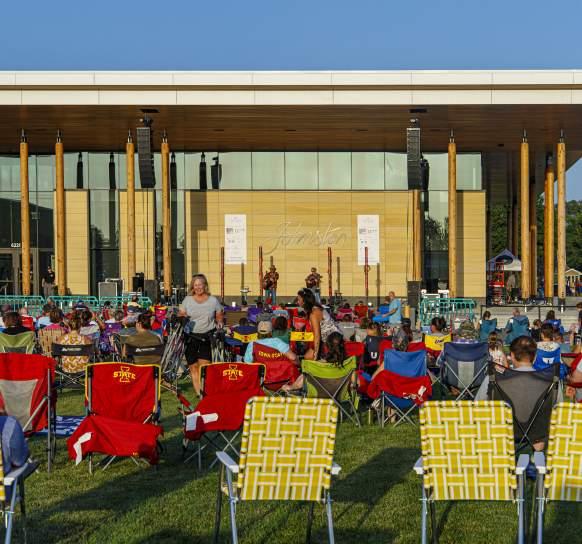
-Foster Community: Create inviting public areas for social interaction.
-Boost Economy: Attractive spaces draw buisness and increase property values
-Enhance Safety: Better lighting and built environments reduce accidents and crime.
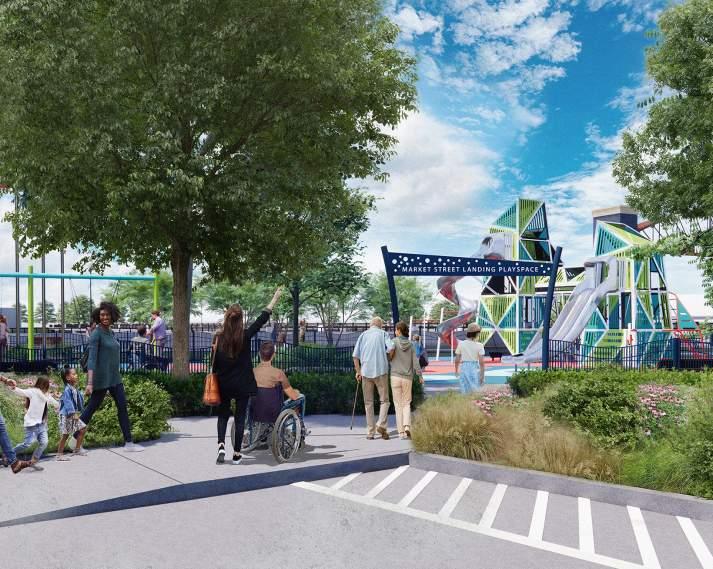
-Promote Accessibility: Ensure public areas are usable by everyone.
-Showcase Culture: Reflect local culture and history, creating a unique sense of space.
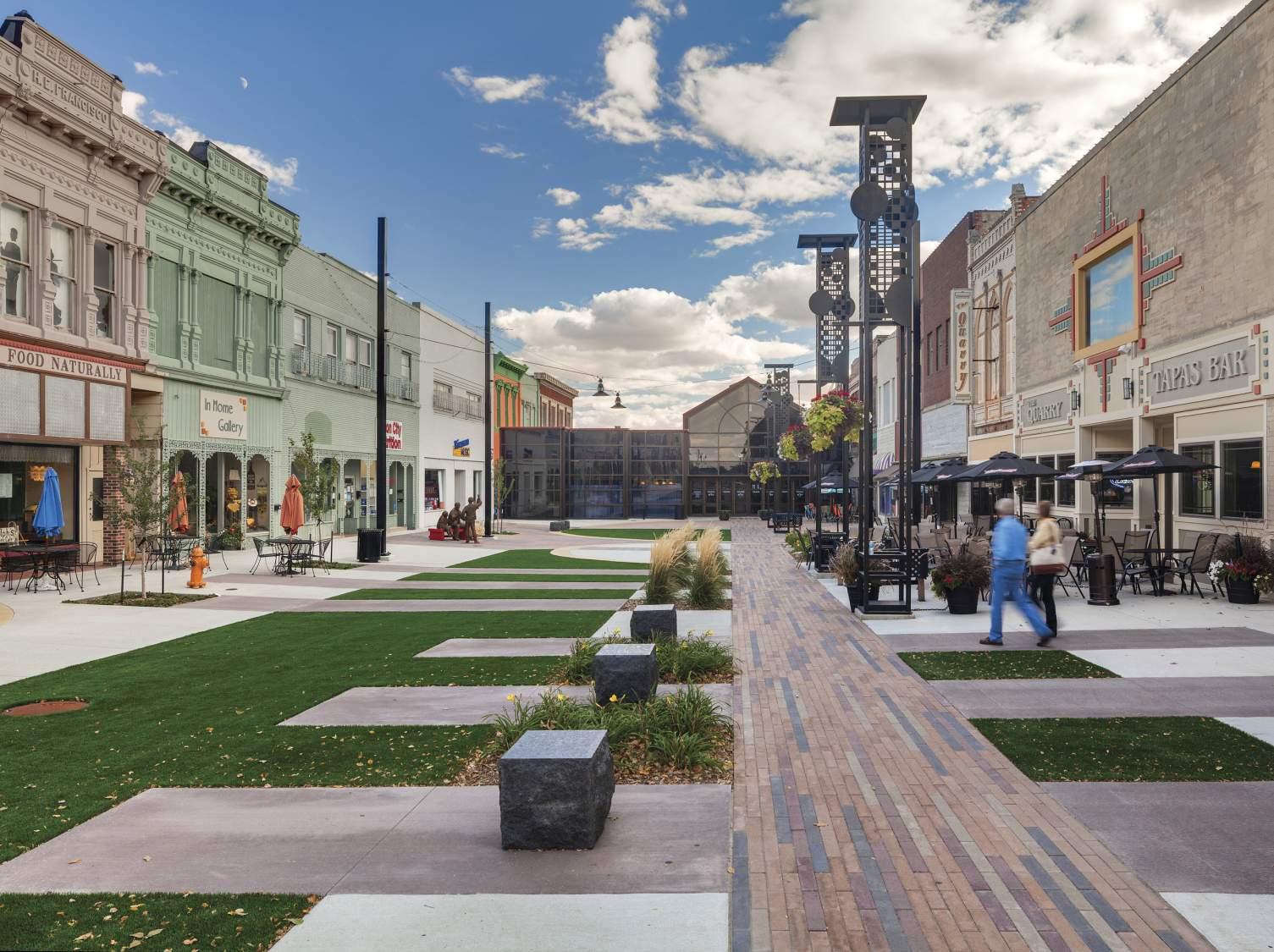
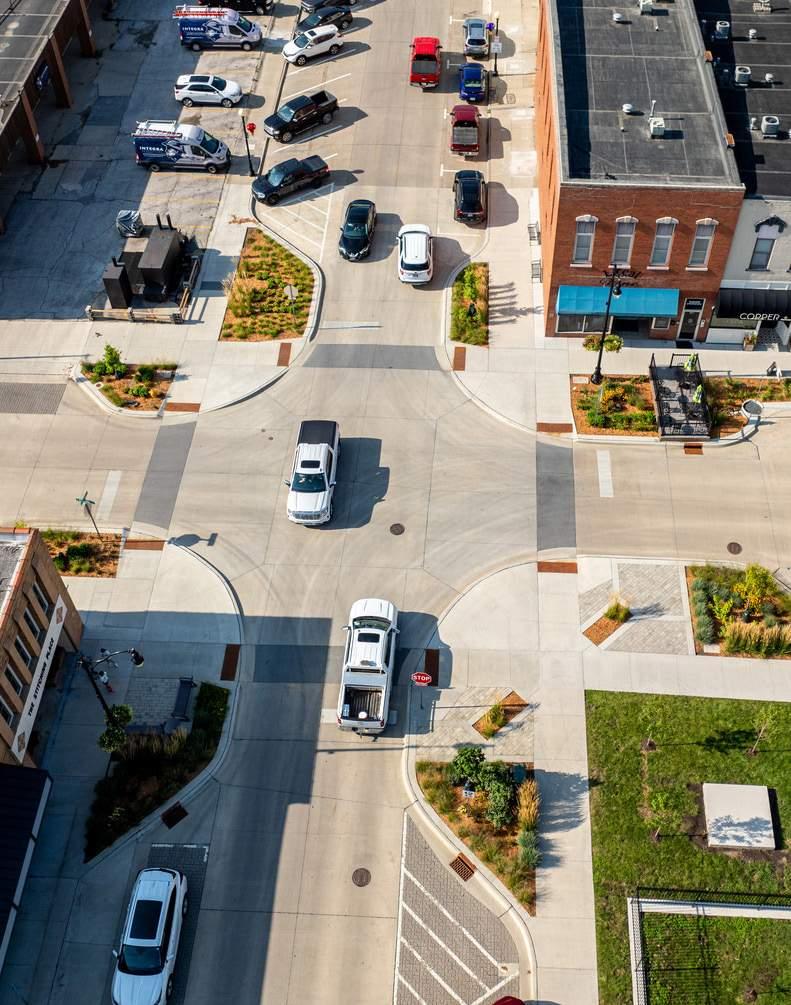
Indianola City Square
Indianola, Warren County
Confluence
Marion, Linn County

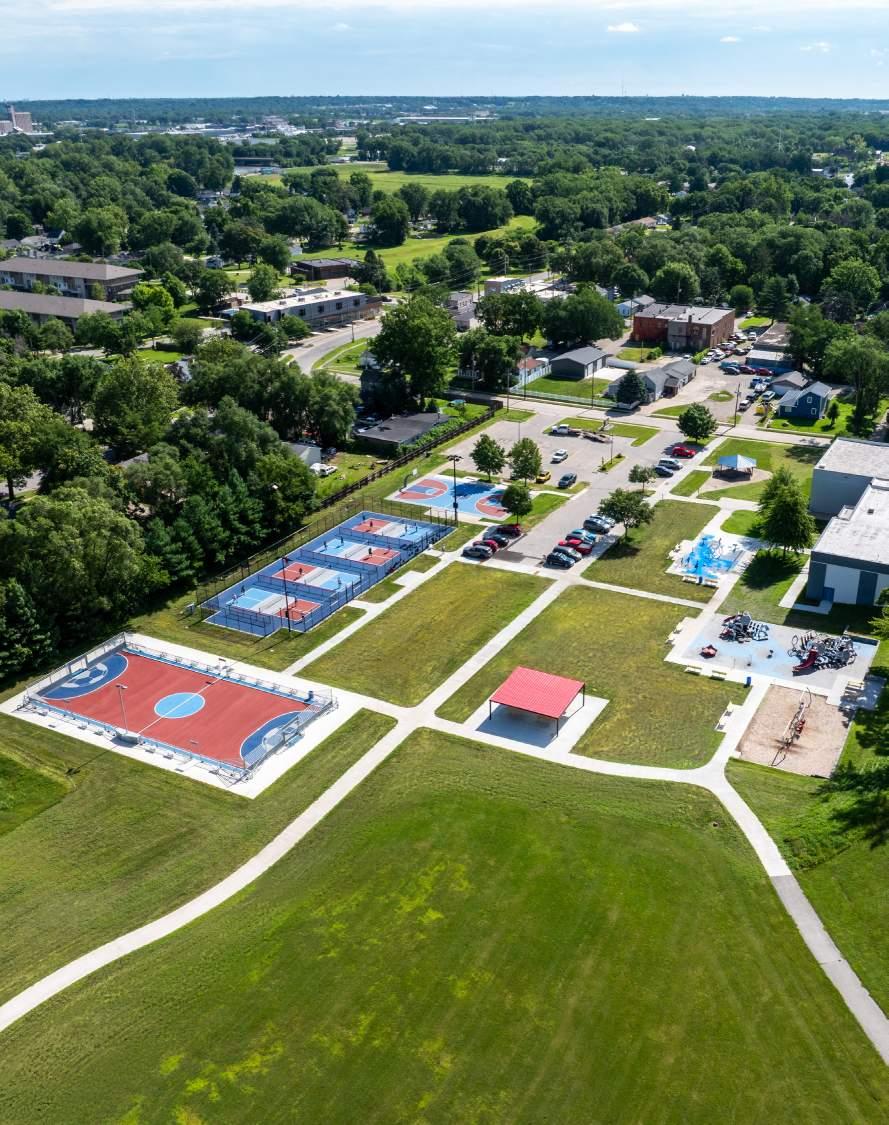
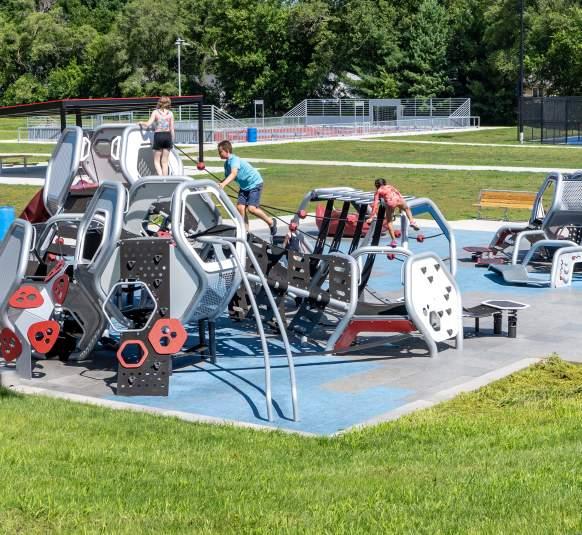
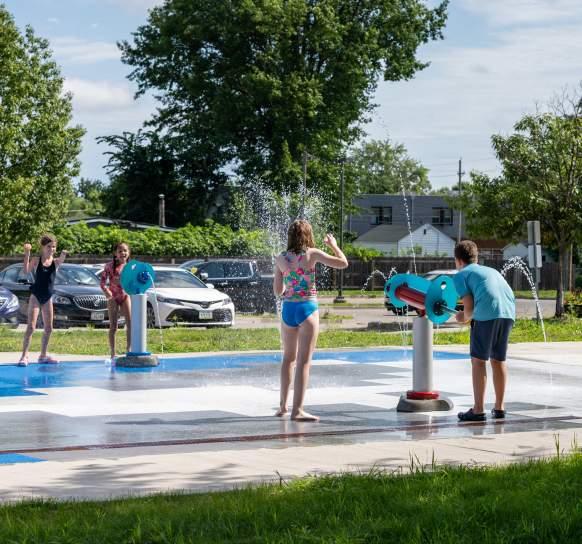
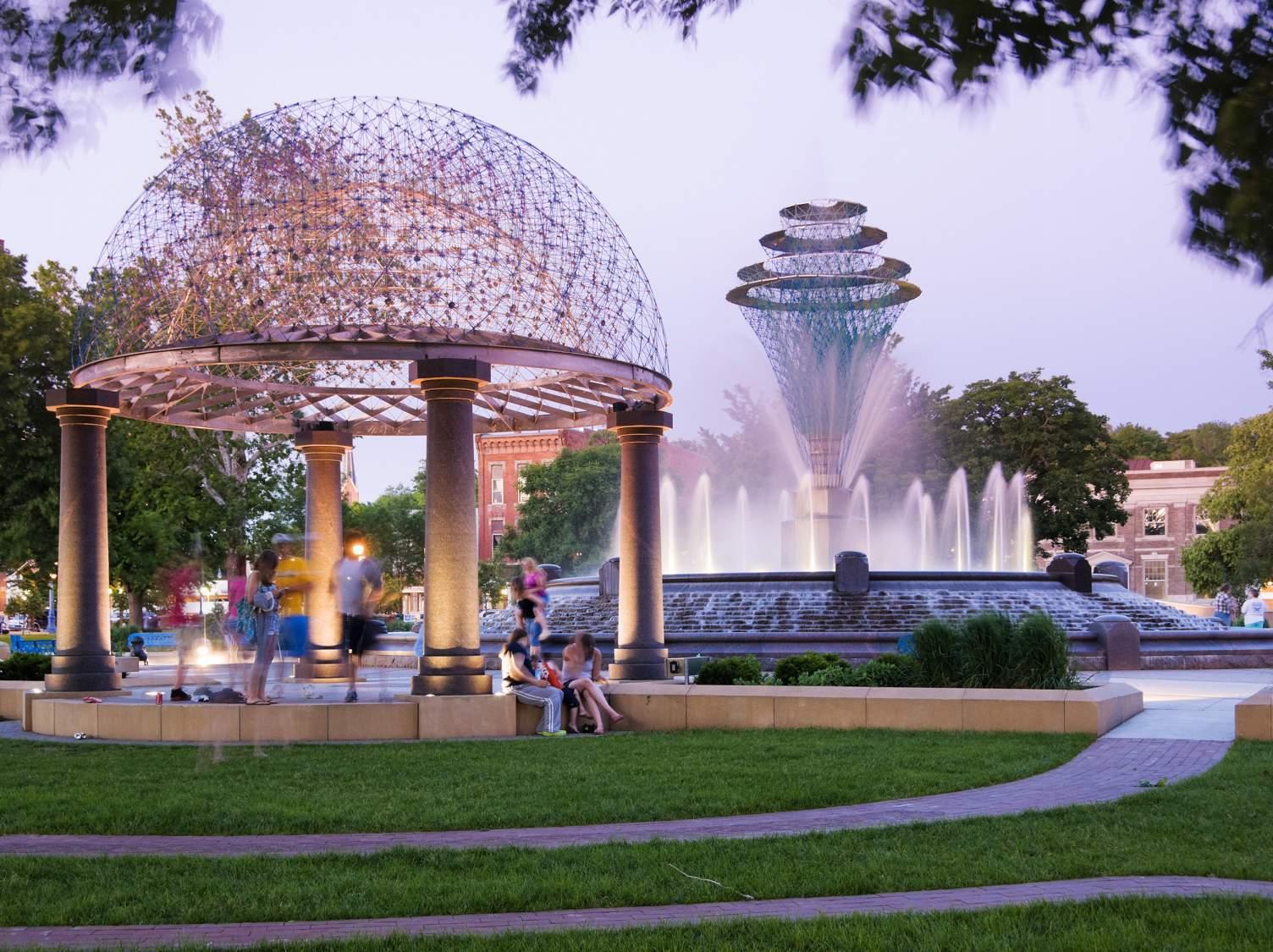
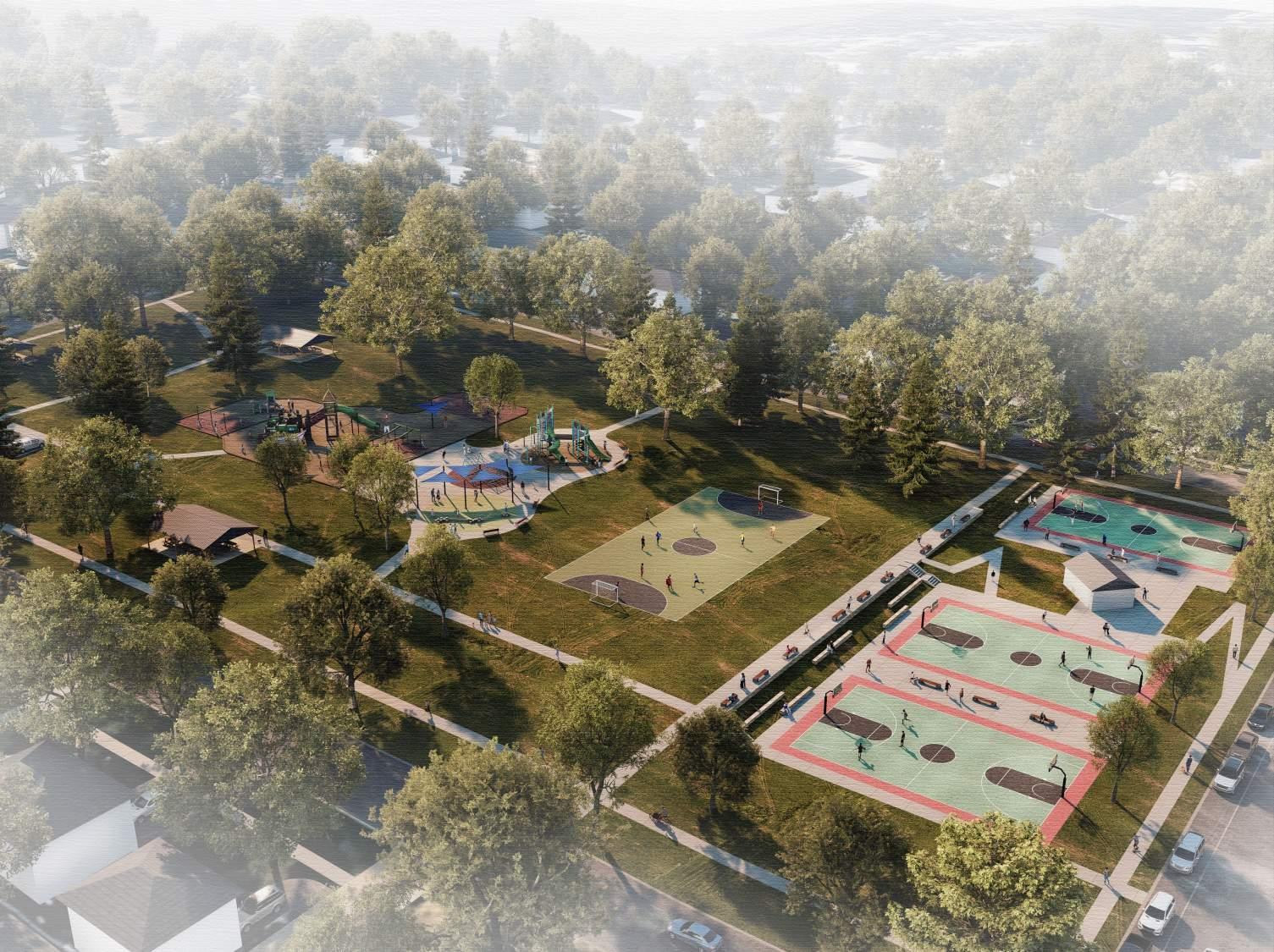
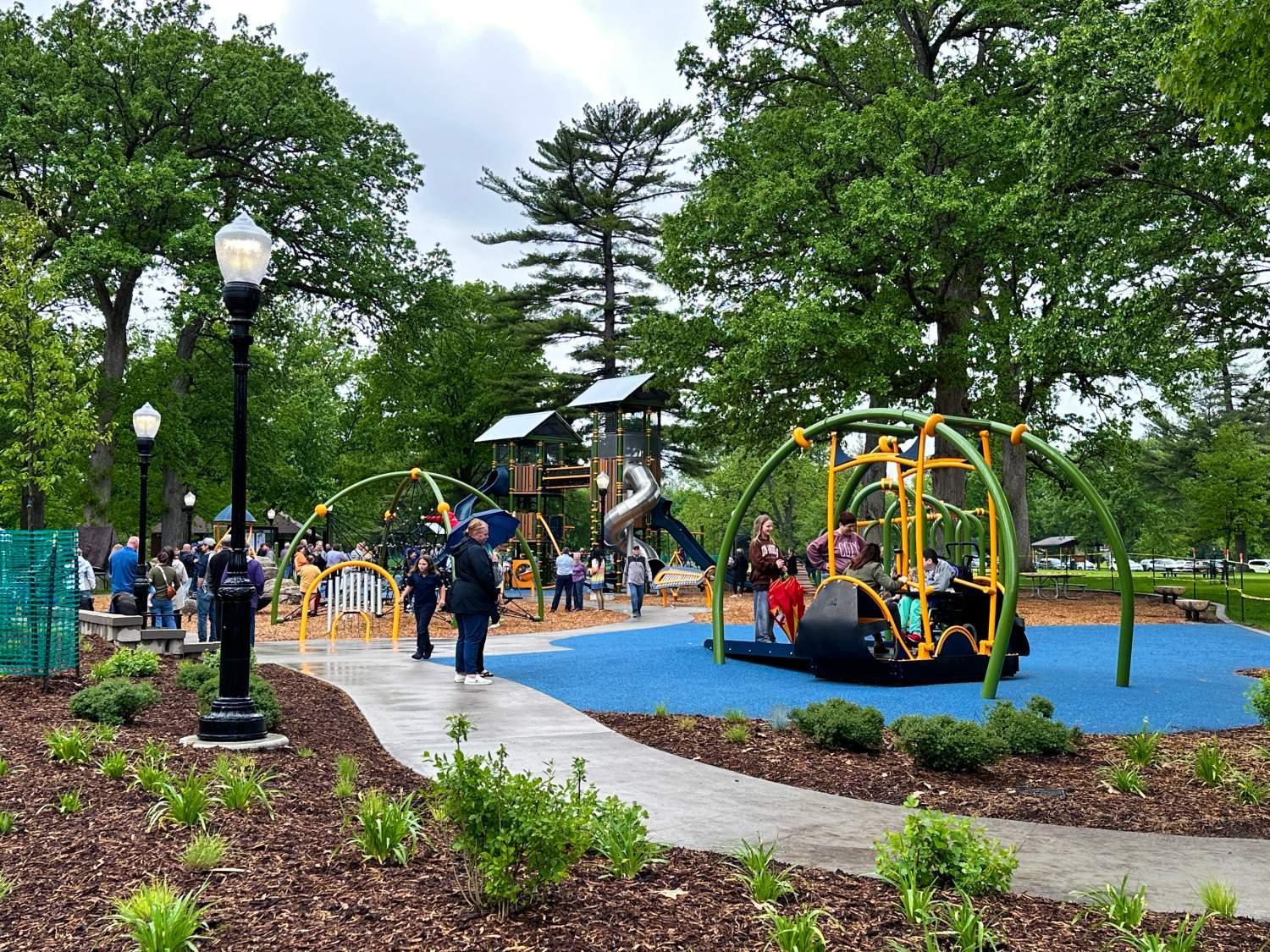
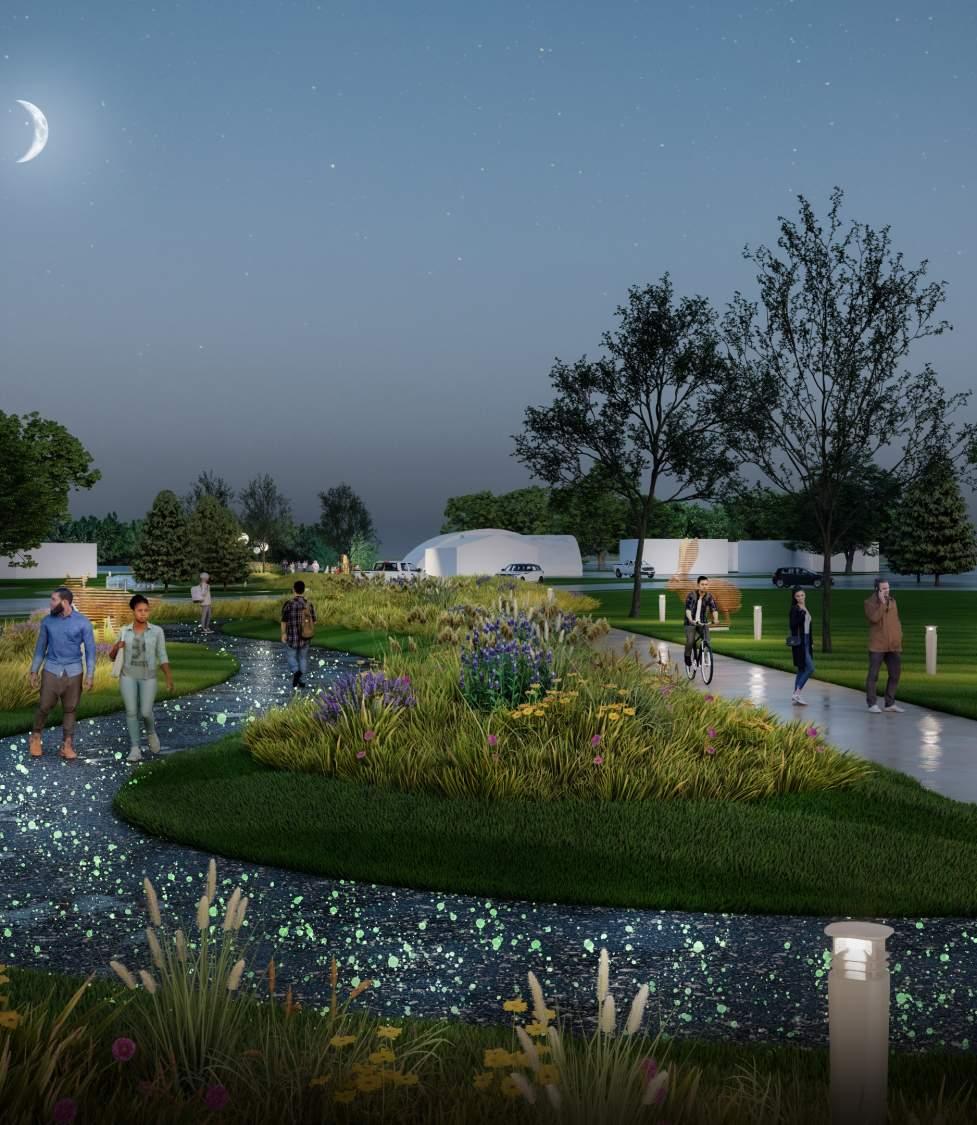
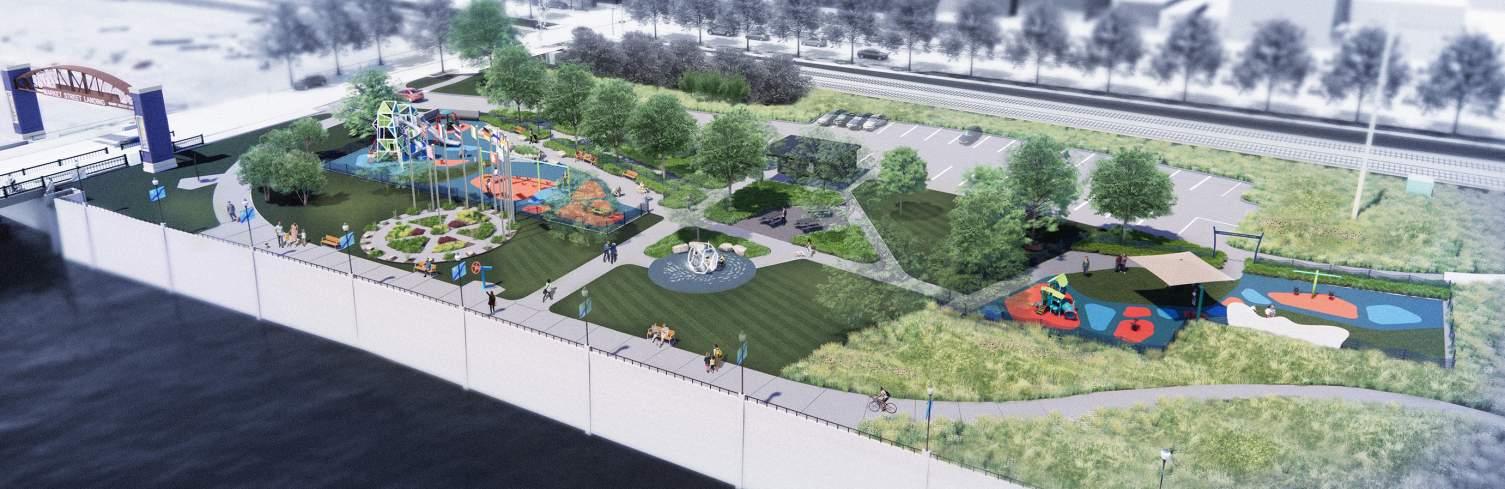
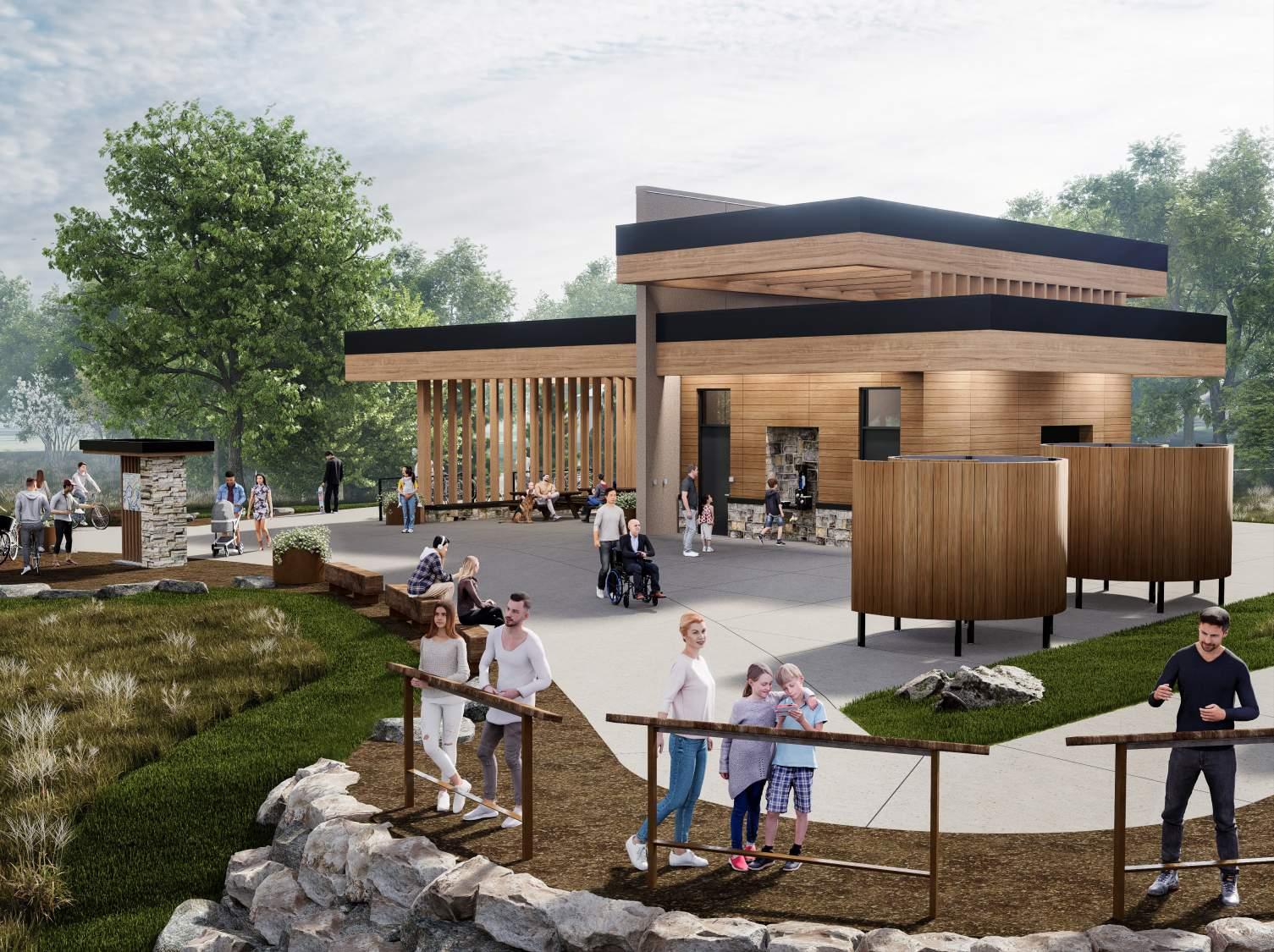
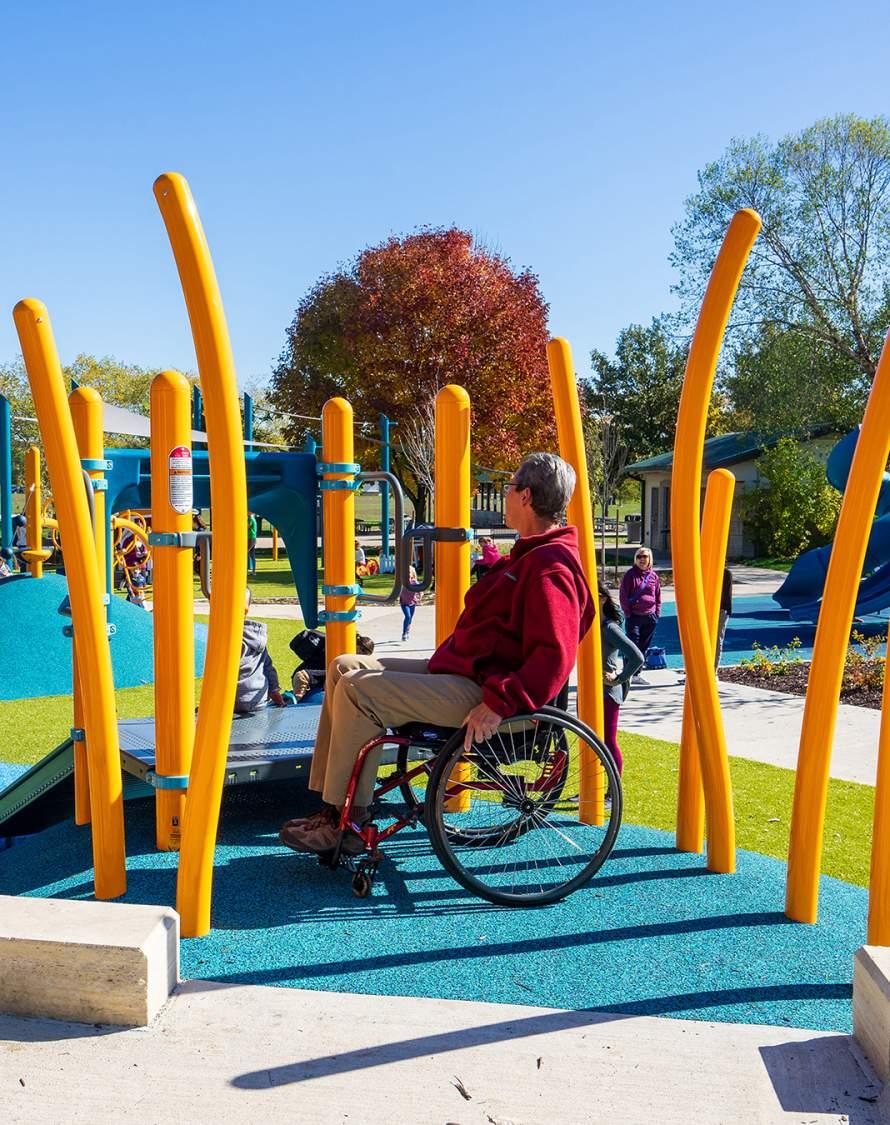
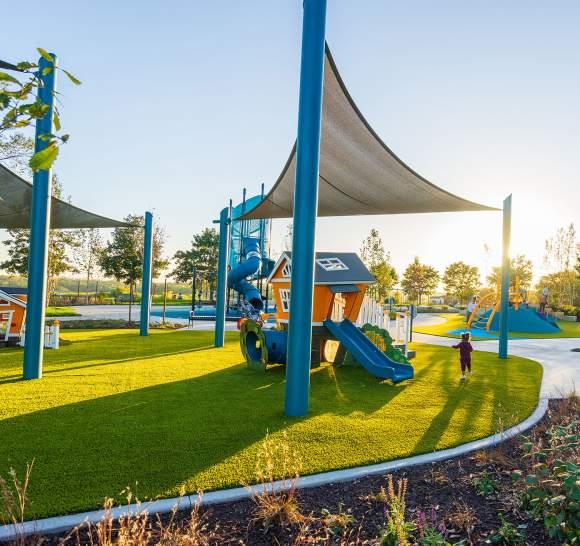
Landscape architects make a huge impact on cities bycreating heallither, more connected and environmentally sustainable urban green spaces.
-Enhance Health: Designed Spaces for exercise and relaxation, improve physical and mental wellness.
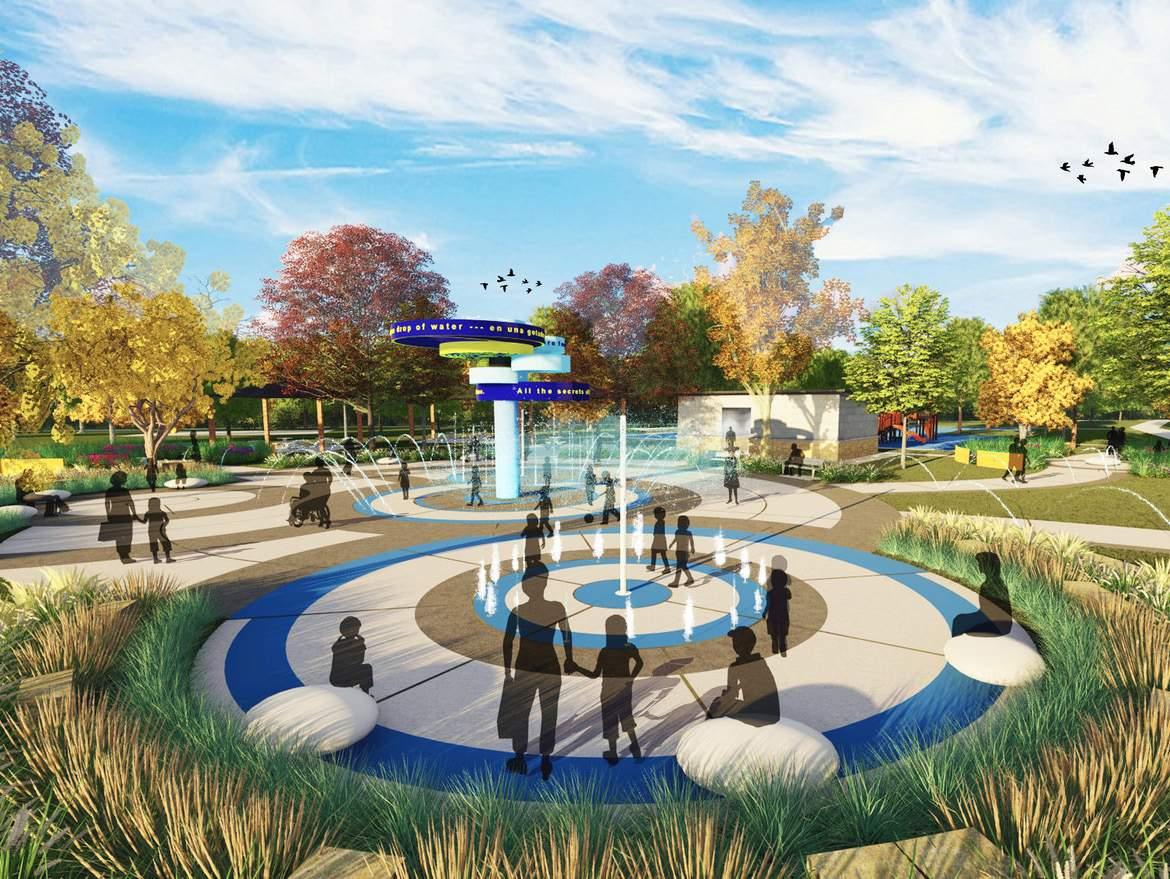
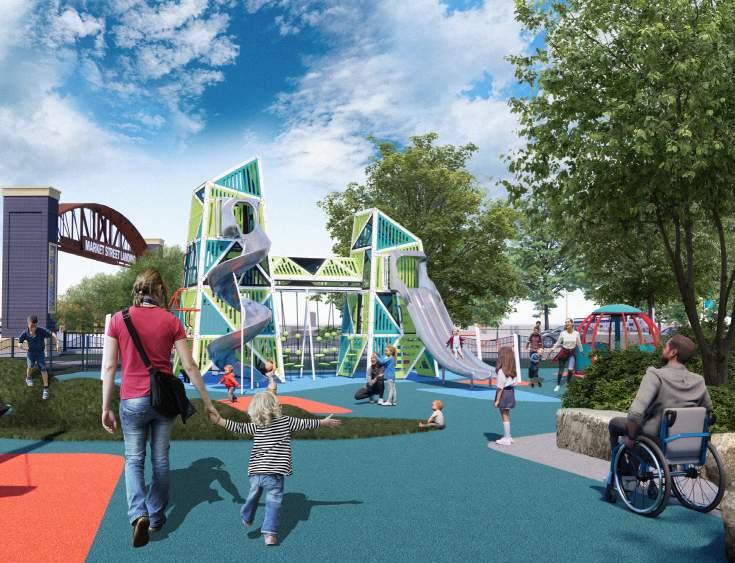
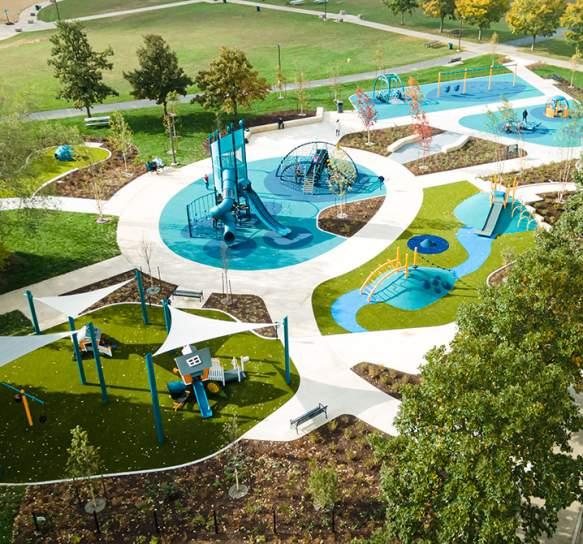
- Create Healthier Cities: Improve physical and mental wellness through opportunities for excercise and relaxation. Playgrounds help children develop skills through sensory, social, and motor play.
- Support the Natural Environment: Integrate native plants and wildlife habitat that support local ecosystems. Trees help reduce urban heat island effect.
- Increase Community Cohesion: Parks are cornerstones of successful neighborhoods, creating safe spaces for communities to gather and bond.
Council Bluffs, Pottawattamie County
Dankwardt Playground
Burlington, Des Moines County
Ankeny, Polk County

West Des Moines, Polk County

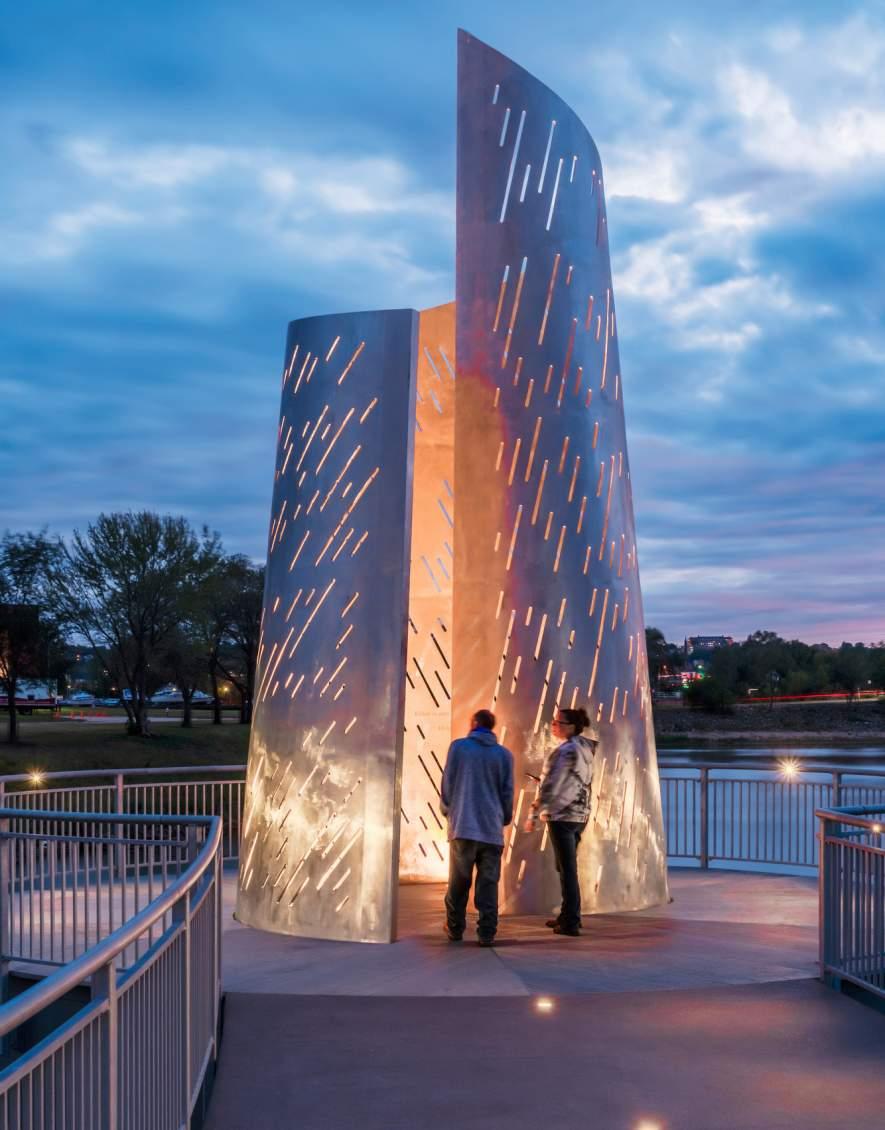
Landscape architects’ implementation of art creates more vibrant, culturally rich, and engaging, leading to these significant impacts:
-Aesthetic Enrichment: Public art makes cities more appealing and enjoyable
-Cultural Expression: Art installations reflect local culture an history, fostering a sense of identity.
-Social Engagement: Art in public spaces enourages community interaction and participation.
-Economic Boost: Attractive art can draw t ourists and boost local buisnesses.
-Educational Value: Art serves as a tool to educaate and inspire creativity.
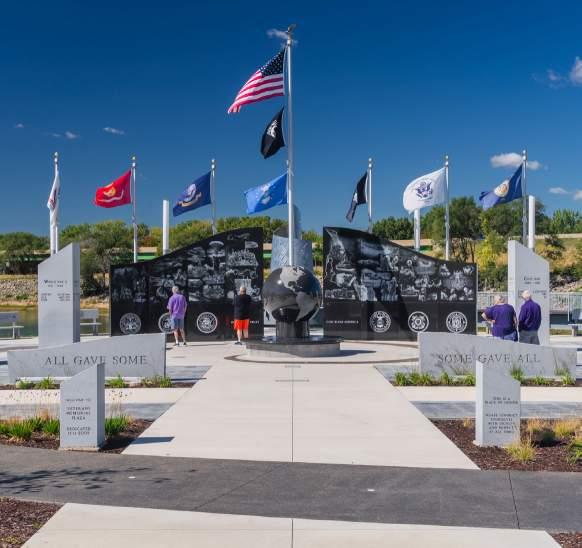
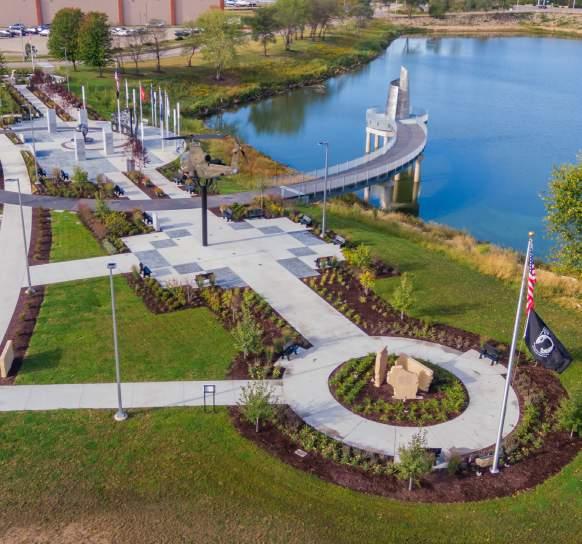
Chaplain Schmitt Island
Veteran’s Memorial Plaza
Dubuque, Dubuque County
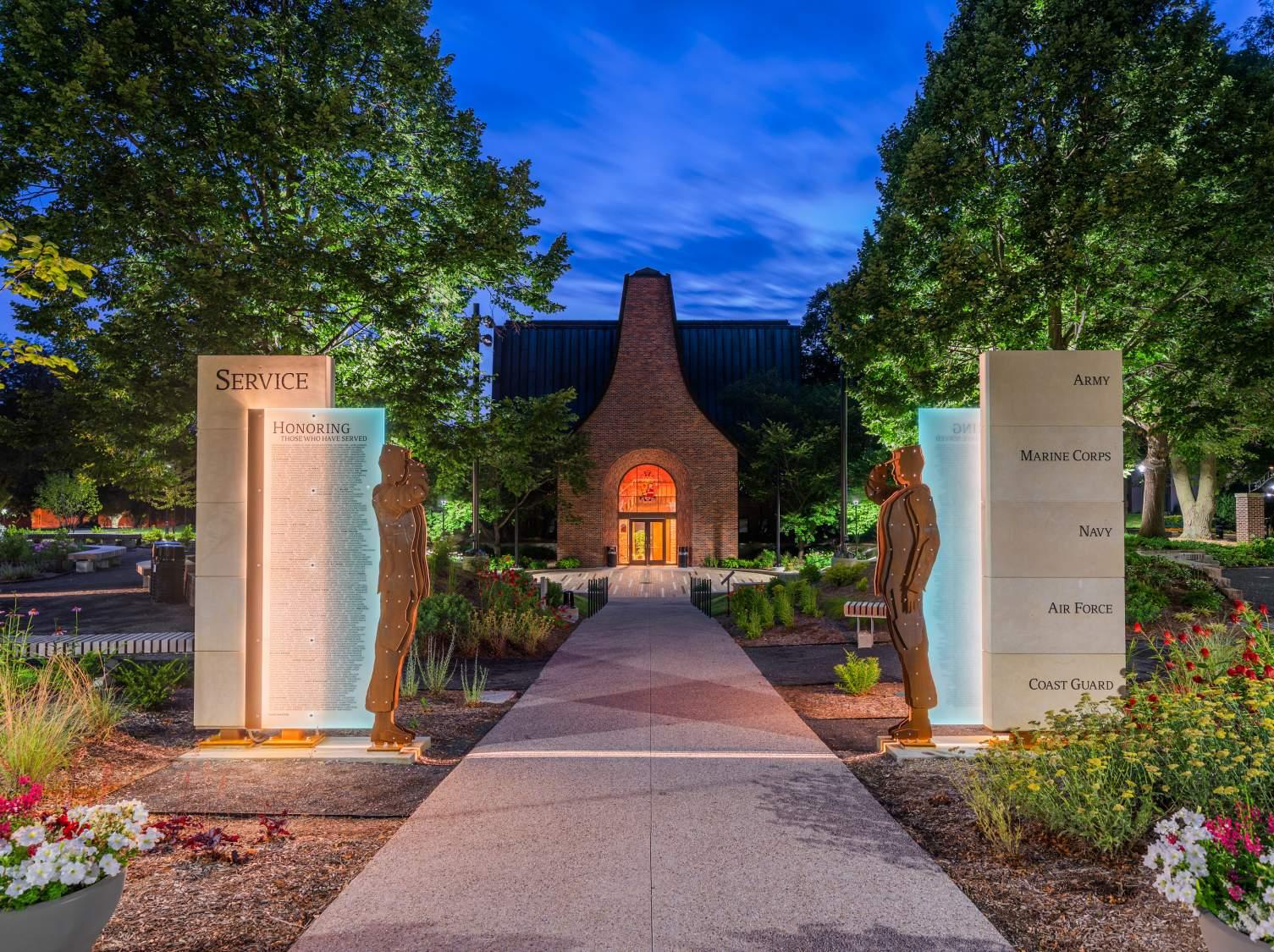
Pella, Marion County
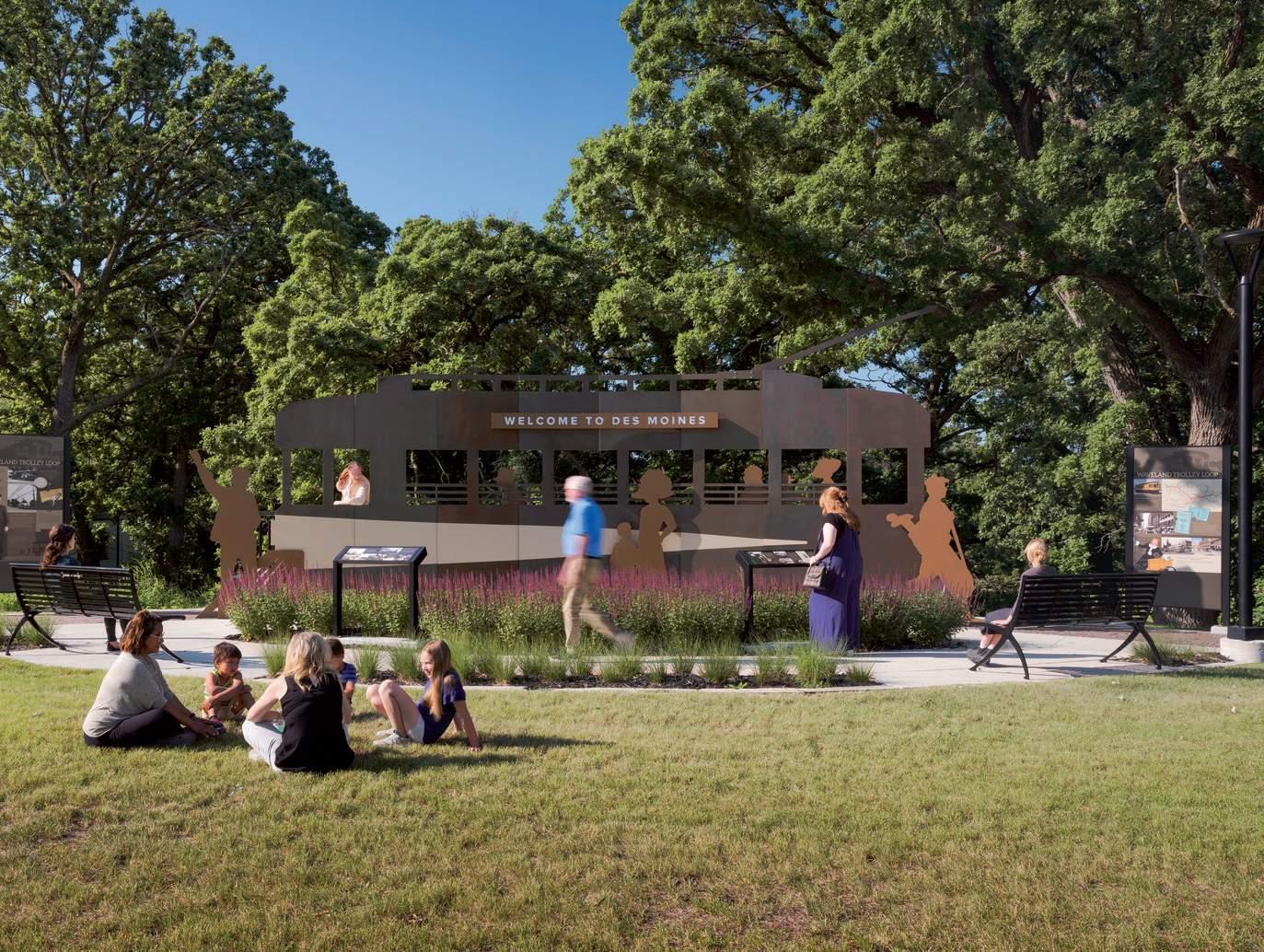
Trolley Loop
Des Moines, Polk County
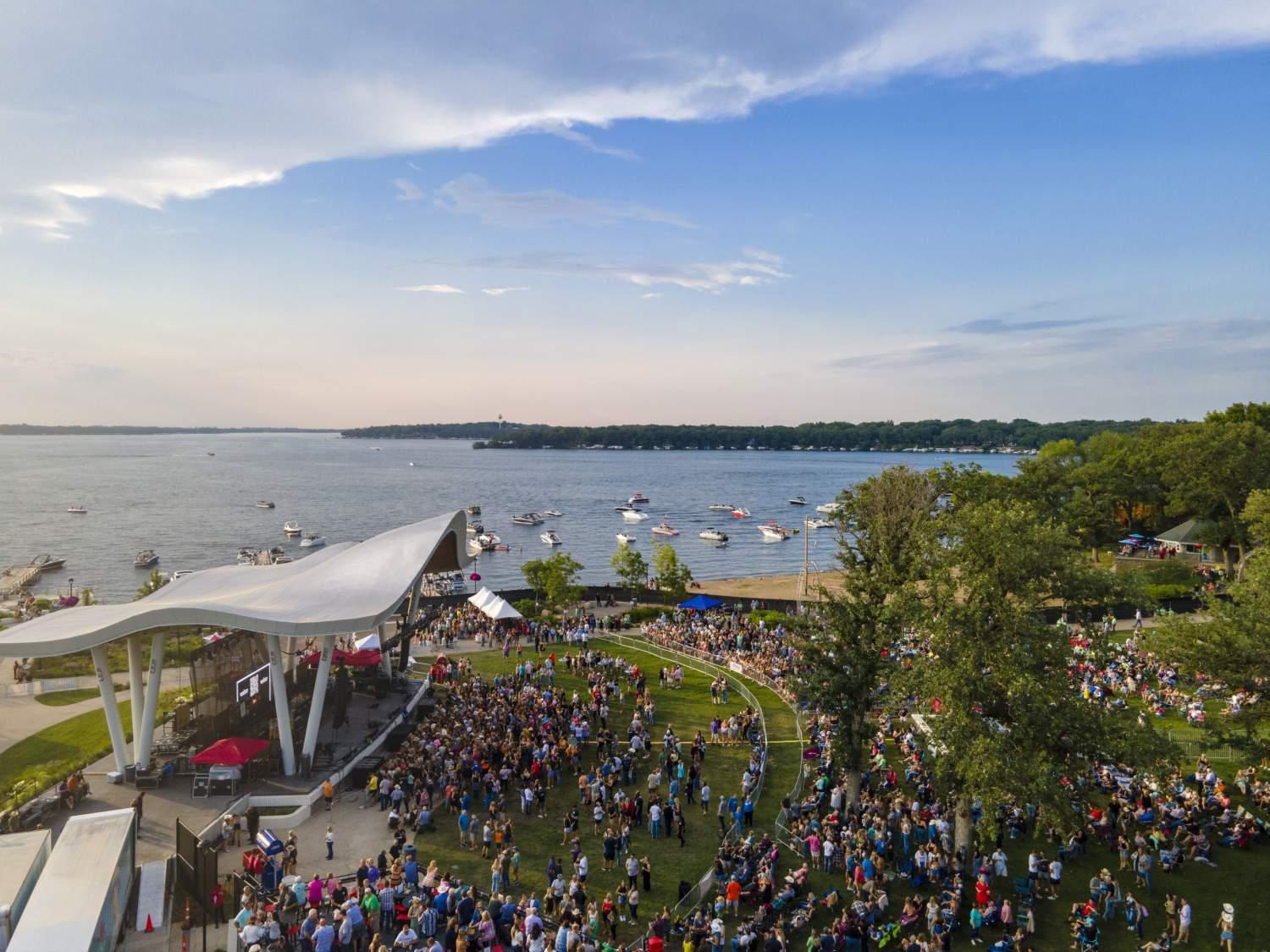
Arnolds Park, Dickinson County
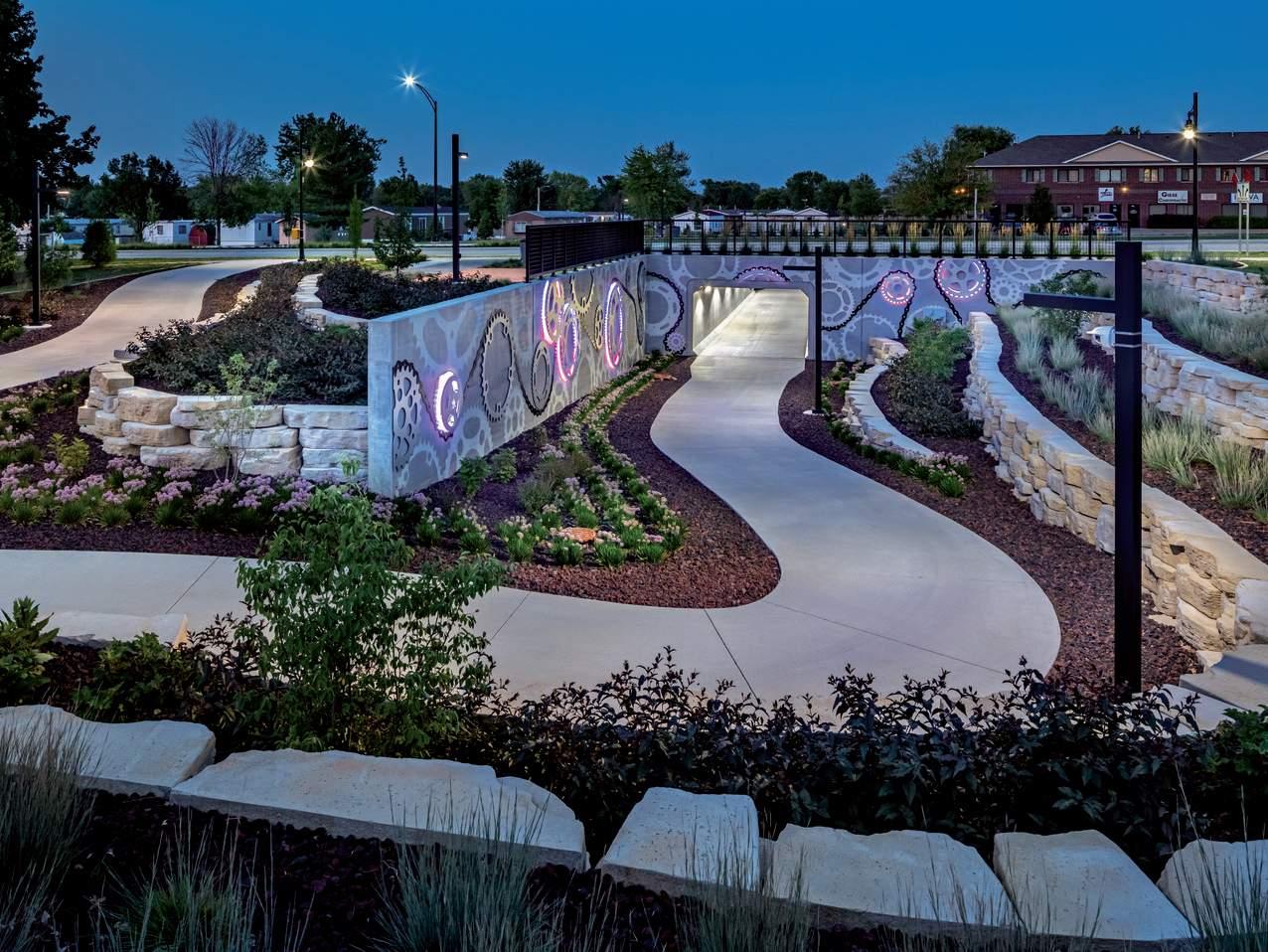
Pedestrian Underpass
North Liberty, Johnson County
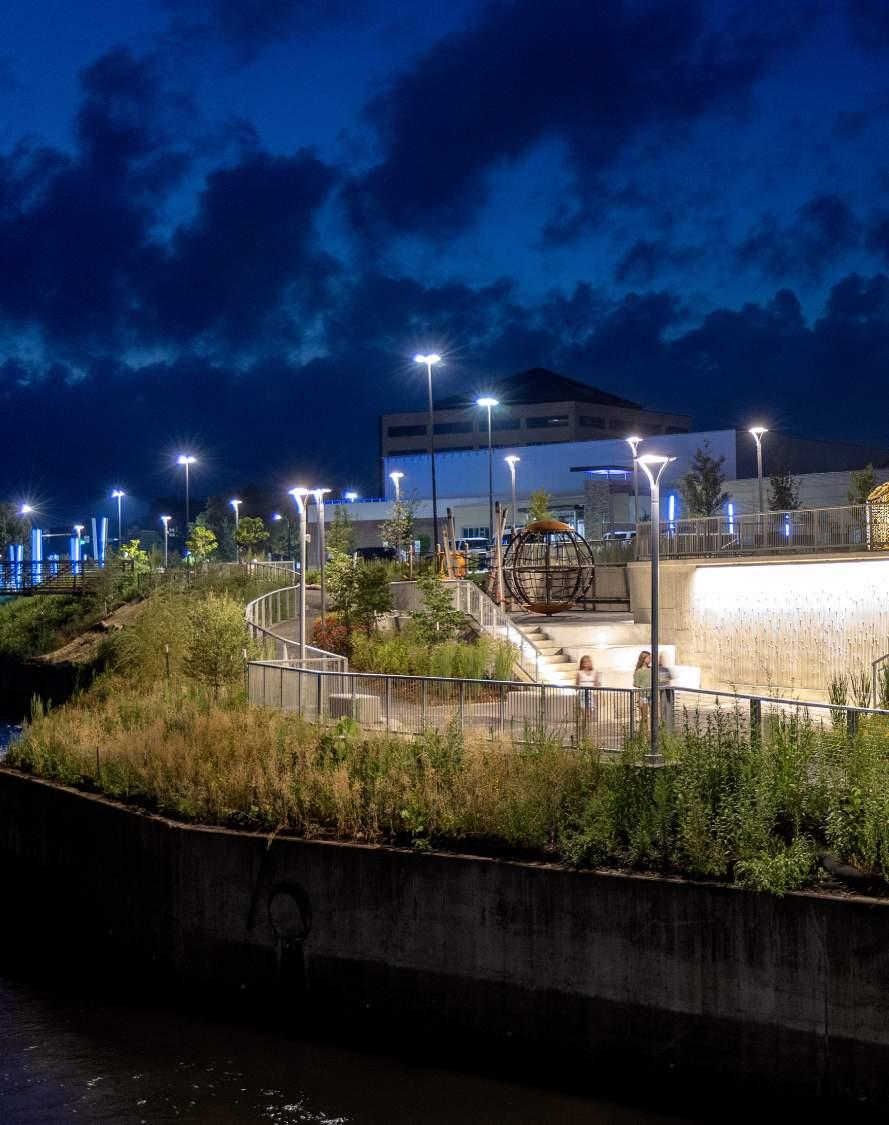
Confluence
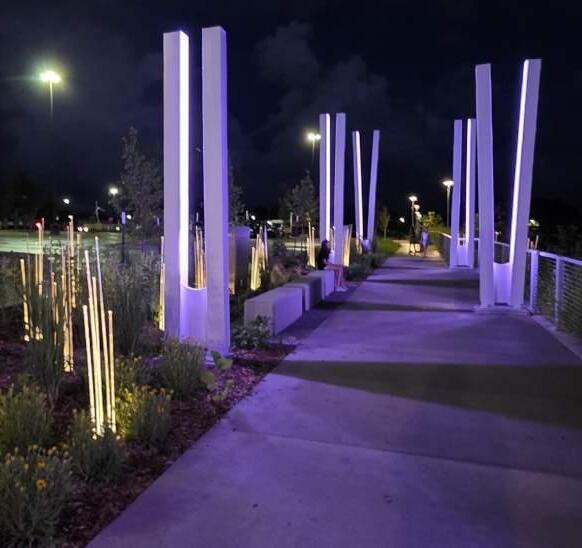
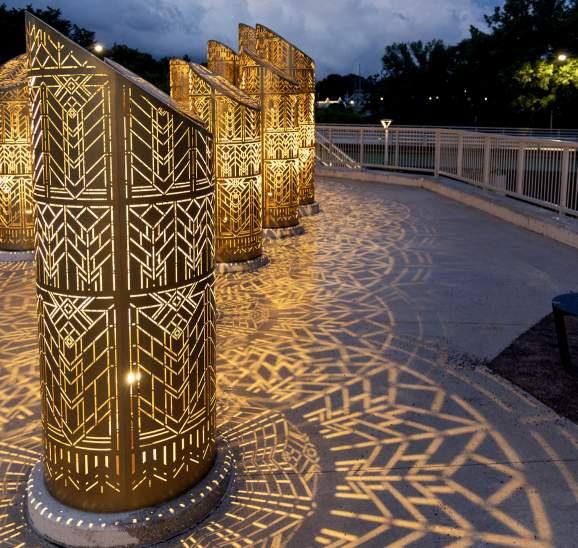
Veterans Parkway,
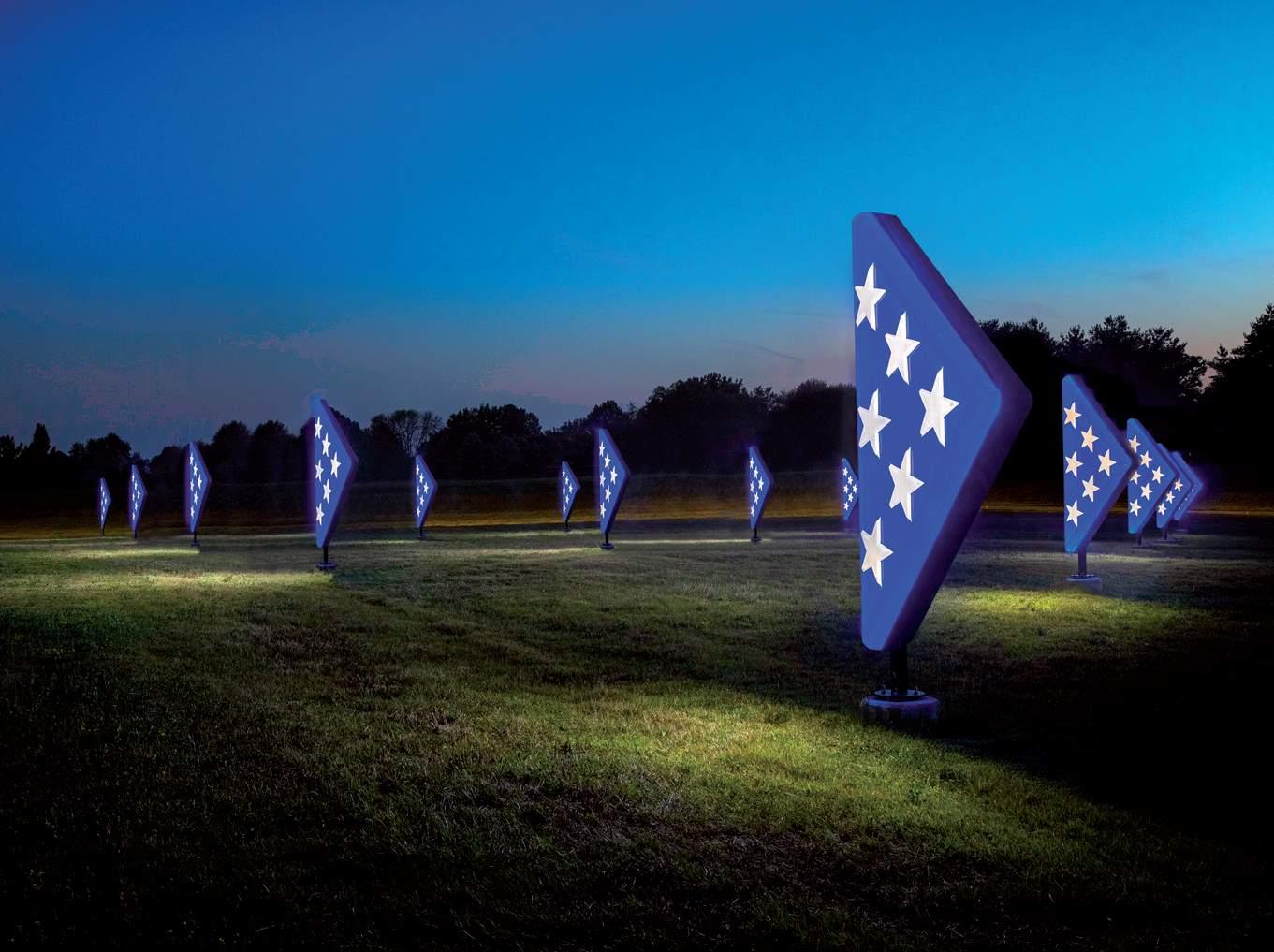
Folded Flags Art Installation
West Des Moines, Polk County

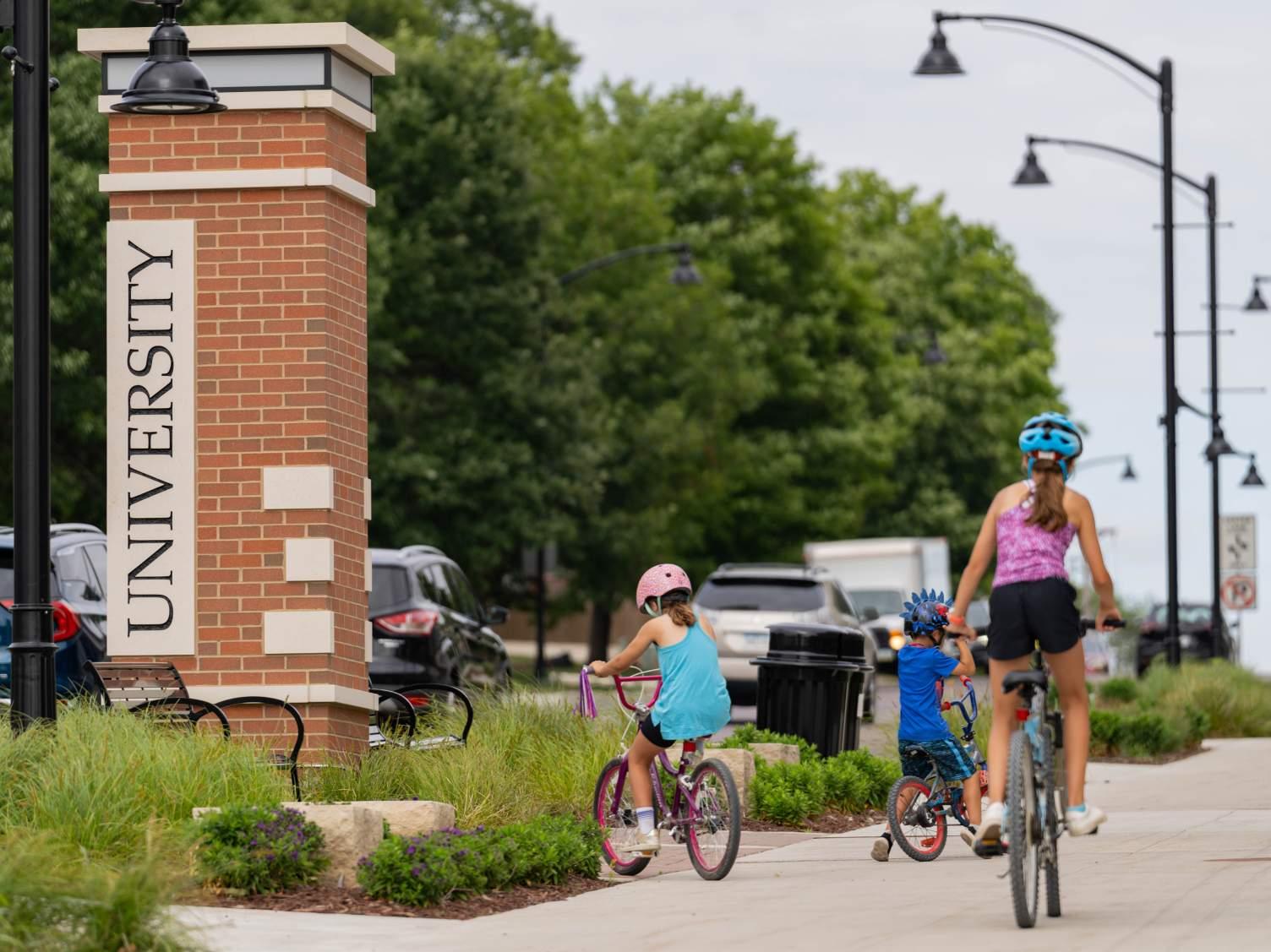
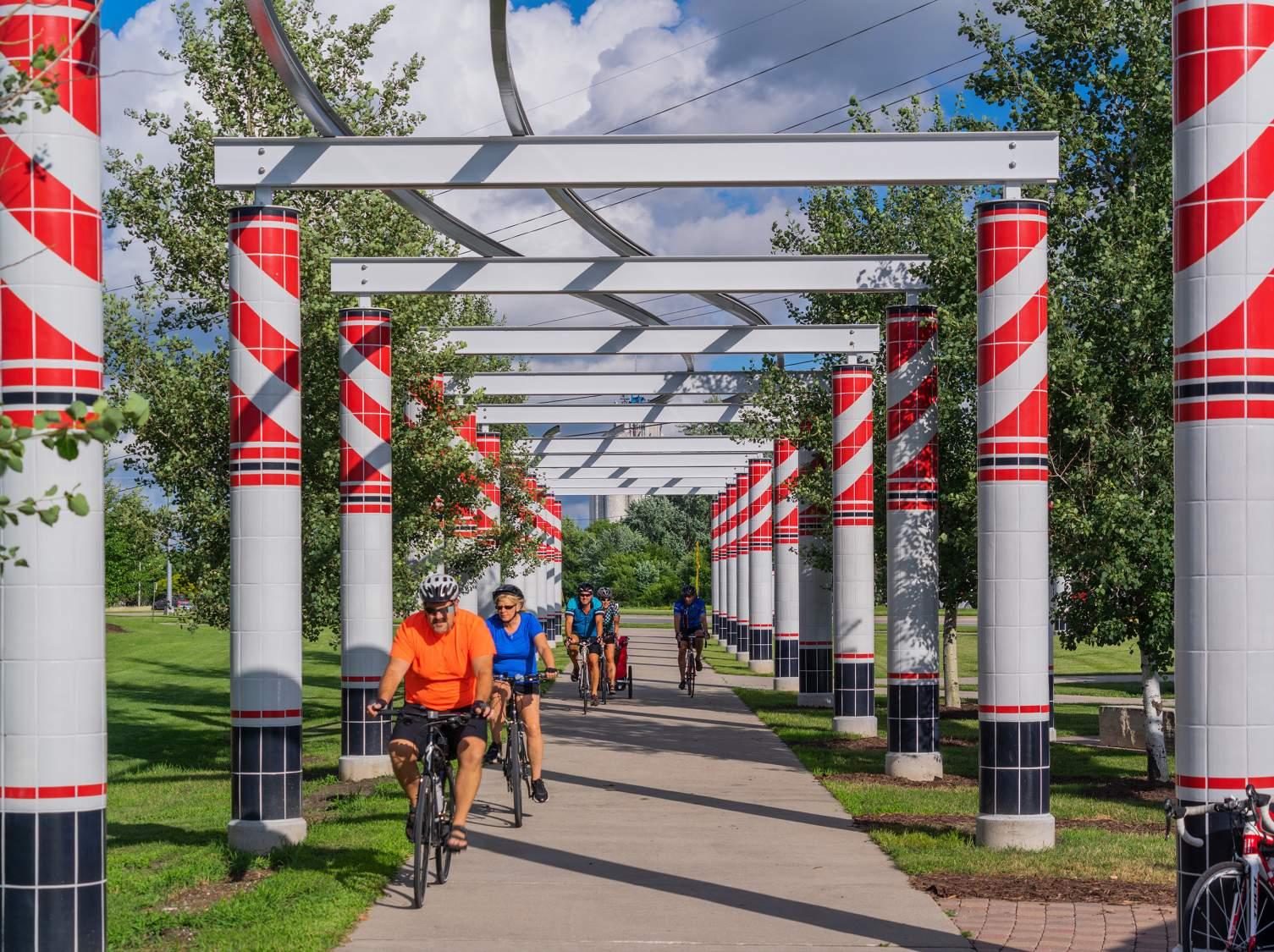
Landscape architects create more navigable, safe, and sustainable urban environments through transporation and signage design by:
-Promoting Safety: Well-designed transportation systems and sigage for pedestrian/cyclist safety.
-Encouraging Public Transit: Accessible transportation solutions like bike lanes and pedestrian friendly streets reduce pollution and reliance on cars, while also supporting physical and mental health.
-Improving Accessibility: Thoughtfully designed signage and transportation routes to ensure all can move around comfortably.
-Creating Cohesive Visual Identity: Reinforce city identity through unique and consistent signage / transportation design.
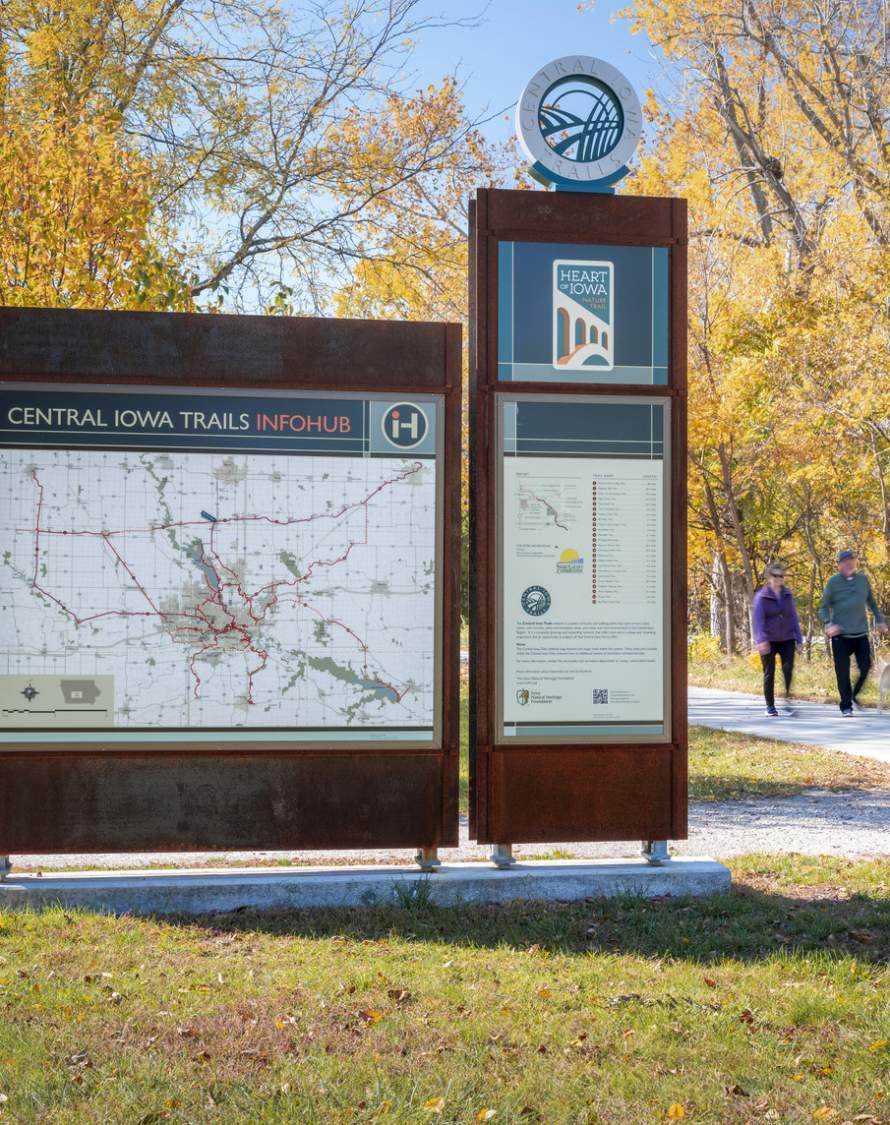
Central Iowa Trail Signage
Ames, Story County

Grand Avenue Boulevard
Bridge Enhancements
Spencer, Clay County
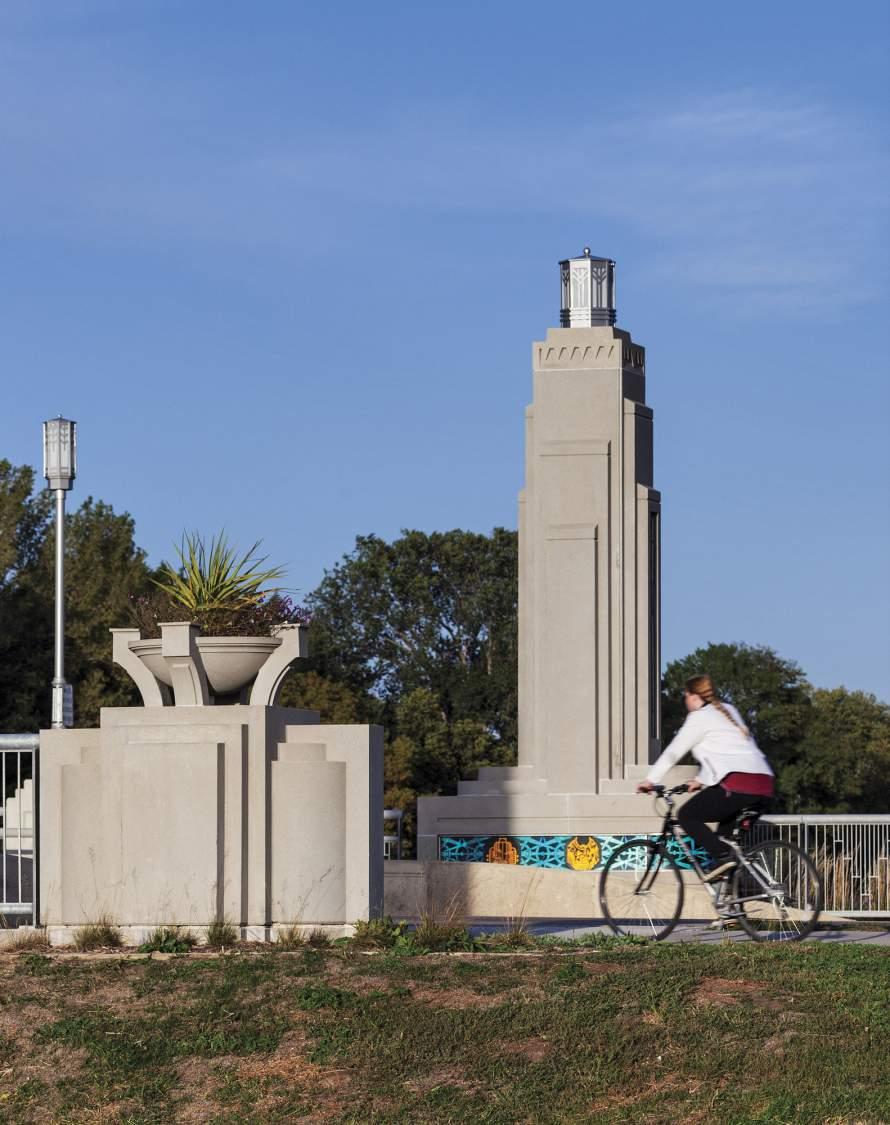
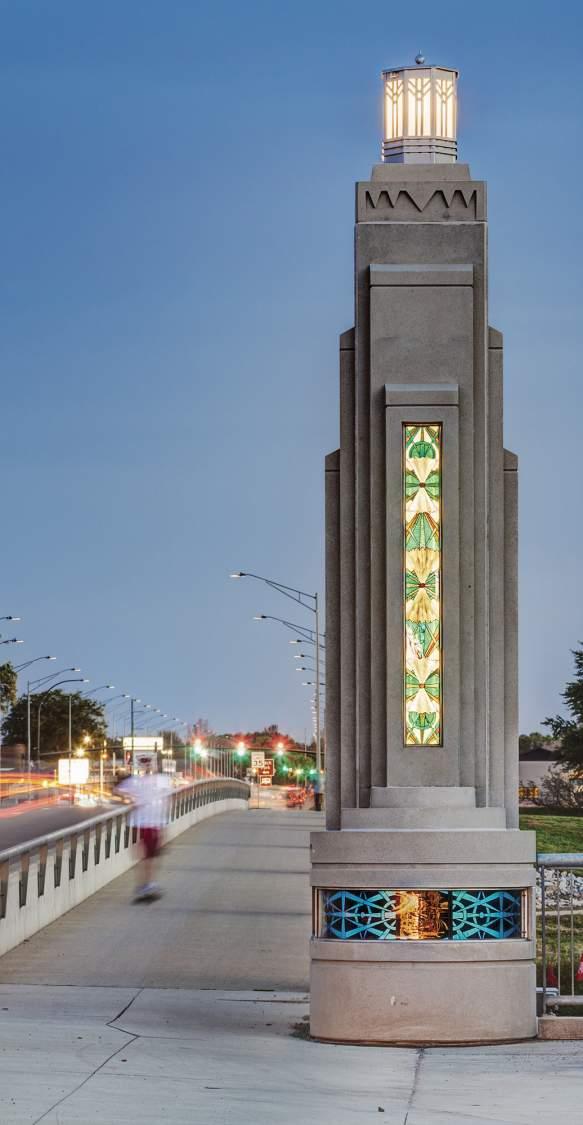
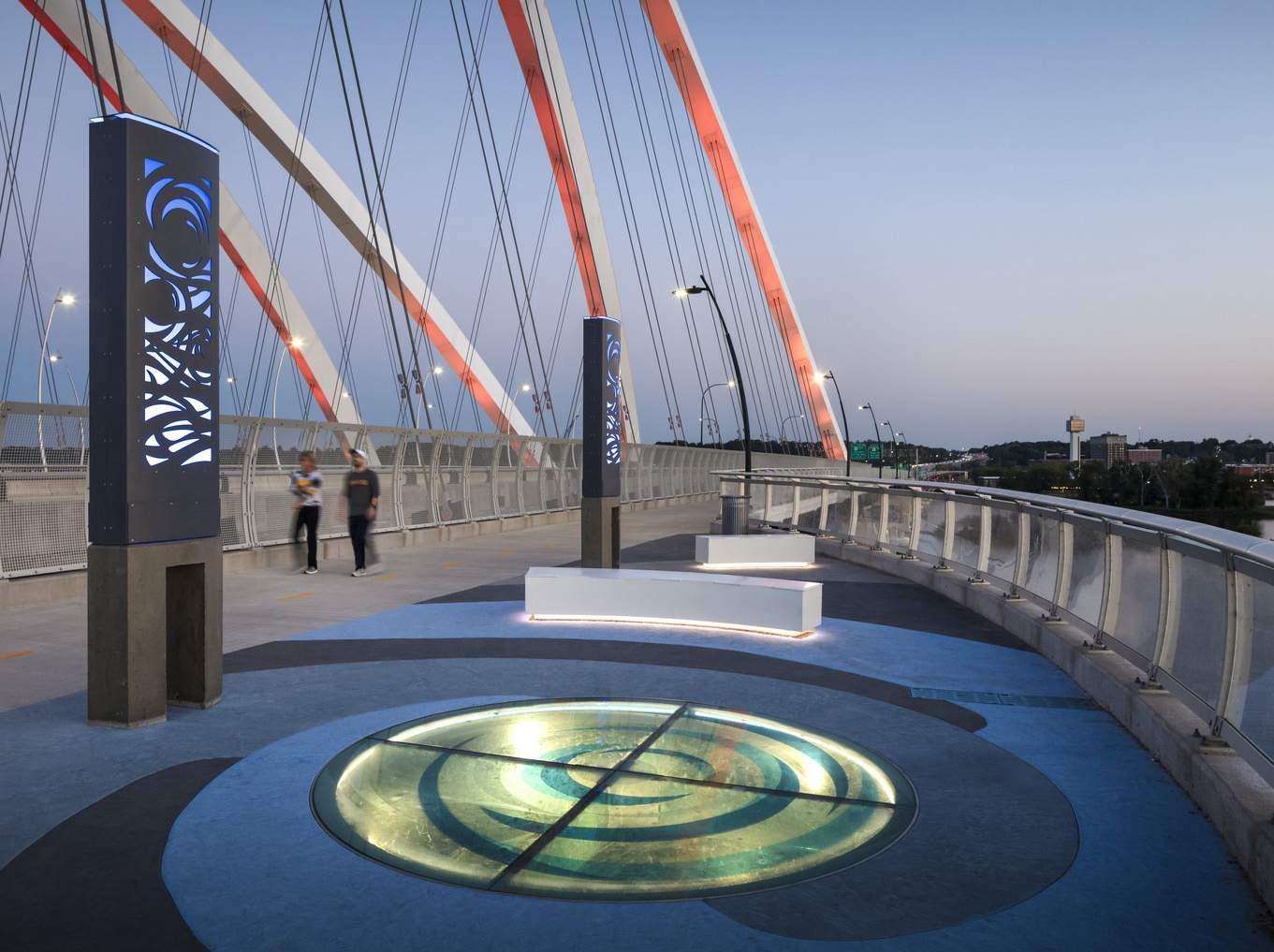
Waukee, Dallas County
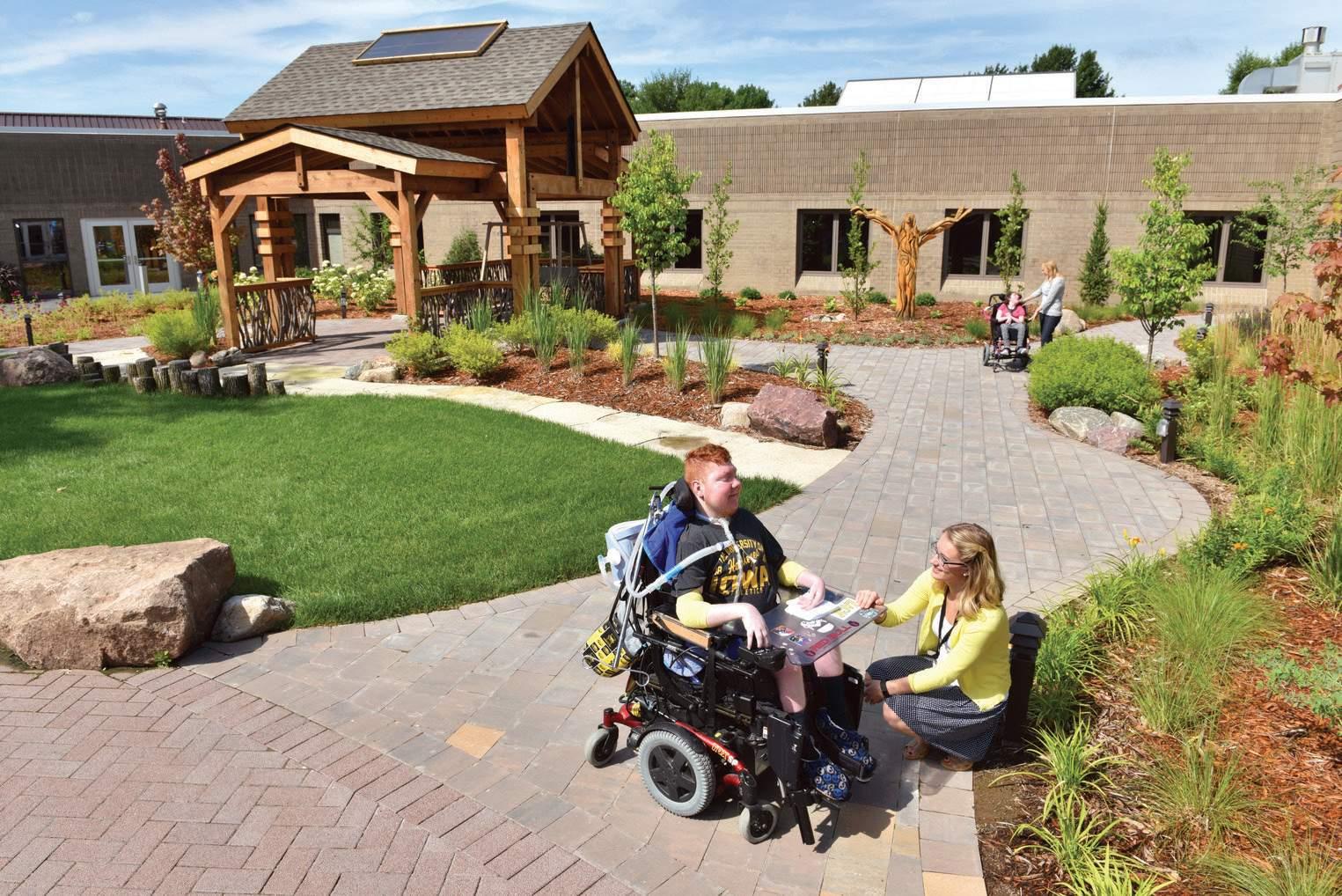
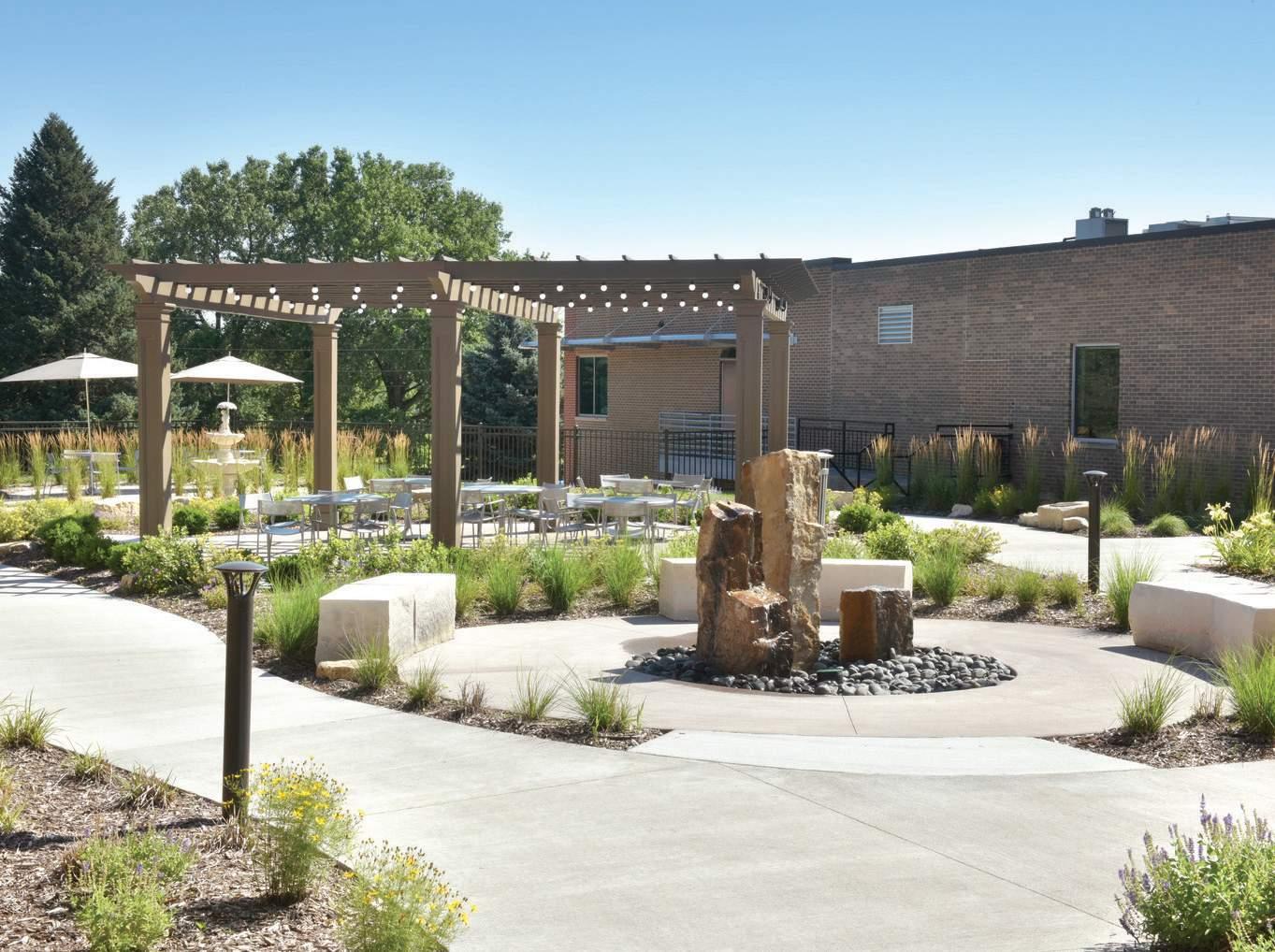
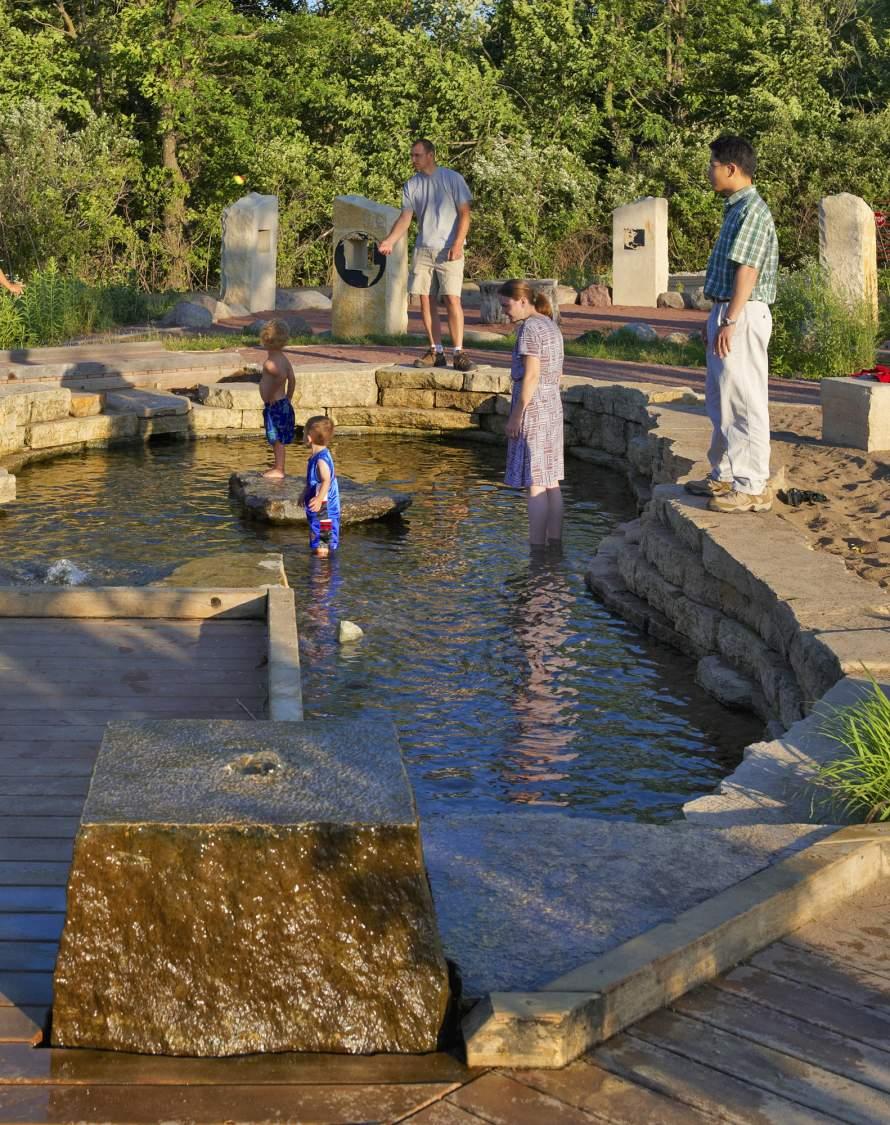
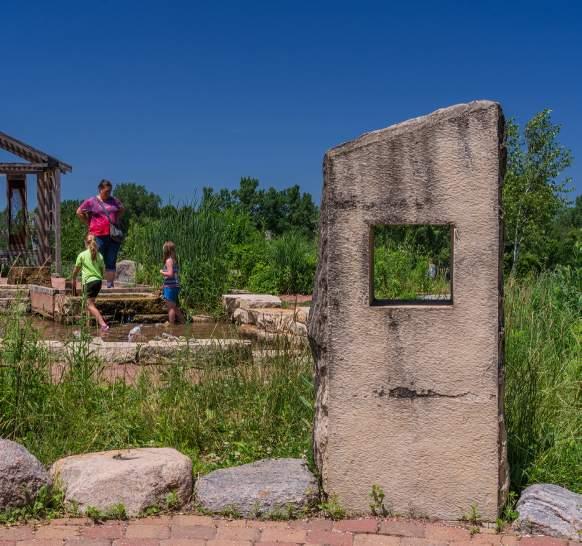
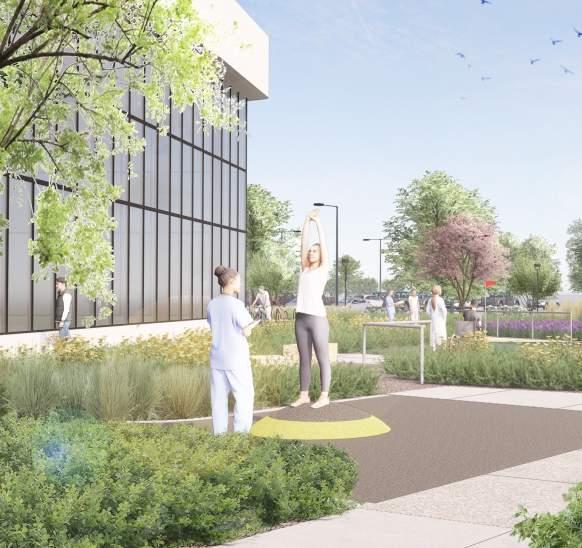
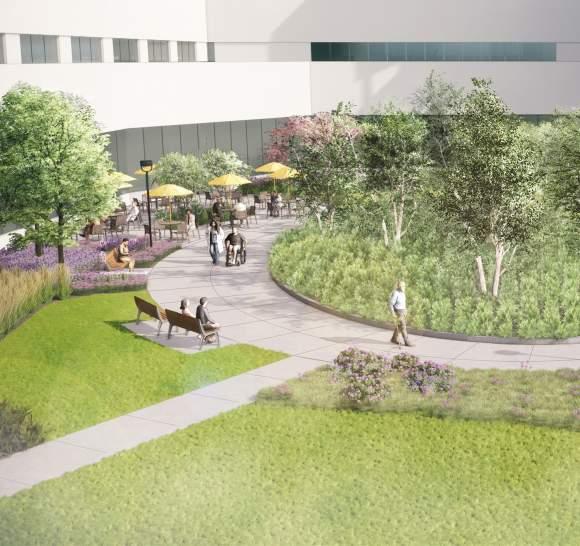
Landscape architects create spaces that support healing, learning, and community engagement, all while enhancing environmental health.
-Promoting Healing: Creating tranquil spaces that aid in physical and mental recovery through nature therapy.
-Encouraging Learning: Designing gardens that serve as educational tools for horticulture, ecology, and sustainability.
-Enhancing Accessiblity: Ensuring these settings are diverse in materials to balance immersive design while promoting accesibility to all.
-Fostering Community: Providing communal spaces to bring people together, offering relaxation, reflection and stress reduction to contribute to overall well-being.
Johnston, Polk County
Grove, Ida County
Granger, Dallas County
Iowa City, Johnson County
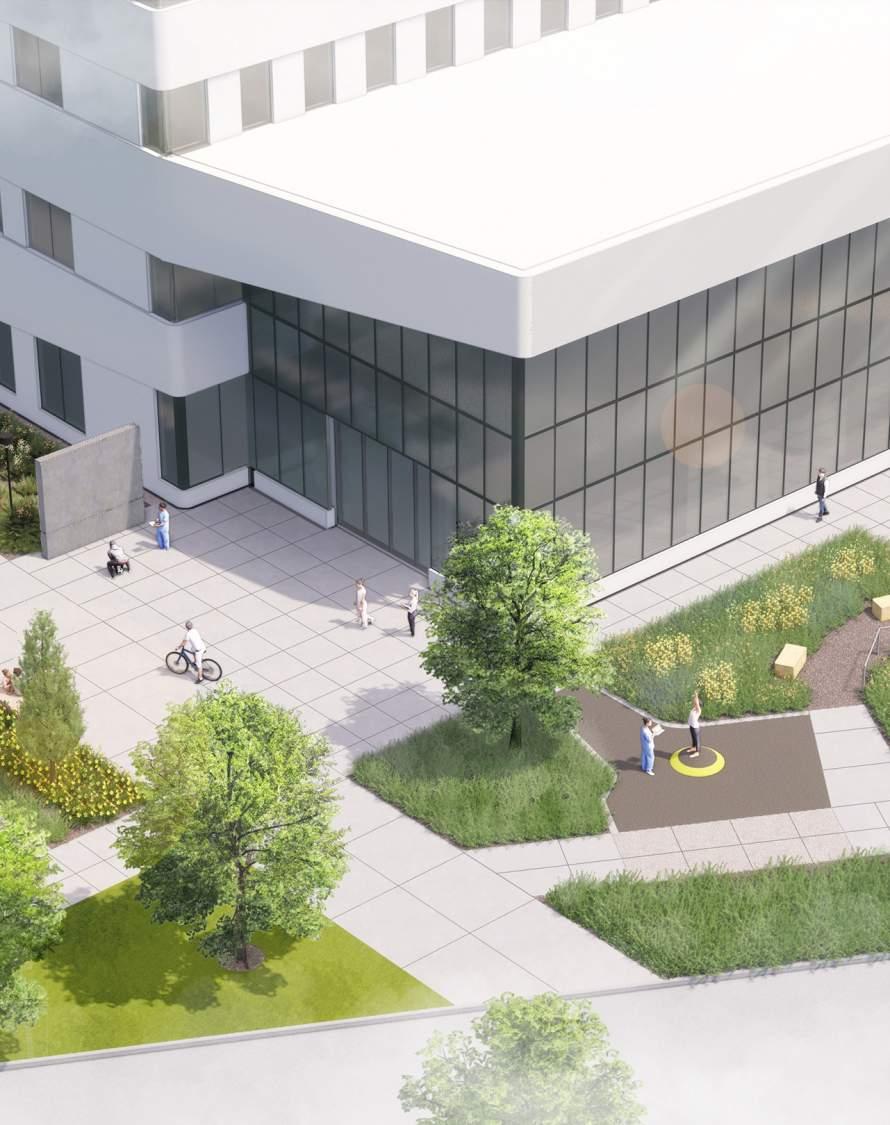

Landscape architects contribute to healither, more sustainable communities by integrating environmental preservation into their designs by:
-Educating Communities: Providing educational spaces and programs that raise awarness about environmental issues and sustainable practices.
-Enhancing Biodiversity: By creating habitats for local wildlife and promoting native species.
-Managing Stormwater: Implementing natural systems to manage runoff, reducing flooding, and improve water quality.
-Promoting Sustainability: They design landscapes using sustainable practices such as native plantings, rain gardens, and green roofs to reduce environmental impact.
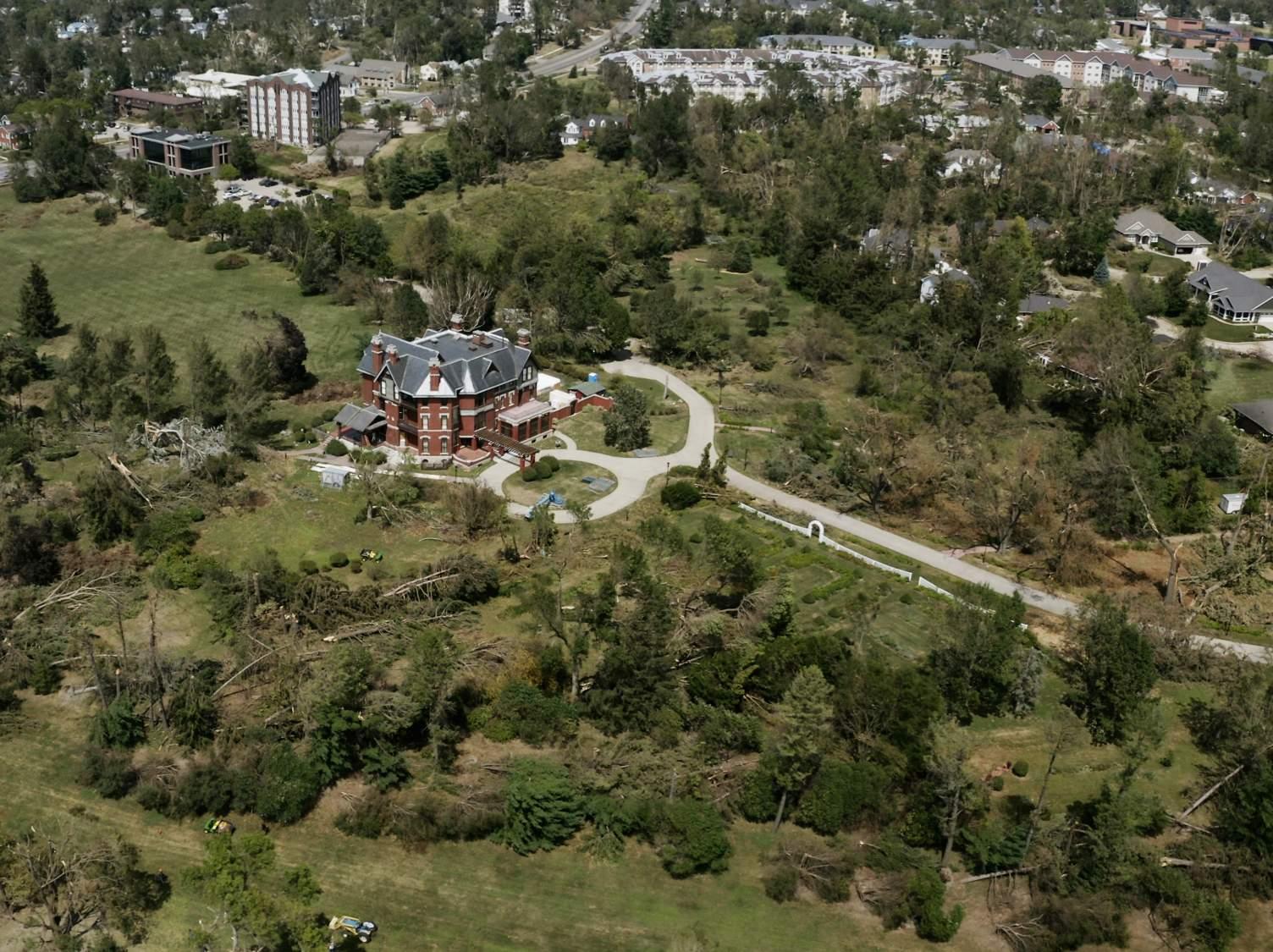
Brucemore National Trust
Historic Site: Post-Derecho Landscape Restoration Plan Cedar Rapids, Linn County
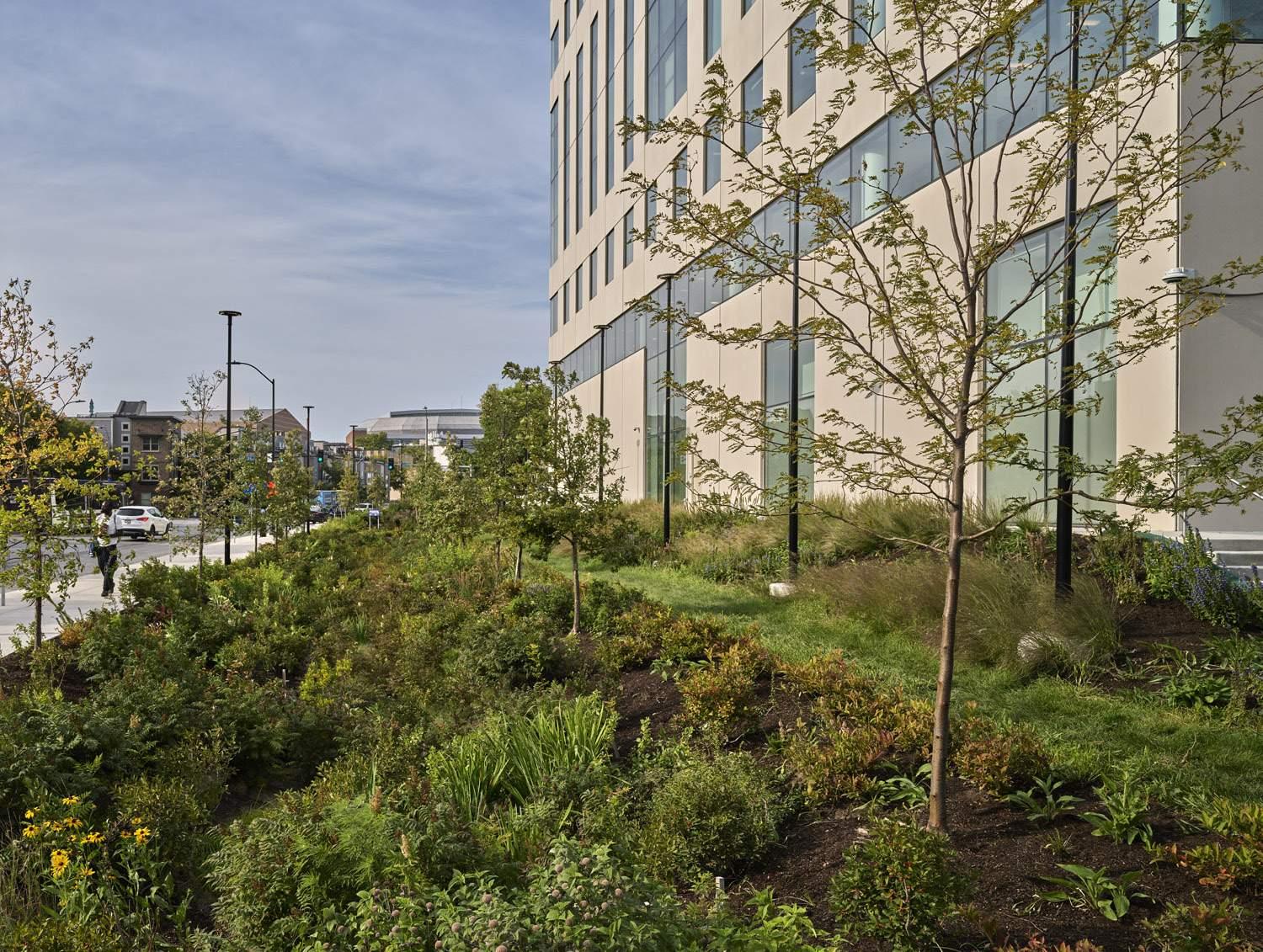
Moines Federal Courthouse
Des Moines, Polk County
Iowa River Landing, Wetland Park
Coralville, Johnson County
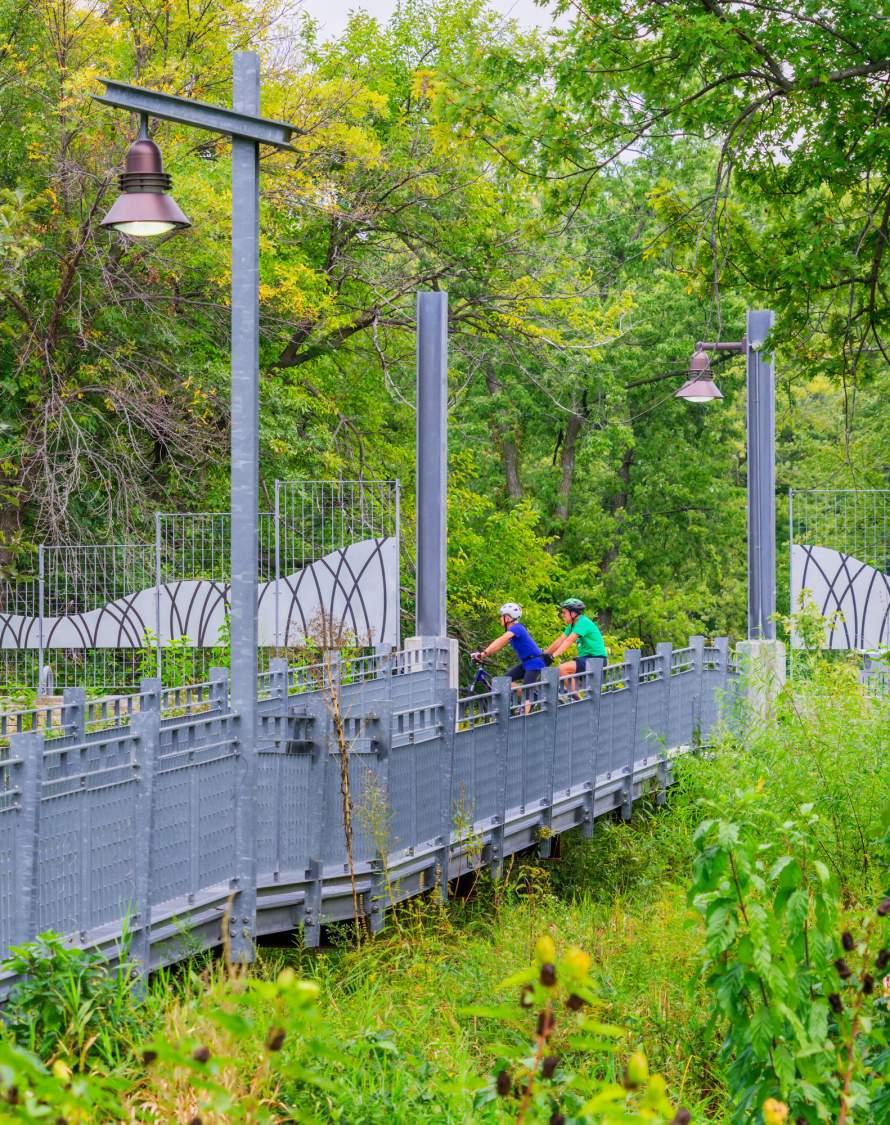
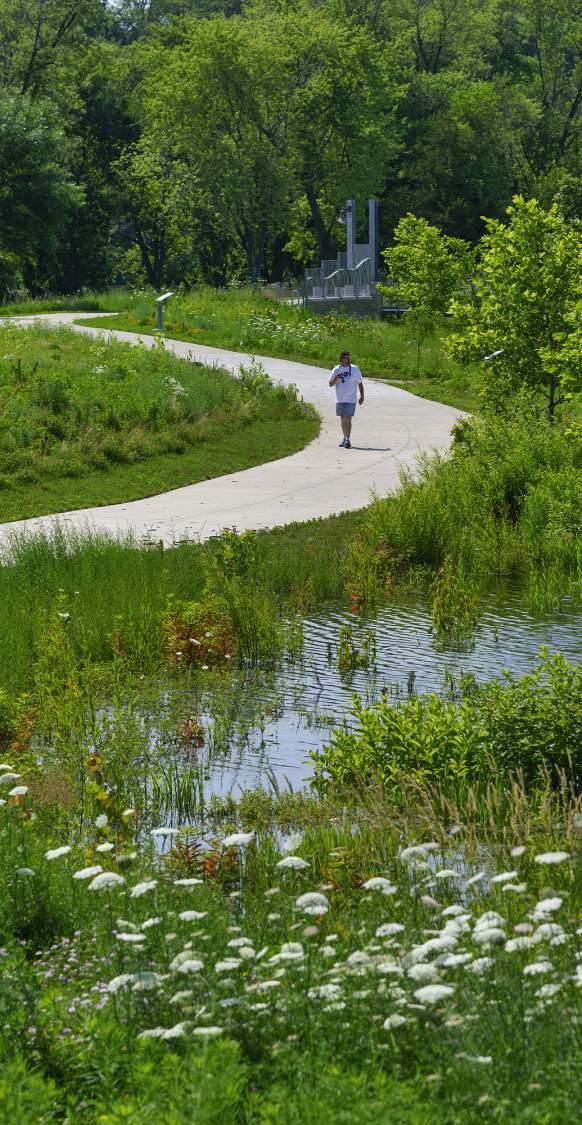
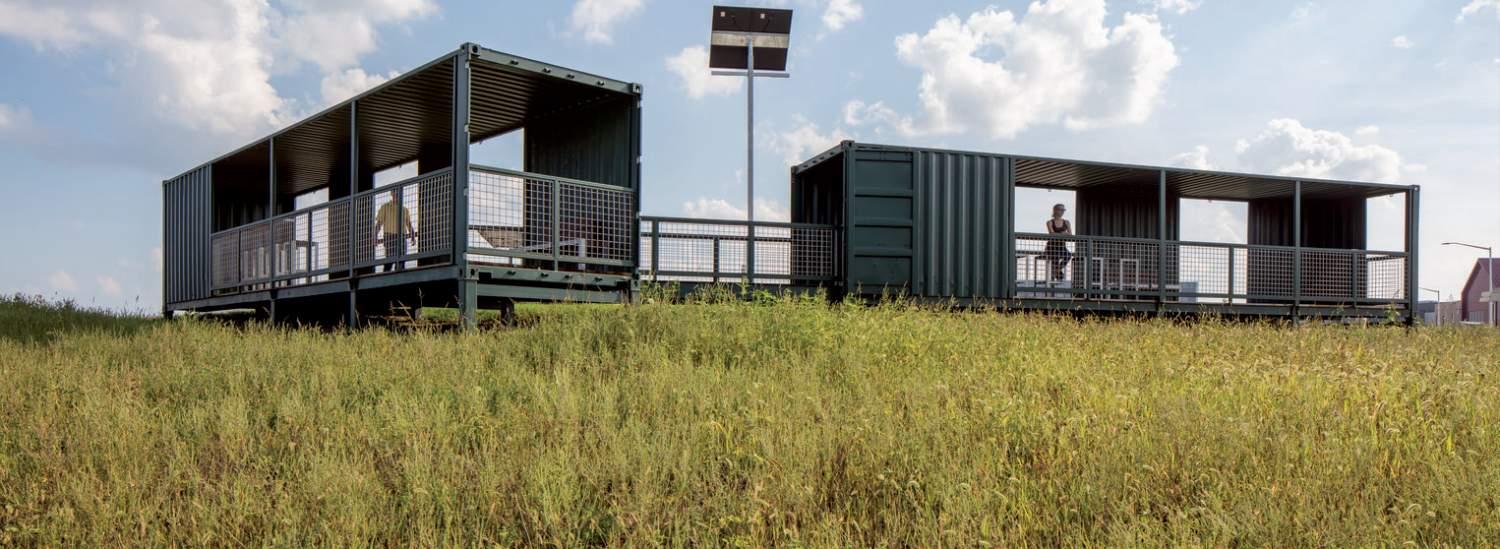
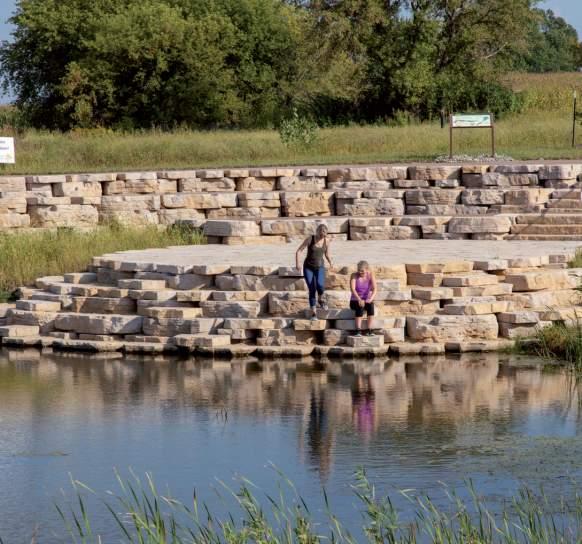
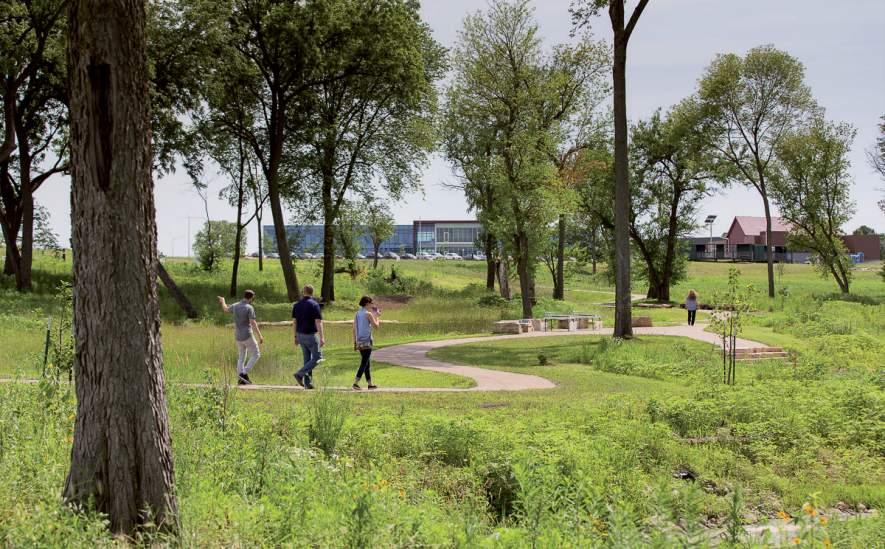
Iowa City, Johnson County
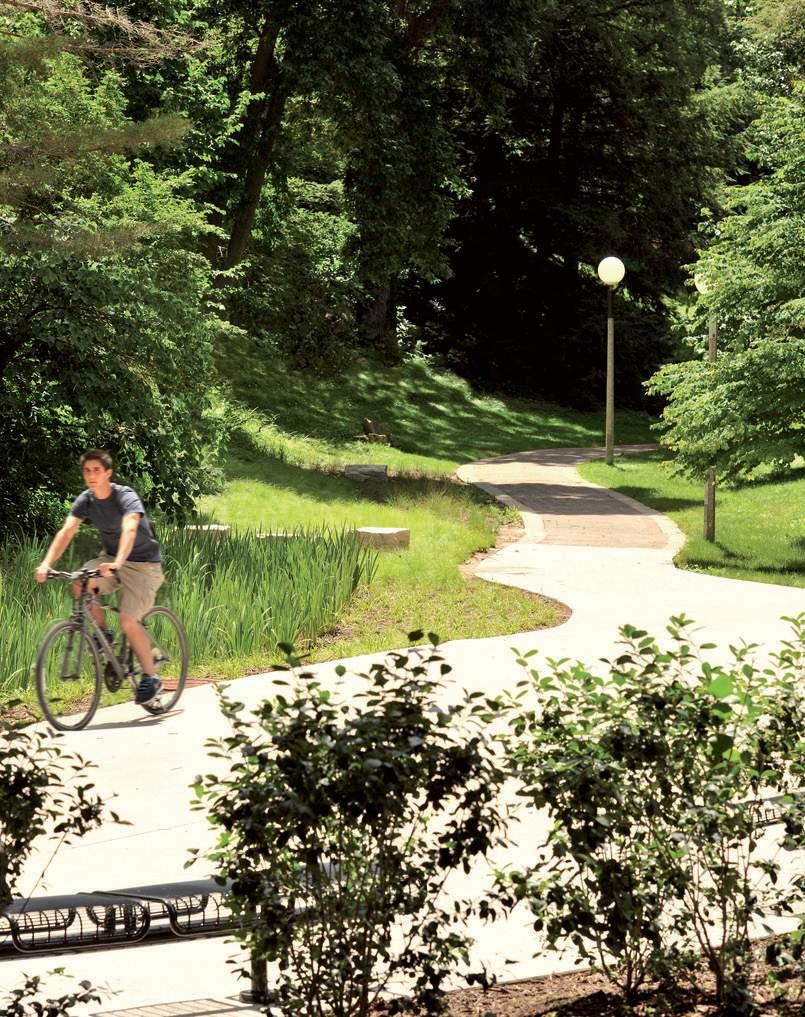
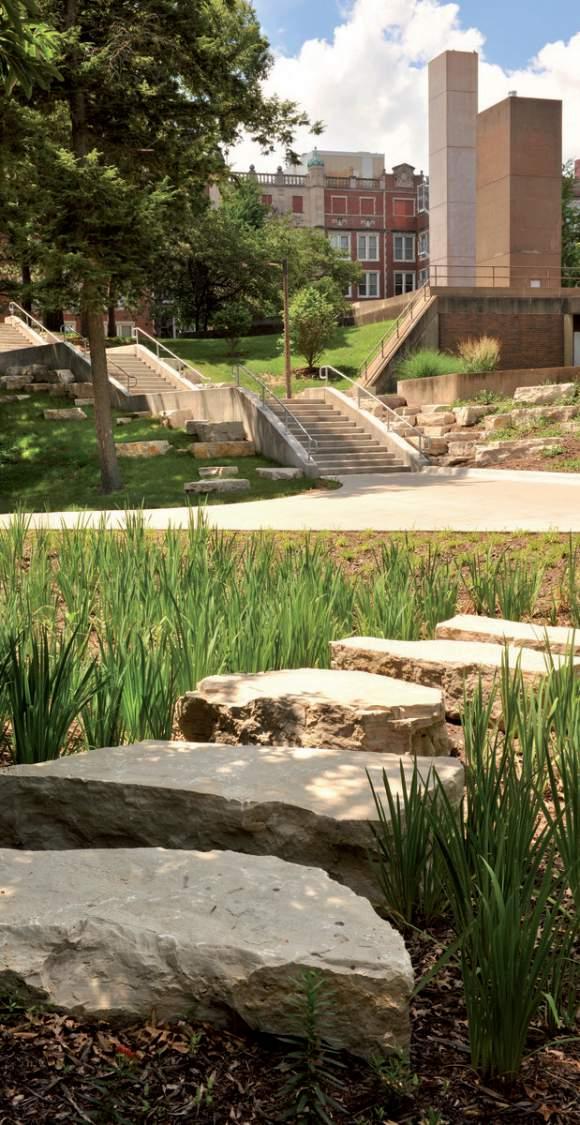
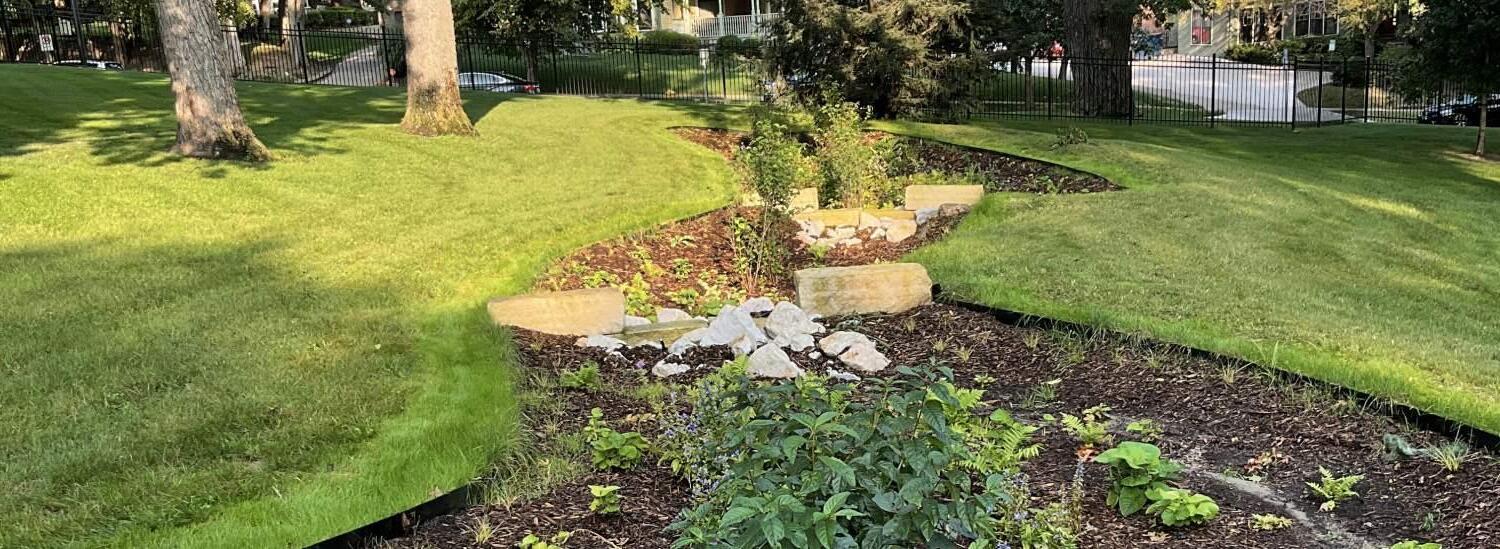
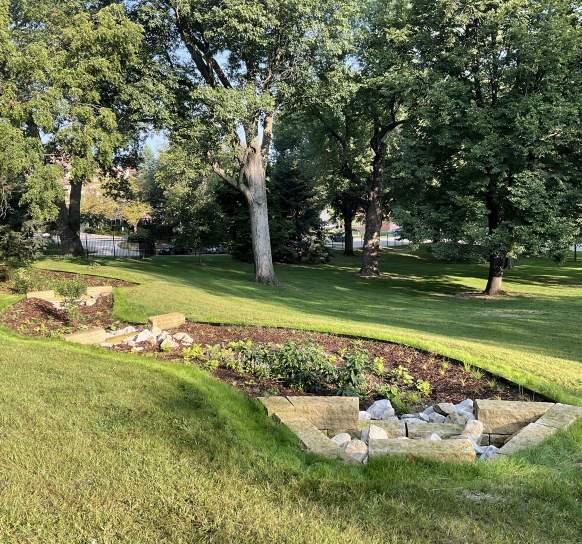
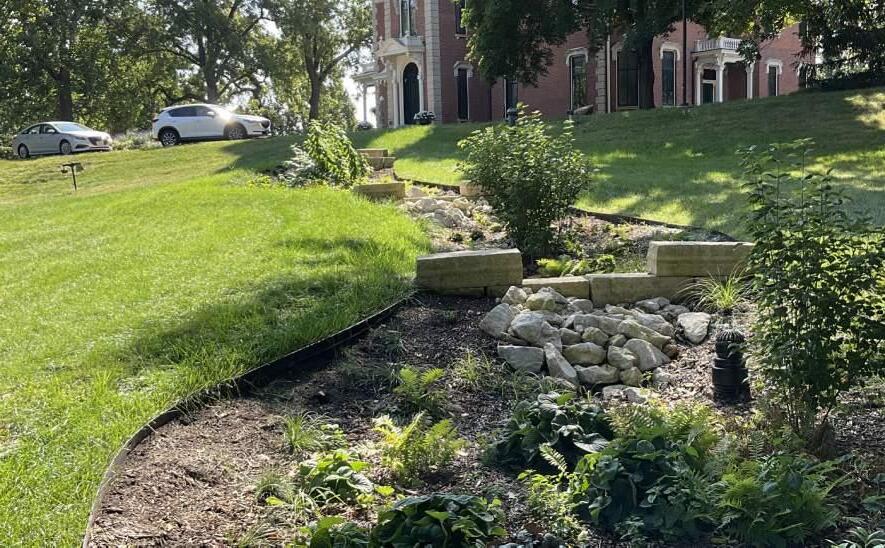
Des Moines, Polk County

Landscape architects play a pivotal role in designing educational campuses, impacting them in various ways:
-Creating Functional Spaces: Outdoor spaces are designed to support educational activities and social interactions (quad spaces, outdoor classrooms, and recreational areas).
-Enhancing Aesthetics: Thoughtful landscaping and green spaces make campuses more welcoming.
-Integrating Art and Culture: Artistic and cultural elements into the campus design, enriching the eudcational environment.
-Boost Wellbeing + Accessibility: Green spaces and well-planned campus layouts can reduce stress and improve well-being of students and staff.
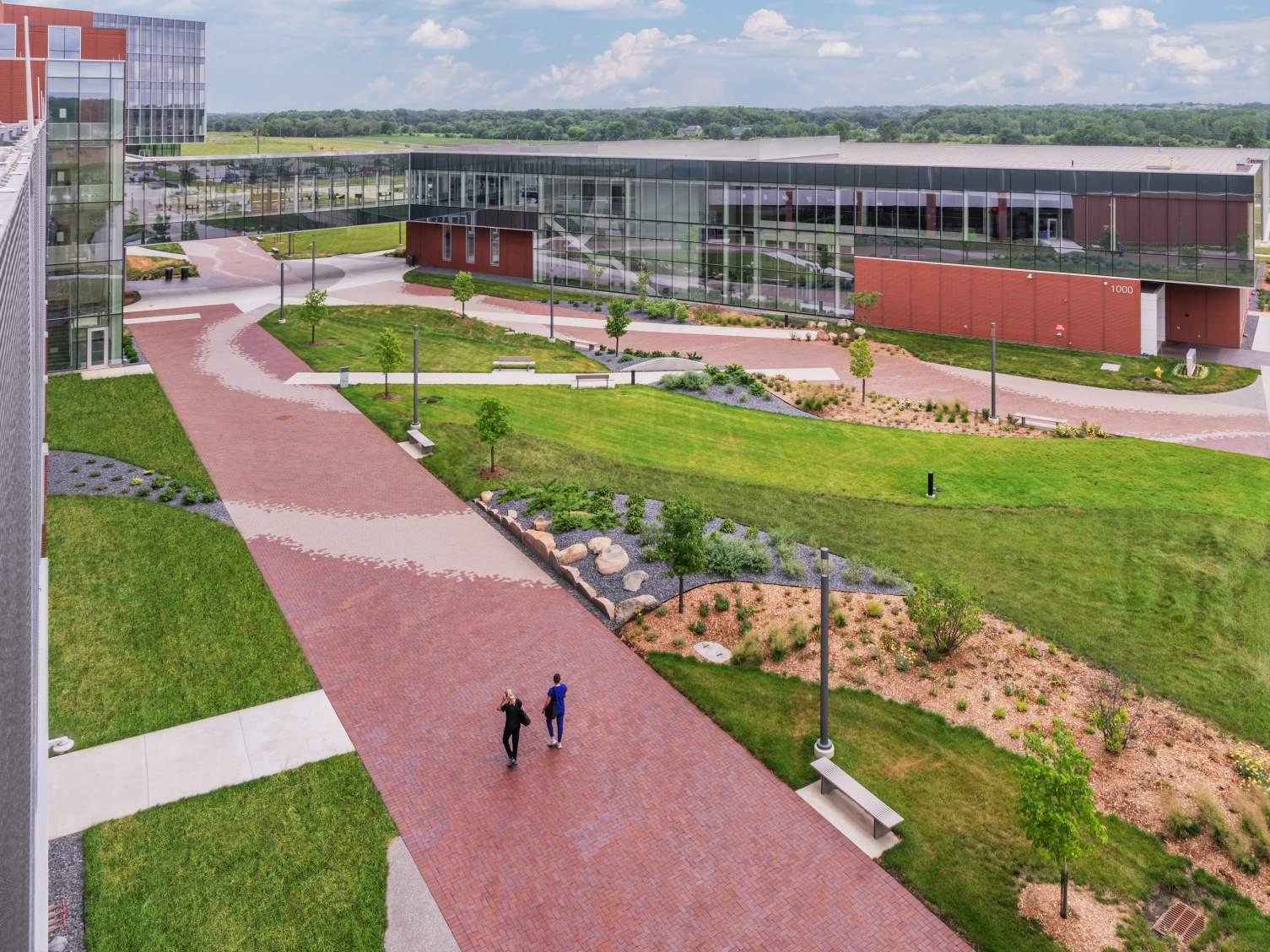
Des Moines University
West Des Moines, Dallas County
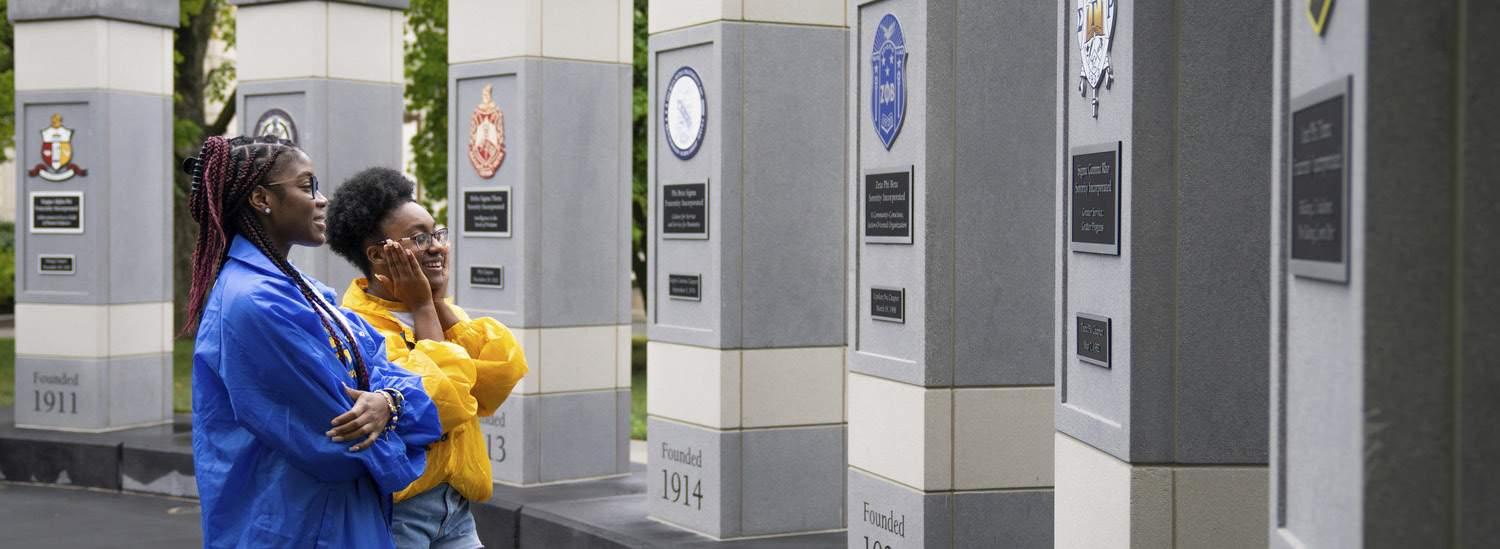
Iowa State University National Pan-Hellenic Council Plots Ames, Story County

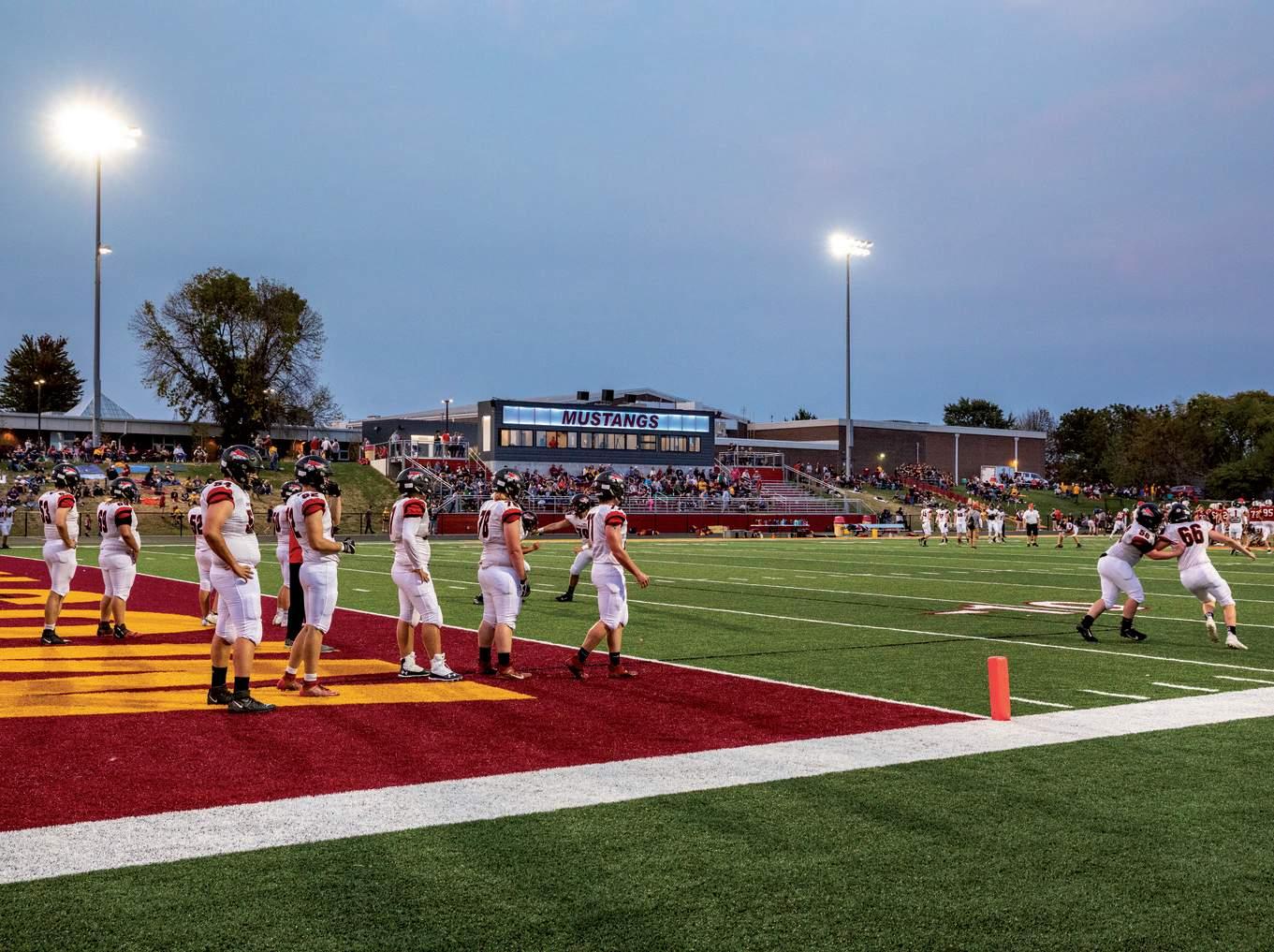
Prairie City-Monroe Track and Football Field Monroe, Jasper County
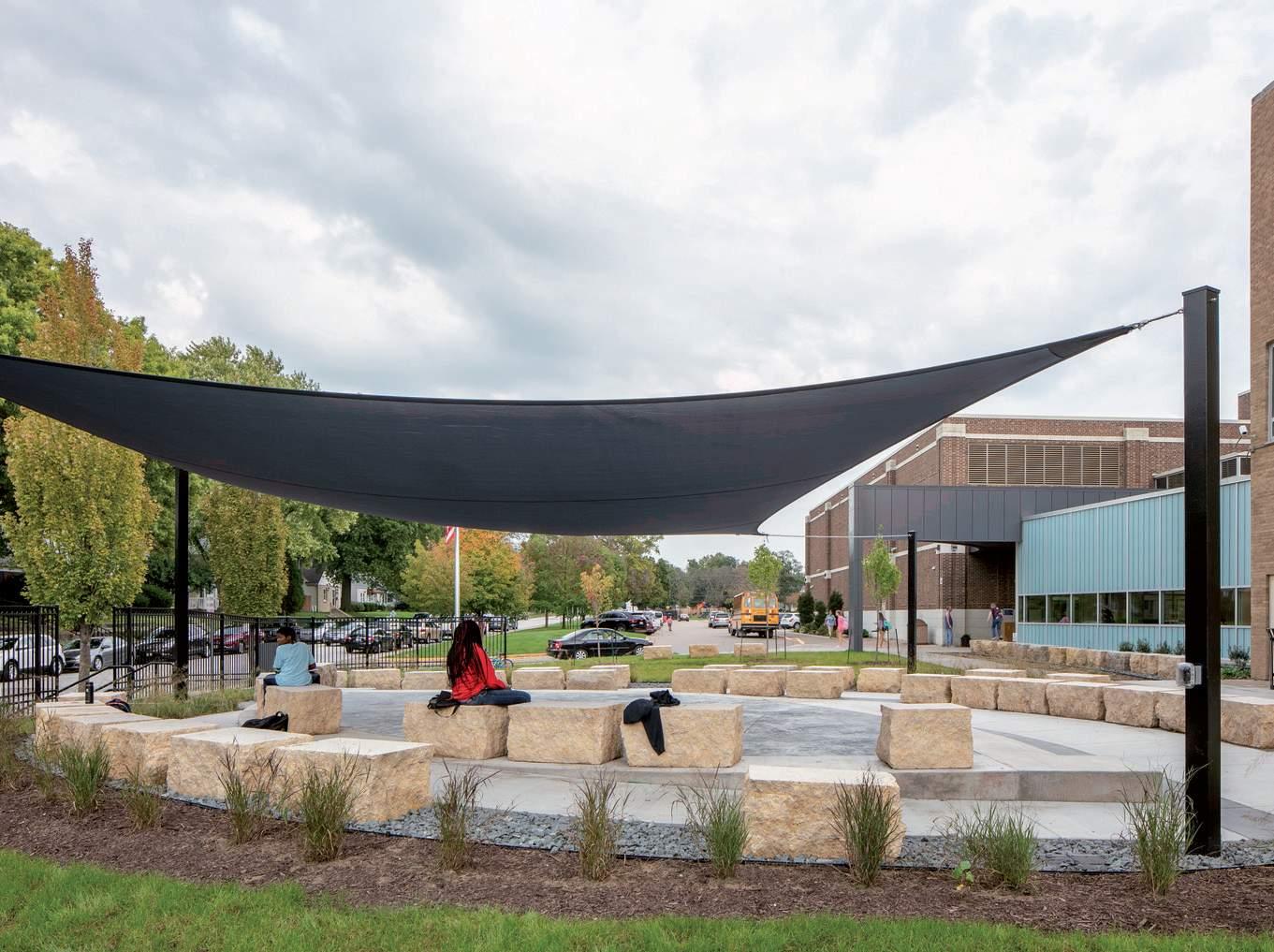
Outdoor Classroom
Davenport, Scott County
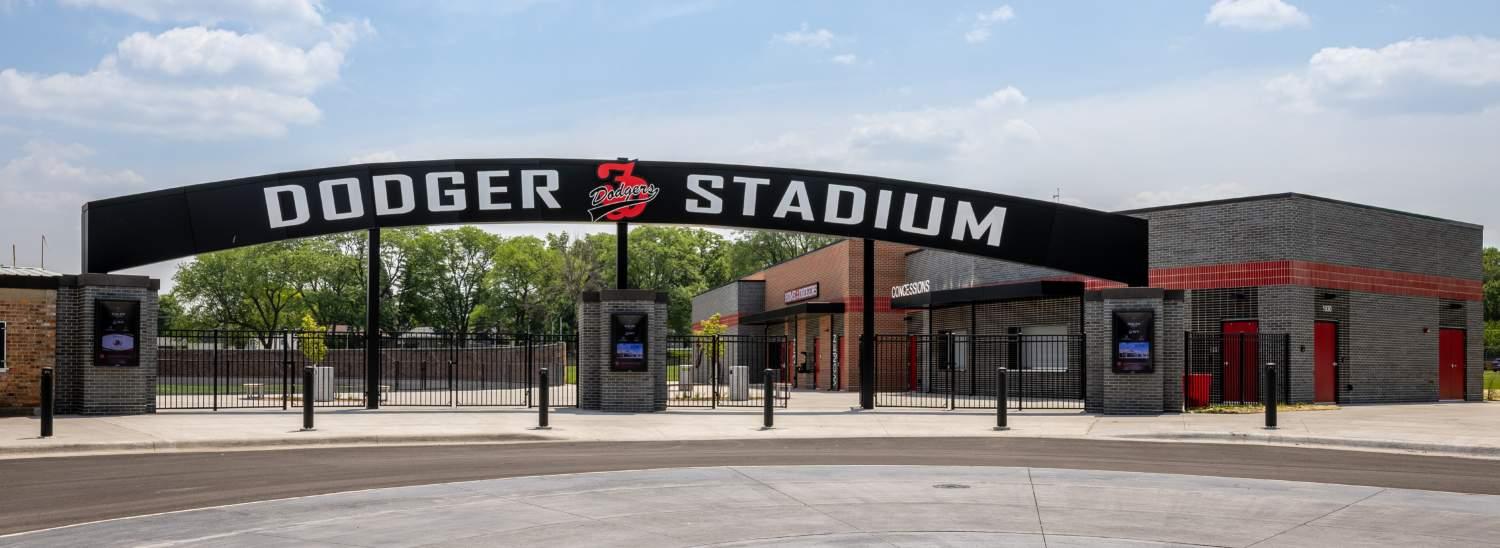
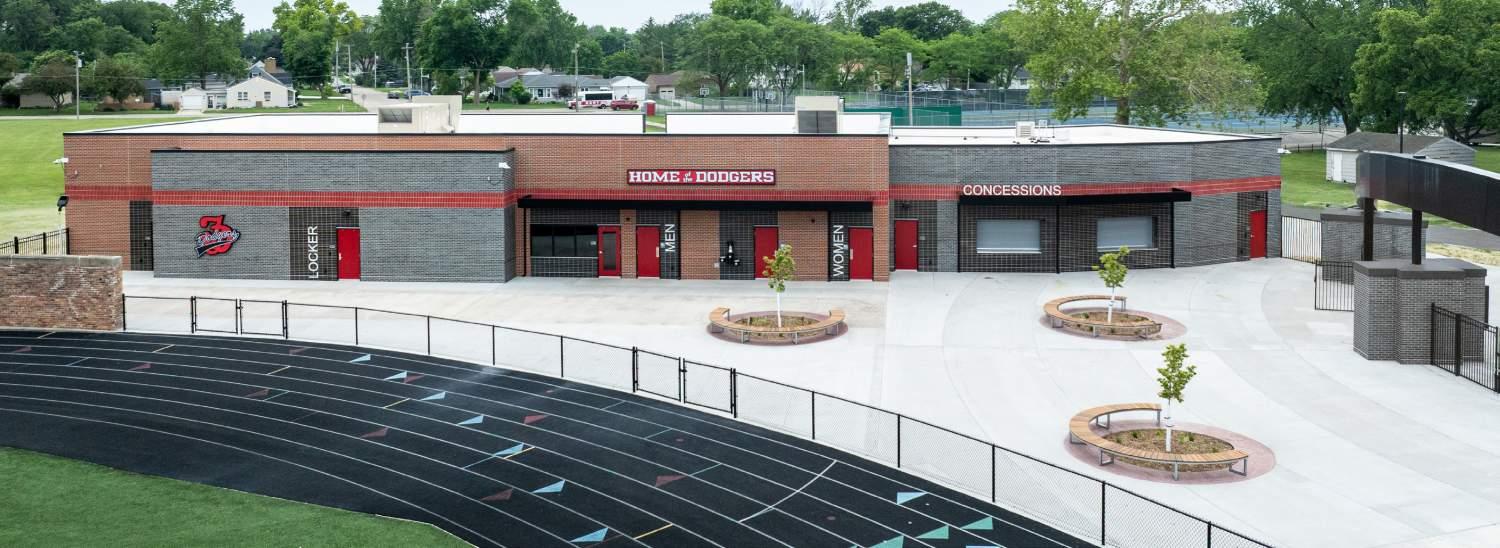
Fort Dodge - Dodger Stadium
Fort Dodge, Webster County
University of Iowa, College of Pharmacy
Iowa City, Johnson County Confluence
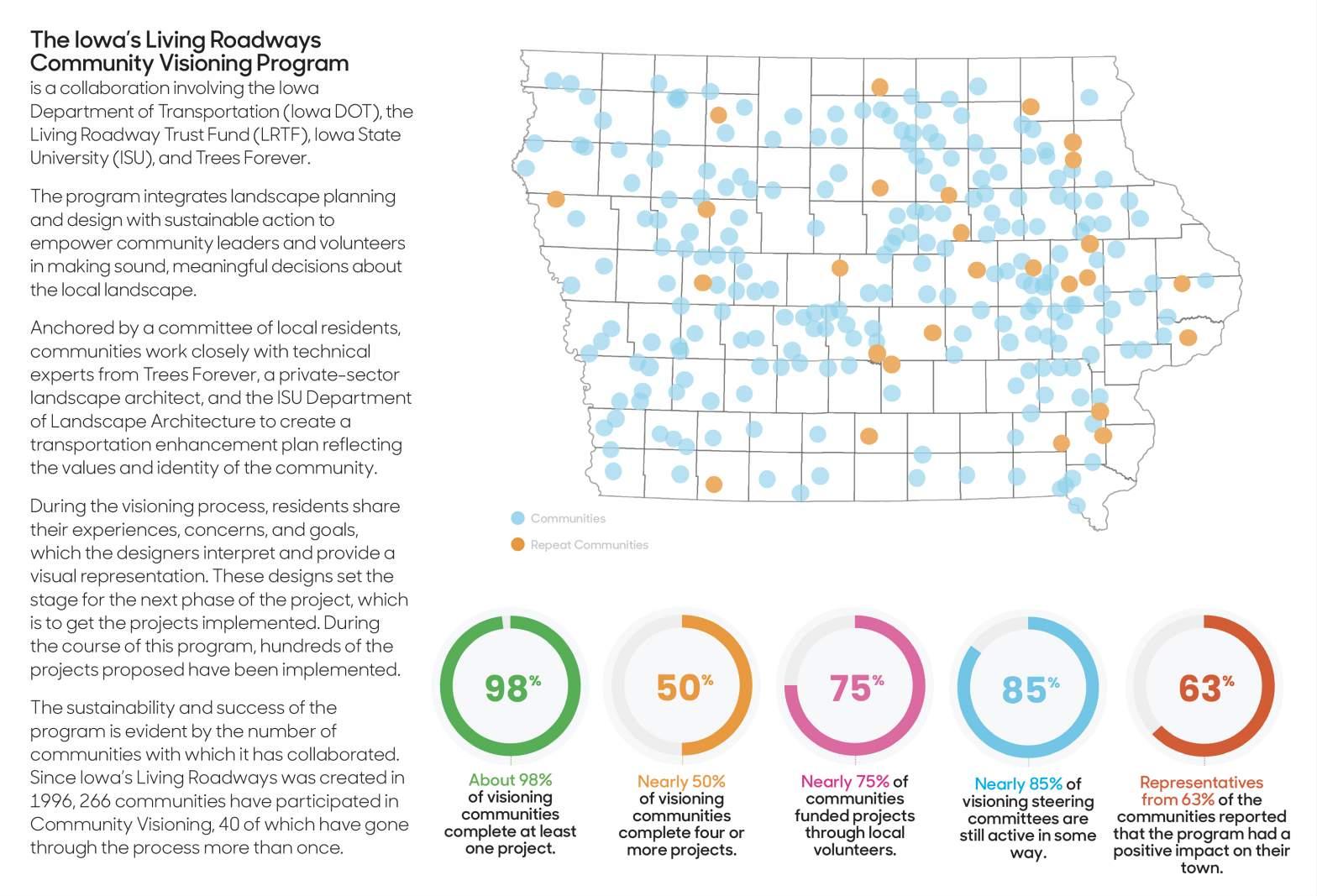
The Iowa’s Living Roadways Community Visioning Program is a collaboration involving the Iowa Department of Transportation (Iowa DOT), the Living Roadway Trust Fund (LRTF), Iowa State University (ISU), and Trees Forever.
The Iowa’s Living Roadways Community Visioning Program is a collaboration involving the Iowa Department of Transportation (Iowa DOT), the Living Roadway Trust Fund (LRTF), Iowa State University (ISU), and Trees Forever.
The program integrates landscape planning and design with sustainable action to empower community leaders and volunteers in making sound, meaningful decisions about the local landscape.
The program integrates landscape planning and design with sustainable action to empower community leaders and volunteers in making sound, meaningful decisions about the local landscape.
Anchored by a committee of local residents, communities work closely with technical experts from Trees Forever, a private-sector landscape architect, and the ISU Department of Landscape Architecture to create a transportation enhancement plan reflecting the values and identity of the community.
Anchored by a committee of local residents, communities work closely with technical experts from Trees Forever, a privatesector landscape architect, and the ISU Department of Landscape Architecture to create a transportation enhancement plan reflecting the values and identity of the community.
During the visioning process, residents share their experiences, concerns, and goals, which the designers interpret and provide a visual representation. These designs set the stage for the next phase of the project, which is to get the projects implemented. During the course of this program, hundreds of the projects proposed have been implemented.
The sustainability and success of the program is evident by the number of communities with which it has collaborated.
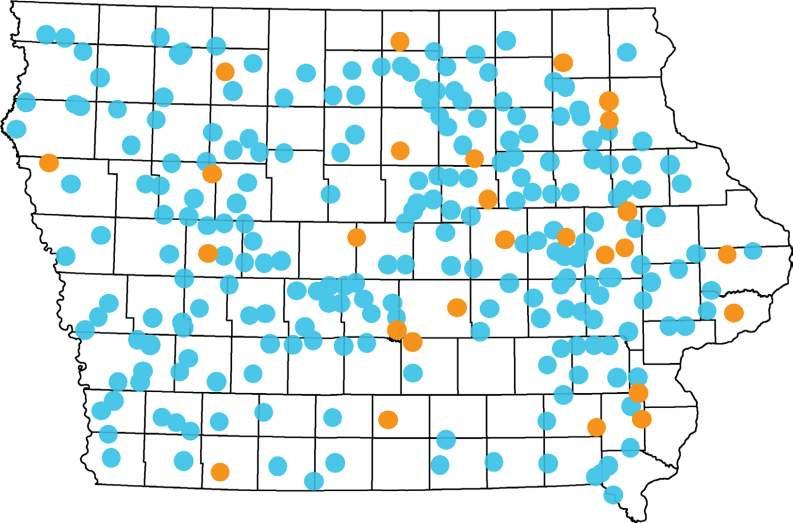
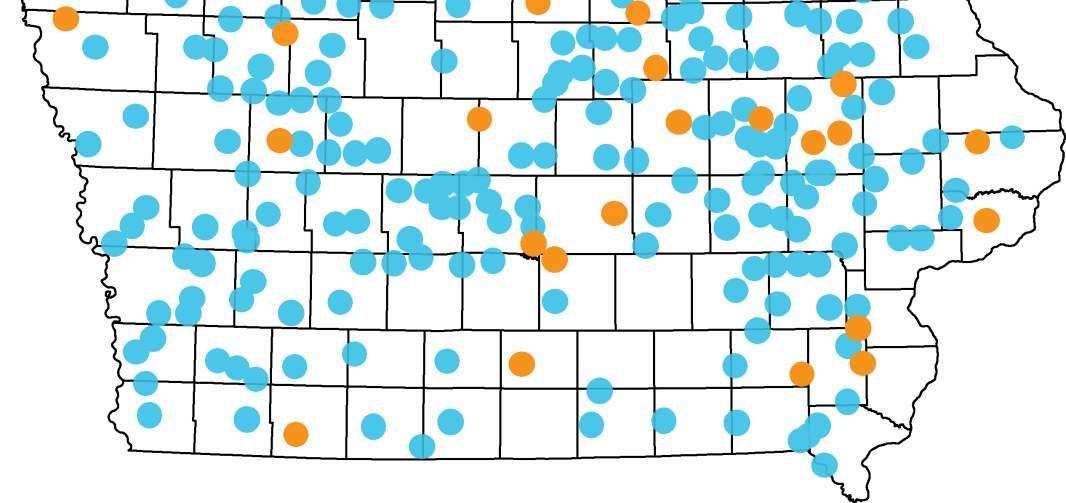
Since Iowa’s Living Roadways was created in 1996, 266 communities have participated in Community Visioning, 40 of which have gone through the process more than once.
Since Iowa’s Living Roadways was created in 1996, 266 communities have participated in Community Visioning, 40 of which have gone through the process more than once.
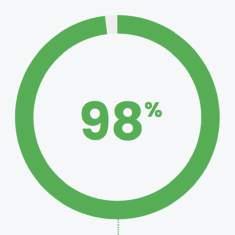
About 98% of visioning communities complete at least one project.
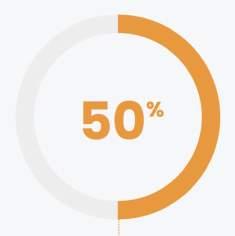
Nearly 50% of visioning communities complete four or more projects.
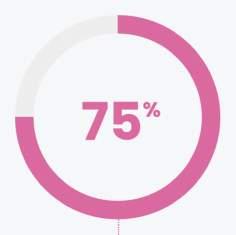
Nearly 75% of communities funded projects through local volunteers.
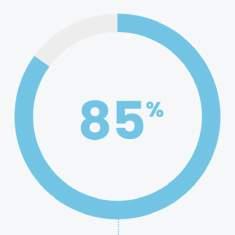
Nearly 85% of visioning steering committees are still active in some way.
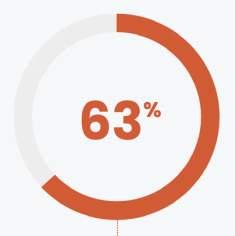
Representatives from 63% of the communities reported that the program had a positive impact on their town.

aders and volunteers
ngful decisions about
ee of local residents, ely with technical ver, a private-sector d the ISU Department ure to create a
ment plan reflecting of the community.
cess, residents share erns, and goals, erpret and provide a hese designs set the of the project, which plemented. During am, hundreds of the been implemented.
uccess of the he number of h it has collaborated. dways was created in have participated in 0 of which have gone ore than once.
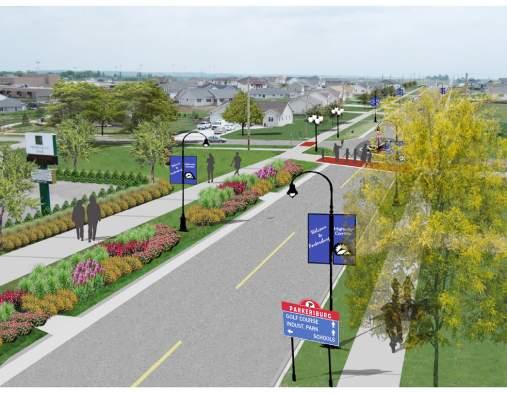
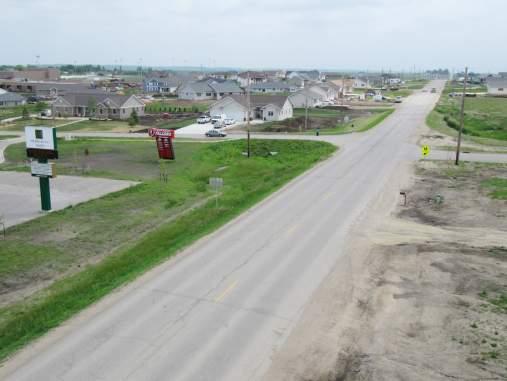
Primary Corridor Improvements, 2009 LA: Flenker Land Architects Consultants, LLC
About 98% of visioning communities complete at least one project.
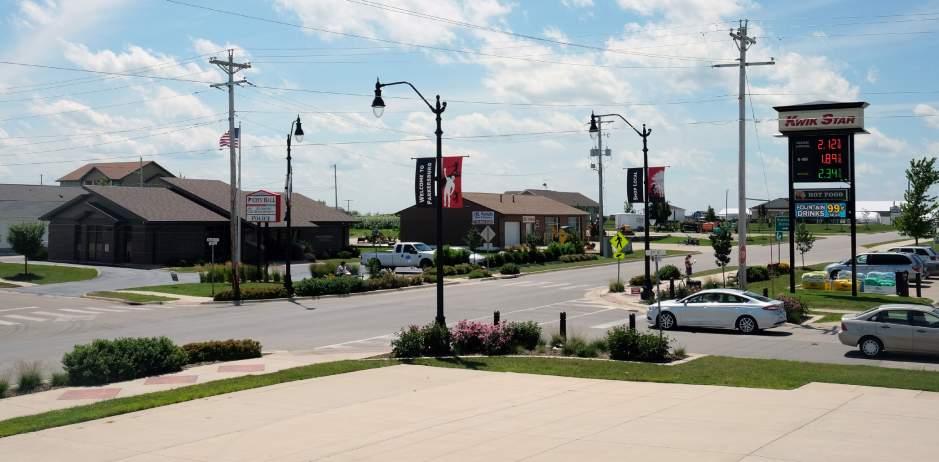
In 2008, Parkersburg was devastated by an EF5 tornado that destroyed a half-mile wide section along the Highway 57/14 corridor, along with trees planted as a result of Parkersburg’s participation in the Community Visioning Program in 1998–99.
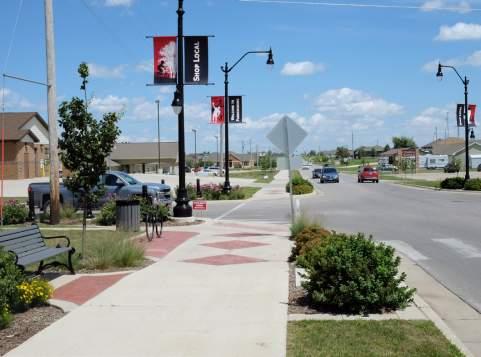
Despite this setback, the community was not deterred, taking part again in the program in 2009. With funding from FEMA and the Iowa DOT, the community completed a $3.5 million complete streets project that addresses stormwater management, an off-street trail, and pedestrian/cyclist amenities, that according to visioning committee members, has improved residents‛ quality of life.
Nearly 50% of visioning communities complete four or more projects.
Nearly 85% of visioning steering committees are still active in some way.
Nearly 75% of communities funded projects through local volunteers. Representatives from 63% of the communities reported that the program had a positive impact on their town.

Bolton and Menk
Algona, Ames, Cedar Rapids, Des Moines, Jefferson, Spencer
Confluence
Des Moines, Cedar Rapids
ISG Inc.
Des Moines, Storm Lake, Waterloo
Genus
Des Moines
RDG Planning & Design
Des Moines
Seelman Landscape Architecture
Cedar Rapids
Shive-Hattery
West Des Moines, Cedar Rapids
JBC Landscape Architects West Des Moines