OF CLEAR
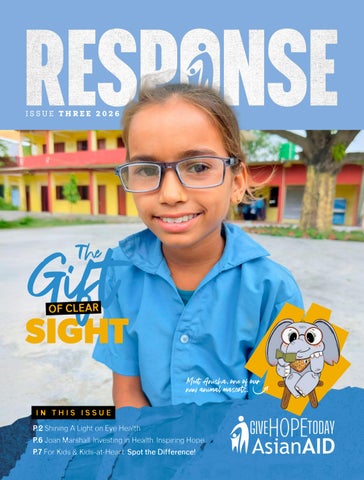
Meet Anisha, one of our new animal mascots. SIGHT Gift



OF CLEAR
Meet Anisha, one of our new animal mascots. SIGHT Gift
Say hello to Anisha, a little elephant with the biggest ears, the kindest heart, and our favourite pair of glasses. Anisha means "deep thinker” or “one who is filled with light” in Bengali, which suits her perfectly. This little bookworm loves learning and helping others, spreading her light wherever she goes. Wise beyond her years, Anisha knows that when children can see clearly, they can learn, play, and discover the world with confidence. Join Anisha as we help more children see well and thrive.

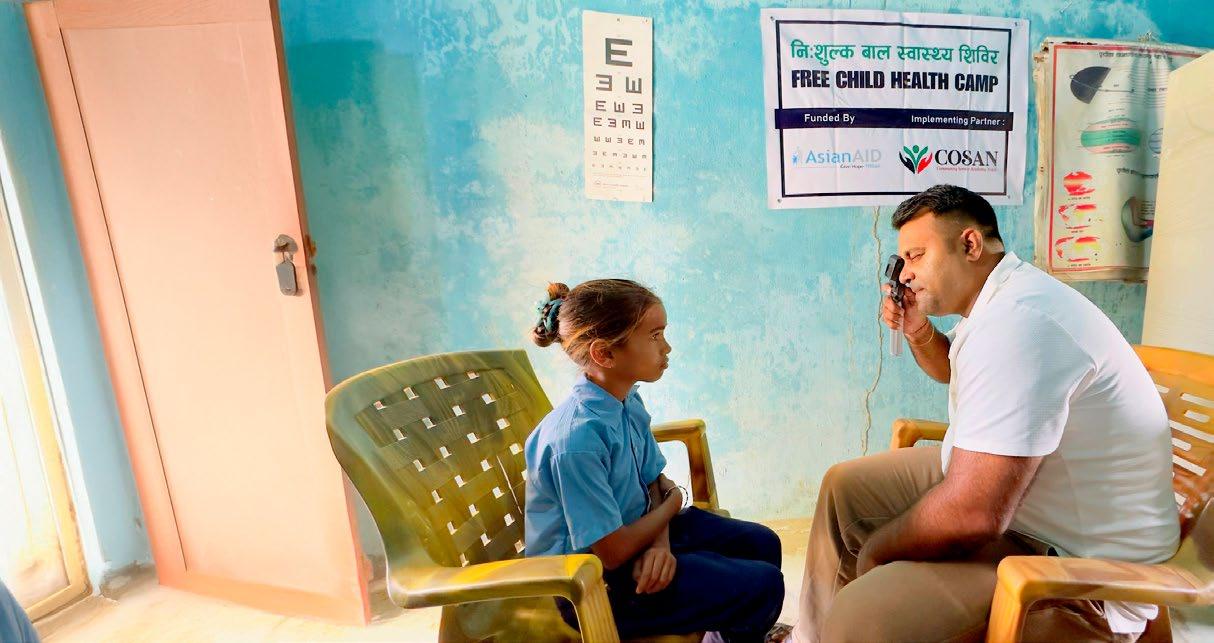
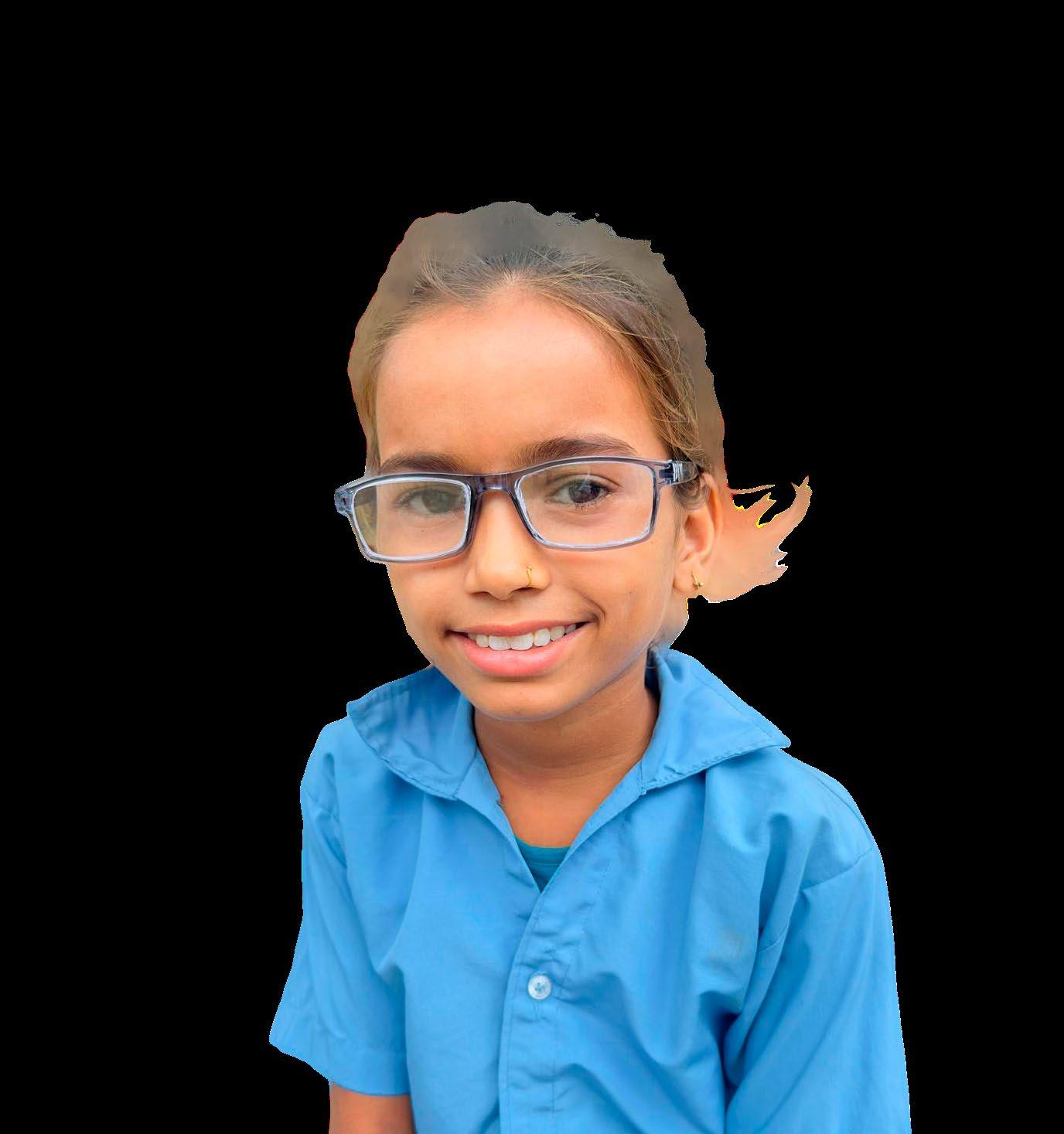
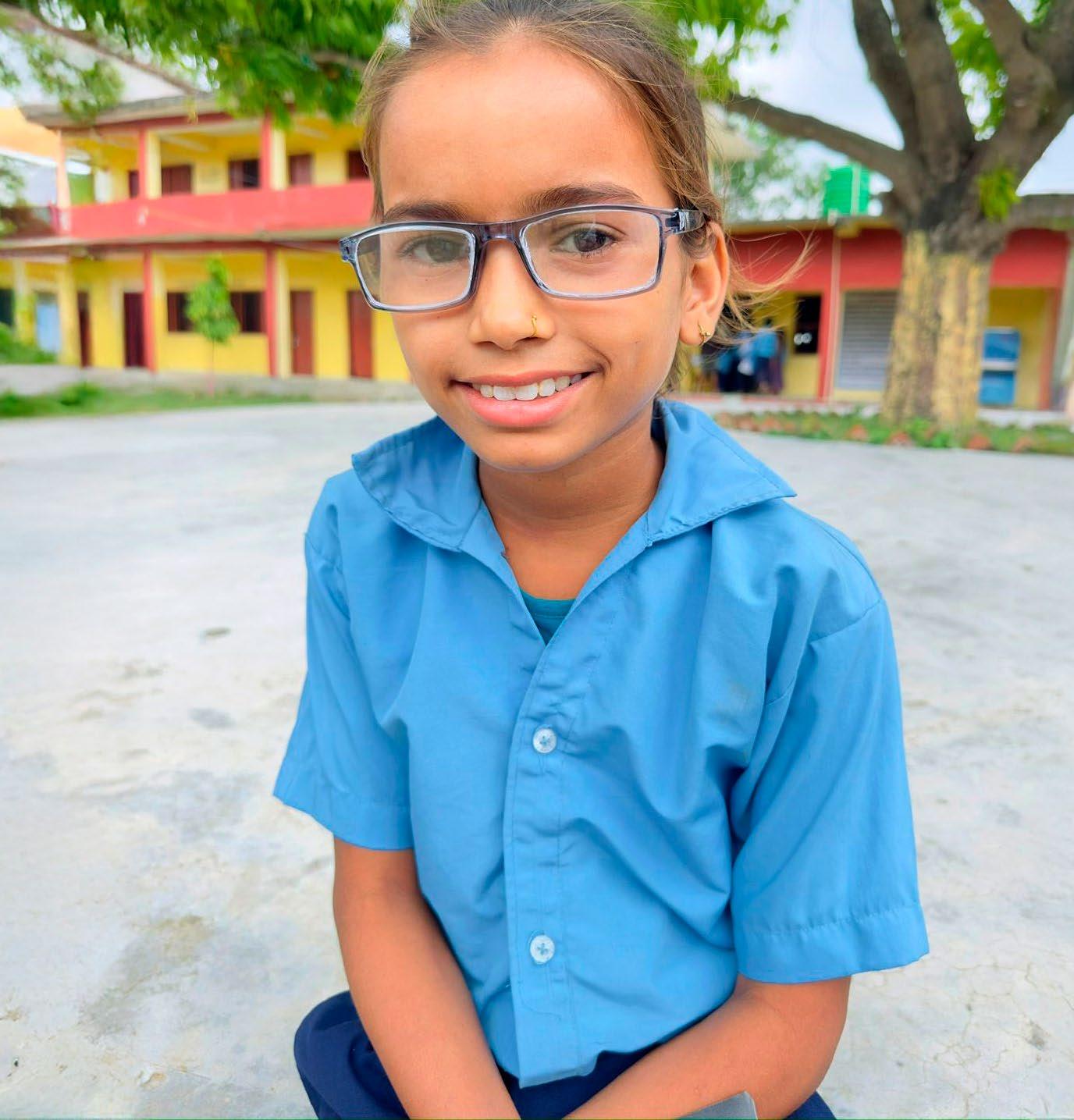
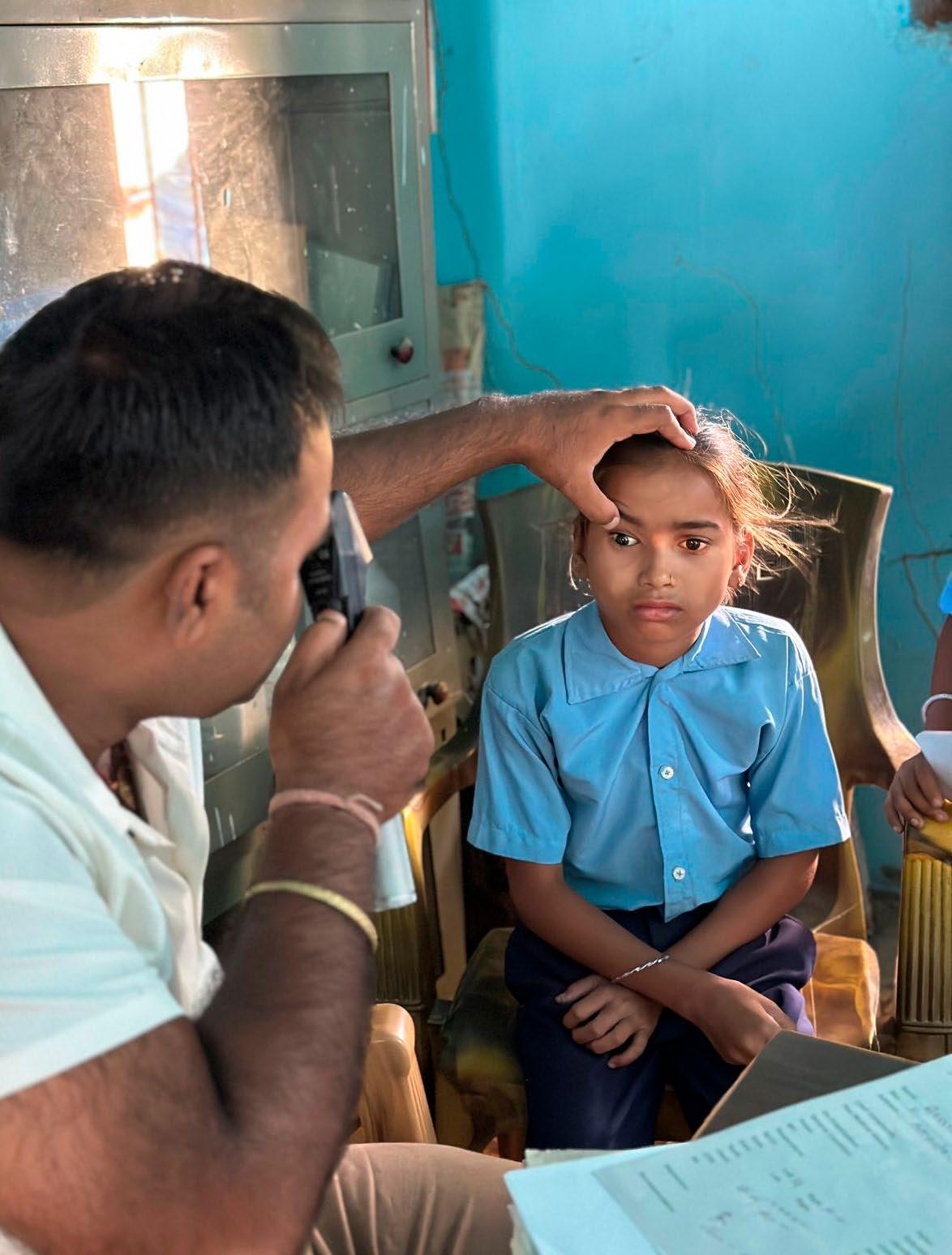
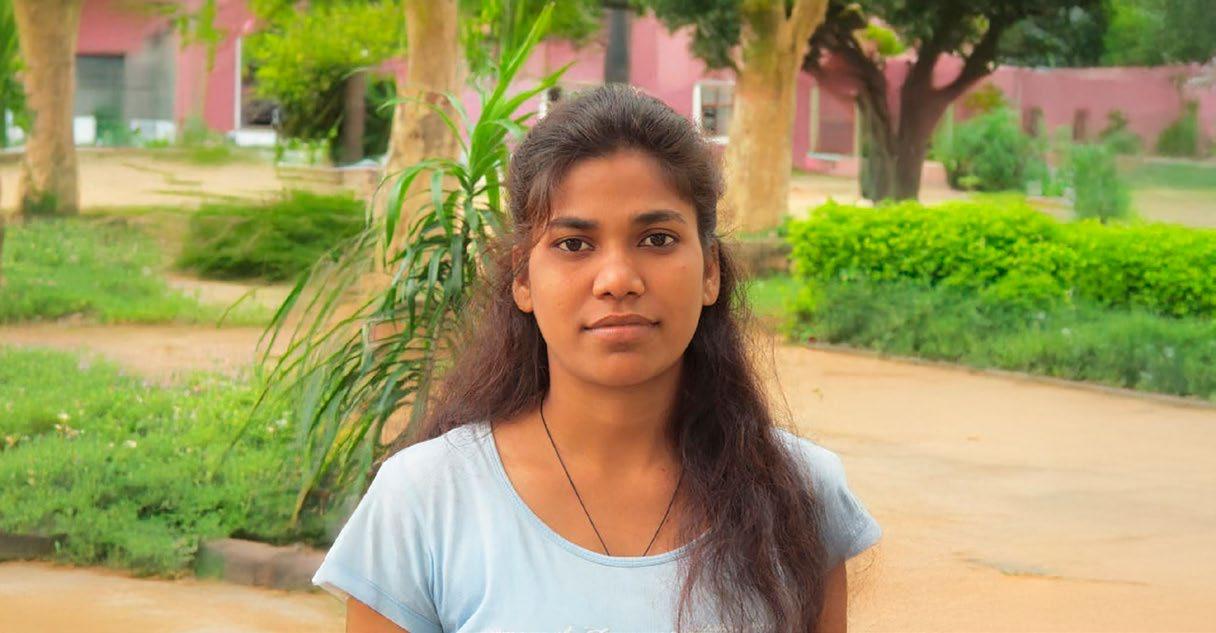
A pair of glasses is opening children's eyes to a world of learning and opportunity. For years, Aarusi thought blurry words on the classroom blackboard and headaches were just part of life. The Year 4 student from a remote village in Nepal had never had an eye test and didn’t know she had an eye problem. When an optometrist finally examined her at one of our child health camps, he discovered she had severe amblyopia, or "lazy eye." Without treatment, her vision - and her chance to keep up at school - would have continued to decline. Aarusi's parents struggle to feed the family and cannot afford even the basics, so healthcare often has to wait. But that day, as soon as she was diagnosed, she received something life-changing: her very first pair of glasses. The medical staff encouraged Aarusi and her mother to have biannual optometrist check-ups. With timely care and regularly wearing her glasses, Aarusi has
There are so many eye problems among school children, and most people simply aren't aware of them. Conditions like amblyopia can be treated if we catch them early through therapy and glasses. Asian Aid’s child screening program is truly making a difference for children in this government school.
every chance to protect and improve her sight. Sadly, Aarusi's story is far too common. That’s because in the remote villages of Nepal, seeing an optometrist is often impossible. Families who live in poverty there must put food on the table first before healthcare, while long distances and low health literacy mean many children never receive even the most basic check-up. That's why, with your help, it is vitally important that health camps bring care directly to where it's needed most - to schools, community halls, and even family homes.
- Dina, optometrist working with our partner in Nepal since 2021
Eye health is one of the most impactful components of these camps. The screening process is thorough: optometrists assess visual acuity, diagnose refractive errors, and identify children with signs of amblyopia or other conditions requiring follow-up.
Acuity (uh·kyoo·uh·tee): how clearly you can see
Refractive (ruh·frakt·uhv) error: the shape of the eye doesn’t let light focus on the retina
Amblyopia (am·blee·oh·peeuh): lazy eyewhere the brain and the eye can’t quite work together well

Many children in Aarusi’s community suffer from serious eye problems often in silence and without anyone knowing. With a simple pair of glasses, a child’s entire educational trajectory can change.
The child who could not read the board can now follow the lesson.
The child who was falling behind can now keep pace.
The child who had quietly concluded that learning was simply too difficult discovers they simply couldn’t see and gains their confidence back – for life.
No child should struggle to learn, develop and grow simply because they can't see. Your gift can provide the eye care, glasses and ongoing follow-up that transform a child's future.
Scan the QR code to give today.
Together, we can help more children like Aarusi see the world - and their future - with hope.
In India too! When addressing the issue through a health camp at a Seventh-day Adventist School, our partners took a systematic and well-coordinated approach with school students given priority to minimise disruptions to their school routine. Students followed these steps:
• They lined up at a preliminary screening area where nurses measured their height, weight and blood pressure.
• With their brand-new health card in hand, they then saw the GPs for a more thorough check-up. If they had cold, cough or fever symptoms they received immediate help by the nursing staff.
• Last screening for all students was the eye check-up.
Once student screenings were completed, the camp was open to families and community members who received the same care.
The result? Seven students received prescription glasses, two students were referred to an ophthalmologist, and one student was prescribed medication for a health concern. The parents of these children received information and follow-up appointments, too.

“During the eye camp, I saw that most people had common vision problems like difficulty seeing far or near, and many older people also had eye allergies, and dry eyes that needed further treatment, so they were referred to a specialist. Many had never had an eye check-up before and did not know that their vision could be improved with glasses or treatment. The camp helped us detect eye problems early, provide advice, and raise awareness about the importance of regular eye check-ups to prevent vision loss.”
- Mr. Patras, optometrist on duty at the health camp in North India.
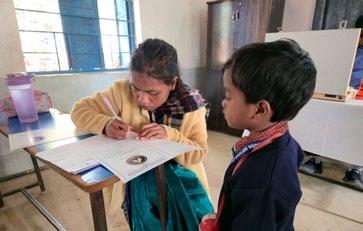
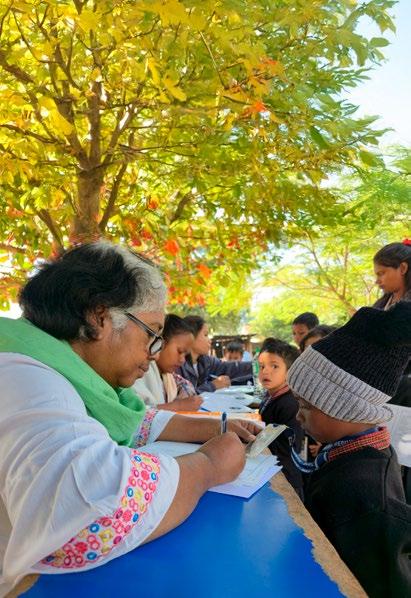
Reports confirm that children with vision loss in low and middle-income countries are up to five times less likely to be in formal education. (The Lancet Global Health Commission on Global Eye Health)
It is estimated that 40% of children are blind from eye conditions that could have been prevented or could be managed if the child had access to eye care services. (The International Agency for the Prevention of Blindness)
School-based eye screening is one of the most efficient and cost-effective ways to improve children's vision, with prescription glasses proven to reduce the chance of failing a class by 44%. (The Lancet Commission)




Helping others makes my heart do a happy little trumpet! When children work together, amazing things can happen in communities

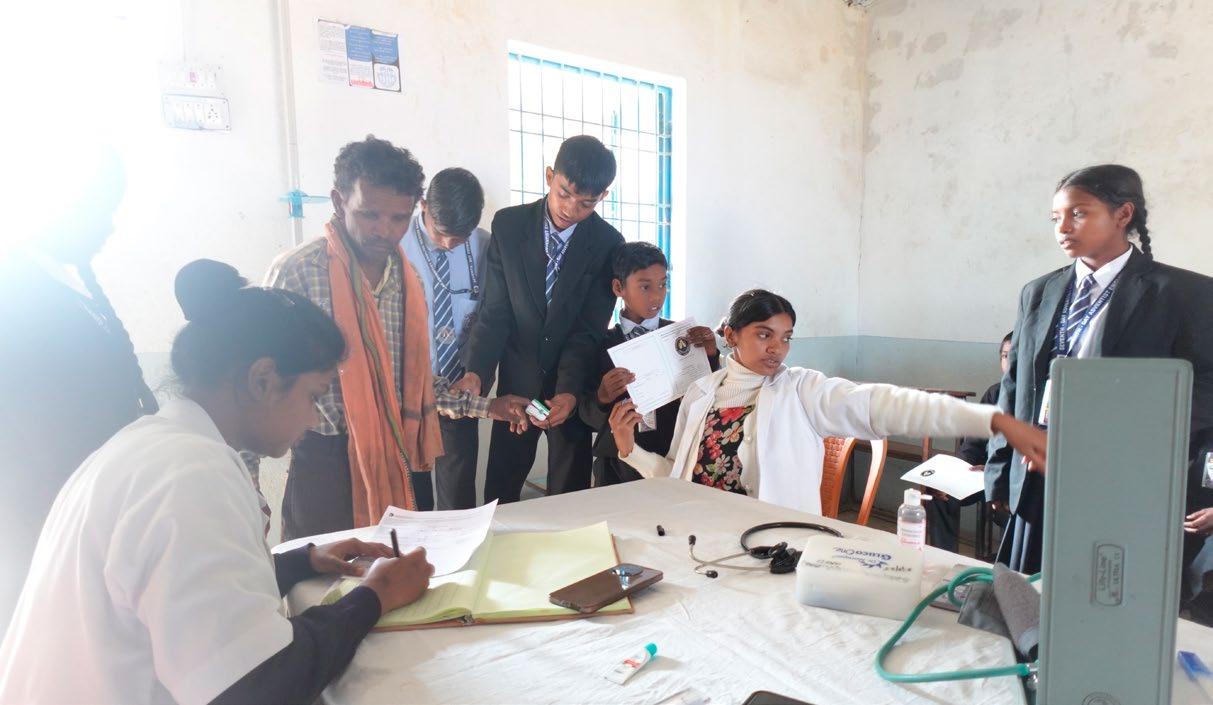
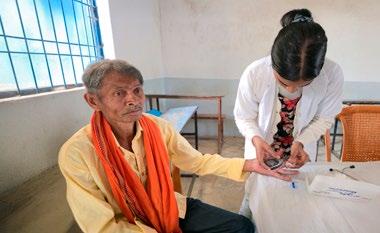
When a free health camp was organised in their community in Bangladesh, the Child Club members sprang into action. They visited homes, invited families, and encouraged people from across the community to attend. Their enthusiasm and involvement spread the word making sure that as many children and families as possible could access vital healthcare. The response was overwhelming. While the team had planned to serve 400 people, 424 community members attended the health camp. But the Child Club members didn’t stop there. During the eye screening, they helped organise students, guided them through the check-up process, and assisted doctors identifying those requiring glasses.
My husband has been ill for a long time. By being able to see a doctor and receive some medicine here, it has brought some relief to our family. We know that health is the root of all happiness. So, I am grateful for this help.
- Laila Begum, Bangladesh
Our partners in-country often join hands with local centres to provide free, quality healthcare. In India, our partner works closely with Metas Adventist Hospital to bring experienced doctors, nurses and eye specialists directly to schools. The hospital’s involvement ensures that children receive quality health assessments often for the very first time. And when a health concern is identified, families are connected with the treatment and follow-up care that their child need. These visits do more than detect health problems. They also raise awareness among students, teachers, and community members about the importance of early detection and prevention of health issues. Combining your generosity with our partner’s understanding of community needs and with the hospital’s medical expertise is enabling more children, families and communities to become and stay healthy ongoing.
Anju, Joan's former sponosered child who is now a nurse.
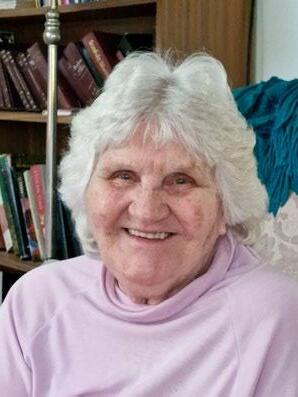


"For me, being a caring person who wants to help others holds great importance in my life. I also believe that giving generously is important - and that money doesn't equate to much when we have eternal life. And so, we should give joyfully and without ceasing." Joan Marshall, an Asian Aid long-term supporter and healthcare advocate.
For more than 60 years, Joan Marshall has supported Asian Aid because she believes everyone deserves access to healthcare. As a retired registered nurse, she knows firsthand that quality medical care can mean the difference between suffering and hopeespecially for people living in poverty.
Joan trained as a nurse after attending WA Mission College and spent many years caring for patients. Today, at 86, she still practises that same compassion.
Joan first learned about Asian Aid from June and Norman Long at Castle Hill Seventh-day Adventist Church in Sydney. Inspired by the opportunity to support children and women in need, she began giving – knowing her gifts would support the greatest needs. “I could give money to a range of areas, like prolapse treatments for older women or to help feed children for a week. I have now been giving to Asian Aid for over 60 years and haven’t looked back,” Joan says. “What they do for children in developing areas is truly inspiring and I want to contribute to this great cause.”
Over the years, Joan has supported many
Asian Aid projects, but healthcare has been closest to her heart. After a lifetime of nursing and raising three children, she understands the difference access to healthcare can make. That’s why she has supported initiatives such as treatment for women living with prolapse and health programs that help children grow up healthy.
One story has meant the most to Joan over the years. A girl she sponsored wrote to tell her that she dreamed of becoming a nurse too. For Joan, it was deeply moving to know her support had inspired another young woman to follow the same path. Joan’s story is a beautiful reminder that one act of generosity can shape a life - and, in turn, the lives of many others.
“Helping the little children, teenage girls going through puberty, and the older women experiencing prolapse gives hope to me that I can care for them - and that they can have hope,” Joan says. “As a nurse and a mother, I want to support children because they are the next generation, and they deserve to grow up feeling
like they can be successful and have all the opportunities that other children in Western countries have. I don’t feel like giving money is a burden when it grants this hope to the little children.”
Joan’s message to others is simple: every gift matters.
"You don't have to give a huge amount," she says. "Even a small donation can make a real difference. It’s like you sow a seed, and other people water it and harvest it because we all have a part to play in spreading the love of Jesus."
Thank you, Joan, for your faithful support, your daily prayers and the compassion you've shared over so many years. Because of you, children and families that you may never meet have received hope and care. You inspire us.
- Asian Aid Team


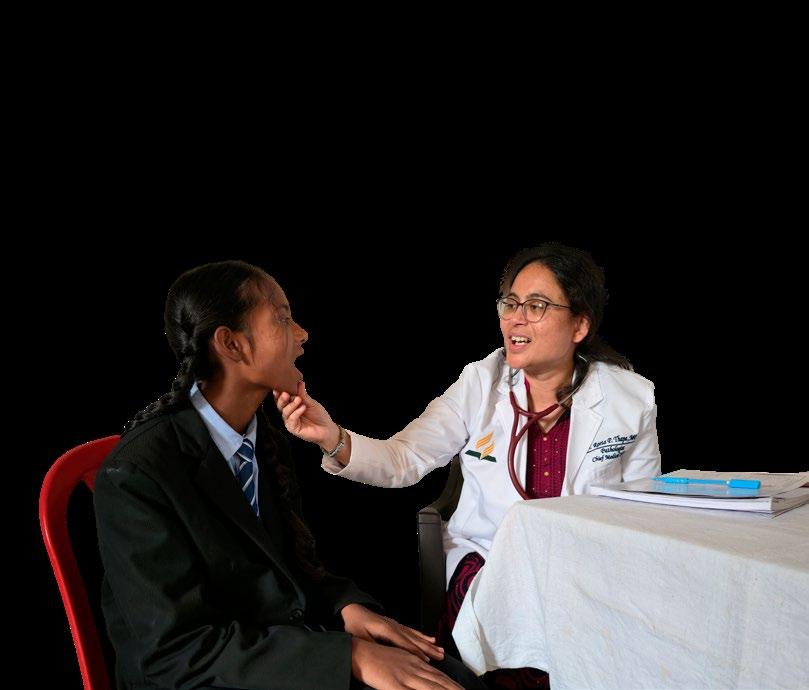
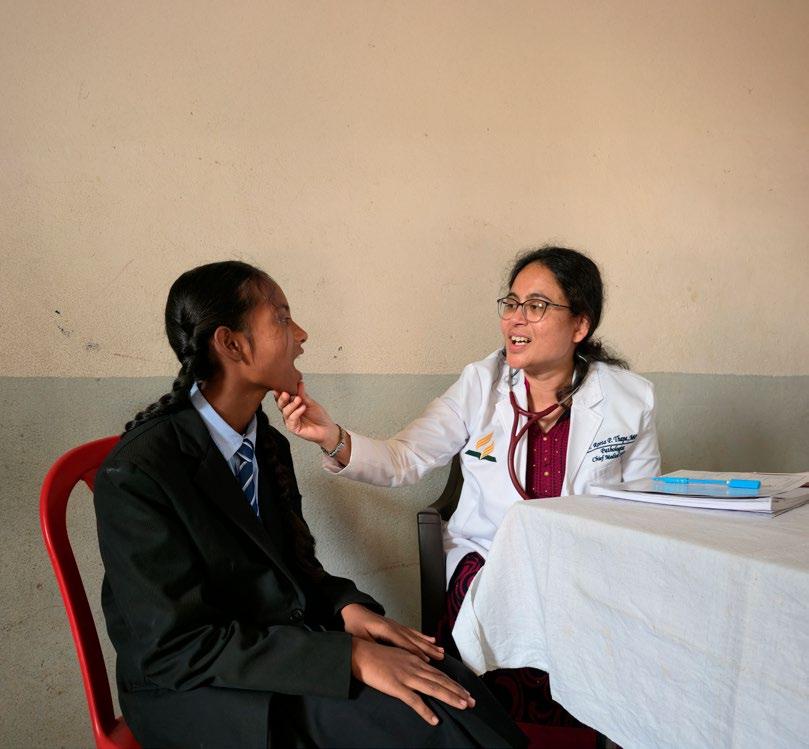
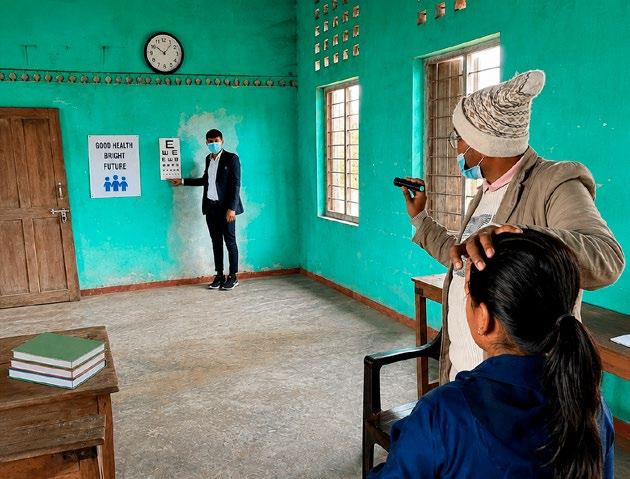
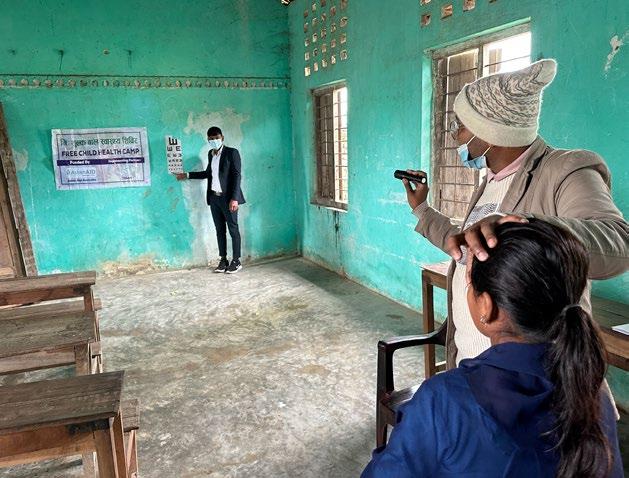
Calling all my little friends! I need your help with a fun challenge. My glasses help me spot even the tiniest details ... but can you beat me? Look closely at these two pictures and see if you can find all the differences. Just like eye checks help children see clearly, fun activities like this help keep our eyes sharp and our brains busy. Happy spotting!


I am very happy to have been able to see a doctor. Since my family is struggling with many money problems, I would like to thank you for the free health camp.
- Newton, Bangladesh
I am so glad I could help during the eye camp. When I was helping the optometrist, I was so motivated and inspired. My teachers also praised me. This time I also got involved in listing the names and providing the students with glasses. It has been a very good learning experience for me to be involved in the screening process and in handing out glasses to my school friends.
- Manisha, Nepal
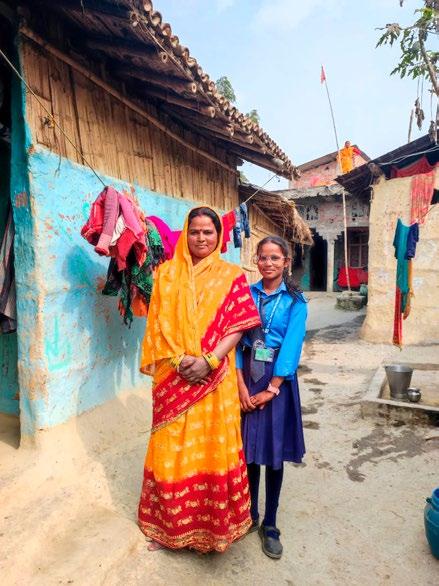

She lives with her mother in a small hut. It's the kind of home that tells its own story without words: walls of packed mud, a low doorway, the bare essentials of a rural life lived in scarcity. Her mother works hard. They get by. But there has never been money, or awareness, or access enough to bring this child to a doctor for something as seemingly invisible as trouble with her eyes. When our team screened her at the health camp, what they found was significant. She had a serious refractive error, a condition that had been affecting her vision - and her learning - for years. She herself had not known. Her mother had not known. In a life where survival takes precedence over everything else,

the quiet struggle of a child straining to see had gone unnoticed. When the health team visited her home to deliver the new glasses – making sure they fit just right and booking the follow-up appointment - the girl was visibly overjoyed. She held the glasses carefully, the way children hold things that are precious.
Your donation today will help children see a brighter future - one where poor eyesight, preventable illness, or lack of healthcare no longer stand in the way of their education, their dreams and their potential. Every gift makes a difference!


m $30 – Give a child the gift of clear sight. Provide prescription glasses to help a child learn, develop and thrive.
m $60 – Bring health checks to children and families, often for the first time. Help detect problems early and keep communities healthier.
m $450 – Take healthcare where it’s needed most. Help doctors and nurses reach remote communities with life-changing care.
This is a m one-off donation m monthly donation
I WILL GIVE MY DONATION BY:
CHEQUE Make payable to Asian Aid Organisation and post with this form.
FUNDS TRANSFER Call us on (+61) 02 6586 4250 for banking details
CREDIT CARD
Name on Card
Expiry ____ /____ /____ CSV Amount
Signature Date____ /____ /____
m CHRISTMAS GIVING STARTS HERE. Request your Kids' Gifts of Hope Catalogue to discover meaningful gifts that change lives.
m
Scan this QR code or use the form below.
(if already a supporter)
Full Name DOB ____ /____ /____ Address Email Phone ID WAYS TO DONATE TO ASIAN AID asianaid.org.au
MAIL your completed form to: PO Box 333 Wauchope
NSW 2446 Australia
CALL (+61) 02 6586 4250

For more information, visit asianaid.org.au call (+61) 02 6586 4250 or email contact@asianaid.org.au