
















LIZ TOADER celebrates 15 years at Leonardo Dublin Parnell Street




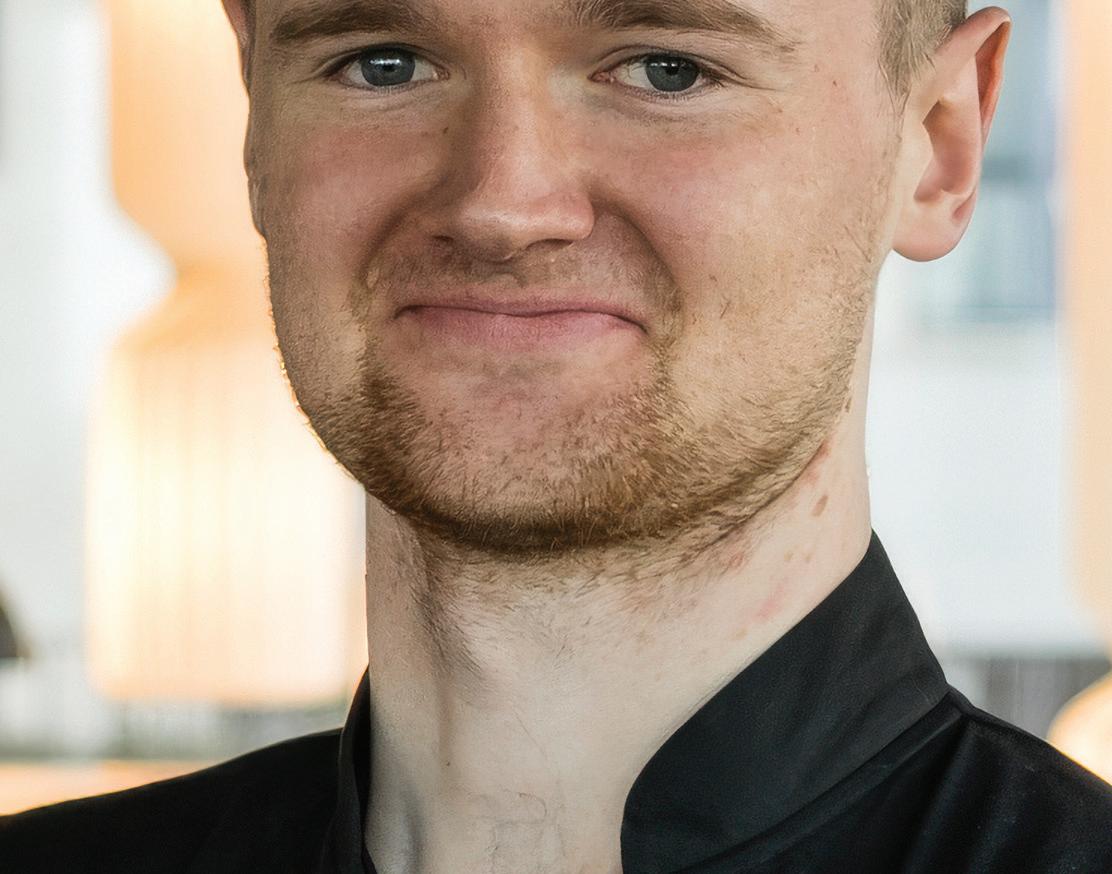




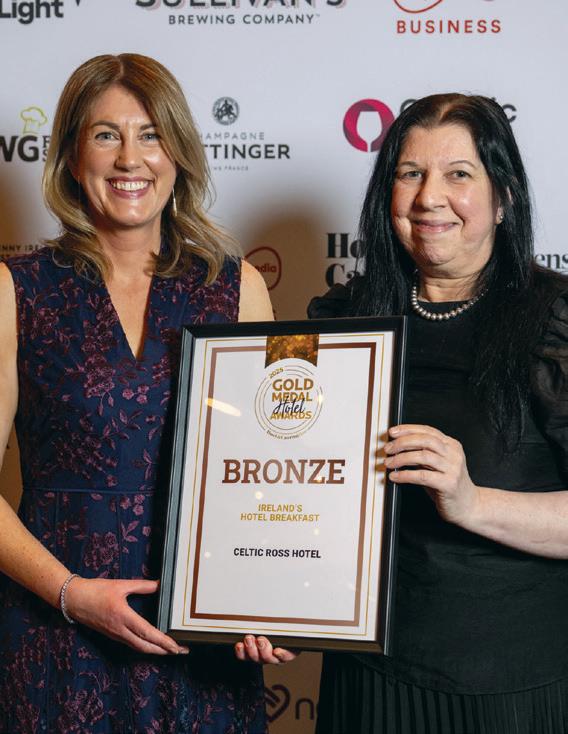
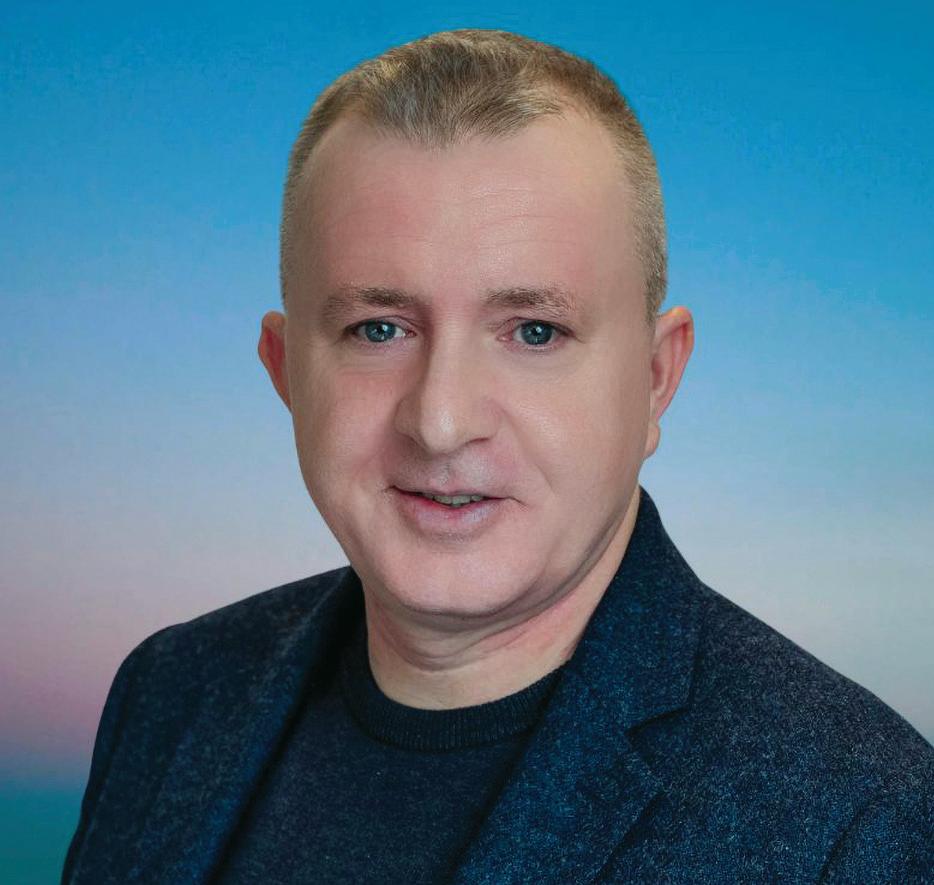
ANN DOWNEY at Celtic Ross Hotel is keeping it local

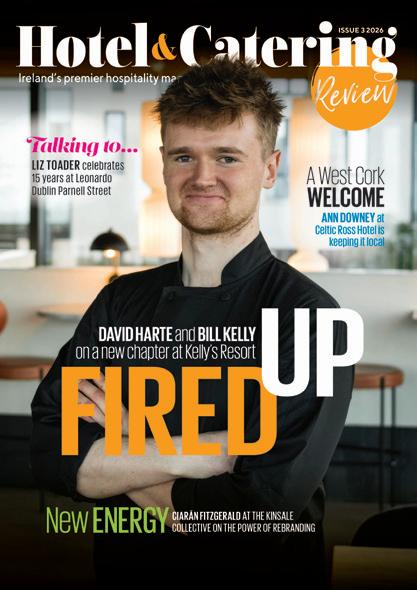
DAVID HARTE and BILL KELLY on a new chapter at Kelly’s Resort






CIARÁN FITZGERALD AT THE KINSALE COLLECTIVE ON THE POWER OF REBRANDING





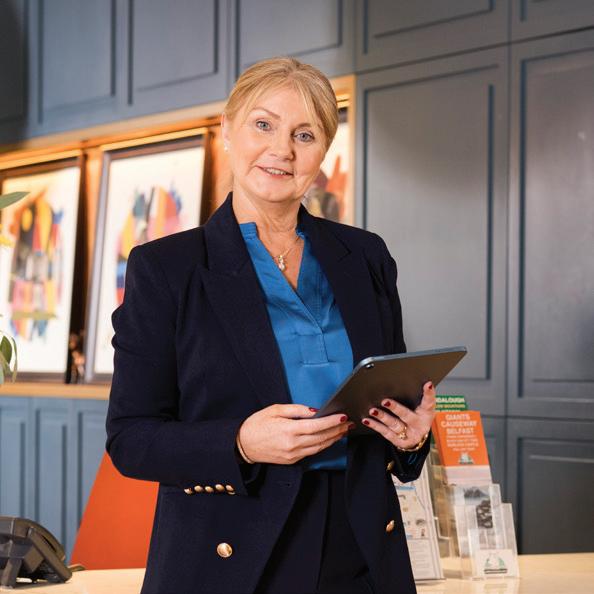
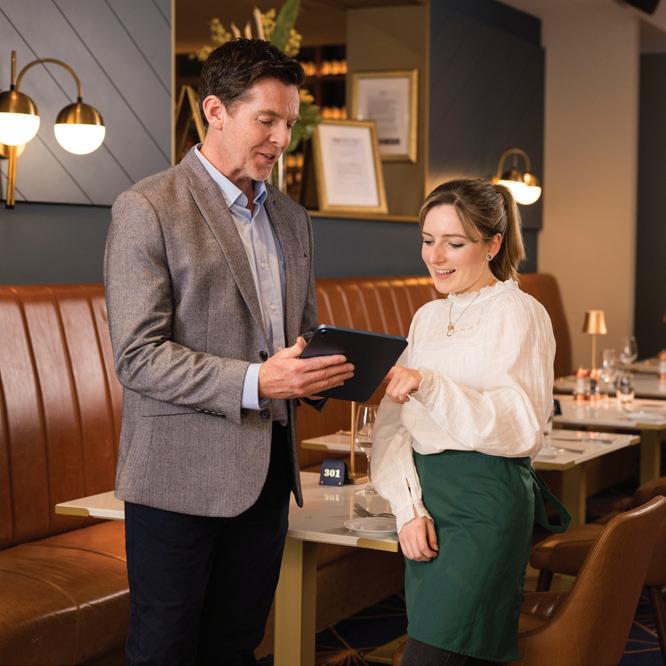
learniFI is Fáilte Ireland’s learning platform, offering over 250 courses and online content to upskill your teams and boost your tourism business. Designed by industry experts, there’s a wealth of knowledge just waiting to be discovered. Sign up today at failteireland.ie/learnifi

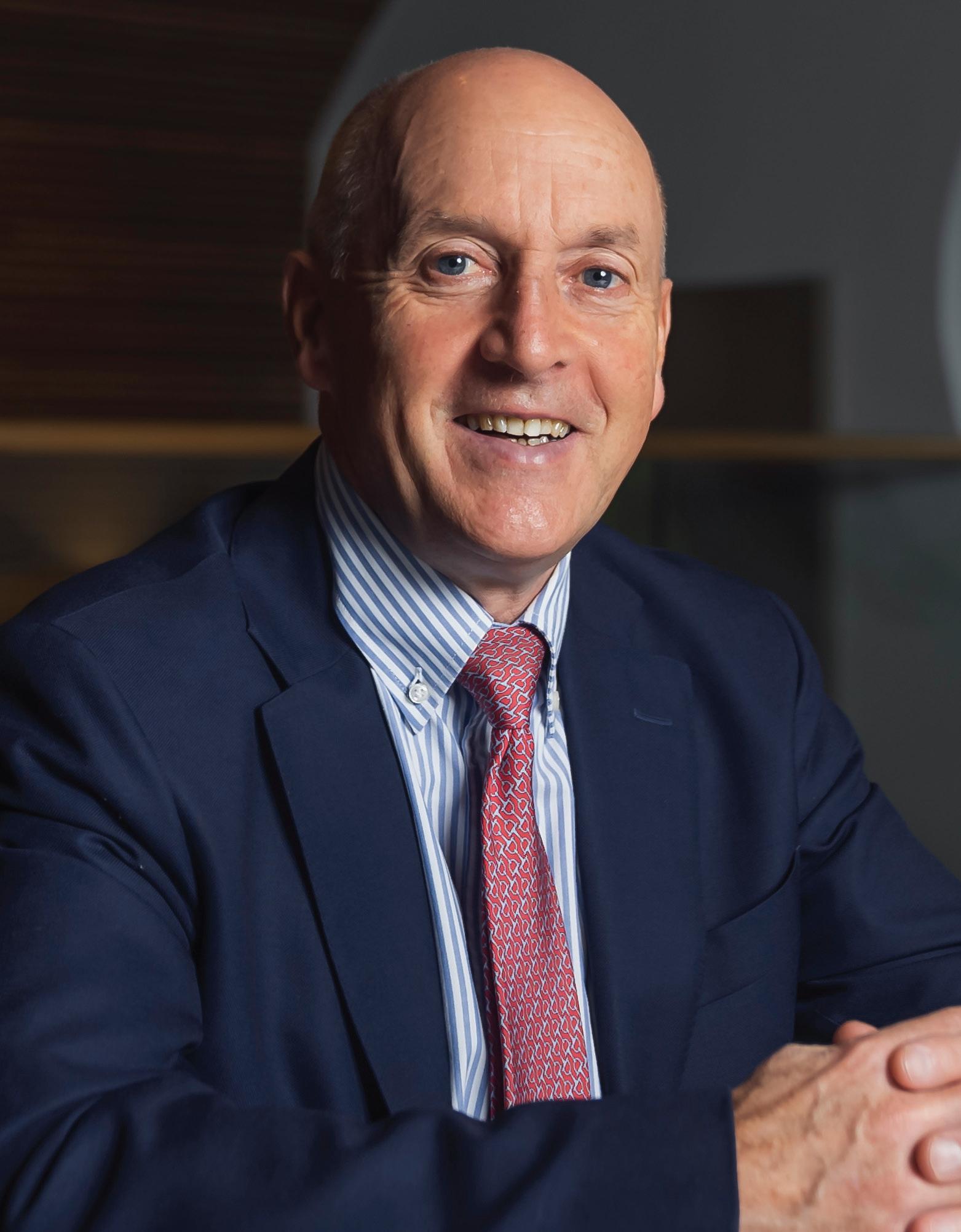
“Constantly improving the hotel means continuous investment but as I say to my daughters who work with me, or my two bosses as I should call them, we’re not here for the short term. They’re the fifth generation in the hotel so it’s not something we can a ord not to do.”
Bill Kelly, Owner, Kelly’s Resort Hotel & Spa
Michael Sharpe is back in hospitality, with a new GM role at The Dunmore Bar & Restaurant
Liz Toader at Leonardo Dublin Parnell Street on 15 years at the city centre property
Aidan Donohue at Radisson RED Galway is off to a flying start
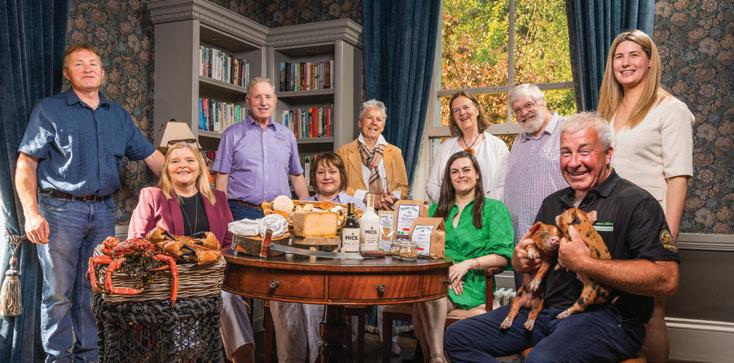
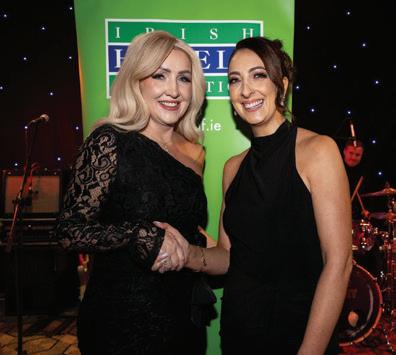
Ann Downey at Celtic Ross Hotel on West Cork hospitality and keeping it local
The Blue Haven’s rebranding to The Kinsale Collective is more than just a name change – it’s a new vision
AI has its place in hospitality but authentic human connection is still key, writes Donagh Davern
Roderick Vastenburg on why F&B is more than just a department

Editor: Denise Maguire
Creative Director: Jane Matthews
Art Director: Lenny Rooney
Stock Photography: iStock
Infographics: www.flaticon.com
Production: Claire Kiernan
Sales Director: Trish Murphy
Managing Director: Gerry Tynan
Chairman: Diarmaid Lennon
Published by:
Ashville Media,
Unit 55 Park West Road, Park West Industrial Estate, Dublin 12, D12 X9F9. Tel: (01) 432 2200
ISSN: 0332-4400
All rights reserved. Every care has been taken to ensure that the information contained in this magazine is accurate. The publishers cannot, however, accept responsibility for errors or omissions. Reproduction by any means in whole or in part without the permission of the publisher is prohibited. © Ashville Media Group 2026. All discounts, promotions and competitions contained in this magazine are run independently of Hotel & Catering Review. The promoter/ advertiser is responsible for honouring the prize.
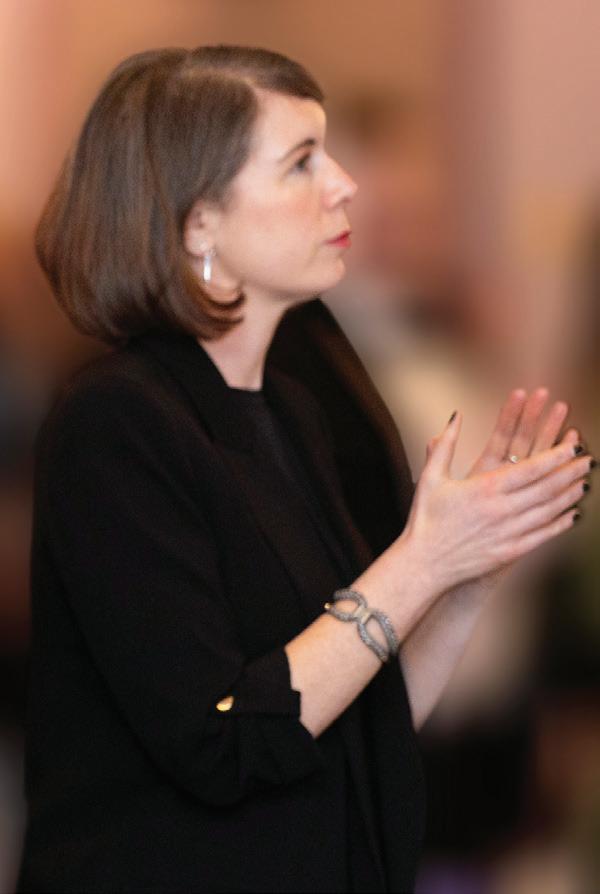
Editor: Denise Maguire
Email:
denise.maguire@ashvillemediagroup.com
Welcome to issue 3 of Hotel & Catering Review 2026
In January this year, David Harte took up the role of Head Chef at The Sea Rooms at Kelly’s Resort in Rosslare. Cooking over fire is the new concept at the restaurant, an idea brought to the table by Grace Kelly and one that’s allowing David to put his own stamp on the restaurant. In this issue of Hotel & Catering Review, we chat with David about taking over from his mentor Chris Fullam and why every day is another opportunity to learn something new. We also chat with owner Bill Kelly about how business is going and why running a large-scale operation like Kelly’s is like running a village. Elsewhere in this issue, Ann Downey at the Celtic Ross in Rosscarbery talks about West Cork hospitality and why investing in locally sourced food has put the hotel on another level. Aidan Donohue at Radisson RED in Galway’s Crown Square chats about moving from an independent property to an international hotel chain and what differentiates Radisson RED in the competitive Galway market. On page 25 Ciarán Fitzgerald, Managing Director at The Kinsale Collective, explains why the Group's rebranding is more than just a name change. Success, says Ciarán, is down to people, local produce and creating unique, lifestyle-led experiences in the heart of West Cork. On page 14, Liz Toader chats about managing Leonardo Dublin Parnell Street. This year, Liz is celebrating 15 years at the city centre property. It all started with a role in housekeeping and after several positions across various departments, she’s now General Manager at the busy property. Her career progression is, she says, thanks to the progressive training and leadership programmes within Leonardo, which have allowed several staff members climb the ladder.
As always, there’s plenty to enjoy in this issue. If you have any thoughts or opinions on this month’s content, please do drop us a line.
Denise Maguire

















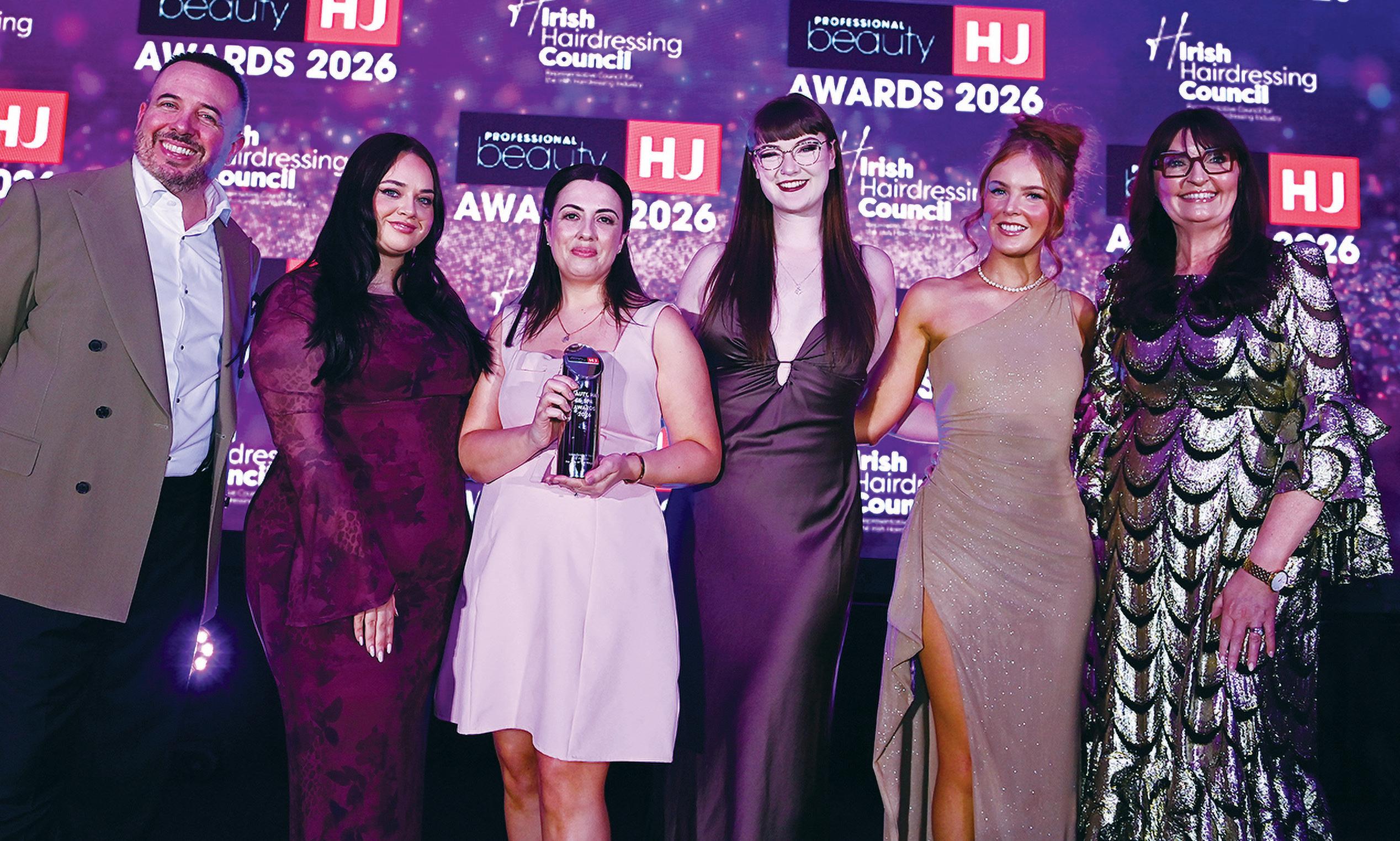
The Spa at The Kingsley in Cork city was awarded ‘Salon/ Spa Team of the Year’ at the Beauty, Hair & Spa Awards 2026. The Spa impressed judges with its consistently high standards, guest satisfaction and strong team culture. The team was also recognised for its commitment to employee wellbeing and meaningful community engagement.
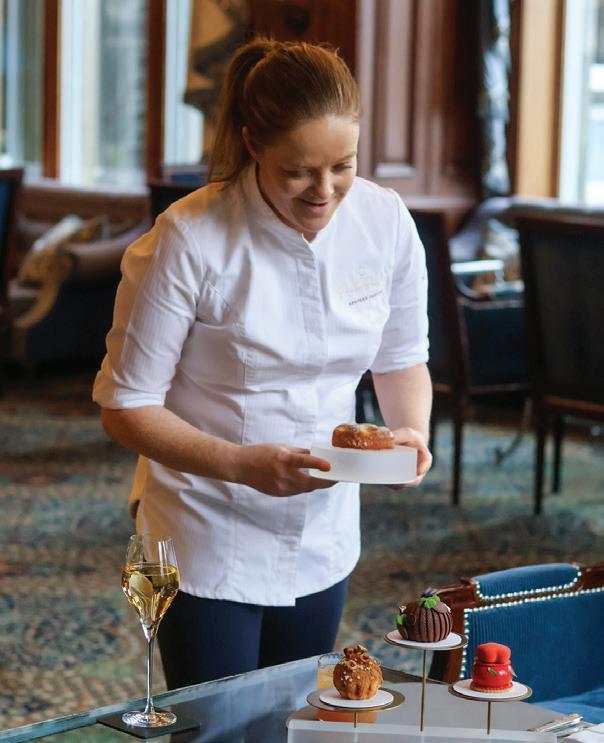
Ashford Castle has expanded its seasonal food offering with the launch of Paula Pastry at The Drawing Room, a new haute pâtisserie concept created by pastry chef Paula Stakelum (aka, Paula Pastry). Served in the Drawing Room, guests will enjoy an afternoon that includes an estate preserved Crab Apple iced tea, served with a freshly baked Wild Garlic sugar brioche, along with pastries and cakes, including Paula’s Legend Chocolate with Estate Wood Sorrel. At the end of the experience, guests leave with a wrapped Legend Chocolate snack bar. Your monthly round-up...

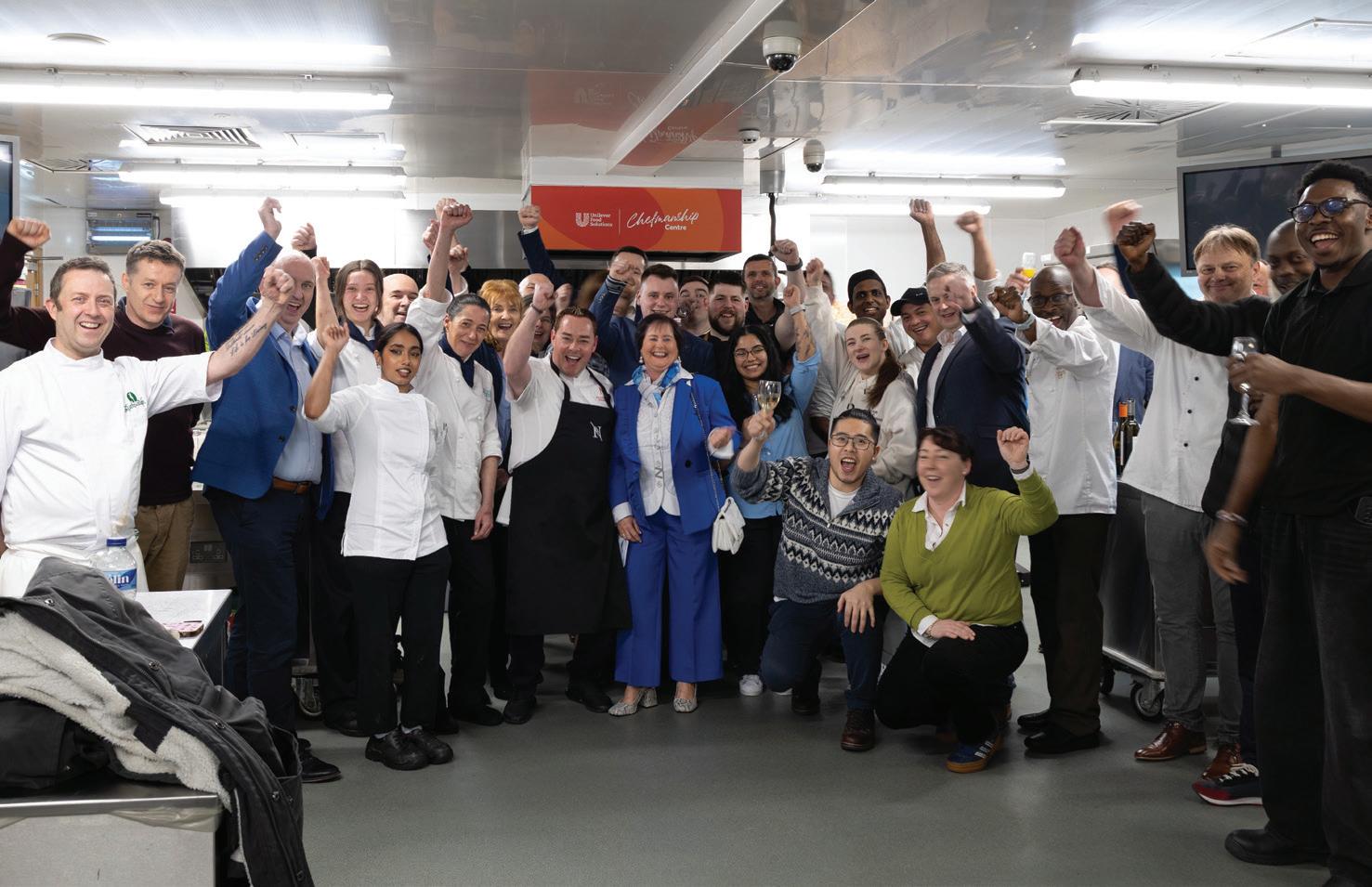







Pavel Mikeska of Thyme Restaurant and Anastasiia Skurtu of Wineport Lodge were named the winners of the Joe Shannon Memorial Culinary Competition, which took place at the Unilever Kitchen in Dublin. Michael Thomas of Rathsallagh House was awarded second place. Alyssa Wealleans and Amanda Walton, second-year commis chefs from Limerick & Clare ETB, secured third place while Joey Patero and Asanka Sampath Kulawansa of the Radisson Blu Hotel & Spa, Sligo were recognised as the Best Team from the INUA Collection. The theme for this year’s event, which was judged by Neven Maguire, was “modern sustainable cuisine”. Established by Radisson Blu Sligo, the now annual Joe Shannon Culinary Competition was established to honour the memory of the late Joe Shannon and to reflect his love for entertaining and commitment to culinary excellence.
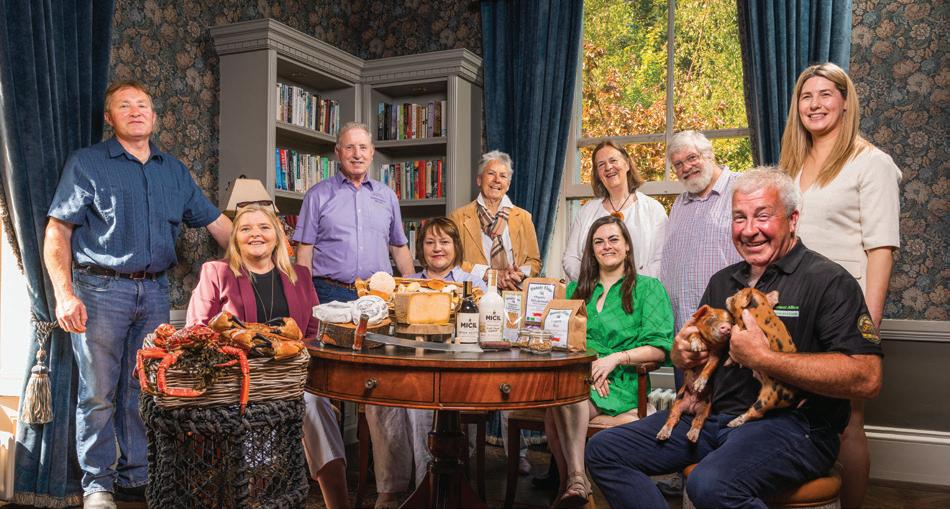
The annual Euro-Toques Ireland Food Awards brought together chefs, producers, growers, fishers, artisans and advocates of Irish food culture from across the island. This year’s gathering marked a particularly special occasion as Euro-Toques Ireland celebrated 40 years since its foundation by Myrtle Allen in 1986. This year’s winners include Aran Island Seafoods, Garryhinch Mushrooms, Winetavern Farm, Kylemore Farmhouse Cheese for Kinlahan Reserve, Leitrim Hill Creamery for Cnoc Liatroma, Dunany Flour and Micil Distillery for Micil Irish Poitín.
Dean Montgomery has been appointed Director of Golf at The Hawthorn by Galway Bay. A graduate of a dedicated golf college programme in the UK, Dean gained experience at some of the sport’s most renowned clubs, including Royal Liverpool (Hoylake), Woburn and Yas Links Abu Dhabi. Most recently, he served as Golf Operations and Tournaments Manager at Bearwood Lakes in Berkshire – a private club known for its championship pedigree.
After a €10 million investment, the Springhill Hotel in Kilkenny has reopened with a new contemporary look. Forty-seven new guestrooms have been added to the hotel, while the existing 85 guestrooms have undergone high-spec upgrades. The layout of the hotel’s public areas has also been completely reimagined, the Paddocks Bar has been renovated and the gym has been updated. It’s expected the refurbishment will create 60 new jobs.
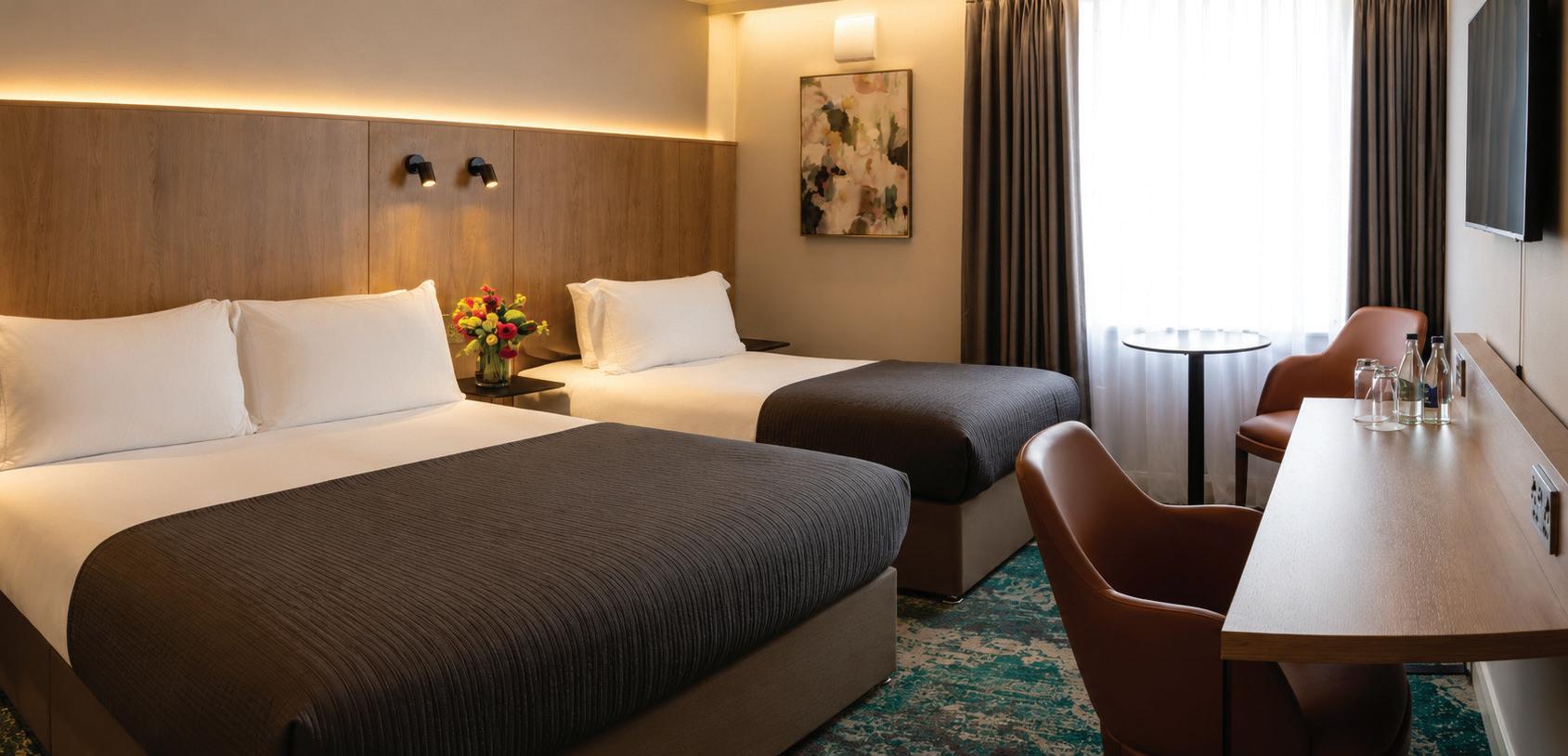
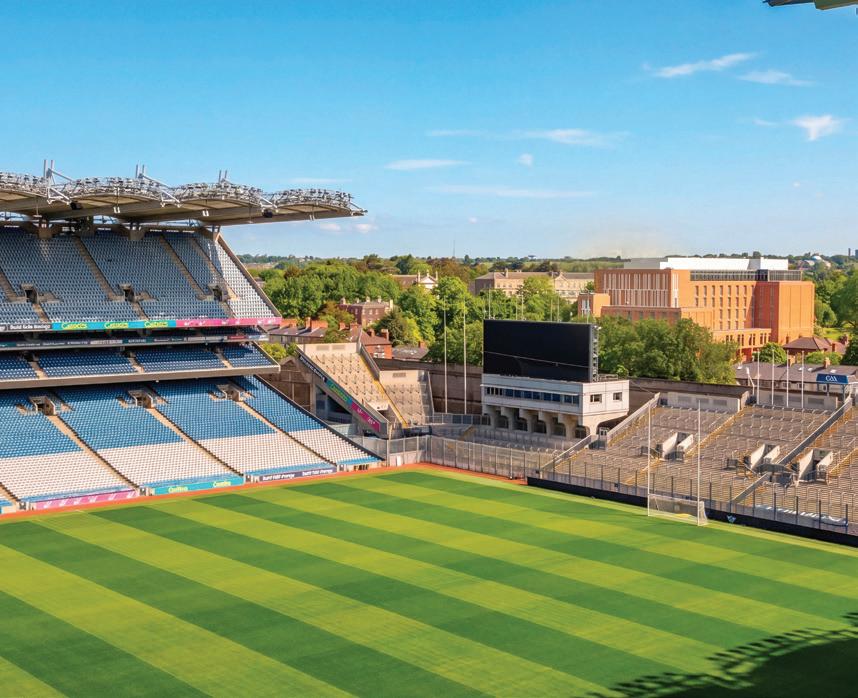
Dalata Hotel Group Ltd has opened Maldron Hotel Croke Park, a 200-guestroom property with four meeting rooms, a fitness suite, bar and restaurant. Located at the junction of Clonliffe Road and Jones’ Road, directly opposite Croke Park Stadium, the hotel is ideally positioned to take advantage of matches. The opening has also created 80 new jobs and has been praised for its sustainability credentials.
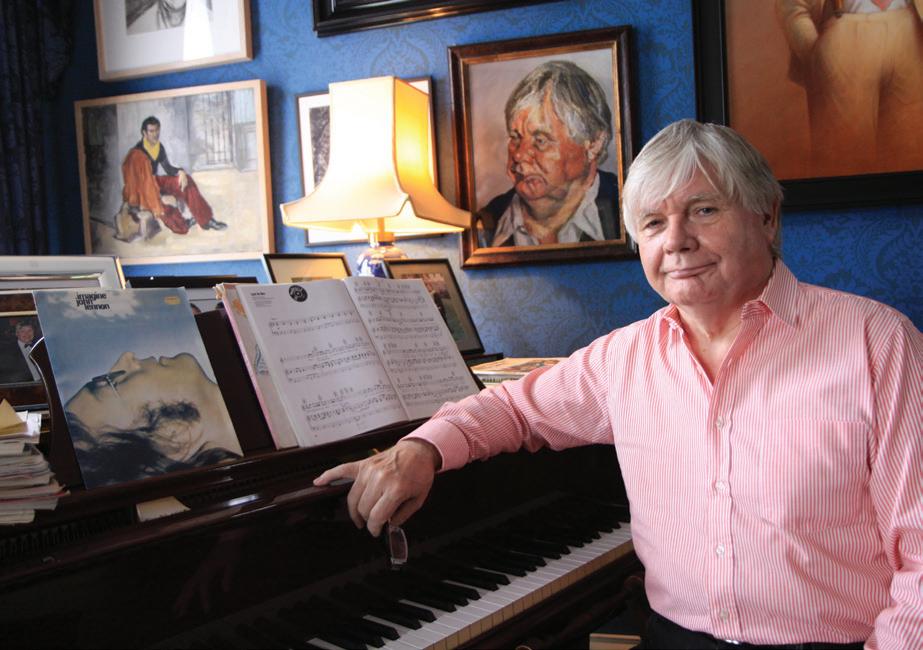
Published by Irish based Harcourt Developments, ‘The Harcourt Collection’ marks the career of Pat Doherty OBE and the five properties owned and operated by the group including Titanic Hotel Belfast, Titanic Hotel Liverpool, Lough Eske Castle, Redcastle Oceanfront Golf and Spa Hotel and Carlisle Bay in Antigua. “Tapping into potential, looking beyond the obvious and trusting my gut instincts have always served me well. People might say that certain ventures would never work or that I’d be mad to take something on, but we’re unusual in that way. We trusted our instincts and went ahead anyway. After all, nothing happens unless you make it happen,” said Pat. The Harcourt Collection book is available free of charge to guests staying at a Harcourt Collection hotel or available on request in person at any member hotel.
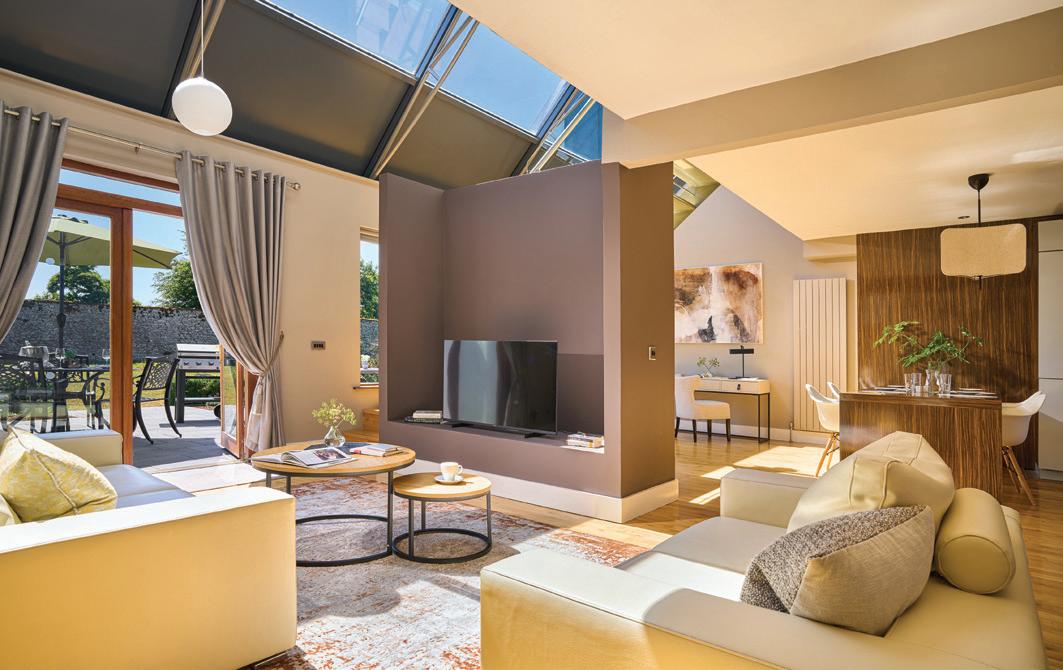
Castlemartyr Resort has launched its newly refurbished two and three-bedroom residences featuring refreshed interiors, new decking and upgraded exterior planting. Brendan Comerford, General Manager at Castlemartyr Resort, said: “Whether it's a family seeking spacious accommodation, friends on a golfing getaway or those wishing to bring their beloved pets, our Residences provide the perfect base to explore the estate and the rich offerings of County Cork, all while enjoying five-star services on their doorstep."
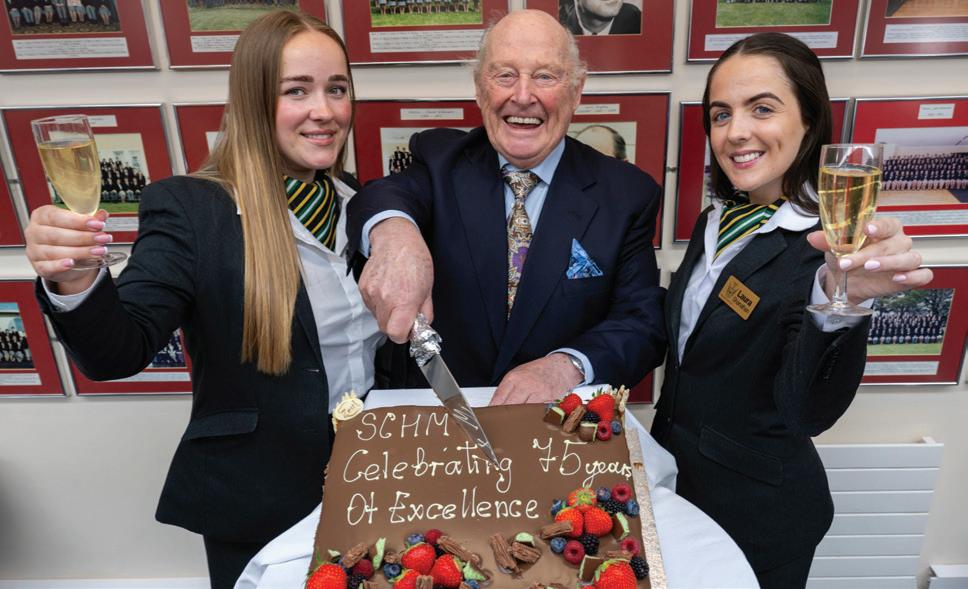
Shannon College of Hotel Management has marked 75 years of hospitality education with an anniversary celebration and the launch of a new undergraduate degree – Bachelor of Business Studies (BBS) in Global Luxury and Experience Management. The event also saw the launch of a new vision for the future of Shannon College, including an outline of plans for a new state-ofthe-art learning building. The anniversary celebrations included conversations with graduates including Daniel McLoughlin, founder of RockSalt; former Deputy Head of School Kate O’Connell; and current third-year student, Erin Brady.









The Donegal branch of the Irish Hotels Federation (IHF) has announced the election of Carolynne Murray, Director and General Manager of the Shandon Hotel & Spa at Marble Hill, as its new Chair. Outlining her vision as the new chair, she said: “We find ourselves at a pivotal moment – not only as a branch, but as an industry. The decisions we make, the partnerships we foster and the voice we represent will shape the future of tourism and hospitality in Donegal. My commitment is clear: to build on our existing momentum and to advance it with purpose. Because in an industry defined by change, standing still is simply not an option.”


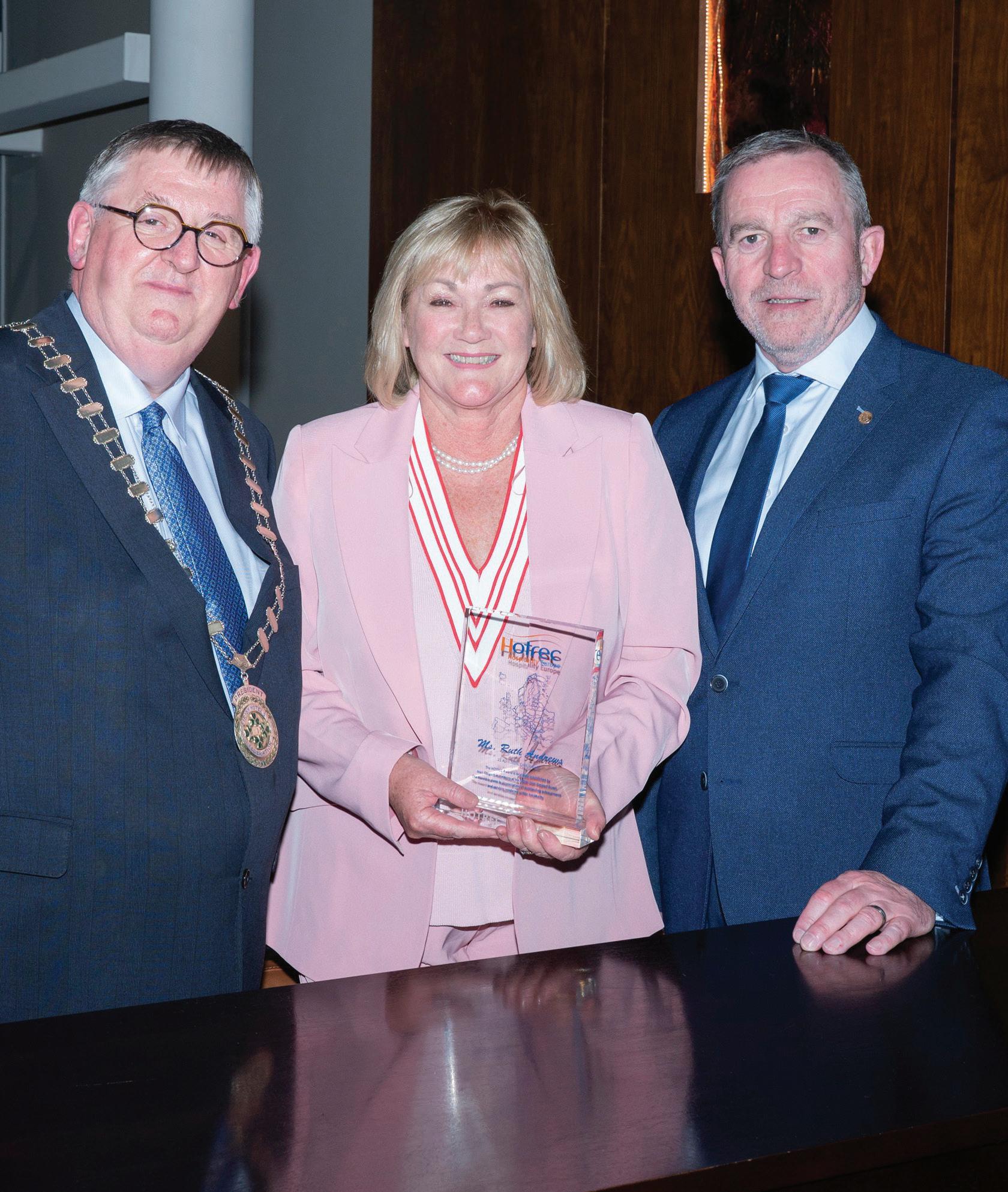
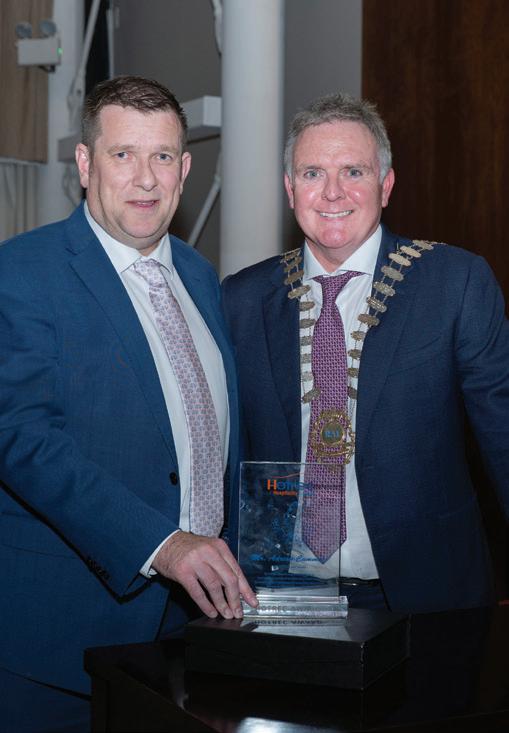
Ruth Andrews, Chairperson at Fáilte Ireland and Adrian Cummins, CEO of the Restaurants Association of Ireland (RAI), were honoured by their peers at the 92nd HOTREC General Assembly, co-hosted by the Irish Hotels Federation (IHF) and the RAI. The awards are presented twice a year and recognise the recipient’s dedication and contribution to the tourism and hospitality industry.







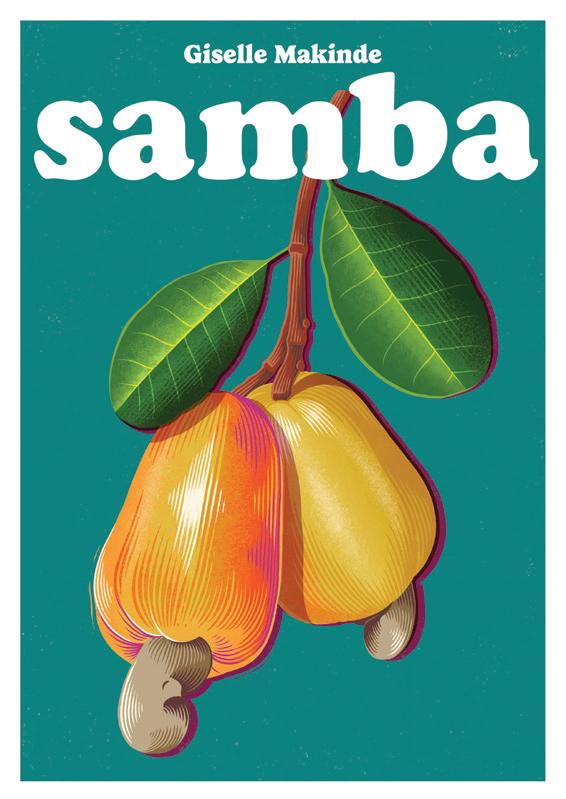
Written by Brazilian-born chef Giselle Makinde, Samba is the latest installment in the Blasta Book series. It is, says Giselle, a celebration of Brazilian cuisine, family and cultural memory, a cookbook born from the expression ‘Vai dar samba!’, a popular phrase that means something will work out. Recipes range from Biscoito de polvilho (tapioca crackers) and Feijoada (black bean stew) to Moqueca de peixe com pirão (Brazilian fish stew) and a classic Caipirinha cocktail.
Avalon House Hotel in Castlecomer, Co Kilkenny, has announced the appointment of Andrew Phelan as General Manager. Andrew brings more than 30 years of senior hospitality leadership experience across properties including Ashford Castle, Lough Erne Resort, The Heritage, Castlemartyr Resort, Mount Juliet Estate and the Old Course Hotel in St Andrews, Scotland. Most recently, he served as Managing Director of Seapoint Golf Links.




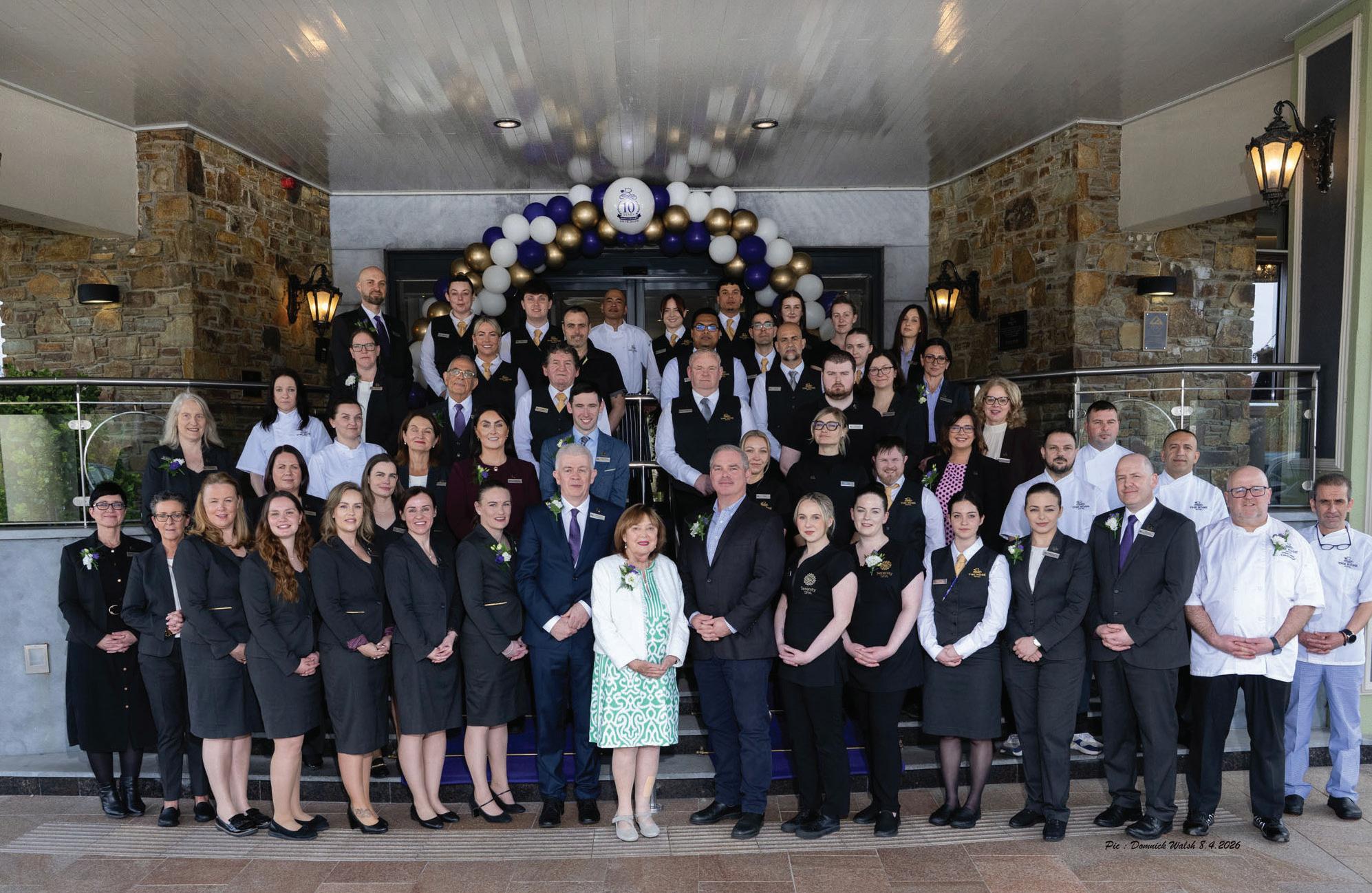

The Rose Hotel has marked its 10th anniversary, celebrating a decade of delivering four-star hospitality in Kerry. The milestone coincides with a significant investment in the property, including the upgrade of 70 classic bedrooms completed in March 2026. To commemorate the anniversary, The Henggeler family, owners of The Rose Hotel, are hosting a series of celebratory events including a Radio Kerry outside broadcast and the announcement of the winners of The Rose Hotel €10,000 National Schools Competition across Kerry. Ten staff members are also being honoured for over 10 years of service.

Following another strong year of growth, Galgorm Collection recognised the commitment and contribution of team members at its annual gala ball, which took place at Galgorm Resort. “Galgorm Presents: The Greatest Show” was a black tie gala ball with 450 staff from across the Collection. In keeping with the Greatest Show theme, Australian actor Hugh Jackman, who played PT Barnum in the movie "The Greatest Showman", recorded a special video message played on the night, showing his appreciation for the team after his stay in the River Maine Suite in Galgorm last year.

Aghadoe Heights Hotel & Spa has announced the appointment of Lorna Jankovic as Spa Manager. Lorna’s career includes senior positions with The Shelbourne in Dublin, Corinthia Hotels International across the UK, Malta and Portugal, as well as wellness cruiseliner Steiner Transocean. Her appointment comes at a pivotal time for the hotel, with a series of new developments set to be announced in the coming months, including the introduction of new treatments and the expansion of bespoke therapies.
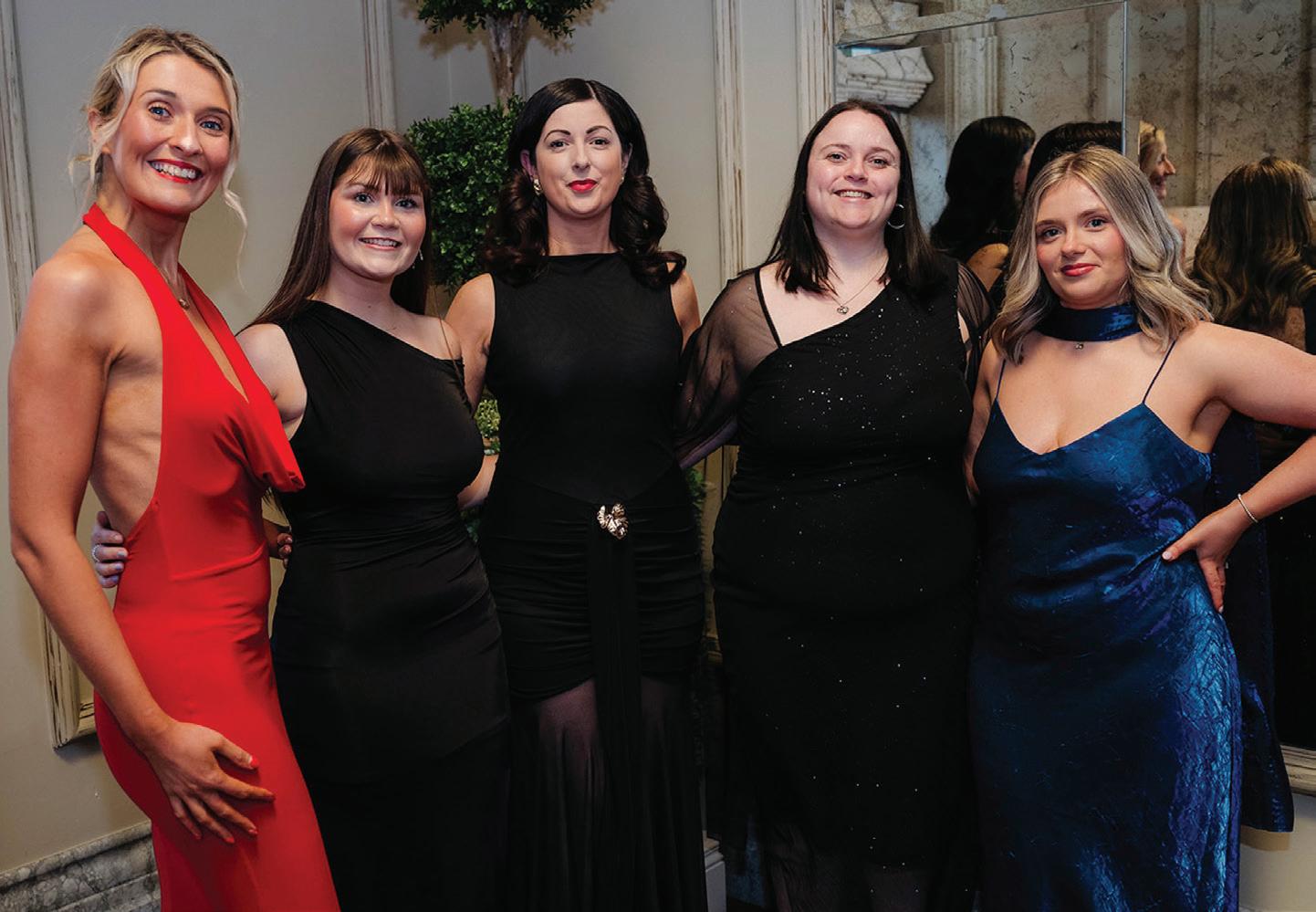


The Skills to Advance initiative from SOLAS helps teams bring real value back into
rish companies face a constantly changing business environment.
With global and national economic shifts, climate change and advances in technology, local enterprises need to remain agile and adaptable. Skills to Advance is a national upskilling initiative, created and funded by SOLAS, that assists business owners to develop new skills in their teams and increase their competitiveness through highly subsidised training.
Delivered flexibly by the 16 Education and Training Boards (ETBs) around Ireland, Skills to Advance programmes are accredited and available to companies of all sizes. Employers and employees can choose from in-person, online or blended learning formats, with tutor support and online resources to enhance the learning experience.
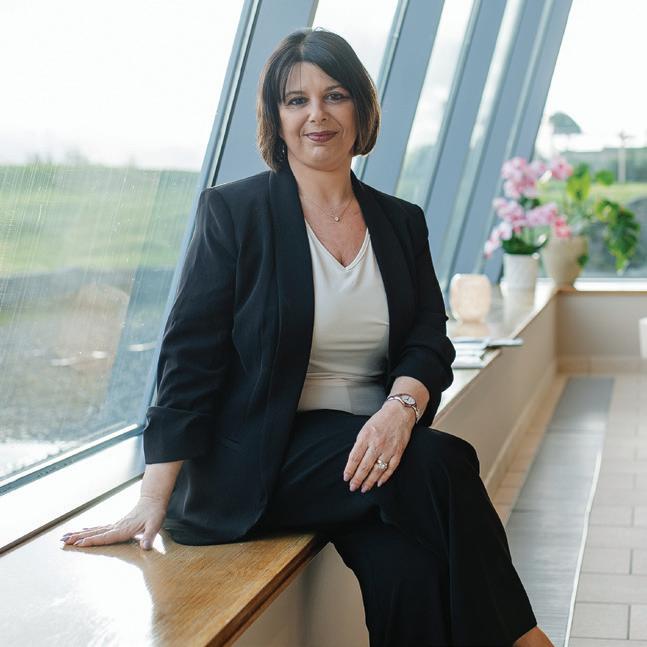
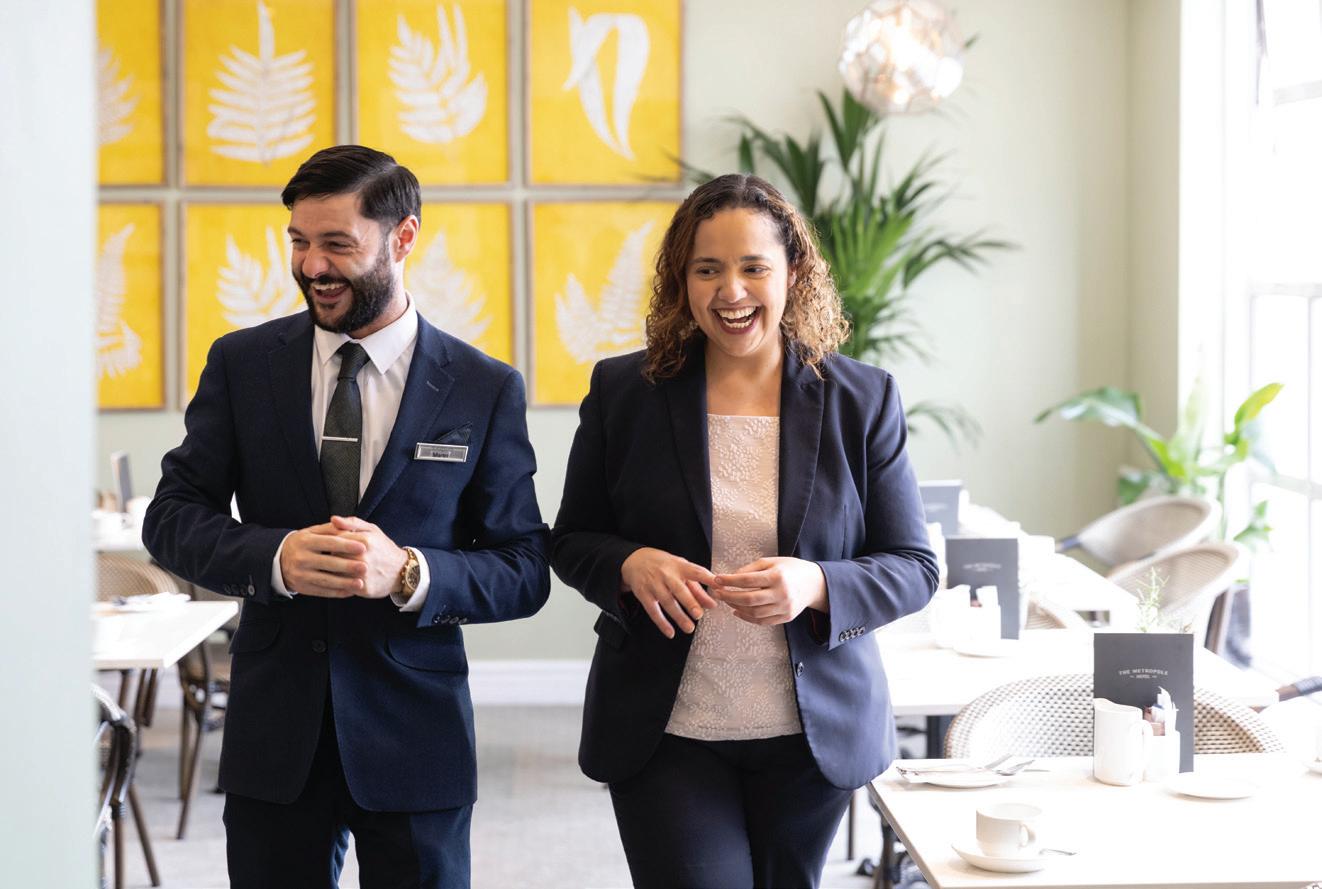
One such business benefitting from Skills to Advance upskilling is Great Southern Killarney, a landmark hotel that first opened its doors in 1854. While speaking to Caoimhe Spillane, Cluster HR Manager at Great Southern Hotel, about how the hotel has maintained such a stronghold in the hospitality industry, she details: “Our team is at the heart of everything we do and providing opportunities for development not only strengthens individual confidence and skills but also supports the continued success of our business.”
The constant and rapid development of the hospitality industry is a key motivator for the hotel to upskill their team. To this, Spillane says: “We want our team to feel empowered, adaptable and ready to embrace new challenges. The programme offers practical learning that complements their day-to-day roles while encouraging creativity. It also aligns with our values of inclusivity and open communication, ensuring that every team member feels supported and valued in their growth journey.”
Employees completed several programmes with their local Education and Training Board, Kerry ETB, including Developing Your Leadership Style and
The
Skills to Advance courses are a fantastic opportunity to invest in your team. They’re accessible, practical and designed to build confidence as well as skills
Speaking of their experience with the ETB, Spillane notes: “Our experience with the ETB has been extremely positive. From the outset, the team were approachable, supportive, and made the process very straightforward. The course delivery was clear, engaging and tailored to suit the needs of our team, which ensured that the learning was both practical and enjoyable. Accessibility was excellent, with flexibility that worked well alongside their busy schedules. The content itself was highly relevant, providing valuable skills that could
be applied immediately in the workplace.”
Spillane’s parting message to any business owner or employee considering a Skills to Advance course is this: “My advice would be simple – do it! The Skills to Advance courses are a fantastic opportunity to invest in your team. They’re accessible, practical and designed to build confidence as well as skills. The support from the ETB makes the whole process straightforward and the impact on dayto-day work is immediate. It’s a chance to grow, to feel empowered and to bring real value back to your workplace.”
Since 2019, over 124,000 training opportunities have been availed of under the initiative. All Skills to Advance programmes are accredited at Levels 5 and 6 on the National Framework of Qualifications. A wide range of programmes are available, such as healthcare, hospitality, manufacturing sustainability skills, digital business skills, AI and more.
To explore available programmes or discuss a tailored training solution, contact your local ETB today or visit skillstoadvance.ie





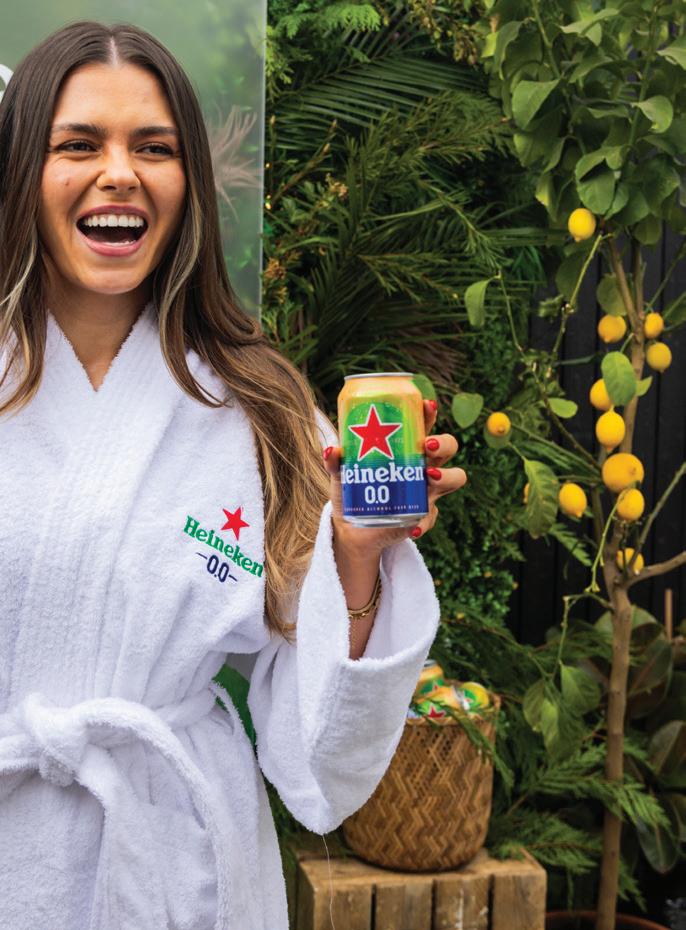
Heineken Ireland has added two new flavours to the Heineken 0.0 portfolio – Lemon Elderflower and Nectarine Juniper. To mark the launch, Heineken hosted a sensory sauna experience with a twist, at Saint Studios in Dublin. Lemon Elderflower features a citrus-led flavour profile with fresh lemon notes while Nectarine Juniper has a fruit forward profile supported by subtle juniper. www.heinekenireland.ie
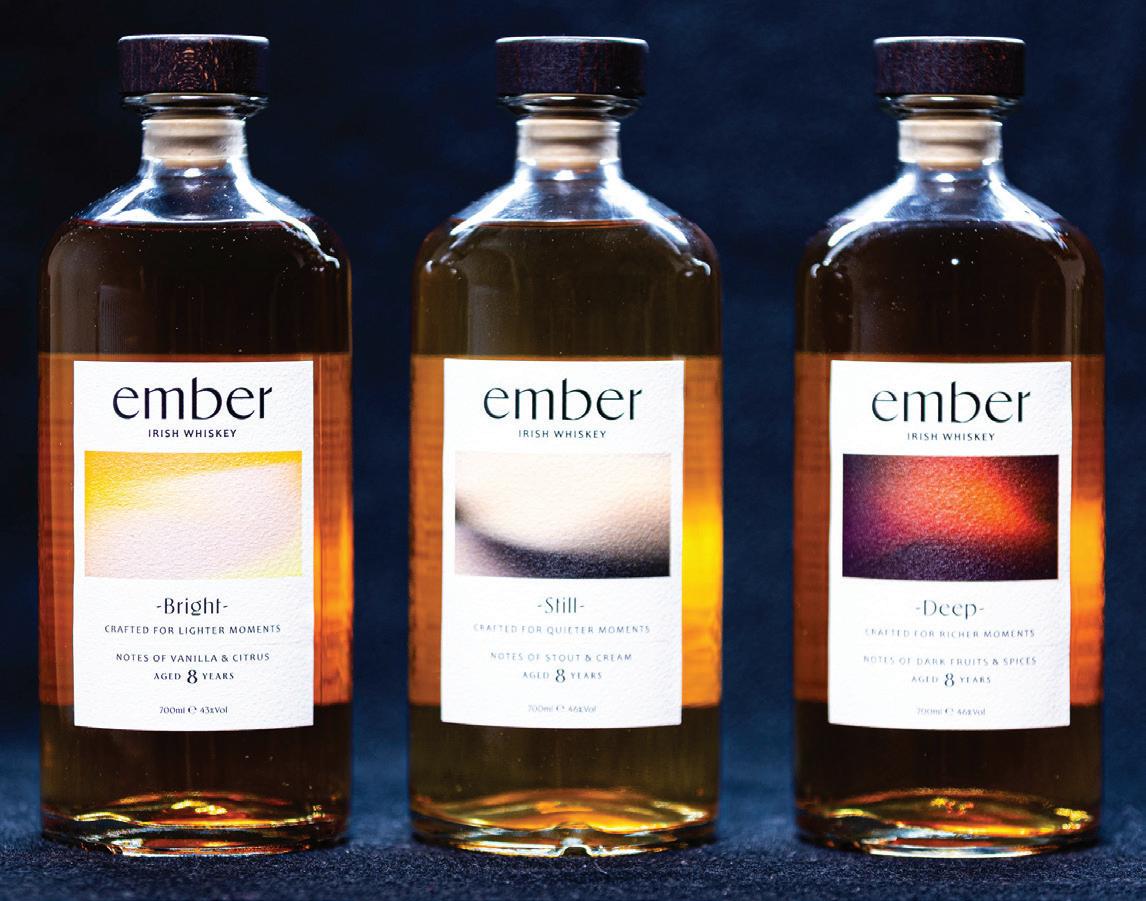
Founded by former corporate lawyer, Laura O’Connor has launched Ember, a mood-led Irish whiskey founded on one simple idea – that people choose what they drink based on how they feel, long before they think about how it was made. Ember launches with three expressions – Bright, Still and Deep – and one proposition – choose by mood and moment, not by method or distillation. www.emberirishwhiskey.com
The latest releases, news and all things drinks-related
New research from the Licensed Vintners Association (LVA) shows three out of every four people who socialise in Dublin would like to see later opening times. A total of 76% said they would support a new nightclub licence that allows opening until 4.30am. One in every two people who socialise also say that more nightclubs are needed in the capital. www.lva.ie

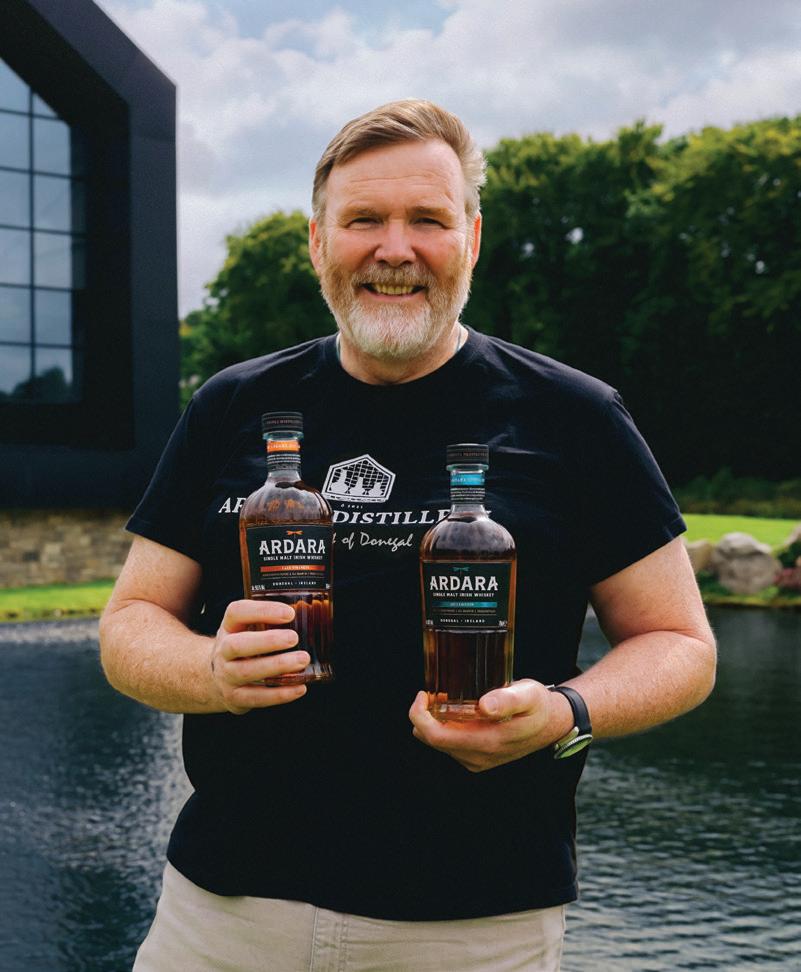
The Ardara Distillery in Co Donegal was named Best Irish Craft Distillery at the Tokyo Whisky & Spirits Competition, while Ardara Single Malt Cask Strength won a Double Gold medal at The San Francisco World Spirits Competition. Founded by James and Moira Doherty, Ardara produces heavily peated, triple distilled, all-grain-in whiskey, a style almost lost to Ireland for over a century. www.ardaradistillery.com
Bookassist on why AI in OTAs matters for hotel profitability
Online travel agencies are racing to embed artificial intelligence into every part of the booking journey, from search and pricing to review summaries and trip planning. For Irish independent hotels and European city properties, this can feel like the unfortunate start of a new wave of OTA dependency. Yet the same AI shift that could make OTAs more powerful can also help hotels finally understand and reduce their true cost per acquisition (CPA).
The cost per acquisition includes every euro you spend to win a booking – commissions, pay-per-click media, metasearch, discounts, loyalty perks and the operational effort linked to a channel. When independent hotels actually map this out by channel, many discover that heavy OTA reliance quietly erodes margin, while well-optimised direct bookings can deliver significantly higher profit per stay due to lower overall CPA.
HOW AI IS
OTAs are using AI to buy traffic more efficiently, to personalise ranking and to convert lookers into bookers at scale. AI models analyse millions of searches and booking patterns to decide which hotels to feature, which rates to highlight and which messages to show each user. For independent hotels that could already be seeing 50-60% of business via OTAs, that combination of algorithmic control and high effective CPA is a serious longterm risk.
The good news is that AI is no longer reserved for global platforms. Irish and European city hotels can now apply similar intelligence to their own distribution strategy, bringing even more optimisation to the direct channel and lowering CPA.
AI-driven revenue tools can analyse demand, pace and competitor rates to recommend the right price and the right channel at any given moment. This helps hotels protect rate integrity on OTAs while steering more demand to direct channels where CPA is lower.
On hotel websites and booking engines, AI can simplify room selection, surface the most relevant offers for each user and answer common questions instantly. Bookassist’s AI Booking Platform is already doing this through personalised Rate Recommender technology with quite spectacular conversion improvement results. Irish and European properties using AI-enhanced booking journeys are already reporting double-digit growth in direct bookings.
Direct guests leave a trail of first-party data: search behaviour, booking history, preferences and spend. AI can unify this information into actionable profiles, allowing GMs and revenue leaders to focus marketing on high-value segments and repeat guests.
Irish and European city hotels can now apply similar intelligence to their own distribution strategy, bringing even more optimisation to the direct channel and lowering CPA
Get started with


on high-cost intermediary demand
OTAs for reach, then rebalanced towards more profitable direct business
Web conversion Over-reliance on high-cost intermediary demand Use AI-enhanced booking flows personalisation and better merchandising
Revenue strategy Poor pricing discipline weakens margin and ranking Apply AI-support pricing to protect rate integrity and improve net RevPAR First-party data
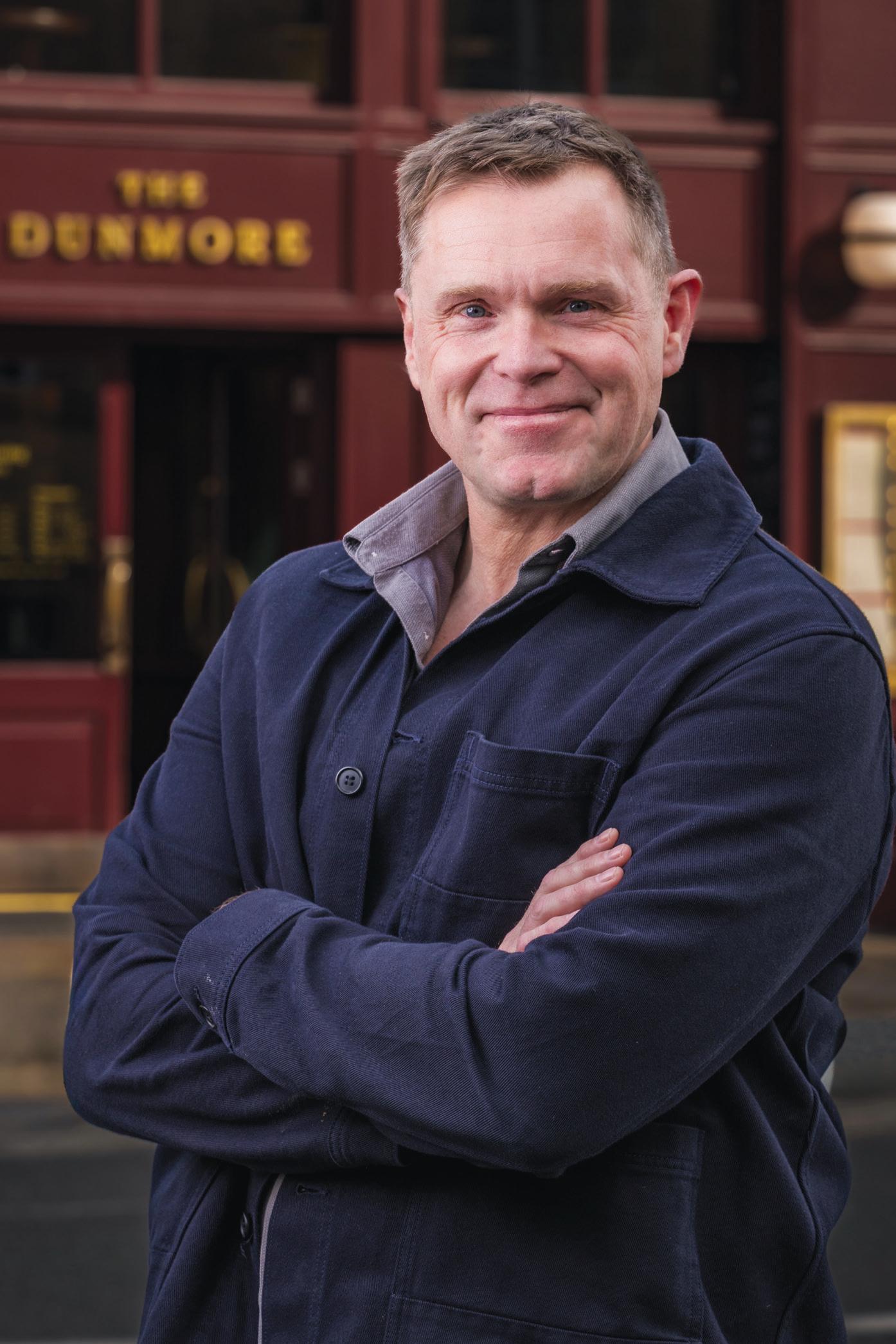

Michael Sharpe is back in hospitality, with a new GM role at The Dunmore Bar & Restaurant in Rathmines
Just a few weeks in and Michael Sharpe is relishing being back in the hospitality industry. As GM at The Dunmore in Rathmines – formerly The Bowery – he’s in good company. The new venture is operated by brother and sister Clifden and Louise Foyle of the Strand Inn in Dunmore East while Josef Cervenka, formerly of Asador, has taken on the role of Head Chef. “I’m only here a few weeks but so far, it’s been fantastic. I’ve inherited a strong team from Clifden, who did an amazing job up until now.
The likes of TikTok and Instagram are setting the trends these days – it’s a necessity to adapt quickly
This is a venue that I’ve long admired – I’ve dined here several times so when the chance to take the reins came up, I jumped at the chance,” says Michael.
Michael’s career in hospitality began at Spirit, the dance club on Middle Abbey Street, now home to The Academy. He progressed to the Wright Venue and then 37 Dawson Street, where he worked for 13 years. A post Covid move to House Dublin gave him an opportunity to shape the restaurant side of the business and from there, he spent three
years at The Gables Restaurant in Foxrock. A short break from the industry followed, with a role at Dalcassian Wines and Spirits. Then he got a call from Clifden at The Dunmore.
“Now, I’ve got an opportunity to utilise what I’ve learned from my previous roles and bring that to The Dunmore. The aim is to position the venue as an experience from entry to exit. Exceptional service and friendly staff are the focus along with a great atmosphere – that’s cultivated through crafted cocktails, music and a distinctive bar area.” A connection to Dunmore East in Waterford strengthens the restaurant’s food concept. “We use Irish suppliers, including the likes of Kish Fish in Howth. A menu highlight for many of our customers, and for me, is the crab claws. We get a lot of compliments for that one.”
This summer, the restaurant will feature a new small plates and summer spritz menu.
“As a hospitality business, we have to keep changing. The likes of TikTok and Instagram are setting the trends these days – it’s a necessity to adapt quickly. There’s also been an influx of American-style diners and chain-like entrants into Ireland. It’s becoming increasingly important to support Irish businesses. I think the majority of Irish consumers share that opinion.”
Like any hospitality business operating today, rising operational costs are an issue but the real challenge is recruitment and retention, says Michael. “It’s hard to get good staff and when you eventually get them, it’s even harder to keep them. Investment in training is often lost with staff continually moving on. My aim is to create a good working culture where people are excited to work in hospitality and ensure they’re looked after. In turn, they’ll look after the customers.”
In hospitality, you have to expect the unexpected. “It’s an ever-changing industry. If you’re not constantly adapting and keeping your finger on the pulse of trends, you just won’t stay relevant. That’s what we’re hoping to achieve at The Dunmore.”
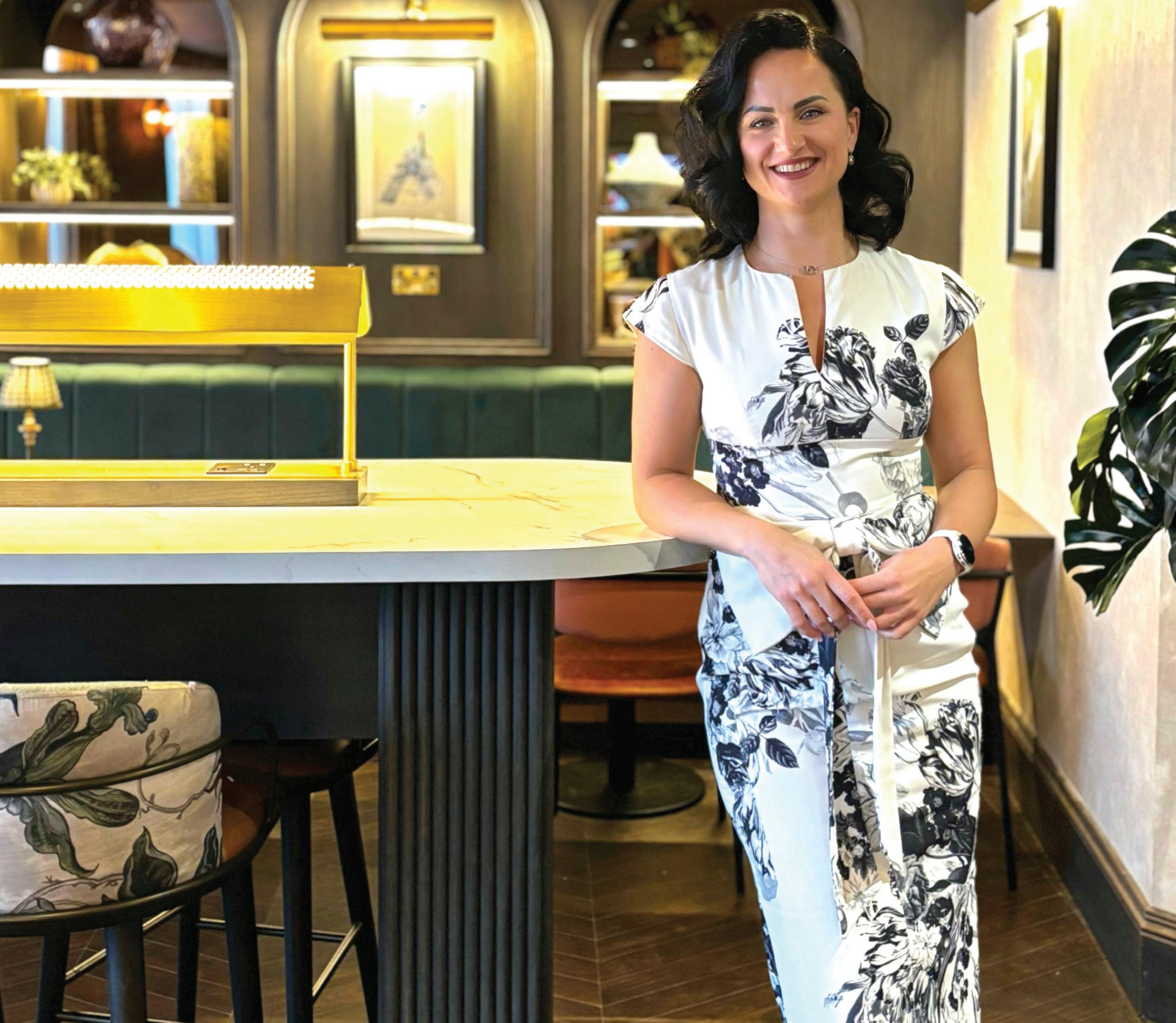
The Leonardo Dublin Parnell Street Hotel Manager is celebrating 15 years at the city centre property
CAN YOU TELL ME ABOUT THE €6.4M REFURBISHMENT AT THE HOTEL?
All of our 253 bedrooms have been completely refurbished, along with reception, the bar and restaurant areas. The upgraded rooms now consist of 22 executive double rooms with super king beds, 26 standard rooms with one super king bed, 29 superior rooms, seven standard triple rooms with one double and two single beds, along with 169 additional standard rooms. Room amenities include a laptop safe, mini fridge, tea and coffee facilities, our signature DREAM bed custom-made by King Koil, a 50-inch smart TV and a rainfall shower. Public areas have been modernised to meet the needs of the modern traveller. The refurbishment has brought a real sense of energy back into the hotel.
HOW IS BUSINESS?
Very good, particularly following the recent refurbishment. We’ve seen a lot of positive responses from our guests and renewed interest in the property. The refurbishment itself has elevated the guest experience and refreshed the look and feel of the hotel. We’re seeing strong occupancy levels and bookings for the summer months are looking good.
HOW DIFFICULT IS IT TO STAY COMPETITIVE IN THE CITY CENTRE?
In the last few years, Dublin city centre has become very competitive. A lot of new hotels have opened, but we’re fortunate in that we have built a strong base of loyal guests. That helps us remain competitive. Our loyalty programme, which we relaunched last year, has also been positive for the business. It connects all the Leonardo hotels across the world and allows guests to redeem points across our participating hotels when booking directly with us.
Over the years, I’ve had the opportunity to grow within the company, progressing through a variety of roles from frontline positions to leadership
HOW LONG HAVE YOU WORKED AT THE HOTEL?
This will be my fifteenth year working at Leonardo Hotel Dublin Parnell Street. I started my journey as a housekeeping assistant back in 2011. Over the years, I’ve had the opportunity to grow within the company, progressing through a variety of roles from frontline positions to leadership. Obviously, that gave me a deep appreciation of the work that goes into running a hotel and what happens across each single department and the people behind it all. What helped me progress the most was the company’s forward-thinking learning and development opportunities.
WITH SO MUCH EXPERIENCE UNDER YOUR BELT, YOU MUST BE FAMILIAR WITH EVERY ASPECT OF THE HOTEL
I’ve done it all! Everything from reception and housekeeping to public areas, night audit and duty manager. I have a deep appreciation for every single role that exists in this hotel because I know how important each one is.
WHAT DO YOU ENJOY MOST ABOUT YOUR ROLE?
One of the main things that I enjoy about hospitality is the variety that comes with the job. We are one of the most fast-paced and dynamic industries and every day brings a different challenge, different guests and a new situation. It can certainly be very busy, but that’s what makes it so exciting. Supporting my team to help make memorable experiences for our guests is also a big part of it.
We have to try and maintain a balance between remaining competitive while still delivering a quality experience for our guests
WHAT ARE THE MAIN CHALLENGES FACING THE BUSINESS?
Rising costs are a big problem and I’m sure that’s the case for all properties across the country. Energy costs have been a major challenge in recent years, particularly given the scale of our hotel. Food and beverage costs have also increased, which adds further pressure when managing budgets and pricing. We have to try and maintain a balance between remaining competitive while still delivering a quality experience for our guests.
HOW
BEHAVIOUR IN SUCH A CENTRAL LOCATION?
Like any other capital city, Dublin faces challenges when it comes to antisocial behaviour. Since Covid, we have noticed an increase in that type of behaviour but we have a strong relationship with local businesses in the area and also with the authorities. We work closely with the Irish Hotels Federation and Fáilte Ireland who provide great support and advice. Also, I can’t say how grateful we are for the Store Street Garda Station. We’ve seen an increased Garda presence in the area and we know they’re only a call away. That’s very reassuring.
WHAT MADE YOU OPT FOR A CAREER IN HOSPITALITY?
I’m originally from Romania and to be honest, working at Leonardo Dublin Parnell Street was meant to be a short-term job to improve my English and familiarise myself with the country. But there were so many fantastic opportunities and I took hold of every single one. Every time I felt I was ready to take a step up, there was a programme there for me to avail of. Career progression is very much encouraged across the company. That’s what made me stay in the industry and flourish.
a new chapter at

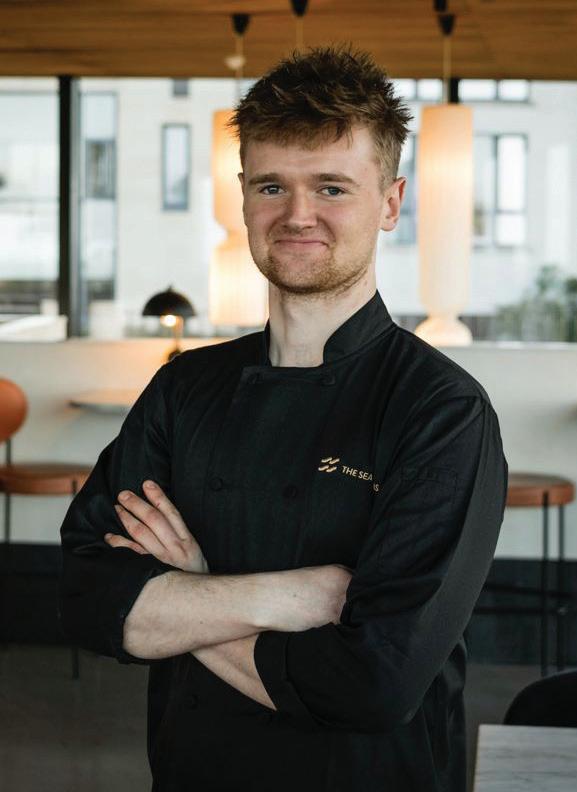
Euro-Toques – the annual competition that recognises chefs under the age of 28 –has produced a slew of highly successful, talented chefs that have gone on to become household names. Neven Maguire, Anna Haugh and Mark Moriarty, to name just three, all claimed victory in the competition and have since carved out careers both in and out of the kitchen. Euro-Toques winners join an elite club of innovative, talented chefs and in 2025, David Harte joined that club. For the competition, the young chef at The Sea Rooms at Kelly’s Resort was
(Above)
I wouldn’t be where I am without Chris. He was a mentor in the proper sense, I owe so much to him. I think what he achieved at The Sea Rooms and what he’s done for the food scene in Ireland in general can’t be underestimated
mentored by Chris Fullam, then Head Chef at the restaurant. Since winning, he’s taken over from Chris and introduced a new “Smokehouse” concept.
“I wouldn’t be where I am without Chris. He was a mentor in the proper sense, I owe so much to him. I think what he achieved at The Sea Rooms and what he’s done for the food scene in Ireland in general can’t be underestimated. The one thing he always said to me was, you get back what you put in, and he was right.”
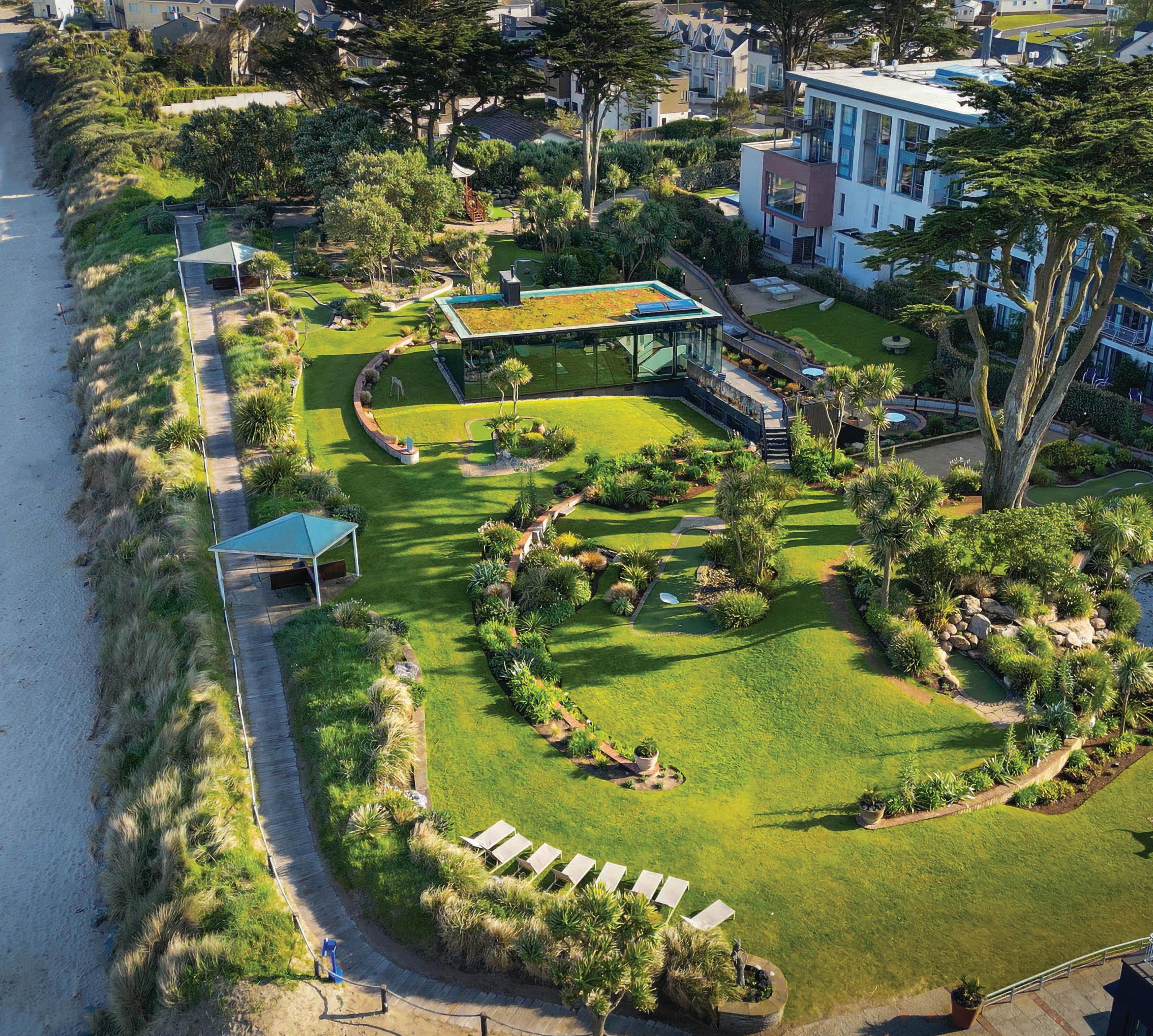
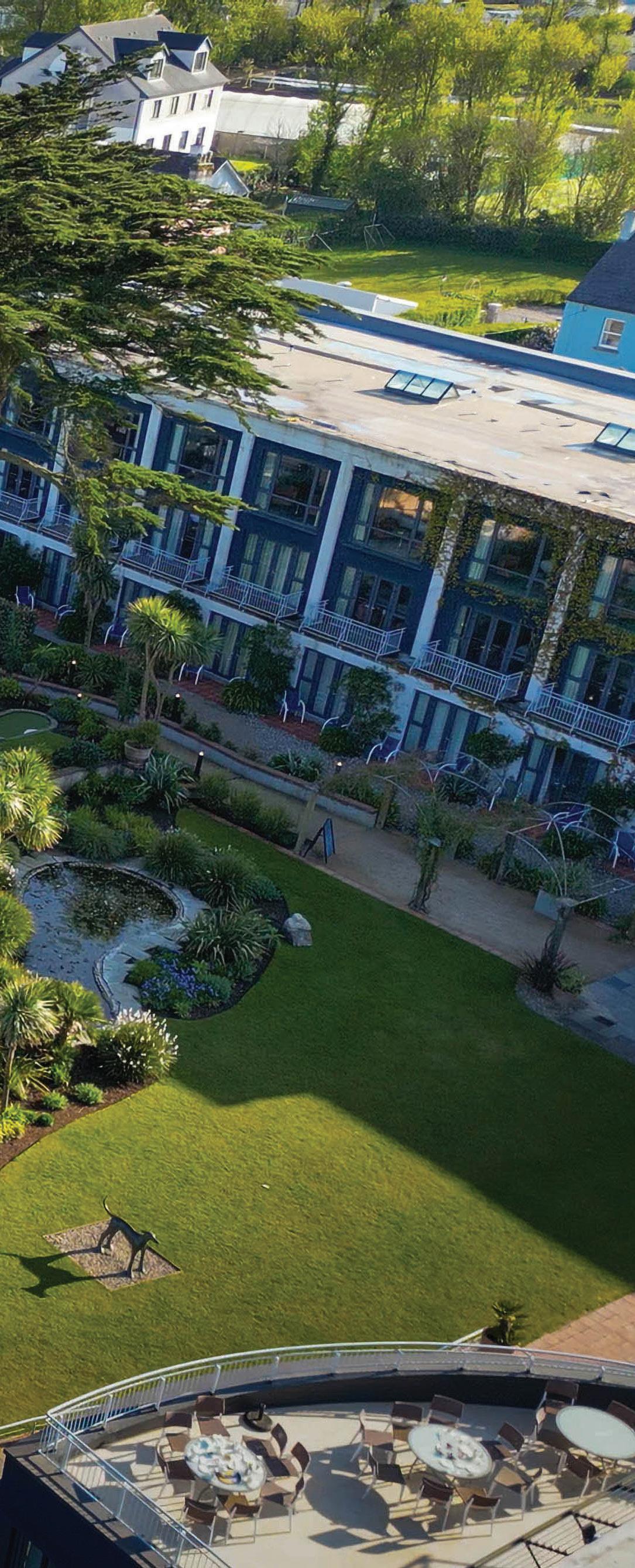
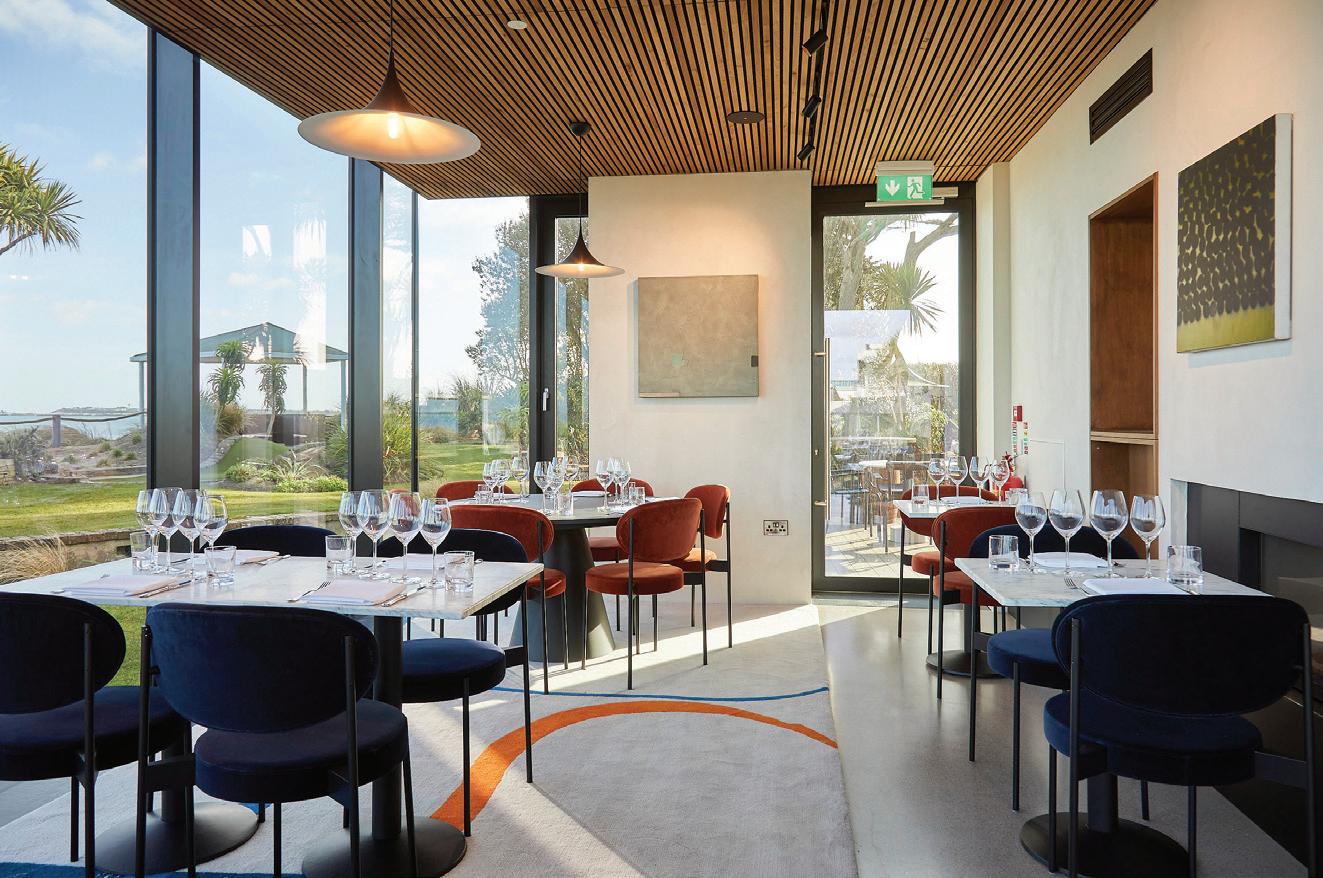
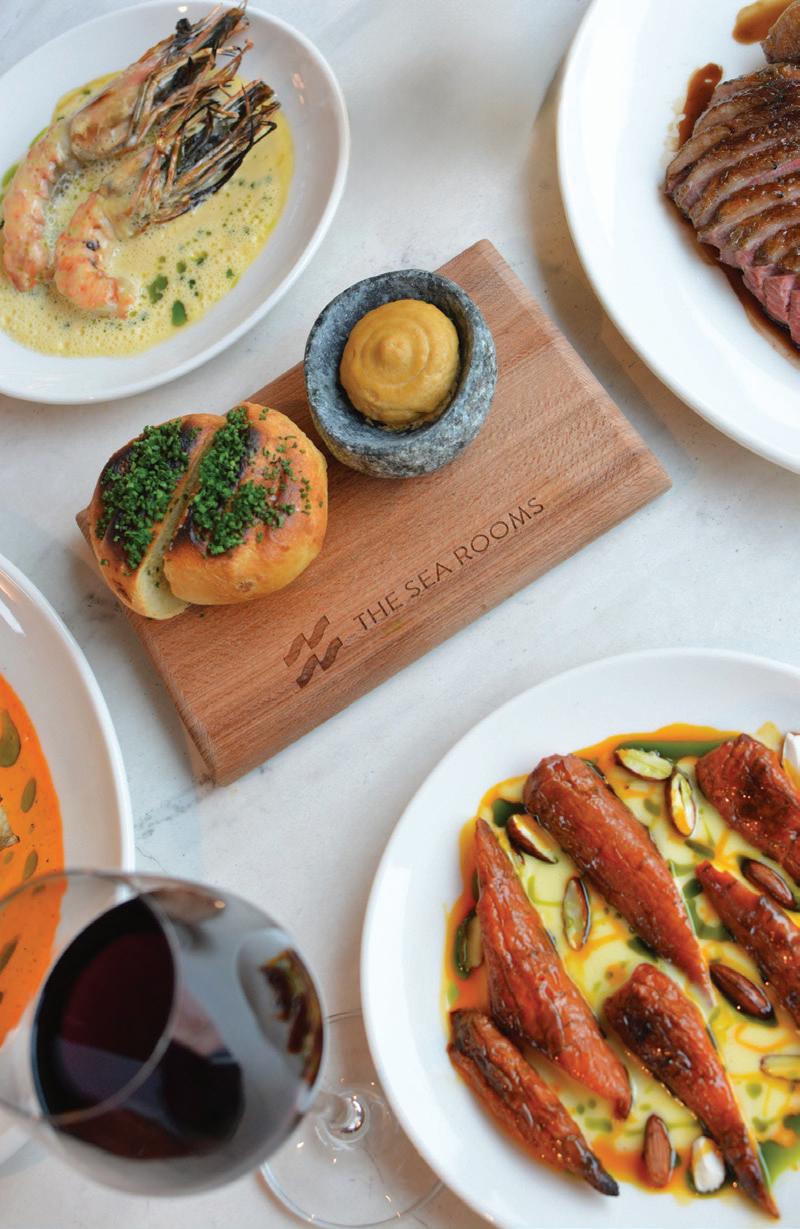
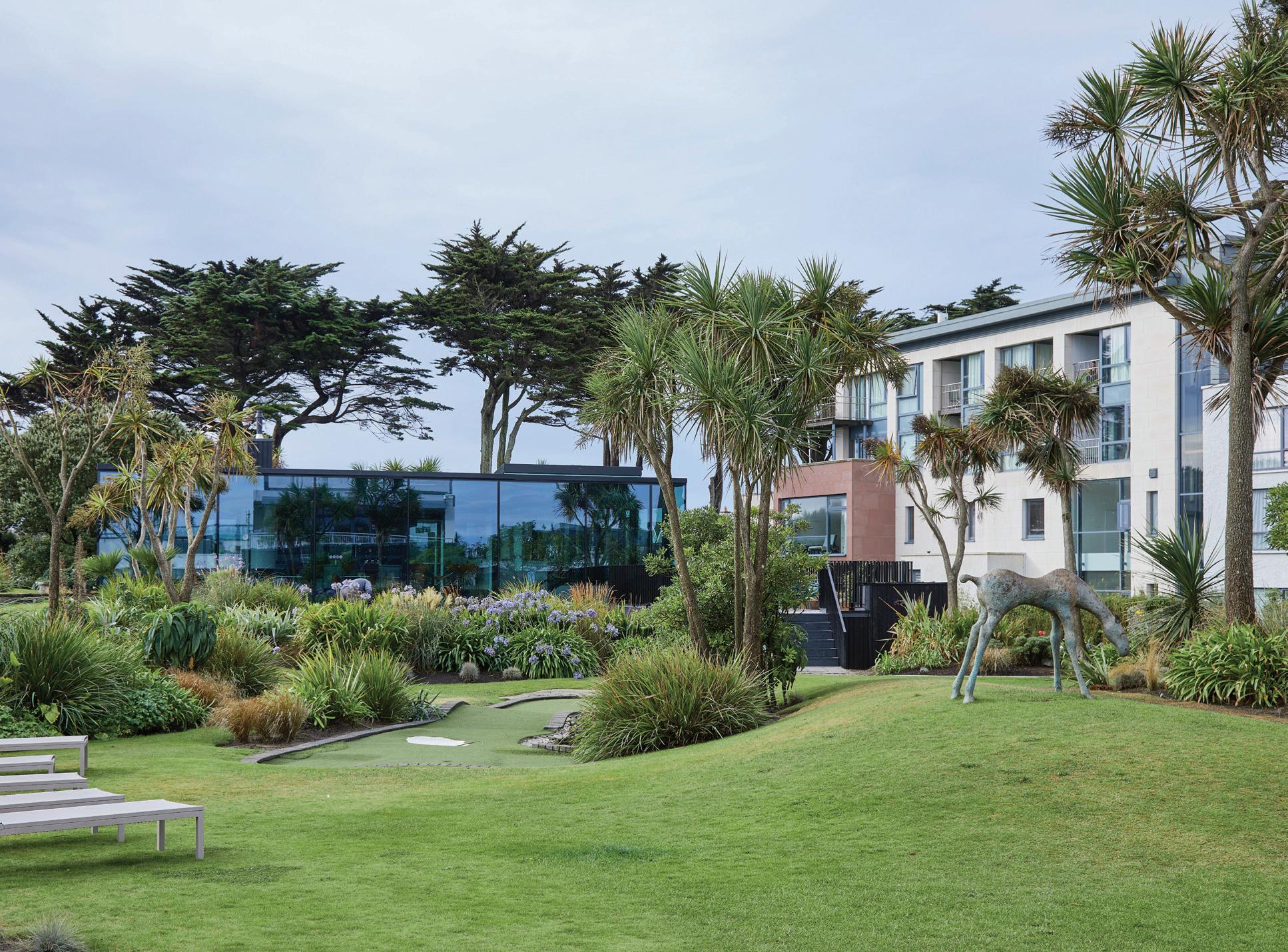
The Sea Rooms, which opened in 2023, was something of a departure for Bill Kelly and the team. The modern, two storey, glass-lined restaurant offers guests – perhaps used to the menu in the main restaurant hotel – an entirely new dining experience. The concept, says Bill, was to create an indoor/outdoor restaurant, with views of the Irish Sea and surrounding gardens. The menu is contemporary, relying on fresh vegetables, salads and herbs grown on the grounds and meat and fish sourced locally. It was a gamble that paid off – guest feedback has been excellent and bookings are solid. “With The Sea Rooms, we wanted to give guests another experience outside the general Kelly’s food experience. It’s innovative, something different and a great opportunity for us to give back to the guest,” says Bill.
Before joining The Sea Rooms in 2024, Chris interned at noma and completed a stint in Iceland where he experienced “food for the soul”. He worked in Slippurinn, a restaurant in Southern Iceland, headed up by Gísli Matthías Auðunsson.
“Gísli’s dad is a fisherman and every day, he would bring freshly caught fish into the restaurant. It was so fresh – we cooked all kinds of fish including shark, which tastes almost like tuna. We made sashimi or we lightly barbecued it. I’ve never seen anything like it over here and I probably won’t see it again.” Back in Ireland, he worked in Cliff House Hotel in Ardmore, Frank’s Place in Wexford, D’Lush Café, also in Wexford, and Riverbank House Hotel. He took up the Head Chef role at The Sea Rooms in January this year. “I was delighted to be taking on the role, but also bricking it! I’m really enjoying it though and I’m constantly trying to improve, that’s the shared vision of the team. We know we can do better. Even compared to last year, we’re at a different level.” The idea for the restaurant’s newly introduced Smokehouse concept came from Grace Kelly, daughter of owner Bill Kelly. “Grace and I went to London early last year and ate in restaurants like Acme Fire Cult and BRAT. We brought the best of what we experienced back to The Sea Rooms. For me, cooking over fire is about bringing Irish heritage into the restaurant. In Ireland we’ve got the best ingredients; to be able to cook them over fire adds a different element
The challenge is trying to get the government to carry out the necessary capital works to maintain the beach and dune system
and this beautiful smoky, sweet taste.” Using this method to cook food is also a challenge. “You need to find the right balance. When people think of cooking over fire, they might think of an aggressive, overpowering taste. We have to find the right balance of temperature to cook something like leeks, which could take an hour to cook. Our lemon meringue pie is finished on charcoal from the fire. It’s about honing those skills. Every day, we’re learning more.”
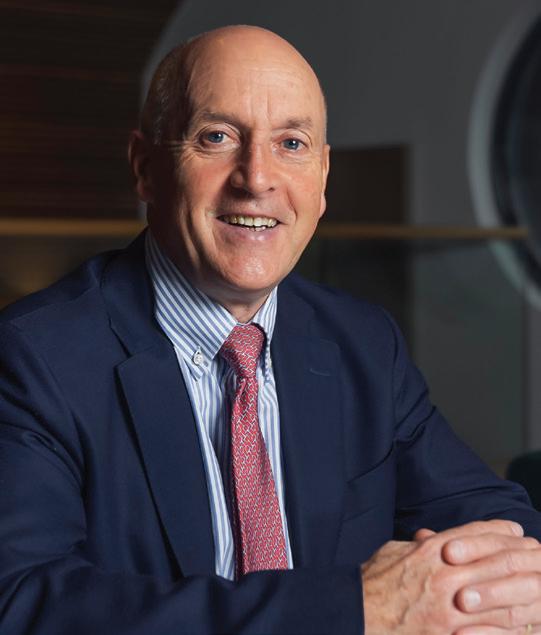
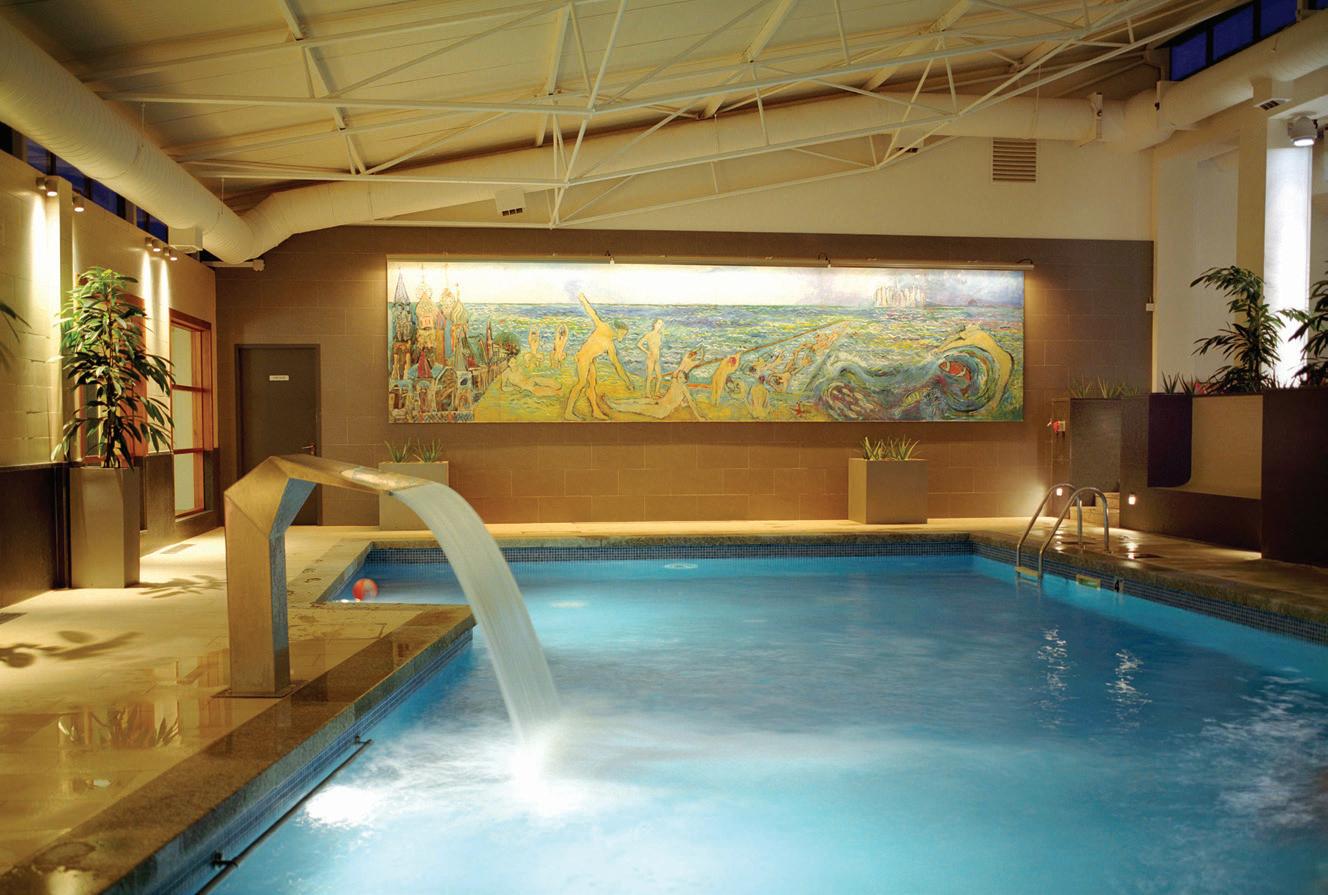
Running a large-scale operation such as Kelly’s is like running a village. The food production element alone is a huge undertaking. “We have six gardens where we grow our vegetables and salads. That requires its own staff and expertise. We have The Sea Rooms, which is a standalone restaurant located in the gardens and then we have the hotel and the rooms side. All of that has to be packaged up together so we can make money and reinvest it back into the business,” says Bill. The last-minute booking trend experienced by some hotels hasn’t taken hold at Kelly’s. Before departure, guests will often book their week-long stay for the following year. “We’re lucky in that we have a lot of repeat business. Many of our guests like to book the same week every summer. If anything, people are booking further ahead than ever before.” That high level of repeat business is down to consistency of standards. “Trying to improve all the time, it’s a constant journey. I often talk to the team here about the sigmoid curve – you start with slow growth before accelerating and then you flatten out. To avoid that, you’ve got to regenerate and give something new to your customers. We do that on an ongoing basis. It means continuous investment but as I say to my daughters who are here working with me, or my two bosses as I should call them, we’re not here for the short term.
They’re the fifth generation in the hotel so it’s something we can’t afford not to do.”
The cost of doing business in Ireland has, says Bill, gone crazy. “The margins compared to when I started out in this business are so slender now. Obviously, we have a much bigger business, but it’s really minimal compared to what it used to be. Trying to control costs as much as possible is essential. We’ve done a lot of work, from an environmental and an energy usage point of view, to try and keep costs down but despite that work, our energy costs are through the roof. We’re probably close to €18,000 for every week we’re open.”
Bill’s first experience of working in the family business was doing small jobs around the property. “I was always cleaning the gardens and making sure everything was neat and tidy. Then I graduated to making sandwiches in the bar. I used to get 3p a sandwich and couldn’t understand how I was only getting 3p when they were selling for 25p. I wasn’t allowed in front of the customer until I was qualified.” He studied hotel management in Lausanne Hotel School in Switzerland before gaining industry experience in Paris, London, Taiwan and the US. “Then my mother rang me and said if you don’t come back, I’m selling the hotel. At that stage she had been running the hotel for eight or nine years, along with a manager she had brought in to help. My father had passed away in 1977 at only 50 years of age. So I went back and took on the challenge of modernising the business.” Bill computerised operations and made the controversial decision to move reception to
the front of the property. “I was conscious of not making any huge dramatic changes too quickly, but I believed that the hotel would operate more efficiently if reception was moved. We argued about it but eventually she was happy for me to go ahead with it. Afterwards, she said , I can’t believe we didn’t do that before.” Bill’s approach was to work with the funds he had and not borrow. “I think that was the right approach to take and it’s advice I’ve passed down. Another piece of advice I’ve given my children is that whatever you do, do it to the highest quality and standard. Then you won’t have to go back and revisit it in a few years.”
Rosslare Beach has seen significant erosion in recent years. The hotel’s proximity to the strand is a cause for concern, says Bill. “Rosslare is actually stipulated as a special protection area under the Coastal Protection Act. The challenge is trying to get the government to carry out the necessary capital works to maintain the beach and dune system. A large capital project was carried out in 1994 – that’s the last time the government did anything of significance on the beach. Today, entire sections of the shoreline are visibly collapsing.” That work in the 1990’s had a huge impact and has, says Bill, held until recent years. “Now, we need another major capital project and we need it ASAP. I can see it happening but the process seems to be very long and very slow.”
I would tell my children, whatever you do, do it to the highest quality and standard. Then you won’t have to go back and revisit it in a few years
Aside from his work in advocating for safeguarding works at Rosslare Strand, it’s business as usual at Kelly’s. Improvement works across the resort are ongoing, including a bedroom refurbishment programme. David’s appointment as Head Chef is an exciting move, says Bill. “He’s a fantastic young chef. I love his passion, it really shines through. He has a real dedication to doing everything to such a high standard. We’re looking forward to seeing what he achieves.”

















In hospitality, reputation matters.


So whilst Henderson Foodservice may be making its first appearance at this year’s awards, our story within foodservice and hospitality is anything but new.
Working exclusively within foodservice and hospitality, we understand the pressures operators face every day - balancing quality, consistency, labour challenges, menu innovation, operational efficiency and ever-changing guest expectations.

As part of the family-owned Henderson Group - a business with a long heritage dating back to the 19th century - Henderson Foodservice combines established business strength with a dedicated focus on the needs of modern hospitality.



For more than 50 years, our foodservice operation has been supporting chefs, caterers and hospitality operators across the island of Ireland with quality products, dependable service and a deep understanding of the industry we serve.

That’s why our role goes beyond supply.
We work alongside hospitality businesses to help create menus, solutions and experiences that perform in the real world.
Our promise is simple: Quality is Served.

Hospitality continues to evolve - and so do we.
Today’s operators need more than a wholesaler. They need a trusted partner that understands hospitality, recognises operational realities and helps bring together products, insight and practical solutions that make a difference.




Backed by the strength and heritage of an established family business, yet focused firmly on the future of hospitality, Henderson Foodservice continues to invest in customer support, digital capability, category development, market understanding and industry collaboration.


From hotels and restaurants to cafés, gastro pubs, healthcare, education and contract catering, our customers rely on us not only for product choice and reliable delivery, but for the support, insight and understanding that helps their businesses adapt, grow and deliver consistently.








Our specialist teams work closely with customers and suppliers to bring together market understanding, menu inspiration, category knowledge and operational awareness - helping operators navigate challenges and identify opportunities within their businesses.

Whether it’s supporting premiumisation, responding to consumer trends, improving kitchen efficiencies or finding practical menu solutions, our focus remains on helping hospitality operators deliver memorable experiences for their customers.


That commitment is reflected across our carefully selected portfolio of leading and exclusive brands.

Trusted Brands. Exclusive Partnerships. Proven Performance.


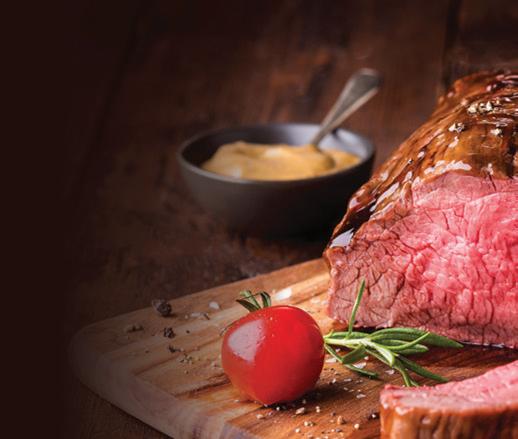
Our exclusive K&G McAtamney range brings premium meat expertise, craftsmanship and quality to professional kitchens - helping chefs create standout menu experiences with confidence.

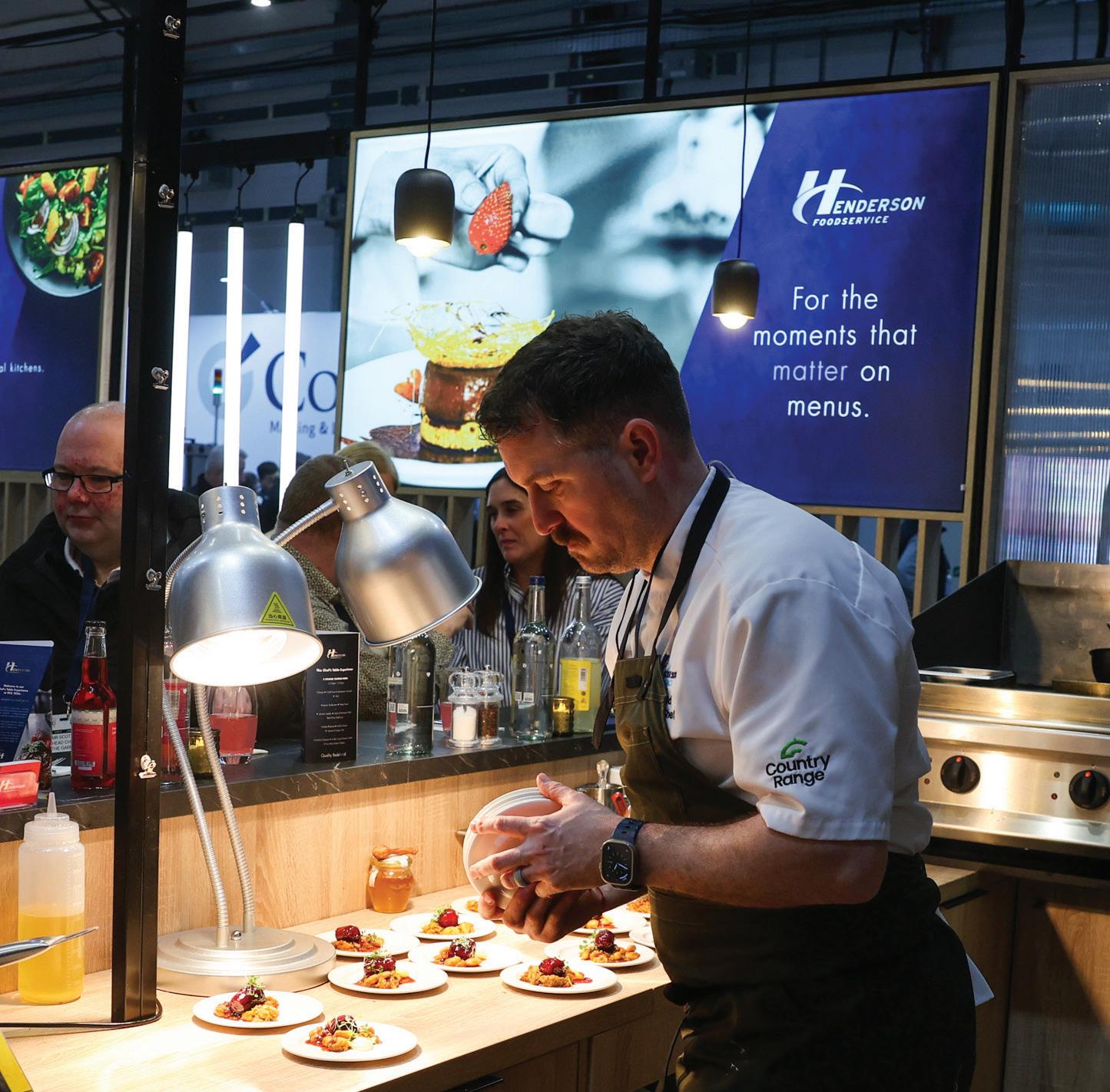
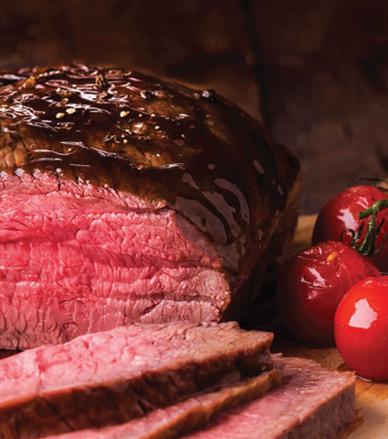



Alongside this, Country Range provides customers with access to one of foodservice’s most recognised and comprehensive product portfolios - delivering choice, quality and value across multiple categories.



Hospitality operators need products they can trust - products that deliver quality, consistency and performance under pressure. That’s why Henderson Foodservice is proud to offer a strong portfolio of respected, exclusive and market-leading brands.



Being part of this year’s awards is an important milestone in that journey.


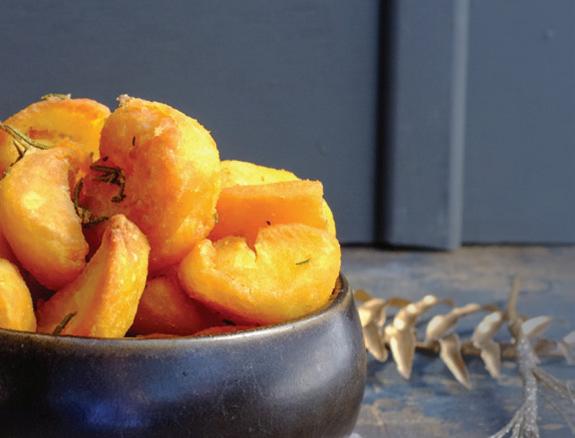
We are also proud partners of Koffmann’s, the premium potato range created by acclaimed chef Pierre Koffmann, trusted across hospitality for its quality, consistency and kitchen performance.





It provides an opportunity to connect further with an industry we are passionate about supporting, celebrate the talent and resilience that define hospitality, and introduce more operators to the capability, experience and partnerships Henderson Foodservice brings to the table.




Because whilst we may be new to the awards… our commitment to hospitality is long established.
And we look forward to continuing to support, inspire and help guide the menus and businesses shaping the future of the industry.
Henderson Foodservice Quality is Served.





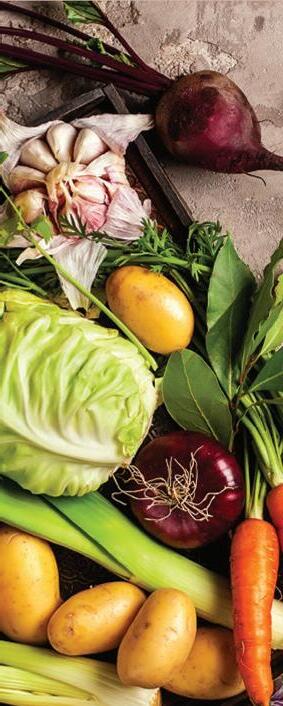
Combined with fresh produce, bakery, non-food essentials and specialist category support, our proposition is designed to help operators source confidently, create consistently and keep pace with an evolving hospitality market.









Galway,
shares his views on sustainability, operating in a competitive market and what guests expect from a hotel stay
s Ireland’s first Radisson RED hotel, we’re located in Galway’s newest neighbourhood, Crown Square. The hotel features 177 rooms, The Claddagh Bar & Grill and Lena’s Rooftop Bar & Restaurant, along with 400 sq m of meeting space. We’re into year two so that initial pressure is off, but you can still smell the new carpets and people are still excited to come through the doors. Business is good and the corporate market is performing well for us. Our meeting and event space has really taken off in the last nine months, supported by the local corporate market.
Within Radisson, we have a program called Yes I Can, which every employee must participate in. It’s about going the extra mile to ensure the highest possible level of customer satisfaction. Maybe a guest will arrive to a function without their tie, so the staff member will try and source one or even offer their own. That kind of thoughtfulness and consideration goes a long way. It’s also embedded into our recruitment process, which is more about hiring on the basis of personality rather than skill. We train people for the role – we’re more interested in finding staff that thanks to their friendliness and ability to engage, will actually encourage guests to return.
There’s a lot of competition in Galway, but it keeps everyone sharp. We try to focus on differentiation
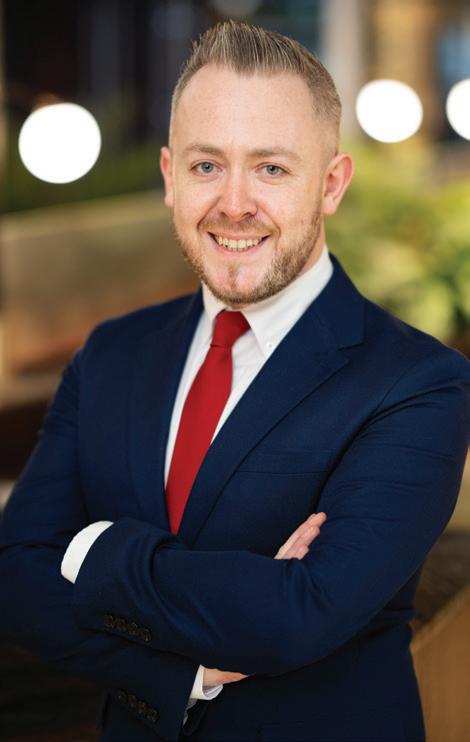
For me, working for an international hotel was a big change but there’s huge strength in a brand like Radisson
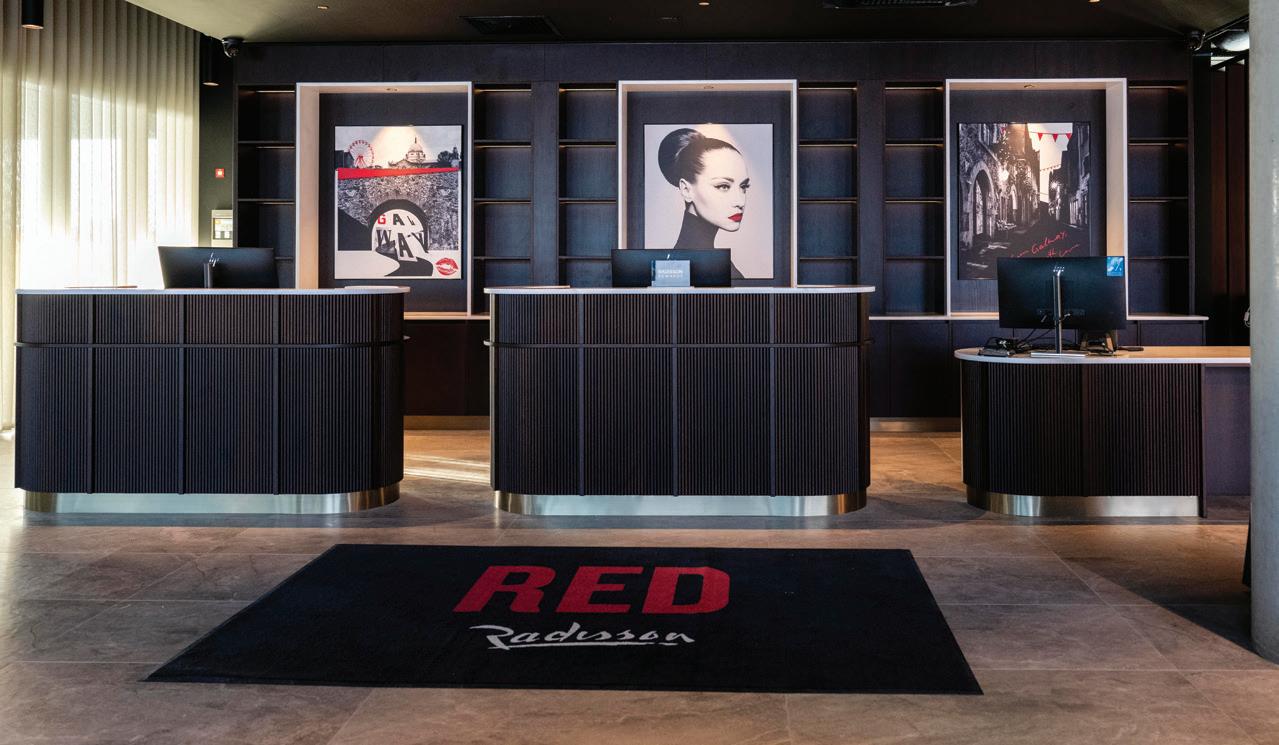
rather than just price. We tell the story of RED, about its atmosphere, its music and its connection to local markets and local culture. It’s very much a social space and we lean heavily into that. For our first year, we partnered with every festival in Galway – that’s a lot of festivals! Using something like that as a differentiating factor and providing a really high level experience for guests has allowed us to stay competitive.
What guests want from their hotel stay has changed for sure. It’s more experience driven. They expect flexibility in the service that we provide and they expect us to have implemented sustainability initiatives. Seamless technology is a given, but I think above all, they want authenticity and human interaction. They want a story and they want to connect to the city and have that memorable moment.
We’re currently engaged with Green Key for a sustainability certification. We’re also a new build, so we’re A-rated and airtight. When it comes to practical day-to-day measures, we’re paperless and linenless and we operate a service whereby if our umbrellas (which can be hired) are not returned, guests get charged and five trees are planted in place of the lost umbrella. We have a campaign called ‘RED Goes Green’, where a guest can forego a service and enjoy some additional Radison rewards points instead or a drink at the bar. We also have an app called PressReader; we don’t buy traditional newspapers anymore. Guests can download the app and read all the newspapers, the glossies, whatever they like. Food waste is minimised, everything is prepared fresh on the daily. Training around sustainability is ongoing – we know we still have a lot to learn.
I previously worked for Só Hotels, owned by Pat McDonagh. I worked in Castletroy Park Hotel in Limerick for nine years, before moving to Athlone Springs Hotel for about four and a half years. When I heard that Radisson RED was due to open in Galway, I immediately went for it. A new open really attracted me, as did the idea of working for a global brand. For me, working for an international hotel was a big change, but there’s huge strength in a brand like Radisson. It’s very structured and expectations are high. The guest experience is absolutely number one.
The GM at Celtic Ross Hotel on West Cork hospitality and keeping it local
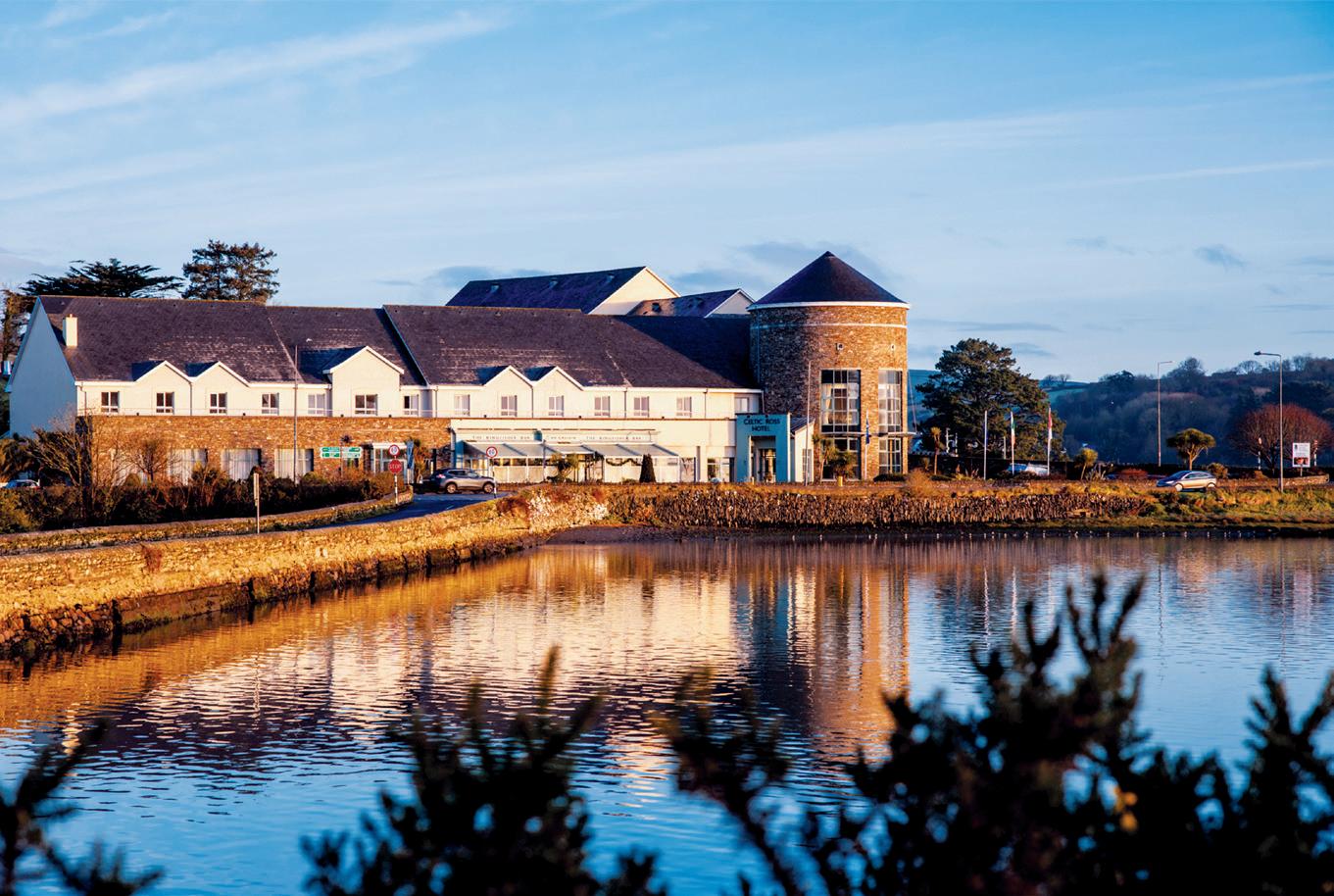
“When we’re taking on staff, friendliness is the top priority. Skills can be taught, but attitude and a friendly disposition are inherent. I think we’re known for our welcoming staff and of course, West Cork hospitality also plays a part,” says Ann Downey, General Manager at the Celtic Ross Hotel in Rosscarbery, Co Cork. The 66-bedroom hotel, which overlooks Rosscarbery Bay and sits along the Wild Atlantic Way, predominantly welcomes domestic guests but summer months also bring international visitors.
“Our key markets are the UK and Europe. They’re areas that we want to grow and thankfully, we’re seeing that growth at the moment. We’re always full during the summer period, especially when the weather is good. People who stay with us are interested in outdoor activities so when the weather is fine or even just not bucketing down, it puts us in a great position.”
Traditionally, tour companies stick to the larger cities and major tourist attractions. “It can be hard to get them down to West Cork. Tourism Ireland and Fáilte Ireland are doing great work to attract these groups down to the likes of Rosscarbery and other areas of West Cork and so we’re hoping that trend will shift.” Alongside the friendly staff and picturesque location, the emphasis is on locally sourced food. “We’re really lucky in that a lot of the country’s best producers are actually located in West Cork. Our food costs are high but it’s worth it in the long term. Our meat comes from Rosscarbery Recipes, our eggs come from West Cork Eggs, our fish is from Glenmar – so it’s all very local. That local focus is something the Wycherley’s, the owners of the hotel, are very keen on. At the end of the day, we’re all local businesses employing people in the local area. We support each other, everyone is working hard to sustain businesses in Rosscarbery.” The hotel is in a position where it doesn’t need to order huge amounts of food. “For example, our meat supplier – owned by the Allshire family – are happy to deliver any time of the day. We might have a very busy summer’s day and be out of burgers and so they’ll drive down to us at 8pm with a delivery.”
In 2025, the hotel commenced a continuous improvement programme with Agility Hospitality. “It’s helping us take a broader view on how we make the business more efficient and more

I’m really enjoying my role at the Celtic Ross. We’re involved in several different markets and can go from doing a quite specific event to something totally different the next day
sustainable, whether it’s segregating rubbish in accommodation, monitoring our usage of linen or providing refillable glass water bottles to guests. It’s tying in with our overall sustainability programme, which includes our ‘Green Wedding’ package. We’re aiming to minimise the wider footprint of weddings and we’re doing that through weighing our food waste, using centrepieces like candelabra or birdcages as opposed to fresh flowers and encouraging more sustainable wedding favours instead of something disposable. Other hotels like Dunmore House Hotel and Fernhill House are also working to make their weddings more sustainable. It’s a collective effort and our way of trying to make a difference.”
Ann has held the role of GM at the hotel for two years. Previous experience includes roles at the Dunraven Arms in Limerick, the Atlantic Coast in Westport, Fitzpatrick’s Castle in Dublin, Connemara Coast Hotel in Galway and the Summerhill House Hotel in Wicklow. “I’m really enjoying my role at the Celtic Ross. We’re involved in several different markets and can go from doing one quite specific event to something totally different the next day. A lot of investment goes into continuous improvement, both in terms of the hotel itself and with staff. That care and ambition to make the hotel better every day means a lot.”
Shane McLave explains why AI can play a positive role in recruitment but why the role of the recruiter is as important as ever
WITH THE RAPID ADVANCES IN AI, DO YOU THINK IT WILL CHANGE THE WAY WE RECRUIT IN THE HOSPITALITY INDUSTRY?
Yes – AI is already changing recruitment and hospitality should move with it. Candidates are using tools like ChatGPT, Gemini and Copilot to refine CVs and applications; a growing share are now AI-edited. That is not inherently negative – proofreading and clearer writing help everyone. The risk is that profiles can read more senior or more technical than the person really is and large volumes of applications can look “perfect” on paper. As a result, the brief and the assessment process matter more than ever. That’s why strong hiring fundamentals matter – structured, competency-based interviews, practical scenarios and follow-ups that test real experience. Verification also cannot be an afterthought. AI makes it easier to create convincing references, qualifications – or even ID – so right-to-work checks, reference validation and qualification checks protect clients, teams and guests.
HAS AI CHANGED THE WAY EXCEL RECRUITMENT DOES BUSINESS?
Yes and no. For over three years we have introduced AI and automation where it genuinely improves speed, accuracy and service. One example is timesheets. We have moved from paper timesheets for one-off shifts and spreadsheets for group bookings to fully online timesheets, improving security and providing a clearer audit trail. Over time, it can highlight patterns such as repeated overtime, peak pressure points or absence trends. As always, data quality matters –better inputs produce better insights.
DO YOU USE AI WHEN RECRUITING PERMANENT POSITIONS FOR CLIENTS?
Yes. AI is particularly useful on permanent searches where the brief is specific –mandatory qualifications, technical skills, leadership behaviours or experience in certain standards and environments. We can interrogate our database of over 200,000
The winning approach is using AI to enhance service – faster responses, better matching, stronger reporting – while keeping human judgement at the centre
candidates using clear criteria and sensible exclusions to produce a relevant longlist quickly. That speed means our consultants can spend more time speaking with people, validating fit and assessing capability in a structured way – shifting the focus from a polished CV to evidenced skills and outcomes.
WHERE DO YOU SEE AI ADDING THE MOST VALUE IN HOSPITALITY RECRUITMENT OVER THE NEXT 12-24 MONTHS?
The biggest gains will come from removing friction across the hiring journey. On the client side, AI can help turn a hiring need into a clearer brief – tightening adverts, standardising skill requirements and ensuring essentials like hours, location, pay structure and compliance steps are captured. On the candidate side, it can improve communication – quick acknowledgements, interview scheduling and clearer timelines and next steps.
Beyond recruitment, AI can support onboarding and early success by sharing role-relevant policies, checklists and training refreshers and flagging where extra coaching may be needed.
WILL AI REPLACE RECRUITERS?
AI will not replace recruiters – but it will raise the standard of recruitment. It reduces manual administration, improves speed and consistency and frees time for what matters – relationships, understanding a client’s operation, representing their brand and guiding candidates through a professional, human process. In hospitality, that human layer protects service quality because the right hire is not only about skills, but also standards, attitude and reliability under pressure.
Hospitality is a people business. The winning approach is using AI to enhance service – faster responses, better matching, stronger reporting – while keeping human judgement at the centre. Combine smart tools with structured interviewing, robust verification and clear guardrails around fairness and privacy and you can hire with more confidence and build teams that deliver outstanding experiences.
Shane McLave is Managing Director at Excel Recruitment, 00353 1 871 7676, shane@excelrecruitment.com, www.excelrecruitment.com
I have met and worked with some absolutely incredible people –hospitality gives you that
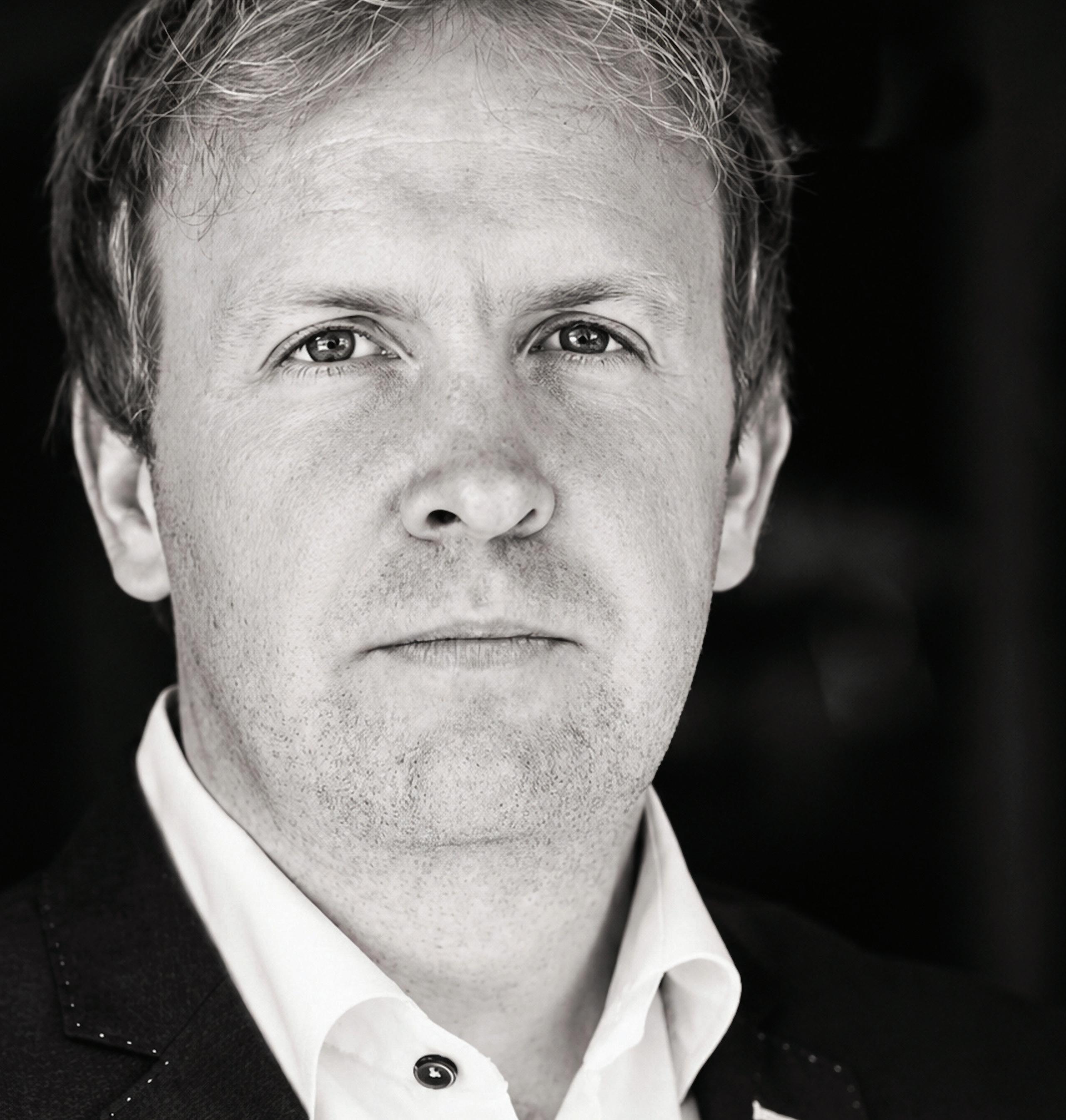
Managing Director Ciarán Fitzgerald on why rebranding to The Kinsale Collective is more than just a name change
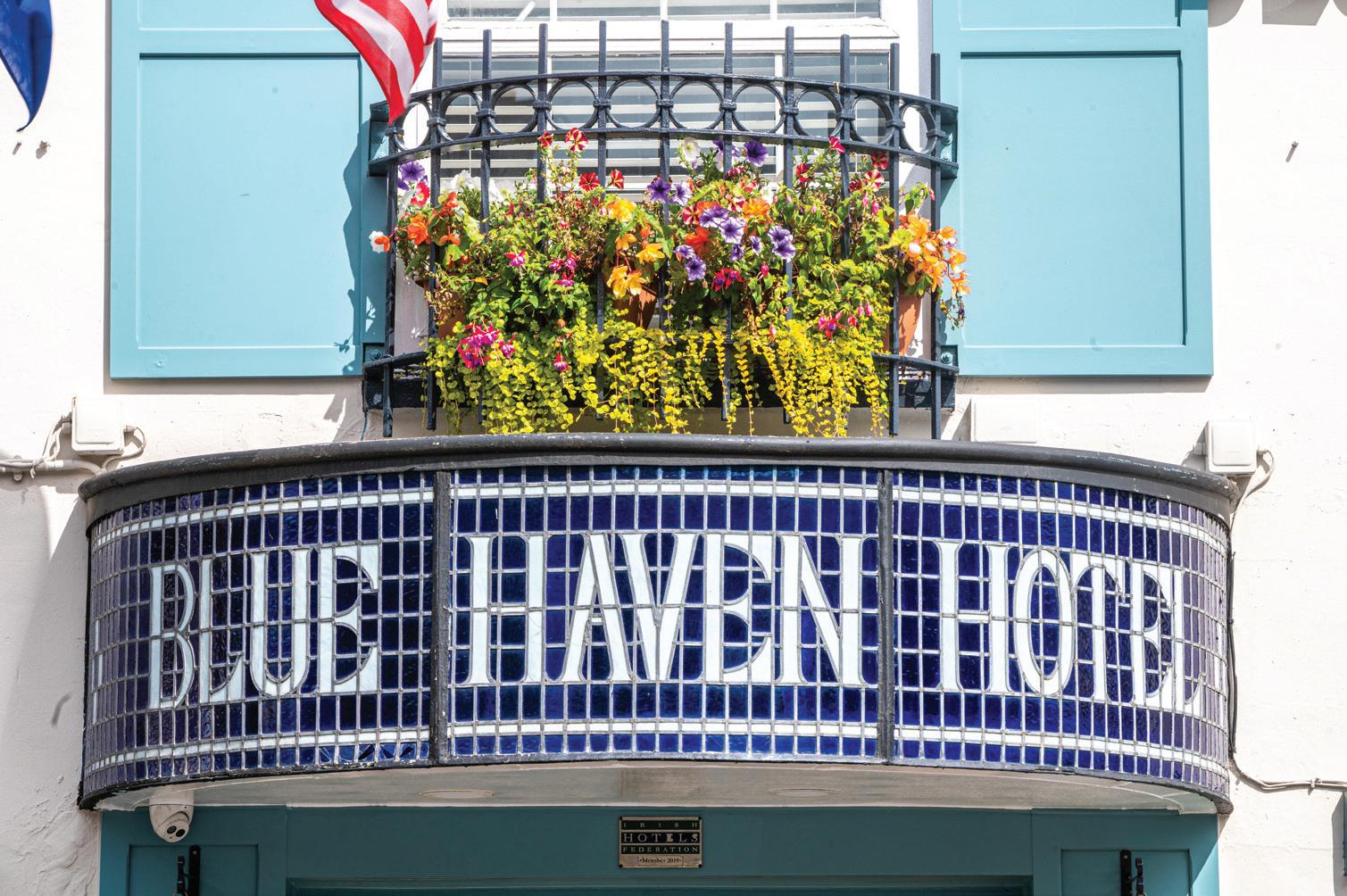
We’ve put a lot of focus on our business behind the scenes, looking at ways we can implement new systems and efficiencies
HOW IS BUSINESS GOING?
It’s not without its challenges but the summer is looking strong. We completed our restructure and buyout, so the last six months were busy and challenging for various reasons. Thankfully, we’re coming out the other side of it now. I’m cautiously optimistic for the season ahead but realistic that there are challenges and global uncertainty. When making decisions, these factors need to be taken into account. We’ve put a lot of focus on our business behind the scenes, looking at ways we can implement new systems and efficiencies. Last year, we implemented an AI-based system for rostering and margin and we’re currently looking at how ever-evolving hospitality tech can help us become more efficient so we can utilise our team’s time and expertise more effectively.
WHAT LED TO THE REBRAND?
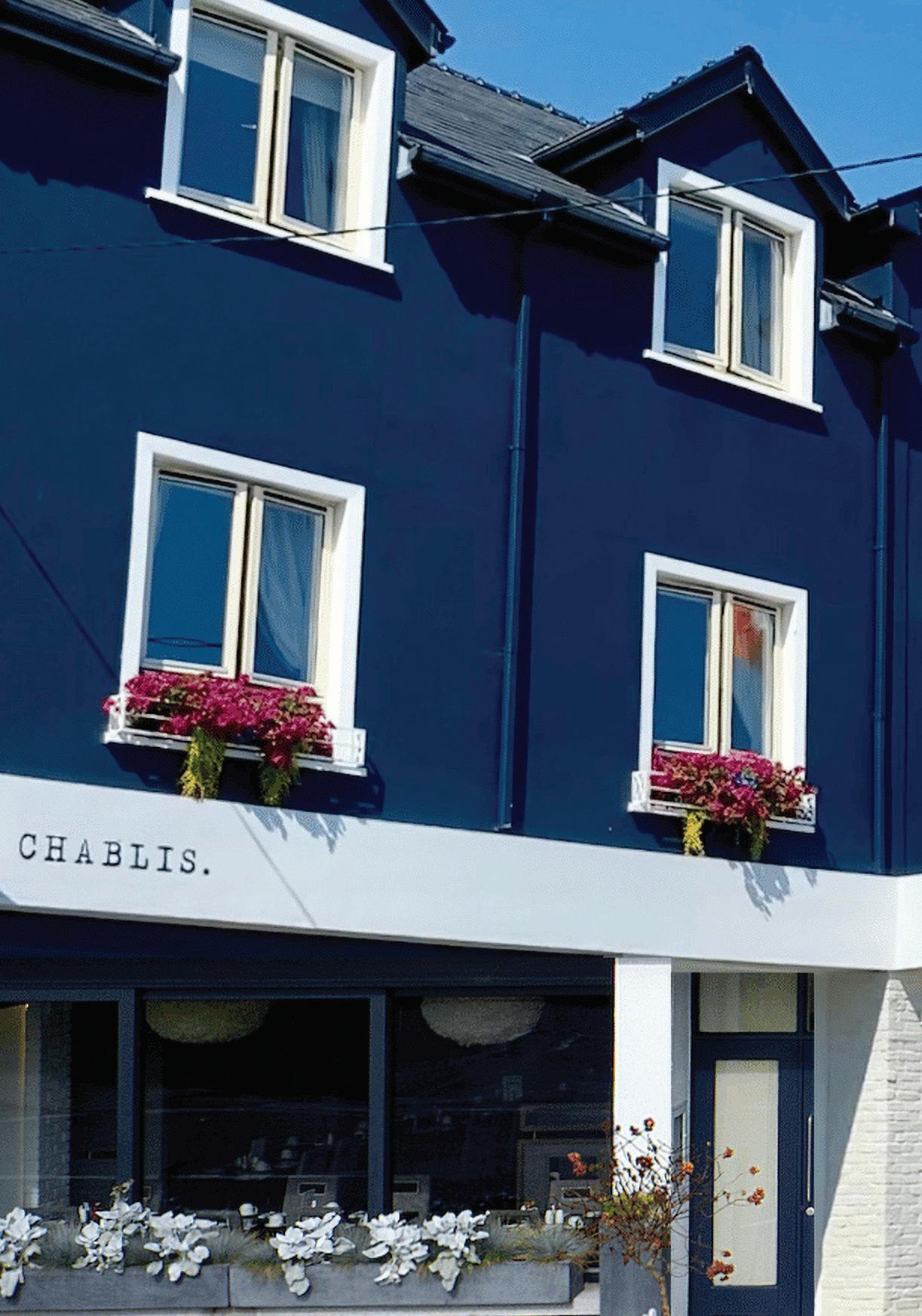
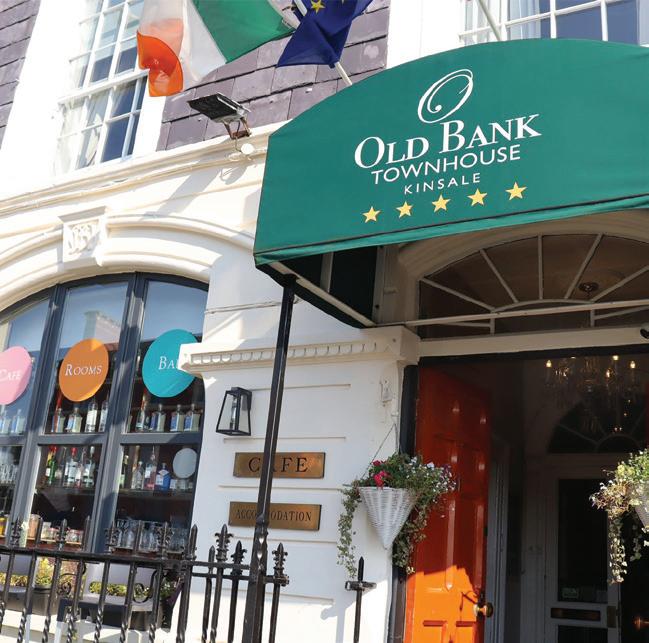
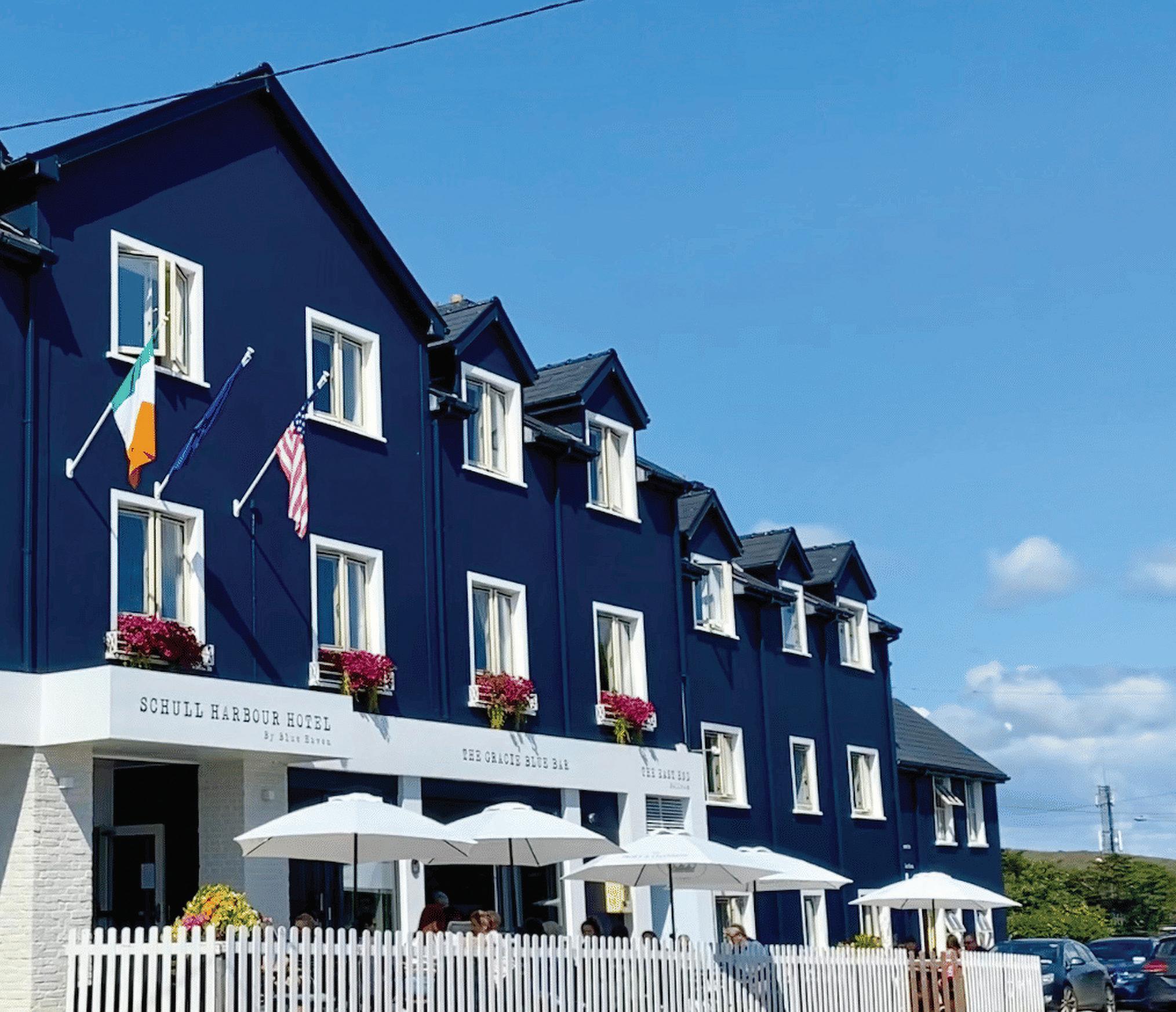
It’s something I had planned for some time. After completing the buyout, I felt the businesses needed a new energy, direction and focus. The rebrand was designed with that in mind. It’s more than just a name change; it’s a full refresh of our visual identity and a commitment to a new chapter of growth. In relation to the Group, we are officially reintroducing ourselves as The Kinsale Collective. We’ve also updated branding across our individual pillars – The Blue Haven, Hamlets and Schull Harbour Hotel, with Old Bank Townhouse next on the list.
WHAT DO YOU ATTRIBUTE YOUR ONGOING SUCCESS TO?
I’m always slow to use the word “success” as a lot of the time, it doesn’t feel like that. We’ve had our ups and downs over the years and I’m extremely proud of our team for their achievements, but I don’t feel I’m being respectful to some of those challenges by
using the word success. Sometimes, success in hospitality is more like survival and resilience. I’m 22 years in The Blue Haven and we have been through so much – the recession, a global pandemic, two restructures and now global uncertainty. I’m lucky to have some brilliant mentors who have guided me through these challenges. At the core of it are great businesses that have been around long before my involvement, with a loyal customer base and team. That’s the real foundation of the businesses, underpinned by our locations with Kinsale and Schull as our backdrops. For me, it’s always destination first and location second. If Kinsale and Schull are doing well we’ll do well, so we market and operate our business with that to the forefront of our mind.
Yes. Our ethos is based around being a marketleading hospitality innovator with traditional and professional hospitality values, focused on continuous team development and consistent product review, while respecting and contributing positively to the environment we operate in. Our core values are people, local produce and creating unique, lifestyle-led experiences in the heart of West Cork. Our ethos hasn’t changed hugely over the years, but our delivery has.
HOW DIFFICULT IS IT TO MAINTAIN A SUCCESSFUL BUSINESS
It can be difficult, there’s no sugar coating it. It’s an ever-changing environment and takes a lot of hard work to overcome the challenges. Hospitality is at the frontline of every economic crisis and often, one of the first industries to be impacted so it’s important to be very clear on what we are and where we’re going. I try to stick to our core values and overcome whatever obstacles we’re presented with. We haven’t always got that right and I’ve learned some hard lessons over the years, which fuel the fire to keep moving forward.
HAVE GUESTS’ REQUIREMENTS CHANGED OVER THE YEARS?
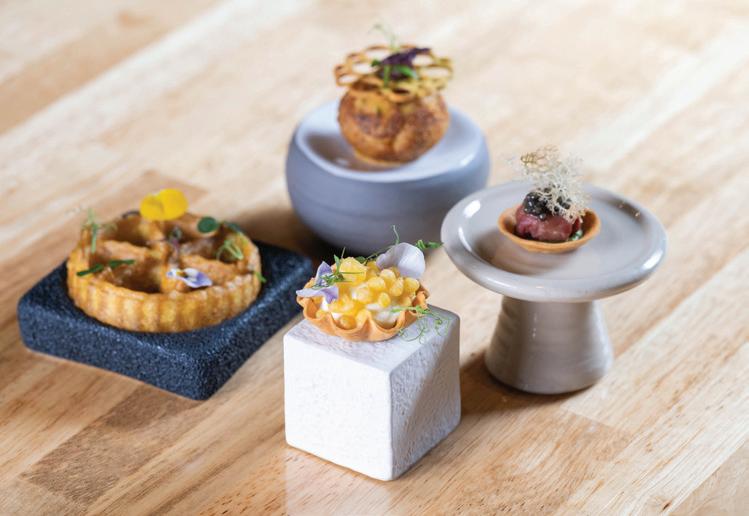
They have. With the increased cost of doing business and the knock-on costs that hospitality venues now have to charge, there’s very little room for anything bar a top class and unique experience. Guest preferences have changed and I believe places like Kinsale and Schull are well positioned for the consumer who wants to unwind and detox from the pressures of the world. Food has become the main USP across our businesses. People’s drinking habits have changed forever – I believe Covid brought that move forward
10 years. We have modified our business model to suit that change in dynamic. Alaria, our new restaurant in Schull, is performing well and key to the business moving forward. I also believe Ireland has established a top class reputation for food all over the world. Fáilte Ireland’s new Food Tourism strategy and new Culinary Coast itineraries are showcasing what we have on our doorstep in terms of food experiences.
HOW DO YOU DEFINE LEADERSHIP?
Leadership is all about loyalty and that’s a two-way street. I don’t always get it right and have made plenty of mistakes but I believe the key is to own those mistakes and not be afraid to show your team you’re willing to learn from them. I have two mottos
in the business – “change nothing, nothing changes” and “once is a mistake, twice is a decision”. I like to empower and trust people but sometimes when navigating choppy waters, you need to reign in the decision-making, ensure your systems and controls are working and reset when back on safe ground. I took on this business when I was 25 and had come from KPMG, not having worked in the industry, so it was a steep learning curve. I have had to adjust and learn, so my leadership style is constantly evolving. I’ve learned a lot from people around me, including industry. I believe in the strength and dynamics of teams; not everyone is a goal scorer and not everyone is a full back, but you need both on your team.
Yes, at certain times. It has created huge operational challenges. Our biggest challenge has been securing staff accommodation. We have had to think outside the box to resolve that and have done so successfully in the last two years. We have a fantastic, loyal core team and everything stems from that. We’ve just recruited a new HR manager with fantastic experience – I believe it’s important to put the correct infrastructure and support in place now to achieve the ambitious plans we have for The Kinsale Collective. We still have a lot of work to do to be at the level I want us to be at, but we’re taking the right steps towards achieving that goal.
We’re currently completing the rebranding of each business. We’re also doing some upgrade works to Hamlets to create a more casual dining-based business, with a fun beverage offering underpinning it. Over the next 12 months, we’re taking Schull on a journey to 4 star, upgrading the wedding offering with works to our function rooms and room upgrades to personalise the product more and give it a sense of place. At Blue Haven, we’re upgrading the common areas and rooms and we’re also doing some work at Old Bank Townhouse.
WHAT DO YOU LIKE ABOUT THE HOSPITALITY INDUSTRY?
You never get bored. I like the energy and the fact you can put your own stamp on something. I love the people piece. I have met and worked with some absolutely incredible people – hospitality gives you that. I meet a different mix of people every day from different walks of life and it’s a constant journey of learning that I don’t think you get in any other industry.
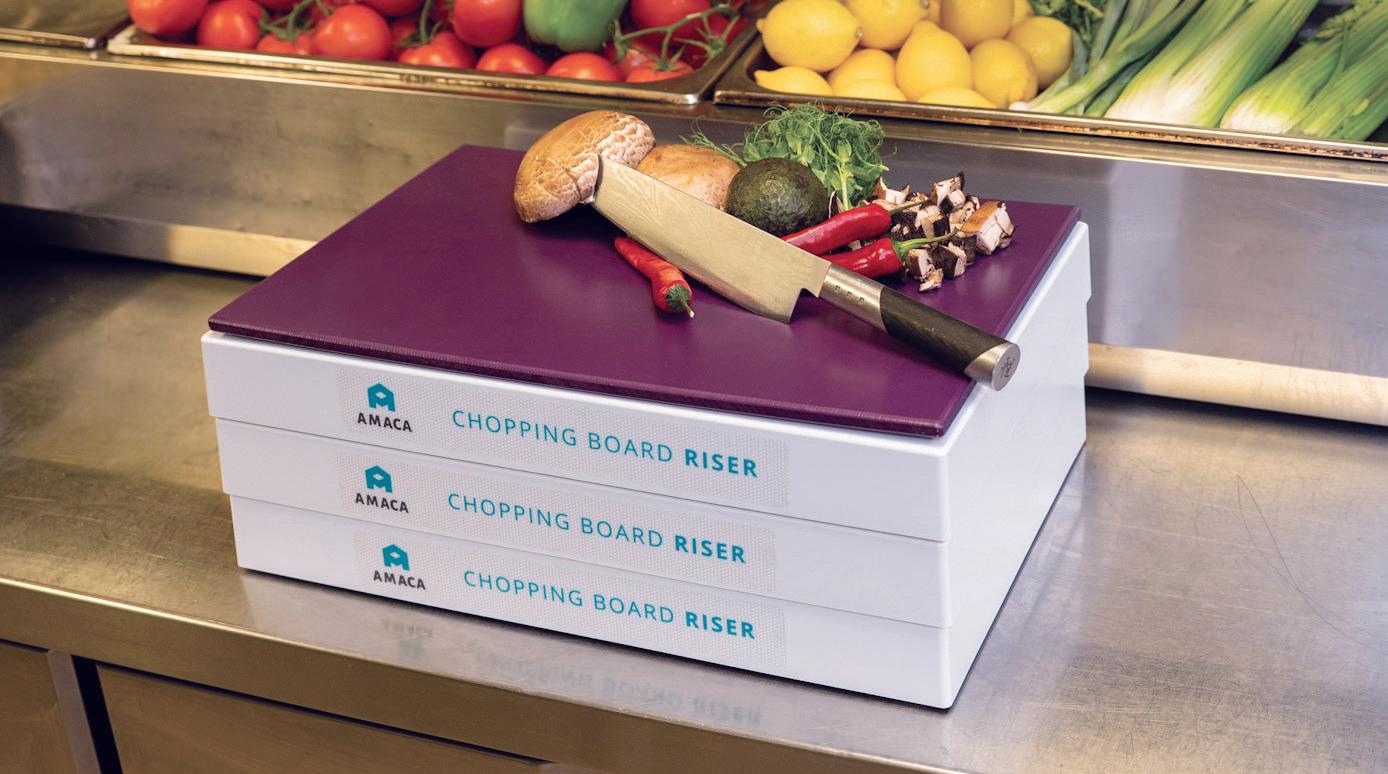
The AMACA Chopping Board Riser is an essential piece of equipment for professional kitchens that want to work safer, smarter and more cost e ciently
Great piece of kit. Helps us meet health & safety guidelines and cuts waste so we save money too
Jason
Hayde, Dalata Hotel Group
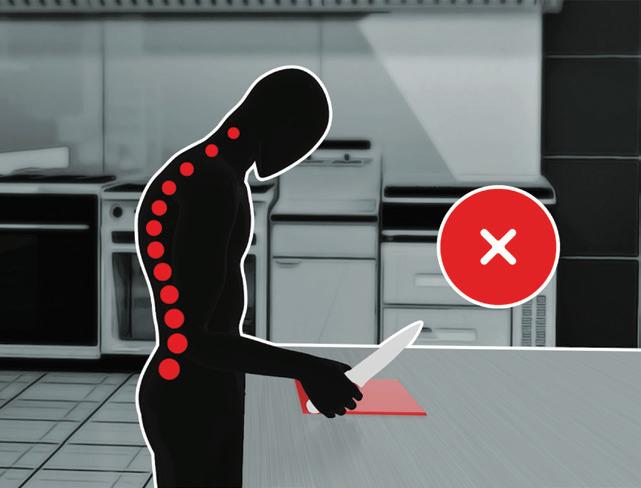
In professional kitchens, physical strain and minor injuries are often seen as an unavoidable “part of the job”. Long hours bending over low prep surfaces, repetitive chopping and improvised safety measures such as damp cloths under boards all contribute to chronic discomfort, unnecessary risk and reduced efficiency.
Chef Alun Griffiths, creator of the AMACA Chopping Board Riser, refused to accept this status quo. Originally from Wales and now based in Co. Wicklow, Alun has spent over 30 years working in diverse hospitality settings, from fine dining to contract catering. Throughout his career, he has loved the intensity and creativity of the kitchen, but has become increasingly frustrated by the preventable strain that many chefs endure every day.
Continuous back pain from leaning over low boards, injuries linked to poor prep set-up and the widespread use of damp cloths or blue roll to stabilise chopping boards led him to a simple conclusion – “It should not be like that.” These everyday issues became the catalyst for a practical innovation designed “by a chef, for chefs” –the AMACA Chopping Board Riser.
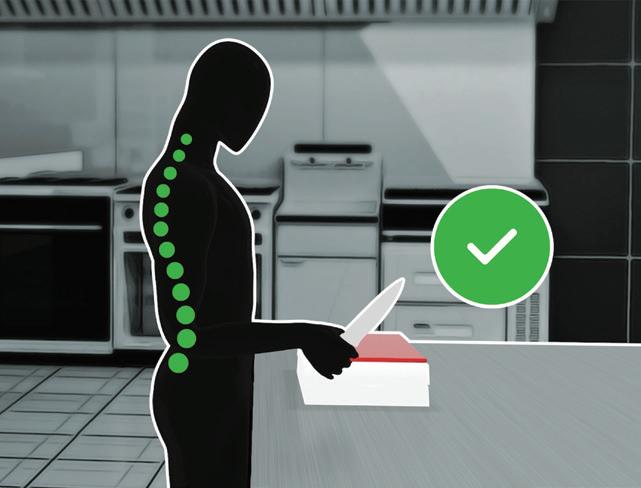
The AMACA Riser is a modular system that raises existing work surfaces or chopping boards to a safer, more
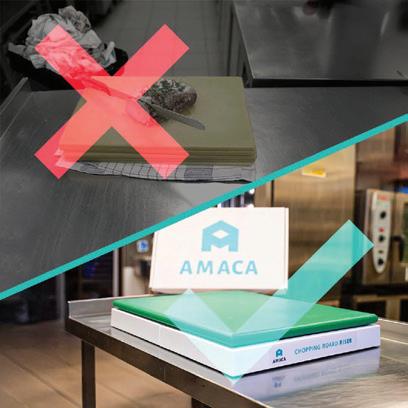
comfortable height, tailored to each individual. The ergonomic principle is straightforward – with arms relaxed and elbows at 90 degrees, the working surface should sit just below the hands to support good posture. By adding more or fewer riser units as needed, kitchens can adapt standard benches and boards for staff of different heights, recognising that “one size does not fit all.”
Engineered with health, safety and hygiene in mind, the Riser has a non-slip top and base, removing the need for damp cloths under boards. Made from foodsafe material, it is durable, shatterproof and dishwasher-safe and fits all standard commercial board sizes, allowing operators to keep using their existing equipment.
For chefs and operators, the benefits are wide-ranging. By lifting the working surface, the AMACA Riser helps reduce strain on the back and shoulders, supporting better posture, fewer injuries and greater comfort over long shifts. It promotes cleaner, more organised workstations and smoother workflow, as boards are stable and at the correct height. Reducing reliance on cloths and blue roll also cuts waste, laundry and associated costs, delivering a clear and significant financial advantage, not to mention enhanced sustainability benefits.
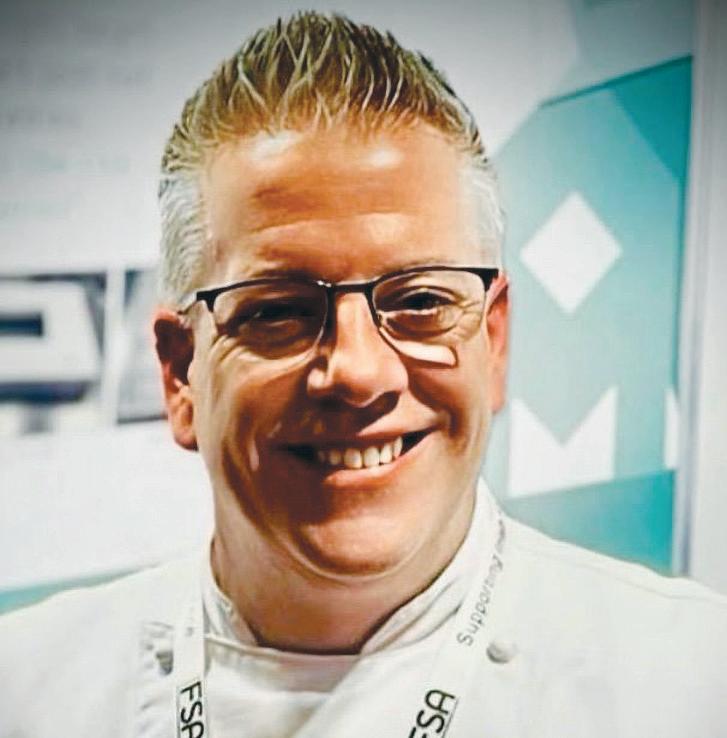
Saves back pain and money – it’s a no-brainer!
Ross Lewis, Chapter One & Osteria Lucio
The AMACA Riser is positioned as an ergonomic piece of equipment for professional kitchens that want to work safer, smarter, more efficiently and more cost effectively. AMACA collaborates with chefs, caterers, hotels and wider hospitality teams across Ireland and the UK and engages financial decision-makers to highlight the Riser’s return on investment through lower injury risk, reduced operating costs and improved productivity. Ultimately, the mission is to address one of the most overlooked issues in food preparation – working at the wrong height, shift after shift – and to offer a simple, non-disruptive solution that helps kitchens achieve better posture, better prep and better workflow.
For more information, go to www.amaca.ie or email info@amaca.ie
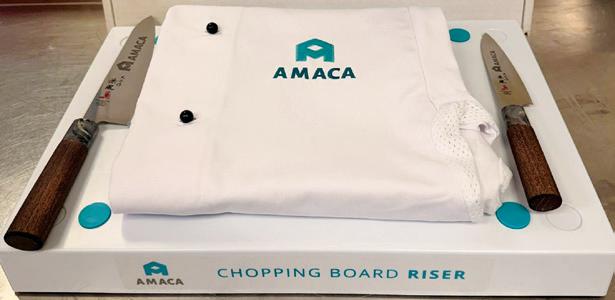
AMACA Solutions will be sponsoring a prize at the Gold Medal Catering Awards on the 3rd July 2026 at Clontarf Castle Hotel.
The prize will consist of:
» AMACA Chopping Board Riser
» Chef’s Jacket
» Professional knives x 2



Schweppes was founded in 1783 by Jacob Schweppes. He invented the first ever process of capturing bubbles and from this carbonation system, Schweppes Soda water was born – the world’s first ever soft drink.
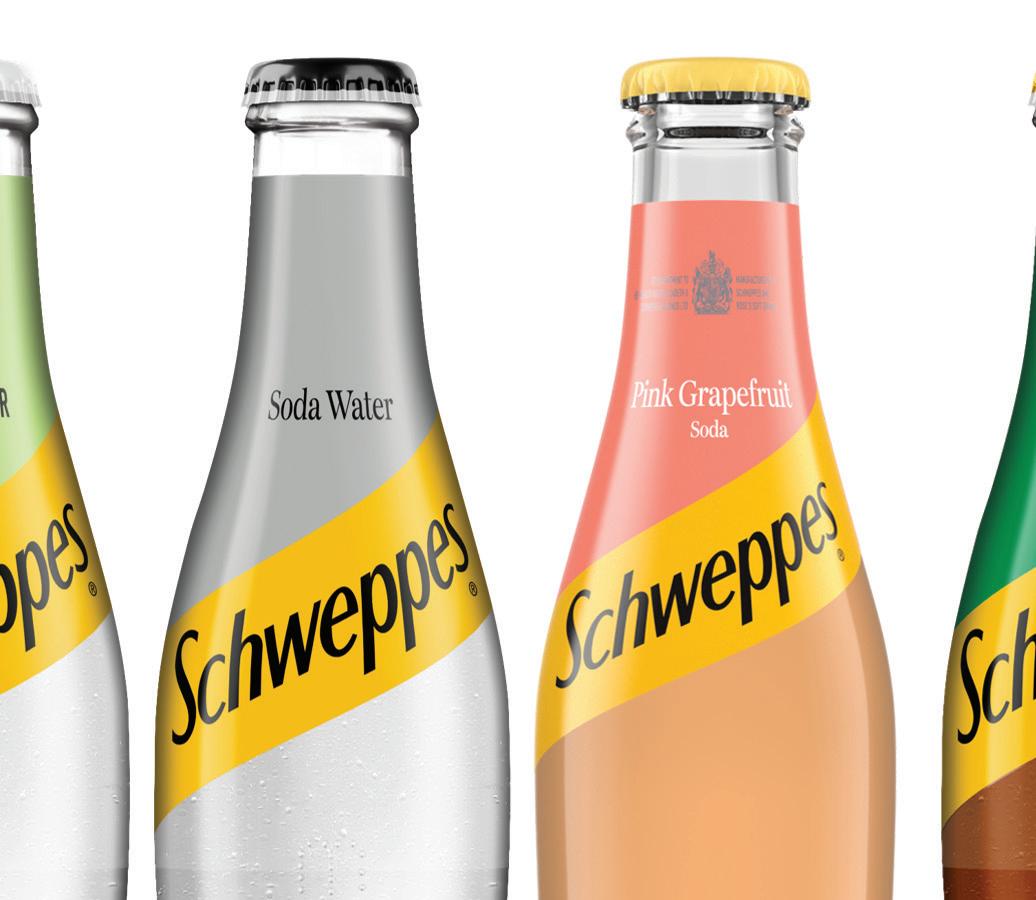
Thanks to Jacob, we have been enjoying the superior taste of Schweppes mixers for over 200 years. In Ireland, it’s the No.1 branded mixer enjoyed with and without alcohol. With consumers increasingly looking for flavoured mixer options, which deliver on taste and fizz, Schweppes has the perfect range to meet this demand. The Schweppes 200ml range is available in Tonic Water, Slimline Tonic Water, Elderflower Slimline Tonic Water, Soda Water, Pink Grapefruit Soda and Ginger Ale.
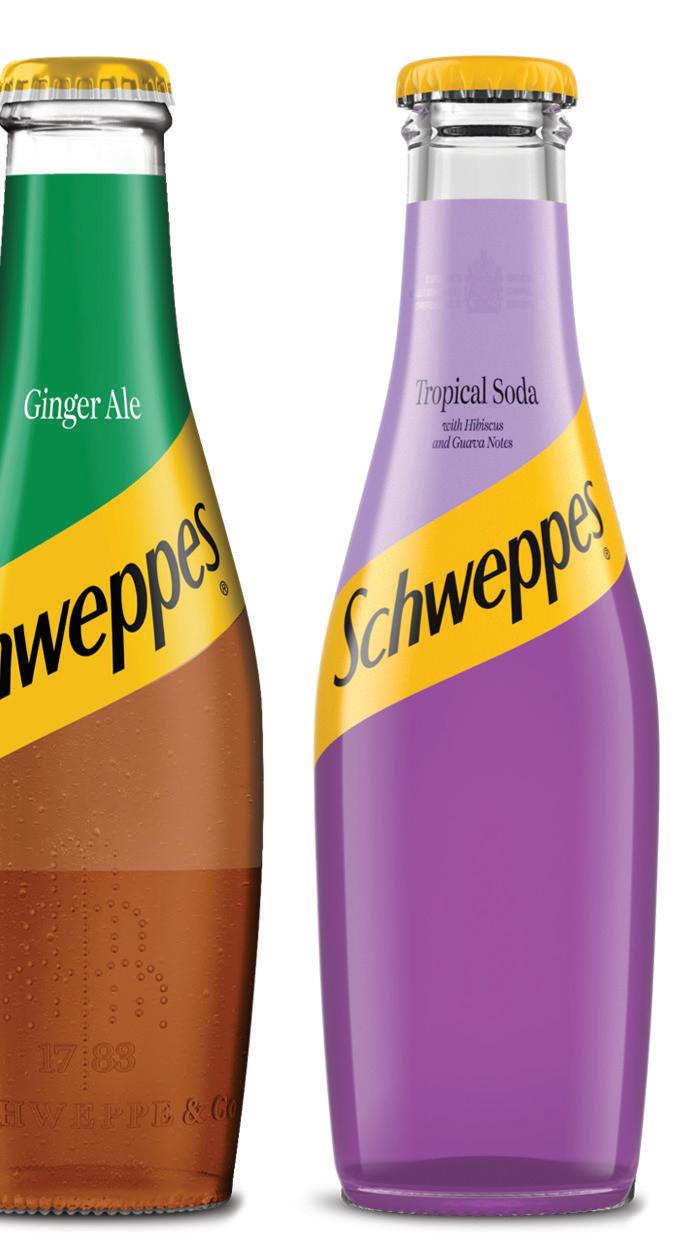
This May, a unique new flavour will be added to the Schweppes 200ml range. New Schweppes Tropical Soda is a blend of exotic flavours including Dragon fruit, Guava, Blackcurrant and Hibiscus, perfectly balancing a touch of sweetness and fruity tartness. Schweppes Tropical Soda provides an opportunity to further grow Schweppes within the on trade, driving relevance for the brand with the return of the spring/summer social occasion in pubs, bars and restaurants, whilst tapping into the ever-growing flavoured soda trend.
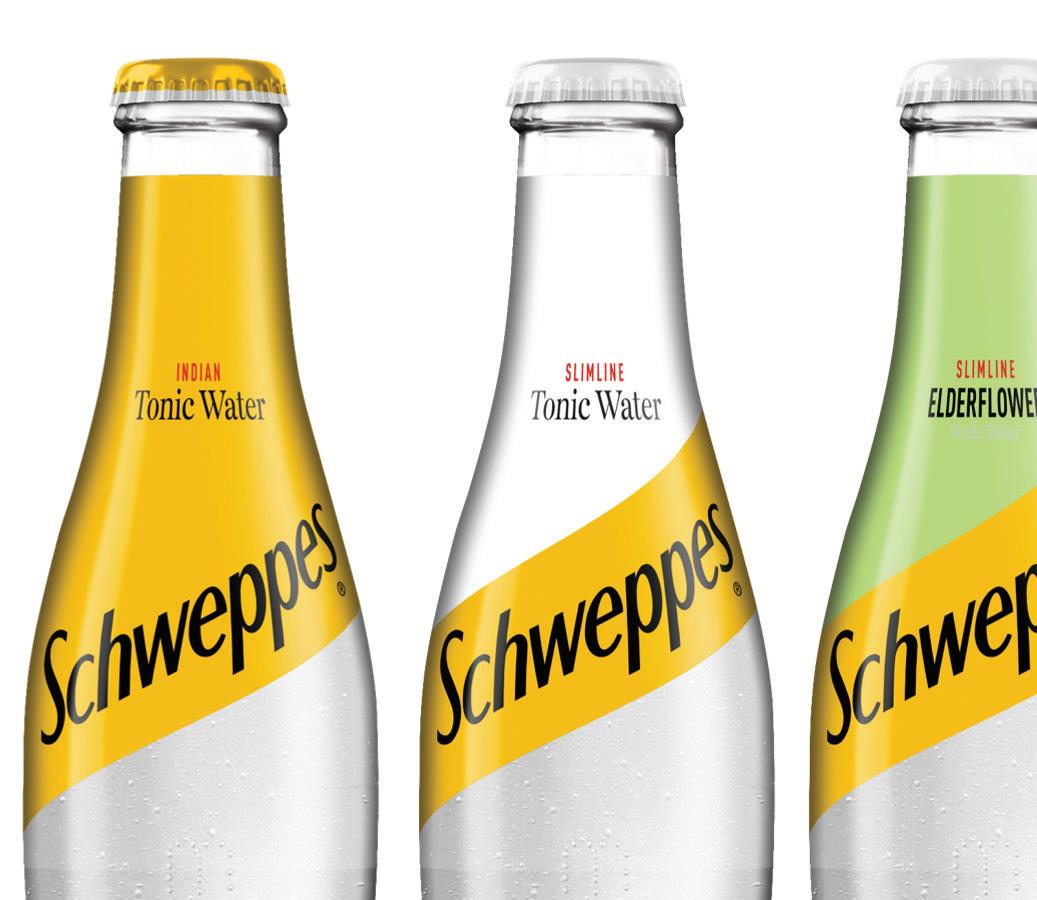
The Schweppes 200ml range is available in Tonic Water, Slimline Tonic Water, Elderflower Slimline Tonic Water, Soda Water, Pink Grapefruit Soda and Ginger Ale
Schweppes is kicking off the spring-summer season in May with Pink Grapefruit Soda activation in line with ‘World Paloma Day’ on the 22nd of May 2026, targeting socialisers ages 25-39. The rising popularity of the Paloma serve across bars nationwide is a trend Schweppes Pink Grapefruit Soda will tap into and will help simplify the bartenders’ path to a great Paloma serve by simply adding tequila and pink grapefruit garnish. For consumers who prefer a no-alcohol alternative, Schweppes Pink Grapefruit is best served poured over ice for a crisp and refreshing alcohol-free option.
Schweppes will continue its flavoured soda activation from June to inspire consumers with a fully integrated marketing campaign to support the launch of Schweppes Tropical Soda. This will include value added deals for outlets with functional activation items such as glassware to keep the brand top of mind for customers and to support the ‘cocktail’ and ‘spritz’ trend, venue point-of-sale, a newly developed ‘suggested serve’ booklet to provide Schweppes inspiration for summer menus, targeted social, out of home media and PR. The Schweppes sales team will also work in partnership with outlets to activate the brand on menus, highlighting mixability, straight drinking opportunities and suggested serves.
Schweppes Pink Grapefruit and Tropical soda will be supported all summer long with the return of the Schweppes ‘Taste the Summer’ roadshow across venues in Ireland and Northern Ireland and feature as part of Schweppes takeovers at key summer festivals.

MICHAEL FERNCOMBE on changing minds and hearts in the water industry
How is business going?
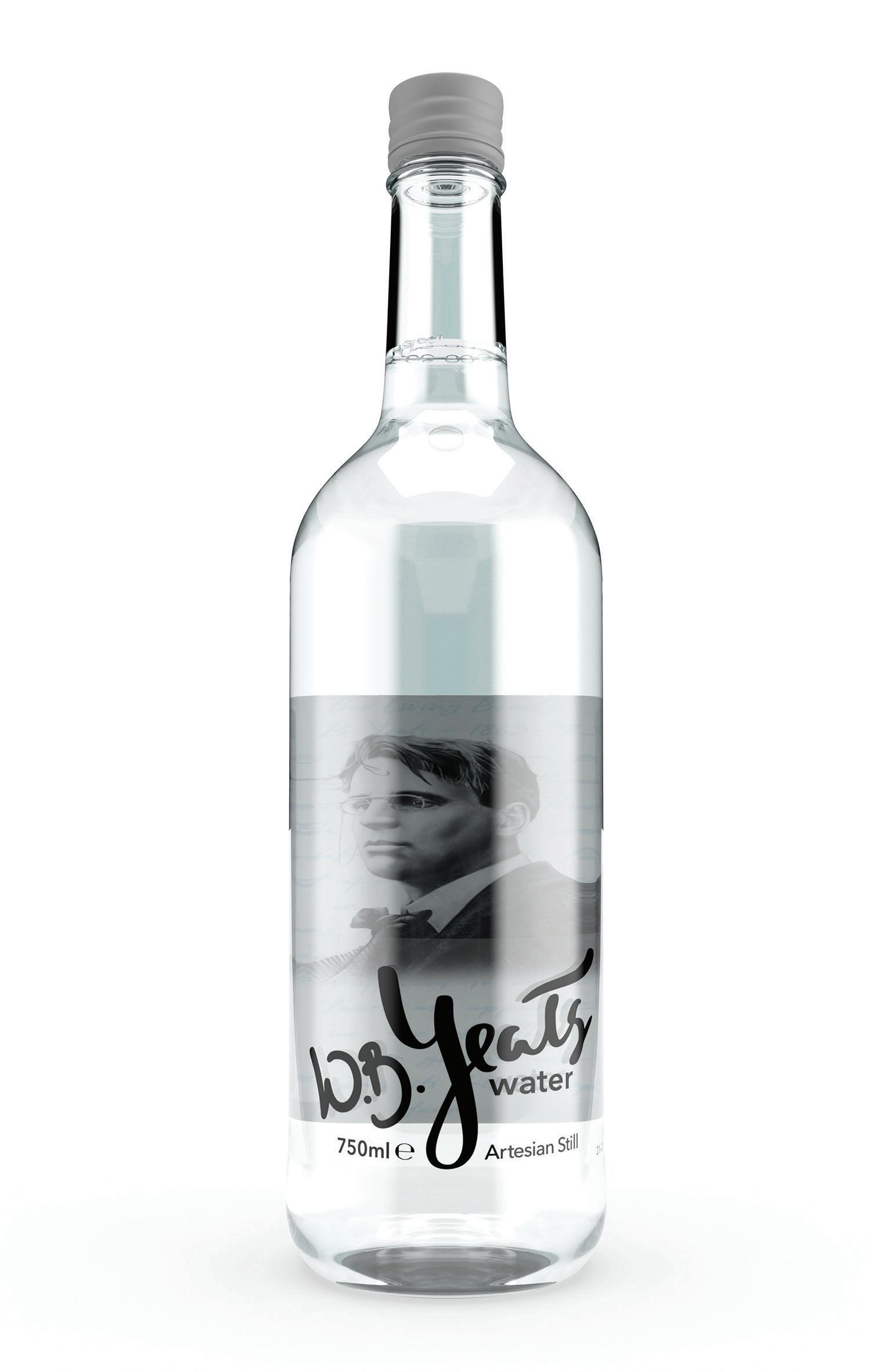
It’s very good. The demand for sustainable packaging options in the water business is continually growing. We manufacture Tetra Pak cartons of still water in 500ml and 330ml sizes and we also manufacture a glass range of 750ml and 330ml in both still and sparking water. Demand for our Tetra Pak products is strong as we’re DRS exempt. Our products are mainly paper-based, fully recyclable cartons and that’s a big draw for our customers. We’re also seeing great demand in the food service and hospitality sector.
When was the company
The company acquired the water plant in 2018 previously owned by The Gleeson Group / C&C which had been closed in 2016. Borrisoleigh Bottling subsequently opened the premises and started manufacturing glass and PET. In 2019, a decision was made to discontinue PET and add a Tetra Pak line to our business. Going down the sustainable route was the right decision; producing both PET and Tetra Pak would have been contradictory to our ethos. We were just commissioning the Tetra Pak line in March 2020 when Covid hit.
How did that affect the business?
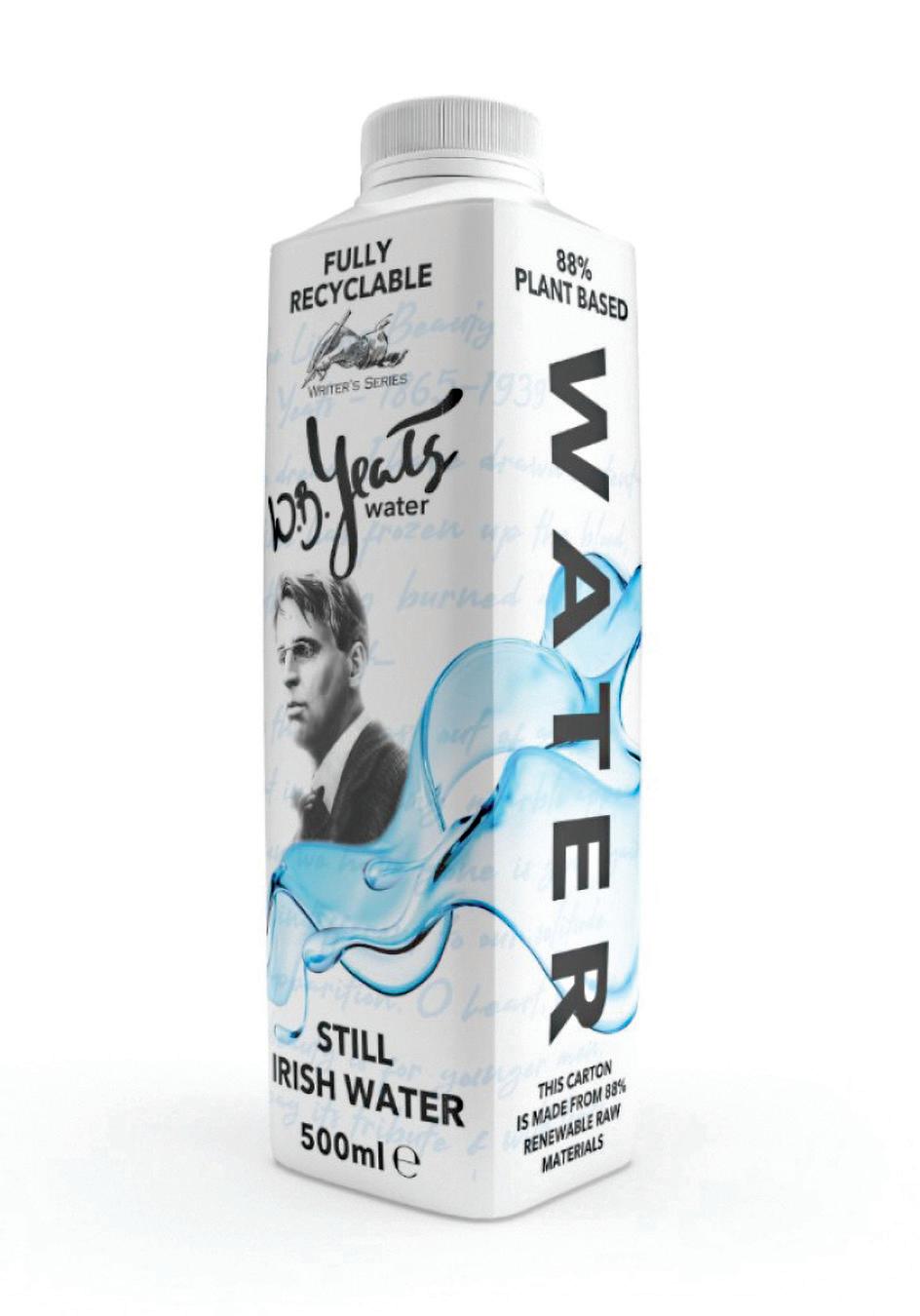
At the time, we had engineers over from Sweden, so we had to finish the commissioning of the line remotely and eventually, we got back up and running in May 2020. At that time we only had retail open to us. 2020 and 2021 were very difficult years, but when food service and hospitality started to reopen, sustainability became a major priority for those customers. Since then, it’s gone from strength to strength. In 2025, we produced just under 50 million cartons and in October 2025, we purchased a second Tetra Pak line. This year, we anticipate producing between 65 and 70 million cartons. We’ve also added a second natural water source to our business. We don’t treat our water – there’s nothing added and nothing removed.
What are customers most concerned with – sustainability or costs?
I think everything is taken into consideration. Customers like the fact that we provide a sustainable, high quality alternative to single-use plastic. There’s nobody else manufacturing water cartons in Ireland – we’re the only company. But I think what differentiates us is that alongside offering a very high quality product in sustainable packaging, we can also brand cartons for our customers. That sets us apart.
We’ve
also added a second natural water source to our business. We don’t treat our water – there’s nothing added and nothing removed
What has been the most difficult part of getting your products to market?
It was encouraging people to take a chance on the Tetra Pak carton. Change is difficult for everybody –at the time, people associated water with PET bottles. Helping people to understand that the change would benefit them was a challenge, not just from a sustainability point of view but also from a drinking experience point of view. Our cartons have a 38mmwide opening cap so they’re a pleasure to drink from. The product also stays fresher. As people began to make the change and witnessed the benefits, they continued using the cartons.
Any plans to launch new products?
We’re currently looking into the flavoured market and the functionality space in the Tetra Pak market. We’re also considering producing water with added magnesium and we’re also interested in expanding more into the sparking side, perhaps in aluminium bottles. So there are a few avenues we’re exploring at the moment. We’re hoping that by the end of this year we’ll be in a position to launch some of these new products.
What are the biggest challenges facing the business?
Although we’re in rural Ireland – we’re based outside Thurles in Co Tipperary – we’re very lucky with staff. Some of our operators and technicians have been with us since the start and have over 40 years’ experience. Costs are always a challenge, so we’re trying to become more efficient in everything we do. In keeping with the ethos of the company, we’re looking at adding solar this year and we expect that to have a long-term impact on our costs.
Do you export your products?
We’re about 62% domestic and 38% export. We currently export to about seven different countries. The majority of the products that we export are Tetra Pak, but we also export glass. We have partners in the Netherlands and the UK – they’re our largest export partners. We’re growing our overseas market all the time and we anticipate that in 2027, when DRS hits the UK, demand will increase.
What are your ambitions over the next two of years?
We obviously want to continue to grow the business in an efficient and cost-effective manner, but we also want to maintain employment in our community. We support a lot of events in the local and surrounding area so that’s something we want to maintain and grow. We also want to become a major supplier in the water industry at home and abroad and continue to promote sustainability and brand awareness over the coming years.
AI has its place in hospitality but authentic human connection is still key, writes DONAGH DAVERN
Anew study from the Economic and Social Research Institute (ERSI) found that the adoption of Artificial Intelligence (AI) into the economy will likely lead to job losses, with around 7% of jobs displaced in the short to medium term. As businesses seek to make productivity gains through the adoption of AI, areas most at risk include customer service clerks, clerical support workers and information and communication technicians. However, the report found that occupations less exposed to substitution by AI include hospitality workers, along with those in retail, construction, agriculture, health and refuse. The report also found that both re-training and up-skilling will be important toward gaining a smooth transition in this new work paradigm.
Renowned British advertising executive, Rory Sutherland, who is also a behavioural economics expert, coined the concept of the “doorman fallacy” to describe the error that can be made when one reduces a human role to its most basic and visible manifestation. This can indeed lead to cost efficiency gains but serves to destroy intangible values such as hospitality or security. In his example, a consultant walks into a hotel and coldly asks about the costs involved in having a doorman open the door for him. The consultant advises management to replace the doorman with an automatic door, claiming he made cost savings, but he has left before anyone notices the damage which removing the doorman has caused. The real and visible cost savings have indeed been made, but regular guests move elsewhere, security issues begin to appear as there is no presence at the door and the average room rate falls. These issues are slower to emerge than the hard cost savings originally apparent from the consultant’s advice.
Many people lament the loss of the “traditional” hotel manager. Think of the 1990 movie Pretty Woman starring Julia Roberts, where actor Hector Elizondo played Bernard Thompson, the manager of the Beverly Wilshire, who had an undeniable ever-present effect on the business as he mingled gracefully with guests and staff in the lobby area –knowing exactly what was happening at all times. The 10 minute role which
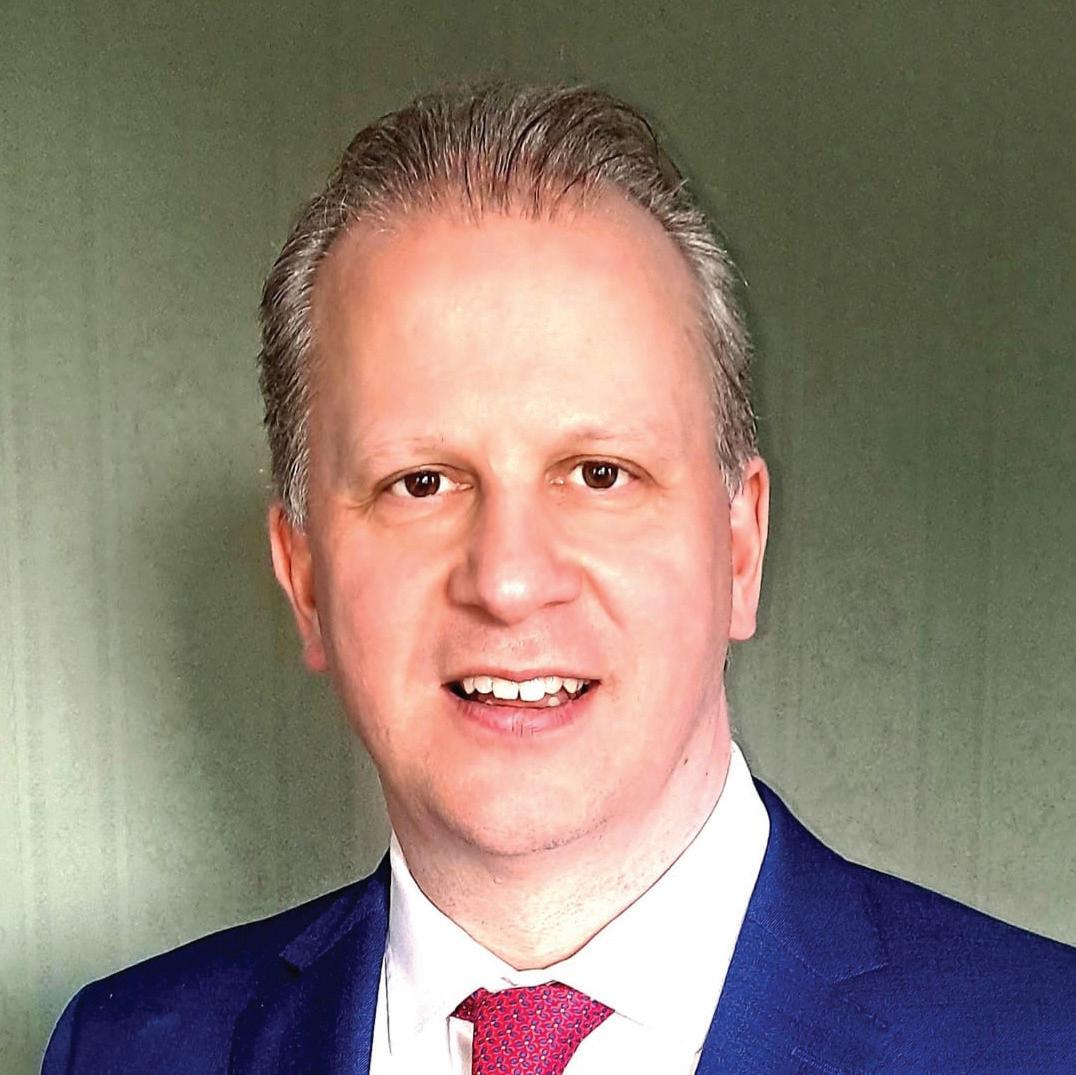
Effective presence involves visible staff, personalised interactions with customers, the recognition of return guests and the ability to make them feel special
Elizondo portrayed so well led to a Golden Globe nomination, but as managers lock themselves away to deal with mounting paperwork, are we losing out on customer service opportunities and the recognition of regular customers by no longer having this presence in our hotel lobbies?
Effective presence involves visible staff, personalised interactions with customers, the recognition of return guests and the ability to make them feel special. In a time where technology, chat-bots and AI are beginning to replace many customer service functions, will it be the hotels who maintain this presence that will continue to be successful? Authentic human connections are certainly key to success in the luxury market. Technology can assist with smoother operations, but it is the welcome in areas such as the lobby that will distinguish the “cookie cutter” type hotels from those that genuinely want to offer an experience that responds to guest’s emotional needs. This sets the tone for the remainder of the guest’s stay and can be a deal-breaker – a reason to return, or not.
The availability to acknowledge
customers, to listen, to answer queries and to smile cannot be understated in importance. AI and facial recognition may go some way towards doing this, but they are not a replacement. I often tell students that you can tell the culture of a hotel within 10 minutes of your arrival based on your interaction with staff. Emotional Intelligence, friendliness, helpfulness, communication and teamwork all play a vital role here. Consistency in terms of standards is also paramount, particularly if you are hoping to invite guests back and create a loyal customer base. Guests are moving through an ever-changing busy world and they are seeking out that consistency, the recognition and the warmth and hospitality at luxury hotel level. This is defined by the leadership and the culture of the organisation, by the training offered to employees, the standards the business sets, the people hired and the people they manage to retain.
Hoteliers are now in a time where they can make promises about what the guest is to expect via social media and other online portals. They can create that “Instagrammable” location, but this product cannot replace a lack of service, a lack of presence and an inconsistency in standards, particularly at the luxury end of the market. So today, as a manager, wander back down to the lobby when you get a chance. Like the late Senator Feargal Quinn, founder of supermarket chain Superquinn, take the time to meet with customers and staff in areas where they are on a daily basis. You’ll be amazed by what you will learn and how your presence positively affects the customers and your team alike.
Dr Donagh Davern FIHI is a lecturer in Hospitality Management at Munster Technological University and a former hotel General Manager
The Sustainable Energy Authority of Ireland (SEAI) is enabling the SME sector to tackle rising energy costs by empowering businesses through practical support and targeted grants SEAI grants helps small and medium sized businesses transition away from fossil fuels, while reducing costs through lower energy bills. SMEs switching to renewable energy not only experience financial benefits but environmental too by cutting emissions which contribute to national climate goals.
SEAI introduced a new, integrated suite of rapid approval grants, designed specifically with SMEs in mind. These financial supports for energy audits, insulation upgrades, heating and cooling upgrades, solar PV, among other upgrades, bring clarity and simplicity for SMEs to choose measures in any order that suit individual budgets, energy and building requirements. To date, thousands of businesses have benefitted, from SEAI supports resulting in reduced bills and increased comfort for staff and customers.
In addition to grants, SEAI provides a wide range of other supports to help businesses strengthen their energy performance and reduce operating costs. This includes the SEAI Energy Academy free, online e learning platform designed to empower businesses and their staff with the knowledge and tools to improve energy efficiency and cut energy related expenses.
SEAI offers free Energy Management training to help SMEs implement effective energy plans, with a lively, interactive online workshop led by experienced advisors for owners, senior managers and facilities managers starting their energysaving journey.
SEAI has launched its Easy Wins Campaign to help businesses get started on their energy saving journey with SEAI. This national campaign showcases real Irish businesses that have taken practical steps to reduce energy costs with the support of SEAI grants. By highlighting tangible upgrades, such as improved heating systems, insulation or process efficiencies, the campaign aims to demonstrate the measurable benefits achieved and provides practical examples for other SMEs considering similar actions.
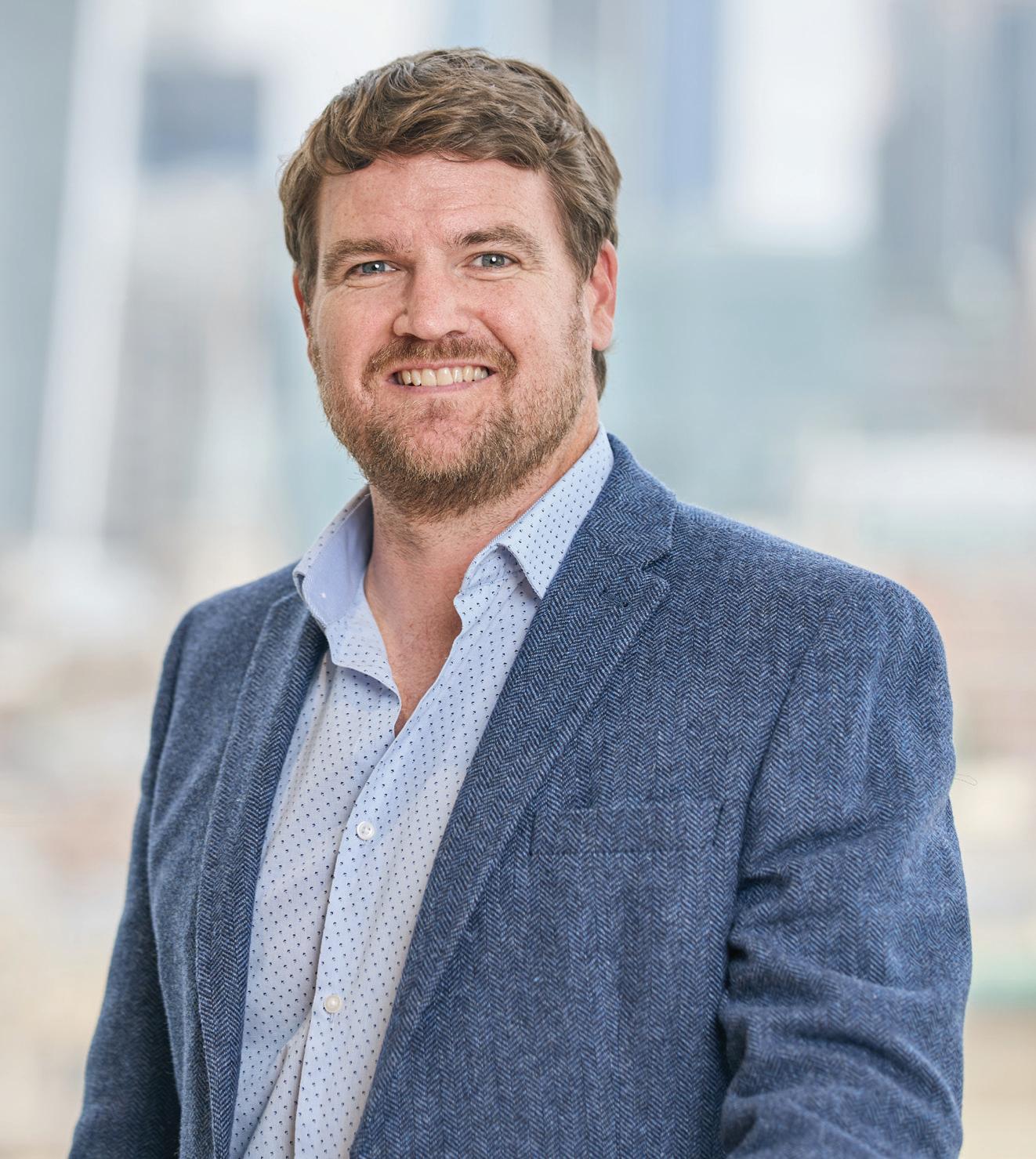
“Our Easy Wins Campaign aims to raise awareness of SEAI business supports and the positive impact targeted grants can have on reducing energy costs for SMEs across Ireland. These supports make SMEs more competitive, resilient and ultimately, contribute to our collective climate goals,” says Fergus Sharkey, Head of Business Supports at SEAI.
SEAI is promoting accessible supports designed specifically for the SME sector – ones that prioritise financial savings alongside sustainability
“Many SMEs are struggling to understand their energy and the grants landscape,” he adds. “That’s why SEAI is promoting accessible supports designed specifically for the SME sector – ones that prioritise financial savings alongside sustainability. We want to reassure the businesses that we are here to help them strengthen their operations and that becoming more sustainable can be achieved step by step, rather than feeling like a mammoth or overly complex task.”
By simplifying access to supports and focusing on practical, high impact measures, SEAI is helping Irish SMEs take confident steps towards a more energy efficient and sustainable future – one easy win at a time.
Search SEAI EASY WINS to find out more or long onto www.seai.ie/easywins
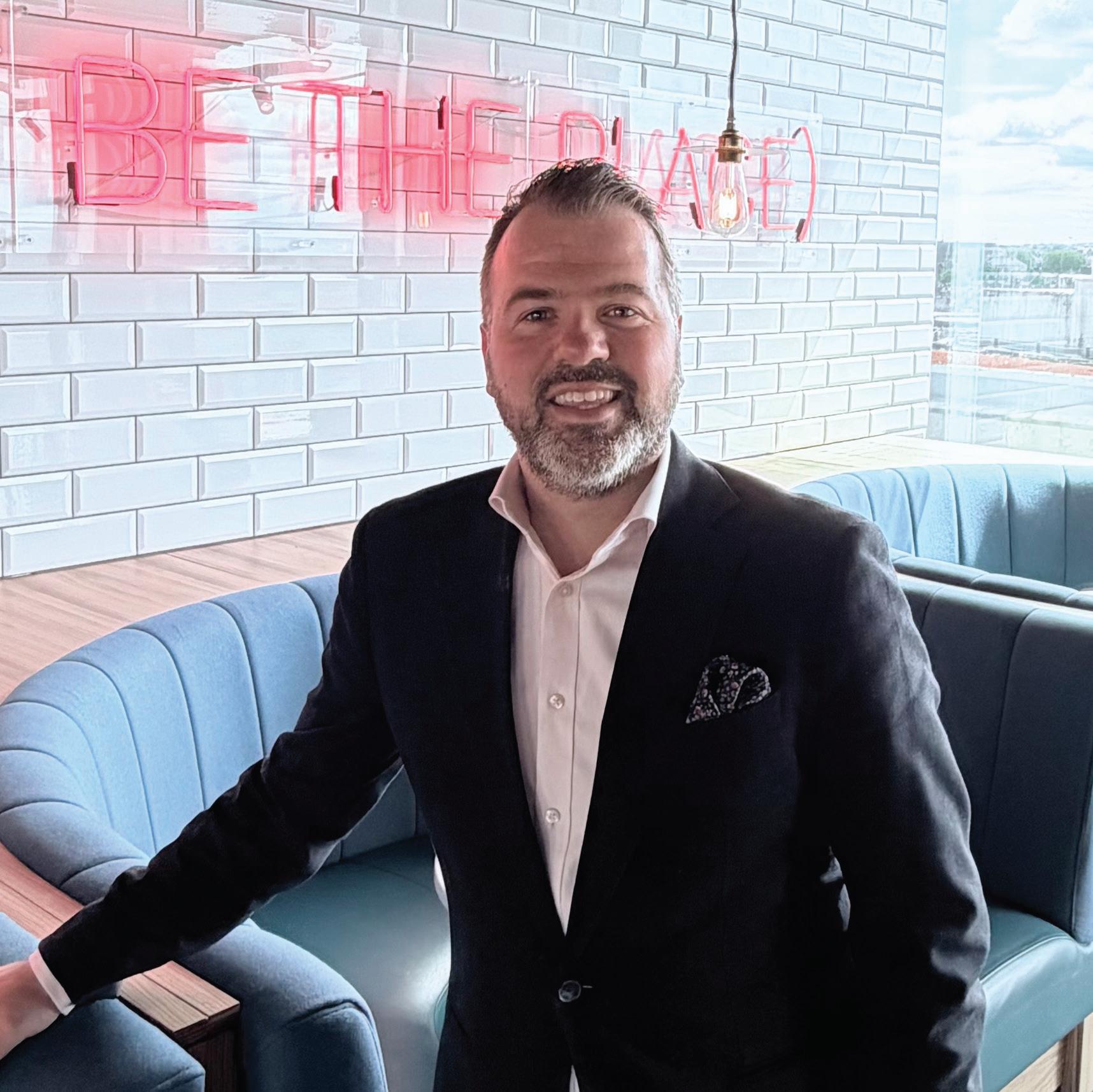
In hospitality, we’re very good at dealing with what’s directly in front of us. Full bedrooms, busy bars, staff shortages and rising costs keep us focused on the immediate. For years, food and beverage sat inside that mindset. You provided breakfast, a bar and maybe a restaurant, and as long as it more or less washed its face financially, that was enough. From where we stand today in Dublin 8, that view feels outdated. It also misses what F&B can really do for a property and for the people who work in it.
At Aloft Dublin City, part of the Marriott family, we see F&B less as a department and more as the
That’s why our outlets matter. Tenters Gastropub is not simply somewhere to eat because you happen to be staying in the hotel. It is a social space with its own identity, designed to feel natural for hotel guests, local residents and nearby businesses. WXYZ Rooftop Bar brings a different energy. It gives us a relaxed, social setting for informal meetings, after-work drinks and guests who want to unwind while still feeling connected to the city. Together, they let us talk to different markets without forcing everyone into the same experience.
Leisure guests, corporate clients and locals all meet the hotel in slightly different ways, but through the same F&B ecosystem. That’s when food and beverage stop being a line on the P&L and start becoming part of the hotel’s identity and reputation.
The connection between F&B and performance is clear when we look at midweek corporate business. Like many hotels, we are working through recruitment challenges, higher costs and more selective demand. Simply selling bedrooms and offering a standard meeting room is no longer enough. Corporate guests expect good spaces to work in, decent food and coffee and somewhere the day can continue once the formal agenda is over.
connective tissue of the hotel. Rooms are still the backbone of the business, but there’s a limit to how far room revenue can stretch. Food and drink shape how people use the building, how long they stay and how they feel about the place. They create reasons to spend time with us and they give the hotel a personality that bedrooms alone cannot deliver.
MORE THAN AN AMENITY
Dublin 8 and the Liberties have a strong sense of place. A hotel here should not feel sealed off from the life around it. If F&B exists only to feed residents, we are missing both a commercial opportunity and a chance to be part of the local fabric.
That thinking sits behind the Liberties Suite, our corporate events space that works hand in hand with Tenters and WXYZ. When the corporate offer and the F&B offer are designed together, a day meeting is more likely to become an overnight stay and a one-off event is more likely to become a regular booking.
Ultimately, the question is whether we still see food and beverage as a support function, or whether we recognise it for what it can be. At its best, F&B drives revenue, sets the tone of the building, anchors the hotel in its neighbourhood and provides a proving ground for the next generation of leaders. When F&B is used properly, it becomes the link between different markets and the engine that helps bring them together.
Learn to use Artificial Intelligence in your business and everyday life with AI micro-qualifications — short, targeted, subsidised courses delivering the skills you need.
BOOST SKILLS, BOOST BUSINESS skillstoadvance.ie