2 minute read
Urban Design- Restructuring Anand Vihar

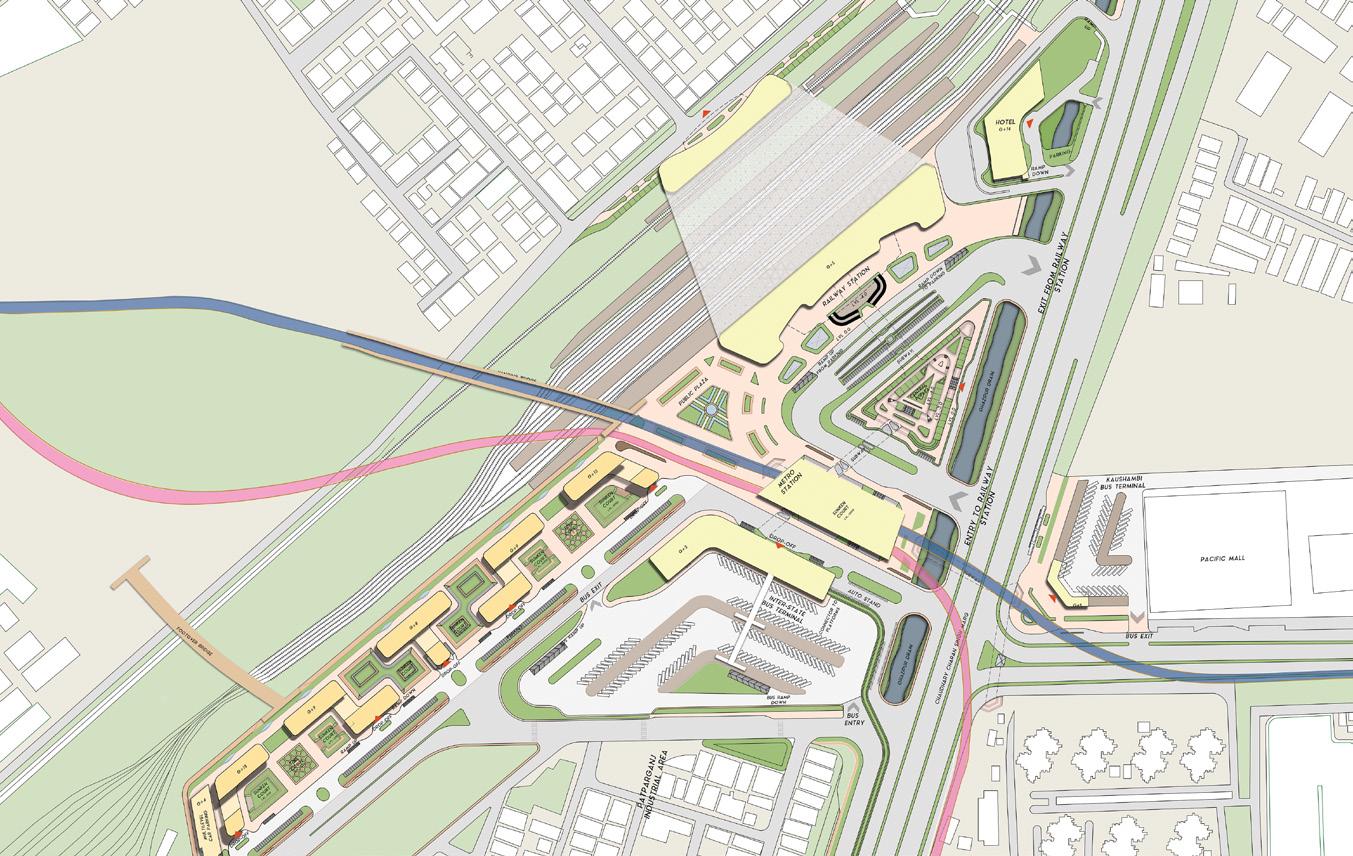
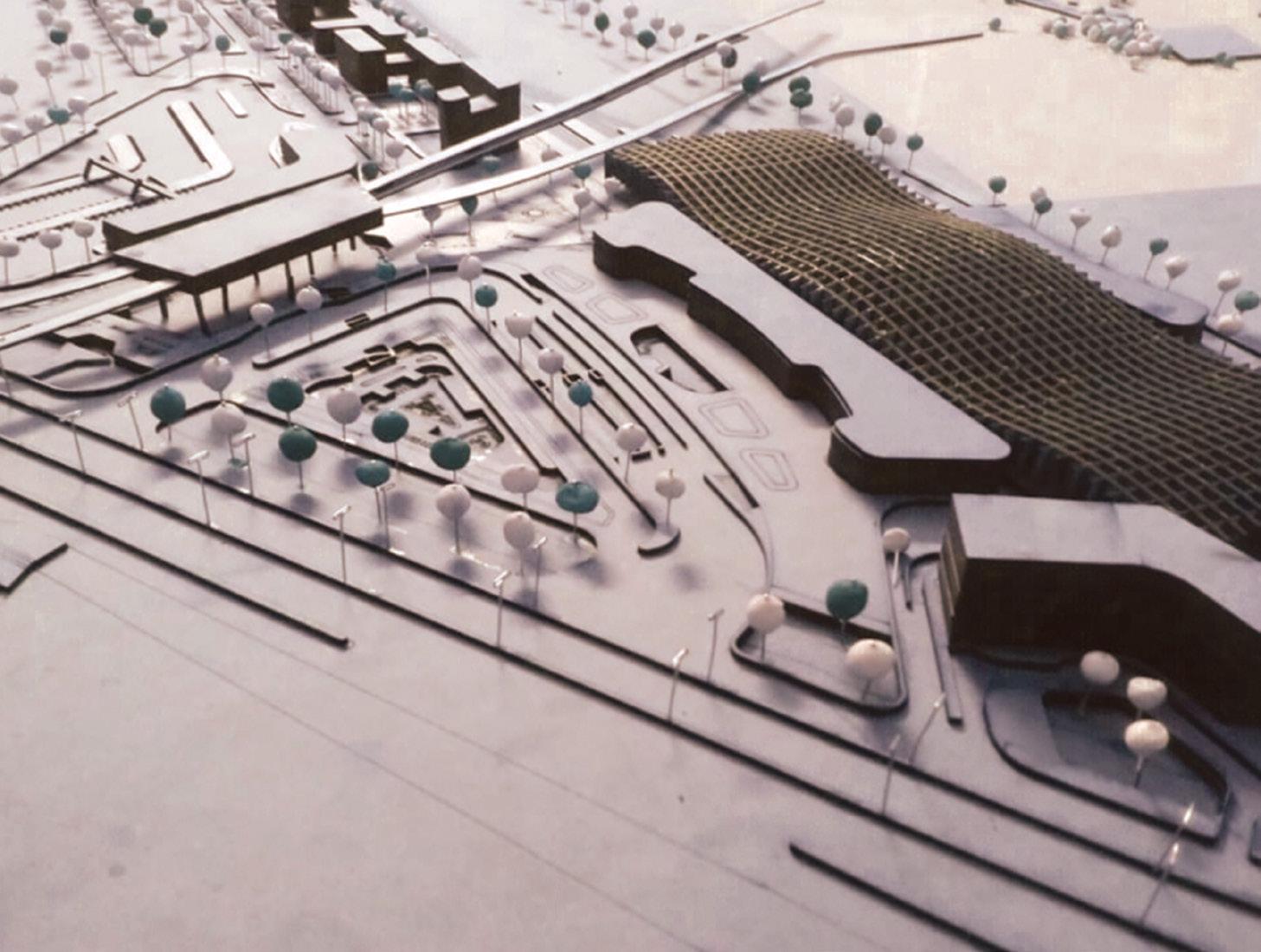
Covering an area of 1482 Sq.km and half the area already urbanized, the population of delhi is ever-increasing with a population density of about 11,000 per Sq.km. The rail transport is one of the key transport linkage in Delhi. It serves as a focal point and key junction of connectivity for Northern region to rest of the country, with 10 rail corridors converging into Delhi. A rapid growth has created infrastructural challenges with increasing passenger load and inability of the existing railway station to handle the rush, especially from the trans-Yamuna area. This was recognized by the Northern Railway and with an objective to develop one major railway terminal in the trans-Yamuna region, Anand Vihar Railway Station. The vision was to create an integrated mutli modal transit hub that enriches a smooth functioning of the city and simultaneously redefining legibility of Anand Vihar precinct and improving the quality of public realm.
Advertisement
Strength
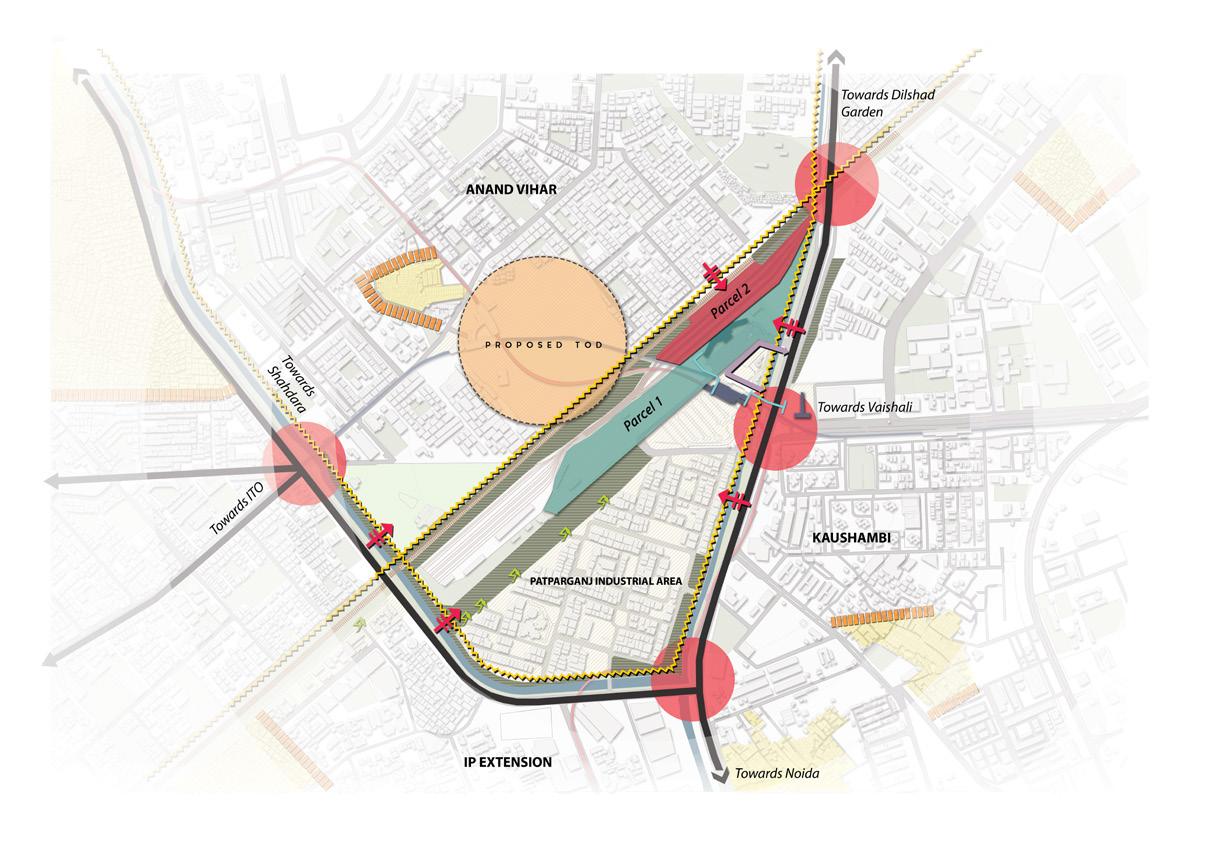
Availability of under-utilised green field land and a proposed TOD of Karkadoma enhances the possibility of station back road and real estate development. Addition of RRTS along the railway corridor will lead to a creation of a high footfal multi-modal transit hub.
The site lacks a distinct character & identity. The existing urban infrastructure acts as a physical barrier which divides the study area into multiple fragments. Railway lines creates dead ends and inactive edges. Connection between different transit system is not continous and direct.
An oppertunity to create an identity for Anand Vihar and using existing urban infrastructure to redefine road networks which enhances site accessibility and improve pedestrain connectivity.
Weakness
Opportunity
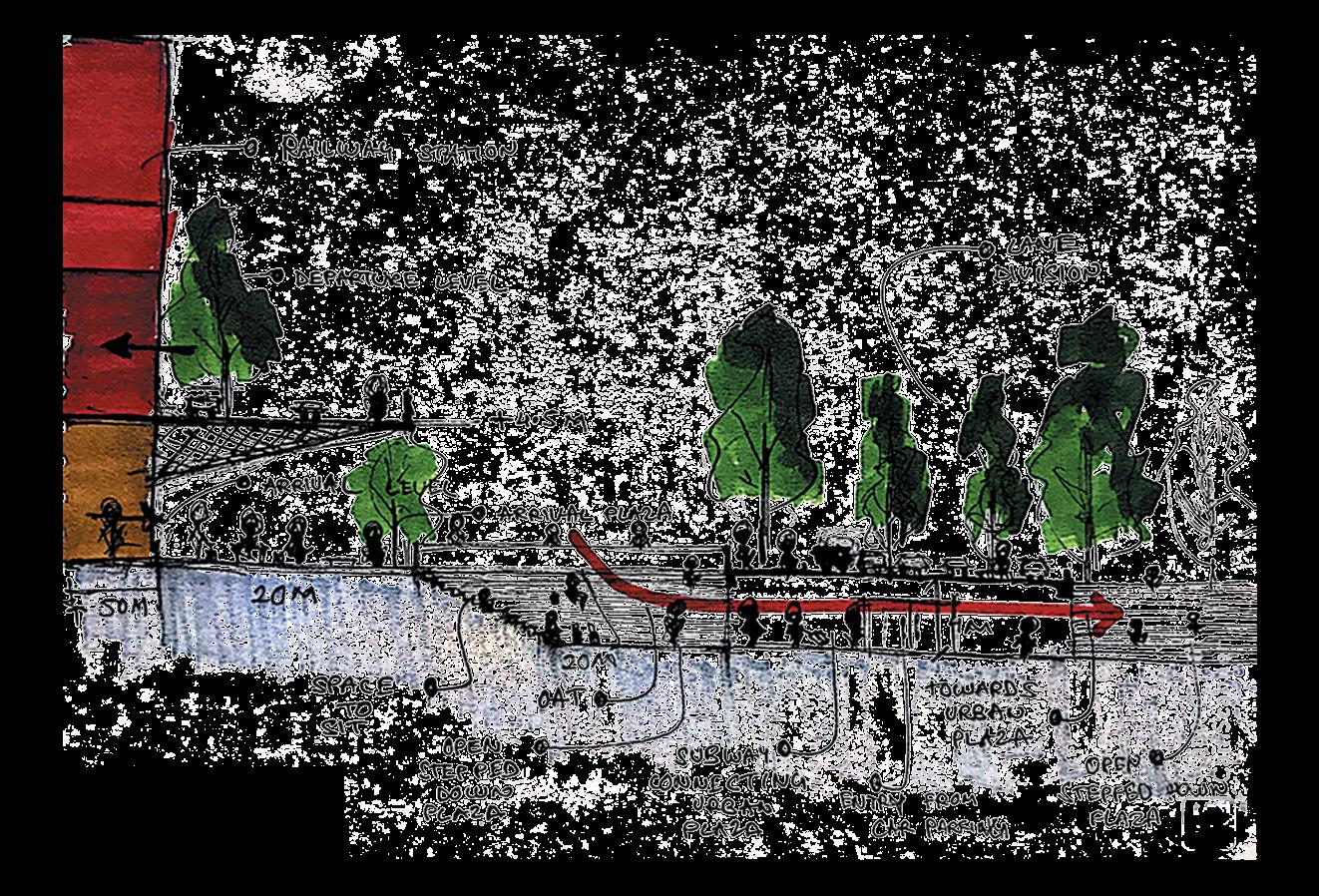
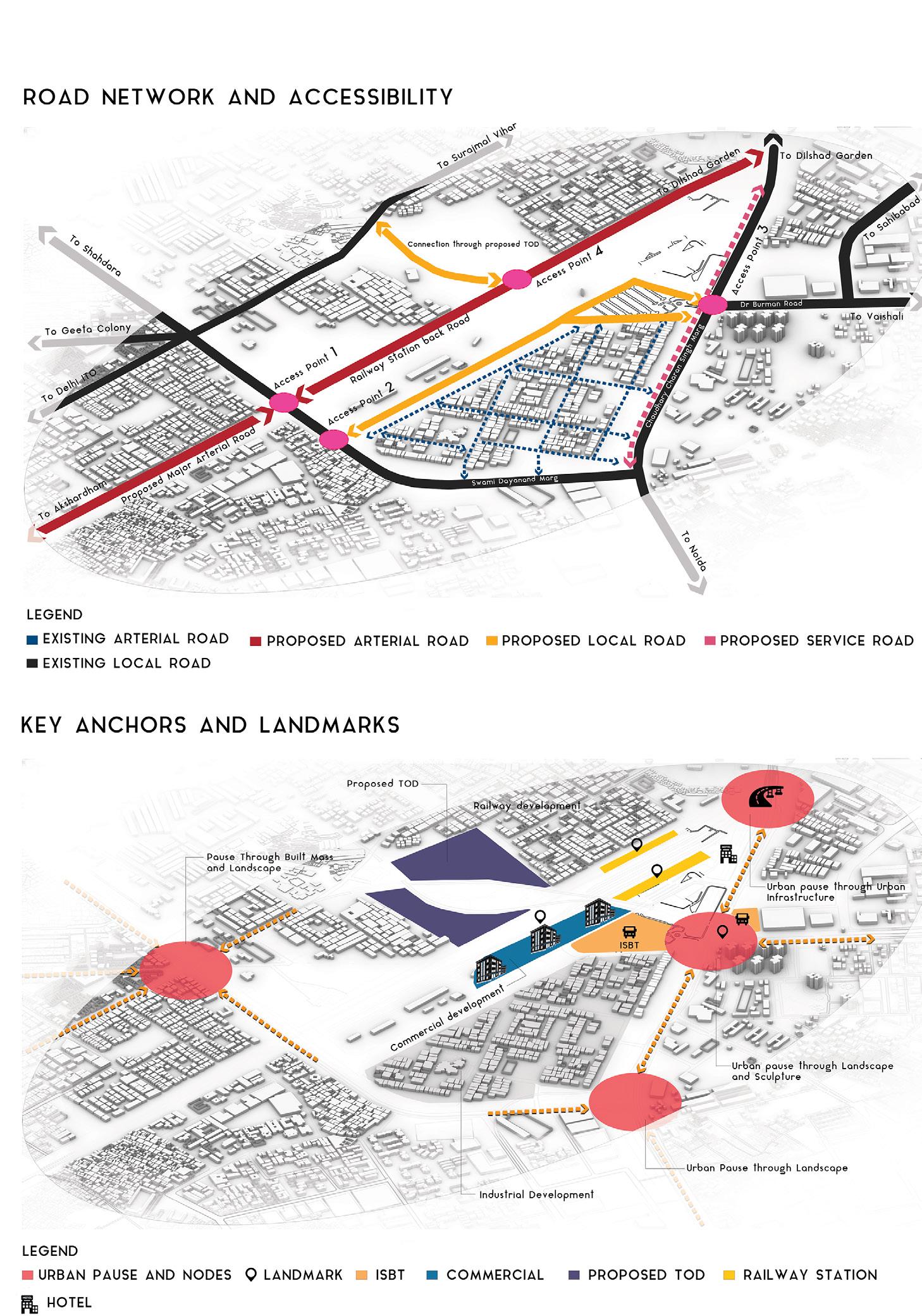
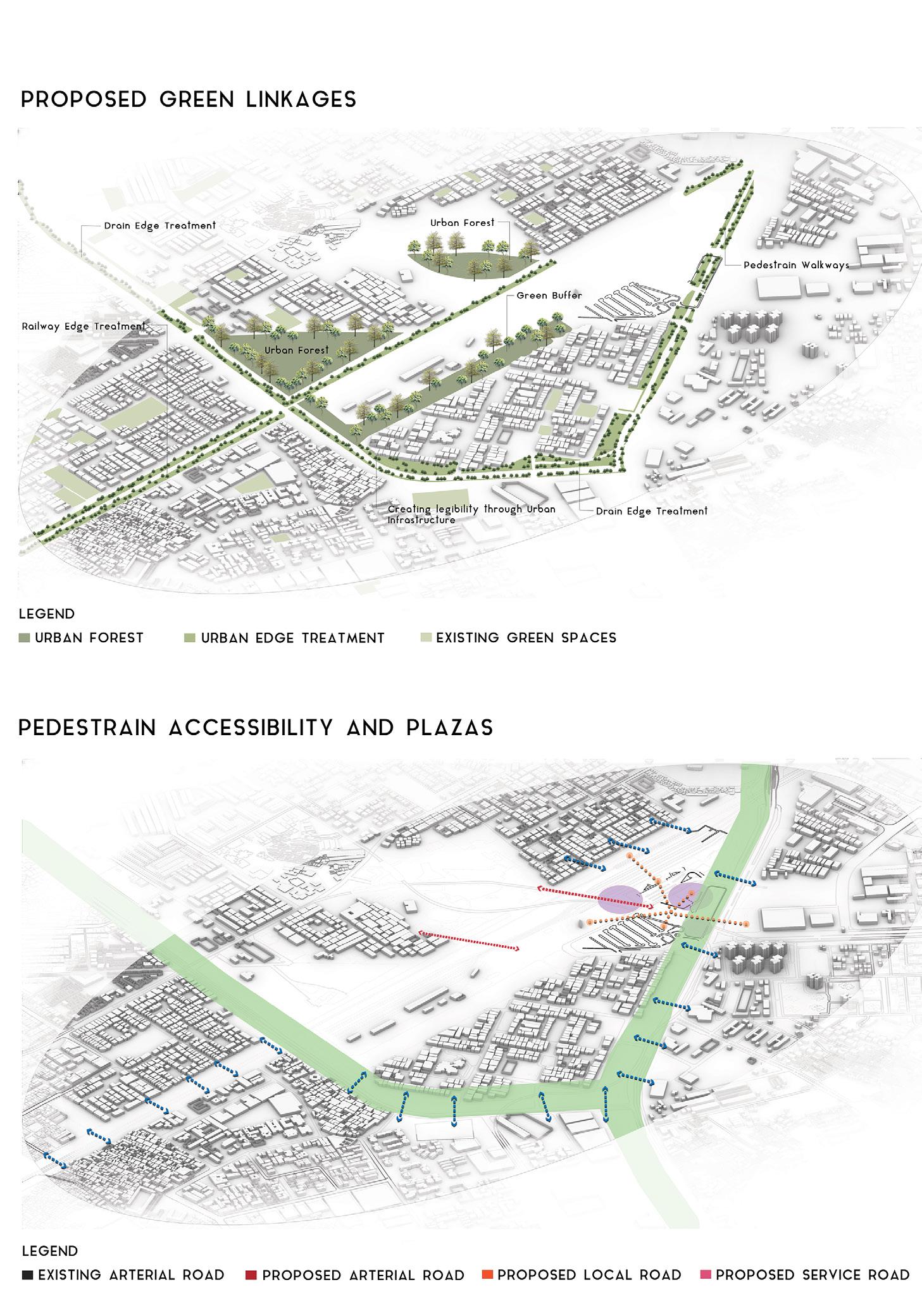
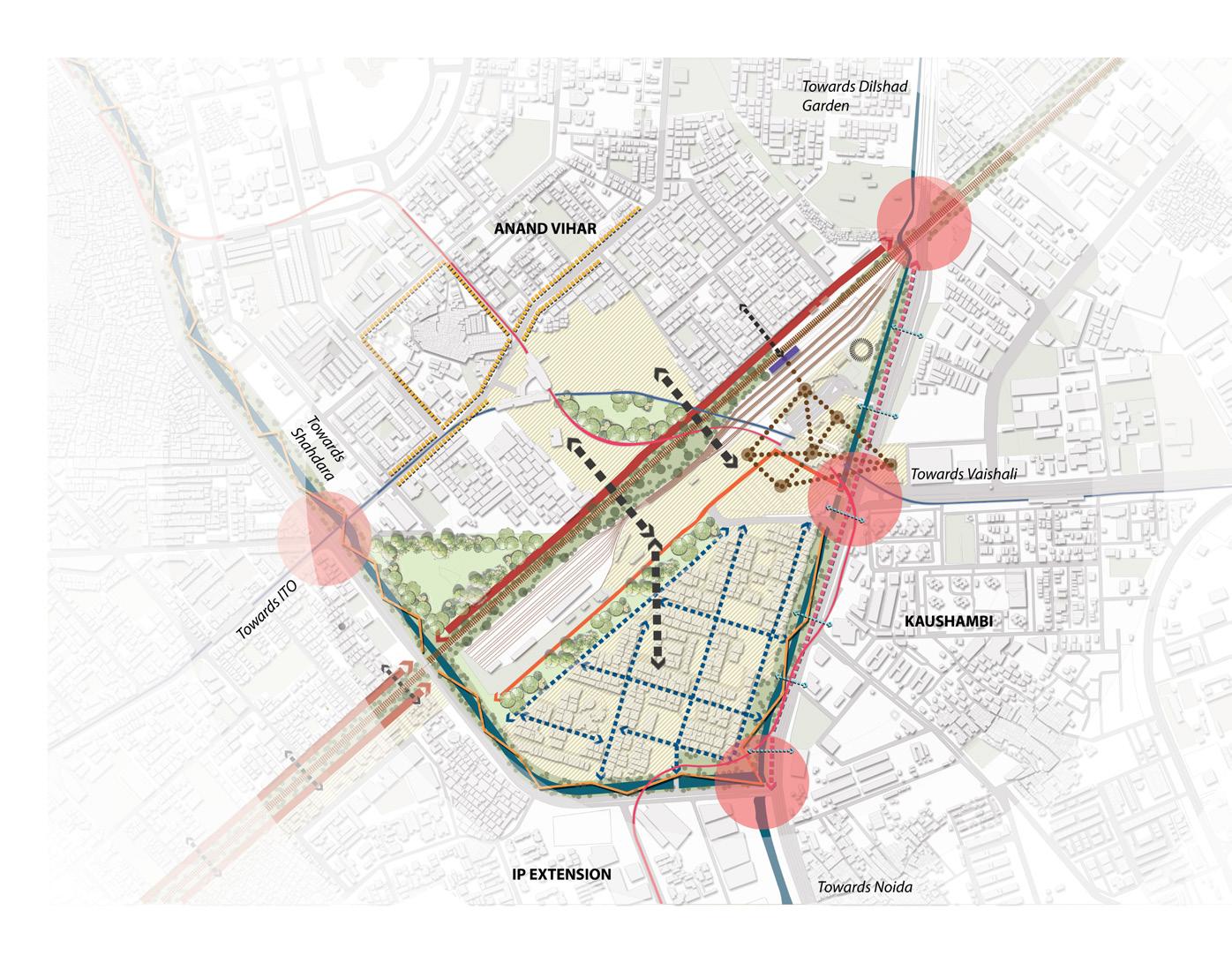
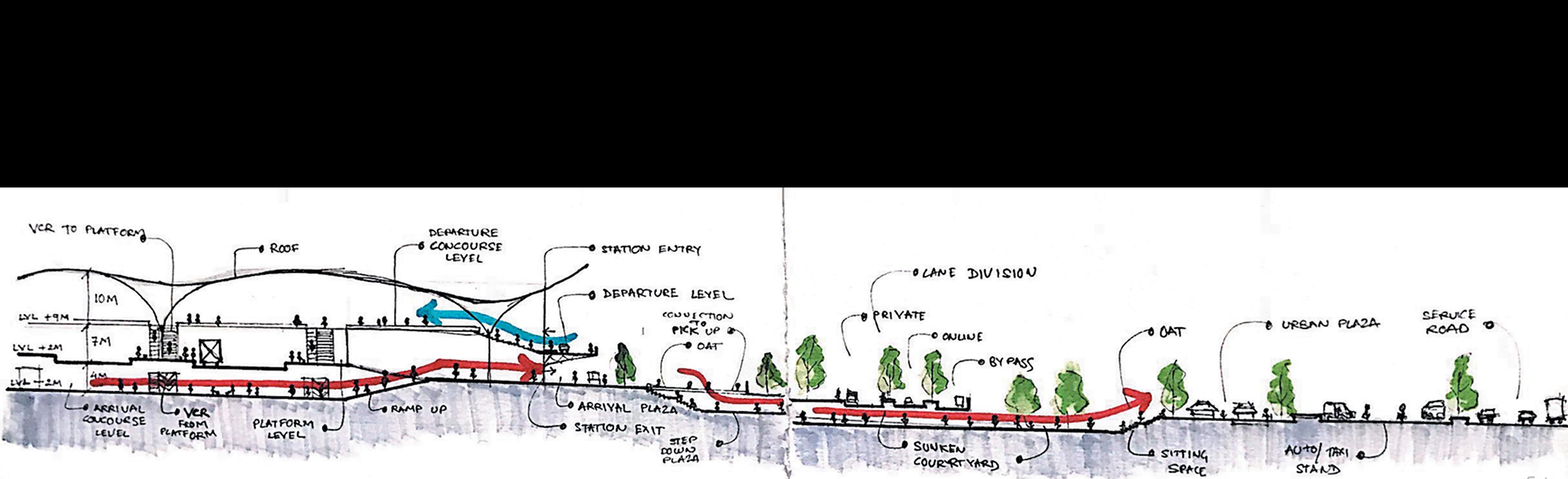
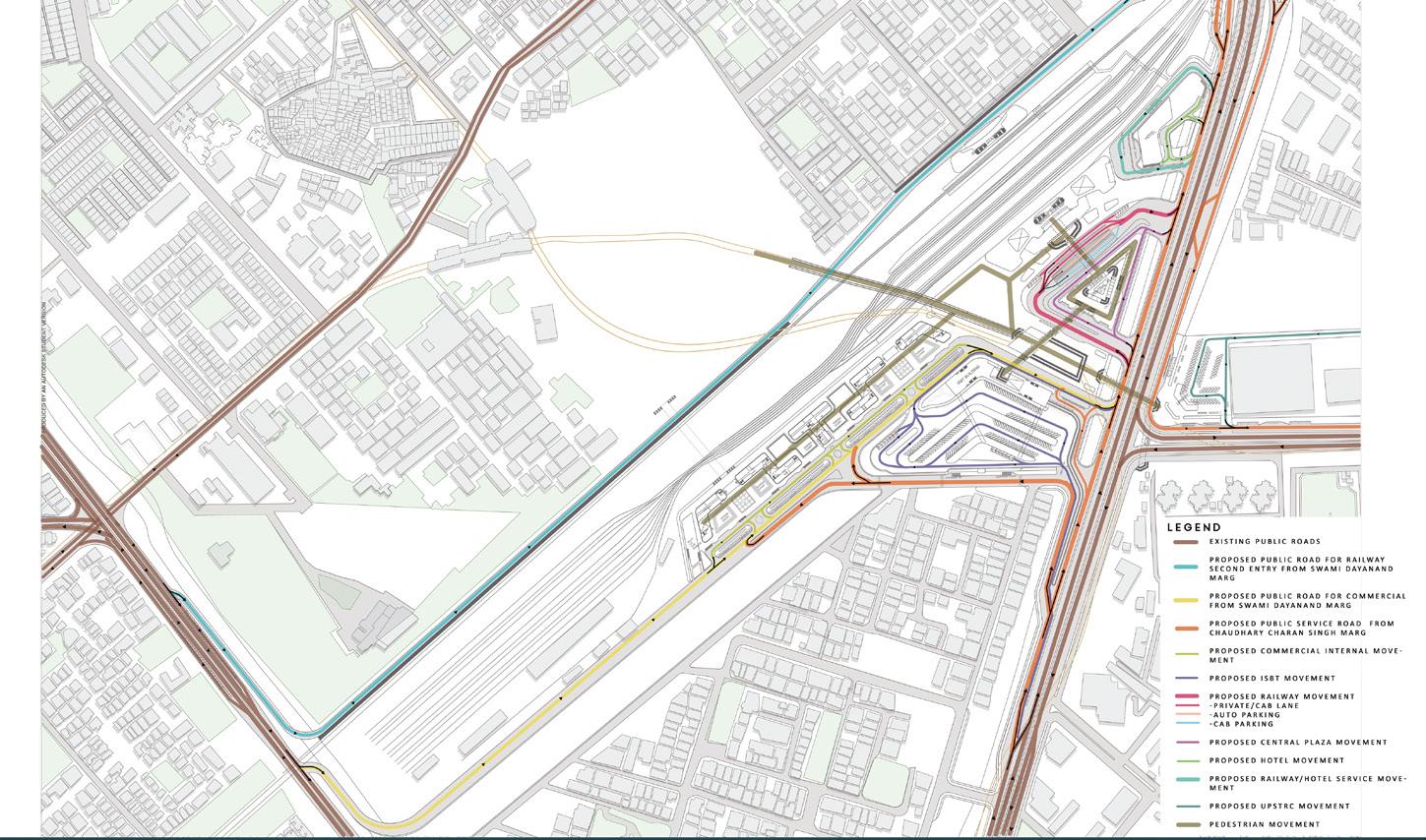
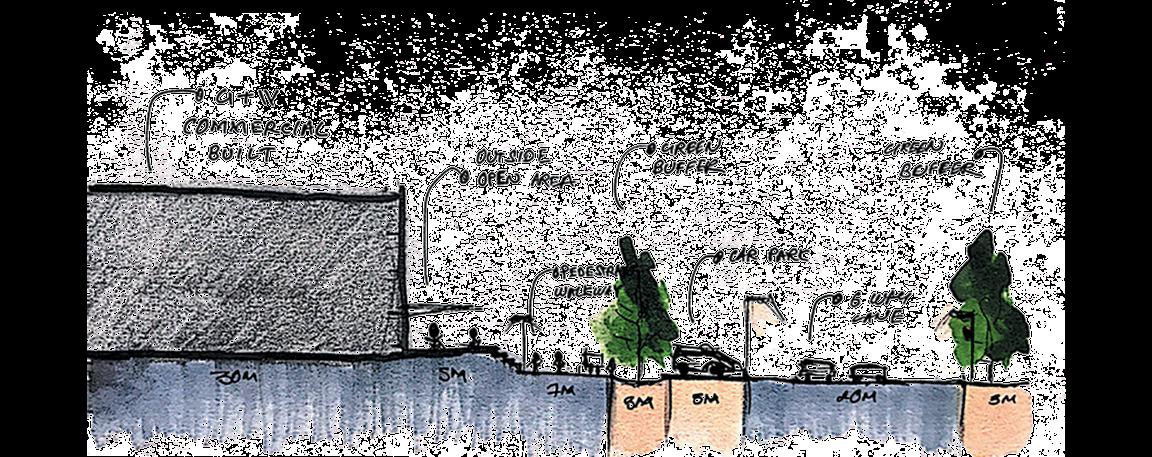
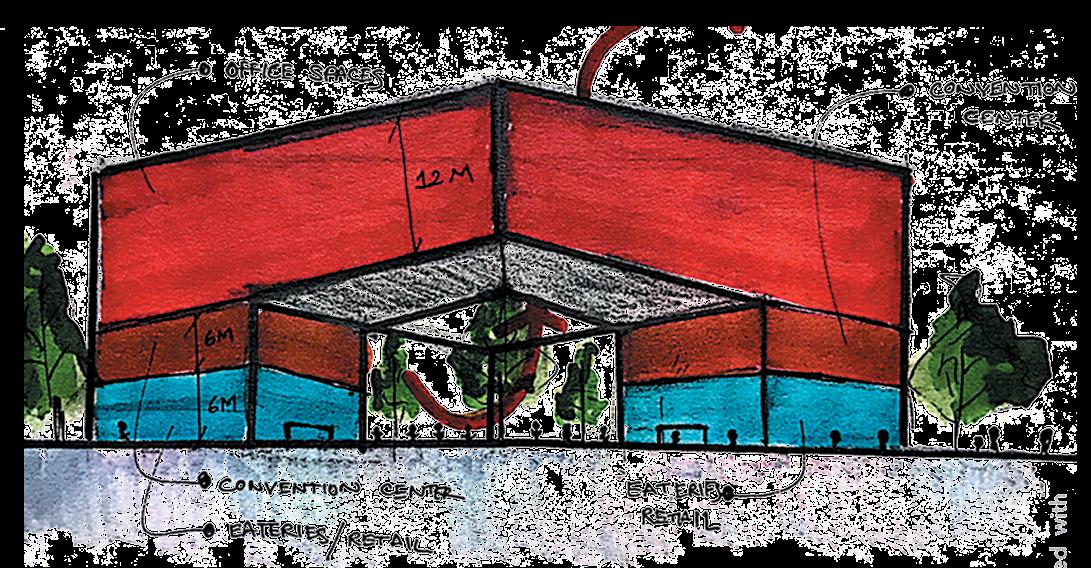
Creating urban icons by designing technologically advanced and optimised built form giving it a distinct character through Cohesive masses and using existing urban infrastructure to redefine legibility in and around Anand Vihar precinct. The diagram represents the idea of segregation of departing and alighting passengers through different concourse to avoid collision and maintain a smooth movement in and out the railway station. As an urbanist approach the design gives importance to both pedestrain and vehicular movement, providing direct subway connections to other transit systems and segregation vehicular lanes for different typology of public and private vehicles. Scope for sufficient retail activity can be generated in these transition zones.