Modern Construction Consulting: Best Practices for Successful Projects
Project planning and scheduling strategies for general contractors and subcontractors.

Project planning and scheduling strategies for general contractors and subcontractors.
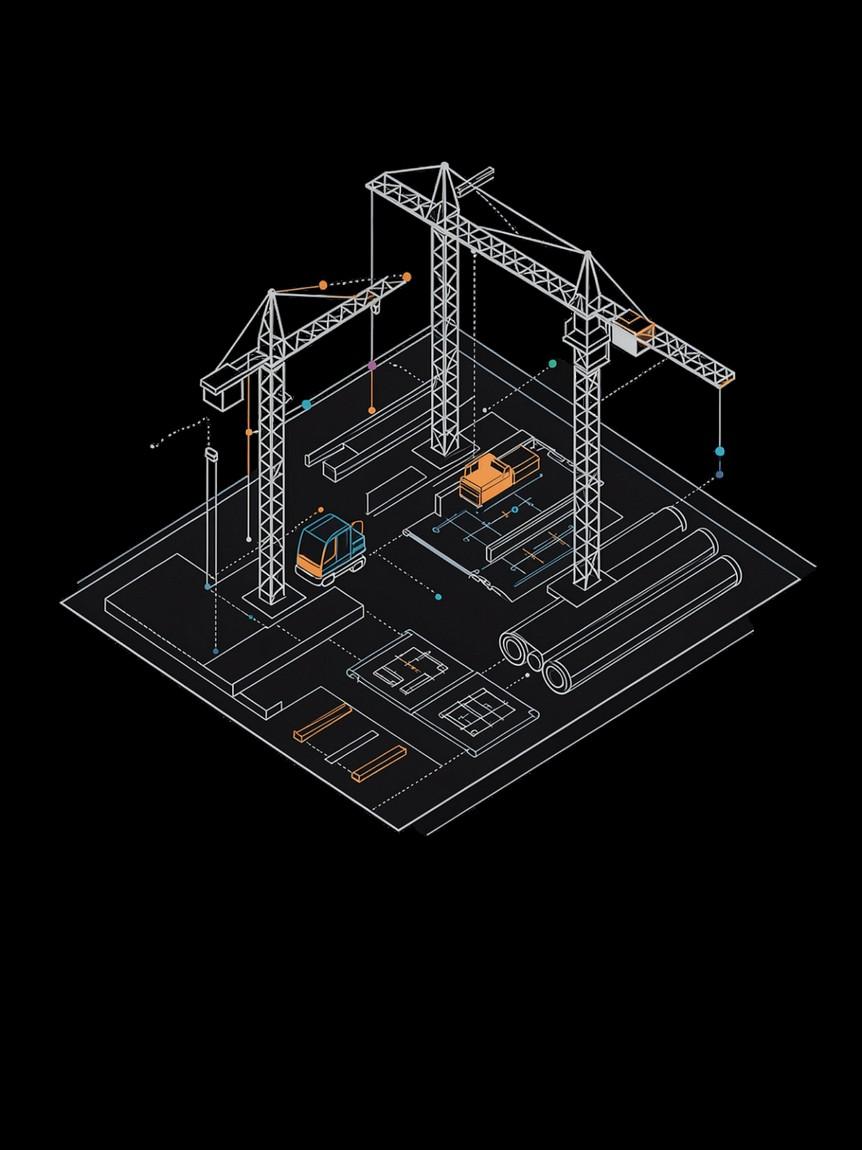


According to McKinsey, 98% of megaprojects face cost overruns or delays — across every region and project type. The root cause is almost always traceable to poor scheduling and poor schedule quality, not lack of effort or expertise.
Delays and overruns follow recognizable patterns — which means they can be anticipated and prevented with the right systems.
Best-in-class contractors treat the schedule as a dynamic command document — not a static contract artifact filed and forgotten.
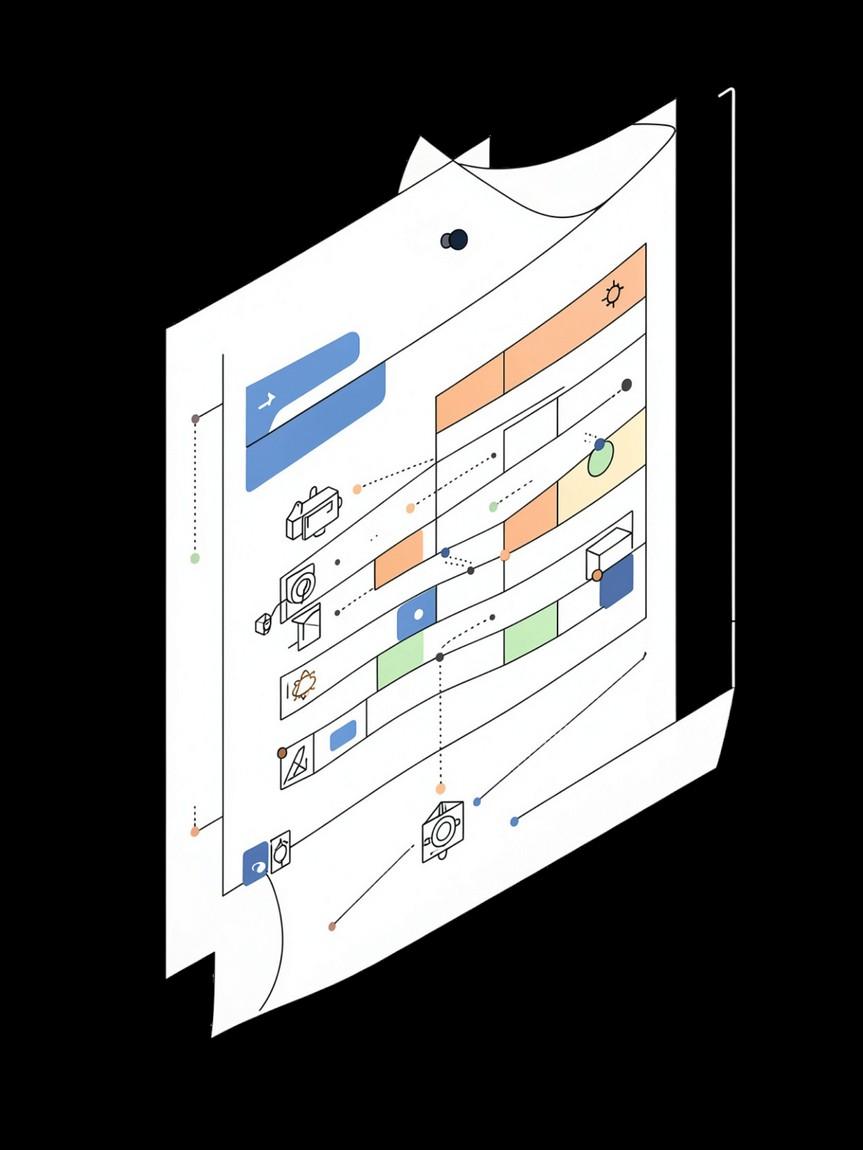

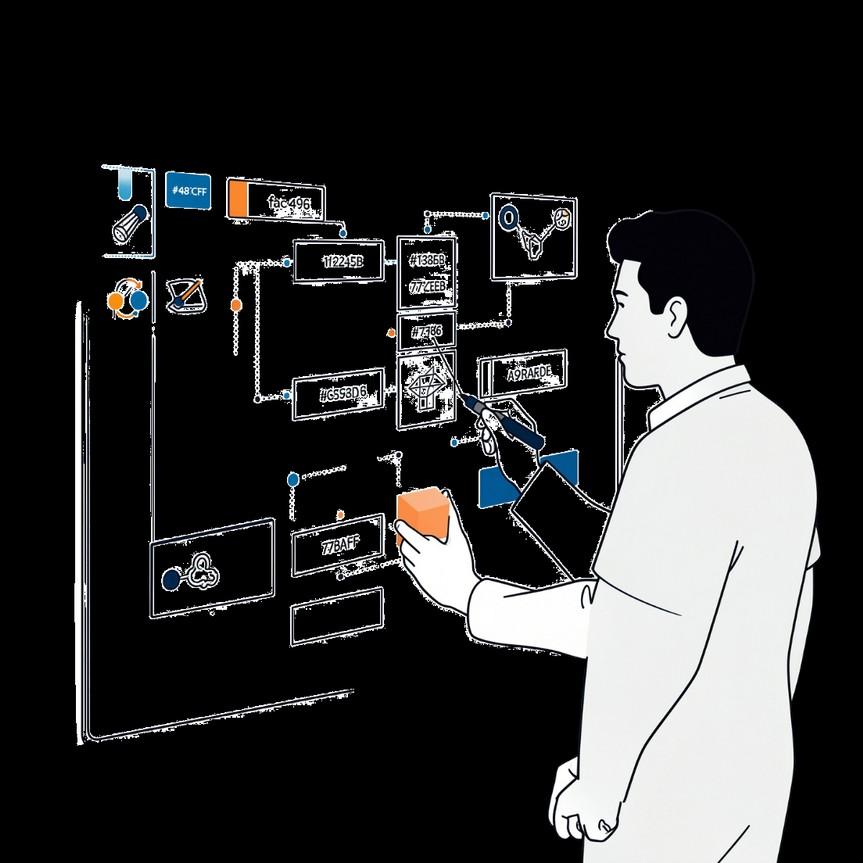

Define Scope First Break the project into a complete Work Breakdown Structure (WBS) before assigning any durations.
Sequence
Logically Map all predecessor/succe ssor relationships — missing logic is the #1 cause of schedule collapse.
Validate with the Field Foremen and superintendents must review and buy in before the baseline is locked.

CPM — Critical Path Method
Industry standard for complex, multitrade projects. Identifies which activities directly drive the project end date.

Collaborative, pull-based planning that improves short-interval reliability and tightens crew coordination.

Linear / Location-Based
Best for repetitive work — roads, high-rise floors. Visualizes production rates across locations over time.
Schedules that aren't updated become fiction. Teams stop trusting them and revert to informal coordination — the first step toward costly disputes.

Record percent complete, remaining duration, and logic changes every single week.

Catch slippage in weeks 1–4. Compressing early is possible — compressing late is expensive.

Keep Teams Accountable
Weekly updates convert the schedule from a document into a conversation that drives real-time decisions.
Every activity is tied to a budget line — enabling real-time Earned Value Analysis (EVA) without extra effort at month-end.
SPI and CPI below 1.0 flag trouble before it becomes a crisis — giving you time to act, not just react.
Owners increasingly require cost-loaded CPM schedules at contract execution. Build this capability now or be left behind.
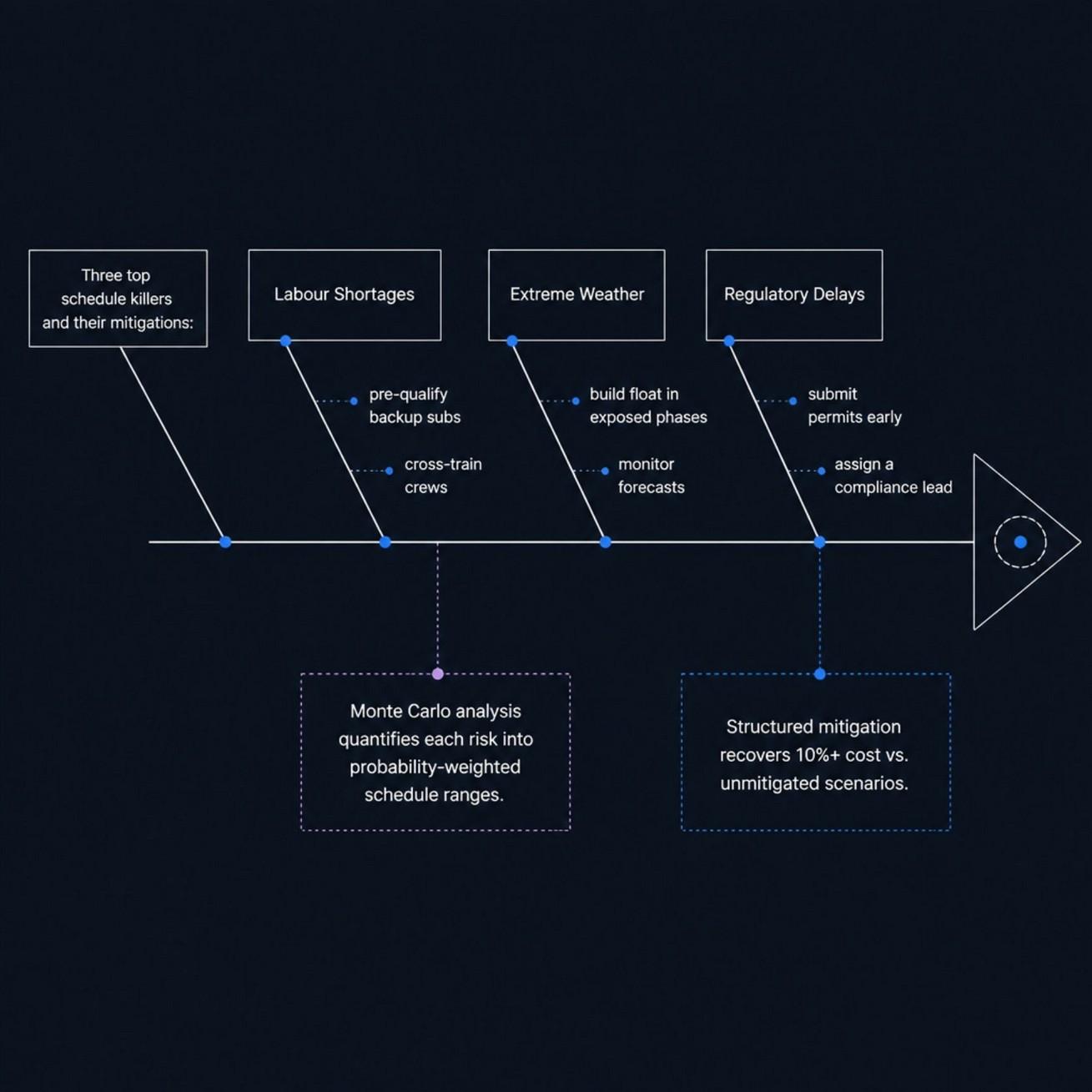
When labour shortages, extreme weather, and regulatory delays compound, mean project duration can surge by over 61% and costs by nearly 20% — findings from a published construction risk study.
Monte Carlo analysis converts gut-feel uncertainty into probability-weighted schedule and cost ranges, giving leadership defensible contingency numbers.
Structured mitigation strategies can recover 10%+ in cost savings versus unmitigated scenarios — a compelling ROI on risk planning effort.


Published weekly, it aligns subs, suppliers, and inspectors on near-term work before conflicts arise.

Owner-Architect-Contractor meetings with a fixed agenda tied directly to schedule milestones — no free-form status updates.

Every RFI, submittal, and change order must note schedule impact. This record is your first line of defense in time extension claims.