57 minute read
Your Marketplace

ThatCount Numbers

Relevant statistics from an industry in constant motion
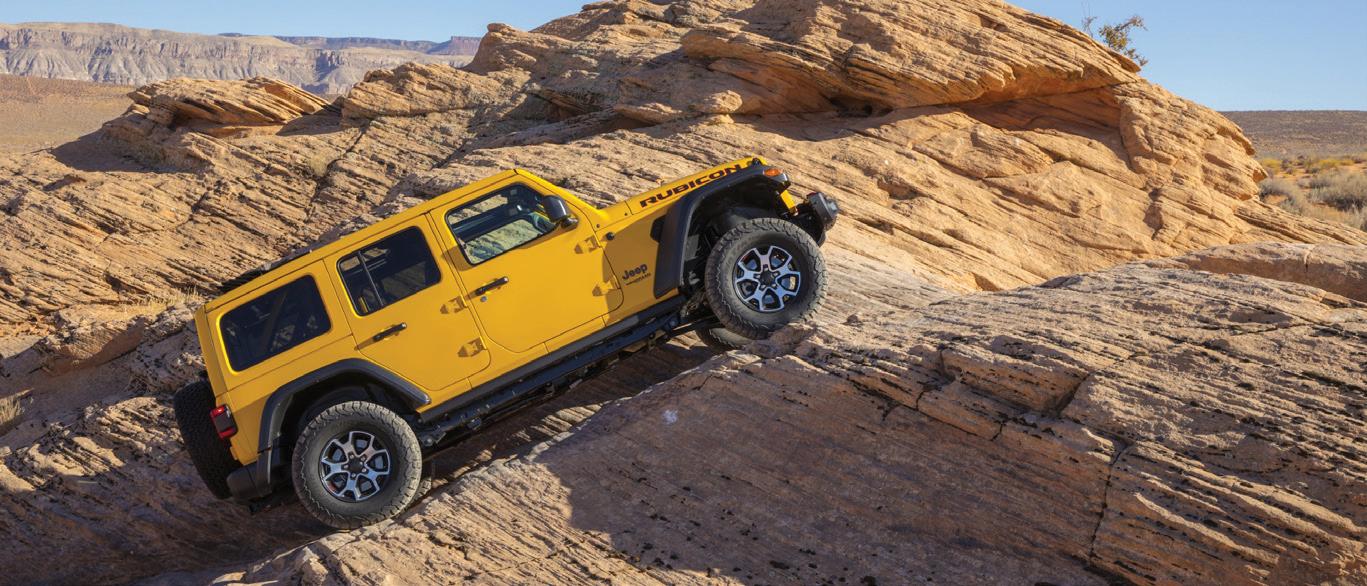
26.6%
Average replacement retail sales margin for a light truck tire.
SOURCE: MTD’S 2022 FACTS ISSUE
243,553
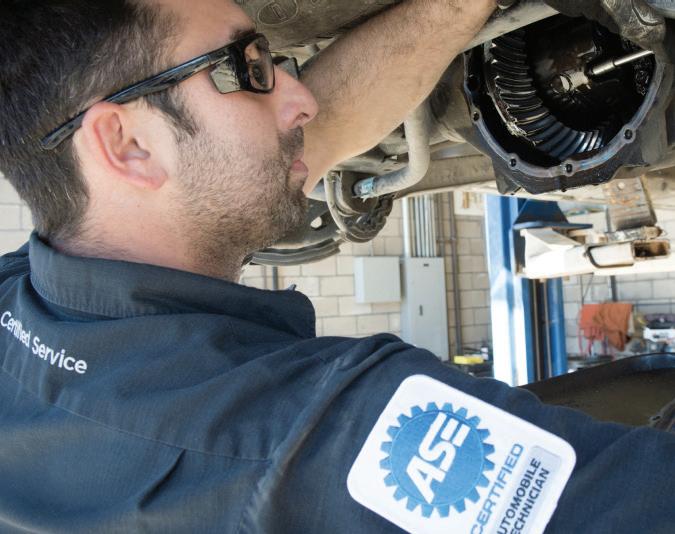
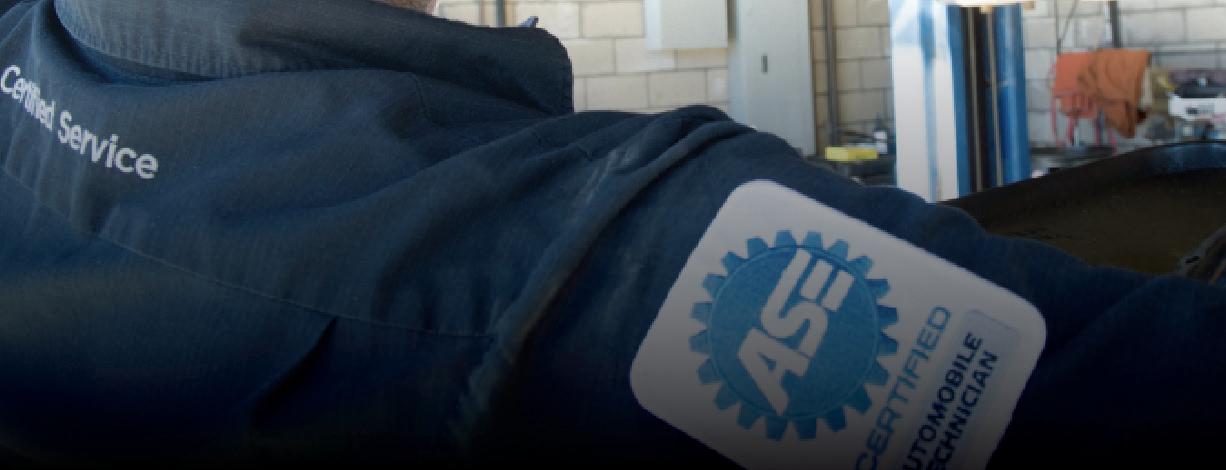
Number of auto service professionals currently working in the United States
SOURCE: WWW.ASE.COM
44,247
Student auto service technicians who hold ASE entry-level certi cation in the United States.
SOURCE: WWW.ASE.COM
18
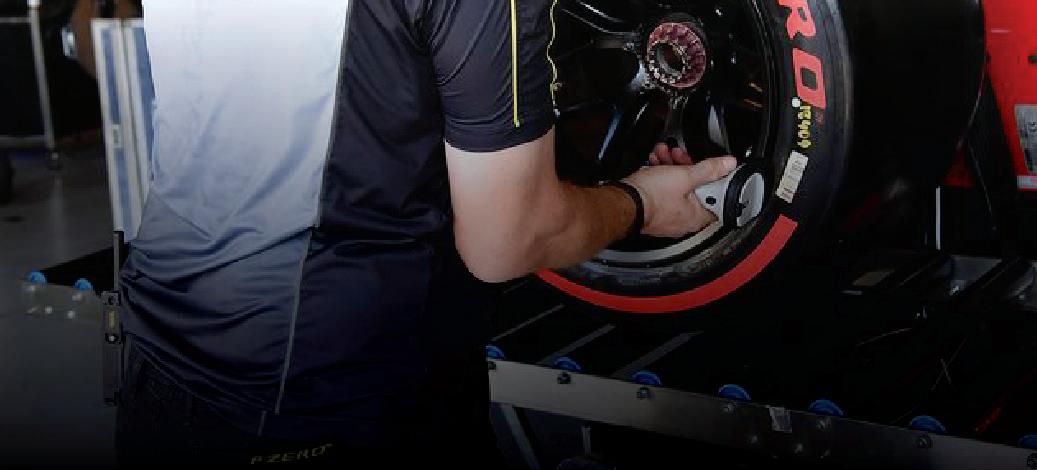
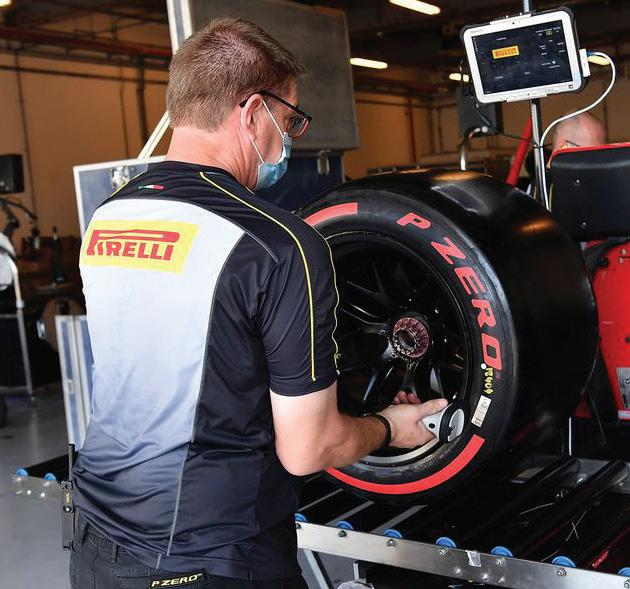
Formula One’s tires will undergo a transformation during 2022. Gone will be the 13-inch tires that have been present for decades and in their place will be 18-inch tires, provided by sole supplier Pirelli.
$38 BILLION
Projected revenue of automotive parts sold through e-commerce in the United States.
By John Healy
Sell-out trends continue to climb
MILES DRIVEN SHOULD INCREASE AS WE MOVE THROUGH NEW YEAR
Our recent conversations with tire dealers leave us with the view that retail sell-out trends are climbing on a year-over-year basis versus the same period last year.
We note that activity levels are rising on a sequential basis compared with what we saw near the end of 2021.
From a volume standpoint, during December 2021 — the most recent month for which data is available — we note that the Southeast, Midwest and Mid-Atlantic regions exhibited positive sell-out trends.
December benefited from the continued rebound in driving levels, which were at slightly more depressed levels during the same period in 2020.
GOOD DEMAND
Looking at specifics, dealer commentary suggests that demand for replacement passenger and light truck tires was higher on a net basis during December 2021 versus the same period in 2020, while rising sequentially from levels seen in November of last year.
The net number of survey respondents indicating they saw positive year-over-year demand was 64.3%, which compares to up to 50% during November 2021.
Our contacts report that volumes could have been higher, but inflationary pressures — coupled with lower stocking levels, which drove prices even higher — hurt volume levels.
Over the long-term, we continue to hold the perspective that volumes will be more closely aligned with current gross domestic product growth, while consumers take to the road in greater numbers.
CONSUMER PREFERENCE
When examining product mix, our recent survey of tire dealers reveals that tier-two brands are still holding strong as the most favored tier by consumers.
Industry contacts tell us this is likely a function of price increases on tier-one brands as consumers have been more willing to embrace the tier-two price point.
Given the extensive price increases that have taken place in our industry over the last year — we believe up to 25% to 35% at most tire manufacturers — we are not surprised to see that many consumers favor tier-two brands versus more expensive tires.
Going forward, we have observed throughout the pandemic that consumers seem to change their preference for certain tires and tiers based on the current COVID-19 situation.
IN THE RIGHT DIRECTION
Turning to miles driven over the last few months, which has a significant correlation with the need to buy new tires, trends have improved sequentially.
One of the services we track, Apple’s Mobility Trends Report, has indicated that the number of people who are searching for driving directions is higher than typical levels, but lower than our last update.
Mobility trends plummeted 62% in
Snapshot of Dealers’ PLT Tire Volumes (Year-Over-Year Change)
Oct-20 Nov-20 Dec-20 Oct-21 Nov-21 Dec-21 Average
Increase 40% 44% 45% 45% 50% 64% 41% Flat 30% 12% 0% 10% 17% 15% 28% Decline 30% 44% 55% 45% 33% 21% 31%
Total 100% 100% 100% 100% 100% 100% 100%
April 2020, when indexed to January 13, 2020. But as of Jan. 15, 2021, trends had increased by more than 40%. We maintain the view that miles driven will continue to increase as travel returns to a more normalized state.
PRICE FLUCTUATIONS
The “basket” of raw materials to build a common replacement consumer tire rose 19.6% on a year-over-year basis in December 2021. This is a decrease from levels seen during the month of November.
We note that carbon black saw its price increase on a year-over-year basis each month during 2021, with a continued upward trajectory in year-over-year gains and a record-high increase of 54.3% this past December.
Crude oil prices jumped 50.4% in December 2021, but experienced a sequential decline of nearly 9% from November 2021.
On the flipside, natural rubber prices declined by 6.2% in December 2021 — a third straight month of declines.
Synthetic rubber costs were up 19.7% on a year-over-year basis this past December. Synthetic rubber costs also fell 3.2% from November 2021 levels and declined 1.5% from October to November.
The cost of reinforcement materials continues to track at a negative rate.
UPBEAT OUTLOOK
As we look to the rest of 2022, many tire dealers tell us they have an upbeat outlook on volume trends, driven by the continued upward trajectory in miles driven and frugal customers who will continue to operate — and invest in — older vehicles.
As such, we are hopeful that sell-out trends will gain momentum. ■
John Healy is a managing director and research analyst with Northcoast Research Holdings LLC, based in Cleveland. Healy covers a variety of subsectors of the automotive industry.
Efficiencies of scale
ROBOTIRE SAYS SYSTEM CAN INSTALL FOUR TIRES IN 20 MINUTES
In this special section, MTD looks at automated tire service technologies — from a new, fully robotic tire and wheel installation machine to digital tread depth scanners — and tire dealers’ reactions to them.
By Mike Manges
Imagine a fully automated machine that can grab a tire and wheel assembly from a tire changer and torque it onto a vehicle following original equipment manufacturers’ specifications — with the ability to change four tires in a total of 20 minutes.
RoboTire, a four-year-old, Detroit,
Mich.-based company, unveiled one this past November during the Specialty Equipment Market Association Show.
Demonstrations of the RoboTire machine drew big crowds and plenty of interest from independent tire dealers, say
RoboTire officials.
The company also has drawn financial support from Discount Tire, which led a $7.5 million investment in it last October.
MTD recently talked with RoboTire
Founder and CEO Victor Darolfi, Chief
Operating Officer and Co-Founder Will
Mapes and Senior Manager of Operations
Ben Wilson about the RoboTire system and their plans for it.
MTD: What was the genesis behind the RoboTire concept? What spurred the idea?
Darolfi: The idea first came to me when I had to get my wife’s tires changed and I sat for several hours waiting for it. My background is in robotics. As I was sitting there, I thought there had to be something better.
MTD: What level of interest have independent tire dealers expressed in the system so far?
Wilson: We’ve been very pleased with the response from the tire dealer community. As you know, we started working with Discount Tire and right now we’re working on what a 2022 roll-out looks like for their stores. We’re also working with quite a few regional dealers located pretty much across the country about implementing RoboTire systems. We’ve hosted several dealers — ranging from large chain operators to single-store, small independent owners — for demonstrations at our headquarters in Michigan.
MTD: What will Discount Tire’s investment in RoboTire help you accomplish?
Darolfi: That investment allows us to build out and scale up our manufacturing facility. It also allows us to hire more people and bring out some technology that’s on our roadmap. Their investment is a nod of support. It endorses us, (which will help) us open more doors in the industry.
MTD: Has Discount Tire installed RoboTire machines at any of its locations?
Darolfi: We have installed our first system at (Discount Tire’s) training lab.
MTD: It seems like the RoboTire machine takes up quite a bit of space, which may force dealers to retrofit their bays. Do you see this as a potential obstacle?
Wilson: Size is something we are reevaluating constantly. The RoboTire (machine) does take up about one-and-a-half bays in a traditional floor plan. We have found creative ways to fit the system into our customers’ traditional bays. That being said, I’ve toured customer sites that have been very non-traditional. So it depends on the customer’s unique situation. A lot of our customers are using it as an opportunity to redefine floor plans and redefine processes.
MTD: Will technicians still be involved in RoboTire’s tire installation process? Wilson: Definitely. We want to help elevate the role of the tire technician. We’re looking
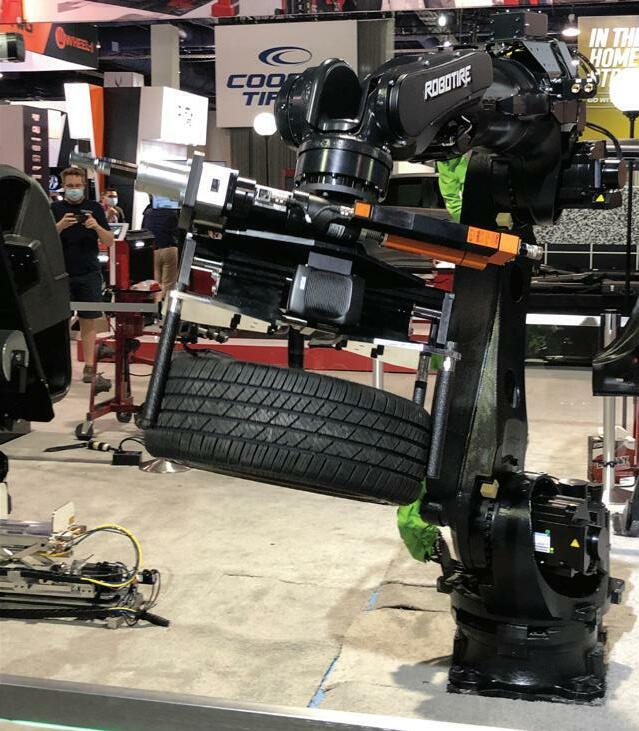
RoboTire demonstrated its new automated tire installation machine in Hunter Engineering Co.’s 2021 Specialty Equipment Market Association Show booth. A Hunter tire changer is part of the RoboTire process.
to help create efficiencies and open up career opportunities for technicians to work on something a little different.
MTD: How are tire specs uploaded into the system?
Mapes: Our information comes directly from the manufacturers. We update our data extremely fast. We support virtually any vehicle, from a larger-size truck like a Ford F-150 down to your very common sedans, like the Honda Accord — from the current model year back down to about 1980.
MTD: Does RoboTire have the ability to install custom tire and wheel packages? Mapes: We support any combination of wheels and tires that the original equipment manufacturers support. We do have that plus-size data from the manufacturers. Our system does support that. We’re continuing to evaluate (aftermarket combinations.)
MTD: What are your short-term and long-term goals for RoboTire?
Darolfi: Right now, our main focus is deploying and installing our backlog of orders, while continuing to demo systems for new customers. We’re ramping up our manufacturing facility in Michigan so that we’re going to get to a place where we ship out a full system every day within the next 12 months. Long-term goals? We have new products coming out for larger-sized vehicles. ■
Reading between the lines
DIGITAL TREAD DEPTH MEASUREMENT DEVICES HIT THE MARKET
By Mike Manges
Are independent tire dealers ready to embrace digital tread depth scanning technology? A number of digital tread depth device manufacturers believe they are and have brought new technologies and products to market.
“The need for highly advanced equipment is increasing proportionally with emerging vehicle technology,” says John Amato, manager of training for TPMS products, Autel.
“We are seeing rapidly increasing demand for digital tread depth scanning, as well as many of our technology-based products, such as tire pressure monitoring system tools and sensors, as well as diagnostic scanners, battery testers and advanced driver assistance system calibration equipment,”
“We expect adoption of (digital) tread depth tools to increase, especially in high-volume operations,” says Garrett Blake, business development specialist with Tyrata.
“Speaking with tire dealers over the past several years, I’ve noticed a trend toward creating a customer experience closer to that of a new car dealer,” says Alex Smith, product manager for Hunter Engineering Co.
Kyle Harris, product manager, Hennessy Industries Inc., predicts that tire dealers “will continue to adopt the latest technology to help them win and retain customers as their competition grows and evolves.”
“Leading tire shops and service operations are always looking for ways to build customer loyalty and grow their business,” says Christopher Bahlman, head of diagnostics and services, Continental Commercial Vehicles and Services.
“I think that raising the bar of professionalism might be the biggest benefit” of using digital tread depth scanning technologies, notes David Boyle, president and CEO of Tire Profiles.
WHAT’S AVAILABLE
Here’s a look at some of the tread depth measurement devices and technologies that are currently available:
Autel: The MaxiTPMS TBE200, a hand-held, laser-enabled tread depth measurement tool from Autel,“represents a new level of accuracy and efficiency in tire condition assessments,” according to Autel officials. “When placed on the tread surface, the tool can take digital measurements of the tread, as well as determine if an irregular wear pattern is occurring.”
The MaxiTPMS TBE200 can produce “a detailed health report” and offer service recommendations, as well.
Continental: The hand-held Autodiagnos TPMS Tire Tread Depth Gauge, an accessory to Continental’s Autodiagnos TPMS D device, helps technicians “quickly and accurately measure tread
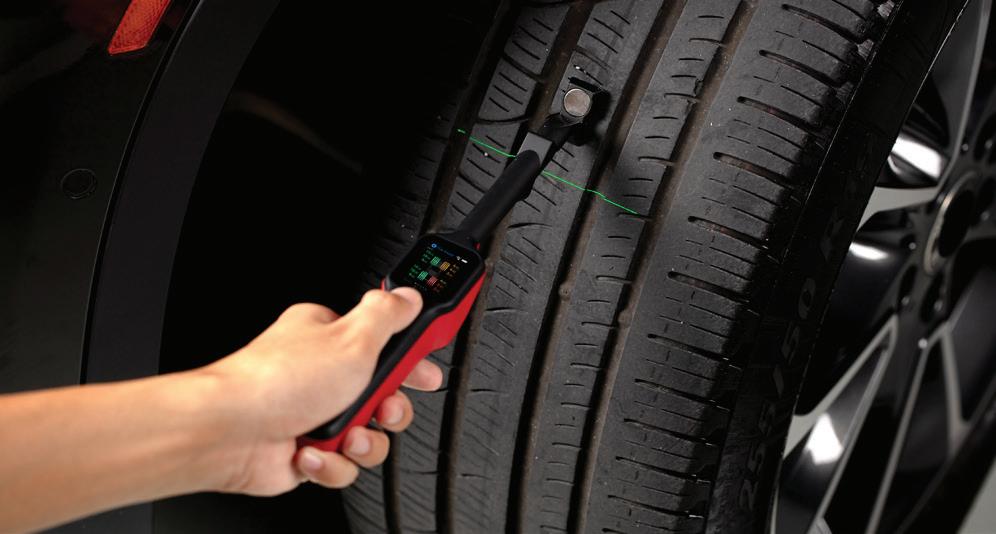
Autel’s MaxiTPMS TBE200, a hand-held, laser-enabled tread depth measurement tool, “represents a new level of accuracy and efficiency in tire condition assessments,” according to Autel officials.
The Autodiagnos TPMS Tire Tread Depth Gauge from Continental helps technicians quickly and accurately measure tread depth and detect tire wear.
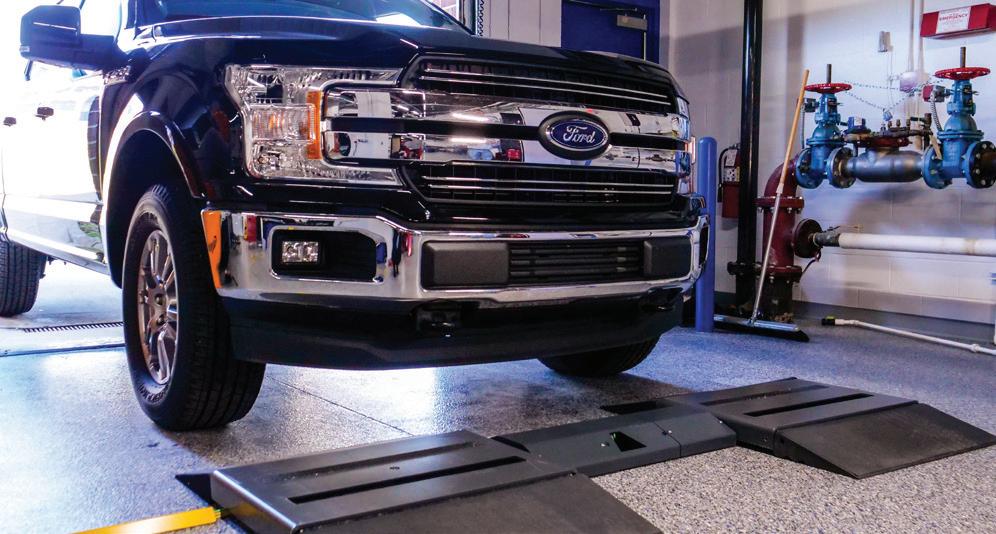
The Coats Tread Depth Scanner does not require an operator and is offered in two configurations — surface mount and flush mount. The latter is geared toward tire dealerships.
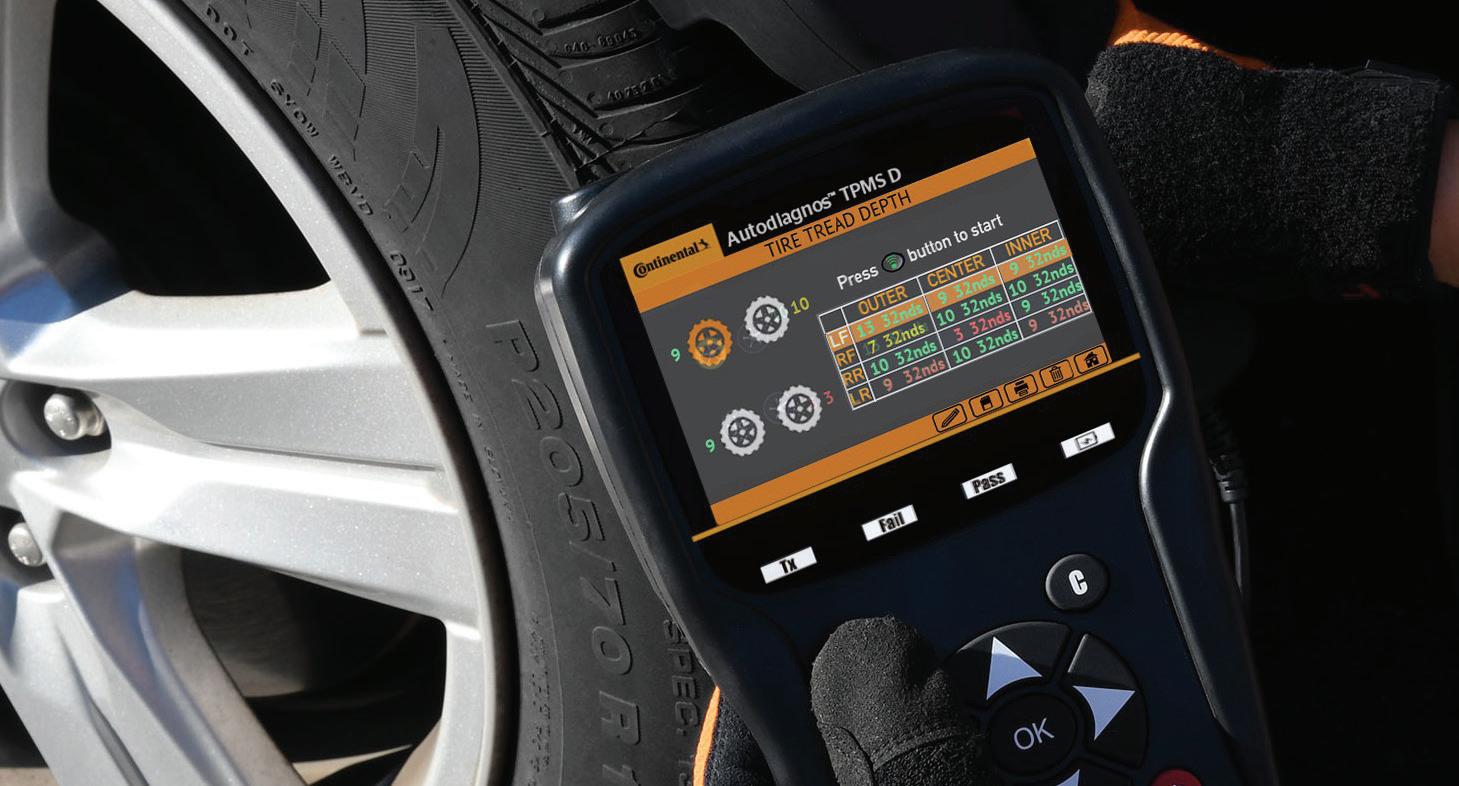
depth (and) detect worn tires and tire damage, as well as identify improper alignment and possible worn front-end components.”
The TPMS Tire Tread Depth Gauge from Continental also “lets technicians know when they have achieved a successful measurement.”
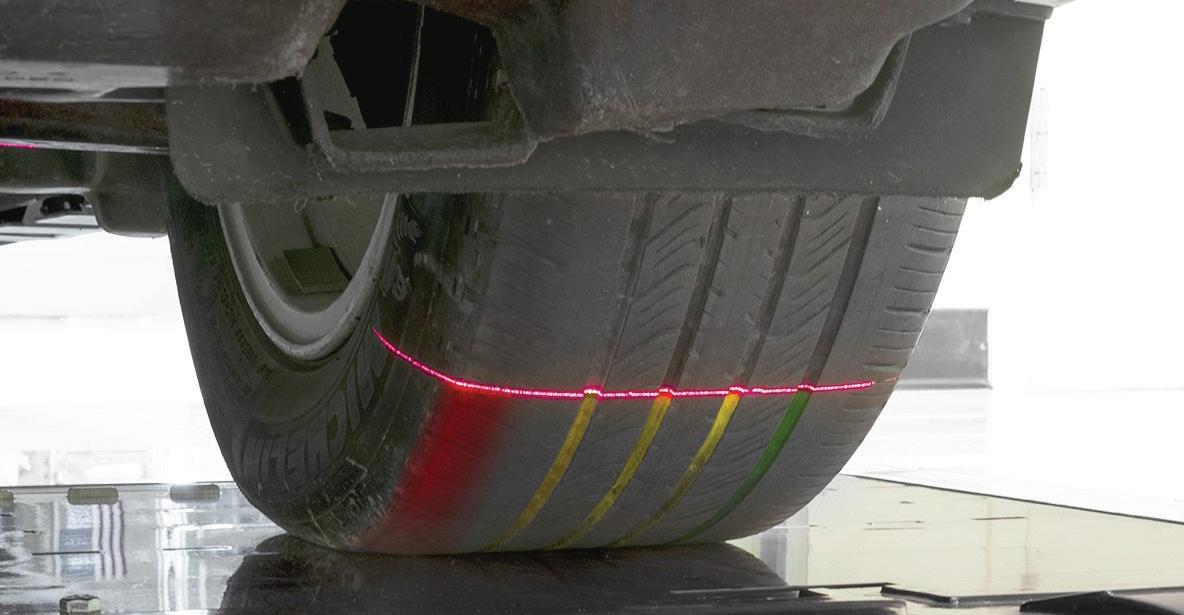
The Quick Tread Edge drive-over reader from Hunter Engineering Co. uses lasers and sensors to automatically generate three-dimensional tread depth results and edge wear detection in three to ve seconds.
Tire Pro les’ Groove Glove device “was specially designed for (the tire dealer) market,” according to Tire Pro les of cials.
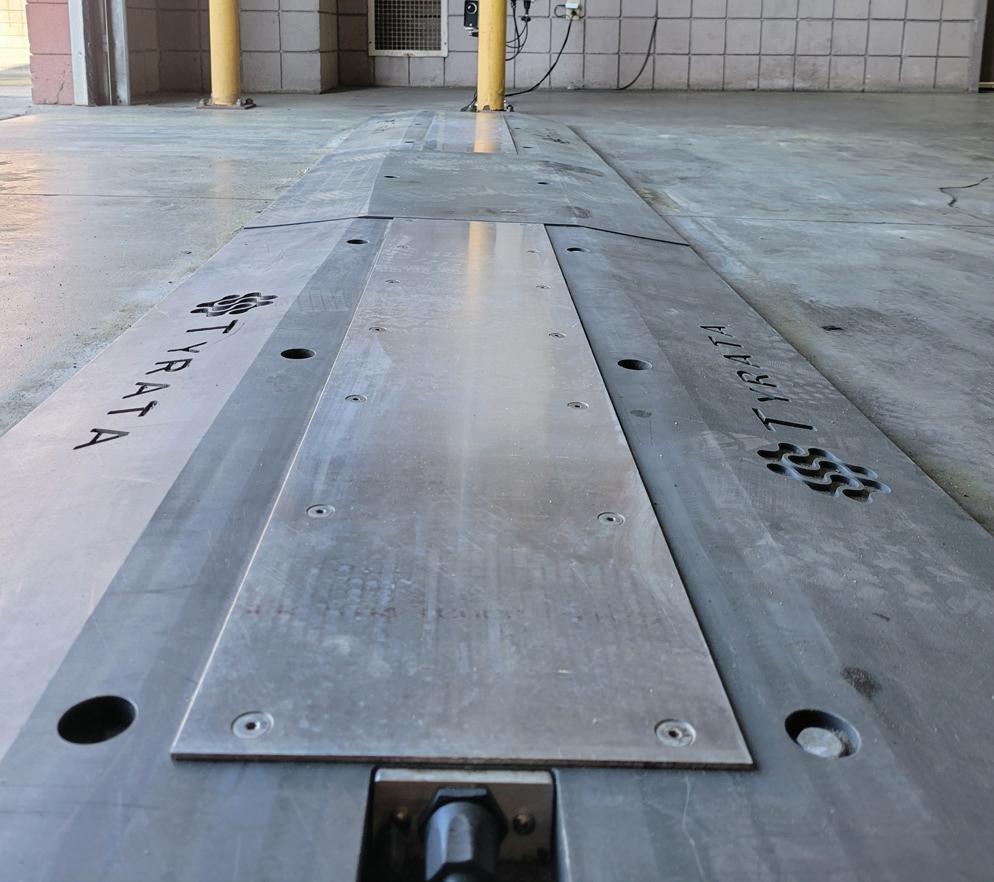
The IntelliTread Drive-Over System from Tyrata can help users create preventive maintenance schedules. Tyrata also offers a hand-held tread depth measurement tool.
Hennessy: e Coats Tread Depth Scanner does not require an operator and is o ered in two con gurations — surface mount and ush mount. e surface mount option “is a quick and easy install for existing buildings,” say Hennessy o cials. e ush mount option is ideal for dealerships that measure tread depth “on vehicles with low ground clearance. Both units use a stateof-the-art, light-based measuring system.” Engineering uses lasers and sensors to automatically generate “three-dimensional tread depth results and edge wear detection in three to ve seconds,” according to Hunter o cials. e device is “currently operating in several hundred new car dealer service (centers) and automotive a ermarket service bays, including independent tire dealerships.”
Tire Pro les: TreadSpec is Tire Pro les’ drive-over option. e company also o ers a hand-held option called Groove Glove. Both are available to tire dealers, but Groove Glove “was specially designed for (the tire dealer) market,” according to Tire Pro les o cials.
“Groove Glove is an all-in-one unit that has its own touch screen, so no other peripherals are needed. TreadSpec uses our TraXtion so ware to scan all four tires for wear and alignment.”
Tyrata: e IntelliTread Drive-Over System from Tyrata is the company’s “most feasible solution for high-volume applications.” A subscription-based service, the device lets dealers “obtain tire wear trends” to create preventive maintenance schedules, reduce customer downtime and improve tire e ciency.
Tyrata also o ers a hand-held tool, the IntelliTread External Tread Reader, “in limited quantities.”
THE BEST FIT
Are automated tread depth scanners more suited for bigger or smaller tire dealerships? at depends, say tool providers.
Drive-over scanners are more practical “for very large-scale” operations, according to Autel’s Amato.
He adds that “there are advantages that come with the portability of a hand-held device,” including the ability to use hand-held scanners o -site.
Continental’s Bahlman says scalability should be an important consideration for tire dealers and adds that his company’s product allows “the smallest shop or the largest operation” to “get into the game.”
Automated scanning tools are appropriate for “any tire dealership, big or small, that’s looking to streamline (its) customer service experience,” says Hennessy’s Harris.
“Tire dealers need to use technology to help them improve their customer close rates on needed services and improve their customer retention rates.” e best candidates for “unmanned inspection technology are shops that rst install this equipment in such a way to capture maximum opportunities (and) then implement a standardized process to communicate every result and explain the bene ts of adequate tread depth to the customer,” says Hunter’s Smith, who adds that “these two factors are more important than sheer number volume.”
Tire Profiles’ Boyle notes that the “vast majority” of his company’s Groove Glove devices have been sold “to independent and franchised dealers.”
Tyrata’s Blake says independent tire dealers “are increasingly interested in knowing how to better compete on volume, not price,” and adds that automated tread depth scanning devices like his company’s drive-over system can help facilitate this shi .
“Measuring tires by hand is at best time-consuming, but it also has signi cant error and is simply not done as o en as it should for optimal tire maintenance.” ■

Will automation replace ‘the human touch?’
DEALERS DISCUSS THE ROLE OF TECHS AS TECHNOLOGY DEVELOPS
By MTD Staff
Tire dealership adoption of digital tread depth scanners and automated tire installation machines will depend on shop space, return on investment and other factors, according to dealers who recently spoke with MTD.
T.J. White, who manages one of six Tire Source stores in the Akron, Ohio, area, says space limitations at the dealership’s outlets are a barrier to the installation of drive-over tread depth readers.
“We would need one (drive-over reader) in each bay,” he says. “But the footprint at five of our stores is just not big enough.”
Hand-held tread depth scanners could be a more appealing solution, he notes.
Traditional tread depth gauges “aren’t always perfect and there’s also a lot of room for human error. And with some of the wheel wells on cars, it’s harder and harder to use a gauge when the vehicle is in the parking lot.”
For optimal efficiency, he believes handheld, digital tread depth scanners need to be integrated with point-of-sale systems.
“If it’s not integrated and doesn’t autosend to the point-of-sale system or invoice, it really is almost the same thing as taking a measurement with a traditional gauge.”
When it comes to tread depth scanning and even tire/wheel installation, “I do think that robots and automation are definitely coming.”
But no machine can fully take the place of an experienced technician, he says.
“There are so many variables when it comes to installing tires. Is the tire directional? Is there corrosion on the wheel? Will the tire pressure monitoring system need to be rebuilt?”
Ari Thielman, general manager of G.T. Silver City Tire Co. Inc. in Meriden, Conn., is familiar with new tread depth measurement tools and technologies. “We are currently using the Autel MaxiTPMS TBE200.”
He says the product “gives you the ability to take pictures, take accurate tread depth (measurements) and upload or send information to the customer.”
Thielman sees the value in both driveover readers and hand-held scanners.
The latter devices “not only look professional. They also give a more accurate readout” than technicians filling out traditional inspection sheets.
That said, Thielman doesn’t think automated devices will completely replace technicians.
“A technician brings people skills and the ability to explain to the customer” what a service condition means.
Ryan Jennings, manager of Mark’s Tire Service in San Luis Obispo, Calif., also is familiar with automated tread depth scanning devices. But he isn’t sold on them yet.
“It would not make financial sense, at least in my opinion, to purchase an automated tread depth reader when a technician can walk out and do the same job with a (traditional) gauge.”
However, he does see “the practicality of an automated reader (making) recommendations to a technician on how to rotate tires based on vehicle year, make and model.
“Do I think humans, at some point, will be phased out of the service bay? Yes. Do I think it’s right around the corner? No.
“I think there is a lot of proving that needs to be done before I would invest in an automated service bay.”
Joe Hershberger, CEO of Joe’s Tire in Barnesville, Ohio, has reviewed automated tread depth scanners “at shows and I have considered them for our shops.”
They have to add value to the customer experience, he adds.
Three of Hershberger’s stores are located in Ohio. One is located in West Virginia. All are in small towns.
“I do think that tire dealers in cities (who are) servicing higher-end vehicles

“There are so many variables when it comes to installing tires,” says T.J. White, who manages a Tire Source store in Montrose, Ohio.
would benefit a lot from these units. They will help set a dealer apart from others, look more professional and (would be good) for upselling.
“I am looking forward to a time (when) we have more technology in our process,” reveals Hershberger.
“Customers picking their tires and add-on services and scheduling their appointments should be able to be done at a kiosk in the store.”
But other functions will remain the domain of human beings, he says.
“We don’t believe these tools will replace human technicians,” adds Mitch Bruneel, vice president of Bruneel Point S Tire & Auto Service, which is based in Boise, Idaho, and has 12 locations.
“Our stance is that tools are necessary to make us more efficient and accurate, but we will always need well-trained people to perform the day-to-day functions.”
Will there eventually be a place for automated systems and devices? Bruneel thinks so. “But we don’t know where that falls for us because we have not invested in them as of yet.” ■
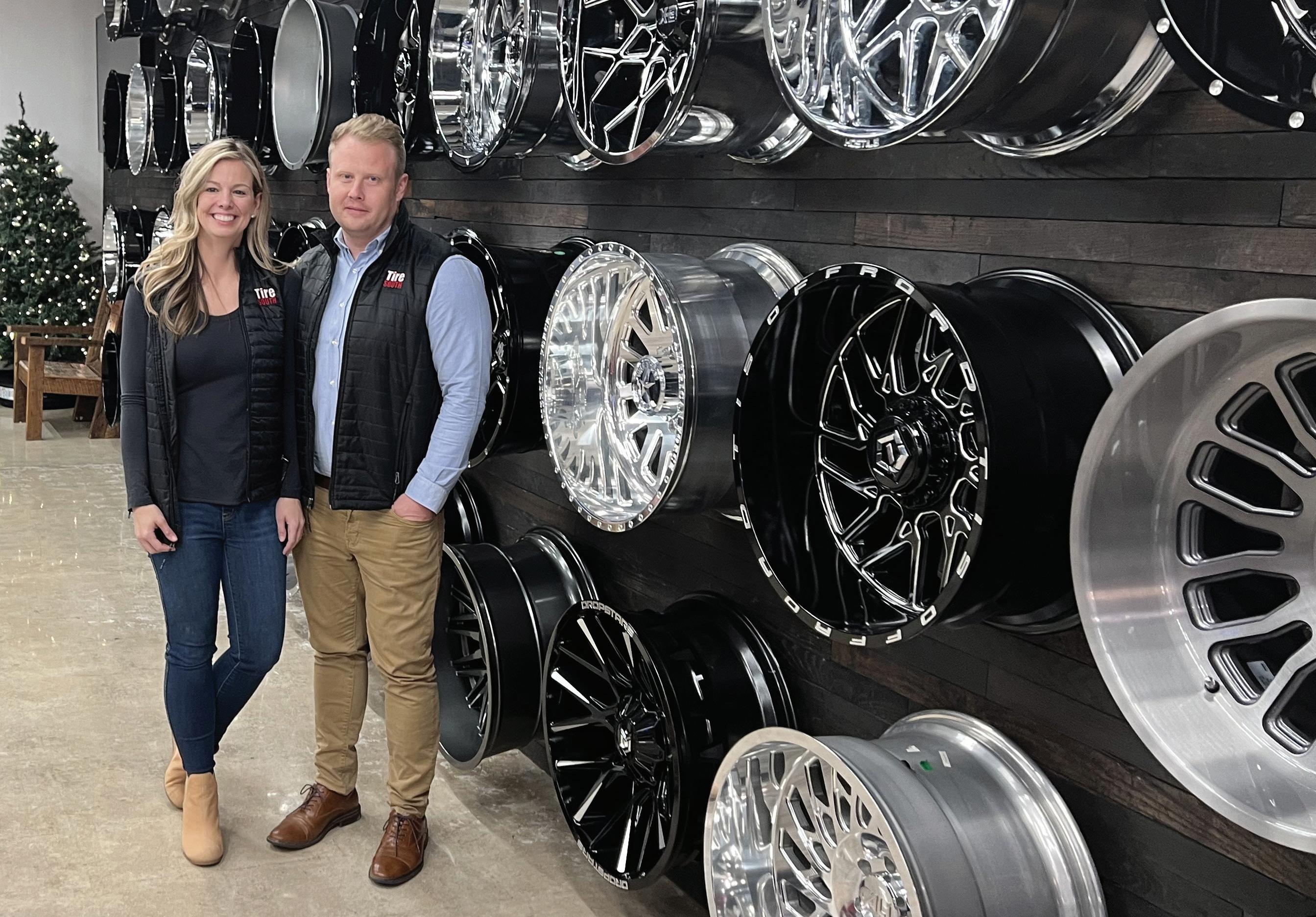
Michael and Jessica Spencer both grew up with parents who were small business owners and together they’re building TireSouth in the Atlanta, Ga., market. “You have to know how to shift gears,” says Jessica.
By customer demand
TIRESOUTH EYES EXPANSION IN ATLANTA
By Joy Kopcha
Twelve years ago, when Michael and Jessica Spencer opened TireSouth Inc. in the midst of the Great Recession, plenty of people warned them they were crazy.
“Now is not the time to open a business,” Jessica remembers the chorus telling them.
And it wasn’t easy. But that first TireSouth store in McDonough, Ga. is thriving and the Spencers are preparing to open their sixth store in the Atlanta, Ga., market during the second quarter of 2022.
Jessica, a second-generation tire dealer, hadn’t really considered following her parents into the tire business until the recession hit.
“That’s when the tire business really shined,” she says. “All my friends and people I knew in construction and other businesses like that” were out of work.
“In tires, it wasn’t our busiest time, but we were still carrying on. It became more attractive and it just hit me. All the training my Dad had given me and all the things I had watched as a kid — it all fell into place. The lightbulb went off.”
Jessica had grown up in her family’s business, Larry’s New & Used Tires Inc. She worked there after school and on weekends.
Michael had also grown up in a small family business. They say opening their own tire dealership felt like the right path. But they were adamant they wanted to forge their own way. “We started this when we were both 24,” he says. “We’ve learned every lesson along the way — made every mistake you could. Now, we’ve kind of figured out what we’re about, what our niche is and what works for us. We have a pretty good formula that’s ready to scale.”
That niche might sound like a cliche, but it’s proven to be successful.
“We’re service-oriented,” says Michael. “We’re customer-centric.”
And with that mission, TireSouth has grown.
The dealership’s first few additional stores weren’t locations the Spencers had scouted and dreamed of opening. They were necessities to expand capacity and serve more customers.
“We had too many customers and couldn’t handle them all at the original location, so it required us to open another,”
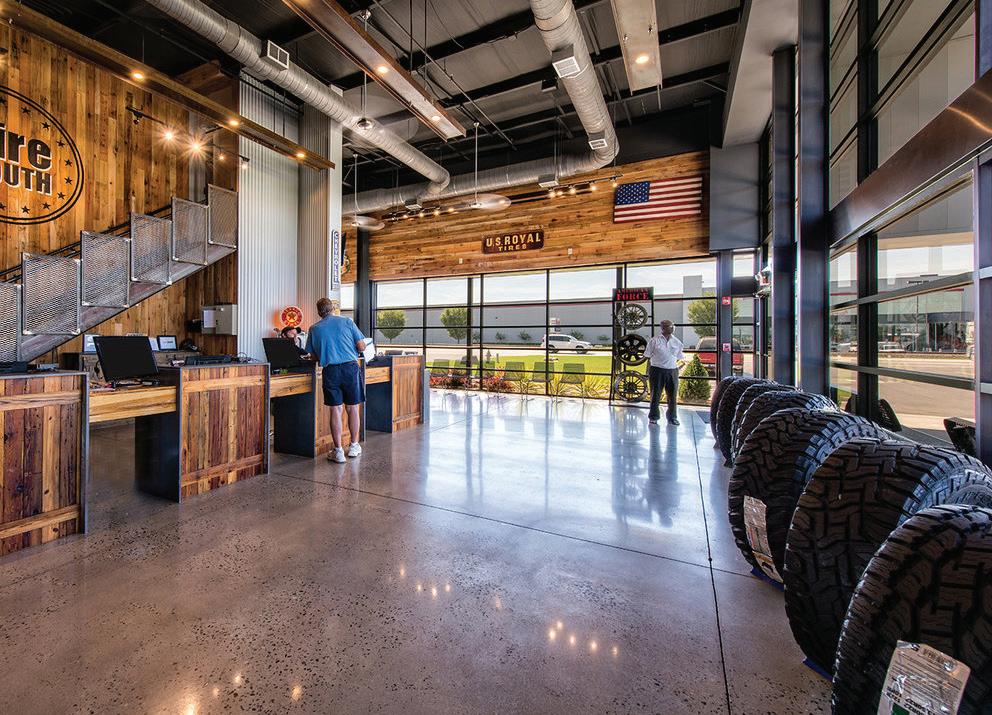
TireSouth has a 50-50 mix of tire sales and service work, which includes brakes, as well as lift kits, suspensions and the installation of other aftermarket accessories.
says Michael. “That’s how we want to focus our growth — not just in store count, not just by opening in different markets. We grow because our customers demand it of us. We’ve put customer centricity at the forefront and it’s really worked out well.”
They’ve since taken over the two stores Jessica’s parents owned in Clayton County, Ga., south of Atlanta.
Now with five stores around the Atlanta metro area, TireSouth has grown to have 30 service bays and annual sales of $15 million. Tire sales and automotive service are a 50-50 mix. The company has 50 employees.
GROWTH IN UHP
One piece of TireSouth’s success comes from sales of ultra-highperformance (UHP) tires. Michael says the process begins with “asking a lot of questions.
“A lot of new vehicles are coming with UHP tires versus standard touring or all-season tires. When it comes to replacement, a lot of times the consumer doesn’t know that.
“So we’re asking about their driving characteristics and (are) asking, ‘What did you like about your vehicle when you bought it new?’
“We’re trying to get to the root of what they’re going to be happy with versus just matching the fitment.”
That same practice applies to the growing number of customers who are interested in off-roading.
“‘What are you trying to achieve? Are you going for a look or do you want something that’s off-road-capable?’ I think the more questions our salespeople ask, the better our shop is able to achieve the results a customer is after.”
The CUV, SUV and light truck markets are all increasing pieces of the UHP tire pie.
“We’ve always done a lot of pickup trucks and light trucks because that’s what’s on the road around here.
“Looking at the CUV/SUV market when it comes to UHP and performance, that is a segment that over the last couple of years has grown a lot for us.”
Michael says UHP tires from Hankook Tire North America have been especially popular with TireSouth’s customers.
“Hankook has been a big one for us as of late. They have a good value proposition when weighing performance and price.”
Market share by speed rating Brand rankings in the H- and V-rated categories
Replacement passenger tire shipments in the U.S. totaled an estimated 222 million units during 2020. MTD estimates that the H-rated passenger tire segment totaled 63.7 million units and the V-rated and above passenger tire segment totaled 59.8 million units. Here’s a snapshot of brand market shares in both categories:
H-rated replacement passenger tire market share
(based on an estimated 63.7 million units)
BRAND 2021 SHARE
Michelin 11.0%
Goodyear 10.0% Yokohama 6.5%
Bridgestone 6.0% Continental 5.5%
Hankook 5.5%
Falken 4.5%
BFGoodrich 4.0%
Nexen 4.0%
Toyo 4.0% Firestone 3.5%
Pirelli 2.5%
Sentury 2.5% Cooper 2.0% General 2.0%
GT Radial 2.0%
Kumho 2.0%
Landsail 2.0%
Nitto 2.0%
Sailun 2.0%
Sumitomo 2.0%
Dunlop 1.0% Primewell 1.0%
Vredestein 1.0%
Others 11.5%
V-rated and above replacement passenger tire market share
(based on an estimated 59.8 million units)
BRAND 2021 SHARE
Michelin 12.5%
Goodyear 11.5% Bridgestone 8.0% Falken 7.5%
Continental 6.5%
Hankook 5.5%
Pirelli 5.5%
Yokohama 4.5%
Nexen 4.0%
Kumho 3.5%
BFGoodrich 3.0%
Delinte 3.0%
Toyo 3.0% General 2.5%
Sumitomo 2.5%
Firestone 2.0%
Nitto 2.0%
Cooper 1.5% GT Radial 1.5%
Sailun 1.5%
Dunlop 1.0% Vredestein 1.0%
Others 6.5%

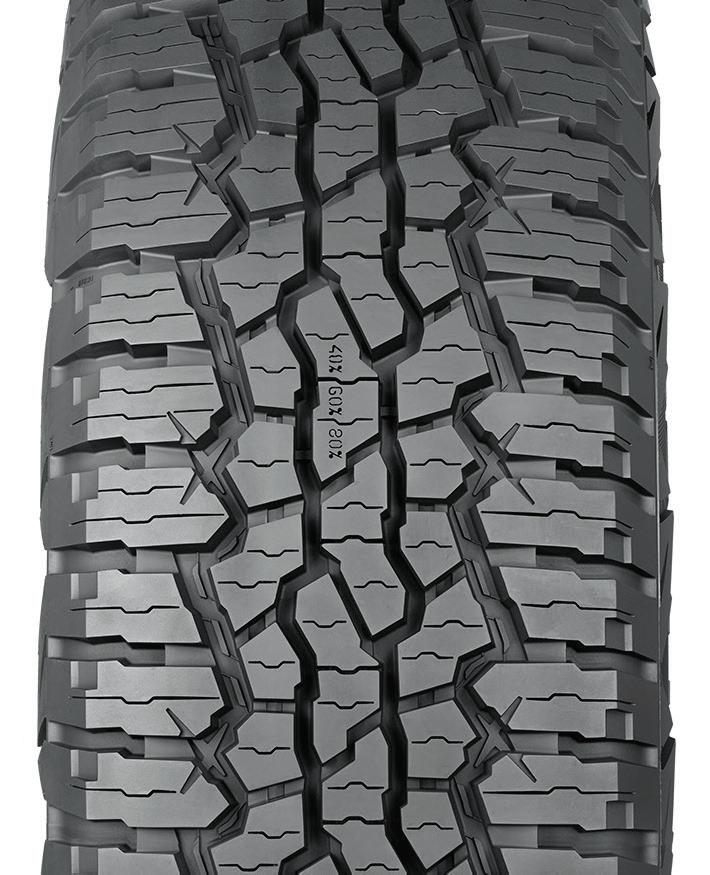

Jessica notes that warranties also have developed into “a good selling point.”
And while they say tire supply has been tight across the board, Michael admits the issue has been “maybe a little worse” for UHP tires than other products TireSouth sells.
In general, he thinks any kind of specialty tire has been “a little bit tougher to track down” than an entry-level product or passenger touring tire.
One thing that hasn’t affected UHP tire sales is consumer spending habits.
The Spencers say their customers have accepted the price increases that have come down the pike over the last year.
Jessica says that “2021 was a big spending year for our customers. I don’t feel like we had a lot of pushback on price, which is odd for a pandemic and all the uncertainty. Hopefully, it stays that way.”
Michael attributes some of the dealership’s ability to overcome increased pricing to the work and time TireSouth employees spend educating consumers.
They’re “explaining the value proposition or the characteristics that come along with a UHP tire versus an entry-level touring tire.
“I think it comes down to educating the customer, then stepping back and letting them make the decision. We try to explain the value and what we’re offering.
“If you take the time to explain it, most of them are going to end up in the tire that’s better-suited for them and their vehicle.”
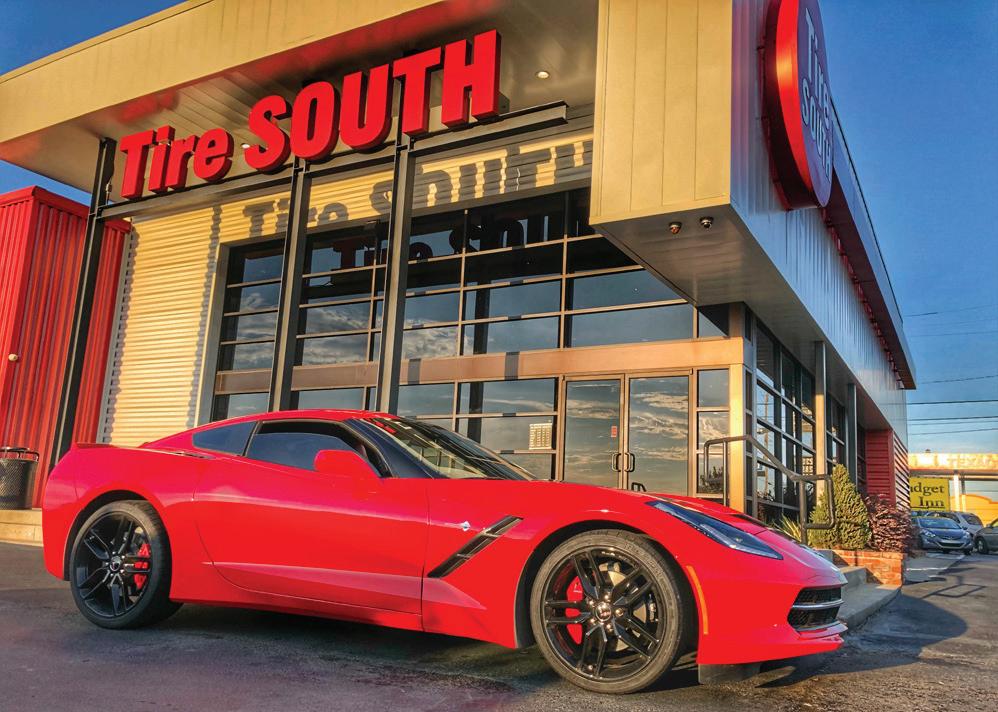
Sports cars still represent a large share of the TireSouth’s overall ultra-high performance tire sales, but Michael Spencer says it’s clear that UHP fitments for SUVs, CUVs and light trucks are a growing business for the dealership. With the sixth TireSouth store set to open later this year, Michael says the Spencers have an advantage in that they’re not spending all of their time at the sales counter. Having great employees “allows us to expedite growth.”
SUPPLY CHAIN LESSONS
The struggle to find tires is accelerating TireSouth’s plans to someday stock and manage its own warehouse. For now, the company’s five stores mostly rely on daily deliveries from tire distributors.
A distribution center is likely in the cards at some point as the company adds more stores. The Spencers agree that issues over the past year have emphasized this need.
“Being more vertically integrated on our supply line is something that is very, very attractive to us,” says Michael.
“To be able to control that supply and not be so reliant on distributors” is appealing. And supply chain issues have “probably expedited our plans on that.”
“As we grow, we would like to buy more direct,” says Jessica. “We just haven’t shifted over yet.”
Unlike their counterparts in other areas of the country, TireSouth and other tire dealers in Atlanta aren’t that far from a good number of the nation’s tire manufacturing plants.
Has that lessened the blow of tire supply issues? “I would assume” that availability is better, says Jessica. “It’s been a challenge, but it hasn’t been a total upheaval in our business.
“Sometimes you just have to work on tracking something down a little bit harder. But there are very few instances where we just can’t find something or you have a back-order status that doesn’t have an end date to it. (Tires) have been tougher to find, but we’ve been able to get our hands on them 99% of the time.”
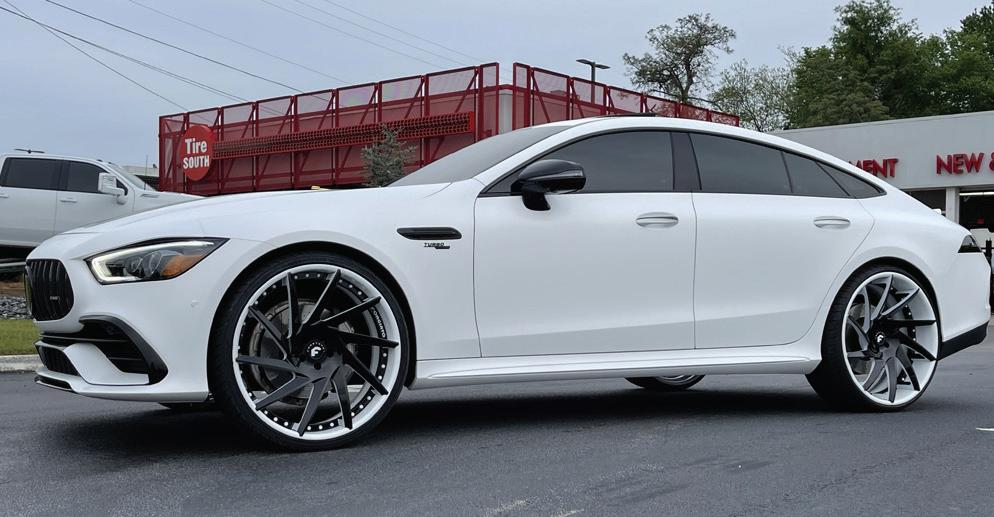
CARING FOR EMPLOYEES
As the Spencers work around supply challenges, they are applying the lessons they’ve learned from serving customers to managing their team.
“It’s the old saying ‘Take care of the customer and they’ll take care of you,’” says Jessica. “It’s held true — and with employees, too.
“We’re in a time where staffing shortages are everywhere. If you take care of your people — customers and employees — you’ll find a way to make it through and thrive.”
In employee relations, that mindset is important. Jessica says she thinks there’s an advantage to being “not too big and not too small.”
TireSouth has “always treated (our people) well (and) gone above and beyond. I think we treat and pay people a lot better than our competitors do and I think they know that.”
The Spencers aren’t shy about sharing their vision and mission with employees, says Michael.
“We want them to be part of the growth and let them know where our heads are at and where we’re trying to take the company and how that impacts them.
“When they feel they’re a part of something bigger than just their day-to-day jobs, it definitely keeps people more engaged.”
Jessica says she reminds the TireSouth team that “the road to the top of the corporate ladder isn’t that long. We’re not a huge company yet, so if you want to run a store, the climb is not that far. You can do it.
“They see us remodeling stores and building new stores. They see it and believe it and feel that they’re part of it. That keeps them motivated and that pushes Michael and I to keep healthy growth going, as well.” ■
How to make Google work for you
TAKE CONTROL OF YOUR ONLINE PROFILE
By Dan MacDonald

Online reviews can boost your company’s search ranking. And knowing how to improve your search engine optimization is very important.
Have you Googled your business lately? I hope so, because for a tire dealership, reputation is everything. If you give customers great service they can trust, they will stay fiercely loyal to you and tell their friends. If you don’t, watch out!
Customers who feel like they have been underserved will let others know.
Here are a couple online reviews that popped up when I Googled a tire dealership in my area:
“Rude receptionist with terrible customer service. Team has very poor time management skills. You deserve no stars.”
“Booked an appointment and got there 15 minutes early. More than one hour later my car was still not in the bay. When I asked about my car, she said she could give me my car keys back. I do not recommend this business.”
I don’t know about you, but reading reviews like these would have me quickly looking for another tire dealership. I suspect you would do the same.
Selling tires and automotive service is a word-of-mouth business, so managing your online reputation must be central to your digital marketing strategy.
In the customer’s mind, you are what people say you are online.
Today, online reviews play a huge role in whether a consumer chooses to buy from a business.
In fact, more than 90% of consumers seek out and read customer reviews prior to visiting or using a business.
Most trust online reviews written by people they do not know just as much as they trust personal recommendations.
Here are three reasons why Google reviews are so important: 1. Google reviews improve local search ranking. Online reviews can boost your company’s search ranking. Knowing how to improve your search engine optimization is very important. If customers can’t find your business when they’re searching, how can they possibly make a purchase from you? Having a lot of
Google reviews helps drive you up in the ranking and can put you on page one of a Google search. 2. Google reviews increase trust. The vast majority of 18-to 34-year-olds (91%) trust online reviews as much as recommendations from family and friends if the reviews sound authentic and there are multiple positive reviews for the same business.
And you should not ignore Yelp and
Facebook. Yelp’s online review platform has more than 135 million unique users and while tilted towards restaurants, it provides categories for almost every sector, including tires and automotive service. And with nearly 1.4 billion monthly active users, Facebook is an online review site to be reckoned with. 3. Google reviews influence purchase decisions.
Positive online reviews can give just the validation consumers are looking for when making a choice. Google uses a five-star rating system. If your business has a low star rating or a lot of recent negative Google reviews, customers could be turned off.
Experts say 3.3 is the minimum star rating that a business should have.
Here are three key steps to getting more Google reviews for your dealership:
1. Claim ownership of your Google business listing. The first thing you need to do is claim your Google business listing. This is free. Just go to Google and type “Google my business.” A link will pop up. You
then fill in the requested information. 2. Make your listing stand out. After you update your Google business listing, make sure it’s compelling and filled with relevant information that will entice searchers. Your business description should include all the information about your dealership that customers might find relevant, including the tire brands you sell, special services you offer and your competitive advantages, like having ASE-certified technicians.
Include up-to-date hours of operation. Upload high-resolution photos.
Google has found that listings featuring photos receive 42% more requests for driving directions from Google Maps and 35% more click-throughs to a business’ website. 3. Invite your customers to give you a review. After you’ve taken the time to optimize your Google business listing, start collecting reviews. Make a proactive effort to ask all your customers to write a Google review of your business.
Studies show that 77% of customers are willing to provide a business review.
Send customers either a text or email with a link to your Google review page so they can just click on the link and write a review. Make it easy for them.
Also explain to customers that their feedback helps you continually improve your service. Let them know their opinion matters. And send an invitation to all customers, not just loyalists. You want to instill a sense of authenticity and trust. ■
Dan MacDonald is a freelance writer and former public relations vice president for Bridgestone Americas Inc. Dan founded MacDonald Communications, which focuses on public relations and digital marketing. He can be reached at (615) 681-5387 or dan@ maccomm.net. Website: www.maccomm.net
OTR TIRE DEMAND WILL BUILD IN 2022, SAY MANUFACTURERS
By Mike Manges
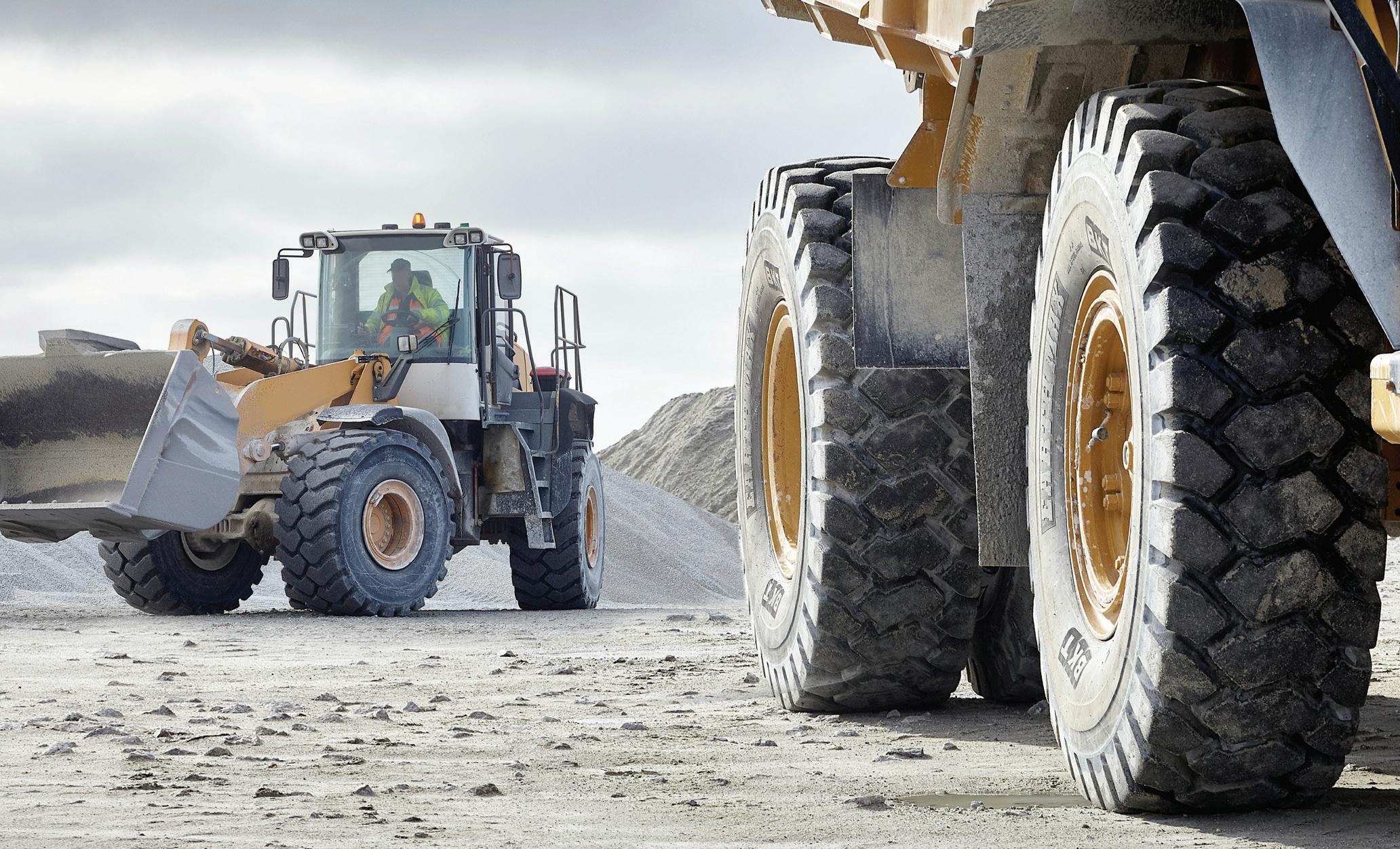
“Even though we are not in a large shortage cycle, it is still just as important for dealers to forecast their customers’ needs and communicate with manufacturers to ensure they have a continual supply of the necessary tires,” says Chris Rhoades, assistant vice president, OTR, BKT USA. Shipping times also are improving, which will help dealers, he adds.
Despite supply chain constraints, the North American OTR tire market made a dramatic rebound in 2021. Infrastructure projects, elevated commodity prices and other factors will help ensure that demand for OTR tires remains robust in the new year, according to tire manufacturers. Here’s a look at how and why the OTR
Also in CTD
Brad Schmucker guides Millersburg
Tire through growth phase ...............43 Truck tire service is all in the RIST ....44
AG Tire Talk: Supply, prices
squeeze market ..................................46 tire market turned around. Suppliers also share their forecasts for 2022 and discuss trends that OTR tire dealers should monitor as business continues to boom.
MTD: Can you describe what OTR tire demand was like in 2021?
Chris Rhoades, assistant vice president, OTR, BKT USA: OTR tire demand in 2021 rose above pre-COVID-19 levels, despite supply chain and logistics issues. Aggregates and construction demand continued to grow at a normal pace.
Tony Cresta, product manager of commercial products, China Manufacturers
Alliance LLC (CMA): In 2021, we saw OTR tire demand increase from an overall, roughly flat 2020.
Shawn Rasey, director of global business development, earthmover tires, Continental Tire the Americas LLC: The rebound in demand was a bit sharper and more pronounced than we anticipated coming off a patchy 2020, which was affected by COVID-19. That rebound was pretty much sustained throughout the year, with both dealers and end users going back to work. Like most industries and businesses, we did see some limitations on growth, fueled by both labor shortages and tire supply.
Rubber Co.: OTR tire demand continued to recover in 2021. While demand for mining tires was slightly behind other OTR segments, we expect it to return to pre-pandemic levels in 2023.
Jimmy McDonnell, vice president of sales and marketing, Maxam Tire North America: Overall, special tire demand was strong. Many construction projects related to infrastructure improvements proved to drive demand post-COVID-19. Heavy equipment operators saw strong demand for new machines, with growth only limited due to supply chain issues with components. Machine inventories are still very low and have not been rebuilt yet.
Jaye Young, mining business line marketing director, Michelin Group: Tire demand was very strong in both the quarry and mining sectors, driven by recovery-focused infrastructure investments, increased energy consumption and demand for commodities like copper, iron ore and nickel needed to support the transition to sustainable energy sources like batteries, windmills and solar panels.
Stephen Reynolds, OTR director, Triangle Tire USA: ere was strong demand for both haulage and loader tires throughout 2021 that seemed to be evenly distributed among mining, construction and quarry segments. Typically, you would think of late-November and most of December as the slower time of the year. However, Triangle saw record sales in November and December.
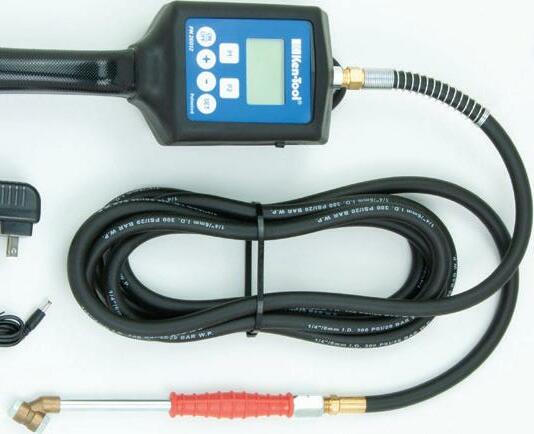
TIRE INFLATORS

HANDHELD AUTOMATIC
TIRE INFLATOR
PN 26012 features a 12’ hose with spring protector. Clip-on chuck & 8” dual foot chuck included.
Auto Inflate and Deflate with Over Pressure Setting and Under inflation Warning.
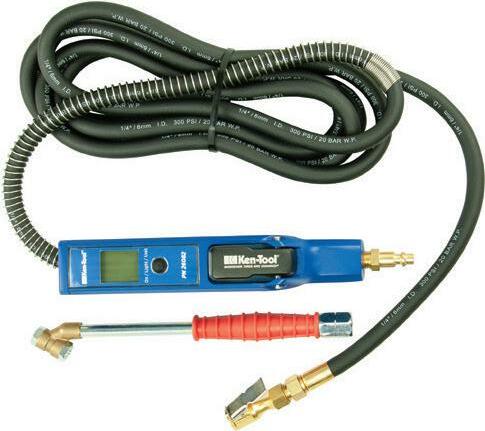
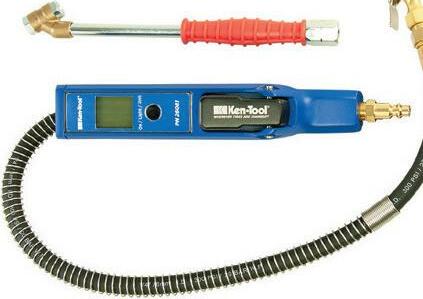
PREMIUM DIGITAL TIRE INFLATOR
PN 26081 features a 24” hose with spring protector. Clip-on chuck and 8” dual foot chuck included.
PREMIUM DIGITAL TIRE INFLATOR
PN 26082 features a 12’ hose with 6” spring protector.
Clip-on chuck and 8” dual foot chuck included.
1-888-536-8665
www.KENTOOL.com 768 E. North Street • P.O. Box 9320, Akron, Ohio 44305 • sales@kentool.com
Bruce Besancon, vice president, marketing and strategy,
Yokohama O -Highway Tires America Inc.: e 2021 OTR tire business was like a gold rush and tires were the gold. A er losing 20% to 30% of their sales in 2020, dealers and original equipment manufacturers came back strong in 2021 — gaining back what they’d lost and continuing to build strength right through the end of the year and into 2022. While customers were calling for tires, manufacturers were working hard to increase capacity, meet demand and shore up their partner-dealer relationships.


MTD: What’s your forecast for 2022?
Rhoades (BKT): We don’t see demand slowing down for 2022 and are predicting a record growth year for BKT. We are continuing to increase capacity for key sizes, as well as adding mining tires like 37.00R57, 40.00R57 and 50/65R51 to round out our o erings. Shipping costs continue to be at record highs, but we are seeing an improvement on shipping times, as well as ports clearing.
Cresta (CMA): So far, we have seen indications that 2022 will continue to be an uptrend for OTR tires. Both our warehouse stocking orders and customer factory-direct orders increased from the fourth quarter of 2020 to 4Q 2021. is means keeping our newest warehouse in Houston, Texas — as well as our southern California and Memphis, Tenn., warehouses — stocked with an increasing amount of sizes and SKUs to meet demand. e North American OTR tire market is the largest in the world and with large investments being made in infrastructure and the expansion of the leisure industry — construction of hotels, stadiums and casinos is on the rise — the market is poised to continue to grow.
Rasey (Continental): We’re anticipating a strong start to 2022 related to demand, perhaps tapering off a bit by the end of the year. It’s always difficult projecting forward demand and that is particularly the case this year, with continued uncertainties
Shipping crisis forced players to up their game
Bruce Besancon, vice president, marketing and strategy, Yokohama Off-Highway Tires America Inc., says 2021 was a “wild west market,” driven by accelerated demand that coincided with “a logistics issue like nothing we’d ever seen.
“Think back to last spring, when a container ship blocked the Suez Canal for less than a week. We saw the ripple effects of even a short interruption of shipping.
“And then we had tie-ups for the rest of the year that have led to back-ups in ports around the world, global imbalances in containers and huge increases in the cost of shipping and raw materials.”
As supply chain problems persist, “things we used to think we knew about… are being re-written every day. Our most successful customers will be the ones who are a lot more diligent about managing orders, timing and inventory.”
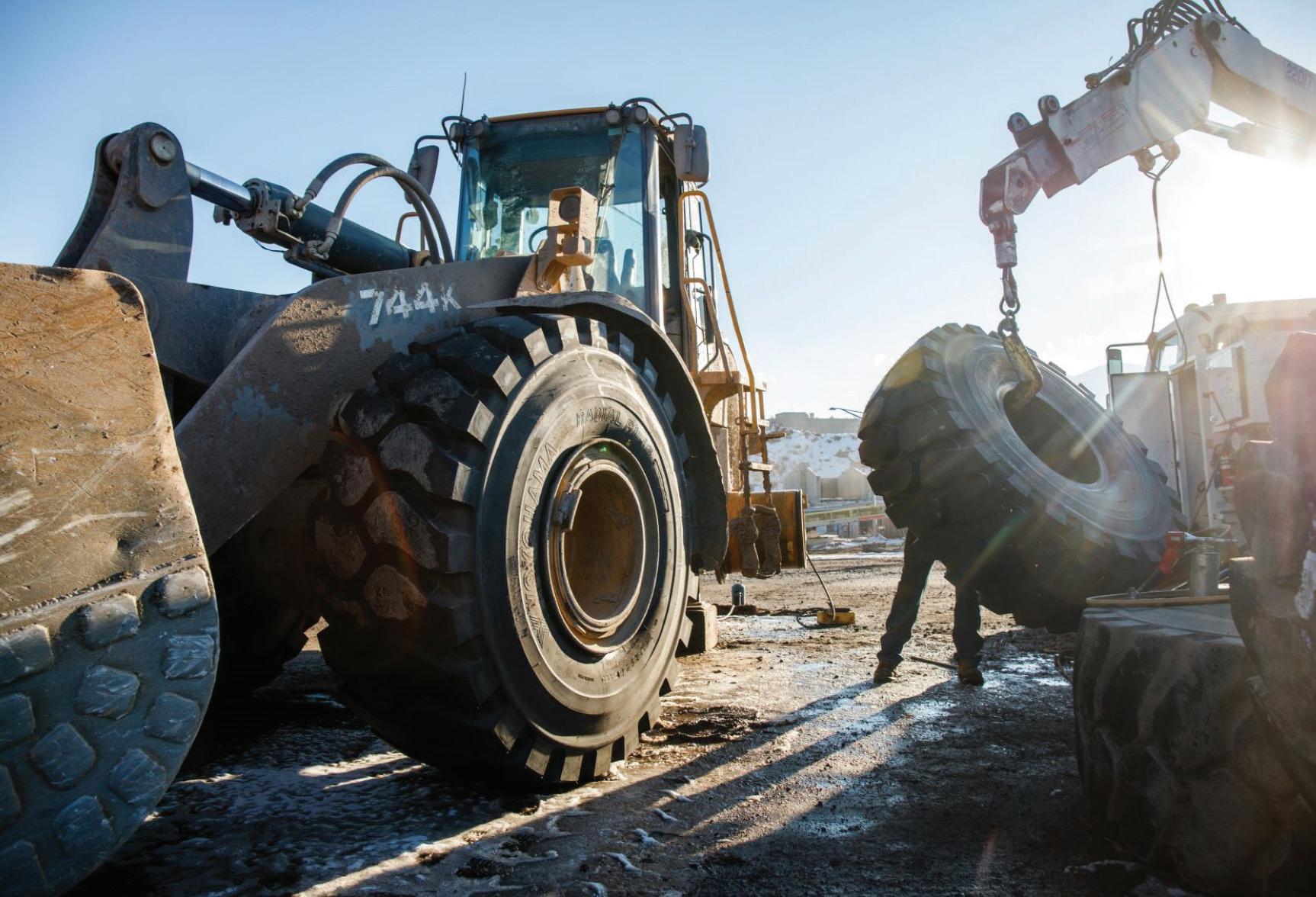
“I think 2022 is going to be a continuation of 2021,” says Bruce Besancon, vice president, marketing and strategy, Yokohama Off-Highway Tires America Inc. “Equipment manufacturers are working as hard as they can to meet demand for new machines and that demand is going to continue as the economy keeps expanding. Right now, machinery is moving all over the country.”
related to COVID-19 spikes, possible continued labor shortages, tire manufacturers playing catch-up related to supply and regional differences in dealing with COVID-19 containment policy. Overall, it feels like demand in 2022 should be equal to or slightly better than 2021, if supply is available to support it.
Ravasio (Goodyear): Our forecast for 2022 includes a continual upturn across all segments.
McDonnell (Maxam): We are forecasting strong growth for 2022. In North America, economies are emerging from the global COVID-19 pandemic. The U.S. government has passed an infrastructure bill that is going to yield strong growth for the specialty tire market for years to come — building momentum through 2022 and really kicking in (during) 2023, when new projects are expected to be started and underway.
Young (Michelin): We will see continued growth in demand in 2022. In fact, 2022 will return to pre-COVID-19 levels of demand.
Reynolds (Triangle): All indications are that demand will increase in 2022, particularly in the construction and quarry segments. With the passing of the infrastructure bill, staples of the industry — like concrete production and road construction — should thrive, putting pressure on the struggling supply chain to keep up. The cause for concern is that no one is able to predict when ocean freight might start to return to normal and some of the models we’ve seen are predicting no real relief until the end of the year.
Besancon (Yokohama): I think 2022 is going to be a continuation of 2021. Equipment manufacturers are working as hard as they can to meet demand for new machines and that demand is going to continue as the economy keeps expanding and new infrastructure improvements get underway. Right now, machinery is moving all over the country. Quarries are busy, mines are busy, logging and construction are being driven by a huge market for new homes and container handlers are moving 24/7 at ports. Every segment we serve is running in high gear.
MTD: What are some trends that OTR tire dealers should monitor in the new year?
Rhoades (BKT): OTR tire dealers are being met with price increases, as well as freight surcharges, that have to be communicated to the end user. Even though we are not in a large shortage cycle, it is still just as important for dealers to forecast their customers’ needs and communicate with manufacturers to ensure they have a continual supply of the necessary tires.

Cresta (CMA): With global supply chains lessening but nevertheless extending into 2022, it will be as important as ever to manage your demand and orders with your OTR tire suppliers. In 2021, delivery times from order to your doorstep were extended and we all felt the pressure. is is improving through hard work on both sides and it will remain an important factor in 2022. Rasey (Continental): Supply planning for customer needs — particularly in regard to timing — (and) the continuing evolution of smart tire technology and advanced solutions, focused on helping end users better manage safety, productivity and asset management. Tire dealers will play an increasingly important role in this arena and will nd new ways to integrate these technologies into their day-to-day service portfolios.
MANUFACTURING HIGH-QUALITY PRECURED TREADS AND RETREADING MATERIALS SINCE 1952
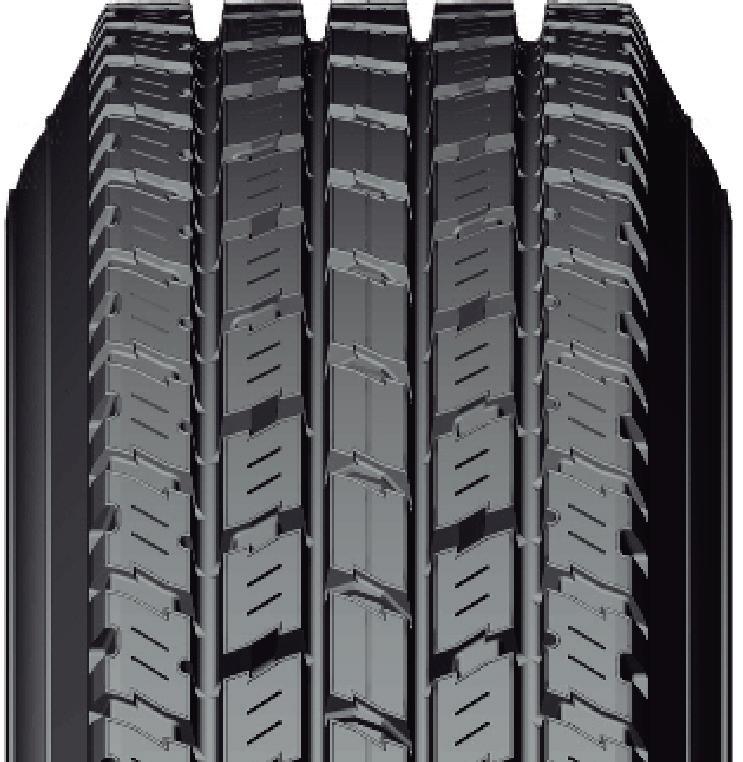
We provide world-class retread solutions to independent retreaders throughout the United States and Canada that includes over 70 different precured tread designs, commercial & OTR extruder strips, cushion, repair materials, and technical support.
Pre-Q Galgo Corporation 4329 Bronze Way Dallas, TX. 75237 Ph # 214 330 7300 - Fax # 214 331 2222 E- mail: info@pre-q.com www.pre-q.com
Ravasio (Goodyear): Two of the top trends OTR tire dealers will see in 2022 are service beyond tires and sustainability. Service beyond tires includes reliable services and tire management solutions that lower total cost of ownership for eet operators. Sustainability e orts will continue to be a major focus and we’ll continue to see achievements and new innovations in this space.
Jimmy (Maxam): Supply chain challenges — ensuring they have supply of products needed by their customers.
Young (Michelin): I think shipping challenges will continue into 2022 and the key focus for dealers is going to be to pay more attention than ever to their inventories and accelerate (their) demand forecasts. Dealers and manufacturers will need to forecast earlier and more accurately than we have historically to compensate for the longer shipping times and the lack of exibility caused by existing back-logs.
Reynolds (Triangle): Forecasting needs has always been a crucial piece of the puzzle for dealers trying to control their inventory costs. In 2022, this could become the most challenging aspect for a dealer because rather than predicting their needs and placing orders in the short-term, they may be forced to account for an unpredictable supply chain timeline. Those who can forecast further out and are bold enough to place orders early are likely to have more success in navigating what is likely to be a challenging year.
Besancon (Yokohama): I believe we’re going to see the market continue to grow. Manufacturers are putting machines into the field, but not just to replace retiring machines. They’re expanding the number of machines — the number of wheel positions — in these growing segments. That’s good for the tire industry on both the original eqauipment and aftermarket sides of the business. I also think we’re going to see a shift toward more data transparency as manufacturers work closely with customers to help them understand our business processes and help them learn to plan more effectively. We’re going to see more transparency up and down the supply chain.
ALL IN THE FAMILY
BRAD SCHMUCKER GUIDES MILLERSBURG TIRE THROUGH GROWTH PHASE
By Ron Ledgard
Millersburg Tire Service Inc. is closing in on 70 years of being in business and one person who has been there for nearly every step is Brad Schmucker, the company’s CEO.
His father and uncle started the business in 1953 in Holmes County, Ohio. And as Schmucker — who was born that year and later ran around the place as a youngster — gets ready to step back, he couldn’t be more proud of his family and the business they run.
“At the end of May, I will have been doing it for 50 years. And come June 2, I guess, I am going to retire.
“But I will probably be back in on June 3 because I told the kids I was going to help them,” Schmucker says with a laugh.
His son, Brandon, is the president of the company and his daughter, Brittany, is vice president/treasurer.
“My brothers worked here. And my two grandsons, Wyatt and Owen, are the fourth generation. When they aren’t in school, they come in. Nothing makes me any prouder than having one of my grandsons working beside me or helping. That, to me, is the ultimate. I can get emotional” about it.
Schmucker’s right-hand man, Steve Kauffman, who works in the company’s wholesale division, also plans to retire. They both started around the same time.
“I said it would be an honor for him to walk out with me,” Schmucker says of Kauffman. “Except he will golf the next day and I will go back to work!”
Schmucker recalls his early years with the dealership.
“It seems like yesterday. I graduated on Sunday and went to my Dad’s school of hard knocks on Monday. I started cleaning the bathrooms, stacking tires, worked in the retread shop, loaded trucks, drove trucks — I have done it all.”
Millersburg Tire, which employs 40 people, got its start with ag tires, but it covers the gamut of products now, selling
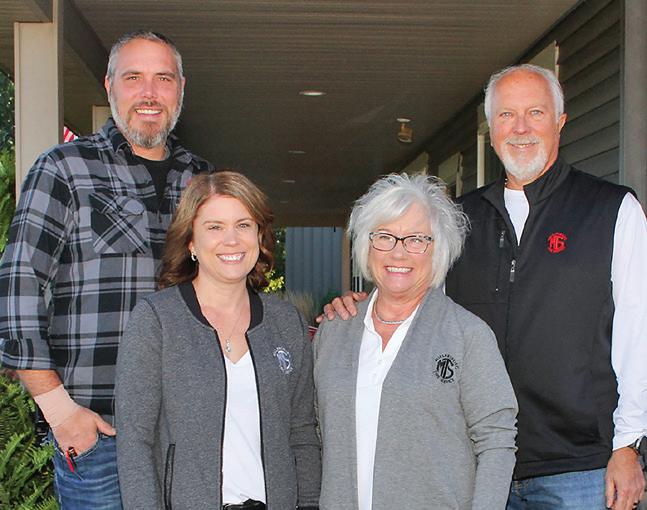
Brad Schmucker’s family has owned Millersburg Tire since 1953. Pictured with Schmucker (far right) are his son, Brandon; daughter, Brittany; and wife, Diane. The fourth generation of Schmuckers, Brad’s grandsons, Wyatt and Owen, now work in the family business.
passenger, light truck and commercial truck tires. And it has a wholesale division.
Schmucker bought the business from his brothers and his father, Sheldon, in 2007.
“From 2007 to 2018, we doubled our business. We are continually growing every year.”
Schmucker credits the farming community and just being diligent in how his employees do business for the dealership’s overall success.
“We give good service and good prices,” he says. “And we treat people the way we want to be treated. Just be nice. It’s not rocket science. You don’t have to be a Harvard graduate to do these things.
“People like to come to a place where people are nice. They want to go where people know their names. We try hard each and every day. We aren’t perfect. Dad always said you can never please everybody, but you can never quit trying. We still use that to this day.”
And Schmucker isn’t afraid of a challenge. “If somebody calls and says, ‘I can’t find these tires,’ that is a throwdown. I am ready to put my parachute on, jump out of the plane and find those tires.”
As you speak with Schmucker, you can’t help but be drawn in by his genuine manner. This is evident when he talks about Ivan Barkman, one of his sales staff who suddenly passed away in November 2021.
“We just got a card in the mail addressed to him after he passed,” says Schmucker. “Boy, it was tough for me to hold it together. It was somebody he had taken care of two or three months prior sending the card. We will definitely save that note.
“I find as I get older that when somebody takes a minute to send a handwritten note, it usually makes me tear up. I’m not going to lie to you.”
Millersburg Tire still specializes in ag tires. “My Dad built the foundation on farm tires. In this last year, we fell just a tad short of (selling) 6,000 farm tires. If I could tell him that now, I would say, ‘Dad, you know when you started out with those two or three tires you used to sell …’”
Schmucker says the dealership is doing well despite present headwinds.
Millersburg Tire has about 1,000 tires on back order as the pandemic continues. (On the ag tire side, Schmucker deals mostly with Firestone and CEAT brand products.)
The people of Holmes County have taken part in Millersburg Tire’s various celebrations over the years. Schmucker was planning another for early-2022, but had to scuttle it due to the pandemic. Those festivities will be brought back soon, he hopes.
Schmucker loves how one of his customers, who has since passed away, talked about Millersburg Tire. The customer would tell him, “If Millersburg Tire doesn’t have it and can’t get it, you don’t need it.”

TRUCK TIRE SERVICE IS ALL IN THE RIST
DON’T SKIP STEPS DURING TIRE INSTALLATION PROCESS
By Mike Manges
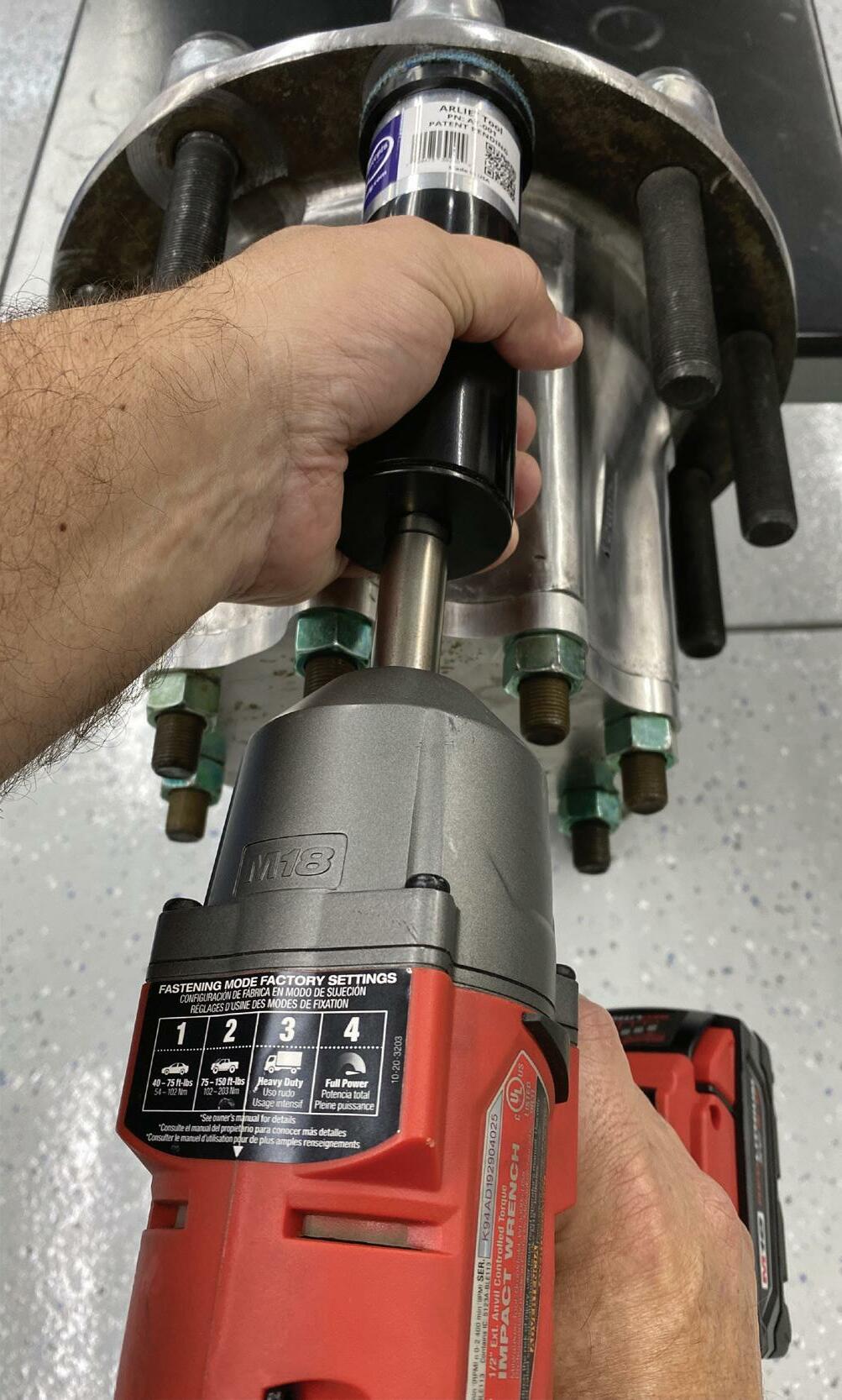
The first step in the RIST process is removal of all debris from mating surfaces, says Tim Stover, vice president, strategic accounts, Bob Sumerel Tire Co. (Pictured is an ARLIE cleaning tool.)
Most commercial truck tire service technicians are familiar with the RIST process, which “is an acronym that is designed to recall the proper procedures when bolting a tire and wheel assembly onto a vehicle,” says Tim Stover, vice president of strategic accounts for Erlanger, Ky.-based Bob Sumerel Tire Co. Those who aren’t should acquaint themselves with the procedure immediately, he adds. (The “R” in RIST reminds technicians to remove debris from rim mating surfaces. “I” reminds them to inspect all tire and wheel assembly components. “S” reminds technicians to snug lug nuts in a star pattern. And “T” reminds them to torque wheel fasteners to specification.)
The idea is “to flow through the acronym so that no steps are overlooked,” says Stover.
Following each step of the RIST process is “a must. RIST is designed to prevent wheel-offs. You want to accomplish installing the wheel or wheel assembly without it ever exiting the vehicle without assistance from the technician.
“It can be life-ending if a wheel assembly comes off” a truck, says Stover. “That’s an unguided missile going down the road — heading into oncoming traffic.”
The industry, he adds, still experiences “way too many” wheeloff incidents.
Here are some RIST-related tips to keep in mind when working with truck tire and wheel assemblies, according to Stover:
Take your time. “I don’t know why, but some people think they have to get out there and get things done in a quick manner,” he says. “I feel we have to place an emphasis on doing the job right, rather than just how fast we get the job done. If you did the job quickly, but not correctly, what did you accomplish? This is not a race. Take your time, do the job right and keep everyone on the road safe.”
Add oil. “When RIST was first developed, there were numerous configurations of wheels and we still — on occasion — get a studpiloted wheel or something of that nature,” says Stover. “Today, techs are primarily working with a hub pilot assembly and that assembly has to go together wet.”
He says technicians should put two drops of oil on studs, plus drops on lug nut collars.
“Let’s say a tech does everything else according to RIST, but applies a torque wrench to a dry stud or nut. They’re not getting the proper torque and therefore, they’re not achieving proper clamping force. One of the things I say when visiting a service tech is, ‘Show me your oil can.’”
Don’t jump around. “If you don’t start with the very first RIST step — cleaning all the components — none of the rest will ever come together. Not following a single syllable of the RIST procedure” can expose tire dealers to potential lawsuits should a wheel-off occur.
He also recommends brushing up on the difference between torque and clamping force. “Torque is a measure of a twisting motion designed to achieve a specific clamping force. Achieving proper clamping force is what RIST is all about.”






• TODAY’S TOP BRANDS • MARKETING AND ADVERTISING SUPPORT • PROGRAM EXCLUSIVE CREDIT CARD • LOAN AND LEASE OPTIONS FOR ALL CONSUMERS • E-COMMERCE SOLUTIONS FOR EXISTING WEBSITES • NATIONWIDE TIRE & SERVICE WARRANTY PROGRAMS • DISCOUNTED CREDIT CARD PROCESSING • SHOP MANAGEMENT SOFTWARE PROGRAMS • NATIONAL ACCOUNT PROGRAM & PRICING FOR OE DIAGNOSTIC & VEHICLE REPAIR SOLUTIONS • ON-LINE AND VERIFIED TIRE REGISTRATION • NATIONAL ACCOUNT PARTS PROGRAM • NATIONAL ACCOUNT OIL PROGRAM • EXCLUSIVE TIRE PROGRAMS • EXCLUSIVE TIRE RELATED CONSUMER REBATES • ON-LINE DEALER LOCATOR • TIRE EQUIPMENT PROGRAMS • national ACCOUNT UNIFORM PRICING • COMPREHENSIVE TPMS SOLUTIONS • CUSTOMER LOYALTY PROGRAM • OE & aftermarket wheel programs • Interior & EXTERIOR SIGNAGE OPTIONS • PLUS MANY OTHER OPTIONS
SUPPLY, PRICES SQUEEZE AG TIRE MARKET
TIREMAKERS DISCUSS WHY — AND HOW LONG THIS WILL LAST
Modern Tire Dealer has partnered with AG Tire Talk to provide answers to insightful questions that farm tire dealers have about farm tire technology. is is the next installment in our ongoing series, which is designed to help farm tire dealers better connect with their customers. A trending question, followed by answers, will appear in our Commercial Tire Dealer section every other month. For complete answers, click on www.agtiretalk.com.
QUESTION: Why are ag tires so di cult to nd, why are prices increasing, how long will this continue and what should producers do to make sure they have the tires they need?
DAVE PAULK, manager, eld technical services, BKT USA: e tire industry has been faced with many di culties over the last 18 months during COVID-19. Although agricultural tires have been in demand as farmers have received government subsidies and invested in farming equipment, manufacturers are challenged to keep up with demand. ere have been many complications getting the raw materials needed to produce tires because of restrictions imposed during and a er the shutdowns from the pandemic. Rubber and other raw material prices continue to increase month over month.
Getting tires to customers is also a challenge. For the logistics industry, there has been a shortage of containers, with estimated 12.5% of the global capacity being unavailable. Shipping and freight costs are escalating almost daily. ere is a shortage of laborers at the ports, as well as truck drivers for transportation. Containers of tires that have already arrived at ports are many times held up for several extra weeks before reaching the customers.
Concurrently, there is a new energy crisis and due to shortages, coal futures are soaring, with an increase of more than 200%. ese macro-economic factors of the market are certainly creating barriers. Many tire manufacturers had to cut down on production to adjust to the changing environment. e greater challenge for them is to adapt and keep on the move.
BKT is working closely with our distributors and dealers to ensure that they receive the tires they need to cover current demand and order e ectively for future needs.
DANA BERGER, ag business development manager, Continental
Commercial Specialty Tires: We have all seen the e ects of the COVID-19 pandemic in one way or another. e pandemic shut down many key operations and material supply for tires. Steel, natural rubber, carbon black, silica — the list goes on. And all of the materials are not sourced in one place, either.
Add this to the challenges we have faced through logistics channels, at ports, with trucking companies and driver shortages and don’t forget to factor all industry labor shortages. It’s truly amazing that tires were manufactured, let alone made it to the wholesalers, distributors, dealers and end users. If we had to count the individuals involved from start to nish, from sourcing materials for production to mounting a tire to a tractor, we would lose count.
In March 2020, the planting season was already planned for and who knew we would be approaching the 2022 planting season, learning how to make pandemic life “normal?” Keep in mind, farmers are considered essential workers. Even when many were working from home, farmers were out using their tires. Plant shutdowns don’t happen on a farm.
As with any commodity, the law of supply and demand comes into play. When there is high demand and a low supply, prices always go up. e only challenge with this is that market demand hasn’t decreased, despite price increases. Enter demand-pull in ation, where demand for tires exceeds the manufacturer’s capacity. is creates a great challenge for sales.
‘Replacement ag tire demand has continued
to be strong’ — David Graden, operational market manager, agriculture, Michelin North America Inc.
Salespeople put in long hours planting the seed with a new customer — growing their interest and building rapport — before they can reap the reward. To not have tires to sell is a painful topic to share with those seedling customers. What is even harder is not knowing how long the industry will continue to be a ected. Several countries are now facing another variant of COVID-19, expos are being postponed again and some are being cancelled, even now.
We certainly don’t want to see this demand-pull e ect be the norm, but it’s very hard to say when this situation will level out. Farmers will need to plan ahead as much as possible. If they nd the right size tire in stock and expect to need a replacement, they should jump on it.
Original equipment manufacturers also have struggled with a shortage in resources and getting new equipment to the farmers. is will keep demand for replacement tires at a high level, at least into 2023, with brand loyalty not carrying much weight until some relief can be seen on the horizon.
GREG GILLAND, vice president, global agriculture, Maxam Tire
North America: e agricultural tire market is facing unparalleled demand and is up signi cantly versus the same period last year. e primary factor for this incredible leap in demand is core crop prices for 2021. Despite the economic impacts of the COVID-19 pandemic of 2020, we have experienced almost a doubling of crop prices in less than 15 months, beginning in the second half of 2020. is explosion of demand is primarily centered on the global need for wheat, soybeans, corn and cotton.
Improved pro ts for farmers and growers have fueled unprecedented global demand for new equipment and/or tires for their vehicles. is has accelerated new equipment demand from the original equipment manufacturers, which has severely strained the global tire supply as manufacturers are reacting to the combined tire surge in both original equipment and a ermarket needs.
As we look at 2022 and beyond, these are the trends we are observing. OEM demand for tires will remain high as tire manufacturers react to their factory needs well into 2022; farmers and growers will need to purchase equipment and tires to amortize their 2021 pro ts earned; cash crop prices are expected to remain high
MAKE THE MOVE FOR A HEAVY-DUTY PERFORMANCE



For industrial, construction, and truck tire applications