


Research helps us to understand. To understand how things work, why they happen, who is involved, and what we can do to make positive change. We research everyday when we think of a question and ask Google for an answer. However, research also allows us to identify new links, trends, and potential gaps directly from the source. We might use methods such as surveys, focus groups, and interviews to collect primary data.
You have the opportunity to get involved in research in different ways. You can use your opinions and experiences to contribute towards a piece of research or you can be involved in designing and delivering the project. The United Nations Convention on the Rights of the Child (UNCRC) gives everyone under 18 the right to have their voice heard and listened to. Through getting involved in research you have the opportunity to share your views as part of a project that can lead to impactful change.
This guide, written by young people, for young people has been created to support you to embark on your research journey. No matter your experience or existing knowledge, this pack will break down the basics and challenge you to get involved in the best way for you.




Purpose, Processes, Methods, and More
Research starts from a question; something that sparks a researcher’s curiosity and motivates them to find an answer. Some research might be quick, using existing sources like articles, videos, or books as way to access information. Other types of research could take anywhere from a few weeks to 20 years to complete.
Some statements have been proven, meaning that you should be able find an answer easily. Examples include:
What is the capital of France?
There are other questions that don’t have a simple answer. They might need to consider various factors, and diverse experiences in order to form a conclusion. A yes or no answer might not work for this type of question. The answer might be complex, and could change over time.
Let’s take a look at the following question:
Imagine we interview 4 people to ask their opinions.


As you can see, everyone answered the question differently, but it has given us a good place to start. We have learnt that there is not a clear consensus, and that not everyone agrees on the biggest issue affecting young people today. Everyone who was interviewed has a unique identity, experience, ad opinions. These factors will all contribute towards the way they answered the question. We only asked four people, which means that we have not captured a broad range opinions. So, let’s take a look at the survey results, where we had 1000 responses.
According to the survey data, poverty is the biggest issue affecting young people. This does provide an answer to our question. However, it’s important to consider any biases. For example, are specific groups over or under represented in the data.
Now we know what the biggest issues affecting young people are, we need to share the research with those who can make positive change. Decision-makers will use research findings to know what projects, policies, or law they should work on, and to ensure that they are acting in the best interests of the people and the planet.
Researchers might share their conclusion, that poverty is the biggest issue for young people, along with their evidence, the survey and interview data, with decision-makers. They could do this through a report, a letter, a presentation, or during a meeting.
In order for research to have real meaning, we need to apply this new understanding to something valuable.
*The data used in this section has been created for the purpose of this exercise only and does not necessarily reflect real-life.
Think about what you might like to explore and why you care about this topic.
Clearly set out the question that your research will answer.
How you are going to collect the data that you need
Look at the data you have collected and identify key findings.
Summary of your plan and what you need to complete your research.
Collect the data through your chosen research method
What you have learnt from the research
The answer to your original question.
Share the steps of the research process, your data, and your conclusions in a report or article.
Finding out information directly from the source, and collecting the data yourself.
Surveys
Interviews
Focus Groups
Experiments
Observation Field Work
Case Studies
Using another researcher’s data and conclusions to inform your work.
Journal Articles Books
Documentaries
Media Analysis
Literature Review Reports
Maps and Charts
Quantitative Data - Information collected through numbers and statistics. How much? How many?
Qualitative Data - Information about people thoughts, feelings, experiences, and opinions.
Case Study - A deep dive into a specific example, a person, an event, or a group to understand as much as we can about it.
Survey - A set of questions, answered either online or on paper, that are used to gather a large number of responses.
Focus Groups - A small session for people to talk directly to researchers as a way of sharing information.
Variables - What we can change within a study: age, income, opinion, etc.
Hypothesis - A prediction researchers make before the study.
Sample Group - Studying or hearing from a small group that represents the larger population.
Longitudinal Study - A research project that takes place over many years, looking at how things or people change over time.
Bias - When the data favours one opinion or demographic over others.
Correlation - A link or relationship between two things.
Causation - When one process triggers or leads to another.
Ethics - Rules researchers follow to ensure the findings are fair and that everyone involved in kept safe.


Youth participation is all about facilitating opportunities for you to have your voice heard. Young people have the right to express their views, and for them to be given due weight in decision making. From conversations at home to international dialogues, decision-makers should consider your point of view, and keep you informed about next steps.
Your family asking your opinion on what you want for dinner, or what you would like to do on the weekend.
Your teachers listening to your ideas for class activities, topics, and school improvements.
The Government collecting your views on a potential new law or policy.
Governments and organisations have a responsibility to listen to young people. In order to support them to do this effectively, experts have put together a range of participation models. Through their research, they have developed a deep understanding of how to support young people share their views in a safe and meaningful way. Many have created visual representations to help others to easily adopt these participatory processes.
Although they are most often thought about behind the scenes, young people can take ownership over these participation models. By identifying how they facilitate dialogue and assessing how they work for your peers, you can help to strengthen the implementation of these ideas.
Every participation model was born through research. Learning from the experiences of others, applying human rights principles, and hearing from young people and practitioners. These models are all examples of when research has led to innovation. They are adapted into exciting activities that allow young people to further contribute to change, and add to our understanding of the systems that work around us.
Over the next few pages you will find examples of some common participation models that have been created through research and can be used to enhance youth involvement in research.
The Lundy Model breaks down UNCRC Article 12, the right to be heard and listened to, into four key pillars.
This model can be used construct a participatory session that meet the needs of all stakeholders, most importantly the young people themselves.
Creating activities that empower young people to have a say. Supporting you to share your views. Giving
Ensuring that you have the opportunities and information needed to comfortably participate. You should feel safe to express yourself authentically. you a choice about how you wish to express yourself.
Allowing your views to inform a decision. Feeding back how your views led to change, or why they did not. Communicating the impact that you made.
Actively listening to your views and taking them into account. Connecting you with the right people who can act and make change.
Child initiated, shared decisions
Child initiated and directed
Adult initiated, shared decisions
Consulted and informed
Assigned but informed
Tokenism
Decoration
Non Participation
Hart’s ladder demonstrates the different levels of youth participation; from the potential pitfalls all the way to true coproduction. Within a certain setting, one specific type of participation might work best, but it’s important to identify where there is opportunity for growth and progress. As young people, you have the ability to initiate and direct projects, and where appropriate to challenge adults to share decision-making power.
Children share power and responsibility in decision making
Are you ready to share some of your power with children?
Children are involved in decision making processes Children’s views are taken into account
Are you ready to let children get involved in your decision making processes?
Is there a procedure that enables power and responsibility sharing?
Is that a procedure that allows children to join in decision making processes?
Is it a policy requirement that children and adults share power and responsibility in decision making?
Is it a policy requirement that children must be involved in decision making processes?
Children are supported in expressing their views
Are you ready to take children’s views into account?
Are you ready to support children to express their views?
Children are listened to
Are you ready to listen to children?
Does your decision-making process enable you to take children’s views into account?
Do you have a range of ideas and activities to help children to express their views?
Do you work in a way that enables you to listen to children?
Is it a policy requirement that children’s views must be given due weight in decision making?
Is it a policy requirement that children are supported in expressing their views?
Is it a policy requirement that children must be listened to?
Pathways to Participation challenges those working for children to embed their youth engagement practices into policies, procedures and mindsets. It ensures steady progress where both organisations and young people can build up to power sharing. Through having an awareness of the questions organisations might be asking, you will be more prepared when having your voice heard at different levels.
The P7 model puts an emphasis on relationships between different parts of participation. They all affect each other and should be considered as a nexus during design and evaluation.
One way that you can get involved in research is by sharing your experiences and opinions. You can share your views on a range of topics through a format that works for you.
When deciding if you should contribute to research consider:
Privacy - Does the researcher state how they will share the information you provide? Do you feel comfortable with your information being used?
Purpose - What is the researcher trying to achieve? Will something tangible come out of the project that means something for you?
Topic - Do you care about the topic being research? Do you feel that your contributions will be impactful for the study?
Format - Are you comfortable filling in a survey or attending a focus group? Will you have access to any support that you might need?

Surveys - answer in your own time and space. A mix of written and multiple choice questions.
Focus GroupsDiscuss topics important to you with others who also feel passionately.
Interviews - Verbally answer questions asked by the researcher either inperson or online.
Before agreeing to take part in research, make sure you know how you will be expected to engage and are comfortable with the proposed format. Remember that you can change you mind, just try to keep the research team informed where you can.
Research is always optional. Yes, you have the right to have your voice heard, but you equally have the right to say no. Facilitators should do what they can to support you, but if something doesn’t feel right or you are unable, you do not have to take part.
After you have submitted your responses to any questions, there will usually be a period of time where you can ask for your answers to be removed. Past this date, anything you have shared can be used as data. Researchers understand that you might need to reflect on what you told them, especially if it’s personal to you. That’s why they will often include this thinking window.
Informed consent means that you have all the necessary information before agreeing to get involved. Organisations and researchers must share details about the opportunity, including how your data will be used, before you sign up. If you are under 18, some research will require your parents/guardian to give their consent too. It’s useful to have a conversation with those around you to see what they think of the project, and to chat through any questions.
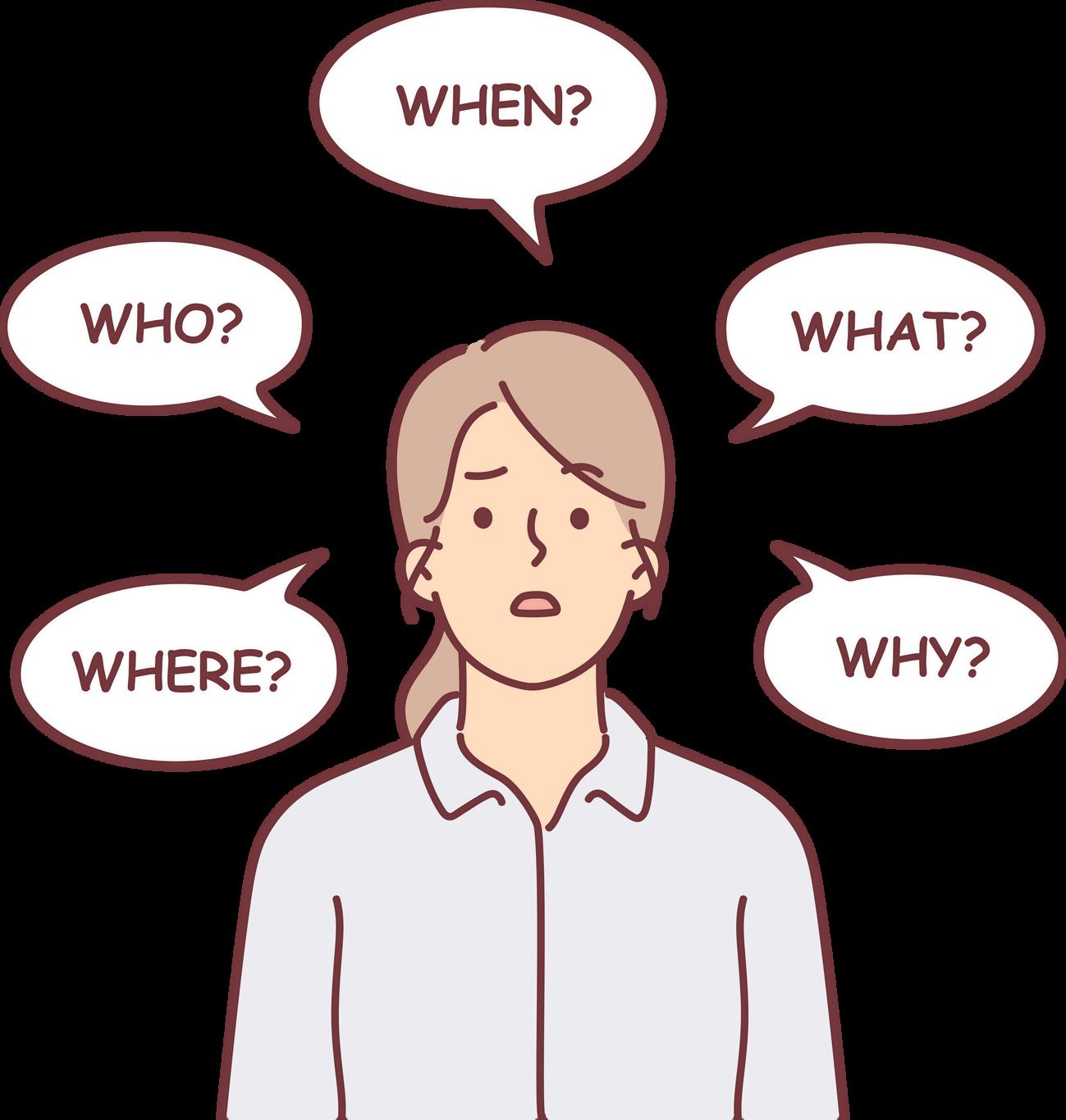
If a question or concern ever comes to your mind, communicate that to the researcher. That way they can keep you informed and take the steps needed to help you.
Research isn’t reserved for those with fancy degrees and letters after their names. No matter where you are on your learning journey, you can be a researcher. You are an expert in your own experiences, and this can be a powerful tool when trying to understanding something new about the world.
Young researchers can initiate and lead projects independently, but they can also enhance academic research as co-designers and facilitators.
When young people get involved in the development and delivery of a research project, that is a form of youth participation. The same standards should be met, with ambitious targets to promote power and responsibility sharing.
Information and knowledge is crucial when engaging young people in research planning. You need to understand the research process, ethics, and any specific policies for the organisation that you are working with. Throughout a collaboration, researchers should also be eager to learn from you, respecting the diverse experiences and skills of their young teammates.
Consultation is where a research team seek out young people’s opinions on a pre-defined part of the project. This engagement usually takes place on an ad-hoc basis, at a time when the researchers feel unsure about a decision.
Researchers could want your opinion on how to word a survey question to ensure that other young people will understand and answer in the right way.
Some might want advice on how to reach young people without an existing interest in research. They might need to know what formats and platforms to use.
Others might be eager for you to edit a draft of their report to make sure that it’s engaging and their findings are well explained.
Research advisory groups provide consistent support and recommendations to the research team. From the project’s conception to it’s conclusion, the advisory group are able use their expertise, from both lived experience and potential interest, to shape the overall study.
Researchers will often go to the group with specific questions when they feel unsure, but they might also brainstorm new ideas to take to the team. A research advisory group could consist of young people and adults or just a specific age range based on the topics being explored.
Depending on the project and organisation, advisory group members could help to design questions, develop methodology, and participate in data analysis. They should be fully informed about the project, it’s aims and structures, in order to provide relevant advice to researchers.
When deciding on a research topic under the broad theme of “ young people”, they might want to narrow down their ideas through engagement with young people. They could run workshops or ask schools for feedback to find out what gaps the young people themselves have identified.
Youth participation in research is at it’s strongest when adults are willing to give some of their decision-making power to young people. Some of the ways they do this is through peer research and co-research; two exciting opportunities to gain new insights that can easily be confused with each other.
Peer research is when young people are involved in the design and delivery of research to gather the views of other young people.
Helps to connect the research team with young people who otherwise would not have engaged.
Aims to enhance the relevance and accuracy of the data collected.
Used in social research to build trust with under represented communities.
Co-research gives young people the chance to be collaborators in most, if not all, aspects of a research project.
Responsibility for the entire project, including ethics, confidentiality, and safeguarding.
Empowers young people through mutual learning and capacity building.
Action focused, involving different stakeholders hoping to instigate change.
Youth-led research puts you in the driving seat. It gives you the freedom to explore the questions on your mind, using the tools that are most effective for you. You can perfect creative methodology in your own space, and in your own time. Youthled research projects often lead to campaigns and calls for change. They might use their findings as an evidence basis for an existing idea or as the ignition of something new.
Initiated and directed by you, giving you choice and autonomy.
Can fit around your schedule goals, and how you want to develop.
No support or guidance from experienced researchers. Any issues or concerns that arise are your responsibility.
Ask for advice and read up about ethical research with young people. Put your wellbeing first, and do what’s manageable for you.
Becoming a researcher is an opportunity for you to develop essential skills, access your rights, and contribute to our collective understanding of a topic. It can also be a valuable addition to your CV, demonstrating your commitment to growth. and discovery. You can learn whilst experiencing, and impart your knowledge on those with decision-making power.
No matter your passion, there is potential for you to explore and understand what you love. From sports, to gaming, to activism, your voice can make a difference. If you haven’t yet found what drives you, research is the perfect environment for you to ask questions and follow a thread that sparks your interest.
Research allows you to build a valuable network, where those around you know your value and are eager to support you to reach your potential. It might lead to other opportunities beyond academia. Researchers often work closely with those delivering projects on the ground. Through gathering and analysing data about these activities, you can gain a unique insight into other possible careers.

Your time and contributions are valuable, and you should be fairly compensated for what you give. Each research project will have it’s own constraints, and they will offer you different forms of compensation. When deciding if you would you want to get involved in a project, consider if the compensation offer works for you. Ask yourself if it feels fair, if you can commit the time needed, and how the project will support your personal growth.
Getting paid for the time you give to a project. Vouchers could also be given.

Providing you with mentorship, guidance, and opportunities to learn.
Attending activity days and going on a trips as a thank you for your work.

Some projects will cover your expenses. These include travel costs, food, equipment, and accommodation that you need to complete the tasks relevant to your role. Don’t be afraid to ask about claiming expenses, especially if this could be a barrier to your engagement.
Keeping young people safe should always be a researchers top priority. When you are sharing your experiences through surveys or focus groups, researchers must always keep this information to themselves and the team. However, if they feel that you or someone else is not safe, they have a responsibility to raise this concern. This is so you or the person at risk can get the support that they need.
Similarly, if you are collecting data and are concerned about something you hear, make sure you communicate that to the professionals you are collaborating you. Once you have raised a concern, it will dealt with appropriately. You might have mixed feelings about flagging a safeguarding concern, but try to feel proud that you have contributed to maintaining the welfare of another young person.
A research project or organisation should have a safeguarding policy. Try to familiarise yourself with these steps and have a conversation with the researchers to help yourself feel comfortable with these processes.


My Interests
Mental Health
Employment
Climate Change
Education
Technology
Substance Misuse
Social Media
Relationships
Crime
Diversity and Inclusion
Human Rights
Other
Have a think about your weekly schedule. Have you got time for research? Which way of getting involved works best for you?
Plan out your ideal week, accounting for down time, school, work, and extra projects. Prioritise what you care about.
My busy periods are during Most weeks, I can commit hours towards research
I spend hours per week on extra-curricular activities
I dedicate hours per week for relaxation and hobbies
Mon Tue Wed Thur Fri Sat Sun
In the next month I want to:
In the next 6 months I want to:
In the next year, I want to:
In the next 5 years, I want to:
In the next 10 years, I want to:
Consider if and how getting involved in research will help you to achieve these goals. Remember the different ways that you can contribute. Even small actions can lead to an increase in your confidence and articulation in conveying your views.
Achieving certain goals will come as a result of a lot of hard work and dedication. Think of reaching your goal as a journey, not a destination. There might be lots of smaller challenges for you to complete before you can get where you want to go. Sometimes these unintentional adventures will change the course all together. Try to stay open to exploring new directions. You never know where they might take you.
Although your overall ambition might be nothing to do with research, could it be a step on your journey?

There is no simple answer as to whether or not research is right for you. However, reflecting on the previous prompts around skill development, your schedule, and goals should give you a good place to start. If research feels like something that will bring you value, get involved, but if not, look for another activity that will work better for you.
Now might not be the right time for you to start your research journey, that doesn’t mean the door is closed forever. It be might be something for you to revisit down the line.
Are skills associated with research valuable for you?
Do you have the time to engage in research?
Are you passionate and want your voice to be heard?
Will research help you to achieve your goals?
Are you eager to explore something new?
If you answered yes to these questions, then research might be right for you. Take a look online to see if there are any opportunities to respond to research or calls for young people to support behind the seasons.
No matter your “what’s next” regarding research, you have the right to be heard and listened to. Use your voice to advocate for what matters to you!
Thank you for taking the time to read this guide for young people

This guide for young people has been created by Arthur Isaac - independent children’s rights and participation consultant