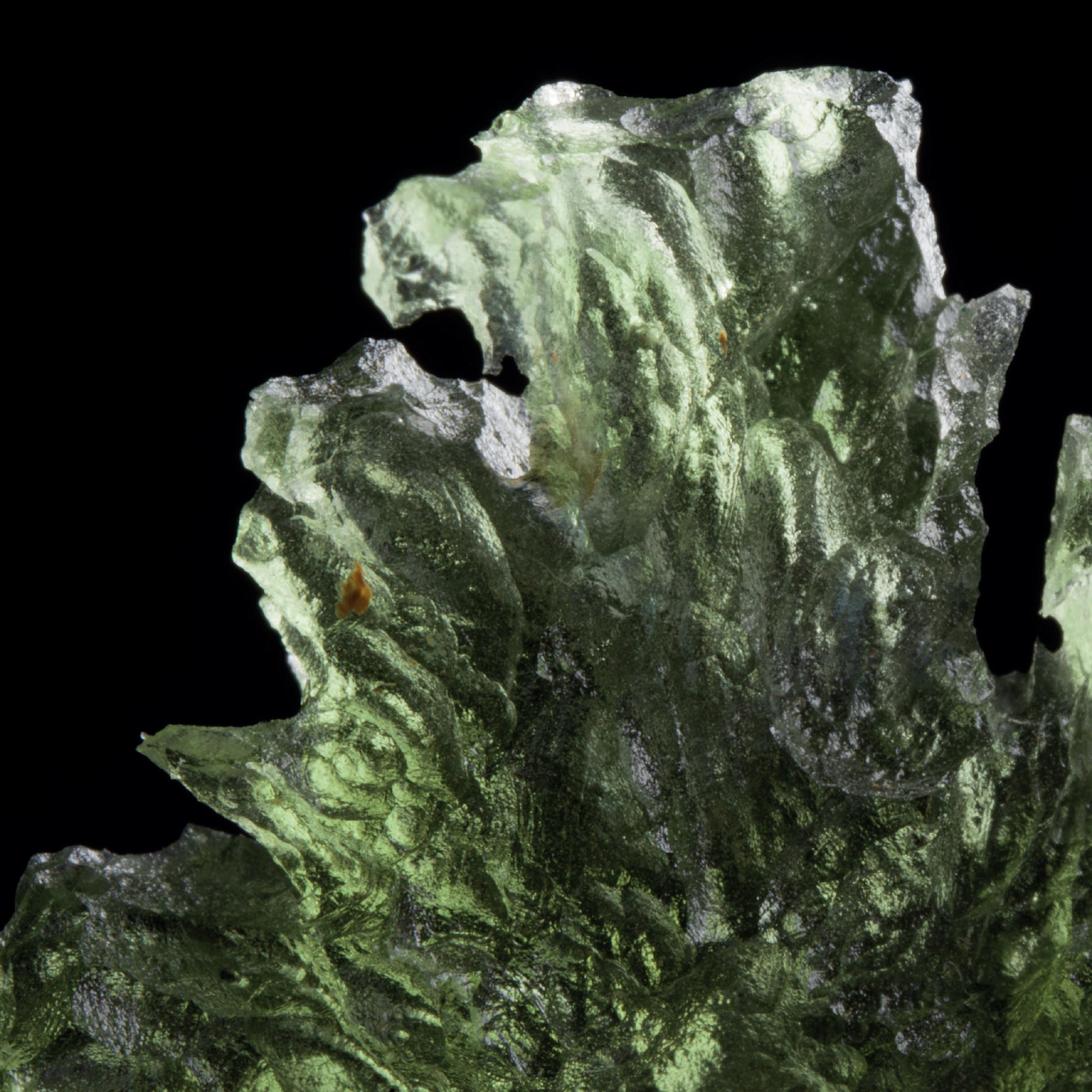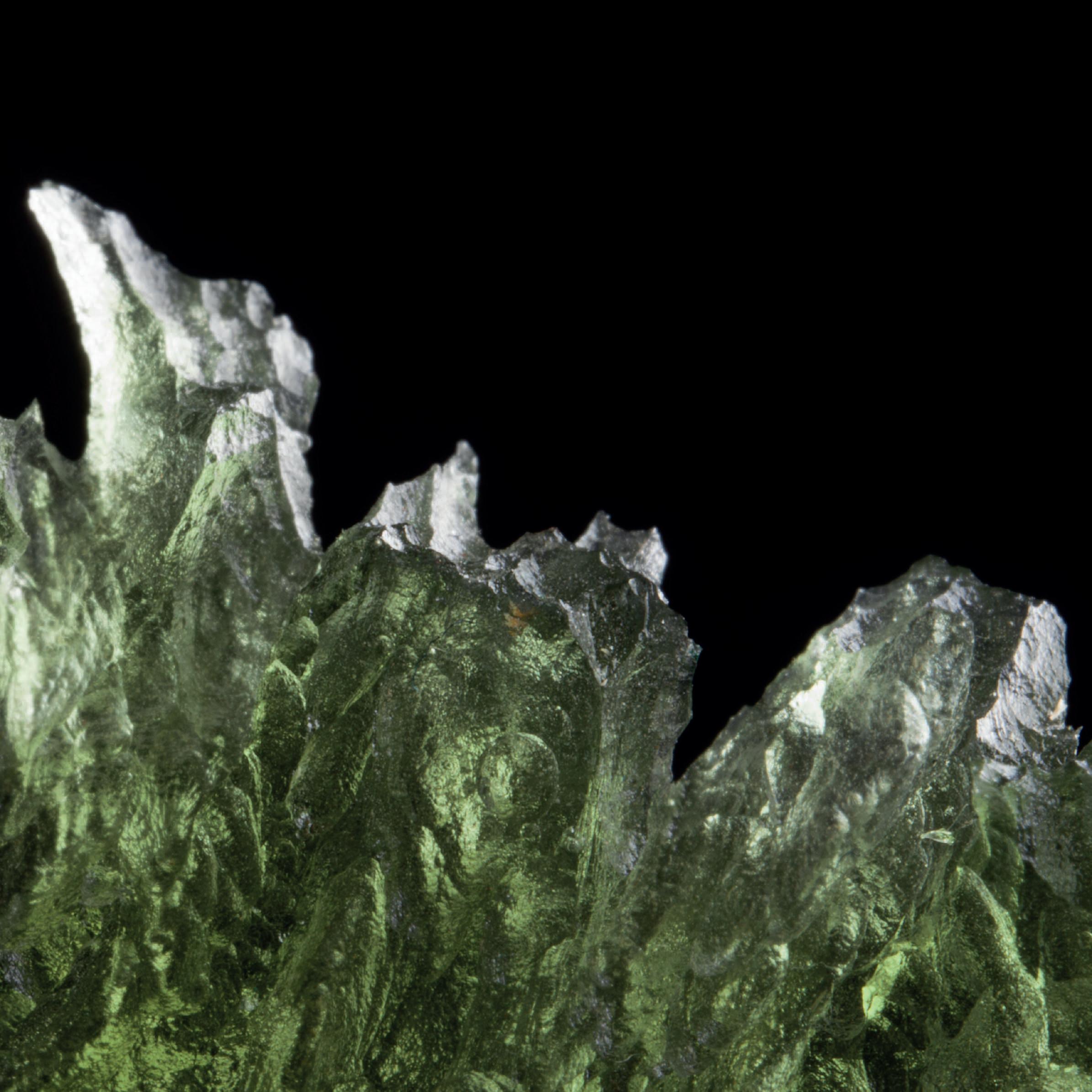
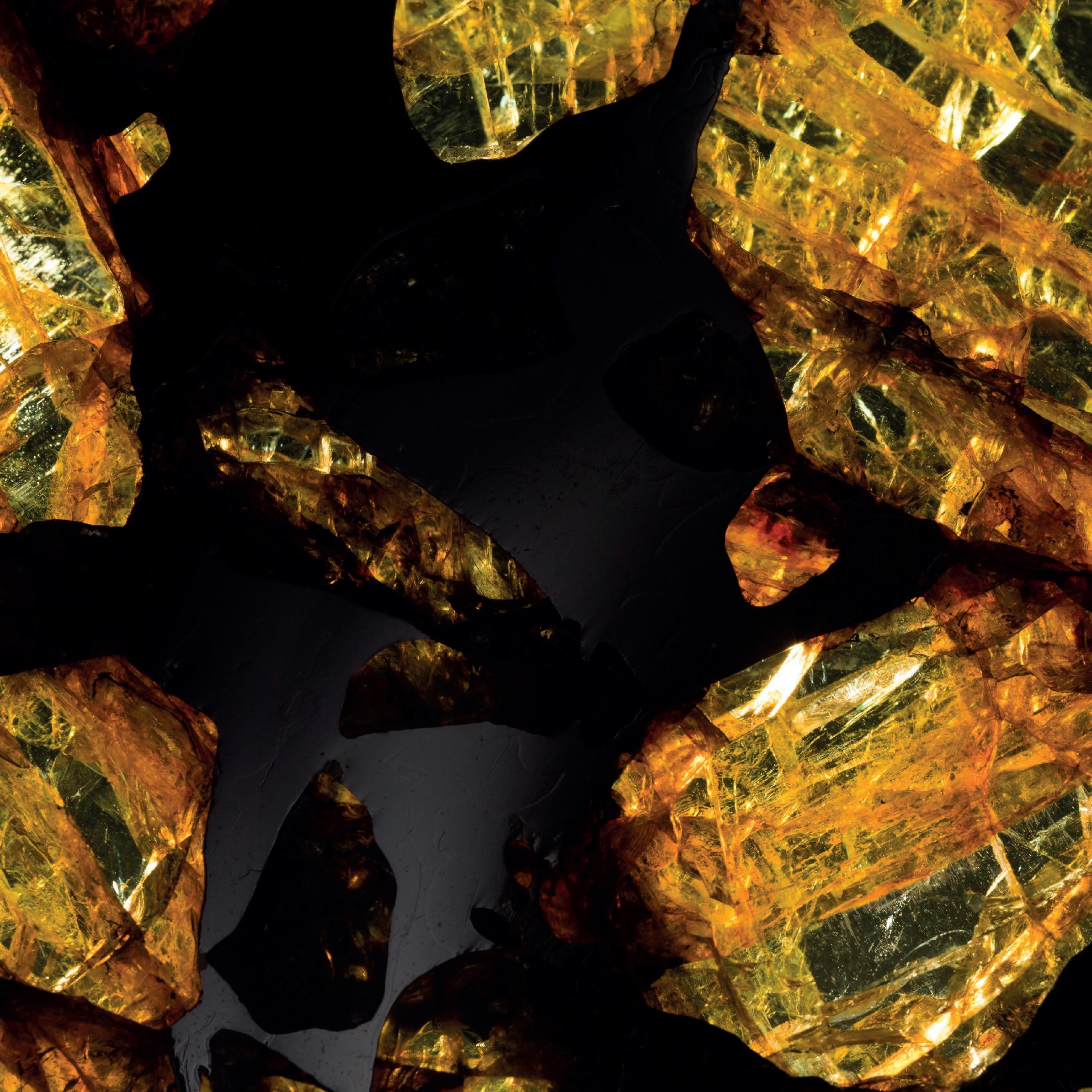
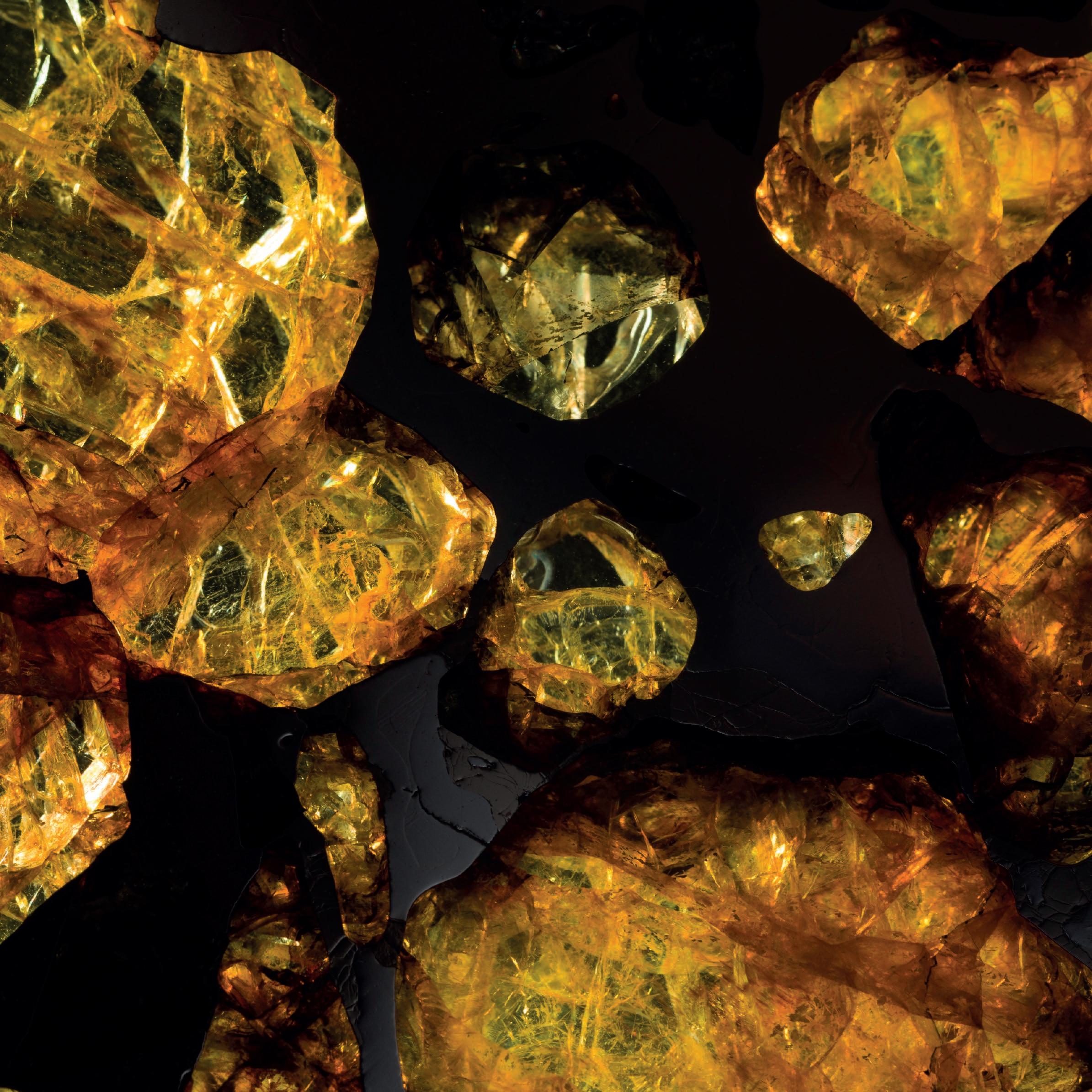
The objects in this exhibition were found by adventurers, treasure hunters, hikers, Bedouins.
Some cross continents to chase after a shooting star, whilst others discover a strange rock in the back garden.
Their shapes and contours are evocative: running water; thumb prints on wet clay; surrealist sculptures; alien artefacts. They are tactile; they have fascinating textures and forms. They shine and sparkle. Sometimes it’s a gorgeous craquelure surface that draws you in or a face emerging from the shadows.
This exhibition is a tribute to the beauty of these messengers from space.


Centuries before the Egyptians discovered how to extract iron from its ore, they somehow crafted a beautiful dagger in pristine nickel-iron. Artists decorated it with gold, enamel and rock crystal and presented it to King Tutankhamun. Sometime after 1000 AD the indigenous people of Greenland found a mysterious metallic boulder and removed pieces of it to make harpoons, knives and arrowheads.
Millennia later, the leading thinkers of the Enlightenment were having difficulty accepting the reality that rocks could fall from the sky. Mixed in with apparently genuine observations were reports of strange substances falling from Heaven – flesh, milk and even blood. In 1794, Ernst Chladni published a seminal paper “On the Origin of the Iron Masses found by Pallas[…]”. Although ridiculed by some contemporaries,
there followed a series of witnessed falls. When the chemist Edward Howard examined the recovered stones, he found them to all contain nickel - an element so rare in the Earth’s crust that it had only been discovered about fifty years earlier. Finally, the discovery of asteroids (Ceres in 1801, Pallas in 1802, Juno in 1804 and Vesta in 1807) provided proof that interplanetary space was not empty and offered a plausible source for these extraterrestrial rocks.
There are currently about 70,000 meteorites from all over the world that have been collected, studied and characterised. They are exceedingly rare — the collective weight of every meteorite known to exist is less than the world’s annual output of gold. Some meteorites are observed falls; they have been seen to hit the ground, dent a mailbox, or crash through the roof of a doghouse.
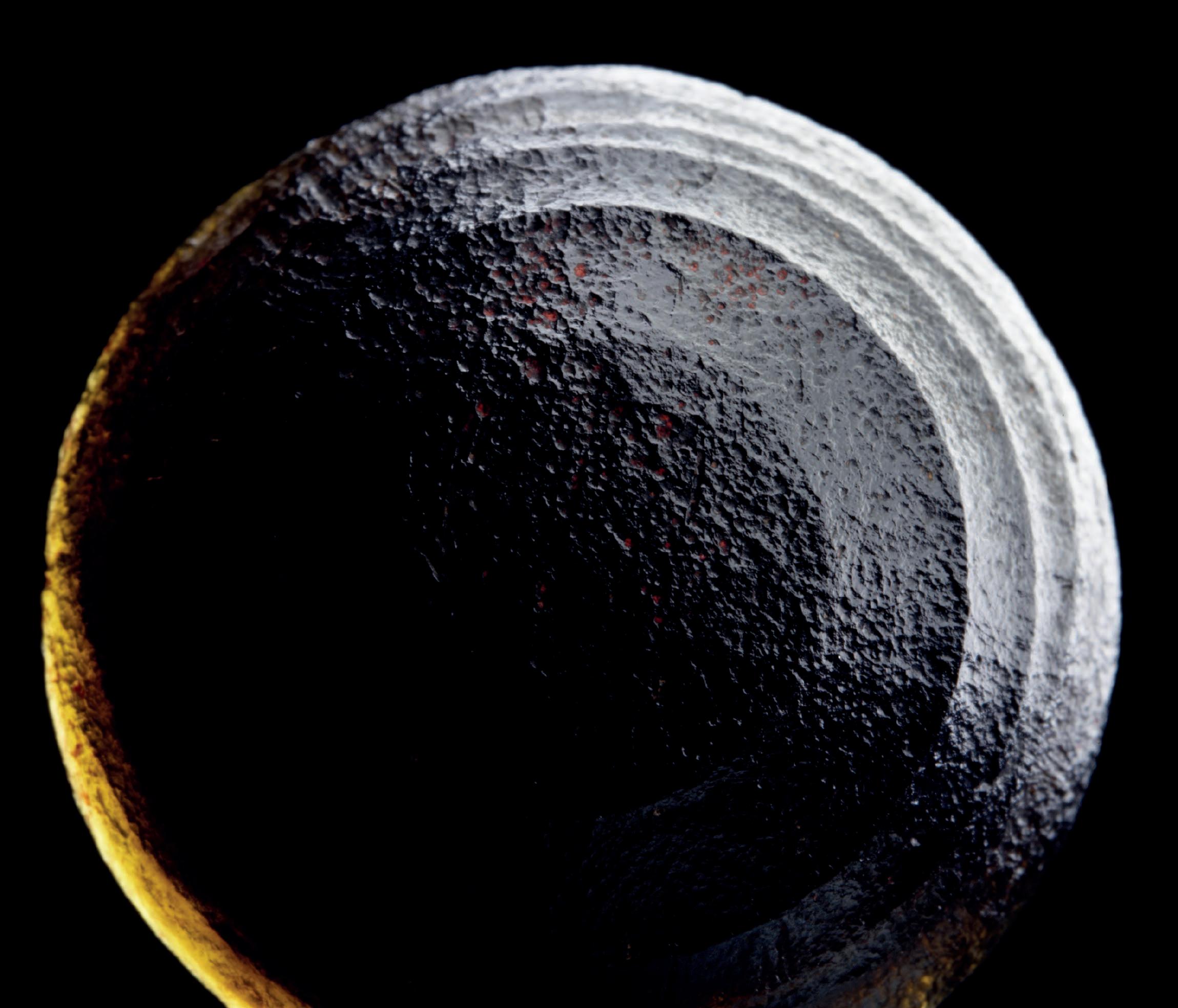
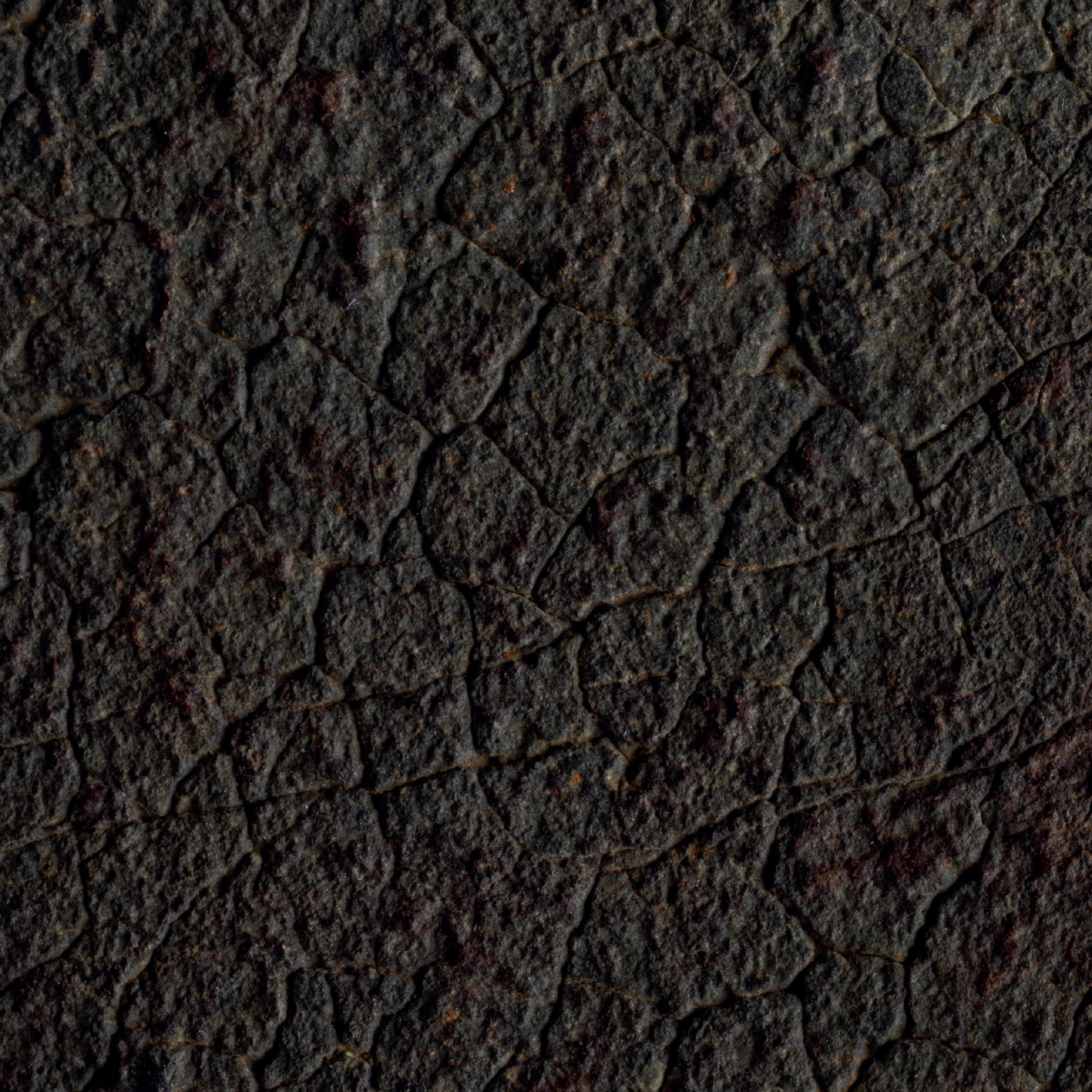
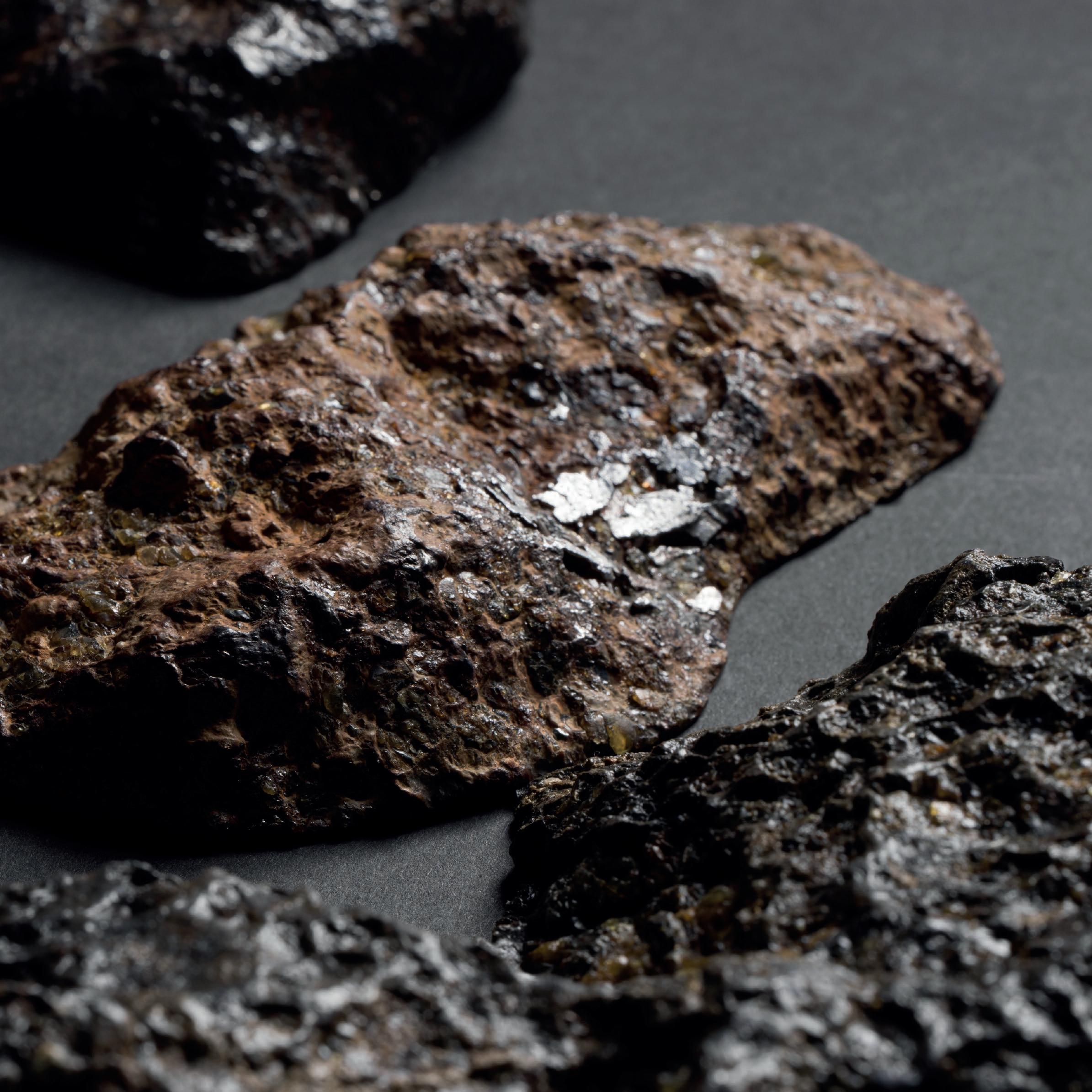
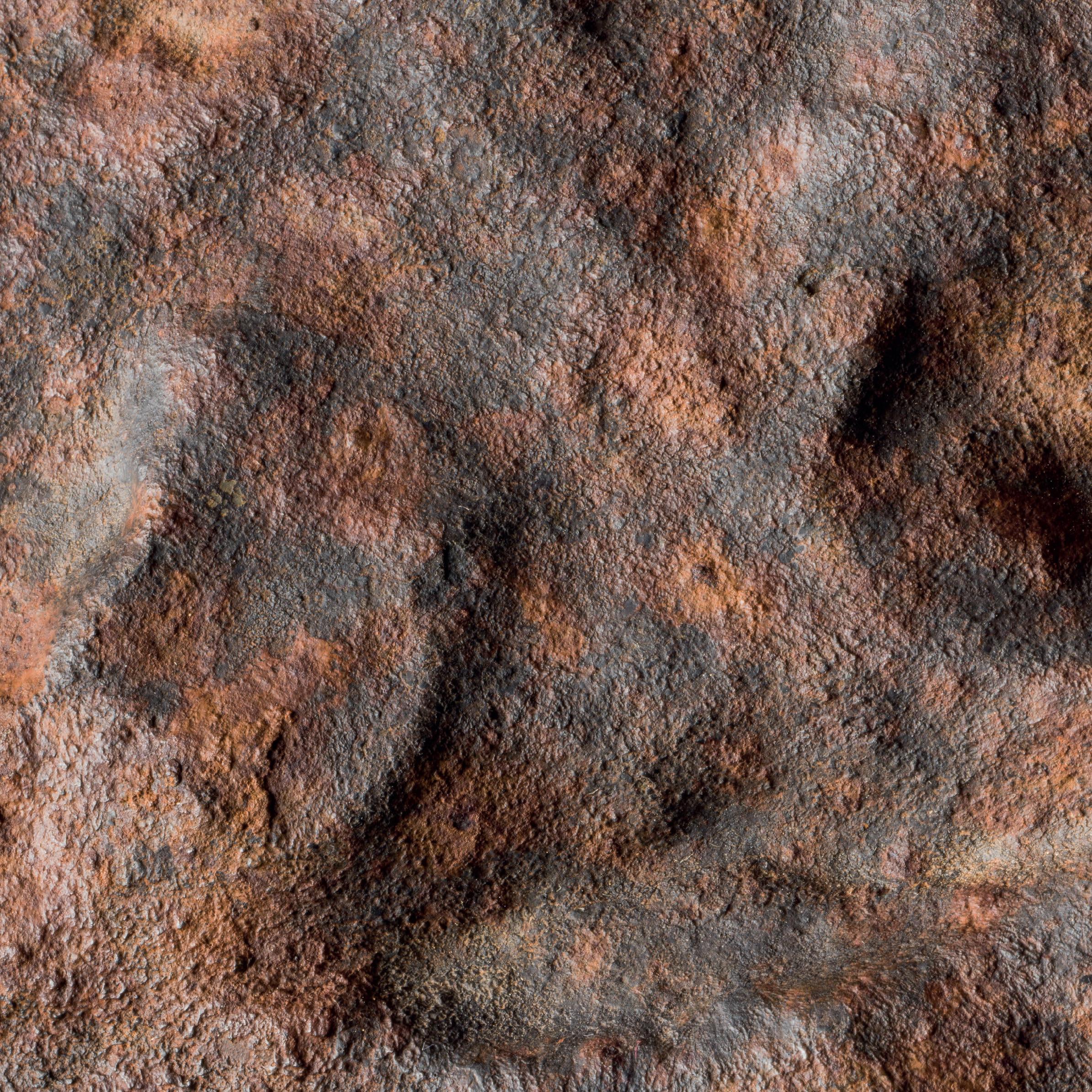
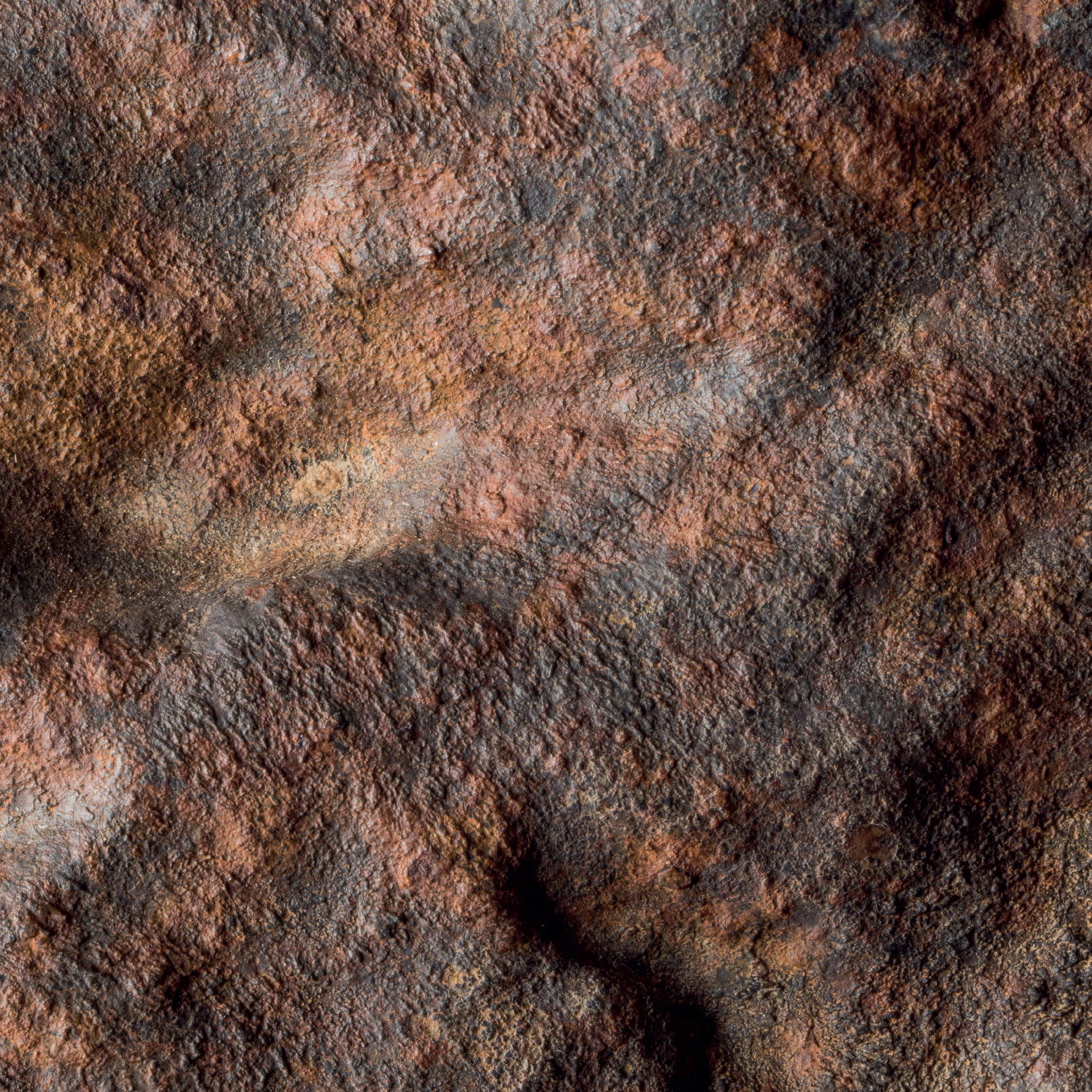
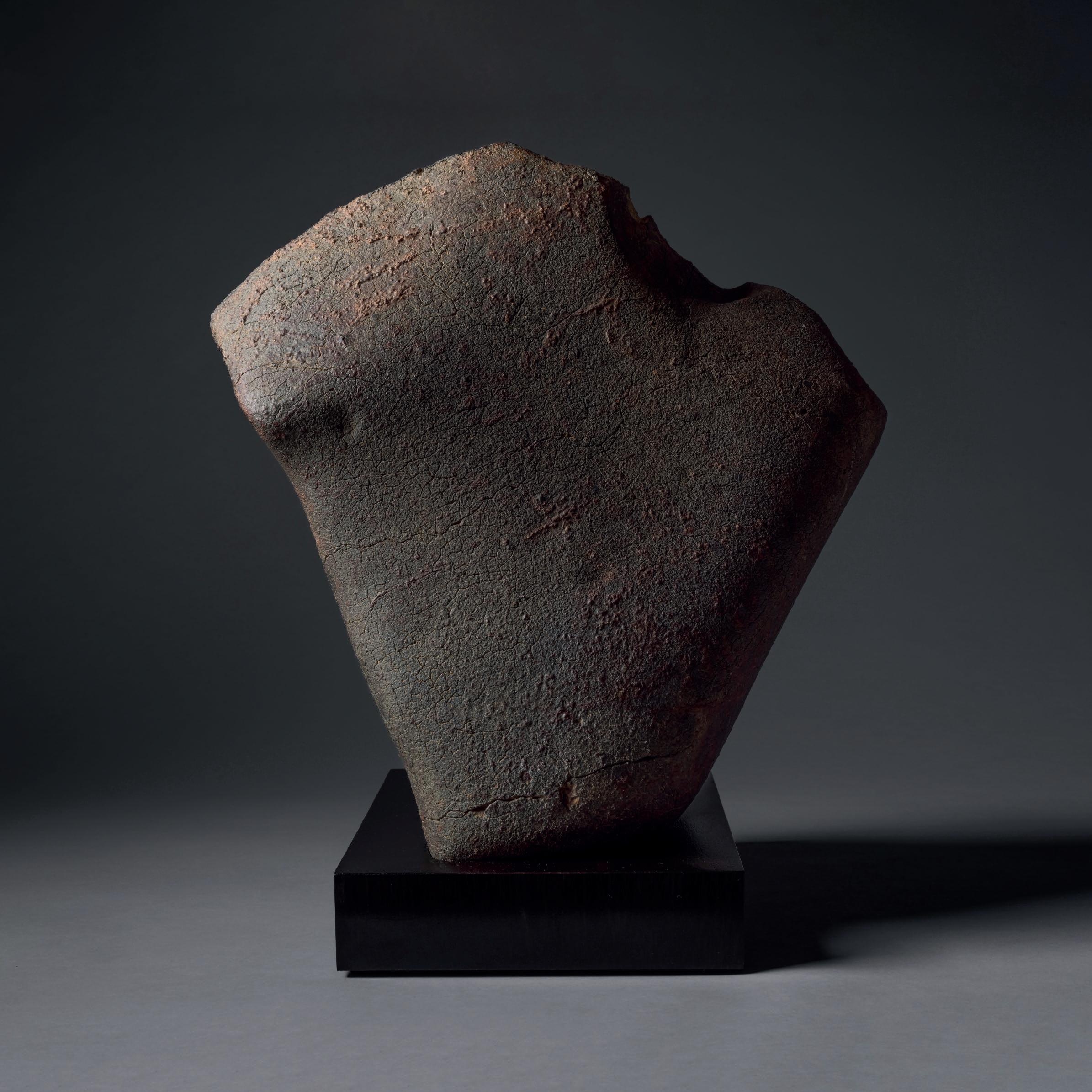
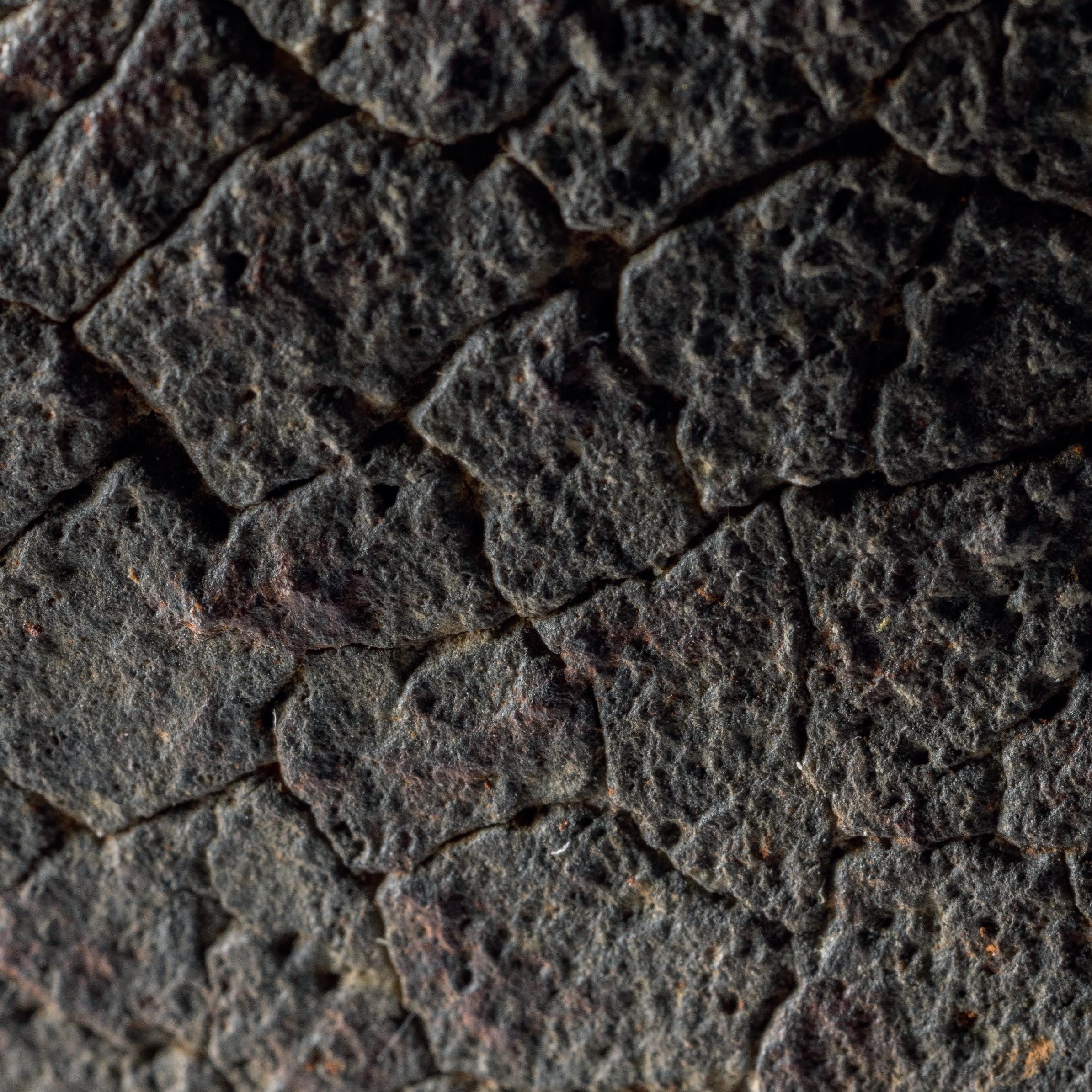
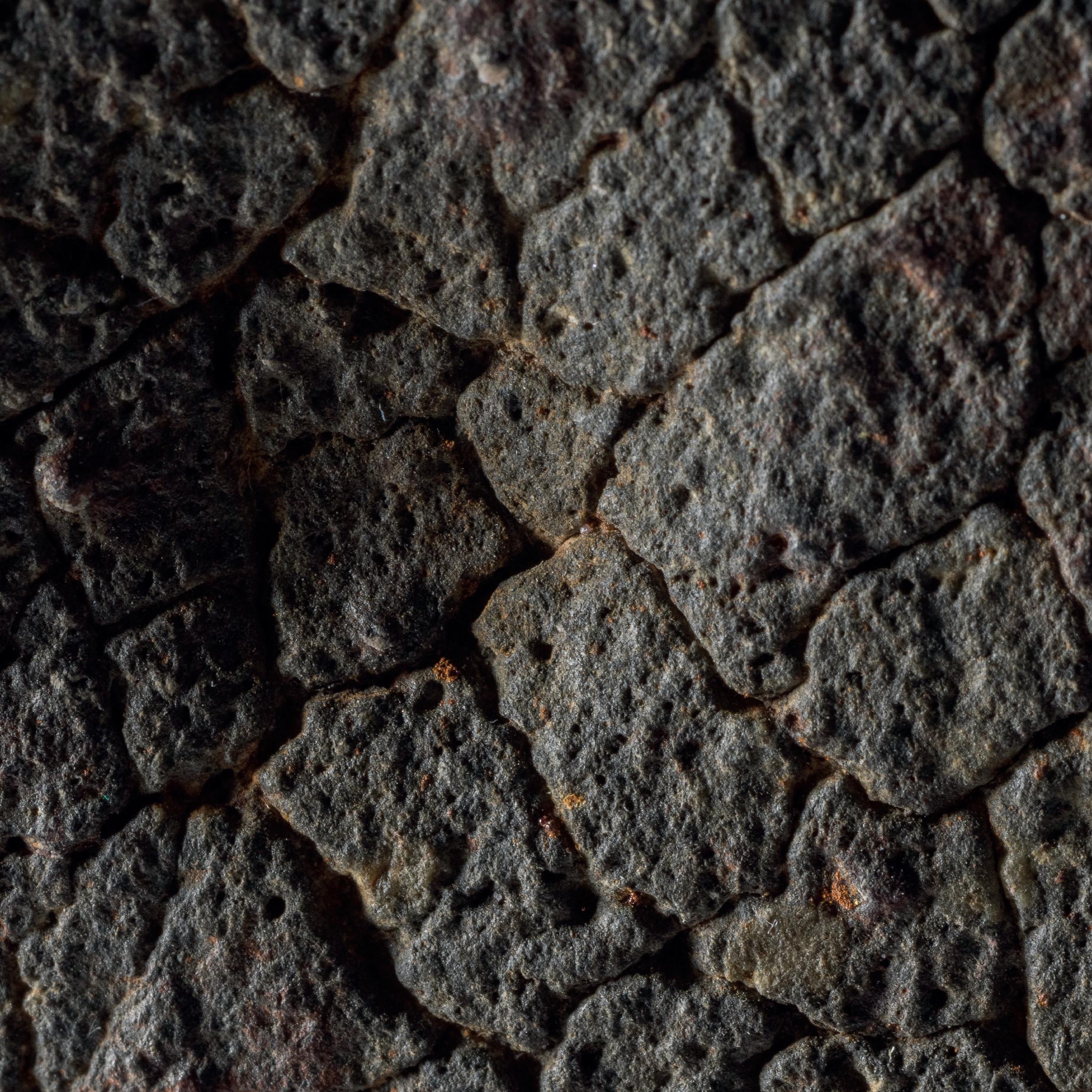
Department of Earth, Planetary, and Space Sciences, UCLAAs meteoroids plunge through the atmosphere at cosmic velocity, the surrounding air is heated to 1,700°C and a fireball is produced. The outer surface of the rock melts and ablates away, exposing a new surface, which also melts. In fact, a meteoroid can lose 95% of its initial mass before it hits the ground. The final melt which coats the meteorite is a typically black, shiny, beautiful surface - the fusion crust.
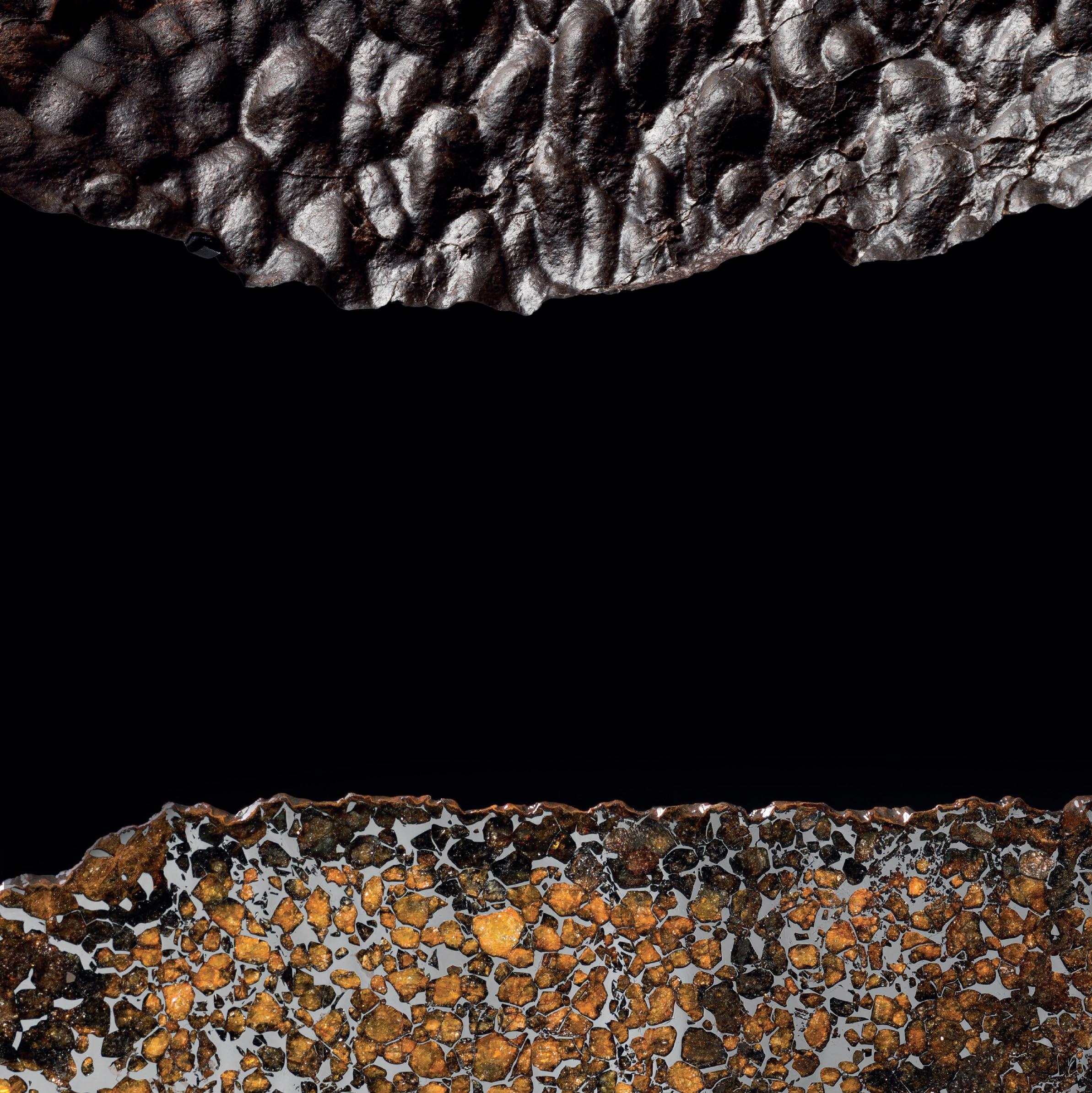
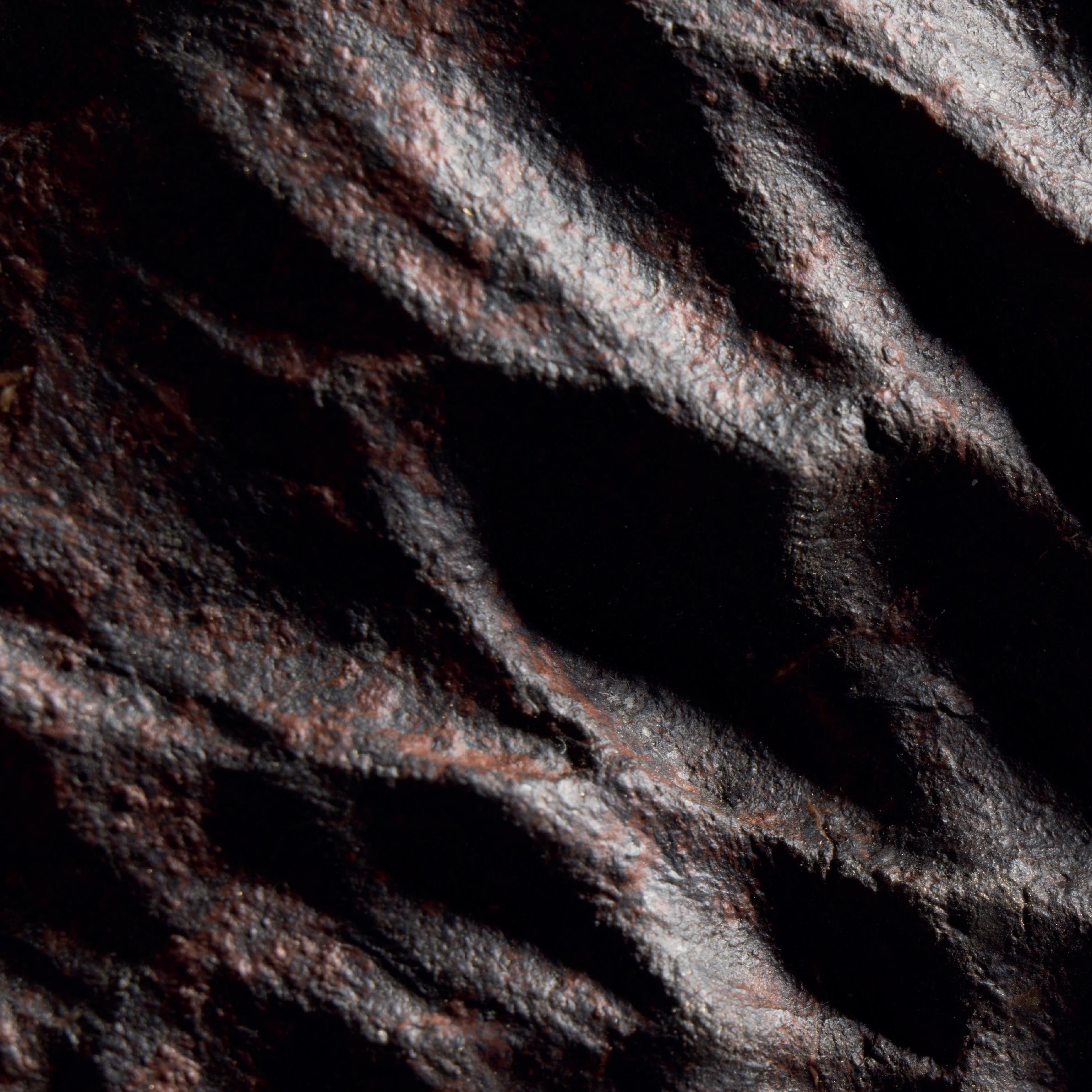
Most meteorites tumble chaotically during their atmospheric descent; as the surface melts and ablates away, the characteristic thumbprints known as regmaglypts are formed. On rare occasions, an incoming meteoroid maintains the same orientation as it blazes through the atmosphere, it is moulded into a conical shape and becomes adorned with flow lines – small ridges of melt that radiate away from the nose cone,
Most meteorites (about 97%) are “stones”, made of silicate minerals and small amounts of nickel-iron and sulphide. There are two main varieties – chondrites (typically containing tiny silicate spherules called chondrules) and achondrites (which lack chondrules). The rest are irons and stony-irons. Chondrites are fragments of “primitive” undifferentiated asteroids,
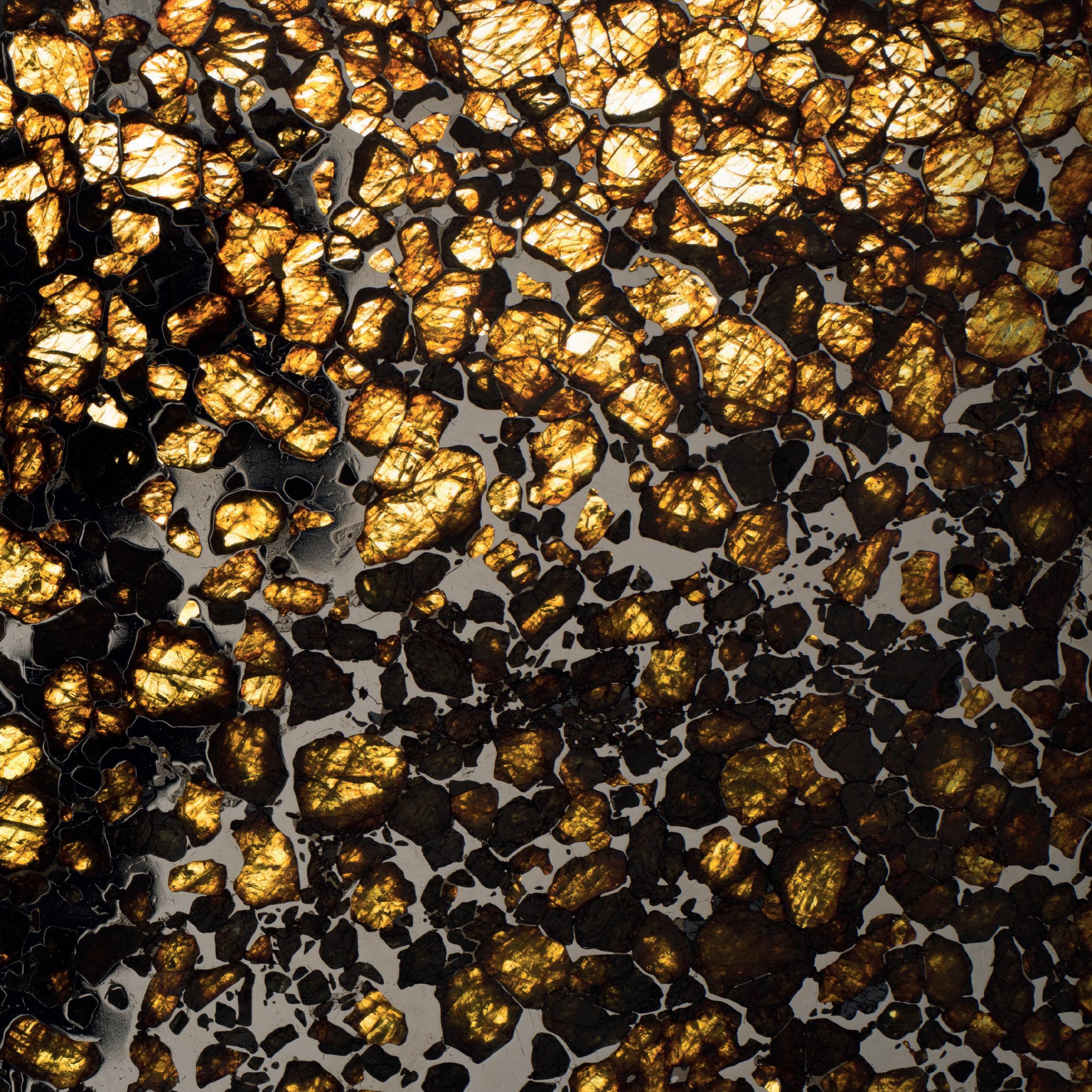
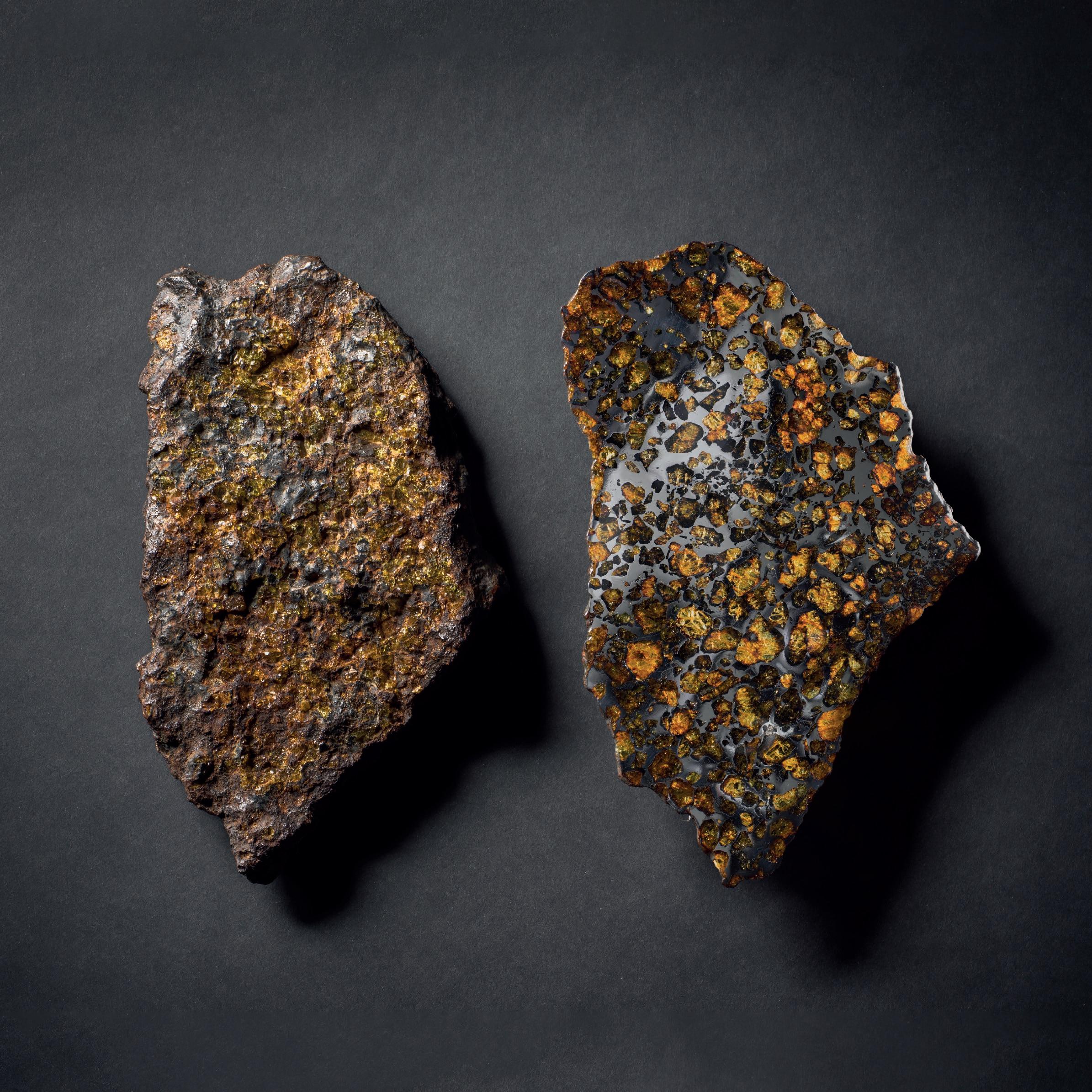
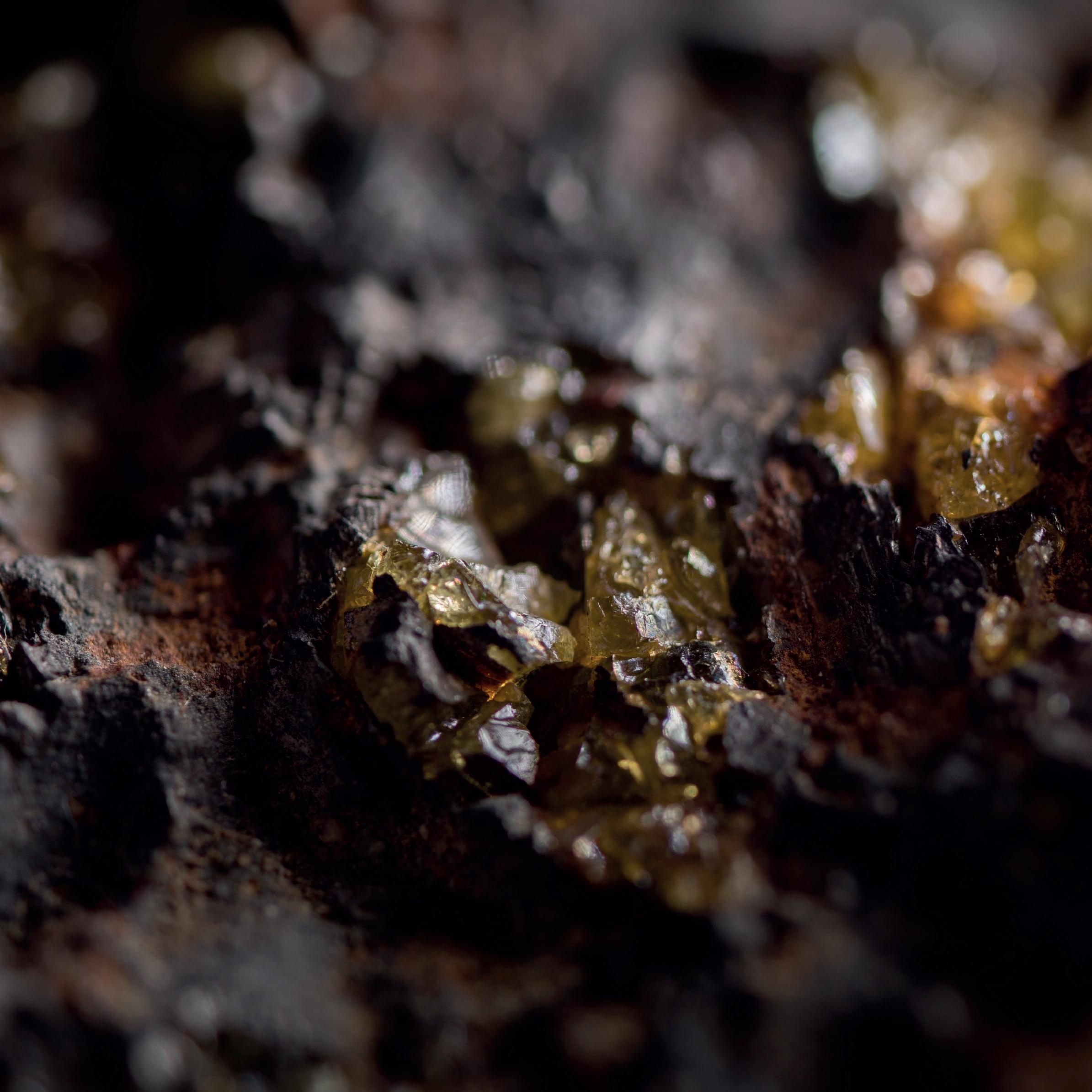
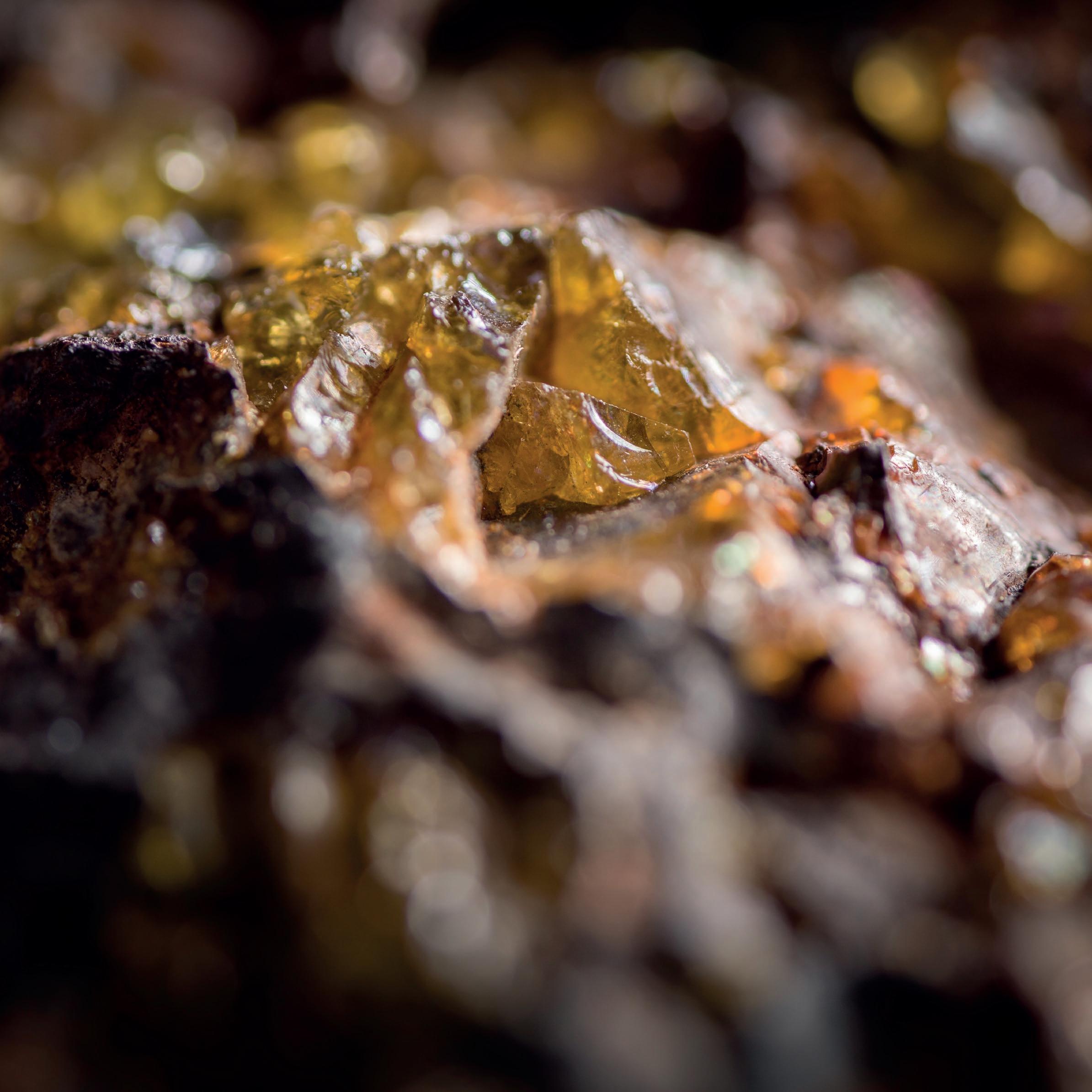
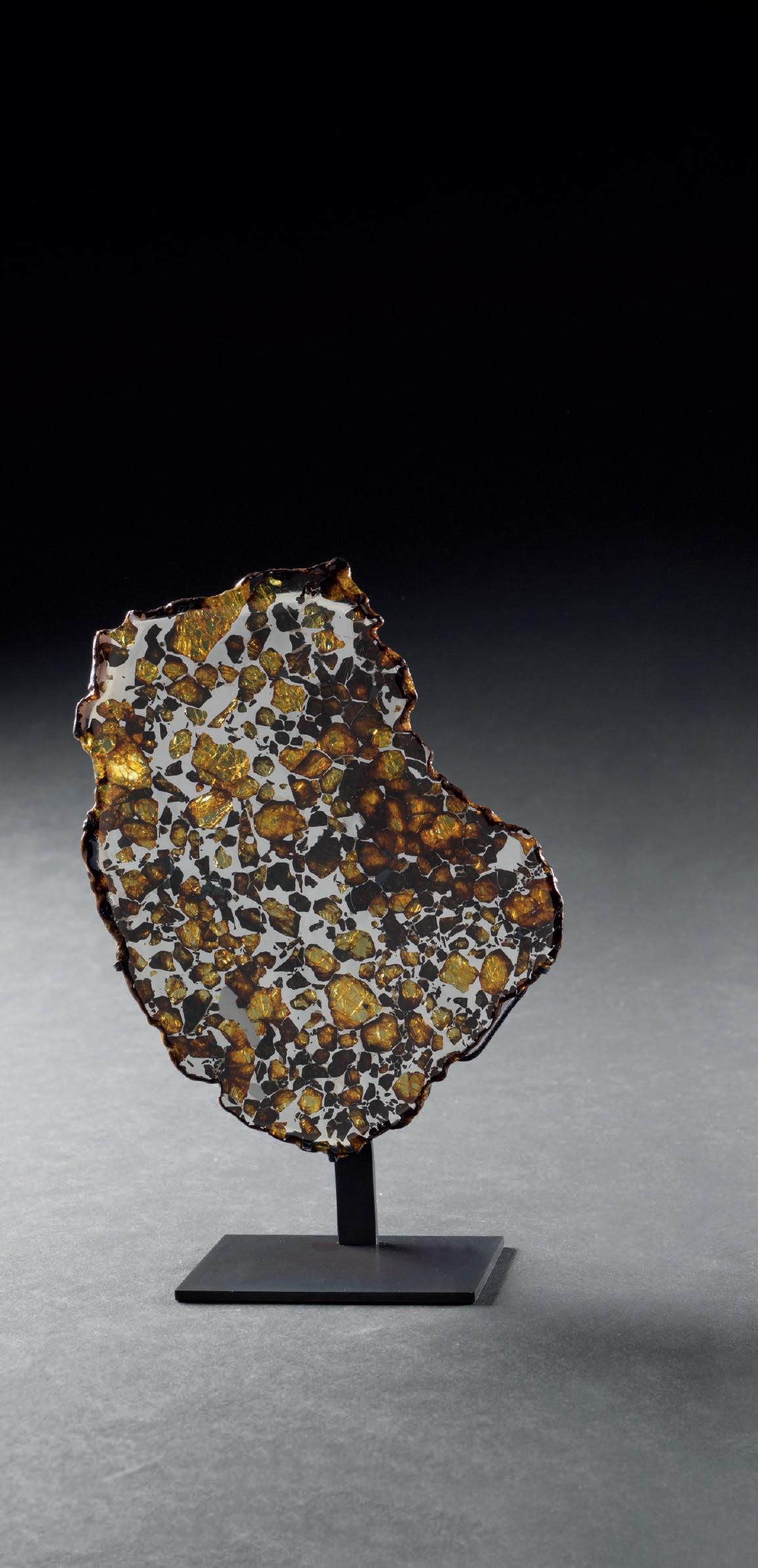
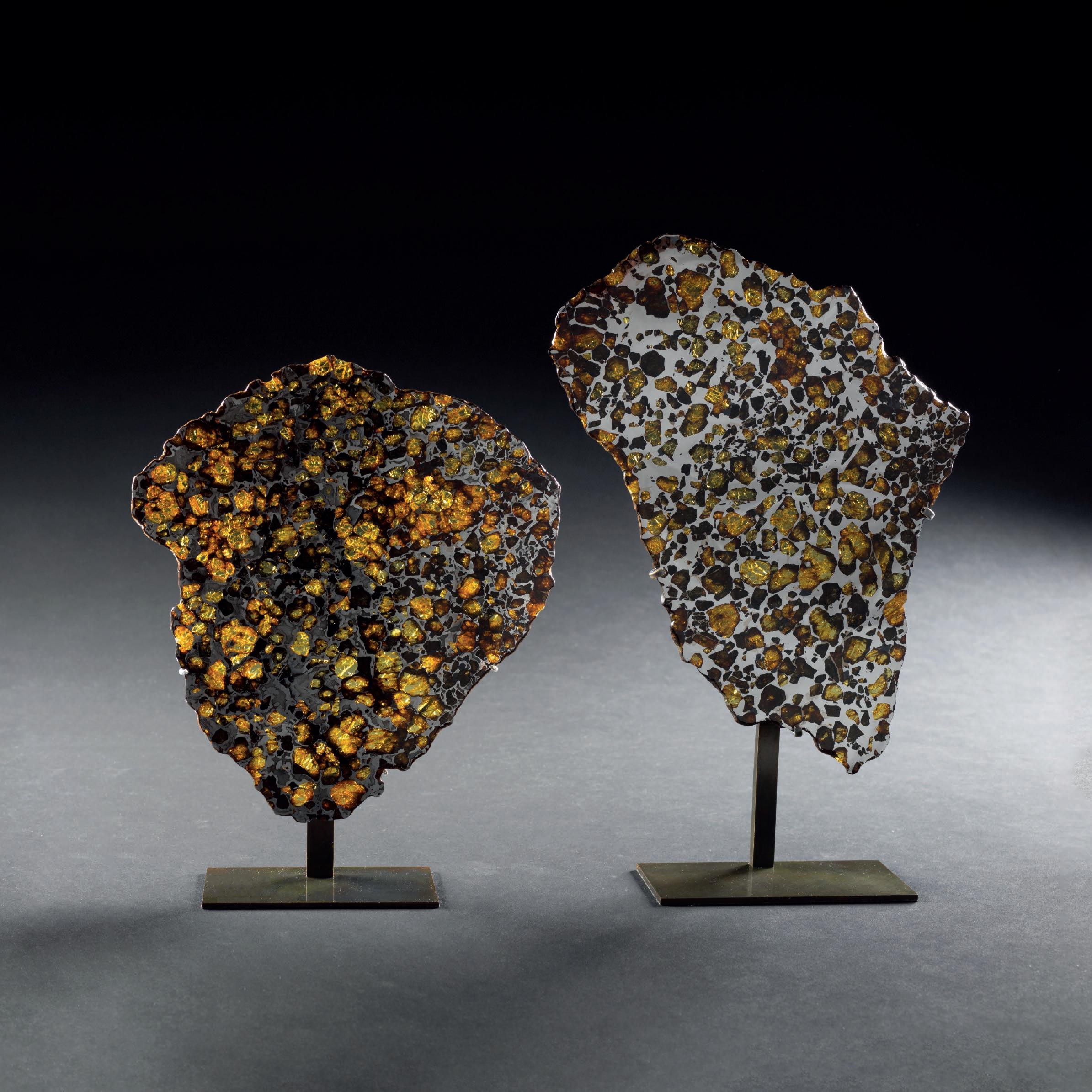
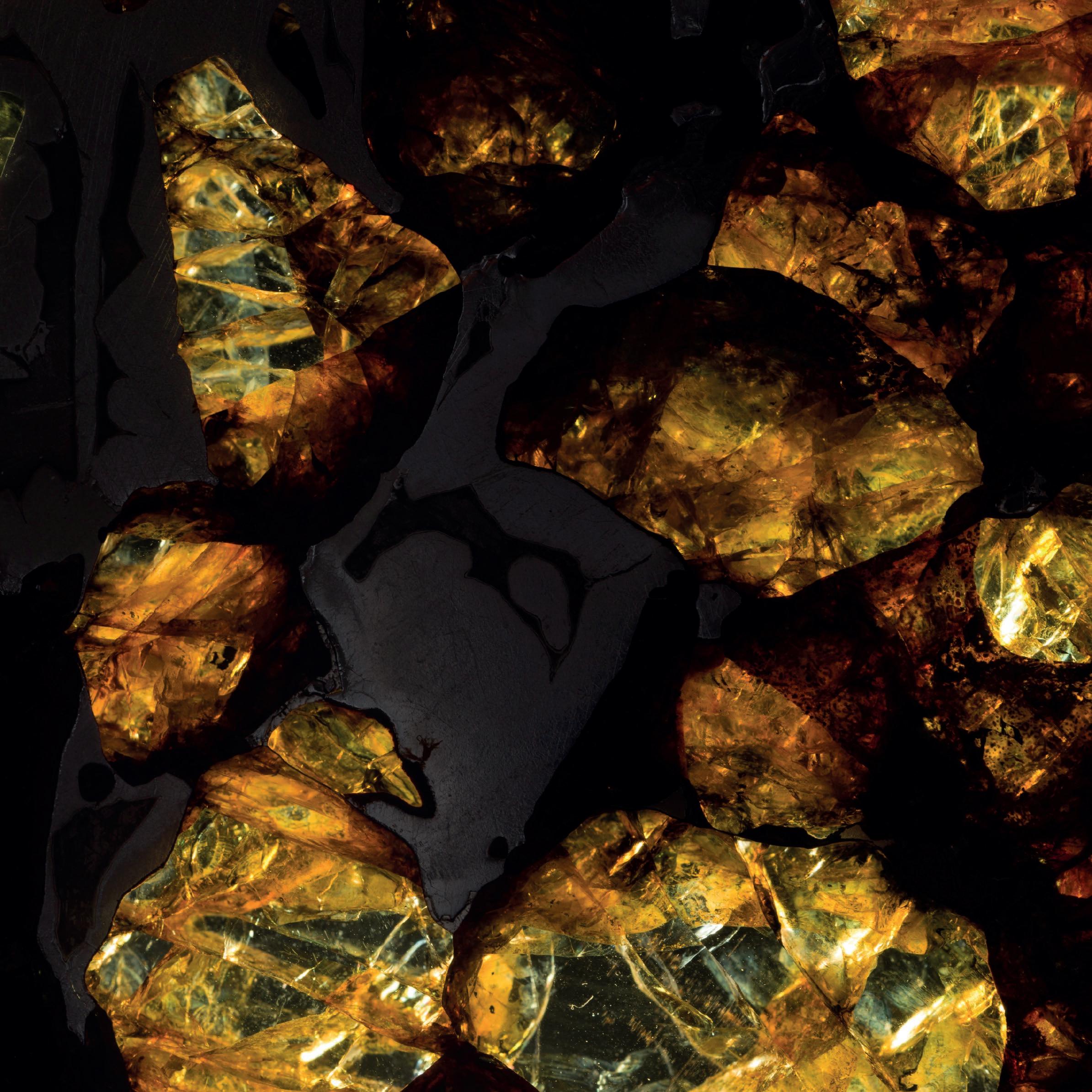
whereas achondrites are from the stony regions of asteroids that melted and differentiated into layers, just like our own planet. Most iron meteorites originate from the core of these differentiated “mini planets”. Stony-iron pallasites, the crystal studded meteorites, originate from the boundary of the liquid metal core and stony mantle.
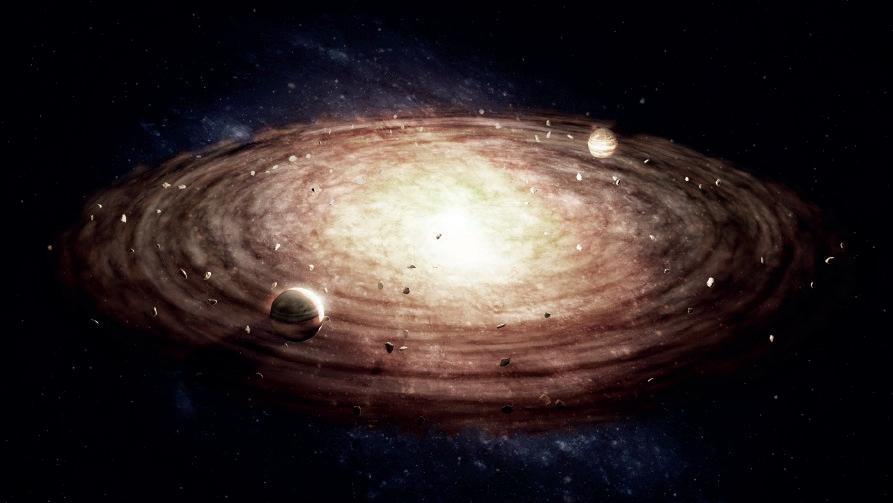
Meteorites are immensely important to science. They are the building blocks of our solar system. Meteorites such as Allende have particles in them that pre-date the formation of our Solar System by billions of years.
Some carbonaceous chondrites are rich in waterbearing clay minerals and organic compounds such as amino acids, the building blocks of DNA. Meteorites such as this may have delivered these precious compounds to Early Earth, facilitating the origin of life itself.
Meteorites can also teach us about the history of our celestial neighbours – the Moon and Mars. Lunar and martian meteorites were blasted off the Moon and Mars by enormously energetic impacts. They were flung into interplanetary space and eventually found their way to an Earth-crossing orbit. They are some of the rarest substances on Earth, with less than 780 kg of lunar meteorites known; martian meteorites are rarer still.
In contrast to the rocks brought back from the Apollo missions, lunar meteorites come from the entire lunar globe, allowing a better understanding of its geology. Likewise, martian meteorites permit scientists to study the geology of Mars.
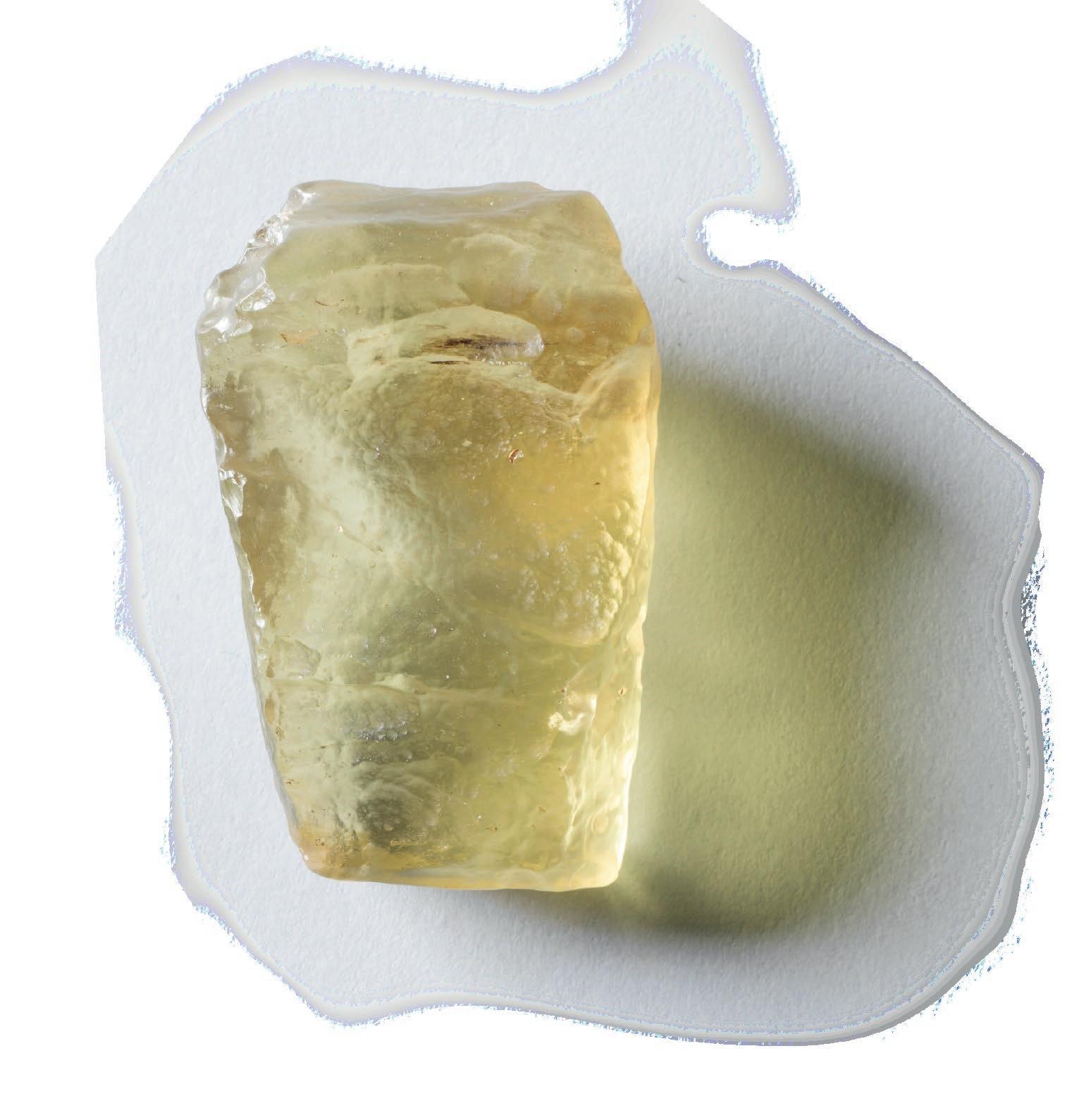
Meteorites have changed the course of evolution. If it had not been for the collision of a 10-kilometre asteroid with the Yucatan Peninsula in Mexico 66 million years ago, dinosaurs would likely still be around. Tektites, a type of impact glass, show the extreme force of these cataclysmic impacts. Libyan desert glasses are fragments of a melt puddle that formed 29 million years ago after an enormous impact fused quartz sand into glass. Temperatures exceeded 1,600°C – higher than the crystallisation temperature of any igneous rock.
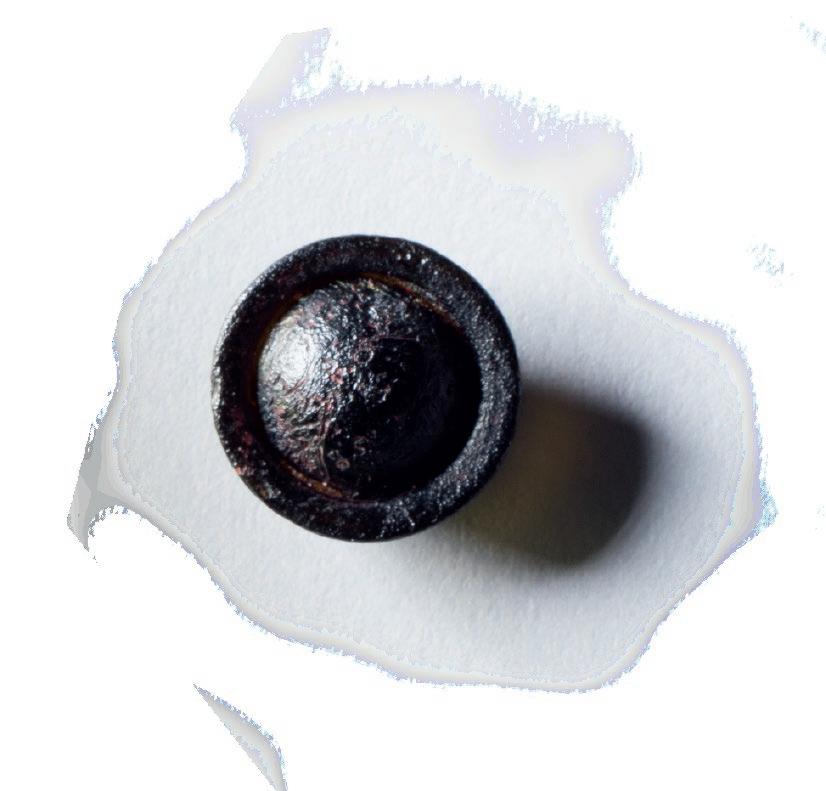
Australites or “button tektites” formed about 700,000 years ago when an asteroid hit an area around South East Asia with such force that these objects melted twice: once during the impact when terrestrial
sediment was melted by collisional heating and then ejected above much of the atmosphere. The second melting occurred during reentry when the glass was heated and ablated into a shape resembling an Apollo reentry capsule.
The study and collection of meteorites by institutions and private individuals promotes wider appreciation of planetary science - a vital driver for space research and the advancement of our species.
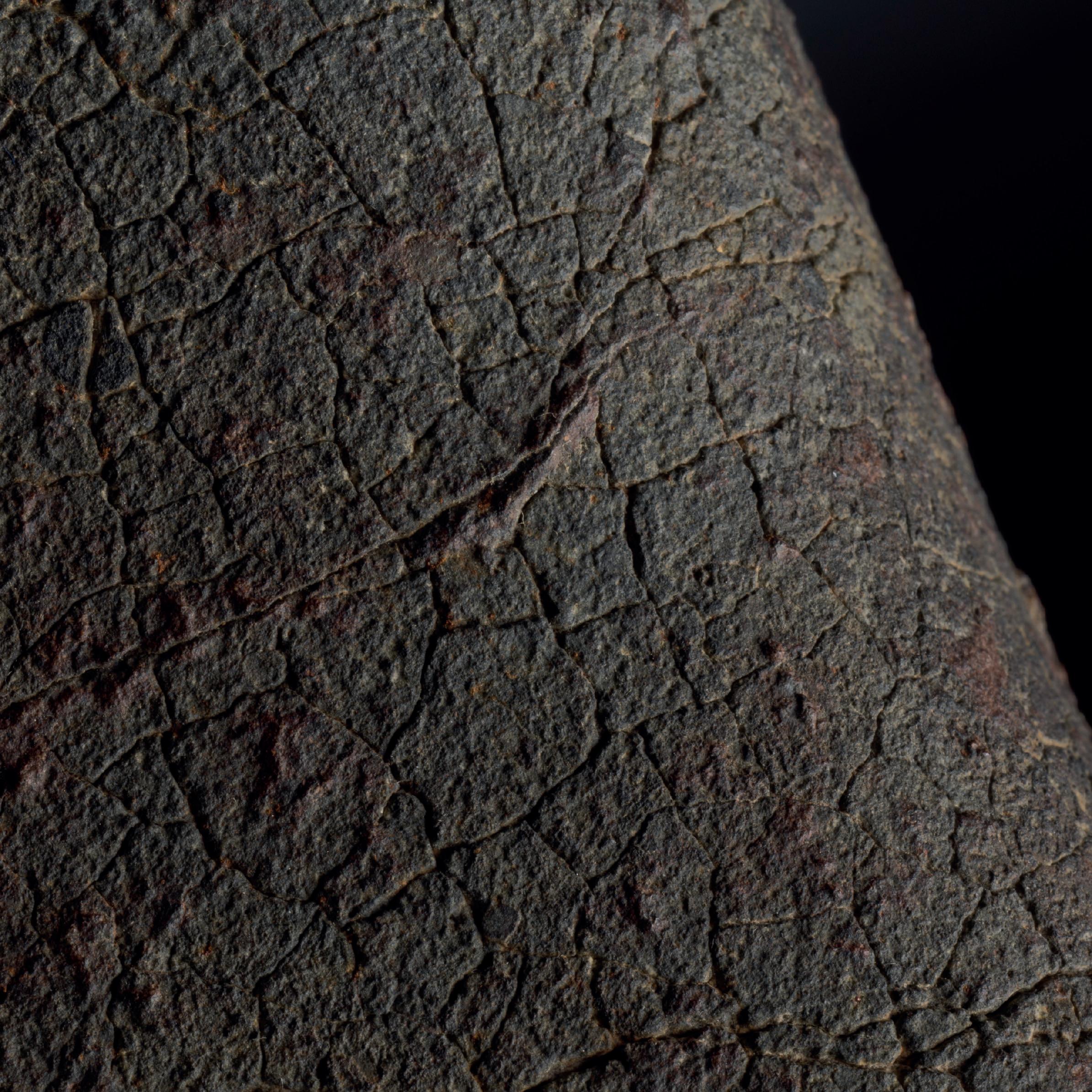
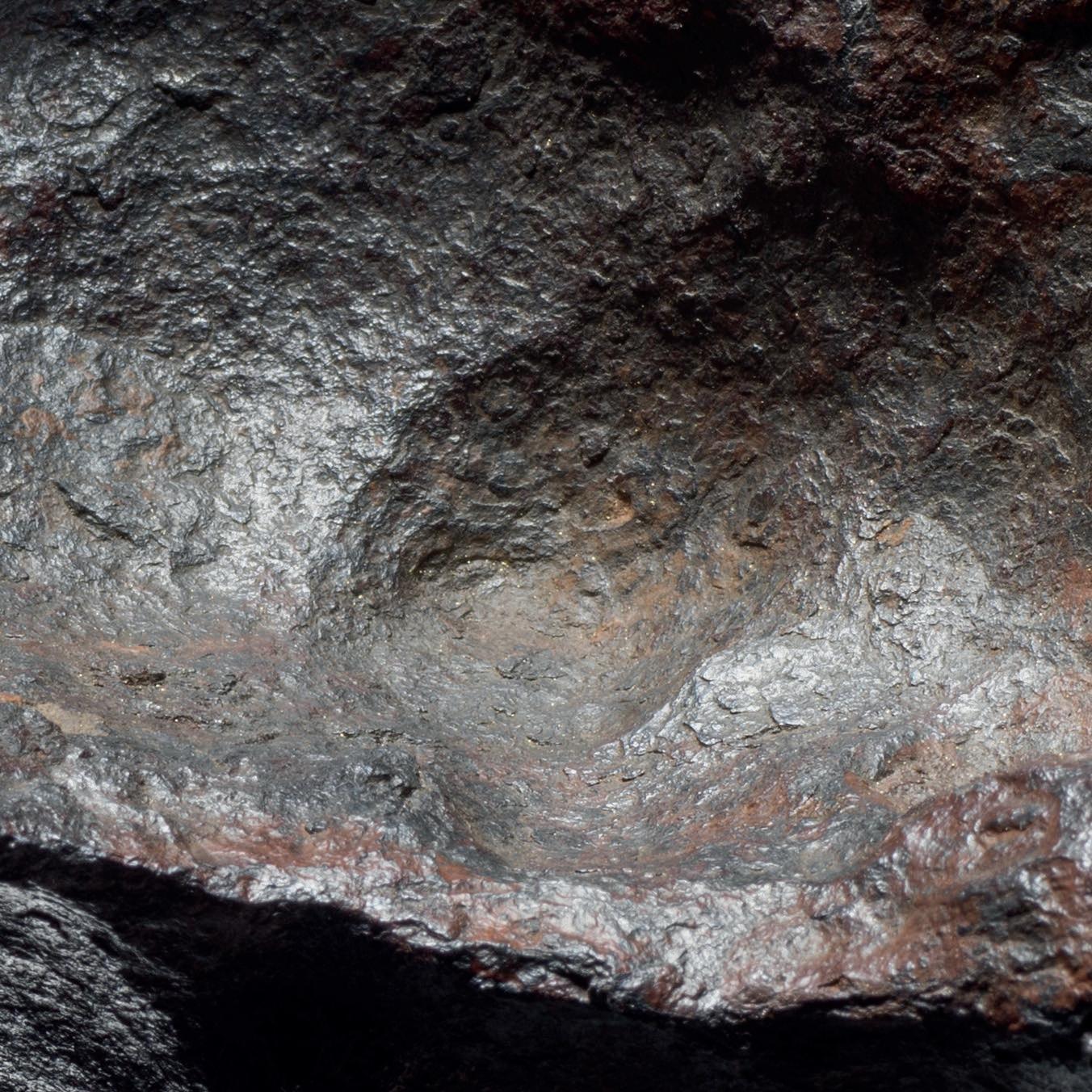
Iron, Coarse octahedrite – IAB-MG
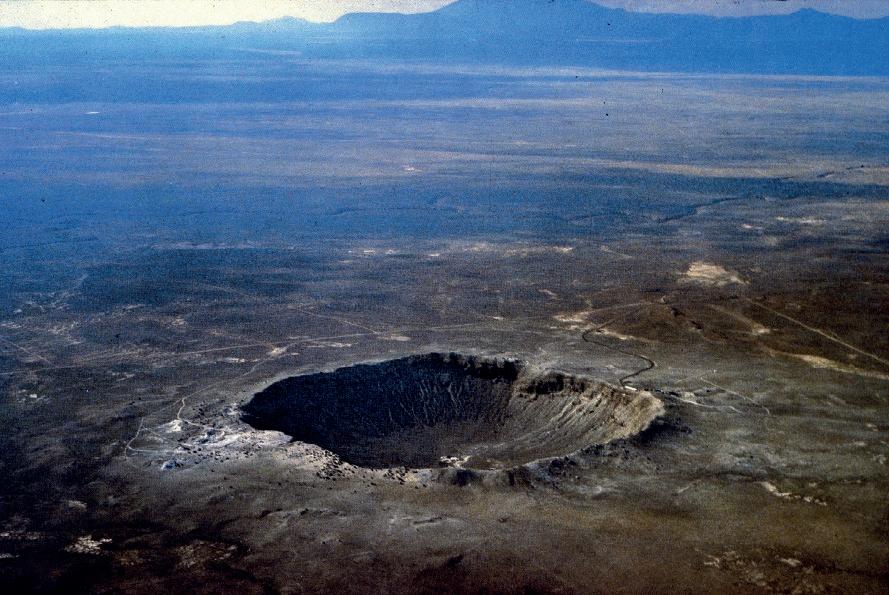
Discovered near Meteor Crater, Coconino County, Arizona, USA (35°3’ N, 111°2’ W)
Impact Date: circa 50,000 years before present
8¼ inches. 4.00 kg
Meteor Crater, Arizona. Site of the Canyon Diablo impact.
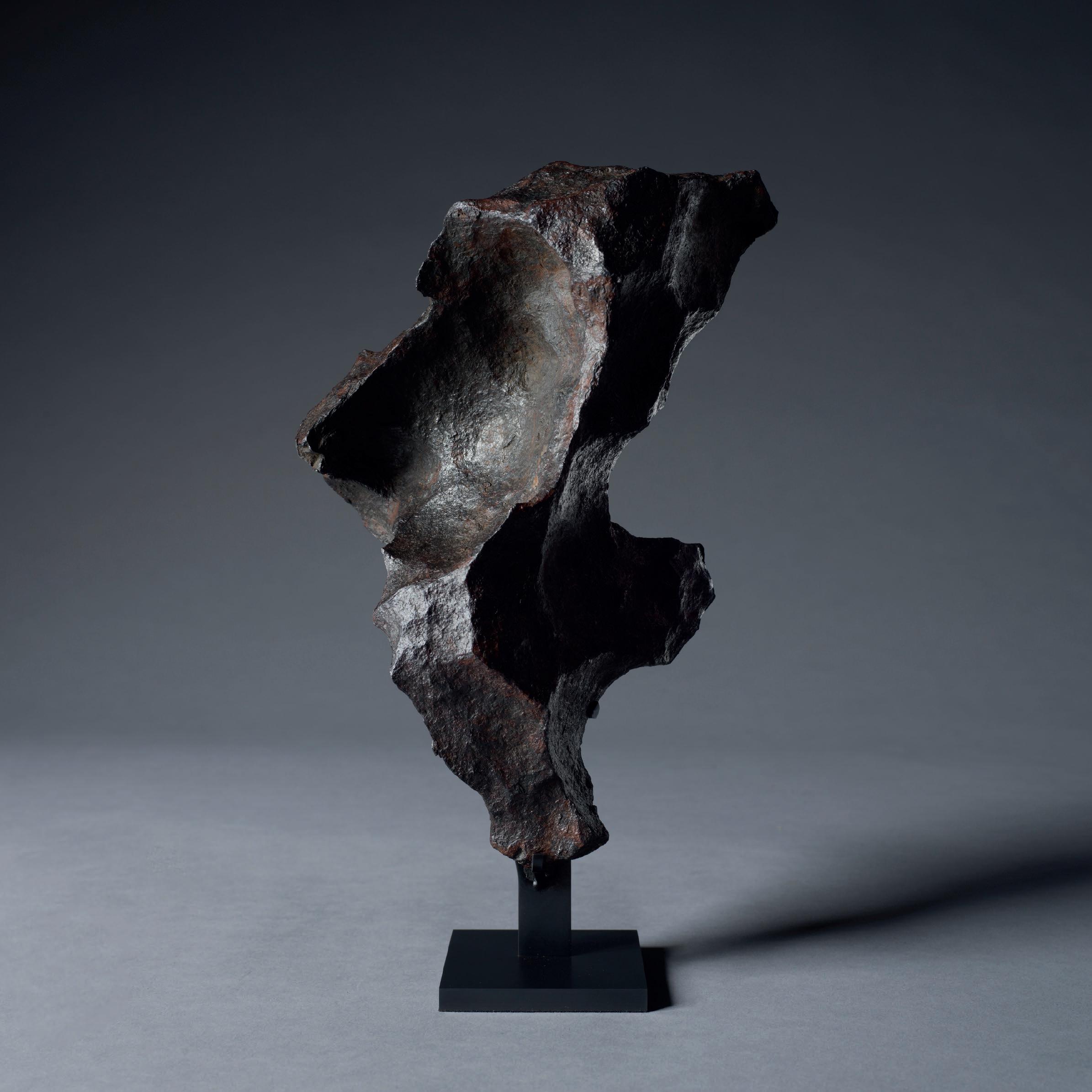
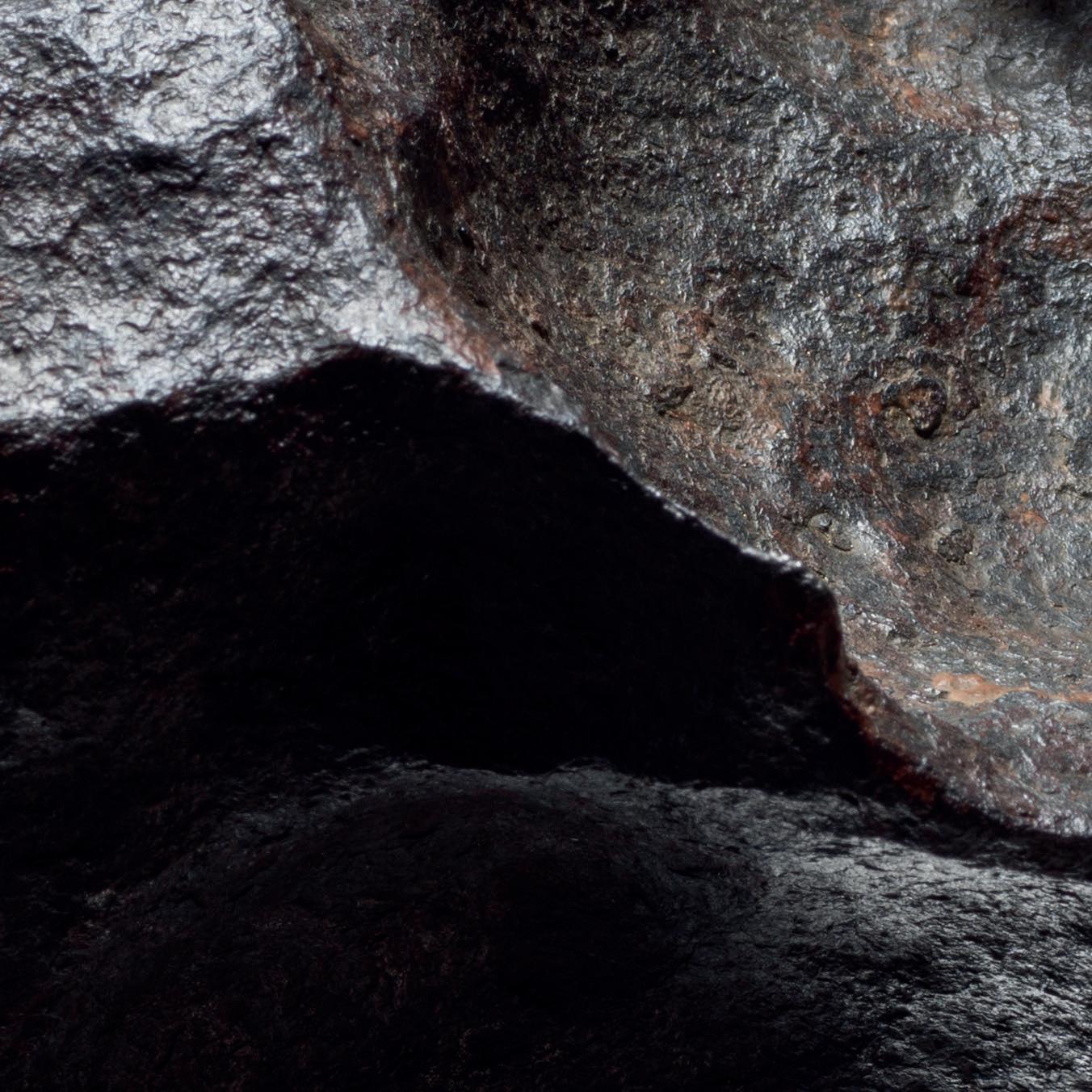
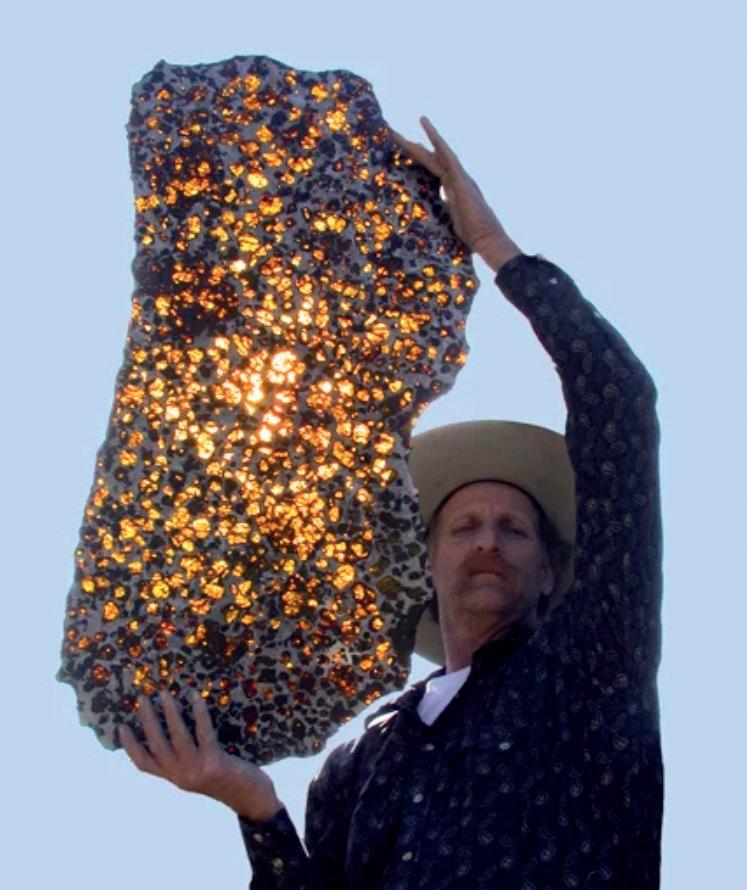
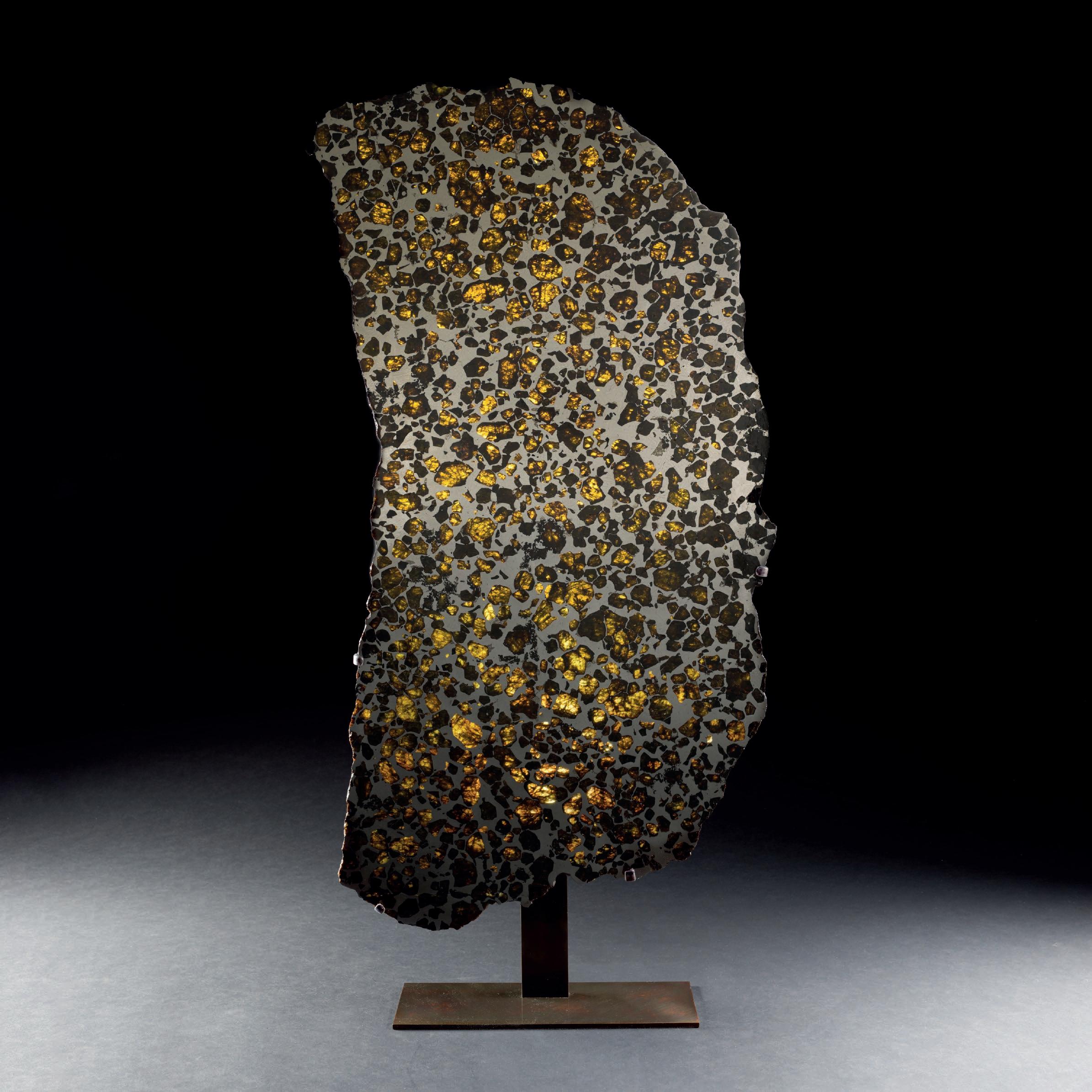
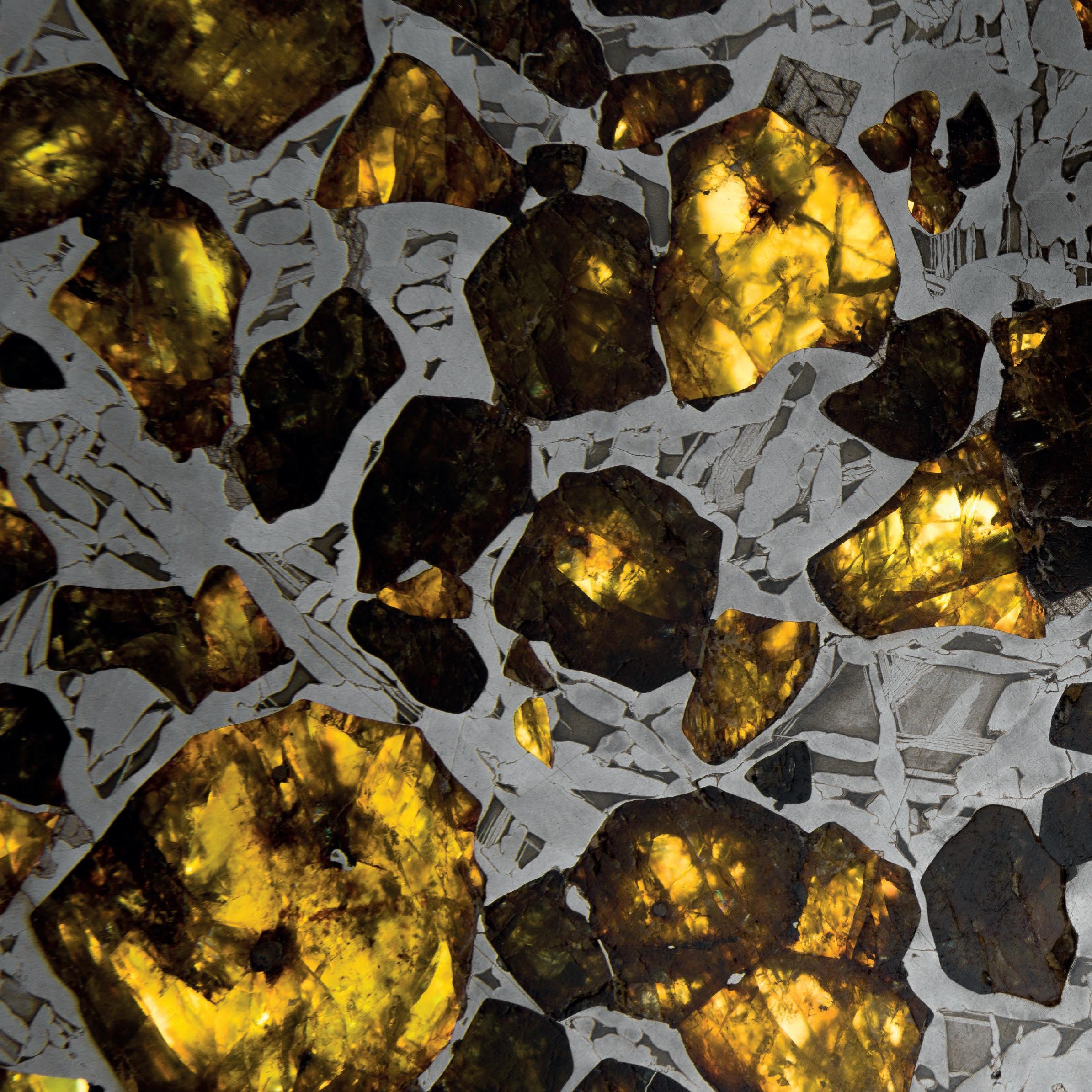
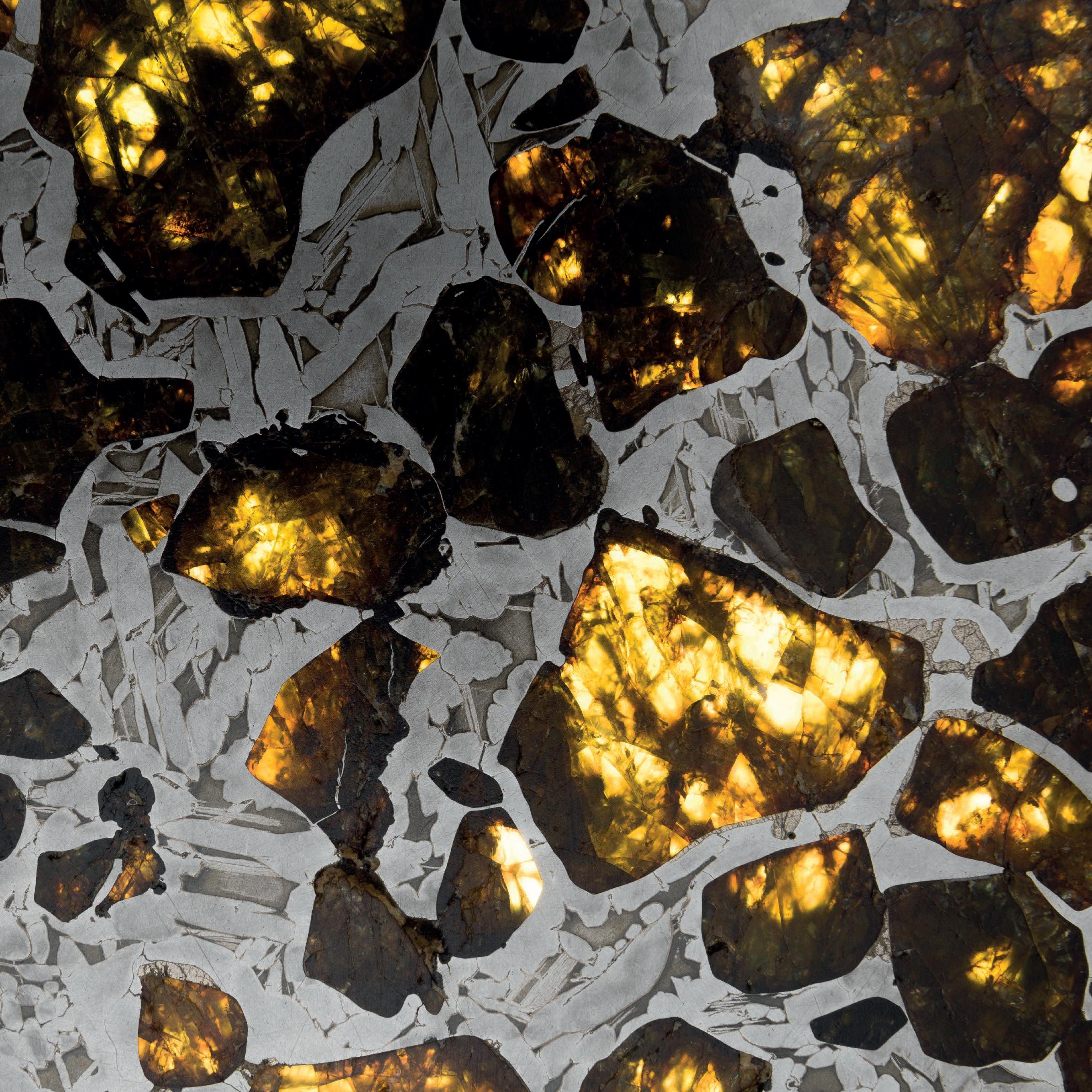
Stony-iron, Pallasite - PMG
Discovered in 2000, Xinjiang Province, China (44°26’ N, 87°38’ E)
34¼ inches. 8.15 kg
Marvin Killgore holding a section of the Fukang meteorite, 2007.
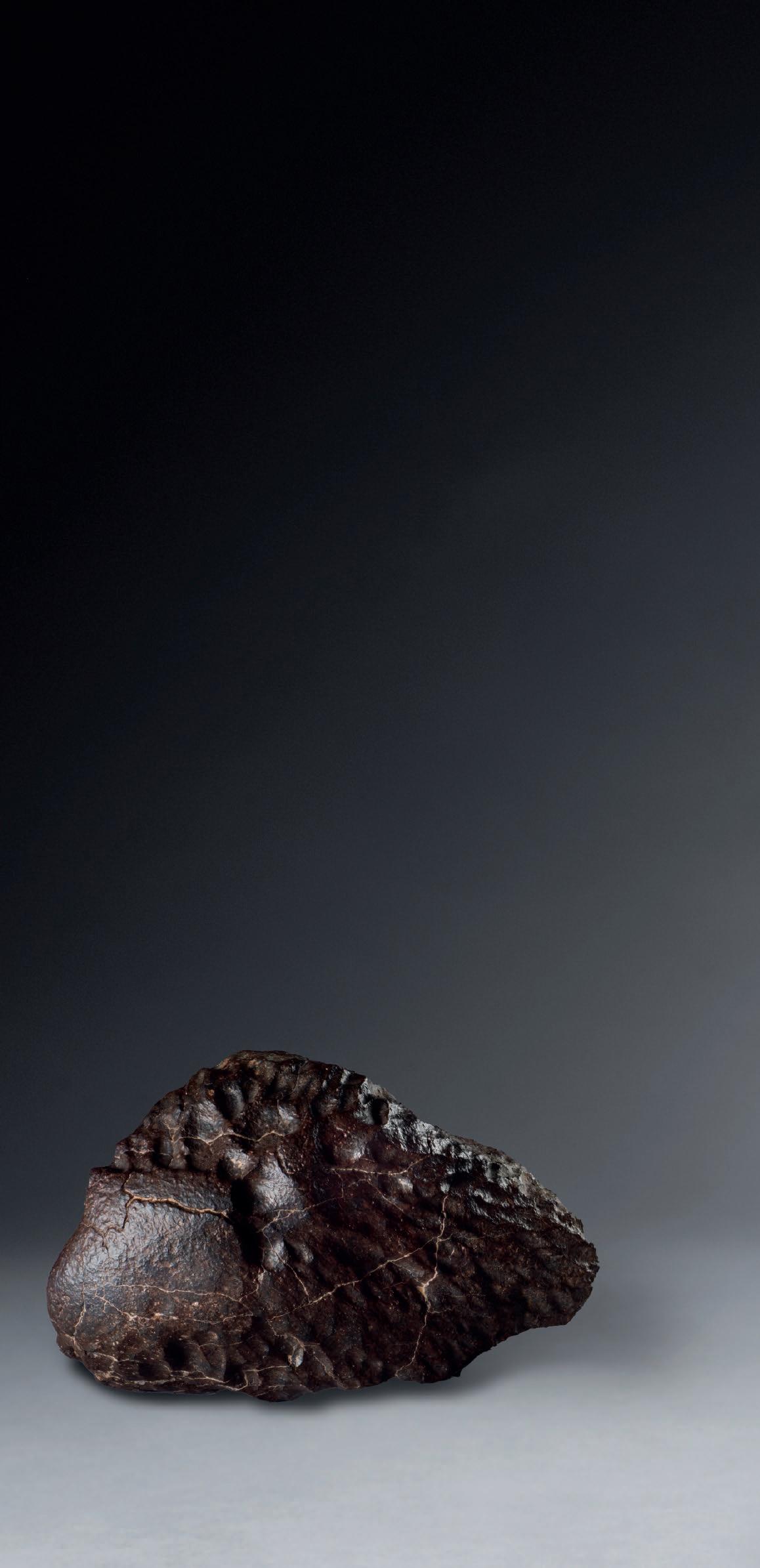
Stone, Chondrite
Northwest Africa (exact coordinates unknown)
8¼ inches. 5.00 kg
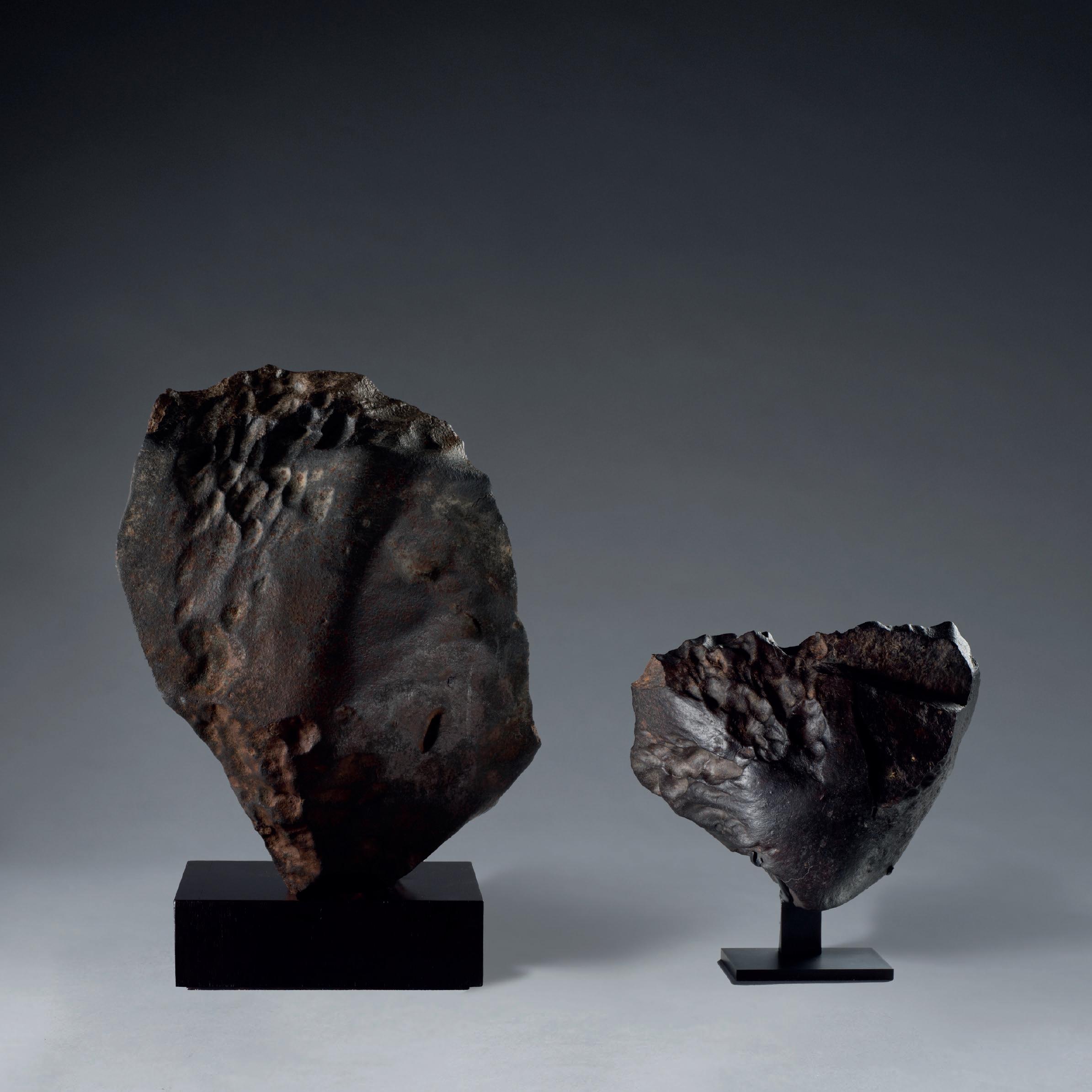
Stone, Chondrite – L5
Discovered at an undisclosed location, acquired in Temara, Morocco in 2019
13¼ inches. 18.30 kg
Stone, Chondrite
Northwest Africa (exact coordinates unknown)
8¼ inches. 5 kg
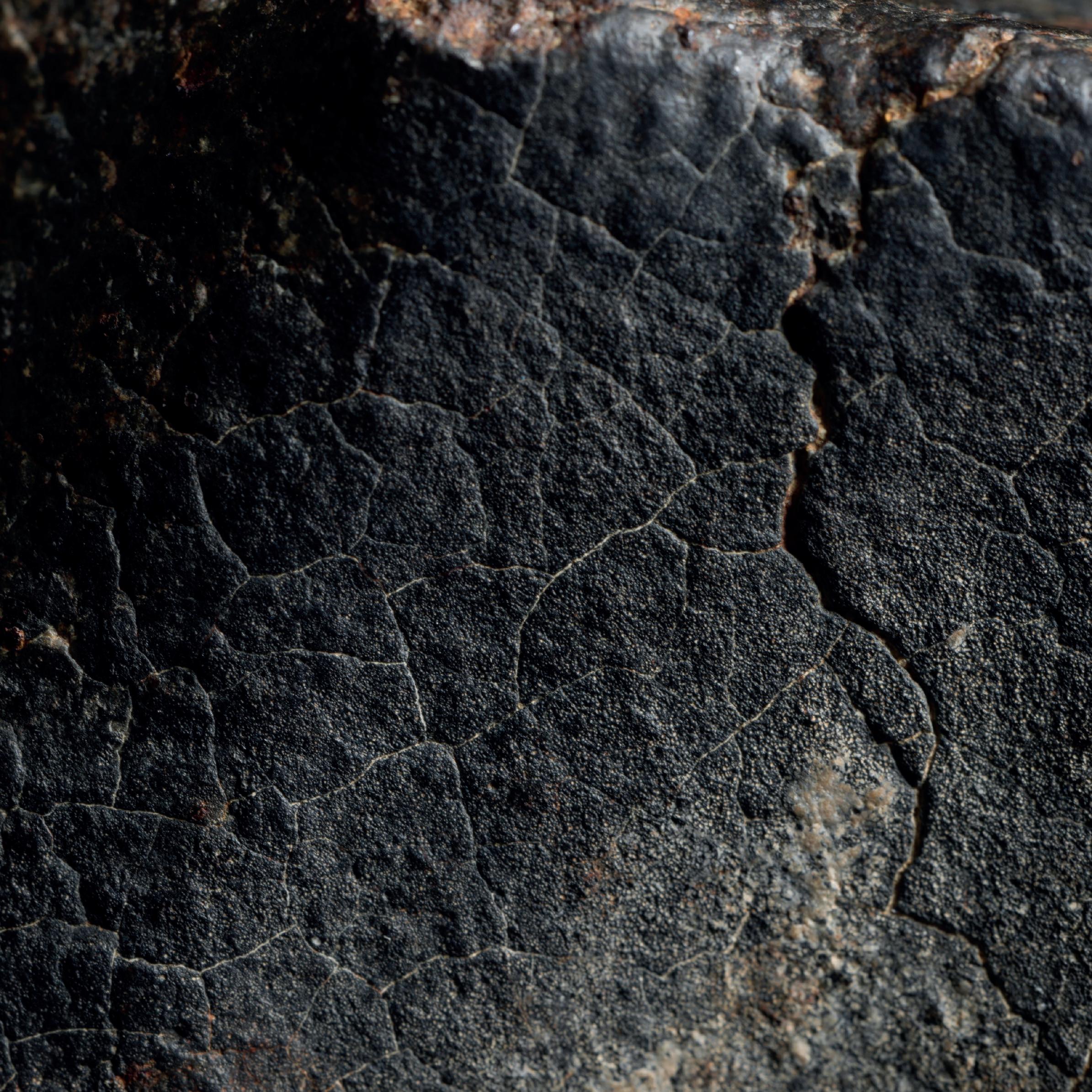
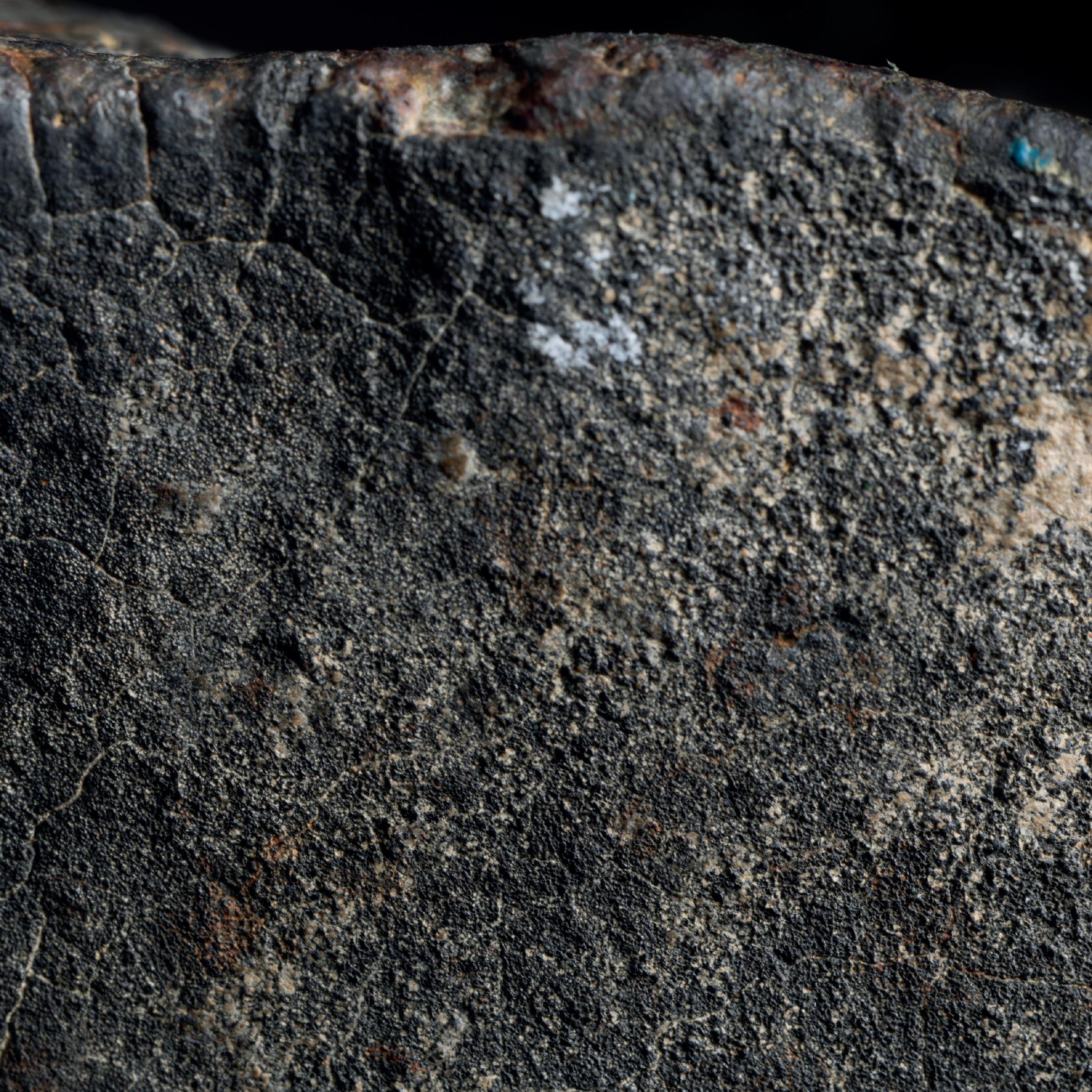
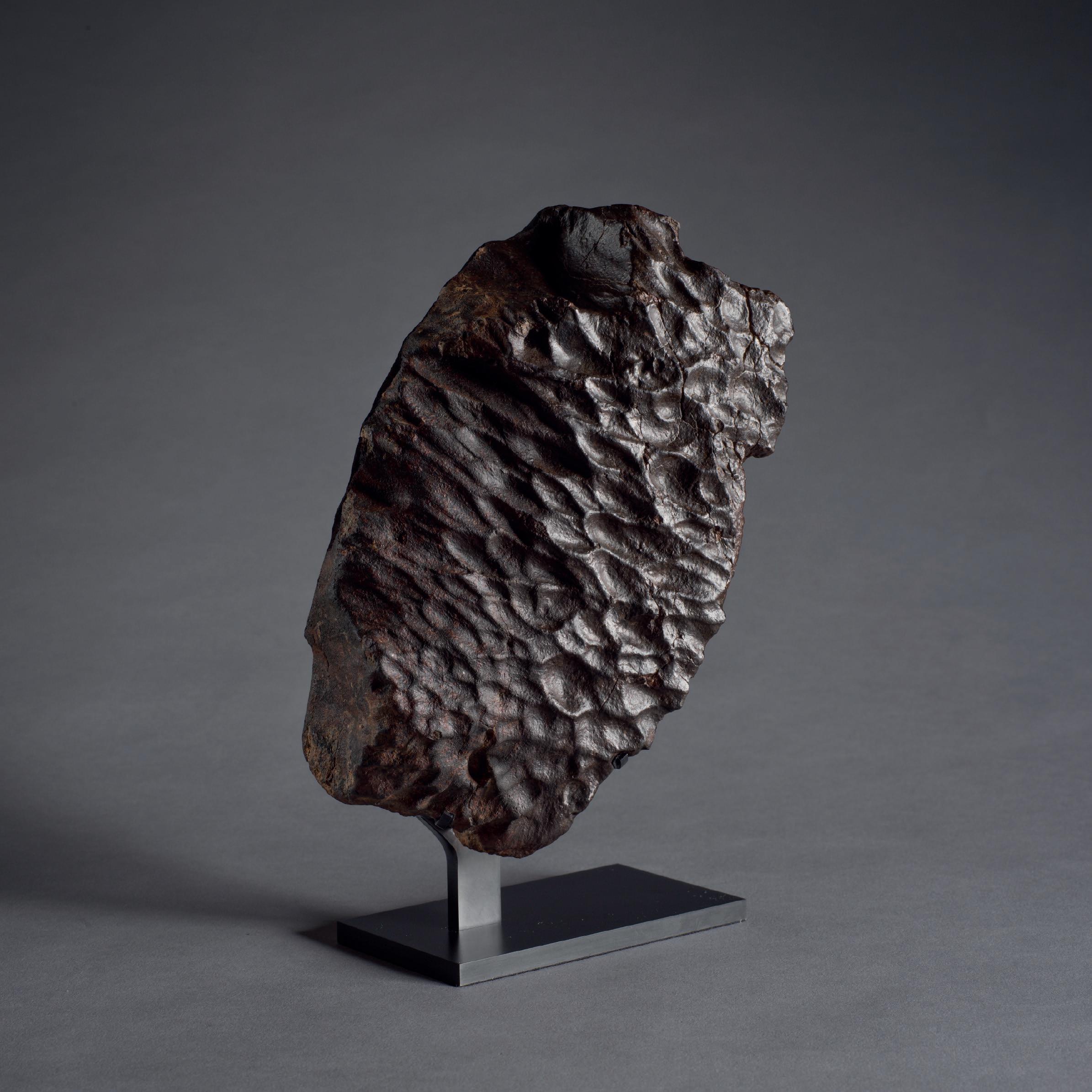
Stone, Chondrite – H5
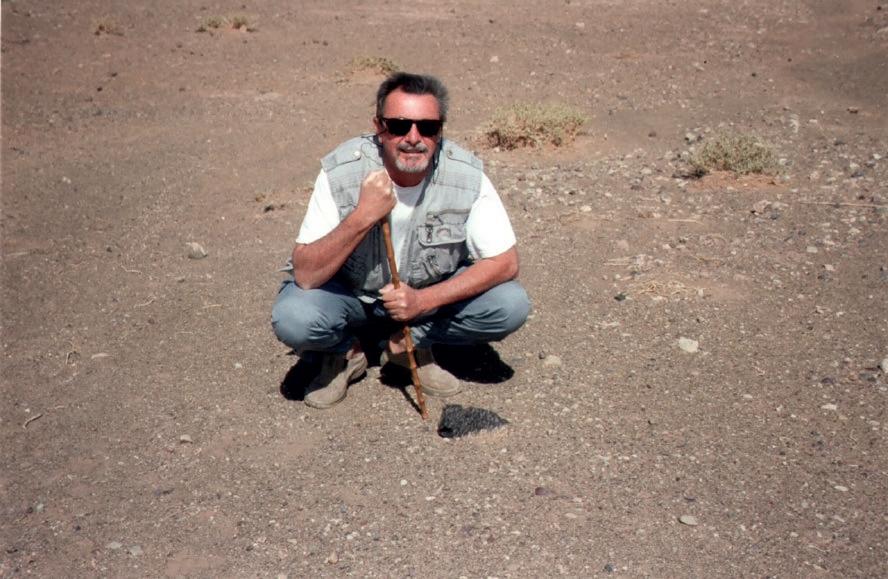
Discovered in November 2001 by Giorgio Tomelleri in the Dar al Ghani plateau, Libya (27° 34’ 10”N, 16° 20’ 22”E)
8 inches. 3.90 kg
Discovery, November 2001.
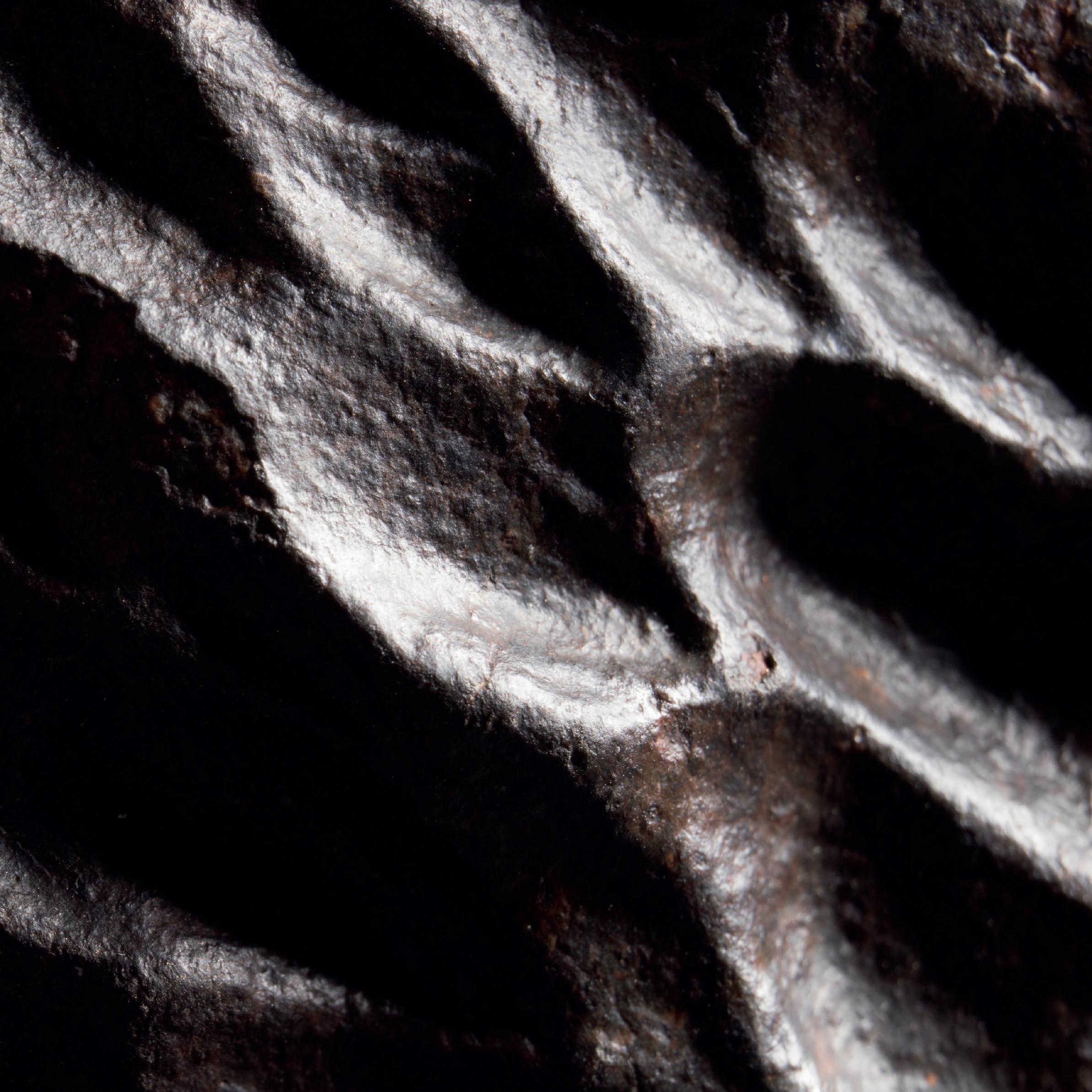
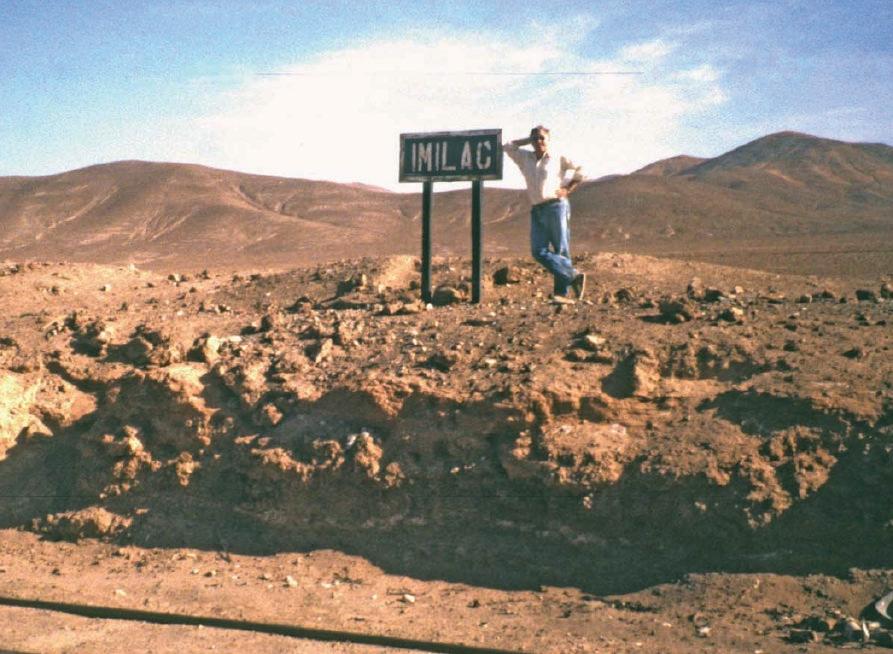
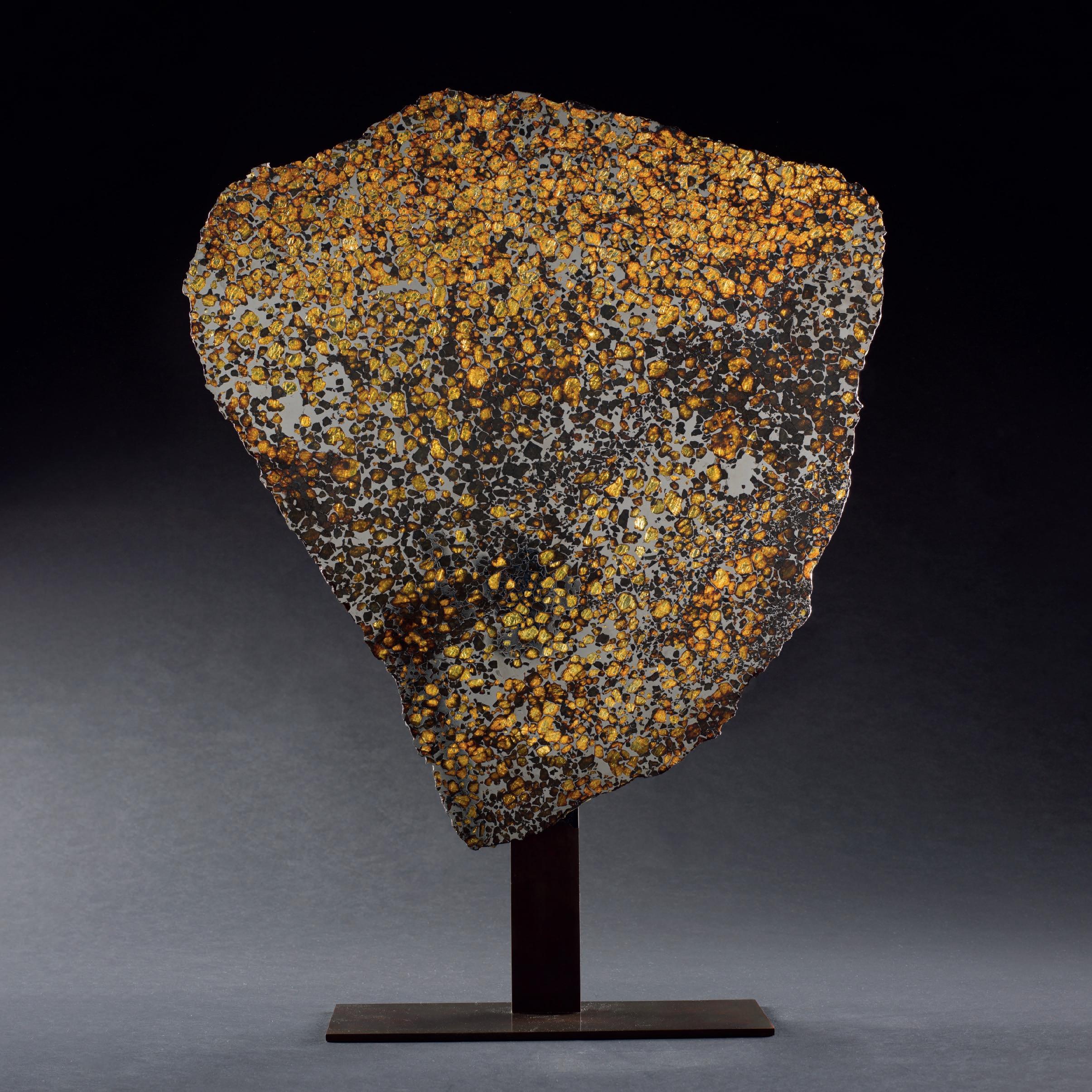
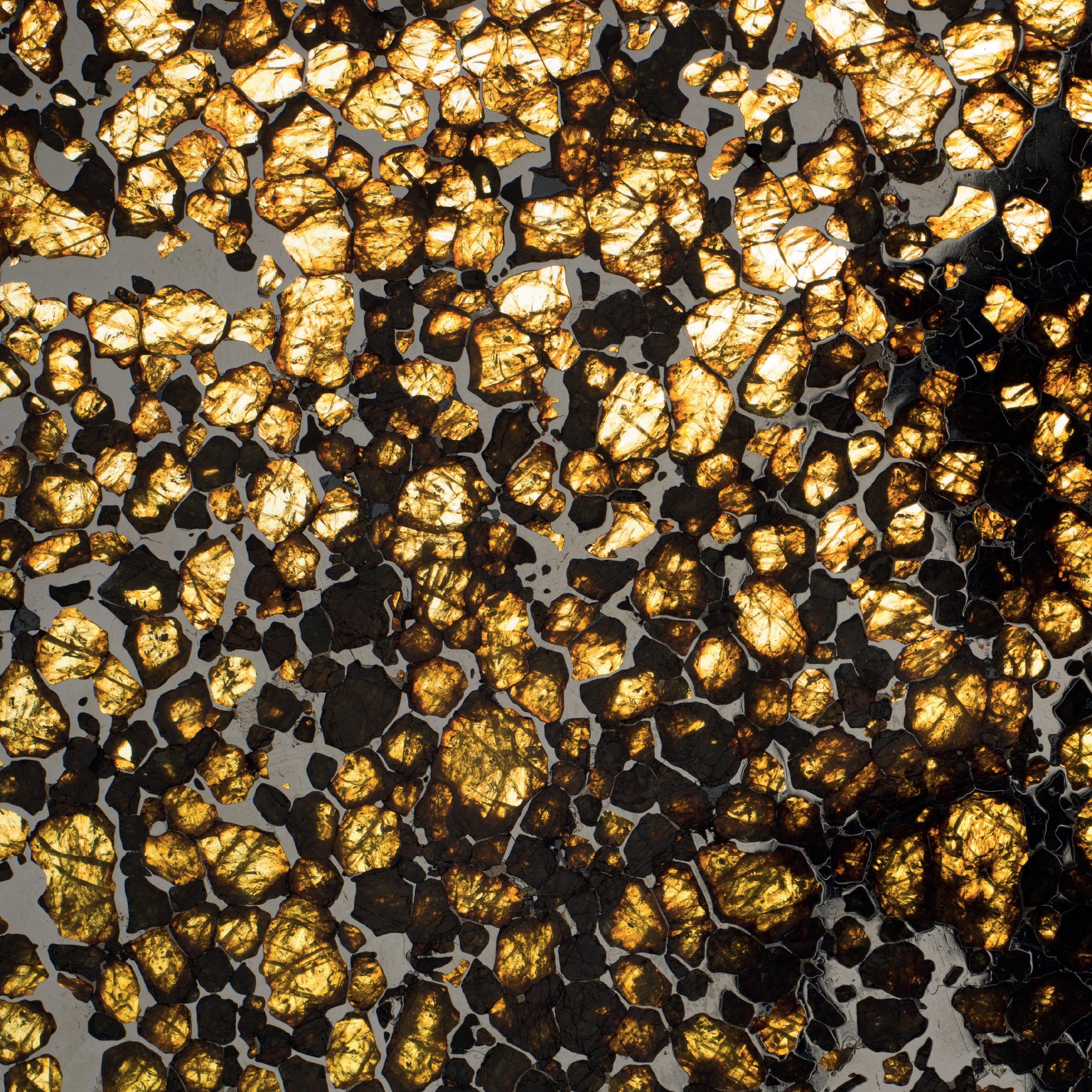
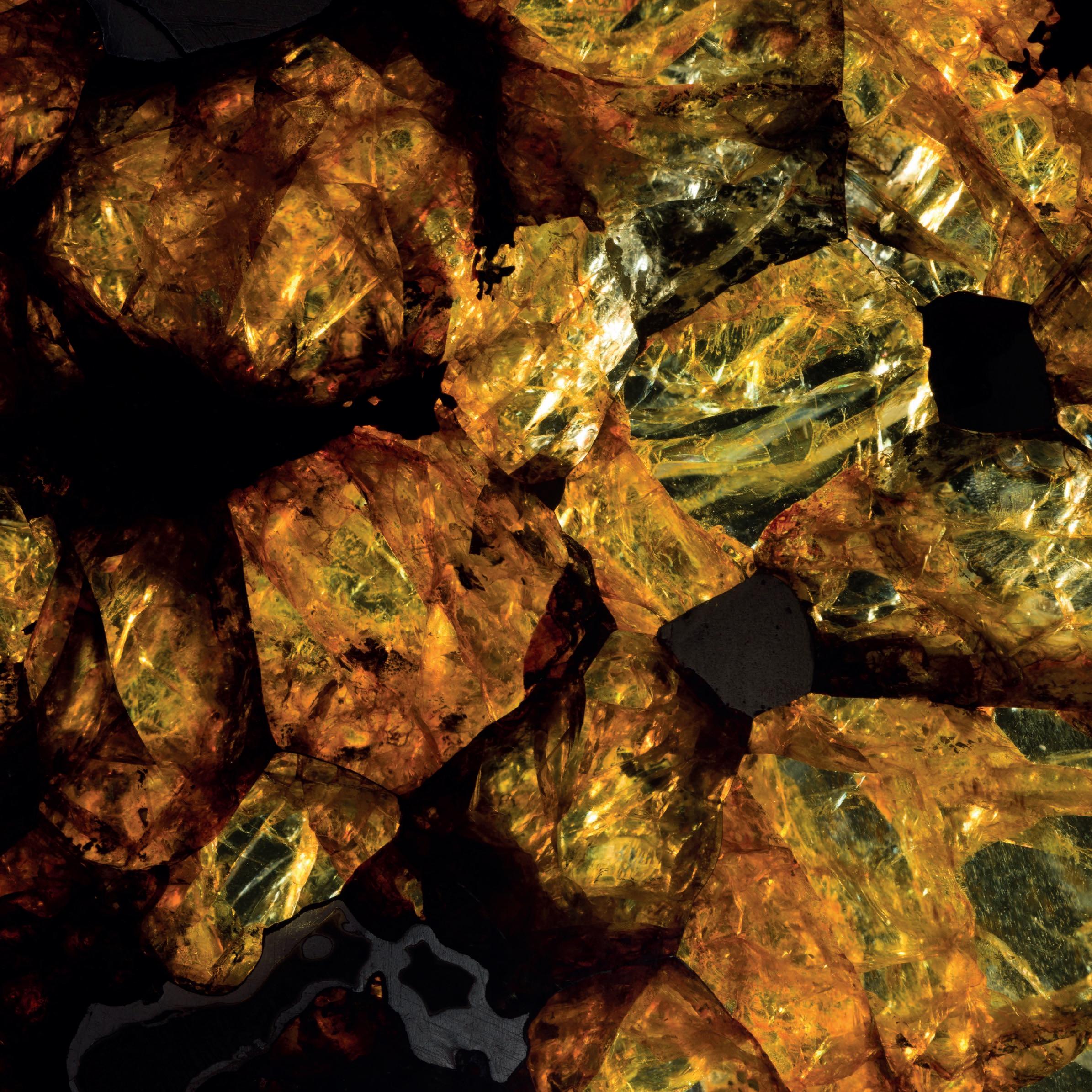
Stony-iron, Pallasite - PMG
Discovered in 1822 in the Atacama Desert, Chile
21½ inches. 1.90 kg
Imilac, Atacama desert, Chile.
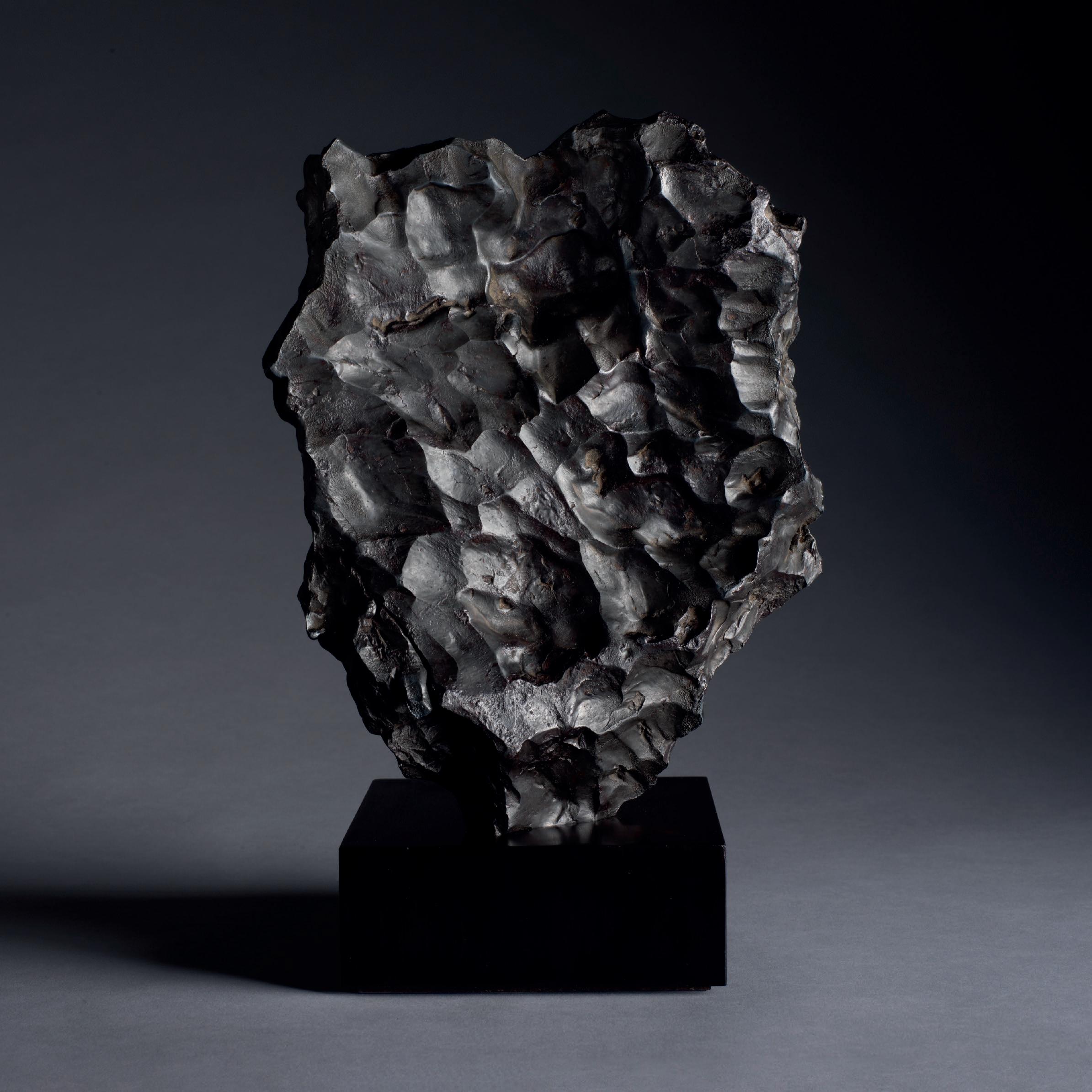
Iron, Coarsest octahedrite – IIAB
Discovered in Maritime Territory, Siberia, Russia (46° 9’ N, 134° 39’ E)
Impact Date: 12 February 1947, 10:30
11¼ inches. 16.25 kg
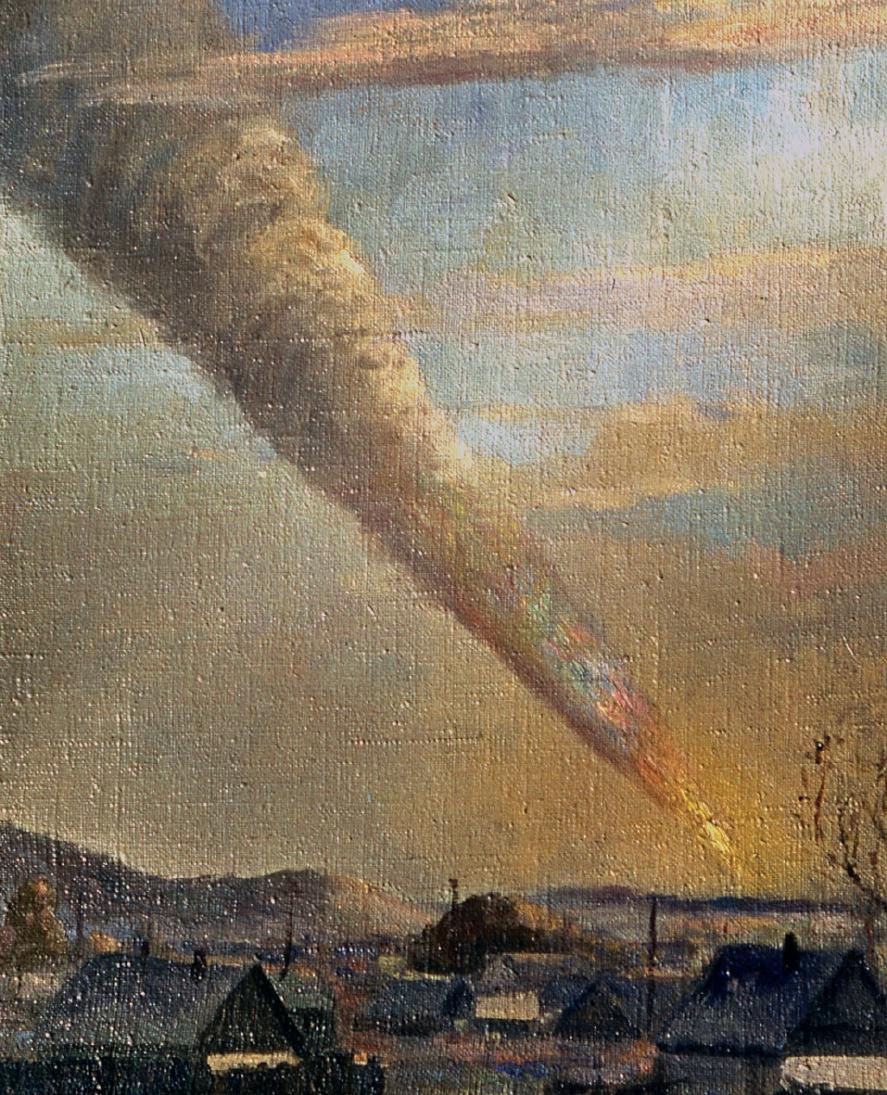 Eyewitness painting of the Sikhote-Alin event, P. J. Medvedev, 1947.
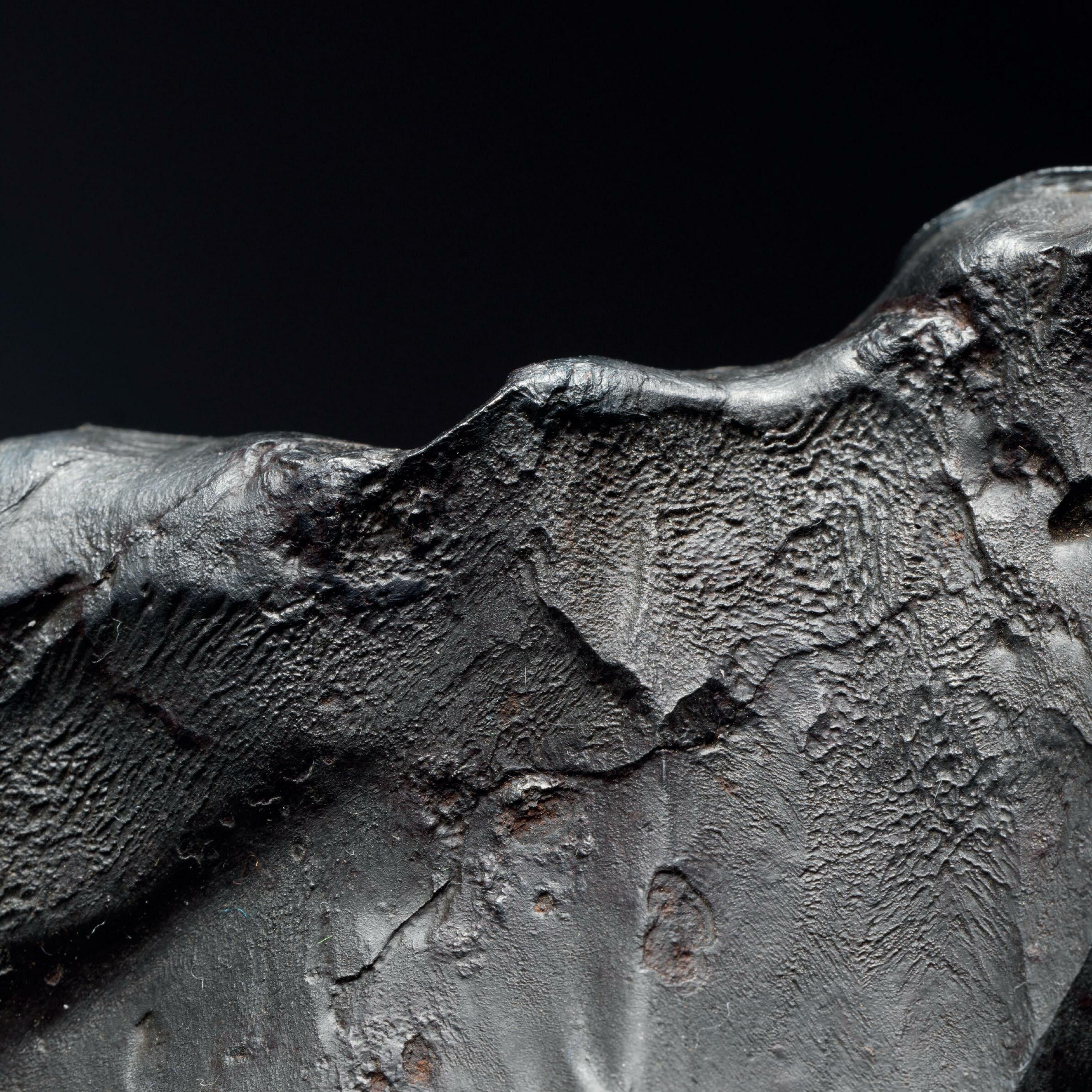
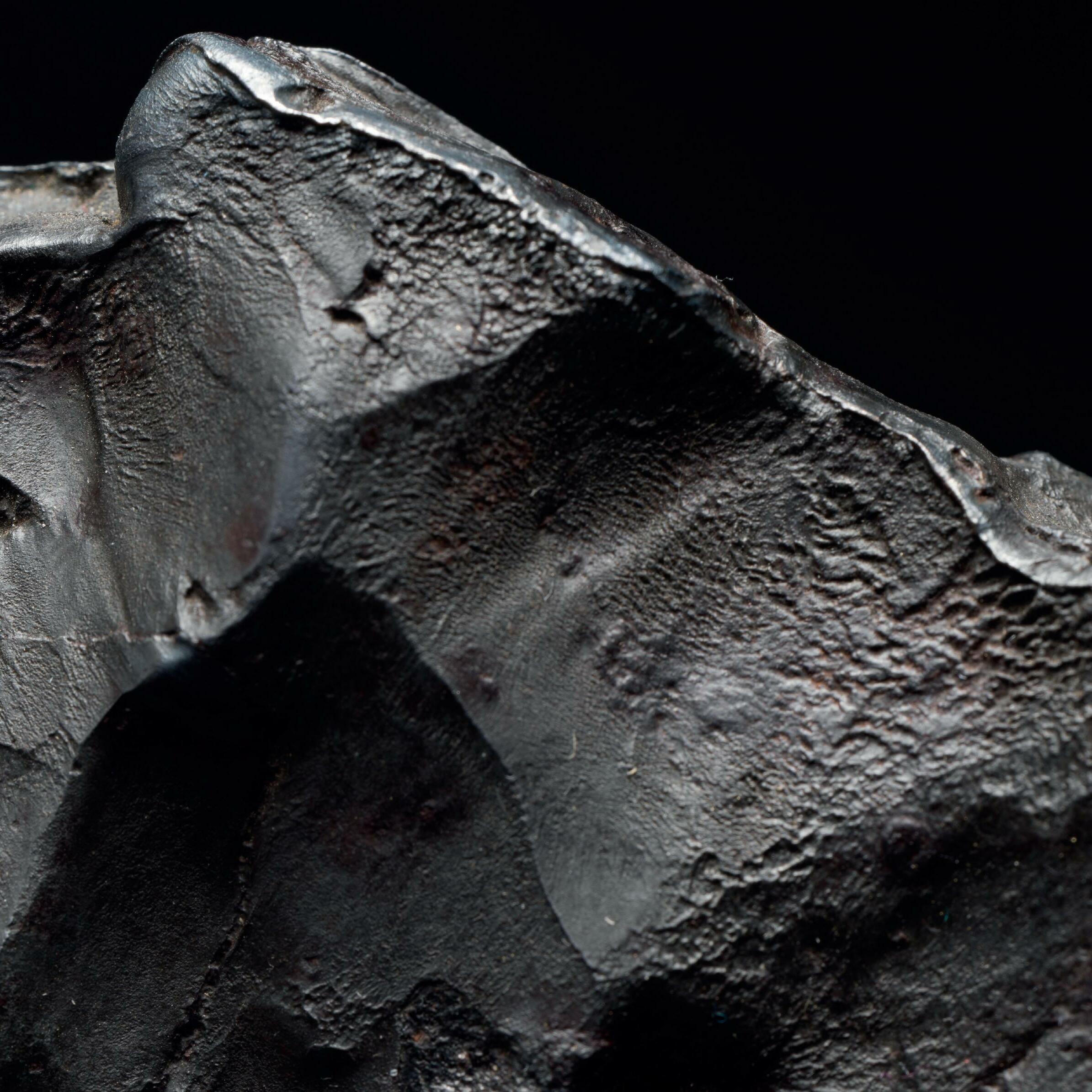
Iron, Coarsest octahedrite – IIAB
Discovered in Maritime Territory, Siberia, Russia (46°9’ N, 134°39’ E)
Impact Date: 12 February 1947, 10:30
11 inches. 6.00 kg
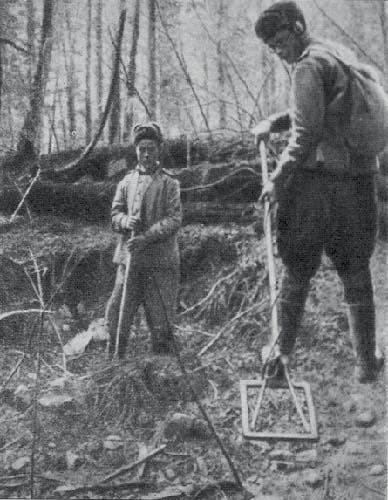
Searching for the Sikhote-Alin meteorite, 1940s.
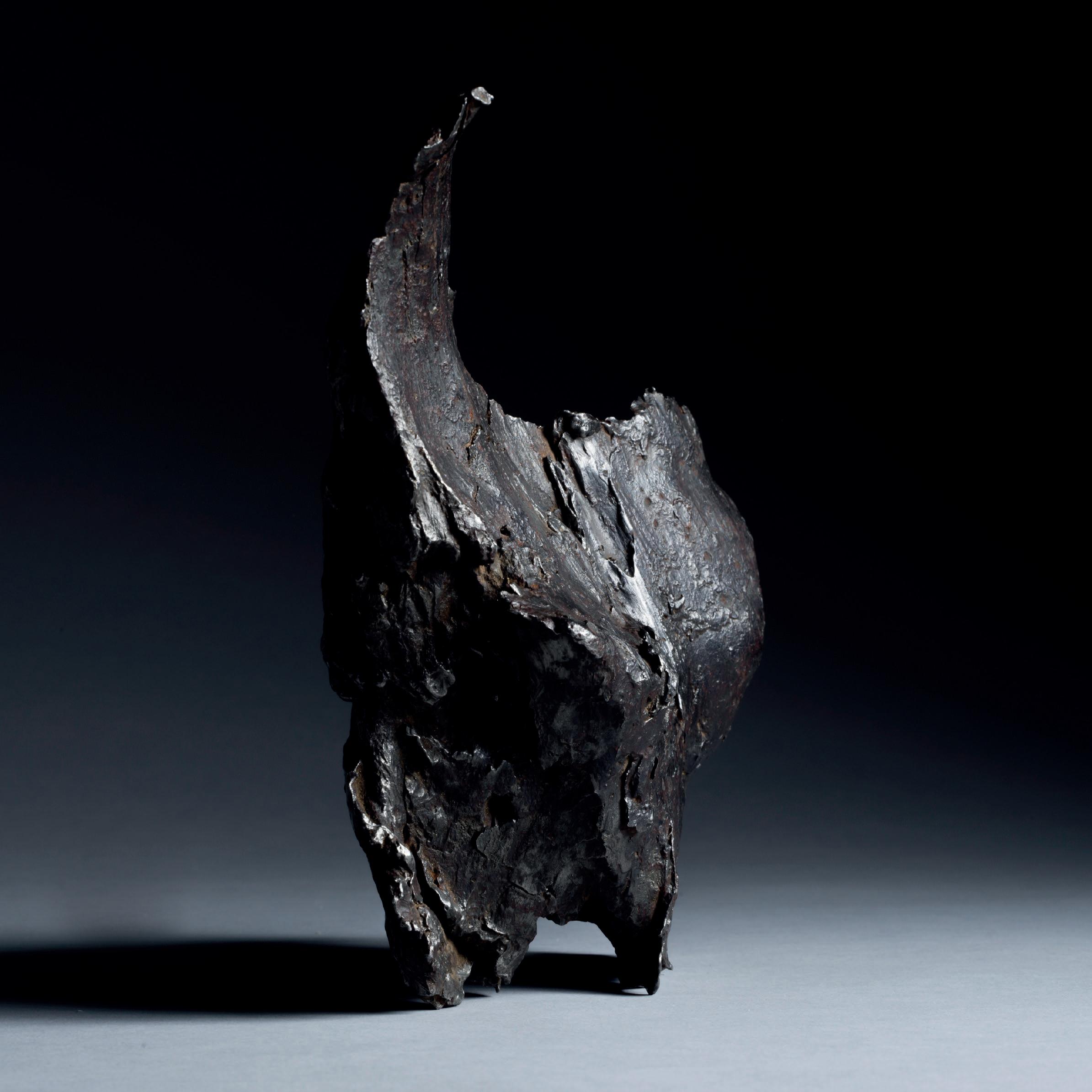
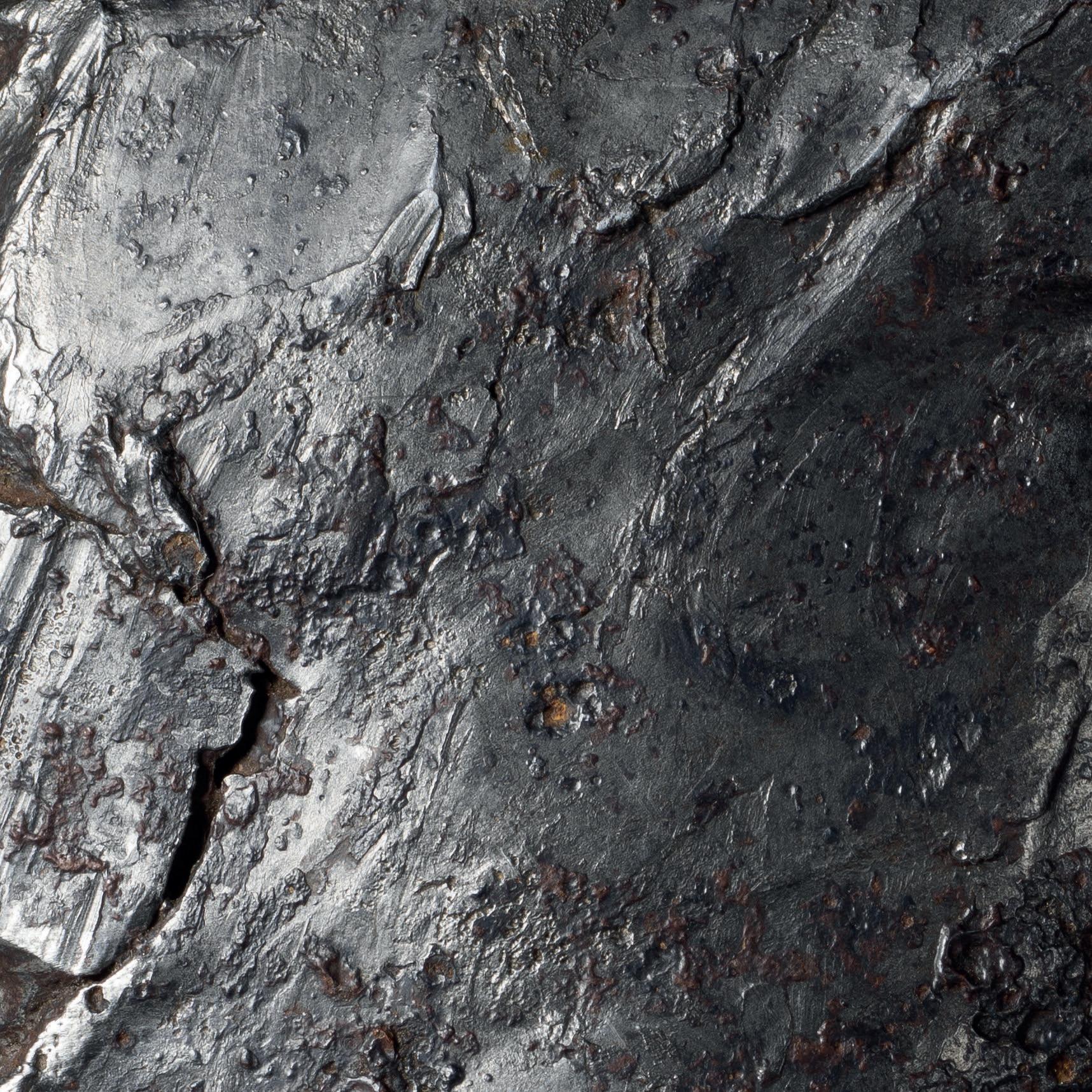
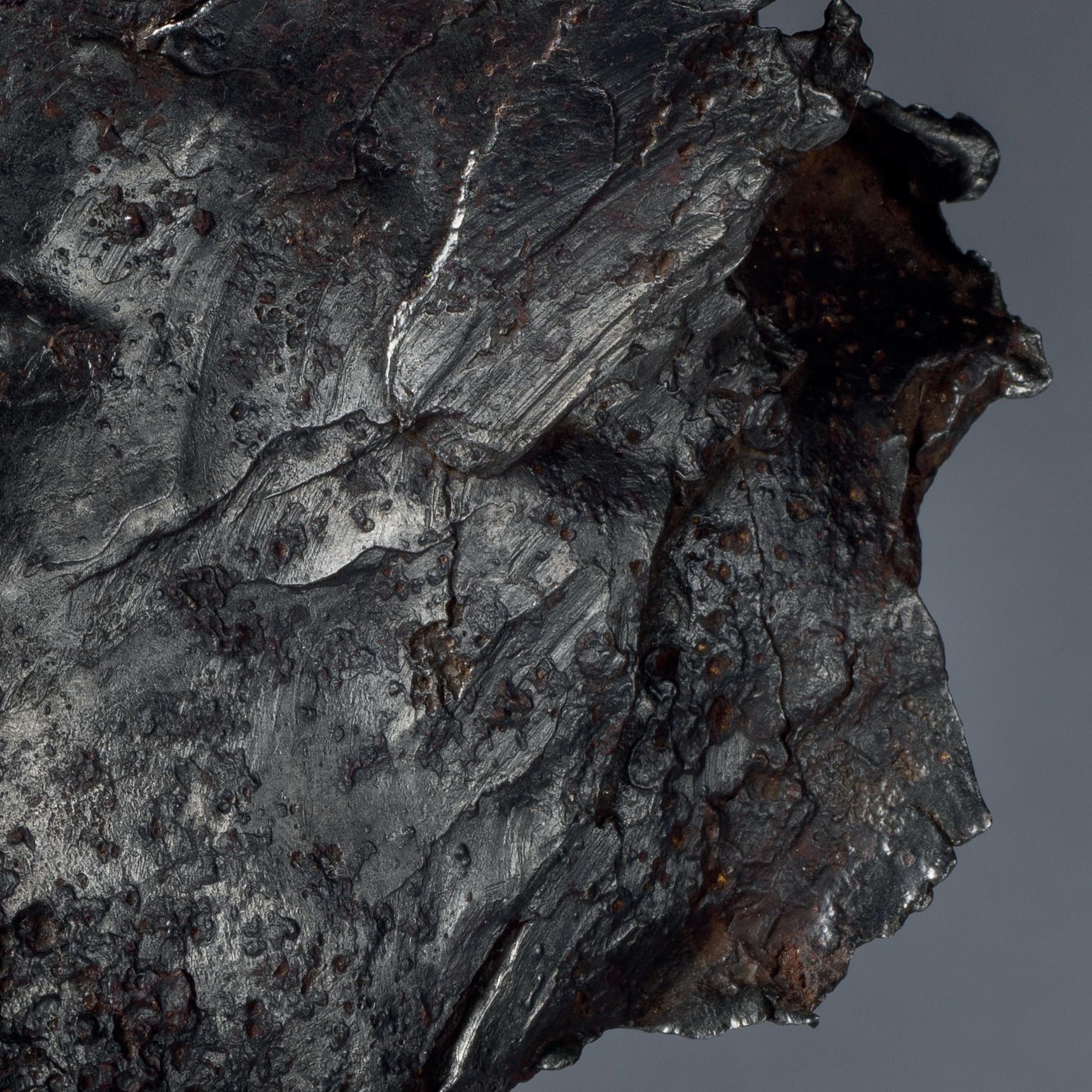
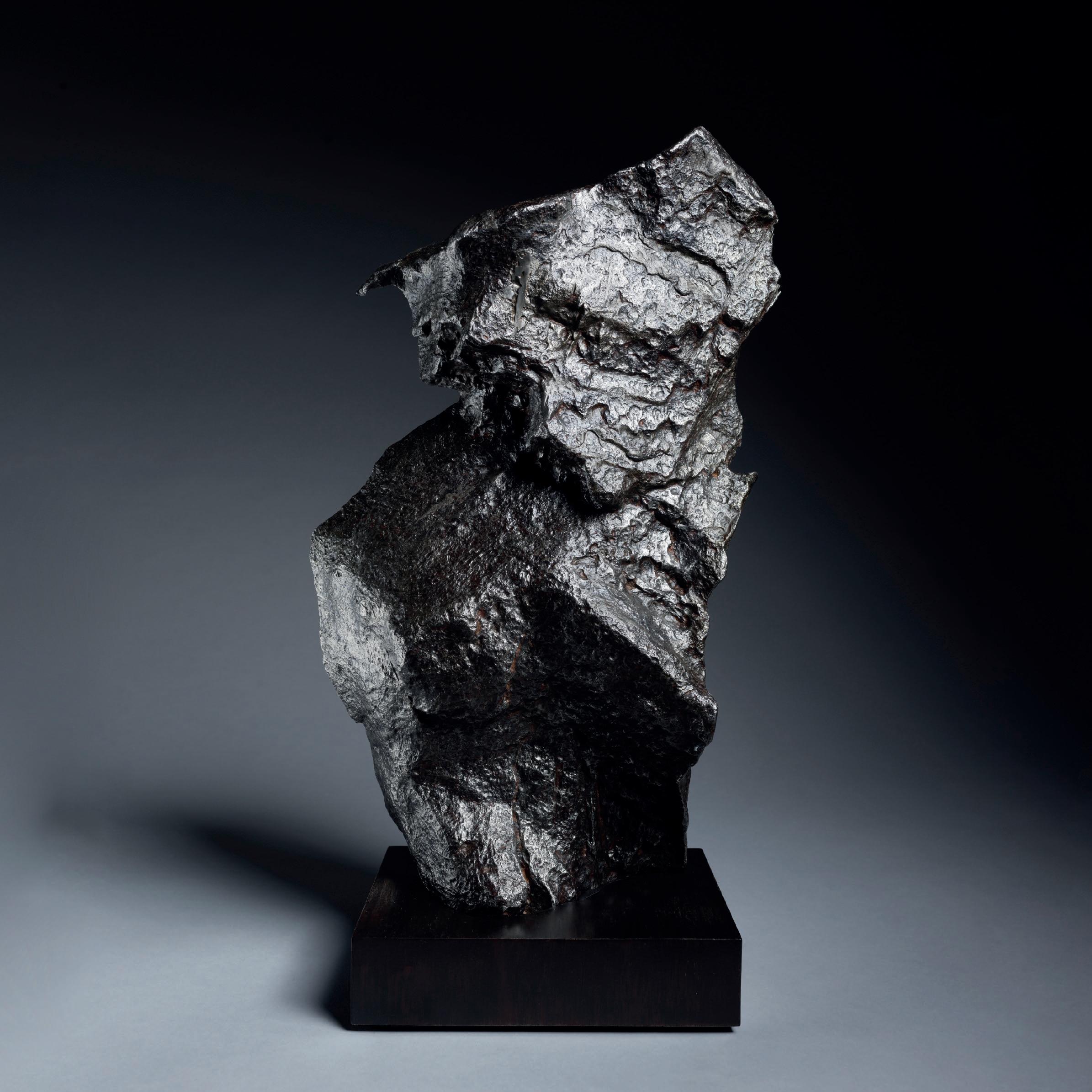
Stony-iron, Pallasite - PMG
Discovered 1967, Magadan District, Russia (62°54’ N, 152°26’ E)
20 inches. 34.70 kg
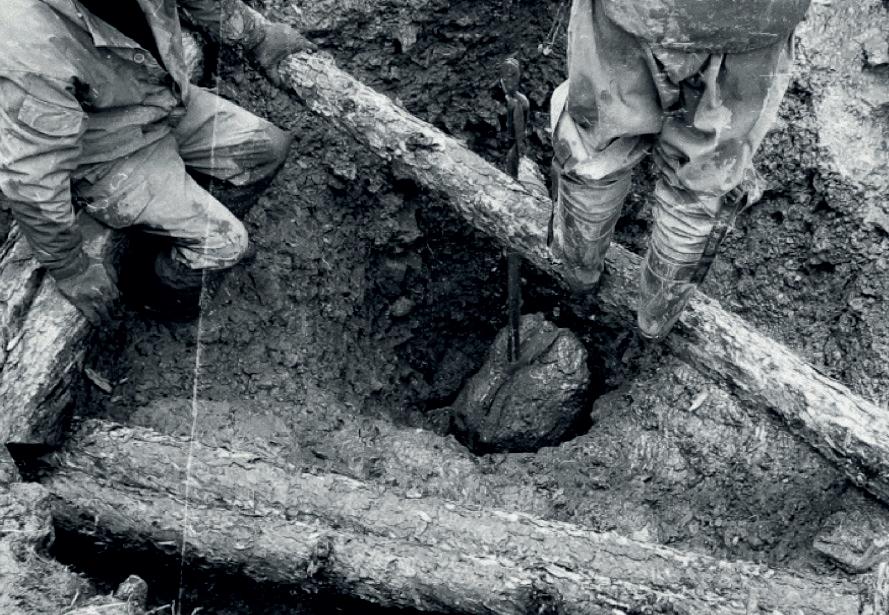
The recovery of the Seymchan meteorite.
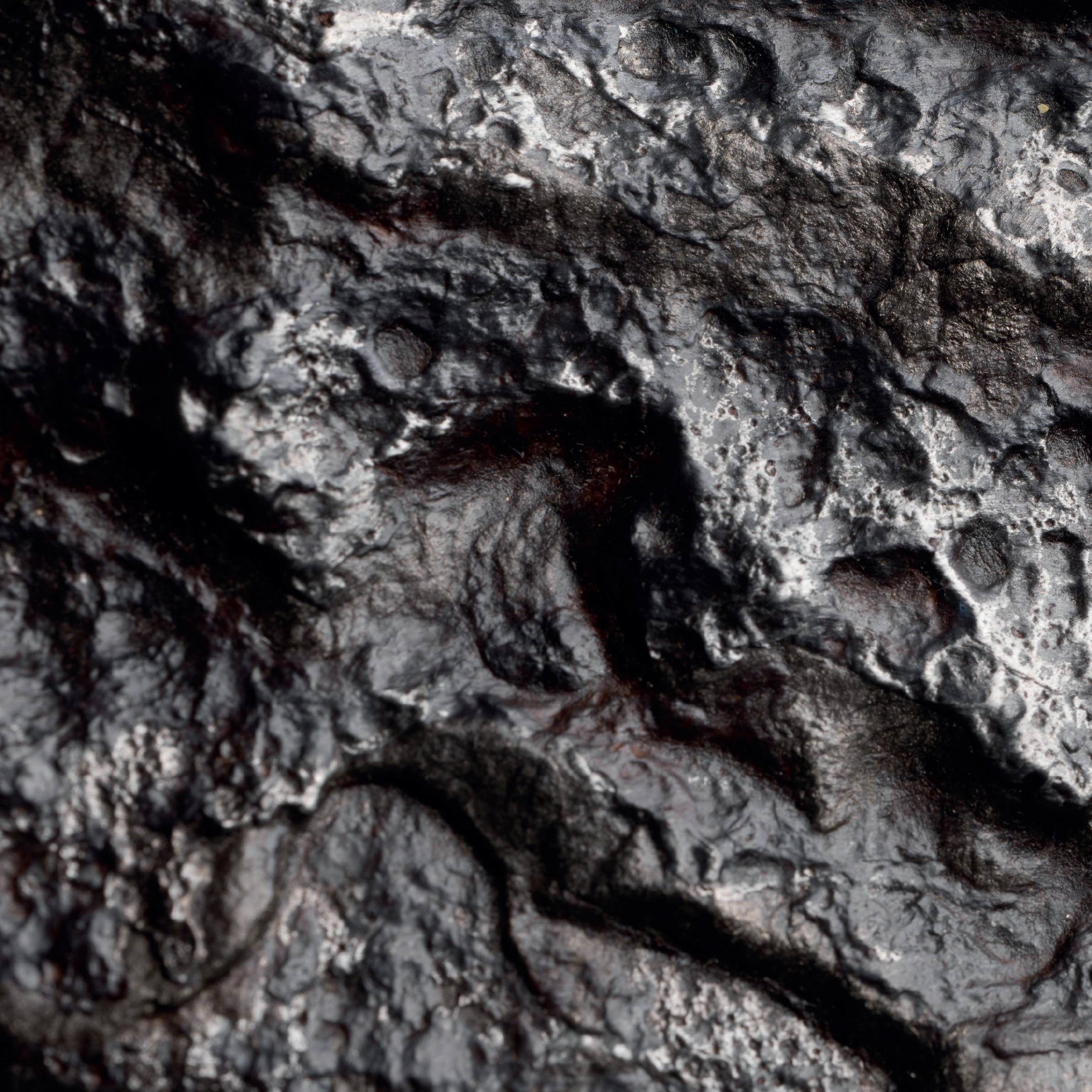
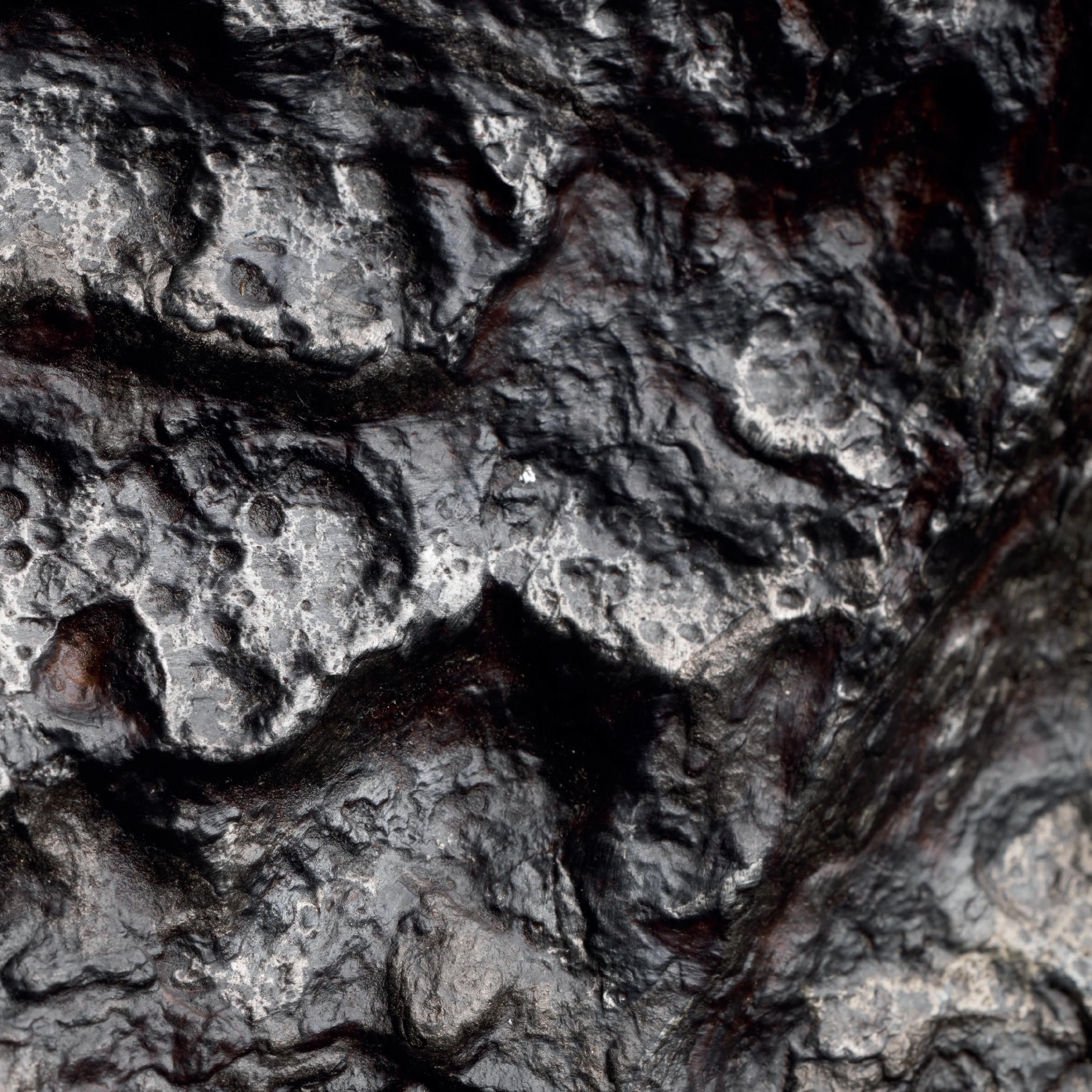
 SEYMCHAN - INTERIOR VIEW
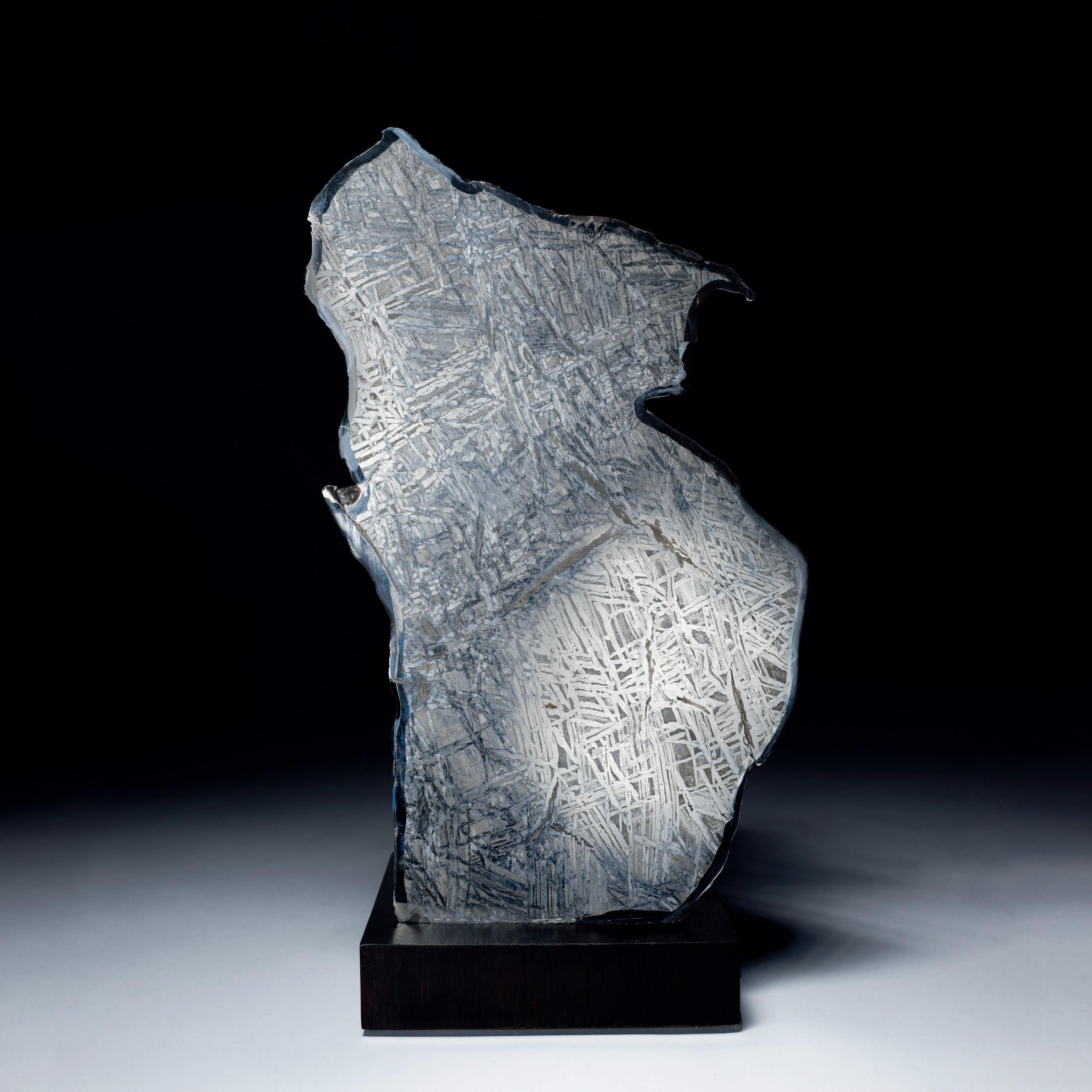
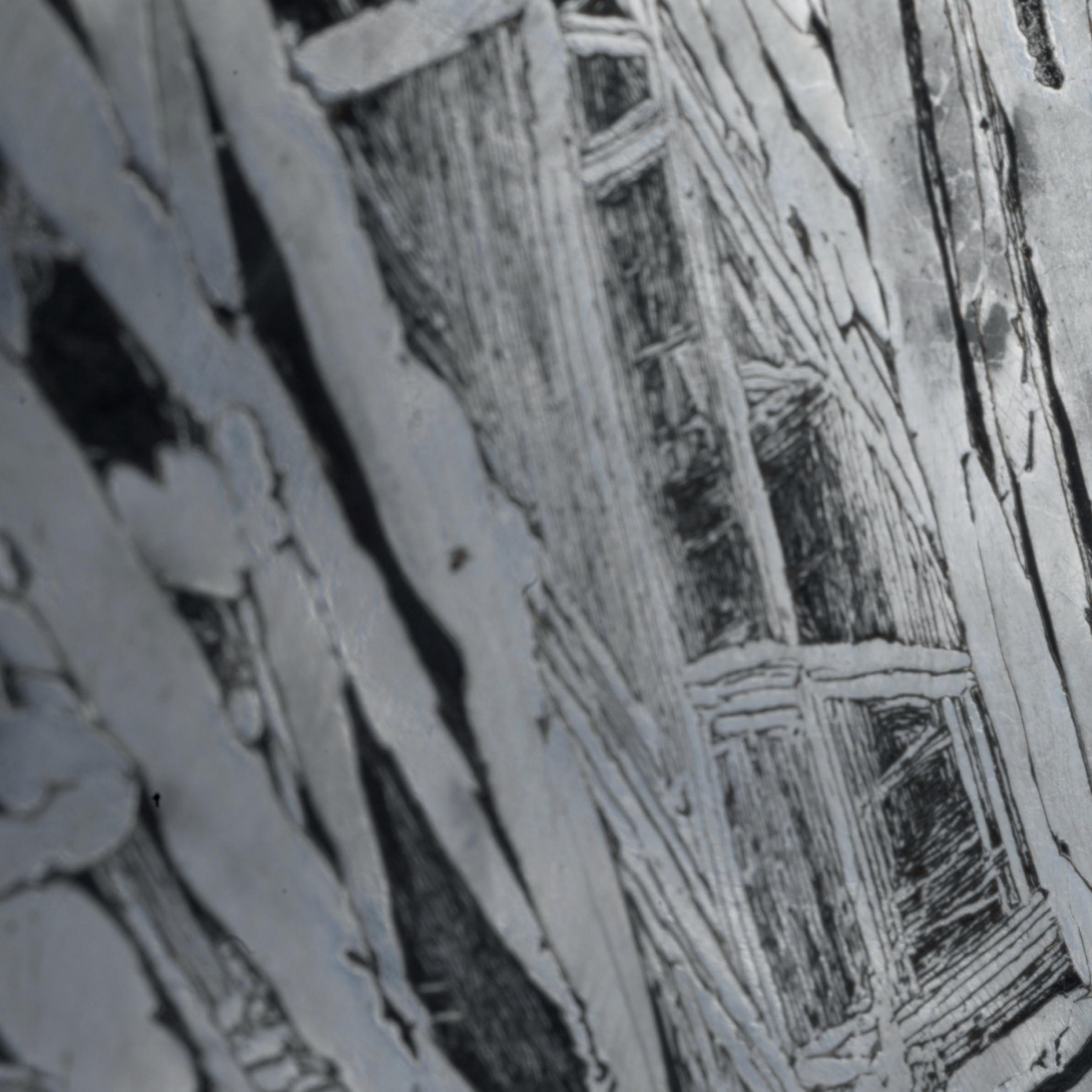
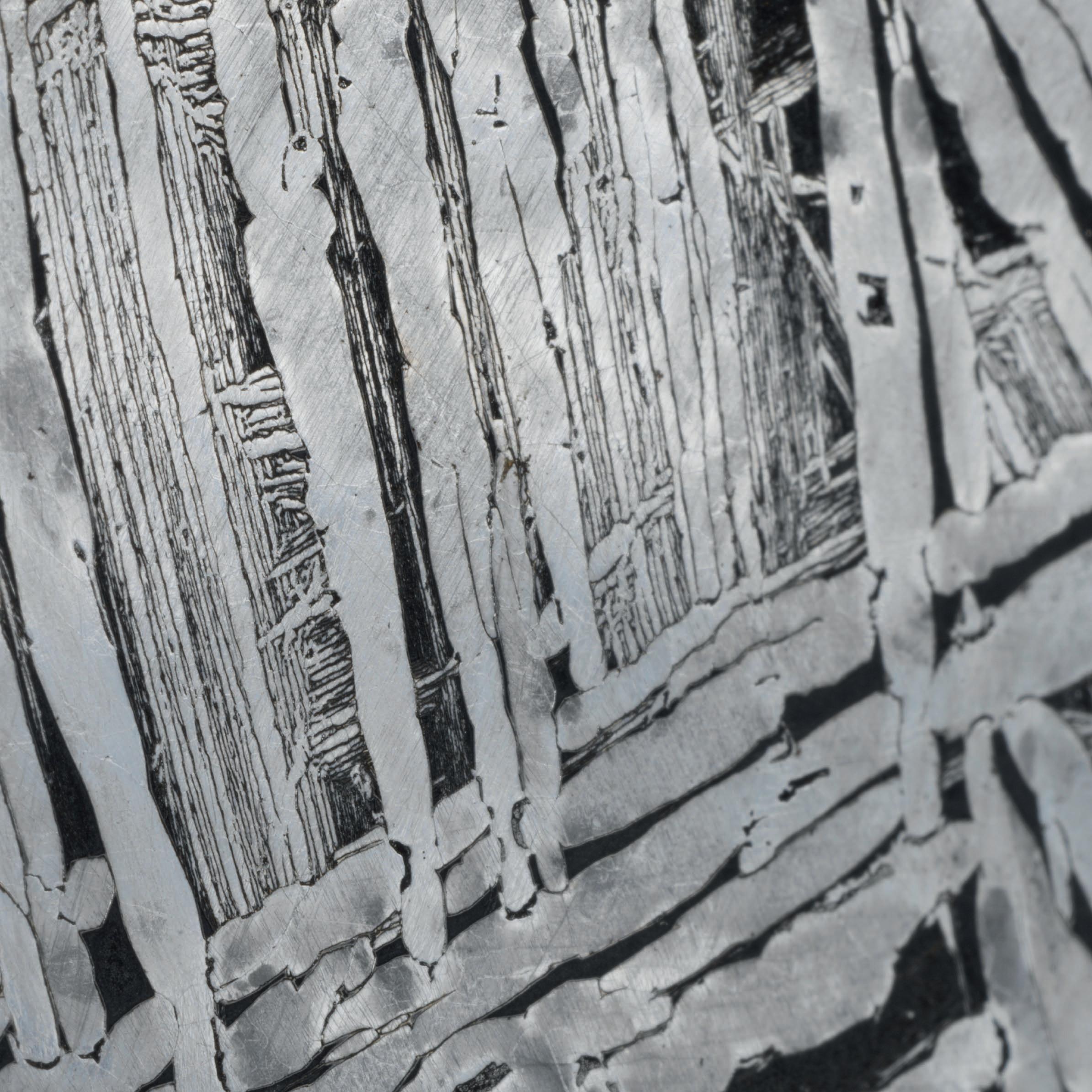
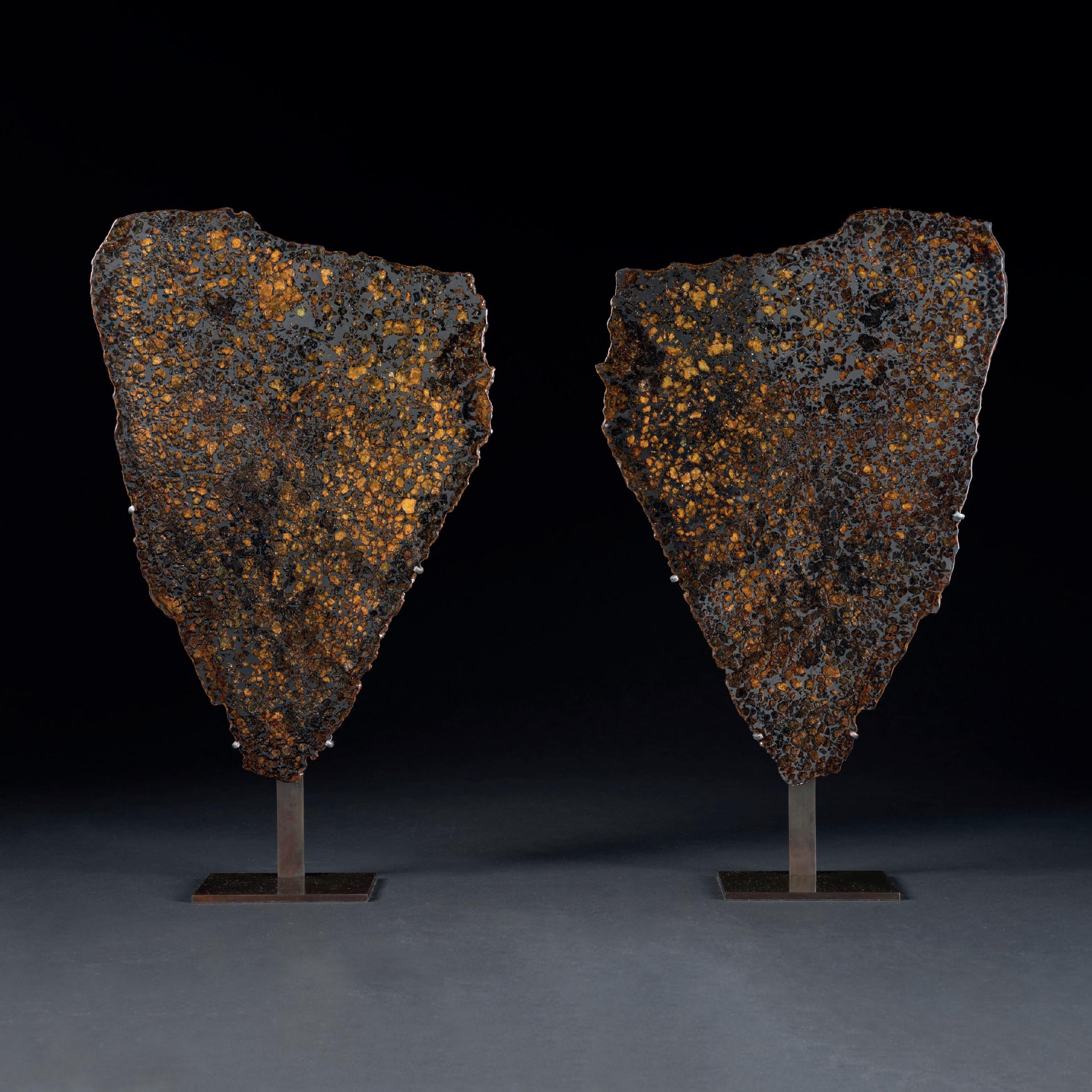
Stony-iron, Pallasite - PMG
Discovered 1967, Magadan District, Russia (62°54’ N, 152°26’ E)
15¾ inches. 1.14 kg, 970 g
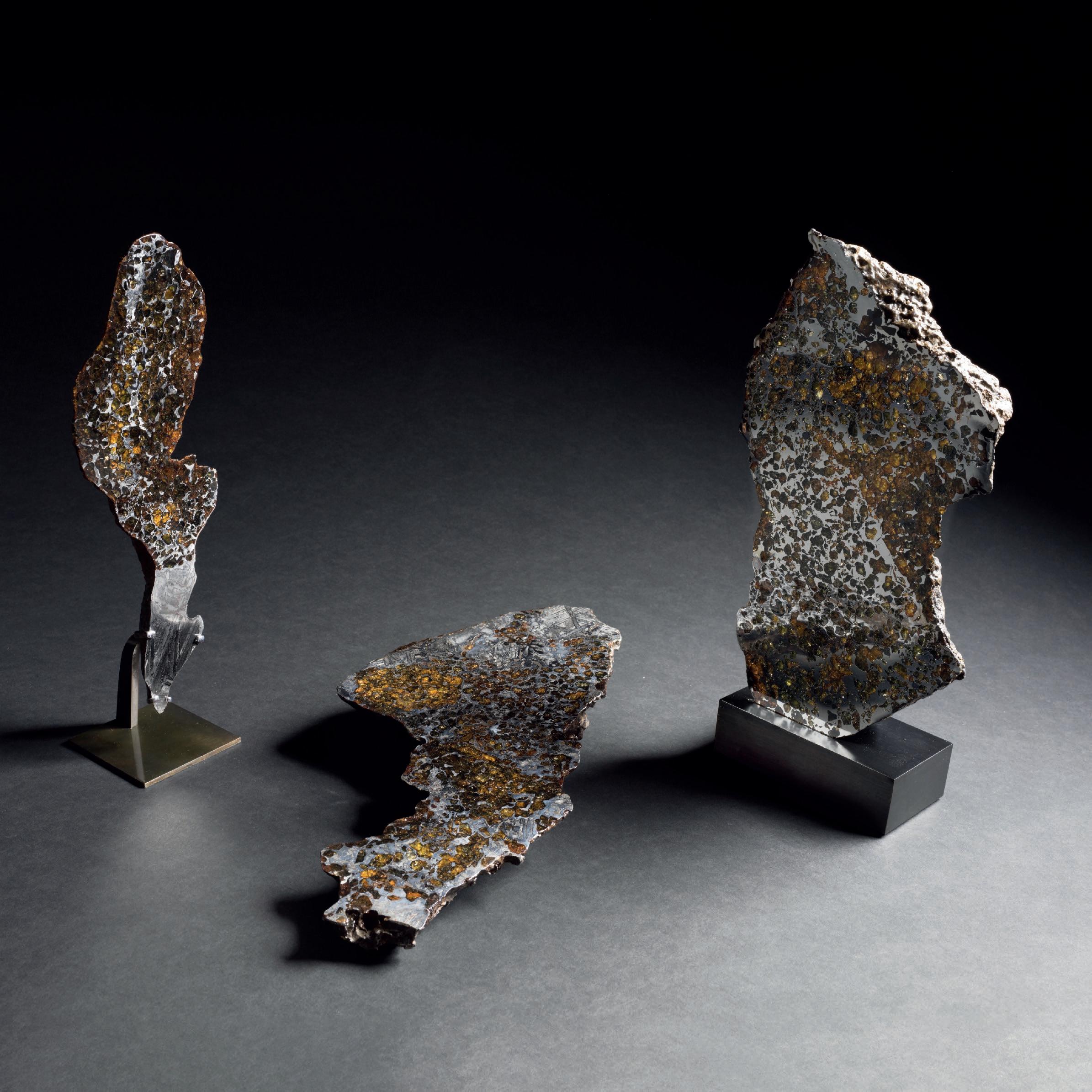
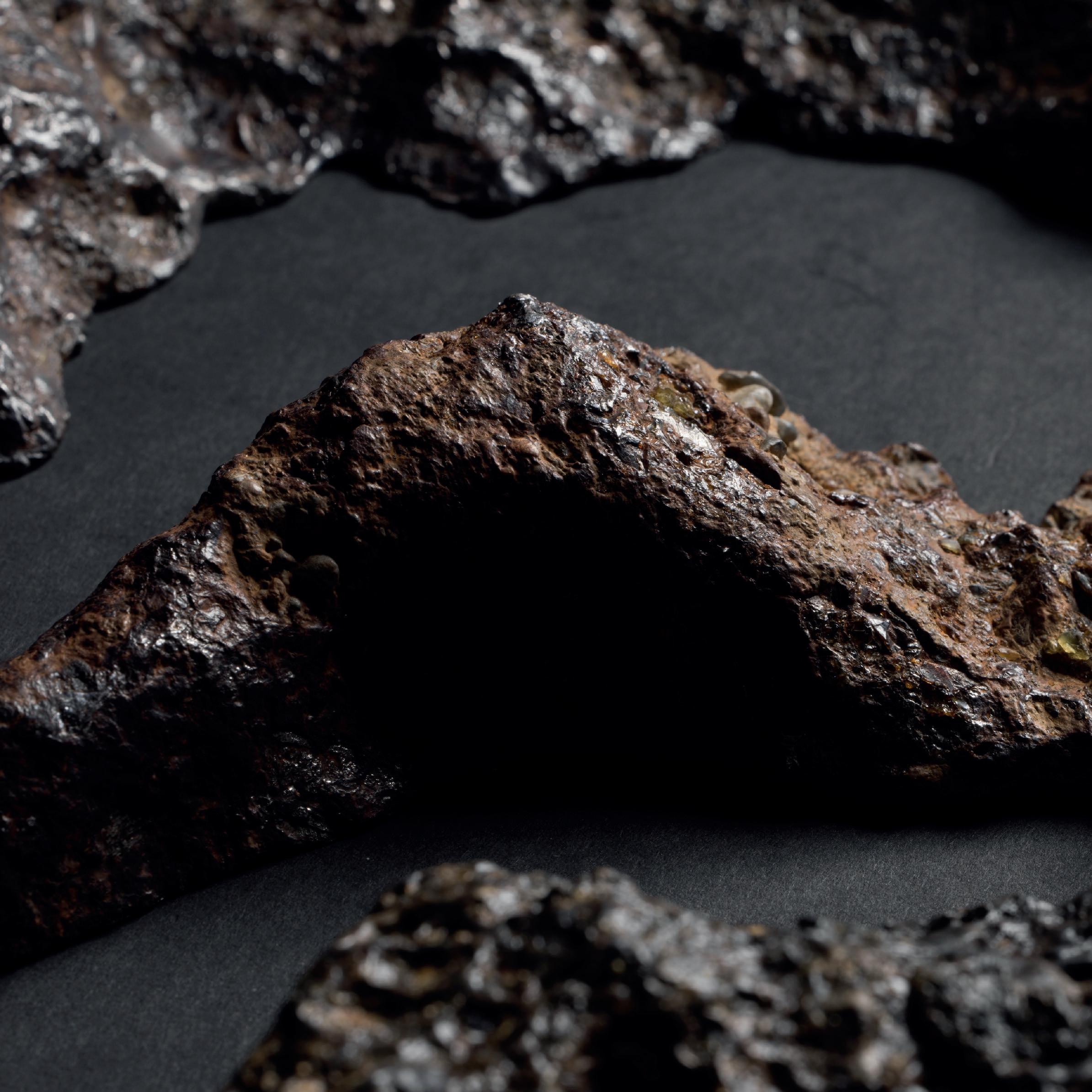
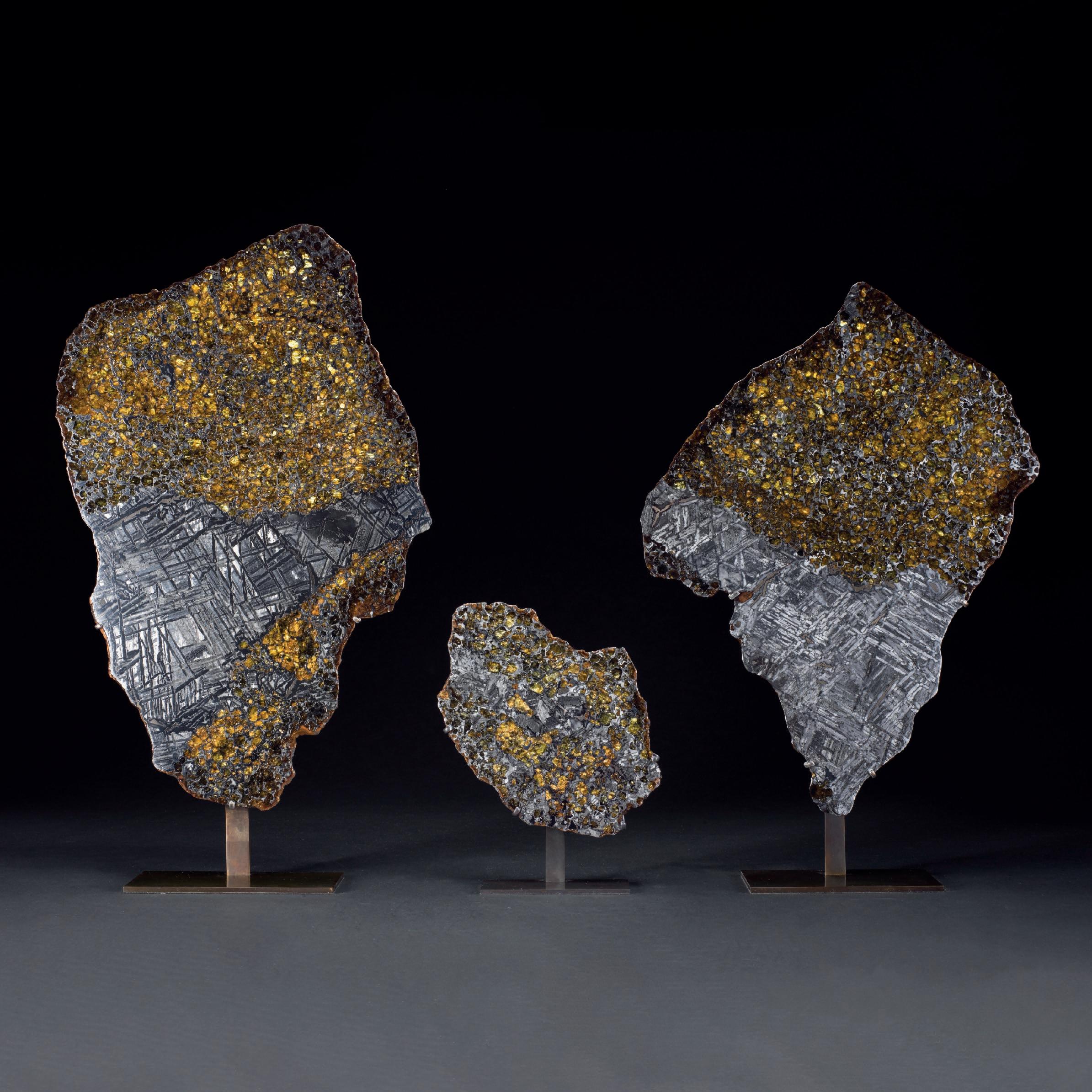
Stony-iron, Pallasite - PMG
Discovered 1967, Magadan District, Russia (62°54’ N, 152°26’ E)
19 inches, 8¾ inches, 17½ inches. 1.60 kg, 520 g, 1.40 kg
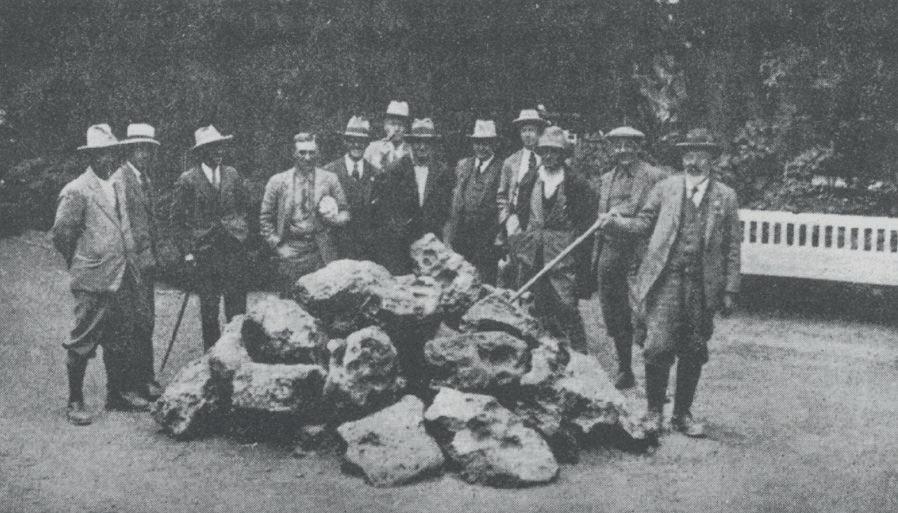
Iron, Fine octahedrite - IVA
Great Namaland, modern Namibia (25°23’ S, 17°47’ E)
12½ inches. 37.28 kg
Windhoek Public Garden, Namibia, 1929
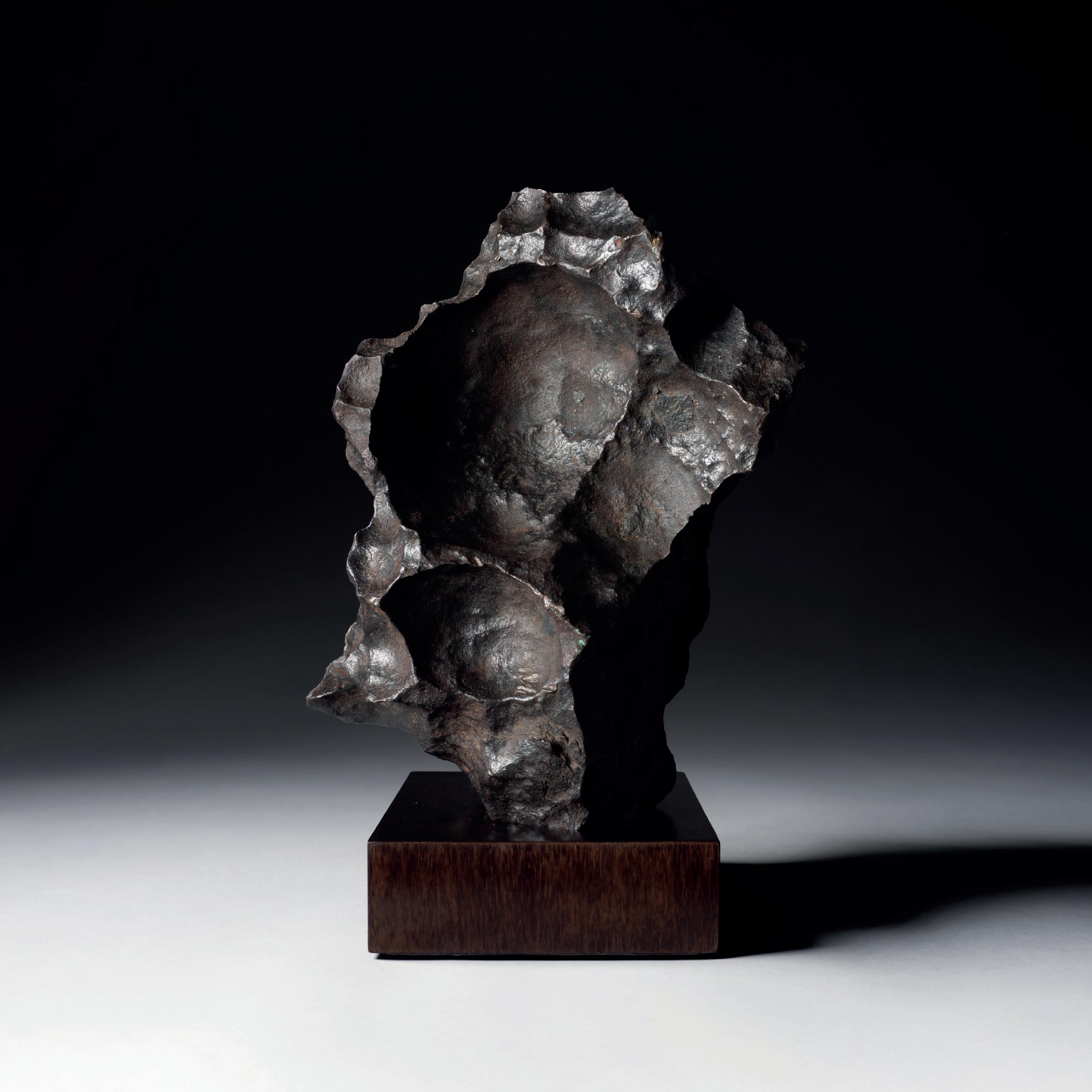
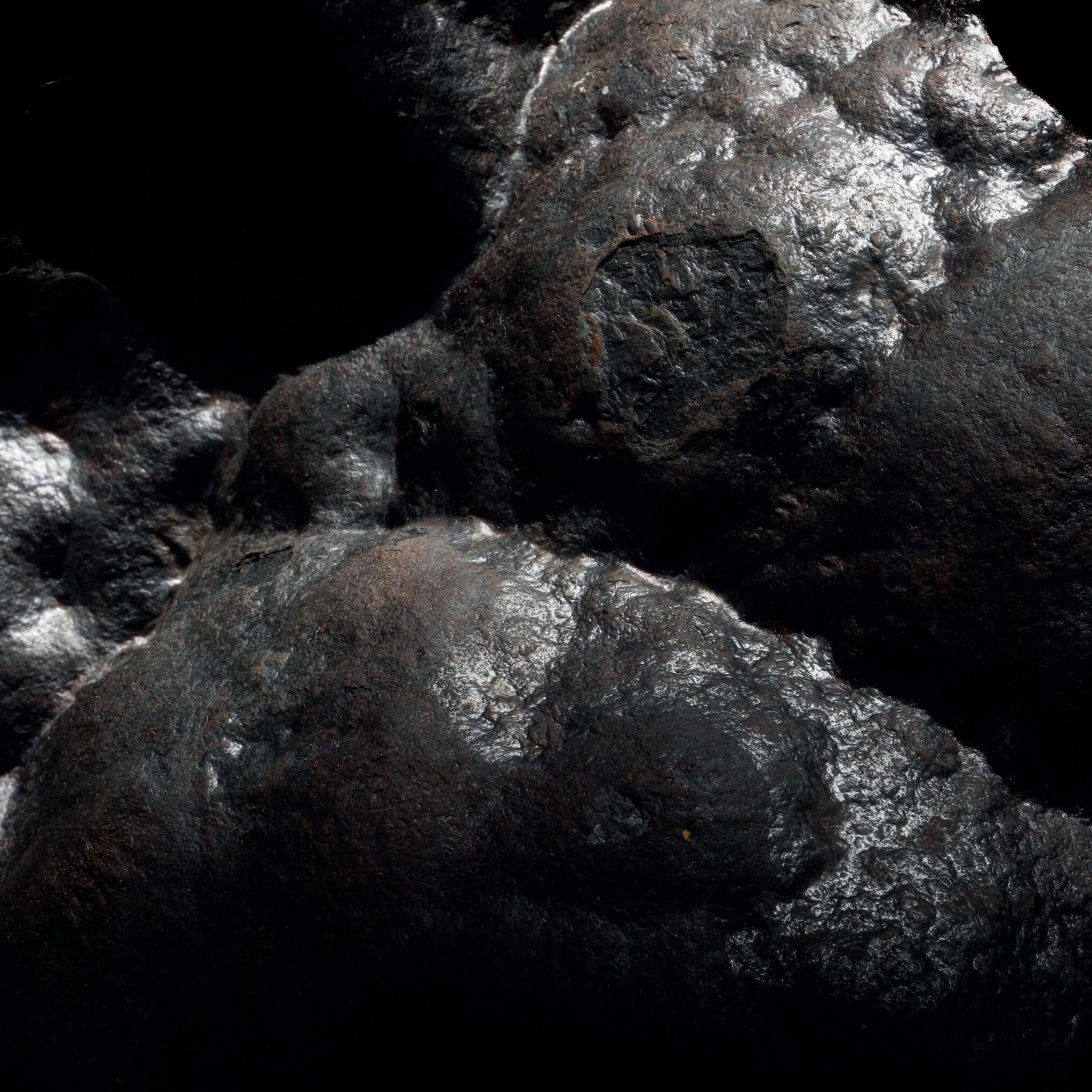
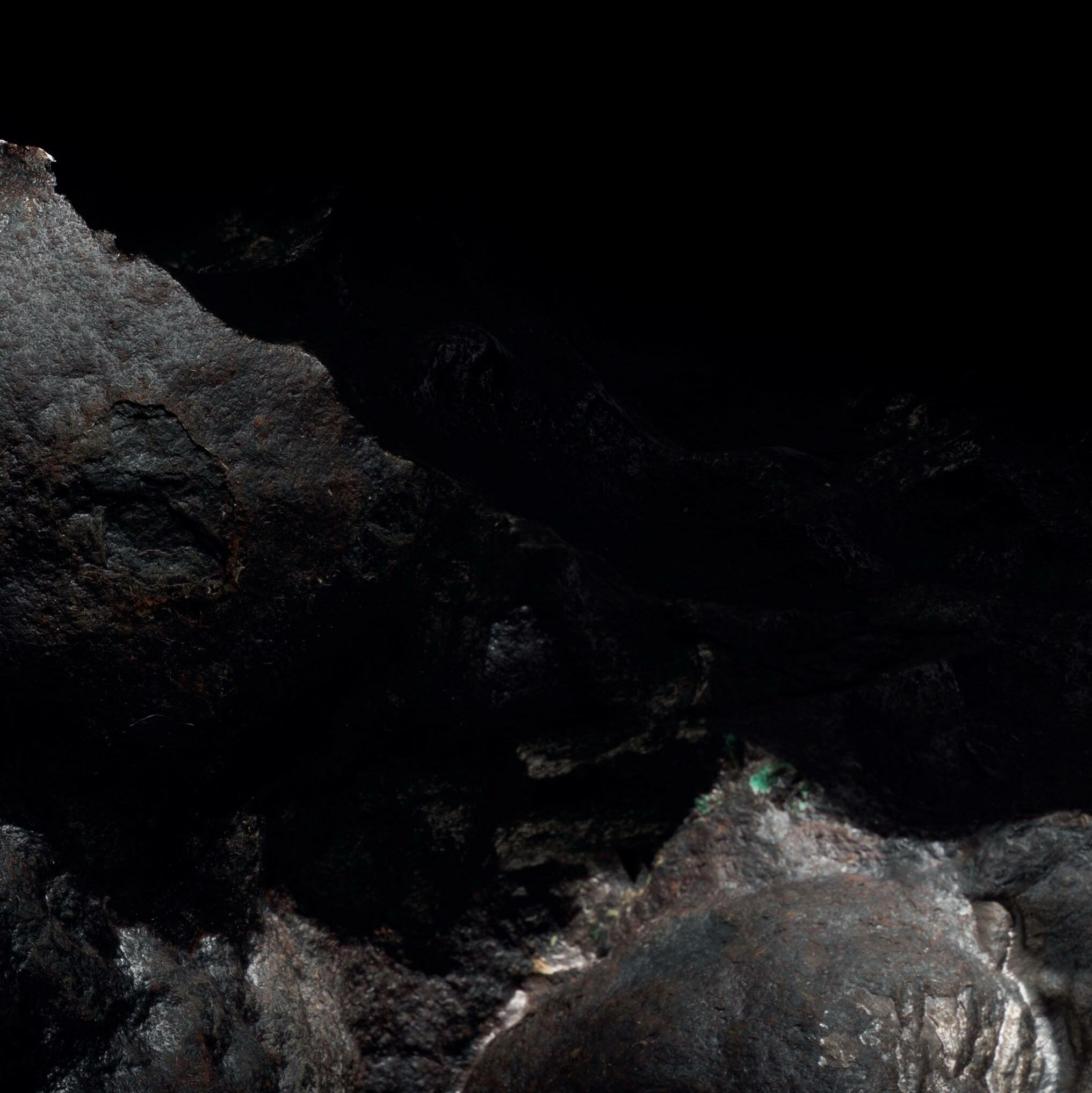
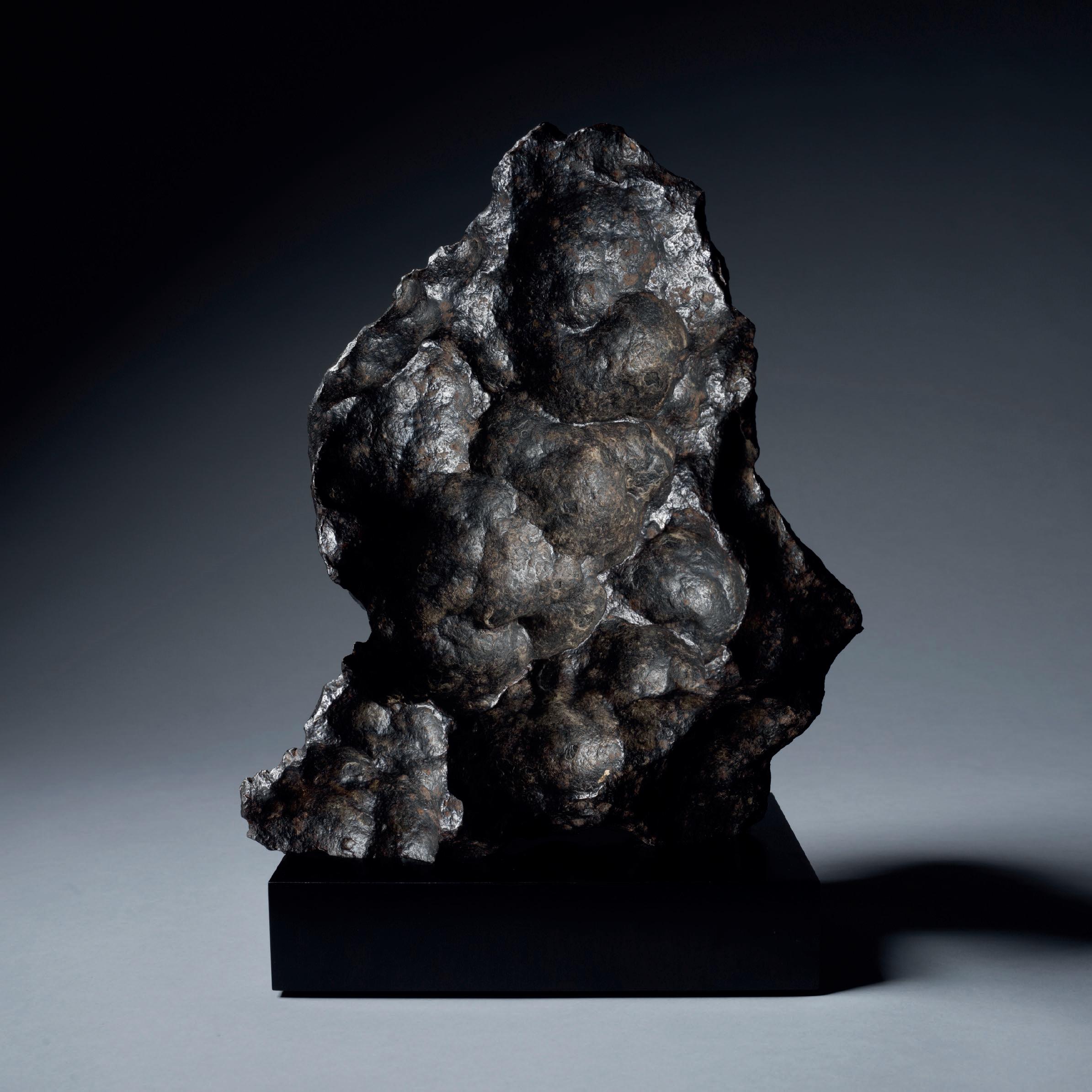
Iron, Fine octahedrite - IVA
Great Namaland, modern Namibia (25°23’ S, 17°47’ E)
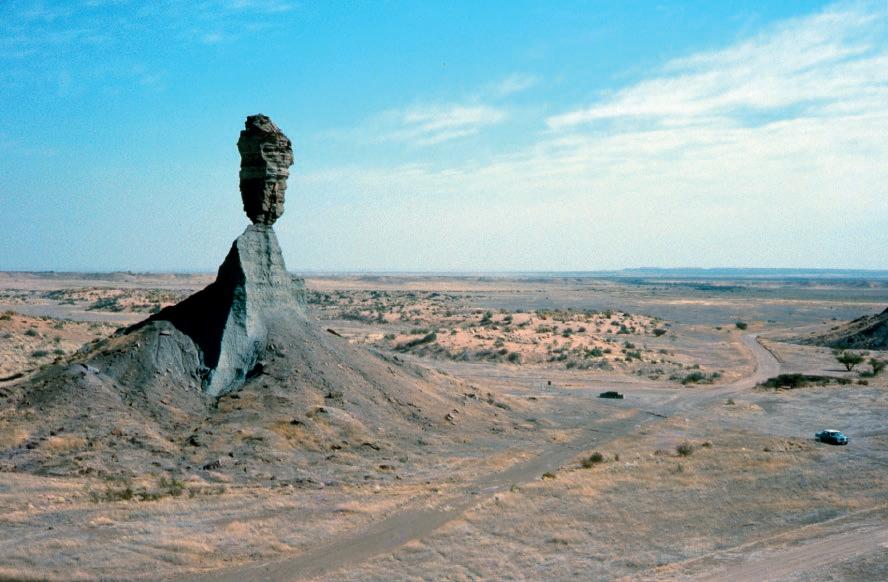
14 inches. 30.50 kg
Mukurob, near Gibeon, 1975.
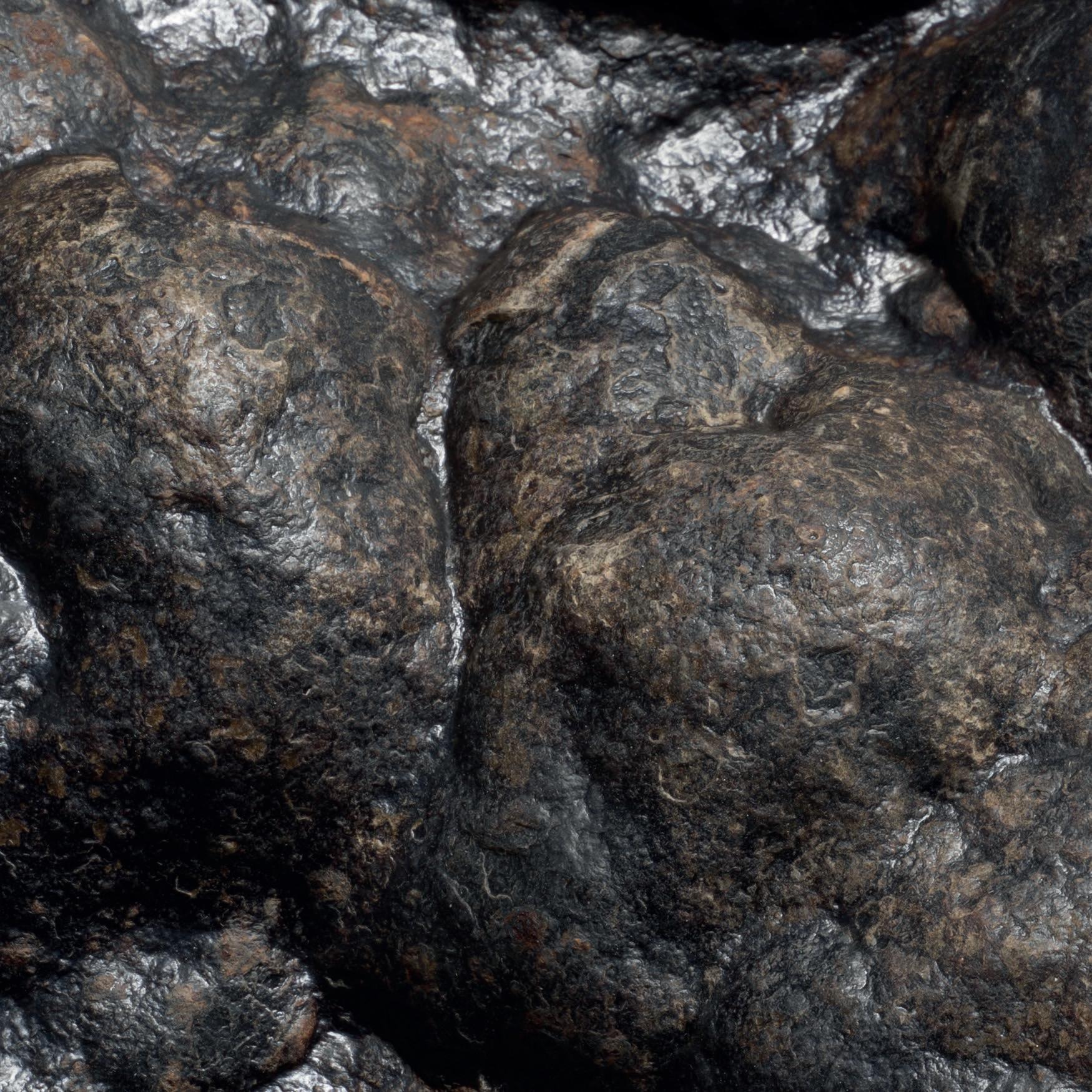
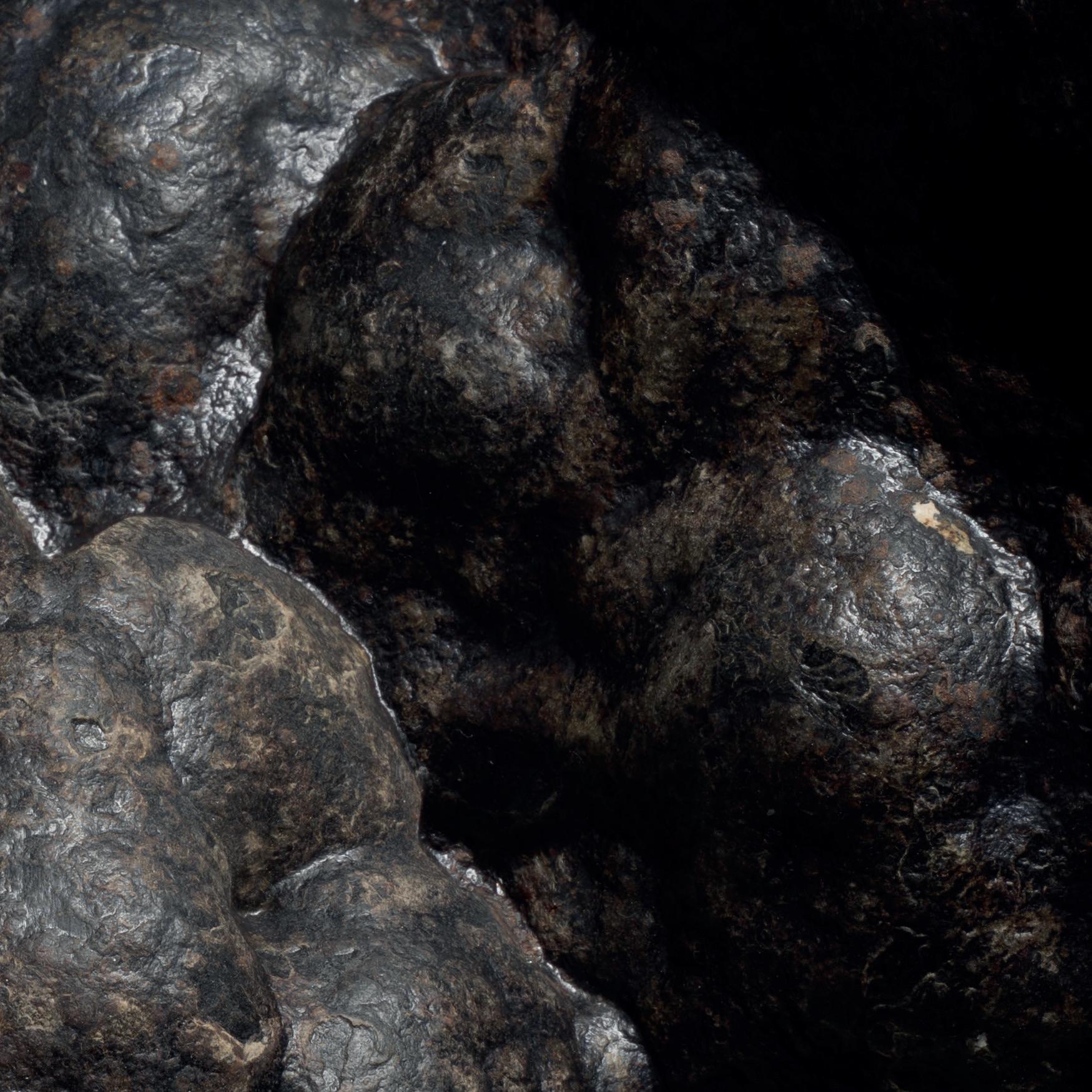

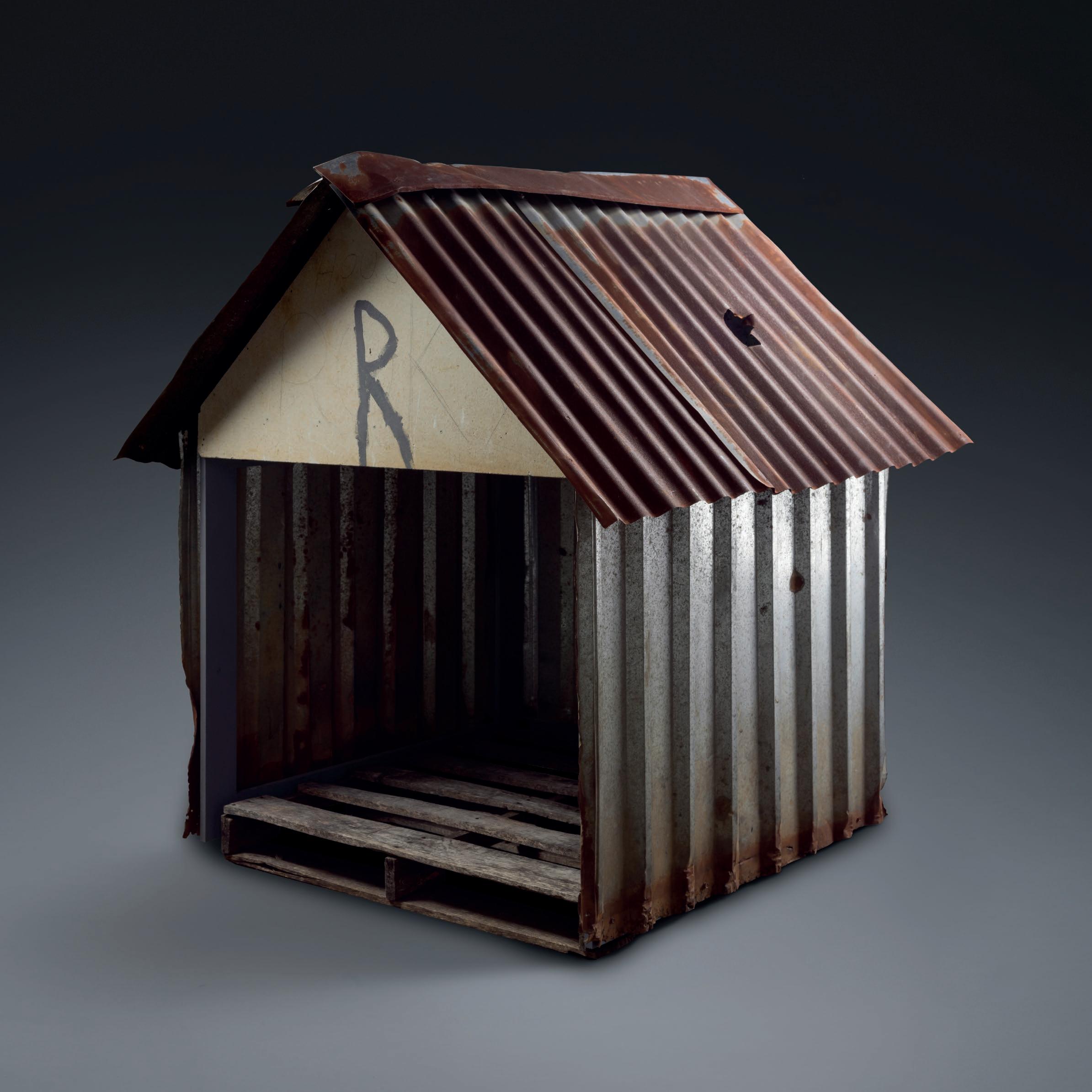
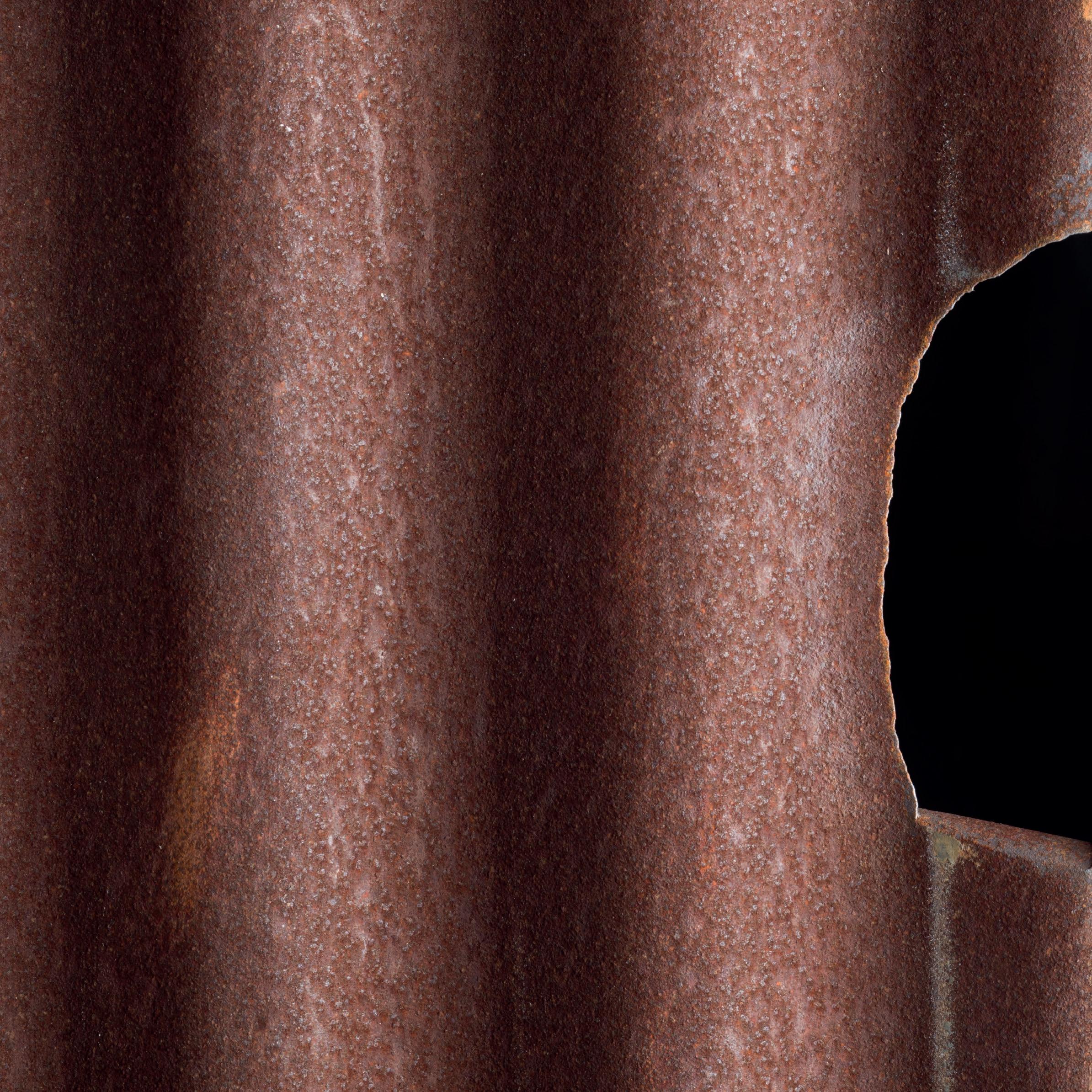
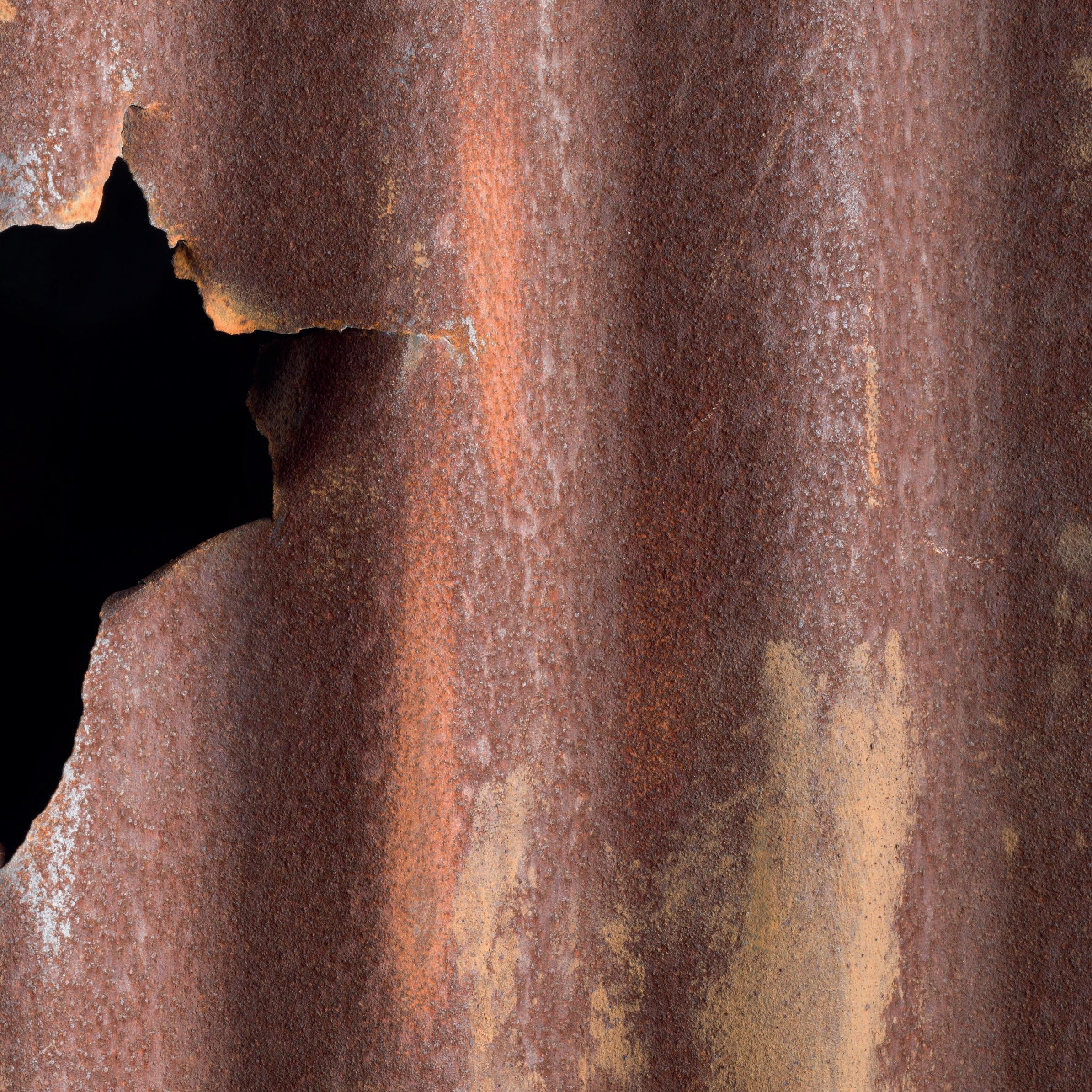
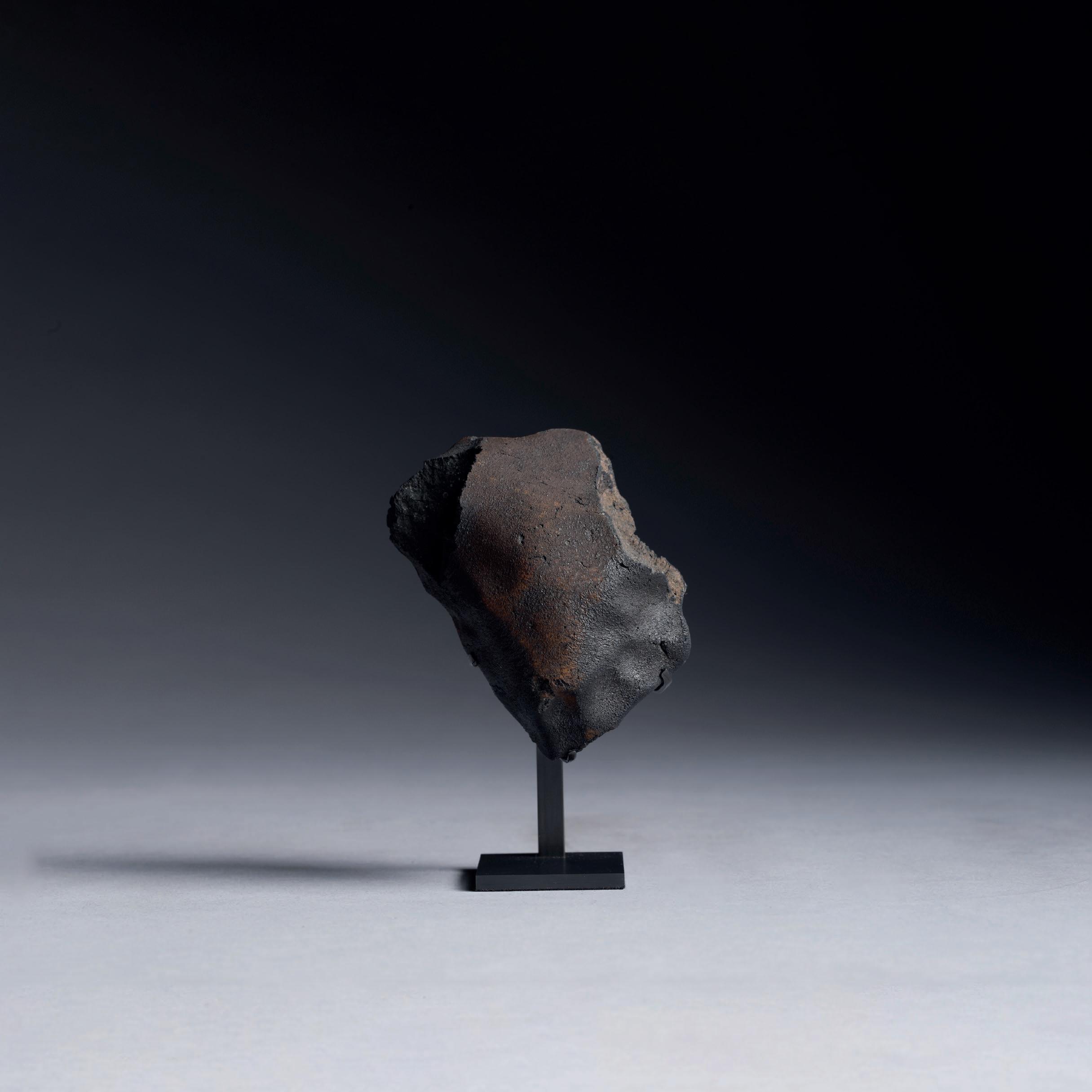
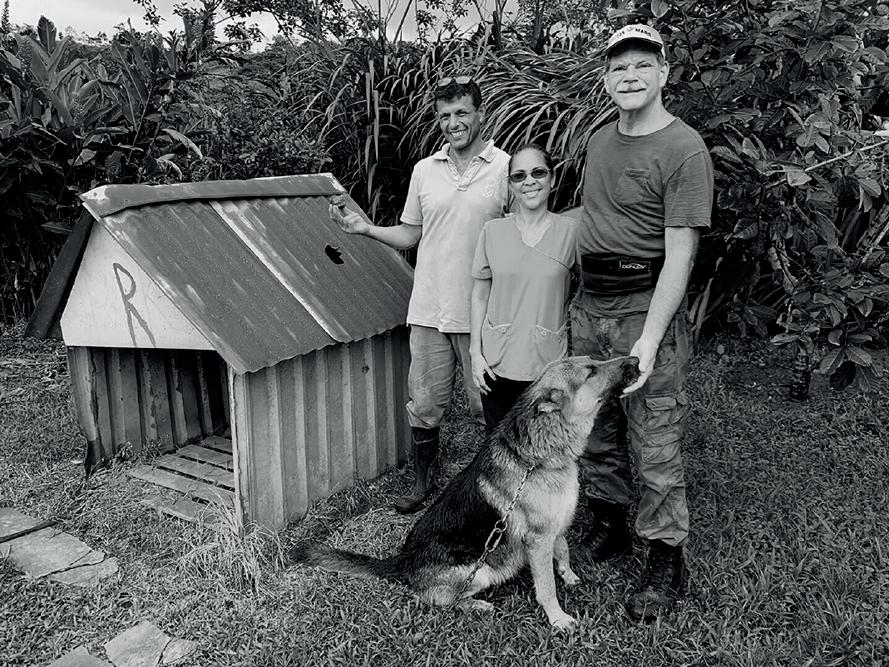
Stone, Carbonaceous chondrite – CM2 Alajuela, Costa Rica (10°23’29.03N, 84°20’28.58W)
Impact Date: 23rd April 2019, 21:07
3 inches. 178 g
Discovery, April 2019.
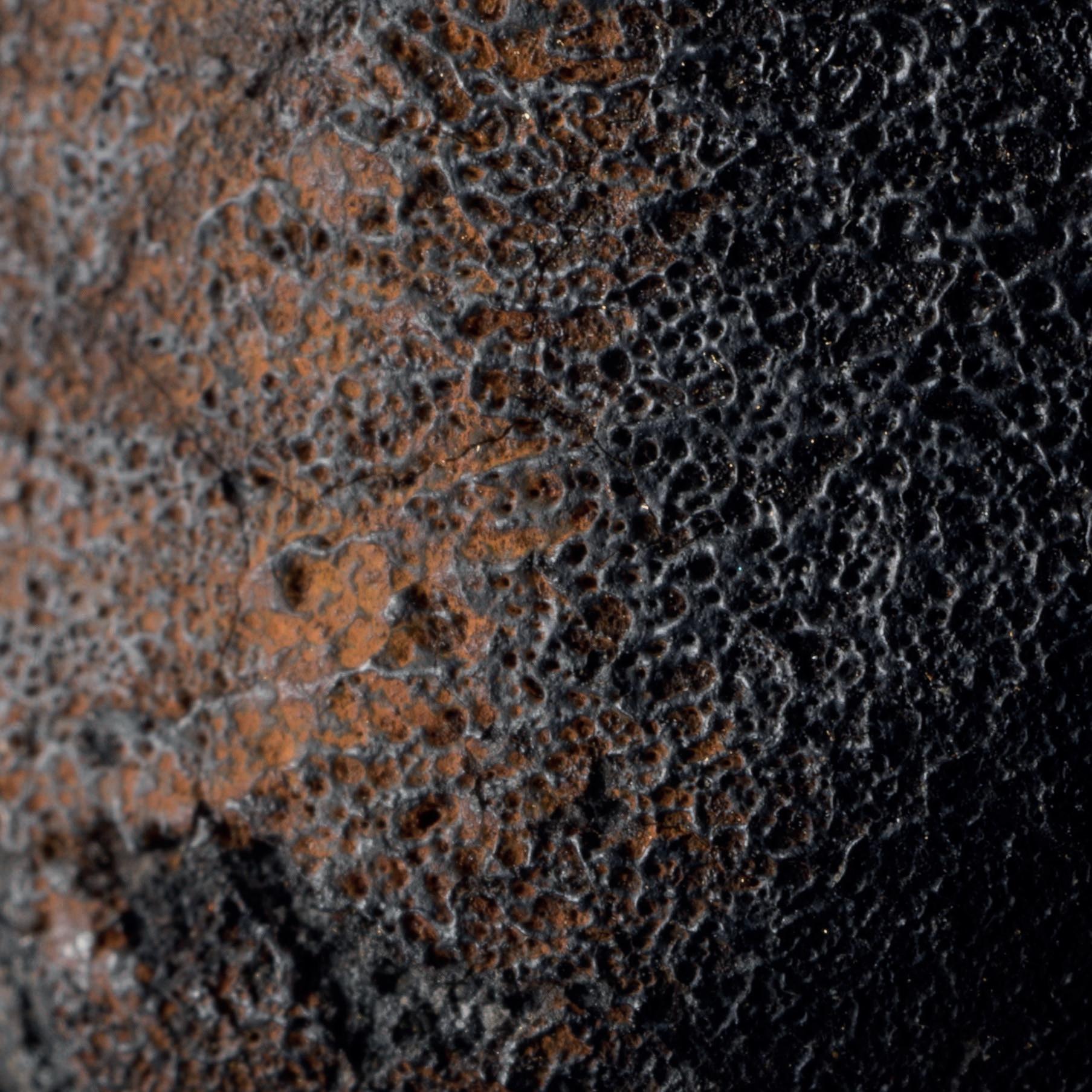
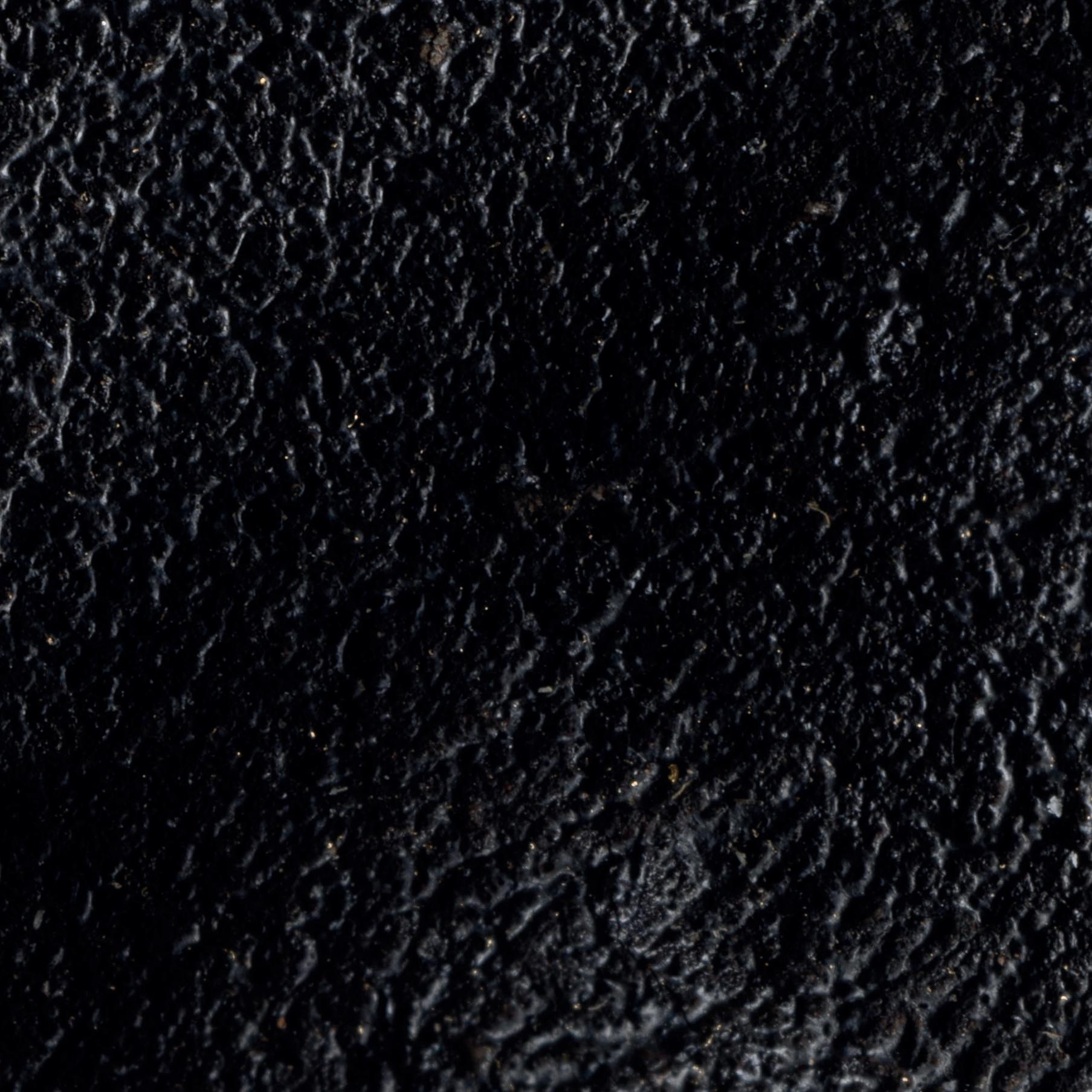

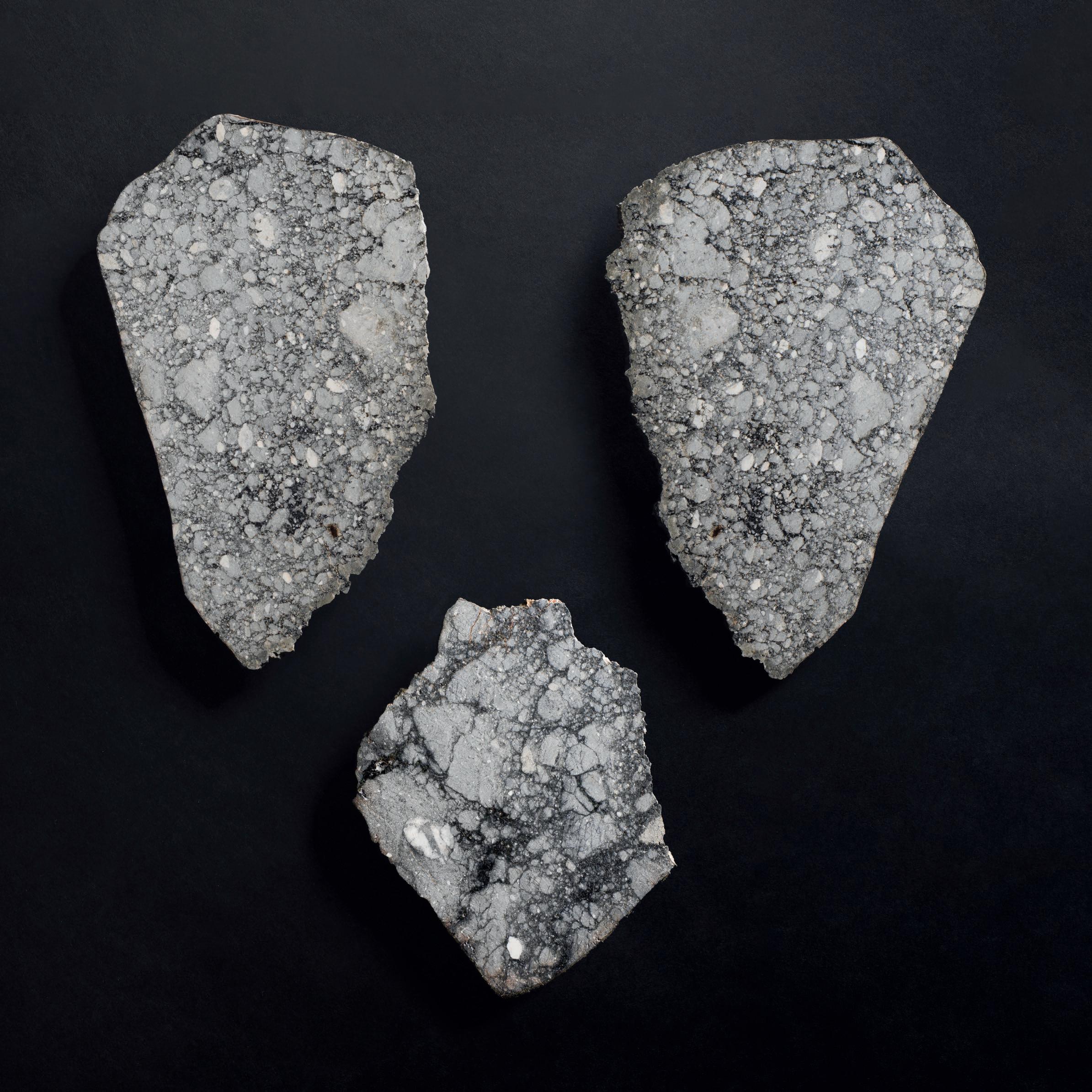
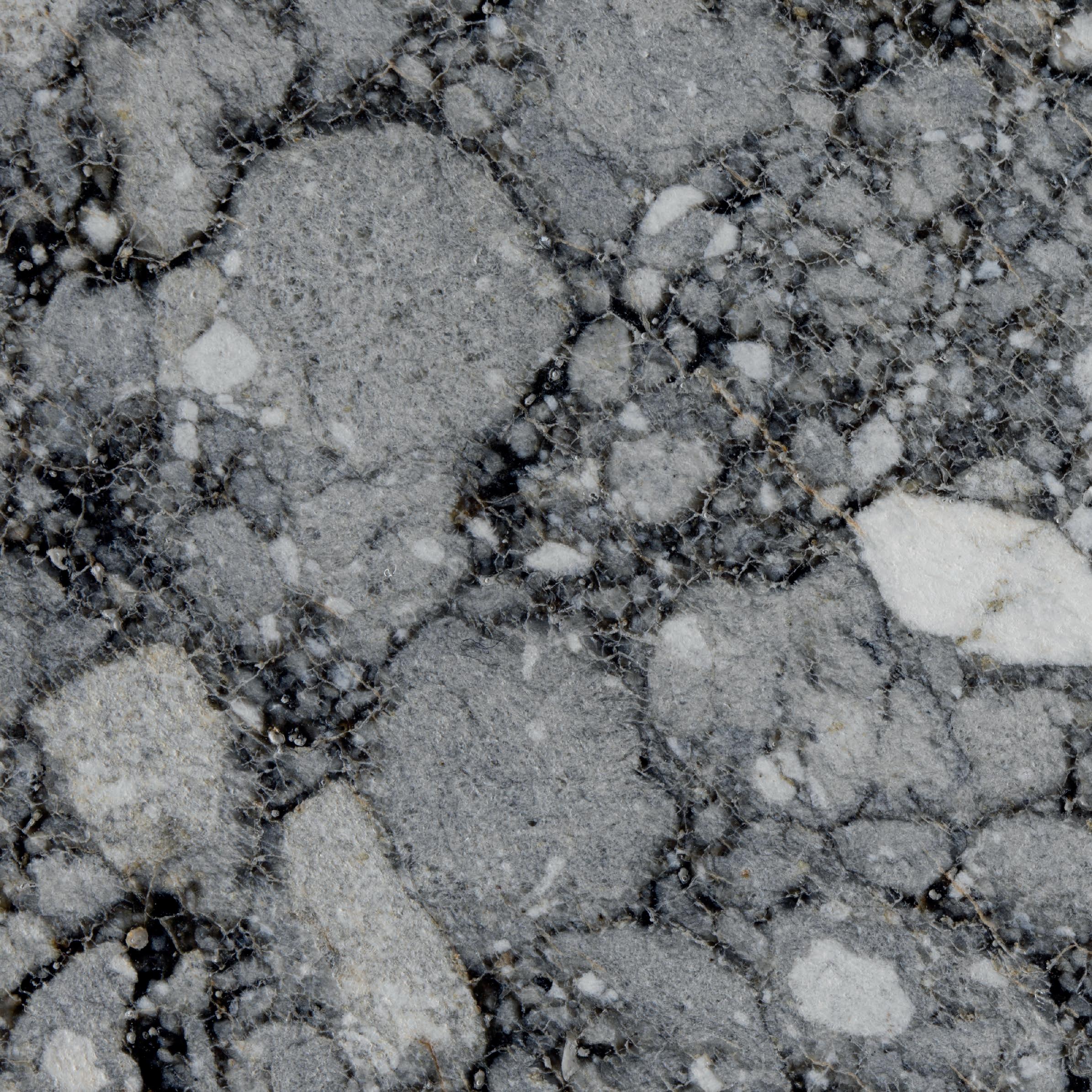
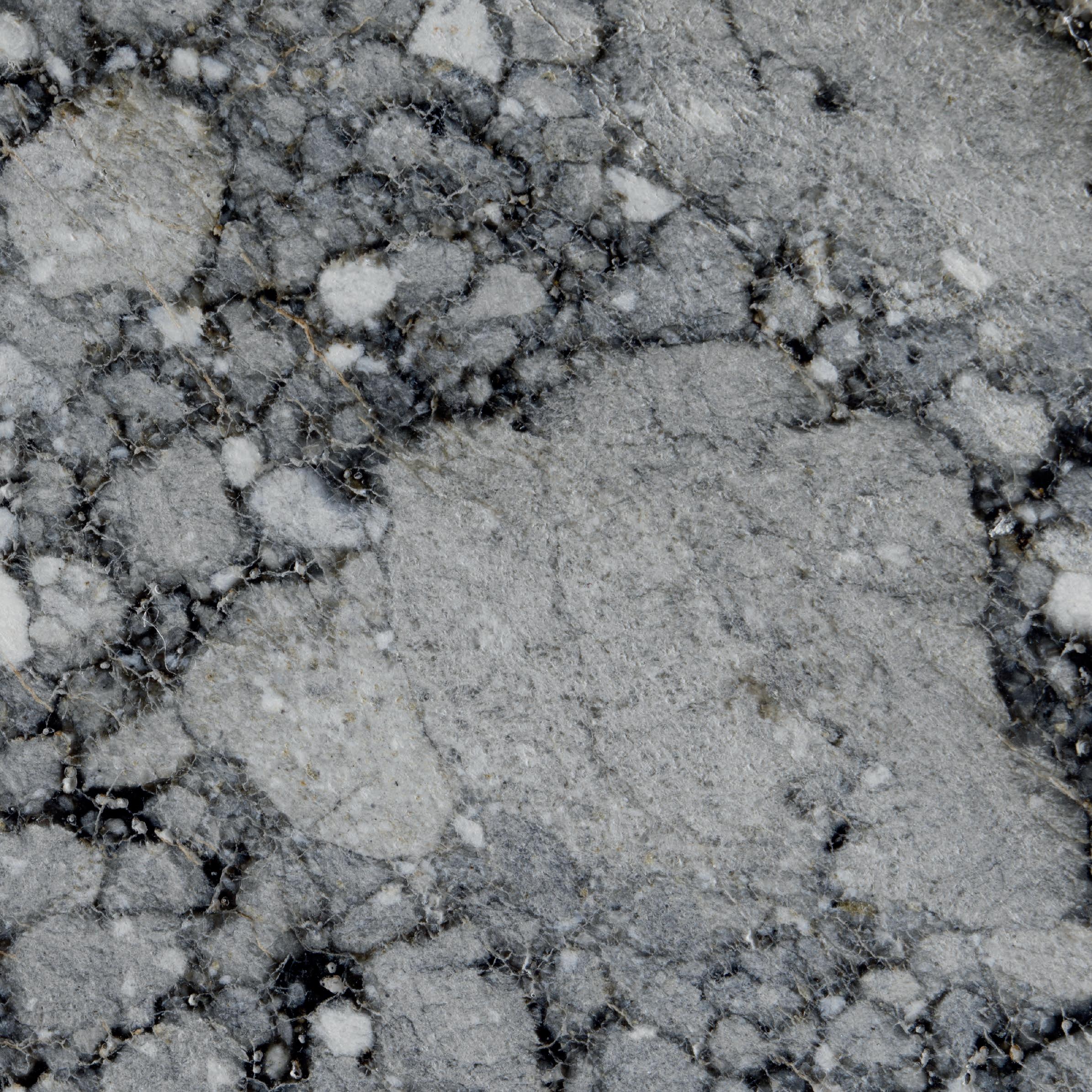
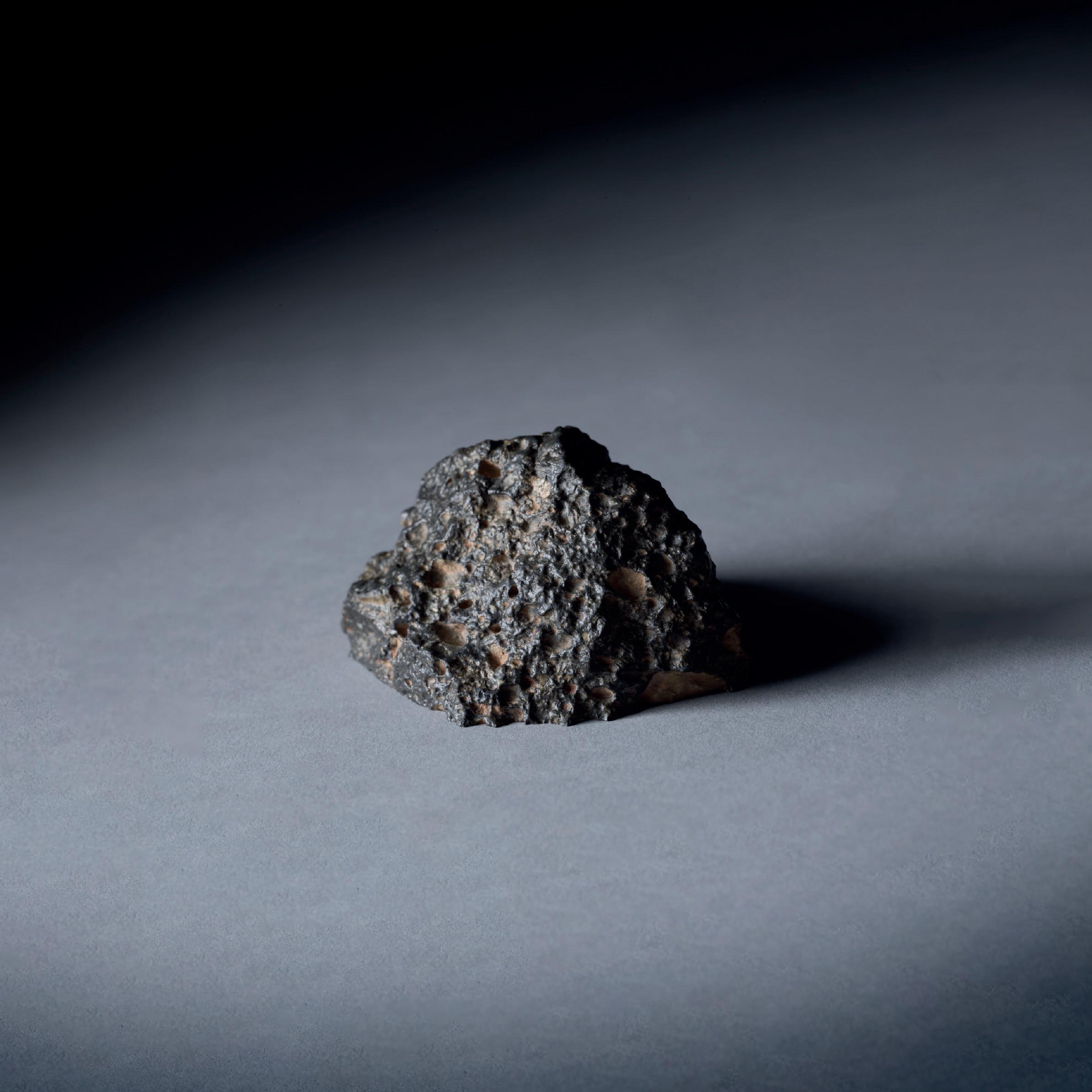
Lunar stone, Feldspathic breccia
Discovered March 2017, near Tindouf, Algeria
2¾ inches. 163 g
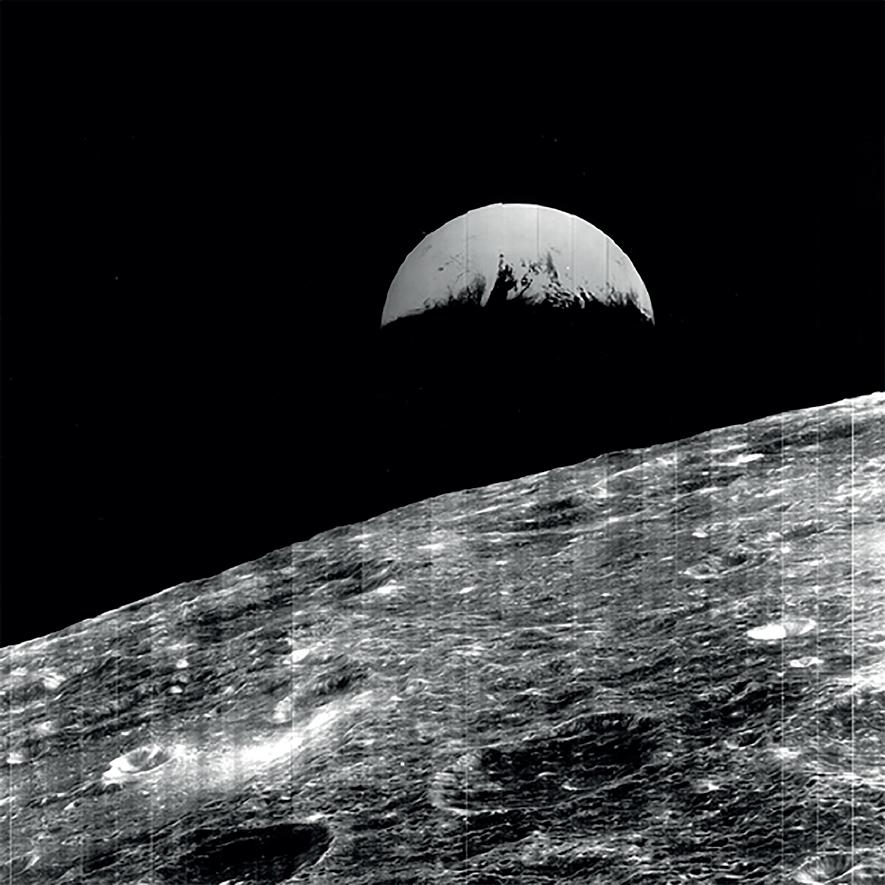
Impacts on the moon: the source of lunar debris. Lunar orbiter 1, 1966.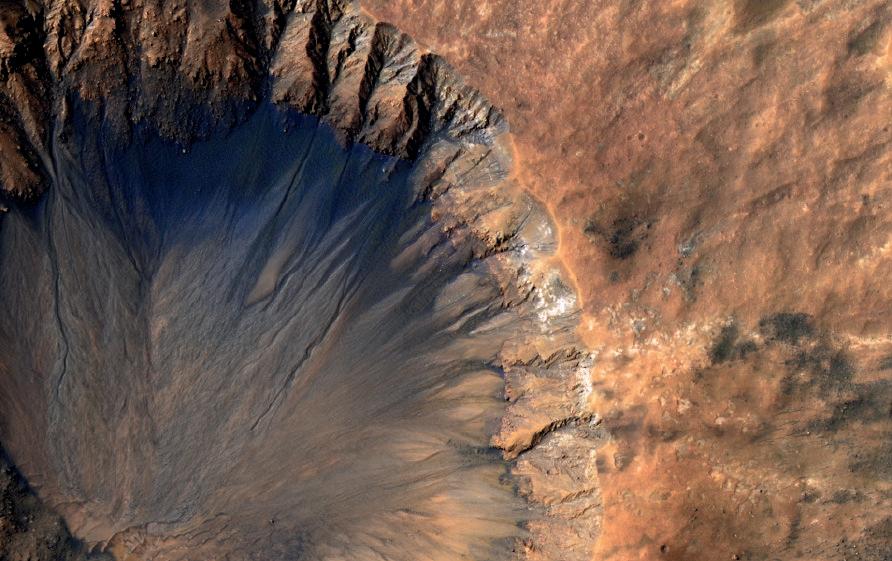 Martian meteorite - Iherzolitic shergottite Northwest Africa
3km crater forming impacts eject debris with enough energy to overcome the escape velocity of Mars.
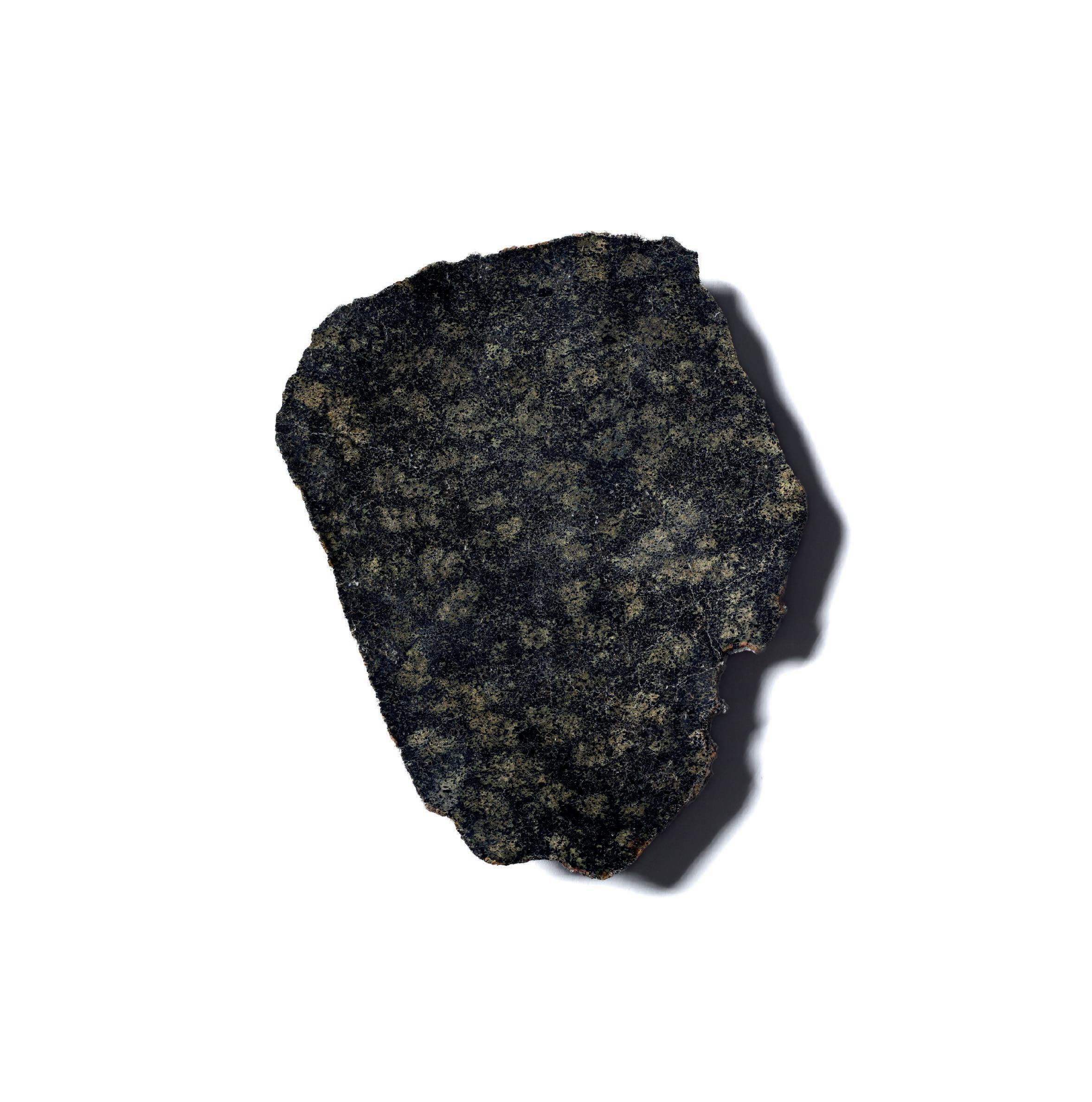
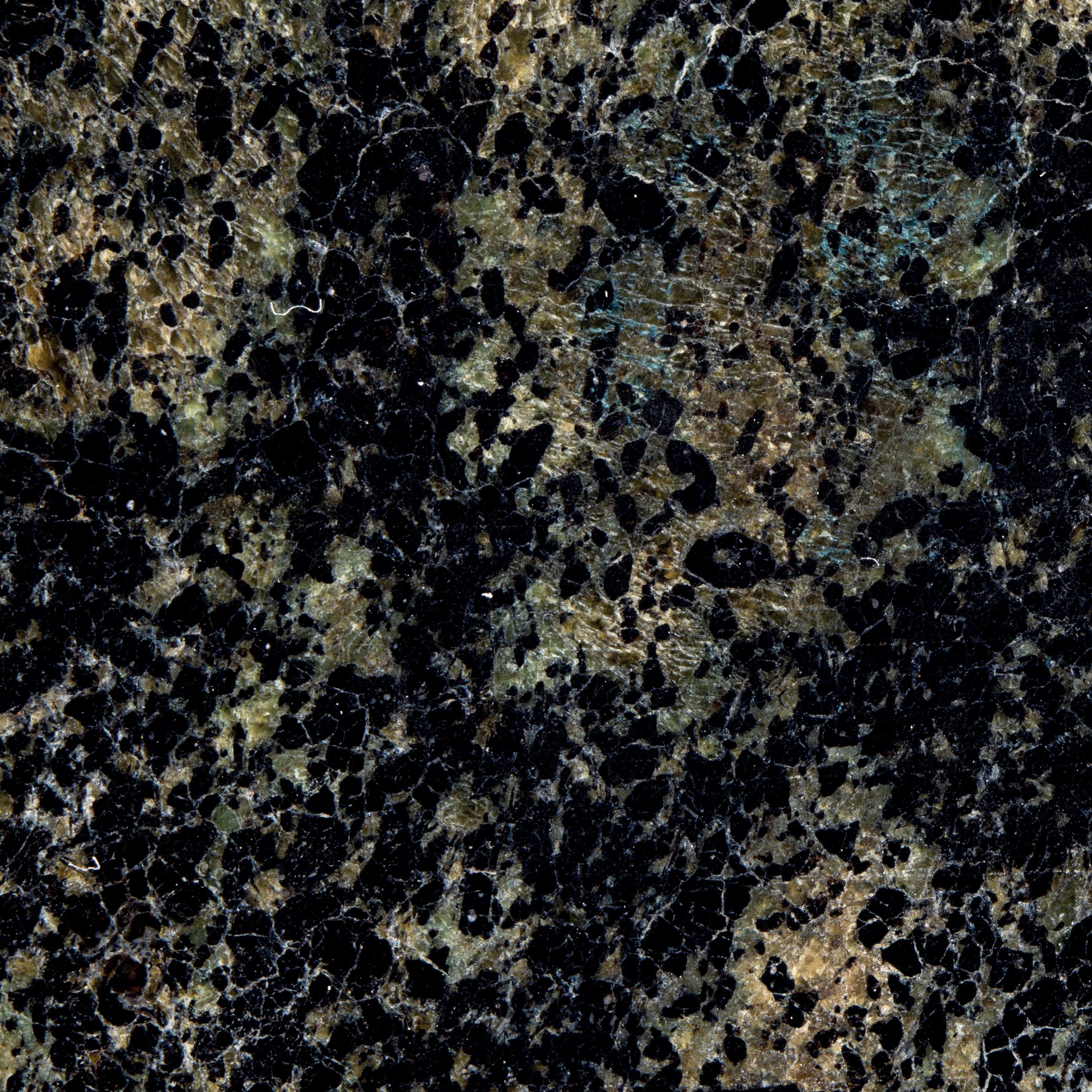
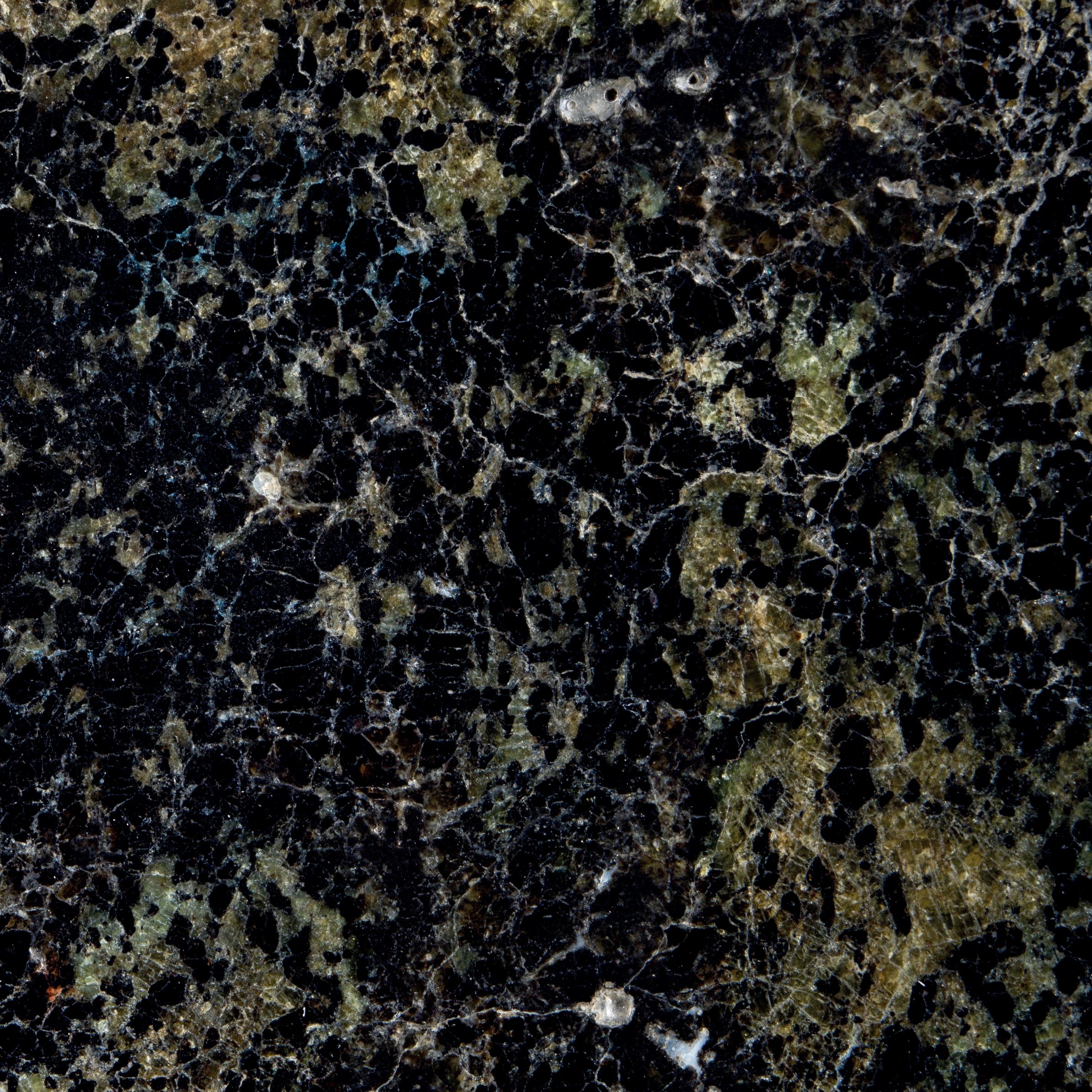
Stone, Carbonaceous chondrite - CV3
Pueblito de Allende, Chihuahua, Mexico (26°58’ N, 105°19’ W)
Impact Date: 8th February, 1969, 01:05
2¾ inches. 280 g
Pre-solar nebula, remnants of which survive in the Allende meteorite.
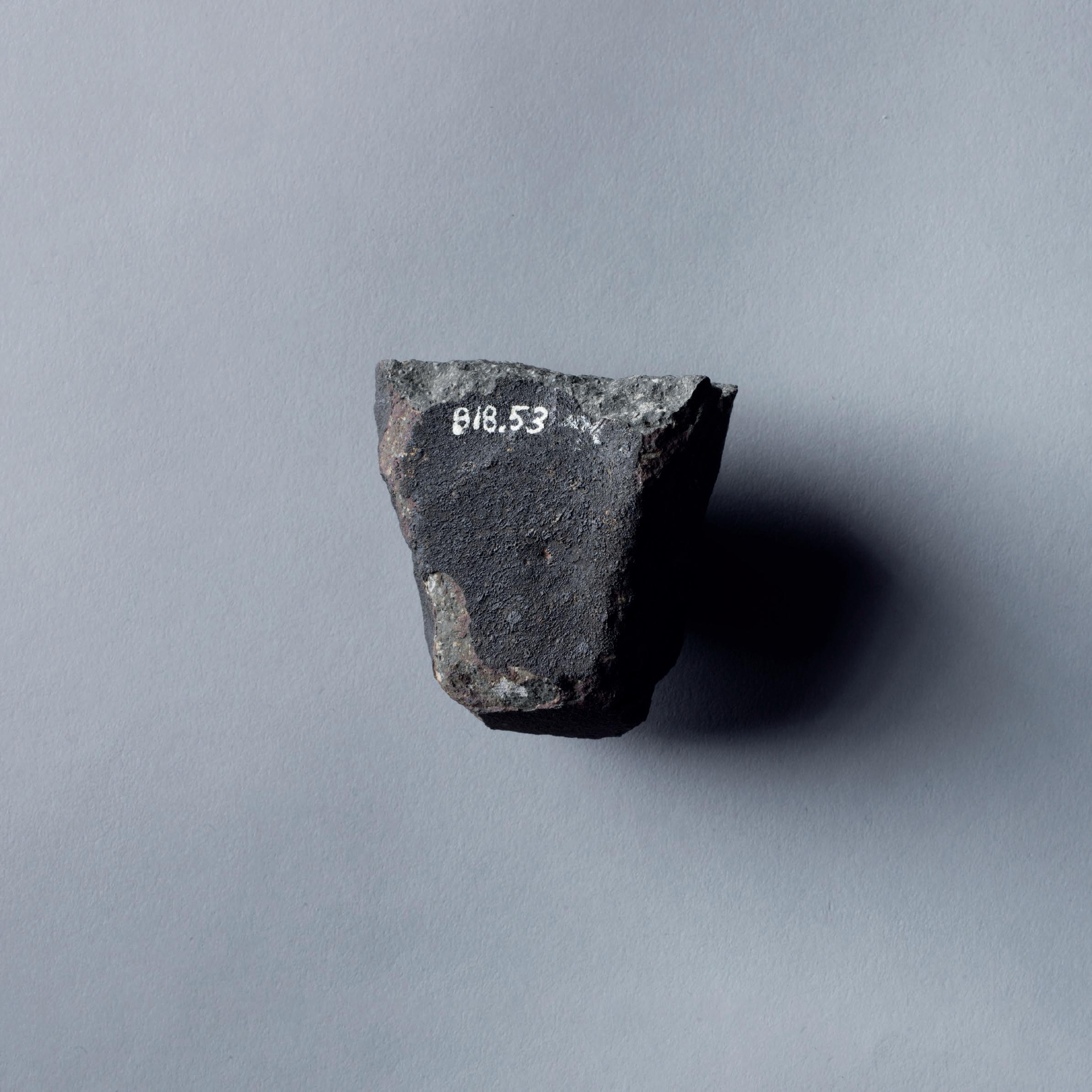
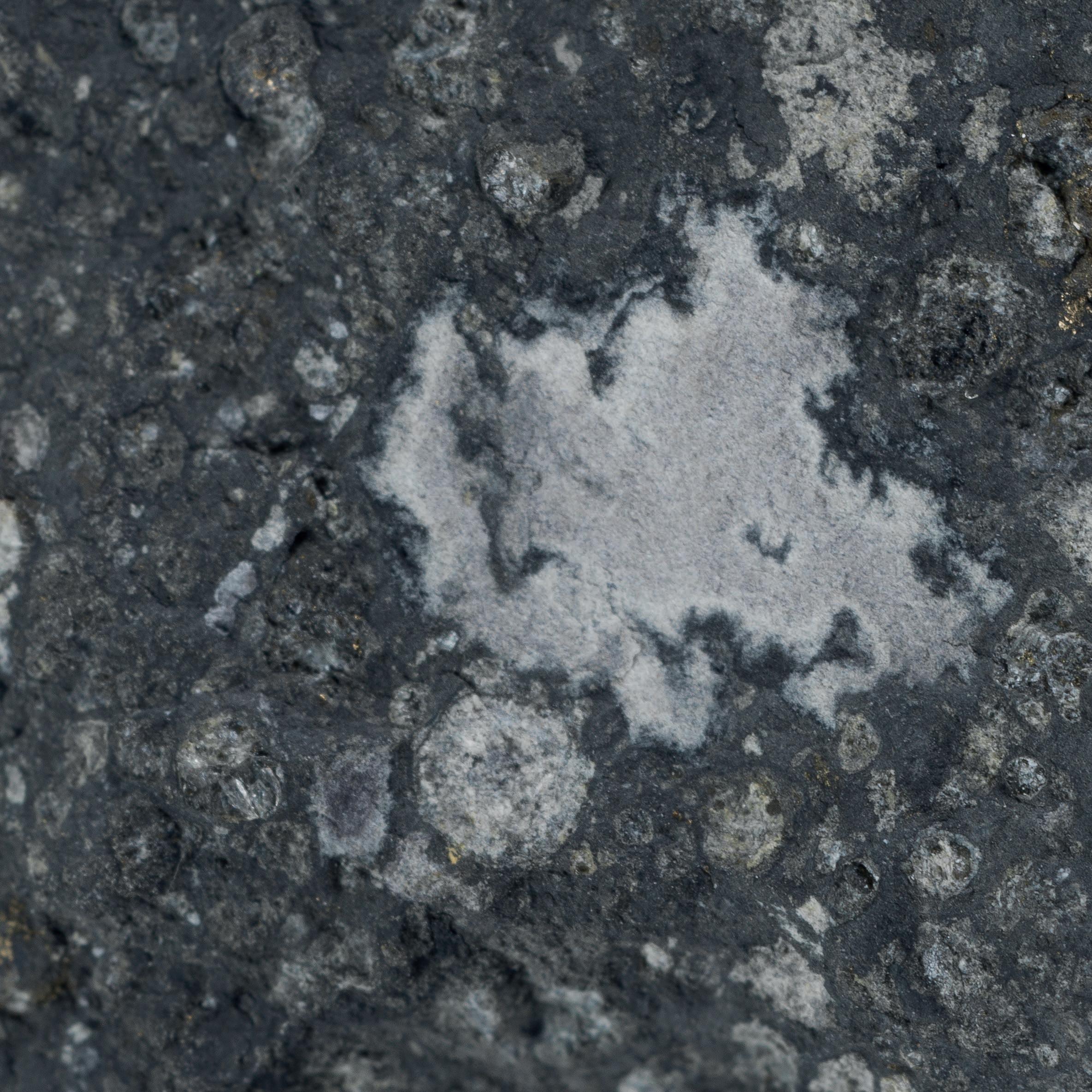
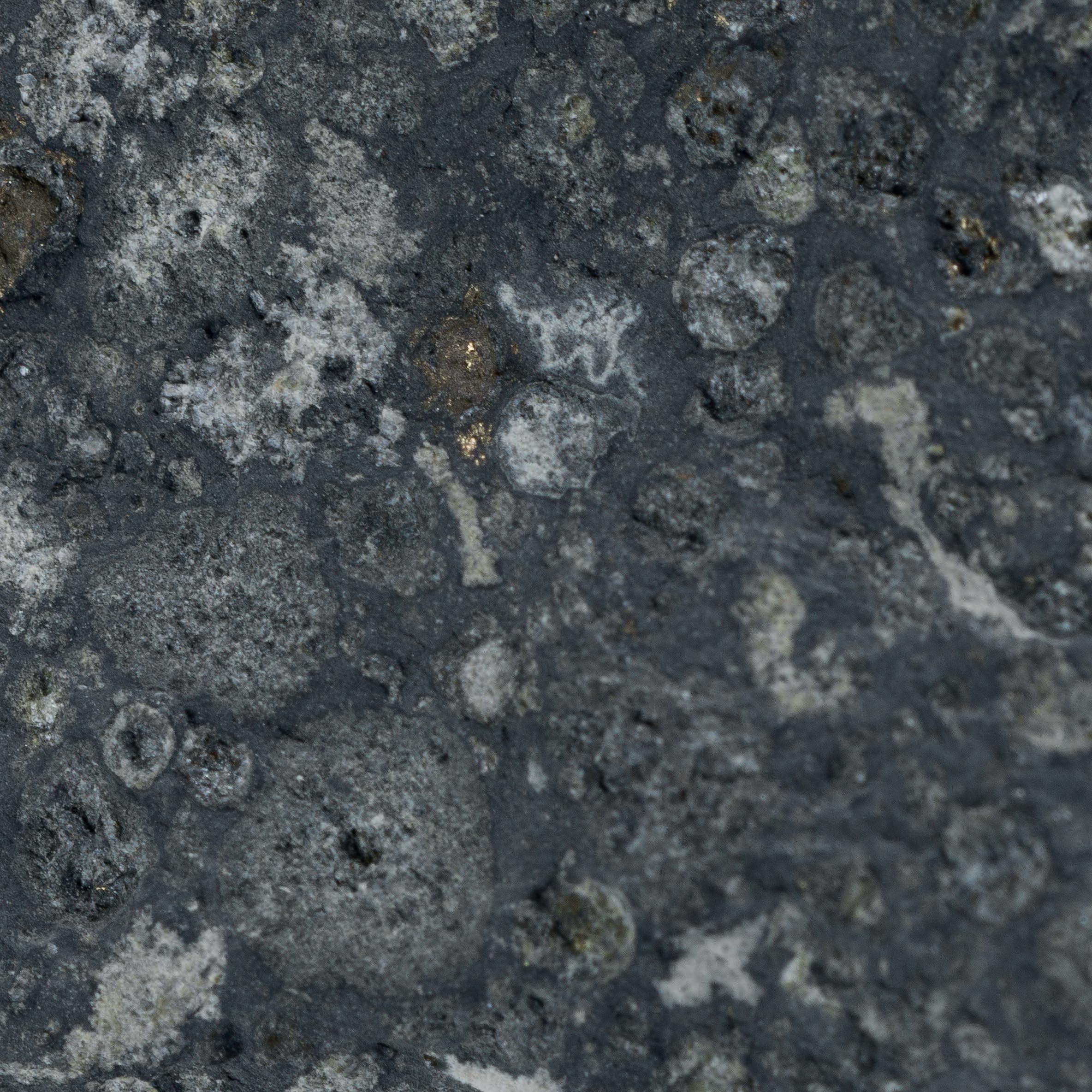
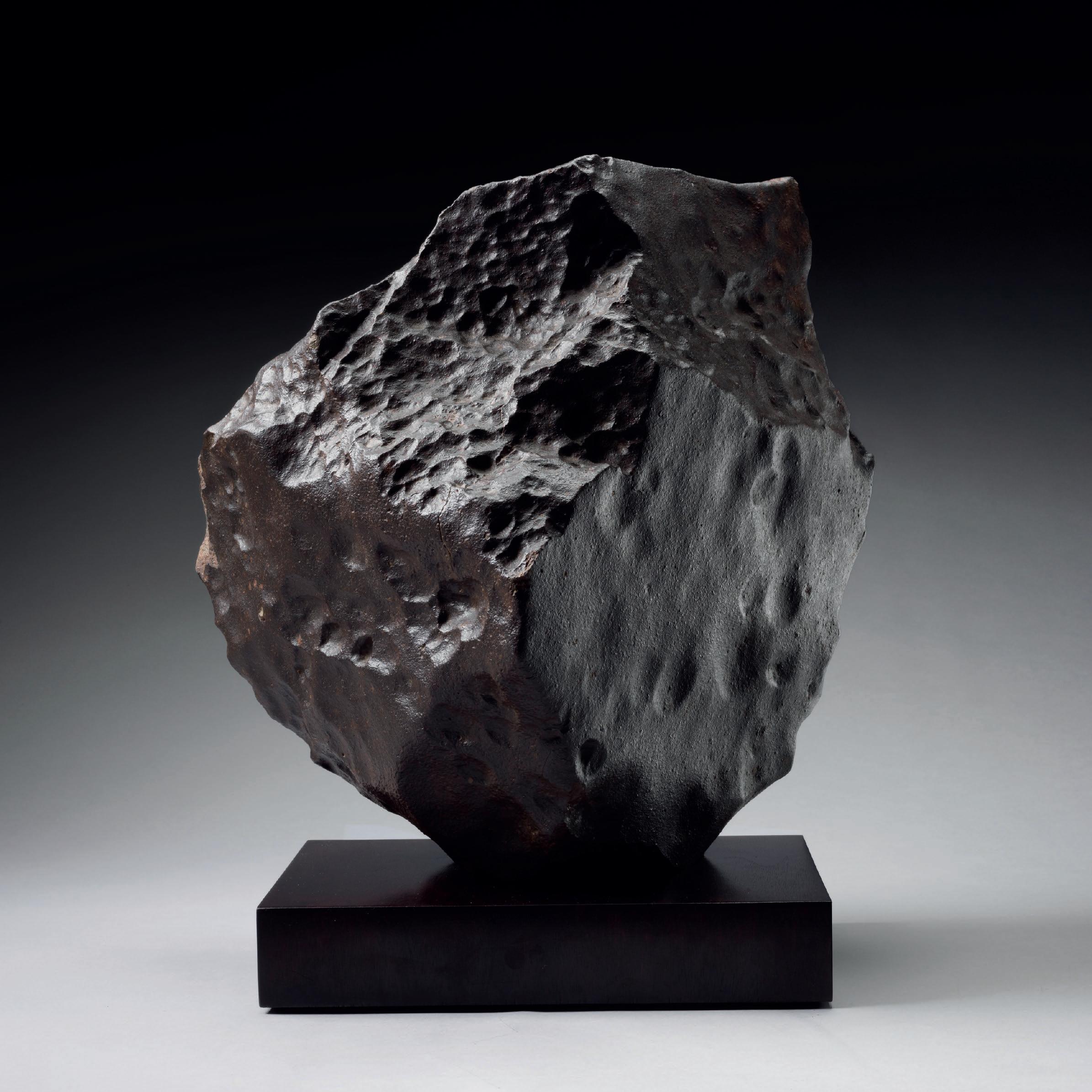
 Stone, Chondrite at undisclosed location, acquired in Temara, Morocco

Pale yellow impact glass
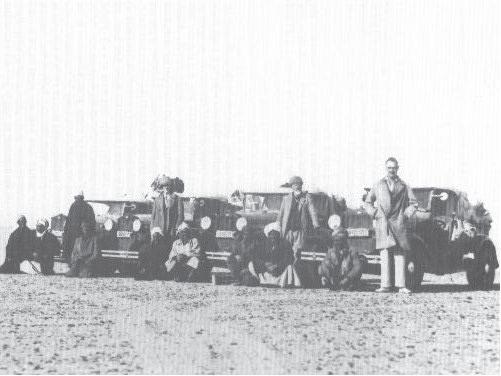
Collected by L. J Spencer, December 1934 from the Libyan Desert, Egypt
2¾ inches. 110 g
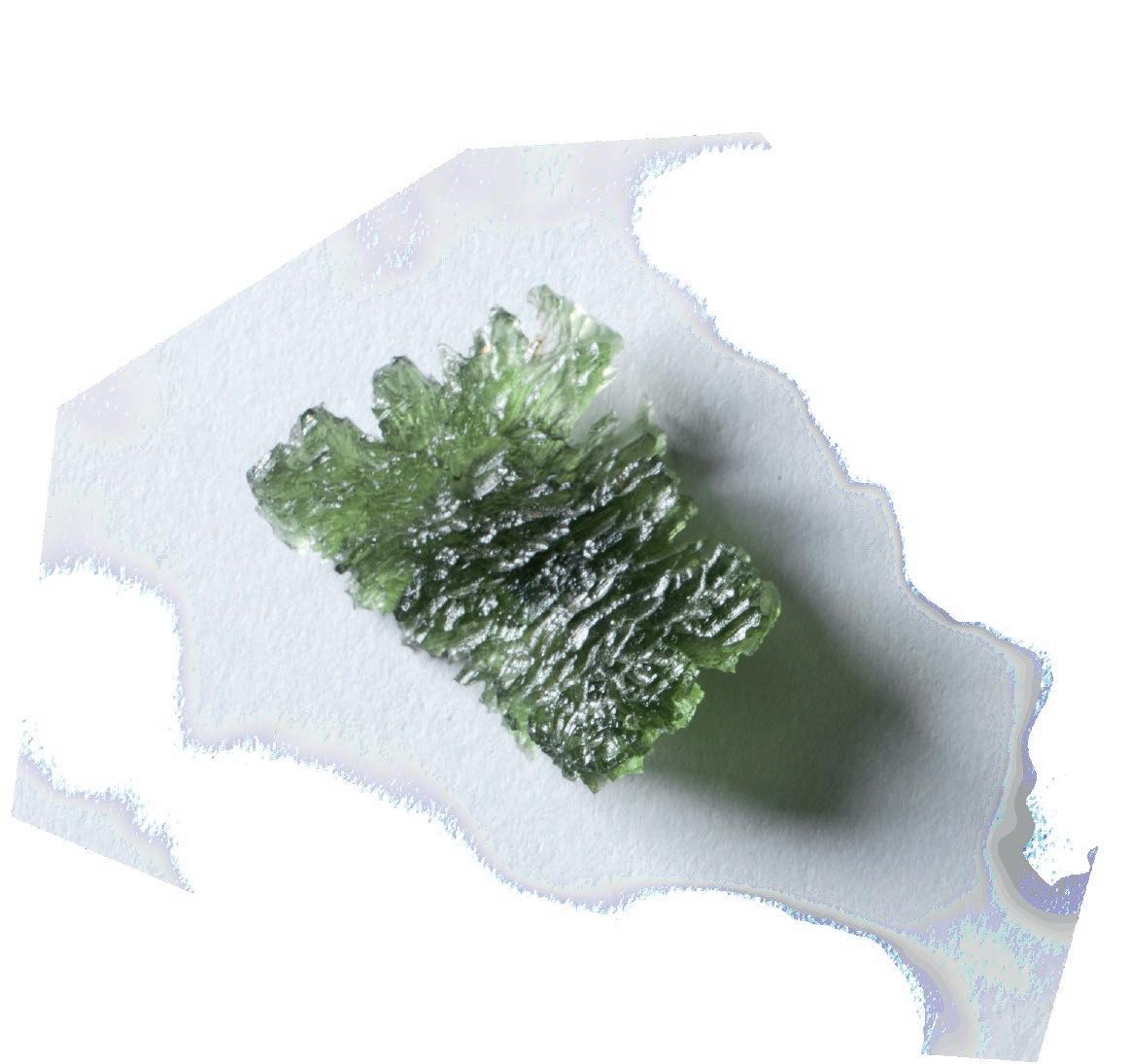
Emerald green impact glass
Moldavia, Czech Republic
1½ inches. 9.70 g
Olive green impact glass
Southern Australia
¾ of an inch. 4.90 g
L.J.Spencer (centre), Keeper of Minerals at the British Museum, and other mineralogists on the first expedition to the Libyan Desert Glass area.

Published in 2022 by ArtAncient Ltd.
31 Imperial Road Chelsea Creek London SW6 2FR info@artancient.com +44(0)20 3621 0816
Designed by Liam Culver
Printed and bound by Freestyle Print, London
ISBN 978-0-9930370-4-7
All rights reserved. No part of this book may be reproduced or transmitted in any form or by any means, electronic or mechanical, including photocopying, recording or any other information storage or retrieval system without prior permission from the publisher.
Copyright © ArtAncient Ltd. 2022