This publication © 2025 by Galleria Duemila is licensed under CC BY-NC-ND 4.0. To view a copy of this license, visit https://creativecommons.org/licenses/by-ncnd/4.0/

This publication © 2025 by Galleria Duemila is licensed under CC BY-NC-ND 4.0. To view a copy of this license, visit https://creativecommons.org/licenses/by-ncnd/4.0/
Angel Velasco Shaw
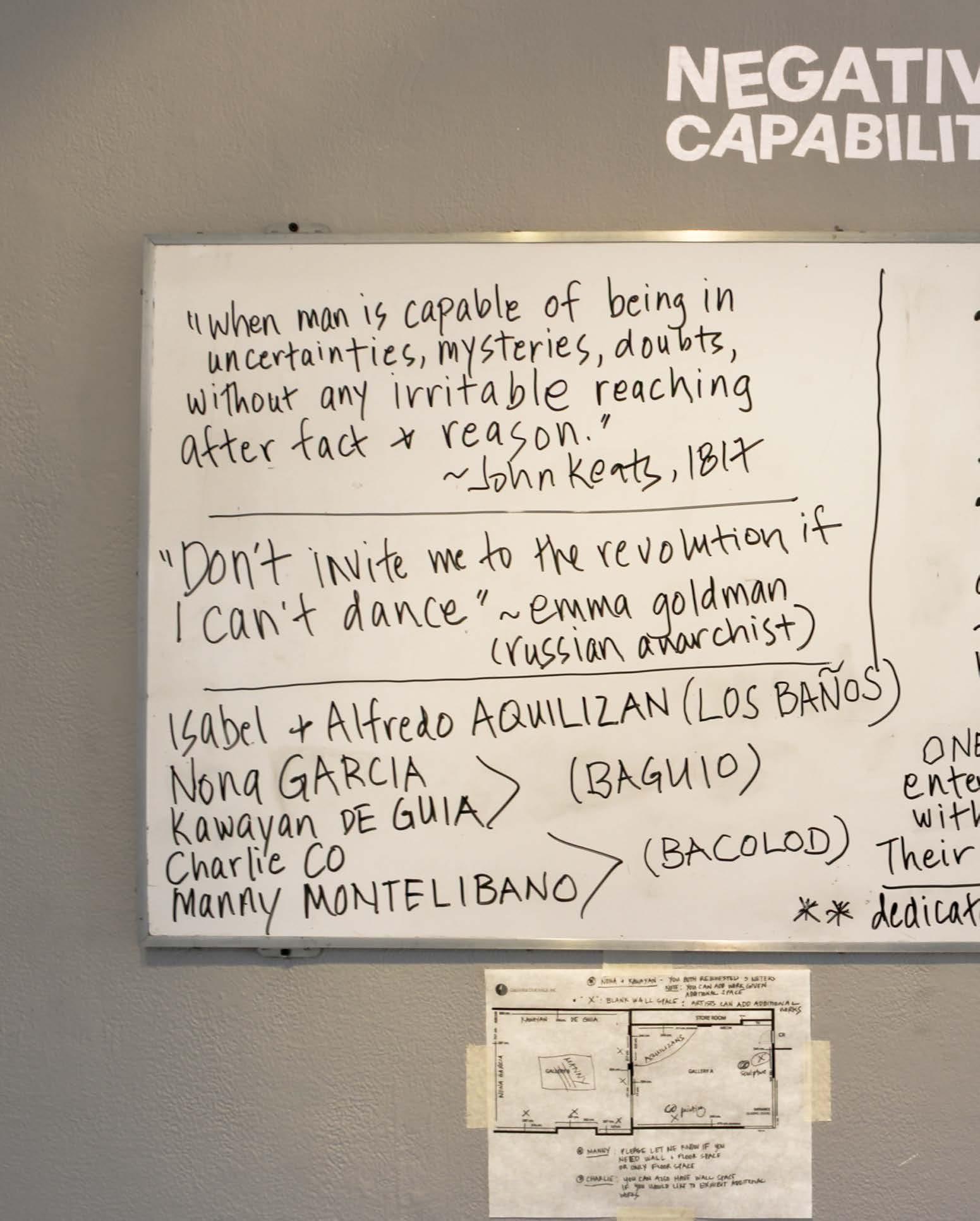
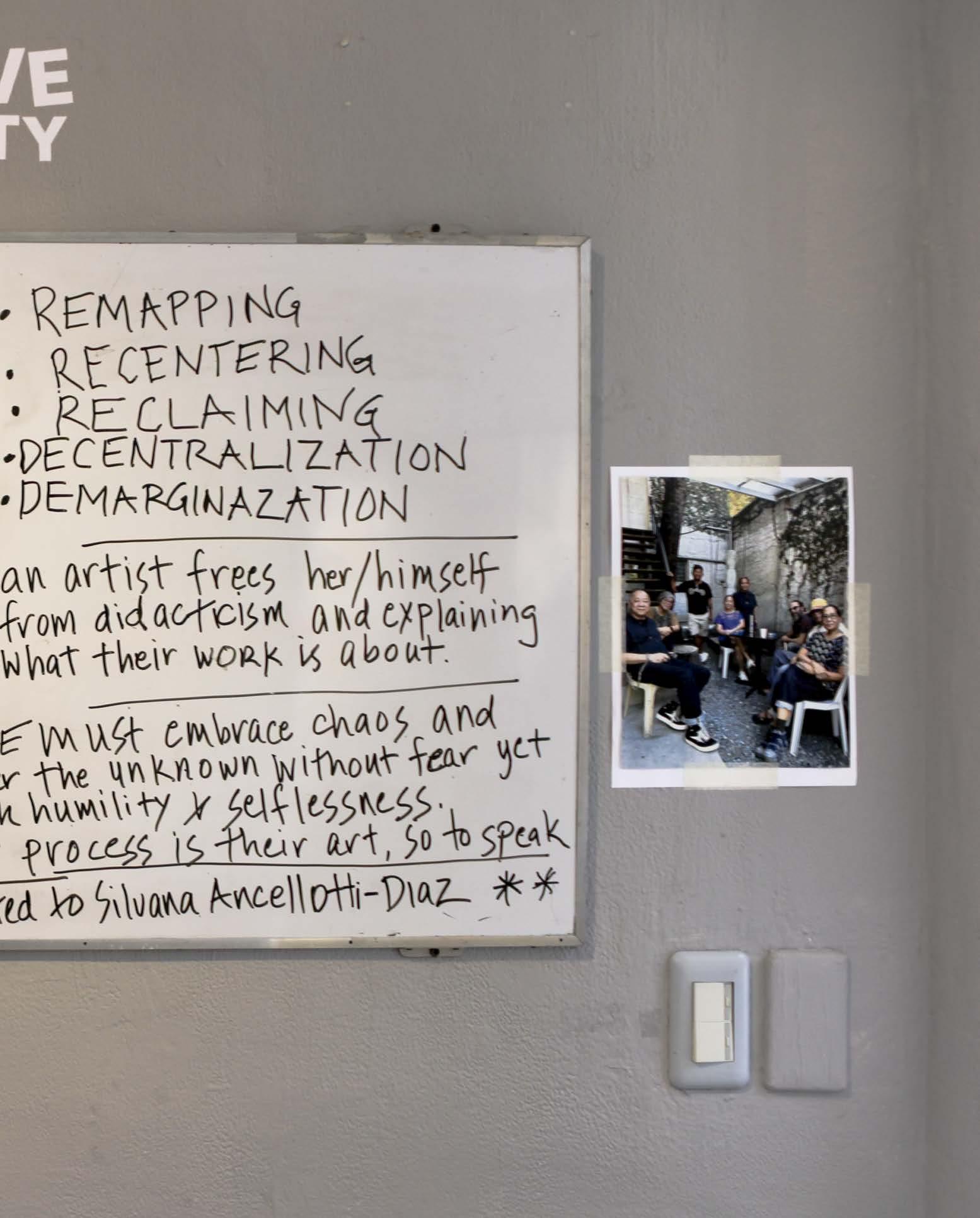
Certainly, for artists of all stripes, the unknown, the idea or the form or the tale that has not yet arrived, is what must be found. It is the job of artists to open doors and invite in prophesies, the unknown, the unfamiliar; it’s where their work comes from, although its arrival signals the beginning of the longdisciplined process of making it their own.
~ from A Field Guide to Getting Lost, Rebecca Solnit
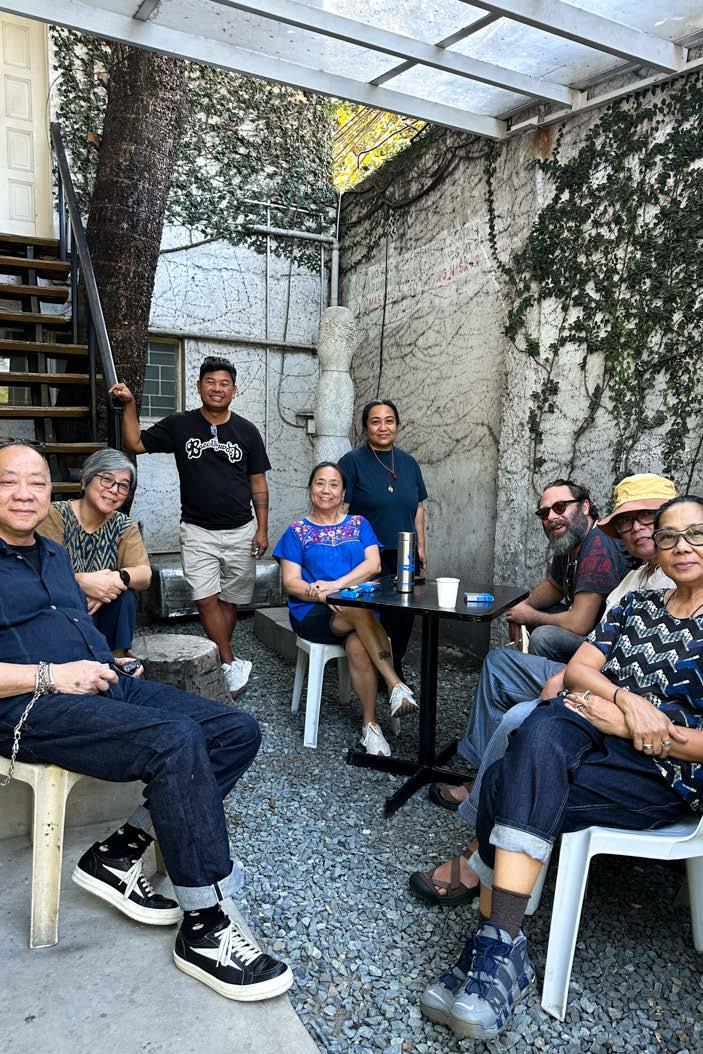
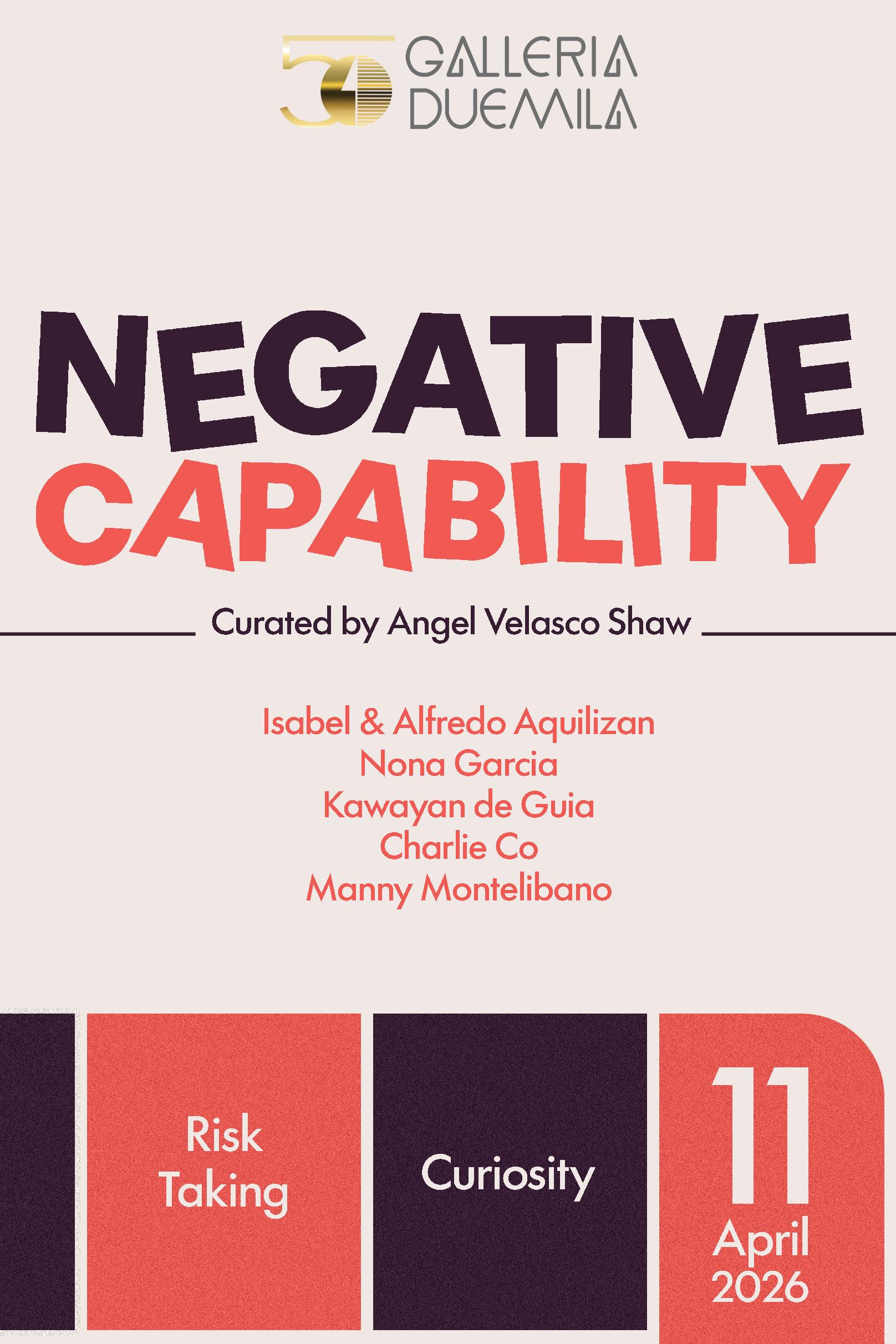
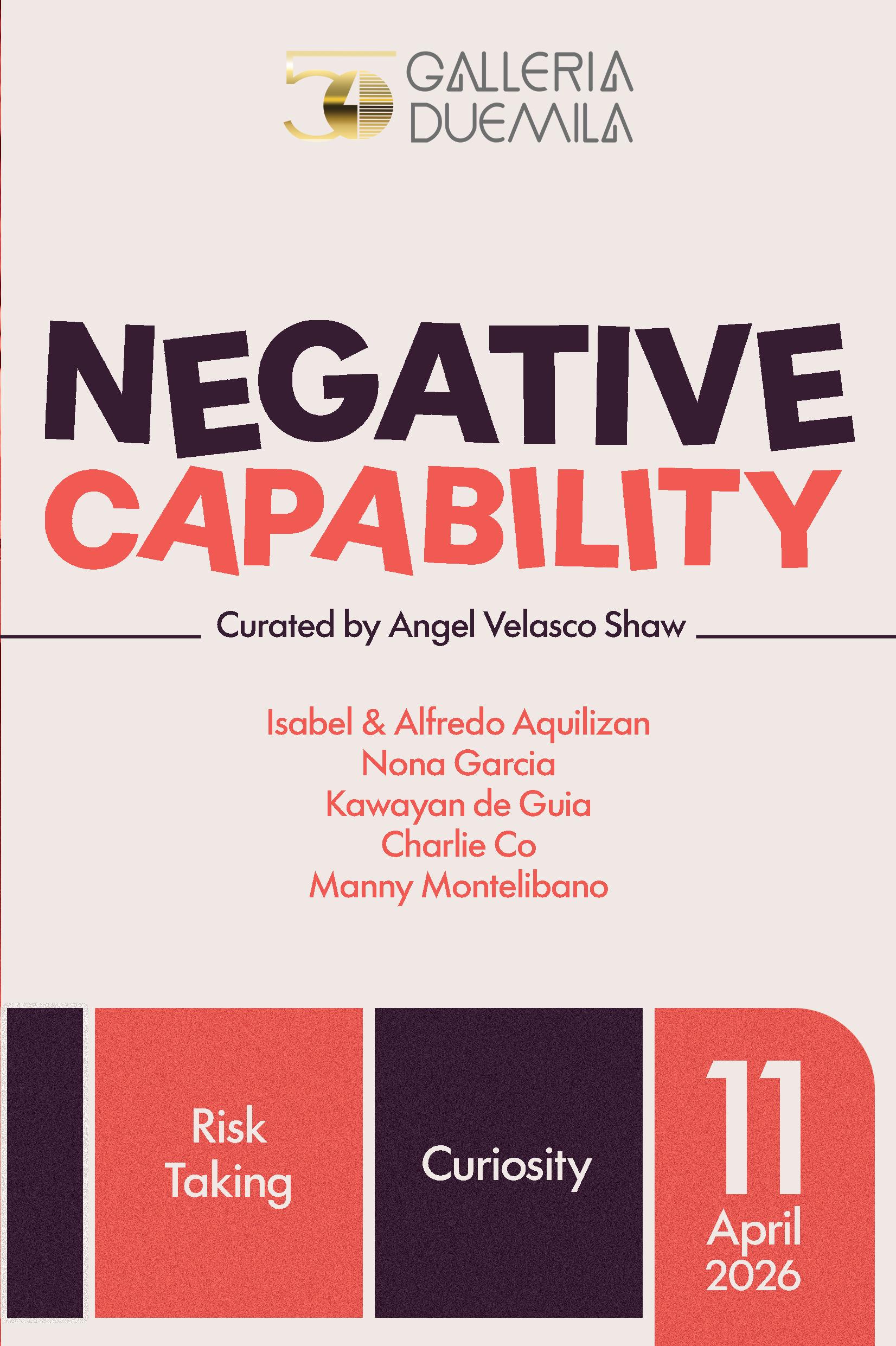
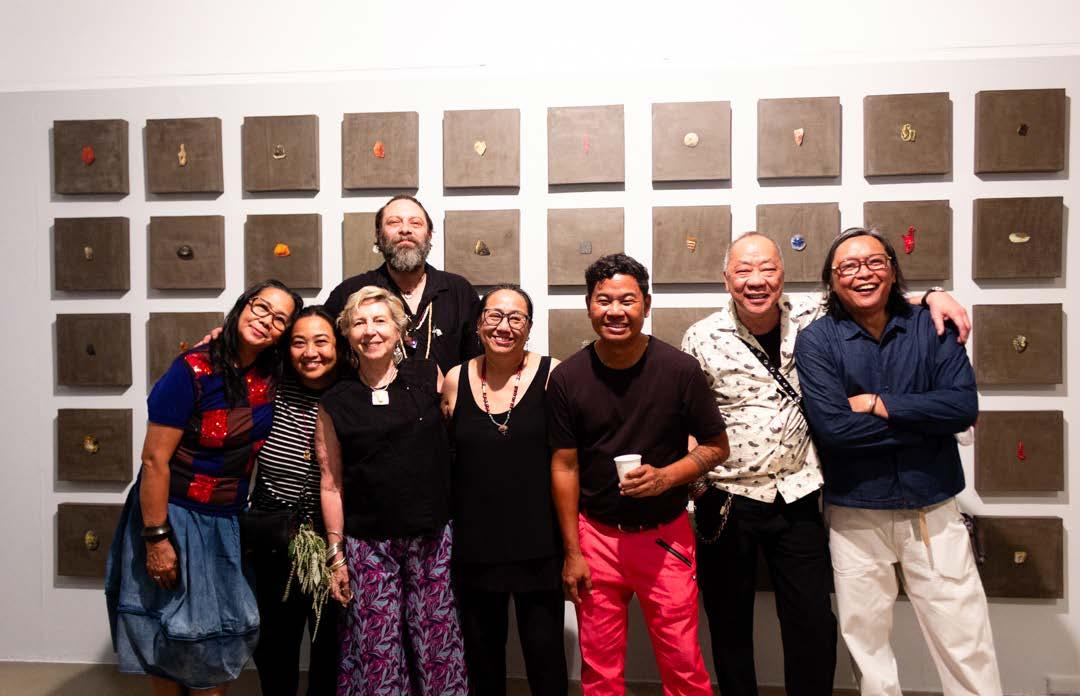
emerges from the synergistic creative processes and practices of the artists and curator/ artist, shaped over years of working together in different capacties and through our shared alliances with the enduring presence of Silvana Ancellotti-Diaz, founder and art director of Galleria Duemila, to whom this exhibition is dedicated. Our conversations, collaborations, and friendships—long in the making—form the metaphoric architecture of this project. What binds us is a commitment to self-respect, mutual regard, and camaraderie in the arts: a belief that artistic work is at its strongest when anchored in truth, curiosity, and the freedom to take risks. The works in this exhibition remain attentive to the gallery as a site of encounter, yet resist being shaped by the dictates of marketability. They are, instead, explorations of possibility.
This exhibition is grounded in three texts that chart its conceptual terrain. The first is a passage by American activist and writer Rebecca Solnit, whose writing continually returns to uncertainty, ambiguity, and the generative space between knowing and not knowing. The second is British poet John Keats’ letter to his brothers, in which he first articulates the concept of negative capability—the capacity “to be in uncertainties, mysteries, doubts, without any irritable reaching after fact and reason.” This sensibility, cited by Solnit, resonates deeply with the artists’ willingness to dwell in process, rupture, and the unknown.
The third guiding text comes from Patrick Flores’ introduction to The Philippine Contemporary: sa pagitan ng mga landas to scale the past, where he reflects on the friction between art history and contentious modern and contemporary practices. He writes: “Convening art and history within the ambit of the contemporary is in itself a problem at the instance of initiation, aware as we are of the tense relationship between art history and the contemporary, and the social worlds that inhabit them. In other words, we ask: How do we historicize something that is still unfolding, or something that resists being rendered historical or even characterized as art as we know it? Such a dilemma, however, we deem productive, as it enables us to engage with the wider contexts of the contemporary that emerge and transform in history.”
Flores’ question—how to engage with something that is still forming, resisting, slipping out of definition—echoes Keats’ insistence on the value of uncertainty and Solnit’s embrace of the unfinished. Together, these texts provide the intellectual and emotional scaffolding for the exhibition: a recognition that meaningful art often arises not from certainty but from porousness, vulnerability, and an openness to complexity.
In the spirit of our ongoing commitment to recentering the margins, this exhibition seeks not a singular narrative but a constellation of distinct yet interrelated practices. Essential to Silvana’s support for the arts has been—and remains—a devotion to working with artists whose diverse talents, ideas, and cultural and aesthetic concerns continue to push against fixed boundaries. Negative Capability becomes, in this sense, not just a theme but a working method: a shared willingness to stay inside the unfolding, to move with the ambiguities of practice, and to create space for what might emerge next.
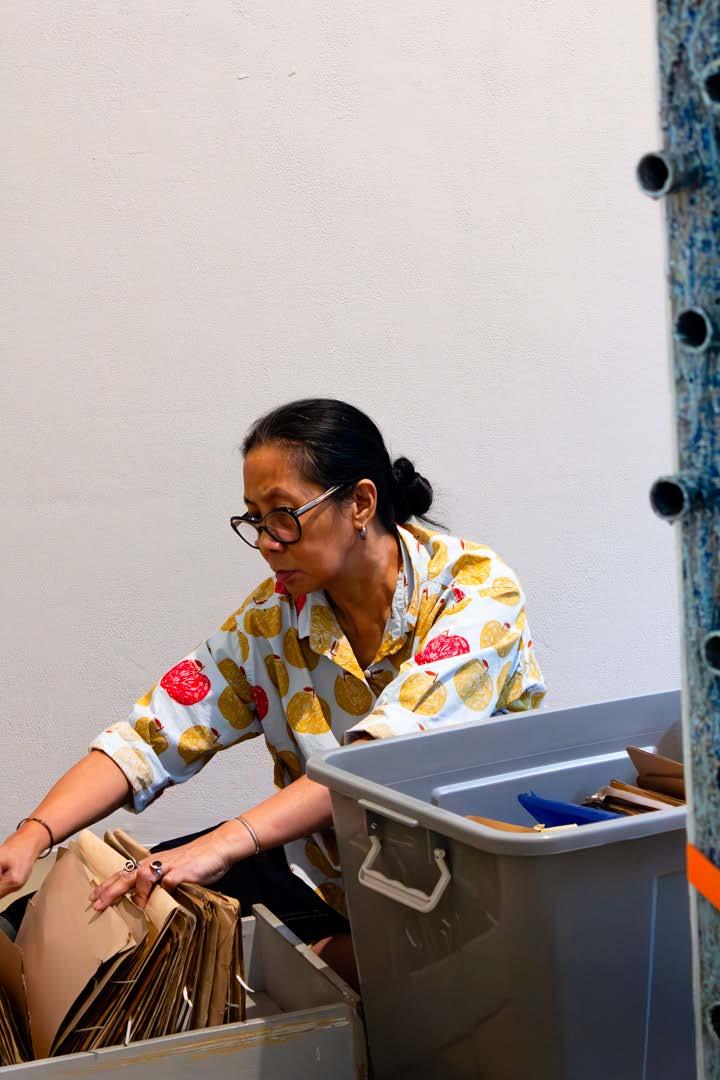
“We can say that Silvana is the only one who gives more than 100% support to artists, who never fails to attend their talks, symposiums & art forums, or even simple gatherings. She is a very dear friend, but very professional in her dealings and she makes sure to see shows even to travel overseas, if she can— even at the last minute notice.
She spearheaded to raise funds through our artworks to make sure that we will be able to produce our work and our participation for the main exhibition of the 2003 50th Venice Biennale curated by Francesco Bonami (Dreams & Conflicts: The Viewers Dictatorship & co-curated by Hou Hanru (Zone of Urgency).”
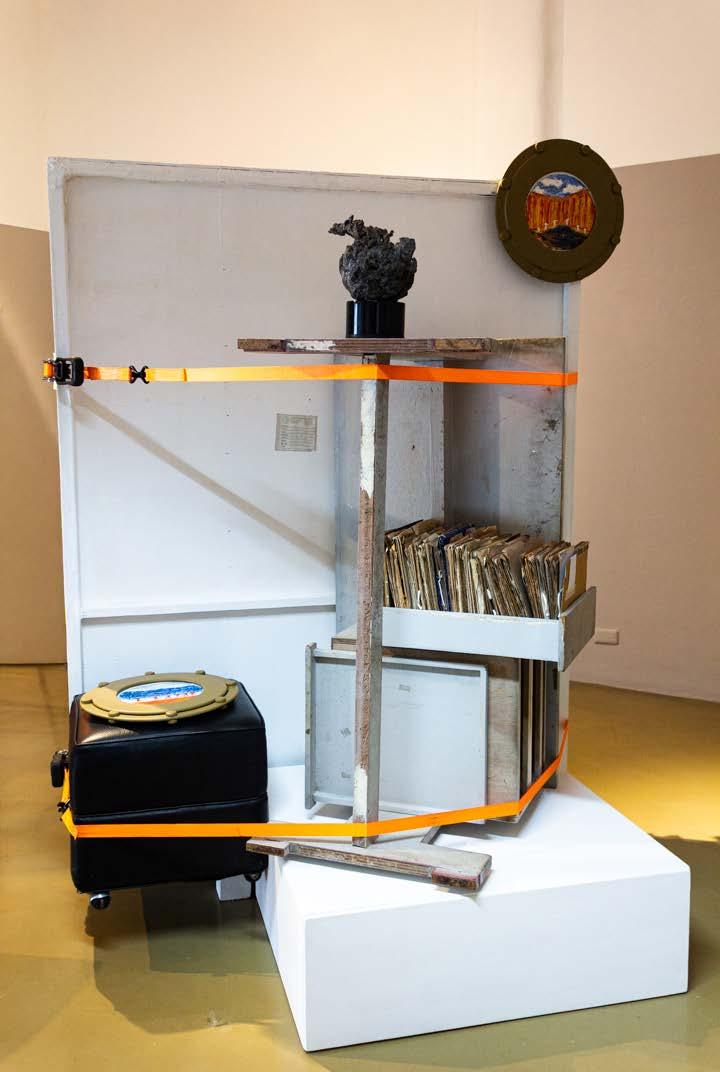
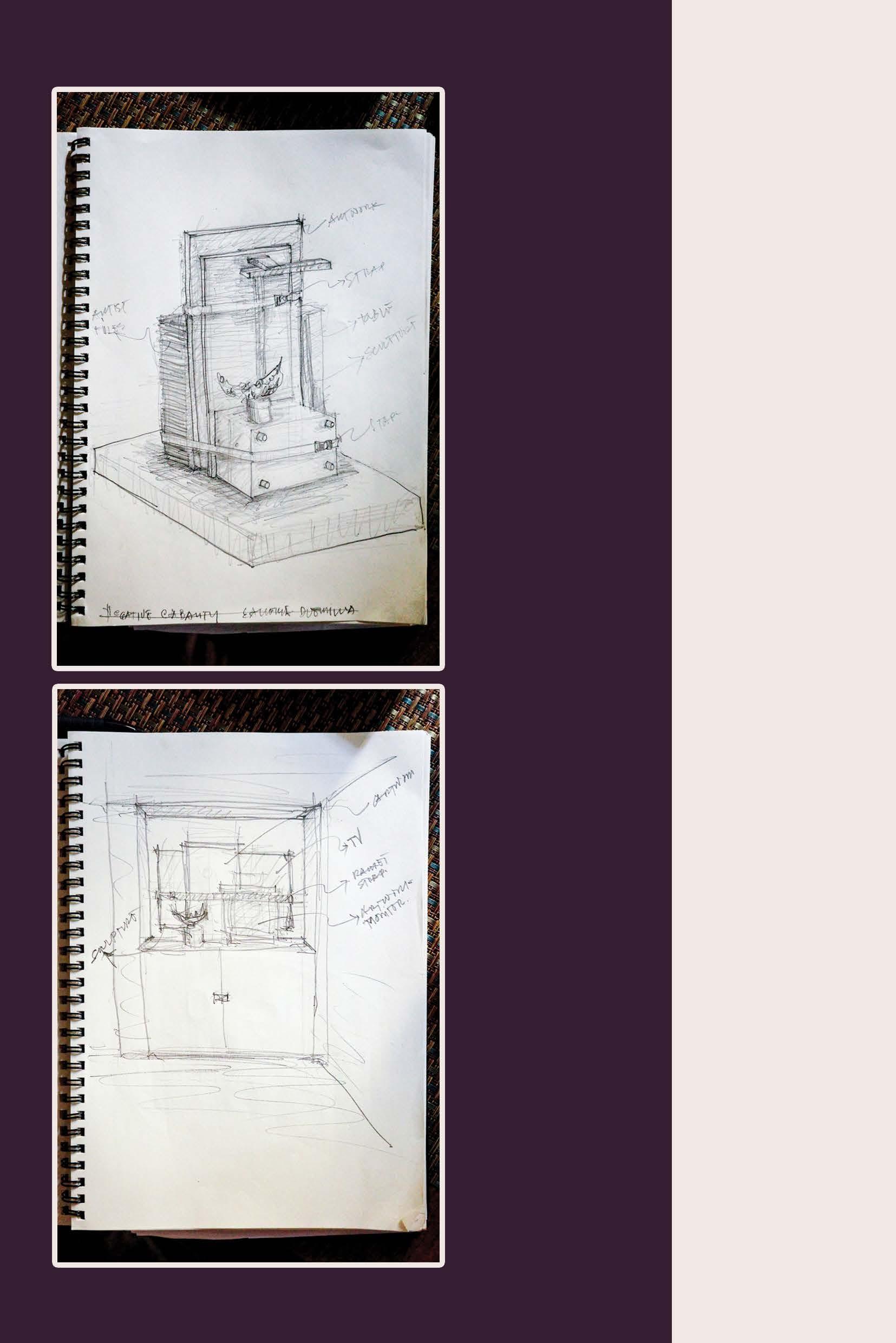
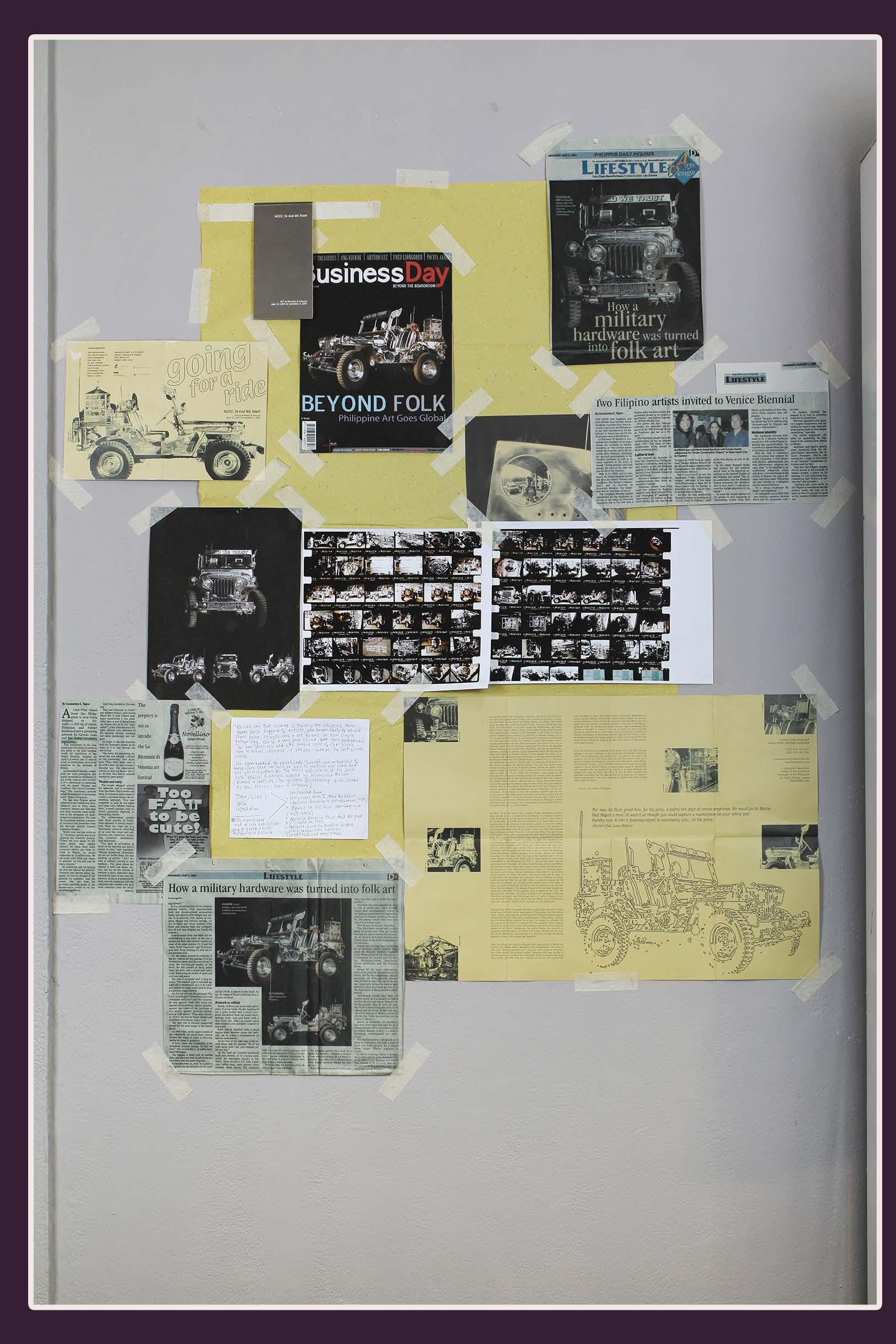
Installation constructed from:
• Sculptural Gem I, May Baddour (Galleria Duemila’s first exhibition, 1975)
• Byahe sa Pasifico, Joar Songcuya (ALT 2026)
Elements:
TIME/LINE 1
• Galleria Duemila office desk designed by Silvana in 1975
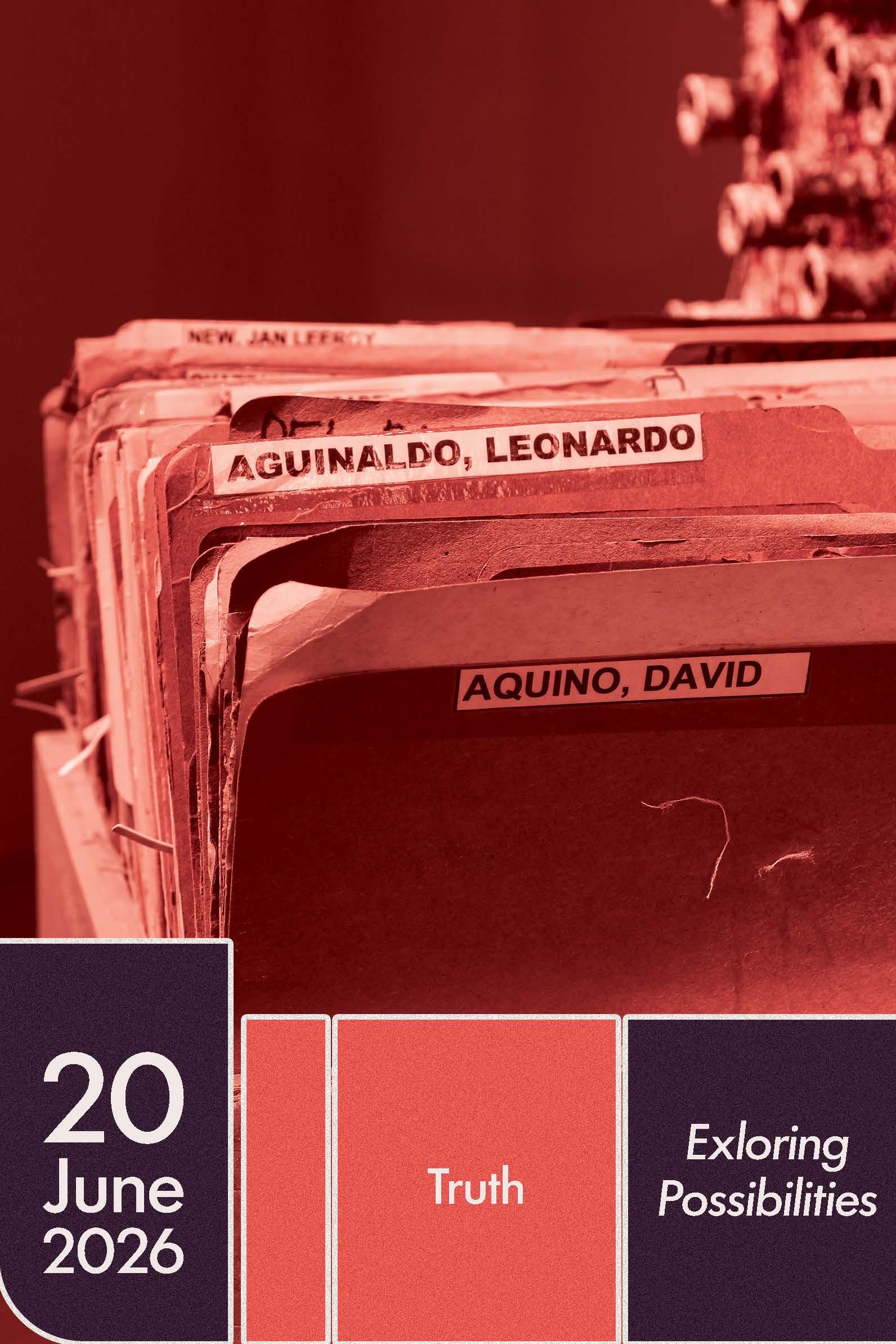
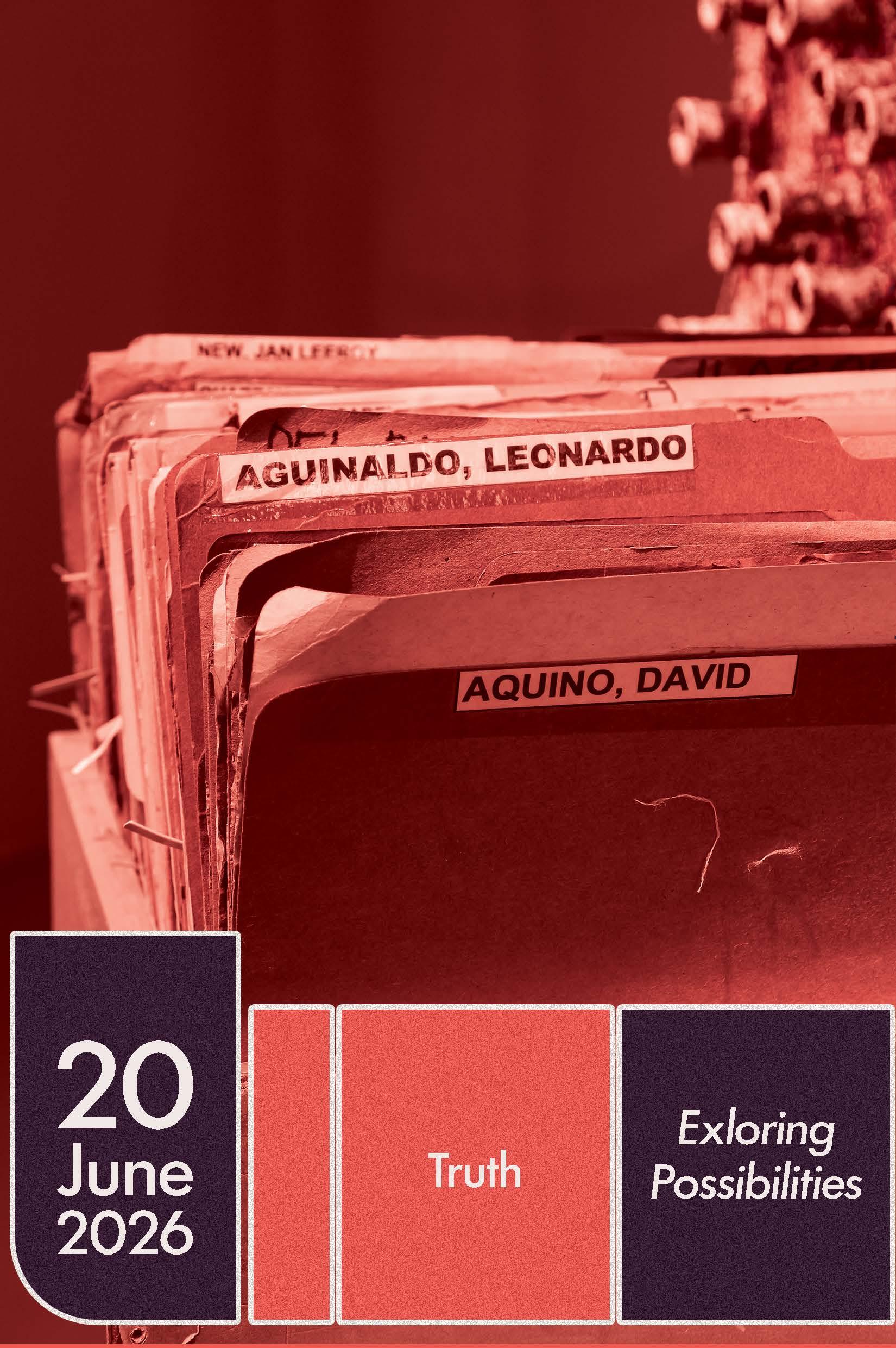
• Galleria Duemila Archive Folders
• Black leatherette cushion (reupholstered many times)
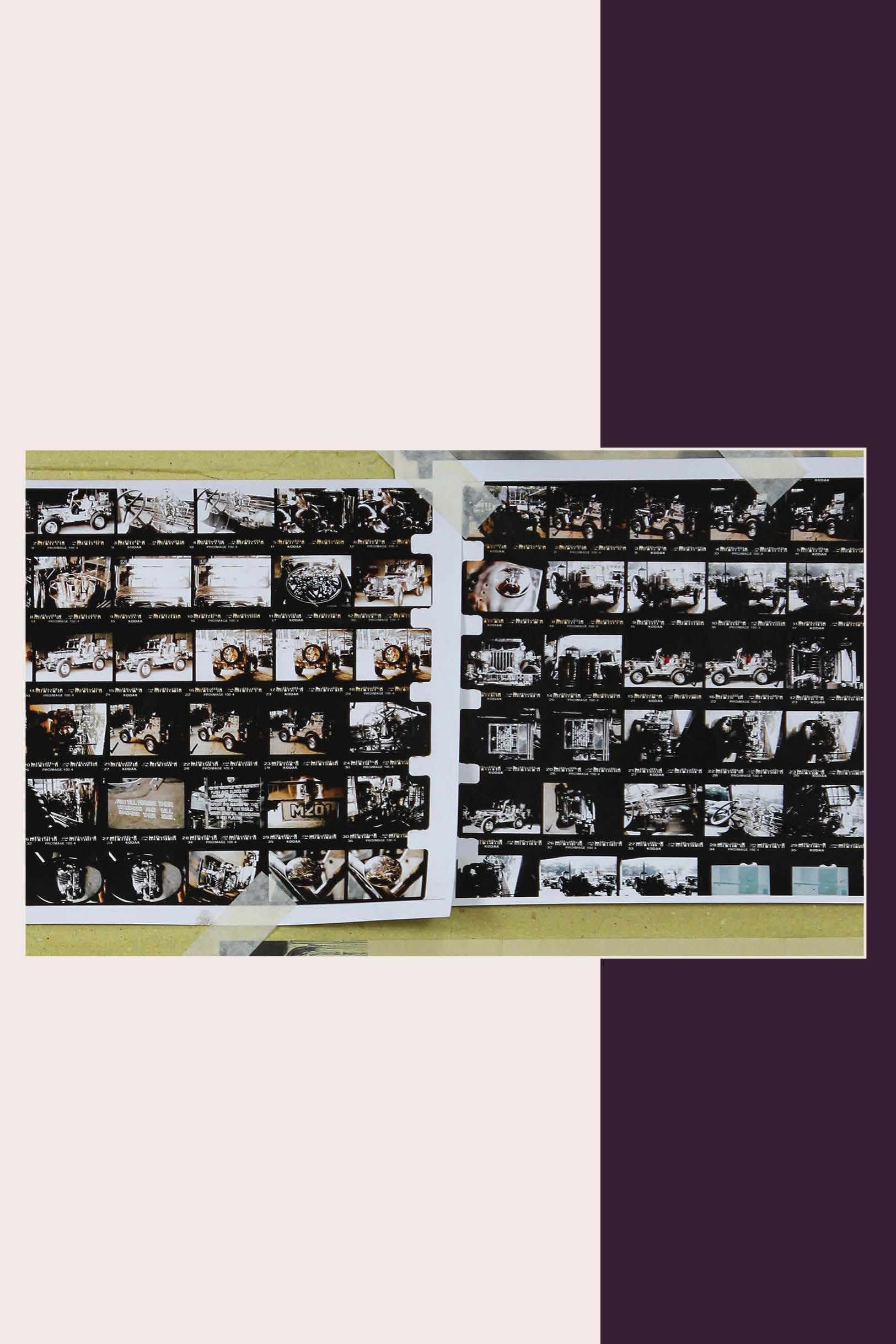
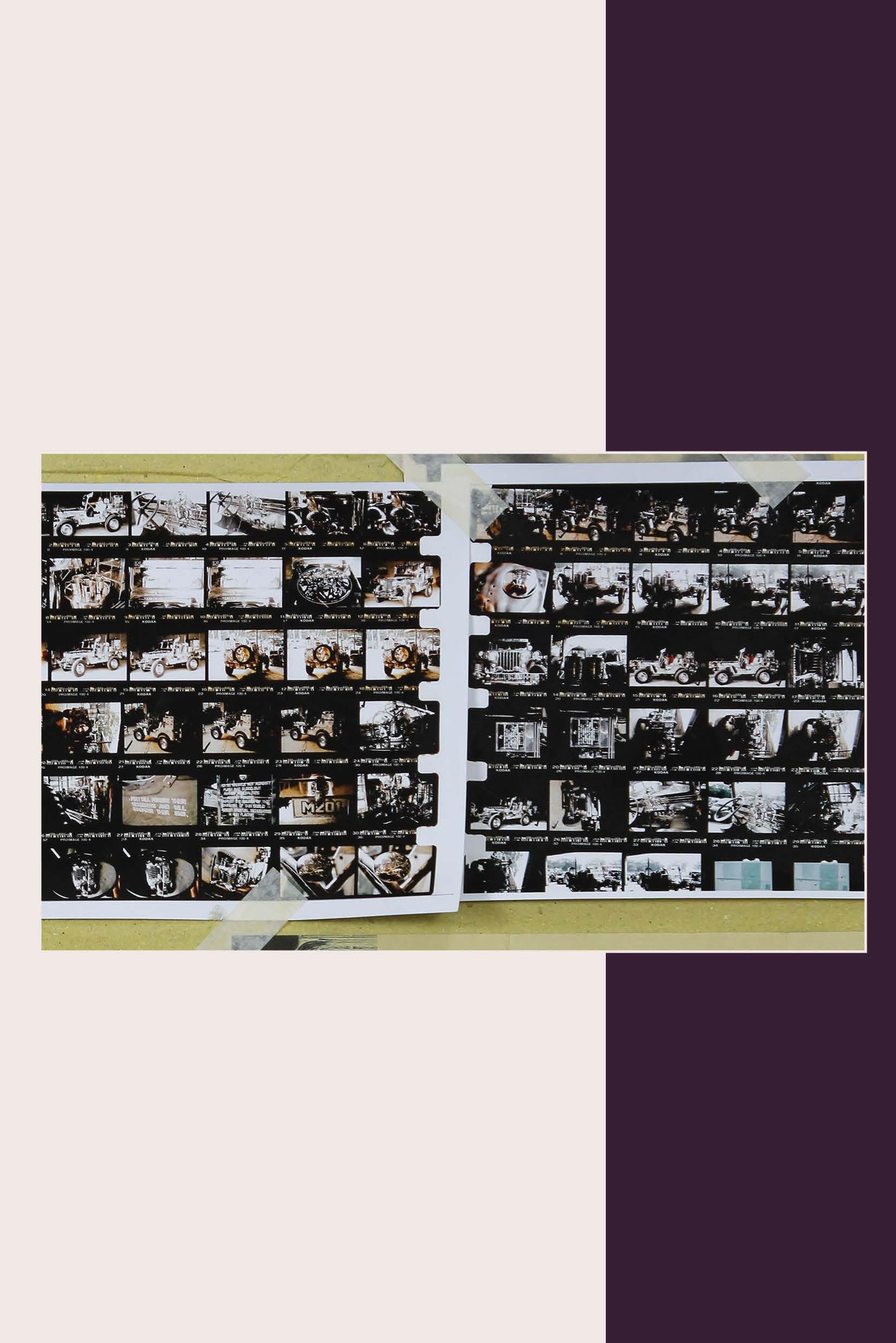
• Video: IN GOD WE TRUST in collaboration with Kawayan de Guia. Edited by Kidlat de Guia
• Abstraction in Oil, Romulo Olazo, 1976
• Black Forest I, Alfredo Aquilizan, 2005
• Black Forest II, Alfredo Aquilizan, 2005
• Galleria Duemila Archive Folders
TIME/LINE 2
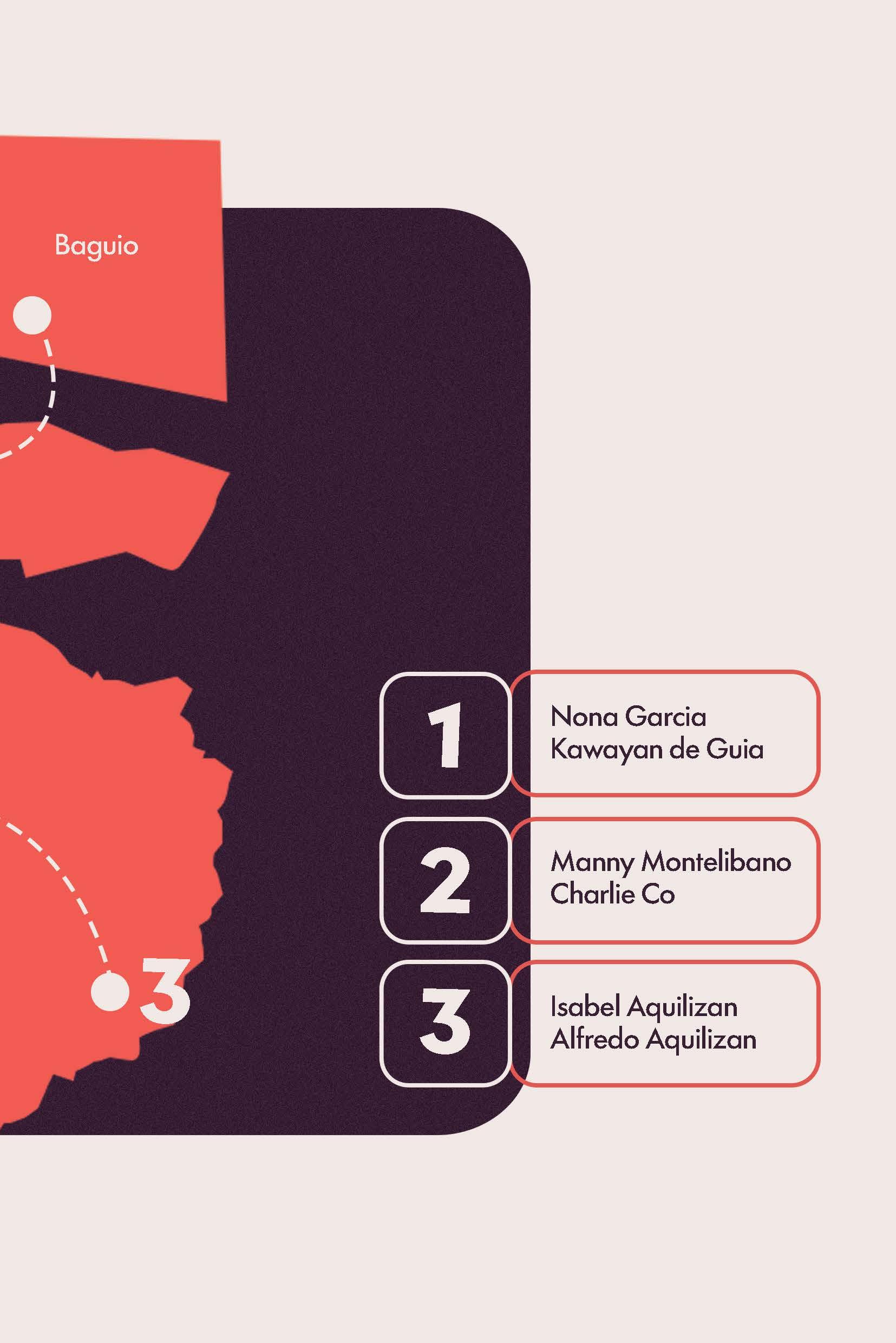
The Aquilizans had 4 solo exhibitions and 8 group shows with Galleria Duemila
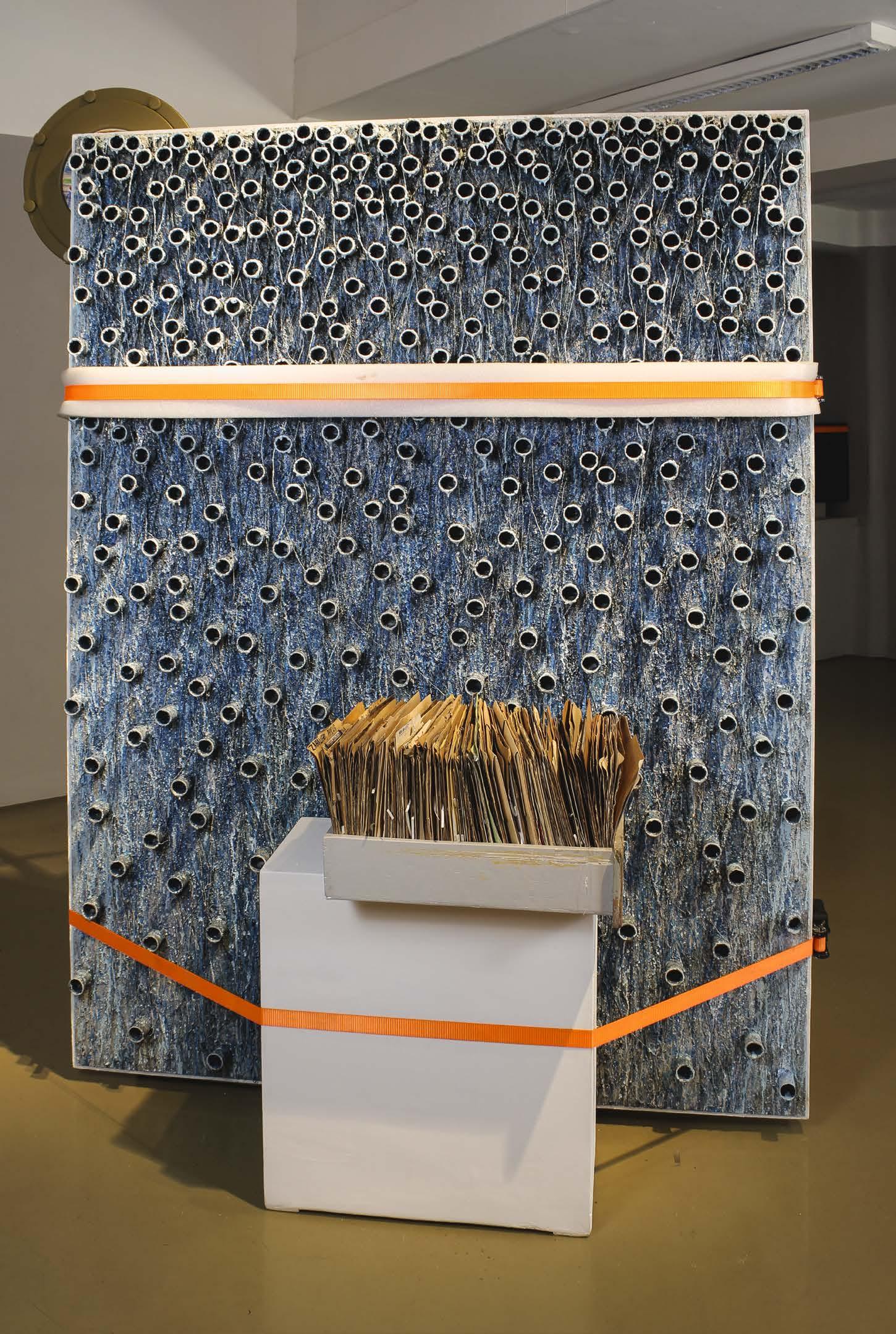
Time/Line (2026). instllation. size variable.
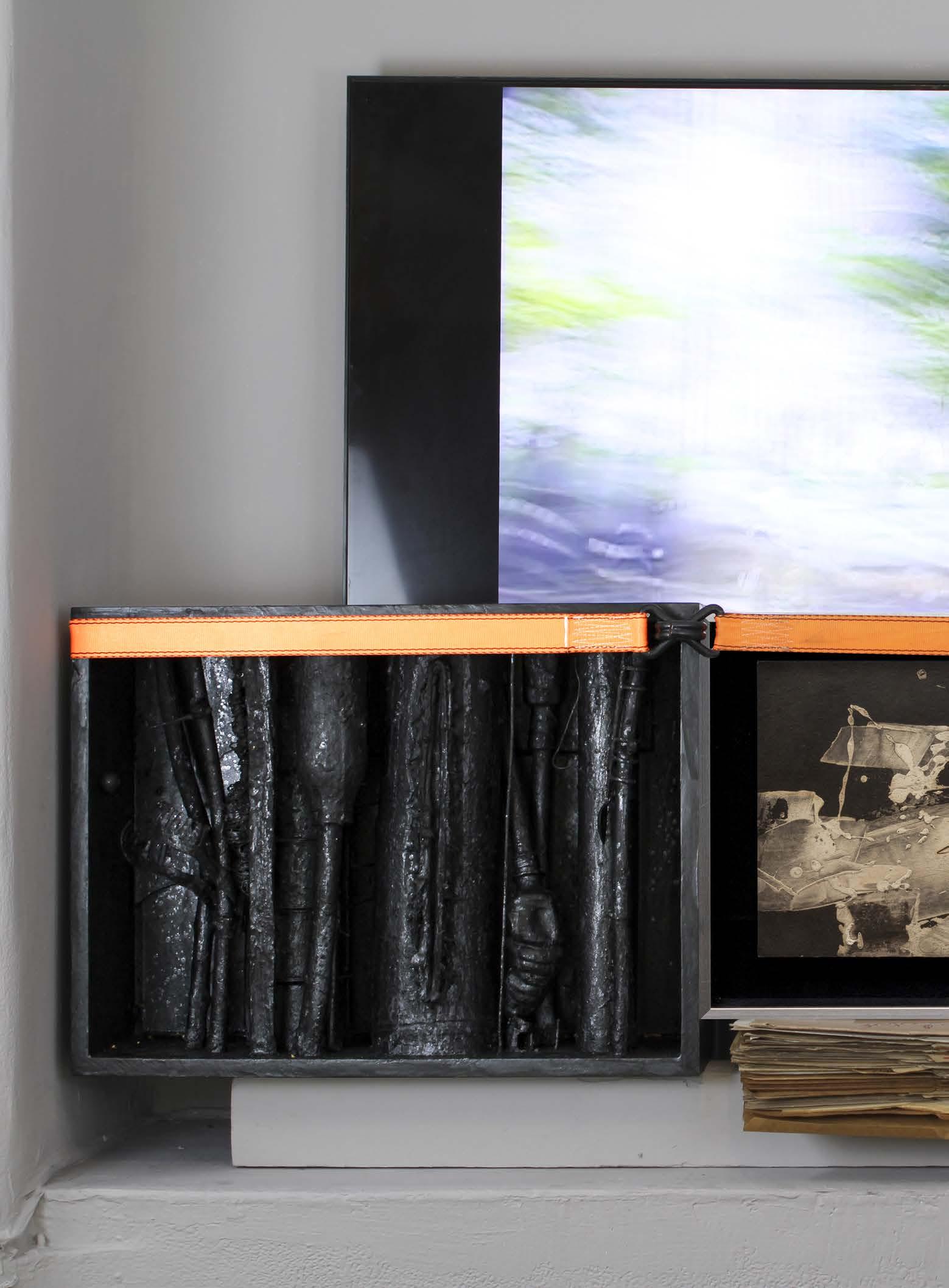
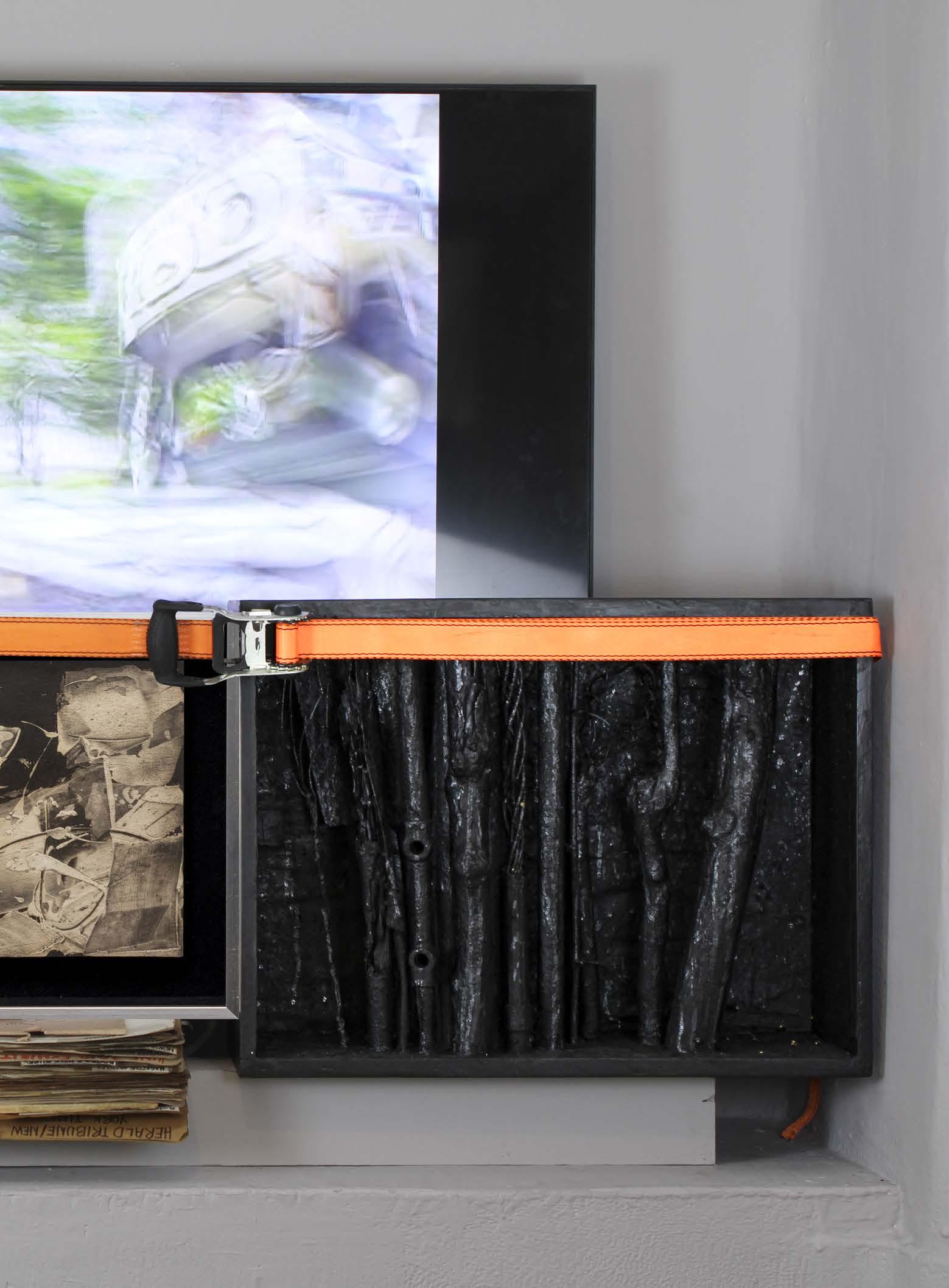
Time/Line 2 (2026). instllation. size variable.
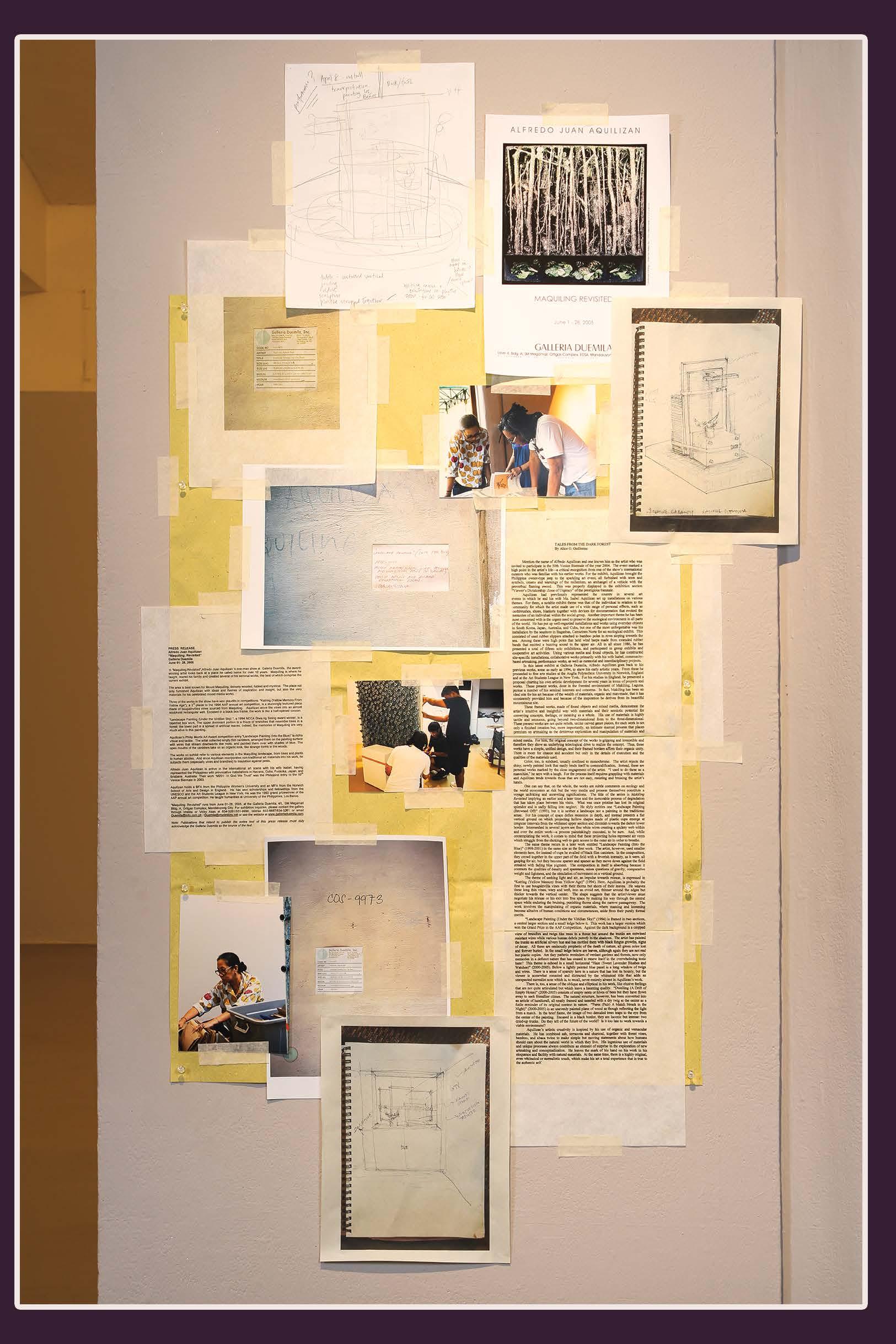
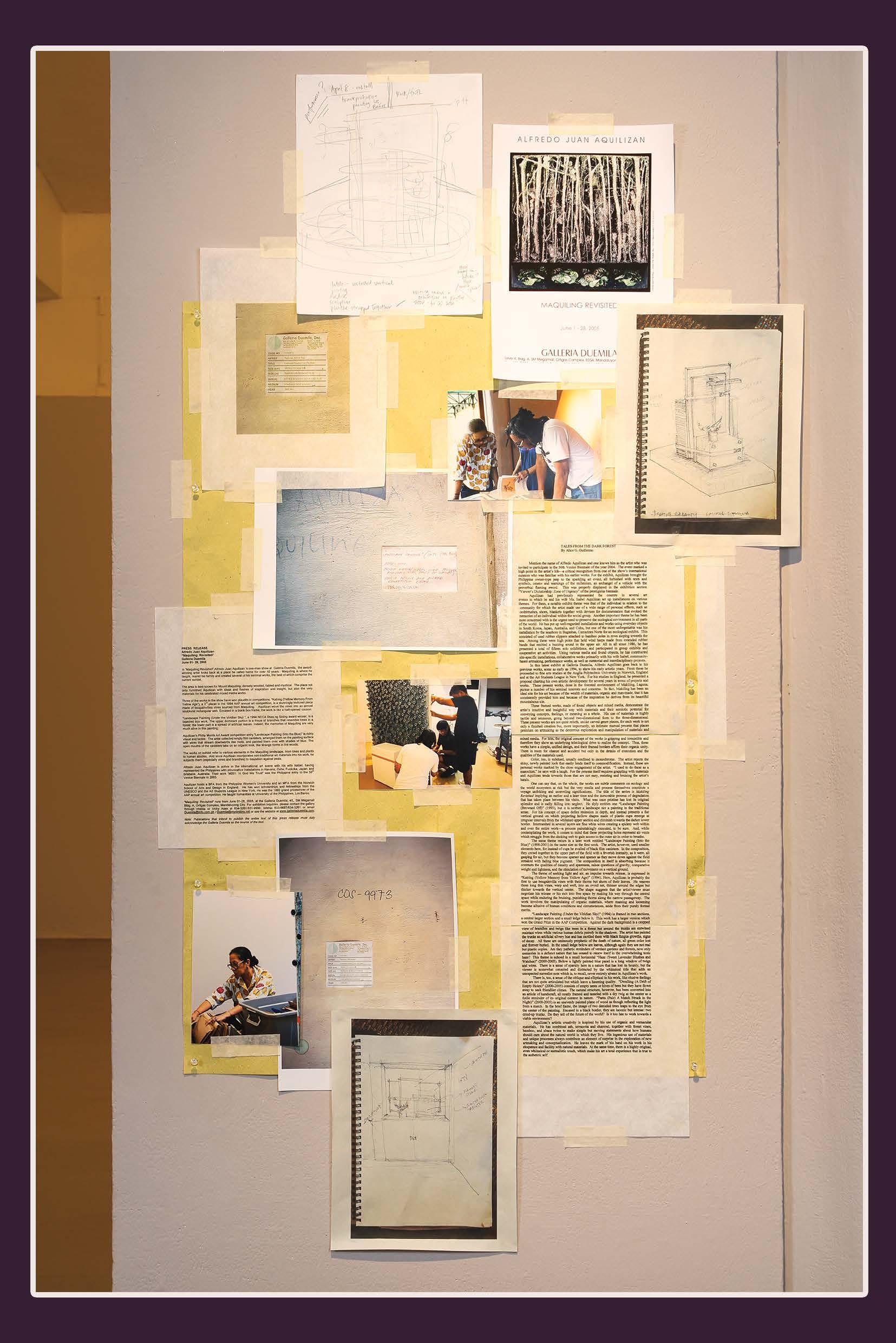
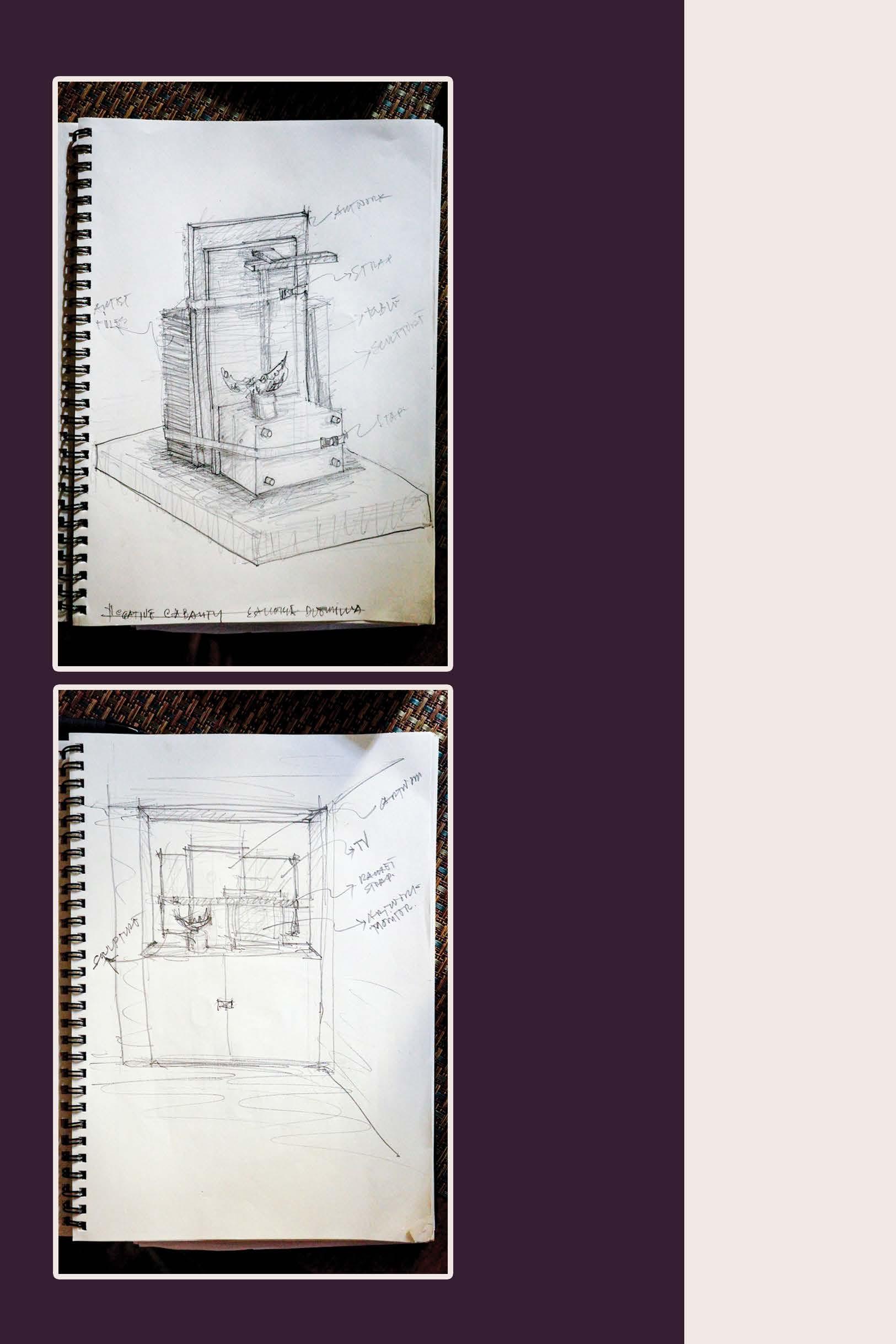
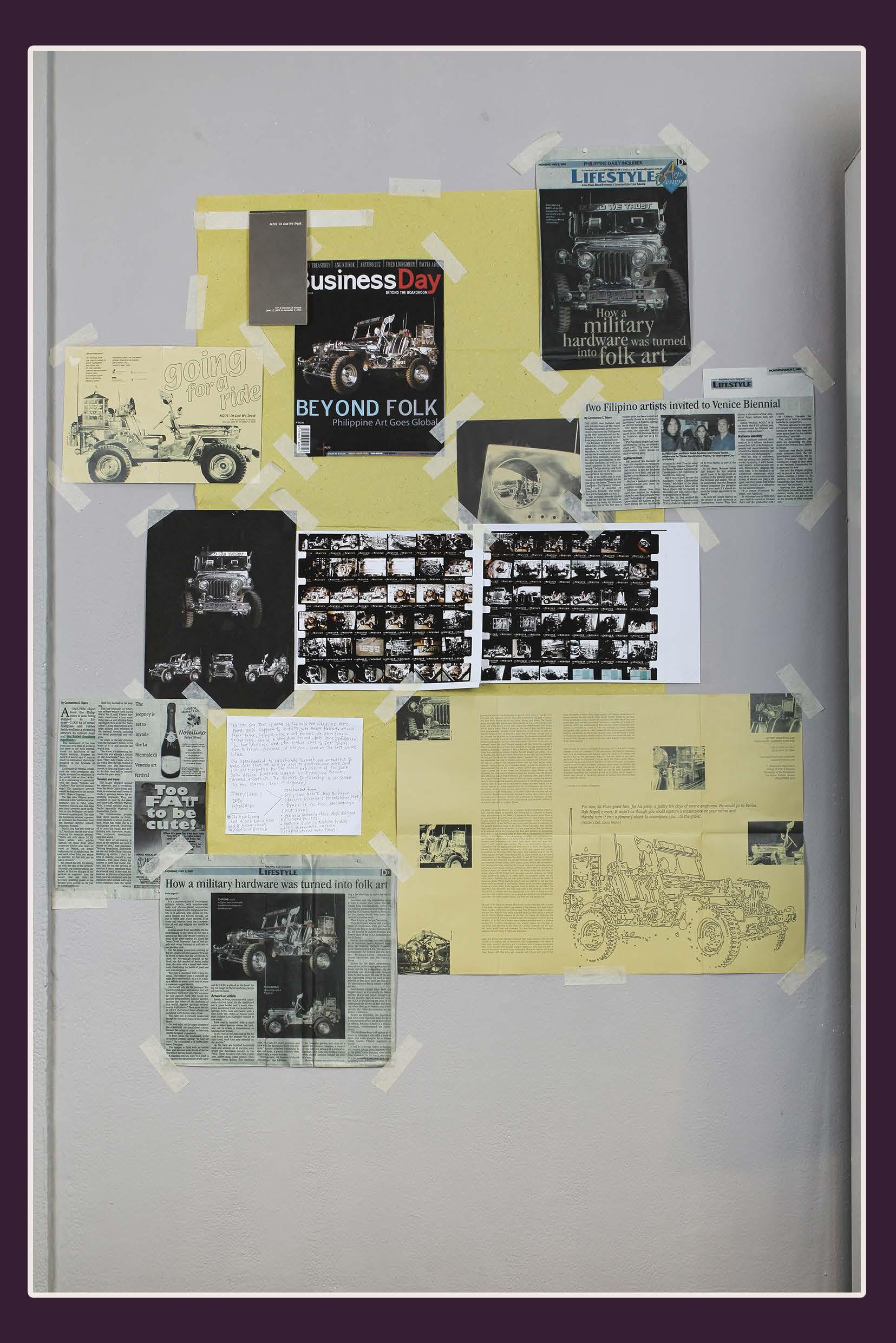
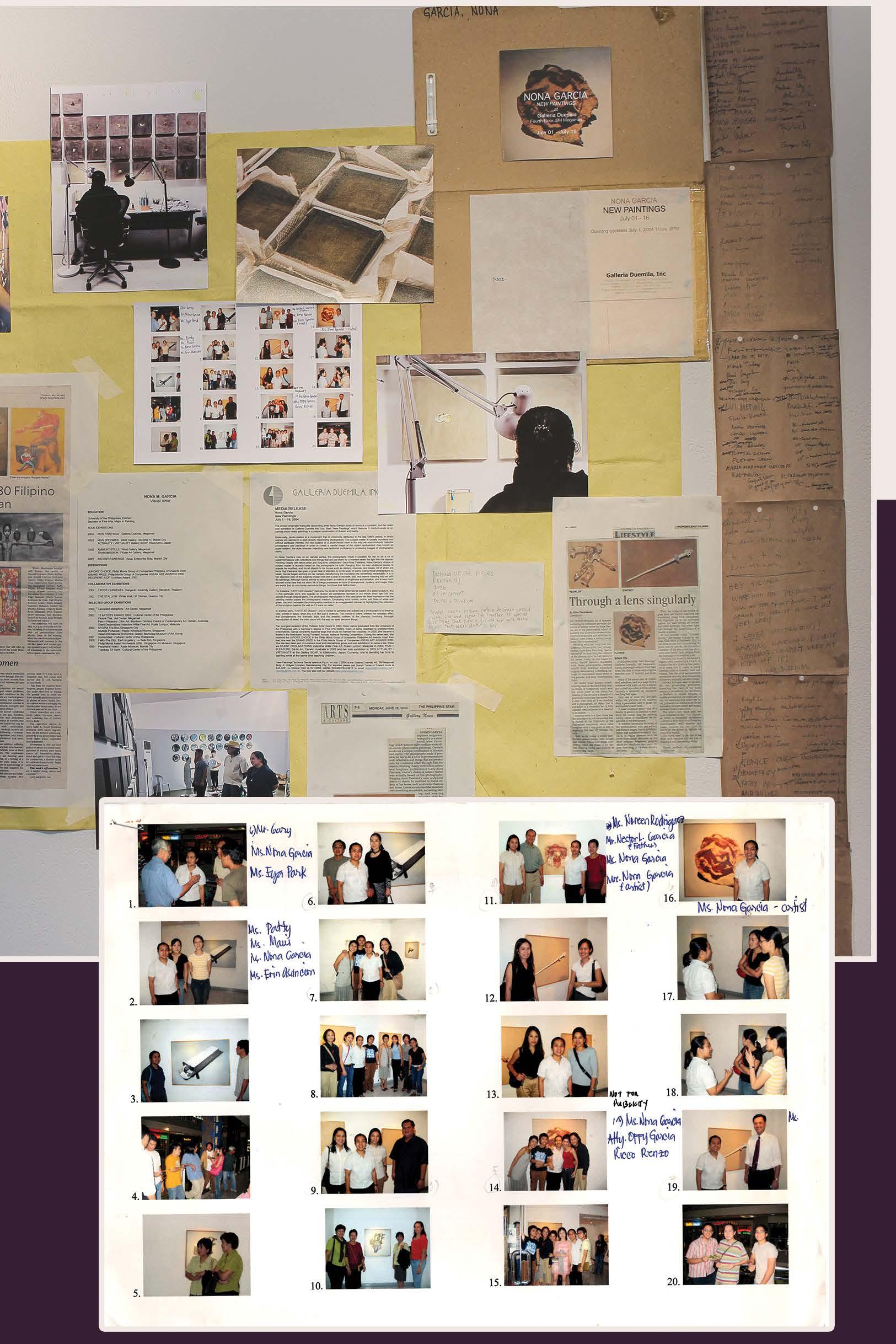
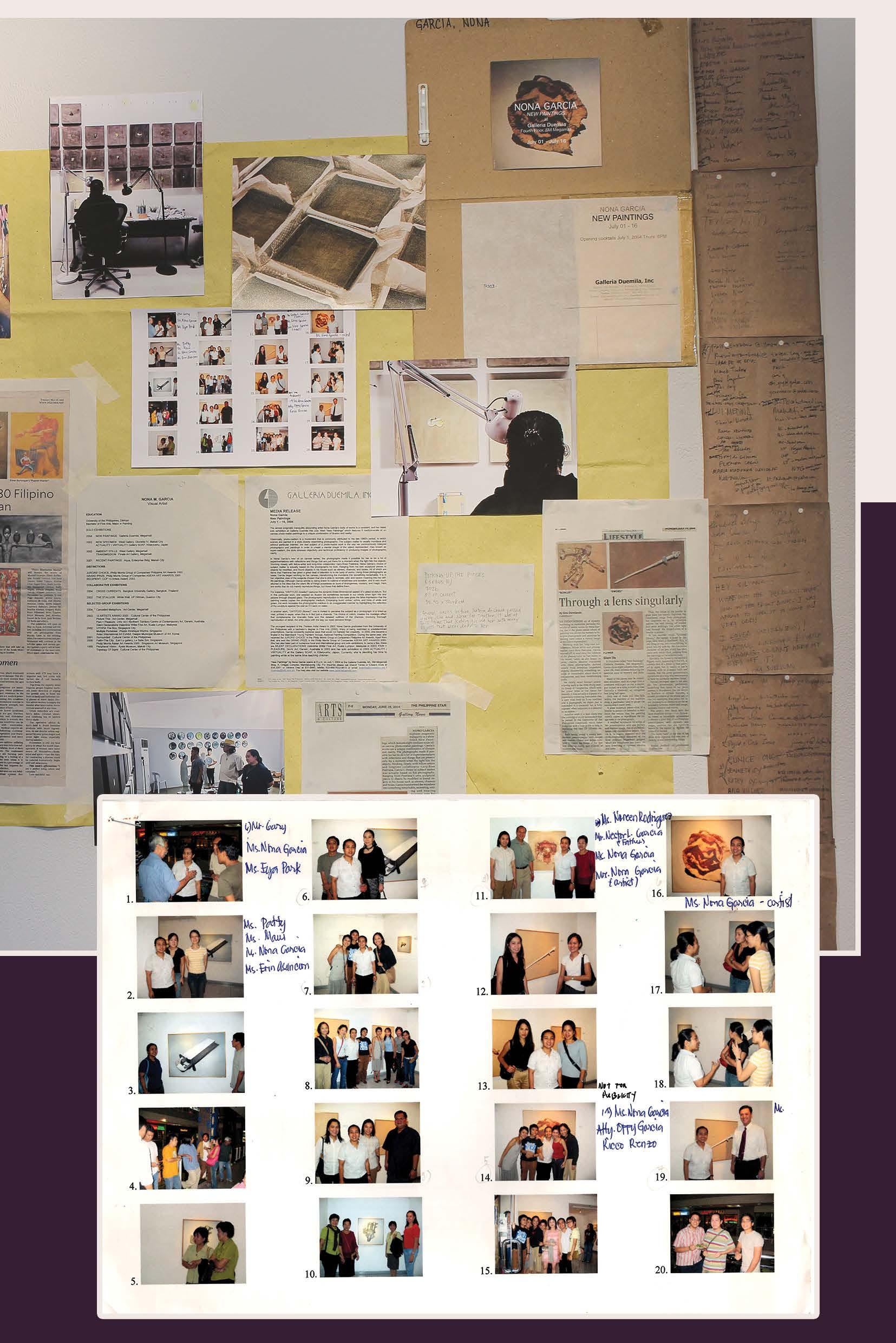
“Several weeks before Katrin de Guia passed away, she and Nona sat together. It was at this time that Katrin gifted her with many objects that were dear to her.”
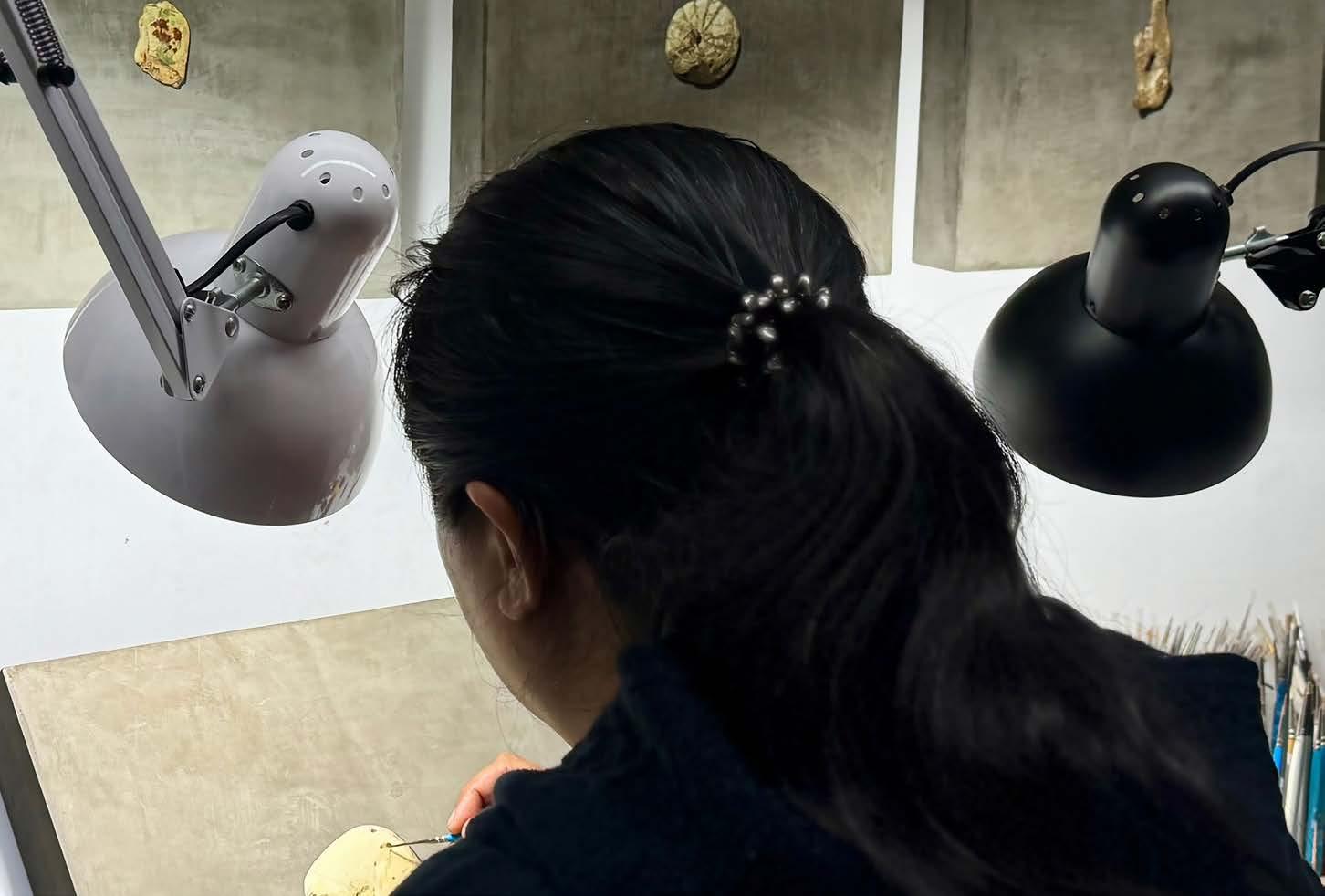
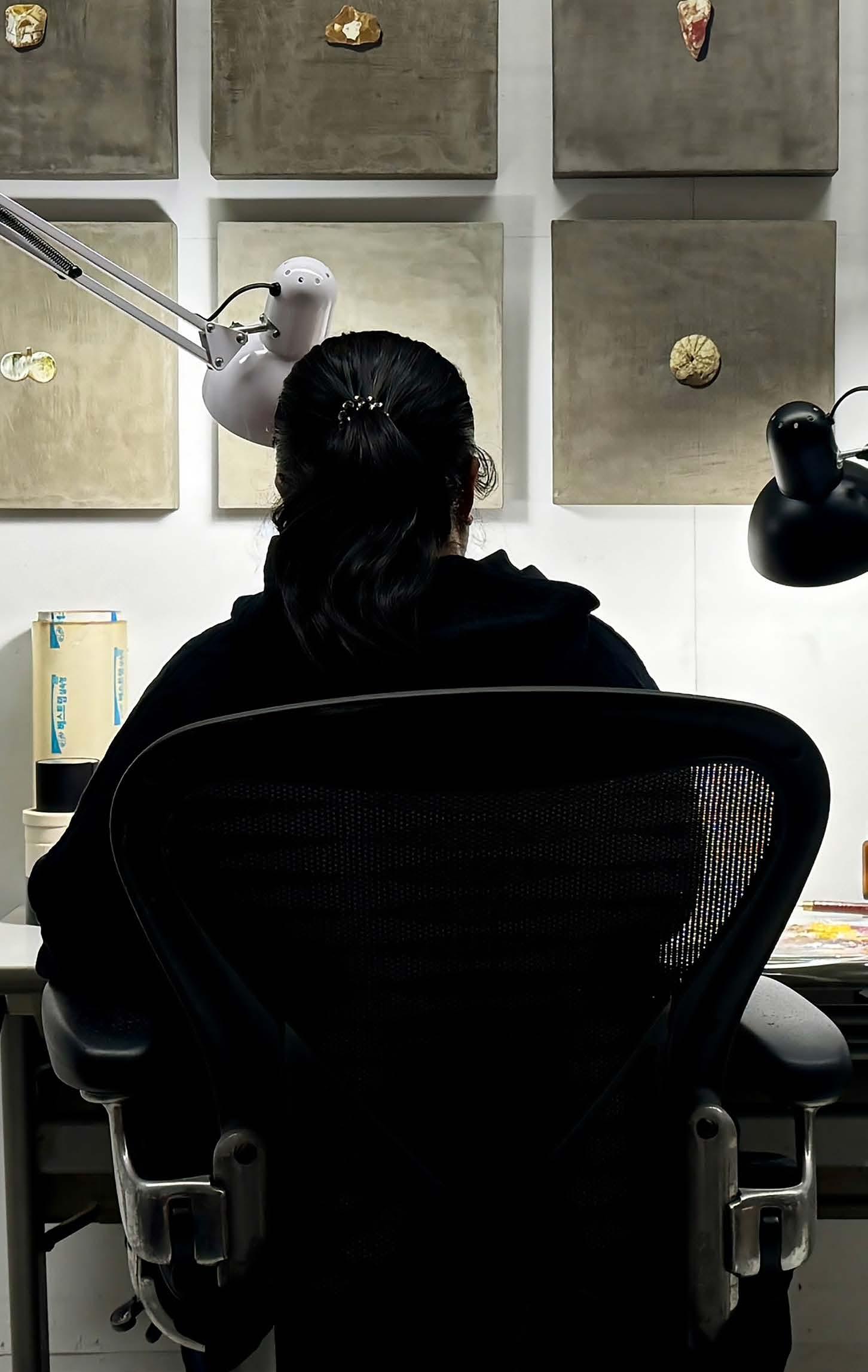
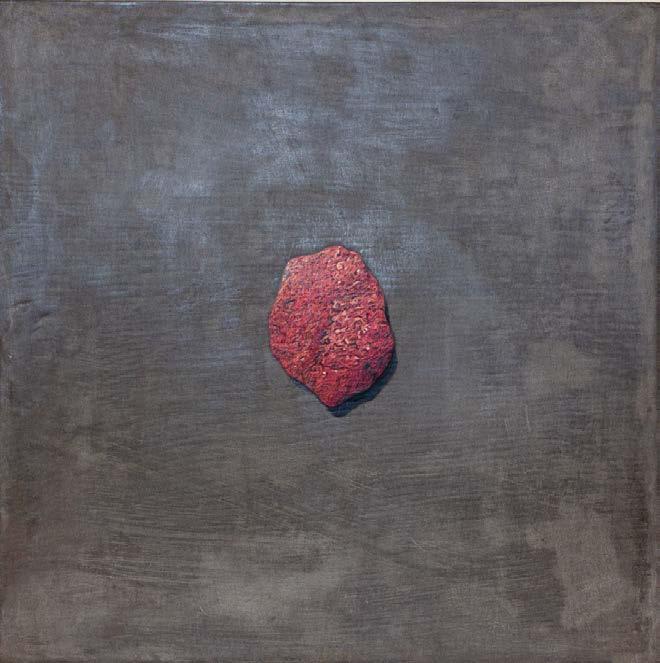
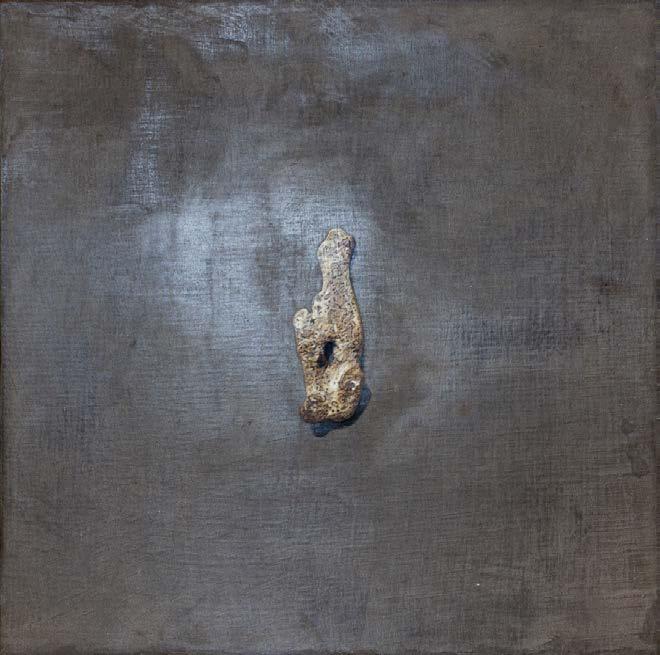
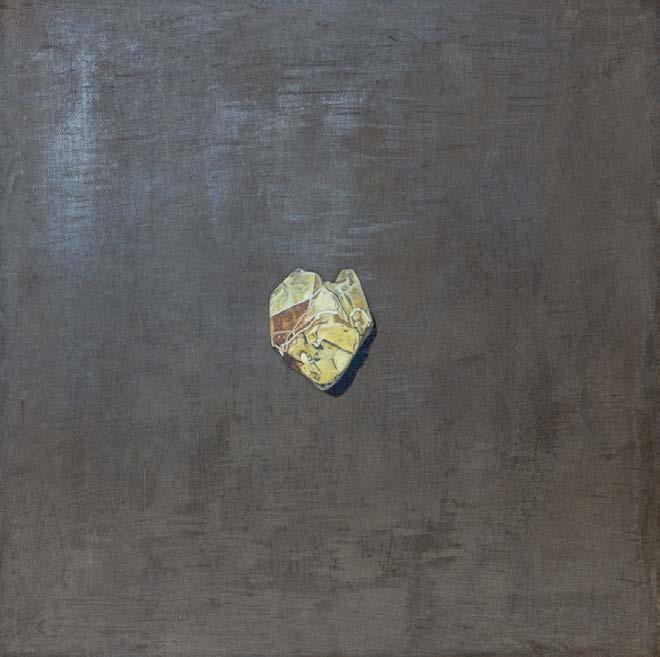
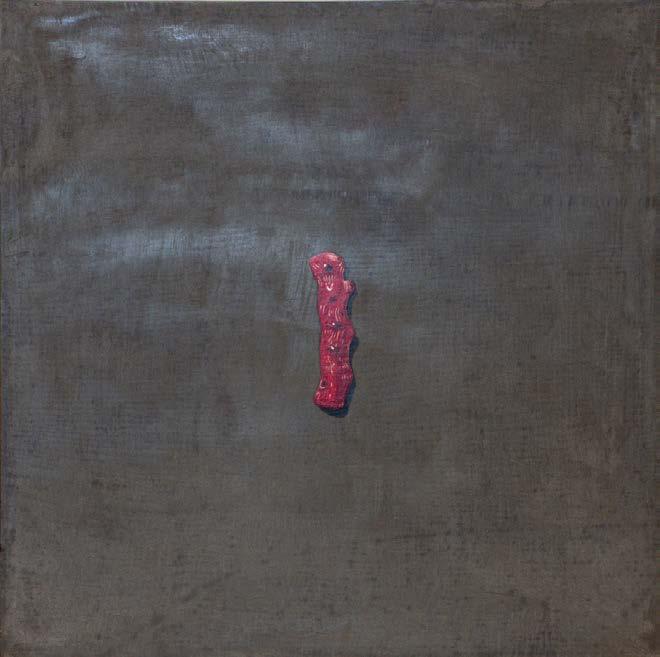
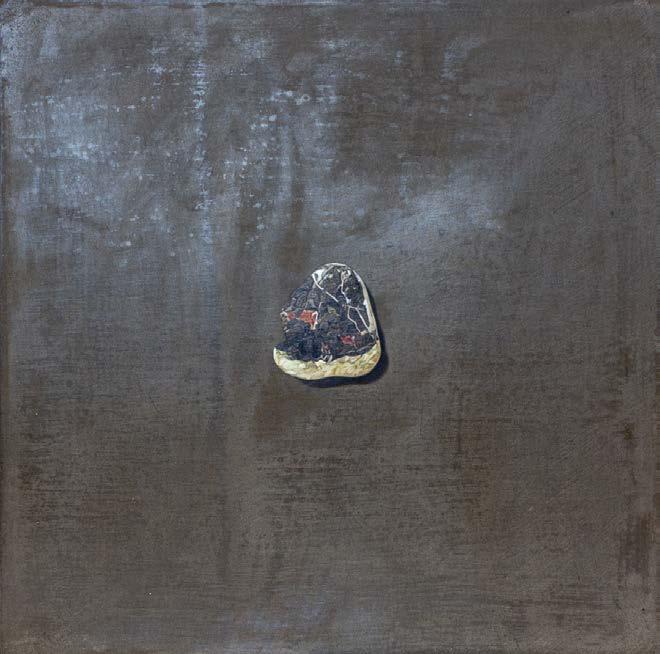
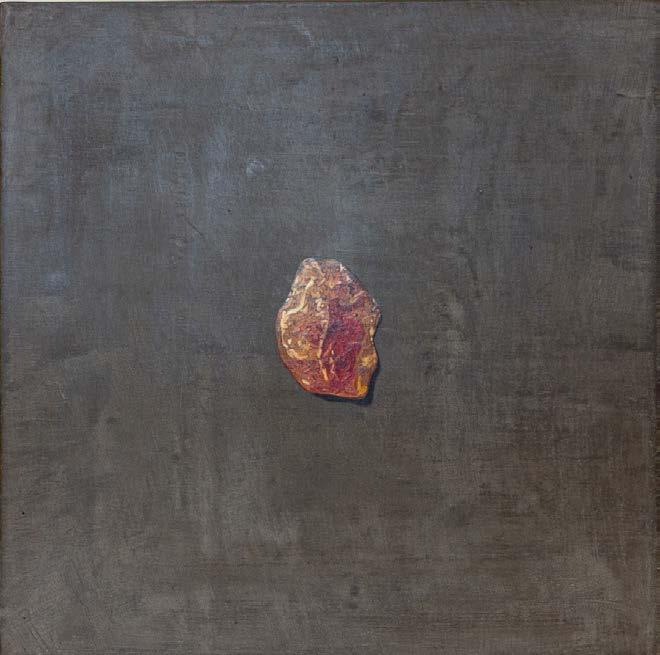
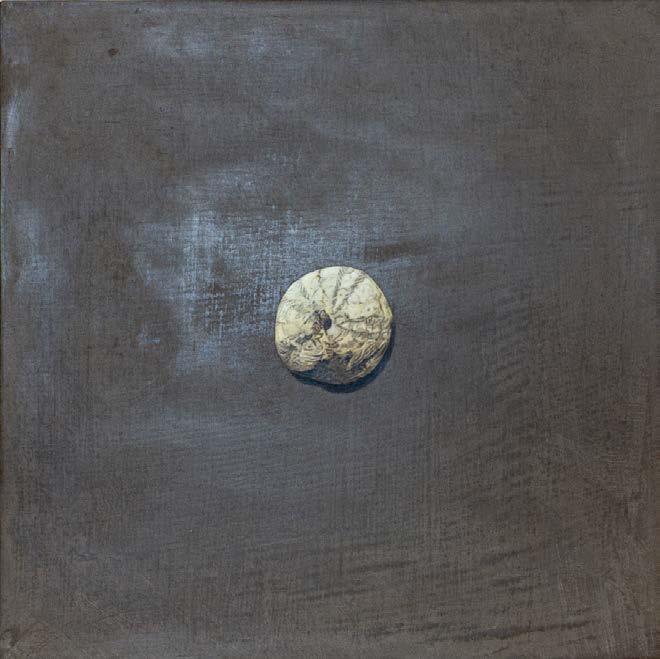
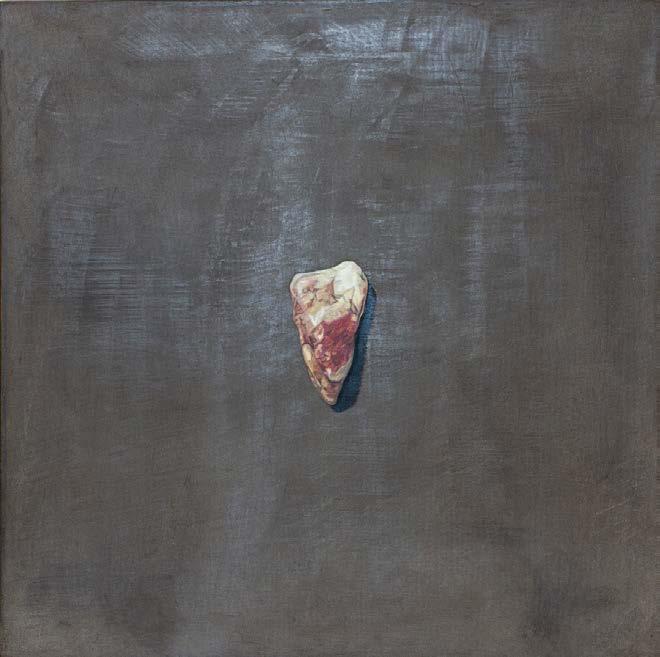
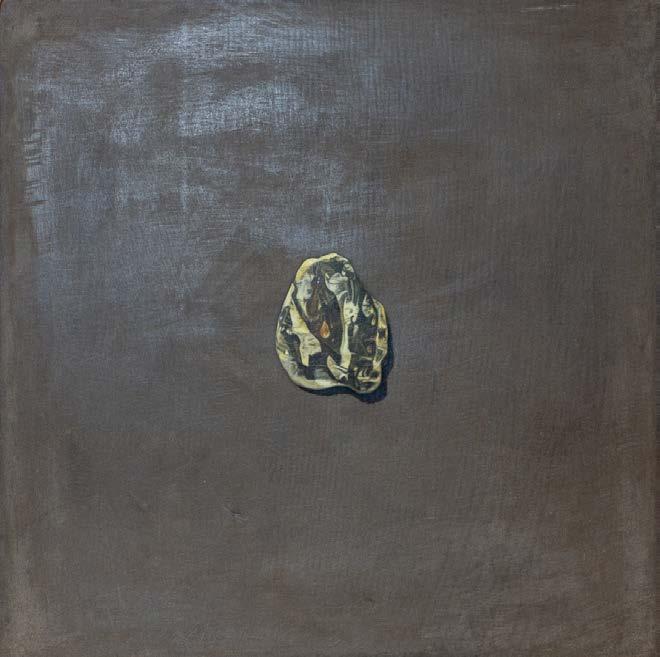
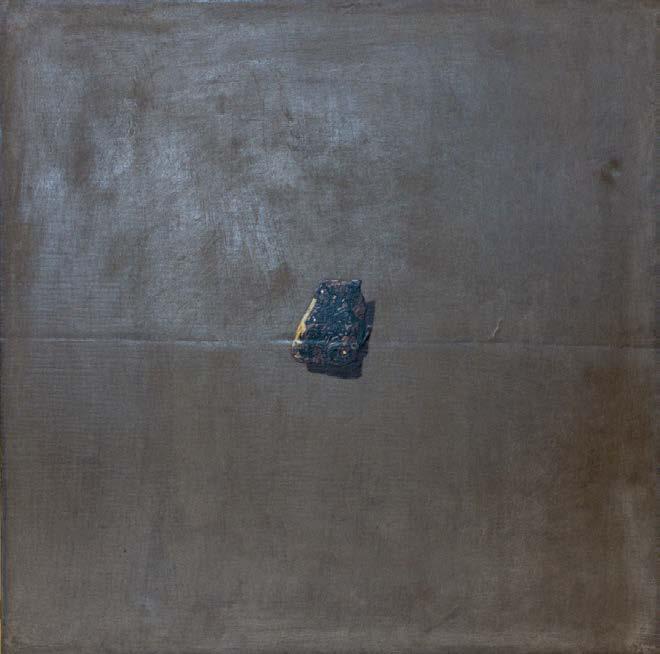
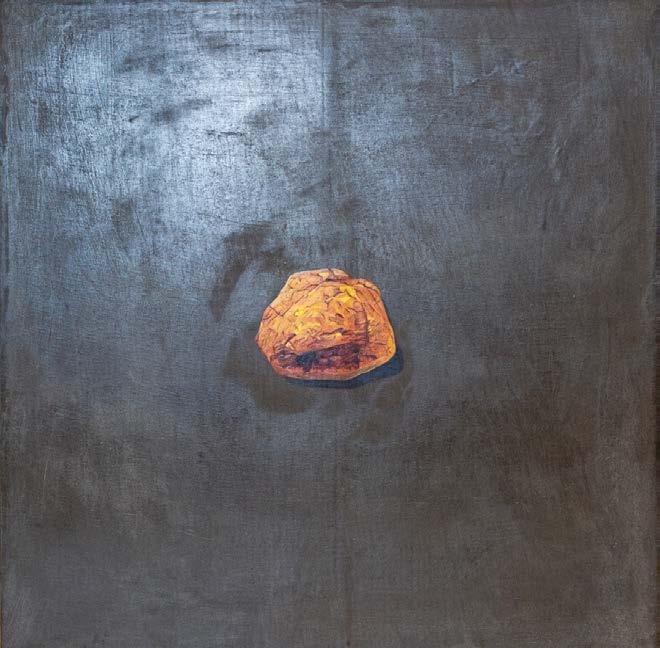
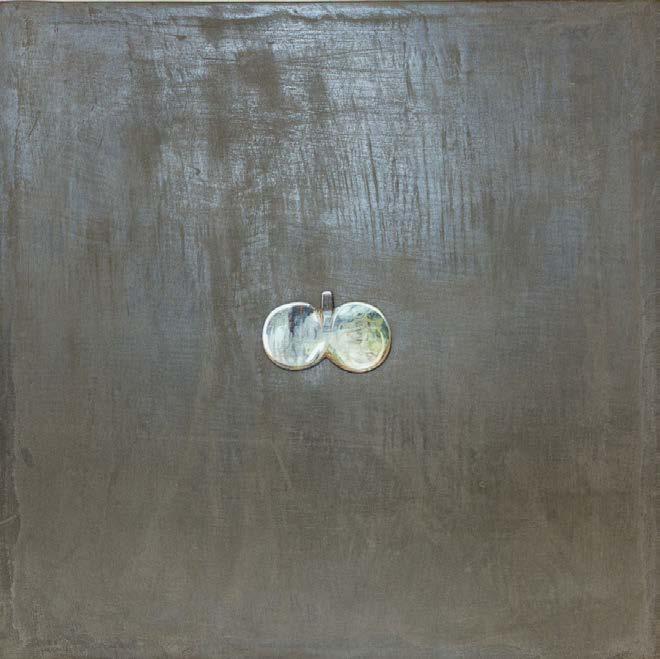
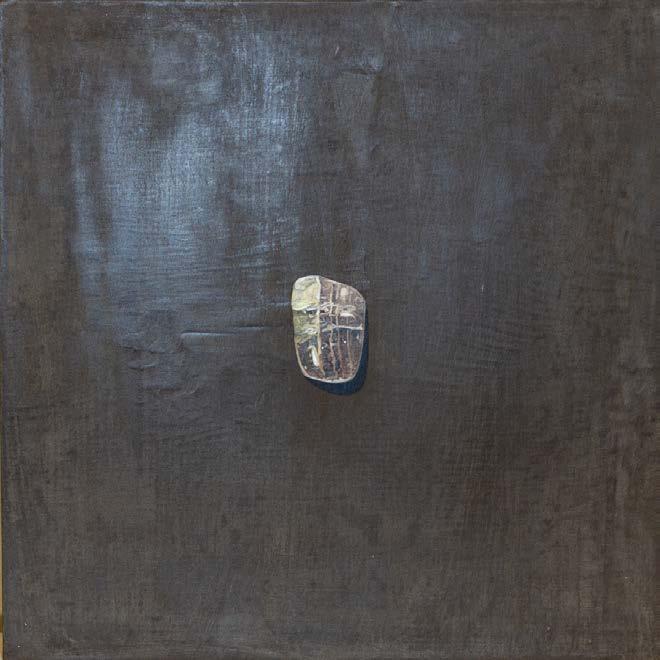
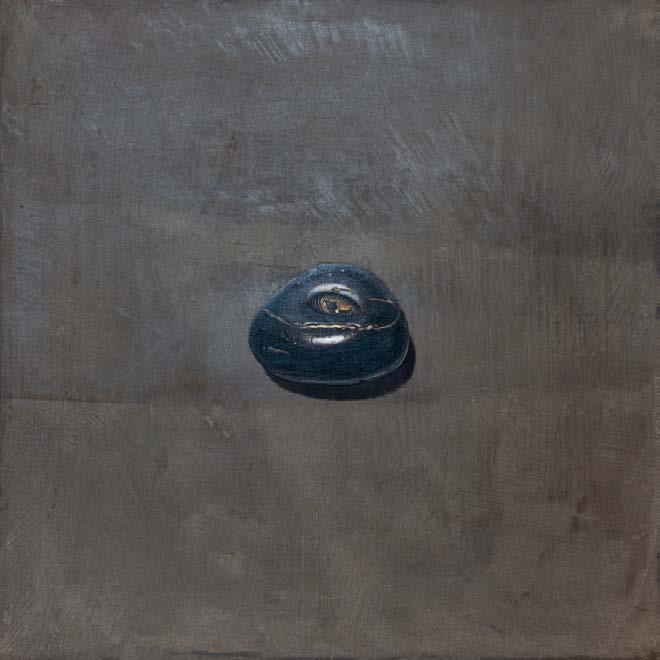
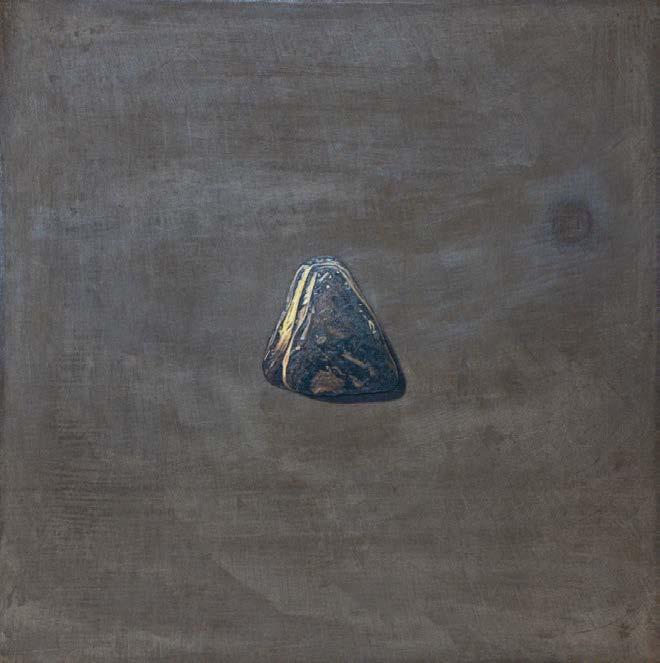
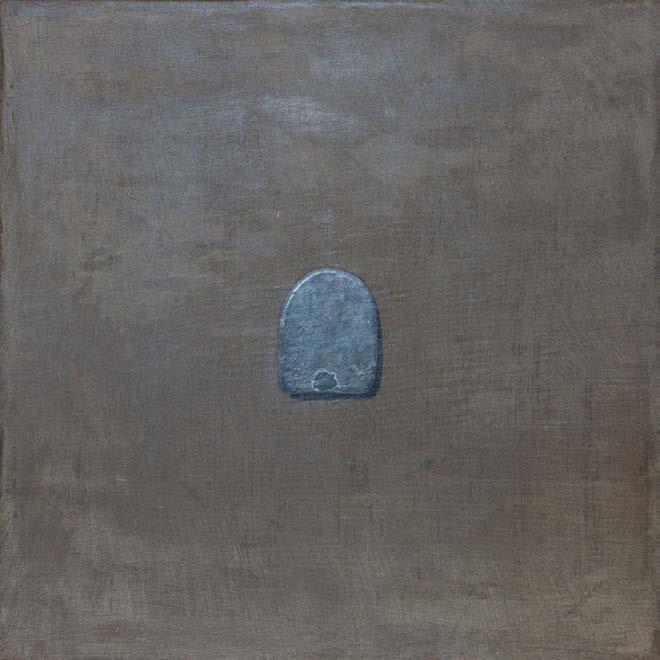
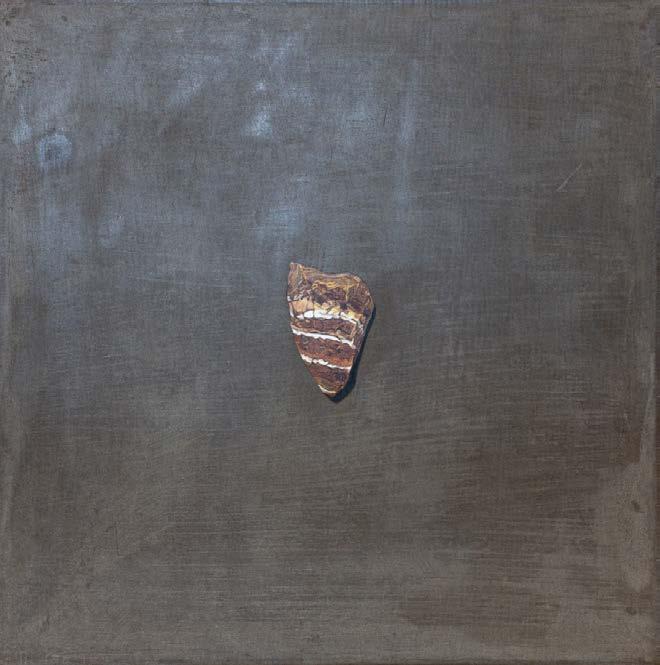
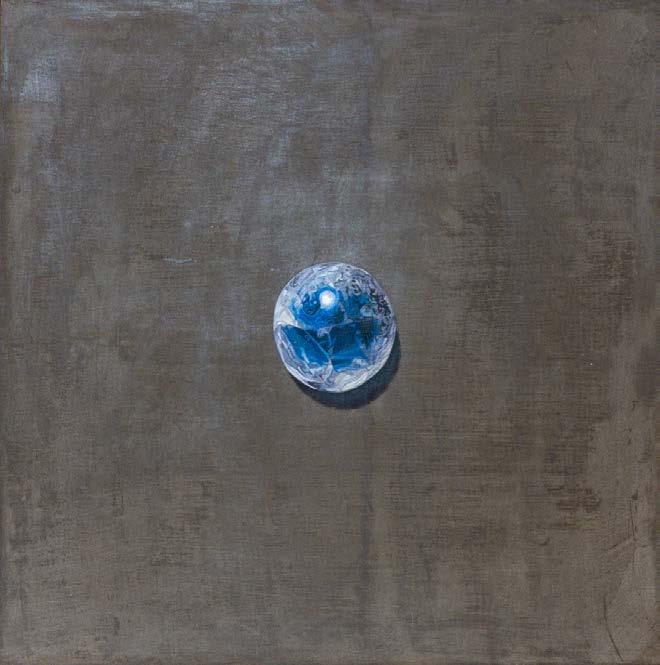
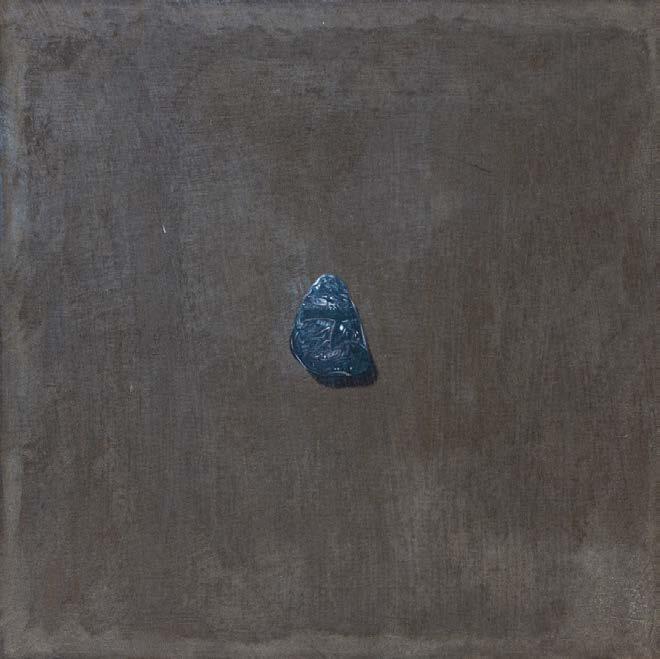
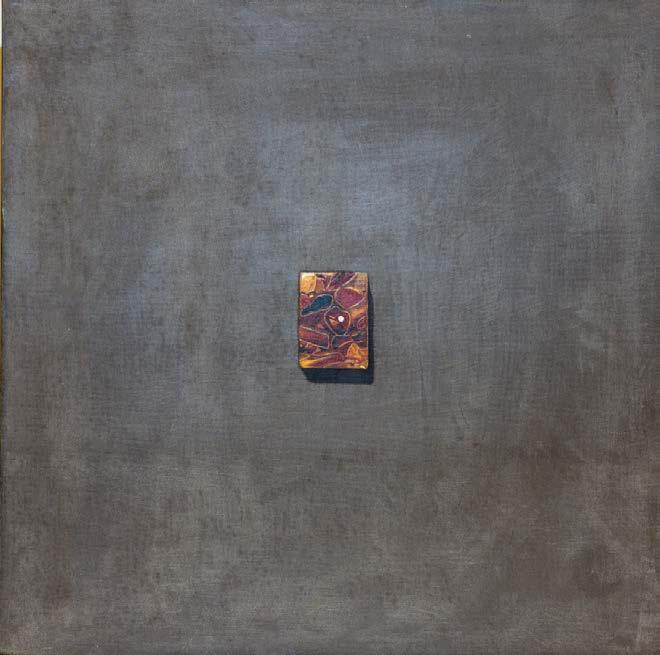
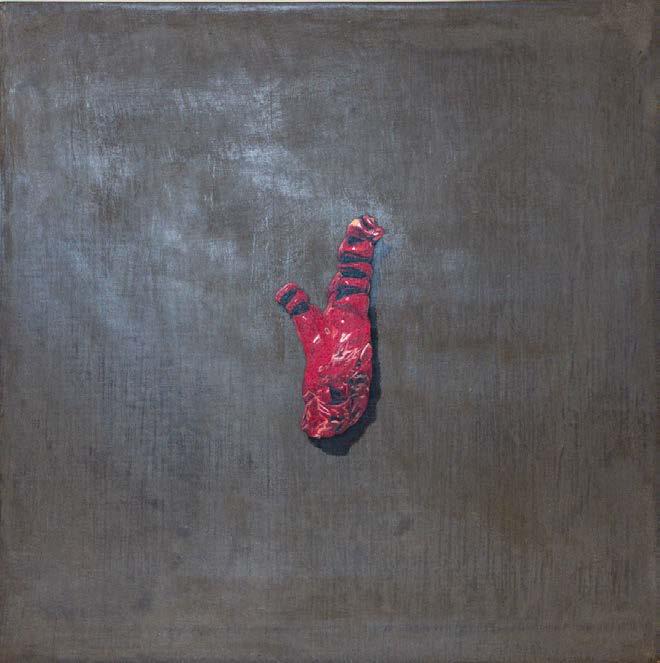
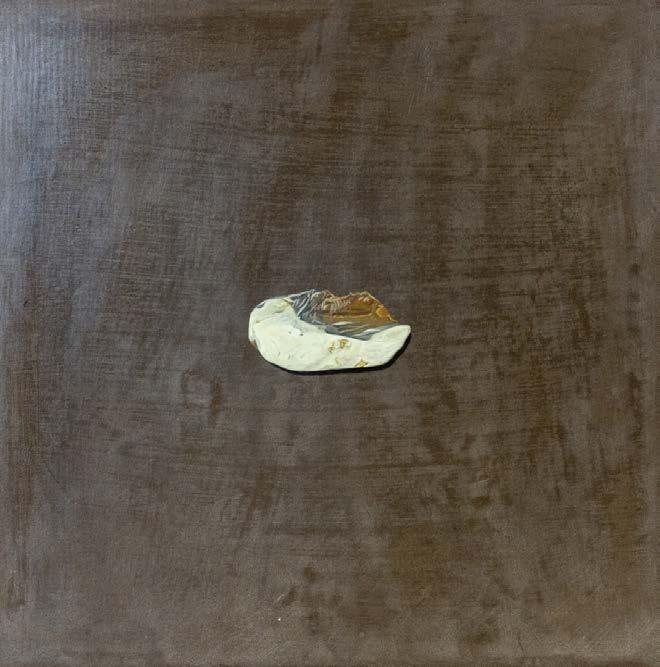
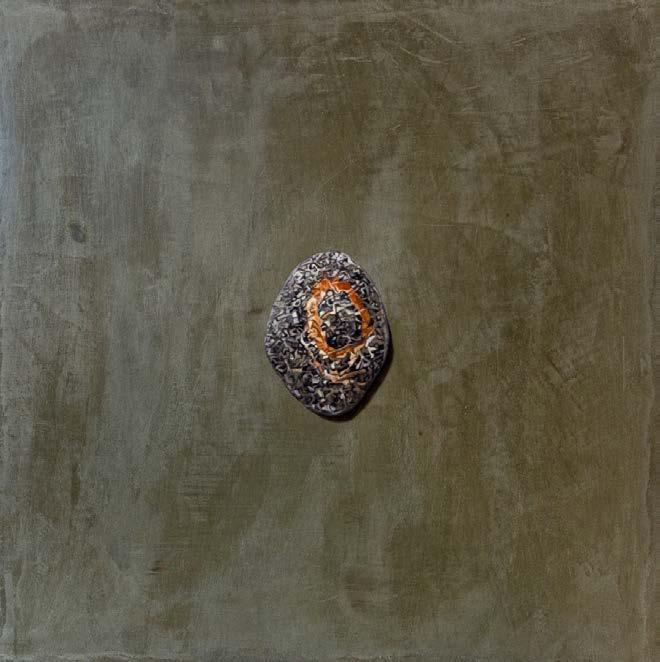
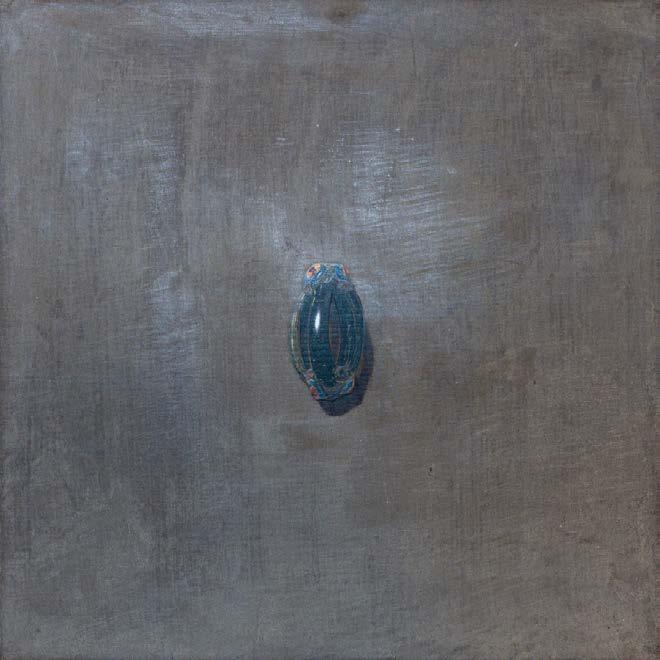
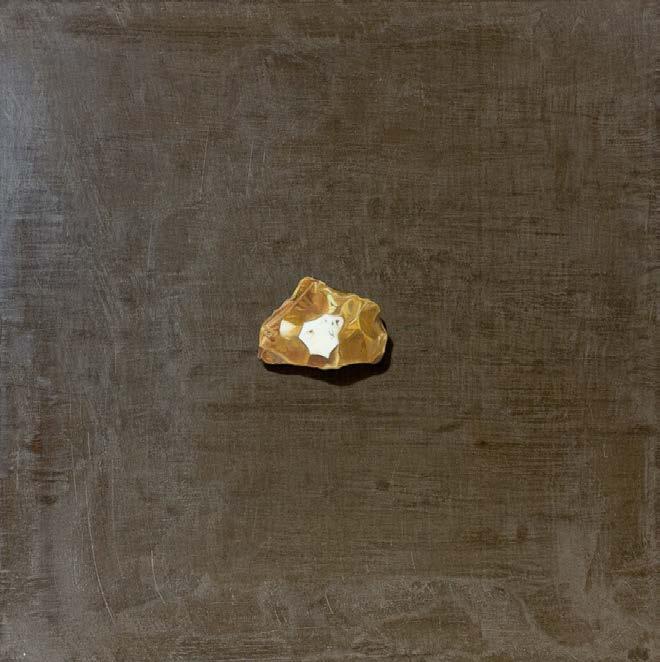
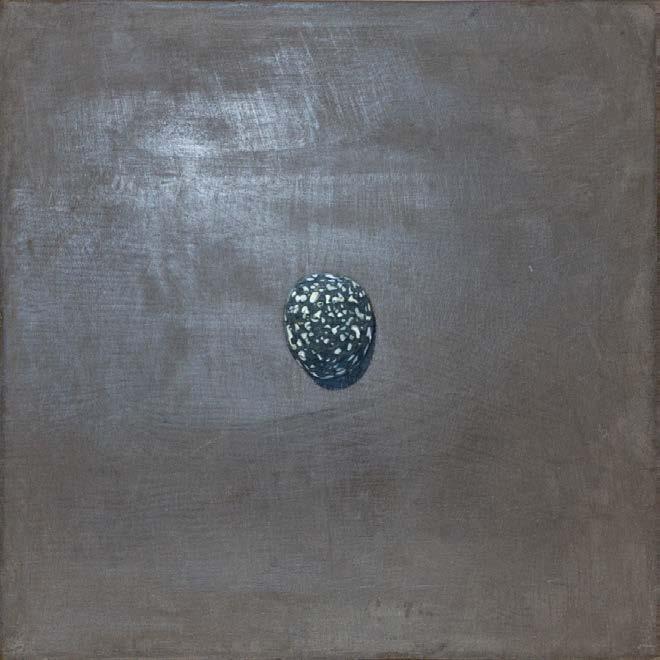
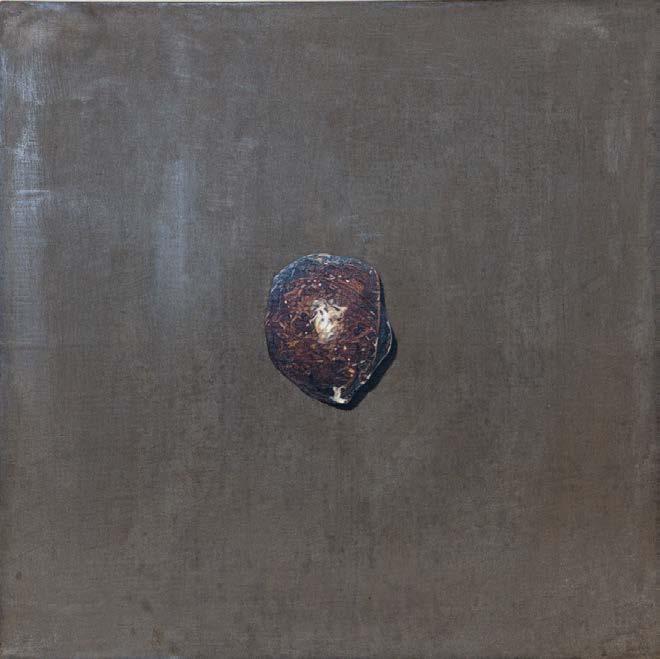
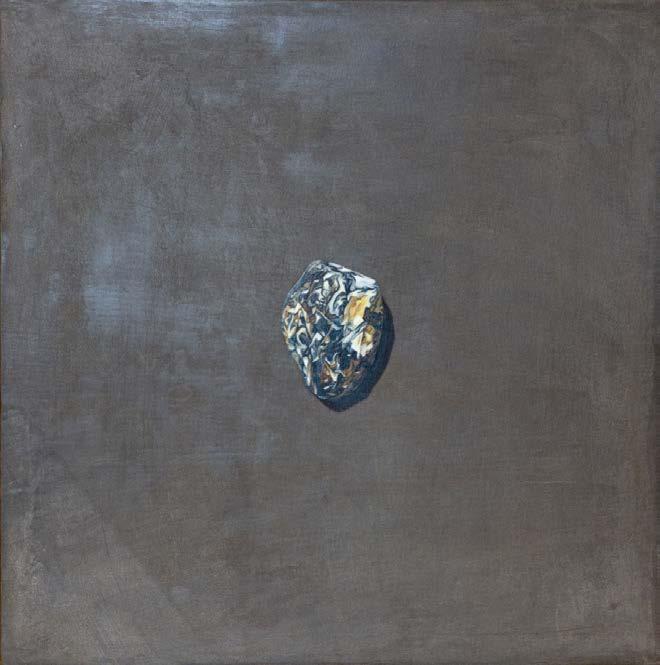
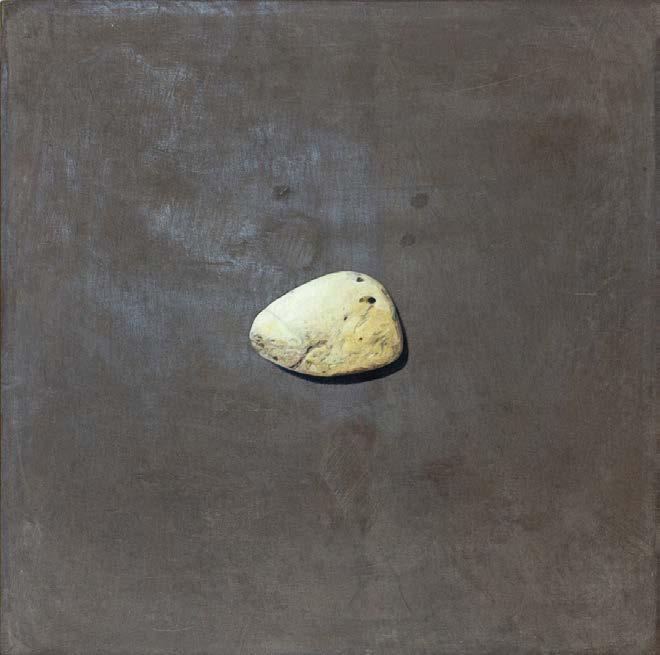
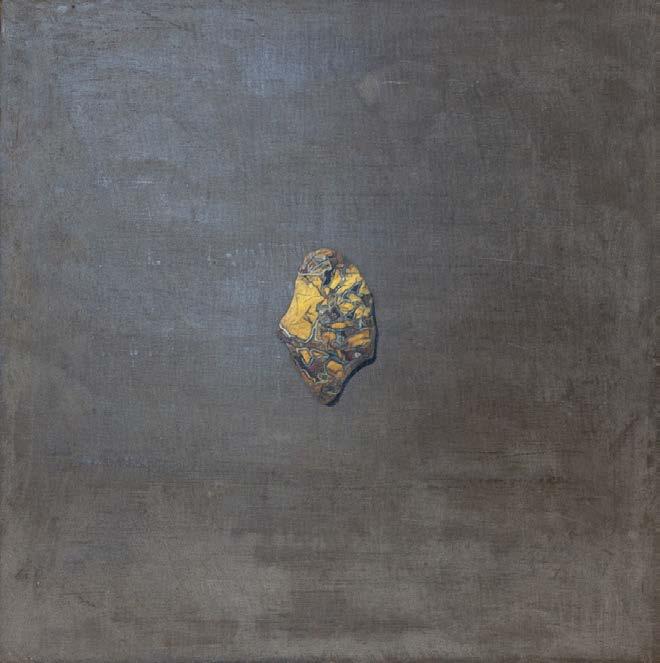
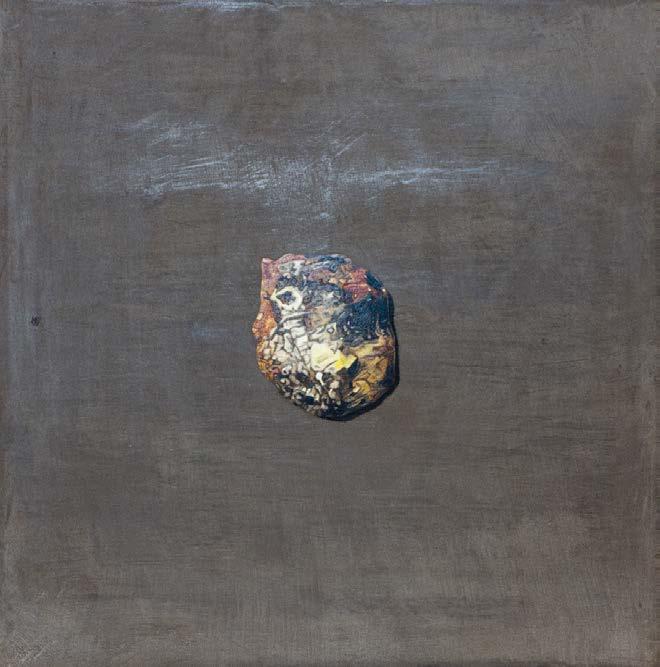
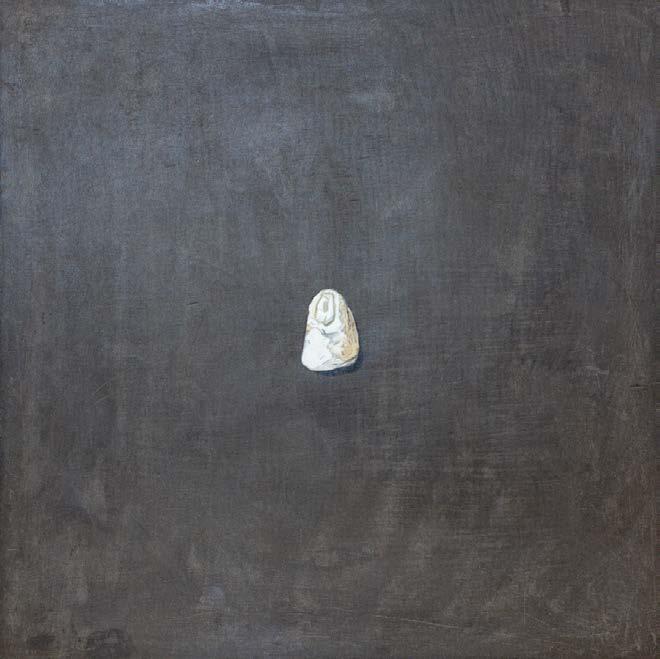
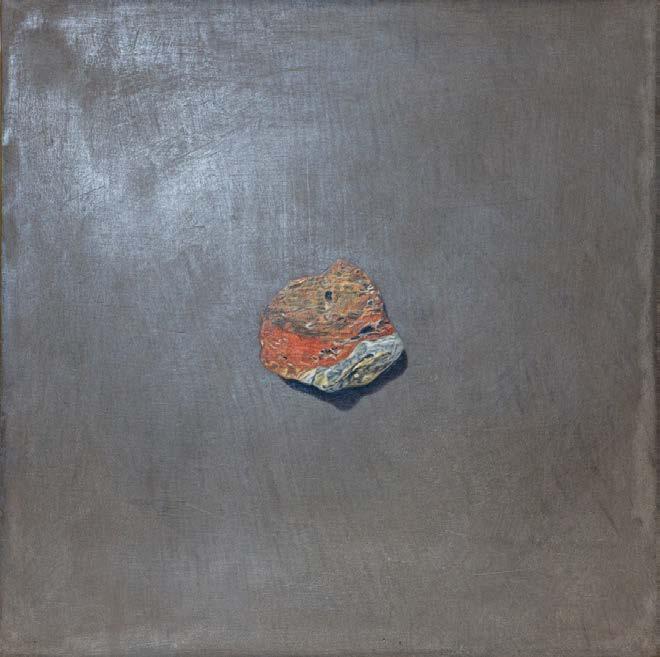
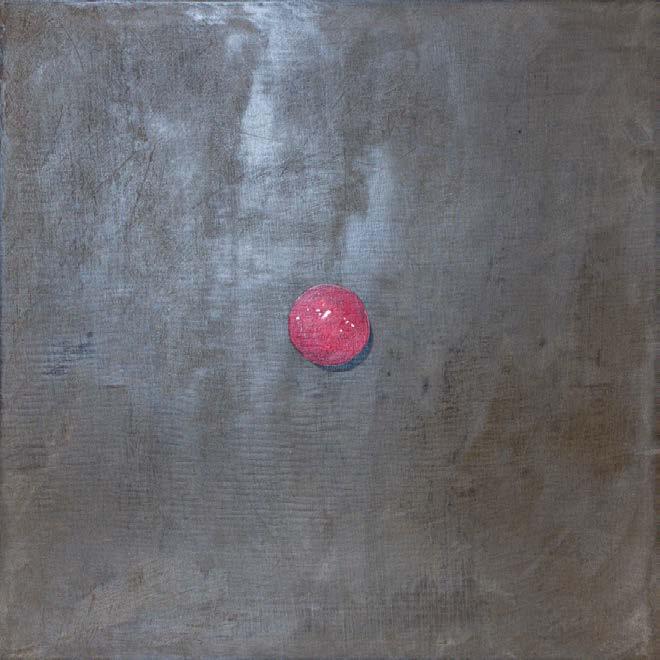
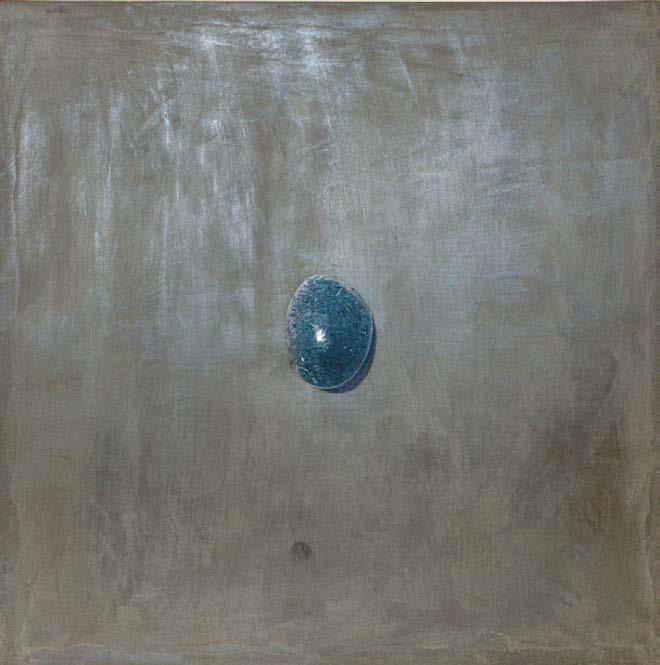
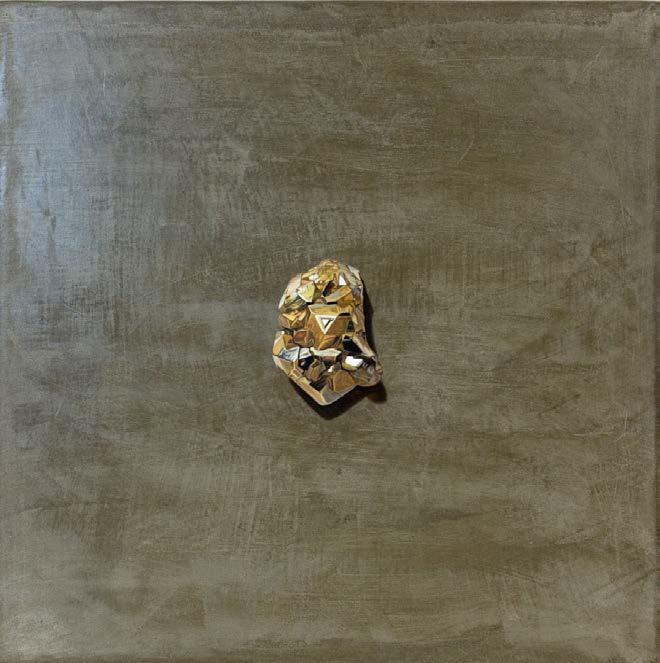
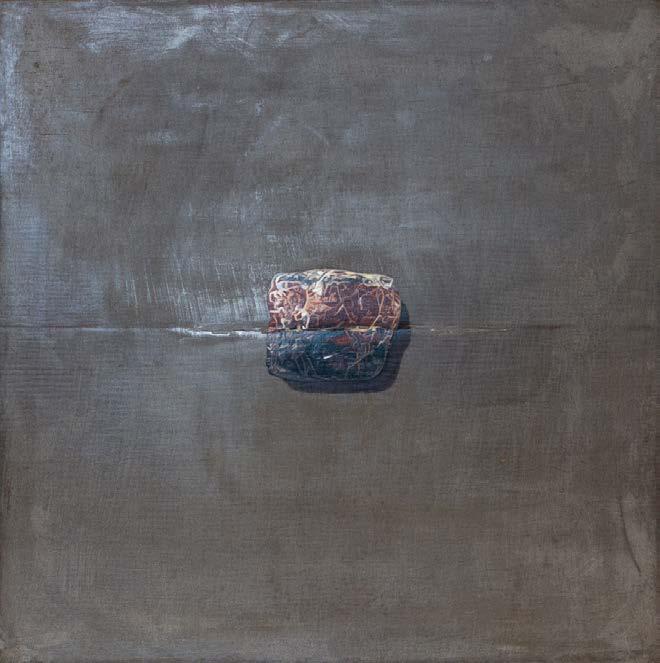
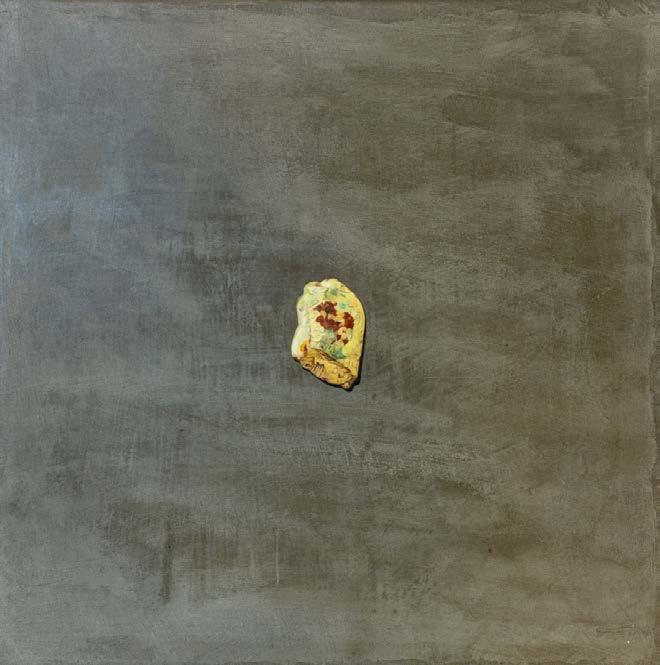
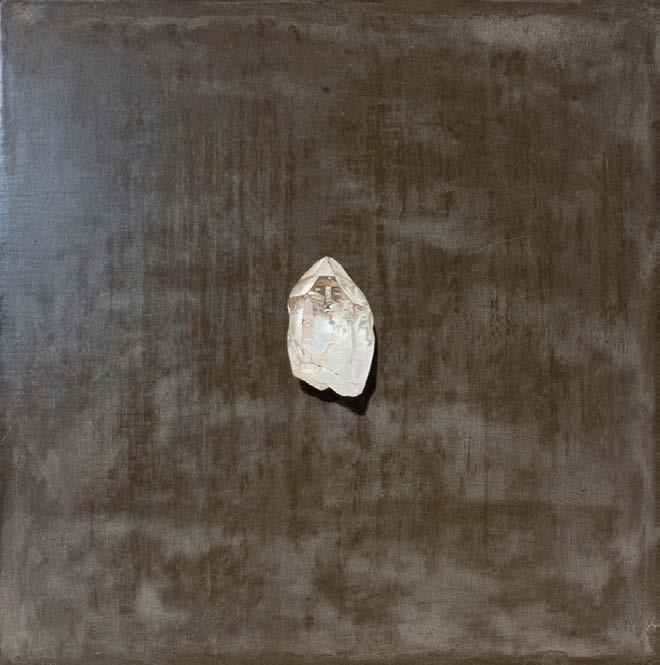
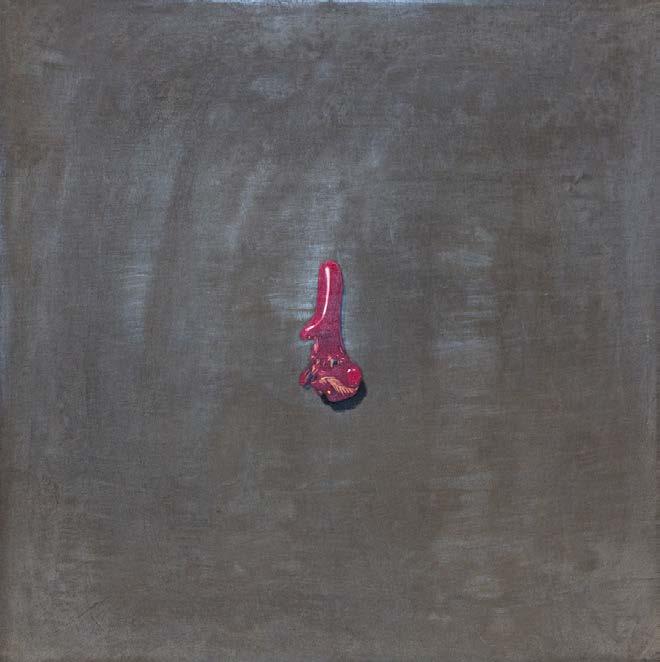
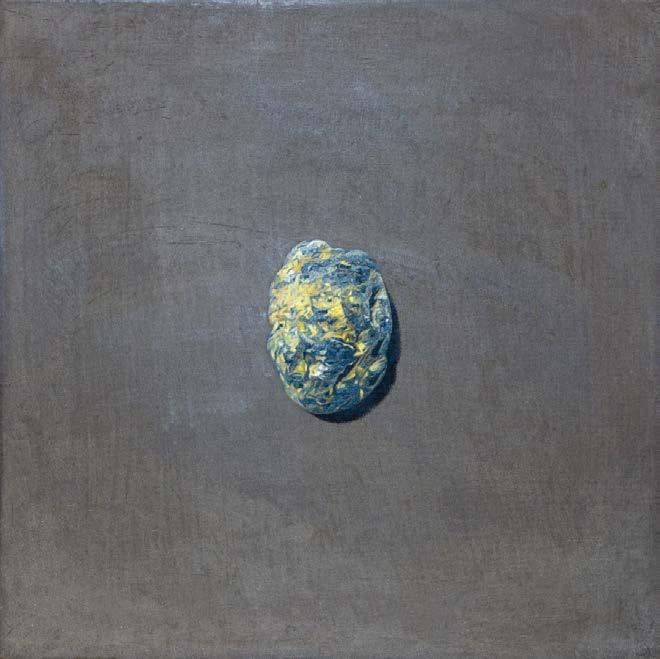
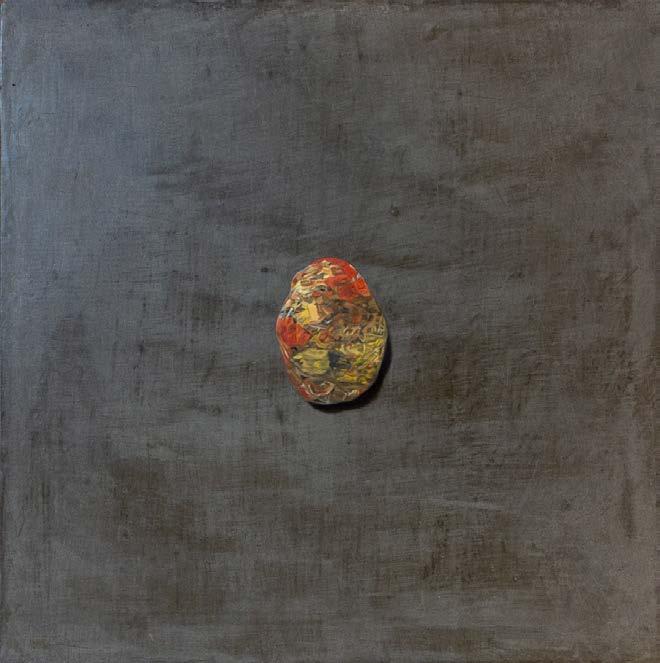
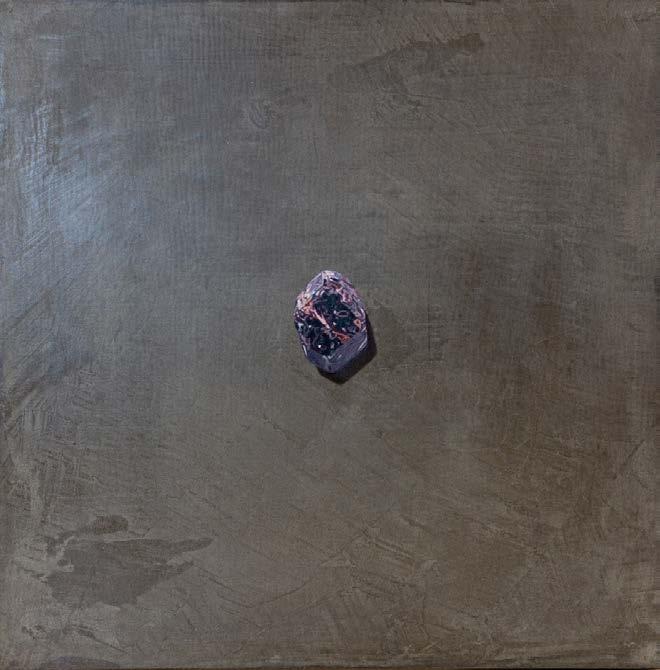
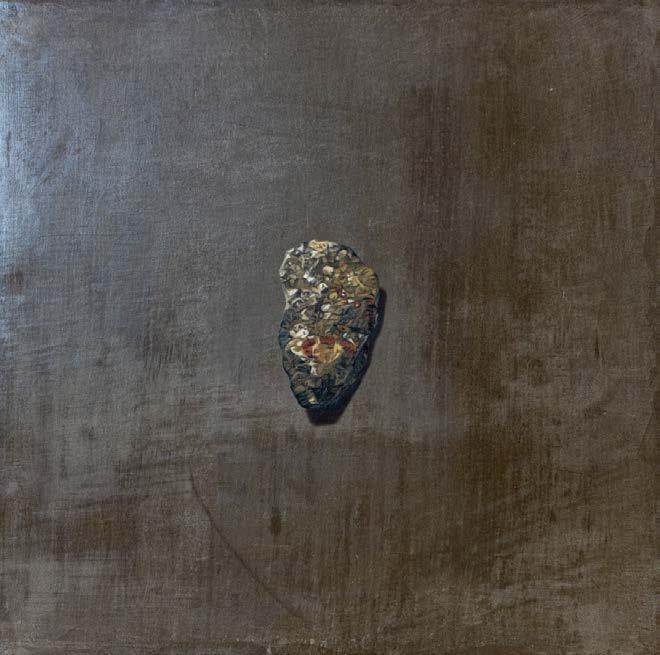
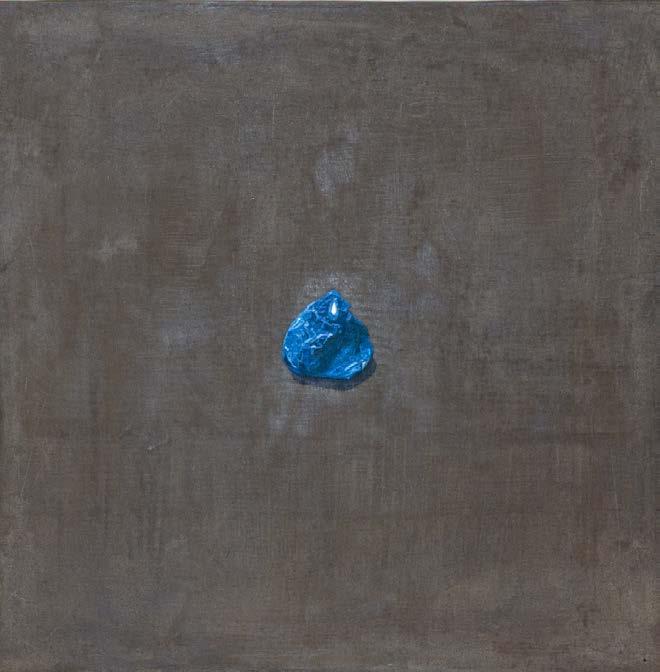
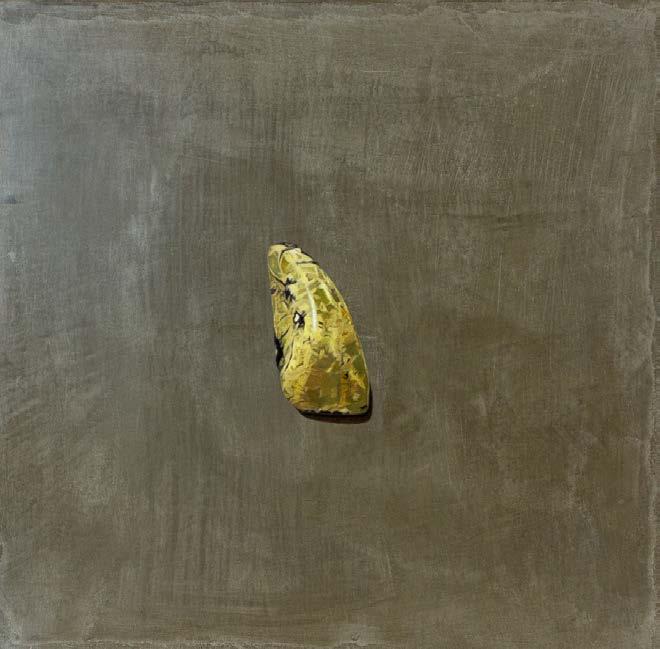
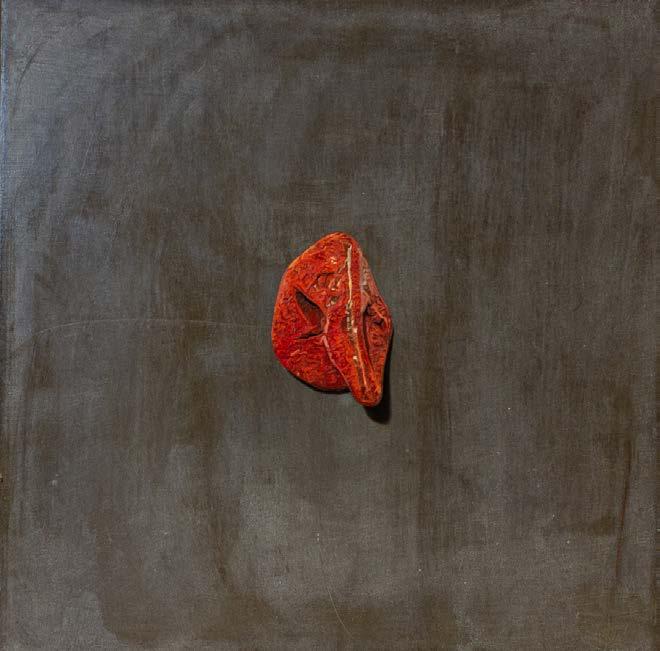
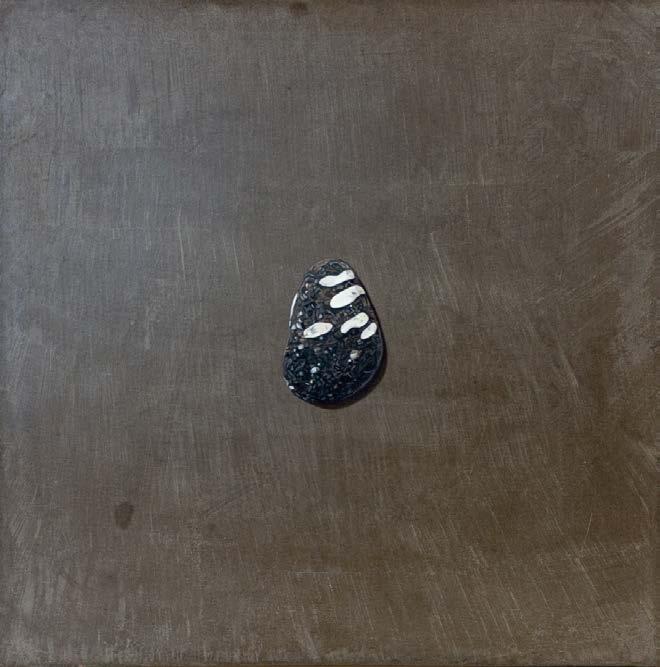
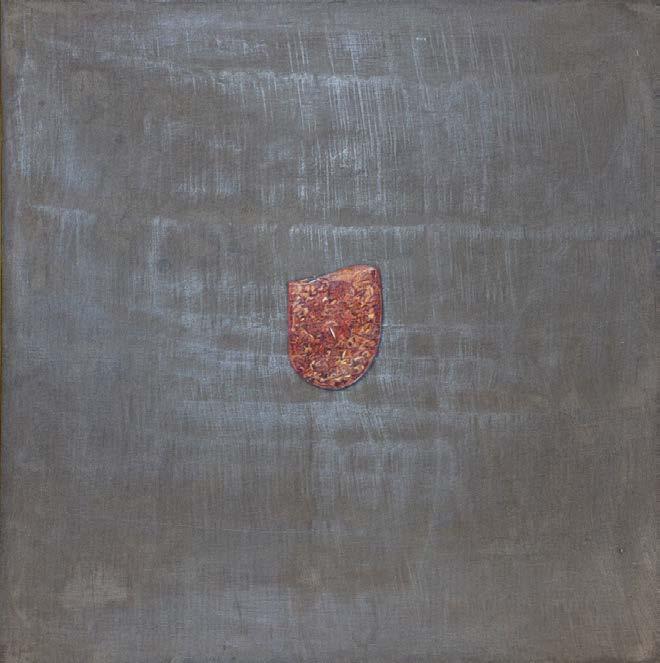
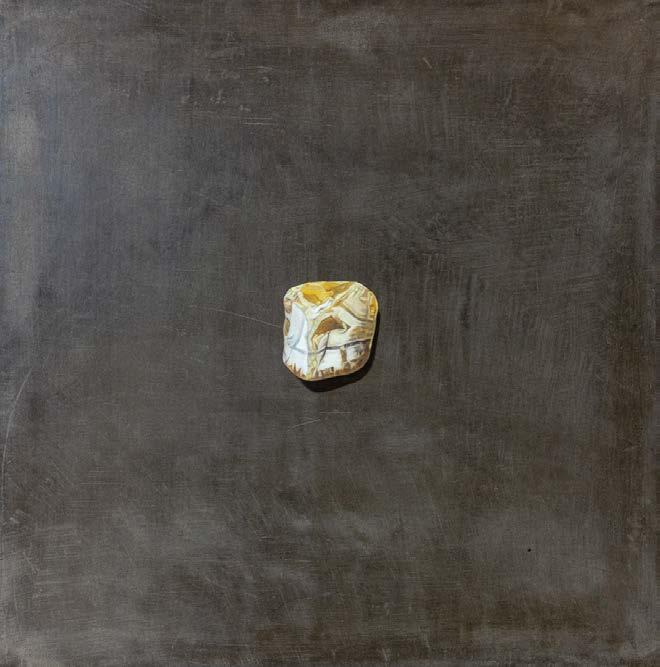
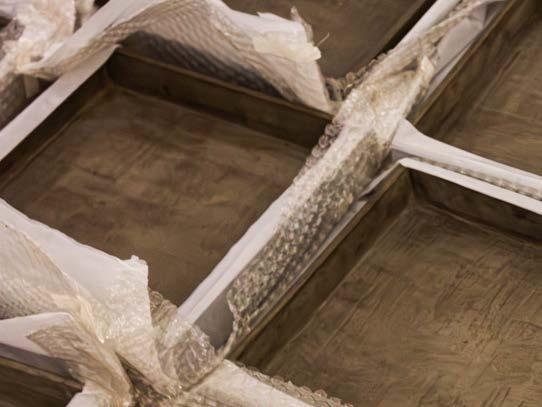
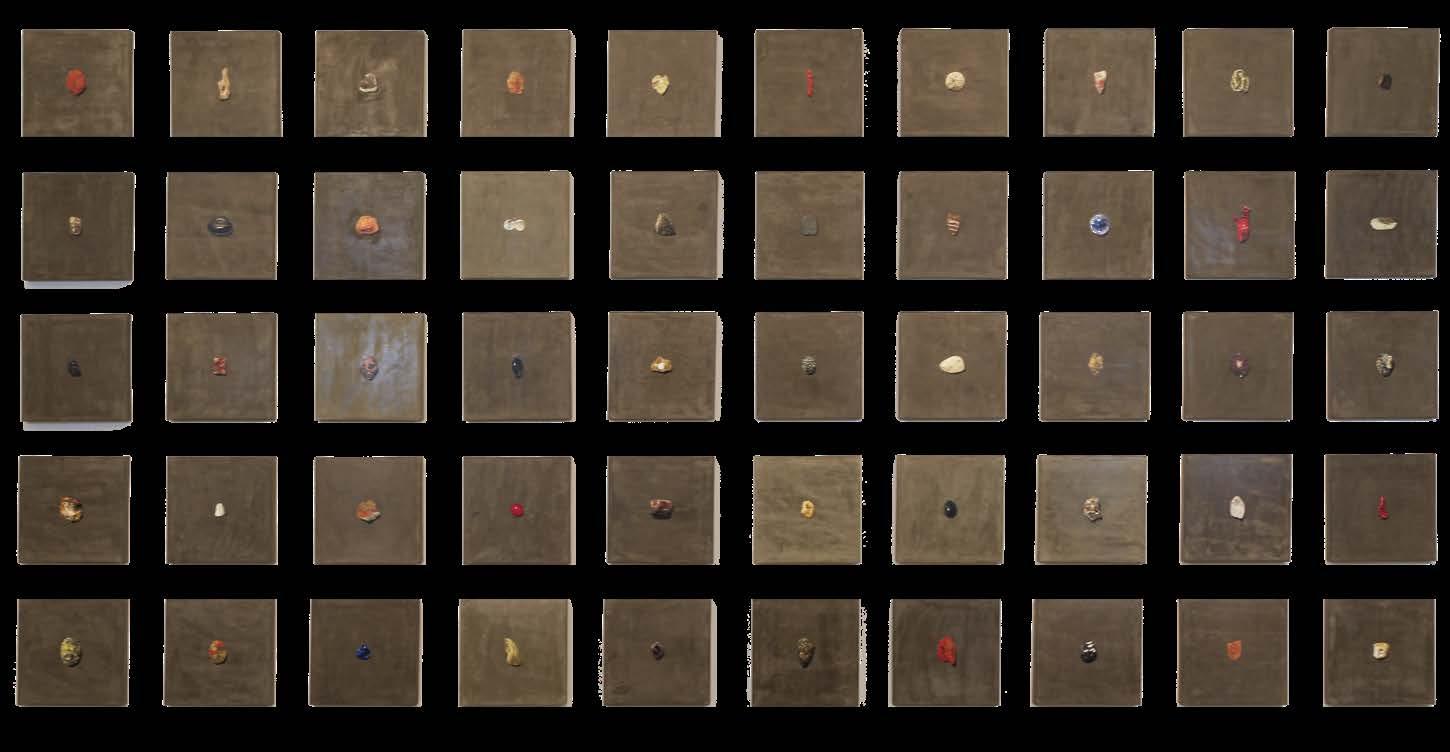
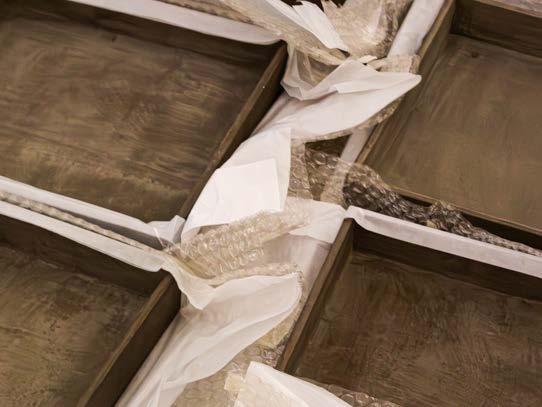
Picking Up The Pieces (Series II) (2026). oil on cement.
30.48 x 30.48 cm / 12.00 x 12.00 in.
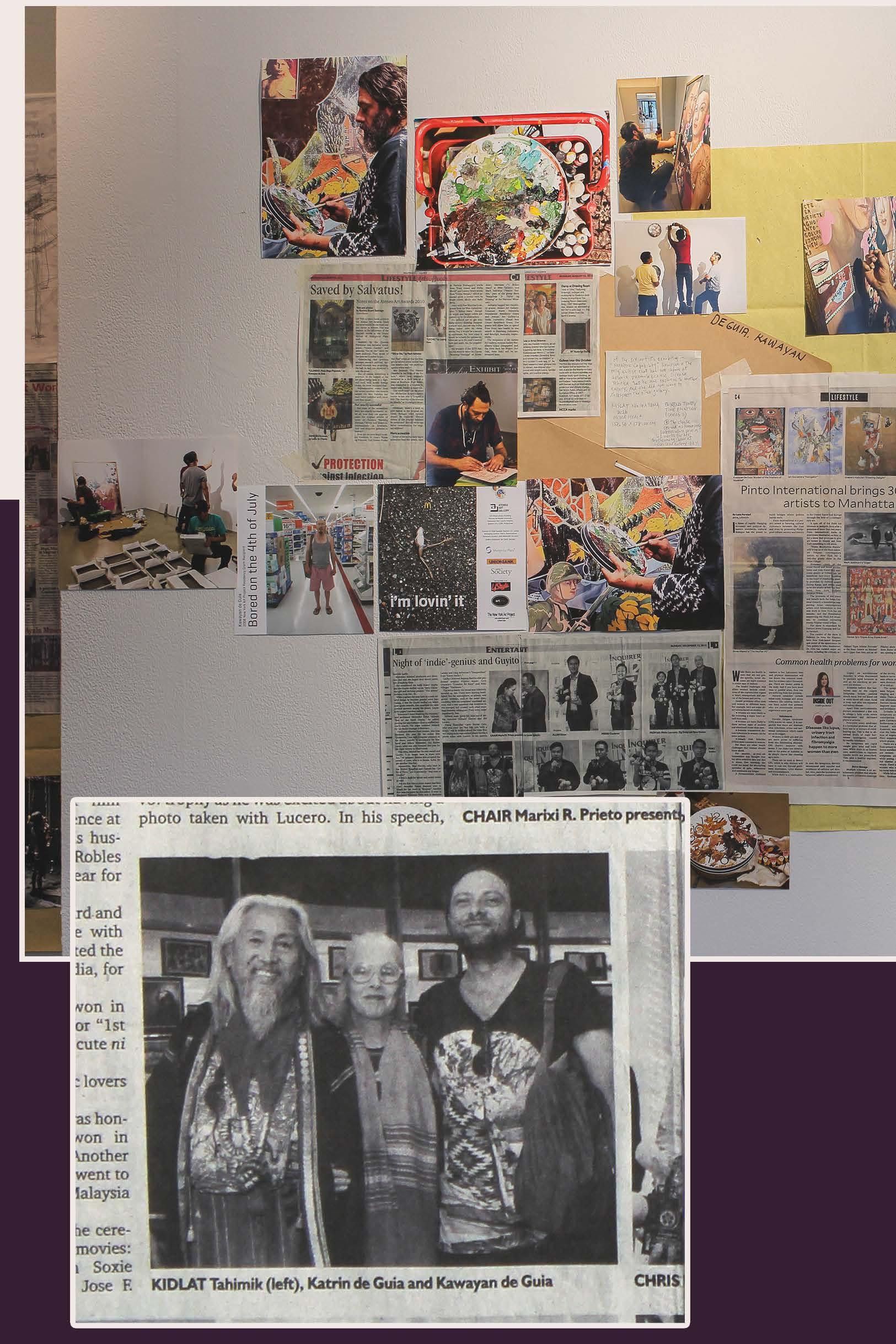
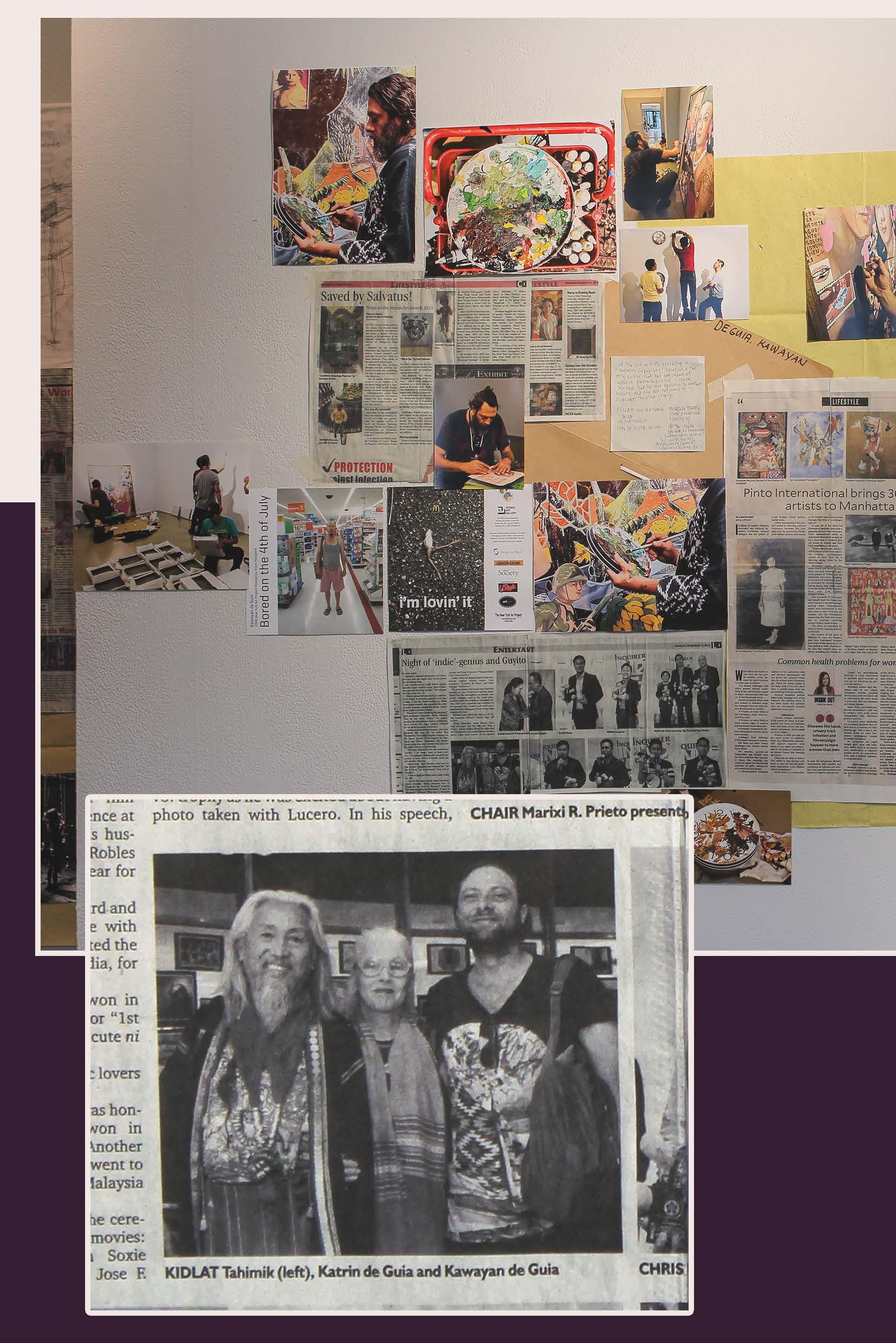
“Of the six artists exhibiting in “Negative Capability,” Kawayan is the only artist that has not shown at Galleria Duemila because Silvana believed that he was exclusive to another gallery. And she did not want to disrespect the other gallery.”
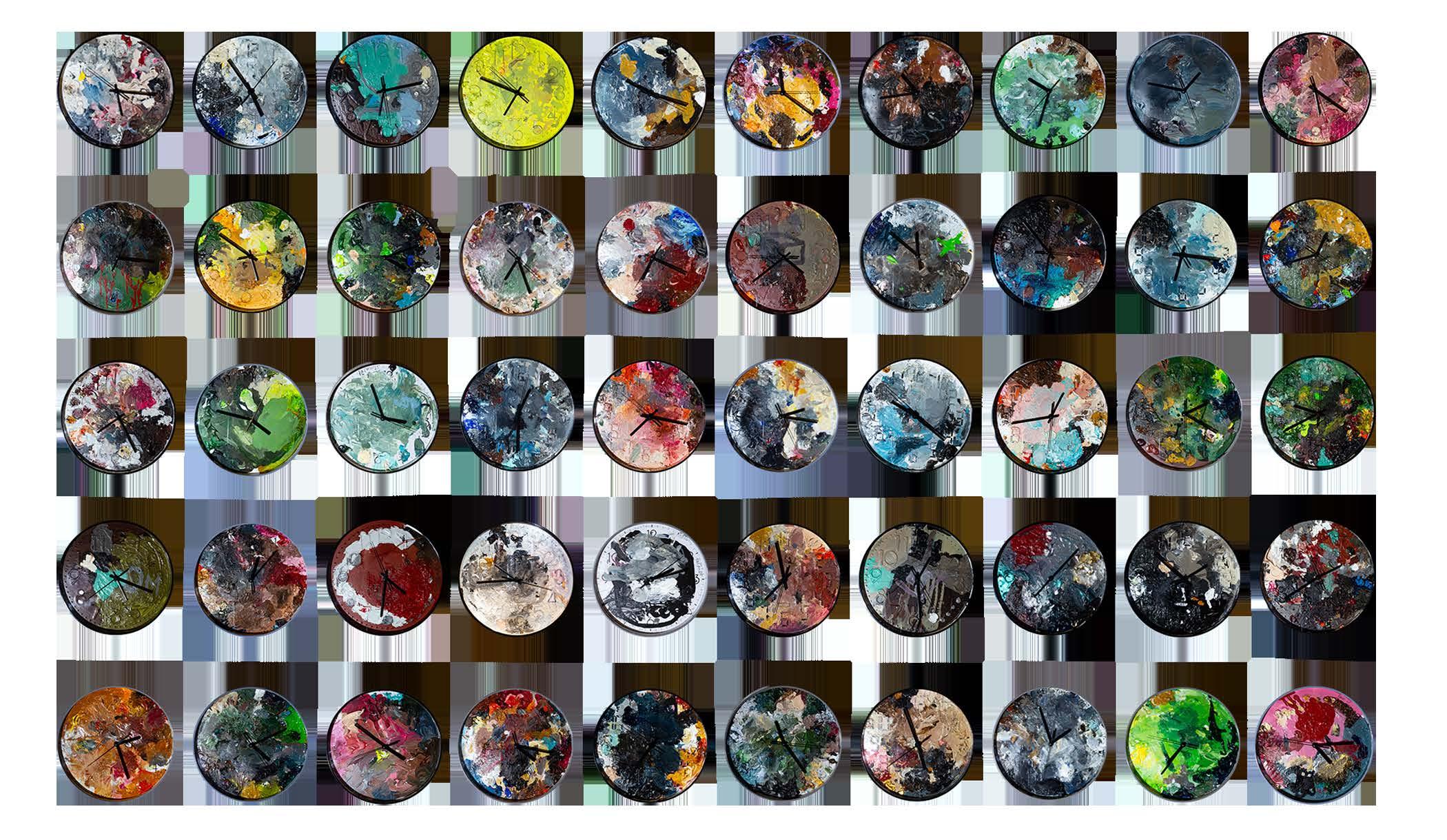
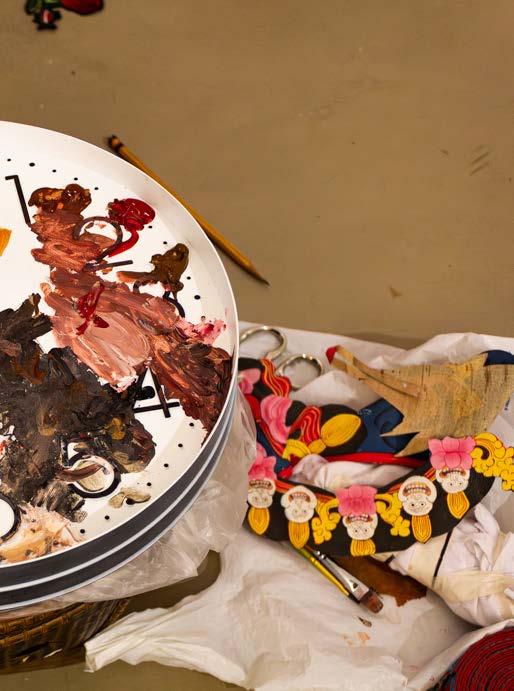
Painting Time / Time Painting (Series II) (2026). clocks used as painting palletes. 29.21 x 29.21 cm / 11.50 x 11.50 in.
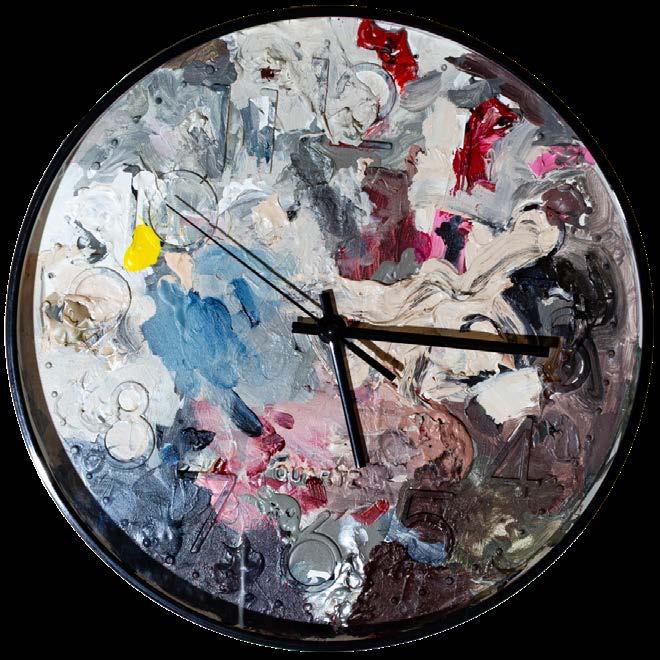
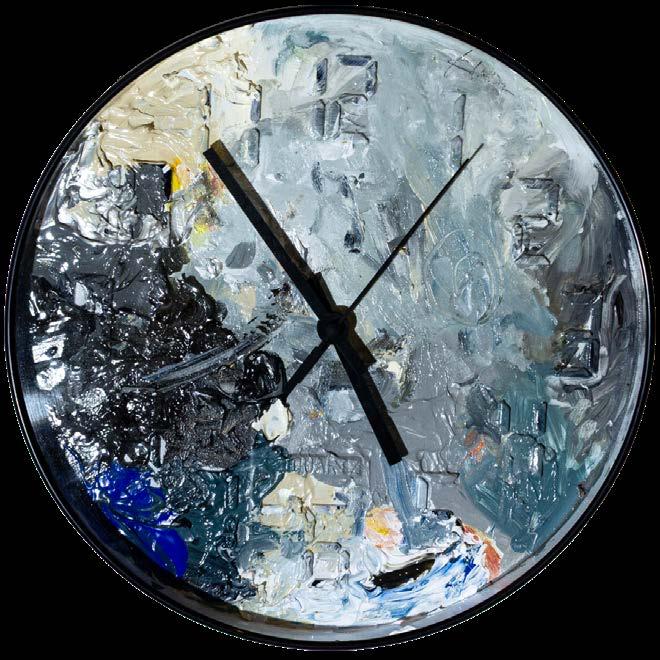
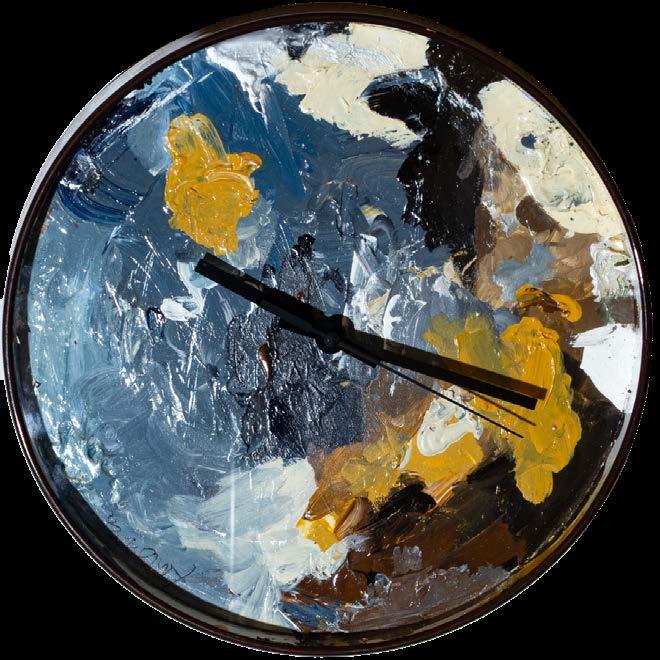
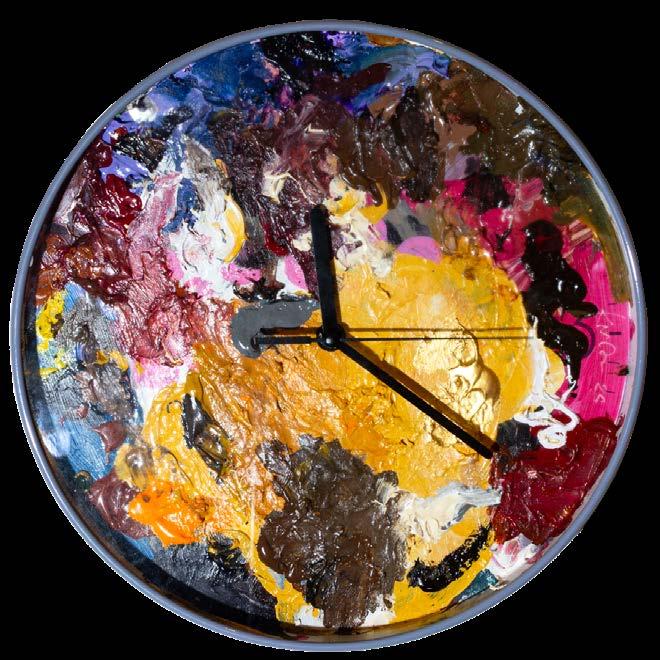
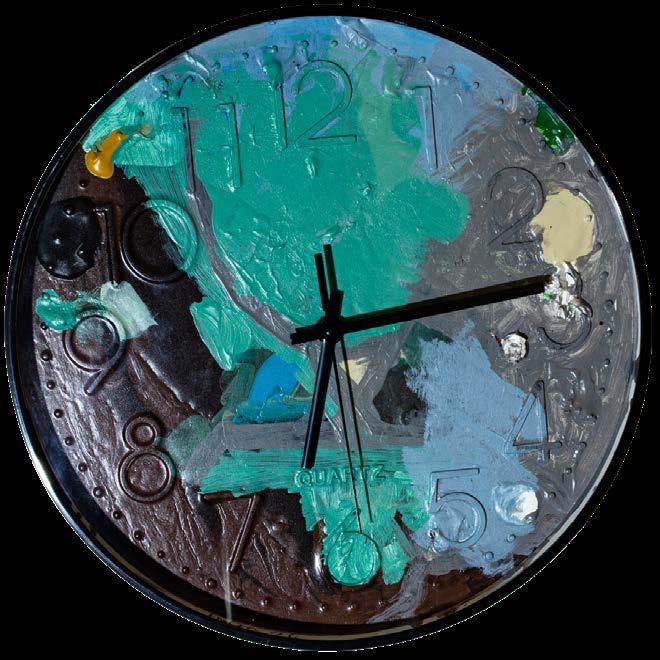
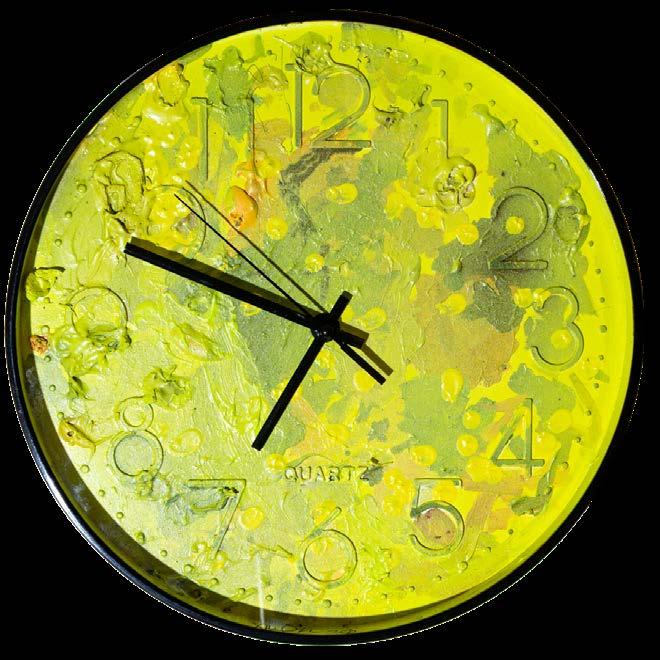
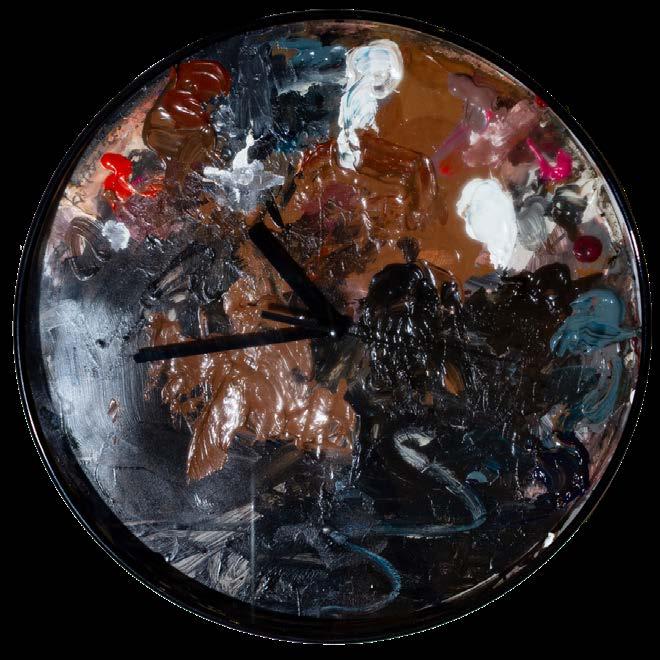
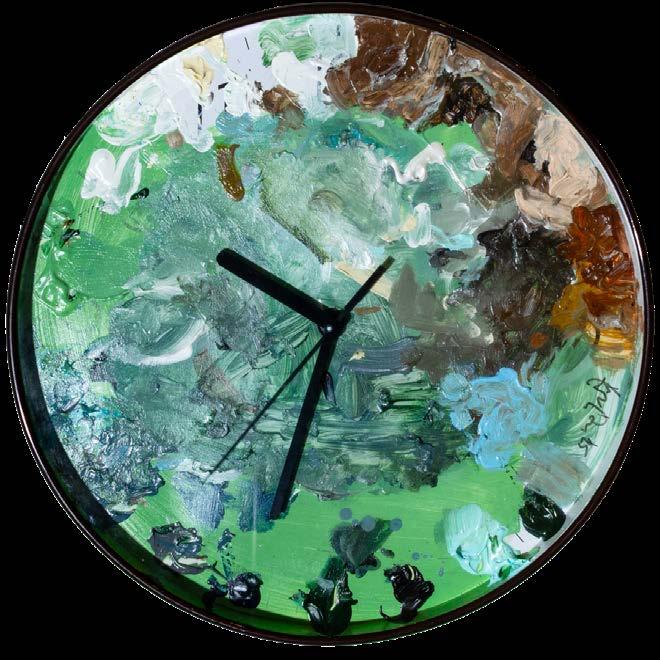
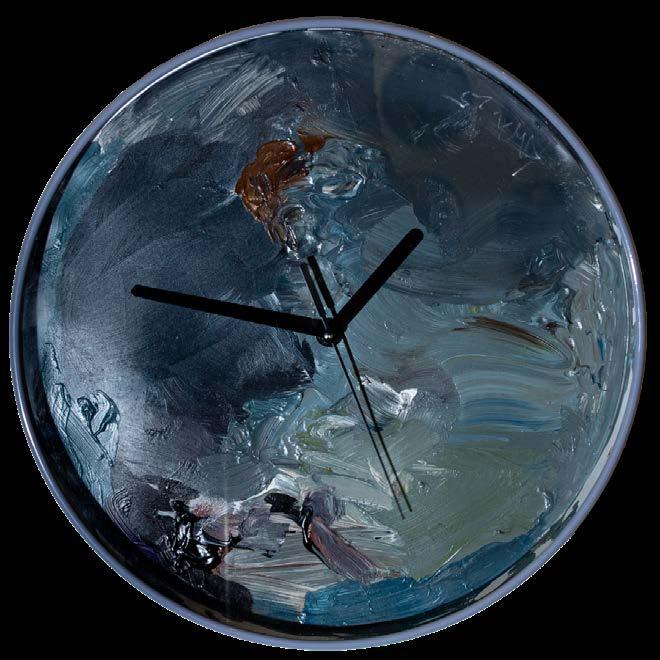
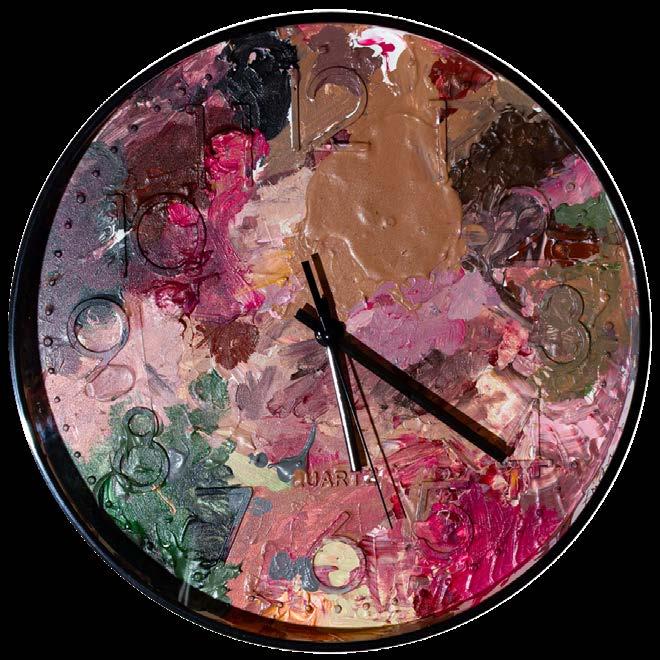
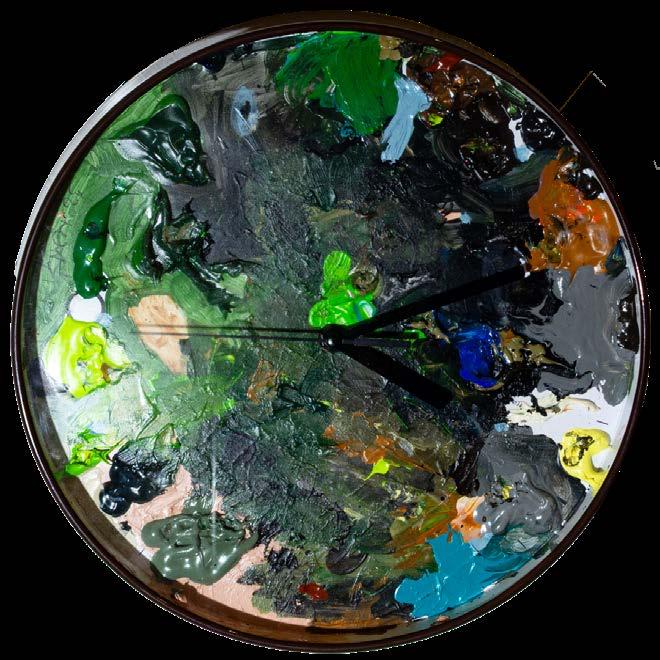
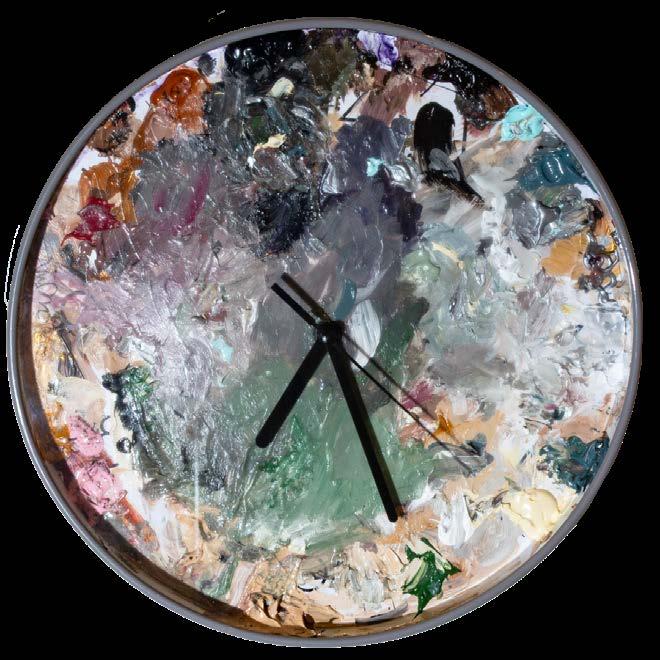
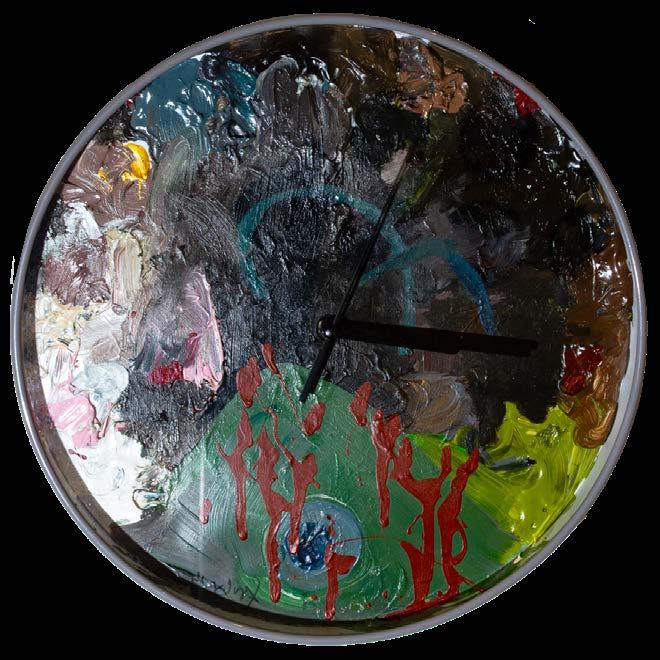
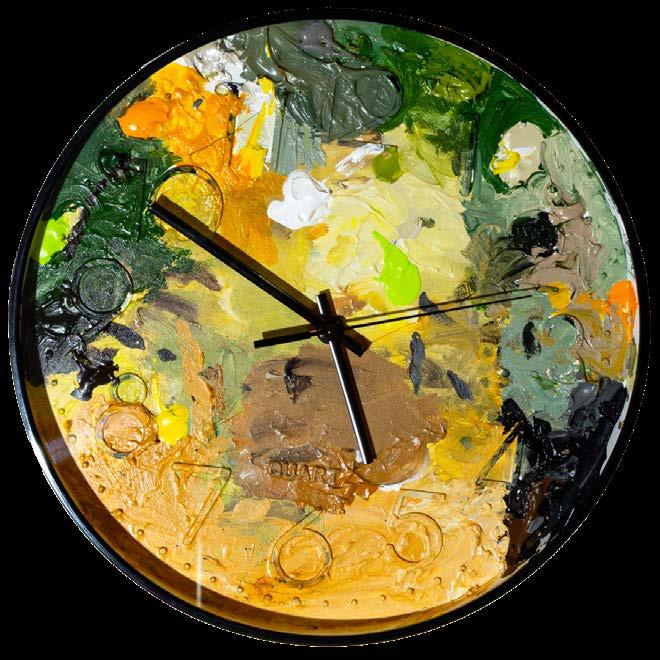
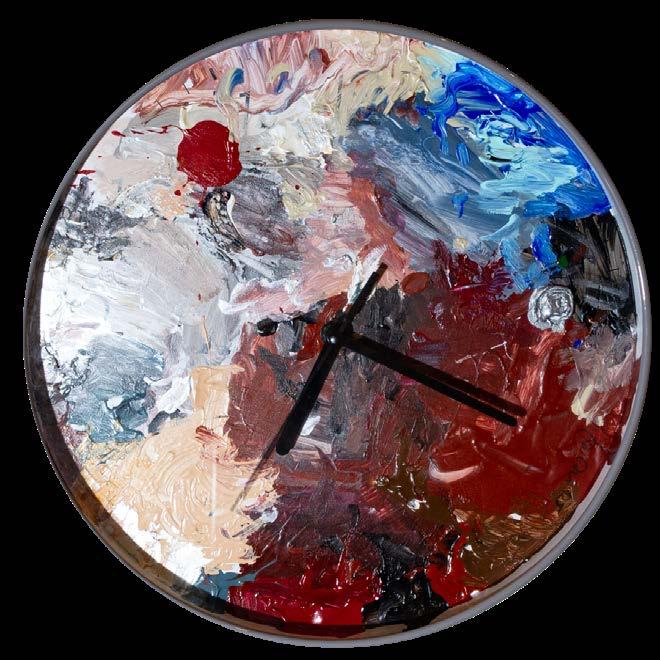
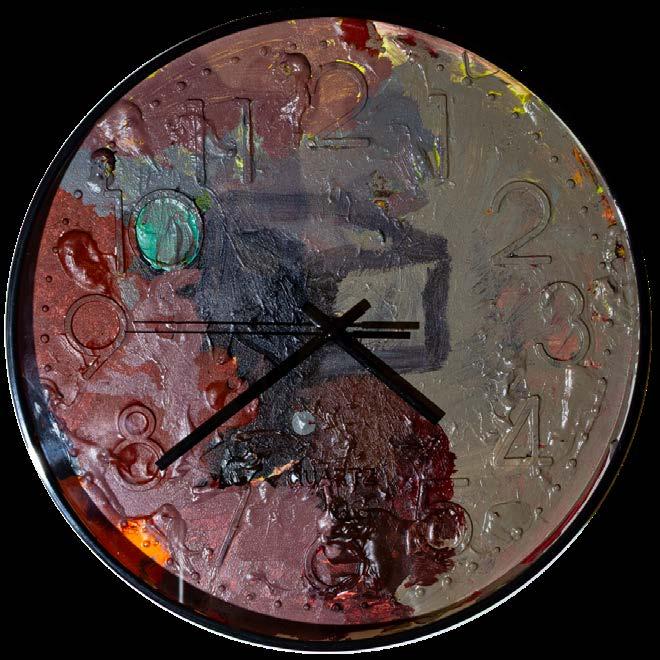
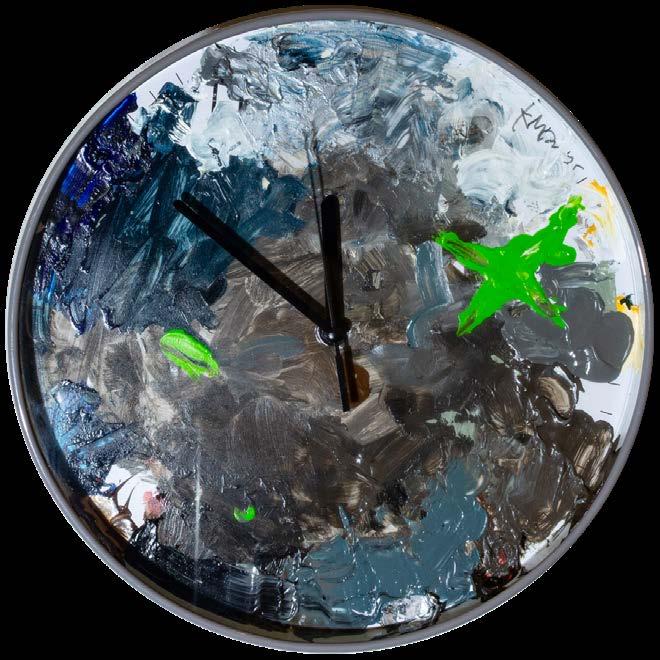
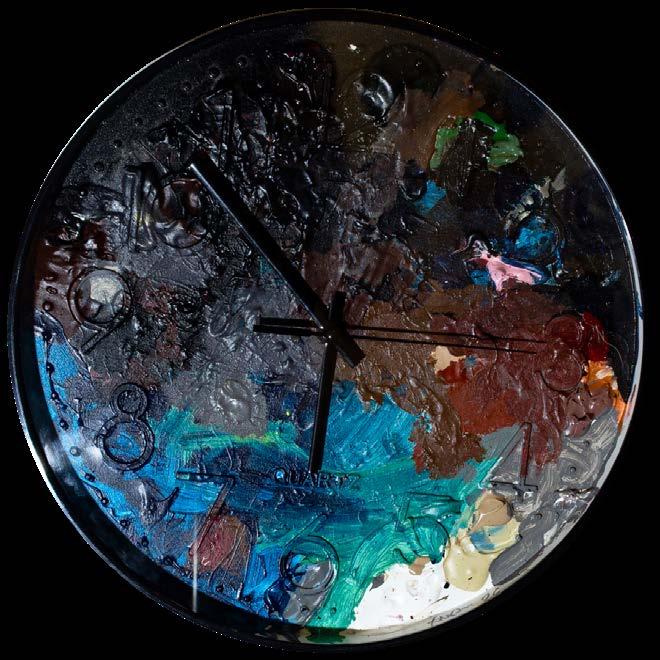
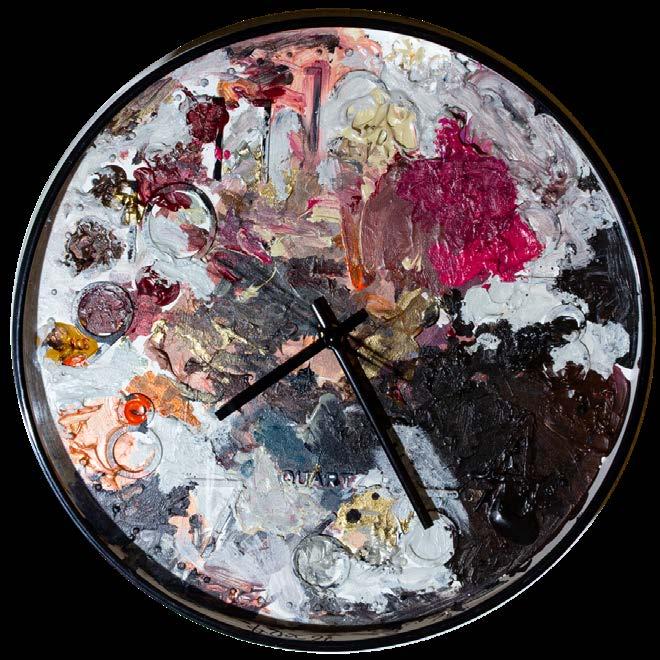
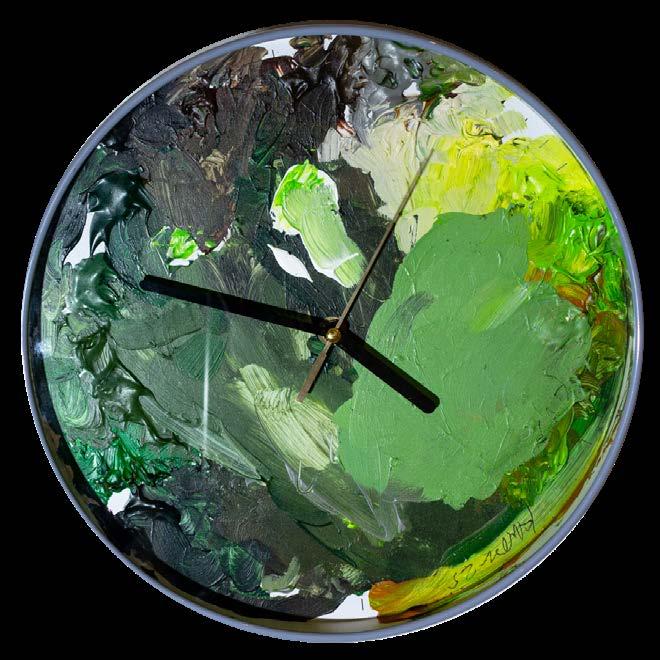
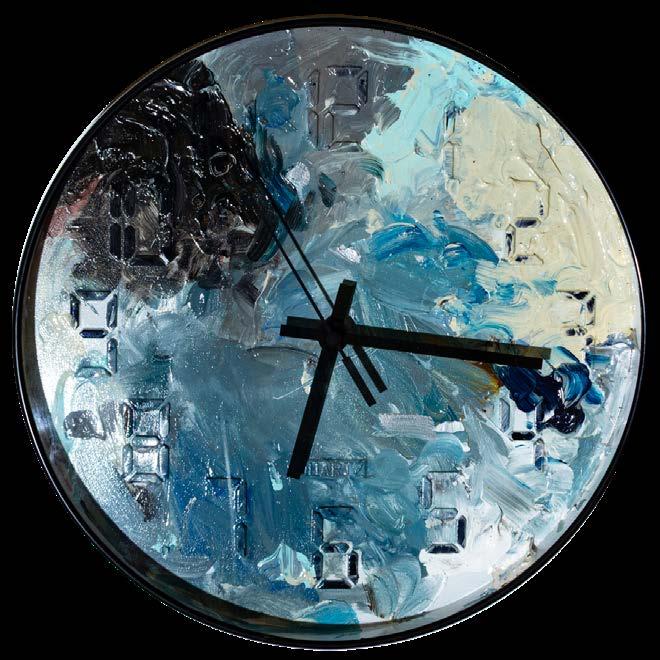
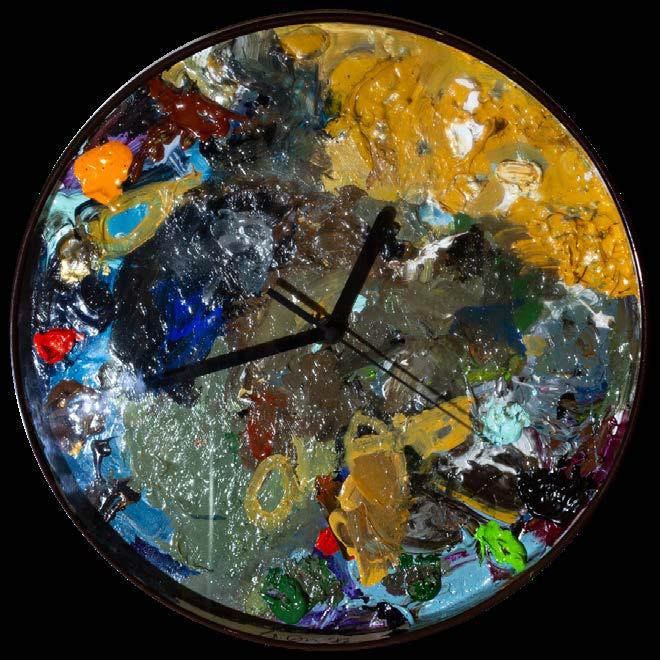
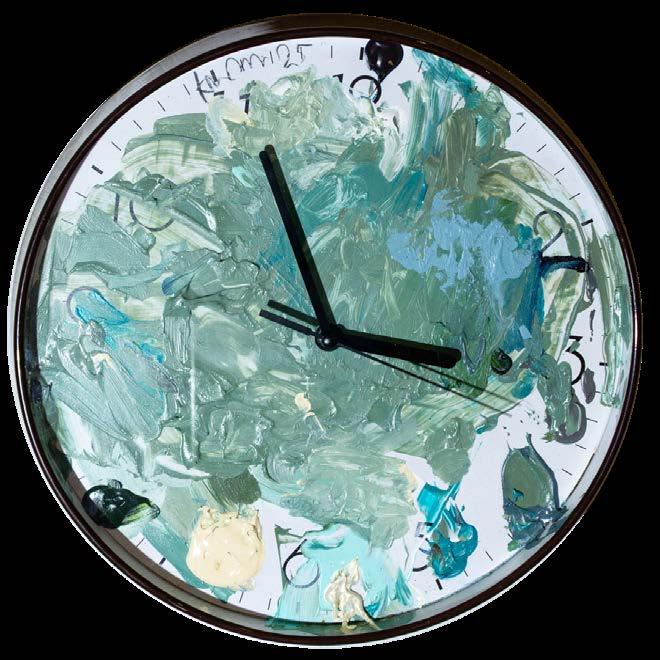
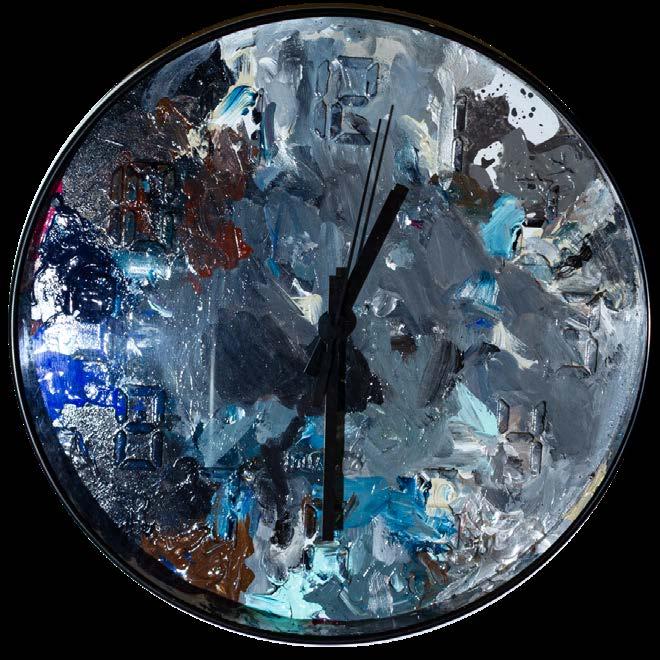
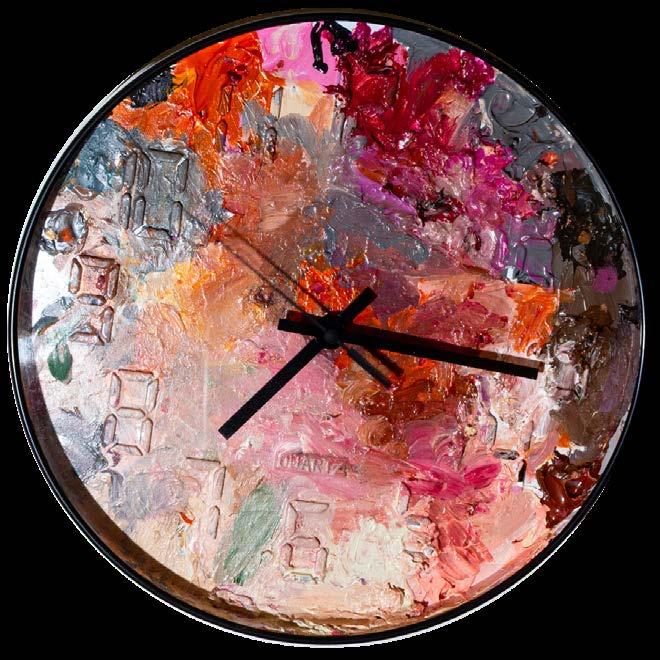
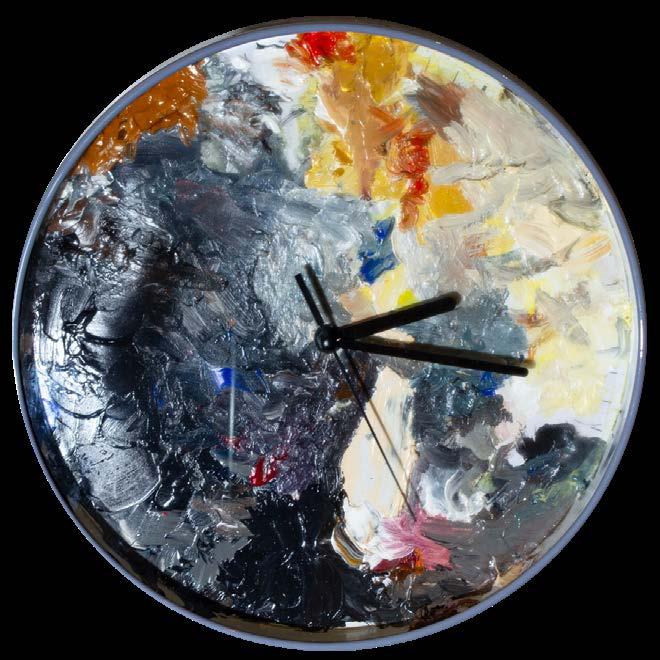
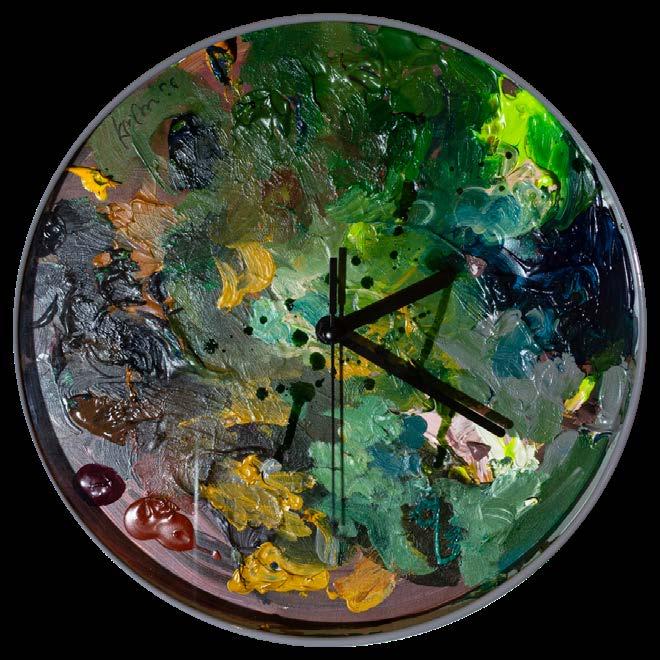
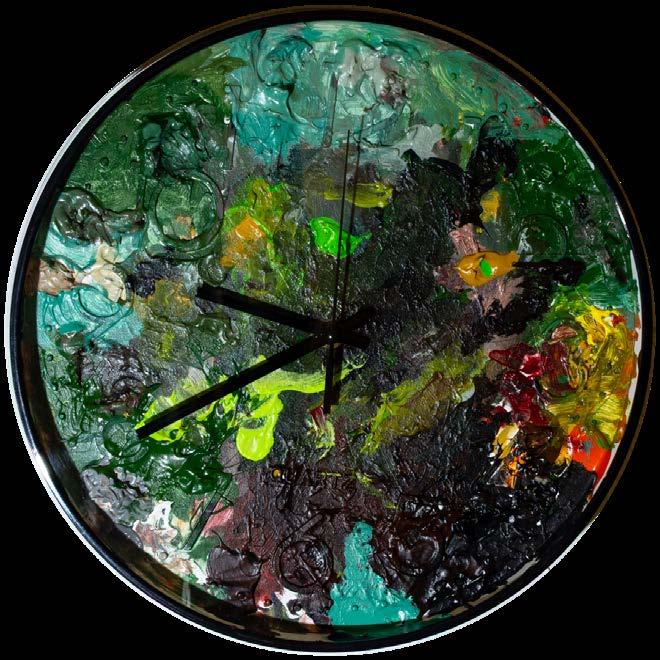
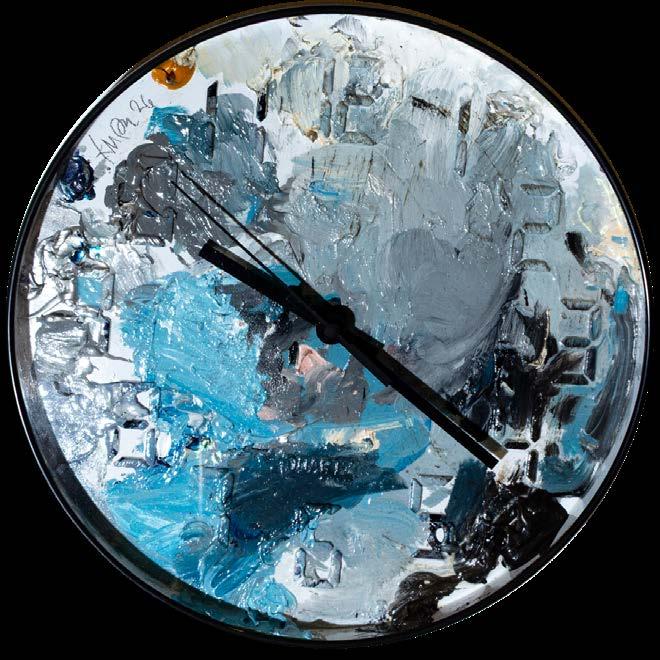
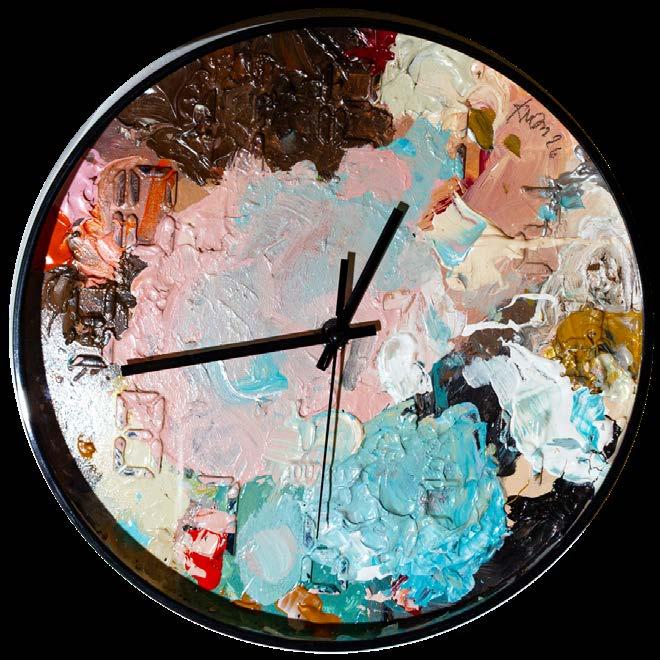
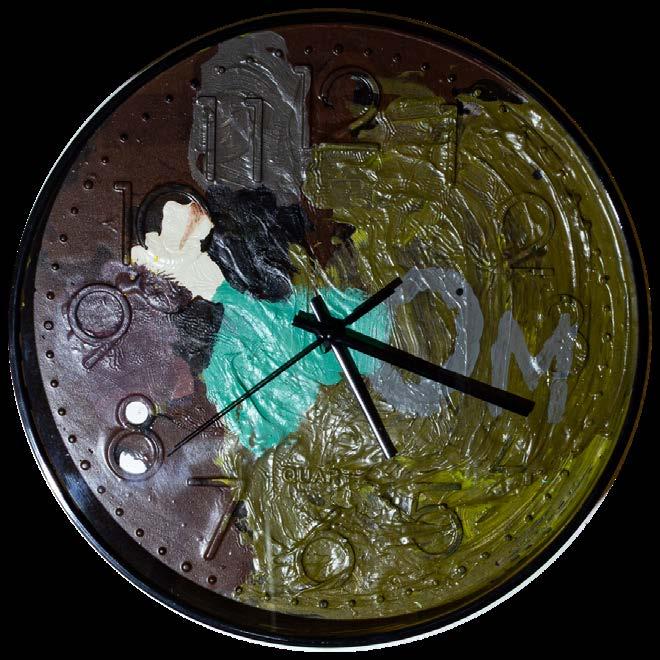
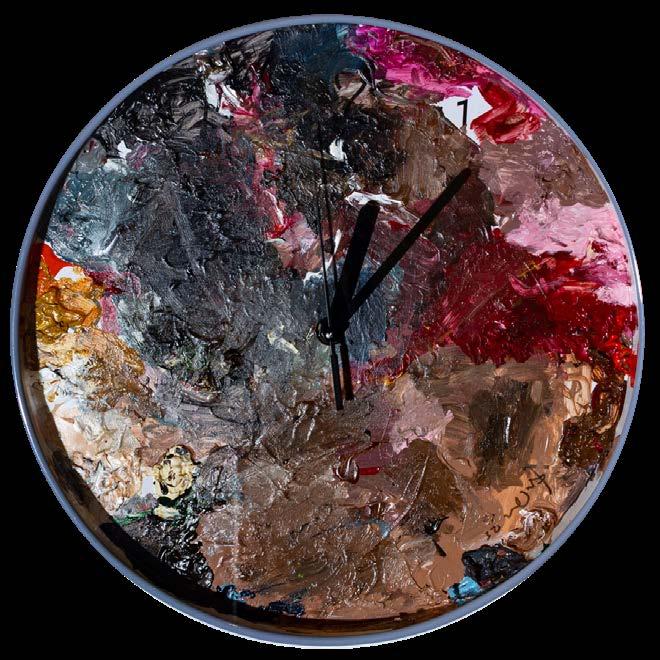
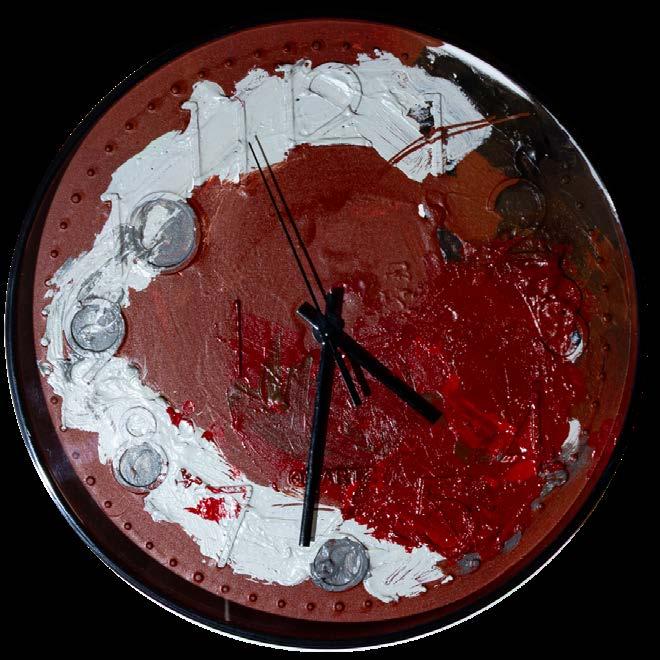
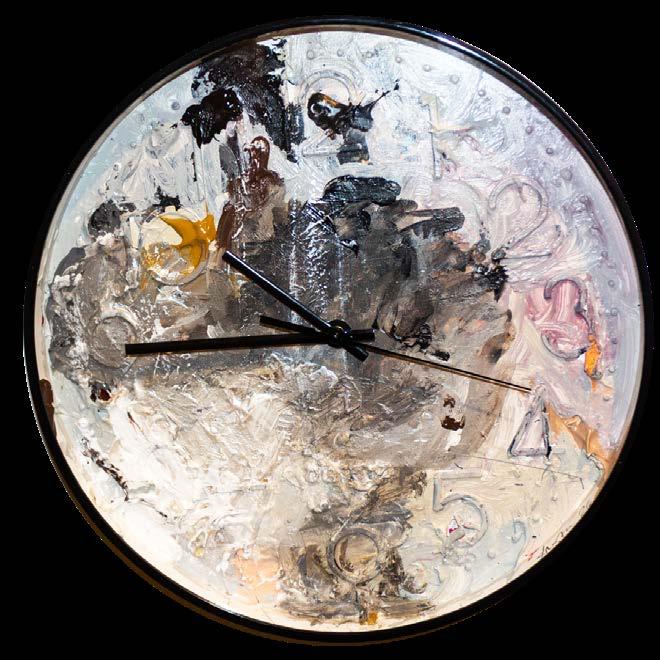
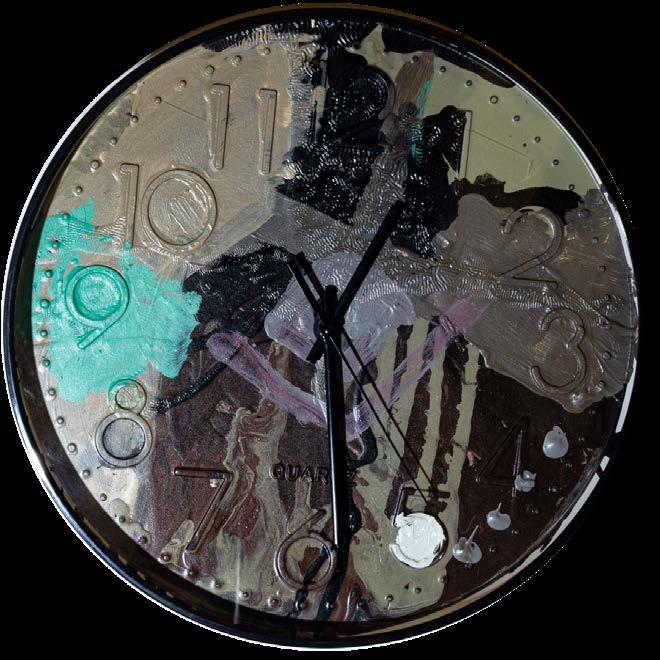
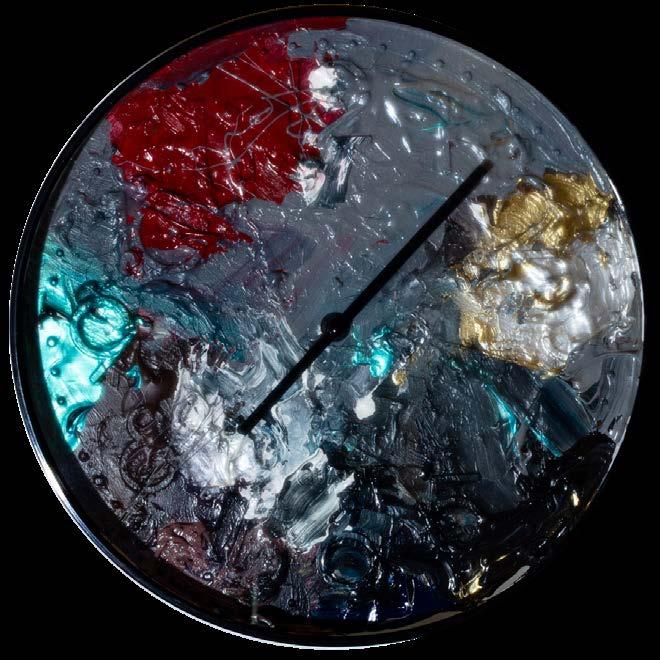
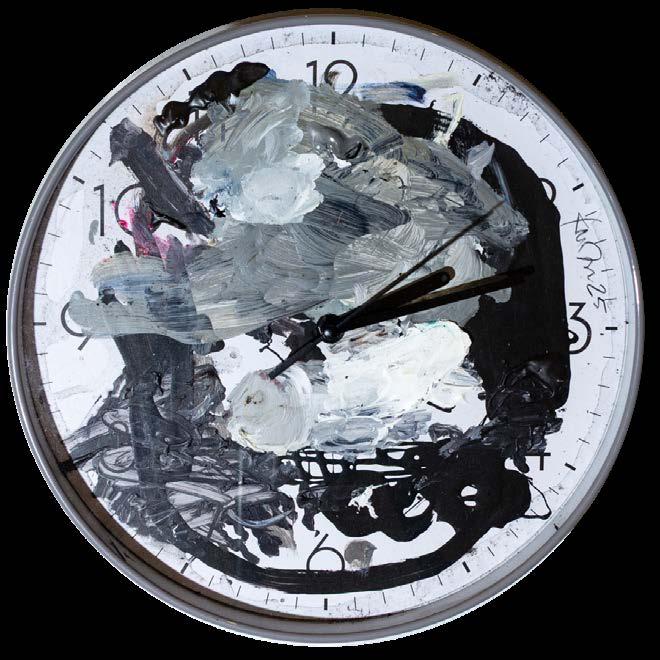
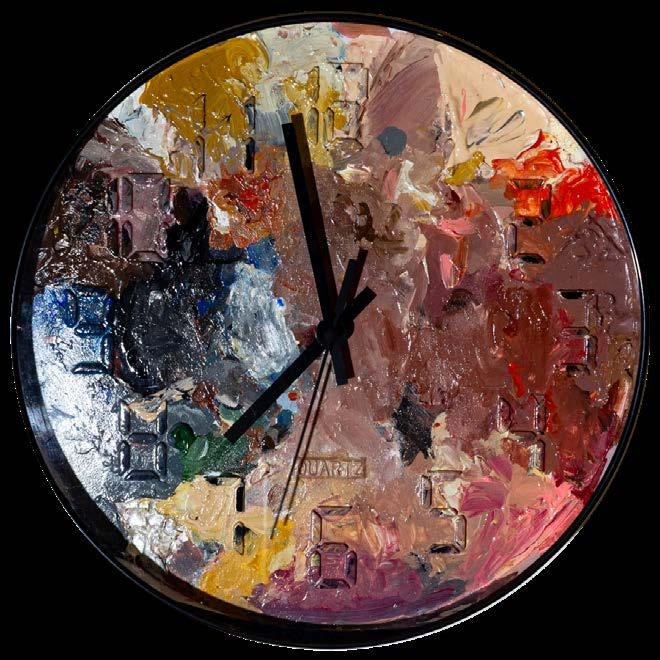
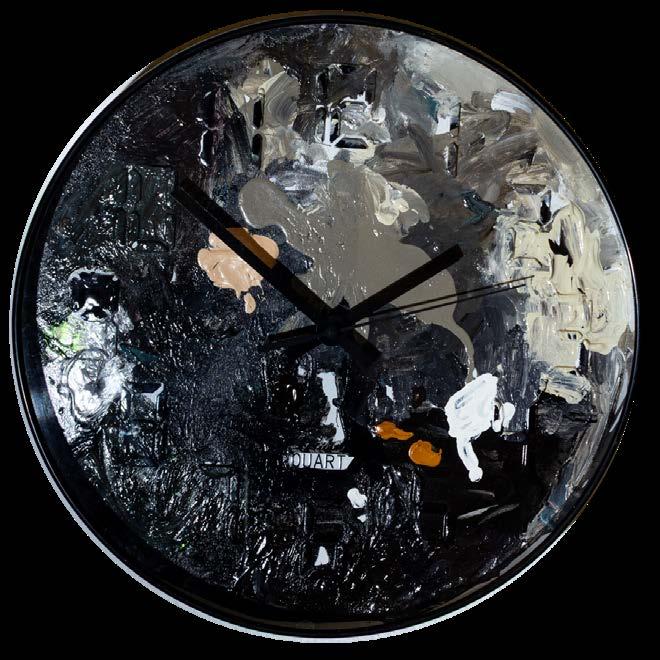
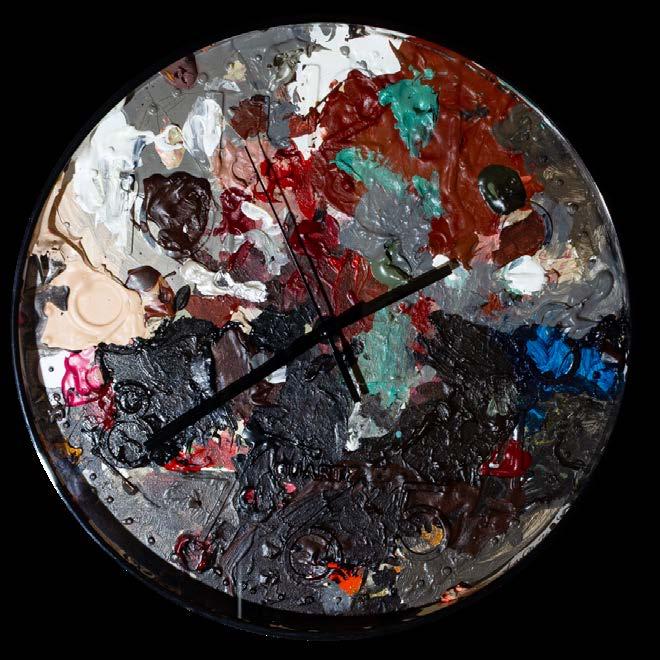
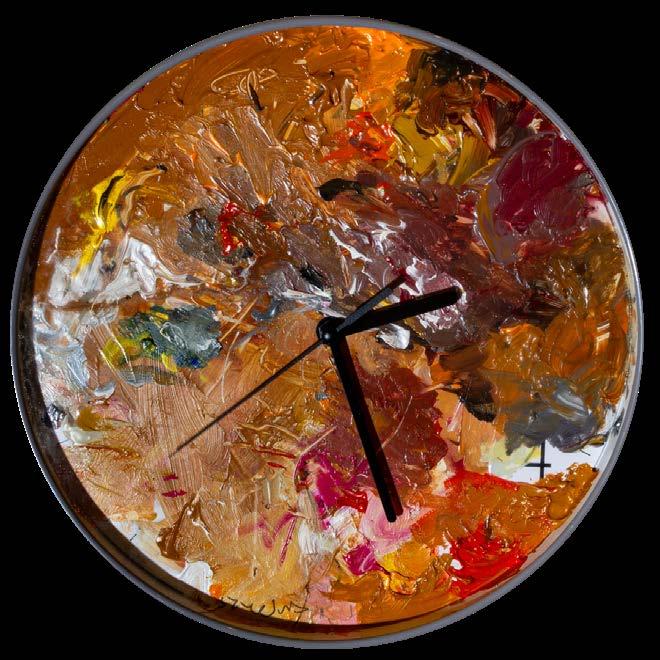
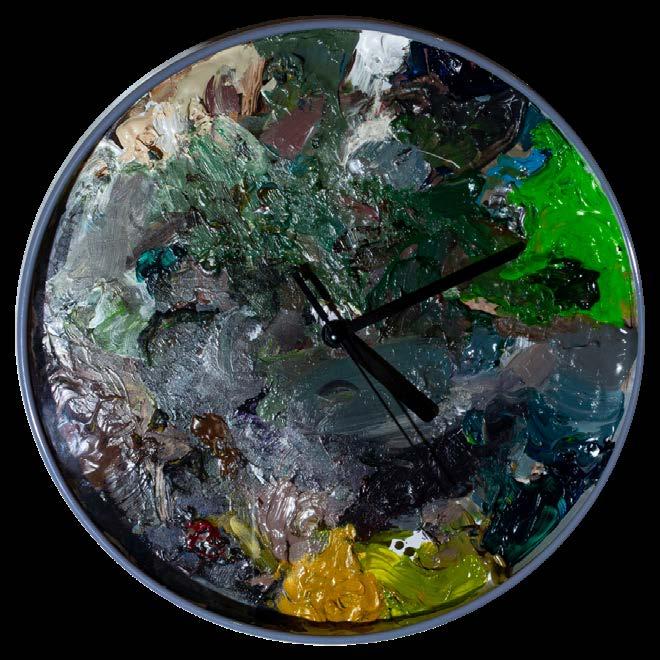
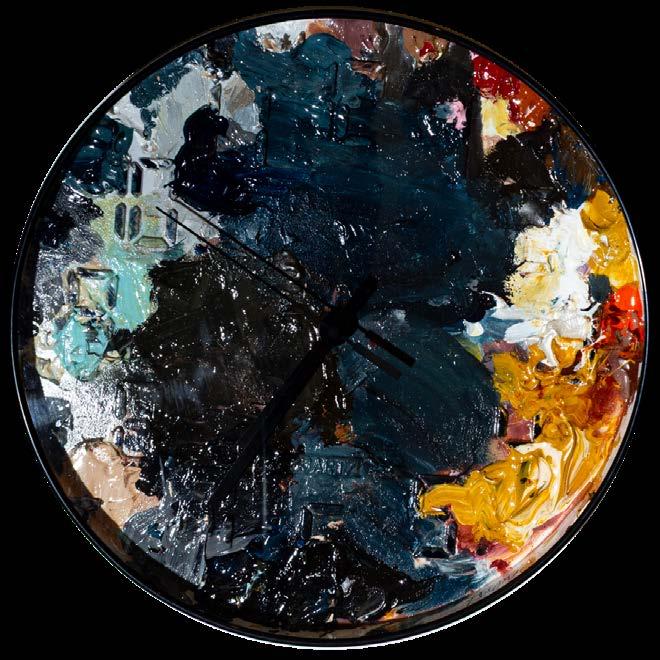
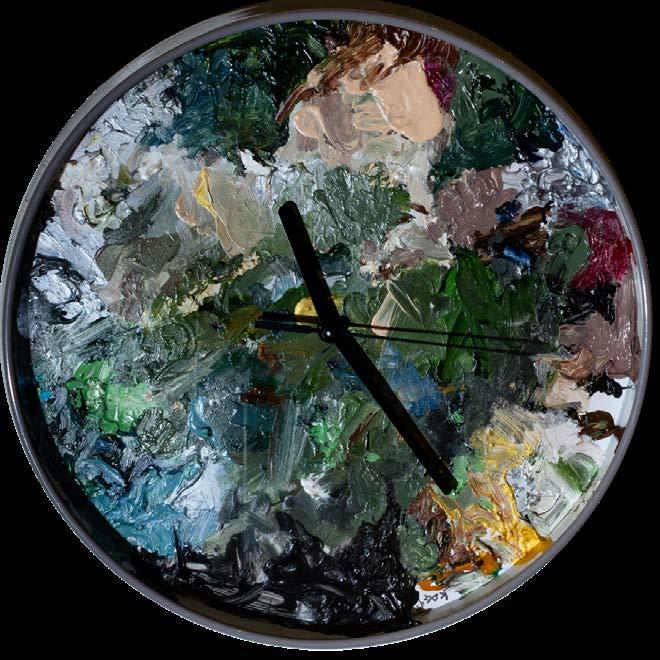
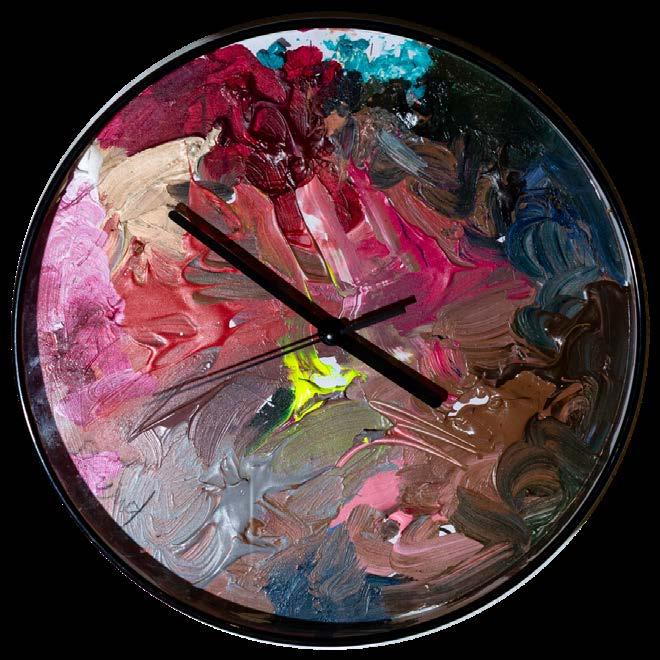
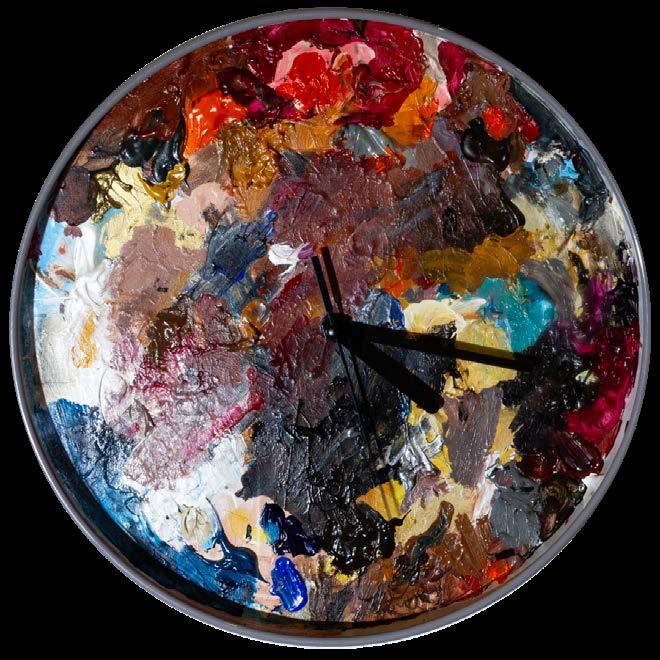
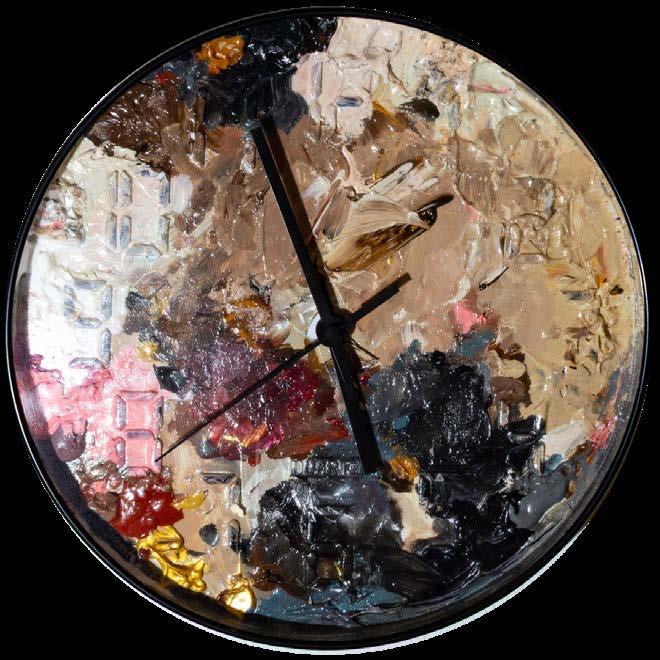
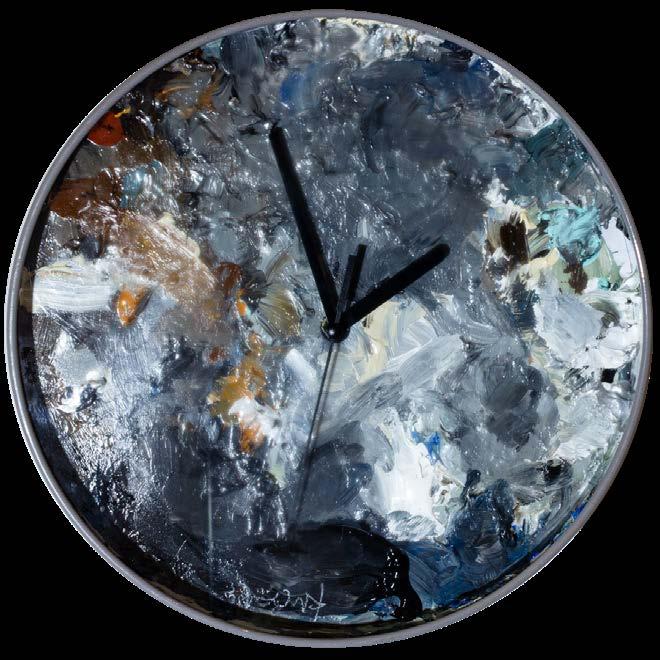
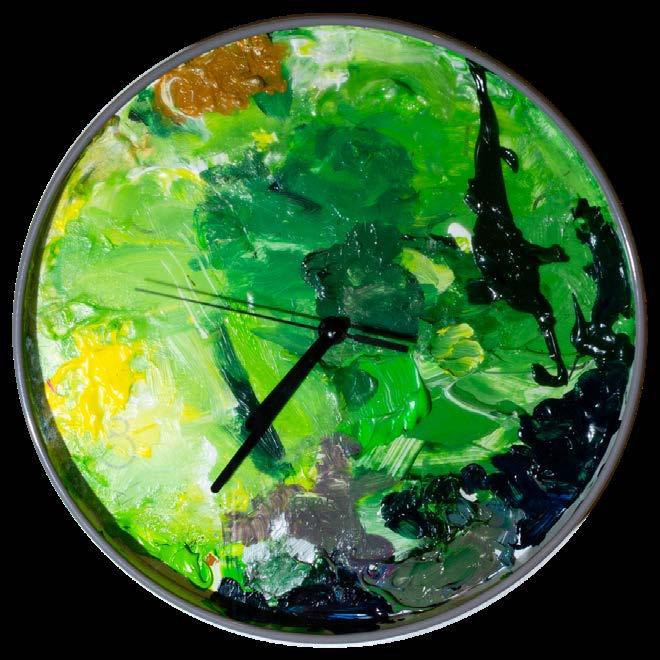
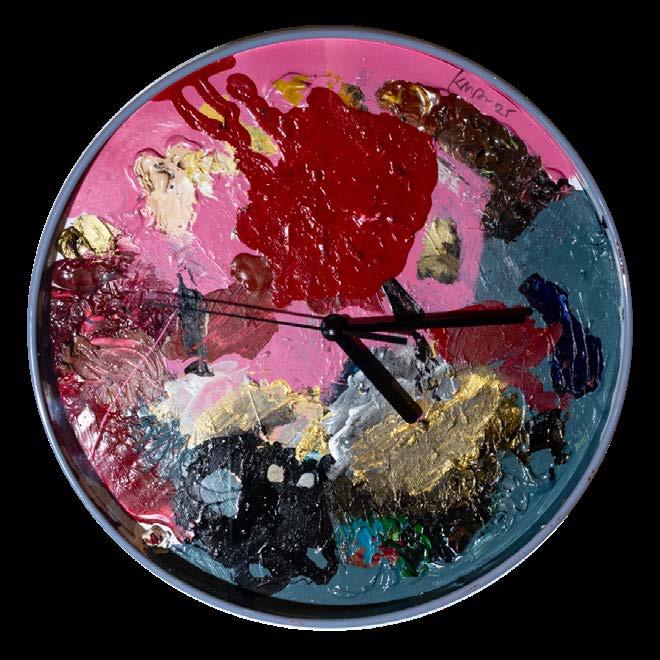
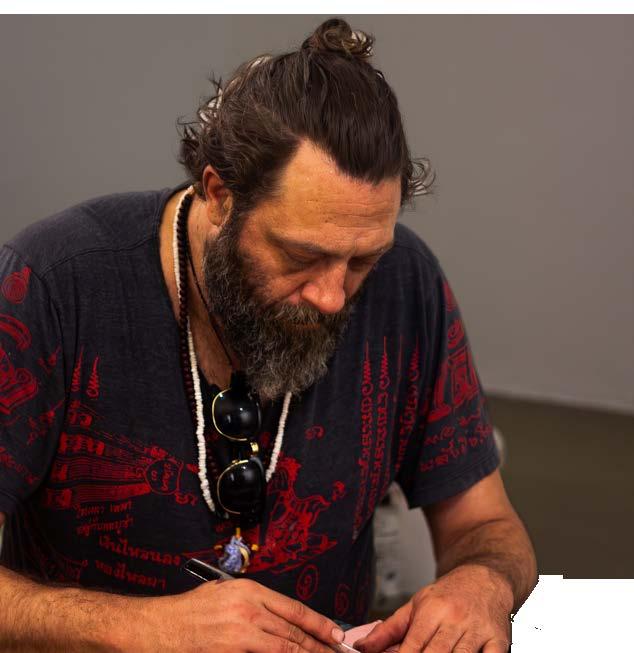
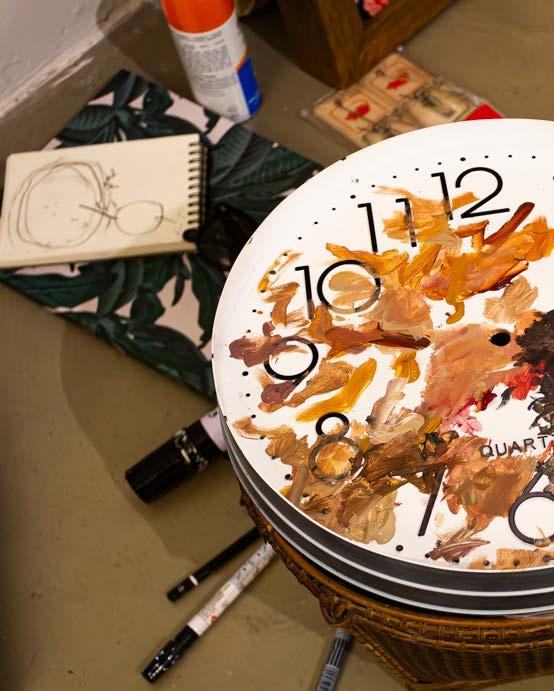
“The clocks served as Kawayan’s palettes when painting his works for his forthcoming show at Silverlens Gallery N.Y.”
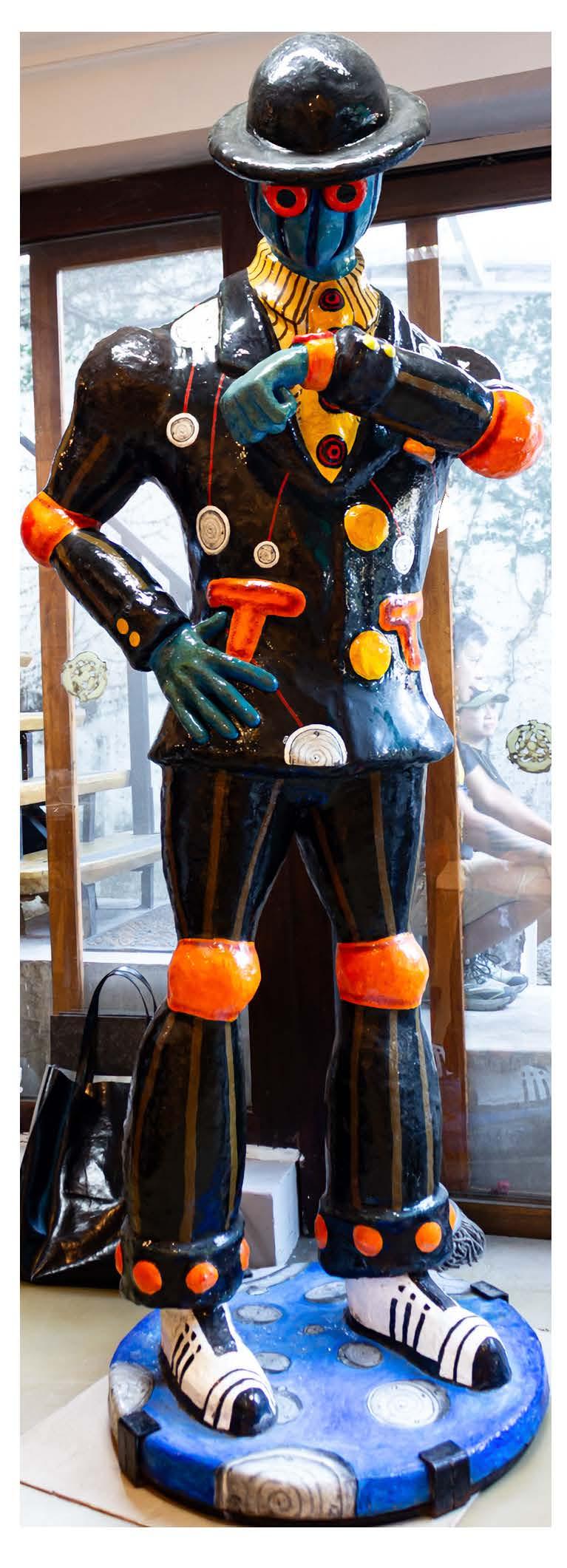
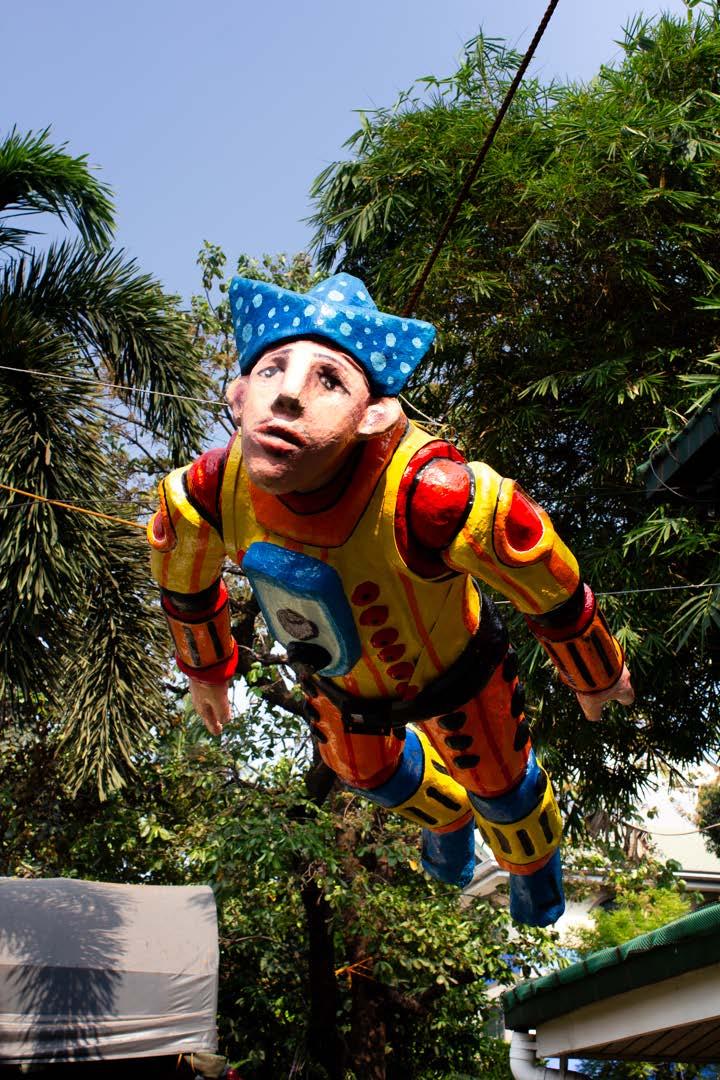
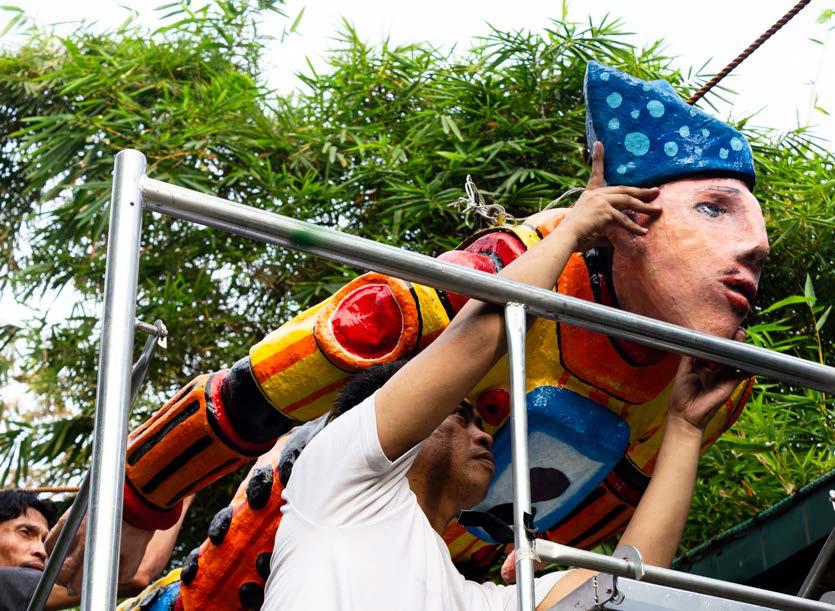
Soaring High I (2026). acrylic paint on fiberglass resin. 213.36 x 114.30 x 50.80 cm / 84.06 x 45.03 x 20.02 in.
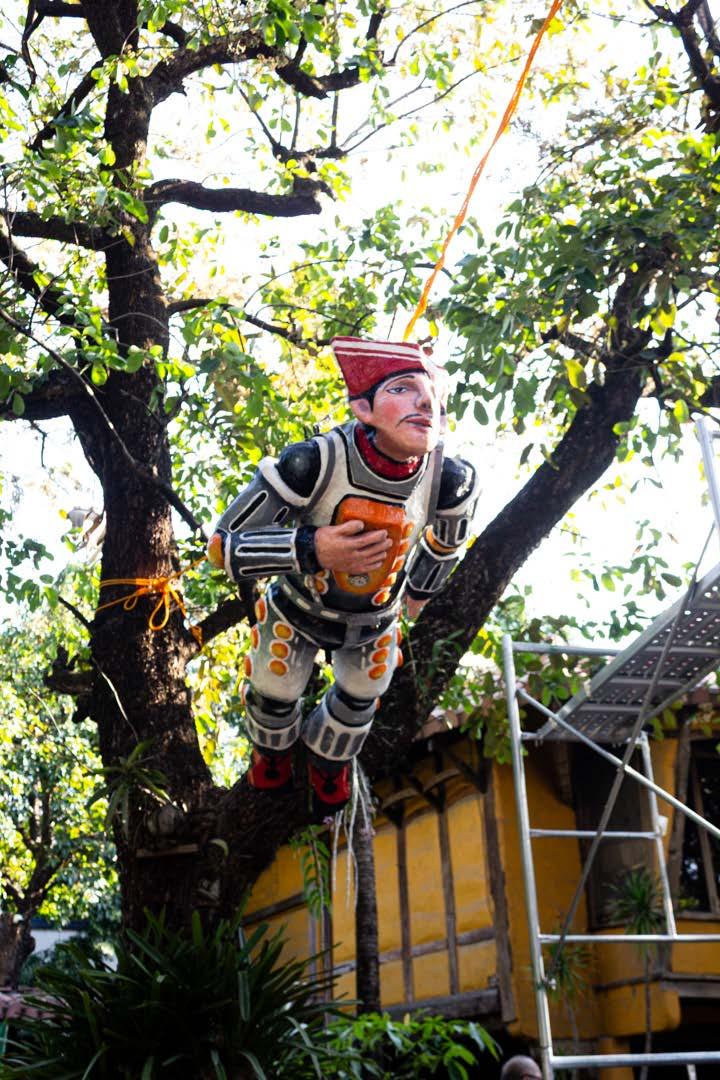
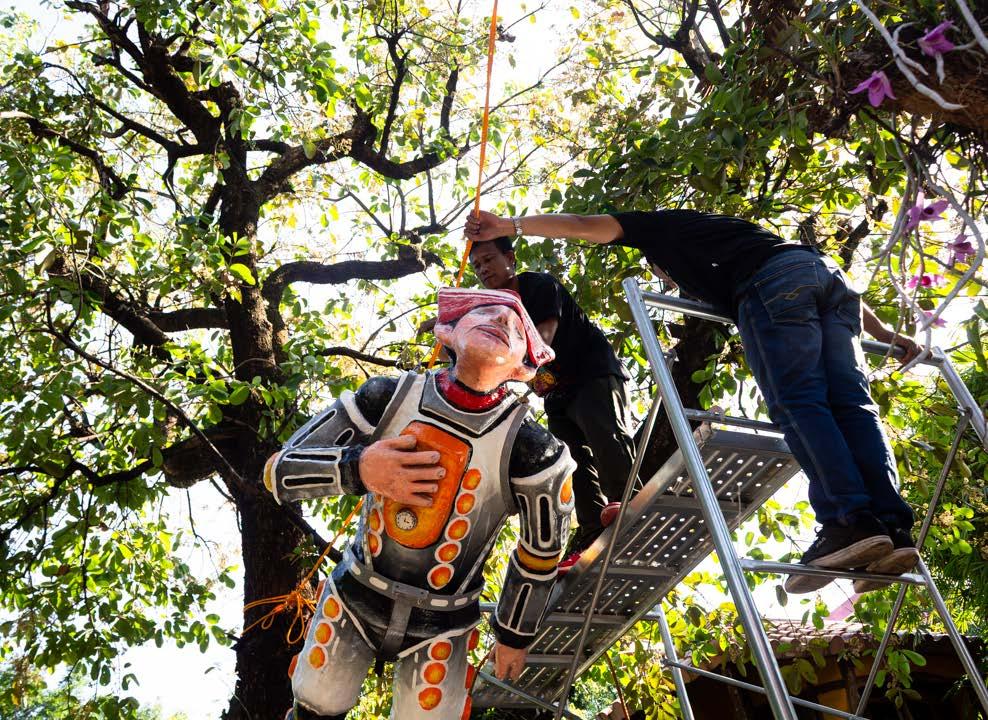
Man’s Time (2013). mixed media.
216.00 x 87.00 x 85.00 cm / 85.10 x 34.28 x 33.49 in.
“50 years of stories 50 years of heartaches 50 years of triumph...
You know that says a lot about a person. Her dedication. Her love for the arts. Her love for Filipino artists. Her dedication to humanity.”
“All we need in the world is a few people who would believe in your journey as an artist and really believe that it means years—years of following up, years of talking, years of conversation, years of sharing ideas to the point that I know we are family. So Silvana is very close to my heart.”
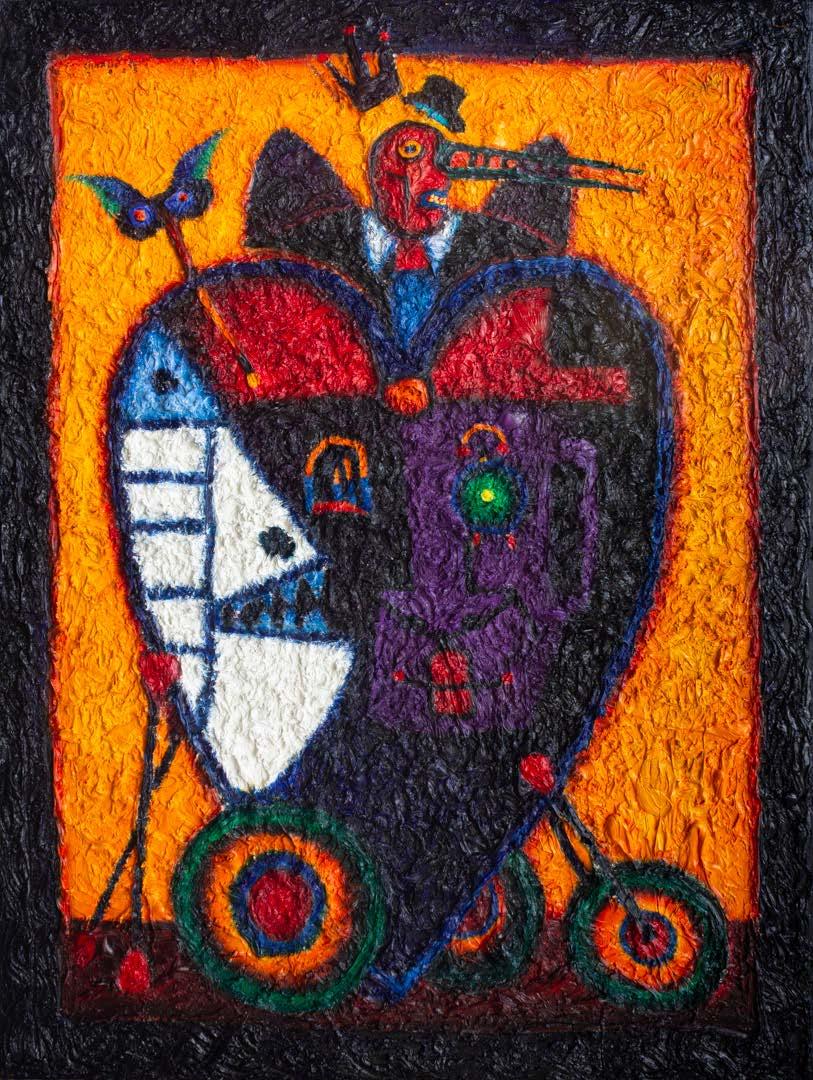
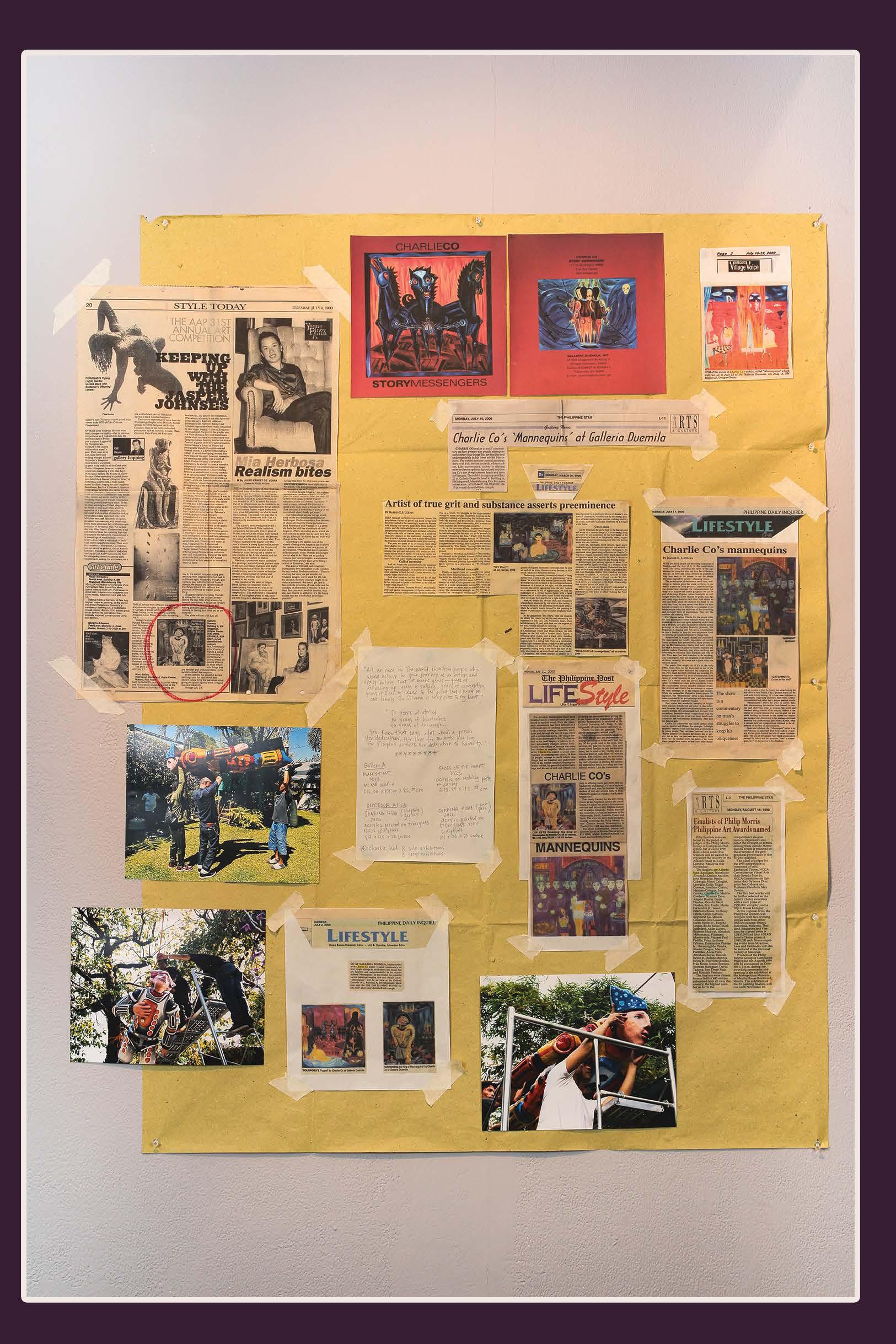
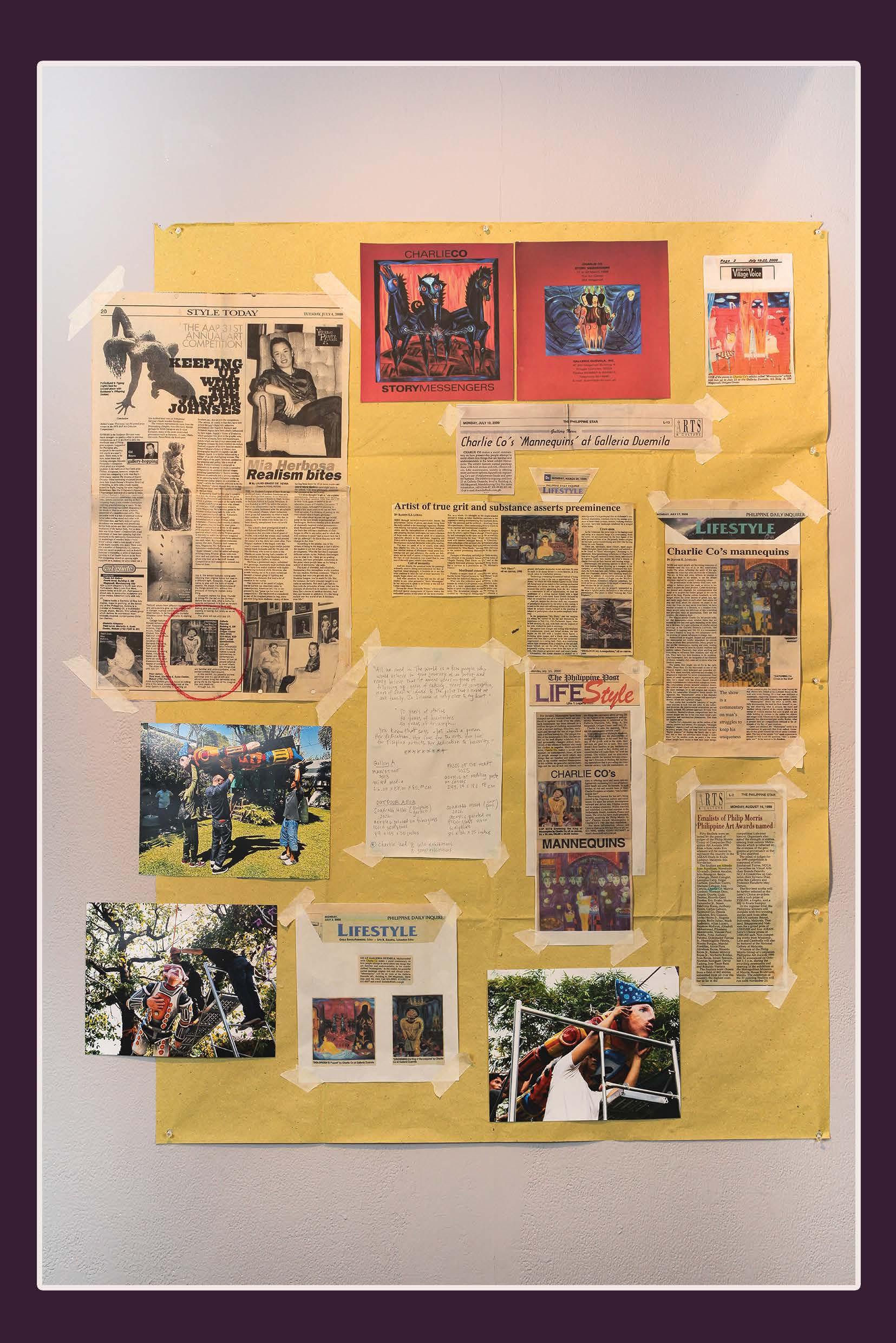
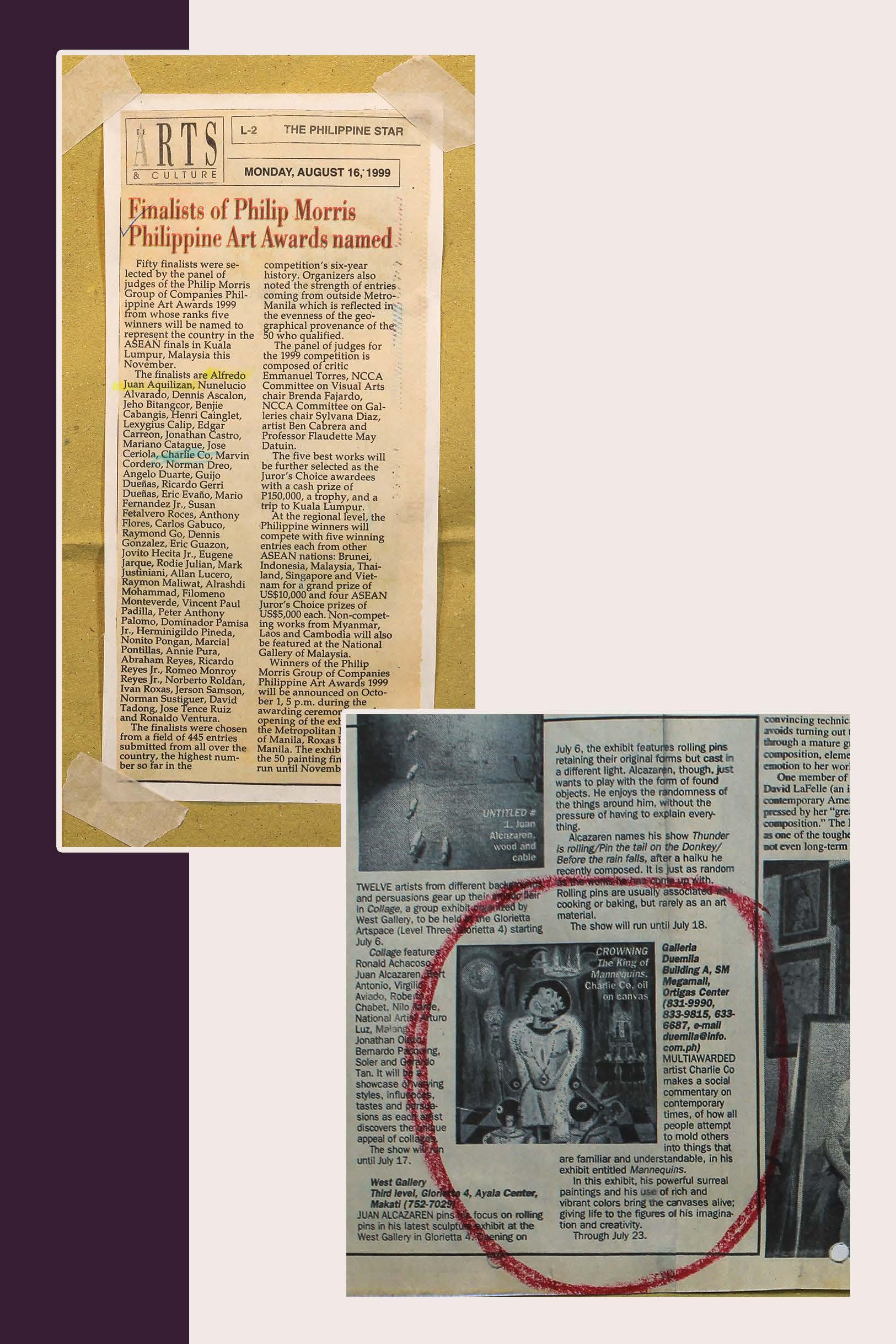
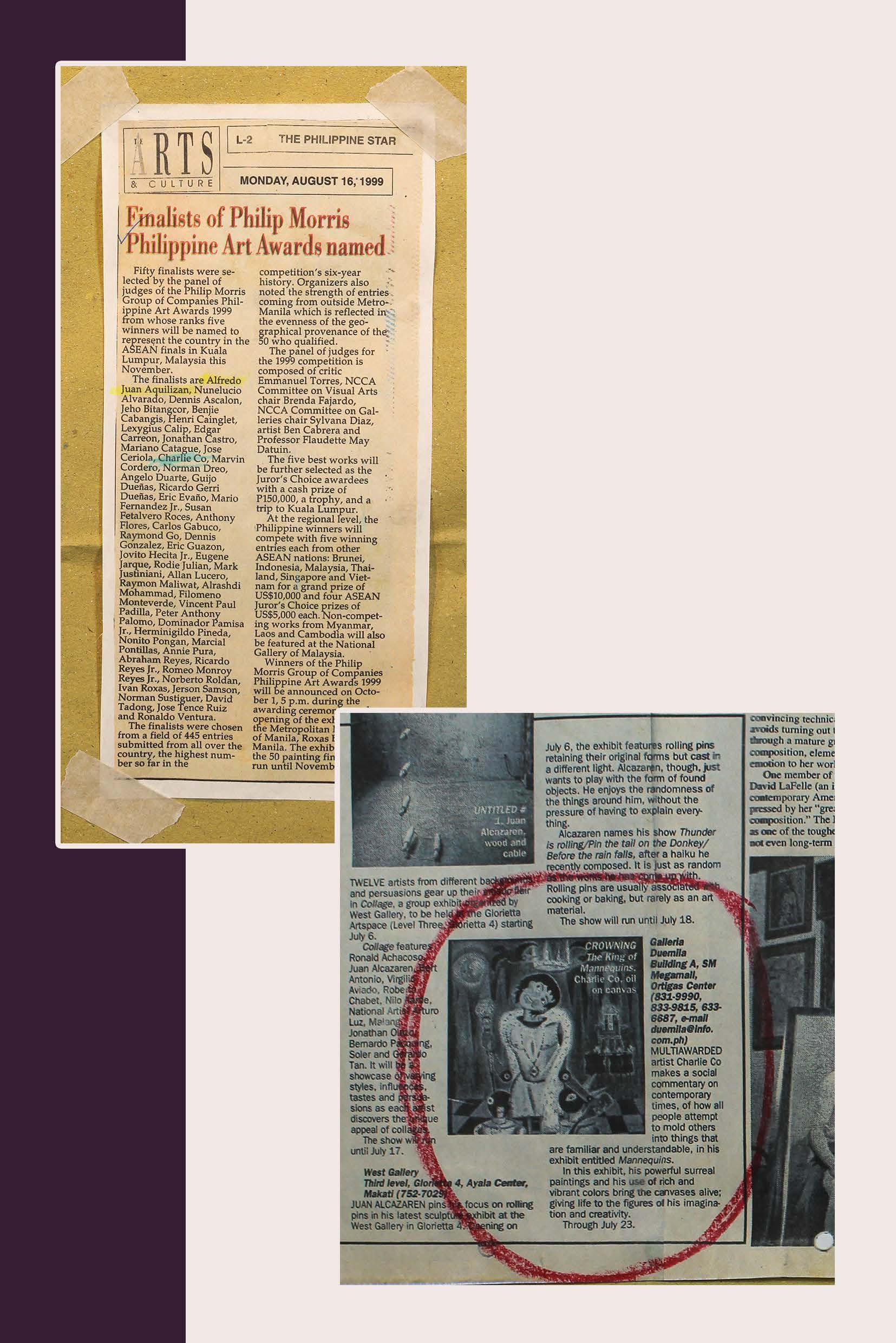
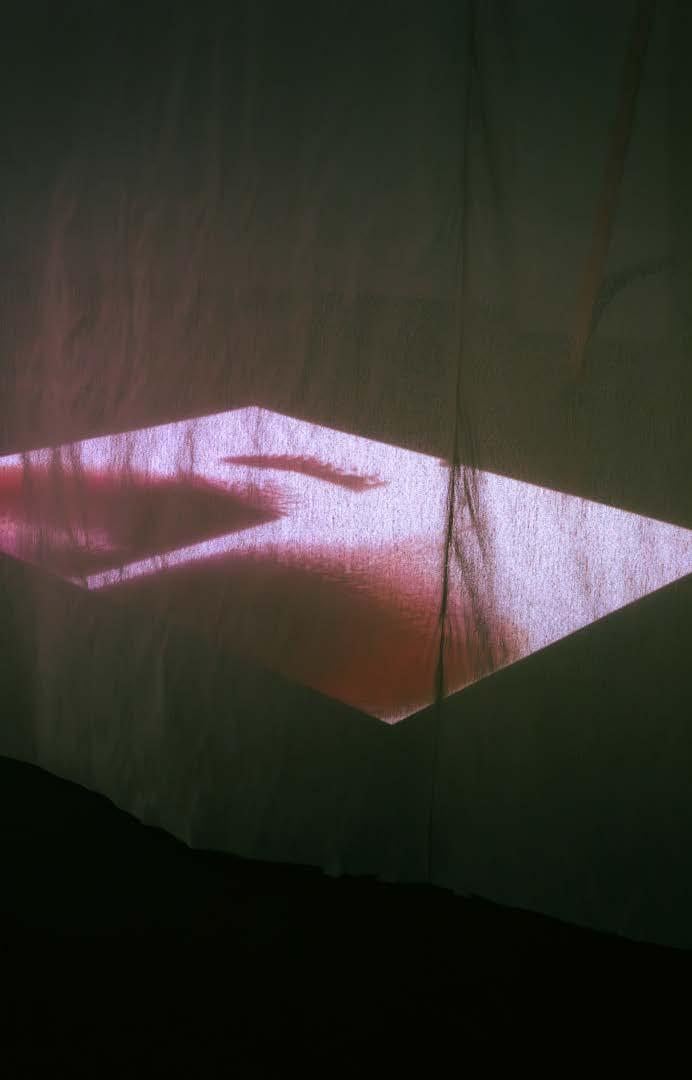
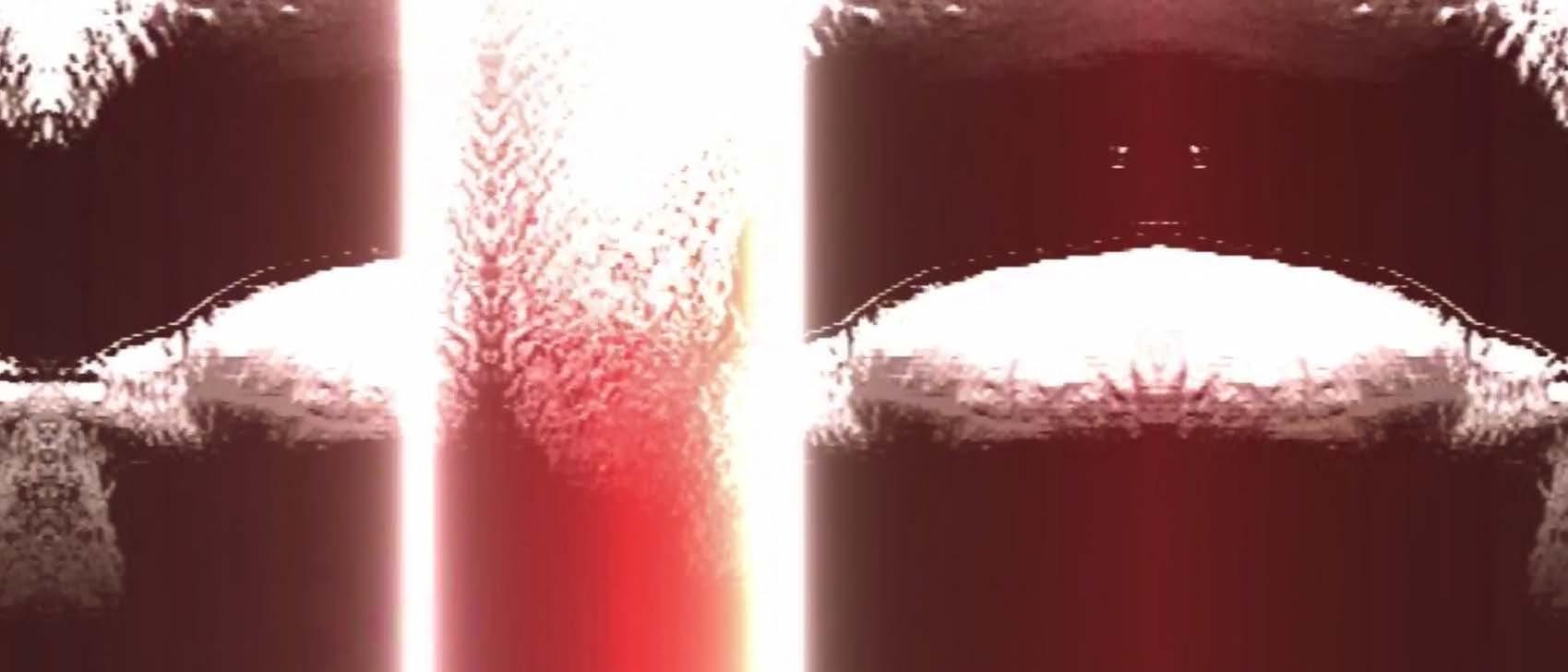
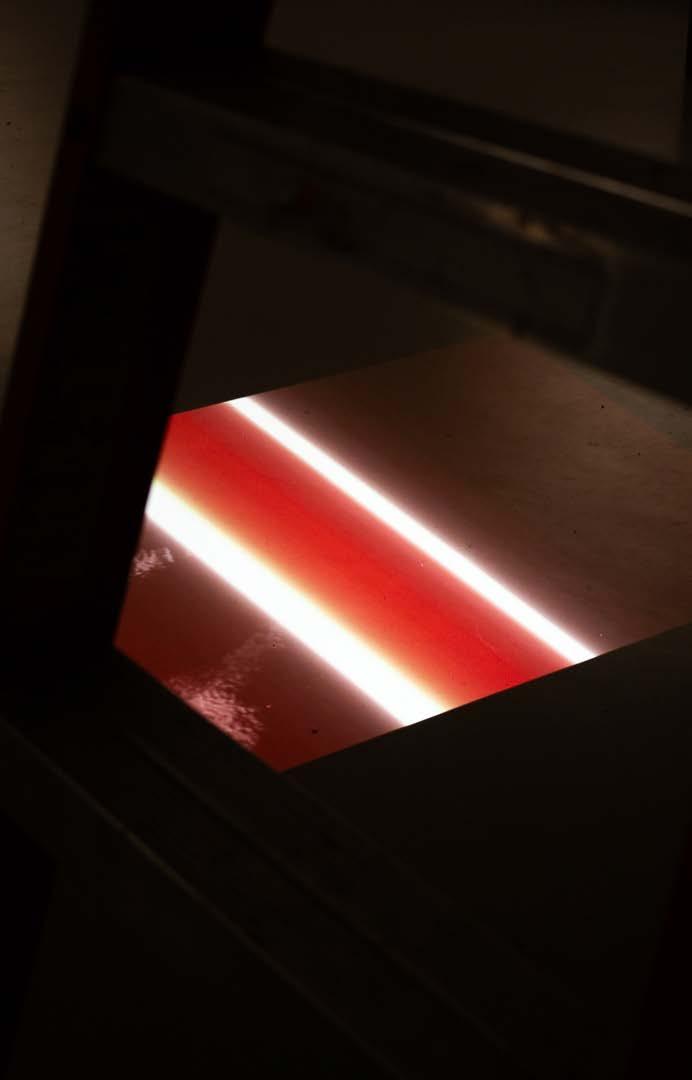
Contemplari: Revisiting Escabeche (2026). video installation. 21 minutes and 43 seconds.
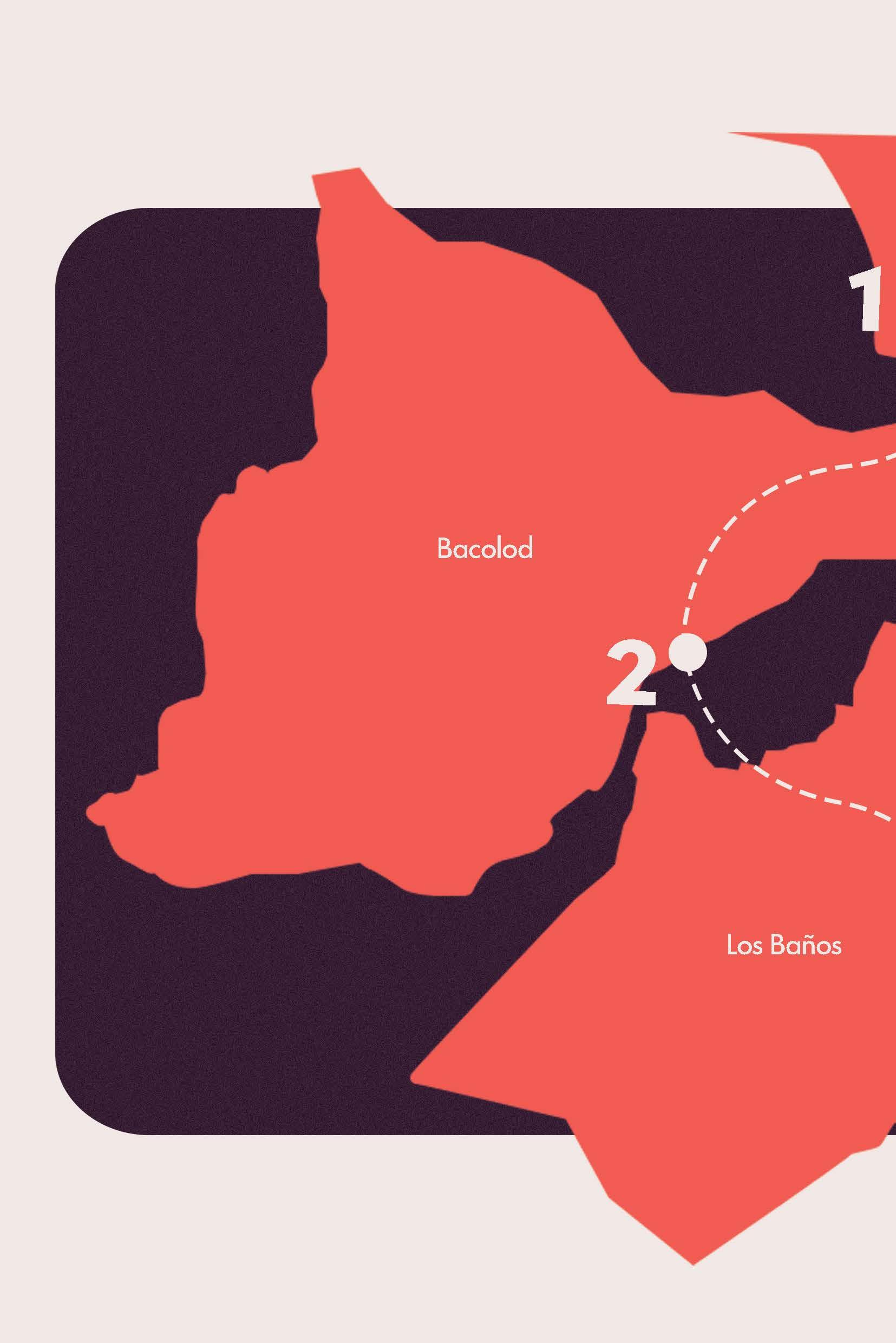
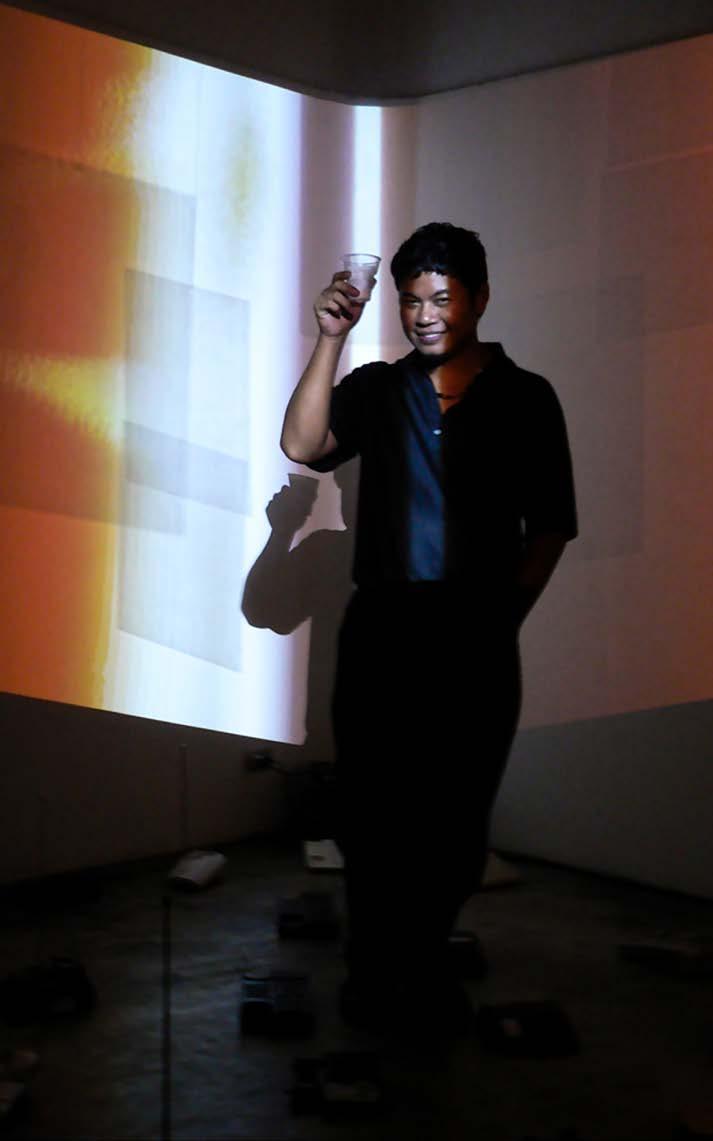
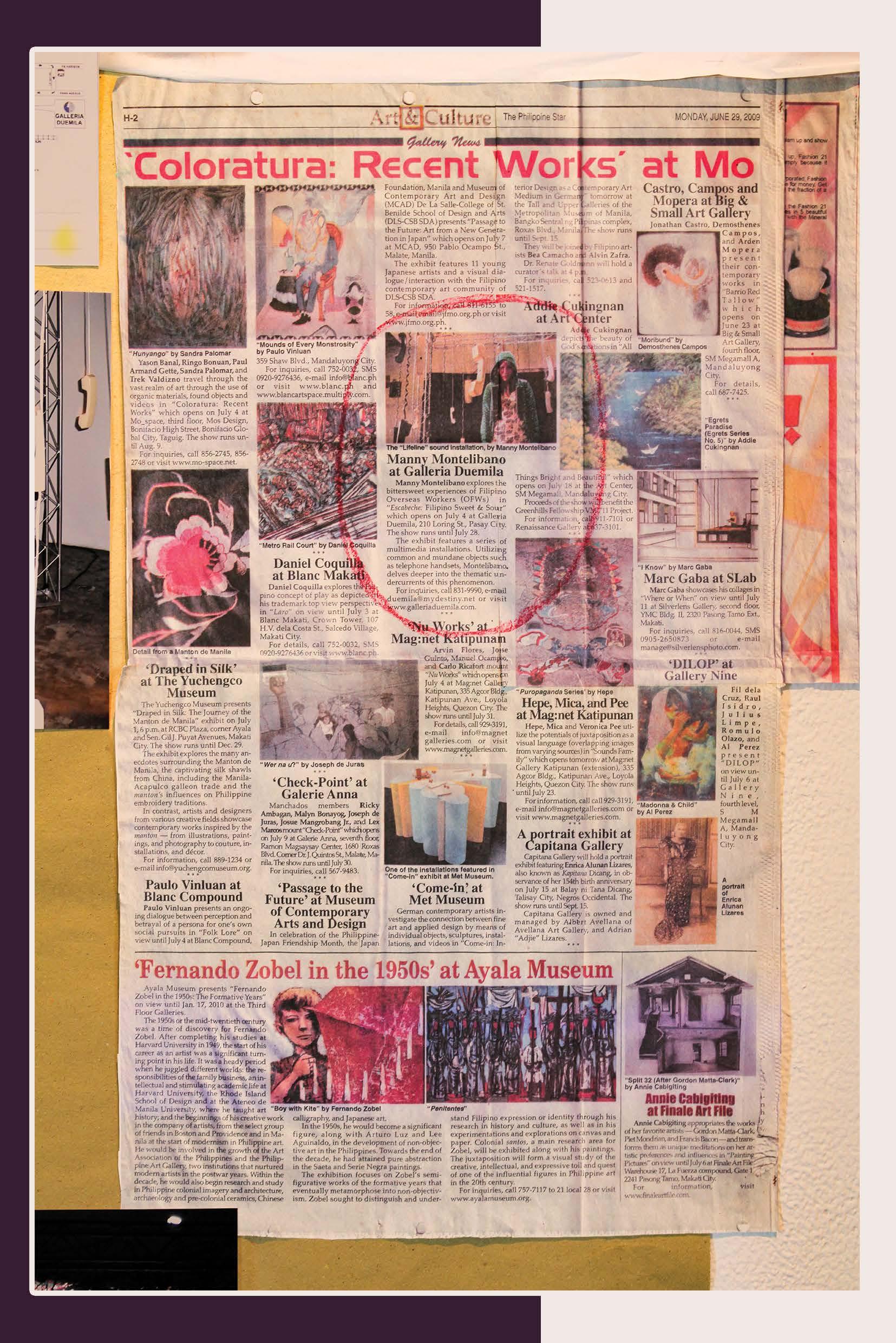
“I first met Silvana in Bacolod with Charlie in the late 1990s. The first time I exhibited in Manila was with Galleria Duemila in 2009. It was also the first time the gallery exhibited a video installation. The piece was called “Escabeche: Filipino Sweet & Sour.” The video installation created for “Negative Capability” is a recomposition of this piece that focused on the Filipino diaspora.
Silvana as long as I have known her is always very serious about what she is doing. She does a lot of research and she’s also very very exposed to the world of art. She’s quite generous, lending artists books, videos. She’s very active in the art scene and knows what she wants.”

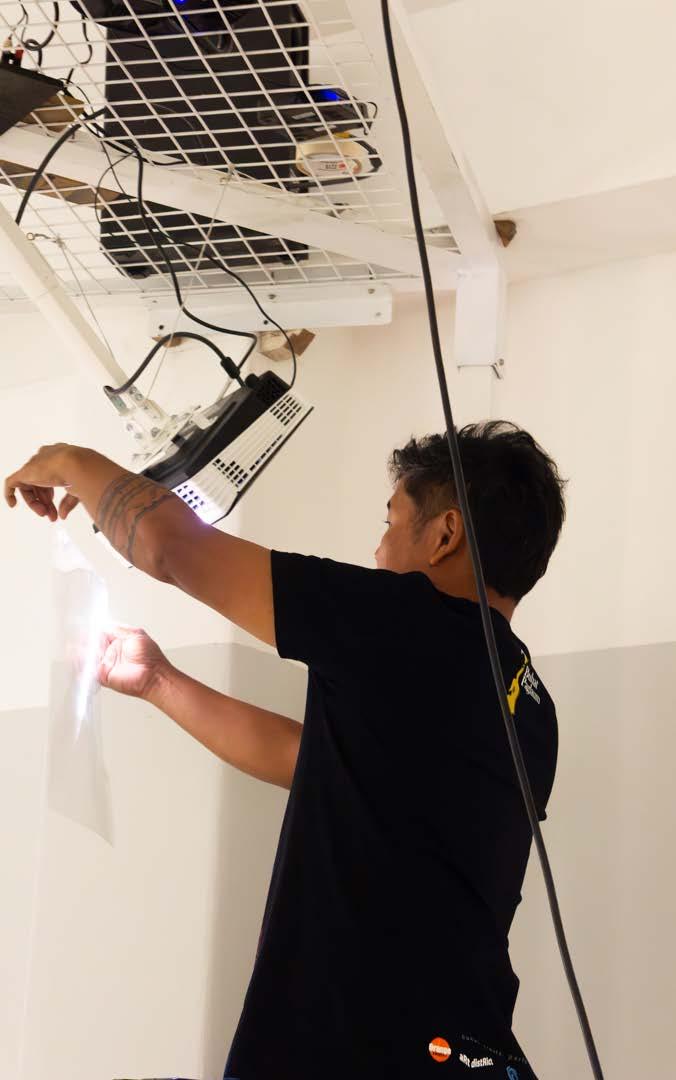
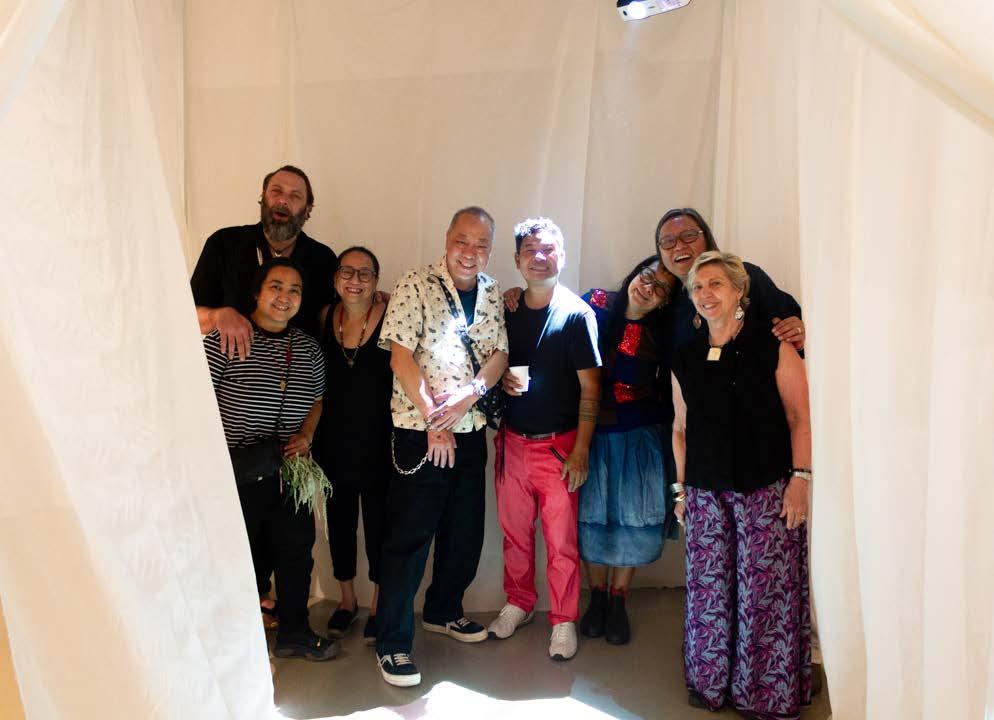
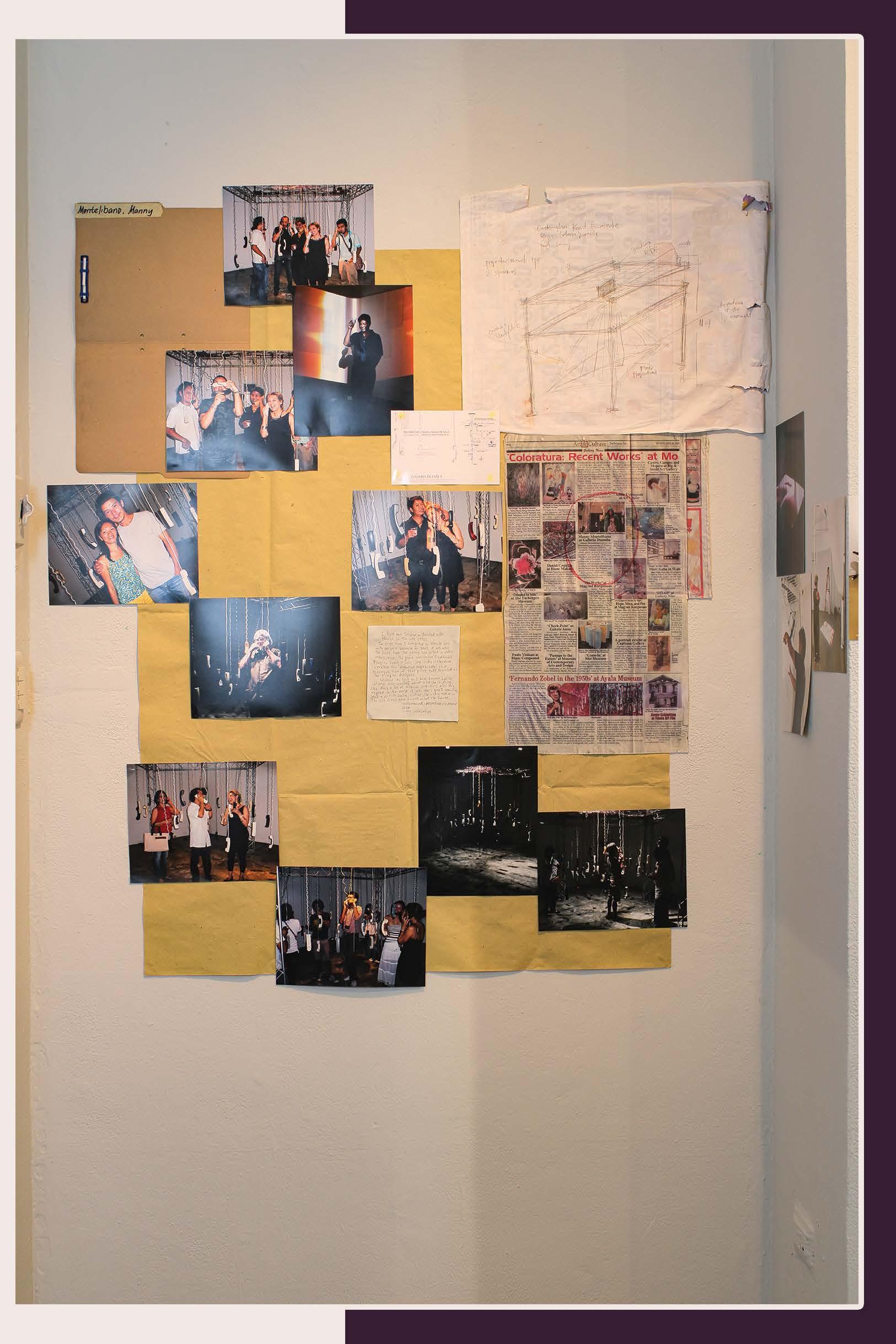
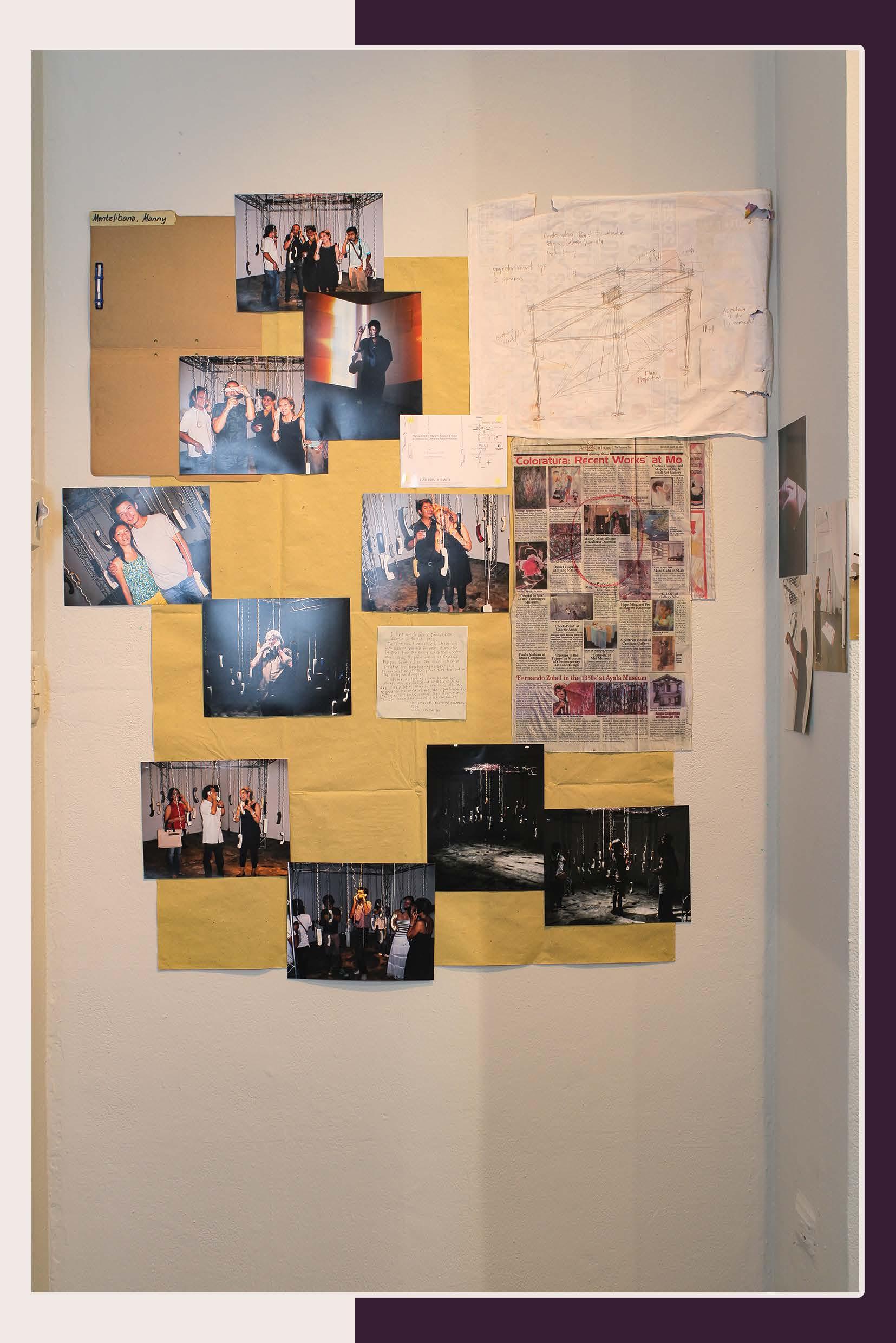
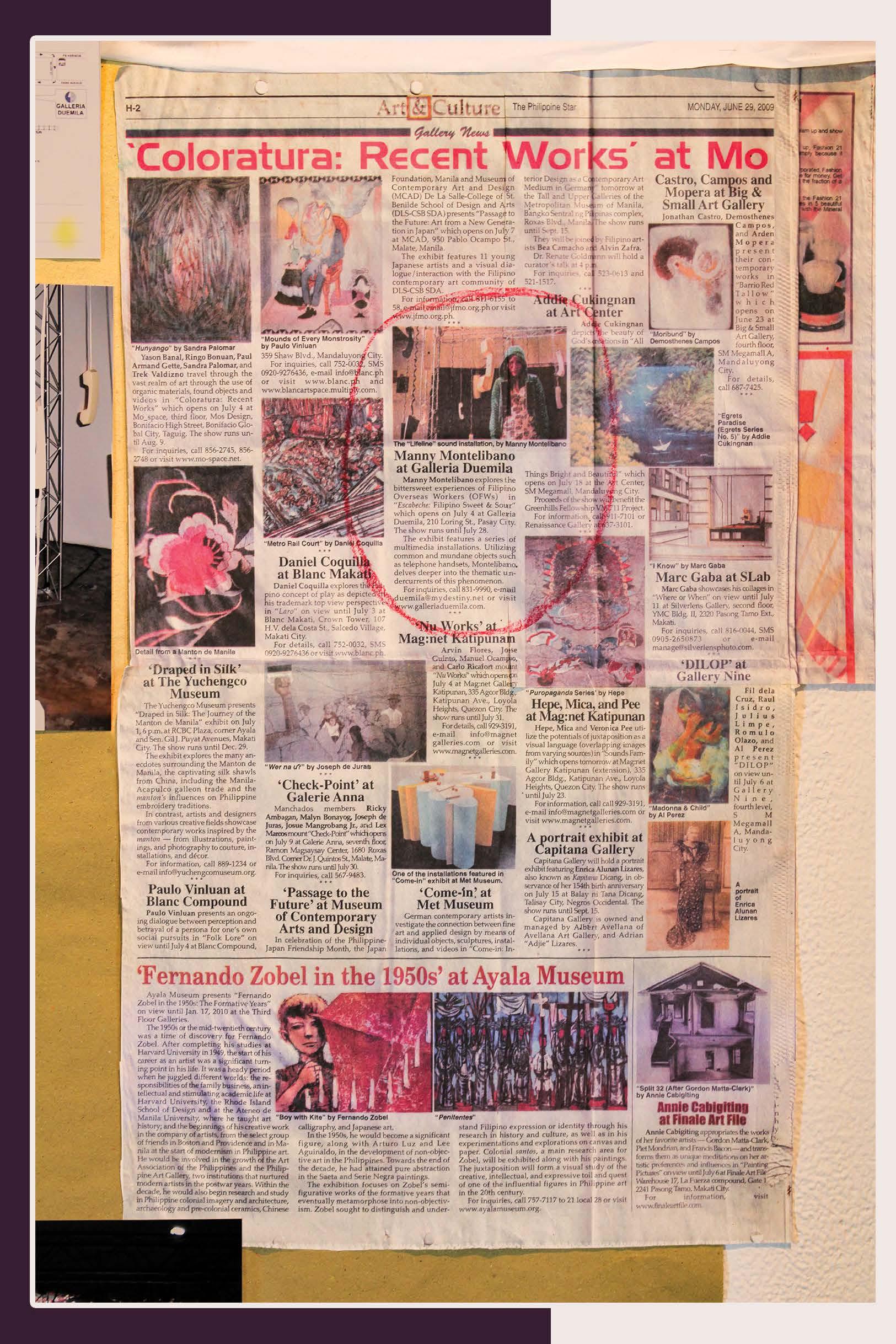
My friendship with Silvana spans nearly four decades, and our professional collaboration has unfolded over the past eighteen years—marked by trust, argument, laughter, shared conviction, and the slow, steady weaving of a life in the arts. Since August 2024, I have been working on Galleria Duemila’s 50th anniversary publication, Avanti Sempre Avanti / Forward Always Forward, scheduled for release in late 2026. Alongside this, I have been consulting on and curating three anniversary exhibitions—Avanti Sempre Avanti / Forward Always Forward, ALT ART 2026, and this one.
Out of this long companionship and the simultaneous labor of assembling an institutional history, the desire emerged to create Negative Capability as part of a broader Galleria Duemila / Silvana Ancellotti-Diaz continuum—a labyrinth with many entrances, where process and history echo through one another. It felt important not simply to acknowledge these interconnections but to let them shape the exhibition itself, and to allow it to speak to and through the other anniversary projects.
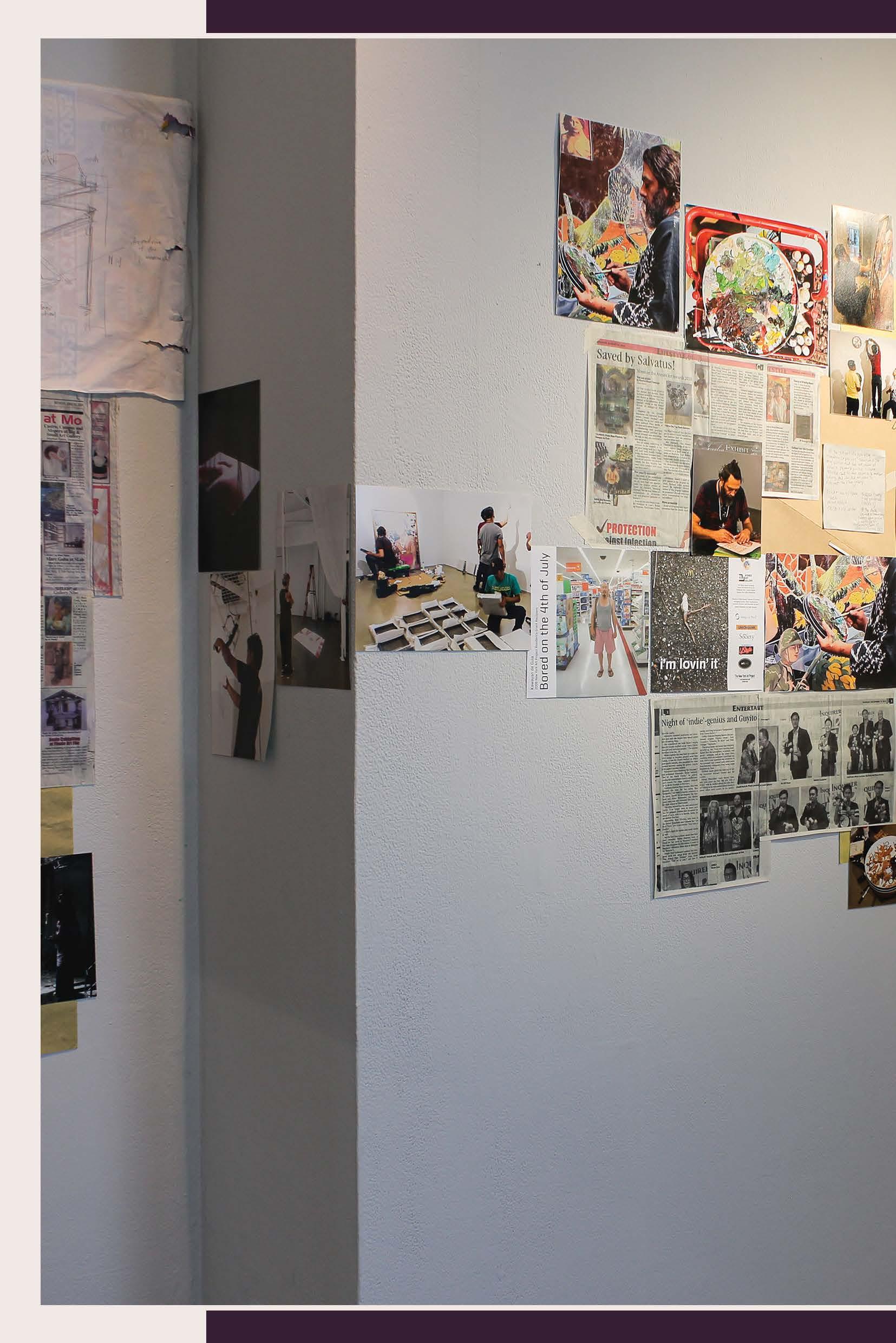
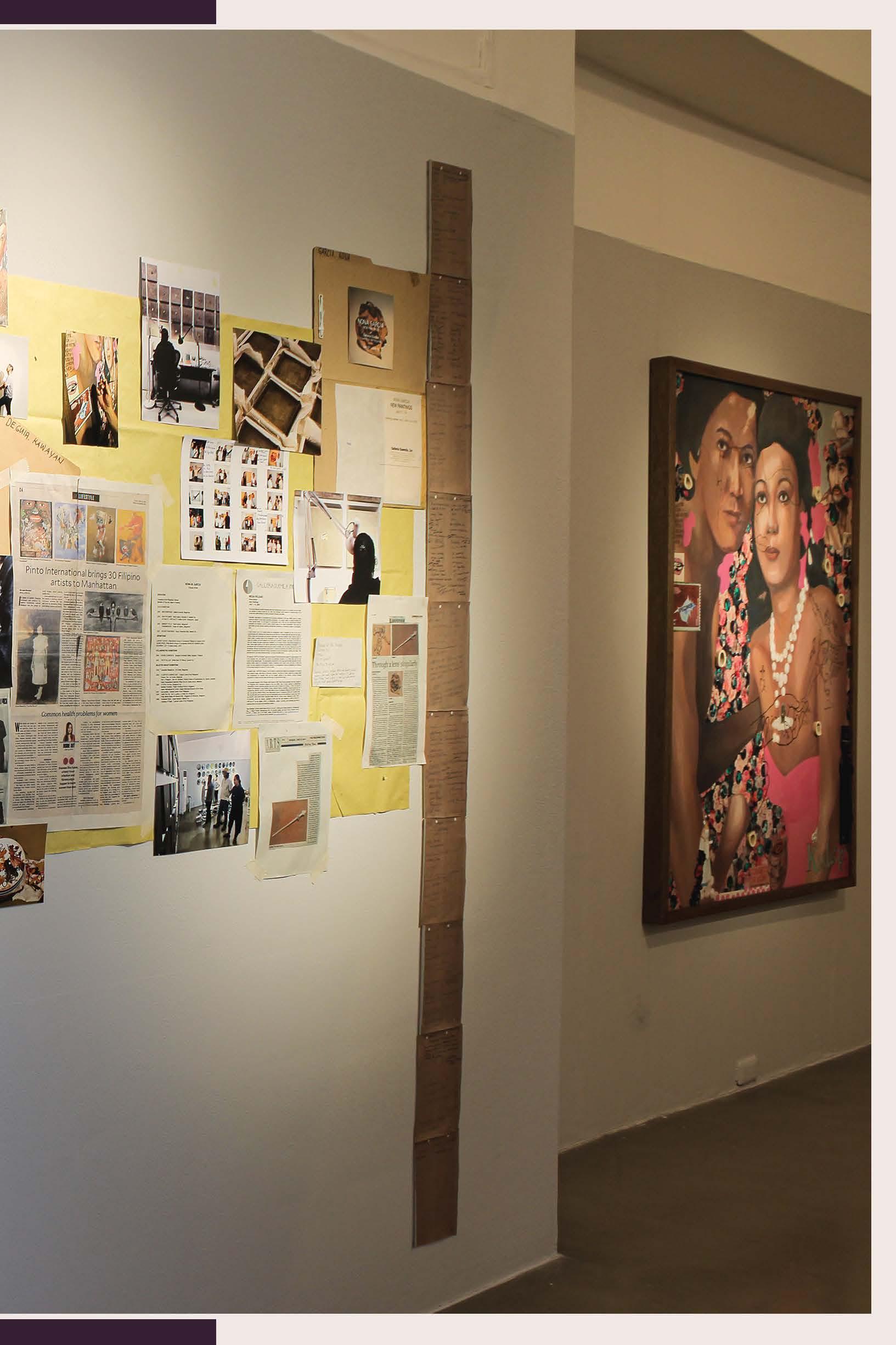
Thus, selected materials from Galleria Duemila’s vast archives— drawn from Silvana’s extraordinary fifty-year trove—are interwoven throughout the show. These documents and artifacts, each carrying its own quiet charge, converse with the works of the artists gathered here. They reveal the sedimented layers of practice, relationship, and risk that have shaped this community, and they remind us that art is always part of a longer unfolding: lived, recorded, remembered, and still in motion.
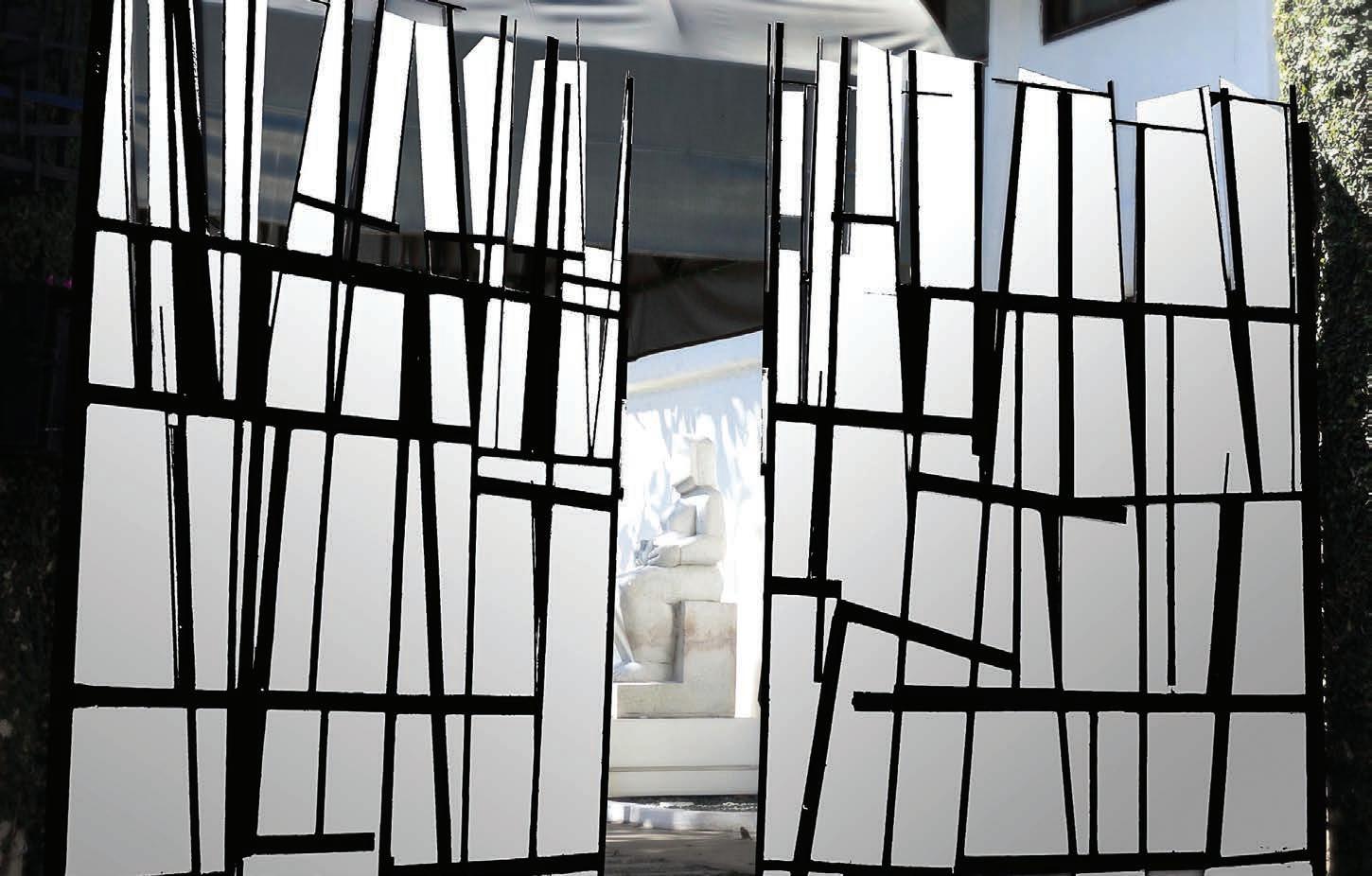
Galleria Duemila was established in 1975 by Italian born Silvana Ancellotti-Diaz. Duemila means “twentieth century” and it was this vision that inspired the gallery’s advocacy in promoting and preserving Philippine contemporary art. To date, it is the longest-standing commercial art gallery in the Philippines maintaining a strong international profile.
Galleria Duemila takes pride in being the only local gallery to publish and mount retrospectives of artists as part of its advocacy in pursuing art historical research and scholarship.
With the collaboration of institutions, Galleria Duemila has mounted the retrospectives of Roberto M. A. Robles (Ateneo Art Gallery, 2011), Duddley Diaz (Vargas Museum, 2009), and Julie Lluch Dalena (Cultural Center of the Philippines, 2008). It has also published a book on Diosdado Magno Lorenzo (National Library of the Philippines, 2009) and produced a major Pacita Abad exhibition at the Cultural Center of the Philippines in 2004.
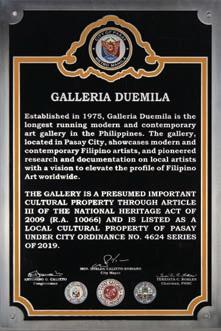
Galleria Duemila is a presumed important cultural property through Article III of the National Heritage Act of 2009 (R.A. 10066) and is listed as a local cultural property of Pasay under City Ordinance No. 4624 series of 2019.
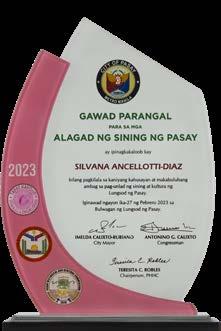
Gawad Parangal para sa mga Alagad ng Sining ng Pasay (2023)

210 Loring Street
1300 Pasay City, Metro Manila
+63 908 307 9972
+63 2 8831 9990
+63 2 8833 9815
gduemila@gmail.com
art@galleriaduemila.com