
What Your pet experiences during an interstate move
(And How to make it easier for them)
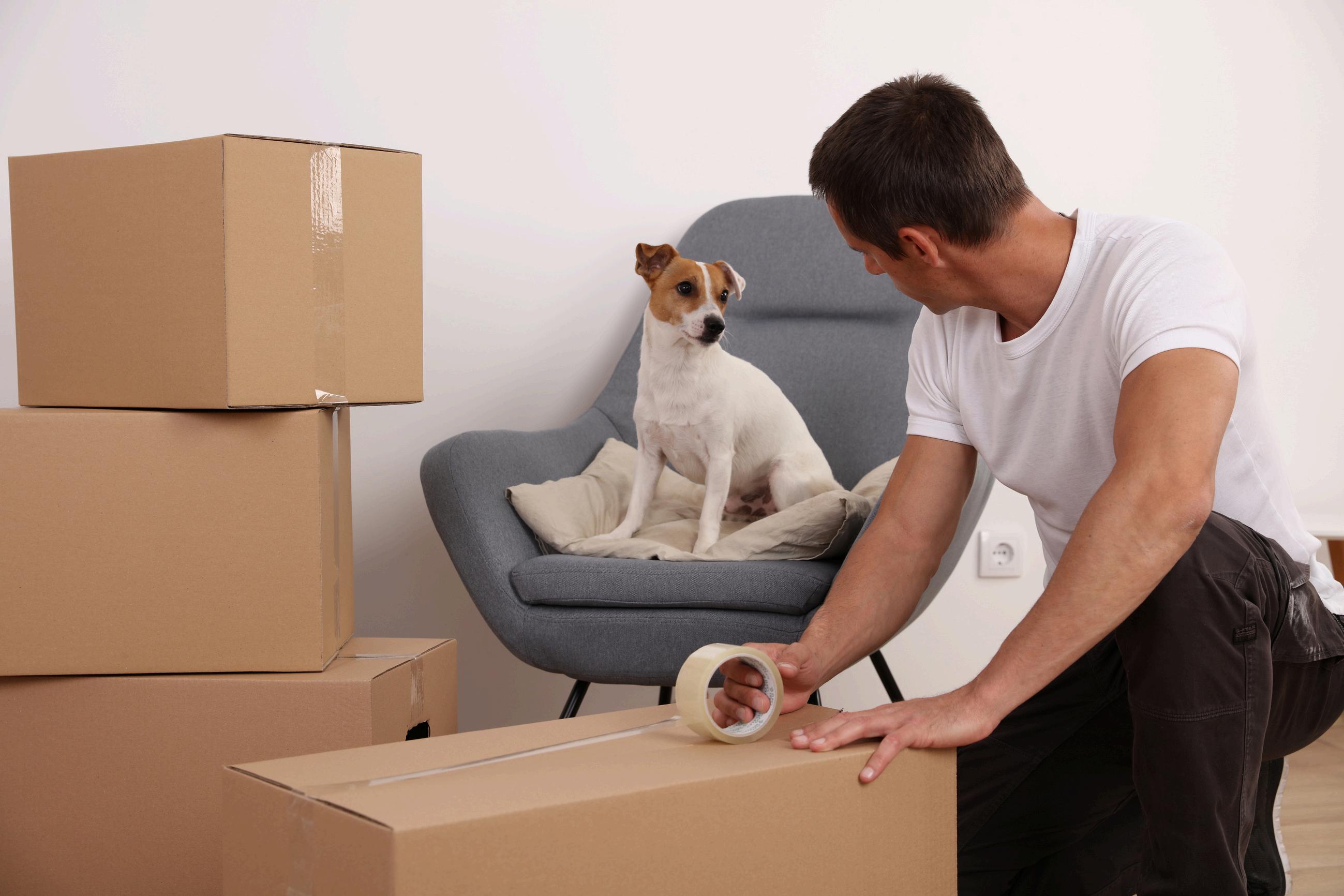

What Your pet experiences during an interstate move
(And How to make it easier for them)
An interstate move may be exciting for you— but for your pet, it’s confusing and stressful.
They don’t understand the reason behind the move.
They only experience:
• Disruption
• Unfamiliar environments
• Changes in routine
Key Insight: Understanding their experience is the first step to helping them adjust.
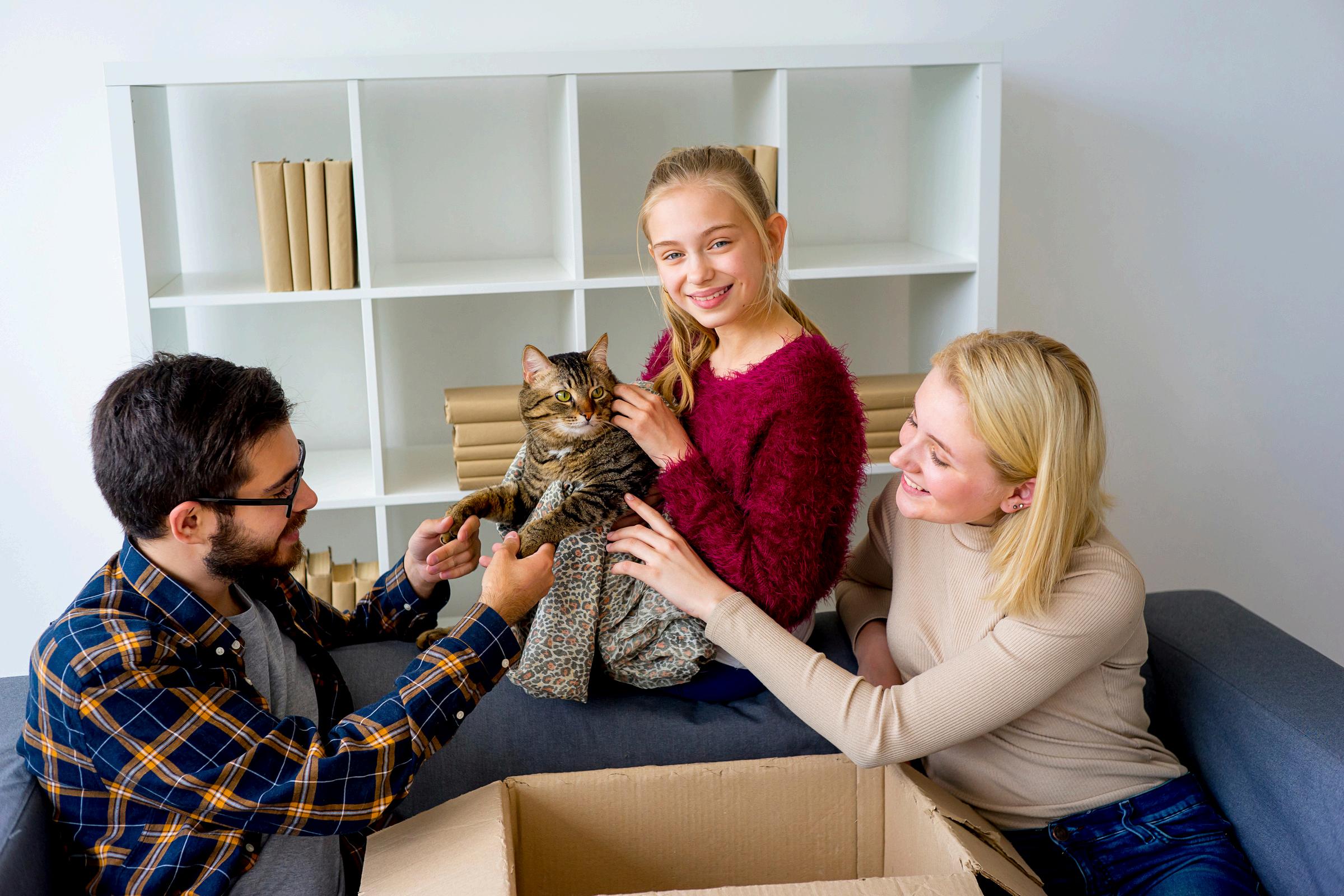
Pet stress often starts during packing—not on moving day.
Common signs include:
• Clinginess or hiding
• Restlessness
• Changes in eating or sleeping
• Sensitivity to noise
Pets rely heavily on routine and familiarity.
Even small changes in the home can trigger anxiety.

Moving day is busy, loud, and unpredictable.
For pets, this can lead to:
• Fear and anxiety
• Escape attempts
• Difficulty eating or settling
Tip: Create a quiet, secure space—or arrange separate transport to keep them safe.

The move doesn’t end when you arrive.
Pets must adapt to:
• New surroundings
• New smells and sounds
• A completely different routine
This adjustment period can be overwhelming at first, even if the long-term outcome is positive.

vs Regional Living
Different Moves, Different Challenges
City to Coastal/Regional
• More space and new stimuli
• Exposure to wildlife
• Initial overstimulation
Regional to City
• Less space (e.g. apartments)
• Increased noise and traffic
• Limited outdoor access
Key Insight: Lifestyle changes impact pets just as much as the move itself.

After the move, your pet may:
• Hesitate to explore
• Become more attached to you
• Show temporary behaviour changes
This is normal.
Focus on rebuilding familiarity and routine to help them feel secure again.
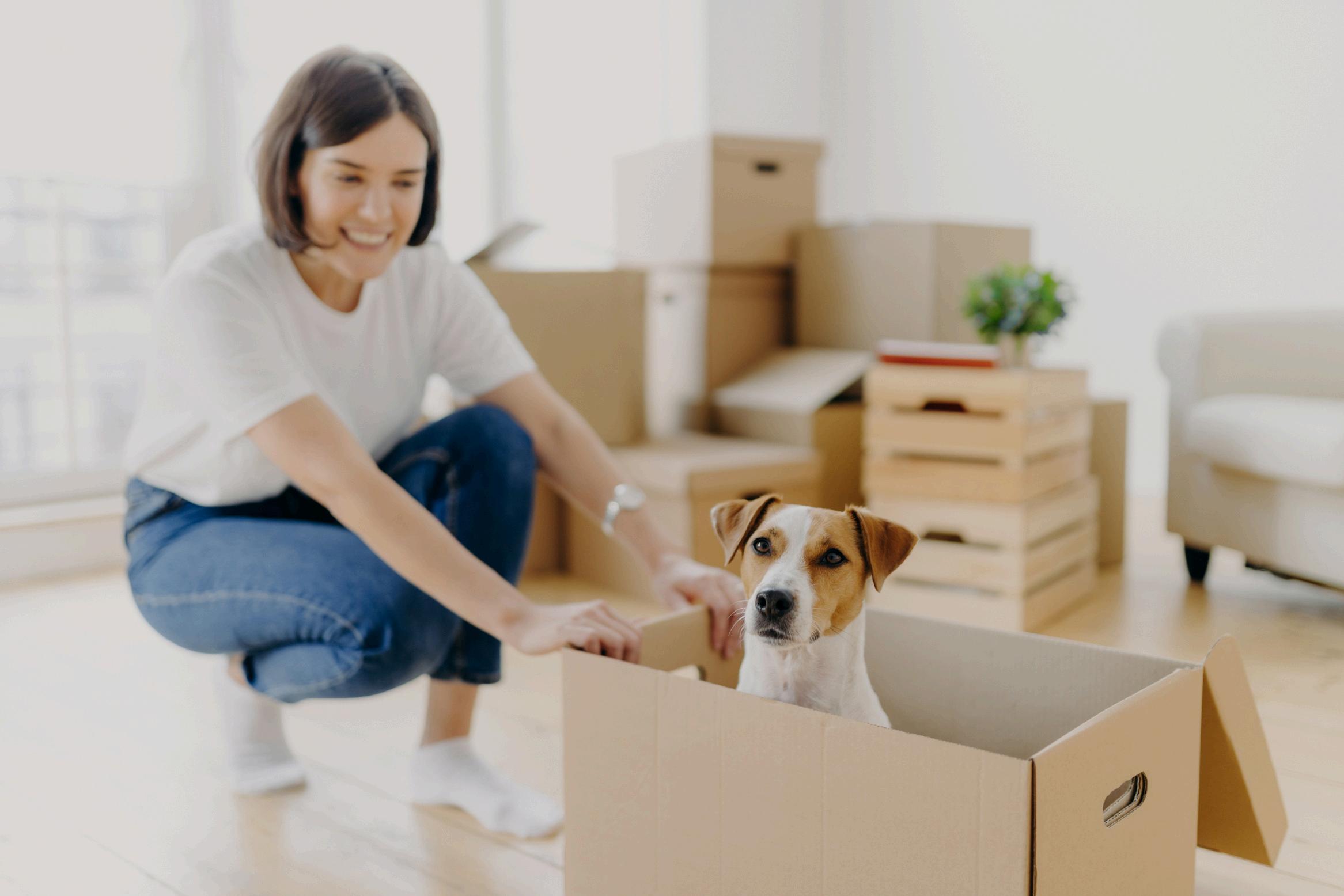
Support your pet with these steps:
• Keep familiar items nearby (toys, bedding)
• Re-establish routines quickly
• Introduce the home gradually
• Create a safe, quiet space
• Monitor behaviour closely
Small actions can make a big difference in how quickly they adjust.
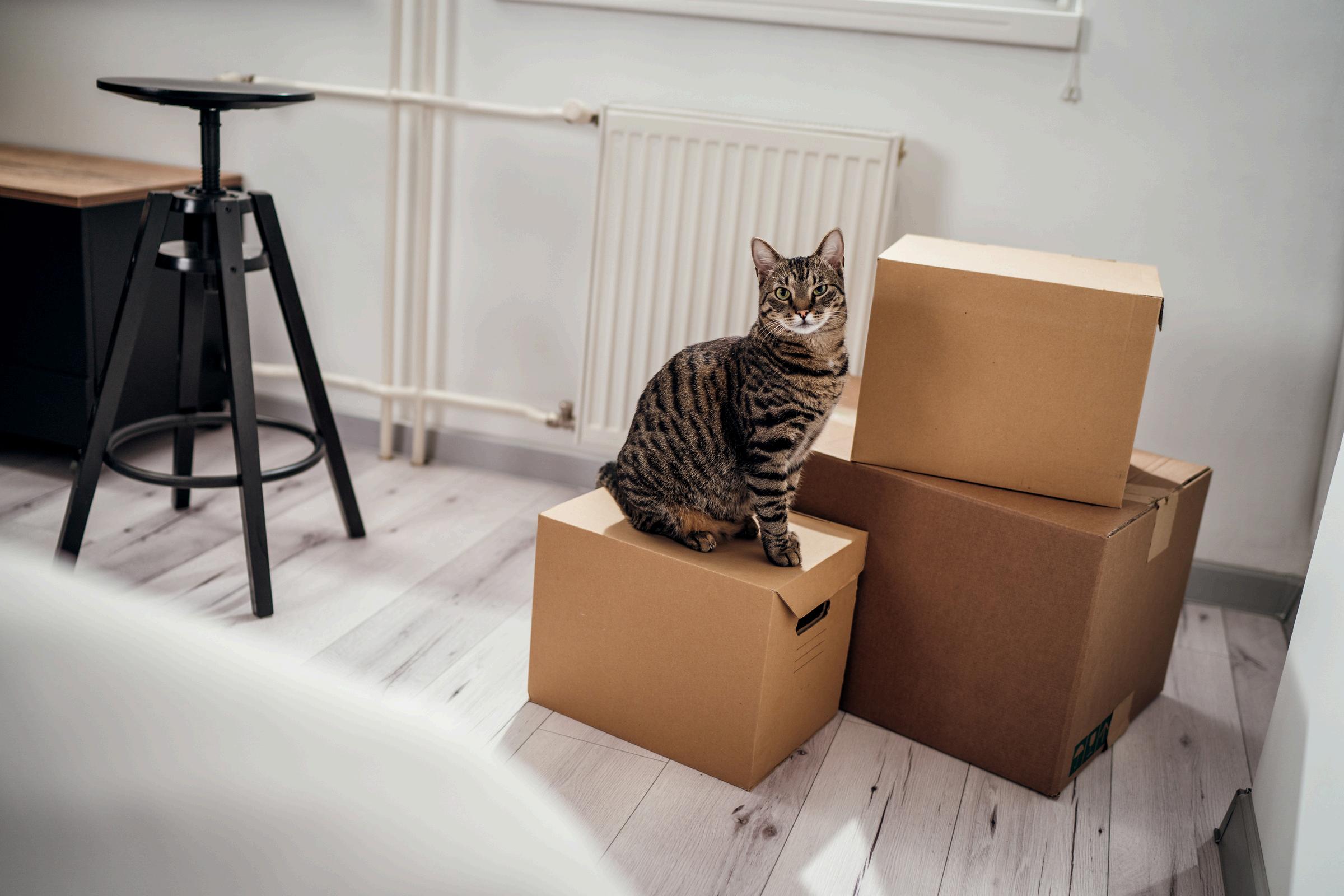
Moving with pets requires its own planning.
Preparation helps you:
• Reduce stress and anxiety
• Avoid safety risks
• Support faster adjustment
Key Insight:
A smoother move starts with understanding your pet’s needs.
For your pet, moving is a period of uncertainty. But with the right preparation, patience, and care, most pets adjust well over time.
Final Thought: The more you understand what your pet experiences, the easier it becomes to support them through the journey.