TABLE OF CONTENTS
Membership
Adult Programs and Tours
Horticulture & Botany
Nature & Wildlife
History & Culture
Health & Wellness
Events
Plan Your Visit
Seasonal Highlights
Visiting with Kids & Youth Programs
The Arnold Arboretum of Harvard University is free and open every day. All programs are free. Programs listed as Members Only are exclusive opportunities for current members of the Arnold Arboretum.
Join or renew your membership to register for member-only programs.
Hunnewell Visitor Center
125 Arborway, Boston, MA 02130
Hours 10:00am–4:00pm daily
BECOME A MEMBER
The Arnold Arboretum is funded by members like you.
A public-private partnership between the City of Boston and Harvard University, the Arnold Arboretum maintains its own operating budget powered by past and present philanthropy.
As Boston’s premier museum of trees and one of Frederick Law Olmsted’s finest landscapes, the Arboretum pursues its mission and welcomes nearly 1 million visitors each year funded by endowment income, memberships, and gifts. Become a member and partner in our work to collect, study, conserve, and share plants here and around the globe. View our membership levels and benefits and join today!
FEATURED MEMBER BENEFIT
Traveling this summer?
All members get access to the . With free admission and additional discounts to over 380+ arboreta or botanical gardens in North America, you’ll be able to access plants and nature on the go. Become a member today for access to this benefit and other exclusive opportunities at the Arnold Arboretum.
FEATURED MEMBERS-ONLY PROGRAM:
Identifying Hickories and Walnuts
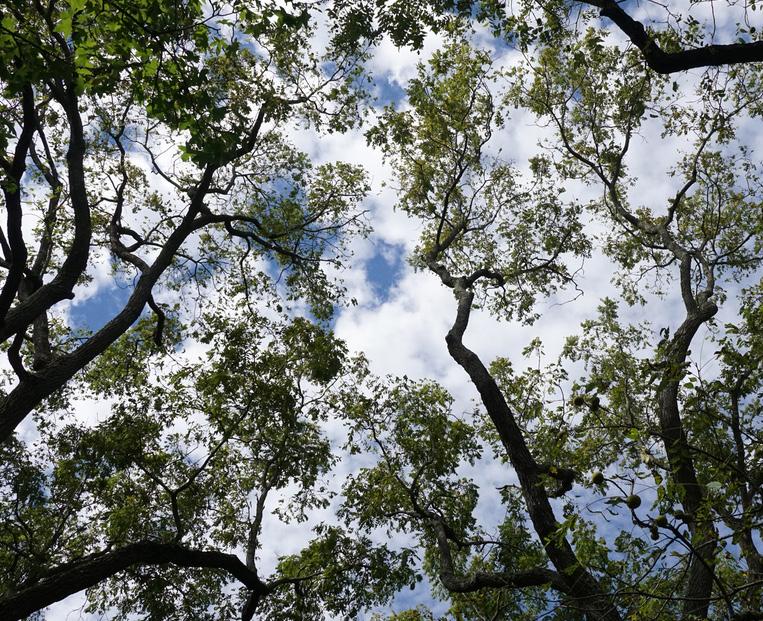
Nuts are ripening across the Arboretum landscape: black walnut, pignut, shagbark hickory, shellbark hickory, and many more. Join us for a walk to see them all. The class will focus on species common to Massachusetts streets and forests, so that you will be prepared to identify the trees around you on your next walk in the woods or around town.
August 30, 10:00am–12:00pm LEARN MORE

HORTICULTURE & BOTANY
Guided Tours
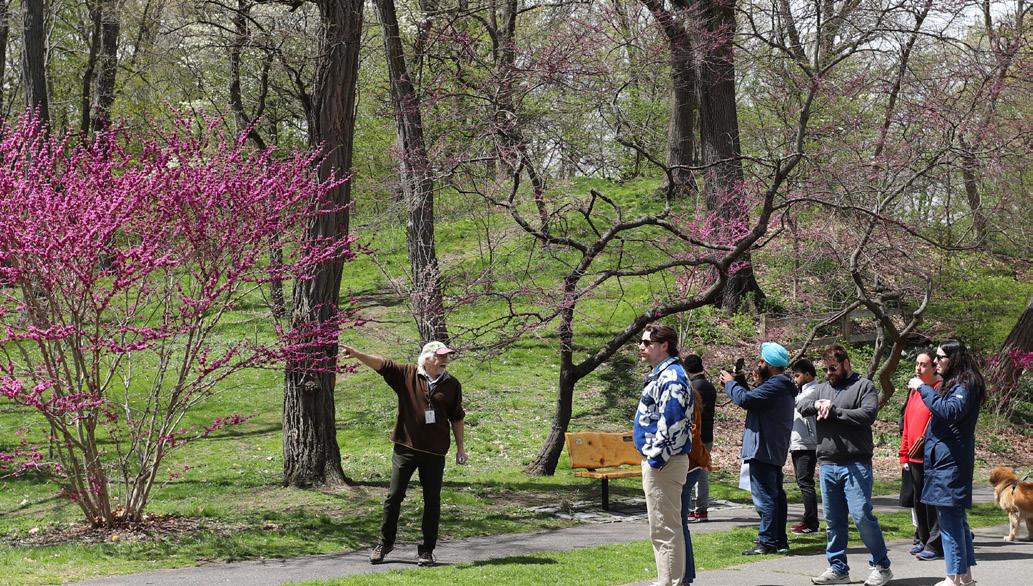
Join us for a 90-minute tour through the Arboretum! View seasonal plant highlights and learn about Arboretum history from a trained docent.
Arboretum Highlights Tours are daily at 10:30am.
Check our Tours page for additional times and dates. No pre-registration required.
Identifying Common Trees and Shrubs
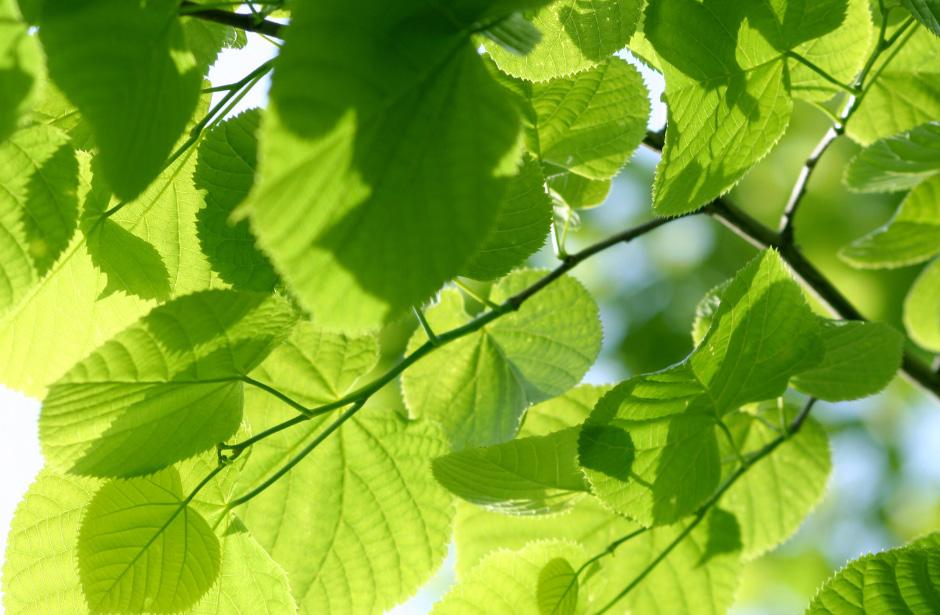
Can you identify the trees around you when you’re walking through the streets of Boston or hiking in New England forests? Join experienced horticulturist and plant science teacher Nicole Forsyth for a class on identifying common trees and shrubs in Massachusetts, from elms and honeylocusts to lindens and witch-hazels. This class will begin indoors with a presentation in the lecture hall, and then move outside for some identification practice in the landscape.
June 6, 12:00–2:30pm Nicole Forsyth, Plant Educator
This program begins at the Hunnewell Lecture Hall.
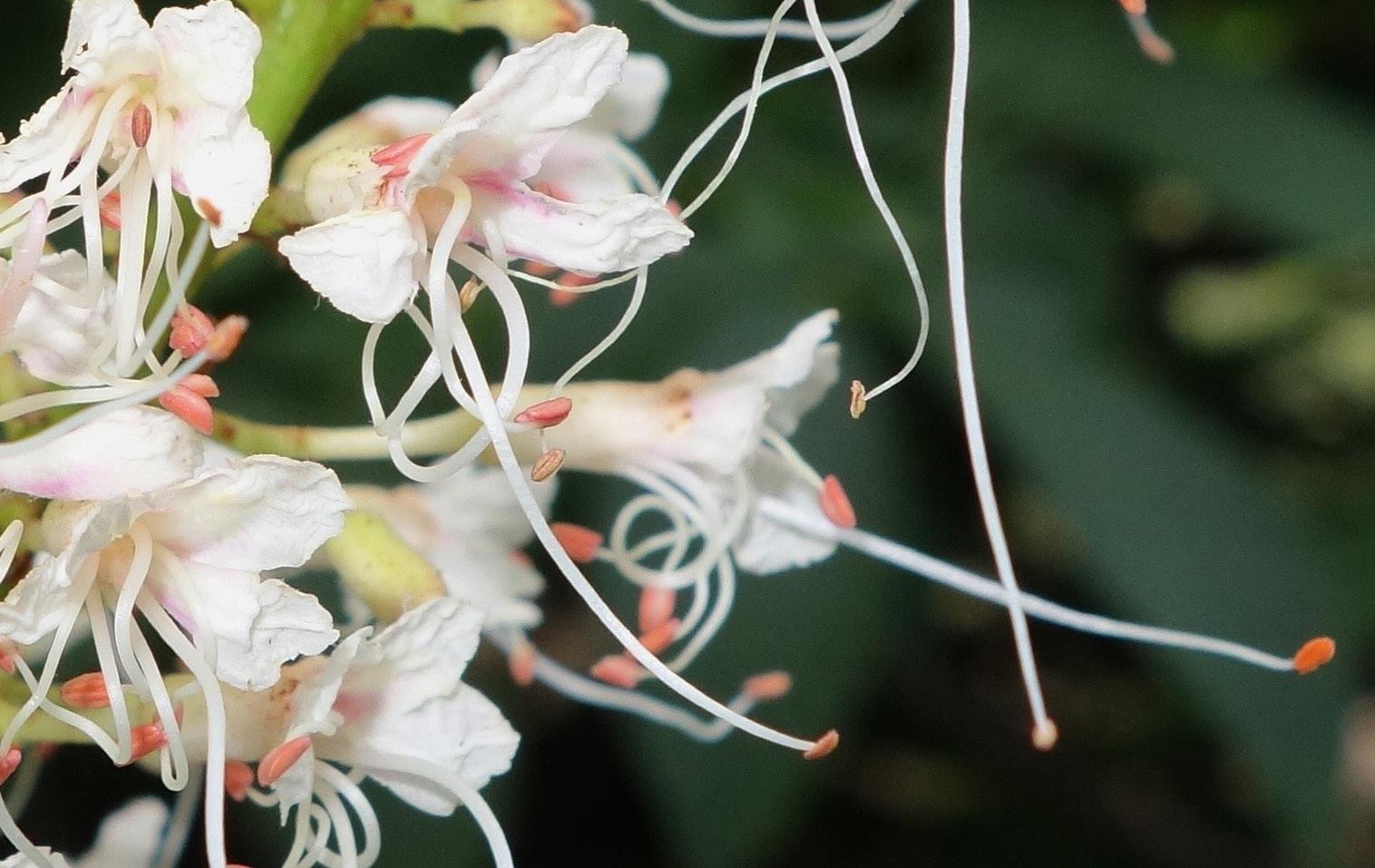
Bizarre Botany: Pollination
Join us for a deep dive into the strangest parts of the plant world. This month’s theme is pollination: from flowers that hide underground to flowers that smell like rotting fruit, explore all of the weird and wonderful ways plants have found to get pollinated.
June 10, 6:30–8:00pm Members Only
Sarah Nechamen, Manager of Adult Programming and Events This program begins in front of the Hunnewell Building.
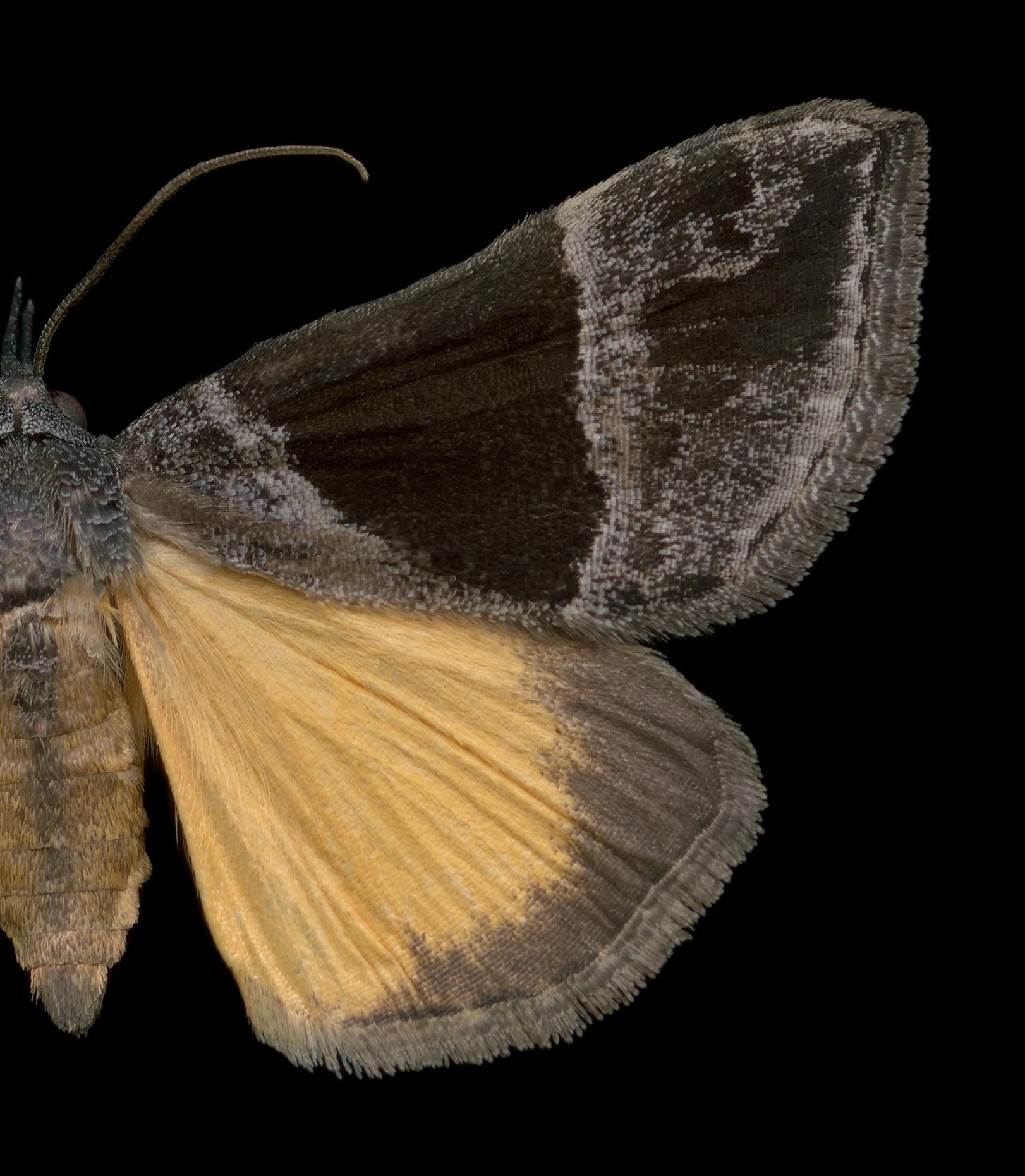
Research Spotlight: Bio-Controls for Black Swallow-Wort
Black swallow-wort is a highly invasive vine in the U.S. and Canada, but in Europe it grows benignly, kept in check by a number of insect herbivores that only live in that part of the world. But what if we could bring one of those insects to New England? Could it control this highly invasive plant? Professor Lisa Tewksbury from the University of Rhode Island has released a number of Hypena opulenta moths in the Arboretum to see if it would control the black swallow-wort here, and now it’s time to return to that part of the landscape and see if the experiment has worked.
June 13, 10:00–11:30am Members Only
Dr. Lisa Tewksbury, Professor This program begins at Mendum Street Gate.
HORTICULTURE & BOTANY
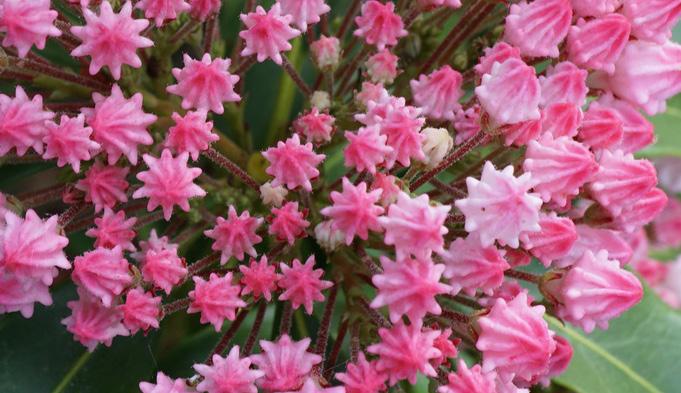
Mountain Laurels Up-Close
Mountain laurels are as fascinating as they are beautiful, with stamens that catapult pollen onto their pollinators and wood that is so easy to carve that it was nicknamed “spoonwood.” Enjoy a guided walk to learn about the botany, ecology, and cultural significance of these beautiful flowers at peak bloom.
June 14, 10:00–11:30am
Brendan Keegan, Horticulturist
This program begins at Flora Way Gate.
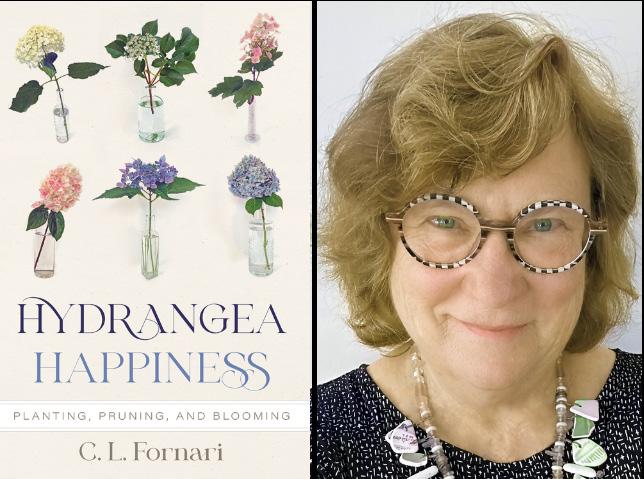
Hydrangea Happiness
As the Arboretum’s hydrangea collection begins to bloom in shades of blue, white, pink, and purple, stop in the Hunnewell Lecture Hall for a book talk on Hydrangea Happiness: Planting, Pruning, and Blooming. This beautifully illustrated guide is a boon for beginner gardeners and experienced horticulturists alike. Learn about the most popular hydrangea varieties, how to manage planting and ongoing maintenance, and surprising myths and misinformation about these beautiful shrubs.
June 21, 2:00–3:30pm
C.L. Fornari, Author
This program takes place in the Hunnewell Lecture Hall.
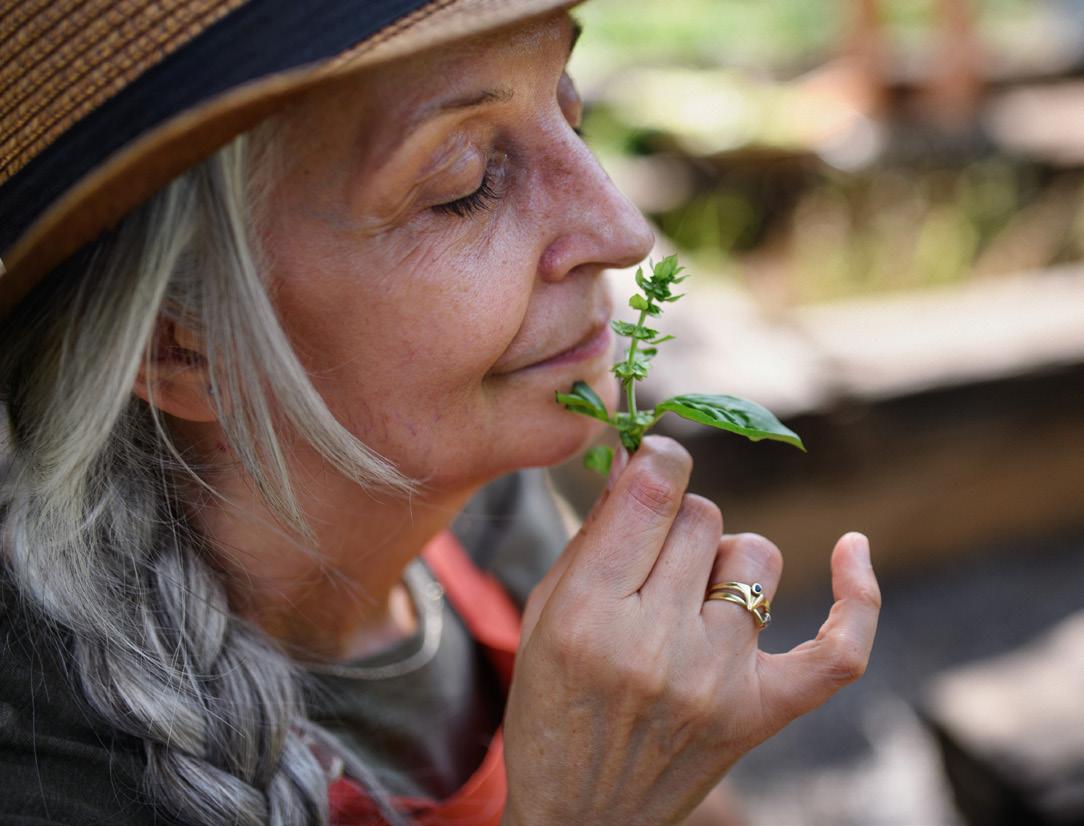
Scratch n Sniff: A Tour of Arboretum Aromas
Even after most of the spring flowers have closed up, the plants of the Arboretum are bursting with bizarre odors and enticing aromas—if you know where to look. Join Head Arborist John DelRosso for a “Scratch n Sniff” tour of the Arboretum and discover aromatic leaves, bark, and of course, flowers.
June 27, 10:00–11:30am Members Only John DelRosso, Head Arborist
This program begins in front of the Hunnewell Building.
Rose Collection Up-Close
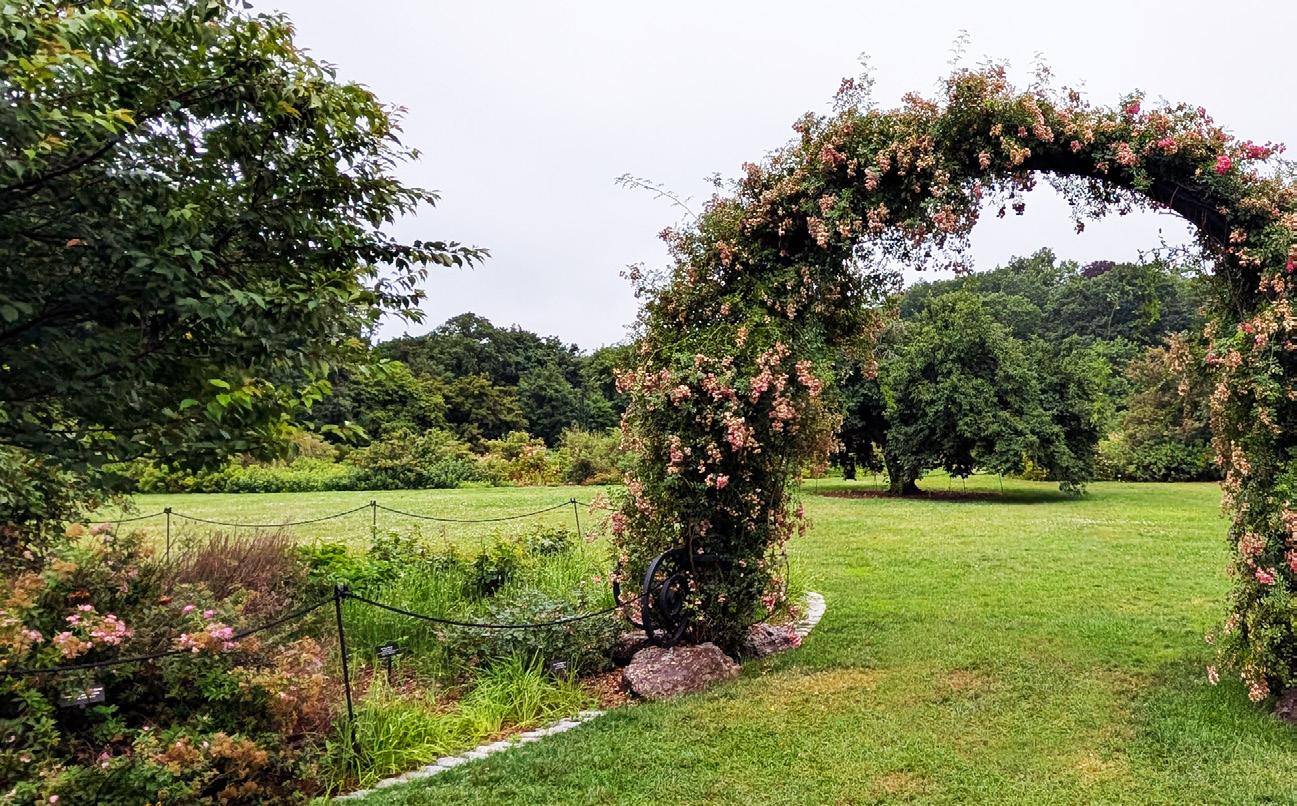
The Bradley Rosaceous Collection has beautiful roses on display in a stunning rainbow of colors–but roses are not the only thing you will find in this garden. There are many other plants in the rose family, from crabapples and cherries to hawthorn and medlar. Join us for a tour of the Bradley Rosaceous Collection and learn about the wide variety of Rosaceae species, the susceptibility of this family to pests and disease, how the Arboretum is handling these challenges, and how this unique garden came to be.
June 28, 10:00–11:30am
Rachel Lawlor, Horticulturist
This program begins at the arch in the Bradley Rosaceous Collection.
Decoding the Landscape: The Urban Wilds
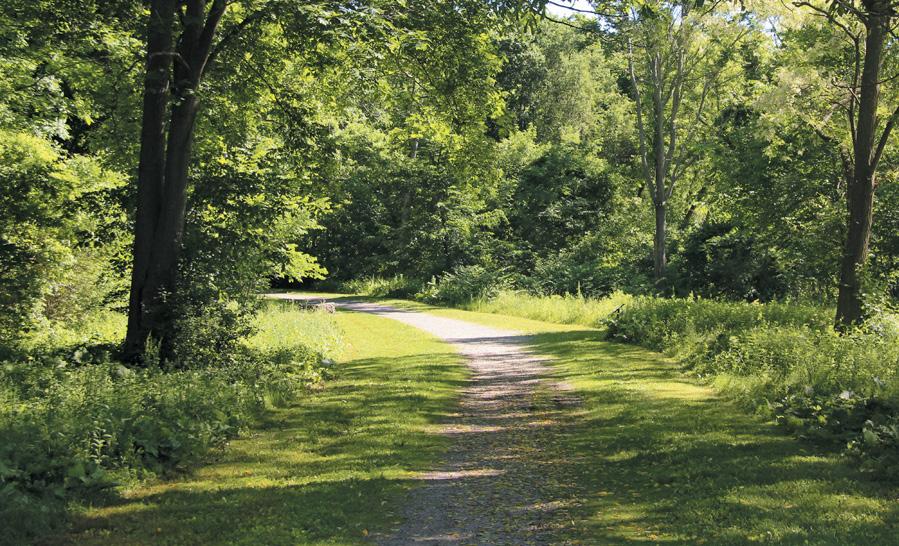
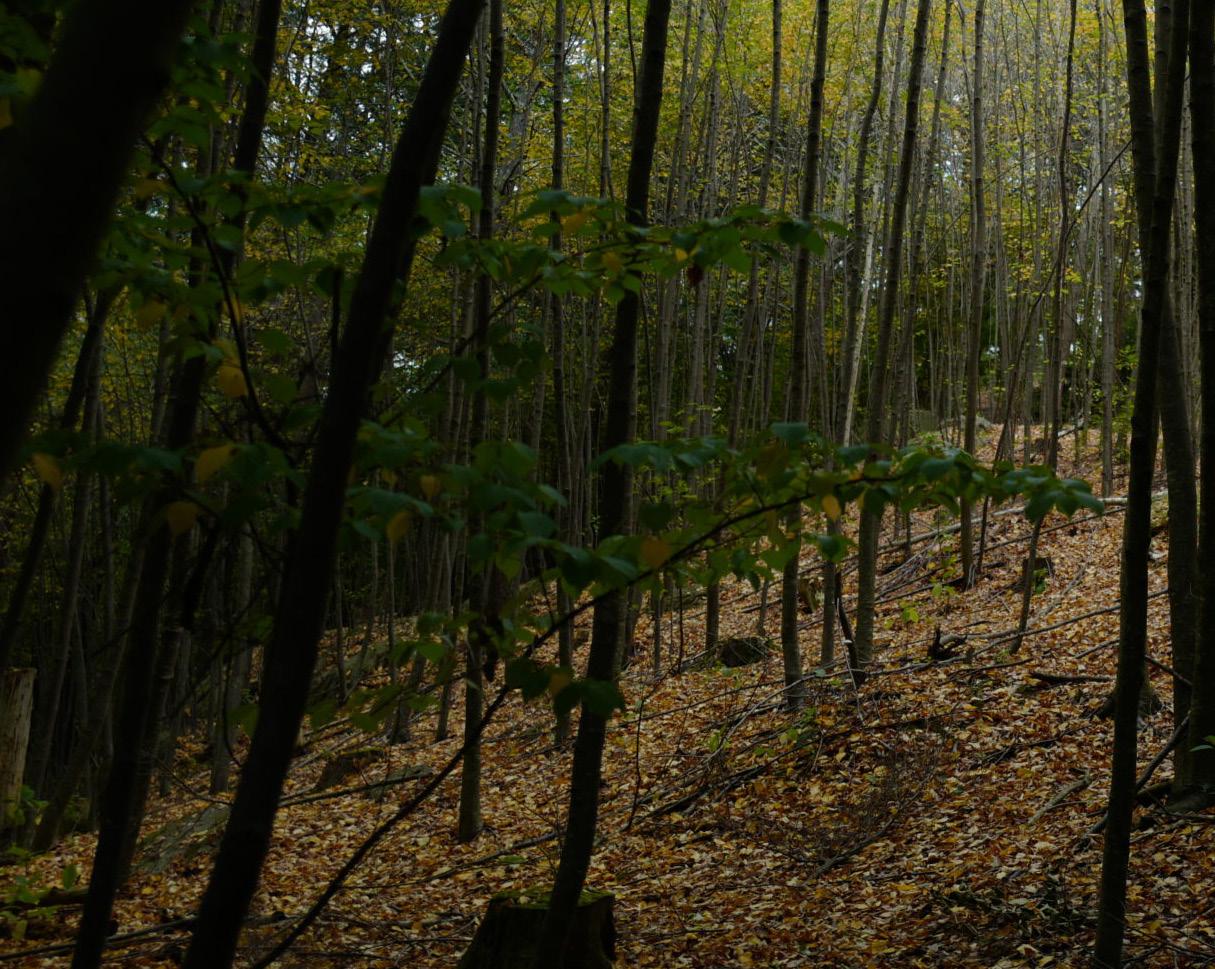
The forest is a constantly changing landscape where tree species dominate and then fade away, to be replaced by other species in the ongoing process of succession. See these dynamics at play in Bussey Brook Meadow: learn what species are found in an urban wild like this, how the landscape is used to study spontaneous vegetation, and explore the interplay of native, exotic, and invasive species in this unique corner of the Arboretum.
July 11, 10:00–11:30am Members Only Brendan Keegan, Horticulturist
This program begins at Washington Street Gate.
Mushroom Hunt
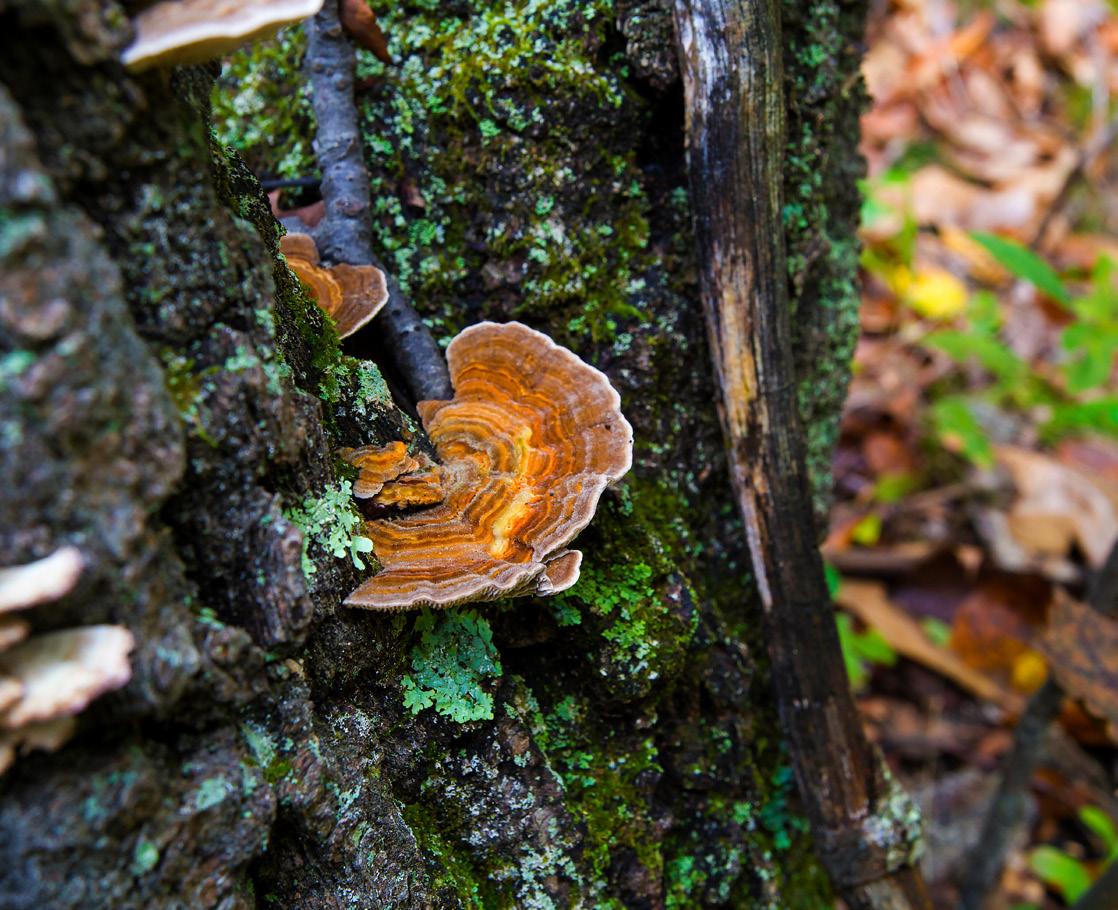
Hundreds of mushrooms hide beneath the Arboretum’s canopies, silently blossoming into unique forms then withering away again just as quickly. Join a local mushroom enthusiast to search for these fascinating organisms on the Arboretum grounds, both edible and poisonous alike. Along the way you will learn what mushrooms to look for in different habitats and seasons, how they move through ecosystems, and how the Arboretum’s unique collections affect what mushrooms you might find here.
July 12, 10:00am–12:00pm
Maria Pinto, Mushroom Enthusiast
This program begins at Flora Way Gate.
HORTICULTURE & BOTANY
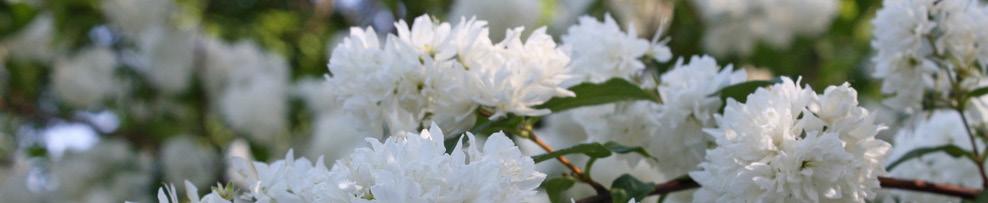
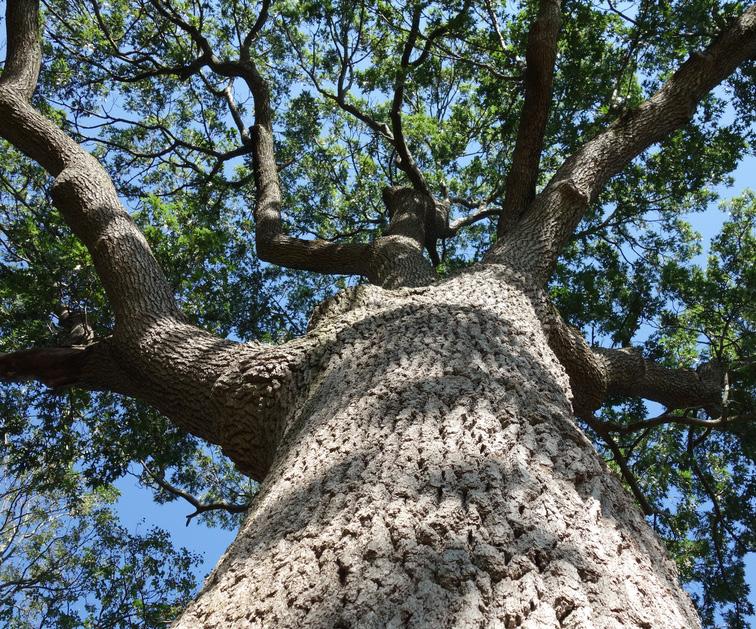
Oak Collection Tour
Oaks have been more closely associated with the development of human civilizations across the northern hemisphere than any other genus of tree. From the Royal Oak to the Charter Oak to the Emancipation Oak, from wine and whisky barrels to tall ships to the roof of Notre Dame, from King John to Shakespeare to Leonardo da Vinci, oaks have been inextricably entwined with the human experience. We will learn more about the cultural history of oaks and explore what it is that makes them so useful, so distinct — and so essential.
July 18, 10:00–11:30am
Paul Eldrenkamp, Arboretum Docent
This program begins at Centre Street Gate.
Bizarre Botany: Working Together
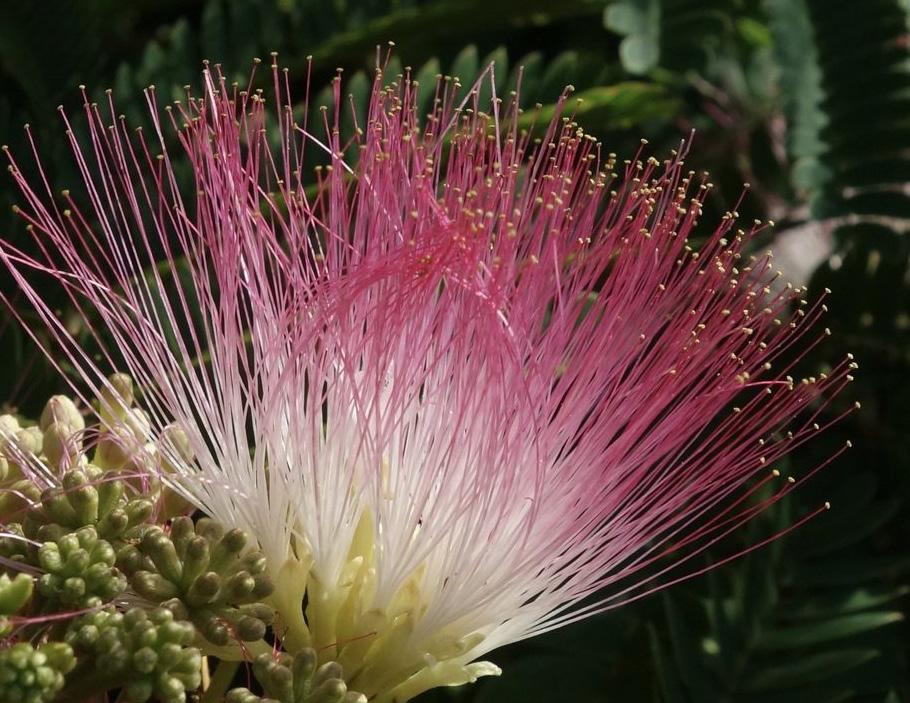
Take a deep dive into the strangest parts of the plant world. This month’s theme is mutualisms and symbioses: from plants that recruit ant armies to defend against herbivores, to mycorrhizal networks that stretch deep into the soil, explore all of the weird and wonderful ways plants work with other creatures to meet their needs.
July 23, 6:00–7:3opm Members Only
Sarah Nechamen, Manager of Adult Programming and Events
This program begins in front of the Hunnewell Building

Ask a Horticulturist - Roses
Stop by the Bradley Rosaceous Collection to chat with the Horticulturist who manages the rose garden. She will be answering questions about caring for roses, the Arboretum’s rosaceous collection, and what it’s like to be a horticulturist here. No registration is required, just stop by!
July 26, 10:00am–12:00pm
Rachel Lawlor, Horticulturist
This program takes place in the Bradley Rosaceous Collection.

TREE MOB: Lightning Protection
In the heat of summer, lightning strikes represent a threat to the tallest trees of our collections. Join us to learn how the Arboretum’s Horticulture team works to protect our trees from lightning strikes during summer storms.
August 4, 4:00–4:45pm Members Only
AJ Tataronis, Arborist
This program begins at Forest Hills Gate.
Research Spotlight: Biodiversity in the Solar Pollinator Meadow
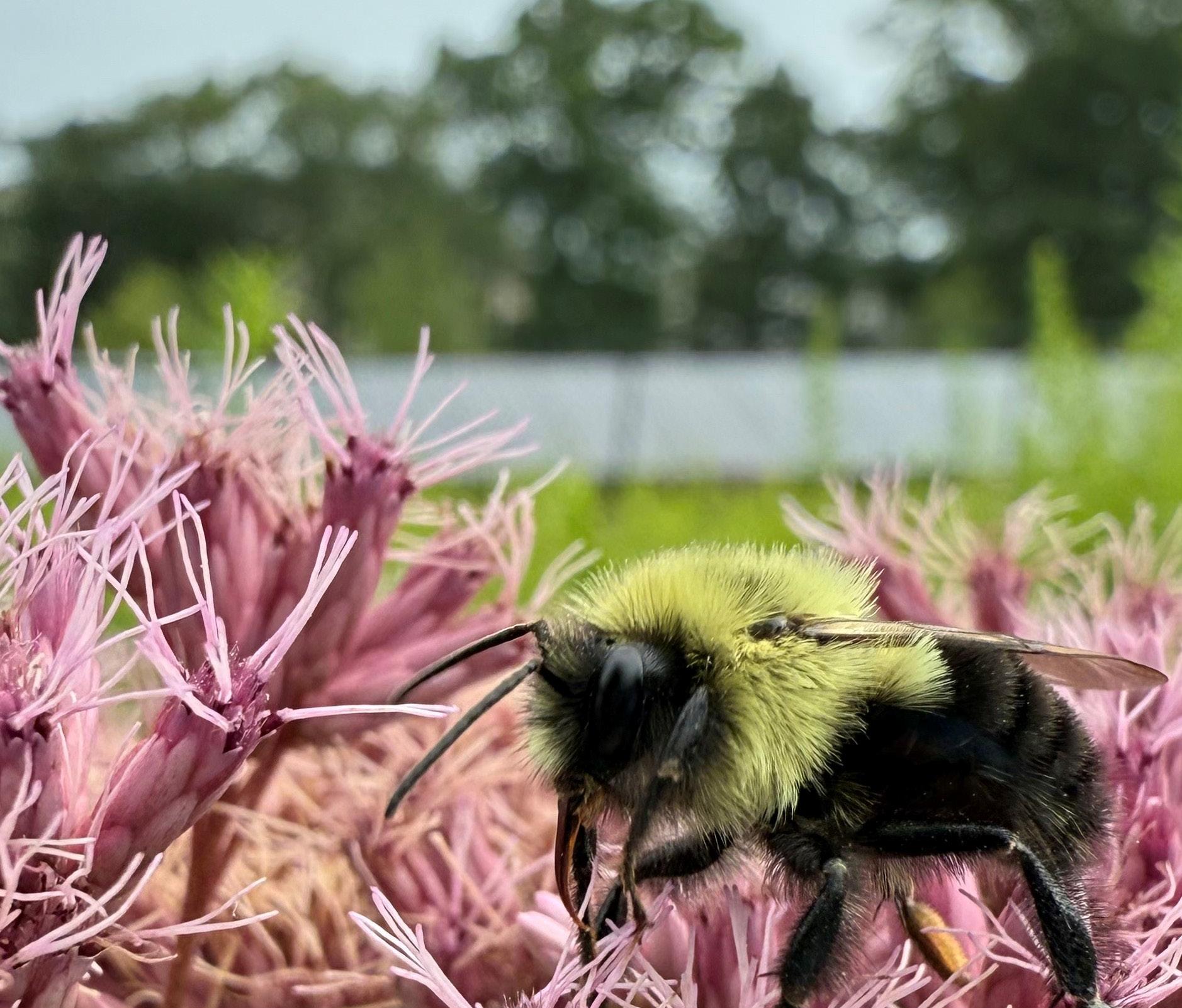
The Horticulture team planted the Solar Array Pollinator Meadow to provide a habitat for a wide variety of insects, birds, and other pollinators under and around the Weld Hill solar panels. But until recently, they had no good way of knowing just how well their experiment was working—that is, until naturalist Louise Miller took it on as a research project for her Mass Audubon Field Certification. Louise conducted a biodiversity survey of the meadow and recorded 70 species of plants and nearly 300 species of non-plant creatures, from snails and mushrooms to insects and salamanders. Join Louise to learn about the diversity she found here, view some of her incredible photographs, and get a chance to record some observations yourself.
August 22, 10:00–11:30am Members Only
Louise Miller, Naturalist
This program begins in front of the Weld Hill Research Building.
HORTICULTURE & BOTANY
Sketch Your Way to Tree ID
Use the power of art to hone your tree ID skills in this interactive class. The group will walk through the landscape, learning to identify common trees and shrubs and sketching out key identification characteristics. By the end of the program, participants will have a packet of identification tips and drawings for various plants, and a deeper understanding of the characteristics that make each tree species unique. No prior art skills necessary—this class focuses on seeing shapes, patterns, and details that make each species identifiable. Join us for a creative and hands-on approach to tree identification!
August 29, 10:00am–12:00pm
Erica Beade, Illustrator and Educator
Sarah Nechamen, Manager of Adult Programming and Events
This program begins in front of the Hunnewell Building.
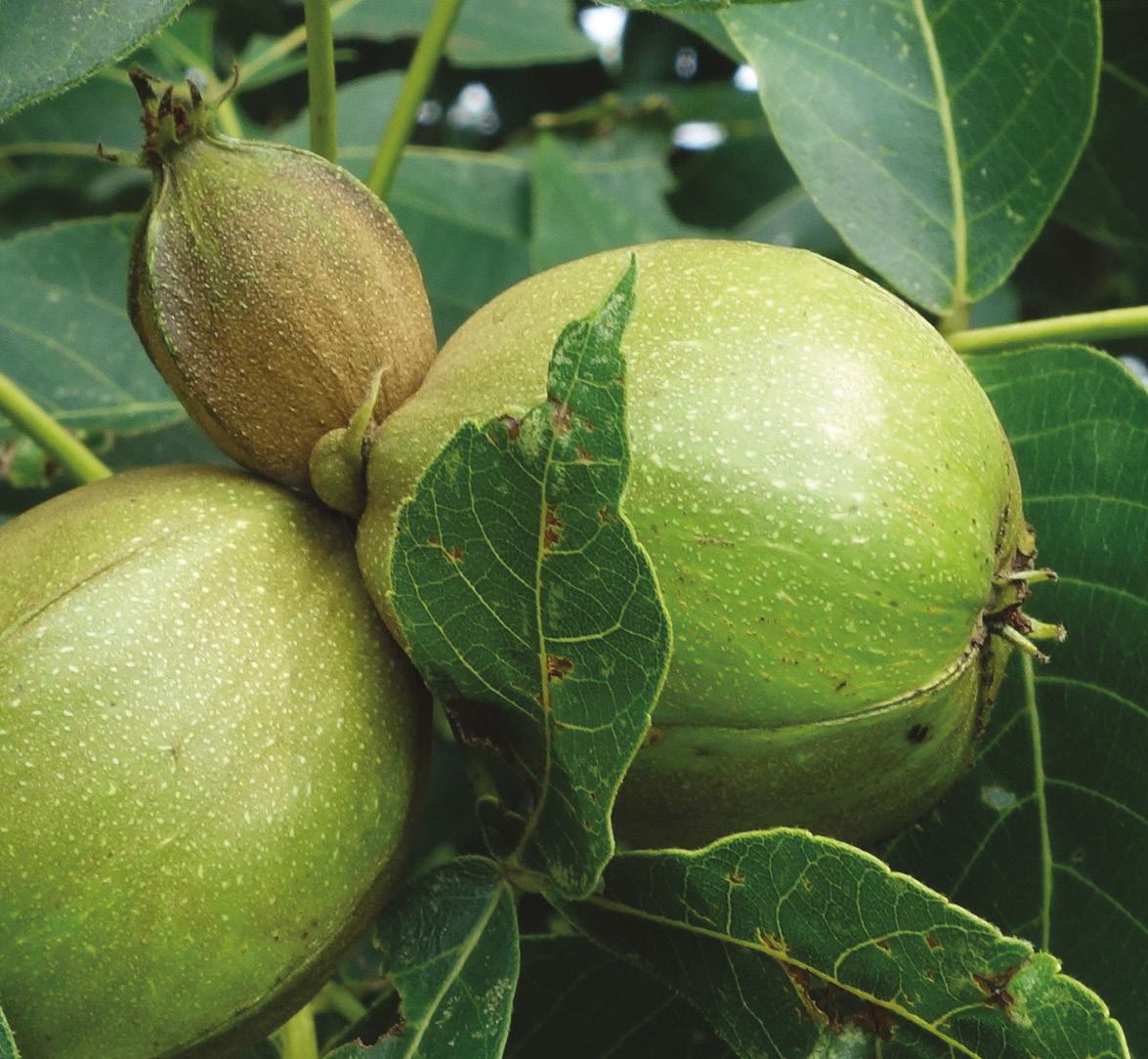

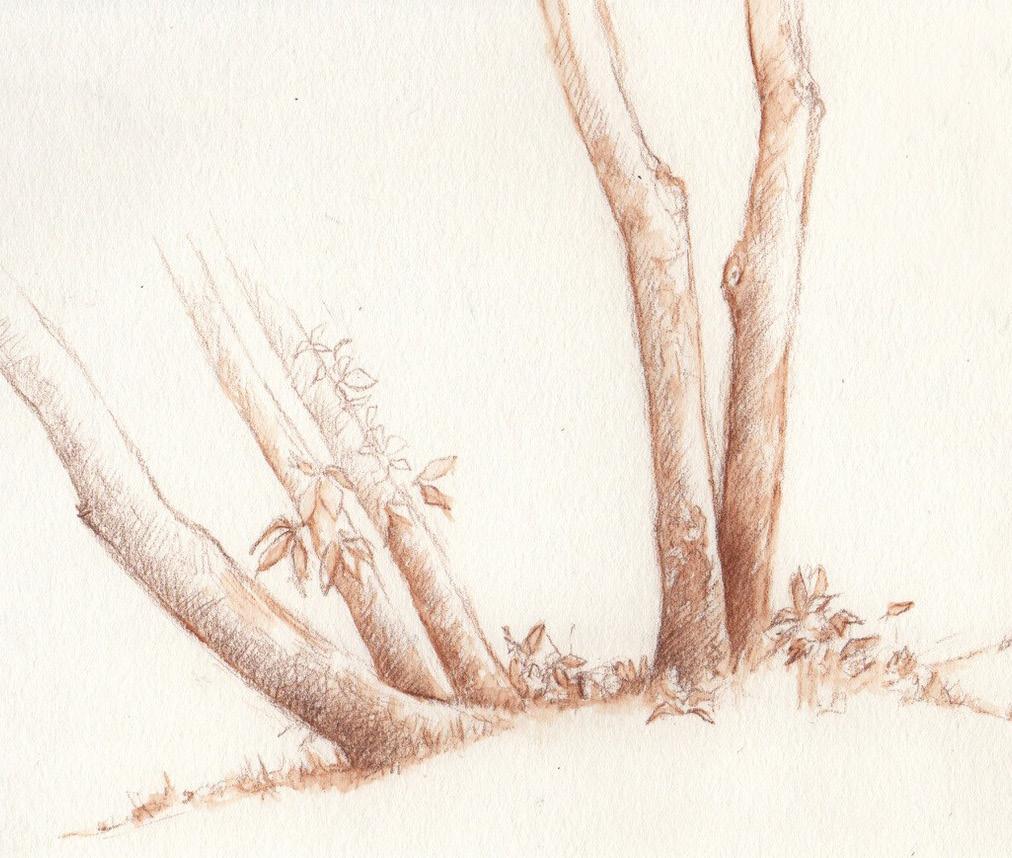
Identifying Hickories and Walnuts
Nuts are ripening across the Arboretum landscape: black walnut, pignut, shagbark hickory, shellbark hickory, and many more. Join us for a class on identifying walnut and hickory species using leaf shape, bark, nuts, and other key identification features. The class will focus on species common to Massachusetts streets and forests, so that you will be prepared to identify the trees around you on your next walk in the woods or around town.
August 30, 10:00am–12:00pm Members Only Alex Klein, Herbalist
This program begins at Centre Street Gate.
NATURE & WILDLIFE
Birding at the Arboretum
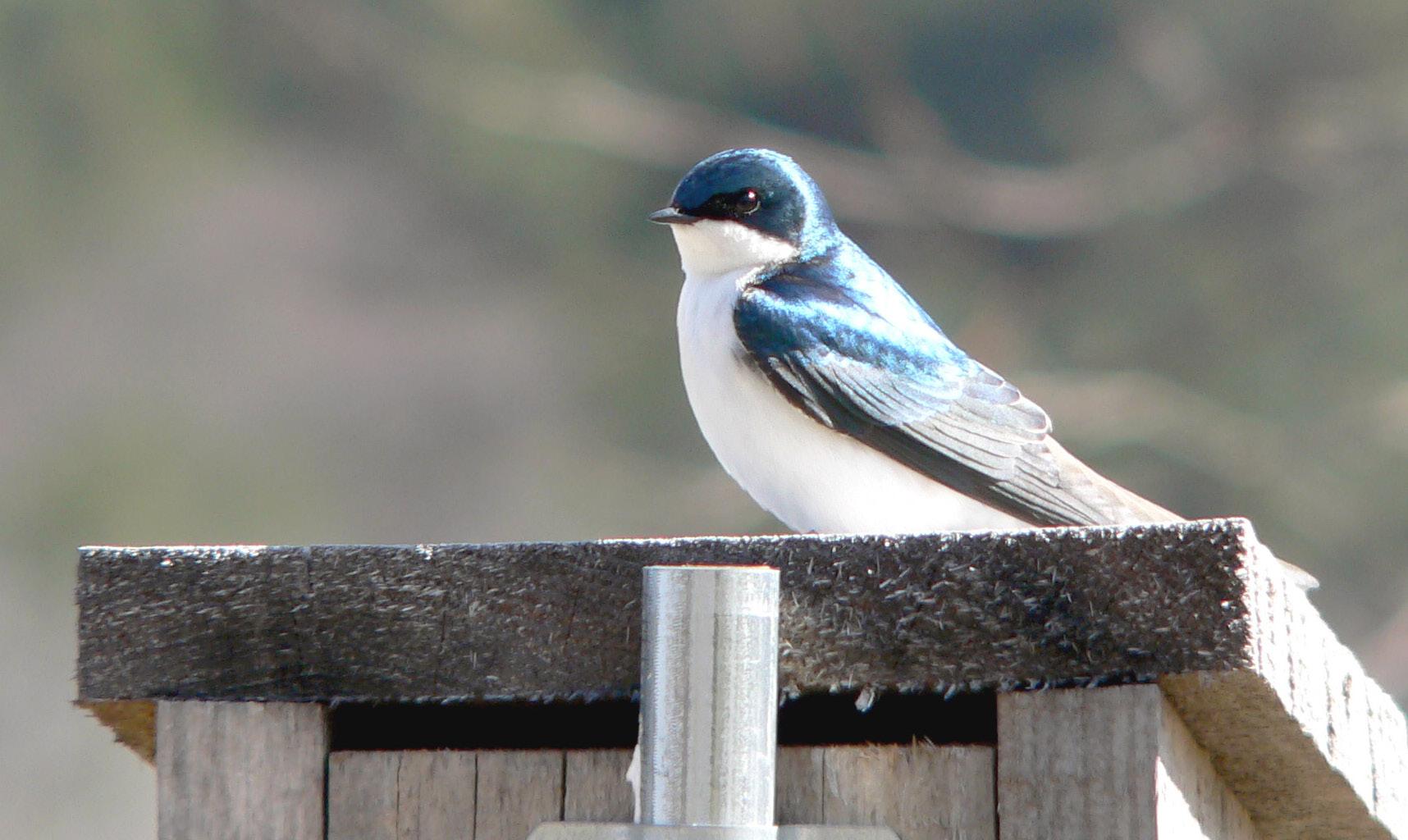
Have you ever wanted to learn more about the feathered friends you see and hear on a walk through the Arnold Arboretum? This 90 minute walk will cover a variety of habitats and focus on the changes that seasonal migration brings to our resident birds, so come back often to keep up with the seasons! No homework is required, but binoculars are helpful for spotting in the trees.
June 14, 8:00–9:30am
July 12, 8:00–9:30am
August 9, 8:00–9:30am
TJ and Alison, Birders
This program begins in front of the Hunnewell Building.
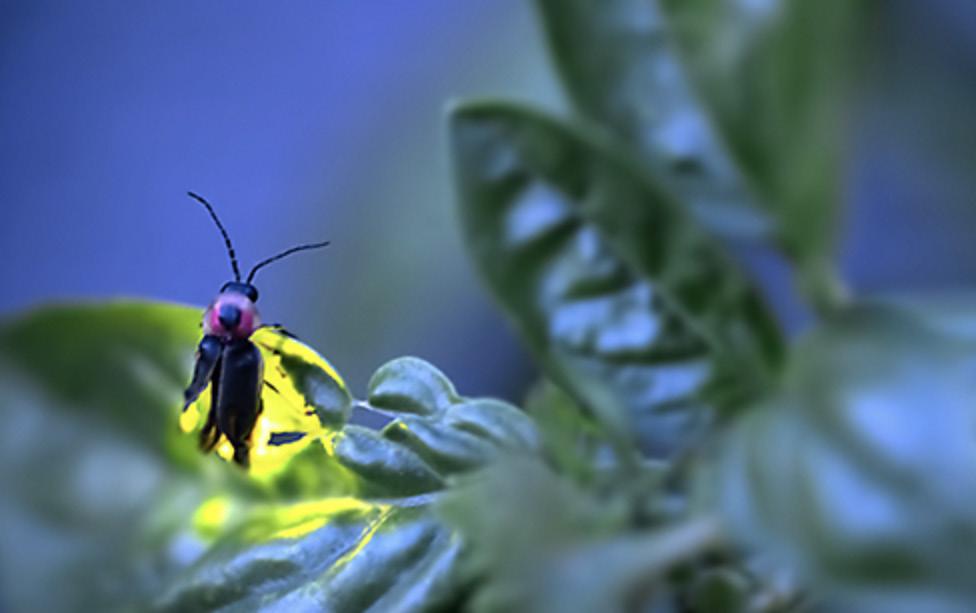
Birding Walk
Embark on a birdwatching tour in the Arboretum’s landscape with docent and birder Donna Sullivan. This two-hour tour is suitable for adult beginners as well as more experienced birders.
June 13, 8:00–10:00am
July 11, 8:00–10:00am
August 15, 8:00–10:00am
Donna Sullivan, Docent and Birder
This program begins in front of the Hunnewell Building.
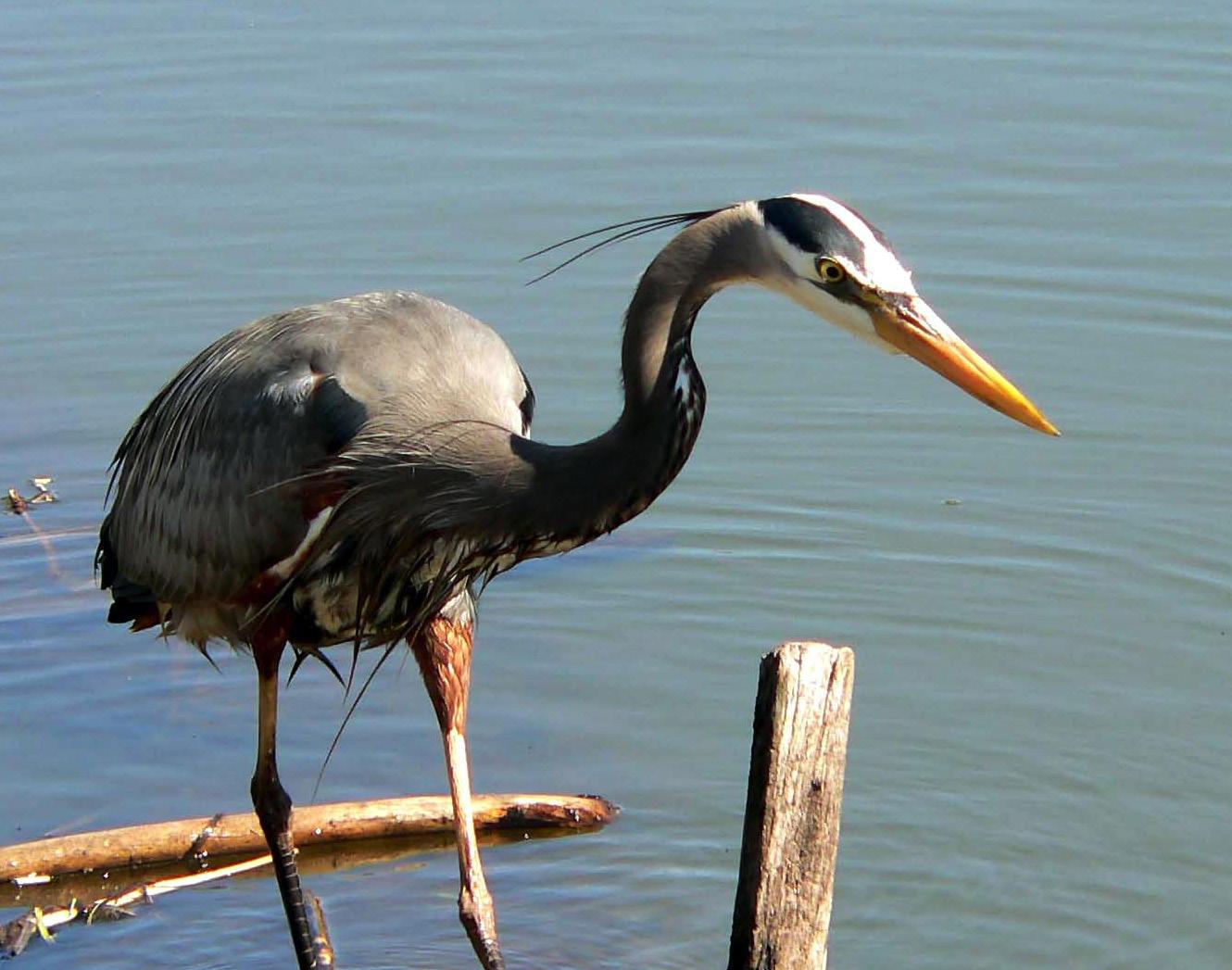
Finding Fireflies
When the sun sets and darkness settles on the Arboretum for the night, every now and then the dark is interrupted by the flash of a firefly. Meet on Peters Hill for an evening Firefly Walk to learn about the lives of the fireflies that live here, the mechanics of how they light up, and how these unique insects are being impacted by pesticides and light pollution.
June 23, 8:30–9:30pm
July 10, 8:30–9:30pm
Adam South, Professor
This program begins at Peters Hill Gate.
NATURE & WILDLIFE

TREE MOB: Turtles
Zoo New England is partnering with the Arboretum to run its annual turtle survey! For the past six summers, ZNE conservation biologists have ventured into the ponds of the Arboretum to survey the turtles, minnows, and other biodiversity present there. Join Zoo New England staff for a Tree Mob to meet and learn about the fascinating species that call the Arboretum ponds home.
July 14, 12:00–12:45pm Members Only
Zoo New England Staff
This program takes place at the Ponds.

Bees and Beyond: Pollinators at the Arboretum
Experience a walk through the Arboretum’s meadows to find bees and other pollinators in their natural habitat. The instructor will use a sweep net to find and catch bees in the landscape so participants can see them up close, while we talk about the most common bees found in Massachusetts, where they live and what they eat, and the importance of places like the Arboretum for pollinator conservation.
August 1, 10:00–11:30am
Nicole Bell, Pollinator Expert
This program begins at Flora Way Gate.
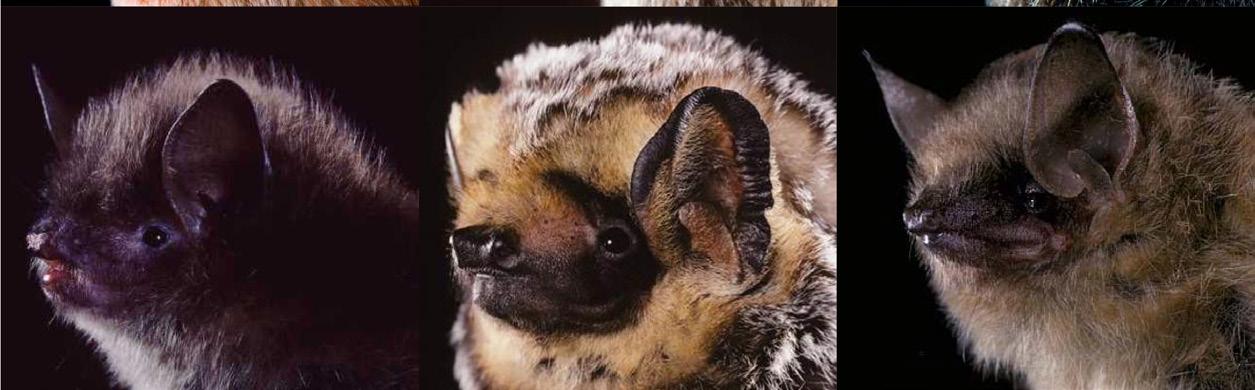
All About Bats
As the sun sets, the bats come out! Join us for a Bat Walk in the Conifer Collection, using specialized microphones to listen for and identify bat species in the landscape.
August 14, 7:45–8:45pm
Brendan Keegan, Horticulturist
Matt Kamm, Associate Director of Field Conservation at
Zoo New England
This program begins at Flora Way Gate.
HISTORY & CULTURE
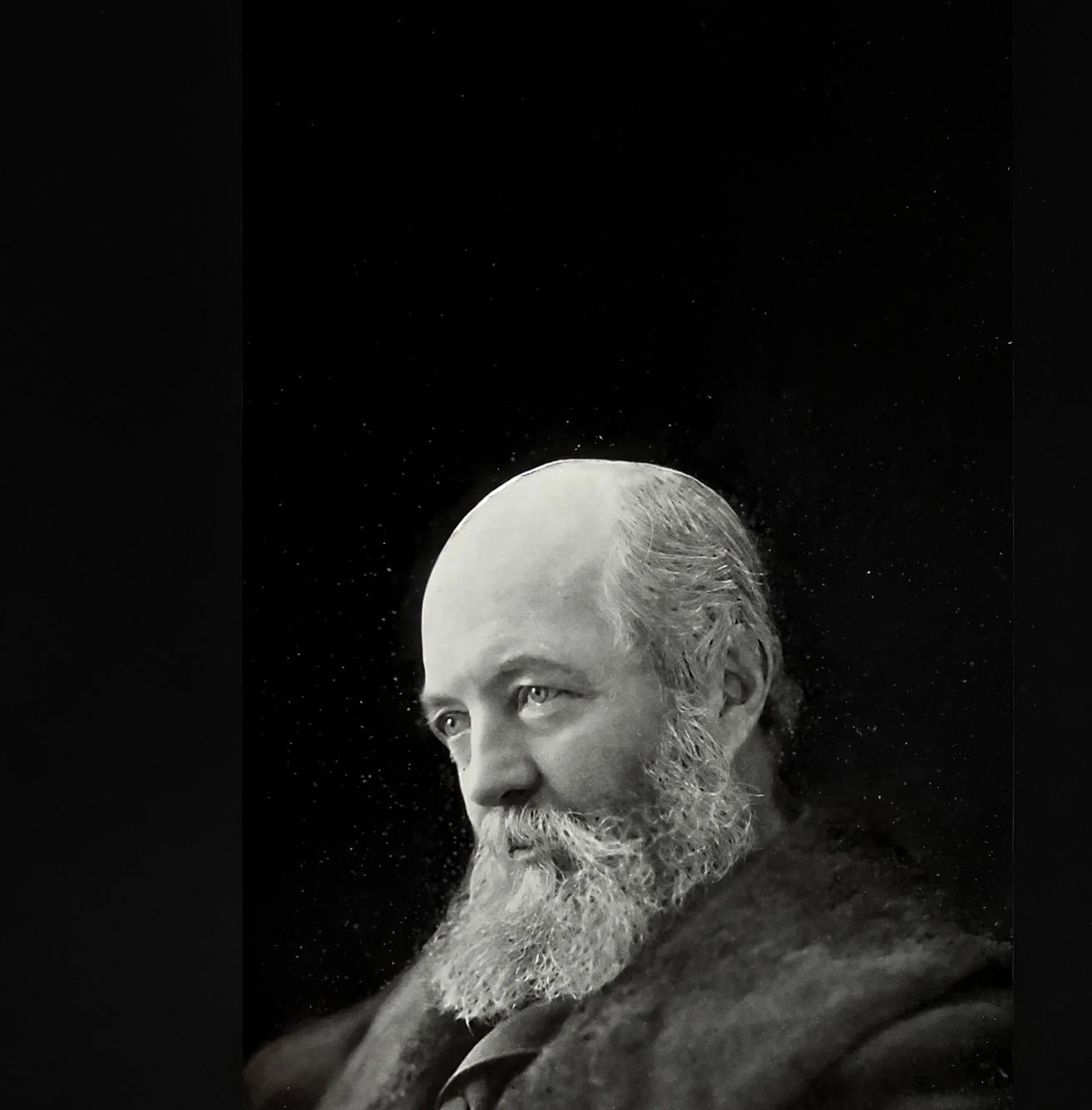
Charles Sprague Sargent and the American Landscape
Many are aware of Charles Sprague Sargent’s role as first director of the Arnold Arboretum, establishing it as the world-renowned institution it is today. Far fewer are familiar with how his close relationships and prolific correspondence with figures of national and international prominence in the developing fields of botany, horticulture, forestry, and wilderness preservation or his leadership of seminal public sector projects such as his path-breaking survey of United States forests for the 1880 US Census shaped the American landscape far beyond the Arboretum’s walls.
June 13 10:00–11:30am
Paul Eldrenkamp, Docent
This program begins at Flora Way Gate.
The Cosmic Tree: A Universal Symbol of Life: Flowering Trees
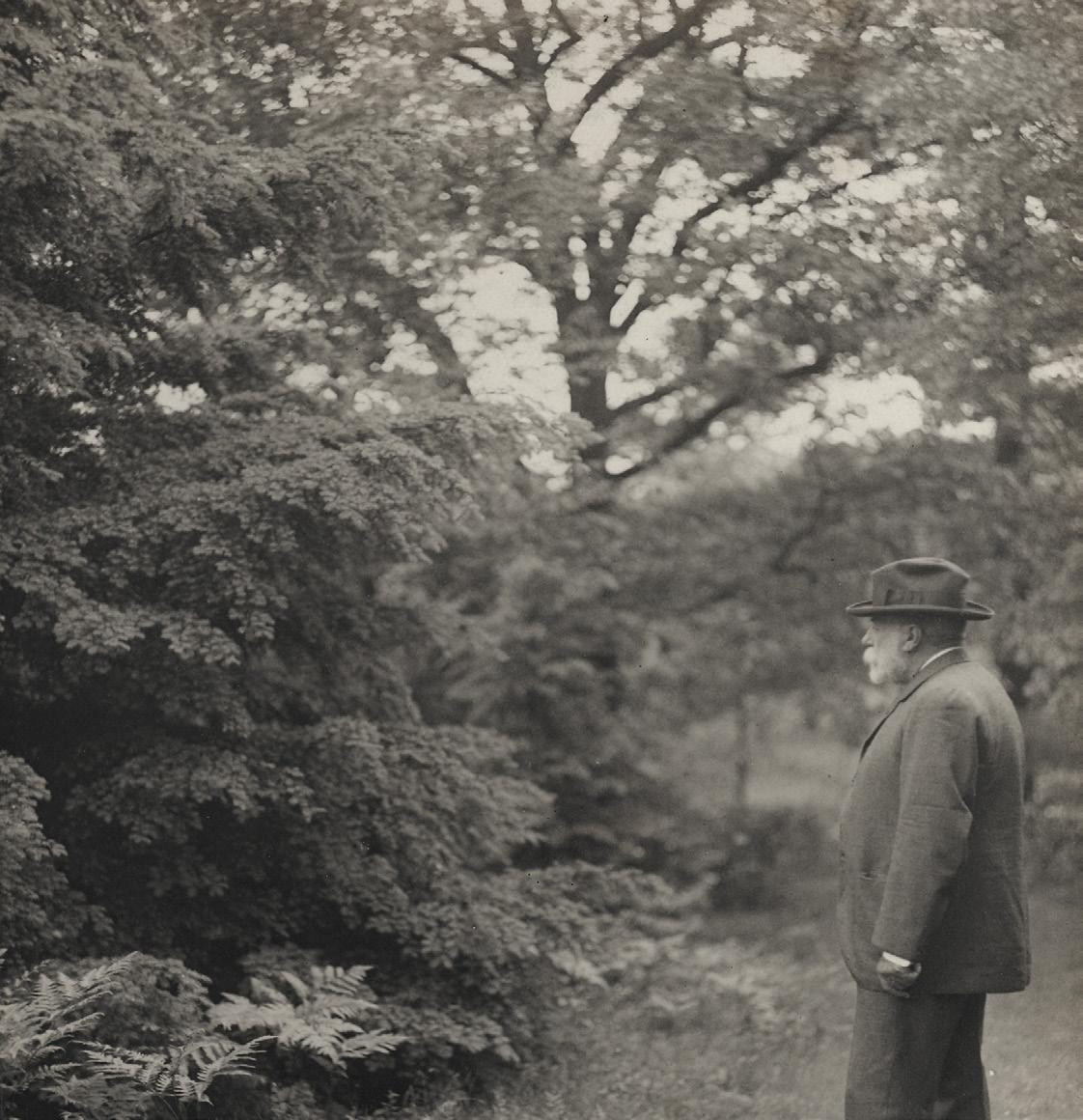
Olmsted and The Arboretum
Frederick Law Olmsted, considered the father of landscape architecture, designed some 500 public spaces in North America. The Arnold Arboretum is the only arboretum he designed, a National Historic Landmark, and a model for others around the world. Your docent will identify the elements of the Arboretum that best reflect Olmsted’s philosophy and approach to landscape design.
June 20, 11:00am–12:00pm
Bill Beizer, Docent
This program begins at Flora Way Gate.
Over millennia trees have evolved in various cultures to possess innate spiritual powers or as conduits for communication with the holy or sacred. During this tour we will discuss angiosperms, the largest and most diverse group in the plant kingdom. All flowering trees are angiosperms, but not all angiosperms reproduce in the same way, so you may not see blooms and flowers but plenty of leaves. This interactive tour will have stops to reflect on specific trees and the stories associated with them.
June 21, 10:00–11:30am
July 19, 9:00–10:30am
August 22, 9:00–10:30am
Katrina Scott, Docent
This program begins at Centre Street Gate.
HISTORY & CULTURE

Living Trees, Living Traditions: Cultural Perspectives on Plant Use
Trees have long played an important role in cultures around the world. On this tour, we delve into the ethnobotany of trees—how people of different cultures and regions made use of woody plants for food, medicine, everyday wooden objects, dyes, fibers, oils, resins, gums, soaps, waxes, and tannins. We will explore how groups from many regions and traditions have historically used bark, roots, and leaves from native and exotic trees we have growing at the Arnold Arboretum for a variety of uses. The focus is on cultural knowledge, meaning, and relationship—not on medical instruction or other advice.
June 27, 11:00am–12:30pm
July 29, 11:00am–12:30pm
Vicki Amalfitano, Docent
This program begins in front of the Hunnewell Building.
Botanical Cyanotype: Drop-In Event
Stop by the Hunnewell Lawn while supplies last to create beautiful nature-based cyanotype prints. Participants will arrange flowers, leaves, and seeds and expose them in sunlight to create a deep blue print with bright, ghost-white silhouettes.
This is a drop-in program so there is no need to register, just stop by and get creative!
July 11, 12:00–2:00pm
Sarah Nechamen, Manager of Adult Programming and Events
This program takes place in front of the Hunnewell Building
The History of Hemlock Hill
Hemlock Hill has been through some trials throughout its century and a half at the Arboretum, from the introduction of the hemlock woolly adelgid to the hurricane of 1938. Join us for an exploration of this unique corner of the landscape.
August 8, 10:00–11:30am Members Only
John DelRosso, Head Arborist
This program begins at Flora Way Gate.

Trees That Shaped Civilization
Join us for a visit to five groups of trees that each played a particularly significant role in shaping five very different civilizations: Eastern white pine, cedar of Lebanon, Western red cedar, oaks, and the five sacred trees of the Kiso Forest in Japan.
August 8, 1:00–2:30pm
Paul Eldrenkamp, Docent
This program begins at Flora Way Gate.
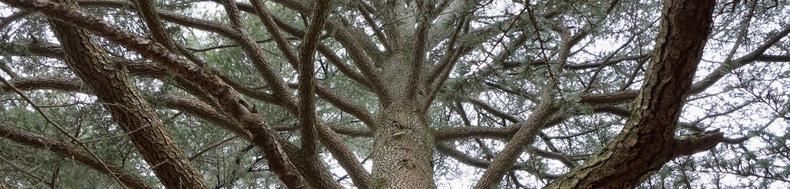
Arnoldia Spotlight: Reading the Landscape as Historical Text
Before this landscape became an Arboretum, part of it belonged to a black landowner and farmer named Simeon Giles. A Harvard seminar called Slavery, the Environment, and Public History explored what we can learn about Giles and his family by reading the landscape today: which of the trees here were present at that time? What would Giles have cultivated here, and how might the shape of the land have impacted his livelihood? Learn about Giles and the history of this land.
August 9, 10:00–11:30am Members Only
Riley Sutherland, Harvard Graduate Student
Brendan Keegan, Horticulturist
Matthew Battles, Arnoldia Editor
This program begins at Centre Street Gate.
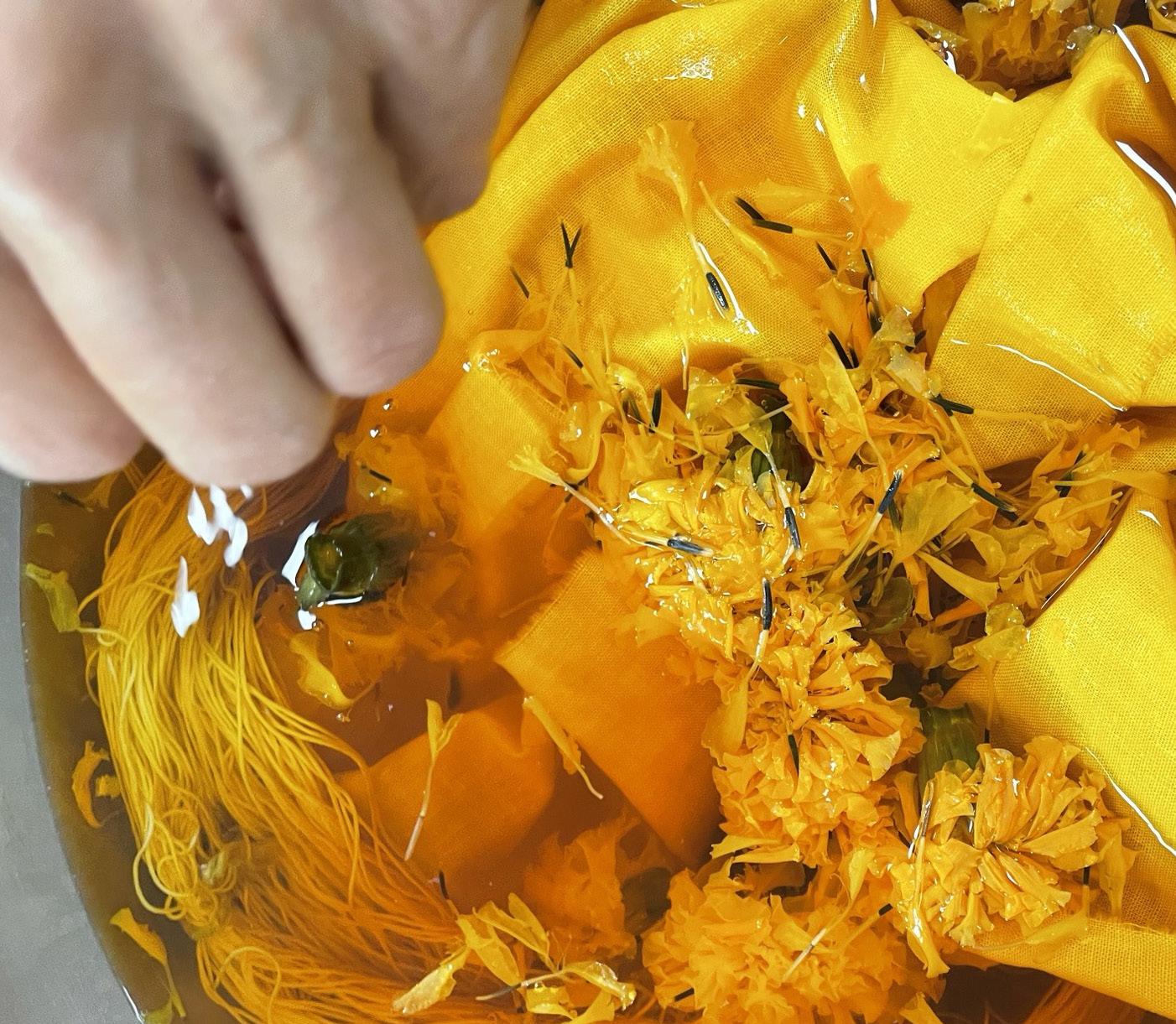
Plant-Based
Fabric
Dyeing:
A Drop-In Event
Many of the plants grown at the Arboretum have been used as natural dyes for centuries: goldenrod for yellow, stinging nettle for green, madder or bloodroot for pink. Join fiber artist Maggie Ruth Haaland on the Hunnewell Lawn to learn about some of these natural dyeing methods and get a chance to try some of your own.
August 23, 12:00–3:00pm
Maggie Ruth Haaland, Artist
This program takes place on the Hunnewell Lawn
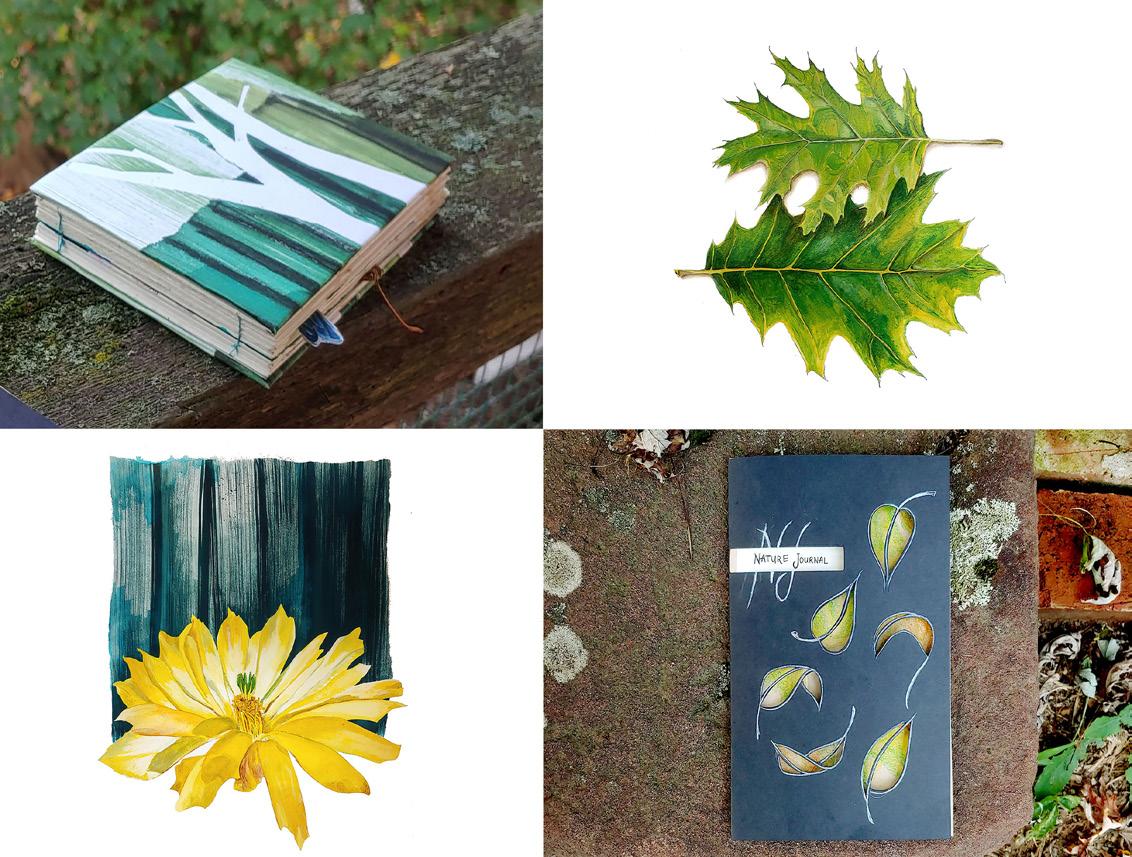
Nature Journaling - Virtual Program
Are you trying to get (back) into a nature-journaling practice? Interested in discovering a new, creative way to engage with the world of trees? Join this online, interactive session for some spontaneous and expressive artmaking, inspired by a tree near you! We will gather online to respond creatively to the trees in our respective corners of the world. The session consists of various free-form sketchbook experiments that celebrate the diversity of tree form. All levels are welcome: neither botanical knowledge nor previous drawing experience are required.
August 9, 2:00–4:00pm Members Only
Kristel Schoonderwoerd, Botanist This program takes place via Zoom.
HEALTH & WELLNESS
Morning
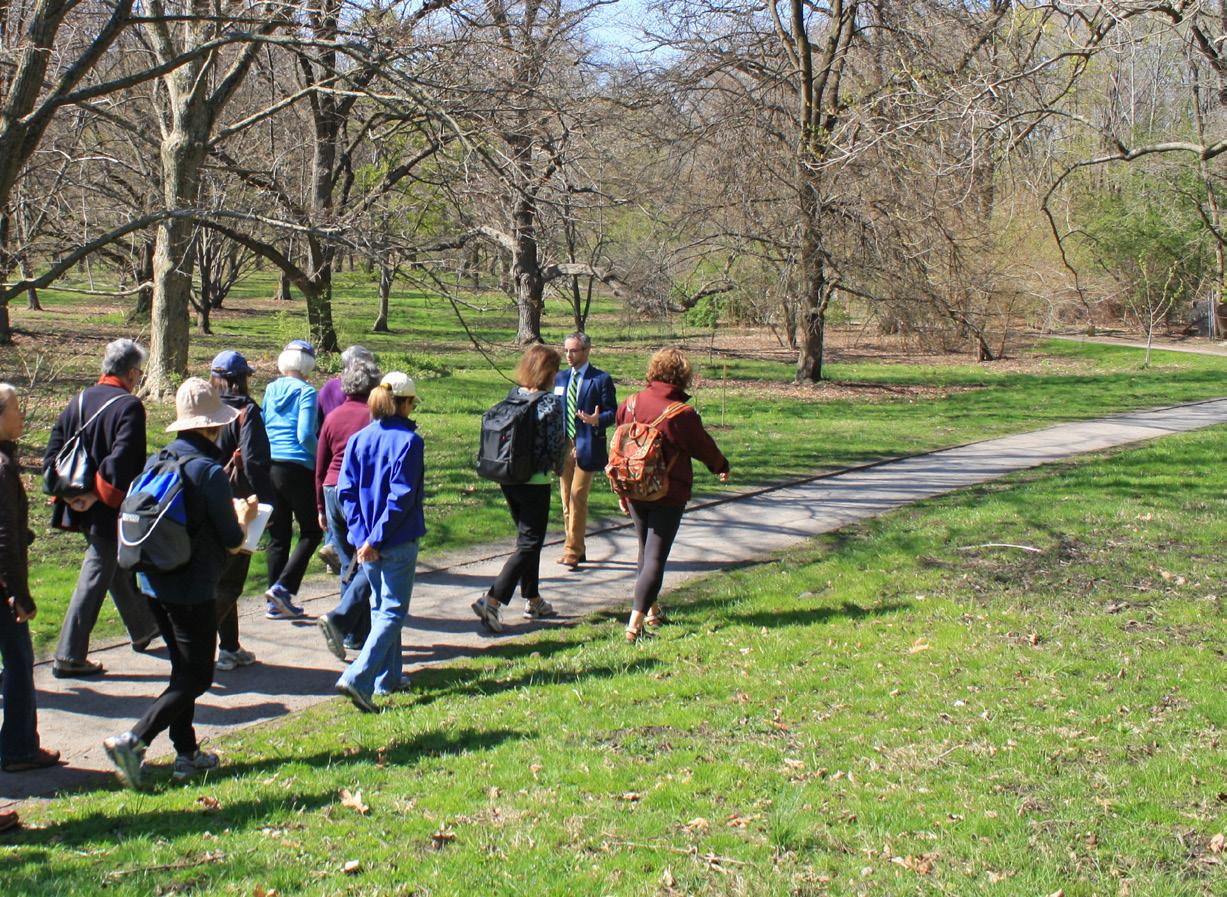
Fitness Walk
Join docent Lisa Gaquin for a brisk morning walk along the inside perimeter of the Arboretum. This walk will be fast-paced, energetic, and will involve walking over hills and rough terrain. Note that this is not a traditional tour: you may hear some information about individual trees and history, but the main goal is to get outside and get some exercise! Bring good walking shoes, water, and walking poles if desired.
June 16, 10:00am–12:00pm July 21, 10:00am–12:00pm
August 18, 10:00am–12:00pm
This program begins in front of the Hunnewell Building.
Forest Bathing
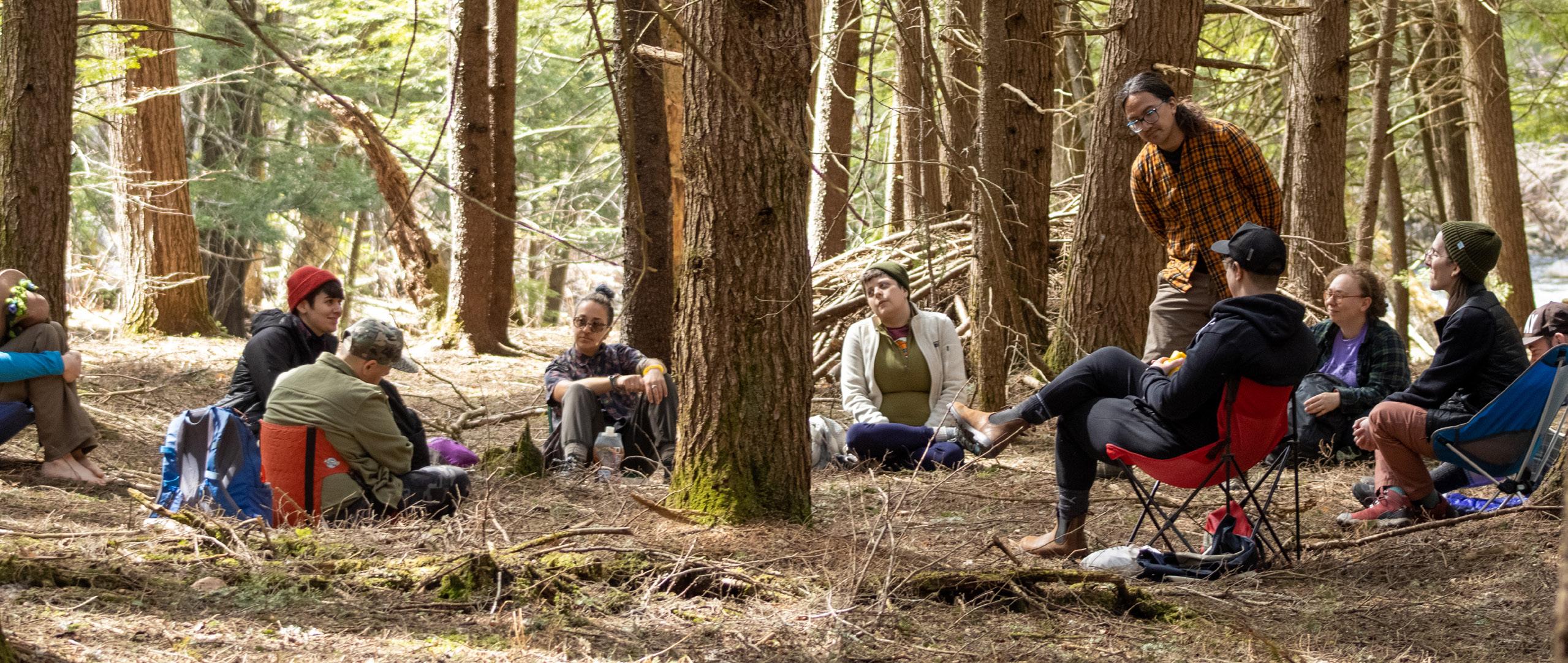
Slow down and awaken your senses on a guided sensory experience in the Arnold Arboretum. Forest Bathing, inspired by the Japanese practice of Shinrin-yoku, is a restorative sensory exploration that supports health and healing for all beings.
July 18, 9:00am–11:00am
Tam Willey, Forest Therapy Guide
This program begins at Flora Way Gate.
Terapia de Bosque en Español
La terapia de bosque, también conocida como baño de bosque o Shinrin-yoku, es una práctica basada en evidencia que te conecta con la naturaleza de manera amable, curiosa y consciente. En el ritmo acelerado del mundo de hoy, esta experiencia cuidadosamente diseñada te invita a tomar una pausa, despertar tus sentidos y disfrutar de lo que nos ofrece la naturaleza.
July 25, 10:00am–12:00pm
Andrea Jaramillo, Forest Therapy Guide
This program begins at Flora Way Gate.
EVENTS
Tree Mobs
Tree Mobs are short, spontaneous learning opportunities inspired by ephemeral plant phenomena in the landscape, unique nature encounters, and plant science. Did the magnolias just start blooming? Are the witch-hazels dispersing their seeds? How do plants survive extreme weather? Take a deep dive with Arboretum experts.
We communicate about upcoming tree mobs by posting them as an event on our website’s events page and emailing the Tree Mobs mailing list. Join the list to be notified about upcoming Tree Mobs! Note: Tree Mobs are offered as a hybrid program. In-person spots are reserved for Members Only and the virtual stream is open to all.
Possible Summer Tree Mobs:
Lightning Protection, Turtles, Linden, Sassafras, and Drought Management
Insect Safari
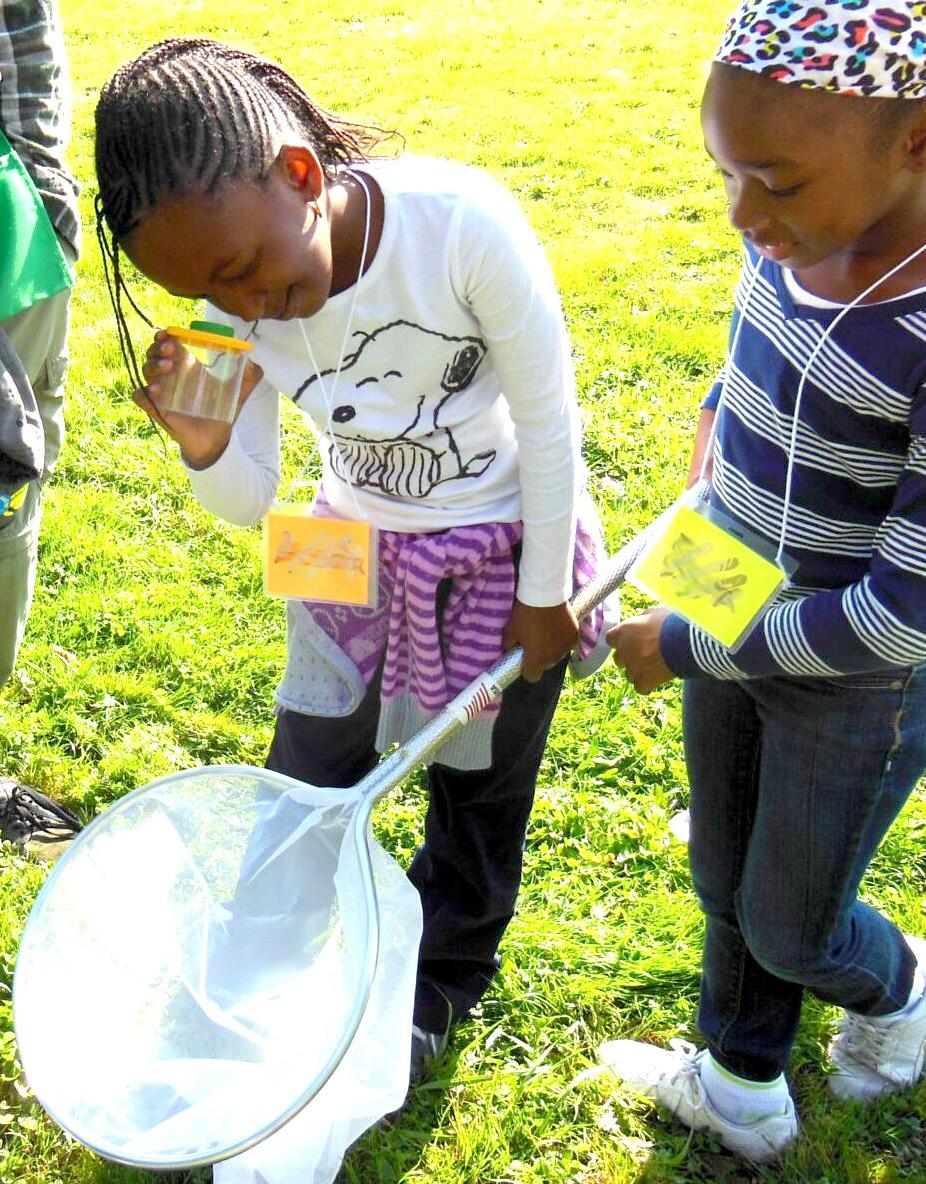
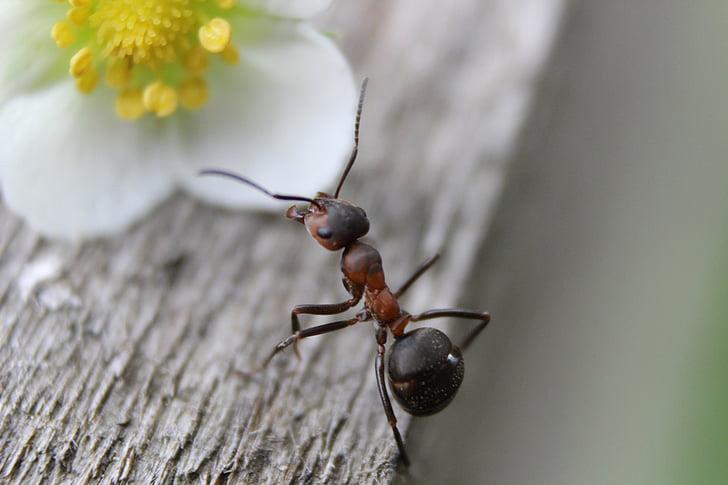
Join us for an interactive look at all the tiny critters that crawl, fly, or slither through the Arboretum landscape. We will have sweep nets and bug boxes to catch bugs in Kent Field, digital microscopes to get a closer look, and an entomologist to help us identify everything we find. This is an all-ages, interactive program: come prepared to move around and get up close with some bugs and insects!
August 15, 10:00am–12:00pm FREE EVENT
This program takes place in the Conifer Collection (enter at Flora Way Gate).
PLAN YOUR VISIT
WELCOME TO THE ARNOLD ARBORETUM.
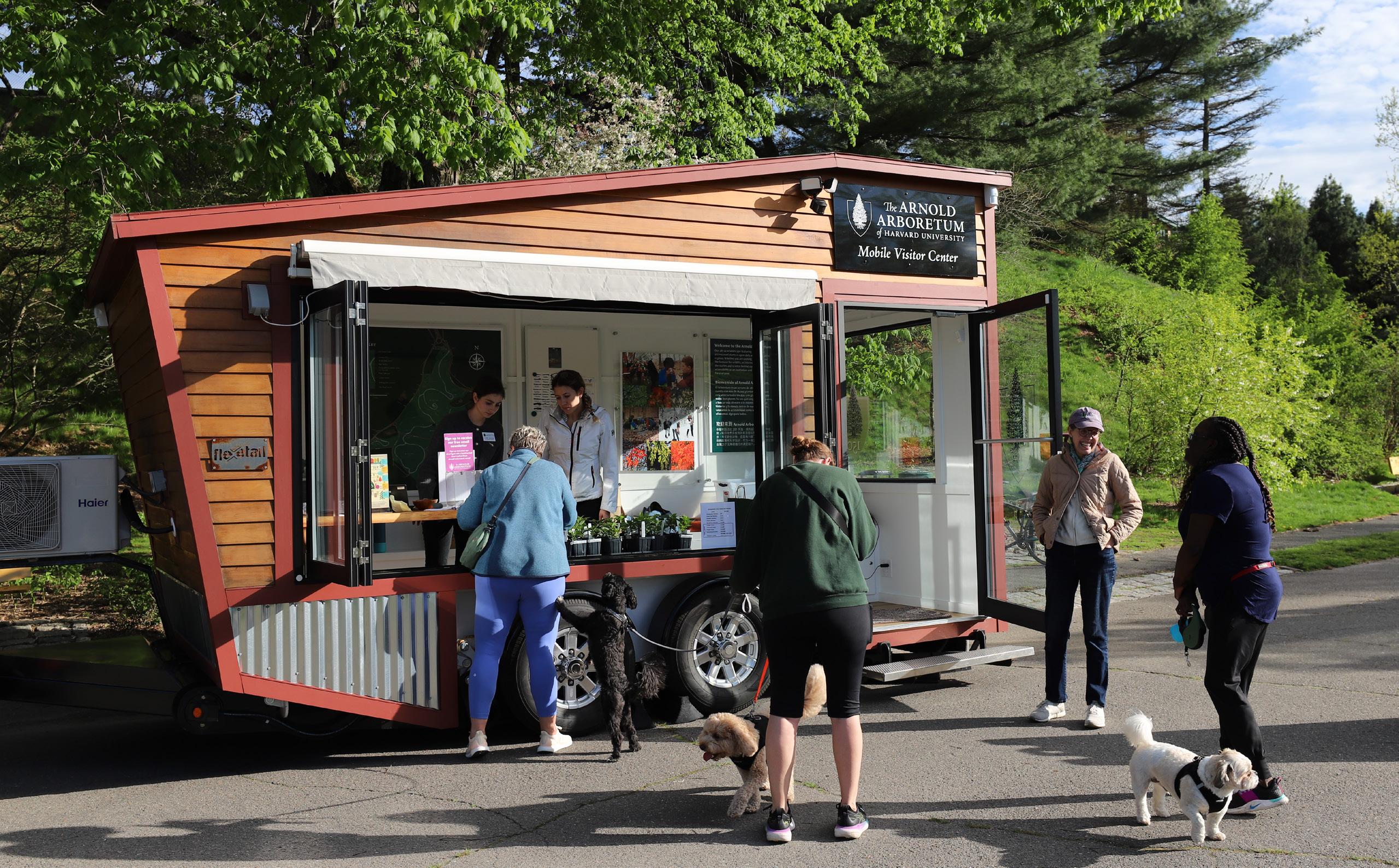
Our 281-acre landscape features more than 16,000 accessioned plants. We are open daily and free for all to explore. Whether you are coming for a stroll, on the lookout for wildlife, or interested in learning the stories and science behind our plants, we offer something for everyone.
F Learn about our plants and collections
F Print a map
F Get directions
F Take a guided tour
Accessibility
The Arnold Arboretum of Harvard University welcomes people of all abilities and is committed to facilitating a safe and engaging experience for all who visit. To learn more or for accessibility-related questions, please visit the accessibility page on our website or contact our Visitor Engagement team.
SEASONAL HIGHLIGHTS
Here is just a small sampling of what is happening this season in the Arnold Arboretum.
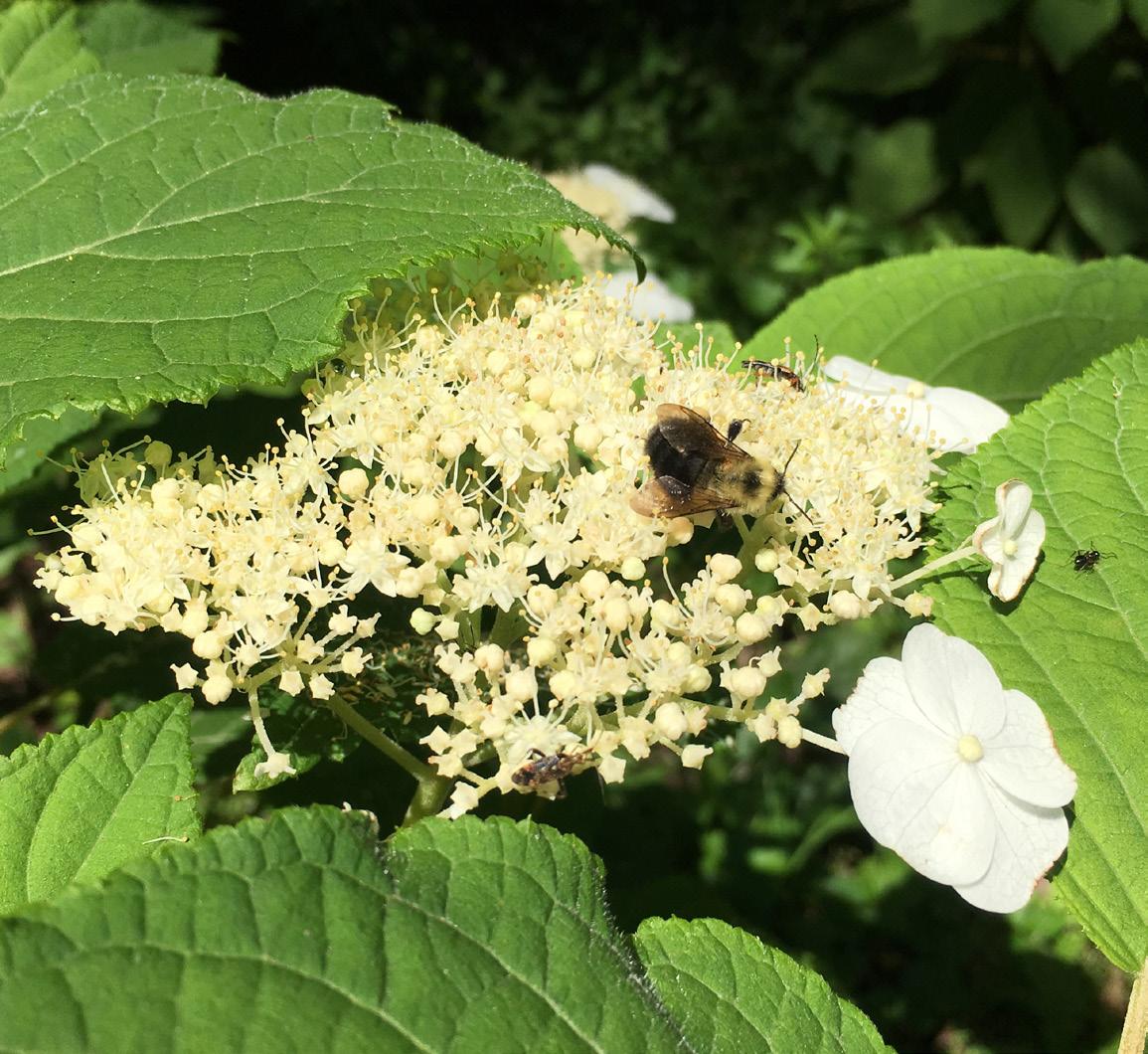
Hydrangea longipes
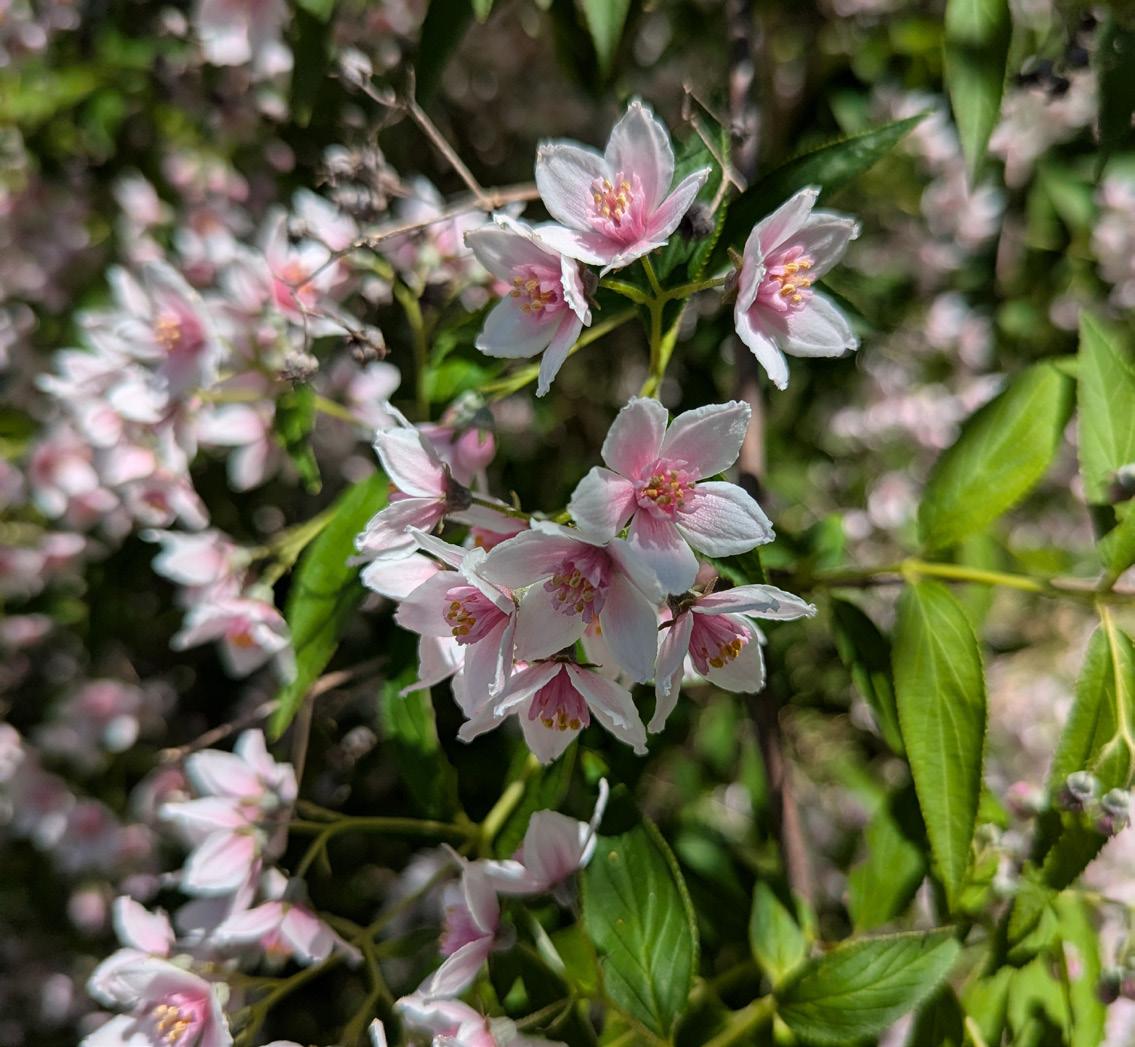
Longleaf deutzia (Deutzia longifolia)
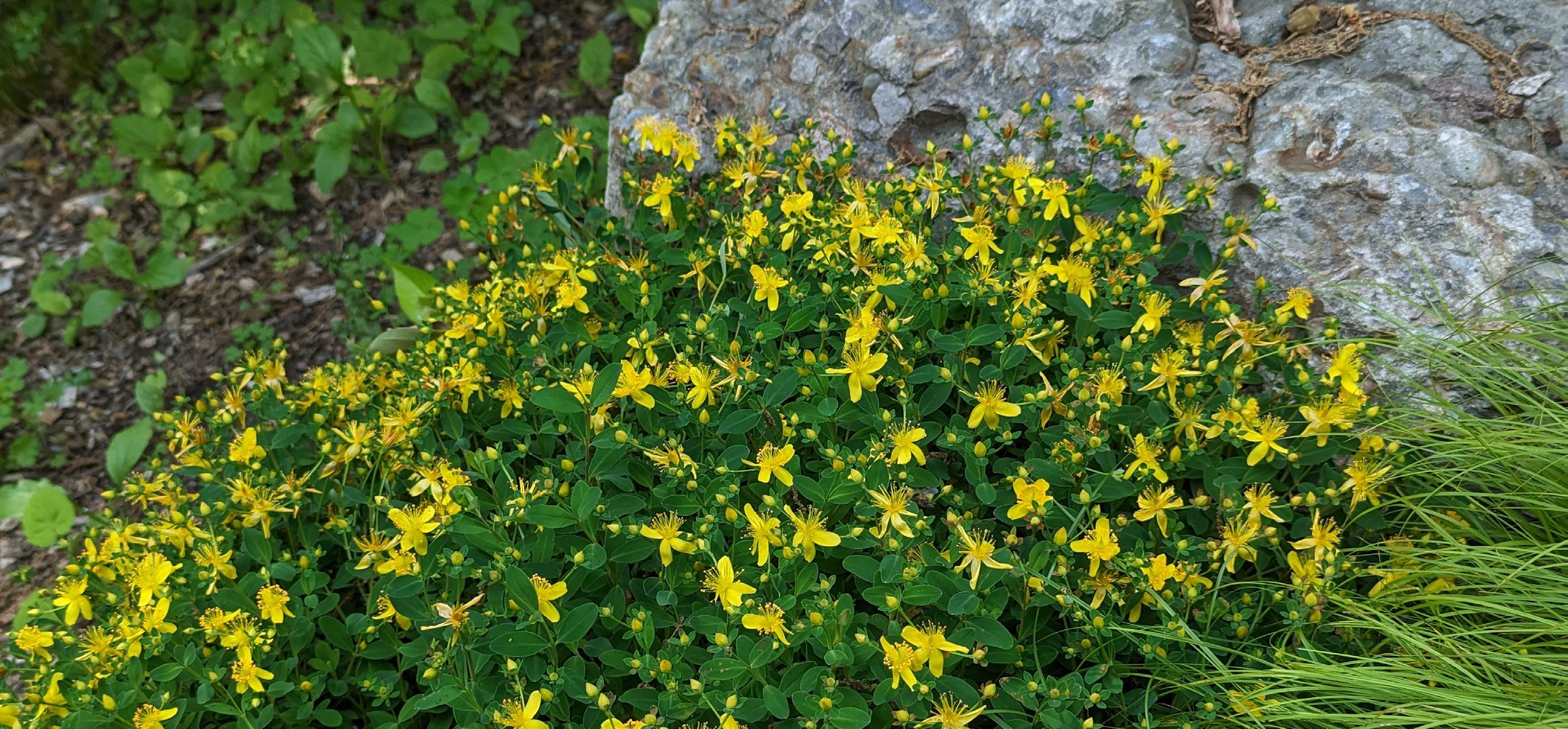
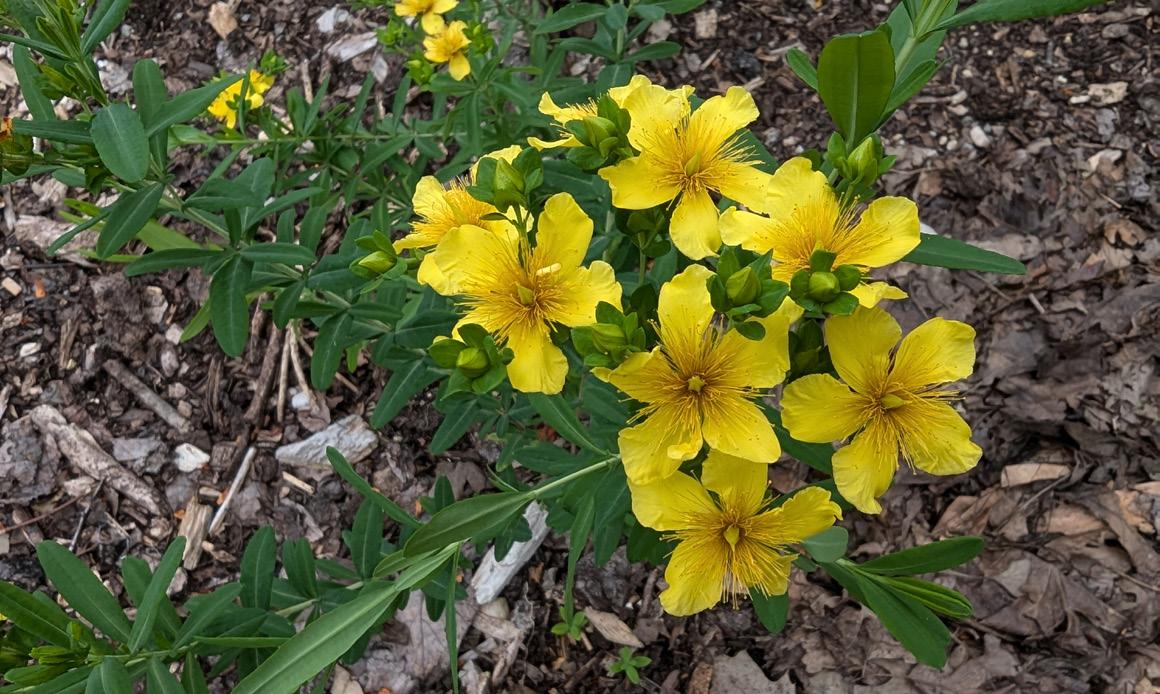
Swink’s St. Johnswort (Hypericum swinkianum)
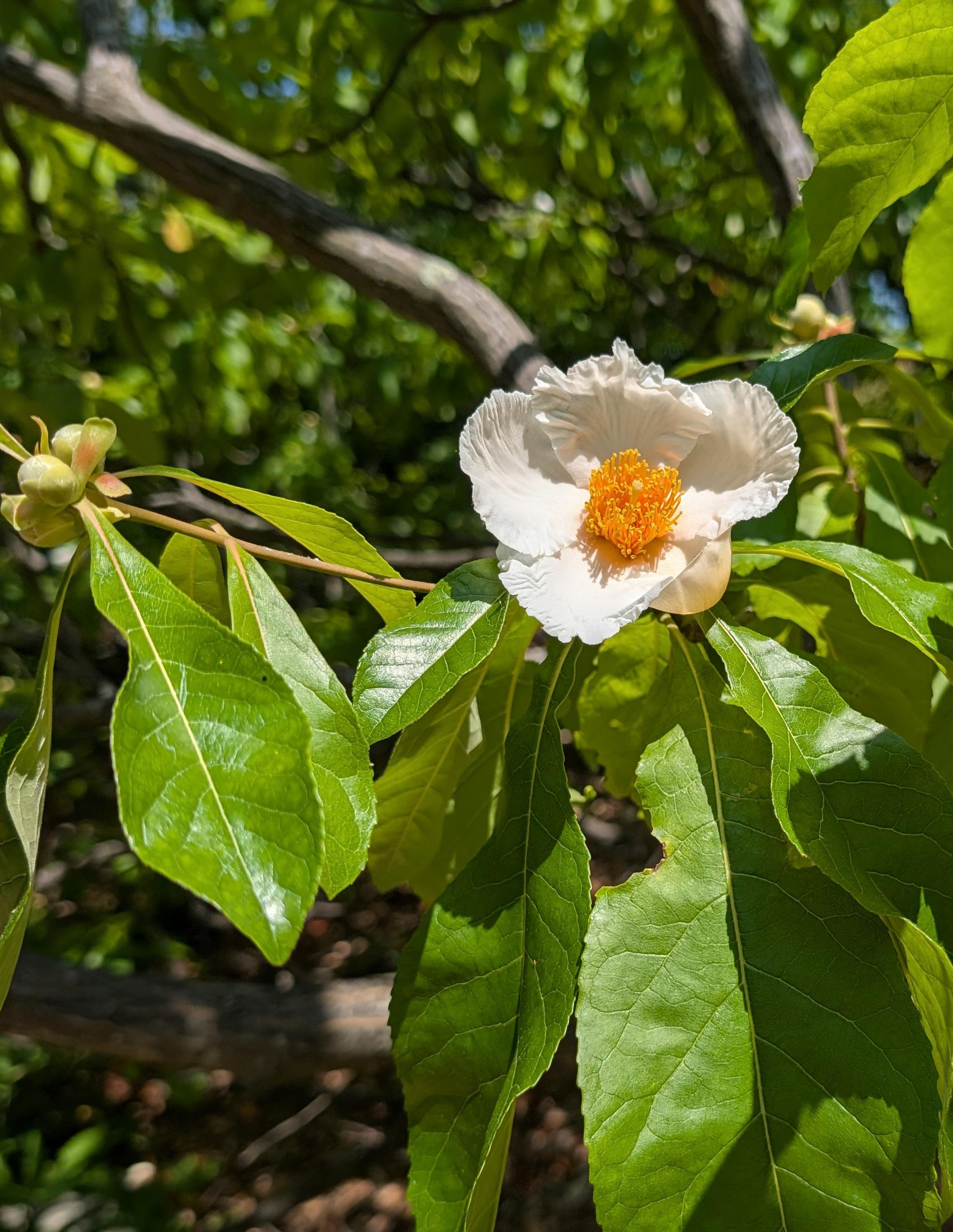
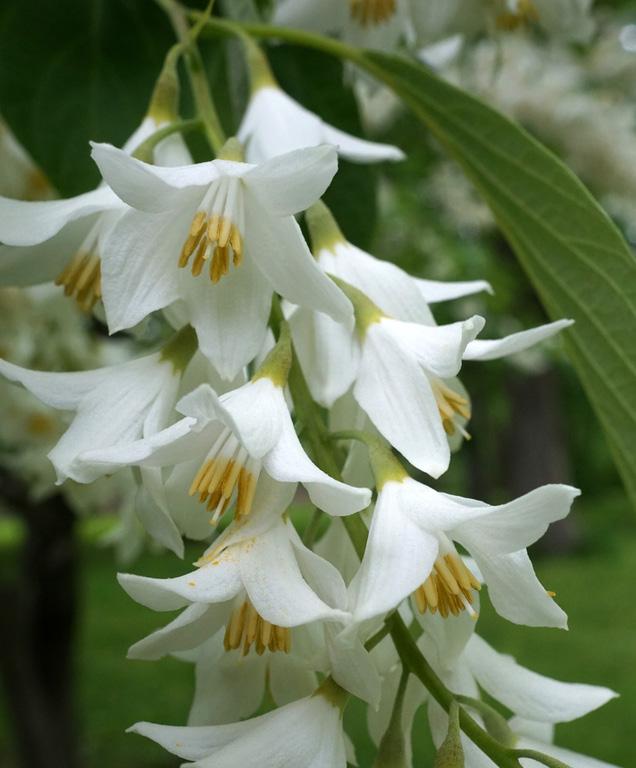
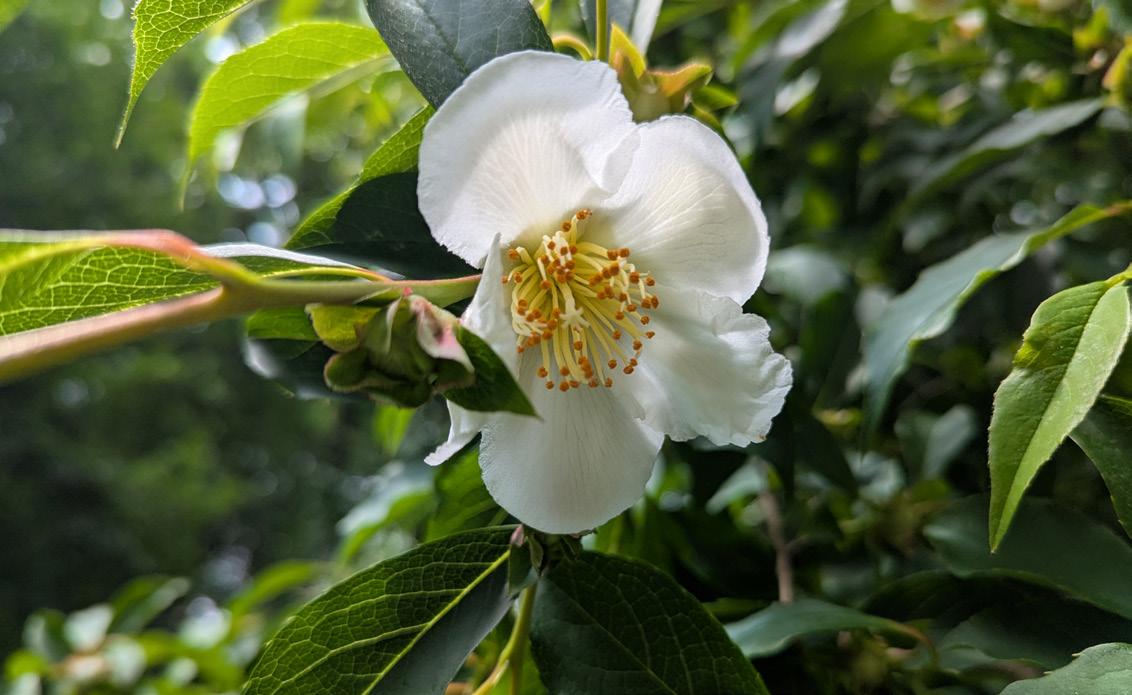
Beaked stewartia (Stewartia rostrata)
VISITING WITH KIDS
Little Explorers Preschool-Age Program
Join us at the Arboretum as we read and discover new things about the natural world. During this onehour program for our youngest guests and their grown-ups, we will read a nature inspired story, do a craft, and go for a nature walk to continue exploring the theme. Each week’s theme is inspired by what is happening seasonally at the Arboretum. While this program begins indoors, it will often venture outside into the landscape. (Geared toward ages 3-5)
Little Explorers runs 10:00–11:00am on the following Mondays:
June 1, 15, 29
July 13, 27
August 10, 24
Pre-registration is encouraged. This program begins in the Hunnewell Lecture Hall.
Suggested Family Walk
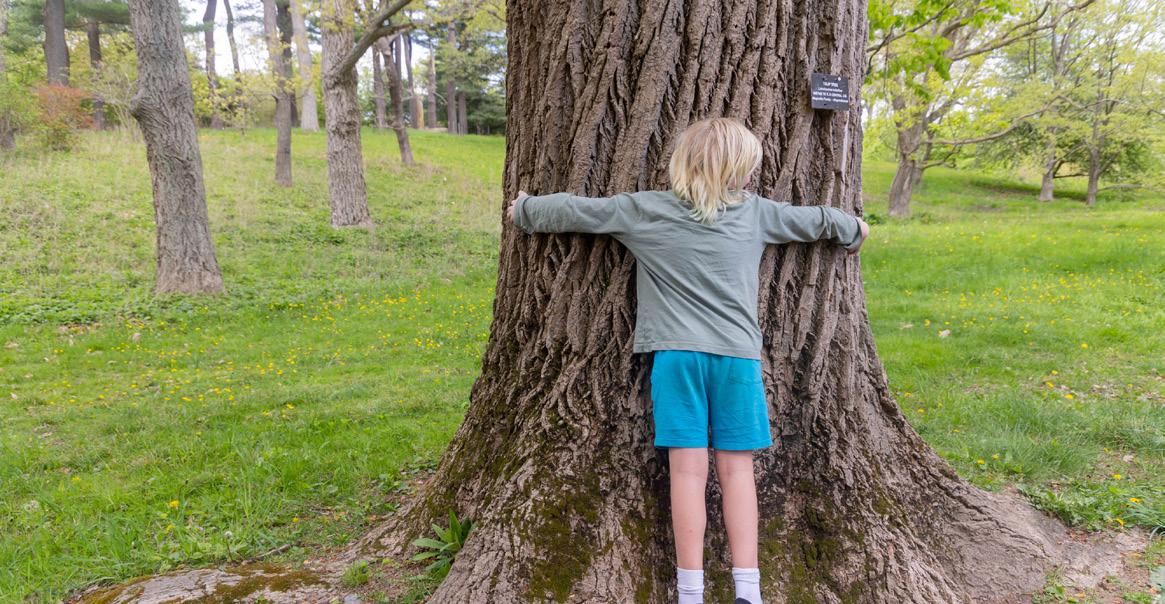
The Arboretum is a big place - 281 acres!
How can trees grow among rocks?
Here is an area we recommend visiting with kids plus some questions to kick off your nature study.
The Arboretum’s Rhododendron Dell (affectionately called Rhody Dell) is located on the eastern side of the Arboretum, and is closest to South Street Gate. Here you will find shady paths, a rocky brook, a steep rock cliff, and of course, the dense tangles of Rhododendron bushes that burst with red, pink, purple, and white flowers in May, June, and July.
How much flowing? think that
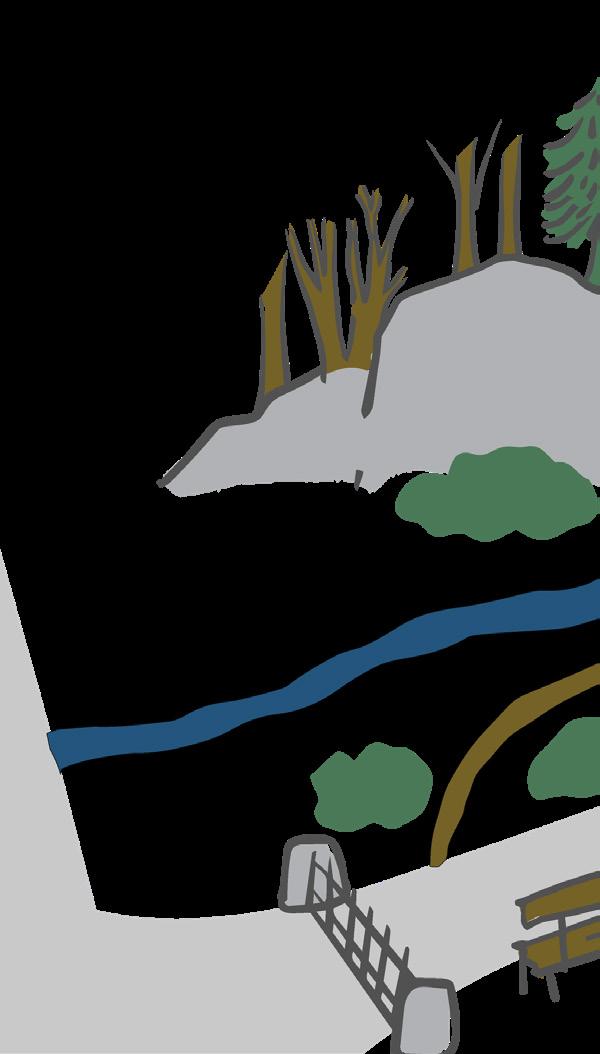
BusseyBrook
much water is flowing? Why do you that is?
Outdoor Educator Recommended Books
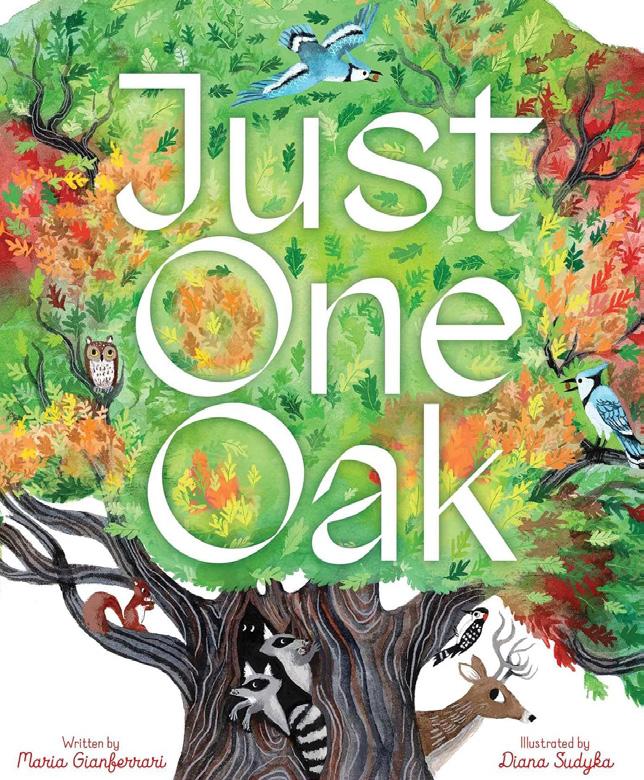
Just One Oak: What a Single Tree Can Be by Maria Gianferrari and Diana Sudyka
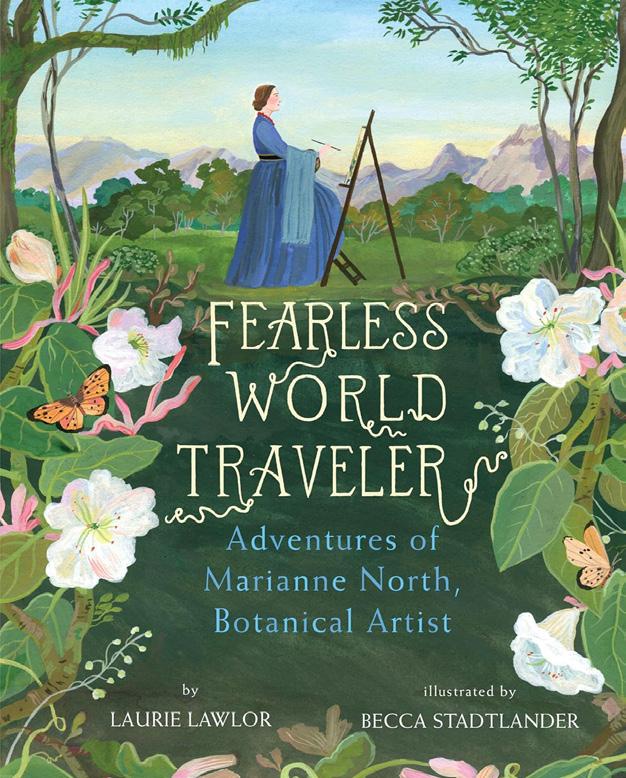
Fearless World Traveler: Adventures of Marianne North, Botanical Artist by Laurie Lawlor and Becca Stadtlander
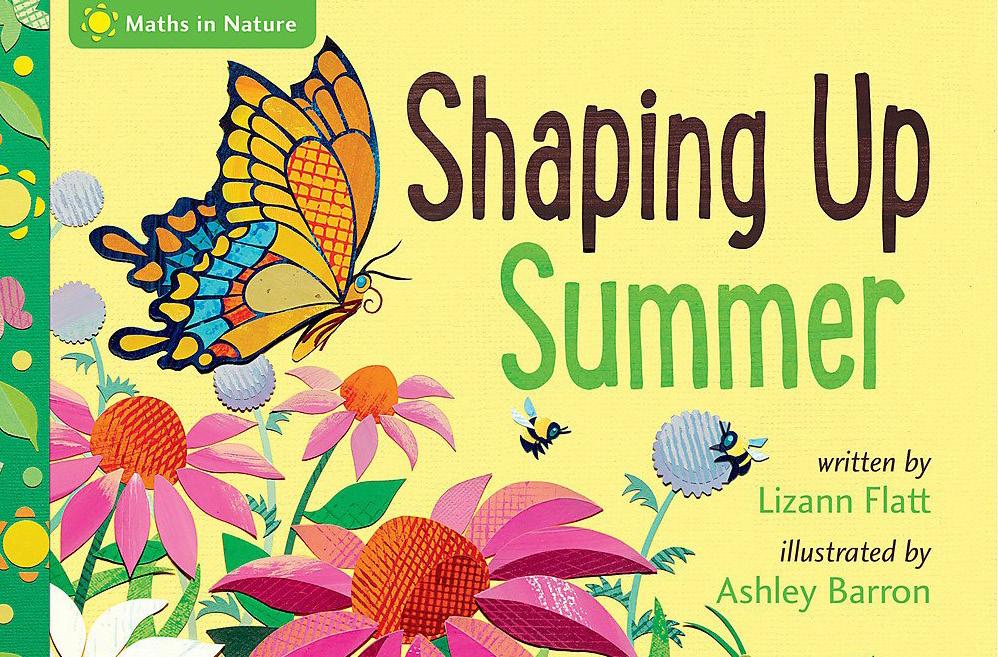
Shaping Up Summer (Math in Nature) by Lizann Flatt and Ashley Barron
Up to My Knees! (Storytelling Math) by Grace Lin
Look carefully at the tree roots at the edge of the water. What do you notice?

Listen to the sounds around you. Feel the air. Be inspired!
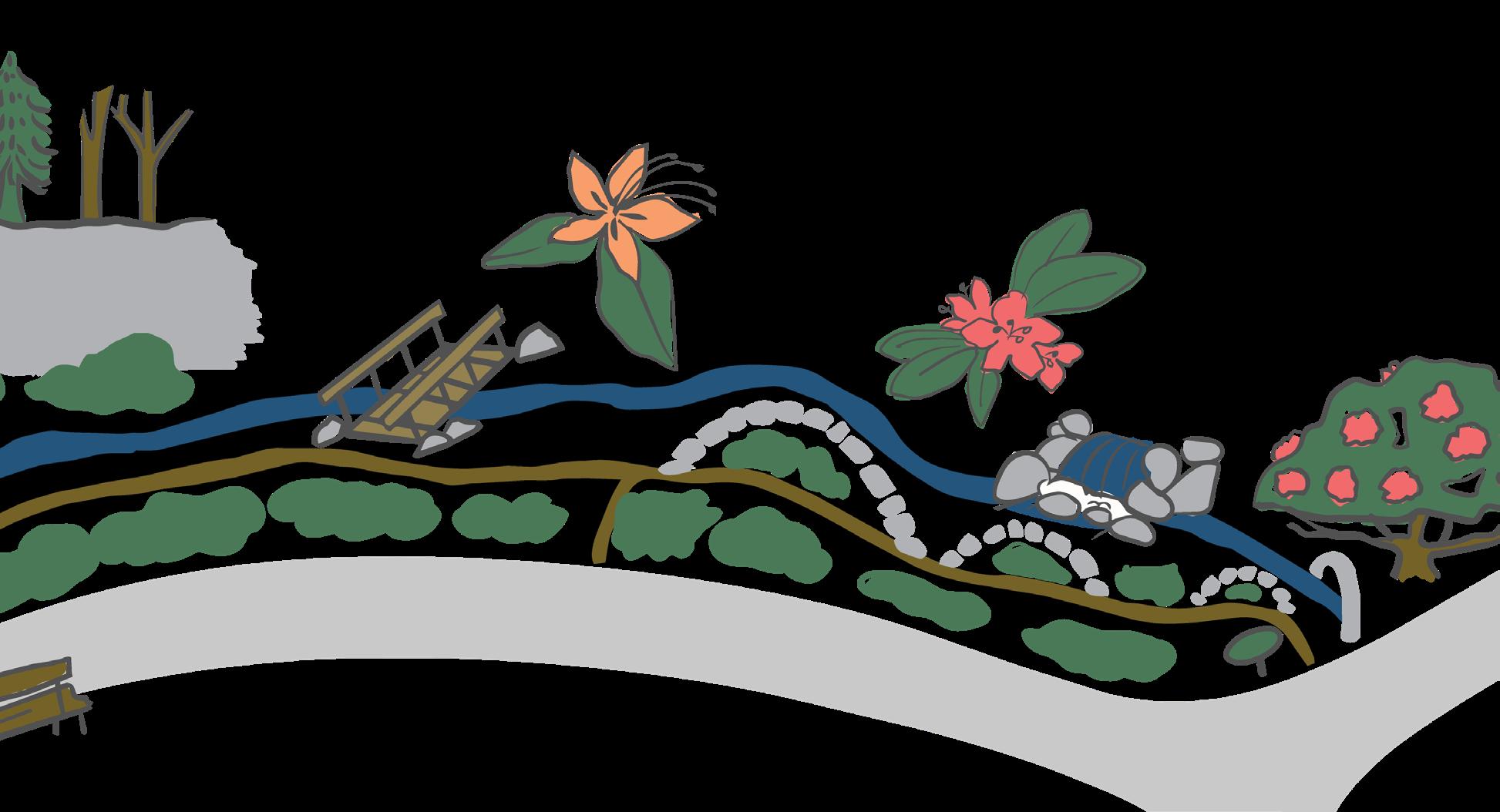
Take a moment in this space. What do you notice? What do you wonder?