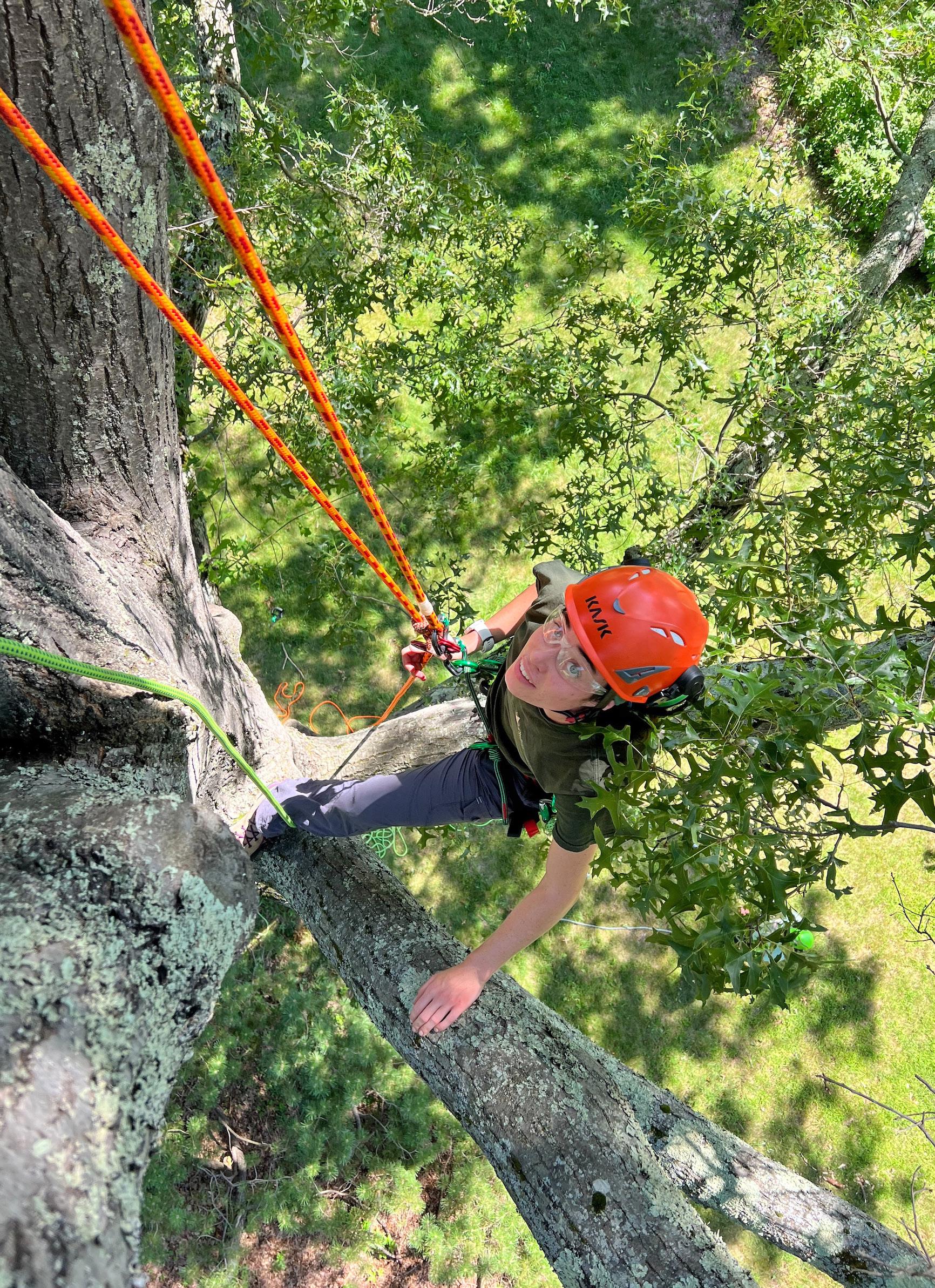
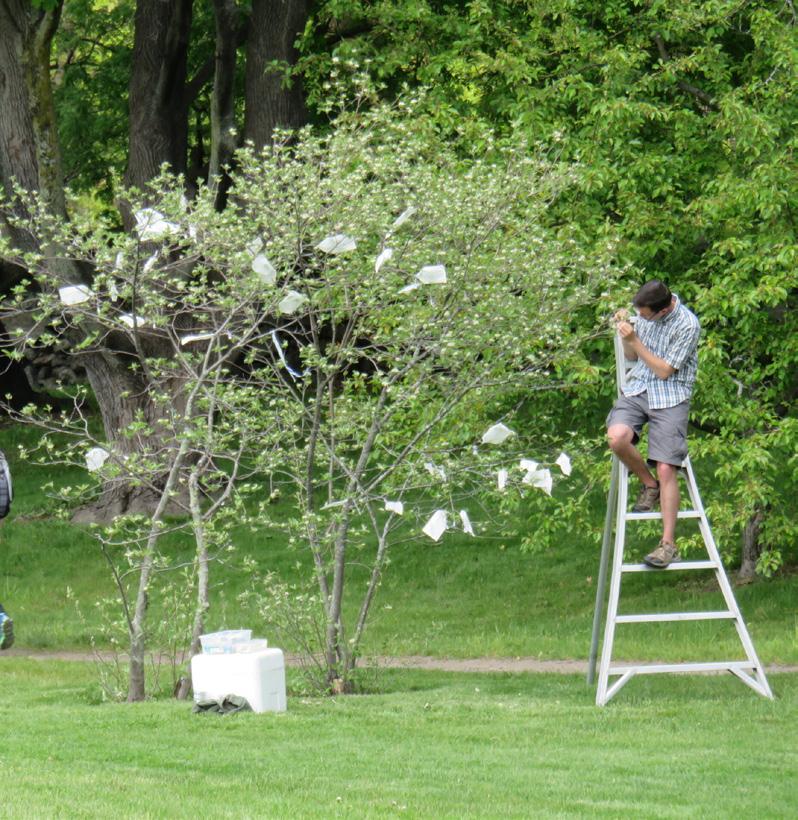
Arboretum Arborist Delia Mahoney ascends the canopy.
Founded in 1872 and governed by a landmark partnership between Harvard University and the City of Boston, the Arnold Arboretum is a scientific research enterprise at Harvard, stewarding one of the world’s most comprehensive collections of temperate woody plants for research, conservation, and public education. It is also a public park, a crown jewel in Boston’s Emerald Necklace and a National Historic Landmark. Designed by pioneering American landscape architect Frederick Law Olmsted, it remains one of the best-preserved Olmsted-designed landscapes in the United States. The Arboretum’s extensive collections of temperate woody plants have a particular focus on the floras of eastern North America and eastern Asia. The living collections, herbaria, and library and archives support research in our laboratories at Weld Hill and by scientists around the world, advancing scholarship across a range of disciplines and across community and professional audiences. Meanwhile, the Arboretum’s 281-acre landscape is an urban oasis and outdoor classroom that provides free access and learning opportunities for the public every day of the year.
HARVARD’S MUSEUM OF TREES A BOSTON PUBLIC PARK
From the Director
As we reflect on 2025 at the Arnold Arboretum, I am deeply grateful for the community that sustains our mission to collect, preserve, study, and share the wonder of trees. This year affirmed—more vividly than ever— that the Arboretum is both a museum of living trees and a place where people and plants come together to imagine a healthier, more connected world. The committed support of our members, donors, and friends made that possible, and it is with deep appreciation that we share a few highlights of our progress over the past year in this annual report.
A defining focus of 2025, shaped by our 2022 Sesquicentennial Campaign, was opening the Arboretum
landscape both physically and symbolically. Through our Entrance Improvement Project, we raised significant funding to transform some of our key gateways into more welcoming, accessible, and plant-forward experiences. By clarifying entry points and framing them with the rich diversity of our collections, we are creating invitations—to explore, to learn, and to belong. These improvements reaffirm the Arboretum as a free and open landscape—one that welcomes all people to experience the beauty, knowledge, and community rooted in the appreciation of nature.
We also expanded our scientific mission through international expeditions that enriched our collections and deepened global partnerships. Growing collaborations in China, Japan, and South Korea advanced the Campaign for the Living Collections, an ambitious effort to acquire nearly 400 rare and threatened plant species from natural environments to support research and conservation efforts worldwide. At a time of shifting national priorities in climate and environmental work, this collaborative work is critical to preserving threatened species, sharing knowledge, and fostering a more resilient future for plants and habitats.
Discovery and learning flourished across the Arboretum in 2025. We supported research through competitive awards, welcomed visiting scholars, and expanded opportunities for early-career scientists, even as such pathways narrow across the field. Our free public education programs engaged learners of all ages, from students encountering field science for the first time to adults deepening their understanding of the natural world. Together, these efforts reaffirm the Arboretum as a vital center for inquiry and public education.
At the same time, we recognize that this work unfolds amid growing pressures on science and higher education. With tightening budgets and escalating threats to biodiversity, philanthropy is not simply helpful—it is essential. Your generosity enables independent, mission-driven research, global conservation work, and inclusive learning experiences. Because of you, the Arboretum will
continue to grow and steward its living collections as a world-class resource for discovery—today and for the 1,857 years remaining in Harvard’s lease on this landscape with the City of Boston.
Thank you for standing with us and for believing in the power of plants, science, and public landscapes to shape a more resilient and sustainable future. With your support and participation in our mission, the Arnold Arboretum continues to grow and flourish with optimism, ambition, and a shared commitment to care for—and learn from—the remarkable world of trees.
William (Ned) Friedman Director of
the Arnold Arboretum Arnold Professor of Organismic and Evolutionary Biology, Harvard University
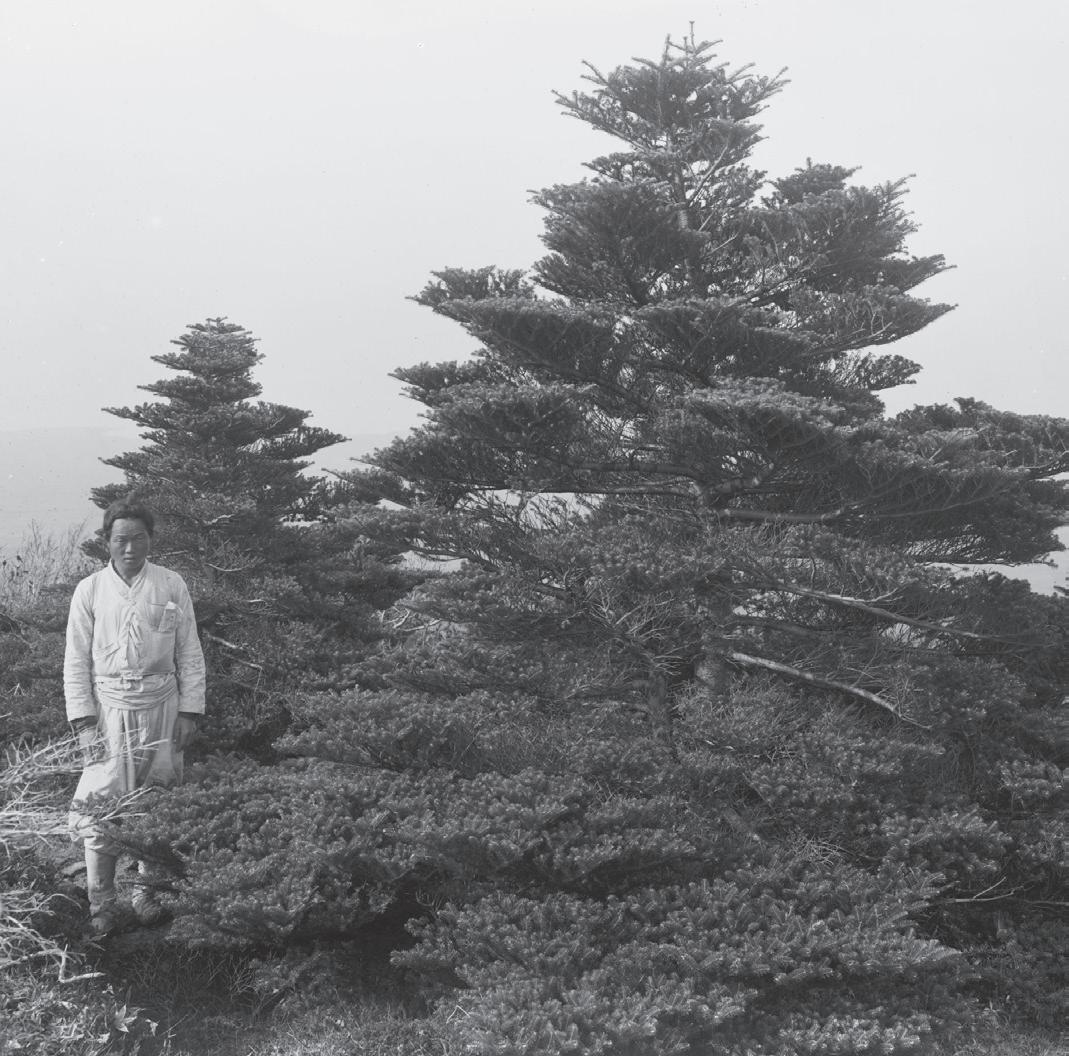
Ernest Henry Wilson captured this 1917 photograph of a man standing beside Korean fir (Abies koreana) on Hallasan Mountain, Jeju Island, South Korea. Some 60 archival images from the Arboretum's field work in Korea were shared with the Korean National Arboretum for a 2025 exhibition.
ORGANISMS,
COLLECTIONS, & LANDSCAPES
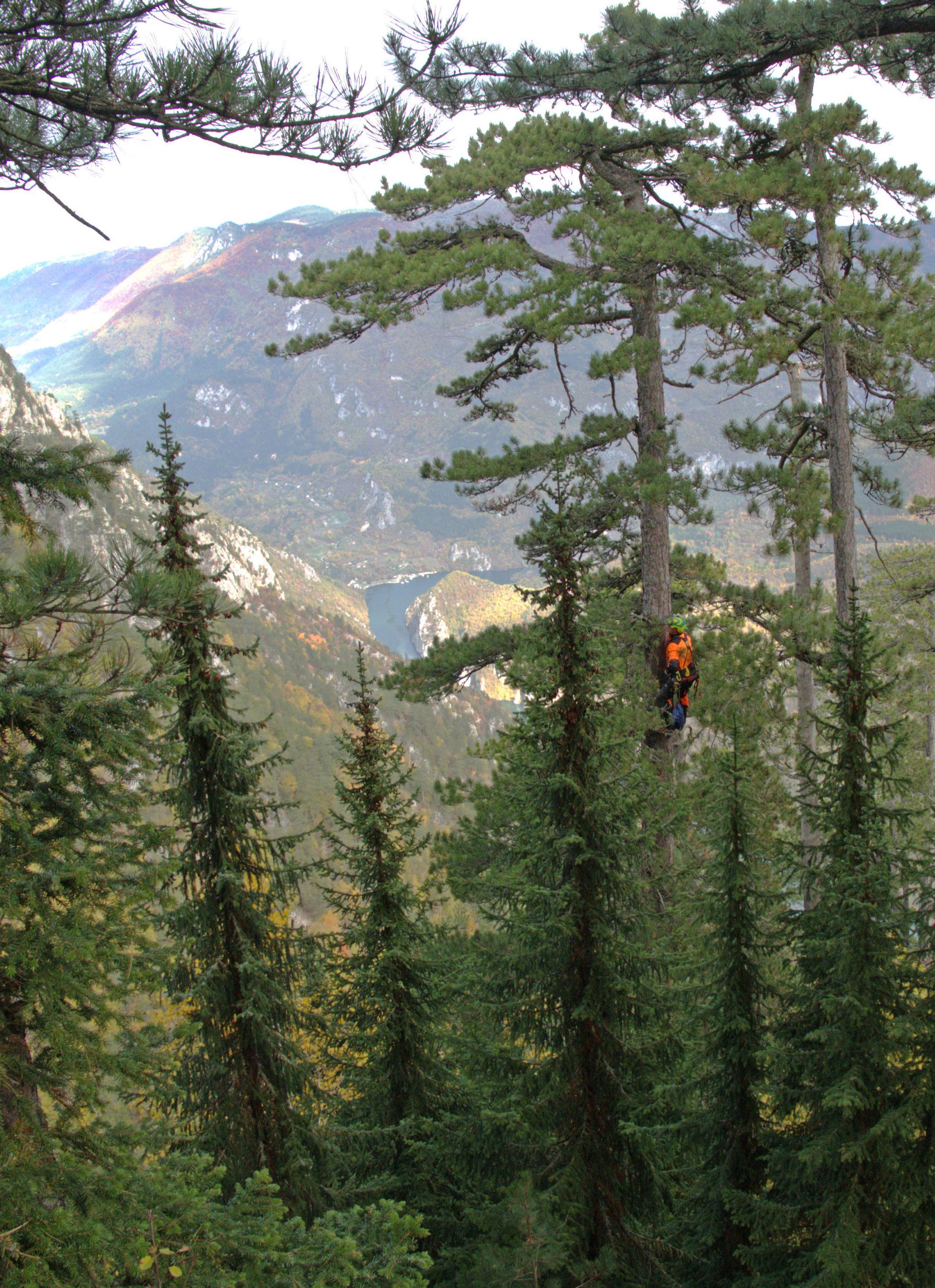
A tree climber collects cones of the endangered Serbian spruce (Picea omorika) during the 2025 Expedition to Bosnia and Herzegovina
From the Brink to the Future
In 2025, the Arnold Arboretum advanced its century long commitment to global botanical exploration through three major expeditions—to South Korea, Japan, and Bosnia and Herzegovina— each undertaken with local partners committed to understanding and preserving biodiversity. These collaborative field endeavors represented critical milestones in our Campaign for the Living Collections, resulting in the acquisition of rare germplasm and meticulously documented herbarium specimens that will enrich the Arboretum’s holdings for generations. These efforts were funded through a specific multi-year donation to support international collaboration.
The Arboretum’s teams began the year in South Korea, tracing mountainous habitats where temperate species such as Acer pseudosieboldianum and Magnolia sieboldii thrive under harsh climatic conditions. Working alongside Korean botanists, collectors located populations with valuable genetic variation, especially from regions vulnerable to development and shifting climate patterns. These collections will help safeguard species that anchor the Arboretum’s renowned East Asian holdings, while strengthening joint research on biogeography and adaptive traits.
A second expedition to Japan deepened long-standing scientific relationships. Fieldwork focused on elevational gradients where species like Stewartia monadelpha and Sciadopitys verticillata persist in increasingly fragmented habitats. The team gathered seed and voucher material essential for comparative studies of East Asian and North American floras—an area of inquiry central to the Arboretum’s historical and contemporary mission. Japanese collaborators provided regional expertise, ensuring collections were both scientifically rigorous and ecologically sensitive.
This year's field work concluded in Bosnia and Herzegovina, where Arboretum botanists worked with local experts to explore Serbian spruce (Picea omorika), one of Europe’s rarest and most threatened conifers. The international team secured seed from relict populations to advance critical in-situ conservation work on the species. The collections will also support ex-situ conservation efforts at the Arnold Arboretum and partner institutions.
Together, our 2025 expeditions reaffirmed the Arboretum’s enduring commitment to expanding and protecting global plant diversity. By building international partnerships, securing rare and at-risk germplasm, and deepening scientific understanding, the Arboretum continues to steward the living collections as a dynamic, world-leading resource for research, conservation, and the future of botanical discovery.
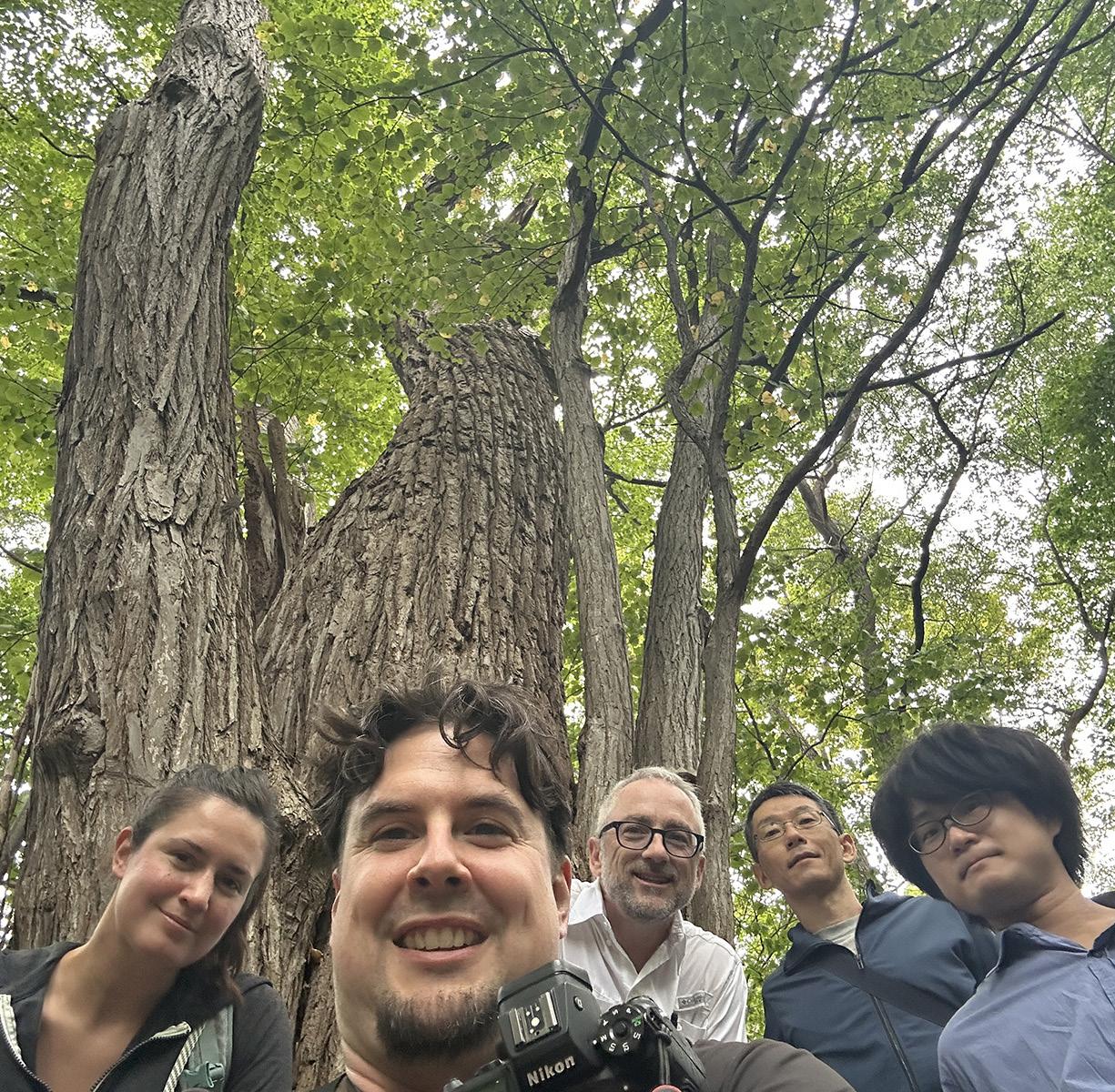
Japan expedition team (left to right, Sarah Shank, Miles Schwartz Sax, Michael Dosmann, Mineaki Aizawa, and Yoshinari Hata) stand beneath an ancient katsura tree (Cercidiphyllum japonicum) on Mount Moiwa in Sapporo, Hokkaido.
Boosting Botanical and Cultural Exchange with Korea
In 2025, the Arnold Arboretum expanded its historical engagement with the Republic of Korea through a series of initiatives that reaffirm our mission-directed commitments to global collaboration, cultural exchange, and ethical stewardship. Long recognized for its rich, temperate flora, the Korean Peninsula has played a defining role in shaping our living collections for more than a century. Today, we are working to reimagine that historical relationship by building new and invigorating partnerships rooted in reciprocity and shared scientific purpose.
Throughout the year, the Arboretum deepened its collaboration with leading Korean botanical institutions, building on efforts that began in earnest in 2024 with a visit to the Arnold Arboretum by Korean lawmakers. Focusing on the global state of plant conservation and the urgent need for international cooperation, the meeting culminated in the signing of new agreements for joint exploration, species collection and preservation, and the study of
regional plant biodiversity. These agreements open pathways for coordinated fieldwork, comparative research, and global conservation planning—underscoring our belief that protecting plant diversity requires sustained international teamwork.
A central element of this renewed engagement is the Arboretum’s commitment to both botanical and cultural exchange. Alongside living collections, the Arboretum holds extensive archival materials from early twentieth-century fieldwork in Korea, and in 2025 we endeavored to share these materials—including photographs taken by Arboretum explorer Ernest Henry Wilson—with the Korean National Arboretum for an exhibition. A major milestone came in December, when Director William (Ned) Friedman attended the exhibition’s opening at the Korea National Assembly. Friedman delivered a keynote address at the event, highlighting the Arboretum’s long-standing engagement with eastern Asian flora and value of its extensive Korean collections to global research and conservation.
Together, these initiatives strengthen scientific exchange and advance long-term conservation goals shared across both countries. They reaffirm a model of collaboration that honors provenance, elevates local expertise, and builds enduring relationships— demonstrating how plants can serve as ambassadors linking cultures, histories, and communities of science worldwide.
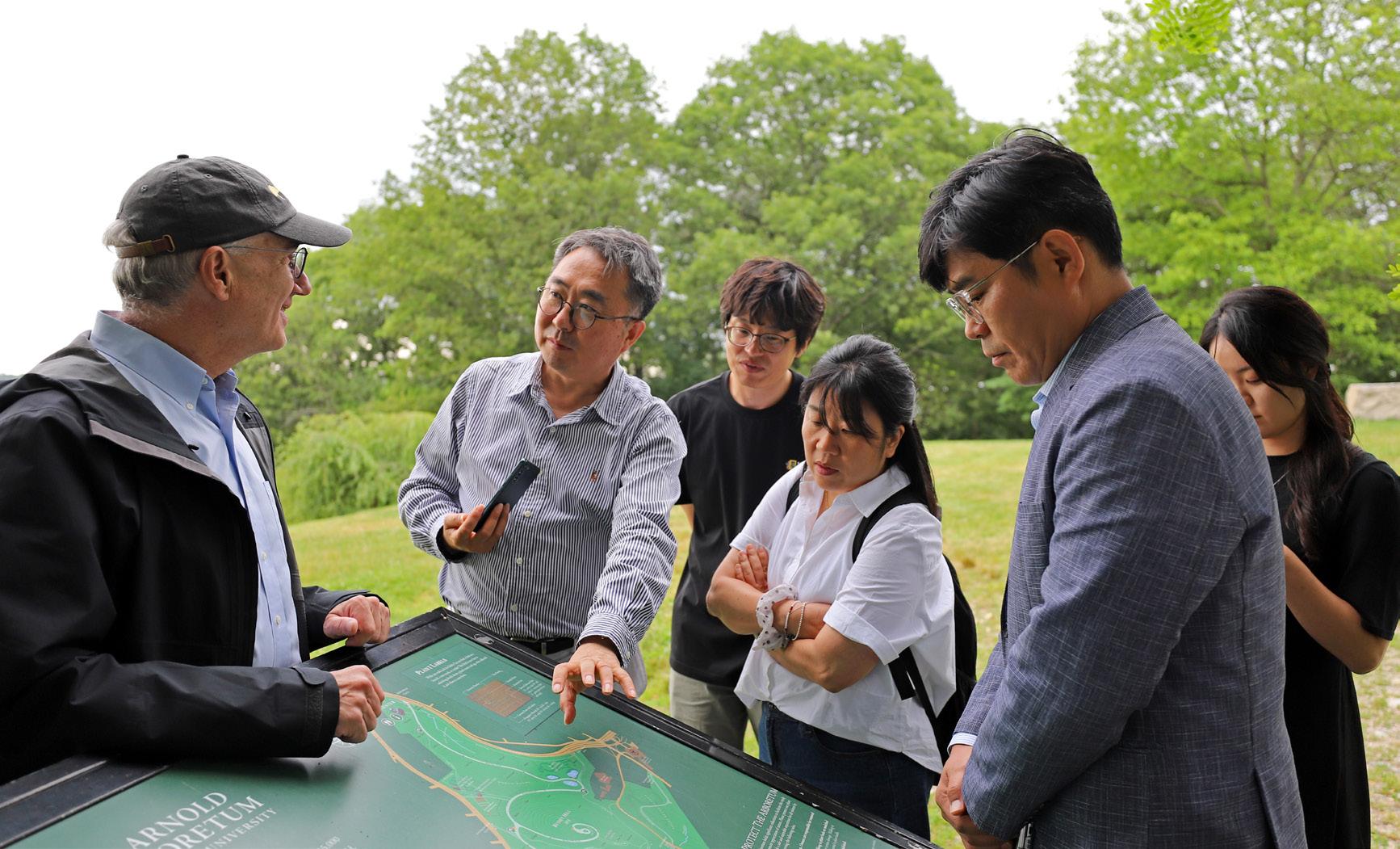
Representatives from the Korean Consulate visited the Arnold Arboretum in summer 2025.
Caring for a Dynamic Collection
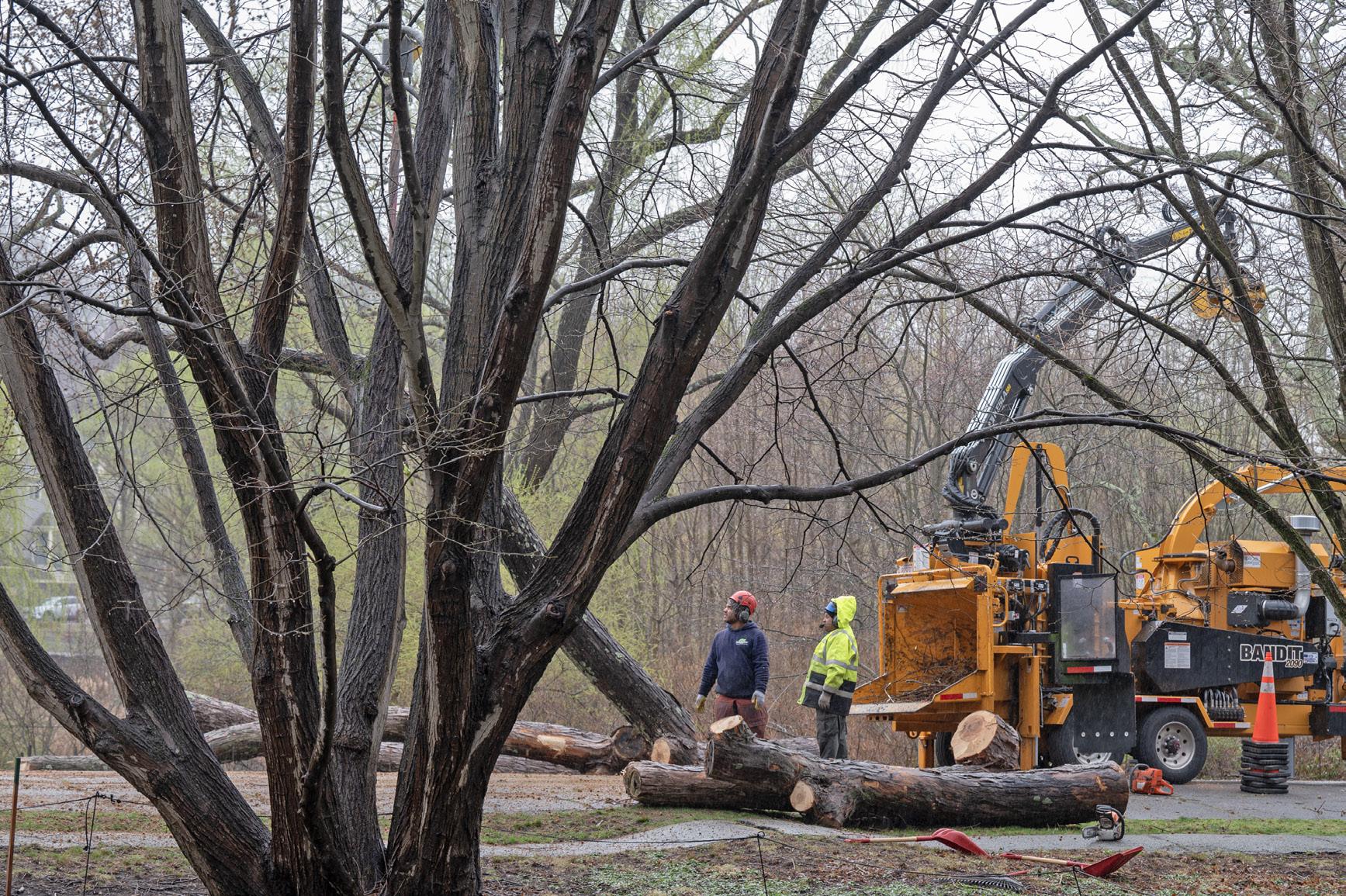
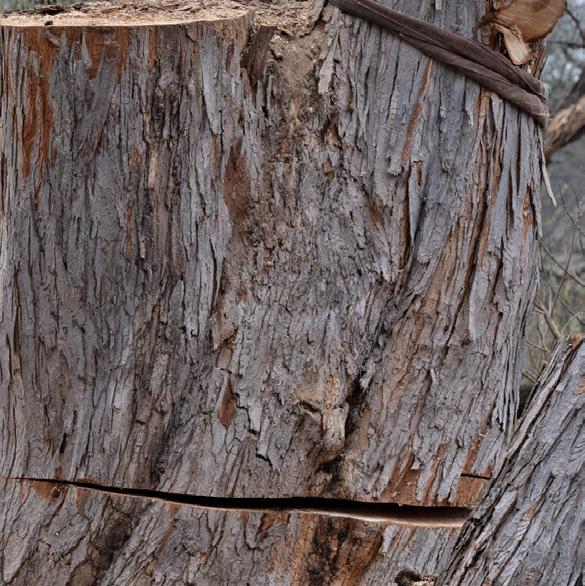
The Arnold Arboretum marked the end of an era in spring 2025 with the removal of a historic silver maple (Acer saccharinum 12560*C), a tree that for generations served as both a landmark and a living record of our evolving landscape. Like many venerable specimens, it had long served as a beacon of the Arboretum’s identity—its canopy offering shade and its seasonal changes inspiring countless moments of connection with the natural world for students, visitors, and admirers of its arboreal majesty.
But our collections are, by nature and design, dynamic. As our venerable trees age or face environmental stress, their needs—and the stewardship required—change. For years, our arborists monitored this tree, assessing its structure, health, and significance. These evaluations are never taken lightly, reflecting a balance of public safety, scientific
value, and the long-term vitality of our landscape as a museum of woody plants.
Once regarded as the Arboretum’s tallest tree, the maple began showing signs of decline in the aftermath of damaging storms that prompted more intensive study. By last spring, it had reached a point where continued deterioration posed public safety concerns. After extensive deliberation, staff determined that removal was necessary and aligned with our protocols for stewarding a choice, resilient, and forward-looking collection. Its absence pens space for renewal—a blank canvas for future plantings that support a diverse Arboretum and ecologically robust landscape.
This tree’s legacy will continue via wood slabs for future Arboretum benches and through the curatorial documentation, preserved herbarium vouchers, and fond memories it leaves behind. Its story offers just one example of how the Arnold Arboretum honors its past while shaping the next generation of its living collections, ensuring a landscape that remains vibrant, safe, and ever evolving.
Arnold Selects: Cultivating Excellence for Home Gardens
In 2025, our Arnold Selects program continued to strengthen its role as a vital bridge between the past and future of the horticultural mission of the Arnold Arboretum. Rooted in our legacies of global botanical exploration, pioneering plant breeding, and rigorous scientific research, Arnold Selects ensures that exceptional woody plants— whether rare in cultivation, historically significant, or simply outstanding garden performers—remain accessible to gardeners, growers, and landscapes in New England and beyond.
Each year, our horticulture experts carefully evaluate candidates drawn from the living collections, assessing traits such as disease resistance, landscape utility, ornamental value, and ecological resilience. The selected plants, once vetted for performance and propagated for wider distribution,
become ambassadors of the Arboretum’s mission, demonstrating how thoughtful stewardship and scientific inquiry can enrich backyards and other cultivated environments across the country.
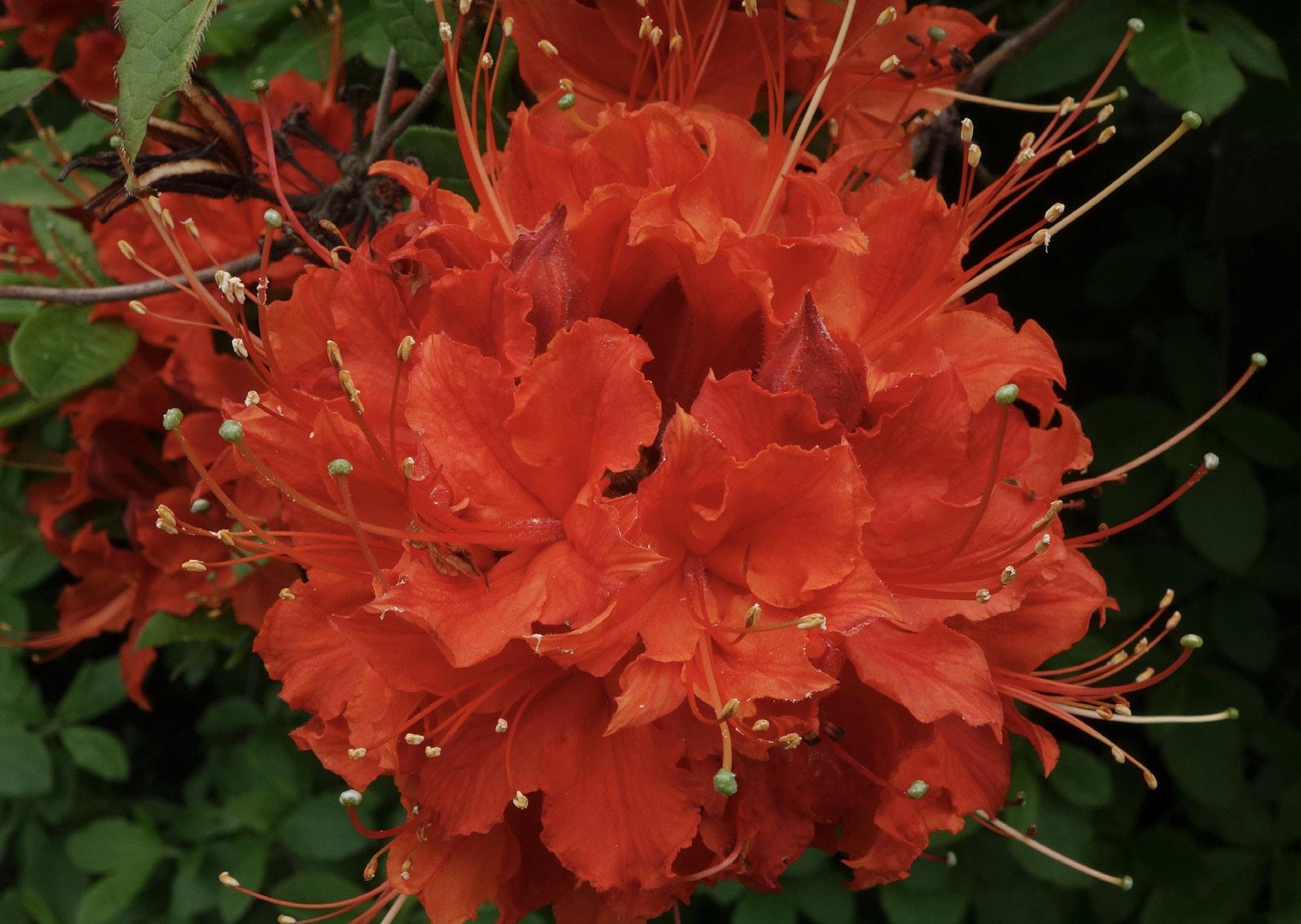
Our 2025 Arnold Selects introduction, Rhododendron ‘Smoky Mountaineer’, exemplifies the program’s commitment to excellence and the Arboretum’s long history of testing choice cultivars of ornamental plants. Celebrated for its luminous spring bloom, compact habit, and reliable hardiness, ‘Smoky Mountaineer’ traces its origins to germplasm sourced through decades of conservation-focused exploration in the Southern Appalachian region. This selection highlights not only our historical engagement in biodiversity preservation but also ongoing work to share resilient, climate-adapted plants for a changing world.
As public and professional interest in sustainable horticulture grows, Arnold Selects offers an essential conduit for translating the Arboretum’s scientific and historical strengths into practical offerings for contemporary landscapes. Through Arnold Selects, we extend our legacy outward, nurturing a future in which rare, beautiful, and ecologically meaningful plants continue to thrive and inspire our curiosity.
Flower truss of Rhododendron 'Smoky Mountaineer'
124,733
SPECIMENS IN THE HERBARIUM OF CULTIVATED PLANTS
250 ACCESSIONS WERE ADDED IN 2025
442
PLANTS WERE REMOVED FROM THE PERMANENT COLLECTIONS
707
TOTAL NUMBER OF ACCESSIONS
1,509,735
SPECIMENS IN THE HERBARIUM OF THE ARNOLD ARBORETUM
153
REPROPAGATIONS OF HISTORICAL ACCESSIONS
120
SEED ACCESSIONS
As of December 31, 2025, the living collections comprised 17,794 individual plants (including nursery holdings) belonging to 11,114 accessions representing 3,918 taxa of woody plants.
583
PLANTS WERE PLANTED INTO THE PERMANENT COLLECTIONS
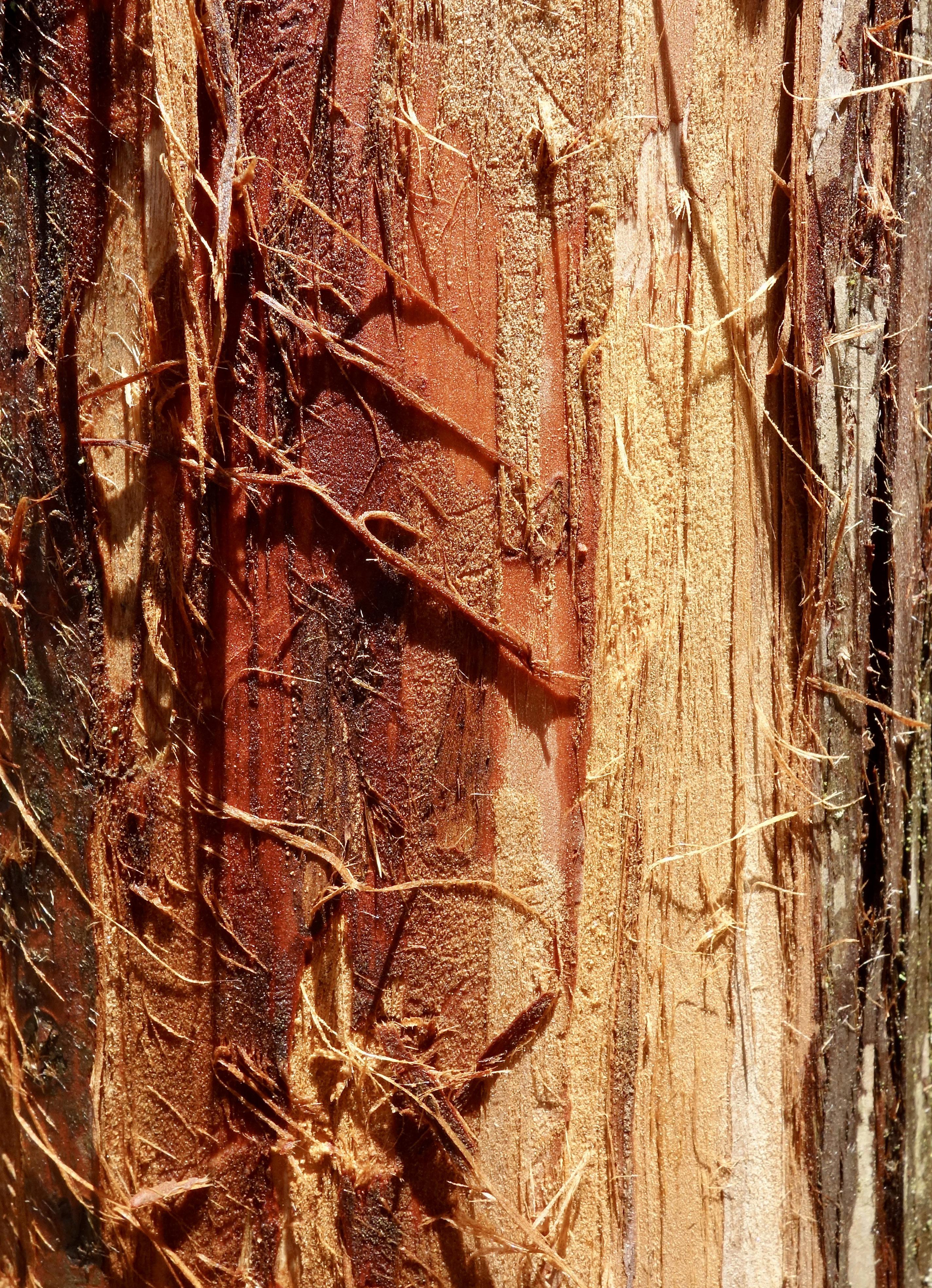
Trunk of Metasequoia glyptostroboides
524-48*L, one of the
RESEARCH, EDUCATION, & SCHOLARSHIP
original accessions of dawn redwood received by the Arnold Arboretum in 1948 from Hu Xiansu.
From Harvard to China: Celebrating Hu Xiansu’s Enduring Impact
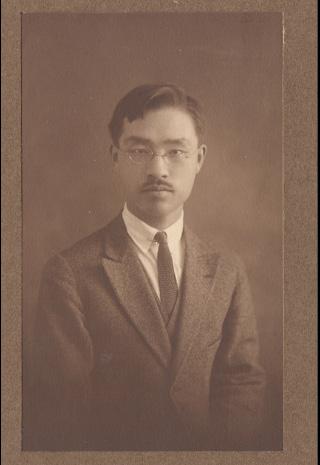
In December 2025, the Arnold Arboretum of Harvard University hosted a commemorative program marking the 100th anniversary of renowned botanist Hu Xiansu (Hu Hsen-Hsu 胡 先骕, 1894-1968) receiving his doctorate at Harvard. Hu received his Scientiae Doctor (Sc.D.) in 1925, studying under Arboretum taxonomist John George Jack and conducting formative research on woody plants. The centennial gathering—hosted online by Arboretum Director William (Ned) Friedman and featuring Ma Jinshuang (Chief
Scientist at the China National Botanical Garden), Hu Xiaojiang (granddaughter of Hu Xiansu and Professor of Sociology at Beijing Normal University) and other speakers from both China and the United States—illuminated Hu’s enduring impact in botany and the study of biodiversity.
After returning to China in 1926, Hu helped modernize botany in the country and build a scientific community in which Chinese researchers could document and classify the nation’s flora by virtue of their own expertise. He founded major research institutions, trained generations of scientists, and authored influential works that defined new genera, families, and classification systems. Renowned as “The Father of Chinese Taxonomy,” Hu’s scholarly works, including hundreds of papers and several landmark monographs, continue to influence botanical research across Asia and around the world.
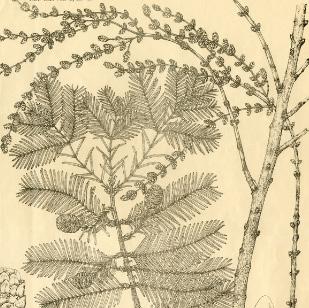
Hu’s international legacy is best exemplified by his role in identifying the dawn redwood (Metasequoia glyptostroboides) and sharing it with the world. The species honored in the Arboretum’s logo was long believed extinct until Hu and his colleagues recognized living specimens in central China in the 1940s—celebrated as one of the greatest botanical revelations of the century. Seeds he sent to the Arnold Arboretum produced the iconic groves at our Arborway entrance and on Peters Hill, and from here the tree was shared with gardens around the world. The 2025 program underscored this historic connection, honoring both Hu’s contributions and the Arboretum’s longstanding role in advancing international botanical discovery.
Photograph of Hu Xiansu in 1925.
Research in the Living Collections
The Arnold Arboretum’s living collections are a valuable resource that represents many of the tree, shrub, and vine species found across the temperate regions of the world. Scientists from many fields—including plant anatomy, genetics, ecology, and conservation—use our plants and related collections to advance their research. In 2025, the Arboretum’s curatorial staff supplied permits, plant material, and other support for more than 62 research projects, including 27 continuing from previous years.
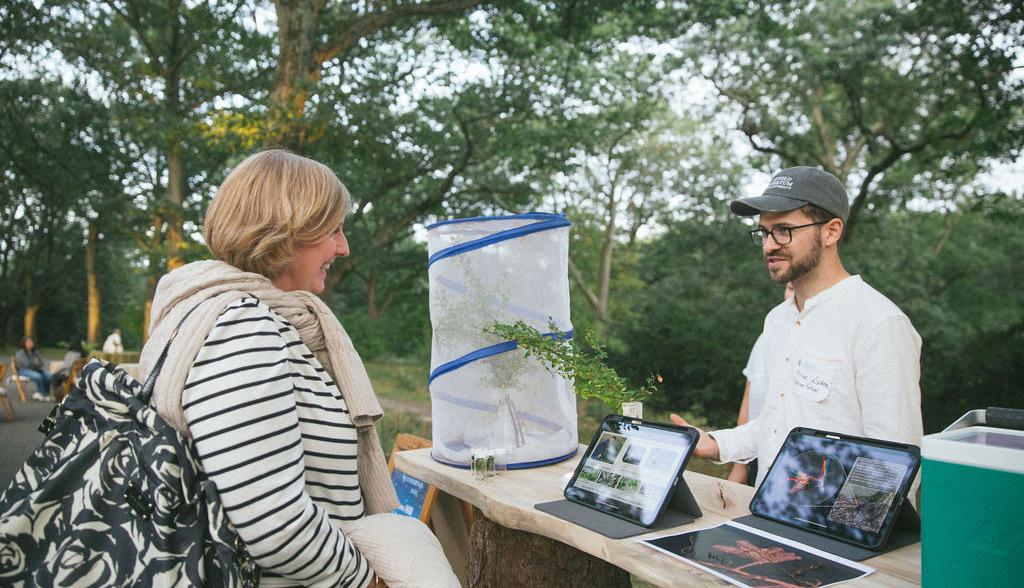
Among the projects undertaken in 2025 was a study led by Putnam Fellow Michael LaScaleia, who is examining how the Arboretum’s landscape history and small differences in local environmental conditions affect the variety of plant traits found here. By combining precise field measurements with our long-term records about where our plants came from and how they have grown over time, LaScaleia hopes to better understand how trees respond to changing environments. His findings
may guide future collection strategies here as well as efforts around the globe to build climate resilient landscapes.
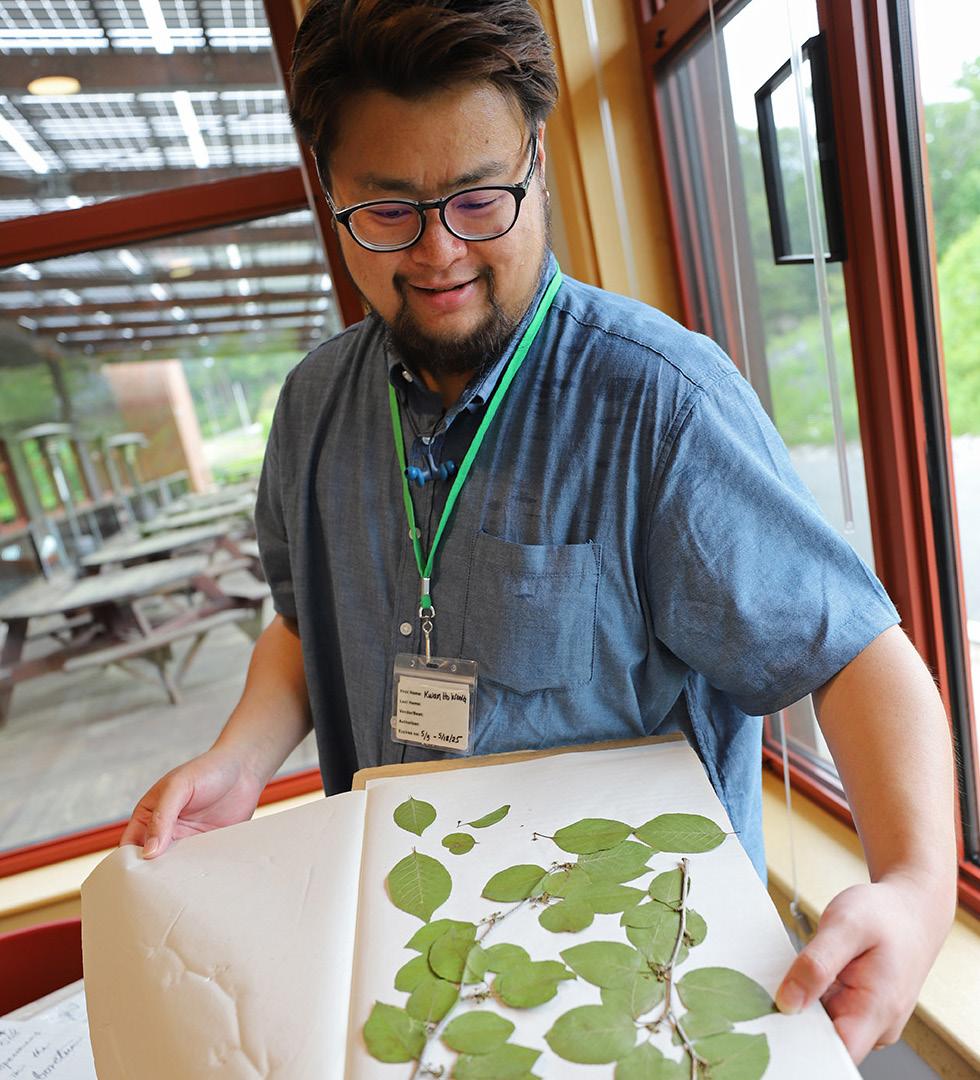
Another major project came from Kwan Ho (James) Wong of the Chinese University of Hong Kong, the 2025 recipient of the Arboretum’s ShiuYing Hu Student/Post-doctoral Exchange Award. Using the Arboretum’s internationally recognized holly (Ilex) collection, Wong conducted detailed studies of their physical traits and genetic makeup to clarify longstanding questions about how different holly species are related and how they evolved.
In the realm of plant–fungus interactions, C. Benton Willis from the University of Florida received a Cunin-Sigal Research Award to investigate Exobasidium, a group of fungi that can cause dramatic changes in the leaves and flowers of rhododendrons.
The Arboretum’s extensive rhododendron collection offered Willis the ability to track these fungal infections across many species and seasons. Their work will help scientists better understand how these fungi behave and may also improve horticultural practices for caring for and conserving rhododendrons.
Putnam Fellow Michael LaScaleia presents his research at the 2025 Autumn Dinner.
Spotlight on the Benton Taylor Laboratory
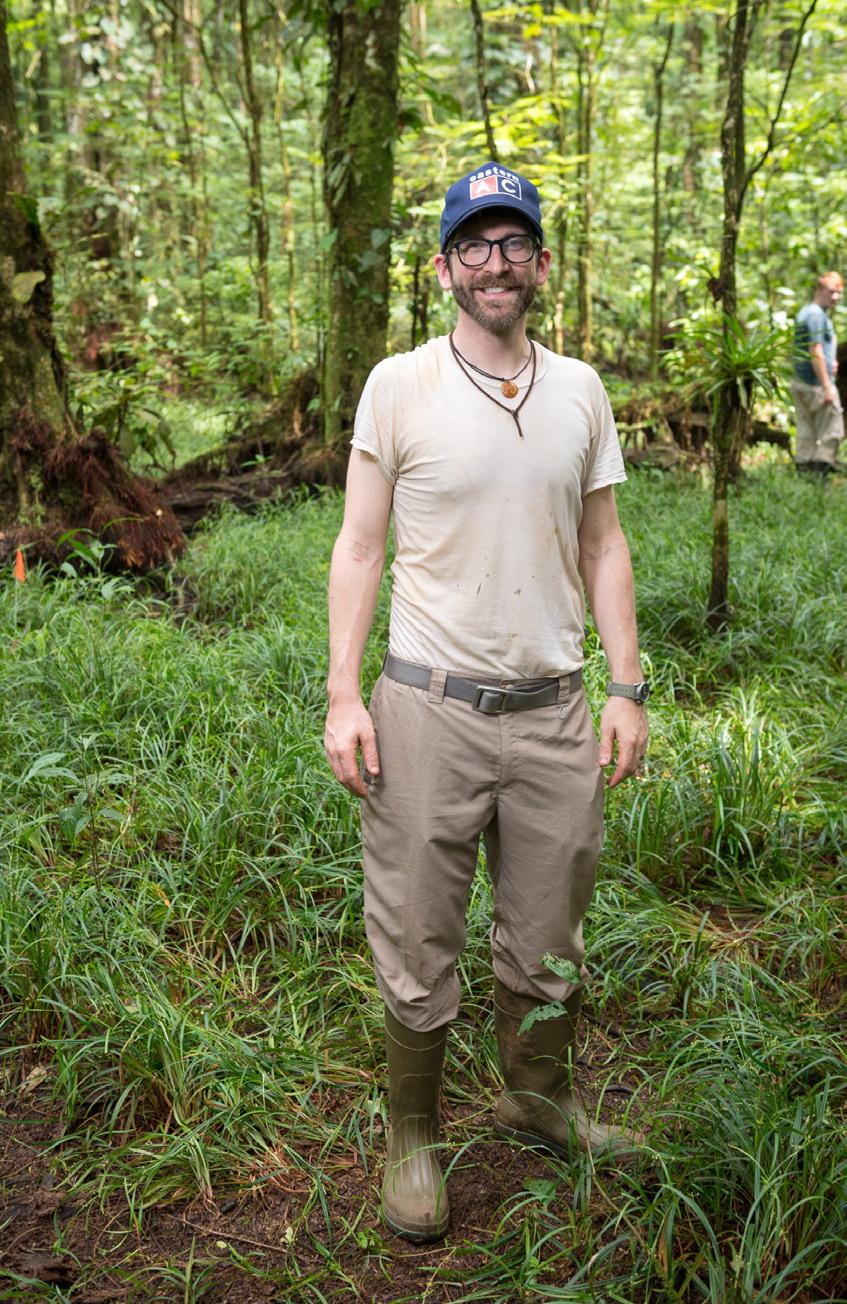
Research led at the Arboretum by Benton Taylor—Associate Professor of Organismic and Evolutionary Biology at Harvard University and a Faculty Fellow of the Arnold Arboretum—continues to expand the boundaries of our understanding of how forests function and how they will respond to a rapidly changing planet. Focusing primarily on plant-soil microbial interactions, Taylor and his team investigate how plants and their belowground partners acquire and cycle nutrients, how these processes influence carbon storage, and how ecosystems adjust to rising CO₂, shifting climate regimes, and human-driven environmental change. In 2025, the Taylor Lab contributed to a major study through the U.S. Geological Survey that produced the first comprehensive global dataset on terrestrial biological nitrogen fixation—the
natural process by which plants and microbes convert atmospheric nitrogen into usable forms. This dataset supported a companion paper in Nature describing the total amount and spatial distribution of nitrogen fixation across the terrestrial biosphere and how agriculture modifies this essential source of bioavailable nitrogen, underscoring the profound human influence on planetary nutrient dynamics. A related study in the Proceedings of the National Academy of Sciences used these new estimates of terrestrial nitrogen fixation to show that global Earth system models—which predict Earth’s response to future climate change scenarios—overestimate the amount of nitrogen fixation in natural ecosystems, which leads to overestimates of future forest growth.
The Taylor Lab shed new light on belowground carbon dynamics and plant–microbe interactions by examining how trees allocate carbon and respond to global change. A collaborative paper in Tree Physiology showed that trees actively direct carbon into root exudates, an invisible pathway that plays a key role in soil carbon sequestration, drought resilience, and ecosystem-scale carbon budgets. In a separate Tree Physiology study, Taylor synthesized emerging research on symbiotic nitrogen fixation in trees, identifying major patterns, controls, and global implications of this essential process. Complementing this work, a study in Functional Ecology demonstrated that when a dominant forest species loses a beneficial mycorrhizal partner, fungal assemblages become more diverse, revealing cascading effects of disturbance on plant–microbe partnerships and soil function.
Together, these projects and other ongoing investigations reflect the lab’s mission: to illuminate the hidden exchanges that govern terrestrial ecosystems and shape the future of our planet. From Weld Hill’s greenhouses to global datasets spanning continents, the Taylor Lab’s work and recent discoveries deepen our collective capacity to understand—and sustain—the forests of today and beyond.
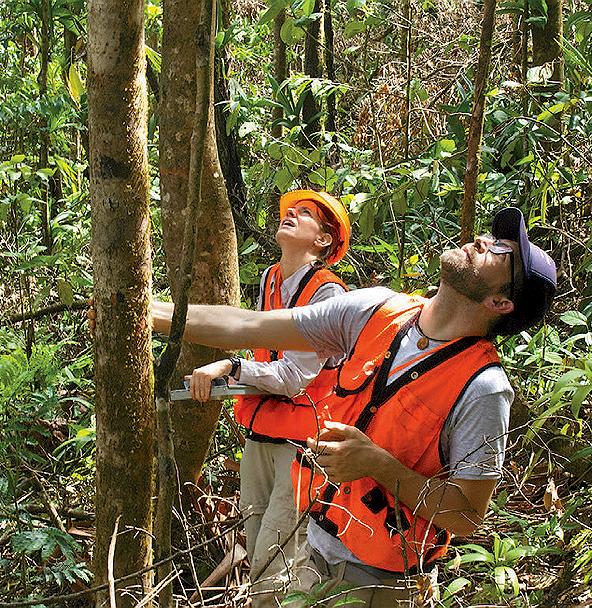
Associate Professor Benton Taylor in the field in Costa Rica.
2025 Research Fellowships and Awards
To foster both independent and collaborative work, the Arnold Arboretum offers fellowships and awards to students, post-doctoral researchers, and professionals of the biological and horticultural sciences as part of its mission to discover and disseminate knowledge of the plant kingdom. The following individuals and their research proposals were awarded funding by the Arnold Arboretum in 2025:
ASHTON AWARD FOR STUDENT RESEARCH
Max Fontaine, PhD Candidate, University of Aberdeen, Scotland, UK: "The origins and maintenance of plant diversity in tropical forests: a case study from the clove genus, Syzygium."
Bishal Khadka, Undergraduate student, Agriculture and Forestry University, Nepal: "Understanding the dynamics of host-tree species and epiphytic orchids in Panchase Forest Protection Area."
MARIA
AMALIA CARVÃO RESEARCH AWARD
Carina Berlingeri, PhD Candidate, Harvard University, Taylor Lab: "Unraveling the mechanisms of mycorrhizal competition in temperate forest trees: an experimental greenhouse study."
CUNIN-SIGAL RESEARCH AWARD
C. Benton Willis, PhD Candidate, University of Florida: "Exobasidium of the Arnold Arboretum: an ideal microcosm to study host ranges and distributions of plant pathogenic fungi on Ericales."
DELAND AWARD FOR STUDENT RESEARCH
Patricia Álvarez Granados, Master’s Student, Consejo Superior de Investigaciones Científicas (CSIC), Spain: "Changes in ploidy affect non-structural carbohydrates and phloem physiology within Magnolia genus."
Daniel Faccini, PhD Candidate, Harvard University, Friedman Lab: "One way to be a tree: developmental bias and conserved mechanisms in the independent evolution of arborescence."
JAMES R. JEWETT PRIZE
Yan Gong, Postdoctoral Fellow, Harvard University, Kramer Lab: “Elucidate the cellular and genetic basis of nectary development and function in Rosaceae plants.”
Richard Primack; Professor, Boston University, "Flower visitors at the Arnold Arboretum."
PUTNAM FELLOWSHIPS IN PLANT SCIENCE
Michael LaScaleia, PhD Candidate, University of Connecticut: "Quantifying the physical, chemical, and phenological defenses that allow invasive exotic plants to escape their natural enemies."
SARGENT AWARD FOR VISITING SCHOLARS
Rowena Azada-Palacios, Assistant Professor, Ateneo de Manila University, Philippines: "US overseas expansion and the development of the American research university."
Chenchen Yan, PhD Candidate, Princeton University: "Floristic and epistemological disjunction: Chinese trees at the Arnold Arboretum."
SHIU-YING HU STUDENT/POSTDOCTORAL EXCHANGE AWARD
Kwan Ho (James) Wong, PhD Candidate, The Chinese University of Hong Kong: "Phylogenetic study of Aquifoliaceae with the aid of next-generation sequencing technologies."
2025 GLOBAL CHANGE FELLOW
Mansa Srivastav, PhD, Ecology & Evolutionary Biology, Yale University: “Untangling the drivers of differential alpine occupation in the lineage Lonicera.”
2025 SINNOTT AWARD
Sainath Reddy Gummi, PhD Student, South Dakota State University: “Integrating Deep Learning and Molecular Analysis to Uncover Stomatal Variation in Woody Plants Under Climate Stress.”
Shiu-Ying Hu Awardee Kwan Ho (James) Wong with an herbarium sheet at Weld Hill.
Faculty Fellows
Faculty Fellows of the Arnold Arboretum of Harvard University contribute significantly to one or more of five areas central to our mission: leading or collaborating on research based at the Arboretum; mentoring students and postdoctoral fellows based at the Arboretum; teaching Harvard courses based at the Arboretum; providing input on living or archival collections and landscape management; and creating outreach programs to share science and scholarship with the public.
William (Ned) Friedman
Arnold Professor of Organismic and Evolutionary Biology
Director of the Arnold Arboretum of Harvard University
Faculty Fellow of the Arnold Arboretum of Harvard University
Gary Hilderbrand
Faculty Fellow of the Arnold Arboretum of Harvard University
Chair of the Department of Landscape Architecture
Peter Louis Hornbeck Professor in Practice of Landscape Architecture, Harvard Graduate School of Design
N. Michele Holbrook
Professor of Organismic and Evolutionary Biology
Charles Bullard Professor of Forestry
Faculty Fellow of the Arnold Arboretum of Harvard University
Robin Hopkins
Professor of Organismic and Evolutionary Biology
Faculty Fellow of the Arnold Arboretum of Harvard University
Elena Kramer
Bussey Professor of Organismic and Evolutionary Biology
Harvard College Professor
Faculty Fellow of the Arnold Arboretum of Harvard University
Benton Taylor
Associate Professor of Organismic and Evolutionary Biology
Faculty Fellow of the Arnold Arboretum of Harvard University
PHOTO CREDIT (LEFT):
JON HETMAN
2025 Research Publications
Battles M. 2025. Interfusion. Arnoldia 82-3:1-2.
Bisson AM, Liu F, Moore EM, Briggs MA, Helton AM. 2025. Preferential groundwater discharges along stream corridors are disregarded sources of greenhouse gases. Journal of Geophysical Research: Biogeosciences, 130(3), p.e2024JG008395.
Bisson AM. 2025. From roots to leaves. Arnoldia 82-3:1315.
Blumstein M, Webster S, Hopkins R, Basler D, Yun J, Des Marais DL. 2025. Genomics highlight an underestimation of phenology sensitivity to the urban heat island effect. Proceedings of the National Academy of Sciences. 122(12):e2408564122. Abstract
Brunn M, Mueller CW, Chari NR, Meier IC, Obersteiner S, Phillips RP, Taylor BN, Tumber-Dávila SJ, Ullah S, Klein T. 2025. Tree carbon allocation to root exudates: implications for carbon budgets, soil sequestration, and drought response. Tree Physiology. 45(4):tpaf026. Abstract
Burgin GA, Roda F, Farnitano M, Hale C, Serrato-Capuchina A, Hopkins R. 2025. The genetic architecture of quantitative variation in the self-incompatibility response within Phlox drummondii (Polemoniaceae). Genetics, 231(1), p.iyaf132.
Copeland C. 2025. Urban tree candidates of Korea. Arnoldia 82-1:40-48.
Del Tredici P. 2025. The ginkgo-raccoon dog-covid connection. Arnoldia 82-1:30-39.
Dosmann MS. 2025. Trees for the public good. Arnoldia 82-2:1-2.
Dosmann MS. 2025. The tree and all that stems from it. Arnoldia 82-4:1-3.
Eason R. 2025. The bay starvine quest. Arnoldia 82-1:1415.
Eason R. 2025. A southern magnolia grows in Boston. Arnoldia 82-4:18-19.
Ferrer-Blanco C, Hormaza JI, Lora J. 2025. The development of the embryo and ruminate endosperm in an early-divergent angiosperm, Asimina triloba (Annonaceae). Annals of Botany. 136(2):297–308. Abstract
Ferrer-Blanco C, Lora J, López-Gómez E, Gómez-Ollé A, Fernández-Pozo N, Hormaza JI. 2025. Late-acting self-incompatibility in Asimina triloba: implications for the evolution of self-incompatibility in angiosperms. BMC Plant Biology. Abstract
Fortin JP, Friedman WE. 2025. A stomate by any other name? The open question of hornwort gametophytic pores, their homology, and implications for the evolution of stomates. New Phytologist, 245(1), pp.40-48.
Frei J. 2025. Explosions, hooks, and embryos with wings. Arnoldia 82-4:36-45.
Kou-Giesbrecht S, Reis Ely CR, Perakis SS, Cleveland CC, Menge DNL, Reed SC, Taylor BN, Batterman SA, Crews TE, Dynarski KA, et al. 2025. Overestimated natural biological nitrogen fixation translates to an exaggerated co2 fertilization effect in earth system models. Proceedings of the National Academy of Sciences. 122(48):e2514628122. Abstract
Lane J. 2025. A sense of wonder. Arnoldia 82-4:15-16.
Loughnan D, Jones FAM, Legault G, Buonaiuto D, Chamberlain C, Ettinger A, Garner M, Morales-Castilla I, Sodhi D, Wolkovich EM. 2025. Budburst timing within a functional trait framework. Journal of Ecology. 113:3787–3798. Abstract
Highlighted authors are Arboretum staff, Arboretum Visiting Scholars, Fellows, and Associates; Arboretum Putnam Fellows, Arboretum Award Recipients
McCulloch LA, Berlingeri C, Chari N, Church L, Prada CM, Schuster W, Terlizzi KP, Taylor BN. 2025. Loss of dominant tree-mycorrhizal mutualism increases soil fungal diversity and alters community structure. Functional Ecology. 39(9):2425-2436. Abstract
McKenzie PF, Berardi AE, Hopkins R. 2025. Delayed flowering phenology of red-flowering plants in response to hummingbird migration. Current Biology. 35(9): 2175-2182.e3. Abstract
McKenzie PF, Church SH, Hopkins R. 2025. High-throughput iNaturalist image analysis reveals flower color divergence in Monarda fistulosa. The American Naturalist. Abstract [https://www.journals. uchicago.edu/doi/10.1086/739413]
Mickley JG, Anderson RM, Wagner DL, Brown LM, Connors CJ, Davis ML, Elphick CS, Kilpatrick H, LaScaleia MC, Marren C, Musavi H. 2025. Underrepresentation of dietary‐specialist larval Lepidoptera in small forest fragments: Testing alternative mechanisms. Journal of Animal Ecology, 94(4), pp.786-799.
Muratore T, Chari N, Phillips R, Taylor BN, Knorr M, Frey S. 2025. Increased root-derived carbon offsets soil carbon loss under simultaneous warming and nitrogen addition. Ecology Letters.
Neid C, Danahy M. 2025. A maple in memoriam. Arnoldia 82-2:52-59.
Oswald W. 2025. Reconstructing 150 years of vegetation history on the Holm Lea Estate. Arnoldia 82-4:46-53.
Pearson L. 2025. Ruminations on recataloging. Arnoldia 82-3:38-55.
Port K. 2025. Philadelphus lewisii. Arnoldia 82-1:18-19.
Reis Ely CR, Perakis SS, Cleveland CC, Menge DNL, Reed SC, Batterman SA, Crews TE, Dynarski KA, Gei M, Gundale MJ, Jovan SE, Kou-Giesbrecht S, Peoples MB, Rodríguez-Caballero E, Salmon VG, Soper FM, Staccone AP, Taylor BN, Weber B, Wurzburger N. 2025a. A global dataset of terrestrial biological nitrogen fixation. Sci Data. 12(1):1362. Abstract
Reis Ely CR, Perakis SS, Cleveland CC, Menge DNL, Reed SC, Taylor BN, Batterman SA, Clark CM, Crews TE, Dynarski KA, et al. 2025b. Global terrestrial nitrogen fixation and its modification by agriculture. Nature. 643(8072):705–11. Abstract
Renner S, Dosmann M. 2025. Lectotypification of Pterocarya serrata c.k.schneider, the name of a forgotten species of wingnuts. ARPHA Preprints. 6:e158654. Abstract
Sax MS. 2025. The majesty of Malus roseotakanabensis. Arnoldia 82-1:8-10
Sax MS. 2025. Views from the treeline. Arnoldia 82-3:12.
Schill M. 2025. Voices of NACPEC. Arnoldia 82-3:8-11.
Shank S. 2025. Meeting Mr. Kamikawa: a tale of two arboreta. Arnoldia 82-1:11-13.
Steinecke C, Tabin, JA, Caven J, Hale CO, Serrato-Capuchina A, Hopkins R. 2025. Variation in response to water availability across Phlox species. Plant‐Environment Interactions, 6(6), p.e70098.
Taylor BN. 2025. Symbiotic nitrogen fixation in trees: patterns, controls and ecosystem consequences. Tree Physiology, 45(1), p.tpae159.
White S. 2025. The park’s wild pretense. Arnoldia 824:54-59.
Zehr LN, Prada CM, Taylor BN. 2025. Shifting interactions between ectomycorrhizae, plants, and insect herbivores in a CO2-enriched world. Journal of Ecology. 113(6):1345–57. Abstract [https://doi. org/10.1111/1365-2745.14430]
ACCESS, ENGAGEMENT, & COMMUNITY
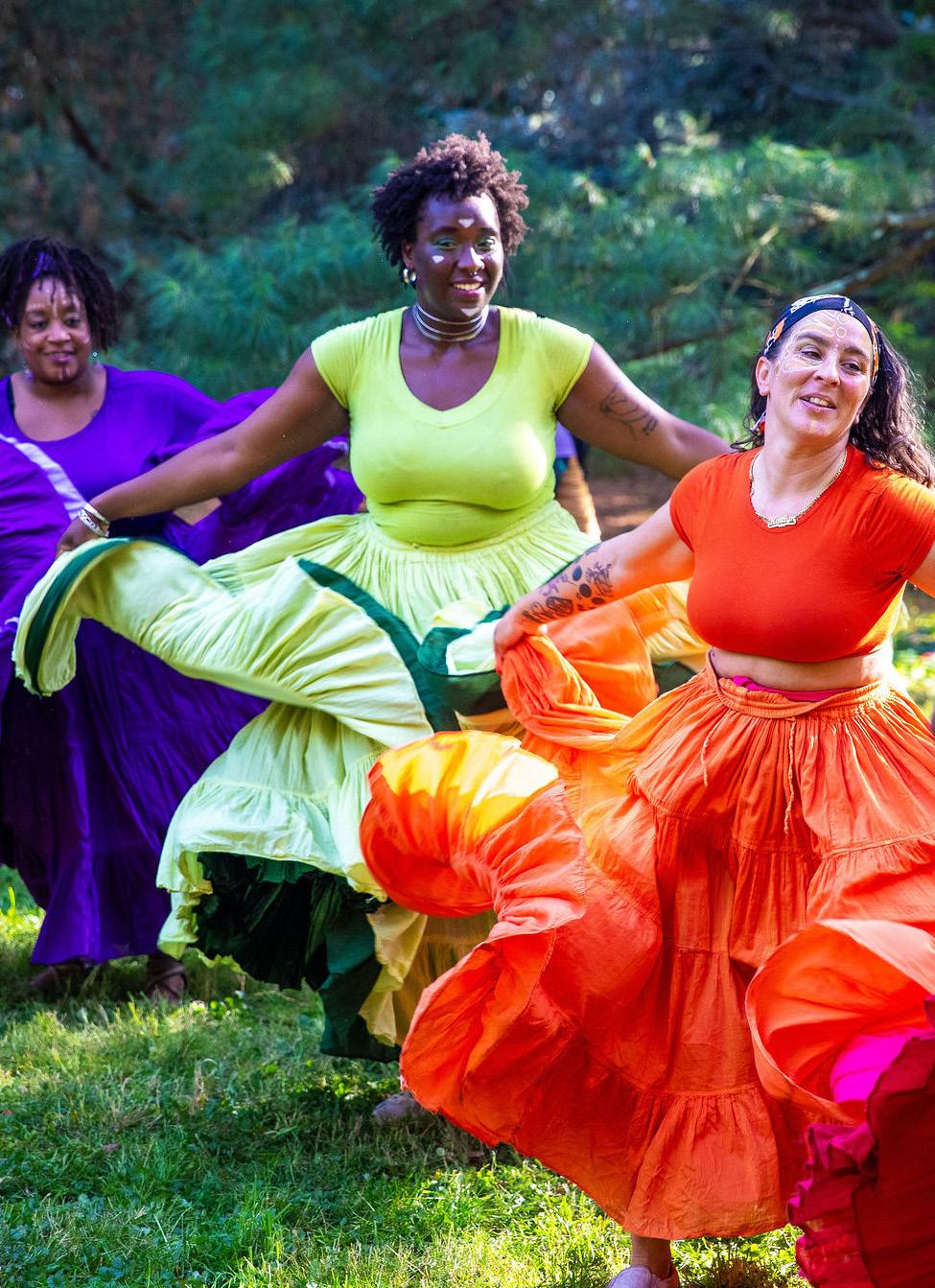
MassQ Ball returned in October to celebrate the arts and culture of Boston's diverse communities of color.
Reimagining Access at Washington Street
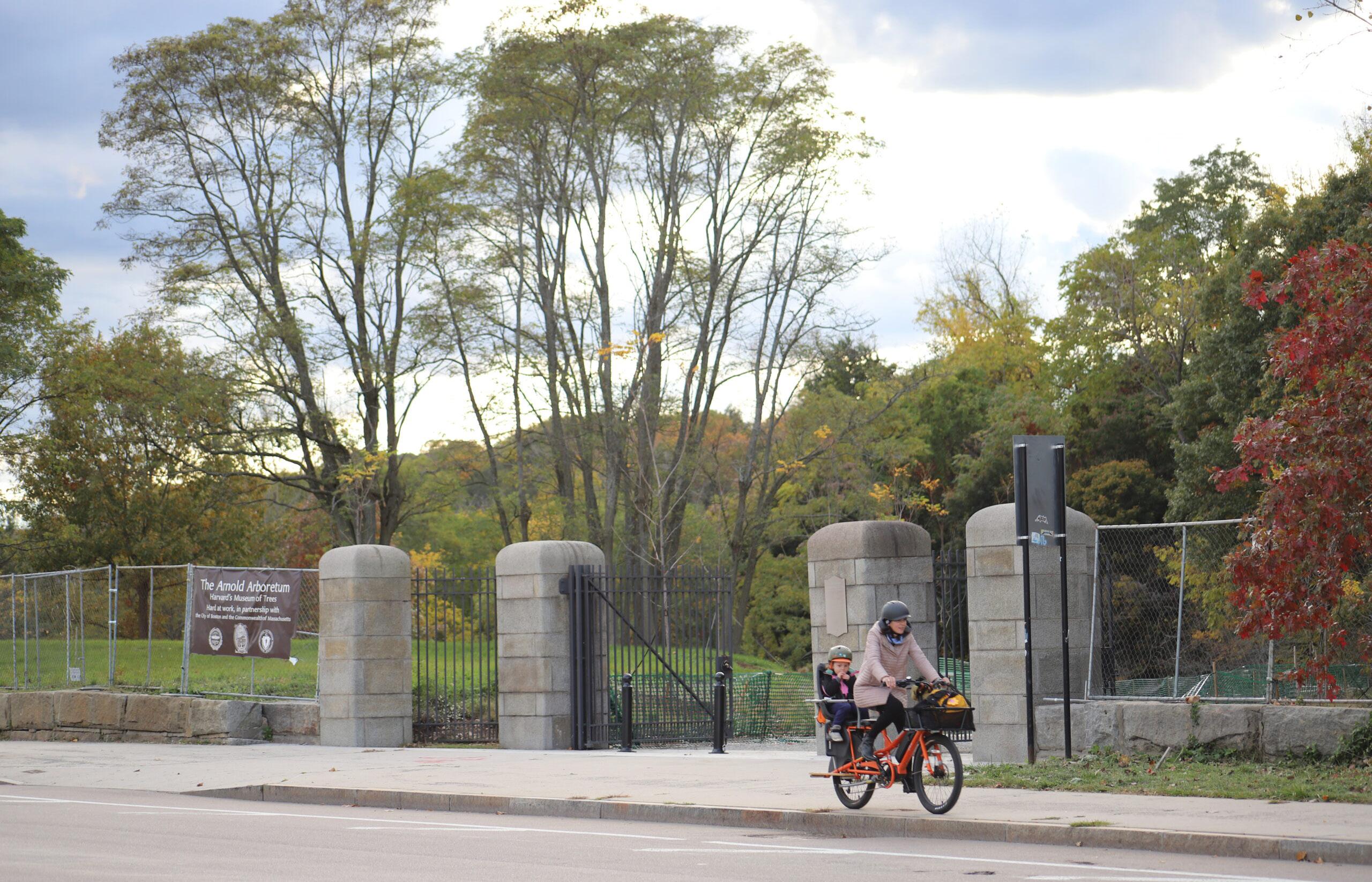
In 2025, the Arnold Arboretum reached a major milestone in its multiyear Entrance Improvement Project with the renewal of the Washington Street Entrance at Forest Hills. An important point of access since the Bussey Brook Meadow was incorporated into the Arboretum three decades ago, the Washington Street Entrance serves as a daily point of connection for residents and for visitors arriving from the MBTA station at Forest Hills. It plays a vital role in how the Arboretum connects with surrounding communities along the Washington Street corridor and in environmental justice neighborhoods in Roslindale.
Guided by a vision to make the Arboretum more welcoming and accessible to all, the project introduced a suite of improvements designed to enhance both visitor experience and ecological value. A fully accessible path now provides a smooth and continuous route from Washington Street into the landscape, easing entry for individuals with mobility challenges, parents with strollers, and anyone who previously found the grade change and surface conditions difficult to navigate. New plantings frame the entrance
with seasonal interest and biodiversity, strengthening the ecological health of an area once dominated by compacted soils and aging vegetation.
Equally transformative are the redesigned viewsheds and wayfinding elements. Clearer sightlines draw visitors intuitively toward the dramatic sweep of the Arboretum’s meadows and collections, while updated signage helps orient newcomers and offers a more cohesive aesthetic that aligns with improvements across the park. These enhancements, though subtle in appearance, represent a profound shift: they underscore the Arboretum’s dedication to lowering barriers to entry and lifting up the communities it serves. They acknowledge the importance of this gateway not only as an entry point, but as an invitation.
Completely funded by private donors, the renewed Washington Street Entrance resonates as a place where thoughtful design meets the Arboretum’s commitment to public purpose. Together with the restoration of the historic Poplar Gate entrance completed in 2023 and the opening of a brand-new entrance at Arboretum Road, this project reflects a comprehensive rethinking of how the Arboretum meets its neighbors. Collectively, these investments are reshaping the Arboretum’s perimeter into a more inviting, legible, and connected landscape— ensuring that every visitor feels genuinely welcome from the moment they arrive.
The Washington Street entrance reopened in autumn following donor-funded renovations.
A New Gateway for Roslindale
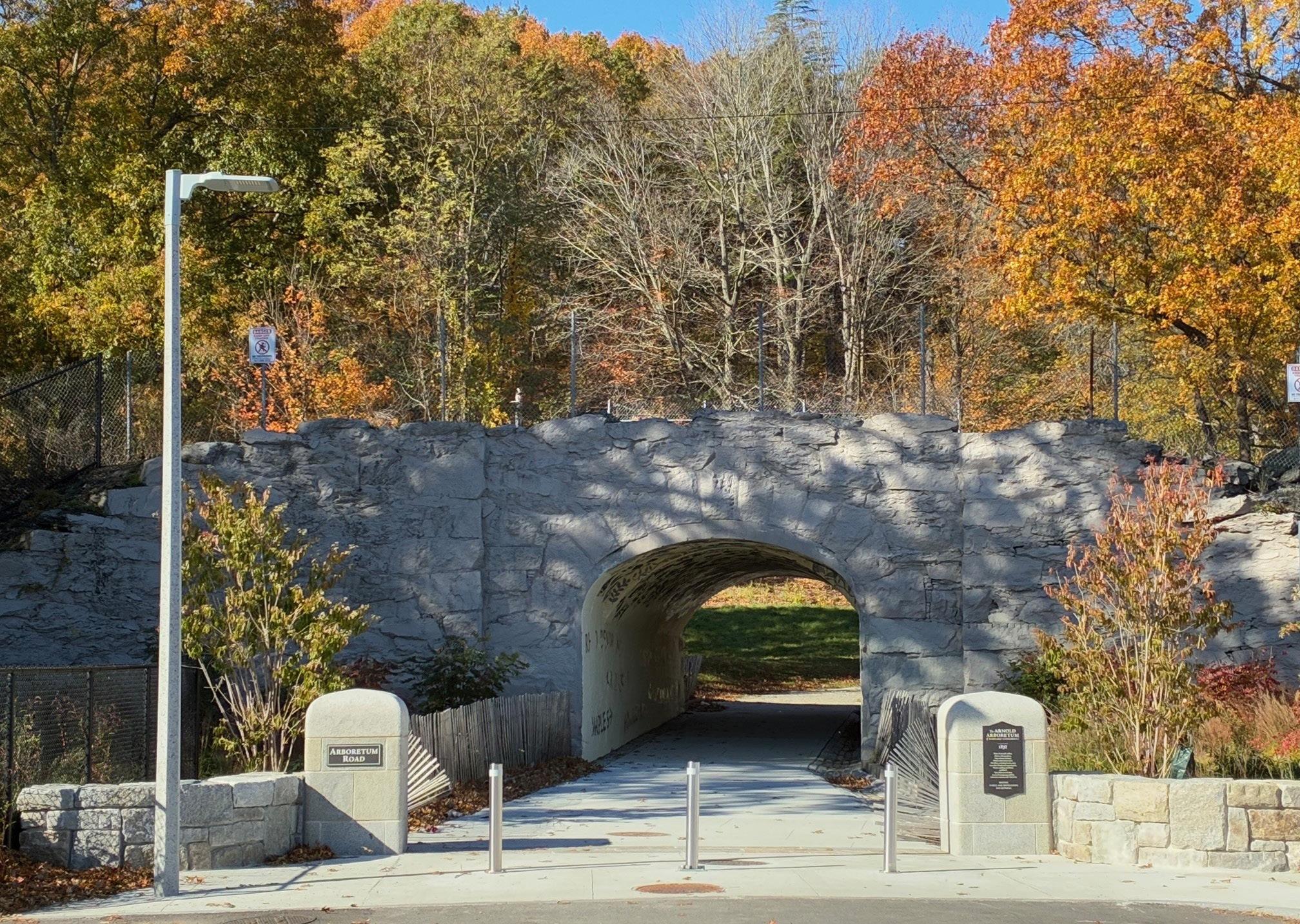
In 2025, the Arnold Arboretum marked a new chapter of connection, opening a Roslindale entrance on Arboretum Road that widens the embrace of our 281-acre landscape. This long anticipated gateway—created through the restoration of an MBTA underpass and the construction of the new Tupelo Path—now provides residents with a direct, welcoming connection to Bussey Brook Meadow and onward to the historic South Street Gate. What was once a difficult and little used route has been transformed into an inviting and intuitive point of entry, stitching together neighborhood, transit, and landscape in ways that reinforce the Arboretum’s mission of shared stewardship and discovery.
The opening was marked with a joyful block party in July that gathered neighbors, partner organizations, and city leadership—including Mayor Michelle Wu— in a celebration of access and community. Local families explored the new path, community groups highlighted ongoing work in Roslindale, and Arboretum staff welcomed visitors into a space designed to be both beautiful and deeply functional. For many, it was their
first time experiencing an area of the landscape that is now easier to reach—and easier to enjoy.
The Arboretum Road entrance was a project with the City that provided a spark for the larger Entrance Improvement Project, strongly supports that project’s core aims, and now is one of three completed entrances in the past two years. By opening another clear and equitable portal into the landscape, the new entrance strengthens the Arboretum’s commitment to ensuring that all of our neighbors feel welcome and connected to this remarkable urban greenspace. It also advances the broader Roslindale Gateways Project, an ongoing effort to improve alternative transportation options between Roslindale Village and Forest Hills and encourage more sustainable, people-centered movement throughout the community.
With the new Tupelo Path now open between the tunnel and the Blackwell Path through the Bussey Brook Meadow, Roslindale residents have a safer, greener, and more beautiful way to reach the Arboretum—and the Arboretum has one more way to say: come explore, you belong here.
A block party in July marked the official opening of the new Arboretum Road entrance in Roslindale.
Good Neighbors: The Arboretum Families Project
In 2025, the Arnold Arboretum deepened its commitment to welcoming and engaging its neighbors through the launch of the Arboretum Families Project—an initiative designed to bridge gaps, build trust, and create meaningful connections with families living closest to our landscape. While major improvements along the Arboretum’s Roslindale perimeter have opened new physical pathways into the collections, this project extends that work by strengthening the human pathways that encourage people to feel truly invited and at home in the Arboretum. Thanks to generous donor support, we welcomed a new outreach coordinator for the Arboretum Families Project. The role focuses on building relationships with residents and leaders of nearby Boston Housing Authority communities, including Archdale Village and the South Street
development—areas rich in community strength but historically separated from the Arboretum by both physical and perceived barriers. Our outreach coordinator has spent the year cultivating trust one conversation at a time, partnering closely with local community centers, resident organizations, and families to create accessible, inclusive, nature-based programming. From family walks and youth exploration activities to seasonal celebrations and opportunities for guided discovery, the program emphasizes meeting people where they are and providing experiences that reflect their interests and needs.
The Arboretum Families Project is not simply a program—it is an evolving relationship. By listening deeply, collaborating sincerely, and opening new avenues for participation, our staff is working to ensure that neighboring families feel seen, welcomed, and valued as part of this landscape. As the project grows, it stands as a testament to our belief that a truly public garden flourishes most when its community flourishes with it.
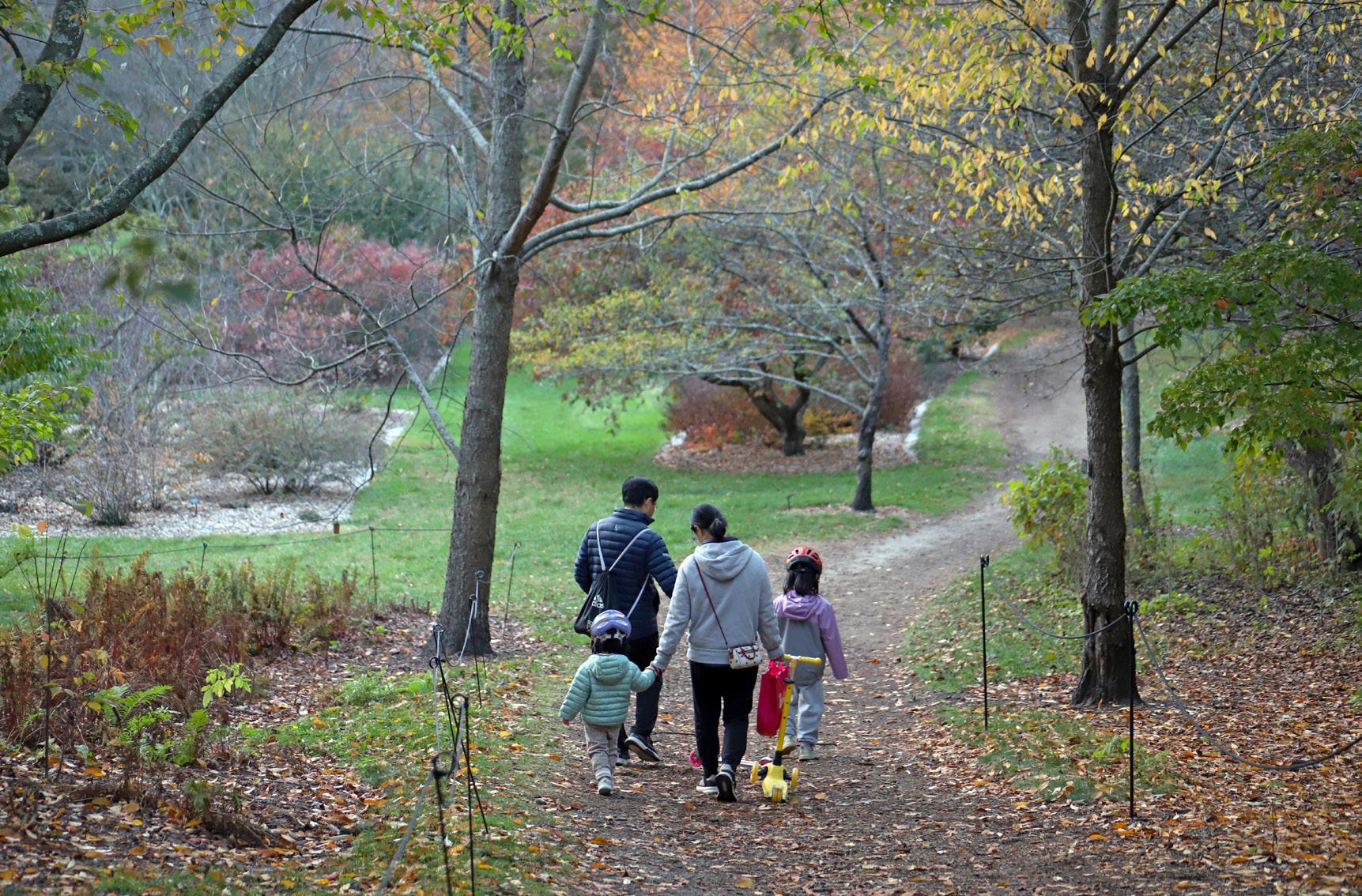
A family walks along Willow Path in the Bradley Rosaceous Collection in fall.
2,898
STUDENTS
25,575
ARBORETUM
73,470
VISITORS TO THE HUNNEWELL BUILDING
5,597
VOLUNTEER HOURS FOR DOCENTS, INTERPRETERS, AND GUIDES 402 TOURS
1,220,050
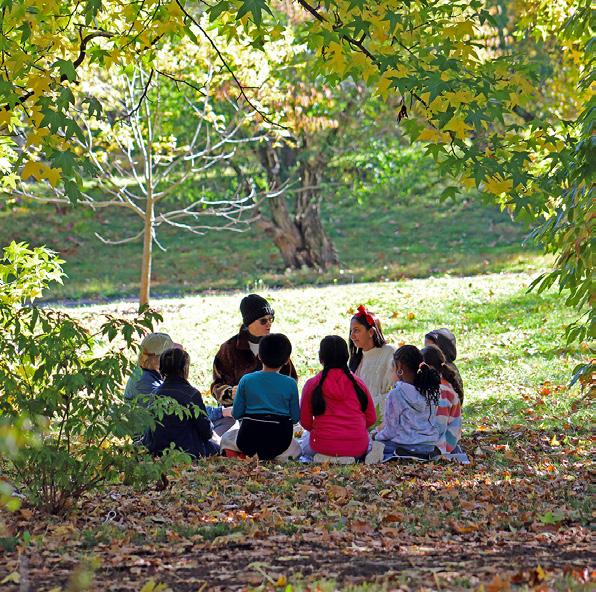
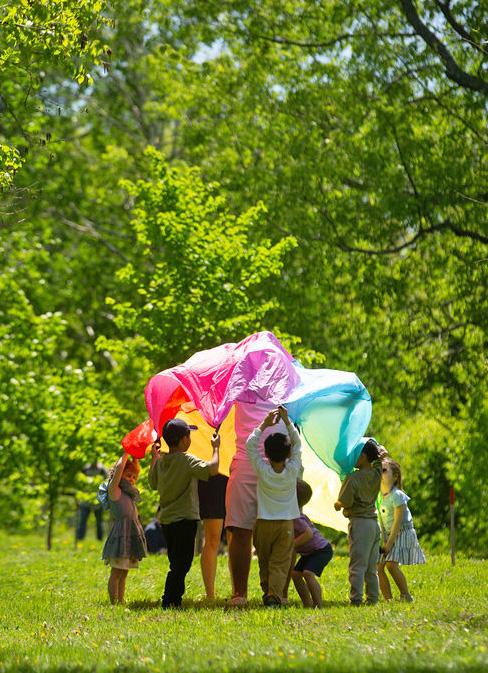
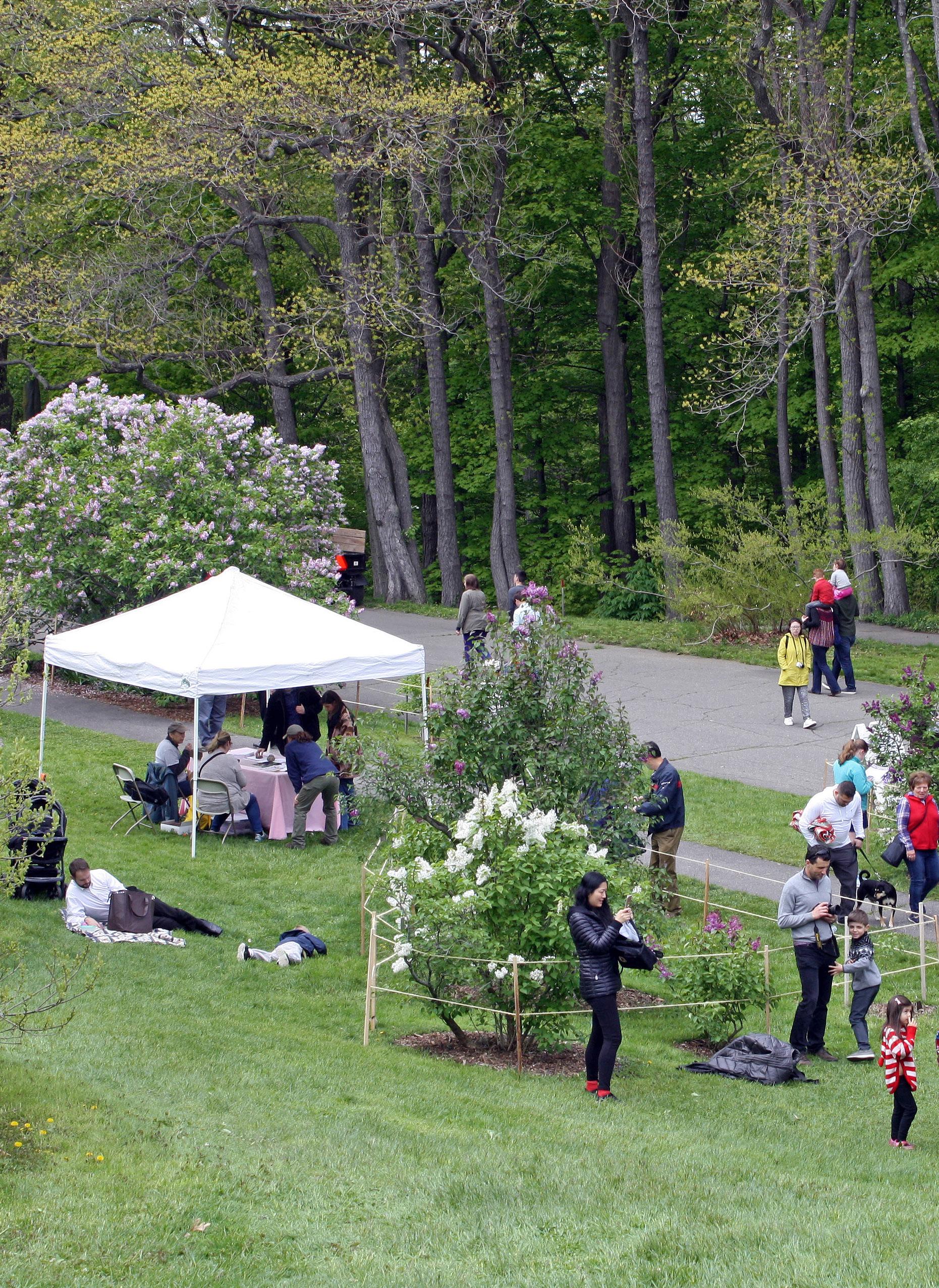
Children enjoy a game in the landscape on Lilac Sunday.
Members & Donors
We deeply appreciate the donations to the Arnold Arboretum that have sustained our work over the past year. Every donation has made a difference as we continue to serve as an urban oasis and public health resource to the Boston community, as well as an institution involved in horticultural sustainability and global change research. In this list we honor our donors who give $1,500 and above.
$100,000+
Anonymous
Arnold Arboretum Committee Inc.
Boyu Capital
Richard M. Burnes, Jr.
Paulo Carvão, João Pedro Carvão & Luis Felipe Carvão
Patricia Gray Chubb & Stephen Chubb
Alexi & Steven Conine and the Conine Family Foundation
RoAnn Costin
Nancy Foss Heath and Richard B. Heath Educational, Cultural, and Environmental Foundation
Barbara & Amos Hostetter
Elizabeth B. Johnson
Janine Evnin Luke
Powder Mill Foundation
Barbara & Edward Scolnick
Gwill E. York & Paul A. Maeder
$50,000-$99,999
Anonymous
Arisa & David Boit
Catherine Hannon Auchincloss Fund
DaRin Butz Foundation
Linda Mills & William Butz
Lia & William Poorvu
David Scudder & Betsy Ridge
$25,000-$49,999
Mickey & Bob Atchinson
F. A. Bartlett Tree Expert Company
Robert A. Bartlett, Jr.
Carrie Minot Bell & George deB. Bell Jr.
Heather Bello Thornhill & Matthew Thornhill
Cedar Street Foundation
Cedar Tree Foundation
Katherine Chapman Stemberg & William Schnoor
R. Martin Chavez
Leslie A. & Peter L. Ciampi
Dozier & Sandy Gardner
Morgan Palmer Foundation
Candace Young & Glenn V. Batchelder, in memory of Robin Young Postill
$10,000-$24,999
Anonymous
Arboretum Park Conservancy, Inc.
Robert & Susanne Birdwell
Brigham and Women’s Faulkner Hospital
Kwan Cheung
Clinton H. & Wilma T. Shattuck
Charitable Trust
Abby & Peter Coffin
Karen & Brian Conway
Catherine Donaher & Rob Hollister
Elisabeth Dudley
Stephanie & John Fan
Karen & David Firestone
Paul Henry & Susan Hackley
Tizzy & Whitney Hatch
Georgene Botyos Herschbach & Dudley Robert Herschbach
Cile & William Hicks
Highland Street Foundation
Dorothy Z. & Thomas C. Hu
Luisa Hunnewell & Larry Newman
Walter Hunnewell, Jr.
Beth Johnson
Joan & Steve Kelly
Maryanne King
Liberty Mutual Foundation
Maxine Myers Foundation
Kyra Montagu
Madelyn & Henry Morris
Matt O’Malley & Kathryn Niforos
Alyson Pitts & Anna Garbier
David Taylor
Marina Van Dongen
Edward & Amy Wertheim
$5,000-$9,999
Anonymous
Alison R. Coolidge & Tom Boreiko
Larry & Patricia Burdick
Devin & Erin Condron
Charles & Lindsay Coolidge
Arabella S. & Edward N. Dane
Elizabeth Taylor Fessenden Foundation
Pamela Diggle & William (Ned) Friedman
Bruns & Penny Grayson
Karen & Rob Hale
Helen Clay Frick Foundation
Bayard Henry
Mary V. Porter & Douglas E. Koshland
Lois & Butler Lampson
Emily S. Lewis
David Edmond Lounsbury, MD
John H. Lyons & John W. Griffin
Adam Margolin & Meghan Jasani
Bob & Alison Murchison
Mia Platt & Family
Plimpton Shattuck Fund
R. P. Marzilli & Company Inc.
Susan K. Ruf & Michael F. Walsh
Barbara & Gordon Russell
Susan P. Thel
Anne Zahner & Charles Target
$2,500-$4,999
Anonymous
Haley & Bill Barrar
Yahn Bernier & Nell McCaw
Scott & Isabelle Black
Matthew Bruno & Joseph Grim
Nancy Budge
Jessie Davidson
Channing Dawson & Whitney
Ray-Dawson
Leigh W. Denny
Deborah & David Douglas
Eastern Bank Charitable Foundation
Sarah E. Freeman
Carol & Stephen Garfield
Michael Glass
Elizabeth M. Hunnewell
Marie-Hélène Jouvin
Rachel Kemp
John & Mary Koger
Katie Lapp
Georgia & Richard Lee
David McGrath & Beth Picardi
Ruth Mead
Dorothy Mohr
David Moir
Nicole & Terry Murray
The Parry Family, in loving memory of Rusty
Charlotte Thompson & Ronald Paulus
Katie Porter
Robert Hall Roggeveen
Susan Sargent
Shailah Stewart & Christopher
Souris
Ben & Kate Taylor
Joyce Walker
The following list reflects fiscal year donations from July 1, 2024 to June 30, 2025.
$1,500-$2,499
Anonymous
Chandra & Louis J. Appell III
Elizabeth Avery & Walker Christie
Joan Stroud & James Blaine
Francis & Sandi Blake
Charles & Dorothy Gullickson Fund for Social Change
Pamela Gerardi
Pauline Ho Bynum
Sarah Jackson
Abigail P. Johnson & Christopher J. McKown
Marty Klein & Sharon Magnuson
Stephen McCarthy
Amy Quatromoni McClennen & Douglas McClennen
Mezitt Horticultural Foundation
Susan Munch
Dr. & Mrs. Theodore Palmer
Wendy & Peter Pearson
Fran Sabshon
Susan Schiro & Peter Manus
Pamela J. & Marc S. Seigle
Sage Sohier
Claire B. & Meir Jonathan Stampfer
Lindsey & Brian Swett
Pamela L. & Alan Trefler
Jeff Wagner
Keris Salmon & Francis H. Williams
Donors Steward a Global Legacy
The Arnold Arboretum’s identity as a worldclass tree museum that is also free and open to all depends on a dedicated community of donors who serve as stewards of its global legacy. In 2025, the Advancement team intensified efforts to communicate a core truth: the Arboretum’s operating and capital needs are sustained entirely through philanthropy. This message was amplified through new signage in the landscape and consistent integration into public-facing communications.
Membership continued to grow, reflecting deeper engagement with the diverse communities that value the Arboretum’s open spaces. New
initiatives included the launch of Young Friends at the Arnold, connecting young professionals to the Arboretum’s conservation and education work. Leadership giving remained strong through the Sargent-Olmsted Society and the Director’s Circle, whose members provide essential annual support for core operations and emerging priorities. At the same time, the Arboretum expanded its grants and foundation fundraising, securing new partnerships to advance research, plant exploration, community engagement, and equity-focused initiatives— support that is increasingly vital amid mounting financial pressures on scientific and educational institutions.
A highlight of the year was the Autumn Dinner—Magical Meanderings—which brought together longtime supporters and new friends to celebrate the 2024 completion of improvements to the Poplar Gate entrance on Peters Hill. Funds raised strengthened annual support for landscape care, public programs, and research at the heart of our mission. The year also marked a milestone in the Sesquicentennial Campaign, launched in 2022 to raise $35 million for collections, research, education, and access. With the Campaign surpassing its halfway mark in 2025, progress continued across its priorities: renewing the Arboretum’s founding promise of environmental equity through transformative landscape investment; advancing research to address global change and extinction; and strengthening operational capacity for the future.
Together, gifts and memberships in 2025 sustained the Arboretum’s landscape, enriched its scientific endeavors, expanded its public programming, and strengthened equitable access to green space in Boston. Thanks to our growing network of supporters, the Arboretum remains a world class, free public resource—open to all and prepared for the challenges and opportunities ahead.
PHOTO CREDIT (LEFT): JON HETMAN
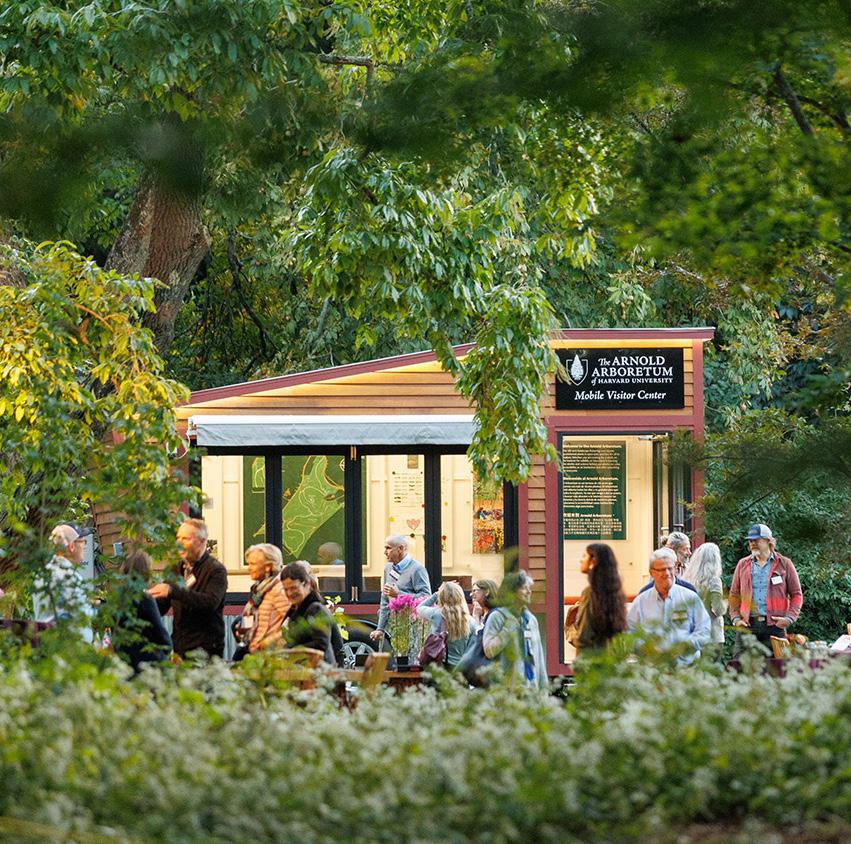
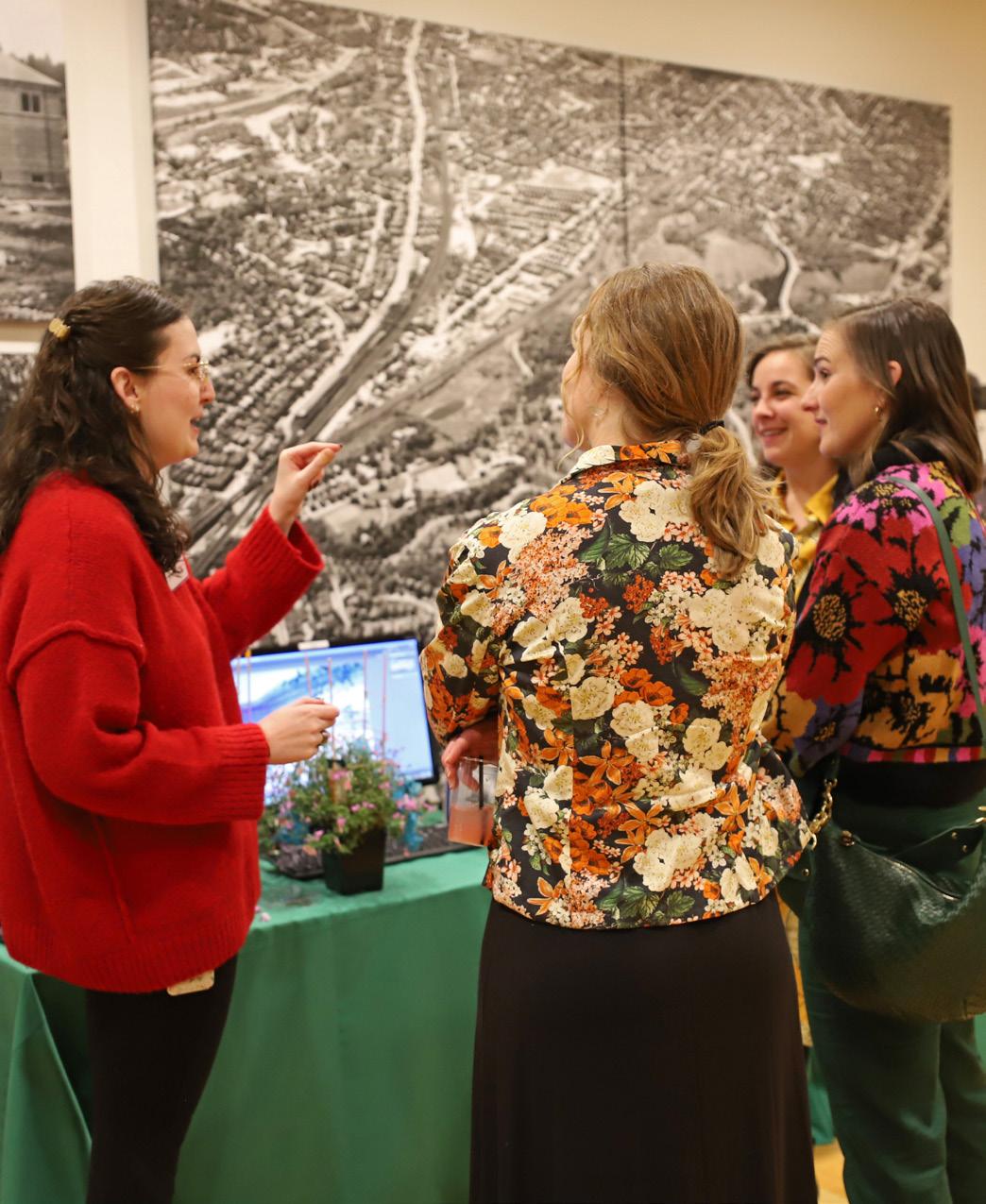
Graduate student Valeria Schmidt shares her research with guests at the Young Friends of the Arnold event at Weld Hill in December.
This special leadership circle represents the lifeblood of the Arnold Arboretum, providing the Director with a stable source of ongoing annual funding that is pledged over multiple years. We deeply appreciate these committed investors to our mission who understand the critical role of unrestricted, multi-year funding of $25,000+ per year to sustain our work today and into the future.
2025 Magical Meanderings Sponsors Director’s Circle
Robert Bartlett, Jr.
Carrie Minot Bell & George deB. Bell Jr.
Richard M. Burnes, Jr.
R. Martin Chavez
Jane & Roger Cheever
Patricia Gray Chubb & Stephen Chubb
Leslie & Peter Ciampi
Alexi & Steve Conine
RoAnn Costin
Karen & David Firestone
Barbara & Amos Hostetter
Jen & Tom Hunnewell
Lila & Walter Hunnewell
Ellen & Duncan McFarland
Kyra Montagu
Renee Ring & Paul Zofnass
Claire & Meir Stampfer
Katherine Chapman Stemberg & William Schnoor
Gwill York & Paul Maeder
The Arnold Arboretum created an annual fundraising event for leadership donors as part of its sesquicentennial celebrations in 2022. We are delighted to thank the following sponsors of the 2025 event, which was held in September 2025 after the close of FY25. Names followed by [*] denote members of the Magical Meanderings Event Committee.
Anonymous
Bartlett Tree Experts
Robert Bartlett, Jr.
Carrie Minot Bell* & George deB. Bell Jr.
Arisa & David Boit*
Brigham and Women’s Faulkner Hospital
Lauren Budding
Richard M. Burnes, Jr.
Jim Canales & Jim McCann
R. Martin Chavez
Jane & Roger Cheever
Nicolas & Silvina Choumenkovitch*
Patricia Gray Chubb & Stephen Chubb
Leslie & Peter Ciampi
Erin & Devin Condron
Alexi & Steve Conine
Karen & Brian Conway
Alison Coolidge & Tom Boreiko
RoAnn Costin*
Tom & Cynthia Costin
Leigh Denny
Lisa & Rob DiAdamo
Stephanie & John Fan
Karen & David Firestone
Sarah Freeman
Sandy & Dozier Gardner
Patrick Good
Bruns & Perrin Grayson
Wendy S. Holding
Amos & Barbara Hostetter*
Jen & Tom Hunnewell
Lila & Walter Hunnewell
Bill & Yuko Hunt
Marie-Hélène Jouvin
Joan Kelly* & Stephen Kelly
Nushin Kormi & Daniel Karlen
Mary M.B. Wakefield Arboretum
R.P. Marzilli Co.
Ellen & Duncan McFarland
Barbara Millen
Kyra Montagu
Bob & Alison Murchison
Plimpton Shattuck Fund
Lia & William Poorvu
Betsy Ridge & David Scudder
Renee Ring & Paul Zofnass
Celia & Kathryn Segel
Anne-Marie Soulliere & Lindsey C.Y. Kiang
Claire & Meir Stampfer
Katherine Chapman Stemberg & William Schnoor*
Jim & Cathy Stone
Dennis & Simran Su
Lindsey Swett
David Taylor
Heather Bello Thornhill* & Matt
Thornhill
Susan Whitehead
Gwill York* & Paul Maeder
The Arnold Arboretum honors a lean and efficient fiscal philosophy with the goal of financial sustainability We accumulate funds across fiscal years until enough has been raised to support new initiatives, while also considering the future operating costs associated with capital projects. In the face of current headwinds, we are reinforcing our commitment to fiscal responsibility Current-use funds will play an increasingly vital role in sustaining existing operations as we face lower endowment payouts (due to a significant increase in the net investment income tax) and higher costs associated with tariffs and inflation.