Smart Home Automation in Nigeria
Introduction
Technology is changing the way people live, and smart home automation in Nigeria is becoming increasingly popular across Nigeria. What many people once viewed as luxury technology is now becoming a practical solution for improving security, convenience, and energy efficiency.
As internet access and smart devices become more accessible, homeowners are beginning to explore connected living systems that make everyday life easier and more efficient.
A smart home is a house equipped with internet-connected devices that automate and control systems such as:
• Lighting
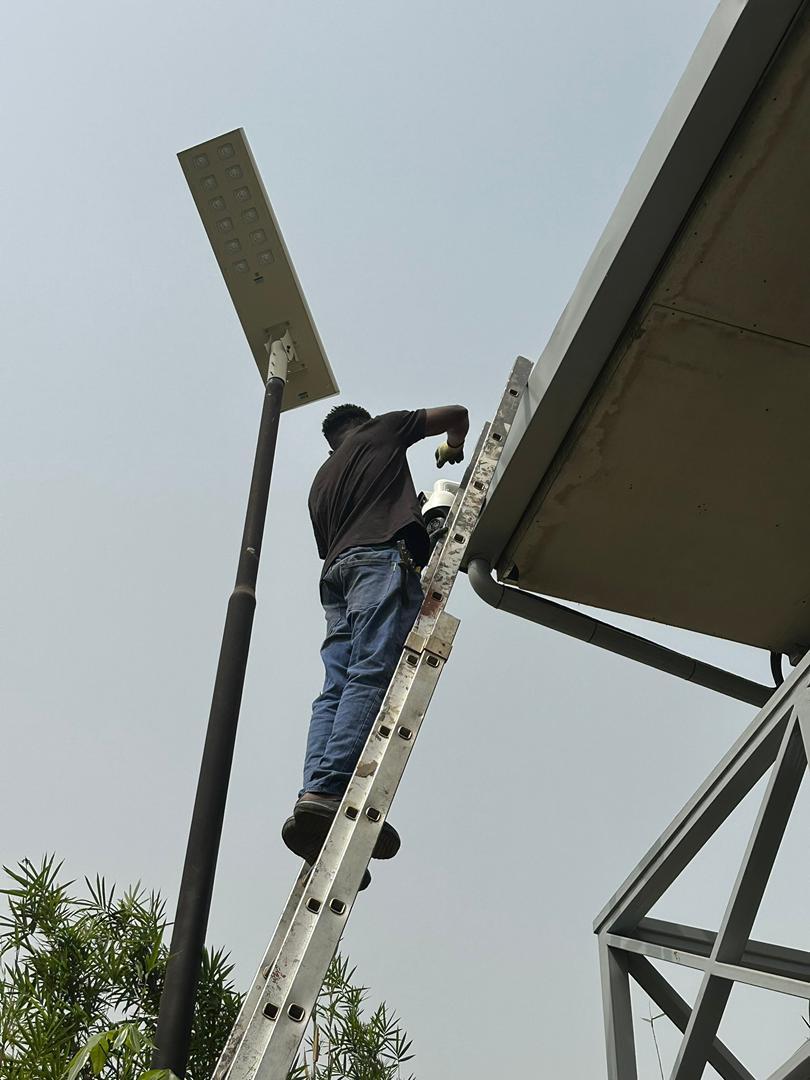
• Security cameras
• Smart locks
• Appliances
• Entertainment systems
These systems can usually be controlled remotely through smartphones, tablets, or voice assistants.
The goal is simple:
• Improve security
• Increase convenience
• Manage energy usage more efficiently
Security remains one of the biggest concerns for many homeowners.
Smart security systems now allow people to:
• Monitor CCTV cameras remotely
• Receive motion alerts
• Control access to their homes
• Track activities around their property in real time
This provides peace of mind whether homeowners are at work, traveling, or away for extended periods.
Electricity management is another major reason smart technology is becoming more relevant.
Smart systems help homeowners:
• Reduce unnecessary electricity usage
• Automate lighting schedules
• Manage appliance activity
• Monitor energy consumption
This can help improve efficiency and reduce energy waste over time.
Smart automation simplifies daily living.
Imagine being able to:
• Control your lights remotely
• Turn appliances on or off from your phone
• Schedule devices automatically
• Manage entertainment systems easily
These features help create a more comfortable and connected living experience.
One common misconception is that smart homes require massive investments.
In reality, many homeowners start with affordable devices such as:
• Smart bulbs
• Smart plugs
• Wireless security cameras
• Smart doorbells
Over time, these systems can gradually expand into full smart home setups.
Despite the advantages, there are still some challenges:
• Internet reliability
• Initial setup costs
• Power supply limitations
• Limited awareness of automation systems
However, adoption continues to grow steadily as technology becomes more accessible.
Smart home technology is no longer just a futuristic idea. It is gradually becoming part of modern living by improving security, convenience, and energy efficiency.
As awareness grows and technology becomes more affordable, smarter and more connected homes are likely to become increasingly common across Nigeria and other developing regions.